EP3043542A1 - Telekommunikationssystem sowie verfahren zum flexiblen steuern des telekommunikationssystems durch einen durch eine applikation an eine plattform erteilten schaltauftrag - Google Patents
Telekommunikationssystem sowie verfahren zum flexiblen steuern des telekommunikationssystems durch einen durch eine applikation an eine plattform erteilten schaltauftrag Download PDFInfo
- Publication number
- EP3043542A1 EP3043542A1 EP15198309.5A EP15198309A EP3043542A1 EP 3043542 A1 EP3043542 A1 EP 3043542A1 EP 15198309 A EP15198309 A EP 15198309A EP 3043542 A1 EP3043542 A1 EP 3043542A1
- Authority
- EP
- European Patent Office
- Prior art keywords
- switching order
- platform
- application
- switching
- execution mode
- Prior art date
- Legal status (The legal status is an assumption and is not a legal conclusion. Google has not performed a legal analysis and makes no representation as to the accuracy of the status listed.)
- Granted
Links
Images


Classifications
-
- H—ELECTRICITY
- H04—ELECTRIC COMMUNICATION TECHNIQUE
- H04M—TELEPHONIC COMMUNICATION
- H04M3/00—Automatic or semi-automatic exchanges
- H04M3/42—Systems providing special services or facilities to subscribers
- H04M3/42314—Systems providing special services or facilities to subscribers in private branch exchanges
- H04M3/42323—PBX's with CTI arrangements
-
- H—ELECTRICITY
- H04—ELECTRIC COMMUNICATION TECHNIQUE
- H04M—TELEPHONIC COMMUNICATION
- H04M3/00—Automatic or semi-automatic exchanges
- H04M3/22—Arrangements for supervision, monitoring or testing
- H04M3/24—Arrangements for supervision, monitoring or testing with provision for checking the normal operation
- H04M3/241—Arrangements for supervision, monitoring or testing with provision for checking the normal operation for stored program controlled exchanges
-
- H—ELECTRICITY
- H04—ELECTRIC COMMUNICATION TECHNIQUE
- H04M—TELEPHONIC COMMUNICATION
- H04M3/00—Automatic or semi-automatic exchanges
- H04M3/42—Systems providing special services or facilities to subscribers
- H04M3/50—Centralised arrangements for answering calls; Centralised arrangements for recording messages for absent or busy subscribers ; Centralised arrangements for recording messages
- H04M3/51—Centralised call answering arrangements requiring operator intervention, e.g. call or contact centers for telemarketing
- H04M3/5183—Call or contact centers with computer-telephony arrangements
-
- H—ELECTRICITY
- H04—ELECTRIC COMMUNICATION TECHNIQUE
- H04M—TELEPHONIC COMMUNICATION
- H04M3/00—Automatic or semi-automatic exchanges
- H04M3/42—Systems providing special services or facilities to subscribers
- H04M3/54—Arrangements for diverting calls for one subscriber to another predetermined subscriber
- H04M3/546—Arrangements for diverting calls for one subscriber to another predetermined subscriber in private branch exchanges
-
- H—ELECTRICITY
- H04—ELECTRIC COMMUNICATION TECHNIQUE
- H04M—TELEPHONIC COMMUNICATION
- H04M7/00—Arrangements for interconnection between switching centres
- H04M7/0012—Details of application programming interfaces [API] for telephone networks; Arrangements which combine a telephonic communication equipment and a computer, i.e. computer telephony integration [CPI] arrangements
- H04M7/0021—Details of Application Programming Interfaces
Definitions
- the present invention relates to a method according to claim 1 for flexibly controlling a telecommunication system by an application issued to a platform switching order, a computer program product according to claim 8 for implementing the method, a machine-readable medium according to claim 9 with computer program product stored thereon and a telecommunication arrangement according to claim 10 for flexible execution of an issued by an application switching order.
- the respective type of implementation is determined by the manufacturer for the platform (switching function) static - that is, unchangeable - and can be determined or queried via logon procedures within the CSTA protocol by the application (Computing Function), which then determines in which Mode all incoming switching jobs are executed by the platform in question.
- the platforms therefore have the option of implementing a switching order either according to method a) or according to method b). Which application is used for which switching order can be requested by the application.
- the present invention is therefore based on the object to resolve the rigid requirements of the standard and to allow a more flexible handling of the processing of switching orders.
- the inventive method is characterized in that according to a first variant, the application, before sending the switching order to the platform, in each case individually checks and decides in which execution mode this switching order is to be executed, and such, marked accordingly or. with a control parameter provided switching order to the platform, whereupon this performs the switching order accordingly.
- the platform checks and decides before the execution of the switching order on a case-by-case basis, in which execution mode it then executes this switching order. If, according to a third variant, both the application and the platform for a switching order occasionally check and decide in which execution mode this switching order is to be executed, then it is the responsibility of the respective implementation to which the examination and decision are given priority.
- the message is transmitted via a synchronization of the application and the platform. So there is the possibility to tell by the manufacturer of the platform by means of synchronization how a potential collision would be resolved.
- the application proceeds in such a way that it provides the switching order with a first control parameter, which designates the execution mode with which the switching order is to be executed.
- the platform informs the application when it starts up, whether it permits or permits a flexible execution of switching jobs as described above. This is particularly desirable if both platforms with a flexible execution possibility of switching orders and platforms without this possibility are present in a telecommunication system. As a result, the application learns which switching orders it can or should reasonably grant. On the other hand, if the platform does not support the new parameters then a request from the application would be ignored. That the platform must have implemented the procedure.
- the introduction of the aforementioned parameters can provide the already described different requirements for the system reaction by a configuration and / or the user himself either statically or dynamically, which can be done for example by means of a graphical user interface.
- an attendant can distribute his calls without delay and the call center can redistribute secured calls to agents in the usual way.
- the platform checks the characteristics of a terminal connected to the telecommunication system and executes the switching job in accordance with these characteristics. These properties of the terminal are, for example, "attendant console", "agent” or "queue of a call center”.
- the platform may check and consider the overall configuration of the telecommunications system. This includes that in the platform, for example, a attendant is set, subscribers register as an agent, a queue is set up for a call center, etc.
- the platform can also check the additional properties of the switching order and considered in the processing of the switching order.
- the procedure is such that certain parameters are not assigned, as is the case in the embodiments described above, but that such parameters are queried or derived from certain configuration details of the relevant terminals.
- the telecommunications arrangement according to the invention for flexibly executing a switching order issued by an application has the following components: a terminal running an application which can issue switching orders, a platform for executing the switching orders and a control device for carrying out the method, as explained above ,
- a computer program product for carrying out the method according to the invention and a machine-readable data carrier with a computer program product or computer program stored thereon are also considered.
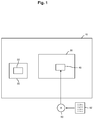
- Fig. 1 shows a telecommunication system 10 having a platform 30 that includes a controller 40.
- the telecommunication system 10 also includes a terminal 20 on which an application 22 shown only schematically runs.
- the terminal 20 is connected to the platform 30 via a data line.
- a CD-ROM 90 is shown schematically as a data carrier on which a likewise schematically illustrated computer program 92 is stored, wherein the machine-readable data carrier 90 and the computer program 92 stored thereon are intended for use in the control device 40.
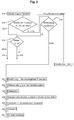
- Fig. 2 illustrates a first embodiment of the method according to the invention.
- an application 22 sends a switching order to the platform 30.
- the platform 30 checks which control parameters are included in the switching order. In terms of the method according to the invention, this means that the platform 30 checks which of the parameters P1 and P2 are contained in the switching order. If only the parameter P1 is contained in the switching order, the execution mode is determined in a step S15.
- the switching order is then carried out depending on the selected mode in a step S16 in the first execution mode switching technology and checked (also referred to as "atomic"), or if in the parameter P1, the second execution mode is designated, in a step S18, the switching order immediately and unchecked, which is also referred to as "fire and forget" or "multi-step".
- Fig. 4 is an example of an embodiment of the method according to the invention according to the first embodiment mode "accompanying technically - atomic" shown.
- a call request of a caller was accepted from a queue of a call center (destination 1) of the platform 30.
- a call center application 22 acts and requests a call forwarding to the agent (destination 2).
- This request first requires a call request by the platform 30.
- the terminal 20 of the agent sends back the successful call acceptance to the platform 30, the execution of the action is confirmed to the application 22.
- the time interval between action and response is also referred to as service runtime and may take up to a few seconds.
- further switching jobs of the call center application 22 are blocked for this queue, but it is also ensured at the same time that the action has concluded without errors in terms of call processing.
- Fig. 5 is an example of an embodiment of the method according to the invention according to the second embodiment mode "switched unaudited - multi step" shown.
- a call request from a caller was accepted by a switchboard (destination 1) of the platform 30.
- the user selects an employee corresponding to the caller at the operator console and has his operator console application 22 perform a call forwarding to the employee's terminal 20 (destination 2).
- This requirement requires the immediate confirmation of the execution of the action to the application 22 with a corresponding service life in the millisecond range.
- the terminal 20 of the employee can return the successful call acceptance to the platform 30. Due to the short service runtime, the attendant console is free for further switching orders, but it is not certain that the previous action will conclude without any errors in the switching procedure.
- the method according to the invention provides for a case-by-case processing of the switching order but the parameter P1 is not present, it is possible to proceed such that an incoming switching order of an application 22 is provided by a property of the terminal 20 provided by the platform 30, the configuration of the platform 30 itself or the overall configuration of the telecommunication system 10 is executed.
Landscapes
- Engineering & Computer Science (AREA)
- Signal Processing (AREA)
- Computer Hardware Design (AREA)
- General Engineering & Computer Science (AREA)
- Business, Economics & Management (AREA)
- Marketing (AREA)
- Telephonic Communication Services (AREA)
- Exchange Systems With Centralized Control (AREA)
Abstract
Description
- Die vorliegende Erfindung betrifft ein Verfahren gemäß Anspruch 1 zum flexiblen Steuern eines Telekommunikationssystems durch einen durch eine Applikation an eine Plattform erteilten Schaltauftrag, ein Computerprogrammprodukt gemäß Anspruch 8 zur Implementierung des Verfahrens, einen maschinenlesbaren Datenträger gemäß Anspruch 9 mit darauf gespeichertem Computerprogrammprodukt sowie eine Telekommunikationsanordnung gemäß Anspruch 10 zum flexiblen Ausführen eines durch eine Applikation erteilten Schaltauftrags.
- Für die folgende Beschreibung seien folgende Begriffe kurz erläutert:
- Eine Plattform ist eine Kommunikationsplattform wie beispielsweise eine Vermittlungsstelle oder eine Telekommunikationsanlage (auch als PBX bzw. "Private Branch Exchange" bezeichnet).
- Eine Applikation ist beispielsweise ein Computerprogramm, das auf einem Endgerät (z.B. First-Party-CTI bzw. Einzelplatzlösung, vgl. z.B. http://www.estos.de/produkte/unifiedcommunications/uc/was-ist-first-party-cti.html) läuft und dem Aufbau oder dem Betrieb einer Telefonverbindung bzw. "Call" oder Datenverbindung dient, oder ein Callcenter (Third-Party-CTI bzw. Netzwerklösung, vgl. z.B. http://www.estos.de/produkte/unifiedcommunications/uc/was-ist-third-party-cti.html), das der Verteilung von Anrufen auf Agenten dient.
- Ein Schaltauftrag bei der Vermittlungstechnik ist beispielsweise: eine Rufanforderung, eine Rufannahme, ein Rufabbau, eine Rufweiterschaltung, eine Rufvermittlung. Außerdem zählen die Steuerung eines Displays, das An- und Abschalten von Leistungsmerkmalen sowie die Auswahl von Agenten und das Handling von Ansagen (beispielsweise in einem Callcenter) zu den Schaltaufträgen.
- Gemäß dem Industriestandard ECMA-269 (European Computer Manufacturer's Association) ist festgelegt, dass eine Plattform (auch als "Switching Function" bezeichnet) bei CSTA (Computer Supported Telecommunications Applications: Protokollspezifikation, die für den Datenverkehr zwischen einer Telefonanlage und Computerprogrammen verwendet wird) die Möglichkeit hat, einen Schaltauftrag (auch als "Service" bezeichnet) einer Applikation (Computing Function) in einer der beiden folgenden Ausführungsarten (Modi) durchzuführen:
- a) "atomic" bzw. vermittlungstechnisch begleitend, was einer überprüften Ausführung des Schaltauftrags bzw. Service entspricht, und
- b) "fire and forget" "bzw. Multi-Step", was einer ungeprüften Ausführung des Schaltauftrags entspricht.
- Dies ist in ECMA-269 Clause 9.2.1 niedergelegt. Die jeweilige Art der Implementierung wird vom Hersteller für die Plattform (Switching Function) statisch - also unveränderbar - festgelegt und kann über Anmeldeprozeduren innerhalb des CSTA-Protokolls durch die Applikation (Computing Function) ermittelt bzw. abgefragt werden, wodurch dann festgelegt ist, in welchem Modus alle eingehenden Schaltaufträge von der betreffenden Plattform ausgeführt werden. Die Plattformen haben daher die Wahl, einen Schaltauftrag entweder nach Verfahren a) oder nach Verfahren b) zu implementieren. Welches Verfahren für welchen Schaltauftrag genutzt wird, kann die Applikation erfragen.
- Bei der automatischen Anrufverteilung durch eine Applikation auf einen Agenten hat sich bei kleineren und mittleren Unternehmen das Verfahren gemäß dem ersten Ausführungsmodus "vermittlungstechnisch begleitend" bewährt, was einer überprüften Ausführung dieses Service mit einer entsprechend langen Servicelaufzeit bedeutet. Eine manuelle Anrufverteilung durch einen Vermittlungsplatz auf einen anderen Teilnehmer wünscht sich jedoch genau den anderen, zweiten Ausführungsmodus "sofort und ungeprüft" bzw. "fire and forget", was eine kurze Servicelaufzeit mit sich zieht. Somit besteht ein Konflikt beim Anwender, da der Vermittlungsplatz seine Anrufe nicht ungeprüft verteilen kann und es leicht zu einem zeitlichen Verzug kommen kann, wenn gleichzeitig eine Callcenter-Applikation die Anrufe geprüft auf Agenten verteilt.
- Hierdurch ergibt sich das Problem, dass dieses System nicht flexibel genug ist, da sich der Hersteller der Plattform auf ein Verfahren festgelegt hat und daher die Applikation festen Vorgaben folgen muss.
- Der vorliegenden Erfindung liegt daher die Aufgabe zugrunde, die starren Vorgaben des Standards aufzulösen und ein flexibleres Handhaben der Abarbeitung der Schaltaufträge zu ermöglichen.
- Diese Aufgabe wird gelöst mit einem Verfahren gemäß Anspruch 1, einem dieses Verfahren implementierenden Computerprogrammprodukt gemäß Anspruch 8, einem maschinenlesbaren Datenträger gemäß Anspruch 9 mit darauf gespeichertem Computerprogrammprodukt bzw. einer Telekommunikationsanlage gemäß Anspruch 10. Vorteilhafte Weiterbildungen der Erfindung sind Gegenstand der abhängigen Ansprüche.
- Ein Schaltauftrag, der mit dem erfindungsgemäßen Verfahren abgearbeitet werden kann, kann in folgender Weise ausgeführt werden:
- a) in einem ersten Ausführungsmodus, in dem der Schaltauftrag vermittlungstechnisch begleitend und geprüft ausgeführt wird, und
- b) in einem zweiten Ausführungsmodus, in dem der Schaltauftrag sofort und ungeprüft ausgeführt wird.
- Das erfindungsgemäße Verfahren zeichnet sich dadurch aus, dass gemäß einer ersten Variante die Applikation, bevor sie den Schaltauftrag an die Plattform schickt, in jedem Fall einzeln prüft und entscheidet, in welchem Ausführungsmodus dieser Schaltauftrag ausgeführt werden soll, und einen derartigen, entsprechend gekennzeichneten bzw. mit einem Steuerparameter versehenen Schaltauftrag an die Plattform schickt, woraufhin diese den Schaltauftrag entsprechend ausführt. Gemäß einer zweiten Variante prüft und entscheidet die Plattform vor der Durchführung des Schaltauftrags fallweise, in welchem Ausführungsmodus sie diesen Schaltauftrag dann ausführt. Sollten gemäß einer dritten Variante sowohl die Applikation als auch die Plattform für einen Schaltauftrag fallweise prüfen und entscheiden, in welchem Ausführungsmodus dieser Schaltauftrag ausgeführt werden soll, so obliegt es der jeweiligen Implementierung, welcher Prüfung und Entscheidung vorteilsweise der Vorrang gegeben wird. Die Mitteilung hierüber erfolgt verfahrensgemäß über eine Synchronisation der Applikation und der Plattform. Also besteht die Möglichkeit, durch den Hersteller der Plattform mittels der Synchronisation mitzuteilen, wie eine potentielle Kollision aufgelöst würde.
- Dies ermöglicht eine sehr flexible Handhabung der unterschiedlichsten Schaltaufträge, da deren Abarbeitung nicht an einen bestimmten Ausführungsmodus gebunden ist, sondern entweder von der Applikation in dem ersten Ausführungsmodus oder in dem zweiten Ausführungsmodus in Auftrag gegeben oder alternativ von der Plattform in geeigneter Weise ausgeführt werden kann.
- Gemäß einer vorteilhaften Weiterbildung des erfindungsgemäßen Verfahrens geht die Applikation dabei so vor, dass sie den Schaltauftrag mit einem ersten Steuerparameter versieht, welcher den Ausführungsmodus bezeichnet, mit dem der Schaltauftrag abgearbeitet werden soll.
- Gemäß einer weiteren vorteilhaften Ausführungsform des erfindungsgemäßen Verfahrens versieht die Applikation den Schaltauftrag mit einem zweiten Steuerparameter, der im Fall der Nicht-Ausführbarkeit des Schaltauftrags eine Fehlerbehandlung ermöglicht und festlegt, welchen Zustand die Plattform einnehmen soll. Für das Beispiel einer Rufweiterschaltung, die auch als "Deflect Call" bezeichnet wird, kann die Plattform dann folgende Zustände einnehmen:
- Rückführung in den ursprünglichen Rufzustand (auch als "Initial" oder "Default Call State" bezeichnet),
- eine Weiterschaltung zu einem Vermittlungsplatz, was auch als Abwurf oder "Intercept" bezeichnet wird,
- einen Wiederanruf ("Recall"),
- Anzeigen eines Besetzt-Zustands und keine weitere Aktion (auch als "Fail" bezeichnet),
- Aufschalten in ein bestehendes Gespräch (auch als "Override" bezeichnet),
- Anklopfen ("Queue")
- Rufweiterschaltung, auch mit CFNR ("Call Forwarding on No Reply") bezeichnet.
- Die vorgenannte Liste ist selbstverständlich nicht abschließend, sondern nahezu beliebig erweiterbar.
- Es kann von Vorteil sein, wenn die Plattform der Applikation bei deren Hochfahren mitteilt, ob sie eine flexible Ausführung von Schaltaufträgen, wie sie vorstehend beschrieben wurde, überhaupt zulässt bzw. ermöglicht. Dies ist insbesondere dann wünschenswert, wenn sowohl Plattformen mit einer flexiblen Ausführungsmöglichkeit von Schaltaufträgen als auch Plattformen ohne diese Möglichkeit in einem Telekommunikationssystem vorhanden sind. Dadurch erfährt die Applikation, welche Schaltaufträge sie sinnvollerweise erteilen kann bzw. sollte. Unterstützt die Plattform die neuen Parameter dagegen nicht, so würde eine Anforderung seitens der Applikation ignoriert. D.h. die Plattform muss das Verfahren implementiert haben.
- Erfindungsgemäß können somit durch die Einführung der vorgenannten Parameter die bereits beschriebenen unterschiedlichen Anforderungen an die Systemreaktion durch eine Konfiguration und/oder den Anwender selbst entweder statisch oder dynamisch bereitgestellt werden, was beispielsweise mittels einer grafischen Benutzeroberfläche erfolgen kann. Demzufolge ergeben sich neue flexiblere Realisierungskonzepte, wodurch in dem vorgenannten Beispiel ein Vermittlungsplatz seine Anrufe ohne Verzögerung verteilen und das Callcenter in gewohnter Weise Gespräche gesichert an Agenten weiterverteilen kann. Gemäß einer alternativen Vorgehensweise prüft die Plattform die Eigenschaften eines an das Telekommunikationssystem angeschlossenen Endgeräts und führt den Schaltauftrag nach Maßgabe dieser Eigenschaften aus. Diese Eigenschaften des Endgeräts sind beispielsweise "Vermittlungsplatz", "Agent" oder "Warteschlange eines Callcenters". Alternativ oder zusätzlich kann die Plattform die Gesamtkonfiguration des Telekommunikationssystems prüfen und berücksichtigen. Hierzu gehört, dass in der Plattform beispielsweise ein Vermittlungsplatz festgelegt wird, Teilnehmer sich als Agenten anmelden, eine Warteschlange für ein Callcenter eingerichtet wird, usw. Alternativ oder zusätzlich kann die Plattform auch Zusatzeigenschaften des Schaltauftrags prüfen und bei der Abarbeitung des Schaltauftrags berücksichtigen. In anderen Worten wird bei dieser Ausführungsform so vorgegangen, dass nicht gewisse Parameter zugeordnet werden, wie dies bei vorstehend beschriebenen Ausführungsformen der Fall ist, sondern dass solche Parameter aus bestimmten Konfigurationsdetails betreffender Endgeräte abgefragt bzw. abgeleitet werden.
- Die erfindungsgemäße Telekommunikationsanordnung zum flexiblen Ausführen eines durch eine Applikation erteilten Schaltauftrags weist folgende Komponenten auf: ein Endgerät, auf dem eine Applikation läuft, die Schaltaufträge erteilen kann, eine Plattform zum Ausführen der Schaltaufträge und eine Steuereinrichtung zum Ausführen des Verfahrens, wie es vorstehend erläutert wurde.
- Als zur vorliegenden Erfindung gehörig werden auch ein Computerprogrammprodukt zur Durchführung des erfindungsgemäßen Verfahrens sowie ein maschinenlesbarer Datenträger mit darauf gespeichertem Computerprogrammprodukt bzw. Computerprogramm angesehen.
- Weitere Vorteile, Merkmale und Besonderheiten der vorliegenden Erfindung ergeben sich aus der nachfolgenden Beschreibung vorteilhafter Ausführungsformen unter Bezugnahme auf die Zeichnung. Es zeigen schematisch:
- Fig. 1
- eine Übersichtsanordnung einer Ausführungsform einer erfindungsgemäßen Telekommunikationsanordnung,
- Fig. 2
- eine erste Ausführungsform eines erfindungsgemäßen Verfahrens,
- Fig. 3
- eine zweite Ausführungsform des erfindungsgemäßen Verfahrens,
- Fig. 4
- ein Beispiel für das Durchführen des ersten Ausführungsmodus, und
- Fig. 5
- ein Beispiel für das Durchführen des zweiten Ausführungsmodus.
-
Fig. 1 zeigt ein Telekommunikationssystem 10, das eine Plattform 30 aufweist, die eine Steuereinrichtung 40 enthält. Das Telekommunikationssystem 10 enthält außerdem ein Endgerät 20, auf dem eine nur schematisch dargestellte Applikation 22 läuft. Das Endgerät 20 ist mit der Plattform 30 über eine Datenleitung verbunden. Eine CD-ROM 90 ist als Datenträger schematisch dargestellt, auf dem ein ebenfalls schematisch dargestelltes Computerprogramm 92 gespeichert ist, wobei der maschinenlesbare Datenträger 90 sowie das darauf gespeicherte Computerprogramm 92 zur Verwendung in der Steuereinrichtung 40 bestimmt sind. -
Fig. 2 stellt eine erste Ausführungsform des erfindungsgemäßen Verfahrens dar. In einem Schritt S12 schickt eine Applikation 22 einen Schaltauftrag an die Plattform 30. In einem Schritt S 14 prüft die Plattform 30, welche Steuerparameter in dem Schaltauftrag enthalten sind. Konkret auf das erfindungsgemäße Verfahren bezogen bedeutet dies, dass die Plattform 30 prüft, welche von den Parametern P1 und P2 in dem Schaltauftrag enthalten sind. Falls in dem Schaltauftrag nur der Parameter P1 enthalten ist, wird in einem Schritt S15 der Ausführungsmodus ermittelt. Der Schaltauftrag wird dann je nach gewähltem Modus in einem Schritt S16 im ersten Ausführungsmodus vermittlungstechnisch begleitend und geprüft (auch als "atomic" bezeichnet) ausgeführt, oder, falls in dem Parameter P1 der zweite Ausführungsmodus bezeichnet ist, wird in einem Schritt S18 der Schaltauftrag sofort und ungeprüft ausgeführt, was auch als "fire and forget" bzw. "multi-step" bezeichnet wird. - Falls sich aus Schritt S14 ergibt, dass sowohl der Parameter P1 als auch der Parameter P2 in dem Schaltauftrag enthalten sind, wird in einem Schritt S19 geprüft, ob der Schaltauftrag ausführbar ist. Falls der Schaltauftrag ausführbar ist, geht das erfindungsgemäße Verfahren je nach Inhalt des Parameters P1 entweder zur geprüften Ausführung des Schaltauftrags gemäß Schritt S16 oder zur ungeprüften Ausführung des Schaltauftrags gemäß Schritt S18 weiter. Falls der Schaltauftrag nicht ausführbar ist, wird ermittelt, welchen Wert der Parameter P2 aufweist, und abhängig vom Wert des Parameters P2 wird der betreffende der folgenden Schritte im Sinne einer Fehlerbehandlung ausgeführt:
- S31: die Rückführung in den ursprünglichen Rufzustand (auch als "Initial" oder "Default Call State" bezeichnet),
- S32: die Weiterschaltung zu einem Vermittlungsplatz, was auch als Abwurf oder "Intercept" bezeichnet wird,
- S33: ein Wiederanruf ("Recall"),
- S34: das Anzeigen eines Besetzt-Zustands und keine weitere Aktion (auch als "Fail" bezeichnet),
- S35: das Aufschalten in ein bestehendes Gespräch (auch als "Override" bezeichnet),
- S36: ein Anklopfen ("Queue"), oder
- S37: die Rufweiterschaltung, auch mit CFNR ("Call Forwarding on No Reply") bezeichnet.
- Gemäß einer in
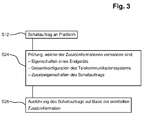
Fig. 3 dargelegten alternativen, zweiten Ausführungsform des erfindungsgemäßen Verfahrens schickt in einem Schritt S12 die Applikation 22 einen Schaltauftrag an die Plattform 30. Nachdem die Plattform 30 im Schritt S14 ermittelt hat, dass keine Steuerparameter (genauer gesagt zumindest P1 nicht) in dem Schaltauftrag enthalten sind, prüft die Plattform 30, welche Zusatzinformationen in dem Schaltauftrag vorhanden sind. Je nachdem, welche der folgenden Zusatzinformationen in dem Schaltauftrag vorhanden sind, wird das Verfahren entsprechend ausgeführt. Die für die Durchführung des erfindungsgemäßen Verfahrens relevanten Zusatzinformationen sind: - die Eigenschaften eines an das Telekommunikationssystem 10 angeschlossenen Endgeräts 20,
- die Gesamtkonfiguration des Telekommunikationssystems 10,
- Zusatzeigenschaften des Schaltauftrags.
- Selbstverständlich kann die vorgenannte Liste an Zusatzinformationen noch ergänzt werden.
- In
Fig. 4 ist ein Beispiel für eine Ausführung des erfindungsgemäßen Verfahrens gemäß dem ersten Ausführungsmodus "vermittlungstechnisch begleitend - atomic" dargestellt. Eine Rufanforderung eines Anrufers wurde von einer Warteschlange eines Callcenters (Ziel 1) der Plattform 30 angenommen. Daraufhin agiert eine Callcenter-Applikation 22 und fordert eine Rufweiterschaltung zum Agenten (Ziel 2). Diese Anforderung bedingt zunächst eine Rufanforderung durch die Plattform 30. Sendet daraufhin das Endgerät 20 des Agenten die erfolgreiche eine Rufannahme an die Plattform 30 zurück, wird die Ausführung der Aktion an die Applikation 22 bestätigt. Das Zeitintervall zwischen Aktion und Reaktion wird auch als Servicelaufzeit bezeichnet und dauert unter Umständen bis zu einigen Sekunden. Während der Servicelaufzeit sind weitere Schaltaufträge der Callcenter-Applikation 22 für diese Warteschlange gesperrt, es ist aber auch gleichzeitig sichergestellt, dass die Aktion vermittlungstechnisch fehlerfrei abgeschlossen ist. - In
Fig. 5 ist ein Beispiel für eine Ausführung des erfindungsgemäßen Verfahrens gemäß dem zweiten Ausführungsmodus "vermittlungstechnisch ungeprüft - multi step" dargestellt. Eine Rufanforderung eines Anrufers wurde von einem Vermittlungsplatz (Ziel 1) der Plattform 30 angenommen. Daraufhin wählt der Benutzer am Vermittlungsplatz einen dem Anrufer entsprechenden Mitarbeiter aus und lässt seine Vermittlungsplatz-Applikation 22 eine Rufweiterschaltung zu dem Endgerät 20 des Mitarbeiters (Ziel 2) durchführen. Diese Anforderung bedingt die sofortige Bestätigung der Ausführung der Aktion an die Applikation 22 mit einer entsprechenden Servicelaufzeit im Millisekunden-Bereich. Erst danach erfolgt eine Rufanforderung durch die Plattform 30. Daraufhin kann das Endgerät 20 des Mitarbeiters die erfolgreiche Rufannahme an die Plattform 30 zurücksenden. Durch die kurze Servicelaufzeit ist der Vermittlungsplatz frei für weitere Schaltaufträge, es ist aber nicht sichergestellt, dass die vorherige Aktion vermittlungstechnisch fehlerfrei abgeschlossen wird. - Sofern das erfindungsgemäße Verfahren eine fallweise Bearbeitung des Schaltauftrags vorsieht, der Parameter P1 jedoch nicht vorhanden ist, kann so vorgegangen werden, dass ein eingegangener Schaltauftrag einer Applikation 22 durch eine von der Plattform 30 zur Verfügung gestellte Eigenschaft des Endgerätes 20, der Konfiguration der Plattform 30 selbst oder der Gesamtkonfiguration des Telekommunikationssystems 10 ausgeführt wird.
- Es ist festzuhalten, dass die unter Bezug auf die dargestellten Ausführungsformen beschriebenen Merkmale der Erfindung, wie beispielsweise die Art und Ausgestaltung der einzelnen Nachrichten und Parameter, auch bei anderen Ausführungsformen vorhanden sein können, außer wenn es anders angegeben ist oder sich aus technischen Gründen von selbst verbietet. Von derartigen, in Kombination beschriebenen, Merkmalen einzelner Ausführungsformen müssen außerdem nicht notwendigerweise immer alle Merkmale in einer betreffenden Ausführungsform realisiert sein.
-
- 10 =
- Telekommunikationssystem
- 20 =
- Endgerät
- 22 =
- Applikation
- 30 =
- Plattform
- 40 =
- Steuereinrichtung
- 90 =
- maschinenlesbarer Datenträger
- 92 =
- Computerprogramm
- S12-S37 =
- Schritt
- P1-P2 =
- Parameter
Claims (10)
- Verfahren zum flexiblen Steuern eines Telekommunikationssystems (10) durch einen durch eine Applikation (22) an eine Plattform (30) erteilten Schaltauftrag, wobei der Schaltauftrag in einema) ersten Ausführungsmodus, in dem der Schaltauftrag vermittlungstechnisch begleitend und geprüft ausgeführt wird, oderb) zweiten Ausführungsmodus, in dem der Schaltauftrag sofort und ungeprüft ausgeführt wird,dadurch gekennzeichnet, dass die Applikation (22) vor dem Erteilen des Schaltauftrags und/oder die Plattform (30) vor der Durchführung des Schaltauftrags fallweise prüft und entscheidet, in welchem Ausführungsmodus dieser Schaltauftrag ausgeführt werden soll.
ausgeführt werden kann,
umfassend folgende Schritte:- die Applikation (22) schickt den Schaltauftrag an die Plattform (30) und- die Plattform (30) führt den Schaltauftrag aus, - Verfahren nach Anspruch 1,
dadurch gekennzeichnet, dass die Applikation (22) den Schaltauftrag mit einem ersten Steuerparameter (P1) versieht, der den durchzuführenden Ausführungsmodus bezeichnet. - Verfahren nach Anspruch 2,
dadurch gekennzeichnet, dass die Applikation (22) den Schaltauftrag mit einem zweiten Steuerparameter (P2) versieht, der für den Fall, dass die Plattform (30) den Schaltauftrag nicht ausführen kann, eine Fehlerbehandlung ermöglicht und festlegt, welchen Zustand die Plattform (30) einnehmen soll. - Verfahren nach einem der vorhergehenden Ansprüche,
dadurch gekennzeichnet, dass die Applikation (22) bei ihrem Start prüft, ob die Plattform (30) eine flexible Behandlung eines Schaltauftrags zulässt. - Verfahren nach einem der vorhergehenden Ansprüche,
dadurch gekennzeichnet, dass die Plattform (30) die Eigenschaften eines an das Telekommunikationssystem (10) angeschlossenen Endgeräts (20) prüft und den Schaltauftrag nach Maßgabe dieser Eigenschaften ausführt. - Verfahren nach einem der vorhergehenden Ansprüche,
dadurch gekennzeichnet, dass die Plattform (30) die Gesamtkonfiguration des Telekommunikationssystems (10) prüft und den Schaltauftrag nach Maßgabe dieser Gesamtkonfiguration ausführt. - Verfahren nach einem der vorhergehenden Ansprüche,
dadurch gekennzeichnet, dass die Plattform (30) Zusatzeigenschaften des Schaltauftrags prüft und den Schaltauftrag nach Maßgabe dieser Zusatzeigenschaften ausführt. - Computerprogrammprodukt (92) zur Durchführung des Verfahrens gemäß einem der vorhergehenden Ansprüche.
- Maschinenlesbarer Datenträger (90) mit darauf gespeichertem Computerprogrammprodukt (92) gemäß Anspruch 8.
- Telekommunikationsanordnung (10) zum flexiblen Ausführen eines durch eine Applikation (22) erteilten Schaltauftrags, umfassend:- ein Endgerät (20), auf dem eine Applikation (22) läuft, die Schaltaufträge erteilen kann,- eine Plattform (30) zum Ausführen der Schaltaufträge, und- eine Steuereinrichtung (40) zum Ausführen des Verfahrens gemäß einem der Ansprüche 1 bis 7.
Applications Claiming Priority (1)
| Application Number | Priority Date | Filing Date | Title |
|---|---|---|---|
| DE102014019240.7A DE102014019240A1 (de) | 2014-12-19 | 2014-12-19 | Telekommunikationssystem sowie Verfahren zum flexiblen Steuern des Telekommunikationssystems durch einen durch eine Applikation an eine Plattform erteilten Schaltauftrag |
Publications (2)
| Publication Number | Publication Date |
|---|---|
| EP3043542A1 true EP3043542A1 (de) | 2016-07-13 |
| EP3043542B1 EP3043542B1 (de) | 2019-09-25 |
Family
ID=55024731
Family Applications (1)
| Application Number | Title | Priority Date | Filing Date |
|---|---|---|---|
| EP15198309.5A Active EP3043542B1 (de) | 2014-12-19 | 2015-12-07 | Telekommunikationssystem sowie verfahren zum flexiblen steuern des telekommunikationssystems durch einen durch eine applikation an eine plattform erteilten schaltauftrag |
Country Status (4)
| Country | Link |
|---|---|
| US (4) | US9819795B2 (de) |
| EP (1) | EP3043542B1 (de) |
| CN (1) | CN105721721B (de) |
| DE (1) | DE102014019240A1 (de) |
Families Citing this family (3)
| Publication number | Priority date | Publication date | Assignee | Title |
|---|---|---|---|---|
| US9749422B2 (en) * | 2014-12-05 | 2017-08-29 | Unify Gmbh & Co. Kg | Method and system for telecommunication device monitoring |
| JP6210566B2 (ja) * | 2015-09-08 | 2017-10-11 | Necプラットフォームズ株式会社 | Acdシステム、着信順序通知方法および着信順序通知プログラム |
| US12512226B2 (en) * | 2021-03-31 | 2025-12-30 | Koninklijke Philips N.V. | Effective imaging examination handoffs between users within a radiology operations command center (ROCC) structure |
Citations (1)
| Publication number | Priority date | Publication date | Assignee | Title |
|---|---|---|---|---|
| US20060070081A1 (en) * | 2004-09-30 | 2006-03-30 | Microsoft Corporation | Integration of speech services with telecommunications |
Family Cites Families (11)
| Publication number | Priority date | Publication date | Assignee | Title |
|---|---|---|---|---|
| KR100259409B1 (ko) * | 1996-09-23 | 2000-06-15 | 포만 제프리 엘 | 디지탈 정보 네트워크상에서의 전화 교환 시스템의 제어 |
| DE19829024A1 (de) * | 1998-06-30 | 2000-01-05 | Alcatel Sa | Verfahren zur Bereitstellung von Telekommunikationsdiensten sowie Vermittlungsknoten, Dienststeuerknoten und Vermittlungssystem |
| CN1150996C (zh) | 2000-09-29 | 2004-05-26 | 中国石油化工股份有限公司 | 加氢催化剂载体及其制备方法和用途 |
| JP3522686B2 (ja) * | 2000-12-13 | 2004-04-26 | 松下電器産業株式会社 | 移動体端末並びに自動遠隔制御システムおよび自動遠隔制御方法 |
| DE10111495A1 (de) * | 2001-03-09 | 2002-09-19 | Siemens Ag | Vorrichtung und Verfahren zum Vermitteln von ankommenden Anrufen an Teilnehmer eines Telekommunikationsnetzes |
| US8396973B2 (en) * | 2004-10-22 | 2013-03-12 | Microsoft Corporation | Distributed speech service |
| US7565357B2 (en) * | 2004-12-30 | 2009-07-21 | Alcatel Lucent | Multi-sensor communication system |
| US7599861B2 (en) * | 2006-03-02 | 2009-10-06 | Convergys Customer Management Group, Inc. | System and method for closed loop decisionmaking in an automated care system |
| US7809663B1 (en) * | 2006-05-22 | 2010-10-05 | Convergys Cmg Utah, Inc. | System and method for supporting the utilization of machine language |
| US8255875B2 (en) * | 2008-09-30 | 2012-08-28 | Rockwell Automation Technologies, Inc. | Application builder for industrial automation |
| CN101859256B (zh) * | 2009-11-25 | 2013-03-06 | 北京航空航天大学 | 一种硬件虚拟机中精简模式切换的i/o虚拟化方法 |
-
2014
- 2014-12-19 DE DE102014019240.7A patent/DE102014019240A1/de not_active Ceased
-
2015
- 2015-12-07 EP EP15198309.5A patent/EP3043542B1/de active Active
- 2015-12-09 US US14/963,702 patent/US9819795B2/en active Active
- 2015-12-18 CN CN201510949617.2A patent/CN105721721B/zh active Active
-
2017
- 2017-10-13 US US15/783,274 patent/US10225398B2/en active Active
-
2019
- 2019-01-17 US US16/249,955 patent/US10432787B2/en active Active
- 2019-08-19 US US16/543,828 patent/US10582048B2/en active Active
Patent Citations (1)
| Publication number | Priority date | Publication date | Assignee | Title |
|---|---|---|---|---|
| US20060070081A1 (en) * | 2004-09-30 | 2006-03-30 | Microsoft Corporation | Integration of speech services with telecommunications |
Non-Patent Citations (2)
| Title |
|---|
| "SERVICES FOR COMPUTER SUPPORTED TELECOMMUNICATION APPLICATIONS", STANDARD ECMA 269, 1 December 2011 (2011-12-01), pages 96 - 97, XP002757531 * |
| IOANNA LYTRA ET AL: "A pattern language for service-based platform integration and adaptation", PATTERN LANGUAGES OF PROGRAMS, ACM, 2 PENN PLAZA, SUITE 701 NEW YORK NY 10121-0701 USA, 11 July 2012 (2012-07-11), pages 1 - 27, XP058052300, ISBN: 978-1-4503-2943-9, DOI: 10.1145/2602928.2603080 * |
Also Published As
| Publication number | Publication date |
|---|---|
| CN105721721B (zh) | 2019-05-14 |
| US10432787B2 (en) | 2019-10-01 |
| US20190149658A1 (en) | 2019-05-16 |
| US10582048B2 (en) | 2020-03-03 |
| US20180054520A1 (en) | 2018-02-22 |
| US10225398B2 (en) | 2019-03-05 |
| US20160182715A1 (en) | 2016-06-23 |
| EP3043542B1 (de) | 2019-09-25 |
| CN105721721A (zh) | 2016-06-29 |
| US9819795B2 (en) | 2017-11-14 |
| DE102014019240A1 (de) | 2016-07-07 |
| US20190373108A1 (en) | 2019-12-05 |
Similar Documents
| Publication | Publication Date | Title |
|---|---|---|
| DE69929658T2 (de) | Minimum ZyklusZeit für die Unterbrechung beim Reserveagenten einer Anrufzentrale | |
| DE69800642T2 (de) | Anordnung zum Ausgleich von Betriebsniveaus unter Fähigkeiten | |
| DE19516822A1 (de) | Anrufteilung für Vermittler von ein- und abgehenden Rufen in Vermittlungszentralen | |
| WO1999008420A1 (de) | Bedieneinrichtung zur bedienung eines netz-management-systems | |
| DE10010870A1 (de) | Adaptiver regelbasierter Mechanismus und Verfahren zur Lösung gegenseitiger Beeinflussung von Leistungsmerkmalen | |
| EP0207255A1 (de) | Anordnung zum Bedienen und Warten einer Fernmelde- insbesondere Fernsprechvermittlungsanlage | |
| EP3043542B1 (de) | Telekommunikationssystem sowie verfahren zum flexiblen steuern des telekommunikationssystems durch einen durch eine applikation an eine plattform erteilten schaltauftrag | |
| DE69632951T2 (de) | Verfahren zur verbindungssteuerung in einem telekommunikationssystem | |
| DE3212006C2 (de) | Verfahren für eine rechnergesteuerte Einrichtung zur Verkehrssimulation in Fernsprechvermittlungsanlagen | |
| EP0187945B1 (de) | Verfahren zur Zeichenübertragung zwischen einer Datenverarbeitungsanlage und einer Fernsprechvermittlungsanlage, insbesondere einer Fernsprechnebenstellenanlage | |
| EP1239684B1 (de) | Vorrichtung und Verfahren zum Vermitteln von ankommenden Anrufen an Teilnehmer eines Telekommunikationsnetzes | |
| DE69728101T2 (de) | Anrufverteilungsvorrichtung | |
| EP2936790B1 (de) | Verfahren zur optimalen auslastung eines in einem telekommunikationssystem vorgesehenen applikationsgesteuerten wartefeldes für anrufe | |
| EP2875627B1 (de) | Verfahren und anordnung zum aufbau von telekommunikationsverbindungen | |
| EP0557777A1 (de) | Programmgesteuerte Telekommunikationsanlage mit der Möglichkeit des automatischen Rückrufs | |
| EP0782810B1 (de) | Verfahren und anordnung zur auflösung von leistungsmerkmal-interaktionen in einem kommunikationssystem | |
| DE10145987B4 (de) | Verfahren zur Auswahl eines Leistungsmerkmals und zugehörige Einheiten | |
| DE10241852B4 (de) | Verfahren und System zur Vermittlung eines Telekommunikationsanrufes | |
| EP1189415A2 (de) | Verfahren und Anordnung zum Verifizieren einer Verbindung zwischen einer einen Zugriff auf eine Kommunikationseinrichtung durchführenden Applikation und einer den Zugriff steuernden Einrichtung | |
| EP1331800A2 (de) | Call-Center sowie Verfahren zum Betreiben eines Call-Centers | |
| EP1225753B1 (de) | Verteiltes automatisches Anrufverteilsystem mit Notfall-Betriebsart | |
| EP1274220A2 (de) | Verfahren zur Rufbeantwortung in einem verteilten Kommunikationssystem | |
| DE69924970T2 (de) | Spezielle situation in einem intelligenten netz mit fehlschlagendem dienst aber erolgreich für den vermittlungspunkt | |
| DE69733066T2 (de) | Validierung von prozessen in einem netz | |
| DE69121012T2 (de) | Struktur eines datenverarbeitenden Automaten |
Legal Events
| Date | Code | Title | Description |
|---|---|---|---|
| PUAI | Public reference made under article 153(3) epc to a published international application that has entered the european phase |
Free format text: ORIGINAL CODE: 0009012 |
|
| AK | Designated contracting states |
Kind code of ref document: A1 Designated state(s): AL AT BE BG CH CY CZ DE DK EE ES FI FR GB GR HR HU IE IS IT LI LT LU LV MC MK MT NL NO PL PT RO RS SE SI SK SM TR |
|
| AX | Request for extension of the european patent |
Extension state: BA ME |
|
| RAP1 | Party data changed (applicant data changed or rights of an application transferred) |
Owner name: UNIFY GMBH & CO. KG |
|
| STAA | Information on the status of an ep patent application or granted ep patent |
Free format text: STATUS: REQUEST FOR EXAMINATION WAS MADE |
|
| 17P | Request for examination filed |
Effective date: 20161230 |
|
| RBV | Designated contracting states (corrected) |
Designated state(s): AL AT BE BG CH CY CZ DE DK EE ES FI FR GB GR HR HU IE IS IT LI LT LU LV MC MK MT NL NO PL PT RO RS SE SI SK SM TR |
|
| RIC1 | Information provided on ipc code assigned before grant |
Ipc: H04M 3/42 20060101ALI20190219BHEP Ipc: H04M 7/00 20060101AFI20190219BHEP Ipc: H04M 3/51 20060101ALI20190219BHEP |
|
| GRAP | Despatch of communication of intention to grant a patent |
Free format text: ORIGINAL CODE: EPIDOSNIGR1 |
|
| STAA | Information on the status of an ep patent application or granted ep patent |
Free format text: STATUS: GRANT OF PATENT IS INTENDED |
|
| INTG | Intention to grant announced |
Effective date: 20190415 |
|
| GRAS | Grant fee paid |
Free format text: ORIGINAL CODE: EPIDOSNIGR3 |
|
| GRAA | (expected) grant |
Free format text: ORIGINAL CODE: 0009210 |
|
| STAA | Information on the status of an ep patent application or granted ep patent |
Free format text: STATUS: THE PATENT HAS BEEN GRANTED |
|
| AK | Designated contracting states |
Kind code of ref document: B1 Designated state(s): AL AT BE BG CH CY CZ DE DK EE ES FI FR GB GR HR HU IE IS IT LI LT LU LV MC MK MT NL NO PL PT RO RS SE SI SK SM TR |
|
| REG | Reference to a national code |
Ref country code: GB Ref legal event code: FG4D Free format text: NOT ENGLISH |
|
| REG | Reference to a national code |
Ref country code: CH Ref legal event code: EP |
|
| REG | Reference to a national code |
Ref country code: AT Ref legal event code: REF Ref document number: 1184957 Country of ref document: AT Kind code of ref document: T Effective date: 20191015 |
|
| REG | Reference to a national code |
Ref country code: IE Ref legal event code: FG4D Free format text: LANGUAGE OF EP DOCUMENT: GERMAN |
|
| REG | Reference to a national code |
Ref country code: DE Ref legal event code: R096 Ref document number: 502015010454 Country of ref document: DE |
|
| REG | Reference to a national code |
Ref country code: NL Ref legal event code: MP Effective date: 20190925 |
|
| PG25 | Lapsed in a contracting state [announced via postgrant information from national office to epo] |
Ref country code: HR Free format text: LAPSE BECAUSE OF FAILURE TO SUBMIT A TRANSLATION OF THE DESCRIPTION OR TO PAY THE FEE WITHIN THE PRESCRIBED TIME-LIMIT Effective date: 20190925 Ref country code: NO Free format text: LAPSE BECAUSE OF FAILURE TO SUBMIT A TRANSLATION OF THE DESCRIPTION OR TO PAY THE FEE WITHIN THE PRESCRIBED TIME-LIMIT Effective date: 20191225 Ref country code: LT Free format text: LAPSE BECAUSE OF FAILURE TO SUBMIT A TRANSLATION OF THE DESCRIPTION OR TO PAY THE FEE WITHIN THE PRESCRIBED TIME-LIMIT Effective date: 20190925 Ref country code: FI Free format text: LAPSE BECAUSE OF FAILURE TO SUBMIT A TRANSLATION OF THE DESCRIPTION OR TO PAY THE FEE WITHIN THE PRESCRIBED TIME-LIMIT Effective date: 20190925 Ref country code: SE Free format text: LAPSE BECAUSE OF FAILURE TO SUBMIT A TRANSLATION OF THE DESCRIPTION OR TO PAY THE FEE WITHIN THE PRESCRIBED TIME-LIMIT Effective date: 20190925 Ref country code: BG Free format text: LAPSE BECAUSE OF FAILURE TO SUBMIT A TRANSLATION OF THE DESCRIPTION OR TO PAY THE FEE WITHIN THE PRESCRIBED TIME-LIMIT Effective date: 20191225 |
|
| REG | Reference to a national code |
Ref country code: LT Ref legal event code: MG4D |
|
| PG25 | Lapsed in a contracting state [announced via postgrant information from national office to epo] |
Ref country code: RS Free format text: LAPSE BECAUSE OF FAILURE TO SUBMIT A TRANSLATION OF THE DESCRIPTION OR TO PAY THE FEE WITHIN THE PRESCRIBED TIME-LIMIT Effective date: 20190925 Ref country code: LV Free format text: LAPSE BECAUSE OF FAILURE TO SUBMIT A TRANSLATION OF THE DESCRIPTION OR TO PAY THE FEE WITHIN THE PRESCRIBED TIME-LIMIT Effective date: 20190925 Ref country code: GR Free format text: LAPSE BECAUSE OF FAILURE TO SUBMIT A TRANSLATION OF THE DESCRIPTION OR TO PAY THE FEE WITHIN THE PRESCRIBED TIME-LIMIT Effective date: 20191226 |
|
| RAP2 | Party data changed (patent owner data changed or rights of a patent transferred) |
Owner name: UNIFY GMBH & CO. KG |
|
| PG25 | Lapsed in a contracting state [announced via postgrant information from national office to epo] |
Ref country code: PL Free format text: LAPSE BECAUSE OF FAILURE TO SUBMIT A TRANSLATION OF THE DESCRIPTION OR TO PAY THE FEE WITHIN THE PRESCRIBED TIME-LIMIT Effective date: 20190925 Ref country code: PT Free format text: LAPSE BECAUSE OF FAILURE TO SUBMIT A TRANSLATION OF THE DESCRIPTION OR TO PAY THE FEE WITHIN THE PRESCRIBED TIME-LIMIT Effective date: 20200127 Ref country code: NL Free format text: LAPSE BECAUSE OF FAILURE TO SUBMIT A TRANSLATION OF THE DESCRIPTION OR TO PAY THE FEE WITHIN THE PRESCRIBED TIME-LIMIT Effective date: 20190925 Ref country code: ES Free format text: LAPSE BECAUSE OF FAILURE TO SUBMIT A TRANSLATION OF THE DESCRIPTION OR TO PAY THE FEE WITHIN THE PRESCRIBED TIME-LIMIT Effective date: 20190925 Ref country code: RO Free format text: LAPSE BECAUSE OF FAILURE TO SUBMIT A TRANSLATION OF THE DESCRIPTION OR TO PAY THE FEE WITHIN THE PRESCRIBED TIME-LIMIT Effective date: 20190925 Ref country code: IT Free format text: LAPSE BECAUSE OF FAILURE TO SUBMIT A TRANSLATION OF THE DESCRIPTION OR TO PAY THE FEE WITHIN THE PRESCRIBED TIME-LIMIT Effective date: 20190925 Ref country code: EE Free format text: LAPSE BECAUSE OF FAILURE TO SUBMIT A TRANSLATION OF THE DESCRIPTION OR TO PAY THE FEE WITHIN THE PRESCRIBED TIME-LIMIT Effective date: 20190925 Ref country code: AL Free format text: LAPSE BECAUSE OF FAILURE TO SUBMIT A TRANSLATION OF THE DESCRIPTION OR TO PAY THE FEE WITHIN THE PRESCRIBED TIME-LIMIT Effective date: 20190925 |
|
| PG25 | Lapsed in a contracting state [announced via postgrant information from national office to epo] |
Ref country code: SM Free format text: LAPSE BECAUSE OF FAILURE TO SUBMIT A TRANSLATION OF THE DESCRIPTION OR TO PAY THE FEE WITHIN THE PRESCRIBED TIME-LIMIT Effective date: 20190925 Ref country code: CZ Free format text: LAPSE BECAUSE OF FAILURE TO SUBMIT A TRANSLATION OF THE DESCRIPTION OR TO PAY THE FEE WITHIN THE PRESCRIBED TIME-LIMIT Effective date: 20190925 Ref country code: IS Free format text: LAPSE BECAUSE OF FAILURE TO SUBMIT A TRANSLATION OF THE DESCRIPTION OR TO PAY THE FEE WITHIN THE PRESCRIBED TIME-LIMIT Effective date: 20200224 Ref country code: SK Free format text: LAPSE BECAUSE OF FAILURE TO SUBMIT A TRANSLATION OF THE DESCRIPTION OR TO PAY THE FEE WITHIN THE PRESCRIBED TIME-LIMIT Effective date: 20190925 |
|
| REG | Reference to a national code |
Ref country code: DE Ref legal event code: R097 Ref document number: 502015010454 Country of ref document: DE |
|
| PG2D | Information on lapse in contracting state deleted |
Ref country code: IS |
|
| PG25 | Lapsed in a contracting state [announced via postgrant information from national office to epo] |
Ref country code: DK Free format text: LAPSE BECAUSE OF FAILURE TO SUBMIT A TRANSLATION OF THE DESCRIPTION OR TO PAY THE FEE WITHIN THE PRESCRIBED TIME-LIMIT Effective date: 20190925 Ref country code: IS Free format text: LAPSE BECAUSE OF FAILURE TO SUBMIT A TRANSLATION OF THE DESCRIPTION OR TO PAY THE FEE WITHIN THE PRESCRIBED TIME-LIMIT Effective date: 20200126 |
|
| PLBE | No opposition filed within time limit |
Free format text: ORIGINAL CODE: 0009261 |
|
| REG | Reference to a national code |
Ref country code: CH Ref legal event code: PL |
|
| STAA | Information on the status of an ep patent application or granted ep patent |
Free format text: STATUS: NO OPPOSITION FILED WITHIN TIME LIMIT |
|
| REG | Reference to a national code |
Ref country code: BE Ref legal event code: MM Effective date: 20191231 |
|
| PG25 | Lapsed in a contracting state [announced via postgrant information from national office to epo] |
Ref country code: MC Free format text: LAPSE BECAUSE OF FAILURE TO SUBMIT A TRANSLATION OF THE DESCRIPTION OR TO PAY THE FEE WITHIN THE PRESCRIBED TIME-LIMIT Effective date: 20190925 |
|
| 26N | No opposition filed |
Effective date: 20200626 |
|
| PG25 | Lapsed in a contracting state [announced via postgrant information from national office to epo] |
Ref country code: LU Free format text: LAPSE BECAUSE OF NON-PAYMENT OF DUE FEES Effective date: 20191207 Ref country code: IE Free format text: LAPSE BECAUSE OF NON-PAYMENT OF DUE FEES Effective date: 20191207 |
|
| PG25 | Lapsed in a contracting state [announced via postgrant information from national office to epo] |
Ref country code: SI Free format text: LAPSE BECAUSE OF FAILURE TO SUBMIT A TRANSLATION OF THE DESCRIPTION OR TO PAY THE FEE WITHIN THE PRESCRIBED TIME-LIMIT Effective date: 20190925 Ref country code: CH Free format text: LAPSE BECAUSE OF NON-PAYMENT OF DUE FEES Effective date: 20191231 Ref country code: BE Free format text: LAPSE BECAUSE OF NON-PAYMENT OF DUE FEES Effective date: 20191231 Ref country code: LI Free format text: LAPSE BECAUSE OF NON-PAYMENT OF DUE FEES Effective date: 20191231 |
|
| REG | Reference to a national code |
Ref country code: DE Ref legal event code: R082 Ref document number: 502015010454 Country of ref document: DE Representative=s name: FRITZSCHE PATENT, DE Ref country code: DE Ref legal event code: R081 Ref document number: 502015010454 Country of ref document: DE Owner name: UNIFY PATENTE GMBH & CO. KG, DE Free format text: FORMER OWNER: UNIFY GMBH & CO. KG, 80807 MUENCHEN, DE |
|
| PG25 | Lapsed in a contracting state [announced via postgrant information from national office to epo] |
Ref country code: CY Free format text: LAPSE BECAUSE OF FAILURE TO SUBMIT A TRANSLATION OF THE DESCRIPTION OR TO PAY THE FEE WITHIN THE PRESCRIBED TIME-LIMIT Effective date: 20190925 |
|
| PG25 | Lapsed in a contracting state [announced via postgrant information from national office to epo] |
Ref country code: MT Free format text: LAPSE BECAUSE OF FAILURE TO SUBMIT A TRANSLATION OF THE DESCRIPTION OR TO PAY THE FEE WITHIN THE PRESCRIBED TIME-LIMIT Effective date: 20190925 Ref country code: HU Free format text: LAPSE BECAUSE OF FAILURE TO SUBMIT A TRANSLATION OF THE DESCRIPTION OR TO PAY THE FEE WITHIN THE PRESCRIBED TIME-LIMIT; INVALID AB INITIO Effective date: 20151207 |
|
| REG | Reference to a national code |
Ref country code: AT Ref legal event code: MM01 Ref document number: 1184957 Country of ref document: AT Kind code of ref document: T Effective date: 20201207 |
|
| PG25 | Lapsed in a contracting state [announced via postgrant information from national office to epo] |
Ref country code: AT Free format text: LAPSE BECAUSE OF NON-PAYMENT OF DUE FEES Effective date: 20201207 |
|
| PG25 | Lapsed in a contracting state [announced via postgrant information from national office to epo] |
Ref country code: TR Free format text: LAPSE BECAUSE OF FAILURE TO SUBMIT A TRANSLATION OF THE DESCRIPTION OR TO PAY THE FEE WITHIN THE PRESCRIBED TIME-LIMIT Effective date: 20190925 |
|
| REG | Reference to a national code |
Ref country code: GB Ref legal event code: 732E Free format text: REGISTERED BETWEEN 20220505 AND 20220512 |
|
| PG25 | Lapsed in a contracting state [announced via postgrant information from national office to epo] |
Ref country code: MK Free format text: LAPSE BECAUSE OF FAILURE TO SUBMIT A TRANSLATION OF THE DESCRIPTION OR TO PAY THE FEE WITHIN THE PRESCRIBED TIME-LIMIT Effective date: 20190925 |
|
| P01 | Opt-out of the competence of the unified patent court (upc) registered |
Effective date: 20231025 |
|
| PGFP | Annual fee paid to national office [announced via postgrant information from national office to epo] |
Ref country code: GB Payment date: 20251229 Year of fee payment: 11 |
|
| PGFP | Annual fee paid to national office [announced via postgrant information from national office to epo] |
Ref country code: FR Payment date: 20251226 Year of fee payment: 11 |
|
| PGFP | Annual fee paid to national office [announced via postgrant information from national office to epo] |
Ref country code: DE Payment date: 20251229 Year of fee payment: 11 |