EP2992983B1 - Aluminiumlegierung für druckguss und herstellungsverfahren dafür - Google Patents
Aluminiumlegierung für druckguss und herstellungsverfahren dafür Download PDFInfo
- Publication number
- EP2992983B1 EP2992983B1 EP15183486.8A EP15183486A EP2992983B1 EP 2992983 B1 EP2992983 B1 EP 2992983B1 EP 15183486 A EP15183486 A EP 15183486A EP 2992983 B1 EP2992983 B1 EP 2992983B1
- Authority
- EP
- European Patent Office
- Prior art keywords
- weight
- alloy
- aluminum alloy
- aluminum
- iron
- Prior art date
- Legal status (The legal status is an assumption and is not a legal conclusion. Google has not performed a legal analysis and makes no representation as to the accuracy of the status listed.)
- Active
Links
Images

Classifications
-
- C—CHEMISTRY; METALLURGY
- C22—METALLURGY; FERROUS OR NON-FERROUS ALLOYS; TREATMENT OF ALLOYS OR NON-FERROUS METALS
- C22C—ALLOYS
- C22C21/00—Alloys based on aluminium
- C22C21/02—Alloys based on aluminium with silicon as the next major constituent
-
- B—PERFORMING OPERATIONS; TRANSPORTING
- B22—CASTING; POWDER METALLURGY
- B22D—CASTING OF METALS; CASTING OF OTHER SUBSTANCES BY THE SAME PROCESSES OR DEVICES
- B22D17/00—Pressure die casting or injection die casting, i.e. casting in which the metal is forced into a mould under high pressure
-
- B—PERFORMING OPERATIONS; TRANSPORTING
- B22—CASTING; POWDER METALLURGY
- B22D—CASTING OF METALS; CASTING OF OTHER SUBSTANCES BY THE SAME PROCESSES OR DEVICES
- B22D21/00—Casting non-ferrous metals or metallic compounds so far as their metallurgical properties are of importance for the casting procedure; Selection of compositions therefor
- B22D21/02—Casting exceedingly oxidisable non-ferrous metals, e.g. in inert atmosphere
- B22D21/04—Casting aluminium or magnesium
-
- C—CHEMISTRY; METALLURGY
- C22—METALLURGY; FERROUS OR NON-FERROUS ALLOYS; TREATMENT OF ALLOYS OR NON-FERROUS METALS
- C22C—ALLOYS
- C22C1/00—Making non-ferrous alloys
- C22C1/02—Making non-ferrous alloys by melting
- C22C1/026—Alloys based on aluminium
Definitions
- Various embodiments of the present disclosure relate to an alloy for die casting and, for example, relate to an aluminum alloy for die casting and a manufacturing method thereof.
- aluminum the second-most used metal after iron, is light and has excellent corrosion resistance and workability and high electrical and thermal conductivity, and may be used to manufacture various types of high-strength and high-corrosion-resistance alloys along with materials, such as Cu, Mg, Si, Zn, Mn, Ni, or the like. Accordingly, aluminum may be utilized in various applications, such as airplane manufacturing, household article manufacturing, architecture, vehicle manufacturing, and machinery manufacturing.
- Aluminum alloys are classified according to the amount of aluminum they contain as well as the type of other metals that are present in them.
- 1xxx series aluminum may be pure aluminum containing at least 99.00 wt % aluminum
- 2xxx series alloys may include Al-Cu alloys
- 3xxx series alloys may include Al-Mn alloys
- 4xxx series alloys may include Al-Si alloys
- 5xxx series alloys may include Al-Mg alloys
- 6xxx series alloys may include Al-Mg-Si alloys
- 7xxx alloys may include Al-Zn alloys.
- US 8,409,374 B2 describes various aluminium alloys prepared by die casting having a tensile strength in the range of about 250 to 490 MPa.
- KR 2012-0134680 describes an aluminum alloy material for an air compressor comprising 0.025-0.25weight% of Cu, 6.5-7.5 weight% of Si, 0.15-0.4 weight% of Fe, 0.25-0.45 weight% of Mg, 0.04-0.35 weight% of Mn, 0.02-0.35 weight% of Zn, 0.014-0.1 weight% of Ni, 0.1-0.2 weight% of Ti, 0.01-0.2 weight% of Cr, 0.007-0.05 weight% of Sn, and 90.15-92.884 weight% of Al.
- An aluminum alloy comprising:4.0 to 10.0 weight % silicon (Si), 0.1 to 4.0 weight % magnesium (Mg), 0.1 to 1.0 weight % chromium (Cr), 0.05 to 1.0 weight % zinc (Zn), 0.05 to 1.0 weight % manganese (Mn), 0.01 to 1.0 weight % titanium (Ti), 0.001 to 0.5 weight % tin (Sn), 0.01 to 1 weight % zirconium (Zr), and balance aluminum and impurities, wherein at least one impurity included in the aluminum alloy is identified during a melting process through an ingredient analysis of each element included in of the aluminum alloy, wherein the at least one impurity is at least one of copper (Cu), nickel (Ni), or iron (Fe), wherein the copper (Cu) or nickel (Ni) is adjusted to be equal to or less than 0.05 weight% of the aluminum alloy, and wherein the iron (Fe) is adjusted to be equal to or less than 0.3 weight% of the aluminum alloy.
- a method comprising die casting an electronic device component from an aluminum alloy, wherein the alloy comprises 4.0 to 10.0 weight % silicon (Si), 0.1 to 4.0 weight % magnesium (Mg), 0.1 to 1.0 weight % chromium (Cr), 0.05 to 1.0 weight % zinc (Zn), 0.05 to 1.0 weight % manganese (Mn), 0.01 to 1.0 weight % titanium (Ti), 0.001 to 0.5 weight % tin (Sn), 0.01 to 1 weight % zirconium (Zr), and balance aluminum and impurities, wherein at least one impurity included in the aluminum alloy is identified during a melting process through an ingredient analysis of each element included in of the aluminum alloy, wherein the at least one impurity is at least one of copper (Cu), nickel (Ni), or iron (Fe), wherein the copper (Cu) or nickel (Ni) is adjusted to be equal to or less than 0.05 weight% of the aluminum alloy, and wherein the iron (Fe) is adjusted to be equal to or less than
- a method for manufacturing an aluminum alloy comprising: melting aluminum (Al) by heating the aluminum (Al) up to a temperature of 700°C to 800°C; heating the melted aluminum to a temperature between 850°C and 900°C and adding silicon (Si) to the melted aluminum (Al) to produce a first intermediate alloy; heating up the first intermediate alloy to a temperature of 1200°C or less, and adding chromium (Cr), manganese (Mn), and titanium (Ti) to the first intermediate alloy to produce a second intermediate alloy; cooling the second intermediate alloy to a temperature between 700°C and 800°C and adding zinc (Zn), and tin (Sn) to the second intermediate alloy to produce the aluminum alloy, wherein the aluminum alloy comprises 4.0 to 10.0 weight % silicon (Si), 0.1 to 4.0 weight % magnesium (Mg), 0.1 to 1.0 weight % chromium (Cr), 0.05 to 1.0 weight % zinc (Zn), 0.05 to 1.0 weight % manganese (Mn)
- Aluminum alloys prepared by manufacturing methods may be applied to case frames, bezels, and the like of electronic devices.
- An electronic device may be a device including a communication function.
- the electronic device may include at least one of a smart phone, a tablet Personal Computer (PC), a mobile phone, a video phone, an e-book reader, a desktop PC, a laptop PC, a netbook computer, a PDA, a Portable Multimedia Player (PMP), an MP3 player, a mobile medical device, a camera, a wearable device (for example, a Head-Mounted-Device (HMD) such as electronic glasses, electronic clothes, an electronic bracelet, an electronic necklace, an electronic appcessory, an electronic tattoo, and a smart watch.
- HMD Head-Mounted-Device
- the electronic device may be a smart home appliance with a communication function.
- the smart home appliances may include at least one of, for example, televisions, digital video disk (DVD) players, audio players, refrigerators, air conditioners, cleaners, ovens, microwaves, washing machines, air purifiers, set-top boxes, TV boxes (e.g., HomeSyncTM of Samsung, Apple TVTM, or Google TVTM), game consoles, electronic dictionaries, electronic keys, camcorders, or electronic frames.
- DVD digital video disk
- the electronic device may include at least one of various medical devices such as a magnetic resonance angiography (MRA) scanner, a magnetic resonance imaging (MRI) scanner, a computed tomography (CT) scanner, a scanner, an ultrasonograph, or the like, a navigation device, a Global Positioning System (GPS) receiver, an Event Data Recoder (EDR), a Flight Data Recoder (FDR), a vehicle infotainment device, an electronic equipment for ship (for example a ship navigation device and gyro-compass and the like, avionics, a security device, a head unit for vehicle, an industrial or household robot, ATM(automatic teller machine) in banking facilities or POS(point of sales) in stores.
- MRA magnetic resonance angiography
- MRI magnetic resonance imaging
- CT computed tomography
- ultrasonograph ultrasonograph
- a navigation device a Global Positioning System (GPS) receiver
- EDR Event Data Recoder
- FDR Flight Data Recoder
- the electronic device may be integrated into furniture or be part of a building. Additionally or alternatively, the electronic device may include an electronic board, an electronic signature receiving device, a projector, and various types of measuring devices (for example, a water meter, an electric meter, a gas meter, a radio wave meter and the like) including a camera function.
- an electronic device according to various embodiments of the present disclosure may be a combination of one or more of above described various devices.
- an electronic device according to various embodiments of the present disclosure may be a flexible device.
- an electronic device according to various embodiments of the present disclosure is not limited to the above described devices.
- an aluminum alloy may include at least some of Silicon (Si), Magnesium (Mg), chromium (Cr), Zinc (Zn), Manganese (Mn), titanium (Ti), and tin (Sn), Zirconium (Zn), Nickel (Ni), Magnesium (Mg), and iron (Fe).
- Silicon (Si) content 4.0 wt % to 10.0 wt %
- the silicon (Si) content of the alloy may be between 4.0 weight percent (wt %) and 10.0 wt %.
- the silicon (Si) may function to enhance strength without degradation in corrosion resistance and may ensure a minimum fluidity, which is needed for the alloy to be usable for die casting.
- the silicon (Si) is for increasing fluidity of molten material, decreasing shrinkage thereof, and enhancing heat resistance.
- the silicon is combined with magnesium (Mg) and separated as Mg 2 Si through aging to affect mechanical properties, and the residual silicon (Si) left after the combination with the magnesium (Mg) is separated alone to enhance mechanical properties and effective in the fluidity improvement of molten metal.
- Magnesium (Mg) content 0.1 wt % to 4.0 wt %
- the magnesium (Mg) content of the alloy may be between 0.1 wt % and 4.0 wt %.
- the magnesium (Mg) may contribute to the enhancement of corrosion resistance, strength, ductility, weight, and machinability.
- an amount of added magnesium is less than 0.1 wt %, the additive effect thereof is insufficient.
- an amount of added magnesium exceeds 4.0 wt %, the magnesium may foam with the start of ignition.
- another gas may be used, and it may be solved by content control.
- the magnesium (Mg) is separated as a compound along with the above described silicon (Si) to enhance mechanical properties.
- the Mg content does not reach 0.1 wt %, necessary strength cannot be obtained due to a small amount of Mg 2 Si that is separated, and in contrast, when the Mg content exceeds 4.0 wt %, the presence of the magnesium may cause the degradation of various alloy characteristics.
- the presence of the magnesium may lower the alloy's strength, and reduce its forming efficiency, thereby decreasing productivity, as in the case of the excessive silicon (Si).
- the residual Mg which does not form Mg 2 Si, may prevent the solid solution of Mg 2 Si to degrade strength.
- the magnesium (Mg) may cause an oxidized layer (MgO) to form fast on the surface of a product that is made from the alloy, and the oxidized layer (MgO) may function as a coating film on the surface to enhance corrosion resistance.
- Chromium (Cr) content 0.1 wt % to 1.0 wt %
- the chromium content of the alloy may be between 0.1 wt % and 1.0 wt %.
- the chromium (Cr) is for enhancing wear resistance through crystal grain refinement and may contribute to a certain amount of heat-resistance enhancement.
- the chromium (Cr) may restrain the creation and growth of a re-crystallized layer and may be distributed on grain boundaries while forming a compound along with aluminum (Al) to restrain precipitation during an aging process, thereby enhancing elongation.
- the chromium (Cr) may contribute to corrosion resistance enhancement by increasing the density of the oxidized layer (MgO) of the magnesium.
- Zinc (Zn) content 0.05 wt % to 1.0 wt %
- the zinc (Zn) content of the alloy may be between 0.05 wt % and 1.0 wt %.
- the zinc (Zn) is for enhancing corrosion resistance and strength. In cases where an amount of added zinc exceeds 1.0 wt %, physical properties, such as weldability, corrosion resistance, and the like, may be deteriorated.
- the zinc (Zn) may also contribute to strength enhancement through age-hardening.
- Manganese (Mn) content 0.05 wt % to 1.0 wt %
- the manganese (Mn) content of the alloy may be between 0.05 wt % and 1.0 wt %. According to an embodiment, the presence of manganese (Mn) may result in increased corrosion resistance, increased softening resistance, and improved surface-treatment characteristics at a predetermined high temperature.
- a small amount of added manganese (Mn) may contribute to strength improvement through a solid-solution hardening effect and a fine-precipitate dispersion effect with a slight reduction in corrosion resistance.
- Titanium (Ti) content 0.01 wt % to 1.0 wt %
- the titanium (Ti) content of the alloy may be between 0.01 wt % and 1.0 wt %.
- the titanium (Ti) is an effective element in grain refinement, and when an amount of added titanium exceeds 1.0 wt %, the titanium may produce a large amount of large and coarse intermetallic compounds, such as TiAl 3 , thereby degrading mechanical characteristics of an alloy. According to an embodiment, the titanium may contribute to forming-efficiency and strength enhancement through grain refinement.
- Tin (Sn) content 0.001 wt % to 0.5 wt %
- the tin (Sn) content of the alloy may be between 0.001 wt % and 0.5 wt %.
- the addition of tin (Sn) to the alloy may enhance its forming efficiency and machinability.
- the amount of tin added exceeds 0.5 wt %, the alloy's hot workability and cold workability may be impacted negatively.
- the zirconium (Zr) content of the alloy may be between 0.01 wt % and 1.0 wt %. According to an embodiment, the zirconium (Zr) may reinforce the strength of the aluminum alloy while also improving elongation.
- Nickel (Ni) content 0.05 wt % or less
- the nickel (Ni) may be present in the alloy as an impurity.
- the nickel (Ni) may introduced into the alloy with the aluminum that is used to manufacture the alloy.
- the nickel (Ni) content of the alloy may be no more than 0.05 wt %
- Ni nickel
- the corrosion resistance of the alloy may decrease.
- the iron (Fe) may be present in the alloy as an impurity.
- the iron (Fe) may introduced into the alloy with the aluminum that is used to manufacture the alloy.
- the iron (Fe) content of the alloy may be no more than 0.3 wt %.
- the iron (Fe) is an element that can contribute to strength enhancement by increasing the density of an alloy and enhance form removal capability by decreasing viscosity.
- the iron is effective in preventing re-crystallized grains from being coarsened and refining grains during casting, the presence of iron may reduce the alloy's extruding efficiency and ductility. More particularly, when 0.3 wt % or more iron is contained in the alloy, the iron may cause the alloy to corrode.
- the copper (Cu) may be present in the alloy as an impurity.
- the copper (Cu) may introduced into the alloy with the aluminum that is used to manufacture the alloy.
- the copper (Cu) content of the alloy may be no more than 0.05 wt %.
- the presence of copper (Cu) in the alloy may enhance the alloy's strength, ductility (through precipitation hardening), corrosion resistance, as well as its fluidity when the alloy is in a molten state.
- the presence of copper may also decrease corrosion resistance, weldability, and extruding efficiency. Accordingly, when 0.05 wt % or more copper is contained in the alloy, the copper may cause the alloy to corrode faster.
- the aluminum (Al) content of the alloy may be 90 wt %.
- the copper (Cu) and the nickel (Ni) may be controlled to be 0.05 wt % or less on the basis of the entire weight and the iron (Fe) may be controlled to be 0.3 wt % or less on the basis of the entire weight, thereby making it possible to manufacture an aluminum ally for die casting with stable corrosion resistance, high strength, and excellent fluidity.
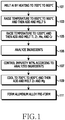
- FIG. 1 is a flowchart of a process for manufacturing the aluminum alloy according to various embodiments of the present disclosure.
- 90 wt % or more of aluminum (Al) may be completely melted by heating it up to a temperature of 700°C to 800°C.
- a predetermined amount of silicon (Si) may be added to the completely molten aluminum (Al).
- the silicon (Si) may be added after the completely molten aluminum (Al) reaches a temperature of 850°C to 950°C.
- the silicon (Si) may be added in the range of 4.0 wt % to 10.0 wt %.
- the temperature may be raised to 1200°C after the aluminum (Al) and the silicon (Si) are added.
- titanium (Ti), chromium (Cr), and manganese (Mn) may be added to the heated molten material and then completely melted by heating at a corresponding temperature for a predetermined period of time.
- the heating may be conducted in the range of 4 to 5 hours.
- the titanium (Ti) may be added in the range of 0.01 wt % to 1.0 wt %
- the chromium (Cr) may be added in the range of 0.1 wt % to 1.0 wt %
- the manganese (Mn) may be added in the range of 0.05 wt % to 1.0 wt %.
- zirconium (Zr) may also be added in addition to the titanium, manganese, and chromium in the range of 0.01 wt % to 1.0 wt %.
- the zirconium (Zr) may reinforce the strength of the aluminum alloy while also improving elongation.
- the amount of impurities present in the alloy is adjusted based on an outcome of the analysis.
- the high-temperature melt may be cooled to a temperature of 700°C to 800°C through natural cooling, and then zinc (Zn) and magnesium (Mg) may be added and completely melted.
- an aluminum alloy pre-form may be formed.
- a casting pressure of 75 MPa may be applied to the pre-form during die casting.
- the pre-form may be formed to exhibit a tensile strength characteristic in the range of 250 MPa to 350 MPa during die casting.
- the pre-form may be formed to exhibit a yield strength characteristic in the range of 150 MPa to 250 MPa during die casting.
- the pre-form may be formed to exhibit a break elongation of 2.0% to 4.5%.
- the ingredient analysis process may be conducted every a new element is added.
- Table 1 and table 2 below show composition tables of properly prepared aluminum alloys according to various embodiments of the present disclosure.
- Classification Chemical composition (%) Total Al Cu Si Mg Zn Fe Mn Ti Ni Sn Cr Representative composition 100 90.12 0.0 7.0 2.0 0.1 0.0 0.1 0.1 0.05 0.03 0.5 Range 100 Bal. 0.0-0.3 4-10.0 0.1-4.0 0.01-1.0 0.0-0.5 0.01-1.0 0.01-1.0 0.001-1.0 0.001-0.5 0.01-1.0
- Example Chemical composition (%) Total Al Cu Si Mg Zn Fe Mn Ti Ni Sn Cr Zr 1 100 Bal. 0.0 7.0 2.0 0.1 0.0 0.1 0.1 0.05 0.03 0.5 0.0 2 100 Bal.
- the copper (Cu), the iron (Fe), and the nickel (Ni), which are unavoidable impurities capable of affecting corrosion resistance, may not be intentionally added to the alloy.
- the copper (Cu), the iron (Fe), and the nickel (Ni), which may be contained in aluminum may be identified through an ingredient analysis during the melting process of each element, and the copper (Cu) and the nickel (Ni) may be controlled to be 0.05 wt % or less on the basis of the entire weight.
- the iron (Fe) may be controlled to be 0.3 wt % or less on the basis of the entire weight.
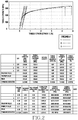
- FIG. 2 illustrates a graph and a table showing physical property test results of diverse specimens according to various embodiments of the present disclosure.
- aluminum alloys having desired physical properties may be manufactured by controlling wt % of compositions thereof.
- an alloy having increased strength may be obtained by increasing the contents of silicon (Si) and magnesium (Mg).
- Si silicon
- Mg magnesium
- the proper composition of elements has to be made in order to obtain an alloy having desired physical properties (e.g., tensile strength, yield strength, elongation, etc.).
- FIG. 3 illustrates a comparative example of the corrosion of an aluminum alloy, according to various embodiments of the present disclosure, and a general aluminum alloy.
- the aluminum alloy (the left specimen in the drawing) manufactured according to the various embodiments of the present disclosure has more excellent corrosion resistance than an aluminum alloy known in the art (the right specimen in the drawing).
- an aluminum alloy for die casting can have stable corrosion resistance in a saline-water environment, in water, and in air due to a stable and dense surface oxidation layer formed thereon compared to commercial alloys and general alloys.
- an aluminum alloy can provide high-quality external and internal die-cast components having complex shapes and structures due to high strength and excellent fluidity thereof.
Landscapes
- Engineering & Computer Science (AREA)
- Mechanical Engineering (AREA)
- Chemical & Material Sciences (AREA)
- Materials Engineering (AREA)
- Metallurgy (AREA)
- Organic Chemistry (AREA)
- Conductive Materials (AREA)
- Prevention Of Electric Corrosion (AREA)
- Molds, Cores, And Manufacturing Methods Thereof (AREA)
Claims (10)
- Aluminiumlegierung, umfassend:4,0 bis 10,0 Gewichts-% Silizium (Si),0,1 bis 4,0 Gewichts-% Magnesium (Mg),0,1 bis 1,0 Gewichts-% Chrom (Cr),0,05 bis 1,0 Gewichts-% Zink (Zn),0,05 bis 1,0 Gewichts-% Mangan (Mn),0,01 bis 1,0 Gewichts-% Titan (Ti),0,001 bis 0,5 Gewichts-% Zinn (Sn),0,01 bis 1 Gewichts-% Zirkonium (Zr), undder Rest ist Aluminium sowie Verunreinigungen,wobei wenigstens eine in der Aluminiumlegierung enthaltene Verunreinigung während eines Schmelzvorgangs mittels einer Inhaltsstoffanalyse jedes in der Aluminiumlegierung enthaltenen Elements identifiziert wird,wobei es sich bei der wenigstens einen Verunreinigung um wenigstens eines der Folgenden handelt: Kupfer (Cu), Nickel (Ni) und Eisen (Fe),wobei das Kupfer (Cu) oder Nickel (Ni) derart angepasst wird, dass es kleiner als oder gleich 0,05 Gewichts-% der Aluminiumlegierung ist, undwobei das Eisen (Fe) derart angepasst wird, dass es kleiner als oder gleich 0,3 Gewichts-% der Aluminiumlegierung ist.
- Verfahren umfassend das Druckgießen einer Komponente eines elektronischen Geräts aus einer Aluminiumlegierung, wobei die Legierung Folgendes umfasst: 4,0 bis 10,0 Gewichts-% Silizium (Si), 0,1 bis 4,0 Gewichts-% Magnesium (Mg), 0,1 bis 1,0 Gewichts-% Chrom (Cr), 0,05 bis 1,0 Gewichts-% Zink (Zn), 0,05 bis 1,0 Gewichts-% Mangan (Mn), 0,01 bis 1,0 Gewichts-% Titan (Ti), 0,001 bis 0,5 Gewichts-% Zinn (Sn), 0,01 bis 1 Gewichts-% Zirkonium (Zr), und der Rest ist Aluminium sowie Verunreinigungen,
wobei wenigstens eine in der Aluminiumlegierung enthaltene Verunreinigung während eines Schmelzvorgangs mittels einer Inhaltsstoffanalyse jedes in der Aluminiumlegierung enthaltenen Elements identifiziert wird,
wobei es sich bei der wenigstens einen Verunreinigung um wenigstens eines der Folgenden handelt: Kupfer (Cu), Nickel (Ni) und Eisen (Fe),
wobei das Kupfer (Cu) oder Nickel (Ni) derart angepasst wird, dass es kleiner als oder gleich 0,05 Gewichts-% der Aluminiumlegierung ist, und
wobei das Eisen (Fe) derart angepasst wird, dass es kleiner als oder gleich 0,3 Gewichts-% der Aluminiumlegierung ist. - Verfahren nach Anspruch 2, wobei die Aluminiumlegierung beim Druckgießen einer Gießtemperatur von 680 bis 750 °C unterzogen wird.
- Verfahren nach Anspruch 2 oder 3, wobei die Aluminiumlegierung beim Druckgießen einem Gießdruck von 75 MPa unterzogen wird.
- Verfahren nach Anspruch 2, 3 oder 4, wobei die Aluminiumlegierung eine Zugfestigkeit von 250 bis 350 MPa aufweist.
- Verfahren nach einem der Ansprüche 2 bis 5, wobei die Aluminiumlegierung eine Streckgrenze von 150 bis 250 MPa aufweist.
- Verfahren nach einem der Ansprüche 2 bis 6, wobei die Aluminiumlegierung eine Bruchdehnung von 2,0 bis 4,5 % aufweist.
- Verfahren nach einem der Ansprüche 2 bis 7, wobei die Komponente des elektronischen Geräts ein äußeres Gehäuse, ein inneres Gehäuse und/oder einen Rahmen des elektronischen Geräts umfasst.
- Verfahren zur Herstellung einer Aluminiumlegierung, wobei das Verfahren Folgendes umfasst:Schmelzen von Aluminium (Al) durch Erhitzen des Aluminiums auf eine Temperatur von 700 °C bis 800 °C;Erhitzen des geschmolzenen Aluminiums (Al) auf eine Temperatur zwischen 850 °C und 900 °C und Zugeben von Silizium (Si) zu dem geschmolzenen Aluminium (Al), um eine erste Zwischenlegierung zu erzeugen;Erhitzen der ersten Zwischenlegierung auf eine Temperatur von 1200 °C oder weniger und Zugeben von Chrom (Cr), Mangan (Mn) und Titan (Ti) zu der ersten Zwischenlegierung, um eine zweite Zwischenlegierung zu erzeugen;Herunterkühlen der zweiten Zwischenlegierung auf eine Temperatur zwischen 700 °C und 800 °C und Zugeben von Zink (Zn) und Zinn (Sn) zu der zweiten Zwischenlegierung, um die Aluminiumlegierung zu erzeugen,wobei die Aluminiumlegierung 4,0 bis 10,0 Gewichts-% Silizium (Si), 0,1 bis 4,0 Gewichts-% Magnesium (Mg), 0,1 bis 1,0 Gewichts-% Chrom (Cr), 0,05 bis 1,0 Gewichts-% Zink (Zn), 0,05 bis 1,0 Gewichts-% Mangan (Mn), 0,01 bis 1,0 Gewichts-% Titan (Ti), 0,001 bis 0,5 Gewichts-% Zinn (Sn), 0,01 bis 1 Gewichts-% Zirkonium (Zr) umfasst und der Rest Aluminium sowie Verunreinigungen ist,wobei wenigstens eine in der Aluminiumlegierung enthaltene Verunreinigung während eines Schmelzvorgangs mittels einer Inhaltsstoffanalyse jedes in der Aluminiumlegierung enthaltenen Elements identifiziert wird,wobei es sich bei der wenigstens einen Verunreinigung um wenigstens eines der Folgenden handelt: Kupfer (Cu), Nickel (Ni) und Eisen (Fe),wobei das Kupfer (Cu) oder Nickel (Ni) derart angepasst wird, dass es kleiner als oder gleich 0,05 Gewichts-% der Aluminiumlegierung ist, undwobei das Eisen (Fe) derart angepasst wird, dass es kleiner als oder gleich 0,3 Gewichts-% der Aluminiumlegierung ist.
- Verfahren nach Anspruch 9, das weiterhin das Anpassen der Menge der wenigstens einen in der Legierung vorhandenen Verunreinigung umfasst,
wobei die wenigstens eine Verunreinigung wenigstens eines der Folgenden umfasst: Kupfer (Cu), Nickel (Ni) und Eisen (Fe),
wobei das Kupfer (Cu) höchstens 0,05 Gewichts-% der Legierung ausmacht und das Nickel (Ni) höchstens 0,05 Gewichts-% der Legierung ausmacht, und
wobei das Eisen (Fe) höchstens 0,3 Gewichts-% der Legierung ausmacht.
Applications Claiming Priority (1)
| Application Number | Priority Date | Filing Date | Title |
|---|---|---|---|
| KR1020140116485A KR101641170B1 (ko) | 2014-09-02 | 2014-09-02 | 다이캐스팅용 알루미늄 합금 및 그 제조 방법 |
Publications (2)
| Publication Number | Publication Date |
|---|---|
| EP2992983A1 EP2992983A1 (de) | 2016-03-09 |
| EP2992983B1 true EP2992983B1 (de) | 2019-11-20 |
Family
ID=54056111
Family Applications (1)
| Application Number | Title | Priority Date | Filing Date |
|---|---|---|---|
| EP15183486.8A Active EP2992983B1 (de) | 2014-09-02 | 2015-09-02 | Aluminiumlegierung für druckguss und herstellungsverfahren dafür |
Country Status (5)
| Country | Link |
|---|---|
| US (2) | US20160060731A1 (de) |
| EP (1) | EP2992983B1 (de) |
| KR (1) | KR101641170B1 (de) |
| CN (1) | CN105385903B (de) |
| ES (1) | ES2768682T3 (de) |
Families Citing this family (24)
| Publication number | Priority date | Publication date | Assignee | Title |
|---|---|---|---|---|
| KR101691001B1 (ko) * | 2015-05-26 | 2016-12-29 | 주식회사 에스제이테크 | 내식성과 강도가 우수한 다이캐스팅용 알루미늄 합금 조성물 |
| WO2016204339A1 (en) * | 2015-06-19 | 2016-12-22 | Tianjin M&C Electronics Co., Ltd. | Metal frame and method of manufacturing the metal frame for the mobile communication terminal |
| CN106048329A (zh) * | 2016-06-30 | 2016-10-26 | Sj技术股份有限公司 | 压铸用铝合金及利用其的铝合金铸造品的制备方法 |
| CN106566961A (zh) * | 2016-08-15 | 2017-04-19 | Sj技术股份有限公司 | 压铸用铝合金及利用其的铝合金铸造品的制备方法 |
| CN106367638A (zh) * | 2016-08-28 | 2017-02-01 | 广州华车科技有限公司 | 一种车用铝合金及其制造方法 |
| KR102591353B1 (ko) * | 2016-09-29 | 2023-10-20 | 삼성전자주식회사 | 다이캐스팅용 알루미늄 합금 및 그 제조 방법 |
| KR102657377B1 (ko) * | 2016-11-23 | 2024-04-16 | 삼성전자주식회사 | 다이캐스팅용 알루미늄 합금 |
| KR20180070406A (ko) | 2016-12-16 | 2018-06-26 | 엘지전자 주식회사 | 다이캐스팅용 알루미늄 합금 및 다이캐스팅 주물 |
| WO2018117315A1 (ko) * | 2016-12-20 | 2018-06-28 | 주식회사 에스제이테크 | 박육성형이 가능한 고열전도도 및 고강도 다이캐스팅용 알루미늄합금 조성물 및 그 제조방법 |
| KR101910470B1 (ko) | 2017-11-24 | 2018-10-25 | 주식회사 에스제이테크 | 내식성과 열전도도가 우수한 고강도 다이캐스팅용 알루미늄 합금 및 이를 제조하는 방법 |
| KR102326235B1 (ko) | 2018-01-08 | 2021-11-15 | 삼성전자 주식회사 | 금속 하우징을 포함하는 장치 |
| KR102602980B1 (ko) | 2018-04-16 | 2023-11-16 | 현대자동차주식회사 | 다이캐스팅용 알루미늄 합금 및 이를 이용한 알루미늄 합금 주조물 제조방법 |
| KR102597784B1 (ko) | 2018-08-24 | 2023-11-03 | 삼성전자주식회사 | 다이캐스팅용 알루미늄 합금 및 그 제조방법, 다이캐스팅 방법 |
| KR101984707B1 (ko) * | 2018-09-21 | 2019-05-31 | 주식회사 에스제이테크 | 내식성과 열전도도가 우수한 고강도 다이캐스팅용 알루미늄 합금과 이를 이용한 알루미늄 합금 주조품의 제조방법 |
| KR102191138B1 (ko) * | 2019-01-03 | 2020-12-15 | 유순경 | 도어록 다이캐스팅용 알루미늄 합금 및 그 제조방법 |
| KR101992201B1 (ko) * | 2019-02-21 | 2019-06-24 | 엘지전자 주식회사 | 다이캐스팅용 알루미늄 합금 및 다이캐스팅 주물 |
| KR102217940B1 (ko) * | 2019-03-29 | 2021-02-19 | 고등기술연구원연구조합 | 고방열특성을 갖는 다이캐스팅용 알루미늄 합금 및 이의 제조방법 |
| KR20210076329A (ko) * | 2019-12-16 | 2021-06-24 | 현대자동차주식회사 | 다이캐스팅용 알루미늄 합금 및 이를 이용한 알루미늄 합금 주조물 제조방법 |
| CN112126807B (zh) * | 2020-10-12 | 2022-01-11 | 安徽鑫发铝业有限公司 | 一种高强抗腐耐磨冲锋舟用铝型材的制备方法 |
| KR20220084683A (ko) * | 2020-12-14 | 2022-06-21 | 삼성전자주식회사 | 알루미늄 합금 소재 및 그를 포함하는 전자 장치 |
| DE102021102268A1 (de) | 2021-02-01 | 2022-08-04 | Trimet Aluminium Se | Aluminiumlegierung, Bauteil aus einer Aluminiumlegierung und Verfahren zum Herstellen eines Bauteils aus einer Aluminiumlegierung |
| KR102617997B1 (ko) | 2021-11-29 | 2023-12-27 | 한국생산기술연구원 | 다이캐스팅 알루미늄 합금의 제조방법 |
| KR102902931B1 (ko) | 2022-11-30 | 2025-12-23 | 한국생산기술연구원 | 다이캐스팅 알루미늄 합금의 제조방법 |
| CN121087327A (zh) | 2024-06-06 | 2025-12-09 | 通用汽车环球科技运作有限责任公司 | 耐腐蚀铝合金 |
Citations (1)
| Publication number | Priority date | Publication date | Assignee | Title |
|---|---|---|---|---|
| KR20120134680A (ko) * | 2011-06-03 | 2012-12-12 | 우수에이엠에스 주식회사 | 에어컴프레서용 알루미늄 합금 소재 |
Family Cites Families (13)
| Publication number | Priority date | Publication date | Assignee | Title |
|---|---|---|---|---|
| SU618343A1 (ru) * | 1976-06-15 | 1978-08-05 | Киевский Ордена Ленина Политехнический Институт Имени 50-Летия Великой Октябрьской Социалистической Революции | Способ получени основных хлоридов алюмини |
| JPS6026640A (ja) * | 1983-07-25 | 1985-02-09 | Hitachi Ltd | 耐食性アルミニウム電子材料 |
| KR100521522B1 (ko) * | 2003-04-14 | 2005-10-12 | 현대자동차주식회사 | 강도 및 피로 특성이 향상된 실린더 헤드용 알루미늄 합금조성물 |
| JP2005264301A (ja) * | 2004-03-22 | 2005-09-29 | Toyota Central Res & Dev Lab Inc | 鋳造アルミニウム合金とアルミニウム合金鋳物およびその製造方法 |
| PT1612286E (pt) * | 2004-06-29 | 2011-09-19 | Rheinfelden Aluminium Gmbh | Liga de alumínio para moldagem sob pressão |
| MX2007007763A (es) * | 2004-12-23 | 2007-08-21 | Commw Scient Ind Res Org | Tratamiento termico de piezas vaciadas en molde a alta presion de aleacion de aluminio. |
| KR100836265B1 (ko) * | 2008-01-03 | 2008-06-10 | 주식회사금강코엔 | 취성특성이 강화된 휴대용 전자제품 프레임용 다이캐스팅알루미늄 합금 및 이를 이용한 휴대용 전자제품 프레임의제조방법 |
| US9038704B2 (en) * | 2011-04-04 | 2015-05-26 | Emerson Climate Technologies, Inc. | Aluminum alloy compositions and methods for die-casting thereof |
| KR101889370B1 (ko) * | 2011-10-14 | 2018-08-21 | 삼성전자주식회사 | 전자기기용 케이스 및 이의 표면처리 방법 |
| CN102363851A (zh) * | 2011-11-02 | 2012-02-29 | 永鑫精密材料(无锡)有限公司 | 一种冲压拉深成型手机外壳用铝合金带材 |
| EP2653579B1 (de) * | 2012-04-17 | 2014-10-15 | Georg Fischer Druckguss GmbH & Co. KG | Aluminium-Legierung |
| CN103192051B (zh) * | 2013-04-03 | 2015-09-30 | 福建省瑞奥麦特轻金属有限责任公司 | 一种超薄壁轻金属合金外壳或框架的制造方法 |
| CN103484737B (zh) * | 2013-09-29 | 2015-05-06 | 苏州利达铸造有限公司 | 一种铝合金数码电子产品壳体及其应用 |
-
2014
- 2014-09-02 KR KR1020140116485A patent/KR101641170B1/ko active Active
-
2015
- 2015-09-01 US US14/842,309 patent/US20160060731A1/en not_active Abandoned
- 2015-09-02 ES ES15183486T patent/ES2768682T3/es active Active
- 2015-09-02 EP EP15183486.8A patent/EP2992983B1/de active Active
- 2015-09-02 CN CN201510557045.3A patent/CN105385903B/zh active Active
-
2020
- 2020-07-24 US US16/937,854 patent/US20200354817A1/en not_active Abandoned
Patent Citations (1)
| Publication number | Priority date | Publication date | Assignee | Title |
|---|---|---|---|---|
| KR20120134680A (ko) * | 2011-06-03 | 2012-12-12 | 우수에이엠에스 주식회사 | 에어컴프레서용 알루미늄 합금 소재 |
Also Published As
| Publication number | Publication date |
|---|---|
| US20200354817A1 (en) | 2020-11-12 |
| CN105385903A (zh) | 2016-03-09 |
| US20160060731A1 (en) | 2016-03-03 |
| KR20160027853A (ko) | 2016-03-10 |
| KR101641170B1 (ko) | 2016-07-20 |
| EP2992983A1 (de) | 2016-03-09 |
| ES2768682T3 (es) | 2020-06-23 |
| CN105385903B (zh) | 2018-01-05 |
Similar Documents
| Publication | Publication Date | Title |
|---|---|---|
| US20200354817A1 (en) | Aluminum alloy for die casting and manufacturing method thereof | |
| EP3372698B1 (de) | Aluminiumplattiertes blech und verfahren zur herstellung davon | |
| JP7051700B2 (ja) | 高い強度及び美的訴求力を有するアルミニウム合金 | |
| CA2985067C (en) | High strength 5xxx aluminum alloys and methods of making the same | |
| JP6427268B2 (ja) | 耐食性が改善されたダイカスト用アルミニウム合金、周波数フィルタおよび通信機器部品の製造方法 | |
| WO2015132932A1 (ja) | 構造用アルミニウム合金及びその製造方法 | |
| KR101642850B1 (ko) | 강도와 압출성 및 광택도가 우수한 7000계 알루미늄합금 압출재 | |
| WO2016121722A1 (ja) | マグネシウム-リチウム合金、圧延材及び成型品 | |
| EP4461435A2 (de) | Druckgussaluminiumlegierungen für bauteile | |
| KR101596818B1 (ko) | 전자기기에 사용되는 다이캐스팅용 알루미늄 합금 및 이의 제조방법 | |
| EP3640356B1 (de) | Magnesiumlegierung mit hoher wärmeleitfähigkeit, wechselrichtergehäuse, wechselrichter und automobil | |
| KR102657377B1 (ko) | 다이캐스팅용 알루미늄 합금 | |
| JP2022539416A (ja) | アルミニウム合金、その製造方法及びアルミニウム合金の構造部材 | |
| CN107075622A (zh) | 压铸用铝合金及使用了该合金的铝合金压铸件 | |
| KR102329620B1 (ko) | 다이캐스팅용 알루미늄 합금 | |
| EP3138933B1 (de) | Verfahren zur herstellung von kühlkörperrippen aus einer aluminiumlegierung | |
| CN100334241C (zh) | 铝合金压铸件 | |
| KR20120020406A (ko) | 고강도 비열처리 주조용 알루미늄-아연 합금 | |
| JP6902821B2 (ja) | アルミニウム合金箔およびアルミニウム合金箔の製造方法 | |
| US20210087664A1 (en) | Heat-treatable aluminum alloy made from used beverage can scrap | |
| KR102565559B1 (ko) | 알루미늄 합금, 그 제조 방법 및 이를 이용한 부품 | |
| CN106636792B (zh) | 一种高导电性的复合金属 | |
| TWI437102B (zh) | Method for Making High Strength Aluminum Alloy Materials | |
| KR101787550B1 (ko) | 마그네슘 합금 및 이의 제조방법 | |
| KR20140015932A (ko) | 주조용 합금 조성물 |
Legal Events
| Date | Code | Title | Description |
|---|---|---|---|
| PUAI | Public reference made under article 153(3) epc to a published international application that has entered the european phase |
Free format text: ORIGINAL CODE: 0009012 |
|
| 17P | Request for examination filed |
Effective date: 20150902 |
|
| AK | Designated contracting states |
Kind code of ref document: A1 Designated state(s): AL AT BE BG CH CY CZ DE DK EE ES FI FR GB GR HR HU IE IS IT LI LT LU LV MC MK MT NL NO PL PT RO RS SE SI SK SM TR |
|
| AX | Request for extension of the european patent |
Extension state: BA ME |
|
| STAA | Information on the status of an ep patent application or granted ep patent |
Free format text: STATUS: EXAMINATION IS IN PROGRESS |
|
| 17Q | First examination report despatched |
Effective date: 20170825 |
|
| GRAP | Despatch of communication of intention to grant a patent |
Free format text: ORIGINAL CODE: EPIDOSNIGR1 |
|
| STAA | Information on the status of an ep patent application or granted ep patent |
Free format text: STATUS: GRANT OF PATENT IS INTENDED |
|
| INTG | Intention to grant announced |
Effective date: 20190527 |
|
| GRAJ | Information related to disapproval of communication of intention to grant by the applicant or resumption of examination proceedings by the epo deleted |
Free format text: ORIGINAL CODE: EPIDOSDIGR1 |
|
| STAA | Information on the status of an ep patent application or granted ep patent |
Free format text: STATUS: EXAMINATION IS IN PROGRESS |
|
| INTC | Intention to grant announced (deleted) | ||
| GRAR | Information related to intention to grant a patent recorded |
Free format text: ORIGINAL CODE: EPIDOSNIGR71 |
|
| GRAS | Grant fee paid |
Free format text: ORIGINAL CODE: EPIDOSNIGR3 |
|
| STAA | Information on the status of an ep patent application or granted ep patent |
Free format text: STATUS: GRANT OF PATENT IS INTENDED |
|
| GRAA | (expected) grant |
Free format text: ORIGINAL CODE: 0009210 |
|
| STAA | Information on the status of an ep patent application or granted ep patent |
Free format text: STATUS: THE PATENT HAS BEEN GRANTED |
|
| INTG | Intention to grant announced |
Effective date: 20191008 |
|
| AK | Designated contracting states |
Kind code of ref document: B1 Designated state(s): AL AT BE BG CH CY CZ DE DK EE ES FI FR GB GR HR HU IE IS IT LI LT LU LV MC MK MT NL NO PL PT RO RS SE SI SK SM TR |
|
| REG | Reference to a national code |
Ref country code: GB Ref legal event code: FG4D |
|
| REG | Reference to a national code |
Ref country code: CH Ref legal event code: EP |
|
| REG | Reference to a national code |
Ref country code: IE Ref legal event code: FG4D |
|
| REG | Reference to a national code |
Ref country code: DE Ref legal event code: R096 Ref document number: 602015041947 Country of ref document: DE |
|
| REG | Reference to a national code |
Ref country code: AT Ref legal event code: REF Ref document number: 1203629 Country of ref document: AT Kind code of ref document: T Effective date: 20191215 |
|
| REG | Reference to a national code |
Ref country code: NL Ref legal event code: FP |
|
| REG | Reference to a national code |
Ref country code: LT Ref legal event code: MG4D |
|
| PG25 | Lapsed in a contracting state [announced via postgrant information from national office to epo] |
Ref country code: FI Free format text: LAPSE BECAUSE OF FAILURE TO SUBMIT A TRANSLATION OF THE DESCRIPTION OR TO PAY THE FEE WITHIN THE PRESCRIBED TIME-LIMIT Effective date: 20191120 Ref country code: BG Free format text: LAPSE BECAUSE OF FAILURE TO SUBMIT A TRANSLATION OF THE DESCRIPTION OR TO PAY THE FEE WITHIN THE PRESCRIBED TIME-LIMIT Effective date: 20200220 Ref country code: NO Free format text: LAPSE BECAUSE OF FAILURE TO SUBMIT A TRANSLATION OF THE DESCRIPTION OR TO PAY THE FEE WITHIN THE PRESCRIBED TIME-LIMIT Effective date: 20200220 Ref country code: LT Free format text: LAPSE BECAUSE OF FAILURE TO SUBMIT A TRANSLATION OF THE DESCRIPTION OR TO PAY THE FEE WITHIN THE PRESCRIBED TIME-LIMIT Effective date: 20191120 Ref country code: GR Free format text: LAPSE BECAUSE OF FAILURE TO SUBMIT A TRANSLATION OF THE DESCRIPTION OR TO PAY THE FEE WITHIN THE PRESCRIBED TIME-LIMIT Effective date: 20200221 Ref country code: SE Free format text: LAPSE BECAUSE OF FAILURE TO SUBMIT A TRANSLATION OF THE DESCRIPTION OR TO PAY THE FEE WITHIN THE PRESCRIBED TIME-LIMIT Effective date: 20191120 Ref country code: LV Free format text: LAPSE BECAUSE OF FAILURE TO SUBMIT A TRANSLATION OF THE DESCRIPTION OR TO PAY THE FEE WITHIN THE PRESCRIBED TIME-LIMIT Effective date: 20191120 |
|
| PG25 | Lapsed in a contracting state [announced via postgrant information from national office to epo] |
Ref country code: IS Free format text: LAPSE BECAUSE OF FAILURE TO SUBMIT A TRANSLATION OF THE DESCRIPTION OR TO PAY THE FEE WITHIN THE PRESCRIBED TIME-LIMIT Effective date: 20200320 Ref country code: RS Free format text: LAPSE BECAUSE OF FAILURE TO SUBMIT A TRANSLATION OF THE DESCRIPTION OR TO PAY THE FEE WITHIN THE PRESCRIBED TIME-LIMIT Effective date: 20191120 Ref country code: HR Free format text: LAPSE BECAUSE OF FAILURE TO SUBMIT A TRANSLATION OF THE DESCRIPTION OR TO PAY THE FEE WITHIN THE PRESCRIBED TIME-LIMIT Effective date: 20191120 |
|
| REG | Reference to a national code |
Ref country code: ES Ref legal event code: FG2A Ref document number: 2768682 Country of ref document: ES Kind code of ref document: T3 Effective date: 20200623 |
|
| PG25 | Lapsed in a contracting state [announced via postgrant information from national office to epo] |
Ref country code: AL Free format text: LAPSE BECAUSE OF FAILURE TO SUBMIT A TRANSLATION OF THE DESCRIPTION OR TO PAY THE FEE WITHIN THE PRESCRIBED TIME-LIMIT Effective date: 20191120 |
|
| PG25 | Lapsed in a contracting state [announced via postgrant information from national office to epo] |
Ref country code: PT Free format text: LAPSE BECAUSE OF FAILURE TO SUBMIT A TRANSLATION OF THE DESCRIPTION OR TO PAY THE FEE WITHIN THE PRESCRIBED TIME-LIMIT Effective date: 20200412 Ref country code: EE Free format text: LAPSE BECAUSE OF FAILURE TO SUBMIT A TRANSLATION OF THE DESCRIPTION OR TO PAY THE FEE WITHIN THE PRESCRIBED TIME-LIMIT Effective date: 20191120 Ref country code: DK Free format text: LAPSE BECAUSE OF FAILURE TO SUBMIT A TRANSLATION OF THE DESCRIPTION OR TO PAY THE FEE WITHIN THE PRESCRIBED TIME-LIMIT Effective date: 20191120 Ref country code: RO Free format text: LAPSE BECAUSE OF FAILURE TO SUBMIT A TRANSLATION OF THE DESCRIPTION OR TO PAY THE FEE WITHIN THE PRESCRIBED TIME-LIMIT Effective date: 20191120 Ref country code: CZ Free format text: LAPSE BECAUSE OF FAILURE TO SUBMIT A TRANSLATION OF THE DESCRIPTION OR TO PAY THE FEE WITHIN THE PRESCRIBED TIME-LIMIT Effective date: 20191120 |
|
| REG | Reference to a national code |
Ref country code: AT Ref legal event code: MK05 Ref document number: 1203629 Country of ref document: AT Kind code of ref document: T Effective date: 20191120 |
|
| REG | Reference to a national code |
Ref country code: DE Ref legal event code: R097 Ref document number: 602015041947 Country of ref document: DE |
|
| PG25 | Lapsed in a contracting state [announced via postgrant information from national office to epo] |
Ref country code: SM Free format text: LAPSE BECAUSE OF FAILURE TO SUBMIT A TRANSLATION OF THE DESCRIPTION OR TO PAY THE FEE WITHIN THE PRESCRIBED TIME-LIMIT Effective date: 20191120 Ref country code: SK Free format text: LAPSE BECAUSE OF FAILURE TO SUBMIT A TRANSLATION OF THE DESCRIPTION OR TO PAY THE FEE WITHIN THE PRESCRIBED TIME-LIMIT Effective date: 20191120 |
|
| PLBE | No opposition filed within time limit |
Free format text: ORIGINAL CODE: 0009261 |
|
| STAA | Information on the status of an ep patent application or granted ep patent |
Free format text: STATUS: NO OPPOSITION FILED WITHIN TIME LIMIT |
|
| 26N | No opposition filed |
Effective date: 20200821 |
|
| PG25 | Lapsed in a contracting state [announced via postgrant information from national office to epo] |
Ref country code: AT Free format text: LAPSE BECAUSE OF FAILURE TO SUBMIT A TRANSLATION OF THE DESCRIPTION OR TO PAY THE FEE WITHIN THE PRESCRIBED TIME-LIMIT Effective date: 20191120 Ref country code: PL Free format text: LAPSE BECAUSE OF FAILURE TO SUBMIT A TRANSLATION OF THE DESCRIPTION OR TO PAY THE FEE WITHIN THE PRESCRIBED TIME-LIMIT Effective date: 20191120 Ref country code: SI Free format text: LAPSE BECAUSE OF FAILURE TO SUBMIT A TRANSLATION OF THE DESCRIPTION OR TO PAY THE FEE WITHIN THE PRESCRIBED TIME-LIMIT Effective date: 20191120 |
|
| PG25 | Lapsed in a contracting state [announced via postgrant information from national office to epo] |
Ref country code: IT Free format text: LAPSE BECAUSE OF FAILURE TO SUBMIT A TRANSLATION OF THE DESCRIPTION OR TO PAY THE FEE WITHIN THE PRESCRIBED TIME-LIMIT Effective date: 20191120 |
|
| PG25 | Lapsed in a contracting state [announced via postgrant information from national office to epo] |
Ref country code: MC Free format text: LAPSE BECAUSE OF FAILURE TO SUBMIT A TRANSLATION OF THE DESCRIPTION OR TO PAY THE FEE WITHIN THE PRESCRIBED TIME-LIMIT Effective date: 20191120 |
|
| REG | Reference to a national code |
Ref country code: CH Ref legal event code: PL |
|
| GBPC | Gb: european patent ceased through non-payment of renewal fee |
Effective date: 20200902 |
|
| REG | Reference to a national code |
Ref country code: BE Ref legal event code: MM Effective date: 20200930 |
|
| PG25 | Lapsed in a contracting state [announced via postgrant information from national office to epo] |
Ref country code: LU Free format text: LAPSE BECAUSE OF NON-PAYMENT OF DUE FEES Effective date: 20200902 |
|
| PG25 | Lapsed in a contracting state [announced via postgrant information from national office to epo] |
Ref country code: FR Free format text: LAPSE BECAUSE OF NON-PAYMENT OF DUE FEES Effective date: 20200930 |
|
| PG25 | Lapsed in a contracting state [announced via postgrant information from national office to epo] |
Ref country code: IE Free format text: LAPSE BECAUSE OF NON-PAYMENT OF DUE FEES Effective date: 20200902 Ref country code: GB Free format text: LAPSE BECAUSE OF NON-PAYMENT OF DUE FEES Effective date: 20200902 Ref country code: LI Free format text: LAPSE BECAUSE OF NON-PAYMENT OF DUE FEES Effective date: 20200930 Ref country code: BE Free format text: LAPSE BECAUSE OF NON-PAYMENT OF DUE FEES Effective date: 20200930 Ref country code: CH Free format text: LAPSE BECAUSE OF NON-PAYMENT OF DUE FEES Effective date: 20200930 |
|
| PGFP | Annual fee paid to national office [announced via postgrant information from national office to epo] |
Ref country code: ES Payment date: 20211021 Year of fee payment: 7 |
|
| PG25 | Lapsed in a contracting state [announced via postgrant information from national office to epo] |
Ref country code: TR Free format text: LAPSE BECAUSE OF FAILURE TO SUBMIT A TRANSLATION OF THE DESCRIPTION OR TO PAY THE FEE WITHIN THE PRESCRIBED TIME-LIMIT Effective date: 20191120 Ref country code: MT Free format text: LAPSE BECAUSE OF FAILURE TO SUBMIT A TRANSLATION OF THE DESCRIPTION OR TO PAY THE FEE WITHIN THE PRESCRIBED TIME-LIMIT Effective date: 20191120 Ref country code: CY Free format text: LAPSE BECAUSE OF FAILURE TO SUBMIT A TRANSLATION OF THE DESCRIPTION OR TO PAY THE FEE WITHIN THE PRESCRIBED TIME-LIMIT Effective date: 20191120 |
|
| PG25 | Lapsed in a contracting state [announced via postgrant information from national office to epo] |
Ref country code: MK Free format text: LAPSE BECAUSE OF FAILURE TO SUBMIT A TRANSLATION OF THE DESCRIPTION OR TO PAY THE FEE WITHIN THE PRESCRIBED TIME-LIMIT Effective date: 20191120 |
|
| REG | Reference to a national code |
Ref country code: ES Ref legal event code: FD2A Effective date: 20231026 |
|
| PG25 | Lapsed in a contracting state [announced via postgrant information from national office to epo] |
Ref country code: ES Free format text: LAPSE BECAUSE OF NON-PAYMENT OF DUE FEES Effective date: 20220903 |
|
| PG25 | Lapsed in a contracting state [announced via postgrant information from national office to epo] |
Ref country code: ES Free format text: LAPSE BECAUSE OF NON-PAYMENT OF DUE FEES Effective date: 20220903 |
|
| PGFP | Annual fee paid to national office [announced via postgrant information from national office to epo] |
Ref country code: NL Payment date: 20250821 Year of fee payment: 11 |
|
| PGFP | Annual fee paid to national office [announced via postgrant information from national office to epo] |
Ref country code: DE Payment date: 20250820 Year of fee payment: 11 |