EP2986119B1 - Antimikrobielle zusammensetzungen aus aminoglycosidischen antibiotika und zink-ionen-chelatoren - Google Patents
Antimikrobielle zusammensetzungen aus aminoglycosidischen antibiotika und zink-ionen-chelatoren Download PDFInfo
- Publication number
- EP2986119B1 EP2986119B1 EP14785399.8A EP14785399A EP2986119B1 EP 2986119 B1 EP2986119 B1 EP 2986119B1 EP 14785399 A EP14785399 A EP 14785399A EP 2986119 B1 EP2986119 B1 EP 2986119B1
- Authority
- EP
- European Patent Office
- Prior art keywords
- dtpa
- gentamicin
- composition
- pharmaceutical composition
- wound
- Prior art date
- Legal status (The legal status is an assumption and is not a legal conclusion. Google has not performed a legal analysis and makes no representation as to the accuracy of the status listed.)
- Active
Links
Images

Classifications
-
- A—HUMAN NECESSITIES
- A61—MEDICAL OR VETERINARY SCIENCE; HYGIENE
- A61K—PREPARATIONS FOR MEDICAL, DENTAL OR TOILETRY PURPOSES
- A61K47/00—Medicinal preparations characterised by the non-active ingredients used, e.g. carriers or inert additives; Targeting or modifying agents chemically bound to the active ingredient
- A61K47/06—Organic compounds, e.g. natural or synthetic hydrocarbons, polyolefins, mineral oil, petrolatum or ozokerite
- A61K47/08—Organic compounds, e.g. natural or synthetic hydrocarbons, polyolefins, mineral oil, petrolatum or ozokerite containing oxygen, e.g. ethers, acetals, ketones, quinones, aldehydes, peroxides
- A61K47/12—Carboxylic acids; Salts or anhydrides thereof
-
- A—HUMAN NECESSITIES
- A01—AGRICULTURE; FORESTRY; ANIMAL HUSBANDRY; HUNTING; TRAPPING; FISHING
- A01N—PRESERVATION OF BODIES OF HUMANS OR ANIMALS OR PLANTS OR PARTS THEREOF; BIOCIDES, e.g. AS DISINFECTANTS, AS PESTICIDES OR AS HERBICIDES; PEST REPELLANTS OR ATTRACTANTS; PLANT GROWTH REGULATORS
- A01N37/00—Biocides, pest repellants or attractants, or plant growth regulators containing organic compounds containing a carbon atom having three bonds to hetero atoms with at the most two bonds to halogen, e.g. carboxylic acids
- A01N37/36—Biocides, pest repellants or attractants, or plant growth regulators containing organic compounds containing a carbon atom having three bonds to hetero atoms with at the most two bonds to halogen, e.g. carboxylic acids containing at least one carboxylic group or a thio analogue, or a derivative thereof, and a singly bound oxygen or sulfur atom attached to the same carbon skeleton, this oxygen or sulfur atom not being a member of a carboxylic group or of a thio analogue, or of a derivative thereof, e.g. hydroxy-carboxylic acids
-
- A—HUMAN NECESSITIES
- A01—AGRICULTURE; FORESTRY; ANIMAL HUSBANDRY; HUNTING; TRAPPING; FISHING
- A01N—PRESERVATION OF BODIES OF HUMANS OR ANIMALS OR PLANTS OR PARTS THEREOF; BIOCIDES, e.g. AS DISINFECTANTS, AS PESTICIDES OR AS HERBICIDES; PEST REPELLANTS OR ATTRACTANTS; PLANT GROWTH REGULATORS
- A01N43/00—Biocides, pest repellants or attractants, or plant growth regulators containing heterocyclic compounds
- A01N43/02—Biocides, pest repellants or attractants, or plant growth regulators containing heterocyclic compounds having rings with one or more oxygen or sulfur atoms as the only ring hetero atoms
- A01N43/04—Biocides, pest repellants or attractants, or plant growth regulators containing heterocyclic compounds having rings with one or more oxygen or sulfur atoms as the only ring hetero atoms with one hetero atom
- A01N43/14—Biocides, pest repellants or attractants, or plant growth regulators containing heterocyclic compounds having rings with one or more oxygen or sulfur atoms as the only ring hetero atoms with one hetero atom six-membered rings
- A01N43/16—Biocides, pest repellants or attractants, or plant growth regulators containing heterocyclic compounds having rings with one or more oxygen or sulfur atoms as the only ring hetero atoms with one hetero atom six-membered rings with oxygen as the ring hetero atom
-
- A—HUMAN NECESSITIES
- A01—AGRICULTURE; FORESTRY; ANIMAL HUSBANDRY; HUNTING; TRAPPING; FISHING
- A01N—PRESERVATION OF BODIES OF HUMANS OR ANIMALS OR PLANTS OR PARTS THEREOF; BIOCIDES, e.g. AS DISINFECTANTS, AS PESTICIDES OR AS HERBICIDES; PEST REPELLANTS OR ATTRACTANTS; PLANT GROWTH REGULATORS
- A01N47/00—Biocides, pest repellants or attractants, or plant growth regulators containing organic compounds containing a carbon atom not being member of a ring and having no bond to a carbon or hydrogen atom, e.g. derivatives of carbonic acid
- A01N47/40—Biocides, pest repellants or attractants, or plant growth regulators containing organic compounds containing a carbon atom not being member of a ring and having no bond to a carbon or hydrogen atom, e.g. derivatives of carbonic acid the carbon atom having a double or triple bond to nitrogen, e.g. cyanates, cyanamides
- A01N47/42—Biocides, pest repellants or attractants, or plant growth regulators containing organic compounds containing a carbon atom not being member of a ring and having no bond to a carbon or hydrogen atom, e.g. derivatives of carbonic acid the carbon atom having a double or triple bond to nitrogen, e.g. cyanates, cyanamides containing —N=CX2 groups, e.g. isothiourea
- A01N47/44—Guanidine; Derivatives thereof
-
- A—HUMAN NECESSITIES
- A61—MEDICAL OR VETERINARY SCIENCE; HYGIENE
- A61K—PREPARATIONS FOR MEDICAL, DENTAL OR TOILETRY PURPOSES
- A61K31/00—Medicinal preparations containing organic active ingredients
- A61K31/70—Carbohydrates; Sugars; Derivatives thereof
- A61K31/7028—Compounds having saccharide radicals attached to non-saccharide compounds by glycosidic linkages
- A61K31/7034—Compounds having saccharide radicals attached to non-saccharide compounds by glycosidic linkages attached to a carbocyclic compound, e.g. phloridzin
- A61K31/7036—Compounds having saccharide radicals attached to non-saccharide compounds by glycosidic linkages attached to a carbocyclic compound, e.g. phloridzin having at least one amino group directly attached to the carbocyclic ring, e.g. streptomycin, gentamycin, amikacin, validamycin, fortimicins
-
- A—HUMAN NECESSITIES
- A61—MEDICAL OR VETERINARY SCIENCE; HYGIENE
- A61K—PREPARATIONS FOR MEDICAL, DENTAL OR TOILETRY PURPOSES
- A61K47/00—Medicinal preparations characterised by the non-active ingredients used, e.g. carriers or inert additives; Targeting or modifying agents chemically bound to the active ingredient
- A61K47/02—Inorganic compounds
-
- A—HUMAN NECESSITIES
- A61—MEDICAL OR VETERINARY SCIENCE; HYGIENE
- A61K—PREPARATIONS FOR MEDICAL, DENTAL OR TOILETRY PURPOSES
- A61K9/00—Medicinal preparations characterised by special physical form
- A61K9/0012—Galenical forms characterised by the site of application
- A61K9/0014—Skin, i.e. galenical aspects of topical compositions
-
- A—HUMAN NECESSITIES
- A61—MEDICAL OR VETERINARY SCIENCE; HYGIENE
- A61K—PREPARATIONS FOR MEDICAL, DENTAL OR TOILETRY PURPOSES
- A61K9/00—Medicinal preparations characterised by special physical form
- A61K9/06—Ointments; Bases therefor; Other semi-solid forms, e.g. creams, sticks, gels
-
- A—HUMAN NECESSITIES
- A61—MEDICAL OR VETERINARY SCIENCE; HYGIENE
- A61K—PREPARATIONS FOR MEDICAL, DENTAL OR TOILETRY PURPOSES
- A61K9/00—Medicinal preparations characterised by special physical form
- A61K9/10—Dispersions; Emulsions
- A61K9/12—Aerosols; Foams
-
- A—HUMAN NECESSITIES
- A61—MEDICAL OR VETERINARY SCIENCE; HYGIENE
- A61L—METHODS OR APPARATUS FOR STERILISING MATERIALS OR OBJECTS IN GENERAL; DISINFECTION, STERILISATION OR DEODORISATION OF AIR; CHEMICAL ASPECTS OF BANDAGES, DRESSINGS, ABSORBENT PADS OR SURGICAL ARTICLES; MATERIALS FOR BANDAGES, DRESSINGS, ABSORBENT PADS OR SURGICAL ARTICLES
- A61L15/00—Chemical aspects of, or use of materials for, bandages, dressings or absorbent pads
- A61L15/16—Bandages, dressings or absorbent pads for physiological fluids such as urine or blood, e.g. sanitary towels, tampons
- A61L15/42—Use of materials characterised by their function or physical properties
- A61L15/46—Deodorants or malodour counteractants, e.g. to inhibit the formation of ammonia or bacteria
-
- A—HUMAN NECESSITIES
- A61—MEDICAL OR VETERINARY SCIENCE; HYGIENE
- A61K—PREPARATIONS FOR MEDICAL, DENTAL OR TOILETRY PURPOSES
- A61K9/00—Medicinal preparations characterised by special physical form
- A61K9/70—Web, sheet or filament bases ; Films; Fibres of the matrix type containing drug
- A61K9/7015—Drug-containing film-forming compositions, e.g. spray-on
-
- A—HUMAN NECESSITIES
- A61—MEDICAL OR VETERINARY SCIENCE; HYGIENE
- A61L—METHODS OR APPARATUS FOR STERILISING MATERIALS OR OBJECTS IN GENERAL; DISINFECTION, STERILISATION OR DEODORISATION OF AIR; CHEMICAL ASPECTS OF BANDAGES, DRESSINGS, ABSORBENT PADS OR SURGICAL ARTICLES; MATERIALS FOR BANDAGES, DRESSINGS, ABSORBENT PADS OR SURGICAL ARTICLES
- A61L2300/00—Biologically active materials used in bandages, wound dressings, absorbent pads or medical devices
- A61L2300/40—Biologically active materials used in bandages, wound dressings, absorbent pads or medical devices characterised by a specific therapeutic activity or mode of action
- A61L2300/404—Biocides, antimicrobial agents, antiseptic agents
- A61L2300/406—Antibiotics
-
- A—HUMAN NECESSITIES
- A61—MEDICAL OR VETERINARY SCIENCE; HYGIENE
- A61L—METHODS OR APPARATUS FOR STERILISING MATERIALS OR OBJECTS IN GENERAL; DISINFECTION, STERILISATION OR DEODORISATION OF AIR; CHEMICAL ASPECTS OF BANDAGES, DRESSINGS, ABSORBENT PADS OR SURGICAL ARTICLES; MATERIALS FOR BANDAGES, DRESSINGS, ABSORBENT PADS OR SURGICAL ARTICLES
- A61L2300/00—Biologically active materials used in bandages, wound dressings, absorbent pads or medical devices
- A61L2300/40—Biologically active materials used in bandages, wound dressings, absorbent pads or medical devices characterised by a specific therapeutic activity or mode of action
- A61L2300/45—Mixtures of two or more drugs, e.g. synergistic mixtures
Definitions
- the subject matter of the disclosure relates to pharmaceutical compositions effective against resistant bacterial colonies, in particular against Staphylococcus and in inhibiting formation of biofilms comprising Staphylococcus bacterial cells.
- the disclosure further relates to topical composition formulations, medical uses for the compositions, methods of inhibiting biofilm formation utilizing the compositions, and to articles of manufacture including wound dressings, bandages and specialty clothing having the inventive antibacterial compositions infused into the fabric.
- S. aureus is one of the more common pathogens found in chronic wounds
- S. epidermidis is the most common pathogen associated with device-related infections.
- S. pseudintermedius is a common pathogen associated with recurrent veterinary infections.
- S. aureus, S. epidermidis, and S. pseudintermedius are known to readily form biofilms, which are surface-adherent bacterial communities that render the bacteria resistant to ordinary antibiotics or host immune responses, and greatly increase healthcare treatment costs.
- a leading factor in the pathogenesis of chronic wounds is bacterial infection. Bacteria colonizing wounds can evoke a persistent inflammatory response which is deleterious to the healing process. Cells like neutrophils and macrophages upregulate pro-inflammatory cytokines like IL-1 and TNF- ⁇ , which in turn lead to elevated levels of matrix metalloproteinases (MMPs), decreased growth factor expression, and ultimate aberration of the healing process.
- MMPs matrix metalloproteinases
- Staphylococcus aureus which along with certain other bacterial species, has the ability to encase itself in an extracellular polysaccharide matrix (EPS) called a glycocalyx.
- EPS extracellular polysaccharide matrix
- a biophysical characterization of a G5 domain-containing B-repeat region from Aap was disclosed, revealing that it is a zinc (Zn 2+ )-dependent adhesion module (“zinc adhesion module”) responsible for intercellular interaction in staphylococcal biofilms.
- This zinc adhesion module has been identified in a variety of bacteria, including gram positive bacteria generally, and provides a specific target for zinc chelation and biofilm inhibition in biofilms comprised of bacteria having a G5 domain.
- Zinc chelation was shown to inhibit formation of both S. epidermidis and methicillin-resistant S. aureus biofilms and supplementation with additional zinc in the physiological range was shown to reverse the effect.
- compositions comprising both an antibiotic and a metal ion chelator are known in the art.
- U.S. Application No. 13/095262 to Raad et al. along with a portfolio of related art out of the same laboratory, discloses compositions comprising particular antibiotics with EDTA, a well-known iron/calcium chelator.
- Raad restricts examples and working embodiments to compositions comprising EDTA, and teaches the necessity of alcohol in the compositions; expressly teaching that combinations of antibiotic and EDTA without alcohol require unacceptably long exposure times for desired efficacy.
- Raad fails to expressly disclose compositions comprising zinc chelators and fails to appreciate mechanistic underpinnings to synergies which may be achieved specifically in combinations with zinc chelators.
- Zhang teaches that a combination of ⁇ -lactam antibiotics with aminoglycoside antibiotics provides an anti-bacterial synergy, but that if dissolved in the same solution, either a salt precipitates out due to an acid-base reaction, or the amino group of the aminoglycoside antibiotic reacts with the ⁇ -lactam group of the ⁇ -lactam antibiotics, drastically reducing the efficacy of these types of antibiotics and posing potential dangers to patients if the antibiotics are administered as IV solutions.
- the addition of a chelator according to Zhang prevents the formation of these residual aggregate particles.
- Zhang did not appreciate or disclose any synergy with respect to antibiotic efficacy of an antibiotic upon addition of a chelator, or with respect to antibiotic efficacy of a chelator upon addition of an antibiotic, and did not disclose antibiotic compositions comprising amounts of chelator sufficient to provide this unexpected synergy.
- compositions of an antibiotic and a zinc chelator exhibiting unexpected efficacy against biofilms and biofilm formation, and enhanced antibiotic efficacy in wound care.
- compositions of antimicrobials and DTPA exhibit surprising synergistic antibiotic efficacy in inhibiting biofilm formation and in dispersing biofilms comprising gram-positive bacteria cells, and in particular Staphalococcus cells, for example S. aureus and S. epidermidis.
- Staphalococcus cells for example S. aureus and S. epidermidis.
- compositions comprising both DTPA and gentamicin formulated for sustained topical contact with a wound exhibited unexpected efficacy against bacterial colonization, with unexpected efficacy occurring at very specific concentrations of DTPA.
- compositions formulated for topical application to a subject comprising 0.1% gentamicin by weight, 5 to 15 mg/ml diethylenetriamine pentaacetic acid (DTPA), and an oil-in-water emulsion.
- DTPA diethylenetriamine pentaacetic acid
- Embodiments provide compositions especially formulated for topical application to skin.
- Such compositions comprising gentamicin, DTPA, and an oil-in-water emulsion base are designed to keep a wound moist for enhanced healing.
- Methods for formulating effective compositions for topical application are also provided.
- Medical uses of the pharmaceutical compositions for treating wounds are also disclosed, including specific embodiments directed to application of topical formulations to wounds.
- Another embodiment relates to methods of inhibiting formation of biofilm on hard surfaces, for example on medical devices, hospital room surfaces, bed rails, floors, and the like.
- Household consumer embodiments formulated as spray or wipe formulations are also contemplated for general consumer use, for example, for application to toys, nursery surfaces, bathroom surfaces and other commonly contaminated household surfaces.
- Industrial applications for example drainage, sewer, and water treatment piping, containment or transport vessels and surfaces may also be treated according to certain embodiments, in particular to inhibit formation of biofilms comprising one or more of S. aureus, S. epidermidis, and S. pseudintermedius cells.
- textiles or other woven materials may be infused or impregnated with the inventive compositions to provide immediate application to a wound under ordinary or extreme treatment conditions.
- clothing specially designed for military or enforcement personnel may be manufactured from fabrics having at least a portion impregnated with embodiments of the inventive compositions for in situ application to wounds sustained in the field.
- Other embodiments include wound dressings and bandages impregnated with active combinations according to the disclosure.
- compositions according to embodiments of the invention provide surprising enhanced antibacterial efficacy.
- the present invention provides compositions effective for inhibiting bacterial colonization and formation of biofilms, and having enhanced antibiotic efficacy.
- Formulations suitable for hard surface and topical skin treatment applications, and formulations suitable for personal care applications, as well as articles impregnated or coated with the inventive compositions and methods utilizing the compositions and articles are also described.
- Embodiments of the invention are underpinned by the surprising discovery that adding certain specific concentrations of zinc chelating agents to an antimicrobial composition provides a synergistic effect with respect to inhibiting bacterial colonization and biofilm formation and reducing bacterial load.
- the following definitions apply to construe the scope of terms set forth herein. If a definition is not expressly provided, the scope of a term is construed according to its ordinary meaning in the relevant art.
- biofilm refers to matrix-enclosed microbial accretions to biological or non-biological surfaces. Biofilm formation represents a protected mode of growth that allows cells to survive in hostile environments.
- biofilm formation is intended to include the formation, growth, and modification of the bacterial colonies contained with biofilm structures, as well as the synthesis and maintenance of a polysaccharide matrix of the biofilm structures. Also within the scope of this term is formation of protein-based biofilms that do not secrete polysaccharide in the matrix but which comprise Aap-like proteins which permit bacteria to form a biofilm architecture.
- zinc adhesion module refers to a polypeptide fold found in bacterial cell-surface proteins including, but not limited to, the Accumulation-associated protein (Aap) from Staphylococcus epidermidis.
- the zinc adhesion module comprises a polypeptide sequence that includes at least one G5 domain, and optionally additional amino acid sequence.
- chelator or "metal ion chelator” refer to any substance that is able to remove a metal ion from a solution system by forming a new complex ion that has different chemical properties than those of the original metal ion.
- the term is further intended to encompass substances that are capable of chelating metal ions, specifically divalent metals.
- metal ions is intended to include any metal ion that is bioavailable, i.e., any metal ion involved in a biochemical reaction or pathway, or any metal ion that is available in the fluid, tissue, or bone of a subject.
- zinc chelator refers to any substance that is able to chelate a zinc (Zn 2+ ) ion and thus deplete zinc from aqueous environments.
- Gram positive bacteria refers to bacteria having cell walls with high amounts of peptidoglycan. Gram positive bacteria are identified by their tendency to retain crystal violet and stain dark blue or violet in the Gram staining protocol.
- Gram negative bacteria refers to bacteria having thinner peptidoglycan layers which do not retain the crystal violet stain in the Gram staining protocol and instead retain the counterstain, typically safranin. Gram negative bacteria stain red or pink in the Gram staining protocol.
- mammal refers to organisms within that taxonomic class that can suffer from biofilm-associated states.
- the term includes humans, for example, as well as wild and domesticated animals and livestock, including but not limited to horses, chimpanzees, macaques, pigs, sheep, goats, hamsters, guinea pigs, monkeys, bears, dogs, cats, mice, rabbits, cattle, squirrels, and rats.
- pharmaceutical composition includes preparations suitably safe for administration to mammals, for example, humans.
- topical formulation refers to pharmaceutical compositions suitable for dermal administration to a mammal. Suitable topical pharmaceutical compositions include, but are not limited to, gels, creams, lotions, ointments, tinctures, sprays, and solids. In one envisioned situation, a topical pharmaceutical composition of the present invention is applied on the outer surface of the skin or in the vicinity of cuts, abrasions, turf burn injuries, lacerations, burns, or puncture wounds in order to treat, prevent, or inhibit the formation of bacterial biofilms.
- antimicrobial agent refers to any substance that kills or prevents the growth of bacteria or other microbes.
- antibiotic refers to a substance that is antagonistic to the growth of microorganisms. Suitable antibiotics may be naturally-occurring, chemically-modified, or synthetically-produced.
- surgical rinse refers to a solution used during surgery to irrigate the site of an implanted medical device, with the intent to prevent initial formation of biofilms in the vicinity of the medical device.
- the term "dental rinse” refers to a solution containing one or more zinc chelators used as a mouthwash or rinse to prevent the establishment of oral biofilms that lead to dental caries.
- personal cleansing composition refers to a composition that is used for personal hygiene.
- personal cleansing compositions include, but are not limited to, gels, creams, suspensions, colloids, soaps, body washes, shampoos, and the like.
- the personal cleansing compositions of the present invention inhibit biofilm-related infections including, but not limited to, community-acquired methicillin-resistant S. aureus (CA-MRSA) infection.
- CA-MRSA community-acquired methicillin-resistant S. aureus
- hard surface refers to hard surfaces including, but not limited to, surgical instruments and medical devices, storage tanks, pipelines, trays, containers, walls, floors, countertops, locker room floors, benches, lockers, showers, bathrooms, toilets, water filtration units, household surfaces, nursery items e.g. breast pump components and crib surfaces, toys and other household items and the like.
- inhibitor refers to the effect of a zinc chelator in disrupting, dispersing or clearing a biofilm, as well as preventing formation of a biofilm.
- an effective amount refers to an amount of a zinc chelator in combination with an antibiotic sufficient to achieve the desired inhibitory result.
- safe and effective amount refers to an amount of a zinc chelator in combination with an antibiotic that is effective to inhibit biofilm formation without undue adverse side effects, such as toxicity, irritation, or allergic response, commensurate with a reasonable risk/benefit ration when used in the manner of the invention.
- terapéuticaally effective amount refers to a sufficient amount of an ingredient to treat disorders, at a reasonable benefit/risk ratio applicable to any medical treatment. It will be understood, however, that the total daily usage of the compositions of the present invention will be decided by the attending physician within the scope of sound medical judgment.
- the specific therapeutically effective dose level for any particular patient will depend upon a variety of factors including the disorder being treated and the severity of the disorder; activity of the specific chelator employed; the specific composition employed; the age, body weight, general health, sex and diet of the patient; the time of administration, route of administration, and rate of excretion of the specific compound employed; the duration of the treatment; drugs used in combination or coincidental with the specific compound employed; and like factors well known in the medical arts. For example, it is well within the skill of the art to start doses of the compound at levels lower than required to achieve the desired therapeutic effect and to gradually increase the dosage until the desired effect is achieved.
- CFU colony-forming unit
- a microscopic count includes all cells, dead and living.
- CFU is an estimate of viable cells.
- the appearance of a visible colony requires significant growth of the initial cells plated, and generally it is not possible at the time of counting the colonies to determine if the colony arose from one cell or 1,000 cells. Therefore, the results are given as CFU/mL (colony-forming units per milliliter) for liquids, and CFU/g (colony-forming units per gram) for solids to reflect this uncertainty (rather than cells/mL or cells/g as in a direct count).
- Embodiments of the invention provide novel pharmaceutical compositions having enhanced efficacy in inhibiting biofilm formation and enhanced antibacterial efficacy in excess of what one would predict based on the inhibitory and antibacterial efficacy of the components individually.
- the compositions comprise at least one aminoglycosidic antibiotic, i.e. gentamicin and at least one zinc ion chelating agent, i.e. DTPA, wherein a concentration of zinc ion chelating agent is between 5 and 15 mg/ml.
- alcohol is expressly excluded as a component of the composition.
- aminoglycosidic antibiotics include etimicin, gentamicin, tobramycin, amikacin, netilmicin, dibekacin, kanamycin, arbekacin, sagamicin, isopamicin, sisomicin, neomycin, paromoycin, streptomycin, spectinomycin, micronomicin, astromicin, ribostamycin, pharmaceutically acceptable salts or hydrates of any of the preceding, or combinations thereof.
- Particular aminoglycosidic antibiotics are gentamicin or kanamycin, and according to embodiments of the invention the aminoglycosidic antibiotic is gentamicin.
- the concentration of antibiotic may range from 0.01 % to 5%, from 0.01% to 1%, from 0.01% to 0.5%, from 0.05% to 0.5%, from 0.05% to 0.1%, from 0.06% to 0.1%, from 0.07% to 0.1%, from 0.08% to 0.1%, from 0.09% to 0.1%, and the like.
- the concentration of gentamicin is 0.1% by weight.
- Zinc chelating agents include diethylenetriamine pentaacetic acid (DTPA), N,N,N'-tetrakis(2-pyridinylmethyl)-1,2-ethanediamine (TPEN), 1,10-phenanthroline, ethylene glycol tetraacetic acid (EGTA), diethyldithiocarbamate (DEDTC), ethylenediamine-N,N'-diacetic acid (EDDA), and salts or hydrates thereof.
- the zinc ion chelating agent is DTPA. Any ion chelator that chelates zinc to a substantially similar extent in an aqueous environment as DTPA is envisaged.
- the zinc chelator may be added to the compositions in a salt or hydrate form, and in specific embodiments may be added as Na 5 DTPA or Na 3 CaDTPA, while in very specific embodiments DTPA may be added as Na 3 CaDTPA.
- DTPA may be present in the composition in acidic form and in those embodiments it may be desirable to add a solubilizing agent such as hydrochloric acid (HCI).
- HCI hydrochloric acid
- Other solubilizing agents are well known in the art.
- the antibacterial efficacy of gentamicin is in fact reduced.
- the antibacterial efficacy is enhanced over gentamicin alone, and at even higher concentrations is enhanced in excess of an additive effect demonstrating true positive synergy at particular concentrations.
- the concentration of zinc chelating agent is between 5 mg/ml and 15 mg/ml.
- the efficacy appears maximized (no measurable bacterial load) at about 15 mg/ml DTPA; however it is envisaged that the concentration of DTPA may be adjusted higher under other conditions, at other antibiotic concentrations and in combination with other antibiotics; e.g. the concentration of zinc chelator may be as high as 50 mg/ml.
- the concentration of chelator may range from 0.5 mg/ml to 50 mg/ml, or from 1 mg/ml to 45 mg/ml, or from 1.5 mg/ml to 30 mg/ml. It is envisaged that the concentration of chelator may range from 2.5 mg/ml to 15 mg/ml, from 5 mg/ml to 15 mg/ml, from 7.5 mg/ml to 15 mg/ml, from 10 mg/ml to 15 mg/ml, from 12.5 mg/ml to 15 mg/ml, and the like. In a very specific embodiment, the chelator is DTPA and the composition concentration is 30 mM, equivalent to 15 mg/ml.
- Bacterial growth and colonization are inhibited by compositions according to the invention.
- the bacteria are selected from the group consisting of Acidothermus cellulyticus, Actinomyces odontolyticus, Alkaliphilus metalliredigens, Alkaliphilus oremlandii, Arthrobacter aurescens, Bacillus amyloliquefaciens, Bacillus clausii, Bacillus halodurans, Bacillus licheniformis, Bacillus pumilus, Bacillus subtilis, Bifidobacterium adolescentis, Bifidiobacterium longum, Caldicellulosiruptor saccharolyticus, Carboxydothermus hydrogenoformans, Clostridium acetobutylicum, Clostridium beijerinckii, Clostridium botulinum, Clostridium cellulolyticum, Clostridium difficile, Clostridium kluyveri, Clostridium lept
- the bacteria are selected from the group consisting of Corynebacterium urealyticum, Finegoldia magna, Staphylococcus aureus, methicillin resistant Staphylococcus aureus (MRSA), Staphylococcus epidermidis, methicillin resistant Staphylococcus epidermidis (MRSE), Streptococcus gordonii, Streptococcus pneumoniae, Streptococcus sanguinis, Streptococcus suis, and combinations thereof, and in even more specific embodiments the bacteria are selected from the group consisting of Staphylococcus aureus, methicillin resistant Staphylococcus aureus (MRSA), Staphylococcus epidermidis, methicillin resistant Staphylococcus epidermidis (MRSE), and combinations thereof.
- MRSA methicillin resistant Staphylococcus aureus
- MRSE methicillin resistant Staphylococcus epidermidis
- the composition may be provided as an adherent composition (a composition comprising components intended to increase contact time of the actives with a target surface), a rinse composition, a bath, or formulated as a coating.
- the composition is formulated for inhibiting formation of biofilm on a surface.
- hard surfaces include surgical instruments and medical devices, storage tanks, pipelines, trays, containers, walls, floors, countertops, locker room floors, benches, lockers, showers, bathrooms, toilets, water filtration units, household surfaces, nursery items e.g. breast pump components and crib surfaces, toys and other household items.
- a surface may also be a body surface, such as skin or other keratin-containing body structures such as nails, hair, fur and hooves.
- the surface is contacted with a composition comprising the aminoglycosidic antibiotic gentamicin and the zinc ion chelating agent DTPA, wherein a concentration of zinc ion chelating agent is between 5 and 15 mg/ml.
- Contacting may be achieved by spraying, depositing or wiping, and in some aspects a ready-to-use wipe impregnated with compositions according to the invention is provided. In other aspects, spray bottles comprising spray-on compositions are contemplated. Further suitable containment/dispenser and dispensing systems are well-known in the art.
- a surgical instrument or medical device is bathed or coated in a composition comprising an antibiotic and an effective amount of at least one zinc chelator.
- the device may be dipped in the composition and optionally allowed to dry.
- a device may be sprayed with a composition comprising an antibiotic and an effective amount of at least one zinc chelator and optionally allowed to dry.
- the present method could be used, for example, to bathe a medical device prior to or after implantation prior to closure.
- a medical device could be coated with a composition comprising an antibiotic and an effective amount of at least one zinc chelator prior to implantation.
- Implantable medical devices include pacemakers, heart valves, replacement joints, catheters, catheter access ports, dialysis tubing, gastric bands, shunts, screw plates, artificial spinal disc replacements, internal implantable defibrillators, cardiac resynchronization therapy devices, implantable cardiac monitors, mitral valve ring repair devices, left ventricular assist devices (LVADs), artificial hearts, implantable infusion pumps, implantable insulin pumps, stents, implantable neurostimulators, surgical pins/rods/stables, jigs joint replacement devices, maxillofacial implants, and dental implants.
- pacemakers heart valves, replacement joints, catheters, catheter access ports, dialysis tubing, gastric bands, shunts, screw plates, artificial spinal disc replacements, internal implantable defibrillators, cardiac resynchronization therapy devices, implantable cardiac monitors, mitral valve ring repair devices, left ventricular assist devices (LVADs), artificial hearts, implantable infusion pumps, implantable insulin pumps, stents, implantable neurostimulators
- composition comprising an antibiotic and at least one zinc chelator can be in any form which permits application of the solution to the particular device.
- the composition is formulated as a gel.
- the composition is formulated as a foam, and in other specific embodiments the composition may be formulated as a polymer coating.
- the composition may be formulated such that an effective amount of antibiotic and zinc chelator is released gradually, providing for inhibition of biofilm formation over a period of time.
- compositions according to the invention may also be provided as an aspect of personal care formulations, for example as shampoos, nail polish or other nail care products, body wash, soap, surgical scrub, rinse/conditioners, lotions, ointments, dental care products such as mouthwash or toothpaste, or dental cream, make-up foundations, or contained within cosmetic products associated with a known risk of bacterial contamination such as mascara / eye-liner and the like.
- the key to efficacy for any such formulation is the concentration of zinc chelating agent relative to the antibiotic.
- the zinc chelating agent is DTPA
- the antimicrobial agent is gentamicin
- concentration of DTPA is 5 to 15 mg/ml and the concentration of gentamicin is 0.1% by weight.
- the pharmaceutical composition is formulated in an oil-in-water emulsion base.
- the compositions may be formulated as ointments, creams or lotions.
- Ointments and creams may, for example, be formulated with an aqueous or oily base with the addition of suitable thickening and/or gelling agents.
- Lotions may be formulated with an aqueous, oily, or emulsion base and may also contain one or more emulsifying agents, stabilizing agents, dispersing agents, suspending agents, thickening agents, or coloring agents.
- the composition is a topical pharmaceutical composition comprising 30 mM ( ⁇ 15 mg/ml) Na 3 CaDTPA, 0.1% gentamicin, and an oil-in-water emulsion base.
- the method comprises providing a base vessel of suitable oil-in-water emulsion base maintained at about 60°C; preparing an aliquot solution in a first vessel by adding an amount of DTPA to an amount of sterile water and mixing until uniform; transferring a specified volume of the aliquot to a second vessel and adding gentamicin sulfate while mixing until the gentamicin sulfate is substantially fully dissolved; heating the base in the base vessel to about 90 °C while stirring; filtering and transferring the entire contents of the second vessel to the base vessel; mixing until uniform; cooling to about 55°C; transferring to a sterilization vessel and sterilizing.
- compositions formulated for topical application are particularly useful for treatment of wounds and surgical incisions.
- Treatment is construed to include inhibiting growth of bacteria, inhibiting formation of bacterial colonies and biofilms, as well as antibacterial efficacy.
- a zinc-chelating agent alone is not considered bactericidal; however it acts to prevent colonization of bacterial cells and formation of biofilms.
- an antibiotic for example gentamicin
- both the bacterial colonization and bacterial count appear to be reduced indicating enhanced inhibition of colonization / biofilm formation as well as enhanced bactericidal activity of the composition as a whole.
- the topical formulations are useful for preventing infection in recent wounds and incisions.
- inventions provide articles of manufacture such as wound dressings and bandages comprising at least a portion impregnated or coated with a pharmaceutical composition comprising 0.1% gentamicin by weight and 5 to 15 mg/ml DTPA.
- the article is an item of clothing worn by a subject engaged in high mortal risk activity such as military or police enforcement activities. In the event of a wound, clothing impregnated with the composition may be pressed into the open wound to inhibit or prevent infection.
- DTPA zinc chelating agent
- compositions according to the invention illustrates unexpected antibacterial efficacy of compositions according to the invention
- the present investigators discovered unexpected positive synergy in the effects of a novel antibiotic-zinc chelator formulation, and in particular gentamicin-DTPA formulations on wounds infected with S. aureus.
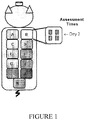
- forty-four deep, partial-thickness wounds were created on the paravertebral area on two pigs.
- Four wounds each were randomly assigned to eleven treatment groups and inoculated with S. aureus ATCC 6538. Wounds were treated with approximately 200 mg of each treatment.
- wounds were assessed using a flush and scrub technique to recover planktonic and biofilm-associated bacterial count, respectively.
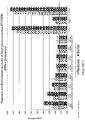
- All treatment groups at differing concentrations of DTPA alone reduced bacterial counts (planktonic and biofilm) as compared to untreated control wounds.
- the highest concentration of DTPA (30000 ⁇ M) alone showed the largest reduction of both planktonic and biofilm bacteria counts as compared to other DTPA concentrations.
- DTPA at 5000, 10000 and 30000 ⁇ M concentrations when combined with Gentamicin showed a 99.99% reduction of S. aureus planktonic bacterial count as compared to untreated wounds.
- the highest concentration of DTPA (30000 ⁇ M) combined with Gentamicin also showed the highest percentage of reduction (99.99%) in S. aureus biofilm bacteria counts compared to untreated wounds.
- Swine (2 animals) were used as the experimental animal due to the morphological, physiological, and biochemical similarities between swine skin and human skin.
- Figure 1 illustrates the Experimental Design and depicts a schematic diagram of treatment groups and animal wounding
- Figure 2 provides a bar graph summary for ease of comparison showing wounds treated with DTPA alone in increasing concentrations and the effect on both planktonic and biofilm bacterial counts of S. aureus ATCC6538
- Figure 3 sets forth a bar graph summary of wounds treated with a DTPA/Gentamicin combination at increasing concentrations of DTPA and the effect on planktonic and biofilm bacterial counts of S. aureus ATCC6538
- Essential components comprise from about 15 mg/ml to about 50 mg/ml (30 to 100 mM) DTPA, 0.1% gentamicin, buffering agent (to maintain pH), and optionally one or more excipients such as viscosity modifiers and/or preservatives.
- the appropriate excipients and suitable concentrations would be readily apparent to a person of ordinary skill in the composition formulating arts.
- the basic formulation can be adjusted to provide aqueous spray compositions of varying concentrations of DTPA. Methods for preparing the above compositions can be scaled up using methods commonly known in the pharmaceutical arts.
- This example illustrates an exemplary topical cream formulation.
- Emulsifiers generally encourage the suspension of one liquid into another, while emollients act as moisturizers to keep the skin (wound) soft, while increasing the skin's ability to hold water and lock in moisture, while lubricating the skin (wound). Providing the ability to keep the wound moist creates an optimal wound healing environment.
- Cream Base Component Amount 1 Glyceryl stearate/PEG-100 (25F-D stearate) 109.6 g 2
- compositions of varying concentrations of DTPA including, for example, compositions comprising from about 30 ⁇ M to about 30 mM DTPA.
- the antibiotic may be omitted.
- Methods for preparing the above compositions can be scaled up using methods commonly known in the pharmaceutical arts.
- the invention includes embodiments in which exactly one member of the group is present in, employed in, or otherwise relevant to a given product or process. It is to be understood that the invention encompasses all variations, combinations, and permutations in which one or more limitations, elements, clauses, descriptive terms, etc., from one or more of the listed claims is introduced into another claim. For example, any claim that is dependent on another claim can be modified to include one or more elements, limitations, clauses, or descriptive terms, found in any other claim that is dependent on the same base claim.
- medical uses for treating a subject can include a step of providing a subject in need of such treatment (e.g., a subject who has a wound or other medical need for antimicrobial treatment, including a prophylactic need), a step of diagnosing a subject as having such disease or disorder, a step of selecting a subject for treatment, and/or a step of suggesting an article, composition or kit of the invention to a subject or prescribing an article, composition or kit of the invention for a subject or providing instructions regarding use of the article, composition or kit, e.g., instructions for using the article, composition or kit for one or more purposes.
- a subject in need of such treatment e.g., a subject who has a wound or other medical need for antimicrobial treatment, including a prophylactic need
- diagnosing a subject as having such disease or disorder e.g., a subject who has a wound or other medical need for antimicrobial treatment, including a prophylactic need
- a step of selecting a subject for treatment e.g
Landscapes
- Health & Medical Sciences (AREA)
- Life Sciences & Earth Sciences (AREA)
- Chemical & Material Sciences (AREA)
- General Health & Medical Sciences (AREA)
- Epidemiology (AREA)
- Animal Behavior & Ethology (AREA)
- Public Health (AREA)
- Veterinary Medicine (AREA)
- Medicinal Chemistry (AREA)
- Pharmacology & Pharmacy (AREA)
- Engineering & Computer Science (AREA)
- Wood Science & Technology (AREA)
- Plant Pathology (AREA)
- Environmental Sciences (AREA)
- Zoology (AREA)
- Dentistry (AREA)
- Agronomy & Crop Science (AREA)
- Pest Control & Pesticides (AREA)
- Dispersion Chemistry (AREA)
- Molecular Biology (AREA)
- Dermatology (AREA)
- Hematology (AREA)
- Materials Engineering (AREA)
- Inorganic Chemistry (AREA)
- Oil, Petroleum & Natural Gas (AREA)
- General Chemical & Material Sciences (AREA)
- Chemical Kinetics & Catalysis (AREA)
- Pharmaceuticals Containing Other Organic And Inorganic Compounds (AREA)
- Toxicology (AREA)
- Materials For Medical Uses (AREA)
- Acyclic And Carbocyclic Compounds In Medicinal Compositions (AREA)
Claims (15)
- Pharmazeutische Zusammensetzung, die zur topischen Auftragung auf ein Subjekt formuliert ist, wobei die Zusammensetzung 0,1 Gew.% Gentamicin, 5 bis 15 mg/ml Diethylentriaminpentaessigsäure (DTPA) und eine Öl-in-Wasser-Emulsion umfasst.
- Pharmazeutische Zusammensetzung nach Anspruch 1, wobei die DTPA als Na5DTPA oder Na3CaDTPA zu der Zusammensetzung gegeben wird.
- Pharmazeutische Zusammensetzung nach Anspruch 2, wobei die DTPA in saurer Form vorliegt und die Zusammensetzung ferner ein Solubilisierungsmittel umfasst.
- Pharmazeutische Zusammensetzung nach Anspruch 3, wobei das Solubilisierungsmittel Salzsäure ist.
- Pharmazeutische Zusammensetzung nach Anspruch 1 zur Verwendung in der Steigerung der antibakteriellen Wirksamkeit des Gentamicins.
- Pharmazeutische Zusammensetzung nach Anspruch 1 zur Verwendung in der Behandlung einer Wunde bei einem Subjekt.
- Pharmazeutische Zusammensetzung zur Verwendung nach Anspruch 6, wobei sich die Wunde auf einer Hautoberfläche oder jeglicher keratinhaltigen Körperstrukturoberfläche befindet.
- Verfahren zum Inhibieren der Bildung eines Biofilms auf einer Oberfläche, wobei das Verfahren Kontaktieren der Oberfläche mit einer Zusammensetzung umfasst, die etwa 0,1 Gew.% Gentamicin und 5 bis 15 mg/ml Diethylentriaminpentaessigsäure (DTPA) umfasst, wobei die Oberfläche einer harte Oberfläche oder eine textile Oberfläche sein kann.
- Verfahren nach Anspruch 8, wobei die Zusammensetzung als Aufsprühformulierung oder mithilfe eines gebrauchsfertigen Tuchs auf die Oberfläche aufgetragen wird.
- Verfahren nach Anspruch 8 oder 9, wobei der Biofilm ein oder mehrere der bakteriellen Zellen von S. aureus, S. epidermidis und S. pseudintermedius umfasst.
- Verfahren nach Anspruch 8 oder 9, wobei der Biofilm bakterielle Zellen von S. aureus umfasst.
- Artikel, der als Wundauflage gefertigt ist, umfassend mindestens einen Anteil, der mit einer pharmazeutischen Zusammensetzung imprägniert oder beschichtet ist, die etwa 0,1 Gew.% Gentamicin und 5 bis 15 mg/ml Diethylentriaminpentaessigsäure (DTPA) umfasst.
- Artikel nach Anspruch 12, wobei der Artikel als Wundverband gefertigt ist.
- Artikel nach Anspruch 12 oder 13, wobei der Artikel ein Kleidungsstück ist, das von einem Subjekt getragen wird, das an einer Aktivität mit hohem Mortalitätsrisiko teilnimmt, so dass die Kleidung in eine offene Wunde gepresst werden kann, sobald das Subjekt eine Verletzung erleidet, die eine offene Wunde umfasst, wodurch die Wunde mit der Zusammensetzung kontaktiert wird.
- Verfahren zum Formulieren einer pharmazeutischen Zusammensetzung gemäß Anspruch 1 als topische Formulierung, wobei das Verfahren umfasst:Bereitstellen eines Basisgefäßes mit geeigneter Öl-in-Wasser-Emulsionsbasis, die auf etwa 60 °C gehalten wird;Vorbereiten einer Aliquotenlösung in einem ersten Gefäß, indem eine Menge an DTPA zu einer Menge an sterilem Wasser gegeben wird und bis zur Einheitlichkeit gemischt wird;Überführen eines bestimmten Volumens der Aliquoten in ein zweites Gefäß und Zufügen von Gentamicinsulfat, während gemischt wird, bis das Gentamicinsulfat im Wesentlichen vollständig gelöst ist;Erwärmen der Basis in dem Basisgefäß unter Rühren auf etwa 90 °C;Filtern und Überführen des gesamten Inhalts des zweiten Gefäßes in das Basisgefäß;Mischen bis zur Einheitlichkeit;Abkühlen auf etwa 55 °C undÜberführen in ein Sterilisationsgefäß und Sterilisieren.
Applications Claiming Priority (2)
| Application Number | Priority Date | Filing Date | Title |
|---|---|---|---|
| US201361812701P | 2013-04-16 | 2013-04-16 | |
| PCT/US2014/034320 WO2014172435A1 (en) | 2013-04-16 | 2014-04-16 | Antimicrobial compositions of aminoglycosidic antibiotics and zinc ion chelators |
Publications (3)
| Publication Number | Publication Date |
|---|---|
| EP2986119A1 EP2986119A1 (de) | 2016-02-24 |
| EP2986119A4 EP2986119A4 (de) | 2016-09-28 |
| EP2986119B1 true EP2986119B1 (de) | 2019-08-14 |
Family
ID=51686955
Family Applications (1)
| Application Number | Title | Priority Date | Filing Date |
|---|---|---|---|
| EP14785399.8A Active EP2986119B1 (de) | 2013-04-16 | 2014-04-16 | Antimikrobielle zusammensetzungen aus aminoglycosidischen antibiotika und zink-ionen-chelatoren |
Country Status (7)
| Country | Link |
|---|---|
| US (2) | US9821063B2 (de) |
| EP (1) | EP2986119B1 (de) |
| AU (1) | AU2014253977B2 (de) |
| BR (1) | BR112015026193B8 (de) |
| CA (1) | CA2909283C (de) |
| ES (1) | ES2749223T3 (de) |
| WO (1) | WO2014172435A1 (de) |
Families Citing this family (7)
| Publication number | Priority date | Publication date | Assignee | Title |
|---|---|---|---|---|
| GB201607814D0 (en) | 2016-05-04 | 2016-06-15 | 5D Health Prot Group Ltd | Anti-microbial compositions |
| CN107865966A (zh) * | 2016-09-23 | 2018-04-03 | 刘力 | 局部给药的复方氨基糖苷类药物组合物 |
| WO2018140707A1 (en) * | 2017-01-30 | 2018-08-02 | Smith & Nephew, Inc. | Synergistic combination of thermolysin and an antibacterial agent to reduce eliminate bacterial biofilms from surfaces |
| WO2019071325A1 (en) * | 2017-10-13 | 2019-04-18 | The University Of Queensland | ZINC IONOPHORES AND USES THEREOF |
| IL258467A (en) * | 2018-03-29 | 2018-07-04 | Ilana Kolodkin Gal | Methods of disrupting a biofilm and/or preventing formation of same |
| CN109750054B (zh) * | 2019-02-21 | 2021-07-02 | 华中农业大学 | 一种牛支原体蛋白基因MbovGdpP及其应用 |
| US11850233B2 (en) | 2019-10-28 | 2023-12-26 | Matibur Rahaman Zamadar | Reduced adaptive microbial resistance treatment for flesh eating disease (necrotizing fasciitis) |
Family Cites Families (15)
| Publication number | Priority date | Publication date | Assignee | Title |
|---|---|---|---|---|
| US5133965A (en) * | 1988-06-08 | 1992-07-28 | Fountain Pharmaceuticals, Inc. | Dressing material having adsorbed thereon a solvent dilution microcarrier precursor solution |
| US5362754A (en) * | 1992-11-12 | 1994-11-08 | Univ. Of Tx Md Anderson Cancer Center | M-EDTA pharmaceutical preparations and uses thereof |
| US5688516A (en) * | 1992-11-12 | 1997-11-18 | Board Of Regents, The University Of Texas System | Non-glycopeptide antimicrobial agents in combination with an anticoagulant, an antithrombotic or a chelating agent, and their uses in, for example, the preparation of medical devices |
| CA2301746C (en) * | 1997-08-26 | 2011-02-15 | Board Of Regents, The University Of Texas System | Chelators in combination with biocides: treatment of microbially induced biofilm and corrosion |
| DE19753176C2 (de) | 1997-11-20 | 2000-04-27 | Gerlach Gerald F | Nicht rekombinante Subunitvakzine |
| US20040151765A1 (en) * | 2001-09-18 | 2004-08-05 | Ritchie Branson W. | Methods and compositions for wound management |
| US20020091074A1 (en) * | 2000-09-20 | 2002-07-11 | Wooley Richard E. | Medical compositions, dressings and methods for treating microbial infections of skin lesions |
| US6896809B2 (en) * | 2002-12-20 | 2005-05-24 | Providence Health System - Oregon | Methods for purifying chitosan |
| CN101129383B (zh) * | 2006-08-25 | 2014-04-02 | 天津和美生物技术有限公司 | 含氨基糖苷类抗生素的抗生素复方 |
| CN101129381B (zh) | 2006-08-25 | 2012-02-01 | 天津和美生物技术有限公司 | 含β-内酰胺类抗生素和离子螯合剂的抗生素复方 |
| US8305331B2 (en) | 2007-07-13 | 2012-11-06 | Tte Indianapolis | LCD device power saving system and method of reducing power consumption of LCD device |
| GB0714338D0 (en) * | 2007-07-23 | 2007-09-05 | Sinclair Pharmaceuticals Ltd | method |
| EP2306821B1 (de) | 2008-05-30 | 2014-10-01 | University Of Cincinnati | Verwendung von zink-chelieratoren enthaltend dtpa zum hemmen der biofilmbildung |
| JP5694944B2 (ja) * | 2008-10-29 | 2015-04-01 | トパズ ファーマシューティカルズ インコーポレイティド | エマルション系局所治療用製剤の保存方式 |
| MX350258B (es) | 2011-07-06 | 2017-08-31 | Novartis Ag | Emulsiones cationicas de aceite en agua. |
-
2014
- 2014-04-16 EP EP14785399.8A patent/EP2986119B1/de active Active
- 2014-04-16 US US14/254,362 patent/US9821063B2/en active Active
- 2014-04-16 CA CA2909283A patent/CA2909283C/en active Active
- 2014-04-16 ES ES14785399T patent/ES2749223T3/es active Active
- 2014-04-16 BR BR112015026193A patent/BR112015026193B8/pt not_active IP Right Cessation
- 2014-04-16 AU AU2014253977A patent/AU2014253977B2/en active Active
- 2014-04-16 WO PCT/US2014/034320 patent/WO2014172435A1/en not_active Ceased
-
2017
- 2017-10-13 US US15/783,509 patent/US10124064B2/en active Active
Non-Patent Citations (1)
| Title |
|---|
| None * |
Also Published As
| Publication number | Publication date |
|---|---|
| AU2014253977B2 (en) | 2017-06-01 |
| US10124064B2 (en) | 2018-11-13 |
| CA2909283C (en) | 2022-08-30 |
| BR112015026193A2 (pt) | 2020-07-14 |
| WO2014172435A1 (en) | 2014-10-23 |
| CA2909283A1 (en) | 2014-10-23 |
| EP2986119A1 (de) | 2016-02-24 |
| ES2749223T3 (es) | 2020-03-19 |
| EP2986119A4 (de) | 2016-09-28 |
| US20140308326A1 (en) | 2014-10-16 |
| US20180036410A1 (en) | 2018-02-08 |
| US9821063B2 (en) | 2017-11-21 |
| BR112015026193B8 (pt) | 2022-07-19 |
| BR112015026193B1 (pt) | 2021-11-16 |
| AU2014253977A1 (en) | 2015-11-05 |
Similar Documents
| Publication | Publication Date | Title |
|---|---|---|
| US10124064B2 (en) | Antimicrobial compositions of aminoglycosidic antibiotics and zinc ion chelators specifically formulated for enhanced inhibition of bacterial colonization and antibacterial efficacy | |
| US10772860B2 (en) | Antimicrobials and methods of use thereof | |
| EP2306821B1 (de) | Verwendung von zink-chelieratoren enthaltend dtpa zum hemmen der biofilmbildung | |
| CA2550929C (en) | Antiseptic compositions, methods and systems | |
| CN101766552A (zh) | 一种免洗抗菌洗手液及其制备方法 | |
| US8557265B2 (en) | Use of a synergistic composition as a therapeutic agent of disinfectant | |
| JP2019509353A (ja) | 微生物バイオフィルムに関連する皮膚状態および疾患の処置 | |
| WO2018191409A1 (en) | Antimicrobials and methods for use thereof | |
| JP7266597B2 (ja) | 微生物のコロニー形成を抑制するための置換トラン | |
| Roberts | Antimicrobial agents used in wound care | |
| US10398664B2 (en) | Methods of diagnosing and treating infected implants | |
| CN118252760A (zh) | 一种消毒杀菌湿巾及其制备方法 | |
| AU2005230209B2 (en) | Antimicrobial compositions and methods for their use | |
| CA3106105A1 (en) | Methods of diagnosing and treating infected implants | |
| Froimson et al. | Perioperative Skin Preparation |
Legal Events
| Date | Code | Title | Description |
|---|---|---|---|
| PUAI | Public reference made under article 153(3) epc to a published international application that has entered the european phase |
Free format text: ORIGINAL CODE: 0009012 |
|
| 17P | Request for examination filed |
Effective date: 20151112 |
|
| AK | Designated contracting states |
Kind code of ref document: A1 Designated state(s): AL AT BE BG CH CY CZ DE DK EE ES FI FR GB GR HR HU IE IS IT LI LT LU LV MC MK MT NL NO PL PT RO RS SE SI SK SM TR |
|
| AX | Request for extension of the european patent |
Extension state: BA ME |
|
| DAX | Request for extension of the european patent (deleted) | ||
| A4 | Supplementary search report drawn up and despatched |
Effective date: 20160831 |
|
| RIC1 | Information provided on ipc code assigned before grant |
Ipc: A01N 37/44 20060101AFI20160825BHEP |
|
| STAA | Information on the status of an ep patent application or granted ep patent |
Free format text: STATUS: EXAMINATION IS IN PROGRESS |
|
| 17Q | First examination report despatched |
Effective date: 20180606 |
|
| REG | Reference to a national code |
Ref country code: DE Ref legal event code: R079 Ref document number: 602014051804 Country of ref document: DE Free format text: PREVIOUS MAIN CLASS: A01N0037440000 Ipc: A01N0037360000 |
|
| GRAP | Despatch of communication of intention to grant a patent |
Free format text: ORIGINAL CODE: EPIDOSNIGR1 |
|
| STAA | Information on the status of an ep patent application or granted ep patent |
Free format text: STATUS: GRANT OF PATENT IS INTENDED |
|
| RIC1 | Information provided on ipc code assigned before grant |
Ipc: A61K 9/06 20060101ALI20181114BHEP Ipc: A61K 47/02 20060101ALI20181114BHEP Ipc: A01N 43/16 20060101ALI20181114BHEP Ipc: A01N 37/36 20060101AFI20181114BHEP Ipc: A01N 47/44 20060101ALI20181114BHEP Ipc: A61K 9/00 20060101ALI20181114BHEP Ipc: A61K 9/70 20060101ALI20181114BHEP Ipc: A61K 9/12 20060101ALI20181114BHEP Ipc: A61K 31/7036 20060101ALI20181114BHEP Ipc: A61L 15/46 20060101ALI20181114BHEP |
|
| INTG | Intention to grant announced |
Effective date: 20181210 |
|
| GRAJ | Information related to disapproval of communication of intention to grant by the applicant or resumption of examination proceedings by the epo deleted |
Free format text: ORIGINAL CODE: EPIDOSDIGR1 |
|
| STAA | Information on the status of an ep patent application or granted ep patent |
Free format text: STATUS: EXAMINATION IS IN PROGRESS |
|
| GRAP | Despatch of communication of intention to grant a patent |
Free format text: ORIGINAL CODE: EPIDOSNIGR1 |
|
| STAA | Information on the status of an ep patent application or granted ep patent |
Free format text: STATUS: GRANT OF PATENT IS INTENDED |
|
| INTC | Intention to grant announced (deleted) | ||
| INTG | Intention to grant announced |
Effective date: 20190220 |
|
| GRAS | Grant fee paid |
Free format text: ORIGINAL CODE: EPIDOSNIGR3 |
|
| GRAA | (expected) grant |
Free format text: ORIGINAL CODE: 0009210 |
|
| STAA | Information on the status of an ep patent application or granted ep patent |
Free format text: STATUS: THE PATENT HAS BEEN GRANTED |
|
| AK | Designated contracting states |
Kind code of ref document: B1 Designated state(s): AL AT BE BG CH CY CZ DE DK EE ES FI FR GB GR HR HU IE IS IT LI LT LU LV MC MK MT NL NO PL PT RO RS SE SI SK SM TR |
|
| REG | Reference to a national code |
Ref country code: GB Ref legal event code: FG4D |
|
| REG | Reference to a national code |
Ref country code: CH Ref legal event code: EP Ref country code: AT Ref legal event code: REF Ref document number: 1165932 Country of ref document: AT Kind code of ref document: T Effective date: 20190815 |
|
| REG | Reference to a national code |
Ref country code: IE Ref legal event code: FG4D |
|
| REG | Reference to a national code |
Ref country code: DE Ref legal event code: R096 Ref document number: 602014051804 Country of ref document: DE |
|
| REG | Reference to a national code |
Ref country code: NL Ref legal event code: MP Effective date: 20190814 |
|
| REG | Reference to a national code |
Ref country code: LT Ref legal event code: MG4D |
|
| PG25 | Lapsed in a contracting state [announced via postgrant information from national office to epo] |
Ref country code: FI Free format text: LAPSE BECAUSE OF FAILURE TO SUBMIT A TRANSLATION OF THE DESCRIPTION OR TO PAY THE FEE WITHIN THE PRESCRIBED TIME-LIMIT Effective date: 20190814 Ref country code: NO Free format text: LAPSE BECAUSE OF FAILURE TO SUBMIT A TRANSLATION OF THE DESCRIPTION OR TO PAY THE FEE WITHIN THE PRESCRIBED TIME-LIMIT Effective date: 20191114 Ref country code: PT Free format text: LAPSE BECAUSE OF FAILURE TO SUBMIT A TRANSLATION OF THE DESCRIPTION OR TO PAY THE FEE WITHIN THE PRESCRIBED TIME-LIMIT Effective date: 20191216 Ref country code: SE Free format text: LAPSE BECAUSE OF FAILURE TO SUBMIT A TRANSLATION OF THE DESCRIPTION OR TO PAY THE FEE WITHIN THE PRESCRIBED TIME-LIMIT Effective date: 20190814 Ref country code: HR Free format text: LAPSE BECAUSE OF FAILURE TO SUBMIT A TRANSLATION OF THE DESCRIPTION OR TO PAY THE FEE WITHIN THE PRESCRIBED TIME-LIMIT Effective date: 20190814 Ref country code: NL Free format text: LAPSE BECAUSE OF FAILURE TO SUBMIT A TRANSLATION OF THE DESCRIPTION OR TO PAY THE FEE WITHIN THE PRESCRIBED TIME-LIMIT Effective date: 20190814 Ref country code: BG Free format text: LAPSE BECAUSE OF FAILURE TO SUBMIT A TRANSLATION OF THE DESCRIPTION OR TO PAY THE FEE WITHIN THE PRESCRIBED TIME-LIMIT Effective date: 20191114 Ref country code: LT Free format text: LAPSE BECAUSE OF FAILURE TO SUBMIT A TRANSLATION OF THE DESCRIPTION OR TO PAY THE FEE WITHIN THE PRESCRIBED TIME-LIMIT Effective date: 20190814 |
|
| REG | Reference to a national code |
Ref country code: AT Ref legal event code: MK05 Ref document number: 1165932 Country of ref document: AT Kind code of ref document: T Effective date: 20190814 |
|
| PG25 | Lapsed in a contracting state [announced via postgrant information from national office to epo] |
Ref country code: RS Free format text: LAPSE BECAUSE OF FAILURE TO SUBMIT A TRANSLATION OF THE DESCRIPTION OR TO PAY THE FEE WITHIN THE PRESCRIBED TIME-LIMIT Effective date: 20190814 Ref country code: LV Free format text: LAPSE BECAUSE OF FAILURE TO SUBMIT A TRANSLATION OF THE DESCRIPTION OR TO PAY THE FEE WITHIN THE PRESCRIBED TIME-LIMIT Effective date: 20190814 Ref country code: AL Free format text: LAPSE BECAUSE OF FAILURE TO SUBMIT A TRANSLATION OF THE DESCRIPTION OR TO PAY THE FEE WITHIN THE PRESCRIBED TIME-LIMIT Effective date: 20190814 Ref country code: GR Free format text: LAPSE BECAUSE OF FAILURE TO SUBMIT A TRANSLATION OF THE DESCRIPTION OR TO PAY THE FEE WITHIN THE PRESCRIBED TIME-LIMIT Effective date: 20191115 Ref country code: IS Free format text: LAPSE BECAUSE OF FAILURE TO SUBMIT A TRANSLATION OF THE DESCRIPTION OR TO PAY THE FEE WITHIN THE PRESCRIBED TIME-LIMIT Effective date: 20191214 |
|
| REG | Reference to a national code |
Ref country code: ES Ref legal event code: FG2A Ref document number: 2749223 Country of ref document: ES Kind code of ref document: T3 Effective date: 20200319 |
|
| PG25 | Lapsed in a contracting state [announced via postgrant information from national office to epo] |
Ref country code: TR Free format text: LAPSE BECAUSE OF FAILURE TO SUBMIT A TRANSLATION OF THE DESCRIPTION OR TO PAY THE FEE WITHIN THE PRESCRIBED TIME-LIMIT Effective date: 20190814 |
|
| PG25 | Lapsed in a contracting state [announced via postgrant information from national office to epo] |
Ref country code: PL Free format text: LAPSE BECAUSE OF FAILURE TO SUBMIT A TRANSLATION OF THE DESCRIPTION OR TO PAY THE FEE WITHIN THE PRESCRIBED TIME-LIMIT Effective date: 20190814 Ref country code: RO Free format text: LAPSE BECAUSE OF FAILURE TO SUBMIT A TRANSLATION OF THE DESCRIPTION OR TO PAY THE FEE WITHIN THE PRESCRIBED TIME-LIMIT Effective date: 20190814 Ref country code: IT Free format text: LAPSE BECAUSE OF FAILURE TO SUBMIT A TRANSLATION OF THE DESCRIPTION OR TO PAY THE FEE WITHIN THE PRESCRIBED TIME-LIMIT Effective date: 20190814 Ref country code: DK Free format text: LAPSE BECAUSE OF FAILURE TO SUBMIT A TRANSLATION OF THE DESCRIPTION OR TO PAY THE FEE WITHIN THE PRESCRIBED TIME-LIMIT Effective date: 20190814 Ref country code: EE Free format text: LAPSE BECAUSE OF FAILURE TO SUBMIT A TRANSLATION OF THE DESCRIPTION OR TO PAY THE FEE WITHIN THE PRESCRIBED TIME-LIMIT Effective date: 20190814 Ref country code: AT Free format text: LAPSE BECAUSE OF FAILURE TO SUBMIT A TRANSLATION OF THE DESCRIPTION OR TO PAY THE FEE WITHIN THE PRESCRIBED TIME-LIMIT Effective date: 20190814 |
|
| PG25 | Lapsed in a contracting state [announced via postgrant information from national office to epo] |
Ref country code: SM Free format text: LAPSE BECAUSE OF FAILURE TO SUBMIT A TRANSLATION OF THE DESCRIPTION OR TO PAY THE FEE WITHIN THE PRESCRIBED TIME-LIMIT Effective date: 20190814 Ref country code: CZ Free format text: LAPSE BECAUSE OF FAILURE TO SUBMIT A TRANSLATION OF THE DESCRIPTION OR TO PAY THE FEE WITHIN THE PRESCRIBED TIME-LIMIT Effective date: 20190814 Ref country code: IS Free format text: LAPSE BECAUSE OF FAILURE TO SUBMIT A TRANSLATION OF THE DESCRIPTION OR TO PAY THE FEE WITHIN THE PRESCRIBED TIME-LIMIT Effective date: 20200224 Ref country code: SK Free format text: LAPSE BECAUSE OF FAILURE TO SUBMIT A TRANSLATION OF THE DESCRIPTION OR TO PAY THE FEE WITHIN THE PRESCRIBED TIME-LIMIT Effective date: 20190814 |
|
| REG | Reference to a national code |
Ref country code: DE Ref legal event code: R097 Ref document number: 602014051804 Country of ref document: DE |
|
| PLBE | No opposition filed within time limit |
Free format text: ORIGINAL CODE: 0009261 |
|
| STAA | Information on the status of an ep patent application or granted ep patent |
Free format text: STATUS: NO OPPOSITION FILED WITHIN TIME LIMIT |
|
| PG2D | Information on lapse in contracting state deleted |
Ref country code: IS |
|
| 26N | No opposition filed |
Effective date: 20200603 |
|
| PG25 | Lapsed in a contracting state [announced via postgrant information from national office to epo] |
Ref country code: SI Free format text: LAPSE BECAUSE OF FAILURE TO SUBMIT A TRANSLATION OF THE DESCRIPTION OR TO PAY THE FEE WITHIN THE PRESCRIBED TIME-LIMIT Effective date: 20190814 |
|
| PG25 | Lapsed in a contracting state [announced via postgrant information from national office to epo] |
Ref country code: MC Free format text: LAPSE BECAUSE OF FAILURE TO SUBMIT A TRANSLATION OF THE DESCRIPTION OR TO PAY THE FEE WITHIN THE PRESCRIBED TIME-LIMIT Effective date: 20190814 |
|
| REG | Reference to a national code |
Ref country code: CH Ref legal event code: PL |
|
| PG25 | Lapsed in a contracting state [announced via postgrant information from national office to epo] |
Ref country code: CH Free format text: LAPSE BECAUSE OF NON-PAYMENT OF DUE FEES Effective date: 20200430 Ref country code: LU Free format text: LAPSE BECAUSE OF NON-PAYMENT OF DUE FEES Effective date: 20200416 Ref country code: LI Free format text: LAPSE BECAUSE OF NON-PAYMENT OF DUE FEES Effective date: 20200430 |
|
| REG | Reference to a national code |
Ref country code: BE Ref legal event code: MM Effective date: 20200430 |
|
| PG25 | Lapsed in a contracting state [announced via postgrant information from national office to epo] |
Ref country code: BE Free format text: LAPSE BECAUSE OF NON-PAYMENT OF DUE FEES Effective date: 20200430 |
|
| PG25 | Lapsed in a contracting state [announced via postgrant information from national office to epo] |
Ref country code: IE Free format text: LAPSE BECAUSE OF NON-PAYMENT OF DUE FEES Effective date: 20200416 |
|
| PG25 | Lapsed in a contracting state [announced via postgrant information from national office to epo] |
Ref country code: MT Free format text: LAPSE BECAUSE OF FAILURE TO SUBMIT A TRANSLATION OF THE DESCRIPTION OR TO PAY THE FEE WITHIN THE PRESCRIBED TIME-LIMIT Effective date: 20190814 Ref country code: CY Free format text: LAPSE BECAUSE OF FAILURE TO SUBMIT A TRANSLATION OF THE DESCRIPTION OR TO PAY THE FEE WITHIN THE PRESCRIBED TIME-LIMIT Effective date: 20190814 |
|
| PG25 | Lapsed in a contracting state [announced via postgrant information from national office to epo] |
Ref country code: MK Free format text: LAPSE BECAUSE OF FAILURE TO SUBMIT A TRANSLATION OF THE DESCRIPTION OR TO PAY THE FEE WITHIN THE PRESCRIBED TIME-LIMIT Effective date: 20190814 |
|
| P01 | Opt-out of the competence of the unified patent court (upc) registered |
Effective date: 20230613 |
|
| PGFP | Annual fee paid to national office [announced via postgrant information from national office to epo] |
Ref country code: DE Payment date: 20250429 Year of fee payment: 12 |
|
| PGFP | Annual fee paid to national office [announced via postgrant information from national office to epo] |
Ref country code: GB Payment date: 20250428 Year of fee payment: 12 Ref country code: ES Payment date: 20250505 Year of fee payment: 12 |
|
| PGFP | Annual fee paid to national office [announced via postgrant information from national office to epo] |
Ref country code: FR Payment date: 20250425 Year of fee payment: 12 |