EP2981272B1 - Microporous zirconium silicate and diuretics for the reduction of potassium and treatment of chronic kidney and/or chronic heart disease - Google Patents
Microporous zirconium silicate and diuretics for the reduction of potassium and treatment of chronic kidney and/or chronic heart disease Download PDFInfo
- Publication number
- EP2981272B1 EP2981272B1 EP14779186.7A EP14779186A EP2981272B1 EP 2981272 B1 EP2981272 B1 EP 2981272B1 EP 14779186 A EP14779186 A EP 14779186A EP 2981272 B1 EP2981272 B1 EP 2981272B1
- Authority
- EP
- European Patent Office
- Prior art keywords
- zirconium silicate
- potassium
- diuretic
- dose
- crystals
- Prior art date
- Legal status (The legal status is an assumption and is not a legal conclusion. Google has not performed a legal analysis and makes no representation as to the accuracy of the status listed.)
- Revoked
Links
Images









Classifications
-
- A—HUMAN NECESSITIES
- A61—MEDICAL OR VETERINARY SCIENCE; HYGIENE
- A61K—PREPARATIONS FOR MEDICAL, DENTAL OR TOILETRY PURPOSES
- A61K33/00—Medicinal preparations containing inorganic active ingredients
- A61K33/24—Heavy metals; Compounds thereof
-
- A—HUMAN NECESSITIES
- A61—MEDICAL OR VETERINARY SCIENCE; HYGIENE
- A61K—PREPARATIONS FOR MEDICAL, DENTAL OR TOILETRY PURPOSES
- A61K31/00—Medicinal preparations containing organic active ingredients
- A61K31/33—Heterocyclic compounds
- A61K31/395—Heterocyclic compounds having nitrogen as a ring hetero atom, e.g. guanethidine or rifamycins
- A61K31/41—Heterocyclic compounds having nitrogen as a ring hetero atom, e.g. guanethidine or rifamycins having five-membered rings with two or more ring hetero atoms, at least one of which being nitrogen, e.g. tetrazole
- A61K31/4164—1,3-Diazoles
- A61K31/4184—1,3-Diazoles condensed with carbocyclic rings, e.g. benzimidazoles
-
- A—HUMAN NECESSITIES
- A61—MEDICAL OR VETERINARY SCIENCE; HYGIENE
- A61K—PREPARATIONS FOR MEDICAL, DENTAL OR TOILETRY PURPOSES
- A61K38/00—Medicinal preparations containing peptides
- A61K38/04—Peptides having up to 20 amino acids in a fully defined sequence; Derivatives thereof
- A61K38/06—Tripeptides
-
- A—HUMAN NECESSITIES
- A61—MEDICAL OR VETERINARY SCIENCE; HYGIENE
- A61K—PREPARATIONS FOR MEDICAL, DENTAL OR TOILETRY PURPOSES
- A61K45/00—Medicinal preparations containing active ingredients not provided for in groups A61K31/00 - A61K41/00
- A61K45/06—Mixtures of active ingredients without chemical characterisation, e.g. antiphlogistics and cardiaca
-
- A—HUMAN NECESSITIES
- A61—MEDICAL OR VETERINARY SCIENCE; HYGIENE
- A61K—PREPARATIONS FOR MEDICAL, DENTAL OR TOILETRY PURPOSES
- A61K9/00—Medicinal preparations characterised by special physical form
- A61K9/14—Particulate form, e.g. powders, Processes for size reducing of pure drugs or the resulting products, Pure drug nanoparticles
- A61K9/16—Agglomerates; Granulates; Microbeadlets ; Microspheres; Pellets; Solid products obtained by spray drying, spray freeze drying, spray congealing,(multiple) emulsion solvent evaporation or extraction
-
- A—HUMAN NECESSITIES
- A61—MEDICAL OR VETERINARY SCIENCE; HYGIENE
- A61P—SPECIFIC THERAPEUTIC ACTIVITY OF CHEMICAL COMPOUNDS OR MEDICINAL PREPARATIONS
- A61P13/00—Drugs for disorders of the urinary system
- A61P13/12—Drugs for disorders of the urinary system of the kidneys
-
- A—HUMAN NECESSITIES
- A61—MEDICAL OR VETERINARY SCIENCE; HYGIENE
- A61P—SPECIFIC THERAPEUTIC ACTIVITY OF CHEMICAL COMPOUNDS OR MEDICINAL PREPARATIONS
- A61P3/00—Drugs for disorders of the metabolism
- A61P3/12—Drugs for disorders of the metabolism for electrolyte homeostasis
-
- A—HUMAN NECESSITIES
- A61—MEDICAL OR VETERINARY SCIENCE; HYGIENE
- A61P—SPECIFIC THERAPEUTIC ACTIVITY OF CHEMICAL COMPOUNDS OR MEDICINAL PREPARATIONS
- A61P43/00—Drugs for specific purposes, not provided for in groups A61P1/00-A61P41/00
-
- A—HUMAN NECESSITIES
- A61—MEDICAL OR VETERINARY SCIENCE; HYGIENE
- A61P—SPECIFIC THERAPEUTIC ACTIVITY OF CHEMICAL COMPOUNDS OR MEDICINAL PREPARATIONS
- A61P5/00—Drugs for disorders of the endocrine system
- A61P5/38—Drugs for disorders of the endocrine system of the suprarenal hormones
- A61P5/40—Mineralocorticosteroids, e.g. aldosterone; Drugs increasing or potentiating the activity of mineralocorticosteroids
-
- A—HUMAN NECESSITIES
- A61—MEDICAL OR VETERINARY SCIENCE; HYGIENE
- A61P—SPECIFIC THERAPEUTIC ACTIVITY OF CHEMICAL COMPOUNDS OR MEDICINAL PREPARATIONS
- A61P7/00—Drugs for disorders of the blood or the extracellular fluid
- A61P7/12—Antidiuretics, e.g. drugs for diabetes insipidus
-
- A—HUMAN NECESSITIES
- A61—MEDICAL OR VETERINARY SCIENCE; HYGIENE
- A61P—SPECIFIC THERAPEUTIC ACTIVITY OF CHEMICAL COMPOUNDS OR MEDICINAL PREPARATIONS
- A61P9/00—Drugs for disorders of the cardiovascular system
-
- A—HUMAN NECESSITIES
- A61—MEDICAL OR VETERINARY SCIENCE; HYGIENE
- A61P—SPECIFIC THERAPEUTIC ACTIVITY OF CHEMICAL COMPOUNDS OR MEDICINAL PREPARATIONS
- A61P9/00—Drugs for disorders of the cardiovascular system
- A61P9/04—Inotropic agents, i.e. stimulants of cardiac contraction; Drugs for heart failure
-
- C—CHEMISTRY; METALLURGY
- C01—INORGANIC CHEMISTRY
- C01B—NON-METALLIC ELEMENTS; COMPOUNDS THEREOF; METALLOIDS OR COMPOUNDS THEREOF NOT COVERED BY SUBCLASS C01C
- C01B39/00—Compounds having molecular sieve and base-exchange properties, e.g. crystalline zeolites; Their preparation; After-treatment, e.g. ion-exchange or dealumination
-
- Y—GENERAL TAGGING OF NEW TECHNOLOGICAL DEVELOPMENTS; GENERAL TAGGING OF CROSS-SECTIONAL TECHNOLOGIES SPANNING OVER SEVERAL SECTIONS OF THE IPC; TECHNICAL SUBJECTS COVERED BY FORMER USPC CROSS-REFERENCE ART COLLECTIONS [XRACs] AND DIGESTS
- Y02—TECHNOLOGIES OR APPLICATIONS FOR MITIGATION OR ADAPTATION AGAINST CLIMATE CHANGE
- Y02A—TECHNOLOGIES FOR ADAPTATION TO CLIMATE CHANGE
- Y02A50/00—TECHNOLOGIES FOR ADAPTATION TO CLIMATE CHANGE in human health protection, e.g. against extreme weather
- Y02A50/30—Against vector-borne diseases, e.g. mosquito-borne, fly-borne, tick-borne or waterborne diseases whose impact is exacerbated by climate change
Definitions
- the present invention relates to combination therapy for the treatment of diseases and/or disorders associated with excess cation levels using microporous zirconium silicate and diuretic compounds.
- the present invention can be used in the treatment of chronic kidney disease.
- the invention provides a safe way to lower potassium levels in patients prone to or at risk to develop high potassium levels due to the use of therapies that include diuretics.
- the invention mitigates the negative systemic effects of such therapies without incurring the risk of hyperkalemia.
- Acute hyperkalemia is a serious life threatening condition resulting from elevated serum potassium levels.
- Potassium is a ubiquitous ion, involved in numerous processes in the human body. It is the most abundant intracellular cation and is critically important for numerous physiological processes, including maintenance of cellular membrane potential, homeostasis of cell volume, and transmission of action potentials. Its main dietary sources are vegetables (tomatoes and potatoes), fruit (oranges, bananas) and meat.
- the normal potassium levels in plasma are between 3.5-5.0 mmol/L with the kidney being the main regulator of potassium levels.
- the renal elimination of potassium is passive (through the glomeruli) with active reabsorption in the proximal tubule and the ascending limb of the loop of Henle. There is active excretion of potassium in the distal tubules and the collecting duct, both of these processes are controlled by aldosterone.
- Hyperkalemia may develop when there is excessive production of serum potassium (oral intake, tissue breakdown). Ineffective elimination, which is the most common cause of hyperkalemia, can be hormonal (as in aldosterone deficiency), pharmacologic (treatment with ACE-inhibitors or angiotensin-receptor blockers) or, more commonly, due to reduced kidney function or advanced cardiac failure.
- the most common cause of hyperkalemia is renal insufficiency, and there is a close correlation between degree of kidney failure and serum potassium (“S-K”) levels.
- S-K serum potassium
- a number of different commonly used drugs cause hyperkalemia, such as ACE-inhibitors, angiotensin receptor blockers, potassium-sparing diuretics (e.g.
- beta-receptor blocking agents digoxin or succinylcholine are other well-known causes of hyperkalemia.
- advanced degrees of congestive heart disease, massive injuries, burns or intravascular hemolysis cause hyperkalemia, as can metabolic acidosis, most often as part of diabetic ketoacidosis.
- Symptoms of hyperkalemia are somewhat non-specific and generally include malaise, palpitations and muscle weakness or signs of cardiac arrhythmias, such as palpitations, brady- tachycardia or dizziness/fainting. Often, however, the hyperkalemia is detected during routine screening blood tests for a medical disorder or after severe complications have developed, such as cardiac arrhythmias or sudden death. Diagnosis is obviously established by S-K measurements.
- Treatment depends on the S-K levels. In milder cases (S-K between 5-6.5 mmol/l), acute treatment with a potassium binding resin (Kayexalate ® ), combined with dietary advice (low potassium diet) and possibly modification of drug treatment (if treated with drugs causing hyperkalemia) is the standard of care; if S-K is above 6.5 mmol/l or if arrhythmias are present, emergency lowering of potassium and close monitoring in a hospital setting is mandated. The following treatments are typically used:
- Kayexalate ® The only commercial pharmacologic modality that actually increases elimination of potassium from the body is Kayexalate ® ; however, due to the need to induce diarrhea, Kayexalate ® cannot be administered on a chronic basis, and even in the acute setting, with the accompanying need to induce diarrhea, combined with only marginal efficacy and a foul smell and taste, reduces its usefulness.
- ZS or titanium silicate microporous ion exchangers to remove toxic cations and anions from blood or dialysate is described in U.S. Patent Nos. 6,579,460 , 6,099,737 , and 6,332,985 . Additional examples of microporous ion exchangers are found in U.S. Patent Nos. 6,814,871 , 5,891,417 , and 5,888,472 .
- WO 02/062356 A2 discloses that zirconium silicate is useful to treat kidney failure and hyperphoshatemia.
- known ZS compositions may exhibit undesirable effects when utilized in vivo for the removal of potassium in the treatment of hyperkalemia.
- the administration of ZS molecular sieve compositions has been associated with an incidence of mixed leukocyte inflammation, minimal acute urinary bladder inflammation and the observation of unidentified crystals in the renal pelvis and urine in animal studies, as well as an increase in urine pH.
- known ZS compositions have had issues with crystalline impurities and undesirably low cation exchange capacity.
- the inventors disclosed novel ZS molecular sieves to address the problem associated with existing hyperkalemia treatments, and novel methods of treatment for hyperkalemia utilizing these novel compositions. See U.S. Patent Application No. 13/371,080 ( U.S. Pat. Application Pub. No. 2012-0213847 A1 ).
- the present inventors have disclosed novel processes for producing ZS absorbers with an improved particles-size distribution that can be prepared with methods avoid and/or reduce the need to screen ZS crystals. See U.S. Provisional Application No. 61/658,117 .
- novel divalent cation e.g., calcium and/or magnesium
- the calcium loaded forms of ZS disclosed in the '415 provisional may include magnesium in addition or as a substitute for calcium.
- aldosterone in kidney function has been extensively studied. See Remuzzi et al., "The role of renin-angiotensin-aldosterone system in the progression of chronic kidney disease," Kidney Int'l, Vol. 68 Supp. 99, pp. S57-S65 (2005 ); Zhang et al., "Aldosterone induces epithelial-mesenchymal transition via ROS of mitochondrial origin," Am J Physiol Renal Physiol 293 (2007 ); Ponda et al., "Aldosterone Antagonism in Chronic Kidney Disease,” Clin J Am Soc Nephol 1:668-677 (2006 ); U.
- CVD is well known to be common and often fatal in people with CKD.
- plasma aldosterone levels are associated with increased cardiovascular morality. Accordingly, reduction of aldosterone levels without side effects associated with aldo blockers would be desirably in the treatment of patients diagnosed with CKD and/or CVD.
- ACE inhibitors or ARB e.g., ACE inhibitors
- a diuretic e.g., potassium sparing
- the administration of this combination has been shown to increase the risk of developing hyperkalemia, especially in patients with diabetes mellitus and renal impairment. Horn and Hansten, "Hyperkalemia Due to Drug Interactions," Pharmacy Times, pp.
- microporous zirconium silicate is associated with an improved GFR and when co administered with therapies that include diuretics desirably reduced the risk of developing hyperkalemia.
- the present invention involves administration of a suitable dose of microporous zirconium silicate to a patient who has been diagnosed with chronic kidney disease.
- a suitable dose of microporous zirconium silicate to a patient who has been diagnosed with chronic kidney disease.
- the scope of the invention is defined by the claims.
- the references to methods of treatment in the summary and detailed description of the invention in this description are to be interpreted as references to the compounds, pharmaceutical compositions and medicaments of the present invention for use in a method for treatment of the human (or animal) body by therapy.
- the composition comprises a microporous structure composed of ZrO 3 octahedral units and at least one SiO 2 tetrahedral units and GeO 2 tetrahedral units.
- A is an exchangeable cation selected from potassium ion, sodium ion, rubidium ion, cesium ion, calcium ion, magnesium ion, hydronium ion or mixtures thereof
- M is at least one framework metal selected from the group consisting of hafnium (4+), tin (4+), niobium (5+), titanium (4+), cerium (4+), germanium (4+), praseodymium (4+), and terbium (4+), "p” has a value from about 1 to about 20, “x” has a value from 0 to less than 1, "n” has a value from about 0 to about 12, “y” has a value from 0 to about 12, "m” has
- the compositions preferably have an elevated cation exchange capacity, particularly potassium exchange capacity.
- the elevated cation exchange capacity is achieved by a specialized process and reactor configuration that lifts and more thoroughly suspends crystals throughout the reaction as described in U.S. Patent Application No. 13/371,080 ( U.S. Pat. Application Pub. No. 2012-0213847 A1 ).
- the improved ZS-9 crystal compositions i.e., compositions where the predominant crystalline form is ZS-9) had a potassium exchange capacity of greater than 2.5 meq/g, more preferably between 2.7 and 3.7 meq/g, more preferably between 3.05 and 3.35 meq/g.
- ZS-9 crystals with a potassium exchange capacity of 3.1 meq/g have been manufactured on a commercial scale and have achieved desirable clinical outcomes. It is expected that ZS-9 crystals with a potassium exchange capacity of 3.2 meq/g will also achieve desirable clinical outcomes and offer improved dosing forms.
- the targets of 3.1 and 3.2 meq/g may be achieved with a tolerance of ⁇ 15%, more preferably ⁇ 10%, and most preferably ⁇ 5%. Higher capacity forms of ZS-9 are desirable although are more difficult to produce on a commercial scale.
- Such higher capacity forms of ZS-9 have elevated exchange capacities of greater than 3.5 meq/g, more preferably greater than 4.0 meq/g, more preferably between 4.3 and 4.8 meq/g, even more preferably between 4.4 and 4.7 meq/g, and most preferably approximately 4.5 meq/g.
- ZS-9 crystals having a potassium exchange capacity in the range of between 3.7 and 3.9 meq/g were produced in accordance with Example 14 below.
- the composition exhibits median particle size of greater than 3 microns and less than 7% of the particles in the composition have a diameter less than 3 microns.
- less than 5% of the particles in the composition have a diameter less than 3 microns, more preferably less than 4% of the particles in the composition have a diameter less than 3 microns, more preferably less than 3% of the particles in the composition have a diameter of less than 3 microns, more preferably less than 2% of the particles in the composition have a diameter of less than 3 microns, more preferably less than 1% of the particles in the composition have a diameter of less than 3 microns, more preferably less than 0.5% of the particles in the composition have a diameter of less than 3 microns.
- none of the particles or only trace amounts has a diameter of less than 3 microns.
- the median and average particle size is preferably greater than 3 microns and particles reaching a sizes on the order of 1,000 microns are possible for certain applications.
- the median particle size ranges from 5 to 1000 microns, more preferably 10 to 600 microns, more preferably from 15 to 200 microns, and most preferably from 20 to 100 microns.
- the composition exhibiting the median particle size and fraction of particles in the composition having a diameter less than 3 micron described above also exhibits a sodium content of below 12% by weight.
- the sodium contents is below 9% by weight, more preferably the sodium content is below 6% by weight, more preferably the sodium content is below 3% by weight, more preferably the sodium content is in a range of between 0.05 to 3% by weight, and most preferably 0.01% or less by weight or as low as possible.
- the invention involves administering to a CKD patient an individual pharmaceutical dosage comprising the composition in capsule, tablet, or powdered form.
- Dosages can be individual capsules, tablets, or packaged powdered form of 5-10 grams of ZS.
- the product may be consumed once a day, three times daily, every other day, or weekly.
- the invention involves administering to a CKD patient a combination comprising a therapy that includes diuretic and a zirconium silicate.
- the zirconium silicate can be a ZS-9 as described herein.
- the diuretic can be a loop diuretic, a thiazine diuretic and/or a potassium sparing diuretic.
- a method of treating a CKD comprises administering therapies that include diuretics and a zirconium silicate of the present invention.
- the treatment of CKD using diuretics and zirconium silicate may further comprise angiotensin converting enzyme inhibitors (ACE) or angiotensin receptor blockers (ARB).
- ACE angiotensin converting enzyme inhibitors
- ARB angiotensin receptor blockers
- ZS has a microporous framework structure composed of ZrO 2 octahedral units and SiO 2 tetrahedral units.
- Figure 1 is a polyhedral drawing showing the structure of microporous ZS Na2.19ZrSi3.01O9.11 .• 2.71H2O (MW 420.71) The dark polygons depict the octahedral zirconium oxide units while the light polygons depict the tetrahedral silicon dioxide units. Cations are not depicted in Fig. 1 .
- the microporous exchanger of the invention has a large capacity and strong affinity, i.e., selectivity, for potassium or ammonium.
- Eleven types of ZS are available, ZS-1 through ZS-11, each having various affinities to ions have been developed. See e.g., U.S. Patent No. 5,891,417 .
- UZSi-9 (otherwise known as ZS-9) is a particularly effective ZS absorber for absorbing potassium and ammonium.
- ZS have the empirical formula: A p M x Zr 1-x Si n Ge y O m (I) where A is an exchangeable cation selected from potassium ion, sodium ion, rubidium ion, cesium ion, calcium ion, magnesium ion, hydronium ion or mixtures thereof, M is at least one framework metal selected from the group consisting of hafnium (4+), tin (4+), niobium (5+), titanium (4+), cerium (4+), germanium (4+), praseodymium (4+), and terbium (4+), "p” has a value from about 1 to about 20, “x” has a value from 0 to less than 1, "n” has a value from about 0 to about 12, “y” has a value from 0 to about 12, "m” has a value from about 3 to about 36 and 1 ⁇ n + y ⁇ 12.
- the germanium can substitute for the silicon, zirconium or combinations thereof. It is preferred that x and y are zero or both approaching zero, as germanium and other metals are often present in trace quantities. Since the compositions are essentially insoluble in bodily fluids (at neutral or basic pH), they can be orally ingested in order to remove toxins in the gastrointestinal system.
- the inventors of the present invention have noted that ZS-8 has an increased solubility as compared to other forms of ZS (i.e., ZS-1, ZS-7, and ZSi-9-ZS-11). The presence of soluble forms of ZS including ZS-8 are undesirable since soluble forms of ZS may contribute to elevated levels of zirconium and/or silicates in the urine. Amorphous forms of ZS may also be substantially soluble. Therefore, it is desirable to reduce the proportion of amorphous material to the extent practicable.
- the zirconium metallates are prepared by a hydrothermal crystallization of a reaction mixture prepared by combining a reactive source of zirconium, silicon and/or germanium, optionally one or more M metal, at least one alkali metal and water.
- the alkali metal acts as a templating agent. Any zirconium compound, which can be hydrolyzed to zirconium oxide or zirconium hydroxide, can be used.
- these compounds include zirconium alkoxide, e.g., zirconium n-propoxide, zirconium hydroxide, zirconium acetate, zirconium oxychloride, zirconium chloride, zirconium phosphate and zirconium oxynitrate.
- the sources of silica include colloidal silica, fumed silica and sodium silicate.
- the sources of germanium include germanium oxide, germanium alkoxides and germanium tetrachloride.
- Alkali sources include potassium hydroxide, sodium hydroxide, rubidium hydroxide, cesium hydroxide, sodium carbonate, potassium carbonate, rubidium carbonate, cesium carbonate, sodium halide, potassium halide, rubidium halide, cesium halide, sodium ethylenediamine tetraacetic acid (EDTA), potassium EDTA, rubidium EDTA, and cesium EDTA.
- the M metals sources include the M metal oxides, alkoxides, halide salts, acetate salts, nitrate salts and sulfate salts.
- M metal sources include, but are not limited to titanium alkoxides, titanium tetrachloride, titanium trichloride, titanium dioxide, tin tetrachloride, tin isopropoxide, niobium isopropoxide, hydrous niobium oxide, hafnium isopropoxide, hafnium chloride, hafnium oxychloride, cerium chloride, cerium oxide and cerium sulfate.
- the hydrothermal process used to prepare the zirconium metallate or titanium metallate ion exchange compositions of this invention involves forming a reaction mixture which in terms of molar ratios of the oxides is expressed by the formulae: aA 2 O:bMO q/2 :1-bZrO2:cSiO 2 :dGeO 2 :eH 2 O where "a” has a value from about 0.25 to about 40, "b” has a value from about 0 to about 1, “q” is the valence of M, "c” has a value from about 0.5 to about 30, “d” has a value from about 0 to about 30 and “e” has a value of 10 to about 3000.
- the reaction mixture is prepared by mixing the desired sources of zirconium, silicon and optionally germanium, alkali metal and optional M metal in any order to give the desired mixture. It is also necessary that the mixture have a basic pH and preferably a pH of at least 8. The basicity of the mixture is controlled by adding excess alkali hydroxide and/or basic compounds of the other constituents of the mixture. Having formed the reaction mixture, it is next reacted at a temperature of about 100°C to about 250°C for a period of about 1 to about 30 days in a sealed reaction vessel under autogenous pressure. After the allotted time, the mixture is filtered to isolate the solid product which is washed with deionized water, acid or dilute acid and dried. Numerous drying techniques can be utilized including vacuum drying, tray drying, fluidized bed drying. For example, the filtered material may be oven dried in air under vacuum.
- the different structure types of the ZS molecular sieves and zirconium germanate molecular sieves have been given arbitrary designations of ZS-1 where the " 1" represents a framework of structure type " 1". That is, one or more ZS and/or zirconium germanate molecular sieves with different empirical formulas can have the same structure type.
- the X-ray patterns presented in the following examples were obtained using standard X-ray powder diffraction techniques and reported in U.S. Patent No. 5,891,417 .
- the radiation source was a high-intensity X-ray tube operated at 45 Kv and 35 ma.
- the diffraction pattern from the copper K-alpha radiation was obtained by appropriate computer based techniques.
- Flat compressed powder samples were continuously scanned at 2° (2 ⁇ ) per minute.
- Interplanar spacings (d) in Angstrom units were obtained from the position of the diffraction peaks expressed as 2 ⁇ where ⁇ is the Bragg angle as observed from digitized data.
- Intensities were determined from the integrated area of diffraction peaks after subtracting background, "I o " being the intensity of the strongest line or peak, and "I" being the intensity of each of the other peaks.
- the determination of the parameter 2 ⁇ is subject to both human and mechanical error, which in combination can impose an uncertainty of about ⁇ 0.4 on each reported value of 2 ⁇ . This uncertainty is, of course, also manifested in the reported values of the d-spacings, which are calculated from the ⁇ values. This imprecision is general throughout the art and is not sufficient to preclude the differentiation of the present crystalline materials from each other and from the compositions of the prior art.
- the purity of a synthesized product may be assessed with reference to its X-ray powder diffraction pattern.
- a sample is stated to be pure, it is intended only that the X-ray pattern of the sample is free of lines attributable to crystalline impurities, not that there are no amorphous materials present.
- the crystalline compositions of the instant invention may be characterized by their X-ray powder diffraction patterns and such may have one of the X-ray patterns containing the d-spacings and intensities set forth in the following Tables.
- the x-ray pattern for ZS-1, ZS-2, ZS-6, ZS-7, ZS-8, and ZS-11 as reported in U.S. Patent No. 5,891,417 is as follows:
- ZS The formation of ZS involves the reaction of sodium silicate and zirconium acetate in the presence of sodium hydroxide and water.
- the reaction has typically been conducted in small reaction vessels on the order of 1-5 Gallons.
- the smaller reaction vessels have been used to produce various crystalline forms of ZS including ZS-9.
- the inventors recognized that the ZS-9 being produced in these smaller reactors had an inadequate or undesirably low cation exchange capacity (“CEC").
- the inventors have discovered that the use and proper positioning of a baffle-like structure in relation to the agitator within the crystallization vessel produces a ZS-9 crystal product exhibiting crystalline purity (as shown by XRD and FTIR spectra) and an unexpectedly high potassium exchange capacity.
- cooling coils were positioned within the reactor to provide a baffle-like structure. The cooling coils were not used for heat exchange.
- serpentine-type coils which snake along the inside wall of the reactor vessel.
- This incomplete reaction is believed to have resulted from significant amounts of solids remaining near the bottom of the reaction vessel. These solids near the bottom of the vessel remain even with conventional agitation.
- the baffles and agitator improved the reaction conditions by creating forces within the reactor that lift the crystals within the vessel allowing for the necessary heat transfer and agitation to make a high purity form of ZS-9.
- the baffles in combination with the agitator may be configured such that it provides sufficient lift throughout the entire volume regardless of the size of the reactor used. For example, if the reactor size is enlarged (e.g., 200 liter reactor) and the reaction volume is increased, the baffles will also be resized to accommodate the new reactor volume.
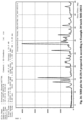
- Figs. 12-13 show XRD and FTIR spectra of high purity ZS-9 crystals. As shown in Table 3 below, these crystals exhibit significantly higher levels of potassium exchange capacity (“KEC”) than the less pure ZS-9 compositions.
- the ZS-9 crystals had a potassium exchange capacity of between 2.7 and 3.7 meq/g, more preferably between 3.05 and 3.35 meq/g.
- ZS-9 crystals with a potassium exchange capacity of 3.1 meq/g have been manufactured on a commercial scale and have achieved desirable clinical outcomes. It is expected that ZS-9 crystals with a potassium exchange capacity of 3.2 meq/g will also achieve desirable clinical outcomes and offer improved dosing forms.
- the targets of 3.1 and 3.2 meq/g may be achieved with a tolerance of ⁇ 15%, more preferably ⁇ 10%, and most preferably ⁇ 5%. Higher capacity forms of ZS-9 are desirable although are more difficult to produce on a commercial scale.
- Such higher capacity forms of ZS-9 have elevated exchange capacities of greater than 3.5 meq/g, preferably greater than 4.0 meq/g, more preferably between 4.3 and 4.8 meq/g, even more preferably between 4.4 and 4.7 meq/g, and most preferably approximately 4.5 meq/g.
- ZS-9 crystals having a potassium exchange capacity in the range of between 3.7 and 3.9 meq/g were produced in accordance with Example 14 below.
- microporous compositions of this invention have a framework structure of octahedral ZrO 3 units, at least one of tetrahedral SiO 2 units and tetrahedral GeO 2 units, and optionally octahedral MO 3 units.
- This framework results in a microporous structure having an intracrystalline pore system with uniform pore diameters, i.e., the pore sizes are crystallographically regular. The diameter of the pores can vary considerably from about 3 angstroms and larger.
- the microporous compositions of this invention will contain some of the alkali metal templating agent in the pores. These metals are described as exchangeable cations, meaning that they can be exchanged with other (secondary) A' cations. Generally, the A exchangeable cations can be exchanged with A' cations selected from other alkali metal cations (K + , Na + , Rb + , Cs + ), alkaline earth cations (Mg 2+ , Ca 2+ , Sr 2+ , Ba 2+ ), hydronium ion or mixtures thereof. It is understood that the A' cation is different from the A cation.
- the methods used to exchange one cation for another are well known in the art and involve contacting the microporous compositions with a solution containing the desired cation (usually at molar excess) at exchange conditions.
- exchange conditions include a temperature of about 25°C to about 100° C and a time of about 20 minutes to about 2 hours.
- the use of water to exchange ions to replace sodium ions with hydronium ions may require more time, on the order of eight to ten hours.
- the particular cation (or mixture thereof) which is present in the final product will depend on the particular use and the specific composition being used.
- One particular composition is an ion exchanger where the A' cation is a mixture of Na + , Ca +2 and H + ions.
- ZS-9 When ZS-9 is formed according to these processes, it can be recovered in the Na-ZS-9 form.
- the sodium content of Na-ZS-9 is approximately 12 to 13% by weight when the manufacturing process is carried out at pH greater than 9.
- the Na-ZS-9 is unstable in concentrations of hydrochloric acid (HCl) exceeding 0.2 M at room temperature, and will undergo structural collapse after overnight exposure. While ZS-9 is slightly stable in 0.2 M HCl at room temperature, at 37°C the material rapidly loses crystallinity.
- Na-ZS-9 is stable in solutions of 0.1M HCl and/or a pH of between approximately 6 to 7. Under these conditions, the Na level is decreased from 13% to 2% upon overnight treatment.
- the conversion of Na-ZS-9 to H-ZS-9 may be accomplished through a combination of water washing and ion exchange processes, i.e., ion exchange using a dilute strong acid, e.g., 0.1 M HCl or by washing with water. Washing with water will decrease the pH and protonate a significant fraction of the ZS, thereby lowering the weight fraction of Na in the ZS. It may be desirable to perform an initial ion exchange in strong acid using higher concentrations, so long as the protonation of the ZS will effectively keep the pH from dropping to levels at which the ZS decomposes. Additional ion exchange may be accomplished with washing in water or dilute acids to further reduce the level of sodium in the ZS.
- a dilute strong acid e.g., 0.1 M HCl
- the ZS made in accordance with the present invention exhibits a sodium content of below 12% by weight.
- the sodium contents is below 9% by weight, more preferably the sodium content is below 6% by weight, more preferably the sodium content is below 3% by weight, more preferably the sodium content is in a range of between 0.05 to 3% by weight, and most preferably 0.01% or less by weight or as low as possible.
- protonated (i.e., low sodium) ZS is prepared in accordance with these techniques, the potassium exchange capacity is lowered relative to the un-protonated crystals.
- the ZS prepared in this way has a potassium exchange capacity of greater than 2.8.
- the potassium exchange capacity is within the range of 2.8 to 3.5 meq/g, more preferably within the range of 3.05 and 3.35 meq/g, and most preferably about 3.2 meq/g.
- a potassium exchange capacity target of about 3.2 meq/g includes minor fluctuations in measured potassium exchange capacity that are expected between different batches of ZS crystals.
- the ion exchanger in the sodium form e.g., Na-ZS-9
- the ion exchanger in the sodium form is effective at removing excess potassium ions from a patient's gastrointestinal tract in the treatment of hyperkalemia.
- hydronium ions replace sodium ions on the exchanger leading to an unwanted rise in pH in the patient's stomach and gastrointestinal tract.
- the hydronium form typically has equivalent efficacy as the sodium form for removing potassium ions in vivo while avoiding some of the disadvantages of the sodium form related to pH changes in the patient's body.
- the hydrogenated form has the advantage of avoiding excessive release of sodium in the body upon administration. This can mitigate edema resulting from excessive sodium levels, particularly when used to treat acute conditions.
- patient who are administered the hydronium form to treat chronic conditions will benefit from the lower sodium levels, particularly patients at risk for congestive heart failure. Further, it is believed that the hydronium form will have the effect of avoiding an undesirable increase of pH in the patient's urine.
- the ZS-9 crystals have a broad particle size distribution. It has been theorized that small particles, less than 3 microns in diameter, could potentially be absorbed into a patient's bloodstream resulting in undesirable effects such as the accumulation of particles in the urinary tract of the patient, and particularly in the patent's kidneys.
- the commercially available ZS are manufactured in a way that some of the particles below 1 micron are filtered out. However, it has been found that small particles are retained in the filter cake and that elimination of particles having a diameter less than 3 microns requires the use of additional screening techniques.
- the inventors have found that screening can be used to remove particles having a diameter below 3 microns and that removal of such particles is beneficial for therapeutic products containing the ZS compositions of the invention.
- Many techniques for particle screening can be used to accomplish the objectives of the invention, including hand screening, air jet screening, sifting or filtering, floating or any other known means of particle classification.
- ZS compositions that have been subject to screening techniques exhibit a desired particle size distribution that avoids potential complications involving the therapeutic use of ZS. In general, the size distribution of particles is not critical, so long as excessively small particles are removed.
- the ZS compositions of the invention exhibit a median particle size greater than 3 microns, and less than 7% of the particles in the composition have a diameter less than 3 microns.
- less than 5% of the particles in the composition have a diameter less than 3 microns, more preferably less than 4% of the particles in the composition have a diameter less than 3 microns, more preferably less than 3% of the particles in the composition have a diameter of less than 3 microns, more preferably less than 2% of the particles in the composition have a diameter of less than 3 microns, more preferably less than 1% of the particles in the composition have a diameter of less than 3 microns, more preferably less than 0.5% of the particles in the composition have a diameter of less than 3 microns.
- none of the particles or only trace amounts have a diameter of less than 3 microns.
- the median particle size is preferably greater than 3 microns and particles reaching a sizes on the order of 1,000 microns are possible for certain applications.
- the median particle size ranges from 5 to 1000 microns, more preferably 10 to 600 microns, more preferably from 15 to 200 microns, and most preferably from 20 to 100 microns.
- the particle screening can be conducted before, during, or after an ion exchange process such as described above whereby the sodium content of the ZS material is lowered below 12%.
- the lowering of sodium content to below 3% can occur over several steps in conjunction with screening or can occur entirely before or after the screening step.
- Particles having a sodium content below 3% may be effective with or without screening of particles sizes as described herein.
- the desired particle size distribution may be achieved using a granulation or other agglomeration technique for producing appropriately sized particles.
- microporous ion exchange compositions can be used in powder form or can be formed into various shapes by means well known in the art. Examples of these various shapes include pills, extrudates, spheres, pellets and irregularly shaped particles. It is also envisioned that the various forms can be packaged in a variety of known containers. These might include capsules, plastic bags, pouches, packets, sachets, dose packs, vials, bottles, or any other carrying device that is generally known to one of skill in the art.
- the microporous ion exchange crystals of this invention may be combined with other materials to produce a composition exhibiting a desired effect.
- the combination of ZS may comprise ZS-9 and ZS-11, more preferably ZS-9 and ZS-7, even more preferably ZS-9, ZS-11, and ZS-7.
- the ZS composition may comprise a blend or mixture of ZS-9, wherein ZS-9 is present at greater than at least 40%, more preferably greater than at least 60%, even more preferably greater than or equal 70%, where the remainder may comprise mixtures of other forms of ZS crystals (i.e., ZS-1 to ZS-11) or other amorphous forms.
- the blend of ZS-9 may comprise greater than about between 50% to 75% ZS-9 crystals and greater than about 25% to about 50% ZS-7 crystals with the remainder being other forms of ZS crystals, wherein the remainder of the ZS crystals does not include ZS-8 crystals.
- compositions have particular utility in adsorbing various toxins from fluids selected from bodily fluids, dialysate solutions, and mixtures thereof.
- bodily fluids will include but not be limited to blood and gastrointestinal fluids.
- bodily is meant any mammalian body including but not limited to humans, cows, pigs, sheep, monkeys, gorillas, horses, dogs, etc. The instant process is particularly suited for removing toxins from a human body.
- the zirconium metallates can also be formed into pills or other shapes which can be ingested orally and pickup toxins in the gastrointestinal fluid as the ion exchanger transits through the intestines and is finally excreted.
- the ZS compositions may be made into wafer, a pill, a powder, a medical food, a suspended powder, or a layered structure comprising two or more ZS.
- the shaped articles may be coated with various coatings which will not dissolve in the stomach, but dissolve in the intestines.
- the ZS may be shaped into a form that is subsequently coated with an enteric coating or embedded within a site specific tablet, or capsule for site specific delivery.
- compositions are synthesized with a variety of exchangeable cations ("A"), it is preferred to exchange the cation with secondary cations (A') which are more compatible with blood or do not adversely affect the blood.
- preferred cations are sodium, calcium, hydronium and magnesium.
- Preferred compositions are those containing sodium and calcium, sodium and magnesium sodium, calcium and hydronium ions, sodium, magnesium, and hydronium ions, or sodium calcium, magnesium, and hydronium ions.
- the relative amount of sodium and calcium can vary considerably and depends on the microporous composition and the concentration of these ions in the blood.
- sodium is the exchangeable cation, it is desirable to replace the sodium ions with hydronium ions thereby reducing the sodium content of the composition.
- ZS crystals as described in related U.S. Application 13/371,080 have increased cation exchange capacities or potassium exchange capacity. These increased capacity crystals may also be used in accordance with the present invention.
- the dosage utilized in formulating the pharmaceutical composition in accordance to the present invention will be adjusted according to the cation exchange capacities determined by those of skill in the art. Accordingly, the amount of crystals utilized in the formulation will vary based on this determination. Due to its higher cation exchange capacity, less dosage may be required to achieve the same effect.
- compositions of the present invention may be used in the treatment of diseases or conditions relating to elevated serum potassium levels. These diseases may include for example chronic or acute kidney disease, chronic, acute or sub-acute hyperkalemia.
- diseases may include for example chronic or acute kidney disease, chronic, acute or sub-acute hyperkalemia.
- the product of the present invention is administered at specific potassium reducing dosages. The administered dose may range from 8-12 grams (-100-170 mg/Kg/day), more preferably 10 grams (-140 mg/Kg/day) three times a day.
- the composition of the present invention is capable of decreasing the serum potassium levels to near normal levels of approximately 3.5-5 mmol/L.
- the molecular sieves of the present product is capable of specifically removing potassium without affecting other electrolytes, (i.e., no hypomagnesemia or no hypocalcemia).
- the use of the present product or composition is accomplished without the aid of laxatives or other resins for the removal of excess serum potassium.
- Acute hyperkalemia requires an immediate reduction of serum potassium levels to normal or near normal levels.
- Molecular sieves of the present invention which have a KEC in the range of approximately 1.3-2.5 meq/g would be capable of lowering the elevated levels of potassium to within normal range in a period of about 1-8 hours after administration.
- the product of the present invention is capable of lowering the elevated levels in about at least 1, 2, 4, 6, 8, 10 hours after administration.
- the dose required to reduce the elevated potassium levels may be in the range of 8-12 grams, more preferably 10 grams.
- Molecular sieves having a higher KEC in the range of approximately 2.5-4.7 meq/g would be more efficient in absorbing potassium.
- the schedule of dose administration may be at least once daily, more preferably three times a day.
- One preferred aspect of the invention is its use of microporous zirconium silicate in the treatment of chronic kidney disease.
- therapies comprising diuretics is common place in the treatment of chronic kidney disease. Prior attempts to treat these conditions by using therapies comprising diuretics led to undesirable effects such as hyperkalemia.
- the inventors have observed that administration of microporous zirconium silicate to patients suffering from chronic kidney disease and being administered therapies that included diuretics, experienced significant reduction in potassium levels without the negative effects. These negative effects were observed when therapies comprising diuretics were used in connection with ACE inhibitors and ARB therapy.
- the inventors have also unexpectedly observed that systemic aldosterone reduction is achieved through administration of microporous zirconium silicate without the negative effects of the aldosterone blockers.
- zirconium silicate according to the present invention will be effective in treating patients suffering from chronic kidney disease.
- Administration of microporous zirconium silicate to these patients currently on therapies that include diuretics reduces the risk of developing hyperkalemia and also reduces aldosterone without inducing hyperkalemia.
- the zirconium silicate can be administered in combination with existing treatments that include diuretics or diuretics and ACE inhibitors and/or ARB therapy.
- microporous zirconium silicate in conjunction with these therapies is expected to improve the effects upon the renin-angiotensin-aldosterone system (RAAS) and further mitigate the negative effects of aldosterone on CKD.
- RAAS renin-angiotensin-aldosterone system
- the different mechanisms and independent aldosterone-lowering ability of microporous zirconium silicate are expected to result in at least additive and possibly synergistic interaction between the combined therapies.
- the diuretics may include any diuretic selected from the three general classes of thiazine or thiazine-like, loop diuretics, or potassium sparing diuretics.
- the diuretic is potassium sparing diuretic, such as spironolactone, eplerenone, canrenone (e.g., canrenoate potassium), prorenone (e.g., prorenoate potassium), and mexrenone (mextreoate potassium), amiloride, triamterene, or benzamil.
- microporous zirconium silicate furosemide, bumetanide, torsemide, etacrynic acid, etozoline, muzolimine, piretanide, tienilic acid, bendroflumethiazide, chlorthiazide, hydrochlorthiazide, hydroflumethiazide, cyclopenthiazide, cyclothiazide, mebutizide, hydroflumethiazide, methyclothiazide, polythiazide, trichlormethiazide, chlorthalidone, indapamide, metolazone, quinethazone, clopamide, mufruside, clofenamide, meticrane, xipamide, clorexidone, fenquizone.
- ACE inhibitors that can be used in combination with microporous zirconium silicate according to the invention: sulfhydryl-containing agents including captopril or zofenopril; dicarboxylate-containing agents including enalapril, ramipril, quinapril, perindopril, lisinopril, benazepril, imidapril, zofenopril, trandolapril; phosphate-containing agents including fosinopril; and naturally-occuring ACE inhibitors including casokinins and lactokinins.
- ARBs that can be used in combination with microporous zirconium silicate according to the present invention: valsartan, telmisartan, losartan, irbesartan, azilsartan, and olmesartan. Combinations of the above are particularly desirable.
- the ACE inhibitors and ARBs may be administered at their standard dose rates for the treatment of CKD, and in some instances at lower doses depending on the degree of synergy between the ACE inhibitor/ARBs in combination with microporous zirconium silicate.
- the administration of the composition of the present invention at the specifically described dosing of approximately 10 grams (-140 mg/Kg/day) three times a day ( i.e., 30 grams (-400 mg/Kg/day) total) is capable of reducing potassium levels in the serum for an extended duration of time.
- the inventors have found that when the product or composition of the present invention is administered at a dosage of approximately 10 grams three times a day, the effects of lowering serum potassium levels to within normal levels is sustained for 5 days after 2 days of acute therapy. It was expected, however, that the product of the present invention would be expelled in a relatively quick manner.
- the ZS of the present invention may be modified and/or combined with other drugs or treatments if multiple conditions or diseases are present in a subject.
- a subject may present with both hyperkalemia and chronic kidney disease, in which Na-ZS compositions may be used.
- a solution was prepared by mixing 2058 g of colloidal silica (DuPont Corp. identified as Ludox TM AS-40), 2210 g of KOH in 7655 g H 2 O. After several minutes of vigorous stirring 1471 g of a zirconium acetate solution (22.1 wt. % ZrO 2 ) were added. This mixture was stirred for an additional 3 minutes and the resulting gel was transferred to a stainless steel reactor and hydrothermally reacted for 36 hours at 200°C. The reactor was cooled to room temperature and the mixture was vacuum filtered to isolate solids which were washed with deionized water and dried in air.
- the solid reaction product was analyzed and found to contain 21.2 wt. % Si, 21.5 wt. % Zr, K 20.9 wt. % K, loss on ignition (LOI) 12.8 wt. %, which gave a formula of K 2.3 ZrSi 3.2 O 9.5 ⁇ 3.7H 2 O. This product was identified as sample A.
- a solution was prepared by mixing 121.5 g of colloidal silica (DuPont Corp. identified as Ludox ® AS-40), 83.7 g ofNaOHin 1051 g H 2 O. After several minutes of vigorous stirring 66.9 g zirconium acetate solution (22.1 wt. % ZrO 2 ) was added. This was stirred for an additional 3 minutes and the resulting gel was transferred to a stainless steel reactor and hydrothermally reacted with stirring for 72 hours at 200°C. The reactor was cooled to room temperature and the mixture was vacuum filtered to isolate solids which were washed with deionized water and dried in air.
- the solid reaction product was analyzed and found to contain 22.7 wt. % Si, 24.8 wt. % Zr, 12.8 wt. % Na, LOI 13.7 wt. %, which gives a formula Na 2.0 ZrSi 3.0 O 9.0 ⁇ 3.5H 2 O. This product was identified as sample B.
- a solution (60.08 g) of colloidal silica (DuPont Corp. identified as Ludox ® AS-40) was slowly added over a period of 15 minutes to a stirring solution of 64.52 g of KOH dissolved in 224 g deionized H 2 O. This was followed by the addition of 45.61 g zirconium acetate (Aldrich 15-16 wt. % Zr, in dilute acetic acid). When this addition was complete, 4.75 g hydrous Nb 2 O 5 (30 wt. % LOI) was added and stirred for an additional 5 minutes. The resulting gel was transferred to a stirred autoclave reactor and hydrothermally treated for 1 day at 200°C. After this time, the reactor was cooled to room temperature, the mixture was vacuum filtered, the solid washed with deionized water and dried in air.
- colloidal silica DuPont Corp. identified as Ludox ® AS-40
- the solid reaction product was analyzed and found to contain 20.3 wt. % Si, 15.6 wt. % Zr, 20.2 wt. % K, 6.60 wt. % Nb, LOI 9.32 wt. %, which give a formula of K 2.14 Zr 0.71 Nb 0.29 Si 3 O 9.2 ⁇ 2.32H 2 O.
- batch-wise ion exchange with a dilute strong acid is capable of reducing the sodium content of a Na-ZS-9 composition to within a desired range.
- water washing is capable of reducing the sodium content of a Na-ZS-9 composition to within a desired range.
- Crystals of ZS-9 were subject to screening to remove small diameter particles.
- the resulting particle size distribution of the ZS-9 crystals screened using different size screens was analyzed.
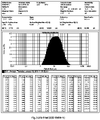
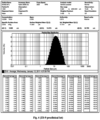
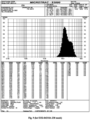
- the fraction of particles having a diameter below 3 microns can be lowered and eliminated using an appropriate mesh size screen. Without screening, approximately 2.5% percent of the particles had a diameter of below 3 microns. See Fig. 5 .
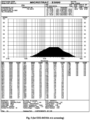
- the fraction of particles having a diameter below 3 microns was reduced to approximately 2.4%.
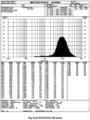
- Fig. 6 Upon screening with a 450 mesh screen, the fraction of particles having a diameter below 3 microns was reduced further to approximately 2%. See Fig. 7 .
- the screening techniques presented in this example illustrate that particle size distributions may be obtained for ZS-9 that provide little or no particles below 3 microns. It will be appreciated that ZS-9 according to Example 5 or H-ZS-9 according to Examples 6 and 7 may be screened as taught in this example to provide a desired particle size distribution. Specifically, the preferred particle size distributions disclosed herein may be obtained using the techniques in this example for both ZS-9 and H-ZS-9.
- a 14-Day repeat dose oral toxicity study in Beagle Dogs with Recovery was conducted. This GLP compliant oral toxicity study was performed in beagle dogs to evaluate the potential oral toxicity of ZS-9 when administered at 6 h intervals over a 12 h period, three times a day, in food, for at least 14 consecutive days.
- ZS-9 was administered to 3/dogs/sex/dose at dosages of 0 (control), 325, 650 or 1300 mg/kg/dose.
- An additional 2 dogs/sex/dose, assigned to the Recovery Study received 0 or 1300 mg/kg/dose concurrently with the Main study animals and were retained off treatment for an additional 10 days.
- a correction factor of 1.1274 was used to correct ZS-9 for water content. Dose records were used to confirm the accuracy of dose administration.
- Plasma samples for analysis of serum chemistry, hematology, coagulation and urinalysis parameters were collected pretest (Day -1) and Day 13.
- Ophthalmologic examinations were performed pretest (Day -6/7) and on Day 7 (females) or 8 (males).
- Electrocardiographic assessments were performed pretest (Day -1) and on Day 11.
- necropsy examinations were performed, protocol specified organ weights were weighed, and selected tissues were microscopically examined.
- Kidneys Terminal Necropsy Day 14 Dose 0 mg/kg 325 mg/kg 650 mg/kg 1,300 mg/kg Sex M F M F M F M F Number of Animals 3 3 3 3 3 3 3 3 3 Left Kidney Incidence 0/3 0/3 0/3 2/3 2/3 3/3 3/3 minimal 0/3 0/3 0/3 2/3 2/3 3/3 1/3 mild 0/3 0/3 0/3 0/3 0/3 1/3 0/3 2/3 Right Kidney Incidence 0/3 0/3 1/3 1/3 2/3 3/3 2/3 2/3 minimal 0/3 0/3 1/3 1/3 2/3 1/3 2/3 0/3 mild 0/3 0/3 0/3 0/3 0/3 0/3 2/3 0/3 Both Kidneys Incidence 0/6 0/6 1/6 3/6 4/6 6/6 5/6 5/6 minimal 0/6 0/6 0/6 1/6 3/6 4/6
- Crystals were not identified in group 2 or 4 females or in any ZS-9 treated males.
- urinary pH was elevated compared to control and it was postulated that the change in urinary pH and/or urinary composition affected urine solute solubility resulting in crystal formation that caused urinary tract irritation and/or increased susceptibility to urinary tract infections (UTIs).
- UTIs urinary tract infections
- Crystals of ZS-9 are prepared and designated "ZS-9 Unscreened.” Screening in accordance with the procedures of Example 10 is conducted on a sample of ZS-9 crystals and the screened sample is designated "ZS-9 >5 ⁇ m.” Another sample of Crystals of ZS-9 undergo an ion exchange in accordance with the procedures of Example 6 above and are then screened in accordance with the procedures of Example 10. The resulting H-ZS-9 crystals are designated "ZS-9 + >5 ⁇ m.”
- the following 14-day study is designed to show the effect of particle size and particle form on the urinary pH and presence of crystals in the urine.
- the compounds above are administered to beagles orally by mixing with wet dog food.
- the regimen is administered 3 times a day at 6 hour intervals over a 12 hour period in the following manner:
- test articles ZS-9 unscreened, ZS-9>5 ⁇ m, and ZS-9 + >5 ⁇ m, were administered three times daily at 6 hour intervals over a 12-hour period for 14 consecutive days via dietary consumption utilizing a wet food vehicle.
- the dose levels were 100 or 600 mg/kg/dose.
- ZS-9 related findings were limited to an increase in the fractional excretion of sodium and an increase in urinary pH in animals receiving screened or unscreened ZS-9 at a dose of 6000 mg/kg/dose, and deceases in the fractional excretion of potassium and the urinary urea nitrogen/creatinine ratio in animals dosed at 600 mg/kg/dose ZS-9 unscreened, ZS-9>5 ⁇ m, and ZS-9 + >5 ⁇ m.
- urea nitrogen/creatinine ratio was mildly increased relative to predose intervals in all groups including controls. There were mild decreases in urea nitrogen/creatinine ratios on Days 7 and 13 in animals receiving 600 mg/kg/dose ZS-9 unscreened, ZS-9>5 ⁇ m, and ZS-9 + >5 ⁇ m relative to controls (up to 26%). Most of the changes observed in these four groups reached statistical significance compared to controls for Days 7 and 13 although group mean values did not differ appreciably when compared to their respective pretest values. These findings were considered test article-related. Although there were occasional statistically significant differences among other endpoints, no test article-related effects on creatinine clearance, calcium/creatinine ratio, magnesium/creatinine ratio, or urine osmolality were identified in any treatment group.
- Test article related microscopic findings in the kidney were observed at the 600 mg/kg/dose.
- the most common findings were minimal to mild mixed leukocyte infiltrates (lymphocytes, plasma cells, macrophages and/or neutrophils), and minimal to mild renal tubular regeneration (slightly dilated tubules lined by attenuated epithelial cells, epithelial cells with plump nucleus and basophilic cytoplasm).
- Minimal pyelitis infiltration of neutrophils, lymphocytes and plasma cells in the submucosa of the renal pelvis
- minimal renal tubular degeneration/necrosis tubules lined by hypereosinophilic cells with either pyknotic or karyorrhectic nucleus and containing sloughed epithelial cells and/or inflammatory cells in the lumen
- Minimal pyelitis and mixed leukocyte infiltration in the urethra or ureter were also present in some dogs given ZS-9>5 ⁇ m.
- the changes in the kidney were mostly present in the cortex and occasionally in the medulla with a random, focal to multifocal (up to 4 foci) distribution. These foci were variably sized, mostly irregular, occasionally linear (extending from the outer cortex to the medulla), and involved less than 5% of the kidney parenchyma in a given section. Most of these foci consisted of minimal to mild infiltration of mixed leukocytes with minimal to mild tubular regeneration, some foci had only minimal to mild tubular regeneration without the mixed leukocyte infiltrate.
- a few of these foci contained a small number of tubules with degeneration/necrosis. Pyelitis was present in four dogs (one given ZS-9 unscreened 600 mg/kg/dose and three dogs given ZS-9>5 ⁇ m at 600 mg/kg/dose).
- the infiltration of mixed leukocytes was also present in the submucosa of both ureters in dogs given 600 mg/kg/dose ZS-9>5 ⁇ m and the submucosa of the urethra in animals given 600 mg/kg/dose ZS-9 unscreened, 600 mg/kg/dose ZS-9>5 ⁇ m.
- the incidence and/or severity of mixed leukocyte infiltrates in the kidney parenchyma were higher in dogs with pyelitis compared to the dogs without pyelitis.
- kidney findings at the 600 mg/kg/dose are likely an indirect effect of the test article.
- kidneys in two of the three dogs were affected with one or more of the aforementioned findings. All three dogs given ZS-9>5 ⁇ m at 600 mg/kg/dose had kidney lesions including pyelitis and mixed leukocyte infiltrates in the submucosa of urethra or ureters. Dogs given ZS-9 + >5 ⁇ m at 600 mg/kg/dose, minimal mixed leukocyte infiltrate with tubular regeneration was present in only the left kidney in one dog while another dog had a few foci of minimal tubular regeneration.
- Test article-related findings were not present in female dogs given ZS-9 unscreened at 100 mg/kg/dose (ZS-9, ZS-9>5 ⁇ m, ZS-9 +>5 ⁇ m).
- An occasional focus or two of minimal tubular regeneration were present in three of the animals without an evidence of mixed leukocyte infiltrate or tubular degeneration/necrosis. Similar focus/foci of tubular regeneration were also present in a control female dog.
- the foci of tubular regeneration observed in female dogs given lower doses of ZS-9 unscreened were slightly smaller and were not associated with either mixed leukocyte infiltrates or tubular degeneration/necrosis. There was no evidence of crystals in any of the sections examined.
- Tubular mineralization in the papilla and glomerular lipidosis are background findings in beagle dogs and were not considered test article-related.
- ZS-9 unscreened, ZS-9>5 ⁇ m, and ZS-9 + >5 ⁇ m at the 600 mg/kg/dose had minimal to mild mixed leukocyte infiltrates in the kidney sometimes associated with minimal to mild renal tubular regeneration, and occasionally minimal renal tubular degeneration/necrosis, minimal mixed leukocyte infiltrates in ureter and /or urethra and minimal pyelitis in dogs dosed with ZS-9 unscreened and ZS-9>5 ⁇ m.
- the no-observable-effect-level was 100 mg/kg/dose ZS-9 unscreened, ZS-9>5 ⁇ m, and ZS-9 + >5 ⁇ m.
- the no-observable-adverse-effect-level (NOAEL) was established for ZS-9 unscreened at 600 mg/kg/dose, screened ZS-9 (ZS-9>5 ⁇ m) at 600 mg/kg/dose, and screened and protonated ZS-9 (ZS-9 + >5 ⁇ m) at 600 mg/kg/dose.
- ZS-9 crystals were prepared by reaction in a standard 5-G crystallization vessel.
- the reactants were prepared as follows. A 22-L Morton flask was equipped with an overhead stirrer, thermocouple, and an equilibrated addition funnel. The flask was charged with deionized water (3.25 L). Stirring was initiated at approximately 100 rpm and sodium hydroxide (1091 g NaOH) was added to the flask. The flask contents exothermed as the sodium hydroxide dissolved. The solution was stirred and cooled to less than 34 °C. Sodium silicate solution (5672.7 g) was added. To this solution was added zirconium acetate solution (3309.5 g) over 43 minutes. The resulting suspension was stirred for another 22 minutes. Seed crystals of ZS-9 (223.8 g) were added to the reaction vessel and stirred for approximately 17 minutes.
- the mixture was transferred to a 5-G Parr pressure vessel with the aid of deionized water (0.5 L).
- the vessel had smooth walls and a standard agitator.
- the reactor did not have a cooling coil present.
- the vessel was sealed and the reaction mixture was stirred at approximately 275-325 rpm and heated to 185 +/- 10 °C over 4 hours, then held at 184-186 °C and soaked for 72 hours. Finally, the reactants were then cooled to 80 °C over 12.6 hours.
- the resulting white solid was filtered with the aid of deionized water (18L).
- the solids were washed with deionized water (125 L) until the pH of the eluting filtrate was less than 11 (9.73).
- the wet cake was dried in vacuo (25 inches Hg) for 48 hours at 95-105 °C to give 2577.9 g (107.1%) of ZS-9 as a white solid.
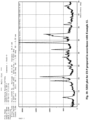
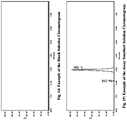
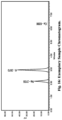
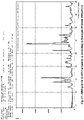
- the XRD plot of the ZS-9 obtained in this example is shown in Fig. 10 .
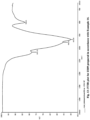
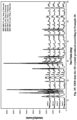
- the FTIR plot of this material is shown in Fig. 11 .
- These XRD and FTIR spectra are characterized by the presence of absorption peaks typically associated with the ZS-11 crystalline form.
- the peaks that are associated with ZS-9 exhibit significant spreading due to crystal impurities (e.g. the presence of ZS-11 crystals in a ZS-9 composition).
- the FTIR spectra shows significant absorption around 764 and 955 cm -1 .
- the XRD plot for this example exhibits significant noise and poorly defined peaks at 2-theta values of 7.5, 32, and 42.5.
- a hydrochloric acid solution is prepared comprising the steps of charging the carboy with deionized water (48 L) followed by hydrochloric acid (600 ml). To the 100 L reaction vessel, the hydrochloric acid solution is charged over a period of 1.5-2 hours. Hydrochloric acid solution was added to the reaction mixture until the pH reached a range of approximately 4.45-4.55. The reaction mixture was continually mixed for an additional period of 30-45 minutes. If the pH was greater than 4.7, additional hydrochloride solution was added until the pH was in the range of approximately 4.45-4.55. The reaction was allowed to stir for an additional 15-30 minutes.
- the protonated ZS-9 crystals were filtered through Buchner funnel fitted with a 2 micron stainless steel mesh screen of approximately 18 inches in diameter.
- the filter cake formed was rinsed three times with approximately 6 L of deionized water to remove any excess hydrochloric acid.
- the filter cake containing the protonated crystals were dried in an vacuum oven at approximately 95-105 °C for a period of 12-24 hours. Drying was continued until the percent difference in net weight loss is less than 2% over greater than a 2 hour period. Once the product achieved appropriate dryness, the crystals were samples for quality.
- High capacity ZS-9 crystals were prepared in accordance with the following representative example.
- the reactants were prepared as follows. A 22-L Morton flask was equipped with an overhead stirrer, thermocouple, and an equilibrated addition funnel. The flask was charged with deionized water (8,600 g, 477.37 moles). Stirring was initiated at approximately 145-150 rpm and sodium hydroxide (661.0 g, 16.53 moles NaOH, 8.26 moles Na20) was added to the flask. The flask contents exothermed from 24 °C to 40 °C over a period of 3 minutes as the sodium hydroxide dissolved. The solution was stirred for an hour to allow the initial exotherm to subside.
- the mixture was transferred to a 5-G Parr pressure vessel Model 4555 with the aid of deionized water (500g, 27.75 moles).
- the reactor was fitted with a cooling coil having a serpentine configuration to provide a baffle-like structure within the reactor adjacent the agitator.
- the cooling coil was not charged with heat exchange fluid as it was being used in this reaction merely to provide a baffle-like structure adjacent the agitator.
- the vessel was sealed and the reaction mixture was stirred at approximately 230-235 rpm and heated from 21 °C to 140-145 °Cover 7.5 hours and held at 140-145 °C for 10.5 hours, then heated to 210-215 °C over 6.5 hours where the maximum pressure of 295-300 psi was obtained, then held at 210-215 °C for 4 1.5 hours. Subsequently, the reactor was cooled to 45 °C over a period of 4.5 hours. The resulting white solid was filtered with the aid of deionized water (1.0 KG). The solids were washed with deionized water (40 L) until the pH of the eluting filtrate was less than 11 (10.54). A representative portion of the wet cake was dried in vacuo (25 inches Hg) overnight at 100 °C to give 1,376 g (87.1%) of ZS-9 as a white solid.
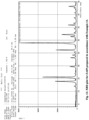
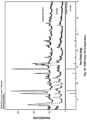
- the XRD plot of the ZS-9 obtained is shown in Fig. 12 .
- the FTIR plot of this material is shown in Fig. 13 .
- These XRD and FTIR spectra when compared to those for Example 12 ( Figs. 10-11 ), exhibited well-delineated peaks without spreading and the absence of peaks associated with crystalline forms other than ZS-9 (e.g., ZS-11 peaks).
- This example illustrates how the presence of a baffle-like structure within the reactor drastically and unexpectedly improves the quality of the thus obtained crystals.
- baffles provide added turbulence which lifts the solids (i.e., crystals) and results in a more even suspension of crystals within the reaction vessel while the reaction is ongoing. This improved suspension allows for more complete reaction to the desired crystalline form and reduces the presence of unwanted crystalline forms of ZS in the end product.
- the KEC of ZS (ZS-9) was determined according to the following protocol.
- This test method used a HPLC capable of gradient solvent introduction and cation exchange detection.
- the column was an IonPac CS12A, Analytical (2 x 250 mm).
- the flow rate was 0.5 mL/minute with a run time of approximately 8 minutes.
- the column temperature was set to 35 °C.
- the injection volume was 10 ⁇ L and the needle wash was 250 ⁇ L.
- the pump was operated in Isocratic mode and the solvent was DI water.
- a stock standard was prepared by accurately weighing and recording the weight of about 383 mg of potassium chloride (ACS grade), which was transferred into a 100-rnL plastic volumetric flask. The material was dissolved and diluted to volume with diluent followed by mixing. The stock standard had a K + concentration of 2000 ppm (2mg/mL). Samples were prepared by accurately weighing, recording, and transferring about 112 mg of ZS-9 into a 20 mL plastic vial. 20.0 mL of the 2000 ppm potassium stock standard solution was pipetted into the vial and the container was closed. The sample vials were placed onto a wrist action shaker and were shook for at least 2 hours but not more than 4 hours.
- the sample preparation solution was filtered through a 0.45 pm PTFE filter into a plastic container. 750 pL of the sample solution was transferred into a 100-mL plastic volumetric flask. The sample was diluted to volume with DI water and mixed. The initial K + concentration was 15 ppm (1 SpgImL).
- KEC IC ⁇ FC ⁇ V Eq wt . Wt ° SPL ⁇ 100 % ⁇ % Water 100 % ⁇ 1 g 1000 mg KEC is the potassium exchange capacity in mEq/g.
- the initial concentration of potassium (ppm) is IC.
- the final concentration of potassium (ppm) is FC.
- the equivalent weight (atomic weight/valence) is Eq wt.
- the volume (L) of standard in sample preparation is V.
- the weight of ZS-9 (mg) used for sample preparation is Wt spl .
- the percent (%) of water content (LOD) is % water.
- Example 12 (Without baffles)
- Example 14 (With baffles) Lot 5368-10311A 2.3 meq/gm Lot 2724-9A 3.9 meq/gm Lot 5368-12211A 1.7 meq/gm Lot 2724-13D 3.8 meq/gm Lot 5368-13811A 1.8 meq/gm Lot 2724-18F 3.8 meq/gm
- the high capacity ZS prepared in accordance with Example 14 will, upon protonation using the techniques of Example 13, have a slightly lower potassium exchange capacity.
- the protonated ZS prepared in this way has been found to have a potassium exchange capacity of about 3.2 meq/g.
- protonated ZS can be prepared having a potassium exchange capacity within the range of 2.8 to 3.5 meq/g, more preferably within the range of 3.05 and 3.35 meq/g, and most preferably about 3.2 meq/g.
- the inventors have designed a reactor for larger-scale production of high purity, high-KEC ZS-9 crystals. Large-scale reactors typically utilize a jacket for achieving heat transfer to the reaction chamber rather than coils suspended within the reaction chamber.
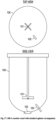
- a conventional 200-L reactor 100 is shown in Fig. 17 .
- the reactor 100 has smooth walls and an agitator 101 extending into the center of the reaction chamber.
- the reactor 100 also has a thermowell 102 and a bottom outlet valve 103.
- the inventors have designed an improved reactor 200, Fig. 18 , which also has an agitator 201, thermowell 202, and bottom outlet valve 203.
- the improved reactor 200 has baffle structures 204 on its sidewalls, which in combination with the agitator 201 provide significant lift and suspension of the crystals during reaction and the creation of high purity, high KEC ZS-9 crystals.
- the improved reactor can also include a cooling or heating jacket for controlling the reaction temperature during crystallization in addition to the baffle structures 204.
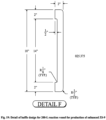
- the details of an exemplary and non-limiting baffle design is shown in Fig. 19 .
- the reactor has a volume of at least 20-L, more preferably 200-L or more, or within the range of 200-L to 30,000-L.
- the baffle design may be configured to extend the
- the several dosages of ZS-9 were studied in the treatment of human subjects suffering from hyperkalemia.
- a total of 90 subjects were enrolled in the study.
- the study involved three stages with dose escalation of the ZS in each stage.
- the ZS-9 used in these studies was prepared in accordance with Example 12.
- the ZS-9 crystals of an appropriate size distribution were obtained by air fractionation to have a distribution of crystals where greater than or equal to 97% are larger than 3 microns.
- the screening is such that the ZS crystals exhibit a median particle size of greater than 3 microns and less than 7% of the particles in the composition have a diameter less than 3 microns.
- the ZS-9 crystals were determined to have a KEC of approximately 2.3 meq/g.
- the protonation is such that the ZS crystals exhibit a sodium content below 12% by weight.
- the study utilized 3g silicified microcrystaline cellulose, which are indistinguishable from ZS as the placebo.
- the screening value for potassium (“K") was established on day 0 by measuring serum K three times at 30-minute intervals and calculating the mean (time 0, 30 and 60 minutes). The baseline K level was calculated as the mean of these values and the serum K on day one just before ingestion of the first dose. If the screening K value was less than 5.0 meq/l the subject was not included in the study.
- the primary efficacy endpoint of the study was the difference in the rate of change in potassium levels during the initial 48 hours of study drug treatment between the placebo treated subjects and the ZS treated subjects.
- Table 4 provides the p-values of the various cohorts at the 24 and 48 hour endpoints. Patients receiving 300 mg of the ZS three times daily had no statistical difference relative to placebo at either of the 24 and 48 hour endpoints. Patients receiving 3 grams of ZS demonstrated a statistical difference at only the 48 hour time period, suggesting that this particular dosing was relatively effective at lowering serum potassium levels. Unexpectedly, those patients receiving 10 grams of ZS three times daily demonstrated the greatest reduction in potassium levels in both concentration and in rate.
- Subjects were then followed for a total of 7 days (168 hours) with K measurements performed daily. 24 hour urine collections were performed on the day before the study (day 0) in all patients, and for as long as the patients ingested the test product.
- Table 5 provides the difference in the rate of change in serum potassium levels over 7 days of study between placebo treated subjects and the various cohorts. Patients receiving 300 mg of the drug had no statistically significant reduction in potassium levels relative to the placebo over the 7 day period. Patients receiving 3 grams of the drug had no statistically significant reductions in potassium levels after the initial 24 hour period . Patients receiving 3 grams of the drug had the most statistically significant reduction in serum potassium levels over the 7 day time course.
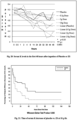
- Figure 20 shows changes in serum K in the first 48 hours after ingestion of the placebo, ZS at 0.3 g per dose (Cohort 1), ZS at 3 g per dose (Cohort 2) and ZS at 10 g per dose (Cohort 3). Slopes of K versus time for the patients administered ZS were significantly different from the placebo for Cohort 2 (0.5 meq/L/48 hours, P ⁇ 0.05) and Cohort 3 (1 meq/L/48 hours P ⁇ 0.0001).
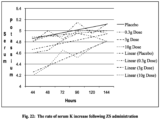
- the increase in serum K from 48 hours to 144 hours of the study was also examined after discontinuing the administration of the study drug.
- the rate of increase in serum K was roughly proportional to the rate of decrease in serum K during ingestion of the drug, as shown in Figure 22 .
- BUN Blood Urea Nitrogen
- Oral sodium polystyrene sulfonate (“SPS”) therapy invariably causes sodium load to the patient.
- Sodium is released in 1:1 ratio of the binding of all cations (K, hydrogen, calcium, magnesium, etc.).
- ZS is loaded partly with sodium and partly with hydrogen, to produce a near physiologic pH (7 to 8)). At this starting pH, there is little release of sodium and a some absorption of hydrogen during binding of K.
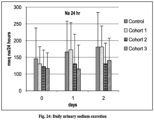
- Urinary excretion of sodium does not increase during ingestion of ZS and thus ZS use should not contribute to sodium excess in patients.
- High capacity ZS (ZS-9) is prepared in accordance with Example 14.
- the material is protonated in accordance with the techniques described in Example 13.
- the material has been screened such that the ZS crystals exhibit a median particle size of greater than 3 microns and less than 7% of the particles in the composition have a diameter less than 3 microns.
- the ZS crystals exhibit a sodium content below 12% by weight.
- the dosage form is prepared for administration to patients at a level of 5g, 10g, and 15g per meal.
- the ZS in this example has an increased potassium exchange capacity of greater than 2.8.
- the potassium exchange capacity is within the range of 2.8 to 3.5 meq/g, more preferably within the range of 3.05 and 3.35 meq/g, and most preferably about 3.2 meq/g.
- a potassium exchange capacity target of about 3.2 meq/g includes minor fluctuations in measured potassium exchange capacity that are expected between different batches of ZS crystals.
- the ZS-9 when administered according to the protocol established in Example 17, will provide for a similar reduction in potassium serum levels. Because ZS-9 has an improved KEC, the dosing administered to the subject in need thereof will be lowered to account for the increased cation exchange capacity. Thus, to patients suffering from potassium levels elevated above the normal range, approximately 1.25, 2.5, 5, and 10 grams of the ZS-9 will be administered three times daily.
- ZS (ZS-2) is prepared in accordance with known techniques of U.S. Patent Nos. 6,814,871 , 5,891,417 , and 5,888,472 , discussed above.
- the x-ray diffraction pattern for the ZS-2 has the following characteristics d-spacing ranges and intensities: Table 6 - ZS-2 d( ⁇ ) I 5.8-6.6 m 4.2-5.0 W 3.9-4.6 m 2.9-3.7 m 2.5-3.3 vs 2.3-3.0 s
- the ZS-2 crystals are prepared using the reactor with baffles described in Example 14. The material is protonated in accordance with the techniques described in Example 13.
- the material has been screened such that the ZS crystals exhibit a median particle size of greater than 3 microns and less than 7% of the particles in the composition have a diameter less than 3 microns.
- the ZS crystals exhibit a sodium content below 12% by weight.
- the dosage form is prepared for administration to patients at a level of 5g, 10g, and 15g per meal.
- the ZS-2 crystals prepared in accordance with this example are beneficial for reducing serum potassium and can be manufactured using the alternative techniques for making ZS-2. These alternative manufacturing techniques may provide advantages under certain circumstances.
- the batches of the ZS crystals were generally prepared in accordance with the following representative example.
- the reactants were prepared as follows. To a 200-L reactor, as shown in Fig. 17 , sodium silicate (56.15 kg) was added and charged with deionized water (101.18 kg). Sodium hydroxide (7.36 kg) was added to the reactor and allowed to dissolve in the reactor in the presence of rapid stirring over a period of greater than 10 minutes until there was complete dissolution of the sodium hydroxide. Zirconium acetate (23 kg) was added to the reactor in the presence of continuous stirring and allowed to stir over a period of 30 minutes. The reactants were mixed at a rate 150 rpm with the reactor set to 210°C ⁇ 5°C for a period of ⁇ 60 hours.
- the reactor was cooled to 60 °C -80 °C and the slurry of reactants were filtered, washed and dried over a period of ⁇ 4 hours at a temperature of approximately 100 °C.
- deionized water 46 L was charged to re-slurry the crystals.
- a solution of 15% HCl (approximately 5 to 7 kg of the 15% HCl solution) was mixed with the slurry for a period of 25 to 35 minutes.
- the reactants were once again filter dried and washed with approximately ⁇ 75 L of deionized water.
- Table 7 Exemplary details of several protonated ZS crystal batches produced utilizing the above described procedure are presented in Table 7: Table 7 Lot Number 5602-26812-A 5602-28312-A 5602-29112-A 5602-29812-A Yield (kg) 16.60 16.65 16.61 16.14 % Theoretical Yield 95 94.5 94.7 92.2 IP KEC 3.35 2.9 2.46 2.92 XRD highest 28.9 28.9 28.9 28.9 XRD 2nd highest 15.5 15.5 15.5 15.5 XRD 3rd highest 26.2 : 13.9 26.1 : 13.9 26.2 :26.2 26.2 : 26.2 pH 8.3 8.7 8.6 8.9 % ⁇ 3um (2.50) 0.4 1.27 1.52 3.08 % ⁇ 3um (3.00) 1.69 2.77 2.8 6.37 Mean D(4,3) 10.6 12.5 12.8 10.1 KEC 3.1 3.0 2.94 3.04
- the XRD plot of the H-ZS-9 obtained above are provided in Figs. 25-28 .
- the XRD plots demonstrate that H-ZS-9 can be manufactured in commercially significant batch quantities having desired potassium exchange capacity.
- Lot 5602-26812-A attained the most uniform crystalline distribution. It was found that when crystallization conditions result in a highly uniform particle size distribution, the subsequent protonation step reduced the cation exchange capacity from 3.4 to 3.1 meq/g.
- Lots 5602-28312-A, 5602-29112-A, and 5602-29812-A exhibited a less uniform particle size distribution. The less uniform particle size distribution resulted from increasing the fill ratio of the reactor. When fill ratios reached 80-90%, the particle size distributions became less uniform.
- Phase quantification to determine the diffraction pattern of the various batches of protonated ZS crystal samples were also performed using the Rietveld method in a Rigaku MiniFlex600. Manufacturing procedures using the 200-L reactor produced the phase composition described in Table 8 and XRD data described in Figs. 25-29 .
- Table 8 Phase Composition (wt%) via Reitveld Analysis Lot Number ZS-9 ZS-7 ZS-8 Amorphous Crystals 5567-26812-A 61.6 16.0 22.3 5567-28312-A 55.7 21.8 22.5 5567-29112-A 55.7 25.7 18.6 5567-29812-A 66.6 19.1 14.3
- the diffraction patterns for the batches produced provided a mixture of ZS-9 and ZS-7 crystals in additional to a series of amorphous crystals. It was found that ZS crystals made in the larger 200 L reactor according to the above processes resulted in no detectable levels of ZS-8 crystals and lower levels of amorphous material than previously produced.
- the absence of ZS-8 crystals is highly desirable due to the undesirably higher solubility of ZS-8 crystals and their attendant contribution to elevated levels of zirconium in urine. Specifically, levels of zirconium in the urine are typically around 1 ppb. Administration of zirconium silicate containing ZS-8 impurities has led to zirconium levels in the urine between 5 to 50 ppb.
- the presence of ZS-8 can be confirmed by XRD as shown in Fig. 30 .
- the ZS-9 crystals according to this embodiment are expected to lower levels of zirconium in the urine by eliminating impurities of soluble ZS-8 and minimizing the amorphous content.
- the batches of protonated zirconium crystals described in Example 20 were used in studies to treat human subjects suffering from hyperkalemia.
- the ZS compositions were generally characterized as having a mixture of ZS-9 and ZS-7, where the ZS-9 was present at approximately 70% and the ZS-7 was present at approximately 28% (hereafter ZS-9/ZS-7). All of the characterized ZS-9/ZS-7 crystals lack detectable quantities of ZS-8 crystals.
- Subjects were administered the ZS-9/ZS-7 composition according the method described in Example 17. A summary of the results are provided in Table 9.
- Kidney Function Test using the ZS-9/ZS-7 composition Subject ID Lab Test Day 0 Day 3 Day 4 Day 5 Day 6 Day 9 Day 15 Day 21 009-006 L-D BUN 64.6 71.3 77.2 80.7 82.5 78.1 64.4 63.7 Creat 2.37 2.38 NA NA NA 2.37 2.34 2.40 009-011 CHR BUN 28.5 27.9 31.7 28.1 28.1 22.2 32.6 36.9 Creat 2.31 2.27 NA NA NA NA 2.21 2.32 2.54 009-014 RWR BUN 18.6 15.6 16.1 15.6 14.4 15.6 18.5 18.9 Creat 1.11 1.13 NA NA NA 1.23 1.13 1.16 009-017 SMK BUN 60.3 61.7 67.1 75.3 75.2 75.9 71.3 74.4 Creat 2.37 2.31 NA NA NA NA 2.31 2.29 2.61 009-019 GLS BUN 51.4 41.9 44.8 ND 41.4 37.7 46.6 Creat 3.14 2.71 NA ND NA 2.33 2.85 009-022 JHR BUN 87.3 10
- the glomerular filtration rate (GFR) for subjects administered the ZS-9/ZS-7 composition were unexpectedly higher relative to the patient's baseline.
- the inventors posit that the improved GFRs and lowered creatinine levels (see Table 9 above) are due to absence of the ZS-8 impurities in the ZS-9/ZS-7 composition.
- ZS-8 crystals have been characterized as being more reactive and therefore able to "leach" into the system.
- the zirconium silicate according to this example had a content of 94% ZS-9, 4% ZS-7, and 2% amorphous zirconium silicate.
- RAASi cardio- and reno-protective renin-angiotensin-aldosterone system inhibitors
- RAASi cardio- and reno-protective renin-angiotensin-aldosterone system inhibitors
- ZS-9 a nonabsorbed cation exchanger designed to specifically entrap excess potassium (K + ), significantly reduced serum K + vs placebo over 48 hr with excellent tolerability in patients with chronic kidney disease (CKD) and hyperkalaemia (Ash 2013).
- K + entrap excess potassium
- CKD chronic kidney disease
- Ash 2013 hyperkalaemia
- GI AEs The most common ( ⁇ 2% in any treatment group) GI AEs in the acute phase were diarrhea and constipation.
- SAE placebo
- the number of patients with SAEs was low and similar for ZS-9 (3, 4, 3, and 0 patients each on ZS-9 1.25g, 2.5g, 5g and 10g, respectively) and placebo (5 patients) with extended treatment.
- ZS-9 was well tolerated during 2 days of acute, thrice-daily treatment and 12 additional days of once-daily treatment.
- the incidence of GI AEs with ZS-9 was not significantly different from placebo in either phase, including at the highest doses of ZS-9.
- No SAEs were reported with ZS-9 in the acute phase and the number of patients with SAEs was similar vs placebo during extended treatment.
- Acute TID and extended QD dosing of ZS-9 was well tolerated and appeared to be safe in these high-risk patients with hyperkalaemia, potentially allowing optimal use of reno- and cardio-protective RAASi in patients who may benefit from such treatment.
- RAAS renin-angiotensin-aldosterone
- ZS-9 is a novel, nonabsorbed cation exchanger designed to specifically entrap excess K + .
- ZS-9 we report changes in serum K + for the largest dose of ZS-9 (10g) vs placebo in patients stratified by baseline RAAS use (ie, RAAS vs non-RAAS) from a Phase 3 trial of ZS-9.
- Table 1 Mean (SD) acute phase K + values (mmol/L) N RAAS N Non-RAAS Placebo Baseline 98 5.3 (0.36) 60 5.3 (0.37) 48 hr 98 5.1 (0.47) 59 5.1 (0.49) ⁇ baseline 98 -0.2 (0.42) 59 -0.3 (0.41) 10g ZS-9 Baseline 95 5.3 (0.32) 48 5.3 (0.38) 48 hr 92 4.5 (0.48) 48 4.5 (0.42) ⁇ baseline 92 -0.7 (0.49) 48 -0.7 (0.51) P-value (vs placebo) ⁇ 0.001 ⁇ 0.001
- Table 2 Mean (SD) extended efficacy phase K + values (mmol/L) Acute Extended N RAAS N Non-RAAS 10g ZS-9 Placebo Extended Phase Baseline 39 4.4 (0.36) 22 4.4 (0.34) Day 15 38 5.0 (0.53) 20 4.9 (0.43) ⁇ baseline 38 0.6 (0.53) 20 0.6 (0.41) 10g ZS-9 Extended Phase Baseline 43 4.5 (0.46) 20 4.6 (0.43) Day 15 42 4.6 (0.49) 19 4.6 (0.57) ⁇ baseline 42 0.1 (0.54) 19 0.1 (0.63) P-value (vs placebo) ⁇ 0.001 0.004
- ZS-9 was effective in decreasing K + after 3 days of TID treatment and maintaining K + levels with QD dosing in patients receiving RAAS therapy, results consistent with those in patients not on RAAS inhibitors.
- ZS-9 may become an important treatment for both correcting hyperkalaemia and importantly maintaining normokalaemia in a safe and well-tolerated manner.
- ZS-9 may enable optimal use of cardioand reno-protective RAAS inhibitors in patients who may benefit from them.
Landscapes
- Health & Medical Sciences (AREA)
- Chemical & Material Sciences (AREA)
- Life Sciences & Earth Sciences (AREA)
- Veterinary Medicine (AREA)
- Public Health (AREA)
- General Health & Medical Sciences (AREA)
- Animal Behavior & Ethology (AREA)
- Medicinal Chemistry (AREA)
- Pharmacology & Pharmacy (AREA)
- Engineering & Computer Science (AREA)
- Bioinformatics & Cheminformatics (AREA)
- Organic Chemistry (AREA)
- Chemical Kinetics & Catalysis (AREA)
- Epidemiology (AREA)
- General Chemical & Material Sciences (AREA)
- Nuclear Medicine, Radiotherapy & Molecular Imaging (AREA)
- Diabetes (AREA)
- Inorganic Chemistry (AREA)
- Cardiology (AREA)
- Hematology (AREA)
- Heart & Thoracic Surgery (AREA)
- Materials Engineering (AREA)
- Gastroenterology & Hepatology (AREA)
- Immunology (AREA)
- Proteomics, Peptides & Aminoacids (AREA)
- General Life Sciences & Earth Sciences (AREA)
- Geology (AREA)
- Urology & Nephrology (AREA)
- Endocrinology (AREA)
- Hospice & Palliative Care (AREA)
- Obesity (AREA)
- Pharmaceuticals Containing Other Organic And Inorganic Compounds (AREA)
- Medicines That Contain Protein Lipid Enzymes And Other Medicines (AREA)
- Medicines Containing Material From Animals Or Micro-Organisms (AREA)
Applications Claiming Priority (4)
| Application Number | Priority Date | Filing Date | Title |
|---|---|---|---|
| US201361808897P | 2013-04-05 | 2013-04-05 | |
| US201361914362P | 2013-12-10 | 2013-12-10 | |
| US201461930331P | 2014-01-22 | 2014-01-22 | |
| PCT/US2014/032815 WO2014165670A1 (en) | 2013-04-05 | 2014-04-03 | Microporous zirconium silicate and diuretics for the reduction of potassium and treatment of chronic kidney and/or chronic heart disease |
Publications (3)
| Publication Number | Publication Date |
|---|---|
| EP2981272A1 EP2981272A1 (en) | 2016-02-10 |
| EP2981272A4 EP2981272A4 (en) | 2016-12-07 |
| EP2981272B1 true EP2981272B1 (en) | 2023-03-01 |
Family
ID=51654632
Family Applications (1)
| Application Number | Title | Priority Date | Filing Date |
|---|---|---|---|
| EP14779186.7A Revoked EP2981272B1 (en) | 2013-04-05 | 2014-04-03 | Microporous zirconium silicate and diuretics for the reduction of potassium and treatment of chronic kidney and/or chronic heart disease |
Country Status (21)
| Country | Link |
|---|---|
| US (3) | US20140302175A1 (enExample) |
| EP (1) | EP2981272B1 (enExample) |
| JP (1) | JP6280636B2 (enExample) |
| KR (1) | KR102308673B1 (enExample) |
| CN (1) | CN105473151B (enExample) |
| AU (1) | AU2014248081B2 (enExample) |
| BR (1) | BR112015025438B1 (enExample) |
| CA (1) | CA2908641C (enExample) |
| CL (1) | CL2015002951A1 (enExample) |
| DK (1) | DK2981272T3 (enExample) |
| ES (1) | ES2943007T3 (enExample) |
| FI (1) | FI2981272T3 (enExample) |
| HU (1) | HUE061862T2 (enExample) |
| IL (1) | IL241926B (enExample) |
| MX (1) | MX2015014055A (enExample) |
| PH (1) | PH12015502301A1 (enExample) |
| PL (1) | PL2981272T3 (enExample) |
| PT (1) | PT2981272T (enExample) |
| TW (1) | TW201521746A (enExample) |
| WO (1) | WO2014165670A1 (enExample) |
| ZA (1) | ZA201507666B (enExample) |
Families Citing this family (4)
| Publication number | Priority date | Publication date | Assignee | Title |
|---|---|---|---|---|
| SMT201900037T1 (it) | 2011-02-11 | 2019-02-28 | Zs Pharma Inc | Uso di un silicato di zirconio per il trattamento di iperkaliemia |
| US9592253B1 (en) | 2015-10-14 | 2017-03-14 | ZS Pharma, Inc. | Extended use zirconium silicate compositions and methods of use thereof |
| CN114917247B (zh) * | 2022-05-18 | 2024-01-26 | 广东省疾病预防控制中心 | 纳米二氧化钛在防治肾损伤中的应用 |
| CN117776193A (zh) * | 2023-12-25 | 2024-03-29 | 杭州国瑞生物科技有限公司 | 一种环硅酸锆钠zs-9的制备方法及其应用 |
Citations (6)
| Publication number | Priority date | Publication date | Assignee | Title |
|---|---|---|---|---|
| US5891417A (en) | 1997-04-08 | 1999-04-06 | Uop Llc | Zirconium silicate and zirconium germanate molecular sieves and process using the same |
| US6332985B1 (en) | 1999-03-29 | 2001-12-25 | Uop Llc | Process for removing toxins from bodily fluids using zirconium or titanium microporous compositions |
| WO2002062356A2 (en) | 2001-02-06 | 2002-08-15 | Ash Medical Systems, Inc. | Monovalent-selective cation exchangers as oral sorbent therapy |
| WO2012109590A2 (en) | 2011-02-11 | 2012-08-16 | Zs Pharma, Inc | Microporous zirconium silicate for the treatment of hyperkalemia |
| WO2014011876A2 (en) | 2012-07-11 | 2014-01-16 | ZS Pharma, Inc. | Microporous zirconium silicate for the treatment of hyperkalemia in hypercalcemic patients and improved calcium-containing compositions for the treatment of hyperkalemia |
| US20140113002A1 (en) * | 2012-10-22 | 2014-04-24 | ZS Pharma, Inc. | Microporous zirconium silicate for the treatment of hyperkalemia |
Family Cites Families (8)
| Publication number | Priority date | Publication date | Assignee | Title |
|---|---|---|---|---|
| GB9601398D0 (en) * | 1996-01-24 | 1996-03-27 | Piper Edwina M | Composition |
| US5888472A (en) | 1997-04-08 | 1999-03-30 | Uop Llc | Zirconium silicate molecular sieves and process using the same |
| US6099737A (en) | 1999-03-29 | 2000-08-08 | Uop Llc | Process for removing toxins from blood using zirconium metallate or titanium metallate compositions |
| EP1307270A1 (en) * | 2000-07-12 | 2003-05-07 | Uop Llc | Process for removing toxins from bodily fluids using zirconium or titanium microporous compositions |
| US6579460B1 (en) * | 2001-03-13 | 2003-06-17 | Uop Llc | Process and composition for removing toxins from bodily fluids |
| WO2010022381A1 (en) | 2008-08-22 | 2010-02-25 | Relypsa, Inc. | Treating hyperkalemia with crosslinked cation exchange polymers of improved physical properties |
| CN103919792B (zh) | 2008-08-22 | 2018-03-09 | 瑞立普萨公司 | 交联阳离子交换聚合物、组合物及在治疗方法高钾血症中的应用 |
| US20120070468A1 (en) * | 2010-09-16 | 2012-03-22 | Uop Llc | Removal of toxins from gastrointestinal fluids |
-
2014
- 2014-04-03 CA CA2908641A patent/CA2908641C/en active Active
- 2014-04-03 KR KR1020157031787A patent/KR102308673B1/ko active Active
- 2014-04-03 HU HUE14779186A patent/HUE061862T2/hu unknown
- 2014-04-03 ES ES14779186T patent/ES2943007T3/es active Active
- 2014-04-03 CN CN201480032064.8A patent/CN105473151B/zh active Active
- 2014-04-03 US US14/244,446 patent/US20140302175A1/en not_active Abandoned
- 2014-04-03 PL PL14779186.7T patent/PL2981272T3/pl unknown
- 2014-04-03 PT PT147791867T patent/PT2981272T/pt unknown
- 2014-04-03 BR BR112015025438-1A patent/BR112015025438B1/pt active IP Right Grant
- 2014-04-03 FI FIEP14779186.7T patent/FI2981272T3/fi active
- 2014-04-03 JP JP2016506615A patent/JP6280636B2/ja active Active
- 2014-04-03 MX MX2015014055A patent/MX2015014055A/es unknown
- 2014-04-03 US US14/782,288 patent/US20160051584A1/en not_active Abandoned
- 2014-04-03 DK DK14779186.7T patent/DK2981272T3/da active
- 2014-04-03 AU AU2014248081A patent/AU2014248081B2/en active Active
- 2014-04-03 EP EP14779186.7A patent/EP2981272B1/en not_active Revoked
- 2014-04-03 WO PCT/US2014/032815 patent/WO2014165670A1/en not_active Ceased
- 2014-04-07 TW TW103112757A patent/TW201521746A/zh unknown
-
2015
- 2015-10-02 CL CL2015002951A patent/CL2015002951A1/es unknown
- 2015-10-05 PH PH12015502301A patent/PH12015502301A1/en unknown
- 2015-10-06 IL IL241926A patent/IL241926B/en active IP Right Grant
- 2015-10-14 ZA ZA2015/07666A patent/ZA201507666B/en unknown
-
2018
- 2018-03-19 US US15/925,348 patent/US10695366B2/en active Active
Patent Citations (6)
| Publication number | Priority date | Publication date | Assignee | Title |
|---|---|---|---|---|
| US5891417A (en) | 1997-04-08 | 1999-04-06 | Uop Llc | Zirconium silicate and zirconium germanate molecular sieves and process using the same |
| US6332985B1 (en) | 1999-03-29 | 2001-12-25 | Uop Llc | Process for removing toxins from bodily fluids using zirconium or titanium microporous compositions |
| WO2002062356A2 (en) | 2001-02-06 | 2002-08-15 | Ash Medical Systems, Inc. | Monovalent-selective cation exchangers as oral sorbent therapy |
| WO2012109590A2 (en) | 2011-02-11 | 2012-08-16 | Zs Pharma, Inc | Microporous zirconium silicate for the treatment of hyperkalemia |
| WO2014011876A2 (en) | 2012-07-11 | 2014-01-16 | ZS Pharma, Inc. | Microporous zirconium silicate for the treatment of hyperkalemia in hypercalcemic patients and improved calcium-containing compositions for the treatment of hyperkalemia |
| US20140113002A1 (en) * | 2012-10-22 | 2014-04-24 | ZS Pharma, Inc. | Microporous zirconium silicate for the treatment of hyperkalemia |
Non-Patent Citations (18)
| Title |
|---|
| ANJA LEHNHARDT , MARKUS J KEMPER: "Pathogenesis, diagnosis and management of hyperkalemia", PEDIATR NEPHROL, vol. 26, 22 December 2010 (2010-12-22), pages 377 - 384, XP055627298, DOI: 10.1007/s00467-010-1699-3 |
| ANJA LEHNHARDT, MARKUS J KEMPER: "Pathogenesis, diagnosis and management of hyperkalemia", PEDIATR NEPHROL, 22 December 2010 (2010-12-22), pages 377 - 384, XP055627298, DOI: 10.1007/s00467-010-1699-3 |
| ANONYMOUS: "Guidline 12 use of diuretics in CKD", AMERICAN JOURNAL OF KIDNEY DISEASES, vol. 43, no. 5, 1 May 2004 (2004-05-01), pages S206 - S222, XP093148121 |
| ANONYMOUS: "Hyperkalemia: Addressing a Significant and Poorly Met Healthcare Need", 12 February 2012 (2012-02-12), pages 1 - 1, XP093145107, Retrieved from the Internet <URL:https://web.archive.org/web/20120212090809/http://www.zspharma.com/hyperkalemia> [retrieved on 20240325] |
| ANONYMOUS: "Hyperkalemia: Addressing a Significant and Poorly Met Healthcare Need", 12 February 2012 (2012-02-12), pages 1 - 1, XP093148106, Retrieved from the Internet <URL:https://web.archive.org/web/20120212090809/http://www.zspharma.com/hyperkalemia> [retrieved on 20240404] |
| ANONYMOUS: "Kidney disease, chronic - Treatment", 4 November 2012 (2012-11-04), pages 1 - 4, XP093148110, Retrieved from the Internet <URL:https://web.archive.org/web/20121104185220/http://www.nhs.uk:80/Conditions/Kidney-disease-chronic/Pages/Treatment.aspx> [retrieved on 20240404] |
| ANONYMOUS: "Safety & Efficacy of Zirconium Silicate in Chronic Kidney Disease or Moderate Kidney Dysfunction With Mild Hyperkalemia (NCT01493024)", 3 July 2012 (2012-07-03), pages 1 - 6, XP093145045, Retrieved from the Internet <URL:https://clinicaltrials.gov/study/NCT01493024> [retrieved on 20240325] |
| ANONYMOUS: "Safety & Efficacy of Zirconium Silicate in Chronic Kidney Disease or Moderate Kidney Dysfunction With Mild Hyperkalemia (NCT01493024)", CLINICAL TRIALS, 3 July 2012 (2012-07-03), pages 1 - 6, XP093148129 |
| ANONYMOUS: "Safety & Efficacy of Zirconium Silicate in Mild to Moderate Hyperkalemia (NCT01737697)", 13 March 2013 (2013-03-13), pages 1 - 8, XP093145051, Retrieved from the Internet <URL:https://clinicaltrials.gov/study/NCT01737697> [retrieved on 20240325] |
| ANONYMOUS: "Safety & Efficacy of Zirconium Silicate in Mild to Moderate Hyperkalemia (NCT01737697)", CLINICAL TRIALS, 13 March 2013 (2013-03-13), pages 1 - 8, XP093148130 |
| ANONYMOUS: "ZS Pharma Announces Positive Top-Line Results of Phase 3 Trial of ZS-9 in Patients with Hyperkalemia", BUSINESSWIRE, 9 November 2013 (2013-11-09), pages 1 - 2, XP093145075 |
| ASH STEPHEN R, BHUPINDER SINGH, PHILIP T LAVIN, FIONA STAVROS,4 HENRIK S. RASMUSSEN: "(HI-OR05)Safety and Efficacy ofZS 9, a Novel Selective Cation Trap, for Treatment of Hyperkalemia in CKD Patients", JOURNAL OF THE AMERICAN SOCIETY OF NEPHROLOGY, 1 November 2013 (2013-11-01), Atlanta USA, pages 2B - 2B, XP093145065 |
| ASH STEPHEN R, BHUPINDER SINGH, PHILIP T LAVIN, FIONA STAVROS,4 HENRIK S. RASMUSSEN: "(HI-OR05)Safety and Efficacy ofZS 9, a Novel Selective Cation Trap, for Treatment of Hyperkalemia in CKD Patients", JOURNAL OF THE AMERICAN SOCIETY OF NEPHROLOGY, 1 November 2013 (2013-11-01), pages 2B - 2B, XP093145065 |
| LEON LACHMAN , HERBERT A LIEBERMAN , JOSEPH L KANIG: "The Theory and Practice of Industrial Pharmacy, third edition", 1 January 1987, VARGHESE PUBLISHING HOUSE , ISBN: 978-0-8121-0977-1, article ANONYMOUS: "Passage: The Theory and Practice of Industrial Pharmacy", pages: 233 - 234, XP093148125 |
| LUFT FREDRICH C: "The chronic kalaemia conundrum", CLINICAL KIDNEY JOURNAL, vol. 6, no. 5, 1 October 2013 (2013-10-01), pages 455 - 456, XP093145101, ISSN: 2048-8505, DOI: 10.1093/ckj/sft108 |
| PEPIN JEFFREY, SHIELDS CHRISTOPHER: "Advances in diagnosis and management of hypokalemic and hyperkalemic emergencies", EMERGENCY MEDICINE PRACTICE, UNITED STATES, vol. 14, no. 2, 1 February 2012 (2012-02-01), United States, pages 1 - 20, XP093148100, ISSN: 1524-1971 |
| PEPIN JEFFREY, SHIELDS CHRISTOPHER: "Advances in diagnosis and management of hypokalemic and hyperkalemic emergencies", EMERGENCY MEDICINE PRACTICE, vol. 14, no. 2, 1 February 2012 (2012-02-01), United States, pages 1 - 20, XP093145088, ISSN: 1524-1971 |
| SINHA ARJUN D., AGARWAL RAJIV: "Chronic Renal Disease Progression: Treatment Strategies and Potassium Intake", SEMINARS IN NEPHROLOGY, vol. 33, no. 3, 1 May 2013 (2013-05-01), US , pages 290 - 299, XP093145080, ISSN: 0270-9295, DOI: 10.1016/j.semnephrol.2013.04.009 |
Also Published As
| Publication number | Publication date |
|---|---|
| JP6280636B2 (ja) | 2018-02-14 |
| CA2908641C (en) | 2022-10-18 |
| EP2981272A1 (en) | 2016-02-10 |
| IL241926B (en) | 2020-10-29 |
| AU2014248081B2 (en) | 2019-02-28 |
| MX2015014055A (es) | 2015-12-15 |
| CL2015002951A1 (es) | 2016-11-11 |
| FI2981272T3 (fi) | 2023-05-03 |
| HUE061862T2 (hu) | 2023-08-28 |
| EP2981272A4 (en) | 2016-12-07 |
| WO2014165670A1 (en) | 2014-10-09 |
| KR20150140750A (ko) | 2015-12-16 |
| US20140302175A1 (en) | 2014-10-09 |
| CN105473151B (zh) | 2018-09-18 |
| DK2981272T3 (da) | 2023-05-01 |
| US10695366B2 (en) | 2020-06-30 |
| BR112015025438B1 (pt) | 2022-06-07 |
| JP2016515624A (ja) | 2016-05-30 |
| HK1221177A1 (en) | 2017-05-26 |
| AU2014248081A1 (en) | 2015-11-12 |
| PH12015502301A1 (en) | 2016-02-10 |
| US20180271902A1 (en) | 2018-09-27 |
| ES2943007T3 (es) | 2023-06-08 |
| KR102308673B1 (ko) | 2021-10-01 |
| CN105473151A (zh) | 2016-04-06 |
| CA2908641A1 (en) | 2014-10-09 |
| PL2981272T3 (pl) | 2023-05-29 |
| ZA201507666B (en) | 2019-09-25 |
| PT2981272T (pt) | 2023-05-03 |
| BR112015025438A2 (pt) | 2017-07-18 |
| TW201521746A (zh) | 2015-06-16 |
| US20160051584A1 (en) | 2016-02-25 |
Similar Documents
| Publication | Publication Date | Title |
|---|---|---|
| EP2882444B1 (en) | Microporous zirconium silicate for treating hyperkalemia | |
| AU2014346576B2 (en) | Microporous zirconium silicate for the treatment of hyperkalemia | |
| US20160375054A1 (en) | Microporous Zirconium Silicate for the Treatment of Hyperkalemia | |
| US10695365B2 (en) | Microporous zirconium silicate for the treatment of hyperkalemia | |
| US10695366B2 (en) | Microporous zirconium silicate and diuretics for the reduction of potassium and treatment of chronic kidney and/or chronic heart disease | |
| US20160038538A1 (en) | Microporous zirconium silicate for the treatment of hyperkalemia | |
| US20150359821A1 (en) | Microporous Zirconium Silicate for the Treatment of Hyperkalemia | |
| HK40112785A (en) | Microporous zirconium silicate for the treatment of hyperkalemia | |
| HK1221177B (en) | Microporous zirconium silicate and diuretics for the reduction of potassium and treatment of chronic kidney and/or chronic heart disease | |
| HK1211494B (en) | Microporous zirconium silicate for treating hyperkalemia | |
| HK1231745A1 (zh) | 用於治疗高钾血症的微孔硅酸锆 | |
| HK1231745B (zh) | 用於治疗高钾血症的微孔硅酸锆 |
Legal Events
| Date | Code | Title | Description |
|---|---|---|---|
| PUAI | Public reference made under article 153(3) epc to a published international application that has entered the european phase |
Free format text: ORIGINAL CODE: 0009012 |
|
| 17P | Request for examination filed |
Effective date: 20151105 |
|
| AK | Designated contracting states |
Kind code of ref document: A1 Designated state(s): AL AT BE BG CH CY CZ DE DK EE ES FI FR GB GR HR HU IE IS IT LI LT LU LV MC MK MT NL NO PL PT RO RS SE SI SK SM TR |
|
| AX | Request for extension of the european patent |
Extension state: BA ME |
|
| DAX | Request for extension of the european patent (deleted) | ||
| A4 | Supplementary search report drawn up and despatched |
Effective date: 20161109 |
|
| RIC1 | Information provided on ipc code assigned before grant |
Ipc: A61P 3/12 20060101ALI20161103BHEP Ipc: A61P 5/40 20060101ALI20161103BHEP Ipc: A61P 9/00 20060101ALI20161103BHEP Ipc: A61P 13/12 20060101ALI20161103BHEP Ipc: A61K 33/24 20060101AFI20161103BHEP |
|
| REG | Reference to a national code |
Ref country code: HK Ref legal event code: DE Ref document number: 1221177 Country of ref document: HK |
|
| STAA | Information on the status of an ep patent application or granted ep patent |
Free format text: STATUS: EXAMINATION IS IN PROGRESS |
|
| 17Q | First examination report despatched |
Effective date: 20190729 |
|
| REG | Reference to a national code |
Ref country code: DE Ref legal event code: R079 Ref document number: 602014086348 Country of ref document: DE Free format text: PREVIOUS MAIN CLASS: A61K0033240000 Ipc: A61K0031585000 |
|
| GRAP | Despatch of communication of intention to grant a patent |
Free format text: ORIGINAL CODE: EPIDOSNIGR1 |
|
| STAA | Information on the status of an ep patent application or granted ep patent |
Free format text: STATUS: GRANT OF PATENT IS INTENDED |
|
| RIC1 | Information provided on ipc code assigned before grant |
Ipc: A61K 33/24 20060101ALI20220705BHEP Ipc: A61P 3/12 20060101ALI20220705BHEP Ipc: A61P 9/00 20060101ALI20220705BHEP Ipc: A61P 13/12 20060101ALI20220705BHEP Ipc: A61P 5/40 20060101ALI20220705BHEP Ipc: A61K 31/519 20060101ALI20220705BHEP Ipc: A61K 31/495 20060101ALI20220705BHEP Ipc: A61K 31/585 20060101AFI20220705BHEP |
|
| INTG | Intention to grant announced |
Effective date: 20220802 |
|
| RAP3 | Party data changed (applicant data changed or rights of an application transferred) |
Owner name: ZS PHARMA, INC |
|
| GRAJ | Information related to disapproval of communication of intention to grant by the applicant or resumption of examination proceedings by the epo deleted |
Free format text: ORIGINAL CODE: EPIDOSDIGR1 |
|
| STAA | Information on the status of an ep patent application or granted ep patent |
Free format text: STATUS: EXAMINATION IS IN PROGRESS |
|
| INTC | Intention to grant announced (deleted) | ||
| GRAP | Despatch of communication of intention to grant a patent |
Free format text: ORIGINAL CODE: EPIDOSNIGR1 |
|
| STAA | Information on the status of an ep patent application or granted ep patent |
Free format text: STATUS: GRANT OF PATENT IS INTENDED |
|
| INTG | Intention to grant announced |
Effective date: 20221213 |
|
| GRAS | Grant fee paid |
Free format text: ORIGINAL CODE: EPIDOSNIGR3 |
|
| GRAA | (expected) grant |
Free format text: ORIGINAL CODE: 0009210 |
|
| STAA | Information on the status of an ep patent application or granted ep patent |
Free format text: STATUS: THE PATENT HAS BEEN GRANTED |
|
| AK | Designated contracting states |
Kind code of ref document: B1 Designated state(s): AL AT BE BG CH CY CZ DE DK EE ES FI FR GB GR HR HU IE IS IT LI LT LU LV MC MK MT NL NO PL PT RO RS SE SI SK SM TR |
|
| REG | Reference to a national code |
Ref country code: GB Ref legal event code: FG4D |
|
| REG | Reference to a national code |
Ref country code: CH Ref legal event code: EP Ref country code: AT Ref legal event code: REF Ref document number: 1550532 Country of ref document: AT Kind code of ref document: T Effective date: 20230315 |
|
| REG | Reference to a national code |
Ref country code: DE Ref legal event code: R096 Ref document number: 602014086348 Country of ref document: DE |
|
| REG | Reference to a national code |
Ref country code: IE Ref legal event code: FG4D |
|
| REG | Reference to a national code |
Ref country code: RO Ref legal event code: EPE |
|
| REG | Reference to a national code |
Ref country code: NL Ref legal event code: FP |
|
| REG | Reference to a national code |
Ref country code: DK Ref legal event code: T3 Effective date: 20230426 |
|
| REG | Reference to a national code |
Ref country code: NO Ref legal event code: T2 Effective date: 20230301 |
|
| REG | Reference to a national code |
Ref country code: PT Ref legal event code: SC4A Ref document number: 2981272 Country of ref document: PT Date of ref document: 20230503 Kind code of ref document: T Free format text: AVAILABILITY OF NATIONAL TRANSLATION Effective date: 20230424 |
|
| REG | Reference to a national code |
Ref country code: SE Ref legal event code: TRGR |
|
| REG | Reference to a national code |
Ref country code: GR Ref legal event code: EP Ref document number: 20230400621 Country of ref document: GR Effective date: 20230510 |
|
| REG | Reference to a national code |
Ref country code: ES Ref legal event code: FG2A Ref document number: 2943007 Country of ref document: ES Kind code of ref document: T3 Effective date: 20230608 |
|
| P01 | Opt-out of the competence of the unified patent court (upc) registered |
Effective date: 20230329 |
|
| REG | Reference to a national code |
Ref country code: LT Ref legal event code: MG9D |
|
| PG25 | Lapsed in a contracting state [announced via postgrant information from national office to epo] |
Ref country code: RS Free format text: LAPSE BECAUSE OF FAILURE TO SUBMIT A TRANSLATION OF THE DESCRIPTION OR TO PAY THE FEE WITHIN THE PRESCRIBED TIME-LIMIT Effective date: 20230301 Ref country code: LV Free format text: LAPSE BECAUSE OF FAILURE TO SUBMIT A TRANSLATION OF THE DESCRIPTION OR TO PAY THE FEE WITHIN THE PRESCRIBED TIME-LIMIT Effective date: 20230301 Ref country code: LT Free format text: LAPSE BECAUSE OF FAILURE TO SUBMIT A TRANSLATION OF THE DESCRIPTION OR TO PAY THE FEE WITHIN THE PRESCRIBED TIME-LIMIT Effective date: 20230301 Ref country code: HR Free format text: LAPSE BECAUSE OF FAILURE TO SUBMIT A TRANSLATION OF THE DESCRIPTION OR TO PAY THE FEE WITHIN THE PRESCRIBED TIME-LIMIT Effective date: 20230301 |
|
| REG | Reference to a national code |
Ref country code: HU Ref legal event code: AG4A Ref document number: E061862 Country of ref document: HU |
|
| PG25 | Lapsed in a contracting state [announced via postgrant information from national office to epo] |
Ref country code: SM Free format text: LAPSE BECAUSE OF FAILURE TO SUBMIT A TRANSLATION OF THE DESCRIPTION OR TO PAY THE FEE WITHIN THE PRESCRIBED TIME-LIMIT Effective date: 20230301 Ref country code: EE Free format text: LAPSE BECAUSE OF FAILURE TO SUBMIT A TRANSLATION OF THE DESCRIPTION OR TO PAY THE FEE WITHIN THE PRESCRIBED TIME-LIMIT Effective date: 20230301 |
|
| REG | Reference to a national code |
Ref country code: DE Ref legal event code: R026 Ref document number: 602014086348 Country of ref document: DE |
|
| PLBI | Opposition filed |
Free format text: ORIGINAL CODE: 0009260 |
|
| PG25 | Lapsed in a contracting state [announced via postgrant information from national office to epo] |
Ref country code: SK Free format text: LAPSE BECAUSE OF FAILURE TO SUBMIT A TRANSLATION OF THE DESCRIPTION OR TO PAY THE FEE WITHIN THE PRESCRIBED TIME-LIMIT Effective date: 20230301 Ref country code: IS Free format text: LAPSE BECAUSE OF FAILURE TO SUBMIT A TRANSLATION OF THE DESCRIPTION OR TO PAY THE FEE WITHIN THE PRESCRIBED TIME-LIMIT Effective date: 20230701 |
|
| PLBI | Opposition filed |
Free format text: ORIGINAL CODE: 0009260 |
|
| PLAX | Notice of opposition and request to file observation + time limit sent |
Free format text: ORIGINAL CODE: EPIDOSNOBS2 |
|
| PLAB | Opposition data, opponent's data or that of the opponent's representative modified |
Free format text: ORIGINAL CODE: 0009299OPPO |
|
| 26 | Opposition filed |
Opponent name: TEVA PHARMACEUTICAL INDUSTRIES LTD. Effective date: 20231122 |
|
| PG25 | Lapsed in a contracting state [announced via postgrant information from national office to epo] |
Ref country code: LU Free format text: LAPSE BECAUSE OF NON-PAYMENT OF DUE FEES Effective date: 20230403 |
|
| 26 | Opposition filed |
Opponent name: GENERICS (U.K.) LIMITED Effective date: 20231201 |
|
| PG25 | Lapsed in a contracting state [announced via postgrant information from national office to epo] |
Ref country code: MC Free format text: LAPSE BECAUSE OF FAILURE TO SUBMIT A TRANSLATION OF THE DESCRIPTION OR TO PAY THE FEE WITHIN THE PRESCRIBED TIME-LIMIT Effective date: 20230301 |
|
| R26 | Opposition filed (corrected) |
Opponent name: TEVA PHARMACEUTICAL INDUSTRIES LTD. Effective date: 20231122 |
|
| PG25 | Lapsed in a contracting state [announced via postgrant information from national office to epo] |
Ref country code: SI Free format text: LAPSE BECAUSE OF FAILURE TO SUBMIT A TRANSLATION OF THE DESCRIPTION OR TO PAY THE FEE WITHIN THE PRESCRIBED TIME-LIMIT Effective date: 20230301 Ref country code: MC Free format text: LAPSE BECAUSE OF FAILURE TO SUBMIT A TRANSLATION OF THE DESCRIPTION OR TO PAY THE FEE WITHIN THE PRESCRIBED TIME-LIMIT Effective date: 20230301 |
|
| PLBB | Reply of patent proprietor to notice(s) of opposition received |
Free format text: ORIGINAL CODE: EPIDOSNOBS3 |
|
| REG | Reference to a national code |
Ref country code: AT Ref legal event code: UEP Ref document number: 1550532 Country of ref document: AT Kind code of ref document: T Effective date: 20230301 |
|
| PGFP | Annual fee paid to national office [announced via postgrant information from national office to epo] |
Ref country code: DE Payment date: 20240306 Year of fee payment: 11 |
|
| PG25 | Lapsed in a contracting state [announced via postgrant information from national office to epo] |
Ref country code: BG Free format text: LAPSE BECAUSE OF FAILURE TO SUBMIT A TRANSLATION OF THE DESCRIPTION OR TO PAY THE FEE WITHIN THE PRESCRIBED TIME-LIMIT Effective date: 20230301 |
|
| PG25 | Lapsed in a contracting state [announced via postgrant information from national office to epo] |
Ref country code: BG Free format text: LAPSE BECAUSE OF FAILURE TO SUBMIT A TRANSLATION OF THE DESCRIPTION OR TO PAY THE FEE WITHIN THE PRESCRIBED TIME-LIMIT Effective date: 20230301 |
|
| REG | Reference to a national code |
Ref country code: DE Ref legal event code: R103 Ref document number: 602014086348 Country of ref document: DE Ref country code: DE Ref legal event code: R064 Ref document number: 602014086348 Country of ref document: DE |
|
| RDAF | Communication despatched that patent is revoked |
Free format text: ORIGINAL CODE: EPIDOSNREV1 |
|
| PGFP | Annual fee paid to national office [announced via postgrant information from national office to epo] |
Ref country code: SE Payment date: 20250319 Year of fee payment: 12 |
|
| PGFP | Annual fee paid to national office [announced via postgrant information from national office to epo] |
Ref country code: PT Payment date: 20250321 Year of fee payment: 12 |
|
| PGFP | Annual fee paid to national office [announced via postgrant information from national office to epo] |
Ref country code: DK Payment date: 20250319 Year of fee payment: 12 Ref country code: FI Payment date: 20250319 Year of fee payment: 12 Ref country code: NL Payment date: 20250319 Year of fee payment: 12 |
|
| PGFP | Annual fee paid to national office [announced via postgrant information from national office to epo] |
Ref country code: IE Payment date: 20250321 Year of fee payment: 12 |
|
| PGFP | Annual fee paid to national office [announced via postgrant information from national office to epo] |
Ref country code: NO Payment date: 20250321 Year of fee payment: 12 |
|
| PGFP | Annual fee paid to national office [announced via postgrant information from national office to epo] |
Ref country code: GR Payment date: 20250321 Year of fee payment: 12 Ref country code: BE Payment date: 20250319 Year of fee payment: 12 |
|
| PGFP | Annual fee paid to national office [announced via postgrant information from national office to epo] |
Ref country code: FR Payment date: 20250319 Year of fee payment: 12 Ref country code: CZ Payment date: 20250327 Year of fee payment: 12 |
|
| PGFP | Annual fee paid to national office [announced via postgrant information from national office to epo] |
Ref country code: IT Payment date: 20250319 Year of fee payment: 12 Ref country code: GB Payment date: 20250319 Year of fee payment: 12 |
|
| PGFP | Annual fee paid to national office [announced via postgrant information from national office to epo] |
Ref country code: TR Payment date: 20250326 Year of fee payment: 12 |
|
| RDAG | Patent revoked |
Free format text: ORIGINAL CODE: 0009271 |
|
| STAA | Information on the status of an ep patent application or granted ep patent |
Free format text: STATUS: PATENT REVOKED |
|
| PGFP | Annual fee paid to national office [announced via postgrant information from national office to epo] |
Ref country code: PL Payment date: 20250326 Year of fee payment: 12 |
|
| PGFP | Annual fee paid to national office [announced via postgrant information from national office to epo] |
Ref country code: ES Payment date: 20250502 Year of fee payment: 12 |
|
| PGFP | Annual fee paid to national office [announced via postgrant information from national office to epo] |
Ref country code: HU Payment date: 20250423 Year of fee payment: 12 |
|
| REG | Reference to a national code |
Ref country code: CH Ref legal event code: PL |
|
| PGFP | Annual fee paid to national office [announced via postgrant information from national office to epo] |
Ref country code: CH Payment date: 20250501 Year of fee payment: 12 |
|
| PGFP | Annual fee paid to national office [announced via postgrant information from national office to epo] |
Ref country code: RO Payment date: 20250402 Year of fee payment: 12 Ref country code: AT Payment date: 20250321 Year of fee payment: 12 |
|
| PG25 | Lapsed in a contracting state [announced via postgrant information from national office to epo] |
Ref country code: CY Free format text: LAPSE BECAUSE OF FAILURE TO SUBMIT A TRANSLATION OF THE DESCRIPTION OR TO PAY THE FEE WITHIN THE PRESCRIBED TIME-LIMIT; INVALID AB INITIO Effective date: 20140403 |
|
| 27W | Patent revoked |
Effective date: 20250306 |
|
| GBPR | Gb: patent revoked under art. 102 of the ep convention designating the uk as contracting state |
Effective date: 20250306 |
|
| REG | Reference to a national code |
Ref country code: GR Ref legal event code: NF Ref document number: 20230400621 Country of ref document: GR Effective date: 20250808 |
|
| PG25 | Lapsed in a contracting state [announced via postgrant information from national office to epo] |
Ref country code: GR Effective date: 20250306 |
|
| REG | Reference to a national code |
Ref country code: AT Ref legal event code: MA03 Ref document number: 1550532 Country of ref document: AT Kind code of ref document: T Effective date: 20250306 |
|
| REG | Reference to a national code |
Ref country code: SE Ref legal event code: ECNC |