EP2961813B1 - New class of green/yellow emitting phosphors based on benzoxanthene derivatives for led lighting - Google Patents
New class of green/yellow emitting phosphors based on benzoxanthene derivatives for led lighting Download PDFInfo
- Publication number
- EP2961813B1 EP2961813B1 EP14705115.5A EP14705115A EP2961813B1 EP 2961813 B1 EP2961813 B1 EP 2961813B1 EP 14705115 A EP14705115 A EP 14705115A EP 2961813 B1 EP2961813 B1 EP 2961813B1
- Authority
- EP
- European Patent Office
- Prior art keywords
- light
- alkyl
- luminescent material
- independently selected
- hydrogen
- Prior art date
- Legal status (The legal status is an assumption and is not a legal conclusion. Google has not performed a legal analysis and makes no representation as to the accuracy of the status listed.)
- Not-in-force
Links
- 0 Cc1c(*)c(N)c(CC=I(C)C)c(N)c1* Chemical compound Cc1c(*)c(N)c(CC=I(C)C)c(N)c1* 0.000 description 2
Images




Classifications
-
- C—CHEMISTRY; METALLURGY
- C09—DYES; PAINTS; POLISHES; NATURAL RESINS; ADHESIVES; COMPOSITIONS NOT OTHERWISE PROVIDED FOR; APPLICATIONS OF MATERIALS NOT OTHERWISE PROVIDED FOR
- C09K—MATERIALS FOR MISCELLANEOUS APPLICATIONS, NOT PROVIDED FOR ELSEWHERE
- C09K11/00—Luminescent materials, e.g. electroluminescent or chemiluminescent
- C09K11/06—Luminescent materials, e.g. electroluminescent or chemiluminescent containing organic luminescent materials
-
- C—CHEMISTRY; METALLURGY
- C07—ORGANIC CHEMISTRY
- C07D—HETEROCYCLIC COMPOUNDS
- C07D491/00—Heterocyclic compounds containing in the condensed ring system both one or more rings having oxygen atoms as the only ring hetero atoms and one or more rings having nitrogen atoms as the only ring hetero atoms, not provided for by groups C07D451/00 - C07D459/00, C07D463/00, C07D477/00 or C07D489/00
- C07D491/02—Heterocyclic compounds containing in the condensed ring system both one or more rings having oxygen atoms as the only ring hetero atoms and one or more rings having nitrogen atoms as the only ring hetero atoms, not provided for by groups C07D451/00 - C07D459/00, C07D463/00, C07D477/00 or C07D489/00 in which the condensed system contains two hetero rings
- C07D491/04—Ortho-condensed systems
- C07D491/044—Ortho-condensed systems with only one oxygen atom as ring hetero atom in the oxygen-containing ring
- C07D491/052—Ortho-condensed systems with only one oxygen atom as ring hetero atom in the oxygen-containing ring the oxygen-containing ring being six-membered
-
- C—CHEMISTRY; METALLURGY
- C09—DYES; PAINTS; POLISHES; NATURAL RESINS; ADHESIVES; COMPOSITIONS NOT OTHERWISE PROVIDED FOR; APPLICATIONS OF MATERIALS NOT OTHERWISE PROVIDED FOR
- C09B—ORGANIC DYES OR CLOSELY-RELATED COMPOUNDS FOR PRODUCING DYES, e.g. PIGMENTS; MORDANTS; LAKES
- C09B5/00—Dyes with an anthracene nucleus condensed with one or more heterocyclic rings with or without carbocyclic rings
- C09B5/62—Cyclic imides or amidines of peri-dicarboxylic acids of the anthracene, benzanthrene, or perylene series
-
- C—CHEMISTRY; METALLURGY
- C09—DYES; PAINTS; POLISHES; NATURAL RESINS; ADHESIVES; COMPOSITIONS NOT OTHERWISE PROVIDED FOR; APPLICATIONS OF MATERIALS NOT OTHERWISE PROVIDED FOR
- C09B—ORGANIC DYES OR CLOSELY-RELATED COMPOUNDS FOR PRODUCING DYES, e.g. PIGMENTS; MORDANTS; LAKES
- C09B57/00—Other synthetic dyes of known constitution
- C09B57/14—Benzoxanthene dyes; Benzothioxanthene dyes
-
- C—CHEMISTRY; METALLURGY
- C09—DYES; PAINTS; POLISHES; NATURAL RESINS; ADHESIVES; COMPOSITIONS NOT OTHERWISE PROVIDED FOR; APPLICATIONS OF MATERIALS NOT OTHERWISE PROVIDED FOR
- C09B—ORGANIC DYES OR CLOSELY-RELATED COMPOUNDS FOR PRODUCING DYES, e.g. PIGMENTS; MORDANTS; LAKES
- C09B67/00—Influencing the physical, e.g. the dyeing or printing properties of dyestuffs without chemical reactions, e.g. by treating with solvents grinding or grinding assistants, coating of pigments or dyes; Process features in the making of dyestuff preparations; Dyestuff preparations of a special physical nature, e.g. tablets, films
- C09B67/0033—Blends of pigments; Mixtured crystals; Solid solutions
-
- C—CHEMISTRY; METALLURGY
- C09—DYES; PAINTS; POLISHES; NATURAL RESINS; ADHESIVES; COMPOSITIONS NOT OTHERWISE PROVIDED FOR; APPLICATIONS OF MATERIALS NOT OTHERWISE PROVIDED FOR
- C09K—MATERIALS FOR MISCELLANEOUS APPLICATIONS, NOT PROVIDED FOR ELSEWHERE
- C09K11/00—Luminescent materials, e.g. electroluminescent or chemiluminescent
- C09K11/02—Use of particular materials as binders, particle coatings or suspension media therefor
- C09K11/025—Use of particular materials as binders, particle coatings or suspension media therefor non-luminescent particle coatings or suspension media
-
- C—CHEMISTRY; METALLURGY
- C09—DYES; PAINTS; POLISHES; NATURAL RESINS; ADHESIVES; COMPOSITIONS NOT OTHERWISE PROVIDED FOR; APPLICATIONS OF MATERIALS NOT OTHERWISE PROVIDED FOR
- C09K—MATERIALS FOR MISCELLANEOUS APPLICATIONS, NOT PROVIDED FOR ELSEWHERE
- C09K11/00—Luminescent materials, e.g. electroluminescent or chemiluminescent
- C09K11/08—Luminescent materials, e.g. electroluminescent or chemiluminescent containing inorganic luminescent materials
- C09K11/0883—Arsenides; Nitrides; Phosphides
-
- C—CHEMISTRY; METALLURGY
- C09—DYES; PAINTS; POLISHES; NATURAL RESINS; ADHESIVES; COMPOSITIONS NOT OTHERWISE PROVIDED FOR; APPLICATIONS OF MATERIALS NOT OTHERWISE PROVIDED FOR
- C09K—MATERIALS FOR MISCELLANEOUS APPLICATIONS, NOT PROVIDED FOR ELSEWHERE
- C09K11/00—Luminescent materials, e.g. electroluminescent or chemiluminescent
- C09K11/08—Luminescent materials, e.g. electroluminescent or chemiluminescent containing inorganic luminescent materials
- C09K11/77—Luminescent materials, e.g. electroluminescent or chemiluminescent containing inorganic luminescent materials containing rare earth metals
- C09K11/7728—Luminescent materials, e.g. electroluminescent or chemiluminescent containing inorganic luminescent materials containing rare earth metals containing europium
- C09K11/7729—Chalcogenides
- C09K11/7731—Chalcogenides with alkaline earth metals
-
- C—CHEMISTRY; METALLURGY
- C09—DYES; PAINTS; POLISHES; NATURAL RESINS; ADHESIVES; COMPOSITIONS NOT OTHERWISE PROVIDED FOR; APPLICATIONS OF MATERIALS NOT OTHERWISE PROVIDED FOR
- C09K—MATERIALS FOR MISCELLANEOUS APPLICATIONS, NOT PROVIDED FOR ELSEWHERE
- C09K11/00—Luminescent materials, e.g. electroluminescent or chemiluminescent
- C09K11/08—Luminescent materials, e.g. electroluminescent or chemiluminescent containing inorganic luminescent materials
- C09K11/77—Luminescent materials, e.g. electroluminescent or chemiluminescent containing inorganic luminescent materials containing rare earth metals
- C09K11/7728—Luminescent materials, e.g. electroluminescent or chemiluminescent containing inorganic luminescent materials containing rare earth metals containing europium
- C09K11/77347—Silicon Nitrides or Silicon Oxynitrides
-
- C—CHEMISTRY; METALLURGY
- C09—DYES; PAINTS; POLISHES; NATURAL RESINS; ADHESIVES; COMPOSITIONS NOT OTHERWISE PROVIDED FOR; APPLICATIONS OF MATERIALS NOT OTHERWISE PROVIDED FOR
- C09K—MATERIALS FOR MISCELLANEOUS APPLICATIONS, NOT PROVIDED FOR ELSEWHERE
- C09K11/00—Luminescent materials, e.g. electroluminescent or chemiluminescent
- C09K11/08—Luminescent materials, e.g. electroluminescent or chemiluminescent containing inorganic luminescent materials
- C09K11/77—Luminescent materials, e.g. electroluminescent or chemiluminescent containing inorganic luminescent materials containing rare earth metals
- C09K11/7728—Luminescent materials, e.g. electroluminescent or chemiluminescent containing inorganic luminescent materials containing rare earth metals containing europium
- C09K11/77348—Silicon Aluminium Nitrides or Silicon Aluminium Oxynitrides
-
- F—MECHANICAL ENGINEERING; LIGHTING; HEATING; WEAPONS; BLASTING
- F21—LIGHTING
- F21K—NON-ELECTRIC LIGHT SOURCES USING LUMINESCENCE; LIGHT SOURCES USING ELECTROCHEMILUMINESCENCE; LIGHT SOURCES USING CHARGES OF COMBUSTIBLE MATERIAL; LIGHT SOURCES USING SEMICONDUCTOR DEVICES AS LIGHT-GENERATING ELEMENTS; LIGHT SOURCES NOT OTHERWISE PROVIDED FOR
- F21K9/00—Light sources using semiconductor devices as light-generating elements, e.g. using light-emitting diodes [LED] or lasers
- F21K9/60—Optical arrangements integrated in the light source, e.g. for improving the colour rendering index or the light extraction
- F21K9/64—Optical arrangements integrated in the light source, e.g. for improving the colour rendering index or the light extraction using wavelength conversion means distinct or spaced from the light-generating element, e.g. a remote phosphor layer
-
- H—ELECTRICITY
- H05—ELECTRIC TECHNIQUES NOT OTHERWISE PROVIDED FOR
- H05B—ELECTRIC HEATING; ELECTRIC LIGHT SOURCES NOT OTHERWISE PROVIDED FOR; CIRCUIT ARRANGEMENTS FOR ELECTRIC LIGHT SOURCES, IN GENERAL
- H05B33/00—Electroluminescent light sources
- H05B33/12—Light sources with substantially two-dimensional [2D] radiating surfaces
- H05B33/14—Light sources with substantially two-dimensional [2D] radiating surfaces characterised by the chemical or physical composition or the arrangement of the electroluminescent material, or by the simultaneous addition of the electroluminescent material in or onto the light source
-
- H—ELECTRICITY
- H10—SEMICONDUCTOR DEVICES; ELECTRIC SOLID-STATE DEVICES NOT OTHERWISE PROVIDED FOR
- H10K—ORGANIC ELECTRIC SOLID-STATE DEVICES
- H10K85/00—Organic materials used in the body or electrodes of devices covered by this subclass
- H10K85/60—Organic compounds having low molecular weight
- H10K85/615—Polycyclic condensed aromatic hydrocarbons, e.g. anthracene
- H10K85/621—Aromatic anhydride or imide compounds, e.g. perylene tetra-carboxylic dianhydride or perylene tetracarboxylic di-imide
-
- H—ELECTRICITY
- H10—SEMICONDUCTOR DEVICES; ELECTRIC SOLID-STATE DEVICES NOT OTHERWISE PROVIDED FOR
- H10K—ORGANIC ELECTRIC SOLID-STATE DEVICES
- H10K85/00—Organic materials used in the body or electrodes of devices covered by this subclass
- H10K85/60—Organic compounds having low molecular weight
- H10K85/649—Aromatic compounds comprising a hetero atom
- H10K85/657—Polycyclic condensed heteroaromatic hydrocarbons
-
- C—CHEMISTRY; METALLURGY
- C09—DYES; PAINTS; POLISHES; NATURAL RESINS; ADHESIVES; COMPOSITIONS NOT OTHERWISE PROVIDED FOR; APPLICATIONS OF MATERIALS NOT OTHERWISE PROVIDED FOR
- C09K—MATERIALS FOR MISCELLANEOUS APPLICATIONS, NOT PROVIDED FOR ELSEWHERE
- C09K2211/00—Chemical nature of organic luminescent or tenebrescent compounds
- C09K2211/10—Non-macromolecular compounds
- C09K2211/1003—Carbocyclic compounds
- C09K2211/1007—Non-condensed systems
-
- C—CHEMISTRY; METALLURGY
- C09—DYES; PAINTS; POLISHES; NATURAL RESINS; ADHESIVES; COMPOSITIONS NOT OTHERWISE PROVIDED FOR; APPLICATIONS OF MATERIALS NOT OTHERWISE PROVIDED FOR
- C09K—MATERIALS FOR MISCELLANEOUS APPLICATIONS, NOT PROVIDED FOR ELSEWHERE
- C09K2211/00—Chemical nature of organic luminescent or tenebrescent compounds
- C09K2211/10—Non-macromolecular compounds
- C09K2211/1003—Carbocyclic compounds
- C09K2211/1014—Carbocyclic compounds bridged by heteroatoms, e.g. N, P, Si or B
-
- C—CHEMISTRY; METALLURGY
- C09—DYES; PAINTS; POLISHES; NATURAL RESINS; ADHESIVES; COMPOSITIONS NOT OTHERWISE PROVIDED FOR; APPLICATIONS OF MATERIALS NOT OTHERWISE PROVIDED FOR
- C09K—MATERIALS FOR MISCELLANEOUS APPLICATIONS, NOT PROVIDED FOR ELSEWHERE
- C09K2211/00—Chemical nature of organic luminescent or tenebrescent compounds
- C09K2211/10—Non-macromolecular compounds
- C09K2211/1018—Heterocyclic compounds
- C09K2211/1022—Heterocyclic compounds bridged by heteroatoms, e.g. N, P, Si or B
-
- C—CHEMISTRY; METALLURGY
- C09—DYES; PAINTS; POLISHES; NATURAL RESINS; ADHESIVES; COMPOSITIONS NOT OTHERWISE PROVIDED FOR; APPLICATIONS OF MATERIALS NOT OTHERWISE PROVIDED FOR
- C09K—MATERIALS FOR MISCELLANEOUS APPLICATIONS, NOT PROVIDED FOR ELSEWHERE
- C09K2211/00—Chemical nature of organic luminescent or tenebrescent compounds
- C09K2211/10—Non-macromolecular compounds
- C09K2211/1018—Heterocyclic compounds
- C09K2211/1025—Heterocyclic compounds characterised by ligands
- C09K2211/1029—Heterocyclic compounds characterised by ligands containing one nitrogen atom as the heteroatom
- C09K2211/1033—Heterocyclic compounds characterised by ligands containing one nitrogen atom as the heteroatom with oxygen
-
- C—CHEMISTRY; METALLURGY
- C09—DYES; PAINTS; POLISHES; NATURAL RESINS; ADHESIVES; COMPOSITIONS NOT OTHERWISE PROVIDED FOR; APPLICATIONS OF MATERIALS NOT OTHERWISE PROVIDED FOR
- C09K—MATERIALS FOR MISCELLANEOUS APPLICATIONS, NOT PROVIDED FOR ELSEWHERE
- C09K2211/00—Chemical nature of organic luminescent or tenebrescent compounds
- C09K2211/10—Non-macromolecular compounds
- C09K2211/1018—Heterocyclic compounds
- C09K2211/1025—Heterocyclic compounds characterised by ligands
- C09K2211/1044—Heterocyclic compounds characterised by ligands containing two nitrogen atoms as heteroatoms
-
- C—CHEMISTRY; METALLURGY
- C09—DYES; PAINTS; POLISHES; NATURAL RESINS; ADHESIVES; COMPOSITIONS NOT OTHERWISE PROVIDED FOR; APPLICATIONS OF MATERIALS NOT OTHERWISE PROVIDED FOR
- C09K—MATERIALS FOR MISCELLANEOUS APPLICATIONS, NOT PROVIDED FOR ELSEWHERE
- C09K2211/00—Chemical nature of organic luminescent or tenebrescent compounds
- C09K2211/10—Non-macromolecular compounds
- C09K2211/1018—Heterocyclic compounds
- C09K2211/1025—Heterocyclic compounds characterised by ligands
- C09K2211/1096—Heterocyclic compounds characterised by ligands containing other heteroatoms
-
- H—ELECTRICITY
- H10—SEMICONDUCTOR DEVICES; ELECTRIC SOLID-STATE DEVICES NOT OTHERWISE PROVIDED FOR
- H10K—ORGANIC ELECTRIC SOLID-STATE DEVICES
- H10K50/00—Organic light-emitting devices
- H10K50/10—OLEDs or polymer light-emitting diodes [PLED]
- H10K50/11—OLEDs or polymer light-emitting diodes [PLED] characterised by the electroluminescent [EL] layers
- H10K50/125—OLEDs or polymer light-emitting diodes [PLED] characterised by the electroluminescent [EL] layers specially adapted for multicolour light emission, e.g. for emitting white light
Definitions
- the invention relates to a lighting device comprising (a) a light source configured to generate light source light, and (b) a light converter configured to convert at least part of the light source light into visible converter light.
- the invention further pertains to such light converter per as well as to an organic luminescent material that can comprised by such light converter.
- Phosphor-enhanced light sources are known per se and are used for substantially all kinds of light sources.
- Phosphor-enhanced light sources comprise a light emitter and a luminescent material.
- the luminescent material is arranged for converting at least part of the light emitted by the light emitter into light of a longer wavelength.
- the phosphor-enhanced light source may comprise a solid-state light emitter as the light emitter.
- a solid-state light emitter may, for example, be a light emitting diode, or a laser diode, or an organic light emitting diode.
- the light emitted by a solid-state light emitter typically has a relatively narrow spectrum arranged around a center wavelength.
- the width of the spectrum may, for example, be defined by the Full Width Half Maximum (further also indicated as FWHM) of the emission peak which is a width of the emission peak measured at an intensity being half the maximum emission intensity of the light emitted by the solid-state light emitter.
- the FWHM of a typical emission spectrum of the solid-state light emitter is less than 30 nanometer, which is typically identified by the human eye as light of a single color.
- luminescent materials may be added to generate a phosphor-enhanced light source.
- the luminescent material may, for example, be applied as a layer on top of the (LED) die of the solid-state light emitter, or may, for example, be dispersed in a matrix which may be located at a distance of the solid-state light emitter, a so called "remote phosphor" arrangement.
- the luminescent material may also be part of a mixture of different luminescent materials, for example, each generating a different color such that the mixed light, for example, generates white light having a specific color temperature.
- luminescent materials may be added to solid-state light emitters to improve the color rendering characteristics of the solid-state light emitters, as the typical emission characteristic of the luminescent materials is a relatively broad spectrum of light.
- a fluorescent retro reflective article comprising a polymer resin comprising poly(1,4-cyclohexanedimethanol-co-ethylene terephthalate)(PETG) and a fluorescent dye selected from the group consisting of perylene imide and perylene ester dyes, thioxanthene dyes, benzoxanthene dyes, and benzothiazine dyes.
- the PETG fluorescent resin matrix can be used to enhance daytime visibility of a roadway marker.
- Such a pavement marker comprises a base member comprising a structure of a light-transmissible fluorescent material, the structure having a top surface and a front edge surface, the base member being configured to provide an air cap beneath the structure.
- FR2089620 describes a material indicated with the following general formula: wherein X represents 0 or an N-R group, and wherein Y represent 0 or S.
- the luminescent converter comprises a first organic luminescent material, a second organic luminescent material and a third inorganic luminescent material.
- the first organic luminescent material, the second organic luminescent material and the inorganic luminescent material absorb a portion of light emitted by the light source and/or absorbs a portion of light emitted by at least one of the other luminescent materials.
- the first organic luminescent material converts at least a part of the absorbed light into light of a first color distribution.
- the second organic luminescent material converts at least a part of the absorbed light into light of a second color distribution.
- the inorganic luminescent material converts at least a part of the absorbed light into a third color distribution to compensate self-absorption of light by at least one of the first organic luminescent material and the second organic luminescent material.
- WO02055570 describes a fluorescent article in which a UV light screening layer comprising a polymer having in its backbone repeating units of a UV light absorbing moiety, or a moiety capable of being transformed by Photo-Fries rearrangement into a UV light absorbing moiety, is disposed in operative screening relation to a layer containing a fluorescent colorant.
- the UV light screening layer affords surprisingly improved fluorescence protection as compared to prior UV light screening layers having only UV light absorbing additives.
- Efficiency of white emitting light solid state light sources can still be improved. This can be best done by combining RGB LEDs. However, green LEDs are presently not efficient enough in order to obtain high efficiencies. For this reason, phosphor converted (PC) LEDs are suggested for obtaining white light. With the blue LED's as primary source a red and yellow luminescent phosphors are needed. These phosphors should be stable under blue light irradiation conditions during the lifetime of the complete light source (for example TL-retrofit tube, operating at elevated temperature, lifetime of at least 50.000 hours).
- yellow organic phosphors derived from perylene such as F170 (2-(2,6-diisopropylphenyl)-1,3-dioxo-2,3-dihydro-1H-benzo[5,10]anthra[2,1,9-def]isoquinoline-8-carbonitrile; CAS Registry no. 936212-95-2 and 676363-16-9) or F83 (diisobutyl 4-cyano-10-isocyanoperylene-3,9-dicarboxylate mixture with diisobutyl 4-cyano-9-isocyanoperylene-3,10-dicarboxylate ; CAS Registry no.
- F170 2-(2,6-diisopropylphenyl)-1,3-dioxo-2,3-dihydro-1H-benzo[5,10]anthra[2,1,9-def]isoquinoline-8-carbonitrile
- F83 diisobutyl 4-cyano-10-isocyan
- Solvent Yellow 98 (2-octadecyl-1H-thioxantheno[2,1,9-def]isoquinoline-1,3(2H)-dione; CAS Registry no. 12671-74-8 ) or Disperse Yellow (7-(diethylamino)-3-(6-methylbenzo[d]oxazol-2-yl)-2H-chromen-2-one ; CAS Registry no. 34564-13-1 ), results in low lifetimes. These yellow phosphors degrade too fast for use in lighting applications.
- organic phosphors with a similar structure to Solvent Yellow 98 but with the sulfur atom replaced by oxygen, so called benzoxanthene derivatives.
- the specific systems proposed exhibit much longer lifetimes under the irradiation conditions than known similar prior art systems.
- the yellow and/or green (and red) emitting phosphors are in the remote phosphor configuration which may lead to a total increase in the system efficacy.
- This configuration is most suitable in low power low operating temperature applications such as TLED (tube LED configuration, e.g. LEDs implement in a T8 tube (known in the art of fluorescent lighting)).
- the invention provides a lighting device comprising (a) a light source configured to generate light source light, (b) a light converter configured to convert at least part of the light source light into visible converter light, wherein the light converter comprises a matrix containing an organic luminescent material as defined by formula (I) (wherein the organic luminescent material is especially configured to provide green and/or yellow light), and (c) optionally a further luminescent material (especially configured to provide at least red light), with the organic luminescent material according to formula (I): with G 1 as defined above, in which A, B, C, J, Q are independently selected from hydrogen, halogen, R 1 , OR 2 , NHR 7 , and NR 2 R 7 , wherein R 1 is independently selected from C 2 -C 18 alkyl, C 6 -C 24 aryl, and C 6 -C 24 heteroaryl; and wherein R 2 and R 7 are independently selected from C 1 -C 18 alkyl, C 6 -C 24 ary
- such matrix may also comprise one or more further luminescent materials, like quantum dot based materials and/or nitride based materials, and/or other organic luminescent materials, etc., that may especially luminesce in the red.
- further luminescent materials like quantum dot based materials and/or nitride based materials, and/or other organic luminescent materials, etc., that may especially luminesce in the red.
- the invention also provides such organic luminescent material per se.
- the invention also provides an organic luminescent material as defined by formula I (see above), with G 1 as defined above, in which A, B, C, J, Q are independently selected from hydrogen, halogen, R 1 , OR 2 , NHR 7 , and NR 2 R 7 , wherein R 1 is independently selected from C 1 -C 18 alkyl, C 6 -C 24 aryl, and C 6 -C 24 heteroaryl; and wherein R 2 and R 7 are independently selected from C 1 -C 18 alkyl, C 6 -C 24 aryl, and C 6 -C 24 heteroaryl; in which G 2 -G 9 are independently selected from hydrogen, halogen, R 3 , OR 3 , NHR 3 , and NR 4 R 3 , wherein R 3 and R 4 are independently selected from C 1 -C 18 alkyl, C 6 -C 24 aryl, and C 6 -C
- C 1 -C 18 alkyl may relate to a branched C 1 -C 18 alkyl or an unbranched C 1 -C 18 alkyl.
- C 1 -C 18 alkyl may relate to an unsubstituted C 1 -C 18 alkyl or substituted C 1 -C 18 alky (i.e. C 1 -C 18 alkyl with one or more substituents).
- C 1 -C 18 alkyl may relate to a linear C 1 -C 18 alkyl or non-linear C 1 -C 18 alkyl (which may be substituted or unsubstituted).
- non-linear herein may refer to cyclic, like C 1 -C 18 cyclo alkyl.
- C 2 -C 18 alkyl may relate to a branched C 2 -C 18 alkyl or an unbranched C 2 -C 18 alkyl.
- C 2 -C 18 alkyl may relate to an unsubstituted C 2 -C 18 alkyl or substituted C 2 -C 18 alky (i.e. C 2 -C 18 alkyl with one or more substituents).
- C 2 -C 18 alkyl may relate to a linear C 2 -C 18 alkyl or non-linear C 2 -C 18 alkyl (which may be substituted or unsubstituted).
- non-linear herein may refer to cyclic, like C 2 -C 18 cyclo alkyl.
- C 1 -C 18 alkyl may relate in an embodiment to a linear heptyl group, but may in another embodiment relate to a methyl substitute cyclo hexane group, with one or more fluor substituents.
- C 1 -C 18 alkyl especially relates to C 1 -C 16 alkyl, like C 1 -C 8 alkyl, such as C 1 -C 4 alkyl.
- alkyl groups are especially methyl, ethyl, n-propyl, isopropyl, n-butyl, isobutyl, sec-butyl, tert-butyl, n-pentyl, neo-pentyl, n-hexyl, n-heptyl, n-octyl, n-nonyl, n-decyl, n-undecyl, n-dodecyl, etc.
- cyclo alkyl groups are e.g. cyclopentyl, cyclohexyl, cycloheptyl, cyclooctyl, etc.
- A, B, C, J, Q may independently relate to OR 1
- G 2 -G 9 may independently relate to OR 3
- D, E, I, L and M may independently relate to OR 5
- C 1-18 alkyl may thus be part of an alkoxy group.
- "A" (in G 1 ) may be methoxy, etc.
- Substituents that may be applied may be selected from fluorine, chlorine, hydroxyl, cyano, acyl, COOH, carboxylate, alkylcarbonyloxy, carbamoyl, alkylaminocarbonyl, (dialkylamino)carbonyl, SO 3 H, sulfonate, sulfoamino, sulfamide, sulfamoyl, and amidino.
- the substituents will be limited to 1-6 substituents, like 1-4 substituents.
- the C 1 -C 18 alkyl is substituted with one or more fluorine atoms.
- C 1 -C 18 alkyl especially relates to C n H 2n+1-m F m with n being an integer from 1 to 18, such as 1-16, and with 0 ⁇ m ⁇ 2n+1.
- alkyl and similar terms, may also relate to a substituted alkyl, such as an alkyl that is fluorinated with one or more fluor substituents.
- C 6 -C 24 aryl may refer to a mono cyclic aromatic aryl group or to a polycyclic aromatic aryl group.
- C 6 -C 24 aryl may relate to an unsubstituted C 6 -C 24 aryl or to a substituted C 6 -C 24 aryl (i.e. C 6 -C 24 aryl with one or more substituents).
- C 6 -C 24 aryl especially relates to C 6 -C 16 aryl, like C 6 -C 10 aryl.
- the C 6 -C 24 aryl may in addition to at least one aryl group, also comprise one or more non-conjugated cyclic groups.
- aryl groups are phenyl, naphthyl, indenyl, fluorenyl, anthracenyl, phenanthrenyl, naphthacenyl, etc.
- the alkyl groups may especially be linear alkyl groups.
- these alkyl groups may independently comprise one or more substituents.
- these alkyl groups may be interrupted by one or more groups which are independently selected from -O- and -S-.
- such alkyl group may also relate to an ether or in a variant a polyether.
- Substituents that may be applied may be selected from fluorine, chlorine, hydroxyl, cyano, acyl, COOH, carboxylate, alkylcarbonyloxy, carbamoyl, alkylaminocarbonyl, (dialkylamino)carbonyl, SO 3 H, sulfonate, sulfoamino, sulfamide, sulfamoyl, and amidino.
- the substituents will be limited to 1-6 substituents, like 1-4 substituents.
- the C 6 -C 24 aryl is substituted with one or more fluorine atoms.
- C 6 -C 24 heteroaryl may refer to heteroaromatic, mono- or polycyclic groups.
- the term “C 6 -C 24 heteroaryl” may relate to an unsubstituted C 6 -C 24 heteroaryl or to a substituted C 6 -C 24 heteroaryl (i.e. C 6 -C 24 heteroaryl with one or more substituents).
- C 6 -C 24 heteroaryl especially relates to C 6 -C 16 heteroaryl, like C 6 -C 10 heteroaryl
- the C 6 -C 24 heteroary may in addition to at least one heteroaryl group, also comprise one or more non-conjugated cyclic groups.
- C 6 -C 24 heteroyaryls are e.g. 2,5-indenylene, 2,6-indenylene, pyrazinylene, pyridinylene, pyrimidinylene, 2,4-thiophenylene, 2,5-thiophenylene, 1,3,4-thiadiazol-2,5-ylene, 1,3-thiazol-2,4-ylene, 1,3-thiazol-2,5-ylene, 1,3-oxazol-2,4-ylene, 1,3-oxazol-2,5-ylene, 1,3,4-oxadiazol-2,5-ylene, etc.
- the alkyl groups may especially be linear alkyl groups. Also these aklyl groups may independently comprise one or more substituents. Further, also these alkyl groups may be interrupted by one or more groups which are independently selected from -O- and -S-. Hence, in an embodiment such alkyl group may also relate to an ether or in a variant a polyether.
- Substituents that may be applied may be selected from fluorine, chlorine, hydroxyl, cyano, acyl, COOH, carboxylate, alkylcarbonyloxy, carbamoyl, alkylaminocarbonyl, (dialkylamino)carbonyl, SO 3 H, sulfonate, sulfoamino, sulfamide, sulfamoyl, and amidino.
- the substituents will be limited to 1-6 substituents, like 1-4 substituents.
- the C 6 -C 24 heteroaryl is substituted with one or more fluorine atoms.
- R 1 , R 2 , R 3 , R 4 , R 5 , R 6 , R 7 are available, one or more of these are independently selected from the group consisting of (i) C n H 2n+1 O m , with n being an integer from 1 to 18 and with 0 ⁇ m ⁇ n/2, (ii) C n H 2n+1-m F m with n being an integer from 1 to 18 and with 0 ⁇ m ⁇ 2n+1, (iii) C 6 -C 24 aryl comprising one or more ether groups, (iv) C 6 -C 24 aryl comprising one or more fluor substituents, (v) C 6 -C 24 heteroaryl comprising one or more ether groups, and (vi) C 6 -C 24 heteroaryl comprising one or more fluor substituents.
- Halogens herein are especially fluorine, chlorine, even more especially fluorine. Especially, when one or more halogens are present, the one or more halogens comprise (only) fluorine.
- G 2 might be hydrogen, G 3 fluorine, G 4 C 1 -C 18 alkyl, G 5 OR 3 with R 3 being C 1 -C 18 alkyl, G 6 NR 4 R 3 , with R 3 being C 1 -C 18 alkyl and with R 4 being C 6 -C 24 aryl, G 7 C 6 -C 24 heteroaryl, G 8 and G 9 halogen substituted C 1 -C 18 alkyl.
- at least four of G 2 -G 9 are hydrogen, and at least two, especially at least three of A,B,C,J,Q are hydrogen.
- R 3 Y, especially at least two, more especially at least three of D,E,I,L,M are hydrogen.
- G 8 does not include an amine group.
- the absence of such amine group may be beneficial for stability.
- a covalent bond between the phenyl C directly to a primary, secondary or tertiary amine may be avoided.
- the G 8 group or radical may also not comprise an amide group.
- G 8 is selected from hydrogen, halogen, R 3 , and OR 3 , wherein R 3 and R 4 are independently selected from C 1 -C 18 alkyl, C 6 -C 24 aryl, and C 6 -C 24 heteroaryl, wherein R 3 and R 4 especially do not comprise an amine group.
- G 8 comprises hydrogen or halogen.
- A, B, and C are independently selected from the group consisting of isopropyl and tertbutyl.
- a and C are isopropyl
- G 2 , G 5 , G 7 -G 9 , B, J and Q are hydrogen.
- B and C are tertbutyl
- G 2 , G 5 , G 7 -G 9 , A, J and Q are hydrogen.
- D, E, I, L and M are independently being selected from hydrogen and halogen, especially hydrogen and fluorine, even more especially hydrogen.
- one or more of G 2 -G 9 may independently also comprise an oxygen-containing alkyl group C n H2 n+1 O m , n being an integer from 1 to 16 and 0 ⁇ m ⁇ n/2, such as an ether or alcohol, especially an ether.
- one or more of D, E, I, L and M may independently also comprise an oxygen-containing alkyl group C n H2 n+1 O m , n being an integer from 1 to 16 and 0 ⁇ m ⁇ n/2.
- minimally two of D, E, I, L and M groups are hydrogen atoms.
- G 3 is a C 6 H 5 O-group and G 2 , G 4 -G 9 is hydrogen.
- G 2 -G 9 is hydrogen.
- each of A, B, C, J and Q independently comprise a group selected from hydrogen, fluorine, chlorine, isopropyl, t-butyl, methoxy, an alkyl with up to 16 carbon atoms, and an oxygen containing alkyl with up to 16 carbon atoms.
- the matrix may especially comprise an aromatic polyester, or a copolymer thereof such as e.g. polyglycolide or polyglycolic acid (PGA), polylactic acid (PLA), polycaprolactone (PCL), polyethylene adipate (PEA), polyhydroxy alkanoate (PHA), polyhydroxy butyrate (PHB), poly(3-hydroxybutyrate-co-3-hydroxyvalerate) (PHBV), polyethylene terephthalate (PET), polybutylene terephthalate (PBT), polytrimethylene terephthalate (PTT), polyethylene naphthalate (PEN); especially, the matrix may comprise polyethylene terephthalate (PET). Further, as will also be elucidated below the matrix may comprise a further luminescent material embedded in the matrix.
- organic phosphors may suffer from a relatively low photo-chemical stability. Their stability may strongly depend on the temperature of the material and on the amount of light that it converts. For this reason, organic phosphors may be suitable candidates when used in the remote configuration (see below).
- a lighting assembly using organic remote phosphor is relatively cheap because of the use of relatively cheap organic luminescent material.
- organic luminescent materials allow an easy design of a specific organic luminescent material which has a light emission spectrum anywhere in visible spectrum. Such molecules can be synthesized and depending on the molecular structure it emits a specific light.
- the above described organic luminescent material is of the benzoxanthene derivative type.
- Benzoxanthene derivative are known in the art and are for instance described in US3748330 .
- the above described organic luminescent material may be well excitable in the blue and/or UV.
- the organic luminescent material may be applied in the lighting device as defined herein.
- Such lighting device may for instance comprise a TLED (tube with LED(s) within the tube, such as a T8 tube), which is a kind of retrofit lamp.
- the organic luminescent material may also be applied in a light bulb with LED(s) within the bulb, which is a kind of retrofit incandescent lamp.
- the organic luminescent material may be applied remote, such as on the upstream face of the transmissive envelope (i.e. the inner face of the transmissive envelope.
- the matrix may be used as transmissive envelope of a lighting device; in other words: the transmissive envelope substantially consists of the matrix.
- the term light converter may refer to a system that is configured to convert light from a first wavelength into light of a second wavelength. Especially, UV and/or blue light (excitation wavelength) may be (at least partially) converted into visible light (of higher wavelength than the excitation wavelength).
- excitation wavelength may be (at least partially) converted into visible light (of higher wavelength than the excitation wavelength).
- wavelength converter Another term for "light converter” is "wavelength converter”.
- the light converter may be in the form of for instance particles, flakes, a film, a plate, etc.
- the term light converter may include a self-supporting layer.
- the light converter is selected from the group consisting of a coating, a self-supporting layer, and a plate; which light converter is thus especially solid at room temperature, especially even up to 100 °C, especially even up to 150 °C, more especially even up to 200 °C.
- the light converter may be flexible or may be rigid. Further, the light converter may be flat or curved (in one or two dimensions). Further, optionally the light converter may comprise outcoupling structures at at least part of the external surface of the light converter.
- the matrix may especially comprise a matrix material and the above indicated materials such as the organic luminescent material, and optionally further luminescent material, etc.
- the organic luminescent material(s) and optionally other luminescent materials may in an embodiment especially be evenly distributed throughout the matrix.
- the light converter may also comprise two or more segments, wherein two or more segments have different compositions at least with respect to the luminescent material(s), e.g. with respect to type and/or concentration of the luminescent material(s).
- the luminescent material(s) may in an embodiment molecularly be distributed through the matrix.
- the luminescent material(s) are available as particles, optionally having a coating.
- coated particles may be embedded in the matrix. The coating may especially be applied to seal such particle from H 2 O and/or O 2 .
- the matrix (material) may comprise an inorganic material.
- Preferred inorganic materials are selected from the group consisting of glasses, (fused) quartz, transmissive ceramic materials, and silicones.
- hybrid materials, comprising both inorganic and organic parts may be applied.
- PMMA, PET, transparent PC, or glass as material for the matrix (material).
- the matrix comprises polyethylene terephthalate (PET) as this matrix seems to give the best optical properties compared to other matrices with the same luminescent materials(s).
- PET polyethylene terephthalate
- the organic luminescent material degrades (under influence of light source irradiation) slowest in PET.
- the term “PET” may also refer to PET-G (Polyethylene Terephtalate Glycol-modified or optional other modifications.
- the matrix especially comprises a polymeric material, that is especially transmissive for at least part of light generated by the organic luminescent material.
- the light converter may especially be made by combining the luminescent material(s) and optionally other ingredients and one or more precursors of the matrix, followed by a synthesis of the matrix.
- a synthesis of the matrix For instance, in case of polymeric matrix materials this may be done by using monomeric precursors of the polymer and polymerizing the monomeric precursors, like by step-growth polymerization, or by radical chain polymerization, etc., in the presence of the luminescent material(s) and optionally other ingredients, to provide the polymeric matrix.
- Another option may be using as starting material(s) molecules, especially polymers, that are curable, and curing these molecules, especially polymers, in the presence of the luminescent material(s) and optionally other ingredients, to provide the matrix.
- the matrix is a polymeric matrix.
- one or more of G 1 , G 2 , G 3 , G 4 , G 5 , G 6 , G 7 , G 8 and G 9 comprise a covalent link with the matrix (material), especially one or more of G 1 and G 8 , comprise a covalent link with the matrix (thus especially a polymeric matrix).
- This may for instance be obtained by providing one or more of these groups, such as one or more of G 1 and G 6 , with a curable group or a polymerizable group. This may further facilitate embedding the organic luminescent material in the matrix.
- one or more of G 1 , G 2 , G 3 , G 4 , G 5 , G 6 , G 7 , G 8 and G 9 may comprise a curable or cross-linkable group.
- the matrix may be coated or enclosed by a seal or coating.
- the coating or seal may especially be applied to seal such matrix from H 2 O and/or O 2 .
- formula (I) may also be indicated as "chemical formula (I)".
- the light converter may also comprise a plurality of organic luminescent materials according to formula I.
- organic luminescent material may relate to a combination of different organic luminescent material all complying with formula (I).
- one or more further luminescent materials may be applied.
- the one or more further luminescent materials may also be embedded in the light converter.
- the one or more further luminescent materials may be available in a coating on the luminescent light converter.
- the one or more further luminescent materials may be arranged within the lighting device separate from the light converter.
- the one or more further luminescent materials comprise a red emitting phosphor.
- the term "further luminescent material" especially refers to an inorganic material that has luminescent properties (i.e. can emit light upon excitation (by one or more of UV and blue light)).
- the further luminescent material may especially be configured to emit at least in the red, though other wavelengths are not excluded, like (also) in the yellow, green, etc.
- the term "further luminescent material” especially refers to an inorganic material that has luminescent properties (i.e. can emit light upon excitation (by one or more of UV and blue light)).
- the further luminescent material may in other embodiments comprise an organic luminescent material (different from the organic luminescent material(s) according to formula I).
- the further luminescent material as indicated above may especially be configured to provide red light (and optionally other light).
- the further luminescent material may especially be configured to convert at least part of the light of the light source into at least red light.
- the further luminescent material, and especially an further luminescent material may be comprised by the light converter, especially the matrix, but may also be outside the light converter, such as a coating on the light converter.
- the further luminescent material may comprise quantum dots (QDs).
- QDs quantum dots
- Quantum dots are small crystals of semiconducting material generally having a width or diameter of only a few nanometers. When excited by incident light, a quantum dot emits light of a color determined by the size and material of the crystal. Light of a particular color can therefore be produced by adapting the size of the dots. This means that by using quantum dots any spectrum can be obtained as they are narrow band emitters.
- quantum dots with emission in the visible range are based on cadmium selenide (CdSe) with shell such as cadmium sulfide (CdS) and zinc sulfide (ZnS).
- Cadmium free quantum dots such as indium phosphide (InP), and copper indium sulfide (CuInS 2 ) and/or silver indium sulfide (AgInS 2 ) can also be used.
- Quantum dots show very narrow emission band and thus they show saturated colors. Furthermore, the emission color can easily be tuned by adapting the size of the quantum dots.
- the quantum dots or luminescent nanoparticles may for instance comprise group II-VI compound semiconductor quantum dots selected from the group consisting of CdS, CdSe, CdTe, ZnS, ZnSe, ZnTe, HgS, HgSe, HgTe, CdSeS, CdSeTe, CdSTe, ZnSeS, ZnSeTe, ZnSTe, HgSeS, HgSeTe, HgSTe, CdZnS, CdZnSe, CdZnTe, CdHgS, CdHgSe, CdHgTe, HgZnS, HgZnSe, HgZnTe, CdZnSeS, CdZnSeTe, CdZnSTe, CdHgSeS, CdHgSeTe, CdHgSTe, HgZnSeS, CdHgSeTe, CdH
- the luminescent nanoparticles may for instance be group III-V compound semiconductor quantum dots selected from the group consisting of GaN, GaP, GaAs, AlN, AlP, AlAs, InN, InP, InAs, GaNP, GaNAs, GaPAs, AlNP, AlNAs, AlPAs, InNP, InNAs, InPAs, GaAlNP, GaAlNAs, GaAlPAs, GaInNP, GaInNAs, GaInPAs, InAlNP, InAlNAs, and InAlPAs.
- the luminescent nanoparticles may for instance be I-III-VI2 chalcopyrite-type semiconductor quantum dots selected from the group consisting of CuInS 2 , CuInSe 2 , CuGaS 2 , CuGaSe 2 , AgInS 2 , AgInSe 2 , AgGaS 2 , and AgGaSe 2 .
- the luminescent nanoparticles may for instance be I-V-VI2 semiconductor quantum dots, such as selected from the group consisting of LiAsSe 2 , NaAsSe 2 and KAsSe 2 .
- the luminescent nanoparticles may for instance be a group IV-VI compound semiconductor nano crystals such as SbTe.
- the luminescent nanoparticles are selected from the group consisting of InP, CuInS 2 , CuInSe 2 , CdTe, CdSe, CdSeTe, AgInS 2 and AgInSe 2 .
- the luminescent nanoparticles may for instance be one of the group II-VI, III-V, I-III-V and IV-VI compound semiconductor nano crystals selected from the materials described above with inside dopants such as ZnSe:Mn, ZnS:Mn.
- the dopant elements could be selected from Mn, Ag, Zn, Eu, S, P, Cu, Ce, Tb, Au, Pb, Tb, Sb, Sn and Tl.
- the luminescent nanoparticles based luminescent material may also comprise different types of QDs, such as CdSe and ZnSe:Mn.
- the light converter nano-particles comprise III-V QDs, more specifically an InP based quantum dots, such as a core-shell InP-ZnS QDs.
- InP quantum dot or “InP based quantum dot” and similar terms may relate to "bare” InP QDs, but also to core-shell InP QDs, with a shell on the InP core, such as a core-shell InP-ZnS QDs, like a InP-ZnS QDs dot-in-rod.
- Typical dots are made of binary alloys such as cadmium selenide, cadmium sulfide, indium arsenide, and indium phosphide. However, dots may also be made from ternary alloys such as cadmium selenide sulfide. These quantum dots can contain as few as 100 to 100,000 atoms within the quantum dot volume, with a diameter of 10 to 50 atoms. This corresponds to about 2 to 10 nanometers. For instance, spherical particles such as CdSe, InP, or CuInSe 2 , with a diameter of about 3 nm may be provided.
- the luminescent nanoparticles may have the shape of spherical, cube, rods, wires, disk, multi-pods, etc., with the size in one dimension of less than 10 nm.
- nanorods of CdSe with the length of 20 nm and a diameter of 4 nm may be provided.
- the semiconductor based luminescent quantum dots comprise core-shell quantum dots.
- the semiconductor based luminescent quantum dots comprise dots-in-rods nanoparticles. A combination of different types of particles may also be applied.
- core-shell particles and dots-in-rods may be applied and/or combinations of two or more of the afore-mentioned nano particles may be applied, such as CdS and CdSe.
- the term "different types" may relate to different geometries as well as to different types of semiconductor luminescent material.
- a combination of two or more of (the above indicated) quantum dots or luminescent nano-particles may also be applied.
- One example, such as derived from WO 2011/031871 , of a method of manufacturing a semiconductor nanocrystal is a colloidal growth process.
- the shell can be a semiconductor material having a composition that is the same as or different from the composition of the core.
- the shell comprises an overcoat of a semiconductor material on a surface of the core semiconductor nanocrystal can include a Group IV element, a Group II-VI compound, a Group II-V compound, a Group III- VI compound, a Group III-V compound, a Group IV-VI compound, a Group I-III-VI compound, a Group II-IV-VI compound, a Group II-IV-V compound, alloys including any of the foregoing, and/or mixtures including any of the foregoing, including ternary and quaternary mixtures or alloys.
- semiconductor nanocrystal (core)shell materials include, without limitation: red (e.g., (CdSe)ZnS (core)shell), green (e.g., (CdZnSe)CdZnS (core)shell, etc.), and blue (e.g., (CdS)CdZnS (core)shell (see further also above for examples of specific light converter nanoparticles, based on semiconductors.
- the cores and shells comprise the same class of material, but essentially consist of different materials, like a ZnS shell surrounding a CdSe core, etc.
- the further luminescent material may also comprise other luminescent materials, such as one or more of selected from the group consisting of divalent europium containing nitride luminescent material or a divalent europium containing oxonitride luminescent material, such as one or more materials selected from the group consisting of (Ba,Sr,Ca)S:Eu, (Mg,Sr,Ca)AlSiN 3 :Eu and (Ba,Sr,Ca) 2 Si 5 N 8 :Eu.
- europium (Eu) is substantially or only divalent, and replaces one or more of the indicated divalent cations.
- Eu will not be present in amounts larger than 10% of the cation, especially in the range of about 0.5-10%, more especially in the range of about 0.5-5% relative to the cation(s) it replaces.
- Divalent europium will in general replace divalent cations, such as the above divalent alkaline earth cations, especially Ca, Sr or Ba.
- the material (Ba,Sr,Ca)S:Eu can also be indicated as MS:Eu, wherein M is one or more elements selected from the group consisting of barium (Ba), strontium (Sr) and calcium (Ca); especially, M comprises in this compound calcium or strontium, or calcium and strontium, more especially calcium.
- Eu is introduced and replaces at least part of M (i.e. one or more of Ba, Sr, and Ca).
- the further luminescent material comprises (Ca,Sr,Ba) 2 Si 5 N 8 :Eu, preferably (Sr,Ba) 2 Si 5 N 8 :Eu.
- the terms "(Ca,Sr,Ba)" indicate that the corresponding cation may be occupied by calcium, strontium or barium. It also indicates that in such material corresponding cation sites may be occupied with cations selected from the group consisting of calcium, strontium and barium. Thus, the material may for instance comprise calcium and strontium, or only strontium, etc.
- the further luminescent material may also comprise one or more luminescent materials selected from the group consisting of a trivalent cerium containing garnet (see above) and a trivalent cerium containing oxonitride.
- the oxonitride materials are in the art often also indicated as oxynitride materials.
- the further luminescent material comprises an organic luminescent materials, especially an organic red luminescent material.
- the further luminescent material comprises an organic luminescent material as defined by formula (II): in which:
- the lighting device comprises (a) a light source configured to generate light source light, and (b) a light converter configured to convert at least part of the light source light into visible converter light.
- the light converter or especially the luminescent material, is configured to convert at least part of the light source light.
- the light source is radiationally coupled to the light converter, especially the luminescent material.
- the luminescent material may be configured to convert substantially all light source light that impinges on the luminescent material.
- the luminescent material may partly convert the light source light.
- a part of the remaining light source light may be transmitted through a layer comprising the luminescent material.
- the term may relate to one or more of the organic luminescent material and the further luminescent material.
- the term light source may in principle relate to any light source known in the art, but may especially refers to a LED-based light source, herein further indicated as LED.
- the description below will - for the sake of understanding - only addresses LED-based light sources.
- the light source is configured to provide UV and/or blue light.
- the light emitting diode is configured to generate LED light with a blue component.
- the light source comprises a blue LED.
- the light source is configured to generate blue light.
- the LED is a solid state LED.
- the light emitting diode is configured to generate LED light with a UV component.
- the light source comprises a UV LED.
- a UV light source is applied and blue or white light is desired, as blue component, for instance the well-known materials BaMgAl 10 O 17 :Eu 2+ and/or (Sr,Ba,Ca) 5 (PO 4 ) 3 Cl:Eu 2+ may be applied.
- other luminescent materials that are able to convert UV light into blue light may alternatively or additionally be applied.
- Such blue luminescent material may be applied as part of the light source, or remote, and may optionally (also) be comprised by the light converter.
- All luminescent materials described herein may be radiationally coupled with the light source, though optionally one or more luminescent materials are radiationally coupled with one or more other luminescent materials (i.e. they are configured to receive mission light of those one or more other luminescent materials, and can get be excited by that emission light).
- the light source is configured to generate blue light.
- the lighting device might be applied as back lighting unit in an LCD application.
- the invention provides in a further aspect a liquid crystal display device comprising a back lighting unit, wherein the back lighting unit comprises one or more lighting devices as defined herein.
- white light herein, is known to the person skilled in the art. It especially relates to light having a correlated color temperature (CCT) between about 2000 and 20000 K, especially 2700-20000 K, for general lighting especially in the range of about 2700 K and 6500 K, and for backlighting purposes especially in the range of about 7000 K and 20000 K, and especially within about 15 SDCM (standard deviation of color matching) from the BBL (black body locus), especially within about 10 SDCM from the BBL, even more especially within about 5 SDCM from the BBL.
- CCT correlated color temperature
- the light source may also provide light source light having a correlated color temperature (CCT) between about 5000 and 20000 K, e.g. direct phosphor converted LEDs (blue light emitting diode with thin layer of phosphor for e.g. obtaining of 10000 K).
- CCT correlated color temperature
- the light source is configured to provide light source light with a correlated color temperature in the range of 5000-20000 K, even more especially in the range of 6000-20000 K, such as 8000-20000 K.
- An advantage of the relative high color temperature may be that there may be a relative high blue component in the light source light.
- violet light or “violet emission” especially relates to light having a wavelength in the range of about 380-440 nm.
- blue light or “blue emission” especially relates to light having a wavelength in the range of about 440-490 nm (including some violet and cyan hues).
- green light or “green emission” especially relate to light having a wavelength in the range of about 490-560 nm.
- yellow light or “yellow emission” especially relate to light having a wavelength in the range of about 540-570 nm.
- range light or “orange emission” especially relate to light having a wavelength in the range of about 570-600.
- the light source may be configured in a chamber, with reflective wall(s) (such as coated with a reflective material like TiO 2 ), and a light transmissive window.
- the window is the light conversion layer.
- the window comprises the light conversion layer. This layer may be arranged upstream of the window or downstream of the window.
- light conversion layers are applied at both sides of the window.
- substantially herein, such as in “substantially all emission” or in “substantially consists”, will be understood by the person skilled in the art.
- the term “substantially” may -also include embodiments with “entirely”, “completely”; “all”, etc. Hence, in embodiments the adjective substantially may also be removed.
- the term “substantially” may also relate to 90% or higher, such as 95% or higher, especially 99% or higher, even more especially 99.5% or higher, including 100%.
- the term “comprise” includes also embodiments wherein the term “comprises” means “consists of'.
- the term “and/or” especially relates to one or more of the items mentioned before and after "and/or”.
- a phrase “item 1 and/or item 2" and similar phrases may relate to one or more of item 1 and item 2.
- the term “comprising” may in an embodiment refer to “consisting of' but may in another embodiment also refer to "containing at least the defined species and optionally one or more other species”.
- the invention further applies to a device comprising one or more of the characterizing features described in the description and/or shown in the attached drawings.
- the invention further pertains to a method or process comprising one or more of the characterizing features described in the description and/or shown in the attached drawings.
- the invention provides a lighting device, as described herein, with the organic luminescent material of formula I, and/or a light converter, as described herein, with the organic luminescent material of formula I, and/or the organic luminescent material of formula I, in which A, B, C, J, Q are independently selected from hydrogen, halogen, R 1 , OR 2 , NHR 7 , and NR 2 R 7 , wherein R 1 is independently selected from a C 2 -C 18 hydrocarbon, an aryl group containing C 6 -C 24 hydrocarbon, and a heteroarylgroup containing C 6 -C 24 hydrocarbon; and wherein R 2 and R 7 are independently selected from a C 1 -C 18 hydrocarbon, an arylgroup containing C 6 -C 24 hydrocarbon, and a heteroarylgroup containing C 6 -C 24 hydrocarbon; and in which G 2 -G 9 are independently selected from hydrogen, halogen, R 3 , OR 3 , NHR 3 , and NR
- hydrocarbon may relate to a substituted or unsubstituted, to a saturated or unsaturated hydrocarbon, etc. etc. Further, such hydrocarbon may contain cyclic or noncyclic groups, etc.
- aryl group containing" or “heteroaryl group containing” and similar phrases indicate that such hydrocarbon at least comprises an aryl group or a heteroaryl group, respectively, but may in embodiments also comprise two or more of such groups, respectively.
- FIG. 1a schematically depicts a lighting device 1 with a light converter 100, which in this embodiment at least comprises the organic luminescent material 140 according to formula 1.
- the organic luminescent material 140 is in this embodiment embedded in a (polymeric) matrix, such as PET.
- a remote version is shown, with a non-zero distance d between the luminescent material (in the light converter 100) and the light source(s), indicated with reference(s) 10.
- the lighting device 1 comprises one or more light sources 10 which are configured to provide light source light 11, especially blue and/or UV light.
- the lighting device 1 may comprise a plurality of such light sources.
- RGB concept wherein the green and/or yellow color, or at least part thereof, is provided by the green and/or yellow luminescent material 140, and the blue and red light are provided by one or more of the light source and a combination of the light source and another luminescent material, especially the further luminescent material.
- the further luminescent material is indicated with reference 130, and provides further luminescent material light 131.
- the organic luminescent material 140 provides upon excitation by the light source light 11 and/or by emission of one or more other luminescent materials, such as e.g. the further luminescent material light 131, organic luminescent material light 141.
- the light converter 100 is remote from the light source 10, and the organic luminescent material, which is embedded in the light converter 100, is thus also remote.
- the optional further luminescent material 130 can also be arranged remote, see below, but is by way of example close to the light source 10, such as in a dome and/or as layer on the LED die.
- one light source has been depicted without the further luminescent material 130.
- all light sources 10 may be configured with at least further luminescent material 130.
- three light sources 10 have been depicted. However, more or less than three light sources may be applied.
- the light source 10 may provide blue and/or UV light.
- the ⁇ further luminescent material 130 may especially, upon excitation (by said light of the light source 10) provide red light.
- the further luminescent material 130 may also provide green and/or yellow light.
- the light converter 100 provides upon excitation light converter light 111, which at least comprises organic luminescent material light 141 but may optionally comprise other luminescence light as well (see below).
- the lighting device light indicated with reference 2, at least comprises light converter light 111 / organic luminescent material light 141, but may optionally comprise one or more of the light source light 11, further luminescent material light 131, and light of other luminescent materials (not depicted).
- Figure 1b schematically depicts an embodiment wherein the light converter 100 may comprise an upstream layer with further luminescent material 130.
- this may be a light converter comprising two layers comprising the same matrix, but comprising different luminescent materials.
- the distance of the layer with further luminescent material 130 to the light source is indicated with d1. This distance is in this embodiment non-zero, in contrast to the embodiment schematically depicted in Figure 1a .
- Figure 1c schematically depicts an embodiment wherein the light converter 100 comprises the further luminescent material 140, e.g. in the form of quantum dots, and the organic luminescent material 130 according to formula I. Both the organic luminescent material 140 and the further luminescent material 130 are in this embodiment embedded in the (remote) light converter, i.e. embedded in the (polymeric) matrix of the light converter 100.
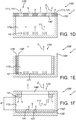
- Figure 1d schematically depicts an embodiment wherein the transmissive part 173 comprises at least two types of segments, with volumes over 0.25 cm 3 , wherein the two types of segments comprise different weight ratios organic luminescent material and further luminescent material.
- first segments only comprise the organic luminescent material 140 as luminescent material and second segments only comprises further luminescent material 130 as luminescent material.
- the organic luminescent material 140 may also in this embodiment be embedded in a (polymeric) matrix, such as PET.
- the further luminescent material 130 may be embedded in a (polymeric) matrix, such as PET.
- Figure 1e schematically depicts an embodiment wherein the enclosure 170 comprises a transmissive diffuser 160 (as transmissive part 173) and the light converter is applied to at least part of the non-transmissive part of the enclosure 171.
- Figure 1f schematically depicts a reflective configuration.
- the organic luminescent material 140 and optionally the further luminescent material 140 may (both) be embedded in a (polymeric) matrix.
- Combinations of embodiments may also be applied, like the segmented light converter of Figure 1d in combination with or alternative to the light converter(s) shown in the other drawings, such as e.g. 1a, 1b, 1e, 1f.
- the lighting device comprises a light transmissive window, which comprises or consists of the matrix.
- the matrix may be applied as light transmissive window.
- a transmissive diffuser is used as transmissive window.
- the transmissive window is used as an envelope, or as part of an envelope.
- the transmissive window envelopes at least part of the cavity 172.
- the transmissive window is not necessarily flat.
- the transmissive window, comprising in embodiments the matrix may also be curved, like in the embodiment of a TLED or in a retrofit incandescent lamp (bulb).
- a nitrosylsulfuric acid solution (40 wt. % nitric acid in sulphuric acid, 5.8 mL, 33.96 mmol) was added dropwise to a solution of compound 2469 (14.0 g, 28.3 mmol) in a mixture of acetic acid (100 mL) and propionic acid (30 mL) at 0-5 °C. After 1h, the diazonium liquor was added portionwise to a boiling solution of hydrated copper (II) sulphate (28.3 g, 113.2 mmol) in water (250 mL) and acetic acid (16 mL).
- II hydrated copper
- the lifetime is determined as 10% reduction extrapolated to the conditions for a TLED (0.016 W/cm 2 blue and a temperature of 60 °C in air) assuming a linear dependence on the flux density.
- F083 a lifetime of about 100 hours was estimated while new compound 2363 showed a lifetime of about 2500 hours. This means an increase in lifetime of about 25 times.
- the lifetime is further increased with another factor of about 5 to 12500 hours under the same conditions.
- For new compound 2401 the lifetime is even further increased with another factor of about 10 to 27000 hours under the same conditions
- Lifetime of organic yellow emitting molecules in a PET matrix in hours at which 10% has bleached at an exposure of 0.016 W/cm 2 blue and a temperature of 60 °C in air)
- F083 F170 Solvent yellow 98 2363 2389 2401 2402 2413 2436 50-200 150-400 400-650 2500-2800 10000-15000 27000 14000 6000 12000
- Emission of various organic molecules excited by blue LED can be combined to produce white light.
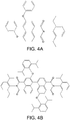
- the emission from the molecules depicted in Figures 4a (material 2389, see Figure 2b ) and 4b (N,N'-Bis(2,6-diisopropylphenyl)-1,7-di(2,6-diisopropylphenoxy)perylene-3,4:9,10-tetracarboxdiimide; Cas nr. 919488-78-1 ) were combined with blue light to obtain white light with a spectrum shown in Figure 4c .
- Such a white light can be produced showing the following values shown in the table below.
Landscapes
- Chemical & Material Sciences (AREA)
- Organic Chemistry (AREA)
- Engineering & Computer Science (AREA)
- Materials Engineering (AREA)
- Inorganic Chemistry (AREA)
- Physics & Mathematics (AREA)
- Spectroscopy & Molecular Physics (AREA)
- Microelectronics & Electronic Packaging (AREA)
- General Engineering & Computer Science (AREA)
- Chemical Kinetics & Catalysis (AREA)
- Optics & Photonics (AREA)
- Led Device Packages (AREA)
- Non-Portable Lighting Devices Or Systems Thereof (AREA)
Priority Applications (1)
| Application Number | Priority Date | Filing Date | Title |
|---|---|---|---|
| EP14705115.5A EP2961813B1 (en) | 2013-03-01 | 2014-02-14 | New class of green/yellow emitting phosphors based on benzoxanthene derivatives for led lighting |
Applications Claiming Priority (3)
| Application Number | Priority Date | Filing Date | Title |
|---|---|---|---|
| EP13157359 | 2013-03-01 | ||
| PCT/EP2014/052887 WO2014131628A1 (en) | 2013-03-01 | 2014-02-14 | New class of green/yellow emitting phosphors based on benzoxanthene derivatives for led lighting |
| EP14705115.5A EP2961813B1 (en) | 2013-03-01 | 2014-02-14 | New class of green/yellow emitting phosphors based on benzoxanthene derivatives for led lighting |
Publications (2)
| Publication Number | Publication Date |
|---|---|
| EP2961813A1 EP2961813A1 (en) | 2016-01-06 |
| EP2961813B1 true EP2961813B1 (en) | 2018-07-18 |
Family
ID=47754365
Family Applications (1)
| Application Number | Title | Priority Date | Filing Date |
|---|---|---|---|
| EP14705115.5A Not-in-force EP2961813B1 (en) | 2013-03-01 | 2014-02-14 | New class of green/yellow emitting phosphors based on benzoxanthene derivatives for led lighting |
Country Status (5)
| Country | Link |
|---|---|
| US (1) | US9969932B2 (enExample) |
| EP (1) | EP2961813B1 (enExample) |
| JP (1) | JP6456308B2 (enExample) |
| CN (1) | CN105026519B (enExample) |
| WO (1) | WO2014131628A1 (enExample) |
Cited By (1)
| Publication number | Priority date | Publication date | Assignee | Title |
|---|---|---|---|---|
| WO2025251007A1 (en) * | 2024-05-31 | 2025-12-04 | Nitto Denko Corporation | Blue light absorbing compounds, films, and display devices including the same |
Families Citing this family (20)
| Publication number | Priority date | Publication date | Assignee | Title |
|---|---|---|---|---|
| JP6476592B2 (ja) * | 2014-05-22 | 2019-03-06 | 信越化学工業株式会社 | 波長変換部材 |
| US10329482B2 (en) | 2014-10-21 | 2019-06-25 | Signify Holding B.V. | Class of organic phosphors based on derivatives of benzimidazoxanthenoisoquinolinone for LED lighting |
| CN107428775B (zh) * | 2015-03-26 | 2020-11-03 | 巴斯夫欧洲公司 | 氰化苯并呫吨和苯并噻吨化合物 |
| EP3072887B1 (en) | 2015-03-26 | 2017-10-18 | Basf Se | N,n'-bis(2,6-diisopropylphenyl)-1,7-di(2,6-diphenylphenoxy)perylene-3,4;9,10-tetracarboximide, n,n'-bis(2,6-diisopropylphenyl)-1,6-di(2,6-diphenylphenoxy)perylene-3,4;9,10-tetracarboximide and the use thereof |
| EP3101087B1 (en) | 2015-06-03 | 2018-01-17 | Basf Se | Multiple chromophores with a perylenediimide skeleton |
| TWI746499B (zh) | 2016-01-14 | 2021-11-21 | 德商巴地斯顏料化工廠 | 具有剛性2,2'-聯苯氧基橋接之苝雙醯亞胺 |
| KR101975350B1 (ko) | 2016-04-18 | 2019-05-07 | 주식회사 엘지화학 | 색변환 필름 및 이를 포함하는 백라이트 유닛과 디스플레이 장치 |
| JP7114578B2 (ja) | 2016-10-06 | 2022-08-08 | ビーエーエスエフ ソシエタス・ヨーロピア | 2-フェニルフェノキシ置換ペリレンビスイミド化合物およびそれらの使用 |
| US10422501B2 (en) * | 2016-12-14 | 2019-09-24 | Ford Global Technologies, Llc | Vehicle lighting assembly |
| TWI776839B (zh) | 2017-01-18 | 2022-09-11 | 德商巴地斯顏料化工廠 | 經1,6,7,12-四-(2-異丙基苯氧基)取代之苝四羧酸二醯亞胺 |
| CN110461990A (zh) | 2017-03-24 | 2019-11-15 | 巴斯夫欧洲公司 | 作为颜色转换器的基质材料的聚(呋喃-2,5-二甲酸乙二醇酯) |
| CN111052634B (zh) * | 2017-08-24 | 2023-06-06 | 巴斯夫欧洲公司 | 用于传送数据和用于发射可见光谱范围内的电磁辐射的发送器和数据传输系统 |
| EP3728269B1 (en) | 2017-12-19 | 2022-03-09 | Basf Se | Cyanoaryl substituted benz(othi)oxanthene compounds |
| CN108630817B (zh) * | 2018-05-07 | 2019-11-29 | 河南大学 | 一种适用于照明应用的量子点发光二极管及其制备方法 |
| US12018192B2 (en) | 2018-09-11 | 2024-06-25 | Basf Se | Receiver comprising a luminescent collector for optical data communication |
| JP7561756B2 (ja) | 2019-03-22 | 2024-10-04 | ベーアーエスエフ・エスエー | 植物の栽培方法 |
| DE102019118060B4 (de) * | 2019-07-04 | 2021-06-17 | Schott Ag | Lichtquelle mit Photolumineszenz-Emitter |
| US12365800B2 (en) | 2020-06-16 | 2025-07-22 | Okinawa Institute Of Science And Technology School Corporation | Polymer, mechanical stress sensor, method for detecting mechanical stress, method for preparing polymer, copper complex and method for preparing same |
| CN113917777A (zh) * | 2020-07-09 | 2022-01-11 | 成都极米科技股份有限公司 | 一种光源设备以及投影显示设备 |
| CN118369312A (zh) | 2021-12-09 | 2024-07-19 | 巴斯夫欧洲公司 | 三萘嵌二苯二酰亚胺和四萘嵌三苯二酰亚胺着色剂 |
Family Cites Families (12)
| Publication number | Priority date | Publication date | Assignee | Title |
|---|---|---|---|---|
| DE1569761A1 (de) | 1967-11-02 | 1970-06-25 | Hoechst Ag | Wasserunloesliche Benzoxanthendicarbonsaeureimidfarbstoffe und Verfahren zu ihrer Herstellung |
| DE2017765C3 (de) * | 1970-04-14 | 1979-08-16 | Hoechst Ag, 6000 Frankfurt | Tagesleuchtpigmente, deren Verwendung und Verfahren zu deren Herstellung |
| DE2017763C3 (de) | 1970-04-14 | 1975-02-27 | Farbwerke Hoechst Ag, Vormals Meister Lucius & Bruening, 6000 Frankfurt | Benzoxanthen- und Benzothioxanthendicarbonsäureimidfarbstoffe, Verfahren zu ihrer Herstellung und ihre Verwendung |
| US4845223A (en) | 1985-12-19 | 1989-07-04 | Basf Aktiengesellschaft | Fluorescent aryloxy-substituted perylene-3,4,9,10-tetracarboxylic acid diimides |
| US6537679B1 (en) | 2000-11-09 | 2003-03-25 | Avery Dennison Corporation | Fluorescent articles of glycol-modified polyethylene terephthalate |
| EP1349882A4 (en) * | 2000-11-09 | 2006-07-05 | Avery Dennison Corp | POLYMERIC FLUORESCENT ARTICLES WITH PROTECTIVE LAYER FORMED FROM ULTRAVIOLET LIGHT-ABSORBING POLYMER |
| KR100474402B1 (ko) | 2001-10-22 | 2005-03-08 | 김용래 | 붉은 색의 화학발광을 생성하는 화학발광 조성물 및 이를이용한 화학발광체 |
| JP3779625B2 (ja) * | 2002-01-29 | 2006-05-31 | 日本化薬株式会社 | 発光素子 |
| EP2417219B1 (en) * | 2009-04-06 | 2013-05-29 | Koninklijke Philips Electronics N.V. | Luminescent converter for a phosphor- enhanced light source comprising organic and inorganic phosphors |
| EP2475717A4 (en) | 2009-09-09 | 2015-01-07 | Qd Vision Inc | PARTICLES WITH NANOPARTICLES, USES THEREOF AND METHOD THEREFOR |
| JP6305063B2 (ja) | 2011-02-24 | 2018-04-04 | ビーエーエスエフ ソシエタス・ヨーロピアBasf Se | 新規な照明装置 |
| EP2697337B1 (en) * | 2011-04-12 | 2019-06-12 | Signify Holding B.V. | A luminescent converter, a phosphor enhanced light source or a luminaire having a cri larger than 80 |
-
2014
- 2014-02-14 EP EP14705115.5A patent/EP2961813B1/en not_active Not-in-force
- 2014-02-14 US US14/771,666 patent/US9969932B2/en not_active Expired - Fee Related
- 2014-02-14 WO PCT/EP2014/052887 patent/WO2014131628A1/en not_active Ceased
- 2014-02-14 JP JP2015559461A patent/JP6456308B2/ja not_active Expired - Fee Related
- 2014-02-14 CN CN201480011723.XA patent/CN105026519B/zh not_active Expired - Fee Related
Non-Patent Citations (1)
| Title |
|---|
| None * |
Cited By (1)
| Publication number | Priority date | Publication date | Assignee | Title |
|---|---|---|---|---|
| WO2025251007A1 (en) * | 2024-05-31 | 2025-12-04 | Nitto Denko Corporation | Blue light absorbing compounds, films, and display devices including the same |
Also Published As
| Publication number | Publication date |
|---|---|
| US20160017219A1 (en) | 2016-01-21 |
| JP2016517612A (ja) | 2016-06-16 |
| EP2961813A1 (en) | 2016-01-06 |
| CN105026519A (zh) | 2015-11-04 |
| CN105026519B (zh) | 2018-02-02 |
| US9969932B2 (en) | 2018-05-15 |
| JP6456308B2 (ja) | 2019-01-23 |
| WO2014131628A9 (en) | 2015-06-18 |
| WO2014131628A1 (en) | 2014-09-04 |
Similar Documents
| Publication | Publication Date | Title |
|---|---|---|
| US9969932B2 (en) | Class of green/yellow emitting phosphors based on benzoxanthene derivatives for LED lighting | |
| EP3063249B1 (en) | New class of green/yellow emitting phosphors based on derivatives of benzimidazoxanthenoisoquinolinone for led lighting | |
| EP2954027B1 (en) | Phenoxy-substituted perylene-3,4,9,10-tetracarboxylic acid diimides organic red emitter and light emitting device using the same | |
| US9557016B2 (en) | Color rendering index tunable lamp and luminaire | |
| CN107110432B (zh) | 用于发光光导的颜色控制 | |
| KR20200100702A (ko) | 시아노아릴 치환된 벤즈(오티)오크산텐 화합물 | |
| EP3209747B1 (en) | New class of organic phosphors based on derivatives of benzimidazoxanthenoisoquinolinone for led lighting | |
| US10330266B2 (en) | LED with thermo-responsive black-body line dimming | |
| WO2014122071A1 (en) | Increasing the lifetime of an organic phosphor by using off-maximum excitation |
Legal Events
| Date | Code | Title | Description |
|---|---|---|---|
| PUAI | Public reference made under article 153(3) epc to a published international application that has entered the european phase |
Free format text: ORIGINAL CODE: 0009012 |
|
| 17P | Request for examination filed |
Effective date: 20151001 |
|
| AK | Designated contracting states |
Kind code of ref document: A1 Designated state(s): AL AT BE BG CH CY CZ DE DK EE ES FI FR GB GR HR HU IE IS IT LI LT LU LV MC MK MT NL NO PL PT RO RS SE SI SK SM TR |
|
| AX | Request for extension of the european patent |
Extension state: BA ME |
|
| DAX | Request for extension of the european patent (deleted) | ||
| RAP1 | Party data changed (applicant data changed or rights of an application transferred) |
Owner name: PHILIPS LIGHTING HOLDING B.V. |
|
| RIN1 | Information on inventor provided before grant (corrected) |
Inventor name: LUB, JOHAN Inventor name: HIKMET, RIFAT ATA MUSTAFA Inventor name: VELDMAN, DIRK |
|
| RIC1 | Information provided on ipc code assigned before grant |
Ipc: C09K 11/64 20060101ALI20171222BHEP Ipc: C09B 5/62 20060101ALI20171222BHEP Ipc: H01L 51/00 20060101ALI20171222BHEP Ipc: C07D 491/052 20060101ALI20171222BHEP Ipc: C09B 57/14 20060101ALI20171222BHEP Ipc: C09B 67/22 20060101ALI20171222BHEP Ipc: H05B 33/14 20060101ALI20171222BHEP Ipc: C09K 11/56 20060101ALI20171222BHEP Ipc: C09K 11/06 20060101AFI20171222BHEP Ipc: H01L 51/50 20060101ALI20171222BHEP Ipc: C09K 11/59 20060101ALI20171222BHEP |
|
| GRAP | Despatch of communication of intention to grant a patent |
Free format text: ORIGINAL CODE: EPIDOSNIGR1 |
|
| STAA | Information on the status of an ep patent application or granted ep patent |
Free format text: STATUS: GRANT OF PATENT IS INTENDED |
|
| INTG | Intention to grant announced |
Effective date: 20180209 |
|
| GRAS | Grant fee paid |
Free format text: ORIGINAL CODE: EPIDOSNIGR3 |
|
| GRAA | (expected) grant |
Free format text: ORIGINAL CODE: 0009210 |
|
| STAA | Information on the status of an ep patent application or granted ep patent |
Free format text: STATUS: THE PATENT HAS BEEN GRANTED |
|
| AK | Designated contracting states |
Kind code of ref document: B1 Designated state(s): AL AT BE BG CH CY CZ DE DK EE ES FI FR GB GR HR HU IE IS IT LI LT LU LV MC MK MT NL NO PL PT RO RS SE SI SK SM TR |
|
| REG | Reference to a national code |
Ref country code: GB Ref legal event code: FG4D |
|
| REG | Reference to a national code |
Ref country code: CH Ref legal event code: EP |
|
| REG | Reference to a national code |
Ref country code: IE Ref legal event code: FG4D |
|
| REG | Reference to a national code |
Ref country code: AT Ref legal event code: REF Ref document number: 1019341 Country of ref document: AT Kind code of ref document: T Effective date: 20180815 |
|
| REG | Reference to a national code |
Ref country code: DE Ref legal event code: R096 Ref document number: 602014028637 Country of ref document: DE |
|
| REG | Reference to a national code |
Ref country code: NL Ref legal event code: MP Effective date: 20180718 |
|
| REG | Reference to a national code |
Ref country code: LT Ref legal event code: MG4D |
|
| RAP2 | Party data changed (patent owner data changed or rights of a patent transferred) |
Owner name: PHILIPS LIGHTING HOLDING B.V. |
|
| REG | Reference to a national code |
Ref country code: AT Ref legal event code: MK05 Ref document number: 1019341 Country of ref document: AT Kind code of ref document: T Effective date: 20180718 |
|
| PG25 | Lapsed in a contracting state [announced via postgrant information from national office to epo] |
Ref country code: NL Free format text: LAPSE BECAUSE OF FAILURE TO SUBMIT A TRANSLATION OF THE DESCRIPTION OR TO PAY THE FEE WITHIN THE PRESCRIBED TIME-LIMIT Effective date: 20180718 |
|
| PG25 | Lapsed in a contracting state [announced via postgrant information from national office to epo] |
Ref country code: GR Free format text: LAPSE BECAUSE OF FAILURE TO SUBMIT A TRANSLATION OF THE DESCRIPTION OR TO PAY THE FEE WITHIN THE PRESCRIBED TIME-LIMIT Effective date: 20181019 Ref country code: BG Free format text: LAPSE BECAUSE OF FAILURE TO SUBMIT A TRANSLATION OF THE DESCRIPTION OR TO PAY THE FEE WITHIN THE PRESCRIBED TIME-LIMIT Effective date: 20181018 Ref country code: SE Free format text: LAPSE BECAUSE OF FAILURE TO SUBMIT A TRANSLATION OF THE DESCRIPTION OR TO PAY THE FEE WITHIN THE PRESCRIBED TIME-LIMIT Effective date: 20180718 Ref country code: RS Free format text: LAPSE BECAUSE OF FAILURE TO SUBMIT A TRANSLATION OF THE DESCRIPTION OR TO PAY THE FEE WITHIN THE PRESCRIBED TIME-LIMIT Effective date: 20180718 Ref country code: IS Free format text: LAPSE BECAUSE OF FAILURE TO SUBMIT A TRANSLATION OF THE DESCRIPTION OR TO PAY THE FEE WITHIN THE PRESCRIBED TIME-LIMIT Effective date: 20181118 Ref country code: NO Free format text: LAPSE BECAUSE OF FAILURE TO SUBMIT A TRANSLATION OF THE DESCRIPTION OR TO PAY THE FEE WITHIN THE PRESCRIBED TIME-LIMIT Effective date: 20181018 Ref country code: AT Free format text: LAPSE BECAUSE OF FAILURE TO SUBMIT A TRANSLATION OF THE DESCRIPTION OR TO PAY THE FEE WITHIN THE PRESCRIBED TIME-LIMIT Effective date: 20180718 Ref country code: FI Free format text: LAPSE BECAUSE OF FAILURE TO SUBMIT A TRANSLATION OF THE DESCRIPTION OR TO PAY THE FEE WITHIN THE PRESCRIBED TIME-LIMIT Effective date: 20180718 Ref country code: LT Free format text: LAPSE BECAUSE OF FAILURE TO SUBMIT A TRANSLATION OF THE DESCRIPTION OR TO PAY THE FEE WITHIN THE PRESCRIBED TIME-LIMIT Effective date: 20180718 Ref country code: PL Free format text: LAPSE BECAUSE OF FAILURE TO SUBMIT A TRANSLATION OF THE DESCRIPTION OR TO PAY THE FEE WITHIN THE PRESCRIBED TIME-LIMIT Effective date: 20180718 |
|
| PG25 | Lapsed in a contracting state [announced via postgrant information from national office to epo] |
Ref country code: AL Free format text: LAPSE BECAUSE OF FAILURE TO SUBMIT A TRANSLATION OF THE DESCRIPTION OR TO PAY THE FEE WITHIN THE PRESCRIBED TIME-LIMIT Effective date: 20180718 Ref country code: LV Free format text: LAPSE BECAUSE OF FAILURE TO SUBMIT A TRANSLATION OF THE DESCRIPTION OR TO PAY THE FEE WITHIN THE PRESCRIBED TIME-LIMIT Effective date: 20180718 Ref country code: HR Free format text: LAPSE BECAUSE OF FAILURE TO SUBMIT A TRANSLATION OF THE DESCRIPTION OR TO PAY THE FEE WITHIN THE PRESCRIBED TIME-LIMIT Effective date: 20180718 |
|
| RAP2 | Party data changed (patent owner data changed or rights of a patent transferred) |
Owner name: SIGNIFY HOLDING B.V. |
|
| REG | Reference to a national code |
Ref country code: DE Ref legal event code: R097 Ref document number: 602014028637 Country of ref document: DE |
|
| PG25 | Lapsed in a contracting state [announced via postgrant information from national office to epo] |
Ref country code: EE Free format text: LAPSE BECAUSE OF FAILURE TO SUBMIT A TRANSLATION OF THE DESCRIPTION OR TO PAY THE FEE WITHIN THE PRESCRIBED TIME-LIMIT Effective date: 20180718 Ref country code: ES Free format text: LAPSE BECAUSE OF FAILURE TO SUBMIT A TRANSLATION OF THE DESCRIPTION OR TO PAY THE FEE WITHIN THE PRESCRIBED TIME-LIMIT Effective date: 20180718 Ref country code: CZ Free format text: LAPSE BECAUSE OF FAILURE TO SUBMIT A TRANSLATION OF THE DESCRIPTION OR TO PAY THE FEE WITHIN THE PRESCRIBED TIME-LIMIT Effective date: 20180718 Ref country code: IT Free format text: LAPSE BECAUSE OF FAILURE TO SUBMIT A TRANSLATION OF THE DESCRIPTION OR TO PAY THE FEE WITHIN THE PRESCRIBED TIME-LIMIT Effective date: 20180718 Ref country code: RO Free format text: LAPSE BECAUSE OF FAILURE TO SUBMIT A TRANSLATION OF THE DESCRIPTION OR TO PAY THE FEE WITHIN THE PRESCRIBED TIME-LIMIT Effective date: 20180718 |
|
| PLBE | No opposition filed within time limit |
Free format text: ORIGINAL CODE: 0009261 |
|
| STAA | Information on the status of an ep patent application or granted ep patent |
Free format text: STATUS: NO OPPOSITION FILED WITHIN TIME LIMIT |
|
| PG25 | Lapsed in a contracting state [announced via postgrant information from national office to epo] |
Ref country code: SK Free format text: LAPSE BECAUSE OF FAILURE TO SUBMIT A TRANSLATION OF THE DESCRIPTION OR TO PAY THE FEE WITHIN THE PRESCRIBED TIME-LIMIT Effective date: 20180718 Ref country code: SM Free format text: LAPSE BECAUSE OF FAILURE TO SUBMIT A TRANSLATION OF THE DESCRIPTION OR TO PAY THE FEE WITHIN THE PRESCRIBED TIME-LIMIT Effective date: 20180718 Ref country code: DK Free format text: LAPSE BECAUSE OF FAILURE TO SUBMIT A TRANSLATION OF THE DESCRIPTION OR TO PAY THE FEE WITHIN THE PRESCRIBED TIME-LIMIT Effective date: 20180718 |
|
| 26N | No opposition filed |
Effective date: 20190423 |
|
| PG25 | Lapsed in a contracting state [announced via postgrant information from national office to epo] |
Ref country code: SI Free format text: LAPSE BECAUSE OF FAILURE TO SUBMIT A TRANSLATION OF THE DESCRIPTION OR TO PAY THE FEE WITHIN THE PRESCRIBED TIME-LIMIT Effective date: 20180718 |
|
| REG | Reference to a national code |
Ref country code: CH Ref legal event code: PL |
|
| PG25 | Lapsed in a contracting state [announced via postgrant information from national office to epo] |
Ref country code: LU Free format text: LAPSE BECAUSE OF NON-PAYMENT OF DUE FEES Effective date: 20190214 Ref country code: MC Free format text: LAPSE BECAUSE OF FAILURE TO SUBMIT A TRANSLATION OF THE DESCRIPTION OR TO PAY THE FEE WITHIN THE PRESCRIBED TIME-LIMIT Effective date: 20180718 |
|
| REG | Reference to a national code |
Ref country code: BE Ref legal event code: MM Effective date: 20190228 |
|
| REG | Reference to a national code |
Ref country code: IE Ref legal event code: MM4A |
|
| PG25 | Lapsed in a contracting state [announced via postgrant information from national office to epo] |
Ref country code: LI Free format text: LAPSE BECAUSE OF NON-PAYMENT OF DUE FEES Effective date: 20190228 Ref country code: CH Free format text: LAPSE BECAUSE OF NON-PAYMENT OF DUE FEES Effective date: 20190228 |
|
| PG25 | Lapsed in a contracting state [announced via postgrant information from national office to epo] |
Ref country code: IE Free format text: LAPSE BECAUSE OF NON-PAYMENT OF DUE FEES Effective date: 20190214 |
|
| PG25 | Lapsed in a contracting state [announced via postgrant information from national office to epo] |
Ref country code: BE Free format text: LAPSE BECAUSE OF NON-PAYMENT OF DUE FEES Effective date: 20190228 |
|
| PG25 | Lapsed in a contracting state [announced via postgrant information from national office to epo] |
Ref country code: TR Free format text: LAPSE BECAUSE OF FAILURE TO SUBMIT A TRANSLATION OF THE DESCRIPTION OR TO PAY THE FEE WITHIN THE PRESCRIBED TIME-LIMIT Effective date: 20180718 |
|
| PGFP | Annual fee paid to national office [announced via postgrant information from national office to epo] |
Ref country code: DE Payment date: 20200228 Year of fee payment: 7 Ref country code: GB Payment date: 20200226 Year of fee payment: 7 |
|
| PG25 | Lapsed in a contracting state [announced via postgrant information from national office to epo] |
Ref country code: MT Free format text: LAPSE BECAUSE OF NON-PAYMENT OF DUE FEES Effective date: 20190214 Ref country code: PT Free format text: LAPSE BECAUSE OF FAILURE TO SUBMIT A TRANSLATION OF THE DESCRIPTION OR TO PAY THE FEE WITHIN THE PRESCRIBED TIME-LIMIT Effective date: 20181118 |
|
| PGFP | Annual fee paid to national office [announced via postgrant information from national office to epo] |
Ref country code: FR Payment date: 20200225 Year of fee payment: 7 |
|
| PG25 | Lapsed in a contracting state [announced via postgrant information from national office to epo] |
Ref country code: CY Free format text: LAPSE BECAUSE OF FAILURE TO SUBMIT A TRANSLATION OF THE DESCRIPTION OR TO PAY THE FEE WITHIN THE PRESCRIBED TIME-LIMIT Effective date: 20180718 |
|
| PG25 | Lapsed in a contracting state [announced via postgrant information from national office to epo] |
Ref country code: HU Free format text: LAPSE BECAUSE OF FAILURE TO SUBMIT A TRANSLATION OF THE DESCRIPTION OR TO PAY THE FEE WITHIN THE PRESCRIBED TIME-LIMIT; INVALID AB INITIO Effective date: 20140214 |
|
| REG | Reference to a national code |
Ref country code: DE Ref legal event code: R119 Ref document number: 602014028637 Country of ref document: DE |
|
| GBPC | Gb: european patent ceased through non-payment of renewal fee |
Effective date: 20210214 |
|
| PG25 | Lapsed in a contracting state [announced via postgrant information from national office to epo] |
Ref country code: DE Free format text: LAPSE BECAUSE OF NON-PAYMENT OF DUE FEES Effective date: 20210901 Ref country code: FR Free format text: LAPSE BECAUSE OF NON-PAYMENT OF DUE FEES Effective date: 20210228 Ref country code: GB Free format text: LAPSE BECAUSE OF NON-PAYMENT OF DUE FEES Effective date: 20210214 |
|
| PG25 | Lapsed in a contracting state [announced via postgrant information from national office to epo] |
Ref country code: MK Free format text: LAPSE BECAUSE OF FAILURE TO SUBMIT A TRANSLATION OF THE DESCRIPTION OR TO PAY THE FEE WITHIN THE PRESCRIBED TIME-LIMIT Effective date: 20180718 |