EP2961027A1 - Intelligentes stromspeicherungssystem und verfahren zur verwaltung der batteriegruppe des intelligentes stromspeicherungssystems - Google Patents
Intelligentes stromspeicherungssystem und verfahren zur verwaltung der batteriegruppe des intelligentes stromspeicherungssystems Download PDFInfo
- Publication number
- EP2961027A1 EP2961027A1 EP15170880.7A EP15170880A EP2961027A1 EP 2961027 A1 EP2961027 A1 EP 2961027A1 EP 15170880 A EP15170880 A EP 15170880A EP 2961027 A1 EP2961027 A1 EP 2961027A1
- Authority
- EP
- European Patent Office
- Prior art keywords
- power
- battery array
- indoor
- batteries
- battery
- Prior art date
- Legal status (The legal status is an assumption and is not a legal conclusion. Google has not performed a legal analysis and makes no representation as to the accuracy of the status listed.)
- Withdrawn
Links
Images





Classifications
-
- H—ELECTRICITY
- H02—GENERATION; CONVERSION OR DISTRIBUTION OF ELECTRIC POWER
- H02J—ELECTRIC POWER NETWORKS; CIRCUIT ARRANGEMENTS OR SYSTEMS FOR SUPPLYING OR DISTRIBUTING ELECTRIC POWER; SYSTEMS FOR STORING ELECTRIC ENERGY
- H02J3/00—Circuit arrangements for AC mains or AC distribution networks
- H02J3/28—Arrangements for balancing of the load in networks by storage of energy
- H02J3/32—Arrangements for balancing of the load in networks by storage of energy using batteries or super capacitors with converting means
-
- H—ELECTRICITY
- H01—ELECTRIC ELEMENTS
- H01M—PROCESSES OR MEANS, e.g. BATTERIES, FOR THE DIRECT CONVERSION OF CHEMICAL ENERGY INTO ELECTRICAL ENERGY
- H01M10/00—Secondary cells; Manufacture thereof
- H01M10/42—Methods or arrangements for servicing or maintenance of secondary cells or secondary half-cells
- H01M10/46—Accumulators structurally combined with charging apparatus
-
- H—ELECTRICITY
- H01—ELECTRIC ELEMENTS
- H01M—PROCESSES OR MEANS, e.g. BATTERIES, FOR THE DIRECT CONVERSION OF CHEMICAL ENERGY INTO ELECTRICAL ENERGY
- H01M10/00—Secondary cells; Manufacture thereof
- H01M10/42—Methods or arrangements for servicing or maintenance of secondary cells or secondary half-cells
- H01M10/46—Accumulators structurally combined with charging apparatus
- H01M10/465—Accumulators structurally combined with charging apparatus with solar battery as charging system
-
- H—ELECTRICITY
- H01—ELECTRIC ELEMENTS
- H01M—PROCESSES OR MEANS, e.g. BATTERIES, FOR THE DIRECT CONVERSION OF CHEMICAL ENERGY INTO ELECTRICAL ENERGY
- H01M10/00—Secondary cells; Manufacture thereof
- H01M10/42—Methods or arrangements for servicing or maintenance of secondary cells or secondary half-cells
- H01M10/48—Accumulators combined with arrangements for measuring, testing or indicating the condition of cells, e.g. the level or density of the electrolyte
- H01M10/482—Accumulators combined with arrangements for measuring, testing or indicating the condition of cells, e.g. the level or density of the electrolyte for several batteries or cells simultaneously or sequentially
-
- H—ELECTRICITY
- H02—GENERATION; CONVERSION OR DISTRIBUTION OF ELECTRIC POWER
- H02J—ELECTRIC POWER NETWORKS; CIRCUIT ARRANGEMENTS OR SYSTEMS FOR SUPPLYING OR DISTRIBUTING ELECTRIC POWER; SYSTEMS FOR STORING ELECTRIC ENERGY
- H02J13/00—Circuit arrangements for providing remote monitoring or remote control of equipment in a power distribution network
- H02J13/10—Circuit arrangements for providing remote monitoring or remote control of equipment in a power distribution network characterised by displaying of information or by user interaction, e.g. supervisory control and data acquisition [SCADA] systems
-
- H—ELECTRICITY
- H02—GENERATION; CONVERSION OR DISTRIBUTION OF ELECTRIC POWER
- H02J—ELECTRIC POWER NETWORKS; CIRCUIT ARRANGEMENTS OR SYSTEMS FOR SUPPLYING OR DISTRIBUTING ELECTRIC POWER; SYSTEMS FOR STORING ELECTRIC ENERGY
- H02J13/00—Circuit arrangements for providing remote monitoring or remote control of equipment in a power distribution network
- H02J13/12—Monitoring network conditions, e.g. electrical magnitudes or operational status
-
- H—ELECTRICITY
- H02—GENERATION; CONVERSION OR DISTRIBUTION OF ELECTRIC POWER
- H02J—ELECTRIC POWER NETWORKS; CIRCUIT ARRANGEMENTS OR SYSTEMS FOR SUPPLYING OR DISTRIBUTING ELECTRIC POWER; SYSTEMS FOR STORING ELECTRIC ENERGY
- H02J13/00—Circuit arrangements for providing remote monitoring or remote control of equipment in a power distribution network
- H02J13/14—Circuit arrangements for providing remote monitoring or remote control of equipment in a power distribution network the power network being locally controlled, e.g. home energy management systems [HEMS]
-
- H—ELECTRICITY
- H02—GENERATION; CONVERSION OR DISTRIBUTION OF ELECTRIC POWER
- H02J—ELECTRIC POWER NETWORKS; CIRCUIT ARRANGEMENTS OR SYSTEMS FOR SUPPLYING OR DISTRIBUTING ELECTRIC POWER; SYSTEMS FOR STORING ELECTRIC ENERGY
- H02J7/00—Circuit arrangements for charging or discharging batteries or for supplying loads from batteries
- H02J7/14—Circuit arrangements for charging or discharging batteries or for supplying loads from batteries for charging batteries from dynamo-electric generators driven at varying speed, e.g. on vehicle
- H02J7/1423—Circuit arrangements for charging or discharging batteries or for supplying loads from batteries for charging batteries from dynamo-electric generators driven at varying speed, e.g. on vehicle with multiple batteries
-
- H—ELECTRICITY
- H02—GENERATION; CONVERSION OR DISTRIBUTION OF ELECTRIC POWER
- H02J—ELECTRIC POWER NETWORKS; CIRCUIT ARRANGEMENTS OR SYSTEMS FOR SUPPLYING OR DISTRIBUTING ELECTRIC POWER; SYSTEMS FOR STORING ELECTRIC ENERGY
- H02J7/00—Circuit arrangements for charging or discharging batteries or for supplying loads from batteries
- H02J7/34—Parallel operation in networks using both storage and other DC sources, e.g. providing buffering
- H02J7/35—Parallel operation in networks using both storage and other DC sources, e.g. providing buffering with light sensitive cells
-
- H—ELECTRICITY
- H02—GENERATION; CONVERSION OR DISTRIBUTION OF ELECTRIC POWER
- H02J—ELECTRIC POWER NETWORKS; CIRCUIT ARRANGEMENTS OR SYSTEMS FOR SUPPLYING OR DISTRIBUTING ELECTRIC POWER; SYSTEMS FOR STORING ELECTRIC ENERGY
- H02J7/00—Circuit arrangements for charging or discharging batteries or for supplying loads from batteries
- H02J7/80—Circuit arrangements for charging or discharging batteries or for supplying loads from batteries including monitoring or indicating arrangements
-
- H—ELECTRICITY
- H02—GENERATION; CONVERSION OR DISTRIBUTION OF ELECTRIC POWER
- H02J—ELECTRIC POWER NETWORKS; CIRCUIT ARRANGEMENTS OR SYSTEMS FOR SUPPLYING OR DISTRIBUTING ELECTRIC POWER; SYSTEMS FOR STORING ELECTRIC ENERGY
- H02J7/00—Circuit arrangements for charging or discharging batteries or for supplying loads from batteries
- H02J7/855—Circuit arrangements for charging or discharging batteries or for supplying loads from batteries with circuits adapted for supplying loads from the battery
-
- H—ELECTRICITY
- H02—GENERATION; CONVERSION OR DISTRIBUTION OF ELECTRIC POWER
- H02J—ELECTRIC POWER NETWORKS; CIRCUIT ARRANGEMENTS OR SYSTEMS FOR SUPPLYING OR DISTRIBUTING ELECTRIC POWER; SYSTEMS FOR STORING ELECTRIC ENERGY
- H02J7/00—Circuit arrangements for charging or discharging batteries or for supplying loads from batteries
- H02J7/90—Regulation of charging or discharging current or voltage
- H02J7/933—Regulation of charging or discharging current or voltage the cycle being controlled or terminated in response to electric parameters
-
- H—ELECTRICITY
- H01—ELECTRIC ELEMENTS
- H01M—PROCESSES OR MEANS, e.g. BATTERIES, FOR THE DIRECT CONVERSION OF CHEMICAL ENERGY INTO ELECTRICAL ENERGY
- H01M2220/00—Batteries for particular applications
- H01M2220/10—Batteries in stationary systems, e.g. emergency power source in plant
-
- H—ELECTRICITY
- H02—GENERATION; CONVERSION OR DISTRIBUTION OF ELECTRIC POWER
- H02J—ELECTRIC POWER NETWORKS; CIRCUIT ARRANGEMENTS OR SYSTEMS FOR SUPPLYING OR DISTRIBUTING ELECTRIC POWER; SYSTEMS FOR STORING ELECTRIC ENERGY
- H02J2105/00—Networks for supplying or distributing electric power characterised by their spatial reach or by the load
- H02J2105/10—Local stationary networks having a local or delimited stationary reach
- H02J2105/12—Local stationary networks having a local or delimited stationary reach supplying households or buildings
-
- H—ELECTRICITY
- H02—GENERATION; CONVERSION OR DISTRIBUTION OF ELECTRIC POWER
- H02J—ELECTRIC POWER NETWORKS; CIRCUIT ARRANGEMENTS OR SYSTEMS FOR SUPPLYING OR DISTRIBUTING ELECTRIC POWER; SYSTEMS FOR STORING ELECTRIC ENERGY
- H02J7/00—Circuit arrangements for charging or discharging batteries or for supplying loads from batteries
- H02J7/50—Circuit arrangements for charging or discharging batteries or for supplying loads from batteries acting upon multiple batteries simultaneously or sequentially
-
- H—ELECTRICITY
- H02—GENERATION; CONVERSION OR DISTRIBUTION OF ELECTRIC POWER
- H02J—ELECTRIC POWER NETWORKS; CIRCUIT ARRANGEMENTS OR SYSTEMS FOR SUPPLYING OR DISTRIBUTING ELECTRIC POWER; SYSTEMS FOR STORING ELECTRIC ENERGY
- H02J7/00—Circuit arrangements for charging or discharging batteries or for supplying loads from batteries
- H02J7/80—Circuit arrangements for charging or discharging batteries or for supplying loads from batteries including monitoring or indicating arrangements
- H02J7/82—Control of state of charge [SOC]
-
- Y—GENERAL TAGGING OF NEW TECHNOLOGICAL DEVELOPMENTS; GENERAL TAGGING OF CROSS-SECTIONAL TECHNOLOGIES SPANNING OVER SEVERAL SECTIONS OF THE IPC; TECHNICAL SUBJECTS COVERED BY FORMER USPC CROSS-REFERENCE ART COLLECTIONS [XRACs] AND DIGESTS
- Y02—TECHNOLOGIES OR APPLICATIONS FOR MITIGATION OR ADAPTATION AGAINST CLIMATE CHANGE
- Y02B—CLIMATE CHANGE MITIGATION TECHNOLOGIES RELATED TO BUILDINGS, e.g. HOUSING, HOUSE APPLIANCES OR RELATED END-USER APPLICATIONS
- Y02B90/00—Enabling technologies or technologies with a potential or indirect contribution to GHG emissions mitigation
- Y02B90/20—Smart grids as enabling technology in buildings sector
-
- Y—GENERAL TAGGING OF NEW TECHNOLOGICAL DEVELOPMENTS; GENERAL TAGGING OF CROSS-SECTIONAL TECHNOLOGIES SPANNING OVER SEVERAL SECTIONS OF THE IPC; TECHNICAL SUBJECTS COVERED BY FORMER USPC CROSS-REFERENCE ART COLLECTIONS [XRACs] AND DIGESTS
- Y02—TECHNOLOGIES OR APPLICATIONS FOR MITIGATION OR ADAPTATION AGAINST CLIMATE CHANGE
- Y02E—REDUCTION OF GREENHOUSE GAS [GHG] EMISSIONS, RELATED TO ENERGY GENERATION, TRANSMISSION OR DISTRIBUTION
- Y02E40/00—Technologies for an efficient electrical power generation, transmission or distribution
- Y02E40/70—Smart grids as climate change mitigation technology in the energy generation sector
-
- Y—GENERAL TAGGING OF NEW TECHNOLOGICAL DEVELOPMENTS; GENERAL TAGGING OF CROSS-SECTIONAL TECHNOLOGIES SPANNING OVER SEVERAL SECTIONS OF THE IPC; TECHNICAL SUBJECTS COVERED BY FORMER USPC CROSS-REFERENCE ART COLLECTIONS [XRACs] AND DIGESTS
- Y02—TECHNOLOGIES OR APPLICATIONS FOR MITIGATION OR ADAPTATION AGAINST CLIMATE CHANGE
- Y02E—REDUCTION OF GREENHOUSE GAS [GHG] EMISSIONS, RELATED TO ENERGY GENERATION, TRANSMISSION OR DISTRIBUTION
- Y02E60/00—Enabling technologies; Technologies with a potential or indirect contribution to GHG emissions mitigation
- Y02E60/10—Energy storage using batteries
-
- Y—GENERAL TAGGING OF NEW TECHNOLOGICAL DEVELOPMENTS; GENERAL TAGGING OF CROSS-SECTIONAL TECHNOLOGIES SPANNING OVER SEVERAL SECTIONS OF THE IPC; TECHNICAL SUBJECTS COVERED BY FORMER USPC CROSS-REFERENCE ART COLLECTIONS [XRACs] AND DIGESTS
- Y04—INFORMATION OR COMMUNICATION TECHNOLOGIES HAVING AN IMPACT ON OTHER TECHNOLOGY AREAS
- Y04S—SYSTEMS INTEGRATING TECHNOLOGIES RELATED TO POWER NETWORK OPERATION, COMMUNICATION OR INFORMATION TECHNOLOGIES FOR IMPROVING THE ELECTRICAL POWER GENERATION, TRANSMISSION, DISTRIBUTION, MANAGEMENT OR USAGE, i.e. SMART GRIDS
- Y04S10/00—Systems supporting electrical power generation, transmission or distribution
- Y04S10/12—Monitoring or controlling equipment for energy generation units, e.g. distributed energy generation [DER] or load-side generation
- Y04S10/123—Monitoring or controlling equipment for energy generation units, e.g. distributed energy generation [DER] or load-side generation the energy generation units being or involving renewable energy sources
-
- Y—GENERAL TAGGING OF NEW TECHNOLOGICAL DEVELOPMENTS; GENERAL TAGGING OF CROSS-SECTIONAL TECHNOLOGIES SPANNING OVER SEVERAL SECTIONS OF THE IPC; TECHNICAL SUBJECTS COVERED BY FORMER USPC CROSS-REFERENCE ART COLLECTIONS [XRACs] AND DIGESTS
- Y04—INFORMATION OR COMMUNICATION TECHNOLOGIES HAVING AN IMPACT ON OTHER TECHNOLOGY AREAS
- Y04S—SYSTEMS INTEGRATING TECHNOLOGIES RELATED TO POWER NETWORK OPERATION, COMMUNICATION OR INFORMATION TECHNOLOGIES FOR IMPROVING THE ELECTRICAL POWER GENERATION, TRANSMISSION, DISTRIBUTION, MANAGEMENT OR USAGE, i.e. SMART GRIDS
- Y04S20/00—Management or operation of end-user stationary applications or the last stages of power distribution; Controlling, monitoring or operating thereof
- Y04S20/12—Energy storage units, uninterruptible power supply [UPS] systems or standby or emergency generators, e.g. in the last power distribution stages
Definitions
- the invention relates to a power storing system, and in particularly to intellectual power storing system and managing method of a battery array of the power storing system.
- the well-known self-generated power apparatus mainly comprises the solar power generating machine, hydraulic power generating machine, wind power generating machine and so on.
- the common problem of above variety of self-generated power apparatus is that the transforming efficiency is too low to provide enough power stably and continuously.
- the power system still needs to connect to a power company and switch the power provided by the power company and the power generated by the self-generated power apparatus.
- the power system for using the self-generated power stably, the power system must build a battery with big power storing capacity (for example, using a big battery).
- the power system stores the power generated by the self-generated power apparatus.
- the power system uses the power stored in the batteries when in need. Thus, it can effectively decrease the usage of the power provided by the power company and further reduce the expense of the power.
- the object of the present invention is providing an intellectual power storing system and method for managing battery-array of the intellectual power storing system, it can decide to provide a power to an indoor apparatus from a power company or a battery array for using according to a power storing capacity of the battery array.
- the another object of the present invention is to provide an intellectual power storing system and method for managing battery array of the intellectual power storing system, it can compute a total power storing capacity and a power storing capacity according to a number of the batteries comprised in the battery array for determining a power storing/power providing mode of the battery array.
- the another object of the present invention is to provide an intellectual power storing system and method for managing battery array of the intellectual power storing system, it can display the number of the batteries, a connecting architecture of the battery array and a location of each battery via a human-machine interface for conducing to a maintenance and an update of a failed battery.
- the present invention mainly provides the intellectual power storing system comprising an indoor controlling device and a battery array arranged in a building.
- the intellectual power storing system makes a power provided by a power company as an initial power and provides it to an indoor apparatus for using.
- the indoor controlling device simultaneously receives a power generated by a self-generated power apparatus, and stores the power generated by the self-generated power apparatus to the battery array after transforming.
- a power storing capacity of the battery array satisfies a threshold
- the indoor controlling device provides the power provided by the battery array to the indoor apparatus for using, and stops providing the power provided by the power company.
- the battery array of the present invention comprises a plurality of the batteries, wherein each battery is integrated into a decoration of the building respectively.
- the present invention supports the batteries connects to from the battery array, and makes the batteries are integrate into the decoration of the building, whereby it can construct a power storing space with a large capacity without occupying the indoor space of the building.
- the indoor controlling device can compute the total power storing capacity and the current power storing capacity via monitoring a status of the batteries, and display the total power storing capacity and the current power storing capacity via the human-machine interface.
- the indoor controlling device can further generate the connecting architecture of the batteries and the location of each battery according to a relationship of a series/parallel connection of the batteries each other, and display the connecting architecture and the location via the human-machine interface for conducing to a maintenance and an update of a failed battery.
- the present invention manages and controls the power storing capacity of the battery array via the indoor controlling device, whereby it can automatically control that the power company providing the power to the indoor apparatus for using or the battery array providing the stored power to the indoor apparatus for using.
- Fig. 1 is a perspective view showing scenarios of a first embodiment according to the present invention.
- Fig. 2 is a block diagram of a power storing system of a first embodiment according to the present invention.
- the present invention mainly disclosed an intellectual power stroing system 2, the intellectual power stroing system 2 comprises an indoor controlling device 3 and a battery array 4.
- the intellectual power stroing system 2 is mainly applied inside of a building, and the battery array 4 is integrated into a decoration of the building.
- the battery array 4 is mainly arranged inside of a floor of the building 5.
- the battery array can also be arranged inside of a wall or a ceiling of the building 5, but not intended to limit the scope of the present invention.
- the intellectual power storing system 2 of the present invention is mainly applied to a green energe building, and the intellectual power storing system 2can externally connect to a variety of the self-generated power apparatuses 1, such as a solar power generating apparatus and a hydraulic power generating apparatus shown in Fig 1 . Therefore, the intellectual power storing system 2 can receive the power generated by the self-generated power apparatuses 1 via the indoor controlling device 3, and store the power to the battery array 4 for executing a power storing operation after transforming.
- the power stored in the battery array 4 can be provided to an indoor apparatus(such as the indoor apparatus 51 shown in Fig. 2 ) in the building for using.
- the self-generated power apparatus 1 shown in Fig. 1 is exemplified as the solar power generating apparatus 11 and the hydraulic power generating apparatus 12.
- the self-generated power apparatus 1 can be exemplified as an indoor hydroelectric power generating apparatus, a thermoelectric power generating apparatus, a piezoelectricity power generating apparatus or the other power generating apparatuses with a capability of self-generated power, but not intended to limit the scope of the present invention.
- the intellectual power storing system 2 can also connect a power company 6 via a power network, and receive a power provided by the power company 6(generally means a utility power).
- the indoor apparatus 51 in the building 5 can also use the power provided by the power company 6 for working.
- the intellectual power storing system 2 receives a first power P1 generated by the self-generated power apparatus 1 via the indoor controlling device 3. And after internal transforming, the intellectual power storing system 2 stores the first power P1 to the battery array 4.
- the battery array 4 comprises a plurality of batteries 41.
- the batteries 41 are exemplified as a ultrathin polymer battery without a risk of explosion, but not intended to limit the scope of the present invention.
- the indoor controlling device 3 can first receive a second power P2 provided by the power company 6 as a necessary power for making the intellectual power storing system 2 start to operate. At the same time, the indoor controlling device 3 can first make the second power P2 as a initial power and provides the second power to the indoor apparatus 51 for sustaining the normal operation of the indoor apparatus 51.
- the intellectual power storing system 2 stops receiving and using the second power P2 provided by the power company 6, and instead receiving a third power P3 provide by the battery array 4.
- the third power P3 can not only maintain an operation of the intellectual power storing system 2 itself, but also further provide the third power P3 to the indoor apparatus 51 for sustaining the normal operation of the indoor apparatus 51. In this case, the intellectual power storing system 2 doesn't use the second power provide by the power company 6, so there is no extra expense for the power.
- the indoor controllong device 3 can continually transmit/receive a data D1 to/from the battery arrray 4 and the indoor apparatus 51. Therefore, the intellectual power storing system 2 can monitor a status of each battery of the battery array 4.And the intellectual power storing system 2 can monitor and record an operating status of the indoor apparatus 51 and a related user habit.
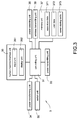
- Fig. 3 is a block diagram of an indoor controlling device of a first embodiment according to the present invention.
- the indoor controlling device 3 shown in Fig. 3 mainly comprises a controlling unit 31, a switch unit 32, a power transmitting unit 33, a power transforming unit 34, a human-machine interface unit 35, a power detecting unit 36, a memory unt 37 and a wireless transmitting unit 38, wherein the controlling unit 31 is electrically connected to the switch unit 32, the power transmitting unit 33, the power transforming unit 34, the human-machine interface unit 35, the power detecting unit 36, the memory unt 37 and the wireless transmitting unit 38 for controlling, integrating and transmitting the commands and the datas between each unit 32-38.
- the switch unit 32 receives a trigger for switching the intellectual power storing system 2 on or off.
- the intellectual power storing system 2 connects to the power company 6 via the power transmitting unit 33 (shch as connecting to an interface of the utility power provided by the power company 6). If the intellectual power storing system 2 is first time to operate, or the power storing capacity of the battery array 4 is not enough, the intellectual power storing system 2 first receives the second power P2 from the power company 6 for starting operation. At this time, the indoor apparatus 51 also makes the second power P2 as the initial power, and the indoor apparatus 51 uses the second power P2 for opeartion.
- the intellectual power storing system 2 can also connect to the self-generated power apparatus 1 and the battery array 4 via the power transmitting unit 33.
- the intellectual power storing system 2 can receive the first power P1 from the self-generated power apparatus 1 and store the first power P1 to the battery array 4 after transforming, or receive the third power P3 from the battery array 4 for using.
- the power transforming unit 34 is used to transform the first power P1 generated by the self-generated power apparatus 1, and the power transforming unit 34 stores the transformed first power P1 to the battery array 4 after transforming.
- the human-machine interface unit 35 is mainly arranged on a surface of the indoor controlling device 3 for receiving a user operation and displaying an information needed by the user.
- the human-machine interface unit 35 mainly comprises an input unit 351 and a display unit 352.
- the input unit 351 is exemplified as a keyboard, a mouse or a touchpad.
- the display unit 352 is exemplified as a liquid crystal display (LCD).
- the input unit 351 can also be integrated into the display unit 352 as a touchscreen, but not intended to limit the scope of the present invention.
- the input unit 351 receives a data input of the user.
- the user can input an apparatus data 371 related to the indoor apparatus 51 or a user data 372 related to the user via the input unit 351.
- the user can also configure a power storing tactic 373 of the intellectual power storing system 2 via the input unit 351.
- the device data 371, the user data 372 and the power storing tactic 373 are mainly stored in the memory unit 37.
- the power tactic 373 is as follows: (1) configuring that both the intellectual power storing system 2 and the indoor apparatus 51 using the second power P2 provided by the power company 6 before the power storing capacity of the battery array 4 reaches a first threshold (such as 50%); (2) configuring that both the intellectual power storing system 2 and the indoor apparatus 51 change to using the third power P3 provided by the battery array 4 after the power storing capacity of the battery array 4 reaches the first threshold; (3) configuring that the intellectual power storing system 2 receiving the third power P3 provided by the battery array 4 and feedback transporting a selling power to the power company 6 for subsidizing the expense of the power after the power storing capacity of the battery array 4 reaches a second threshold (such as 100%).
- a first threshold such as 50%
- the intellectual power storing system 2 and the indoor apparatus 51 change to using the third power P3 provided by the battery array 4 after the power storing capacity of the battery array 4 reaches the first threshold
- the apparatus data 371 mainly comprises a model type, a power consumption or other information of the indoor apparatus 51.
- the user data 372 can comprise a personal data of the user, shch as height, weight, age or other information, and above data can be continuously recorded to the memory unit 37 during using the indoor apparatus 51, but not intended to limit the scope of the present invention.
- the power detecting unit 36 is electrically connected to the battery array 4 for measuring and monitoring the power storing capacity of the battery array 4.
- the power detecting unit 36 can be electrically connected to each battery 41 of the battery array 4 for monitoring.
- the power detecting unit 36 can compute a total power storing capacity of the battery array 4 according to a number of the batteries 41, and compute the power storing capacity of the battery array 4 according to a power storing capacity of each battery of the batteries 41.
- the controlling unit 31 can compute a current percentage of a remaining power storing capacity of the battery array 4 according to the total power storing capacity and the power storing capacity.
- the indoor controlling device 3 connects to the network or directly wireless connects to a wireless device (such as smartphone or notebook) of the user via the wireless transmitting unit 38. Therefore, an alert is generated to the user via the wireless transmitting 38 when the indoor controlling device 3 determines that a current status of using power is abnormal or a failed status is generated in the battery array 4.
- the wireless transmitting 38 is exemplified as a wireless module with a function of Wi-Fi, 3G, 3.5G, 4G, bluetooth, Zigbee or radio frequency communication, but not intended to limit the scope of the present invention.
- the user can operate above wireless device to connect to the wireless transmitting unit 38 of the indoor controlling device 3 for remotely obtaining a using status of the intellectual power storing system 2.
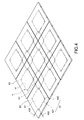
- Fig. 4 is a perspective view of a battery array of a first embodiment according to the present invention.
- the battery array 4 of the present invention is mainly composed of the batteries 41 in series connection or parallel connection.
- each battery 41 is arranged and integrated into a board 52 respectively.
- the boards 52 are mainly used for constructing a decoration of the building 5, such as a floor, a wall or a ceiling, but not intended to limit the scope of the present invention. With the splice usage of the boards 52 is increased, the number of the battery 41 is increased. And the total power storing
- Each of the batteries 41 comprises at least one conductive contact consisted of a positive electrical polarity contact 421 and a negative electrical polarity contact 422 respectively.
- the positive electrical polarity contact 421 and the negative electrical polarity contact 422 are used to connect a positive conducting wire 431 and a negative conducting wire 432 respectively.
- the batteries 41 connect to each other in the series connection or the parallel connection via the positive conducting wire 431 and the negative conducting wire 432
- the indoor controlling device 3 can generate a connecting architecture of each battery 41 according to a relationship of the series connection or the parallel connection and graphically display the connecting architecture on the human-machine interface 35. Furthermore, the indoor controlling device 3 can also search a location of the failed battery according to the connecting architecture of each battery 41 when any battery 41 fails and graphically displaying the location of the failed battery on the human-machine interface 35, so as to facilitate a maintenance and an update of a failed battery.
- above positive conducting wire 431 and above negative conducting wire 432 are not only connected between two batteries 41, but also connected between the battery 41 and the indoor controlling device 3, so that the battery array 4 can receive the first power P1 from the indoor controlling device 3 for storing power or outputting the third power P3 stored in the battery array 4 to the indoor controlling device 3.
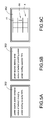
- Fig. 5A is a perspective view of a display unit of a first embodiment according to the present invention.
- the display unit 352 of the human-machine interface unit 35 can mainly display an current power source.
- the current power source is an apparatus providing the power to the intellectual power storing system 2 and the indoor apparatus 51.
- the power source is the"power company".
- the display unit 352 can also display a current battery status of the battery array 4.
- the current battery status of the battery array 4 is "charging”.
- the display unit 352 can also display a current power storing capacity of the batteries of the battery array 4.
- the power storing capacity of the batteries of the battery array 4 is "100%".
- Fig. 5B is a perspective view of a display unit of a second embodiment according to the present invention.
- the power storing capacity of the battery array 4 reaches a threshole (in other words, satisfing the power storing tactic)
- the intellectual power storing system 2 and the indoor apparatus 51 switch to receive the power provided by the battery array 4.
- the power source may change into "battery array", and the battery status of the battery array 4 is the"providing power".
- the power storing capacity of the batteries of the battery array 4 is "75%"
- Fig. 5C is a perspective view of a display unit of a third embodiment according to the present invention.
- the indoor controlling device 3 can compute the connecting architeture of each battery 41 according to the relationship of the series/parallel connection of each battery 41. Therefore, when any battery 41 fails, the indoor controlling device 3 can detect the location of the failed battery according to the statuses of the series/parallel connection between the batteries 41.
- the indoor controlling device 3 can graphically display the connecting architeture of all of the batteries 41 of the battery array 4 via the display unit 352. It should be noticed that the connecting architeture of the batteries 41 shown in Fig. 5C is corresponding to the constructing architecture of the boards 52 shown in Fig. 4 . Therefore, when the indoor controlling device 3 displays the location of the failed battery 44 on the display unit 352, the user can quickly search a corresponding location of the board 52 in the building according to the location of the failed battery 44 displayed on the display unit 352. And the user can further maintain or replace the failed battery 44 in the board 52.
- Fig. 6 is a flowchart of power storing and power providing process of a first embodiment according to the present invention.
- the indoor controlling device 3 mainly receives the power provided by the power company for starting operation (step S10). And, the indoor controlling device 3 provides the power provided by the power company 6 to the indoor apparatus 51 for using (step S12).
- the indoor controlling device 3 receives the power generated by the self-generated power apparatus 1, and executes power transforming (step S14). And the indoor controlling device 3 stores the transformed power to the battery array 4(step S16) for executing the power storing operation.
- the indoor controlling device 3 continuously determines whether the power storing capacity of the battery array 4 satisfies a first threshold (step S18).
- the first threshold mainly can be the parameter of the power storing tactic 373 configured by the user. If power storing capacity of the battery array 4 has not satified the first threshold, then the process goes back to the step S12, the indoor controlling device 3 temporarily maintains the status that the power company 6 provides the power, and the battery array 4 continuously stores the power.
- the indoor controlling device 3 determines that the power storing capacity of the battery array 4 satifies the first threshold (such as 70%), the indoor controlling device 3 instead receives the power from the battery array 4(step S20). At the same time, the indoor controlling device 3 stops receiving and using the power provided by the power company 6 (step S22). After step S20, the indoor apparatus 51 receives and uses the power provided by the battery array 4 via the indoor controlling device 3 for operating.
- the first threshold such as 70%
- the indoor controlling device 3 continuously records the apparatus data 371 of the indoor apparatus 51 and the user data 372 of the user during using the indoor apparatus 51, such as the using time of above indoor apparatus 51 and the user habit of the user using the indoor apparatus 51, but not intended to limit the scope of the present invention.
- the indoor controlling device 3 continuously determines whether the intellectual power storing system 2 is shut down. And the indoor controlling device 3 repeatedly executes the step S14 -S24 before the indoor controlling device 3 is shut down for making the battery array 4 continuously store power and provide the power to the indoor controlling device 3 and the indoor apparatus 51 for using.
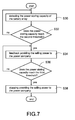
- Fig. 7 is a flowchart of power feedback process of a first embodiment according to the present invention.
- the indoor controlling device 3 continuously detects the power storing capacity of the battery array 4(step S30), and determines whether the power storing capacity reaches a second threshold(step S32).
- the second threshole can also be the parameter of the power storing tactic 373. If the power storing capacity of the battery array 4 reaches a second threshold(such as 100%), the indoor controlling device 3 receives the power of the battery array 4, and feedback transports the selling power to the power company 6(step S34), so as to earn the expense of the power.
- the power stored by the battery array 4 is mainly provided to the indoor apparatus 51 for using, feedback transporting the selling power is just an embodiment for subsidizing the expense of the power.
- the indoor controlling device 3 continuously determines whether the power storing capacity reaches a third threshold(step S36). And the indoor controlling device 3 stops selling the selling power to the power company 6(step S38) when the power storing capacity reaches a third threshold. Therefore, the indoor controlling device 3 can sell back the selling power to the power company 6 on the premise that the indoor controlling device 3 and the indoor apparatus 51 will not be affected about using power.
- Fig. 8 is a flowchart of abnormal notification process of a first embodiment according to the present invention.
- the indoor controlling device 3 continuously monitors the status of each battery 41 of the battery array 4 via the power detecting unit 36(step S40). And the indoor controlling device 3 determines whether the current power providing status of the battery array 4 is abnormal according to the apparatus data 371 and the user data 372(step S42).
- the power consumption of the indoor apparatus 51 is 100W per hour known by the apparatus data 371, but the current power provided to the indoor apparatus 51 is 500W per hour. Thus, a status of abnormal power providing is generated.
- the status of abnormal power providing is also generated.
- the indoor controlling device 3 determines that the status of abnormal power providing is generated in the step S42, the indoor controlling device 3 generated an abnormal message (step S44), and provided the abnormal message to the user (step S46).
- the indoor controlling device 3 can display the abnormal message on the human-machine interface 35, or transmit the abnormal message to the wireless device of the user via the wireless transmitting unot 38, but not intended to limit the scope of the present invention.
- the indoor controlling device 3 can continuously determine whether the status of abnormal power providing is obviated (step S48). If it's not obviated, the indoor controlling device 3 can continuously provide the abnormal message. And if the status of abnormal power providing is obviated, the indoor controlling device 3 stops providing the abnormal message (step S50).
- Fig. 9 is a flowchart of abnormal notification of a second embodiment according to the present invention.
- the indoor controlling device 3 can monitor the status of each battery 41 of the battery array 4 via the power detecting 36 (step60). And the indoor controlling device 3 determines whether the status of the battery 41 is abnormal (step S62). If the indoor controlling device 3 discovers that the status of any of the batteries 41 is abnormal; then the indoor controlling device 3 searches the loation of the failed battery 44 of the batteries41 according to the statuses of the series/parallel connection between the batteries 41 (step S64). And the indoor controlling device 3 graphically displays the location of the failed battery 44 via human-machine interface 35 (stepS66).
- Fig. 10 is a flowchart of an update of a battery array of a first embodiment according to the present invention.
- the battery array 4 of the present invention can comprise the plurality of the batteries 41, With the splice usage of the boards 52 increased or decreased, the number of the battery 41 is increased or decreased.
- the user can arbitrarily add, remove or replace any battery 41 of the battery array 4 (in other words, the user can arbitrarily add, remove or replace any board 52 in the decoration of the buliding)(step S70).
- the indoor controlling device 3 recomputes the total power storing capacity of the battery array 4 according to the updated number of the batteries 41(step S72). And the indoor controlling device 3 computes the current power storing capacity of the battery array 4 according to the power capacity of each battery 41(step S74).
- the indoor controlling device 3 computes the current percentage of a remaining power storing capacity of the battery array 4 according to the total power storing capacity and the current power storing capacity of the battery array 4(step S76). And the indoor controlling device 3 displays the percentage of the remaining power storing capacity on the human-machine interface 35(step S78).
- the user of the building 5 can conveniently effectively use the self-generated power for reducing the expense of the power paid to the power company.
Landscapes
- Engineering & Computer Science (AREA)
- Power Engineering (AREA)
- Manufacturing & Machinery (AREA)
- Chemical & Material Sciences (AREA)
- Chemical Kinetics & Catalysis (AREA)
- Electrochemistry (AREA)
- General Chemical & Material Sciences (AREA)
- Life Sciences & Earth Sciences (AREA)
- Sustainable Development (AREA)
- Sustainable Energy (AREA)
- Charge And Discharge Circuits For Batteries Or The Like (AREA)
Applications Claiming Priority (1)
| Application Number | Priority Date | Filing Date | Title |
|---|---|---|---|
| TW103121786A TWI594541B (zh) | 2014-06-24 | 2014-06-24 | 智能儲電系統及其電池矩陣管理方法 |
Publications (1)
| Publication Number | Publication Date |
|---|---|
| EP2961027A1 true EP2961027A1 (de) | 2015-12-30 |
Family
ID=53397829
Family Applications (1)
| Application Number | Title | Priority Date | Filing Date |
|---|---|---|---|
| EP15170880.7A Withdrawn EP2961027A1 (de) | 2014-06-24 | 2015-06-05 | Intelligentes stromspeicherungssystem und verfahren zur verwaltung der batteriegruppe des intelligentes stromspeicherungssystems |
Country Status (4)
| Country | Link |
|---|---|
| US (1) | US9583961B2 (de) |
| EP (1) | EP2961027A1 (de) |
| DE (1) | DE202015103199U1 (de) |
| TW (1) | TWI594541B (de) |
Families Citing this family (1)
| Publication number | Priority date | Publication date | Assignee | Title |
|---|---|---|---|---|
| US11599812B2 (en) * | 2015-03-31 | 2023-03-07 | Mitsubishi Heavy Industries, Ltd. | Condition determination system, condition determination method, decision-making support system, computer program, and storage medium |
Citations (11)
| Publication number | Priority date | Publication date | Assignee | Title |
|---|---|---|---|---|
| GB2321315A (en) * | 1997-01-21 | 1998-07-22 | Silviu Puchianu | Estimating total working capacity of a battery |
| US20100017045A1 (en) * | 2007-11-30 | 2010-01-21 | Johnson Controls Technology Company | Electrical demand response using energy storage in vehicles and buildings |
| US20100275905A1 (en) * | 2009-04-29 | 2010-11-04 | Hall David R | Power Capacitor Storage |
| US20110040418A1 (en) * | 2008-01-23 | 2011-02-17 | Kalen Hans | Method and device for controlling operation of a power supply system |
| JP2011081459A (ja) * | 2009-10-02 | 2011-04-21 | Gs Yuasa Corp | 部品発注支援装置 |
| US20110140667A1 (en) * | 2009-12-11 | 2011-06-16 | Samsung Sdi Co., Ltd. | Apparatus for Storing Power and Method of Controlling the Same |
| US20110273180A1 (en) * | 2010-05-07 | 2011-11-10 | Mansik Park | Battery testing method |
| JP2011250608A (ja) * | 2010-05-27 | 2011-12-08 | Sanyo Electric Co Ltd | 太陽電池システム |
| US20120212183A1 (en) * | 2010-08-23 | 2012-08-23 | Sanyo Electric Co., Ltd. | Power management system |
| EP2722958A1 (de) * | 2011-06-17 | 2014-04-23 | Panasonic Corporation | Stromversorgungssystem |
| US20140141290A1 (en) * | 2012-11-22 | 2014-05-22 | Ecamion, Inc. | Community energy storage system |
Family Cites Families (1)
| Publication number | Priority date | Publication date | Assignee | Title |
|---|---|---|---|---|
| KR101726249B1 (ko) * | 2009-07-29 | 2017-04-26 | 더 리젠츠 오브 더 유니버시티 오브 미시건 | 배터리 충전 및 방전을 스케쥴링하는 시스템 |
-
2014
- 2014-06-24 TW TW103121786A patent/TWI594541B/zh active
-
2015
- 2015-01-03 US US14/588,905 patent/US9583961B2/en not_active Expired - Fee Related
- 2015-06-05 EP EP15170880.7A patent/EP2961027A1/de not_active Withdrawn
- 2015-06-17 DE DE202015103199.8U patent/DE202015103199U1/de not_active Expired - Lifetime
Patent Citations (11)
| Publication number | Priority date | Publication date | Assignee | Title |
|---|---|---|---|---|
| GB2321315A (en) * | 1997-01-21 | 1998-07-22 | Silviu Puchianu | Estimating total working capacity of a battery |
| US20100017045A1 (en) * | 2007-11-30 | 2010-01-21 | Johnson Controls Technology Company | Electrical demand response using energy storage in vehicles and buildings |
| US20110040418A1 (en) * | 2008-01-23 | 2011-02-17 | Kalen Hans | Method and device for controlling operation of a power supply system |
| US20100275905A1 (en) * | 2009-04-29 | 2010-11-04 | Hall David R | Power Capacitor Storage |
| JP2011081459A (ja) * | 2009-10-02 | 2011-04-21 | Gs Yuasa Corp | 部品発注支援装置 |
| US20110140667A1 (en) * | 2009-12-11 | 2011-06-16 | Samsung Sdi Co., Ltd. | Apparatus for Storing Power and Method of Controlling the Same |
| US20110273180A1 (en) * | 2010-05-07 | 2011-11-10 | Mansik Park | Battery testing method |
| JP2011250608A (ja) * | 2010-05-27 | 2011-12-08 | Sanyo Electric Co Ltd | 太陽電池システム |
| US20120212183A1 (en) * | 2010-08-23 | 2012-08-23 | Sanyo Electric Co., Ltd. | Power management system |
| EP2722958A1 (de) * | 2011-06-17 | 2014-04-23 | Panasonic Corporation | Stromversorgungssystem |
| US20140141290A1 (en) * | 2012-11-22 | 2014-05-22 | Ecamion, Inc. | Community energy storage system |
Also Published As
| Publication number | Publication date |
|---|---|
| US20150372509A1 (en) | 2015-12-24 |
| TWI594541B (zh) | 2017-08-01 |
| US9583961B2 (en) | 2017-02-28 |
| DE202015103199U1 (de) | 2015-06-25 |
| TW201601413A (zh) | 2016-01-01 |
Similar Documents
| Publication | Publication Date | Title |
|---|---|---|
| US8963504B2 (en) | Electronic device, method of charging electronic device, program, charging control apparatus, and charging control method | |
| CN102195304B (zh) | 一种管理电池使用时间的方法、装置和便携式计算机 | |
| CN103376907B (zh) | 多主机无线输入设备 | |
| US9285851B2 (en) | Optimizing battery use for known future load | |
| US9260067B2 (en) | Onboard battery management system | |
| CN102801208B (zh) | 多路供电智能调度管理器及其控制方法 | |
| US20130093242A1 (en) | Smart power supply system for minimizing power consumption during device standby | |
| JP5905324B2 (ja) | 電力管理装置、表示装置、表示方法、および画像作成プログラム | |
| JPWO2019235645A1 (ja) | バッテリ管理システム及びバッテリ管理方法 | |
| US11909241B2 (en) | Electronic device receiving battery control information via management server | |
| US20240030717A1 (en) | Energy Management System | |
| JP2020057196A (ja) | 電子機器、その制御方法及び制御プログラム | |
| KR20200000982A (ko) | 스마트 비상 발전기 시스템 및 제어 방법 | |
| JP4230264B2 (ja) | 電子装置給電システム | |
| EP2961027A1 (de) | Intelligentes stromspeicherungssystem und verfahren zur verwaltung der batteriegruppe des intelligentes stromspeicherungssystems | |
| JP4823243B2 (ja) | 電子装置給電システムおよび給電方法 | |
| CN203942337U (zh) | 智能储电系统 | |
| CN204537051U (zh) | 一种不间断电源和不间断电源系统 | |
| EP4293869A1 (de) | System und verfahren zur intelligenten abschaltungssequenzierung von unterbrechungsfreien stromversorgungen in virtualisierungsumgebungen | |
| KR20140058306A (ko) | 배터리 에너지 저장장치, 그리고 이를 제어하는 무선통신단말 | |
| CN105207372B (zh) | 智能储电系统及其电池矩阵管理方法 | |
| JP2019083444A (ja) | 通信端末 | |
| JP6190519B2 (ja) | 無線機器制御装置、無線機器の制御方法及び無線機器制御システム | |
| JP2012222936A (ja) | 携帯端末 | |
| CN114495806B (zh) | 一种nfc电致发光装置的驱动方法、装置、电子设备及介质 |
Legal Events
| Date | Code | Title | Description |
|---|---|---|---|
| PUAI | Public reference made under article 153(3) epc to a published international application that has entered the european phase |
Free format text: ORIGINAL CODE: 0009012 |
|
| AK | Designated contracting states |
Kind code of ref document: A1 Designated state(s): AL AT BE BG CH CY CZ DE DK EE ES FI FR GB GR HR HU IE IS IT LI LT LU LV MC MK MT NL NO PL PT RO RS SE SI SK SM TR |
|
| AX | Request for extension of the european patent |
Extension state: BA ME |
|
| 17P | Request for examination filed |
Effective date: 20160610 |
|
| RBV | Designated contracting states (corrected) |
Designated state(s): AL AT BE BG CH CY CZ DE DK EE ES FI FR GB GR HR HU IE IS IT LI LT LU LV MC MK MT NL NO PL PT RO RS SE SI SK SM TR |
|
| STAA | Information on the status of an ep patent application or granted ep patent |
Free format text: STATUS: EXAMINATION IS IN PROGRESS |
|
| 17Q | First examination report despatched |
Effective date: 20180129 |
|
| STAA | Information on the status of an ep patent application or granted ep patent |
Free format text: STATUS: THE APPLICATION IS DEEMED TO BE WITHDRAWN |
|
| 18D | Application deemed to be withdrawn |
Effective date: 20180609 |