EP2931702B1 - Uv-gehärtete benzophenonterminierte quartäre ammoniumverbindungen als antimikrobielle mittel für oberflächen - Google Patents
Uv-gehärtete benzophenonterminierte quartäre ammoniumverbindungen als antimikrobielle mittel für oberflächen Download PDFInfo
- Publication number
- EP2931702B1 EP2931702B1 EP13863188.2A EP13863188A EP2931702B1 EP 2931702 B1 EP2931702 B1 EP 2931702B1 EP 13863188 A EP13863188 A EP 13863188A EP 2931702 B1 EP2931702 B1 EP 2931702B1
- Authority
- EP
- European Patent Office
- Prior art keywords
- compound
- propyl
- nmr
- formula
- bromo
- Prior art date
- Legal status (The legal status is an assumption and is not a legal conclusion. Google has not performed a legal analysis and makes no representation as to the accuracy of the status listed.)
- Active
Links
- 0 CCCC*S(c1c(cccc2*)c2ccc1)(=O)=O Chemical compound CCCC*S(c1c(cccc2*)c2ccc1)(=O)=O 0.000 description 6
Images


Classifications
-
- A—HUMAN NECESSITIES
- A01—AGRICULTURE; FORESTRY; ANIMAL HUSBANDRY; HUNTING; TRAPPING; FISHING
- A01N—PRESERVATION OF BODIES OF HUMANS OR ANIMALS OR PLANTS OR PARTS THEREOF; BIOCIDES, e.g. AS DISINFECTANTS, AS PESTICIDES OR AS HERBICIDES; PEST REPELLANTS OR ATTRACTANTS; PLANT GROWTH REGULATORS
- A01N35/00—Biocides, pest repellants or attractants, or plant growth regulators containing organic compounds containing a carbon atom having two bonds to hetero atoms with at the most one bond to halogen, e.g. aldehyde radical
- A01N35/04—Biocides, pest repellants or attractants, or plant growth regulators containing organic compounds containing a carbon atom having two bonds to hetero atoms with at the most one bond to halogen, e.g. aldehyde radical containing aldehyde or keto groups, or thio analogues thereof, directly attached to an aromatic ring system, e.g. acetophenone; Derivatives thereof, e.g. acetals
-
- C—CHEMISTRY; METALLURGY
- C09—DYES; PAINTS; POLISHES; NATURAL RESINS; ADHESIVES; COMPOSITIONS NOT OTHERWISE PROVIDED FOR; APPLICATIONS OF MATERIALS NOT OTHERWISE PROVIDED FOR
- C09D—COATING COMPOSITIONS, e.g. PAINTS, VARNISHES OR LACQUERS; FILLING PASTES; CHEMICAL PAINT OR INK REMOVERS; INKS; CORRECTING FLUIDS; WOODSTAINS; PASTES OR SOLIDS FOR COLOURING OR PRINTING; USE OF MATERIALS THEREFOR
- C09D5/00—Coating compositions, e.g. paints, varnishes or lacquers, characterised by their physical nature or the effects produced; Filling pastes
- C09D5/16—Antifouling paints; Underwater paints
- C09D5/1606—Antifouling paints; Underwater paints characterised by the anti-fouling agent
- C09D5/1612—Non-macromolecular compounds
- C09D5/1625—Non-macromolecular compounds organic
-
- A—HUMAN NECESSITIES
- A01—AGRICULTURE; FORESTRY; ANIMAL HUSBANDRY; HUNTING; TRAPPING; FISHING
- A01N—PRESERVATION OF BODIES OF HUMANS OR ANIMALS OR PLANTS OR PARTS THEREOF; BIOCIDES, e.g. AS DISINFECTANTS, AS PESTICIDES OR AS HERBICIDES; PEST REPELLANTS OR ATTRACTANTS; PLANT GROWTH REGULATORS
- A01N33/00—Biocides, pest repellants or attractants, or plant growth regulators containing organic nitrogen compounds
- A01N33/02—Amines; Quaternary ammonium compounds
- A01N33/12—Quaternary ammonium compounds
-
- A—HUMAN NECESSITIES
- A01—AGRICULTURE; FORESTRY; ANIMAL HUSBANDRY; HUNTING; TRAPPING; FISHING
- A01N—PRESERVATION OF BODIES OF HUMANS OR ANIMALS OR PLANTS OR PARTS THEREOF; BIOCIDES, e.g. AS DISINFECTANTS, AS PESTICIDES OR AS HERBICIDES; PEST REPELLANTS OR ATTRACTANTS; PLANT GROWTH REGULATORS
- A01N41/00—Biocides, pest repellants or attractants, or plant growth regulators containing organic compounds containing a sulfur atom bound to a hetero atom
- A01N41/02—Biocides, pest repellants or attractants, or plant growth regulators containing organic compounds containing a sulfur atom bound to a hetero atom containing a sulfur-to-oxygen double bond
- A01N41/04—Sulfonic acids; Derivatives thereof
- A01N41/06—Sulfonic acid amides
-
- C—CHEMISTRY; METALLURGY
- C07—ORGANIC CHEMISTRY
- C07C—ACYCLIC OR CARBOCYCLIC COMPOUNDS
- C07C217/00—Compounds containing amino and etherified hydroxy groups bound to the same carbon skeleton
- C07C217/02—Compounds containing amino and etherified hydroxy groups bound to the same carbon skeleton having etherified hydroxy groups and amino groups bound to acyclic carbon atoms of the same carbon skeleton
- C07C217/04—Compounds containing amino and etherified hydroxy groups bound to the same carbon skeleton having etherified hydroxy groups and amino groups bound to acyclic carbon atoms of the same carbon skeleton the carbon skeleton being acyclic and saturated
- C07C217/06—Compounds containing amino and etherified hydroxy groups bound to the same carbon skeleton having etherified hydroxy groups and amino groups bound to acyclic carbon atoms of the same carbon skeleton the carbon skeleton being acyclic and saturated having only one etherified hydroxy group and one amino group bound to the carbon skeleton, which is not further substituted
- C07C217/14—Compounds containing amino and etherified hydroxy groups bound to the same carbon skeleton having etherified hydroxy groups and amino groups bound to acyclic carbon atoms of the same carbon skeleton the carbon skeleton being acyclic and saturated having only one etherified hydroxy group and one amino group bound to the carbon skeleton, which is not further substituted the oxygen atom of the etherified hydroxy group being further bound to a carbon atom of a six-membered aromatic ring
- C07C217/18—Compounds containing amino and etherified hydroxy groups bound to the same carbon skeleton having etherified hydroxy groups and amino groups bound to acyclic carbon atoms of the same carbon skeleton the carbon skeleton being acyclic and saturated having only one etherified hydroxy group and one amino group bound to the carbon skeleton, which is not further substituted the oxygen atom of the etherified hydroxy group being further bound to a carbon atom of a six-membered aromatic ring the six-membered aromatic ring or condensed ring system containing that ring being further substituted
- C07C217/22—Compounds containing amino and etherified hydroxy groups bound to the same carbon skeleton having etherified hydroxy groups and amino groups bound to acyclic carbon atoms of the same carbon skeleton the carbon skeleton being acyclic and saturated having only one etherified hydroxy group and one amino group bound to the carbon skeleton, which is not further substituted the oxygen atom of the etherified hydroxy group being further bound to a carbon atom of a six-membered aromatic ring the six-membered aromatic ring or condensed ring system containing that ring being further substituted by carbon atoms having at least two bonds to oxygen atoms
-
- C—CHEMISTRY; METALLURGY
- C07—ORGANIC CHEMISTRY
- C07C—ACYCLIC OR CARBOCYCLIC COMPOUNDS
- C07C311/00—Amides of sulfonic acids, i.e. compounds having singly-bound oxygen atoms of sulfo groups replaced by nitrogen atoms, not being part of nitro or nitroso groups
- C07C311/30—Sulfonamides, the carbon skeleton of the acid part being further substituted by singly-bound nitrogen atoms, not being part of nitro or nitroso groups
- C07C311/37—Sulfonamides, the carbon skeleton of the acid part being further substituted by singly-bound nitrogen atoms, not being part of nitro or nitroso groups having the sulfur atom of at least one of the sulfonamide groups bound to a carbon atom of a six-membered aromatic ring
- C07C311/38—Sulfonamides, the carbon skeleton of the acid part being further substituted by singly-bound nitrogen atoms, not being part of nitro or nitroso groups having the sulfur atom of at least one of the sulfonamide groups bound to a carbon atom of a six-membered aromatic ring having sulfur atoms of sulfonamide groups and amino groups bound to carbon atoms of six-membered rings of the same carbon skeleton
- C07C311/39—Sulfonamides, the carbon skeleton of the acid part being further substituted by singly-bound nitrogen atoms, not being part of nitro or nitroso groups having the sulfur atom of at least one of the sulfonamide groups bound to a carbon atom of a six-membered aromatic ring having sulfur atoms of sulfonamide groups and amino groups bound to carbon atoms of six-membered rings of the same carbon skeleton having the nitrogen atom of at least one of the sulfonamide groups bound to hydrogen atoms or to an acyclic carbon atom
- C07C311/41—Sulfonamides, the carbon skeleton of the acid part being further substituted by singly-bound nitrogen atoms, not being part of nitro or nitroso groups having the sulfur atom of at least one of the sulfonamide groups bound to a carbon atom of a six-membered aromatic ring having sulfur atoms of sulfonamide groups and amino groups bound to carbon atoms of six-membered rings of the same carbon skeleton having the nitrogen atom of at least one of the sulfonamide groups bound to hydrogen atoms or to an acyclic carbon atom to an acyclic carbon atom of a hydrocarbon radical substituted by nitrogen atoms, not being part of nitro or nitroso groups
-
- C—CHEMISTRY; METALLURGY
- C09—DYES; PAINTS; POLISHES; NATURAL RESINS; ADHESIVES; COMPOSITIONS NOT OTHERWISE PROVIDED FOR; APPLICATIONS OF MATERIALS NOT OTHERWISE PROVIDED FOR
- C09D—COATING COMPOSITIONS, e.g. PAINTS, VARNISHES OR LACQUERS; FILLING PASTES; CHEMICAL PAINT OR INK REMOVERS; INKS; CORRECTING FLUIDS; WOODSTAINS; PASTES OR SOLIDS FOR COLOURING OR PRINTING; USE OF MATERIALS THEREFOR
- C09D5/00—Coating compositions, e.g. paints, varnishes or lacquers, characterised by their physical nature or the effects produced; Filling pastes
- C09D5/14—Paints containing biocides, e.g. fungicides, insecticides or pesticides
Definitions
- Biofilms also pose a notable threat of contamination in food processing facilities and spoilage of other products susceptible to microbial attack.
- QACs Quaternary ammonium compounds
- Menshutkin reaction i.e. a reaction of a tertiary amine with an alkyl halide
- the mode of action of QAC's in killing bacteria is multi-stepped.
- the QAC is adsorbed into the bacterial cell wall.
- the long hydrophobic alkyl chain of the QAC interacts with the phospholipid bilayer making up the bacteria cell membrane and alters its fluidity and structure which adds stress to the cell wall.
- this added stress on the cell wall upsets the bilayer, expelling cytoplasmic material and ultimately caused cell death.
- Polymeric antimicrobial coatings have the advantage of being chemically stable, non-toxic and non-volatile making them more efficient, selective and environmentally safe compared to traditional antimicrobial coatings which depend on leaching of the chemical from the substrate. It has become common practice over the past 35 years to incorporate antimicrobial coatings in thermoplastic polymer solutions. Furthermore, solvents commonly used to incorporate the antimicrobials in the thermoplastic polymers include tetrahydrofuran (“THF”) and dimethyl formamide (“DMF"). These solvents have the ability of attacking polymeric surfaces including those of polyurethane, polyisoprene, butyl rubber, polycarbonate, etc.
- THF tetrahydrofuran
- DMF dimethyl formamide
- U.S. Patent No. 3,697,402 teaches photocurable thiol-capped polyalkene polymers which when applied to a surface and exposed to ultra-violet ("UV") light forms a solid product for use, among other things, as a sealant, coating, and adhesive.
- UV ultra-violet
- U.S. Patent No. 4,948,819 teaches water-soluble, quaternary ammonium methacrylate coatings having a photo-active linking molecule, with uses as an UV-cured lacquer coating.
- U.S. Patent 5,714,360 teaches a chemical cross-linking agent X-Y-X where X is a photoreactive radical and Y is a nitrogen containing group used to attach chemical compounds to other compounds or to substrates.
- U.S. Patent Application Publication No. 2006/0147413 teaches a water-soluble, photo-activatable polymer bonded through a reactive group biomaterial used to deploy molecular therapeutics such as proteins, genes, vectors and cells.
- U.S. Patent Application Publication No. 2007/0231291 teaches a polymeric QAC-polyethyleneimine used to protect surfaces against bacteria and fungi attack.
- V.P. Dhende et al (Application of Material Interfaces, 2001, 3, 2830 ) teaches a UV-curable polyethyleneimine co-polymer that can be attached to pre-functionalized surfaces giving the surface antimicrobial activity.
- the surfaces are functionalized by reacting the surfaces with octyltrichlorosilane.
- EP0279475 describes benzophenone derivatives.
- EP2282209 describes a method for labelling sugar chains.
- WO 01/25171 describes chemical constructs for use in solid phase synthesis.
- CA 1231970 describes dialkyl-amino-alkoxy-benzylalcohol derivatives, a process for their preparation, and pharmaceutical compositions containing them.
- R 1 and R 2 are preferably the same, more preferably selected from methyl, ethyl, n-propyl or i-propyl groups, and more preferably methyl groups.
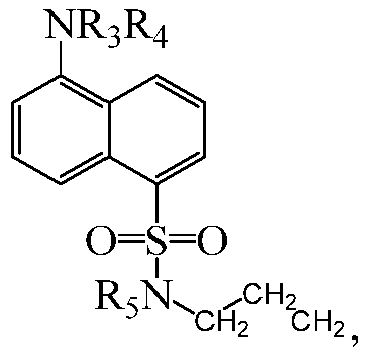
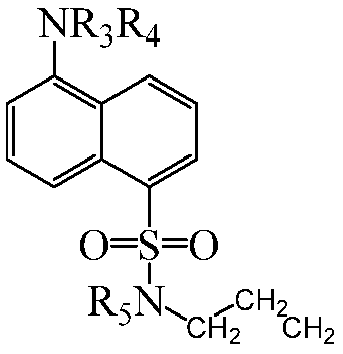
- Z is preferably wherein m is at least 12, preferably between 12 and 36 and most preferably selected from the group consisting of 12, 13, 14, 15, 16, 17 and 18 or a group having the formula wherein R 3 , R 4 and R 5 are independently hydrogen, C 1 -C 6 linear or branched alkyl or C 6 -C 10 aryl, preferably R 3 and R 4 are methyl, ethyl, n-propyl or isopropyl and R 5 is hydrogen, and more preferably wherein m is at least 12, preferably between 12 and 36 and most preferably selected from the group consisting of 12, 13, 14, 15, 16, 17 and 18.
- X is preferably selected from the group consisting of chloro, bromo and iodo and more preferably bromo and iodo, with the proviso that when X is bromo, n is 1 and R 1 and R 2 are methyl, m cannot be 13, 15, or 17.
- R 1 and R 2 are methyl groups; and/or X is selected from the group consisting of bromo and iodo; Z is preferably wherein m is selected from the group consisting of 12, 13, 14, 15, 16, 17 and 18, such as wherein m is 17; or a group having the formula wherein R 3 , R 4 and R 5 are independently hydrogen, C 1 -C 6 linear or branched alkyl or C 6 -C 10 aryl, preferably R 3 and R 4 are methyl, ethyl, n-propyl or isopropyl and R 5 is hydrogen.
- the process may take place in a polar, aprotic reaction solvent, such as DMF, THF or acetonitrile, preferably acetonitrile.
- a polar, aprotic reaction solvent such as DMF, THF or acetonitrile, preferably acetonitrile.
- the process may be carried out at the refluxing temperature of the reaction solvent.
- the process duration may be from about 18 to about 36 hours, preferably 24 hours.
- the final product optionally may be purified, preferably by chromatography or recrystallization.
- an antimicrobial surface coating composition as defined in the claims comprising a quaternary ammonium compound of formula (I)
- R 1 and R 2 are preferably the same, and more preferably methyl groups.
- Z is preferably wherein m is selected from the group consisting of 12, 13, 14, 15, 16, 17 and 18; such as wherein m is 17; or Z is a group having the formula: wherein R 3 , R 4 and R 5 are independently hydrogen, C 1 -C 6 linear or branched alkyl or C 6 -C 10 aryl, preferably R 3 and R 4 are methyl, ethyl, n-propyl or isopropyl and R 5 is hydrogen.
- X is preferably bromo or iodo.
- the environmentally friendly carrier may be water.
- the environmentally friendly carrier is a mixture of water and an alcohol.
- Said alcohol may be selected from a group consisting of methanol, ethanol and isopropanol wherein the alcohol is preferably methanol and said water is preferably distilled water.
- a process for treating a surface with an antimicrobial coating comprising the steps of contacting the surface with a composition of the invention as defined in the claims; and irradiating the coated surface; and optionally washing the coated surface.
- the surface can include, but not be limited to, polymers such as polyethylene, polypropylene, acrylonitrile-butadiene-styrene, polyurethane or nylon articles such as food trays, molded bedding parts, desk chairs and assorted furniture, disposable syringes, plastic handles for appliances, bathroom fixtures, window blinds and the like.
- the surface is a polymer or a fibre.
- the washing step uses a water and isopropanol mixture.
- the irradiating step comprises irradiating the coated surface, preferably with UV light.
- the present invention is directed to novel quaternary ammonium compounds as defined in the claims that are linked to a UV-activatable moiety, methods as defined in the claims for manufacturing the compounds, and treating surfaces with the compound to provide a durable, antimicrobial-treated article.
- the quaternary ammonium compound of the present invention is as defined in the claims.
- the compound disclosed herein comprises a positively charged nitrogen centre linked to two alkyl groups which are independently the same or different, a UV activatable moiety and a long alkyl chain and a halogen counterion.
- the two alkyl groups are independently methyl, ethyl, n-propyl or i-propyl, most preferably methyl.
- the alkyl chain is preferably at least 12, preferably between 12 and 36 and most preferably selected from the group consisting of 12, 13, 14, 15, 16, 17 and 18 carbon atoms long.
- the alkyl chain can be branched or linear and preferably linear.
- the UV activatable moiety is linked to the positively charged nitrogen centre via an alkyl chain of preferably three to six carbon atoms in length.
- the alkyl chain is preferably linear.
- the UV activatable moiety is preferably benzophenone.
- the halogen counterion is preferably selected from the group consisting of chloro, bromo and iodo, most preferably from chloro or bromo, with the proviso that when the halogen is bromo, the alkyl chain linking the UV activatable moiety to the nitrogen centre is three carbon atoms long and the two alkyl groups are methyl, the long alkyl chain cannot be 18 carbon atoms long.
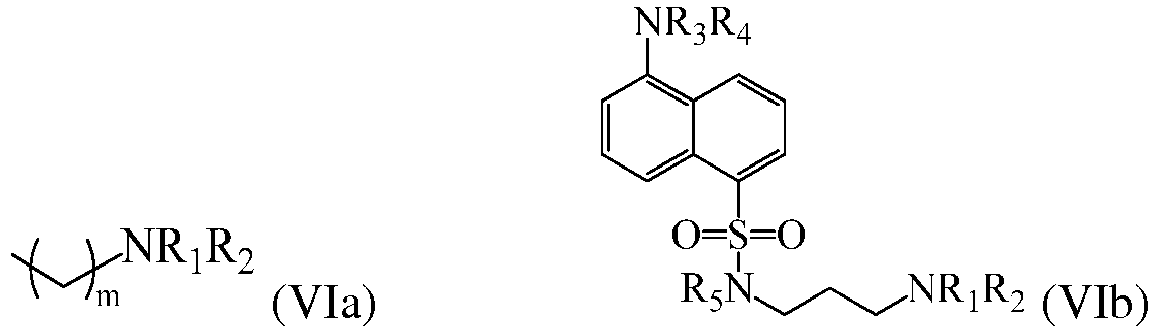
- the quaternary ammonium compound disclosed herein also comprises a positively charged nitrogen centre linked to two alkyl groups which are independently the same or different, a UV activatable moiety and a di-N-substituted-dialkylaminopropyl naphthalene-1-sulfonamide group of formula (VIb): wherein R 3 , R 4 and R 5 are independently hydrogen, C 1 -C 6 linear or branched alkyl or C 6 -C 10 aryl, preferably R 3 and R 4 are methyl, ethyl, n-propyl or isopropyl and R 5 is hydrogen.
- the two alkyl groups are independently methyl, ethyl, n-propyl or i-propyl, most preferably methyl.
- the UV activatable moiety is linked to the positively charged nitrogen centre via an alkyl chain of preferably three to six carbon atoms in length.
- the alkyl chain is preferably linear.
- the UV activatable moiety is preferably benzophenone.
- the di-N-substituted-dialkylaminopropyl naphthalene-1-sulfonamide group fluoresces under UV light and acts as an indicator of the presence of the quaternary ammonium compound.
- the quaternary ammonium compounds of the present invention can be prepared by modification of known synthetic techniques in the preparation of QACs.
- the first step involves reacting benzophenone with a dihaloalkane in the presence of an alkali metal carbonate in a polar, aprotic solvent under refluxing conditions.
- the dihaloalkane can have the same or different halogen groups, preferably selected from chloro, bromo and iodo.
- the dihaloalkane is from three to ten carbon atoms long, and is preferably four to nine carbon atoms long, more preferably five to eight carbon atoms long.
- the alkali metal carbonate is selected from the group consisting of sodium, potassium and cesium carbonate and most preferably potassium carbonate.
- the polar, aprotic solvent may be any suitable solvent; preferably it is selected from the group consisting of DMF, acetone, THF and acetonitrile. Most preferably the solvent is acetonitrile.
- the reaction mixture is heated until such time as the reaction mixture becomes substantially clear and a thin-layer chromatography ("TLC") analysis shows the starting material has been consumed.
- TLC thin-layer chromatography
- the reaction mixture is heated to reflux.
- the final haloalkylbenzophenone product is isolated, preferably by filtration, preferably through CeliteTM to remove the alkali metal halide by-product, which is further washed with a polar, aprotic solvent to extract any final product held in the CeliteTM, evaporating the filtrate to dryness and purifying the final product preferably using a chromatographic method, most preferably column chromatography.
- the elution solvent is preferably a solvent mixture comprising ethyl acetate and hexanes.
- the final haloalkylbenzophenone product optionally can be further purified by recrystallization.
- the haloalkylbenzophenone product of the previous step can be converted to an iodoalkylbenzophenone by reacting the haloalkylbenzophenone with sodium iodide in a refluxing polar, aprotic solvent, preferably acetone.
- the second step in the preparation involves reacting the haloalkylbenzophenone of the previous step where the halo is selected from chloro, bromo or iodo with a trialkylamine in a refluxing polar solvent.
- a trialkylamine is preferably at least 12, preferably between 12 and 36 and most preferably selected from the group consisting of 12, 13, 14, 15, 16, 17 and 18 carbon atoms long.
- the alkyl chain can be branched or linear and preferably linear.
- the remaining two alkyl groups are independently methyl, ethyl, n-propyl or i-propyl, most preferably methyl.
- the solvent can be selected from DMF, acetone, THF, ethanol, methanol or acetonitrile. Most preferably the solvent is acetonitrile.
- the reaction is allowed to go until starting materials are substantially no longer present.
- One method of monitoring the progress of the reaction is via TLC. Other methods may be applied.
- the quaternary ammonium product is purified preferably by a chromatographic method, and most preferably by column chromatography.
- the elution solvent is preferably a solvent mixture comprising 6% sodium bromide in methanol and acetonitrile.
- the final quaternary ammonium product optionally can be further purified by recrystallization from a mixed solvent, preferably ethanol/acetone.
- the halo group of the haloalkylbenzophenone can be chloro, bromo or iodo.
- the reaction can be carried out in refluxing polar solvent selected from DMF, acetone, THF, methanol, ethanol or acetonitrile. Most preferably the solvent is acetonitrile.
- the reaction is allowed to go until starting material are substantially no longer present.
- One method of monitoring the reaction is via TLC.
- the quaternary ammonium product is isolated by precipitation from the reaction mixture by addition of cold diethyl ether, more preferably diethyl ether at a temperature of about -10°C to about 10°C and most preferably at a temperature at about 0°C, and evaporation of the reaction solvent.
- the quaternary ammonium compounds of the present invention in another embodiment, can be used to antimicrobially treat hard surfaces.
- the UV activatable moiety of the quaternary ammonium compounds converts to a diradical species in the presence of UV light and reacts with any surface having C-H bonds to form a covalent C-C bond. The result is a fixed, durable antimicrobial coating of quaternary ammonium compounds.
- Treatment of articles, including hard surfaces can be done via dipping, painting, spraying or coating the surface with a solution of a quaternary ammonium compound of the present invention.
- a surface may be an inner and/or outer surface.
- the solution is environmentally friendly and comprises a water or a water-alcohol solvent mixture carrier, preferably water-methanol, water-ethanol or water-isopropanol, most preferably water or water-isopropanol.
- the amount of quaternary ammonium compound in the solution ranges from about 0.01% to about 1% and more preferably from about 0.05% to about 0.5% weight by volume.
- polyvinylchloride previously washed with isopropanol and dried is treated with a 0.05% or a 0.5% solution of a C18 quaternary ammonium compound in which the UV activatable moiety is linked to the nitrogen centre with a C5 alkyl chain.
- the carrier is a water-methanol solvent mixture.
- the previously washed and dried polyvinylchloride (“PVC") substrate is electrosprayed with the above solution followed by UV irradiation until a satisfactory coating is achieved.
- a typical UV wavelength of between about 200 and 400 nm, preferably between about 345 to about 365 nm is used.
- the coated PVC substrate is rinsed with a water and isopropanol mixture and dried.
- the PVC substrate treated with C18 quaternary ammonium compound in which the UV activatable moiety is linked to the nitrogen centre with a C5 alkyl chain was washed with water and treated with bromophenyl blue to show the antimicrobial treatment of the present invention.
- a second PVC substrate sample treated with the same quaternary ammonium compound was washed with ionic detergent, rinsed with water and bromophenyl blue to show the antimicrobial treatment of the present invention.
- the silicone tubing substrate treated with 5-dimethylaminonaphthalene-1-sulfonamidopropyl quaternary ammonium compound fluoresces under UV light showing the presence of the antimicrobial treatment of the present invention.
- the horizontal axes represent the chemical shift of the NMR peaks in ppm and the vertical axes represent the intensity of the chemical shift peaks.
- N,N -dimethyloctadecylamine (1.1 eq.) and 4-O- ( n- haloalkyl)benzophenone (1.0 eq.) were mixed in acetonitrile (1 mL).
- the resultant mixture was left to stir in a 100°C sand bath for 24 hours or until TLC showed the disappearance of starting material (acetone/ammonia 15:1).
- the vial was then removed from heat and allowed to cool at ambient conditions and a crude product obtained.
- the crude product was recrystallized using ethanol/acetone (1:3) and evaporated under vacuum to obtain the desired product.
- Example 17 3-(4-benzoylphenoxy)-N-(3-(5-(dimethylamino)naphthalene-1-sulfonamido) propyl)-N,N-dimethylpropan-1-ammonium bromide 7a
- compound 10 (0.750 mmol, 0.252 g) and (4-(3-iodopropoxy)phenyl)(phenyl)methanone 1c (0.680 mmol, 0.250 g) were dissolved in acetonitrile (2 mL) and left to stir in a 100°C sand bath for 24 hours.
- Example 20 4-(4-benzoylphenoxy)-N-(3-(5-(dimethylamino)naphthalene-1-sulfonamido) propyl)-N,N-dimethylbutan-1-ammonium bromide 8a
- compound 10 (0.717 mol, 0.240 g) and (4-(4-bromobutoxy)phenyl)(phenyl)methanone 2a (0.721 mmol, 0.240 g) were dissolved in acetonitrile (2 mL) and left to stir in a 100°C sand bath for 24 hours.
- Example 21 4-(4-benzoylphenoxy)-N-(3-(5-(dimethylamino)naphthalene-1-sulfonamido) propyl)-N,N-dimethylbutan-1-ammonium iodide 8c.
- compound 10 (0.598 mmol, 0.201 g) and (4-(4-iodobutoxy)phenyl)(phenyl)methanone 2c (0.658 mmol, 0.250 g) were dissolved in acetonitrile (2 mL) and left to stir in a 100°C sand bath for 24 hours.
- compound 10 (0.629 mmol, 0.211 g) and (4-((6-bromohexyl)oxy)phenyl)(phenyl)methanone 3a (0.692 mmol, 0.250 g) were dissolved in acetonitrile (2 mL) and left to stir in a 100°C sand bath for 24 hours.
- compound 10 (0.870 mmol, 0.291 g) and (4-(6-chlorohexyl(oxy))phenyl)(phenyl)methanone 3b (0.790 mmol, 0.250 g) were dissolved in acetonitrile (2 mL) and left to stir in a 100°C sand bath for 24 hours.
- compound 10 (0.366 mmol, 0.272 g) and (4-((6-iodohexyl)oxy)phenyl)(phenyl)methanone 3c (0.333 mmol, 0.136 g) were dissolved in acetonitrile (2 mL) and left to stir in a 100°C sand bath for 24 hours.
- PVC was cut into rectangles and substrates were rinsed in isopropyl alcohol (IPA) and water then dried in an oven for 30 minutes.
- IPA isopropyl alcohol
- a 0.05% and 0.5% (w/v) solution of 6a was made in H 2 O/MeOH and electrosprayed on the clean substrates three consecutive times with 5 minutes of irradiation time with UV in a fumehood in-between each spray. After the last spray substrates were irradiated once more for an additional 25 minutes. Unbound material was later rinsed from the substrates using H 2 O.
- Silicone tubing was rinsed with IPA and H 2 O using a peristaltic pump then dried by running air through the tubes.
- a 0.05% (w/v) solution of 8a in H 2 O and a 0.5% (w/v) solution of 4c in H 2 O/IPA were prepared. Tubes were coated using the peristaltic pump and filled tubes were irradiated using a UV fumehood for 25 minutes. Coated tubes were then rinsed with H 2 O to remove any unbound materials.
- the antimicrobial efficacy was determined using a flow-cell method as described in Markison C and Swan J, "The Effect of Humidity on the Survival of MRSA on Hard Surfaces", Indoor and Built Environment, 2006, 15(1), 85-91 .
- a 1% tryptic soy broth and an inoculum of 10 x 10 4 cfu/mL of Pseudomonas spp. CTO7 were pumped through silicone tubing coated with 8a , 4c and a control tube for 30 hours. The tubes were then left stagnant for a period of 2 hours after which only the 1% TSB was allowed to flow through the tubes for 48 hours.
Landscapes
- Life Sciences & Earth Sciences (AREA)
- Chemical & Material Sciences (AREA)
- Organic Chemistry (AREA)
- Engineering & Computer Science (AREA)
- Wood Science & Technology (AREA)
- Plant Pathology (AREA)
- Zoology (AREA)
- Environmental Sciences (AREA)
- Agronomy & Crop Science (AREA)
- Health & Medical Sciences (AREA)
- Dentistry (AREA)
- General Health & Medical Sciences (AREA)
- Pest Control & Pesticides (AREA)
- Materials Engineering (AREA)
- Agricultural Chemicals And Associated Chemicals (AREA)
- Organic Low-Molecular-Weight Compounds And Preparation Thereof (AREA)
- Paints Or Removers (AREA)
Claims (17)
- Eine quartäre Ammoniumverbindung der Formel (I):
 n 1, 2, 3 oder 4 ist;R1 und R2 unabhängig Methyl, Ethyl, n-Propyl oder i-Propyl sind;Z Folgendes ist:
 X ein Halogen ist, ausgewählt aus der Gruppe, bestehend aus Chlor, Brom und Iod, mit der Maßgabe, dass wenn X Brom ist, n 1 ist und R1 und R2 Methyl sind, m nicht 13, 15 oder 17 sein kann.
 - Verbindung nach Anspruch 1, wobei R1 und R2 Methyl sind; und/oder wobei X Brom oder Iod ist.
- Verbindung nach Ansprüchen 1 oder 2, wobei R3 und R4 unabhängig Methyl, Ethyl, n-Propyl oder Isopropyl sind und R5 Wasserstoff ist.
- Verbindung nach Ansprüchen 1 oder 2, wobei Z

- Verbindung nach einem der Ansprüche 1 bis 3, wobei Z

- Ein Verfahren zur Herstellung einer quartären Ammoniumverbindung der Formel (I)
 n 1, 2, 3 oder 4 ist;R1 und R2 unabhängig Methyl, Ethyl, n-Propyl oder i-Propyl sind;Z Folgendes ist: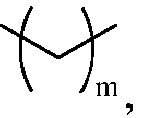
 X ein Halogen, ausgewählt aus der Gruppe, bestehend aus Chlor, Brom und Iod, ist, das die folgenden Schritte beinhaltet:(a) Zur-Reaktion-Bringen einer Verbindung der Formel (II):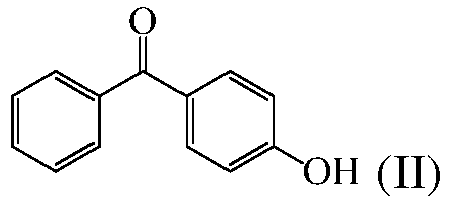

 (b) optional Umwandeln einer Verbindung der Formel (IV) in eine Verbindung der Formel (V):
- Verfahren nach Anspruch 6, wobei R1 und R2 Methyl sind; und/oder wobei X aus der Gruppe, bestehend aus Brom und Iod, ausgewählt ist.
- Verfahren nach Ansprüchen 6 oder 7, wobei R3 und R4 unabhängig Methyl, Ethyl, n-Propyl oder Isopropyl sind und R5 Wasserstoff ist.
- Verfahren nach Ansprüchen 6 oder 7, wobei Z

- Verfahren nach einem der Ansprüche 6 bis 8, wobei Z

- Eine antimikrobielle Oberflächenbeschichtungszusammensetzung, die Folgendes beinhaltet: eine quartäre Ammoniumverbindung der Formel (I)
 n 1, 2, 3 oder 4 ist;R1 und R2 unabhängig Methyl, Ethyl, n-Propyl oder i-Propyl sind;Z Folgendes ist:
 X ein Halogen, ausgewählt aus der Gruppe, bestehend aus Chlor, Brom und Iod, ist;und einen umweltfreundlichen Träger; wobei optional der Träger eine Mischung aus Wasser und einem Alkohol ist; und wobei optional der Alkohol Methanol ist.
 - Zusammensetzung nach Anspruch 11, wobei R1 und R2 Methyl sind; und/oder wobei X Brom oder Iod ist.
- Zusammensetzung nach Ansprüchen 11 oder 12, wobei R3 und R4 unabhängig Methyl, Ethyl, n-Propyl oder Isopropyl sind und R5 Wasserstoff ist.
- Zusammensetzung nach Ansprüchen 11 oder 12, wobei Z

- Zusammensetzung nach einem der Ansprüche 11 bis 13, wobei Z
- Ein Verfahren zur Beschichtung einer Oberfläche, wie etwa einer Oberfläche, die ein Polymer oder eine Faser beinhaltet, mit einer antimikrobiellen Beschichtung, wobei das genannte Verfahren die folgenden Schritte beinhaltet:i) In-Kontakt-Bringen der Oberfläche mit einer Zusammensetzung nach einem der Ansprüche 11 bis 15; undii) Bestrahlen der beschichteten Oberfläche; wobei optional der Bestrahlungsschritt das Bestrahlen der beschichteten Oberfläche mit UV-Licht beinhaltet;wobei das Verfahren optional ferner Folgendes beinhaltet: iii) einen Waschschritt, wobei der Waschschritt die Verwendung einer Mischung aus Wasser und Isopropanol beinhaltet.
- Ein Verfahren zur Beurteilung der antimikrobiellen Behandlung einer antimikrobiell behandelten Oberfläche durch eine quartäre Ammoniumverbindung nach einem der Ansprüche 1 bis 3 wobei Z

Applications Claiming Priority (2)
| Application Number | Priority Date | Filing Date | Title |
|---|---|---|---|
| US201261735890P | 2012-12-11 | 2012-12-11 | |
| PCT/CA2013/001026 WO2014089680A1 (en) | 2012-12-11 | 2013-12-06 | Uv cured benzophenone terminated quaternary ammonium antimicrobials for surfaces |
Publications (3)
| Publication Number | Publication Date |
|---|---|
| EP2931702A1 EP2931702A1 (de) | 2015-10-21 |
| EP2931702A4 EP2931702A4 (de) | 2016-08-10 |
| EP2931702B1 true EP2931702B1 (de) | 2019-02-20 |
Family
ID=50933629
Family Applications (1)
| Application Number | Title | Priority Date | Filing Date |
|---|---|---|---|
| EP13863188.2A Active EP2931702B1 (de) | 2012-12-11 | 2013-12-06 | Uv-gehärtete benzophenonterminierte quartäre ammoniumverbindungen als antimikrobielle mittel für oberflächen |
Country Status (10)
| Country | Link |
|---|---|
| US (1) | US10961401B2 (de) |
| EP (1) | EP2931702B1 (de) |
| JP (1) | JP6371301B2 (de) |
| AP (1) | AP2015008512A0 (de) |
| AU (1) | AU2013359919A1 (de) |
| CA (1) | CA2884128C (de) |
| HK (1) | HK1216097A1 (de) |
| IL (1) | IL239306A0 (de) |
| MX (1) | MX2015007211A (de) |
| WO (1) | WO2014089680A1 (de) |
Families Citing this family (6)
| Publication number | Priority date | Publication date | Assignee | Title |
|---|---|---|---|---|
| US9872938B2 (en) * | 2015-05-22 | 2018-01-23 | Orthobond, Inc. | Methods, compositions and techniques for polydimethylsiloxane surface modifications |
| EP3341358B1 (de) * | 2015-08-27 | 2023-03-08 | Nano Safe Coatings Incorporated (a Florida Corporation 3 P 14000024914) | Herstellung von sulfonamidhaltigen antimikrobiellen mitteln und substratbehandlungszusammensetzungen von sulfonamidhaltigen antimikrobiellen mitteln |
| FR3100158B1 (fr) | 2019-08-27 | 2021-07-30 | Safran | Texture fibreuse pour la fabrication d’une pièce en matériau composite et procédé de fabrication associé |
| US11840548B2 (en) | 2020-08-21 | 2023-12-12 | Sci Resource Platform Inc. | UV-curable phosphonium small molecules as antimicrobial coatings and surface active additives |
| US12279614B2 (en) | 2022-04-25 | 2025-04-22 | The Governors Of The University Of Alberta | Photo-polymerizable, universal antimicrobial coating to produce high-performing, multi-functional face masks |
| CN118653227A (zh) * | 2024-07-01 | 2024-09-17 | 江苏中石纤维股份有限公司 | 一种高吸附pet复合纤维及其制备方法 |
Family Cites Families (28)
| Publication number | Priority date | Publication date | Assignee | Title |
|---|---|---|---|---|
| US2774786A (en) | 1953-08-10 | 1956-12-18 | Gen Mills Inc | Phosphono-ammonium surface active agents |
| US3454677A (en) | 1966-03-07 | 1969-07-08 | Eastman Kodak Co | Inner salts of aminophosphonates and preparation thereof |
| US3507937A (en) | 1966-10-04 | 1970-04-21 | Procter & Gamble | Reversed zwitterionic phosphorus compounds |
| US3697402A (en) | 1971-06-25 | 1972-10-10 | Grace W R & Co | Photocurable liquid polyene-polythiol polymer composition |
| US3925453A (en) | 1974-01-25 | 1975-12-09 | Monsanto Co | Quaternary aminoalkylene phosphonic acids and method of preparation |
| US4208401A (en) | 1977-08-19 | 1980-06-17 | Colgate-Palmolive Company | Quaternary ammonium alkylene diphosphonate anti-calculus agents |
| US4420399A (en) | 1978-04-20 | 1983-12-13 | Petrolite Corporation | Quaternary aminomethyl phosphonates as scale inhibitors |
| HU187208B (en) * | 1982-12-28 | 1985-11-28 | Richter Gedeon Vegyeszet | Process for production of new dialcil-amino-alcoxi-benzoalcohole derivates, their acid additional and quaterner soils and medical preparates consisting of them |
| GB8703606D0 (en) * | 1987-02-17 | 1987-03-25 | Ward Blenkinsop & Co Ltd | Benzophenone derivatives |
| GB8806527D0 (en) | 1988-03-18 | 1988-04-20 | Ward Blenkinsop & Co Ltd | Benzophenone derivatives |
| US5753634A (en) | 1992-05-29 | 1998-05-19 | The Procter & Gamble Company | Quaternary nitrogen containing phosphonate compounds, pharmaceutical compostions, and methods for treating abnormal calcium and phosphate metabolism |
| US5552135A (en) * | 1993-02-25 | 1996-09-03 | Estee Lauder, Inc. | Sunscreens containing plant extracts |
| FR2715157B1 (fr) * | 1994-01-20 | 1996-03-01 | Atochem Elf Sa | Latex acryliques susceptibles de former des films photoréticulables. |
| US5714360A (en) | 1995-11-03 | 1998-02-03 | Bsi Corporation | Photoactivatable water soluble cross-linking agents containing an onium group |
| GB9801747D0 (en) | 1998-01-27 | 1998-03-25 | Courtaulds Coatings Holdings | Antifouling coatings |
| GB9923577D0 (en) | 1999-10-05 | 1999-12-08 | Glaxo Group Ltd | Chemical constructs |
| US7635734B2 (en) | 2004-02-17 | 2009-12-22 | The Children's Hospital Of Philadelphia | Photochemical activation of surfaces for attaching biomaterial |
| FR2878248B1 (fr) | 2004-11-22 | 2007-01-12 | Surfactis Technologies Soc Par | Composes bisphosphoniques pour empecher ou limiter la fixation de macromolecules, de microorganismes et d'un biofilm sur des surfaces solides, notamment metallique ou minerales |
| EP1984426A2 (de) | 2006-01-27 | 2008-10-29 | Ciba Holding Inc. | Polymere antimikrobielle mittel |
| JP5570123B2 (ja) | 2006-02-23 | 2014-08-13 | イー・アイ・デュポン・ドウ・ヌムール・アンド・カンパニー | 除去可能な抗菌性コーティング組成物およびその使用方法 |
| JP5500067B2 (ja) | 2008-04-30 | 2014-05-21 | 住友ベークライト株式会社 | 糖鎖標識方法 |
| US20100120175A1 (en) | 2008-11-07 | 2010-05-13 | Seagate Technology Llc | Sensor double patterning methods |
| US20100135949A1 (en) | 2008-12-01 | 2010-06-03 | Becton, Dickinson And Company | Antimicrobial compositions |
| AU2010216178B2 (en) | 2009-02-18 | 2015-06-25 | University Of Georgia Research Foundation, Inc. | Photochemical cross-linkable polymers, methods of making photochemical cross-linkable polymers, and methods of using photochemical cross-linkable polymers |
| WO2011139817A2 (en) | 2010-04-28 | 2011-11-10 | University Of Georgia Research Foundation, Inc. | Photochemical cross-linkable polymers, methods of marking photochemical cross-linkable polymers, methods of using photochemical cross-linkable polymers, and methods of making articles containing photochemical cross-linkable polymers |
| US20150299475A1 (en) | 2011-01-25 | 2015-10-22 | Nano Safe Coatings Incorporated (A Florida Corporation 3 P14000024914 | Uv cured benzophenone terminated quarternary ammonium antimicrobials for surfaces |
| AU2012351998B2 (en) | 2011-12-14 | 2016-01-14 | Semprus Biosciences Corp. | High ionic strength process for contact lens modification |
| CA2900282C (en) | 2013-02-19 | 2016-07-26 | Nano Safe Coatings Incorporated (A Florida Corporation 3 P 14000024914) | Phosphorus functional antimicrobial coatings for metal surfaces |
-
2013
- 2013-12-06 AU AU2013359919A patent/AU2013359919A1/en not_active Abandoned
- 2013-12-06 AP AP2015008512A patent/AP2015008512A0/xx unknown
- 2013-12-06 EP EP13863188.2A patent/EP2931702B1/de active Active
- 2013-12-06 MX MX2015007211A patent/MX2015007211A/es unknown
- 2013-12-06 WO PCT/CA2013/001026 patent/WO2014089680A1/en not_active Ceased
- 2013-12-06 CA CA2884128A patent/CA2884128C/en active Active
- 2013-12-06 JP JP2015545607A patent/JP6371301B2/ja active Active
- 2013-12-06 HK HK16104115.4A patent/HK1216097A1/zh unknown
-
2015
- 2015-06-09 IL IL239306A patent/IL239306A0/en unknown
-
2017
- 2017-12-12 US US15/838,760 patent/US10961401B2/en active Active
Non-Patent Citations (1)
| Title |
|---|
| None * |
Also Published As
| Publication number | Publication date |
|---|---|
| AP2015008512A0 (en) | 2015-06-30 |
| EP2931702A4 (de) | 2016-08-10 |
| AU2013359919A1 (en) | 2015-07-02 |
| US20180127598A1 (en) | 2018-05-10 |
| MX2015007211A (es) | 2015-10-29 |
| HK1216097A1 (zh) | 2016-10-14 |
| CA2884128C (en) | 2016-02-09 |
| CA2884128A1 (en) | 2014-06-19 |
| US10961401B2 (en) | 2021-03-30 |
| EP2931702A1 (de) | 2015-10-21 |
| JP2015536352A (ja) | 2015-12-21 |
| IL239306A0 (en) | 2015-07-30 |
| WO2014089680A1 (en) | 2014-06-19 |
| JP6371301B2 (ja) | 2018-08-08 |
Similar Documents
| Publication | Publication Date | Title |
|---|---|---|
| US10961401B2 (en) | UV cured benzophenone terminated quaternary ammonium antimicrobials for surfaces | |
| US20150299475A1 (en) | Uv cured benzophenone terminated quarternary ammonium antimicrobials for surfaces | |
| US8753570B2 (en) | Structure, synthesis, and applications for oligo phenylene ethynylenes | |
| WO2004016588A1 (en) | Furanone derivatives and methods of making same | |
| US20130330386A1 (en) | Structure, synthesis, and applications for conjugated polyampholytes | |
| CN113831246B (zh) | 一种含芳香环的烯酸酯类化合物及其制备与应用 | |
| EP3341358B1 (de) | Herstellung von sulfonamidhaltigen antimikrobiellen mitteln und substratbehandlungszusammensetzungen von sulfonamidhaltigen antimikrobiellen mitteln | |
| CN104957168B (zh) | 卤胺吡啶盐双官能团聚硅氧烷杀菌剂及制备方法、应用 | |
| JP2023528471A (ja) | グラフト可能な殺生物性リンカーおよびポリマーならびにその使用 | |
| CN104151173A (zh) | 一种寡聚苯乙炔化合物及其制备方法和应用 | |
| CN105461814A (zh) | 一种醋酸纤维素衍生物及其制备方法和用途 | |
| CN104926752B (zh) | 一种苯并异噻唑啉酮乙酰胺类衍生物及其合成方法和应用 | |
| CN103113316A (zh) | 2-[1-(1,2,4-三唑-1-基)丁基-2-亚甲胺氧基]乙酰肼及其制备方法与应用 | |
| KR100748041B1 (ko) | 항균성 이미다졸륨 염 유도체 및 이를 이용한 항균성고분자 재료 | |
| CN103179855B (zh) | 抗菌化合物 | |
| JP7391460B2 (ja) | 化合物、これを含む抗菌消臭組成物、およびその製造方法 | |
| BR112021006119A2 (pt) | derivado de carboxamida de tiofeno e agente de controle de doenças de plantas compreendendo o mesmo | |
| RU2024508C1 (ru) | Изомеры n - (4' - гидрокси -3' , 5' - дитретбутилфенил) амино - трихлорникотинонитрила или их смеси, обладающие фунгицидной и антиокислительной активностью | |
| JP2006070006A (ja) | 抗菌性化合物、及びそれを用いた抗菌性表面処理剤 | |
| CN107304185B (zh) | Polycarpine衍生物及其合成和在防治植物病毒病菌中的应用 | |
| KR100232855B1 (ko) | 신규한 아미노산 아미드 유도체 | |
| JP2002138117A (ja) | 光増感性抗菌剤 | |
| LOKHANDE et al. | IMINE OXIMES: SYNTHESIS, CHARACTERIZATION, THERMAL AND BIOLOGICAL STUDIES |
Legal Events
| Date | Code | Title | Description |
|---|---|---|---|
| PUAI | Public reference made under article 153(3) epc to a published international application that has entered the european phase |
Free format text: ORIGINAL CODE: 0009012 |
|
| 17P | Request for examination filed |
Effective date: 20150615 |
|
| AK | Designated contracting states |
Kind code of ref document: A1 Designated state(s): AL AT BE BG CH CY CZ DE DK EE ES FI FR GB GR HR HU IE IS IT LI LT LU LV MC MK MT NL NO PL PT RO RS SE SI SK SM TR |
|
| AX | Request for extension of the european patent |
Extension state: BA ME |
|
| DAX | Request for extension of the european patent (deleted) | ||
| A4 | Supplementary search report drawn up and despatched |
Effective date: 20160708 |
|
| RIC1 | Information provided on ipc code assigned before grant |
Ipc: C09D 5/14 20060101ALI20160704BHEP Ipc: A01N 35/04 20060101ALI20160704BHEP Ipc: C07C 303/40 20060101ALI20160704BHEP Ipc: A01P 1/00 20060101ALI20160704BHEP Ipc: C07C 311/41 20060101AFI20160704BHEP Ipc: A01N 41/06 20060101ALI20160704BHEP |
|
| REG | Reference to a national code |
Ref country code: HK Ref legal event code: DE Ref document number: 1216097 Country of ref document: HK |
|
| STAA | Information on the status of an ep patent application or granted ep patent |
Free format text: STATUS: EXAMINATION IS IN PROGRESS |
|
| 17Q | First examination report despatched |
Effective date: 20170503 |
|
| GRAP | Despatch of communication of intention to grant a patent |
Free format text: ORIGINAL CODE: EPIDOSNIGR1 |
|
| STAA | Information on the status of an ep patent application or granted ep patent |
Free format text: STATUS: GRANT OF PATENT IS INTENDED |
|
| INTG | Intention to grant announced |
Effective date: 20180409 |
|
| GRAJ | Information related to disapproval of communication of intention to grant by the applicant or resumption of examination proceedings by the epo deleted |
Free format text: ORIGINAL CODE: EPIDOSDIGR1 |
|
| STAA | Information on the status of an ep patent application or granted ep patent |
Free format text: STATUS: EXAMINATION IS IN PROGRESS |
|
| GRAP | Despatch of communication of intention to grant a patent |
Free format text: ORIGINAL CODE: EPIDOSNIGR1 |
|
| STAA | Information on the status of an ep patent application or granted ep patent |
Free format text: STATUS: GRANT OF PATENT IS INTENDED |
|
| INTC | Intention to grant announced (deleted) | ||
| INTG | Intention to grant announced |
Effective date: 20180809 |
|
| GRAS | Grant fee paid |
Free format text: ORIGINAL CODE: EPIDOSNIGR3 |
|
| GRAA | (expected) grant |
Free format text: ORIGINAL CODE: 0009210 |
|
| STAA | Information on the status of an ep patent application or granted ep patent |
Free format text: STATUS: THE PATENT HAS BEEN GRANTED |
|
| AK | Designated contracting states |
Kind code of ref document: B1 Designated state(s): AL AT BE BG CH CY CZ DE DK EE ES FI FR GB GR HR HU IE IS IT LI LT LU LV MC MK MT NL NO PL PT RO RS SE SI SK SM TR |
|
| REG | Reference to a national code |
Ref country code: GB Ref legal event code: FG4D |
|
| REG | Reference to a national code |
Ref country code: CH Ref legal event code: EP |
|
| REG | Reference to a national code |
Ref country code: DE Ref legal event code: R096 Ref document number: 602013051202 Country of ref document: DE |
|
| REG | Reference to a national code |
Ref country code: AT Ref legal event code: REF Ref document number: 1097982 Country of ref document: AT Kind code of ref document: T Effective date: 20190315 |
|
| REG | Reference to a national code |
Ref country code: IE Ref legal event code: FG4D |
|
| REG | Reference to a national code |
Ref country code: NL Ref legal event code: MP Effective date: 20190220 |
|
| REG | Reference to a national code |
Ref country code: LT Ref legal event code: MG4D |
|
| PG25 | Lapsed in a contracting state [announced via postgrant information from national office to epo] |
Ref country code: NL Free format text: LAPSE BECAUSE OF FAILURE TO SUBMIT A TRANSLATION OF THE DESCRIPTION OR TO PAY THE FEE WITHIN THE PRESCRIBED TIME-LIMIT Effective date: 20190220 Ref country code: LT Free format text: LAPSE BECAUSE OF FAILURE TO SUBMIT A TRANSLATION OF THE DESCRIPTION OR TO PAY THE FEE WITHIN THE PRESCRIBED TIME-LIMIT Effective date: 20190220 Ref country code: FI Free format text: LAPSE BECAUSE OF FAILURE TO SUBMIT A TRANSLATION OF THE DESCRIPTION OR TO PAY THE FEE WITHIN THE PRESCRIBED TIME-LIMIT Effective date: 20190220 Ref country code: NO Free format text: LAPSE BECAUSE OF FAILURE TO SUBMIT A TRANSLATION OF THE DESCRIPTION OR TO PAY THE FEE WITHIN THE PRESCRIBED TIME-LIMIT Effective date: 20190520 Ref country code: SE Free format text: LAPSE BECAUSE OF FAILURE TO SUBMIT A TRANSLATION OF THE DESCRIPTION OR TO PAY THE FEE WITHIN THE PRESCRIBED TIME-LIMIT Effective date: 20190220 Ref country code: PT Free format text: LAPSE BECAUSE OF FAILURE TO SUBMIT A TRANSLATION OF THE DESCRIPTION OR TO PAY THE FEE WITHIN THE PRESCRIBED TIME-LIMIT Effective date: 20190620 |
|
| PG25 | Lapsed in a contracting state [announced via postgrant information from national office to epo] |
Ref country code: GR Free format text: LAPSE BECAUSE OF FAILURE TO SUBMIT A TRANSLATION OF THE DESCRIPTION OR TO PAY THE FEE WITHIN THE PRESCRIBED TIME-LIMIT Effective date: 20190521 Ref country code: RS Free format text: LAPSE BECAUSE OF FAILURE TO SUBMIT A TRANSLATION OF THE DESCRIPTION OR TO PAY THE FEE WITHIN THE PRESCRIBED TIME-LIMIT Effective date: 20190220 Ref country code: BG Free format text: LAPSE BECAUSE OF FAILURE TO SUBMIT A TRANSLATION OF THE DESCRIPTION OR TO PAY THE FEE WITHIN THE PRESCRIBED TIME-LIMIT Effective date: 20190520 Ref country code: HR Free format text: LAPSE BECAUSE OF FAILURE TO SUBMIT A TRANSLATION OF THE DESCRIPTION OR TO PAY THE FEE WITHIN THE PRESCRIBED TIME-LIMIT Effective date: 20190220 Ref country code: IS Free format text: LAPSE BECAUSE OF FAILURE TO SUBMIT A TRANSLATION OF THE DESCRIPTION OR TO PAY THE FEE WITHIN THE PRESCRIBED TIME-LIMIT Effective date: 20190620 Ref country code: LV Free format text: LAPSE BECAUSE OF FAILURE TO SUBMIT A TRANSLATION OF THE DESCRIPTION OR TO PAY THE FEE WITHIN THE PRESCRIBED TIME-LIMIT Effective date: 20190220 |
|
| REG | Reference to a national code |
Ref country code: AT Ref legal event code: MK05 Ref document number: 1097982 Country of ref document: AT Kind code of ref document: T Effective date: 20190220 |
|
| PG25 | Lapsed in a contracting state [announced via postgrant information from national office to epo] |
Ref country code: RO Free format text: LAPSE BECAUSE OF FAILURE TO SUBMIT A TRANSLATION OF THE DESCRIPTION OR TO PAY THE FEE WITHIN THE PRESCRIBED TIME-LIMIT Effective date: 20190220 Ref country code: SK Free format text: LAPSE BECAUSE OF FAILURE TO SUBMIT A TRANSLATION OF THE DESCRIPTION OR TO PAY THE FEE WITHIN THE PRESCRIBED TIME-LIMIT Effective date: 20190220 Ref country code: CZ Free format text: LAPSE BECAUSE OF FAILURE TO SUBMIT A TRANSLATION OF THE DESCRIPTION OR TO PAY THE FEE WITHIN THE PRESCRIBED TIME-LIMIT Effective date: 20190220 Ref country code: ES Free format text: LAPSE BECAUSE OF FAILURE TO SUBMIT A TRANSLATION OF THE DESCRIPTION OR TO PAY THE FEE WITHIN THE PRESCRIBED TIME-LIMIT Effective date: 20190220 Ref country code: AL Free format text: LAPSE BECAUSE OF FAILURE TO SUBMIT A TRANSLATION OF THE DESCRIPTION OR TO PAY THE FEE WITHIN THE PRESCRIBED TIME-LIMIT Effective date: 20190220 Ref country code: EE Free format text: LAPSE BECAUSE OF FAILURE TO SUBMIT A TRANSLATION OF THE DESCRIPTION OR TO PAY THE FEE WITHIN THE PRESCRIBED TIME-LIMIT Effective date: 20190220 Ref country code: IT Free format text: LAPSE BECAUSE OF FAILURE TO SUBMIT A TRANSLATION OF THE DESCRIPTION OR TO PAY THE FEE WITHIN THE PRESCRIBED TIME-LIMIT Effective date: 20190220 Ref country code: DK Free format text: LAPSE BECAUSE OF FAILURE TO SUBMIT A TRANSLATION OF THE DESCRIPTION OR TO PAY THE FEE WITHIN THE PRESCRIBED TIME-LIMIT Effective date: 20190220 |
|
| REG | Reference to a national code |
Ref country code: DE Ref legal event code: R097 Ref document number: 602013051202 Country of ref document: DE |
|
| PG25 | Lapsed in a contracting state [announced via postgrant information from national office to epo] |
Ref country code: PL Free format text: LAPSE BECAUSE OF FAILURE TO SUBMIT A TRANSLATION OF THE DESCRIPTION OR TO PAY THE FEE WITHIN THE PRESCRIBED TIME-LIMIT Effective date: 20190220 Ref country code: SM Free format text: LAPSE BECAUSE OF FAILURE TO SUBMIT A TRANSLATION OF THE DESCRIPTION OR TO PAY THE FEE WITHIN THE PRESCRIBED TIME-LIMIT Effective date: 20190220 |
|
| PLBE | No opposition filed within time limit |
Free format text: ORIGINAL CODE: 0009261 |
|
| STAA | Information on the status of an ep patent application or granted ep patent |
Free format text: STATUS: NO OPPOSITION FILED WITHIN TIME LIMIT |
|
| PG25 | Lapsed in a contracting state [announced via postgrant information from national office to epo] |
Ref country code: AT Free format text: LAPSE BECAUSE OF FAILURE TO SUBMIT A TRANSLATION OF THE DESCRIPTION OR TO PAY THE FEE WITHIN THE PRESCRIBED TIME-LIMIT Effective date: 20190220 |
|
| 26N | No opposition filed |
Effective date: 20191121 |
|
| PG25 | Lapsed in a contracting state [announced via postgrant information from national office to epo] |
Ref country code: SI Free format text: LAPSE BECAUSE OF FAILURE TO SUBMIT A TRANSLATION OF THE DESCRIPTION OR TO PAY THE FEE WITHIN THE PRESCRIBED TIME-LIMIT Effective date: 20190220 |
|
| PG25 | Lapsed in a contracting state [announced via postgrant information from national office to epo] |
Ref country code: TR Free format text: LAPSE BECAUSE OF FAILURE TO SUBMIT A TRANSLATION OF THE DESCRIPTION OR TO PAY THE FEE WITHIN THE PRESCRIBED TIME-LIMIT Effective date: 20190220 |
|
| REG | Reference to a national code |
Ref country code: CH Ref legal event code: PCAR Free format text: NEW ADDRESS: WANNERSTRASSE 9/1, 8045 ZUERICH (CH) |
|
| REG | Reference to a national code |
Ref country code: BE Ref legal event code: MM Effective date: 20191231 |
|
| PG25 | Lapsed in a contracting state [announced via postgrant information from national office to epo] |
Ref country code: MC Free format text: LAPSE BECAUSE OF FAILURE TO SUBMIT A TRANSLATION OF THE DESCRIPTION OR TO PAY THE FEE WITHIN THE PRESCRIBED TIME-LIMIT Effective date: 20190220 |
|
| PG25 | Lapsed in a contracting state [announced via postgrant information from national office to epo] |
Ref country code: IE Free format text: LAPSE BECAUSE OF NON-PAYMENT OF DUE FEES Effective date: 20191206 Ref country code: LU Free format text: LAPSE BECAUSE OF NON-PAYMENT OF DUE FEES Effective date: 20191206 |
|
| PG25 | Lapsed in a contracting state [announced via postgrant information from national office to epo] |
Ref country code: BE Free format text: LAPSE BECAUSE OF NON-PAYMENT OF DUE FEES Effective date: 20191231 |
|
| PG25 | Lapsed in a contracting state [announced via postgrant information from national office to epo] |
Ref country code: CY Free format text: LAPSE BECAUSE OF FAILURE TO SUBMIT A TRANSLATION OF THE DESCRIPTION OR TO PAY THE FEE WITHIN THE PRESCRIBED TIME-LIMIT Effective date: 20190220 |
|
| PG25 | Lapsed in a contracting state [announced via postgrant information from national office to epo] |
Ref country code: MT Free format text: LAPSE BECAUSE OF FAILURE TO SUBMIT A TRANSLATION OF THE DESCRIPTION OR TO PAY THE FEE WITHIN THE PRESCRIBED TIME-LIMIT Effective date: 20190220 Ref country code: HU Free format text: LAPSE BECAUSE OF FAILURE TO SUBMIT A TRANSLATION OF THE DESCRIPTION OR TO PAY THE FEE WITHIN THE PRESCRIBED TIME-LIMIT; INVALID AB INITIO Effective date: 20131206 |
|
| PG25 | Lapsed in a contracting state [announced via postgrant information from national office to epo] |
Ref country code: MK Free format text: LAPSE BECAUSE OF FAILURE TO SUBMIT A TRANSLATION OF THE DESCRIPTION OR TO PAY THE FEE WITHIN THE PRESCRIBED TIME-LIMIT Effective date: 20190220 |
|
| REG | Reference to a national code |
Ref country code: HK Ref legal event code: WD Ref document number: 1216097 Country of ref document: HK |
|
| P01 | Opt-out of the competence of the unified patent court (upc) registered |
Effective date: 20230516 |
|
| REG | Reference to a national code |
Ref country code: CH Ref legal event code: U11 Free format text: ST27 STATUS EVENT CODE: U-0-0-U10-U11 (AS PROVIDED BY THE NATIONAL OFFICE) Effective date: 20260101 |
|
| PGFP | Annual fee paid to national office [announced via postgrant information from national office to epo] |
Ref country code: DE Payment date: 20251120 Year of fee payment: 13 |
|
| PGFP | Annual fee paid to national office [announced via postgrant information from national office to epo] |
Ref country code: GB Payment date: 20251114 Year of fee payment: 13 |
|
| PGFP | Annual fee paid to national office [announced via postgrant information from national office to epo] |
Ref country code: FR Payment date: 20251212 Year of fee payment: 13 |
|
| PGFP | Annual fee paid to national office [announced via postgrant information from national office to epo] |
Ref country code: CH Payment date: 20260101 Year of fee payment: 13 |