EP2914288B1 - Verfahren zur herstellung einer hochkonzentrierten flüssigkeitsformulierung eines antikörpers - Google Patents
Verfahren zur herstellung einer hochkonzentrierten flüssigkeitsformulierung eines antikörpers Download PDFInfo
- Publication number
- EP2914288B1 EP2914288B1 EP13791947.8A EP13791947A EP2914288B1 EP 2914288 B1 EP2914288 B1 EP 2914288B1 EP 13791947 A EP13791947 A EP 13791947A EP 2914288 B1 EP2914288 B1 EP 2914288B1
- Authority
- EP
- European Patent Office
- Prior art keywords
- histidine
- concentration
- antibody
- polysorbate
- solution
- Prior art date
- Legal status (The legal status is an assumption and is not a legal conclusion. Google has not performed a legal analysis and makes no representation as to the accuracy of the status listed.)
- Active
Links
Images

Classifications
-
- C—CHEMISTRY; METALLURGY
- C07—ORGANIC CHEMISTRY
- C07K—PEPTIDES
- C07K16/00—Immunoglobulins [IG], e.g. monoclonal or polyclonal antibodies
- C07K16/18—Immunoglobulins [IG], e.g. monoclonal or polyclonal antibodies against material from animals or humans
- C07K16/28—Immunoglobulins [IG], e.g. monoclonal or polyclonal antibodies against material from animals or humans against receptors, cell surface antigens or cell surface determinants
- C07K16/2887—Immunoglobulins [IG], e.g. monoclonal or polyclonal antibodies against material from animals or humans against receptors, cell surface antigens or cell surface determinants against CD20
-
- A—HUMAN NECESSITIES
- A61—MEDICAL OR VETERINARY SCIENCE; HYGIENE
- A61K—PREPARATIONS FOR MEDICAL, DENTAL OR TOILETRY PURPOSES
- A61K39/00—Medicinal preparations containing antigens or antibodies
- A61K39/395—Antibodies; Immunoglobulins; Immune serum, e.g. antilymphocytic serum
- A61K39/39533—Antibodies; Immunoglobulins; Immune serum, e.g. antilymphocytic serum against materials from animals
- A61K39/39558—Antibodies; Immunoglobulins; Immune serum, e.g. antilymphocytic serum against materials from animals against tumor tissues, cells, antigens
-
- A—HUMAN NECESSITIES
- A61—MEDICAL OR VETERINARY SCIENCE; HYGIENE
- A61K—PREPARATIONS FOR MEDICAL, DENTAL OR TOILETRY PURPOSES
- A61K39/00—Medicinal preparations containing antigens or antibodies
- A61K39/395—Antibodies; Immunoglobulins; Immune serum, e.g. antilymphocytic serum
- A61K39/39591—Stabilisation, fragmentation
-
- A—HUMAN NECESSITIES
- A61—MEDICAL OR VETERINARY SCIENCE; HYGIENE
- A61P—SPECIFIC THERAPEUTIC ACTIVITY OF CHEMICAL COMPOUNDS OR MEDICINAL PREPARATIONS
- A61P1/00—Drugs for disorders of the alimentary tract or the digestive system
- A61P1/04—Drugs for disorders of the alimentary tract or the digestive system for ulcers, gastritis or reflux esophagitis, e.g. antacids, inhibitors of acid secretion, mucosal protectants
-
- A—HUMAN NECESSITIES
- A61—MEDICAL OR VETERINARY SCIENCE; HYGIENE
- A61P—SPECIFIC THERAPEUTIC ACTIVITY OF CHEMICAL COMPOUNDS OR MEDICINAL PREPARATIONS
- A61P17/00—Drugs for dermatological disorders
- A61P17/06—Antipsoriatics
-
- A—HUMAN NECESSITIES
- A61—MEDICAL OR VETERINARY SCIENCE; HYGIENE
- A61P—SPECIFIC THERAPEUTIC ACTIVITY OF CHEMICAL COMPOUNDS OR MEDICINAL PREPARATIONS
- A61P19/00—Drugs for skeletal disorders
- A61P19/02—Drugs for skeletal disorders for joint disorders, e.g. arthritis, arthrosis
-
- A—HUMAN NECESSITIES
- A61—MEDICAL OR VETERINARY SCIENCE; HYGIENE
- A61P—SPECIFIC THERAPEUTIC ACTIVITY OF CHEMICAL COMPOUNDS OR MEDICINAL PREPARATIONS
- A61P19/00—Drugs for skeletal disorders
- A61P19/08—Drugs for skeletal disorders for bone diseases, e.g. rachitism, Paget's disease
-
- A—HUMAN NECESSITIES
- A61—MEDICAL OR VETERINARY SCIENCE; HYGIENE
- A61P—SPECIFIC THERAPEUTIC ACTIVITY OF CHEMICAL COMPOUNDS OR MEDICINAL PREPARATIONS
- A61P25/00—Drugs for disorders of the nervous system
-
- A—HUMAN NECESSITIES
- A61—MEDICAL OR VETERINARY SCIENCE; HYGIENE
- A61P—SPECIFIC THERAPEUTIC ACTIVITY OF CHEMICAL COMPOUNDS OR MEDICINAL PREPARATIONS
- A61P29/00—Non-central analgesic, antipyretic or antiinflammatory agents, e.g. antirheumatic agents; Non-steroidal antiinflammatory drugs [NSAID]
-
- A—HUMAN NECESSITIES
- A61—MEDICAL OR VETERINARY SCIENCE; HYGIENE
- A61P—SPECIFIC THERAPEUTIC ACTIVITY OF CHEMICAL COMPOUNDS OR MEDICINAL PREPARATIONS
- A61P31/00—Antiinfectives, i.e. antibiotics, antiseptics, chemotherapeutics
- A61P31/12—Antivirals
- A61P31/20—Antivirals for DNA viruses
-
- A—HUMAN NECESSITIES
- A61—MEDICAL OR VETERINARY SCIENCE; HYGIENE
- A61P—SPECIFIC THERAPEUTIC ACTIVITY OF CHEMICAL COMPOUNDS OR MEDICINAL PREPARATIONS
- A61P31/00—Antiinfectives, i.e. antibiotics, antiseptics, chemotherapeutics
- A61P31/12—Antivirals
- A61P31/20—Antivirals for DNA viruses
- A61P31/22—Antivirals for DNA viruses for herpes viruses
-
- A—HUMAN NECESSITIES
- A61—MEDICAL OR VETERINARY SCIENCE; HYGIENE
- A61P—SPECIFIC THERAPEUTIC ACTIVITY OF CHEMICAL COMPOUNDS OR MEDICINAL PREPARATIONS
- A61P35/00—Antineoplastic agents
-
- A—HUMAN NECESSITIES
- A61—MEDICAL OR VETERINARY SCIENCE; HYGIENE
- A61P—SPECIFIC THERAPEUTIC ACTIVITY OF CHEMICAL COMPOUNDS OR MEDICINAL PREPARATIONS
- A61P35/00—Antineoplastic agents
- A61P35/02—Antineoplastic agents specific for leukemia
-
- A—HUMAN NECESSITIES
- A61—MEDICAL OR VETERINARY SCIENCE; HYGIENE
- A61P—SPECIFIC THERAPEUTIC ACTIVITY OF CHEMICAL COMPOUNDS OR MEDICINAL PREPARATIONS
- A61P37/00—Drugs for immunological or allergic disorders
-
- A—HUMAN NECESSITIES
- A61—MEDICAL OR VETERINARY SCIENCE; HYGIENE
- A61P—SPECIFIC THERAPEUTIC ACTIVITY OF CHEMICAL COMPOUNDS OR MEDICINAL PREPARATIONS
- A61P7/00—Drugs for disorders of the blood or the extracellular fluid
-
- A—HUMAN NECESSITIES
- A61—MEDICAL OR VETERINARY SCIENCE; HYGIENE
- A61P—SPECIFIC THERAPEUTIC ACTIVITY OF CHEMICAL COMPOUNDS OR MEDICINAL PREPARATIONS
- A61P7/00—Drugs for disorders of the blood or the extracellular fluid
- A61P7/02—Antithrombotic agents; Anticoagulants; Platelet aggregation inhibitors
-
- A—HUMAN NECESSITIES
- A61—MEDICAL OR VETERINARY SCIENCE; HYGIENE
- A61P—SPECIFIC THERAPEUTIC ACTIVITY OF CHEMICAL COMPOUNDS OR MEDICINAL PREPARATIONS
- A61P7/00—Drugs for disorders of the blood or the extracellular fluid
- A61P7/04—Antihaemorrhagics; Procoagulants; Haemostatic agents; Antifibrinolytic agents
-
- A—HUMAN NECESSITIES
- A61—MEDICAL OR VETERINARY SCIENCE; HYGIENE
- A61P—SPECIFIC THERAPEUTIC ACTIVITY OF CHEMICAL COMPOUNDS OR MEDICINAL PREPARATIONS
- A61P9/00—Drugs for disorders of the cardiovascular system
-
- C—CHEMISTRY; METALLURGY
- C07—ORGANIC CHEMISTRY
- C07K—PEPTIDES
- C07K2317/00—Immunoglobulins specific features
- C07K2317/20—Immunoglobulins specific features characterized by taxonomic origin
- C07K2317/24—Immunoglobulins specific features characterized by taxonomic origin containing regions, domains or residues from different species, e.g. chimeric, humanized or veneered
-
- C—CHEMISTRY; METALLURGY
- C07—ORGANIC CHEMISTRY
- C07K—PEPTIDES
- C07K2317/00—Immunoglobulins specific features
- C07K2317/70—Immunoglobulins specific features characterized by effect upon binding to a cell or to an antigen
- C07K2317/76—Antagonist effect on antigen, e.g. neutralization or inhibition of binding
-
- C—CHEMISTRY; METALLURGY
- C07—ORGANIC CHEMISTRY
- C07K—PEPTIDES
- C07K2317/00—Immunoglobulins specific features
- C07K2317/90—Immunoglobulins specific features characterized by (pharmaco)kinetic aspects or by stability of the immunoglobulin
- C07K2317/94—Stability, e.g. half-life, pH, temperature or enzyme-resistance
Definitions
- the present invention provides a method for preparation of a high concentration liquid formulation (HCLF) of a veltuzumab antibody.
- the present invention also relates to a method for stabilizing the anti-CD20 antibody veltuzumab in a liquid pharmaceutical formulation.
- the present invention relates to a liquid pharmaceutical formulation of the veltuzumab antibody and the use of said pharmaceutical formulation as a medicament.
- Therapeutic proteins have to fulfill a number of different criteria, e.g. as regards stability, administration and concentration in order to meet the requirements for regulatory approval as a drug.
- chemical and/or physical degradation of therapeutic proteins such as antibodies may occur, which may lead to a loss of their pharmaceutical potency and increased risk of side effects, e.g. unwanted immune response.
- therapeutic proteins need to be administered in high doses in order to achieve their desired therapeutic effect. Furthermore, high concentration formulations of therapeutic proteins are advantageous, as they may allow for a more convenient mode of administration of the therapeutic protein to the patient.
- High concentrations of, e.g. at least 100 mg/mL, therapeutic protein are desirable as the volume necessary for the administration of the therapeutic dose decreases with increasing concentration.
- Smaller volumes provide the advantage that they may be injected via less invasive routes, such as subcutaneous injection instead of intravenous infusion, which is more convenient for the patient and potentially associated with less risks for side effects like infusion reactions.
- a further advantage provided by high concentration formulations is, that they may allow reducing the frequency of administration of the therapeutic protein to the patient.
- WO 03/039485 describes stable liquid pharmaceutical formulations of antibodies, particularly of Daclizumab (an anti-IL2 receptor antibody), HAIL-12 (a humanized anti-IL12 antibody), HuEP5C7 (a humanized anti-selectin monoclonal antibody) and Flintozumab (a humanized anti-gamma interferone monoclonal antibody) having an antibody concentration of 50 mg/mL or greater.
- Daclizumab an anti-IL2 receptor antibody
- HAIL-12 a humanized anti-IL12 antibody
- HuEP5C7 a humanized anti-selectin monoclonal antibody
- Flintozumab a humanized anti-gamma interferone monoclonal antibody
- US 2012/0064086 also describes highly concentrated antibody formulations, in particular HCLFs of IgE antibodies, said HCLF having a reduced viscosity.
- said document does not disclose antibody formulations comprising a veltuzumab antibody or the method for preparing a high concentration liquid formulation of an antibody as described herein.
- WO 2009/138484 A2 by Novo Nordisk relates to the purification of recombinantly expressed anti-bodies. It discloses a purification method using a Protein A derivative/analogue which binds the antibody compound. It discloses further drug substance formulations of Anti-NKG2A and Anti-NKG2D, Anti-C5aR, anti-IFNa, and Anti-NKG2D, antibodies, respectively, having antibody concentrations of about 40 to 55 mg/ml containing histidine. The process of concentrating antibody solutions was achieved by performing ultrafiltration/diafiltration (UF/DF) of the filtrate.
- UF/DF ultrafiltration/diafiltration
- WO 2010/011697 A1 is related to investigations of veltuzumab's special binding specificity, and discloses veltuzumab's heavy and light chain amino acid sequences as well as different variants thereof. Comparison of these variants with each other as well with Rituximab antibody is provided.
- WO 2011/029892 relates to highly concentrated, stable anti-CD20 antibody formulations. However, it does not describe a highly concentrated formulation of a veltuzumab antibody or the method for preparation of HCLFs as disclosed herein.
- WO 2004/001007 describes a method for providing a composition of antibodies consisting essentially of an aqueous solution of antibodies and histidine or acetate buffer at a range from 2 mM to 48 mM. However, the method disclosed therein does not include an ultrafiltration step up to about 280 mg/mL.
- US 2012/0064086 also discloses a method for producing a highly concentrated antibody formulation with reduced viscosity including three filtration steps (i.e. a first ultrafiltration step, a diafiltration step and a second ultrafiltration step), which are performed at elevated temperatures.
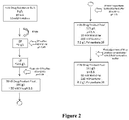
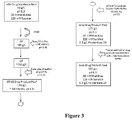
- One aspect of the invention relates to a method for preparation of a high concentration liquid formulation of an antibody having a concentration C H of the antibody, comprising the steps of:
- One embodiment of the invention relates to the method for preparation of a HCLF according to the invention, wherein the solution of step (a) further contains a buffering agent which is optionally an amino acid, such as histidine, specifically L-histidine.
- a buffering agent which is optionally an amino acid, such as histidine, specifically L-histidine.
- Another embodiment of the invention relates to the method for preparation of a HCLF according to the invention, further comprising between step (a) and step (b) a step of diafiltering the solution of step (a) with a buffer solution, wherein the buffering agent is optionally an amino acid, such as histidine, specifically L-histidine.
- the buffering agent is optionally an amino acid, such as histidine, specifically L-histidine.
- a further embodiment of the invention relates to the method for preparation of a HCLF according to the invention, wherein the solution which is subjected to ultrafiltering in step (b) contains 40 mM histidine and has a pH value of 5.45.
- One embodiment of the invention relates to the method for preparation of a HCLF according to the invention, wherein the solution which is subjected to ultrafiltering in step (b) is essentially free of or does not contain a tonicity modifying agent such as sucrose.
- Another embodiment of the invention relates to the method for preparation of a HCLF according to the invention, wherein the solution which is subjected to ultrafiltering in step (b) is essentially free of or does not contain a surfactant such as polysorbate.
- One further embodiment of the invention relates to the method for preparation of a HCLF according to the invention, wherein the antibody is an anti-CD20 antibody and/or an IgG antibody.
- One embodiment of the invention relates to the method for preparation of a HCLF according to the invention, wherein step (b) is performed in an ultrafiltration device and further comprising between step (b) and step (c) a step of flushing the ultrafiltration device with a buffer solution, wherein the buffering agent is optionally an amino acid, such as histidine, specifically L-histidine.
- the buffering agent is optionally an amino acid, such as histidine, specifically L-histidine.
- a further aspect of the invention relates to a method for stabilizing veltuzumab antibody in a liquid pharmaceutical formulation in a concentration of 160-220 mg/mL by combining the antibody which has not been freeze-dried with an aqueous solution comprising histidine, a polysorbate, and sorbitol, and having a pH value of 5.5 ⁇ 0.3, wherein the concentration of histidine is in the range of 20 to 40 mM, the polysorbate is polysorbate 20 with a concentration in the range of 0.1 to 0.3 mg/mL, and a concentration of sorbitol of 220 mM.
- Another aspect of the present invention relates to a liquid pharmaceutical formulation of a veltuzumab antibody comprising 160-220 mg/mL veltuzumab antibody, histidine, a polysorbate and sorbitol, and having a pH value of 5.5 ⁇ 0.3, wherein the concentration of histidine is in the range of 20 to 40 mM, the polysorbate is polysorbate 20 with a concentration in the range of 0.1 to 0.3 mg/mL, and a concentration of sorbitol of 220 mM.
- One embodiment of the invention relates to the liquid pharmaceutical formulation, wherein the concentration of the veltuzumab antibody is at least 175 mg/mL, preferably at least 190 mg/mL.
- Another embodiment of the invention relates to the liquid pharmaceutical formulation, wherein the concentration of the veltuzumab antibody is at least 200 mg/mL, preferably at least 220 mg/mL.
- Another embodiment of the invention relates to the liquid pharmaceutical formulation for use as a medicament.
- One further embodiment of the invention relates to the liquid pharmaceutical formulation, wherein the medicament is for subcutaneous administration.
- One embodiment of the invention relates to the liquid pharmaceutical formulation, for use in the treatment of cancer or a non-malignant disease, optionally an inflammatory or autoimmune disease, including Class III autoimmune diseases.
- Another embodiment of the invention relates to the liquid pharmaceutical formulation, for use in the treatment of a disease selected from the group consisting of Burkitt Lymphoma, Epstein-Barr Virus Infections, B-Cell Leukemia, Chronic Lymphocytic B-Cell Leukemia, Acute Lymphoblastic Leukemia, Lymphoid Leukemia, Prolymphocytic Leukemia, Hairy Cell Leukemia, Multiple Myeloma, B-Cell Lymphoma, Marginal Zone B-Cell Lymphoma, Follicular Lymphoma, Diffuse Large B-Cell Lymphoma, Immunoblastic Large-Cell Lymphoma, Mantle-Cell Lymphoma, Non-Hodgkin Lymphoma, Lymphomatoid Granulomatosis, Plasma Cell Neoplasms, Precursor Cell Lymphoblastic Leukemia-Lymphoma, Tumor Virus Infections, Waldenstrom Macroglobulinemia, Immunoproliferative Disorders
- nephritis non-renal, discoid, alopecia
- Juvenile onset diabetes Multiple sclerosis, Rheumatoid Arthritis, Rheumatic Diseases, Connective Tissue Diseases, Herpesviridae Infections, and/or DNA Virus Infections.
- any numerical value indicated is typically associated with an interval of accuracy that the person skilled in the art will understand to still ensure the technical effect of the feature in question.
- the deviation from the indicated numerical value is in the range of ⁇ 10%, and preferably of ⁇ 5%.
- the aforementioned deviation from the indicated numerical interval of ⁇ 10%, and preferably of ⁇ 5% is also indicated by the terms "about” and “approximately” used herein with respect to a numerical value.
- essentially free of' means, that the component so identified is not being present in an amount that is detectable under typical conditions used for its detection. Furthermore, “essentially free of' also includes that the component is not present in an amount which adversely affects the desired properties of a composition or formulation, i.e. that the compound so-identified is present in an negligible amount.
- liquid formulation refers to a formulation in a liquid state and includes liquid formulations originally in a liquid state as well as resuspended lyophilized/freeze-dried formulations, i.e. so called reconstituted solutions. However, it is not necessary for stability reasons that the liquid formulation disclosed herein be lyophilized/freeze-dried or have its state changed by other methods, e.g. by spray drying. In one embodiment of the invention, the term “liquid formulation” does not include a resuspended or reconstituted lyophilized/freeze-dried formulation.
- the term "antibody” relates to full length antibodies, human antibodies, humanized antibodies, fully human antibodies, genetically engineered antibodies (e.g. monoclonal antibodies, polyclonal antibodies, chimeric antibodies, recombinant antibodies) and multispecific antibodies, as well as to fragments of such antibodies retaining the characteristic properties of the full length antibody.
- the antibody is a humanized antibody.
- a "humanized antibody” is an antibody which has been modified in order to provide an increased similarity to antibodies produced in humans, e.g. by grafting a murine CDR into the framework region of a human antibody.
- antibody fragment relates to a part of a full length antibody binding with the same antigen as the full length antibody. In particular, it relates to a pharmaceutically active fragment of an antibody. This part of a full length antibody may be at least the antigen binding portion or at least the variable region thereof. Genetically engineered proteins acting like an antibody are also included within the meaning of antibody fragment as used herein. Such genetically engineered antibodies may be scFv, i.e. a fusion protein of a heavy and a light chain variable region connected by a peptide linker. Further exemplary antibody fragments are Fab, Fab', F(ab') 2 , and Fv.
- Anti-CD 20 antibody as defined herein denotes any antibody that binds specifically to the CD 20 antigen (also known as CD 20 (Cluster of differentiation 20), B-lymphocyte antigen CD 20, B-lymphocyte surface antigen B1, Leu-16 or Bp35). This includes anti-CD 20 antibodies having marketing approval, anti-CD 20 antibodies currently studied in clinical trials and/or any other compound which binds specifically to the CD 20 antigen.
- the CD 20 antigen as used herein relates to any variants, isoforms and species homologs of human CD 20.
- Anti-CD 20 antibodies as used herein relates to type I anti-CD 20 antibodies as well as to type II anti-CD 20 antibodies, which differ in their mode of CD 20 binding and their biological activities.
- anti-CD20 antibodies are Veltuzumab, Rituximab, Ocrelizumab, Ofatumumab, Y 90 Ibritumomab tiuxetan, I 131 tositumab, TRU-015, AME-133v, PRO131921 humanized, GA101, 1F5 IgG2a, HI47 IgG3, 2C6 IgG1, 2H7 IgG1, AT80 IgG1, 11B8 IgG1, humanized B-Ly1 antibody IgG1 and Aftuzumab (HuMab ⁇ CD20>).
- the anti-CD20 antibody is veltuzumab .
- Veltuzumab is a monoclonal humanized anti-CD 20 antibody of the class IgG1/ ⁇ composed of mature heavy and light chains of 451 and 213 amino acid residues, respectively. Veltuzumab has the amino acid sequence set out below:
- Anti-CD20 antibodies according to the present disclosure may be monoclonal or polyclonal antibodies.
- Monoclonal antibodies are monospecific antibodies (i.e. binding to the same epitope) derived from a single cell line. Hence, monoclonal antibodies are, except for variants arising during their production, substantially identical antibodies.
- polyclonal antibodies relates to a variety of antibodies directed to different epitopes of an antigen. Methods for production of monoclonal and polyclonal antibodies are known in the art and include e.g. the hybridoma technology and recombinant DNA methods. Disclosed is the anti-CD20 antibody is a monoclonal antibody.
- IgG antibody relates to a therapeutically useful antibody falling within the IgG class (isotype) of antibodies and having a gamma-type ( ⁇ ) heavy chain.
- the antibody is an IgG1 antibody.
- IgG antibodies also includes antibodies binding specifically to the CD 20 antigen and vice versa.
- One exemplary IgG antibodies of the present invention is veltuzumab.
- binding specifically or “specifically binding” relates to an antibody having a binding affinity to the CD 20 antigen as defined herein of ⁇ 10 -9 mol/l, particularly of ⁇ 10 -10 mol/l.
- Methods for determining the binding affinity of antibodies to antigens are known in the art and include e.g. the use of surface plasmon resonance.
- Surfactant as used herein relates to a surface-active agent, which is pharmaceutically acceptable.
- Surfactants can protect the therapeutic protein (e.g. the antibody as defined herein) from stress such interfacial tension between two liquids or between a liquid and a solid and/or can reduce the tendency to aggregate or the formation of particulates.
- Pharmaceutically acceptable surfactants include non-ionic surfactants, e.g. polysorbates and poloxamers but are not limited thereto.
- Exemplary surfactants useful in the present invention are polyoxyethylen-polyoxypropylene copolymers (e.g. Poloxamer 188), polyoxyethylene alkyl ethers and polysorbates (e.g., Polysorbate 20, Polysorbate 80). It is understood that also combinations of surfactants, e.g. combinations of the aforementioned surfactants maybe used.
- pharmaceutically acceptable relates to any compound which may be used in a pharmaceutical composition without causing any undesired effects (such as negative side effects) in a patient to which the composition is administered.
- Tonicity modifying agent refers to any pharmaceutically acceptable agent suitable to provide an isotonic formulation.
- Isotonic formulations are formulations having the same tonicity (i.e. solute concentration) as the formulation to which they are compared (e.g. whole blood, blood serum or physiologic salt solution).
- Suitable tonicity modifying agents within the meaning of the present disclosure include NaCl, potassium chloride, glycine, glycerol, salts, amino acids, sugar alcohols (e.g. sorbitol and mannitol) and sugars (e.g. glucose, sucrose, trehalose, and glucose).
- the tonicity modifying agent is a sugar or a sugar alcohol, in particular sorbitol, sucrose and/or mannitol.
- the tonicity modifying agent is sorbitol.
- combinations of tonicity modifying agents in particular combinations of the aforementioned tonicity modifying agents may also be used.
- the tonicity modifying agent may be used in order to provide a physiologic tonicity in the formulation, i.e. a formulation having essentially the same tonicity as human blood.
- Such formulations will generally have an osmolarity of approximately 300 mOsm/kg, particularly 310 mOsm/kg.
- histidine As used herein the term “histidine” (His) specifically includes L-histidine unless otherwise specified.
- Patients as used herein relates to any mammalian, in particular a human, suffering from any of the diseases or conditions mentioned herein, having been diagnosed with any of the diseases or conditions mentioned herein, being predisposed to any of the diseases or conditions mentioned herein or susceptible to any of the diseases or conditions mentioned herein.
- treatment or “therapy” relates to therapeutic and/or preventive treatment of patients as defined herein.
- Room temperature denotes a temperature in the range of 18°C to 25°C, in particular about 19°C to about 22°C. Specifically, room temperature denotes 20°C or 25°C.
- the present invention provides a method for preparation of a high concentration liquid formulation (HCLF) of a veltuzumab antibody.
- the method according to the present invention allows to provide a HCLF and to obtain a relatively high yield of antibody.
- the HCLF has a concentration C H of the antibody of at least 160 mg/mL, at least 175 mg/mL, at least 180 mg/mL, at least 185 mg/mL, at least 190 mg/mL, at least 195 mg/mL, at least 200 mg/mL, at least 220 mg/mL.
- the HCLF has a concentration C H of the antibody of at least 160 mg/mL.
- the HCLF has a concentration C H of the antibody of at least 175 mg/mL.
- the HCLF has a
- the HCLF of the present invention has a concentration C H of the antibody of 160-220 mg/mL, 160-200 mg/mL, or 160-175 mg/mL.
- the present invention provides a method for preparation of a high concentration liquid formulation of an antibody having a concentration C H of the antibody, comprising the steps of:
- the method is for preparation of a HCLF of combinations of a veltuzumab antibody with a further active ingredient.
- a further therapeutic agent may be administered separately, concurrently or sequentially with the formulation according to the present invention.
- This further therapeutic agent may be any therapeutic agent suitable in the treatment of any of the diseases mentioned herein.
- further therapeutic agents are e.g. cytotoxic agents, anti-angiogenic agents, corticosteroids, antibodies, antiinflammatory agents, chemotherapeutics, hormones and immunomodulators.
- Examples of such therapeutic agents can be selected from the group comprising antimitotic, antikinase, alkylating, antimetabolite, antibiotic, alkaloid, antiangiogenic, apoptotic agents and combinations thereof.
- Chemotherapeutic drugs for example, can be selected from the group comprising drugs such as vinca alkaloids, anthracyclines, epidophyllotoxin, taxanes, antimetabolites, alkylating agents, antikinase agents, antibiotics, Cox-2 inhibitors, antimitotics, antiangiogenic and apoptotoic agents, particularly doxorubicin, methotrexate, taxol, CPT-II, camptothecans, and others from these and other classes of anticancer agents.
- starting concentration C S of the antibody as defined herein denotes an antibody concentration of at least 2 g/L, at least 5 g/L, at least 10 g/L, at least 20 g/L, at least 30 g/L, at least 40 g/L, at least 50 g/L, at least 60 g/L, at least 70 g/L, at least 80 g/L, at least 90 g/L, or at least 100 g/L.
- C S of the antibody in the solution provided in step a) is at least 5 g/L.
- C S of the antibody in the solution provided in step a) is at least 60 g/L.
- the solution provided in step a) of the method according to the invention which optionally also is the solution subjected to ultrafiltration in step b) of the method according to the invention is a solution further containing a buffering agent.
- the solution provided in step a) of the invention is a composition containing veltuzumab antibody, and histidine .
- a buffering agent denotes a weak acid or base allowing to maintain the pH-value in a solution at a nearly constant level, such as phosphate, acetate (e.g., sodium acetate), succinate (such as sodium succinate), gluconate, glutamate, citrate, other organic acid buffers ,buffering agents comprising amino acids such as alanine, arginine, asparagine, aspartic acid, cysteine, glutamic acid, glutamin, glycine, histidine, isoleucine, leucine, lysine, methionine, phenylalanine, proline, serine, threonine, tryptophan, tyrosine, valine, specifically buffering agents comprising histidine.
- a buffering agent denotes a weak acid or base allowing to maintain the pH-value in a solution at a nearly constant level, such as phosphate, acetate (e.g., sodium acetate), succinate (
- Buffering agents comprising amino acids are known to the person skilled in the art and can be chosen according to their desired buffering properties.
- Exemplary buffering agents comprising histidine are histidine, histidine chloride, histidine hydrochloride monohydrate, histidine acetate, histidine phosphate, histidine sulfate and mixtures thereof.
- the buffering agent is histidine and/or histidine hydrochlorid monohydrate.
- the buffering agent is histidine. It is understood, that any specification mentioned herein for histidine also relates to the exemplary buffering agents specifically the histidine buffering agents mentioned above. A further definition of buffering agents comprising histidine is provided below.
- the histidine concentration in the solution provided in step a) of the method according to the invention is 40 mM.
- the solution provided in step a) of the invention has a pH value of 5.45.
- the solution provided in step a) of the method according to the invention has a pH-value of 5.45 and a histidine concentration of 40 mM.
- the solution containing the antibody thereof may be provided by any method known to the person skilled in the art.
- a bulk drug substance comprising the antibody as defined herein is used as a starting material in order to provide the composition containing the antibody and e.g. histidine.
- Bulk drug substances include e.g. those provided by Immunomedics and Boehringer Ingelheim, both of which contain the anti-CD 20 antibody veltuzumab.
- This starting material may be subsequently purified in order to remove undesired ingredients and to provide the antibody in a starting concentration C S and, optionally a buffering agent, e.g. L-histidine.
- Such undesired ingredients may include, e.g.
- sucrose which can lead to a rapid increase of viscosity in the composition during the subsequently performed ultrafiltration step.
- High viscosity could lower the antibody concentrations achieved in the end product and generally hampers various process steps such as filtration. In the final product high viscosity could have a negative impact on the administration (e.g. the syringe ability).
- Purification may be performed by any method known in the art such as filtration and centrifugation.
- Filtration includes any conventional filtration method for static filtration (e.g. vacuum filtration) and dynamic filtration (e.g. tangential flow filtration, diafiltration).
- purification is performed by means of diafiltration (DF) or dialysis.
- DF diafiltration
- purification is performed by means of diafiltration.
- purification is performed by means of dialysis.
- dialysis relates to any process wherein molecules are purified by means of their different diffusion rates through a semipermeable membrane. Suitable methods for purification by means of dialysis are known to the person skilled in the art.
- diafiltration relates to a process using an ultrafiltration membrane in order to remove, replace, or lower the concentration of solvents from compositions comprising proteins, peptides, nucleic acids, or other biomolecules, in particular antibodies.
- Diafiltration provides the advantage that purification, concentration and, if necessary, buffer exchange may be performed in a single operation unit.
- Diafiltration devices are known in the art and include e.g. the Tangential Flow Filtration (TFF) Unit Minim II provided by Pall.
- the method comprises between step a) and step b) a step of diafiltering the solution of step a) with a buffer solution, wherein the buffering agent is optionally a buffering agent comprising an amino acid, optionally histidine, in particular L-histidine
- the buffering agent is optionally a buffering agent comprising an amino acid, optionally histidine, in particular L-histidine
- a buffer exchange may be performed during the diafiltration of the starting material.
- buffering agents comprising histidine also relate to buffering agents comprising an amino acid.
- Examplary buffering agents comprising histidine include histidine, specifically L-histidine, histidine chloride, histidine hydrochloride monohydrate, histidine acetate, histidine phosphate, histidine sulfate and mixtures thereof.
- the buffering agent comprising histidine is a buffering agent comprising histidine and/or histidine hydrochlorid monohydrate. It is understood, that any specification mentioned herein for histidine also relates to the exemplary histidine buffering agents mentioned above.
- a "buffering agent comprising histidine” relates to a pharmaceutically acceptable buffering agent comprising the amino acid histidine which suitable to keep the pH at a nearly constant value.
- the buffering agent is a buffering substance suitable to provide a pH value of 5.45 ⁇ 1.0. More particularly, the buffering substance is a buffering substance suitable to provide a pH value of 5.45 ⁇ 0.5. Specifically, the buffering substance is a buffering substance suitable to provide a pH value of 5.45 ⁇ 0.1. More specifically, the buffering substance is a buffering substance suitable to provide a pH value of 5.45 ⁇ 0.05.
- the buffer solution comprising histidine as a buffering agent comprises 30-60 mM histidine, particularly 35-45 mM histidine.
- the buffer solution comprising histidine as a buffering agent comprises 30 mM histidine, 35 mM histidine, 40 mM histidine, 45 mM histidine, 50 mM histidine, 55 mM histidine or 60 mM histidine, particularly a buffer solution comprising 40 mM histidine.
- the buffer solution used for diafiltration is a buffer solution comprising 30-60 mM histidine, particularly 35-45 mM histidine and having a pH value of 5.45 ⁇ 2.0.
- the buffer solution used for diafiltration is a buffer solution comprising 30-60 mM histidine, particularly 35-45 mM histidine and having a pH value of 5.45 ⁇ 1.0.
- the buffer solution used for diafiltration is a buffer solution comprising 30-60 mM histidine, particularly 35-45 mM histidine and having a pH value of 5.45 ⁇ 0.5.
- the buffer solution used for diafiltration is a buffer solution comprising 30-60 mM histidine, particularly 35-45 mM histidine and having a pH value of 5.45 ⁇ 0.1.
- the buffer solution used for diafiltration is a buffer solution comprising 30-60 mM histidine, particularly 35-45 mM histidine and having a pH value of 5.45 ⁇ 0.05.
- the buffer solution used for diafiltration is a buffer solution comprising 40 mM histidine and having a pH value of 5.45 ⁇ 2.0. In another specific embodiment of the invention, the buffer solution used for diafiltration is a buffer solution comprising 40 mM histidine and having a pH value of 5.45 ⁇ 1.0. In another specific embodiment of the invention, the buffer solution used for diafiltration is a buffer comprising 40 mM histidine and having a pH value of 5.45 ⁇ 0.5. In another specific embodiment of the invention, the buffer solution used for diafiltration is a buffer comprising 40 mM histidine and having a pH value of 5.45 ⁇ 0.1. In another specific embodiment of the invention, the buffer solution used for diafiltration is a buffer solution comprising 40 mM histidine and having a pH value of 5.45 ⁇ 0.05.
- a buffer exchange it can be performed with at least 1-fold volume of the buffer solution compared to the antibody solution, with at least 2-fold volume of the buffer solution compared to the antibody solution, with at least 3-fold volume of the buffer solution compared to the antibody solution with at least 4-fold volume of the buffer solution compared to the antibody solution, with at least 5-fold volume of the buffer solution compared to the antibody solution, with at least 6-fold volume of the buffer solution compared to the antibody solution, with at least 7-fold volume of the buffer solution compared to the antibody solution, or with at least 8-fold volume of the buffer solution compared to the antibody solution.
- the buffer exchange is performed with at least 8-fold volume of the buffer solution compared to the antibody solution.
- step b) of the method for preparation of a HCLF according to the invention the antibody is concentrated via ultrafiltration (UF) in order to obtain a solution having an intermediate concentration C I of the antibody, wherein C I is up to 285 mg/mL.
- the solution which is subjected to ultrafiltering in step b) contains about 40 mM histidine and/or has a pH value of 5.45 ⁇ 1.0.
- the solution which is subjected to ultrafiltering in step b) contains about 40 mM histidine and/or has a pH value of 5.45 ⁇ 0.5.
- the solution which is subjected to ultrafiltering in step b) contains about 40 mM histidine and/or has a pH value of 5.45 ⁇ 0.1.
- the solution which is subjected to ultrafiltering in step b) is essentially free of or does not contain a tonicity modifying agent as defined herein.
- the solution subjected to ultrafiltering in step b) is essentially free of or does not contain sucrose.
- the solution which is subjected to ultrafiltering in step b) is essentially free of or does not contain a surfactant as defined herein.
- the solution subjected to ultrafiltering in step b) is essentially free of or does not contain a non-ionic surfactant.
- the solution which is subjected to ultrafiltering in step b) is essentially free of or does not contain polysorbate, wherein the polysorbate optionally is polysorbate 20.
- solutions containing the antibody veltuzumab and a buffering agent comprising histidine are essentially free of or do not contain tonicity modifying agents and surfactants.
- the solution subjected to ultrafiltration in step b) is an aqueous solution (i.e. an solution wherein the solvent is water) consisting of histidine and the antibody as defined herein.
- ultrafiltration may denote any membrane filtration process for purifying and/or concentrating macromolecular solutions, wherein hydrostatic pressure is used in order to filtrate a liquid through a semipermeable membrane with appropriate chemical and physical properties.
- Such an ultrafiltration membrane is a membrane having a pore size between 0.01 and 0.1 ⁇ m and is used to separate particles having a size of about 0.1-0.01 ⁇ m, e.g. emulsions, proteins and macromolecules from suspension.
- the antibody as described herein is concentrated up to an intermediate concentration C I which is higher than C H and at least about 260 mg/mL.
- C I is in the range of about 260-290 mg/mL, particularly about 270-290 mg/mL, more particularly about 270-285 mg/mL.
- the antibody as described herein is concentrated up to a concentration C I of at least 260 mg/mL.
- the antibody as described herein is concentrated up to a concentration C I at least 265 mg/mL, at least 270 mg/mL, at least 275 mg/mL, at least 280 mg/mL, at least 285 mg/mL, according to the invention the antibody is concentrated up to a concentration C I of 285 mg/mL.
- the term "about 280 mg/mL” relates to slight variations in a numerical value (i.e. 280 mg/mL) of ⁇ 10%, optionally ⁇ 5%.
- the antibody is concentrated up to an intermediate concentration of 280 mg/mL.
- step b) is performed in an ultrafiltration device and the method further comprises between step b) and step c) a step wherein the device in which the ultrafiltration has been performed is flushed with a buffer solution, optionally a buffer solution comprising an amino acid as defined herein.
- a buffer solution optionally a buffer solution comprising an amino acid as defined herein.
- the buffering agent in the buffer solution used for flushing the ultrafiltration device is histidine, specifically L-histidine.
- the buffering agent used for flushing is identical with the buffering agent contained in the solution of step a). This flushing step may allow further minimizing the loss of antibodies when the highly concentrated antibody composition is removed from the ultrafiltation device, thus further maximizing the yield of the method described herein.
- step c) of the method described herein the highly concentrated antibody composition obtained in step b) may be further diluted to obtain the HCLF in the desired final concentration.
- step c) the HCLF in the desired final concentration of the antibody may be obtained by any method known in the art.
- the method chosen as well as the components used in order to obtain the desired final concentration of the antibody may depend on the desired final composition of the HCLF.
- Step c) of the method according to the invention thus comprises diluting the highly concentrated antibody composition obtained in step c) with a buffer solution comprising histidine.
- This buffer solution may comprise any of the aforementioned buffering agents such as buffering agents comprising amino acids, in particular comprising histidine.
- the buffer solution comprises 30-50 mM histidine, optionally 30 mM histidine.
- the pH value of the buffer solution used for diluting the highly concentrated antibody composition obtained from step b) may be in the range of 4.8 to 7.0, in particular in the range of 5 to 6.
- the pH value of said buffer solution is 5.5 ⁇ 2.0, 5.5 ⁇ 1.0, 5.5 ⁇ 0.5, 5.5 ⁇ 0.3 or 5.5 ⁇ 0.2.
- the pH value of said buffer solution is 5.5 ⁇ 0.3.
- the pH value of said buffer solution is 5.5 ⁇ 0.2.
- this buffer solution may be a buffer solution further comprising a surfactant as defined herein.
- the buffer solution comprising a surfactant is a buffer solution comprising a non-ionic surfactant, in particular a polysorbate.
- the buffer solution comprising a surfactant is a buffer solution comprising polysorbate 20.
- the buffer solution may comprise the 5-fold, the 6-fold, the 7-fold, the 8-fold, the 9-fold or 10-fold concentration of the desired concentration of surfactant in the final product.
- the buffer solution has the 10-fold concentration of the desired concentration of surfactant in the final product.
- the buffer solution comprises a concentration of surfactant of at least 0.1 g/L, at least 0.2 g/L, at least 0.3 g/L, at least 0.4 g/L, at least 0.5 g/L, at least 0.6 g/L, at least 0.7 g/L, at least 0.8 g/L, at least 0.9 g/L, at least 1 g/L, at least 2 g/L, at least 3 g/L, at least 4 g/L, at least 5 g/L, at least 6 g/L, at least 7 g/L, at least 8 g/L, at least 9 g/L or at least 10 g/L.
- the concentration of surfactant in the buffer solution is in the range of 0.1-1 g/L, in particular in the range of 0.3 g/L to 1 g/L.
- the surfactant is in particular polysorbate 80.
- the concentration of surfactant in the buffer solution is in the range of 1-10 g/L, in particular in the range of 1-3 g/L.
- the surfactant is in particular polysorbate 20.
- the buffer solution comprises 0.2 g/L surfactant, particularly 0.2 g/L polysorbate 80. In another specific embodiment the buffer solution comprises 2 g/L surfactant, particularly 2 g/L polysorbate 20.
- the buffer solution may further comprise a tonicity modifying agent.
- the tonicity modifying agent may be selected from NaCl, potassium chloride, glycine, glycerol, salts, amino acids and sugars.
- the tonicity modifying agent is a sugar or sugar alcohol, e.g. selected from sucrose, trehalose, mannitol, sorbitol and glucose.
- the tonicity modifying agent is selected from sorbitol, sucrose and/or mannitol.
- the tonicity modifying agent is sorbitol.
- the tonicity modifying agent is mannitol.
- the tonicity modifying agent is sucrose.
- the buffer solution may comprise the 5-fold, the 6-fold, the 7-fold, the 8-fold, the 9-fold or the 10-fold concentration of the desired concentration of tonicity modifying agent in the final product.
- the buffer solution comprises a 10-fold concentration of tonicity modifying agent of the desired concentration of tonicity modifying agent in the final product.
- the buffer solution may comprise at least 1 M, at least 1.5 M, at least 2 M, at least 2.2 M, at least 2.4 M, at least 2.6 M, at least 2.8 M, at least 3 M tonicity modifying agent.
- the concentration of tonicity modifying agent in the buffer solution of the present invention is in the range of 0.05 M-5.5 M, in particular 1-3 M, more particularly 2-2.5 M. In a specific embodiment of the invention, the concentration of the tonicity modifying agent is 2.2 M.
- the solution derived from said dilution step c) may have a concentration of the antibody of at least 50 mg/mL, at least 70 mg/mL, at least 75 mg/mL, at least 80 mg/mL, at least 90 mg/mL, at least 100 mg/mL, at least 110 mg/mL, at least 120 mg/mL, at least 130 mg/mL, at least 140 mg/mL, at least 150 mg/mL, at least 155 mg/mL, at least 160 mg/mL, at least 170 mg/ml, at least 175 mg/mL, at least 180 mg/mL, at least 190 mg/mL, or at least 200 mg/mL, in particular of at least 175 mg/mL.
- the composition obtained in said dilution step has a concentration of the antibody of 100-290 mg/mL, 130-200 mg/mL, 155-200 mg/mL, 160-200 mg/mL or 175-200 mg/mL.
- the concentration of the surfactant in the composition derived from said dilution step may be any concentration considered suitable by the person skilled in the art.
- the composition may comprise a concentration of surfactant of at least 0.01 g/L, at least 0.02 g/L, at least 0.03 g/L, at least 0.04 g/L, at least 0.05 g/L, at least 0.06 g/L, at least 0.07 g/L, at least 0.08 g/L, at least 0.09 g/L, at least 0.1 g/L, at least 0.2 g/L, at least 0.3 g/L, at least 0.4 g/L, at least 0.5 g/L, at least 0.6 g/L, at least 0.7 g/L, at least 0.8 g/L, at least 0.9 g/L or at least 1.0 g/L surfactant in the antibody composition after dilution has been performed.
- the concentration of surfactant in the composition after dilution is in the range of 0.01 - 0.1 g/L, in particular 0.03 g/L to 0.1 g/L.
- the surfactant is in particular polysorbate 80.
- the concentration of surfactant in the composition after dilution is in the range of 0.1-0.3 g/L, and the surfactant is polysorbate 20.
- the concentration of surfactant in the composition after dilution is 0.02 g/L surfactant, particularly 0.02 g/L polysorbate 80. In another specific embodiment the concentration of surfactant in the composition after dilution is 0.2 g/L of polysorbate 20.
- the concentration of the tonicity modifying agent in the composition derived from the dilution step may be any concentration considered suitable by the person skilled in the art.
- the composition may comprise a concentration of tonicity modifying agent of at least 100 mM, at least 150 mM, at least 200 mM, at least 220 mM, at least 240 mM, at least 260 mM, at least 280 mM, at least 300 mM.
- the concentration of tonicity modifying agent in the antibody composition after dilution is in the range of 100-300 mM, in particular 200-250 mM.
- Step c) of the method according to the invention may include a second dilution step for final adjustment of the concentration of the antibody in the HCLF.
- this step includes dilution with a so-called formulation buffer solution.
- the formulation buffer solution used in step c) may comprise a surfactant as defined herein.
- the surfactant is a non-ionic surfactant, in particular a polysorbate.
- the surfactant is polysorbate 20 or polysorbate 80, particularly polysorbate 20.
- the concentration of the surfactant in the HCLF is a concentration of at least 0.01 g/L, at least 0.02 g/L, at least 0.03 g/L, at least 0.04 g/L, at least 0.05 g/L, at least 0.06 g/L, at least 0.07 g/L, at least 0.08 g/L, at least 0.09 g/L, at least 0.1 g/L, at least 0.2 g/L, at least 0.3 g/L.
- the concentration of the surfactant in the formulation buffer solution of the present invention is in the range of 0.01-0.1 g/L, in particular 0.03 g/L to 0.1 g/L.
- the surfactant is in particular polysorbate 80.
- the concentration of surfactant in the formulation buffer solution is in the range of 0.1-1.0 g/L, in particular 0.1-0.3 g/L.
- the surfactant is in particular polysorbate 20.
- the formulation buffer solution used in the method of the present invention may further comprise a tonicity modifying agent.
- the tonicity modifying agent may be selected from NaCl, potassium chloride, glycine, glycerol, salts, amino acids, sugar alcohols and sugars.
- the tonicity modifying agent is a sugar or sugar alcohol, e.g. selected from glucose, sucrose, trehalose, mannitol, sorbitol and glucose.
- the tonicity modifying agent is sorbitol and/or mannitol.
- the tonicity modifying agent is sorbitol.
- the concentration of the tonicity modifying agent in said buffer solution may be any concentration considered suitable by the person skilled in the art.
- the formulation buffer solution used in the method of the present invention may comprise at least 100 mM, at least 150 mM, at least 200 mM, at least 220 mM, at least 240 mM, at least 260 mM, at least 280 mM, at least 300 mM tonicity modifying agent.
- the concentration of tonicity modifying agent in the formulation buffer solution used in the method of the present invention is in the range of 100-300 mM, in particular 200-250 mM.
- the formulation buffer solution comprises 220 mM tonicity modifying agent, in particular 220 mM sorbitol.
- the formulation buffer solution further comprises a buffering agent as defined herein.
- the buffering agent is a buffering agent comprising an amino acid, optionally comprising histidine, specifically L-histidine, histidine chloride, histidine hydrochloride monohydrate, histidine acetate, histidine phosphate, or histidine sulfate or mixtures thereof.
- the formulation buffer solution comprises histidine and/or histidine hydrochlorid monohydrate.
- the formulation buffer solution comprises 30-60 mM histidine, particularly 35-45 mM histidine. In another embodiment of the invention, the formulation buffer solution comprises about 30 mM histidine, about 35 mM histidine, about 40 mM histidine, about 45 mM histidine, about 50 mM histidine, about 55 mM histidine or about 60 mM histidine, particularly the formulation buffer solution comprises 30 mM histidine. In another embodiment, the formulation buffer solution comprises at least 50 mM histidine.
- the pH value of the formulation buffer solution used in step c) may be in the range of 4.8 to 7.0, in particular in the range of 5 to 6.
- the pH value of said buffer is 5.5 ⁇ 2.0, 5.5 ⁇ 1.0, 5.5 ⁇ 0.5, 5.5 ⁇ 0.3 or 5.5 ⁇ 0.2.
- the pH value of said buffer is 5.5 ⁇ 0.3.
- the pH value of said buffer is 5.5 ⁇ 0.2.
- the method as described herein is performed at room temperature, a definition of said term is provided above. Specifically, all method steps as described herein are performed at 18 °C to 25 °C, optionally at 19 °C to 22 °C.
- the HCLF obtained according to the method of the present invention has an antibody concentration as defined above for HCLFs.
- the pH value of the HCLF obtained may be in the range of 4.8 to 7.0, in particular in the range of 5.0 to 6.0.
- the HCLF obtained according to the method of to the present invention has a pH of 5.5 ⁇ 0.3.
- the pH value of the liquid pharmaceutical formulation of the present invention is 5.5 ⁇ 0.3.
- the pH value of the liquid pharmaceutical formulation of the present invention is 5.5 ⁇ 0.2.
- the HCLF obtained according to the method of the present invention comprises a buffering agent as defined herein.
- the buffering agent is a buffering agent comprising histidine.
- the HCLF obtained according to the method of the present invention comprises 30-60 mM histidine, particularly 35-45 mM histidine.
- the HCLF obtained according to the method of the present invention comprises 30 mM histidine, 35 mM histidine, 40 mM histidine, 45 mM histidine, 50 mM histidine, 55 mM histidine or 60 mM histidine, particularly the HCLF obtained according to the method of the present invention comprises 30 mM histidine.
- the HCLF comprises at least 50 mM histidine.
- the HCLF obtained according to the method of the present invention comprises a surfactant as defined herein.
- the surfactant is polysorbate 20.
- the concentration of the surfactant in the HCLF is a concentration of at least 0.01 g/L, at least 0.02 g/L, at least 0.03 g/L, at least 0.04 g/L, at least 0.05 g/L, at least 0.06 g/L, at least 0.07 g/L, at least 0.08 g/L, at least 0.09 g/L, at least 0.1 g/L, at least 0.2 g/L, at least 0.3 g/L
- the concentration of polysorbate 20 in the composition after dilution is in the range of 0.1-0.3 g/L.
- the HCLF obtained according to the method of the present invention may further comprise a tonicity modifying agent.
- the tonicity modifying agent may be selected from NaCl, potassium chloride, glycine, glycerol, salts, amino acids, sugar alcohols and sugars.
- the tonicity modifying agent is a sugar or sugar alcohol, e.g. selected from glucose, sucrose, trehalose, mannitol, sorbitol and glucose.
- the tonicity modifying agent is sorbitol and/or mannitol.
- the tonicity modifying agent is sorbitol.
- the concentration of the tonicity modifying agent in said buffer may be any concentration considered suitable by the person skilled in the art.
- the HCLF obtained according to the method of the present invention may comprise at least 100 mM, at least 150 mM, at least 200 mM, at least 220 mM, at least 240 mM, at least 260 mM, at least 280 mM, at least 300 mM tonicity modifying agent.
- the concentration of tonicity modifying agent in the HCLF obtained according to the method of the present invention is in the range of 5.5 mM-550 mM, in particular 100-300 mM, more particularly 200-250 mM.
- the concentration of sorbitol in the HCLF obtained according to the method of the present invention is 220 mM.
- the HCLF obtained according to the method of the present invention may further comprise any further pharmaceutically acceptable compound considered useful by the person skilled in the art.
- further pharmaceutically acceptable compounds include pharmaceutically acceptable excipients, additives, diluents, chelating agents, lyoprotectants, adjuvants, delivery vehicles and anti-microbial preservatives which may be added in order to provide a desired property to the final formulation.
- additional compounds are known to the person skilled in the art and may be chosen according to the desired property. They may be added at any step during the above process considered suitable by the person skilled in the art.
- the further pharmaceutically acceptable compounds may be added during the first dilution step of step c).
- the HCLF obtained according to the method of the present invention further comprises arginine in a concentration considered suitable by the person skilled in the art.
- arginine allows for a further stabilization of the antibody and an increased melting point.
- an anti-CD 20 antibody veltuzumab may be stabilized and solubilized in a liquid pharmaceutical formulation at high concentrations by using an aqueous solution comprising an amino acid.
- Amino acids include any aminoc acid considered suitable by the person skilled in the art such as alanine, arginine, asparagine, aspartic acid, cysteine, glutamic acid, glutamin, glycine, histidine, isoleucine, leucine, lysine, methionine, phenylalanine, proline, serine, threonine, tryptophan, tyrosine, and valine.
- the amino acid should act as a buffering agent.
- the aqueous solution comprises histidine, optionally L-histidine. It is noted that any specification provided herein for histidine is also applicable for L-histidine.
- the present invention thus relates to a method for stabilizing veltuzumab antibody in a liquid pharmaceutical formulation in a concentration of 160-220 mg/mL by combining the antibody, without subjecting it to prior lyophilization or freeze drying, with an aqueous solution comprising histidine, a polysorbate, and sorbitol, and having a pH vlue of 5.5 ⁇ 0.3, wherein the concentration of histidine is in the range of 20 to 40 mM, the polysorbate is polysorbate 20 with a concentration in the range of 0.1 to 0.3 mg/mL, and a concentration of sorbitol of 220 mM.
- the liquid pharmaceutical formulation comprises at least 160 mg/mL, at least 175 mg/mL, at least 180 mg/mL, at least 185 mg/mL, at least 190 mg/mL, at least 195 mg/mL, at least 200 mg/mL, or at least 220 mg/mL, of a veltuzumab antibody.
- the liquid pharmaceutical formulation comprises at least 160 mg/mL of a veltuzumab antibody.
- the liquid pharmaceutical formulation comprises at least 175 mg/mL of a veltuzumab antibody.
- the liquid pharmaceutical formulation comprises at least 200 mg/mL of a veltuzumab antibody.
- the liquid pharmaceutical formulation of the present invention comprises 160-290 mg/mL, 160-250 mg/mL, 160-220 mg/mL, 160-200 mg/mL, or 160-175 mg/mL of a veltuzumab antibody.
- the antibody has not been subject to prior lyophilization or freeze-drying.
- "Lyophilization” as used herein relates to any dehydration process wherein a formulation is freezed and subsequently the surrounding pressure is reduced in order to allow for sublimation of the frozen water from the freezed formulation. Such a process may be performed by any lyophilization method known in the art.
- aqueous solution relates to any solution in which the solvent is water.
- the aqueous solution comprising histidine may comprise only histidine as buffering agent, histidine chloride, histidine hydrochloride monohydrate, histidine acetate, histidine phosphate, or histidine sulfate or combinations thereof.
- the aqueous solution comprising histidine used in the method of the present invention comprises only histidine as buffering agent or histidine in combination with histidine hydrochlorid monohydrate as buffering agent.
- the aqueous solution comprising histidine may comprise at least one further therapeutically acceptable buffering agent in addition to the amino acid, optionally in addition to histidine or in addition to the combination of histidine containing buffering agents mentioned above.
- further buffering agents include phosphate, acetate (e.g., sodium acetate), succinate (such as sodium succinate), gluconate, glutamate, histidine, citrate, other amino acids mentioned herein acting as buffering agents and other organic acid buffers.
- the pH value of the aqueous solution comprising histidine may be in the range of 4.8 to 7.0, in particular in the range of 5.0 to 6.0.
- the pH value of the aqueous solution comprising an amino acid, optionally histidine can be 5.5 ⁇ 2.0, 5.5 ⁇ 1.0, 5.5 ⁇ 0.5, 5.5 ⁇ 0.3 or 5.5 ⁇ 0.2.
- the pH value of the aqueous solution comprising histidine used in the method of the present invention is 5.5 ⁇ 0.3.
- the pH value of the aqueous solution comprising histidine used in method of the present invention is 5.5 ⁇ 0.2.
- the aqueous solution comprising histidine used in the method of the present invention comprises 30-60 mM histidine, particularly 30-45 mM histidine.
- the aqueous solution comprising histidine used in method of the present invention comprises 30 mM histidine, 35 mM histidine, 40 mM histidine, 45 mM histidine, 50 mM histidine, 55 mM histidine or 60 mM histidine.
- the aqueous solution comprising histidine used in the method of the present invention comprises 30 mM histidine.
- the aqueous solution comprising histidine comprises at least 50 mM histidine.
- the aqueous solution comprising histidine used in the method of the present invention may further comprise a tonicity modifying agent.
- the tonicity modifying agent may be selected from NaCl, potassium chloride, glycine, glycerol, salts, amino acids, sugar alcohols and sugars.
- the tonicity modifying agent is a sugar or sugar alcohol, e.g. selected from glucose, sucrose, trehalose, mannitol, sorbitol and glucose.
- the tonicity modifying agent is sorbitol.
- the concentration of the tonicity modifying agent in said buffer may be any concentration considered suitable by the person skilled in the art.
- the aqueous solution comprising histidine used in the method of the present invention may comprise at least 4%, at least 5%, at least 6%, at least 7%, at least 8%, at least 9% or at least 10% tonicity modifying agent.
- the aqueous solution comprising histidine comprises from 5-8% tonicity modifying agent.
- the aequous solution comprising histidine used in the method of the present invention comprises a surfactant as defined herein.
- the surfactant is polysorbate 20.
- the aqueous solution comprising histidine used in the method according to the invention may comprise any amount of surfactant considered useful by the person skilled in the art, in particular at least 0.01%, at least 0.02%, at least 0.03%, at least 0.04%, at least 0.05%, at least 0.1% or at least 1.0 % surfactant.
- the aequous solution comprising histidine used in the method according to the present invention comprises at least 0.01% surfactant.
- anti-CD 20 antibodies which may be stabilized according to the above described method are Rituximab, Ocrelizumab, Ofatumumab, Y 90 .Ibritumomab tiuxetan, I 131 tositumab, TRU-015, AME-133v, PRO131921 humanized, GA101, 1F5 IgG2a, HI47 IgG3, 2C6 IgG1, 2H7 IgG1, AT80 IgG1, 11B8 IgG1, humanized B-Ly1 antibody IgG1 and Aftuzumab (HuMab ⁇ CD20>).
- the anti-CD20 antibody stabilized with the above described method is veltuzumab.
- stable or “stabilized” in relation to an antibody formulation of the present invention relates to an antibody formulation retaining its chemical stability and/or physical stability during storage. Methods for determining the stability of an antibody formulation are known in the art.
- a stable/stabilized antibody formulation retains its chemical and/or physical stability upon storage at room temperature for at least one month, optionally for at least three months upon storage at 25 °C and/or upon storage at 2-8°C for at least one year.
- liquid formulations of veltuzumab provided by the above described methods are suitable for long-term storage and may also be lyophilized in order to even enhance the term of storage.
- liquid pharmaceutical formulation comprising at least 155 mg/mL of a veltuzumab antibody with reduced tendency to form aggregates may be provided.
- the present invention thus relates to a liquid pharmaceutical formulation of a veltuzumab antibody comprising 160-220 mg/mL veltuzumab antibody, histidine, a polysorbate and sorbitol, and having a pH value of 5.5 ⁇ 0.3, wherein the concentration of histidine is in the range of 20 to 40 mM, the polysorbate is polysorbate 20 with a concentration in the range of 0.1 to 0.3 mg/mL, and a concentration of sorbitol of 220 mM.
- Amino acids include any amino acid considered suitable by the person skilled in the art such as alanine, arginine, asparagine, aspartic acid, cysteine, glutamic acid, glutamin, glycine, histidine, isoleucine, leucine, lysine, methionine, phenylalanine, proline, serine, threonine, tryptophan, tyrosine, and valine
- the amino acid should act as a buffering agent. It is noted that any specification provided herein for histidine is also applicable for L-histidine.
- the liquid pharmaceutical formulation comprises 160 mg/mL, at least 175 mg/mL, at least 180 mg/mL, at least 185 mg/mL, 190 mg/mL, at least 195 mg/mL, at least 200 mg/mL, at least 220 mg/mL, of a veltuzumab antibody.
- the liquid pharmaceutical formulation comprises at least 160 mg/mL of a veltuzumab antibody.
- the liquid pharmaceutical formulation comprises at least 175 mg/mL of a veltuzumab antibody.
- the liquid pharmaceutical formulation comprises at least 200 mg/mL of a veltuzumab antibody.
- the liquid pharmaceutical formulation of the present invention comprises 160-220 mg/mL, 160-200 mg/mL, or 160-175 mg/mL of a veltuzumab antibody.
- the liquid pharmaceutical formulation of the present invention comprises histidine as a buffering agent. It may comprise only histidine as buffering agent or additionally histidine, histidine chloride, histidine hydrochloride monohydrate, histidine acetate, histidine phosphate, or histidine sulfate or combinations thereof. Particularly, the liquid pharmaceutical formulation of the present invention comprises only histidine as buffering agent or histidine in combination with histidine hydrochloride monohydrate as buffering agent.
- the liquid pharmaceutical formulation of the present invention may comprise at least one further therapeutically acceptable buffering agent in addition to histidine or in addition to the combination of histidine containing buffering agents mentioned above.
- further buffering agents include phosphate, acetate (e.g., sodium acetate), succinate (such as sodium succinate), gluconate, glutamate, histidine, citrate, further amino acids and other organic acid buffers.
- the concentration of histidine in the liquid pharmaceutical formulation of the present invention is in the range of 20 mM to 40 mM.
- the liquid pharmaceutical formulation of the present invention may comprise 10 mM of histidine, 15 mM of histidine, 20 mM of histidine, 25 mM of histidine, 30 mM of histidine, 35 mM of histidine, 40 mM of histidine, particularly it comprises 30 mM of histidine.
- the liquid pharmaceutical formulation of the present invention further comprises a surfactant as defined herein.
- the addition of a surfactant may lead to a further reduction of the formation of degradation products, in particular a reduced formation of aggregates.
- the surfactant is polysorbate 20.
- the liquid pharmaceutical formulation according to the invention may comprise any amount of surfactant considered useful by the person skilled in the art.
- the liquid pharmaceutical formulation according to the invention may comprise 0.01 to 1.0 g/L surfactant. In particular it may comprise at least 0.01 g/L, at least 0.02 g/L, at least 0.03 g/L, at least 0.04 g/L, at least 0.05 g/L, at least 0.06 g/L, at least 0.07 g/L, at least 0.08 g/L, at least 0.09 g/L, at least 0.01 g/L at least 0.02 g/L, at least 0.03 g/L, at least 0.04 g/L, at least 0.05 g/L, at least 0.1 g/L, at least 0.2 g/L or at least 1.0 g/L surfactant.
- the concentration of polysorbate 20 in the liquid pharmaceutical formulation is in the range of 0.1-0.3 g/L.
- the liquid pharmaceutical formulation of the present invention may further comprise a tonicity modifying agent.
- the tonicity modifying agent may be selected from NaCl, potassium chloride, glycine, glycerol, salts, amino acids, sugar alcohols and sugars.
- the tonicity modifying agent is a sugar or sugar alcohol, e.g. selected from glucose, sucrose, trehalose, mannitol, sorbitol and glucose.
- the tonicity modifying agent is sorbitol.
- the concentration of the tonicity modifying agent in said buffer may be any concentration considered suitable by the person skilled in the art.In a specific embodiment the concentration of the tonicity modifying agent in the buffer is 220 mM.
- the concentration of the tonicity modifying agent in the liquid pharmaceutical formulation is at least 100 mM, at least 150 mM, at least 200 mM, at least 220 mM, at least 240 mM, at least 260 mM, at least 280 mM,or at least 300 mM tonicity modifying agent.
- the concentration of the tonicity modifying agent sorbitol of the present invention is 220 mM.
- the pH value of the liquid pharmaceutical formulation of the present invention may be in the range of 4.8 to 7.0, in particular in the range of 5.0 to 6.0.
- the pH value of the liquid pharmaceutical formulation of the present invention is 5.5 ⁇ 0.3. In another specific embodiment, the pH value of the liquid pharmaceutical formulation of the present invention is 5.5 ⁇ 0.2.
- the pH value in the liquid pharmaceutical formulation of the present invention may be adjusted with any acid or base considered suitable by the person skilled in the art, in particular a pharmaceutically acceptable acid or base.
- examples include hydrochloric acid, sodium hydroxide and acetic acid.
- the liquid pharmaceutical formulation of the present invention may further comprise additional components such as pharmaceutically acceptable excipients, additives, diluents, chelating agents, lyoprotectants, adjuvants, delivery vehicles and antimicrobial preservatives which may be added in order to provide a desired property to the final formulation.
- additional components are known to the person skilled in the art and may be chosen according to the desired property.
- the liquid pharmaceutical formulation of the present invention further comprises arginine for further stabilization and increasing the melting point in a concentration considered suitable by the person skilled in the art.
- Another embodiment of the invention relates to the liquid pharmaceutical formulation as described herein for use as a medicament. It is understood herein, that also the HCLF derived by the above described method or the liquid pharmaceutical formulation stabilized by the above described method may also be used as a medicament and that explanation given below with regards to the liquid pharmaceutical formulation also relates to any of the formulation derived by the above described methods.
- liquid pharmaceutical formulation or the HCLF as described herein may be used in the treatment of cancer or a non-malignant disease, optionally inflammatory or autoimmune diseases.
- Cancer as used herein may relate to any malignant disease involving unregulated cell growth, e.g. Epstein-Barr Virus Infections, Leukemia, Lymphoma, Plasma Cell Neoplasms, Tumor Virus Infections, Immunoproliferative Disorders, Lymphoproliferative Disorders, Paraproteinemias, Herpesviridae Infections, DNA Virus Infections.
- Epstein-Barr Virus Infections e.g. Epstein-Barr Virus Infections, Leukemia, Lymphoma, Plasma Cell Neoplasms, Tumor Virus Infections, Immunoproliferative Disorders, Lymphoproliferative Disorders, Paraproteinemias, Herpesviridae Infections, DNA Virus Infections.
- the liquid pharmaceutical formulation or the HCLF as described herein are useful for the treatment of any CD 20 positive cancers, i.e. cancers showing abnormal proliferation of cells that express CD 20 on the cell surface, in particular T-cells or B-cells.
- Methods for determining the expression of CD 20 on the cell surface are known in the art and include e.g. FACS or PCR.
- Exemplary CD 20 positive cancers which can be treated with the liquid pharmaceutical formulation or the HCLF according to the invention are B cell lymphomas and leukemias.
- Lymphomas and leukemias include Burkitt Lymphoma, B-Cell Leukemia, Chronic Lymphocytic B-Cell Leukemia, Acute Lymphoblastic Leukemia, Lymphoid Leukemia, Prolymphocytic Leukemia, Hairy Cell Leukemia, Multiple Myeloma, posttransplant lymphoproliverative disorder (PTLD), HIV-associated Lymphoma, Primary CNS Lymphoma, B-Cell Lymphoma, Marginal Zone B-Cell Lymphoma, Follicular Lymphoma, Diffuse Large B-Cell Lymphoma, Immunoblastic Large-Cell Lymphoma, Mantle-Cell Lymphoma, Non-Hodgkin Lymphoma (e.g.
- Follicular Lymphoma Lymphomatoid Granulomatosis, Precursor Cell Lymphoblastic Leukemia-Lymphoma, Waldenstrom Macroglobulinemia, Prolymphocytic Lymphoma, Diffuse Large B-Cell Lymphoma, Immunoblastic Large-Cell Lymphoma, Mantle-Cell Lymphoma, Lymphomatoid Granulomatosis and Precursor Cell Lymphoblastic Leukemia-Lymphoma.
- the CD 20 positive cancer is a disease selected from the group consisting of B-cell non-Hodgkin's Lymphoma, Mantle-Cell Lymphoma, Acute Lymphoblastic Leukemia, Chronic Lymphocytic B-Cell Leukemia, Diffuse Large B-Cell Lymphoma, Burkitt Lymphoma, Follicular Lymphoma, Multiple Myeloma, Marginal Zone B-Cell Lymphoma, posttransplant lymphoproliverative disorder (PTLD), HIV-associated Lymphoma, Waldenstrom Macroglobulinemia, or Waldenstrom Macroglobulinemia.
- the CD 20 positive cancer is a B-cell non-Hodgkin's Lymphoma.
- the present invention not only relates to therapeutic treatment of those suffering from any of the above cancers but also to treatment of relapses of these cancers as well as preventive treatment, e.g. treatments of patients being predisposed or susceptible to the disease.
- Non-malignant disease as used herein relates to any disease not falling under the above definition given for cancers.
- Non-malignant diseases which may be treated with the liquid pharmaceutical formulation or the HCLF of the present invention include a disease selected from the group consisting of Autoimmune Diseases, Blood Coagulation Disorders, Blood Platelet Disorders, Blood Protein Disorders, Hematologic Diseases, Hemorrhagic Disorders, Hemostatic Disorders, Lymphatic Diseases, Purpura, Thrombocytopenia, Thrombotic Microangiopathies, Haemostatic Disorders, Vascular Diseases, Rheumatic Diseases, Connective Tissue Diseases, Herpesviridae Infections and DNA Virus Infections.
- the liquid pharmaceutical formulation or the HCLF of the present invention may be used for the treatment of autoimmune diseases.
- Autoimmune diseases or "autoimmune related conditions” as used herein relates to any disease involving an inappropriate immune response of the body against tissues and/or substances naturally present in the body.
- Autoimmune diseases or autoimmune related conditions include arthritis (e.g. rheumatoid arthritis, juvenile rheumatoid arthritis, osteoarthritis, psoriatic arthritis), psoriasis, dermatitis (e.g. atopic dermatitis), chronic autoimmune urticaria, polymyositis/dermatomyositis, toxic epidermal necrolysis, systemic scleroderma and sclerosis, inflammatory bowel disease (e.g.
- ARDS adult respiratory distress syndrome
- meningitis allergic rhinitis, encephalitis, uveitis, colitis, glomerulonephritis, allergic conditions, eczema, asthma, conditions involving infiltration of T cells and chronic inflammatory responses, atherosclerosis, autoimmune myocarditis, leukocyte adhesion deficiency, systemic lupus erythematosus (SLE), lupus (e.g.
- nephritis non-renal, discoid, alopecia
- juvenile onset diabetes multiple sclerosis, allergic encephalomyelitis, immune responses associated with acute and delayed hypersensitivity mediated by cytokines and T-lymphocytes, tuberculosis, sarcoidosis, granulomatosis including Wegener's granulomatosis, agranulocytosis, vasculitis (including ANCA), aplastic anemia, Coombs positive anemia, Diamond Blackfan anemia, immune hemolytic anemia including autoimmune hemolytic anemia (AIHA), pernicious anemia, pure red cell aplasia (PRCA), Factor VIII deficiency, hemophilia A, autoimmune neutropenia, pancytopenia, leukopenia, diseases involving leukocyte diapedesis, CNS inflammatory disorders, multiple organ injury syndrome, myasthenia gravis, antigen-antibody complex mediated diseases, anti-glomerular basement membrane disease, anti-phospho
- the liquid pharmaceutical formulation or the HCLF is used for the treatment of a disease selected from the group consisting of arthritis, thrombocytopenia purpura and/or systemic lupus erythematosum.
- the liquid pharmaceutical formulation is used for the treatment of arthritis, optionally rheumatoid arthritis.
- the liquid pharmaceutical formulation is used for the treatment of thrombocytopenia purpura.
- the liquid pharmaceutical formulation is used for the treatment of systemic lupus erythematosum.
- Inflammatory disease denotes any disease involving acute or chronic inflammation, including inflammatory disorders such as allergies, asthma, cancers and autoimmune diseases.
- the liquid pharmaceutical formulation or the HCLF of the invention may be for use in the treatment of a disease selected from the group consisting of leukemia, lymphoma, and/or autoimmune diseases.
- the liquid pharmaceutical formulation or the HCLF of the invention may be for use in the treatment of a disease selected from the group consisting of Burkitt Lymphoma, Epstein-Barr Virus Infections, B-Cell Leukemia, Chronic Lymphocytic B-Cell Leukemia, Acute Lymphoblastic Leukemia, Lymphoid Leukemia, Prolymphocytic Leukemia, Hairy Cell Leukemia, Multiple Myeloma, B-Cell Lymphoma, Marginal Zone B-Cell Lymphoma, Follicular Lymphoma, Diffuse Large B-Cell Lymphoma, Immunoblastic Large-Cell Lymphoma, Mantle-Cell Lymphoma, Non-Hodgkin Lymphoma, Lymphomatoid Granulomatosis, Plasma Cell Neoplasms, Precursor Cell Lymphoblastic Leukemia-Lymphoma, Tumor Virus Infections, Waldenstrom Macroglobulinemia, Rheuma
- the liquid pharmaceutical formulations or the HCLF of the invention may be administered to a patient subcutaneously or by other parenteral routes.
- Other parenteral routes include administration by intravenous, intradermal, intramusclar, intramammary, intraperitoneal, intrathecal, retrobulbar, intrapulmonary injection and/or surgical implantation at a particular site.
- subcutaneous administration is particularly desirable.
- One advantage provided by subcutaneous injections is, that it may be performed in short time, in particular when compared to intravenous injection (e.g. approximately 10 minutes for subcutaneous administration compared to about an hour for intravenous infusion).
- Another advantage is, that while intravenous administration requires an intravenous access which has to be established by trained personnel, subcutaneous injections may even performed by the patient himself, e.g. by using automatic injection devices, thus rendering the therapy more convenient for the patient.
- Subcutaneous (SC) administration may be performed via a syringe, optionally a prefilled syringe, an injector pen, optionally an autoinjector pen, an injection device or an infusion pump or a suitable needleless device.
- Subcutaneous administration may be performed at a single site of the body or at different sites of the body, e.g. at sites adjacent to each other. Suitable sites for subcutaneous administration are known to the person skilled in the art and include, e.g. the thighs or the upper arms.
- subcutaneous injections are limited to a volume of approximately 2 ml or less than 2 ml. This is due to viscoelastic tissue resistance and backpressure generated upon injection as well as pain perceived by the patient.
- a formulation comprising at least 160 mg/mL of the anti-CD 20 antibody such as a veltuzumab antibody. This may allow administering high doses of antibodies in a small liquid volume suitable for subcutaneous injection.
- the liquid pharmaceutical formulation or the HCLF of the invention may be provided in unit dosage form (e.g. in ampoules or prefilled syringe or an injector pen) or in multiple dosage form (e.g. in multi-dose containers or infusion pumps).
- the liquid pharmaceutical formulation or the HCLF of the invention may be administered alone or in combination with any further therapeutic agent considered suitable by the person skilled in the art for the treatment of any of the above mentioned diseases.
- the further therapeutic agent may be administered separately, concurrently or sequentially with the formulation according to the present invention.
- further therapeutic agents are e.g. cytotoxic agents, anti-angiogenic agents, corticosteroids, antibodies, chemotherapeutics, hormones, anti-inflammatory drugs and immunomodulators.
- therapeutic agents which may be administered alone or in combination with the liquid pharmaceutical formulation can be selected from the group comprising antimitotic, antikinase, alkylating, antimetabolite, antibiotic, alkaloid, antiangiogenic, apoptotic agents and combinations thereof.
- Chemotherapeutic drugs can be selected from the group comprising drugs such as vinca alkaloids, anthracyclines, epidophyllotoxin, taxanes, antimetabolites, alkylating agents, antikinase agents, antibiotics, Cox-2 inhibitors, antimitotics, antiangiogenic and apoptotoic agents, particularly doxorubicin, methotrexate, taxol, CPT-II, camptothecans, and others from these and other classes of anticancer agents.
- drugs such as vinca alkaloids, anthracyclines, epidophyllotoxin, taxanes, antimetabolites, alkylating agents, antikinase agents, antibiotics, Cox-2 inhibitors, antimitotics, antiangiogenic and apoptotoic agents, particularly doxorubicin, methotrexate, taxol, CPT-II, camptothecans, and others from these and other classes of anticancer agents.
- a bulk drug substance of veltuzumab is concentrated and diafiltered via tangential flow filtration (TFF) into the final buffer system.
- An exemplary bulk drug substance comprises 60 g/L veltuzumab, 10 mM histidine, 120 mM sucrose at a pH of 5.5 as depicted in figure 2 .
- the final bulk drug substance was then sterile filtered and stored below -40 °C.
- excipients used in the invention were generally of high purity and quality complying to compendial specifications (e.g. Pharmacopoeia Europea)
- the preparation of the high concentrated liquid formulation was performed via tangential flow filtration with a 30 kDa membrane.
- This diafiltration (DF) step is exemplarily shown in figure 2 .
- DF diafiltration
- the solution is concentrated to approximately 285 g/L of veltuzumab.
- the filtration unit is then flushed with diafiltration buffer to minimize losses.
- the concentration after flushing is approx. 200 g/L.
- the remaining excipients were then added as stock solutions.
- the final concentration was adjusted to 160 g/L by dilution with formulation buffer which is depicted in figure 2 under mAb Drug Product Pool.
- FIG. 1 Further exemplary methods for providing a high concentration liquid formulation of an antibody according to the present invention are depicted in figures 1 and 3 .
- Formulation A phosphate-citrate-mannitol buffer
- Formulation B histidine-sorbitol buffer
- formulation B which is a formulation according to this invention comprising a histidine buffer system is clearly superior to Formulation A, especially considering the parameters aggregation, fragmentation and active concentration. Assay, sub-visible particles and potency are within comparable ranges.
- histidine does not only serve as a buffer substance but also stabilizes veltuzumab at higher concentrations.
- Formulation B as defined in Example 2 was optimized using long term storage conditions.
- histidine concentration from 10 to 50 mM
- pH from 4.8 to 6.2
- the responses were the analytical parameters as shown in table 5.
- a full factorial statistical design of experiments using the software Modde (Umetrics) was used. Aggregation proved to be the only analytical parameter (response) that was significantly influenced by the two factors histidine concentration and pH. All other responses were not influenced by the factors within the experimental range.
- FIG 4 the response contour plot for aggregation is depicted. At rather low pH and high histidine concentration aggregation tendency can be slowed down. However, it could be shown in another set of experiments (not shown here) that histidine concentrations higher than 50 mM (evaluated up to 100 mM) did not reduce aggregation any further. It has further to be considered that for subcutaneous formulations the pH should be close to the physiologic pH of 7.4. The concentration of sorbitol can be adjusted accordingly to provide physiologic tonicity of the solution.
- Formulation C (Veltuzumab 160 g/L, sorbitol 40 g/L, L-histidine 30 mM, pH 5.5) was used in these examples to determine which concentration of polysorbate 20 would be needed to stabilize the liquid formulation against particle formation upon mechanical stress and freeze-thaw stress.
- Four levels of polysorbate 20 were tested: 0; 0.1, 0.2 and 0.3 g/L.
- Table 3 Formulation C and various polysorbate 20 concentrations Veltuzumab 160 mg/mL sorbitol 40 mg/mL.
- L- Histidine 30 mM pH 5.5 Polysorbate 20 0; 0.1; 0.2; 0.3 mg/mL
- polysorbate 20 has great influence on the formation of (sub-visible) particles determined by Micro Flow Imaging (MFI). After freeze-thaw the particle counts are only slightly elevated and 0.1 mg/mL of polysorbate 20 would be sufficient to prevent particle formation. However, after shake stress the particle counts are much higher. The addition of 0.1 mg/mL of polysorbate 20 is not sufficient to completely avoid sub-visible particles in the solution.
- MFI Micro Flow Imaging
- Veltuzumab 160/190/220 g/L, sorbitol 40 g/L, L-histidine 30 mM, pH 5.5, Polysorbate 20 0.2 g/L Different concentrations of Veltuzumab were tested in the optimized formulation C (Veltuzumab 160/190/220 g/L, sorbitol 40 g/L, L-histidine 30 mM, pH 5.5, Polysorbate 20 0.2 g/L) and stability was determined under different temperature and humidity conditions over specific time periods.
- Veltuzumab is a humanised monoclonal IgG1 antibody which targets the CD20 epitope that is widely expressed on the surface of mature B-cells leading to their depletion. Veltuzumab is administered by s.c. injection without steroid premedication and is expected to offer improved convenience and cost effectiveness compared to other anti-CD20 therapies.
- the trial is designed to compare three different dose levels (160 mg, 320 mg and 640 mg) of veltuzumab to placebo, administered weekly for four weeks (Days 1, 8, 15 and 22) by s.c. injection to subjects with moderate to severe RA (cumulative veltuzumab doses 640 mg, 1280 mg, and 2560 mg respectively). All subjects are continued on stable co-medication with methotrexate.
- Veltuzumab s.c. is expected to be generally well tolerated. No clinically significant observations or treatment-related serious adverse events are expected.
- the total volume administered s.c. to an individual patient is 2.0 mL per injection.
- subcutaneous veltuzumab is expected to be delivered quickly, comfortably and safely to patients.
- the patient experience is expected to be favourable, which is support testing of veltuzumab in Phase III trial.
Landscapes
- Health & Medical Sciences (AREA)
- Life Sciences & Earth Sciences (AREA)
- Chemical & Material Sciences (AREA)
- Medicinal Chemistry (AREA)
- General Health & Medical Sciences (AREA)
- Organic Chemistry (AREA)
- Pharmacology & Pharmacy (AREA)
- Veterinary Medicine (AREA)
- Animal Behavior & Ethology (AREA)
- Public Health (AREA)
- Engineering & Computer Science (AREA)
- Chemical Kinetics & Catalysis (AREA)
- General Chemical & Material Sciences (AREA)
- Nuclear Medicine, Radiotherapy & Molecular Imaging (AREA)
- Bioinformatics & Cheminformatics (AREA)
- Immunology (AREA)
- Virology (AREA)
- Molecular Biology (AREA)
- Oncology (AREA)
- Hematology (AREA)
- Microbiology (AREA)
- Epidemiology (AREA)
- Mycology (AREA)
- Rheumatology (AREA)
- Physical Education & Sports Medicine (AREA)
- Diabetes (AREA)
- Proteomics, Peptides & Aminoacids (AREA)
- Biomedical Technology (AREA)
- Biophysics (AREA)
- Genetics & Genomics (AREA)
- Biochemistry (AREA)
- Communicable Diseases (AREA)
- Orthopedic Medicine & Surgery (AREA)
- Biotechnology (AREA)
- Cardiology (AREA)
- Dermatology (AREA)
- Neurosurgery (AREA)
- Neurology (AREA)
- Pain & Pain Management (AREA)
- Heart & Thoracic Surgery (AREA)
Claims (20)
- Verfahren zur Herstellung einer hochkonzentrierten Flüssigkeitsformulierung eines Antikörpers, die eine Konzentration CH des Antikörpers aufweist, die folgenden Schritte umfassend:a. Bereitstellen einer Lösung, die den Antikörper in einer Ausgangskonzentration CS und Histidin enthält;b. Ultrafiltern der Lösung aus Schritt (a), um eine Lösung zu erhalten, die eine Zwischenkonzentration CI des Antikörpers aufweist, wobei CI bis zu 285 mg/ml ist; undc. Verdünnen der Lösung aus Schritt (b) mit einer Pufferlösung, die Histidin, ein Polysorbat und Sorbitol umfasst, zu einer Konzentration CH des Antikörpers, um die hochkonzentrierte Flüssigkeitslösung zu erhalten, die einen pH-Wert von 5,5±0,3 aufweist, wobei CH 160-220 mg/ml ist und der Antikörper Veltuzumab ist, wobei die Konzentration von Histidin im Bereich von 20 bis 40 mM ist, wobei das Polysorbat Polysorbat 20 mit einer Konzentration im Bereich von 0,1 bis 0,3 mg/ml ist, und mit einer Konzentration von Sorbitol von 220 mM.
- Verfahren nach Anspruch 1, wobei die Konzentration CH des Veltuzumab-Antikörpers bevorzugt 160-200 mg/ml oder 160-175 mg/ml ist.
- Verfahren nach Anspruch 1 oder 2, wobei die Konzentration von Histidin 30 mM ist.
- Verfahren nach einem der vorhergehenden Ansprüche, wobei der pH-Wert 5,5±0,2 ist.
- Verfahren nach einem der vorhergehenden Ansprüche, wobei die Konzentration von Polysorbat 20 0,2 g/l ist.
- Verfahren nach Anspruch 1 oder 2, ferner umfassend zwischen Schritt (a) und Schritt (b) einen Schritt des Diafilterns der Lösung aus Schritt (a) mit einer Pufferlösung, wobei das Puffermittel Histidin ist.
- Verfahren nach einem der vorhergehenden Ansprüche, wobei die Lösung, die Ultrafiltern in Schritt (b) ausgesetzt wird, 40 mM Histidin enthält und einen pH-Wert von 5,45 aufweist.
- Verfahren nach einem der vorhergehenden Ansprüche, wobei die Lösung, die Ultrafiltern in Schritt (b) ausgesetzt wird, kein tonizitätsmodifizierendes Mittel wie zum Beispiel Sucrose enthält.
- Verfahren nach einem der vorhergehenden Ansprüche, wobei die Lösung, die Ultrafiltern in Schritt (b) ausgesetzt wird, kein Tensid wie zum Beispiel Polysorbat enthält.
- Verfahren nach einem der vorhergehenden Ansprüche, wobei Schritt (b) in einer Ultrafiltrationsvorrichtung durchgeführt wird und ferner umfassend zwischen Schritt (b) und Schritt (c) einen Schritt des Spülens der Ultrafiltrationsvorrichtung mit einer Pufferlösung, wobei das Puffermittel Histidin ist.
- Verfahren zum Stabilisieren des Veltuzumab-Antikörpers in einer flüssigen pharmazeutischen Formulierung in einer Konzentration von 160-220 mg/ml durch Kombinieren des Antikörpers, der nicht gefriergetrocknet worden ist, mit einer wässrigen Lösung, die Histidin, ein Polysorbat und Sorbitol umfasst und einen pH-Wert von 5,5±0,3 aufweist, wobei die Konzentration von Histidin im Bereich von 20 bis 40 mM ist, wobei das Polysorbat Polysorbat 20 mit einer Konzentration im Bereich von 0,1 bis 0,3 mg/ml ist, und mit einer Konzentration von Sorbitol von 220 mM.
- Flüssige pharmazeutische Formulierung eines Veltuzumab-Antikörpers, umfassend 160-220 mg/ml Veltuzumab-Antikörper, Histidin, ein Polysorbat und Sorbitol, und einen pH-Wert von 5,5±0,3 aufweisend, wobei die Konzentration von Histidin im Bereich von 20 bis 40 mM ist, wobei das Polysorbat Polysorbat 20 mit einer Konzentration im Bereich von 0,1 bis 0,3 mg/ml ist, und mit einer Konzentration von Sorbitol von 220 mM.
- Flüssige pharmazeutische Formulierung nach Anspruch 12, wobei die Konzentration des Veltuzumab-Antikörpers 160-200 mg/ml oder 160-175 mg/ml ist.
- Flüssige pharmazeutische Formulierung nach Anspruch 12 oder 13, wobei die Konzentration des Veltuzumab-Antikörpers 160 mg/ml, bevorzugt 190 mg/ml, bevorzugter 220 mg/ml ist.
- Flüssige pharmazeutische Formulierung nach einem der Ansprüche 12 bis 14, wobei die Konzentration von Histidin 30 mM ist.
- Flüssige pharmazeutische Formulierung nach einem der Ansprüche 12 bis 15, wobei der pH-Wert 5,5±0,2 ist.
- Flüssige pharmazeutische Formulierung nach einem der Ansprüche 12 bis 16 zur Verwendung als ein Medikament.
- Flüssige pharmazeutische Formulierung nach Anspruch 17, wobei das Medikament der subkutanen Verabreichung dient.
- Flüssige pharmazeutische Formulierung nach einem der Ansprüche 12 bis 18 zur Verwendung bei der Behandlung von Krebs oder einer nichtmalignen Erkrankung, optional einer Entzündungs- oder Autoimmunerkrankung.
- Flüssige pharmazeutische Formulierung nach einem der Ansprüche 12 bis 19 zur Verwendung bei der Behandlung einer Erkrankung, die aus der Gruppe ausgewählt ist, die aus Burkitt-Lymphom, Epstein-Barr-Virusinfektionen, B-Zellen-Leukämie, chronischer lymphozytischer B-Zellen-Leukämie, akuter lymphoblastischer Leukämie, lymphoider Leukämie, prolymphozytischer Leukämie, Haarzellenleukämie, multiplem Myelom, B-Zellen-Lymphom, B-Zellen-Lymphom der marginalen Zone, follikulärem Lymphom, diffusem großen B-Zellen-Lymphom, immunoblastischem Großzellenlymphom, Mantelzellenlymphom, Nicht-Hodgkin-Lymphom, lymphomatoider Granulomatose, Plasmazellenneoplasmen, lymphoblastischem Vorläuferzellen-Leukämielymphom, Tumorvirusinfektionen, Waldenström-Makroglobulinämie, rheumatoider Arthritis, immunoproliferativen Störungen, prolymphozytischem Lymphom, diffusem großen B-Zellen-Lymphom, immunoblastischem Großzellenlymphom, Mantelzellenlymphom, lymphomatoider Granulomatose, lymphoproliferativen Störungen, Paraproteinämie, lymphoblastischem Vorläuferzellen-Leukämielymphom, thrombozytopenischer Purpura, idiopathischer thrombozytopenischer Purpura (ITP), Blutgerinnungsstörungen, Blutplättchenstörungen, Blutproteinstörungen, hämatologischen Erkrankungen, hämorrhagischen Störungen, hämostatischen Störungen, lymphatischen Erkrankungen, Purpura, Thrombozytopenie, thrombotischen Mikroangiopathien, hämostatischen Störungen, vaskulären Erkrankungen, systemischem Lupus erythematosus (SLE), multipler Sklerose, rheumatischen Erkrankungen, juveniler rheumatoider Arthritis, Osteoarthritis, psoriatischer Arthritis, Psoriasis, entzündlicher Darmerkrankung wie zum Beispiel Morbus Chron, Colitis ulcerosa, Bindegewebserkrankungen, Infektionen mit dem Herpes-Virus und/oder Infektionen mit dem DNA-Virus besteht.
Priority Applications (1)
| Application Number | Priority Date | Filing Date | Title |
|---|---|---|---|
| EP13791947.8A EP2914288B1 (de) | 2012-10-31 | 2013-10-31 | Verfahren zur herstellung einer hochkonzentrierten flüssigkeitsformulierung eines antikörpers |
Applications Claiming Priority (4)
| Application Number | Priority Date | Filing Date | Title |
|---|---|---|---|
| US201261720421P | 2012-10-31 | 2012-10-31 | |
| EP12190855.2A EP2727602A1 (de) | 2012-10-31 | 2012-10-31 | Verfahren zur Herstellung einer hochkonzentrierten Flüssigkeitsformulierung eines Antikörpers |
| EP13791947.8A EP2914288B1 (de) | 2012-10-31 | 2013-10-31 | Verfahren zur herstellung einer hochkonzentrierten flüssigkeitsformulierung eines antikörpers |
| PCT/EP2013/072750 WO2014068021A1 (en) | 2012-10-31 | 2013-10-31 | Method for preparation of a high concentration liquid formulation of an antibody |
Publications (2)
| Publication Number | Publication Date |
|---|---|
| EP2914288A1 EP2914288A1 (de) | 2015-09-09 |
| EP2914288B1 true EP2914288B1 (de) | 2019-05-29 |
Family
ID=47172445
Family Applications (2)
| Application Number | Title | Priority Date | Filing Date |
|---|---|---|---|
| EP12190855.2A Withdrawn EP2727602A1 (de) | 2012-10-31 | 2012-10-31 | Verfahren zur Herstellung einer hochkonzentrierten Flüssigkeitsformulierung eines Antikörpers |
| EP13791947.8A Active EP2914288B1 (de) | 2012-10-31 | 2013-10-31 | Verfahren zur herstellung einer hochkonzentrierten flüssigkeitsformulierung eines antikörpers |
Family Applications Before (1)
| Application Number | Title | Priority Date | Filing Date |
|---|---|---|---|
| EP12190855.2A Withdrawn EP2727602A1 (de) | 2012-10-31 | 2012-10-31 | Verfahren zur Herstellung einer hochkonzentrierten Flüssigkeitsformulierung eines Antikörpers |
Country Status (7)
| Country | Link |
|---|---|
| US (2) | US20150266965A1 (de) |
| EP (2) | EP2727602A1 (de) |
| JP (1) | JP6429784B2 (de) |
| CN (2) | CN119857139A (de) |
| CA (1) | CA2888579C (de) |
| HK (1) | HK1215383A1 (de) |
| WO (1) | WO2014068021A1 (de) |
Families Citing this family (19)
| Publication number | Priority date | Publication date | Assignee | Title |
|---|---|---|---|---|
| JP6407174B2 (ja) * | 2013-03-15 | 2018-10-17 | タケダ ゲー・エム・ベー・ハーTakeda GmbH | 抗体の配合物および該配合物の使用 |
| EP2946767B1 (de) | 2014-05-23 | 2016-10-05 | Ares Trading S.A. | Flüssige pharmazeutische Zusammensetzung |
| PL2946765T3 (pl) | 2014-05-23 | 2017-08-31 | Ares Trading S.A. | Ciekła kompozycja farmaceutyczna |
| ES2572919T3 (es) | 2014-05-23 | 2016-06-03 | Ares Trading S.A. | Composición farmacéutica líquida |
| KR20170065662A (ko) * | 2014-10-18 | 2017-06-13 | 화이자 인코포레이티드 | 항-il-7r 항체 조성물 |
| HUP1400510A1 (hu) | 2014-10-28 | 2016-05-30 | Richter Gedeon Nyrt | Gyógyászati TNFalfa ellenes antitest készítmény |
| AU2016329034B2 (en) * | 2015-09-22 | 2019-05-23 | Pfizer Inc. | Method of preparing a therapeutic protein formulation and antibody formulation produced by such a method |
| WO2017104778A1 (ja) | 2015-12-18 | 2017-06-22 | アステラス製薬株式会社 | 抗ヒトtslp受容体抗体含有医薬組成物 |
| AU2017269839A1 (en) | 2016-05-27 | 2018-11-22 | Alexion Pharmaceuticals, Inc. | Methods for treatment of refractory generalized myasthenia gravis |
| WO2018096445A1 (en) * | 2016-11-22 | 2018-05-31 | Biocon Limited | Stable formulation of recombinant humanized monoclonal antibody |
| EP3700928A1 (de) | 2017-10-26 | 2020-09-02 | Alexion Pharmaceuticals, Inc. | Dosierung und verabreichung von anti-c5-antikörpern zur behandlung von paroxysmaler nächtlicher hämoglobinurie (pnh) und atypischem hämolytisch-urämischem syndrom (ahus) |
| AU2019274826A1 (en) * | 2018-05-25 | 2021-01-07 | Dr. Reddy's Laboratories Ltd. | Stable fusion protein formulation |
| EP3814373A1 (de) | 2018-06-28 | 2021-05-05 | Alexion Pharmaceuticals, Inc. | Verfahren zur herstellung von anti-c5 -antikörpern |
| SG11202108627SA (en) | 2019-02-18 | 2021-09-29 | Lilly Co Eli | Therapeutic antibody formulation |
| WO2024098180A1 (en) * | 2022-11-07 | 2024-05-16 | Wuxi Biologics (Hong Kong) Limited | Pharmaceutical compositions comprising anti-human tslp receptor antibodies and methods of using the same |
| CN116194478A (zh) | 2020-06-24 | 2023-05-30 | 阿雷克森制药公司 | 皮下(sc)施用抗c5抗体治疗补体相关病症 |
| CN111944046B (zh) * | 2020-08-28 | 2021-04-09 | 江苏荃信生物医药有限公司 | 高浓度、低粘度抗人il-23单克隆抗体溶液的制备方法 |
| KR20250120995A (ko) | 2022-11-07 | 2025-08-11 | 업스트림 바이오, 인크. | 항-인간 tslp 수용체 항체를 포함하는 약제학적 조성물 및 이를 사용하는 방법 |
| WO2024148208A1 (en) * | 2023-01-06 | 2024-07-11 | Staidson Biopharma Inc. | Antibodies specifically recognizing tnfr2 and compositions and uses thereof |
Family Cites Families (14)
| Publication number | Priority date | Publication date | Assignee | Title |
|---|---|---|---|---|
| GB9610992D0 (en) * | 1996-05-24 | 1996-07-31 | Glaxo Group Ltd | Concentrated antibody preparation |
| ES2392073T3 (es) | 2001-11-08 | 2012-12-04 | Abbott Biotherapeutics Corp. | Formulación farmacéutica líquida estable de anticuerpos IGG |
| RU2004127458A (ru) | 2002-02-14 | 2005-10-27 | Иммуномедикс, Инк. (Us) | Анти-cd20 антитела, их гибридные белки и способы их использования |
| EP1551875A4 (de) * | 2002-06-21 | 2006-06-28 | Biogen Idec Inc | Gepufferte formulierungen zur konzentrierung von antikörpern und verfahren zu deren anwendung |
| US9415102B2 (en) * | 2002-09-06 | 2016-08-16 | Alexion Pharmaceuticals, Inc. | High concentration formulations of anti-C5 antibodies |
| AU2004210679A1 (en) * | 2003-02-10 | 2004-08-26 | Elan Pharmaceuticals, Inc. | Immunoglobulin formulation and method of preparation thereof |
| AU2004229335C1 (en) | 2003-04-04 | 2010-06-17 | Genentech, Inc. | High concentration antibody and protein formulations |
| JO3000B1 (ar) * | 2004-10-20 | 2016-09-05 | Genentech Inc | مركبات أجسام مضادة . |
| ES2511844T3 (es) * | 2007-12-21 | 2014-10-23 | F. Hoffmann-La Roche Ag | Formulación de anticuerpo |
| EP2281000A2 (de) * | 2008-05-15 | 2011-02-09 | Novo Nordisk A/S | Antikörperreinigungsverfahren |
| WO2010011697A1 (en) * | 2008-07-21 | 2010-01-28 | Immunomedics Inc. | Structural variants of antibodies for improved therapeutic characteristics |
| AR078161A1 (es) | 2009-09-11 | 2011-10-19 | Hoffmann La Roche | Formulaciones farmaceuticas muy concentradas de un anticuerpo anti cd20. uso de la formulacion. metodo de tratamiento. |
| AR080428A1 (es) * | 2010-01-20 | 2012-04-11 | Chugai Pharmaceutical Co Ltd | Formulaciones liquidas estabilizadas contentivas de anticuerpos |
| AU2012250924B2 (en) * | 2011-05-02 | 2017-05-25 | Immunomedics, Inc. | Ultrafiltration concentration of allotype selected antibodies for small-volume administration |
-
2012
- 2012-10-31 EP EP12190855.2A patent/EP2727602A1/de not_active Withdrawn
-
2013
- 2013-10-31 HK HK16103364.4A patent/HK1215383A1/zh unknown
- 2013-10-31 US US14/437,902 patent/US20150266965A1/en active Pending
- 2013-10-31 CA CA2888579A patent/CA2888579C/en active Active
- 2013-10-31 EP EP13791947.8A patent/EP2914288B1/de active Active
- 2013-10-31 JP JP2015538508A patent/JP6429784B2/ja active Active
- 2013-10-31 CN CN202510048541.XA patent/CN119857139A/zh active Pending
- 2013-10-31 US US14/068,074 patent/US20140120086A1/en active Pending
- 2013-10-31 CN CN201380056798.5A patent/CN104955478A/zh active Pending
- 2013-10-31 WO PCT/EP2013/072750 patent/WO2014068021A1/en not_active Ceased
Non-Patent Citations (1)
| Title |
|---|
| None * |
Also Published As
| Publication number | Publication date |
|---|---|
| HK1215383A1 (zh) | 2016-08-26 |
| JP6429784B2 (ja) | 2018-11-28 |
| EP2727602A1 (de) | 2014-05-07 |
| JP2015536930A (ja) | 2015-12-24 |
| CA2888579C (en) | 2022-12-13 |
| WO2014068021A1 (en) | 2014-05-08 |
| CN119857139A (zh) | 2025-04-22 |
| CN104955478A (zh) | 2015-09-30 |
| US20150266965A1 (en) | 2015-09-24 |
| CA2888579A1 (en) | 2014-05-08 |
| EP2914288A1 (de) | 2015-09-09 |
| US20140120086A1 (en) | 2014-05-01 |
Similar Documents
| Publication | Publication Date | Title |
|---|---|---|
| CA2888579C (en) | Method for preparation of a high concentration liquid formulation of an antibody | |
| AU2020244614B2 (en) | Stable protein solution formulation containing high concentration of an anti-VEGF antibody | |
| EP2970465B1 (de) | Formulierung eines antikörpers und verwendung davon | |
| TWI733664B (zh) | 包含抗pd1抗體及另一種抗體之組合的組合物 | |
| EP3791862B1 (de) | Flüssige proteinformulierungen mit viskositätssenkenden mitteln | |
| CN109475623B (zh) | 用于临床使用抗血树突细胞抗原2抗体的药物组合物和给药方案 | |
| JP2010513522A (ja) | ポリペプチドを含有する安定な緩衝化された製剤 | |
| CN102686241A (zh) | 抗体配制剂 | |
| KR20220028972A (ko) | 안정한 약제학적 제제 | |
| HK40131523A (en) | Stable protein solution formulation containing high concentration of an anti-vegf antibody | |
| CA2966758C (en) | Stable protein solution formulation containing high concentration of an anti-vegf antibody | |
| Elkordy¹ et al. | Application of approved and marketed products of |
Legal Events
| Date | Code | Title | Description |
|---|---|---|---|
| PUAI | Public reference made under article 153(3) epc to a published international application that has entered the european phase |
Free format text: ORIGINAL CODE: 0009012 |
|
| 17P | Request for examination filed |
Effective date: 20150601 |
|
| AK | Designated contracting states |
Kind code of ref document: A1 Designated state(s): AL AT BE BG CH CY CZ DE DK EE ES FI FR GB GR HR HU IE IS IT LI LT LU LV MC MK MT NL NO PL PT RO RS SE SI SK SM TR |
|
| AX | Request for extension of the european patent |
Extension state: BA ME |
|
| STAA | Information on the status of an ep patent application or granted ep patent |
Free format text: STATUS: EXAMINATION IS IN PROGRESS |
|
| 17Q | First examination report despatched |
Effective date: 20170602 |
|
| GRAP | Despatch of communication of intention to grant a patent |
Free format text: ORIGINAL CODE: EPIDOSNIGR1 |
|
| STAA | Information on the status of an ep patent application or granted ep patent |
Free format text: STATUS: GRANT OF PATENT IS INTENDED |
|
| INTG | Intention to grant announced |
Effective date: 20181220 |
|
| GRAS | Grant fee paid |
Free format text: ORIGINAL CODE: EPIDOSNIGR3 |
|
| GRAA | (expected) grant |
Free format text: ORIGINAL CODE: 0009210 |
|
| STAA | Information on the status of an ep patent application or granted ep patent |
Free format text: STATUS: THE PATENT HAS BEEN GRANTED |
|
| AK | Designated contracting states |
Kind code of ref document: B1 Designated state(s): AL AT BE BG CH CY CZ DE DK EE ES FI FR GB GR HR HU IE IS IT LI LT LU LV MC MK MT NL NO PL PT RO RS SE SI SK SM TR |
|
| AX | Request for extension of the european patent |
Extension state: BA ME |
|
| REG | Reference to a national code |
Ref country code: GB Ref legal event code: FG4D |
|
| REG | Reference to a national code |
Ref country code: CH Ref legal event code: EP |
|
| REG | Reference to a national code |
Ref country code: DE Ref legal event code: R096 Ref document number: 602013056042 Country of ref document: DE |
|
| REG | Reference to a national code |
Ref country code: AT Ref legal event code: REF Ref document number: 1137876 Country of ref document: AT Kind code of ref document: T Effective date: 20190615 |
|
| REG | Reference to a national code |
Ref country code: IE Ref legal event code: FG4D |
|
| REG | Reference to a national code |
Ref country code: CH Ref legal event code: NV Representative=s name: E. BLUM AND CO. AG PATENT- UND MARKENANWAELTE , CH |
|
| REG | Reference to a national code |
Ref country code: NL Ref legal event code: MP Effective date: 20190529 |
|
| REG | Reference to a national code |
Ref country code: LT Ref legal event code: MG4D |
|
| PG25 | Lapsed in a contracting state [announced via postgrant information from national office to epo] |
Ref country code: SE Free format text: LAPSE BECAUSE OF FAILURE TO SUBMIT A TRANSLATION OF THE DESCRIPTION OR TO PAY THE FEE WITHIN THE PRESCRIBED TIME-LIMIT Effective date: 20190529 Ref country code: PT Free format text: LAPSE BECAUSE OF FAILURE TO SUBMIT A TRANSLATION OF THE DESCRIPTION OR TO PAY THE FEE WITHIN THE PRESCRIBED TIME-LIMIT Effective date: 20190930 Ref country code: HR Free format text: LAPSE BECAUSE OF FAILURE TO SUBMIT A TRANSLATION OF THE DESCRIPTION OR TO PAY THE FEE WITHIN THE PRESCRIBED TIME-LIMIT Effective date: 20190529 Ref country code: ES Free format text: LAPSE BECAUSE OF FAILURE TO SUBMIT A TRANSLATION OF THE DESCRIPTION OR TO PAY THE FEE WITHIN THE PRESCRIBED TIME-LIMIT Effective date: 20190529 Ref country code: LT Free format text: LAPSE BECAUSE OF FAILURE TO SUBMIT A TRANSLATION OF THE DESCRIPTION OR TO PAY THE FEE WITHIN THE PRESCRIBED TIME-LIMIT Effective date: 20190529 Ref country code: AL Free format text: LAPSE BECAUSE OF FAILURE TO SUBMIT A TRANSLATION OF THE DESCRIPTION OR TO PAY THE FEE WITHIN THE PRESCRIBED TIME-LIMIT Effective date: 20190529 Ref country code: NO Free format text: LAPSE BECAUSE OF FAILURE TO SUBMIT A TRANSLATION OF THE DESCRIPTION OR TO PAY THE FEE WITHIN THE PRESCRIBED TIME-LIMIT Effective date: 20190829 Ref country code: FI Free format text: LAPSE BECAUSE OF FAILURE TO SUBMIT A TRANSLATION OF THE DESCRIPTION OR TO PAY THE FEE WITHIN THE PRESCRIBED TIME-LIMIT Effective date: 20190529 |
|
| PG25 | Lapsed in a contracting state [announced via postgrant information from national office to epo] |
Ref country code: BG Free format text: LAPSE BECAUSE OF FAILURE TO SUBMIT A TRANSLATION OF THE DESCRIPTION OR TO PAY THE FEE WITHIN THE PRESCRIBED TIME-LIMIT Effective date: 20190829 Ref country code: LV Free format text: LAPSE BECAUSE OF FAILURE TO SUBMIT A TRANSLATION OF THE DESCRIPTION OR TO PAY THE FEE WITHIN THE PRESCRIBED TIME-LIMIT Effective date: 20190529 Ref country code: RS Free format text: LAPSE BECAUSE OF FAILURE TO SUBMIT A TRANSLATION OF THE DESCRIPTION OR TO PAY THE FEE WITHIN THE PRESCRIBED TIME-LIMIT Effective date: 20190529 Ref country code: GR Free format text: LAPSE BECAUSE OF FAILURE TO SUBMIT A TRANSLATION OF THE DESCRIPTION OR TO PAY THE FEE WITHIN THE PRESCRIBED TIME-LIMIT Effective date: 20190830 |
|
| REG | Reference to a national code |
Ref country code: AT Ref legal event code: MK05 Ref document number: 1137876 Country of ref document: AT Kind code of ref document: T Effective date: 20190529 |
|
| PG25 | Lapsed in a contracting state [announced via postgrant information from national office to epo] |
Ref country code: DK Free format text: LAPSE BECAUSE OF FAILURE TO SUBMIT A TRANSLATION OF THE DESCRIPTION OR TO PAY THE FEE WITHIN THE PRESCRIBED TIME-LIMIT Effective date: 20190529 Ref country code: AT Free format text: LAPSE BECAUSE OF FAILURE TO SUBMIT A TRANSLATION OF THE DESCRIPTION OR TO PAY THE FEE WITHIN THE PRESCRIBED TIME-LIMIT Effective date: 20190529 Ref country code: NL Free format text: LAPSE BECAUSE OF FAILURE TO SUBMIT A TRANSLATION OF THE DESCRIPTION OR TO PAY THE FEE WITHIN THE PRESCRIBED TIME-LIMIT Effective date: 20190529 Ref country code: CZ Free format text: LAPSE BECAUSE OF FAILURE TO SUBMIT A TRANSLATION OF THE DESCRIPTION OR TO PAY THE FEE WITHIN THE PRESCRIBED TIME-LIMIT Effective date: 20190529 Ref country code: SK Free format text: LAPSE BECAUSE OF FAILURE TO SUBMIT A TRANSLATION OF THE DESCRIPTION OR TO PAY THE FEE WITHIN THE PRESCRIBED TIME-LIMIT Effective date: 20190529 Ref country code: RO Free format text: LAPSE BECAUSE OF FAILURE TO SUBMIT A TRANSLATION OF THE DESCRIPTION OR TO PAY THE FEE WITHIN THE PRESCRIBED TIME-LIMIT Effective date: 20190529 Ref country code: EE Free format text: LAPSE BECAUSE OF FAILURE TO SUBMIT A TRANSLATION OF THE DESCRIPTION OR TO PAY THE FEE WITHIN THE PRESCRIBED TIME-LIMIT Effective date: 20190529 |
|
| PG25 | Lapsed in a contracting state [announced via postgrant information from national office to epo] |
Ref country code: SM Free format text: LAPSE BECAUSE OF FAILURE TO SUBMIT A TRANSLATION OF THE DESCRIPTION OR TO PAY THE FEE WITHIN THE PRESCRIBED TIME-LIMIT Effective date: 20190529 Ref country code: IT Free format text: LAPSE BECAUSE OF FAILURE TO SUBMIT A TRANSLATION OF THE DESCRIPTION OR TO PAY THE FEE WITHIN THE PRESCRIBED TIME-LIMIT Effective date: 20190529 |
|
| REG | Reference to a national code |
Ref country code: DE Ref legal event code: R097 Ref document number: 602013056042 Country of ref document: DE |
|
| PG25 | Lapsed in a contracting state [announced via postgrant information from national office to epo] |
Ref country code: TR Free format text: LAPSE BECAUSE OF FAILURE TO SUBMIT A TRANSLATION OF THE DESCRIPTION OR TO PAY THE FEE WITHIN THE PRESCRIBED TIME-LIMIT Effective date: 20190529 |
|
| PLBE | No opposition filed within time limit |
Free format text: ORIGINAL CODE: 0009261 |
|
| STAA | Information on the status of an ep patent application or granted ep patent |
Free format text: STATUS: NO OPPOSITION FILED WITHIN TIME LIMIT |
|
| PG25 | Lapsed in a contracting state [announced via postgrant information from national office to epo] |
Ref country code: PL Free format text: LAPSE BECAUSE OF FAILURE TO SUBMIT A TRANSLATION OF THE DESCRIPTION OR TO PAY THE FEE WITHIN THE PRESCRIBED TIME-LIMIT Effective date: 20190529 |
|
| 26N | No opposition filed |
Effective date: 20200303 |
|
| PG25 | Lapsed in a contracting state [announced via postgrant information from national office to epo] |
Ref country code: MC Free format text: LAPSE BECAUSE OF FAILURE TO SUBMIT A TRANSLATION OF THE DESCRIPTION OR TO PAY THE FEE WITHIN THE PRESCRIBED TIME-LIMIT Effective date: 20190529 Ref country code: SI Free format text: LAPSE BECAUSE OF FAILURE TO SUBMIT A TRANSLATION OF THE DESCRIPTION OR TO PAY THE FEE WITHIN THE PRESCRIBED TIME-LIMIT Effective date: 20190529 |
|
| PG25 | Lapsed in a contracting state [announced via postgrant information from national office to epo] |
Ref country code: LU Free format text: LAPSE BECAUSE OF NON-PAYMENT OF DUE FEES Effective date: 20191031 |
|
| REG | Reference to a national code |
Ref country code: BE Ref legal event code: MM Effective date: 20191031 |
|
| PG25 | Lapsed in a contracting state [announced via postgrant information from national office to epo] |
Ref country code: BE Free format text: LAPSE BECAUSE OF NON-PAYMENT OF DUE FEES Effective date: 20191031 |
|
| PG25 | Lapsed in a contracting state [announced via postgrant information from national office to epo] |
Ref country code: IE Free format text: LAPSE BECAUSE OF NON-PAYMENT OF DUE FEES Effective date: 20191031 |
|
| PG25 | Lapsed in a contracting state [announced via postgrant information from national office to epo] |
Ref country code: CY Free format text: LAPSE BECAUSE OF FAILURE TO SUBMIT A TRANSLATION OF THE DESCRIPTION OR TO PAY THE FEE WITHIN THE PRESCRIBED TIME-LIMIT Effective date: 20190529 |
|
| PG25 | Lapsed in a contracting state [announced via postgrant information from national office to epo] |
Ref country code: IS Free format text: LAPSE BECAUSE OF FAILURE TO SUBMIT A TRANSLATION OF THE DESCRIPTION OR TO PAY THE FEE WITHIN THE PRESCRIBED TIME-LIMIT Effective date: 20190929 |
|
| PG25 | Lapsed in a contracting state [announced via postgrant information from national office to epo] |
Ref country code: MT Free format text: LAPSE BECAUSE OF FAILURE TO SUBMIT A TRANSLATION OF THE DESCRIPTION OR TO PAY THE FEE WITHIN THE PRESCRIBED TIME-LIMIT Effective date: 20190529 Ref country code: HU Free format text: LAPSE BECAUSE OF FAILURE TO SUBMIT A TRANSLATION OF THE DESCRIPTION OR TO PAY THE FEE WITHIN THE PRESCRIBED TIME-LIMIT; INVALID AB INITIO Effective date: 20131031 |
|
| REG | Reference to a national code |
Ref country code: DE Ref legal event code: R081 Ref document number: 602013056042 Country of ref document: DE Owner name: TAKEDA PHARMACEUTICAL COMPANY LIMITED, OSAKA-S, JP Free format text: FORMER OWNER: TAKEDA GMBH, 78467 KONSTANZ, DE |
|
| REG | Reference to a national code |
Ref country code: GB Ref legal event code: 732E Free format text: REGISTERED BETWEEN 20211202 AND 20211209 |
|
| PG25 | Lapsed in a contracting state [announced via postgrant information from national office to epo] |
Ref country code: MK Free format text: LAPSE BECAUSE OF FAILURE TO SUBMIT A TRANSLATION OF THE DESCRIPTION OR TO PAY THE FEE WITHIN THE PRESCRIBED TIME-LIMIT Effective date: 20190529 |
|
| PGFP | Annual fee paid to national office [announced via postgrant information from national office to epo] |
Ref country code: GB Payment date: 20250923 Year of fee payment: 13 |
|
| PGFP | Annual fee paid to national office [announced via postgrant information from national office to epo] |
Ref country code: FR Payment date: 20250923 Year of fee payment: 13 |
|
| REG | Reference to a national code |
Ref country code: CH Ref legal event code: U11 Free format text: ST27 STATUS EVENT CODE: U-0-0-U10-U11 (AS PROVIDED BY THE NATIONAL OFFICE) Effective date: 20251101 |
|
| PGFP | Annual fee paid to national office [announced via postgrant information from national office to epo] |
Ref country code: DE Payment date: 20250923 Year of fee payment: 13 |
|
| PGFP | Annual fee paid to national office [announced via postgrant information from national office to epo] |
Ref country code: CH Payment date: 20251101 Year of fee payment: 13 |