EP2900777B1 - Fluoropolymer coatings - Google Patents
Fluoropolymer coatings Download PDFInfo
- Publication number
- EP2900777B1 EP2900777B1 EP13780177.5A EP13780177A EP2900777B1 EP 2900777 B1 EP2900777 B1 EP 2900777B1 EP 13780177 A EP13780177 A EP 13780177A EP 2900777 B1 EP2900777 B1 EP 2900777B1
- Authority
- EP
- European Patent Office
- Prior art keywords
- nanodiamond
- coating
- fluoropolymer
- wear
- weight
- Prior art date
- Legal status (The legal status is an assumption and is not a legal conclusion. Google has not performed a legal analysis and makes no representation as to the accuracy of the status listed.)
- Not-in-force
Links
Images


Classifications
-
- C—CHEMISTRY; METALLURGY
- C08—ORGANIC MACROMOLECULAR COMPOUNDS; THEIR PREPARATION OR CHEMICAL WORKING-UP; COMPOSITIONS BASED THEREON
- C08K—Use of inorganic or non-macromolecular organic substances as compounding ingredients
- C08K13/00—Use of mixtures of ingredients not covered by one single of the preceding main groups, each of these compounds being essential
- C08K13/02—Organic and inorganic ingredients
-
- C—CHEMISTRY; METALLURGY
- C09—DYES; PAINTS; POLISHES; NATURAL RESINS; ADHESIVES; COMPOSITIONS NOT OTHERWISE PROVIDED FOR; APPLICATIONS OF MATERIALS NOT OTHERWISE PROVIDED FOR
- C09D—COATING COMPOSITIONS, e.g. PAINTS, VARNISHES OR LACQUERS; FILLING PASTES; CHEMICAL PAINT OR INK REMOVERS; INKS; CORRECTING FLUIDS; WOODSTAINS; PASTES OR SOLIDS FOR COLOURING OR PRINTING; USE OF MATERIALS THEREFOR
- C09D127/00—Coating compositions based on homopolymers or copolymers of compounds having one or more unsaturated aliphatic radicals, each having only one carbon-to-carbon double bond, and at least one being terminated by a halogen; Coating compositions based on derivatives of such polymers
- C09D127/02—Coating compositions based on homopolymers or copolymers of compounds having one or more unsaturated aliphatic radicals, each having only one carbon-to-carbon double bond, and at least one being terminated by a halogen; Coating compositions based on derivatives of such polymers not modified by chemical after-treatment
- C09D127/12—Coating compositions based on homopolymers or copolymers of compounds having one or more unsaturated aliphatic radicals, each having only one carbon-to-carbon double bond, and at least one being terminated by a halogen; Coating compositions based on derivatives of such polymers not modified by chemical after-treatment containing fluorine atoms
-
- C—CHEMISTRY; METALLURGY
- C08—ORGANIC MACROMOLECULAR COMPOUNDS; THEIR PREPARATION OR CHEMICAL WORKING-UP; COMPOSITIONS BASED THEREON
- C08K—Use of inorganic or non-macromolecular organic substances as compounding ingredients
- C08K5/00—Use of organic ingredients
- C08K5/01—Hydrocarbons
-
- B—PERFORMING OPERATIONS; TRANSPORTING
- B82—NANOTECHNOLOGY
- B82Y—SPECIFIC USES OR APPLICATIONS OF NANOSTRUCTURES; MEASUREMENT OR ANALYSIS OF NANOSTRUCTURES; MANUFACTURE OR TREATMENT OF NANOSTRUCTURES
- B82Y30/00—Nanotechnology for materials or surface science, e.g. nanocomposites
-
- C—CHEMISTRY; METALLURGY
- C09—DYES; PAINTS; POLISHES; NATURAL RESINS; ADHESIVES; COMPOSITIONS NOT OTHERWISE PROVIDED FOR; APPLICATIONS OF MATERIALS NOT OTHERWISE PROVIDED FOR
- C09D—COATING COMPOSITIONS, e.g. PAINTS, VARNISHES OR LACQUERS; FILLING PASTES; CHEMICAL PAINT OR INK REMOVERS; INKS; CORRECTING FLUIDS; WOODSTAINS; PASTES OR SOLIDS FOR COLOURING OR PRINTING; USE OF MATERIALS THEREFOR
- C09D127/00—Coating compositions based on homopolymers or copolymers of compounds having one or more unsaturated aliphatic radicals, each having only one carbon-to-carbon double bond, and at least one being terminated by a halogen; Coating compositions based on derivatives of such polymers
- C09D127/02—Coating compositions based on homopolymers or copolymers of compounds having one or more unsaturated aliphatic radicals, each having only one carbon-to-carbon double bond, and at least one being terminated by a halogen; Coating compositions based on derivatives of such polymers not modified by chemical after-treatment
- C09D127/12—Coating compositions based on homopolymers or copolymers of compounds having one or more unsaturated aliphatic radicals, each having only one carbon-to-carbon double bond, and at least one being terminated by a halogen; Coating compositions based on derivatives of such polymers not modified by chemical after-treatment containing fluorine atoms
- C09D127/18—Homopolymers or copolymers of tetrafluoroethene
-
- C—CHEMISTRY; METALLURGY
- C09—DYES; PAINTS; POLISHES; NATURAL RESINS; ADHESIVES; COMPOSITIONS NOT OTHERWISE PROVIDED FOR; APPLICATIONS OF MATERIALS NOT OTHERWISE PROVIDED FOR
- C09D—COATING COMPOSITIONS, e.g. PAINTS, VARNISHES OR LACQUERS; FILLING PASTES; CHEMICAL PAINT OR INK REMOVERS; INKS; CORRECTING FLUIDS; WOODSTAINS; PASTES OR SOLIDS FOR COLOURING OR PRINTING; USE OF MATERIALS THEREFOR
- C09D7/00—Features of coating compositions, not provided for in group C09D5/00; Processes for incorporating ingredients in coating compositions
- C09D7/40—Additives
- C09D7/60—Additives non-macromolecular
- C09D7/61—Additives non-macromolecular inorganic
-
- C—CHEMISTRY; METALLURGY
- C08—ORGANIC MACROMOLECULAR COMPOUNDS; THEIR PREPARATION OR CHEMICAL WORKING-UP; COMPOSITIONS BASED THEREON
- C08K—Use of inorganic or non-macromolecular organic substances as compounding ingredients
- C08K2201/00—Specific properties of additives
- C08K2201/011—Nanostructured additives
-
- C—CHEMISTRY; METALLURGY
- C08—ORGANIC MACROMOLECULAR COMPOUNDS; THEIR PREPARATION OR CHEMICAL WORKING-UP; COMPOSITIONS BASED THEREON
- C08K—Use of inorganic or non-macromolecular organic substances as compounding ingredients
- C08K3/00—Use of inorganic substances as compounding ingredients
- C08K3/02—Elements
- C08K3/04—Carbon
Definitions
- the invention relates to fluoropolymer coatings reinforced with nanodiamonds.
- the fluoropolymers are known for their high chemical resistance. Also amongst the polymers, they have high temperature and wear resistance.
- the most well-known fluoropolymer is polytetrafluoroethylene (PTFE) having the formula -(F 2 C-CF 2 ) n -. Fluoropolymers are widely used in harsh conditions. They are used in anticorrosive seals, in chemical pipes and valves and in bearings. Another application range is in antiadhesives. Also fluoropolymers are used in high-temperature electronic parts.
- Tribology is the science and engineering of interacting surfaces in relative motion. It includes the study and application of the principles of friction, lubrication and wear. Tribology is a branch of mechanical engineering. Materials that are used in tribology have to provide low friction and wear rate and conduct frictional heat. Also they have to carry large normal stresses and even carry electrons in some applications.
- the main drawbacks of polytetrafluoroethylene are its low wear resistance and thermal conductivity, although it possesses a very low friction coefficient.
- the low friction coefficient of the PTFE is due to its molecular structure. It has an un-branched chain-like molecular structure. The chains are linked only with weak Van der Waals forces. Thus the chains slide easily past each other. This results in transfer film formation. However, as the formation and removal cycle is repeated continuously, the wear rate increases and this procedure results in a high wear rate typical to PTFE.
- PVDF poly(vinylidene fluoride)
- HFP hexafluoropropylene
- FEP fluorinated ethylene propylene
- PFA perfluoroalkoxy
- FPI fluorinated polyimide
- Nanodiamond also referred to as ultrananocrystalline diamond or ultradispersed diamond (UDD) is a unique nanomaterial which can be easily produced in hundreds of kilograms by detonation synthesis. There are also other alternative synthesis methods for producing nanodiamonds.
- Nanodiamonds can be produced by detonation process of trinitrotoluene (TNT) and hexogen (RDX, royal demolition explosive). The detonation is executed in steel chamber. The nanodiamonds are formed in the high pressure and temperature of the explosion. The chamber is cooled fast after the explosion. The detonation results in diamond blend (DB), which comprises nanodiamonds, amorphous carbon, graphite-like structures and metallic impurities. The content of nanodiamonds in the diamond blend is typically between 30 and 75% by weight. The pure nanodiamonds are extracted by chemical purification process. The diameter of the commercial nanodiamond is about 4 to 5 nm. Still, the nanodiamonds have the tendency to agglomerate and the diameter of the agglomerates can be several micrometers.
- TNT trinitrotoluene
- RDX hexogen
- the detonation is executed in steel chamber.
- the nanodiamonds are formed
- Nanodiamonds or nanodiamond compositions can be used, for example, in oils, lubricants, abrasives, coatings, cleaning agents etc.
- nanoparticles modify the crystalline morphology of the polymer.
- Traditional fillers can only reinforce the polymer mechanically. Reinforcement of traditional fillers can comprise supporting loads, initiating crazes and interrupting crack propagation.
- nanoparticles are the size of the polymer lamellae. Thus, the crystallinity of the polymer can alter with the addition thus changing several other physical properties.
- the addition of nanoparticles can reduce the abrasion. The abrasiveness is lower than with traditional fiber additives or microparticles. Nanofillers polish the rough surfaces while removing little amount of material and thus preparing the surfaces for transfer films.
- the fluorinated polymers filled with nano-additives can form stable transfer films. These films form when the subsurface damage is low and there are no large abrasive particles to disturb the formation. Films are well adhered, they protect the polymer from the counterface and also the counterface is protected from the abrasives. The film is an interface that has low shear strength.
- the decomposition of the filler can generate reaction products between the filler and the PTFE, which products can improve the bonding of a transfer film.
- Such substances include silica, metallic nanoparticles, nanodiamond, nano-attapulgite, lanthanum oxide, titanium oxide, Kevlat fabric, grapheme, multiwalled carbon nanotubes (MWCNT) and single wall carbon nanotubes (SWCNT).
- Nanodiamond-PTFE composite slurry was mixed from nanodiamonds dispersed in distilled water and PTFE aqueous suspension. The slurry was sprayed on aluminum substrate. The nanodiamond content in the composite was in the range of 0-4 wt.%. A heat treatment was performed for the coating. The film thickness was 30 ⁇ m. The tribological properties of the film were examined with ball-on-plate test apparatus. The wear was evaluated by measuring the width of the worn track.
- the optimum wear properties were achieved at 2 wt.% nanodiamond content.
- the wear increased both with decreasing nanodiamond content and also with higher contents.
- COF was reduced with nanodiamond addition, from 0.21 to 0.16 at room temperature and from 0.12 to 0.08 at 150°C. Also the COF reached its optimum value at 2 wt.% nanodiamond content.
- the increased wear with higher nanodiamond contents was linked with the increasing agglomeration rate of nanodiamonds.
- COF increased slightly with higher contents, which could be due to the agglomeration.
- the tribological behavior of the composite was dominated by creation of thin transfer layer. Transfer layer, which reduces friction and wear, was formed by PTFE and nanodiamonds that are torn off the matrix. It was proposed that nanodiamonds roll within the film thus contributing to lowering the frictional force in the interface.
- OLC-PTFE slurry was obtained by mixing the aqueous dispersions of them, only that OLC dispersion contained an anionic surfactant to improve the dispersion rate.
- the slurry was coated on aluminum substrate. Coating thickness was 10 ⁇ m.
- the tribological properties were investigated with ball-on-plate -test.
- the nanodiamonds and carbon onions are themselves solid lubricants and thus they didn't increase the friction coefficient, which occurs normally when PTFE is filled.
- the lowest friction coefficient was achieved with unannealed nanodiamonds, although the effect of annealing to the friction coefficient was negligible. All the measured values of COF were at the same level as pure PTFE.
- the nanodiamond (before annealing) already reduces the wear coefficient.
- the lowest wear coefficient was achieved with the carbon onions treated in 1000°C.
- the heat treatment reduces the bonding strength between the nanodiamond particles. Especially at 1000°C the effect of the reduced bonding was observed, the smallest particle size was achieved with this treatment.
- the dispersion of the nanoparticles is affected by the bonding strength and surface conditions.
- the wear properties relate to size effects and the surface properties.
- the best wear resistance was achieved with particles that were heat treated at 1000°C as fillers. This was because they had smallest particle size and could be well dispersed in the PTFE matrix.
- the damage amount at worn surfaces was reduced in PTFE composites with the addition of untreated nanodiamonds and the ones treated at 1000°C.
- the lowest friction coefficient (0.18) was achieved at 0.5 wt.% nanodiamond content.
- the wear decreased sharply as the nanodiamond content increased but turned to decrease slightly after the nanodiamond content exceeded 3 wt.%.
- the nanodiamond particles had congregated on worn surface.
- nanodiamonds have a load-carrying capacity. They can also roll and slide under friction process.
- the transfer film was formed in the interface and the steel counterface was not abraded by the composite.
- the debris of the composite was smaller than that of pure PTFE, which indicated that nanodiamond addition inhibited the formation of larger debris particles. Thus the wear was reduced.
- the aim of the invention is to provide a fluoropolymer composite coating having improved tribological properties.
- the present invention relates to a fluoropolymer coating comprising nanodiamond particles in a concentration between 0.01 wt.% and 5 wt.%, wherein said fluoropolymer coating is obtained by drying and curing a slurry composition comprising said fluoropolymer and nanodiamond particles, wherein the pH of the slurry is within ; the alkaline region and the zeta potential of the nanodiamond particles negative and has an absolute value higher than 30 mV at pH higher than 8, wherein said coating shows a wear which is reduced at least by 10% as compared to a reference sample without any nanodiamond addition, measured at room temperature using a Taber wear test according to the standard SFS EN 13523-1 6, and wherein the D90 particle size of single digit nanodiamonds is between 8 nm and 30 nm.
- the coating is obtained from a slurry composition comprising a fluoropolymer and nanodiamond particles, provided that the following provisions are fulfilled:
- the coating of the present invention is obtained from a slurry composition comprising a fluoropolymer and nanodiamond particles, provided that the following provisions are fulfilled:
- the pH of the slurry is preferably at least 8, more preferably between 9 and 11, and most preferably between 9 and 10.
- the absolute value of the negative zeta potential of the nanodiamond particles is preferably over mV at pH higher than 8.
- the slurry may as liquid medium comprise water, or a mixture of water and an organic solvent.
- Suitable solvents are e.g. xylene, N-methyl pyrrolidone (NMP), gamma-butyrolactone and ethylbenzene and mixtures of two or more of these solvents.
- the nanodiamond particles are included into the slurry in the form of a suspension or dispersion wherein the concentration of the diamond nanoparticles is between 0.01% by weight and 5% by weight, as calculated from the slurry solid matter content.
- the nanodiamond particles in the suspension or dispersion may be substantially in single digit form or in agglomerated form.
- the D90 particle size of the single digit form is between 8 nm and 30 nm, more preferably between 10 nm and 20 nm.
- the D90 particle size of the agglomerated form is preferably between 30 nm and 1000 nm, more preferably between 30 nm and 500 nm.
- Suitable monomers used for preparing the fluoropolymers are the following: ethylene (E), propylene (P), vinyl fluoride (VF1), vinylidene fluoride (VDF or VF2), tetrafluoroethylene (TFE), hexafluoropropylene (HFP), perfluoropropylvinylether (PPVE), perfluoromethylvinylether (PMVE) and chlorotrifluoroethylene (CTFE).
- fluoropolymers examples include the following: PVF (polyvinylfluoride), PVDF (polyvinylidene fluoride), PTFE (polytetrafluoroethylene), PCTFE (polychlorotrifluoroethylene), PFA (perfluoroalkoxy polymer), FEP (fluorinated ethylene-propylene), ETFE (polyethylenetetrafluoroethylene), ECTFE (polyethylenechlorotrifluoroethylene), FFPM/FFKM (perfluoroelastomer), chlorotrifluoroethylenevinylidene fluoride, PFPE (perfluoropolyether), PFSA (perfluorosulfonic acid), FPI (fluorinated polyimide) and perfluoropolyoxetane and mixtures of two or more of these polymers.
- An especially preferred fluoropolymer is PTFE.
- the nanodiamond particles may be essentially pure nanodiamond particles, preferably having a nanodiamond content of at least 95% by weight, more preferably at least 97% by weight.
- the nanodiamond particles may also contain graphitic and amorphous carbon originating from the production of the nanodiamonds by detonation, the content of oxidisable carbon preferably being at least 5% by weight, more preferably at least 10% by weight.
- the content of oxidisable carbon may also be 20% by weight or higher.
- the present invention provides a fluoropolymer coating comprising nanodiamond particles in a concentration between 0.01 wt.% and wt.%. Said coating can have a friction coefficient which is reduced at least by 25% as compared to a reference sample without any nanodiamond addition, measured at room temperature.
- the fluoropolymer coating comprises nanodiamond particles in a concentration between 0.01 wt.% and 5 wt.%, wherein said fluoropolymer coating is obtained by drying and curing a slurry composition comprising said fluoropolymer and nanodiamond particles, wherein the zeta potential of the nanodiamond particles is negative and has an absolute value higher than mV at a pH higher than 8.
- the concentration of the nanodiamonds in the coating is preferably between 0.1% by weight and 4% by weight, more preferably between 0.1% by weight and 3% by weight, and most preferably between 1% by weight and 3% by weight.
- the preferred fluoropolymers are as defined above.
- the coating comprises polytetrafluoroethylene and said friction coefficient is at most 0.08, preferably at most 0.07.
- Said coating shows a wear which is reduced at least by 10%, more preferably at least by 25% as compared to a reference sample without any nanodiamond addition, measured at room temperature.
- a preferred coating is polytetrafluoroethylene. The wear tests were Taber wear tests made according to the standard SFS EN 13523-16.
- the fluoropolymer coating according to the invention is obtained by drying and curing a slurry composition comprising said fluoropolymer and nanodiamond particles.
- a preferred slurry composition is as defined above.
- the pH of the slurry is within the alkaline region, more preferably at least 8, yet more preferably between 9 and 11, and most preferably between 9 and 10.
- the zeta potential of the nanodiamond particles is negative and has an absolute value higher than 30 mV, and most preferably over 40 mV pH higher than 8.
- the nanodiamond particles may contain graphite and amorphous carbon originating from the production of the nanodiamonds
- the employed nanodiamond particles may be substantially in single digit form or in agglomerated form.
- the D90 particle size of the single digit form is between 8 nm and 30 nm, more preferably between 10 nm and 20 nm.
- the D90 particle size of the agglomerated form is preferably between 30 nm and 1000 nm, more preferably between 30 nm and 500 nm.
- the employed nanodiamond particles may be essentially pure nanodiamond particles, preferably having a nanodiamond content of at least 95% by weight, more preferably at least 97% by weight.
- the employed nanodiamond particles may also contain graphitic and amorphous carbon originating from the production of the nanodiamonds, the content of oxidisable carbon preferably being at least 5% by weight, more preferably at least 10% by weight.
- the content of oxidisable carbon may also be 20% by weight or higher.
- FP-1 is a PTFE polymer dispersed in water.
- FP-2 is a FEP polymer dispersed in water and xylene.
- FP-3 is FEP polymer dispersed in a solvent mixture of xylene, N-methyl pyrrolidone (NMP), gamma-butyrolactone and ethylbenzene and is not according to the invention.
- NMP N-methyl pyrrolidone
- ethylbenzene is not according to the invention.
- These fluoropolymers are topcoat materials of two-coat systems.
- the two-coat systems include also primer polymers.
- the topcoat polymers FP-1, -2 and -3 are sprayed on top of primer polymers P-1, P-2 and P-3, respectively.
- Nanodiamonds were dispersed in deionized water in grades ND-1, -1S, -2, -3, -5 and -6.
- the ND-1N and -4 slurries were based on organic solvent, namely N-Methylpyrrolidone (NMP).
- NMP N-Methylpyrrolidone
- the nanodiamond grades ND-3 and -6 were diamond blend that contains the detonation soot (graphitic and amorphous carbon). Other grades were pure nanodiamond.
- the zeta potential of a dispersion is defined as the electrical potential between the "free" dispersion medium and the stationary layer of fluid on the nanoparticle surface.
- the zeta potential is a measure for the colloidal stability of the dispersion. The higher the absolute value of the zeta potential is, the higher is the stability of the dispersion.
- the zeta potential of the particles depends on the solution pH. With low pH values the zeta potential is positive and with high pH values the zeta potential is negative. The pH, in which the zeta potential is zero, is called the isoelectric point (IEP).
- the particle sizes presented in this study are D90 values. This means that 90% of the particles in the sample have smaller diameter than the D90 value.
- the composite coatings in this study are marked as "number-number".
- the first number is the fluoropolymer number (FP-) and the second number refers to nanodiamond grade (ND-).
- FP- fluoropolymer number
- ND- nanodiamond grade
- the composite of FP-1 and ND-2 is marked as "1-2”.
- the reference samples are referred as 1R, 2R and 3R.
- concentrations used in the study are presented in weight percentages.
- C NDsuspension and m NDsuspension refer to the parameters of the nanodiamond grades and C FPslurry and m FPslurry refer to the concentration and mass of the fluoropolymer slurries.
- the concentrations in Equation 1 are the weight percentages of the solids both in nanodiamond suspensions (or dispersions) and in fluoropolymer slurries.
- the nanodiamond concentration in suspensions/dispersions is presented in Table 4.
- Table 4 Nanodiamond grade (ND-) 1 1S 1N 2 3 4 5 6 Concentration (wt.%) 5.0 2.9 5.0 4.75 5.0 1.0* 5.0 5.0 *The concentration in w/V%.
- the experimental work was divided in four different parts: the measuring of starting materials' properties, the mixing tests of the fluoropolymers and nanodiamonds, the coating experiments with the composite slurries and the tribological testing of these coatings.
- the coating experiments were still divided to two sets: first was done with a wide set of different composites. The second set was executed with fewer composites that were selected based on the results of the first set. In the second set the selected composites were tested in different concentrations, as in the first set the concentration was fixed.
- Both fluoropolymer and nanodiamond pH's were measured with VWR pHenomenal -pH-measurement device.
- the zeta potential and particle size measurements were done with Malvern Zetasizer Nano ZS, which measures zeta potential by determining electrophoretic mobility.
- Electrophoretic mobility is measured by applying electric field to the sample in liquid media and measuring the speed of the particles. The particle speed is measured by laser doppler velocimetry (LDV).
- DLS dynamic light scattering
- the fluoropolymer slurries were mixed with nanodiamond grades to observe how fast they disperse together and more importantly, how the composite slurry acted after the mixing, when it was left to settle.
- the mixing tests were done in room temperature.
- the mass of the polymer samples was 30 g.
- the nanodiamond concentrations of the composites were 0.1, 0.5, 1.0, 2.0 and 3.0/5.0 wt.% for the suspensions.
- the dispersions were mixed in nanodiamond concentrations 0.05, 0.1, 0.5 and 1.0 wt.%.
- the nanodiamond suspensions were mixed with magnetic mixer for 15 minutes (300 rpm) and then sonicated for 60 minutes with Hielscher UP400S, still mixing the suspension (200 rpm), to reduce the used agglomerated nanodiamond grades D90's well below 1000 nm.
- the fluoropolymer slurry was mixed so that the vortex appeared and then the nanodiamond suspension/dispersion was added drop by drop. The mixing tests were evaluated by visual observation.
- the composite slurries that were prepared for the first set were all in fixed concentration of 1.0 wt.% for the nanodiamond suspensions and 0.1 wt.% for the nanodiamond dispersions.
- the composite samples contained 0.1, 0.5, 1.0, 2.0 and 3.0 wt% nanodiamonds made from suspension grades of nanodiamonds.
- the dispersion grades were mixed to fluoropolymers in 0.05, 0.1, 0.25, 0.5 and 1.0 wt.% nanodiamond concentrations in the composite.
- the nanodiamond suspensions Prior to mixing the composite slurries, the nanodiamond suspensions were mixed for 30 minutes (300 rpm) and sonicated with Hielscher UP400S for 60 minutes, still mixing the suspension (200 rpm). This was done in both first and second set.
- the samples made for the coatings and their preparation time (hours before coating) can be found in Table 5.
- Coatings were done on stainless steel (EN 1.4301/AISI 304) substrates.
- the substrates were approximately 100 mm x 100 mm square plates. The thickness of the plates was 1 mm and 3 mm. Thinner samples were to be used in wear tests and the thicker plates were to be used in friction testing. Holes of 6.5 mm were drilled to the 1 mm thick substrates to fit the wear tester. The samples were sand blasted to ensure the proper adhesion of the primer polymer. The sand blasting was done with alumina particles, grade F60.
- the thickness and the surface roughness were measured after the coating.
- the thicknesses were measured with elcometer 456.
- the surface roughnesses were tested with Ra tester, being Taylor Hobson Pneumo Surtronic 10.
- Friction of the fluoropolymers was tested with pin-on-disk test method. The method was selected on the basis of the literature review. The ball-on-plate method used in the literature has the same principle. The chosen parameters were of the same magnitude as found in the literature. The precise selections were device dependent. Taber wear test was selected because fluoropolymer producers use it to test wear. Wear test results and the parameters used are presented in the data sheets provided by the producers. The test is also standardized and was executed accordingly.
- the wear resistance of the samples was tested with Taber 5131 Abraser -wear tester. The tests were done according to the standard SFS EN 13523-16 with a few exceptions that are described below.
- the principle of the Taber wear test is simple: the sample is fixed on the revolving sample holder. On top of the sample are two abrading discs, which roll freely on top of the sample as the sample holder revolves, thus abrading the sample. After certain amount of cycles revolved, the test is stopped and the mass loss is measured. The wear is reported in milligrams at certain cycles with certain load used. The abrading discs are refaced every 1000 revolutions with 150 grit abrasive papers. The load is reported as the mass of the additional load per arm. The scale accuracy is 0.1 mg. (Standard SFS EN 13523-16)
- the wear tests were continued with each sample as long as the coating was broken and the substrate was exposed. According to the standard, the tests were stopped every 250 or 500 cycles, depending on the composite. However, if the substrate was exposed already at 250 cycles, the test was continued to 500 cycles to get comparable values.
- the abrading discs wore also during the test. The discs were allowed to wear longer than specified in the standard, to the limit that was marked on the discs by the producer, the disc diameter being 41.50 mm.
- the test was performed using CS-17 abrasive discs with 1000 g additional load per arm to provide harsh conditions. These conditions were also used in the data sheet provided by the producer of FP-2. The results were compared at 500 revolutions. The revolution speed was 60 rpm. The temperature was 20°C and the air humidity was 37%. The vacuum level of the suction device was 100%. The wear was measured from three samples per coating and the result presented in this study is the average of these results.
- the structure of the coating was viewed by scanning electron microscope. No deep analysis was made of the structure of the polymers. SEM was Hitachi 4700. SEM samples were sputtered with gold particles to make the samples electrically conducting. The structure of each coating was photographed in small magnifications with SEM. Higher magnifications with SEM were tried, but problems occurred because of the charging and the heating of the sample.
- the thicknesses have to be regarded to fully understand the wear results.
- the composite 1-3 shows high wear.
- the wear result it is clear that the composite coatings are just so thin that the wear appears to be high, although it is not likely that much greater than the others.
- the surface roughness (Ra) tells about the quality and the porosity of the coating. The smaller the surface roughness is, the smaller the porosity of the coating is and the quality better.
- Table 7 surface roughnesses Ra ( ⁇ m) of composites 1-1, 1-2 and 2-1S.
- Reference samples are PTFE polymer (FP-1) and FEP polymer (FP-2). The reference and the composite were coated on a 1mm steel substrate. Table 7.
- Sample 1-1 represents commercial nanodiamond suspension uDiamond Allegro.
- Sample 1-2 represents commercial nanodiamond suspension Allegro, which pH has been adjusted into around 9.
- Sample 2-1S is representing commercial highly zeta negative nanodiamond dispersion known as uDiamond Vox D.
- the results are presented in graphs ( Figs. 1 to 3 ) that include the composites made of one fluoropolymer.
- the concentration of the nanodiamonds was 1.0 wt.% with suspension grades of nanodiamonds and 0.1 wt.% with dispersion grades.
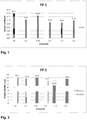
- Fig. 1 demonstrates the friction results from the first set of the coatings.
- the lowest friction coefficient of the water-based fluoropolymer FP-1 was obtained with nanodiamond grade ND-3 addition. It should be noted that the friction coefficients were only measured at room temperature conditions, and based on prior art it can be assumed that the measured friction coefficients should be reduced further as measured at elevated temperatures, alike 150°C.
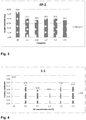
- the wear results of the first set are presented in Fig. 2 and Fig. 3 .
- the lowest wear was acquired with nanodiamond grade ND-2 (FP-1) and ND-5 (FP-2).
- the values were 14.2 mg and 18.3 mg, respectively.
- the substrate of the composite coating 1-3 was exposed already at 250 cycles. The coating was so severely damaged that the test could not be continued.
- the samples of the second set were based on the results of the first set.
- the composites were chosen on the basis of both tribology and visual appearance. For example, the composites comprising nanodiamond grade ND-5 were rejected from further studies because of their visual appearance, although their wear resistance was fairly good. The nanodiamonds agglomerate and stay on top of the slurry. They could not be dispersed to the polymer.
- the friction of the composites is presented by comparing the friction coefficients.
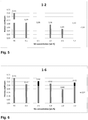
- the friction coefficients of the FP-1 composites are presented in Fig. 4 to 6 .
- the lowest friction coefficient of the FP-1 composites was obtained with the composite 1-2 ( Fig. 5 ).
- the friction coefficient was reduced down to 0.05 as the nanodiamond concentration in was 2.0 wt.%.
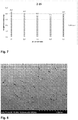
- the wear of the composites based on the FP-2 is presented in Fig. 7 .
- the best wear resistance of the FP-2 composites was obtained with the composite 2-1S.
- the nanodiamond concentration was 0.25 wt.%.
- the wear of the coating at 500 cycles was 17.6 mg.
- the structural analysis was based on the tribological results. On the basis of the results, the analysis was executed to some of the produced composite coatings. The analysis was done with SEM, in lower magnifications. For the composite 1-2 (2.0 wt.%) of the second set also pictures with greater magnification were taken.
- Fig. 8 presents the SEM pictures of the first set.
- the composite 1-2 was pictured in 50x magnification.
- Fig. 9 there is FP-1 reference sample for comparison to the composite.
- the magnification is 50x.
- the picture presented in Fig. 10 present the composite 1-2 (2.0 wt.%) in magnifications 50x.
- Figs. 11 and 12 are presented additional wear tests. The tests were performed as presented above.
- Fig. 11 wear of the coating composites based on the FP-2 with several nanodiamond particle (ND-1S') concentrations is presented.
- the nanodiamond particle 1S' has the same features as nanodiamond particle 1S with the difference that the zeta potential of 1S' is -55 mV.
- the higher negative zeta potential of 1S' is originating from the higher degree of carboxylic acid termination on nanodiamond surface as compared to nanodiamond particle 1S.
- the best wear resistance within the studied nanodiamond concentration range was obtained with nanodiamond concentration 0.25 wt.%.
- the wear of the coating at 500 cycles was 16.9 mg. That is, 34% reduction in wear compared to the reference.
- Fig. 12 wear of the coating composites based on the FP-2 with several nanodiamond particle (ND-5') concentrations are presented.
- Surface of the nanodiamond particle 5' is predominantly hydrogen terminated, giving it a higher positive zeta potential than that of nanodiamond particles 5 applied in earlier examples.
- the applied hydrogen terminated nanodiamond particle 5' has zeta potential +55 mV.
- the best wear resistance was obtained with nanodiamond concentration 0.25 wt.%.
- the wear of the coating at 500 cycles was 22.6 mg. That is, 11.7% reduction in wear compared to the reference.
- the mixing tests were executed in order to discover the ability of ND grades to mix to fluoropolymers.
- the theory was that as the fluoropolymers have high negative zeta potential, the higher negative zeta potential the nanodiamonds have, the better the mixing (ND-1 and -2) into alkaline environment there might be. This assumption was confirmed. Further, it was concluded that it was possible to mix effectively ND-3/6 materials containing graphite and amorphous carbon to the fluoropolymer even though they feature positive zeta potential.
- the improvement to the tribological properties resulting from the use of nanodiamond materials was found to depend on the nanodiamond properties, being the dispersion rate (agglomerate size) and used nanodiamond materials zeta potential in alkaline conditions, confirmed by the remarkably improved tribological properties as using ND-2 and ND-1S as nanodiamond additives. Both have highly negative zeta potential and the agglomerate size is small. ND-1S is even nearly single-digit. The excellent performance of the ND-6 is most probably resulting through the detonation soot included in the powder.
- the graphite as a plate-like structure is placing easily between the planar fluoropolymer molecules, thus improving the transfer layer formation and binding.
- the second set showed that the best results were obtained with 1-2 wt.% nanodiamond content with compatible nanodiamond suspensions and 0.25 wt.% with compatible nanodiamond dispersions.
- the key factors that affect the tribological properties of the composite are the dispersion rate of nanodiamonds in the coatings, the concentration of nanodiamonds and the initial properties of the starting materials, being the zeta potential, the agglomerate particle size and the used fluoropolymer media pH.
- the coating dispersion rate is greatly directed by the nanodiamond primary particle surface chemistry, which is easily measurable through the material distinctive zeta potential property. It was found that as dispersing nanodiamond materials into alkaline fluoropolymer suspensions, the best agglomeration control and thus best fluoropolymer mechanical properties are receivable with nanodiamonds possessing as high as possible negative zeta potential value. Also the planarity of the graphite-like particles of ND-3 and -6 improve the dispersion and thus the tribological properties.
- the tribological results of the first set of the coatings showed that both the wear and friction properties were improved.
- the results of the first and second set of the coatings are set forth in Tables 7 and 8.
- the concentrations that were compared were 0.1 and 1.0 wt.%, for dispersion and suspension grades of ND, respectively.
- Table 8 compares the wear data obtained in said two sets.
- the wear properties of the FP-1 composites were improved.
- the wear properties of the FP-2 composites showed generally to be remarkably reproducible in the second set.
- Table 8 Set 1 2 1R 16.20 12.00 1-1 15.43 15.27 1-2 14.17 13.63 1-6 (3) 11.17 9.20 2R 27.43 21.65 2-1S 18.57 18.67 2-2 20.10 18.90 2-6 (3) 20.07 17.17
- the FP-1 and FP-2 references in the second set improved significantly as compared to the first set and was based on a slightly longer curing period in otherwise the same curing temperature.
- the nanodiamond addition is expected to give certain improvement in fluoropolymer coating mechanical properties, as compared to a reference sample deposited and cured at the same time, and thus through otherwise similar manufacturing conditions.
- nanodiamond addition improves tribological properties of the fluoropolymer: both wear and friction, and that the best results were obtained with composites 1-2 and 2-6 with an addition of 1.0-2.0 wt.% of nanodiamonds.
Landscapes
- Chemical & Material Sciences (AREA)
- Organic Chemistry (AREA)
- Engineering & Computer Science (AREA)
- Health & Medical Sciences (AREA)
- Chemical Kinetics & Catalysis (AREA)
- Medicinal Chemistry (AREA)
- Polymers & Plastics (AREA)
- Materials Engineering (AREA)
- Life Sciences & Earth Sciences (AREA)
- Wood Science & Technology (AREA)
- Nanotechnology (AREA)
- Composite Materials (AREA)
- Condensed Matter Physics & Semiconductors (AREA)
- General Physics & Mathematics (AREA)
- Crystallography & Structural Chemistry (AREA)
- Physics & Mathematics (AREA)
- Inorganic Chemistry (AREA)
- Paints Or Removers (AREA)
- Lubricants (AREA)
- Carbon And Carbon Compounds (AREA)
- Compositions Of Macromolecular Compounds (AREA)
Applications Claiming Priority (3)
| Application Number | Priority Date | Filing Date | Title |
|---|---|---|---|
| US201261706890P | 2012-09-28 | 2012-09-28 | |
| FI20126014A FI124442B (en) | 2012-09-28 | 2012-09-28 | Fluoropolymer coatings |
| PCT/FI2013/050943 WO2014049211A1 (en) | 2012-09-28 | 2013-09-27 | Fluoropolymer coatings |
Publications (2)
| Publication Number | Publication Date |
|---|---|
| EP2900777A1 EP2900777A1 (en) | 2015-08-05 |
| EP2900777B1 true EP2900777B1 (en) | 2021-03-03 |
Family
ID=50385803
Family Applications (1)
| Application Number | Title | Priority Date | Filing Date |
|---|---|---|---|
| EP13780177.5A Not-in-force EP2900777B1 (en) | 2012-09-28 | 2013-09-27 | Fluoropolymer coatings |
Country Status (7)
| Country | Link |
|---|---|
| US (1) | US9512302B2 (enExample) |
| EP (1) | EP2900777B1 (enExample) |
| JP (1) | JP6266626B2 (enExample) |
| KR (1) | KR102201213B1 (enExample) |
| CN (2) | CN110343430B (enExample) |
| FI (1) | FI124442B (enExample) |
| WO (1) | WO2014049211A1 (enExample) |
Families Citing this family (11)
| Publication number | Priority date | Publication date | Assignee | Title |
|---|---|---|---|---|
| KR101474466B1 (ko) * | 2012-09-24 | 2014-12-19 | 엘지전자 주식회사 | 내마모성 표면처리제, 그 제조방법 및 그를 이용한 압축기 |
| JP6455367B2 (ja) * | 2014-09-16 | 2019-01-23 | Agc株式会社 | 含フッ素樹脂組成物、成形品、電線および含フッ素樹脂組成物の製造方法 |
| KR102339162B1 (ko) * | 2015-07-01 | 2021-12-15 | 엘지전자 주식회사 | 압축기 |
| CN105255073B (zh) * | 2015-10-29 | 2018-01-19 | 中国航空工业集团公司北京航空材料研究院 | 一种含石墨烯的耐磨氟橡胶及其制备方法 |
| KR102605186B1 (ko) * | 2015-11-30 | 2023-11-24 | 솔베이 스페셜티 폴리머스 이태리 에스.피.에이. | 비닐리덴 플루오라이드와 트리플루오로에틸렌의 공중합체 및 플루오린화된 엘라스토머를 포함하는 플루오로중합체 조성물 |
| KR101804656B1 (ko) * | 2016-02-04 | 2017-12-04 | 고려대학교 산학협력단 | 수소 플라즈마 처리된 나노 다이아몬드 분말을 포함하는 내마모 저마찰 고분자 복합재 및 그 제조 방법 |
| FI127329B (en) * | 2016-03-01 | 2018-03-29 | Carbodeon Ltd Oy | Fluoropolymer sludge and fluoropolymer coating |
| CN106590218A (zh) * | 2016-12-14 | 2017-04-26 | 郑州人造金刚石及制品工程技术研究中心有限公司 | 一种含有纳米钻石烯的涂层材料及其制备方法 |
| JP7444355B2 (ja) | 2018-05-31 | 2024-03-06 | 住友電工ファインポリマー株式会社 | 成形体及び成形体の製造方法 |
| CN113388295A (zh) * | 2021-06-21 | 2021-09-14 | 德华兔宝宝装饰新材股份有限公司 | 一种高耐磨、自清洁木质地板,及其生产工艺 |
| CN114405796B (zh) * | 2021-12-24 | 2023-04-14 | 北京北方华创微电子装备有限公司 | 保护涂层形成方法、管状连接件以及半导体工艺设备 |
Family Cites Families (8)
| Publication number | Priority date | Publication date | Assignee | Title |
|---|---|---|---|---|
| JPH0767784A (ja) * | 1993-08-31 | 1995-03-14 | Toshiba Home Technol Corp | 調理器の調理プレート |
| JP2589459B2 (ja) * | 1994-12-27 | 1997-03-12 | 東芝タンガロイ株式会社 | 調理器具 |
| US8506919B2 (en) * | 2005-01-11 | 2013-08-13 | Hiroshi Ishizuka | Fine powder of single crystalline diamond particles and a method for the production thereof |
| KR101261931B1 (ko) | 2007-04-17 | 2013-05-08 | 현대자동차주식회사 | 나노 다이아몬드 입자를 이용한 수지 코팅 방법 |
| JP5238202B2 (ja) * | 2007-08-29 | 2013-07-17 | ビジョン開発株式会社 | 接点部材およびその製造方法 |
| JP5613889B2 (ja) * | 2008-04-14 | 2014-10-29 | 有限会社アプライドダイヤモンド | 水中油型乳化組成物 |
| KR101080725B1 (ko) * | 2009-03-13 | 2011-11-07 | 현대자동차주식회사 | Ptfe 코팅제, 이의 제조방법 및 사용방법 |
| US8911818B2 (en) * | 2010-01-20 | 2014-12-16 | Robert N. Castellano | Nanodiamond coatings for solar cells |
-
2012
- 2012-09-28 FI FI20126014A patent/FI124442B/en active IP Right Grant
-
2013
- 2013-09-27 CN CN201910614642.3A patent/CN110343430B/zh not_active Expired - Fee Related
- 2013-09-27 WO PCT/FI2013/050943 patent/WO2014049211A1/en not_active Ceased
- 2013-09-27 EP EP13780177.5A patent/EP2900777B1/en not_active Not-in-force
- 2013-09-27 JP JP2015533652A patent/JP6266626B2/ja not_active Expired - Fee Related
- 2013-09-27 KR KR1020157010762A patent/KR102201213B1/ko not_active Expired - Fee Related
- 2013-09-27 CN CN201380055359.2A patent/CN104736648A/zh active Pending
- 2013-09-30 US US14/041,513 patent/US9512302B2/en active Active
Non-Patent Citations (1)
| Title |
|---|
| None * |
Also Published As
| Publication number | Publication date |
|---|---|
| WO2014049211A1 (en) | 2014-04-03 |
| FI20126014L (fi) | 2014-03-29 |
| CN104736648A (zh) | 2015-06-24 |
| US9512302B2 (en) | 2016-12-06 |
| CN110343430B (zh) | 2022-04-29 |
| KR102201213B1 (ko) | 2021-01-12 |
| JP6266626B2 (ja) | 2018-01-24 |
| CN110343430A (zh) | 2019-10-18 |
| KR20150065760A (ko) | 2015-06-15 |
| EP2900777A1 (en) | 2015-08-05 |
| US20140094546A1 (en) | 2014-04-03 |
| JP2015532318A (ja) | 2015-11-09 |
| FI124442B (en) | 2014-08-29 |
Similar Documents
| Publication | Publication Date | Title |
|---|---|---|
| US9512302B2 (en) | Fluoropolymer coatings | |
| Bai et al. | Mussel-inspired facile fabrication of dense hexagonal boron nitride nanosheet-based coatings for anticorrosion and antifriction applications | |
| Zhao et al. | The efficient exfoliation and dispersion of hBN nanoplatelets: advanced application to waterborne anticorrosion coatings | |
| Zhang et al. | The roles of nano-SiO2 particles on the tribological behavior of short carbon fiber reinforced PEEK | |
| Yang et al. | A novel water-based lubricating additive of GO@ PTFE: Superior tribological performances from the synergistic effect | |
| Qin et al. | Facile preparation of polyimide/graphene nanocomposites via an in situ polymerization approach | |
| Hsin et al. | In situ de-agglomeration and surface functionalization of detonation nanodiamond, with the polymer used as an additive in lubricant oil | |
| Wang et al. | Waterborne epoxy nanocoatings modified by nanoemulsions and nanoparticles | |
| CN114302860A (zh) | 分散体 | |
| Peng et al. | Preparation of the fluorinated graphene/epoxy resin anti-corrosion composite coating | |
| Nadiv et al. | Optimal nanomaterial concentration: harnessing percolation theory to enhance polymer nanocomposite performance | |
| Uzoma et al. | Investigation of the wettability, anticorrosion, and accelerated weathering behaviors of siloxane-modified acrylic resin and functionalized graphene nanocomposite coatings on LY12 aluminum alloy: PC Uzoma et al. | |
| Jiang et al. | A comparative study on nano La2O3 suspension treated by ultrasonic and ball milling | |
| Rapoport et al. | Friction and wear of fullerene-like WS2 under severe contact conditions: friction of ceramic materials | |
| Xue et al. | PTFE-based antistatic coatings by incorporating modified carbon black | |
| Yang et al. | Rheological behavior of carbon nanotube and graphite nanoparticle dispersions | |
| Liu et al. | Excellent overall performance of graphene/epoxy coatings prepared by covalent-noncovalent bridging modification of quinacridone | |
| Wang et al. | In-situ exfoliation and functionalization strategy for achieving BNNSs/waterborne epoxy composite coatings with excellent corrosion-and wear-resistance | |
| WO2015050257A1 (ja) | 無機顔料粒子及びその製造方法 | |
| Kinoshita et al. | Investigations on tribological mechanisms of Graphene oxide and oxidized wood-derived Nanocarbons as water-based lubricating additives | |
| CN119799158A (zh) | 一种动态共价键交联的I-PDMS/DEA@α-ZrP-SH自修复抗摩擦超疏水防腐涂料及其制备方法和涂层 | |
| Zhang et al. | Surface modification of CuS nanoparticles and their effect on the tribological properties of hybrid PTFE/kevlar fabric/phenolic composite | |
| Panin et al. | Mechanical and Tribological Characteristics of Nano-and Microcomposites with UHMWPE–PTFE polymer–polymer matrix | |
| KR100946403B1 (ko) | Ptfe 코팅용액의 제조방법 | |
| Wen et al. | Molecular dynamics mechanism of incorporating ZnO with varying particle sizes into ECTFE coatings and its impact on corrosion resistance |
Legal Events
| Date | Code | Title | Description |
|---|---|---|---|
| PUAI | Public reference made under article 153(3) epc to a published international application that has entered the european phase |
Free format text: ORIGINAL CODE: 0009012 |
|
| 17P | Request for examination filed |
Effective date: 20150427 |
|
| AK | Designated contracting states |
Kind code of ref document: A1 Designated state(s): AL AT BE BG CH CY CZ DE DK EE ES FI FR GB GR HR HU IE IS IT LI LT LU LV MC MK MT NL NO PL PT RO RS SE SI SK SM TR |
|
| AX | Request for extension of the european patent |
Extension state: BA ME |
|
| DAX | Request for extension of the european patent (deleted) | ||
| STAA | Information on the status of an ep patent application or granted ep patent |
Free format text: STATUS: EXAMINATION IS IN PROGRESS |
|
| 17Q | First examination report despatched |
Effective date: 20180508 |
|
| GRAP | Despatch of communication of intention to grant a patent |
Free format text: ORIGINAL CODE: EPIDOSNIGR1 |
|
| STAA | Information on the status of an ep patent application or granted ep patent |
Free format text: STATUS: GRANT OF PATENT IS INTENDED |
|
| INTG | Intention to grant announced |
Effective date: 20200925 |
|
| GRAS | Grant fee paid |
Free format text: ORIGINAL CODE: EPIDOSNIGR3 |
|
| GRAA | (expected) grant |
Free format text: ORIGINAL CODE: 0009210 |
|
| STAA | Information on the status of an ep patent application or granted ep patent |
Free format text: STATUS: THE PATENT HAS BEEN GRANTED |
|
| AK | Designated contracting states |
Kind code of ref document: B1 Designated state(s): AL AT BE BG CH CY CZ DE DK EE ES FI FR GB GR HR HU IE IS IT LI LT LU LV MC MK MT NL NO PL PT RO RS SE SI SK SM TR |
|
| RAP1 | Party data changed (applicant data changed or rights of an application transferred) |
Owner name: CARBODEON LTD OY |
|
| REG | Reference to a national code |
Ref country code: GB Ref legal event code: FG4D |
|
| RIN1 | Information on inventor provided before grant (corrected) |
Inventor name: RINTALA, PERTTU Inventor name: MYLLYMAEKI, VESA |
|
| REG | Reference to a national code |
Ref country code: AT Ref legal event code: REF Ref document number: 1367186 Country of ref document: AT Kind code of ref document: T Effective date: 20210315 Ref country code: CH Ref legal event code: EP |
|
| REG | Reference to a national code |
Ref country code: DE Ref legal event code: R096 Ref document number: 602013076032 Country of ref document: DE |
|
| REG | Reference to a national code |
Ref country code: IE Ref legal event code: FG4D |
|
| REG | Reference to a national code |
Ref country code: LT Ref legal event code: MG9D |
|
| PG25 | Lapsed in a contracting state [announced via postgrant information from national office to epo] |
Ref country code: NO Free format text: LAPSE BECAUSE OF FAILURE TO SUBMIT A TRANSLATION OF THE DESCRIPTION OR TO PAY THE FEE WITHIN THE PRESCRIBED TIME-LIMIT Effective date: 20210603 Ref country code: BG Free format text: LAPSE BECAUSE OF FAILURE TO SUBMIT A TRANSLATION OF THE DESCRIPTION OR TO PAY THE FEE WITHIN THE PRESCRIBED TIME-LIMIT Effective date: 20210603 Ref country code: LT Free format text: LAPSE BECAUSE OF FAILURE TO SUBMIT A TRANSLATION OF THE DESCRIPTION OR TO PAY THE FEE WITHIN THE PRESCRIBED TIME-LIMIT Effective date: 20210303 Ref country code: HR Free format text: LAPSE BECAUSE OF FAILURE TO SUBMIT A TRANSLATION OF THE DESCRIPTION OR TO PAY THE FEE WITHIN THE PRESCRIBED TIME-LIMIT Effective date: 20210303 Ref country code: GR Free format text: LAPSE BECAUSE OF FAILURE TO SUBMIT A TRANSLATION OF THE DESCRIPTION OR TO PAY THE FEE WITHIN THE PRESCRIBED TIME-LIMIT Effective date: 20210604 Ref country code: FI Free format text: LAPSE BECAUSE OF FAILURE TO SUBMIT A TRANSLATION OF THE DESCRIPTION OR TO PAY THE FEE WITHIN THE PRESCRIBED TIME-LIMIT Effective date: 20210303 |
|
| REG | Reference to a national code |
Ref country code: NL Ref legal event code: MP Effective date: 20210303 |
|
| REG | Reference to a national code |
Ref country code: AT Ref legal event code: MK05 Ref document number: 1367186 Country of ref document: AT Kind code of ref document: T Effective date: 20210303 |
|
| PG25 | Lapsed in a contracting state [announced via postgrant information from national office to epo] |
Ref country code: SE Free format text: LAPSE BECAUSE OF FAILURE TO SUBMIT A TRANSLATION OF THE DESCRIPTION OR TO PAY THE FEE WITHIN THE PRESCRIBED TIME-LIMIT Effective date: 20210303 Ref country code: LV Free format text: LAPSE BECAUSE OF FAILURE TO SUBMIT A TRANSLATION OF THE DESCRIPTION OR TO PAY THE FEE WITHIN THE PRESCRIBED TIME-LIMIT Effective date: 20210303 Ref country code: PL Free format text: LAPSE BECAUSE OF FAILURE TO SUBMIT A TRANSLATION OF THE DESCRIPTION OR TO PAY THE FEE WITHIN THE PRESCRIBED TIME-LIMIT Effective date: 20210303 Ref country code: RS Free format text: LAPSE BECAUSE OF FAILURE TO SUBMIT A TRANSLATION OF THE DESCRIPTION OR TO PAY THE FEE WITHIN THE PRESCRIBED TIME-LIMIT Effective date: 20210303 |
|
| PG25 | Lapsed in a contracting state [announced via postgrant information from national office to epo] |
Ref country code: NL Free format text: LAPSE BECAUSE OF FAILURE TO SUBMIT A TRANSLATION OF THE DESCRIPTION OR TO PAY THE FEE WITHIN THE PRESCRIBED TIME-LIMIT Effective date: 20210303 |
|
| PG25 | Lapsed in a contracting state [announced via postgrant information from national office to epo] |
Ref country code: SM Free format text: LAPSE BECAUSE OF FAILURE TO SUBMIT A TRANSLATION OF THE DESCRIPTION OR TO PAY THE FEE WITHIN THE PRESCRIBED TIME-LIMIT Effective date: 20210303 Ref country code: EE Free format text: LAPSE BECAUSE OF FAILURE TO SUBMIT A TRANSLATION OF THE DESCRIPTION OR TO PAY THE FEE WITHIN THE PRESCRIBED TIME-LIMIT Effective date: 20210303 Ref country code: CZ Free format text: LAPSE BECAUSE OF FAILURE TO SUBMIT A TRANSLATION OF THE DESCRIPTION OR TO PAY THE FEE WITHIN THE PRESCRIBED TIME-LIMIT Effective date: 20210303 Ref country code: AT Free format text: LAPSE BECAUSE OF FAILURE TO SUBMIT A TRANSLATION OF THE DESCRIPTION OR TO PAY THE FEE WITHIN THE PRESCRIBED TIME-LIMIT Effective date: 20210303 |
|
| PG25 | Lapsed in a contracting state [announced via postgrant information from national office to epo] |
Ref country code: PT Free format text: LAPSE BECAUSE OF FAILURE TO SUBMIT A TRANSLATION OF THE DESCRIPTION OR TO PAY THE FEE WITHIN THE PRESCRIBED TIME-LIMIT Effective date: 20210705 Ref country code: ES Free format text: LAPSE BECAUSE OF FAILURE TO SUBMIT A TRANSLATION OF THE DESCRIPTION OR TO PAY THE FEE WITHIN THE PRESCRIBED TIME-LIMIT Effective date: 20210303 Ref country code: RO Free format text: LAPSE BECAUSE OF FAILURE TO SUBMIT A TRANSLATION OF THE DESCRIPTION OR TO PAY THE FEE WITHIN THE PRESCRIBED TIME-LIMIT Effective date: 20210303 Ref country code: SK Free format text: LAPSE BECAUSE OF FAILURE TO SUBMIT A TRANSLATION OF THE DESCRIPTION OR TO PAY THE FEE WITHIN THE PRESCRIBED TIME-LIMIT Effective date: 20210303 Ref country code: IS Free format text: LAPSE BECAUSE OF FAILURE TO SUBMIT A TRANSLATION OF THE DESCRIPTION OR TO PAY THE FEE WITHIN THE PRESCRIBED TIME-LIMIT Effective date: 20210703 |
|
| REG | Reference to a national code |
Ref country code: DE Ref legal event code: R097 Ref document number: 602013076032 Country of ref document: DE |
|
| PLBE | No opposition filed within time limit |
Free format text: ORIGINAL CODE: 0009261 |
|
| STAA | Information on the status of an ep patent application or granted ep patent |
Free format text: STATUS: NO OPPOSITION FILED WITHIN TIME LIMIT |
|
| PG25 | Lapsed in a contracting state [announced via postgrant information from national office to epo] |
Ref country code: DK Free format text: LAPSE BECAUSE OF FAILURE TO SUBMIT A TRANSLATION OF THE DESCRIPTION OR TO PAY THE FEE WITHIN THE PRESCRIBED TIME-LIMIT Effective date: 20210303 Ref country code: AL Free format text: LAPSE BECAUSE OF FAILURE TO SUBMIT A TRANSLATION OF THE DESCRIPTION OR TO PAY THE FEE WITHIN THE PRESCRIBED TIME-LIMIT Effective date: 20210303 |
|
| 26N | No opposition filed |
Effective date: 20211206 |
|
| PG25 | Lapsed in a contracting state [announced via postgrant information from national office to epo] |
Ref country code: SI Free format text: LAPSE BECAUSE OF FAILURE TO SUBMIT A TRANSLATION OF THE DESCRIPTION OR TO PAY THE FEE WITHIN THE PRESCRIBED TIME-LIMIT Effective date: 20210303 |
|
| REG | Reference to a national code |
Ref country code: DE Ref legal event code: R119 Ref document number: 602013076032 Country of ref document: DE |
|
| PG25 | Lapsed in a contracting state [announced via postgrant information from national office to epo] |
Ref country code: IT Free format text: LAPSE BECAUSE OF FAILURE TO SUBMIT A TRANSLATION OF THE DESCRIPTION OR TO PAY THE FEE WITHIN THE PRESCRIBED TIME-LIMIT Effective date: 20210303 |
|
| REG | Reference to a national code |
Ref country code: CH Ref legal event code: PL |
|
| REG | Reference to a national code |
Ref country code: BE Ref legal event code: MM Effective date: 20210930 |
|
| GBPC | Gb: european patent ceased through non-payment of renewal fee |
Effective date: 20210927 |
|
| PG25 | Lapsed in a contracting state [announced via postgrant information from national office to epo] |
Ref country code: IS Free format text: LAPSE BECAUSE OF FAILURE TO SUBMIT A TRANSLATION OF THE DESCRIPTION OR TO PAY THE FEE WITHIN THE PRESCRIBED TIME-LIMIT Effective date: 20210703 Ref country code: MC Free format text: LAPSE BECAUSE OF FAILURE TO SUBMIT A TRANSLATION OF THE DESCRIPTION OR TO PAY THE FEE WITHIN THE PRESCRIBED TIME-LIMIT Effective date: 20210303 |
|
| PG25 | Lapsed in a contracting state [announced via postgrant information from national office to epo] |
Ref country code: LU Free format text: LAPSE BECAUSE OF NON-PAYMENT OF DUE FEES Effective date: 20210927 Ref country code: IE Free format text: LAPSE BECAUSE OF NON-PAYMENT OF DUE FEES Effective date: 20210927 Ref country code: GB Free format text: LAPSE BECAUSE OF NON-PAYMENT OF DUE FEES Effective date: 20210927 Ref country code: FR Free format text: LAPSE BECAUSE OF NON-PAYMENT OF DUE FEES Effective date: 20210930 Ref country code: DE Free format text: LAPSE BECAUSE OF NON-PAYMENT OF DUE FEES Effective date: 20220401 Ref country code: BE Free format text: LAPSE BECAUSE OF NON-PAYMENT OF DUE FEES Effective date: 20210930 |
|
| PG25 | Lapsed in a contracting state [announced via postgrant information from national office to epo] |
Ref country code: LI Free format text: LAPSE BECAUSE OF NON-PAYMENT OF DUE FEES Effective date: 20210930 Ref country code: CH Free format text: LAPSE BECAUSE OF NON-PAYMENT OF DUE FEES Effective date: 20210930 |
|
| PG25 | Lapsed in a contracting state [announced via postgrant information from national office to epo] |
Ref country code: HU Free format text: LAPSE BECAUSE OF FAILURE TO SUBMIT A TRANSLATION OF THE DESCRIPTION OR TO PAY THE FEE WITHIN THE PRESCRIBED TIME-LIMIT; INVALID AB INITIO Effective date: 20130927 |
|
| PG25 | Lapsed in a contracting state [announced via postgrant information from national office to epo] |
Ref country code: CY Free format text: LAPSE BECAUSE OF FAILURE TO SUBMIT A TRANSLATION OF THE DESCRIPTION OR TO PAY THE FEE WITHIN THE PRESCRIBED TIME-LIMIT Effective date: 20210303 |
|
| PG25 | Lapsed in a contracting state [announced via postgrant information from national office to epo] |
Ref country code: MK Free format text: LAPSE BECAUSE OF FAILURE TO SUBMIT A TRANSLATION OF THE DESCRIPTION OR TO PAY THE FEE WITHIN THE PRESCRIBED TIME-LIMIT Effective date: 20210303 |
|
| PG25 | Lapsed in a contracting state [announced via postgrant information from national office to epo] |
Ref country code: TR Free format text: LAPSE BECAUSE OF FAILURE TO SUBMIT A TRANSLATION OF THE DESCRIPTION OR TO PAY THE FEE WITHIN THE PRESCRIBED TIME-LIMIT Effective date: 20210303 |
|
| PG25 | Lapsed in a contracting state [announced via postgrant information from national office to epo] |
Ref country code: MT Free format text: LAPSE BECAUSE OF FAILURE TO SUBMIT A TRANSLATION OF THE DESCRIPTION OR TO PAY THE FEE WITHIN THE PRESCRIBED TIME-LIMIT Effective date: 20210303 |