EP2861070B1 - N-substituierte (6-haloalkylpyridin-3-yl)alkyl-sulfoximine als saatgutbehandlung zur bekämpfung von insekten der gattung coleoptera - Google Patents
N-substituierte (6-haloalkylpyridin-3-yl)alkyl-sulfoximine als saatgutbehandlung zur bekämpfung von insekten der gattung coleoptera Download PDFInfo
- Publication number
- EP2861070B1 EP2861070B1 EP13778972.3A EP13778972A EP2861070B1 EP 2861070 B1 EP2861070 B1 EP 2861070B1 EP 13778972 A EP13778972 A EP 13778972A EP 2861070 B1 EP2861070 B1 EP 2861070B1
- Authority
- EP
- European Patent Office
- Prior art keywords
- seed
- insecticide
- substituted
- haloalkylpyridin
- flea beetle
- Prior art date
- Legal status (The legal status is an assumption and is not a legal conclusion. Google has not performed a legal analysis and makes no representation as to the accuracy of the status listed.)
- Active
Links
Images

Classifications
-
- A—HUMAN NECESSITIES
- A01—AGRICULTURE; FORESTRY; ANIMAL HUSBANDRY; HUNTING; TRAPPING; FISHING
- A01N—PRESERVATION OF BODIES OF HUMANS OR ANIMALS OR PLANTS OR PARTS THEREOF; BIOCIDES, e.g. AS DISINFECTANTS, AS PESTICIDES OR AS HERBICIDES; PEST REPELLANTS OR ATTRACTANTS; PLANT GROWTH REGULATORS
- A01N43/00—Biocides, pest repellants or attractants, or plant growth regulators containing heterocyclic compounds
- A01N43/34—Biocides, pest repellants or attractants, or plant growth regulators containing heterocyclic compounds having rings with one nitrogen atom as the only ring hetero atom
- A01N43/40—Biocides, pest repellants or attractants, or plant growth regulators containing heterocyclic compounds having rings with one nitrogen atom as the only ring hetero atom six-membered rings
-
- A—HUMAN NECESSITIES
- A01—AGRICULTURE; FORESTRY; ANIMAL HUSBANDRY; HUNTING; TRAPPING; FISHING
- A01N—PRESERVATION OF BODIES OF HUMANS OR ANIMALS OR PLANTS OR PARTS THEREOF; BIOCIDES, e.g. AS DISINFECTANTS, AS PESTICIDES OR AS HERBICIDES; PEST REPELLANTS OR ATTRACTANTS; PLANT GROWTH REGULATORS
- A01N47/00—Biocides, pest repellants or attractants, or plant growth regulators containing organic compounds containing a carbon atom not being member of a ring and having no bond to a carbon or hydrogen atom, e.g. derivatives of carbonic acid
- A01N47/40—Biocides, pest repellants or attractants, or plant growth regulators containing organic compounds containing a carbon atom not being member of a ring and having no bond to a carbon or hydrogen atom, e.g. derivatives of carbonic acid the carbon atom having a double or triple bond to nitrogen, e.g. cyanates, cyanamides
-
- A—HUMAN NECESSITIES
- A01—AGRICULTURE; FORESTRY; ANIMAL HUSBANDRY; HUNTING; TRAPPING; FISHING
- A01C—PLANTING; SOWING; FERTILISING
- A01C1/00—Apparatus, or methods of use thereof, for testing or treating seed, roots, or the like, prior to sowing or planting
- A01C1/06—Coating or dressing seed
-
- A—HUMAN NECESSITIES
- A01—AGRICULTURE; FORESTRY; ANIMAL HUSBANDRY; HUNTING; TRAPPING; FISHING
- A01N—PRESERVATION OF BODIES OF HUMANS OR ANIMALS OR PLANTS OR PARTS THEREOF; BIOCIDES, e.g. AS DISINFECTANTS, AS PESTICIDES OR AS HERBICIDES; PEST REPELLANTS OR ATTRACTANTS; PLANT GROWTH REGULATORS
- A01N47/00—Biocides, pest repellants or attractants, or plant growth regulators containing organic compounds containing a carbon atom not being member of a ring and having no bond to a carbon or hydrogen atom, e.g. derivatives of carbonic acid
- A01N47/08—Biocides, pest repellants or attractants, or plant growth regulators containing organic compounds containing a carbon atom not being member of a ring and having no bond to a carbon or hydrogen atom, e.g. derivatives of carbonic acid the carbon atom having one or more single bonds to nitrogen atoms
- A01N47/10—Carbamic acid derivatives, i.e. containing the group —O—CO—N<; Thio analogues thereof
- A01N47/24—Carbamic acid derivatives, i.e. containing the group —O—CO—N<; Thio analogues thereof containing the groups, or; Thio analogues thereof
-
- A—HUMAN NECESSITIES
- A01—AGRICULTURE; FORESTRY; ANIMAL HUSBANDRY; HUNTING; TRAPPING; FISHING
- A01N—PRESERVATION OF BODIES OF HUMANS OR ANIMALS OR PLANTS OR PARTS THEREOF; BIOCIDES, e.g. AS DISINFECTANTS, AS PESTICIDES OR AS HERBICIDES; PEST REPELLANTS OR ATTRACTANTS; PLANT GROWTH REGULATORS
- A01N51/00—Biocides, pest repellants or attractants, or plant growth regulators containing organic compounds having the sequences of atoms O—N—S, X—O—S, N—N—S, O—N—N or O-halogen, regardless of the number of bonds each atom has and with no atom of these sequences forming part of a heterocyclic ring
Definitions
- Embodiments of the present disclosure relate to methods of using N -substituted(6-haloalkylpyridin-3-yl)alkyl sulfoximines as a seed treatment to control flea beetles.
- Flea beetles are a persistent and severe pest that feed a number of commercial crops, including canola ( Brassicus napus ) . Flea beetle control is required to mitigate costly commercial crop losses that not only have a significant economic impact but that may also deprive people of needed food.
- canola Brassicus napus
- Flea beetle control is required to mitigate costly commercial crop losses that not only have a significant economic impact but that may also deprive people of needed food.
- Currently over 90% of the Canadian canola market is treated with a seed treatment to control flea beetles.
- Such seed treatment is predominantly performed by the application of neonicotinoid insecticides, such as 3-[(2-Chloro-1,3-thiazol-5-yl)methyl]-5-methyl-N-nitro-1,3,5-oxadiazinan-4-imine, generally referred as "thiamethoxam.”
- neonicotinoid insecticides such as 3-[(2-Chloro-1,3-thiazol-5-yl)methyl]-5-methyl-N-nitro-1,3,5-oxadiazinan-4-imine, generally referred as "thiamethoxam.”
- insects can rapidly develop resistances to insecticides, including insecticides currently utilized in seed treatments to control flea beetles.
- insecticides currently utilized in seed treatments to control flea beetles.
- Hundreds of insect species are resistant to one or more insecticides.
- the development of resistance to some older insecticides e.g., DDT, carbamates, organophosphates
- resistance has also developed to some newer pesticides.
- insecticide rotation partners and/or alternative insecticides are needed. It would, therefore, be desirable to able to use other insecticides as seed treatments to control insects, such as flea beetles. It would be further desirable if the use of such insecticides as seed treatments facilitated relatively increased insecticidal efficacy as compared to the insecticides conventionally used in seed treatments to control flea beetles.
- a method of controlling insects comprises contacting at least one seed with an insecticide consisting of N-substituted(6-haloalkylpyridin-3-yl)alkyl sulfoximine to control insects in Order Coleopteran, the N-substituted(6-haloalkylpyridin-3-yl)alkyl sulfoximine having the following chemical structure: where X comprises nitrogen dioxide (NO 2 ), cyanide (CN), or COOR 4 ; L comprises a single bond or R 1 , S, and L taken together comprise a 4-, 5-, or 6-membered ring; R 1 comprises a (C 1 -C 4 ) alkyl; R 2 and R 3 independently comprise hydrogen (H), methyl, ethyl, fluoro, chloro, or bromo; N comprises an integer from 0 to 3; Y comprises a (C 1 -C 4 ) haloalkyl; and R 4 comprises a (C 1
- a method of controlling insects comprises applying sulfoxaflor to at least one seed to control at least one flea beetle species.
- a method of seed treatment comprises contacting at least one seed with an insecticidally effective amount of sulfoxaflor to protect at least one seed and other plant parts developing from damage effectuated by Coleopteran insects which are flea beetles.
- At least one seed means one seed or a plurality of seeds; for ease of discussion throughout this application, the use of the term “seed(s)" will refer to at least one seed.
- the phrase "at least one N-substituted(6-haloalkylpyridin-3-yl)alkyl sulfoximine” means one or more N-substituted(6-haloalkylpyridin-3-yl)alkyl sulfoximines; for ease of discussion throughout this application, the use of the term "N-substituted(6-haloalkylpyridin-3-yl)alkyl sulfoximine(s)" will refer to at least one N-substituted(6-haloalkylpyridin-3-yl)alkyl sulfoximine.
- seed treatment means and includes contacting seed(s) with an insecticidally effective amount of the N-substituted(6-haloalkylpyridin-3-yl)alkyl sulfoximine(s).
- insecticidally effective amount means and includes an amount of active material that causes an adverse effect to an insect and includes deviations from natural development, killing, regulation, and the like.
- N-substituted(6-haloalkylpyridin-3-yl)alkyl sulfoximine(s) as a seed treatment may substantially protect the seed(s) from one or more insect species in the Order Coleoptera (e.g., from feeding damage imposed by the one or more insect species), and may also protect other plant parts (e.g., roots, seedling foliage) developing from the seed(s).
- the N-substituted(6-haloalkylpyridin-3-yl)alkyl sulfoximine(s) may be translocated during the development of the plant from the seed(s) (e.g., the N-substituted(6-haloalkylpyridin-3-yl)alkyl sulfoximine(s) may spread from the seed(s) to at least one of the roots and/or the foliage of a developing seedling).
- the N-substituted(6-haloalkylpyridin-3-yl)alkyl sulfoximine(s) has the following chemical structure: where X represents nitrogen dioxide (NO 2 ), cyanide (CN), or COOR 4 ; L represents a single bond, or R 1 , S, and L taken together represent a 4-, 5-, or 6-membered ring; R 1 represents a (C 1 -C 4 ) alkyl; R 2 and R 3 independently represent hydrogen (H), methyl, ethyl, fluoro, chloro, or bromo; N is an integer from 0 to 3; Y represents a (C 1 -C 4 ) haloalkyl; and R 4 represents a (C 1 -C 4 ) alkyl.
- N-substituted(6-haloalkylpyridin-3-yl)alkyl sulfoximines are described in U.S. Patent Number 7,687,634 .
- the N-substituted(6-haloalkylpyridin-3-yl)alkyl sulfoximine(s) may be N-[6-difluoromethylpyrid-3-yl]ethyl](methyl)oxido- ⁇ 4-sulphanylidenecyanamide, generally referred to as "sulfoxaflor,” which has the following chemical structure:
- the method of the present disclosure facilitates insecticidal activity against flea beetles in at least one of the following genera: Altica, Anthobiodes, Aphthona, Aphthonaltica, Aphthonoides, Apteopeda, Argopistes, Argopus, Arrhenocoela, Batophila, Blepharida, Chaetocnema, Clitea, Crepidodera, Derocrepis, Dibolia, Disonycha, Epitrix, Hermipyxis, Hermaeophaga, Hespera, Hippuriphila, Horaia, Hyphasis, Lipromima, Liprus, Longitarsus, Luperomorpha, Lythraria, Manobia, Mantura, Meishania, Minota, Mniophila, Neicrepidodera, Nonarthra, Novofoudrasia, Ochrosis, Oedionychis, Oglobinia, Omeisphaera, Ophrid
- the method of the present disclosure may be used to control at least one of Phyllotreta armoraciae (horseradish flea beetle), Phyllotreta cruciferae (canola flea beetle), Phyllotreta pusilla (western black flea beetle), Phyllotreta nemorum (striped turnip flea beetle), Phyllotreta robusta (garden flea beetle), Phyllotreta striolata (striped flea bettle), Phyllotreta undulata, Psylliodes chrysocephala, and Psylliodes zonata (hop flea beetle).
- the method of the present disclosure may be used to control at least one of Altica ambiens (alder flea beetle), Altica canadensis (prairie flea beetle), Altica chalybaea (grape flea beetle), Altica prasina (poplar flea beetle), Altica rosae (rose flea beetle), Altica Sylvia (blueberry flea beetle), Altica ulmi (elm flea beetle), Chaetocnema pulicaria (corn flea beele), Chaetocnema conofinis (sweet potato flea beetle), Epitrix cucumeris (potato flea beetle), Systena blanda (palestripped flea beetle), and Systena frontalis (redheaded flea beetle).
- Altica ambiens alder flea beetle
- Altica canadensis prairie flea bee
- the seed(s) may be any type of seed.
- the seed(s) may, for example, be a seed produced by a higher plant, such as a dicotyledonous plant or a monocotyledonous plant.
- the seed(s) may be produced by a consumable plant, such as a commercial crop plant.
- the seed(s) may be produced from a plant in the family Brassicaceae (mustard family), such as a plant in the genus Brassica including, for example, one of the following: B. napus (rapeseed, including cultivars such as, canola, and rutabaga), B. juncea (Indian mustard), B.
- carinata Abyssinian mustard
- B. rapa turnip
- B. oleracea wild cabbage, including cultivars such as, kale, cabbage, broccoli, cauliflower, brussels sprouts, etc.
- B. rupestris brown mustard
- B. septiceps sintop mustard
- B. nigra black mustard
- B. narinosa Broadbeaked mustard
- B. perviridus mustard spinach
- B. tournamentii asian mustard
- B. fructiculosa Mediterranean cabbage
- the seed(s) may be produced from a different plant including, but not limited to, one of the following: Glycine max (soybean), Linum usitatissimum (linseed/flax), Zea mays (maize), Carthamus tinctorius (safflower), Helianthus annuus (sunflower), Nicotiana tabacum (tobacco), Arabidopsis thaliana, Betholettia excelsa (Brazil nut), Ricinus communis (castor bean), Cocus nucifera (coconut), Coriandrum sativum (coriander), Gossypium spp.
- the seed(s) may be produced from any genotype and cultivar of a plant, the selection of which is within the discretion of the practitioner.
- the seed(s) is produced by a canola plant (i.e., the at least one is at least one canola seed).
- the N-substituted(6-haloalkylpyridin-3-yl)alkyl sulfoximine(s) may be applied to the seed(s) by any of a variety of conventional techniques (e.g., spraying, coating, dusting, and soaking).
- the sulfoximine can remain substantially on the surface of the seed in the seed treatment during seed storage.
- the sulfoxamine can be absorbed by the plant roots and shoot and translocate to the above-ground plant tissues.
- Suitable application processes include, for example, those listed in P. Kosters et. al., "Seed Treatment: Progress and Prospects," 1994 BCPC Mongraph No. 57 .
- An insecticidally effective amount of the at least one N-substituted(6-haloalkylpyridin-3-yl)alkyl sulfoximine may be applied to the seed(s) at any time from the harvest of the seed(s) from an associated plant to the sowing of the seed(s).
- the N-substituted(6-haloalkylpyridin-3-yl)alkyl sulfoximine(s) may be applied to the seed(s) before the planting of the seed(s), during the planting of the seed(s), or a combination thereof.
- the seed treatment may occur at any time within a range from substantially immediately before planting to about 12 months before planting. Multiple applications of the N-substituted(6-halo-alkylpyridin-3-yl)alkyl sulfoximine(s) may be applied to the seed(s).
- the N-substituted(6-haloalkylpyridin-3-yl)alkyl sulfoximine(s) may be applied to (e.g., dusted on) the seed(s) without further treatment, or a formulation including the N-substituted(6-haloalkylpyridin-3-yl)alkyl sulfoximine(s) and at least one inert carrier may be applied to the seed(s). Utilizing a formulation to treat the seed(s) may, for example, enhance one or more of ease of application, handling, storage, and maximum pesticidal activity.
- the at least one inert carrier may be a solid carrier (e.g., talc, pyrophyllite clay, silica, attapulgus clay, kaolin clay, kieselguhr, chalk, diatomaceous earth, lime, calcium carbonate, bentonite clay, Fuller's earth, cotton seed hulls, wheat flour, soybean flour, pumice, wood flour, walnut shell flour, lignin, combinations thereof, and the like), or may be a liquid carrier (e.g., water, toluene, xylene, petroleum naphtha, crop oil, acetone, methyl ethyl ketone, cyclohexanone, trichloroethylene, perchloroethylene, ethyl acetate, amyl acetate, butyl acetate, propylene glycol monomethyl ether and diethylene glycol monomethyl ether, methanol, ethanol, isopropanol, amyl alcohol,
- a solid carrier
- the N-substituted(6-haloalkylpyridin-3-yl)alkyl sulfoximine(s) and the at least one inert carrier may be applied in the form of any of a variety of conventional formulation types including, but not limited to, a wettable powder, an emulsifiable concentrate, a suspension concentrate, an dilute emulation (e.g., aqueous emulation), a dilute suspension (e.g., aqueous suspension), a directly sprayable or dilutable solution, a coatable paste, and a dust.
- a wettable powder an emulsifiable concentrate
- a suspension concentrate e.g., an emulsifiable concentrate
- an emulsifiable concentrate e.g., aqueous emulation
- a dilute suspension e.g., aqueous suspension
- a directly sprayable or dilutable solution e.g.,
- the wettable powder may comprise a mixture the N-substituted(6-haloalkyl-pyridin-3-yl)alkyl sulfoximine(s) and at least one solid carrier.
- the mixture may be compacted to form water-dispersible granules.
- the at least one solid carrier and the at least one surfactant may be blended with the N-substituted(6-haloalkylpyridin-3-yl)alkyl sulfoximine(s) and milled.
- a concentration of the N-substituted(6-haloalkylpyridin-3-yl)alkyl sulfoximine(s) in the wettable powder may be within a range of from about 10 percent by weight to about 90 percent by weight, such as from about 25 percent by weight to about 75 percent by weight.
- the wettable powder may, optionally, include at least one surfactant, such as a sulfonated lignin, a condensed naphthalenesulfonate, a naphthalenesulfonate, an alkylbenzenesulfonate, an alkyl sulfate, and a non-ionic surfactant (e.g., anethylene oxide adduct of an alkyl phenol).
- a concentration at least one surfactant in the wettable powder may be within a range of from about 0.5 percent by weight to about 10 percent by weight.
- the at least one surfactant may aid in at least one of the formation and the stabilization of the wettable powder.
- the emulsifiable concentrate may include the at least one N-substituted(6-haloalkylpyridin-3-yl)alkyl sulfoximine, and at least one liquid carrier.
- the N-substituted(6-haloalkylpyridin-3-yl)alkyl sulfoximine(s) may be substantially dissolved in the at least one liquid carrier.
- the emulsifiable concentrate may, optionally, include at least one emulsifier at a concentration within a range of from about 1 percent by weight to about 30 percent by weight.
- the term "emulsifier” means and includes a material that stabilizes a suspension of droplets of one liquid phase in another liquid phase.
- the at least one emulsifier may be non-ionic, anionic, cationic, or a combination thereof.
- Non-limiting examples of non-ionic emulsifiers include polyalkylene glycol ethers and condensation products of alkyl and aryl phenols, aliphatic alcohols, aliphatic amines or fatty acids with ethylene oxide, propylene oxides such as the ethoxylated alkyl phenols, and carboxylic esters solubilized with the polyol or polyoxyalkylene.
- Non-limiting examples of anionic emulsifiers include oil-soluble salts (e.g., calcium) of alkylaryl sulphonic acids, oil-soluble salts, sulfated polyglycol ethers, and salts of phosphated polyglycol ether.
- Non-limiting examples of cationic emulsifiers include quaternary ammonium compounds, and fatty amine salts.
- the emulsifiable concentrate may also contain other compatible additives, such as plant growth regulators and other biologically active compounds used in agriculture.
- a concentration of the N-substituted(6-haloalkyl-pyridin-3-yl)alkyl sulfoximine(s) in the emulsifiable concentrate may, for example, be within a range of from about 10 percent by weight to about 50 percent by weight.
- the emulsifiable concentrate may be diluted with water and oil to form spray mixtures in the form of oil-in-water emulsions.
- the aqueous suspension may include the N-substituted(6-haloalkyl-pyridin-3-yl)alkyl sulfoximine(s) dispersed in an aqueous liquid carrier (e.g., water).
- a concentration of the N-substituted(6-haloalkylpyridin-3-yl)alkyl sulfoximine(s) in the aqueous suspension may be within a range from about 5 to about 50 weight percent.
- the aqueous suspension may be prepared by finely grinding the N-substituted(6-halo-alkylpyridin-3-yl)alkyl sulfoximine(s), and mixing the N-substituted(6-haloalkyl-pyridin-3-yl)alkyl sulfoximine(s) into the aqueous liquid carrier.
- the aqueous suspension may, optionally, include at least one surfactant that may aid in the formation and/or the stabilization of the aqueous suspension.
- Other materials such as inorganic salts and synthetic or natural gums, may be added to increase one or more of the density and the viscosity of the aqueous suspension.
- the aqueous emulsion may include the N-substituted(6-haloalkyl-pyridin-3-yl)alkyl sulfoximine(s) emulsified in an aqueous liquid carrier (e.g., water).
- a concentration of the N-substituted(6-haloalkylpyridin-3-yl)alkyl sulfoximine(s) in the aqueous emulsion may be within a range from about 5 to about 50 weight percent.
- the N-substituted(6-haloalkylpyridin-3-yl)alkyl sulfoximine(s) can dissolved in a water-immiscible solvent before preparation of the aqueous emulsion.
- suitable water-immiscible solvents include aromatic hydrocarbons derived from benzene, such as toluene, xylenes, other alkylated benzenes and the like, and naphthalene derivatives, aliphatic hydrocarbons such as hexane, octane, cyclohexane, and the like, mineral oils from the aliphatic or isoparaffinic series, and mixtures of aromatic and aliphatic hydrocarbons; halogenated aromatic or aliphatic hydrocarbons; vegetable, seed or animal oils such as soybean oil, rape seed oil, olive oil, castor oil, sunflower seed oil, coconut oil, corn oil, cotton seed oil, linseed oil, palm oil,
- the aqueous emulsion may be prepared by emulsifying the N-substituted(6-haloalkylpyridin-3-yl)alkyl sulfoximine(s) or a water-immiscible solution thereof into the aqueous liquid carrier.
- the aqueous emulsion may, optionally, include at least one surfactant that may aid in at least one of the formation and the stabilization of the aqueous emulsion.
- the granular formulation may include the N-substituted(6-haloalkylpyridin-3-yl)alkyl sulfoximine(s) dispersed in at least one solid carrier (e.g., kaolin clay, ground volcanic rock, etc.).
- the at least one solid carrier may be provided as a powder.
- a concentration of the N-substituted(6-haloalkylpyridin-3-yl)alkyl sulfoximine(s) in the dust may be within a range from about 1 weight percent to about 10 weight percent.
- the N -substituted(6-haloalkylpyridin-3-yl)alkyl sulfoximine(s), or the formulation including the N-substituted(6-haloalkylpyridin-3-yl)alkyl sulfoximine(s), may, optionally, be applied to the seed(s) consecutively with (e.g., before or after) at least one additional material.
- the at least one additional material may be a material or compound that has a desired utility and that does not substantially interfere with the insecticidal activity of the N-substituted(6-haloalkylpyridin-3-yl)alkyl sulfoximine(s).
- the at least one additional material substantially interferes with the insecticidal activity of the N-substituted(6-haloalkylpyridin-3-yl)alkyl sulfoximine(s) can be really determined by those of skill in the art using standard test formats including, but not limited to, those involving direct comparisons of the efficacy of the N-substituted(6-haloalkyl-pyridin-3-yl)alkyl sulfoximine(s) of the present disclosure with and without the at least one additional material.
- the at least one additional material may be one or more of at least one adjuvant material and at least one additional pesticide material described below.
- the at least one adjuvant material may be a conventional adjuvant used in the agricultural sciences art including, but not limited to, a wetting agent, a dispersant, a binder, a penetrant, a fertilizer, a buffer, a dye, a sequestering agent, a drift reduction agent, a compatibility agent, a viscosity regulator, an anti-foam agent, a cleaning agent, a surfactant, an emulsifier, combinations thereof, and the like.
- Suitable adjuvant materials are well known in the agricultural sciences art (e.g., see " Chemistry and Technology of Agrochemical Formulations" edited by D. A.
- the at least one adjuvant material includes at least one binder (e.g., a polyacrylate, a polymethacrylate, a polybutene, a polyisobutylene, a polyether, a polyethyleneamine, a polyethyleneamide, a polyethyleneimine, a polystyrene, a polyurethane, a polyvinylalcohol, a polyvinylpyrrolidone, polyvinylacetate, copolymers derived from such polymers, and combinations thereof) that may enhance the adhesion of the N-substituted(6-haloalkylpyridin-3-yl)alkyl sulfoximine(s) to the seed(s).
- binder e.g., a polyacrylate, a polymethacrylate, a polybutene, a polyisobutylene, a polyether, a polyethyleneamine, a polyethyleneamide, a polyethyleneimine, a polystyren
- the at least one additional pesticide material may be at least one of a fungicide, and a herbicide, each of which are described in further detail below.
- the at least one additional pesticide material may be used to control diseases, and plants (e.g., weeds).
- Further examples of pesticide materials that may be utilized include at least one of a nematocide, a miticide, an arthropodicide, and a bactericide.
- the N-substituted(6-haloalkylpyridin-3-yl)alkyl sulfoximine(s) and the at least one additional pesticide may, for example, be present in a weight ratio of from about 1:100 to about 100:1.
- fungicide means and includes an active material that kills, controls, or otherwise adversely affects the growth of fungi or fungal spores.
- suitable fungicides include 2-(thiocyanatomethylthio)-benzothiazole, 2-phenylphenol, 8-hydroxyquinoline sulfate, Ampelomyces, quisqualis, azaconazole, azoxystrobin, Bacillus subtilis, benalaxyl, benomyl, benthiavalicarb-isopropyl, benzylaminobenzene-sulfonate (BABS) salt, bicarbonates, biphenyl, bismerthiazol, bitertanol, blasticidin-S, borax, Bordeaux mixture, boscalid, bromuconazole, bupirimate, calcium polysulfide, captafol, captan, carbendazim
- herbicide means and includes an active material that kills, controls, or otherwise adversely affects the growth of plants.
- suitable herbicides include amide herbicides such as allidochlor, beflubutamid, benzadox, benzipram, bromobutide, cafenstrole, CDEA, chlorthiamid, cyprazole, dimethenamid, dimethenamid-P, diphenamid, epronaz, etnipromid, fentrazamide, flupoxam, fomesafen, halosafen, isocarbamid, isoxaben, napropamide, naptalam, pethoxamid, propyzamide, quinonamid and tebutam; anilide herbicides such as chloranocryl, cisanilide, clomeprop, cypromid, diflufenican,
- N-substituted(6-haloalkylpyridin-3-yl)alkyl sulfoximine(s), such as sulfoxaflor, as a seed treatment to control Coleopteran insects, namely flea beetles, advantageously mitigates insect resistance development to current insecticides used as seed treatments to control Coleopteran insects, expands the utility and efficacy of N-substituted(6-haloalkylpyridin-3-yl)alkyl sulfoximine as an insecticide, and facilitate increased insecticidal activity and efficacy as compared to insecticides conventionally used as seed treatments to control Coleopteran insects.
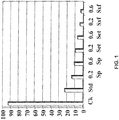
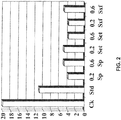
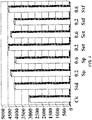
- sulfoxaflor as a canola (Brassica napus) seed treatment to control feeding damage by cabbage flea beetle (Phyllotreta cruciferae) was evaluated against the commercial standard thiamethoxam (Helix Xtra).
- Canola seeds were sprayed with a range of insecticides, including Helix Xtra at a use rate of about 0.4 milligrams (mg) thiamethoxam ai/seed, spinosyn A and spinosyn D (spinosad) at a low use rate of about 0.2 mg ai/seed and a high use rate of about 0.6 mg ai/seed, spinetoram at a low use rate of about 0.2 mg ai/seed and a high use rate about 0.6 mg ai/seed, and sulfoxaflor at a low use rate of about 0.2 mg ai/seed and a high use rate about 0.6 mg ai/seed. Each treatment was replicated four (4) times. The canola seeds were planted and then exposed to a natural infestation of the cabbage flea beetles soon after emergence.
- thiamethoxam ai/seed spinosyn A and spinosy
- FIG. 1 shows the flea beetle feeding damage at 5 days
- FIG. 2 shows the flea beetle feeding damage at 27 days.
- Ck represents untreated canola seeds
- Std represents canola seeds treated with Helix Xtra
- Sp represents canola seeds treated with spinosad
- Set represents canola seeds treated with Spinetoram
- Sxf' represents canola seeds treated with sulfoxaflor.
- both the low rate of sulfoxaflor seed treatment and the high rate of sulfoxaflor facilitated improved insecticidal activity against Phyllotreta cruciferae, as compared to Helix Xtra at 5 days.
- the low use rate of sulfoxaflor resulted in about 4 percent flea beetle feeding damage
- the high use rate of sulfoxaflor resulted in about 3 percent flea beetle feeding damage
- the use of Helix Xtra resulted in about 22 percent flea beetle feeding damage.
- the untreated canola seeds exhibited about 93 percent flea beetle feeding damage.
- both the low use rate of sulfoxaflor and the high use rate of sulfoxaflor facilitated improved insecticidal activity against Phyllotreta cruciferae, as compared to Helix Xtra at 27 days.
- the low use rate of sulfoxaflor resulted in about 18 percent flea beetle feeding damage
- the high use rate of sulfoxaflor resulted in about 23 percent flea beetle feeding damage
- the use of Helix Xtra resulted in about 53 percent flea beetle feeding damage.
- the untreated canola seeds exhibited about 100 percent flea beetle feeding damage.
- canola seeds treated with sulfoxaflor were significantly better protected against Phyllotreta cruciferae than canola seeds treated with Helix Xtra, which were significantly better protected against Phyllotreta cruciferae than untreated canola seeds.
- Canola plant vigor was evaluated at thirteen (13) days after the canola seed emerged from the ground described above.
- FIG. 3 shows canola plant vigor at 13 days.
- both the low use rate of sulfoxaflor and the high use rate of sulfoxaflor facilitated improved canola plant vigor as compared to the use of Helix Xtra.
- the low use rate of sulfoxaflor resulted in about 87 percent canola plant vigor
- the high use rate of sulfoxaflor resulted in about 69 percent canola plant vigor
- the use of Helix Xtra resulted in about 61 percent canola plant vigor.
- the untreated canola seeds exhibited about 10 percent canola plant vigor.
- Canola plant yield was evaluated at 107 days after the canola seed emerged from the ground described above.
- FIG. 4 shows canola the plant yield at 107 days.
- the low use rate of sulfoxaflor facilitated a canola plant yield similar to that facilitated by the use of Helix Xtra
- the high use rate of sulfoxaflor facilitated improved canola plant yield as compared to the use of Helix Xtra.
- the low use rate of sulfoxaflor resulted in a canola plant yield of about 4050 kilograms (Kg)/hectare (ha)
- the high use rate of sulfoxaflor resulted in a canola plant yield of about 4500 kg/ha
- the use of Helix Xtra resulted in a canola plant yield of about 3900 kg/ha.
- the untreated canola seeds exhibited a canola plant yield of about 3000 kg/ha.
Landscapes
- Life Sciences & Earth Sciences (AREA)
- Environmental Sciences (AREA)
- Wood Science & Technology (AREA)
- Zoology (AREA)
- Health & Medical Sciences (AREA)
- Engineering & Computer Science (AREA)
- Dentistry (AREA)
- General Health & Medical Sciences (AREA)
- Pest Control & Pesticides (AREA)
- Plant Pathology (AREA)
- Agronomy & Crop Science (AREA)
- Soil Sciences (AREA)
- Agricultural Chemicals And Associated Chemicals (AREA)
- Pretreatment Of Seeds And Plants (AREA)
- Catching Or Destruction (AREA)
- Pyridine Compounds (AREA)
Claims (15)
- Ein Verfahren zur Bekämpfung von Insekten in der Ordnung Coleoptera umfassend:In-Kontakt-Bringen mindestens eines Samens mit einem Insektizid, um Insekten in der Ordnung Coleoptera zu bekämpfen,wobei das Insektizid aus N-substituiertem (6-Halogenalkylpyridin-3-yl)alkyl-sulfoximin mit der folgenden chemischen Formel besteht:
 L eine Einfachbindung umfasst oder R1, S und L zusammengenommen einen 4-, 5- oder 6-gliedrigen Ring umfassen;R1 ein (C1-C4)-Alkyl umfasst;R2 und R3 unabhängig Wasserstoff (H), Methyl, Ethyl, Fluor, Chlor oder Brom umfassen; n eine ganze Zahl von 0 bis 3 umfasst;Y ein (C1-C4)-Halogenalkyl umfasst; undR4 ein (C1-C4)-Alkyl umfasst;wobei die Insekten in der Ordnung Coleoptera Flohkäfer sind.
 - Das Verfahren gemäß Anspruch 1, wobei das N-substituierte (6-Halogen-alkylpyridin-3-yl)alkylsulfoximin die folgende chemische Struktur umfasst:

- Das Verfahren gemäß Anspruch 1, wobei das In-Kontakt-Bringen des mindestens einen Samens mit einem Insektizid, um Insekten in der Ordnung Coleoptera zu bekämpfen, das In-Kontakt-Bringen des mindestens einen Samens mit dem Insektizid bestehend aus N-substituiertem (6-Halo-genalkylpyridin-3-yl)alkylsulfoximin umfasst, um Flohkäfer in mindestens einer von der Gattung Phyllotreta und der Gattung Psylliodes zu bekämpfen, vorzugsweise mindestens eine von Phyllotreta armoraciae, Phyllotreta cruciferae, Phyllotreta pusilla, Phyllotreta nemorum, Phyllotreta robusta, Phyllotreta striolata, Phyllotreta undulata, Psylliodes chrysocephala und Psylliodes punctulata.
- Das Verfahren gemäß Anspruch 1, wobei der mindestens eine Samen aus einer Pflanze in der Gattung Brassica erzeugt wird, wobei der mindestens eine Samen vorzugsweise mindestens eines von B. napus, B. juncea, B. carinata, B. rapa, B. oleracea, B. rupestris, B. septiceps, B. nigra, B. narinosa, B. perviridus, B. tournefortii und B. fructiculosa umfasst.
- Das Verfahren gemäß Anspruch 1, wobei das In-Kontakt-Bringen mindestens eines Samens mit einem Insektizid das Aufbringen des Insektizids bestehend aus N-substituiertem (6-Halogenalkylpyridin-3-yl)alkylsulfoximin auf den mindestens einen Samen vor dem Aussäen des mindestens einen Samens umfasst.
- Das Verfahren gemäß Anspruch 1, wobei das In-Kontakt-Bringen mindestens eines Samens mit einem Insektizid mindestens eines von Besprühen, Beschichten, Bestäuben und Tränken des mindestens einen Samens mit dem Insektizid bestehend aus N-substituiertem (6-Halogenalkylpyridin-3-yl)alkylsulfoximin umfasst.
- Das Verfahren gemäß Anspruch 1, wobei das In-Kontakt-Bringen mindestens eines Samens mit einem Insektizid das Aufbringen mehrerer Anwendungen des Insektizids bestehend aus N-substituiertem (6-Halogen-alkylpyridin-3-yl)alkylsulfoximin auf den mindestens einen Samen umfasst.
- Das Verfahren gemäß Anspruch 1, wobei das In-Kontakt-Bringen mindestens eines Samens mit einem Insektizid das In-Kontakt-Bringen des mindestens einen Samens mit einer Formulierung umfassend das N-substituierte (6-Halogenalkylpyridin-3-yl)alkylsulfoximin und mindestens einen inerten Träger umfasst.
- Das Verfahren gemäß Anspruch 8, wobei die Formulierung des Weiteren mindestens ein Adjuvans umfasst.
- Das Verfahren gemäß Anspruch 1, umfassend:
Aufbringen des Insektizids bestehend aus Sulfoxaflor auf mindestens einen Samen, um mindestens eine Flohkäferart zu bekämpfen. - Das Verfahren gemäß Anspruch 10, wobei die mindestens eine Flohkäferart mindestens eine von Altica ambiens, Altica canadensis, Altica chalybaea, Altica prasina (Pappelflohkäfer), Altica rosae (Rosenflohkäfer), Altica Sylvia (Heidelbeer-Blattfloh), Altica ulmi (Ulmenflohkäfer), Chaetocnema pulicaria (Maiserdfloh), Chaetocnema conofinis, Epitrix cucumeris (Amerikanischer Kartoffelerdfloh), Systena blanda und Systena frontalis umfasst.
- Das Verfahren gemäß Anspruch 10, wobei der mindestens eine Samen mindestens einen Rapssamen umfasst.
- Das Verfahren gemäß Anspruch 10, wobei die mindestens eine Flohkäferart Phyllotreta cruciferae umfasst.
- Ein Verfahren zur Samenbehandlung umfassend:
In-Kontakt-Bringen mindestens eines Samens mit einer insektizid wirksamen Menge an Insektizid, um den mindestens einen Samen und andere Pflanzenteile, die sich daraus entwickeln, vor Schaden, der durch Coleoptera-Insekten verursacht wird, zu schützen, wobei das Insektizid aus Sulfoxaflor besteht und die Coleoptera-Insekten Flohkäfer sind. - Das Verfahren gemäß Anspruch 14, wobei das In-Kontakt-Bringen des mindestens einen Samens mit einer insektizid wirksamen Menge eines Insektizids das Aufbringen einer Formulierung umfassend ein Insektizid, welches aus Sulfoxaflor besteht, mindestens einen inerten Träger und mindestens ein Adjuvans auf den mindestens einen Samen umfasst.
Priority Applications (1)
| Application Number | Priority Date | Filing Date | Title |
|---|---|---|---|
| PL13778972T PL2861070T3 (pl) | 2012-04-18 | 2013-04-12 | N-podstawione (6-haloalkilopirydyn-3-ylo)alkilosulfoksyiminy jako zaprawa nasienna do zwalczania owadów z rzędu coleoptera |
Applications Claiming Priority (2)
| Application Number | Priority Date | Filing Date | Title |
|---|---|---|---|
| US201261635082P | 2012-04-18 | 2012-04-18 | |
| PCT/US2013/036409 WO2013158499A1 (en) | 2012-04-18 | 2013-04-12 | N-substituted(6-haloalkylpyridin-3-yl)alkyl sulfoximines as a seed treatment to control coleopteran insects |
Publications (4)
| Publication Number | Publication Date |
|---|---|
| EP2861070A1 EP2861070A1 (de) | 2015-04-22 |
| EP2861070A4 EP2861070A4 (de) | 2016-02-17 |
| EP2861070B1 true EP2861070B1 (de) | 2021-11-17 |
| EP2861070B8 EP2861070B8 (de) | 2021-12-22 |
Family
ID=49383970
Family Applications (1)
| Application Number | Title | Priority Date | Filing Date |
|---|---|---|---|
| EP13778972.3A Active EP2861070B8 (de) | 2012-04-18 | 2013-04-12 | N-substituierte (6-haloalkylpyridin-3-yl)alkyl-sulfoximine als saatgutbehandlung zur bekämpfung von insekten der gattung coleoptera |
Country Status (20)
| Country | Link |
|---|---|
| US (1) | US20130296384A1 (de) |
| EP (1) | EP2861070B8 (de) |
| JP (1) | JP6351568B2 (de) |
| KR (1) | KR102064368B1 (de) |
| CN (1) | CN104378985A (de) |
| AR (1) | AR090743A1 (de) |
| AU (1) | AU2013249560B2 (de) |
| BR (1) | BR112014025669B8 (de) |
| CA (1) | CA2869760C (de) |
| CL (1) | CL2014002778A1 (de) |
| EA (1) | EA026483B1 (de) |
| IL (1) | IL235005A (de) |
| IN (1) | IN2014DN09428A (de) |
| MX (1) | MX2014012639A (de) |
| NZ (1) | NZ701629A (de) |
| PL (1) | PL2861070T3 (de) |
| TW (1) | TW201347674A (de) |
| UA (1) | UA116882C2 (de) |
| WO (1) | WO2013158499A1 (de) |
| ZA (1) | ZA201408349B (de) |
Families Citing this family (2)
| Publication number | Priority date | Publication date | Assignee | Title |
|---|---|---|---|---|
| CN109053553A (zh) * | 2018-10-16 | 2018-12-21 | 山东省农药科学研究院 | 杀虫剂氟啶虫胺腈中间体3-[1-(甲硫基)乙基]-6(三氟甲基)吡啶的合成方法 |
| KR20250172977A (ko) | 2024-05-29 | 2025-12-10 | 주식회사 제놀루션 | 좁은가슴잎벌레 방제용 조성물 |
Family Cites Families (18)
| Publication number | Priority date | Publication date | Assignee | Title |
|---|---|---|---|---|
| CA2244580C (en) * | 1998-08-04 | 2007-04-03 | Rhone-Poulenc Inc. | New method for the control of flea beetles in canola |
| US20010041724A1 (en) * | 1998-08-04 | 2001-11-15 | Carla Jean Klittich | Method for the control of flea beetles in canola |
| TW201309635A (zh) * | 2006-02-10 | 2013-03-01 | Dow Agrosciences Llc | 殺蟲性之n-取代(6-鹵烷基吡啶-3-基)烷基磺醯亞胺(二) |
| TWI381811B (zh) * | 2006-06-23 | 2013-01-11 | Dow Agrosciences Llc | 用以防治可抵抗一般殺蟲劑之昆蟲的方法 |
| TW200820902A (en) * | 2006-11-08 | 2008-05-16 | Dow Agrosciences Llc | Use of N-substituted sulfoximines for control of invertebrate pests |
| BRPI0811172B1 (pt) * | 2007-05-01 | 2018-01-02 | Dow Agrosciences Llc | "composição pesticida sinergísta,e processo para sua aplicação". |
| US20090023782A1 (en) * | 2007-07-20 | 2009-01-22 | Dow Agrosciences Llc | Increasing plant vigor |
| KR101292344B1 (ko) * | 2008-08-12 | 2013-07-31 | 다우 아그로사이언시즈 엘엘씨 | 활성 화합물, 암모늄 염 및 비이온성 계면활성제를 포함하는 상승작용적 살충성 조성물 |
| CN102137593A (zh) * | 2008-08-28 | 2011-07-27 | 巴斯夫欧洲公司 | 包含氰基亚砜亚胺化合物和乙基多杀菌素的杀虫混合物 |
| DE102008041695A1 (de) * | 2008-08-29 | 2010-03-04 | Bayer Cropscience Ag | Methoden zur Verbesserung des Pflanzenwachstums |
| CA2738856A1 (en) * | 2008-10-08 | 2010-04-15 | Syngenta Participations Ag | Pesticidal combinations containing sulfoxaflor |
| KR101702337B1 (ko) * | 2008-12-26 | 2017-02-03 | 다우 아그로사이언시즈 엘엘씨 | 안정한 설폭시민-살충제 조성물 |
| NZ603842A (en) * | 2010-04-28 | 2014-09-26 | Sumitomo Chemical Co | Pesticidal composition and its use |
| AR081954A1 (es) * | 2010-06-30 | 2012-10-31 | Bayer Cropscience Ag | Combinaciones de compuestos activos |
| US8680121B2 (en) * | 2010-11-03 | 2014-03-25 | Dow Agrosciences, Llc. | Pesticidal compositions and processes related thereto |
| US8815271B2 (en) * | 2010-11-03 | 2014-08-26 | Dow Agrosciences, Llc. | Pesticidal compositions and processes related thereto |
| KR20140045542A (ko) * | 2011-07-12 | 2014-04-16 | 다우 아그로사이언시즈 엘엘씨 | 살충 조성물 및 그에 관한 방법 |
| WO2013019824A2 (en) * | 2011-08-02 | 2013-02-07 | Dow Agrosciences Llc | Pesticidal compositions and processes related thereto |
-
2013
- 2013-04-12 UA UAA201412380A patent/UA116882C2/uk unknown
- 2013-04-12 WO PCT/US2013/036409 patent/WO2013158499A1/en not_active Ceased
- 2013-04-12 NZ NZ701629A patent/NZ701629A/en unknown
- 2013-04-12 PL PL13778972T patent/PL2861070T3/pl unknown
- 2013-04-12 MX MX2014012639A patent/MX2014012639A/es unknown
- 2013-04-12 JP JP2015507074A patent/JP6351568B2/ja active Active
- 2013-04-12 EP EP13778972.3A patent/EP2861070B8/de active Active
- 2013-04-12 IN IN9428DEN2014 patent/IN2014DN09428A/en unknown
- 2013-04-12 US US13/861,946 patent/US20130296384A1/en not_active Abandoned
- 2013-04-12 CN CN201380031903.XA patent/CN104378985A/zh active Pending
- 2013-04-12 KR KR1020147031830A patent/KR102064368B1/ko active Active
- 2013-04-12 AU AU2013249560A patent/AU2013249560B2/en active Active
- 2013-04-12 EA EA201491882A patent/EA026483B1/ru unknown
- 2013-04-12 BR BR112014025669A patent/BR112014025669B8/pt active IP Right Grant
- 2013-04-12 CA CA2869760A patent/CA2869760C/en active Active
- 2013-04-17 TW TW102113609A patent/TW201347674A/zh unknown
- 2013-04-18 AR ARP130101287A patent/AR090743A1/es not_active Application Discontinuation
-
2014
- 2014-10-06 IL IL235005A patent/IL235005A/en active IP Right Grant
- 2014-10-16 CL CL2014002778A patent/CL2014002778A1/es unknown
- 2014-11-13 ZA ZA2014/08349A patent/ZA201408349B/en unknown
Non-Patent Citations (2)
| Title |
|---|
| J. KNODEL ET AL: "Impact of planting dates and insecticide Strategies for managing Crucifer flea beetles (Coleoptera: Chrysomelidae) in spring planted canola", JOURNAL OF ECONOMIC ENTOMOLOGY, vol. 101, no. 3, 31 July 2008 (2008-07-31), pages 810 - 821, XP055696067 * |
| MAIENFISCH P ET AL: "CHEMISTRY AND BIOLOGY OF THIAMETHOXAM: A SECOND GENERATION NEONICOTINOID", PEST MANAGEMENT SCIENCE, WILEY & SONS, BOGNOR REGIS; GB, vol. 57, no. 10, 5 September 2001 (2001-09-05), pages 906 - 909, 910, XP001125338, ISSN: 1526-498X, DOI: 10.1002/PS.365 * |
Also Published As
| Publication number | Publication date |
|---|---|
| TW201347674A (zh) | 2013-12-01 |
| BR112014025669B8 (pt) | 2022-10-11 |
| WO2013158499A1 (en) | 2013-10-24 |
| BR112014025669B1 (pt) | 2019-11-19 |
| CL2014002778A1 (es) | 2015-01-16 |
| CA2869760C (en) | 2020-07-14 |
| EA026483B1 (ru) | 2017-04-28 |
| JP6351568B2 (ja) | 2018-07-04 |
| CA2869760A1 (en) | 2013-10-24 |
| IN2014DN09428A (de) | 2015-07-17 |
| PL2861070T3 (pl) | 2022-04-04 |
| EP2861070A4 (de) | 2016-02-17 |
| US20130296384A1 (en) | 2013-11-07 |
| IL235005A (en) | 2017-08-31 |
| MX2014012639A (es) | 2015-01-15 |
| AU2013249560B2 (en) | 2017-01-19 |
| AR090743A1 (es) | 2014-12-03 |
| KR102064368B1 (ko) | 2020-02-11 |
| CN104378985A (zh) | 2015-02-25 |
| AU2013249560A1 (en) | 2014-11-20 |
| UA116882C2 (uk) | 2018-05-25 |
| JP2015514767A (ja) | 2015-05-21 |
| EP2861070A1 (de) | 2015-04-22 |
| EA201491882A1 (ru) | 2015-03-31 |
| NZ701629A (en) | 2016-03-31 |
| KR20150013523A (ko) | 2015-02-05 |
| ZA201408349B (en) | 2016-09-28 |
| EP2861070B8 (de) | 2021-12-22 |
Similar Documents
| Publication | Publication Date | Title |
|---|---|---|
| CA2769654C (en) | Meso-sized capsules useful for the delivery of agricultural chemicals | |
| EP2600713B1 (de) | Pestizidzusammensetzungen aus mittelgrossen partikeln mit verstärkter aktivität | |
| CN102215691B (zh) | 5-氟胞嘧啶作为杀真菌剂的用途 | |
| AU2012268377B2 (en) | Oil dispersion of sulfoximines for the control of insects | |
| EP3618623B1 (de) | Verwendung einer acyclischen picolinamidverbindung als fungizid zur bekämpfung von phytopathogenen pilzen bei reihenkulturen | |
| RU2769764C2 (ru) | Применение ациклического пиколинамидного соединения в качестве фунгицида для контроля фитопатогенных грибов в овощных культурах | |
| US20200085047A1 (en) | Use of an Acyclic Picolinamide Compound as a Fungicide for Control of Phytopathogenic Fungi in Vegetables | |
| AU2013249560B2 (en) | N-substituted(6-haloalkylpyridin-3-yl)alkyl sulfoximines as a seed treatment to control Coleopteran insects | |
| HK1199177B (en) | 5-fluoro-4-imino-3-(substituted)-3,4-dihydropyrimidin-2-(1h)-one derivatives | |
| OA16732A (en) | Oil dispersion of sulfoximines for the control of insects. |
Legal Events
| Date | Code | Title | Description |
|---|---|---|---|
| PUAI | Public reference made under article 153(3) epc to a published international application that has entered the european phase |
Free format text: ORIGINAL CODE: 0009012 |
|
| 17P | Request for examination filed |
Effective date: 20141113 |
|
| AK | Designated contracting states |
Kind code of ref document: A1 Designated state(s): AL AT BE BG CH CY CZ DE DK EE ES FI FR GB GR HR HU IE IS IT LI LT LU LV MC MK MT NL NO PL PT RO RS SE SI SK SM TR |
|
| AX | Request for extension of the european patent |
Extension state: BA ME |
|
| DAX | Request for extension of the european patent (deleted) | ||
| REG | Reference to a national code |
Ref country code: DE Ref legal event code: R079 Ref document number: 602013080101 Country of ref document: DE Free format text: PREVIOUS MAIN CLASS: A01N0043400000 Ipc: A01N0047400000 |
|
| RA4 | Supplementary search report drawn up and despatched (corrected) |
Effective date: 20160118 |
|
| RIC1 | Information provided on ipc code assigned before grant |
Ipc: A01N 47/24 20060101ALI20160112BHEP Ipc: A01P 7/04 20060101ALI20160112BHEP Ipc: A01N 47/40 20060101AFI20160112BHEP Ipc: A01N 51/00 20060101ALI20160112BHEP Ipc: A01N 25/00 20060101ALI20160112BHEP |
|
| STAA | Information on the status of an ep patent application or granted ep patent |
Free format text: STATUS: EXAMINATION IS IN PROGRESS |
|
| 17Q | First examination report despatched |
Effective date: 20180615 |
|
| GRAP | Despatch of communication of intention to grant a patent |
Free format text: ORIGINAL CODE: EPIDOSNIGR1 |
|
| STAA | Information on the status of an ep patent application or granted ep patent |
Free format text: STATUS: GRANT OF PATENT IS INTENDED |
|
| INTG | Intention to grant announced |
Effective date: 20210715 |
|
| GRAS | Grant fee paid |
Free format text: ORIGINAL CODE: EPIDOSNIGR3 |
|
| GRAA | (expected) grant |
Free format text: ORIGINAL CODE: 0009210 |
|
| STAA | Information on the status of an ep patent application or granted ep patent |
Free format text: STATUS: THE PATENT HAS BEEN GRANTED |
|
| AK | Designated contracting states |
Kind code of ref document: B1 Designated state(s): AL AT BE BG CH CY CZ DE DK EE ES FI FR GB GR HR HU IE IS IT LI LT LU LV MC MK MT NL NO PL PT RO RS SE SI SK SM TR |
|
| REG | Reference to a national code |
Ref country code: GB Ref legal event code: FG4D |
|
| REG | Reference to a national code |
Ref country code: IE Ref legal event code: FG4D |
|
| REG | Reference to a national code |
Ref country code: DE Ref legal event code: R096 Ref document number: 602013080101 Country of ref document: DE |
|
| REG | Reference to a national code |
Ref country code: AT Ref legal event code: REF Ref document number: 1447313 Country of ref document: AT Kind code of ref document: T Effective date: 20211215 |
|
| RAP4 | Party data changed (patent owner data changed or rights of a patent transferred) |
Owner name: CORTEVA AGRISCIENCE LLC |
|
| REG | Reference to a national code |
Ref country code: DE Ref legal event code: R081 Ref document number: 602013080101 Country of ref document: DE Owner name: CORTEVA AGRISCIENCE LLC, INDIANAPOLIS, US Free format text: FORMER OWNER: DOW AGROSCIENCES LLC, INDIANAPOLIS, IND., US |
|
| REG | Reference to a national code |
Ref country code: LT Ref legal event code: MG9D |
|
| REG | Reference to a national code |
Ref country code: NL Ref legal event code: MP Effective date: 20211117 |
|
| REG | Reference to a national code |
Ref country code: AT Ref legal event code: MK05 Ref document number: 1447313 Country of ref document: AT Kind code of ref document: T Effective date: 20211117 |
|
| PG25 | Lapsed in a contracting state [announced via postgrant information from national office to epo] |
Ref country code: RS Free format text: LAPSE BECAUSE OF FAILURE TO SUBMIT A TRANSLATION OF THE DESCRIPTION OR TO PAY THE FEE WITHIN THE PRESCRIBED TIME-LIMIT Effective date: 20211117 Ref country code: LT Free format text: LAPSE BECAUSE OF FAILURE TO SUBMIT A TRANSLATION OF THE DESCRIPTION OR TO PAY THE FEE WITHIN THE PRESCRIBED TIME-LIMIT Effective date: 20211117 Ref country code: FI Free format text: LAPSE BECAUSE OF FAILURE TO SUBMIT A TRANSLATION OF THE DESCRIPTION OR TO PAY THE FEE WITHIN THE PRESCRIBED TIME-LIMIT Effective date: 20211117 Ref country code: BG Free format text: LAPSE BECAUSE OF FAILURE TO SUBMIT A TRANSLATION OF THE DESCRIPTION OR TO PAY THE FEE WITHIN THE PRESCRIBED TIME-LIMIT Effective date: 20220217 Ref country code: AT Free format text: LAPSE BECAUSE OF FAILURE TO SUBMIT A TRANSLATION OF THE DESCRIPTION OR TO PAY THE FEE WITHIN THE PRESCRIBED TIME-LIMIT Effective date: 20211117 |
|
| PG25 | Lapsed in a contracting state [announced via postgrant information from national office to epo] |
Ref country code: IS Free format text: LAPSE BECAUSE OF FAILURE TO SUBMIT A TRANSLATION OF THE DESCRIPTION OR TO PAY THE FEE WITHIN THE PRESCRIBED TIME-LIMIT Effective date: 20220317 Ref country code: SK Free format text: LAPSE BECAUSE OF FAILURE TO SUBMIT A TRANSLATION OF THE DESCRIPTION OR TO PAY THE FEE WITHIN THE PRESCRIBED TIME-LIMIT Effective date: 20211117 Ref country code: SE Free format text: LAPSE BECAUSE OF FAILURE TO SUBMIT A TRANSLATION OF THE DESCRIPTION OR TO PAY THE FEE WITHIN THE PRESCRIBED TIME-LIMIT Effective date: 20211117 Ref country code: PT Free format text: LAPSE BECAUSE OF FAILURE TO SUBMIT A TRANSLATION OF THE DESCRIPTION OR TO PAY THE FEE WITHIN THE PRESCRIBED TIME-LIMIT Effective date: 20220317 Ref country code: NO Free format text: LAPSE BECAUSE OF FAILURE TO SUBMIT A TRANSLATION OF THE DESCRIPTION OR TO PAY THE FEE WITHIN THE PRESCRIBED TIME-LIMIT Effective date: 20220217 Ref country code: NL Free format text: LAPSE BECAUSE OF FAILURE TO SUBMIT A TRANSLATION OF THE DESCRIPTION OR TO PAY THE FEE WITHIN THE PRESCRIBED TIME-LIMIT Effective date: 20211117 Ref country code: LV Free format text: LAPSE BECAUSE OF FAILURE TO SUBMIT A TRANSLATION OF THE DESCRIPTION OR TO PAY THE FEE WITHIN THE PRESCRIBED TIME-LIMIT Effective date: 20211117 Ref country code: HR Free format text: LAPSE BECAUSE OF FAILURE TO SUBMIT A TRANSLATION OF THE DESCRIPTION OR TO PAY THE FEE WITHIN THE PRESCRIBED TIME-LIMIT Effective date: 20211117 Ref country code: GR Free format text: LAPSE BECAUSE OF FAILURE TO SUBMIT A TRANSLATION OF THE DESCRIPTION OR TO PAY THE FEE WITHIN THE PRESCRIBED TIME-LIMIT Effective date: 20220218 Ref country code: ES Free format text: LAPSE BECAUSE OF FAILURE TO SUBMIT A TRANSLATION OF THE DESCRIPTION OR TO PAY THE FEE WITHIN THE PRESCRIBED TIME-LIMIT Effective date: 20211117 |
|
| PG25 | Lapsed in a contracting state [announced via postgrant information from national office to epo] |
Ref country code: SM Free format text: LAPSE BECAUSE OF FAILURE TO SUBMIT A TRANSLATION OF THE DESCRIPTION OR TO PAY THE FEE WITHIN THE PRESCRIBED TIME-LIMIT Effective date: 20211117 Ref country code: RO Free format text: LAPSE BECAUSE OF FAILURE TO SUBMIT A TRANSLATION OF THE DESCRIPTION OR TO PAY THE FEE WITHIN THE PRESCRIBED TIME-LIMIT Effective date: 20211117 Ref country code: EE Free format text: LAPSE BECAUSE OF FAILURE TO SUBMIT A TRANSLATION OF THE DESCRIPTION OR TO PAY THE FEE WITHIN THE PRESCRIBED TIME-LIMIT Effective date: 20211117 Ref country code: DK Free format text: LAPSE BECAUSE OF FAILURE TO SUBMIT A TRANSLATION OF THE DESCRIPTION OR TO PAY THE FEE WITHIN THE PRESCRIBED TIME-LIMIT Effective date: 20211117 Ref country code: CZ Free format text: LAPSE BECAUSE OF FAILURE TO SUBMIT A TRANSLATION OF THE DESCRIPTION OR TO PAY THE FEE WITHIN THE PRESCRIBED TIME-LIMIT Effective date: 20211117 |
|
| REG | Reference to a national code |
Ref country code: DE Ref legal event code: R097 Ref document number: 602013080101 Country of ref document: DE |
|
| PLBE | No opposition filed within time limit |
Free format text: ORIGINAL CODE: 0009261 |
|
| STAA | Information on the status of an ep patent application or granted ep patent |
Free format text: STATUS: NO OPPOSITION FILED WITHIN TIME LIMIT |
|
| 26N | No opposition filed |
Effective date: 20220818 |
|
| PG25 | Lapsed in a contracting state [announced via postgrant information from national office to epo] |
Ref country code: AL Free format text: LAPSE BECAUSE OF FAILURE TO SUBMIT A TRANSLATION OF THE DESCRIPTION OR TO PAY THE FEE WITHIN THE PRESCRIBED TIME-LIMIT Effective date: 20211117 |
|
| PG25 | Lapsed in a contracting state [announced via postgrant information from national office to epo] |
Ref country code: SI Free format text: LAPSE BECAUSE OF FAILURE TO SUBMIT A TRANSLATION OF THE DESCRIPTION OR TO PAY THE FEE WITHIN THE PRESCRIBED TIME-LIMIT Effective date: 20211117 |
|
| REG | Reference to a national code |
Ref country code: CH Ref legal event code: PL |
|
| REG | Reference to a national code |
Ref country code: BE Ref legal event code: MM Effective date: 20220430 |
|
| PG25 | Lapsed in a contracting state [announced via postgrant information from national office to epo] |
Ref country code: MC Free format text: LAPSE BECAUSE OF FAILURE TO SUBMIT A TRANSLATION OF THE DESCRIPTION OR TO PAY THE FEE WITHIN THE PRESCRIBED TIME-LIMIT Effective date: 20211117 Ref country code: LU Free format text: LAPSE BECAUSE OF NON-PAYMENT OF DUE FEES Effective date: 20220412 Ref country code: LI Free format text: LAPSE BECAUSE OF NON-PAYMENT OF DUE FEES Effective date: 20220430 Ref country code: CH Free format text: LAPSE BECAUSE OF NON-PAYMENT OF DUE FEES Effective date: 20220430 |
|
| PG25 | Lapsed in a contracting state [announced via postgrant information from national office to epo] |
Ref country code: BE Free format text: LAPSE BECAUSE OF NON-PAYMENT OF DUE FEES Effective date: 20220430 |
|
| PG25 | Lapsed in a contracting state [announced via postgrant information from national office to epo] |
Ref country code: IE Free format text: LAPSE BECAUSE OF NON-PAYMENT OF DUE FEES Effective date: 20220412 |
|
| PG25 | Lapsed in a contracting state [announced via postgrant information from national office to epo] |
Ref country code: IT Free format text: LAPSE BECAUSE OF FAILURE TO SUBMIT A TRANSLATION OF THE DESCRIPTION OR TO PAY THE FEE WITHIN THE PRESCRIBED TIME-LIMIT Effective date: 20211117 |
|
| P01 | Opt-out of the competence of the unified patent court (upc) registered |
Effective date: 20230519 |
|
| PG25 | Lapsed in a contracting state [announced via postgrant information from national office to epo] |
Ref country code: HU Free format text: LAPSE BECAUSE OF FAILURE TO SUBMIT A TRANSLATION OF THE DESCRIPTION OR TO PAY THE FEE WITHIN THE PRESCRIBED TIME-LIMIT; INVALID AB INITIO Effective date: 20130412 |
|
| PG25 | Lapsed in a contracting state [announced via postgrant information from national office to epo] |
Ref country code: MK Free format text: LAPSE BECAUSE OF FAILURE TO SUBMIT A TRANSLATION OF THE DESCRIPTION OR TO PAY THE FEE WITHIN THE PRESCRIBED TIME-LIMIT Effective date: 20211117 Ref country code: CY Free format text: LAPSE BECAUSE OF FAILURE TO SUBMIT A TRANSLATION OF THE DESCRIPTION OR TO PAY THE FEE WITHIN THE PRESCRIBED TIME-LIMIT Effective date: 20211117 |
|
| PG25 | Lapsed in a contracting state [announced via postgrant information from national office to epo] |
Ref country code: MT Free format text: LAPSE BECAUSE OF FAILURE TO SUBMIT A TRANSLATION OF THE DESCRIPTION OR TO PAY THE FEE WITHIN THE PRESCRIBED TIME-LIMIT Effective date: 20211117 |
|
| PGFP | Annual fee paid to national office [announced via postgrant information from national office to epo] |
Ref country code: DE Payment date: 20250313 Year of fee payment: 13 |
|
| PGFP | Annual fee paid to national office [announced via postgrant information from national office to epo] |
Ref country code: GB Payment date: 20250415 Year of fee payment: 13 |
|
| PGFP | Annual fee paid to national office [announced via postgrant information from national office to epo] |
Ref country code: FR Payment date: 20250402 Year of fee payment: 13 |
|
| PG25 | Lapsed in a contracting state [announced via postgrant information from national office to epo] |
Ref country code: TR Free format text: LAPSE BECAUSE OF FAILURE TO SUBMIT A TRANSLATION OF THE DESCRIPTION OR TO PAY THE FEE WITHIN THE PRESCRIBED TIME-LIMIT Effective date: 20211117 |
|
| PGFP | Annual fee paid to national office [announced via postgrant information from national office to epo] |
Ref country code: PL Payment date: 20260311 Year of fee payment: 14 |