EP2838545B1 - Neuroprotective composition comprising polygalae, astragali, chuanxiong and angelica sinensis - Google Patents
Neuroprotective composition comprising polygalae, astragali, chuanxiong and angelica sinensis Download PDFInfo
- Publication number
- EP2838545B1 EP2838545B1 EP13764190.8A EP13764190A EP2838545B1 EP 2838545 B1 EP2838545 B1 EP 2838545B1 EP 13764190 A EP13764190 A EP 13764190A EP 2838545 B1 EP2838545 B1 EP 2838545B1
- Authority
- EP
- European Patent Office
- Prior art keywords
- stroke
- composition
- components
- mlc901
- neuroaid2
- Prior art date
- Legal status (The legal status is an assumption and is not a legal conclusion. Google has not performed a legal analysis and makes no representation as to the accuracy of the status listed.)
- Active
Links
Images


Classifications
-
- A—HUMAN NECESSITIES
- A61—MEDICAL OR VETERINARY SCIENCE; HYGIENE
- A61K—PREPARATIONS FOR MEDICAL, DENTAL OR TOILETRY PURPOSES
- A61K36/00—Medicinal preparations of undetermined constitution containing material from algae, lichens, fungi or plants, or derivatives thereof, e.g. traditional herbal medicines
- A61K36/18—Magnoliophyta (angiosperms)
- A61K36/185—Magnoliopsida (dicotyledons)
- A61K36/73—Rosaceae (Rose family), e.g. strawberry, chokeberry, blackberry, pear or firethorn
- A61K36/736—Prunus, e.g. plum, cherry, peach, apricot or almond
-
- A—HUMAN NECESSITIES
- A61—MEDICAL OR VETERINARY SCIENCE; HYGIENE
- A61K—PREPARATIONS FOR MEDICAL, DENTAL OR TOILETRY PURPOSES
- A61K36/00—Medicinal preparations of undetermined constitution containing material from algae, lichens, fungi or plants, or derivatives thereof, e.g. traditional herbal medicines
- A61K36/18—Magnoliophyta (angiosperms)
- A61K36/88—Liliopsida (monocotyledons)
- A61K36/882—Acoraceae (Calamus family), e.g. sweetflag or Acorus calamus
-
- A—HUMAN NECESSITIES
- A61—MEDICAL OR VETERINARY SCIENCE; HYGIENE
- A61K—PREPARATIONS FOR MEDICAL, DENTAL OR TOILETRY PURPOSES
- A61K36/00—Medicinal preparations of undetermined constitution containing material from algae, lichens, fungi or plants, or derivatives thereof, e.g. traditional herbal medicines
- A61K36/18—Magnoliophyta (angiosperms)
- A61K36/185—Magnoliopsida (dicotyledons)
- A61K36/23—Apiaceae or Umbelliferae (Carrot family), e.g. dill, chervil, coriander or cumin
-
- A—HUMAN NECESSITIES
- A61—MEDICAL OR VETERINARY SCIENCE; HYGIENE
- A61K—PREPARATIONS FOR MEDICAL, DENTAL OR TOILETRY PURPOSES
- A61K36/00—Medicinal preparations of undetermined constitution containing material from algae, lichens, fungi or plants, or derivatives thereof, e.g. traditional herbal medicines
- A61K36/18—Magnoliophyta (angiosperms)
- A61K36/185—Magnoliopsida (dicotyledons)
- A61K36/23—Apiaceae or Umbelliferae (Carrot family), e.g. dill, chervil, coriander or cumin
- A61K36/232—Angelica
-
- A—HUMAN NECESSITIES
- A61—MEDICAL OR VETERINARY SCIENCE; HYGIENE
- A61K—PREPARATIONS FOR MEDICAL, DENTAL OR TOILETRY PURPOSES
- A61K36/00—Medicinal preparations of undetermined constitution containing material from algae, lichens, fungi or plants, or derivatives thereof, e.g. traditional herbal medicines
- A61K36/18—Magnoliophyta (angiosperms)
- A61K36/185—Magnoliopsida (dicotyledons)
- A61K36/23—Apiaceae or Umbelliferae (Carrot family), e.g. dill, chervil, coriander or cumin
- A61K36/236—Ligusticum (licorice-root)
-
- A—HUMAN NECESSITIES
- A61—MEDICAL OR VETERINARY SCIENCE; HYGIENE
- A61K—PREPARATIONS FOR MEDICAL, DENTAL OR TOILETRY PURPOSES
- A61K36/00—Medicinal preparations of undetermined constitution containing material from algae, lichens, fungi or plants, or derivatives thereof, e.g. traditional herbal medicines
- A61K36/18—Magnoliophyta (angiosperms)
- A61K36/185—Magnoliopsida (dicotyledons)
- A61K36/28—Asteraceae or Compositae (Aster or Sunflower family), e.g. chamomile, feverfew, yarrow or echinacea
- A61K36/286—Carthamus (distaff thistle)
-
- A—HUMAN NECESSITIES
- A61—MEDICAL OR VETERINARY SCIENCE; HYGIENE
- A61K—PREPARATIONS FOR MEDICAL, DENTAL OR TOILETRY PURPOSES
- A61K36/00—Medicinal preparations of undetermined constitution containing material from algae, lichens, fungi or plants, or derivatives thereof, e.g. traditional herbal medicines
- A61K36/18—Magnoliophyta (angiosperms)
- A61K36/185—Magnoliopsida (dicotyledons)
- A61K36/65—Paeoniaceae (Peony family), e.g. Chinese peony
-
- A—HUMAN NECESSITIES
- A61—MEDICAL OR VETERINARY SCIENCE; HYGIENE
- A61K—PREPARATIONS FOR MEDICAL, DENTAL OR TOILETRY PURPOSES
- A61K36/00—Medicinal preparations of undetermined constitution containing material from algae, lichens, fungi or plants, or derivatives thereof, e.g. traditional herbal medicines
- A61K36/18—Magnoliophyta (angiosperms)
- A61K36/185—Magnoliopsida (dicotyledons)
- A61K36/69—Polygalaceae (Milkwort family)
-
- A—HUMAN NECESSITIES
- A61—MEDICAL OR VETERINARY SCIENCE; HYGIENE
- A61P—SPECIFIC THERAPEUTIC ACTIVITY OF CHEMICAL COMPOUNDS OR MEDICINAL PREPARATIONS
- A61P13/00—Drugs for disorders of the urinary system
-
- A—HUMAN NECESSITIES
- A61—MEDICAL OR VETERINARY SCIENCE; HYGIENE
- A61P—SPECIFIC THERAPEUTIC ACTIVITY OF CHEMICAL COMPOUNDS OR MEDICINAL PREPARATIONS
- A61P25/00—Drugs for disorders of the nervous system
-
- A—HUMAN NECESSITIES
- A61—MEDICAL OR VETERINARY SCIENCE; HYGIENE
- A61P—SPECIFIC THERAPEUTIC ACTIVITY OF CHEMICAL COMPOUNDS OR MEDICINAL PREPARATIONS
- A61P9/00—Drugs for disorders of the cardiovascular system
-
- A—HUMAN NECESSITIES
- A61—MEDICAL OR VETERINARY SCIENCE; HYGIENE
- A61K—PREPARATIONS FOR MEDICAL, DENTAL OR TOILETRY PURPOSES
- A61K2121/00—Preparations for use in therapy
-
- A—HUMAN NECESSITIES
- A61—MEDICAL OR VETERINARY SCIENCE; HYGIENE
- A61K—PREPARATIONS FOR MEDICAL, DENTAL OR TOILETRY PURPOSES
- A61K36/00—Medicinal preparations of undetermined constitution containing material from algae, lichens, fungi or plants, or derivatives thereof, e.g. traditional herbal medicines
- A61K36/18—Magnoliophyta (angiosperms)
- A61K36/185—Magnoliopsida (dicotyledons)
- A61K36/48—Fabaceae or Leguminosae (Pea or Legume family); Caesalpiniaceae; Mimosaceae; Papilionaceae
- A61K36/481—Astragalus (milkvetch)
-
- A—HUMAN NECESSITIES
- A61—MEDICAL OR VETERINARY SCIENCE; HYGIENE
- A61K—PREPARATIONS FOR MEDICAL, DENTAL OR TOILETRY PURPOSES
- A61K36/00—Medicinal preparations of undetermined constitution containing material from algae, lichens, fungi or plants, or derivatives thereof, e.g. traditional herbal medicines
- A61K36/18—Magnoliophyta (angiosperms)
- A61K36/185—Magnoliopsida (dicotyledons)
- A61K36/53—Lamiaceae or Labiatae (Mint family), e.g. thyme, rosemary or lavender
- A61K36/537—Salvia (sage)
Definitions
- the present invention relates to the use of components of Traditional Chinese Medicine (TCM) for activation of ATP-sensitive potassium channels (K ATP channels).
- TCM Traditional Chinese Medicine
- MLC901 has been shown to prevent both necrosis and apoptosis of hippocampal neurons and to improve both motor and cognitive recovery (Quintard et al., 2011).
- WO 2007/106049 discloses the use of Neuroaid and/or Neuroaid2 for the treatment of stroke and other disorders.
- MLC601 or MLC901 against ischemia stimulate BDNF expression, enhance neurogenesis, promote cell proliferation and stimulate neurite outgrowth.
- Akt pathway which is known to be involved in cell survival appears to be critical in the MLC901 protective effect, and the TCM prevents the exaggerated lipid oxydation produced by ischemia (Quintard et al., 2011).
- the brain requires continuous oxygen and glucose supply to maintain function. Neurons are extremely vulnerable to hypoxic injury. In clinical conditions such as cerebral ischemia permanent loss of neuronal functions occurs within minutes of severe hypoxia. Ionic homeostasis (Na + , K + , Ca 2+ , Cl - ) of brain tissue is greatly disturbed and neurons depolarize following oxygen deprivation leading to swelling, calcium overload, and subsequently to the death of neurons (Dirnagl et al., 1999; Lee et al., 2000, Obrenovitch, 2008).
- K ATP openers have been shown to be neuroprotective (Blondeau et al., 2000; Heurteaux et al., 1993; Heurteaux et al., 1995; Lauritzen et al., 1997, Liss and Roeper, 2001).
- K ATP-sensitive potassium channels are a type of potassium channel that is inhibited by ATP and activated by ADP when the ADP level decreases. Because K ATP channels have widespread and critical physiological functions, they have become drug targets. K ATP channel openers (also known as KCOs or potassium channel openers (PCOs)) represent a structurally diverse group of compounds which act as activators (agonists) of K ATP channel activity. Examples of PCOs include pinacidil, cromakalim and diazoxide.
- the present invention relates to a composition or a kit consisting of four particular components selected in the Neuroaid2 components to activate K ATP channels and for use in the treatment of various diseases and disorders as defined in the enclosed set of claims .
- the Neuroaid2 components are selected from the group consisting of: Salviae Miltiorrhizae, Prunus persica; Polygalae; acori tatarinowii; Astragali; Paeoniae Rubra; Chuanxiong; Carthamus tinctorius; and angelicae sinensis, and the selected Neuroaid2 components consist of Polygalae, Astragali, Chuanxiong, and angelicae sinensis.
- Embodiments as defined in the present specification include the use of the Neuroaid2 components for activating ATP-sensitive potassium channels.
- Uses of the Neuroaid2 components include in vivo, in vitro and ex vivo uses. It is envisaged that by activating K ATP channels that various diseases and conditions may be usefully treated.
- Examples of uses of the Neuroaid2 components and diseases / conditions which may be treated with the Neuroaid2 components include obesity, incontinence (preferably urinary incontinence), hypertension, prevention of ischemic or reperfusion injury; treatment of hyperinsulemia or hyperinsulinism; treatment of hypoglycemia; prevention of the transition from prediabetes to diabetes; treatment of type II diabetes; correction of the defects in insulin secretion and insulin sensitivity contributing to prediabetes and type II diabetes; preservation of pancreatic function in type I diabetics; treatment of hyperlipidemia; prevention of weight gain in individuals who are predisposed to obesity; treatment of metabolic syndrome (or syndrome X); treatment of polycystic ovary syndrome; treat weight gain, dyslipidemia, or impairment of glucose tolerance in subjects treated with antipsychotics drugs; prevent weight gain, dyslipidemia, or impairment of glucose tolerance in subjects treated with antipsychotics drugs; treatment of any disease where hyperlipidemia, hyperinsulemia, hyperinsulinism, hyperlipidemia, hyperphagia or obesity are contributing factors to the severity or progression of the symptoms
- skeletal muscle diseases such as myotonia congenita and hyperkalemic paralysis; use as a vasodilator; asthma; stopping the normal heartbeat in order to perform cardiac, aortic, neurovascular and cardiopulmonary organ transplant surgery and other related operations; impotence; treatment of arrhythmia; diabetes (e.g. diabetes mellitus type I or type II); insulin resistance; treating sensitive human skin; heart failure; peripheral vascular disorders; insulinoma; congenital hyperinsulinism; retinal ischemia; reducing the consumption of fat-containing foods; hypoglycaemia; depression or depression-related mood disorders; diseases / conditions benefiting from neuroprotection (see discussion below); and neuroconditioning.
- Other uses and diseases / conditions that may be usefully treated include those listed in WO2007/106049 , WO2010/053456 and WO2010/110755 .
- an agent includes a reference to a single agent as well as a plurality of agents (including mixtures of agents).
- agent includes a reference to a single agent as well as a plurality of agents (including mixtures of agents).
- or is generally employed in its sense including “and/or” unless the content clearly dictates otherwise.
- the term "about” as used in relation to a numerical value means, for example, ⁇ 25% of the numerical value, preferably ⁇ 15%, more preferably ⁇ 10%, more preferably still ⁇ 5%, and most preferably ⁇ 2% or ⁇ 1%. Where necessary, the word "about” may be omitted from the definition of the invention.
- a cerebral stroke patient we include a patient who has suffered an ischemic or haemorrhagic cerebral stroke.
- a cerebral stroke is a sudden and permanent death of brain cells that occurs when the flow of blood is blocked and oxygen cannot be delivered to the brain, ischaemic stroke most commonly occurs when the flow of blood is prevented by clotting (known as 'thrombosis' of the artery) or by a detached clot that lodges in an artery (referred to as an 'embolic stroke').
- Haemorrhagic stroke results from rupture of an artery wall, and from blood leaking into the surrounding brain.
- Haemorrhagic stroke like ischemic stroke, causes the death of tissue by depriving the brain of blood and oxygen, and results in a number of neurological disabilities (motor, speech) as well as functional disabilities.
- composition “comprising” Neuroaid2 components may consist exclusively of the Neuroaid2 components or it may include one or more additional components (e.g. a further active agent, a pharmaceutically acceptable carrier or excipient etc).
- additional components e.g. a further active agent, a pharmaceutically acceptable carrier or excipient etc.
- the term “comprising” includes within its scope embodiments where one or more additional, unrecited elements are present, as well as the more restrictive terms “consisting essentially of' and “consisting of' (i.e. where only the recited elements are present).
- the term “including” is to be likewise interpreted so as to encompass “including, but not limited to ... “, and the more restrictive terms “consisting essentially of” and “consisting of.”
- extraction includes a reference to a method of separation in which plant material (e.g. chopped parts of a plant, whether fresh or dried) is contacted with a liquid solvent to transfer one or more components of the plant material into the solvent.
- plant material e.g. chopped parts of a plant, whether fresh or dried
- in vivo includes a reference to using a whole, living organism. This contrasts with the term “in vitro” where a whole, living organism is not used.
- in vitro is to be understood as including, inter alia, “ex vivo” uses whereby cells, tissue etc. which does not form part of a whole, living organism may be employed (e.g. cells or tissues from cell or tissue cultures, biopsies, dead organisms etc.). Further non-limiting examples of "in vitro” relate to the use of cellular extracts or lysates.
- patient and “subject” are used interchangeably herein and the terms include a reference to any human or non-human animal (preferably a mammal) that it is desired to treat using the present invention. However, it will be understood that “patient” or “subject” does not imply that symptoms are present.
- mammal refers to any member of the class Mammalia, including, without limitation, humans and non-human primates such as chimpanzees and other apes and monkey species; farm animals such as cattle, sheep, pigs, goats and horses; domestic / companion animals such as dogs and cats; laboratory animals (e.g. rabbits and rodents such as mice, rats, and guinea pigs, and the like).
- the mammal is human.
- stroke refers to the sudden death of tissue cells due to a lack of oxygen when the blood flow is impaired by blockage or rupture of an artery. Stroke is a vascular accident that can occur in the brain or in the cardiac system. The latter condition is medically known as “myocardial infarction” and more commonly known as a “heart attack”.
- treatment as used herein is intended to be construed broadly and includes a reference to any and all uses which remedy a disease state or symptoms (e.g. reduce the severity of the disease or symptoms, reduce the frequency of symptoms etc), prevent the establishment of disease, or otherwise prevent, hinder, retard, or reverse the progression of disease or other undesirable symptoms in any way whatsoever, even if the treatment is ultimately unsuccessful. Treatment may be in respect of a patient which already has the disorder, or in respect of a patient which is prone to have the disorder or in whom the disorder is to be prevented. Thus, the term “treatment” (and for the avoidance of doubt, grammatical variants thereof such as “treating” etc.) may refer to therapeutic treatment or to prophylactic or preventative treatment.
- One aspect as defined in the present specification provides four Neuroaid2 components for use in a method of treating a disease / disorder in a patient wherein the disease / disorder can be treated by activating K ATP channels and wherein the four Neuroaid2 components consist of Polygalae, Chuanxiong, preferably the rhizome thereof (i.e. rhizoma chuanxiong); angelicae sinensis (Chinese Angelica or DanGui), preferably the root (i.e. radix angelicae sinensis); and Astragali (Membranous Milkvetch or Huang Qi), preferably the root (i.e. radix astragali).
- the four Neuroaid2 components consist of Polygalae, Chuanxiong, preferably the rhizome thereof (i.e. rhizoma chuanxiong); angelicae sinensis (Chinese Angelica or DanGui), preferably the root (i.e. radix angelicae sinens
- composition or kit comprising four Neuroaid2 components consisting of Polygalae, Chuanxiong, preferably the rhizome thereof (i.e. rhizoma chuanxiong); angelicae sinensis (Chinese Angelica or DanGui), preferably the root (i.e. radix angelicae sinensis); and Astragali (Membranous Milkvetch or Huang Qi), preferably the root (i.e. radix astragali).
- four Neuroaid2 components consisting of Polygalae, Chuanxiong, preferably the rhizome thereof (i.e. rhizoma chuanxiong); angelicae sinensis (Chinese Angelica or DanGui), preferably the root (i.e. radix angelicae sinensis); and Astragali (Membranous Milkvetch or Huang Qi), preferably the root (i.e. radix astragali).
- K ATP channels may be activated in one or more cell types.
- K ATP channels may be activated in one or more of the following cell types: neuronal cells, smooth muscle cells (e.g. vascular smooth muscle cells, smooth muscle cells of the bladder), cardiac myocytes, pancreatic beta cells, adipose tissue cells and skeletal muscle cells.
- the Neuroaid2 components are for activating K ATP channels in cells which are not neuronal cells.
- K ATP channels are found in various cellular locations including the plasma membrane, mitochondria (“mitoK ATP ”) and nuclear (“nucK ATP "). It is envisaged that the Neuroaid2 components may be used for the activation of K ATP channels in one or more of these locations. However, in at least some embodiments there is provided the use of the Neuroaid2 components for activating plasma membrane K ATP channels. In at least some embodiments of the invention there is provided the use of the Neuroaid2 components for activating sarcolemmal K ATP channels.
- the Neuroaid2 components are:
- the four Neuroaid2 components selected from the above 9 Neuroaid2 components and which consist of Polygalae, Chuanxiong, angelica sinensis and Astragali are herein referred to as "the selected Neuroaid2 components".
- the various aspects as defined in the present specification employ four of the above-mentioned Neuroaid2 components consisting of Polygalae, Chuanxiong, preferably the rhizome thereof (i.e. rhizoma chuanxiong); A ngelicae sinensis (Chinese Angelica or DanGui), preferably the root (i.e. radix angelicae sinensis); and Astragali (Membranous Milkvetch or Huang Qi), preferably the root (i.e. radix astragali).
- Neuroaid2 components are employed and the latter are Polygalae, Chuanxgiong, Angelica sinensis, and Astragali.
- the selected Neuroaid2 components consist of:
- the Neuroaid2 components are the nine herbal components of NeuroAid II (also known as NurAid II, Neuroaid2, and MLC901).
- the nine herbal components of NeuroAid II are: Radix astragali Radix salviae miltiorrhizae Radix paeoniae rubra Rhizoma chuanxiong Radix angelicae sinensis Carthamus tinctorius Semen persica Radix polygalae Rhizoma acori tatarinowii
- Neuroaid II comprises the following along with dextrin or maltodextrin as excipient: MLC901 components * Qty (mg) per capsule Radix astragali 800 Radix salviae miltiorrhizae 160 Radix paeoniae rubra 160 Rhizoma chuanxiong 160 Radix angelicae sinensis 160 Carthamus tinctorius 160 Semen persica 160 Radix polygalae 160 Rhizoma acori tatarinowii 160
- NeuroAidTM (MLC601) from Moleac Pte Ltd is a TCM product in capsule form comprising 9 herbal components and 5 animal components.
- NeuroAidTM comprises Radix Astragali (root of Membranous Milkvetch or Huang Qi), Radix et Rhizoma Salviae Miltiorrhizae (Red Sage root or Dan Shen), Radix Paeoniae Rubra (Red Peony root, Paeonia lactiflora Pall, Paeonia veitchii Lynch or Chi Shao), rhizome of Ligusticum Chuanxiong (Chuan Xiong), radix angelicae sinensis (root of Chinese Angelica or DanGui), Flower of Carthamus Tinctorius (Safflower or HongHua), Prunus Persica (Peach seed or Taoren), Radix Polygalae (root of thinleaf milkwort, Polygala tenuifolia Willd., Polygala sibirica L.
- Rhizoma acori Tatarinowii rhizome of grassleaf sweetflag or Shichangpu
- Buthus martensii dried body of scorpio or Quanxie
- dried body of leeches Hirudo, Whitmania pigra Whitman, Hirudo nipponica Whitman, Whitmania acranulata Whitman or Shuizhi
- Eupolyphaga Seu Seteleophaga (dried body of ground beetle, Eupolyphaga sinensis Walker, Steleophaga plancyi or Tubiechong), Calculus Bovis Artifactus (Natural or Artificial cow-bezoar or Rengong Niuhuang), and Cornu Saigae Tataricae (Antelope Horn or Lingyangjiao).
- MLC601 comprises the following along with dextrin as an excipient.
- Neurological disorders are disorders that affect the central nervous system, the peripheral nervous system and the autonomic nervous system such as neurodegenerative diseases (for example, Alzheimer's disease and Parkinson's disease), epilepsy, seizure, demyelinating diseases (for example, multiple sclerosis), cerebral palsy, traumatic injuries to or tumours in the brain, spinal cord and peripheral nerves.
- neurodegenerative diseases for example, Alzheimer's disease and Parkinson's disease
- epilepsy epilepsy
- seizure seizure
- demyelinating diseases for example, multiple sclerosis
- cerebral palsy for example, traumatic injuries to or tumours in the brain, spinal cord and peripheral nerves.
- WO2010/110755 discloses the treatment of patients having a condition selected from the group consisting of: psychiatric indications such as anxiety disorders, schizophrenia, depression, and post-natal depression, natural aging, traumatic brain cell death and other neurologic manifestations such as amnesia, back pain, vertigo, unconsciousness, phantom limb, olfaction disorders, neck pain, headache, migranes, spasm and speech disorders.
- Other uses which are disclosed include the treatment of: neurodegeneration; nervous system injuries or diseases (e.g. amyotrophic lateral sclerosis (ALS) and senile dementia); neurological diseases, degenerative diseases; stroke; rheumatoid arthritis, muscle degenerative disorders, kidney diseases, and liver diseases.
- Neuroprotection can be used to protect cells from stress (e.g. lack of oxygen, lack of glucose, glutamate stress, free radicals) within the nervous system, such as within the brain. Also by promoting survival it is possible to prevent or slow down diseases or prevent or slow down further degeneration of the nervous system in individuals suffering from a degenerative disorder.
- stress e.g. lack of oxygen, lack of glucose, glutamate stress, free radicals
- promoting survival it is possible to prevent or slow down diseases or prevent or slow down further degeneration of the nervous system in individuals suffering from a degenerative disorder.
- the neurodegeneration may be caused by diseases selected from the group of Alzheimer's disease, amyotrophic lateral sclerosis (ALS), brain abscess, brain ischemia, brain atrophy associated with diabetes, cerebral autosomal dominant arteriopathy with subcortical infarcts and leukoencephalopathy (CADASIL), cerebrovascular disorders, corticobasal ganglionic degeneration (CBGD), chronic ischemia, Creutzfeldt-Jakob Syndrome, Dandy-Walker Syndrome, Duchenne Muscular Dystrophy, senile dementia, dementia associated with Acquired Immunodeficiency Syndrome (AIDS), encephalomyelitis, essential tremor, friedreich ataxia, gerstmann straussler-scheinker disease, Huntington disease, hydrocephalus, hypoxia, fatal familial insomnia, transient ischemic attack
- the four selected Neuroaid2 components may be used for promoting the survival of cells of the nervous system which are at risk of dying due to a disease, disorder, injury or condition of the central (brain or spinal cord) and/or peripheral nervous system.
- Examples include cancer of the neural system, postoperative nerve damage, traumatic nerve damage, e.g. resulting from spinal cord injury, impaired myelination of nerve fibers, postischaemic damage, e.g. resulting from a stroke, multiinfarct dementia, multiple sclerosis, nerve degeneration associated with diabetes mellitus, neuro-muscular degeneration, schizophrenia, depression (including e.g. post-natal depression, bipolar disorder, major depression etc.), psychiatric disorders, natural aging, Alzheimer's disease, Parkinson's disease, dementia or Huntington's disease, and migraines.
- the four selected Neuroaid2 components may be used to promote the survival of cells of the nervous system which are at risk of dying due to brain injury, stroke, ischemia, migraine, spinal cord injury, a neurodegenerative disease/disorder/condition, dementia (e.g., Alzheimer's disease, Parkinson's disease, Huntinton's chorea and spinocerebreallar degeneration) or a psychiatric disorder such as depression.
- dementia e.g., Alzheimer's disease, Parkinson's disease, Huntinton's chorea and spinocerebreallar degeneration
- a psychiatric disorder such as depression.
- the composition or the kit consisting of four particular components selected from the Neuroaid2 components is for use in the treatment of stroke.
- the patient may have just had a stroke (e.g. within the past 96, 84, 72, 60, 48, 36, or 12 hours) or may be at risk of a stroke, such as a patient who is at risk of a first stroke or is at risk of a recurrence of stroke.
- the components may optionally be for administration to the patient within about 96, 84, 72, 60, 48, 36, or 12 hours of a stroke, such as within about 1 to 12 hours after a stroke; about 2 to about 10 hours after a stroke; or more preferably within about 3 to about 9 hours after a stroke.
- the Neuroaid2 components are for administration to the patient within about 10, 9, 8, 7, 6, 5, 4, 3, 2 or 1 hours after a stroke.
- the Neuroaid2 components may be used to treat a patient who is at risk of a recurrence of stroke
- the Neuroaid2 components may be for administration at least about 1, 2, 3, 4, 5, 6 or 7 days after the previous stroke, or at least about 1, 2, 3, 4, 5, or 6 weeks after the previous stroke, or at least about 1, 2, 3, 4, 5, 6, 7, 8, 9, 10, 11 or 12 months after the previous stroke.
- Neuroaid2 components will find utility in respect of a use described in the art for ATP-sensitive potassium channel activators (also known as PCOs and KCOs), such as for one or more of pinacidil, cromakalim and diazoxide. Examples of such uses are provided below and in a preferred embodiment of the various aspects disclosed in the present specification the Neuroaid2 components are employed for a use which is listed below.
- ATP-sensitive potassium channel activators also known as PCOs and KCOs
- K ATP channel openers are described in WO2006026469 and these include: prevention of ischemic or reperfusion injury; treatment of hyperinsulemia or hyperinsulinism; treatment of hypoglycemia; prevention of the transition from prediabetes to diabetes; treatment of type II diabetes; correction of the defects in insulin secretion and insulin sensitivity contributing to prediabetes and type II diabetes; preservation of pancreatic function in type I diabetics; treatment of hyperlipidemia; prevention of weight gain in individuals who are predisposed to obesity; treatment of obesity; treatment of metabolic syndrome (or syndrome X); treatment of polycystic ovary syndrome; treatment of weight gain, dyslipidemia, or impairment of glucose tolerance in subjects treated with antipsychotics drugs; prevention of weight gain, dyslipidemia, or impairment of glucose tolerance in subjects treated with antipsychotics drugs; and treatment of any disease where hyperlipidemia, hyperinsulemia, hyperinsulinism, hyperlipidemia, hyperphagia or obesity are contributing factors to the severity or progression of the disease, including but not limited to, Prader Willi Syndrome, Fr
- US 8,053,441 also describes a number of diseases or conditions which may be treated with potassium channel openers including: hypertension, neurodegeneration, stroke, ischemia, epilepsy, pain, overactive bladder, urinary incontinence, irritable bowel syndrome, hair loss, baldness, alopecia, male erectile dysfunction, female sexual disorders, premature labor, benign prostate hyperplasia (BPH), dysmenorrhea, coronary artery disease, angina, and airway hyperactivity eating disorders.
- BPH benign prostate hyperplasia
- dysmenorrhea coronary artery disease
- angina and airway hyperactivity eating disorders.
- K ATP channel openers include: use as an anti-neoplastic agent, particularly for the use of brain cancers ( US 7,705,010 , and the treatment of skeletal muscle diseases such as myotonia congenita and hyperkalemic paralysis ( US 5,744,594 ).
- the Neuroaid2 components are employed for a use described in the art for pinacidil.
- Uses of pinacidil include: use as a vasodilator, to treat hypertension, asthma, urinary incontinence, stopping the normal heartbeat in order to perform cardiac, aortic, neurovascular and cardiopulmonary organ transplant surgery and other related operations (in respect of the aforementioned uses of pinacidil see e.g. US5,428,039 ), treating sensitive human skin (see e.g. US 6,572,848 ) and impotence (see e.g. US 7,959,550 ).
- the Neuroaid2 components are employed for a use described in the art for cromakalim.
- Uses of cromakalim include: use as a vasodilator, to treat hypertension (see e.g. US 7,964,623 ), asthma (see e.g. US 7,964,623 ), treatment of arrhythmia (see e.g. US 7,964,623 ), diabetes (e.g. diabetes mellitus type I or type II), obesity (see e.g.
- the Neuroaid2 components are employed for a use described in the art for diazoxide.
- Diazoxide brand name Proglycem, 7-chloro-3-methyl-4H-1,2,4-benzothiadiazine 1,1-dioxide.
- Uses include: use as a vasodilator, to treat hypertension (see e.g. US. 2,986,573 ), peripheral vascular disorders (see e.g. U.K. Patent GB982072 ) insulinoma, congenital hyperinsulinism, metabolic syndrome (in respect of these uses see e.g. US 5,284,845 or US 6,197,765 ), retinal ischemia (see e.g.
- US 8,101,600 discloses that pinacidil, cromakalim and diazoxide may be used to treat depression or depression-related mood disorders (the term "mood disorders” being used to encompass those conditions defined as mood disorders in the Diagnostic and Statistical Manual of Mental Disorders, Fourth Edition, 1994 (“DSM-IV ”)).
- US 7,018,979 discloses that pinacidil, cromakalim and diazoxide may be useful in selectively delivering a medicament to a malignant tumor in the brain or to a tumor elsewhere in the body of a mammalian subject.
- the Neuroaid2 components may be employed for a use as described above in relation to KCOs, pinacidil, cromakalim or diazoxide.
- K ATP channel activators and pinacidil diazoxide and cromakalim
- various publications in the art may be consulted including, for example US5,744,594 ; WO2006026469 ; US 8,101,600 ; US 8,058,264 ; US 8,053,441 ; US 7,799,777 ; US 7,115,620 ; US 6,417,207 as well as the publications listed above.
- the Neuroaid2 components are used for treating incontinence, preferably urinary incontinence.
- KCOs in treating urinary incontinence
- US 8,053,441 US 7,115,620 and US 6,417,207
- pinacidil in the treatment of incontinence
- the Neuroaid2 components are used for treating obesity.
- the use of KCOs and diazoxide in treating obesity is described in, inter alia, WO2006026469 and US7,799,777 .
- composition or the kit consisting of four particular components selected from the Neuroaid2 components is used for providing neuroconditioning.
- Neuroconditioning includes a reference to pharmacologically induced molecular events preventing or reducing possible future brain damage. Neuroconditioning results in providing tolerance to the brain against an ischaemic, epileptic or other injurious event. The effect is similar to preconditioning (a clinical and experimental approach demonstrated to be effective), but does not require exposure to stressful stimuli. Neuroconditioning induces prophylactically a tolerance in a patient, such as those at risk of an insult. Examples of such insults include insults resulting from a condition selected from the group consisting of: ischemic, transient or permanent, focal or generalized; seizure, focal or generalized; inflammatory; toxic (e.g.
- the Neuroaid2 components are for administration to a patient which is at risk of an insult such as, for example, an insult resulting from a condition selected from the group consisting of: ischemic, transient or permanent, focal or generalized; seizure, focal or generalized; inflammatory; toxic (e.g.
- Neuroaid2 comprises nine different herbal components.
- the plants used to obtain the herbal components may be used in their entirety (i.e. the whole plant is used) or one or more parts of the plants may be used.
- Parts of the plants that may be used include: the leaves, flowers, stems, roots, seeds, spores, stalks, rhizomes, fruit, fruiting bodies, and mixtures of said plant parts.
- the term "plant” is intended to encompass whole plants as well as one or more parts thereof including the leaves, flowers, stems, roots, seeds, spores, stalks, rhizomes, fruit, and fruiting bodies.
- the root of a particular plant may alternatively or additionally be employed.
- the root of a particular plant is indicated as being the preferred part of the plant (e.g. radix polygalae, radix astragali and radix angelicae sinensis) the rhizome (rhizoma) may alternatively or additionally be employed.
- the Neuroaid2 components may be in their natural, herbal form (e.g. chopped into small pieces or ground to produce a powder) or in a more refined form (e.g. extracts), or combinations thereof.
- the starting material for the Neuroaid2 components may be the corresponding plants in fresh or dried form.
- the plants representing the various Neuroaid2 components may be processed individually or they may be combined and processed together.
- the plants may be chopped into small pieces and, where necessary, dried.
- the dried ingredients may then optionally be ground to produce a powder. Plant material processed in this way may then be used in the various aspects of the invention.
- Suitable methods for preparing herbal extracts will be known to those skilled in the art and include, for example, solid-liquid extraction, liquid-liquid extraction, supercritical fluid extraction, pressurized solvent extraction, microwave-assisted Extraction, subcritical water extraction, ultrasound-assisted extraction, and accelerated solvent extraction.
- An extract according to the present invention may be prepared in a conventional manner, such as by combining plant material with one or more solvents under conditions suitable for preparing the extract. After the plant material and solvent have been in contact for a period of time suitable for forming the extract, the solvent and plant material is separated by a suitable method, such as filtering or centrifugation.
- the extract i.e. the liquid comprising the solvent
- the various aspects of the invention relate to four particular Neuroaid2 components as previously defined and uses thereof.
- said Neuroaid2 components are provided in the form of a composition, such as a pharmaceutical composition.
- a composition e.g. a pharmaceutical composition
- which consists of as active ingredients said four particular Neuroaid2 components.
- a pharmaceutical composition as described herein may optionally comprise a pharmaceutically acceptable additive, carrier or diluent and in addition, may include other active ingredients, pharmaceutical agents, carriers, adjuvants, etc.
- pharmaceutically acceptable additives include pharmaceutically acceptable excipients, buffers, adjuvants, stabilizers, diluents, fillers, buffers, stabilisers, preservatives, lubricants, or other pharmaceutically acceptable materials well known to those skilled in the art or as described herein.
- a pharmaceutical composition as herein described comprises an excipient, and wherein said excipient is optionally dextrin or maldextrin.
- composition of the invention may be comprised within a kit.
- compositions as described herein may be administered in pure form or in an appropriate pharmaceutical composition.
- pharmaceutical compositions may be prepared according to methods which are known to those of ordinary skill in the art.
- the compositions comprising the active components or ingredients disclosed herein may include a conventional pharmaceutical carrier or diluent and in addition may include other medicinal agents, pharmaceutical agents, carriers, adjuvants etc.
- suitable pharmaceutical carriers or diluents include phosphate buffered saline solutions, water, emulsions (such as oil/water emulsions), various types of wetting agents, sterile solutions etc.
- excipients examples include, for example, sugars, starches, celluloses, gums, proteins, dextrin and maltodextrin.
- Various formulations are commonly known and are thoroughly discussed in the latest edition of Remington's Pharmaceutical Sciences (Maack Publishing, Easton PA ).
- the composition may, for example, be a solution, a suspension, liquid, chopped herbs, powder, a paste, aqueous, non-aqueous or any combination thereof.
- the invention also provides a kit consisting of as active ingredients , the four particular Neuroaid 2 components (i.e. Chuanxiong, A ngelica sinensis , Polygalae and Astragali).
- the four particular Neuroaid 2 components i.e. Chuanxiong, A ngelica sinensis , Polygalae and Astragali.
- kits of the invention may, in addition to the Neuroaid2 components, comprise instructions for use.
- the kits of the invention may be promoted, distributed, and/or sold as a unit for performing one of the aspects of the present invention.
- a kit of the invention comprises the Neuroaid2 components and an excipient (e.g. dextrin or maltodextrin).
- an excipient e.g. dextrin or maltodextrin.
- INS-R9 cells were maintained in RPMI medium (Coppola et al., 2008) supplemented with 5% fetal calf serum, ImM sodium pyruvate, 2mM glutamate, 50M 2-mercaptoethanol, 100 units/ml penicillin, and 100g/ml streptomycin in an atmosphere of 95 % air / 5 % CO 2 .
- BSS deoxygenated glucose-free Earl's balanced salt solution
- BSS was equilibrated with the anaerobic gas mixture (1.2% O 2 ) by bubbling for 15 min, adjusted to pH 7.4 if necessary, and heated to 37°C. Then, cells were placed in humidified incubator at 37°C in anaerobic conditions (1.2% O 2 ) for two hours. Cortical neurons were treated with saline or MLC901 (1 ⁇ g/mL). Treatments were applied for two hours before OGD (pre-OGD condition), during OGD (OGD condition) or for two hours after OGD (post-OGD condition).
- Patch clamp pipettes were pulled using vertical puller (PC-10, Narishige) from borosilicate glass capillaries and had a resistance of 3-5 M ⁇ .
- the bath solution contained (in mM) 150 NaCl, 5 KCl, 3 MgCl 2 , 1 CaCl 2 and 10 HEPES adjusted to pH 7.4 with NaOH.
- the pipette solution contained (in mM) 155 KCl, 3 MgCl 2 , 5 EGTA and 10 HEPES adjusted to pH 7.2 with KOH.
- the bath solution contained (in mM) 150 NaCl, 2 KCl, 1 MgCl 2 , 1.5 CaCl 2 , 10 glucose and 10 HEPES adjusted to pH 7.4 with NaOH.
- the pipette solution contained (in mM) 135 CsCl, 2 MgCl 2 , 2.5 Na 2 -ATP, 5 EGTA, 2.1 CaCl 2 , and 10 HEPES adjusted to pH 7.2 with CsOH. All experiments were performed at room temperature (21-22°c). Stimulation protocols and data acquisition were carried out using a microcomputer (Dell Pentium) witch used a commercial software and hardware (pClamp 8.2).
- MLC901 protects cortical neurons against death associated with oxygen glucose deprivation
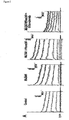
- MLC901 The effects of MLC901 were studied in an in vitro model of ischemia in which cortical neurons were exposed to a glucose and oxygen deprivation. Hoechst staining of nuclei of living neurons was used to assess OGD-induced neuronal death in cultured neurons. Cortical neurons were first treated with saline or MLC901 (1 ⁇ g/mL). The dose of MLC901 used was selected based on our previous study, where the application of 1 ⁇ g/mL MLC901 induced the best protection against cell death on cortical neurons in culture (Heurteaux et al., 2010).
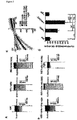
- K ATP channels in INS-R9 cells were significantly activated by MLC901 (1 ⁇ g/mL) and we observed an additive effect with the application of 10 ⁇ M pinacidil, a well known activator of K ATP channels (Edwards and Weston, 1990; Mannhold, 2004; Quast, 1992) ( Figure 2 ).
- Glibenclamide (10 ⁇ M) inhibited the K ATP current activated by MLC901 + Pinacidil ( Figure 2 ).
- the results obtained in INS-R9 cells confirm that the electrophysiological effects of MLC901 are, at least in part, mediated by K ATP channels.
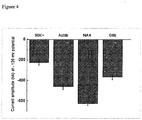
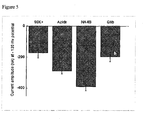
- the two subunits that constitute the neuronal K ATP channel are SUR 1 and Kir 6.2 (Inagaki et al., 1995). Xenopus oocyte expression of SUR 1 and Kir 6.2 , led to generation of large inwardly rectifying currents in response to application of sodium azide (3 mM) to decrease intracellular ATP and increase the ADP/ATP ratio (Ashcroft and Ashcroft, 1990) ( Figure 3A ). The amplitude of the azide-induced, glibenclamide-sensitive K ATP channel current was amplified by application of pinacidil (10 ⁇ M) and as expected inhibited by glibenclamide (10 ⁇ M) ( Figure 3A ). We then performed the same type of experiments by using MLC901.
- MLC901 protects cortical neurons against death in an in vitro model of ischemia.
- the model of oxygen glucose deprivation mimics cell death processes observed in the salvageable (penumbral) regions of the ischemic brain in vivo.
- MLC901 significantly prevents neuronal cells from death. This neuroprotective effect is blocked by glibenclamide, the specific inhibitor of K ATP channels.
- MLC901 The activating effect of MLC901 on K ATP channels has been proved by electrophysiological experiments on ovocytes expressing recombinant channels and insulinoma cells. Insulinoma cells naturally have K ATP channels, essential to couple changes of extracellular glucose levels to insulin secretion (Lazdunski, 1996). MLC901 induces a large hyperpolarisation in these both types of cells. This large hyperpolarization produced by MLC901 is expected to strongly protect neurons against death. MLC901 behaved like pinacidil, a classical K ATP channel opener (Edwards and Weston, 1990; Mannhold, 2004, Heurteaux et al., 1995), and the stimulating effects of both MLC901 and pinacidil were abolished by glibenclamide.
- MLC901 The activating effect of MLC901 on K ATP channels are observed at therapeutic concentrations used in rodent models of ischemia (Heurteaux et al., 2010; Quintard et al., 2011). Therefore, in addition to its neuroregenerative properties (Heurteaux et al., 2010), the cocktail of active molecules present in this TCM seems to act via K ATP channels for at least a part of its properties against cerebral ischemia.
- defolliculated Xenopus oocytes were injected with 100 nL of cRNA at 0.02-0.4 ⁇ g/ ⁇ L, and currents were recorded after 2-4 days.
- Each oocyte was placed in a 0.3-mL perfusion chamber and impaled with two standard microelectrodes (1-2.5 M ⁇ resistance) filled with 3 M KCl and voltage clamped with a Dagan CA-1 amplifier, in symmetrical potassium solution containing (in mM) (90 KCl, 1.8 CaCl 2 , 1 mM MgCl 2 , 5 Hepes, pH 7.4 with KOH).
Landscapes
- Health & Medical Sciences (AREA)
- Natural Medicines & Medicinal Plants (AREA)
- Life Sciences & Earth Sciences (AREA)
- Veterinary Medicine (AREA)
- Pharmacology & Pharmacy (AREA)
- Chemical & Material Sciences (AREA)
- Engineering & Computer Science (AREA)
- Public Health (AREA)
- Medicinal Chemistry (AREA)
- General Health & Medical Sciences (AREA)
- Animal Behavior & Ethology (AREA)
- Biotechnology (AREA)
- Mycology (AREA)
- Epidemiology (AREA)
- Microbiology (AREA)
- Botany (AREA)
- Alternative & Traditional Medicine (AREA)
- Medical Informatics (AREA)
- General Chemical & Material Sciences (AREA)
- Organic Chemistry (AREA)
- Nuclear Medicine, Radiotherapy & Molecular Imaging (AREA)
- Chemical Kinetics & Catalysis (AREA)
- Bioinformatics & Cheminformatics (AREA)
- Biomedical Technology (AREA)
- Heart & Thoracic Surgery (AREA)
- Neurosurgery (AREA)
- Urology & Nephrology (AREA)
- Cardiology (AREA)
- Neurology (AREA)
- Medicines Containing Plant Substances (AREA)
- Pharmaceuticals Containing Other Organic And Inorganic Compounds (AREA)
- Medicines Containing Material From Animals Or Micro-Organisms (AREA)
- Medicines That Contain Protein Lipid Enzymes And Other Medicines (AREA)
Priority Applications (4)
| Application Number | Priority Date | Filing Date | Title |
|---|---|---|---|
| RS20200244A RS60009B1 (sr) | 2012-03-23 | 2013-03-25 | Neurozaštitna kompozicija koja obuhvata polygalae, astragali, chuanxiong i angelica sinensis |
| HRP20200327TT HRP20200327T1 (hr) | 2012-03-23 | 2013-03-25 | Neurozaštitan sastav koji obuhvaća polygalae, astragali, chuanxiong i angelicu sinensis |
| SI201331684T SI2838545T1 (sl) | 2012-03-23 | 2013-03-25 | Sestavek za zaščito živčevja, ki obsega polygalae, astragali, chuanxiong in angelico sinensis |
| PL13764190T PL2838545T3 (pl) | 2012-03-23 | 2013-03-25 | Kompozycja neuroprotekcyjna zawierająca polygalae, astragali, chuanxiong oraz angelica sinensis |
Applications Claiming Priority (3)
| Application Number | Priority Date | Filing Date | Title |
|---|---|---|---|
| US201261614698P | 2012-03-23 | 2012-03-23 | |
| US201361790851P | 2013-03-15 | 2013-03-15 | |
| PCT/SG2013/000118 WO2013141818A1 (en) | 2012-03-23 | 2013-03-25 | Composition comprising herbs |
Publications (3)
| Publication Number | Publication Date |
|---|---|
| EP2838545A1 EP2838545A1 (en) | 2015-02-25 |
| EP2838545A4 EP2838545A4 (en) | 2015-12-02 |
| EP2838545B1 true EP2838545B1 (en) | 2019-12-04 |
Family
ID=49223103
Family Applications (1)
| Application Number | Title | Priority Date | Filing Date |
|---|---|---|---|
| EP13764190.8A Active EP2838545B1 (en) | 2012-03-23 | 2013-03-25 | Neuroprotective composition comprising polygalae, astragali, chuanxiong and angelica sinensis |
Country Status (20)
| Country | Link |
|---|---|
| US (1) | US20130287870A1 (da) |
| EP (1) | EP2838545B1 (da) |
| CA (1) | CA2870845C (da) |
| DK (1) | DK2838545T3 (da) |
| ES (1) | ES2765878T3 (da) |
| HR (1) | HRP20200327T1 (da) |
| HU (1) | HUE047832T2 (da) |
| IN (1) | IN2014MN02112A (da) |
| LT (1) | LT2838545T (da) |
| MX (1) | MX360164B (da) |
| MY (1) | MY175190A (da) |
| PH (1) | PH12014502114B1 (da) |
| PL (1) | PL2838545T3 (da) |
| PT (1) | PT2838545T (da) |
| RS (1) | RS60009B1 (da) |
| RU (1) | RU2642591C2 (da) |
| SG (2) | SG10201607832SA (da) |
| SI (1) | SI2838545T1 (da) |
| WO (1) | WO2013141818A1 (da) |
| ZA (1) | ZA201407455B (da) |
Families Citing this family (13)
| Publication number | Priority date | Publication date | Assignee | Title |
|---|---|---|---|---|
| TWI484971B (zh) * | 2013-03-04 | 2015-05-21 | Univ Nat Taiwan Normal | 用於抑制小腦萎縮症之醫藥組成物 |
| CN103599219B (zh) * | 2013-11-06 | 2015-07-01 | 杜熙韬 | 一种治疗尿石症的中药 |
| CN103656421A (zh) * | 2013-11-11 | 2014-03-26 | 青岛佰众化工技术有限公司 | 一种治疗中风的中药组合物 |
| CN103860773A (zh) * | 2014-04-11 | 2014-06-18 | 胡海波 | 用于治疗心肌缺血的中药组合物及其制备方法 |
| CN103893346B (zh) * | 2014-04-30 | 2015-09-30 | 陈玉贵 | 一种治疗心气虚劳型心律失常的中药及其制备方法 |
| CN104069215B (zh) * | 2014-07-15 | 2016-06-01 | 王炜 | 一种具有降血脂功能的中药组合物及其制备方法 |
| CN104096212A (zh) * | 2014-08-12 | 2014-10-15 | 崔银方 | 一种治疗心肌梗死的中药组合物及其应用 |
| CN104257735A (zh) * | 2014-09-23 | 2015-01-07 | 苏州市天灵中药饮片有限公司 | 蜜炙黄芪的炮制方法 |
| CN104435575A (zh) * | 2014-11-30 | 2015-03-25 | 黄根强 | 一种用于治疗小儿多动综合症的中药组合物 |
| SG10201507607RA (en) | 2015-09-14 | 2017-04-27 | Moleac Pte Ltd | Process For Producing Traditional Chinese Medicine Compositions, And Compositions Obtainable By The Process |
| CN107854539B (zh) * | 2017-12-05 | 2021-01-15 | 葛须进 | 一种治疗冠心病、心功能不全、心律失常的中药组合物及其制备方法 |
| RU2745997C1 (ru) * | 2019-11-28 | 2021-04-05 | Общество с ограниченной ответственностью "Фармацевтический завод "ГАЛЕН" | Биологически активная композиция, обладающая адаптогенным и антистрессорным действием |
| KR20250068655A (ko) | 2022-09-15 | 2025-05-16 | 몰레악 피티이 엘티디 | 염증 치료 |
Family Cites Families (4)
| Publication number | Priority date | Publication date | Assignee | Title |
|---|---|---|---|---|
| WO1995021943A1 (en) * | 1994-02-08 | 1995-08-17 | State Of Oregon, Acting By And Through The Oregon State Board Of Higher Education On Behalf Of The Oregon Health Sciences University | Dna encoding atp-sensitive potassium channel proteins and uses thereof |
| AU2007225456B2 (en) * | 2006-03-16 | 2013-03-28 | Moleac Pte Ltd | Combination therapy for treatment of patients with neurological disorders and cerebral infarction |
| LT2349300T (lt) | 2008-11-10 | 2019-10-25 | Moleac Pte Ltd | Kombinuota terapija pacientų su neurologiniais sutrikimais ir smegenų infarktu gydymui |
| TR201911199T4 (tr) * | 2009-03-27 | 2019-08-21 | Moleac Pte Ltd | Hücre büyümesini arttırmak için tedavi. |
-
2013
- 2013-03-25 IN IN2112MUN2014 patent/IN2014MN02112A/en unknown
- 2013-03-25 PL PL13764190T patent/PL2838545T3/pl unknown
- 2013-03-25 PT PT137641908T patent/PT2838545T/pt unknown
- 2013-03-25 SG SG10201607832SA patent/SG10201607832SA/en unknown
- 2013-03-25 MY MYPI2014002723A patent/MY175190A/en unknown
- 2013-03-25 WO PCT/SG2013/000118 patent/WO2013141818A1/en not_active Ceased
- 2013-03-25 SI SI201331684T patent/SI2838545T1/sl unknown
- 2013-03-25 SG SG11201405979WA patent/SG11201405979WA/en unknown
- 2013-03-25 HU HUE13764190A patent/HUE047832T2/hu unknown
- 2013-03-25 CA CA2870845A patent/CA2870845C/en active Active
- 2013-03-25 ES ES13764190T patent/ES2765878T3/es active Active
- 2013-03-25 DK DK13764190.8T patent/DK2838545T3/da active
- 2013-03-25 MX MX2014011411A patent/MX360164B/es active IP Right Grant
- 2013-03-25 RS RS20200244A patent/RS60009B1/sr unknown
- 2013-03-25 LT LTEP13764190.8T patent/LT2838545T/lt unknown
- 2013-03-25 RU RU2014142563A patent/RU2642591C2/ru active
- 2013-03-25 EP EP13764190.8A patent/EP2838545B1/en active Active
- 2013-03-25 HR HRP20200327TT patent/HRP20200327T1/hr unknown
- 2013-03-25 US US13/849,731 patent/US20130287870A1/en not_active Abandoned
-
2014
- 2014-09-23 PH PH12014502114A patent/PH12014502114B1/en unknown
- 2014-10-15 ZA ZA2014/07455A patent/ZA201407455B/en unknown
Non-Patent Citations (1)
| Title |
|---|
| None * |
Also Published As
| Publication number | Publication date |
|---|---|
| RU2642591C2 (ru) | 2018-01-25 |
| CA2870845A1 (en) | 2013-09-26 |
| WO2013141818A1 (en) | 2013-09-26 |
| RS60009B1 (sr) | 2020-04-30 |
| LT2838545T (lt) | 2020-02-10 |
| MY175190A (en) | 2020-06-13 |
| PH12014502114A1 (en) | 2014-12-10 |
| ZA201407455B (en) | 2016-09-28 |
| IN2014MN02112A (da) | 2015-09-11 |
| PH12014502114B1 (en) | 2020-01-24 |
| HK1207817A1 (en) | 2016-02-12 |
| CA2870845C (en) | 2022-10-04 |
| SG10201607832SA (en) | 2016-11-29 |
| EP2838545A1 (en) | 2015-02-25 |
| MX2014011411A (es) | 2015-03-09 |
| SG11201405979WA (en) | 2014-11-27 |
| RU2014142563A (ru) | 2016-05-20 |
| PT2838545T (pt) | 2020-03-05 |
| HUE047832T2 (hu) | 2020-05-28 |
| DK2838545T3 (da) | 2020-03-09 |
| MX360164B (es) | 2018-10-05 |
| PL2838545T3 (pl) | 2020-06-01 |
| EP2838545A4 (en) | 2015-12-02 |
| HRP20200327T1 (hr) | 2020-06-12 |
| ES2765878T3 (es) | 2020-06-11 |
| US20130287870A1 (en) | 2013-10-31 |
| SI2838545T1 (sl) | 2020-04-30 |
Similar Documents
| Publication | Publication Date | Title |
|---|---|---|
| EP2838545B1 (en) | Neuroprotective composition comprising polygalae, astragali, chuanxiong and angelica sinensis | |
| KR100802149B1 (ko) | 혈관 손상에 의한 질환 예방 및 치료용 조성물 | |
| KR100364383B1 (ko) | 신경보호작용을 갖는 황금추출물 및 이를 함유하는 약학적제제 | |
| KR101285234B1 (ko) | 백미 추출물을 포함하는 관절염 예방 및 치료용 조성물 | |
| CN102028700B (zh) | 一种药物组合物及其制备方法 | |
| AU2016225813B2 (en) | Novel Uses for Traditional Chinese Medicine | |
| CN102552372A (zh) | 杜仲化学成分作为血管保护剂的新用途 | |
| CN101416995A (zh) | 一种淫羊藿提取物及制备方法、制剂和用途 | |
| CN117679518B (zh) | 用于防治恢复期面神经麻痹的药物组合物及其应用 | |
| CN114099564B (zh) | 具有增强神经营养因子功能的组合物及其应用 | |
| Craighead et al. | Influence of corticotrophin releasing factor on neuronal cell death in vitro and in vivo | |
| KR101402525B1 (ko) | 진세노사이드 Re를 유효성분으로 포함하는 우울증, 불안 장애 또는 기억력 감퇴의 치료용 약학적 조성물 및 건강기능식품 | |
| CN107137393B (zh) | 一种用于治疗糖尿病神经损伤的植物单体复方制剂 | |
| HK1207817B (en) | Neuroprotective composition comprising polygalae, astragali, chuanxiong and angelica sinensis | |
| TWI794335B (zh) | 片仔癀及其製劑在治療腦中風後遺症的用途 | |
| KR20060092373A (ko) | 소아 아토피 피부염의 예방 및 개선용 생약 조성물 | |
| WO2007059685A1 (fr) | Calycosine d'astragalus a fonction de resistance contre le coxackievirus | |
| KR20040008975A (ko) | 뇌기능 및 인지 기능 개선 활성을 갖는 조성물 | |
| KR20090095309A (ko) | 사우치논 또는 사우치논을 함유하는 삼백초 추출물을포함하는 아토피성 피부질환의 경감 또는 치료용 조성물 | |
| KR100254467B1 (ko) | 우황을 함유하는 생약 조성물 | |
| CN121370926A (zh) | 一种治疗和/或预防抑郁症的药物组合物及其制备方法、应用 | |
| KR100840764B1 (ko) | 혈관 손상에 의한 질환의 예방 및 개선용 건강기능식품 | |
| CN107137410B (zh) | 一种用于治疗脑缺血的中药单体复方配伍制剂及制备方法 | |
| KR20040042240A (ko) | 조구등을 주성분으로 함유하는 酸素自由基에 의하여 損傷된 培養脊髓感覺神經節細胞에 미치는 신경보호 효과에 대한 약학적 효능 | |
| Sodovjamts et al. | The Effect of Antischemin Preparations on Hypoxia |
Legal Events
| Date | Code | Title | Description |
|---|---|---|---|
| PUAI | Public reference made under article 153(3) epc to a published international application that has entered the european phase |
Free format text: ORIGINAL CODE: 0009012 |
|
| 17P | Request for examination filed |
Effective date: 20141023 |
|
| AK | Designated contracting states |
Kind code of ref document: A1 Designated state(s): AL AT BE BG CH CY CZ DE DK EE ES FI FR GB GR HR HU IE IS IT LI LT LU LV MC MK MT NL NO PL PT RO RS SE SI SK SM TR |
|
| AX | Request for extension of the european patent |
Extension state: BA ME |
|
| DAX | Request for extension of the european patent (deleted) | ||
| RIC1 | Information provided on ipc code assigned before grant |
Ipc: A61K 36/236 20060101ALI20151022BHEP Ipc: A61K 36/232 20060101ALI20151022BHEP Ipc: A61K 36/481 20060101ALI20151022BHEP Ipc: A61P 13/00 20060101ALI20151022BHEP Ipc: A61P 25/00 20060101ALI20151022BHEP Ipc: A61P 9/00 20060101ALI20151022BHEP Ipc: A61K 36/00 20060101AFI20151022BHEP |
|
| RA4 | Supplementary search report drawn up and despatched (corrected) |
Effective date: 20151030 |
|
| REG | Reference to a national code |
Ref country code: HK Ref legal event code: DE Ref document number: 1207817 Country of ref document: HK |
|
| STAA | Information on the status of an ep patent application or granted ep patent |
Free format text: STATUS: REQUEST FOR EXAMINATION WAS MADE |
|
| R17P | Request for examination filed (corrected) |
Effective date: 20141023 |
|
| STAA | Information on the status of an ep patent application or granted ep patent |
Free format text: STATUS: EXAMINATION IS IN PROGRESS |
|
| 17Q | First examination report despatched |
Effective date: 20170927 |
|
| REG | Reference to a national code |
Ref country code: DE Ref legal event code: R079 Ref document number: 602013063623 Country of ref document: DE Free format text: PREVIOUS MAIN CLASS: A61K0036000000 Ipc: A61K0036882000 |
|
| GRAP | Despatch of communication of intention to grant a patent |
Free format text: ORIGINAL CODE: EPIDOSNIGR1 |
|
| RIC1 | Information provided on ipc code assigned before grant |
Ipc: A61P 25/00 20060101ALI20190820BHEP Ipc: A61P 13/00 20060101ALI20190820BHEP Ipc: A61P 9/00 20060101ALI20190820BHEP Ipc: A61K 36/232 20060101ALI20190820BHEP Ipc: A61K 36/736 20060101ALI20190820BHEP Ipc: A61K 36/236 20060101ALI20190820BHEP Ipc: A61K 36/537 20060101ALI20190820BHEP Ipc: A61K 36/69 20060101ALI20190820BHEP Ipc: A61K 36/286 20060101ALI20190820BHEP Ipc: A61K 36/65 20060101ALI20190820BHEP Ipc: A61K 36/481 20060101ALI20190820BHEP Ipc: A61K 36/882 20060101AFI20190820BHEP |
|
| STAA | Information on the status of an ep patent application or granted ep patent |
Free format text: STATUS: GRANT OF PATENT IS INTENDED |
|
| INTG | Intention to grant announced |
Effective date: 20190926 |
|
| GRAS | Grant fee paid |
Free format text: ORIGINAL CODE: EPIDOSNIGR3 |
|
| GRAA | (expected) grant |
Free format text: ORIGINAL CODE: 0009210 |
|
| STAA | Information on the status of an ep patent application or granted ep patent |
Free format text: STATUS: THE PATENT HAS BEEN GRANTED |
|
| AK | Designated contracting states |
Kind code of ref document: B1 Designated state(s): AL AT BE BG CH CY CZ DE DK EE ES FI FR GB GR HR HU IE IS IT LI LT LU LV MC MK MT NL NO PL PT RO RS SE SI SK SM TR |
|
| REG | Reference to a national code |
Ref country code: GB Ref legal event code: FG4D |
|
| REG | Reference to a national code |
Ref country code: CH Ref legal event code: EP |
|
| REG | Reference to a national code |
Ref country code: AT Ref legal event code: REF Ref document number: 1208556 Country of ref document: AT Kind code of ref document: T Effective date: 20191215 |
|
| REG | Reference to a national code |
Ref country code: DE Ref legal event code: R096 Ref document number: 602013063623 Country of ref document: DE |
|
| REG | Reference to a national code |
Ref country code: IE Ref legal event code: FG4D |
|
| REG | Reference to a national code |
Ref country code: HR Ref legal event code: TUEP Ref document number: P20200327 Country of ref document: HR |
|
| REG | Reference to a national code |
Ref country code: FI Ref legal event code: FGE Ref country code: RO Ref legal event code: EPE |
|
| REG | Reference to a national code |
Ref country code: PT Ref legal event code: SC4A Ref document number: 2838545 Country of ref document: PT Date of ref document: 20200305 Kind code of ref document: T Free format text: AVAILABILITY OF NATIONAL TRANSLATION Effective date: 20200227 |
|
| REG | Reference to a national code |
Ref country code: DK Ref legal event code: T3 Effective date: 20200304 Ref country code: NO Ref legal event code: T2 Effective date: 20191204 |
|
| REG | Reference to a national code |
Ref country code: EE Ref legal event code: FG4A Ref document number: E018537 Country of ref document: EE Effective date: 20200116 |
|
| REG | Reference to a national code |
Ref country code: SE Ref legal event code: TRGR |
|
| REG | Reference to a national code |
Ref country code: SK Ref legal event code: T3 Ref document number: E 33259 Country of ref document: SK |
|
| REG | Reference to a national code |
Ref country code: NL Ref legal event code: FP |
|
| REG | Reference to a national code |
Ref country code: GR Ref legal event code: EP Ref document number: 20200400223 Country of ref document: GR Effective date: 20200511 |
|
| REG | Reference to a national code |
Ref country code: HU Ref legal event code: AG4A Ref document number: E047832 Country of ref document: HU |
|
| REG | Reference to a national code |
Ref country code: HR Ref legal event code: ODRP Ref document number: P20200327 Country of ref document: HR Payment date: 20200310 Year of fee payment: 8 |
|
| REG | Reference to a national code |
Ref country code: ES Ref legal event code: FG2A Ref document number: 2765878 Country of ref document: ES Kind code of ref document: T3 Effective date: 20200611 |
|
| REG | Reference to a national code |
Ref country code: HR Ref legal event code: T1PR Ref document number: P20200327 Country of ref document: HR |
|
| PG25 | Lapsed in a contracting state [announced via postgrant information from national office to epo] |
Ref country code: SM Free format text: LAPSE BECAUSE OF FAILURE TO SUBMIT A TRANSLATION OF THE DESCRIPTION OR TO PAY THE FEE WITHIN THE PRESCRIBED TIME-LIMIT Effective date: 20191204 |
|
| REG | Reference to a national code |
Ref country code: DE Ref legal event code: R097 Ref document number: 602013063623 Country of ref document: DE |
|
| PLBE | No opposition filed within time limit |
Free format text: ORIGINAL CODE: 0009261 |
|
| STAA | Information on the status of an ep patent application or granted ep patent |
Free format text: STATUS: NO OPPOSITION FILED WITHIN TIME LIMIT |
|
| 26N | No opposition filed |
Effective date: 20200907 |
|
| REG | Reference to a national code |
Ref country code: HR Ref legal event code: ODRP Ref document number: P20200327 Country of ref document: HR Payment date: 20210319 Year of fee payment: 9 |
|
| REG | Reference to a national code |
Ref country code: HR Ref legal event code: ODRP Ref document number: P20200327 Country of ref document: HR Payment date: 20220323 Year of fee payment: 10 |
|
| REG | Reference to a national code |
Ref country code: AT Ref legal event code: UEP Ref document number: 1208556 Country of ref document: AT Kind code of ref document: T Effective date: 20191204 |
|
| REG | Reference to a national code |
Ref country code: HR Ref legal event code: ODRP Ref document number: P20200327 Country of ref document: HR Payment date: 20230320 Year of fee payment: 11 |
|
| P01 | Opt-out of the competence of the unified patent court (upc) registered |
Effective date: 20230525 |
|
| REG | Reference to a national code |
Ref country code: HR Ref legal event code: ODRP Ref document number: P20200327 Country of ref document: HR Payment date: 20240314 Year of fee payment: 12 |
|
| REG | Reference to a national code |
Ref country code: HR Ref legal event code: ODRP Ref document number: P20200327 Country of ref document: HR Payment date: 20250314 Year of fee payment: 13 |
|
| PGFP | Annual fee paid to national office [announced via postgrant information from national office to epo] |
Ref country code: BG Payment date: 20250321 Year of fee payment: 13 |
|
| PGFP | Annual fee paid to national office [announced via postgrant information from national office to epo] |
Ref country code: SI Payment date: 20250313 Year of fee payment: 13 |
|
| PGFP | Annual fee paid to national office [announced via postgrant information from national office to epo] |
Ref country code: AL Payment date: 20250307 Year of fee payment: 13 |
|
| PGFP | Annual fee paid to national office [announced via postgrant information from national office to epo] |
Ref country code: ES Payment date: 20250429 Year of fee payment: 13 |
|
| PGFP | Annual fee paid to national office [announced via postgrant information from national office to epo] |
Ref country code: CH Payment date: 20250401 Year of fee payment: 13 |
|
| PGFP | Annual fee paid to national office [announced via postgrant information from national office to epo] |
Ref country code: MK Payment date: 20250220 Year of fee payment: 13 |
|
| REG | Reference to a national code |
Ref country code: CH Ref legal event code: U11 Free format text: ST27 STATUS EVENT CODE: U-0-0-U10-U11 (AS PROVIDED BY THE NATIONAL OFFICE) Effective date: 20260401 |
|
| PGFP | Annual fee paid to national office [announced via postgrant information from national office to epo] |
Ref country code: SE Payment date: 20260319 Year of fee payment: 14 |
|
| PGFP | Annual fee paid to national office [announced via postgrant information from national office to epo] |
Ref country code: GB Payment date: 20260324 Year of fee payment: 14 Ref country code: LT Payment date: 20260220 Year of fee payment: 14 |
|
| PGFP | Annual fee paid to national office [announced via postgrant information from national office to epo] |
Ref country code: MC Payment date: 20260323 Year of fee payment: 14 |
|
| REG | Reference to a national code |
Ref country code: HR Ref legal event code: ODRP Ref document number: P20200327 Country of ref document: HR Payment date: 20260312 Year of fee payment: 14 |
|
| PGFP | Annual fee paid to national office [announced via postgrant information from national office to epo] |
Ref country code: NO Payment date: 20260323 Year of fee payment: 14 Ref country code: DK Payment date: 20260324 Year of fee payment: 14 Ref country code: IE Payment date: 20260319 Year of fee payment: 14 Ref country code: DE Payment date: 20260319 Year of fee payment: 14 |
|
| PGFP | Annual fee paid to national office [announced via postgrant information from national office to epo] |
Ref country code: HR Payment date: 20260312 Year of fee payment: 14 Ref country code: AT Payment date: 20260320 Year of fee payment: 14 |
|
| PGFP | Annual fee paid to national office [announced via postgrant information from national office to epo] |
Ref country code: BE Payment date: 20260319 Year of fee payment: 14 Ref country code: LU Payment date: 20260319 Year of fee payment: 14 Ref country code: RO Payment date: 20260316 Year of fee payment: 14 Ref country code: FI Payment date: 20260323 Year of fee payment: 14 Ref country code: IT Payment date: 20260324 Year of fee payment: 14 |
|
| PGFP | Annual fee paid to national office [announced via postgrant information from national office to epo] |
Ref country code: HU Payment date: 20260323 Year of fee payment: 14 Ref country code: NL Payment date: 20260319 Year of fee payment: 14 |
|
| PGFP | Annual fee paid to national office [announced via postgrant information from national office to epo] |
Ref country code: RS Payment date: 20260313 Year of fee payment: 14 |
|
| PGFP | Annual fee paid to national office [announced via postgrant information from national office to epo] |
Ref country code: IS Payment date: 20260311 Year of fee payment: 14 Ref country code: FR Payment date: 20260320 Year of fee payment: 14 |
|
| PGFP | Annual fee paid to national office [announced via postgrant information from national office to epo] |
Ref country code: TR Payment date: 20260323 Year of fee payment: 14 |
|
| PGFP | Annual fee paid to national office [announced via postgrant information from national office to epo] |
Ref country code: PT Payment date: 20260312 Year of fee payment: 14 Ref country code: CZ Payment date: 20260320 Year of fee payment: 14 |
|
| PGFP | Annual fee paid to national office [announced via postgrant information from national office to epo] |
Ref country code: GR Payment date: 20260320 Year of fee payment: 14 Ref country code: MT Payment date: 20260226 Year of fee payment: 14 Ref country code: PL Payment date: 20260313 Year of fee payment: 14 Ref country code: CY Payment date: 20260306 Year of fee payment: 14 |
|
| PGFP | Annual fee paid to national office [announced via postgrant information from national office to epo] |
Ref country code: LV Payment date: 20260316 Year of fee payment: 14 Ref country code: EE Payment date: 20260325 Year of fee payment: 14 Ref country code: SK Payment date: 20260317 Year of fee payment: 14 |