EP2811689B1 - Drahtloses kommunikationssystem - Google Patents
Drahtloses kommunikationssystem Download PDFInfo
- Publication number
- EP2811689B1 EP2811689B1 EP13743929.5A EP13743929A EP2811689B1 EP 2811689 B1 EP2811689 B1 EP 2811689B1 EP 13743929 A EP13743929 A EP 13743929A EP 2811689 B1 EP2811689 B1 EP 2811689B1
- Authority
- EP
- European Patent Office
- Prior art keywords
- encryption key
- portable device
- verification
- electronic key
- vehicle
- Prior art date
- Legal status (The legal status is an assumption and is not a legal conclusion. Google has not performed a legal analysis and makes no representation as to the accuracy of the status listed.)
- Active
Links
- 238000004891 communication Methods 0.000 title claims description 64
- 238000012795 verification Methods 0.000 claims description 67
- 238000012217 deletion Methods 0.000 claims description 41
- 230000037430 deletion Effects 0.000 claims description 41
- 238000000034 method Methods 0.000 claims description 11
- 230000000153 supplemental effect Effects 0.000 claims description 4
- 230000008569 process Effects 0.000 claims description 3
- 230000015654 memory Effects 0.000 description 35
- 230000004044 response Effects 0.000 description 13
- 230000005540 biological transmission Effects 0.000 description 11
- 238000004519 manufacturing process Methods 0.000 description 10
- 230000009466 transformation Effects 0.000 description 6
- 238000010586 diagram Methods 0.000 description 5
- 230000008901 benefit Effects 0.000 description 3
- 230000006870 function Effects 0.000 description 3
- 239000000446 fuel Substances 0.000 description 2
- 238000007689 inspection Methods 0.000 description 2
- 238000004364 calculation method Methods 0.000 description 1
- 230000008859 change Effects 0.000 description 1
- 238000002347 injection Methods 0.000 description 1
- 239000007924 injection Substances 0.000 description 1
- 238000003780 insertion Methods 0.000 description 1
- 230000037431 insertion Effects 0.000 description 1
- 230000000737 periodic effect Effects 0.000 description 1
- 239000013589 supplement Substances 0.000 description 1
Images

Classifications
-
- B—PERFORMING OPERATIONS; TRANSPORTING
- B60—VEHICLES IN GENERAL
- B60R—VEHICLES, VEHICLE FITTINGS, OR VEHICLE PARTS, NOT OTHERWISE PROVIDED FOR
- B60R25/00—Fittings or systems for preventing or indicating unauthorised use or theft of vehicles
- B60R25/20—Means to switch the anti-theft system on or off
- B60R25/24—Means to switch the anti-theft system on or off using electronic identifiers containing a code not memorised by the user
-
- G—PHYSICS
- G07—CHECKING-DEVICES
- G07C—TIME OR ATTENDANCE REGISTERS; REGISTERING OR INDICATING THE WORKING OF MACHINES; GENERATING RANDOM NUMBERS; VOTING OR LOTTERY APPARATUS; ARRANGEMENTS, SYSTEMS OR APPARATUS FOR CHECKING NOT PROVIDED FOR ELSEWHERE
- G07C9/00—Individual registration on entry or exit
- G07C9/00174—Electronically operated locks; Circuits therefor; Nonmechanical keys therefor, e.g. passive or active electrical keys or other data carriers without mechanical keys
- G07C9/00309—Electronically operated locks; Circuits therefor; Nonmechanical keys therefor, e.g. passive or active electrical keys or other data carriers without mechanical keys operated with bidirectional data transmission between data carrier and locks
-
- H—ELECTRICITY
- H04—ELECTRIC COMMUNICATION TECHNIQUE
- H04L—TRANSMISSION OF DIGITAL INFORMATION, e.g. TELEGRAPHIC COMMUNICATION
- H04L9/00—Cryptographic mechanisms or cryptographic arrangements for secret or secure communications; Network security protocols
- H04L9/08—Key distribution or management, e.g. generation, sharing or updating, of cryptographic keys or passwords
- H04L9/0861—Generation of secret information including derivation or calculation of cryptographic keys or passwords
-
- H—ELECTRICITY
- H04—ELECTRIC COMMUNICATION TECHNIQUE
- H04L—TRANSMISSION OF DIGITAL INFORMATION, e.g. TELEGRAPHIC COMMUNICATION
- H04L9/00—Cryptographic mechanisms or cryptographic arrangements for secret or secure communications; Network security protocols
- H04L9/32—Cryptographic mechanisms or cryptographic arrangements for secret or secure communications; Network security protocols including means for verifying the identity or authority of a user of the system or for message authentication, e.g. authorization, entity authentication, data integrity or data verification, non-repudiation, key authentication or verification of credentials
- H04L9/3271—Cryptographic mechanisms or cryptographic arrangements for secret or secure communications; Network security protocols including means for verifying the identity or authority of a user of the system or for message authentication, e.g. authorization, entity authentication, data integrity or data verification, non-repudiation, key authentication or verification of credentials using challenge-response
-
- H—ELECTRICITY
- H04—ELECTRIC COMMUNICATION TECHNIQUE
- H04W—WIRELESS COMMUNICATION NETWORKS
- H04W12/00—Security arrangements; Authentication; Protecting privacy or anonymity
- H04W12/04—Key management, e.g. using generic bootstrapping architecture [GBA]
- H04W12/041—Key generation or derivation
-
- H—ELECTRICITY
- H04—ELECTRIC COMMUNICATION TECHNIQUE
- H04W—WIRELESS COMMUNICATION NETWORKS
- H04W12/00—Security arrangements; Authentication; Protecting privacy or anonymity
- H04W12/06—Authentication
- H04W12/068—Authentication using credential vaults, e.g. password manager applications or one time password [OTP] applications
-
- G—PHYSICS
- G07—CHECKING-DEVICES
- G07C—TIME OR ATTENDANCE REGISTERS; REGISTERING OR INDICATING THE WORKING OF MACHINES; GENERATING RANDOM NUMBERS; VOTING OR LOTTERY APPARATUS; ARRANGEMENTS, SYSTEMS OR APPARATUS FOR CHECKING NOT PROVIDED FOR ELSEWHERE
- G07C9/00—Individual registration on entry or exit
- G07C9/00174—Electronically operated locks; Circuits therefor; Nonmechanical keys therefor, e.g. passive or active electrical keys or other data carriers without mechanical keys
- G07C9/00309—Electronically operated locks; Circuits therefor; Nonmechanical keys therefor, e.g. passive or active electrical keys or other data carriers without mechanical keys operated with bidirectional data transmission between data carrier and locks
- G07C2009/00412—Electronically operated locks; Circuits therefor; Nonmechanical keys therefor, e.g. passive or active electrical keys or other data carriers without mechanical keys operated with bidirectional data transmission between data carrier and locks the transmitted data signal being encrypted
-
- G—PHYSICS
- G07—CHECKING-DEVICES
- G07C—TIME OR ATTENDANCE REGISTERS; REGISTERING OR INDICATING THE WORKING OF MACHINES; GENERATING RANDOM NUMBERS; VOTING OR LOTTERY APPARATUS; ARRANGEMENTS, SYSTEMS OR APPARATUS FOR CHECKING NOT PROVIDED FOR ELSEWHERE
- G07C9/00—Individual registration on entry or exit
- G07C9/00174—Electronically operated locks; Circuits therefor; Nonmechanical keys therefor, e.g. passive or active electrical keys or other data carriers without mechanical keys
- G07C2009/00753—Electronically operated locks; Circuits therefor; Nonmechanical keys therefor, e.g. passive or active electrical keys or other data carriers without mechanical keys operated by active electrical keys
- G07C2009/00769—Electronically operated locks; Circuits therefor; Nonmechanical keys therefor, e.g. passive or active electrical keys or other data carriers without mechanical keys operated by active electrical keys with data transmission performed by wireless means
- G07C2009/00793—Electronically operated locks; Circuits therefor; Nonmechanical keys therefor, e.g. passive or active electrical keys or other data carriers without mechanical keys operated by active electrical keys with data transmission performed by wireless means by Hertzian waves
-
- H—ELECTRICITY
- H04—ELECTRIC COMMUNICATION TECHNIQUE
- H04L—TRANSMISSION OF DIGITAL INFORMATION, e.g. TELEGRAPHIC COMMUNICATION
- H04L2209/00—Additional information or applications relating to cryptographic mechanisms or cryptographic arrangements for secret or secure communication H04L9/00
- H04L2209/80—Wireless
-
- H—ELECTRICITY
- H04—ELECTRIC COMMUNICATION TECHNIQUE
- H04L—TRANSMISSION OF DIGITAL INFORMATION, e.g. TELEGRAPHIC COMMUNICATION
- H04L2209/00—Additional information or applications relating to cryptographic mechanisms or cryptographic arrangements for secret or secure communication H04L9/00
- H04L2209/84—Vehicles
Definitions
- the present invention relates to a radio communication method that performs radio communication between a portable device and a communication subject.
- a conventional portable device system performs encrypted communication between a vehicle and a portable device, which a user of the vehicle carries, and permits or performs locking or unlocking of a vehicle door and the starting or stopping of the engine when the verification is successful.
- the communication between the portable device and the vehicle is encrypted and protected (for example, refer to patent document 1).
- the common key cryptosystem that uses the same encryption key for encryption and decryption is known.
- a common encryption key that is, the same encryption key is registered to a portable device and a vehicle, which perform encrypted communication using the common key cryptosystem.
- the encryption key is registered to the portable device and the vehicle when registering the portable device to a controller of the vehicle.
- the controller verifies the portable device by verifying identification information that is received through radio communication from the portable device with identification information that is stored in the controller.
- Patent Document 1 Japanese Laid-Open Patent Publication No. 2009-302848
- Patent Document 2 US Laid-Open Patent Publication No. 2007-0040649 A1 in which a remote keyless entry (RKE) system performs multiple functions in a vehicle.
- RKE remote keyless entry
- One function is to respond to RKE controller keypresses to lock or unlock doors, to start an engine, or to arm or deactivate an alarm.
- a second function is to interpret RKE controller keypresses as accessory control commands.
- the RKE controller thereby provides a convenient accessory controller.
- the RKE controller may also supplement or take the place of pre-existing dedicated accessory controllers, such as controllers for a radio, video game, or DVD player, to relieve the burden of locating and operating those accessory controllers.
- a secret key registration system which registers a secret key in a portable key device and vehicle.
- a first transformation equation is stored in a writer and the vehicle.
- a second transformation equation is stored in the portable key device and the vehicle.
- the writer transmits a registration code to the portable key device and generates intermediate data with the first transformation equation of the writer.
- the intermediate data is transmitted to the portable key device, which generates the secret key from the intermediate data with the second transformation equation.
- the portable key device transmits the registration code to the vehicle.
- the vehicle generates intermediate data from the registration code with the first transformation equation of the vehicle, and then generates the secret key from the intermediate data with the second transformation equation.
- an electronic key system transmits a vehicle status stored in the controller through radio communication to the electronic key so that a user who is carrying the electronic key may check the vehicle status.
- radio communication of a verification signal may be disabled when radio communication of a non-verification signal is being performed.
- the locking or unlocking of a vehicle door and the starting or stopping of the engine may be disabled. This is inconvenient for the user of the vehicle.
- the electronic key cannot receive the vehicle status due to the communication of the verification signal, the user cannot check the vehicle status from the electronic key.
- One aspect of the present invention provides a radio communication system that periodically performs verification between a portable device and a communication subject and exchanges an information signal, which includes information differing from that of the verification, between the portable device and the communication subject.
- the exchange of the information signal is performed during a period between a verification and a further verification that are periodically performed.
- a signal used for normal verification does not overlap with an information signal.
- normal verification between the controller and the portable device is performed without interference from the information signal.
- the portable device and the communication subject hold the same encryption key, and the verification performed between the portable device and a controller of the communication subject use the encryption key.
- the controller stores identification information, which is unique to the communication subject, and a key generation logic, which is used to generate the encryption key.
- the portable device stores an encryption key generation code, which is unique to the portable device, and the encryption key, which is generated using the encryption key generation code and the key generation logic.
- the controller performs a registration process including writing the identification information to the portable device through radio communication with the portable device, retrieving the encryption key generation code from the portable device through radio communication with the portable device, generating an encryption key that is the same as that of the portable device from the retrieved key generation code using the key generation logic stored in the controller, and storing the generated encryption key in the controller.
- the controller transmits, to the portable device, a deletion request signal, which requests for deletion of the encryption key generation code and serves as the information signal during a period between a present verification and a following verification.
- the portable device deletes the encryption key generation code from the portable device when receiving the deletion request signal.
- One example further includes a database that saves identification information, which is stored in the controller of the communication subject prior to shipment, in association with an additional registration encryption key or an additional registration encryption key generation code, and a supplemental portable device and a supplemental controller that store the identification information, which is saved in the database, and an encryption key, which is generated from the additional registration encryption key or the additional registration encryption key generation code saved in the database.
- the controller of the communication subject deletes the key generation logic from the controller after the encryption key is generated.
- the communication subject repeatedly transmits a signal for performing the verification in intervals of a controlled period.
- the communication subject transmits the information signal whenever the communication subject transmits the signal for performing the verification during the controlled period.
- the communication subject transmits the information signal during the controlled period and the verification signal during a period other than the controlled period.
- the portable device stores an encryption key generation code to generate an encryption key used for the verification.
- the communication subject transmits a deletion request signal, which requests for deletion of the encryption key generation code from the portable device and serves as the information signal.
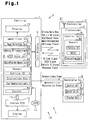
- a vehicle 1 includes an immobilizer system 3 that performs ID verification with an electronic key 2 through, for example, near field communication (radio communication in which the communication distance is approximately a few centimeters).
- the electronic key 2 includes a transponder 4, which can be an ID tag.
- the transponder 4 is activated by a driving radio wave, which is transmitted from a coil antenna 5 of the vehicle 1, and transmits an ID code signal.
- the immobilizer system 3 includes an immobilizer ECU 6, which is arranged in the vehicle 1.
- the immobilizer ECU 6 performs ID verification based on the ID code signal, which is transmitted from the transponder 4.
- the vehicle 1 is one example of a communication subject.
- the immobilizer system 3 is one example of an electronic key system or radio communication system.
- the immobilizer ECU 6 is one example of a controller.
- An engine ECU 12, which controls an engine 11, is connected to the immobilizer ECU 6 through an in-vehicle LAN 13.
- An ID code of the electronic key 2, which is paired with the vehicle 1, is registered to a memory 67 of the immobilizer ECU 6.
- the coil antenna 5, which receives and transmits radio waves in the low frequency (LF) bandwidth and radio waves in the high frequency (HF) bandwidth, is connected to the immobilizer ECU 6.
- the coil antenna 5 is a magnetic field antenna and arranged in a key cylinder.
- the transponder 4 includes a control unit 41, which controls communication operations of the electronic key 2.
- a unique ID code (transponder code) of the electronic key 2 is registered to a memory 42 of the control unit 41.
- the transponder 4 includes an antenna 21, which receives and transmits radio waves in the LF bandwidth and radio waves in the HF bandwidth.
- the immobilizer ECU 6 intermittently transmits the driving radio wave from the coil antenna 5 when detecting the insertion of the electronic key 2 in the key cylinder. For example, a user enters the vehicle and inserts the electronic key 2 into the key cylinder and operates the electronic key 2 to start the engine 11. Then, the transponder 4 receives, with a receiving-transmitting antenna 21, the driving radio wave, which is transmitted from the coil antenna 5. This activates the transponder 4 using the driving radio wave as a power supply. The activated transponder 4 transmits, from the receiving-transmitting antenna 21, an ID code signal that includes the ID code, which is registered to the transponder 4.
- the immobilizer ECU 6 When the immobilizer ECU 6 receives, with the coil antenna 5, the ID code signal, which is transmitted from the transponder 4, the immobilizer ECU 6 performs ID verification (immobilizer verification) on the ID code, which is included in the received ID code signal.
- ID verification immobilizer verification
- the immobilizer ECU 6 stores the result of ID verification in the memory 67.
- the key cylinder includes an ignition switch (IGSW) 14, which detects the rotation position of the electronic key 2.
- IGSW ignition switch
- the engine ECU 12 obtains the ID verification result from the immobilizer ECU 6. If the result indicates verification accomplishment, the engine ECU 12 initiates ignition control and fuel injection control and starts the engine 11.
- the immobilizer ECU 6 performs challenge response verification.
- the challenge response verification is performed as follows. First, a challenge code, which is, for example, a random number code, is transmitted from the vehicle 1 to the electronic key 2. The electronic key 2 calculates a response code and sends the response code back to the vehicle 1.
- the immobilizer ECU 6 of the vehicle 1 determines whether or not a response code calculated by the immobilizer ECU 6 is the same as the response code received from the electronic key 2 and verifies the electronic key 2 when the two codes are the same.
- the common key cryptosystem which uses a common encryption key, is employed for verification between the immobilizer ECU 6 and the transponder 4.
- the electronic key 2 and the immobilizer ECU 6 store a common encryption key, The electronic key 2 and the immobilizer ECU 6 use the common encryption key to calculate the response code from the challenge code.
- a vehicle ID (VID) that is identification information unique to the vehicle 1, a SEED code (SC) that is used for generation of an encryption key K, and the encryption key K that is used for verification are stored in the memory 42 of the transponder 4.
- the SEED code is also referred to as the encryption key generation code.
- a vehicle ID (VID) that is identification information unique to the vehicle 1, an encryption key K that is used for verification, and a key generation logic f that is like an arithmetic expression and an algorithm and used for generation of the encryption key K are stored in the memory 67 of the immobilizer ECU 6.
- the immobilizer system 3 includes an electronic key registration system 7, which registers the electronic key 2 to the immobilizer ECU 6.
- each of the electronic key 2 and the immobilizer ECU 6 registers information that it does not possess but its peer possesses through radio communication between the electronic key 2 and the immobilizer ECU 6.
- the electronic key registration system 7 includes a database 9, in which a plurality of encryption keys is stored in accordance with a single vehicle ID.
- the database 9 may be located in a component factory for manufacturing the electronic key 2 and the immobilizer ECU 6.
- an encryption key (K-2) corresponding to a vehicle ID (VID-A), which is identification information unique to the vehicle 1 is saved in the database 9.
- the electronic key registration system 7 includes a registration tool 8 that registers the electronic key 2 to the immobilizer ECU 6.
- the registration tool 8 is connected to the vehicle 1 when used.
- the registration tool 8 switches operation modes of the immobilizer ECU 6 between a normal mode and a registration mode.
- the immobilizer ECU 6 in the registration mode performs radio communication with the electronic key 2 to have the electronic key 2 register the unique information of the immobilizer ECU 6, namely, the vehicle ID (VID-A) that is information possessed by the immobilizer ECU 6 but not by the electronic key 2.
- VID-A vehicle ID
- the immobilizer ECU 6 receives, from the electronic key 2, the unique information of the electronic key 2, namely, the encryption key (K-1) that is information possessed by the electronic key 2 but not by the immobilizer ECU 6, and registers the unique information of the electronic key 2 to the immobilizer ECU 6 (the memory 67).
- the registration tool 8 includes a control unit 81 that controls the registration tool 8, an operation unit 82 that detects a registration operation performed by a user, and a display unit 83 that displays a registration operation.
- the registration tool 8 provides the vehicle 1 with a registration signal (also referred to as the registration instruction) that shifts the immobilizer ECU 6 to the registration mode.
- the registration tool 8 updates the database 9 through a network, which is not shown in the drawings, when receiving a database update signal (also referred to as the update instruction) from the immobilizer ECU 6.
- the immobilizer ECU 6 includes a mode switching unit 61, which switches operation modes of the immobilizer ECU 6.
- the mode switching unit 61 switches the operation modes of the immobilizer ECU 6 from the normal mode to the registration mode when the registration signal is provided from the registration tool 8.
- the mode switching unit 61 switches the immobilizer ECU 6 to the normal mode.
- the immobilizer ECU 6 in the normal mode performs normal verification, that is, ID verification, with the electronic key 2.
- the immobilizer ECU 6 includes a vehicle ID transmitting unit 62, which transmits the vehicle ID in the immobilizer ECU 6 to the electronic key 2.
- the vehicle ID transmitting unit 62 transmits the vehicle ID signal, which includes the vehicle ID that is stored in the memory 67, from the coil antenna 5 to the electronic key 2.
- the immobilizer ECU 6 includes a SEED read unit 64, which reads the SEED code of the electronic key 2 to generate the same encryption key as the encryption key K that is stored in the electronic key 2. For example, the immobilizer ECU 6 transmits a SEED request signal, which requests for a SEED code, from the coil antenna 5. When receiving the SEED request signal, the electronic key 2 generates the SEED signal, which includes the SEED code, and transmits the generated SEED signal. The SEED read unit 64 retrieves the SEED code from the SEED signal, which is received through the coil antenna 5.
- the immobilizer ECU 6 includes an encryption key generation unit 65, which generates the encryption key K.
- the encryption key generation unit 65 generates the encryption key K from the SEED code, which is obtained by the SEED read unit 64, by using the key generation logic f in the memory 67.
- the immobilizer system 3 includes an encryption key generation code deletion system 10, which deletes the SEED code from the memory 42 of the electronic key 2.
- the immobilizer ECU 6 transmits a deletion request signal, which requests the electronic key 2 to delete the SEED code (refer to Fig. 7 ).
- the electronic key 2 deletes the SEED code from the memory 42.
- the encryption key generation code deletion system 10 is activated during an interval between when a normal verification (challenge response verification) is performed and when the following normal verification is performed between the electronic key 2 and the immobilizer ECU 6. In a preferred example, after performing normal verification with the electronic key 2, the immobilizer ECU 6 transmits the deletion request signal to the electronic key 2 only once.
- the immobilizer ECU 6 includes a counter 68, which counts the number of times the deletion request signal is transmitted.
- the immobilizer ECU 6 transmits the deletion request signal until the number of times the deletion request signal is transmitted, which is counted by the counter 68, reaches a transmission frequency threshold.
- the transmission frequency threshold is set to a sufficient number of times for the electronic key 2 to receive the deletion request signal inside the vehicle 1. In a non-restrictive example, the threshold is ten times.
- the deletion request signal is one example of an information signal that includes information differing from that used for verification.
- the vehicle 1 includes a wide variety of components. Each component is manufactured in a component factory and sent to an assembly factory and installed in the vehicle 1. For example, the immobilizer ECU 6 and the electronic key 2 are manufactured in the same factory or in different factories. Then, the immobilizer ECU 6 is installed in the vehicle in the assembly factory, and the electronic key 2 is registered to the immobilizer ECU 6.
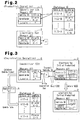
- the key generation logic f is stored in the memory 67 of the immobilizer ECU 6 that is manufactured for initial registration. Additionally, the vehicle ID (VID-A) of the vehicle 1, to which the immobilizer ECU 6 is installed, and the encryption key (K-2) of an additionally registered electronic key 2 are extracted from the database 9 and stored in the memory 67.
- the SEED code (SC-1) is stored in the memory 42 of the electronic key 2 that is manufactured for initial registration.
- the SEED code (SC-1) is one example of an encryption key generation code unique to the electronic key 2.
- the immobilizer ECU 6 transmits the vehicle ID signal, which includes the vehicle ID (VID-A).
- the electronic key 2 receives the ID code signal from the immobilizer ECU 6, the electronic key 2 registers the vehicle ID included in the vehicle ID signal to the memory 42.
- the electronic key 2 transmits the SEED code signal, which includes the SEED code (SC-1).
- the immobilizer ECU 6 temporarily stores the SEED code included in the SEED code signal in the memory 67, generates the encryption key (K-1) from the SEED code by using the key generation logic f, and stores the encryption key (K-1) in the memory 67.
- the SEED code may be deleted from the memory 67, for example, after updating the database 9, which will be described later.
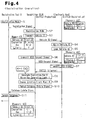
- the registration tool 8 provides the immobilizer ECU 6 with the registration signal when the registration mode is set by the user (step S1).
- the immobilizer ECU 6 switches the operation mode to the registration mode when receiving the registration signal (step S2).
- the immobilizer ECU 6 transmits the vehicle ID signal, which includes the vehicle ID (VID-A) that is stored in the memory 67, from the coil antenna 5 to the electronic key 2 (step S3).
- the electronic key 2 When the electronic key 2 receives the vehicle ID signal, the electronic key 2 stores the vehicle ID (VID-A) included in the vehicle ID signal in the memory 42 (step S4). In a preferred example, the electronic key 2 locks the vehicle ID (step S5) and prohibits overwriting of the vehicle ID in the memory 42. As a result, the electronic key 2 prevents rewriting of the vehicle ID to the memory 42.
- the immobilizer ECU 6 transmits the SEED request signal, which requests for transmission of the SEED code, from the coil antenna 5 (step S6).
- the electronic key 2 transmits the SEED signal that includes the SEED code (SC-1) stored in the memory 42 (step S7).
- the immobilizer ECU 6 generates the encryption key (K-1) from the SEED code (SC-1) in the received SEED signal by using the key generation logic f (step S8). In other words, the immobilizer ECU 6 does not directly obtain the encryption key (K-1) from the electronic key 2, but generates the encryption key (K-1) from the SEED code (SC-1) that is obtained from the electronic key 2.
- the SEED code (SC-1) is temporarily stored in the memory 67.
- the immobilizer ECU 6 stores the generated encryption key (K-1) in the memory 67 (step S9).
- the use of the registered encryption key (K-1) allows the immobilizer ECU 6 to perform ID verification with the electronic key 2.
- the immobilizer ECU 6 provides the registration tool 8 with the database update signal to update the information of the database 9 (step S10).
- the database update signal includes the SEED code (SC-1), which is used for generating the encryption key (K-1) corresponding to the vehicle ID (VID-A) stored in the immobilizer ECU 6.
- the registration tool 8 after receiving the database update signal, transmits the SEED code (SC-1) in association with the vehicle ID (VID-A) to the database 9 through the network, which is not shown in the drawings, and stores the SEED code in the database 9 (updates database 9) (step S11).
- SC-1 SEED code
- the vehicle ID (VID-A) and the encryption code (K-1) stored in the memory 67 of the immobilizer ECU 6 conform to the vehicle ID (VID-A) and the encryption code (K-1) stored in the memory 42 of the electronic key 2. This allows the immobilizer ECU 6 and the electronic key 2 to perform ID verification.
- the immobilizer ECU 6 deletes the SEED code from the memory 67 after updating the database 9.
- the manufacturing operation of the electronic key 2 that is additionally registered to the immobilizer ECU 6 after vehicle shipment will be described.
- the vehicle ID (VID-A) of the vehicle 1, in which the immobilizer ECU 6 is installed, and the encryption key (K-2) corresponding to the vehicle ID (V-ID) for additional registration are extracted from the database 9 in accordance with a placed order and stored in the memory 42 of the additionally registered electronic key 2.
- the additionally registered electronic key 2 is manufactured to correspond to the immobilizer ECU 6. This allows the additionally registered electronic key 2 to perform ID verification with the immobilizer ECU 6 without a special registration operation.
- the additionally registered electronic key 2 is manufactured and shipped without the SEED code stored in the memory 42.
- the manufacturing operation of a replacement immobilizer ECU 6 will be described.
- the vehicle ID (VID-A)) of the vehicle 1, in which the immobilizer ECU 6 for replacement is installed, and the encryption key (K-2) corresponding to the vehicle ID (V-ID) are extracted from the database 9 in accordance with a placed order and stored in the memory 67 of the replacement immobilizer ECU 6.
- the replacement immobilizer ECU 6 is manufactured in conformance with the immobilizer ECU 6 used prior to replacement. This allows the replacement immobilizer ECU 6 to perform ID verification with the electronic key 2 without a special registration operation.
- An inspection is conducted on the vehicle 1 prior to shipment of the vehicle 1, in which a variety of components have been installed in an assembly line.
- challenge response verification is performed between the registered immobilizer ECU 6 and the electronic key 2.
- the challenge response verification is also periodically performed when the engine 11 of the vehicle 1 is driven.
- the periodic challenge response verification allows the user of the vehicle 1 to recognize whether or not the electronic key 2 is located in the passenger compartment of the vehicle 1 when the engine 11 is driven.
- the electronic key 2 is located inside the passenger compartment of the vehicle 1 when the engine 11 is driven.
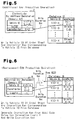
- the immobilizer ECU 6 transmits a deletion request signal, which requests for deletion of the SEED code, to the electronic key 2 between normal verifications performed with the electronic key 2 (step S21).
- the electronic key 2 deletes the SEED code from the memory 42 (step S22).
- the counter 68 of the electronic key 2 increments the count value (step S23).
- the immobilizer ECU 6 When the engine 11 is driven, the immobilizer ECU 6 periodically performs a sequence of communication such as the communication for normal verification and the transmission of the deletion request signal. When the counter 68 counts ten (step S23-10), the immobilizer ECU 6 stops further transmission of the deletion request signal (step 24). Thereafter, the immobilizer ECU 6 performs only normal verification.
- the present embodiment has the advantages described below.
- the immobilizer ECU 6 stops transmission of the deletion request signal when the transmission frequency of the deletion request signal counted by the counter 68 reaches ten.
- any value may be set for the frequency, that is, the number times the deletion request signal is transmitted before stopping the transmission of the deletion signal.
- the value may be set to one. In this manner, the same advantages as the above embodiment may be obtained.
- the counter 68 may be omitted. Such a situation also obtains advantage (1) of the above embodiment.
- the key generation logic f may be deleted from the immobilizer ECU 6 after a registration operation. This obviates registration of a different electronic key to the immobilizer ECU 6. Also, this obviates the leakage of the key generation logic f. Deletion of the key generation logic f may be performed, for example, during a period from when the encryption key K is generated (step S8) and when the vehicle 1 is shipped. In another example, instead of deleting the key generation logic f, the use of the key generation logic f by the immobilizer ECU 6 is prohibited after the registration operation. This also obviates registration of a different electronic key to the immobilizer ECU 6.
- the immobilizer ECU 6 transmits the deletion request signal between normal verifications.
- the immobilizer ECU 6 may transmit a signal that differs from the deletion request signal between normal verifications.
- the different signal may be an information signal, which includes the vehicle status (such as remaining fuel amount). This allows for the user to check the vehicle status with the electronic key 2 at a location separated from the vehicle 1.
- the vehicle status may change due to chronological changes resulting from the use of the vehicle 1 or the like.
- information signals including the vehicle status it is desirable that there be no restrictions set for the transmission frequency threshold.
- the SEED code (SC-1) is saved in the database 9 as information related to the encryption code (K-1) registered to the immobilizer ECU 6.
- the encryption code (K-1) may be saved as the information in the database 9.
- the encryption key K which is extracted from the database 9, may be stored in the immobilizer ECU 6. This allows for omission of the calculation using the key generation logic f when the encryption key K is stored in the replacement immobilizer ECU 6.
- the immobilizer system 3 in which the electronic key 2 is inserted into the key cylinder, is illustrated as an example of a radio communication system of the present invention.
- the radio communication system of the present invention may be an electronic key system that allows for communication when the electronic key 2 enters a communication area generated by the vehicle 1.
- the immobilizer system 3 in which the electronic key 2 is activated by a driving radio wave received from the vehicle 1 and transmits a radio signal, is illustrated as an example of a radio communication system of the present invention.
- the radio communication system of the present invention may be a so-called wireless system, in which the electronic key 2 transmits a radio signal toward the vehicle 1 in response to a manual operation of a switch on the electronic key 2.
- the electronic key system of the vehicle 1 is illustrated as an example of a radio communication system of the present invention.
- the radio communication system of the present invention may be an electronic key system of a building such as a house.
- modified examples may be combined, preferred examples may be combined, and modified examples and preferred examples may be combined.
Landscapes
- Engineering & Computer Science (AREA)
- Computer Security & Cryptography (AREA)
- Computer Networks & Wireless Communication (AREA)
- Signal Processing (AREA)
- Mechanical Engineering (AREA)
- Physics & Mathematics (AREA)
- General Physics & Mathematics (AREA)
- Lock And Its Accessories (AREA)
Claims (3)
- Funkkommunikationsverfahren, das periodisch eine Verifizierung zwischen einem portablen Gerät und einem Kommunikationssubjekt durchführt und ein Informationssignal, das Information aufweist, die sich von jener der Verifizierung unterscheidet, zwischen dem portablen Gerät und dem Kommunikationssubjekt austauscht,
wobei der Austausch des Informationssignals während eines Zeitabschnitts zwischen einer Verifizierung und einer weiteren Verifizierung durchgeführt ist, die periodisch durchgeführt werden, wobei
das portable Gerät und das Kommunikationssubjekt den gleichen Verschlüsselungsschlüssel halten, und die zwischen dem portablen Gerät und einem Steuerelement des Kommunikationssubjekts durchgeführte Verifizierung den Verschlüsselungsschlüssel verwendet,
das Steuerelement Identifizierungsinformation, die eindeutig bezüglich des Kommunikationssubjekts ist, und eine Schlüsselerzeugungslogik speichert, die verwendet ist, um den Verschlüsselungsschlüssel zu erzeugen,
das portable Gerät einen Verschlüsselungsschlüsselerzeugungscode, der eindeutig bezüglich des portablen Geräts ist, und den Verschlüsselungsschlüssel speichert, der unter Verwendung des Verschlüsselungsschlüsselerzeugungscodes und der Schlüsselerzeugungslogik erzeugt ist, und
das Steuerelement einen Registrierprozess durchführt, einschließlicheinem Schreiben der Identifizierungsinformation in das portable Gerät mittels Funkkommunikation mit dem portablen Gerät,einem Abrufen des Verschlüsselungsschlüsselerzeugungscodes von dem portablen Gerät mittels Funkkommunikation mit dem portablen Gerät,einem Erzeugen eines Verschlüsselungsschlüssels, der gleich jenem des portablen Geräts ist, aus dem abgerufenen Schlüsselerzeugungscode unter Verwendung der in dem Steuerelement gespeicherten Schlüsselerzeugungslogik, undeinem Speichern des erzeugten Verschlüsselungsschlüssels in dem Steuerelement, wobeidas Steuerelement ein Löschanforderungssignal zu dem portablen Gerät überträgt, das eine Löschung des Verschlüsselungsschlüsselerzeugungscodes anfordert und als das Informationssignal während eines Zeitabschnitts zwischen einer gegenwärtigen Verifizierung und einer folgenden Verifizierung dient, und
das portable Gerät bei Empfang des Löschanforderungssignals den Verschlüsselungsschlüsselerzeugungscode von dem portablen Gerät löscht. - Funkkommunikationsverfahren nach Anspruch 1, ferner mit
einem Einspeichern, in einer Datenbank, von Identifizierungsinformation, die in dem Steuerelement des Kommunikationssubjekts vor Auslieferung gespeichert ist, in Verbindung mit einem Zusatzregistrierverschlüsselungsschlüssel oder einem Zusatzregistrierverschlüsselungsschlüsselerzeugungscode, und
einem Speichern, in einem zusätzlichen portablen Gerät und einem zusätzlichen Steuerelement, der Identifizierungsinformation, die in der Datenbank eingespeichert ist, und eines Verschlüsselungsschlüssels, der aus dem in der Datenbank eingespeicherten Zusatzregistrierverschlüsselungsschlüssel oder Zusatzregistrierverschlüsselungsschlüsselerzeugungscode erzeugt ist. - Funkkommunikationsverfahren nach einem der Ansprüche 1 oder 2,
wobei das Steuerelement des Kommunikationssubjekts die Schlüsselerzeugungslogik von dem Steuerelement löscht, nachdem der Verschlüsselungsschlüssel erzeugt ist.
Applications Claiming Priority (2)
| Application Number | Priority Date | Filing Date | Title |
|---|---|---|---|
| JP2012018585A JP5922419B2 (ja) | 2012-01-31 | 2012-01-31 | 無線通信システム |
| PCT/JP2013/050915 WO2013114971A1 (ja) | 2012-01-31 | 2013-01-18 | 無線通信システム |
Publications (3)
| Publication Number | Publication Date |
|---|---|
| EP2811689A1 EP2811689A1 (de) | 2014-12-10 |
| EP2811689A4 EP2811689A4 (de) | 2015-11-18 |
| EP2811689B1 true EP2811689B1 (de) | 2016-08-24 |
Family
ID=48905013
Family Applications (1)
| Application Number | Title | Priority Date | Filing Date |
|---|---|---|---|
| EP13743929.5A Active EP2811689B1 (de) | 2012-01-31 | 2013-01-18 | Drahtloses kommunikationssystem |
Country Status (5)
| Country | Link |
|---|---|
| US (1) | US9392448B2 (de) |
| EP (1) | EP2811689B1 (de) |
| JP (1) | JP5922419B2 (de) |
| CN (1) | CN104081716B (de) |
| WO (1) | WO2013114971A1 (de) |
Families Citing this family (19)
| Publication number | Priority date | Publication date | Assignee | Title |
|---|---|---|---|---|
| EP2965182B1 (de) | 2013-03-05 | 2019-06-19 | Fasetto, Inc. | System und verfahren für kubische grafische benutzeroberflächen |
| GB2513880B (en) * | 2013-05-08 | 2016-06-01 | Caterpillar Inc | Vehicle anti-theft apparatus and method |
| JP2015027838A (ja) | 2013-07-30 | 2015-02-12 | 富士重工業株式会社 | 車体の製造方法 |
| US10095873B2 (en) | 2013-09-30 | 2018-10-09 | Fasetto, Inc. | Paperless application |
| US9584402B2 (en) | 2014-01-27 | 2017-02-28 | Fasetto, Llc | Systems and methods for peer to peer communication |
| BR112017000514B1 (pt) | 2014-07-10 | 2023-11-14 | Fasetto, Inc | Método, sistema e artigo de manufatura para edição de mensagem |
| KR102213681B1 (ko) | 2014-10-06 | 2021-02-08 | 파세토, 인크. | 휴대용 저장 디바이스를 위한 시스템 및 방법 |
| US10437288B2 (en) | 2014-10-06 | 2019-10-08 | Fasetto, Inc. | Portable storage device with modular power and housing system |
| EP3050762B1 (de) | 2015-02-02 | 2017-07-19 | Kabushiki Kaisha Tokai Rika Denki Seisakusho | Registrierungssystem mit elektronischem schlüssel |
| US10075502B2 (en) | 2015-03-11 | 2018-09-11 | Fasetto, Inc. | Systems and methods for web API communication |
| US10200371B2 (en) * | 2015-11-09 | 2019-02-05 | Silvercar, Inc. | Vehicle access systems and methods |
| WO2017096245A1 (en) | 2015-12-03 | 2017-06-08 | Fasetto, Llc | Systems and methods for memory card emulation |
| EP4221085A1 (de) | 2016-11-23 | 2023-08-02 | Fasetto, Inc. | Systeme und verfahren zum streaming von medien |
| CN110461658A (zh) * | 2017-02-03 | 2019-11-15 | 法斯埃托股份有限公司 | 用于钥匙化设备中的数据存储的系统和方法 |
| US10154037B2 (en) * | 2017-03-22 | 2018-12-11 | Oracle International Corporation | Techniques for implementing a data storage device as a security device for managing access to resources |
| WO2019079628A1 (en) | 2017-10-19 | 2019-04-25 | Fasetto, Inc. | PORTABLE ELECTRONIC DEVICE CONNECTING SYSTEMS |
| EP3718040A4 (de) | 2017-12-01 | 2021-08-11 | Fasetto, Inc. | Systeme und verfahren zur verbesserung von datenverschlüsselung |
| JP2021522568A (ja) | 2018-04-17 | 2021-08-30 | ファセット・インコーポレーテッド | リアル・タイム・フィードバックを伴うプレゼンテーションのためのデバイス |
| KR20220000537A (ko) * | 2020-06-26 | 2022-01-04 | 현대자동차주식회사 | 차량 네트워크 기반의 데이터 송수신 시스템 및 그 방법 |
Family Cites Families (40)
| Publication number | Priority date | Publication date | Assignee | Title |
|---|---|---|---|---|
| US4209782A (en) * | 1976-08-05 | 1980-06-24 | Maximilian Wachtler | Method and circuit arrangement for the electronically controlled release of door, safe and function locks using electronically coded keys |
| US5745044A (en) * | 1990-05-11 | 1998-04-28 | Medeco Security Locks, Inc. | Electronic security system |
| US5390252A (en) * | 1992-12-28 | 1995-02-14 | Nippon Telegraph And Telephone Corporation | Authentication method and communication terminal and communication processing unit using the method |
| US5363447A (en) * | 1993-03-26 | 1994-11-08 | Motorola, Inc. | Method for loading encryption keys into secure transmission devices |
| US6140938A (en) * | 1995-04-14 | 2000-10-31 | Flick; Kenneth E. | Remote control system suitable for a vehicle and having remote transmitter verification |
| SE514105C2 (sv) * | 1999-05-07 | 2001-01-08 | Ericsson Telefon Ab L M | Säker distribution och skydd av krypteringsnyckelinformation |
| JP2001323704A (ja) * | 2000-05-12 | 2001-11-22 | Fujitsu Ten Ltd | キーレスエントリー装置 |
| US7552333B2 (en) * | 2000-08-04 | 2009-06-23 | First Data Corporation | Trusted authentication digital signature (tads) system |
| DE10128305A1 (de) * | 2001-06-12 | 2002-12-19 | Giesecke & Devrient Gmbh | Steuereinheit |
| GB0115730D0 (en) * | 2001-06-28 | 2001-08-22 | Ford Global Tech Inc | Securing vehicles |
| WO2004086294A1 (ja) * | 2003-03-25 | 2004-10-07 | Toyoki Sasakura | 認証カードおよび該認証カードにより相互認証を行うワイヤレス認証システム |
| JP4562408B2 (ja) * | 2003-03-27 | 2010-10-13 | 株式会社クボタ | 車輌の盗難防止システム |
| JP2005083011A (ja) * | 2003-09-05 | 2005-03-31 | Denso Corp | 車両用電子キーシステムの携帯機及び車両用電子キーシステム |
| JP4625000B2 (ja) * | 2003-10-16 | 2011-02-02 | パナソニック株式会社 | データ保護システム及び記録担体 |
| JP4381191B2 (ja) * | 2004-03-19 | 2009-12-09 | Okiセミコンダクタ株式会社 | 半導体パッケージ及び半導体装置の製造方法 |
| JP2005343430A (ja) * | 2004-06-07 | 2005-12-15 | Denso Corp | 車両制御システム |
| JP4206979B2 (ja) * | 2004-07-07 | 2009-01-14 | トヨタ自動車株式会社 | 車両盗難防止システム |
| US8266710B2 (en) * | 2004-08-09 | 2012-09-11 | Jasim Saleh Al-Azzawi | Methods for preventing software piracy |
| JP3974612B2 (ja) * | 2004-11-24 | 2007-09-12 | 三菱電機株式会社 | 携帯機の登録システム |
| JP4662794B2 (ja) * | 2004-12-28 | 2011-03-30 | ソニー株式会社 | 電子錠管理システム、鍵用記憶媒体管理装置、鍵用記憶媒体、及び電子錠装置 |
| JP4595691B2 (ja) * | 2005-06-14 | 2010-12-08 | トヨタ自動車株式会社 | 電子キーシステム |
| US20070040649A1 (en) * | 2005-08-17 | 2007-02-22 | Alps Automotive, Inc. | Multifunction keyless entry system |
| US8245052B2 (en) * | 2006-02-22 | 2012-08-14 | Digitalpersona, Inc. | Method and apparatus for a token |
| JP4793093B2 (ja) * | 2006-05-17 | 2011-10-12 | 株式会社デンソー | 車載用セキュリティシステムおよび車載セキュリティ装置 |
| JP2009027491A (ja) * | 2007-07-20 | 2009-02-05 | Seiko Epson Corp | 車両セキュリティシステム |
| CN101470440B (zh) * | 2007-12-29 | 2013-07-17 | 上海通用汽车有限公司 | 车辆遥控起动系统及方法 |
| JP5038238B2 (ja) * | 2008-06-12 | 2012-10-03 | 株式会社東海理化電機製作所 | 車両機能制限システム |
| JP5248930B2 (ja) | 2008-06-12 | 2013-07-31 | 株式会社東海理化電機製作所 | 暗号通信システム及び暗号鍵更新方法 |
| US8089343B2 (en) * | 2008-09-25 | 2012-01-03 | Denso Corporation | Smart entry system |
| US9485254B2 (en) * | 2009-02-03 | 2016-11-01 | Inbay Technologies Inc. | Method and system for authenticating a security device |
| JP5173891B2 (ja) * | 2009-03-02 | 2013-04-03 | 株式会社東海理化電機製作所 | 秘密鍵登録システム及び秘密鍵登録方法 |
| JP5319436B2 (ja) * | 2009-05-01 | 2013-10-16 | 株式会社東海理化電機製作所 | 車両の電子キーシステム及びその設定方法 |
| IT1394876B1 (it) * | 2009-06-10 | 2012-07-20 | Keyline S P A | "mezzi per la duplicazione di una chiave codificata elettronicamente e relativo procedimento di duplicazione" |
| JP2009271936A (ja) | 2009-08-05 | 2009-11-19 | Ntt Docomo Inc | 通信端末装置 |
| US20110244798A1 (en) * | 2010-02-24 | 2011-10-06 | Wherepro, Llc | Data Packet Generator and Implementations of Same |
| CN102189979A (zh) * | 2010-03-11 | 2011-09-21 | 台达电子工业股份有限公司 | 整合胎压监测与远程免钥匙进入的系统与方法 |
| CN102251713A (zh) * | 2011-06-02 | 2011-11-23 | 刘婧娜 | 车辆解锁方法 |
| US9130743B2 (en) * | 2011-06-21 | 2015-09-08 | Pyxim Wireless, Inc. | Method and apparatus for communicating between low message rate wireless devices and users via monitoring, control and information systems |
| JP5985894B2 (ja) * | 2012-06-06 | 2016-09-06 | 株式会社東海理化電機製作所 | 電子キー登録方法 |
| US8799657B2 (en) * | 2012-08-02 | 2014-08-05 | Gm Global Technology Operations, Llc | Method and system of reconstructing a secret code in a vehicle for performing secure operations |
-
2012
- 2012-01-31 JP JP2012018585A patent/JP5922419B2/ja not_active Expired - Fee Related
-
2013
- 2013-01-18 US US14/373,146 patent/US9392448B2/en active Active
- 2013-01-18 EP EP13743929.5A patent/EP2811689B1/de active Active
- 2013-01-18 WO PCT/JP2013/050915 patent/WO2013114971A1/ja not_active Ceased
- 2013-01-18 CN CN201380007169.3A patent/CN104081716B/zh active Active
Also Published As
| Publication number | Publication date |
|---|---|
| US9392448B2 (en) | 2016-07-12 |
| EP2811689A4 (de) | 2015-11-18 |
| JP5922419B2 (ja) | 2016-05-24 |
| US20140355761A1 (en) | 2014-12-04 |
| CN104081716A (zh) | 2014-10-01 |
| CN104081716B (zh) | 2017-05-24 |
| WO2013114971A1 (ja) | 2013-08-08 |
| JP2013157900A (ja) | 2013-08-15 |
| EP2811689A1 (de) | 2014-12-10 |
Similar Documents
| Publication | Publication Date | Title |
|---|---|---|
| US9392448B2 (en) | Wireless communications system | |
| EP2672654B1 (de) | Elektronisches Schlüsselregistrierungssystem | |
| EP2811686B1 (de) | Registrierungssystem und registrierverfahren für eine tragbare vorrichtung | |
| JP6093503B2 (ja) | 電子キー登録方法 | |
| US9137658B2 (en) | Electronic key registration system | |
| US9143320B2 (en) | Electronic key registration system | |
| EP2728556B1 (de) | Elektronisches Schlüsselregistrierungsverfahren, elektronisches Schlüsselregistrierungssystem und Steuerung | |
| US20150235487A1 (en) | Method for enabling peps key to operate multiple vehicles | |
| JP5437948B2 (ja) | 電子キーの登録システム | |
| JP2011164912A (ja) | 認証システムの暗号演算式設定装置 | |
| JP6093502B2 (ja) | 電子キー登録方法 | |
| JP2012132286A (ja) | 電子キーシステム | |
| JP2012162914A (ja) | 電子キー登録システム | |
| JP5855958B2 (ja) | 携帯機登録システム | |
| JP2017103719A (ja) | セキュリティシステム | |
| JP5855957B2 (ja) | 携帯機登録システム | |
| WO2019136346A1 (en) | Efficiently using rollcodes within an interval for precomputed command sets |
Legal Events
| Date | Code | Title | Description |
|---|---|---|---|
| PUAI | Public reference made under article 153(3) epc to a published international application that has entered the european phase |
Free format text: ORIGINAL CODE: 0009012 |
|
| 17P | Request for examination filed |
Effective date: 20140801 |
|
| AK | Designated contracting states |
Kind code of ref document: A1 Designated state(s): AL AT BE BG CH CY CZ DE DK EE ES FI FR GB GR HR HU IE IS IT LI LT LU LV MC MK MT NL NO PL PT RO RS SE SI SK SM TR |
|
| AX | Request for extension of the european patent |
Extension state: BA ME |
|
| DAX | Request for extension of the european patent (deleted) | ||
| RA4 | Supplementary search report drawn up and despatched (corrected) |
Effective date: 20151015 |
|
| RIC1 | Information provided on ipc code assigned before grant |
Ipc: H04L 9/32 20060101AFI20151009BHEP Ipc: G06K 17/00 20060101ALI20151009BHEP Ipc: B60R 25/10 20130101ALI20151009BHEP Ipc: B60R 25/01 20130101ALI20151009BHEP Ipc: E05B 49/00 20060101ALI20151009BHEP Ipc: H04L 9/08 20060101ALI20151009BHEP |
|
| GRAP | Despatch of communication of intention to grant a patent |
Free format text: ORIGINAL CODE: EPIDOSNIGR1 |
|
| INTG | Intention to grant announced |
Effective date: 20160310 |
|
| GRAS | Grant fee paid |
Free format text: ORIGINAL CODE: EPIDOSNIGR3 |
|
| GRAA | (expected) grant |
Free format text: ORIGINAL CODE: 0009210 |
|
| AK | Designated contracting states |
Kind code of ref document: B1 Designated state(s): AL AT BE BG CH CY CZ DE DK EE ES FI FR GB GR HR HU IE IS IT LI LT LU LV MC MK MT NL NO PL PT RO RS SE SI SK SM TR |
|
| REG | Reference to a national code |
Ref country code: GB Ref legal event code: FG4D |
|
| REG | Reference to a national code |
Ref country code: CH Ref legal event code: EP |
|
| REG | Reference to a national code |
Ref country code: AT Ref legal event code: REF Ref document number: 823923 Country of ref document: AT Kind code of ref document: T Effective date: 20160915 |
|
| REG | Reference to a national code |
Ref country code: IE Ref legal event code: FG4D |
|
| REG | Reference to a national code |
Ref country code: DE Ref legal event code: R096 Ref document number: 602013010687 Country of ref document: DE |
|
| REG | Reference to a national code |
Ref country code: LT Ref legal event code: MG4D |
|
| REG | Reference to a national code |
Ref country code: NL Ref legal event code: MP Effective date: 20160824 |
|
| REG | Reference to a national code |
Ref country code: AT Ref legal event code: MK05 Ref document number: 823923 Country of ref document: AT Kind code of ref document: T Effective date: 20160824 |
|
| REG | Reference to a national code |
Ref country code: FR Ref legal event code: PLFP Year of fee payment: 5 |
|
| PG25 | Lapsed in a contracting state [announced via postgrant information from national office to epo] |
Ref country code: NO Free format text: LAPSE BECAUSE OF FAILURE TO SUBMIT A TRANSLATION OF THE DESCRIPTION OR TO PAY THE FEE WITHIN THE PRESCRIBED TIME-LIMIT Effective date: 20161124 Ref country code: FI Free format text: LAPSE BECAUSE OF FAILURE TO SUBMIT A TRANSLATION OF THE DESCRIPTION OR TO PAY THE FEE WITHIN THE PRESCRIBED TIME-LIMIT Effective date: 20160824 Ref country code: NL Free format text: LAPSE BECAUSE OF FAILURE TO SUBMIT A TRANSLATION OF THE DESCRIPTION OR TO PAY THE FEE WITHIN THE PRESCRIBED TIME-LIMIT Effective date: 20160824 Ref country code: RS Free format text: LAPSE BECAUSE OF FAILURE TO SUBMIT A TRANSLATION OF THE DESCRIPTION OR TO PAY THE FEE WITHIN THE PRESCRIBED TIME-LIMIT Effective date: 20160824 Ref country code: LT Free format text: LAPSE BECAUSE OF FAILURE TO SUBMIT A TRANSLATION OF THE DESCRIPTION OR TO PAY THE FEE WITHIN THE PRESCRIBED TIME-LIMIT Effective date: 20160824 Ref country code: IT Free format text: LAPSE BECAUSE OF FAILURE TO SUBMIT A TRANSLATION OF THE DESCRIPTION OR TO PAY THE FEE WITHIN THE PRESCRIBED TIME-LIMIT Effective date: 20160824 Ref country code: HR Free format text: LAPSE BECAUSE OF FAILURE TO SUBMIT A TRANSLATION OF THE DESCRIPTION OR TO PAY THE FEE WITHIN THE PRESCRIBED TIME-LIMIT Effective date: 20160824 |
|
| PG25 | Lapsed in a contracting state [announced via postgrant information from national office to epo] |
Ref country code: LV Free format text: LAPSE BECAUSE OF FAILURE TO SUBMIT A TRANSLATION OF THE DESCRIPTION OR TO PAY THE FEE WITHIN THE PRESCRIBED TIME-LIMIT Effective date: 20160824 Ref country code: GR Free format text: LAPSE BECAUSE OF FAILURE TO SUBMIT A TRANSLATION OF THE DESCRIPTION OR TO PAY THE FEE WITHIN THE PRESCRIBED TIME-LIMIT Effective date: 20161125 Ref country code: AT Free format text: LAPSE BECAUSE OF FAILURE TO SUBMIT A TRANSLATION OF THE DESCRIPTION OR TO PAY THE FEE WITHIN THE PRESCRIBED TIME-LIMIT Effective date: 20160824 Ref country code: SE Free format text: LAPSE BECAUSE OF FAILURE TO SUBMIT A TRANSLATION OF THE DESCRIPTION OR TO PAY THE FEE WITHIN THE PRESCRIBED TIME-LIMIT Effective date: 20160824 Ref country code: ES Free format text: LAPSE BECAUSE OF FAILURE TO SUBMIT A TRANSLATION OF THE DESCRIPTION OR TO PAY THE FEE WITHIN THE PRESCRIBED TIME-LIMIT Effective date: 20160824 Ref country code: PT Free format text: LAPSE BECAUSE OF FAILURE TO SUBMIT A TRANSLATION OF THE DESCRIPTION OR TO PAY THE FEE WITHIN THE PRESCRIBED TIME-LIMIT Effective date: 20161226 |
|
| PG25 | Lapsed in a contracting state [announced via postgrant information from national office to epo] |
Ref country code: EE Free format text: LAPSE BECAUSE OF FAILURE TO SUBMIT A TRANSLATION OF THE DESCRIPTION OR TO PAY THE FEE WITHIN THE PRESCRIBED TIME-LIMIT Effective date: 20160824 Ref country code: RO Free format text: LAPSE BECAUSE OF FAILURE TO SUBMIT A TRANSLATION OF THE DESCRIPTION OR TO PAY THE FEE WITHIN THE PRESCRIBED TIME-LIMIT Effective date: 20160824 |
|
| REG | Reference to a national code |
Ref country code: DE Ref legal event code: R097 Ref document number: 602013010687 Country of ref document: DE |
|
| PG25 | Lapsed in a contracting state [announced via postgrant information from national office to epo] |
Ref country code: SK Free format text: LAPSE BECAUSE OF FAILURE TO SUBMIT A TRANSLATION OF THE DESCRIPTION OR TO PAY THE FEE WITHIN THE PRESCRIBED TIME-LIMIT Effective date: 20160824 Ref country code: DK Free format text: LAPSE BECAUSE OF FAILURE TO SUBMIT A TRANSLATION OF THE DESCRIPTION OR TO PAY THE FEE WITHIN THE PRESCRIBED TIME-LIMIT Effective date: 20160824 Ref country code: BG Free format text: LAPSE BECAUSE OF FAILURE TO SUBMIT A TRANSLATION OF THE DESCRIPTION OR TO PAY THE FEE WITHIN THE PRESCRIBED TIME-LIMIT Effective date: 20161124 Ref country code: PL Free format text: LAPSE BECAUSE OF FAILURE TO SUBMIT A TRANSLATION OF THE DESCRIPTION OR TO PAY THE FEE WITHIN THE PRESCRIBED TIME-LIMIT Effective date: 20160824 Ref country code: SM Free format text: LAPSE BECAUSE OF FAILURE TO SUBMIT A TRANSLATION OF THE DESCRIPTION OR TO PAY THE FEE WITHIN THE PRESCRIBED TIME-LIMIT Effective date: 20160824 Ref country code: CZ Free format text: LAPSE BECAUSE OF FAILURE TO SUBMIT A TRANSLATION OF THE DESCRIPTION OR TO PAY THE FEE WITHIN THE PRESCRIBED TIME-LIMIT Effective date: 20160824 Ref country code: BE Free format text: LAPSE BECAUSE OF FAILURE TO SUBMIT A TRANSLATION OF THE DESCRIPTION OR TO PAY THE FEE WITHIN THE PRESCRIBED TIME-LIMIT Effective date: 20160824 |
|
| PLBE | No opposition filed within time limit |
Free format text: ORIGINAL CODE: 0009261 |
|
| STAA | Information on the status of an ep patent application or granted ep patent |
Free format text: STATUS: NO OPPOSITION FILED WITHIN TIME LIMIT |
|
| 26N | No opposition filed |
Effective date: 20170526 |
|
| PG25 | Lapsed in a contracting state [announced via postgrant information from national office to epo] |
Ref country code: SI Free format text: LAPSE BECAUSE OF FAILURE TO SUBMIT A TRANSLATION OF THE DESCRIPTION OR TO PAY THE FEE WITHIN THE PRESCRIBED TIME-LIMIT Effective date: 20160824 |
|
| REG | Reference to a national code |
Ref country code: CH Ref legal event code: PL |
|
| PG25 | Lapsed in a contracting state [announced via postgrant information from national office to epo] |
Ref country code: MC Free format text: LAPSE BECAUSE OF FAILURE TO SUBMIT A TRANSLATION OF THE DESCRIPTION OR TO PAY THE FEE WITHIN THE PRESCRIBED TIME-LIMIT Effective date: 20160824 |
|
| PG25 | Lapsed in a contracting state [announced via postgrant information from national office to epo] |
Ref country code: CH Free format text: LAPSE BECAUSE OF NON-PAYMENT OF DUE FEES Effective date: 20170131 Ref country code: LI Free format text: LAPSE BECAUSE OF NON-PAYMENT OF DUE FEES Effective date: 20170131 |
|
| REG | Reference to a national code |
Ref country code: IE Ref legal event code: MM4A |
|
| PG25 | Lapsed in a contracting state [announced via postgrant information from national office to epo] |
Ref country code: LU Free format text: LAPSE BECAUSE OF NON-PAYMENT OF DUE FEES Effective date: 20170118 |
|
| REG | Reference to a national code |
Ref country code: FR Ref legal event code: PLFP Year of fee payment: 6 |
|
| PG25 | Lapsed in a contracting state [announced via postgrant information from national office to epo] |
Ref country code: IE Free format text: LAPSE BECAUSE OF NON-PAYMENT OF DUE FEES Effective date: 20170118 |
|
| PG25 | Lapsed in a contracting state [announced via postgrant information from national office to epo] |
Ref country code: MT Free format text: LAPSE BECAUSE OF NON-PAYMENT OF DUE FEES Effective date: 20170118 |
|
| PG25 | Lapsed in a contracting state [announced via postgrant information from national office to epo] |
Ref country code: AL Free format text: LAPSE BECAUSE OF FAILURE TO SUBMIT A TRANSLATION OF THE DESCRIPTION OR TO PAY THE FEE WITHIN THE PRESCRIBED TIME-LIMIT Effective date: 20160824 |
|
| PG25 | Lapsed in a contracting state [announced via postgrant information from national office to epo] |
Ref country code: HU Free format text: LAPSE BECAUSE OF FAILURE TO SUBMIT A TRANSLATION OF THE DESCRIPTION OR TO PAY THE FEE WITHIN THE PRESCRIBED TIME-LIMIT; INVALID AB INITIO Effective date: 20130118 |
|
| PG25 | Lapsed in a contracting state [announced via postgrant information from national office to epo] |
Ref country code: CY Free format text: LAPSE BECAUSE OF FAILURE TO SUBMIT A TRANSLATION OF THE DESCRIPTION OR TO PAY THE FEE WITHIN THE PRESCRIBED TIME-LIMIT Effective date: 20160824 |
|
| PG25 | Lapsed in a contracting state [announced via postgrant information from national office to epo] |
Ref country code: MK Free format text: LAPSE BECAUSE OF FAILURE TO SUBMIT A TRANSLATION OF THE DESCRIPTION OR TO PAY THE FEE WITHIN THE PRESCRIBED TIME-LIMIT Effective date: 20160824 |
|
| PGFP | Annual fee paid to national office [announced via postgrant information from national office to epo] |
Ref country code: FR Payment date: 20191216 Year of fee payment: 8 |
|
| PG25 | Lapsed in a contracting state [announced via postgrant information from national office to epo] |
Ref country code: TR Free format text: LAPSE BECAUSE OF FAILURE TO SUBMIT A TRANSLATION OF THE DESCRIPTION OR TO PAY THE FEE WITHIN THE PRESCRIBED TIME-LIMIT Effective date: 20160824 |
|
| PGFP | Annual fee paid to national office [announced via postgrant information from national office to epo] |
Ref country code: GB Payment date: 20200113 Year of fee payment: 8 |
|
| PG25 | Lapsed in a contracting state [announced via postgrant information from national office to epo] |
Ref country code: IS Free format text: LAPSE BECAUSE OF FAILURE TO SUBMIT A TRANSLATION OF THE DESCRIPTION OR TO PAY THE FEE WITHIN THE PRESCRIBED TIME-LIMIT Effective date: 20161224 |
|
| GBPC | Gb: european patent ceased through non-payment of renewal fee |
Effective date: 20210118 |
|
| PG25 | Lapsed in a contracting state [announced via postgrant information from national office to epo] |
Ref country code: FR Free format text: LAPSE BECAUSE OF NON-PAYMENT OF DUE FEES Effective date: 20210131 |
|
| PG25 | Lapsed in a contracting state [announced via postgrant information from national office to epo] |
Ref country code: GB Free format text: LAPSE BECAUSE OF NON-PAYMENT OF DUE FEES Effective date: 20210118 |
|
| REG | Reference to a national code |
Ref country code: DE Ref legal event code: R084 Ref document number: 602013010687 Country of ref document: DE |
|
| PGFP | Annual fee paid to national office [announced via postgrant information from national office to epo] |
Ref country code: DE Payment date: 20241203 Year of fee payment: 13 |