EP2800580B1 - Peptide für die behandlung und diagnose von idh1 r132h positiven krebsarten - Google Patents
Peptide für die behandlung und diagnose von idh1 r132h positiven krebsarten Download PDFInfo
- Publication number
- EP2800580B1 EP2800580B1 EP13700266.3A EP13700266A EP2800580B1 EP 2800580 B1 EP2800580 B1 EP 2800580B1 EP 13700266 A EP13700266 A EP 13700266A EP 2800580 B1 EP2800580 B1 EP 2800580B1
- Authority
- EP
- European Patent Office
- Prior art keywords
- peptide
- amino acids
- cancer
- idh1r132h
- idh1
- Prior art date
- Legal status (The legal status is an assumption and is not a legal conclusion. Google has not performed a legal analysis and makes no representation as to the accuracy of the status listed.)
- Active
Links
Images


















Classifications
-
- G—PHYSICS
- G01—MEASURING; TESTING
- G01N—INVESTIGATING OR ANALYSING MATERIALS BY DETERMINING THEIR CHEMICAL OR PHYSICAL PROPERTIES
- G01N33/00—Investigating or analysing materials by specific methods not covered by groups G01N1/00 - G01N31/00
- G01N33/48—Biological material, e.g. blood, urine; Haemocytometers
- G01N33/50—Chemical analysis of biological material, e.g. blood, urine; Testing involving biospecific ligand binding methods; Immunological testing
- G01N33/53—Immunoassay; Biospecific binding assay; Materials therefor
- G01N33/575—Immunoassay; Biospecific binding assay; Materials therefor for cancer
- G01N33/5758—Immunoassay; Biospecific binding assay; Materials therefor for cancer involving compounds serving as markers for tumours, cancers or neoplasias, e.g. cellular determinants, receptors, heat shock/stress proteins, A-protein, oligosaccharides or metabolites
- G01N33/57595—Immunoassay; Biospecific binding assay; Materials therefor for cancer involving compounds serving as markers for tumours, cancers or neoplasias, e.g. cellular determinants, receptors, heat shock/stress proteins, A-protein, oligosaccharides or metabolites involving intracellular compounds
-
- A—HUMAN NECESSITIES
- A61—MEDICAL OR VETERINARY SCIENCE; HYGIENE
- A61K—PREPARATIONS FOR MEDICAL, DENTAL OR TOILETRY PURPOSES
- A61K38/00—Medicinal preparations containing peptides
- A61K38/16—Peptides having more than 20 amino acids; Gastrins; Somatostatins; Melanotropins; Derivatives thereof
- A61K38/43—Enzymes; Proenzymes; Derivatives thereof
-
- A—HUMAN NECESSITIES
- A61—MEDICAL OR VETERINARY SCIENCE; HYGIENE
- A61K—PREPARATIONS FOR MEDICAL, DENTAL OR TOILETRY PURPOSES
- A61K39/00—Medicinal preparations containing antigens or antibodies
- A61K39/0005—Vertebrate antigens
- A61K39/0011—Cancer antigens
- A61K39/001154—Enzymes
-
- A—HUMAN NECESSITIES
- A61—MEDICAL OR VETERINARY SCIENCE; HYGIENE
- A61P—SPECIFIC THERAPEUTIC ACTIVITY OF CHEMICAL COMPOUNDS OR MEDICINAL PREPARATIONS
- A61P35/00—Antineoplastic agents
-
- A—HUMAN NECESSITIES
- A61—MEDICAL OR VETERINARY SCIENCE; HYGIENE
- A61P—SPECIFIC THERAPEUTIC ACTIVITY OF CHEMICAL COMPOUNDS OR MEDICINAL PREPARATIONS
- A61P35/00—Antineoplastic agents
- A61P35/02—Antineoplastic agents specific for leukemia
-
- C—CHEMISTRY; METALLURGY
- C12—BIOCHEMISTRY; BEER; SPIRITS; WINE; VINEGAR; MICROBIOLOGY; ENZYMOLOGY; MUTATION OR GENETIC ENGINEERING
- C12N—MICROORGANISMS OR ENZYMES; COMPOSITIONS THEREOF; PROPAGATING, PRESERVING, OR MAINTAINING MICROORGANISMS; MUTATION OR GENETIC ENGINEERING; CULTURE MEDIA
- C12N9/00—Enzymes; Proenzymes; Compositions thereof; Processes for preparing, activating, inhibiting, separating or purifying enzymes
- C12N9/0004—Oxidoreductases (1.)
- C12N9/0006—Oxidoreductases (1.) acting on CH-OH groups as donors (1.1)
-
- G—PHYSICS
- G01—MEASURING; TESTING
- G01N—INVESTIGATING OR ANALYSING MATERIALS BY DETERMINING THEIR CHEMICAL OR PHYSICAL PROPERTIES
- G01N33/00—Investigating or analysing materials by specific methods not covered by groups G01N1/00 - G01N31/00
- G01N33/48—Biological material, e.g. blood, urine; Haemocytometers
- G01N33/50—Chemical analysis of biological material, e.g. blood, urine; Testing involving biospecific ligand binding methods; Immunological testing
- G01N33/53—Immunoassay; Biospecific binding assay; Materials therefor
- G01N33/575—Immunoassay; Biospecific binding assay; Materials therefor for cancer
- G01N33/57505—Immunoassay; Biospecific binding assay; Materials therefor for cancer of the blood, e.g. leukaemia
-
- G—PHYSICS
- G01—MEASURING; TESTING
- G01N—INVESTIGATING OR ANALYSING MATERIALS BY DETERMINING THEIR CHEMICAL OR PHYSICAL PROPERTIES
- G01N33/00—Investigating or analysing materials by specific methods not covered by groups G01N1/00 - G01N31/00
- G01N33/48—Biological material, e.g. blood, urine; Haemocytometers
- G01N33/50—Chemical analysis of biological material, e.g. blood, urine; Testing involving biospecific ligand binding methods; Immunological testing
- G01N33/53—Immunoassay; Biospecific binding assay; Materials therefor
- G01N33/575—Immunoassay; Biospecific binding assay; Materials therefor for cancer
- G01N33/57557—Immunoassay; Biospecific binding assay; Materials therefor for cancer of other specific parts of the body, e.g. brain
-
- C—CHEMISTRY; METALLURGY
- C12—BIOCHEMISTRY; BEER; SPIRITS; WINE; VINEGAR; MICROBIOLOGY; ENZYMOLOGY; MUTATION OR GENETIC ENGINEERING
- C12Y—ENZYMES
- C12Y101/00—Oxidoreductases acting on the CH-OH group of donors (1.1)
- C12Y101/01—Oxidoreductases acting on the CH-OH group of donors (1.1) with NAD+ or NADP+ as acceptor (1.1.1)
- C12Y101/01042—Isocitrate dehydrogenase (NADP+) (1.1.1.42)
-
- G—PHYSICS
- G01—MEASURING; TESTING
- G01N—INVESTIGATING OR ANALYSING MATERIALS BY DETERMINING THEIR CHEMICAL OR PHYSICAL PROPERTIES
- G01N2333/00—Assays involving biological materials from specific organisms or of a specific nature
- G01N2333/90—Enzymes; Proenzymes
- G01N2333/902—Oxidoreductases (1.)
- G01N2333/904—Oxidoreductases (1.) acting on CHOH groups as donors, e.g. glucose oxidase, lactate dehydrogenase (1.1)
Definitions
- the present invention concerns the field of tumor therapeutics and diagnostics. Specifically, it relates to a peptide comprising at least 8 amino acids in length which are present as contiguous amino acid sequence in the human Isocitratdehydrogenase Type 1 (IDH1), wherein said peptide has at least one amino acid exchange from R to H at a position corresponding to position 132, for use in preventing and/or treating a cancer. Further contemplated is a medicament comprising the said peptide.
- IDH1 human Isocitratdehydrogenase Type 1
- the invention relates to a method for diagnosing cancer characterized by having a mutation in the genome of at least some cancer cells which results in the expression of a mutant IDH1 having the R132H mutation comprising the steps of contacting a blood sample of a subject suspected to suffer from such a tumor with a peptide comprising at least 10 amino acids in length which are present as contiguous amino acid sequence in the IDH1, wherein said peptide has at least one amino acid exchange from R to H at a position corresponding to position 132 for a time and under conditions which allow for specific binding of a component of the immune system to the peptide, and determining whether, or not, binding of the said component of the immune system to the peptide occurred, wherein the cancer is diagnosed if the occurrence of binding has been determined.
- a kit and a device for carrying out said method is also a kit and a device for carrying out said method.
- Isocitrate dehydrogenase catalyzes the oxidative decarboxylation of isocitrate to alpha-ketoglutarate using reducing NADP+ to NADPH.
- Mutations affecting the amino acid arginine at position 132 of the amino acid sequence which belongs to an evolutionary conserved region located to the binding site of isocitrate.
- the mutations reported always were heterozygous and alterations suggestive for protein inactivation, such as splice site or nonsense mutations, were not detected, thus prompting speculations on an activating nature of the mutation.
- the measurement of enzymatic activity showed an inactivating effect of the mutation ( Yan 2009, N Engl J Med.360(8):765-73 ).
- the role of IDH1 in cancer development and/or progression remains elusive.
- IDH1 mutations occur in a high frequency in WHO grade II and III diffuse gliomas. 93% of all IDH1 mutations are characterized by an amino acid exchange R132H ( Hartmann 2009, Acta Neuropathol. 118(4):469-74 ).
- the current diagnostic measures for the aforementioned cancer types and, in particular, the diagnostic means for determining whether a cancer is accompanied by an IDH1 R132H mutation are pivotally based on either genomic DNA sequencing approaches or immunohistological staining methods (see, e.g., EP 2 256 214 A2 ). Both techniques, however, require proper tissue samples from the cancer tissue which are obtainable, only, via cumbersome and potentially dangerous biopsy. Thus, a reliable and efficient diagnostic measure for those types of cancer would also be desirable.
- the present invention thus, relates to a peptide comprising at least 8 amino acids in length which are present as contiguous amino acid sequence in the human Isocitratdehydrogenase Type 1 (IDH1), wherein said peptide has at least one amino acid exchange from R to H at a position corresponding to position 132, for use in preventing and/or treating cancer.
- IDH1 human Isocitratdehydrogenase Type 1
- the invention is defined in the claims.
- peptide refers to a small organic molecule wherein amino acids are covalently linked by peptide bonds. In contrast to polypeptides (proteins), peptides merely consist of from 2 to about 100 amino acids. Peptides are due to their small size usually bioavailable molecules, i.e.
- the peptide according to the present invention comprises at least 8 amino acids in length.
- the peptide may consist essentially from at least 8 to about 100 amino acids, preferably, from at least 8 to about 50 amino acids, from at least 8 to about 40 amino acids, from at least 8 to about 35 amino acids, from at least 8 to about 30 amino acids, from at least 8 to about 25 amino acids, from at least 8 to about 20 amino acids, from at least 8 to about 15 amino acids or from at least 8 to about 10 amino acids in length.
- the term "about” as used in this context refers to a number of amino acids, which diverges from the precise number by +/one, i.e. one amino acid in addition or one amino acid less. Preferably, the precise number is intended.
- Isocitratdehydrogenase Type 1 or "IDH1” as used herein refers to an enzyme which is physiologically involved in the citric acid cycle in that it catalyzes the oxidative decarboxylation of isocitrate whereby alpha-ketoglutarate and CO2 are produced.
- the reaction requires the conversion of NAD+ to NADH.
- Another isoform of the enzyme which is preferred according to the invention catalyzes the same reaction in the cytosol as well as in mitochondria or and peroxisomes using NADP+ as a cofactor rather than NAD+.
- IDH1 as referred to herein, preferably, is human IDH1 having an amino acid sequence as disclosed in Kim et al.
- a variant as referred to herein preferably, has an amino acid sequence which differs from the specific amino acid sequence referred to above by at least one amino acid substitution, addition and/or deletion.
- such a variant amino acid sequence is at least 70%, at least 80%, at least 85%, at least 90%, at least 95%, at least 97%, at least 98%, or at least 99% identical over its entire length with the aforementioned specific amino acid sequence.
- the degree of identity can be determined by comparing two optimally aligned sequences over a comparison window, where the fragment of amino acid sequence in the comparison window may comprise additions or deletions (e.g., gaps or overhangs) as compared to the reference sequence (which does not comprise additions or deletions) for optimal alignment.
- the percentage is calculated by determining the number of positions at which the identical amino acid residue occurs in both sequences to yield the number of matched positions, dividing the number of matched positions by the total number of positions in the window of comparison and multiplying the result by 100 to yield the percentage of sequence identity.
- Optimal alignment of sequences for comparison may be conducted by the local homology algorithm of Smith and Waterman Add. APL. Math. 2:482 (1981 ), by the homology alignment algorithm of Needleman and Wunsch J. Mol. Biol. 48:443 (1970), by the search for similarity method of Pearson and Lipman Proc. Natl. Acad Sci.
- GAP Garnier et al.
- BESTFIT Garnier et al.
- BLAST Altschul et al.
- PASTA Altschul et al.
- TFASTA a TFASTA in the Wisconsin Genetics Software Package, Genetics Computer Group (GCG), 575 Science Dr., Madison, WI)
- GAP and BESTFIT are preferably employed to determine their optimal alignment and, thus, the degree of identity.
- the default values of 5.00 for gap weight and 0.30 for gap weight length are used.
- the variant has the enzymatic activities referred to above and essentially the same immunological properties as the human IDH1 referred to above.
- the peptide of the invention shall comprise at least one amino acid exchange from R to H at a position corresponding to position 132.
- the peptide may comprise in the at least 8 amino acids which are present as contiguous amino acid sequence in the human IDH1 as the sole amino acid exchange an exchange of R to H at a position corresponding to position 132 of the human IDH1 as specified elsewhere herein.
- the peptide may comprise further exchanges, preferably one or two additional exchanges or even more.
- the amino acids of the peptide of the invention are present as contiguous amino acid sequence in the human IDH1.
- the peptide of the present invention can either essentially consist of an amino acid sequence derived from human IDH1 or it may consist of an amino acid sequence comprising a stretch of 8 or more amino acids derived from human IDH1 and other stretch of amino acids which are not present in human IDH1.
- the peptide of the invention consists of between 8 and 40 amino acids in length the peptide consists of between 8 to 35 amino acids, between 8 to 30 amino acids, between 8 to 25 amino acids, between 8 to 20 amino acids, between 8 to 15 amino acids or between 8 to about 10 amino acids in length which are present as contiguous amino acid sequence in the human IDH1.
- the precise number of amino acids for the peptide in general as well as the number of amino acids derived from the human IDH1 amino acid sequence can be determined by the skilled person depending on the envisaged use. In this context, the skilled person is well aware of the fact that an immune response may be optimized by varying either the total length of the peptide or the length of the stretch of contiguous amino acids from the IDH1 target.
- the peptide of the present invention comprises or essentially consists of an amino acid sequence selected from the group consisting of:
- cancer refers to any malignant neoplasm resulting from the undesired growth, the invasion, and under certain conditions metastasis of impaired cells in an organism.
- the cells giving rise to cancer are genetically impaired and have usually lost their ability to control cell division, cell migration behavior, differentiation status and/or cell death machinery.
- Most cancers form a tumor but some hematopoietic cancers, such as leukemia, do not.
- said cancer is a cancer characterized by having a mutation in the genome of at least some cancer cells which results in the expression of a mutant IDH1 having the R132H mutation. Whether a cancer has a mutation in at least some of the cancer cells as specified before can be determined by the skilled artisan by PCR-based and/or sequencing based detection techniques. Moreover, the methods of the invention referred to elsewhere herein may be applied as well.
- said cancer is a tumor and, preferably, is a glioma.
- Gliomas have been reported to frequently comprise cells or even consist of cells comprising the aforementioned IDH1 mutation.
- the said glioma is WHO II or WHO III astrocytoma, oligodendroglioma, oligoastrocytoma, glioblastoma, or gliosarcoma.
- cancer as referred to herein is, also preferably, an acute myeloid leukemia, myelodysplastic syndrome, or dysembryoplastic neuroepithelial tumor.
- the symptoms accompanying the aforementioned cancer types are well known in the art and can be determined by the skilled artisan without further ado. Details of the cancer types may be found in standard text books of medicine, e.g., Pschyrembl or Stedman.
- preventing refers to the prevention of the development of a disease as referred to herein. Such a prevention is preferably achieved for a certain time window upon administration of the peptide of the invention. Preferably, the said time window is at least 1 year, at least 2 years, at least 5 years, at 10 years or up to the entire remaining life-span of the subject that received the preventive treatment referred to before. It will be understood that a preventive treatment as referred to herein will, in all likelihood, not be successful in all subjects, which received the treatment. However, it is envisaged that the preventive treatment is effective in at least a statistically significant portion of the subjects that are treated. Whether a statistically significant portion, e.g., of a cohort of subjects, can be successfully prevented may, preferably, be determined by statistical tests discussed elsewhere herein in more detail.
- treating refers to ameliorating and/or curing a disease as referred to herein, preventing progression of the disease or at least an amelioration of at least one symptom associated with the said disease. It will be understood that a treatment as referred to herein will, in all likelihood, not be successful in all subjects, which received the treatment. However, it is envisaged that the treatment is effective in at least a statistically significant portion of the subjects that are treated. Whether a statistically significant portion, e.g., of a cohort of subjects, can be successfully treated may, preferably, be determined by statistical tests discussed elsewhere herein in more detail.
- the peptide according to the present invention shall be provided for use in treating and/or preventing cancer, i.e. it shall be manufactured as a medicament, e.g., comprised in a pharmaceutical composition. Details on such a medicament or pharmaceutical composition are to be found elsewhere herein.
- the peptide to be used according to the present invention can also be applied in a method for treating and/or preventing cancer. Accordingly, the invention also contemplates a method for treating and/or preventing cancer in a subject suffering therefrom comprising administering to said subject a therapeutically effective amount of the peptide as defined herein.
- the peptide of the present invention can be used to elicit an immune response towards the IDH1 R132H mutant specifically. Accordingly, the cancer cells that express the mutated IDH1 will be attacked by the cellular and humoral responses of the immune system resulting in a effective way of specifically treating and/or preventing the cancer types referred to herein which are known to be associated with the aforementioned IDH1 mutation. Thanks to the findings underlying the present invention, an effective medicament for the treatment of the cancer types is provided as well as a cancer vaccine.
- the present invention relates to a medicament comprising the peptide of the invention and, preferably, a pharmaceutically acceptable carrier.
- the term "medicament” as used herein refers, in one aspect, to a pharmaceutical composition containing the peptide referred to above as pharmaceutical active compound, wherein the pharmaceutical composition may be used for human or non-human therapy of various diseases or disorders in a therapeutically effective dose.
- the peptide preferably, can be present in liquid or lyophilized form.
- the medicament is, preferably, for topical or systemic administration. Conventionally a medicament will be administered intra-muscular or, subcutaneous. However, depending on the nature and the mode of action of a compound, the medicament may be administered by other routes as well.
- the peptide is the active ingredient of the composition, and is, preferably, administered in conventional dosage forms prepared by combining the drug with standard pharmaceutical carriers according to conventional procedures.
- a carrier must be acceptable in the sense of being compatible with the other ingredients of the formulation and being not deleterious to the recipient thereof.
- the pharmaceutical carrier employed may include a solid, a gel, or a liquid.
- solid carriers are lactose, terra alba, sucrose, talc, gelatin, agar, pectin, acacia, magnesium stearate, stearic acid and the like.
- liquid carriers are phosphate buffered saline solution, syrup, oil, water, emulsions, various types of wetting agents, and the like.
- the carrier or diluent may include time delay material well known to the art, such as glyceryl mono-stearate or glyceryl distearate alone or with a wax.
- time delay material well known to the art, such as glyceryl mono-stearate or glyceryl distearate alone or with a wax.
- suitable carriers comprise those mentioned above and others well known in the art, see, e.g., Remington's Pharmaceutical Sciences, Mack Publishing Company, Easton, Pennsylvania.
- a diluent is selected so as not to affect the biological activity of the combination.
- examples of such diluents are distilled water, physiological saline, Ringer's solutions, dextrose solution, and Hank's solution.
- the pharmaceutical composition or formulation may also include other carriers, adjuvants, or non-toxic, non-therapeutic, non-immunogenic stabilizers and the like.
- a therapeutically effective dose refers to an amount of the peptide to be used in medicament of the present invention which prevents, ameliorates or treats the symptoms accompanying a disease or condition referred to in this specification.
- Therapeutic efficacy and toxicity of the compound can be determined by standard pharmaceutical procedures in cell cultures or experimental animals, e.g., ED50 (the dose therapeutically effective in 50% of the population) and LD50 (the dose lethal to 50% of the population).
- ED50 the dose therapeutically effective in 50% of the population
- LD50 the dose lethal to 50% of the population.
- the dose ratio between therapeutic and toxic effects is the therapeutic index, and it can be expressed as the ratio, LD50/ED50.
- the dosage regimen will be determined by the attending physician and other clinical factors.
- dosages for any one patient depends upon many factors, including the patient's size, body surface area, age, the particular compound to be administered, sex, time and route of administration, general health, and other drugs being administered concurrently. Progress can be monitored by periodic assessment.
- the medicament referred to herein is administered at least once in order to treat or ameliorate or prevent a disease or condition recited in this specification. However, the said medicament may be administered more than one time.
- Specific medicaments are prepared in a manner well known in the pharmaceutical art and comprise at least one active compound referred to herein above in admixture or otherwise associated with a pharmaceutically acceptable carrier or diluent.
- the active compound(s) will usually be mixed with a carrier or the diluent.
- the resulting formulations are to be adapted to the mode of administration. Dosage recommendations shall be indicated in the prescribers or users instructions in order to anticipate dose adjustments depending on the considered recipient.
- the medicament according to the present invention may also comprise drugs in addition to the antagonist of the present invention, which are added to the medicament during its formulation.
- the present invention also relates to a method for diagnosing cancer characterized by having a mutation in the genome of at least some cancer cells which results in the expression of a mutant IDH1 having the R132H mutation comprising the steps of:
- the method of the present invention is to be carried out on an isolated sample of a subject, i.e. is an ex vivo method. Moreover, the method may be assisted by automation either entirely or at least in parts. For example, the steps a) and b) may be carried out by a device as specified elsewhere herein. Moreover, the actual steps of diagnosing can be established by a suitable computer program which based on the occurrence of binding indicates the diagnosis of cancer in a suitable output format.
- diagnosis means assessing whether a subject suffers from cancer, or not. As will be understood by those skilled in the art, such an assessment is usually not intended to be correct for all (i.e. 100%) of the subjects to be identified. The term, however, requires that a statistically significant portion of subjects can be identified (e.g. a cohort in a cohort study). Whether a portion is statistically significant can be determined without further ado by the person skilled in the art using various well known statistic evaluation tools, e.g., determination of confidence intervals, p-value determination, Student's t-test, Mann- Whitney test etc.. Details are found in Dowdy and Wearden, Statistics for Research, John Wiley & Sons, New York 1983 .
- Preferred confidence intervals are at least 90%, at least 95%, at least 97%, at least 98% or at least 99 %.
- the p-values are, preferably, 0.1, 0.05, 0.01, 0.005, or 0.0001. More preferably, at least 60%, at least 70%, at least 80% or at least 90% of the subjects of a population can be properly identified by the method of the present invention. Diagnosing according to the present invention includes applications of the method in monitoring, confirmation, and sub-classification of the relevant cancer.
- diagnosing also includes establishing a prognosis for a subject.
- a subject which is diagnosed to suffer from cancer according to the method of the present invention shall have cancer cells expressing the IDH1 R132H polypeptide.
- the presence of the said mutant IDH1 is a predictive indicator for a possibly poor outcome in the subjects.
- the method of the present invention can also be applied for risk stratification approaches and, thus, for determining the amount of intensive care and hospitalization which will be required for an individual subject suffering from cancer.
- blood sample refers to a sample of whole blood or any fraction thereof. Fractions of whole blood may be fractions comprising cells such as leucocytes or fractions which are essentially cell-free, such as plasma or serum.
- component of the immune system refers to cellular and non-cellular components of the immune system.
- Non-cellular components according to the present invention encompass those which are capable of specifically binding to an antigenic peptide.
- said component of the immune system is an antibody comprised in the blood sample.
- An antibody referred to in this context is, preferably, an antibody that occurs in blood of a subject and that specifically binds to the peptides of IDH1 referred to herein in accordance with the method of the present invention.
- Antibodies which may occur in blood of a subject are, preferably, antibodies of the IgG or IgM isotype.
- said peptide to be applied in the method preferably, consists of between 10 and 20 amino acids in length which are present as contiguous amino acid sequence in the human IDH1 and comprises an amino acid sequence selected from the group consisting of:
- the cellular component referred to in accordance with the present invention as a component of the immune system is a immune system cell which is capable of specifically binding to a peptide antigen.
- Immune system cells capable of binding specifically to a peptide antigen are, preferably, T-lymphocytes, B-lymphocytes, or dendritic cells. More preferably, the component of the immune system is a lymphocyte and, most preferably, a CD4-positive T-lymphocyte, a CD8-positive T-lymphocyte, or a B-lymphocyte comprised in the blood sample.
- said peptide to be applied in the method preferably, consists of between 10 and 20 amino acids in length which are present as contiguous amino acid sequence in the human IDH1 and comprises an amino acid sequence selected from the group consisting of:
- subject as used herein relates to animals, preferably mammals, and, more preferably, humans.
- the method of the present invention will be applied for subjects suspected to either suffer from any of the aforementioned cancer types in light of clinically apparent symptoms or subjects suspected to suffer from said cancer due to a potential increased predisposition.
- Suitable peptides comprising at least 10 amino acids in length which are present as contiguous amino acid sequence in the IDH1, wherein said peptides having at least one amino acid exchange from R to H at a position corresponding to position 132 are specified elsewhere herein. Specifically preferred peptides are detailed above.
- Contacting the sample as referred to herein refers to bringing the peptide and the sample into physical contact thereby allowing specific binding of a component of the immune system comprised in the sample, or not, to the peptide. It will be understood that contacting as meant herein is carried out for a time and under conditions sufficient for allowing the component to bind specifically to the peptide. Depending on the nature of the sample, pre-treatment steps might be necessary so that the component has access and can specifically bind to the peptide. Moreover, dependent on the kind of sample, the handling might be different. For example, if the component of the immune system is a non-cellular component as specified elsewhere herein, serum or plasma may be obtained first from a whole blood sample.
- the component is a cellular component, concentration and/or separation of appropriate cells may be required.
- the peptide to be contacted with the blood sample is immobilized on a solid support.
- this immobilization allows for carrying out washing steps which remove the blood sample after contacting in order to improve sensitivity and/or specificity of the detection and in order to remove background noise.
- such a contacting step may be carried out in an automated manner, preferably, in an analyzing unit of a device of the invention as specified elsewhere herein.
- the components of the immune system present in a blood sample may be immobilized and contacted with, e.g., a solution comprising the peptide.
- binding of the component to the peptide can be achieved by suitable detection methods allowing for the detection of whether a complex of the component and the peptide has formed or the component is, e.g., after washing, present in immobilized form on a solid support due to binding to the peptide.
- suitable detection methods allowing for the detection of whether a complex of the component and the peptide has formed or the component is, e.g., after washing, present in immobilized form on a solid support due to binding to the peptide.
- a detection agent for the complex of the component of the immune system and the peptide can be used.
- any detection agent for the component of the immune system may be used.
- the component of the immune system is immobilized first and contacted afterwards with the peptide, either a detection method allowing for the detection of whether a complex of the component and the peptide has formed can be used or the peptide itself may be coupled to a detectable label.
- Detection agents that may be used in the method of the present invention for either detecting a complex of the component and the peptide or for the component include antibodies, aptameres, or any other molecules, which allow for specific binding.
- the detection agent is, preferably, coupled to a detectable marker such as a radioactive isotope (e.g., radioactive isotopes of Iodide Technetium), fluorescent or chemoluminescent agents (e.g., FITC, rhodamin), an enzyme, which is capable of generating a detectable signal by converting a substrate (e.g., horseradish peroxidase, firefly luciferase, or beta galactosidase), a fluorescent protein (e.g., green-, blue- or red- fluorescent protein).
- a detectable marker such as a radioactive isotope (e.g., radioactive isotopes of Iodide Technetium), fluorescent or chemoluminescent
- the detection agent may be a composite agent wherein a first agent is that specifically binds to the component or the complex is capable of attracting one or more further agents coupled to a detectable label.
- a first agent is that specifically binds to the component or the complex is capable of attracting one or more further agents coupled to a detectable label.
- an agent may be biotin.
- an avidin- or streptavidin coupled agent can be used which upon binding of the biotin bound to the component or complex will serve as a detectable marker.
- Suitable detectable markers in such a case are those referred to above, more preferably, an enzyme shall be used as a detectable marker in such a case.
- an detection antibody may be used detecting the complex or component. Such a detection antibody shall be coupled to a detectable marker as describe above.
- the detection antibody will upon binding to the component or complex generate a detectable signal.
- the principle of detection by antibodies is well known in the art and routinely applied.
- the aforementioned detection agents may be applied mutatis mutandis for the detection of the peptide, which is applied and specifically bound to immobilized components of the immune system.
- a reader system for the signal generated by the detectable marker.
- Such systems include automatic signal reader device, such as an ELISA or RIA reader, for manual or automatic detection of the detectable signal.
- the reader system may determine additional information of the sample, e.g., an automated signal reader may determine further biomarkers comprised by the sample in addition.
- the diagnosis is established or at least an aid for diagnosis can be gathered from the method of the invention if the specific binding of the peptide and the component of the immune system has been determined.
- the IDH1 R132H mutant if present in cancer cells elicits an immune response resulting in humoral immune response as well as cellular immune response. Accordingly, antibodies as well as cellular components of the immune system specifically directed against the IDH1 R132H mutant and, in particular, peptide epitopes comprising said mutation are found in the blood of patients suffering from IDH1 R132H positive cancer, such as glioma.
- the method of the present invention allow for the blood-based diagnosis of certain types of malignant cancer such as glioma, and preferably, WHO II or WHO III astrocytoma, oligodendroglioma, oligoastrocytoma, glioblastoma, gliosarcoma, or acute myeloid leukemia, myelodysplastic syndrome, or dysembryoplastic neuroepithelial tumors.
- the method of the invention allows for classifying the cancer as IDH1 R132H-positive cancer and, thus, as a particular malignant stage or class of cancers having an inferior prognosis. Since the method uses blood as a sample material, cumbersome and expensive biopsies which are currently used for the diagnosis of, e.g., the gliomas referred to above can be avoided.
- the method also allows for inclusion into clinical routine screening approaches.
- said method further comprises the step of recommending an anti-cancer therapy based on the diagnosis obtained in step b).
- recommending refers to making a recommendation for an anti-cancer therapy or excluding (i.e. not recommending) a certain anti cancer therapy for a subject.
- a recommendation shall serve optionally together with other information, e.g., information from histopathological investigations, as a basis for a clinician to apply a certain anti-cancer therapy for an individual subject, or not.
- a recommendation for an anti-cancer therapy will be made. It will be understood that only in cases where the diagnosis of "cancer" has been established by the method of the present invention, the recommendation for the ant-cancer therapy shall be made.
- the recommendation would be to refrain from an anti-cancer therapy.
- further information from the subject from which the sample originates can be used as well for improving the recommendation.
- a combined anti-cancer therapy e.g., with different anti tumor drugs, can be recommended if the method of the present invention identifies cancer cells but if further cancer cells which are not identified by the method of the present invention are detected in the investigated cancer, e.g., by histopathological analyses.
- anti-cancer therapy encompasses therapies, which are surgery-based therapies, radiation-based therapies, drug-based therapies or combinations thereof.
- the said drug-based anti-cancer therapy is, preferably, temozolomide or nitrosourea-based therapies.
- the present invention furthermore, relates to a device for diagnosing cancer characterized by having a mutation in the genome of at least some cancer cells which results in the expression of a mutant IDH1 having the R132H mutation, said device comprising:
- the term "device” as used herein relates to a system comprising at least the aforementioned analyzing unit and the evaluation unit operatively linked to each other. How to link the units of the device in an operating manner will depend on the type of units included into the device. For example, where units for automatic analysis of a sample are applied, the data obtained by said automatically operating analyzing unit can be processed by, e.g., a computer program in order to obtain the desired results by the evaluation unit. Preferably, the units are comprised by a single device in such a case.
- the analyzing unit may comprise the peptide in immobilized form on a solid support. Such an analyzing unit is particular useful for liquid samples.
- the sample to be investigated with the device of the present invention is preferably a blood sample as specified elsewhere herein.
- the peptide is preferably comprised in immobilized form on a detection zone in the analyzing unit such that a solution such as a blood sample can be applied.
- the analyzing unit may comprise internal or external vials for washing or detection solutions which may need to be applied to the detection zone after contacting the peptides with the sample in order to allow for proper detection of the component of the immune system component to the immobilized peptides.
- the analyzing unit also shall comprise a detector capable of measuring whether binding of a component of the immune system occurred to the immobilized peptides in the detection zone.
- the evaluation unit preferably, is a computer or data processing device which comprises implemented rules, i.e. an algorithm, for evaluating the binding determined by the analyzing unit whereby the binding is evaluated into significant or non-significant binding based on the signal type, strength. For samples, which are evaluated to show non-significant binding the diagnosis "no cancer" will be established and, preferably, indicated in a suitable output format. If significant binding is obtained as result of the evaluation, the diagnosis cancer shall be established and, preferably, indicated in a suitable output format.
- the present invention relates to a kit for diagnosing cancer characterized by having a mutation in the genome of at least some cancer cells which results in the expression of a mutant IDH1 having the R132H mutation, said kit comprising instructions for carrying out the said method and a peptide comprising at least 10 amino acids in length which are present as contiguous amino acid sequence in the IDH1, wherein said peptide has at least one amino acid exchange from R to H at a position corresponding to position 132.
- kit refers to a collection of the aforementioned antibody and instructions provided in a ready-to-use manner for diagnosing cancer in a sample.
- the peptide and the instructions are, preferably, provided in a single container.
- the kit also comprises further components, which are necessary for carrying out the diagnosis.
- Such components may be auxiliary agents, which are required for the detection of the peptide binding, agents for pre-treating the sample to be analyzed or calibration standards.
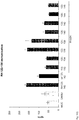
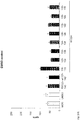
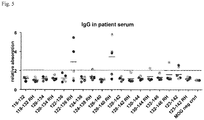
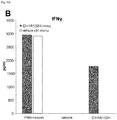
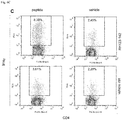
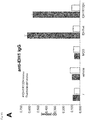
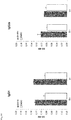
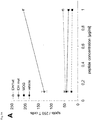
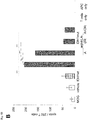
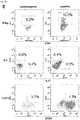
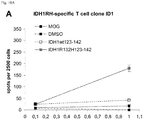
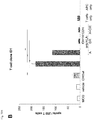
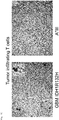
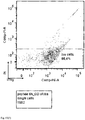
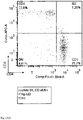
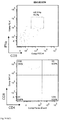
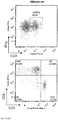
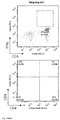
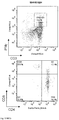
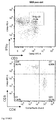
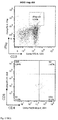
- IDH1R132H 123-142 The immunogenicity of IDH1R132H 123-142 was also shown in patients with IDH1R132H mutated gliomas where a natural CD4 T cell response was detected ( Fig. 1 ) and natural IDHR132H-specific antibodies were evident in patients with IDH1R132H mutated gliomas but not healthy controls of IDH1 wildtype gliomas ( Fig. 4 ). These antibodies appeared to be largely of the same epitope specificity with a preference for 122-136 and 126-140 ( Fig. 5 ).
Landscapes
- Health & Medical Sciences (AREA)
- Life Sciences & Earth Sciences (AREA)
- Chemical & Material Sciences (AREA)
- Engineering & Computer Science (AREA)
- Immunology (AREA)
- General Health & Medical Sciences (AREA)
- Medicinal Chemistry (AREA)
- Molecular Biology (AREA)
- Biomedical Technology (AREA)
- Hematology (AREA)
- Urology & Nephrology (AREA)
- Microbiology (AREA)
- Biochemistry (AREA)
- Biotechnology (AREA)
- Bioinformatics & Cheminformatics (AREA)
- Organic Chemistry (AREA)
- Animal Behavior & Ethology (AREA)
- Veterinary Medicine (AREA)
- Public Health (AREA)
- Pharmacology & Pharmacy (AREA)
- Cell Biology (AREA)
- Food Science & Technology (AREA)
- Physics & Mathematics (AREA)
- Analytical Chemistry (AREA)
- General Physics & Mathematics (AREA)
- Pathology (AREA)
- Zoology (AREA)
- Genetics & Genomics (AREA)
- Wood Science & Technology (AREA)
- Epidemiology (AREA)
- Oncology (AREA)
- General Engineering & Computer Science (AREA)
- Gastroenterology & Hepatology (AREA)
- Proteomics, Peptides & Aminoacids (AREA)
- Mycology (AREA)
- General Chemical & Material Sciences (AREA)
- Nuclear Medicine, Radiotherapy & Molecular Imaging (AREA)
- Chemical Kinetics & Catalysis (AREA)
- Peptides Or Proteins (AREA)
- Measuring Or Testing Involving Enzymes Or Micro-Organisms (AREA)
Claims (7)
- Peptid bestehend aus einer Aminosäuresequenz ausgewählt aus der Gruppe bestehend aus Aminosäuren 122 bis 136 (SEQ ID NO: 3); Aminosäuren 126 bis 140 (SEQ ID NO: 5); Aminosäuren 124 bis 138 (SEQ ID NO: 4); und Aminosäuren 123 bis 142 (SEQ ID NO: 9) zur Verwendung in der Prävention und/oder der Behandlung von Krebserkrankungen umfassend kanzeröse Zellen, die ein IDH1 Polypeptid umfassend die Sequenz des Peptids exprimieren.
- Peptid zur Verwendung nach Anspruch 1, wobei die Krebserkrankung Gliom, akute myeloische Leukämie, myelodysplastisches Syndrom oder dysembryoplastische neuroepitheliale Tumore ist.
- Medikament umfassend das Peptid wie in einem der Ansprüche 1 bis 2 definiert und einen pharmazeutisch akzeptabler Träger zur Verwendung in der Prävention und/oder der Behandlung von Krebserkrankungen nach einem der Ansprüche 1 oder 2.
- Verfahren zur Diagnose von Krebserkrankungen, gekennzeichnet durch eine Mutation im Genom von mindestens einigen Tumorzellen die zu der Expression eines Mutanten-IDH1 führt, das die R132H Mutation aufweist, umfassend die Schritte von:a) in Kontakt bringen einer Blutprobe eines Subjekts, von dem vermutet wird, das es an einer solchen Krebserkrankung leidet, mit einem Peptid nach Anspruch 1 für eine Zeit und unter Bedingungen welche eine spezifische Bindung einer Komponente des Immunsystems an das Peptid erlauben; undb) Bestimmen ob, oder ob nicht, eine Bindung der Komponente des Immunsystems an das Peptid auftrat, wobei die Krebserkrankung diagnostiziert wird, wenn das Auftreten der Bindung bestimmt wurde.
- Verfahren nach Anspruch 4, wobei die Komponente des Immunsystems ein Antikörper ist, der in der Blutprobe umfasst ist.
- Verfahren nach einem der Ansprüche 4 oder 5, wobei die Krebserkrankung Gliom ist, bevorzugt WHO II oder WHO III Astrozytom, Oligodendrogliom, Oligoastrozytom, Glioblastom oder Gliosarkom ist, oder akute myeloische Leukämie, myelodysplastisches Syndrom oder dysembryoplastische neuroepitheliale Tumore ist.
- Verwendung eines Kits umfassend ein Peptid nach Anspruch 1 zur Durchführung des Verfahrens nach einem der Ansprüche 4 bis 6 zur Diagnose von Krebserkrankungen.
Priority Applications (1)
| Application Number | Priority Date | Filing Date | Title |
|---|---|---|---|
| EP13700266.3A EP2800580B1 (de) | 2012-01-05 | 2013-01-03 | Peptide für die behandlung und diagnose von idh1 r132h positiven krebsarten |
Applications Claiming Priority (3)
| Application Number | Priority Date | Filing Date | Title |
|---|---|---|---|
| EP12150298 | 2012-01-05 | ||
| PCT/EP2013/050048 WO2013102641A1 (en) | 2012-01-05 | 2013-01-03 | Means and methods for treating or diagnosing idh1 r132h mutant-positive cancers |
| EP13700266.3A EP2800580B1 (de) | 2012-01-05 | 2013-01-03 | Peptide für die behandlung und diagnose von idh1 r132h positiven krebsarten |
Publications (2)
| Publication Number | Publication Date |
|---|---|
| EP2800580A1 EP2800580A1 (de) | 2014-11-12 |
| EP2800580B1 true EP2800580B1 (de) | 2017-07-12 |
Family
ID=47559460
Family Applications (1)
| Application Number | Title | Priority Date | Filing Date |
|---|---|---|---|
| EP13700266.3A Active EP2800580B1 (de) | 2012-01-05 | 2013-01-03 | Peptide für die behandlung und diagnose von idh1 r132h positiven krebsarten |
Country Status (13)
| Country | Link |
|---|---|
| US (1) | US10161940B2 (de) |
| EP (1) | EP2800580B1 (de) |
| JP (1) | JP6316755B2 (de) |
| KR (1) | KR102055463B1 (de) |
| CN (1) | CN105142662B (de) |
| AU (1) | AU2013207191B2 (de) |
| BR (1) | BR112014016612A2 (de) |
| CA (1) | CA2859078A1 (de) |
| EA (1) | EA201491324A1 (de) |
| ES (1) | ES2642184T3 (de) |
| MX (1) | MX349494B (de) |
| SG (1) | SG11201403877PA (de) |
| WO (1) | WO2013102641A1 (de) |
Families Citing this family (3)
| Publication number | Priority date | Publication date | Assignee | Title |
|---|---|---|---|---|
| EP3749349A4 (de) * | 2018-02-10 | 2021-11-24 | Berkeley Lights, Inc. | Mutante idh1-spezifischer t-zellrezeptor |
| CN112239787B (zh) * | 2019-07-19 | 2024-05-10 | 河南远止生物技术有限公司 | 一种检测人idh1基因突变的引物和探针、试剂盒和装置 |
| WO2021014398A1 (en) * | 2019-07-23 | 2021-01-28 | University Of Rijeka Faculty Of Medicine | Integrated human cytomegalovirus / glioblastoma vaccine |
Family Cites Families (7)
| Publication number | Priority date | Publication date | Assignee | Title |
|---|---|---|---|---|
| UA77382C2 (en) * | 1998-05-01 | 2006-12-15 | Shering Plough Ltd | Isolated nucleic acid, which codes ligand cd86 of cat, diagnostic oligonucleotide, cloning vector, vaccine for modulation of immune response by cat and methods for induction or inhibition of immunity by cat |
| GB9810276D0 (en) * | 1998-05-13 | 1998-07-15 | Smithkline Beecham Biolog | Novel compounds |
| ES2400280T3 (es) * | 1998-12-23 | 2013-04-08 | Id Biomedical Corporation Of Quebec | Antígenos de estreptococos |
| MX2011002409A (es) * | 2008-09-03 | 2011-09-06 | Univ Johns Hopkins | Alteraciones geneticas en isocitrato-deshidrogenasa y otros genes en glioma maligno. |
| AU2010223919B2 (en) * | 2009-03-13 | 2016-03-31 | Les Laboratoires Servier | Methods and compositions for cell-proliferation-related disorders |
| JPWO2010110346A1 (ja) * | 2009-03-24 | 2012-10-04 | 独立行政法人理化学研究所 | 白血病幹細胞マーカー |
| EP2253716A1 (de) | 2009-05-15 | 2010-11-24 | Deutsches Krebsforschungszentrum, Stiftung des öffentlichen Rechts | Diagnoseverfahren zur Prognose eines Hirntumors |
-
2013
- 2013-01-03 ES ES13700266.3T patent/ES2642184T3/es active Active
- 2013-01-03 JP JP2014550699A patent/JP6316755B2/ja active Active
- 2013-01-03 US US14/370,224 patent/US10161940B2/en active Active
- 2013-01-03 WO PCT/EP2013/050048 patent/WO2013102641A1/en not_active Ceased
- 2013-01-03 BR BR112014016612A patent/BR112014016612A2/pt not_active Application Discontinuation
- 2013-01-03 AU AU2013207191A patent/AU2013207191B2/en not_active Ceased
- 2013-01-03 MX MX2014008306A patent/MX349494B/es active IP Right Grant
- 2013-01-03 EA EA201491324A patent/EA201491324A1/ru unknown
- 2013-01-03 KR KR1020147021779A patent/KR102055463B1/ko active Active
- 2013-01-03 EP EP13700266.3A patent/EP2800580B1/de active Active
- 2013-01-03 SG SG11201403877PA patent/SG11201403877PA/en unknown
- 2013-01-03 CN CN201380004722.8A patent/CN105142662B/zh not_active Expired - Fee Related
- 2013-01-03 CA CA2859078A patent/CA2859078A1/en not_active Abandoned
Non-Patent Citations (1)
| Title |
|---|
| None * |
Also Published As
| Publication number | Publication date |
|---|---|
| SG11201403877PA (en) | 2014-09-26 |
| EA201491324A1 (ru) | 2015-03-31 |
| JP6316755B2 (ja) | 2018-04-25 |
| MX349494B (es) | 2017-08-01 |
| AU2013207191B2 (en) | 2017-10-26 |
| CN105142662B (zh) | 2017-07-07 |
| BR112014016612A2 (pt) | 2017-06-27 |
| MX2014008306A (es) | 2015-03-03 |
| WO2013102641A1 (en) | 2013-07-11 |
| AU2013207191A1 (en) | 2014-07-03 |
| US20150023991A1 (en) | 2015-01-22 |
| KR102055463B1 (ko) | 2019-12-12 |
| EP2800580A1 (de) | 2014-11-12 |
| HK1203825A1 (en) | 2015-11-06 |
| CN105142662A (zh) | 2015-12-09 |
| CA2859078A1 (en) | 2013-07-11 |
| KR20140120324A (ko) | 2014-10-13 |
| US10161940B2 (en) | 2018-12-25 |
| ES2642184T3 (es) | 2017-11-15 |
| JP2015505246A (ja) | 2015-02-19 |
Similar Documents
| Publication | Publication Date | Title |
|---|---|---|
| Pereira et al. | A human type 5 adenovirus-based Trypanosoma cruzi therapeutic vaccine re-programs immune response and reverses chronic cardiomyopathy | |
| Greenfield et al. | A phase I dose-escalation clinical trial of a peptide-based human papillomavirus therapeutic vaccine with Candida skin test reagent as a novel vaccine adjuvant for treating women with biopsy-proven cervical intraepithelial neoplasia 2/3 | |
| EP2417456B1 (de) | Diagnostischer mycobacterium tuberculosis test | |
| KR20160102314A (ko) | 면역 치료요법에 대한 암 반응의 결정인자 | |
| US20200390874A1 (en) | Yeast-based immunotherapy and type i interferon sensitivity | |
| AU2014369866A1 (en) | Peptide combinations and uses thereof in treating dust mite allergy | |
| Sanmamed et al. | Relevance of MIA and S100 serum tumor markers to monitor BRAF inhibitor therapy in metastatic melanoma patients | |
| Sen et al. | Role of polypeptide inflammatory biomarkers in the diagnosis and monitoring of COVID-19 | |
| EP2800580B1 (de) | Peptide für die behandlung und diagnose von idh1 r132h positiven krebsarten | |
| Pavel-Tanasa et al. | Adipokines, and not vitamin D, associate with antibody immune responses following dual BNT162b2 vaccination within individuals younger than 60 years | |
| EP2433964A1 (de) | Peptid zur herbeiführung von xage-1b-spezifischen immunreaktionen sowie anwendung davon | |
| Elkord et al. | Immune evasion mechanisms in colorectal cancer liver metastasis patients vaccinated with TroVax (MVA-5T4) | |
| Chu et al. | T-cell proliferation assay for the detection of SARS-CoV-2-specific T-cells | |
| US9005982B2 (en) | Biomarkers associated with autoimmune diseases of the lung | |
| EP2601529B1 (de) | BIOMARKER FÜR DIE VORHERSAGE DER rEAKTION AUF EINE KREBSVAKZINEEFFIZIENZS | |
| Zhelyazkova et al. | Desmoglein autoantibodies and disease severity in pemphigus patients–correlations and discrepancies | |
| HK1203825B (en) | Peptides for use in treating or diagnosing idh1 r132h positive cancers | |
| Wang et al. | Age-dependent decrease of circulating T follicular helper cells correlates with disease severity in elderly patients with COVID-19 | |
| Marques et al. | Use of Tc-rCRP as a target for lytic antibody titration after experimental Trypanosoma cruzi infection | |
| NIEGOWSKA CONFORTI | Immunogenecity ofMycobacterium aviumsubsp. paratuberculosisepitopes cross-reacting with human ZnT8 and proinsulin peptides in autoimmune diabetes | |
| Lozano Vigario | Molenaar | |
| Vigario | Molenaar | |
| WO2025231195A1 (en) | Idh1 as a biomarker and enhancer of cancer immunotherapy | |
| CN104225586A (zh) | 一种含融合蛋白a1d4的结核病亚单位疫苗 | |
| JP3557367B2 (ja) | nm23タンパク質の測定方法及びそれを用いた悪性腫瘍の診断方法 |
Legal Events
| Date | Code | Title | Description |
|---|---|---|---|
| PUAI | Public reference made under article 153(3) epc to a published international application that has entered the european phase |
Free format text: ORIGINAL CODE: 0009012 |
|
| 17P | Request for examination filed |
Effective date: 20140804 |
|
| AK | Designated contracting states |
Kind code of ref document: A1 Designated state(s): AL AT BE BG CH CY CZ DE DK EE ES FI FR GB GR HR HU IE IS IT LI LT LU LV MC MK MT NL NO PL PT RO RS SE SI SK SM TR |
|
| RIN1 | Information on inventor provided before grant (corrected) |
Inventor name: SCHUMACHER, THERESA Inventor name: PLATTEN, MICHAEL Inventor name: WICK, WOLFGANG |
|
| DAX | Request for extension of the european patent (deleted) | ||
| REG | Reference to a national code |
Ref country code: HK Ref legal event code: DE Ref document number: 1203825 Country of ref document: HK |
|
| 17Q | First examination report despatched |
Effective date: 20160519 |
|
| GRAP | Despatch of communication of intention to grant a patent |
Free format text: ORIGINAL CODE: EPIDOSNIGR1 |
|
| INTG | Intention to grant announced |
Effective date: 20170130 |
|
| GRAS | Grant fee paid |
Free format text: ORIGINAL CODE: EPIDOSNIGR3 |
|
| GRAA | (expected) grant |
Free format text: ORIGINAL CODE: 0009210 |
|
| AK | Designated contracting states |
Kind code of ref document: B1 Designated state(s): AL AT BE BG CH CY CZ DE DK EE ES FI FR GB GR HR HU IE IS IT LI LT LU LV MC MK MT NL NO PL PT RO RS SE SI SK SM TR |
|
| REG | Reference to a national code |
Ref country code: GB Ref legal event code: FG4D |
|
| REG | Reference to a national code |
Ref country code: CH Ref legal event code: EP |
|
| REG | Reference to a national code |
Ref country code: AT Ref legal event code: REF Ref document number: 907721 Country of ref document: AT Kind code of ref document: T Effective date: 20170715 |
|
| REG | Reference to a national code |
Ref country code: IE Ref legal event code: FG4D |
|
| REG | Reference to a national code |
Ref country code: DE Ref legal event code: R096 Ref document number: 602013023353 Country of ref document: DE |
|
| REG | Reference to a national code |
Ref country code: CH Ref legal event code: NV Representative=s name: KATZAROV S.A., CH |
|
| REG | Reference to a national code |
Ref country code: NL Ref legal event code: FP |
|
| REG | Reference to a national code |
Ref country code: ES Ref legal event code: FG2A Ref document number: 2642184 Country of ref document: ES Kind code of ref document: T3 Effective date: 20171115 |
|
| REG | Reference to a national code |
Ref country code: LT Ref legal event code: MG4D |
|
| REG | Reference to a national code |
Ref country code: FR Ref legal event code: PLFP Year of fee payment: 6 |
|
| REG | Reference to a national code |
Ref country code: AT Ref legal event code: MK05 Ref document number: 907721 Country of ref document: AT Kind code of ref document: T Effective date: 20170712 |
|
| PG25 | Lapsed in a contracting state [announced via postgrant information from national office to epo] |
Ref country code: AT Free format text: LAPSE BECAUSE OF FAILURE TO SUBMIT A TRANSLATION OF THE DESCRIPTION OR TO PAY THE FEE WITHIN THE PRESCRIBED TIME-LIMIT Effective date: 20170712 Ref country code: SE Free format text: LAPSE BECAUSE OF FAILURE TO SUBMIT A TRANSLATION OF THE DESCRIPTION OR TO PAY THE FEE WITHIN THE PRESCRIBED TIME-LIMIT Effective date: 20170712 Ref country code: NO Free format text: LAPSE BECAUSE OF FAILURE TO SUBMIT A TRANSLATION OF THE DESCRIPTION OR TO PAY THE FEE WITHIN THE PRESCRIBED TIME-LIMIT Effective date: 20171012 Ref country code: LT Free format text: LAPSE BECAUSE OF FAILURE TO SUBMIT A TRANSLATION OF THE DESCRIPTION OR TO PAY THE FEE WITHIN THE PRESCRIBED TIME-LIMIT Effective date: 20170712 Ref country code: FI Free format text: LAPSE BECAUSE OF FAILURE TO SUBMIT A TRANSLATION OF THE DESCRIPTION OR TO PAY THE FEE WITHIN THE PRESCRIBED TIME-LIMIT Effective date: 20170712 Ref country code: HR Free format text: LAPSE BECAUSE OF FAILURE TO SUBMIT A TRANSLATION OF THE DESCRIPTION OR TO PAY THE FEE WITHIN THE PRESCRIBED TIME-LIMIT Effective date: 20170712 |
|
| PG25 | Lapsed in a contracting state [announced via postgrant information from national office to epo] |
Ref country code: IS Free format text: LAPSE BECAUSE OF FAILURE TO SUBMIT A TRANSLATION OF THE DESCRIPTION OR TO PAY THE FEE WITHIN THE PRESCRIBED TIME-LIMIT Effective date: 20171112 Ref country code: LV Free format text: LAPSE BECAUSE OF FAILURE TO SUBMIT A TRANSLATION OF THE DESCRIPTION OR TO PAY THE FEE WITHIN THE PRESCRIBED TIME-LIMIT Effective date: 20170712 Ref country code: BG Free format text: LAPSE BECAUSE OF FAILURE TO SUBMIT A TRANSLATION OF THE DESCRIPTION OR TO PAY THE FEE WITHIN THE PRESCRIBED TIME-LIMIT Effective date: 20171012 Ref country code: GR Free format text: LAPSE BECAUSE OF FAILURE TO SUBMIT A TRANSLATION OF THE DESCRIPTION OR TO PAY THE FEE WITHIN THE PRESCRIBED TIME-LIMIT Effective date: 20171013 Ref country code: PL Free format text: LAPSE BECAUSE OF FAILURE TO SUBMIT A TRANSLATION OF THE DESCRIPTION OR TO PAY THE FEE WITHIN THE PRESCRIBED TIME-LIMIT Effective date: 20170712 Ref country code: RS Free format text: LAPSE BECAUSE OF FAILURE TO SUBMIT A TRANSLATION OF THE DESCRIPTION OR TO PAY THE FEE WITHIN THE PRESCRIBED TIME-LIMIT Effective date: 20170712 |
|
| REG | Reference to a national code |
Ref country code: CH Ref legal event code: PCAR Free format text: NEW ADDRESS: AVENUE DES MORGINES 12, 1213 PETIT-LANCY (CH) |
|
| REG | Reference to a national code |
Ref country code: DE Ref legal event code: R097 Ref document number: 602013023353 Country of ref document: DE |
|
| PG25 | Lapsed in a contracting state [announced via postgrant information from national office to epo] |
Ref country code: RO Free format text: LAPSE BECAUSE OF FAILURE TO SUBMIT A TRANSLATION OF THE DESCRIPTION OR TO PAY THE FEE WITHIN THE PRESCRIBED TIME-LIMIT Effective date: 20170712 Ref country code: DK Free format text: LAPSE BECAUSE OF FAILURE TO SUBMIT A TRANSLATION OF THE DESCRIPTION OR TO PAY THE FEE WITHIN THE PRESCRIBED TIME-LIMIT Effective date: 20170712 Ref country code: CZ Free format text: LAPSE BECAUSE OF FAILURE TO SUBMIT A TRANSLATION OF THE DESCRIPTION OR TO PAY THE FEE WITHIN THE PRESCRIBED TIME-LIMIT Effective date: 20170712 |
|
| PLBE | No opposition filed within time limit |
Free format text: ORIGINAL CODE: 0009261 |
|
| STAA | Information on the status of an ep patent application or granted ep patent |
Free format text: STATUS: NO OPPOSITION FILED WITHIN TIME LIMIT |
|
| PG25 | Lapsed in a contracting state [announced via postgrant information from national office to epo] |
Ref country code: SM Free format text: LAPSE BECAUSE OF FAILURE TO SUBMIT A TRANSLATION OF THE DESCRIPTION OR TO PAY THE FEE WITHIN THE PRESCRIBED TIME-LIMIT Effective date: 20170712 Ref country code: SK Free format text: LAPSE BECAUSE OF FAILURE TO SUBMIT A TRANSLATION OF THE DESCRIPTION OR TO PAY THE FEE WITHIN THE PRESCRIBED TIME-LIMIT Effective date: 20170712 Ref country code: EE Free format text: LAPSE BECAUSE OF FAILURE TO SUBMIT A TRANSLATION OF THE DESCRIPTION OR TO PAY THE FEE WITHIN THE PRESCRIBED TIME-LIMIT Effective date: 20170712 |
|
| REG | Reference to a national code |
Ref country code: HK Ref legal event code: GR Ref document number: 1203825 Country of ref document: HK |
|
| 26N | No opposition filed |
Effective date: 20180413 |
|
| PG25 | Lapsed in a contracting state [announced via postgrant information from national office to epo] |
Ref country code: SI Free format text: LAPSE BECAUSE OF FAILURE TO SUBMIT A TRANSLATION OF THE DESCRIPTION OR TO PAY THE FEE WITHIN THE PRESCRIBED TIME-LIMIT Effective date: 20170712 |
|
| PG25 | Lapsed in a contracting state [announced via postgrant information from national office to epo] |
Ref country code: LU Free format text: LAPSE BECAUSE OF NON-PAYMENT OF DUE FEES Effective date: 20180103 |
|
| REG | Reference to a national code |
Ref country code: IE Ref legal event code: MM4A |
|
| PG25 | Lapsed in a contracting state [announced via postgrant information from national office to epo] |
Ref country code: IE Free format text: LAPSE BECAUSE OF NON-PAYMENT OF DUE FEES Effective date: 20180103 |
|
| PG25 | Lapsed in a contracting state [announced via postgrant information from national office to epo] |
Ref country code: MC Free format text: LAPSE BECAUSE OF FAILURE TO SUBMIT A TRANSLATION OF THE DESCRIPTION OR TO PAY THE FEE WITHIN THE PRESCRIBED TIME-LIMIT Effective date: 20170712 |
|
| PG25 | Lapsed in a contracting state [announced via postgrant information from national office to epo] |
Ref country code: MT Free format text: LAPSE BECAUSE OF NON-PAYMENT OF DUE FEES Effective date: 20180103 |
|
| PG25 | Lapsed in a contracting state [announced via postgrant information from national office to epo] |
Ref country code: TR Free format text: LAPSE BECAUSE OF FAILURE TO SUBMIT A TRANSLATION OF THE DESCRIPTION OR TO PAY THE FEE WITHIN THE PRESCRIBED TIME-LIMIT Effective date: 20170712 |
|
| PG25 | Lapsed in a contracting state [announced via postgrant information from national office to epo] |
Ref country code: PT Free format text: LAPSE BECAUSE OF FAILURE TO SUBMIT A TRANSLATION OF THE DESCRIPTION OR TO PAY THE FEE WITHIN THE PRESCRIBED TIME-LIMIT Effective date: 20170712 Ref country code: HU Free format text: LAPSE BECAUSE OF FAILURE TO SUBMIT A TRANSLATION OF THE DESCRIPTION OR TO PAY THE FEE WITHIN THE PRESCRIBED TIME-LIMIT; INVALID AB INITIO Effective date: 20130103 |
|
| PG25 | Lapsed in a contracting state [announced via postgrant information from national office to epo] |
Ref country code: MK Free format text: LAPSE BECAUSE OF NON-PAYMENT OF DUE FEES Effective date: 20170712 Ref country code: CY Free format text: LAPSE BECAUSE OF FAILURE TO SUBMIT A TRANSLATION OF THE DESCRIPTION OR TO PAY THE FEE WITHIN THE PRESCRIBED TIME-LIMIT Effective date: 20170712 |
|
| PG25 | Lapsed in a contracting state [announced via postgrant information from national office to epo] |
Ref country code: AL Free format text: LAPSE BECAUSE OF FAILURE TO SUBMIT A TRANSLATION OF THE DESCRIPTION OR TO PAY THE FEE WITHIN THE PRESCRIBED TIME-LIMIT Effective date: 20170712 |
|
| REG | Reference to a national code |
Ref country code: DE Ref legal event code: R082 Ref document number: 602013023353 Country of ref document: DE Representative=s name: ALTMANN STOESSEL DICK PATENTANWAELTE PARTG MBB, DE |
|
| PGFP | Annual fee paid to national office [announced via postgrant information from national office to epo] |
Ref country code: CH Payment date: 20250201 Year of fee payment: 13 |
|
| REG | Reference to a national code |
Ref country code: CH Ref legal event code: U11 Free format text: ST27 STATUS EVENT CODE: U-0-0-U10-U11 (AS PROVIDED BY THE NATIONAL OFFICE) Effective date: 20260201 |
|
| PGFP | Annual fee paid to national office [announced via postgrant information from national office to epo] |
Ref country code: NL Payment date: 20260123 Year of fee payment: 14 |
|
| PGFP | Annual fee paid to national office [announced via postgrant information from national office to epo] |
Ref country code: GB Payment date: 20260121 Year of fee payment: 14 |
|
| PGFP | Annual fee paid to national office [announced via postgrant information from national office to epo] |
Ref country code: ES Payment date: 20260202 Year of fee payment: 14 |
|
| PGFP | Annual fee paid to national office [announced via postgrant information from national office to epo] |
Ref country code: DE Payment date: 20260203 Year of fee payment: 14 |
|
| PGFP | Annual fee paid to national office [announced via postgrant information from national office to epo] |
Ref country code: BE Payment date: 20260121 Year of fee payment: 14 Ref country code: IT Payment date: 20260128 Year of fee payment: 14 |
|
| PGFP | Annual fee paid to national office [announced via postgrant information from national office to epo] |
Ref country code: FR Payment date: 20260125 Year of fee payment: 14 |