EP2790718B1 - Antagonist des fibroblastenwachstumsfaktor-rezeptors 3 (fgfr3) zur verwendung bei der behandlung oder prävention von skeletterkrankungen mit abnormaler fgfr3-aktivierung - Google Patents
Antagonist des fibroblastenwachstumsfaktor-rezeptors 3 (fgfr3) zur verwendung bei der behandlung oder prävention von skeletterkrankungen mit abnormaler fgfr3-aktivierung Download PDFInfo
- Publication number
- EP2790718B1 EP2790718B1 EP12799204.8A EP12799204A EP2790718B1 EP 2790718 B1 EP2790718 B1 EP 2790718B1 EP 12799204 A EP12799204 A EP 12799204A EP 2790718 B1 EP2790718 B1 EP 2790718B1
- Authority
- EP
- European Patent Office
- Prior art keywords
- fgfr3
- antagonist
- growth
- receptor
- mutant
- Prior art date
- Legal status (The legal status is an assumption and is not a legal conclusion. Google has not performed a legal analysis and makes no representation as to the accuracy of the status listed.)
- Active
Links
- UGLCCFDASNUVMR-UHFFFAOYSA-N CC(C)(C)NC(Nc(nc1nc(NCCCc2c[n](Cc3ccccn3)nn2)ncc1c1)c1-c1cc(OC)cc(OC)c1)=O Chemical compound CC(C)(C)NC(Nc(nc1nc(NCCCc2c[n](Cc3ccccn3)nn2)ncc1c1)c1-c1cc(OC)cc(OC)c1)=O UGLCCFDASNUVMR-UHFFFAOYSA-N 0.000 description 1
- FNQYSGDSORWGBO-UHFFFAOYSA-N CC(C)(C)NC(Nc1nc2nc(NCc3c[n](CC4CN(C)CCC4)nn3)ncc2cc1-c1cc(OC)cc(OC)c1)=O Chemical compound CC(C)(C)NC(Nc1nc2nc(NCc3c[n](CC4CN(C)CCC4)nn3)ncc2cc1-c1cc(OC)cc(OC)c1)=O FNQYSGDSORWGBO-UHFFFAOYSA-N 0.000 description 1
- FSDZFXFFTYRIEY-UHFFFAOYSA-N CC(C)(C)NC(Nc1nc2nc(NCc3c[n](CCN(CC4)CCN4c4ccc(C(F)(F)F)cn4)nn3)ncc2cc1-c1cc(OC)cc(OC)c1)=O Chemical compound CC(C)(C)NC(Nc1nc2nc(NCc3c[n](CCN(CC4)CCN4c4ccc(C(F)(F)F)cn4)nn3)ncc2cc1-c1cc(OC)cc(OC)c1)=O FSDZFXFFTYRIEY-UHFFFAOYSA-N 0.000 description 1
Images




Classifications
-
- A—HUMAN NECESSITIES
- A61—MEDICAL OR VETERINARY SCIENCE; HYGIENE
- A61K—PREPARATIONS FOR MEDICAL, DENTAL OR TOILETRY PURPOSES
- A61K31/00—Medicinal preparations containing organic active ingredients
- A61K31/33—Heterocyclic compounds
- A61K31/395—Heterocyclic compounds having nitrogen as a ring hetero atom, e.g. guanethidine or rifamycins
- A61K31/495—Heterocyclic compounds having nitrogen as a ring hetero atom, e.g. guanethidine or rifamycins having six-membered rings with two or more nitrogen atoms as the only ring heteroatoms, e.g. piperazine or tetrazines
- A61K31/505—Pyrimidines; Hydrogenated pyrimidines, e.g. trimethoprim
- A61K31/506—Pyrimidines; Hydrogenated pyrimidines, e.g. trimethoprim not condensed and containing further heterocyclic rings
-
- A—HUMAN NECESSITIES
- A61—MEDICAL OR VETERINARY SCIENCE; HYGIENE
- A61K—PREPARATIONS FOR MEDICAL, DENTAL OR TOILETRY PURPOSES
- A61K31/00—Medicinal preparations containing organic active ingredients
- A61K31/33—Heterocyclic compounds
- A61K31/395—Heterocyclic compounds having nitrogen as a ring hetero atom, e.g. guanethidine or rifamycins
- A61K31/495—Heterocyclic compounds having nitrogen as a ring hetero atom, e.g. guanethidine or rifamycins having six-membered rings with two or more nitrogen atoms as the only ring heteroatoms, e.g. piperazine or tetrazines
- A61K31/505—Pyrimidines; Hydrogenated pyrimidines, e.g. trimethoprim
- A61K31/519—Pyrimidines; Hydrogenated pyrimidines, e.g. trimethoprim ortho- or peri-condensed with heterocyclic rings
-
- A—HUMAN NECESSITIES
- A61—MEDICAL OR VETERINARY SCIENCE; HYGIENE
- A61K—PREPARATIONS FOR MEDICAL, DENTAL OR TOILETRY PURPOSES
- A61K38/00—Medicinal preparations containing peptides
- A61K38/16—Peptides having more than 20 amino acids; Gastrins; Somatostatins; Melanotropins; Derivatives thereof
- A61K38/17—Peptides having more than 20 amino acids; Gastrins; Somatostatins; Melanotropins; Derivatives thereof from animals; from humans
- A61K38/177—Receptors; Cell surface antigens; Cell surface determinants
-
- A—HUMAN NECESSITIES
- A61—MEDICAL OR VETERINARY SCIENCE; HYGIENE
- A61K—PREPARATIONS FOR MEDICAL, DENTAL OR TOILETRY PURPOSES
- A61K38/00—Medicinal preparations containing peptides
- A61K38/16—Peptides having more than 20 amino acids; Gastrins; Somatostatins; Melanotropins; Derivatives thereof
- A61K38/17—Peptides having more than 20 amino acids; Gastrins; Somatostatins; Melanotropins; Derivatives thereof from animals; from humans
- A61K38/177—Receptors; Cell surface antigens; Cell surface determinants
- A61K38/179—Receptors; Cell surface antigens; Cell surface determinants for growth factors; for growth regulators
-
- A—HUMAN NECESSITIES
- A61—MEDICAL OR VETERINARY SCIENCE; HYGIENE
- A61P—SPECIFIC THERAPEUTIC ACTIVITY OF CHEMICAL COMPOUNDS OR MEDICINAL PREPARATIONS
- A61P19/00—Drugs for skeletal disorders
-
- B—PERFORMING OPERATIONS; TRANSPORTING
- B29—WORKING OF PLASTICS; WORKING OF SUBSTANCES IN A PLASTIC STATE IN GENERAL
- B29C—SHAPING OR JOINING OF PLASTICS; SHAPING OF MATERIAL IN A PLASTIC STATE, NOT OTHERWISE PROVIDED FOR; AFTER-TREATMENT OF THE SHAPED PRODUCTS, e.g. REPAIRING
- B29C48/00—Extrusion moulding, i.e. expressing the moulding material through a die or nozzle which imparts the desired form; Apparatus therefor
- B29C48/001—Combinations of extrusion moulding with other shaping operations
- B29C48/0017—Combinations of extrusion moulding with other shaping operations combined with blow-moulding or thermoforming
-
- B—PERFORMING OPERATIONS; TRANSPORTING
- B29—WORKING OF PLASTICS; WORKING OF SUBSTANCES IN A PLASTIC STATE IN GENERAL
- B29C—SHAPING OR JOINING OF PLASTICS; SHAPING OF MATERIAL IN A PLASTIC STATE, NOT OTHERWISE PROVIDED FOR; AFTER-TREATMENT OF THE SHAPED PRODUCTS, e.g. REPAIRING
- B29C48/00—Extrusion moulding, i.e. expressing the moulding material through a die or nozzle which imparts the desired form; Apparatus therefor
- B29C48/022—Extrusion moulding, i.e. expressing the moulding material through a die or nozzle which imparts the desired form; Apparatus therefor characterised by the choice of material
-
- B—PERFORMING OPERATIONS; TRANSPORTING
- B32—LAYERED PRODUCTS
- B32B—LAYERED PRODUCTS, i.e. PRODUCTS BUILT-UP OF STRATA OF FLAT OR NON-FLAT, e.g. CELLULAR OR HONEYCOMB, FORM
- B32B27/00—Layered products comprising a layer of synthetic resin
- B32B27/30—Layered products comprising a layer of synthetic resin comprising vinyl (co)polymers; comprising acrylic (co)polymers
- B32B27/302—Layered products comprising a layer of synthetic resin comprising vinyl (co)polymers; comprising acrylic (co)polymers comprising aromatic vinyl (co)polymers, e.g. styrenic (co)polymers
-
- C—CHEMISTRY; METALLURGY
- C08—ORGANIC MACROMOLECULAR COMPOUNDS; THEIR PREPARATION OR CHEMICAL WORKING-UP; COMPOSITIONS BASED THEREON
- C08J—WORKING-UP; GENERAL PROCESSES OF COMPOUNDING; AFTER-TREATMENT NOT COVERED BY SUBCLASSES C08B, C08C, C08F, C08G or C08H
- C08J5/00—Manufacture of articles or shaped materials containing macromolecular substances
- C08J5/18—Manufacture of films or sheets
-
- C—CHEMISTRY; METALLURGY
- C08—ORGANIC MACROMOLECULAR COMPOUNDS; THEIR PREPARATION OR CHEMICAL WORKING-UP; COMPOSITIONS BASED THEREON
- C08L—COMPOSITIONS OF MACROMOLECULAR COMPOUNDS
- C08L25/00—Compositions of, homopolymers or copolymers of compounds having one or more unsaturated aliphatic radicals, each having only one carbon-to-carbon double bond, and at least one being terminated by an aromatic carbocyclic ring; Compositions of derivatives of such polymers
- C08L25/02—Homopolymers or copolymers of hydrocarbons
- C08L25/04—Homopolymers or copolymers of styrene
- C08L25/06—Polystyrene
-
- C—CHEMISTRY; METALLURGY
- C08—ORGANIC MACROMOLECULAR COMPOUNDS; THEIR PREPARATION OR CHEMICAL WORKING-UP; COMPOSITIONS BASED THEREON
- C08L—COMPOSITIONS OF MACROMOLECULAR COMPOUNDS
- C08L51/00—Compositions of graft polymers in which the grafted component is obtained by reactions only involving carbon-to-carbon unsaturated bonds; Compositions of derivatives of such polymers
- C08L51/04—Compositions of graft polymers in which the grafted component is obtained by reactions only involving carbon-to-carbon unsaturated bonds; Compositions of derivatives of such polymers grafted on to rubbers
-
- B—PERFORMING OPERATIONS; TRANSPORTING
- B29—WORKING OF PLASTICS; WORKING OF SUBSTANCES IN A PLASTIC STATE IN GENERAL
- B29K—INDEXING SCHEME ASSOCIATED WITH SUBCLASSES B29B, B29C OR B29D, RELATING TO MOULDING MATERIALS OR TO MATERIALS FOR MOULDS, REINFORCEMENTS, FILLERS OR PREFORMED PARTS, e.g. INSERTS
- B29K2025/00—Use of polymers of vinyl-aromatic compounds or derivatives thereof as moulding material
- B29K2025/04—Polymers of styrene
- B29K2025/06—PS, i.e. polystyrene
-
- B—PERFORMING OPERATIONS; TRANSPORTING
- B29—WORKING OF PLASTICS; WORKING OF SUBSTANCES IN A PLASTIC STATE IN GENERAL
- B29K—INDEXING SCHEME ASSOCIATED WITH SUBCLASSES B29B, B29C OR B29D, RELATING TO MOULDING MATERIALS OR TO MATERIALS FOR MOULDS, REINFORCEMENTS, FILLERS OR PREFORMED PARTS, e.g. INSERTS
- B29K2035/00—Use of polymers of unsaturated polycarboxylic acids or derivatives thereof as moulding material
-
- B—PERFORMING OPERATIONS; TRANSPORTING
- B29—WORKING OF PLASTICS; WORKING OF SUBSTANCES IN A PLASTIC STATE IN GENERAL
- B29K—INDEXING SCHEME ASSOCIATED WITH SUBCLASSES B29B, B29C OR B29D, RELATING TO MOULDING MATERIALS OR TO MATERIALS FOR MOULDS, REINFORCEMENTS, FILLERS OR PREFORMED PARTS, e.g. INSERTS
- B29K2201/00—Use of cellulose, modified cellulose or cellulose derivatives, e.g. viscose, as reinforcement
-
- B—PERFORMING OPERATIONS; TRANSPORTING
- B29—WORKING OF PLASTICS; WORKING OF SUBSTANCES IN A PLASTIC STATE IN GENERAL
- B29L—INDEXING SCHEME ASSOCIATED WITH SUBCLASS B29C, RELATING TO PARTICULAR ARTICLES
- B29L2031/00—Other particular articles
- B29L2031/712—Containers; Packaging elements or accessories, Packages
-
- B—PERFORMING OPERATIONS; TRANSPORTING
- B32—LAYERED PRODUCTS
- B32B—LAYERED PRODUCTS, i.e. PRODUCTS BUILT-UP OF STRATA OF FLAT OR NON-FLAT, e.g. CELLULAR OR HONEYCOMB, FORM
- B32B2262/00—Composition or structural features of fibres which form a fibrous or filamentary layer or are present as additives
- B32B2262/06—Vegetal fibres
-
- B—PERFORMING OPERATIONS; TRANSPORTING
- B32—LAYERED PRODUCTS
- B32B—LAYERED PRODUCTS, i.e. PRODUCTS BUILT-UP OF STRATA OF FLAT OR NON-FLAT, e.g. CELLULAR OR HONEYCOMB, FORM
- B32B2270/00—Resin or rubber layer containing a blend of at least two different polymers
-
- B—PERFORMING OPERATIONS; TRANSPORTING
- B32—LAYERED PRODUCTS
- B32B—LAYERED PRODUCTS, i.e. PRODUCTS BUILT-UP OF STRATA OF FLAT OR NON-FLAT, e.g. CELLULAR OR HONEYCOMB, FORM
- B32B2439/00—Containers; Receptacles
- B32B2439/70—Food packaging
-
- C—CHEMISTRY; METALLURGY
- C08—ORGANIC MACROMOLECULAR COMPOUNDS; THEIR PREPARATION OR CHEMICAL WORKING-UP; COMPOSITIONS BASED THEREON
- C08J—WORKING-UP; GENERAL PROCESSES OF COMPOUNDING; AFTER-TREATMENT NOT COVERED BY SUBCLASSES C08B, C08C, C08F, C08G or C08H
- C08J2325/00—Characterised by the use of homopolymers or copolymers of compounds having one or more unsaturated aliphatic radicals, each having only one carbon-to-carbon double bond, and at least one being terminated by an aromatic carbocyclic ring; Derivatives of such polymers
- C08J2325/02—Homopolymers or copolymers of hydrocarbons
- C08J2325/04—Homopolymers or copolymers of styrene
- C08J2325/06—Polystyrene
-
- C—CHEMISTRY; METALLURGY
- C08—ORGANIC MACROMOLECULAR COMPOUNDS; THEIR PREPARATION OR CHEMICAL WORKING-UP; COMPOSITIONS BASED THEREON
- C08J—WORKING-UP; GENERAL PROCESSES OF COMPOUNDING; AFTER-TREATMENT NOT COVERED BY SUBCLASSES C08B, C08C, C08F, C08G or C08H
- C08J2401/00—Characterised by the use of cellulose, modified cellulose or cellulose derivatives
-
- C—CHEMISTRY; METALLURGY
- C08—ORGANIC MACROMOLECULAR COMPOUNDS; THEIR PREPARATION OR CHEMICAL WORKING-UP; COMPOSITIONS BASED THEREON
- C08J—WORKING-UP; GENERAL PROCESSES OF COMPOUNDING; AFTER-TREATMENT NOT COVERED BY SUBCLASSES C08B, C08C, C08F, C08G or C08H
- C08J2401/00—Characterised by the use of cellulose, modified cellulose or cellulose derivatives
- C08J2401/02—Cellulose; Modified cellulose
-
- C—CHEMISTRY; METALLURGY
- C08—ORGANIC MACROMOLECULAR COMPOUNDS; THEIR PREPARATION OR CHEMICAL WORKING-UP; COMPOSITIONS BASED THEREON
- C08J—WORKING-UP; GENERAL PROCESSES OF COMPOUNDING; AFTER-TREATMENT NOT COVERED BY SUBCLASSES C08B, C08C, C08F, C08G or C08H
- C08J2425/00—Characterised by the use of homopolymers or copolymers of compounds having one or more unsaturated aliphatic radicals, each having only one carbon-to-carbon double bond, and at least one being terminated by an aromatic carbocyclic ring; Derivatives of such polymers
- C08J2425/02—Homopolymers or copolymers of hydrocarbons
- C08J2425/04—Homopolymers or copolymers of styrene
- C08J2425/06—Polystyrene
-
- C—CHEMISTRY; METALLURGY
- C08—ORGANIC MACROMOLECULAR COMPOUNDS; THEIR PREPARATION OR CHEMICAL WORKING-UP; COMPOSITIONS BASED THEREON
- C08J—WORKING-UP; GENERAL PROCESSES OF COMPOUNDING; AFTER-TREATMENT NOT COVERED BY SUBCLASSES C08B, C08C, C08F, C08G or C08H
- C08J2425/00—Characterised by the use of homopolymers or copolymers of compounds having one or more unsaturated aliphatic radicals, each having only one carbon-to-carbon double bond, and at least one being terminated by an aromatic carbocyclic ring; Derivatives of such polymers
- C08J2425/02—Homopolymers or copolymers of hydrocarbons
- C08J2425/04—Homopolymers or copolymers of styrene
- C08J2425/08—Copolymers of styrene
-
- C—CHEMISTRY; METALLURGY
- C08—ORGANIC MACROMOLECULAR COMPOUNDS; THEIR PREPARATION OR CHEMICAL WORKING-UP; COMPOSITIONS BASED THEREON
- C08J—WORKING-UP; GENERAL PROCESSES OF COMPOUNDING; AFTER-TREATMENT NOT COVERED BY SUBCLASSES C08B, C08C, C08F, C08G or C08H
- C08J2447/00—Characterised by the use of homopolymers or copolymers of compounds having one or more unsaturated aliphatic radicals, at least one having two or more carbon-to-carbon double bonds; Derivatives of such polymers
-
- C—CHEMISTRY; METALLURGY
- C08—ORGANIC MACROMOLECULAR COMPOUNDS; THEIR PREPARATION OR CHEMICAL WORKING-UP; COMPOSITIONS BASED THEREON
- C08L—COMPOSITIONS OF MACROMOLECULAR COMPOUNDS
- C08L2203/00—Applications
- C08L2203/30—Applications used for thermoforming
-
- C—CHEMISTRY; METALLURGY
- C08—ORGANIC MACROMOLECULAR COMPOUNDS; THEIR PREPARATION OR CHEMICAL WORKING-UP; COMPOSITIONS BASED THEREON
- C08L—COMPOSITIONS OF MACROMOLECULAR COMPOUNDS
- C08L2205/00—Polymer mixtures characterised by other features
- C08L2205/02—Polymer mixtures characterised by other features containing two or more polymers of the same C08L -group
-
- C—CHEMISTRY; METALLURGY
- C08—ORGANIC MACROMOLECULAR COMPOUNDS; THEIR PREPARATION OR CHEMICAL WORKING-UP; COMPOSITIONS BASED THEREON
- C08L—COMPOSITIONS OF MACROMOLECULAR COMPOUNDS
- C08L2205/00—Polymer mixtures characterised by other features
- C08L2205/02—Polymer mixtures characterised by other features containing two or more polymers of the same C08L -group
- C08L2205/025—Polymer mixtures characterised by other features containing two or more polymers of the same C08L -group containing two or more polymers of the same hierarchy C08L, and differing only in parameters such as density, comonomer content, molecular weight, structure
-
- C—CHEMISTRY; METALLURGY
- C08—ORGANIC MACROMOLECULAR COMPOUNDS; THEIR PREPARATION OR CHEMICAL WORKING-UP; COMPOSITIONS BASED THEREON
- C08L—COMPOSITIONS OF MACROMOLECULAR COMPOUNDS
- C08L2205/00—Polymer mixtures characterised by other features
- C08L2205/03—Polymer mixtures characterised by other features containing three or more polymers in a blend
-
- C—CHEMISTRY; METALLURGY
- C08—ORGANIC MACROMOLECULAR COMPOUNDS; THEIR PREPARATION OR CHEMICAL WORKING-UP; COMPOSITIONS BASED THEREON
- C08L—COMPOSITIONS OF MACROMOLECULAR COMPOUNDS
- C08L2205/00—Polymer mixtures characterised by other features
- C08L2205/03—Polymer mixtures characterised by other features containing three or more polymers in a blend
- C08L2205/035—Polymer mixtures characterised by other features containing three or more polymers in a blend containing four or more polymers in a blend
-
- C—CHEMISTRY; METALLURGY
- C08—ORGANIC MACROMOLECULAR COMPOUNDS; THEIR PREPARATION OR CHEMICAL WORKING-UP; COMPOSITIONS BASED THEREON
- C08L—COMPOSITIONS OF MACROMOLECULAR COMPOUNDS
- C08L2205/00—Polymer mixtures characterised by other features
- C08L2205/14—Polymer mixtures characterised by other features containing polymeric additives characterised by shape
- C08L2205/16—Fibres; Fibrils
Definitions
- the present invention relates to the treatment or prevention of skeletal disorders, in particular skeletal diseases and craniosynostosis, developed by patients that display abnormal increased activation of the fibroblast growth factor receptor 3 (FGFR3), in particular by expression of a constitutively activated mutant of FGFR3.
- FGFR3 fibroblast growth factor receptor 3
- Fibroblast Growth Factor Receptor 3 (FGFR3) has been described as both a negative and a positive regulator of endochondral ossification.
- the FGFR3 gene which is located on the distal short arm of chromosome 4, encodes a 806 amino acid protein precursor (fibroblast growth factor receptor 3 isoform 1 precursor; SEQ ID NO: 1).
- the FGFR3 protein belongs to the receptor-tyrosine kinase family. This family comprises receptors FGFR1, FGFR2, FGFR3 and FGFR4 that respond to fibroblast growth factor (FGF) ligands. These structurally related proteins exhibit an extracellular domain composed of three immunoglobin-like domains which form the ligand-binding domain, an acid box, a single transmembrane domain and an intracellular split tyrosine kinase domain. Although to date the physiological ligand(s) for FGFR3 is (are) not known, like other FGFRs, it is activated by FGF ligands.
- FGF fibroblast growth factor
- Binding of one of the 22 FGFs induces receptor dimerization and autophosphorylation of tyrosine residues in the cytoplasmic domain.
- the phosphorylated tyrosine residues are required for activation of the signaling pathways.
- the most relevant tyrosines are Y648, Y647, located in the activation loop.
- mutant receptors The degradation of mutant receptors is disturbed as demonstrated by higher levels of FGFR3 mutant receptors at the cell surface ( Monsonego-Ornan et al., Mol Cell Biol, 20: 516-522, 2000 ; Monsonego-Ornan et al., FEBS Lett, 528: 83-89, 2002 ; Delezoide et al., Hum Mol Genet, 6: 1899-1906, 1997 ), and disruption of c-Cbl-mediated ubiquitination ( Cho, J.Y. et al., Proc Natl Acad Sci USA, 101: 609-614, 2004 ).
- FGFR3 mutations disrupt the formation of glycosylated isoforms of the receptor and impeded its trafficking ( Gibbs et al., Biochim Biophys Acta, 1773: 502-512, 2007 ; Bon Rush et al., FEBS J, 274: 3078-3093, 2007 ).
- craniofacial development is dependent on both endochondral and membranous ossification.
- FGFR3 In skull vault, activated FGFR3 induces craniosiosynostosis. This disease consists of premature fusion of one or more of the cranial sutures. Two FGFR3 mutations cause specific craniosynostoses, Muenke syndrome and Crouzon syndrome with acanthosis nigricans. These diseases are an autosomal dominant hereditary disorder.
- FGFR3 when activated, exerts a negative regulatory influence mainly in the growth phase, in which it reduces the turnover necessary for bone elongation, the rate of cartilage template formation and disrupts chondrocyte proliferation and differentiation.
- Gain of function mutants of FGFR3 (also called “constitutively active mutants of FGFR3") disrupt endochondral ossification in a spectrum of skeletal dysplasias which include achondroplasia (ACH), the most common form of human dwarfism, hypochondroplasia (HCH), and thanatophoric dysplasia (TD), the most common form of lethal skeletal dysplasia.
- ACH achondroplasia
- HSH hypochondroplasia
- TD thanatophoric dysplasia
- FGFR3-related skeletal diseases e.g. FGFR3-related skeletal dysplasias and FGFR3-related craniosiosynostosis
- FGFR3-related skeletal diseases are the result of increased signal transduction from the activated receptor.
- achondroplasia is of particular interest since it is one of the most common congenital diseases responsible for dwarfism, disorder characterized by short limbs relative to trunk. It is diagnosed by growth failure in the major axes of the long bones of extremities and typical physical features such as a large frontally projecting cranium and a short nose. This disease is an autosomal dominant hereditary disorder, but most of cases are found to be sporadic. Hypochondroplasia is also characterized by short stature with disproportionately short arms and legs. The skeletal features are very similar to achondroplasia but usually tend to be milder.
- tyrosine kinase inhibitors In an attempt to find a new treatment for skeletal diseases, the inventors succeeded in restoring bone growth by administering tyrosine kinase inhibitors, more particularly inhibitors which are able to inhibit auto-phosphorylation of FGFR3. Indeed, the inventors have shown in an ex vivo model (consisting of culturing femurs of embryonic dwarf mice which displays impaired endochondral ossification) that tyrosine kinase inhibitors (in particular those which prevent ATP from binding to the "ATP binding site" of FGFR3) restore a normal growth of the bones. Further, the inventors have shown in vivo in an animal model that administration of tyrosine kinase inhibitors (e.g. compounds that belong to the pyrido[2,3-d]pyrimidine class and to the N -aryl- N' -pyrimidin-4-yl urea class) improves dwarfism condition by increasing growth of bones
- inhibitors of FGFR3 are useful for treating FGFR3-related skeletal diseases.
- the present invention relates to a method for treating or preventing FGFR3-related skeletal diseases which comprises the step of administering at least one antagonist of the FGFR3 tyrosine kinase receptor as defined in the claims, or a composition comprising such an antagonist, to a subject in need thereof.
- the invention also relates to an antagonist of the FGFR3 as defined in the claim, or a composition comprising such an antagonist, for use in the treatment or prevention of FGFR3-related skeletal diseases.
- FGFR3 As used herein, the terms “ FGFR3 ", “ FGFR3 tyrosine kinase receptor “ and “ FGFR3 receptor” are used interchangeably throughout the specification and refer to all of the naturally-occurring isoforms of FGFR3.
- an antagonist of a FGFR3 tyrosine kinase receptor refers to an antagonist capable of inhibiting or blocking the activity of:
- constitutively active FGFR3 receptor variant As used herein, the expressions " constitutively active FGFR3 receptor variant ", " constitutively active mutant of the FGFR3 " or “mutant FGFR3 displacing a constitutive activity " are used interchangeably and refer to a mutant of said receptor exhibiting a biological activity (i.e. triggering downstream signaling) in the absence of FGF ligand stimulation, and/or exhibiting a biological activity which is higher than the biological activity of the corresponding wild-type receptor in the presence of FGF ligand.
- a biological activity i.e. triggering downstream signaling
- a constitutively active FGFR3 variant according to the invention is in particular chosen from the group consisting of (residues are numbered according to their position in the precursor of fibroblast growth factor receptor 3 isoform 1 - 806 amino acids long -):
- a constitutively active FGFR3 variant according to the invention is K650M, K650E or Y373C mutant.
- FGFR3-related skeletal disease is intended to mean a skeletal disease that is caused by an abnormal increased activation of FGFR3, in particular by expression of a constitutively active mutant of the FGFR3 receptor, in particular a constitutively active mutant of the FGFR3 receptor as described above.
- the FGFR3-related skeletal diseases are preferably FGFR3-related skeletal dysplasias and FGFR3-related craniosynostosis.
- the FGFR3-related skeletal dysplasias according to the invention may correspond to an inherited or to a sporadic disease.
- FGFR3-related skeletal dysplasias includes but is not limited to thanatophoric dysplasia type I, thanatophoric dysplasia type II, hypochondroplasia, achondroplasia and SADDAN (severe achondroplasia with developmental delay and acanthosis nigricans).
- the FGFR3-related skeletal dysplasia is caused by expression in the subject of a constitutively active FGFR3 receptor variant such as defined above.
- the FGFR3-related skeletal dysplasia is a achondroplasia caused by expression of the G380R constitutively active mutant of the FGFR3 receptor.
- the FGFR3-related skeletal dysplasia is a hypochondroplasia caused by expression of the N540K, K650N, K650Q, S84L, R200C, N262H, G268C, Y278C, S279C, V381E, constitutively active mutant of the FGFR3 receptor.
- the FGFR3-related skeletal dysplasia is a thanatophoric dysplasia type I caused by expression of a constitutively active mutant of the FGFR3 receptor chosen from the group consisting of R248C, S248C, G370C, S371C; Y373C, X807R, X807C, X807G, X807S, X807W and K650M FGFR3 receptors.
- the FGFR3-related skeletal dysplasia is a thanatophoric dysplasia type II caused by expression of the K650E constitutively active mutant of the FGFR3 receptor.
- the FGFR3-related skeletal dysplasia is a severe severe achondroplasia with developmental delay and acanthosis nigricans caused by expression of the K650M constitutively active mutant of the FGFR3 receptor
- the FGFR3-related craniosynostosis according to the invention may correspond to an inherited or to a sporadic disease.
- the FGFR3-related craniosynostosis is Muenke syndrome caused by expression of the P250R constitutively active mutant of the FGFR3 receptor or Crouzon syndrome with acanthosis nigricans caused by expression of the A391G constitutively active mutant of the FGFR3 receptor.
- an antagonist refers to an agent (i.e. a molecule) which inhibits or blocks the activity of FGFR3.
- an antagonist of FGFR3 refers to a molecule which inhibits or blocks the activity of the FGFR3 receptor.
- the FGFR3 antagonists according to the disclosure act through direct interaction with the FGFR3 receptor.
- the antagonists of the present disclosure act by blocking or reducing FGFR3 receptor functional activation. This may for example be achieved by interfering with FGF ligand binding to FGFR3 receptor or with ATP binding to "ATP binding site" of FGFR3 receptor for preventing phosphorylation of tyrosine residues located towards the cytoplasmic domain (activation loop), i.e. on Tyr 648 and Tyr 647 .
- this may be achieved by reducing or preventing expression of FGFR3 receptor.
- a gene product can be the direct transcriptional product of a gene (e.g., mRNA, tRNA, rRNA, antisense RNA, ribozyme, structural RNA or any other type of RNA) or a protein (i.e. FGFR3) produced by translation of a mRNA.
- a gene e.g., mRNA, tRNA, rRNA, antisense RNA, ribozyme, structural RNA or any other type of RNA
- FGFR3 protein produced by translation of a mRNA.
- the antagonists according to the disclosure are capable of inhibiting or eliminating the functional activation of the FGFR3 receptor in vivo and/or in vitro.
- the antagonist may inhibit the functional activation of the FGFR3 receptor by at least about 10%, preferably by at least about 30%, preferably by at least about 50%, preferably by at least about 70, 75 or 80%, still preferably by 85, 90, 95, or 100%.
- the antagonists according to the disclosure are more specific for FGFR3 versus FGFR1, 2 and 4, for instance the inhibitor constant "KI" of the antagonists for FGFR3 is at least 2, preferably 5, more preferably 10, times lower than the KI for at least one of FGFR1, 2 and 4.
- Antagonists for FGFR3 receptor are well-known to those skilled in the art and include, e.g., anti-FGFR3 antibodies, for instance the antibodies described by Rauchenberger, R. et al. (J. Biol. Chem. 2003 Oct. 3; 278(40):38194-205 .), Martinez-Torrecuadrada, J., et al. (Clin. Cancer Res. 2005 Sep. 1;11 (17):6280-90 ), Trudel S., et al., (Blood 2006 May 15;107(10):4039-46 .), Qing J. et al. (J. Clin. Invest.
- anti-FGFR3 antibodies for instance the antibodies described by Rauchenberger, R. et al. (J. Biol. Chem. 2003 Oct. 3; 278(40):38194-205 .), Martinez-Torrecuadrada, J., et al. (Clin. Cancer Res. 2005 Sep. 1;
- Antagonists for FGFR3 receptor also include small chemical molecules, for instance those disclosed in WO2010/22169 (e.g. the compound of general formula 1 corresponding to 4,4',4",4'''-[carbonyl-bis[imino-5, 1,3-benzenetriyl bis- ⁇ carbonylimino ⁇ ]3tetrakis- ⁇ benzene- 1,3-disulfonic acid ⁇ ), WO2007/26251 , WO2005/47244 , US2005/261307 , as well as nucleic acid compounds for regulating / inhibiting FGFR3 expression described in WO2003/23004 , US2007/049545 and WO2011/139843 .
- small chemical molecules for instance those disclosed in WO2010/22169 (e.g. the compound of general formula 1 corresponding to 4,4',4",4'''-[carbonyl-bis[imino-5, 1,3-benzenetriyl bis- ⁇ carbonylimino ⁇ ]3tetrakis- ⁇
- Functional activation of the FGFR3 receptor may be readily assessed by the one skilled in the art according to known methods. Indeed, since activated FGFR3 receptor is phosphorylated on tyrosine residues located towards the cytoplasmic domain, i.e. on Tyr 648 and Tyr 647 , functional activation of the FGFR3 receptor may for example be assessed by measuring its phosphorylation.
- analysis of ligand-induced phosphorylation of the FGFR3 receptor can be preformed as described in Le Corre et al. (Org. Biomol. Chem., 8: 2164-2173, 2010 ).
- receptor phosphorylation in cells can be readily detected by immunocytochemistry, immunohistochemistry and/or flow cytometry using antibodies which specifically recognize this modification.
- phosphorylation of FGFR3 on the Tyr 648 and Tyr 647 residues can be detected by immunocytochemistry, immunohistochemistry and/or flow cytometry using monoclonal or polyclonal antibodies directed against phosphorylated Tyr 648 and Tyr 647 -FGFR3.
- Functional activation of the FGFR3 receptor may also be tested by using FGFR3-dependent cell lines (for instance BaF3 cell line).
- FGFR3-dependent cell lines for instance BaF3 cell line.
- the FGFR3 antagonist activity of a compound is determined by measuring its ability to inhibit the proliferation of a FGFR3-dependent cell line (see methods described by Vito Guagnano et al., Journal of Medicinal Chemistry, 54: 7066-7083, 2011 ).
- FGFR3 when associated with its ligand, mediates signaling by activating the ERK and p38 MAP kinase pathways, and the STAT pathway. Therefore activation of FGFR3 receptor can also be assessed by determining the activation of these specific pathways as described by Horton et al. (lancet, 370: 162-172, 2007 )
- an antagonist may be identified as a molecule which reduces the level of phosphorylation of the receptor to be tested upon stimulation with its specific ligand of a cell expressing said receptor, as compared with the level of receptor phosphorylation measured in the cell when stimulated with its specific ligand in the absence of the antagonist.
- the antagonists according to the present disclosure include those which specifically bind to the FGFR3 receptor, thereby reducing or blocking signal transduction.
- Antagonists of this type include antibodies (in particular the antibodies as disclosed above) or aptamers which bind to FGFR3, fusion polypeptides, peptides, small chemical molecules which bind to FGFR3, and peptidomimetics.
- small chemical molecule refers to a molecule, preferably of less than 1,000 daltons, in particular organic or inorganic compounds. Structural design in chemistry should help to find such a molecule.
- the small chemical molecule prevents binding of ATP to the "ATP binding site" of FGFR3.
- the small chemical molecule which prevents binding of ATP to the "ATP binding site” of FGFR3 belongs to the pyrido[2,3-d]pyrimidine class.
- the small chemical molecule which prevents binding of ATP to the "ATP binding site" of FGFR3 is selected from the group consisting of the compounds PD173074, 18, 19a to 19 m, 22b, 22c, 23b to 23f disclosed in table below (as well as in Figure 2a and Scheme 3 of the article by Le Corre et al., Org. Biomol. Chem., 8: 2164-2173, 2010 ).
- the small chemical molecule which prevents binding of ATP to the "ATP binding site" of FGFR3 is the compound PD173075 or the compound 19g, corresponding to compound "A31" disclosed in Figure 1A of the present application and in Table A.
- the small chemical molecule which prevents binding of ATP to the "ATP binding site" of FGFR3 belongs to the N- aryl- N'- pyrimidin-4-yl urea class.
- the small chemical molecule which prevents binding of ATP to the "ATP binding site" of FGFR3 is selected from the group consisting of the compounds 1a to 1n disclosed in Table B below (as well as in Table 1 of the article by Vito Guagnano et al., Journal of Medicinal Chemistry, 54: 7066-7083, 2011 ).
- the small chemical molecule which prevents binding of ATP to the "ATP binding site" of FGFR3 is the compound 1h (also named BGJ-398), disclosed in the Table B below.
- Table B Compound Structure 1a 1b 1c 1d 1e 1f 1g 1h 1i 1j 1k 1l 1m 1n
- polypeptide refers to any chain of amino acids linked by peptide bonds, regardless of length or post-translational modification.
- Polypeptides include natural proteins, synthetic or recombinant polypeptides and peptides (i.e. polypeptides of less than 50 amino acids) as well as hybrid, post-translationally modified polypeptides, and peptidomimetic.
- amino acid refers to the 20 standard alpha-amino acids as well as naturally occurring and synthetic derivatives.
- a polypeptide may contain L or D amino acids or a combination thereof.
- peptidomimetic refers to peptide-like structures which have non-amino acid structures substituted but which mimic the chemical structure of a peptide.
- antibody refers to immunoglobulin molecules and immunologically active portions of immunoglobulin molecules, i.e., molecules that contain an antigen binding site that immunospecifically binds an antigen. As such, the term antibody encompasses not only whole antibody molecules, but also antibody fragments as well as variants (including derivatives) of antibodies and antibody fragments.
- the antibody according to the invention may correspond to a polyclonal antibody, a monoclonal antibody (e.g. a chimeric, humanized or human antibody), a fragment of a polyclonal or monoclonal antibody or a diabody.
- a polyclonal antibody e.g. a chimeric, humanized or human antibody
- a fragment of a polyclonal or monoclonal antibody or a diabody e.g. a chimeric, humanized or human antibody
- Antibody fragments comprise a portion of an intact antibody, preferably the antigen binding or variable region of the intact antibody.
- antibody fragments include Fv, Fab, F(ab') 2 , Fab', Fd, dAb, dsFv, scFv, sc(Fv) 2 , CDRs, diabodies and multi-specific antibodies formed from antibodies fragments.
- Antibodies according to the invention may be produced by any technique known in the art, such as, without limitation, any chemical, biological, genetic or enzymatic technique, either alone or in combination.
- the antibodies of this invention can be obtained by producing and culturing hybridomas.
- the antagonist is an antibody which specifically recognizes and binds to the FGFR3 receptor and prevents binding of ATP to the ATP binding site of FGFR3.
- the antagonist is an antibody which prevents functional oligomerization of the receptor.
- Aptamers are a class of molecule that represents an alternative to antibodies in term of molecular recognition. Aptamers are oligonucleotide or oligopeptide sequences with the capacity to recognize virtually any class of target molecules with high affinity and specificity. Such ligands may be isolated through Systematic Evolution of Ligands by EXponential enrichment (SELEX) of a random sequence library, as described in Tuerk C. and Gold L., Science, 1990, 249(4968):505-10 .
- the random sequence library is obtainable by combinatorial chemical synthesis of DNA. In this library, each member is a linear oligomer, eventually chemically modified, of a unique sequence.
- Peptide aptamers consists of a conformationally constrained antibody variable region displayed by a platform protein, such as E. coli Thioredoxin A that are selected from combinatorial libraries by two hybrid methods ( Colas et al., Nature, 1996,380, 548-50 ).
- the antagonist may be tagged with molecules that possess affinity for cartilage or chondrocytes.
- molecules are for instance described by Rothenfluh et al. (Nat Mater 7: 248-254, 2008 ), and Laroui H et al. (Biomacromolecules, 8: 1041-1021, 2007 ).
- the antagonist of the disclosure can be used in combination with growth hormones and/or substances activating guanylyl cyclase B (such as the substances disclosed in application US 2003/0068313 ).
- the antagonists comprises in the combination are intended to be administered simultaneously or sequentially.
- the present invention also relates to a combination of at least one antagonist of the invention and at least one other agent such as growth hormones and/or substances activating guanylyl cyclase B, for sequential or simultaneous use in the treatment or prevention of a FGFR3-related skeletal dysplasia.
- the antagonist or combination used in the above recited method or use are provided in a pharmaceutically acceptable carrier, exipient or diluent which is not prejudicial to the patient to be treated.
- compositions of this invention include, but are not limited to, ion exchangers, alumina, aluminium stearate, lecithin, self-emulsifying drug delivery systems (SEDDS) such as d-a-tocopherol polyethyleneglycol 1000 succinate, surfactants used in pharmaceutical dosage forms such as Tweens or other similar polymeric delivery matrices, serum proteins, such as human serum albumin, buffer substances such as phosphates, glycine, sorbic acid, potassium sorbate, partial glyceride mixtures of saturated vegetable fatty acids, water, salts or electrolytes, such as protamine sulfate, disodium hydrogen phosphate, potassium hydrogen phosphate, sodium chloride, zinc salts, colloidal silica, magnesium trisilicate, polyvinyl pyrrolidone, cellulose-based substances, polyethylene glycol, sodium carboxymethylcellulose, polyacrylates, waxes, polyethylene-polyoxy
- compositions are suitably formulated to be compatible with the intended route of administration.
- suitable routes of administration include parenteral route, including for instance intramuscular, subcutaneous, intravenous, intraperitoneal or local intratumoral injections.
- the oral route can also be used, provided that the composition is in a form suitable for oral administration, able to protect the active principle from the gastric and intestinal enzymes.
- the amount of antagonist or combination used in the above recited method or use is a therapeutically effective amount.
- a therapeutically effective amount of antagonist is that amount sufficient to achieve growth of bones or cartilages, or to treat a desired disease without causing overly negative effects in the subject to which the antagonist or the combination is administered.
- the exact amount of antagonist to be used and the composition to be administered will vary according to the age and the weight of the patient being treated, the type of disease, the mode of administration, the frequency of administration as well as the other ingredients in the composition which comprises the antagonist.
- the antagonist for use in the treatment or prevention of FGFR3-related skeletal dysplasias may be administered in the rage from about 100 ⁇ g/kg to 1 mg/kg, alternatively from about 1 mg to about 10mg/Kg, alternatively from about 10mg to about 100mg/Kg. Effective doses will also vary depending on route of administration, as well as the possibility of co-usage with other agents.
- the antagonist When the antagonist belongs to the pyrido[2,3-d]pyrimidine class, it is preferably administered in the range from about 1 mg/kg to about 10mg/Kg.
- antagonist PD173074 is administered from about 1 mg/kg to about 10mg/Kg, preferably from 2mg/kg to about 8mg/Kg, more preferably 4mg/kg to about 6mg/Kg.
- the antagonist belongs to the N -aryl- N' -pyrimidin-4-yl urea class, it is preferably administered in the range from about 1 mg/kg to about 10mg/Kg.
- antagonist BGJ-398 is administered from about 1 mg/kg to about 10mg/Kg, preferably from 2mg/kg to about 8mg/Kg, more preferably 4mg/kg to about 6mg/Kg.
- BGJ-398 is administered to 1.66 mg/kg.
- the term " subject" denotes a human or non-human mammal, such as a rodent, a feline, a canine, or a primate.
- the subject is a human being, more preferably a child (i.e. a child who is growing up).
- the antagonist is administered during all or part of child growth period.
- treating is used herein to characterize a therapeutic method or process that is aimed at (1) slowing down or stopping the progression, aggravation, or deterioration of the symptoms of the disease state or condition to which such term applies; (2) alleviating or bringing about ameliorations of the symptoms of the disease state or condition to which such term applies; and/or (3) reversing or curing the disease state or condition to which such term applies.
- preventing intends characterizing a prophylactic method or process that is aimed at delaying or preventing the onset of a disorder or condition to which such term applies.
- a series of inhibitors was previously designed and synthesized as PD173074 ( Miyake et al., J Pharmacol Exp Rher., 332: 797-802, 2010 ) analogues bearing various N-substituents.
- A31 (refers to 19g) was selected in the course of preliminary cellular assays for its ability to inhibit FGFR3 phosphorylation ( Le Corre et al., Org Biomol Chem, 8: 2164-2173, 2010 .). This compound competes with ATP binding and can inhibit autophosphorylation of FGFR3, with an IC50 value of approximately 190nM.
- the inventors used the commercial FGFR TKI, PD173074. TKIs were dissolved in dimethyl sulfoxide (DMSO) at a concentration of 10 mM. The stock solution was stored at -20 ° C before use.
- DMSO dimethyl sulfoxide
- the kinase domain structure of FGFR3 was predicted by homology modelling with the Esypred3D software ( Lambert et al., Bioinformatics, 18: 1250-1256, 2002 ) using a recent X-ray structure of the highly homologous FGFR1 protein (pdb code 3JS2) ( Ravindranathan et al., J Med Chem, 53: 1662-1672, 2010 ).
- the inventors used AMBER software ( Case, D.A., Darden, T.A., Cheatham, T.E., Simmerling, C.L., Wang, J., Duke, R.E., Luo, R., Merz, K.M., Pearlman, D.A., Crowley, M.
- Fgfr3 Y367C/+ mice ubiquitously expressing the Y367C mutation and exhibiting a severe dwarfism were used ( Pannier et al., Biochim Biophys Acta, 1792: 140-147, 2009 ).
- Right femur was cultured in supplemented medium and compared with the left one cultured in control medium.
- Rib cage from E16.5 WT and Fgfr3 Y367C/+ mice embryos were isolated and stripped of all soft tissues.
- Primary chondrocytes were obtained from rib cages. The ribs were incubated in a pronase solution (Roche; 2 mg/ml) followed by a digestion in Collagenase A (Roche; 3 mg/ml) at 37°C. Isolated chondrocytes were plated out at a density of 2.105 cells in 6-well plates containing DMEM supplemented with 10% FCS and antibiotics, and were allowed to reach subconfluency. Cultures were supplemented with A31 or PD173074 (as control) at a concentration of 2 mM.
- Limb explants were fixed after culture in 4% paraformaldehyde at 4°C, and placed in a staining solution for 45-60 minutes (0.05% Alizarin Red, 0.015% Alcian Blue, 5% acetic acid in 70% ethanol) or embedded in paraffin. Serial mm?sections of 5 were stained with Hematoxylin-Eosin using standard protocols for histological analysis or were subjected to in situ hybridization or immunohistochemical staining.
- HEK Human Embryonic Kidney
- human chondrocyte lines Benoist-Lasselin et al., FEBS Lett, 581: 2593-2598, 2007 .
- FGFR3 human constructs FGFR 3Y373C , FGFR3 K650M , FGFR3 K650E
- Fugene 6 Fugene 6
- A31 (31) or PD173074 Parke Davies were added at a concentration of 2 mM overnight.
- Transfected cells were lysed in RIPA buffer (50mM Tris-HCl pH 7.6, 150 mM NaCl, 0.5% NP40, 0.25% sodium deoxycholate, supplemented with protease and phosphatase inhibitors).
- RIPA buffer 50mM Tris-HCl pH 7.6, 150 mM NaCl, 0.5% NP40, 0.25% sodium deoxycholate, supplemented with protease and phosphatase inhibitors.
- Immunoprecipitation were performed by incubating 3 mL rabbit anti-FGFR3 (Sigma) / 500 mg protein with protein A-agarose (Roche). Immunoprecipitated proteins were subjected to SDS-polyacrylamide gel electrophoresis on NuPAGE 4-12% bis-tris acrylamide gels (Invitrogen). Immunoprecipitated proteins were subjected to SDSpolyacrilamide gels electrophoresis on NuPAGE 4-12% bis-tris acrylamide gels (Invitrogen). Blots were hybridized overnight at 4°C with anti-FGFR3 polyclonal antibody (1:1,000 dilution; Sigma), or anti-phosphotyrosine monoclonal antibody (1:400 dilution; Cell Signaling).
- Lysates of primary murine chondrocytes (E16.5) were subjected to SDS-polyacrylamide gel electrophoresis and were hybridized overnight at 4°C with anti-cyclin D1 monoclonal antibody (1:100 dilution; Santa Cruz).
- a secondary antibody, anti-rabbit or anti-mouse coupled to peroxidase was used at a dilution of 1:10,000 (Amersham). Bound proteins were detected by chemiluminescence (ECL, Amersham). The blots were rehybrididized with an antipan-actin antibody for quantification (Millipore).
- the inventors used the following primary antibodies: anti-FGFR3 antibodies (1:400 dilution; Sigma) and anti-phosphotyrosine antibodies (1:200 dilution; Cell Signaling) and secondary antibodies Alexa Fluor®488 goat antirabbit and Alexa Fluor®568 goat anti-mouse (1:400 dilution; Molecular Probes). Cells were covered with Faramount Aquaeous Mounting Medium (Dako) and analyzed using an Olympus PD70-IX2-UCB microscope.
- primary antibodies anti-FGFR3 antibodies (1:400 dilution; Sigma) and anti-phosphotyrosine antibodies (1:200 dilution; Cell Signaling) and secondary antibodies Alexa Fluor®488 goat antirabbit and Alexa Fluor®568 goat anti-mouse (1:400 dilution; Molecular Probes.
- Cells were covered with Faramount Aquaeous Mounting Medium (Dako) and analyzed using an Olympus PD70-IX2-UCB microscope.
- NIH-3T3 clones stably expressing FGFR3 +/+ (WT) and FGFR3 Y373C , FGFR3K650M (human constructs) were used.
- the stable clones were selected with G418.
- NIH-3T3 clones were incubated for 8h in 10% newborn calf serum DMEM supplemented or not with A31 (2 mM).
- [3H] thymidine was added at a concentration of 10 mCi/ml and incubated for 16 hours.
- the cells were harvested on glass fiber filter paper and assayed for radioactivity by liquid scintillation counting.
- the inventors used Top Count Microplates scintillation counter (Perkin Elmer).
- mice were seven days of age at treatment initiation and received daily subcutaneous administration of 4.00 mg/kg PD173074 or of 1.66 mg/kg BGJ-398 for 10 days.
- EXAMPLE 2 Strong interaction between the tyrosine kinase domain of FGFR3 and A31.
- the resulting 3D structure of FGFR3 showed a low global energy and negative electrostatic and Van der Waals components indicating a high level of confidence for this prediction. Docking calculations were used to find the optimal position of A31 in the binding pocket of FGFR3.
- the interactions between the FGFR3 kinase domain and A31 are depicted in Fig. 1B .
- the aromatic group carrying the two methoxy moieties and the biphenyl ring induce strong interactions between the FGFR3 kinase domain and A31.
- Two hydrogen bonds locate the biphenyl ring at the adenine position of ATP, filling the FGFR3 active site and, in this way, A31 competes directly with the substrate.
- EXAMPLE 3 A31 inhibits FGFR3 phosphorylation and proliferation of mutant Fgfr3 cell lines.
- the inventors evaluated the ability of A31 to inhibit the constitutive phosphorylation of FGFR3 in human chondrocyte lines ( Gibbs, L. and devisi-Mallet, L. Biochim Biophys Acta, 1773: 502-512, 2007 ) transiently expressing activated forms of FGFR3 (FGFR3 Y373C or FGFR3 KS50E (TD), FGFR3 K650M (SADDAN) or FGFR3 +/+ ).
- BGJ-398 also designated as compound 1h in Table B
- another tyrosine kinase inhibitor to inhibit the constitutive phosphorylation of FGFR3 in cells (HEK-293) transiently expressing activated forms of FGFR3 (i.e. FGFR3Y373C, FGFR3K650E , FGFR3K650M, FGFR3G380R) was also tested. It was found that 10 ⁇ M of BGJ-398 abolished receptor phosphorylation in all cells expressing FGFR3 mutations (data not shown).
- EXAMPLE 4 Rescue of the Fgfr3 Y367C/+ femur growth defect by A31 and BGJ- 398.
- A31 was tested on a gain of function Fgfr3 Y367C/+ mouse model ( Pannier et al., Biochim Biophys Acta, 1792: 140-147, 2009 ). It is to be noted that mutation Y367C in mouse FGFR3 corresponds to mutation Y373C in human FGFR3.
- Fgfr3 Y367C/+ mice display reduced length of long bones, broad femurs, a narrow trunk, short ribs and a slightly dome-shaped skull, closely resembling achondroplasia ( Fig. 3A and B ).
- the inventors analyzed the effects of A31 on endochondral ossification in Fgfr3 Y367C/+ mice by using an ex vivo culture system for embryonic day 16.5 (E16.5) limb explants.
- Mutant femurs cultured without A31 had a significantly reduced longitudinal growth compared to WT (Fgfr3 Y367C/+ , 461 ⁇ 119 ⁇ m; WT, 1247 ⁇ 226 um; p ⁇ 10 -10 ) ( Fig. 3C and D ).
- A31 was able to induce and fully restore limb growth in Fgfr3 Y367C/+ femurs (Fgfr3 Y367C/+ , gain of 1880 ⁇ 558 ⁇ m, WT, 1863 ⁇ 255 ⁇ m; p ⁇ 10 -19 ) ( Fig. 3C and D ).
- the increase in length of the treated mutant femurs was 2.6 times more than for that of WT.
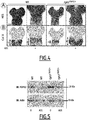
- FIG. 4A Histological examinations using HES staining ( Fig. 4A ) and type X collagen labeling ( Fig. 4B ), revealed a reduction in size of the hypertrophic zone of the Fgfr3 Y367C/+ mouse growth plate ( Fig. 4B ), with abnormally small chondrocytes resembling prehypertrophic rather than hypertrophic cells.
- embryonic femur explants were co-incubated with 150 nM of PD173074 for 5 days.
- PD173074 for 5 days is sufficient for correcting the difference in length and normalized the size of the epiphyses
- PD173074 enhances longitudinal growth in Fgfr3 Y367C/+ femurs (gain of 77%; see Fig. 7 (A) and (B) ; mutant femurs cultured without PD173074 had a reduced longitudinal growth compared to WT femurs (Fgfr3 +/+ ).
- the effect of PD173074 on femur growth is similar to that of A31 (see Fig. 7 (A) and (B) ).
- Embryonic femur explants were co-incubated 100nM (10 -7 M) or 1 ⁇ M (10 -6 M) of BGJ-398 for 6 days.
- a concentration-dependent increase in femur size was observed for BGJ-398 concentrations ranging from 100nM to 1 ⁇ M, as illustrated by the gain in femur length. 100nM of BGJ-398 for 6 days is sufficient for correcting the difference in length and normalized the size of the epiphyses. A gain of 71.86 % is observed in treated Fgfr3 Y367C/+ femurs ( Fig. 9 ; mutant femurs cultured without BGJ-398 had a reduced longitudinal growth compared to WT femurs (Fgfr3 +/+ ).
- Fig. 10B shows that BGJ-398 induces enhanced type X collagen expression in Fgfr3 Y367C/+ growth plate and that the size of the hypertrophic zone of the femur explants of Fgfr3 Y367C/+ mice increases.
- A31 induced a large decrease of Fgfr3 expression in mutant femurs (data not shown).
- a higher level of Fgfr3 was revealed in untreated Fgfr3 Y367C/+ chondrocytes, whereas this level was similar to WT after addition of A31.
- EXAMPLE 6 A31 modulates the expression of cell cycle regulator genes.
- PCNA Proliferating Cell Nuclear Antigen
- A31 also decreased this expression in Fgfr3 Y367C/+ mouse growth plates (data not shown).
- the inventors noted a higher expression of PCNA than KI67 in the mutant growth plate.
- the inventors investigated whether the presence of mutated Fgfr3 caused an impairment of expression of cell cycle regulators.
- activated Fgfr3 induced a significant overexpression of cyclin D1 in the proliferative and PH chondrocytes of Fgfr3 Y367C/+ mice.
- A31 returned cyclin D1 expression to control levels in mutant femurs (data not shown).
- Figure 8 is an X-rays analysis of Fgfr3 Y367C/+ mice administered with PD173074 or with a vehicule ("mock" experiment). Amelioration in key relevant achondroplasia clinical features including bowed femur and tibia, anterior crossbite and domed skull was observed (see Fig. 8A and B; compare PD173074-treated mouse on the left side of panels A and B vs vehicule-administered mouse on the right side of panels A and B). Indeed, dramatic phenotypic changes are observed, including larger paws and digits, and longer and straightened tibia and femurs in Fgfr3 Y367C/+ mouse treated with PD173074.
- mice received daily subcutaneous administrations of 1.66 mg/kg of BGJ-398 for 10 days.
Landscapes
- Health & Medical Sciences (AREA)
- Chemical & Material Sciences (AREA)
- Life Sciences & Earth Sciences (AREA)
- Medicinal Chemistry (AREA)
- Engineering & Computer Science (AREA)
- Animal Behavior & Ethology (AREA)
- General Health & Medical Sciences (AREA)
- Public Health (AREA)
- Veterinary Medicine (AREA)
- Pharmacology & Pharmacy (AREA)
- Epidemiology (AREA)
- Chemical Kinetics & Catalysis (AREA)
- Organic Chemistry (AREA)
- Polymers & Plastics (AREA)
- Bioinformatics & Cheminformatics (AREA)
- Zoology (AREA)
- Gastroenterology & Hepatology (AREA)
- Cell Biology (AREA)
- Immunology (AREA)
- Proteomics, Peptides & Aminoacids (AREA)
- Mechanical Engineering (AREA)
- Manufacturing & Machinery (AREA)
- Materials Engineering (AREA)
- Physical Education & Sports Medicine (AREA)
- General Chemical & Material Sciences (AREA)
- Nuclear Medicine, Radiotherapy & Molecular Imaging (AREA)
- Medicines That Contain Protein Lipid Enzymes And Other Medicines (AREA)
- Pharmaceuticals Containing Other Organic And Inorganic Compounds (AREA)
Claims (3)
- Ein FGFR3 Antagonist der Formel:

- Der Antagonist oder die Zusammensetzung zur Verwendung gemäß Anspruch 1, wobei die mit FGFR3 in Verbindung stehende Skelett-Dysplasie ausgewählt wird aus der Gruppe bestehend aus thanatophore Dysplasie Typ I, thanatophore Dysplasie Typ II, schwere Achondroplasie mit Entwicklungsverzögerung und Acanthosis nigricans, Hypochondroplasie, Achondroplasie und mit FGFR3 in Verbindung stehender Kraniosynostose, wie Muenke Syndrom und Crouzon Syndrom mit Acanthosis nigricans.
- Der Antagonist oder die Zusammensetzung zur Verwendung gemäß Anspruch 2, wobei die mit FGFR3 in Verbindung stehende Skelett-Erkrankung Achondroplasie ist.
Applications Claiming Priority (2)
| Application Number | Priority Date | Filing Date | Title |
|---|---|---|---|
| PCT/IB2011/003253 WO2013088191A1 (en) | 2011-12-12 | 2011-12-12 | Antagonist of the fibroblast growth factor receptor 3 (fgfr3) for use in the treatment or the prevention of skeletal disorders linked with abnormal activation of fgfr3 |
| PCT/EP2012/075294 WO2013087725A1 (en) | 2011-12-12 | 2012-12-12 | Antagonist of the fibroblast growth factor receptor 3 (fgfr3) for use in the treatment or the prevention of skeletal disorders linked with abnormal activation of fgfr3 |
Publications (2)
| Publication Number | Publication Date |
|---|---|
| EP2790718A1 EP2790718A1 (de) | 2014-10-22 |
| EP2790718B1 true EP2790718B1 (de) | 2018-02-07 |
Family
ID=47351682
Family Applications (1)
| Application Number | Title | Priority Date | Filing Date |
|---|---|---|---|
| EP12799204.8A Active EP2790718B1 (de) | 2011-12-12 | 2012-12-12 | Antagonist des fibroblastenwachstumsfaktor-rezeptors 3 (fgfr3) zur verwendung bei der behandlung oder prävention von skeletterkrankungen mit abnormaler fgfr3-aktivierung |
Country Status (4)
| Country | Link |
|---|---|
| US (4) | US20150011560A1 (de) |
| EP (1) | EP2790718B1 (de) |
| ES (1) | ES2668499T3 (de) |
| WO (2) | WO2013088191A1 (de) |
Cited By (1)
| Publication number | Priority date | Publication date | Assignee | Title |
|---|---|---|---|---|
| US11505611B2 (en) | 2020-08-21 | 2022-11-22 | Genzyme Corporation | FGFR3 antibodies and methods of use |
Families Citing this family (39)
| Publication number | Priority date | Publication date | Assignee | Title |
|---|---|---|---|---|
| WO2012088266A2 (en) | 2010-12-22 | 2012-06-28 | Incyte Corporation | Substituted imidazopyridazines and benzimidazoles as inhibitors of fgfr3 |
| AU2013241664B2 (en) | 2012-03-30 | 2016-05-19 | Novartis Ag | FGFR inhibitor for use in the treatment of hypophosphatemic disorders |
| LT3495367T (lt) | 2012-06-13 | 2021-02-25 | Incyte Holdings Corporation | Pakeistieji tricikliniai junginiai, kaip fgfr inhibitoriai |
| WO2014026125A1 (en) | 2012-08-10 | 2014-02-13 | Incyte Corporation | Pyrazine derivatives as fgfr inhibitors |
| US9266892B2 (en) | 2012-12-19 | 2016-02-23 | Incyte Holdings Corporation | Fused pyrazoles as FGFR inhibitors |
| LT2986610T (lt) | 2013-04-19 | 2018-04-10 | Incyte Holdings Corporation | Bicikliniai heterociklai, kaip fgfr inhibitoriai |
| AU2014287209B2 (en) * | 2013-07-09 | 2019-01-24 | Dana-Farber Cancer Institute, Inc. | Kinase inhibitors for the treatment of disease |
| EP3110794A1 (de) | 2014-02-27 | 2017-01-04 | Merck Patent GmbH | Heterocyclische verbindungen als nav-kanalinhibitoren und verwendungen davon |
| MA39784B1 (fr) | 2014-03-26 | 2021-03-31 | Astex Therapeutics Ltd | Combinaisons des inhibiteurs du fgfr et du cmet destinées au traitement du cancer |
| CR20170104A (es) * | 2014-09-26 | 2017-05-31 | Janssen Pharmaceutica Nv | Uso de paneles de genes mutantes de fgfr en la identificación de pacientes con cáncer que responderán al tratamiento con un inhibidor de fgfr |
| US10851105B2 (en) | 2014-10-22 | 2020-12-01 | Incyte Corporation | Bicyclic heterocycles as FGFR4 inhibitors |
| JO3695B1 (ar) | 2015-02-10 | 2020-08-27 | Astex Therapeutics Ltd | تركيبات صيدلانية تشتمل على n- (3.5- ثنائي ميثوكسي فينيل)-n-(1-ميثيل إيثيل)-n- 3-( ميثيل-h1-بيرازول-4-يل) كينوكسالين-6-يل) إيثان- 1.2-ثنائي الأمين) |
| MA41551A (fr) | 2015-02-20 | 2017-12-26 | Incyte Corp | Hétérocycles bicycliques utilisés en tant qu'inhibiteurs de fgfr4 |
| SG11201706287PA (en) | 2015-02-20 | 2017-09-28 | Incyte Corp | Bicyclic heterocycles as fgfr inhibitors |
| WO2016134294A1 (en) | 2015-02-20 | 2016-08-25 | Incyte Corporation | Bicyclic heterocycles as fgfr4 inhibitors |
| US10478494B2 (en) | 2015-04-03 | 2019-11-19 | Astex Therapeutics Ltd | FGFR/PD-1 combination therapy for the treatment of cancer |
| EP3424505A4 (de) | 2016-03-04 | 2019-10-16 | Taiho Pharmaceutical Co., Ltd. | Herstellung und zusammensetzung zur behandlung von malignen tumoren |
| AR111960A1 (es) | 2017-05-26 | 2019-09-04 | Incyte Corp | Formas cristalinas de un inhibidor de fgfr y procesos para su preparación |
| CN110386921A (zh) * | 2018-04-23 | 2019-10-29 | 南京药捷安康生物科技有限公司 | 成纤维细胞生长因子受体抑制剂化合物 |
| ES3061844T3 (en) | 2018-05-04 | 2026-04-07 | Incyte Corp | Salts of an fgfr inhibitor |
| MX2020011718A (es) | 2018-05-04 | 2021-02-15 | Incyte Corp | Formas solidas de un inhibidor de receptores del factor de crecimiento de fibroblastos (fgfr) y procesos para prepararlas. |
| WO2020065034A1 (en) * | 2018-09-28 | 2020-04-02 | INSERM (Institut National de la Santé et de la Recherche Médicale) | Infigratinib for treatment of fgfr3-related skeletal diseases during pregnancy |
| US11628162B2 (en) | 2019-03-08 | 2023-04-18 | Incyte Corporation | Methods of treating cancer with an FGFR inhibitor |
| US11591329B2 (en) | 2019-07-09 | 2023-02-28 | Incyte Corporation | Bicyclic heterocycles as FGFR inhibitors |
| US12122767B2 (en) | 2019-10-01 | 2024-10-22 | Incyte Corporation | Bicyclic heterocycles as FGFR inhibitors |
| TWI891666B (zh) | 2019-10-14 | 2025-08-01 | 美商英塞特公司 | 作為fgfr抑制劑之雙環雜環 |
| US11566028B2 (en) | 2019-10-16 | 2023-01-31 | Incyte Corporation | Bicyclic heterocycles as FGFR inhibitors |
| CA3163875A1 (en) | 2019-12-04 | 2021-06-10 | Incyte Corporation | Tricyclic heterocycles as fgfr inhibitors |
| WO2021113462A1 (en) | 2019-12-04 | 2021-06-10 | Incyte Corporation | Derivatives of an fgfr inhibitor |
| CA3176713A1 (en) | 2019-12-09 | 2021-06-17 | Cedars-Sinai Medical Center | Use of fgfr inhibitors for treatment of idiopathic short stature |
| US12012409B2 (en) | 2020-01-15 | 2024-06-18 | Incyte Corporation | Bicyclic heterocycles as FGFR inhibitors |
| JP7762071B2 (ja) * | 2020-01-31 | 2025-10-29 | 国立大学法人京都大学 | 軟骨形成異常症の治療 |
| EP4164648A1 (de) * | 2020-06-11 | 2023-04-19 | Institut National de la Santé et de la Recherche Médicale (INSERM) | Verfahren und pharmazeutische zusammensetzungen zur behandlung von fgfr3-assoziiertem kognitivem defizit |
| US20240009193A1 (en) * | 2020-12-18 | 2024-01-11 | Qed Therapeutics, Inc. | Methods of treating achondroplasia |
| TW202304459A (zh) | 2021-04-12 | 2023-02-01 | 美商英塞特公司 | 包含fgfr抑制劑及nectin-4靶向劑之組合療法 |
| JP2024522189A (ja) | 2021-06-09 | 2024-06-11 | インサイト・コーポレイション | Fgfr阻害剤としての三環式ヘテロ環 |
| EP4352060A1 (de) | 2021-06-09 | 2024-04-17 | Incyte Corporation | Tricyclische heterocyclen als fgfr-inhibitoren |
| CN115216535A (zh) * | 2022-06-30 | 2022-10-21 | 湖南家辉生物技术有限公司 | 一种诱导Muenke综合征的突变基因及其诊断试剂 |
| WO2024186882A1 (en) * | 2023-03-06 | 2024-09-12 | Qed Therapeutics, Inc. | Methods of treating skeletal dysplasias |
Family Cites Families (15)
| Publication number | Priority date | Publication date | Assignee | Title |
|---|---|---|---|---|
| US20030087854A1 (en) | 2001-09-10 | 2003-05-08 | Isis Pharmaceuticals Inc. | Antisense modulation of fibroblast growth factor receptor 3 expression |
| AU5214500A (en) * | 1999-05-05 | 2000-11-21 | Centre National De La Recherche Scientifique (C.N.R.S.) | Means for detecting and treating pathologies linked to fgfr3 |
| CA2450793A1 (en) * | 2001-06-20 | 2002-12-27 | Prochon Biotech Ltd. | Antibodies that block receptor protein tyrosine kinase activation, methods of screening for and uses thereof |
| BRPI0203172B8 (pt) | 2001-09-28 | 2021-05-25 | Nakao Kazuwa | composição farmacêutica para acondroplasia |
| AU2002353076A1 (en) | 2001-12-07 | 2003-06-23 | Isis Pharmaceuticals, Inc. | Antisense modulation of estrogen receptor beta expression |
| US7825132B2 (en) | 2002-08-23 | 2010-11-02 | Novartis Vaccines And Diagnostics, Inc. | Inhibition of FGFR3 and treatment of multiple myeloma |
| TWI347940B (en) | 2003-11-07 | 2011-09-01 | Novartis Ag | Methods for synthesizing quinolinone compounds |
| EP1904065A2 (de) | 2005-07-14 | 2008-04-02 | AB Science | Verwendung von dualen c-kit/fgfr3-hemmern zur behandlung von multiplem myelom |
| WO2007061127A1 (ja) * | 2005-11-22 | 2007-05-31 | Eisai R & D Management Co., Ltd. | 多発性骨髄腫に対する抗腫瘍剤 |
| WO2007144893A2 (en) | 2006-06-15 | 2007-12-21 | Fibron Ltd. | Antibodies blocking fibroblast growth factor receptor activation and methods of use thereof |
| US8187601B2 (en) | 2008-07-01 | 2012-05-29 | Aveo Pharmaceuticals, Inc. | Fibroblast growth factor receptor 3 (FGFR3) binding proteins |
| WO2010022169A1 (en) * | 2008-08-19 | 2010-02-25 | Cedars-Sinai Medical Center | Methods of inhibiting fgfr3 signaling |
| AR073770A1 (es) | 2008-10-20 | 2010-12-01 | Imclone Llc | Anticuerpo aislado que se enlaza especificamente con, e induce la degradacion del receptor-3 del factor de crecimiento del fibroblasto humano (fgfr-3), fragmento de enlace fgfr-3 humano del mismo, composicion farmaceutica y producto que lo comprenden |
| HRP20150965T1 (hr) | 2009-03-25 | 2015-11-06 | Genentech, Inc. | Anti-fgr3 protutijela i metode koje ih koriste |
| WO2011139842A2 (en) | 2010-04-28 | 2011-11-10 | Marina Biotech, Inc. | Nucleic acid compounds for inhibiting fgfr3 gene expression and uses thereof |
-
2011
- 2011-12-12 WO PCT/IB2011/003253 patent/WO2013088191A1/en not_active Ceased
-
2012
- 2012-12-12 US US14/364,320 patent/US20150011560A1/en not_active Abandoned
- 2012-12-12 WO PCT/EP2012/075294 patent/WO2013087725A1/en not_active Ceased
- 2012-12-12 EP EP12799204.8A patent/EP2790718B1/de active Active
- 2012-12-12 ES ES12799204.8T patent/ES2668499T3/es active Active
-
2022
- 2022-05-02 US US17/734,331 patent/US20230075776A1/en not_active Abandoned
-
2023
- 2023-12-21 US US18/391,876 patent/US20240350490A1/en not_active Abandoned
-
2025
- 2025-01-15 US US19/021,632 patent/US20260091033A1/en active Pending
Cited By (1)
| Publication number | Priority date | Publication date | Assignee | Title |
|---|---|---|---|---|
| US11505611B2 (en) | 2020-08-21 | 2022-11-22 | Genzyme Corporation | FGFR3 antibodies and methods of use |
Also Published As
| Publication number | Publication date |
|---|---|
| ES2668499T3 (es) | 2018-05-18 |
| WO2013087725A1 (en) | 2013-06-20 |
| WO2013088191A1 (en) | 2013-06-20 |
| US20240350490A1 (en) | 2024-10-24 |
| EP2790718A1 (de) | 2014-10-22 |
| US20260091033A1 (en) | 2026-04-02 |
| US20150011560A1 (en) | 2015-01-08 |
| US20230075776A1 (en) | 2023-03-09 |
Similar Documents
| Publication | Publication Date | Title |
|---|---|---|
| US20260091033A1 (en) | Antagonist of the fibroblast growth factor receptor 3 (fgfr3) for use in the treatment or the prevention of skeletal disorders linked with abnormal activation of fgfr3 | |
| US11357778B2 (en) | Antagonist of the fibroblast growth factor receptor 3 (FGFR3) for use in the treatment or the prevention of skeletal disorders linked with abnormal activation of FGFR3 | |
| Gohil et al. | FGF23 and associated disorders of phosphate wasting | |
| Li et al. | Tyrosine kinase Fyn promotes osteoarthritis by activating the β-catenin pathway | |
| Goltzman et al. | The calcium-sensing receptor in bone—mechanistic and therapeutic insights | |
| JP5076058B2 (ja) | 骨・関節疾患感受性遺伝子およびその用途 | |
| Imel et al. | Fibroblast growth factor 23: roles in health and disease | |
| US7888372B2 (en) | Compositions and methods for modulating bone mineral deposition | |
| US8183225B2 (en) | Inhibition of bone resorption using medical implants containing adenosine receptor antagonists | |
| Yavropoulou et al. | The sclerostin story: from human genetics to the development of novel anabolic treatment for osteoporosis | |
| JP2010532360A (ja) | 骨障害の処置における使用のためのaxlのモジュレーター | |
| US20100247552A1 (en) | Pak modulators | |
| Warden et al. | Skeletal effects of serotonin (5-hydroxytryptamine) transporter inhibition: evidence from in vitro and animal-based studies | |
| Yao et al. | Protein kinase C inhibitor, GF109203X attenuates osteoclastogenesis, bone resorption and RANKL‐induced NF‐κB and NFAT activity | |
| US9505818B2 (en) | Syndecan peptides and polypeptides as inhibitors of cancer | |
| Zhu et al. | Virtual high-throughput screening to identify novel activin antagonists | |
| US20230233553A1 (en) | A new combination therapy for the treatment of fgfr3- related skeletal disease | |
| US20060094013A1 (en) | Salt-inducible kinases 2 and use thereof | |
| US20230220037A1 (en) | Novel use | |
| Yang et al. | Signaling Dynamics in Osteogenesis: Unraveling Therapeutic Targets for Bone Generation | |
| Cui et al. | Xu X and Xu F (2021) The Calcium Channel a281 Subunit: Interactional Targets in Primary Sensory Neurons and Role in Neuropathic Pain | |
| Sosa et al. | Promising developments in osteoporosis treatment | |
| DeMambro | Tissue Nonspecific Alkaline Phosphatase: More Than a Mineralizing Hormone | |
| Eastell et al. | The response of bone turnover markers to lasofoxifene: The PEARL trial | |
| Speaker et al. | ANZBMS 2005 Annual Scientific Meeting |
Legal Events
| Date | Code | Title | Description |
|---|---|---|---|
| PUAI | Public reference made under article 153(3) epc to a published international application that has entered the european phase |
Free format text: ORIGINAL CODE: 0009012 |
|
| 17P | Request for examination filed |
Effective date: 20140604 |
|
| AK | Designated contracting states |
Kind code of ref document: A1 Designated state(s): AL AT BE BG CH CY CZ DE DK EE ES FI FR GB GR HR HU IE IS IT LI LT LU LV MC MK MT NL NO PL PT RO RS SE SI SK SM TR |
|
| RAP1 | Party data changed (applicant data changed or rights of an application transferred) |
Owner name: UNIVERSITE PARIS DIDEROT - PARIS 7 Owner name: CENTRE NATIONAL DE LA RECHERCHE SCIENTIFIQUE (CNRS Owner name: ASSISTANCE PUBLIQUE HOPITAUX DE PARIS Owner name: INSTITUT NATIONAL DE LA SANTE ET DE LA RECHERCHE M Owner name: UNIVERSITE PARIS DESCARTES Owner name: IMAGINE |
|
| DAX | Request for extension of the european patent (deleted) | ||
| RIN1 | Information on inventor provided before grant (corrected) |
Inventor name: BARBAULT, FLORENT Inventor name: LEGEAI-MALLET, LAURENCE Inventor name: MUNNICH, ARNOLD Inventor name: BUSCA, PATRICIA |
|
| 17Q | First examination report despatched |
Effective date: 20160615 |
|
| GRAP | Despatch of communication of intention to grant a patent |
Free format text: ORIGINAL CODE: EPIDOSNIGR1 |
|
| RIC1 | Information provided on ipc code assigned before grant |
Ipc: A61K 31/519 20060101ALI20170726BHEP Ipc: A61K 31/506 20060101ALI20170726BHEP Ipc: A61K 38/17 20060101AFI20170726BHEP Ipc: A61P 19/00 20060101ALI20170726BHEP |
|
| INTG | Intention to grant announced |
Effective date: 20170809 |
|
| RIN1 | Information on inventor provided before grant (corrected) |
Inventor name: BARBAULT, FLORENT Inventor name: MUNNICH, ARNOLD Inventor name: LEGEAI-MALLET, LAURENCE Inventor name: BUSCA, PATRICIA |
|
| GRAS | Grant fee paid |
Free format text: ORIGINAL CODE: EPIDOSNIGR3 |
|
| GRAA | (expected) grant |
Free format text: ORIGINAL CODE: 0009210 |
|
| AK | Designated contracting states |
Kind code of ref document: B1 Designated state(s): AL AT BE BG CH CY CZ DE DK EE ES FI FR GB GR HR HU IE IS IT LI LT LU LV MC MK MT NL NO PL PT RO RS SE SI SK SM TR |
|
| REG | Reference to a national code |
Ref country code: GB Ref legal event code: FG4D |
|
| REG | Reference to a national code |
Ref country code: AT Ref legal event code: REF Ref document number: 968528 Country of ref document: AT Kind code of ref document: T Effective date: 20180215 Ref country code: CH Ref legal event code: EP |
|
| REG | Reference to a national code |
Ref country code: IE Ref legal event code: FG4D |
|
| REG | Reference to a national code |
Ref country code: DE Ref legal event code: R096 Ref document number: 602012042676 Country of ref document: DE |
|
| REG | Reference to a national code |
Ref country code: NL Ref legal event code: FP |
|
| REG | Reference to a national code |
Ref country code: ES Ref legal event code: FG2A Ref document number: 2668499 Country of ref document: ES Kind code of ref document: T3 Effective date: 20180518 |
|
| REG | Reference to a national code |
Ref country code: CH Ref legal event code: NV Representative=s name: MICHELI AND CIE SA, CH |
|
| REG | Reference to a national code |
Ref country code: AT Ref legal event code: MK05 Ref document number: 968528 Country of ref document: AT Kind code of ref document: T Effective date: 20180207 |
|
| PG25 | Lapsed in a contracting state [announced via postgrant information from national office to epo] |
Ref country code: HR Free format text: LAPSE BECAUSE OF FAILURE TO SUBMIT A TRANSLATION OF THE DESCRIPTION OR TO PAY THE FEE WITHIN THE PRESCRIBED TIME-LIMIT Effective date: 20180207 Ref country code: LT Free format text: LAPSE BECAUSE OF FAILURE TO SUBMIT A TRANSLATION OF THE DESCRIPTION OR TO PAY THE FEE WITHIN THE PRESCRIBED TIME-LIMIT Effective date: 20180207 Ref country code: NO Free format text: LAPSE BECAUSE OF FAILURE TO SUBMIT A TRANSLATION OF THE DESCRIPTION OR TO PAY THE FEE WITHIN THE PRESCRIBED TIME-LIMIT Effective date: 20180507 Ref country code: FI Free format text: LAPSE BECAUSE OF FAILURE TO SUBMIT A TRANSLATION OF THE DESCRIPTION OR TO PAY THE FEE WITHIN THE PRESCRIBED TIME-LIMIT Effective date: 20180207 Ref country code: CY Free format text: LAPSE BECAUSE OF FAILURE TO SUBMIT A TRANSLATION OF THE DESCRIPTION OR TO PAY THE FEE WITHIN THE PRESCRIBED TIME-LIMIT Effective date: 20180207 |
|
| PG25 | Lapsed in a contracting state [announced via postgrant information from national office to epo] |
Ref country code: PL Free format text: LAPSE BECAUSE OF FAILURE TO SUBMIT A TRANSLATION OF THE DESCRIPTION OR TO PAY THE FEE WITHIN THE PRESCRIBED TIME-LIMIT Effective date: 20180207 Ref country code: GR Free format text: LAPSE BECAUSE OF FAILURE TO SUBMIT A TRANSLATION OF THE DESCRIPTION OR TO PAY THE FEE WITHIN THE PRESCRIBED TIME-LIMIT Effective date: 20180508 Ref country code: BG Free format text: LAPSE BECAUSE OF FAILURE TO SUBMIT A TRANSLATION OF THE DESCRIPTION OR TO PAY THE FEE WITHIN THE PRESCRIBED TIME-LIMIT Effective date: 20180507 Ref country code: RS Free format text: LAPSE BECAUSE OF FAILURE TO SUBMIT A TRANSLATION OF THE DESCRIPTION OR TO PAY THE FEE WITHIN THE PRESCRIBED TIME-LIMIT Effective date: 20180207 Ref country code: AT Free format text: LAPSE BECAUSE OF FAILURE TO SUBMIT A TRANSLATION OF THE DESCRIPTION OR TO PAY THE FEE WITHIN THE PRESCRIBED TIME-LIMIT Effective date: 20180207 Ref country code: IS Free format text: LAPSE BECAUSE OF FAILURE TO SUBMIT A TRANSLATION OF THE DESCRIPTION OR TO PAY THE FEE WITHIN THE PRESCRIBED TIME-LIMIT Effective date: 20180607 Ref country code: SE Free format text: LAPSE BECAUSE OF FAILURE TO SUBMIT A TRANSLATION OF THE DESCRIPTION OR TO PAY THE FEE WITHIN THE PRESCRIBED TIME-LIMIT Effective date: 20180207 Ref country code: LV Free format text: LAPSE BECAUSE OF FAILURE TO SUBMIT A TRANSLATION OF THE DESCRIPTION OR TO PAY THE FEE WITHIN THE PRESCRIBED TIME-LIMIT Effective date: 20180207 |
|
| PG25 | Lapsed in a contracting state [announced via postgrant information from national office to epo] |
Ref country code: AL Free format text: LAPSE BECAUSE OF FAILURE TO SUBMIT A TRANSLATION OF THE DESCRIPTION OR TO PAY THE FEE WITHIN THE PRESCRIBED TIME-LIMIT Effective date: 20180207 Ref country code: RO Free format text: LAPSE BECAUSE OF FAILURE TO SUBMIT A TRANSLATION OF THE DESCRIPTION OR TO PAY THE FEE WITHIN THE PRESCRIBED TIME-LIMIT Effective date: 20180207 Ref country code: EE Free format text: LAPSE BECAUSE OF FAILURE TO SUBMIT A TRANSLATION OF THE DESCRIPTION OR TO PAY THE FEE WITHIN THE PRESCRIBED TIME-LIMIT Effective date: 20180207 |
|
| REG | Reference to a national code |
Ref country code: DE Ref legal event code: R097 Ref document number: 602012042676 Country of ref document: DE |
|
| PG25 | Lapsed in a contracting state [announced via postgrant information from national office to epo] |
Ref country code: CZ Free format text: LAPSE BECAUSE OF FAILURE TO SUBMIT A TRANSLATION OF THE DESCRIPTION OR TO PAY THE FEE WITHIN THE PRESCRIBED TIME-LIMIT Effective date: 20180207 Ref country code: SK Free format text: LAPSE BECAUSE OF FAILURE TO SUBMIT A TRANSLATION OF THE DESCRIPTION OR TO PAY THE FEE WITHIN THE PRESCRIBED TIME-LIMIT Effective date: 20180207 Ref country code: SM Free format text: LAPSE BECAUSE OF FAILURE TO SUBMIT A TRANSLATION OF THE DESCRIPTION OR TO PAY THE FEE WITHIN THE PRESCRIBED TIME-LIMIT Effective date: 20180207 Ref country code: DK Free format text: LAPSE BECAUSE OF FAILURE TO SUBMIT A TRANSLATION OF THE DESCRIPTION OR TO PAY THE FEE WITHIN THE PRESCRIBED TIME-LIMIT Effective date: 20180207 |
|
| PLBE | No opposition filed within time limit |
Free format text: ORIGINAL CODE: 0009261 |
|
| STAA | Information on the status of an ep patent application or granted ep patent |
Free format text: STATUS: NO OPPOSITION FILED WITHIN TIME LIMIT |
|
| 26N | No opposition filed |
Effective date: 20181108 |
|
| PG25 | Lapsed in a contracting state [announced via postgrant information from national office to epo] |
Ref country code: SI Free format text: LAPSE BECAUSE OF FAILURE TO SUBMIT A TRANSLATION OF THE DESCRIPTION OR TO PAY THE FEE WITHIN THE PRESCRIBED TIME-LIMIT Effective date: 20180207 |
|
| PG25 | Lapsed in a contracting state [announced via postgrant information from national office to epo] |
Ref country code: MC Free format text: LAPSE BECAUSE OF FAILURE TO SUBMIT A TRANSLATION OF THE DESCRIPTION OR TO PAY THE FEE WITHIN THE PRESCRIBED TIME-LIMIT Effective date: 20180207 |
|
| PG25 | Lapsed in a contracting state [announced via postgrant information from national office to epo] |
Ref country code: MT Free format text: LAPSE BECAUSE OF NON-PAYMENT OF DUE FEES Effective date: 20181212 |
|
| PG25 | Lapsed in a contracting state [announced via postgrant information from national office to epo] |
Ref country code: TR Free format text: LAPSE BECAUSE OF FAILURE TO SUBMIT A TRANSLATION OF THE DESCRIPTION OR TO PAY THE FEE WITHIN THE PRESCRIBED TIME-LIMIT Effective date: 20180207 |
|
| PG25 | Lapsed in a contracting state [announced via postgrant information from national office to epo] |
Ref country code: PT Free format text: LAPSE BECAUSE OF FAILURE TO SUBMIT A TRANSLATION OF THE DESCRIPTION OR TO PAY THE FEE WITHIN THE PRESCRIBED TIME-LIMIT Effective date: 20180207 |
|
| PG25 | Lapsed in a contracting state [announced via postgrant information from national office to epo] |
Ref country code: HU Free format text: LAPSE BECAUSE OF FAILURE TO SUBMIT A TRANSLATION OF THE DESCRIPTION OR TO PAY THE FEE WITHIN THE PRESCRIBED TIME-LIMIT; INVALID AB INITIO Effective date: 20121212 Ref country code: MK Free format text: LAPSE BECAUSE OF NON-PAYMENT OF DUE FEES Effective date: 20180207 |
|
| REG | Reference to a national code |
Ref country code: LU Ref legal event code: PD Owner name: IMAGINE; FR Free format text: FORMER OWNER: UNIVERSITE PARIS DESCARTES Effective date: 20210813 |
|
| REG | Reference to a national code |
Ref country code: CH Ref legal event code: PK Free format text: BERICHTIGUNGEN |
|
| REG | Reference to a national code |
Ref country code: GB Ref legal event code: 732E Free format text: REGISTERED BETWEEN 20210930 AND 20211006 |
|
| REG | Reference to a national code |
Ref country code: BE Ref legal event code: PD Owner name: IMAGINE; FR Free format text: DETAILS ASSIGNMENT: CHANGE OF OWNER(S), MERGE; FORMER OWNER NAME: UNIVERSITE PARIS DIDEROT - PARIS 7 Effective date: 20211013 |
|
| REG | Reference to a national code |
Ref country code: NL Ref legal event code: PD Owner name: UNIVERSITE DE PARIS; FR Free format text: DETAILS ASSIGNMENT: CHANGE OF OWNER(S), MERGE; FORMER OWNER NAME: UNIVERSITE PARIS DIDEROT - PARIS 7 Effective date: 20220110 |
|
| REG | Reference to a national code |
Ref country code: DE Ref legal event code: R081 Ref document number: 602012042676 Country of ref document: DE Owner name: UNIVERSITE PARIS CITE, FR Free format text: FORMER OWNERS: ASSISTANCE PUBLIQUE, HOPITAUX DE PARIS, PARIS, FR; CENTRE NATIONAL DE LA RECHERCHE SCIENTIFIQUE (C.N.R.S.), PARIS, FR; IMAGINE, PARIS, FR; INSTITUT NATIONAL DE LA SANTE ET DE LA RECHERCHE MEDICALE (INSERM), PARIS, FR; UNIVERSITE PARIS DESCARTES, PARIS, FR; UNIVERSITE PARIS DIDEROT - PARIS 7, PARIS, FR Ref country code: DE Ref legal event code: R081 Ref document number: 602012042676 Country of ref document: DE Owner name: UNIVERSITE DE PARIS, FR Free format text: FORMER OWNERS: ASSISTANCE PUBLIQUE, HOPITAUX DE PARIS, PARIS, FR; CENTRE NATIONAL DE LA RECHERCHE SCIENTIFIQUE (C.N.R.S.), PARIS, FR; IMAGINE, PARIS, FR; INSTITUT NATIONAL DE LA SANTE ET DE LA RECHERCHE MEDICALE (INSERM), PARIS, FR; UNIVERSITE PARIS DESCARTES, PARIS, FR; UNIVERSITE PARIS DIDEROT - PARIS 7, PARIS, FR Ref country code: DE Ref legal event code: R081 Ref document number: 602012042676 Country of ref document: DE Owner name: INSTITUT NATIONAL DE LA SANTE ET DE LA RECHERC, FR Free format text: FORMER OWNERS: ASSISTANCE PUBLIQUE, HOPITAUX DE PARIS, PARIS, FR; CENTRE NATIONAL DE LA RECHERCHE SCIENTIFIQUE (C.N.R.S.), PARIS, FR; IMAGINE, PARIS, FR; INSTITUT NATIONAL DE LA SANTE ET DE LA RECHERCHE MEDICALE (INSERM), PARIS, FR; UNIVERSITE PARIS DESCARTES, PARIS, FR; UNIVERSITE PARIS DIDEROT - PARIS 7, PARIS, FR Ref country code: DE Ref legal event code: R081 Ref document number: 602012042676 Country of ref document: DE Owner name: IMAGINE, FR Free format text: FORMER OWNERS: ASSISTANCE PUBLIQUE, HOPITAUX DE PARIS, PARIS, FR; CENTRE NATIONAL DE LA RECHERCHE SCIENTIFIQUE (C.N.R.S.), PARIS, FR; IMAGINE, PARIS, FR; INSTITUT NATIONAL DE LA SANTE ET DE LA RECHERCHE MEDICALE (INSERM), PARIS, FR; UNIVERSITE PARIS DESCARTES, PARIS, FR; UNIVERSITE PARIS DIDEROT - PARIS 7, PARIS, FR Ref country code: DE Ref legal event code: R081 Ref document number: 602012042676 Country of ref document: DE Owner name: CENTRE NATIONAL DE LA RECHERCHE SCIENTIFIQUE (, FR Free format text: FORMER OWNERS: ASSISTANCE PUBLIQUE, HOPITAUX DE PARIS, PARIS, FR; CENTRE NATIONAL DE LA RECHERCHE SCIENTIFIQUE (C.N.R.S.), PARIS, FR; IMAGINE, PARIS, FR; INSTITUT NATIONAL DE LA SANTE ET DE LA RECHERCHE MEDICALE (INSERM), PARIS, FR; UNIVERSITE PARIS DESCARTES, PARIS, FR; UNIVERSITE PARIS DIDEROT - PARIS 7, PARIS, FR Ref country code: DE Ref legal event code: R081 Ref document number: 602012042676 Country of ref document: DE Owner name: ASSISTANCE PUBLIQUE, HOPITAUX DE PARIS, FR Free format text: FORMER OWNERS: ASSISTANCE PUBLIQUE, HOPITAUX DE PARIS, PARIS, FR; CENTRE NATIONAL DE LA RECHERCHE SCIENTIFIQUE (C.N.R.S.), PARIS, FR; IMAGINE, PARIS, FR; INSTITUT NATIONAL DE LA SANTE ET DE LA RECHERCHE MEDICALE (INSERM), PARIS, FR; UNIVERSITE PARIS DESCARTES, PARIS, FR; UNIVERSITE PARIS DIDEROT - PARIS 7, PARIS, FR |
|
| REG | Reference to a national code |
Ref country code: DE Ref legal event code: R081 Ref document number: 602012042676 Country of ref document: DE Owner name: UNIVERSITE PARIS CITE, FR Free format text: FORMER OWNERS: ASSISTANCE PUBLIQUE, HOPITAUX DE PARIS, PARIS, FR; CENTRE NATIONAL DE LA RECHERCHE SCIENTIFIQUE (C.N.R.S.), PARIS, FR; IMAGINE, PARIS, FR; INSTITUT NATIONAL DE LA SANTE ET DE LA RECHERCHE MEDICALE (INSERM), PARIS, FR; UNIVERSITE DE PARIS, PARIS, FR Ref country code: DE Ref legal event code: R081 Ref document number: 602012042676 Country of ref document: DE Owner name: INSTITUT NATIONAL DE LA SANTE ET DE LA RECHERC, FR Free format text: FORMER OWNERS: ASSISTANCE PUBLIQUE, HOPITAUX DE PARIS, PARIS, FR; CENTRE NATIONAL DE LA RECHERCHE SCIENTIFIQUE (C.N.R.S.), PARIS, FR; IMAGINE, PARIS, FR; INSTITUT NATIONAL DE LA SANTE ET DE LA RECHERCHE MEDICALE (INSERM), PARIS, FR; UNIVERSITE DE PARIS, PARIS, FR Ref country code: DE Ref legal event code: R081 Ref document number: 602012042676 Country of ref document: DE Owner name: IMAGINE, FR Free format text: FORMER OWNERS: ASSISTANCE PUBLIQUE, HOPITAUX DE PARIS, PARIS, FR; CENTRE NATIONAL DE LA RECHERCHE SCIENTIFIQUE (C.N.R.S.), PARIS, FR; IMAGINE, PARIS, FR; INSTITUT NATIONAL DE LA SANTE ET DE LA RECHERCHE MEDICALE (INSERM), PARIS, FR; UNIVERSITE DE PARIS, PARIS, FR Ref country code: DE Ref legal event code: R081 Ref document number: 602012042676 Country of ref document: DE Owner name: CENTRE NATIONAL DE LA RECHERCHE SCIENTIFIQUE (, FR Free format text: FORMER OWNERS: ASSISTANCE PUBLIQUE, HOPITAUX DE PARIS, PARIS, FR; CENTRE NATIONAL DE LA RECHERCHE SCIENTIFIQUE (C.N.R.S.), PARIS, FR; IMAGINE, PARIS, FR; INSTITUT NATIONAL DE LA SANTE ET DE LA RECHERCHE MEDICALE (INSERM), PARIS, FR; UNIVERSITE DE PARIS, PARIS, FR Ref country code: DE Ref legal event code: R081 Ref document number: 602012042676 Country of ref document: DE Owner name: ASSISTANCE PUBLIQUE, HOPITAUX DE PARIS, FR Free format text: FORMER OWNERS: ASSISTANCE PUBLIQUE, HOPITAUX DE PARIS, PARIS, FR; CENTRE NATIONAL DE LA RECHERCHE SCIENTIFIQUE (C.N.R.S.), PARIS, FR; IMAGINE, PARIS, FR; INSTITUT NATIONAL DE LA SANTE ET DE LA RECHERCHE MEDICALE (INSERM), PARIS, FR; UNIVERSITE DE PARIS, PARIS, FR |
|
| REG | Reference to a national code |
Ref country code: LU Ref legal event code: HC Owner name: IMAGINE; FR Free format text: FORMER OWNER: UNIVERSITE DE PARIS Effective date: 20220720 |
|
| REG | Reference to a national code |
Ref country code: NL Ref legal event code: HC Owner name: UNIVERSITE PARIS CITE; FR Free format text: DETAILS ASSIGNMENT: CHANGE OF OWNER(S), CHANGE OF OWNER(S) NAME; FORMER OWNER NAME: UNIVERSITE DE PARIS Effective date: 20220818 |
|
| REG | Reference to a national code |
Ref country code: BE Ref legal event code: HC Owner name: IMAGINE; FR Free format text: DETAILS ASSIGNMENT: CHANGE OF OWNER(S), CHANGE OF OWNER(S) NAME; FORMER OWNER NAME: UNIVERSITE DE PARIS Effective date: 20220812 |
|
| REG | Reference to a national code |
Ref country code: ES Ref legal event code: PC2A Owner name: UNIVERSITE DE PARIS Effective date: 20221214 Ref country code: ES Ref legal event code: PC2A Owner name: UNIVERSITE DE PARIS Effective date: 20221107 |
|
| REG | Reference to a national code |
Ref country code: ES Ref legal event code: PC2A Owner name: UNIVERSITE PARIS CITE Effective date: 20230201 |
|
| P01 | Opt-out of the competence of the unified patent court (upc) registered |
Effective date: 20230524 |
|
| PGFP | Annual fee paid to national office [announced via postgrant information from national office to epo] |
Ref country code: LU Payment date: 20251119 Year of fee payment: 14 Ref country code: NL Payment date: 20251119 Year of fee payment: 14 |
|
| REG | Reference to a national code |
Ref country code: CH Ref legal event code: U11 Free format text: ST27 STATUS EVENT CODE: U-0-0-U10-U11 (AS PROVIDED BY THE NATIONAL OFFICE) Effective date: 20260101 |
|
| PGFP | Annual fee paid to national office [announced via postgrant information from national office to epo] |
Ref country code: DE Payment date: 20251126 Year of fee payment: 14 |
|
| PGFP | Annual fee paid to national office [announced via postgrant information from national office to epo] |
Ref country code: GB Payment date: 20251119 Year of fee payment: 14 |
|
| PGFP | Annual fee paid to national office [announced via postgrant information from national office to epo] |
Ref country code: IT Payment date: 20251119 Year of fee payment: 14 |
|
| PGFP | Annual fee paid to national office [announced via postgrant information from national office to epo] |
Ref country code: FR Payment date: 20251120 Year of fee payment: 14 |
|
| PGFP | Annual fee paid to national office [announced via postgrant information from national office to epo] |
Ref country code: BE Payment date: 20251119 Year of fee payment: 14 |
|
| PGFP | Annual fee paid to national office [announced via postgrant information from national office to epo] |
Ref country code: IE Payment date: 20251121 Year of fee payment: 14 |
|
| PGFP | Annual fee paid to national office [announced via postgrant information from national office to epo] |
Ref country code: ES Payment date: 20260102 Year of fee payment: 14 |
|
| PGFP | Annual fee paid to national office [announced via postgrant information from national office to epo] |
Ref country code: CH Payment date: 20260101 Year of fee payment: 14 |