EP2788317B1 - Isolated stereoisomeric forms of (s) 2-n (3-o-(propan 2-ol) -1-propyl-4-hydroxybenzene) -3-phenylpropylamide - Google Patents
Isolated stereoisomeric forms of (s) 2-n (3-o-(propan 2-ol) -1-propyl-4-hydroxybenzene) -3-phenylpropylamide Download PDFInfo
- Publication number
- EP2788317B1 EP2788317B1 EP12855522.4A EP12855522A EP2788317B1 EP 2788317 B1 EP2788317 B1 EP 2788317B1 EP 12855522 A EP12855522 A EP 12855522A EP 2788317 B1 EP2788317 B1 EP 2788317B1
- Authority
- EP
- European Patent Office
- Prior art keywords
- pain
- compound
- hours
- administration
- treatment
- Prior art date
- Legal status (The legal status is an assumption and is not a legal conclusion. Google has not performed a legal analysis and makes no representation as to the accuracy of the status listed.)
- Active
Links
Images


Classifications
-
- A—HUMAN NECESSITIES
- A61—MEDICAL OR VETERINARY SCIENCE; HYGIENE
- A61K—PREPARATIONS FOR MEDICAL, DENTAL OR TOILETRY PURPOSES
- A61K31/00—Medicinal preparations containing organic active ingredients
- A61K31/16—Amides, e.g. hydroxamic acids
- A61K31/165—Amides, e.g. hydroxamic acids having aromatic rings, e.g. colchicine, atenolol, progabide
-
- A—HUMAN NECESSITIES
- A61—MEDICAL OR VETERINARY SCIENCE; HYGIENE
- A61P—SPECIFIC THERAPEUTIC ACTIVITY OF CHEMICAL COMPOUNDS OR MEDICINAL PREPARATIONS
- A61P25/00—Drugs for disorders of the nervous system
- A61P25/04—Centrally acting analgesics, e.g. opioids
-
- C—CHEMISTRY; METALLURGY
- C07—ORGANIC CHEMISTRY
- C07C—ACYCLIC OR CARBOCYCLIC COMPOUNDS
- C07C233/00—Carboxylic acid amides
- C07C233/01—Carboxylic acid amides having carbon atoms of carboxamide groups bound to hydrogen atoms or to acyclic carbon atoms
- C07C233/16—Carboxylic acid amides having carbon atoms of carboxamide groups bound to hydrogen atoms or to acyclic carbon atoms having the nitrogen atom of at least one of the carboxamide groups bound to a carbon atom of a hydrocarbon radical substituted by singly-bound oxygen atoms
- C07C233/17—Carboxylic acid amides having carbon atoms of carboxamide groups bound to hydrogen atoms or to acyclic carbon atoms having the nitrogen atom of at least one of the carboxamide groups bound to a carbon atom of a hydrocarbon radical substituted by singly-bound oxygen atoms with the substituted hydrocarbon radical bound to the nitrogen atom of the carboxamide group by an acyclic carbon atom
- C07C233/22—Carboxylic acid amides having carbon atoms of carboxamide groups bound to hydrogen atoms or to acyclic carbon atoms having the nitrogen atom of at least one of the carboxamide groups bound to a carbon atom of a hydrocarbon radical substituted by singly-bound oxygen atoms with the substituted hydrocarbon radical bound to the nitrogen atom of the carboxamide group by an acyclic carbon atom having the carbon atom of the carboxamide group bound to an acyclic carbon atom of a carbon skeleton containing six-membered aromatic rings
Definitions
- the present invention relates to isolated stereoisomeric forms of the compound (S)2-N(3-O-(propan 2-ol)-1-propyl-4-hydroxybenzene)-3-phenylpropylamide. Specifically, the present invention relates to (S)2-N(3-O-((S)propan 2-ol)-1-propyl-4-hydroxybenzene)-3-phenylpropylamide for use in the treatment or prophylaxis of pain, in particular, neuropathic pain.
- the compound 2-N(3-O-(propan 2-ol)-1-propyl-4-hydroxybenzene)-3-phenylpropylamide is disclosed in U.S. 7,754,771 , and has proven to be efficient in the treatment of HIV-1 infection.
- This compound has been further disclosed for use in the treatment or prophylaxis of pain and inflammation in WO 2009/109850 WO 2011/030205 and US 2011/0086910.15
- Previous disclosures on this compound have related to the racemate containing all four enantiomers and diastereomers, namely (S,S), (S,R), (R,R) and (R,S).
- the racemate containing the S enantiomers at the chiral position adjacent to the amide were disclosed as a particularly advantageous embodiment.
- Pain is a multifaceted or multidimensional, experiential response to a variety of stimulus conditions. Pain is defined by the International Association for the Study of Pain (IASP) as "an unpleasant sensory and emotional experience associated with actual or potential tissue damage, or described in terms of such damage”.
- IASP International Association for the Study of Pain
- Pain can be acute or chronic. Acute pain is usually caused by soft tissue damage, infection and/or inflammation among other causes. Chronic pain may have no apparent cause or may be caused by a developing illness or imbalance. Chronic pain is defined as the disease of pain; its origin, duration, intensity and specific symptoms may vary. Moreover, chronic pain can be classified as either nociceptive or neuropathic. Nociceptive pain includes tissue injury-induced pain and inflammatory pain such as that associated with arthritis.
- Nociceptive pain has been traditionally managed by administering non-opioid analgesics, such as acetylsalicylic acid, choline magnesium trisalicylate, acetaminophen, ibuprofen, fenoprofen, diflusinal, and naproxen; or opioid analgesics, including morphine, hydromorphone, methadone, levorphanol, fentanyl, oxycodone, and oxymorphone.
- Neuropathic pain a debilitating chronic pain following nerve damage, is characterized by its chronic nature, hyperalgesia, or abnormal pain hypersensitivity to innocuous stimuli (tactile allodynia).
- Hyperalgesia is an exaggerated response to a painful stimulus. Allodynia is the perception of normal stimuli as painful (examples include the touch of clothing, warm or cool air, etc.). Neuropathic pain can be a sequel to nerve damage in an extremity such as an arm, or more often, a leg. Precipitating events can include trauma or amputations (e.g., phantom limb pain). Neuropathic pain can occur due to an adverse effect of drug therapies, e.g., vincristine or paclitaxel (TaxolTM), or can occur as a component of disease pathologies, such as diabetes type 1 or type 2, shingles, HIV-1 infections, etc.
- drug therapies e.g., vincristine or paclitaxel (TaxolTM)
- TuxolTM paclitaxel
- neuropathic pain does not respond to opiates or non-steroidal anti-inflammatory drugs such as aspirin.
- Current suggested medicaments to Neuropathic pain include antiepileptics (e.g., gabapentin, carbamazepine, valproic acid, topiramate, phenyloin), NMDA antagonists (e.g., ketamine, dextromethorphan), topical lidocaine (for post-herpetic neuralgia), and tricyclic antidepressants (e.g., fluoxetine, sertraline and amitriptyline).
- antiepileptics e.g., gabapentin, carbamazepine, valproic acid, topiramate, phenyloin
- NMDA antagonists e.g., ketamine, dextromethorphan
- topical lidocaine for post-herpetic neuralgia
- tricyclic antidepressants e.g., fluoxetine
- Lyn tyrosine kinase a member of the Src family kinases (SFKs) plays an important role in the pathogenesis of neuropathic pain. Lyn expression in the spinal cord was highly restricted to microglia, and its level was increased after nerve injury. It has been shown that mice lacking Lyn exhibit a striking reduction in their ability to tactile allodynia after nerve injury. It was concluded that neuropathic pain may be linked to up-regulation of Lyn tyrosine kinase. ( See Tsuda et al., Glia, 2008, 56:50-8 ).
- the present invention relates to isolated stereoisomeric forms of the compound (S)2-N(3-O-(propan 2-ol)-1-propyl-4-hydroxybenzene)-3-phenylpropylamide of formula II having the specific stereochemistry of (S)2-N(3-O-((S)propan 2-ol)-1-propyl-4-hydroxybenzene)-3-phenylpropylamide or a pharmaceutically acceptable salt or hydrate thereof, wherein the compound is in a substantially pure form comprising at least 90% of (S)2-N(3-O-((S)propan 2-ol)-1-propyl-4-hydroxybenzene)-3-phenylpropylamide and less than 10% of other stereoisomeric forms of the compound for use in the treatment or prophylaxis of pain, wherein said compound or pharmaceutically acceptable salt or hydrate thereof is administered once in 24 hours.
- the present invention is based in part on the surprising discovery that the substantially pure enantiomers (S)2-N(3-O-((S)propan 2-ol)-1-propyl-4-hydroxybenzene)-3-phenylpropylamide (also known as the (S,S) enantiomer or E1) and (S)2-N(3-O-((R)propan 2-ol)-1-propyl-4-hydroxybenzene)-3-phenylpropylamide (also known as the (S,R) enantiomer or E2) modulate the activity of specific tyrosine kinases in an opposite manner.
- the substantially pure enantiomer of formula II comprises at least 95% of (S)2-N(3-O-((S)propan 2-ol)-1-propyl-4-hydroxybenzene)-3-phenylpropylamide and less than 5% of other stereoisomeric forms of the compound.
- the substantially pure enantiomer of formula II comprises at least 98% of (S)2-N(3-O-((S)propan 2-ol)-1-propyl-4-hydroxybenzene)-3-phenylpropylamide and less than 2% of other stereoisomeric forms of the compound.
- the pain is acute or chronic pain.
- the pain is neuropathic pain.
- the neuropathic pain is at least one symptom selected from neuropathic pains in post herpetic neuralgia, trigeminal neuralgia, diabetic neuralgia, cancer pain, persistent postoperative or posttraumatic pain, hyperalgia, allodynia, postthoracotomy pain, CRPS, pain associated with multiple sclerosis, AIDS, thalamic pain, paraplegic pain caused by myelopathy, anesthesia dolorosa and phantom limb pain.
- the pain is nociceptive pain.
- the substantially pure enantiomer of formula II is formulated in a pharmaceutical composition further comprising a pharmaceutically acceptable carrier or diluent.
- the composition is formulated as a unit dosage form.
- the composition is formulated for oral administration.
- the composition is formulated as a unit dosage form comprising from 0.1 to 500 mg of the compound or a pharmaceutically acceptable salts or hydrates thereof.
- the composition is suitable for administration of a daily dose of 1.0 mg to 15 g of the compound.
- the present invention relates to isolated stereoisomeric forms of the compound (S)2-N(3-O-(propan 2-ol)-1-propyl-4-hydroxybenzene)-3-phenylpropylamide and to uses thereof for the therapeutic modulation of kinase-mediated processes, and treatment of disease and disease symptoms, particularly those mediated by certain kinase enzymes.
- the present invention provides substantially pure (S)2-N(3-O-((S)propan 2-ol)-1-propyl-4-hydroxybenzene)-3-phenylpropylamide for use in the treatment of pain, preferably neuropathic pain.
- substantially pure when used to describe an enantiomer of a compound means that one enantiomer is substantially free of other stereoisomeric forms of the compound.
- a representative substantially pure enantiomer comprises greater than 90% by weight of one enantiomer of the compound and less than 10% by weight of the other stereoisomeric forms of the compound, more preferably greater than about 95% by weight of one enantiomer of the compound and less than about 5% by weight of the other stereoisomeric forms of the compound, more preferably greater than about 96% by weight of one enantiomer of the compound and less than about 4% by weight of the other stereoisomeric forms of the compound, even more preferably greater than about 97% by weight of one enantiomeric form of the compound and less than about 3% by weight of the other stereoisomeric forms of the compound, even more preferably greater than about 98% by weight of one enantiomeric form of the compound and less than about 2% by weight of the other stereoiso
- stereoisomeric forms may include at least one of the (S,S), (S,R), (R,S) and (R,R) enantiomeric or diastereomeric forms of the compound 2-N(3-O-(propan 2-ol)-1-propyl-4-hydroxybenzene)-3-phenylpropylamide.
- the isolated enantiomers may be synthesized as a racemate by known in the art methods described for example in US 7,754,771 , US 7,642,290 , US 7,674,829 or US 2011/0086910 .
- the racemate may be further separated by known in the art methods for the separation of chiral compounds.
- the enantiomers may be synthesized as a racemate (comprising (S)2-N(3-O-((S)propan 2-ol)-1-propyl-4-hydroxybenzene)-3-phenylpropylamide and (S)2-N(3-O-((R)propan 2-ol)-1-propyl-4-hydroxybenzene)-3-phenylpropylamide and be further separated by a supercritical fluid chromatography (SFC) in combination with chiral stationary phases.
- SFC supercritical fluid chromatography
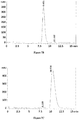
- the (S,S) and (S,R) compounds may be separated on RegisPackTM column a polysaccharide coated chiral column (with a tris-(3,5-dimethylphenyl) carbamoyl cellulose selector) generally used for enantiomeric separations of a wide range of racemate classes ( Figure 7A-C ).
- the enantiomers may be synthesized directly using for example, the process described in scheme 1 for the preparation of the (S,S) enantiomer.
- the (S,R) enantiomer may be synthesized accordingly, by reacting (S)-OBnTyrosinol with (R)-Mesylate to form (S,R)- Bis-Protected.
- racemization occurs specifically at the first reaction step which involves the conversion of methyl lactate (S or R enantiomer) into 2-benzyloxy methyl lactate (S or R enantiomer).
- benzyl bromide and methyl lactate can be mixed together prior to their addition to the base solution (e.g. sodium hydride).
- the occurrence of racemization may be reduced upon performing the reaction at a temperature lower than room temperature, preferably, lower than 10°C, preferably, lower than 5°C, preferably, lower than 2°C, more preferably at a temperature lower than -10°C, most preferably at a temperature of -15°C or lower.
- the least racemization i.e.
- the yield of the reaction step which involves the reaction of (S)-OBn-Tyrosinol and Mesylate (S or R enantiomer) may be increased to about 15%, preferably to about 20%, more preferably to about 25% upon using DMF as the solvent instead of DMSO and sodium hydride as a base instead of potassium tert-butoxide.
- a therapeutic agent for treating or preventing pain comprising (S)2-N(3-O-((S)propan 2-ol)-1-propyl-4-hydroxybenzene)-3-phenylpropylamide as an active ingredient; a pharmaceutical composition for treating or preventing pain, preferably neuropathic pain, comprising a therapeutically effective amount of (S)2-N(3-O-((S)propan 2-ol)-1-propyl-4-hydroxybenzene)-3-phenylpropylamide and a pharmaceutically acceptable carrier and methods for treating or preventing pain, specifically neuropathic pain comprising the administration of a pharmaceutical composition comprising a therapeutically effective amount of (S)2-N(3-O-((S)propan 2-ol)-1-propyl-4-hydroxybenzene)-3-phenylpropylamide.
- Non limiting examples of neuropathic pain include neuropathic pains in post herpetic neuralgia, trigeminal neuralgia, diabetic neuralgia, cancer pain, persistent postoperative or posttraumatic pain, non-specific lower back pain, hyperalgia, allodynia, sciatica, postthoracotomy pain, CRPS, pain associated with multiple sclerosis, AIDS (or HIV-related neuropathy), fibromyalgia, thalamic pain, paraplegic pain caused by myelopathy, anesthesia dolorosa, phantom limb pain and the like.
- a therapeutic agent for neuropathic pain according to the present invention is especially effective for treating hyperalgia and allodynia.
- neuropathic pain conditions include pain associated with normally non-painful sensations such as "pins and needles" (paraesthesias and dysesthesias), increased sensitivity to touch (hyperesthesia), painful sensation following innocuous stimulation (dynamic, static, thermal or cold allodynia), increased sensitivity to noxious stimuli (thermal, cold, mechanical hyperalgesia), continuing pain sensation after removal of the stimulation (hyperpathia) or an absence of or deficit in selective sensory pathways (hypoalgesia).
- normally non-painful sensations such as "pins and needles” (paraesthesias and dysesthesias), increased sensitivity to touch (hyperesthesia), painful sensation following innocuous stimulation (dynamic, static, thermal or cold allodynia), increased sensitivity to noxious stimuli (thermal, cold, mechanical hyperalgesia), continuing pain sensation after removal of the stimulation (hyperpathia) or an absence of or deficit in selective sensory pathways (hypoalgesia).
- terapéuticaally effective amount is that amount of the substantially pure (S)2-N(3-0-((S)propan 2-ol)-1-propyl-4-hydroxybenzene)-3-phenylpropylamide which is sufficient to provide a beneficial effect to the subject to which the substantially pure (S)2-N(3-0-((S)propan 2-ol)-1-propyl-4-hydroxybenzene)-3-phenylpropylamide is administered. More specifically, a therapeutically effective amount means an amount of the substantially pure (S)2-N(3-O-((S)propan 2-ol)-1-propyl-4-hydroxybenzene)-3-phenylpropylamide effective to alleviate or ameliorate the symptoms of pain in the subject being treated.
- treatment refers to symptomatic treatment and the term “prophylaxis” is used to mean preventing symptoms in an already afflicted subject or preventing recurrence of symptoms in an afflicted subject and is not limited to complete prevention of an affliction.
- the therapeutic agent for the treatment or prevention of pain may be administered orally or parenterally with no specific limitation on the manner of administration.
- (S)2-N(3-O-((S)propan 2-ol)-1-propyl-4-hydroxybenzene)-3-phenylpropylamide as an active ingredient of the therapeutic agent for neuropathic pain according to the present invention may be provided independently, or provided as being contained in a formulation together with a pharmaceutically acceptable carrier or a pharmaceutical additive.
- Examples of the pharmaceutically acceptable carrier or additive usable in the present invention include excipient, disintegrator, binder, lubricant, coating agent, colorant, diluent, dissolving agent, dissolution aid, tonicity agent, pH modifier, stabilizer, and the like.
- composition of the present invention may be formulated as a unit dosage form.
- Each unit dosage form may comprise all or a predetermined fraction of the daily dose amount of the one or more compounds of the invention, e.g., one half or one quarter of the daily dose amount.
- the composition may be formulated as a tablet, a pill, a capsule, a powder, fine granule, granules, a sterile parenteral solution or suspension, a metered aerosol or liquid spray, syrup, drops, an ampoule, an auto-injector device, a suppository, a cream or a gel.
- Said composition may be adapted for oral, enteral, parenteral, intrathecal, intranasal, sublingual, rectal or topical administration, or for administration by inhalation or insufflation.
- Oral compositions such as tablets, pills, capsules or wafers are particularly preferred.
- said one or more compounds may be mixed with one or more pharmaceutical excipients, e.g., microcrystalline cellulose, sodium citrate, calcium carbonate, dipotassium phosphate, glycine and the like may be used together with any of various disintegrators such as starch (preferably corn, potato or tapioca starch), alginic acid, a certain type of silicate double salt and the like; and a granule-forming binder such as polyvinylpyrrolidone, sucrose, gelatin, gum arabic or the like.
- a lubricant such as magnesium stearate, sodium lauryl sulfate, talc or the like is often very effective for tablet formation.
- a gelatin capsule filled with the same type of solid composition may be used.
- Substances preferably usable in connection with this include lactose as well as high-molecular-weight polyethylene glycol.
- the active ingredient may be used together with any of various types of sweeteners, flavorings, coloring agents or dyes, optionally an emulsifier and/or a suspending agent, as well as a diluent such as water, ethanol, propylene glycerol, glycerol, or the like or a combination thereof.
- the solid pre-formulation composition can then subdivided into unit dosage forms of the kind mentioned above which each may contain from 0.1 mg to about 500 mg of the compounds of the invention.
- the unit dosage forms may contain from 1 mg to 500 mg, e.g. 1, 5, 10, 25, 50, 100, 200, 300 or 500 mg of the compounds.
- said tablet or pill When formulated as a tablet or pill, said tablet or pill may be coated or otherwise compounded to provide a dosage form affording the advantage of prolonged action.
- said tablet or pill can comprise an inner dosage and an outer dosage component, the latter being in the form of an envelope over the former.
- These two components may be separated by an enteric layer that serves to resist disintegration in the stomach and permits the inner component to pass intact into the duodenum or to be delayed in release.
- enteric layers or coatings such materials including a number of polymeric acids and mixtures of polymeric acids with such materials as shellac, cetyl alcohol and cellulose acetate.
- the pharmaceutical composition may be formulated as a liquid dosage form for administration orally or parentally by injection suppository and the like; for example an aqueous solution, a suitably flavored syrup, an aqueous or oil suspension or a flavored emulsion with edible oils such, for example, as cottonseed oil, sesame oil, coconut oil or peanut oil, as well as an elixir or a similar pharmaceutical vehicle.
- Suitable dispersing or suspending agents for an aqueous suspension include synthetic and natural gums, e.g., tragacanth, acacia, alginate, dextran, sodium carboxymethylcellulose, methylcellulose, polyvinyl-pyrrolidone or gelatin.
- the aqueous solution is appropriately buffered (preferably to pH 8 or higher) to first isotonize the liquid diluent.
- Such an aqueous solution is suitable for intravenous injection, and an oleaginous solution is suitable for intraarticular injection, intramuscular injection and subcutaneous injection.
- the liquid dosage form can be easily produced under aseptic conditions by a standard pharmaceutical technology well known to those skilled in the art.
- the active ingredient of the present invention may be topically administered to skin or the like. In such a case, it is desirable to topically administer the active ingredient in the form of cream, jelly, paste or ointment in accordance with the standard pharmaceutical practice.
- a therapeutic agent for neuropathic pain according to the present invention may be administered in an appropriate dose, with no specific limitation, which is selected in accordance with various conditions including the type of pain, age or symptom of the patient, administration route, purpose of treatment, and presence or absence of another medication used together with the agent.
- a daily dose of the therapeutic agent for neuropathic pain according to the present invention is, for example, about 0.1 mg/Kg body weight to about 100 mg/Kg body weight, preferably 1 to 50 mg/Kg body weight, more preferably 5-30 mg/Kg body weight.
- the E2 enantiomer was synthesized as the racemate of the (S,S) and the (S,R) enantiomers as described in US 2011/0086910 and was further separated on RegisPackTM column, a polysaccharide coated chiral column (with a tris-(3,5-dimethylphenyl) carbamoyl cellulose selector) ( Figure 7A-C ).
- Group Compound Group size Dose (mg/kg) Route Dosing Volume 1 Vehicle 3 0 IP 5 ml/kg 2 Morphine 3 5 3 E1 6 3 4 E1 6 10 2 5 E1 6 20 6 E2 6 10
- Morphine Preparation 19 ml saline was added to 1 ml morphine ampoule and 0.1 ml of received solution was injected per 20 g mice (5 ml/kg).
- E1 and E2 sample Preparation (concentration of 2 mg/ml for dosing of 10 mg/kg):
- E1 stock solution was prepared as follows:
- E1 solution 20 mg/kg was dosed from stock solution via IP administration in a 5 ml/kg injection volume.
- E1 solution 10 mg/kg was dosed from stock solution via IP administration in a 5 ml/kg injection volume.
- test system See Table 1:
- mice 25-27 g (supplied by Harlan Israel, Ltd.)
- the experiment included a total number of 18 mice (part A) and 20 mice (part B).
- the weight variation of animals at the time of treatment initiation did not exceed ⁇ 20% of the mean weight.
- Animals were acclimated for 5 days. During acclimation and throughout the entire study duration, animals housed within a limited access rodent facility and kept in groups with a maximum of 6 mice per polypropylene cages. The cages were fitted with solid bottoms and filled with sterile wood shavings as bedding material. Animals were provided ad libitum with a commercial, sterile rodent diet and had free access to drinking water that was supplied to each cage via polyethylene bottles with stainless steel sipper tubes. Water was monitored periodically. Automatically controlled environmental conditions were set to maintain temperature at 20-24°C with a relative humidity (RH) of 30-70%, a 12:12 hour light:dark cycle and 15-30 air changes/h in the study room. Temperature and RH were monitored daily.
- RH relative humidity
- Test groups and dose regimen of the present study Group No. Compound Group size Dose (mg/kg) Route Dosing Volume Time administration 1 Vehicle 3 0 IP 5 ml/kg Test items were administered 0.5 hour prior to tail flick testing 2 Morphine 3 5 3 E1 6 3 4 E1 8 10 5 E1 6 20 6 E2 6 10
- tail flick Response to pain was assessed using the tail flick method which utilizes an Ugo Basile tail flick instrument.
- the animal is placed and held gently on the Ugo Basile tail flick (TF) instrument surface with the tail straight back and above a photoelectric cell that served as heat source.
- the heat source and timer are turned on by a foot pedal press, and automatically switch off when the animal flicks its tail off the emitter. Latency is measured and analyzed as an analgesic effect.
- the baseline tail flick was measured a day before the experiment started. On the day of the experiment, animal body weights were first measured followed by the IP administration of the test items (vehicle, morphine, NRD 13 S E1 and E2). 30 minutes after administration of the test items, the animals were subjected to the tail-flick testing. The tail-flick experiments were followed by blood sampling of all groups. The experiment was terminated after spinal cords and brains of all groups have been collected.
- Body Weight The mean body weight for all the animals was 27.42 ⁇ 0.22 g. No statistical differences were found between groups.
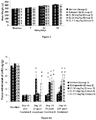
- results of the tail flick test are presented in Figure 1 as the latency time (seconds) it takes for the animal to flick their tail away from the heat source. Results are also presented as the difference between post-treatment TF latency times minus the TF latency time of pre-treatment ( Figure 2 ). An increase in difference between latency times presents a more healthy state for the animals.
- the Latency Time to Tail Flick (sec) are summarized in Table 2, columns 4-5 :
- Treatment with morphine (Group 2) at a dose of 5 mg/kg was significantly effective in increasing the latency time when compared to the pre-treatment value: 7.92 ⁇ 0.17 sec pretreatment vs. 15.38 ⁇ 1.47 sec post-treatment (p ⁇ 0.01).
- Treatment with E1 at a dose of 10 mg/kg (Group 4) was significantly effective in increasing the latency time when compared to the pre-treatment value: 8.16 ⁇ 0.39 sec pretreatment vs. 10.63 ⁇ 0.64 sec post-treatment (p ⁇ 0.01).
- treatment with E1 at a dose of 10 mg/kg and 20 mg/kg expressed pain relief activity when compared to the Vehicle treated animals (Group 1): 10.63 ⁇ 0.64 sec (Group 4) and 10.65 ⁇ 0.81 sec (Group 5) vs. 7.78 ⁇ 0.36 sec Vehicle (p ⁇ 0.01).
- E1 at doses of 10 mg/kg and 20 mg/kg was active in reducing pain when compared to the Vehicle treated group in tail flick model for nociception.
- Test Item E1 at a dose of 3 mg/kg showed significant pain relief activity only in the calculated difference between TF latency times for pre-treatment and post-treatment, suggesting the trend of activity.
- E2 at a dose of 10 mg/kg was not active in this study.
- Example 4 Evaluation of the therapeutic activity of E1 using the spinal nerve ligation (Chung) model in rats:
- Gabapentin exists as a powder. To achieve a dose of 150 mg/kg, 250 mg of gabapentin was dissolved in 5 ml saline (50 mg/ml).
- a rat weighing 200 g was injected with 0.6 ml of dissolved solution.
- E1 stock solution 2.43 g of E1 was dissolved completely in 81 ml DMSO.
- test groups and dose regimen of the present study are summarized in Table 3.
- Body Weight Weight variation of animals at the time of treatment initiation did not exceed ⁇ 20% of the mean weight.
- Animal Health The health status of the animals used in this study was examined upon their arrival. Only animals in good health were acclimatized to laboratory conditions and were used in the study.
- Food and Water Animals were provided ad libitum with a commercial, sterile rodent diet and had free access to drinking water that was supplied to each cage via polyethylene bottles with stainless steel sipper tubes. A feed lot analysis of the diet batch used in the study was included in the archives with the study data. Water was monitored periodically.
- Each dosing group was kept in separate cages to avoid cross-contamination which could occur through consumption of fecal matter. 2 or 3 animals were housed per cage.
- Test groups and dose regimen of the present study Group # Test Items Volume Dosing regime Testing regime 1 Vehicle (DMSO) 5 ml/kg Once daily starting on study day 14 through study day 21. Von Frey testing at 2, 5 and 24 hours after dosing on study day 14 and at 2, 5, 24 and 48 hours after dosing on study day 21. On study day 14 2, 5 and 24 hours prior to Von Frey testing. On study day 21 2, 5, 24 and 48 hours prior to Von Frey testing. On study day 15 Von Frey testing prior to test Item's administration 2 Gabapentin 150 mg/kg IP 5 ml/kg On study day 14 2, 5 and 24 hours prior to Von Frey testing.
- DMSO Vehicle
- the Chung model is a reliable model for neuropathy pain that enables the measurement of the animal's pain threshold immediately after the animal awakes from surgery.
- the Study schedule (study day 1 through study day 14) including operation and treatment is summarized in table 4: Table 4: Therapeutic activity of E1 using the spinal nerve ligation (Chung) model in rats.
- Study schedule Day Task -1 Von Frey response measurements (baseline); Body weight measurements. 0 Chung operation. 7 Body weight measurements. 14 1. Von Frey response measurements (pre-TI administration); 2. Selection and grouping; 3. Body weight measurements; 4. Test Items' administration to all groups; 5. Von Frey response measurements (2 and 5 hours post-TI administration). 15 Von Frey response measurements (24 hours post-TI administration); Test Items' administration to all groups. 16-20 Vehicle (Group 1M) and E1 (Groups 3M - 5M) administration. 21 1. Von Frey response measurements (pre-TI administration); 2. Body weight measurements; 3. Test Items administration to all groups; 4. Von Frey response measurements (2 and 5 hours post-TI administration). 22 1. Von Frey response measurements (24 hours post-TI administration). 23 1. Von Frey response measurements (48 hours post-TI administration); 2. Termination
- Neuropathic Pain Induction While under anesthesia using ketamine/xylazine sodium and after the area was shaved, the rat was placed in a prone position and the left paraspinal muscles were separated from the spinous process at the L4-S2 levels. The L6 vertebral transverse process was carefully removed with a small rongeur to visually identify the L5-L6 spinal nerves. The left L5-L6 spinal nerves were cut. The muscle was then closed with 4-0 silk sutures and the skin was closed by a clamp. Following surgery, the rats were returned to the cage and remained under a heating lamp until they awoke.
- Inclusion/ Exclusion Criteria for Pre-Selection On post-operative day 14, animals were tested for mechanical allodynia using Von Frey methodology prior to being placed in their experimental groups. Only animals with a pain threshold of ⁇ 26 g for the operated leg were included in the study. In order to form homogenous treatment groups and to adhere to randomization, all the operated rats were grouped according to inclusion/exclusion criteria.
- Treatment Commencement Animals were selected using the parameter of pain development (Von Frey testing) and then placed into their experimental groups.
- Gabapentin the positive control, was administered only on the testing days 14, 15 and 21.
- Termination At the end of the study, the animals were euthanized with CO 2 .
- Body Weights Body weight was measured at regular intervals on study days -1 for baseline values and seven days after the surgery (study day 7). In addition, animals that demonstrated criterion for mechanical allodynia on study day 14 were also weighed after selection and grouping on study days 14 and 21.
- Pain Response Evaluation Pain response was evaluated using Von Frey test for mechanical allodynia.
- the Von Frey test for mechanical allodynia is based on applying short pulses of pressure that are not painful to a naive animal. In fact, in order to achieve paw withdrawal from a naive animal, the pressure applied is sometimes higher than 60 g. This often requires the researcher to apply enough pressure with the Von Frey filament to actually lift the paw of the naive animal. However, in disease conditions, the animals are sensitive to much lower pressure and experience pain as a result of a normally non-painful stimulus.
- the rats were placed in an enclosure and positioned on a metal mesh surface, but allowed to move freely.
- the rats' cabins were covered with red cellophane to diminish environmental disturbances.
- the test began after cessation of exploratory behavior.
- the set of Von Frey monofilaments provide an approximate logarithmic scale of actual force and a linear scale of perceived intensity as provided by the manufacturer of the Von Frey apparatus (Ugo Basil).
- the operating principle When the tip of a fiber of given length and diameter is pressed against the skin at right angles, the force of application increases as long as the researcher continues to advance the probe until the fiber bends. After the fiber bends, the probe continues to advance, causing the fiber to bend more, but without additional force being applied to the paw.
- Rodents exhibit a paw withdrawal reflex when its paw is unexpectedly touched.
- the Touch TestTM Sensory Evaluator can be used on the plantar surfaces of the rat's foot. The animal will indicate sensation by pulling back its paw. The minimal force needed to elevate the withdrawal reflex is designated / considered as the value of reference.
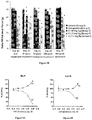
- Body Weight (Table 6; Figure 3 ): All animals gained weight during the study; however, there were no significant differences in weight gain between the groups. Baseline body weight for all animals was 243.76 ⁇ 1.21 g on study day -1.
- Body weights were also measured on study days 7, 14 and 21. At study day 7, the mean body weight for all groups was 258.12 ⁇ 1.71 g. At study day 14, the mean body weight for all groups was 286.34 ⁇ 1.93 g. At study day 21, the mean body weight was 302.34 ⁇ 2.29 g. Table 6: Mean group body weight in all study groups Group code Treatment Baseline Day 7 Day 14 Day 21 1 Vehicle 240.70 ⁇ 2.73 256.10 ⁇ 4.32 282.30 ⁇ 4.73 298.20 ⁇ 6.12 DMSO 2 Gabapentin 242.10 ⁇ 2.44 255.20 ⁇ 2.83 283.30 ⁇ 2.53 307,90 ⁇ 3.42.
- E1 15 mg/kg IP (Group 4) : When compared to the Vehicle control (Group 1) treatment with E1 at a dose of 15 mg/kg on study day 14 did not inhibit allodynia 2 hours after its administration.
- Table 8 The mean Von Frey force required for withdrawal of the left operated leg (g): measurements were performed on day 21: Group code Treatment Day 21 Pretreatment Day 21 Post-treatment 2 hours 5 hours 24 hours 48 hours 1 Vehicle 10.10 ⁇ 1.11 11.40 ⁇ 1.01 9.80 ⁇ 0.90 11.00 ⁇ 1.11 9.90 ⁇ 1.21 DMSO 2 Gabapentin 10.20 ⁇ 0.85 41,90* # ⁇ 6.12 12.60 ⁇ 1.85 13.40 ⁇ 2.29 9.50 ⁇ 0.69 150 mg/kg IP 3 E1 13.00 ⁇ 1.76 19.40* # ⁇ 1.80 22.90* # ⁇ 4.64 17.50* # ⁇ 2.48 8.90 ⁇ 0.82 30 mg/kg IP 4 E1 33.50* ⁇ 6.04 43.00* ⁇ 5.67 34.70* ⁇ 7.06 24.70* ⁇ 6.17 20.20 ⁇ 4.80 15 mg/kg IP 5 E1 29.00* ⁇ 5.72 28.40* ⁇ 5.52 43.10* ⁇ 5.52 43.10* ⁇ 5.52 43.10* ⁇ 5.52 43.10* ⁇ 5.52 43.10* ⁇ 5.52 43.
- E1 7.5 mg/kg IP (Group 5) : When compared to the Vehicle control (Group 1), treatment with E1 at a dose of 7.5 mg/kg on study day 14 effectively inhibited allodynia 2, 5 and also 24 hours after its administration.
- Gabapentin 150 mg/kg IP (Group 2): When compared to the Vehicle control (Group 1), treatment with gabapentin on study day 14 inhibited allodynia 2 hours after its administration; but was not effective 5 hours after its administration.
- E1 30 mg/kg IP (Group 3): When compared to the pretreatment value, treatment with E1 at a dose of 30 mg/kg on study day 14 inhibited allodynia 5 hours after its administration pre and post treatment. When compared to the pretreatment value, treatment with E1 at a dose of 30 mg/kg on study day 21 inhibited allodynia 2, 5 and even 24 hours after its administration.
- Table 10 The difference (delta) force between right healthy leg and left operated leg (g): a 21 day study. Difference is calculated by subtracting the value of force withdrawal of left operated leg from the value of force withdrawal of the right healthy leg.
- E1 15 mg/kg IP (Group 4): When compared to the pretreatment value, treatment with E1 at a dose of 15 mg/kg on study day 14 inhibited allodynia 5 hours and even 24 hours after its administration.
- E1 7.5 mg/kg IP (Group 5) : When compared to the pretreatment value, treatment with E1 at a dose of 7.5 mg/kg on study day 14 inhibited allodynia 2, 5 and even 24 hours after its administration. When compared to the pretreatment value, treatment with E1 at a dose of 7.5 mg/kg on study day 21 inhibited allodynia 5 hours after its administration.
- Gabapentin 150 mg/kg IP (Group 2) : When compared to the pretreatment value, treatment with gabapentin on study day 14 inhibited allodynia 2 hours after its administration; but was not effective 24 hours after its administration.
- E1 30 mg/kg IP (Group 3): Calculation of delta withdrawal force between the two legs on day 14 showed significant pain relief activity for E1 at a dose of 30 mg/kg at 5 hours after its administration. Calculation of delta withdrawal force between the two legs on day 21 showed significant pain relief activity for E1 at a dose of 30 mg/kg at 2, 5 and even 24 hours after its administration.
- E1 15 mg/kg IP (Group 4): Calculation of delta withdrawal force between the two legs on day 14 showed significant pain relief activity for E1 at a dose of 15 mg/kg at 5 and even 24 hours after its administration: 29.20 ⁇ 6.66 g vs. 49.90 ⁇ 0.60 g in the Vehicle group; p ⁇ 0.05.
- E1 7.5 mg/kg IP (Group 5): Calculation of delta withdrawal force between the two legs on day 14 showed significant pain relief activity for E1 at a dose of 7.5 mg/kg at 2, 5 and still at 24 hours after its administration.
- E1 30 mg/kg IP (Group 3) : When compared to the pretreatment value of delta withdrawal force on day 14, treatment with E1 at a dose of 30 mg/kg inhibited allodynia 5 hours after its administration. When compared to the pretreatment value of delta withdrawal force on day 21, treatment with E1 at a dose of 30 mg/kg inhibited allodynia 2, 5 and 24 hours after its administration.
- the E1 at a dose of 30 mg/kg was effective as a pain analgesic item in the spinal nerve ligation model for neuropathic pain in rats as reflected in the parameters of mechanical allodynia at 5 post Test Item administration on study day 14, and at 2, 5 and 24 hours post Test Item administration on study day 21.
- E1 at a dose of 15 mg/kg was effective as a pain analgesic item as reflected in the parameters of mechanical allodynia at 5 and 24 hours post Test Item administration on study day 14, and at 2, 5 and 24 hours post Test Item administration on study day 21.
- E1 at a dose of 7.5 mg/kg was effective as a pain analgesic item as reflected in the parameters of mechanical allodynia at 2, 5 and 24 hours post Test Item administration on study day 14, and at 2, 5, 24 and 48 hours post Test Item administration on study day 21.
- Gabapentin the positive control in this study, was active at 2 hours after its administration on study days 14 and 21. In contrast to Test Items, the analgesic activity of gabapentin was no longer detected 5 hours, 24 hours and 48 hours post dosing.
- Example 5 E1 and E2 enantiomers modulate tyrosine kinase-activity
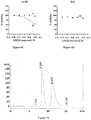
- E1 and E2 enantiomers were tested in the BLK, Lyn A, Lyn B and Src (solely EI) kinase assays in a range of 5 concentrations from 1.0 E - 03 to 1.0 E-05(M).
- LabChip assays are separations-based, meaning that the product and substrate are electrophoretically separated, thereby minimizing interferences and yielding the highest data quality available on any screening platform.
- Z' factors for both the EZ Reader and LC3000 enzymatic assays are routinely in the 0.8 to 0.9 range.
- the advantages of the LabChip assays include high Z' values, few false positives, few false negatives and analytical quality reproducibility.
- the off-chip incubation mobility-shift kinase assay uses a microfluidic chip to measure the conversion of a fluorescent peptide substrate to a phosphorylated product.
- the reaction mixture from a microtiter plate well, is introduced through a capillary sipper onto the chip, where the nonphosphorylated substrate and phosphorylated product are separated by electrophoresis and detected via laser-induced fluorescence.
- the signature of the fluorescence signal over time reveals the extent of the reaction.
- Assay Control Data All assays must pass internal QA/QC standards including a reference IC50 for each assay run which must be within one half log unit (plus or minus) of the accepted historical average. Assay control data are summarized in Table 9: Table 9: Kinase assay control data: Kinase tested Reference compound IC50 100% control mean activity 100% control STDDEV 0% control mean activity 0% control STDDEV (M) % conversion % conversion % conversion % conversion BLK 4.87E-09 14.25 0.18 0.59 0.32 Lyn A 3.38E-09 37.82 0.11 0.61 0.43 Lyn B 3.20E-09 14.69 0.08 0.31 0.14 Src 5.88E-09 24.64 2.94 0.49 0.28
- IC 50 curves The activity of E1 and E2 enantiomers as modulators of various protein tyrosine kinases is presented Graphically (IC 50 curves) in Figures 6A-D .
- IC 50 curves are generated using GraphPad 5 and a standard 4-parameter non linear regression model (log (inhibitor) vs response - variable slope).
- EC 50 curves are generated using GraphPad 5 and a standard 4-parameter non linear regression model (sigmoidal dose response - variable slope). Data points are the averages of duplicate wells. Error bars represent the mean ⁇ replicate % activity.
Landscapes
- Health & Medical Sciences (AREA)
- Chemical & Material Sciences (AREA)
- Organic Chemistry (AREA)
- Animal Behavior & Ethology (AREA)
- Pharmacology & Pharmacy (AREA)
- Veterinary Medicine (AREA)
- Public Health (AREA)
- General Health & Medical Sciences (AREA)
- Life Sciences & Earth Sciences (AREA)
- Medicinal Chemistry (AREA)
- Epidemiology (AREA)
- Chemical Kinetics & Catalysis (AREA)
- Engineering & Computer Science (AREA)
- Nuclear Medicine, Radiotherapy & Molecular Imaging (AREA)
- General Chemical & Material Sciences (AREA)
- Pain & Pain Management (AREA)
- Biomedical Technology (AREA)
- Bioinformatics & Cheminformatics (AREA)
- Neurosurgery (AREA)
- Neurology (AREA)
- Acyclic And Carbocyclic Compounds In Medicinal Compositions (AREA)
- Organic Low-Molecular-Weight Compounds And Preparation Thereof (AREA)
- Pharmaceuticals Containing Other Organic And Inorganic Compounds (AREA)
Applications Claiming Priority (2)
| Application Number | Priority Date | Filing Date | Title |
|---|---|---|---|
| US201161568219P | 2011-12-08 | 2011-12-08 | |
| PCT/IL2012/050512 WO2013084238A1 (en) | 2011-12-08 | 2012-12-06 | Isolated stereoisomeric forms of (s) 2-n (3-o-(propan 2-ol) -1-propyl-4-hydroxybenzene) -3-phenylpropylamide |
Publications (3)
| Publication Number | Publication Date |
|---|---|
| EP2788317A1 EP2788317A1 (en) | 2014-10-15 |
| EP2788317A4 EP2788317A4 (en) | 2015-07-08 |
| EP2788317B1 true EP2788317B1 (en) | 2019-10-02 |
Family
ID=48573665
Family Applications (1)
| Application Number | Title | Priority Date | Filing Date |
|---|---|---|---|
| EP12855522.4A Active EP2788317B1 (en) | 2011-12-08 | 2012-12-06 | Isolated stereoisomeric forms of (s) 2-n (3-o-(propan 2-ol) -1-propyl-4-hydroxybenzene) -3-phenylpropylamide |
Country Status (11)
| Country | Link |
|---|---|
| US (1) | US9381173B2 (enExample) |
| EP (1) | EP2788317B1 (enExample) |
| JP (2) | JP6411893B2 (enExample) |
| CN (1) | CN103998420B (enExample) |
| AU (1) | AU2012348529B2 (enExample) |
| CA (1) | CA2856665C (enExample) |
| DK (1) | DK2788317T3 (enExample) |
| ES (1) | ES2763946T3 (enExample) |
| HU (1) | HUE048570T2 (enExample) |
| IN (1) | IN2014MN00919A (enExample) |
| WO (1) | WO2013084238A1 (enExample) |
Families Citing this family (5)
| Publication number | Priority date | Publication date | Assignee | Title |
|---|---|---|---|---|
| WO2015173813A1 (en) * | 2014-05-14 | 2015-11-19 | Novaremed Ltd. | Pharmaceutical composition comprising stereoisomers of n-(1-(4-hydroxyphenyl)-3-(2-hydroxypropoxy)propan-2-yl)-3-phenylpropanamide for the prevention and treatment of type ii diabetes |
| KR102062268B1 (ko) | 2018-05-18 | 2020-01-03 | 한국교통대학교 산학협력단 | 발광 특성 또는 전하 전달 특성이 우수한 아지드계 가교제 |
| US11891350B2 (en) * | 2019-01-23 | 2024-02-06 | Novaremed Ltd. | Compounds for use in the treatment or prophylaxis of pain, inflammation and/or autoimmunity |
| EP3939578A1 (en) | 2020-07-13 | 2022-01-19 | Novaremed Ltd. | Compounds for treatment or prevention of an infection resulting from a coronavirus and/or a coronavirus-induced disease |
| WO2026037478A1 (en) | 2023-08-11 | 2026-02-19 | Novaremed AG | (s,s)-(3-o-(propan-2-ol)-2-amino-prop-1-yl-4-hydroxybenzene and its analogues for the treatment of chronic pain |
Family Cites Families (7)
| Publication number | Priority date | Publication date | Assignee | Title |
|---|---|---|---|---|
| US7642290B2 (en) | 2002-10-03 | 2010-01-05 | Novaremed Limited | Compounds for use in the treatment of autoimmune diseases, immuno-allergical diseases and organ or tissue transplantation rejection |
| JP4939396B2 (ja) | 2004-03-26 | 2012-05-23 | ノヴァレメッド リミテッド | Aids及び他のウイルス性疾患及びhiv関連感染症の改善又はその治療用化合物及びそのような化合物を含む組成物、そのような疾患及び感染症の治療方法及びそのような化合物及び組成物の製造方法 |
| US20090197781A1 (en) | 2008-01-31 | 2009-08-06 | Hari Babu Sunkara | Wellbore Fluids Comprising Poly(trimethylene ether) glycol Polymers |
| GB0804213D0 (en) * | 2008-03-06 | 2008-04-16 | New Era Biotech Ltd | A method of printing or preventing pain |
| CN102821761B (zh) | 2009-09-09 | 2015-06-10 | 诺瓦麦有限公司 | 用于治疗疼痛和炎症的n-取代的苯丙酰胺或苯丙烯酰胺 |
| US8802734B2 (en) | 2009-09-09 | 2014-08-12 | Novaremed Limited | Method of treating or preventing pain |
| GB0916073D0 (en) | 2009-09-14 | 2009-10-28 | Cintec Int Ltd | Improvements in and relating to building anchor systems |
-
2012
- 2012-12-06 AU AU2012348529A patent/AU2012348529B2/en active Active
- 2012-12-06 DK DK12855522.4T patent/DK2788317T3/da active
- 2012-12-06 HU HUE12855522A patent/HUE048570T2/hu unknown
- 2012-12-06 EP EP12855522.4A patent/EP2788317B1/en active Active
- 2012-12-06 CA CA2856665A patent/CA2856665C/en active Active
- 2012-12-06 ES ES12855522T patent/ES2763946T3/es active Active
- 2012-12-06 WO PCT/IL2012/050512 patent/WO2013084238A1/en not_active Ceased
- 2012-12-06 JP JP2014545450A patent/JP6411893B2/ja active Active
- 2012-12-06 CN CN201280060570.9A patent/CN103998420B/zh active Active
-
2014
- 2014-05-16 IN IN919MUN2014 patent/IN2014MN00919A/en unknown
- 2014-05-30 US US14/291,901 patent/US9381173B2/en active Active
-
2017
- 2017-07-21 JP JP2017142137A patent/JP2018021023A/ja active Pending
Non-Patent Citations (1)
| Title |
|---|
| None * |
Also Published As
| Publication number | Publication date |
|---|---|
| CA2856665A1 (en) | 2013-06-13 |
| CA2856665C (en) | 2019-11-12 |
| CN103998420A (zh) | 2014-08-20 |
| HUE048570T2 (hu) | 2020-08-28 |
| JP6411893B2 (ja) | 2018-10-31 |
| US20140275270A1 (en) | 2014-09-18 |
| JP2015500831A (ja) | 2015-01-08 |
| IN2014MN00919A (enExample) | 2015-04-17 |
| HK1201059A1 (en) | 2015-08-21 |
| JP2018021023A (ja) | 2018-02-08 |
| ES2763946T3 (es) | 2020-06-01 |
| EP2788317A4 (en) | 2015-07-08 |
| DK2788317T3 (da) | 2020-01-20 |
| WO2013084238A1 (en) | 2013-06-13 |
| US9381173B2 (en) | 2016-07-05 |
| AU2012348529B2 (en) | 2017-03-30 |
| EP2788317A1 (en) | 2014-10-15 |
| AU2012348529A1 (en) | 2014-06-12 |
| CN103998420B (zh) | 2018-04-17 |
Similar Documents
| Publication | Publication Date | Title |
|---|---|---|
| EP2788317B1 (en) | Isolated stereoisomeric forms of (s) 2-n (3-o-(propan 2-ol) -1-propyl-4-hydroxybenzene) -3-phenylpropylamide | |
| JP2010511616A (ja) | 水素化ピリド(4,3−b)インドール(異性体)に基づいた認知機能および記憶を改善するための手段、当該手段に基づいた薬理学的手段、および当該手段の使用のための方法 | |
| JP6527290B2 (ja) | 製薬領域における右旋性オキシラセタムの応用 | |
| US10265304B2 (en) | Nootropic compositions for improving memory performance | |
| Tanaka et al. | Enhanced insulin secretion and sensitization in diabetic mice on chronic treatment with a transient receptor potential vanilloid 1 antagonist | |
| US6774131B1 (en) | Remedies for endothelin-induced diseases | |
| EP2705843A1 (en) | Therapeutic approaches for treating epilepsy and related disorders through reduction of epileptogenesis | |
| CN107206093A (zh) | 用于治疗神经精神类障碍的组合物及方法 | |
| Hesketh et al. | The effect of chronic lithium administration on dopamine metabolism in rat striatum | |
| RU2322977C1 (ru) | Синтетическое анальгетическое средство и способ лечения на основе этого средства | |
| Dunstan et al. | The effect of apomorphine and clonidine on locomotor activity in mice after long term treatment with haloperidol | |
| HK1201059B (en) | Isolated stereoisomeric forms of (s) 2-n (3-o-(propan 2-ol) -1-propyl-4-hydroxybenzene) -3-phenylpropylamide | |
| EP2545915A1 (en) | 2-amino-2-oxoethyl trans-3-[5-(6-methoxy-naphtalen-1-yl)-1,3-dioxan-2-yl]propyl-carbamate for use in the treatment of persistent cancer pain | |
| JP2021503499A (ja) | トルペリゾンを投与する方法 | |
| MX2013004924A (es) | Combinacion de bevacizumab y 2,2-dimetil-n((s)-6-oxo-6,7-dihidro-5 h-dibenzo[b,d] azepin-7-il)-n'-(2,2,3,3,3-pentafluoro-propil)-malo namida para el tratamiento de desordenes proliferativos. | |
| WO2026039730A1 (en) | Novel therapeutic compositions for treating addictions and methods of use thereof | |
| TW202329963A (zh) | 類鴉片於治療泛自閉症障礙之用途 | |
| EP2545914A1 (en) | 2-amino-2-oxoethyl trans-3-[5-(6-methoxy-naphtalen-1-yl)-1,3-dioxan-2-yl]propyl-carbamate for use in the treatment of persistent cancer pain | |
| JP2016528289A (ja) | ジエチル(2−シアノエチル)ホスホネートの医薬組成物および使用 | |
| US20140378496A1 (en) | Opioid analgesics and 3-hydroxyacetanilide for treating pain | |
| Kruger | A study to determine the influence of probenecid (benemid) on the urinary excretion of androsterone | |
| JP2009502828A (ja) | Nmda受容体遮断薬と麻薬性鎮痛物質とを含む治療用組合せ |
Legal Events
| Date | Code | Title | Description |
|---|---|---|---|
| PUAI | Public reference made under article 153(3) epc to a published international application that has entered the european phase |
Free format text: ORIGINAL CODE: 0009012 |
|
| 17P | Request for examination filed |
Effective date: 20140519 |
|
| AK | Designated contracting states |
Kind code of ref document: A1 Designated state(s): AL AT BE BG CH CY CZ DE DK EE ES FI FR GB GR HR HU IE IS IT LI LT LU LV MC MK MT NL NO PL PT RO RS SE SI SK SM TR |
|
| DAX | Request for extension of the european patent (deleted) | ||
| RA4 | Supplementary search report drawn up and despatched (corrected) |
Effective date: 20150605 |
|
| RIC1 | Information provided on ipc code assigned before grant |
Ipc: C07C 233/73 20060101AFI20150529BHEP Ipc: A61P 25/04 20060101ALI20150529BHEP Ipc: A61K 31/165 20060101ALI20150529BHEP |
|
| 17Q | First examination report despatched |
Effective date: 20160609 |
|
| STAA | Information on the status of an ep patent application or granted ep patent |
Free format text: STATUS: EXAMINATION IS IN PROGRESS |
|
| REG | Reference to a national code |
Ref country code: DE Ref legal event code: R079 Ref document number: 602012064614 Country of ref document: DE Free format text: PREVIOUS MAIN CLASS: C07C0233730000 Ipc: C07C0233220000 |
|
| GRAP | Despatch of communication of intention to grant a patent |
Free format text: ORIGINAL CODE: EPIDOSNIGR1 |
|
| STAA | Information on the status of an ep patent application or granted ep patent |
Free format text: STATUS: GRANT OF PATENT IS INTENDED |
|
| RIC1 | Information provided on ipc code assigned before grant |
Ipc: A61K 31/165 20060101ALI20190415BHEP Ipc: C07C 233/22 20060101AFI20190415BHEP Ipc: A61P 25/04 20060101ALI20190415BHEP |
|
| INTG | Intention to grant announced |
Effective date: 20190507 |
|
| GRAS | Grant fee paid |
Free format text: ORIGINAL CODE: EPIDOSNIGR3 |
|
| GRAA | (expected) grant |
Free format text: ORIGINAL CODE: 0009210 |
|
| STAA | Information on the status of an ep patent application or granted ep patent |
Free format text: STATUS: THE PATENT HAS BEEN GRANTED |
|
| AK | Designated contracting states |
Kind code of ref document: B1 Designated state(s): AL AT BE BG CH CY CZ DE DK EE ES FI FR GB GR HR HU IE IS IT LI LT LU LV MC MK MT NL NO PL PT RO RS SE SI SK SM TR |
|
| REG | Reference to a national code |
Ref country code: GB Ref legal event code: FG4D |
|
| REG | Reference to a national code |
Ref country code: CH Ref legal event code: EP Ref country code: AT Ref legal event code: REF Ref document number: 1186016 Country of ref document: AT Kind code of ref document: T Effective date: 20191015 |
|
| REG | Reference to a national code |
Ref country code: DE Ref legal event code: R096 Ref document number: 602012064614 Country of ref document: DE |
|
| REG | Reference to a national code |
Ref country code: IE Ref legal event code: FG4D |
|
| REG | Reference to a national code |
Ref country code: FI Ref legal event code: FGE |
|
| REG | Reference to a national code |
Ref country code: CH Ref legal event code: NV Representative=s name: ROMAN VUILLE, CH |
|
| REG | Reference to a national code |
Ref country code: DK Ref legal event code: T3 Effective date: 20200114 |
|
| REG | Reference to a national code |
Ref country code: NL Ref legal event code: FP |
|
| REG | Reference to a national code |
Ref country code: SE Ref legal event code: TRGR |
|
| REG | Reference to a national code |
Ref country code: LT Ref legal event code: MG4D |
|
| REG | Reference to a national code |
Ref country code: GR Ref legal event code: EP Ref document number: 20200400009 Country of ref document: GR Effective date: 20200415 |
|
| PG25 | Lapsed in a contracting state [announced via postgrant information from national office to epo] |
Ref country code: LV Free format text: LAPSE BECAUSE OF FAILURE TO SUBMIT A TRANSLATION OF THE DESCRIPTION OR TO PAY THE FEE WITHIN THE PRESCRIBED TIME-LIMIT Effective date: 20191002 Ref country code: PT Free format text: LAPSE BECAUSE OF FAILURE TO SUBMIT A TRANSLATION OF THE DESCRIPTION OR TO PAY THE FEE WITHIN THE PRESCRIBED TIME-LIMIT Effective date: 20200203 Ref country code: BG Free format text: LAPSE BECAUSE OF FAILURE TO SUBMIT A TRANSLATION OF THE DESCRIPTION OR TO PAY THE FEE WITHIN THE PRESCRIBED TIME-LIMIT Effective date: 20200102 Ref country code: LT Free format text: LAPSE BECAUSE OF FAILURE TO SUBMIT A TRANSLATION OF THE DESCRIPTION OR TO PAY THE FEE WITHIN THE PRESCRIBED TIME-LIMIT Effective date: 20191002 Ref country code: NO Free format text: LAPSE BECAUSE OF FAILURE TO SUBMIT A TRANSLATION OF THE DESCRIPTION OR TO PAY THE FEE WITHIN THE PRESCRIBED TIME-LIMIT Effective date: 20200102 Ref country code: PL Free format text: LAPSE BECAUSE OF FAILURE TO SUBMIT A TRANSLATION OF THE DESCRIPTION OR TO PAY THE FEE WITHIN THE PRESCRIBED TIME-LIMIT Effective date: 20191002 |
|
| PG25 | Lapsed in a contracting state [announced via postgrant information from national office to epo] |
Ref country code: HR Free format text: LAPSE BECAUSE OF FAILURE TO SUBMIT A TRANSLATION OF THE DESCRIPTION OR TO PAY THE FEE WITHIN THE PRESCRIBED TIME-LIMIT Effective date: 20191002 Ref country code: RS Free format text: LAPSE BECAUSE OF FAILURE TO SUBMIT A TRANSLATION OF THE DESCRIPTION OR TO PAY THE FEE WITHIN THE PRESCRIBED TIME-LIMIT Effective date: 20191002 Ref country code: CZ Free format text: LAPSE BECAUSE OF FAILURE TO SUBMIT A TRANSLATION OF THE DESCRIPTION OR TO PAY THE FEE WITHIN THE PRESCRIBED TIME-LIMIT Effective date: 20191002 Ref country code: IS Free format text: LAPSE BECAUSE OF FAILURE TO SUBMIT A TRANSLATION OF THE DESCRIPTION OR TO PAY THE FEE WITHIN THE PRESCRIBED TIME-LIMIT Effective date: 20200224 |
|
| REG | Reference to a national code |
Ref country code: ES Ref legal event code: FG2A Ref document number: 2763946 Country of ref document: ES Kind code of ref document: T3 Effective date: 20200601 |
|
| PG25 | Lapsed in a contracting state [announced via postgrant information from national office to epo] |
Ref country code: AL Free format text: LAPSE BECAUSE OF FAILURE TO SUBMIT A TRANSLATION OF THE DESCRIPTION OR TO PAY THE FEE WITHIN THE PRESCRIBED TIME-LIMIT Effective date: 20191002 |
|
| REG | Reference to a national code |
Ref country code: DE Ref legal event code: R097 Ref document number: 602012064614 Country of ref document: DE |
|
| PG2D | Information on lapse in contracting state deleted |
Ref country code: IS |
|
| PG25 | Lapsed in a contracting state [announced via postgrant information from national office to epo] |
Ref country code: RO Free format text: LAPSE BECAUSE OF FAILURE TO SUBMIT A TRANSLATION OF THE DESCRIPTION OR TO PAY THE FEE WITHIN THE PRESCRIBED TIME-LIMIT Effective date: 20191002 Ref country code: EE Free format text: LAPSE BECAUSE OF FAILURE TO SUBMIT A TRANSLATION OF THE DESCRIPTION OR TO PAY THE FEE WITHIN THE PRESCRIBED TIME-LIMIT Effective date: 20191002 Ref country code: IS Free format text: LAPSE BECAUSE OF FAILURE TO SUBMIT A TRANSLATION OF THE DESCRIPTION OR TO PAY THE FEE WITHIN THE PRESCRIBED TIME-LIMIT Effective date: 20200202 |
|
| PLBE | No opposition filed within time limit |
Free format text: ORIGINAL CODE: 0009261 |
|
| STAA | Information on the status of an ep patent application or granted ep patent |
Free format text: STATUS: NO OPPOSITION FILED WITHIN TIME LIMIT |
|
| REG | Reference to a national code |
Ref country code: HU Ref legal event code: AG4A Ref document number: E048570 Country of ref document: HU |
|
| PG25 | Lapsed in a contracting state [announced via postgrant information from national office to epo] |
Ref country code: SK Free format text: LAPSE BECAUSE OF FAILURE TO SUBMIT A TRANSLATION OF THE DESCRIPTION OR TO PAY THE FEE WITHIN THE PRESCRIBED TIME-LIMIT Effective date: 20191002 Ref country code: MC Free format text: LAPSE BECAUSE OF FAILURE TO SUBMIT A TRANSLATION OF THE DESCRIPTION OR TO PAY THE FEE WITHIN THE PRESCRIBED TIME-LIMIT Effective date: 20191002 Ref country code: SM Free format text: LAPSE BECAUSE OF FAILURE TO SUBMIT A TRANSLATION OF THE DESCRIPTION OR TO PAY THE FEE WITHIN THE PRESCRIBED TIME-LIMIT Effective date: 20191002 |
|
| 26N | No opposition filed |
Effective date: 20200703 |
|
| PG25 | Lapsed in a contracting state [announced via postgrant information from national office to epo] |
Ref country code: LU Free format text: LAPSE BECAUSE OF NON-PAYMENT OF DUE FEES Effective date: 20191206 Ref country code: IE Free format text: LAPSE BECAUSE OF NON-PAYMENT OF DUE FEES Effective date: 20191206 |
|
| PG25 | Lapsed in a contracting state [announced via postgrant information from national office to epo] |
Ref country code: SI Free format text: LAPSE BECAUSE OF FAILURE TO SUBMIT A TRANSLATION OF THE DESCRIPTION OR TO PAY THE FEE WITHIN THE PRESCRIBED TIME-LIMIT Effective date: 20191002 |
|
| PG25 | Lapsed in a contracting state [announced via postgrant information from national office to epo] |
Ref country code: CY Free format text: LAPSE BECAUSE OF FAILURE TO SUBMIT A TRANSLATION OF THE DESCRIPTION OR TO PAY THE FEE WITHIN THE PRESCRIBED TIME-LIMIT Effective date: 20191002 |
|
| PG25 | Lapsed in a contracting state [announced via postgrant information from national office to epo] |
Ref country code: MT Free format text: LAPSE BECAUSE OF FAILURE TO SUBMIT A TRANSLATION OF THE DESCRIPTION OR TO PAY THE FEE WITHIN THE PRESCRIBED TIME-LIMIT Effective date: 20191002 |
|
| PG25 | Lapsed in a contracting state [announced via postgrant information from national office to epo] |
Ref country code: MK Free format text: LAPSE BECAUSE OF FAILURE TO SUBMIT A TRANSLATION OF THE DESCRIPTION OR TO PAY THE FEE WITHIN THE PRESCRIBED TIME-LIMIT Effective date: 20191002 |
|
| REG | Reference to a national code |
Ref country code: AT Ref legal event code: UEP Ref document number: 1186016 Country of ref document: AT Kind code of ref document: T Effective date: 20191002 |
|
| P01 | Opt-out of the competence of the unified patent court (upc) registered |
Effective date: 20230528 |
|
| REG | Reference to a national code |
Ref country code: DE Ref legal event code: R082 Ref document number: 602012064614 Country of ref document: DE Representative=s name: STRAUS, ALEXANDER, DIPL.-CHEM.UNIV. DR.PHIL., DE |
|
| REG | Reference to a national code |
Ref country code: CH Ref legal event code: U11 Free format text: ST27 STATUS EVENT CODE: U-0-0-U10-U11 (AS PROVIDED BY THE NATIONAL OFFICE) Effective date: 20260101 |
|
| PGFP | Annual fee paid to national office [announced via postgrant information from national office to epo] |
Ref country code: DE Payment date: 20251211 Year of fee payment: 14 |
|
| PGFP | Annual fee paid to national office [announced via postgrant information from national office to epo] |
Ref country code: GB Payment date: 20251219 Year of fee payment: 14 |
|
| PGFP | Annual fee paid to national office [announced via postgrant information from national office to epo] |
Ref country code: AT Payment date: 20251222 Year of fee payment: 14 |
|
| PGFP | Annual fee paid to national office [announced via postgrant information from national office to epo] |
Ref country code: IT Payment date: 20251223 Year of fee payment: 14 Ref country code: FI Payment date: 20251223 Year of fee payment: 14 Ref country code: DK Payment date: 20251224 Year of fee payment: 14 |
|
| PGFP | Annual fee paid to national office [announced via postgrant information from national office to epo] |
Ref country code: HU Payment date: 20251223 Year of fee payment: 14 Ref country code: NL Payment date: 20251219 Year of fee payment: 14 Ref country code: FR Payment date: 20251223 Year of fee payment: 14 |
|
| PGFP | Annual fee paid to national office [announced via postgrant information from national office to epo] |
Ref country code: TR Payment date: 20251201 Year of fee payment: 14 Ref country code: BE Payment date: 20251219 Year of fee payment: 14 Ref country code: GR Payment date: 20251222 Year of fee payment: 14 |
|
| PGFP | Annual fee paid to national office [announced via postgrant information from national office to epo] |
Ref country code: SE Payment date: 20251219 Year of fee payment: 14 |
|
| PGFP | Annual fee paid to national office [announced via postgrant information from national office to epo] |
Ref country code: ES Payment date: 20260130 Year of fee payment: 14 |
|
| PGFP | Annual fee paid to national office [announced via postgrant information from national office to epo] |
Ref country code: CH Payment date: 20260101 Year of fee payment: 14 |