EP2785439B1 - Verfahren zur aufarbeitung einer wässerigen, lignin-enthaltenden lösung - Google Patents
Verfahren zur aufarbeitung einer wässerigen, lignin-enthaltenden lösung Download PDFInfo
- Publication number
- EP2785439B1 EP2785439B1 EP12783209.5A EP12783209A EP2785439B1 EP 2785439 B1 EP2785439 B1 EP 2785439B1 EP 12783209 A EP12783209 A EP 12783209A EP 2785439 B1 EP2785439 B1 EP 2785439B1
- Authority
- EP
- European Patent Office
- Prior art keywords
- solution
- lignin
- worked
- lignocellulose
- nanofiltration
- Prior art date
- Legal status (The legal status is an assumption and is not a legal conclusion. Google has not performed a legal analysis and makes no representation as to the accuracy of the status listed.)
- Active
Links
Images



Classifications
-
- C—CHEMISTRY; METALLURGY
- C07—ORGANIC CHEMISTRY
- C07G—COMPOUNDS OF UNKNOWN CONSTITUTION
- C07G1/00—Low-molecular-weight derivatives of lignin
-
- B—PERFORMING OPERATIONS; TRANSPORTING
- B01—PHYSICAL OR CHEMICAL PROCESSES OR APPARATUS IN GENERAL
- B01D—SEPARATION
- B01D61/00—Processes of separation using semi-permeable membranes, e.g. dialysis, osmosis or ultrafiltration; Apparatus, accessories or auxiliary operations specially adapted therefor
- B01D61/02—Reverse osmosis; Hyperfiltration ; Nanofiltration
- B01D61/027—Nanofiltration
-
- B—PERFORMING OPERATIONS; TRANSPORTING
- B01—PHYSICAL OR CHEMICAL PROCESSES OR APPARATUS IN GENERAL
- B01D—SEPARATION
- B01D61/00—Processes of separation using semi-permeable membranes, e.g. dialysis, osmosis or ultrafiltration; Apparatus, accessories or auxiliary operations specially adapted therefor
- B01D61/58—Multistep processes
-
- C—CHEMISTRY; METALLURGY
- C08—ORGANIC MACROMOLECULAR COMPOUNDS; THEIR PREPARATION OR CHEMICAL WORKING-UP; COMPOSITIONS BASED THEREON
- C08H—DERIVATIVES OF NATURAL MACROMOLECULAR COMPOUNDS
- C08H6/00—Macromolecular compounds derived from lignin, e.g. tannins, humic acids
-
- C—CHEMISTRY; METALLURGY
- C08—ORGANIC MACROMOLECULAR COMPOUNDS; THEIR PREPARATION OR CHEMICAL WORKING-UP; COMPOSITIONS BASED THEREON
- C08H—DERIVATIVES OF NATURAL MACROMOLECULAR COMPOUNDS
- C08H8/00—Macromolecular compounds derived from lignocellulosic materials
-
- C—CHEMISTRY; METALLURGY
- C08—ORGANIC MACROMOLECULAR COMPOUNDS; THEIR PREPARATION OR CHEMICAL WORKING-UP; COMPOSITIONS BASED THEREON
- C08L—COMPOSITIONS OF MACROMOLECULAR COMPOUNDS
- C08L97/00—Compositions of lignin-containing materials
- C08L97/005—Lignin
-
- B—PERFORMING OPERATIONS; TRANSPORTING
- B01—PHYSICAL OR CHEMICAL PROCESSES OR APPARATUS IN GENERAL
- B01D—SEPARATION
- B01D2317/00—Membrane module arrangements within a plant or an apparatus
- B01D2317/02—Elements in series
- B01D2317/022—Reject series
-
- B—PERFORMING OPERATIONS; TRANSPORTING
- B01—PHYSICAL OR CHEMICAL PROCESSES OR APPARATUS IN GENERAL
- B01D—SEPARATION
- B01D61/00—Processes of separation using semi-permeable membranes, e.g. dialysis, osmosis or ultrafiltration; Apparatus, accessories or auxiliary operations specially adapted therefor
- B01D61/14—Ultrafiltration; Microfiltration
- B01D61/145—Ultrafiltration
-
- Y—GENERAL TAGGING OF NEW TECHNOLOGICAL DEVELOPMENTS; GENERAL TAGGING OF CROSS-SECTIONAL TECHNOLOGIES SPANNING OVER SEVERAL SECTIONS OF THE IPC; TECHNICAL SUBJECTS COVERED BY FORMER USPC CROSS-REFERENCE ART COLLECTIONS [XRACs] AND DIGESTS
- Y02—TECHNOLOGIES OR APPLICATIONS FOR MITIGATION OR ADAPTATION AGAINST CLIMATE CHANGE
- Y02P—CLIMATE CHANGE MITIGATION TECHNOLOGIES IN THE PRODUCTION OR PROCESSING OF GOODS
- Y02P20/00—Technologies relating to chemical industry
- Y02P20/50—Improvements relating to the production of bulk chemicals
- Y02P20/582—Recycling of unreacted starting or intermediate materials
Definitions
- the invention relates to a process for working up an aqueous, alkaline-alcoholic, lignin-containing solution. More particularly, the invention relates to a process for recovering lignin from aqueous solutions obtained by the digestion of lignocellulose.
- Lignocellulose consists of the ultrastructurally crosslinked, main polymer components cellulose, hemicellulose and lignin, which often make up about 85-90% of the raw material.
- the rest can be summarized under the term low molecular weight ingredients. Among these ingredients, apart from the extractives and inorganic by-products, especially the acetate should be emphasized. Acetyl groups come v.a. in hardwoods and grasses and other lignocelluloses.
- hemicellulose Most of them are chemically bound in these to hemicellulose, more specifically in the polymer O-acetyl-4-O-methylglucurono (arabino) xylan.
- the acetate is important in several respects. As a valuable material, it can be obtained in the form of acetic acid by distillation from Zellstoffkochlaugen of hardwood pulps. In the production of bioalcohol from lignocellulosic substrates, e.g. Straw, acetate is a potent inhibitor that negatively affects alcohol yield.
- the amount and quality of the lignin obtained has a strong influence on the added value of the entire process.
- Lignin is gaining much economic importance as a substitute for petrochemical aromatics.
- the possible uses of the recovered lignin are in turn very much of its chemical composition, but especially on the molecular weight of the recovered lignin fraction dependent.
- sulfur-free low-molecular-weight lignin fractions are in demand as raw material for applications in plastics and resin production. Unlike kraft or sulfite pulp mills, biorefineries are designed to produce sulfur-free lignin.
- Extraction solutions of lignocellulose outcrops with alcohol, water and base therefore often have high pH values in the range of 12-14, contain alcohol concentrations in the range of 40-75% and temperatures of 40-90 ° C.
- a significant economic factor of basic alcoholic digestion processes is the manner of recovery of the alcohol. This is done primarily by thermal recovery from the digestion solution.
- An essential potential for saving is to reduce the amount of the solution to be thermally treated by separating the alcoholic digestion solution as selectively as possible.
- Nanofiltration uses different membrane materials with different membrane structures.
- Inorganic ceramic membranes consist of a uniform material and have a change in the pore structure over the membrane thickness.
- Very often composite membranes are used in which the active membrane separation layer is crucial for the separation effect.
- Polyethersulfone membranes, sulfonated polyethersulfone membranes, polypiperazine membranes and aromatic polyamide membranes are frequently used as membrane materials for this separation layer.
- nanofiltration has been described, for example, in WO 02/053783 and WO 02/053781 , used for the enrichment of xylose in the permeate of nanofiltration from the "black liquor" of a sulfite process.
- WO / 2007/048879 describes a nanofiltration process for the separation of xylose from a biomass hydrolyzate with a high dry matter content.
- the US 2005/0203291 describes a nanofiltration with polyamide membranes for the separation of lignin from strongly alkaline solutions.
- A.-S. Jonsson et al. (2008: Chemical Engineering Research and Design, 86, 1271-1280 ) used one combined ultrafiltration / nanofiltration process and concentrated the lignin content of the aqueous alkaline solution from 60g / L to 165g / L. They used a series of membranes consisting of polyether sulphone, polysulfone and polyvinyl fluoride at 60 ° C.
- a polyethersulfone membrane was tested, which proved well in the aqueous-alkaline conditions. This membrane was also tested under the strongly alkaline-alcoholic conditions of the process according to the invention and has proved to be unstable in the temperature range above 40 ° C.
- the object of the invention is to provide a simple process for working up an aqueous, alkaline-alcoholic, lignin-containing solution which does not have the disadvantages of the processes known in the prior art.
- the pH of the solution to be worked up is 10-14, and preferably 11-13.
- the ethanol content of the solution to be worked up is 40 to 70%, and preferably 60%.
- the process according to the invention is preferably carried out at temperatures of 20-70.degree. C., preferably 30-60.degree. C., and particularly preferably 40-50.degree.
- the solution to be worked up can originate from the digestion of lignocellulose, wherein to increase the concentration of the substances extracted from the lignocellulose, it has previously been concentrated by untreated or repeated recycling of the solution to be worked up on untreated starting substrate.
- a further embodiment of the method according to the invention consists in that the solution to be worked up has been previously concentrated to increase the concentration of the substances extracted from the lignocellulose by ultrafiltration of the solution to be worked up.
- lignin retention levels in excess of 95% were also achieved (see Example 2 below).
- the high retention capacity of the membranes makes it possible to recover a very pure alkaline alcoholic digestion solution, which can be reused for the digestion without additional thermal cleaning effort.
- This lignin and other extractives is enriched in the retentate.
- Components with retention rates of over 95% in the retentate can be enriched (Example 3a-f): Total solids: 95% - 100% Lignin: 95% - 100% ferulic acid: 95% - 100% coumaric: 95% - 100% Acetate: 80% - 100% Ash: 80% - 100%.
- the digestion solution is kept at the desired temperature in a stirred, tempered tank. It is directed by the pump (pressure from 6 to 60 bar) via a flexible pressure hose to the membrane module.
- the flat membrane module consists in principle of three steel plates, with the middle at the top has a flow channel. About this a test strip membrane (about 7 x 21 cm) is placed, and fixed with the upper steel plate. By means of screws, the bottom and top plates are tightened, thereby ensuring the tightness of the module.
- the medium flows under the membrane, while a part exits through the membrane upwards as permeate.
- the permeate is collected in a, in the upper steel plate recessed sintered plate and further led to the outside.
- the exiting permeate is subsequently returned to the tank.
- the retentate is also returned to the tank so that the feed always has a constant composition.
- the stability of the membrane can be evaluated without the separation performance varies due to concentration.
- Total solids refers to the residue that remains when the liquid phase of the sample is evaporated to constant weight at 105 ° C.
- the ash content results from the ashing of the total solids at 650 ° C.
- the concentrations of coumaric and ferulic acid were measured by HPLC and DAD (diode array detector). For the acetate determination, a commercial enzymatic assay (Boehringer Mannheim R-Biopharm) was used.
- Polyamide on polysulphone Polyamide thin film composite on polyester Polyamide on polypropylene (PP) polyimide "proprietary thin film” polysulfone Polyether sulphone (PES) on polyethylene (PE)
- Nanofiltration for obtaining a purified alkaline-alcoholic solution in the permeate, and a concentrated solution of lignocellulose-extracted substances in the retentate, from a digestion solution derived from the digestion of lignocellulose with an alkaline-alcoholic solution
- Membranes MN1 and MN2 have a separating layer of polyamide, MN3 a separating layer of polyether sulphone.
- Table 1 the mean lignin content retention in% at certain pressure and temperature for the membranes MN1, MN2 and MN3 in the recovery of a purified alkaline-alcoholic solution in the permeate, and a concentrated solution of extracted lignocellulosic material in the retentate from a digestion solution derived from the digestion of lignocellulose with an alkaline-alcoholic solution, by nanofiltration.
- the digestion solution was previously concentrated to untreated starting substrate to increase the concentration of lignocellulose extracted materials by a single recycle.
- the filtrate of the Lignocelluloseauf gleiches was adjusted to the initial pH with NaOH and fresh straw (5% w / v) was added.
- the suspension was treated again under the conditions described above.
- the concentrated digestion solution was subjected to nanofiltration.
- the digestion solution was previously concentrated by ultrafiltration to increase the concentration of lignocellulose extracted substances
- Two alkaline ethanolic digestion solutions (Batch 1 and Batch 2) were ultrafiltered with 5 different membranes.
- the lignin content of the digestion solution is about 2%
- Table 2 the average lignin content in% at a certain pressure and temperature for the membrane MN1 under the conditions of the concentration 2a) and 2b) is described.
- Table 2 membrane Temperature in ° C Pressure in bar Mean lignin retention in% trend annotation 2a) MN1 60 ° C 32 99.75 Stable concentrated Feed solution 2b) MN1 60 ° C 32 96.81 Stable concentrated Feed solution
- Nanofiltration of an alkaline-ethanolic digestion solution from lignocellulose through a nanofiltration membrane with polyamide separation layer separation performance of various components
Landscapes
- Chemical & Material Sciences (AREA)
- Engineering & Computer Science (AREA)
- Organic Chemistry (AREA)
- Chemical Kinetics & Catalysis (AREA)
- Materials Engineering (AREA)
- Health & Medical Sciences (AREA)
- Medicinal Chemistry (AREA)
- Polymers & Plastics (AREA)
- Water Supply & Treatment (AREA)
- Life Sciences & Earth Sciences (AREA)
- Biochemistry (AREA)
- Nanotechnology (AREA)
- Separation Using Semi-Permeable Membranes (AREA)
- Compositions Of Macromolecular Compounds (AREA)
- Compounds Of Unknown Constitution (AREA)
Description
- Die Erfindung betrifft ein Verfahren zur Aufarbeitung einer wässerigen, alkalisch-alkoholischen, Lignin-enthaltenden Lösung. Die Erfindung betrifft insbesondere ein Verfahren zur Gewinnung von Lignin aus wässerigen Lösungen, die beim Aufschluß von Lignocellulose erhalten werden.
- Im Zusammenhang mit der Verknappung von Rohöl gewinnt der nachwachsende Rohstoff Lignocellulose (Stroh, Holz, Papierabfälle etc.) als Ausgangsmaterial für chemische Produkte und Treibstoffe sehr an Bedeutung. Lignocellulose besteht aus den ultrastrukturell vernetzten, polymeren Hauptkomponenten Cellulose, Hemicellulose und Lignin, die häufig etwa 85 - 90 % des Rohstoffes ausmachen. Der Rest kann unter dem Begriff niedermolekulare Inhaltstoffe zusammengefasst werden. Unter diesen Inhaltstoffen ist neben den Extraktstoffen, und anorganischen Begleitstoffen besonders das Acetat hervorzuheben. Acetylgruppen kommen v.a. in Laubhölzern und Gräsern und anderen Lignocellulosen vor. Meist sind sie in diesen an der Hemicellulose, konkreter im Polymer O-Acetyl-4-O-methylglucurono(arabino)xylan chemisch gebunden. Dem Acetat kommt in mehrfacher Hinsicht große Bedeutung zu. Als Wertstoff kann es in Form von Essigsäure destillativ aus Zellstoffkochlaugen von Laubholzzellstoffen gewonnen werden. Bei der Herstellung von Bioalkohol aus Lignocellulosischen Substraten, wie z.B. Stroh ist Acetat ein starker Hemmstoff, der die Alkoholausbeute negativ beeinflusst.
- Die Spaltung der als Polymere vorliegenden Komponenten und ihre Auftrennung in einzelne Produktströme sowie deren weitere Verarbeitung zu höherwertigen Produkten ist die Aufgabe von Bioraffinerien der biochemischen Plattform. Die Rentabilität solcher Bioraffinerien ist weitgehend davon abhängig, welche Wertschöpfung aus den Produktströmen erzielt werden kann.
- Einen starken Einfluss auf die Wertschöpfung des gesamten Prozesses hat neben der Nutzung des Kohlenhydrat Anteiles die Menge und Qualität des gewonnen Lignins. Lignin gewinnt als Ersatz für petrochemisch erzeugte Aromaten sehr stark an wirtschaftlicher Bedeutung. Die Nutzungsmöglichkeiten des gewonnen Lignins sind wiederum sehr von seiner chemischen Zusammensetzung, vor allem aber vom Molekulargewicht der gewonnenen Ligninfraktion abhängig. Insbesondere schwefelfreie niedermolekulare Ligninfraktionen sind als Rohstoff für Anwendungen in der Kunststoff- und Harzherstellung gefragt. Im Gegensatz zu Kraft- oder Sulfit Zellstofffabriken sind Bioraffinerien darauf ausgerichtet, schwefelfreies Lignin herzustellen.
- Unter den, in Bioraffinerien zum Aufschluss von Lignocellulose angewandten Verfahren sind besonders alkalische Verfahren hervorzuheben, deren Aufschlussprinzip primär die Entfernung des Lignins ist. Als Lignocellulose Substrate habe sich insbesondere Laubholz, Stroh, Bagasse oder ein- und mehrjährige Gräser als vorteilhaft erwiesen. Das zugrunde liegende chemische Prinzip ist die alkalische Esterspaltung, durch die sowohl die Verbindung zwischen Lignin und Hemicellulose, als auch die Essigsäure-Hemicellulose Ester gespalten werden. Die zusätzliche Verwendung eines Alkohols, bevorzugt wird Ethanol eingesetzt, verbessert die Ligninlöslichkeit, wodurch niedrigere Reaktionstemperaturen möglich sind. Ein derartiges Verfahren wurde von Avgerinos und Wang beschrieben und 1981 zum Patent angemeldet (
US4,395,543 ). Darin wird ein Verfahren zum Aufschluss von Lignocellulose beansprucht, bei dem eine Extraktionslösung bestehend aus Wasser, zwischen 40 und 75% Alkohol und einem pH zwischen 11 und 14 verwendet wird. Zusätzlich geht aus dem Patent hervor, dass mit zunehmendem Alkoholgehalt die Menge der freigesetzten Hemicellulose Spaltprodukte abnimmt. Aufschlusslösungen mit hohem Alkoholgehalt erzielen also selektivere Ergebnisse. - Extraktionslösungen aus Lignocellulose Aufschlüssen mit Alkohol, Wasser und Base weisen also häufig hohe pH-Werte im Bereich von 12-14 auf, enthalten Alkoholkonzentrationen im Bereich von 40-75% und Temperaturen von 40-90°C.
- Ein wesentlicher ökonomischer Faktor basisch-alkoholischer Aufschlussverfahren ist die Art der Rückgewinnung des Alkohols. Diese erfolgt in erster Linie durch thermische Rückgewinnung aus der Aufschlusslösung. Ein wesentliches Einsparungspotenzial liegt darin, die Menge der thermisch zu behandelnden Lösung durch möglichst selektive Abtrennung der alkoholischen Aufschlusslösung zu reduzieren.
- Während in der Ultrafiltration von Ligninlösungen, z.B. durch Einsatz von Keramikmembranen, Ligninfraktionen mit einem cut off von 5, 10 bzw. 15kD abgetrennt werden (A. Toledano et al. Chemical Engineering Journal 147 (2010) 93-99), bietet die Nanofiltration auch die Möglichkeit zur Abtrennung von Fraktionen mit niedrigem Molekulargewicht. Für Hemicellulose-Komponenten in alkalischen Prozessabwässern der Zellstoffindustrie wird von R. Schlesinger et al. (Desalination 192 (2006) 303-314) eine fast vollständige Abtrennung von Molekülen über 1 kD berichtet.
- In der Nanofiltration kommen verschiedene Membranmaterialien mit unterschiedlichem Membranaufbau zum Einsatz. Anorganische keramische Membranen bestehen aus einem einheitlichen Material und weisen über die Membrandicke eine Änderung in der Porenstruktur auf. Sehr häufig werden Kompositmembranen eingesetzt, bei denen die aktive Membrantrennschicht ausschlaggebend für den Trennungseffekt ist. Als Membranmaterialien für diese Trennschicht kommen häufig Polyäthersulfon Membranen, sulfonierte Polyäthersulfon Membranen, Polypiperazinmembranen, sowie aromatische Polyamidmembranen zum Einsatz.
- Im Papier und Zellstoffbereich wurde die Nanofiltration z.B. in
WO 02/053783 WO 02/053781 WO/2007/048879 ist ein Nanofiltrationsprozess zur Abtrennung von Xylose aus einem Biomassehydrolysat mit hohem Trocknsubstanzgehalt beschrieben. DieUS 2005/0203291 beschreibt eine Nanofiltration mit Polyamidmembranen zur Abtrennung von Lignin aus stark alkalischen Lösungen. - Weiters wird die Gewinnung von Monosacchariden aus basischem Black Liquor durch Nanofiltration berichtet (
US 2009/0014386 A1 ). - In der
US 20060016751 wird ein Nanofiltrationsverfahren zur Aufkonzentrierung von Extrakt- und Abfallströmen aus einer Papierfabrik beschrieben. - In den letzten Jahren ist das Interesse an der Gewinnung von Lignosulfonaten aus der Kochlauge von Kraftzellstoff Prozessen enorm gestiegen. A.-S. Jönsson et al. (2008: Chemical Engineering Research and Design, 86, 1271-1280) verwendeten einen kombinierten Ultrafiltration/Nanofiltrationsprozess und konzentrierten den Ligningehalt der wässrigen alkalischen Lösung von 60g/L auf 165g/L auf. Sie verwendeten eine Serie von Membranen, bestehend aus Polyethersulphon, Polysulphon and Polyvinylfluorid bei 60°C. Auch zur Rückgewinnung der Natronlauge aus der stark alkalischen Lösungen (ca. 200 g/l NaOH) einer Cellulosefaserproduktion wurde die Nanofiltration mit Polyethersulphon und Polysulphon Membranen eingesetzt. Die Versuche wurden im Temperaturbereich von 20 bis 50 °C in einer Laborrührzelle durchgeführt. Die erreichten Rückhalte für Hemicellulose bewegten sich im Bereich von 50 bis 95 % (Schlesinger 2006).
- Dabei wurde eine Polyethersulfon Membran getestet, die sich bei den wässrig-alkalischen Bedingungen gut bewährte. Diese Membran wurde auch unter den stark alkalisch-alkoholischen Bedingungen des erfindungsgemäßen Verfahrens getestet und hat sich im Temperaturbereich über 40°C als nicht stabil erwiesen.
- Für wässrige-organische Lösungen mit hohem Lösungsmittelanteil wurden modifizierte Polyimidmembranen eingesetzt. Diese Membranen erwiesen sich jedoch als nicht pH stabil im basischen Bereich.
- Die Erfindung stellt sich zur Aufgabe, ein einfaches Verfahren zur Aufarbeitung einer wässerigen, alkalisch-alkoholischen, Lignin-enthaltenden Lösung zur Verfügung zu stellen, welches die Nachteile der im Stand der Technik bekannten Verfahren nicht aufweist.
- Das erfindungsgemäße Verfahren zur Aufarbeitung einer wässerigen, alkalisch-alkoholischen, Lignin-enthaltenden Lösung ist in Anspruch 1 definiert.
- Es hat sich überraschenderweise gezeigt, dass sich Lignin aus einer wässerigen, alkalisch-alkoholischen, Lignin-enthaltenden Lösung, bzw. die bei einem alkalisch-alkoholischen Aufschluss aus Lignocellulose extrahierten Substanzen, durch Nanofiltration mit einem mittleren Lignin-Rückhaltevermögen von nahezu 100% von der aufzuarbeitenden Lösung abtrennen lassen (siehe auch unten Beispiel 1).
- Der pH-Wert der aufzuarbeitenden Lösung ist 10-14, und bevorzugt 11-13.
- Der Ethanolgehalt der aufzuarbeitenden Lösung ist 40 bis 70%, und bevorzugt 60%.
- Das erfindungsgemäße Verfahren wird bevorzugt bei Temperaturen von 20- 70°C, bevorzugt 30-60°C, und besonders bevorzugt 40-50°C, durchgeführt.
- Die aufzuarbeitende Lösung kann vom Aufschluß von Lignocellulose stammen, wobei zur Erhöhung der Konzentration der aus der Lignocellulose extrahierten Stoffe vorher durch ein- oder mehrmalige Rezyklierung der aufzuarbeitenden Lösung auf unbehandeltes Ausgangssubstrat aufkonzentriert wurde.
- Eine weitere Ausführungsform des erfindungsgemäßen Verfahrens besteht darin, daß die aufzuarbeitende Lösung zur Erhöhung der Konzentration der aus der Lignocellulose extrahierten Stoffe vorher durch Ultrafiltration der aufzuarbeitenden Lösung aufkonzentriert wurde.
- Für Aufschlusslösungen, die durch Rezyklierung bzw. Ultrafiltration aufkonzentriert worden waren, wurden ebenfalls Lignin Rückhaltewerte von über 95% erreicht (siehe unten Beispiel 2). Das hohe Rückhaltevermögen der Membranen ermöglicht es, eine sehr reine alkalischalkoholische Aufschlusslösung rückzugewinnen, die ohne zusätzlichen thermischen Reingungsaufwand für den Aufschluss wiederverwendet werden kann. Dabei wird Lignin und andere Extraktstoffe im Retentat angereichert.
- Weiters wurde überraschenderweise gefunden, dass bei Verwendung von Membranen mit einer Polyamid Trennschicht nicht nur Lignin, sondern auch andere extrahierte
- Komponenten mit Rückhalteraten von über 95% im Retentat angereichert werden können (Beispiel 3a-f):
Gesamfeststoff (total solids): 95% - 100% Lignin: 95% - 100% Ferulasäure: 95% - 100% Coumarsäure: 95% - 100% Acetat: 80% - 100% Asche: 80% - 100%. - Die Aufschlusslösung wird in einem gerührten, temperierten Tank auf der gewünschten Temperatur gehalten. Sie wird von der Pumpe (Druck von 6 bis 60 bar) über einen flexiblen Druckschlauch zum Membranmodul geleitet. Das Flachmembran-Modul besteht im Prinzip aus drei Stahlplatten, wobei die Mittlere an der Oberseite einen Strömungskanal aufweist. Über diesen wird ein Teststreifen Membran (etwa 7 x 21 cm) gelegt, und mit der oberen Stahlplatte fixiert. Mittels Schrauben werden unterste und oberste Platte zusammengezogen und dadurch die Dichtheit des Moduls gewährleistet. Im Betrieb fließt das Medium unter der Membran hindurch, während ein Teil durch die Membran nach oben als Permeat austritt. Das Permeat wird in einer, in die obere Stahlplatte eingelassene Sinterplatte gesammelt und weiter nach aussen geleitet. Das austretende Permeat wird in weiterer Folge in den Tank zurückgeführt. Das Retentat wird ebenfalls in den Tank zurückgeleitet, sodass der Feed stets eine konstante Zusammensetzung aufweist. So kann die Stabilität der Membran bewertet werden, ohne dass die Trennleistung konzentrationsbedingt schwankt.
- Gesamtfeststoff (Total Solids) bezeichnet den Rückstand, der zurückbleibt, wenn die flüssige Phase der Probe bei 105°C bis zur Gewichtskonstanz verdampft wird. Der Aschegehalt ergibt sich aus der Veraschung der Total Solids bei 650°C. Der Ligningehalt in der Lösung wurde photometrisch bei 280 nm (ε = 19.4 L g-1 cm-1) bestimmt. Die Konzentrationen an Coumar- und Ferulasäure wurden mittels HPLC und DAD (Dioden Array Detektor) gemessen. Für die Acetatbestimmung wurde ein kommerzieller enzymatischer Assay (Boehringer Mannheim R-Biopharm) herangezogen.
- Polyamid auf Polysulphon
Polyamid thin film composite on Polyester
Polyamid auf Polypropylen (PP)
Polyimid
"proprietary thin film"
Polysulfon
Polyethersulphon (PES) auf Polyethylen (PE) - Mit den nachfolgenden Beispielen werden bevorzugte Varianten des erfindungsgemäßen Verfahrens näher beschrieben. Die Temperatur ist in Grad Celsius (°C) angegeben.
- Nanofiltration zur Gewinnung einer aufgereinigten alkalisch-alkoholischen Lösung im Permeat, sowie einer aufkonzentrierten Lösung von aus Lignocellulose extrahierten Stoffen im Retentat, aus einer Aufschlusslösung, die aus dem Aufschluss von Lignocellulose mit einer alkalisch-alkoholischen Lösung stammt
- 10 g zerkleinertes Weizenstroh wurden in einem 500 mL Reaktionsgefäß in 200 mL (5% Feststoffanteil) einer auf 70°C vortemperierten Lösung, bestehend aus Wasser/Ethanol in 60%, EtOH und 0,8g NaOH, suspendiert. Die Suspension wurde bei 200 rpm und 70°C, 18 h kontinuierlich magnetisch gerührt. Danach wurde der Feststoffanteil durch Filtration abgetrennt. Der Ligningehalt der Lösung wurde photometrisch bei 280nm (ε = 19.4 L g-1 cm-1) gemessen.
- Ligningehalt nicht aufkonzentriert: ca 1,5%/L
pH: 12,5
Ethanolgehalt: 60%
Temperatur: 20°C, 40°C, 60°C. - Membranen MN1 und MN2 besitzen eine Trennschicht aus Polyamid, MN3 eine Trennschicht aus Polyethersulphon.
- In der Tabelle 1 ist der mittlere Lignin-Rückhalt in % bei bestimmtem Druck und Temperatur für die Membranen MN1, MN2 und MN3 bei der Gewinnung einer aufgereinigten alkalisch-alkoholischen Lösung im Permeat, sowie einer aufkonzentrierten Lösung von aus Lignocellulose extrahierten Stoffen im Retentat, aus einer Aufschlusslösung, die aus dem Aufschluss von Lignocellulose mit einer alkalisch-alkoholischen Lösung stammt, durch Nanofiltration beschrieben.
Tabelle 1 Membran Temperatur in °C Druck in bar Mittlerer Lignin-Rückhalt in % Trend Anmerkung MN1 20 6 98,92 Stabil 12 99,55 Stabil 36 99,69 Stabil 40 6 99,06 Stabil 12 99,67 Stabil 32 99,66 Stabil 60 12 99,34 Stabil MN2 20 6 97,02 Stabil 12 98,14 Stabil 36 98,76 Stabil 40 6 94,05 Stabil 12 93,95 Stabil 36 97,88 Schwankend 60 12 90,99 Stabil MN3 20 6 85,36 Stabil 12 88,02 Stabil 36 96,83 Schwankend 40 6 86,99 Fallend 12 90,23 Fallend - Gewinnung einer aufgereinigten alkalisch-alkoholischen Lösung im Permeat, sowie einer aufkonzentrierten Lösung von aus Lignocellulose extrahierten Stoffen im Retentat, aus einer Aufschlusslösung, die aus dem Aufschluss von Lignocellulose mit einer alkalisch-alkoholischen Lösung stammt, durch Nanofiltration, wobei die Aufschlusslösung:
- 2a) vorher durch Rezyklierung aufkonzenztriert wurde, oder
- 2b) vorher durch Ultrafiltration aufkonzentriert wurde
- 10 g zerkleinertes Weizenstroh wurden in einem 500 mL Reaktionsgefäß in 200 mL (5% Feststoffanteil) einer auf 70°C vortemperierten Lösung, bestehend aus Wasser/Ethanol in 60%, EtOH und 0,8g NaOH suspendiert. Die Suspension wurde bei 200 rpm und 70°C, 18 h kontinuierlich magnetisch gerührt. Danach wurde der Feststoffanteil durch Filtration abgetrennt. Der Ligningehalt der Lösung wurde photometrisch bei 280nm (ε = 19.4 L g-1 cm-1) gemessen.
- Ligningehalt nicht aufkonzentriert: ca 1,5%/L
pH: 12,5
Ethanolgehalt: 60% - Die Aufschlusslösung wurde zur Erhöhung der Konzentration der aus der Lignocellulose extrahierten Stoffe vorher durch einmalige Rezyklierung auf unbehandeltes Ausgangssubstrat aufkonzentriert.
- Dabei wurde das Filtrat des Lignocelluloseaufschlusses mit NaOH auf den Ausgangs pH-Wert gestellt und frisches Stroh (5% w/v) zugesetzt. Die Suspension wurde wieder unter den oben beschriebenen Bedingungen behandelt. Die aufkonzentrierte Aufschlusslösung wurde einer Nanofiltration unterzogen.
- Ligningehalt, aufkonzentriert durch 1x Rezyklierung: ca 3%
- Die Aufschlusslösung wurde zur Erhöhung der Konzentration der aus der Lignocellulose extrahierten Stoffe vorher durch Ultrafiltration aufkonzentriert
Es wurden zwei alkalisch-ethanolische Aufschlusslösungen (Batch 1 und Batch 2) mit 5 verschiedenen Membranen ultrafiltriert. - Die Ergebnisse des Lignin Rückhaltevermögens sind in
Fig. 1 zusammengefasst. In derFig. 1 entsprechen die beiden Balken über den Zahlen 1 bis 5 auf der x-Achse den beiden Batches (links jeweils Batch 1, rechts davon jeweils Batch 2). Die Angaben MU1 bis MU5 bezeichnen die verwendeten Ultrafiltrationsmembranen, die aus dem folgenden Material bestehen: - MU1 = Polysulphone
- MU2 = Polysulphone/PES auf Polypropylen
- MU3 = Polysulphone/PES on Polyester
- MU4 = Polyethersulphon (PES)
- MU5 = PES H auf PE/PP
- Wie aus
Fig. 1 ersichtlich zeigen die Ergebnisse eine relativ konstante Trennleistung von ca. 80%. - Der Ligningehalt der Aufschlusslösung aufkonzenztriert durch Ultrafiltration beträgt ca 2% In der Tabelle 2 ist der mittlere Lignin-Rückhalt in % bei bestimmtem Druck und Temperatur für die Membran MN1 unter den Bedingungen der Aufkonzentrierung 2a) und 2b) beschrieben.
Tabelle 2 Membran Temperatur in °C Druck in bar Mittlerer Lignin-Rückhalt in % Trend Anmerkung 2a) MN1 60°C 32 99,75 Stabil Konzentrierte Feedlösung 2b) MN1 60°C 32 96,81 Stabil Konzentrierte Feedlösung - Nanofiltration einer alkalisch-ethanolischen Aufschlussslösung aus Lignocellulose durch eine Nanofiltrationsmembran mit Polyamid Trennschicht: Trennleistung verschiedener Komponenten
- 10 g zerkleinertes Weizenstroh wurden in einem 500 mL Reaktionsgefäß in 200 mL (5% Feststoffanteil) einer auf 70°C vortemperierten Lösung, bestehend aus Wasser/Ethanol in 60%, EtOH und 0,8g NaOH suspendiert. Die Suspension wurde bei 200 rpm und 70°C, 18 h kontinuierlich magnetisch gerührt. Danach wurde der Feststoffanteil durch Filtration abgetrennt. Der Ligningehalt der Lösung wurde photometrisch bei 280nm (ε = 19.4 L g-1 cm-1) gemessen.
- Ligningehalt nicht aufkonzentriert: ca 1,5%/
pH: 12,5
Ethanolgehalt: 60%
Die Lösung aus dem Lignocelluloseaufschluss wurde wie oben beschrieben mit einer Membran (MN1) mit Polyamidschicht bei einem Druck von 12 bar und einer Temperatur von 60°C der Nanofiltration unterzogen. - Die Ergebnisse sind in den
Fig. 2 bis 7 gezeigt. - In den
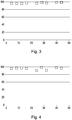
Fig. 2 bis Fig. 7 sind auf der y-Achse jeweils der Rückhalt der jeweiligen Substanz in % und auf der x-Achse die Dauer der Filtration in Stunden angegeben. -
Fig. 2 zeigt den Ligninrückhalt. -
Fig. 3 zeigt den Gesamtfeststoffrückhalt. -
Fig. 4 zeigt den Ascherückhalt. -
Fig. 5 zeigt den Acetatrückhalt. -
Fig. 6 zeigt den Coumarsäurerückhalt. -
Fig. 7 zeigt den Ferulasäurerückhalt.
Claims (5)
- Verfahren zur Aufarbeitung einer wässerigen, alkalisch-alkoholischen Lignin-enthaltenden Lösung, wobei der pH-Wert der aufzuarbeitenden Lösung 10-14, bevorzugt 11-13 beträgt und der Ethanolgehalt der aufzuarbeitenden Lösung 40 bis 70%, bevorzugt 60% ist, mittels Nanofiltration, dadurch gekennzeichnet, daß zur Nanofiltration eine Filtrationsmembran aus Polyamid oder eine Trennschicht aus Polyamid verwendet wird ,wobei ein Permeat und ein Retentat erhalten werden, welches Permeat eine an Lignin abgereicherte, wässerige Lösung und welches Retentat eine an Lignin angereicherte, wässerige Lösung ist.
- Verfahren nach Anspruch 1, wobei die Temperatur der aufzuarbeitenden Lösung 20-70°C, bevorzugt 30-60°C, besonders bevorzugt 40-50°C beträgt.
- Verfahren nach einem der Ansprüche 1 oder 2, wobei die aufzuarbeitende Lösung beim Aufschluß von Lignocellulose gewonnen wurde, welche zur Erhöhung der Konzentration der aus der Lignocellulose extrahierten Stoffe durch ein- oder mehrmalige Rezyklierung der aufzuarbeitenden Lösung auf unbehandeltes Ausgangssubstrat aufkonzentriert wurde.
- Verfahren nach den Ansprüchen 1 bis 3, wobei die aufzuarbeitende Lösung zur Erhöhung der Konzentration der aus der Lignocellulose extrahierten Stoffe durch Ultrafiltration der aufzuarbeitenden Lösung aufkonzentriert wurde.
- Verfahren nach den Ansprüchen 1 bis 4, wobei die Nanofiltrationsmembran aus Polyamid besteht oder eine Trennschicht aus Polyamid besitzt und folgende Substanzen im Retentat zu folgenden % der in der Aufschlusslösung vorhandenen Mengen aufkonzentriert werden:
Gesamtfeststoff (total solids): 95% - 100% Lignin: 95% - 100% Ferulasäure: 95% - 100% Coumarsäure: 95% - 100% Acetat: 80% - 100% Asche: 80% - 100%
Priority Applications (3)
| Application Number | Priority Date | Filing Date | Title |
|---|---|---|---|
| RSP20191193 RS59290B1 (sr) | 2011-11-28 | 2012-11-06 | Postupak za regeneraciju vodenog rastvora koji sadrži lignin |
| EP12783209.5A EP2785439B1 (de) | 2011-11-28 | 2012-11-06 | Verfahren zur aufarbeitung einer wässerigen, lignin-enthaltenden lösung |
| PL12783209T PL2785439T3 (pl) | 2011-11-28 | 2012-11-06 | Sposób obróbki wodnego roztworu zawierającego ligninę |
Applications Claiming Priority (3)
| Application Number | Priority Date | Filing Date | Title |
|---|---|---|---|
| EP11190966.9A EP2596852A1 (de) | 2011-11-28 | 2011-11-28 | Verfahren zur Aufarbeitung einer wässerigen, Lignin-enthaltenden Lösung mittels Nanofiltration |
| PCT/EP2012/071884 WO2013079280A1 (de) | 2011-11-28 | 2012-11-06 | Verfahren zur aufarbeitung einer wässerigen, lignin-enthaltenden lösung |
| EP12783209.5A EP2785439B1 (de) | 2011-11-28 | 2012-11-06 | Verfahren zur aufarbeitung einer wässerigen, lignin-enthaltenden lösung |
Publications (2)
| Publication Number | Publication Date |
|---|---|
| EP2785439A1 EP2785439A1 (de) | 2014-10-08 |
| EP2785439B1 true EP2785439B1 (de) | 2019-06-26 |
Family
ID=47143904
Family Applications (2)
| Application Number | Title | Priority Date | Filing Date |
|---|---|---|---|
| EP11190966.9A Withdrawn EP2596852A1 (de) | 2011-11-28 | 2011-11-28 | Verfahren zur Aufarbeitung einer wässerigen, Lignin-enthaltenden Lösung mittels Nanofiltration |
| EP12783209.5A Active EP2785439B1 (de) | 2011-11-28 | 2012-11-06 | Verfahren zur aufarbeitung einer wässerigen, lignin-enthaltenden lösung |
Family Applications Before (1)
| Application Number | Title | Priority Date | Filing Date |
|---|---|---|---|
| EP11190966.9A Withdrawn EP2596852A1 (de) | 2011-11-28 | 2011-11-28 | Verfahren zur Aufarbeitung einer wässerigen, Lignin-enthaltenden Lösung mittels Nanofiltration |
Country Status (12)
| Country | Link |
|---|---|
| US (1) | US9714264B2 (de) |
| EP (2) | EP2596852A1 (de) |
| JP (1) | JP2015504363A (de) |
| CN (1) | CN104053492A (de) |
| AR (1) | AR088859A1 (de) |
| AU (1) | AU2012344207B2 (de) |
| CA (1) | CA2855562A1 (de) |
| DK (1) | DK2785439T3 (de) |
| HU (1) | HUE045372T2 (de) |
| PL (1) | PL2785439T3 (de) |
| RS (1) | RS59290B1 (de) |
| WO (1) | WO2013079280A1 (de) |
Families Citing this family (11)
| Publication number | Priority date | Publication date | Assignee | Title |
|---|---|---|---|---|
| FI127816B (en) * | 2012-06-06 | 2019-03-15 | Upm Kymmene Corp | A method for fractionating lignin |
| CN105771695B (zh) * | 2016-04-13 | 2018-09-21 | 南京工业大学 | 一种表面改性提高聚酰胺反渗透膜性能的方法 |
| AT519535A1 (de) * | 2016-12-23 | 2018-07-15 | Univ Wien Tech | Herstellungsverfahren |
| CN106669439B (zh) * | 2016-12-28 | 2019-04-16 | 前沿新材料研究院(深圳)有限公司 | 抗生物污染的反渗透膜及其制备方法 |
| WO2018161164A1 (en) * | 2017-03-09 | 2018-09-13 | Fpinnovations | Process for producing cationic lignin copolymer under aqueous acid conditions |
| US11033867B2 (en) * | 2017-09-27 | 2021-06-15 | Sustainable Fiber Technologies, LLC | Aqueous lignin and hemicellulose dispersion |
| US11066588B2 (en) | 2017-11-21 | 2021-07-20 | Sustainable Fiber Technologies, LLC | Deicing composition comprising lignocellulosic byproducts |
| US11091697B2 (en) | 2017-11-29 | 2021-08-17 | Sustainable Fiber Technologies, LLC | Dust suppressant and soil stabilization composition comprising lignocellulosic byproducts |
| CN109134884A (zh) * | 2018-07-27 | 2019-01-04 | 上海洁晟环保科技有限公司 | 一种提取造纸黑液中木质素的系统及方法 |
| CN111661967A (zh) * | 2020-05-21 | 2020-09-15 | 莱特莱德(北京)环境技术股份有限公司 | 利用双膜法回收粘胶纤维生产压榨废液中碱的系统及方法 |
| US11572474B2 (en) | 2020-05-22 | 2023-02-07 | Sustainable Fiber Technologies, LLC | Compositions comprising lignocellulosic byproducts for tire ballasts and associated methods |
Family Cites Families (20)
| Publication number | Priority date | Publication date | Assignee | Title |
|---|---|---|---|---|
| US4395543A (en) | 1981-08-12 | 1983-07-26 | Massachusetts Institute Of Technology | Selective solvent extraction of cellulosic material |
| WO1993015261A1 (en) | 1992-01-29 | 1993-08-05 | Allcell Technologies Inc. | Pulping of fibrous plant materials and recovery of resultant by-products |
| DE69734205T2 (de) * | 1996-10-10 | 2006-07-06 | Neose Technologies, Inc. | Reinigung von kohlenhydraten mittels umkehrosmose und nanofiltration |
| FI111960B (fi) | 2000-12-28 | 2003-10-15 | Danisco Sweeteners Oy | Erotusmenetelmä |
| EP1366198B1 (de) | 2000-12-28 | 2012-02-08 | Danisco A/S | Trennverfahren |
| US6767565B2 (en) * | 2001-03-22 | 2004-07-27 | Archer Daniels Midland Company | Process for obtaining lignan |
| US7812153B2 (en) * | 2004-03-11 | 2010-10-12 | Rayonier Products And Financial Services Company | Process for manufacturing high purity xylose |
| US20060016751A1 (en) | 2004-07-23 | 2006-01-26 | Rayonier Products And Financial Services Company | Method of concentrating pulp mill extracts |
| FI120590B (fi) | 2005-10-28 | 2009-12-15 | Danisco Sweeteners Oy | Erotusmenetelmä |
| EP2193138A4 (de) * | 2007-08-31 | 2010-11-17 | Biojoule Ltd | Lignin und andere aus pflanzenmaterial isolierte produkte und verfahren und zusammensetzungen davon |
| BRPI0917617B8 (pt) * | 2008-12-09 | 2018-09-25 | Toray Industries | método para produzir açúcar líquido e método para produzir um produto químico |
| CN101812813A (zh) * | 2010-04-07 | 2010-08-25 | 中南大学 | 一种造纸黑液酸析废液膜处理方法及其装置 |
| CN101899488A (zh) * | 2010-07-09 | 2010-12-01 | 中国科学院过程工程研究所 | 一种木质纤维素酶水解与膜分离耦合生产高浓度还原糖的方法 |
| CN101942068B (zh) * | 2010-08-27 | 2012-09-05 | 安徽格义清洁能源技术有限公司 | 一种木质素酚醛树脂的制备方法 |
| AT510346A1 (de) * | 2010-09-02 | 2012-03-15 | Annikki Gmbh | Ligningewinnung |
| AT510812A1 (de) * | 2010-10-29 | 2012-06-15 | Annikki Gmbh | Verfahren zur gewinnung von lignin |
| US20140308712A1 (en) * | 2010-12-09 | 2014-10-16 | Toray Industries, Inc. | Method for producing concentrated aqueous sugar solution |
| CN102174593A (zh) * | 2011-03-08 | 2011-09-07 | 中国科学院过程工程研究所 | 一种木质纤维素发酵与膜分离耦合生产高浓度乙醇的工艺 |
| AU2012233630B2 (en) * | 2011-03-29 | 2016-06-09 | Toray Industries, Inc. | Method for manufacturing sugar solution |
| FI127816B (en) * | 2012-06-06 | 2019-03-15 | Upm Kymmene Corp | A method for fractionating lignin |
-
2011
- 2011-11-28 EP EP11190966.9A patent/EP2596852A1/de not_active Withdrawn
-
2012
- 2012-11-06 DK DK12783209.5T patent/DK2785439T3/da active
- 2012-11-06 CN CN201280058647.9A patent/CN104053492A/zh active Pending
- 2012-11-06 PL PL12783209T patent/PL2785439T3/pl unknown
- 2012-11-06 EP EP12783209.5A patent/EP2785439B1/de active Active
- 2012-11-06 JP JP2014542755A patent/JP2015504363A/ja active Pending
- 2012-11-06 WO PCT/EP2012/071884 patent/WO2013079280A1/de not_active Ceased
- 2012-11-06 CA CA2855562A patent/CA2855562A1/en not_active Abandoned
- 2012-11-06 US US14/358,590 patent/US9714264B2/en not_active Expired - Fee Related
- 2012-11-06 AU AU2012344207A patent/AU2012344207B2/en not_active Ceased
- 2012-11-06 HU HUE12783209A patent/HUE045372T2/hu unknown
- 2012-11-06 RS RSP20191193 patent/RS59290B1/sr unknown
- 2012-11-13 AR ARP120104279A patent/AR088859A1/es unknown
Non-Patent Citations (1)
| Title |
|---|
| None * |
Also Published As
| Publication number | Publication date |
|---|---|
| AU2012344207B2 (en) | 2017-10-26 |
| JP2015504363A (ja) | 2015-02-12 |
| EP2785439A1 (de) | 2014-10-08 |
| DK2785439T3 (da) | 2019-09-30 |
| US9714264B2 (en) | 2017-07-25 |
| AU2012344207A1 (en) | 2014-06-19 |
| RS59290B1 (sr) | 2019-10-31 |
| PL2785439T3 (pl) | 2019-12-31 |
| AR088859A1 (es) | 2014-07-10 |
| CA2855562A1 (en) | 2013-06-06 |
| HUE045372T2 (hu) | 2019-12-30 |
| US20140329999A1 (en) | 2014-11-06 |
| WO2013079280A1 (de) | 2013-06-06 |
| CN104053492A (zh) | 2014-09-17 |
| EP2596852A1 (de) | 2013-05-29 |
Similar Documents
| Publication | Publication Date | Title |
|---|---|---|
| EP2785439A1 (de) | Verfahren zur aufarbeitung einer wässerigen, lignin-enthaltenden lösung | |
| EP2632930B1 (de) | Verfahren zur gewinnung von lignin | |
| AU2012344020B2 (en) | Process for obtaining low molecular weight lignin (LML) | |
| Weinwurm et al. | Lignin concentration and fractionation from ethanol organosolv liquors by ultra-and nanofiltration | |
| DE2243953A1 (de) | Membran fuer eine vorrichtung zur ultrafiltration | |
| WO2012062353A1 (de) | Verfahren zur nutzung von bei der erzeugung lignozellulosischer faserstoffe anfallendem abwasser | |
| EP3484846B1 (de) | Verfahren zur katalytischen erzeugung von ameisensäure und regeneration des dabei eingesetzten katalysators bei geringem überdruck | |
| DE102009037946A1 (de) | Verfahren zur Nutzung von bei der Erzeugung lignozellulosischer Faserstoffe anfallendem Abwasser | |
| DE2845797A1 (de) | Anisotrope, synthetische membran und verfahren zu ihrer herstellung | |
| DE2331972A1 (de) | Verfahren zum fraktionieren einer sulfitablauge | |
| EP2763951B1 (de) | Verfahren zur gewinnung von acetat aus lignocellulose | |
| DE3822628A1 (de) | Verfahren zur behandlung von lignin zur gewinnung von aldehyden und/oder phenolsaeuren | |
| EP3466890A1 (de) | Verfahren zur aufbereitung von abwasser aus der milchindustrie | |
| Ebrahimi et al. | Keramische Membrantechnologie für die Verfügbarmachung biogener Stoffströme. | |
| DE4437869B4 (de) | Tensidhaltige Membranen für die Pervaporation, Verfahren zu ihrer Herstellung und Verwendung einer tensidhaltigen Membran | |
| WO1997023279A1 (de) | Verfahren zur reinigung einer mit fadenmolekülen verschmutzten flüssigkeit | |
| Ebrahimi et al. | Ceramic membrane technology for the availability of biogenic material streams | |
| CH687393A5 (de) | Kochchemikalienrueckgewinnungsverfahren aus der Schwarzlauge der Zellstoffherstellung. | |
| EP1809574A2 (de) | Verfahren zur herstellung von natriumdithionit | |
| AT521525B1 (de) | Verfahren zur Regeneration eines Harzes zur Entfärbung eines Biomassezustroms und verwandte Systeme | |
| DE102021106727A1 (de) | Verfahren zur fraktionierenden Auftrennung von Lignin | |
| Gomes et al. | Lignin valorization: Concentration of model phenolic compounds by nanofiltration | |
| Nitzsche | Adsorption and Membrane Filtration for the Separation and Valorization of Hemicellulose from Organosolv Beechwood Hydrolyzates | |
| DD266585A1 (de) | Verfahren zur gewinnung von hefesahne aus verhefter wuerze |
Legal Events
| Date | Code | Title | Description |
|---|---|---|---|
| PUAI | Public reference made under article 153(3) epc to a published international application that has entered the european phase |
Free format text: ORIGINAL CODE: 0009012 |
|
| 17P | Request for examination filed |
Effective date: 20140425 |
|
| AK | Designated contracting states |
Kind code of ref document: A1 Designated state(s): AL AT BE BG CH CY CZ DE DK EE ES FI FR GB GR HR HU IE IS IT LI LT LU LV MC MK MT NL NO PL PT RO RS SE SI SK SM TR |
|
| RIN1 | Information on inventor provided before grant (corrected) |
Inventor name: TERS, THOMAS Inventor name: FRIEDL, ANTON Inventor name: FUQAHA, ABDEL HALIM Inventor name: WEINWURM, FELIX |
|
| DAX | Request for extension of the european patent (deleted) | ||
| STAA | Information on the status of an ep patent application or granted ep patent |
Free format text: STATUS: EXAMINATION IS IN PROGRESS |
|
| 17Q | First examination report despatched |
Effective date: 20180725 |
|
| REG | Reference to a national code |
Ref country code: DE Ref legal event code: R079 Ref document number: 502012014983 Country of ref document: DE Free format text: PREVIOUS MAIN CLASS: B01D0061580000 Ipc: B01D0061020000 |
|
| RIC1 | Information provided on ipc code assigned before grant |
Ipc: B01D 61/02 20060101AFI20181219BHEP Ipc: C07G 1/00 20110101ALI20181219BHEP |
|
| GRAP | Despatch of communication of intention to grant a patent |
Free format text: ORIGINAL CODE: EPIDOSNIGR1 |
|
| STAA | Information on the status of an ep patent application or granted ep patent |
Free format text: STATUS: GRANT OF PATENT IS INTENDED |
|
| INTG | Intention to grant announced |
Effective date: 20190129 |
|
| GRAS | Grant fee paid |
Free format text: ORIGINAL CODE: EPIDOSNIGR3 |
|
| GRAA | (expected) grant |
Free format text: ORIGINAL CODE: 0009210 |
|
| STAA | Information on the status of an ep patent application or granted ep patent |
Free format text: STATUS: THE PATENT HAS BEEN GRANTED |
|
| RAP1 | Party data changed (applicant data changed or rights of an application transferred) |
Owner name: ANNIKKI GMBH |
|
| AK | Designated contracting states |
Kind code of ref document: B1 Designated state(s): AL AT BE BG CH CY CZ DE DK EE ES FI FR GB GR HR HU IE IS IT LI LT LU LV MC MK MT NL NO PL PT RO RS SE SI SK SM TR |
|
| REG | Reference to a national code |
Ref country code: GB Ref legal event code: FG4D Free format text: NOT ENGLISH |
|
| REG | Reference to a national code |
Ref country code: CH Ref legal event code: EP |
|
| REG | Reference to a national code |
Ref country code: AT Ref legal event code: REF Ref document number: 1147659 Country of ref document: AT Kind code of ref document: T Effective date: 20190715 |
|
| REG | Reference to a national code |
Ref country code: DE Ref legal event code: R096 Ref document number: 502012014983 Country of ref document: DE |
|
| REG | Reference to a national code |
Ref country code: IE Ref legal event code: FG4D Free format text: LANGUAGE OF EP DOCUMENT: GERMAN |
|
| REG | Reference to a national code |
Ref country code: RO Ref legal event code: EPE |
|
| REG | Reference to a national code |
Ref country code: NL Ref legal event code: FP |
|
| REG | Reference to a national code |
Ref country code: CH Ref legal event code: NV Representative=s name: SCHMAUDER AND PARTNER AG PATENT- UND MARKENANW, CH Ref country code: DK Ref legal event code: T3 Effective date: 20190927 |
|
| PG25 | Lapsed in a contracting state [announced via postgrant information from national office to epo] |
Ref country code: SE Free format text: LAPSE BECAUSE OF FAILURE TO SUBMIT A TRANSLATION OF THE DESCRIPTION OR TO PAY THE FEE WITHIN THE PRESCRIBED TIME-LIMIT Effective date: 20190626 Ref country code: HR Free format text: LAPSE BECAUSE OF FAILURE TO SUBMIT A TRANSLATION OF THE DESCRIPTION OR TO PAY THE FEE WITHIN THE PRESCRIBED TIME-LIMIT Effective date: 20190626 Ref country code: LT Free format text: LAPSE BECAUSE OF FAILURE TO SUBMIT A TRANSLATION OF THE DESCRIPTION OR TO PAY THE FEE WITHIN THE PRESCRIBED TIME-LIMIT Effective date: 20190626 Ref country code: NO Free format text: LAPSE BECAUSE OF FAILURE TO SUBMIT A TRANSLATION OF THE DESCRIPTION OR TO PAY THE FEE WITHIN THE PRESCRIBED TIME-LIMIT Effective date: 20190926 Ref country code: AL Free format text: LAPSE BECAUSE OF FAILURE TO SUBMIT A TRANSLATION OF THE DESCRIPTION OR TO PAY THE FEE WITHIN THE PRESCRIBED TIME-LIMIT Effective date: 20190626 Ref country code: FI Free format text: LAPSE BECAUSE OF FAILURE TO SUBMIT A TRANSLATION OF THE DESCRIPTION OR TO PAY THE FEE WITHIN THE PRESCRIBED TIME-LIMIT Effective date: 20190626 |
|
| REG | Reference to a national code |
Ref country code: LT Ref legal event code: MG4D |
|
| REG | Reference to a national code |
Ref country code: EE Ref legal event code: FG4A Ref document number: E018089 Country of ref document: EE Effective date: 20190924 |
|
| PG25 | Lapsed in a contracting state [announced via postgrant information from national office to epo] |
Ref country code: LV Free format text: LAPSE BECAUSE OF FAILURE TO SUBMIT A TRANSLATION OF THE DESCRIPTION OR TO PAY THE FEE WITHIN THE PRESCRIBED TIME-LIMIT Effective date: 20190626 Ref country code: GR Free format text: LAPSE BECAUSE OF FAILURE TO SUBMIT A TRANSLATION OF THE DESCRIPTION OR TO PAY THE FEE WITHIN THE PRESCRIBED TIME-LIMIT Effective date: 20190927 |
|
| REG | Reference to a national code |
Ref country code: HU Ref legal event code: AG4A Ref document number: E045372 Country of ref document: HU |
|
| PG25 | Lapsed in a contracting state [announced via postgrant information from national office to epo] |
Ref country code: PT Free format text: LAPSE BECAUSE OF FAILURE TO SUBMIT A TRANSLATION OF THE DESCRIPTION OR TO PAY THE FEE WITHIN THE PRESCRIBED TIME-LIMIT Effective date: 20191028 Ref country code: SK Free format text: LAPSE BECAUSE OF FAILURE TO SUBMIT A TRANSLATION OF THE DESCRIPTION OR TO PAY THE FEE WITHIN THE PRESCRIBED TIME-LIMIT Effective date: 20190626 |
|
| PG25 | Lapsed in a contracting state [announced via postgrant information from national office to epo] |
Ref country code: IS Free format text: LAPSE BECAUSE OF FAILURE TO SUBMIT A TRANSLATION OF THE DESCRIPTION OR TO PAY THE FEE WITHIN THE PRESCRIBED TIME-LIMIT Effective date: 20191026 Ref country code: ES Free format text: LAPSE BECAUSE OF FAILURE TO SUBMIT A TRANSLATION OF THE DESCRIPTION OR TO PAY THE FEE WITHIN THE PRESCRIBED TIME-LIMIT Effective date: 20190626 Ref country code: SM Free format text: LAPSE BECAUSE OF FAILURE TO SUBMIT A TRANSLATION OF THE DESCRIPTION OR TO PAY THE FEE WITHIN THE PRESCRIBED TIME-LIMIT Effective date: 20190626 |
|
| PG25 | Lapsed in a contracting state [announced via postgrant information from national office to epo] |
Ref country code: IS Free format text: LAPSE BECAUSE OF FAILURE TO SUBMIT A TRANSLATION OF THE DESCRIPTION OR TO PAY THE FEE WITHIN THE PRESCRIBED TIME-LIMIT Effective date: 20200224 |
|
| REG | Reference to a national code |
Ref country code: DE Ref legal event code: R097 Ref document number: 502012014983 Country of ref document: DE |
|
| PLBE | No opposition filed within time limit |
Free format text: ORIGINAL CODE: 0009261 |
|
| STAA | Information on the status of an ep patent application or granted ep patent |
Free format text: STATUS: NO OPPOSITION FILED WITHIN TIME LIMIT |
|
| PG2D | Information on lapse in contracting state deleted |
Ref country code: IS |
|
| PG25 | Lapsed in a contracting state [announced via postgrant information from national office to epo] |
Ref country code: LU Free format text: LAPSE BECAUSE OF NON-PAYMENT OF DUE FEES Effective date: 20191106 Ref country code: MC Free format text: LAPSE BECAUSE OF FAILURE TO SUBMIT A TRANSLATION OF THE DESCRIPTION OR TO PAY THE FEE WITHIN THE PRESCRIBED TIME-LIMIT Effective date: 20190626 |
|
| 26N | No opposition filed |
Effective date: 20200603 |
|
| PG25 | Lapsed in a contracting state [announced via postgrant information from national office to epo] |
Ref country code: SI Free format text: LAPSE BECAUSE OF FAILURE TO SUBMIT A TRANSLATION OF THE DESCRIPTION OR TO PAY THE FEE WITHIN THE PRESCRIBED TIME-LIMIT Effective date: 20190626 |
|
| PG25 | Lapsed in a contracting state [announced via postgrant information from national office to epo] |
Ref country code: IE Free format text: LAPSE BECAUSE OF NON-PAYMENT OF DUE FEES Effective date: 20191106 |
|
| PG25 | Lapsed in a contracting state [announced via postgrant information from national office to epo] |
Ref country code: CY Free format text: LAPSE BECAUSE OF FAILURE TO SUBMIT A TRANSLATION OF THE DESCRIPTION OR TO PAY THE FEE WITHIN THE PRESCRIBED TIME-LIMIT Effective date: 20190626 |
|
| PG25 | Lapsed in a contracting state [announced via postgrant information from national office to epo] |
Ref country code: MT Free format text: LAPSE BECAUSE OF FAILURE TO SUBMIT A TRANSLATION OF THE DESCRIPTION OR TO PAY THE FEE WITHIN THE PRESCRIBED TIME-LIMIT Effective date: 20190626 |
|
| PG25 | Lapsed in a contracting state [announced via postgrant information from national office to epo] |
Ref country code: MK Free format text: LAPSE BECAUSE OF FAILURE TO SUBMIT A TRANSLATION OF THE DESCRIPTION OR TO PAY THE FEE WITHIN THE PRESCRIBED TIME-LIMIT Effective date: 20190626 |
|
| PGFP | Annual fee paid to national office [announced via postgrant information from national office to epo] |
Ref country code: TR Payment date: 20221101 Year of fee payment: 11 Ref country code: RS Payment date: 20221026 Year of fee payment: 11 Ref country code: RO Payment date: 20221101 Year of fee payment: 11 Ref country code: NL Payment date: 20221118 Year of fee payment: 11 Ref country code: IT Payment date: 20221130 Year of fee payment: 11 Ref country code: GB Payment date: 20221123 Year of fee payment: 11 Ref country code: FR Payment date: 20221118 Year of fee payment: 11 Ref country code: EE Payment date: 20221117 Year of fee payment: 11 Ref country code: DK Payment date: 20221122 Year of fee payment: 11 Ref country code: DE Payment date: 20221121 Year of fee payment: 11 Ref country code: CZ Payment date: 20221026 Year of fee payment: 11 Ref country code: BG Payment date: 20221117 Year of fee payment: 11 Ref country code: AT Payment date: 20221128 Year of fee payment: 11 |
|
| PGFP | Annual fee paid to national office [announced via postgrant information from national office to epo] |
Ref country code: PL Payment date: 20221104 Year of fee payment: 11 Ref country code: HU Payment date: 20221101 Year of fee payment: 11 Ref country code: CH Payment date: 20221124 Year of fee payment: 11 Ref country code: BE Payment date: 20221118 Year of fee payment: 11 |
|
| REG | Reference to a national code |
Ref country code: DE Ref legal event code: R119 Ref document number: 502012014983 Country of ref document: DE |
|
| REG | Reference to a national code |
Ref country code: EE Ref legal event code: MM4A Ref document number: E018089 Country of ref document: EE Effective date: 20231130 |
|
| REG | Reference to a national code |
Ref country code: DK Ref legal event code: EBP Effective date: 20231130 |
|
| REG | Reference to a national code |
Ref country code: CH Ref legal event code: PL |
|
| REG | Reference to a national code |
Ref country code: NL Ref legal event code: MM Effective date: 20231201 |
|
| REG | Reference to a national code |
Ref country code: AT Ref legal event code: MM01 Ref document number: 1147659 Country of ref document: AT Kind code of ref document: T Effective date: 20231106 |
|
| PG25 | Lapsed in a contracting state [announced via postgrant information from national office to epo] |
Ref country code: CH Free format text: LAPSE BECAUSE OF NON-PAYMENT OF DUE FEES Effective date: 20231130 Ref country code: RS Free format text: LAPSE BECAUSE OF NON-PAYMENT OF DUE FEES Effective date: 20231106 |
|
| PG25 | Lapsed in a contracting state [announced via postgrant information from national office to epo] |
Ref country code: CZ Free format text: LAPSE BECAUSE OF NON-PAYMENT OF DUE FEES Effective date: 20231106 Ref country code: AT Free format text: LAPSE BECAUSE OF NON-PAYMENT OF DUE FEES Effective date: 20231106 |
|
| GBPC | Gb: european patent ceased through non-payment of renewal fee |
Effective date: 20231106 |
|
| PG25 | Lapsed in a contracting state [announced via postgrant information from national office to epo] |
Ref country code: RS Free format text: LAPSE BECAUSE OF NON-PAYMENT OF DUE FEES Effective date: 20231106 Ref country code: RO Free format text: LAPSE BECAUSE OF NON-PAYMENT OF DUE FEES Effective date: 20231106 Ref country code: EE Free format text: LAPSE BECAUSE OF NON-PAYMENT OF DUE FEES Effective date: 20231130 Ref country code: CZ Free format text: LAPSE BECAUSE OF NON-PAYMENT OF DUE FEES Effective date: 20231106 Ref country code: CH Free format text: LAPSE BECAUSE OF NON-PAYMENT OF DUE FEES Effective date: 20231130 Ref country code: BG Free format text: LAPSE BECAUSE OF NON-PAYMENT OF DUE FEES Effective date: 20231106 Ref country code: AT Free format text: LAPSE BECAUSE OF NON-PAYMENT OF DUE FEES Effective date: 20231106 |
|
| REG | Reference to a national code |
Ref country code: BE Ref legal event code: MM Effective date: 20231130 |
|
| PG25 | Lapsed in a contracting state [announced via postgrant information from national office to epo] |
Ref country code: HU Free format text: LAPSE BECAUSE OF NON-PAYMENT OF DUE FEES Effective date: 20231107 |
|
| PG25 | Lapsed in a contracting state [announced via postgrant information from national office to epo] |
Ref country code: NL Free format text: LAPSE BECAUSE OF NON-PAYMENT OF DUE FEES Effective date: 20231201 |
|
| PG25 | Lapsed in a contracting state [announced via postgrant information from national office to epo] |
Ref country code: NL Free format text: LAPSE BECAUSE OF NON-PAYMENT OF DUE FEES Effective date: 20231201 |
|
| PG25 | Lapsed in a contracting state [announced via postgrant information from national office to epo] |
Ref country code: DE Free format text: LAPSE BECAUSE OF NON-PAYMENT OF DUE FEES Effective date: 20240601 |
|
| PG25 | Lapsed in a contracting state [announced via postgrant information from national office to epo] |
Ref country code: DK Free format text: LAPSE BECAUSE OF NON-PAYMENT OF DUE FEES Effective date: 20231130 |
|
| PG25 | Lapsed in a contracting state [announced via postgrant information from national office to epo] |
Ref country code: GB Free format text: LAPSE BECAUSE OF NON-PAYMENT OF DUE FEES Effective date: 20231106 |
|
| PG25 | Lapsed in a contracting state [announced via postgrant information from national office to epo] |
Ref country code: BE Free format text: LAPSE BECAUSE OF NON-PAYMENT OF DUE FEES Effective date: 20231130 |
|
| PG25 | Lapsed in a contracting state [announced via postgrant information from national office to epo] |
Ref country code: FR Free format text: LAPSE BECAUSE OF NON-PAYMENT OF DUE FEES Effective date: 20231130 |
|
| PG25 | Lapsed in a contracting state [announced via postgrant information from national office to epo] |
Ref country code: GB Free format text: LAPSE BECAUSE OF NON-PAYMENT OF DUE FEES Effective date: 20231106 Ref country code: FR Free format text: LAPSE BECAUSE OF NON-PAYMENT OF DUE FEES Effective date: 20231130 Ref country code: DK Free format text: LAPSE BECAUSE OF NON-PAYMENT OF DUE FEES Effective date: 20231130 Ref country code: DE Free format text: LAPSE BECAUSE OF NON-PAYMENT OF DUE FEES Effective date: 20240601 Ref country code: BE Free format text: LAPSE BECAUSE OF NON-PAYMENT OF DUE FEES Effective date: 20231130 |
|
| PG25 | Lapsed in a contracting state [announced via postgrant information from national office to epo] |
Ref country code: IT Free format text: LAPSE BECAUSE OF NON-PAYMENT OF DUE FEES Effective date: 20231106 |
|
| PG25 | Lapsed in a contracting state [announced via postgrant information from national office to epo] |
Ref country code: IT Free format text: LAPSE BECAUSE OF NON-PAYMENT OF DUE FEES Effective date: 20231106 |
|
| PG25 | Lapsed in a contracting state [announced via postgrant information from national office to epo] |
Ref country code: PL Free format text: LAPSE BECAUSE OF NON-PAYMENT OF DUE FEES Effective date: 20231106 |