EP2776462B1 - Indolealkylamino-withasteroid conjugates and method of use - Google Patents
Indolealkylamino-withasteroid conjugates and method of use Download PDFInfo
- Publication number
- EP2776462B1 EP2776462B1 EP12846938.4A EP12846938A EP2776462B1 EP 2776462 B1 EP2776462 B1 EP 2776462B1 EP 12846938 A EP12846938 A EP 12846938A EP 2776462 B1 EP2776462 B1 EP 2776462B1
- Authority
- EP
- European Patent Office
- Prior art keywords
- compound
- hydrogen
- withaferin
- extract
- formula
- Prior art date
- Legal status (The legal status is an assumption and is not a legal conclusion. Google has not performed a legal analysis and makes no representation as to the accuracy of the status listed.)
- Not-in-force
Links
- 0 C[C@@]([C@](CC1)[C@@](C)(CC2)[C@@]1[C@@](C[C@]1O[C@]11[C@@](C=C3)O)[C@]2[C@@]1(C)C3=O)[C@@](C[C@@](C)C(C)C1C*)OC1=O Chemical compound C[C@@]([C@](CC1)[C@@](C)(CC2)[C@@]1[C@@](C[C@]1O[C@]11[C@@](C=C3)O)[C@]2[C@@]1(C)C3=O)[C@@](C[C@@](C)C(C)C1C*)OC1=O 0.000 description 4
Images

Classifications
-
- A—HUMAN NECESSITIES
- A61—MEDICAL OR VETERINARY SCIENCE; HYGIENE
- A61K—PREPARATIONS FOR MEDICAL, DENTAL OR TOILETRY PURPOSES
- A61K36/00—Medicinal preparations of undetermined constitution containing material from algae, lichens, fungi or plants, or derivatives thereof, e.g. traditional herbal medicines
- A61K36/18—Magnoliophyta (angiosperms)
- A61K36/185—Magnoliopsida (dicotyledons)
- A61K36/38—Clusiaceae, Hypericaceae or Guttiferae (Hypericum or Mangosteen family), e.g. common St. Johnswort
-
- A—HUMAN NECESSITIES
- A61—MEDICAL OR VETERINARY SCIENCE; HYGIENE
- A61K—PREPARATIONS FOR MEDICAL, DENTAL OR TOILETRY PURPOSES
- A61K31/00—Medicinal preparations containing organic active ingredients
- A61K31/56—Compounds containing cyclopenta[a]hydrophenanthrene ring systems; Derivatives thereof, e.g. steroids
- A61K31/58—Compounds containing cyclopenta[a]hydrophenanthrene ring systems; Derivatives thereof, e.g. steroids containing heterocyclic rings, e.g. danazol, stanozolol, pancuronium or digitogenin
- A61K31/585—Compounds containing cyclopenta[a]hydrophenanthrene ring systems; Derivatives thereof, e.g. steroids containing heterocyclic rings, e.g. danazol, stanozolol, pancuronium or digitogenin containing lactone rings, e.g. oxandrolone, bufalin
-
- A—HUMAN NECESSITIES
- A61—MEDICAL OR VETERINARY SCIENCE; HYGIENE
- A61K—PREPARATIONS FOR MEDICAL, DENTAL OR TOILETRY PURPOSES
- A61K47/00—Medicinal preparations characterised by the non-active ingredients used, e.g. carriers or inert additives; Targeting or modifying agents chemically bound to the active ingredient
- A61K47/50—Medicinal preparations characterised by the non-active ingredients used, e.g. carriers or inert additives; Targeting or modifying agents chemically bound to the active ingredient the non-active ingredient being chemically bound to the active ingredient, e.g. polymer-drug conjugates
- A61K47/51—Medicinal preparations characterised by the non-active ingredients used, e.g. carriers or inert additives; Targeting or modifying agents chemically bound to the active ingredient the non-active ingredient being chemically bound to the active ingredient, e.g. polymer-drug conjugates the non-active ingredient being a modifying agent
- A61K47/54—Medicinal preparations characterised by the non-active ingredients used, e.g. carriers or inert additives; Targeting or modifying agents chemically bound to the active ingredient the non-active ingredient being chemically bound to the active ingredient, e.g. polymer-drug conjugates the non-active ingredient being a modifying agent the modifying agent being an organic compound
- A61K47/541—Organic ions forming an ion pair complex with the pharmacologically or therapeutically active agent
-
- A—HUMAN NECESSITIES
- A61—MEDICAL OR VETERINARY SCIENCE; HYGIENE
- A61K—PREPARATIONS FOR MEDICAL, DENTAL OR TOILETRY PURPOSES
- A61K47/00—Medicinal preparations characterised by the non-active ingredients used, e.g. carriers or inert additives; Targeting or modifying agents chemically bound to the active ingredient
- A61K47/50—Medicinal preparations characterised by the non-active ingredients used, e.g. carriers or inert additives; Targeting or modifying agents chemically bound to the active ingredient the non-active ingredient being chemically bound to the active ingredient, e.g. polymer-drug conjugates
- A61K47/51—Medicinal preparations characterised by the non-active ingredients used, e.g. carriers or inert additives; Targeting or modifying agents chemically bound to the active ingredient the non-active ingredient being chemically bound to the active ingredient, e.g. polymer-drug conjugates the non-active ingredient being a modifying agent
- A61K47/54—Medicinal preparations characterised by the non-active ingredients used, e.g. carriers or inert additives; Targeting or modifying agents chemically bound to the active ingredient the non-active ingredient being chemically bound to the active ingredient, e.g. polymer-drug conjugates the non-active ingredient being a modifying agent the modifying agent being an organic compound
- A61K47/545—Heterocyclic compounds
-
- A—HUMAN NECESSITIES
- A61—MEDICAL OR VETERINARY SCIENCE; HYGIENE
- A61P—SPECIFIC THERAPEUTIC ACTIVITY OF CHEMICAL COMPOUNDS OR MEDICINAL PREPARATIONS
- A61P25/00—Drugs for disorders of the nervous system
- A61P25/20—Hypnotics; Sedatives
-
- A—HUMAN NECESSITIES
- A61—MEDICAL OR VETERINARY SCIENCE; HYGIENE
- A61P—SPECIFIC THERAPEUTIC ACTIVITY OF CHEMICAL COMPOUNDS OR MEDICINAL PREPARATIONS
- A61P25/00—Drugs for disorders of the nervous system
- A61P25/22—Anxiolytics
-
- A—HUMAN NECESSITIES
- A61—MEDICAL OR VETERINARY SCIENCE; HYGIENE
- A61P—SPECIFIC THERAPEUTIC ACTIVITY OF CHEMICAL COMPOUNDS OR MEDICINAL PREPARATIONS
- A61P25/00—Drugs for disorders of the nervous system
- A61P25/24—Antidepressants
-
- A—HUMAN NECESSITIES
- A61—MEDICAL OR VETERINARY SCIENCE; HYGIENE
- A61P—SPECIFIC THERAPEUTIC ACTIVITY OF CHEMICAL COMPOUNDS OR MEDICINAL PREPARATIONS
- A61P25/00—Drugs for disorders of the nervous system
- A61P25/28—Drugs for disorders of the nervous system for treating neurodegenerative disorders of the central nervous system, e.g. nootropic agents, cognition enhancers, drugs for treating Alzheimer's disease or other forms of dementia
-
- A—HUMAN NECESSITIES
- A61—MEDICAL OR VETERINARY SCIENCE; HYGIENE
- A61P—SPECIFIC THERAPEUTIC ACTIVITY OF CHEMICAL COMPOUNDS OR MEDICINAL PREPARATIONS
- A61P43/00—Drugs for specific purposes, not provided for in groups A61P1/00-A61P41/00
-
- C—CHEMISTRY; METALLURGY
- C07—ORGANIC CHEMISTRY
- C07J—STEROIDS
- C07J71/00—Steroids in which the cyclopenta(a)hydrophenanthrene skeleton is condensed with a heterocyclic ring
- C07J71/0005—Oxygen-containing hetero ring
- C07J71/001—Oxiranes
Definitions
- the present invention relates to a group of indolealkylamino-withasteroid conjugates, isolated from Withania somnifera and purified. This invention further relates to said compounds for use in the treatment-of dementia and dementia-related disorders, such as Alzheimer's disease, and anxiety and depressive disorders in a patient.
- WS has a profile of activity that is consonant with putative anti-stress and antioxidant activity.
- WS or its major active principles, have anti-inflammatory activity, antitumor and radio-sensitizing actions and have annulled cyclophosphamide toxicity.
- the active principles of WS comprising sitoindosides VII-X and withaferin-A, have been shown to have significant antistress activity against acute and chronic models of experimental stress, immunomodulatory actions, inhibition of cognitive deficits in animal models of Alzheimer's disease, antioxidant activity in rat brain areas, and anxiolytic-antidepressant action in rats ( S.K.
- Acetylcholinesterase inhibitors are an important class of compounds which are indicated for the management of mild to moderate Alzheimer's dementia. Alzheimer's disease is associated with significant losses in cholinergic neurons and decreased concentrations of the neurotransmitter, acetylcholine, which is significantly involved in learning and memory processes. AChEIs exert pharmacologic effects by increasing availability of intrasynaptic acetylcholine in the presence of intact cholinergic neurons. There are a few synthetic medicines, e.g., Tacrine, Donepezil, Galantamine, and the natural product-based Rivastigmine that are currently being used for treatment of cognitive dysfunction and memory loss associated with Alzheimer's disease.
- WS was shown to possess learning and memory improvement activity in various animal models by different investigators.
- the syndrome was induced by ibotenic acid lesioning of the nucleus basalis magnocellularis (NBM) in rats.
- NBM nucleus basalis magnocellularis
- WS significantly reversed both ibotenic acid-induced cognitive deficits and the reduction in cholinergic markers after 2 weeks of treatment.
- sitoindosides VII-X, and withaferin-A were isolated from aqueous methanol extract from the roots of cultivated varieties of WS to attenuate cerebral functional deficits, including amnesia, in geriatric patients.
- Systemic application of the defined extract from WS led to differential effects on AChE activity in basal forebrain nuclei; slightly enhanced AChE activity was found in the lateral septum and globus pallidus, whereas in the vertical diagonal band AChE activity was reduced following treatment with sitoindosides VII-X and withaferin-A.
- glycowithanolides from WS were compared with those elicited by the anti-anxiety drug Lorazepam and by the antidepressant, Imipramine.
- Glycowithanolides induced an anxiolytic effect, comparable to that produced by Lorazepam, in the elevated plus-maze, social interaction, and feeding latency in an unfamiliar environment tests.
- both the glycowithanolides and Lorazepam reduced rat brain levels of Tribulin, an endocoid marker of clinical anxiety, when the levels were increased following administration of the anxiogenic agent, pentylenetetrazole.
- Glycowithanolides also exhibited an antidepressant effect, comparable to that induced by Imipramine, in the forced swim-induced behavioral despair and learned helplessness tests.
- This investigation supports the use of WS as a mood stabilizer in clinical conditions of anxiety and depression in Ayurveda, and in other treatment paradigms.
- S.K. Bhattacharya, et al. "Anxiolytic-antidepressant activity of WS glycowithanolides: an experimental study," Phytomed. (2000) 7: 463-469 .
- WS root extract administration improved retention of a passive avoidance task in a step-down paradigm in mice.
- WS also reversed the scopolamine-induced disruption of acquisition and retention and attenuated the amnesia produced by acute treatment with electroconvulsive shock.
- Ashwagandha reversed the scopolamine-induced delay in transfer latency on day 1.
- Ashwagandha exhibits a nootropic-like effects in naive and amnesic mice.
- six compounds were isolated from the methanol extract of WS roots which enhanced neurite outgrowth in human neuroblastoma SH-SY5Y cells.
- CS chronic stress
- Oral administration of WS extract exerts protective effect and attenuates AChE inhibition and cognitive impairment caused by sub-chronic exposure to Propoxur, which blocks the production and action of acetylcholinesterase.
- Propoxur which blocks the production and action of acetylcholinesterase.
- the drugs commonly used as anxiolytics for example the benzodiazepines, and drugs used for treating Alzheimer's disease can have severe side effects.
- the present invention describes the isolation, purification, and pharmacological actions of a novel group of drugs, namely indolealkylamino-withasteroid conjugates, from WS. It is, however, possible that these novel compounds may be obtained from other plants as well.
- US 2011/230551 A1 discloses derivatives of Withania Somnifera and their use in cancer and neurodegenerative disease.
- compositions comprising withanolide glycosides.
- EP 2 260 855 A1 discloses compositions comprising Withania Somnifera extract for use as antiaging and anticancer.
- the present invention relates to a group of novel indolealkylamino-withasteroid conjugates, isolated and purified from Withania somnifera (WS) any to said compounds for use in the treatment of dementia and dementia-related diseases, such as Alzheimer's disease, and anxiety and depressive disorders in mammals.
- novel indolealkylamino-withasteroid conjugates or compounds have the general structural formulae of Formula (I): wherein R 1 is selected from the group consisting of hydrogen, hydroxyl, and (C 1 -C 4 )-alkoxy; wherein R 2 is hydrogen or methyl, wherein R 3 is hydrogen or hydroxyl; and wherein ------- represents a single or a double bond; and salts thereof.
- R 1 is selected from the group consisting of hydrogen, (C 1 -C 3 )-alkyl, hydroxyl, and (C 1 -C 4 )-alkoxy; and R 2 is hydrogen or (C 1 -C 3 )-alkyl.
- the present invention relates to compounds having the general structural formulae of Formula (I).
- the compounds may be prepared by chemical synthesis or semi-synthesis, and/or isolated and purified to provide compounds of Formula (I).
- the compounds of Formula (I) are conjugates derived from withaferin A (1) and a tryptamine derivative (2).
- Withaferin A (aglycone) (1) is the major withanolide aglycone in WS.
- Withanolides are C-28 steroidal lactones of the ergostane type, and are generically named "withasteroids" herein.
- derivatives of the withaferein-A compound (1) are contemplated having a withanolide structure (1-a) wherein R 3 is hydrogen or hydroxyl; and wherein-represents a single or a double bond.
- the compounds of Formula (I) may be conjugates derived from a withanolide derivative (1-a) and a tryptamine derivative (2).
- R 1 is selected from the group consisting of hydrogen, hydroxyl, and (C 1 -C 4 )-alkoxy; and wherein R 2 is hydrogen or methyl, and salts thereof.
- R 1 is selected from the group consisting of hydrogen, (C 1 -C 3 )-alkyl, hydroxyl, and (C 1 -C 4 )-alkoxy; and R 2 is hydrogen or (C 1 -C 3 )-alkyl.
- An objective of the present invention is to isolate, purify and characterize indolealkylamino-withasteroid conjugates having Formula (I) from Withania Somnifera.
- One or more indolealkylamino-withasteroid conjugates having Formula (I) may be contained in an extract or blend.
- Another objective of the present invention is to chemically synthesize indolealkylamino-withasteroid conjugates having Formula (I).
- a method of making a compound of Formula (I) can include the steps of: (a) providing a tryptamine compound or derivative having formula (2); (b) adding a solution of the tryptamine compound (2) to a withaferin-A compound (1) or a derivative thereof, such as withanolide compound (1-a); (c) optionally heating the resulting reaction mixture; and (d) isolating the compound of Formula (I), or a salt thereof.
- the invention relates to the compound according to Formula I or a pharmaceutically acceptable salt thereof for use in the treatment or prevention of a dementia and the dementia-related disorders, e.g., Alzheimer's disease, in an individual. Further disclosed is a method for treating dementia and the dementia-related disorders by administering to a patient in need thereof an effective amount of an extract containing one or more isolated indolealkylamino-withasteroid conjugates having Formula (I), salts thereof, and mixtures thereof.
- the invention relates to the compound according to Formula I or a pharmaceutically acceptable salt thereof for use in the treatment or prevention of anxiety disorders in an individual Further disclosed is a method for treating anxiety disorders by administering to a patient in need thereof an effective amount of an extract containing one or more isolated indolealkylamino-withasteroid conjugates having Formula (I), salts thereof, and mixtures thereof.
- the invention relates to the compound according to Formula I or a pharmaceutically acceptable salt thereof for use in the treatment or prevention of depressive disorders in an individual Further disclosed is a method for treating depressive disorders by administering to a patient in need
- a pharmaceutical or nutraceutical composition containing one or more isolated indolealkylamino-withasteroid conjugates having Formula (I), salts thereof, and mixtures thereof, and a pharmaceutically acceptable carrier. Further disclosed is a pharmaceutical or nutraceutical composition containing an extract including one or more isolated indolealkylamino-withasteroid conjugates having Formula (I), salts thereof, and mixtures thereof, and a pharmaceutically acceptable carrier.
- An objective of the present invention is to develop an optimized extraction process to enrich the bioactive contents, namely, one or more isolated indolealkylamino-withasteroid conjugates having Formula (I).
- a Withania Somnifera (WS) extract containing one or more isolated indolealkylamino-withasteroid conjugates having Formula (I) is provided.
- a method for extracting Withania Somnifera (WS) to obtain product enriched in indolealkylamino-withasteroid conjugates having Formula (I) is also provided.
- the invention is directed to a compound having Formula (I), or a salt, hydrate, solvate, or prodrug thereof.
- the indolealkylamino-withasteroid conjugates have the general structural formulae of Formula (I):
- R 1 is selected from the group consisting of hydrogen, (C 1 -C 3 )-alkyl, hydroxyl, and (C 1 -C 4 )-alkoxy; and R 2 is hydrogen or (C 1 -C 3 )-alkyl.
- the substituent group R 1 may be optionally positioned at any available position on the benzenoid ring of indole.
- the compounds Formula (I) include a steroid portion based on the ergostane class, for example, withaferin A (1), which is a prototypical withanolide compound.
- Withanolides are C-28 steroidal lactones of the ergostane type, and are generically named "withasteroids" herein.
- the compounds of Formula (I) may include a steroid portion based on the ergostane class, for example, a compound having a withanolide structure (1-a), which is a withanolide compound wherein R 3 is hydrogen or hydroxyl; and wherein --- represents a single or a double bond.
- the present disclosure is not intended to be limited to the withasteroids (i.e., the steroid portion) of Formula (I), which is generally based on the structure of withaferin A (1) or the withanolide compound (1-a).
- Other withasteroid structures are contemplated in the present disclosure.
- other useful steroid moieties may include any of the withanolide class of ergostanes, as described in E. Glotter, Nat. Prod. Rep. (1991) 8:415-440 , or M.H. Mirjalili, et al., Molecules (2009) 14:2373-23 93 .
- the terms “treat” and “treatment” are used interchangeably and are meant to indicate a postponement of development of an ailment or disorder and/or a reduction in the severity of symptoms that will or are expected to develop.
- the terms further include ameliorating existing symptoms, preventing additional symptoms, and ameliorating or preventing the underlying metabolic causes of symptoms.
- mammals as used herein, the term "individual” (as in the subject of treatment, or patient) means both mammals and humans.
- an effective amount when used to describe therapy to an individual suffering from a disorder, refers to the amount of a compound according to Formula (I), or an amount of a pharmaceutical composition containing at least one compound of Formula (I), that inhibits, reduces, or otherwise treats the disorder, for example, a dementia-related disorder, anxiety, or depression.
- a hashed bond mark (-----) between two carbon atoms represents either a carbon-carbon single bond or a carbon-carbon double bond, as appropriate.
- alkyl by itself or as part of another substituent means, unless otherwise stated, a straight, branched or cyclic chain hydrocarbon (cycloalkyl) having the number of carbon atoms designated (i.e., C 1 -C 6 means one to six carbons). Examples include methyl, ethyl, propyl, isopropyl, butyl, isobutyl, tert-butyl, pentyl, neopentyl, hexyl, cyclohexyl, and cyclopropyl. Most preferred are (C 1 -C 3 )-alkyl, particularly ethyl, methyl and isopropyl.
- alkoxy employed alone or in combination with other terms means, unless otherwise stated, an alkyl group having the designated number of carbon atoms, as defined above, connected to the rest of the molecule via an oxygen atom, such as, for example, methoxy, ethoxy, 1-propoxy, 2-propoxy (isopropoxy) and the higher homologs and isomers.
- oxygen atom such as, for example, methoxy, ethoxy, 1-propoxy, 2-propoxy (isopropoxy) and the higher homologs and isomers.
- Preferred are (C 1 -C 3 )-alkoxy, particularly methoxy and ethoxy.
- si-synthesis refers to a chemical processes that employs a naturally-derived starting material or compound, and/or employs a naturally derived process, such as enzymatic catalysis, for example.
- a "semisynthetic” compound is defined as a compound of which part of the structure has been isolated from natural (including botanical and herbal) sources, and part of the structure has been synthesized.
- a method of making a compound of Formula (I) is provided.
- the compound of Formula (I) may be prepared by a process comprising:
- condensation reaction may be performed by adsorption on, or over, a solid support or catalyst.
- solid support materials include alumina (neutral, acidic, or basic respectively), available from E. Merck, Darmstadt, Germany.
- R 1 is selected from the group consisting of hydrogen, (C 1 -C 3 )-alkyl hydroxyl, and (C 1 -C 4 )-alkoxy; wherein R 2 is hydrogen or (C 1 -C 3 )-alkyl; wherein R 3 is hydrogen or hydroxyl; and wherein-represents a single or a double bond. It is understood that the condensation reaction may provide one or more diastereomers having Formula (I), or mixtures thereof.
- Scheme B depicts formation of condensed (conjugated) product (C) formed by nucleophilic attack of compound (A) upon compound (B) by conjugate addition.
- nucleophile (A) is condensed with a Michael acceptor, such as ⁇ , ⁇ -unsaturated ketone (B).
- Nucleophile (A) can include electron-rich chemical groups such as, for example, amines, alcohols, thiols, carbanions, and the like, or anions or salts thereof.
- Dried roots and stalk (250 g, overground portions) of Withania somnifera were powdered and hot extracted on a steam bath at 80°C ⁇ 5°C for 2 hours with purified water, filtered and evaporated to dryness under vacuum to give a solid WS aqueous extract ( ca. 50 g).
- the solid WS aqueous extract was re-extracted with water (solid:solvent 1:10 (w/w)), on the steam bath at 80°C ⁇ 5°C for 1 hour, and the extract collected. This re-extraction process was repeated twice more, and all three extracts were combined, and concentrated under vacuum to a combined liquid WS extract ( ca. 50 ml). Acetone ( ca. 450 ml) was then added dropwise until precipitation was complete.
- the mixture was kept overnight at room temperature (25°C ⁇ 5°C), then filtered and the acetone soluble part (Acetone Soluble/WS Extract) was evaporated to dryness under reduced pressure by a rotary evaporator to afford a residue (19.25 g).
- the acetone insoluble precipitate was vacuum-dried and stored under vacuum (28.5 g).
- High performance thin-layer chromatography (HPTLC) analysis of IAEF- A and IAEF-B was performed on Merck KGaA 1.05554.0007 precoated TLC silica gel 60 F 254 Aluminium plates.
- IAEF- A and IAEF-B were dissolved in MeOH at a concentration of 1 mg/ml and applied on the TLC plates using CAMAG Linomet IV TLC applicator (available from CAMAG, Muttenz, Switzerland). The plates were developed in a twin trough chamber with CHCl 3 :MeOH (95:5 v/v) as the mobile phase.
- the scanned data were processed by CAMAG winCATS software, version 1.3.4.
- the plates were subsequently scanned to determine the UV reflectance spectra of each spot, between 200 and 400 nm, and 400 to 800 nm (for Ehrlich-positive components) to identify the indolealkylamino-withasteroid conjugates.
- IAEF-A was found to contain Ehrlich positive spots and the UV spectrum is consistent with indolealkylamino-withasteroid conjugates.
- IAEF-A was subjected to preparative thin layer chromatography (PTLC) after dissolving in MeOH, with a solvent system of CHCl 3 :MeOH (95:5 v/v) to isolate the individual indolealkylamino-withasteroid conjugate fractions (IACs). (See Scheme 1 below for alternative column chromatographic separation.) Five different fractions were isolated and named as IAC1, IAC2, IAC3, IAC4 and IAC5. IAC2 was subjected to comprehensive chromatographic (HPTLC, HPLC, GC/MS) and spectroscopic (UV, NMR, MASS SPEC) analyses (see Example 1).
- Scheme 1 is a flow diagram for extraction and processing of WS for isolation of indolealkylamino-withasteroid conjugates (IACs).
- the extraction process for WS can be optimized in accordance with the embodiments of the invention.
- the objectives of this study were to optimize the extraction procedure of fresh whole plant of Ashwagandha ( Withania somnifera ) in respect of (i) enrichment of the indolealkylamino-withasteroid conjugates (IACs), i.e., the compound of Formula (I) and derivatives thereof, and other withasteroids contents of the extractives, (ii) to meet the USP specification, and (iii) to assess the benefits of using water as the extraction solvent and modified conditions used in the extract preparation.
- IACs indolealkylamino-withasteroid conjugates
- the results of an extraction process depend upon the solvent used, temperature of extraction and duration of the extraction process, among other parameters.
- these parameters can be optimized to isolate and/or enrich and preserve the bioactive components of Withania somnifera.
- Herbal extracts can be made by grinding the herbs into a fine powder and suspending the powder into a solution of alcohol and/or water.
- the solution is regularly agitated or pulverized (e.g., by ultrasonication) over time and then pressed through a filtering medium to extract the bio-active ingredients.
- Useful solvents for carrying out the extraction process can include water, alcohols such as methanol or ethanol, and the like.
- a process for making a Withania somnifera (WS) extract is provided.
- the invention further relates to a method for extracting Withania somnifera (WS) to obtain an powder enriched with withasteroids, and in particular, indolealkylamino-withasteroid conjugates (IACs), i.e., the compound of Formula (I) and derivatives thereof.
- IACs indolealkylamino-withasteroid conjugates
- the extraction process includes the steps of: providing whole plant, overground portions, or root portions of Withania somnifera (WS); macerating the plant parts, or optionally, pulverizing or grinding the WS to a powder; extracting the WS material with an extraction solvent or solvent mixture, optionally, with heating, to provide a WS withanolide component enriched extract; and concentrating or drying the WS withanolide component enriched extract to provide WS withanolide component enriched extract powder.
- Aqueous solvent is preferred.
- a particularly preferred solvent is water.
- Useful extraction temperatures can range from about 50 °C to about 100 °C, preferably from about 70 °C to about 100 °C.
- a particularly useful extraction temperature is about 80 ⁇ 5°C..
- Useful extraction times in conjunction with the useful temperatures can range from about 1 hours to about 4 hours.
- a particularly useful extraction time range at about 80 ⁇ °C is from about 2 hours to about 4 hours, preferably about 3 hours.
- the extraction process can also include drying the extracted sample. Suitable drying methods include spray drying, lyophilization, vacuum drying and concentration under vacuum.
- Suitable drying methods include spray drying, lyophilization, vacuum drying and concentration under vacuum.
- time and temperature are varied at atmospheric pressure (i.e., approx. 1 atm). It is contemplated that pressure can be varied in the extraction process, for example, by use of a pressure reactor apparatus that can provide pressures in excess of 1 atm.
- weight percent yields of IACs can range from about 0.2% by weight to about 2.5% by weight based on the total weight of WS extract. In a preferred embodiment, weight percent yields of IACs can range from about 0.2% by weight to about 1.6% by weight based on the total weight of WS extract. In another preferred embodiment, weight percent yields of IACs can range from about 0.75% by weight to about 1.6% by weight based on the total weight of WS extract.
- Ashwagandh Withania somnifera
- RKMA Rama Krishna Mission Ashrama
- Narendrapur West Bengal
- Standard solution of Withanolide A A quantity of USP Withanolide A was dissolved in methanol to obtain a solution having a known concentration of about 0.1 mg/ml.
- Standard solution of Withanoside IV A quantity of USP Withanoside IV was dissolved in methanol to obtain a solution having a known concentration of about 0.1 mg/ml.
- Standard solution of USP Powdered WS Root Extract 100 mg of USP Powdered Ashwagandha Extract Root was dissolved in 10 ml methanol, heated gently for approx. 15-20 min., diluted with methanol to volume. Before injection the solution was passed through a membrane filter of 0.45 ⁇ m and the filtrate was used for HPLC.
- Standard solution of IAC A quantity of IAC 2 (isolated and purified by Colum chromatography; Scheme 1) was dissolved in methanol to obtain a solution having known concentration of 10 mg/ml.
- WS extract solution Samples extracted for specific time intervals were injected directly to HPLC and the concentrations were measured by the solvent content of the particular sample, e.g ., as shown in Examples 4 and 5.
- the present invention further embraces isolated compounds according to Formula (I).
- isolated compound refers to a preparation of a compound of Formula (I), or a mixture of compounds according to Formula (I), wherein the isolated compound has been separated from the reagents used, and/or byproducts formed, in the synthesis of the compound or compounds. "Isolated” does not mean that the preparation is technically pure (homogeneous), but it is sufficiently pure to compound in a form in which it can be used therapeutically.
- an “isolated compound” refers to a preparation of a compound of Formula (I) or a mixture of compounds according to Formula (I), which contains the named compound or mixture of compounds according to Formula (I) in an amount of at least 10 percent by weight of the total weight.
- the preparation contains the named compound or mixture of compounds in an amount of at least 50 percent by weight of the total weight; more preferably at least 80 percent by weight of the total weight; and most preferably at least 90 percent, at least 95 percent or at least 98 percent by weight of the total weight of the preparation.
- the compounds of the invention and intermediates may be isolated from their reaction mixtures and purified by standard techniques such as filtration, liquid-liquid extraction, solid phase extraction, distillation, recrystallization or chromatography, including flash column chromatography, preparative TLC, HPTLC, or HPLC.
- the preferred method for purification of the compounds according to Formula (I) or salts thereof comprises crystallizing the compound or salt from a solvent to form, preferably, a crystalline form of the compounds or salts thereof. Following crystallization, the crystallization solvent is removed by a process other than evaporation, for example filtration or decanting, and the crystals are then preferably washed using pure solvent (or a mixture of pure solvents).
- Preferred solvents for crystallization include water, alcohols, particularly alcohols containing up to four carbon atoms such as methanol, ethanol, isopropanol, and butal-1-ol, butan-2-ol, and 2-methyl-2-propanol, ethers, for example diethyl ether, diisopropyl ether, t-butyl methyl ether, 1,2-dimethoxyethane, tetrahydrofuran and 1,4-dioxane, carboxylic acids, for example formic acid and acetic acid, and hydrocarbon solvents, for example pentane, hexane, toluene, and mixtures thereof, particularly aqueous mixtures such as aqueous ethanol.
- alcohols particularly alcohols containing up to four carbon atoms such as methanol, ethanol, isopropanol, and butal-1-ol, butan-2-ol, and 2-methyl-2-propanol
- ethers for example
- the compounds of the invention according to Formula (I) or salt thereof, and pharmaceutical compositions thereof are preferably in or prepared from a crystalline form, preferably prepared according to such a process.
- the synthetic methods described above reflect a convergent synthesis strategy.
- two components may be synthesized and elaborated separately prior to condensing or coupling the two compounds to form the target compounds.
- These convergent synthetic schemes allow for arrangement of the assembly steps of the backbone of the target compounds and derivatization of derivatizable functionalities to accommodate functional group sensitivity and/or to allow for functional groups or elements to be introduced either before or after the assembly of the backbone of the target compounds via the condensation or coupling reactions described.
- aromatic substituents in compounds of the invention may be introduced by employing aromatic substitution reactions to introduce or replace a substituent, or by using functional group transformations to modify an existing substituent, or a combination thereof.
- aromatic substitution reactions may be effected either prior to or immediately following the processes mentioned above, and are included as part of the process aspect of the invention.
- the reagents and reaction conditions for such procedures are known in the art.
- procedures which may be employed include, but are not limited to, electrophilic functionalization of an aromatic ring, for example via nitration, halogenation, or acylation; transformation of a nitro group to an amino group, for example via reduction, such as by catalytic hydrogenation; acylation, alkylation, or sulfonylation of an amino or hydroxyl group; replacement of an amino group by another functional group via conversion to an intermediate diazonium salt followed by nucleophilic or free radical substitution of the diazonium salt; or replacement of a halogen by another group, for example via nucleophilic or organometallically-catalyzed substitution reactions.
- a protecting group is a derivative of a chemical functional group which would otherwise be incompatible with the conditions required to perform a particular reaction which, after the reaction has been carried out, can be removed to re-generate the original functional group, which is thereby considered to have been "protected.”
- Any chemical functionality that is a structural component of any of the reagents used to synthesize compounds of this invention may be optionally protected with a chemical protecting group if such a protecting group is useful in the synthesis of compounds of this invention.
- sensitive functional groups may be introduced as synthetic precursors to the functional group desired in the intermediate or final product.
- An example of this is an aromatic nitro (-NO 2 ) group.
- the aromatic nitro group does not undergo any of the nucleophilic reactions of an aromatic amino group.
- the nitro group can serves as the equivalent of a protected amino group because it is readily reduced to the amino group under mild conditions that are selective for the nitro group over most other functional groups.
- the compounds of the present invention may take the form of salts.
- salts embraces addition salts of free acids or free bases which are compounds of the invention.
- pharmaceutically-acceptable salt refers to salts which possess toxicity profiles within a range that affords utility in pharmaceutical applications.
- Suitable pharmaceutically-acceptable acid addition salts may be prepared from an inorganic acid or from an organic acid.
- inorganic acids include hydrochloric, hydrobromic, hydriodic, nitric, carbonic, sulfuric, and phosphoric acids.
- organic acids may be selected from aliphatic, cycloaliphatic, aromatic, araliphatic, heterocyclic, carboxylic and sulfonic classes of organic acids, examples of which include formic, acetic, propionic, succinic, glycolic, gluconic, lactic, malic, tartaric, citric, ascorbic, glucuronic, maleic, fumaric, pyruvic, aspartic, glutamic, benzoic, anthranilic, 4-hydroxybenzoic, phenylacetic, mandelic, embonic (pamoic), methanesulfonic, ethanesulfonic, benzenesulfonic, pantothenic, trifluoroacetic, trifluoromethanesulfonic, 2-hydroxyethanesulfonic, p-toluenesulfonic, sulfanilic, cyclohexylaminosufonic, stearic, alginic, ⁇
- Suitable pharmaceutically acceptable base addition salts of compounds of the invention include, for example, metallic salts including alkali metal, alkaline earth metal and transition metal salts such as, for example, calcium, magnesium, potassium, sodium and zinc salts.
- Pharmaceutically acceptable base addition salts also include organic salts made from basic amines such as, for example, N,N -dibenzylethylenediamine, chloroprocaine, choline, diethanolamine, ethylenediamine, meglumine (N-methylglucamine), tromethamine (tris(hydroxymethyl)aminomethane), and procaine.
- All of these salts may be prepared by conventional means from the corresponding compound according to Formula (I) by reacting, for example, the appropriate acid or base with the compound according to Formula (I).
- the salts are in crystalline form, and preferably prepared by crystallization of the salt from a suitable solvent.
- suitable salts forms for example, as described in Handbook of Pharmaceutical Salts: Properties, Selection, and Use by P.H. Stahl and C. G. Wermuth (Wiley-VCH 2002 ).
- nutraceutical compositions of the present invention may be administered in combination with a nutraceutically acceptable carrier.
- the active ingredients in such formulations may comprise from 1% by weight to 99% by weight, or alternatively, 0.1% by weight to 99.9% by weight.
- Nutraceutically acceptable carrier means any carrier, diluent or excipient that is compatible with the other ingredients of the formulation and not deleterious to the user.
- suitable nutraceutically acceptable carriers can include ethanol, aqueous ethanol mixtures, water, fruit and/or vegetable juices, and combinations thereof.
- Suitable dosage forms include tablets, capsules, solutions, suspensions, powders, gums, and confectionaries.
- Sublingual delivery systems include, but are not limited to, dissolvable tabs under and on the tongue, liquid drops, and beverages.
- Edible films, hydrophilic polymers, oral dissolvable films or oral dissolvable strips can be used.
- Other useful delivery systems comprise oral or nasal sprays or inhalers, and the like.
- a compound of Formula (I), or alternatively, a Withania somnifera (WS) extract may be further combined with one or more solid inactive ingredients for the preparation of tablets, capsules, pills, powders, granules or other suitable dosage forms.
- the active agent may be combined with at least one excipient such as fillers, binders, humectants, disintegrating agents, solution retarders, absorption accelerators, wetting agents, absorbents, or lubricating agents.
- excipients include magnesium stearate, calcium stearate, mannitol, xylitol, sweeteners, starch, carboxymethylcellulose, microcrystalline cellulose, silica, gelatin, silicon dioxide, and the like.
- compositions and unit dosages thereof may thus be placed into the form of pharmaceutical compositions and unit dosages thereof.
- forms include solids, and in particular tablets, filled capsules, powder and pellet forms, and liquids, in particular aqueous or non-aqueous solutions, suspensions, emulsions, elixirs, and capsules filled with the same, all for oral use, suppositories for rectal administration, and sterile injectable solutions for parenteral use.
- Such pharmaceutical compositions and unit dosage forms thereof many comprise conventional ingredients in conventional proportions, with or without additional active compounds or principles, and such unit dosage forms may contain any suitable effective amount of the active ingredient commensurate with the intended daily dosage range to be employed.
- the components of the present invention can be administered in a wide variety of oral and parenteral dosage forms. It will be obvious to those skilled in the art that the following dosage forms may comprise, as the active component, either a chemical compound of the invention or a pharmaceutically acceptable salt of a chemical compound of the invention.
- pharmaceutically acceptable carriers can be either solid or liquid.
- Solid form preparations include powders, tablets, pills, capsules, cachets, suppositories, and dispersible granules.
- a solid carrier can be one or more substances which may also act as diluents, flavoring agents, solubilizers, lubricants, suspending agents, binders, preservatives, tablet disintegrating agents, or an encapsulating material.
- the carrier is a finely divided solid, which is in a mixture with the finely divided active component.
- the active component is mixed with the carrier having the necessary binding capacity in suitable proportions and compacted in the shape and size desired.
- the powders and tablets preferably contain from five or ten to about seventy percent of the active compound(s).
- Suitable carriers are microcrystalline cellulose, sugar, lactose, pectin, dextrin, starch, gelatin, tragacanth, methylcellulose, sodium carboxymethlycellulose, a low melting wax, cocoa butter, and the like, and other excipients may include magnesium stearate, stearic acid, talc, silicon dioxide, etc..
- the term "preparation" is intended to include the formulation of the active compound with encapsulating material as carrier providing a capsule in which the active component, with or without carriers, is surrounded by a carrier, which is thus in association with it. Tablets, powders, capsules, pills, sachets, and lozenges are included. Tablets, powders, capsules, pills, sachets, and lozenges can be used as solid forms suitable for oral administration.
- Liquid preparations include solutions, suspensions, and emulsions, for example, water or water-propylene glycol solutions.
- parenteral injection liquid preparations can be formulated as solutions in aqueous polyethylene glycol solution.
- the chemical compound according to the present invention may thus be formulated for parenteral administration (e.g. by injection, for example bolus injection or continuous infusion) and may be presented in unit dose for in ampoules, pre-filled syringes, small volume infusion or in multi-dose containers with an added preservative.
- the compositions may take such forms as suspensions, solutions, or emulsions in oily or aqueous vehicles, and may contain formulation agents such as suspending, stabilising and/or dispersing agents.
- the active ingredient may be in powder form, obtained by aseptic isolation of sterile solid or by lyophilization from solution, for constitution with a suitable vehicle, e.g. sterile, pyrogen-free water, before use.
- Aqueous solutions suitable for oral use can be prepared by dissolving the active component in water and adding suitable colorants, flavors, stabilizing and thickening agents, as desired.
- Aqueous suspensions suitable for oral use can be made by dispersing the finely divided active component in water with viscous material, such as natural or synthetic gums, resins, methylcellulose, sodium carboxymethylcellulose, or other well known suspending agents.
- compositions suitable for topical administration in the mouth includes lozenges comprising the active agent in a flavored base, usually sucrose and acacia or tragacanth; pastilles comprising the active ingredient in an inert base such as gelatin and glycerine or sucrose and acacia; and mouthwashes comprising the active ingredient in suitable liquid carrier.
- compositions are applied directly to the nasal cavity by conventional means, for example with a dropper, pipette or spray.
- the compositions may be provided in single or multi-dose form.
- the compound In compositions intended for administration to the respiratory tract, including intranasal compositions, the compound will generally have a small particle size for example of the order of 5 microns or less. Such a particle size may be obtained by means known in the art, for example by micronization.
- the pharmaceutical preparations are preferably in unit dosage forms.
- the preparation is subdivided into unit doses containing appropriate quantities of the active component.
- the unit dosage form can be a packaged preparation, the package containing discrete quantities of preparation, such as packaged tablets, capsules, and powders in vials or ampoules.
- the unit dosage form can be a capsule, tablet, cachet, or lozenges itself, or it can be the appropriate number of any of these in packaged form.
- Tablets, capsules and lozenges for oral administration and liquids for oral use are preferred compositions. Solutions or suspensions for application to the nasal cavity or to the respiratory tract are preferred compositions. Transdermal patches for topical administration to the epidermis are preferred.
- Solid nutritional compositions for oral administration may optionally contain, in addition to the above enumerated nutritional composition ingredients or compounds: carrier materials such as corn starch, gelatin, acacia, microcrystalline cellulose, kaolin, dicalcium phosphate, calcium carbonate, sodium chloride, alginic acid, and the like; disintegrators including, microcrystalline cellulose, alginic acid, and the like; binders including acacia, methylcellulose, sodium carboxymethylcellulose, polyvinylpyrrolidone, hydroxypropyl methylcellulose, ethyl cellulose, and the like; and lubricants such as magnesium stearate, stearic acid, silicone fluid, talc, waxes, oils, colloidal silica, and the like.
- carrier materials such as corn starch, gelatin, acacia, microcrystalline cellulose, kaolin, dicalcium phosphate, calcium carbonate, sodium chloride, alginic acid, and the like
- disintegrators including, microcrystalline cellulose, al
- Liquid nutritional compositions for oral administration in connection with a method for preventing and/or treating inflammation, colds and/or flu can be prepared in water or other aqueous vehicles.
- liquid nutritional compositions can include suspending agents such as, for example, methylcellulose, alginates, tragacanth, pectin, kelgin, carrageenan, acacia, polyvinylpyrrolidone, polyvinyl alcohol, and the like.
- the liquid nutritional compositions can be in the form of a solution, emulsion, syrup, gel, or elixir including or containing, together with the above enumerated ingredients or compounds, wetting agents, sweeteners, and coloring and flavoring agents.
- Various liquid and powder nutritional compositions can be prepared by conventional methods.
- Various ready-to-drink formulations (RTD's) are contemplated.
- compositions may be administered by any suitable route, including but not limited to oral, sublingual, buccal, ocular, pulmonary, rectal, and parenteral administration, or as an oral or nasal spray (e.g. inhalation of nebulized vapors, droplets, or solid particles).
- Parenteral administration includes, for example, intravenous, intramuscular, intraarterial, intraperitoneal, intranasal, intravaginal, intravesical (e.g., to the bladder), intradermal, transdermal, topical, or subcutaneous administration.
- parenteral administration includes, for example, intravenous, intramuscular, intraarterial, intraperitoneal, intranasal, intravaginal, intravesical (e.g., to the bladder), intradermal, transdermal, topical, or subcutaneous administration.
- the instillation of a pharmaceutical composition in the body of the patient in a controlled formulation with systemic or local release of the drug to occur at a later time.
- the drug may be
- compositions of the invention may be those suitable for oral, rectal, bronchial, nasal, pulmonal, topical (including buccal and sub-lingual), transdermal, vaginal or parenteral (including cutaneous, subcutaneous, intramuscular, intraperitoneal, intravenous, intraarterial, intracerebal, intraocular injection or infusion) administration, or those in a form suitable for administration by inhalation or insufflations, including powders and liquid aerosol administration, or by sustained release systems.
- sustained release systems include semipermeable matrices of solid hydrophobic polymers containing the compound of the invention, which matrices may be in form of shaped artices, e.g. films or microcapsules.
- Carrier gas used was ultra pure Helium. All the analytical data of GC-MS analysis were based on Varian MS workstation software. 20 ⁇ l samples was taken in a glass vial and evaporated with N 2 gas and after that kept in vacuum for overnight. Then 40 ⁇ l Pyridine and 40 ⁇ l N,O-Bis(trimethylsilyl)acetamide reagent were added, mixed well and kept at 70°C for 30 min for complete derivatization. Carrier gas used was ultrapure Helium with a constant flow rate of 1.2 ml/min.
- the GC oven temperature was programmed as follows: first step: initial temperature was 50°C and hold time for 1 min; second step: final temperature was 100°C with an increment of 10°C/min and hold time for 2 min; third step: final temperature was 125° C with an increment of 10°C/min and hold time for 3 min; fourth step: final temperature was 150° C with an increment of 10°C/min and hold time for 3 min; fifth step: final temperature was 180° C with an increment of 10°C/min and hold time for 3 min; sixth step: final temperature was 200° C with an increment of 20°C/min and hold time for 3 min; seventh step: final temperature was 280° C with an increment of 20°C/min and hold time for 12 min. The samples were injected using split ratio of 1:20.
- the transfer line temperature was 260°C and the injection volume was 0.5 ⁇ L.
- the conditions for mass spectrometer were as follows: mass range was 50-550, ionization potential: 70 eV, Emission current: 10 micro amps, ion trap temperature: 180° C, manifold temperature: 45° C and background mass: 35 m / z .
- Solution Phase Tryptamine hydrochloride (3.6 mg) was taken in a 50 ml round bottom flask and dissolved in 200 ⁇ l distilled water. The solution was neutralized and basified by adding 200 ⁇ l ammonia. The excess ammonia was removed under a stream of nitrogen.
- the scanned data were processed by CAMAG winCATS software, version 1.3.4.
- the plates were subsequently scanned to determine the UV reflectance spectra of each spot, between 200 and 400 nm, to identify the tryptamine-withaferin A conjugated compounds.
- HPTLC (elution R f , relative abundance %): tryptamine (0.01, 24.40%); indolealkylamino-conjugate spot 1 (0.46, 6.53%); indolealkylamino-conjugate spot 2 (0.42, 4.09%); indolealkylamino-conjugate spot 3 (0.23, 24.14%); withaferin-A (0.65, 40.84%).
- UV ⁇ max nm (Abs.): indolealkylamino-conjugate spot 1: 234 (0.95), 297 (0.59); indolealkylamino-conjugate spot 2: 231 (0.95), 293 nm (0.64); indolealkylamino-conjugate spot 3: 234 (0.94), 295 nm (0.58).
- the effect of the molar ratio of reactants (tryptamine and withaferin-A) on the yield of tryptamino-withaferin-A conjugate was determined on a solid neutral alumina surface.
- the experiments were carried out with the different ratios (1:1.5, 1:2, 1:3) of tryptamine: withaferin-A.
- Tryptamine-HCl (16 mg) was weighed, taken in a conical flask and dissolved in 0.2 ml of Millipore deionized water. To the solution, 0.2 ml of ammonia solution was added and the mixture was warmed on steam bath until the smell of ammonia faded. Tryptamine thus formed was dissolved in 5 ml of ethanol.
- the alumina bed containing the sample was taken in a conical flask and eluted by 50 ml (25 ml x 2) of methanol with constant shaking for 5 minutes.
- the methanolic solution was filtered, evaporated under reduced pressure by rotary evaporator at 40°C. Tryptamine-withaferin-A conjugate thus formed under different ratios were subjected to comprehensive HPTLC analyses. The results are incorporated in Table A.
- Aluminum oxide was active, neutral Activity I-II, Merck Specialities Private Limited, Mumbai, India.
- the scanned data were processed by CAMAG winCATS software, version 1.3.4.
- the plates were subsequently scanned to determine the UV reflectance spectra of each spot, between 200 and 400 nm, to identify the indolealkylamino-withaferin-A conjugates. TABLE A.
- the conjugate thus prepared using optimized conditions was further purified by following graded solvent precipitation method.
- the crude product (ca. 100 mg) was dissolved in acetone (5 ml) and to that 40 ml of ethyl acetate was added slowly with continuous stirring.
- the solution was kept at 4°C for 2 hrs for complete precipitation of un-reacted tryptamine.
- the solution was centrifuged at 8000 RPM for 5 minutes and the supernatant was evaporated to dryness under reduced pressure.
- the dry residue was re-dissolved in chloroform (5ml), 40 ml of n-hexane was added to it and the mixture kept at 4°C, for 2 hrs, for complete precipitation of the tryptamino-withaferin-A conjugate (45 mg).
- the purified conjugate was subjected to comprehensive chromatographic (HPLC, HPTLC) and spectroscopic (UV, 1 H-NMR, IR, Mass) analyses for structural characterization.
- Tryptamino-withaferin-A conjugate (I) The molecular formula C 38 H 50 O 6 N 2 was confirmed from the ESI-Mass analysis. The ESI-Mass analysis showed a positive ion at m/z 631.4 (M+H) + . The UV spectrum in methanol showed absorption maxima at ⁇ max 234 nm (0.95 AU) and 297 nm (0.59 AU); thus corresponding to above indolealkylamino-conjugate spot 1 of solution phase experiment.
- FTIR in KBR revealed peaks v max at 3415 cm -1 (hydroxyl group and ⁇ , ⁇ -unsaturated lactone), 2938 cm -1 (alkyl CH) and 1689 cm -1 (conjugated carbonyl function).
- the above reaction product (ca. 100 mg) was dissolved in acetone (5 ml) and to that 40 ml of ethyl acetate was added slowly with continuous stirring. The solution was kept at 4°C for 2 hrs for complete precipitation of un-reacted 5-methoxytryptamine. The solution was centrifuged at 8000 RPM for 5 minutes and the supernatant was evaporated to dryness under reduced pressure. The dry residue was re-dissolved in chloroform (5ml), 40 ml of n-hexane was added to it and kept at 4°C, for 2 hrs, for complete precipitation of the 5-methoxytryptamino-withaferin-A conjugate (45 mg). The purified conjugate was subjected to comprehensive chromatographic (HPLC, HPTLC) and spectroscopic (UV, 1 H-NMR, IR, Mass) analyses for structural characterization.
- Example 7 In vitro pharmacology results for Examples 2A and 1A, and also in vivo testing results, are described in Example 7 below.
- the acetylcholinesterase (AChE) assay was performed by the method of Ellman et al., with minor modification, using acetylthiocholine Iodide as a substrate ( G.L.
- Ellman, et al. "A new and rapid colorimetric determination of acetylcholinesterase activity," Biochem. Pharmacol. (1961) 7: 88-95 ).
- Ellman's reaction mixture was made from a combination of 10mM Acetylthiocholine iodide and 0.5 mM 5,5'-dithio-bis-(2-nitrobenzoic acid) in a 0.05 M sodium phosphate buffer (pH 7.2).
- the rates of hydrolysis by AChE were monitored spectrophotometrically using a 96-well microtiter plate reader. Each test sample (10 ⁇ l) and 0.05 M sodium phosphate buffer (30 ⁇ l) was mixed with the enzyme solution (10 ⁇ l).
- WS-74 The WS dried aqueous extract (WS-74), acetone soluble/WS extract fraction (Ace Sol/WS-74), and acetone insoluble/WS extract fraction (Ace insol/WS-74) were tested as described above to afford acetylcholinesterase inhibition data and IC 50 's.
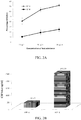
- the results as depicted in Figures 1A and 1B showed that WS-74, Ace Sol/WS-74 and Ace Insol/WS-74 exhibited good dose-dependent in-vitro acetylcholinesterase inhibitory activity. However, the activity of Ace Sol/WS-74 was found to be more potent than the other two samples, as indicated by the top line observed in Figure 1A . Withaferin-A exhibited only feeble inhibitory activity (not shown).
- Ace Sol/WS-74 is a more potent in vitro acetylcholinesterase inhibitor in comparison with the other samples.
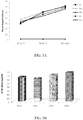
- this fraction was further purified into two fractions by column chromatography, namely, two indolealkylamino-enriched fractions (IAEF-A and IAEF-B). These two samples were also assessed for in vitro acetylcholinesterase inhibitory activity. The inhibition percentages and IC 50 's of the test samples were incorporated in Figures 2A and 2B , respectively.
- IAEF-A is a superior in vitro acetylcholinesterase inhibitor over IAEF-B.
- IAEF-A was further fractioned into five indolealkylamino-withasteroid conjugate compounds: IAC1, IAC2, IAC3, IAC4 and IAC5 by column chromatography and preparative TLC, as described above. These five compounds were also tested for in vitro acetylcholinesterase inhibitory activity. The results are depicted in Figures 3A and 3B .
- IAC3 did not show any in vitro acetylcholinesterase inhibitory activity.
- All of the remaining indolealkylamino-withasteroid conjugate test samples showed comparable activities in this assay system.
- the IC 50 values of these isolated individual compounds ranged from 60-80 ⁇ g/ml, and thus were observed to be slightly less potent than the mother fraction (IAEF-A, IC 50 value 32.14 ⁇ g/ml), which indicates synergistic activity among one or more of these indolealkylamino-withasteroid conjugates (IACs).
- mice Swiss Albino mice of both sexes weighing approximately 32 ⁇ 4g, 10-15 weeks old were obtained from National Research Institute of Ayurveda for Drug Development (Govt. of India), Marie, and were housed in polypropylene cages at 22 ⁇ 3°C. and relative air humidity of 45-55%, with 12.00 hour light & dark cycle (lighting on from 6:00 AM to 6:00 PM). Mice were provided a standard pellet chow (carbohydrate 65.5%, protein 17.6%, fat 6.6%) and distilled water ad libitum. The mice were acclimatized for one week in the laboratory conditions, before being used in the experiment. All experiments were conducted between 10:00 AM and 2:00 PM. Principles of laboratory animal care (NIH publication no. 85-23, revised 1885) were always followed.
- Test samples were suspended in 0.3% Carboxymethyl Cellulose (CMC) solutions of distilled water and were administered orally for 16 days by using an intubation canula, and volume of dose was 0.1 ml/10g body weight.
- CMC Carboxymethyl Cellulose
- WS dried aqueous extract (WS-74), its fractions, acetone soluble/WS extract fraction (Ace Sol/WS-74) acetone insoluble/WS extract (Ace Insol/WS-74), and indolealkylamino-withasteroid conjugate enriched fraction (IAEF-A), and Withaferin-A (1) were administered orally for 16 days in 0.3% CMC solution.
- the experiments were carried out after 45 minutes of the administration of the drugs. Control animals received equivalent volume of the vehicle, 0.3 % CMC solution, only.
- Alzheimer's disease is associated with significant losses in cholinergic neurons and decreased concentrations of the neurotransmitter, acetylcholine, which is significantly involved in learning and memory processes.
- Scopolamine hydrobromide produces amnesia in mice because of its anti-cholinergic action.
- Scopolamine hydrobromide exerts its effects by acting as a competitive antagonist at muscarinic acetylcholine receptors, specifically M1 receptors. Because of its anti-cholinergic effects, scopolamine hydrobromide has been shown to prevent the activation of medial temporal lobe structures for novel stimuli during spatial memory tasks. It has also been shown to impair memory in humans in a manner mimicking the cognitive deficits found in Alzheimer's Dementia.
- a scopolamine hydrobromide-induced amnesic model using elevated plus maze was selected to evaluate the anti-amnesic effects of WS extract and its fractions (as prepared above).
- the elevated plus maze is used to measure the memory learning activity in mice; however, transfer latency, i.e., the time elapsed between the movement of the animal from an open to an enclosed arm was markedly shortened if the animal had previously experienced entering open and closed arms.
- Amnesia was induced by administration of scopolamine hydrobromide (0.5 mg/kg, i.p.) on the 8 th day immediately after the learning trial. Retention was recorded after 24 hrs (9 th day) and after an interval of one week (16 th day).
- Group I-VII Drug protocol.
- the animals were divided into 7 groups (Group I-VII) of eight animals in each group.
- Group I received vehicle (0.3% CMC) only and served as vehicle control.
- Groups II-VII were treated with the respective test drugs, as per the details mentioned in Table 1 below, for 16 days.
- Scopolamine hydrobromide 0.5 mg/kg, i.p. was administered to groups II-VII on the 8 th day immediately after the learning trial.
- Transfer Latency was recorded after 45 minutes of the drug administration on 8 th day (learning trial) and 24 hrs (9 th day) and one week (16 th day) after learning trial.
- the plus maze consists of two open opposite arms, (50x10 cm) length x width, crossed with two enclosed arms of same dimensions with walls 40 cm high. The arms are connected with a central square, (10x10 cm) to give the apparatus a plus-sign appearance.
- the maze was kept elevated 50 cm above the floor in a dimly lit room. On day 8, mice were individually placed on far end of one of the open arms facing away from the center and transfer latency (TL) on day 8 was recorded. TL is the time taken by the mouse to move into any one of the covered arms with all its four legs. The mice were left in the enclosed arms for 10-15 s and then were taken to the home cage.
- % decrease in TL L 1 ⁇ L 0 / L 0 ⁇ 100
- L 0 initial transfer latency period in seconds
- L 1 transfer latency after 24 hrs, or one week.
- Scopolamine hydrobromide produced amnesia in animals as indicated by the increase in the transfer latency on day 9 and day 16 of Group II (Table 2) and attenuated % decrease in TL on day 9 (Table 3) and day 16 (Table 4), in comparison to vehicle-treated Group I (Table 2).
- WS-74, Ace Sol/WS-74 and IAEF-A significantly attenuated and reversed the Scopolamine-induced amnesia as evidenced by the significant decrease in TL and significant increase in the % decrease of TL, in comparison to Scopolamine-treated group (Group II).
- IAEF-A (1mg/kg) showed the most potent anti-amnesic activity.
- Ace Insol/WS-74 fraction and Withaferin-A treatments did not protect from or attenuate the Scopolamine-induced amnesia as indicated by the increasing trend in their transfer latency, in comparison to vehicle-treated control group.
- lipid peroxidation Estimation of lipid peroxidation.
- the animals were sacrificed immediately after the final experiment on day 16 and the brain lipid peroxidation levels were estimated by measuring the brain tissue Malondialdehyde (MDA) concentrations following the published method ( H. Ohkawa, et al., "Assay for lipid peroxides in animal tissues by thiobarbituric acid reaction," Anal. Biochem. (1979) 95: 351-358 ).
- MDA Malondialdehyde
- AD Alzheimer's disease
- BAP beta-amyloid peptide
- Table 5 indicates that Scopolamine treatment increased the brain tissue MDA levels, and IAEF-A treatment decreased the MDA levels, indicating its antioxidant potential. Other treatments did not show any significant activity.
- aqueous extract of WS (WS-74), Ace Sol/WS-74 and IAEF-A showed anti-amnesic activity in the Scopolamine-induced amnesic mice model.
- IAEF-A showed the most potent anti-amnesic activity at very low dose (i.e., 1 mg/kg), suggesting that it may be a potential target candidate for Alzheimer's therapy.
- Anxiety is defined as a feeling of apprehension, uncertainty or tension stemming from the anticipation of imagined or unreal threat. Anxiety affects up to one-eighth of the population worldwide and has become an important research area in the field of psychopharmacology.
- BZDs Benzodiazipines
- TCAs tricyclic antidepressants
- serious side effects associated with these drugs, such as rebound insomnia, sedation, muscle relaxation, withdrawal and development of tolerance (BZDs, barbiturates and alcohol), sexual dysfunction, and anticholinergic and antihistaminic effects (TCAs) have limited their use in patients.
- Open-field exploratory behavior test The open field exploratory apparatus is similar to that of Bronstein ( P.M. Bronstein, "Open field behaviour of the rat as a function of age: cross sectional and longitudinal investigations," J. Comp. Physiol. Psycol. (1972) 80: 335-341 ). It is made of plywood and consists of squares (61 x 61cm) with high walls. The entire apparatus is painted black except for 6 mm white lines that divide the floor into 16 squares. The entire room except the open field was kept dark during the experiment. The open field was lighted by a 60W bulb focusing on the field from a height of about 100 cm from the floor. Each animal was centrally placed in the test apparatus for 5 min.
- Ambulation this measures the number of squares crossed by the animal; Rearings - number of times the animal stands on its hind limbs; Groomings - number of times the animal exhibits grooming of face, licking/washing and scratching the various parts of its body; Fecal pellets - number of fecal pellets excreted during the period; and Activity in center-number of central squares crossed by the animal. The ratio between the number of times the animal crossed the central and the number of times the animal crossed the peripheral square is calculated.
- Elevated plus maze (EPM) behavior test The maze consists of two opposite arms, 50 x10cm, crossed with two opposite enclosed arms of the same dimension with walls 40 cm high. The arms are connected with a central square (10 x 10 cm) to give the apparatus a plus-sign appearance. The maze was kept elevated 50 cm above the floor in a dimly lit room. The mice were placed individually on the central square of the plus maze facing an enclosed arm. Time spent and the number of entries made by the mice, during the next 5 min. on the open and enclosed arms was recorded. An arm entry was defined when all four limbs of the mice were on the arm ( K.C. Montgomery, "The relation between fear induced by novel and exploratory behavior," J. Comp. Physiol. Psychol. (1955) 48: 254-60 ).
- P values were obtained by ANOVA followed by post hoc comparison between groups by Newman-Keuls comparison test. * p ⁇ 0.05; ** p ⁇ 0.01;*** p ⁇ 0.001; in comparison to vehicle treated mice.
- IAEF-A treatment significantly increased the number of open arm entries, open arm residence time and ratio of the open/enclosed arm entries in comparison to control mice (Table.7). IAEF-A treatment also significantly reduced the enclosed arm residence time, indicating an anxiolytic effect. The other treatments did not produce statistically significant anxiolytic effect in mice as evidenced from the data (Table.7). Among the treatment groups, IAEF-A (1mg/kg) showed more potent anxiolytic activity which is comparable with that of the standard anxiolytic agent, Diazepam.
- P values were obtained by ANOVA followed by post hoc comparison between groups by Newman-Keuls comparison test. * p ⁇ 0.05; ** p ⁇ 0.01; *** p ⁇ 0.001; in comparison to vehicle treated mice.
- IAEF-A treatment produced significant anxiolytic activity in mice as evidenced from increased open field ambulation and rearings, on the one hand, and decreased groomings and fecal pellets on the other, in comparison to control group.
- WS-74, Ace sol/WS-74 and Ace Insol/WS-74 also demonstrated mild anxiolytic effects.
- Withaferin-A did not show any anxiolytic effect.
- the anxiolytic effect of the IAEF-A was comparable with that of the Diazepam.
- the elevated plus maze (EPM) behavior test is based on a premise that the exposure to an EPM evoked an approach-avoidance conflict that was considerably stronger than that evoked by the exposure to an enclosed arm.
- the decrease in aversion to the open arm is the result of an anxiolytic effect, expressed by an increase in the time spent and entries in the open arm.
- Administration of IAEF-A isolate increased the time spent and percent entries in the open arm, with percent decrease in the closed arm, suggesting the potent anxiolytic activity.
- IACs indolealkylamino-withasteroid conjugate(s)
- hot water extraction of WS demonstrated that total withanolide (WG+AG) and indolealkylamino-withasteroid conjugates (IACs) were extracted more efficiently at 80 ⁇ 5°C and 100 ⁇ 5°C in a time range up to about 3 hours to 4 hours. Maximum concentrations of both total withanolide (WG+AG) and indolealkylamino-withasteroid conjugates (IACs) were observed at 80 ⁇ 5°C at 3 hours. Duration of hot water extraction beyond about 3 hours resulted in both a lower extraction yield, and reduced potency in the extractives.
- Extracted samples at different time intervals (0 Hr, 1 Hr, 2 Hr, 3 Hr, 4 Hr, 5 Hr, 6 Hr, 8 Hr, 10 Hr and 12 Hr) were collected, filtered and the filtrates directly injected into an HPLC apparatus. Filtrates (3 ml) collected at each time interval were dried on the steam bath, and the weight of each residue was taken to determine the concentration of the extractives, as shown in Tables 11 and 12. The average yield of all of the dried extractives was 4.28g at 80 ⁇ 5°C, and 4.92g at 100 ⁇ 5°C. TABLE 11 Amounts of bioactives of hot (80 ⁇ 5°C) Aqueous-methanol extract fresh whole plant of WS in different time intervals.
- hot mixed solvent extraction of WS demonstrated that although significant amounts of bioactives were observed at 80 ⁇ 5°C, maximum concentrations of both total withanolide (WG+AG) and indolealkylamino-withasteroid conjugates (IACs) were observed at 100 ⁇ 5°C. at 1 hour. Longer extraction times did not appear to be as effective for the mixed solvent experiments at 100 ⁇ 5°C.
- an IAC and/or withanolide-enriched WS extract made in accordance with the principles of the invention would be effective as a nutritional supplement. It is further expected that a WS extract or a composition containing an IAC, namely, a compound of Formula (I), or a derivative thereof, would be effective as a nutritional supplement.
- a WS extract or a composition containing an IAC namely, a compound of Formula (I), or a derivative thereof
- a pharmaceutical composition or a nutraceutical composition when in combination with an appropriate pharmaceutical or nutraceutical carrier or excipient, respectively.
- Said pharmaceutical compositions would be effective for treating neurodegenerative disorders, such as, Alzheimer's disease (AD), or psychiatric disorders, such as, anxiety or depression.
- Said nutraceutical compositions would be effective for supplementing nutrition and/or health, thus providing increased health benefits to the user.
- EXAMPLE 7A Pharmacological Activity of Conjugates of Formula (I): In vitro Inhibition of Acetylcholine-esterase activity
- the acetylcholinesterase (AChE) assay was performed by the method of Ellman et. al., with minor modification, using acetylthiocholine Iodide as a substrate ( G.L. Ellman, et al., "A new and rapid colorimetric determination of acetylcholinesterase activity," Biochem. Pharmacol.
- Ellman's reaction mixture was made from a combination of 10mM Acetylthiocholine iodide and 0.5 mM 5,5'-dithio-bis-(2-nitrobenzoic acid) in a 0.05 M sodium phosphate buffer (pH 7.2). The rates of hydrolysis by AChE were monitored spectrophotometrically using a 96-well microtiter plate reader. Each test sample (10 ⁇ l) and 0.05 M sodium phosphate buffer (30 ⁇ l) was mixed with the enzyme solution (10 ⁇ l). An Ellman's reaction mixture (50 ⁇ l) was further added to give a final volume of 100 ⁇ l, and the mixture was incubated at 37°C for 30 min.
- mice Swiss Albino mice of both sexes weighing approximately 24 ⁇ 4g, 6-7 weeks old were obtained from National Research Institute of Ayurveda for Drug Development (Govt. of India), Marie, and were housed in polypropylene cages at 22 ⁇ 3°C. and relative air humidity of 45-55%, with 12.00 hour light & dark cycle (lighting on from 6:00 AM to 6:00 PM). Mice were provided a standard pellet chow (carbohydrate 65.5%, protein 17.6%, fat 6.6%) and distilled water ad libitum. The mice were acclimatized for one week in the laboratory conditions, before being used in the experiment. All experiments were conducted between 10:00 AM and 2:00 PM. Principles of laboratory animal care (NIH publication no. 85-23, revised 1985) were always followed.
- Test samples were suspended in 0.3% Carboxymethyl Cellulose (CMC) solutions of distilled water and were administered orally for 16 days by using an intubation canula, and volume of dose was 0.1 ml/10g body weight.
- CMC Carboxymethyl Cellulose
- the tryptamino-withaferin-A conjugate (Ex. 1A.3) and 5-methoxytryptamino-withaferin-A conjugate (Ex. 2A) were administered orally for 16 days in 0.3% CMC solution.
- the experiments were carried out after 45 minutes of the administration of the drugs. Control animals received equivalent volume of the vehicle, 0.3 % CMC solution, only.
- Scopolamine- Induced Amnesia Alzheimer's disease is associated with significant losses in cholinergic neurons and decreased concentrations of the neurotransmitter, acetylcholine, which is significantly involved in learning and memory processes.
- Scopolamine hydrobromide produces amnesia in mice because of its anti-cholinergic action.
- Scopolamine hydrobromide exerts its effects by acting as a competitive antagonist at muscarinic acetylcholine receptors, specifically M1 receptors. Because of its anti-cholinergic effects, scopolamine hydrobromide has been shown to prevent the activation of medial temporal lobe structures for novel stimuli during spatial memory tasks.
- a scopolamine hydrobromide-induced amnesic model using elevated plus maze was selected to evaluate the anti-amnesic effects of tryptamino-withaferin-A conjugate (Ex. 1A.3) and 5-methoxytryptamino-withaferin-A conjugate (Ex. 2A).
- the elevated plus maze is used to measure the memory learning activity in mice; however, transfer latency, i.e., the time elapsed between the movement of the animal from an open to an enclosed arm was markedly shortened if the animal had previously experienced entering open and closed arms.
- Amnesia was induced by administration of scopolamine hydrobromide (0.5 mg/kg, i.p.) on the 8 th day immediately after the learning trial. Retention was recorded after 24 hrs (9 th day) and after an interval of one week (16 th day).
- Group I-VI Drug protocol.
- the animals were divided into 6 groups (Group I-VI) of eight animals in each group.
- Group I received vehicle (0.3% CMC) only and served as vehicle control.
- Groups II-VI were treated with the respective test drugs, as per the details mentioned in Table 14 below, for 16 days.
- Scopolamine hydrobromide 0.5 mg/kg, i.p. was administered to groups II-VI on the 8 th day immediately after the learning trial.
- Transfer Latency was recorded after 45 minutes of the drug administration on 8 th day (learning trial) and 24 hrs (9 th day) and one week (16 th day) after learning trial.
- the plus maze consists of two open opposite arms, (50x10 cm) length x width, crossed with two enclosed arms of same dimensions with walls 40 cm high. The arms are connected with a central square, (10x10 cm) to give the apparatus a plus-sign appearance.
- the maze was kept elevated 50 cm above the floor in a dimly lit room. On day 8, mice were individually placed on far end of one of the open arms facing away from the center and transfer latency (TL) on day 8 was recorded. TL is the time taken by the mouse to move into any one of the covered arms with all its four legs. The mice were left in the enclosed arms for 10-15 s and then were taken to the home cage.
- % decrease in TL L 1 ⁇ L 0 / L 0 ⁇ 100
- L 0 initial transfer latency period in seconds
- L 1 transfer latency after 24 hrs or one week.
- Scopolamine hydrobromide produced amnesia in animals as indicated by the increase in the transfer latency on day 9 and day 16 of Group II (Table 15) and attenuated % decrease in TL on day 9 (Table 16) and day 16 (Table 17), in comparison to vehicle-treated Group I. Tryptamino-withaferin-A conjugate (Ex. 1A.3) and 5-methoxytryptamino-withaferin-A conjugate (Ex.
Landscapes
- Health & Medical Sciences (AREA)
- Chemical & Material Sciences (AREA)
- General Health & Medical Sciences (AREA)
- Life Sciences & Earth Sciences (AREA)
- Medicinal Chemistry (AREA)
- Veterinary Medicine (AREA)
- Animal Behavior & Ethology (AREA)
- Public Health (AREA)
- Pharmacology & Pharmacy (AREA)
- Engineering & Computer Science (AREA)
- Bioinformatics & Cheminformatics (AREA)
- Organic Chemistry (AREA)
- Natural Medicines & Medicinal Plants (AREA)
- Epidemiology (AREA)
- Neurology (AREA)
- Biomedical Technology (AREA)
- Neurosurgery (AREA)
- Nuclear Medicine, Radiotherapy & Molecular Imaging (AREA)
- General Chemical & Material Sciences (AREA)
- Chemical Kinetics & Catalysis (AREA)
- Medical Informatics (AREA)
- Biotechnology (AREA)
- Mycology (AREA)
- Alternative & Traditional Medicine (AREA)
- Microbiology (AREA)
- Botany (AREA)
- Psychiatry (AREA)
- Pain & Pain Management (AREA)
- Hospice & Palliative Care (AREA)
- Anesthesiology (AREA)
- Steroid Compounds (AREA)
- Pharmaceuticals Containing Other Organic And Inorganic Compounds (AREA)
- Medicines Containing Plant Substances (AREA)
- Coloring Foods And Improving Nutritive Qualities (AREA)
Applications Claiming Priority (3)
| Application Number | Priority Date | Filing Date | Title |
|---|---|---|---|
| US201161556603P | 2011-11-07 | 2011-11-07 | |
| US13/669,207 US9084800B2 (en) | 2011-11-07 | 2012-11-05 | Indolealkylamino-withasteroid conjugates and method of use |
| PCT/US2012/063727 WO2013070619A1 (en) | 2011-11-07 | 2012-11-06 | Indolealkylamino-withasteroid conjugates and method of use |
Publications (3)
| Publication Number | Publication Date |
|---|---|
| EP2776462A1 EP2776462A1 (en) | 2014-09-17 |
| EP2776462A4 EP2776462A4 (en) | 2015-04-08 |
| EP2776462B1 true EP2776462B1 (en) | 2018-01-10 |
Family
ID=48223848
Family Applications (1)
| Application Number | Title | Priority Date | Filing Date |
|---|---|---|---|
| EP12846938.4A Not-in-force EP2776462B1 (en) | 2011-11-07 | 2012-11-06 | Indolealkylamino-withasteroid conjugates and method of use |
Country Status (7)
| Country | Link |
|---|---|
| US (2) | US9084800B2 (https=) |
| EP (1) | EP2776462B1 (https=) |
| JP (1) | JP6144688B2 (https=) |
| CN (1) | CN103917558B (https=) |
| BR (1) | BR112014010868B1 (https=) |
| CA (1) | CA2854631C (https=) |
| WO (1) | WO2013070619A1 (https=) |
Families Citing this family (2)
| Publication number | Priority date | Publication date | Assignee | Title |
|---|---|---|---|---|
| CN105503990A (zh) * | 2015-12-29 | 2016-04-20 | 吴金凤 | 一种新的睡加内酯类化合物及其制备方法和医药用途 |
| EP3585400B1 (en) * | 2017-02-27 | 2024-11-06 | University of Pittsburgh - Of the Commonwealth System of Higher Education | Anti-psychotic composition and treatment methods |
Family Cites Families (10)
| Publication number | Priority date | Publication date | Assignee | Title |
|---|---|---|---|---|
| FR2494698A1 (fr) * | 1980-11-21 | 1982-05-28 | Roussel Uclaf | Nouveaux derives steroides 3-amino substitues, leurs sels, procede de preparation, application a titre de medicaments et compositions les renfermant |
| US5403851A (en) | 1994-04-05 | 1995-04-04 | Interneuron Pharmaceuticals, Inc. | Substituted tryptamines, phenalkylamines and related compounds |
| US6153198A (en) * | 1999-07-13 | 2000-11-28 | Natreon Inc. | Withania somnifera composition |
| WO2003001881A2 (en) * | 2001-06-26 | 2003-01-09 | New York State Office Of Mental Health | Cell-based high-throughput screening methods |
| US6713092B1 (en) | 2002-12-03 | 2004-03-30 | Natreon Inc. | Withania Somnifera composition, method for obtaining same and pharmaceutical, nutritional and personal care formulations thereof |
| US20050266100A1 (en) * | 2004-03-30 | 2005-12-01 | Council Of Scientific And Industrial Research Rafi Marg | Process isolation of withaferin-A from plant materials and products therefrom |
| US20070036873A1 (en) * | 2005-07-27 | 2007-02-15 | Shibnath Ghosal | Method of treatment or management of stress |
| CA2658959A1 (en) | 2006-06-23 | 2007-12-27 | Laboratorios Del Dr. Esteve, S.A. | Combination of a cholinesterase inhibitor and a compound with 5-ht6 receptor affinity |
| WO2009110546A1 (ja) | 2008-03-06 | 2009-09-11 | 独立行政法人産業技術総合研究所 | アシュワガンダ葉水抽出物を有効成分として含む組成物及びその製造方法 |
| US20110230551A1 (en) | 2008-09-15 | 2011-09-22 | Leslie Gunatilaka | Withaferin a analogs and uses thereof |
-
2012
- 2012-11-05 US US13/669,207 patent/US9084800B2/en active Active
- 2012-11-06 BR BR112014010868-4A patent/BR112014010868B1/pt not_active IP Right Cessation
- 2012-11-06 JP JP2014540198A patent/JP6144688B2/ja not_active Expired - Fee Related
- 2012-11-06 CN CN201280053772.0A patent/CN103917558B/zh not_active Expired - Fee Related
- 2012-11-06 CA CA2854631A patent/CA2854631C/en active Active
- 2012-11-06 WO PCT/US2012/063727 patent/WO2013070619A1/en not_active Ceased
- 2012-11-06 EP EP12846938.4A patent/EP2776462B1/en not_active Not-in-force
-
2015
- 2015-07-21 US US14/805,024 patent/US10449206B2/en active Active
Non-Patent Citations (1)
| Title |
|---|
| None * |
Also Published As
| Publication number | Publication date |
|---|---|
| EP2776462A4 (en) | 2015-04-08 |
| CA2854631C (en) | 2018-12-11 |
| US20150320771A1 (en) | 2015-11-12 |
| US20130115316A1 (en) | 2013-05-09 |
| BR112014010868B1 (pt) | 2021-07-06 |
| BR112014010868A8 (pt) | 2020-04-22 |
| WO2013070619A8 (en) | 2014-05-08 |
| WO2013070619A1 (en) | 2013-05-16 |
| CA2854631A1 (en) | 2013-05-16 |
| CN103917558A (zh) | 2014-07-09 |
| CN103917558B (zh) | 2017-04-12 |
| JP2015501787A (ja) | 2015-01-19 |
| US9084800B2 (en) | 2015-07-21 |
| US10449206B2 (en) | 2019-10-22 |
| BR112014010868A2 (pt) | 2017-06-13 |
| JP6144688B2 (ja) | 2017-06-07 |
| EP2776462A1 (en) | 2014-09-17 |
Similar Documents
| Publication | Publication Date | Title |
|---|---|---|
| CN104736147B (zh) | 用于控制体重的组合物和方法 | |
| US12280030B2 (en) | Method of using a chlorogenic acid composition for supporting cognitive function | |
| Ramalingam et al. | Free radical scavenging and antiepileptic activity of Leucas lanata | |
| Zhu et al. | 4-Hydroxybenzyl alcohol derivatives and their sedative–hypnotic activities | |
| KR100523562B1 (ko) | 손바닥선인장 추출물 및 이로부터 분리된 화합물을함유하는 신경세포 보호용 조성물 | |
| US20110159122A1 (en) | Combination of extracts of various plants for improving the symptoms of dementia disorders | |
| Deepak et al. | Purification of Bhallathaka (Semecarpus anacardium Lf) enhanced anti-cancer activity | |
| US10449206B2 (en) | Indolealkylamino-withasteroid conjugates and method of use | |
| EP3639817B1 (en) | Compositions containing pterosin compound and derivatives thereof active ingredients for prevention or treatment of degenerative brain diseases | |
| ES2373509T3 (es) | Dihidrochalcona similar a aspalatina, extractos de rooibos no fermentado y procedimiento de preparación. | |
| EP2981259B1 (en) | A composition for treating neuropathy, a process and a method of treatment thereof | |
| Jia et al. | Characteristic terpenylated coumarins from Ferula ferulaeoides as potential inhibitors on overactivation of microglia | |
| RS58784B1 (sr) | Farmaceutske kompozicije niske toksičnosti koje sadrže diterpenska jedinjenja sa antineoplastičnim dejstvom | |
| CN113461702B (zh) | 酰基间苯三酚低聚体其制备方法和应用 | |
| CN103420805A (zh) | 天麻中具有神经细胞保护活性的多聚苄类衍生物 | |
| Onoja et al. | Acetylcholinesterase inhibition and metal chelatin g potentials of fractions and compounds isolated from Cola hispida., 10 | |
| KR100615357B1 (ko) | 인지력 향상효과를 갖는 신규 알칼로이드 유도체 화합물및 이를 함유하는 조성물 | |
| Kumar et al. | PHYTOCHEMICAL SCREENING AND BIOLOGICAL ACTIVITY OF ADHATODA VASICA (LEAVES) AND VIGNA MUNGO (SEEDS). | |
| Acero et al. | Cholinesterase Inhibitory Activities and In Silico Docking Studies of Blumeatin Isolated from Blumea balsamifera L. DC. | |
| WO2023043169A1 (ko) | 쑥 및 삼백초 혼합 추출물을 포함하는 미세먼지로 인한 염증성 질환 예방 또는 치료용 조성물 | |
| Ferdous | Isolation of compounds from Drynaria quercifolia extract active against cholinesterase enzymes and oxidative stress | |
| HK1245654B (zh) | 用於控制体重的组合物和方法 | |
| WO2013179309A1 (en) | Novel compounds as memory enhancers |
Legal Events
| Date | Code | Title | Description |
|---|---|---|---|
| PUAI | Public reference made under article 153(3) epc to a published international application that has entered the european phase |
Free format text: ORIGINAL CODE: 0009012 |
|
| 17P | Request for examination filed |
Effective date: 20140610 |
|
| AK | Designated contracting states |
Kind code of ref document: A1 Designated state(s): AL AT BE BG CH CY CZ DE DK EE ES FI FR GB GR HR HU IE IS IT LI LT LU LV MC MK MT NL NO PL PT RO RS SE SI SK SM TR |
|
| DAX | Request for extension of the european patent (deleted) | ||
| RA4 | Supplementary search report drawn up and despatched (corrected) |
Effective date: 20150309 |
|
| TPAC | Observations filed by third parties |
Free format text: ORIGINAL CODE: EPIDOSNTIPA |
|
| 17Q | First examination report despatched |
Effective date: 20170113 |
|
| 17Q | First examination report despatched |
Effective date: 20170214 |
|
| GRAP | Despatch of communication of intention to grant a patent |
Free format text: ORIGINAL CODE: EPIDOSNIGR1 |
|
| RIC1 | Information provided on ipc code assigned before grant |
Ipc: C07K 16/00 20060101AFI20170522BHEP Ipc: A61P 25/24 20060101ALI20170522BHEP Ipc: A61P 25/28 20060101ALI20170522BHEP Ipc: A61K 31/58 20060101ALI20170522BHEP Ipc: A61P 25/22 20060101ALI20170522BHEP |
|
| INTG | Intention to grant announced |
Effective date: 20170612 |
|
| GRAS | Grant fee paid |
Free format text: ORIGINAL CODE: EPIDOSNIGR3 |
|
| GRAA | (expected) grant |
Free format text: ORIGINAL CODE: 0009210 |
|
| AK | Designated contracting states |
Kind code of ref document: B1 Designated state(s): AL AT BE BG CH CY CZ DE DK EE ES FI FR GB GR HR HU IE IS IT LI LT LU LV MC MK MT NL NO PL PT RO RS SE SI SK SM TR |
|
| REG | Reference to a national code |
Ref country code: CH Ref legal event code: EP Ref country code: AT Ref legal event code: REF Ref document number: 962304 Country of ref document: AT Kind code of ref document: T Effective date: 20180115 |
|
| REG | Reference to a national code |
Ref country code: IE Ref legal event code: FG4D |
|
| REG | Reference to a national code |
Ref country code: DE Ref legal event code: R096 Ref document number: 602012042032 Country of ref document: DE |
|
| REG | Reference to a national code |
Ref country code: NL Ref legal event code: MP Effective date: 20180110 |
|
| REG | Reference to a national code |
Ref country code: AT Ref legal event code: MK05 Ref document number: 962304 Country of ref document: AT Kind code of ref document: T Effective date: 20180110 |
|
| PG25 | Lapsed in a contracting state [announced via postgrant information from national office to epo] |
Ref country code: NL Free format text: LAPSE BECAUSE OF FAILURE TO SUBMIT A TRANSLATION OF THE DESCRIPTION OR TO PAY THE FEE WITHIN THE PRESCRIBED TIME-LIMIT Effective date: 20180110 |
|
| PG25 | Lapsed in a contracting state [announced via postgrant information from national office to epo] |
Ref country code: ES Free format text: LAPSE BECAUSE OF FAILURE TO SUBMIT A TRANSLATION OF THE DESCRIPTION OR TO PAY THE FEE WITHIN THE PRESCRIBED TIME-LIMIT Effective date: 20180110 Ref country code: LT Free format text: LAPSE BECAUSE OF FAILURE TO SUBMIT A TRANSLATION OF THE DESCRIPTION OR TO PAY THE FEE WITHIN THE PRESCRIBED TIME-LIMIT Effective date: 20180110 Ref country code: CY Free format text: LAPSE BECAUSE OF FAILURE TO SUBMIT A TRANSLATION OF THE DESCRIPTION OR TO PAY THE FEE WITHIN THE PRESCRIBED TIME-LIMIT Effective date: 20180110 Ref country code: HR Free format text: LAPSE BECAUSE OF FAILURE TO SUBMIT A TRANSLATION OF THE DESCRIPTION OR TO PAY THE FEE WITHIN THE PRESCRIBED TIME-LIMIT Effective date: 20180110 Ref country code: NO Free format text: LAPSE BECAUSE OF FAILURE TO SUBMIT A TRANSLATION OF THE DESCRIPTION OR TO PAY THE FEE WITHIN THE PRESCRIBED TIME-LIMIT Effective date: 20180410 Ref country code: FI Free format text: LAPSE BECAUSE OF FAILURE TO SUBMIT A TRANSLATION OF THE DESCRIPTION OR TO PAY THE FEE WITHIN THE PRESCRIBED TIME-LIMIT Effective date: 20180110 |
|
| PG25 | Lapsed in a contracting state [announced via postgrant information from national office to epo] |
Ref country code: IS Free format text: LAPSE BECAUSE OF FAILURE TO SUBMIT A TRANSLATION OF THE DESCRIPTION OR TO PAY THE FEE WITHIN THE PRESCRIBED TIME-LIMIT Effective date: 20180510 Ref country code: BG Free format text: LAPSE BECAUSE OF FAILURE TO SUBMIT A TRANSLATION OF THE DESCRIPTION OR TO PAY THE FEE WITHIN THE PRESCRIBED TIME-LIMIT Effective date: 20180410 Ref country code: GR Free format text: LAPSE BECAUSE OF FAILURE TO SUBMIT A TRANSLATION OF THE DESCRIPTION OR TO PAY THE FEE WITHIN THE PRESCRIBED TIME-LIMIT Effective date: 20180411 Ref country code: LV Free format text: LAPSE BECAUSE OF FAILURE TO SUBMIT A TRANSLATION OF THE DESCRIPTION OR TO PAY THE FEE WITHIN THE PRESCRIBED TIME-LIMIT Effective date: 20180110 Ref country code: SE Free format text: LAPSE BECAUSE OF FAILURE TO SUBMIT A TRANSLATION OF THE DESCRIPTION OR TO PAY THE FEE WITHIN THE PRESCRIBED TIME-LIMIT Effective date: 20180110 Ref country code: PL Free format text: LAPSE BECAUSE OF FAILURE TO SUBMIT A TRANSLATION OF THE DESCRIPTION OR TO PAY THE FEE WITHIN THE PRESCRIBED TIME-LIMIT Effective date: 20180110 Ref country code: AT Free format text: LAPSE BECAUSE OF FAILURE TO SUBMIT A TRANSLATION OF THE DESCRIPTION OR TO PAY THE FEE WITHIN THE PRESCRIBED TIME-LIMIT Effective date: 20180110 Ref country code: RS Free format text: LAPSE BECAUSE OF FAILURE TO SUBMIT A TRANSLATION OF THE DESCRIPTION OR TO PAY THE FEE WITHIN THE PRESCRIBED TIME-LIMIT Effective date: 20180110 |
|
| REG | Reference to a national code |
Ref country code: DE Ref legal event code: R097 Ref document number: 602012042032 Country of ref document: DE |
|
| PG25 | Lapsed in a contracting state [announced via postgrant information from national office to epo] |
Ref country code: AL Free format text: LAPSE BECAUSE OF FAILURE TO SUBMIT A TRANSLATION OF THE DESCRIPTION OR TO PAY THE FEE WITHIN THE PRESCRIBED TIME-LIMIT Effective date: 20180110 Ref country code: RO Free format text: LAPSE BECAUSE OF FAILURE TO SUBMIT A TRANSLATION OF THE DESCRIPTION OR TO PAY THE FEE WITHIN THE PRESCRIBED TIME-LIMIT Effective date: 20180110 Ref country code: IT Free format text: LAPSE BECAUSE OF FAILURE TO SUBMIT A TRANSLATION OF THE DESCRIPTION OR TO PAY THE FEE WITHIN THE PRESCRIBED TIME-LIMIT Effective date: 20180110 Ref country code: EE Free format text: LAPSE BECAUSE OF FAILURE TO SUBMIT A TRANSLATION OF THE DESCRIPTION OR TO PAY THE FEE WITHIN THE PRESCRIBED TIME-LIMIT Effective date: 20180110 |
|
| PLBE | No opposition filed within time limit |
Free format text: ORIGINAL CODE: 0009261 |
|
| STAA | Information on the status of an ep patent application or granted ep patent |
Free format text: STATUS: NO OPPOSITION FILED WITHIN TIME LIMIT |
|
| PG25 | Lapsed in a contracting state [announced via postgrant information from national office to epo] |
Ref country code: DK Free format text: LAPSE BECAUSE OF FAILURE TO SUBMIT A TRANSLATION OF THE DESCRIPTION OR TO PAY THE FEE WITHIN THE PRESCRIBED TIME-LIMIT Effective date: 20180110 Ref country code: CZ Free format text: LAPSE BECAUSE OF FAILURE TO SUBMIT A TRANSLATION OF THE DESCRIPTION OR TO PAY THE FEE WITHIN THE PRESCRIBED TIME-LIMIT Effective date: 20180110 Ref country code: SM Free format text: LAPSE BECAUSE OF FAILURE TO SUBMIT A TRANSLATION OF THE DESCRIPTION OR TO PAY THE FEE WITHIN THE PRESCRIBED TIME-LIMIT Effective date: 20180110 Ref country code: SK Free format text: LAPSE BECAUSE OF FAILURE TO SUBMIT A TRANSLATION OF THE DESCRIPTION OR TO PAY THE FEE WITHIN THE PRESCRIBED TIME-LIMIT Effective date: 20180110 |
|
| 26N | No opposition filed |
Effective date: 20181011 |
|
| PG25 | Lapsed in a contracting state [announced via postgrant information from national office to epo] |
Ref country code: SI Free format text: LAPSE BECAUSE OF FAILURE TO SUBMIT A TRANSLATION OF THE DESCRIPTION OR TO PAY THE FEE WITHIN THE PRESCRIBED TIME-LIMIT Effective date: 20180110 |
|
| REG | Reference to a national code |
Ref country code: CH Ref legal event code: PL |
|
| PG25 | Lapsed in a contracting state [announced via postgrant information from national office to epo] |
Ref country code: LU Free format text: LAPSE BECAUSE OF NON-PAYMENT OF DUE FEES Effective date: 20181106 Ref country code: MC Free format text: LAPSE BECAUSE OF FAILURE TO SUBMIT A TRANSLATION OF THE DESCRIPTION OR TO PAY THE FEE WITHIN THE PRESCRIBED TIME-LIMIT Effective date: 20180110 |
|
| REG | Reference to a national code |
Ref country code: BE Ref legal event code: MM Effective date: 20181130 |
|
| REG | Reference to a national code |
Ref country code: IE Ref legal event code: MM4A |
|
| PG25 | Lapsed in a contracting state [announced via postgrant information from national office to epo] |
Ref country code: LI Free format text: LAPSE BECAUSE OF NON-PAYMENT OF DUE FEES Effective date: 20181130 Ref country code: CH Free format text: LAPSE BECAUSE OF NON-PAYMENT OF DUE FEES Effective date: 20181130 |
|
| PG25 | Lapsed in a contracting state [announced via postgrant information from national office to epo] |
Ref country code: IE Free format text: LAPSE BECAUSE OF NON-PAYMENT OF DUE FEES Effective date: 20181106 |
|
| PG25 | Lapsed in a contracting state [announced via postgrant information from national office to epo] |
Ref country code: BE Free format text: LAPSE BECAUSE OF NON-PAYMENT OF DUE FEES Effective date: 20181130 |
|
| PG25 | Lapsed in a contracting state [announced via postgrant information from national office to epo] |
Ref country code: MT Free format text: LAPSE BECAUSE OF NON-PAYMENT OF DUE FEES Effective date: 20181106 |
|
| PG25 | Lapsed in a contracting state [announced via postgrant information from national office to epo] |
Ref country code: TR Free format text: LAPSE BECAUSE OF FAILURE TO SUBMIT A TRANSLATION OF THE DESCRIPTION OR TO PAY THE FEE WITHIN THE PRESCRIBED TIME-LIMIT Effective date: 20180110 |
|
| PG25 | Lapsed in a contracting state [announced via postgrant information from national office to epo] |
Ref country code: PT Free format text: LAPSE BECAUSE OF FAILURE TO SUBMIT A TRANSLATION OF THE DESCRIPTION OR TO PAY THE FEE WITHIN THE PRESCRIBED TIME-LIMIT Effective date: 20180110 |
|
| PG25 | Lapsed in a contracting state [announced via postgrant information from national office to epo] |
Ref country code: MK Free format text: LAPSE BECAUSE OF NON-PAYMENT OF DUE FEES Effective date: 20180110 Ref country code: HU Free format text: LAPSE BECAUSE OF FAILURE TO SUBMIT A TRANSLATION OF THE DESCRIPTION OR TO PAY THE FEE WITHIN THE PRESCRIBED TIME-LIMIT; INVALID AB INITIO Effective date: 20121106 |
|
| P01 | Opt-out of the competence of the unified patent court (upc) registered |
Effective date: 20230530 |
|
| PGFP | Annual fee paid to national office [announced via postgrant information from national office to epo] |
Ref country code: GB Payment date: 20230908 Year of fee payment: 12 |
|
| PGFP | Annual fee paid to national office [announced via postgrant information from national office to epo] |
Ref country code: FR Payment date: 20231120 Year of fee payment: 12 Ref country code: DE Payment date: 20231121 Year of fee payment: 12 |
|
| REG | Reference to a national code |
Ref country code: DE Ref legal event code: R119 Ref document number: 602012042032 Country of ref document: DE |
|
| GBPC | Gb: european patent ceased through non-payment of renewal fee |
Effective date: 20241106 |
|
| PG25 | Lapsed in a contracting state [announced via postgrant information from national office to epo] |
Ref country code: DE Free format text: LAPSE BECAUSE OF NON-PAYMENT OF DUE FEES Effective date: 20250603 |
|
| PG25 | Lapsed in a contracting state [announced via postgrant information from national office to epo] |
Ref country code: GB Free format text: LAPSE BECAUSE OF NON-PAYMENT OF DUE FEES Effective date: 20241106 |
|
| PG25 | Lapsed in a contracting state [announced via postgrant information from national office to epo] |
Ref country code: FR Free format text: LAPSE BECAUSE OF NON-PAYMENT OF DUE FEES Effective date: 20241130 |