EP2751126B1 - Use of hdl-related molecules to treat and prevent proinflammatory conditions - Google Patents
Use of hdl-related molecules to treat and prevent proinflammatory conditions Download PDFInfo
- Publication number
- EP2751126B1 EP2751126B1 EP12826789.5A EP12826789A EP2751126B1 EP 2751126 B1 EP2751126 B1 EP 2751126B1 EP 12826789 A EP12826789 A EP 12826789A EP 2751126 B1 EP2751126 B1 EP 2751126B1
- Authority
- EP
- European Patent Office
- Prior art keywords
- hdl
- seq
- cells
- mice
- hif
- Prior art date
- Legal status (The legal status is an assumption and is not a legal conclusion. Google has not performed a legal analysis and makes no representation as to the accuracy of the status listed.)
- Not-in-force
Links
Images








Classifications
-
- C—CHEMISTRY; METALLURGY
- C07—ORGANIC CHEMISTRY
- C07K—PEPTIDES
- C07K14/00—Peptides having more than 20 amino acids; Gastrins; Somatostatins; Melanotropins; Derivatives thereof
- C07K14/435—Peptides having more than 20 amino acids; Gastrins; Somatostatins; Melanotropins; Derivatives thereof from animals; from humans
- C07K14/775—Apolipopeptides
-
- A—HUMAN NECESSITIES
- A61—MEDICAL OR VETERINARY SCIENCE; HYGIENE
- A61K—PREPARATIONS FOR MEDICAL, DENTAL OR TOILETRY PURPOSES
- A61K38/00—Medicinal preparations containing peptides
- A61K38/16—Peptides having more than 20 amino acids; Gastrins; Somatostatins; Melanotropins; Derivatives thereof
-
- A—HUMAN NECESSITIES
- A61—MEDICAL OR VETERINARY SCIENCE; HYGIENE
- A61K—PREPARATIONS FOR MEDICAL, DENTAL OR TOILETRY PURPOSES
- A61K38/00—Medicinal preparations containing peptides
- A61K38/16—Peptides having more than 20 amino acids; Gastrins; Somatostatins; Melanotropins; Derivatives thereof
- A61K38/17—Peptides having more than 20 amino acids; Gastrins; Somatostatins; Melanotropins; Derivatives thereof from animals; from humans
- A61K38/1703—Peptides having more than 20 amino acids; Gastrins; Somatostatins; Melanotropins; Derivatives thereof from animals; from humans from vertebrates
- A61K38/1709—Peptides having more than 20 amino acids; Gastrins; Somatostatins; Melanotropins; Derivatives thereof from animals; from humans from vertebrates from mammals
-
- A—HUMAN NECESSITIES
- A61—MEDICAL OR VETERINARY SCIENCE; HYGIENE
- A61P—SPECIFIC THERAPEUTIC ACTIVITY OF CHEMICAL COMPOUNDS OR MEDICINAL PREPARATIONS
- A61P1/00—Drugs for disorders of the alimentary tract or the digestive system
- A61P1/04—Drugs for disorders of the alimentary tract or the digestive system for ulcers, gastritis or reflux esophagitis, e.g. antacids, inhibitors of acid secretion, mucosal protectants
-
- A—HUMAN NECESSITIES
- A61—MEDICAL OR VETERINARY SCIENCE; HYGIENE
- A61P—SPECIFIC THERAPEUTIC ACTIVITY OF CHEMICAL COMPOUNDS OR MEDICINAL PREPARATIONS
- A61P17/00—Drugs for dermatological disorders
-
- A—HUMAN NECESSITIES
- A61—MEDICAL OR VETERINARY SCIENCE; HYGIENE
- A61P—SPECIFIC THERAPEUTIC ACTIVITY OF CHEMICAL COMPOUNDS OR MEDICINAL PREPARATIONS
- A61P25/00—Drugs for disorders of the nervous system
- A61P25/28—Drugs for disorders of the nervous system for treating neurodegenerative disorders of the central nervous system, e.g. nootropic agents, cognition enhancers, drugs for treating Alzheimer's disease or other forms of dementia
-
- A—HUMAN NECESSITIES
- A61—MEDICAL OR VETERINARY SCIENCE; HYGIENE
- A61P—SPECIFIC THERAPEUTIC ACTIVITY OF CHEMICAL COMPOUNDS OR MEDICINAL PREPARATIONS
- A61P29/00—Non-central analgesic, antipyretic or antiinflammatory agents, e.g. antirheumatic agents; Non-steroidal antiinflammatory drugs [NSAID]
-
- A—HUMAN NECESSITIES
- A61—MEDICAL OR VETERINARY SCIENCE; HYGIENE
- A61P—SPECIFIC THERAPEUTIC ACTIVITY OF CHEMICAL COMPOUNDS OR MEDICINAL PREPARATIONS
- A61P35/00—Antineoplastic agents
-
- A—HUMAN NECESSITIES
- A61—MEDICAL OR VETERINARY SCIENCE; HYGIENE
- A61P—SPECIFIC THERAPEUTIC ACTIVITY OF CHEMICAL COMPOUNDS OR MEDICINAL PREPARATIONS
- A61P39/00—General protective or antinoxious agents
- A61P39/06—Free radical scavengers or antioxidants
-
- A—HUMAN NECESSITIES
- A61—MEDICAL OR VETERINARY SCIENCE; HYGIENE
- A61K—PREPARATIONS FOR MEDICAL, DENTAL OR TOILETRY PURPOSES
- A61K38/00—Medicinal preparations containing peptides
Definitions
- the present disclosure relates generally to prevention and treatment of proinflammatory conditions and cancer through the use of HDL-related molecules.
- the present disclosure is more specifically related to apolipoprotein A-I (ApoA-I), HDL, and HDL mimetics, and their use in preventing and treating proinflammatory conditions, including skin and systemic proinflammatory conditions, particularly epithelial cancers as well as Alzheimer's disease, inflammatory skin diseases, inflammatory bowel disease, and inflammatory diseases associated with aging.
- ApoA-I apolipoprotein A-I
- HDL apolipoprotein A-I
- HDL mimetics apolipoprotein A-I
- proinflammatory conditions including skin and systemic proinflammatory conditions, particularly epithelial cancers as well as Alzheimer's disease, inflammatory skin diseases, inflammatory bowel disease, and inflammatory diseases associated with aging.
- Molecules including full-length ApoA-I protein, HDL, antibodies and antisense/interference nucleotides that modulate and/or mimic the expression and/or function of these targets can be used in oral supplements, vaccines and pharmaceutical compositions for the treatment of various conditions, alone or in combination with other anti-oxidants.
- Proinflammation is a widespread phenomenon that has strong association with stress and is connected with various diseases. Proinflammatory activities in general are initiated to overcome infection or invasion of potentially deleterious biological agents (bacteria, viruses, parasites etc.). While fighting invasion, proinflammation has beneficial and deteriorating capacities and can exert detrimental effects.
- the sequelae of an unbalanced systemic inflammatory reaction include derangement of microcirculation, shock, transudation into organs and defects of coagulation. An unbalanced systemic compensatory anti-inflammatory response often results in anergy and immunosuppression.
- proinflammatory conditions including proinflammatory skin conditions and epithelial cancers.
- the invention provides:
- HDL-related molecules include ApoA-I, bovine HDL, and HDL mimetics.
- ApoA-I in its natural, full-length form, can prevent UV-induced cell death and oxidative stress.
- bHDL bovine HDL
- the method comprises contacting tumor cells with an HDL-related molecule selected from the group consisting of HDL mimetic peptides (such as those shown in SEQ ID NO: 1, 3-9, 12, 14 or 26-28), bovine HDL, and ApoA-I. Also disclosed is a method of treating or preventing cancer in a subject. The method comprises administering to the subject an HDL-related molecule selected from the group consisting of HDL mimetic peptides (such as those shown in SEQ ID NO: 1, 3-9, 12, 14 or 26-28), bovine HDL, and ApoA-I.
- an HDL-related molecule selected from the group consisting of HDL mimetic peptides (such as those shown in SEQ ID NO: 1, 3-9, 12, 14 or 26-28), bovine HDL, and ApoA-I.
- the method comprises contacting the epithelial cells with an HDL-related molecule selected from the group consisting of HDL mimetic peptides (such as those shown in SEQ ID NO: 1, 3-9, 12, 14 or 26-28), bovine HDL, and ApoA-I.
- an HDL-related molecule selected from the group consisting of HDL mimetic peptides (such as those shown in SEQ ID NO: 1, 3-9, 12, 14 or 26-28), bovine HDL, and ApoA-I.
- the contacting occurs prior to exposure to oxidative stress.
- the contacting occurs at least 12-24 hours prior to the exposure to oxidative stress.
- the oxidative stress may comprise, for example, exposure to ultraviolet radiation.
- the HDL-related molecule can, optionally, be administered as an oral supplement.
- Subjects to be treated with methods disclosed herein can be, for example, mammalian subjects, typically human subjects.
- the ApoA-I may be full-length protein, which can be administered as recombinant ApoA-I and/or in unmodified form.
- the ApoA-I may be natural, full-length, unmodified ApoA-I.
- the present disclosure provides an HDL-related molecule for treatment of cancer, for inhibiting tumor growth, and/or for reducing death and/or oxidative stress in epithelial cells.
- the HDL-related molecule is selected from the group consisting of HDL mimetic peptides (SEQ ID NO: 1, 3-9, 12, 14 or 26-28), bovine HDL, and ApoA-I.
- novel HDL mimetic peptides including those having the amino acid sequences shown in SEQ ID NO: 1, 3-9, 12, 14 or 26-28.
- the peptide may consist of the amino acid sequence shown in SEQ ID NO: 1 or any of those shown in SEQ ID NO: 3-9.
- HDL-related molecules can be used to treat and prevent proinflammatory conditions.
- HDL-related molecules include ApoA-I, bovine HDL, and HDL mimetics.
- ApoA-I in its natural, full-length form, can prevent UV-induced cell death and oxidative stress.
- HDL mimetics, ApoA-I and bovine HDL (bHDL) can be used to treat and prevent various cancers.
- ApoA-I and other HDL-related molecules provide potent and effective agents for the treatment and prevention of proinflammatory conditions, including skin conditions, and systemic proinflammatory conditions, including cancer and other diseases, such as Alzheimer's disease.
- Cancers to be treated include epithelial cancers, such as cancer of the vagina, vulva, ovaries, cervix, uterus, prostate, colon, breast, pancreas, lung, skin (e.g., melanoma), brain (e.g. glioblastoma), and gastric cancer.
- epithelial cancers such as cancer of the vagina, vulva, ovaries, cervix, uterus, prostate, colon, breast, pancreas, lung, skin (e.g., melanoma), brain (e.g. glioblastoma), and gastric cancer.
- the HDL-related molecules described herein can also be used in anti-aging treatments, as they can be used to delay the aging process and reduce or eliminate oxidative stress, and in treatment of eye conditions, such as macular degeneration, retinitis pigmentosa, and autoimmune diseases, such as arthritis.
- the present disclosure provides a method of reducing death and/or oxidative stress in epithelial cells exposed to oxidative stress.
- the method comprises contacting the epithelial cells with an HDL-related molecule prior to exposure to oxidative stress.
- the oxidative stress may comprise exposure to ultraviolet radiation. Contacting may occur at least 12-24 hours prior to the exposure to oxidative stress.
- HDL-related molecule means ApoA-I, bovine HDL, and HDL mimetics, including peptides and synthetic molecules.
- ApoA-I refers to full-length and unmodified ApoA-I, unless context clearly indicates otherwise.
- ApoA-I peptides refers to small portions of full-length ApoA-I.
- the ApoA-I is human ApoA-I, a 28.2 kDa protein of 244 amino acids.
- HDL mimetics refers to modified apolipoproteins that mimic the function of HDL, typically providing an HDL-related molecule having enhanced efficacy. Tyically, the apolipoproteins are modified by altering or substituting one or more amino acids, and/or by combining two or more HDL peptides to form a chimeric HDL-related molecule.
- vector means a construct, which is capable of delivering, and preferably expressing, one or more gene(s) or sequence(s) of interest in a host cell.
- vectors include, but are not limited to, viral vectors, naked DNA or RNA expression vectors, plasmid, cosmid or phage vectors, DNA or RNA expression vectors associated with cationic condensing agents, DNA or RNA expression vectors encapsulated in liposomes, and certain eukaryotic cells, such as producer cells.
- expression control sequence means a nucleic acid sequence that directs transcription of a nucleic acid.
- An expression control sequence can be a promoter, such as a constitutive or an inducible promoter, or an enhancer.
- the expression control sequence is operably linked to the nucleic acid sequence to be transcribed.
- nucleic acid or “polynucleotide” refers to a deoxyribonucleotide or ribonucleotide polymer in either single- or double-stranded form, and unless otherwise limited, encompasses known analogs of natural nucleotides that hybridize to nucleic acids in a manner similar to naturally occurring nucleotides.
- pharmaceutically acceptable carrier includes any material which, when combined with an active ingredient, allows the ingredient to retain biological activity and is non-reactive with the subject's immune system.
- examples include, but are not limited to, any of the standard pharmaceutical carriers such as a phosphate buffered saline solution, water, emulsions such as oil/water emulsion, and various types of wetting agents.
- Preferred diluents for aerosol or parenteral administration are phosphate buffered saline or normal (0.9%) saline.
- compositions comprising such carriers are formulated by well known conventional methods (see, for example, Remington's Pharmaceutical Sciences, 18th edition, A. Gennaro, ed., Mack Publishing Co., Easton, PA, 1990 ).
- the present invention provides HDL mimetics, including chimeras of HDL peptides and modified and/or synthetic molecules that also serve as HDL mimetics.
- substitution of alanines in known HDL mimetic peptides with ⁇ -aminoisobutyric acid (Aib) generates novel HDL mimetics (NHMs).
- the chimera comprises two HDL peptides selected from peptides of ApoA-I, ApoE and ApoJ.
- novel HDL mimetic peptides described herein can be used for the prevention and treatment of pro-inflammatory skin and systemic pro-inflammatory conditions, including cancer.
- These molecules provide potent and effective anti-oxidants for the prevention and treatment of pro-inflammatory skin and systemic pro-inflammatory conditions, including cancer. This has been proved in principle using cell culture models, and has been shown through in vivo studies to inhibit tumor development in an animal model.
- Bovine HDL as described herein includes the native protein, and heterologous sequences may be present. Typically, the bHDL is used in its natural, full-length, unmodified form. Bovine HDL is typically purified from serum, and can be obtained from, for example, Biomedical Technologies, Inc.(Stoughton, MA). Bovine HDL is advantageous relative to the HDL of other species due to its high level of ApoA-I and its high serum levels, as well as its suitability for administration to humans.
- ApoA-I polypeptides as described herein include the native protein, and heterologous sequences may be present.
- the ApoA-I is human ApoA-I, used in its natural, full-length, unmodified and mature form.
- NCBI Reference Sequence NP_000030.1 (SEQ ID NO: 10):
- the signal peptide is at amino acids 1-18
- the mature proprotein is at amino acids 19-267
- the mature ApoA-I protein is at amino acids 25-267:
- ApoA-I peptides, and particularly ApoA-I mimetic peptides have been developed in efforts to identify molecules having similar function and/or ease of productive compared to full-length ApoA-I protein for some areas of use, the modifications of these ApoA-I mimetic peptides (e.g., alpha-helical peptides) have rendered them entirely different from natural ApoA-I; in fact, the mimetic peptides share no structural similarity with the full length ApoA-I protein molecule. Moreover, in the area of cardiovascular treatment, the mimetic peptides have been less effective and require such large quantities that therapeutic use of these peptides is impractical.
- mimetic peptide is a term developed over 2 decades ago that refers to an attempt to identify structurally dissimilar molecules that may share some functional properties with the full-length ApoA-I protein; and in fact, no structural similarities exist between these alpha-helical peptides and the full-length ApoA-I molecule.
- mimetic peptide is, in this context, a misnomer, since the ApoA-I full length protein shares nothing structurally in common with its mimetic peptides.
- the ApoA-I mimetic peptides attempt only to mimic some of the features of the ApoA-I full length protein function.
- a polypeptide of the invention can comprise a variant of a native protein.
- a polypeptide "variant,” as used herein, is a polypeptide that differs from a native protein in one or more substitutions, deletions, additions and/or insertions, such that the therapeutic efficacy of the polypeptide is not substantially diminished. In other words, the efficacy may be enhanced or unchanged, relative to the native protein, or may be diminished by less than 50%, and preferably less than 20%, relative to the native protein.
- Preferred variants include those in which one or more portions, such as an N-terminal leader sequence, have been removed.
- variants include variants in which a small portion (e.g., 1-30 amino acids, preferably 5-15 amino acids) has been removed from the N- and/or C-terminal of the mature protein.
- Polypeptide variants preferably exhibit at least about 70%, more preferably at least about 90% and most preferably at least about 95% identity (determined as described above) to the identified polypeptides.
- a variant contains conservative substitutions.
- a "conservative substitution” is one in which an amino acid is substituted for another amino acid that has similar properties, such that one skilled in the art of peptide chemistry would expect the secondary structure and hydropathic nature of the polypeptide to be substantially unchanged.
- Amino acid substitutions may generally be made on the basis of similarity in polarity, charge, solubility, hydrophobicity, hydrophilicity and/or the amphipathic nature of the residues.
- negatively charged amino acids include aspartic acid and glutamic acid; positively charged amino acids include lysine and arginine; and amino acids with uncharged polar head groups having similar hydrophilicity values include leucine, isoleucine and valine; glycine and alanine; asparagine and glutamine; and serine, threonine, phenylalanine and tyrosine.
- variant polypeptides differ from a native sequence by substitution, deletion or addition of five amino acids or fewer.
- Variants may also (or alternatively) be modified by, for example, the deletion or addition of amino acids that have minimal influence on the immunogenicity, secondary structure and hydropathic nature of the polypeptide.
- Polypeptides may comprise a signal (or leader) sequence at the N-terminal end of the protein that co-translationally or post-translationally directs transfer of the protein.
- the polypeptide may also be conjugated to a linker or other sequence for ease of synthesis, purification or identification of the polypeptide.
- Polypeptides may be purified from natural sources, such as serum. In some embodiments, the polypeptides are purified from the same subject to whom the composition will be administered. In other embodiments, the polypeptide is purified from a heterologous species, such as bovine HDL or ApoA-I for administration to humans.
- a heterologous species such as bovine HDL or ApoA-I for administration to humans.
- Recombinant polypeptides encoded by DNA sequences as described herein may be readily prepared from the DNA sequences using any of a variety of expression vectors known to those of ordinary skill in the art. Expression may be achieved in any appropriate host cell that has been transformed or transfected with an expression vector containing a DNA molecule that encodes a recombinant polypeptide. Suitable host cells include prokaryotes, yeast and higher eukaryotic cells. Preferably, the host cells employed are E . coli, yeast, insect cells or a mammalian cell line such as COS or CHO. Supernatants from suitable host/vector systems that secrete recombinant protein or polypeptide into culture media may be first concentrated using a commercially available filter. Following concentration, the concentrate may be applied to a suitable purification matrix such as an affinity matrix or an ion exchange resin. Finally, one or more reverse phase HPLC steps can be employed to further purify a recombinant polypeptide.
- a suitable purification matrix such as an affinity matrix
- Portions and other variants having fewer than about 100 amino acids, and generally fewer than about 50 amino acids, may also be generated by synthetic means, using techniques well known to those of ordinary skill in the art.
- such polypeptides may be synthesized using any of the commercially available solid-phase techniques, such as the Merrifield solid-phase synthesis method, where amino acids are sequentially added to a growing amino acid chain. See Merrifield, J. Am. Chem. Soc. 85:2149-2146, 1963 .
- Equipment for automated synthesis of polypeptides is commercially available from suppliers such as Perkin Elmer/Applied BioSystems Division (Foster City, CA), and may be operated according to the manufacturer's instructions.
- Polypeptides can be synthesized on a Perkin Elmer/Applied Biosystems Division 430A peptide synthesizer using FMOC chemistry with HPTU (O-BenzotriazoleN,N,N',N'-tetramethyluronium hexafluorophosphate) activation.
- HPTU O-BenzotriazoleN,N,N',N'-tetramethyluronium hexafluorophosphate
- a Gly-Cys-Gly sequence may be attached to the amino terminus of the peptide to provide a method of conjugation, binding to an immobilized surface, or labeling of the peptide.
- Cleavage of the peptides from the solid support may be carried out using the following cleavage mixture: trifluoroacetic acid:ethanedithiol:thioanisole:water:phenol (40:1:2:2:3).
- the peptides may be precipitated in cold methyl-t-butyl-ether.
- the peptide pellets may then be dissolved in water containing 0.1% trifluoroacetic acid (TFA) and lyophilized prior to purification by C18 reverse phase HPLC.
- TFA trifluoroacetic acid
- a gradient of 0%-60% acetonitrile (containing 0.1% TFA) in water may be used to elute the peptides.
- the peptides may be characterized using electrospray or other types of mass spectrometry and by amino acid analysis.
- a fusion protein that comprises multiple polypeptides as described herein, or that comprises at least one polypeptide as described herein and an unrelated sequence.
- the fusion protein may comprise an ApoA-I polypeptide and an immunogenic polypeptide.
- the immunogenic polypeptide can comprise, for example, all or a portion of an additional protein.
- a fusion partner may, for example, serve as an immunological fusion partner by assisting in the provision of T helper epitopes, preferably T helper epitopes recognized by humans.
- a fusion partner may serve as an expression enhancer, assisting in expressing the protein at higher yields than the native recombinant protein.
- Certain preferred fusion partners are both immunological and expression enhancing fusion partners.
- Other fusion partners may be selected so as to increase the solubility of the protein or to enable the protein to be targeted to desired intracellular compartments.
- Still further fusion partners include affinity tags, which facilitate purification of the protein.
- Fusion proteins may generally be prepared using standard techniques, including chemical conjugation.
- a fusion protein is expressed as a recombinant protein, allowing the production of increased levels, relative to a non-fused protein, in an expression system.
- DNA sequences encoding the polypeptide components may be assembled separately, and ligated into an appropriate expression vector.
- the 3' end of the DNA sequence encoding one polypeptide component is ligated, with or without a peptide linker, to the 5' end of a DNA sequence encoding the second polypeptide component so that the reading frames of the sequences are in phase. This permits translation into a single fusion protein that retains the biological activity of both component polypeptides.
- a peptide linker sequence may be employed to separate the first and the second polypeptide components by a distance sufficient to ensure that each polypeptide folds into its secondary and tertiary structures.
- Such a peptide linker sequence is incorporated into the fusion protein using standard techniques well known in the art.
- Suitable peptide linker sequences may be chosen based on the following factors: (1) their ability to adopt a flexible extended conformation; (2) their inability to adopt a secondary structure that could interact with functional epitopes on the first and second polypeptides; and (3) the lack of hydrophobic or charged residues that might react with the polypeptide functional epitopes.
- Preferred peptide linker sequences contain Gly, Asn and Ser residues.
- linker sequences which may be usefully employed as linkers include those disclosed in Maratea et al., Gene 40:39-46, 1985 ; Murphy et al., Proc. Natl. Acad. Sci. USA 83:8258-8262, 1986 ; U.S. Patent No. 4,935,233 and U.S. Patent No. 4,751,180 .
- the linker sequence may generally be from 1 to about 50 amino acids in length. Linker sequences are not required when the first and second polypeptides have non-essential N-terminal amino acid regions that can be used to separate the functional domains and prevent steric interference.
- the ligated DNA sequences are operably linked to suitable transcriptional or translational regulatory elements.
- the regulatory elements responsible for expression of DNA are located 5' to the DNA sequence encoding the first polypeptides.
- stop codons required to end translation and transcription termination signals are present 3' to the DNA sequence encoding the second polypeptide.
- Fusion proteins are also provided that comprise a polypeptide of the present invention together with an unrelated immunogenic protein.
- the immunogenic protein is capable of eliciting a memory response.
- examples of such proteins include tetanus, tuberculosis and hepatitis proteins (see, for example, Stoute et al., New Engl. J. Med. 336:86-91, 1997 ).
- An immunological fusion partner may be derived from protein D, a surface protein of the gram-negative bacterium Haemophilus influenza B ( WO 91/18926 ).
- a protein D derivative comprises approximately the first third of the protein (e.g., the first N-terminal 100-110 amino acids), and a protein D derivative may be lipidated.
- Other fusion partners include the non-structural protein from influenzae virus, NS I (hemaglutinin). Typically, the N-terminal 81 amino acids are used, although different fragments that include T-helper epitopes may be used.
- the immunological fusion partner may be the protein known as LYTA, or a portion thereof (preferably a C-terminal portion).
- LYTA is derived from Streptococcus pneumoniae, which synthesizes an N-acetyl-L-alanine amidase known as amidase LYTA (encoded by the LytA gene; Gene 43:265-292, 1986 ).
- LYTA is an autolysin that specifically degrades certain bonds in the peptidoglycan backbone.
- the C-terminal domain of the LYTA protein is responsible for the affinity to the choline or to some choline analogues such as DEAR This property has been exploited for the development of E .
- coli C-LYTA expressing plasmids useful for expression of fusion proteins. Purification of hybrid proteins containing the C-LYTA fragment at the amino terminus has been described (see Biotechnology 10:795-798, 1992 ). A repeat portion of LYTA may be incorporated into a fusion protein. A repeat portion is found in the C-terminal region starting at residue 178. A particularly preferred repeat portion incorporates residues 188-305.
- polypeptides including fusion proteins and polynucleotides as described herein are isolated.
- An "isolated" polypeptide or polynucleotide is one that is removed from its original environment.
- a naturally occurring protein is isolated if it is separated from some or all of the coexisting materials in the natural system.
- polypeptides are at least about 90% pure, more preferably at least about 95% pure and most preferably at least about 99% pure.
- a polynucleotide is considered to be isolated if, for example, it is cloned into a vector that is not a part of the natural environment.
- polynucleotides that encode one or more HDL-related polypeptides, including bHDL, ApoA-I and HDL mimetcs. Polynucleotides that are fully complementary to any such sequences are also disclosed herein. Polynucleotides may be single-stranded (coding or antisense) or double-stranded, and may be DNA (genomic, cDNA or synthetic) or RNA molecules, including siRNA. RNA molecules include HnRNA molecules, which contain introns and correspond to a DNA molecule in a one-to-one manner, and mRNA molecules, which do not contain introns.
- Additional coding or non-coding sequences may, but need not, be present within a polynucleotide disclosed herein, and a polynucleotide may, but need not, be linked to other molecules and/or support materials. Portions of such polynucleotides can be useful as primers and probes for the amplification and detection of related molecules.
- Polynucleotides may comprise a native sequence (i.e., an endogenous sequence that encodes an HDL-related polypeptide or a portion thereof) or may comprise a variant of such a sequence.
- Polynucleotide variants contain one or more substitutions, additions, deletions and/or insertions such that the immunogenicity of the encoded polypeptide is not diminished, relative to a native protein.
- Variants preferably exhibit at least about 70% identity, more preferably at least about 80% identity and most preferably at least about 90% identity to a polynucleotide sequence that encodes a native protein or a portion thereof.
- Two polynucleotide or polypeptide sequences are said to be “identical” if the sequence of nucleotides or amino acids in the two sequences is the same when aligned for maximum correspondence as described below. Comparisons between two sequences are typically performed by comparing the sequences over a comparison window to identify and compare local regions of sequence similarity.
- a “comparison window” as used herein refers to a segment of at least about 20 contiguous positions, usually 30 to about 75, 40 to about 50, in which a sequence may be compared to a reference sequence of the same number of contiguous positions after the two sequences are optimally aligned.
- Optimal alignment of sequences for comparison may be conducted using the Megalign program in the Lasergene suite of bioinformatics software (DNASTAR, Inc., Madison, WI), using default parameters.
- This program embodies several alignment schemes described in the following references: Dayhoff, M.O. (1978) A model of evolutionary change in proteins - Matrices for detecting distant relationships. In Dayhoff, M.O. (ed.) Atlas of Protein Sequence and Structure, National Biomedical Research Foundation, Washington DC Vol. 5, Suppl. 3, pp. 345-358 ; Hein J. (1990) Unified Approach to Alignment and Phylogenes pp. 626-645 Methods in Enzymology vol.
- the "percentage of sequence identity” is determined by comparing two optimally aligned sequences over a window of comparison of at least 20 positions, wherein the portion of the polynucleotide or polypeptide sequence in the comparison window may comprise additions or deletions (i.e. gaps) of 20 percent or less, usually 5 to 15 percent, or 10 to 12 percent, as compared to the reference sequences (which does not comprise additions or deletions) for optimal alignment of the two sequences.
- the percentage is calculated by determining the number of positions at which the identical nucleic acid bases or amino acid residue occurs in both sequences to yield the number of matched positions, dividing the number of matched positions by the total number of positions in the reference sequence (i.e. the window size) and multiplying the results by 100 to yield the percentage of sequence identity.
- Variants may also, or alternatively, be substantially homologous to a native gene, or a portion or complement thereof.
- Such polynucleotide variants are capable of hybridizing under moderately stringent conditions to a naturally occurring DNA sequence encoding a native protein (or a complementary sequence).
- Suitable “moderately stringent conditions” include prewashing in a solution of 5 X SSC, 0.5% SDS, 1.0 mM EDTA (pH 8.0); hybridizing at 50°C-65°C, 5 X SSC, overnight; followed by washing twice at 65°C for 20 minutes with each of 2X, 0.5X and 0.2X SSC containing 0. 1 % SDS.
- highly stringent conditions or “high stringency conditions” are those that: (1) employ low ionic strength and high temperature for washing, for example 0.015 M sodium chloride/0.0015 M sodium citrate/0.1% sodium dodecyl sulfate at 50°C; (2) employ during hybridization a denaturing agent, such as formamide, for example, 50% (v/v) formamide with 0.1% bovine serum albumin/0.1% Ficoll/0.1% polyvinylpyrrolidone/50mM sodium phosphate buffer at pH 6.5 with 750 mM sodium chloride, 75 mM sodium citrate at 42°C; or (3) employ 50% formamide, 5 x SSC (0.75 M NaCl, 0.075 M sodium citrate), 50 mM sodium phosphate (pH 6.8), 0.1% sodium pyrophosphate, 5 x Denhardt's solution, sonicated salmon sperm DNA (50 ⁇ g/ml), 0.1% SDS, and 10% dextran sulfate at
- nucleotide sequences that encode a polypeptide as described herein. Some of these polynucleotides bear minimal homology to the nucleotide sequence of any native gene. Nonetheless, polynucleotides that vary due to differences in codon usage are specifically disclosed herein. Further, alleles of the genes comprising the polynucleotide sequences provided herein are disclosed herein. Alleles are endogenous genes that are altered as a result of one or more mutations, such as deletions, additions and/or substitutions of nucleotides. The resulting mRNA and protein may, but need not, have an altered structure or function. Alleles may be identified using standard techniques (such as hybridization, amplification and/or database sequence comparison).
- Polynucleotides may be prepared using any of a variety of techniques known in the art.
- DNA encoding an ApoA-I protein may be obtained from a cDNA library prepared from tissue expressing the corresponding mRNA.
- human ApoA-I DNA can be conveniently obtained from a cDNA library prepared from human tissue.
- the ApoA-I protein-encoding gene may also be obtained from a genomic library or by oligonucleotide synthesis. Libraries can be screened with probes (such as antibodies to ApoA-I or oligonucleotides of at least about 20-80 bases) designed to identify the gene of interest or the protein encoded by it.
- Screening the cDNA or genomic library with the selected probe may be conducted using standard procedures, such as those described in Sambrook et al., Molecular Cloning: A Laboratory Manual (New York: Cold Spring Harbor Laboratory Press, 1989 ).
- An alternative means to isolate the gene encoding ApoA-I is to use PCR methodology (Sambrook et al., supra ; Dieffenbach et al., PCR Primer: A Laboratory Manual (Cold Spring Harbor Laboratory Press, 1995 )).
- the oligonucleotide sequences selected as probes should be sufficiently long and sufficiently unambiguous that false positives are minimized.
- the oligonucleotide is preferably labeled such that it can be detected upon hybridization to DNA in the library being screened. Methods of labeling are well known in the art, and include the use of radiolabels, such as 32 P-labeled ATP, biotinylation or enzyme labeling. Hybridization conditions, including moderate stringency and high stringency, are provided in Sambrook et al., supra.
- Polynucleotide variants may generally be prepared by any method known in the art, including chemical synthesis by, for example, solid phase phosphoramidite chemical synthesis. Modifications in a polynucleotide sequence may also be introduced using standard mutagenesis techniques, such as oligonucleotide-directed site-specific mutagenesis (see Adelman et al., DNA 2:183, 1983 ). Alternatively, RNA molecules may be generated by in vitro or in vivo transcription of DNA sequences encoding an ApoA-I protein, or portion thereof, provided that the DNA is incorporated into a vector with a suitable RNA polymerase promoter (such as T7 or SP6). Certain portions may be used to prepare an encoded polypeptide, as described herein. In addition, or alternatively, a portion may be administered to a patient such that the encoded polypeptide is generated in vivo.
- RNA polymerase promoter such as T7 or SP6
- Any polynucleotide may be further modified to increase stability in vivo. Possible modifications include, but are not limited to, the addition of flanking sequences at the 5' and/or 3' ends; the use of phosphorothioate or 2' O-methyl rather than phosphodiesterase linkages in the backbone; and/or the inclusion of nontraditional bases such as inosine, queosine and wybutosine, as well as acetylmethyl-, thio- and other modified forms of adenine, cytidine, guanine, thymine and uridine.
- Nucleotide sequences can be joined to a variety of other nucleotide sequences using established recombinant DNA techniques.
- a polynucleotide may be cloned into any of a variety of cloning vectors, including plasmids, phagemids, lambda phage derivatives and cosmids.
- Vectors of particular interest include expression vectors, replication vectors, probe generation vectors and sequencing vectors.
- a vector will contain an origin of replication functional in at least one organism, convenient restriction endonuclease sites and one or more selectable markers. Other elements will depend upon the desired use, and will be apparent to those of ordinary skill in the art.
- Polynucleotides may be formulated so as to permit entry into a cell of a mammal, and to permit expression therein. Such formulations are particularly useful for therapeutic purposes, as described below.
- a polynucleotide may be incorporated into a viral vector such as, but not limited to, adenovirus, adeno-associated virus, retrovirus, or vaccinia or other pox virus (e.g., avian pox virus). Techniques for incorporating DNA into such vectors are well known to those of ordinary skill in the art.
- a retroviral vector may additionally transfer or incorporate a gene for a selectable marker (to aid in the identification or selection of transduced cells) and/or a targeting moiety, such as a gene that encodes a ligand for a receptor on a specific target cell, to render the vector target specific. Targeting may also be accomplished using an antibody, by methods known to those of ordinary skill in the art.
- colloidal dispersion systems such as macromolecule complexes, nanocapsules, microspheres, beads, and lipid-based systems including oil-in-water emulsions, micelles, mixed micelles, and liposomes.
- a preferred colloidal system for use as a delivery vehicle in vitro and in vivo is a liposome (i.e., an artificial membrane vesicle). The preparation and use of such systems is well known in the art.
- ApoA-I polypeptide a significant component of high-density lipoprotein (HDL). Accordingly, one can administer ApoAI by administering HDL.
- HDL high-density lipoprotein
- compositions comprise one or more such compounds and, optionally, a physiologically acceptable carrier.
- Administration of ApoAI is facilitated by preparation with inert lipids, e.g. to form micelles.
- ApoAI may be administered orally, as part of an oral supplement. Alternatively, it can be administered transdermally, such as via a patch adhered to the subject's skin.
- compositions disclosed herein may be formulated for any appropriate manner of administration, including for example, topical, oral, nasal, intravenous, intracranial, intraperitoneal, subcutaneous, intradermal, transdermal or intramuscular administration.
- the carrier preferably comprises a fat, and optionally water, saline, alcohol, a wax or a buffer.
- any of the above carriers or a solid carrier such as mannitol, lactose, starch, magnesium stearate, sodium saccharine, talcum, cellulose, glucose, sucrose, and magnesium carbonate, may be employed.
- Biodegradable microspheres e.g., polylactate polyglycolate
- the carrier may contain other pharmacologically-acceptable excipients for modifying or maintaining the pH, osmolarity, viscosity, clarity, color, sterility, stability, rate of dissolution, or odor of the formulation.
- the carrier may contain still other pharmacologically-acceptable excipients for modifying or maintaining the stability, rate of dissolution, release, or absorption or penetration across the blood-brain barrier of the molecule.
- excipients are those substances usually and customarily employed to formulate dosages for parenteral administration in either unit dose or multi-dose form or for direct infusion into the CSF by continuous or periodic infusion from an implanted pump.
- compositions may also comprise buffers (e.g., neutral buffered saline or phosphate buffered saline), carbohydrates (e.g., glucose, mannose, sucrose or dextrans), mannitol, proteins, polypeptides or amino acids such as glycine, antioxidants, chelating agents such as EDTA or glutathione, adjuvants (e.g., aluminum hydroxide) and/or preservatives.
- buffers e.g., neutral buffered saline or phosphate buffered saline
- carbohydrates e.g., glucose, mannose, sucrose or dextrans
- mannitol proteins
- proteins polypeptides or amino acids
- proteins e.glycine
- antioxidants e.g., antioxidants, chelating agents such as EDTA or glutathione
- adjuvants e.g., aluminum hydroxide
- preservatives e.g., aluminum hydroxide
- a pharmaceutical composition can contain DNA encoding one or more of the polypeptides as described above, such that the polypeptide is generated in situ.
- the DNA may be present within any of a variety of delivery systems known to those of ordinary skill in the art, including nucleic acid expression systems, bacteria and viral expression systems. Numerous gene delivery techniques are well known in the art, such as those described by Rolland, Crit. Rev. Therap. Drug Carrier Systems 15:143-198, 1998 , and references cited therein.
- Appropriate nucleic acid expression systems contain the necessary DNA sequences for expression in the patient (such as a suitable promoter and terminating signal).
- Bacterial delivery systems involve the administration of a bacterium (such as Bacillus-Calmette-Guerrin ) that expresses an immunogenic portion of the polypeptide on its cell surface or secretes such an epitope.
- the DNA may be introduced using a viral expression system (e.g., vaccinia or other pox virus, retrovirus, or adenovirus), which may involve the use of a non-pathogenic (defective), replication competent virus.
- a viral expression system e.g., vaccinia or other pox virus, retrovirus, or adenovirus
- Suitable systems are disclosed, for example, in Fisher-Hoch et al., Proc. Natl. Acad. Sci. USA 86:317-321, 1989 ; Flexner et al., Ann. N. Y. Acad Sci. 569:86-103, 1989 ; Flexner et al., Vaccine 8:17-21, 1990 ; U.S. Patent Nos.
- adjuvants may be employed in the compositions disclosed herein.
- Most adjuvants contain a substance designed to protect the peptide from rapid catabolism, such as aluminum hydroxide or mineral oil, and a stimulator of immune responses, such as lipid A, Bortadella pertussis or Mycobacterium tuberculosis derived proteins.
- Suitable adjuvants are commercially available as, for example, Freund's Incomplete Adjuvant and Complete Adjuvant (Difco Laboratories, Detroit, MI); Merck Adjuvant 65 (Merck and Company, Inc., Rahway, NJ); aluminum salts such as aluminum hydroxide gel (alum) or aluminum phosphate; salts of calcium, iron or zinc; an insoluble suspension of acylated tyrosine acylated sugars; cationically or anionically derivatized polysaccharides; polyphosphazenes biodegradable microspheres; monophosphoryl lipid A and quil A. Cytokines, such as GM CSF or interleukin-2, -7, or -12, may also be used as adjuvants.
- compositions described herein may be administered as part of a sustained release formulation (i.e., a formulation such as a capsule or sponge that effects a slow release of compound following administration).
- a sustained release formulation i.e., a formulation such as a capsule or sponge that effects a slow release of compound following administration.
- Such formulations may generally be prepared using well known technology and administered by, for example, oral, rectal or subcutaneous implantation, or by implantation at the desired target site, such as a site of surgical excision of a tumor.
- Sustained-release formulations may contain a polypeptide, polynucleotide or antibody dispersed in a carrier matrix and/or contained within a reservoir surrounded by a rate controlling membrane.
- Carriers for use within such formulations are biocompatible, and may also be biodegradable; preferably the formulation provides a relatively constant level of active component release. The amount of active compound contained within a sustained release formulation depends upon the site of implantation, the rate and expected duration of release and the nature of the condition to
- compositions are administered in any suitable manner, often with pharmaceutically acceptable carriers or in the form of a pharmaceutically acceptable salt.
- suitable methods of administering ApoA-I to a subject are available, and, although more than one route can be used to administer a particular composition, a particular route can often provide a more immediate and more effective reaction than another route.
- the dose administered to a patient should be sufficient to effect a beneficial therapeutic response in the patient over time, or to inhibit disease progression.
- the composition is administered to a subject in an amount sufficient to elicit an effective to alleviate, reduce, cure or at least partially arrest symptoms and/or complications from the disease.
- An amount adequate to accomplish this is defined as a "therapeutically effective dose.”
- the amount of each polypeptide present in a dose ranges from about 100 ⁇ g to 5 mg per kg of host. Suitable volumes will vary with the size of the patient, but will typically range from about 0.1 mL to about 5 mL.
- the pharmaceutical compositions may be administered, by injection (e.g., intracutaneous, intratumoral, intramuscular, intravenous or subcutaneous), intranasally (e.g., by aspiration) or orally.
- injection e.g., intracutaneous, intratumoral, intramuscular, intravenous or subcutaneous
- intranasally e.g., by aspiration
- between 1 and 10 doses may be administered over a 52 week period.
- 6 doses are administered, at intervals of 1 month, and booster vaccinations may be given periodically thereafter.
- Alternate protocols may be appropriate for individual patients.
- 2 or more oral supplements may be administered 10 days apart.
- an appropriate dosage and treatment regimen provides the active compound(s) in an amount sufficient to provide therapeutic and/or prophylactic benefit.
- Such a response can be monitored by establishing an improved clinical outcome (e.g., more frequent remissions, complete or partial, or longer disease-free survival) in treated patients as compared to non-treated patients.
- Treatment includes prophylaxis and therapy.
- Prophylaxis or therapy can be accomplished by a single administration at a single time point or multiple time points to a single or multiple sites. Administration can also be nearly simultaneous to multiple sites.
- Patients or subjects include mammals, such as human, bovine, equine, canine, feline, porcine, and ovine animals.
- the subject is preferably a human.
- Treatment may comprise administering to a subject ApoAI in its natural, unmodified, full-length form.
- Example 1 Prevents UV-Induced Cell Death and Oxidative Stress In NIH-3T3 Fibroblasts
- NIH-3T3 fibroblasts skin cells.
- NIH 3T3 (1x10 6 ) ells were seeded in 96 well plates in 4 separate plates. After 24hrs, cells were starved overnight. Apo A-l was used at a concentration (10 ⁇ g/ml) to treat the cells for 24hrs. After treatment of cells were washed with PBS. One plate was used as a control without UV treatment. The remaining three plates were used for UV treatment at 5, 10, and 20 mJ/cm 2 . Following UV treatment, cells were given complete media and were cultured for another 24hrs.
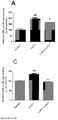
- UV treatment reduces cell viability in NIH3T3 cells ( Figure 1 ).
- ApoA-l treatment (10 ⁇ g/ml) protects NIH3T3 cells from UV-induced cell death ( Figure 2 ).
- ApoA-II a protein that is also associated with HDL like apoA-I, did not prevent UV-induced cell death of NIH3T3 cells ( Figure 2 ).
- ApoA-l effectively prevents UV-induced cell death and oxidative stress in NIH-3T3 fibroblasts (skin cells).
- ApoA-I has a potential role in the prevention and treatment of pro-inflammatory skin conditions.
- bHDL bovine HDL
- bHDL bovine HDL
- bHDL bovine HDL
- CT26 cells a mouse colon adenocarcinoma cell line
- CT26 cell-mediated tumor burden in BALB/c mice when administered subcutaneously or orally.
- LPA lysophosphatidic acid
- bHDL significantly reduced size and number of polyps in APC min/+ mice, a mouse model for human familial adenomatous polyposis.
- HDL mimetics constructed from a number of peptides and proteins with varying structures possess anti-inflammatory and antioxidant properties reminiscent of HDL.
- the results presented in this example show that bHDL molecules are effective in inhibiting the development of both induced and spontaneous pro-inflammatory conditions, such as cancers of the colon.
- mice 6-week-old BALB/c female mice and 6-week-old C57BL/6J-APC Min/+ male mice were purchased from The Jackson Laboratory.
- bHDL were obtained from Biomedical Technologies Inc.
- the bHDL was mixed into standard mouse chow (Ralston Purina) using techniques essentially as described previously for a Western diet (18).
- the Western diet was not administered in any of the experiments reported here; the mice only received standard mouse chow with or without the bHDL.
- CT26 cell line derived from N-nitroso-N-methyl urethane-induced mouse colon carcinoma of BALB/c origin was purchased from the American Type Culture Collection (ATCC).
- CT26 cells (2,000 cells per well) were first cultured in complete medium in 96-well culture plates, and 24 hours later the medium was replaced with serum free medium. Following an overnight incubation, the cells were either treated with vehicle (control), or treated with 10 ⁇ g/mL of either bHDL. The bHDL were dissolved in H2O. Cells were incubated for an additional 48 hours and assayed for viability using the MTS assays kit (Promega) according to the manufacturer's protocol.
- mice 6-week-old BALB/c female mice were given a 100 ⁇ L subcutaneous injection of 1 ⁇ 10 6 CT26 cells prepared as a single cell suspension in PBS, and the mice were treated with bHDLor BHDLat 10 mg/kg administered subcutaneously (SQ) daily for 15 days. The mice were sacrificed and tumor weights were measured.
- SQ subcutaneously
- mice were intravenously injected with 2 x 10 4 CT26 cells in 100 ⁇ L of PBS via tail vein injection and the mice were treated with bHDL at 10 mg/kg/day administered SQ for 3 weeks; or treated with bHDL at 100mg/kg /day administered in a chow diet for 3 weeks. After 3 weeks treatment, the mice were sacrificed; lungs were harvested, weighed and fixed with Bouin's solution (Sigma). Tumor nodules on the lung surface were counted.
- mice on a C57BL/6J background were treated with bHDL 100mg/kg/day administered in a chow diet. After 8 weeks treatment, mice were sacrificed. The entire intestine was immediately removed, fixed in formalin and 70% ethanol. The intestine was opened and examined under a dissecting microscope to count and measure the tumors.
- Tumor tissues from the lung surface were fixed and embedded with paraffin, sectioned at 5 ⁇ m thickness. Sections were deparaffinized with xylene, rehydrated with 100%, 90%, 70%, and 50% ethanol, treated with proteinase K at 20 ⁇ g/mL for 30 min, and treated with 3% H 2 O 2 for 30 min at room temperature to inhibit endogenous peroxidase, blocked with 10% normal goat serum and 4% BSA prepared in PBS for 3 h, and then incubated with 1:50 rat anti-mouse monoclonal CD31 antibody overnight at 4°C. The sections were incubated with corresponding biotinylated secondary antibody for 1 hour, followed by incubation with Vectastain ABC Elite reagents.
- CT26 cells were cultured in 6-well plates overnight and then serum starved for 48 hours. Cells were either treated with vehicle (control), or treated with 10 ⁇ g/mL of BHDLor G* bHDL, and incubated for an additional 48 hours. Cells were collected, washed with PBS, and fixed with 70% ice-cold methanol overnight at 4°C. The fixed cells were collected by centrifugation, washed with PBS, and resuspended in 0.3 ml of PBS containing 40 ⁇ g/mL RNaseA and 100 ⁇ g/mL Propidium Iodide, and subjected to flow cytometric cell-cycle analysis by FACScan from BD Biosciences.
- Total cell proteins were collected after treatment in cell lysis buffer containing 0.1M NaCl, 5 mM EDTA, 50 mM sodium orthovanadate, 1% Triton X-100, and protease inhibitor tablet in 50 mM Tris buffer (pH 7.5). 20 ⁇ g of total proteins were separated by SDS-PAGE and transferred onto nitrocellulose membrane, and followed by incubation with primary antibody at 4°C in 5% skim milk and 0.1% Tween-20. Anti-Cyclin D1 and anti-Cyclin A rabbit polyclonal antibodies were used at 1:1000 dilution, and anti- ⁇ -actin molyclonal antibody was used at 1:2000 dilution.
- Il-6 concentrations were measured in plasma by a competition ELISA according to the manufacture's protocol (Invitrogen).
- LPA (20:4) was purchased from Avanti Polar Lipids. LPA levels were determined as described previously ( Murph et al., 2007, Methods Enzymol 433:1-25 ).
- HDL mimetics can be used to inhibit tumor development in a mouse model of colon cancer.
- mice 6-week-old BALB/c female mice were purchased from The Jackson Laboratory.
- An apoA-I mimetic peptide L-4F (Ac-D-W-F-K-A-F-Y-D-K-V-A-E-K-F-K-E-A-F-NH 2 ; SEQ ID NO: 12) and a scrambled peptide (sc-4F) containing the same amino acids as in the 4F peptides but arranged in a sequence (Ac-D-W-F-A-K-D-Y-F-K-K-A-F-V-E-E-F-A-K-NH 2 ; SEQ ID NO: 13) that prevents the formation of a class A amphipathic helix were all synthesized from all L-amino acids.
- L-4F2 (Ac- D-W-F-K-A-F-Y-D-K-V-Aib-E-K-F-K-E-Aib-F-NH 2 ; SEQ ID NO: 14), in which A 11 and A 17 were substituted with ⁇ -aminoisobutyric acid (Aib).
- Peptide Ac-hE18A-NH 2 (28AA) has the amino acid sequence L-R-K-L-R-K-R-L-L-R-D-W-L-K-A-F-Y-D-K-V-A-E-K-L-K-E-A-F (SEQ ID NO: 2), which has the dual domain, derived by covalently linking the heparin binding domain 141-150 (L-R-K-L-R-K-R-L-L-R; SEQ ID NO: 15) of apoE to 18A, a class A amphipathic helical peptide.
- Peptide 28AA-2 with sequence L-R-K-L-R-K-R-L-L-R-D-W-L-K-A-F-Y-D-K-V-Aib-E-K-L-K-E-Aib-F (SEQ ID NO: 7) in which A 11 and A 17 were substituted with ⁇ -aminoisobutyric acid (Aib). All the peptides were dissolved in H 2 O.
- CT26 and NIH3T3 cells (2,000 cells per well) were first cultured in complete medium in 96-well culture plates, and 24 hours later the medium was replaced with serum-free medium. Following an overnight incubation, the cells were either treated with vehicle (control), or treated with 10 ⁇ g/mL of either L-4F or L-4F2 or 28AA or 28AA-2 peptide. Cells were incubated for an additional 48 hours and assayed for viability using MTS assays kit (Promega) according to the manufacturer's protocol.
- LPA (20:4) was purchased from Avanti Polar Lipids. Serum LPA levels were determined as described previously (18).
- the peptides inhibit tumor development following CT26 cell injection in BALB/c mice.
- CT-26 is a colon adenocarcinoma cell line which develops metastatic pulmonary tumors when introduced intravenously into immunocompetent BALB/c mice.
- L-4F, L-4F2 and sc-4F a scrambled peptide containing the same amino acids as in the 4F peptide but arranged in a sequence that prevents the formation of a class A amphipathic helix
- SQ 10mg/kg/day
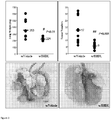
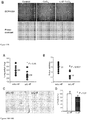
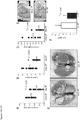
- the flank tumor weights and volumes were significantly larger in BALB/c mice treated with sc-4F compared with mice treated with L-4F, as expected (273mg vs.179mg, P ⁇ 0.05; 555mm 3 vs.313mm 3 , P ⁇ 0.05.
- Fig 4A, 4B and also the tumor weights and volumes were significantly larger in mice treated with sc-4F compared with mice treated with L-4F2 (273mg vs.118mg, P ⁇ 0.001; 555mm 3 vs.197mm 3 , P ⁇ 0.001.
- Fig 4A, 4B The tumors from the mice treated with L-4F2 were significantly smaller compared with mice treated with L-4F (179mg vs.118mg, P ⁇ 0.05; 313mm 3 vs.197mm 3 .
- Figure 4A, 4B Representative photographs of flank tumors from the three groups are shown in Figure 4E.
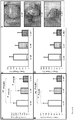
- Figure 4C and 4D show the percentage distributions of the scores (control as 100%) of weight and volume for each of the three groups.
- the peptides inhibit CT26 cell viability, but not NIH3T3 cells in vitro.
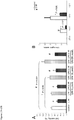
- CT26 cell viability was significantly reduced ( P ⁇ 0.05) with the treatment with L-4F2 compared with L-4F treatment ( Fig 6A ).
- CT26 cell viability was determined in vitro with the treatment with 28AA and 28AA-2 peptide. Cell viability was reduced by 70% ( P ⁇ 0.0001) in CT26 cells that were treated with 28AA peptide (10 ⁇ g/ml) and reduced by 64% ( P ⁇ 0.0001) in cells that were treated with 28AA-2 (10 ⁇ g/ml), when compared with control ( Fig 6A ).
- NIH3T3 cell viability was also determined in vitro with the treatment with all of 4 peptides. NIH3T3 cell viability was not affected by any of 4 peptides ( Fig 6B ).
- Example 4 Apolipoprotein A-I Mimetic Peptides Inhibit Expression and Activity of Hypoxia-Inducible Factor-1 in Human Ovarian Cancer Cell Lines and a Mouse Ovarian Cancer Model
- HIF-1 ⁇ hypoxia-inducible factor-1 ⁇
- Immunohistochemistry staining was used to examine the expression of HIF-1 ⁇ in tumor tissues. Immunoblotting, real-time polymerase chain reaction, immunofluorescence, and luciferase activity assays were used to determine the expression and activity of HIF-1 ⁇ in human ovarian cancer cell lines. Immunohistochemistry staining demonstrated that L-4F treatment dramatically decreased HIF-1 ⁇ expression in mouse ovarian tumor tissues.
- L-4F inhibited the expression and activity of HIF-1 ⁇ induced by low oxygen concentration, cobalt chloride (CoCl 2 , a hypoxiamimic compound), lysophosphatidic acid, and insulin in two human ovarian cancer cell lines, OV2008 and CAOV-3.
- L-4F had no effect on the insulin-induced phosphorylation of Akt, but inhibited the activation of extracellular signal-regulated kinase and p70s6 kinase, leading to the inhibition of HIF-1 ⁇ synthesis.
- Pretreatment with L-4F dramatically accelerated the proteasome- dependent protein degradation of HIF-1 ⁇ in both insulinand CoCl 2 treated cells.
- L-4F The inhibitory effect of L-4F on HIF-1 ⁇ expression is in part mediated by the reactive oxygen species scavenging effect of L-4F.
- ApoA-I mimetic peptides inhibit the expression and activity of HIF-1 ⁇ in both in vivo and in vitro models, suggesting the inhibition of HIF-1 ⁇ may be a critical mechanism responsible for the suppression of tumor progression by apoA-I mimetic peptides.
- Tumor angiogenesis plays a critical role in the growth and progression of solid tumors, including ovarian cancer (Folkman, 1971; Hanahan and Folkman, 1996; Carmeliet and Jain, 2000; note that complete citations to REFERENCES throughout Example 4 can be found in Gao et al., 2012, J. Pharm. Exper.Ther. 342:255-262 ).
- vascular endothelial growth factor is involved in every step of new vessel formation, including the proliferation, migration, invasion, tube formation of endothelial cells, and recruitment of various types of angiogenesis-associated cells, including VEGF receptor 1-positive cells and endothelial progenitor cells (Rafii et al., 2002; Adams and Alitalo, 2007; Ellis and Hicklin, 2008). More recently, we showed that the suppression of tumor growth is mediated, at least in part, by inhibition of the production of VEGF and subsequent tumor angiogenesis (Gao et al., 2011).
- hypoxia-inducible factor 1 (HIF-1) is crucial for the production of VEGF and other angiogenic factors in tumor tissues.
- HIF-1 is a heterodimeric transcription factor that consists of a constitutively expressed HIF-1 ⁇ and an inducible ⁇ -subunit, HIF-1 ⁇ .
- HIF-1 ⁇ hypoxia-inducible factor 1
- HIF-1 ⁇ binds to HIF-1 ⁇ , translocates into the nucleus, and contributes to tumorigenesis through the transcriptional activation of downstream genes, the protein products of which are required for angiogenesis (including VEGF and angiopoietins), glucose transport, and cell survival (Semenza, 2003; Pouysse' gur and Mechta-Grigoriou, 2006; Pouysségur et al., 2006).
- OV2008 cells were cultured in RPMI 1640 media with 10% fetal bovine serum, penicillin (100 U/ml), streptomycin (100 ⁇ g/ml), 1 X minimal essential medium nonessential amino acid solution (Invitrogen, Carlsbad, CA), and insulin (0.25 U/ml) (Invitrogen).
- CAOV-3 cells were cultured in complete media consisting of Dulbecco's modified Eagle's medium with high glucose and L-glutamine (2 mM), 10% fetal bovine serum, penicillin (100 U/ml), streptomycin (100 ⁇ g/ml), and insulin (0.02 U/ml).
- hypoxic conditions cells were transferred to a hypoxic chamber (model 3130; Thermo Fisher Scientific, Waltham, MA), where they were maintained at 37°C in an atmosphere containing 5% CO2, 1% 02, and 94% N2.
- L-4F the peptide Ac-D-W-F-K-A-F-Y-D-K-V-A-E-K-F-K-E-A-F-NH 2 (SEQ ID NO: 12) synthesized from all L amino acids
- SEQ ID NO: 12 the peptide Ac-D-W-F-K-A-F-Y-D-K-V-A-E-K-F-K-E-A-F-NH 2 (SEQ ID NO: 12) synthesized from all L amino acids
- SEQ ID NO: 12 the peptide Ac-D-W-F-K-A-F-Y-D-K-V-A-E-K-F-K-E-A-F-NH 2 (SEQ ID NO: 12) synthesized from
- Cobalt chloride CoCl 2 , insulin, cycloheximide (CHX), and N-(benzyloxycarbonyl)leucinylleucinylleucinal- Z-Leu-Leu-Leu-al (MG-132) were purchased from Sigma-Aldrich (St. Louis, MO).
- LPA adji Polar Lipids, Alabaster, AL
- ethanol a concentration of 20mM as a stock solution
- diluted to the required concentrations in the corresponding cell culture media before use.
- Each 25- ⁇ l reaction contained 0.4 ⁇ g of cDNA, 12.5 ⁇ l of SYBR Green qPCR SuperMix (Bio-Rad Laboratories), and 250 nM forward and reverse primers in nuclease-free water.
- Primers used were: HIF-1 ⁇ , 5'-TCC AGT TAC GTT CCT TCG ATC A-3' (SEQ ID NO: 16) and 5'-TTT GAG GAC TTG CGC TTT CA-3' (SEQ ID NO: 17), VEGF, 5'-CGG CGA AGA GAA GAG ACA CA-3' (SEQ ID NO: 18) and 5'-GGA GGA AGG TCA ACC ACT CA-3' (SEQ ID NO: 19); glucose transporter- 1, 5'-CGG GCC AAG AGT GTG CTA AA-3' (SEQ ID NO: 20) and 5'-TGA CGA TAC CGG AGC CAA TG-3' (SEQ ID NO: 21); aldolase-A,
- Western Blot Analysis Western Blot Analysis. Western blot analyses were performed as described previously (Gao et al., 2011). In brief, cell lysates were collected in a lysis buffer containing 0.1MNaCl, 5 mM EDTA, 50 ⁇ M sodium orthovanadate, 1% Triton X-100, and protease inhibitor tablet (Roche Diagnostics, Indianapolis, IN) in 50 mM Tris buffer, pH 7.5, loaded onto 4 to 12% Bis-Tris gel (Invitrogen), transferred to polyvinylidene difluoride membrane, and incubated with the appropriate antibodies.
- hypoxia Response Element Reporter Assay In brief, OV2008 cells were plated at 2 x 10 5 cells per well in a six-well plate and grown in complete media overnight. Then, pGL3-Epo-hypoxia response element (HRE)-Luc plasmid was transfected into cells by using Lipofectamine 2000 (Invitrogen). After 24 h, cells were starved overnight and subjected to L-4F treatment in the presence or absence of stimulators. A reporter assay system (Promega, Madison, WI) was used for the measurement of luciferase activity.
- HRE hypoxia Response Element Reporter Assay.
- Immunofluorescence Staining of HIF-1 ⁇ was performed as described previously (Lee et al., 2006). In brief, OV2008 cells were plated onto a glass slip (Thermo Fisher Scientific) in 24-well plates at 4 x 10 4 cells per well and grown in complete medium overnight. After starvation overnight, cells were subjected to L-4F treatment in the presence or absence of stimulators. Then, cells were fixed in 4% neutral buffered formaldehyde for 25 min at room temperature, permeabilized with 0.5% Triton X-100 in PBS for 10 min, and blocked with 10% normal goat serum, 1% bovine serum albumin, and 0.3 M glycine prepared in PBS for 1 h.
- mice Nine-week-old C57BL/6J female mice were given a 0.5-ml subcutaneous injection of 5 x 10 6 ID8 cells prepared as a single cell suspension in PBS mixed with an equal volume of cold Matrigel (BD Biosciences, San Jose, CA). After 2 weeks, mice started to receive scrambled 4F peptide (sc-4F) or L-4F (10 mg/kg) by subcutaneous injection at a site distant from the site where the ID8 cells were injected daily for 3 weeks. After 3 weeks, the mice were sacrificed for tumor collection and further analyses.
- sc-4F scrambled 4F peptide
- L-4F 10 mg/kg
- L-4F Inhibits HIF-1 ⁇ Expression and Angiogenesis In Vivo.
- Our previous data showed that the apoA-I mimetic peptides L-4F and L-5F inhibited tumor growth and angiogenesis in an immunocompetent mouse model of ovarian cancer that uses the epithelial cancer cell line ID8 (Gao et al., 2011).
- HIF-1 ⁇ in the production of VEGF
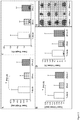
- a critical growth factor implicated in tumor angiogenesis we first examined the effect of L-4F on HIF-1 ⁇ expression by using the same model. Immunohistochemistry staining showed that L-4F treatment decreased HIF-1 ⁇ expression in tumor tissues compared with a control peptide (sc-4F)-treated group ( Fig. 7A ).
- L-4F and L-5F Inhibits HIF-1 ⁇ Expression in Cell Cultures.
- low oxygen concentration 1% O 2
- CoCl 2 a hypoxia mimetic chemical
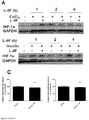
- Western blot analysis showed that L-4F dose-dependently suppressed hypoxia-induced HIF-1 ⁇ protein expression ( Fig. 7B ; see also supplemental materials in online version). Similar results were observed when OV2008 cells were treated with insulin at 100 nM and 200 nM ( Fig. 7B ) and LPA at 20 ⁇ M (see also supplemental materials).
- L-5F another apoA-I mimetic peptide, L-5F, was used to treat OV2008 cells. Similar to L-4F treatment, L-5F dose-dependently inhibited low oxygen- and CoCl 2 -stimulated HIF-1 ⁇ expression (see supplemental materials).
- HIF-1 ⁇ functions in nuclei and activates expression of downstream genes.
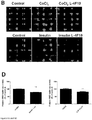
- Immunofluorescence staining was used to examine the effect of L-4F on the nuclear levels of HIF-1 ⁇ protein. CoCl 2 and insulin treatments greatly increased the accumulation of HIF-1 ⁇ in nuclei of OV2008 cells, and pretreatment of L-4F dramatically reversed these effects ( Fig. 7 , C and D).
- L-4F Inhibition of HIF-1 ⁇ -Dependent Gene Transcription by L-4F.
- OV2008 cells were transfected with a HRE containing luciferase reporter plasmid.
- L-4F treatment significantly inhibited CoCl 2 - and insulin-mediated induction of luciferase activity ( Fig. 8 , A and C).
- L-4F treatment abrogated CoCl 2 and insulin-induced increase in mRNA levels of HIF-1 ⁇ target genes including VEGF, glucose transporter 1, and aldolase-A ( Fig. 8 , B and D), suggesting that L-4F inhibits both HIF-1 ⁇ protein expression and activity.
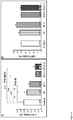
- Post-Treatment of L-4F Decreases HIF-1 ⁇ Protein Level and Activity in CoCl 2 - and Insulin-Treated OV2008 Cells. Because HIF-1 ⁇ expression is elevated in advanced tumors that are presented clinically, we next examined whether L-4F given after hypoxia or growth factor stimulation inhibited HIF-1 ⁇ expression. OV2008 cells were stimulated first with CoCl 2 or insulin for 3 h (see supplemental materials) or 24 h ( Fig. 9 ), and then treated with L-4F for various durations. Post-treatment of L-4F significantly decreased HIF-1 ⁇ expression in OV2008 cells ( Fig. 9A ; see also supplemental materials). Immunofluorescence analysis showed decreased nuclear expression of HIF-1 ⁇ by post-treatment of L-4F ( Fig. 9B ; see also supplemental materials). Moreover, down-regulation of HIF-1 ⁇ protein in the nucleus correlated with the inhibition of the transcription of downstream HIF-1 ⁇ target genes ( Fig. 9C ; see also supplemental materials).
- L-4F Does Not Affect HIF-1 ⁇ Transcription.
- HIF-1 ⁇ mRNA content To determine whether L-4F affects HIF-1 ⁇ synthesis at the transcriptional level, we quantified HIF-1 ⁇ mRNA content to determine whether a change in HIF-1 ⁇ mRNA level precedes that of protein.
- Real-time RT-PCR analyses indicated that L-4F had no effect on the basal level of HIF-1 ⁇ mRNA (see supplemental materials).
- low oxygen and insulin did not affect HIF-1 ⁇ gene transcription (see supplemental materials), suggesting that the regulation of HIF-1 ⁇ protein expression by L-4F occurs at the posttranscriptional level.
- L-4F inhibits S6 Kinase Phosphorylation in an ERKDependent Manner. Activation of S6 kinase is critical for insulin-induced de novo synthesis of HIF-1 ⁇ (Semenza, 2003). To determine the molecular mechanism of HIF-1 ⁇ inhibition by L-4F, we tested whether L-4F affects the insulin-stimulated protein synthesis of HIF-1 ⁇ . Our data showed that L-4F at 10 ⁇ g/ml prevented phosphorylation of S6 kinase ( Fig. 10A ). S6 kinase phosphorylation is regulated by the activation of upstream signaling molecules ERK and Akt. As shown in Fig.
- L-4F Treatment Promotes Proteasome-Dependent Protein Degradation.
- CHX a compound that prevents new protein synthesis, was used to inhibit de novo HIF-1 ⁇ protein synthesis.
- Our data showed that OV2008 cells treated with CHX in combination with insulin exhibited a gradual decrease in HIF-1 ⁇ as a function of time, and simultaneous L-4F treatment accelerated the degradation of HIF-1 ⁇ protein ( Fig. 11A ).
- L-4F a similar effect of L-4F on CoCl 2 -treated OV2008 cells (see supplemental materials).
- HIF-1 is a key cellular survival protein under hypoxia and is associated with tumor progression and metastasis in various solid tumors (Seeber et al., 2011). Targeting HIF-1 ⁇ could be an attractive anticancer therapeutic strategy (Se- menza, 2003; Belozerov and Van Meir, 2005; Seeber et al., 2011). Expression of HIF-1 ⁇ is increased by both hypoxic and nonhypoxic stimuli. Low oxygen concentration or treatment with CoCl 2 , a hypoxic mimetic compound, inhibits the degradation of HIF-1 ⁇ and increases HIF-1 ⁇ protein stability and accumulation.
- L-4F inhibits HIF-1 ⁇ expression in mouse tumor tissues ( Fig. 7A ); 2) pretreatment and post-treatment of L-4F and L-5F decrease low oxygen-, CoCl 2 -, insulin-, and LPA-induced expression and nuclear levels in human ovarian cancer cell lines ( Figs.
- L-4F inhibits CoCl 2 - and insulin-stimulated expression of HRE-driven reporter gene and activation of HIF-1 ⁇ target genes ( Figs. 8 and 9 ; see also supplemental materials).
- ROS ROS are key players in the regulation of HIF-1 ⁇ under normoxia as well as hypoxia.
- treatment of cells with low oxygen concentration Chandel et al., 2000; Guzy et al., 2005; Guzy and Schumacker, 2006
- CoCl 2 Chandel et al., 2000; Griguer et al., 2006
- insulin Zhou et al., 2007; Lee et al., 2009
- LPA Choleukin et al., 1995; Saunders et al., 2010
- ROS production is critical for HIF-1 ⁇ expression in cells, and removal of ROS impairs HIF-1 ⁇ accumulation induced by hypoxia and insulin (Brunelle et al., 2005; Mansfield et al., 2005; Carnesecchi et al., 2006; Biswas et al., 2007).
- Ganapathy et al. (2012) reported that D-4F, an apoA-I mimetic peptide, significantly decreases the production of superoxide and H2O2 and improves the oxidative status on ID8 cells.
- peptide treatment affects hypoxia- or growth factor-mediated ROS production.
- L-4F affects the synthesis of HIF-1 ⁇ protein.
- Insulin activates receptor tyrosine kinase and downstream signaling molecules, most notably S6 kinase, leading to increases of mRNA translation and de novo synthesis of HIF-1 ⁇ (Treins et al., 2002; Semenza, 2003).
- L-4F inhibits insulin-stimulated phosphorylation of S6 kinase at various time points, resulting in a decrease of HIF-1 ⁇ protein level ( Fig. 10A ).
- D-4F an apoA-I mimetic peptide identical to L-4F but synthesized with all D amino acids
- SOD superoxide dismutase
- Example 4 A complete list of citations to references provided throughout Example 4 can be found in Gao et al., 2012, J. Pharm. Exper. Ther. 342:255-262 . The online version of this article also contains supplemental materials referenced in Example 4.
- HDL mimetics L-4F (an apolipoprotein A-I mimetic peptide) and G* (an apolipoprotein J mimetic peptide) affect tumor growth and development in mouse models of colon cancer.
- HDL mimetics reduced viability and proliferation of CT26 cells, a mouse colon adenocarcinoma cell line, and decreased CT26 cell-mediated tumor burden in BALB/c mice when administered subcutaneously or orally.
- Plasma levels of lysophosphatidic acid (LPA), a serum biomarker for colon cancer were significantly reduced in mice that received HDL mimetics, suggesting that binding and removal of proinflammatory lipids is a potential mechanism for the inhibition of tumor development by HDL mimetics.
- LPA lysophosphatidic acid
- HDL mimetics are effective in inhibiting the development of both induced and spontaneous cancers of the colon.
- mice The Animal Research Committee at University of California at Los Angeles approved all mouse protocols. Six-week-old BALB/c female mice and 6-week-old C57BL/6J-APC min/+ male mice were purchased from The Jackson Laboratory.
- the peptides were dissolved in H 2 O for administration by injection.
- the peptides were mixed into standard mouse chow (Ralston Purina) using techniques essentially as described previously for a Western diet (18).
- the Western diet was not administered in any of the experiments reported here; the mice only received standard mouse chow with or without the peptides.
- CT26 cell line derived from N-nitroso-N-methyl urethane-induced mouse colon carcinoma of BALB/c origin was purchased from the American Type Culture Collection. CT26 cells (2,000 cells per well) were first cultured in complete medium in 96-well culture plates, and 24 hours later the medium was replaced with serum-free medium. Following an overnight incubation, the cells were either treated with vehicle (control) or treated with 10 mg/mL of either L-4F or G* peptide. The peptides were dissolved in H 2 O. Cells were incubated for an additional 48 hours and assayed for viability using the MTS assay kit (Promega) according to the manufacturer's protocol.
- MTS assay kit Promega
- mice Six-week-old BALB/c female mice were given a 100 mL subcutaneous injection of 1 x 10 6 CT26 cells prepared as a single cell suspension in PBS, and the mice were treated with sc-4F or L-4F at 10 mg/kg administered subcutaneously daily for 15 days. The mice were sacrificed and tumor weights were measured.
- mice were intravenously injected with 2 x 10 4 CT26 cells in 100 mL of PBS via tail vein injection and the mice were treated with L-4F or sc-4F at 10 mg/kg/d administered subcutaneously for 3 weeks, or treated with sc-4F or L-4F or G* peptide at 100 mg/kg/d administered in a chow diet for 3 weeks. After 3 weeks treatment, the mice were sacrificed; lungs were harvested, weighed, and fixed with Bouin solution (Sigma). Tumor nodules on the lung surface were counted.
- mice on a C57BL/6J background were treated with L-4F or sc-4F at 100 mg/kg/d administered in a chow diet. After 8 weeks treatment, mice were sacrificed. The entire intestine was immediately removed, fixed in formalin and 70% ethanol. The intestine was opened and examined under a dissecting microscope to count and measure the tumors.
- Tumor tissues from the lung surface were fixed and embedded with paraffin, sectioned at 5 mm thickness. Sections were deparaffinized with xylene, rehydrated with 100%, 90%, 70%, and 50% ethanol, treated with proteinase K at 20 mg/mL for 30 minutes, and treated with 3% H 2 O 2 for 30 minutes at room temperature to inhibit endogenous peroxidase, blocked with 10% normal goat serum and 4% bovine serum albumin prepared in PBS for 3 hours, and then incubated with 1:50 rat antimouse monoclonal CD31 antibody overnight at 4°C. The sections were incubated with corresponding biotinylated secondary antibody for 1 hour, followed by incubation with Vectastain ABC Elite reagents.
- CT26 cells were cultured in 6-well plates overnight and then serum starved for 48 hours. Cells were either treated with vehicle (control), or treated with 10 mg/mL of L-4F or G*peptide, and incubated for an additional 48 hours. Cells were collected, washed with PBS, and fixed with 70% ice-cold methanol overnight at 4°C. The fixed cells were collected by centrifugation, washed with PBS, and resuspended in 0.3 mL of PBS containing 40 mg/mL RNaseA and 100 mg/mL propidium iodide, and subjected to flow cytometric cell-cycle analysis by FACScan from BD Biosciences.
- Total cell proteins were collected after treatment in cell lysis buffer containing 0.1 mol/L NaCl, 5 mmol/L EDTA, 50 mmol/L sodium orthovanadate, 1% Triton X-100, and protease inhibitor tablet in 50 mmol/L Tris buffer (pH 7.5). Twenty micrograms of total proteins were separated by SDS-PAGE and transferred onto nitrocellulose membrane and followed by incubation with primary antibody at 4°C in 5% skim milk and 0.1% Tween-20. Anti-cyclin D1 and anti-cyclin A rabbit polyclonal antibodies were used at 1:1,000 dilution, and anti-b-actin polyclonal antibody was used at 1:2,000 dilution.
- Interleukin (IL)-6 concentrations were measured in plasma by a competition ELISA according to the manufacture's protocol (Invitrogen).
- LPA (20:4) was purchased from Avanti Polar Lipids. LPA levels were determined as described previously (19).
- HDL mimetic L-4F inhibits tumor development following CT26 cell injection in BALB/c mice
- CT26 is a colon adenocarcinoma cell line that develops metastatic pulmonary tumors when introduced intravenously into immunocompetent BALB/c mice (20-22).
- CT26 cell line has been widely used as a syngeneic tumor model to study therapeutic applications for cancer in mouse models and therefore we chose CT26 cells for the colon cancer study in our HDL mimetic studies.
- L-4F and sc-4F a scrambled peptide containing the same amino acids as in the 4F peptide but arranged in a sequence that prevents the formation of a class A amphipathic helix
- L-4F and sc-4F a scrambled peptide containing the same amino acids as in the 4F peptide but arranged in a sequence that prevents the formation of a class A amphipathic helix
- the lung weights ( Fig. 13A ) and the tumor numbers counted on the lung surface ( Fig. 13B ) in BALB/c mice treated with L-4F (n 11 per group) were significantly reduced compared with mice treated with sc-4F (280 vs. 225 mg, P ⁇ 0.01; 33 vs.18, P ⁇ 0.001). Representative photographs of lung tumors from the 2 groups are shown in Fig. 13C .
- Six-week-old BALB/c female mice were injected with 1 x 10 6 CT26 cells subcutaneously in the flank.
- the flank tumor weights were significantly larger in BALB/c mice treated with sc-4F compared with mice treated with L-4F (778 vs. 389 mg, P ⁇ 0.05; Fig. 13D ). Representative photographs of flank tumors from the 2 groups are shown in Fig. 13E .
- IL-6 was significantly decreased in mice with L-4F treatment compared with control group ( Fig. 13F ).
- APC min/+ mouse is an established mouse model for colon cancer and mirrors the development of familial adenomatous polyposis in humans (24, 25).
- the tumor numbers and sizes in the intestinal tract from mice treated with L-4F were significantly reduced compared with mice treated with sc-4F (100% vs. 60%, P ⁇ 0.05; 1-3 mm: 56.5 vs.
- L-4F alters CT26 cell viability, proliferation, cell cycle, and expression of cell-cycle-related proteins in vitro
- HDL mimetic L-4F inhibits LPA-induced viability of CT26 cells
- LPA has been identified as an important mediator of tumor development, progression, and metastases in humans (26, 27).
- L-4F binds LPA (17), as expected, LPA (10- 20 mmol/L) significantly improved CT26 cell growth, and L-4F significantly reduced LPA-induced viability at all doses tested, P ⁇ 0.001 ( Fig. 17A ).
- LPA 16:0 and 18:0 were significantly decreased with L-4F treatment compared with the control medium.
- LPA 20:4 and 18:1 were not detectable in cell culture medium ( Fig. 17B ).
- HDL mimetic, G* peptide (L-[113-122]apoJ) inhibits CT26 cell growth and CT26-mediated tumor development
- G* (L-[113-122]apoJ) peptide was used to repeat the studies in vivo and in vitro. Pulmonary tumor development following CT26 cell injection was significantly decreased in mice treated with G* peptide at 100 mg/kg/d administered in mouse chow for 3 weeks (Lung weights were 296 vs. 250 mg, P ⁇ 0.05; tumor numbers were 21 vs. 10, P ⁇ 0.0001; Fig. 18A and 18B ). Cell viability was approximately 40% lower in CT26 cells treated with G* peptide (10 mg/mL) when compared with no treatment ( Fig. 18C ). In the mouse experiment shown in Fig.
- HDL is recognized as an integral part of the innate immune system. HDL is a complex macromolecule whose functional repertoire includes antioxidant, anti-inflammatory, and antimicrobial activities. Unlike LDL, HDL is a heterogeneous mixture of proteins and lipids, which determine structural and functional integrity of HDL.
- HDL mimetics have shown extraordinary therapeutic promise in preclinical studies in a number of inflammatory diseases (34-40).
- L-4F and L-5F, 2 apoA-I mimetic peptides have recently shown that L-4F and L-5F, 2 apoA-I mimetic peptides, reduced viability and proliferation of mouse ovarian cancer cells (ID-8 cells) and cis-platinum-resistant human ovarian cancer cells, and decreased ID-8 cell-mediated tumor burden in C57BL/6J mice when administered subcutaneously or orally (17).
- ID-8 cells mouse ovarian cancer cells
- cis-platinum-resistant human ovarian cancer cells decreased ID-8 cell-mediated tumor burden in C57BL/6J mice when administered subcutaneously or orally (17).
- apoA-I mimetic peptides inhibit tumorigenesis by (i) inhibiting angiogenesis (23) and (ii) inducing expression and activity of MnSOD (41).
- LPA plays an important role in inflammation, angiogenesis, and cancer, and has become a promising target for therapy (46).
- the binding and removal of proinflammatory/proangiogenic lipids such as LPA may be a major part of the mechanism of action for the HDL mimetics.
- HDL mimetics inhibit both induced and spontaneous colon cancer development in mice.
- the binding and removal of protumorigenic lipids by HDL mimetic peptides likely alters the proliferation capacity of the tumor cells as well asangiogenesis associated with the tumors. Identifying the target lipid(s) is an important next step in delineating the specific mechanism of action for these HDL mimetics.
- K4,15-4F (SEQ ID NO: 27) and K4,15-4F2 (SEQ ID NO: 28) peptides were based on the K14,15 peptides described in Nayyar et al., 2012, J. Lipid Res. 53(5):849-58 , in which the lysines are substituted with arginines at residues 4 and 15, with the latter, K4,15-4F2, further modified to introduce the Aib substitution for alanine at positions 11 and 17.
- the novel 20 amino acid peptide was formed from peptides of ApoE and G* to create the peptide: LRKLRKRLLR LVGRQLEEFL (SEQ ID NO: 1).
Landscapes
- Health & Medical Sciences (AREA)
- Life Sciences & Earth Sciences (AREA)
- Chemical & Material Sciences (AREA)
- General Health & Medical Sciences (AREA)
- Medicinal Chemistry (AREA)
- Organic Chemistry (AREA)
- Pharmacology & Pharmacy (AREA)
- Veterinary Medicine (AREA)
- Public Health (AREA)
- Animal Behavior & Ethology (AREA)
- Bioinformatics & Cheminformatics (AREA)
- Engineering & Computer Science (AREA)
- Proteomics, Peptides & Aminoacids (AREA)
- Gastroenterology & Hepatology (AREA)
- Chemical Kinetics & Catalysis (AREA)
- Nuclear Medicine, Radiotherapy & Molecular Imaging (AREA)
- General Chemical & Material Sciences (AREA)
- Zoology (AREA)
- Epidemiology (AREA)
- Immunology (AREA)
- Biochemistry (AREA)
- Toxicology (AREA)
- Genetics & Genomics (AREA)
- Molecular Biology (AREA)
- Biophysics (AREA)
- Marine Sciences & Fisheries (AREA)
- Neurosurgery (AREA)
- Biomedical Technology (AREA)
- Neurology (AREA)
- Rheumatology (AREA)
- Psychiatry (AREA)
- Pain & Pain Management (AREA)
- Hospice & Palliative Care (AREA)
- Dermatology (AREA)
- Medicines That Contain Protein Lipid Enzymes And Other Medicines (AREA)
- Peptides Or Proteins (AREA)
Applications Claiming Priority (4)
| Application Number | Priority Date | Filing Date | Title |
|---|---|---|---|
| US201161528447P | 2011-08-29 | 2011-08-29 | |
| US201261624333P | 2012-04-15 | 2012-04-15 | |
| US201261646772P | 2012-05-14 | 2012-05-14 | |
| PCT/US2012/052925 WO2013033260A1 (en) | 2011-08-29 | 2012-08-29 | Use of hdl-related molecules to treat and prevent proinflammatory conditions |
Publications (3)
| Publication Number | Publication Date |
|---|---|
| EP2751126A1 EP2751126A1 (en) | 2014-07-09 |
| EP2751126A4 EP2751126A4 (en) | 2015-11-04 |
| EP2751126B1 true EP2751126B1 (en) | 2018-03-07 |
Family
ID=47756845
Family Applications (1)
| Application Number | Title | Priority Date | Filing Date |
|---|---|---|---|
| EP12826789.5A Not-in-force EP2751126B1 (en) | 2011-08-29 | 2012-08-29 | Use of hdl-related molecules to treat and prevent proinflammatory conditions |
Country Status (8)
| Country | Link |
|---|---|
| US (2) | US9241976B2 (enExample) |
| EP (1) | EP2751126B1 (enExample) |
| JP (1) | JP6078067B2 (enExample) |
| KR (1) | KR20140063747A (enExample) |
| CN (1) | CN104039810A (enExample) |
| AU (1) | AU2012301955A1 (enExample) |
| CA (1) | CA2846865A1 (enExample) |
| WO (1) | WO2013033260A1 (enExample) |
Families Citing this family (3)
| Publication number | Priority date | Publication date | Assignee | Title |
|---|---|---|---|---|
| US10426817B2 (en) | 2017-01-24 | 2019-10-01 | Macregen, Inc. | Treatment of age-related macular degeneration and other eye diseases with apolipoprotein mimetics |
| WO2018190896A1 (en) * | 2017-04-13 | 2018-10-18 | Lipimetix Development, Inc. | Apoe mimetic peptide compositions |
| CN120085016A (zh) * | 2025-03-14 | 2025-06-03 | 北京大学第三医院(北京大学第三临床医学院) | 一种apoa1作为生物标志物在制备用于监测结肠炎症活动度的产品中的应用 |
Family Cites Families (51)
| Publication number | Priority date | Publication date | Assignee | Title |
|---|---|---|---|---|
| US4769330A (en) | 1981-12-24 | 1988-09-06 | Health Research, Incorporated | Modified vaccinia virus and methods for making and using the same |
| US4603112A (en) | 1981-12-24 | 1986-07-29 | Health Research, Incorporated | Modified vaccinia virus |
| US4751180A (en) | 1985-03-28 | 1988-06-14 | Chiron Corporation | Expression using fused genes providing for protein product |
| DK145385D0 (da) | 1985-03-29 | 1985-04-01 | Novo Industri As | Monoklonalt antistof til immunkemisk analyse |
| GB8508845D0 (en) | 1985-04-04 | 1985-05-09 | Hoffmann La Roche | Vaccinia dna |
| US4777127A (en) | 1985-09-30 | 1988-10-11 | Labsystems Oy | Human retrovirus-related products and methods of diagnosing and treating conditions associated with said retrovirus |
| US4935233A (en) | 1985-12-02 | 1990-06-19 | G. D. Searle And Company | Covalently linked polypeptide cell modulators |
| US5114863A (en) | 1986-09-30 | 1992-05-19 | Board Of Supervisors Of Louisiana State University & Agricultural & Mechanical College | Immunosorbant assay for α-1-antitrypsin, kit employing said assay, monoclonal antibody to α-1-antitrypsin, and hybridoma for producing said monoclonal antibody |
| GB8702816D0 (en) | 1987-02-07 | 1987-03-11 | Al Sumidaie A M K | Obtaining retrovirus-containing fraction |
| WO1989001973A2 (en) | 1987-09-02 | 1989-03-09 | Applied Biotechnology, Inc. | Recombinant pox virus for immunization against tumor-associated antigens |
| AP129A (en) | 1988-06-03 | 1991-04-17 | Smithkline Biologicals S A | Expression of retrovirus gag protein eukaryotic cells |
| EP1001032A3 (en) | 1989-08-18 | 2005-02-23 | Chiron Corporation | Recombinant retroviruses delivering vector constructs to target cells |
| SE8904007D0 (sv) | 1989-11-28 | 1989-11-28 | Ferring Ab | Monoklona antikroppar och diagnostiseringsmetod |
| SE466259B (sv) | 1990-05-31 | 1992-01-20 | Arne Forsgren | Protein d - ett igd-bindande protein fraan haemophilus influenzae, samt anvaendning av detta foer analys, vacciner och uppreningsaendamaal |
| RU2152787C2 (ru) * | 1994-06-02 | 2000-07-20 | Дан Рига | Лекарство против стресса, против снижения уровня активности и против старения и способ его получения |
| US20030027216A1 (en) | 2001-07-02 | 2003-02-06 | Kiernan Urban A. | Analysis of proteins from biological fluids using mass spectrometric immunoassay |
| US5891641A (en) | 1997-02-21 | 1999-04-06 | The Regents Of The University Of California | Assay for disease related conformation of a protein |
| US5955582A (en) | 1997-09-26 | 1999-09-21 | Beckman Coulter, Inc. | Antibody against a 3-aminophenylboronic-glycated protein complex and its use in an immunoassay |
| US7723303B2 (en) * | 2000-08-24 | 2010-05-25 | The Regents Of The University Of California | Peptides and peptide mimetics to treat pathologies characterized by an inflammatory response |
| US20050214760A1 (en) | 2002-01-07 | 2005-09-29 | Johns Hopkins University | Biomarkers for detecting ovarian cancer |
| US6930085B2 (en) * | 2002-04-05 | 2005-08-16 | The Regents Of The University Of California | G-type peptides to ameliorate atherosclerosis |
| AU2003247610A1 (en) | 2002-06-21 | 2004-01-06 | Ptc Therapeutics, Inc. | METHODS FOR IDENTIFYING SMALL MOLECULES THAT MODULATE PREMATURE TRANSLATION TERMINATION AND NONSENSE MEDIATED mRNA DECAY |
| AU2003252136A1 (en) | 2002-07-24 | 2004-02-09 | Ptc Therapeutics, Inc. | METHODS FOR IDENTIFYING SMALL MOLEDULES THAT MODULATE PREMATURE TRANSLATION TERMINATION AND NONSENSE MEDIATED mRNA DECAY |
| DE60332639D1 (de) | 2002-08-06 | 2010-07-01 | Univ Johns Hopkins | Verwendung von biomarkern zum nachweis von eierstockkrebs |
| US7191068B2 (en) | 2003-03-25 | 2007-03-13 | Proteogenix, Inc. | Proteomic analysis of biological fluids |
| US7589174B2 (en) | 2003-05-12 | 2009-09-15 | The Children's Hospital Of Philadelphia | GRP94-based compositions and methods of use thereof |
| EP1658497B1 (en) | 2003-08-25 | 2008-12-03 | Marc Ramael | A method and kit for the quantitative and/or qualitative detection of components in a sample |
| EP1713511B1 (en) | 2004-01-09 | 2011-11-09 | Mogam Biotechnology Research Institute | Therapeutic agent for treatment of cancer comprising human apolipoprotein (a) kringles lk68 or lk8 genes as effective ingredient, and method for treating cancer using the same |
| EP1713900A4 (en) | 2004-01-27 | 2009-06-17 | Compugen Ltd | METHOD AND SYSTEMS FOR COMMENTING BIOMOLECULAR SEQUENCES |
| WO2005093413A2 (en) | 2004-03-22 | 2005-10-06 | Yale University | Diagnosis and treatment of preeclampsia |
| US7670792B2 (en) | 2004-07-14 | 2010-03-02 | The Regents Of The University Of California | Biomarkers for early detection of ovarian cancer |
| WO2006019906A1 (en) | 2004-07-14 | 2006-02-23 | The Regents Of The University Of California | Biomarker for early detection of ovarian cancer |
| US9488655B2 (en) | 2004-07-14 | 2016-11-08 | The Regents Of The University Of California | Biomarkers for detection of early- and late-stage endometrial cancer |
| WO2012047930A2 (en) * | 2010-10-04 | 2012-04-12 | The Regents Of The University Of California | Compositions and methods for treatment of gynecologic cancers |
| WO2006029028A2 (en) * | 2004-09-02 | 2006-03-16 | Cognosci, Inc. | Improved apo e analogs and methods for their use |
| US20060094039A1 (en) | 2004-09-20 | 2006-05-04 | Ron Rosenfeld | Diagnosis of fetal aneuploidy |
| KR20070089996A (ko) * | 2004-12-06 | 2007-09-04 | 더 리전트 오브 더 유니버시티 오브 캘리포니아 | 세동맥의 구조 및 기능의 개선 방법 |
| US7427662B2 (en) | 2005-02-01 | 2008-09-23 | Baord Of Supervisors Of Louisiana State University And Agricultural And Mechanical College | Inhibition of angiogenesis and destruction of angiogenic vessels by apolipoprotein A-I and high density lipoprotein |
| EP1869462B1 (en) | 2005-03-11 | 2013-05-08 | Ciphergen Biosystems, Inc. | Biomarkers for ovarian cancer and endometrial cancer: hepcidin |
| AU2006242651B2 (en) * | 2005-04-29 | 2013-05-16 | The Regents Of The University Of California | Peptides and peptide mimetics to treat pathologies characterized by an inflammatory response |
| US20080293639A1 (en) | 2005-04-29 | 2008-11-27 | The Regents Of The University Of California | Peptides and peptide mimetics to treat pathologies characterized by an inflammatory response |
| WO2006121952A2 (en) | 2005-05-05 | 2006-11-16 | The Regents Of The University Of California | Diagnostic biomarkers for neurodevelopmental disorders |
| WO2007002069A2 (en) | 2005-06-21 | 2007-01-04 | Anthony Goncalves | Serum biomarkers for breast cancer |
| US7575876B2 (en) | 2005-10-27 | 2009-08-18 | The University Of Washington | Biomarkers for neurodegenerative disorders |
| EP1971359A2 (en) | 2005-12-16 | 2008-09-24 | Electrophoretics Limited | Diagnosis and prognosis of colorectal cancer |
| KR100725642B1 (ko) * | 2006-01-20 | 2007-06-07 | 충남대학교산학협력단 | 저밀도 지단백질에 대해 항산화성을 갖는 펩타이드 |
| US7723045B2 (en) | 2006-02-10 | 2010-05-25 | The Regents Of The University Of California | Assays to predict atherosclerosis and dysfunctional high-density lipoprotein |
| AU2008266753A1 (en) * | 2007-06-20 | 2008-12-24 | Istituto Di Recerche Di Biologia Molecolare P. Angeletti S.P.A. | ApoA-1 peptide mimetics |
| AU2008296487A1 (en) * | 2007-08-28 | 2009-03-12 | The Uab Research Foundation | Synthetic apolipoprotein E mimicking polypeptides and methods of use |
| JP2010538005A (ja) * | 2007-08-28 | 2010-12-09 | ユーエービー リサーチ ファウンデーション | 合成アポリポ蛋白質e模倣ポリペプチドおよび使用方法 |
| JP2009092440A (ja) | 2007-10-04 | 2009-04-30 | Shimadzu Corp | 卵巣癌の診断システム及び卵巣癌の診断方法 |
-
2012
- 2012-08-29 EP EP12826789.5A patent/EP2751126B1/en not_active Not-in-force
- 2012-08-29 WO PCT/US2012/052925 patent/WO2013033260A1/en not_active Ceased
- 2012-08-29 US US14/239,530 patent/US9241976B2/en not_active Expired - Fee Related
- 2012-08-29 CN CN201280052367.7A patent/CN104039810A/zh active Pending
- 2012-08-29 CA CA2846865A patent/CA2846865A1/en not_active Abandoned
- 2012-08-29 AU AU2012301955A patent/AU2012301955A1/en not_active Abandoned
- 2012-08-29 KR KR1020147008207A patent/KR20140063747A/ko not_active Withdrawn
- 2012-08-29 JP JP2014528563A patent/JP6078067B2/ja not_active Expired - Fee Related
-
2016
- 2016-01-22 US US15/004,604 patent/US10208103B2/en not_active Expired - Fee Related
Also Published As
| Publication number | Publication date |
|---|---|
| KR20140063747A (ko) | 2014-05-27 |
| WO2013033260A1 (en) | 2013-03-07 |
| US20170204160A1 (en) | 2017-07-20 |
| AU2012301955A1 (en) | 2014-03-06 |
| JP6078067B2 (ja) | 2017-02-08 |
| US10208103B2 (en) | 2019-02-19 |
| US20140323410A1 (en) | 2014-10-30 |
| EP2751126A1 (en) | 2014-07-09 |
| CA2846865A1 (en) | 2013-03-07 |
| EP2751126A4 (en) | 2015-11-04 |
| CN104039810A (zh) | 2014-09-10 |
| JP2014526440A (ja) | 2014-10-06 |
| US9241976B2 (en) | 2016-01-26 |
Similar Documents
| Publication | Publication Date | Title |
|---|---|---|
| US20080027002A1 (en) | Compositions and methods for targeting cancer-specific transcription complexes | |
| KR20210117271A (ko) | 근막 손상 예방 및 치료를 위한 아넥신의 사용근각 손상 예방 및 치료를 위한 아넥신의 사용 | |
| WO2012134478A1 (en) | Compositions and methods for the treatment and prevention of cardiac ischemic injury | |
| US20150087598A1 (en) | Treating muc1-expressing cancers with helicase inhibitors | |
| WO2011142744A1 (en) | Compositions and methods for the treatment and prevention of cardiac ischemic injury | |
| US10208103B2 (en) | Use of HDL-related molecules to treat and prevent proinflammatory conditions | |
| US20150202248A1 (en) | E2f as a target of hormone refractory prostate cancer | |
| US9487575B2 (en) | Compositions and methods for treatment of gynecologic cancers | |
| WO2003063911A1 (en) | Decoy-containing pharmaceutical compositions and method of using the same | |
| JP2019077715A (ja) | 自己免疫疾患の治療 | |
| KR20220051418A (ko) | 근위축성 측삭 경화증 치료제 | |
| WO2005004913A1 (ja) | デコイを含む薬学的組成物およびその使用方法 | |
| US12516085B2 (en) | Methods and compositions for treating Myc-driven cancers | |
| CN118252913B (zh) | 多肽偶联物及其在射血分数保留的心衰中的应用 | |
| JP2019512216A (ja) | カルシウムチャネルのペプチド阻害剤 | |
| JP2015160827A (ja) | 急性腎障害に起因する多臓器不全の予防又は治療薬 | |
| JP2006524712A (ja) | カテプシンの阻害のための方法および組成物 | |
| EP1629848A1 (en) | Apoptosis inducing agent and method of inducing apoptosis | |
| US11028141B2 (en) | Therapeutic for the prevention and/or treatment of weight gain and/or diabetes | |
| WO2015177330A1 (en) | Methods and pharmaceutical compositions for the treatment of heart failure | |
| JPWO2010052828A1 (ja) | 非虚血性心筋障害に対する医薬 |
Legal Events
| Date | Code | Title | Description |
|---|---|---|---|
| PUAI | Public reference made under article 153(3) epc to a published international application that has entered the european phase |
Free format text: ORIGINAL CODE: 0009012 |
|
| 17P | Request for examination filed |
Effective date: 20140328 |
|
| AK | Designated contracting states |
Kind code of ref document: A1 Designated state(s): AL AT BE BG CH CY CZ DE DK EE ES FI FR GB GR HR HU IE IS IT LI LT LU LV MC MK MT NL NO PL PT RO RS SE SI SK SM TR |
|
| DAX | Request for extension of the european patent (deleted) | ||
| RA4 | Supplementary search report drawn up and despatched (corrected) |
Effective date: 20150310 |
|
| RIC1 | Information provided on ipc code assigned before grant |
Ipc: A61P 35/00 20060101ALI20150227BHEP Ipc: C07K 7/00 20060101AFI20150227BHEP Ipc: C07K 14/47 20060101ALI20150227BHEP Ipc: A61P 17/00 20060101ALI20150227BHEP |
|
| DA4 | Supplementary search report drawn up and despatched (deleted) | ||
| RIC1 | Information provided on ipc code assigned before grant |
Ipc: A61P 35/00 20060101ALI20150507BHEP Ipc: C07K 14/47 20060101ALI20150507BHEP Ipc: A61P 17/00 20060101ALI20150507BHEP Ipc: C07K 7/00 20060101AFI20150507BHEP |
|
| RA4 | Supplementary search report drawn up and despatched (corrected) |
Effective date: 20151006 |
|
| RIC1 | Information provided on ipc code assigned before grant |
Ipc: A61P 17/00 20060101ALI20150930BHEP Ipc: C07K 14/47 20060101ALI20150930BHEP Ipc: A61P 35/00 20060101ALI20150930BHEP Ipc: C07K 7/00 20060101AFI20150930BHEP |
|
| R17P | Request for examination filed (corrected) |
Effective date: 20140328 |
|
| 17Q | First examination report despatched |
Effective date: 20170208 |
|
| GRAP | Despatch of communication of intention to grant a patent |
Free format text: ORIGINAL CODE: EPIDOSNIGR1 |
|
| INTG | Intention to grant announced |
Effective date: 20171002 |
|
| GRAS | Grant fee paid |
Free format text: ORIGINAL CODE: EPIDOSNIGR3 |
|
| GRAA | (expected) grant |
Free format text: ORIGINAL CODE: 0009210 |
|
| AK | Designated contracting states |
Kind code of ref document: B1 Designated state(s): AL AT BE BG CH CY CZ DE DK EE ES FI FR GB GR HR HU IE IS IT LI LT LU LV MC MK MT NL NO PL PT RO RS SE SI SK SM TR |
|
| REG | Reference to a national code |
Ref country code: GB Ref legal event code: FG4D |
|
| REG | Reference to a national code |
Ref country code: CH Ref legal event code: EP Ref country code: AT Ref legal event code: REF Ref document number: 976457 Country of ref document: AT Kind code of ref document: T Effective date: 20180315 |
|
| REG | Reference to a national code |
Ref country code: DE Ref legal event code: R096 Ref document number: 602012043827 Country of ref document: DE |
|
| REG | Reference to a national code |
Ref country code: IE Ref legal event code: FG4D |
|
| REG | Reference to a national code |
Ref country code: NL Ref legal event code: MP Effective date: 20180307 |
|
| REG | Reference to a national code |
Ref country code: LT Ref legal event code: MG4D |
|
| PG25 | Lapsed in a contracting state [announced via postgrant information from national office to epo] |
Ref country code: ES Free format text: LAPSE BECAUSE OF FAILURE TO SUBMIT A TRANSLATION OF THE DESCRIPTION OR TO PAY THE FEE WITHIN THE PRESCRIBED TIME-LIMIT Effective date: 20180307 Ref country code: CY Free format text: LAPSE BECAUSE OF FAILURE TO SUBMIT A TRANSLATION OF THE DESCRIPTION OR TO PAY THE FEE WITHIN THE PRESCRIBED TIME-LIMIT Effective date: 20180307 Ref country code: LT Free format text: LAPSE BECAUSE OF FAILURE TO SUBMIT A TRANSLATION OF THE DESCRIPTION OR TO PAY THE FEE WITHIN THE PRESCRIBED TIME-LIMIT Effective date: 20180307 Ref country code: FI Free format text: LAPSE BECAUSE OF FAILURE TO SUBMIT A TRANSLATION OF THE DESCRIPTION OR TO PAY THE FEE WITHIN THE PRESCRIBED TIME-LIMIT Effective date: 20180307 Ref country code: NO Free format text: LAPSE BECAUSE OF FAILURE TO SUBMIT A TRANSLATION OF THE DESCRIPTION OR TO PAY THE FEE WITHIN THE PRESCRIBED TIME-LIMIT Effective date: 20180607 Ref country code: HR Free format text: LAPSE BECAUSE OF FAILURE TO SUBMIT A TRANSLATION OF THE DESCRIPTION OR TO PAY THE FEE WITHIN THE PRESCRIBED TIME-LIMIT Effective date: 20180307 |
|
| REG | Reference to a national code |
Ref country code: FR Ref legal event code: PLFP Year of fee payment: 7 |
|
| REG | Reference to a national code |
Ref country code: AT Ref legal event code: MK05 Ref document number: 976457 Country of ref document: AT Kind code of ref document: T Effective date: 20180307 |
|
| PG25 | Lapsed in a contracting state [announced via postgrant information from national office to epo] |
Ref country code: GR Free format text: LAPSE BECAUSE OF FAILURE TO SUBMIT A TRANSLATION OF THE DESCRIPTION OR TO PAY THE FEE WITHIN THE PRESCRIBED TIME-LIMIT Effective date: 20180608 Ref country code: BG Free format text: LAPSE BECAUSE OF FAILURE TO SUBMIT A TRANSLATION OF THE DESCRIPTION OR TO PAY THE FEE WITHIN THE PRESCRIBED TIME-LIMIT Effective date: 20180607 Ref country code: RS Free format text: LAPSE BECAUSE OF FAILURE TO SUBMIT A TRANSLATION OF THE DESCRIPTION OR TO PAY THE FEE WITHIN THE PRESCRIBED TIME-LIMIT Effective date: 20180307 Ref country code: LV Free format text: LAPSE BECAUSE OF FAILURE TO SUBMIT A TRANSLATION OF THE DESCRIPTION OR TO PAY THE FEE WITHIN THE PRESCRIBED TIME-LIMIT Effective date: 20180307 Ref country code: SE Free format text: LAPSE BECAUSE OF FAILURE TO SUBMIT A TRANSLATION OF THE DESCRIPTION OR TO PAY THE FEE WITHIN THE PRESCRIBED TIME-LIMIT Effective date: 20180307 |
|
| PG25 | Lapsed in a contracting state [announced via postgrant information from national office to epo] |
Ref country code: RO Free format text: LAPSE BECAUSE OF FAILURE TO SUBMIT A TRANSLATION OF THE DESCRIPTION OR TO PAY THE FEE WITHIN THE PRESCRIBED TIME-LIMIT Effective date: 20180307 Ref country code: AL Free format text: LAPSE BECAUSE OF FAILURE TO SUBMIT A TRANSLATION OF THE DESCRIPTION OR TO PAY THE FEE WITHIN THE PRESCRIBED TIME-LIMIT Effective date: 20180307 Ref country code: PL Free format text: LAPSE BECAUSE OF FAILURE TO SUBMIT A TRANSLATION OF THE DESCRIPTION OR TO PAY THE FEE WITHIN THE PRESCRIBED TIME-LIMIT Effective date: 20180307 Ref country code: NL Free format text: LAPSE BECAUSE OF FAILURE TO SUBMIT A TRANSLATION OF THE DESCRIPTION OR TO PAY THE FEE WITHIN THE PRESCRIBED TIME-LIMIT Effective date: 20180307 Ref country code: IT Free format text: LAPSE BECAUSE OF FAILURE TO SUBMIT A TRANSLATION OF THE DESCRIPTION OR TO PAY THE FEE WITHIN THE PRESCRIBED TIME-LIMIT Effective date: 20180307 Ref country code: EE Free format text: LAPSE BECAUSE OF FAILURE TO SUBMIT A TRANSLATION OF THE DESCRIPTION OR TO PAY THE FEE WITHIN THE PRESCRIBED TIME-LIMIT Effective date: 20180307 |
|
| PG25 | Lapsed in a contracting state [announced via postgrant information from national office to epo] |
Ref country code: AT Free format text: LAPSE BECAUSE OF FAILURE TO SUBMIT A TRANSLATION OF THE DESCRIPTION OR TO PAY THE FEE WITHIN THE PRESCRIBED TIME-LIMIT Effective date: 20180307 Ref country code: SM Free format text: LAPSE BECAUSE OF FAILURE TO SUBMIT A TRANSLATION OF THE DESCRIPTION OR TO PAY THE FEE WITHIN THE PRESCRIBED TIME-LIMIT Effective date: 20180307 Ref country code: CZ Free format text: LAPSE BECAUSE OF FAILURE TO SUBMIT A TRANSLATION OF THE DESCRIPTION OR TO PAY THE FEE WITHIN THE PRESCRIBED TIME-LIMIT Effective date: 20180307 Ref country code: SK Free format text: LAPSE BECAUSE OF FAILURE TO SUBMIT A TRANSLATION OF THE DESCRIPTION OR TO PAY THE FEE WITHIN THE PRESCRIBED TIME-LIMIT Effective date: 20180307 |
|
| REG | Reference to a national code |
Ref country code: DE Ref legal event code: R097 Ref document number: 602012043827 Country of ref document: DE |
|
| PG25 | Lapsed in a contracting state [announced via postgrant information from national office to epo] |
Ref country code: PT Free format text: LAPSE BECAUSE OF FAILURE TO SUBMIT A TRANSLATION OF THE DESCRIPTION OR TO PAY THE FEE WITHIN THE PRESCRIBED TIME-LIMIT Effective date: 20180709 |
|
| PLBE | No opposition filed within time limit |
Free format text: ORIGINAL CODE: 0009261 |
|
| STAA | Information on the status of an ep patent application or granted ep patent |
Free format text: STATUS: NO OPPOSITION FILED WITHIN TIME LIMIT |
|
| PG25 | Lapsed in a contracting state [announced via postgrant information from national office to epo] |
Ref country code: DK Free format text: LAPSE BECAUSE OF FAILURE TO SUBMIT A TRANSLATION OF THE DESCRIPTION OR TO PAY THE FEE WITHIN THE PRESCRIBED TIME-LIMIT Effective date: 20180307 |
|
| 26N | No opposition filed |
Effective date: 20181210 |
|
| PG25 | Lapsed in a contracting state [announced via postgrant information from national office to epo] |
Ref country code: SI Free format text: LAPSE BECAUSE OF FAILURE TO SUBMIT A TRANSLATION OF THE DESCRIPTION OR TO PAY THE FEE WITHIN THE PRESCRIBED TIME-LIMIT Effective date: 20180307 |
|
| PG25 | Lapsed in a contracting state [announced via postgrant information from national office to epo] |
Ref country code: MC Free format text: LAPSE BECAUSE OF FAILURE TO SUBMIT A TRANSLATION OF THE DESCRIPTION OR TO PAY THE FEE WITHIN THE PRESCRIBED TIME-LIMIT Effective date: 20180307 |
|
| REG | Reference to a national code |
Ref country code: CH Ref legal event code: PL |
|
| PG25 | Lapsed in a contracting state [announced via postgrant information from national office to epo] |
Ref country code: LU Free format text: LAPSE BECAUSE OF NON-PAYMENT OF DUE FEES Effective date: 20180829 Ref country code: LI Free format text: LAPSE BECAUSE OF NON-PAYMENT OF DUE FEES Effective date: 20180831 Ref country code: CH Free format text: LAPSE BECAUSE OF NON-PAYMENT OF DUE FEES Effective date: 20180831 |
|
| REG | Reference to a national code |
Ref country code: BE Ref legal event code: MM Effective date: 20180831 |
|
| PG25 | Lapsed in a contracting state [announced via postgrant information from national office to epo] |
Ref country code: BE Free format text: LAPSE BECAUSE OF NON-PAYMENT OF DUE FEES Effective date: 20180831 |
|
| PG25 | Lapsed in a contracting state [announced via postgrant information from national office to epo] |
Ref country code: MT Free format text: LAPSE BECAUSE OF NON-PAYMENT OF DUE FEES Effective date: 20180829 |
|
| PG25 | Lapsed in a contracting state [announced via postgrant information from national office to epo] |
Ref country code: TR Free format text: LAPSE BECAUSE OF FAILURE TO SUBMIT A TRANSLATION OF THE DESCRIPTION OR TO PAY THE FEE WITHIN THE PRESCRIBED TIME-LIMIT Effective date: 20180307 |
|
| PG25 | Lapsed in a contracting state [announced via postgrant information from national office to epo] |
Ref country code: HU Free format text: LAPSE BECAUSE OF FAILURE TO SUBMIT A TRANSLATION OF THE DESCRIPTION OR TO PAY THE FEE WITHIN THE PRESCRIBED TIME-LIMIT; INVALID AB INITIO Effective date: 20120829 |
|
| PG25 | Lapsed in a contracting state [announced via postgrant information from national office to epo] |
Ref country code: IE Free format text: LAPSE BECAUSE OF NON-PAYMENT OF DUE FEES Effective date: 20180829 Ref country code: MK Free format text: LAPSE BECAUSE OF NON-PAYMENT OF DUE FEES Effective date: 20180307 |
|
| PG25 | Lapsed in a contracting state [announced via postgrant information from national office to epo] |
Ref country code: IS Free format text: LAPSE BECAUSE OF FAILURE TO SUBMIT A TRANSLATION OF THE DESCRIPTION OR TO PAY THE FEE WITHIN THE PRESCRIBED TIME-LIMIT Effective date: 20180707 |
|
| PGFP | Annual fee paid to national office [announced via postgrant information from national office to epo] |
Ref country code: FR Payment date: 20210825 Year of fee payment: 10 |
|
| PGFP | Annual fee paid to national office [announced via postgrant information from national office to epo] |
Ref country code: DE Payment date: 20210827 Year of fee payment: 10 Ref country code: GB Payment date: 20210827 Year of fee payment: 10 |
|
| REG | Reference to a national code |
Ref country code: DE Ref legal event code: R119 Ref document number: 602012043827 Country of ref document: DE |
|
| GBPC | Gb: european patent ceased through non-payment of renewal fee |
Effective date: 20220829 |
|
| P01 | Opt-out of the competence of the unified patent court (upc) registered |
Effective date: 20230510 |
|
| PG25 | Lapsed in a contracting state [announced via postgrant information from national office to epo] |
Ref country code: FR Free format text: LAPSE BECAUSE OF NON-PAYMENT OF DUE FEES Effective date: 20220831 Ref country code: DE Free format text: LAPSE BECAUSE OF NON-PAYMENT OF DUE FEES Effective date: 20230301 |
|
| PG25 | Lapsed in a contracting state [announced via postgrant information from national office to epo] |
Ref country code: GB Free format text: LAPSE BECAUSE OF NON-PAYMENT OF DUE FEES Effective date: 20220829 |