EP2729552B1 - Feuerfestes zellulosematerial - Google Patents
Feuerfestes zellulosematerial Download PDFInfo
- Publication number
- EP2729552B1 EP2729552B1 EP12807430.9A EP12807430A EP2729552B1 EP 2729552 B1 EP2729552 B1 EP 2729552B1 EP 12807430 A EP12807430 A EP 12807430A EP 2729552 B1 EP2729552 B1 EP 2729552B1
- Authority
- EP
- European Patent Office
- Prior art keywords
- cellulosic material
- alkaline earth
- naoh
- fire
- hydroxide
- Prior art date
- Legal status (The legal status is an assumption and is not a legal conclusion. Google has not performed a legal analysis and makes no representation as to the accuracy of the status listed.)
- Active
Links
Images
Classifications
-
- C—CHEMISTRY; METALLURGY
- C08—ORGANIC MACROMOLECULAR COMPOUNDS; THEIR PREPARATION OR CHEMICAL WORKING-UP; COMPOSITIONS BASED THEREON
- C08K—Use of inorganic or non-macromolecular organic substances as compounding ingredients
- C08K3/00—Use of inorganic substances as compounding ingredients
- C08K3/28—Nitrogen-containing compounds
-
- C—CHEMISTRY; METALLURGY
- C08—ORGANIC MACROMOLECULAR COMPOUNDS; THEIR PREPARATION OR CHEMICAL WORKING-UP; COMPOSITIONS BASED THEREON
- C08B—POLYSACCHARIDES; DERIVATIVES THEREOF
- C08B15/00—Preparation of other cellulose derivatives or modified cellulose, e.g. complexes
- C08B15/10—Crosslinking of cellulose
-
- C—CHEMISTRY; METALLURGY
- C08—ORGANIC MACROMOLECULAR COMPOUNDS; THEIR PREPARATION OR CHEMICAL WORKING-UP; COMPOSITIONS BASED THEREON
- C08K—Use of inorganic or non-macromolecular organic substances as compounding ingredients
- C08K3/00—Use of inorganic substances as compounding ingredients
- C08K3/10—Metal compounds
-
- C—CHEMISTRY; METALLURGY
- C08—ORGANIC MACROMOLECULAR COMPOUNDS; THEIR PREPARATION OR CHEMICAL WORKING-UP; COMPOSITIONS BASED THEREON
- C08K—Use of inorganic or non-macromolecular organic substances as compounding ingredients
- C08K3/00—Use of inorganic substances as compounding ingredients
- C08K3/16—Halogen-containing compounds
-
- C—CHEMISTRY; METALLURGY
- C08—ORGANIC MACROMOLECULAR COMPOUNDS; THEIR PREPARATION OR CHEMICAL WORKING-UP; COMPOSITIONS BASED THEREON
- C08K—Use of inorganic or non-macromolecular organic substances as compounding ingredients
- C08K3/00—Use of inorganic substances as compounding ingredients
- C08K3/18—Oxygen-containing compounds, e.g. metal carbonyls
- C08K3/20—Oxides; Hydroxides
- C08K3/22—Oxides; Hydroxides of metals
-
- C—CHEMISTRY; METALLURGY
- C08—ORGANIC MACROMOLECULAR COMPOUNDS; THEIR PREPARATION OR CHEMICAL WORKING-UP; COMPOSITIONS BASED THEREON
- C08L—COMPOSITIONS OF MACROMOLECULAR COMPOUNDS
- C08L23/00—Compositions of homopolymers or copolymers of unsaturated aliphatic hydrocarbons having only one carbon-to-carbon double bond; Compositions of derivatives of such polymers
- C08L23/02—Compositions of homopolymers or copolymers of unsaturated aliphatic hydrocarbons having only one carbon-to-carbon double bond; Compositions of derivatives of such polymers not modified by chemical after-treatment
- C08L23/10—Homopolymers or copolymers of propene
- C08L23/12—Polypropene
-
- C—CHEMISTRY; METALLURGY
- C08—ORGANIC MACROMOLECULAR COMPOUNDS; THEIR PREPARATION OR CHEMICAL WORKING-UP; COMPOSITIONS BASED THEREON
- C08L—COMPOSITIONS OF MACROMOLECULAR COMPOUNDS
- C08L33/00—Compositions of homopolymers or copolymers of compounds having one or more unsaturated aliphatic radicals, each having only one carbon-to-carbon double bond, and only one being terminated by only one carboxyl radical, or of salts, anhydrides, esters, amides, imides or nitriles thereof; Compositions of derivatives of such polymers
- C08L33/04—Homopolymers or copolymers of esters
-
- C—CHEMISTRY; METALLURGY
- C08—ORGANIC MACROMOLECULAR COMPOUNDS; THEIR PREPARATION OR CHEMICAL WORKING-UP; COMPOSITIONS BASED THEREON
- C08L—COMPOSITIONS OF MACROMOLECULAR COMPOUNDS
- C08L61/00—Compositions of condensation polymers of aldehydes or ketones; Compositions of derivatives of such polymers
- C08L61/04—Condensation polymers of aldehydes or ketones with phenols only
- C08L61/06—Condensation polymers of aldehydes or ketones with phenols only of aldehydes with phenols
-
- C—CHEMISTRY; METALLURGY
- C08—ORGANIC MACROMOLECULAR COMPOUNDS; THEIR PREPARATION OR CHEMICAL WORKING-UP; COMPOSITIONS BASED THEREON
- C08L—COMPOSITIONS OF MACROMOLECULAR COMPOUNDS
- C08L63/00—Compositions of epoxy resins; Compositions of derivatives of epoxy resins
-
- C—CHEMISTRY; METALLURGY
- C08—ORGANIC MACROMOLECULAR COMPOUNDS; THEIR PREPARATION OR CHEMICAL WORKING-UP; COMPOSITIONS BASED THEREON
- C08L—COMPOSITIONS OF MACROMOLECULAR COMPOUNDS
- C08L67/00—Compositions of polyesters obtained by reactions forming a carboxylic ester link in the main chain; Compositions of derivatives of such polymers
- C08L67/06—Unsaturated polyesters
-
- C—CHEMISTRY; METALLURGY
- C08—ORGANIC MACROMOLECULAR COMPOUNDS; THEIR PREPARATION OR CHEMICAL WORKING-UP; COMPOSITIONS BASED THEREON
- C08L—COMPOSITIONS OF MACROMOLECULAR COMPOUNDS
- C08L73/00—Compositions of macromolecular compounds obtained by reactions forming a linkage containing oxygen or oxygen and carbon in the main chain, not provided for in groups C08L59/00 - C08L71/00; Compositions of derivatives of such polymers
-
- D—TEXTILES; PAPER
- D06—TREATMENT OF TEXTILES OR THE LIKE; LAUNDERING; FLEXIBLE MATERIALS NOT OTHERWISE PROVIDED FOR
- D06M—TREATMENT, NOT PROVIDED FOR ELSEWHERE IN CLASS D06, OF FIBRES, THREADS, YARNS, FABRICS, FEATHERS OR FIBROUS GOODS MADE FROM SUCH MATERIALS
- D06M11/00—Treating fibres, threads, yarns, fabrics or fibrous goods made from such materials, with inorganic substances or complexes thereof; Such treatment combined with mechanical treatment, e.g. mercerising
- D06M11/07—Treating fibres, threads, yarns, fabrics or fibrous goods made from such materials, with inorganic substances or complexes thereof; Such treatment combined with mechanical treatment, e.g. mercerising with halogens; with halogen acids or salts thereof; with oxides or oxyacids of halogens or salts thereof
- D06M11/11—Treating fibres, threads, yarns, fabrics or fibrous goods made from such materials, with inorganic substances or complexes thereof; Such treatment combined with mechanical treatment, e.g. mercerising with halogens; with halogen acids or salts thereof; with oxides or oxyacids of halogens or salts thereof with halogen acids or salts thereof
- D06M11/155—Halides of elements of Groups 2 or 12 of the Periodic Table
-
- D—TEXTILES; PAPER
- D06—TREATMENT OF TEXTILES OR THE LIKE; LAUNDERING; FLEXIBLE MATERIALS NOT OTHERWISE PROVIDED FOR
- D06M—TREATMENT, NOT PROVIDED FOR ELSEWHERE IN CLASS D06, OF FIBRES, THREADS, YARNS, FABRICS, FEATHERS OR FIBROUS GOODS MADE FROM SUCH MATERIALS
- D06M11/00—Treating fibres, threads, yarns, fabrics or fibrous goods made from such materials, with inorganic substances or complexes thereof; Such treatment combined with mechanical treatment, e.g. mercerising
- D06M11/07—Treating fibres, threads, yarns, fabrics or fibrous goods made from such materials, with inorganic substances or complexes thereof; Such treatment combined with mechanical treatment, e.g. mercerising with halogens; with halogen acids or salts thereof; with oxides or oxyacids of halogens or salts thereof
- D06M11/11—Treating fibres, threads, yarns, fabrics or fibrous goods made from such materials, with inorganic substances or complexes thereof; Such treatment combined with mechanical treatment, e.g. mercerising with halogens; with halogen acids or salts thereof; with oxides or oxyacids of halogens or salts thereof with halogen acids or salts thereof
- D06M11/17—Halides of elements of Groups 3 or 13 of the Periodic Table
-
- D—TEXTILES; PAPER
- D06—TREATMENT OF TEXTILES OR THE LIKE; LAUNDERING; FLEXIBLE MATERIALS NOT OTHERWISE PROVIDED FOR
- D06M—TREATMENT, NOT PROVIDED FOR ELSEWHERE IN CLASS D06, OF FIBRES, THREADS, YARNS, FABRICS, FEATHERS OR FIBROUS GOODS MADE FROM SUCH MATERIALS
- D06M11/00—Treating fibres, threads, yarns, fabrics or fibrous goods made from such materials, with inorganic substances or complexes thereof; Such treatment combined with mechanical treatment, e.g. mercerising
- D06M11/32—Treating fibres, threads, yarns, fabrics or fibrous goods made from such materials, with inorganic substances or complexes thereof; Such treatment combined with mechanical treatment, e.g. mercerising with oxygen, ozone, ozonides, oxides, hydroxides or percompounds; Salts derived from anions with an amphoteric element-oxygen bond
- D06M11/36—Treating fibres, threads, yarns, fabrics or fibrous goods made from such materials, with inorganic substances or complexes thereof; Such treatment combined with mechanical treatment, e.g. mercerising with oxygen, ozone, ozonides, oxides, hydroxides or percompounds; Salts derived from anions with an amphoteric element-oxygen bond with oxides, hydroxides or mixed oxides; with salts derived from anions with an amphoteric element-oxygen bond
-
- D—TEXTILES; PAPER
- D06—TREATMENT OF TEXTILES OR THE LIKE; LAUNDERING; FLEXIBLE MATERIALS NOT OTHERWISE PROVIDED FOR
- D06M—TREATMENT, NOT PROVIDED FOR ELSEWHERE IN CLASS D06, OF FIBRES, THREADS, YARNS, FABRICS, FEATHERS OR FIBROUS GOODS MADE FROM SUCH MATERIALS
- D06M11/00—Treating fibres, threads, yarns, fabrics or fibrous goods made from such materials, with inorganic substances or complexes thereof; Such treatment combined with mechanical treatment, e.g. mercerising
- D06M11/32—Treating fibres, threads, yarns, fabrics or fibrous goods made from such materials, with inorganic substances or complexes thereof; Such treatment combined with mechanical treatment, e.g. mercerising with oxygen, ozone, ozonides, oxides, hydroxides or percompounds; Salts derived from anions with an amphoteric element-oxygen bond
- D06M11/36—Treating fibres, threads, yarns, fabrics or fibrous goods made from such materials, with inorganic substances or complexes thereof; Such treatment combined with mechanical treatment, e.g. mercerising with oxygen, ozone, ozonides, oxides, hydroxides or percompounds; Salts derived from anions with an amphoteric element-oxygen bond with oxides, hydroxides or mixed oxides; with salts derived from anions with an amphoteric element-oxygen bond
- D06M11/38—Oxides or hydroxides of elements of Groups 1 or 11 of the Periodic Table
-
- C—CHEMISTRY; METALLURGY
- C09—DYES; PAINTS; POLISHES; NATURAL RESINS; ADHESIVES; COMPOSITIONS NOT OTHERWISE PROVIDED FOR; APPLICATIONS OF MATERIALS NOT OTHERWISE PROVIDED FOR
- C09K—MATERIALS FOR MISCELLANEOUS APPLICATIONS, NOT PROVIDED FOR ELSEWHERE
- C09K21/00—Fireproofing materials
- C09K21/02—Inorganic materials
Definitions
- the present invention relates to a process for producing a fire-resistant cellulosic material, the fire-resistant cellulosic material produced by the process and the use of the fire-resistant cellulosic material in fire-resistant polymer composites.
- Cellulosic materials in different forms (fiber, film, powder, particle, pellet, chip, etc) at different sizes (nano, micro or macro) are often flammable and have low thermal resistance. They can be burned and also can spread the fire in the presence of oxygen. Thus, their use either in direct or non-direct form is limited in applications requiring fire resistance. Due to their flammability, the use of cellulosic materials in polymer composites is also limited in certain applications.
- Cellulosic materials are treated with different flame retardants depending on the application, for example in furniture, textiles or composites.
- the most commonly used flame retardants are based on halogen (e.g. WO 2004/1097088 ), phosphorous (e.g. US 3,899,483 ; US 6,524,653 ; US 4,228,202 ; US 5,238,464 ; US 2005/0215152 ; US 2004/0094279 ; WO 2002/1044470 ; US 6,352,786 ), boron (e.g. WO 2005/1042840 ; US 4,228,202 ; US 2009/0156073 ), ammonium (e.g.
- halogen based flame retardants are well known to be the most efficient as they can be used at a low concentration in the final composition thus limiting their impact on other properties of the product.
- halogen compounds are considered to be harmful to the environment. Boron compounds are supposed to be efficient, however they tend to be washed off due to their good solubility in water. Less harmful flame retardants based on phosphorous, graphite or alkaline-earth metallic compounds are much less efficient, thus a large amount of those additives must be used in the formulation.
- the use of flame retardant incorporated in a polymer matrix alone does not satisfactorily resolve the flammability problem in cellulose-polymer composites, especially when the concentration of cellulose is quite significant in the formulation of the composite.
- metal hydroxides can be used as a flame retardant for cellulosic materials (e.g. US 2009-298370 ; US 671,548; Chen 1991 ; Mostashari 2008) and for polymer materials (e.g. US 7,354,958 ).
- CA 2,079,302 discloses a flame retardant composition for cellulosic material comprising sodium hydroxide and a metal salt of boron among other ingredients.
- the metal salt of boron is defines as borax which is a sodium tetraborate.
- US 3,973,074 discloses a flameproofing composition comprising potassium hydroxide and/or potassium carbonate and possible a small amount of sodium hydroxide and/or sodium carbonate and may include another potassium salt.
- US 5,480,587 discloses inorganic additives to impart flame resistance to polymers. The additives include hydroxides and metal salts that evolve gas. One such metal salt is barium chloride dihydrate.
- US 4,567,242 discloses the use of a mixture of a polycondensate of a halogenated phenol and an alkaline earth metal halide in a flame retarding composition.
- US 2003-0220515 discloses flame retardant compositions in which ancillary flame retardant additives may be used alone or in combination, such as metal hydroxides and metal salts, including alkaline earth metal salts. There is no disclosure of the use of an aqueous mixture of alkali metal hydroxides with alkaline earth metal salts.
- US 4,064,317 discloses the use of "alkali compounds" for use in flame resistant plaster board.
- the "alkali compounds” are defined as at least one of an alkali metal hydroxide, alkali metal salt, alkaline earth metal hydroxide or alkaline earth metal salt. It is preferred to use a mixture of alkali metal salts and alkaline earth metal salts, for example a mixture of sodium and calcium formate.
- the combination of alkali metal hydroxide and alkaline earth metal salt, especially barium salts, is not specifically disclosed.
- CN 1869154 discloses a flame retardant composition which initially involves the step of making magnesium hydroxide from the reaction of magnesium sulfate and sodium hydroxide. However, this document does not disclose treating a cellulosic material with an aqueous reaction mixture of an alkali metal hydroxide and alkaline earth metal salt simultaneously with or shortly after mixing the alkali metal hydroxide with alkaline earth metal salt.
- alkaline earth metal carbonates e.g. barium carbonate
- the alkaline earth metal carbonate is applied to the cellulosic material by first coating the cellulosic material with an alkaline earth metal chloride and then treating the so-coated material with sodium carbonate.
- a clay and a metal hydroxide in a fire retarding composition comprising a polymer material (e.g. GB 2367064 ; JP 2002-180374 ).
- JP 62 116106 A discloses a process of producing a fire-resistant wood material comprising: treating a wood material with a first aqueous solution of a metallic ion, (e.g. CaCl 2 , FeCl 2 , MgCl 2 , AlCl 3 , ...) and then treating with an aqueous solution of sodium hydroxide to control the pH to 9. After drying, the obtained wood material has calcium hydroxide fixed in its structure and is flame retarding.
- a metallic ion e.g. CaCl 2 , FeCl 2 , MgCl 2 , AlCl 3 ,
- US 4 731 265 A discloses a process of producing a fire-resistant wood material.
- the wood is treated with two aqueous compositions: the first one containing metallic ions (such as CaCl 2 , CaBr 2 , MgCl 2 , AlCl 3 , ...), the second one containing negative ions (NaOH, KOH, NH 4 OH, ...) which react with the metallic ions to form an insoluble inorganic composition out of the first solution (Ca(OH) 2 , Mg(OH) 2 , Al(OH) 3 ). After drying, the treated wood is flame retardant.
- metallic ions such as CaCl 2 , CaBr 2 , MgCl 2 , AlCl 3 ,
- negative ions NaOH, KOH, NH 4 OH,
- EP 0 522 304 A1 discloses a process of producing a modified cellulosic material comprising: treating natural cellulose fibers like cotton or hemp fibers with two consecutive solutions, the first one containing AlCl 3 or MgCl 2 , the second one containing e.g. sodium hydroxide, and drying.
- JP 2003 020596 A discloses a process of producing flame-retardant textiles (e.g. paper, non-woven fabric, ...) comprising: treating the textile with an aqueous suspension of Montmorillonite and subsequent drying of the textile.
- US 4 421 815 A discloses a process for the manufacture of a fire-resistant fibrous composite material in the form of a three-dimensional block which comprises applying a suspension of vermiculite lamellae to a nonwoven mass of combustible fibers.
- the present invention provides a new approach for improving fire resistance of cellulosic materials, especially when the cellulosic material is to be used in polymer composites.
- Cellulosic material is treated with an aqueous mixture of alkali metal or ammonium hydroxide and alkaline-earth or aluminum metal salt within 5 seconds to 5 hours of preparing the mixture.
- the treated cellulosic material becomes self-extinguishing and may also have improved thermal stability, improved interfacial thermal resistance, improved resistance to damage by oxidants and other chemical agents, improved resistance to damage by ultra-violet light and/or reduced negative impact on fiber strength and/or modulus.
- the fire-resistant cellulosic material may also be treated with a layered nanoparticulate material either simultaneously with, subsequent to or prior to treatment with the aqueous mixture of alkali metal or ammonium hydroxide and alkaline-earth or aluminum metal salt to impart further fire resistance to the cellulosic material.
- Polymer composites produced from cellulosic material treated according to the present invention have significantly improved fire resistance with small negative impact on the mechanical performance of the composite, and may have the added benefit of one or more of improved thermal stability, improved interfacial thermal resistance, improved resistance to damage by oxidants and other chemical agents and improved resistance to damage by ultra-violet light.
- a process of producing a fire-resistant cellulosic material comprising: treating a cellulosic material with an aqueous reaction mixture of an alkali metal or ammonium hydroxide and an alkaline earth or aluminum metal salt, wherein the treating is done within 5 seconds to 5 hours of mixing the alkali metal or ammonium hydroxide and alkaline earth metal or aluminum salt; and, drying the treated cellulosic material.
- a fire-resistant cellulosic material produced by the process of the present invention, as claimed in claim 10.
- a polymer composite comprising a polymer matrix and the fire-resistant cellulosic material of the present invention dispersed in the polymer matrix.
- Alkali metal hydroxides are the hydroxides of Group IA metallic elements and include, for example, lithium hydroxide, sodium hydroxide, potassium hydroxide and cesium hydroxide. Sodium hydroxide and potassium hydroxide are particularly preferred, especially sodium hydroxide.
- Ammonium hydroxide is NH 4 OH.
- the alkali metal or ammonium hydroxide will be referred to herein as the hydroxide.
- the hydroxide is preferably present in the aqueous reaction mixture in an amount of about 20 wt% or less, based on weight of the reaction mixture. More preferably, the amount is in a range of from about 0.1 wt% to about 10 wt%. Even more preferably, the amount is in a range of from about 0.5 wt% to about 4 wt%.
- Alkaline earth metal salts or aluminum metal salts, or mixtures thereof are used in conjunction with the alkali metal salts to produce the fire-resistant cellulosic material.
- Alkaline earth metal salts and aluminum metal salts are ionic compounds that dissociate in an aqueous environment and comprise one or more cations and one or more counter anions.
- Alkaline earth metal salts are preferred.
- Alkaline earth metals include, for example, beryllium, magnesium, calcium, strontium and barium. Magnesium, calcium and barium are particularly preferred, especially magnesium and calcium.
- Counter anions may be any suitable negatively charged elements or radicals or combinations thereof. Counter anions include, for example, halides (e.g.
- the alkaline earth metal or aluminum salt is preferably present in the aqueous reaction mixture in an amount of about 20 wt% or less, based on weight of the reaction mixture. More preferably, the amount is in a range of from about 0.1 wt% to about 15 wt%. Even more preferably, the amount is in a range of from about 0.5 wt% to about 10 wt%.
- the ratio between the hydroxide and alkaline earth or aluminum metal salt can play an important role.
- the molar ratio between the hydroxide and the alkaline earth or aluminum metal salts is preferably in a range of from about 0.2 to about 4. More preferably, the molar ratio is in a range of from about 0.5 to about 2.
- the ratio between the hydroxide and alkaline earth or aluminum metal salt can also be expressed on a weight basis, and is preferably in a range of from about 0.9 wt% to about 1.1 wt%.
- the concentration of the product of the aqueous reaction mixture of the hydroxide and the alkaline earth or aluminum metal salt is preferably about 0.5 wt% or more, more preferably about 1.5 wt% or more, even more preferably in a range of from about 1.5 wt% to about 20 wt%, yet more preferably about 1.5 wt% to about 15 wt%, based on weight of the reaction mixture.
- Treating the cellulosic material with the aqueous reaction mixture is done within 5 seconds to 5 hours of mixing the hydroxide and alkaline earth or aluminum metal salt. More preferably, the time is in a range of from 5 seconds to 30 minutes, or 5 seconds to 10 minutes, or 1 minute to 5 hours.
- the cellulosic material may be obtained from any suitable source.
- Cellulosic materials may be natural or synthetic, may have different forms (e.g. fiber, shives, film, powder, particle, pellet, chip, etc.) and may have different size distributions (e.g. nano, micro or macro).
- Some suitable sources of cellulosic include, for example, wood sources (e.g. pulp, wood flour such as sawdust, wood shavings, etc. from softwood and/or hardwood, etc), agricultural sources (e.g. fruits, grain crops (e.g. triticale and flax), vegetables, cotton, hemp, grass, rice straw, etc.), synthetic sources (e.g.
- nanocrystalline cellulose cellulose triacetate, cellulose propionate, cellulose acetate propionate, cellulose acetate butyrate, nitrocellulose, cellulose sulfate, methylcellulose, ethylcellulose, ethyl methyl cellulose, hydroxypropyl cellulose, hydroxyethyl methyl cellulose, hydroxypropyl methyl cellulose, carboxymethyl cellulose, etc.), recycled paper and cardboard.
- the cellulosic material may be used alone or mixed with cellulosic materials from different sources.
- cellulosic materials from natural sources contain significant amount of lignin (in some case more than 30 wt%) and that such "lignocellulose materials" are encompassed by the present invention.
- a particularly preferred form are cellulosic material is fibers.
- non-fibrous cellulosic material having an average particle size of from about 0.001-20 mm, more particularly from about 0.01-5 mm are generally suitable.
- Non-fibrous cellulosic material may be in the form of cellulosic nanocrystals.
- the average diameter of the fiber is preferably in a range of from about 0.001 micron to 400 micron, more preferably from about 0.001 to 100 micron.
- Fibrous cellulosic material may be in the form of cellulosic nanofibers or nanowhiskers.
- treated cellulosic material is dried to produce fire-resistant cellulosic material of the present invention.
- the treated cellulosic material may be cleaned, for example with water, if desired or required. Drying may be done by any suitable method, for example, air drying at ambient temperature and pressure, drying at elevated temperature, drying under a pressurized stream of air or other gas or a combination thereof. Specialized equipment such as fluid bed, rotary, spray and vacuum dryers may be used.
- the cellulosic material may be further treated with a layered nanoparticulate material. Treating the cellulosic material with the layered nanoparticulate material may be done before, at the same time as or after treating the cellulosic material with the aqueous reaction mixture. Preferably, the cellulosic material is treated with layered nanoparticulate material after treatment with the aqueous reaction mixture as this leads to a more durable fire-resistant coating.
- This further treatment with layered nanoparticulate material is particularly useful when the fire-resistant cellulosic material is to be used in a polymer composite as it significantly improves the fire-resistance of the composite in comparison to using fire-resistant cellulosic material that has only undergone treatment with the aqueous reaction mixture.
- Layered clays are particularly preferred.
- Layered clays are hydrated aluminum or aluminum-magnesium silicates comprised of multiple platelets.
- Layered clays may be natural, semi-synthetic or synthetic layered silicates.
- Suitable layered clays include, for example, bentonite, kaolinite, dickite, nacrite, stapulgite, illite, halloysite, montmorillonite, sepiolite, palygorskite, hectorite, fluorohectorite, nontronite, beidellite, saponite, volkonskoite, magadiite, medmontite, kenyaite, sauconite, muscovite, vermiculite, mica, fluoromica, hydromica, phegite, brammalite, celadonite, layered double hydroxides, etc., or a mixture thereof.
- layered double hydroxides particularly preferred are layered double hydroxides, montmorillonite, sepiolite, palygorskite, bentonite, fluoromica or a mixture thereof. Layered double hydroxides, montmorillonite or mixtures thereof are even more particularly preferred.
- the layered nanoparticulate material is used in a sufficient amount to provide an improvement to the fire-resistance of the cellulosic material or composite in which the cellulosic material is used.
- the layered nanoparticulate material is preferably present in the aqueous mixture in an amount of about 15 wt% or less, based on weight of the mixture. More preferably, the amount is in a range of from about 0.1 wt% to about 10 wt%. Even more preferably, the amount is in a range of from about 0.5 wt% to about 5 wt%.
- the cellulosic material may be mixed with the aqueous mixture, and layered nanoparticulate material if desired, in any suitable way known in the art.
- Various systems are known in the art and include, for example, high shear mixers, in-line mixers, batch mixers, colloid mills, stirrers, agitators and blending systems.
- a polymer composite of the present invention comprises the fire-resistant cellulosic material dispersed in a polymer matrix.
- the polymer matrix may comprise one or more suitable organic or inorganic polymers, preferably one or more organic polymers.
- Organic polymers may be natural or synthetic and may be obtained from non-renewable or renewable sources. Natural polymers include cellulose, lignin, starch, protein, etc.
- Polymer matrices may be classified in a number of other different ways.
- a suitable polymer matrix may comprise a homopolymer, a copolymer, a terpolymer, or a mixture thereof.
- the polymer matrix may comprise amorphous or crystalline polymers.
- the polymer matrix may comprise hydrophobic or hydrophilic polymers.
- the polymer matrix may comprise linear, branched, star, cross-linked or dendritic polymers or mixtures thereof.
- Polymer matrices may also be conveniently classified as thermoplastic, thermoset and/or elastomeric polymers. It is clear to one skilled in the art that a given polymer matrix may be classifiable into more than one of the foregoing categories.
- Thermoplastic polymers generally possess significant elasticity at room temperature and become viscous liquid-like materials at a higher temperature, this change being reversible.
- Some thermoplastic polymers have molecular structures that make it impossible for the polymer to crystallize while other thermoplastic polymers are capable of becoming crystalline or, rather, semi-crystalline.
- the former are amorphous thermoplastics while the latter are crystalline thermoplastics.
- thermoplastic polymers include, for example, olefinics (i.e., polyolefins), vinylics, styrenics, acrylonitrilics, acrylics, cellulosics, polyamides, thermoplastic polyesters, thermoplastic polycarbonates, polysulfones, polyimides, polyether/oxides, polyketones, fluoropolymers, copolymers thereof, or mixtures thereof.
- polyolefins include, for example, polyethylenes (e.g., LDPE, HDPE, LLDPE, UHMWPE, XLPE, copolymers of ethylene with another monomer (e.g., ethylene-propylene copolymer)), polypropylene, polybutylene, polymethylpentene, or mixtures thereof.
- polyethylenes e.g., LDPE, HDPE, LLDPE, UHMWPE, XLPE, copolymers of ethylene with another monomer (e.g., ethylene-propylene copolymer)
- polypropylene polybutylene
- polymethylpentene or mixtures thereof.
- vinylics include, for example, polyvinylchloride, chlorinated polyvinylchloride, vinyl chloride-based copolymers, polyvinylidenechloride, polyvinylacetate, polyvinylalcohol, polyvinyl aldehydics (e.g., polyvinylacetal), polyvinylalkylethers, polyvinylpyrrolidone, polyvinylcarbazole, polyvinylpyridine, or mixtures thereof.
- Some suitable styrenics include, for example, polystyrene, polyparamethylstyrene, polyalphamethylstyrene, high impact polystyrene, styrene-based copolymers, or mixtures thereof.
- Suitable acrylonitrilics include, for example, polyacrylonitrile, polymethylacrylonitrile, acrylonitrle-based copolymers, or mixtures thereof.
- Some suitable acrylics include, for example, polyacrylicacid, polymethacrylicacid, polymethacrylate, polyethylacrylate, polybutylacrylate, polymethylmethacrylate, polyethylmethacrylate, cyanoacrylate resins, hydroxymethylmethacrylate, polacrylamide, or mixtures thereof.
- cellulosics include, for example, cellulose, cellulose esters, cellulose acetates, mixed cellulosic organic esters, cellulose ethers, methylcellulose, ethylcellulose, carboxymethylcellulose, hydroxyethylcellulose, or mixtures thereof.
- suitable polyamides include, for example, aliphatic polyamides (i.e., nylons), aromatic polyamides, transparent polyamides, or mixtures thereof.
- thermoplastic polyesters/polycarbonates are, for example, polyalkylene terephthalates (e.g., polyethylene terephthalate, polybutylene terephthalate), polycyclohexanedimethanol terephthalates, polyarylesters (e.g., polyarylates), polycaprolactones, polyactides, polyhydroxyalkanoates (e.g. polyhyroxybutanoate), polycarbonate, or mixtures thereof.
- polysulfones include, for example, diphenylsulfone, polybisphenolsulfone, polyethersulfone, polyphenylethersulfones, or mixtures thereof.
- Some suitable polyimides include, for example, polyamideimide, polyetherimide, or mixtures thereof.
- Some suitable polyether/oxides include, for example, polymethyleneoxides, polyethyleneoxide, polypropyleneoxide, polyphenyleneoxides, or mixtures thereof.
- Some suitable polyketones include, for example, polyetheretherketone-1.
- Some suitable fluoropolymers include, for example, polytetrafluoroethylene, polychlorotrifluoroethylene, polyvinylfluoride, polyvinylidenefluoride, polyperfluoroalkoxy, polyhexafluoropropylene, polyhexafluoroisobutylene, fluoroplastic copolymers, or mixtures thereof.
- thermoset resins generally arise from a complex combination of polymerization and cross-linking reactions, which convert low- or relatively low-molecular weight molecules into three-dimensional networks. The reaction is irreversible and the resulting polymeric species is generally hard.
- the polymerization and cross-linking reactions may be temperature-activated, catalyst-activated or mixing-activated.
- suitable thermosets include, for example, phenolic systems, formaldehyde systems, furan systems, allyl systems, alkyd systems, unsaturated polyester systems, vinylester systems, epoxy systems, urethane/urea systems, isocyanurate systems or mixtures thereof.
- phenolic systems include, for example, phenol-formaldehyde resins, phenol acetaldehyde resins, alkylphenol-formaldehyde resins, lignin formaldehyde resins or mixtures thereof.
- formaldehyde systems include, for example, urea-formaldehyde resins, melamine-formaldehyde resins, phenol-formaldehyde resins, or mixtures thereof.
- furan systems include, for example, furan resins, furfural resins, furfuryl alcohol resins, or mixtures thereof.
- Suitable allyl systems include, for example, diallyl phthalate, diallyl isophthalate, diethyleneglycol bis(allyl carbonate), or mixtures thereof.
- Some suitable alkyd systems include, for example, the reaction product of ethylene glycol, glycerol and phthalic acid with fatty acids.
- Some suitable unsaturated polyester systems include, for example, one component which is a polyester product of a reaction between a difunctional acid or anhydride (e.g., maleic acid, maleic anhydride, phthalic anhydride, terephthalic acid) with a difunctional alcohol (e.g., ethylene glycol, propylene glycol, glycerol), and, a second component which is a monomer capable of polymerizing and reacting with unsaturations in the polyester component (e.g., styrene, alphamethylstyrene, methylmethacrylate, diallylphthalate).
- a difunctional acid or anhydride e.g., maleic acid, maleic anhydride, phthalic anhydride, terephthalic acid
- a difunctional alcohol e.g., ethylene glycol, propylene glycol, glycerol
- a second component which is a monomer capable of polymerizing and reacting with unsaturations in the polyester component (
- Some suitable epoxy systems include, for example, the reaction between epichlorohydrin and a multifunctional acid, amine or alcohol.
- Some suitable urethane/urea systems include, for example, the reaction product of a liquid or solid isocyanate (e.g., 2,4-toluenediisocyanate, 2,6-toluenediisocyanate, methylene diisocyanate monomer or oligmer of different molecular weight) with a polyol (e.g., polyethylene ether glycol, polypropylene ether glycol).
- Elastomeric polymers can generally be defined as materials capable of large elastic deformations and are often referred to as rubbers. Elastomers may be classified as vulcanizable elastomers, reactive system elastomers and thermoplastic elastomers.
- elastomers include, for example, polyisoprene, polybutadiene, polychloroprene, polyisobutylene, styrene-butadiene rubber, acrylonitrile-butadiene rubber, ethylene-propylene rubber, ethylene-propylene-diene rubber, chlorinated polyethylene, chlorosulfonated polyethylene, ethylene-vinylacetate copolymer, ethylene-acrylate copolymer, fluoroelastomers (e.g., polyvinylidene fluoride, polychlorotrifluoroethylene), silicone polymers (e.g., polydimethylsiloxane), acrylic rubber, epichlorohydrin rubber, polysulfide rubbers, propyleneoxide rubbers, polynorbornene, polyorganophosphazenes, olefinic thermoplastic rubbers, styrenic thermoplastic rubbers, urethane thermoplastic rubbers, etherester thermoplastic rubber
- Particularly preferred polymer matrices include, for example, homopolymers and copolymers of PP, PE, PET, PBT, PHA, PHB, PLA, PA, PS, PVC, PVF, PVA, PVAc, polybutadiene, polychloroprene, polyisobutylene, styrene-butadiene rubber, acrylonitrile-butadiene rubber, ethylene-propylene rubber, ethylene-propylene-diene rubber, chlorinated polyethylene, chlorosulfonated polyethylene, ethylene-vinylacetate copolymer, ethylene-acrylate copolymer, phenolformladehyde, ligninformaldehyde, ureformaldehyde, melamine formaldehyde, epoxide, unsaturated polyester, vinylester, PU, polyisocyanurate, lignin, starch or mixtures thereof.
- the number average molecular weight ( M n ) of the polymer matrix may vary considerably depending on the specific type of polymer and the use to which the polymer composite is to be put. Preferably, the number average molecular weight is greater than about 500.
- Polymer matrices having a number average molecular weight of from about 1,300 to about 15,000,000 are suitable for a number of applications. In one embodiment, the number average molecular weight may be from about 1,500 to about 2,000,000. In another embodiment, the number average molecular weight may be from about 1,500 to about 500,000.
- Compatibility of the fire-resistant cellulosic material with the polymer matrix in a composite may be improved by treating the fire-resistant cellulosic material with a surfactant.
- the surfactant may improve compatibility through primary or secondary interactions between the fire-resistant cellulosic material and the polymer matrix.
- the fire-resistant cellulosic material may be treated with the surfactant before or after, preferably after, treatment with the layered nanoparticulate material.
- Suitable surfactants for a given case will depend on the nature of the polymer matrix and the nature of the layered nanoparticulate material, if any, and are within the abilities of one skilled in the art to determine for any particular combination.
- Surfactants generally comprise a functional group and a hydrocarbon chain.
- the functional group may be provided in the form of a positively charged ion (e.g. ammonium or phosphonium ions) or a negatively charged ion (e.g. carboxylate, sulfonate or phenolate) depending on the charge availability on the surface.
- the hydrocarbon chain preferably comprises 1 or more carbon atoms, more preferably from 6 to 20,000 carbon atoms, even more preferably from 10 to 40 carbon atoms. Hydrocarbon chains may be linear, branched or cyclic and may be substituted or unsubstituted.
- the surfactant may comprise one or more functional groups. The one or more functional groups interact with the clay surface and the polymer matrix and/or compatibilizer.
- Suitable surfactants include, for example, amines (e.g. dimethyldioctadecyl ammonium (DMDODA) salts, octadecyl amine (ODA) or its salts, trimethyloctadecyl ammonium salts, trimethylhexadecyl ammonium salts, dimethylhexadecyl amine or its salts, hexadecyl amine or its salts, dimethylbenzyloctadecyl ammonium salts, methyloctadecyldihydroxyethyl ammonium salts, methylamine or its salts, dimethylbenzyl amine or its salts, tribenzyl amine or its salts, glycine or its salts), di- and poly-functional amines (e.g.
- DMDODA dimethyldioctadecyl ammonium
- ODA octadecyl amine
- diethylenetriamine or its salts ethylenediamine or its salts, JeffamineTM T-403 or its salts, JeffamineTM D-2000 or its salts
- alkanolamines e.g. ethanolamine or its salts, triethanolamine or its salts
- acids or carboxylates e.g. lauric acid, palmitic acid, stearic acid, stearate, oleic acid, oleate, linoleic acid, linoleate, ricinoleic acid
- acids or carboxylates e.g. lauric acid, palmitic acid, stearic acid, stearate, oleic acid, oleate, linoleic acid, linoleate, ricinoleic acid
- Polymer composites may also include other suitable additives normally used in polymers. Such additives may be employed in conventional amounts and may be added directly to the process during formation of the polymer composite. Illustrative of such additives known in the art are processing aid agents, colorants, pigments, carbon black, fibers (glass fibers, carbon fibers, aramid fibers), fillers, impact modifiers, antioxidants, stabilizers, flame retardants, reheat aids, crystallization aids, acetaldehyde reducing compounds, recycling release aids, oxygen scavengers, anti-UV agents, plasticizers, flexibilizers, nucleating agents, foaming agents, mold release agents, and the like, or their combinations.
- processing aid agents colorants, pigments, carbon black, fibers (glass fibers, carbon fibers, aramid fibers), fillers, impact modifiers, antioxidants, stabilizers, flame retardants, reheat aids, crystallization aids, acetaldehyde reducing compounds, recycling release aids, oxygen scavenger
- the amounts of polymer matrix, fire-resistant cellulosic material and additives present in the polymer composite will depend on the particular use to which the polymer composite is put and the particular polymer matrix.
- the polymer matrix may be present in an amount from about 0.1 to about 99.9 weight percent based on the total weight of the polymer composite, or from about 20 to about 99 weight percent, or from about 40 to about 98 weight percent.
- the fire-resistant cellulosic material may be present in an amount from about 0.1 to about 99.9 weight percent based on the total weight of the polymer composite, or from about 1 to about 80 weight percent, or from about 10 to about 60 weight percent.
- Standard polymer processing techniques may be used to prepare the polymer composites of the present invention. Such techniques are generally known in the art (Charrier 1991; Manas-Zloczower 1994; Rauwendaal 1998). Standard composite forming techniques may be used to fabricate products from the polymer composites of the present invention. For example, melt spinning, casting, vacuum molding, sheet molding, injection molding and extruding, melt blowing, spun bonding, blow molding, overmolding, compression molding, resin transfer molding (RTM), L-DFT, spraying, gel spinning, thermo-forming, roll-forming and co- or multilayer extrusion may all be used.
- the process of the present invention is less harmful to the environment due to the absence of halogen compounds, organic solvents and toxic chemicals while the cellulosic materials treated according to the present invention pose less health risk to animals and human than boron and phosphorous compounds.
- Self-extinguishing cellulosic materials can be produced in accordance with the present invention using less harmful chemicals at significantly reduced concentrations.
- fire resistance of the treated cellulosic material is not unduly compromised even after washing the fire-resistant cellulosic material several times with water, which is a significant advantage compared to other traditional water soluble flame retardants based on boron or phosphorous compounds.
- fire-resistant cellulosic material according to the present invention and their polymer composites may also have improved mechanical properties, improved thermal stability, improved interfacial thermal resistance, improved resistance to damage by oxidants and other chemical agents, improved resistance to biological agents (e.g. bacteria, mold, fungi, termites and other insects) and/or improved resistance to damage by ultra-violet light.
- the present invention provides several improvements to fire-resistant cellulosic materials and their polymer composites, which have not been realized before.
- Fire-resistant cellulosic materials of the present invention may be used with commercially available polymer materials and existing conventional equipment, thereby reducing capital investment and investment risk involved with the production of polymer composites. This opens new opportunities for cellulose composites in more demanding fields such as the aerospace industry.
- alkalinity of the aqueous reaction mixture causes the surface of the cellulosic material to swell and possibly generate anionic groups in the cellulosic material, possibly due to the reaction of the hydroxide with -CH 2 OH groups of glucose and fructose units in the cellulose polymer.
- Alkaline earth metal or aluminum cations can then more easily penetrate the surface as the surface is swollen by alkalinity and the cations possibly form ionic bonds or otherwise interact with anions created by the hydroxide or with hydroxyl groups available on the fiber surface.
- the layered nanoparticulate material may be attached chemically to the cellulosic material by ionic bonds (for example when montmorillonite (MMT) is used) or by strong van der Waals interactions including hydrogen bonds (for example when a layered double hydroxide (LDH) is used).
- MMT montmorillonite
- LDH layered double hydroxide
- Layered double hydroxides are particularly preferred since they provide greater surface coverage.
- Table 1 provides a description of chemicals and Table 2 provides a description of the fibers used in the following examples.
- A2% means 2wt% of this chemical A in demineralized water.
- X2% means 2wt% of mineral X in demineralized water.
- a bi-component solution or a bi-component suspension separate solutions or suspensions of each of the two chemicals were prepared in an equal amount of demineralized water and then they were mixed together. If both of the solutions could produce hydroxide product, the ratio of the amount of the chemicals in the first and the second solutions was calculated based on the assumption that the reaction between the chemicals in the first and the second solutions was quantitative to form the hydroxide without excess amount of any chemical left over. For example, (A+B)2% means 2wt% of the hydroxide product produced by the reaction between A and B assuming that the reaction was quantitative without having any excess amount of A or B in the product. If the two systems could not produce hydroxide product the concentrations of the chemical in the first and the second solutions or suspensions were equal.
- P2-1 and P2-2 Two types of two-step treatment processes were used.
- 10 g of cellulosic fiber was soaked in about 60 ml of a single component solution or a single component suspension or a bi-component solution or a bi-component suspension for 5 to 300 seconds.
- the fibers were then removed from the treating medium and allowed to dry in air for 6 hours, and then dried in an oven at 120°C for 2 hours.
- the dried fibers were then soaked in about 60 ml of another single component solution or a single component suspension or a bi-component solution or a bi-component suspension for 5 to 300 seconds.
- the fibers were dried in air for 6 hours and then in an oven at 120°C for 2 hours prior to testing.
- the concentrations of the first and the second solutions or suspensions were equal.
- P2-2 10 g of cellulosic fiber was soaked in about 30 ml of a single component solution or a single component suspension or a bi-component solution or a bi-component suspension for 5 to 300 seconds. Then, about 30 ml of another single component solution or a single component suspension or a bi-component solution or a bi-component suspension was added into the system and mixed. The fibers were soaked for 5 to 300 seconds then removed them from the treating medium. Finally the fibers were dried in air for 6 hours, and then in an oven at 120°C for 2 hours prior to testing.
- fibers were dried in an oven at 120°C for about 2 hours to remove humidity before use. Phenolic resin was then wetted on the fibers and dried in an oven to remove solvent from the resin and to let the resin transfer to stage B before compression. Wabash PC 100-2418-2TM compression was used to fabricate the composites under 100 psi pressure at 150°C. The amounts of polymer and fiber in the final product were about 60 wt% and 40 wt%, respectively. The thickness of the composite plaque was about 3 mm.
- Laminate composites were prepared with Basell Profax 1274 PCD by compression molding with Wabash PC 100-2418-2TM under 100 psi pressure at 190°C. The amounts of polymer and fiber used were about 60 wt% and 40 wt%, respectively. The thickness of the composite plaque was about 3 mm.
- Laminate composites were prepared with Shell Epon 828 by compression molding with Wabash PC 100-2418-2TM under 100 psi pressure at 80°C. The amounts of polymer and fiber used were about 60 wt% and 40 wt%, respectively. The thickness of the composite plaque was about 3 mm.
- Laminate composites with Progress RL 2710 resin were prepared by compression molding with Wabash PC 100-2418-2TM under 100 psi pressure at 50°C. The amounts of polymer and fiber used were about 70 wt% and 30 wt%, respectively. The thickness of the composite plaque was about 3 mm.
- the UPE resin contains 20 wt% alumina trihydrate Hubert SB332.
- NB means "no burning” and is an indication that there was no flame and no glow after removing the flame.
- NB represents excellent fire resistance as the sample did not continue to burn appreciably after the external flame source was removed, thus the sample was self-extinguishing.
- NB/B means that some fiber did not burn and that some fiber did burn.
- G means "glow” and is an indication that the sample continued to glow after removal of the flame.
- the numbers are the time in seconds that the sample continued to glow after removal of the flame.
- width x length (WxL) of 0.5x6.0 inch (12.7x152.4 mm) were cut from bulk fiber. Specimens were held at one end in a horizontal position and tilted at 45° with marks at 1, 1.5, 2.0, 2.5, 3.0, 3.5, 4.0, 4.5, 5.0 inch from the free end. A flame was applied to the free end of the specimen for 30 seconds or until the flame front reached the 1 inch mark. If combustion continued, the duration was timed between each 0.5 inch mark. A thin metallic wire was inserted to support the specimen.
- Tensile tests on fibers were conducted on a tow (strand) disassembled from the fabric.
- the tows in the longitudinal direction in the fabric were separated from the ones in the orthogonal direction. Tests were carried out for both series separately.
- the tensile properties of the fiber tow were determined at room temperature and 50% relative humidity on an Instron 5548 micro-tester machine, with crosshead distance of 50 mm and speeds of 120 mm/min. The maximum load at break was recorded for each specimen. A minimum 10 specimens were tested for each type of sample.
- the tensile properties of the composites were determined at room temperature and 50% relative humidity on an Instron 5500R machine, with crosshead speeds of 5 mm/min according to ASTM 3039-00. A minimum 5 specimens were tested for each type of sample.
- Example 6 Fibers Treated with Single Component Solutions - Comparative
- Tables 3 and 4 demonstrate that single component systems of metal hydroxides, metal salts or clays do not impart self-extinguishing properties on fibers treated with the systems.
- Table 3 - C1 Fibers Treated with Single Component Solutions Sample Description Burning Length (inches) 0.5 1.0 1.5 2.0 2.5 3.0 3.5 Burning Time (seconds) C1 Untreated C1 3 7 10 14 17 21 25 C1-1/P1 C1+clay MMT2%/P1 5 9 14 18 22 26 31 C1-2/P1 C1+clay MMT4%/P1 5 9 14 18 22 27 31 C1-3/P1 C1+clay LDH2%/P1 5 9 14 20 25 30 34 C1-4/P1 C1+clay LDH4%/P1 6 13 19 25 30 38 44 C1-5/P1 C1+(BaCl 2 )2%/P1 4 7 11 15 18 22 26 C1-6/P1 C1+(Ba(OH) 2 )2% 5 8 14 18 23 27 32 C1-7/P1 C1
- a mixture of both the alkaline metal salt and the alkali metal hydroxide is needed to make the fibers self-extinguishing. It is further clear that washing the fibers after treatment with a bi-component system does not remove the self-extinguishing properties imparted by the treatment. Further, the order in which clay is introduced into the bi-component does not affect the self-extinguishing properties of the fibers after treatment.
- Belgium flax fiber samples C2 as described in Table 2 were treated with one calcium-containing bi-component systems at different concentrations from 1 wt% to 3 wt% of the hydroxide product of the alkaline metal salt and alkali metal hydroxide as indicated in Table 8 for 120 s using the process P1.
- Burning tests were conducted in accordance with the general procedure described in Example 4 and the results from the burning tests are also shown in Table 8. It is evident from Table 8 that to obtain self-extinguishing fibers treated with the bi-component system (CaCl 2 +NaOH) for 120s using the process P1, the minimum concentration must be 1.5%.
- Belgium flax fiber samples C2 as described in Table 2 were treated with magnesium sulfate-containing bi-component systems at 1 wt% and 2 wt% of the hydroxide product of the alkaline metal salt and alkali metal hydroxide as indicated in Table 9 for 120 s using the process P1. Burning tests were conducted in accordance with the general procedure described in Example 4 and the results from the burning tests are also shown in Table 9.
- Belgium flax fiber samples C2 as described in Table 2 were treated with magnesium chloride-containing bi-component systems at 1 wt% and 2 wt% of the hydroxide product of the alkaline metal salt and alkali metal hydroxide as indicated in Table 10 for 120 s using the process P1. Burning tests were conducted in accordance with the general procedure described in Example 4 and the results from the burning tests are also shown in Table 10.
- Belgium flax fiber samples C2 as described in Table 2 were treated with aluminum chloride-containing bi-component systems at different concentrations (0.75-2 wt%) of the hydroxide product of the aluminum salt and hydroxide as indicated in Table 12 for 120 s using the process P1.
- Burning tests were conducted in accordance with the general procedure described in Example 4 and the results from the burning tests are also shown in Table 12. It is evident from Table 12 that aluminum chloride together with ammonium hydroxide at a concentration of 0.75% or more resulted in fibers that were self-extinguishing, but this is not the case with aluminum chloride with sodium hydroxide, although the rate of burning was slowed relative to untreated fibers.
- Fibers treated with (MgSO 4 +NaOH)2% continued to burn, but at a slower rate than untreated fibers.
- the efficiency of the (MgCl 2 +NaOH)2% system is greater than the (Mg(NO 3 ) 2 +NaOH)2% system, which is greater than the (MgSO 4 +NaOH)2% system.
- This is also similar for the calcium-containing systems where the efficiency of the (CaCl 2 +NaOH)2% system is greater than the (Ca(NO 3 ) 2 +NaOH)2% system.
- chloride is the most preferred counter anion for the alkaline earth metal cation.
- Phenol formaldehyde/flax fiber composites were prepared as indicated in Table 18 in accordance with the procedure described in Example 3.
- the resin (matrix) and fiber in composites are about 60% and 40% by weight, respectively.
- UL94 vertical burning tests were conducted in accordance with the procedure described in Example 4, and the results are shown in Table 18.
- Sample PF-C1 is a comparative example of a PF composite containing untreated flax fiber.
- PF-C1-1/P1 and PF-C1-3/P1 are comparative examples of PF composites containing flax fibers treated two different clays.
- PF-C1-11/P1 is an example of a PF composite of the present invention containing flax fibers treated with a bi-component barium-containing system.
- PF-C1-13/P2-1 is an example of a PF composite of the present invention containing flax fibers treated with a bi-component barium-containing system and then clay.
- burning time is the time it takes for the sample to self-extinguish after the external flame is removed.
- a shorter burning time is indicative of a more fire resistant sample.
- Phenol formaldehyde is a phenolic thermoset resin which itself has considerable resistance to fire. Because of the fire resistance of phenol formaldehyde, it is the flax fiber that primarily burns during the burning test. As is evident from Table 18, fire-resistant flax fibers of the present invention provide a tremendously significant greater resistance to burning in the phenol formaldehyde matrix than untreated flax fibers or flax fibers treated just with clays.
- Phenol formaldehyde/flax fiber composites were prepared another time as indicated in Table 20 in accordance with the procedure described in Example 3.
- the resin (matrix) and fiber in composites are about 60% and 40% by weight, respectively.
- Vertical VC-2 burning tests were conducted in accordance with the procedure described in Example 4, and the results are shown in Table 20.
- Sample PF-C2 is a comparative example of a PF composite containing untreated flax fiber.
- PF-C2-34/P2-2% and PF-C2-34/P2-23% are examples of PF composites of the present invention containing flax fibers treated with a bi-component aluminum-containing system at 2 and 3%.
- burning time is the time it takes for the sample to self-extinguish after the external flame is removed.
- a shorter burning time is indicative of a more fire resistant sample.
- Phenol formaldehyde is a phenolic thermoset resin which itself has considerable resistance to fire. Because of the fire resistance of phenol formaldehyde, it is the flax fiber that primarily burns during the burning test. As is evident from Table 20, fire-resistant flax fibers of the present invention provide a tremendously significant greater resistance to burning in the phenol formaldehyde matrix than untreated flax fibers that allows the obtained composites with the treated flax fibers to be classified as self-extinguished.
- Sample PP-C1 is a comparative example of a PP composite containing untreated flax fiber.
- PP-C1-3/P1 is a comparative example of PP composite containing flax fibers treated only with LDH clay.
- PP-C1-6/P1 is a comparative example of a PP composite containing flax fibers treated only with Ba(OH) 2 .
- PP-C1-10/P2-1 is a comparative example of a PP composite containing flax fibers treated with Ba(OH) 2 and then LDH clay.
- PP-C1-11/P1 is an example of a PP composite of the present invention containing flax fibers treated with a bi-component barium-containing system.
- PP-C1-13/P2-1 is an example of a PP composite of the present invention containing flax fibers treated with a bi-component barium-containing system and then MMT clay.
- PP-C1-14/P2-1 is an example of a PP composite of the present invention containing flax fibers treated with a bi-component barium-containing system and then LDH clay.
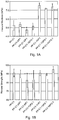
- Horizontal burning tests were conducted in accordance with the procedure described in Example 4, and the results are shown in Table 23. Burning time represents the amount of time it took for the sample to burn the stated length.
- Fig. 1A flexural modulus
- Fig. 1B flexural strength
- Epoxy/flax fiber composites were prepared as indicated in Table 24 in accordance with the procedure described in Example 3.
- the resin (matrix) and fiber in composites are about 60% and 40% by weight, respectively.
- Sample Epo-C2 is a comparative example of an epoxy composite containing untreated flax fiber.
- Epo-C2-34/P1 is a comparative example of epoxy composite containing flax fibers treated only with a bi-component aluminum-containing system at 2%.
- Epo-C2-34-Clay/P2 is a comparative example of epoxy composite containing flax fibers treated only with a bi-component aluminum-containing system at 2% and then MMT clay.
- Horizontal burning tests were conducted in accordance with the procedure described in Example 4, and the results are shown in Table 25.
- Burning time represents the amount of time it took for the sample to burn the stated length. Thus, a longer time to burn a given length is an indication of better fire resistance. It is evident from Table 25 that the fire-resistant flax fibers of the present invention have stopped the composites from burning. Mechanical properties of the epoxy/flax fiber composite samples are shown in Table 26. It is evident from Table 26 that epoxy composites containing flax fibers treated in accordance with the present invention have very slightly reduction in tensile strength and modulus than the comparative samples, while improving the energy to break which represents the composite toughness.
- UPE/flax fiber composites were prepared as indicated in Table 27 in accordance with the procedure described in Example 3.
- the resin (matrix) and fiber in composites are about 70% and 30% by weight, respectively.
- Sample UPE-C2 is a comparative example of an epoxy composite containing untreated flax fiber.
- UPE-C2-34/P1 is a comparative example of epoxy composite containing flax fibers treated only with a bi-component aluminum-containing system at 2%.
- Horizontal burning tests were conducted in accordance with the procedure described in Example 4, and the results are shown in Table 28. Burning time represents the amount of time it took for the sample to burn the stated length. Thus, a longer time to burn a given length is an indication of better fire resistance.
- Table 28 Composition of UPE/Flax Fiber Composites Sample Composition UPE-C2 UPE matrix Flax fabric C2 (untreated) UPE-C2-34/P1 UPE matrix Flax fabric C2-34/P1 (C2+(AlCl 3 +NH 4 OH)2%) Table 28 - Burning Tests on UPE/Flax Fiber Composites Sample Burning length (inches) 0.0 1.0 2.0 3.0 4.0 5.0 Burning Time (seconds) UPE-C2 0 114 - - 421 522 UPE-C2-34/P1 0 NB NB NB NB NB NB NB NB NB NB NB NB NB NB NB NB NB NB NB NB NB NB NB NB NB NB NB NB NB NB NB NB NB NB NB NB NB NB NB NB NB NB NB NB NB NB NB NB NB NB NB NB NB NB
Landscapes
- Chemical & Material Sciences (AREA)
- Health & Medical Sciences (AREA)
- Chemical Kinetics & Catalysis (AREA)
- Medicinal Chemistry (AREA)
- Polymers & Plastics (AREA)
- Organic Chemistry (AREA)
- Engineering & Computer Science (AREA)
- Textile Engineering (AREA)
- Life Sciences & Earth Sciences (AREA)
- Materials Engineering (AREA)
- Biochemistry (AREA)
- Compositions Of Macromolecular Compounds (AREA)
- Wood Science & Technology (AREA)
Claims (14)
- Verfahren zum Herstellen eines feuerbeständigen Cellulosematerials, umfassend: Behandeln eines Cellulosematerials mit einem wässrigen Reaktionsgemisch aus einem Alkalimetall oder Ammoniumhydroxid und einem Erdalkali- oder Aluminiummetallsalz, wobei die Behandlung innerhalb von 5 Sekunden bis 5 Stunden ab dem Mischen des Alkalimetalls oder des Ammoniumhydroxids und des Erdalkali- oder Aluminiummetallsalzes erfolgt; und Trocknen des behandelten Cellulosematerials.
- Verfahren nach Anspruch 1, wobei das Erdalkali- oder Aluminiummetallsalz ein Erdalkalimetallsalz oder Aluminiumchlorid umfasst.
- Verfahren nach Anspruch 2, wobei das Erdalkalimetallsalz Magnesium oder Calcium umfasst.
- Verfahren nach einem der Ansprüche 2 bis 3, wobei das Erdalkalimetallsalz ein Chlorid, ein Fluorid, ein Bromid, ein Iodid oder ein Nitrat ist.
- Verfahren nach einem der Ansprüche 1 bis 4, wobei das Hydroxid ausgewählt ist aus der Gruppe bestehend aus: einem Alkalimetallhydroxid, NaOH und NH4OH.
- Verfahren nach einem der Ansprüche 1 bis 5, wobei das wässrige Reaktionsgemisch 0,5 bis 10 Gew.-% des Erdalkali- oder Aluminiummetallsalzes und 0,5 bis 4 Gew.-% des Alkalimetall- oder Ammoniumhydroxids verwendet, und wobei ein Produkt der Reaktion des Erdalkali- oder Aluminiummetallsalzes und des Alkalimetall- oder Ammoniumhydroxids in einer Menge von 0,5 Gew.-% oder mehr vorhanden ist.
- Verfahren nach einem der Ansprüche 1 bis 6, wobei das Cellulosematerial Material von Holzquellen, landwirtschaftlichen Quellen, synthetischen Quellen, Recyclingpapier oder recyceltem Karton umfasst.
- Verfahren nach einem der Ansprüche 1 bis 7, wobei das Cellulosematerial ferner mit einem geschichteten nanopartikulären Material vor, zur gleichen Zeit oder nach der Behandlung mit dem wässrigen Reaktionsgemisch behandelt wird.
- Verfahren nach Anspruch 8, wobei das geschichtete nanopartikuläre Material eines von Folgendem umfasst: einen geschichteten Ton; ein geschichtetes Doppelhydroxid, Montmorillonit, Sepiolith, Palygorskit, Bentonit, Flourglimmer oder eine Mischung davon; oder ein geschichtetes Doppelhydroxid, Montmorillonit oder eine Mischung davon.
- Feuerbeständiges Cellulosematerial, das durch das Verfahren nach einem der Ansprüche 1 bis 5 und 7 bis 9 erzeugt ist, wobei das wässrige Reaktionsgemisch 0,5 bis 10 Gew.-% des Erdalkali- oder Aluminiummetallsalzes und 0,5 bis 4 Gew.-% des Alkalimetall- oder Ammoniumhydroxids verwendet, und wobei ein Produkt der Reaktion des Erdalkali- oder Aluminiummetallsalzes und des Alkalimetall- oder Ammoniumhydroxids in einem Betrag von 0,5 Gew.-% oder mehr vorhanden ist.
- Polymerzusammensetzung, umfassend eine Polymermatrix und das feuerbeständige Cellulosematerial nach Anspruch 10 dispergiert in der Polymermatrix.
- Polymerzusammensetzung nach Anspruch 11, wobei die Polymermatrix eines von Folgendem umfasst: ein organisches Polymer, einen duroplastisches Harz, ein Polyolefin, ein Phenolharz, Polypropylen, einen Phenolformaldehyd, einen ungesättigten Polyester oder ein Epoxidpolymer.
- Polymerzusammensetzung nach einem der Ansprüche 11 oder 12, weiter umfassend ein Tensid zum Verbessern der Kompatibilität des feuerbeständigen Cellulosematerials mit der Polymermatrix.
- Polymerzusammensetzung nach einem der Ansprüche 11 bis 13, wobei die Polymermatrix bezogen auf das Gesamtgewicht der Polymerzusammensetzung in einer Menge von 20 bis 99 Gewichtsprozent vorhanden ist.
Applications Claiming Priority (2)
| Application Number | Priority Date | Filing Date | Title |
|---|---|---|---|
| US201161504779P | 2011-07-06 | 2011-07-06 | |
| PCT/CA2012/000631 WO2013003944A1 (en) | 2011-07-06 | 2012-07-04 | Fire-resistant cellulosic material |
Publications (3)
| Publication Number | Publication Date |
|---|---|
| EP2729552A1 EP2729552A1 (de) | 2014-05-14 |
| EP2729552A4 EP2729552A4 (de) | 2015-04-29 |
| EP2729552B1 true EP2729552B1 (de) | 2018-03-21 |
Family
ID=47436410
Family Applications (1)
| Application Number | Title | Priority Date | Filing Date |
|---|---|---|---|
| EP12807430.9A Active EP2729552B1 (de) | 2011-07-06 | 2012-07-04 | Feuerfestes zellulosematerial |
Country Status (4)
| Country | Link |
|---|---|
| US (1) | US9175147B2 (de) |
| EP (1) | EP2729552B1 (de) |
| CA (1) | CA2840135C (de) |
| WO (1) | WO2013003944A1 (de) |
Families Citing this family (19)
| Publication number | Priority date | Publication date | Assignee | Title |
|---|---|---|---|---|
| CN103756345A (zh) * | 2014-01-16 | 2014-04-30 | 上海绿澄环保科技有限公司 | 一种塑木的制作方法 |
| EP3192851B1 (de) * | 2014-08-20 | 2020-07-29 | Kitagawa Industries Co., Ltd. | Material zur verleihung von flammenhemmenden eigenschaften und flammhemmender harzformartikel |
| BE1022331B1 (nl) * | 2014-09-12 | 2016-03-16 | Unilin, Bvba | Brandwerende plaat en werkwijze voor het vervaardigen van een brandwerende plaat |
| CA2978556C (en) * | 2015-03-02 | 2022-02-15 | Graphene 3D Lab Inc. | Thermoplastic composites comprising water-soluble peo graft polymers useful for 3-dimensional additive manufacturing |
| CN105037919A (zh) * | 2015-03-19 | 2015-11-11 | 浙江邦德管业有限公司 | 一种防鼠防蚁抗菌型聚丙烯通信管道材料 |
| CN105017740B (zh) * | 2015-08-03 | 2017-06-20 | 长春工业大学 | 一种天然纤维复合材料及其制备方法 |
| CN105255207B (zh) * | 2015-10-15 | 2018-02-06 | 长春工业大学 | 一种改性天然纤维复合材料及其制备方法 |
| US10995452B2 (en) | 2016-02-09 | 2021-05-04 | Bradley University | Lignocellulosic composites prepared with aqueous alkaline and urea solutions in cold temperatures systems and methods |
| US12577725B2 (en) | 2017-11-14 | 2026-03-17 | Microban Products Company | Odor control composition and method of using |
| CN109955336B (zh) * | 2019-03-15 | 2021-02-12 | 华南理工大学 | 一种木材/纳米LDHs阻燃材料及其制备方法 |
| WO2022067210A1 (en) * | 2020-09-25 | 2022-03-31 | Woodholdings Environmental. Inc. | Method of improving the fire resistance of a cellulose material |
| CN112359597B (zh) * | 2020-12-07 | 2022-02-18 | 东华大学 | 一种有机/无机杂化薄膜包覆棉纺织品及其制备方法 |
| EP4263689A4 (de) | 2020-12-15 | 2024-11-20 | FRS Group, LLC | Langzeit-feuerfestmittel mit magnesiumsulfat und korrosionsinhibitoren sowie verfahren zu seiner herstellung und verwendung |
| JP7268694B2 (ja) * | 2021-03-31 | 2023-05-08 | 横河電機株式会社 | セルロースナノファイバー及びリグニン又はそれらの複合体を含む組成物並びにリグノセルロース由来材料の製造方法 |
| US12565610B2 (en) * | 2021-10-06 | 2026-03-03 | Petróleo Brasileiro S.A.—Petrobras | Foam formulation and its use in temporary pipe plugging |
| CN114427173B (zh) * | 2022-01-17 | 2022-12-16 | 齐鲁工业大学 | 一种高阻燃性能氢氧化镁阻燃纸及其原位合成方法 |
| JP2025088041A (ja) * | 2023-11-30 | 2025-06-11 | 第一工業製薬株式会社 | 難燃性コーティング剤及び難燃性シート |
| CN118812848B (zh) * | 2024-09-20 | 2024-12-06 | 安徽深联光电股份有限公司 | 一种超支化三嗪成炭剂、复合阻燃剂和阻燃聚丙烯材料 |
| CN120842849B (zh) * | 2025-08-27 | 2026-04-03 | 浙江汇晶新材料股份有限公司 | 一种轻量化高强度纤维复合材料及其制备方法 |
Family Cites Families (39)
| Publication number | Priority date | Publication date | Assignee | Title |
|---|---|---|---|---|
| US671548A (en) | 1900-12-22 | 1901-04-09 | Isaac Gordon | Composition for fireproofing paper. |
| US2428843A (en) | 1945-08-28 | 1947-10-14 | Louis W Georges | Flame-resistant cellulosic material and process for producing same |
| US2990232A (en) | 1956-12-31 | 1961-06-27 | Textile Res Inst | Flame resistant cellulose derivatives |
| US3018206A (en) | 1957-12-31 | 1962-01-23 | Westinghouse Electric Corp | Fire-resistant decorated composite laminate members and method of producing same |
| US3620912A (en) | 1969-04-01 | 1971-11-16 | Itt | Mercerization of cellulosic materials using a solution containing a mercerizing concentration of alkali and a barium compound |
| US3899483A (en) | 1972-11-20 | 1975-08-12 | Cotton Inc | Production of textile materials with improved flame retardance |
| US3973074A (en) | 1973-02-20 | 1976-08-03 | Macmillan Bloedel Limited | Flame-proof cellulosic product |
| US4064317A (en) | 1975-02-05 | 1977-12-20 | Sumitomo Chemical Company, Limited | Flame-resistant plaster board and its manufacture |
| SE7904708L (sv) | 1978-06-16 | 1979-12-17 | Tjernberg Bo Otto Erland | Sett att gora ett cellulosahaltigt material brandherdigt |
| US4317752A (en) | 1979-02-21 | 1982-03-02 | Blount David H | Process for the production of polyisocyanate lignin-cellulose plastics |
| IT1130965B (it) | 1979-03-19 | 1986-06-18 | Sanko Kaihatsu Kagaku Kenk | Agente ritardanti di fiamma |
| ATE7686T1 (de) | 1980-07-11 | 1984-06-15 | Imperial Chemical Industries Plc | Faserige zusammengesetzte materialien, ihre herstellung und ihre verwendung. |
| JPS58174443A (ja) | 1982-04-06 | 1983-10-13 | Dai Ichi Kogyo Seiyaku Co Ltd | 有機高分子物質用難燃剤 |
| JPS62116106A (ja) | 1985-11-15 | 1987-05-27 | 松下電工株式会社 | 改質木材 |
| GB2186894B (en) | 1985-11-15 | 1989-10-11 | Matsushita Electric Works Ltd | Method of manufacturing modified wood material |
| US5238464A (en) | 1986-06-05 | 1993-08-24 | Burlington Industries, Inc. | Process for making flame-resistant cellulosic fabrics |
| US5480587A (en) | 1988-12-21 | 1996-01-02 | Aluminum Company Of America | Materials for use as fire retardant additives |
| US5151225A (en) | 1989-05-01 | 1992-09-29 | Hoover Treated Wood Products, Inc. | Flame retardant composition and method for treating wood |
| JP3146262B2 (ja) | 1991-06-12 | 2001-03-12 | 敷島紡績株式会社 | 無機金属化合物を把持した天然セルロース繊維及びその製造法 |
| US5434200A (en) | 1993-10-28 | 1995-07-18 | Pyrotite Corporation | Water and fire resistant materials and methods for making the same |
| NO961219L (no) | 1995-03-29 | 1996-09-30 | Ucar Carbon Tech | Brannresistent arkmateriale |
| WO1998048987A1 (en) | 1997-04-25 | 1998-11-05 | Solutia Inc. | Fire resistance cellulosic materials and rendering such cellulosic materials leach resistant |
| KR100486443B1 (ko) | 1997-10-15 | 2005-04-29 | 오오쓰까가가꾸가부시끼가이샤 | 가교 페녹시포스파젠 화합물, 난연제, 난연성 수지 조성물 및 난연성 수지 성형체 |
| US6492453B1 (en) | 1999-09-24 | 2002-12-10 | Alphagary Corporation | Low smoke emission, low corrosivity, low toxicity, low heat release, flame retardant, zero halogen polymeric compositions |
| JP3122818B1 (ja) | 1999-11-09 | 2001-01-09 | 大塚化学株式会社 | 難燃性芳香族ポリアミド樹脂組成物 |
| JP3389553B2 (ja) | 2000-05-01 | 2003-03-24 | 大塚化学株式会社 | フェノキシホスファゼン系化合物の改質方法、難燃性樹脂組成物及び難燃性樹脂成形体 |
| US6524653B1 (en) | 2000-11-01 | 2003-02-25 | Niponi, Llc | Cellulose-based fire retardant composition |
| GB0029071D0 (en) | 2000-11-29 | 2001-01-10 | Clariant Int Ltd | Coating |
| JP2002180374A (ja) | 2000-12-14 | 2002-06-26 | Seietsu Kikuchi | 難燃性あるいは不溶融性繊維の製造方法 |
| JP2003020596A (ja) | 2001-07-06 | 2003-01-24 | Japan Science & Technology Corp | 難燃性付与剤と繊維製品の難燃処理方法 |
| JP4308820B2 (ja) | 2003-04-28 | 2009-08-05 | 株式会社カネカ | 難燃繊維複合体およびそれを用いて製造した布帛 |
| AT413549B (de) | 2003-11-03 | 2006-03-15 | Spezialpappenfabrik Rosegg Bet | Neuer papier-, karton- bzw. pappewerkstoff |
| US20050215152A1 (en) | 2004-03-23 | 2005-09-29 | Elkcorp | Fire resistant composite material and fabrics therefrom |
| JP2006265502A (ja) | 2005-03-25 | 2006-10-05 | Fuji Xerox Co Ltd | 光重合性組成物及び難燃性樹脂成形品 |
| KR100779632B1 (ko) * | 2005-12-13 | 2007-11-28 | 유해일 | 옥수숫대를 이용한 기능성 판재 및 그 제조방법 |
| CN100357394C (zh) | 2006-05-29 | 2007-12-26 | 太原理工大学 | 一种疏水性超细纳米级阻燃剂氢氧化镁的制取方法 |
| WO2008113181A1 (en) * | 2007-03-21 | 2008-09-25 | Alberta Research Council Inc. | Phyllosilicate clay modified resins for lignocellulosic fiber based composite panels |
| CN101946040A (zh) | 2007-12-17 | 2011-01-12 | 美国硼砂公司 | 耐火纤维素材料及其制造方法 |
| US20090298370A1 (en) | 2008-06-03 | 2009-12-03 | Mmi-Ipco, Llc | Flame Retardant Fabrics |
-
2012
- 2012-07-04 EP EP12807430.9A patent/EP2729552B1/de active Active
- 2012-07-04 CA CA2840135A patent/CA2840135C/en active Active
- 2012-07-04 WO PCT/CA2012/000631 patent/WO2013003944A1/en not_active Ceased
- 2012-07-04 US US14/128,332 patent/US9175147B2/en active Active
Non-Patent Citations (1)
| Title |
|---|
| None * |
Also Published As
| Publication number | Publication date |
|---|---|
| CA2840135C (en) | 2019-08-20 |
| EP2729552A4 (de) | 2015-04-29 |
| WO2013003944A1 (en) | 2013-01-10 |
| US9175147B2 (en) | 2015-11-03 |
| EP2729552A1 (de) | 2014-05-14 |
| CA2840135A1 (en) | 2013-01-10 |
| US20140121306A1 (en) | 2014-05-01 |
Similar Documents
| Publication | Publication Date | Title |
|---|---|---|
| CA2840135C (en) | Fire-resistant cellulosic material | |
| Liu et al. | Aqueous self-assembly of bio-based flame retardants for fire-retardant, smoke-suppressive, and toughened polylactic acid | |
| Virtanen et al. | Modified nanofibrillated cellulose–polyvinyl alcohol films with improved mechanical performance | |
| US9243128B2 (en) | Composite material | |
| Ghanadpour et al. | Phosphorylated cellulose nanofibrils: a renewable nanomaterial for the preparation of intrinsically flame-retardant materials | |
| US20120000392A1 (en) | Suspension of cellulose fibers and method for producing the same | |
| Banerjee et al. | An overview of the recent advances in polylactide‐based sustainable nanocomposites | |
| Yang et al. | Cellulose nanofibrils improve the properties of all-cellulose composites by the nano-reinforcement mechanism and nanofibril-induced crystallization | |
| JP5319806B2 (ja) | ガスバリア用材料の製造方法 | |
| Zhao et al. | Mechanically robust, flame-retardant and anti-bacterial nanocomposite films comprised of cellulose nanofibrils and magnesium hydroxide nanoplatelets in a regenerated cellulose matrix | |
| Cobut et al. | Cellulose nanocomposites by melt compounding of TEMPO-treated wood fibers in thermoplastic starch matrix | |
| Senawi et al. | Polylactic acid/empty fruit bunch fiber biocomposite: Influence of alkaline and silane treatment on the mechanical properties | |
| US20120237761A1 (en) | Membrane structure, process for making membrane structure, and aqueous dispersion for forming membrane structure | |
| Kallakas et al. | Effect of chemical modification of wood flour on the mechanical properties of wood-plastic composites. | |
| Cerruti et al. | Morphological and thermal properties of cellulose− montmorillonite nanocomposites | |
| Gao et al. | Composite based on poly (acrylic acid)/modified attapulgite/zinc oxide as a flame retardant of cotton fabrics | |
| Zhu et al. | Preparation and characterization of regenerated cellulose biocomposite film filled with calcium carbonate by in situ precipitation | |
| Verma et al. | Effect of natural fibers surface treatment and their reinforcement in thermo-plastic polymer composites: A review | |
| JP2021191841A (ja) | ゴム組成物及び成形体 | |
| KR20190092877A (ko) | 셀룰로오스 나노파이버를 포함하는 코팅액 조성물 | |
| PL214565B1 (pl) | Sposób wytwarzania trudnopalnych włókien celulozowych | |
| Chanda | Application of Functionalized Cellulose Nanocrystals to Improve Their Dispersion in Polymer Matrix and Enhance the Thermo-Mechanical Properties of Polymer Composites | |
| CN111777798A (zh) | 一种二乙烯三胺五亚甲基膦酸铝阻燃剂及其制备方法和用途 | |
| KR101082841B1 (ko) | 폴리유산과 폴리부틸렌숙시네이트 블렌드의 생분해성 나노복합체 조성물 | |
| CN1289586C (zh) | 一种再生纤维素/SiO2纳米复合材料的制备方法 |
Legal Events
| Date | Code | Title | Description |
|---|---|---|---|
| PUAI | Public reference made under article 153(3) epc to a published international application that has entered the european phase |
Free format text: ORIGINAL CODE: 0009012 |
|
| 17P | Request for examination filed |
Effective date: 20140206 |
|
| AK | Designated contracting states |
Kind code of ref document: A1 Designated state(s): AL AT BE BG CH CY CZ DE DK EE ES FI FR GB GR HR HU IE IS IT LI LT LU LV MC MK MT NL NO PL PT RO RS SE SI SK SM TR |
|
| DAX | Request for extension of the european patent (deleted) | ||
| RA4 | Supplementary search report drawn up and despatched (corrected) |
Effective date: 20150331 |
|
| RIC1 | Information provided on ipc code assigned before grant |
Ipc: C08L 63/00 20060101ALI20150324BHEP Ipc: C08L 67/06 20060101ALI20150324BHEP Ipc: C08L 33/04 20060101ALI20150324BHEP Ipc: C08L 61/06 20060101ALI20150324BHEP Ipc: C08L 23/12 20060101ALI20150324BHEP Ipc: C08K 3/10 20060101ALI20150324BHEP Ipc: C08K 3/16 20060101ALI20150324BHEP Ipc: C08L 73/00 20060101ALI20150324BHEP Ipc: C09K 21/02 20060101ALI20150324BHEP Ipc: C08K 3/28 20060101ALI20150324BHEP Ipc: C08K 3/22 20060101ALI20150324BHEP Ipc: D06M 11/38 20060101ALI20150324BHEP Ipc: C08L 97/02 20060101ALI20150324BHEP Ipc: D06M 11/155 20060101ALI20150324BHEP Ipc: C08J 3/20 20060101ALI20150324BHEP Ipc: C09K 21/14 20060101AFI20150324BHEP Ipc: C08L 1/02 20060101ALI20150324BHEP Ipc: D06M 11/36 20060101ALI20150324BHEP Ipc: D06M 11/17 20060101ALI20150324BHEP Ipc: C08B 15/10 20060101ALI20150324BHEP |
|
| STAA | Information on the status of an ep patent application or granted ep patent |
Free format text: STATUS: EXAMINATION IS IN PROGRESS |
|
| 17Q | First examination report despatched |
Effective date: 20161104 |
|
| GRAP | Despatch of communication of intention to grant a patent |
Free format text: ORIGINAL CODE: EPIDOSNIGR1 |
|
| STAA | Information on the status of an ep patent application or granted ep patent |
Free format text: STATUS: GRANT OF PATENT IS INTENDED |
|
| INTG | Intention to grant announced |
Effective date: 20171013 |
|
| GRAS | Grant fee paid |
Free format text: ORIGINAL CODE: EPIDOSNIGR3 |
|
| GRAA | (expected) grant |
Free format text: ORIGINAL CODE: 0009210 |
|
| STAA | Information on the status of an ep patent application or granted ep patent |
Free format text: STATUS: THE PATENT HAS BEEN GRANTED |
|
| AK | Designated contracting states |
Kind code of ref document: B1 Designated state(s): AL AT BE BG CH CY CZ DE DK EE ES FI FR GB GR HR HU IE IS IT LI LT LU LV MC MK MT NL NO PL PT RO RS SE SI SK SM TR |
|
| REG | Reference to a national code |
Ref country code: GB Ref legal event code: FG4D |
|
| REG | Reference to a national code |
Ref country code: CH Ref legal event code: EP |
|
| REG | Reference to a national code |
Ref country code: AT Ref legal event code: REF Ref document number: 981072 Country of ref document: AT Kind code of ref document: T Effective date: 20180415 |
|
| REG | Reference to a national code |
Ref country code: IE Ref legal event code: FG4D |
|
| REG | Reference to a national code |
Ref country code: DE Ref legal event code: R096 Ref document number: 602012044286 Country of ref document: DE |
|
| REG | Reference to a national code |
Ref country code: NL Ref legal event code: MP Effective date: 20180321 Ref country code: FR Ref legal event code: PLFP Year of fee payment: 7 |
|
| PG25 | Lapsed in a contracting state [announced via postgrant information from national office to epo] |
Ref country code: LT Free format text: LAPSE BECAUSE OF FAILURE TO SUBMIT A TRANSLATION OF THE DESCRIPTION OR TO PAY THE FEE WITHIN THE PRESCRIBED TIME-LIMIT Effective date: 20180321 Ref country code: HR Free format text: LAPSE BECAUSE OF FAILURE TO SUBMIT A TRANSLATION OF THE DESCRIPTION OR TO PAY THE FEE WITHIN THE PRESCRIBED TIME-LIMIT Effective date: 20180321 Ref country code: FI Free format text: LAPSE BECAUSE OF FAILURE TO SUBMIT A TRANSLATION OF THE DESCRIPTION OR TO PAY THE FEE WITHIN THE PRESCRIBED TIME-LIMIT Effective date: 20180321 Ref country code: NO Free format text: LAPSE BECAUSE OF FAILURE TO SUBMIT A TRANSLATION OF THE DESCRIPTION OR TO PAY THE FEE WITHIN THE PRESCRIBED TIME-LIMIT Effective date: 20180621 Ref country code: CY Free format text: LAPSE BECAUSE OF FAILURE TO SUBMIT A TRANSLATION OF THE DESCRIPTION OR TO PAY THE FEE WITHIN THE PRESCRIBED TIME-LIMIT Effective date: 20180321 |
|
| REG | Reference to a national code |
Ref country code: LT Ref legal event code: MG4D |
|
| REG | Reference to a national code |
Ref country code: AT Ref legal event code: MK05 Ref document number: 981072 Country of ref document: AT Kind code of ref document: T Effective date: 20180321 |
|
| PG25 | Lapsed in a contracting state [announced via postgrant information from national office to epo] |
Ref country code: SE Free format text: LAPSE BECAUSE OF FAILURE TO SUBMIT A TRANSLATION OF THE DESCRIPTION OR TO PAY THE FEE WITHIN THE PRESCRIBED TIME-LIMIT Effective date: 20180321 Ref country code: LV Free format text: LAPSE BECAUSE OF FAILURE TO SUBMIT A TRANSLATION OF THE DESCRIPTION OR TO PAY THE FEE WITHIN THE PRESCRIBED TIME-LIMIT Effective date: 20180321 Ref country code: GR Free format text: LAPSE BECAUSE OF FAILURE TO SUBMIT A TRANSLATION OF THE DESCRIPTION OR TO PAY THE FEE WITHIN THE PRESCRIBED TIME-LIMIT Effective date: 20180622 Ref country code: BG Free format text: LAPSE BECAUSE OF FAILURE TO SUBMIT A TRANSLATION OF THE DESCRIPTION OR TO PAY THE FEE WITHIN THE PRESCRIBED TIME-LIMIT Effective date: 20180621 Ref country code: RS Free format text: LAPSE BECAUSE OF FAILURE TO SUBMIT A TRANSLATION OF THE DESCRIPTION OR TO PAY THE FEE WITHIN THE PRESCRIBED TIME-LIMIT Effective date: 20180321 |
|
| PG25 | Lapsed in a contracting state [announced via postgrant information from national office to epo] |
Ref country code: IT Free format text: LAPSE BECAUSE OF FAILURE TO SUBMIT A TRANSLATION OF THE DESCRIPTION OR TO PAY THE FEE WITHIN THE PRESCRIBED TIME-LIMIT Effective date: 20180321 Ref country code: AL Free format text: LAPSE BECAUSE OF FAILURE TO SUBMIT A TRANSLATION OF THE DESCRIPTION OR TO PAY THE FEE WITHIN THE PRESCRIBED TIME-LIMIT Effective date: 20180321 Ref country code: PL Free format text: LAPSE BECAUSE OF FAILURE TO SUBMIT A TRANSLATION OF THE DESCRIPTION OR TO PAY THE FEE WITHIN THE PRESCRIBED TIME-LIMIT Effective date: 20180321 Ref country code: NL Free format text: LAPSE BECAUSE OF FAILURE TO SUBMIT A TRANSLATION OF THE DESCRIPTION OR TO PAY THE FEE WITHIN THE PRESCRIBED TIME-LIMIT Effective date: 20180321 Ref country code: ES Free format text: LAPSE BECAUSE OF FAILURE TO SUBMIT A TRANSLATION OF THE DESCRIPTION OR TO PAY THE FEE WITHIN THE PRESCRIBED TIME-LIMIT Effective date: 20180321 Ref country code: EE Free format text: LAPSE BECAUSE OF FAILURE TO SUBMIT A TRANSLATION OF THE DESCRIPTION OR TO PAY THE FEE WITHIN THE PRESCRIBED TIME-LIMIT Effective date: 20180321 Ref country code: RO Free format text: LAPSE BECAUSE OF FAILURE TO SUBMIT A TRANSLATION OF THE DESCRIPTION OR TO PAY THE FEE WITHIN THE PRESCRIBED TIME-LIMIT Effective date: 20180321 |
|
| PG25 | Lapsed in a contracting state [announced via postgrant information from national office to epo] |
Ref country code: AT Free format text: LAPSE BECAUSE OF FAILURE TO SUBMIT A TRANSLATION OF THE DESCRIPTION OR TO PAY THE FEE WITHIN THE PRESCRIBED TIME-LIMIT Effective date: 20180321 Ref country code: SM Free format text: LAPSE BECAUSE OF FAILURE TO SUBMIT A TRANSLATION OF THE DESCRIPTION OR TO PAY THE FEE WITHIN THE PRESCRIBED TIME-LIMIT Effective date: 20180321 Ref country code: CZ Free format text: LAPSE BECAUSE OF FAILURE TO SUBMIT A TRANSLATION OF THE DESCRIPTION OR TO PAY THE FEE WITHIN THE PRESCRIBED TIME-LIMIT Effective date: 20180321 Ref country code: SK Free format text: LAPSE BECAUSE OF FAILURE TO SUBMIT A TRANSLATION OF THE DESCRIPTION OR TO PAY THE FEE WITHIN THE PRESCRIBED TIME-LIMIT Effective date: 20180321 |
|
| PG25 | Lapsed in a contracting state [announced via postgrant information from national office to epo] |
Ref country code: PT Free format text: LAPSE BECAUSE OF FAILURE TO SUBMIT A TRANSLATION OF THE DESCRIPTION OR TO PAY THE FEE WITHIN THE PRESCRIBED TIME-LIMIT Effective date: 20180723 |
|
| REG | Reference to a national code |
Ref country code: DE Ref legal event code: R097 Ref document number: 602012044286 Country of ref document: DE |
|
| PLBE | No opposition filed within time limit |
Free format text: ORIGINAL CODE: 0009261 |
|
| STAA | Information on the status of an ep patent application or granted ep patent |
Free format text: STATUS: NO OPPOSITION FILED WITHIN TIME LIMIT |
|
| PG25 | Lapsed in a contracting state [announced via postgrant information from national office to epo] |
Ref country code: DK Free format text: LAPSE BECAUSE OF FAILURE TO SUBMIT A TRANSLATION OF THE DESCRIPTION OR TO PAY THE FEE WITHIN THE PRESCRIBED TIME-LIMIT Effective date: 20180321 |
|
| 26N | No opposition filed |
Effective date: 20190102 |
|
| REG | Reference to a national code |
Ref country code: CH Ref legal event code: PL |
|
| GBPC | Gb: european patent ceased through non-payment of renewal fee |
Effective date: 20180704 |
|
| PG25 | Lapsed in a contracting state [announced via postgrant information from national office to epo] |
Ref country code: LU Free format text: LAPSE BECAUSE OF NON-PAYMENT OF DUE FEES Effective date: 20180704 Ref country code: MC Free format text: LAPSE BECAUSE OF FAILURE TO SUBMIT A TRANSLATION OF THE DESCRIPTION OR TO PAY THE FEE WITHIN THE PRESCRIBED TIME-LIMIT Effective date: 20180321 |
|
| REG | Reference to a national code |
Ref country code: BE Ref legal event code: MM Effective date: 20180731 |
|
| REG | Reference to a national code |
Ref country code: IE Ref legal event code: MM4A |
|
| PG25 | Lapsed in a contracting state [announced via postgrant information from national office to epo] |
Ref country code: GB Free format text: LAPSE BECAUSE OF NON-PAYMENT OF DUE FEES Effective date: 20180704 Ref country code: LI Free format text: LAPSE BECAUSE OF NON-PAYMENT OF DUE FEES Effective date: 20180731 Ref country code: IE Free format text: LAPSE BECAUSE OF NON-PAYMENT OF DUE FEES Effective date: 20180704 Ref country code: CH Free format text: LAPSE BECAUSE OF NON-PAYMENT OF DUE FEES Effective date: 20180731 |
|
| PG25 | Lapsed in a contracting state [announced via postgrant information from national office to epo] |
Ref country code: SI Free format text: LAPSE BECAUSE OF FAILURE TO SUBMIT A TRANSLATION OF THE DESCRIPTION OR TO PAY THE FEE WITHIN THE PRESCRIBED TIME-LIMIT Effective date: 20180321 Ref country code: BE Free format text: LAPSE BECAUSE OF NON-PAYMENT OF DUE FEES Effective date: 20180731 |
|
| PG25 | Lapsed in a contracting state [announced via postgrant information from national office to epo] |
Ref country code: MT Free format text: LAPSE BECAUSE OF NON-PAYMENT OF DUE FEES Effective date: 20180704 |
|
| PG25 | Lapsed in a contracting state [announced via postgrant information from national office to epo] |
Ref country code: TR Free format text: LAPSE BECAUSE OF FAILURE TO SUBMIT A TRANSLATION OF THE DESCRIPTION OR TO PAY THE FEE WITHIN THE PRESCRIBED TIME-LIMIT Effective date: 20180321 |
|
| PG25 | Lapsed in a contracting state [announced via postgrant information from national office to epo] |
Ref country code: HU Free format text: LAPSE BECAUSE OF FAILURE TO SUBMIT A TRANSLATION OF THE DESCRIPTION OR TO PAY THE FEE WITHIN THE PRESCRIBED TIME-LIMIT; INVALID AB INITIO Effective date: 20120704 |
|
| PG25 | Lapsed in a contracting state [announced via postgrant information from national office to epo] |
Ref country code: MK Free format text: LAPSE BECAUSE OF NON-PAYMENT OF DUE FEES Effective date: 20180321 |
|
| PG25 | Lapsed in a contracting state [announced via postgrant information from national office to epo] |
Ref country code: IS Free format text: LAPSE BECAUSE OF FAILURE TO SUBMIT A TRANSLATION OF THE DESCRIPTION OR TO PAY THE FEE WITHIN THE PRESCRIBED TIME-LIMIT Effective date: 20180721 |
|
| PGFP | Annual fee paid to national office [announced via postgrant information from national office to epo] |
Ref country code: DE Payment date: 20250623 Year of fee payment: 14 |
|
| PGFP | Annual fee paid to national office [announced via postgrant information from national office to epo] |
Ref country code: FR Payment date: 20250725 Year of fee payment: 14 |