EP2673003B1 - Hydrophobe modifizierte peptide für leberspezifische diagnose - Google Patents
Hydrophobe modifizierte peptide für leberspezifische diagnose Download PDFInfo
- Publication number
- EP2673003B1 EP2673003B1 EP12703539.2A EP12703539A EP2673003B1 EP 2673003 B1 EP2673003 B1 EP 2673003B1 EP 12703539 A EP12703539 A EP 12703539A EP 2673003 B1 EP2673003 B1 EP 2673003B1
- Authority
- EP
- European Patent Office
- Prior art keywords
- liver
- hydrophobic modified
- amino acid
- modified peptide
- hydrophobic
- Prior art date
- Legal status (The legal status is an assumption and is not a legal conclusion. Google has not performed a legal analysis and makes no representation as to the accuracy of the status listed.)
- Active
Links
Images


Classifications
-
- A—HUMAN NECESSITIES
- A61—MEDICAL OR VETERINARY SCIENCE; HYGIENE
- A61K—PREPARATIONS FOR MEDICAL, DENTAL OR TOILETRY PURPOSES
- A61K51/00—Preparations containing radioactive substances for use in therapy or testing in vivo
- A61K51/02—Preparations containing radioactive substances for use in therapy or testing in vivo characterised by the carrier, i.e. characterised by the agent or material covalently linked or complexing the radioactive nucleus
- A61K51/04—Organic compounds
- A61K51/08—Peptides, e.g. proteins, carriers being peptides, polyamino acids, proteins
- A61K51/088—Peptides, e.g. proteins, carriers being peptides, polyamino acids, proteins conjugates with carriers being peptides, polyamino acids or proteins
-
- A—HUMAN NECESSITIES
- A61—MEDICAL OR VETERINARY SCIENCE; HYGIENE
- A61K—PREPARATIONS FOR MEDICAL, DENTAL OR TOILETRY PURPOSES
- A61K49/00—Preparations for testing in vivo
- A61K49/001—Preparation for luminescence or biological staining
- A61K49/0013—Luminescence
- A61K49/0017—Fluorescence in vivo
- A61K49/005—Fluorescence in vivo characterised by the carrier molecule carrying the fluorescent agent
- A61K49/0056—Peptides, proteins, polyamino acids
-
- A—HUMAN NECESSITIES
- A61—MEDICAL OR VETERINARY SCIENCE; HYGIENE
- A61K—PREPARATIONS FOR MEDICAL, DENTAL OR TOILETRY PURPOSES
- A61K49/00—Preparations for testing in vivo
- A61K49/06—Nuclear magnetic resonance [NMR] contrast preparations; Magnetic resonance imaging [MRI] contrast preparations
- A61K49/08—Nuclear magnetic resonance [NMR] contrast preparations; Magnetic resonance imaging [MRI] contrast preparations characterised by the carrier
- A61K49/085—Nuclear magnetic resonance [NMR] contrast preparations; Magnetic resonance imaging [MRI] contrast preparations characterised by the carrier conjugated systems
-
- A—HUMAN NECESSITIES
- A61—MEDICAL OR VETERINARY SCIENCE; HYGIENE
- A61K—PREPARATIONS FOR MEDICAL, DENTAL OR TOILETRY PURPOSES
- A61K49/00—Preparations for testing in vivo
- A61K49/06—Nuclear magnetic resonance [NMR] contrast preparations; Magnetic resonance imaging [MRI] contrast preparations
- A61K49/08—Nuclear magnetic resonance [NMR] contrast preparations; Magnetic resonance imaging [MRI] contrast preparations characterised by the carrier
- A61K49/10—Organic compounds
- A61K49/14—Peptides, e.g. proteins
-
- C—CHEMISTRY; METALLURGY
- C07—ORGANIC CHEMISTRY
- C07K—PEPTIDES
- C07K14/00—Peptides having more than 20 amino acids; Gastrins; Somatostatins; Melanotropins; Derivatives thereof
- C07K14/005—Peptides having more than 20 amino acids; Gastrins; Somatostatins; Melanotropins; Derivatives thereof from viruses
-
- C—CHEMISTRY; METALLURGY
- C12—BIOCHEMISTRY; BEER; SPIRITS; WINE; VINEGAR; MICROBIOLOGY; ENZYMOLOGY; MUTATION OR GENETIC ENGINEERING
- C12N—MICROORGANISMS OR ENZYMES; COMPOSITIONS THEREOF; PROPAGATING, PRESERVING, OR MAINTAINING MICROORGANISMS; MUTATION OR GENETIC ENGINEERING; CULTURE MEDIA
- C12N7/00—Viruses; Bacteriophages; Compositions thereof; Preparation or purification thereof
-
- A—HUMAN NECESSITIES
- A61—MEDICAL OR VETERINARY SCIENCE; HYGIENE
- A61K—PREPARATIONS FOR MEDICAL, DENTAL OR TOILETRY PURPOSES
- A61K38/00—Medicinal preparations containing peptides
-
- C—CHEMISTRY; METALLURGY
- C07—ORGANIC CHEMISTRY
- C07K—PEPTIDES
- C07K2319/00—Fusion polypeptide
- C07K2319/50—Fusion polypeptide containing protease site
-
- C—CHEMISTRY; METALLURGY
- C12—BIOCHEMISTRY; BEER; SPIRITS; WINE; VINEGAR; MICROBIOLOGY; ENZYMOLOGY; MUTATION OR GENETIC ENGINEERING
- C12N—MICROORGANISMS OR ENZYMES; COMPOSITIONS THEREOF; PROPAGATING, PRESERVING, OR MAINTAINING MICROORGANISMS; MUTATION OR GENETIC ENGINEERING; CULTURE MEDIA
- C12N2730/00—Reverse transcribing DNA viruses
- C12N2730/00011—Details
- C12N2730/10011—Hepadnaviridae
- C12N2730/10111—Orthohepadnavirus, e.g. hepatitis B virus
- C12N2730/10122—New viral proteins or individual genes, new structural or functional aspects of known viral proteins or genes
-
- Y—GENERAL TAGGING OF NEW TECHNOLOGICAL DEVELOPMENTS; GENERAL TAGGING OF CROSS-SECTIONAL TECHNOLOGIES SPANNING OVER SEVERAL SECTIONS OF THE IPC; TECHNICAL SUBJECTS COVERED BY FORMER USPC CROSS-REFERENCE ART COLLECTIONS [XRACs] AND DIGESTS
- Y02—TECHNOLOGIES OR APPLICATIONS FOR MITIGATION OR ADAPTATION AGAINST CLIMATE CHANGE
- Y02A—TECHNOLOGIES FOR ADAPTATION TO CLIMATE CHANGE
- Y02A50/00—TECHNOLOGIES FOR ADAPTATION TO CLIMATE CHANGE in human health protection, e.g. against extreme weather
- Y02A50/30—Against vector-borne diseases, e.g. mosquito-borne, fly-borne, tick-borne or waterborne diseases whose impact is exacerbated by climate change
Definitions
- the present invention relates to hydrophobic modified peptides derived from the preS domain of hepatitis B virus (HBV) which are versatile vehicles for the specific delivery of a labelling compound (diagnostic agents, in the following " label") to the liver, preferably to hepatocytes, in vitro as well as in vivo.
- a labelling compound diagnostic agents, in the following " label”
- Any kind of label can be specifically targeted to the liver and so be enriched in the liver.
- This liver targeting can further be used for the targeted diagnosis of liver diseases or disorders, such as hepatitis, malaria, hepatocellular carcinoma (HCC), as well as HAV, HBV, HCV and/or HDV infection.
- the present invention relates to pharmaceutical compositions comprising said hydrophobic modified peptide(s) and the label(s) to be specifically delivered to the liver.
- the present invention furthermore relates to the use of the inventive hydrophobic modified peptides or pharmaceutical compositions comprising said hydrophobic modified peptide(s) for the diagnosis, and/or monitoring of a treatment of a liver disease or disorder; and the use of the inventive hydrophobic modified peptides for the manufacture of a medicament for the diagnosis, and/or monitoring of a treatment of a liver disease or disorder; and to a method for the diagnosis of liver diseases or disorders or the monitoring of a treatment of a liver disease or disorder.
- the liver an organ which is present in vertebrates and other animals, plays a major role in the metabolism and has a number of functions in the body, including glycogen storage, decomposition of red blood cells, synthesis of plasma proteins, and detoxification.
- the liver also is the largest gland in the human body. It lies below the diaphragm in the thoracic region of the abdomen. It produces bile, an alkaline compound which aids in digestion, via the emulsification of lipids. It also performs and regulates a wide variety of high-volume biochemical reactions requiring specialized tissues.
- Hepatocytes make up 70 to 80% of the cytoplasmic mass of the liver. Hepatocytes are involved in protein synthesis, protein storage and transformation of carbohydrates, synthesis of cholesterol, bile salts and phospholipids, and detoxification, modification and excretion of exogenous and endogenous substances. The hepatocyte also initiates the formation and secretion of bile.
- liver hematoma liver hematoma, liver hematoma, liver hematoma, liver hematoma, liver hematoma, liver hematoma, liver hematoma, liver hematoma, liver hematoma, liver hematoma, liver hematoma, liver hematoma, liver hematoma, liver hematoma, liver hematoma, liver hematoma, liver hematoma, liver hematoma, liver hematoma, liver hematoma, liver hematoma, liver hematoma, liver hematoma, liver hematoma, liver hematoma, liver hematoma, liver hematoma, liver hematoma, liver hematoma, liver hematoma, liver hematoma, liver hematoma, liver hematoma, liver hematoma, liver hematoma, liver hematoma, liver hematoma, liver hematoma, liver hematoma, liver hematoma, liver hematoma, liver
- liver diseases such as biliary atresia, alpha- 1 - antitrypsin deficiency, alagille syndrome, and progressive familial intrahepatic cholestasis; as well as metabolic diseases.
- malaria is one of the most common infectious diseases and an enormous public-health problem. Malaria is caused by protozoan parasites of the genus Plasmodium. The most serious forms of the disease are caused by Plasmodium falciparum and Plasmodium vivax, but other related species ( Plasmodium ovale, Plasmodium malariae, and sometimes Plasmodium knowlesi ) can also infect humans.
- HBV Hepatitis B virus
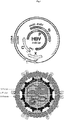
- the HBV envelope encloses three proteins termed L-(large), M-(middle) and S-(small) (see Fig. 1 ). They share the C-terminal S-domain with four transmembrane regions.
- the M- and L-protein carry additional N- terminal extensions of 55 and, genotype-dependent, 107 or 118 aa (preS2- and preS1).
- the stoichiometric ratio of L, M and S is about 1 :1:4, while the more abundantly secreted non-infectious subviral particles (SVPs) contain almost exclusively S-and only traces of L-protein (2).
- SVPs non-infectious subviral particles
- the preS1 -domain of L is myristoylated and at some point of the HBV life cycle translocated through the ER-derived membrane. This modification is essential for infectivity (13, 14).
- a pronounced feature of HBV is its liver tropism, i.e. the liver is the tissue which specifically supports the growth of HBV.
- HBV and HCV Hepatitis C Virus infections are also major causes for neoplastic alterations in the liver.
- Primary hepatocellular carcinoma (HCC) usually develop in the setting of chronic liver disease, particular of viral hepatitis. HCC diagnosis can be difficult, usually requiring the use of serum markers and imaging modalities as well as histologic confirmation following biopsy.
- HCC results into about one million deaths per annum globally, the median survival following diagnosis is approximately 6 to 20 months (11).
- One reason for this is the absence of pathogenic symptoms and the liver's large functional reserve (12).
- the majority of patients diagnosed with hepatocellular carcinoma are not eligible for surgical resection but require other treatment modalities such as liver transplantation, radiofrequency ablation, transarterial chemoembolization, cryoablation or radiation therapy. All of these alternative options are of limited efficacy due to the typically large tumour size at the time of diagnosis.(13)
- the FDA Food Drug Agency
- recommends intense diagnostic imaging in patients with an underlying liver disease i.e.
- Diagnostic imaging is usually performed by CT scan of the liver and / or magnetic resonance imaging (MRI). However the initial diagnosis even when using high resolution imaging methods is often difficult as such "follow up” imaging is recommended in the majority of all patients.
- Novel liver specific contrast agents such as the one described in the invention may help elevate this problem.
- CRC colorectal carcinoma
- drug targeting should fulfil the following criteria: 1) exclusive transfer of the drug (e.g. a label) to the required site of action; 2) a minimum of effects for the remaining organism; 3) use of a pharmacologically inactive vector.
- tissue-specific enzymes for example the use of prodrugs, from which the pharmacologically active part is released in the target tissue by tissue-specific enzymes.
- a further possibility is to couple effective, non-tissue-specific drugs to tissue-specific, but pharmacologically inert carrier systems like receptor-affine peptides or colloidal particles.
- liver targeting of drugs has been used to enhance liver targeting of drugs.
- a straightforward approach is based on the active phagocytosis of the reticuloendothelial system in the liver by delivering drugs in particular carriers, such as liposomes and microspheres.
- carriers such as liposomes and microspheres.
- particulate carriers incorporating a drug are mainly captured by the reticuloendothelial system in the liver, resulting in drug targeting of the liver (5).
- liver targeting of drugs with positively charged, water-soluble polymers is based on free extravasation of most water-soluble substances from the vascular system of the liver as well as on negative charges on the liver cell surface (6).
- polymers have been used as the carrier to allow drugs to target to the liver based on such anatomical and biochemical characteristics of the liver. More specific drug targeting of the liver has been attempted by using asialoglycoprotein receptors of liver cells.
- the asialoglycoprotein receptor (galactose receptor) is present on hepatocytes with high density.
- the ligand-receptor complex is internalized which allows the cellular uptake of galactosylated ligands (7).
- nanoparticles have been performed by e.g. amphilic polymers and viral vectors (8).
- BNCs bio-nanocapsules
- HBV hepatitis B virus
- hydrophobic modified preS-derived peptides of HBV and their use as vehicles for the specific delivery of compounds to the liver.
- the hydrophobic modified preS-derived peptides of HBV may be coupled with a diagnostic or therapeutic active agent via an optional anchor group (A) which is preferably "C-terminal" of the hydrophobic modified preS-derived peptide.
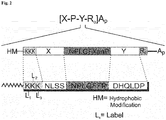
- the present invention provides hydrophobic modified peptides conjugated to one ore more label which label is coupled to the N-terminal amino acid sequence of the peptide represented by X, making it possible to create shorter peptides while still maintaining liver specificity. Surprisingly it has become possible to couple hydrophobic moieties to the peptides without abrogating liver tropism. Furthermore, coupling labels to the N-terminal site allows better delivery of active compounds across the cell membrane and also allows to direct labels, which are active on the cellular membrane, directly to the site of action. In Fig. 3 , the molecular mechanism of the binding of a hydrophobic modified peptide to the surface of a hepatocyte is schematically illustrated.
- a hydrophobic modified peptide In Fig. 2 , the construction of a hydrophobic modified peptide of the invention is schematically illustrated. Said hydrophobic modified peptide has the general formula: [X - P - Y - R o ]A p wherein P is a peptide having the amino acid sequence NPLGFXaaP (single-letter code; wherein Xaa is an arbitrary amino acid, preferably F or L, more preferably F).
- the hydrophobic modification is effected by acylation with acyl moieties, preferably selected from myristoyl (C 14), palmitoyl (C 16) or stearoyl (C 18), more preferably by acylation with myristoyl (C 14) or by acylation with stearoyl (C 18).
- Y is an amino acid sequence having a length of n amino acids, (n is 0 or at least 1).
- n is 0 or at least 11
- the hydrophobic modified peptide of the invention has a length of at least 18 amino acids (aa) in total.
- R is a C-terminal modification of said hydrophobic modified peptide, which is preferably a moiety that protects from degradation selected from amide, D- amino acid, modified amino acid, cyclic amino acid, albumin, natural and synthetic polymer, such as PEG, glycane (o is 0 or at least 1).
- A is an anchor group, preferably selected from ester, ether, disulfide, amide, thiol, thioester, p is 0 or at least 1.
- m is 4 to 19 and/or n is 0 to 78.
- One or more label(s) is/are coupled to one or amino acid(s) of X, wherein the label is selected from a fluorescent dye, a fluorescence emitting isotope, a radioisotope and a contrast agent.
- the label may be composed of one substance or may comprise two or more substances, which are linked together by any kind of chemical or physical bond, like covalent bond, ionic bond etc. or the label is in the form of a complex.
- the one or more label(s) is/are linked to said peptide via a linker or spacer, wherein the linker or spacer is preferably cleaved off the hydrophobic modified peptide by a liver protein, preferably a hepatocellular proteolytic enzyme which may be selected from cytochromes, such as cytochrome P450, proteases and lyases of the endocytic pathway (e.g. estrases), matrix-metallo-proteases MMP1, MMP2, MMP7, MMP9 and MMP12, preferably MMP7.
- the linker or spacer preferably comprises the peptide sequences GCHAK or RPLALWRS.
- the one or more label is/are coupled to one or amino acid(s) of X having an amino group in a side chain, which is/are preferably selected from lysine, ⁇ -amino glycine, ⁇ , ⁇ -diaminobutyric acid, ornithine, ⁇ , ⁇ -diaminopropionic acid, more preferably lysine.
- the amino acid(s) having an amino group in a side chain is/are preferably located at the N-terminus of X, wherein preferably 1 to 11, more preferably 1 to 3, amino acids having an amino group in a side chain are located at the N-terminus of X.
- the object is furthermore solved by providing a pharmaceutical composition comprising at least one hydrophobic modified peptide as defined herein and at least a label to be specifically delivered to the liver, preferably to hepatocytes, as defined herein and optionally a pharmaceutically acceptable carrier and/or excipient.
- the hydrophobic modified peptide and/or the pharmaceutical composition are used in the specific delivery of label(s) to the liver, preferably for use in the diagnosis or monitoring the treatment of a liver disease or disorder, more preferably in intraoperative visualization.
- the object is furthermore solved by providing a use of the hydrophobic modified peptide or the pharmaceutical composition of the invention and the use of the hydrophobic modified peptide for the manufacture of a medicament for the diagnosis, and/or monitoring of a treatment of a liver disease or disorder.
- the object is furthermore solved by providing a method for the diagnosis of a liver disease or disorder or for the monitoring of a treatment of a liver disease or disorder, comprising administering to a subject a diagnostically effective amount of a hydrophobic modified peptide or a pharmaceutical composition of the invention.
- the present invention provides hydrophobic modified peptides which are derived from the preS domain of hepatitis B virus (HBV) (also designated “preS-peptides").
- HBV hepatitis B virus
- preS-peptides hydrophobic modified peptides which are derived from the preS domain of hepatitis B virus (HBV) (also designated "preS-peptides").
- the envelope of HBV encloses three proteins termed L (large), M (middle) and S (small) (see Figure 1 ). They share the C-terminal S-domain with four transmembrane regions.
- the M-and L-protein carry additional N-terminal extensions of 55 and, genotype-dependent, 107 or 118 amino acids (preS2- and preS1).
- the peptide according to the present invention refers to a peptide with an amino acid sequence that corresponds to or is based on the N-terminal extensions of the L-protein of HBV, preS1, preferably of genotypes A to H as well as of woolly monkey (WMHBV), orangutan, chimpanzee and gorilla hepatitis B viruses, but it also refers to variants thereof, preferably C-terminally truncated variants, amino acid substitution variants.
- the amino acid residues being important for the liver tropism of the hydrophobic modified preS-derived peptides of HBV, as set out in SEQ ID NO:1 are present in the amino acid sequence of the hydrophobic modified peptide of the invention.
- the hydrophobic modified peptides of the invention are based on the following sequences (amino acids in single letter code; essential domain underlined).
- Variants are preferably N-terminally and/or C-terminally truncated variants, amino acid substitution or deletion variants, or prolonged variants of the sequences of SEQ ID NOs: 2-13, carrying a hydrophobic modification and wherein one or more label(s) is/are coupled to one or amino acid(s) N-terminal of the essential domain of the hydrophobic modified peptide.
- Variants comprise furthermore an amino acid sequence comprising modified amino acid(s), unnatural amino acid(s) or peptidomimetic(s) or further compounds which can mimic a peptide backbone/structure.
- variants are selected from C-terminally truncated variants of SEQ ID NOs. 2 to 13; amino acid substitution or deletion variants; variants comprising modified amino acid(s), unnatural amino acid(s) or peptidomimetic(s) or further compounds which can mimic a peptide backbone/structure.
- a variant of a hydrophobic modified peptide comprise at least the amino acids having the sequence of SEQ ID NO: 1 and can consist of 18, 19, 20, 21, 22, 23, 24, 25, 26, 27, 28, 29, 30, 31, 32, 33, 34, 35, 36, 37, 38, 39, 40, 41, 42, 43, 44, 45, 46, 47, 48, 49, 50, 51, 52, 53, 54, 55, 56, 57, 58, 59, 60, 61, 62, 63, 64, 65, 66, 67, 68, 69, 70, 71, 72, 73, 74, 75, 76, 78, 79, 80, 81, 82, 83, 84, 85, 86, 87, 88, 89, 90, 91, 92, 93, 94, 95, 96, 97, 98, 99, 100, 101, 102, 103, 104, 105, 106, 107, 108, 109, 110, 111, 112, 113,
- N-terminally and/or C-terminally truncated variants comprise preferably at least 18 consecutive amino acids, more preferably at least 19 consecutive amino acids, even more preferably at least 20 and just even more preferably at least 21 consecutive amino acids of SEQ ID NOs. 2 to 13 or variants thereof.
- the N-terminal sequence (X) of the hydrophobic modified peptide having a length of m amino acids can consist of 5, 6, 7, or 8 amino acids.
- one or amino acid(s) of X have an amino group in a side chain, which is/are preferably selected from lysine, ⁇ -amino glycine, ⁇ , ⁇ -diaminobutyric acid, ornithine, ⁇ , ⁇ -diaminopropionic acid, more preferably lysine.
- the amino acid(s) of X having an amino group in a side chain is/are preferably is/are located at the N-terminus of X, wherein one to eleven (1-11), preferably one to three (1 - 3), amino acids having an amino group in a side chain are located at the N-terminus of X.
- the N-terminal sequence (X) of the hydrophobic modified peptide preferably comprises the sequence NX 1 SX 2 X 3 (SEQ ID NO: 16), wherein X 1 , X 2 and, X 3 may be arbitrary amino acids.
- X 1 of SEQ ID NO: 16 is L, I or Q, more preferably L.
- X 2 of SEQ ID NO: 16 is T, V, A or is not present, preferably T or V, more preferably T.
- X 3 of SEQ ID NO: 16 is P, S, T or F, more preferably P or S, even more preferably S.
- the sequence NX 1 SX 2 X 3 (SEQ ID NO: 16) is directly attached to the N-terminus of the peptide P (SEQ. ID NO: 1; NPLGFXaaP), resulting in a peptide comprising the sequence NX 1 SX 2 X 3 NPLGFXaaP, wherein X 1 , X 2 , X 3 and Xaa are defined as above.
- the C-terminal sequence (Y) of the hydrophobic modified peptide having a length of n amino acids comprises at least 1 amino acids.
- the -terminal sequence (Y) of the hydrophobic modified peptide can consist of 3, 4, 5, 6, 7, 8, 9, 10, 11, 12, 13, 14, 15, 16, 17, 18, 19 20, 21, 22, 23, 24, 25, 26, 27, 28, 29, 30, 31, 32, 33, 34, 35, 36, 37, 38, 39, 40, 41, 42, 43, 44, 45, 46, 47, 48, 49, 50, 51, 52, 53, 54, 55, 56, 57, 58, 59, 60, 61, 62, 63, 64, 65, 66, 67, 68, 69, 70, 71, 72, 73, 74, 75, 76, 78, 79, 80, 81, 82, 83, 84, 85, 86, 87, 88, 89, 90, 91, 92 or 93 amino acids. That is, n may be 3 to 93.
- X 4 of SEQ ID NO: 17 is D, E or S, more preferably D or E, even more preferably D.
- the sequence X 4 HQLDP (SEQ ID NO: 17) is directly attached to the C-terminus of the peptide P (SEQ. ID NO: 1; NPLGFXaaP), resulting in a peptide comprising the sequence NPLGFXaaPX 4 HQLDP, wherein X 4 and Xaa are defined as above.
- the hydrophobic modified peptide of the present invention comprises a peptide encoded by the amino acid sequence NX 1 SX 2 X 3 NPLGFXaaPX 4 HQLDP (SEQ ID NO: 18), wherein X 1 , X 2 , X 3 , X 4 and Xaa are defined as above.
- variant also refers to the homologous sequences found in the different viral species, strains or subtypes of the hepadnavirus genus, such as HBV strain alpha, HBV strain LSH (chimpanzee isolate), woolly monkey HBV (WMHBV), or strains selected from the group consisting of the HBV genotypes A to H (see SEQ ID NO: 2-13).
- variant also refers to homologous sequences which show at least 50% sequence identity to an amino acid sequence comprising the invariant NPLGFXaaP-domain and the adjacent sequences of SEQ ID NO. 2-13 or any other amino acid sequence disclosed herein, preferably 70%, more preferably 80%, even more preferably 90% or 95%.
- a preferred hydrophobic modified peptide according to the invention comprises a variant of SEQ ID NOs. 2 to 13 with an amino acid sequence of the different viral species, strains or subtypes, preferably of the genotypes of HBV or woolly monkey HBV (WMHBV) or variants thereof.
- “Variants” of SEQ ID NOS. 2 to 13 also comprise variants or "analogues” comprising amino acid deletions, amino acid substitutions, such as conservative or non conservative replacement by other amino acids or by isosteres (modified amino acids that bear close structural and spatial similarity to protein amino acids), amino acid additions or isostere additions, as long as the sequence still shows liver tropism, preferably more than 10% of the injected dose accumulates in liver tissue after 1 h following intravenous injection.
- the liver tropism of the hydrophobic modified peptide or a "variant" thereof is preferably 80% or more of the injected dose/g liver tissue after 1 h, more preferred 90% or more of the injected dose/g liver tissue after 1 h, even more preferred 95% or more of the injected dose/g liver tissue after 1 h.
- N-terminal refers to the N-terminus of X, i.e. the respective first amino acid residue, but comprises also the hydrophobic modification in close proximity to the N-terminus, such as respective amino acid residues (-4), (-3), (-2), (-1), 1, 2 or 3 or 4.
- the coupling of the label and the hydrophobic modification can furthermore be obtained by an attachment of a label and a hydrophobic moiety at a site close to the N-terminus of X.
- hydrophobic modification of said hydrophobic modified peptide according to the present invention adds a hydrophobic moiety to the peptide.
- X is modified with at least one hydrophobic moiety or group.
- X is modified with 1, 2, 3, 4 or more hydrophobic moiety/ies or group(s). That is, X can be modified with more than one hydrophobic moiety or group, such as 2.
- the hydrophobic moieties or groups can be the same or different to each other.
- the hydrophobic modification of said peptide according to the present invention is selected from:
- Acylation is preferably selected from acylation with carboxylic acids, fatty acids, amino acids with lipophilic side chains.
- Preferred fatty acids are saturated or unsaturated fatty acids, branched or unbranched fatty acids, preferably with 8 to 22 carbon atoms (C 8 to C 22).
- the hydrophobic modification by acylation is selected from acylation with myristoyl (C 14), palmitoyl (C 16) or stearoyl (C 18). Modification by myristoylation is preferred in in vivo and medicinal applications due to its higher safety, e.g. not showing the adverse effects of the stearoyl group (innate immune response etc).
- hydrophobic moieties is preferably selected from addition of cholesterol, derivatives of cholesterol, phospholipids, glycolipids, glycerol esters, steroids, ceramids, isoprene derivatives, adamantane, farnesol, aliphatic groups, polyaromatic compounds.
- the attachment of the hydrophobic moieties is prefereably by covalent binding, which can be achieved via carbamate, amide, ether, disulfide or any other linkage that is within the skill of the person skilled in the art.
- the hydrophobic modified, preferably acylated peptides of this invention are preferably lipopeptides due to their N-terminal lipophilic or hydrophobic group/moiety.
- the C-terminal modification (R) of Y is preferably a modification with a moiety that protects from degradation, such as in vivo degradation.
- C-terminal refers to the modification at the C-terminus, i.e. the respective last amino acid residue, but comprises also the modification in close proximity to the C-terminus, such as the last but one amino acid residue, the last but two amino acid residue or more amino acid residues (e.g. introduction of one D-amino acid that protects the carrier from enzymatic degradation e.g. by the action of carboxypeptidases).
- the skilled artisan will be able to select the respective suitable moiety(s) depending on the respective application.
- Preferred moieties that protect from degradation are selected from amides, D-amino acids, modified amino acids, cyclic amino acids, albumin, natural and synthetic polymers, such as PEG, glycane.
- o is 0 or at least 1, i.e. the C-terminal modification (R) is optional.
- R the C-terminal modification
- o is 1.
- o is 1, 2, 3, 4 or more. That is, the C-terminus of hydrophobic modified peptide or its proximity can be modified with more than one moiety or group, such as 2.
- the moieties or groups can be the same or different to each other.
- the hydrophobic modification and/or R are linked to the peptide via a linker or spacer.
- Linker or spacer are known to the skilled artisan, such as polyalanine, polyglycin, carbohydrates, (CHa)n groups. The skilled artisan will, thus, be able to select the respective suitable linker(s) or spacer(s) depending on the respective application.
- the optional anchor group (A) serves as an additional point of attachment for a compound, a tag, a label and is located at an amino acid of Y. That is, in case that at least one anchor group (A) is present (i.e. p ⁇ 1) Y comprises at least one amino acid, too (i.e. n ⁇ 1).
- the anchor group is "C-terminal" of Y, wherein “C-terminal” refers to the modification at the C-terminus, i.e. the respective last amino acid residue, but comprises also the close proximity of the C-terminus, such as the last but one amino acid residue, the last but two amino acid residue or more amino acid residues.
- the anchor group A can be at an amino acid side chain of Y or can be the amino acid side chain of Y itself, i.e. A can be a side chain itself or a modified side chain.
- the anchor group can also be a modified amino acid residue which was introduced into the amino acid sequence of Y to serve as an anchor group.
- the anchor group A is attached to the hydrophobic modification of X and/or the C-terminal modification R.
- Preferred anchor groups are selected from ester, ether, disulfide, amide, thiol, thioester. The skilled artisan will be able to select the respective suitable anchor group(s) depending on the respective compound, tag, label etc.
- the anchor group can furthermore be suitable for attaching a complex-forming component, such as of the biotin/avidin, polyarginine/oligonucleotide (e.g. siRNA) complex.
- a complex-forming component such as of the biotin/avidin, polyarginine/oligonucleotide (e.g. siRNA) complex.
- o is 0 or at least 1, i.e. the anchor group (A) is optional.
- o is 1.
- o is 1, 2, 3, 4 or more. That is, there are more than one anchor group, such as 2.
- the anchor groups can be the same or different to each other, allowing the attachment of several compounds, such as a label or different labels.
- the peptides of the invention can be prepared by a variety of procedures readily known to those skilled in the art, in general by synthetic chemical procedures and/or genetic engineering procedures. Synthetic chemical procedures include more particularly the solid phase sequential and block synthesis (Erickson and Merrifield, 1976). More details can be taken from WO2009/092612 .
- the solid phase sequential procedure can be performed using established automated methods such as by use of an automated peptide synthesizer.
- an [alpha]-amino protected amino acid is bound to a resin support.
- the resin support employed can be any suitable resin conventionally employed in the art for the solid phase preparation of (poly)peptides, preferably polystyrene which has been copolymerized with polyoxyethylen to provide sites for ester formation with the initially introduced o-amino protected amino acid.
- This optimized method, applied by the inventors, has been explicitly described (see e.g. 12).
- the amino acids are introduced one by one (stepwise).
- Each synthesis cycle corresponding to the introduction of one amino acid includes a deprotection step, successive washing steps, a coupling step with activation of the amino acid, and subsequent washing steps. Each of these steps is followed by a filtration.
- the reactive agents for coupling are the classical reactive agents for (poly)peptide synthesis such as dicyclohexylcarbodiimide, hydroxybenzotriazole, benzotriazil-1-yl-oxytris (dimethylamino) phosphonium hexafluorophosphate, and diphenylphosphorylazide.
- the polypeptide is separated from the resin by a treatment with a strong acid such as trifluoroacetic acid in the presence of anisol, ethanedithiol or 2- methylindole.
- a strong acid such as trifluoroacetic acid in the presence of anisol, ethanedithiol or 2- methylindole.
- the compound is then purified by the classical techniques of purification, in particular by means of HPLC.
- the peptides of the present invention may also be obtained by coupling (poly)peptide fragments that are selectively protected, this coupling being effected e.g. in a solution.
- the peptides can further be produced by genetic engineering techniques as known to the skilled artisan.
- a eukaryotic expression system such as the baculovirus system, is particularly suitable. According to this procedure proteins are expressed in insect cells infected with a recombinant baculovirus containing a nucleic acid sequence encoding a heterologous protein and regulating nucleic acid sequences, such as a promoter.
- cell line Sf-9 available from the American Type Culture Collection (CRL 1711).
- Expression in prokaryotic expression system, such as E . coli, is also particularly suitable.
- hydrophobic moiety to the peptide can be accomplished by a variety of procedures readily known to those skilled in the art, including synthetic and genetic engineering approaches.
- the peptides and/or fusion peptides can be produced by stably transfected eukaryotic cell lines, like CHO and other cell lines which are known in the art and usually used for generating vaccines and the like. Due to the intrinsic property that the N-terminal 47-preSl amino acids promote secretion of a myristoylated protein/peptide, the biologically active hydrophobic modified peptide can be extracted from cell culture supernatants.
- the present invention provides the use of the hydrophobic modified peptides as vehicle or shuttle for the specific delivery of a compound (label) to the liver wherein the label is coupled to the hydrophobic modified peptides as described herein.
- “Vehicle” or “shuttle” for the specific delivery of a compound to the liver according to the present invention refers to the liver tropism or hepatotropism of the hydrophobic modified peptides as found by the inventors and described herein, i.e. to their capacity to selectively accumulate in the liver, preferably to selectively accumulate at the plasma membrane of hepatocytes as well as to selectively enter into hepatocytes.
- the invention is based on the finding of a highly specific liver accumulation and on the identification of the determinants of the liver tropism of HBV in the preS 1 sequence of HBV by the inventors.
- the invention uses the knowledge about the determinants of the liver tropism for the design of universal vehicles or shuttles for specific liver targeting or delivery, respectively.
- the hydrophobic modified peptides of the present invention are versatile vehicles or shuttles for specifically delivering compound(s) to the liver.
- the specific delivery of a compound to the liver is the specific delivery of the compound to hepatocytes.
- the compound can specifically be delivered to hepatocytes in vitro as well as in vivo.
- the compound is preferably specifically delivered to the liver of an animal, preferably mammal or human, or a bird.
- the labels to be specifically delivered to the liver according to the present disclosure can be any kind of compound being suitable for diagnostic purposes.
- the label comprises a chelating agent which forms a complex with divalent or trivalent metal cations.
- the label is selected from a fluorescent dye, a radioisotope and a contrast agent.
- a contrast agent is a dye or other substance that helps show abnormal areas inside the body.
- Preferred radioisotopes/fluorescence emitting isotopes are selected from the group consisting of alpha radiation emitting isotopes, gamma radiation emitting isotopes, Auger electron emitting isotopes, X-ray emitting isotopes, fluorescence emitting isotopes, such as 18 F, 51 Cr, 67 Ga, 68 Ga, 11 In, 99m Tc , 140 La, 175 Yb, 153 Sm, 166 Ho, 88 Y, 90 Y, 149 Pm, 177 Lu, 47 Sc, 142 Pr, 159 Gd, 212 Bi, 72 As, 72 Se, 97 Ru, 109 Pd, 105 Rh, 101m15 Rh, 119 Sb, 128 Ba, 123 I, 124 I, 131 I, 197 Hg, 211 At, 169 Eu, 203 Pb, 212 Pb, 64 Cu, 67 Cu, 188 Re, 186 Re, 198 Au and 199 Ag.
- Preferred fluorescent dyes are selected from the following classes of dyes: Xanthens (e.g. Fluorescein), Acridines (e.g. Acridine Yellow), Oxazines (e.g. Oxazine 1), Cynines (e.g. Cy7 / Cy 3), Styryl dyes (e.g. Dye-28), Coumarines (e.g. Alexa Fluor 350), Porphines (e.g. Chlorophyll B), Metal-Ligand-Complexes (e.g. PtOEPK), Fluorescent proteins (e.g APC, R-Phycoerythrin), Nanocrystals (e.g QuantumDot 705), Perylenes (e.g.
- Xanthens e.g. Fluorescein
- Acridines e.g. Acridine Yellow
- Oxazines e.g. Oxazine 1
- Cynines e.g. Cy7 / Cy 3
- Styryl dyes
- contrast agents are selected from paramagnetic agents, e.g. Gd, Eu, W and Mn, preferably complexed with a chelating agent. Further options are supramagnetic iron (Fe) complexes and particles, compounds containing atoms of high atomic number, i.e. iodine for computer tomography (CT), microbubbles and carriers such as liposomes that contain these contrast agents.
- paramagnetic agents e.g. Gd, Eu, W and Mn
- a chelating agent e.g.
- Further options are supramagnetic iron (Fe) complexes and particles, compounds containing atoms of high atomic number, i.e. iodine for computer tomography (CT), microbubbles and carriers such as liposomes that contain these contrast agents.
- CT computer tomography
- the label to be specifically delivered to hepatocytes may be bound to the hydrophobic modified peptide in the form of a complex with a chelating agent being able to form complexes with the respective label.
- the chelating agent is selected from the group consisting of 1,4,7,10-tetraazacyclododecane-N,N',N, N'- tetraacetic acid (DOTA), ethylenediaminetetraacetic acid (EDTA), 1,4,7-triazacyclononane-1,4,7-triacetic acid (NOTA), triethylenetetramine (TETA), iminodiacetic acid, Diethylenetriamine-N,N,N',N',N"-pentaacetic acid (DTPA) and 6-Hydrazinopyridine-3-carboxylic acid (HYNIC), while 1,4,7,10-tetraazacyclododecane-N,N',N, N' -tetraacetic acid (DOTA)
- the coupling of the label(s) to the respective amino acids of X may be conducted by any suitable method known to the person skilled in the art.
- the label(s) is/are coupled to the respective amino acid of X by using an activated ester.
- an activated ester In particular, in case of coupling label(s) to the amino acids of X having an amino group in a side chain this method can be used.
- the following coupling methods can be used in order to couple one or more label(s) to the respective amino acids of X, which are shortly summarized.
- the specific reaction conditions for achieving a coupling of a label to an amino acid with or without a linker can be easily determined by a chemist:
- the hydrophobic modified peptide in particular the conjugates of the present invention, are preferably used to enrich a label that is shuttled to the liver, in the liver.
- the label is cleaved off the hydrophobic modified peptide by a liver protein, preferably a hepatocellular proteolytic enzyme, in particular in vivo in the liver.
- the label and the hydrophobic modified peptide form a conjugate.
- the conjugate of label and hydrophobic modified peptide is formed by covalent attachment or by complex formation. The form of attachment depends on the type of label.
- the coupling of the label(s) to the respective amino acids of X may be conducted by using a spacer or linker.
- Linker or spacer are known to the skilled artisan, such as polyalanine, polyglycin, carbohydrates, (CH 2 )n groups or amino acid sequences. The skilled artisan will, thus, be able to select the respective suitable linker(s) or spacer(s) depending on the respective application.
- the spacer or linker preferably comprises a recognition site for hepatocyte specific activation, which is preferably recognized by a liver or tumor specific protein.
- the recognition site is preferably a proteolytic cleavage site.
- the liver protein is, thus, preferably a hepatocellular protein, more preferably a hepatocellular proteolytic enzyme or a proteolytic enzyme which is overexpressed in a tumor, e.g. MMP7.
- the conjugate can be administered to a subject and will be transported through the body, such as in the body fluids, without being cleaved.
- the liver protein such as a hepatocellular proteolytic enzyme will cleave the proteolytic cleavage site and release the label from its shuttle, i.e. the hydrophobic modified peptide.
- liver proteins are cytochromes, such as cytochrome P450 or lyases of the endocytic pathway.
- cytochromes such as cytochrome P450 or lyases of the endocytic pathway.
- the HepDirect(R) technology (of Metabasis Technologies, Inc.) as used in Adefovir or Pradevofir, is also suitable for the present invention.
- tumor diseases like neoplastic alterations by metastases of carcinomas, e.g. colon carcinomas
- Tissue analysis have shown that tumor specific mRNA expression levels of matrix-metallo-proteases (MMP1, MMP2, MMP7, MMP9 and MMP12) are associated with a bad prognosis of tumor patients ( Gentner B. et al., Anticancer Res. 2009 Jan; 29(1) :67-74 ).
- MMP1, MMP2, MMP7, MMP9 and MMP12 matrix-metallo-proteases
- MMP7 is of high interest since it is primarily expressed by tumor cells.
- Coupling a label to the described peptide sequence via a linker sequence containing a specific proteolytic binding site for MMP7 (e.g a short Peptide Sequence GCHAK or RPLALWRS) but also all other MMP 7 substrates (e.g Fibronectin, Elastin, Casein or others) would allow to deliver an inactive label to the liver via the modification of the original peptide by means described above. In the liver the modified peptides would then be preferentially cleaved in the direct surrounding of the tumor tissue and the inactive label would be activated.
- This method of label delivery to the liver targeting primary hepatocellular carcinomas or metastasis in the liver overexpressing one of the above listed MMPs presents a novel way of targeting labels to tumor tissues.
- the conjugate of label and hydrophobic modified derived peptide is formed by complex formation.
- Preferred complexes useful in the invention are biotin/avidin, polyarginine/oligonucleotide (e.g. siRNA). The skilled artisan will be able to determine suitable complex components and to design the compound and hydrophobic modified peptide accordingly.
- the above hydrophobic modified peptides in particular their conjugates with labels, are provided for the diagnosis of a liver disease or disorder.
- liver disease or a “liver disorder” according to the present invention refers to any disease or disorder that has an effect on or involves the organ liver, liver tissue or hepatocytes.
- liver diseases are:
- liver diseases of animals such as pets or livestock
- diseases that can be transmitted to humans such as toxoplasmosis
- the liver disease or disorder to be diagnosed is preferably selected from Primary Hepatocellular Carcinoma, metastases of other tumours, hepatitis, cirrhosis, haemochromatosis, preferably hepatitis caused by hepatitis A, B, C, D, E, F, G and H virus.
- the liver disease or disorder to be diagnosed can also be concomitant hepatitis caused by viruses, such as viruses of the family Herpesviridae, e.g. herpes virus, cytomegalic virus (CMV) but also varicella zoster virus (VZV), Epstein Barr virus (EBV), coxsackie viruses, yellow fever virus, Dengue virus.
- viruses of the family Herpesviridae e.g. herpes virus, cytomegalic virus (CMV) but also varicella zoster virus (VZV), Epstein Barr virus (EBV), coxsackie viruses, yellow fever virus, Dengue virus.
- the liver disease or disorder to be diagnosed can also be a disease which involves a liver stadium of a virus or a non-viral pathogen, such as in many tropical diseases. Since the liver stadium of some pathogens is an early stadium, the respective infection can be selectively, specifically treated in such an early stadium.
- viruses are hepatitis A, B, C, D, E, F, G and H virus, herpes viruses.
- Such non- viral pathogens are bacteria, parasites and/or worms.
- Parasites are for example protozoan parasites of the genus Plasmodium that cause malaria, such as Plasmodium falciparum, Plasmodium vivax, and related species (e.g. Plasmodium ovale, Plasmodium malariae, Plasmodium knowles [iota]) .
- Such worms are for example flatworms of the genus Schistosoma that cause schistosomiasis or bilharziosis, such as Schistosoma mansoni, Schistosoma intercalatum, Schistosoma haematobium, Schistosoma japonicum and Schistosoma mekongi.
- Such parasites are also for example Leishmania trypanosome protozoa of the genus Phlebotomus and Lutzomyia which are responsible for the disease leishmaniasis. Therefore, malaria, schistosomiasis (bilharziosis), and/or leishmaniasis can be diagnosed by the means of this invention. Therefore, certain tropical diseases can be diagnosed by the means of this invention.
- liver diseases or disorders to be diagnosed are preferably liver tumors, preferably hepatocellular carcinoma (HCC) or neoplastic alterations by metastases of solid tumors, e.g. colorectal carcinoma.
- HCC hepatocellular carcinoma
- neoplastic alterations by metastases of solid tumors e.g. colorectal carcinoma.
- the above described hydrophobic modified peptides are used for the early diagnosis and classification of primary neoplastic lesions of the liver, such as early stage hepatocellular carcinoma.
- Another preferred embodiment of the invention is the use of the above described hydrophobic modified peptides for the diagnosis of early metastatic lesions in the liver such as metastases of colorectal carcinoma (CRC).
- CRC colorectal carcinoma
- the liver disease or disorder to be diagnosed can also be a metabolic disease, such as diabetes, hyperlipidemia, metabolic syndrome and obesity, chronic hyperglycemia, metabolic syndrome, non-alcoholic steatohepatitis (NASH) (see also (9)).
- a metabolic disease such as diabetes, hyperlipidemia, metabolic syndrome and obesity, chronic hyperglycemia, metabolic syndrome, non-alcoholic steatohepatitis (NASH) (see also (9)).
- NASH non-alcoholic steatohepatitis
- hydrophobic modified, preferably acylated derived peptides, in particular their conjugates with labels can be used for the manufacture of a medicament for the diagnosis of a liver disease or disorder.
- hydrophobic modified peptides of the present invention can be used in medical imaging known to those skilled in the art. Suitable methods are X-ray imaging, magnetic resonance imaging (MRI), positron emission tomography (PET), single-photon-emission-computed tomography (SPECT) X-ray computed tomography (CT) and combinations of these methods (e.g. PET-CT, CT-MRI). Specific conditions for conducting these medical imaging methods are known to those skilled in the art.
- the present invention provides a pharmaceutical composition
- a pharmaceutical composition comprising at least one hydrophobic modified peptide as defined herein and at least a compound to be specifically delivered to the liver as defined herein and optionally a pharmaceutically acceptable carrier and/or excipient.
- the pharmaceutical composition according to the present invention comprises:
- compositions according to the present invention are very well suited for all the uses and methods described herein.
- a “pharmaceutically acceptable carrier or excipient” refers to any vehicle wherein or with which the pharmaceutical or vaccine compositions according to the invention may be formulated. It includes a saline solution, such as phosphate buffer saline, a citrate buffer, NaCl, ocytl glucoside and/or a poloxamere. In general, a diluent or carrier is selected on the basis of the mode and route of administration, and standard pharmaceutical practice.
- the present invention provides methods for the diagnosis of a liver disease or disorder by utilizing the above described hydrophobic modified peptide(s) or the pharmaceutical composition(s) of the invention.
- the present invention also provides a method for the diagnosis of a liver disease or disorder by administering to a subject a hydrophobic modified derived peptide and a label, or a pharmaceutical composition as defined herein.
- the method for the diagnosis of a liver disease or disorder according to the present invention comprises administering to a subject in a diagnostically effective amount
- the route of administration of the hydrophobic modified peptides or pharmaceutical compositions of the present invention is selected from subcutaneous, intravenous, oral, nasal, intramuscular, transdermal, inhalative, by suppository.
- a preferred embodiment for nasal administration or application is a nasal spray.
- the hydrophobic modified peptide of the invention comprising a label is dissolved in serum from the patient and is applied via injection.
- a “diagnostically effective amount" of a hydrophobic modified peptide or a pharmaceutical composition of this invention refers to the amount that is sufficient to diagnose the respective liver disease or disorder.
- the preferred diagnostically effective amount depends on the respective compound that is to be delivered and its respective diagnostic potential. The skilled artisan will be able to determine suitable diagnostically effective amounts.
- the diagnostically effective amount is in the range of 10 pmol per kg to 20 ⁇ mol per kg body weight.
- the amount to be applied to a patient is preferably in the range of 100 nmol to 2 ⁇ mol, more preferably about 500 nmol per kg body weight.
- the respective hydrophobic modified peptide is preferably applied to a patient in an amount ranging from 300 nmol to 800 nmol per kg body weight, more preferably from 400 to 600 nmol per kg body weight.
- hydrophobic modified peptides of the invention are given. These hydrophobic modified peptides are based on the amino acid sequence KKKNLSTSNPLGFFPDHQLPD (SEQ ID NO. 14) or KKKNLSTSNPLGFFPDHQLDP (SEQ ID NO. 15), wherein one or two of the N-terminal lysines (K) may be deleted or substituted by another amino acid.
- An exemplary preferred hydrophobic modified peptide has the following chemical structure:
- the amino acid sequence of the compound having the above exemplified chemical structure is: Stearoyl-K(DOTA[Gd])K(DOTA[Gd])K(DOTA[Gd])NLSTSNPGLGFFPDHQLDP-amide, wherein each of the three chelating agents 1,4,7,10-tetraazacyclododecane-N,N',N, N'- tetraacetic acid (DOTA) complexes a Gd cation and is bound to one of the three N-terminal lysines (KKK), while the first N-terminal lysine is further modified with a hydrophobic stearoyl group.
- each of the three chelating agents 1,4,7,10-tetraazacyclododecane-N,N',N, N'- tetraacetic acid (DOTA) complexes a Gd cation and is bound to one of the three N-terminal lysines (KKK), while the first N-
- hydrophobic modified peptides of the invention are simplified in the text so that the above exemplified hydrophobic modified peptide can be also designated "stearoyl -[K(DOTA[Gd])] 3 -NLSTSNPLGFFPDHQLDP-amide"
- hydrophobic peptides carrying Gd, 68 Ga or 111 In as labels complexed with DOTA (stearoyl-[K(DOTA[Gd])] 3 -NLSTSNPLGFFPDHQLDP-amide, stearoyl-[K(DOTA[ 68 Ga])] 3 -NLSTSNPLGFFPDHQLDP-amide or stearoyl-[K(DOTA[ 111 In])] 3 -NLSTSNPLGFFPDHQLDP-amide) were used as exemplary products of the present invention. If not indicated otherwise, the in vivo experiments using different medical imaging methods have been conducted by using WAG/Rij rats.
- the peptide stearoyl-KKKNLSTSNPLGFFPDHQLDP-amide (140 mg, 0.055 mmol) was dissolved in 5ml DMF.
- DOTA-DFP 129 mg, 0.25 mmol
- DIPEA 410 ⁇ l, 2.5 mmol
- the mixture was stirred over night at 50 °C.
- Diethylether was added until precipitation; the precipitate was separated by using a centrifuge and was washed twice with diethylether.
- the crude product was purified by using RP-HPLC. The purification was effected by using a gradient of water and acetonitrile, both comprising 0,1% trifluoroacetic acid.
- the HPLC fractions containing the product were concentrated by lyophilisation. Yield: 112 mg (55%).
- the peptide stearoyl-[K(DOTA)] 3 -NLSTSNPLGFFPDHQLDP-amide (112 mg, 0.030 mmol) was dissolved in 0.4 M sodium acetate buffer (pH 5) and GdCl 3 *6 H 2 O (335 mg, 0.90 mmol) was added. The mixture was heated for 1 h in a water bath while stirring. The resulting mixture of products was purified by using RP-HPLC. The purification was effected by using a gradient of water and acetonitrile, both comprising 0,1% trifluoroacetic acid. The HPLC fractions containing the product (stearoyl-[K(DOTA[Gd])] 3 -NLSTSNPLGFFPDHQLDP-amide) were concentrated by lyophilisation. Yield: 94 mg (77%).
- the peptide stearoyl-[K(DOTA[ 68 Ga])] 3 -NLSTSNPLGFFPDHQLDP-amide was dissolved in citrate buffer (pH 8.0) + 4% BSA and injected i.v. in the tail vene of tumour bearing rats.
- the rats were orthopically injected with 1x10 6 syngenic colon carcinoma cells (CC531 cells) 10 days prior to the measurements. At the day of measurement the rats received the peptide in a concentration of 400 nmol/kg body weight.
- the rats were anaesthetised by isoflurane and kept at 37°C. PET imaging was performed using a Inveon small animal PET from Siemens, imaging was started immediately after i.v.
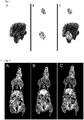
- Fig. 4A-C shows a representative PET image of a tumor bearing rat.
- Fig. 4A Specific enrichment of 400 nmol / kg stearoyl-[K(DOTA[ 68 Ga])] 3 -NLSTSNPLGFFPDHQLDP-amide in the liver of a WAG/Rji rat five minutes post i.v. injection.
- peptide stearoyl-[K(DOTA[Gd])] 3 -NLSTSNPLGFFPDHQLDP-amide was dissolved in citrate buffer (pH 8.0) + 4% BSA and injected i.v. in the tail vene of the rats in a concentration of 600 nmol/kg body weight.
- the rats were anaesthetised by isoflurane.
- the rats were examined in MRI with T1 contrast sensitive sequences (Siemens ViBE ®). The measurement was conducted on a Siemens Avanto 1.5 T MRI Scanner.
- Fig. 5 shows a representative image of a healthy rate before, as well as 20 and 30 minutes after i.v. injection.
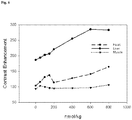
- Isoflurane anaesthetised rats received increasing amounts of stearoyl-[K(DOTA[Gd])] 3 -NLSTSNPLGFFPDHQLDP-amide in subsequent i.v. injections. The interval between subsequent injections was 20 min.
- continued MRI measurements of the liver with T1 contrast sensitive sequences (Siemens ViBE®) were made and the enhancement of the contrast in liver, muscle tissue and heart was determined.
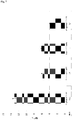
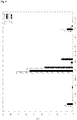
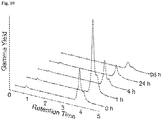
- contrast values of the clinical relevant dosage of PrimovistTM were determined. The result is shown in Fig. 6 .
- peptide stearoyl-[K(DOTA[Gd])] 3 -NLSTSNPLGFFPDHQLDP (“Peptide X"; 1mM), PrimovistTM (1mM), MagnevistTM (1mM) as well as VasovistTM (ImM) were dissolved in PBS in equimolar amounts at room temperature and the R1/r2 relaxitivies were measured in a Varian 300Mhz NMR. By using Fourier transformation, the single contrast values were determined from the data resulting from the experiment. The results are shown in Fig. 7 and Fig. 8 .
Landscapes
- Health & Medical Sciences (AREA)
- Life Sciences & Earth Sciences (AREA)
- Chemical & Material Sciences (AREA)
- General Health & Medical Sciences (AREA)
- Animal Behavior & Ethology (AREA)
- Epidemiology (AREA)
- Public Health (AREA)
- Veterinary Medicine (AREA)
- Proteomics, Peptides & Aminoacids (AREA)
- Medicinal Chemistry (AREA)
- Organic Chemistry (AREA)
- Engineering & Computer Science (AREA)
- Radiology & Medical Imaging (AREA)
- Nuclear Medicine, Radiotherapy & Molecular Imaging (AREA)
- Genetics & Genomics (AREA)
- Biomedical Technology (AREA)
- Virology (AREA)
- Bioinformatics & Cheminformatics (AREA)
- Biochemistry (AREA)
- Wood Science & Technology (AREA)
- Zoology (AREA)
- Pharmacology & Pharmacy (AREA)
- Physics & Mathematics (AREA)
- Optics & Photonics (AREA)
- Gastroenterology & Hepatology (AREA)
- Biotechnology (AREA)
- Microbiology (AREA)
- Immunology (AREA)
- General Engineering & Computer Science (AREA)
- Biophysics (AREA)
- Molecular Biology (AREA)
- Peptides Or Proteins (AREA)
- Medicines That Contain Protein Lipid Enzymes And Other Medicines (AREA)
- Medicines Containing Antibodies Or Antigens For Use As Internal Diagnostic Agents (AREA)
- Micro-Organisms Or Cultivation Processes Thereof (AREA)
- Medicinal Preparation (AREA)
Claims (14)
- Hydrophob modifiziertes Peptid der Formel
[X - P - Y - Ro]Ap
wobeiP ein Peptid mit der Aminosäuresequenz NPLGFXaaP ist, wobei Xaa eine beliebige Aminosäure ist;X eine Aminosäuresequenz umfassend NX1SX2X3 ist, die eine Länge von m = 5, 6, 7 oder 8 Aminosäuren aufweist, wobei X1, X2 und X3 eine beliebige Aminosäure ist, und
wobei eine oder mehrere der Aminosäuren eine oder mehrere Gruppen zur hydrophoben Modifikation tragen, ausgewählt aus Acylierung, bevorzugt mit Carbonsäuren, Fettsäuren, C8- bis C22-Fettsäuren, Aminosäuren mit lipophilen Seitenketten, und Addition von hydrophoben Resten, ausgewählt aus Cholesterin, Cholesterinderivaten, Phospholipiden, Glycolipiden, Glycerinestern, Steroiden, Ceramiden, Isoprenderivaten, Adamantan, Farnesol, aliphatischen Gruppen, polyaromatischen Verbindungen;Y eine Aminosequenz mit einer Länge von n Aminosäuren ist, wobei n wenigstens 1 ist;m + n ≥ 11;R eine C-terminale Modifikation des hydrophob modifizierten Peptids ist, die bevorzugt eine Gruppe ist, die vor Abbau schützt, ausgewählt aus Amid, D-Aminosäure, modifizierter Aminosäure, cyclischer Aminosäure, Albumin, natürlichem und synthetischem Polymer, wie PEG, Glykan, wobei o 0 oder wenigstens 1 ist;A eine Ankergruppe ist, bevorzugt ausgewählt aus Ester, Ether, Disulfid, Amid, Thiol, Thioester, wobei p 0 oder wenigstens 1 ist;wobei
ein oder mehrere Marker an eine oder mehrere Aminosäuren von X gekoppelt sind, bevorzugt über einen Linker oder Spacer, und wobei der Marker ausgewählt ist aus einem Fluoreszenzfarbstoff, einem Fluoreszenz-emittierenden Isotop, einem Radioisotop und einem Kontrastmittel. - Hydrophob modifiziertes Peptid nach Anspruch 1, wobei(a) m 5, 6, 7 oder 8 ist und/oder n 3 bis 78 ist; oder(b) Xaa F oder L ist, bevorzugt F.
- Hydrophob modifiziertes Peptid nach Anspruch 1, wobei der Linker oder Spacer von dem hydrophob modifizierten Peptid durch ein Leberprotein, bevorzugt ein hepatozelluläres proteolytisches Enzym, abgespalten werden.
- Hydrophob modifiziertes Peptid nach Anspruch 3, wobei der Linker oder Spacer durch Enzyme abgespalten werden, die ausgewählt sind aus Cytochromen, wie Cytochrom P450, Proteasen und Lyasen des Endocytenpfads, Matrix-Metalloproteasen MMP1, MMP2, MMP7, MMP9 und MMP12, bevorzugt MMP7.
- Hydrophob modifiziertes Peptid nach einem der Ansprüche 1 bis 4, wobei ein oder mehrere Marker an eine oder mehrere Aminosäuren von X gekoppelt sind, die eine Aminogruppe in einer Seitenkette aufweisen die, bevorzugt ausgewählt sind aus Lysin, α-Aminoglycin, α,γ-Diaminobuttersäure, Ornithin, α,β-Diaminopropionsäure, wobei bevorzugt die Aminosäure(n) mit einer Aminogruppe in einer Seitenkette Lysin ist/sind.
- Hydrophob modifiziertes Peptid nach Anspruch 5, wobei sich die Aminosäure(n) mit einer Aminogruppe in einer Seitenkette am N-Terminus von X befindet/befinden, wobei sich bevorzugt 1 bis 11 Aminosäuren mit einer Aminogruppe in einer Seitenkette am N-Terminus von X befinden.
- Hydrophob modifiziertes Peptid nach einem der Ansprüche 1 bis 6, wobei die hydrophobe Modifikation durch Acylierung ist, die ausgewählt ist aus Acylierung mit Myristoyl (C 14), Palmitoyl (C 16) oder Stearoyl (C 18).
- Hydrophob modifiziertes Peptid nach den Ansprüchen 1 bis 7, wobei das Peptid eine Variante der SEQ ID NO: 2 bis 13 umfasst und wobei die Variante wenigstens 70 % Sequenzidentität zu SEQ ID NO: 2 bis 13 aufweist.
- Hydrophob modifiziertes Peptid nach einem der vorhergehenden Ansprüche, ausgewählt aus der Gruppe bestehend aus Stearoyl-[K(DOTA[Gd])]3-NLSTSNPLGFFPDHQLDP, Stearoyl-[K(DOTA[68Ga])]3-NLSTSNPLGFFPDHQLDP, Stearoyl-[K(DOTA[111ln])]3-NLSTSNPLGFFPDHQLDP, Stearoyl-[K(DOTA[Gd])]3-NLSTSNPLGFFPDHQLDP-amid, Stearoyl-[K(DOTA[68Ga])]3-NLSTSNPLGFFPDHQLDP-amid, Stearoyl-[K(DOTA[111In])]3-NLSTSNPLGFFPDHQLDP-amid.
- Pharmazeutische Zusammensetzung umfassend:wenigstens ein hydrophob modifiziertes Peptid nach den Ansprüchen 1 bis 9; undgegebenenfalls einen pharmazeutisch verträglichen Träger und/oder Hilfsstoff.
- Hydrophob modifiziertes Peptid nach den Ansprüchen 1 bis 9 oder eine pharmazeutische Zusammensetzung nach Anspruch 10 zur Verwendung in(i) der spezifischen Abgabe eines Markers an die Leber und/oder(ii) medizinischen Bildgebung ausgewählt aus der Gruppe bestehend aus Röntgenstrahlung, Magnetresonanztomographie (MRT), Positronenemissionstomographie (PET), Einzelphotonenemissions-Computertomographie (SPECT), Röntgencomputertomographie (CT) und Kombinationen dieser Verfahren, wobei die Verwendung bevorzugt in der intraoperativen Visualisierung erfolgt und/oder(iii) der Diagnose oder Überwachung der Behandlung einer Lebererkrankung oder -störung.
- Hydrophob modifiziertes Peptid oder pharmazeutische Zusammensetzung zur Verwendung nach Anspruch 11, wobei die Lebererkrankung oder -störung(i) ausgewählt ist aus Hepatitis, Zirrhose, Hämochromatose, bevorzugt Hepatitis, die verursacht wird durch Hepatitis A-, B-, C-, D-, E-, F-, G- und H-Virus, oder gleichzeitiger durch Viren hervorgerufener Hepatitis,(ii) eine Krankheit ist, an der ein Leberstadium eines Virus oder eines nichtviralen Krankheitserregers beteiligt ist,(iii) eine Tropenkrankheit, Malaria, Schistosomiasis, Leishmaniase ist,(iv) ein Lebertumor ist, bevorzugt ein hepatozelluläres Karzinom (HCC),(v) Lebermetastasen sind, bevorzugt von kolorektalen Karzinomen, oder(vi) eine Stoffwechselerkrankung ist, bevorzugt Fettleibigkeit, metabolisches Syndrom, nichtalkoholische Steatohepatitis (NASH).
- Hydrophob modifiziertes Peptid oder pharmazeutische Zusammensetzung zur Verwendung nach einem der Ansprüche 11 bis 12, wobei das hydrophob modifizierte Peptid dem Patienten in einer Dosierung im Bereich von 10 pmol pro kg bis 20 µmol pro kg Körpergewicht verabreicht wird.
- Hydrophob modifiziertes Peptid zur Verwendung nach einem der Ansprüche 11 bis 13, wobei der Verabreichungsweg ausgewählt ist aus subkutan, intravenös, oral, nasal, intramuskulär, transdermal, inhalativ oder über ein Suppositorium.
Applications Claiming Priority (2)
| Application Number | Priority Date | Filing Date | Title |
|---|---|---|---|
| US201161441499P | 2011-02-10 | 2011-02-10 | |
| PCT/EP2012/052343 WO2012107577A1 (en) | 2011-02-10 | 2012-02-10 | Hydrophobic modified peptides for liver specific diagnosis |
Publications (2)
| Publication Number | Publication Date |
|---|---|
| EP2673003A1 EP2673003A1 (de) | 2013-12-18 |
| EP2673003B1 true EP2673003B1 (de) | 2018-11-07 |
Family
ID=45581893
Family Applications (1)
| Application Number | Title | Priority Date | Filing Date |
|---|---|---|---|
| EP12703539.2A Active EP2673003B1 (de) | 2011-02-10 | 2012-02-10 | Hydrophobe modifizierte peptide für leberspezifische diagnose |
Country Status (8)
| Country | Link |
|---|---|
| US (1) | US10363323B2 (de) |
| EP (1) | EP2673003B1 (de) |
| JP (2) | JP6486003B2 (de) |
| CN (1) | CN103402546B (de) |
| BR (1) | BR112013020369B1 (de) |
| ES (1) | ES2708662T3 (de) |
| TR (1) | TR201901259T4 (de) |
| WO (1) | WO2012107577A1 (de) |
Families Citing this family (7)
| Publication number | Priority date | Publication date | Assignee | Title |
|---|---|---|---|---|
| EP2673003B1 (de) * | 2011-02-10 | 2018-11-07 | Ruprecht-Karls-Universität Heidelberg | Hydrophobe modifizierte peptide für leberspezifische diagnose |
| JP6486004B2 (ja) * | 2011-02-10 | 2019-03-20 | ルプレヒト−カールス−ウニヴェルジテート ハイデルベルクRuprecht−Karls−Universitaet Heidelberg | 疎水性修飾ペプチドおよび肝臓特異的標的化のためのその使用 |
| MX350082B (es) | 2011-07-29 | 2017-08-24 | Avelas Biosciences Inc | Moleculas de entrega selectiva y metodos de uso. |
| AU2014212308B2 (en) | 2013-01-30 | 2018-08-09 | Avelas Biosciences, Inc. | Selective delivery molecules and methods of use |
| CN105092842B (zh) * | 2014-05-15 | 2017-02-08 | 中国科学院大连化学物理研究所 | 一种用于诊断肝癌的联合型代谢标志物及其检测试剂盒 |
| CN105738626B (zh) * | 2014-12-12 | 2017-07-14 | 中国科学院大连化学物理研究所 | 一种新的血清代谢物的组合及其作为肝癌诊断标志物的用途 |
| KR20200027033A (ko) * | 2017-07-25 | 2020-03-11 | 주식회사 멜라니스 | 멜라닌을 포함하는 조성물, 및 이를 제조하는 방법 및 용도 |
Family Cites Families (12)
| Publication number | Priority date | Publication date | Assignee | Title |
|---|---|---|---|---|
| JP4566290B2 (ja) | 1997-04-30 | 2010-10-20 | ツインストランド・ホールディングス・インコーポレイテッド | 癌、ウイルスまたは寄生虫感染を治療するためのリシン様毒素変異体 |
| US7001760B2 (en) | 2000-04-20 | 2006-02-21 | Wang-Schick Ryu | Hepatitis B virus vectors for gene therapy |
| US20050074865A1 (en) | 2002-08-27 | 2005-04-07 | Compound Therapeutics, Inc. | Adzymes and uses thereof |
| US7259249B2 (en) | 2003-12-01 | 2007-08-21 | Immunomedics, Inc. | Method for preparing conjugates of proteins and chelating agents |
| BRPI0516284A (pt) | 2004-09-23 | 2008-09-02 | Genentech Inc | anticorpo construìdo com cisteìna, método de selecionar anticorpos, compostos conjugados de droga-anticorpo, composição farmacêutica, método para matar ou inibir a proliferação de células de tumor, métodos de inibir a proliferação celular e o crescimento de células de tumor, artigo manufaturado e método para produzir um composto |
| WO2008100805A2 (en) | 2007-02-09 | 2008-08-21 | Genentech, Inc. | Anti-robo4 antibodies and uses therefor |
| WO2009092396A1 (en) | 2008-01-25 | 2009-07-30 | Universitätsklinikum Heidelberg | Hydrophobic modified pres-derived peptides of hepatitis b virus (hbv) and their use as hbv and hdv entry inhibitors |
| EP2245047B1 (de) | 2008-01-25 | 2020-11-18 | Ruprecht-Karls-Universität Heidelberg | Hydrophobe modifizierte pres-peptide des hepatitis b-virus (hbv) und ihre verwendung als vehikel für die spezifische abgabe von verbindungen an die leber |
| EP2090584A1 (de) | 2008-02-13 | 2009-08-19 | Max-Planck-Gesellschaft zur Förderung der Wissenschaften e.V. | Identifikation eines neuartigen Zystein-reichen Peptids zur Zellenpenetration |
| EP2391644B1 (de) | 2009-01-30 | 2016-04-13 | System of Systems Analytics, Inc. | Konformationsdynamische peptide |
| EP2673003B1 (de) | 2011-02-10 | 2018-11-07 | Ruprecht-Karls-Universität Heidelberg | Hydrophobe modifizierte peptide für leberspezifische diagnose |
| JP6486004B2 (ja) | 2011-02-10 | 2019-03-20 | ルプレヒト−カールス−ウニヴェルジテート ハイデルベルクRuprecht−Karls−Universitaet Heidelberg | 疎水性修飾ペプチドおよび肝臓特異的標的化のためのその使用 |
-
2012
- 2012-02-10 EP EP12703539.2A patent/EP2673003B1/de active Active
- 2012-02-10 WO PCT/EP2012/052343 patent/WO2012107577A1/en not_active Ceased
- 2012-02-10 JP JP2013552976A patent/JP6486003B2/ja not_active Expired - Fee Related
- 2012-02-10 US US13/984,715 patent/US10363323B2/en not_active Expired - Fee Related
- 2012-02-10 TR TR2019/01259T patent/TR201901259T4/tr unknown
- 2012-02-10 BR BR112013020369-2A patent/BR112013020369B1/pt not_active IP Right Cessation
- 2012-02-10 ES ES12703539T patent/ES2708662T3/es active Active
- 2012-02-10 CN CN201280008451.9A patent/CN103402546B/zh not_active Expired - Fee Related
-
2016
- 2016-12-15 JP JP2016243580A patent/JP2017081952A/ja active Pending
Non-Patent Citations (1)
| Title |
|---|
| None * |
Also Published As
| Publication number | Publication date |
|---|---|
| JP2014510050A (ja) | 2014-04-24 |
| CN103402546B (zh) | 2018-04-13 |
| BR112013020369B1 (pt) | 2021-11-03 |
| US10363323B2 (en) | 2019-07-30 |
| CN103402546A (zh) | 2013-11-20 |
| EP2673003A1 (de) | 2013-12-18 |
| US20140356284A1 (en) | 2014-12-04 |
| BR112013020369A8 (pt) | 2018-01-09 |
| JP6486003B2 (ja) | 2019-03-20 |
| BR112013020369A2 (pt) | 2017-05-02 |
| WO2012107577A1 (en) | 2012-08-16 |
| TR201901259T4 (tr) | 2019-02-21 |
| JP2017081952A (ja) | 2017-05-18 |
| ES2708662T3 (es) | 2019-04-10 |
Similar Documents
| Publication | Publication Date | Title |
|---|---|---|
| EP2673004B1 (de) | Hydrophob modifizierte peptide und ihre verwendung für leberspezifisches targeting | |
| JP5686468B2 (ja) | B型肝炎ウイルス(HBV)の疎水性修飾されたpreS由来ペプチド及び肝臓に化合物を特異的に送達するためのビヒクルとしてのそれらの使用 | |
| EP2673003B1 (de) | Hydrophobe modifizierte peptide für leberspezifische diagnose | |
| US12465660B2 (en) | Compositions and methods for cancer imaging and radiotherapy | |
| US20220162284A1 (en) | Synthetic somatostatin receptor ligands | |
| AU2003303714B2 (en) | Improved linkers for radiopharmaceutical compounds | |
| CN116023438B (zh) | 一种cxcr4靶向多肽及其应用 | |
| EP2675487B1 (de) | Nicht-invasive in-vivo-verfahren zur überwachung einer bioverteilung mit radioaktiv markierten verbindungen | |
| CN113727737A (zh) | 肿瘤细胞外基质中癌蛋白特异性肽pet/spect探针 | |
| US20140363378A1 (en) | Self-assembling molecules that accumulate in acidic tumor microenvironments | |
| Lambidis et al. | Biological evaluation of integrin α3β1-targeted 68Ga-labeled HEVNPs in HCT 116 colorectal tumor-bearing mice | |
| US20170224833A1 (en) | Self-assembling molecules that accumulate in acidic tumor microenvironments | |
| CN107586321B (zh) | F-18标记修饰Dimer-San A探针的制备方法 | |
| WO2025256207A1 (zh) | 一种pd-l1靶向的多肽类pet分子探针及应用 | |
| WO2024046469A1 (zh) | 环肽及其制备方法、包括其的复合物、及其用途 |
Legal Events
| Date | Code | Title | Description |
|---|---|---|---|
| PUAI | Public reference made under article 153(3) epc to a published international application that has entered the european phase |
Free format text: ORIGINAL CODE: 0009012 |
|
| 17P | Request for examination filed |
Effective date: 20130823 |
|
| AK | Designated contracting states |
Kind code of ref document: A1 Designated state(s): AL AT BE BG CH CY CZ DE DK EE ES FI FR GB GR HR HU IE IS IT LI LT LU LV MC MK MT NL NO PL PT RO RS SE SI SK SM TR |
|
| RAP1 | Party data changed (applicant data changed or rights of an application transferred) |
Owner name: DEUTSCHES KREBSFORSCHUNGSZENTRUM STIFTUNG DES OEFF Owner name: RUPRECHT-KARLS-UNIVERSITAET HEIDELBERG |
|
| DAX | Request for extension of the european patent (deleted) | ||
| 17Q | First examination report despatched |
Effective date: 20141027 |
|
| STAA | Information on the status of an ep patent application or granted ep patent |
Free format text: STATUS: EXAMINATION IS IN PROGRESS |
|
| GRAP | Despatch of communication of intention to grant a patent |
Free format text: ORIGINAL CODE: EPIDOSNIGR1 |
|
| STAA | Information on the status of an ep patent application or granted ep patent |
Free format text: STATUS: GRANT OF PATENT IS INTENDED |
|
| INTG | Intention to grant announced |
Effective date: 20180604 |
|
| GRAS | Grant fee paid |
Free format text: ORIGINAL CODE: EPIDOSNIGR3 |
|
| GRAA | (expected) grant |
Free format text: ORIGINAL CODE: 0009210 |
|
| STAA | Information on the status of an ep patent application or granted ep patent |
Free format text: STATUS: THE PATENT HAS BEEN GRANTED |
|
| AK | Designated contracting states |
Kind code of ref document: B1 Designated state(s): AL AT BE BG CH CY CZ DE DK EE ES FI FR GB GR HR HU IE IS IT LI LT LU LV MC MK MT NL NO PL PT RO RS SE SI SK SM TR |
|
| REG | Reference to a national code |
Ref country code: GB Ref legal event code: FG4D |
|
| REG | Reference to a national code |
Ref country code: CH Ref legal event code: EP Ref country code: AT Ref legal event code: REF Ref document number: 1061300 Country of ref document: AT Kind code of ref document: T Effective date: 20181115 |
|
| REG | Reference to a national code |
Ref country code: IE Ref legal event code: FG4D |
|
| REG | Reference to a national code |
Ref country code: DE Ref legal event code: R096 Ref document number: 602012053128 Country of ref document: DE |
|
| REG | Reference to a national code |
Ref country code: CH Ref legal event code: NV Representative=s name: TR-IP CONSULTING LLC, CH |
|
| REG | Reference to a national code |
Ref country code: NL Ref legal event code: FP |
|
| REG | Reference to a national code |
Ref country code: LT Ref legal event code: MG4D |
|
| REG | Reference to a national code |
Ref country code: ES Ref legal event code: FG2A Ref document number: 2708662 Country of ref document: ES Kind code of ref document: T3 Effective date: 20190410 |
|
| REG | Reference to a national code |
Ref country code: AT Ref legal event code: MK05 Ref document number: 1061300 Country of ref document: AT Kind code of ref document: T Effective date: 20181107 |
|
| PG25 | Lapsed in a contracting state [announced via postgrant information from national office to epo] |
Ref country code: AT Free format text: LAPSE BECAUSE OF FAILURE TO SUBMIT A TRANSLATION OF THE DESCRIPTION OR TO PAY THE FEE WITHIN THE PRESCRIBED TIME-LIMIT Effective date: 20181107 Ref country code: LV Free format text: LAPSE BECAUSE OF FAILURE TO SUBMIT A TRANSLATION OF THE DESCRIPTION OR TO PAY THE FEE WITHIN THE PRESCRIBED TIME-LIMIT Effective date: 20181107 Ref country code: FI Free format text: LAPSE BECAUSE OF FAILURE TO SUBMIT A TRANSLATION OF THE DESCRIPTION OR TO PAY THE FEE WITHIN THE PRESCRIBED TIME-LIMIT Effective date: 20181107 Ref country code: BG Free format text: LAPSE BECAUSE OF FAILURE TO SUBMIT A TRANSLATION OF THE DESCRIPTION OR TO PAY THE FEE WITHIN THE PRESCRIBED TIME-LIMIT Effective date: 20190207 Ref country code: NO Free format text: LAPSE BECAUSE OF FAILURE TO SUBMIT A TRANSLATION OF THE DESCRIPTION OR TO PAY THE FEE WITHIN THE PRESCRIBED TIME-LIMIT Effective date: 20190207 Ref country code: HR Free format text: LAPSE BECAUSE OF FAILURE TO SUBMIT A TRANSLATION OF THE DESCRIPTION OR TO PAY THE FEE WITHIN THE PRESCRIBED TIME-LIMIT Effective date: 20181107 Ref country code: IS Free format text: LAPSE BECAUSE OF FAILURE TO SUBMIT A TRANSLATION OF THE DESCRIPTION OR TO PAY THE FEE WITHIN THE PRESCRIBED TIME-LIMIT Effective date: 20190307 Ref country code: LT Free format text: LAPSE BECAUSE OF FAILURE TO SUBMIT A TRANSLATION OF THE DESCRIPTION OR TO PAY THE FEE WITHIN THE PRESCRIBED TIME-LIMIT Effective date: 20181107 |
|
| PG25 | Lapsed in a contracting state [announced via postgrant information from national office to epo] |
Ref country code: SE Free format text: LAPSE BECAUSE OF FAILURE TO SUBMIT A TRANSLATION OF THE DESCRIPTION OR TO PAY THE FEE WITHIN THE PRESCRIBED TIME-LIMIT Effective date: 20181107 Ref country code: GR Free format text: LAPSE BECAUSE OF FAILURE TO SUBMIT A TRANSLATION OF THE DESCRIPTION OR TO PAY THE FEE WITHIN THE PRESCRIBED TIME-LIMIT Effective date: 20190208 Ref country code: PT Free format text: LAPSE BECAUSE OF FAILURE TO SUBMIT A TRANSLATION OF THE DESCRIPTION OR TO PAY THE FEE WITHIN THE PRESCRIBED TIME-LIMIT Effective date: 20190307 Ref country code: AL Free format text: LAPSE BECAUSE OF FAILURE TO SUBMIT A TRANSLATION OF THE DESCRIPTION OR TO PAY THE FEE WITHIN THE PRESCRIBED TIME-LIMIT Effective date: 20181107 Ref country code: RS Free format text: LAPSE BECAUSE OF FAILURE TO SUBMIT A TRANSLATION OF THE DESCRIPTION OR TO PAY THE FEE WITHIN THE PRESCRIBED TIME-LIMIT Effective date: 20181107 |
|
| PG25 | Lapsed in a contracting state [announced via postgrant information from national office to epo] |
Ref country code: CZ Free format text: LAPSE BECAUSE OF FAILURE TO SUBMIT A TRANSLATION OF THE DESCRIPTION OR TO PAY THE FEE WITHIN THE PRESCRIBED TIME-LIMIT Effective date: 20181107 Ref country code: PL Free format text: LAPSE BECAUSE OF FAILURE TO SUBMIT A TRANSLATION OF THE DESCRIPTION OR TO PAY THE FEE WITHIN THE PRESCRIBED TIME-LIMIT Effective date: 20181107 Ref country code: DK Free format text: LAPSE BECAUSE OF FAILURE TO SUBMIT A TRANSLATION OF THE DESCRIPTION OR TO PAY THE FEE WITHIN THE PRESCRIBED TIME-LIMIT Effective date: 20181107 |
|
| REG | Reference to a national code |
Ref country code: DE Ref legal event code: R097 Ref document number: 602012053128 Country of ref document: DE |
|
| PG25 | Lapsed in a contracting state [announced via postgrant information from national office to epo] |
Ref country code: RO Free format text: LAPSE BECAUSE OF FAILURE TO SUBMIT A TRANSLATION OF THE DESCRIPTION OR TO PAY THE FEE WITHIN THE PRESCRIBED TIME-LIMIT Effective date: 20181107 Ref country code: SK Free format text: LAPSE BECAUSE OF FAILURE TO SUBMIT A TRANSLATION OF THE DESCRIPTION OR TO PAY THE FEE WITHIN THE PRESCRIBED TIME-LIMIT Effective date: 20181107 Ref country code: EE Free format text: LAPSE BECAUSE OF FAILURE TO SUBMIT A TRANSLATION OF THE DESCRIPTION OR TO PAY THE FEE WITHIN THE PRESCRIBED TIME-LIMIT Effective date: 20181107 Ref country code: SM Free format text: LAPSE BECAUSE OF FAILURE TO SUBMIT A TRANSLATION OF THE DESCRIPTION OR TO PAY THE FEE WITHIN THE PRESCRIBED TIME-LIMIT Effective date: 20181107 |
|
| PLBE | No opposition filed within time limit |
Free format text: ORIGINAL CODE: 0009261 |
|
| STAA | Information on the status of an ep patent application or granted ep patent |
Free format text: STATUS: NO OPPOSITION FILED WITHIN TIME LIMIT |
|
| 26N | No opposition filed |
Effective date: 20190808 |
|
| PG25 | Lapsed in a contracting state [announced via postgrant information from national office to epo] |
Ref country code: SI Free format text: LAPSE BECAUSE OF FAILURE TO SUBMIT A TRANSLATION OF THE DESCRIPTION OR TO PAY THE FEE WITHIN THE PRESCRIBED TIME-LIMIT Effective date: 20181107 Ref country code: MC Free format text: LAPSE BECAUSE OF FAILURE TO SUBMIT A TRANSLATION OF THE DESCRIPTION OR TO PAY THE FEE WITHIN THE PRESCRIBED TIME-LIMIT Effective date: 20181107 Ref country code: LU Free format text: LAPSE BECAUSE OF NON-PAYMENT OF DUE FEES Effective date: 20190210 |
|
| REG | Reference to a national code |
Ref country code: DE Ref legal event code: R082 Ref document number: 602012053128 Country of ref document: DE Representative=s name: ZWICKER SCHNAPPAUF & PARTNER PATENTANWAELTE PA, DE |
|
| REG | Reference to a national code |
Ref country code: IE Ref legal event code: MM4A |
|
| PG25 | Lapsed in a contracting state [announced via postgrant information from national office to epo] |
Ref country code: IE Free format text: LAPSE BECAUSE OF NON-PAYMENT OF DUE FEES Effective date: 20190210 |
|
| REG | Reference to a national code |
Ref country code: CH Ref legal event code: PCAR Free format text: NEW ADDRESS: ROUTE DU COUTSET 18, 1485 NUVILLY (CH) |
|
| PG25 | Lapsed in a contracting state [announced via postgrant information from national office to epo] |
Ref country code: MT Free format text: LAPSE BECAUSE OF NON-PAYMENT OF DUE FEES Effective date: 20190210 |
|
| PG25 | Lapsed in a contracting state [announced via postgrant information from national office to epo] |
Ref country code: CY Free format text: LAPSE BECAUSE OF FAILURE TO SUBMIT A TRANSLATION OF THE DESCRIPTION OR TO PAY THE FEE WITHIN THE PRESCRIBED TIME-LIMIT Effective date: 20181107 |
|
| PG25 | Lapsed in a contracting state [announced via postgrant information from national office to epo] |
Ref country code: HU Free format text: LAPSE BECAUSE OF FAILURE TO SUBMIT A TRANSLATION OF THE DESCRIPTION OR TO PAY THE FEE WITHIN THE PRESCRIBED TIME-LIMIT; INVALID AB INITIO Effective date: 20120210 |
|
| PGFP | Annual fee paid to national office [announced via postgrant information from national office to epo] |
Ref country code: GB Payment date: 20220221 Year of fee payment: 11 Ref country code: DE Payment date: 20220223 Year of fee payment: 11 Ref country code: CH Payment date: 20220221 Year of fee payment: 11 |
|
| PGFP | Annual fee paid to national office [announced via postgrant information from national office to epo] |
Ref country code: TR Payment date: 20220128 Year of fee payment: 11 Ref country code: NL Payment date: 20220216 Year of fee payment: 11 Ref country code: IT Payment date: 20220228 Year of fee payment: 11 Ref country code: FR Payment date: 20220221 Year of fee payment: 11 Ref country code: ES Payment date: 20220318 Year of fee payment: 11 Ref country code: BE Payment date: 20220216 Year of fee payment: 11 |
|
| PG25 | Lapsed in a contracting state [announced via postgrant information from national office to epo] |
Ref country code: MK Free format text: LAPSE BECAUSE OF FAILURE TO SUBMIT A TRANSLATION OF THE DESCRIPTION OR TO PAY THE FEE WITHIN THE PRESCRIBED TIME-LIMIT Effective date: 20181107 |
|
| REG | Reference to a national code |
Ref country code: DE Ref legal event code: R119 Ref document number: 602012053128 Country of ref document: DE |
|
| REG | Reference to a national code |
Ref country code: CH Ref legal event code: PL |
|
| REG | Reference to a national code |
Ref country code: NL Ref legal event code: MM Effective date: 20230301 |
|
| REG | Reference to a national code |
Ref country code: BE Ref legal event code: MM Effective date: 20230228 |
|
| GBPC | Gb: european patent ceased through non-payment of renewal fee |
Effective date: 20230210 |
|
| PG25 | Lapsed in a contracting state [announced via postgrant information from national office to epo] |
Ref country code: LI Free format text: LAPSE BECAUSE OF NON-PAYMENT OF DUE FEES Effective date: 20230228 Ref country code: CH Free format text: LAPSE BECAUSE OF NON-PAYMENT OF DUE FEES Effective date: 20230228 |
|
| PG25 | Lapsed in a contracting state [announced via postgrant information from national office to epo] |
Ref country code: NL Free format text: LAPSE BECAUSE OF NON-PAYMENT OF DUE FEES Effective date: 20230301 |
|
| PG25 | Lapsed in a contracting state [announced via postgrant information from national office to epo] |
Ref country code: GB Free format text: LAPSE BECAUSE OF NON-PAYMENT OF DUE FEES Effective date: 20230210 |
|
| PG25 | Lapsed in a contracting state [announced via postgrant information from national office to epo] |
Ref country code: IT Free format text: LAPSE BECAUSE OF NON-PAYMENT OF DUE FEES Effective date: 20230210 Ref country code: GB Free format text: LAPSE BECAUSE OF NON-PAYMENT OF DUE FEES Effective date: 20230210 Ref country code: FR Free format text: LAPSE BECAUSE OF NON-PAYMENT OF DUE FEES Effective date: 20230228 Ref country code: DE Free format text: LAPSE BECAUSE OF NON-PAYMENT OF DUE FEES Effective date: 20230901 |
|
| PG25 | Lapsed in a contracting state [announced via postgrant information from national office to epo] |
Ref country code: BE Free format text: LAPSE BECAUSE OF NON-PAYMENT OF DUE FEES Effective date: 20230228 |
|
| REG | Reference to a national code |
Ref country code: ES Ref legal event code: FD2A Effective date: 20240405 |
|
| PG25 | Lapsed in a contracting state [announced via postgrant information from national office to epo] |
Ref country code: ES Free format text: LAPSE BECAUSE OF NON-PAYMENT OF DUE FEES Effective date: 20230211 |
|
| PG25 | Lapsed in a contracting state [announced via postgrant information from national office to epo] |
Ref country code: ES Free format text: LAPSE BECAUSE OF NON-PAYMENT OF DUE FEES Effective date: 20230211 |