EP2667872B1 - Small molecule rnase inhibitors and methods of use - Google Patents
Small molecule rnase inhibitors and methods of use Download PDFInfo
- Publication number
- EP2667872B1 EP2667872B1 EP12738820.5A EP12738820A EP2667872B1 EP 2667872 B1 EP2667872 B1 EP 2667872B1 EP 12738820 A EP12738820 A EP 12738820A EP 2667872 B1 EP2667872 B1 EP 2667872B1
- Authority
- EP
- European Patent Office
- Prior art keywords
- aureus
- rnpa
- infection
- bacterial
- rnpa1000
- Prior art date
- Legal status (The legal status is an assumption and is not a legal conclusion. Google has not performed a legal analysis and makes no representation as to the accuracy of the status listed.)
- Not-in-force
Links
- 0 C*c(cc1)ccc1-[n]1c(C)c(C=C(C(Nc2cc(Br)ccc2)=O)C#N)cc1C Chemical compound C*c(cc1)ccc1-[n]1c(C)c(C=C(C(Nc2cc(Br)ccc2)=O)C#N)cc1C 0.000 description 1
Images


Classifications
-
- A—HUMAN NECESSITIES
- A61—MEDICAL OR VETERINARY SCIENCE; HYGIENE
- A61K—PREPARATIONS FOR MEDICAL, DENTAL OR TOILETRY PURPOSES
- A61K31/00—Medicinal preparations containing organic active ingredients
- A61K31/33—Heterocyclic compounds
- A61K31/395—Heterocyclic compounds having nitrogen as a ring hetero atom, e.g. guanethidine or rifamycins
- A61K31/41—Heterocyclic compounds having nitrogen as a ring hetero atom, e.g. guanethidine or rifamycins having five-membered rings with two or more ring hetero atoms, at least one of which being nitrogen, e.g. tetrazole
- A61K31/425—Thiazoles
- A61K31/427—Thiazoles not condensed and containing further heterocyclic rings
-
- A—HUMAN NECESSITIES
- A61—MEDICAL OR VETERINARY SCIENCE; HYGIENE
- A61P—SPECIFIC THERAPEUTIC ACTIVITY OF CHEMICAL COMPOUNDS OR MEDICINAL PREPARATIONS
- A61P31/00—Antiinfectives, i.e. antibiotics, antiseptics, chemotherapeutics
-
- A—HUMAN NECESSITIES
- A61—MEDICAL OR VETERINARY SCIENCE; HYGIENE
- A61P—SPECIFIC THERAPEUTIC ACTIVITY OF CHEMICAL COMPOUNDS OR MEDICINAL PREPARATIONS
- A61P31/00—Antiinfectives, i.e. antibiotics, antiseptics, chemotherapeutics
- A61P31/04—Antibacterial agents
-
- A—HUMAN NECESSITIES
- A61—MEDICAL OR VETERINARY SCIENCE; HYGIENE
- A61P—SPECIFIC THERAPEUTIC ACTIVITY OF CHEMICAL COMPOUNDS OR MEDICINAL PREPARATIONS
- A61P43/00—Drugs for specific purposes, not provided for in groups A61P1/00-A61P41/00
-
- A—HUMAN NECESSITIES
- A61—MEDICAL OR VETERINARY SCIENCE; HYGIENE
- A61K—PREPARATIONS FOR MEDICAL, DENTAL OR TOILETRY PURPOSES
- A61K31/00—Medicinal preparations containing organic active ingredients
- A61K31/33—Heterocyclic compounds
- A61K31/335—Heterocyclic compounds having oxygen as the only ring hetero atom, e.g. fungichromin
- A61K31/34—Heterocyclic compounds having oxygen as the only ring hetero atom, e.g. fungichromin having five-membered rings with one oxygen as the only ring hetero atom, e.g. isosorbide
- A61K31/341—Heterocyclic compounds having oxygen as the only ring hetero atom, e.g. fungichromin having five-membered rings with one oxygen as the only ring hetero atom, e.g. isosorbide not condensed with another ring, e.g. ranitidine, furosemide, bufetolol, muscarine
-
- A—HUMAN NECESSITIES
- A61—MEDICAL OR VETERINARY SCIENCE; HYGIENE
- A61K—PREPARATIONS FOR MEDICAL, DENTAL OR TOILETRY PURPOSES
- A61K31/00—Medicinal preparations containing organic active ingredients
- A61K31/33—Heterocyclic compounds
- A61K31/395—Heterocyclic compounds having nitrogen as a ring hetero atom, e.g. guanethidine or rifamycins
- A61K31/40—Heterocyclic compounds having nitrogen as a ring hetero atom, e.g. guanethidine or rifamycins having five-membered rings with one nitrogen as the only ring hetero atom, e.g. sulpiride, succinimide, tolmetin, buflomedil
- A61K31/402—1-aryl substituted, e.g. piretanide
-
- A—HUMAN NECESSITIES
- A61—MEDICAL OR VETERINARY SCIENCE; HYGIENE
- A61K—PREPARATIONS FOR MEDICAL, DENTAL OR TOILETRY PURPOSES
- A61K45/00—Medicinal preparations containing active ingredients not provided for in groups A61K31/00 - A61K41/00
- A61K45/06—Mixtures of active ingredients without chemical characterisation, e.g. antiphlogistics and cardiaca
-
- C—CHEMISTRY; METALLURGY
- C07—ORGANIC CHEMISTRY
- C07D—HETEROCYCLIC COMPOUNDS
- C07D207/00—Heterocyclic compounds containing five-membered rings not condensed with other rings, with one nitrogen atom as the only ring hetero atom
- C07D207/02—Heterocyclic compounds containing five-membered rings not condensed with other rings, with one nitrogen atom as the only ring hetero atom with only hydrogen or carbon atoms directly attached to the ring nitrogen atom
- C07D207/30—Heterocyclic compounds containing five-membered rings not condensed with other rings, with one nitrogen atom as the only ring hetero atom with only hydrogen or carbon atoms directly attached to the ring nitrogen atom having two double bonds between ring members or between ring members and non-ring members
- C07D207/32—Heterocyclic compounds containing five-membered rings not condensed with other rings, with one nitrogen atom as the only ring hetero atom with only hydrogen or carbon atoms directly attached to the ring nitrogen atom having two double bonds between ring members or between ring members and non-ring members with only hydrogen atoms, hydrocarbon or substituted hydrocarbon radicals, directly attached to ring carbon atoms
- C07D207/33—Heterocyclic compounds containing five-membered rings not condensed with other rings, with one nitrogen atom as the only ring hetero atom with only hydrogen or carbon atoms directly attached to the ring nitrogen atom having two double bonds between ring members or between ring members and non-ring members with only hydrogen atoms, hydrocarbon or substituted hydrocarbon radicals, directly attached to ring carbon atoms with substituted hydrocarbon radicals, directly attached to ring carbon atoms
- C07D207/337—Radicals substituted by carbon atoms having three bonds to hetero atoms with at the most one bond to halogen, e.g. ester or nitrile radicals
-
- C—CHEMISTRY; METALLURGY
- C07—ORGANIC CHEMISTRY
- C07D—HETEROCYCLIC COMPOUNDS
- C07D307/00—Heterocyclic compounds containing five-membered rings having one oxygen atom as the only ring hetero atom
- C07D307/02—Heterocyclic compounds containing five-membered rings having one oxygen atom as the only ring hetero atom not condensed with other rings
- C07D307/34—Heterocyclic compounds containing five-membered rings having one oxygen atom as the only ring hetero atom not condensed with other rings having two or three double bonds between ring members or between ring members and non-ring members
- C07D307/56—Heterocyclic compounds containing five-membered rings having one oxygen atom as the only ring hetero atom not condensed with other rings having two or three double bonds between ring members or between ring members and non-ring members with hetero atoms or with carbon atoms having three bonds to hetero atoms with at the most one bond to halogen, e.g. ester or nitrile radicals, directly attached to ring carbon atoms
-
- C—CHEMISTRY; METALLURGY
- C07—ORGANIC CHEMISTRY
- C07D—HETEROCYCLIC COMPOUNDS
- C07D307/00—Heterocyclic compounds containing five-membered rings having one oxygen atom as the only ring hetero atom
- C07D307/02—Heterocyclic compounds containing five-membered rings having one oxygen atom as the only ring hetero atom not condensed with other rings
- C07D307/34—Heterocyclic compounds containing five-membered rings having one oxygen atom as the only ring hetero atom not condensed with other rings having two or three double bonds between ring members or between ring members and non-ring members
- C07D307/56—Heterocyclic compounds containing five-membered rings having one oxygen atom as the only ring hetero atom not condensed with other rings having two or three double bonds between ring members or between ring members and non-ring members with hetero atoms or with carbon atoms having three bonds to hetero atoms with at the most one bond to halogen, e.g. ester or nitrile radicals, directly attached to ring carbon atoms
- C07D307/68—Carbon atoms having three bonds to hetero atoms with at the most one bond to halogen
-
- C—CHEMISTRY; METALLURGY
- C07—ORGANIC CHEMISTRY
- C07D—HETEROCYCLIC COMPOUNDS
- C07D405/00—Heterocyclic compounds containing both one or more hetero rings having oxygen atoms as the only ring hetero atoms, and one or more rings having nitrogen as the only ring hetero atom
- C07D405/02—Heterocyclic compounds containing both one or more hetero rings having oxygen atoms as the only ring hetero atoms, and one or more rings having nitrogen as the only ring hetero atom containing two hetero rings
- C07D405/06—Heterocyclic compounds containing both one or more hetero rings having oxygen atoms as the only ring hetero atoms, and one or more rings having nitrogen as the only ring hetero atom containing two hetero rings linked by a carbon chain containing only aliphatic carbon atoms
-
- C—CHEMISTRY; METALLURGY
- C07—ORGANIC CHEMISTRY
- C07D—HETEROCYCLIC COMPOUNDS
- C07D417/00—Heterocyclic compounds containing two or more hetero rings, at least one ring having nitrogen and sulfur atoms as the only ring hetero atoms, not provided for by group C07D415/00
- C07D417/02—Heterocyclic compounds containing two or more hetero rings, at least one ring having nitrogen and sulfur atoms as the only ring hetero atoms, not provided for by group C07D415/00 containing two hetero rings
- C07D417/06—Heterocyclic compounds containing two or more hetero rings, at least one ring having nitrogen and sulfur atoms as the only ring hetero atoms, not provided for by group C07D415/00 containing two hetero rings linked by a carbon chain containing only aliphatic carbon atoms
-
- C—CHEMISTRY; METALLURGY
- C12—BIOCHEMISTRY; BEER; SPIRITS; WINE; VINEGAR; MICROBIOLOGY; ENZYMOLOGY; MUTATION OR GENETIC ENGINEERING
- C12Q—MEASURING OR TESTING PROCESSES INVOLVING ENZYMES, NUCLEIC ACIDS OR MICROORGANISMS; COMPOSITIONS OR TEST PAPERS THEREFOR; PROCESSES OF PREPARING SUCH COMPOSITIONS; CONDITION-RESPONSIVE CONTROL IN MICROBIOLOGICAL OR ENZYMOLOGICAL PROCESSES
- C12Q1/00—Measuring or testing processes involving enzymes, nucleic acids or microorganisms; Compositions therefor; Processes of preparing such compositions
- C12Q1/34—Measuring or testing processes involving enzymes, nucleic acids or microorganisms; Compositions therefor; Processes of preparing such compositions involving hydrolase
- C12Q1/44—Measuring or testing processes involving enzymes, nucleic acids or microorganisms; Compositions therefor; Processes of preparing such compositions involving hydrolase involving esterase
-
- G—PHYSICS
- G01—MEASURING; TESTING
- G01N—INVESTIGATING OR ANALYSING MATERIALS BY DETERMINING THEIR CHEMICAL OR PHYSICAL PROPERTIES
- G01N2333/00—Assays involving biological materials from specific organisms or of a specific nature
- G01N2333/90—Enzymes; Proenzymes
- G01N2333/914—Hydrolases (3)
- G01N2333/916—Hydrolases (3) acting on ester bonds (3.1), e.g. phosphatases (3.1.3), phospholipases C or phospholipases D (3.1.4)
- G01N2333/922—Ribonucleases (RNAses); Deoxyribonucleases (DNAses)
-
- G—PHYSICS
- G01—MEASURING; TESTING
- G01N—INVESTIGATING OR ANALYSING MATERIALS BY DETERMINING THEIR CHEMICAL OR PHYSICAL PROPERTIES
- G01N2500/00—Screening for compounds of potential therapeutic value
- G01N2500/04—Screening involving studying the effect of compounds C directly on molecule A (e.g. C are potential ligands for a receptor A, or potential substrates for an enzyme A)
-
- G—PHYSICS
- G01—MEASURING; TESTING
- G01N—INVESTIGATING OR ANALYSING MATERIALS BY DETERMINING THEIR CHEMICAL OR PHYSICAL PROPERTIES
- G01N2500/00—Screening for compounds of potential therapeutic value
- G01N2500/10—Screening for compounds of potential therapeutic value involving cells
-
- Y—GENERAL TAGGING OF NEW TECHNOLOGICAL DEVELOPMENTS; GENERAL TAGGING OF CROSS-SECTIONAL TECHNOLOGIES SPANNING OVER SEVERAL SECTIONS OF THE IPC; TECHNICAL SUBJECTS COVERED BY FORMER USPC CROSS-REFERENCE ART COLLECTIONS [XRACs] AND DIGESTS
- Y02—TECHNOLOGIES OR APPLICATIONS FOR MITIGATION OR ADAPTATION AGAINST CLIMATE CHANGE
- Y02A—TECHNOLOGIES FOR ADAPTATION TO CLIMATE CHANGE
- Y02A50/00—TECHNOLOGIES FOR ADAPTATION TO CLIMATE CHANGE in human health protection, e.g. against extreme weather
- Y02A50/30—Against vector-borne diseases, e.g. mosquito-borne, fly-borne, tick-borne or waterborne diseases whose impact is exacerbated by climate change
Definitions
- the subject matter disclosed herein generally relates to small molecule inhibitors of bacterial ribonuclease (RNase) with a chemical structure as defined in the claims. Also, the subject matter described herein generally relates to the use of these inhibitors for treating or preventing Staphylococcus infections.
- RNase bacterial ribonuclease
- Staphylococcus aureus infections are often associated with high rates of morbidity and mortality (see Shorr et al., Crit Care Med, 34: 2588-2595 (2006 )). Indeed, reports estimate that in 2005 the organism caused more U.S. deaths than HIV/AIDS (see Bancroft, E.A., Jama, 298: 1803-1804 (2007 ); Klevens et al., Jama, 298: 1763-1771 (2007 )).
- RNA degradosome consists of at least four subunits: RNase E ( rne ), RNA helicase ( rhlB ), enolase ( eno ), and PNPase ( pnpA ) (see Carpousis, A.J., Annu Rev Microbiol, 61: 71-87 (2007 )).
- RNase E is an essential ribonuclease and a key component of the degradosome complex.
- RNA degradosome serves as a scaffold for the assembly of other members of the RNA degradosome and catalyzes the initial endoribonucleolytic event during substrate degradation (see Mackie, G.A., Nature, 395: 720-723 (1998 ); Vanzo et al., Genes Dev, 12: 2770-2781 (1998 )).
- RNase E could be considered an appropriate target for antibiotic drug discovery.
- many Gram-positive bacteria, including S. aureus lack an RNase E amino acid ortholog (see Condon, C., Microbiol Mol Biol Rev, 67: 157-174 (2003 )). As a consequence, their degradation components and mechanism(s) of mRNA decay are less understood.
- B. subtilis ribonuclease J1 is a bifunctional ribonuclease, with 5' exonuclease and endonuclease activities, that mediates mRNA degradation in vitro (see Even et al., Nucleic Acids Res, 33: 2141-2152 (2005 ); Mathy et al., Cell, 129: 681-692 (2007 )).
- the enzyme has also been found to interact with enolase (a component of the E.
- Ribonuclease Y is a recently identified endonuclease that may ostensibly work in concert with RNase J1 to mediate bulk RNA decay.
- RNase Y can cleave mRNA molecules containing high-order secondary structures and globally affects cellular messenger RNA turnover (see Shahbabian et al., Embo J, 28: 3523-3533 (2009 )).
- RNase J1 and RNase Y are essential enzymes and, in that regard, could be considered targets for antimicrobial drug discovery (see Kobayashi et al., Proc Natl Acad Sci U S A, 100: 4678-4683 (2003 )). However, it remains to be seen whether RNase J1, RNase Y, and/or previously uncharacterized ribonucleases modulate mRNA decay within S . aureus.
- compositions, and methods relate to compositions, and methods of using said compositions. More specifically, compounds and compositions for use as inhibitors of bacterial ribonuclease (RNase) are provided which are selected from the RNase inhibitor and pharmaceutically acceptable salts thereof.
- RNase bacterial ribonuclease
- the bacterial infection is a Staphylococcus infection such as a Staphylococcus aureus infection.
- the Staphylococcus aureus infection can be a drug-resistant Staphylococcus aureus infection or a biofilm-associated Staphylococcus aureus infection.
- the RNase inhibitor is a RnpA inhibitor.
- the methods can further comprise administering a second compound to the subject, wherein the second compound is an antibacterial compound.
- Also provided herein are in vitro methods of inhibiting a bacterial ribonuclease comprising contacting the bacterial ribonuclease with an effective amount of an RNase inhibitor.
- the bacterial ribonuclease is the protein component of Staphylococcus aureus RNase P (e.g., RnpA).
- RnpA Staphylococcus aureus RNase P
- small molecule inhibitors of bacterial RnpA associated ribonuclease (RNase) activity and methods of their use in treating and preventing microbial infections.
- the small molecule inhibitors exploit a novel mechanism of treating microbial infections, such as Staphylococcus aureus, which involves the essential S . aureus protein, RnpA, catalyzing rRNA and mRNA digestion. This mechanism has not previously been known or developed. Exploiting this activity, high through-put and secondary screening assays were employed to identify small molecule inhibitors of RnpA-mediated RNA degradation. These agents limited cellular mRNA degradation and exhibited antimicrobial activity against several microbes, including predominant methicillin-resistant S.
- RNase ribonuclease
- MRSA vancomycin intermediate susceptible S. aureus
- VRSA vancomycin resistant S. aureus
- RnpA-inhibitors limit disease in a systemic mouse infection model and have antimicrobial activity against biofilm-associated S. aureus.
- Ranges can be expressed herein as from “about” one particular value, and/or to "about” another particular value. When such a range is expressed, another aspect includes from the one particular value and/or to the other particular value. Similarly, when values are expressed as approximations, by use of the antecedent "about,” it will be understood that the particular value forms another aspect. It will be further understood that the endpoints of each of the ranges are significant both in relation to the other endpoint, and independently of the other endpoint. It is also understood that there are a number of values disclosed herein, and that each value is also herein disclosed as “about” that particular value in addition to the value itself. For example, if the value “10” is disclosed, then “about 10" is also disclosed.
- a “subject” is meant an individual.
- the "subject” can include domesticated animals (e.g., cats, dogs, etc.), livestock (e . g ., cattle, horses, pigs, sheep, goats, etc.), laboratory animals (e . g ., mouse, rabbit, rat, guinea pig, etc.), and birds.
- “Subject” can also include a mammal, such as a primate or a human.
- reduce or other forms of the word, such as “reducing” or “reduction,” is meant lowering of an event or characteristic (e . g ., bacterial infection). It is understood that this is typically in relation to some standard or expected value, in other words it is relative, but that it is not always necessary for the standard or relative value to be referred to. For example, “reduces bacterial infection” means reducing the spread of a bacterial infection relative to a standard or a control.
- prevent or other forms of the word, such as “preventing” or “prevention,” is meant to stop a particular event or characteristic, to stabilize or delay the development or progression of a particular event or characteristic, or to minimize the chances that a particular event or characteristic will occur. Prevent does not require comparison to a control as it is typically more absolute than, for example, reduce. As used herein, something could be reduced but not prevented, but something that is reduced could also be prevented. Likewise, something could be prevented but not reduced, but something that is prevented could also be reduced. It is understood that where reduce or prevent are used, unless specifically indicated otherwise, the use of the other word is also expressly disclosed.
- treat or other forms of the word, such as “treated” or “treatment,” is meant to administer a composition or to perform a method in order to reduce, prevent, inhibit, or eliminate a particular characteristic or event (e . g ., bacterial infection).
- control is used synonymously with the term “treat.”
- antimicrobial is meant the ability to treat or control (e . g ., reduce, prevent, inhibit, or eliminate) the growth of a microbe at any concentration.
- antibacterial refers to the ability to treat or control cellular bacteria growth at any concentration.
- RNase bacterial ribonuclease
- the compounds described herein or derivatives thereof can be provided in a pharmaceutical composition.
- the pharmaceutical composition can be in the form of solid, semi-solid or liquid dosage forms, such as, for example, tablets, suppositories, pills, capsules, powders, liquids, or suspensions, preferably in unit dosage form suitable for single administration of a precise dosage.
- the compositions will include a therapeutically effective amount of the compound described herein or derivatives thereof in combination with a pharmaceutically acceptable carrier and, in addition, can include other medicinal agents, pharmaceutical agents, carriers, or diluents.
- pharmaceutically acceptable is meant a material that is not biologically or otherwise undesirable, which can be administered to an individual along with the selected compound without causing unacceptable biological effects or interacting in a deleterious manner with the other components of the pharmaceutical composition in which it is contained.
- the term carrier encompasses any excipient, diluent, filler, salt, buffer, stabilizer, solubilizer, lipid, stabilizer, or other material well known in the art for use in pharmaceutical formulations.
- a carrier for use in a composition will depend upon the intended route of administration for the composition.
- the preparation of pharmaceutically acceptable carriers and formulations containing these materials is described in, e.g., Remington's Pharmaceutical Sciences, 21st Edition, ed. University of the Sciences in Philadelphia, Lippincott, Williams & Wilkins, Philadelphia Pa., 2005 .
- physiologically acceptable carriers include buffers such as phosphate buffers, citrate buffer, and buffers with other organic acids; antioxidants including ascorbic acid; low molecular weight (less than about 10 residues) polypeptides; proteins, such as serum albumin, gelatin, or immunoglobulins; hydrophilic polymers such as polyvinylpyrrolidone; amino acids such as glycine, glutamine, asparagine, arginine or lysine; monosaccharides, disaccharides, and other carbohydrates including glucose, mannose, or dextrins; chelating agents such as EDTA; sugar alcohols such as mannitol or sorbitol; salt-forming counterions such as sodium; and/or nonionic surfactants such as TWEENTM (ICI, Inc.; Bridgewater, New Jersey), polyethylene glycol (PEG), and PLURONICSTM (BASF; Florham Park, NJ).
- buffers such as phosphate buffers, citrate buffer, and buffers with other organic acids
- compositions containing the compound described herein or derivatives thereof suitable for parenteral injection can comprise physiologically acceptable sterile aqueous or nonaqueous solutions, dispersions, suspensions or emulsions, and sterile powders for reconstitution into sterile injectable solutions or dispersions.
- suitable aqueous and nonaqueous carriers, diluents, solvents or vehicles include water, ethanol, polyols (propyleneglycol, polyethyleneglycol, glycerol, and the like), suitable mixtures thereof, vegetable oils (such as olive oil) and injectable organic esters such as ethyl oleate.
- Proper fluidity can be maintained, for example, by the use of a coating such as lecithin, by the maintenance of the required particle size in the case of dispersions and by the use of surfactants.
- compositions can also contain adjuvants such as preserving, wetting, emulsifying, and dispensing agents.
- adjuvants such as preserving, wetting, emulsifying, and dispensing agents.
- Prevention of the action of microorganisms can be promoted by various antibacterial and antifungal agents, for example, parabens, chlorobutanol, phenol, sorbic acid.
- Isotonic agents for example, sugars, sodium chloride, and the like can also be included.
- Prolonged absorption of the injectable pharmaceutical form can be brought about by the use of agents delaying absorption, for example, aluminum monostearate and gelatin.
- Solid dosage forms for oral administration of the compounds described herein or derivatives thereof include capsules, tablets, pills, powders, and granules.
- the compounds described herein or derivatives thereof is admixed with at least one inert customary excipient (or carrier) such as sodium citrate or dicalcium phosphate or
- fillers or extenders as for example, starches, lactose, sucrose, glucose, mannitol, and silicic acid
- binders as for example, carboxymethylcellulose, alignates, gelatin, polyvinylpyrrolidone, sucrose, and acacia
- humectants as for example, glycerol
- disintegrating agents as for example, agar-agar, calcium carbonate, potato or tapioca starch, alginic acid, certain complex silicates, and sodium carbonate
- solution retarders as for example, paraffin
- absorption accelerators as for example, paraffin
- compositions of a similar type can also be employed as fillers in soft and hard-filled gelatin capsules using such excipients as lactose or milk sugar as well as high molecular weight polyethyleneglycols.
- Solid dosage forms such as tablets, dragees, capsules, pills, and granules can be prepared with coatings and shells, such as enteric coatings and others known in the art. They can contain opacifying agents and can also be of such composition that they release the active compound or compounds in a certain part of the intestinal tract in a delayed manner. Examples of embedding compositions that can be used are polymeric substances and waxes. The active compounds can also be in micro-encapsulated form, if appropriate, with one or more of the above-mentioned excipients.
- Liquid dosage forms for oral administration of the compounds described herein or derivatives thereof include pharmaceutically acceptable emulsions, solutions, suspensions, syrups, and elixirs.
- the liquid dosage forms can contain inert diluents commonly used in the art, such as water or other solvents, solubilizing agents, and emulsifiers, as for example, ethyl alcohol, isopropyl alcohol, ethyl carbonate, ethyl acetate, benzyl alcohol, benzyl benzoate, propyleneglycol, 1,3-butyleneglycol, dimethylformamide, oils, in particular, cottonseed oil, groundnut oil, corn germ oil, olive oil, castor oil, sesame oil, glycerol, tetrahydrofurfuryl alcohol, polyethyleneglycols, and fatty acid esters of sorbitan, or mixtures of these substances.
- composition can also include additional agents, such as wetting, emulsifying, suspending, sweetening, flavoring, or perfuming agents.
- additional agents such as wetting, emulsifying, suspending, sweetening, flavoring, or perfuming agents.
- Suspensions in addition to the active compounds, can contain additional agents, as for example, ethoxylated isostearyl alcohols, polyoxyethylene sorbitol and sorbitan esters, microcrystalline cellulose, aluminum metahydroxide, bentonite, agar-agar and tragacanth, or mixtures of these substances.
- additional agents as for example, ethoxylated isostearyl alcohols, polyoxyethylene sorbitol and sorbitan esters, microcrystalline cellulose, aluminum metahydroxide, bentonite, agar-agar and tragacanth, or mixtures of these substances.
- compositions of the compounds described herein or derivatives thereof for rectal administrations are optionally suppositories, which can be prepared by mixing the compounds with suitable non-irritating excipients or carriers such as cocoa butter, polyethyleneglycol or a suppository wax, which are solid at ordinary temperatures but liquid at body temperature and therefore, melt in the rectum or vaginal cavity and release the active component.
- suitable non-irritating excipients or carriers such as cocoa butter, polyethyleneglycol or a suppository wax, which are solid at ordinary temperatures but liquid at body temperature and therefore, melt in the rectum or vaginal cavity and release the active component.
- Dosage forms for topical administration of the compounds described herein or derivatives thereof include ointments, powders, sprays, and inhalants.
- the compounds described herein or derivatives thereof are admixed under sterile conditions with a physiologically acceptable carrier and any preservatives, buffers, or propellants as can be required.
- Ophthalmic formulations, ointments, powders, and solutions are also contemplated as being within the scope of the compositions.
- compositions can include one or more of the compounds described herein and a pharmaceutically acceptable carrier.
- pharmaceutically acceptable salt refers to those salts of the compound described herein or derivatives thereof that are, within the scope of sound medical judgment, suitable for use in contact with the tissues of subjects without undue toxicity, irritation, allergic response, commensurate with a reasonable benefit/risk ratio, and effective for their intended use, as well as the zwitterionic forms, where possible, of the compounds described herein.
- salts refers to the relatively non-toxic, inorganic and organic acid addition salts of the compounds described herein.
- salts can be prepared in situ during the isolation and purification of the compounds or by separately reacting the purified compound in its free base form with a suitable organic or inorganic acid and isolating the salt thus formed.
- Representative salts include the hydrobromide, hydrochloride, sulfate, bisulfate, nitrate, acetate, oxalate, valerate, oleate, palmitate, stearate, laurate, borate, benzoate, lactate, phosphate, tosylate, citrate, maleate, fumarate, succinate, tartrate, naphthylate mesylate, glucoheptonate, lactobionate, methane sulphonate, and laurylsulphonate salts.
- alkali and alkaline earth metals such as sodium, lithium, potassium, calcium, magnesium, as well as non-toxic ammonium, quaternary ammonium, and amine cations including ammonium, tetramethylammonium, tetraethylammonium, methylamine, dimethylamine, trimethylamine, triethylamine and ethylamine.
- Administration of the compounds and compositions described herein or pharmaceutically acceptable salts thereof to a subject can be carried out using therapeutically effective amounts of the compounds and compositions described herein or pharmaceutically acceptable salts thereof as described herein for periods of time effective to treat a disorder.
- the effective amount of the compounds and compositions described herein or pharmaceutically acceptable salts thereof as described herein can be determined by one of ordinary skill in the art and includes exemplary dosage amounts for a mammal of from 0.5 to 200mg/kg of body weight of active compound per day, which can be administered in a single dose or in the form of individual divided doses, such as from 1 to 4 times per day.
- the dosage amount can be from about 0.5 to about 150mg/kg of body weight of active compound per day, about 0.5 to 100mg/kg of body weight of active compound per day, about 0.5 to about 75mg/kg of body weight of active compound per day, about 0.5 to about 50mg/kg of body weight of active compound per day, about 0.5 to about 25mg/kg of body weight of active compound per day, about 1 to about 20mg/kg of body weight of active compound per day, about 1 to about 10mg/kg of body weight of active compound per day, about 20mg/kg of body weight of active compound per day, about 10mg/kg of body weight of active compound per day, or about 5mg/kg of body weight of active compound per day.
- the expression effective amount when used to describe an amount of compound in a method, refers to the amount of a compound that achieves the desired pharmacological effect or other effect, for example an amount that results in bacterial enzyme inhibition.
- Reactions to produce the compounds described herein can be carried out in solvents, which can be selected by one of skill in the art of organic synthesis. Solvents can be substantially nonreactive with the starting materials (reactants), the intermediates, or products under the conditions at which the reactions are carried out, i . e ., temperature and pressure. Reactions can be carried out in one solvent or a mixture of more than one solvent.
- Product or intermediate formation can be monitored according to any suitable method known in the art. For example, product formation can be monitored by spectroscopic means, such as nuclear magnetic resonance spectroscopy (e . g ., 1 H or 13 C) infrared spectroscopy, spectrophotometry ( e . g ., UV-visible), or mass spectrometry, or by chromatography such as high performance liquid chromatography (HPLC) or thin layer chromatography.
- HPLC high performance liquid chromatography
- the bacterial infection is Staphylococcus infection, such as a Staphylococcus aureus.
- Staphylococcus infection such as a Staphylococcus aureus.
- the compounds and compositions described herein are useful in treating a variety of Staphylococcus aureus infections, including drug-resistant Staphylococcus aureus infections and biofilm-associated Staphylococcus aureus infections.
- the Staphylococcus aureus infection is methocillin-resistant S. aureus ( S. aureus MRSA).
- the Staphylococcus aureus infection is vancomycin-resistant S. aureus.
- the Staphylococcus aureus infection is multi-drug resistant.
- the methods of treatment or prevention described herein can further include treatment with one or more additional agents (e . g ., an antibacterial agent).
- the one or more additional agents and the compounds and compositions or pharmaceutically acceptable salts thereof as described herein can be administered in any order, including simultaneous administration, as well as temporally spaced order of up to several days apart.
- the methods can also include more than a single administration of the one or more additional agents and/or the compounds and compositions or pharmaceutically acceptable salts thereof as described herein.
- the administration of the one or more additional agents and the compounds and compositions or pharmaceutically acceptable salts thereof as described herein can be by the same or different routes.
- the compounds and compositions or pharmaceutically acceptable salts thereof as described herein can be combined into a pharmaceutical composition that includes the one or more additional agents.
- the compounds or compositions or pharmaceutically acceptable salts thereof as described herein can be combined into a pharmaceutical composition with an additional antibacterial agent, such as acedapsone; acetosulfone sodium; alamecin; alexidine; amdinocillin; amdinocillin pivoxil; amicycline; amifloxacin; amifloxacin mesylate; amikacin; amikacin sulfate; aminosalicylic acid; aminosalicylate sodium; amoxicillin; amphomycin; ampicillin; ampicillin sodium; apalcillin sodium; apramycin; aspartocin; astromicin sulfate; avilamycin; avoparcin; azithromycin; azlocillin; azlocillin sodium; bacampicillin hydrochlor
- bacterial ribonuclease such as the protein component of Staphylococcus aureus RNase P.
- the bacterial ribonuclease is RnpA.
- the methods comprise contacting the bacterial ribonuclease with an effective amount of one or more of the compounds or compositions described herein. Such amounts are sufficient to achieve a therapeutically effective concentration of the compound or active component of the composition in vitro.
- the methods and compounds as described herein are useful for both prophylactic and therapeutic treatment.
- treating or treatment includes prevention; delay in onset; diminution, eradication, or delay in exacerbation of signs or symptoms after onset; and prevention of relapse.
- a therapeutically effective amount of the compounds and compositions or pharmaceutically acceptable salts thereof as described herein are administered to a subject prior to onset (e . g ., before obvious signs of a bacterial infection), during early onset ( e . g ., upon initial signs and symptoms of a bacterial infection), or after an established inflammatory response or development of a bacterial infection.
- Prophylactic administration can occur for several days to years prior to the manifestation of symptoms of an infection.
- Prophylactic administration can be used, for example, in the preventative treatment of subjects exposed to Staphylococcus aureus.
- Therapeutic treatment involves administering to a subject a therapeutically effective amount of the compounds and compositions or pharmaceutically acceptable salts thereof as described herein after a bacterial infection is diagnosed.
- S. aureus RNA degradation factors were empirically identified and, as demonstrated below, were proven to represent promising antimicrobial drug development targets. To do so, the fact that S. aureus owes its ability to cause infection, in part, to the temporal expression of an expansive repertoire of virulence factors, many of which are regulated in a cell density-dependent manner during laboratory culture conditions, was exploited (see Novick, R.P., Mol Microbiol, 48: 1429-1449 (2003 )). Studies were then performed to determine whether growth phase regulated changes in S. aureus virulence factor expression occur at the level of mRNA degradation and whether the proteins involved in this process may include members of the organism's RNA degradation machinery. Accordingly, Affymetrix GeneChips were used to compare the mRNA decay rates of well-characterized S. aureus virulence factors during exponential- and stationary- phase growth.
- aureus enzyme with low amino acid conservation with mammalian proteins it is an appropriate target for antimicrobial drug discovery. Accordingly, high through-put and secondary screening assays were used to identify small molecule inhibitors of RnpA-mediated RNA degradation. One of these agents was shown to inhibit S. aureus mRNA turnover, exhibited antimicrobial activity against MRSA, VISA, and VRSA, as well as other Gram-positive pathogens with high RnpA conservation, and limited pathogenesis in a murine acute lethal model of infection. Collectively these results demonstrate that RnpA is a previously uncharacterized member of the S. aureus RNA degradation machinery and validate its utility as an antimicrobial drug discovery target.
- S. aureus strain UAMS-1, RN4220 (pCN51; plasmid containing CdCl 2 inducible promoter), RN4220 (pRNPA; pCN51 capable of producing full length rnpA mRNA), or RN4220 (pRNPA-A.S.; pCN51 capable of producing rnpA antisense RNA) were grown to mid-exponential or stationary phase, transcription was arrested by the addition of rifampin (200 ⁇ g/ml), and aliquots were removed at 0-, 2.5-, 5-, 15- and 30- min post-transcriptional arrest for strain UAMS-1.
- aureus GeneChip (Affymetrix; Santa Clara, CA), duplicates were averaged, and the mRNA half-lives of all mRNA species were determined, as previously described (see Anderson et al., J Bacteriol, 188: 6739-6756 (2006 ); Roberts et al., J Bacteriol, 188: 2593-2603 (2006 )).
- DMSO equivalent volume compound solvent
- Example 2 S. aureus RnpA exhibits ribonuclease activity and affects cellular mRNA degration
- Each putative S. aureus ribonuclease predicted open reading frame was PCR amplified and inserted into the ligation-independent cloning site of plasmid pET-30 Ek/LIC (Novagen; Madison WI). Sequencing confirmed that this fused a hexahistidine-tag to the N-terminus of each protein under the control of the plasmid's isopropyl ⁇ -D-1-thiogalactopyranoside (IPTG) inducible promoter. Following transformation, each protein was purified from E. coli BL21 (DE3) cells grown in the presence of IPTG (4 hr) by Ni +2 affinity chromatography.
- IPTG isopropyl ⁇ -D-1-thiogalactopyranoside
- cell pellet was suspended in 50 ml of buffer A (300 mM NaCl, 50 mM Na 2 HPO 4 , pH 7.4) containing a complete mini EDTA-free protease inhibitor tablet (Roche; Branford, CT) and 20 mM imidazole. Cells were ruptured by seven passes at 15,000 psi through an Emulsifex-C3 microfluidizer (Avestin Inc.; Ottawa, Canada).
- Plasmids pRNPA-S and pRNPA-A.S. contain the putative rnpA transcriptional unit including predicted Shine-Delgarno sequence in the sense and antisense orientation, respectively under control of the CdCl 2 inducible of the S. aureus shuttle-vector pCN51 (see Charpentier et al., Appl Environ Microbiol, 70: 6076-6085 (2004 )). Briefly, the rnpA open reading frame and 34 nt upstream sequence was PCR amplified from S.
- aureus strain UAMS-1 using primers 5' GAATTC TCAAATAAAAACGATAAATAAGCGAGTGATGTTA (forward) (SEQ ID NO.8) and 5' GGTACC TTACTTAATCTTTTTATTAAAAACTTTGGCAA (reverse) (SEQ ID NO.9) containing a 5' terminal EcoR I and Kpn I restriction enzyme site (underlined), respectively, or primers in which the restriction enzyme sequence had been reversed. Resulting PCR products were ligated into pCRII-TOPO vector and transformed into E. coli INV ⁇ F' cells for propagation (Invitrogen, Carlsbad, CA).
- Plasmid DNA was subsequently purified using QIAprep Spin Miniprep Kits (Qiagen, Valencia, CA) then digested with EcoR I and Kpn I to liberate the plasmid inserts, which were gel purified using a QIAquick Gel Extraction Kit (Qiagen) and ligated into EcoR I and Kpn I-digested pCN51. DNA sequencing confirmed the integrity of plasmid pRNPA-S and pRNPA-A.S.
- Affinity purified PolyQuik rabbit S. aureus RnpA polyclonal antibodies were generated by Invitrogen (Carlsbad, CA). Total bacterial proteins were isolated from RN4220 cells containing plasmid vector (pCN51), RnpA overexpressor plasmid (pRNPA-S) or RnpA antisense RNA plasmid (pRNPA-A.S.) following 30 min growth in TSB medium supplemented with 2.5 ⁇ M CdCl 2 to induce RNA expression and 10 ⁇ g/ml erythromycin for plasmid maintenance. Resultant protein concentrations were determined by conventional Bradford Assays and 2.0 ⁇ g of each protein sample or purified S.
- aureus RnpA was electrophoresed in a 10% SDS polyacrylamide gel and transferred to a polyvinylidene fluoride membrane (Millipore, Billerica, MA). Membranes were blocked with 10% milk, washed, incubated with rabbit RnpA antibody (1:1000 dilution), washed, incubated with horseradish peroxidase-conjugated anti-rabbit antibody (1:1000 dilution; GE Healthcare) and processed using an Amersham ECL Western Blotting System, according to the manufacturer's recommendations (GE Healthcare).
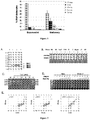
- Recombinant S. aureus RnpA was found to catalyze digestion of rRNA and staphylococcal protein A ( spa ) mRNA ( Figures 2B and 2C ), as well as three other mRNA species tested.
- Other putative S. aureus ribonucleases including RNase III, RNase HII, RNase HIII, RNase Y, RNase J1, and BN did not exhibit equivalent RNA degradation activity during these assay conditions ( Figure 2B ).
- SDS-PAGE and matrix-assisted laser desorption/ionization (MALDI) analysis confirmed that the observed ribonuclease activity was associated with the presence of S. aureus RnpA ( Figure 2A ).
- S. aureus RnpA is a reported essential enzyme (see Chaudhuri et al., BMC Genomics, 10: 291 (2009 ); Ji et al., Science, 293: 2266-2269 (2001 )) and thus could be considered a target for chemotherapeutic development.
- RNA degradation properties were measured for cells harboring plasmid vector alone or cells containing plasmid borne copies of rnpA mRNA or rnpA antisense RNA during growth in the presence of 2.5 ⁇ M CdCl 2 .
- 2.5 ⁇ M cadmium chloride was empirically determined to be the optimal concentration that allowed increased- or decreased- RnpA production within rnpA mRNA or rnpA antisense expressing strains, respectively, but did not limit bacterial growth of the antisense RNA producing strain.
- RNA turnover analyses revealed that diminished RnpA levels correlated with the stabilization of many mRNA species, suggesting that the enzyme contributes to bulk cellular RNA degradation. More specifically, it was found that 88% and 87% of all exponential phase transcripts produced in RnpA overexpressing and vector containing cells exhibited a half life of less than 10 min, respectively. The finding that RnpA overexpression did not accelerate cellular RNA degradation may indicate that the protein's RNA degradation activity is dependent on cofactors, which remain at wild type levels or that the protein did not reach a concentration that effectively increases RNA turnover. Regardless, 63% of transcripts produced in RnpA depleted cells exhibited a half life of less than 10 min, suggesting that the protein contributes to S. aureus mRNA turnover ( Figure 5A ).
- S. aureus RnpA is an essential enzyme that exhibits in vitro ribonuclease activity and participates in cellular RNA degradation. Moreover, the protein is well conserved across Gram-positive bacteria but lacks amino acid conservation with mammalian proteins, making it an attractive target for novel antibiotic drug development. Accordingly, a fluorescence-based high through-put assay was used to screen 29,066 commercial compounds (ActiProbe-25K and Natural product libraries; Timtec; Newark, DE) for small molecule inhibitors of RnpA-mediated RNA degradation ( Figure 3A ).
- RN4220-derivatives in vitro activities of RNPA1000 against bacteria were determined by the broth microdilution method according to the Clinical and Laboratory Standards Institute (CLSI) guidelines using cation adjusted Mueller-Hinton broth or MH broth supplemented with 5% lysed horse blood (for testing Streptotococcus spp .).
- CFSI Clinical and Laboratory Standards Institute
- Microtiter plates containing serial dilutions of RNPA1000 (0, 4, 8, 16, 32, 64, and 128 ⁇ g/ml) were inoculated with 10 5 colony forming units (CFU)/ml and incubated for 18 hr at 37°C.
- the MIC for each isolate was defined as the lowest concentration of RNPA1000 that completely inhibited growth of the organism as detected by the unaided eye.
- the MIC for each S. aureus strain was further refined by repeat testing following the procedure described above, except that microtiter wells contained 1 ⁇ g/ml incremental increases in concentration of RNPA1000 spanning the lowest concentration that initially did not completely inhibit growth (16 ⁇ g/ml) and the concentration that completely inhibited growth (32 ⁇ g/ml).
- RN4220 cells containing plasmid vector (pCN51), RnpA overproducing plasmid (pRNPA-S) or RnpA underproducing plasmid (pRNPA-A.S.) in vitro antimicrobial activity of RNPA1000 was performed by the microdilution method as described above, except that cells were grown in Tryptic Soy Broth medium supplemented with 2.5 ⁇ M CdCl 2 and 0, 1, 2, 4, 8, 16, 32, 64, or 128 ⁇ g/ml RNPA1000. Time-kill assays were also performed to monitor the antimicrobial properties of RNPA1000 for S.
- aureus strain UAMS-1 in the absence and presence of 0.25, 0.5, 2, and 4 times the strain's MIC for oxacillin (1 ⁇ g/ml), rifampicin (0.5 ⁇ g/ml), vancomycin (2 ⁇ g/ml), or daptomycin (1 ⁇ g/ml).
- the indicated amount of RNPA1000 and/or commercial antibiotic were added to mid-exponential phase (2 X 10 8 cfu/ml) S. aureus strain UAMS-1 cells and incubated at 37°C. Aliquots were removed at 0, 2, 4, 8, and 24 hr post-antimicrobial challenge, serial diluted, and plated to enumerate resulting cfu/ml.
- VRE faecium Isolate 2 64 S. epidermidis Isolate 2 8 E. faecium (VRE) Isolate 3 32 S. epidermidis Isolate 3 8 E. faecium (VRE) Isolate 4 64 S. epidermidis Isolate 4 8 E. faecium (VRE) Isolate 5 32 S. epidermidis Isolate 5 8 S. agalactiae Isolate 1 16 S. agalactiae Isolate 2 32 E. coli Isolate 1 > 64 S. agalactiae Isolate 3 32 E. coli Isolate 2 > 64 S. agalactiae Isolate 4 32 E.
- MDR methicillin resistant S. aureus
- VRSA vancomycin intermediate S. aureus
- VRSA vancomycin resistant S. aureus
- VRE vancomycin resistant E. faecium
- S. aureus and S. bovis all strains were clinical blood isolates; USA-types (U.S. MRSA lineages) were obtained from the Centers for Disease Control and Prevention; S.
- aureus strain UAMS-1 is a clinical osteomyelitis isolate; isolates NRS1, NRS3, VRS1 and VRS10 were obtained through the Network of Animicrobial Resistance in Staphylococcus aureus (NARSA) ; S. bovis strain ATCC49147 was obtained from the American Type Culture Collection. c Each S, aureus isolate was tested 5 times; other organisms were tested in duplicate. d Minimum inhibitory concentration (MIC) was determined following the Clinical and Laboratory Standards Institute (CLSI) guidelines for antimicrobial susceptibility testing. S. aureus MRSA isolates were subsequently more accurately measured.
- CNSI Clinical and Laboratory Standards Institute
- RNPA1000 demonstrated moderate antimicrobial activity against two well-characterized genotypically diverse S. aureus isolates, UAMS-1 (clinical osteomyelitis isolate; MIC 26 ⁇ g/ml) and USA300-0114 [predominant cause of U.S. community-associated methicillin resistant S. aureus infections (MRSA); MIC 23 ⁇ g/ml], as well as representatives of other major MRSA lineages circulating throughout the US (see McDougal et al., J Clin Microbiol, 41: 5113-5120 (2003 )). Likewise, RNPA1000 demonstrated antimicrobial activity against vancomycin-intermediate susceptible S. aureus (VISA) and vancomycin resistant S . aureus (VRSA).
- VISA vancomycin-intermediate susceptible S. aureus
- VRSA vancomycin resistant S . aureus
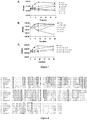
- Time kill assays revealed that RNPA1000 acts as a bacteriostatic agent ( Figure 7 , Panel A), and that it does not affect the antimicrobial activities of other anti-staphylococcal agents, including vancomycin, daptomycin, or rifampicin (data not shown), but does mildly increase the potency of oxacillin ( Figure 7 , Panels B and C).
- the RnpA-inhibitor also exhibited antimicrobial activity against Staphylococcus epidermidis , antibiotic susceptible and multi-drug resistant Streptococcus pneumoniae, Streptococcus pyogenes, Streptococcus agalactiae, and Bacillus cereus.
- RNPA1000 also showed mild activity against Enterococcus faecalis, Enterococcus faecium and vancomycin resistant E. faecium (VRE), but did not affect Escherichia coli or Acinetobacter baumannii growth (Table 1). The latter was expected because E. coli and A. baumannii RnpA share limited amino acid identity (24% and 26%, respectively) with S. aureus RnpA ( Figure 8 ). Moreover, purified A baumannii RnpA did not demonstrate ribonuclolytic activity in our assay conditions (data not shown).
- Enterococci susceptibility to RNPA1000 was increased from an MIC of 64 ⁇ g/ml to 32 ⁇ g/ml in the presence of the efflux pump inhibitor reserpine, suggesting that enterococci may be inherently susceptible to the RnpA inhibitor. Conversely, the efflux inhibitor had no effect on A. baumannii RNPA1000 susceptibility (Table 1). Taken together, these results indicate that bacterial RNPA1000 susceptibility correlates with amino acid similarity to S. aureus RnpA and the enzyme's RNA degradation activity.
- RNPA1000 To assess whether the susceptibility of S. aureus to RNPA1000 was attributable to the inhibition of cellular RnpA, the mRNA turnover properties of S. aureus that were challenged with a sub-inhibitory concentration of RnpA-inhibitor (0.5X MIC) were directly measured. Following 30 min treatment, RNPA1000 reduced the mRNA degradation rate of S. aureus cells, in comparison to mock treated cells ( Figure 5A ). Thus, RnpA-inhibitory compounds reduce cellular mRNA degradation, presumably by limiting the enzyme's cellular function. The mRNA turnover properties of RNPA1000 treated cells resembled that of RnpA depleted cells ( Figure 2E ), suggesting that the agent may be affecting the enzyme.
- RNPA1000 susceptibility of S. aureus RnpA over- and under- producing cells was assessed.
- S. aureus harboring vector, or a plasmid copy of wild type rnpA mRNA or rnpA antisense RNA under control of the CdCl 2 inducible promoter were grown in the presence of 2.5 ⁇ M inducer and increasing concentrations of RNPA1000.
- this concentration of cadmium chloride induces mild changes in RnpA protein expression (RnpA overproduction or underproduction) but is modest enough that cellular growth is not affected.
- both vector containing- and RnpA overproducing- cells exhibited an MIC of 32 ⁇ g ml -1 , whereas the MIC of RnpA underproducing cells was 8 ⁇ g ml -1 .
- the latter indicates that S. aureus' RNPA1000 susceptibility correlates to cellular RnpA levels and that the agent's antimicrobial mode-of-action is, in part, RnpA dependent.
- HepG2 human hepatocytes (10 5 cells) were seeded in individual wells of a microtitre plate and incubated for 16 hr at 37 °C with 5% carbon dioxide in Dulbecco's Modified Eagle Media supplemented with 10% fetal bovine serum. Cells were then challenged with Mitomycin C (5 ⁇ g/ml; positive control) or 0, 25, or 50 ⁇ g/ml RNPA1000 for either 24 or 48 hrs.
- MTT cell proliferation assay measurements revealed that 24 hr RnpA-inhibitor exposure did not cause human HepG2 cell toxicity at any concentration tested (data not shown). However, extended RNP1000 exposure (48 hr) elicited mild cytotoxicity at 25 ⁇ g/ml, which corresponds to the minimum inhibitory concentration of most MRSA lineages ( Figure 4A ), whereas higher concentrations exhibited increased toxicity (data not shown).
- S. aureus as a bacterial pathogen can be attributable, in part, to its ability to form biofilms on implanted medical devices, which presumably provides a focus for bacterial dissemination to secondary host sites.
- biofilm-associated bacteria are inherently recalcitrant to antibiotic treatment. For instance, one recent in vitro study showed that despite using a strain that was intrinsically susceptible to each antibiotic, 5X MIC of daptomycin, linezolid, or vancomycin only reduced biofilm-associated bacteria by ⁇ 2 logs following 24 hr treatment and none of these antibiotics cleared biofilm-associated S.
- biofilm-associated S. aureus may exhibit considerable susceptibility to an RnpA-inhibitor, such as RNPA1000.
- aureus MIC for RNPA1000.
- ANOVA Analysis of variance
- RNPA1000 was not toxic during short- and only mildly toxic during extended-HepG2 exposure, it could serve as an appropriate tool to assess whether RnpA-inhibitory molecules are efficacious in a systemic mouse infection model.
- RNPA1000 was solubilized in 1:1 mixture of DMSO and PEG400; Vancomycin was prepared in water.
- Percent survival refers to a consensus of surviving animals following 5 days post-intraperitoneal S. aureus injection and RNPA1000 administration. The number in parentheses indicates the number of times the experiment was repeated. Each member of non-treated control mice expired within 24 hr bacterial inoculation (0 mg/kg). Vancomycin served as a positive control.
- RNPA1000 As shown in Figure 4B , subcutaneous injection of RNPA1000 limited the lethal effects of wild type S. aureus injected (4.55 X 10 5 cfu/animal) into the intraperitoneal cavity of CD-1 mice. Although this bacterial inoculum (equivalent to 10-100 LD 50 s) resulted in 100% death of non-treated control animals within 24 hr, RNPA1000 provided protection in a dose-dependent manner. Administration of the highest RnpA-inhibitor dose (256 mg/kg) reproducibly resulted in 50% survival, whereas 128 mg/kg and 64 mg/kg resulted in 30% and 20% survival, respectively, over the course of study ( Figure 4B ; Table 2).
Landscapes
- Health & Medical Sciences (AREA)
- Chemical & Material Sciences (AREA)
- Organic Chemistry (AREA)
- Life Sciences & Earth Sciences (AREA)
- General Health & Medical Sciences (AREA)
- Veterinary Medicine (AREA)
- Medicinal Chemistry (AREA)
- Pharmacology & Pharmacy (AREA)
- Animal Behavior & Ethology (AREA)
- Public Health (AREA)
- Nuclear Medicine, Radiotherapy & Molecular Imaging (AREA)
- Chemical Kinetics & Catalysis (AREA)
- General Chemical & Material Sciences (AREA)
- Epidemiology (AREA)
- Oncology (AREA)
- Communicable Diseases (AREA)
- Engineering & Computer Science (AREA)
- Bioinformatics & Cheminformatics (AREA)
- Pharmaceuticals Containing Other Organic And Inorganic Compounds (AREA)
- Medicines That Contain Protein Lipid Enzymes And Other Medicines (AREA)
- Proteomics, Peptides & Aminoacids (AREA)
- Zoology (AREA)
- Wood Science & Technology (AREA)
- Biotechnology (AREA)
- Physics & Mathematics (AREA)
- Immunology (AREA)
- Microbiology (AREA)
- Molecular Biology (AREA)
- Biophysics (AREA)
- Analytical Chemistry (AREA)
- Biochemistry (AREA)
- General Engineering & Computer Science (AREA)
- Genetics & Genomics (AREA)
- Enzymes And Modification Thereof (AREA)
- Measuring Or Testing Involving Enzymes Or Micro-Organisms (AREA)
- Pyrrole Compounds (AREA)
Applications Claiming Priority (2)
| Application Number | Priority Date | Filing Date | Title |
|---|---|---|---|
| US201161436342P | 2011-01-26 | 2011-01-26 | |
| PCT/US2012/022662 WO2012103295A2 (en) | 2011-01-26 | 2012-01-26 | Small molecule rnase inhibitors and methods of use |
Publications (3)
| Publication Number | Publication Date |
|---|---|
| EP2667872A2 EP2667872A2 (en) | 2013-12-04 |
| EP2667872A4 EP2667872A4 (en) | 2014-08-13 |
| EP2667872B1 true EP2667872B1 (en) | 2019-01-02 |
Family
ID=46581163
Family Applications (3)
| Application Number | Title | Priority Date | Filing Date |
|---|---|---|---|
| EP12738820.5A Not-in-force EP2667872B1 (en) | 2011-01-26 | 2012-01-26 | Small molecule rnase inhibitors and methods of use |
| EP17171427.2A Active EP3243513B1 (en) | 2011-01-26 | 2012-01-26 | Use of the rnase inhibitor rnpa-3000 for treating staphylococcus infections |
| EP12739832.9A Active EP2667873B1 (en) | 2011-01-26 | 2012-01-26 | Small molecule rnase inhibitors and methods of use |
Family Applications After (2)
| Application Number | Title | Priority Date | Filing Date |
|---|---|---|---|
| EP17171427.2A Active EP3243513B1 (en) | 2011-01-26 | 2012-01-26 | Use of the rnase inhibitor rnpa-3000 for treating staphylococcus infections |
| EP12739832.9A Active EP2667873B1 (en) | 2011-01-26 | 2012-01-26 | Small molecule rnase inhibitors and methods of use |
Country Status (7)
| Country | Link |
|---|---|
| US (4) | US9089545B2 (enExample) |
| EP (3) | EP2667872B1 (enExample) |
| JP (3) | JP2014510717A (enExample) |
| CN (2) | CN103635193B (enExample) |
| AU (2) | AU2012211253B2 (enExample) |
| CA (2) | CA2825905C (enExample) |
| WO (2) | WO2012103295A2 (enExample) |
Families Citing this family (10)
| Publication number | Priority date | Publication date | Assignee | Title |
|---|---|---|---|---|
| EP2667872B1 (en) | 2011-01-26 | 2019-01-02 | University Of Rochester | Small molecule rnase inhibitors and methods of use |
| CR20170076A (es) | 2014-08-04 | 2017-06-26 | Nuevolution As | Derivados de pirimidima sustituidos con heterociclilo opcionalmente condensados útiles para el tratamiento de enfermedades inflamatorias, metabólicas, oncológicas y autoinmunitarias |
| CA2965839C (en) * | 2014-10-31 | 2023-04-04 | University Of Rochester | Synergistic compositions for treating microbial infections |
| KR101765255B1 (ko) | 2014-12-09 | 2017-08-04 | 한국과학기술원 | rnpA 유전자 발현감소를 통한 재조합단백질의 제조방법 |
| WO2016093606A1 (ko) * | 2014-12-09 | 2016-06-16 | 한국과학기술원 | rnpA 유전자 발현감소를 통한 재조합단백질의 제조방법 |
| EP3697777A1 (en) | 2017-10-19 | 2020-08-26 | eFFECTOR Therapeutics, Inc. | Benzimidazole-indole inhibitors of mnk1 and mnk2 |
| AU2020408107B2 (en) | 2019-12-20 | 2026-04-23 | Nuevolution A/S | Compounds active towards nuclear receptors |
| AU2020405446A1 (en) | 2019-12-20 | 2022-05-26 | Nuevolution A/S | Compounds active towards nuclear receptors |
| EP4126874A1 (en) | 2020-03-31 | 2023-02-08 | Nuevolution A/S | Compounds active towards nuclear receptors |
| US11613532B2 (en) | 2020-03-31 | 2023-03-28 | Nuevolution A/S | Compounds active towards nuclear receptors |
Family Cites Families (17)
| Publication number | Priority date | Publication date | Assignee | Title |
|---|---|---|---|---|
| DD264918A1 (de) * | 1987-11-26 | 1989-02-15 | Paedagogische Hochschule Lisel | Verfahren zur herstellung von 1,4-diacyl-thiosemicarbaziden |
| JPH03182742A (ja) | 1989-12-12 | 1991-08-08 | Fuji Photo Film Co Ltd | ハロゲン化銀写真感光材料 |
| EP1130091A3 (en) * | 2000-03-01 | 2001-11-14 | Message Pharmaceuticals, Inc. | Bacterial RNaseP Proteins and their use in identifying antibacterial compounds |
| US20020123077A1 (en) * | 2000-09-29 | 2002-09-05 | O'toole George A. | Novel compounds capable of modulating biofilms |
| US20020052396A1 (en) * | 2001-04-23 | 2002-05-02 | Bailey Thomas R. | Compounds, compositions and methods for treating or preventing viral infections and associated diseases |
| WO2003024407A2 (en) * | 2001-09-21 | 2003-03-27 | Message Pharmaceuticals, Inc. | Inhibitors of rnase p proteins as antibacterial compounds |
| US20050042674A9 (en) | 2002-02-21 | 2005-02-24 | Lin Yu | Common ligand mimics: thiazolidinediones and rhodanines |
| WO2003073999A2 (en) * | 2002-03-01 | 2003-09-12 | Pintex Pharmaceuticals, Inc. | Pini-modulating compounds and methods of use thereof |
| GB2386892A (en) * | 2002-03-28 | 2003-10-01 | Pantherix Ltd | Carboxy containing (phenyl-/heterocyclyl-)methylene substituted azole & azine derivatives and their therapeutic use as antibacterials |
| US20040176277A1 (en) | 2003-03-03 | 2004-09-09 | Pintex Pharmaceuticals, Inc. | Methods of treating Pin1 associated disorders |
| FR2858324A1 (fr) * | 2003-07-30 | 2005-02-04 | Centre Nat Rech Scient | Nouveaux composes antibiotiques, compositions pharmaceutiques les contenant et leurs utilisations |
| US20050187409A1 (en) * | 2003-10-21 | 2005-08-25 | Powers Gordon D. | Inhibitors of RNase P proteins as antibacterial compounds |
| US7718680B2 (en) * | 2004-09-23 | 2010-05-18 | Burnham Institute For Medical Research | Inhibition of lethal factor protease activity from anthrax toxin |
| JP4122049B2 (ja) | 2005-09-22 | 2008-07-23 | 明治製菓株式会社 | メタロ−β−ラクタマーゼ阻害剤 |
| US8642660B2 (en) * | 2007-12-21 | 2014-02-04 | The University Of Rochester | Method for altering the lifespan of eukaryotic organisms |
| EP2310388B1 (en) * | 2008-06-17 | 2015-08-05 | Institut Pasteur Korea | Pyridopyrimidine compounds as anti-tubercular agents |
| EP2667872B1 (en) | 2011-01-26 | 2019-01-02 | University Of Rochester | Small molecule rnase inhibitors and methods of use |
-
2012
- 2012-01-26 EP EP12738820.5A patent/EP2667872B1/en not_active Not-in-force
- 2012-01-26 AU AU2012211253A patent/AU2012211253B2/en not_active Ceased
- 2012-01-26 EP EP17171427.2A patent/EP3243513B1/en active Active
- 2012-01-26 JP JP2013551321A patent/JP2014510717A/ja active Pending
- 2012-01-26 AU AU2012211299A patent/AU2012211299B2/en not_active Ceased
- 2012-01-26 US US13/981,011 patent/US9089545B2/en active Active
- 2012-01-26 CA CA2825905A patent/CA2825905C/en active Active
- 2012-01-26 WO PCT/US2012/022662 patent/WO2012103295A2/en not_active Ceased
- 2012-01-26 CN CN201280015124.6A patent/CN103635193B/zh not_active Expired - Fee Related
- 2012-01-26 CN CN201280015222.XA patent/CN103635191A/zh active Pending
- 2012-01-26 US US13/981,015 patent/US9233095B2/en active Active
- 2012-01-26 EP EP12739832.9A patent/EP2667873B1/en active Active
- 2012-01-26 WO PCT/US2012/022724 patent/WO2012103336A1/en not_active Ceased
- 2012-01-26 JP JP2013551335A patent/JP6010548B2/ja not_active Expired - Fee Related
- 2012-01-26 CA CA2825907A patent/CA2825907C/en active Active
-
2015
- 2015-06-19 US US14/744,205 patent/US9517230B2/en not_active Expired - Fee Related
- 2015-11-05 US US14/933,804 patent/US9693999B2/en not_active Expired - Fee Related
-
2016
- 2016-08-01 JP JP2016150928A patent/JP6248151B2/ja not_active Expired - Fee Related
Non-Patent Citations (1)
| Title |
|---|
| L. K. MCDOUGAL ET AL: "Pulsed-Field Gel Electrophoresis Typing of Oxacillin-Resistant Staphylococcus aureus Isolates from the United States: Establishing a National Database", JOURNAL OF CLINICAL MICROBIOLOGY, vol. 41, no. 11, 1 November 2003 (2003-11-01), pages 5113 - 5120, XP055213226, ISSN: 0095-1137, DOI: 10.1128/JCM.41.11.5113-5120.2003 * |
Also Published As
Similar Documents
| Publication | Publication Date | Title |
|---|---|---|
| US9693999B2 (en) | Small molecule RNase inhibitors and methods of use | |
| AU2012211299A1 (en) | Small molecule RNase inhibitors and methods of use | |
| AU2012211253A1 (en) | Small molecule RNase inhibitors and methods of use | |
| US20170226133A1 (en) | Gold (I)-Phosphine Compounds as Anti-Bacterial Agents | |
| US20170204123A1 (en) | Gold (I)-Phosphine Compounds as Anti-Bacterial Agents | |
| US11352349B2 (en) | Type II topoisomerase inhibitors and methods of making and using thereof | |
| US20250281512A1 (en) | Buffering agent-containing compositions and methods of using same | |
| AU2016225942B2 (en) | Small molecule RNase inhibitors and methods of use | |
| EP4536359A1 (en) | Multi-component pharmaceutical compositions and kits containing nitric oxide releasing compounds and methods of using same | |
| EP3212183B1 (en) | Synergistic compositions for treating microbial infections | |
| US20250339449A1 (en) | Inhalation formulations containing nitric oxide releasing compounds and methods of using same |
Legal Events
| Date | Code | Title | Description |
|---|---|---|---|
| PUAI | Public reference made under article 153(3) epc to a published international application that has entered the european phase |
Free format text: ORIGINAL CODE: 0009012 |
|
| 17P | Request for examination filed |
Effective date: 20130802 |
|
| AK | Designated contracting states |
Kind code of ref document: A2 Designated state(s): AL AT BE BG CH CY CZ DE DK EE ES FI FR GB GR HR HU IE IS IT LI LT LU LV MC MK MT NL NO PL PT RO RS SE SI SK SM TR |
|
| DAX | Request for extension of the european patent (deleted) | ||
| RIC1 | Information provided on ipc code assigned before grant |
Ipc: C07D 207/337 20060101ALI20140702BHEP Ipc: C07D 405/06 20060101ALI20140702BHEP Ipc: A61P 31/00 20060101ALI20140702BHEP Ipc: A61K 31/427 20060101ALI20140702BHEP Ipc: C07D 307/56 20060101ALI20140702BHEP Ipc: A61P 31/04 20060101ALI20140702BHEP Ipc: A01N 43/54 20060101ALI20140702BHEP Ipc: A61K 45/06 20060101ALI20140702BHEP Ipc: A61K 31/402 20060101AFI20140702BHEP Ipc: C07D 417/06 20060101ALI20140702BHEP |
|
| A4 | Supplementary search report drawn up and despatched |
Effective date: 20140711 |
|
| RIC1 | Information provided on ipc code assigned before grant |
Ipc: C07D 417/06 20060101ALI20140707BHEP Ipc: A61K 31/427 20060101ALI20140707BHEP Ipc: A61P 31/04 20060101ALI20140707BHEP Ipc: A61P 31/00 20060101ALI20140707BHEP Ipc: C07D 405/06 20060101ALI20140707BHEP Ipc: A61K 31/402 20060101AFI20140707BHEP Ipc: C07D 207/337 20060101ALI20140707BHEP Ipc: A01N 43/54 20060101ALI20140707BHEP Ipc: C07D 307/56 20060101ALI20140707BHEP Ipc: A61K 45/06 20060101ALI20140707BHEP |
|
| 17Q | First examination report despatched |
Effective date: 20150918 |
|
| STAA | Information on the status of an ep patent application or granted ep patent |
Free format text: STATUS: EXAMINATION IS IN PROGRESS |
|
| REG | Reference to a national code |
Ref country code: DE Ref legal event code: R079 Ref document number: 602012055416 Country of ref document: DE Free format text: PREVIOUS MAIN CLASS: A61K0031497000 Ipc: A61K0031402000 |
|
| GRAP | Despatch of communication of intention to grant a patent |
Free format text: ORIGINAL CODE: EPIDOSNIGR1 |
|
| STAA | Information on the status of an ep patent application or granted ep patent |
Free format text: STATUS: GRANT OF PATENT IS INTENDED |
|
| RIC1 | Information provided on ipc code assigned before grant |
Ipc: A01N 43/54 20060101ALI20180622BHEP Ipc: A61P 31/04 20060101ALI20180622BHEP Ipc: A61P 31/00 20060101ALI20180622BHEP Ipc: C07D 405/06 20060101ALI20180622BHEP Ipc: A61K 31/427 20060101ALI20180622BHEP Ipc: C07D 417/06 20060101ALI20180622BHEP Ipc: A61K 45/06 20060101ALI20180622BHEP Ipc: C12Q 1/44 20060101ALI20180622BHEP Ipc: A61K 31/402 20060101AFI20180622BHEP Ipc: C07D 307/68 20060101ALI20180622BHEP Ipc: C07D 207/337 20060101ALI20180622BHEP Ipc: C07D 307/56 20060101ALI20180622BHEP |
|
| INTG | Intention to grant announced |
Effective date: 20180718 |
|
| GRAS | Grant fee paid |
Free format text: ORIGINAL CODE: EPIDOSNIGR3 |
|
| GRAA | (expected) grant |
Free format text: ORIGINAL CODE: 0009210 |
|
| STAA | Information on the status of an ep patent application or granted ep patent |
Free format text: STATUS: THE PATENT HAS BEEN GRANTED |
|
| AK | Designated contracting states |
Kind code of ref document: B1 Designated state(s): AL AT BE BG CH CY CZ DE DK EE ES FI FR GB GR HR HU IE IS IT LI LT LU LV MC MK MT NL NO PL PT RO RS SE SI SK SM TR |
|
| REG | Reference to a national code |
Ref country code: GB Ref legal event code: FG4D |
|
| REG | Reference to a national code |
Ref country code: CH Ref legal event code: EP Ref country code: AT Ref legal event code: REF Ref document number: 1083507 Country of ref document: AT Kind code of ref document: T Effective date: 20190115 |
|
| REG | Reference to a national code |
Ref country code: IE Ref legal event code: FG4D |
|
| REG | Reference to a national code |
Ref country code: DE Ref legal event code: R096 Ref document number: 602012055416 Country of ref document: DE |
|
| REG | Reference to a national code |
Ref country code: NL Ref legal event code: MP Effective date: 20190102 |
|
| REG | Reference to a national code |
Ref country code: LT Ref legal event code: MG4D |
|
| REG | Reference to a national code |
Ref country code: AT Ref legal event code: MK05 Ref document number: 1083507 Country of ref document: AT Kind code of ref document: T Effective date: 20190102 |
|
| PG25 | Lapsed in a contracting state [announced via postgrant information from national office to epo] |
Ref country code: NL Free format text: LAPSE BECAUSE OF FAILURE TO SUBMIT A TRANSLATION OF THE DESCRIPTION OR TO PAY THE FEE WITHIN THE PRESCRIBED TIME-LIMIT Effective date: 20190102 |
|
| PG25 | Lapsed in a contracting state [announced via postgrant information from national office to epo] |
Ref country code: PT Free format text: LAPSE BECAUSE OF FAILURE TO SUBMIT A TRANSLATION OF THE DESCRIPTION OR TO PAY THE FEE WITHIN THE PRESCRIBED TIME-LIMIT Effective date: 20190502 Ref country code: SE Free format text: LAPSE BECAUSE OF FAILURE TO SUBMIT A TRANSLATION OF THE DESCRIPTION OR TO PAY THE FEE WITHIN THE PRESCRIBED TIME-LIMIT Effective date: 20190102 Ref country code: PL Free format text: LAPSE BECAUSE OF FAILURE TO SUBMIT A TRANSLATION OF THE DESCRIPTION OR TO PAY THE FEE WITHIN THE PRESCRIBED TIME-LIMIT Effective date: 20190102 Ref country code: ES Free format text: LAPSE BECAUSE OF FAILURE TO SUBMIT A TRANSLATION OF THE DESCRIPTION OR TO PAY THE FEE WITHIN THE PRESCRIBED TIME-LIMIT Effective date: 20190102 Ref country code: LT Free format text: LAPSE BECAUSE OF FAILURE TO SUBMIT A TRANSLATION OF THE DESCRIPTION OR TO PAY THE FEE WITHIN THE PRESCRIBED TIME-LIMIT Effective date: 20190102 Ref country code: NO Free format text: LAPSE BECAUSE OF FAILURE TO SUBMIT A TRANSLATION OF THE DESCRIPTION OR TO PAY THE FEE WITHIN THE PRESCRIBED TIME-LIMIT Effective date: 20190402 Ref country code: FI Free format text: LAPSE BECAUSE OF FAILURE TO SUBMIT A TRANSLATION OF THE DESCRIPTION OR TO PAY THE FEE WITHIN THE PRESCRIBED TIME-LIMIT Effective date: 20190102 |
|
| PG25 | Lapsed in a contracting state [announced via postgrant information from national office to epo] |
Ref country code: IS Free format text: LAPSE BECAUSE OF FAILURE TO SUBMIT A TRANSLATION OF THE DESCRIPTION OR TO PAY THE FEE WITHIN THE PRESCRIBED TIME-LIMIT Effective date: 20190502 Ref country code: BG Free format text: LAPSE BECAUSE OF FAILURE TO SUBMIT A TRANSLATION OF THE DESCRIPTION OR TO PAY THE FEE WITHIN THE PRESCRIBED TIME-LIMIT Effective date: 20190402 Ref country code: RS Free format text: LAPSE BECAUSE OF FAILURE TO SUBMIT A TRANSLATION OF THE DESCRIPTION OR TO PAY THE FEE WITHIN THE PRESCRIBED TIME-LIMIT Effective date: 20190102 Ref country code: HR Free format text: LAPSE BECAUSE OF FAILURE TO SUBMIT A TRANSLATION OF THE DESCRIPTION OR TO PAY THE FEE WITHIN THE PRESCRIBED TIME-LIMIT Effective date: 20190102 Ref country code: LV Free format text: LAPSE BECAUSE OF FAILURE TO SUBMIT A TRANSLATION OF THE DESCRIPTION OR TO PAY THE FEE WITHIN THE PRESCRIBED TIME-LIMIT Effective date: 20190102 Ref country code: GR Free format text: LAPSE BECAUSE OF FAILURE TO SUBMIT A TRANSLATION OF THE DESCRIPTION OR TO PAY THE FEE WITHIN THE PRESCRIBED TIME-LIMIT Effective date: 20190403 |
|
| REG | Reference to a national code |
Ref country code: CH Ref legal event code: PL |
|
| PG25 | Lapsed in a contracting state [announced via postgrant information from national office to epo] |
Ref country code: LU Free format text: LAPSE BECAUSE OF NON-PAYMENT OF DUE FEES Effective date: 20190126 |
|
| REG | Reference to a national code |
Ref country code: DE Ref legal event code: R097 Ref document number: 602012055416 Country of ref document: DE |
|
| REG | Reference to a national code |
Ref country code: BE Ref legal event code: MM Effective date: 20190131 |
|
| REG | Reference to a national code |
Ref country code: IE Ref legal event code: MM4A |
|
| PG25 | Lapsed in a contracting state [announced via postgrant information from national office to epo] |
Ref country code: MC Free format text: LAPSE BECAUSE OF FAILURE TO SUBMIT A TRANSLATION OF THE DESCRIPTION OR TO PAY THE FEE WITHIN THE PRESCRIBED TIME-LIMIT Effective date: 20190102 Ref country code: AL Free format text: LAPSE BECAUSE OF FAILURE TO SUBMIT A TRANSLATION OF THE DESCRIPTION OR TO PAY THE FEE WITHIN THE PRESCRIBED TIME-LIMIT Effective date: 20190102 Ref country code: SK Free format text: LAPSE BECAUSE OF FAILURE TO SUBMIT A TRANSLATION OF THE DESCRIPTION OR TO PAY THE FEE WITHIN THE PRESCRIBED TIME-LIMIT Effective date: 20190102 Ref country code: EE Free format text: LAPSE BECAUSE OF FAILURE TO SUBMIT A TRANSLATION OF THE DESCRIPTION OR TO PAY THE FEE WITHIN THE PRESCRIBED TIME-LIMIT Effective date: 20190102 Ref country code: DK Free format text: LAPSE BECAUSE OF FAILURE TO SUBMIT A TRANSLATION OF THE DESCRIPTION OR TO PAY THE FEE WITHIN THE PRESCRIBED TIME-LIMIT Effective date: 20190102 Ref country code: IT Free format text: LAPSE BECAUSE OF FAILURE TO SUBMIT A TRANSLATION OF THE DESCRIPTION OR TO PAY THE FEE WITHIN THE PRESCRIBED TIME-LIMIT Effective date: 20190102 Ref country code: RO Free format text: LAPSE BECAUSE OF FAILURE TO SUBMIT A TRANSLATION OF THE DESCRIPTION OR TO PAY THE FEE WITHIN THE PRESCRIBED TIME-LIMIT Effective date: 20190102 Ref country code: AT Free format text: LAPSE BECAUSE OF FAILURE TO SUBMIT A TRANSLATION OF THE DESCRIPTION OR TO PAY THE FEE WITHIN THE PRESCRIBED TIME-LIMIT Effective date: 20190102 Ref country code: CZ Free format text: LAPSE BECAUSE OF FAILURE TO SUBMIT A TRANSLATION OF THE DESCRIPTION OR TO PAY THE FEE WITHIN THE PRESCRIBED TIME-LIMIT Effective date: 20190102 |
|
| PLBE | No opposition filed within time limit |
Free format text: ORIGINAL CODE: 0009261 |
|
| STAA | Information on the status of an ep patent application or granted ep patent |
Free format text: STATUS: NO OPPOSITION FILED WITHIN TIME LIMIT |
|
| PG25 | Lapsed in a contracting state [announced via postgrant information from national office to epo] |
Ref country code: SM Free format text: LAPSE BECAUSE OF FAILURE TO SUBMIT A TRANSLATION OF THE DESCRIPTION OR TO PAY THE FEE WITHIN THE PRESCRIBED TIME-LIMIT Effective date: 20190102 Ref country code: BE Free format text: LAPSE BECAUSE OF NON-PAYMENT OF DUE FEES Effective date: 20190131 |
|
| 26N | No opposition filed |
Effective date: 20191003 |
|
| PG25 | Lapsed in a contracting state [announced via postgrant information from national office to epo] |
Ref country code: LI Free format text: LAPSE BECAUSE OF NON-PAYMENT OF DUE FEES Effective date: 20190131 Ref country code: CH Free format text: LAPSE BECAUSE OF NON-PAYMENT OF DUE FEES Effective date: 20190131 |
|
| PG25 | Lapsed in a contracting state [announced via postgrant information from national office to epo] |
Ref country code: IE Free format text: LAPSE BECAUSE OF NON-PAYMENT OF DUE FEES Effective date: 20190126 |
|
| PG25 | Lapsed in a contracting state [announced via postgrant information from national office to epo] |
Ref country code: SI Free format text: LAPSE BECAUSE OF FAILURE TO SUBMIT A TRANSLATION OF THE DESCRIPTION OR TO PAY THE FEE WITHIN THE PRESCRIBED TIME-LIMIT Effective date: 20190102 |
|
| PG25 | Lapsed in a contracting state [announced via postgrant information from national office to epo] |
Ref country code: TR Free format text: LAPSE BECAUSE OF FAILURE TO SUBMIT A TRANSLATION OF THE DESCRIPTION OR TO PAY THE FEE WITHIN THE PRESCRIBED TIME-LIMIT Effective date: 20190102 |
|
| PG25 | Lapsed in a contracting state [announced via postgrant information from national office to epo] |
Ref country code: MT Free format text: LAPSE BECAUSE OF NON-PAYMENT OF DUE FEES Effective date: 20190126 |
|
| PG25 | Lapsed in a contracting state [announced via postgrant information from national office to epo] |
Ref country code: CY Free format text: LAPSE BECAUSE OF FAILURE TO SUBMIT A TRANSLATION OF THE DESCRIPTION OR TO PAY THE FEE WITHIN THE PRESCRIBED TIME-LIMIT Effective date: 20190102 |
|
| PG25 | Lapsed in a contracting state [announced via postgrant information from national office to epo] |
Ref country code: HU Free format text: LAPSE BECAUSE OF FAILURE TO SUBMIT A TRANSLATION OF THE DESCRIPTION OR TO PAY THE FEE WITHIN THE PRESCRIBED TIME-LIMIT; INVALID AB INITIO Effective date: 20120126 |
|
| PG25 | Lapsed in a contracting state [announced via postgrant information from national office to epo] |
Ref country code: MK Free format text: LAPSE BECAUSE OF FAILURE TO SUBMIT A TRANSLATION OF THE DESCRIPTION OR TO PAY THE FEE WITHIN THE PRESCRIBED TIME-LIMIT Effective date: 20190102 |
|
| PGFP | Annual fee paid to national office [announced via postgrant information from national office to epo] |
Ref country code: FR Payment date: 20230125 Year of fee payment: 12 |
|
| PGFP | Annual fee paid to national office [announced via postgrant information from national office to epo] |
Ref country code: GB Payment date: 20230127 Year of fee payment: 12 Ref country code: DE Payment date: 20230127 Year of fee payment: 12 |
|
| P01 | Opt-out of the competence of the unified patent court (upc) registered |
Effective date: 20230425 |
|
| REG | Reference to a national code |
Ref country code: DE Ref legal event code: R119 Ref document number: 602012055416 Country of ref document: DE |
|
| GBPC | Gb: european patent ceased through non-payment of renewal fee |
Effective date: 20240126 |
|
| PG25 | Lapsed in a contracting state [announced via postgrant information from national office to epo] |
Ref country code: DE Free format text: LAPSE BECAUSE OF NON-PAYMENT OF DUE FEES Effective date: 20240801 |
|
| PG25 | Lapsed in a contracting state [announced via postgrant information from national office to epo] |
Ref country code: GB Free format text: LAPSE BECAUSE OF NON-PAYMENT OF DUE FEES Effective date: 20240126 |
|
| PG25 | Lapsed in a contracting state [announced via postgrant information from national office to epo] |
Ref country code: FR Free format text: LAPSE BECAUSE OF NON-PAYMENT OF DUE FEES Effective date: 20240131 |
|
| PG25 | Lapsed in a contracting state [announced via postgrant information from national office to epo] |
Ref country code: GB Free format text: LAPSE BECAUSE OF NON-PAYMENT OF DUE FEES Effective date: 20240126 Ref country code: FR Free format text: LAPSE BECAUSE OF NON-PAYMENT OF DUE FEES Effective date: 20240131 Ref country code: DE Free format text: LAPSE BECAUSE OF NON-PAYMENT OF DUE FEES Effective date: 20240801 |