EP2570132B1 - Method for preparing novel processed ginseng or an extract thereof, the usually minute ginsenoside content of which is increased - Google Patents
Method for preparing novel processed ginseng or an extract thereof, the usually minute ginsenoside content of which is increased Download PDFInfo
- Publication number
- EP2570132B1 EP2570132B1 EP11780835.2A EP11780835A EP2570132B1 EP 2570132 B1 EP2570132 B1 EP 2570132B1 EP 11780835 A EP11780835 A EP 11780835A EP 2570132 B1 EP2570132 B1 EP 2570132B1
- Authority
- EP
- European Patent Office
- Prior art keywords
- ginseng
- processed
- enzyme
- added
- extract
- Prior art date
- Legal status (The legal status is an assumption and is not a legal conclusion. Google has not performed a legal analysis and makes no representation as to the accuracy of the status listed.)
- Active
Links
Images


Classifications
-
- C—CHEMISTRY; METALLURGY
- C12—BIOCHEMISTRY; BEER; SPIRITS; WINE; VINEGAR; MICROBIOLOGY; ENZYMOLOGY; MUTATION OR GENETIC ENGINEERING
- C12P—FERMENTATION OR ENZYME-USING PROCESSES TO SYNTHESISE A DESIRED CHEMICAL COMPOUND OR COMPOSITION OR TO SEPARATE OPTICAL ISOMERS FROM A RACEMIC MIXTURE
- C12P19/00—Preparation of compounds containing saccharide radicals
- C12P19/14—Preparation of compounds containing saccharide radicals produced by the action of a carbohydrase (EC 3.2.x), e.g. by alpha-amylase, e.g. by cellulase, hemicellulase
-
- A—HUMAN NECESSITIES
- A61—MEDICAL OR VETERINARY SCIENCE; HYGIENE
- A61K—PREPARATIONS FOR MEDICAL, DENTAL OR TOILETRY PURPOSES
- A61K31/00—Medicinal preparations containing organic active ingredients
- A61K31/28—Compounds containing heavy metals
- A61K31/282—Platinum compounds
-
- A—HUMAN NECESSITIES
- A61—MEDICAL OR VETERINARY SCIENCE; HYGIENE
- A61K—PREPARATIONS FOR MEDICAL, DENTAL OR TOILETRY PURPOSES
- A61K31/00—Medicinal preparations containing organic active ingredients
- A61K31/33—Heterocyclic compounds
- A61K31/395—Heterocyclic compounds having nitrogen as a ring hetero atom, e.g. guanethidine or rifamycins
- A61K31/495—Heterocyclic compounds having nitrogen as a ring hetero atom, e.g. guanethidine or rifamycins having six-membered rings with two or more nitrogen atoms as the only ring heteroatoms, e.g. piperazine or tetrazines
- A61K31/505—Pyrimidines; Hydrogenated pyrimidines, e.g. trimethoprim
- A61K31/513—Pyrimidines; Hydrogenated pyrimidines, e.g. trimethoprim having oxo groups directly attached to the heterocyclic ring, e.g. cytosine
-
- A—HUMAN NECESSITIES
- A61—MEDICAL OR VETERINARY SCIENCE; HYGIENE
- A61K—PREPARATIONS FOR MEDICAL, DENTAL OR TOILETRY PURPOSES
- A61K31/00—Medicinal preparations containing organic active ingredients
- A61K31/33—Heterocyclic compounds
- A61K31/395—Heterocyclic compounds having nitrogen as a ring hetero atom, e.g. guanethidine or rifamycins
- A61K31/495—Heterocyclic compounds having nitrogen as a ring hetero atom, e.g. guanethidine or rifamycins having six-membered rings with two or more nitrogen atoms as the only ring heteroatoms, e.g. piperazine or tetrazines
- A61K31/505—Pyrimidines; Hydrogenated pyrimidines, e.g. trimethoprim
- A61K31/519—Pyrimidines; Hydrogenated pyrimidines, e.g. trimethoprim ortho- or peri-condensed with heterocyclic rings
-
- A—HUMAN NECESSITIES
- A61—MEDICAL OR VETERINARY SCIENCE; HYGIENE
- A61K—PREPARATIONS FOR MEDICAL, DENTAL OR TOILETRY PURPOSES
- A61K36/00—Medicinal preparations of undetermined constitution containing material from algae, lichens, fungi or plants, or derivatives thereof, e.g. traditional herbal medicines
- A61K36/18—Magnoliophyta (angiosperms)
- A61K36/185—Magnoliopsida (dicotyledons)
- A61K36/25—Araliaceae (Ginseng family), e.g. ivy, aralia, schefflera or tetrapanax
- A61K36/258—Panax (ginseng)
-
- A—HUMAN NECESSITIES
- A61—MEDICAL OR VETERINARY SCIENCE; HYGIENE
- A61K—PREPARATIONS FOR MEDICAL, DENTAL OR TOILETRY PURPOSES
- A61K45/00—Medicinal preparations containing active ingredients not provided for in groups A61K31/00 - A61K41/00
- A61K45/06—Mixtures of active ingredients without chemical characterisation, e.g. antiphlogistics and cardiaca
-
- A—HUMAN NECESSITIES
- A61—MEDICAL OR VETERINARY SCIENCE; HYGIENE
- A61P—SPECIFIC THERAPEUTIC ACTIVITY OF CHEMICAL COMPOUNDS OR MEDICINAL PREPARATIONS
- A61P25/00—Drugs for disorders of the nervous system
-
- A—HUMAN NECESSITIES
- A61—MEDICAL OR VETERINARY SCIENCE; HYGIENE
- A61P—SPECIFIC THERAPEUTIC ACTIVITY OF CHEMICAL COMPOUNDS OR MEDICINAL PREPARATIONS
- A61P29/00—Non-central analgesic, antipyretic or antiinflammatory agents, e.g. antirheumatic agents; Non-steroidal antiinflammatory drugs [NSAID]
-
- A—HUMAN NECESSITIES
- A61—MEDICAL OR VETERINARY SCIENCE; HYGIENE
- A61P—SPECIFIC THERAPEUTIC ACTIVITY OF CHEMICAL COMPOUNDS OR MEDICINAL PREPARATIONS
- A61P35/00—Antineoplastic agents
-
- A—HUMAN NECESSITIES
- A61—MEDICAL OR VETERINARY SCIENCE; HYGIENE
- A61P—SPECIFIC THERAPEUTIC ACTIVITY OF CHEMICAL COMPOUNDS OR MEDICINAL PREPARATIONS
- A61P43/00—Drugs for specific purposes, not provided for in groups A61P1/00-A61P41/00
-
- A—HUMAN NECESSITIES
- A61—MEDICAL OR VETERINARY SCIENCE; HYGIENE
- A61K—PREPARATIONS FOR MEDICAL, DENTAL OR TOILETRY PURPOSES
- A61K2236/00—Isolation or extraction methods of medicinal preparations of undetermined constitution containing material from algae, lichens, fungi or plants, or derivatives thereof, e.g. traditional herbal medicine
- A61K2236/10—Preparation or pretreatment of starting material
- A61K2236/19—Preparation or pretreatment of starting material involving fermentation using yeast, bacteria or both; enzymatic treatment
Definitions
- the present invention relates to a method of preparing a novel processed ginseng or processed ginseng extract having increased ginsenoside contents by preparing saponinase, fermenting ginseng or red ginseng with the prepared saponinase and hydrolyzing the fermented ginseng or red ginseng with an organic acid and to an anticancer supplement composition comprising the processed ginseng or processed ginseng extract prepared thereby.
- ginseng is a perennial plant belonging to the genus Panax of the family Araliaceae, and about 11 species of ginseng are known so far. Among them, Panax Ginseng C.A. Meyer is typically known to have excellent medicinal effects.
- the term "ginseng” is used in the broadest sense to include all fresh ginseng, white ginseng, red ginseng, wild mountain ginseng, woods grown ginseng, tail ginseng, cultured ginseng and the like. Ginseng is a natural material that has been used as a highly valuable medicinal drug in Chinese medicine, and the medicinal effects of ginseng are found in many medical books.
- ginseng has been used for a long period of time, the scientific elucidation of effects of ginseng by clinical studies is still insufficient. Nevertheless, even after modern medicine was introduced, ginseng did not lose its popularity and ranks first among health functional foods. This is thought to be because ginseng is a crude drug that exhibits clinically proven medicinal effects, has fewer side effects and is highly safe.
- the major functional components of ginseng are ginseng saponins which are distinguished from the saponins of other plants and called ginsenosides.
- the ginseng saponins have pharmacological effects, including anticancer, anti-allergy, anti-inflammation, central nervous inhibition, relaxation, pain relief, memory improvement, liver injury recovery, protein and lipid synthesis stimulation, anti-diabetes, anti-stress, antioxidant substance promotion stimulation, immune regulation, platelet aggregation inhibition and anti-aging effects.
- Saponins are classified into a variety of ginsenosides according to the kind and number of sugars (glucose, arabinose, and rhamnose) bound to a substituent. These saponins are hardly degraded by digestive enzymes in vivo after oral intake ( Hasegawa, H. et al., Microbial Ecololgy in Health and Disease, 12, 85-91, 2000 ) and absorbed after degradation into 20(S)-O- ⁇ -protopanaxadiol 20-O- ⁇ -D-glucopyranoside, 20(S)-protopanaxadiol and 20(S)- protopanaxatriol by intestinal microorganisms ( Hasegawa, H. et al., Planta Medica, 62, 453-457, 1996 ). However, the absorption of saponins differs between individuals, because intestinal microorganisms significantly differ between individuals.
- saponins such as ginsenosides Rb1, Rb2 and Rc are known to exhibit the pharmacological effects of ginseng.
- the components of ginseng which are substantially involved in anticancer effects, inhibition of cancer cell metastasis, or anti-allergy effects, are compound K (comp K), and saponins of ginsenosides Rb1, Rb2 and R3, which are contained in very small amounts in ginseng.
- Ginsenoside Rh2 and compound K which comprise a glucose molecule bound to a substituent, have excellent anticancer, anti-allergic and anti-inflammatory effects and, at the same time, show high intestinal adsorption and absorption rates, because the number of sugar chain bonds therein is not large so that they have low hydrophilicity.
- Korean Patent Application No. 2000-58997 discloses a method of making absorbable, acid-saccharified ginseng using sulfuric acid or hydrochloric acid, and Korean Patent Laid-Open Publication No.
- Korean Patent Laid-Open Publication No. 2006-1834 discloses a method of preparing fermented ginseng or fermented red ginseng, comprising a step of inoculating ginseng or red ginseng with Kimchi lactic acid bacteria and treating the inoculated ginseng or red ginseng with acid, and Korean Patent Laid-Open Publication No.
- 2003-61756 discloses a method for preparing a fermented ginseng solution having excellent functional and sensory properties, the method comprising fermenting ginseng with Aspergillus and degrading the fermented ginseng with amylase and protease.
- Korean Patent Laid-Open Publication No. 2006-74970 discloses a fermented ginseng comprising a substance obtained by degrading glycosides in ginseng with Lactobacillus casei strain Hasegawa
- Korean Patent Laid-Open Publication No. 1998-40224 discloses a fermented ginseng comprising degraded saponin products obtained by fermenting ginseng with various Lactobacillus strains.
- Another object of the present invention is to increase the contents of Rg3 and Rh2 among the ginsenosides of ginseng.
- Still another object of the present invention is to provide a method for effectively extracting active ingredients from ginseng.
- Yet another object of the present invention is to provide a ginseng extract having high ginsenoside contents, preferably high Rg3 and Rh2 contents, and an anticancer supplement composition comprising the ginseng extract.
- the present invention provides a method for preparing a processed ginseng or a processed ginseng extract, the method comprising the steps of:
- the present invention provides a method for preparing a processed ginseng or processed ginseng extract having increased ginsenoside contents, preferably increased Rg3 and Rh2 contents, the method comprising the steps of:
- the origins of the ginseng that is used in the inventive method for preparing the processed ginseng or the processed ginseng extract include, but are not specifically limited to, Korea, USA, Japan, Himalaya, Vietnam and China.
- a red ginseng slender tail and a red ginseng root may be used in the present invention.
- the form of the ginseng that is used in the preparation of the processed ginseng or the processed ginseng extract according to the present invention may be ginseng, red ginseng, ginseng or red ginseng extract powder, or a ginseng or red ginseng extract.
- the extract may be prepared by hot-water extraction, alcohol extraction or a combination thereof.
- the particle size of the ginseng or red ginseng extract powder is not specifically limited and may be, for example, about 30-150 mesh.
- the extract may be prepared by vacuum distillation or thin-film distillation.
- the ginseng that is used in the present invention may be selected from among ginseng roots, leaves and stems, and the red ginseng that is used in the present invention may be selected from among red ginseng slender tails and red ginseng roots.
- the stain that is used in step (a) of the preparation method of the present invention is Aspergillus niger (ACTC6985) obtained from the Biological Resource Center.
- the medium in step (a) comprises ginseng powder and wheat bran, which are maintained at a weight ratio (g/g) of 1:1-1:5, preferably 1:3, and it is inoculated with Aspergillus niger. Inoculation of the medium with Aspergillus niger is performed such that the number of spores in an Aspergillus niger spore suspension is 5x10 5 spores per g of the medium and the initial water content is maintained at 50-80%, preferably 65%.
- step (b) the culture temperature is maintained at 25 ⁇ 40 C, preferably 30 °C, and when the strain is cultured for 3-7 days, the production of saponinase (saponin degrading enzyme) reaches the highest level.
- 0.02M sodium acetate buffer solution is added to the medium after completion of the strain, after which the medium was filtered through a Watman glass microfiber filter, and then further filtered through a 0.22 ⁇ m bottle top filter containing an enzyme in order to completely remove the spores.
- the collected filtrate is passed through an ultrafiltration membrane having a cutoff molecular weight of 100 KDa to obtain a purified enzyme solution.
- Ginseng or red ginseng may be fermented with the concentrated purified saponinase solution obtained as described above.
- alcohol may be added to the purified enzyme solution to separate saponinase.
- alcohol may be added to the purified saponinase solution to precipitate protein, thereby obtaining saponinase as a mass, or the saponinase solution may be freeze-dried to obtain saponinase powder.
- the saponinase is added to ginseng or red ginseng powder or a ginseng or red ginseng extract or concentrate powder in an amount of 5-20% of the weight of the ginseng or red ginseng powder or the ginseng or red ginseng extract or concentrate powder, and then cultured at a suitable fermentation temperature of 25 ⁇ 60 °C, preferably 30 ⁇ 35 C, for 6-24 hours.
- a suitable fermentation temperature 25 ⁇ 60 °C, preferably 30 ⁇ 35 C, for 6-24 hours.
- 50 g of the enzyme is added to a suspension of 1 kg of the ginseng or red ginseng extract in 30 L of water.
- step (g) alcohol is added to the fermented ginseng or red ginseng to precipitate the saponinase, and the supernatant is separated by filtration (0.8 ⁇ m filter paper) or centrifugation, and the supernatant is collected and concentrated at 50 °C.
- step (i) an organic acid is added to the fermented ginseng or red ginseng and is reacted at 40 ⁇ 80 °C for 2-18 hours.
- the organic acid that is used in step (i) include, but are not specifically limited to, acetic acid, lactic acid, citric acid, malic acid, tartaric acid, and mixtures thereof.
- the organic acid is added to a 10% solution of the concentrate of step (h) in purified water in an amount of 1-50 wt%, preferably 5-25 wt%, based on the weight of the concentrate solution.
- water or an acid neutralizing agent that is a food additive may be used to neutralize the product of the reaction with the organic acid.
- the concentration of the product of the reaction with the organic acid may be performed at 50 °C.
- the concentration of the reaction product may be performed after adding water or alcohol to the reaction product, filtering the mixture.
- the concentration of the reaction product may be performed after purifying the organic acid reaction product with resin or a solvent fraction, such as butanol or ethyl acetate, according to a general purification process.
- the processed ginseng or processed ginseng extract having increased contents of ginsenosides Rg3 and Rh2 prepared by the method of the present invention, is used in combination with an anticancer agent which has been clinically used, it exhibits a synergistic anticancer effect and provides a pharmaceutical composition or anticancer supplement agent for preventing and treating toxicity in bone marrow, blood cells, the liver or the kidneys, which is caused by the anticancer agent.
- anticancer agent examples include cisplatin, carboplatin, paraplatin, oxaliplatin, nedaplatin, doxorubicin, taxol, tamoxifen, camtobell, adrucil, glivec, etoposide, zometa, oncovin, lupron, gemzar, 5-fluorouracil, leucovorine, irinotecan and the like.
- the processed ginseng or processed ginseng extract having increased contents of ginsenosides Rg3 and Rh2, prepared by the method of the present invention is preferably used in an amount of 0.1-1000 parts by weight based on 1 part by weight of the anticancer agent. If the processed ginseng or the processed ginseng extract is used in an amount in the above range, it can increase the anticancer effect of the anticancer agent and can effectively reduce toxicity caused by the anticancer agent.
- the use of the preparation method according to the present invention can provide a processed ginseng or processed ginseng extract having significantly increased ginsenoside contents.
- the use of the preparation method according to the present invention can provide a processed ginseng or processed ginseng extract having increased contents of ginsenosides, particularly Rg3 and Rh2.
- the contents of ginsenosides Rg3 and Rh2 were compared between a ginseng fermented only with saponinase, a processed ginseng subjected to an organic acid process, and a processed ginseng prepared by the method of the present invention.
- the contents of ginsenosides Rg3 and Rh2 were significantly higher in the processed ginseng, subjected to both the saponinase process and the organic acid process, than in the processed ginseng subjected to only the saponinase process or the organic acid process (Table 1).
- the saponinase is an enzyme obtained by culturing Aspergillus niger in a medium comprising ginseng and wheat bran, and this technology is already described in, for example, Korean Patent Laid-Open Publication No. 10-1999-45180 relating to a method of preparing a ginseng saponin by changing the sugar chain of ginseng saponin with an enzyme.
- mold has high activities of ⁇ -glucosidase, ⁇ -arabinosidase and ⁇ -rhamnosidase and secretes enzymes such as protease and cellulose, which are helpful in fermentation of ginseng or red ginseng.
- the prior technologies have a shortcoming in that, when ginseng or red ginseng is fermented, the ginsenoside components are not constantly changed so that the fermented ginsenoside components are not constantly produced.
- an enzyme obtained by ultrafiltration after culture of Aspergillus niger has ⁇ -glucosidase and ⁇ -rhamnosidase. Also, it was found that the obtained enzyme is composed of ⁇ -glucosidase and ⁇ -rhamnosidase mixed at a weight ratio (g/g) of 3:1 to 8:1 and has an enzymatic activity which is at least two times higher than that before ultrafiltration.
- the activities of enzyme 1 passed through an ultrafiltration membrane and enzyme 2 not passed through an ultrafiltration membrane were examined by TLC.
- the activity of an enzyme is increased by a method of purifying an enzyme capable of expressing a high level of ginsenoside Rh2 from a mixed enzyme expressed in Apsergillus niger, and a standardized processed ginseng or processed ginseng extract having increased contents of ginsenoside components can be produced using saponinases having a constant ratio of ⁇ -glucosidase and ⁇ -rhmnosidase.
- the present invention provides a standardized preparation method, which can increase the contents of ginsenosides Rg3 and Rh2 and can prepare a processed ginseng or processed ginseng extract containing constant amounts of Rg3 and Rh2.
- the present invention can prepare a processed ginseng or red ginseng having increased contents of Rg3 and Rh2 while solving the prior art problem in that the ratio of the change in ginosenoside contents during fermentation could not be predicted.
- Korean Patent Application No. 10-2005-94311 discloses a method of preparing a fermented ginseng or red ginseng using Kimchi lactic acid bacteria. According to this prior method, ginseng or red ginseng is fermented with Kimchi lactic acid bacteria and treated with Kimchi lactic acid bacteria, thereby preparing a fermented ginseng or red ginseng.
- the fermented ginseng or red ginseng prepared according to this prior art contains little or no Rh2 and contains a small amount of Rg3 ( FIGS. 5 and 6 ).
- saponinases purified by ultrafiltration are used to ferment ginseng or red ginseng, and an organic acid is added, thereby preparing a processed ginseng or red ginseng having increased contents of Rg3 and Rh2.
- the contents of ginsenosides Rg3 and Rh2 are 0.05-1%, and in a processed ginseng extract prepared using a ginseng concentrate or red ginseng concentrate, the contents of ginsenosides Rg3 and Rh2 are 0.5-5%.
- the contents of ginsenosides Rg3 and Rh2 are 0.5-30%, and in a processed ginseng extract prepared by purifying ginseng saponins or red ginseng saponins, the contents of ginsenosides Rg3 and Rh2 are 30-50%.
- processed ginseng or processed ginseng extract having increased contents of Rg3 and Rh2 prepared by the method of the present invention, is used in combination with an anticancer agent which has been clinically used, it exhibits a synergistic anticancer effect and prevents toxic in bone marrow, blood cells, the liver or the kidneys, which is caused by the anticancer agent.
- ginseng powder and 750 g of wheat bran were mixed with each other and sterilized in a highpressure steam sterilizer at 121 °C and 1.5 atm. 2 L of sterilized water was added to the sterilized medium, and then a suspension of Aspergillus niger (5x10 5 spores/g of medium) was cultured in the medium at 28 °C for 7 days. After completion of the culture, 0.02M sodium acetate buffer solution was added to and mixed with the culture and the medium was filtered. The filtered culture was filtered using an ultrafiltration membrane (100 KDa or more) and concentrated, thereby obtaining 60 g of an enzyme solution.
- an ultrafiltration membrane 100 KDa or more
- ginseng powder and 750 g of wheat bran were mixed with each other and sterilized in a highpressure steam sterilizer at 121 °C and 1.5 atm. 2 L of sterilized water was added to the sterilized medium, and then a suspension of Aspergillus niger (5x10 5 spores/g of medium) was inoculated into the medium and cultured at 28 °C for 7 days. After completion of the culture, 0.02M sodium acetate buffer solution was added to and mixed with the culture and the medium was filtered. The filtered culture was filtered using an ultrafiltration membrane (100 KDa or more) and concentrated, thereby obtaining 60 g of an enzyme solution.
- an ultrafiltration membrane 100 KDa or more
- ginseng powder and 750 g of wheat bran were mixed with each other and sterilized in a highpressure steam sterilizer at 121 °C and 1.5 atm. 2 L of sterilized water was added to the sterilized medium, and then a suspension of Aspergillus niger (5x10 5 spores/g of medium) was inoculated into the medium and cultured at 28 °C for 7 days. After completion of the culture, 0.02M sodium acetate buffer solution was added to and mixed with the culture and the medium was filtered. The filtered culture was filtered using an ultrafiltration membrane (100 KDa or more) and concentrated, thereby obtaining 60 g of an enzyme solution.
- an ultrafiltration membrane 100 KDa or more
- ginseng powder and 750 g of wheat bran were mixed with each other and sterilized in a highpressure steam sterilizer at 121 °C and 1.5 atm. 2 L of sterilized water was added to the sterilized medium, and then a suspension of Aspergillus niger (5x10 5 spores/g of medium) was cultured in the medium at 28 °C for 7 days. After completion of the culture, 0.02M sodium acetate buffer solution was added to and mixed with the culture and the medium was filtered. The filtered culture was filtered using an ultrafiltration membrane (100 KDa or more) and concentrated, thereby obtaining 60 g of an enzyme solution.
- an ultrafiltration membrane 100 KDa or more
- ginseng powder and 750 g of wheat bran were mixed with each other and sterilized in a highpressure steam sterilizer at 121 °C and 1.5 atm. 2 L of sterilized water was added to the sterilized medium, and then a suspension of Aspergillus niger (5x10 5 spores/g of medium) was inoculated into the medium and cultured at 28 °C for 7 days. After completion of the culture, 0.02M sodium acetate buffer solution was added to and mixed with the culture and the medium was filtered. The filtered culture was filtered using an ultrafiltration membrane (100 KDa or more) and concentrated, thereby obtaining 60 g of an enzyme solution.
- an ultrafiltration membrane 100 KDa or more
- ginseng powder and 750 g of wheat bran were mixed with each other and sterilized in a highpressure steam sterilizer at 121 °C and 1.5 atm. 2 L of sterilized water was added to the sterilized medium, and then a suspension of Aspergillus niger (5x10 5 spores/g of medium) was inoculated into the medium and cultured at 28 °C for 7 days. After completion of the culture, 0.02M sodium acetate buffer solution was added to and mixed with the culture and the medium was filtered. The filtered culture was filtered using an ultrafiltration membrane (100 KDa or more) and concentrated, thereby obtaining 60 g of an enzyme solution.
- an ultrafiltration membrane 100 KDa or more
- ginseng powder and 750 g of wheat bran were mixed with each other and sterilized in a highpressure steam sterilizer at 121 °C and 1.5 atm. 2 L of sterilized water was added to the sterilized medium, and then a suspension of Aspergillus niger (5x10 5 spores/g of medium) was inoculated into the medium and cultured at 28 °C for 7 days. After completion of the culture, 0.02M sodium acetate buffer solution was added to and mixed with the culture and the medium was filtered. The filtered culture was filtered using an ultrafiltration membrane (100 KDa or more) and concentrated, thereby obtaining 60 g of an enzyme solution.
- an ultrafiltration membrane 100 KDa or more
- Processed ginseng concentrate powder was obtained in the same manner as Example 1, except that the reaction with the organic acid (acetic acid) was not carried out.
- Processed ginseng concentrate powder was obtained in the same manner as Example 1, except that treatment with the enzyme was not carried out. Specifically, 2 L of purified water was added to 200 g of ginseng concentrate powder, and 250 g of acetic acid was added thereto, and the mixture was stirred at 50 °C for 8 hours. After completion of the reaction, 70% alcohol was added thereto, followed by filtration, concentration and drying, thereby obtaining 195 g of processed ginseng concentrate powder.
- Processed ginseng concentrate powder was obtained by reaction with the organic reaction in the same manner as Example 3, except that saponinase not purified by ultrafiltration was used.
- each of 50 mg of the standard Rg3 sample and 50 mg of the standard Re sample was added to 20 mM of sodium acetate buffer solution, and the saponinase of the present invention was added thereto. Then, each of the mixtures was stirred at a constant temperature of 32 °C for 22 hours.
- Each of the enzymatic reaction products was separated into layers by adding butanol thereto, and the butanol layer was concentrated and analyzed by HPLC. The HPLC analysis was performed under the following conditions.
- the saponinase of the present invention was added slowly to ammonium sulfate in an amount of 50% (w/v) at 4 °C while the mixture was well stirred.
- the enzyme solution was centrifuged at 12000xG for 30 minutes, and the precipitate was collected, dissolved in 0.01M sodium acetate buffer solution and dialyzed in the same buffer solution.
- the dialyzed enzyme solution was passed through a DEAE-cellulose column so that it was adsorbed onto the column, and 0.01 mol of potassium chloride was added thereto so that the enzyme was separated into fractions.
- Test Example 4 Acute toxicity test
- the processed ginseng concentrate obtained in Example was dissolved in purified water at concentrations of 100, 300 and 500 mg/mL to obtain sample solutions for administration to mice. 6-week-old healthy male and female healthy ICR mice were fasted for 5 hours before administration of the sample solutions, and then 10 mL/kg of each sample solution was administered orally to the animal groups, each consisting of 5 male mice and 5 female mice, such that the dose of the sample was 0.5 g/kg, 1 g/kg or 2 g/kg. As a control, the sample amount of purified water was administered. During the test period, the test animals were allowed access to feed and water ad libitum .
- test animals For all the test animals, clinical conditions were observed continuously for 30 minutes immediately after administration of the sample solutions and observed once a day during the test period, and the bodyweights of the animals were measured immediately before administration and at 1, 3, 7 and 14 days after administration. The difference in bodyweight between the control group and the test groups was analyzed using Student's t-test.
- mice 6-week-old female Balb/c-nu/nu mice (weight: 20 ⁇ 2 g) supplied from Orient Co. Ltd. Were housed in a chamber at a temperature of 23 ⁇ 1°C at a relative humidity of 55 ⁇ 15% with a 12-hr light/12-hr dark cycle. The animals were acclimated for 1 week while these were allowed access to feed (Orient Co. Ltd.) ad libitum , and then conditions in the animals were visually observed. After acclimatization for 1 week, 100 ⁇ l of HT-29 cells were transplanted subcutaneously into the flank of the Balb/c nu/nu mouse at a concentration of 1x10 7 cells/mouse, followed by visual observation.
- mice having a tumor size of about 200 mm 3 were randomly grouped, and then administration of the drug sample was initiated.
- the weight and the tumor volume were measured twice a week, and the measurement of the tumor volume was performed by measuring the tumor length and width using Vernier calipers.
- Each of the ginseng products prepared in the above Examples and Comparative Examples and various ginseng-related concentrates was diluted in distilled water (DW) at a concentration of 100 mg/kg BW, and then administered orally to the mice using an oral sonde.
- the test sample was administered at a dose of 200 ⁇ l to 20 g depending on the weight measured on the day of administration, and administration of the test sample was carried out at 11 AM once a day.
- 5-FU 5-fluorouracil
- LV leucovorin
- Oxaliplatin Oxaliplatin
- mice blood was collected from the venous plexus using a heparinized capillary (Chase instruments Co.) and taken into a test tube (Sherwood medical Co.) containing EDTA(K3) and mixed using a roll mixer. Then, the levels of WBC (white blood cell), RBC (red blood cell), PLT (platelet) in the blood sample were measured using a Coulter counter. The Coulter counter was used in the blood analysis after correcting the WBC, RBC and PLT values with 4C plus solution according to a standard solution. Also, the blood collected from the heart was immediately centrifuged at 3,000 rpm at 4 °C for 10 minutes to obtain serum.
- WBC white blood cell
- RBC red blood cell
- PLT platelet
- AST aspartate aminotransferase
- ALT alanine aminotransferase
- blood urea nitrogen and creatinine were quantified within 24 hours after collection of the serum.
- Table 4 shows the synergistic anticancer effect of the processed ginseng extract of the present invention when used in combination with FOLFOX in Balb/C nude mice transplanted with HT-29 colorectal cancer cells.
- Table 4 shows the synergistic anticancer effect of the processed ginseng extract of the present invention when used in combination with FOLFOX in Balb/C nude mice transplanted with HT-29 colorectal cancer cells.
- FOLFOX and the processed ginseng extract of the present invention were administered to the Balb/C nude mice transplanted with HT-29 colorectal cancer cells, a synergistic anticancer effect appeared.
- Example 2 in combination with FOLFOX showed a cancer growth inhibition ratio of 74.6%
- the administration of Example 3 in combination with FOLFOX showed a cancer growth inhibition ratio of 80.2%
- the administration of Example 6 in combination with FOLFOX showed a cancer growth inhibition ratio of 77%.
- the ginseng extracts of the Examples of the present invention showed significantly excellent anticancer effects compared to conventional ginseng concentrate, ginseng concentrate powder or red ginseng concentrate power and Comparative Example 2 (inhibition of 58.7%).
- Table 5 shows the results of biochemical analysis of blood obtained when FOLFOX and the processed ginseng extract were administered into the Balb/C nude mice transplanted with HT-29 colorectal cancer cells.
- the drug was administered to the mice for 4 weeks, followed by biochemical analysis.
- the group administered with FOLFOX showed significant decreases in WBC, RBC and PLT compared to the control group.
- the hematological values reduced by FOLFOX were increased.
- Table 6 shows the results of analyzing the changes in kidney toxicity and liver toxicity when FOLFOX and the processed ginseng extract were administered into the Balb/C nude mice transplanted with HT-29 colorectal cancer cells.
- the drug was administered to the mice for 4 weeks, followed by analysis of BUN (blood urea nitrogen), an index for evaluating kidney function, creatinine, and AST and ALT, indices for evaluating liver toxicity.
- BUN blood urea nitrogen
- AST and ALT indices for evaluating liver toxicity.
- the kidney toxicity and liver toxicity values that increased by FOLFOX were significantly reduced.
- the ginseng extracts of the Examples of the present invention significantly reduced kidney toxicity and liver toxicity compared to conventional ginseng concentrate, ginseng concentrate powder or red ginseng concentrate power and Comparative Example 2.
- ginseng The pharmacological effects of ginseng were found by many studies, various ginseng processing technologies and ginseng fermentation technologies, which are not simple extraction or processing methods, have been developed since 2000. Despite the development of such various technologies, high-value-added ginseng products are not being produced. This is because there is an efficiency-associated problem in mass production and a standardized production method is not established. Pharmaton (Boehringer Ingelheim, Germany) that is a typical ginseng product is a product produced by a simple ginseng extraction process, but the annual sales value thereof is more than 500 billion dollars. This is because Pharmaton is produced by a standardized production process so as to have constant ginsenoside contents.
- the present invention provides a method of preparing a processed ginseng or processed ginseng extract having increased contents of ginsenosides Rg3 and Rh2 by a standardized production process.
- the present invention provides an anticancer supplement composition comprising the processed ginseng or processed ginseng extract prepared by the method of the present invention and can be applied to the development of high-value-added ginseng products.
Landscapes
- Health & Medical Sciences (AREA)
- Life Sciences & Earth Sciences (AREA)
- Chemical & Material Sciences (AREA)
- General Health & Medical Sciences (AREA)
- Natural Medicines & Medicinal Plants (AREA)
- Medicinal Chemistry (AREA)
- Animal Behavior & Ethology (AREA)
- Pharmacology & Pharmacy (AREA)
- Public Health (AREA)
- Veterinary Medicine (AREA)
- Organic Chemistry (AREA)
- Epidemiology (AREA)
- Engineering & Computer Science (AREA)
- Chemical Kinetics & Catalysis (AREA)
- General Chemical & Material Sciences (AREA)
- Nuclear Medicine, Radiotherapy & Molecular Imaging (AREA)
- Microbiology (AREA)
- Biotechnology (AREA)
- Bioinformatics & Cheminformatics (AREA)
- Wood Science & Technology (AREA)
- Zoology (AREA)
- Botany (AREA)
- Mycology (AREA)
- Alternative & Traditional Medicine (AREA)
- Medical Informatics (AREA)
- Biochemistry (AREA)
- General Engineering & Computer Science (AREA)
- Genetics & Genomics (AREA)
- Neurology (AREA)
- Biomedical Technology (AREA)
- Neurosurgery (AREA)
- Pain & Pain Management (AREA)
- Rheumatology (AREA)
- Medicines Containing Plant Substances (AREA)
- Pharmaceuticals Containing Other Organic And Inorganic Compounds (AREA)
- Steroid Compounds (AREA)
- Acyclic And Carbocyclic Compounds In Medicinal Compositions (AREA)
- Preparation Of Fruits And Vegetables (AREA)
- Coloring Foods And Improving Nutritive Qualities (AREA)
- Medicines That Contain Protein Lipid Enzymes And Other Medicines (AREA)
Description
- The present invention relates to a method of preparing a novel processed ginseng or processed ginseng extract having increased ginsenoside contents by preparing saponinase, fermenting ginseng or red ginseng with the prepared saponinase and hydrolyzing the fermented ginseng or red ginseng with an organic acid and to an anticancer supplement composition comprising the processed ginseng or processed ginseng extract prepared thereby.
- In plant taxonomy, ginseng is a perennial plant belonging to the genus Panax of the family Araliaceae, and about 11 species of ginseng are known so far. Among them, Panax Ginseng C.A. Meyer is typically known to have excellent medicinal effects. The term "ginseng" is used in the broadest sense to include all fresh ginseng, white ginseng, red ginseng, wild mountain ginseng, woods grown ginseng, tail ginseng, cultured ginseng and the like. Ginseng is a natural material that has been used as a highly valuable medicinal drug in Chinese medicine, and the medicinal effects of ginseng are found in many medical books. Although ginseng has been used for a long period of time, the scientific elucidation of effects of ginseng by clinical studies is still insufficient. Nevertheless, even after modern medicine was introduced, ginseng did not lose its popularity and ranks first among health functional foods. This is thought to be because ginseng is a crude drug that exhibits clinically proven medicinal effects, has fewer side effects and is highly safe. The major functional components of ginseng are ginseng saponins which are distinguished from the saponins of other plants and called ginsenosides. The ginseng saponins have pharmacological effects, including anticancer, anti-allergy, anti-inflammation, central nervous inhibition, relaxation, pain relief, memory improvement, liver injury recovery, protein and lipid synthesis stimulation, anti-diabetes, anti-stress, antioxidant substance promotion stimulation, immune regulation, platelet aggregation inhibition and anti-aging effects.
- Saponins are classified into a variety of ginsenosides according to the kind and number of sugars (glucose, arabinose, and rhamnose) bound to a substituent. These saponins are hardly degraded by digestive enzymes in vivo after oral intake (Hasegawa, H. et al., Microbial Ecololgy in Health and Disease, 12, 85-91, 2000) and absorbed after degradation into 20(S)-O-β-protopanaxadiol 20-O-β-D-glucopyranoside, 20(S)-protopanaxadiol and 20(S)- protopanaxatriol by intestinal microorganisms (Hasegawa, H. et al., Planta Medica, 62, 453-457, 1996). However, the absorption of saponins differs between individuals, because intestinal microorganisms significantly differ between individuals.
- Meanwhile, among the main components of ginseng, saponins such as ginsenosides Rb1, Rb2 and Rc are known to exhibit the pharmacological effects of ginseng. However, it is known that the components of ginseng, which are substantially involved in anticancer effects, inhibition of cancer cell metastasis, or anti-allergy effects, are compound K (comp K), and saponins of ginsenosides Rb1, Rb2 and R3, which are contained in very small amounts in ginseng. Ginsenoside Rh2 and compound K, which comprise a glucose molecule bound to a substituent, have excellent anticancer, anti-allergic and anti-inflammatory effects and, at the same time, show high intestinal adsorption and absorption rates, because the number of sugar chain bonds therein is not large so that they have low hydrophilicity. Thus, in order to use the anticancer, anti-allergic and immune-enhancing effects of ginseng, it is preferable to increase the contents of compound K and ginsenosides Rh2, Rh1 and Rg3, which are not contained or are contained in very small amounts in ginseng.
- Accordingly, in recent years, in order to increase the contents and facilitate the in vivo absorption of ginseng active ingredients (ginsenosides) which are not contained or are contained in very small amounts, various methods have been attempted, including a method of fermenting ginseng using microorganisms, a method of treating ginseng with enzymes, and a method of hydrolyzing ginseng with acid. For example, Korean Patent Application No.
2000-58997 2003-87250 2006-1834 2003-61756 2006-74970 1998-40224 - As described above, in order to increase the contents and facilitate the in vivo absorption of ginseng ginsenosides which are not contained or are contained in very small amounts, various methods have been attempted, including a method of fermenting ginseng using microorganisms, a method of treating ginseng with enzymes, and a method of hydrolyzing ginseng with acid. However, a high-value-added ginseng product has not yet been developed or produced. Specifically, when producing large amounts of ginseng products using high energy in order to enhance specific components, there are problems associated with efficiency, and when fermenting ginseng with various microorganisms, there is a problem in that the contents of standard active ingredients cannot be controlled at constant levels.
- Therefore, it is an object of the present invention to change the ginsenoside composition of ginseng.
- Another object of the present invention is to increase the contents of Rg3 and Rh2 among the ginsenosides of ginseng.
- Still another object of the present invention is to provide a method for effectively extracting active ingredients from ginseng.
- Yet another object of the present invention is to provide a ginseng extract having high ginsenoside contents, preferably high Rg3 and Rh2 contents, and an anticancer supplement composition comprising the ginseng extract.
- To achieve the above objects, in accordance with one aspect, the present invention provides a method for preparing a processed ginseng or a processed ginseng extract, the method comprising the steps of:
- (a) inoculating an Aspergillus niger strain into a medium composed of ginseng and wheat bran; (b) culturing the strain of step (a); (c) purifying the cultured material of step (b); (d) separating an enzyme from the purified material of step (c); (e) adding the enzyme of step (d) to ginseng or red ginseng; (f) fermenting the ginseng or red ginseng of step (e); (g) separating the fermented material of step (f) to obtain a supernatant; (h) concentrating the supernatant of step (g); (i) reacting the concentrate of step (h) with organic acid; and (j) neutralizing, filtering, purifying, concentrating and drying the reaction product of step (i) .
- In accordance with another aspect, the present invention provides a method for preparing a processed ginseng or processed ginseng extract having increased ginsenoside contents, preferably increased Rg3 and Rh2 contents, the method comprising the steps of:
- (a) inoculating an Aspergillus niger strain into a medium composed of ginseng and wheat bran; (b) culturing the strain of step (a); (c) purifying the cultured material of step (b); (d) separating an enzyme from the purified material of step (c); (e) adding the enzyme of step (d) to ginseng or red ginseng; (f) fermenting the ginseng or red ginseng of step (e); (g) separating the fermented material of step (f) to obtain a supernatant; (h) concentrating the supernatant of step (g); (i) reacting the concentrate of step (h) with organic acid; and (j) neutralizing, filtering, purifying, concentrating and drying the reaction product of step (i) .
- The origins of the ginseng that is used in the inventive method for preparing the processed ginseng or the processed ginseng extract include, but are not specifically limited to, Korea, USA, Japan, Himalaya, Vietnam and China. In the case of the red ginseng, a red ginseng slender tail and a red ginseng root may be used in the present invention.
- The form of the ginseng that is used in the preparation of the processed ginseng or the processed ginseng extract according to the present invention may be ginseng, red ginseng, ginseng or red ginseng extract powder, or a ginseng or red ginseng extract. The extract may be prepared by hot-water extraction, alcohol extraction or a combination thereof. The particle size of the ginseng or red ginseng extract powder is not specifically limited and may be, for example, about 30-150 mesh. The extract may be prepared by vacuum distillation or thin-film distillation.
- Further, the ginseng that is used in the present invention may be selected from among ginseng roots, leaves and stems, and the red ginseng that is used in the present invention may be selected from among red ginseng slender tails and red ginseng roots.
- Hereinafter, the present invention will be described in detail.
- The stain that is used in step (a) of the preparation method of the present invention is Aspergillus niger (ACTC6985) obtained from the Biological Resource Center. The medium in step (a) comprises ginseng powder and wheat bran, which are maintained at a weight ratio (g/g) of 1:1-1:5, preferably 1:3, and it is inoculated with Aspergillus niger. Inoculation of the medium with Aspergillus niger is performed such that the number of spores in an Aspergillus niger spore suspension is 5x10⁵ spores per g of the medium and the initial water content is maintained at 50-80%, preferably 65%.
- In step (b), the culture temperature is maintained at 25∼40 C, preferably 30 °C, and when the strain is cultured for 3-7 days, the production of saponinase (saponin degrading enzyme) reaches the highest level.
- In steps (c) and (d), 0.02M sodium acetate buffer solution is added to the medium after completion of the strain, after which the medium was filtered through a Watman glass microfiber filter, and then further filtered through a 0.22 µm bottle top filter containing an enzyme in order to completely remove the spores. The collected filtrate is passed through an ultrafiltration membrane having a cutoff molecular weight of 100 KDa to obtain a purified enzyme solution. Ginseng or red ginseng may be fermented with the concentrated purified saponinase solution obtained as described above. Alternatively, alcohol may be added to the purified enzyme solution to separate saponinase. Specifically, alcohol may be added to the purified saponinase solution to precipitate protein, thereby obtaining saponinase as a mass, or the saponinase solution may be freeze-dried to obtain saponinase powder.
- In steps (e) and (f), the saponinase is added to ginseng or red ginseng powder or a ginseng or red ginseng extract or concentrate powder in an amount of 5-20% of the weight of the ginseng or red ginseng powder or the ginseng or red ginseng extract or concentrate powder, and then cultured at a suitable fermentation temperature of 25~60 °C, preferably 30∼35 C, for 6-24 hours. Preferably, 50 g of the enzyme is added to a suspension of 1 kg of the ginseng or red ginseng extract in 30 L of water.
- In step (g), alcohol is added to the fermented ginseng or red ginseng to precipitate the saponinase, and the supernatant is separated by filtration (0.8 µm filter paper) or centrifugation, and the supernatant is collected and concentrated at 50 °C.
- In step (i), an organic acid is added to the fermented ginseng or red ginseng and is reacted at 40∼80 °C for 2-18 hours. Examples of the organic acid that is used in step (i) include, but are not specifically limited to, acetic acid, lactic acid, citric acid, malic acid, tartaric acid, and mixtures thereof. The organic acid is added to a 10% solution of the concentrate of step (h) in purified water in an amount of 1-50 wt%, preferably 5-25 wt%, based on the weight of the concentrate solution.
- In steps (h) and (j), water or an acid neutralizing agent that is a food additive may be used to neutralize the product of the reaction with the organic acid. The concentration of the product of the reaction with the organic acid may be performed at 50 °C. The concentration of the reaction product may be performed after adding water or alcohol to the reaction product, filtering the mixture. Alternatively, the concentration of the reaction product may be performed after purifying the organic acid reaction product with resin or a solvent fraction, such as butanol or ethyl acetate, according to a general purification process.
- In addition, when the processed ginseng or processed ginseng extract having increased contents of ginsenosides Rg3 and Rh2, prepared by the method of the present invention, is used in combination with an anticancer agent which has been clinically used, it exhibits a synergistic anticancer effect and provides a pharmaceutical composition or anticancer supplement agent for preventing and treating toxicity in bone marrow, blood cells, the liver or the kidneys, which is caused by the anticancer agent. Examples of the anticancer agent include cisplatin, carboplatin, paraplatin, oxaliplatin, nedaplatin, doxorubicin, taxol, tamoxifen, camtobell, adrucil, glivec, etoposide, zometa, oncovin, lupron, gemzar, 5-fluorouracil, leucovorine, irinotecan and the like.
- The processed ginseng or processed ginseng extract having increased contents of ginsenosides Rg3 and Rh2, prepared by the method of the present invention, is preferably used in an amount of 0.1-1000 parts by weight based on 1 part by weight of the anticancer agent. If the processed ginseng or the processed ginseng extract is used in an amount in the above range, it can increase the anticancer effect of the anticancer agent and can effectively reduce toxicity caused by the anticancer agent.
- The use of the preparation method according to the present invention can provide a processed ginseng or processed ginseng extract having significantly increased ginsenoside contents.
- The use of the preparation method according to the present invention can provide a processed ginseng or processed ginseng extract having increased contents of ginsenosides, particularly Rg3 and Rh2.
- In the present invention, the contents of ginsenosides Rg3 and Rh2 were compared between a ginseng fermented only with saponinase, a processed ginseng subjected to an organic acid process, and a processed ginseng prepared by the method of the present invention. As a result, it could be seen that the contents of ginsenosides Rg3 and Rh2 were significantly higher in the processed ginseng, subjected to both the saponinase process and the organic acid process, than in the processed ginseng subjected to only the saponinase process or the organic acid process (Table 1).
- Meanwhile, the saponinase is an enzyme obtained by culturing Aspergillus niger in a medium comprising ginseng and wheat bran, and this technology is already described in, for example, Korean Patent Laid-Open Publication No.
10-1999-45180 - In the present invention, it was found that an enzyme obtained by ultrafiltration after culture of Aspergillus niger has β-glucosidase and α-rhamnosidase. Also, it was found that the obtained enzyme is composed of β-glucosidase and α-rhamnosidase mixed at a weight ratio (g/g) of 3:1 to 8:1 and has an enzymatic activity which is at least two times higher than that before ultrafiltration. The activities of
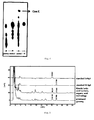
enzyme 1 passed through an ultrafiltration membrane andenzyme 2 not passed through an ultrafiltration membrane were examined by TLC. As a result, it was confirmed that the enzyme passed through the ultrafiltration membrane produced F2 which was converted to Rh2 by reaction with an organic acid, but the enzyme not passed through the ultrafiltration membrane produced a larger amount of compound K (Com K) so that the amount of F2 converted to Rh2 was small (FIG. 4 ). Based on this finding, the present invention has been completed. Specifically, in the present invention, the activity of an enzyme is increased by a method of purifying an enzyme capable of expressing a high level of ginsenoside Rh2 from a mixed enzyme expressed in Apsergillus niger, and a standardized processed ginseng or processed ginseng extract having increased contents of ginsenoside components can be produced using saponinases having a constant ratio of β-glucosidase and α-rhmnosidase. Thus, the present invention provides a standardized preparation method, which can increase the contents of ginsenosides Rg3 and Rh2 and can prepare a processed ginseng or processed ginseng extract containing constant amounts of Rg3 and Rh2. Thus, the present invention can prepare a processed ginseng or red ginseng having increased contents of Rg3 and Rh2 while solving the prior art problem in that the ratio of the change in ginosenoside contents during fermentation could not be predicted. - In addition, when each purified saponinase is used, there is a problem in that large amounts of time and cost are required for enzyme purification. However, according to the present invention, the production of saponinases having a constant ratio is possible and the process of purifying saponinases is simple and convenient, and thus mass production is easy and purification yield is high so that production cost can be reduced. Moreover, when fermentation is carried out using a mixture of various microorganisms, there is a problem of cross-contamination with other microorganisms. However, cross-contamination can be prevented using the single mold Aspergillus niger.
- In addition, according to the present invention, in order to ferment ginseng or red ginseng, saponinases are produced. Using the produced saponinases, ginseng or red ginseng is fermented, and then an organic acid is added to hydrolyze the fermented ginseng or red ginseng. As the prior art related thereto, Korean Patent Application No.
10-2005-94311 FIGS. 5 and6 ). - In order to solve these problems, in the present invention, saponinases purified by ultrafiltration are used to ferment ginseng or red ginseng, and an organic acid is added, thereby preparing a processed ginseng or red ginseng having increased contents of Rg3 and Rh2.
- Preferably, in a processed ginseng or processed ginseng extract according to the present invention, the contents of ginsenosides Rg3 and Rh2 are 0.05-1%, and in a processed ginseng extract prepared using a ginseng concentrate or red ginseng concentrate, the contents of ginsenosides Rg3 and Rh2 are 0.5-5%. Moreover, in a processed ginseng extract prepared using ginseng concentrate powder or red ginseng concentrate powder, the contents of ginsenosides Rg3 and Rh2 are 0.5-30%, and in a processed ginseng extract prepared by purifying ginseng saponins or red ginseng saponins, the contents of ginsenosides Rg3 and Rh2 are 30-50%.
- In addition, when the processed ginseng or processed ginseng extract having increased contents of Rg3 and Rh2, prepared by the method of the present invention, is used in combination with an anticancer agent which has been clinically used, it exhibits a synergistic anticancer effect and prevents toxic in bone marrow, blood cells, the liver or the kidneys, which is caused by the anticancer agent.
-
-
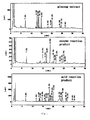
FIG. 1 is a spectrum showing the change in the saponin components of a ginseng extract as a function of an enzyme reactant and an organic acid reactant. -
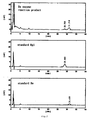
FIG. 2 is a spectrum showing that Rg1 is produced when the standard Re is reacted with the enzyme of the present invention, thereby producing α-rhamnosidase. -
FIG. 3 is a spectrum showing that Rh2 is produced when the standard Rg3 is reacted with the enzyme of the present invention, thereby producing β-glucosidase. -
FIG. 4 is a thin film chromatograph (TLC) showing the activities ofenzyme 2 passed through an ultrafiltration membrane in steps (c) and (d) of the present invention andenzyme 1 not passed through an ultrafiltration membrane, andFIG. 4 shows that the enzyme passed through the ultrafiltration membrane produced F2 which was converted to Rh2 by reaction with an organic acid, but the enzyme not passed through the ultrafiltration membrane produced a larger amount of compound K (Com K) so that the amount of F2 converted to Rh2 was small. -
FIG. 5 is a spectrum showing a comparison of the production of Rg3 between the present invention and the prior art. -
FIG. 6 is a spectrum showing a comparison of the production of Rh2 between the present invention and the prior art. - Hereinafter, the present invention will be described in further detail with reference to examples. It is to be understood, however, that these examples are for illustrative purposes only and are not intended to limit the scope of the present invention.
- 250 g of ginseng powder and 750 g of wheat bran were mixed with each other and sterilized in a highpressure steam sterilizer at 121 °C and 1.5 atm. 2 L of sterilized water was added to the sterilized medium, and then a suspension of Aspergillus niger (5x10⁵ spores/g of medium) was cultured in the medium at 28 °C for 7 days. After completion of the culture, 0.02M sodium acetate buffer solution was added to and mixed with the culture and the medium was filtered. The filtered culture was filtered using an ultrafiltration membrane (100 KDa or more) and concentrated, thereby obtaining 60 g of an enzyme solution. 30 g of the enzyme solution was added to 200 g of ginseng, which was then cultured at 28 °C for 18 hours, after which alcohol was added thereto to precipitate the enzyme, and the supernatant was concentrated. 2 L of purified water was added to 200 g of the concentrate, and 250 g of citric acid was added thereto, and the mixture was stirred at 50 °C for 18 hours. After completion of the reaction, 70% alcohol was added thereto, followed by filtration and concentration, thereby obtaining 200g of processed ginseng.
- 250 g of ginseng powder and 750 g of wheat bran were mixed with each other and sterilized in a highpressure steam sterilizer at 121 °C and 1.5 atm. 2 L of sterilized water was added to the sterilized medium, and then a suspension of Aspergillus niger (5x10⁵ spores/g of medium) was inoculated into the medium and cultured at 28 °C for 7 days. After completion of the culture, 0.02M sodium acetate buffer solution was added to and mixed with the culture and the medium was filtered. The filtered culture was filtered using an ultrafiltration membrane (100 KDa or more) and concentrated, thereby obtaining 60 g of an enzyme solution. 30 g of the enzyme solution was added to 200 g of a ginseng concentrate, which was then cultured at 28 °C for 18 hours, after which alcohol was added thereto to precipitate the enzyme, and the supernatant was concentrated. 2 L of purified water was added to 200 g of the concentrate, and 250 g of citric acid was added thereto, and the mixture was stirred at 50 °C for 18 hours. After completion of the reaction, 70% alcohol was added thereto, followed by filtration and concentration, thereby obtaining 190 g of a processed ginseng concentrate.
- 250 g of ginseng powder and 750 g of wheat bran were mixed with each other and sterilized in a highpressure steam sterilizer at 121 °C and 1.5 atm. 2 L of sterilized water was added to the sterilized medium, and then a suspension of Aspergillus niger (5x10⁵ spores/g of medium) was inoculated into the medium and cultured at 28 °C for 7 days. After completion of the culture, 0.02M sodium acetate buffer solution was added to and mixed with the culture and the medium was filtered. The filtered culture was filtered using an ultrafiltration membrane (100 KDa or more) and concentrated, thereby obtaining 60 g of an enzyme solution. 30 g of the enzyme solution was added to 200 g of ginseng concentrate powder, which was then cultured at 28 °C for 18 hours, after which alcohol was added thereto to precipitate the enzyme, and the supernatant was concentrated. 2 L of purified water was added to 200 g of the concentrate, and 250 g of acetic acid was added thereto, and the mixture was stirred at 50 °C for 8 hours. After completion of the reaction, 70% alcohol was added thereto, followed by filtration, concentration and drying, thereby obtaining 195 g of processed ginseng concentrate powder.
- 250 g of ginseng powder and 750 g of wheat bran were mixed with each other and sterilized in a highpressure steam sterilizer at 121 °C and 1.5 atm. 2 L of sterilized water was added to the sterilized medium, and then a suspension of Aspergillus niger (5x10⁵ spores/g of medium) was cultured in the medium at 28 °C for 7 days. After completion of the culture, 0.02M sodium acetate buffer solution was added to and mixed with the culture and the medium was filtered. The filtered culture was filtered using an ultrafiltration membrane (100 KDa or more) and concentrated, thereby obtaining 60 g of an enzyme solution. 30 g of the enzyme solution was added to 200 g of red ginseng, which was then cultured at 28 °C for 18 hours, after which alcohol was added thereto to precipitate the enzyme, and the supernatant was concentrated. 2 L of purified water was added to 200 g of the concentrate, and 250 g of acetic acid was added thereto, and the mixture was stirred at 50 °C for 18 hours. After completion of the reaction, 70% alcohol was added thereto, followed by filtration, concentration and drying, thereby obtaining 200g of processed red ginseng.
- 250 g of ginseng powder and 750 g of wheat bran were mixed with each other and sterilized in a highpressure steam sterilizer at 121 °C and 1.5 atm. 2 L of sterilized water was added to the sterilized medium, and then a suspension of Aspergillus niger (5x10⁵ spores/g of medium) was inoculated into the medium and cultured at 28 °C for 7 days. After completion of the culture, 0.02M sodium acetate buffer solution was added to and mixed with the culture and the medium was filtered. The filtered culture was filtered using an ultrafiltration membrane (100 KDa or more) and concentrated, thereby obtaining 60 g of an enzyme solution. 30 g of the enzyme solution was added to 200 g of a red ginseng concentrate, which was then cultured at 28 °C for 18 hours, after which alcohol was added thereto to precipitate the enzyme, and the supernatant was concentrated. 2 L of purified water was added to 200 g of the concentrate, and 250 g of citric acid was added thereto, and the mixture was stirred at 50 °C for 18 hours. After completion of the reaction, 70% alcohol was added thereto, followed by filtration and concentration, thereby obtaining 190 g of a processed red ginseng concentrate.
- 250 g of ginseng powder and 750 g of wheat bran were mixed with each other and sterilized in a highpressure steam sterilizer at 121 °C and 1.5 atm. 2 L of sterilized water was added to the sterilized medium, and then a suspension of Aspergillus niger (5x10⁵ spores/g of medium) was inoculated into the medium and cultured at 28 °C for 7 days. After completion of the culture, 0.02M sodium acetate buffer solution was added to and mixed with the culture and the medium was filtered. The filtered culture was filtered using an ultrafiltration membrane (100 KDa or more) and concentrated, thereby obtaining 60 g of an enzyme solution. 30 g of the enzyme solution was added to 200 g of red ginseng concentrate powder, which was then cultured at 28 °C for 18 hours, after which alcohol was added thereto to precipitate the enzyme, and the supernatant was concentrated. 2 L of purified water was added to 200 g of the concentrate, and 250 g of acetic acid was added thereto, and the mixture was stirred at 50 °C for 8 hours. After completion of the reaction, 70% alcohol was added thereto, followed by filtration, concentration and drying, thereby obtaining 195 g of processed red ginseng concentrate powder.
- 250 g of ginseng powder and 750 g of wheat bran were mixed with each other and sterilized in a highpressure steam sterilizer at 121 °C and 1.5 atm. 2 L of sterilized water was added to the sterilized medium, and then a suspension of Aspergillus niger (5x10⁵ spores/g of medium) was inoculated into the medium and cultured at 28 °C for 7 days. After completion of the culture, 0.02M sodium acetate buffer solution was added to and mixed with the culture and the medium was filtered. The filtered culture was filtered using an ultrafiltration membrane (100 KDa or more) and concentrated, thereby obtaining 60 g of an enzyme solution. 30 g of the enzyme solution was added to 200 g of ginseng concentrate powder, which was then cultured at 28 °C for 18 hours, after which alcohol was added thereto to precipitate the enzyme, and the supernatant was concentrated. 2 L of purified water was added to 200 g of the concentrate, and 250 g of acetic acid was added thereto, and the mixture was stirred at 50 °C for 8 hours. After completion of the reaction, 70% alcohol was added thereto, followed by filtration, concentration and drying, thereby obtaining 195 g of processed ginseng concentrate powder. The processed ginseng concentrate powder was purified using resin, thereby obtaining 10 g of a processed ginseng extract.
- Processed ginseng concentrate powder was obtained in the same manner as Example 1, except that the reaction with the organic acid (acetic acid) was not carried out.
- Processed ginseng concentrate powder was obtained in the same manner as Example 1, except that treatment with the enzyme was not carried out. Specifically, 2 L of purified water was added to 200 g of ginseng concentrate powder, and 250 g of acetic acid was added thereto, and the mixture was stirred at 50 °C for 8 hours. After completion of the reaction, 70% alcohol was added thereto, followed by filtration, concentration and drying, thereby obtaining 195 g of processed ginseng concentrate powder.
- Processed ginseng concentrate powder was obtained by reaction with the organic reaction in the same manner as Example 3, except that saponinase not purified by ultrafiltration was used.
- Changes in the saponin contents of the processed ginseng or processed ginseng extract according to the present invention are shown in Table 1 below.
[Table 1] Changes in saponin contents of processed ginseng or processed ginseng extract Content (%) Rg3 Rh2 Example 1 0.2 0.3 Example 2 3 3 Example 3 12 18 Example 4 0.6 0.8 Example 5 1 3 Example 6 5 10 Example 7 20 29 Comparative Example 1 1 0.05 Comparative Example 2 5 - Comparative Example 3 1 1 Ginseng <0.01 <0.01 Ginseng concentrate <0.5 <0.01 Ginseng concentrate powder <0.5 <0.01 Red ginseng <0.01 <0.01 Red ginseng concentrate <0.5 <0.01 Red ginseng concentrate powder <0.5 <0.01 - Each of 50 mg of the standard Rg3 sample and 50 mg of the standard Re sample was added to 20 mM of sodium acetate buffer solution, and the saponinase of the present invention was added thereto. Then, each of the mixtures was stirred at a constant temperature of 32 °C for 22 hours. Each of the enzymatic reaction products was separated into layers by adding butanol thereto, and the butanol layer was concentrated and analyzed by HPLC. The HPLC analysis was performed under the following conditions.
- 1) Instrument: Shiseido nanospace SI-2
- 2) Column: Capcell Pak C18 UG80 4.6x150mm (5 µm)
- 3) Flow rate: 1.00mL/min
- 4) UV wavelength: 203nm
- 5) Column temperature: 40°C
- 6) Injection amount: 20µL
- 7) Mobile phase: ① Re analysis: 20% acetonitrile
- ② Rg3 analysis: concentration gradient with 40% acetonitrile and 60% acetonitrile for 40 minutes.
- From the test results, it could be seen that, when the standard Re was reacted with the enzyme of the present invention, Rg1 was produced, suggesting that α-rhamnosidase is present in the saponinase of the present invention. In addition, it could be seen that, when the standard Rg3 was reacted with the enzyme of the present invention, Rh2 was produced, suggesting that beta-glucosidase is present in the saponinase of the present invention (
FIGS. 2 and3 ). - Saponinase was cultured and passed through an ultrafiltration membrane to obtain
enzyme 2. 25 mg of each ofenzyme 2 andenzyme 1 not passed through an ultrafiltration membrane was reacted with 50 mg of the standard Rb1, and the reaction products were analyzed by TLC. In the TLC analysis, CHCl3: MeOH: H2O=7:2.5:0.5 was used as a developing solution, and 5% sulfuric acid-anisaldehyde solution was used as a color developing reagent (FIG. 4 ). - The saponinase of the present invention was added slowly to ammonium sulfate in an amount of 50% (w/v) at 4 °C while the mixture was well stirred. The enzyme solution was centrifuged at 12000xG for 30 minutes, and the precipitate was collected, dissolved in 0.01M sodium acetate buffer solution and dialyzed in the same buffer solution. The dialyzed enzyme solution was passed through a DEAE-cellulose column so that it was adsorbed onto the column, and 0.01 mol of potassium chloride was added thereto so that the enzyme was separated into fractions. Among the separated enzyme fractions, only fractions having enzymatic activity were confirmed to obtain relatively purified beta-glucosidase and alpha-rhamnosidase, and the ratio of the obtained beta-glucosidase and alpha-rhamnosidase were determined (see Table 2).
[Table 2] Ratio of relatively purified beta-glucosidase and alpha-rhamnosidase Yield (wt%) Weight ratio (beta-glucosidase: alpha-rhamnosidase) beta-glucosidase alpha-rhamnosidase First 8.4 2.8 3.0:1 Second 25 3.2 7.8:1 Third 12 25 4.8:1 - The processed ginseng concentrate obtained in Example was dissolved in purified water at concentrations of 100, 300 and 500 mg/mL to obtain sample solutions for administration to mice. 6-week-old healthy male and female healthy ICR mice were fasted for 5 hours before administration of the sample solutions, and then 10 mL/kg of each sample solution was administered orally to the animal groups, each consisting of 5 male mice and 5 female mice, such that the dose of the sample was 0.5 g/kg, 1 g/kg or 2 g/kg. As a control, the sample amount of purified water was administered. During the test period, the test animals were allowed access to feed and water ad libitum. For all the test animals, clinical conditions were observed continuously for 30 minutes immediately after administration of the sample solutions and observed once a day during the test period, and the bodyweights of the animals were measured immediately before administration and at 1, 3, 7 and 14 days after administration. The difference in bodyweight between the control group and the test groups was analyzed using Student's t-test.
- None of the animals was killed during the test period, suggesting that the 50% lethal dose (LD50) of the processed ginseng extract for the white mice is larger than 2 g/kg. Also, the groups administered with the sample did not show conditions thought to be caused by administration of the sample, unlike the control group, and did not show a difference in bodyweight from the control group. In addition, in autopsy after the observation period, abnormalities in the organs were not visually observed. Taking the above results together, it can be concluded that the processed ginseng or red ginseng according to the present invention is highly safe.
- As test animals, 6-week-old female Balb/c-nu/nu mice (weight: 20±2 g) supplied from Orient Co. Ltd. Were housed in a chamber at a temperature of 23 ± 1°C at a relative humidity of 55 ± 15% with a 12-hr light/12-hr dark cycle. The animals were acclimated for 1 week while these were allowed access to feed (Orient Co. Ltd.) ad libitum, and then conditions in the animals were visually observed. After acclimatization for 1 week, 100 µℓ of HT-29 cells were transplanted subcutaneously into the flank of the Balb/c nu/nu mouse at a concentration of 1x10⁷ cells/mouse, followed by visual observation. The mice having a tumor size of about 200 mm3 were randomly grouped, and then administration of the drug sample was initiated. The weight and the tumor volume were measured twice a week, and the measurement of the tumor volume was performed by measuring the tumor length and width using Vernier calipers. The tumor volume was calculated using the following equation:

wherein l= length, and w= width. - Each of the ginseng products prepared in the above Examples and Comparative Examples and various ginseng-related concentrates was diluted in distilled water (DW) at a concentration of 100 mg/kg BW, and then administered orally to the mice using an oral sonde. The test sample was administered at a dose of 200 µℓ to 20 g depending on the weight measured on the day of administration, and administration of the test sample was carried out at 11 AM once a day. In FOLFOX administration, the test sample was dissolved in 3 ml of 0.9% NaCl solution at a concentration of 5-fluorouracil (5-FU) / leucovorin (LV) + Oxaliplatin (Ox)= 16:5:1 mg/kg BW, and then administered intra-abdominally once a day and five times a week. Table 3 below shows the administration methods and doses in the FOLFOX and Comparative Examples.
[Table 3] Administration methods and doses in FOLFOX and Comparative Examples Test groups Administration methods Control (HT-29 cells only) 0.9% NaCl/abdominal administration DW/oral administration FOLFOX (16:5:1 mg/kg/BW) FOLFOX Abdominal administration (first 5 days) DW/oral administration FOLFOX + Example 2 (100 mg/kg BW) Oral administration (every day) of extracts of Examples FOLFOX + Example 3 (100 mg/kg BW) FOLFOX + Example 6 (100 mg/kg BW) FOLFOX + Comparative Example 2 (100 mg/kg BW) FOLFOX + ginseng concentrate (100 mg/kg BW) FOLFOX + ginseng concentrate powder (100 mg/kg BW) FOLFOX + red ginseng concentrate powder (100 mg/kg BW) - Before sacrifice of the mice, blood was collected from the venous plexus using a heparinized capillary (Chase instruments Co.) and taken into a test tube (Sherwood medical Co.) containing EDTA(K3) and mixed using a roll mixer. Then, the levels of WBC (white blood cell), RBC (red blood cell), PLT (platelet) in the blood sample were measured using a Coulter counter. The Coulter counter was used in the blood analysis after correcting the WBC, RBC and PLT values with 4C plus solution according to a standard solution. Also, the blood collected from the heart was immediately centrifuged at 3,000 rpm at 4 °C for 10 minutes to obtain serum. Using the collected serum, AST (aspartate aminotransferase), ALT (alanine aminotransferase), blood urea nitrogen and creatinine were quantified within 24 hours after collection of the serum. Table 4 below shows the synergistic anticancer effect of the processed ginseng extract of the present invention when used in combination with FOLFOX in Balb/C nude mice transplanted with HT-29 colorectal cancer cells. As can be seen in Table 4, when FOLFOX and the processed ginseng extract of the present invention were administered to the Balb/C nude mice transplanted with HT-29 colorectal cancer cells, a synergistic anticancer effect appeared. With respect to treatment with FOLFOX (5-Fu/LV+Ox=16:5:1 mg/kg BW), when tumor volume reached 200 mm3 after transplantation of cells, the mice were randomly grouped and FOLFOX was intra-abdominally administered to the mice continuously for the first 5 days. The drug was administered orally every day at a concentration of 100 mg/kg BW. After administration for 4 weeks, the FOLFOX group showed a cancer growth inhibition ratio of 42.7% compared to the control group. On the other hand, the administration of Example 2 in combination with FOLFOX showed a cancer growth inhibition ratio of 74.6%, and the administration of Example 3 in combination with FOLFOX showed a cancer growth inhibition ratio of 80.2%, and the administration of Example 6 in combination with FOLFOX showed a cancer growth inhibition ratio of 77%. Thus, the ginseng extracts of the Examples of the present invention showed significantly excellent anticancer effects compared to conventional ginseng concentrate, ginseng concentrate powder or red ginseng concentrate power and Comparative Example 2 (inhibition of 58.7%).
[Table 4] Synergistic anticancer effect in the use of FOLFOX in combination with processed ginseng extract of the preset invention Test groups (n=5) Tumor volume (mm3) Inhibition ratio (%) Control (HT-29 cells only) 1960.4 ± 98.69 0 FOLFOX (16:5:1 mg/kg/BW) 1123.2 ± 75.19 42.7 FOLFOX + Example 2 (100 mg/kg BW) 501 ± 27.21* 74.6 FOLFOX + Example 3 (100 mg/kg BW) 387.2 ± 21.57* 80.2 FOLFOX + Example 6 (100 mg/kg BW) 450.2 ± 13.8* 77.0 FOLFOX + Comparative Example 2 (100 mg/kg BW) 809.2 ± 14.22 58.7 FOLFOX + ginseng concentrate (100 mg/kg BW) 1124.4 ± 78.47 42.6 FOLFOX + ginseng concentrate powder (100 mg/kg BW) 1028.6 ± 21.83 47.5 FOLFOX + red ginseng concentrate powder (100 mg/kg BW) 913.8 ± 23.18 53.4 *P<0.01: statistically significant compared to FOLFOX + Comparative Example 2 - Table 5 below shows the results of biochemical analysis of blood obtained when FOLFOX and the processed ginseng extract were administered into the Balb/C nude mice transplanted with HT-29 colorectal cancer cells. In this test, the drug was administered to the mice for 4 weeks, followed by biochemical analysis. As a result, it could be seen that the group administered with FOLFOX showed significant decreases in WBC, RBC and PLT compared to the control group. On the contrary, in the group administered with FOLFOX in combination with the ginseng extract of the Example of the present invention, the hematological values reduced by FOLFOX were increased. Thus, the ginseng extracts of the Examples of the present invention showed high hematological values compared to conventional ginseng concentrate, ginseng concentrate powder or red ginseng concentrate power and Comparative Example 2.
[Table 5] Results of biochemical analysis of blood obtained when FOLFOX and processed ginseng extract were used in combination Test groups (n=5) WBC (103/µℓ) RBC (103/µℓ) PLT (103/µℓ) Control (HT-29 cells only) 17.0 ± 0.69 11.4 ± 0.41 1565.8 ± 42.67 FOLFOX (16:5:1 mg/kg/BW) 7.0 ± 0.3 5.7 ± 0.38 934.9 ± 33.16 FOLFOX + Example 2 (100 mg/kg BW) 10.9 ± 0.39 8.1 ± 0.38 1253.6 ± 62.49 FOLFOX + Example 3 (100 mg/kg BW) 13.9 ± 0.4* 10.5 ± 0.5* 1392.5 ± 63.36** FOLFOX + Example 6 (100 mg/kg BW) 13.1 ± 0.51* 9.4 ± 0.46* 1352.5 ± 52.04** FOLFOX + Comparative Example 2 (100 mg/kg BW) 9.4 ± 0.26 7.2 ± 0.37 1142.9 ± 68.01 FOLFOX + ginseng concentrate (100 mg/kg BW) 7.9 ± 0.18 5.9 ± 0.24 991.9 ± 19.8 FOLFOX + ginseng concentrate powder (100 mg/kg BW) 7.8 ± 0.37 6.6 ± 0.21 1012.6 ± 12.05 FOLFOX + red ginseng concentrate powder (100 mg/kg BW) 8.8 ± 0.38 6.8 ± 0.18 1040.7 ± 29.22 *P<0.01, **P<0.05: statistically significant compared to FOLFOX + Comparative Example 2 - Table 6 below shows the results of analyzing the changes in kidney toxicity and liver toxicity when FOLFOX and the processed ginseng extract were administered into the Balb/C nude mice transplanted with HT-29 colorectal cancer cells. In this test, the drug was administered to the mice for 4 weeks, followed by analysis of BUN (blood urea nitrogen), an index for evaluating kidney function, creatinine, and AST and ALT, indices for evaluating liver toxicity. As a result, it could be seen that, in the FOLFOX group, BUN, creatinine, AST and ALT all significantly increased compared to those in the control group, suggesting that kidney toxicity and liver toxicity significantly increased. On the contrary, in the groups administered with FOLFOX in combination with the ginseng extract of the Example of the present invention, the kidney toxicity and liver toxicity values that increased by FOLFOX were significantly reduced. Thus, the ginseng extracts of the Examples of the present invention significantly reduced kidney toxicity and liver toxicity compared to conventional ginseng concentrate, ginseng concentrate powder or red ginseng concentrate power and Comparative Example 2.
[Table 6] Results of analysis of changes in kidney toxicity and liver toxicity when FOLFOX and processed ginseng extract were used in combination Test groups (n=5) BUN (mg/dl) Creatinine (mg/dl) AST (U/l) ALT (U/l) Control (HT-29 cells only) 5.62 ± 0.27 5.56 ± 0.26 33.98 ± 0.94 8.10 ± 0.46 FOLFOX (16:5:1 mg/kg/BW) 57.14 ± 2.30 15.94 ± 0.85 97.98 ± 4.11 27.18 ± 1.85 FOLFOX + Example 2 (100 mg/kg BW) 39.48 ± 1.54 12.12 ± 0.58 56.58 ± 1.79 19.32 ± 1.38 FOLFOX + Example 3 (100 mg/kg BW) 26.36 ± 1.28* 8.54 ± 0.55* 40.04 ± 1.88* 15.48 ± 0.78* FOLFOX + Example 6 (100 mg/kg BW) 33.08 ± 1.51 * 12.68 ± 0.81 55.68 ± 1.48 20.98 ± 1.55 FOLFOX + Comparative Example 2 (100 mg/kg BW) 42.42 ± 1.70 13.60 ± 0.77 63.50 ± 4.29 21.90 ± 1.04 FOLFOX + ginseng concentrate (100 mg/kg BW) 52.64 ± 2.36 15.66 ± 0.40 93.06 ± 3.24 26.34 ± 1.88 FOLFOX + ginseng concentrate powder (100 mg/kg BW) 54.10 ± 3.33 15.72 ± 0.35 94.10 ± 3.98 24.30 ± 1.90 FOLFOX + red ginseng concentrate powder (100 mg/kg BW) 46.66 ± 1.86 15.38 ± 0.39 90.66 ± 6.08 26.38 ± 1.88 *P<0.01: statistically significant compared to FOLFOX + Comparative Example 2 - The pharmacological effects of ginseng were found by many studies, various ginseng processing technologies and ginseng fermentation technologies, which are not simple extraction or processing methods, have been developed since 2000. Despite the development of such various technologies, high-value-added ginseng products are not being produced. This is because there is an efficiency-associated problem in mass production and a standardized production method is not established. Pharmaton (Boehringer Ingelheim, Germany) that is a typical ginseng product is a product produced by a simple ginseng extraction process, but the annual sales value thereof is more than 500 billion dollars. This is because Pharmaton is produced by a standardized production process so as to have constant ginsenoside contents. Thus, a standardized production process for a ginseng product is very important, and the present invention provides a method of preparing a processed ginseng or processed ginseng extract having increased contents of ginsenosides Rg3 and Rh2 by a standardized production process. In addition, the present invention provides an anticancer supplement composition comprising the processed ginseng or processed ginseng extract prepared by the method of the present invention and can be applied to the development of high-value-added ginseng products.
Claims (12)
- A method for preparing a processed ginseng or processed ginseng extract having increased contents of ginsenosides Rg3 and Rh2, the method comprising the steps of:(a) inoculating an Aspergillus niger strain into a medium composed of ginseng and wheat bran;(b) culturing the strain of step (a);(c) purifying and concentrating the cultured material of step (b) by ultrafiltration;(d) separating an enzyme solution or enzymes from the purified and concentrated material of step (c);(e) adding the enzyme solution or the enzymes of step (d) to ginseng, red ginseng or a ginseng or red ginseng extract to obtain a mixture;(f) fermenting the mixture of step (e);(g) separating the fermented material of step (f) by addition of alcohol to obtain a supernatant;(h) concentrating the supernatant of step (g);(i) reacting the concentrate of step (h) with at least one organic acid selected from the group consisting of acetic acid, lactic acid, citric acid, malic acid and tartaric acid; and(j) neutralizing, adding alcohol, filtering, purifying, concentrating and drying the reaction product of step (i) .
- The method of claim 1, wherein inoculation of the medium with Aspergillus niger in step (a) is performed such that the number of spores in an Aspergillus niger spore suspension is 5x10⁵ spores per g of the medium and the initial water content of the medium is maintained at 50-80%.
- The method of claim 1, wherein the ultrafiltration in step (c) is carried out using a membrane having a cutoff molecular weight of 100 KDa.
- The method of claim 1, wherein the enzyme produced in steps (c) and (d) comprises β-glucosidase and α-rhamnosidase mixed at a weight ratio (g/g) of 3:1 to 8:1
- The method of claim 1, wherein the addition of the enzyme in step (e) is performed by adding the enzyme of step (d) in an amount of 5-20% based on the weight of the ginseng, the red ginseng or the ginseng or red ginseng extract.
- The method of claim 1, wherein the organic acid in step (i) is added to a 10% solution of the concentrate of step (h) in purified water in an amount of 1-50 wt% based on the weight of the concentrate solution, and the reaction in step (i) is carried out at a temperature of 40~80 °C for 2-18 hours.
- The method of claim 1, wherein the fermentation in step (f) is carried out at a temperature of 25~60 °C for 6-24 hours.
- A processed ginseng or processed ginseng extract prepared by the method of any one of claims 1 to 7 and having increased contents of ginsenosides Rg3 and Rh2.
- A composition for use as a supplement in the treatment of cancer comprising the processed ginseng or processed ginseng extract of claim 8 as an active ingredient.
- The composition for use according to claim 9, wherein the composition is used in combination with an anticancer agent.
- The composition for use according to claim 9, wherein the anticancer agent is one or more selected from among cisplatin, carboplatin, paraplatin, oxaliplatin, nedaplatin, doxorubicin, taxol, tamoxifen, camtobell, adrucil, glivec, etoposide, zometa, oncovin, lupron, gemzar, 5-fluorouracil, leucovorine, and irinotecan.
- A pharmaceutical composition comprising the processed ginseng or processed ginseng extract of claim 8 as an active ingredient.
Priority Applications (1)
| Application Number | Priority Date | Filing Date | Title |
|---|---|---|---|
| PL11780835T PL2570132T3 (en) | 2010-05-14 | 2011-05-13 | Method for preparing novel processed ginseng or an extract thereof, the usually minute ginsenoside content of which is increased |
Applications Claiming Priority (2)
| Application Number | Priority Date | Filing Date | Title |
|---|---|---|---|
| KR1020100045394A KR100992800B1 (en) | 2010-05-14 | 2010-05-14 | A process for preparing novel processed ginseng or extract thereof showing increased amount of minor ginsenosides |
| PCT/KR2011/003544 WO2011142618A2 (en) | 2010-05-14 | 2011-05-13 | Method for preparing novel processed ginseng or an extract thereof, the usually minute ginsenoside content of which is increased |
Publications (3)
| Publication Number | Publication Date |
|---|---|
| EP2570132A2 EP2570132A2 (en) | 2013-03-20 |
| EP2570132A4 EP2570132A4 (en) | 2013-12-18 |
| EP2570132B1 true EP2570132B1 (en) | 2015-04-08 |
Family
ID=43409444
Family Applications (1)
| Application Number | Title | Priority Date | Filing Date |
|---|---|---|---|
| EP11780835.2A Active EP2570132B1 (en) | 2010-05-14 | 2011-05-13 | Method for preparing novel processed ginseng or an extract thereof, the usually minute ginsenoside content of which is increased |
Country Status (8)
| Country | Link |
|---|---|
| US (1) | US9512453B2 (en) |
| EP (1) | EP2570132B1 (en) |
| JP (1) | JP5614864B2 (en) |
| KR (1) | KR100992800B1 (en) |
| CN (1) | CN103037879B (en) |
| ES (1) | ES2543278T3 (en) |
| PL (1) | PL2570132T3 (en) |
| WO (1) | WO2011142618A2 (en) |
Families Citing this family (31)
| Publication number | Priority date | Publication date | Assignee | Title |
|---|---|---|---|---|
| KR101106487B1 (en) * | 2011-07-21 | 2012-01-20 | 대동고려삼 주식회사 | Ginsenoside Rg3 and Rh2 reinforced red ginseng concentrate manufacturing method |
| CN102888437B (en) * | 2011-07-22 | 2014-06-11 | 复旦大学 | Method for preparing ginsenoside Rd by utilizing microbial conversion |
| KR101454066B1 (en) * | 2011-09-08 | 2014-10-24 | 경희대학교 산학협력단 | A enzyme having activities of transforming saponin in ginseng isolated from culture of Aspergillus niger, A method of manufacturing the same, A ginseng extract treated with the same, A method of manufacturing the ginseng extract and Composition comprising the ginseng extract for improving skin beauty |
| KR101385893B1 (en) | 2011-11-18 | 2014-04-16 | 경희대학교 산학협력단 | Novel β-Glycosidase Protein and Use Thereof |
| KR101409761B1 (en) * | 2012-06-20 | 2014-06-19 | 주식회사한국야쿠르트 | A method of preparation for fermented red ginseng using conversion by enzyme mixture and fermentation by lactic acid bacterium and the products containing fermented red ginseng manufactured thereof as effective factor |
| CN102702161B (en) * | 2012-06-26 | 2014-12-03 | 吉林化工学院 | Method for preparing isoflavone aglycone through isoflavone glucoside hydrolysis by malic acid catalysis |
| KR101253471B1 (en) | 2013-02-13 | 2013-04-10 | 경희대학교 산학협력단 | Method for preparing beta-glycosidase protein and converting ginsenoside |
| KR101253470B1 (en) | 2013-02-13 | 2013-04-10 | 경희대학교 산학협력단 | Method for preparing beta-glycosidase protein and converting ginsenoside |
| KR102021764B1 (en) * | 2013-05-03 | 2019-09-18 | (주)아모레퍼시픽 | Skin external composition containing ginsenoside Rh4 |
| US10709749B2 (en) | 2013-08-30 | 2020-07-14 | Green Cross Wellbeing Corporation | Composition for preventing and treating cancer-related fatigue, containing processed ginseng powder or processed ginseng extract having increased ginsenoside constituent |
| JP2015051970A (en) * | 2013-09-06 | 2015-03-19 | マイクロバイオ カンパニー, リミテッド | Composition for producing adjuvant for cancer patients receiving chemotherapy |
| KR101597877B1 (en) * | 2013-09-11 | 2016-02-25 | 주식회사 동원에프앤비 | Extracting method of effective component from ginsenosides |
| CN104644656A (en) * | 2013-11-20 | 2015-05-27 | 富力 | Application of 20(R)-ginsenoside Rg3 in preparation of medicament for relieving or/and treating asthma and medicament |
| KR101566589B1 (en) | 2013-11-22 | 2015-11-06 | 경희대학교 산학협력단 | Method for producing fermented red ginseng with increased Ginsenoside F2 contents and fermented red ginseng extract produced by the same method |
| AU2015324813B2 (en) | 2014-09-30 | 2019-04-18 | Rna Inc. | Method for preparing microbial preparation and microbial preparation produced by the same |
| KR20160072802A (en) * | 2014-12-15 | 2016-06-23 | 경성대학교 산학협력단 | Pharmaceutical Composition Including Ginseng Saponin As Active Ingredient |
| CN104814972A (en) * | 2015-04-16 | 2015-08-05 | 云南普优生物科技有限公司 | Ginsenoside-containing medicine composition |
| KR101722547B1 (en) * | 2015-05-22 | 2017-04-04 | 한국과학기술원 | Anti-cancer adjuvant comprising panaxadiols compound |
| KR101776005B1 (en) * | 2015-09-01 | 2017-09-12 | 셀루스원 주식회사 | Production of ginsenoside Rh2, Rk2 and Rh3 through combinative usage of enzymes and organic acids |
| WO2017119565A1 (en) * | 2016-01-06 | 2017-07-13 | 헬스밸런스 주식회사 | Apparatus for physically producing ultra-fine pulverized red ginseng powder, and method for producing red ginseng powder concentrate and red ginseng liquid through biochemical fermentation and enzymatic decomposition for maximizing digestion and absorption of active ingredients of red ginseng |
| WO2017160034A1 (en) * | 2016-03-14 | 2017-09-21 | 코스맥스 주식회사 | Cosmetic for reducing wrinkles, containing ginsenosides rg3, rg5, and rk1 |
| JP6859099B2 (en) * | 2016-12-28 | 2021-04-14 | 小林製薬株式会社 | Composition for promoting androgen increase |
| CN110366419A (en) * | 2017-01-13 | 2019-10-22 | 恩进生物科技有限公司 | Using ginsenoside compound K for inhibiting the composition of cytotoxic anticancer agent side effect |
| KR101884274B1 (en) | 2017-03-20 | 2018-08-01 | 주식회사 비엔지삶 | Method of manufacturing fruits preserved in honey using fresh ginseng and Kaempferia Pafiflora |
| JP7536441B2 (en) | 2017-04-10 | 2024-08-20 | グリーン クロス ウェルビーイング コーポレーション | Pharmaceutical composition for preventing or treating sarcopenia and functional health food composition for preventing or improving sarcopenia |
| JP6626035B2 (en) * | 2017-04-10 | 2019-12-25 | グリーン クロス ウェルビーイング コーポレーションGreen Cross Wellbeing Corporation | Pharmaceutical composition for prevention or treatment of sarcopenia and health food composition for prevention or improvement |
| KR102034923B1 (en) * | 2017-06-12 | 2019-10-23 | 중부대학교 산학협력단 | Fermented and processed white ginseng containing high quantity of Ginsenoside Rg3 and preparation method thereof |
| KR101966117B1 (en) | 2018-05-25 | 2019-04-05 | (주)녹십자웰빙 | Composition comprising extract of processed ginseng for stimulating of myogenesis |
| CN110200280A (en) * | 2019-07-17 | 2019-09-06 | 吉林大学 | A kind of ginseng fully nutrient powder and preparation method thereof |
| CN112899216A (en) * | 2021-01-28 | 2021-06-04 | 深圳先声科技发展有限公司 | Ginseng cell culture method with high ginsenoside content |
| CN121046503B (en) * | 2025-11-04 | 2026-01-30 | 宝萃生物科技有限公司 | Method for generating rare ginsenoside Rh2 and application thereof |
Family Cites Families (46)
| Publication number | Priority date | Publication date | Assignee | Title |
|---|---|---|---|---|
| JPS6312300A (en) * | 1985-07-22 | 1988-01-19 | Takeda Chem Ind Ltd | Production of ginsenoside-rd |
| GB2179042B (en) * | 1985-07-22 | 1988-11-23 | Takeda Chemical Industries Ltd | A process of producing ginsenoside-rd |
| JPH03277246A (en) * | 1990-03-27 | 1991-12-09 | Morinaga & Co Ltd | Preparation of new edible raw material using ginseng |
| JP3160313B2 (en) * | 1991-07-01 | 2001-04-25 | 勲 北川 | Anticancer drug |
| EP0599159B1 (en) * | 1992-11-27 | 2001-09-19 | Aventis Research & Technologies GmbH & Co. KG | Heterogeneous protein mixture with alpha-L-rhamnosidase activity, process for preparation and use. |
| JPH08291194A (en) * | 1995-04-18 | 1996-11-05 | Happy World:Kk | Ginseng sapogenin and its production |
| CN1879890A (en) | 1995-06-07 | 2006-12-20 | 抗癌公司 | Use of methioninase in anti-methionine and anti-homocysteine chemotherapy |
| JPH1014523A (en) | 1996-07-08 | 1998-01-20 | Nagaoka Jitsugyo Kk | Ginseng-processed food product and its production |
| JPH1099094A (en) * | 1996-09-25 | 1998-04-21 | Happy World:Kk | Production of ginseng saponin metabolites |
| KR0178863B1 (en) | 1996-11-29 | 1999-04-01 | 김진하 | Preparation of Ginseng Saponin Metabolite |
| JP3180740B2 (en) | 1997-11-11 | 2001-06-25 | 日本電気株式会社 | Method for manufacturing capacitor |
| KR100293968B1 (en) * | 1998-12-30 | 2001-09-17 | 박명규 | 20 (S) - Production method of Ginsenoside AL |
| CN1105781C (en) * | 1999-03-17 | 2003-04-16 | 金凤燮 | Method for preparing rare ginsengoside using enzymatic method to modify ginsenoside glycoside |
| KR20000058997A (en) | 2000-07-08 | 2000-10-05 | 강승일 | The sound source management system and method for using of the web |
| CN1479787B (en) | 2000-12-29 | 2013-07-10 | 金凤燮 | Ginsenoside glycosidase for hydrolyzing ginsenoside glycosyl and its application |
| JP2002348245A (en) | 2001-05-07 | 2002-12-04 | Toyo Hakko:Kk | Method for depolymerizing red ginseng active ingredient, antioxidant beverage and method for producing the same |
| US6888014B2 (en) | 2001-07-24 | 2005-05-03 | Panagin Pharmaceuticals Inc. | Dammarane sapogenins, their use as anti-cancer agents, and a process for producing same |
| US20030092638A1 (en) | 2001-09-21 | 2003-05-15 | Dong Huang | Protopanaxadiol and protopanaxatriol and their use as anti-cancer agents |
| JP2003160497A (en) | 2001-11-22 | 2003-06-03 | Toshin Kagaku Kk | Skin care preparation |
| KR100425022B1 (en) * | 2002-01-05 | 2004-03-27 | 롯데제과주식회사 | Ginseng extract and pharmaceutical composition containing it |
| US20030185910A1 (en) * | 2002-02-08 | 2003-10-02 | Taik Koo Yun | Cancer preventive composition comprising ginsenoside glycosides of red ginseng |
| JP2003277246A (en) | 2002-03-22 | 2003-10-02 | Takasago Internatl Corp | Deodorant composition |
| AU2003202159A1 (en) * | 2002-04-08 | 2003-10-27 | Ginseng Science Inc. | Extract of processed panax genus plant, the preparation method thereof, and compositions containing the same |
| KR100445184B1 (en) | 2002-05-08 | 2004-08-21 | 주식회사 그린바이오텍 | A method for processing Ginseng by Ultra-high pressure |
| CN1184305C (en) * | 2002-06-20 | 2005-01-12 | 中国科学院大连化学物理研究所 | A kind of Aspergillus niger and method for preparing rare low-polarity ginsenosides by using it to ferment ginsenosides |
| JP2005009123A (en) | 2003-06-17 | 2005-01-13 | Nakanishi Tekkosho:Kk | Steel form for concrete molding and its reuse method |
| KR100522445B1 (en) | 2003-06-25 | 2005-10-18 | 강태구 | Preparation Method of Ginseng Extracts with High Functionality and Flavor |
| CN1477205A (en) | 2003-07-10 | 2004-02-25 | 黄亚平 | Method for producing rare ginsenoside by using biological catalyst to transform ginsenoside |
| JP4767686B2 (en) | 2003-09-30 | 2011-09-07 | 湧永製薬株式会社 | Medicine for liver protection |
| WO2005034963A1 (en) | 2003-10-15 | 2005-04-21 | Panagin Pharmaceuticals Inc. | USE OF GINSENOSIDES Rh2 & Rg3, AND AGLYCON GINSENOSIDES FOR THE PREVENTION OF CANCER |
| KR20050053048A (en) | 2003-12-02 | 2005-06-08 | 주식회사 동원고려인삼 | Process for preparing an red ginseng extract containing a large amount of ginsenoside rg3 |
| KR20050094311A (en) | 2004-03-22 | 2005-09-27 | 한산뉴텍주식회사 | Exchange supporting wireless interphone function in mobile phone and control method thereof |
| CN100487131C (en) * | 2004-04-27 | 2009-05-13 | 复旦大学 | Ginsenoside Compound-K preparing method |
| KR100789261B1 (en) | 2004-12-28 | 2007-12-31 | 김재백 | Fermented Ginseng Containing Glycoside Degradate and Its Manufacturing Method |
| US7401260B2 (en) | 2005-01-28 | 2008-07-15 | International Business Machines Corporation | Apparatus, system, and method for performing storage device maintenance |
| KR100789678B1 (en) * | 2005-10-07 | 2008-01-02 | (주)예당바이오 | Method of manufacturing fermented ginseng or fermented red ginseng using kimchi lactic acid bacteria |
| CN1793320A (en) * | 2005-12-05 | 2006-06-28 | 华东理工大学 | Strain of sickle mycete and process for preparing ginseng saponin Rh2 thereof |
| CN1883492B (en) | 2006-05-22 | 2010-07-28 | 富力 | Aqueous solution of 20(R)-ginsenoside Rg3 medicinal composition and its preparation method |
| CN100413957C (en) * | 2006-09-21 | 2008-08-27 | 江苏省农业科学院 | A kind of Aspergillus niger strain and application thereof |
| JP2008100999A (en) * | 2006-10-18 | 2008-05-01 | In-Hwan Seong | Process for producing ginseng fruits and ginseng flowers with high ginsenoside content |
| KR100805852B1 (en) * | 2006-12-21 | 2008-02-21 | 한국식품연구원 | Method for preparing ginseng with enhanced ginsenosides and method for producing red ginseng using the same |
| JP2008291194A (en) | 2007-05-28 | 2008-12-04 | Panasonic Electric Works Co Ltd | Epoxy resin composition for optical semiconductor encapsulation and optical semiconductor device |
| JPWO2008155998A1 (en) * | 2007-06-21 | 2010-08-26 | 長瀬産業株式会社 | Anxiolytic antidepressant |
| JP5204771B2 (en) * | 2007-06-21 | 2013-06-05 | 長瀬産業株式会社 | GABAergic neuron activator |
| KR20090037140A (en) * | 2007-10-11 | 2009-04-15 | 메타볼랩(주) | Conversion of ginsenosides to compound X |
| JP2010132625A (en) | 2008-12-08 | 2010-06-17 | Nagase & Co Ltd | Anti-diabetic agent |
-
2010
- 2010-05-14 KR KR1020100045394A patent/KR100992800B1/en not_active Expired - Fee Related
-
2011
- 2011-05-13 CN CN201180024044.2A patent/CN103037879B/en active Active
- 2011-05-13 ES ES11780835.2T patent/ES2543278T3/en active Active
- 2011-05-13 WO PCT/KR2011/003544 patent/WO2011142618A2/en not_active Ceased
- 2011-05-13 PL PL11780835T patent/PL2570132T3/en unknown
- 2011-05-13 JP JP2013510028A patent/JP5614864B2/en active Active
- 2011-05-13 EP EP11780835.2A patent/EP2570132B1/en active Active
- 2011-05-13 US US13/698,005 patent/US9512453B2/en active Active
Also Published As
| Publication number | Publication date |
|---|---|
| JP2013529899A (en) | 2013-07-25 |
| CN103037879B (en) | 2016-06-01 |
| JP5614864B2 (en) | 2014-10-29 |
| WO2011142618A2 (en) | 2011-11-17 |
| PL2570132T3 (en) | 2015-08-31 |
| US9512453B2 (en) | 2016-12-06 |
| HK1182930A1 (en) | 2013-12-13 |
| EP2570132A2 (en) | 2013-03-20 |
| KR100992800B1 (en) | 2010-11-08 |
| ES2543278T3 (en) | 2015-08-17 |
| US20130122122A1 (en) | 2013-05-16 |
| WO2011142618A3 (en) | 2012-03-01 |
| CN103037879A (en) | 2013-04-10 |
| EP2570132A4 (en) | 2013-12-18 |
Similar Documents
| Publication | Publication Date | Title |
|---|---|---|
| US9512453B2 (en) | Method for preparing novel processed ginseng or an extract thereof, the usually minute ginsenoside content of which is increased | |
| EP1676908B1 (en) | Fermentation and culture method, fermented plant extract, fermented plant extract powder and composition containing the fermented plant extract | |
| KR100945587B1 (en) | Method for preparing of fermented ginseng or fermented red ginseng containing ginsenoside metabolites fermented by cordyceps militaris having various physiological activity | |
| KR101467837B1 (en) | Manufacturing method of fermented red ginseng extract with enhanced ginsenosides Rg3 and antioxidant activity | |
| TW202317166A (en) | Uses of golden passion fruit ferment for improving skin condition and anti-photoaging | |
| CN119453464A (en) | Ginseng fermentation product rich in various rare ginsenosides and preparation method thereof | |
| KR20130011511A (en) | Fermented ginseng food manufacturing method | |
| KR100635025B1 (en) | A ginseng preparation using vinegar and process for thereof | |
| KR20100001375A (en) | New method for preparing the low molecular fucoidan from the brown algae fermentation | |
| KR20110115252A (en) | Method for preparing functional herbal fermented products effective for liver function improvement, serum lipid concentration improvement, blood pressure control and atopy, skin whitening and herbal fermented products thereby | |
| KR20120106218A (en) | Manufacturing method of treated puffing and fermentation red ginseng concentrate | |
| US20040081663A1 (en) | Pharmaceutical composition for treatment and prevention of cancer and the preparation thereof | |
| Sarkar et al. | Evaluation of in vitro anti diabetic activity of two mangrove plant extracts: Heritiera fomes and Sonneratia apetala | |
| KR20070105486A (en) | Improvement of liver function and hangover tea and its manufacturing method | |
| KR102132537B1 (en) | Platycodon grandiflorum Liquid composition for stick-type container having increased ginsenosides of human body absorption type, and preparation method thereof | |
| KR20120134167A (en) | Preparation method of fermented products containing ginsenoside and gaba by fermentation technology with lactic acid bacteria from red ginseng and seaweeds | |
| KR20120053564A (en) | Fermented ginseng with ganoderma lucidum beverage manufacturing method and that beverage | |
| KR20130017431A (en) | An antioxidantive composition of persimmom wine powder using monascus purpureus spp. strain | |
| CN109984963B (en) | Preparation method of pine pollen-turmeric antioxidant skin care product | |
| CN102199509B (en) | Method for preparing podocarpus seed and receptacle wine | |
| CN108185245A (en) | A kind of preparation method of ginseng dish's soy drink | |
| KR102715424B1 (en) | A composition for improving liver function damaged by oxidative stress obtained by fermenting antler extract with Lactobacillus curbetus HY7602 | |
| KR102750984B1 (en) | A Monascus fermented composition of mountain-cultivated ginseng sprout with increased ginsenoside Rg2, F1, Rd, Rd2, F2, Rg3, protopanaxadiol and protopanaxatriol and a preparation method thereof | |
| KR20120028536A (en) | Fruit extracts for preparing cosmetics and method for preparing the same and cosmetics comprising the same | |
| KR101408088B1 (en) | Method for increasing funtional component of opuntia humifusa by complex fermentation of yeast |
Legal Events
| Date | Code | Title | Description |
|---|---|---|---|
| PUAI | Public reference made under article 153(3) epc to a published international application that has entered the european phase |
Free format text: ORIGINAL CODE: 0009012 |
|
| 17P | Request for examination filed |
Effective date: 20121112 |
|
| AK | Designated contracting states |
Kind code of ref document: A2 Designated state(s): AL AT BE BG CH CY CZ DE DK EE ES FI FR GB GR HR HU IE IS IT LI LT LU LV MC MK MT NL NO PL PT RO RS SE SI SK SM TR |
|
| DAX | Request for extension of the european patent (deleted) | ||
| A4 | Supplementary search report drawn up and despatched |
Effective date: 20131120 |
|
| RIC1 | Information provided on ipc code assigned before grant |
Ipc: A61K 36/342 20060101AFI20131112BHEP Ipc: A61P 29/00 20060101ALI20131112BHEP Ipc: A61K 31/704 20060101ALI20131112BHEP Ipc: A61P 25/00 20060101ALI20131112BHEP Ipc: A61P 35/00 20060101ALI20131112BHEP Ipc: A61K 45/06 20060101ALI20131112BHEP Ipc: A61K 36/258 20060101ALI20131112BHEP Ipc: A61K 31/282 20060101ALI20131112BHEP |
|
| RIC1 | Information provided on ipc code assigned before grant |
Ipc: A61P 29/00 20060101ALI20140711BHEP Ipc: A61K 36/258 20060101ALI20140711BHEP Ipc: A61P 35/00 20060101ALI20140711BHEP Ipc: A61K 31/704 20060101ALI20140711BHEP Ipc: A61K 31/282 20060101ALI20140711BHEP Ipc: A61P 25/00 20060101ALI20140711BHEP Ipc: A61K 36/342 20060101AFI20140711BHEP Ipc: A61K 45/06 20060101ALI20140711BHEP |
|
| GRAP | Despatch of communication of intention to grant a patent |
Free format text: ORIGINAL CODE: EPIDOSNIGR1 |
|
| INTG | Intention to grant announced |
Effective date: 20141023 |
|
| GRAS | Grant fee paid |
Free format text: ORIGINAL CODE: EPIDOSNIGR3 |
|
| GRAA | (expected) grant |
Free format text: ORIGINAL CODE: 0009210 |
|
| RAP1 | Party data changed (applicant data changed or rights of an application transferred) |
Owner name: GREEN CROSS HEALTH SCIENCE CO., LTD. |
|
| AK | Designated contracting states |
Kind code of ref document: B1 Designated state(s): AL AT BE BG CH CY CZ DE DK EE ES FI FR GB GR HR HU IE IS IT LI LT LU LV MC MK MT NL NO PL PT RO RS SE SI SK SM TR |
|
| REG | Reference to a national code |
Ref country code: GB Ref legal event code: FG4D |
|
| REG | Reference to a national code |
Ref country code: CH Ref legal event code: EP |
|
| REG | Reference to a national code |
Ref country code: IE Ref legal event code: FG4D |
|
| REG | Reference to a national code |
Ref country code: AT Ref legal event code: REF Ref document number: 720006 Country of ref document: AT Kind code of ref document: T Effective date: 20150515 |
|
| REG | Reference to a national code |
Ref country code: DE Ref legal event code: R096 Ref document number: 602011015536 Country of ref document: DE Effective date: 20150521 |
|
| REG | Reference to a national code |
Ref country code: FR Ref legal event code: PLFP Year of fee payment: 5 |
|
| REG | Reference to a national code |
Ref country code: AT Ref legal event code: MK05 Ref document number: 720006 Country of ref document: AT Kind code of ref document: T Effective date: 20150408 |
|
| REG | Reference to a national code |
Ref country code: ES Ref legal event code: FG2A Ref document number: 2543278 Country of ref document: ES Kind code of ref document: T3 Effective date: 20150817 |
|
| REG | Reference to a national code |
Ref country code: NL Ref legal event code: VDEP Effective date: 20150408 |
|
| REG | Reference to a national code |
Ref country code: PL Ref legal event code: T3 |
|
| REG | Reference to a national code |
Ref country code: LT Ref legal event code: MG4D |
|
| PG25 | Lapsed in a contracting state [announced via postgrant information from national office to epo] |
Ref country code: NL Free format text: LAPSE BECAUSE OF FAILURE TO SUBMIT A TRANSLATION OF THE DESCRIPTION OR TO PAY THE FEE WITHIN THE PRESCRIBED TIME-LIMIT Effective date: 20150408 |
|
| PG25 | Lapsed in a contracting state [announced via postgrant information from national office to epo] |
Ref country code: LT Free format text: LAPSE BECAUSE OF FAILURE TO SUBMIT A TRANSLATION OF THE DESCRIPTION OR TO PAY THE FEE WITHIN THE PRESCRIBED TIME-LIMIT Effective date: 20150408 Ref country code: NO Free format text: LAPSE BECAUSE OF FAILURE TO SUBMIT A TRANSLATION OF THE DESCRIPTION OR TO PAY THE FEE WITHIN THE PRESCRIBED TIME-LIMIT Effective date: 20150708 Ref country code: PT Free format text: LAPSE BECAUSE OF FAILURE TO SUBMIT A TRANSLATION OF THE DESCRIPTION OR TO PAY THE FEE WITHIN THE PRESCRIBED TIME-LIMIT Effective date: 20150810 Ref country code: FI Free format text: LAPSE BECAUSE OF FAILURE TO SUBMIT A TRANSLATION OF THE DESCRIPTION OR TO PAY THE FEE WITHIN THE PRESCRIBED TIME-LIMIT Effective date: 20150408 Ref country code: HR Free format text: LAPSE BECAUSE OF FAILURE TO SUBMIT A TRANSLATION OF THE DESCRIPTION OR TO PAY THE FEE WITHIN THE PRESCRIBED TIME-LIMIT Effective date: 20150408 |
|
| PG25 | Lapsed in a contracting state [announced via postgrant information from national office to epo] |
Ref country code: AT Free format text: LAPSE BECAUSE OF FAILURE TO SUBMIT A TRANSLATION OF THE DESCRIPTION OR TO PAY THE FEE WITHIN THE PRESCRIBED TIME-LIMIT Effective date: 20150408 Ref country code: RS Free format text: LAPSE BECAUSE OF FAILURE TO SUBMIT A TRANSLATION OF THE DESCRIPTION OR TO PAY THE FEE WITHIN THE PRESCRIBED TIME-LIMIT Effective date: 20150408 Ref country code: LV Free format text: LAPSE BECAUSE OF FAILURE TO SUBMIT A TRANSLATION OF THE DESCRIPTION OR TO PAY THE FEE WITHIN THE PRESCRIBED TIME-LIMIT Effective date: 20150408 Ref country code: IS Free format text: LAPSE BECAUSE OF FAILURE TO SUBMIT A TRANSLATION OF THE DESCRIPTION OR TO PAY THE FEE WITHIN THE PRESCRIBED TIME-LIMIT Effective date: 20150808 Ref country code: GR Free format text: LAPSE BECAUSE OF FAILURE TO SUBMIT A TRANSLATION OF THE DESCRIPTION OR TO PAY THE FEE WITHIN THE PRESCRIBED TIME-LIMIT Effective date: 20150709 |
|
| REG | Reference to a national code |
Ref country code: CH Ref legal event code: PL |
|
| REG | Reference to a national code |
Ref country code: DE Ref legal event code: R097 Ref document number: 602011015536 Country of ref document: DE |
|
| PG25 | Lapsed in a contracting state [announced via postgrant information from national office to epo] |
Ref country code: MC Free format text: LAPSE BECAUSE OF FAILURE TO SUBMIT A TRANSLATION OF THE DESCRIPTION OR TO PAY THE FEE WITHIN THE PRESCRIBED TIME-LIMIT Effective date: 20150408 Ref country code: EE Free format text: LAPSE BECAUSE OF FAILURE TO SUBMIT A TRANSLATION OF THE DESCRIPTION OR TO PAY THE FEE WITHIN THE PRESCRIBED TIME-LIMIT Effective date: 20150408 Ref country code: LI Free format text: LAPSE BECAUSE OF NON-PAYMENT OF DUE FEES Effective date: 20150531 Ref country code: CH Free format text: LAPSE BECAUSE OF NON-PAYMENT OF DUE FEES Effective date: 20150531 Ref country code: DK Free format text: LAPSE BECAUSE OF FAILURE TO SUBMIT A TRANSLATION OF THE DESCRIPTION OR TO PAY THE FEE WITHIN THE PRESCRIBED TIME-LIMIT Effective date: 20150408 |
|
| PLBE | No opposition filed within time limit |
Free format text: ORIGINAL CODE: 0009261 |
|
| STAA | Information on the status of an ep patent application or granted ep patent |
Free format text: STATUS: NO OPPOSITION FILED WITHIN TIME LIMIT |
|
| REG | Reference to a national code |
Ref country code: IE Ref legal event code: MM4A |
|
| PG25 | Lapsed in a contracting state [announced via postgrant information from national office to epo] |
Ref country code: CZ Free format text: LAPSE BECAUSE OF FAILURE TO SUBMIT A TRANSLATION OF THE DESCRIPTION OR TO PAY THE FEE WITHIN THE PRESCRIBED TIME-LIMIT Effective date: 20150408 Ref country code: SK Free format text: LAPSE BECAUSE OF FAILURE TO SUBMIT A TRANSLATION OF THE DESCRIPTION OR TO PAY THE FEE WITHIN THE PRESCRIBED TIME-LIMIT Effective date: 20150408 Ref country code: RO Free format text: LAPSE BECAUSE OF NON-PAYMENT OF DUE FEES Effective date: 20150408 |
|
| 26N | No opposition filed |
Effective date: 20160111 |
|
| PG25 | Lapsed in a contracting state [announced via postgrant information from national office to epo] |
Ref country code: IE Free format text: LAPSE BECAUSE OF NON-PAYMENT OF DUE FEES Effective date: 20150513 |
|
| REG | Reference to a national code |
Ref country code: FR Ref legal event code: PLFP Year of fee payment: 6 |
|
| PG25 | Lapsed in a contracting state [announced via postgrant information from national office to epo] |
Ref country code: SI Free format text: LAPSE BECAUSE OF FAILURE TO SUBMIT A TRANSLATION OF THE DESCRIPTION OR TO PAY THE FEE WITHIN THE PRESCRIBED TIME-LIMIT Effective date: 20150408 |
|
| PG25 | Lapsed in a contracting state [announced via postgrant information from national office to epo] |
Ref country code: BE Free format text: LAPSE BECAUSE OF FAILURE TO SUBMIT A TRANSLATION OF THE DESCRIPTION OR TO PAY THE FEE WITHIN THE PRESCRIBED TIME-LIMIT Effective date: 20150408 |
|
| PG25 | Lapsed in a contracting state [announced via postgrant information from national office to epo] |
Ref country code: MT Free format text: LAPSE BECAUSE OF FAILURE TO SUBMIT A TRANSLATION OF THE DESCRIPTION OR TO PAY THE FEE WITHIN THE PRESCRIBED TIME-LIMIT Effective date: 20150408 |
|
| REG | Reference to a national code |
Ref country code: FR Ref legal event code: PLFP Year of fee payment: 7 |
|
| PG25 | Lapsed in a contracting state [announced via postgrant information from national office to epo] |
Ref country code: HU Free format text: LAPSE BECAUSE OF FAILURE TO SUBMIT A TRANSLATION OF THE DESCRIPTION OR TO PAY THE FEE WITHIN THE PRESCRIBED TIME-LIMIT; INVALID AB INITIO Effective date: 20110513 Ref country code: BG Free format text: LAPSE BECAUSE OF FAILURE TO SUBMIT A TRANSLATION OF THE DESCRIPTION OR TO PAY THE FEE WITHIN THE PRESCRIBED TIME-LIMIT Effective date: 20150408 Ref country code: SM Free format text: LAPSE BECAUSE OF FAILURE TO SUBMIT A TRANSLATION OF THE DESCRIPTION OR TO PAY THE FEE WITHIN THE PRESCRIBED TIME-LIMIT Effective date: 20150408 |
|
| PG25 | Lapsed in a contracting state [announced via postgrant information from national office to epo] |
Ref country code: SE Free format text: LAPSE BECAUSE OF FAILURE TO SUBMIT A TRANSLATION OF THE DESCRIPTION OR TO PAY THE FEE WITHIN THE PRESCRIBED TIME-LIMIT Effective date: 20150408 Ref country code: CY Free format text: LAPSE BECAUSE OF FAILURE TO SUBMIT A TRANSLATION OF THE DESCRIPTION OR TO PAY THE FEE WITHIN THE PRESCRIBED TIME-LIMIT Effective date: 20150408 |
|
| PG25 | Lapsed in a contracting state [announced via postgrant information from national office to epo] |
Ref country code: TR Free format text: LAPSE BECAUSE OF FAILURE TO SUBMIT A TRANSLATION OF THE DESCRIPTION OR TO PAY THE FEE WITHIN THE PRESCRIBED TIME-LIMIT Effective date: 20150408 |
|
| PG25 | Lapsed in a contracting state [announced via postgrant information from national office to epo] |
Ref country code: LU Free format text: LAPSE BECAUSE OF NON-PAYMENT OF DUE FEES Effective date: 20150513 |
|
| REG | Reference to a national code |
Ref country code: FR Ref legal event code: PLFP Year of fee payment: 8 |
|
| PG25 | Lapsed in a contracting state [announced via postgrant information from national office to epo] |
Ref country code: MK Free format text: LAPSE BECAUSE OF FAILURE TO SUBMIT A TRANSLATION OF THE DESCRIPTION OR TO PAY THE FEE WITHIN THE PRESCRIBED TIME-LIMIT Effective date: 20150408 |
|
| PG25 | Lapsed in a contracting state [announced via postgrant information from national office to epo] |
Ref country code: AL Free format text: LAPSE BECAUSE OF FAILURE TO SUBMIT A TRANSLATION OF THE DESCRIPTION OR TO PAY THE FEE WITHIN THE PRESCRIBED TIME-LIMIT Effective date: 20150408 |
|
| PGFP | Annual fee paid to national office [announced via postgrant information from national office to epo] |
Ref country code: DE Payment date: 20250320 Year of fee payment: 15 |
|
| PGFP | Annual fee paid to national office [announced via postgrant information from national office to epo] |
Ref country code: ES Payment date: 20250613 Year of fee payment: 15 |
|
| PGFP | Annual fee paid to national office [announced via postgrant information from national office to epo] |
Ref country code: GB Payment date: 20260309 Year of fee payment: 16 |
|
| PGFP | Annual fee paid to national office [announced via postgrant information from national office to epo] |
Ref country code: IT Payment date: 20260306 Year of fee payment: 16 |
|
| PGFP | Annual fee paid to national office [announced via postgrant information from national office to epo] |
Ref country code: FR Payment date: 20260309 Year of fee payment: 16 |
|
| PGFP | Annual fee paid to national office [announced via postgrant information from national office to epo] |
Ref country code: PL Payment date: 20260310 Year of fee payment: 16 |