EP2532758A1 - Manufacture method of high efficiency non-oriented silicon steel having good magnetic performance - Google Patents
Manufacture method of high efficiency non-oriented silicon steel having good magnetic performance Download PDFInfo
- Publication number
- EP2532758A1 EP2532758A1 EP11835498A EP11835498A EP2532758A1 EP 2532758 A1 EP2532758 A1 EP 2532758A1 EP 11835498 A EP11835498 A EP 11835498A EP 11835498 A EP11835498 A EP 11835498A EP 2532758 A1 EP2532758 A1 EP 2532758A1
- Authority
- EP
- European Patent Office
- Prior art keywords
- rolling
- hot
- temperature
- steel
- oriented silicon
- Prior art date
- Legal status (The legal status is an assumption and is not a legal conclusion. Google has not performed a legal analysis and makes no representation as to the accuracy of the status listed.)
- Granted
Links
Images
Classifications
-
- C—CHEMISTRY; METALLURGY
- C21—METALLURGY OF IRON
- C21D—MODIFYING THE PHYSICAL STRUCTURE OF FERROUS METALS; GENERAL DEVICES FOR HEAT TREATMENT OF FERROUS OR NON-FERROUS METALS OR ALLOYS; MAKING METAL MALLEABLE, e.g. BY DECARBURISATION OR TEMPERING
- C21D8/00—Modifying the physical properties of ferrous metals or ferrous alloys by deformation combined with, or followed by, heat treatment
-
- C—CHEMISTRY; METALLURGY
- C21—METALLURGY OF IRON
- C21D—MODIFYING THE PHYSICAL STRUCTURE OF FERROUS METALS; GENERAL DEVICES FOR HEAT TREATMENT OF FERROUS OR NON-FERROUS METALS OR ALLOYS; MAKING METAL MALLEABLE, e.g. BY DECARBURISATION OR TEMPERING
- C21D8/00—Modifying the physical properties of ferrous metals or ferrous alloys by deformation combined with, or followed by, heat treatment
- C21D8/12—Modifying the physical properties of ferrous metals or ferrous alloys by deformation combined with, or followed by, heat treatment during manufacturing of articles with special electromagnetic properties
- C21D8/1244—Modifying the physical properties of ferrous metals or ferrous alloys by deformation combined with, or followed by, heat treatment during manufacturing of articles with special electromagnetic properties characterised by the heat treatment
- C21D8/1261—Modifying the physical properties of ferrous metals or ferrous alloys by deformation combined with, or followed by, heat treatment during manufacturing of articles with special electromagnetic properties characterised by the heat treatment following hot rolling
-
- C—CHEMISTRY; METALLURGY
- C21—METALLURGY OF IRON
- C21D—MODIFYING THE PHYSICAL STRUCTURE OF FERROUS METALS; GENERAL DEVICES FOR HEAT TREATMENT OF FERROUS OR NON-FERROUS METALS OR ALLOYS; MAKING METAL MALLEABLE, e.g. BY DECARBURISATION OR TEMPERING
- C21D8/00—Modifying the physical properties of ferrous metals or ferrous alloys by deformation combined with, or followed by, heat treatment
- C21D8/12—Modifying the physical properties of ferrous metals or ferrous alloys by deformation combined with, or followed by, heat treatment during manufacturing of articles with special electromagnetic properties
-
- C—CHEMISTRY; METALLURGY
- C21—METALLURGY OF IRON
- C21D—MODIFYING THE PHYSICAL STRUCTURE OF FERROUS METALS; GENERAL DEVICES FOR HEAT TREATMENT OF FERROUS OR NON-FERROUS METALS OR ALLOYS; MAKING METAL MALLEABLE, e.g. BY DECARBURISATION OR TEMPERING
- C21D8/00—Modifying the physical properties of ferrous metals or ferrous alloys by deformation combined with, or followed by, heat treatment
- C21D8/12—Modifying the physical properties of ferrous metals or ferrous alloys by deformation combined with, or followed by, heat treatment during manufacturing of articles with special electromagnetic properties
- C21D8/1244—Modifying the physical properties of ferrous metals or ferrous alloys by deformation combined with, or followed by, heat treatment during manufacturing of articles with special electromagnetic properties characterised by the heat treatment
- C21D8/1272—Final recrystallisation annealing
-
- C—CHEMISTRY; METALLURGY
- C22—METALLURGY; FERROUS OR NON-FERROUS ALLOYS; TREATMENT OF ALLOYS OR NON-FERROUS METALS
- C22C—ALLOYS
- C22C38/00—Ferrous alloys, e.g. steel alloys
- C22C38/001—Ferrous alloys, e.g. steel alloys containing N
-
- C—CHEMISTRY; METALLURGY
- C22—METALLURGY; FERROUS OR NON-FERROUS ALLOYS; TREATMENT OF ALLOYS OR NON-FERROUS METALS
- C22C—ALLOYS
- C22C38/00—Ferrous alloys, e.g. steel alloys
- C22C38/002—Ferrous alloys, e.g. steel alloys containing In, Mg, or other elements not provided for in one single group C22C38/001 - C22C38/60
-
- C—CHEMISTRY; METALLURGY
- C22—METALLURGY; FERROUS OR NON-FERROUS ALLOYS; TREATMENT OF ALLOYS OR NON-FERROUS METALS
- C22C—ALLOYS
- C22C38/00—Ferrous alloys, e.g. steel alloys
- C22C38/004—Very low carbon steels, i.e. having a carbon content of less than 0,01%
-
- C—CHEMISTRY; METALLURGY
- C22—METALLURGY; FERROUS OR NON-FERROUS ALLOYS; TREATMENT OF ALLOYS OR NON-FERROUS METALS
- C22C—ALLOYS
- C22C38/00—Ferrous alloys, e.g. steel alloys
- C22C38/02—Ferrous alloys, e.g. steel alloys containing silicon
-
- C—CHEMISTRY; METALLURGY
- C22—METALLURGY; FERROUS OR NON-FERROUS ALLOYS; TREATMENT OF ALLOYS OR NON-FERROUS METALS
- C22C—ALLOYS
- C22C38/00—Ferrous alloys, e.g. steel alloys
- C22C38/04—Ferrous alloys, e.g. steel alloys containing manganese
-
- C—CHEMISTRY; METALLURGY
- C22—METALLURGY; FERROUS OR NON-FERROUS ALLOYS; TREATMENT OF ALLOYS OR NON-FERROUS METALS
- C22C—ALLOYS
- C22C38/00—Ferrous alloys, e.g. steel alloys
- C22C38/06—Ferrous alloys, e.g. steel alloys containing aluminium
-
- C—CHEMISTRY; METALLURGY
- C22—METALLURGY; FERROUS OR NON-FERROUS ALLOYS; TREATMENT OF ALLOYS OR NON-FERROUS METALS
- C22C—ALLOYS
- C22C38/00—Ferrous alloys, e.g. steel alloys
- C22C38/14—Ferrous alloys, e.g. steel alloys containing titanium or zirconium
-
- C—CHEMISTRY; METALLURGY
- C22—METALLURGY; FERROUS OR NON-FERROUS ALLOYS; TREATMENT OF ALLOYS OR NON-FERROUS METALS
- C22C—ALLOYS
- C22C38/00—Ferrous alloys, e.g. steel alloys
- C22C38/60—Ferrous alloys, e.g. steel alloys containing lead, selenium, tellurium, or antimony, or more than 0.04% by weight of sulfur
-
- H—ELECTRICITY
- H01—ELECTRIC ELEMENTS
- H01F—MAGNETS; INDUCTANCES; TRANSFORMERS; SELECTION OF MATERIALS FOR THEIR MAGNETIC PROPERTIES
- H01F1/00—Magnets or magnetic bodies characterised by the magnetic materials therefor; Selection of materials for their magnetic properties
- H01F1/01—Magnets or magnetic bodies characterised by the magnetic materials therefor; Selection of materials for their magnetic properties of inorganic materials
- H01F1/03—Magnets or magnetic bodies characterised by the magnetic materials therefor; Selection of materials for their magnetic properties of inorganic materials characterised by their coercivity
- H01F1/12—Magnets or magnetic bodies characterised by the magnetic materials therefor; Selection of materials for their magnetic properties of inorganic materials characterised by their coercivity of soft-magnetic materials
- H01F1/14—Magnets or magnetic bodies characterised by the magnetic materials therefor; Selection of materials for their magnetic properties of inorganic materials characterised by their coercivity of soft-magnetic materials metals or alloys
- H01F1/16—Magnets or magnetic bodies characterised by the magnetic materials therefor; Selection of materials for their magnetic properties of inorganic materials characterised by their coercivity of soft-magnetic materials metals or alloys in the form of sheets
Definitions
- This invention relates generally to a manufacture method of non-oriented electric steel, and particularly, to a manufacture method of high-efficiency non-oriented silicon steel with excellent magnetic property, to solve shortcomings of traditional technology for manufacturing high-efficiency non-oriented silicon steel, such as high cost and long manufacturing cycle.
- Main magnetic feature of high-efficiency non-oriented silicon steel lies in high magnetic induction.
- the features of its conventional manufacture process lie in that: after being hot-rolled, the hot-rolled plates are normalized to homogenize texture of the hot-rolled plates increase re-crystallized grains, prevent corrugation-shaped defects, and meanwhile to make grains and separated substances more coarse, intensify components (110) and (100), decrease component (111) and thus improve magnetic property significantly.
- normalization temperature is usually over 950°C.
- the normalization of hot-rolled plates brings problems of high manufacture cost and long manufacturing cycle.
- Cide CN1288070 discloses a non-oriented silicon steel, compositions of which are: C ⁇ 0.008%, Si 0.2 ⁇ 2.50%, Mn 0.15 ⁇ 0.8%, Als residual volume ⁇ 1.50%, B residual volume ⁇ 0.0035%, P+Sn/Sb 0.08 ⁇ 0.45%, S ⁇ 0.003%, N ⁇ 0.003%, the rest being Fe and unavoidable inclusions.
- Iron cores of high-efficiency electric machine are manufactured by processes of low temperature hot-rolling, single cold-rolling and dry gas or moisture annealing.
- Japanese patent publication 2004-169141 refers to normalization-exemption production of hot-rolled plate of high grade steel with compositions 1.8% ⁇ (Si+2Al) ⁇ 5%, which requires that one or two among REM, Mg and Ca should be added during steelmaking, and meanwhile Ti content should be strictly controlled Ti ⁇ 0.003%; during hot-rolling, it is required to finish-roll at 950 °C or more, and reel at 700°C or less.
- the shortcomings of this production lie in rigorous hot-rolling process conditions, high finish-rolling temperature and difficulties in actual production operation and control.
- Patents about annealing-exemption process for hot-rolled plates further involve Japanese patent publication 2008-260980 , which requires that composition system of the steel therein belongs to steel group of high Si content that requires Si content between 1.5% ⁇ 3.5%, (%Si+%Al) ⁇ 1.9%; at the time of hot-rolling, heating temperature for slab is high, being 1230 ⁇ 1320°C; finish-rolling temperature is at 1050°C or more, and reeling temperature is at 700°C or less.
- the shortcomings of this process lie in hot-rolling temperature for slab of the hot-rolled plate being too high, and MnS and AlN being prone to thinly disperse and separate out during hot-rolling process to deteriorate magnetic property, and to make surface scale hard for removal.
- Object of the present invention is to provide a manufacture method of high-efficiency non-oriented silicon steel with excellent magnetic property.
- This method under a precondition to ensure magnetic properties, implements production of the high-efficiency electric steel at relatively low cost by adding elements that are advantageous for generation of desired metallographic texture, controlling contents of adverse elements and coordinating air cooling time control during hot-rolling with high temperature reeling.
- a manufacture method of high-efficiency non-oriented silicon steel sheet with excellent magnetic property which comprises the following steps:
- compositions of non-oriented silicon steel by weight percent are: C ⁇ 0.0040%, Si: 0.1 ⁇ 0.8%, Al:0.002 ⁇ 1.0%, Mn:0.10 ⁇ 1.50%, P: ⁇ 0.2%, Sb:0.04 ⁇ 0.08%, S ⁇ 0.0030%, N ⁇ 0.0020%, Ti ⁇ 0.0020%, and the rest is Fe and unavoidable inclusions;
- heating temperature for slab is 1100°C ⁇ 1150°C and finish-rolling temperature is 860°C ⁇ 920°C; after rolling, the hot-rolled product is air cooled, during which air cooling time t: (2+30xSb%)s ⁇ t ⁇ 7s; thereafter reeling at a temperature ⁇ 720°C ;
- heating up the cold-rolled plate to 800 ⁇ 1000°C at heating rate of ⁇ 15°C /s, and holding time is 10 ⁇ 25s.
- annealing atmosphere is (volume ratio 30% ⁇ 70%)H2+(volume ratio 70% ⁇ 30%)N2, and dew point is controlled at -25°C ⁇ -40°C.
- composition design of the present invention is a composition design of the present invention:
- Si It is soluble in ferrite to form substitution solid solution, being capable to increase matrix resistivity, and reduce iron loss, which is therefore the most important alloying element of electric steel. But, Si degrades magnetic induction. When Si content reaches a certain extent, continuous increase of its content will weaken the effect of iron loss reduce. In the invention, Si content is 0.1 ⁇ 0.8%. Content greater than 0.8% will make B50 heart to meet requirement of high magnetic induction.
- Al It is soluble in ferrite, being capable to increase matrix resistivity, coarsen crystal grains and reduce iron loss, meanwhile it is able to deoxidize and fix nitrogen. But, it is apt to result in oxidation within surface layer of finished steel sheet. Al content greater than 1.5% will cause difficulties in smelting, casting and machining and reduce magnetic induction.
- Mn It, just like Si and Al, can increase resistivity of the steel, reduce iron loss, and form stable MnS with unavoidable inclusion S, so as to eliminate damage of the S on magnetism and prevent hot shortness.
- the Mn is also soluble in ferrite to form substitution solid solution, to reduce iron loss. Therefore, it is necessary to add Mn content of 0.1 % or more.
- Mn content is 0.10 ⁇ 1.50%.
- Mn content of below 0.1% has unobvious beneficial effect; and Mn content of over 1.5% will lower Ac1 temperature and re-crystallization temperature, and result in ⁇ - ⁇ phase transformation during heat treatment, and thereby deteriorate favorable texture.
- P It is 0.2% or less. Manufacturability of steel sheet might be improved by adding P of a certain amount into the steel. But, if P content exceeds 0.2%, then cold-rolling manufacturability of the steel sheet will be deteriorated.
- S It is harmful to both of manufacturability and magnetism.
- the S will form fine MnS particles with Mn to impede growth of finished product annealing grains and to deteriorate magnetism seriously.
- the S can form low-melting-point FeS and FeS 2 or eutectics with Fe, and thus cause hot shortness.
- S content is equal or less than 0.003%. Content over 0.003% will great increase of amount of sulfide precipitation, such as MnS, and thus impede growth of grains and deteriorate iron loss.
- the best control range of S in the present invention is equal or less than 0.002%.
- C It is harmful to magnetism and is an element that strongly impedes growth of grains. Meanwhile, C is an element that enlarges ⁇ phase region. Excessive C will make amount of transformation between ⁇ and ⁇ phase regions increase during normalization, so as to reduce Ac1 points greatly, to fine crystalline structure, and to increase iron loss. In the present invention, C ⁇ 0.004%, and the optimal range is C ⁇ 0.002%.
- N it is prone to generate fine dispersive nitrides, such as AlN, to seriously impede growth of grains, and to deteriorate iron loss.
- N ⁇ 0.0020%, as content being over 0.0020% will seriously impede growth of grains and deteriorate iron loss.
- the present invention have deeply studied impact of hot-rolling process on Sb grain boundary segregation, and thus found that the effect of Sb on improvement of favorable texture is inseparable from cooling course after hot-rolling.
- a slow cooling should be done at about 700°C, or it should maintain at a certain temperature around 700°C for a certain period.
- the range around 700°C is just temperatures at which Sb will occur intensive grain boundary segregation in non-oriented electric steel.
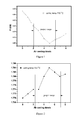
- a billet elementary composition of which is 0.26% Si, 0.52% Al, 0.65% Mn, 0.08% P, 0.055% Sb, ⁇ 0.0030% C, ⁇ 0.0020% N, undergoes hot-rolling process, different air cooling times, and then being reeled at a high temperature of 720°C, cold-rolled, annealed at 860°C. It can be seen that when the air cooling time ranges from 3.5S to 7S, the magnetic property is at a good level.
- reeling temperature and magnetic property of hot-rolled plate is closely related.
- a high temperature reeling might reduce fibrous tissue in center portion of the hot-rolled plate, and thicken recrystallized layer at the edge.
- the present invention discovers that as for hot-rolled plate with Si content of 0.1 ⁇ 0.8%, after a reeling process over 720 °C, fibrous tissue in the center of the hot-rolled plate basically disappears.
- method of the present invention omits normalization procedure of the hot-rolled plate, which is capable to obtain magnetic property equivalent to that of the conventional processes.
- Iron loss can reach 4.5W/kg or less, and magnetic induction can reach 1.78T or more.
- segregation element Sb is added, and then manufacture is done in accordance with a air cooling time of (2+30xSb%)s ⁇ t ⁇ 7s after rolling process, which heavily reduces consumption of cooling water for hot-rolled laminar flow.
- the application of the present invention might not only shorten manufacture period for types of steel, but also lower manufacture cost for electric steel.
- Fig. 1 illustrates relation between air cooling time and magnetic property after hot-rolling process in the case of 0.26% Si and 0.055% Sb.
- Fig. 2 illustrates relation between air cooling time and magnetic property after hot-rolling process in the case of 0.26% Si and 0.055% Sb.
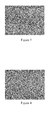
- Fig. 3 is a photo of metallographic structure of a hot-rolled plate with contents of 0.26% Si and 0.055% Sb under reeling temperature of 650°C;
- Fig. 4 is a photo of metallographic structure of a hot-rolled plate with contents of 0.26%Si and 0.055%Sb under reeling temperature of 720°C.
- a casted billet in accordance with compositions given in Table 1 undergoes through heating, rough rolling, finish rolling, high temperature reeling, pickling, single cold-rolling at a reduction ratio of 70 ⁇ 78% to form a strip steel with thickness of 0.5mm, and thereafter the cold-rolled strip steel is final-annealed at different temperatures to form finished product.
- Table 2 represents manufacture method of the present invention for types of steels with the chemical compositions in Table 1 and results of finished products measured by Epstein's square and circle method.
- Table 4 Manufacture methods and results of magnetic properties of the embodiment Sb Air cooling time in air after hot-rolling Reeling Tempera ture Re-crystalliz ation annealing P15/50 B50 Remarks % S °C °C ⁇ S W/Kg T Embodiment 1 0.055 0 740 820 ⁇ 16 4.66 1.77 Comparative Object 1 4.58 1.772 2 4.52 1.774 3 4.50 1.774 4 4.33 1.79 The present invention 5 4.28 1.796 6 4.2 1.792 7 4.16 1.79 8 4.33 1.788
- control of air cooling time after hot-rolling is an important factor that affects magnetic properties of finished products. Both of a too short air cooling time and a too long air cooling time are adverse to the magnetic properties of the finished products.
- the air cooling time t after rolling is controlled within a range of (2+30xSb%)s ⁇ t ⁇ 7s, and so magnetic properties of the finished products are the best.
- the present invention refers to a manufacture method of high-efficiency non-oriented silicon steel with good magnetic properties, characteristics of which lie in adding a certain content of Sb, a grain boundary segregation element, during steel-making process; controlling air cooling process of hot-rolled plate by controlling air cooling time after hot-rolling to be (2+30xSb%)s ⁇ t ⁇ 7s ; and meanwhile replacing normalization of hot-rolled plate with high temperature reeling, so as to obtain high efficiency electric steel of high performance and therefore to problems of conventional process for manufacture of high efficiency non-oriented electric steel, such as high cost and long manufacturing cycle etc.
Landscapes
- Chemical & Material Sciences (AREA)
- Engineering & Computer Science (AREA)
- Metallurgy (AREA)
- Organic Chemistry (AREA)
- Mechanical Engineering (AREA)
- Materials Engineering (AREA)
- Physics & Mathematics (AREA)
- Crystallography & Structural Chemistry (AREA)
- Thermal Sciences (AREA)
- Electromagnetism (AREA)
- Manufacturing & Machinery (AREA)
- Dispersion Chemistry (AREA)
- Power Engineering (AREA)
- Manufacturing Of Steel Electrode Plates (AREA)
- Soft Magnetic Materials (AREA)
- Heat Treatment Of Sheet Steel (AREA)
Abstract
Description
- This invention relates generally to a manufacture method of non-oriented electric steel, and particularly, to a manufacture method of high-efficiency non-oriented silicon steel with excellent magnetic property, to solve shortcomings of traditional technology for manufacturing high-efficiency non-oriented silicon steel, such as high cost and long manufacturing cycle.
- With progress of electric power industry, electric appliance industry, electromechanical products are developing towards miniaturization, high accuracy and high efficiency. Iron cores made of ordinary cold-rolled silicon steel sheet are hard to meet various requirements. Accordingly, it is an important approach to develop a series of efficient non-oriented electric steel products of low-iron-loss, high-magnetic-induction to take the place of ordinary cold-rolled silicon steel sheet, so as to reduce volume, reduce weight, and save steel and copper consumption, and improve efficiency for electromechanical products.
- Main magnetic feature of high-efficiency non-oriented silicon steel lies in high magnetic induction. The features of its conventional manufacture process lie in that: after being hot-rolled, the hot-rolled plates are normalized to homogenize texture of the hot-rolled plates increase re-crystallized grains, prevent corrugation-shaped defects, and meanwhile to make grains and separated substances more coarse, intensify components (110) and (100), decrease component (111) and thus improve magnetic property significantly. In order to enhance magnetic induction, normalization temperature is usually over 950°C. However, the normalization of hot-rolled plates brings problems of high manufacture cost and long manufacturing cycle.
- Chinese patent
CN1288070 discloses a non-oriented silicon steel, compositions of which are: C ≤0.008%, Si 0.2∼2.50%, Mn 0.15∼0.8%, Als residual volume∼1.50%, B residual volume∼0.0035%, P+Sn/Sb 0.08∼0.45%, S ≤ 0.003%, N ≤0.003%, the rest being Fe and unavoidable inclusions. Iron cores of high-efficiency electric machine are manufactured by processes of low temperature hot-rolling, single cold-rolling and dry gas or moisture annealing. - Japanese patent publication
2004-169141 - Patents about annealing-exemption process for hot-rolled plates further involve Japanese patent publication
2008-260980 - Object of the present invention is to provide a manufacture method of high-efficiency non-oriented silicon steel with excellent magnetic property. This method, under a precondition to ensure magnetic properties, implements production of the high-efficiency electric steel at relatively low cost by adding elements that are advantageous for generation of desired metallographic texture, controlling contents of adverse elements and coordinating air cooling time control during hot-rolling with high temperature reeling.
- In order to attain the above object, solution of the present invention is:
- a manufacture method of high-efficiency non-oriented silicon steel sheet with excellent magnetic property, which comprises the following steps:
- 1) smelting and casting
- chemical compositions of non-oriented silicon steel , by weight percent are: C≤0.0040%, Si: 0.1∼0.8%, Al:0.002∼1.0%, Mn:0.10∼1.50%, P:≤0.2%,
Sb:0.04∼0.08%, S≤0.0030%, N≤0.0020%, Ti≤0.0020%, and the rest is Fe and unavoidable inclusions; - molten steel in accordance with the above compositions is smelted and then casted into billets;
- 2) hot-rolling and pickling
- heating temperature for slab is 1100°C∼1150°C and finish-rolling temperature is 860°C∼920°C; after rolling, the hot-rolled product is air cooled, during which air cooling time t: (2+30xSb%)s≤t≤7s; thereafter reeling at a temperature ≥720°C ;
- 3) cold-rolling
- rolling to form cold-rolled plate with target thickness at a reduction ratio of 70∼78%;
- 4) annealing
- heating up the cold-rolled plate to 800∼1000°C at heating rate of ≥15°C /s, and holding time is 10∼25s.
- Further, annealing atmosphere is (volume ratio 30%∼70%)H2+(volume ratio 70%∼30%)N2, and dew point is controlled at -25°C∼-40°C.
- In composition design of the present invention:
- Si: It is soluble in ferrite to form substitution solid solution, being capable to increase matrix resistivity, and reduce iron loss, which is therefore the most important alloying element of electric steel. But, Si degrades magnetic induction. When Si content reaches a certain extent, continuous increase of its content will weaken the effect of iron loss reduce. In the invention, Si content is 0.1∼0.8%. Content greater than 0.8% will make B50 hart to meet requirement of high magnetic induction.
- Al: It is soluble in ferrite, being capable to increase matrix resistivity, coarsen crystal grains and reduce iron loss, meanwhile it is able to deoxidize and fix nitrogen. But, it is apt to result in oxidation within surface layer of finished steel sheet. Al content greater than 1.5% will cause difficulties in smelting, casting and machining and reduce magnetic induction.
- Mn: It, just like Si and Al, can increase resistivity of the steel, reduce iron loss, and form stable MnS with unavoidable inclusion S, so as to eliminate damage of the S on magnetism and prevent hot shortness. The Mn is also soluble in ferrite to form substitution solid solution, to reduce iron loss. Therefore, it is necessary to add Mn content of 0.1 % or more. In the invention, Mn content is 0.10∼1.50%. Mn content of below 0.1% has unobvious beneficial effect; and Mn content of over 1.5% will lower Ac1 temperature and re-crystallization temperature, and result in α-γ phase transformation during heat treatment, and thereby deteriorate favorable texture..
- P: It is 0.2% or less. Manufacturability of steel sheet might be improved by adding P of a certain amount into the steel. But, if P content exceeds 0.2%, then cold-rolling manufacturability of the steel sheet will be deteriorated.
- S: It is harmful to both of manufacturability and magnetism. The S will form fine MnS particles with Mn to impede growth of finished product annealing grains and to deteriorate magnetism seriously. The S can form low-melting-point FeS and FeS2 or eutectics with Fe, and thus cause hot shortness. In the invention, S content is equal or less than 0.003%. Content over 0.003% will great increase of amount of sulfide precipitation, such as MnS, and thus impede growth of grains and deteriorate iron loss. The best control range of S in the present invention is equal or less than 0.002%.
- C: It is harmful to magnetism and is an element that strongly impedes growth of grains. Meanwhile, C is an element that enlarges γ phase region. Excessive C will make amount of transformation between α and γ phase regions increase during normalization, so as to reduce Ac1 points greatly, to fine crystalline structure, and to increase iron loss. In the present invention, C≤0.004%, and the optimal range is C≤0.002%.
- N: it is prone to generate fine dispersive nitrides, such as AlN, to seriously impede growth of grains, and to deteriorate iron loss. In the present invention, N≤0.0020%, as content being over 0.0020% will seriously impede growth of grains and deteriorate iron loss.
- Sb: it is an active element, in the case that clustering occurs at surface layer or grain boundary of the surface layer, the Sb can decrease oxidation within the surface layer, prevent active oxygen from penetrating towards steel base along the grain boundary, improve metallographic texture, promote components (100) and (110) to increase, reduce component (111), and improve B50 effect significantly. Based on research carried out by the present invention, the Sb has most prominent effects for improving magnetic property within a range of 0.04∼0.08%.
- It has been found in research on high efficiency electric steel for electric machines that when metal Sb is added in the electric steel, it enables texture component {100} <uvw> to increase. Sb is thereby an effective element to enhance magnetism of electric steel. Since metal Sb isolates grain boundary and selectively affects growth of grains of re-crystallized ferrite and so retards growth of (111) grains, number of the (111) grains in rolled material will gradually disappear following addition of Sb.
- The present invention have deeply studied impact of hot-rolling process on Sb grain boundary segregation, and thus found that the effect of Sb on improvement of favorable texture is inseparable from cooling course after hot-rolling. In order to make full use of the favorable effect of Sb, a slow cooling should be done at about 700°C, or it should maintain at a certain temperature around 700°C for a certain period. The range around 700°C is just temperatures at which Sb will occur intensive grain boundary segregation in non-oriented electric steel.
- Referring to
Figure 1 and Figure 2 , a billet, elementary composition of which is 0.26% Si, 0.52% Al, 0.65% Mn, 0.08% P, 0.055% Sb, <0.0030% C, <0.0020% N, undergoes hot-rolling process, different air cooling times, and then being reeled at a high temperature of 720°C, cold-rolled, annealed at 860°C. It can be seen that when the air cooling time ranges from 3.5S to 7S, the magnetic property is at a good level. - Referring to
Figure 3 and Figure 4 , reeling temperature and magnetic property of hot-rolled plate is closely related. A high temperature reeling might reduce fibrous tissue in center portion of the hot-rolled plate, and thicken recrystallized layer at the edge. The present invention discovers that as for hot-rolled plate with Si content of 0.1∼0.8%, after a reeling process over 720 °C, fibrous tissue in the center of the hot-rolled plate basically disappears. - In comparison to conventional manufacture processes of high-efficiency non-oriented silicon steel, method of the present invention omits normalization procedure of the hot-rolled plate, which is capable to obtain magnetic property equivalent to that of the conventional processes. Iron loss can reach 4.5W/kg or less, and magnetic induction can reach 1.78T or more. Meanwhile, segregation element Sb is added, and then manufacture is done in accordance with a air cooling time of (2+30xSb%)s≤t≤7s after rolling process, which heavily reduces consumption of cooling water for hot-rolled laminar flow. The application of the present invention might not only shorten manufacture period for types of steel, but also lower manufacture cost for electric steel.
- Steel for high efficiency motor produced by this method has stable performance. Comparing with Chinese patent
CN1288070 , the invention does not involve addition of Sn. Further, in comparison with magnetic properties in this Chinese patent, iron loss of similar type of steel in the present invention is 0.2∼1.5W/kg lower, and magnetic induction is 20∼100 Gauss higher. In comparison with ordinary cold-rolled non-oriented silicon steel with similar compositions, the invention might achieve 0.1∼0.2W/kg lower for iron loss, and 0.1T or more higher for magnetic induction. -
Fig. 1 illustrates relation between air cooling time and magnetic property after hot-rolling process in the case of 0.26% Si and 0.055% Sb. -
Fig. 2 illustrates relation between air cooling time and magnetic property after hot-rolling process in the case of 0.26% Si and 0.055% Sb. -
Fig. 3 is a photo of metallographic structure of a hot-rolled plate with contents of 0.26% Si and 0.055% Sb under reeling temperature of 650°C; and -
Fig. 4 is a photo of metallographic structure of a hot-rolled plate with contents of 0.26%Si and 0.055%Sb under reeling temperature of 720°C. - The invention is described in detail below in connection with embodiments.
- After being smelted, a casted billet in accordance with compositions given in Table 1 undergoes through heating, rough rolling, finish rolling, high temperature reeling, pickling, single cold-rolling at a reduction ratio of 70∼78% to form a strip steel with thickness of 0.5mm, and thereafter the cold-rolled strip steel is final-annealed at different temperatures to form finished product. Table 2 represents manufacture method of the present invention for types of steels with the chemical compositions in Table 1 and results of finished products measured by Epstein's square and circle method.
Table 1 Chemical compositions of embodiments (%) C Si Mn P S Al N Ti Sb Embodiment 1 0.0009 0.23 0.60 0.071 0.0020 0.45 0.0019 0.0010 0.055 Embodiment 2 0.0015 0.43 1.34 0.110 0.0015 0.69 0.0016 0.0009 0.042 Embodiment 3 0.0028 0.61 0.82 0.052 0.0020 0.88 0.0024 0.0017 0.061 Embodiment 4 0.0025 0.74 0.44 0.005 0.0012 1.06 0.0018 0.0016 0.079 Embodiment 5 0.0030 0.80 1.02 0.03 0.0018 0.002 0.0013 0.0015 0.025 Comparative Object 1 0.0010 0.22 0.54 0.073 0.0024 0.45 0.0018 0.0006 - omparative Object 2 0.0012 0.44 1.2 0.110 0.0018 0.61 0.0019 0.0008 - omparative Object 3 0.0018 0.68 0.78 0.055 0.0015 0.79 0.0025 0.0015 - omparative Object 4 0.0026 0.75 0.42 0.005 0.0012 0.98 0.0012 0.0012 - omparative Object 5 0.0017 0.80 1.06 0.034 0.0020 0.002 0.0023 0.0017 - Table 2 Manufacture method embodiments and magnetic property results Finish-rolling Temperature Air cooling time in air after hot-rolling Reeling Temperatur e Re-crystalliz ation annealing P15/50 B50 FDT (°C) S °C °C×S W/Kg T Embodiment 1 880 4 720 820 4.38 1.796 Embodiment 2 860 5.5 720 820 3.62 1.787 Embodiment 3 920 6 720 880 4.07 1.793 Embodiment 4 900 6.5 720 860 3.43 1.782 Embodiment 5 870 7 720 880 3.82 1.794 Comparative Object 1 880 0 720 820 4.63 1.765 Comparative Object 2 860 0 720 820 3.79 1.759 Comparative Object 3 920 0 720 880 4.46 1.776 Comparative Object 4 900 0 720 860 3.84 1.753 Comparative Object 5 870 0 720 880 4.24 1.768 - As can be seen from the Table 2, under the circumstance of the same finish-rolling temperature, reeling temperature and annealing temperature, in comparison with comparative objects without adding Sb and without air cooling after being rolled, magnetic properties of compositions of the embodiments are relatively superior, iron loss thereof is 0.1∼0.4W/kg lower and B50 thereof is 0.2T or more higher than the ones of the comparative objects.
- By measuring magnetic properties of the compositions of embodiments in Table 1 processed in accordance with Table 3, magnetic detection results are shown in Table 3.
Table 3 Manufacture methods and results of magnetic properties of the embodiments Finish-ro lling Tempera ture Air cooling time in air after hot-rolling Reeling Temperature Re-crystalliz ation annealing P15/50 B50 FDT (°C) S °C °C×S W/Kg T Embodiment 1 860 4 720 820 4.38 1.796 Embodiment 2870 5.5 720 820 3.62 1.785 Embodiment 3 880 6 720 880 4.07 1.792 Embodiment 4900 6.5 720 860 3.43 1.784 Embodiment 5 920 7 720 880 3.79 1.790 Comparative Object 1 860 4 570 820 4.57 1.754 Comparative Object 2870 5.5 600 820 3.91 1.742 Comparative Object 3 880 6 580 870 4.78 1.763 Comparative Object 4900 6.5 570 860 4.15 1.749 Comparative Object 5 920 7 610 880 4.63 1.760 - As can be seen from the above Table, the magnetic properties of comparative objects 1∼4, which do not undergo high temperature reeling, are significantly lower than the ones of types of steel of the embodiments, which undergoes high temperature reeling.
- By measuring magnetic properties of the compositions of embodiment 1 in Table 1 processed in accordance with Table 4, magnetic detection results are shown in Table 4.
Table 4 Manufacture methods and results of magnetic properties of the embodiment Sb Air cooling time in air after hot-rolling Reeling Tempera ture Re-crystalliz ation annealing P15/50 B50 Remarks % S °C °C×S W/Kg T Embodiment 1 0.055 0 740 820×16 4.66 1.77 Comparative Object 1 4.58 1.772 2 4.52 1.774 3 4.50 1.774 4 4.33 1.79 The present invention 5 4.28 1.796 6 4.2 1.792 7 4.16 1.79 8 4.33 1.788 - As can be seen from the above Table, control of air cooling time after hot-rolling is an important factor that affects magnetic properties of finished products. Both of a too short air cooling time and a too long air cooling time are adverse to the magnetic properties of the finished products. In the present invention, the air cooling time t after rolling is controlled within a range of (2+30xSb%)s≤t≤ 7s, and so magnetic properties of the finished products are the best.
- In summary, the present invention refers to a manufacture method of high-efficiency non-oriented silicon steel with good magnetic properties, characteristics of which lie in adding a certain content of Sb, a grain boundary segregation element, during steel-making process; controlling air cooling process of hot-rolled plate by controlling air cooling time after hot-rolling to be (2+30xSb%)s≤ t≤7s ; and meanwhile replacing normalization of hot-rolled plate with high temperature reeling, so as to obtain high efficiency electric steel of high performance and therefore to problems of conventional process for manufacture of high efficiency non-oriented electric steel, such as high cost and long manufacturing cycle etc.
Claims (2)
- A manufacture method of high-efficiency non-oriented silicon steel with excellent magnetic property, comprising the following steps:1) smelting and casting
chemical compositions of the non-oriented silicon steel, by weight percent, are: C≤ 0.0040%, Si:0.1∼0.8%, Al:0.002∼1.0%, Mn: 0.10∼1.50%, P:≤0.2%, Sb:0.04∼0.08%, S≤ 0.0030%, N≤0.0020%, Ti≤0.0020%, and the rest is Fe and unavoidable inclusions; molten steel in accordance with the above compositions is smelted and then casted into a billet;2) hot-rolling and pickling
heating temperature for slab is 1100 °C∼11150 °C and finish-rolling temperature is 860 °C ∼920 °C; after rolling, the hot-rolled product is air cooled, during which air cooling time t: (2+30xSb%)s≤t≤7s; thereafter reeling at a temperature ≥720°C;3) cold-rolling
rolling to form cold-rolled plates with a target thickness at a reduction ratio of 70∼78%;4) annealing
heating up the cold-rolled plates to 800∼1000 °C at a heating rate of ≥ 15 °C/s, and holding time is 10∼25s. - The manufacture method of high-efficiency non-oriented silicon steel with excellent magnetic property of claim 1, characterized in that annealing atmosphere is (volume ratio 30%∼70%)H+(volume ratio 70%∼30%)N2, and dew point is controlled at-25 °C ∼-40°C.
Applications Claiming Priority (2)
| Application Number | Priority Date | Filing Date | Title |
|---|---|---|---|
| CN2010105180125A CN102453844B (en) | 2010-10-25 | 2010-10-25 | Method for preparing non-oriented silicon steel with excellent magnetic property and high efficiency |
| PCT/CN2011/073373 WO2012055224A1 (en) | 2010-10-25 | 2011-04-27 | Manufacture method of high efficiency non-oriented silicon steel having good magnetic performance |
Publications (3)
| Publication Number | Publication Date |
|---|---|
| EP2532758A1 true EP2532758A1 (en) | 2012-12-12 |
| EP2532758A4 EP2532758A4 (en) | 2014-07-02 |
| EP2532758B1 EP2532758B1 (en) | 2018-07-18 |
Family
ID=45993120
Family Applications (1)
| Application Number | Title | Priority Date | Filing Date |
|---|---|---|---|
| EP11835498.4A Active EP2532758B1 (en) | 2010-10-25 | 2011-04-27 | Manufacture method of high efficiency non-oriented silicon steel having good magnetic performance |
Country Status (8)
| Country | Link |
|---|---|
| US (1) | US9816152B2 (en) |
| EP (1) | EP2532758B1 (en) |
| JP (1) | JP5675950B2 (en) |
| KR (1) | KR101407009B1 (en) |
| CN (1) | CN102453844B (en) |
| MX (1) | MX346804B (en) |
| RU (1) | RU2532786C2 (en) |
| WO (1) | WO2012055224A1 (en) |
Cited By (1)
| Publication number | Priority date | Publication date | Assignee | Title |
|---|---|---|---|---|
| EP4450661A4 (en) * | 2022-01-07 | 2025-03-26 | Baoshan Iron & Steel Co., Ltd. | Non-orientated electrical steel plate with good magnetic performance and manufacturing method therefor |
Families Citing this family (29)
| Publication number | Priority date | Publication date | Assignee | Title |
|---|---|---|---|---|
| CN103276175B (en) * | 2013-06-07 | 2017-09-29 | 鞍钢股份有限公司 | Hot rolling method for improving electromagnetic performance of silicon steel |
| CN104120234A (en) * | 2014-07-02 | 2014-10-29 | 东北大学 | Preparation method of high-magnetic-induction non-oriented high-silicon steel thin plate |
| CN104789862A (en) * | 2015-03-20 | 2015-07-22 | 宝山钢铁股份有限公司 | High-magnetic-induction low-iron-loss non-oriented electrical steel plate with good surface state and manufacturing method thereof |
| JP6406522B2 (en) * | 2015-12-09 | 2018-10-17 | Jfeスチール株式会社 | Method for producing non-oriented electrical steel sheet |
| CA3008588C (en) * | 2015-12-28 | 2020-09-01 | Jfe Steel Corporation | Non-oriented electrical steel sheet and method for manufacturing non-oriented electrical steel sheet |
| WO2018079059A1 (en) * | 2016-10-27 | 2018-05-03 | Jfeスチール株式会社 | Nonoriented electromagnetic steel sheet and method for producing same |
| CN108004463A (en) * | 2016-10-28 | 2018-05-08 | 宝山钢铁股份有限公司 | A kind of non-oriented electrical steel having excellent magnetic characteristics and its manufacture method |
| CN110616302B (en) * | 2018-06-19 | 2021-08-31 | 宝钢湛江钢铁有限公司 | A softening method of high-strength Q&P steel hot-rolled coil |
| CN109554619A (en) * | 2017-09-27 | 2019-04-02 | 宝山钢铁股份有限公司 | A kind of cold rolling magnetic laminations steel that magnetic property is excellent and its manufacturing method |
| RU2755916C1 (en) * | 2018-05-21 | 2021-09-22 | ДжФЕ СТИЛ КОРПОРЕЙШН | Undirected sheet of electrical steel and method for its production |
| CN109877283B (en) * | 2018-06-08 | 2021-04-23 | 江苏沙钢集团有限公司 | A kind of low-cost iron core material and production method thereof |
| CN112143961A (en) * | 2019-06-28 | 2020-12-29 | 宝山钢铁股份有限公司 | A kind of non-oriented electrical steel sheet with excellent magnetic properties and continuous annealing method thereof |
| CN112143964A (en) * | 2019-06-28 | 2020-12-29 | 宝山钢铁股份有限公司 | An extremely low iron loss non-oriented electrical steel sheet and its continuous annealing process |
| CN112143963A (en) * | 2019-06-28 | 2020-12-29 | 宝山钢铁股份有限公司 | Non-oriented electrical steel plate with excellent magnetic property and continuous annealing method thereof |
| CN113502433A (en) * | 2021-04-19 | 2021-10-15 | 本钢板材股份有限公司 | Thin non-oriented silicon steel 35BW440 and production method thereof |
| CN113403455B (en) * | 2021-06-17 | 2024-03-19 | 张家港扬子江冷轧板有限公司 | Production method of non-oriented silicon steel |
| CN113755750B (en) * | 2021-08-19 | 2023-01-13 | 鞍钢股份有限公司 | Production method of phosphorus-containing high-magnetic-induction non-oriented silicon steel |
| CN113913694B (en) * | 2021-10-11 | 2023-03-17 | 马鞍山钢铁股份有限公司 | CSP process produced efficient cold-rolled non-oriented electrical steel and production method |
| CN114015931B (en) * | 2021-10-12 | 2022-09-06 | 邯郸钢铁集团有限责任公司 | Non-oriented electrical steel with excellent iron loss and magnetic property and production method thereof |
| CN114472518B (en) * | 2021-12-24 | 2023-12-29 | 安阳钢铁股份有限公司 | Method for improving thickness precision of hot continuous rolling non-oriented silicon steel |
| CN114427023B (en) * | 2022-01-13 | 2023-08-25 | 武汉钢铁有限公司 | Method for improving performance uniformity of low-grade non-oriented silicon steel in conventional process |
| CN114990308B (en) * | 2022-05-26 | 2023-06-09 | 武汉钢铁有限公司 | Production method of high-grade unoriented silicon steel without normalization |
| CN117305680B (en) * | 2023-11-30 | 2024-03-05 | 江苏省沙钢钢铁研究院有限公司 | High Al non-oriented silicon steel wound core and preparation method thereof |
| CN117512428B (en) * | 2023-11-30 | 2026-01-13 | 江苏省沙钢钢铁研究院有限公司 | High-Si high-Al non-oriented silicon steel and production method thereof |
| CN117625911A (en) * | 2023-12-05 | 2024-03-01 | 湖南华菱涟源钢铁有限公司 | Method for preparing non-oriented electrical steel and non-oriented electrical steel |
| CN118186283A (en) * | 2024-03-04 | 2024-06-14 | 包头钢铁(集团)有限责任公司 | A preparation method of Sb-containing high magnetic induction non-oriented silicon steel 50W800 |
| CN118854150A (en) * | 2024-06-28 | 2024-10-29 | 马鞍山钢铁股份有限公司 | Non-oriented silicon steel with excellent magnetic conductivity and its manufacturing method |
| CN119307809B (en) * | 2024-09-30 | 2026-02-10 | 新余钢铁股份有限公司 | A high-efficiency non-oriented silicon steel for variable frequency compressors and its manufacturing method |
| CN120046273B (en) * | 2025-02-06 | 2026-03-06 | 常州同泰高导新材料有限公司 | A casting process for low-oxygen copper |
Family Cites Families (24)
| Publication number | Priority date | Publication date | Assignee | Title |
|---|---|---|---|---|
| US3196054A (en) * | 1963-08-14 | 1965-07-20 | Armco Steel Corp | Process of decarburizing and annealing of open coil silicon-iron sheet stock without intervening surface treatment |
| JPS5468717A (en) * | 1977-11-11 | 1979-06-02 | Kawasaki Steel Co | Production of unidirectional silicon steel plate with excellent electromagnetic property |
| JPS5950118A (en) * | 1982-09-14 | 1984-03-23 | Kawasaki Steel Corp | Production of unidirectional silicon steel plate having excellent magnetic characteristic |
| JPS6144124A (en) * | 1984-08-07 | 1986-03-03 | Kawasaki Steel Corp | Manufacture of nonoriented electrical steel sheet having superior magnetic characteristic |
| JPS6254023A (en) * | 1985-08-31 | 1987-03-09 | Nippon Steel Corp | Manufacture of high-grade nonoriented electrical steel sheet |
| JPS63317627A (en) * | 1987-06-18 | 1988-12-26 | Kawasaki Steel Corp | Semiprocessing non-oriented silicon steel sheet combining low iron loss with high magnetic permeability and its production |
| US4898627A (en) * | 1988-03-25 | 1990-02-06 | Armco Advanced Materials Corporation | Ultra-rapid annealing of nonoriented electrical steel |
| WO1993008313A1 (en) * | 1991-10-22 | 1993-04-29 | Pohang Iron & Steel Co., Ltd. | Nonoriented electrical steel sheets with superior magnetic properties, and methods for manufacturing thereof |
| US6217673B1 (en) * | 1994-04-26 | 2001-04-17 | Ltv Steel Company, Inc. | Process of making electrical steels |
| JP2951852B2 (en) * | 1994-09-30 | 1999-09-20 | 川崎製鉄株式会社 | Method for producing unidirectional silicon steel sheet with excellent magnetic properties |
| TW476790B (en) * | 1998-05-18 | 2002-02-21 | Kawasaki Steel Co | Electrical sheet of excellent magnetic characteristics and its manufacturing method |
| CN1100157C (en) | 2000-08-31 | 2003-01-29 | 武汉钢铁(集团)公司 | Series electrical steel used for high efficiency motor iron core |
| JP2002302718A (en) | 2001-04-06 | 2002-10-18 | Kawasaki Steel Corp | Method for producing grain-oriented electrical steel sheet and annealing separator for grain-oriented electrical steel sheet |
| US7011139B2 (en) * | 2002-05-08 | 2006-03-14 | Schoen Jerry W | Method of continuous casting non-oriented electrical steel strip |
| JP4231278B2 (en) | 2002-11-21 | 2009-02-25 | 新日本製鐵株式会社 | Manufacturing method of high grade non-oriented electrical steel sheet |
| KR100561996B1 (en) * | 2003-04-10 | 2006-03-20 | 신닛뽄세이테쯔 카부시키카이샤 | Method for manufacturing non-oriented electrical steel sheet having high magnetic flux density |
| JP3931842B2 (en) * | 2003-06-11 | 2007-06-20 | 住友金属工業株式会社 | Method for producing non-oriented electrical steel sheet |
| CN1258608C (en) * | 2003-10-27 | 2006-06-07 | 宝山钢铁股份有限公司 | Method for manufacturing cold-rolled orientation-free electrical sheet |
| RU2362829C2 (en) * | 2004-11-04 | 2009-07-27 | Ниппон Стил Корпорейшн | Random-orientation electrotechnical steel sheet, improved from side of losses in mandrel |
| CN1796015A (en) * | 2004-12-28 | 2006-07-05 | 宝山钢铁股份有限公司 | Method for manufacturing cold rolling non oriented electrical steel through continuous casting and tandem rolling sheet bar |
| CN100372964C (en) * | 2005-06-30 | 2008-03-05 | 宝山钢铁股份有限公司 | Non-oriented electrical steel and its manufacturing method |
| JP5068573B2 (en) | 2007-04-10 | 2012-11-07 | 新日本製鐵株式会社 | Manufacturing method of high grade non-oriented electrical steel sheet |
| CN100567545C (en) * | 2007-06-25 | 2009-12-09 | 宝山钢铁股份有限公司 | A kind of high grade non-oriented silicon steel and its manufacturing method |
| CN101358318B (en) * | 2008-09-05 | 2011-03-09 | 首钢总公司 | Ingredient design of non-oriented electrical steel with good combination property and preparation method therefor |
-
2010
- 2010-10-25 CN CN2010105180125A patent/CN102453844B/en active Active
-
2011
- 2011-04-27 US US13/637,611 patent/US9816152B2/en active Active
- 2011-04-27 KR KR1020127020188A patent/KR101407009B1/en active Active
- 2011-04-27 EP EP11835498.4A patent/EP2532758B1/en active Active
- 2011-04-27 MX MX2012010529A patent/MX346804B/en active IP Right Grant
- 2011-04-27 JP JP2013500326A patent/JP5675950B2/en active Active
- 2011-04-27 WO PCT/CN2011/073373 patent/WO2012055224A1/en not_active Ceased
- 2011-04-27 RU RU2012142297/02A patent/RU2532786C2/en active
Cited By (1)
| Publication number | Priority date | Publication date | Assignee | Title |
|---|---|---|---|---|
| EP4450661A4 (en) * | 2022-01-07 | 2025-03-26 | Baoshan Iron & Steel Co., Ltd. | Non-orientated electrical steel plate with good magnetic performance and manufacturing method therefor |
Also Published As
| Publication number | Publication date |
|---|---|
| EP2532758A4 (en) | 2014-07-02 |
| EP2532758B1 (en) | 2018-07-18 |
| CN102453844A (en) | 2012-05-16 |
| RU2532786C2 (en) | 2014-11-10 |
| CN102453844B (en) | 2013-09-04 |
| KR20120099514A (en) | 2012-09-10 |
| WO2012055224A1 (en) | 2012-05-03 |
| JP2013525596A (en) | 2013-06-20 |
| RU2012142297A (en) | 2014-06-10 |
| MX2012010529A (en) | 2012-10-05 |
| KR101407009B1 (en) | 2014-06-13 |
| US20130199675A1 (en) | 2013-08-08 |
| JP5675950B2 (en) | 2015-02-25 |
| US9816152B2 (en) | 2017-11-14 |
| MX346804B (en) | 2017-03-31 |
Similar Documents
| Publication | Publication Date | Title |
|---|---|---|
| EP2532758B1 (en) | Manufacture method of high efficiency non-oriented silicon steel having good magnetic performance | |
| CN100567545C (en) | A kind of high grade non-oriented silicon steel and its manufacturing method | |
| CN102199721B (en) | Manufacture method of high-silicon non-oriented cold-rolled sheet | |
| CN101353760B (en) | A kind of high magnetic induction grain-oriented silicon steel and its production method | |
| CN104294155B (en) | A kind of Ultra-low carbon orientation silicon steel and preparation method thereof | |
| CN103805918B (en) | A kind of high magnetic induction grain-oriented silicon steel and production method thereof | |
| CN106399819B (en) | A kind of orientation silicon steel and preparation method thereof | |
| CN102925793B (en) | Non-oriented electrical steel with magnetic induction greater than or equal to 1.8 T and production method thereof | |
| CN100999050A (en) | Production method of low iron loss high magnetic sensing cold milling orientation less electrical steel plate | |
| CN103695791B (en) | A kind of high magnetic induction grain-oriented silicon steel and production method | |
| KR20200050987A (en) | Non-oriented electrical steel sheet with excellent magnetic properties and method for manufacturing the same | |
| CN110735088A (en) | Non-oriented silicon steel produced by thin slabs and manufacturing method thereof | |
| KR20170075592A (en) | Non-orientied electrical steel sheet and method for manufacturing the same | |
| CN111961958B (en) | Low-hardness 50W800 electrical steel and production method thereof | |
| CN100446919C (en) | Production method of cold-rolled non-oriented electrical steel sheet with low iron loss and high magnetic induction | |
| CN114574761B (en) | Non-oriented electrical steel and preparation method thereof | |
| CN103882293B (en) | Non-oriented electrical steel and production method thereof | |
| US20250109466A1 (en) | Non-oriented electrical steel plate with good magnetic performance and manufacturing method therefor | |
| CN112143964A (en) | An extremely low iron loss non-oriented electrical steel sheet and its continuous annealing process | |
| CN114737129A (en) | High-performance non-oriented silicon steel for coiled motor iron core and production method thereof | |
| EP4001451A1 (en) | Cu-containing non-oriented electrical steel sheet and manufacturing method therefor | |
| CN101275201A (en) | A kind of grain-oriented electrical steel and its manufacturing method | |
| JP3843955B2 (en) | Non-oriented electrical steel sheet | |
| JP2005187846A (en) | Non-oriented electrical steel sheet and manufacturing method thereof | |
| CN114517275A (en) | Super electromagnetic pure iron cold-rolled plate strip and preparation method thereof |
Legal Events
| Date | Code | Title | Description |
|---|---|---|---|
| PUAI | Public reference made under article 153(3) epc to a published international application that has entered the european phase |
Free format text: ORIGINAL CODE: 0009012 |
|
| 17P | Request for examination filed |
Effective date: 20120727 |
|
| AK | Designated contracting states |
Kind code of ref document: A1 Designated state(s): AL AT BE BG CH CY CZ DE DK EE ES FI FR GB GR HR HU IE IS IT LI LT LU LV MC MK MT NL NO PL PT RO RS SE SI SK SM TR |
|
| DAX | Request for extension of the european patent (deleted) | ||
| A4 | Supplementary search report drawn up and despatched |
Effective date: 20140603 |
|
| RIC1 | Information provided on ipc code assigned before grant |
Ipc: C21D 8/12 20060101AFI20140527BHEP Ipc: C22C 38/60 20060101ALI20140527BHEP Ipc: H01F 1/16 20060101ALI20140527BHEP |
|
| 17Q | First examination report despatched |
Effective date: 20160407 |
|
| GRAP | Despatch of communication of intention to grant a patent |
Free format text: ORIGINAL CODE: EPIDOSNIGR1 |
|
| STAA | Information on the status of an ep patent application or granted ep patent |
Free format text: STATUS: GRANT OF PATENT IS INTENDED |
|
| INTG | Intention to grant announced |
Effective date: 20180202 |
|
| GRAS | Grant fee paid |
Free format text: ORIGINAL CODE: EPIDOSNIGR3 |
|
| GRAA | (expected) grant |
Free format text: ORIGINAL CODE: 0009210 |
|
| STAA | Information on the status of an ep patent application or granted ep patent |
Free format text: STATUS: THE PATENT HAS BEEN GRANTED |
|
| AK | Designated contracting states |
Kind code of ref document: B1 Designated state(s): AL AT BE BG CH CY CZ DE DK EE ES FI FR GB GR HR HU IE IS IT LI LT LU LV MC MK MT NL NO PL PT RO RS SE SI SK SM TR |
|
| REG | Reference to a national code |
Ref country code: GB Ref legal event code: FG4D |
|
| REG | Reference to a national code |
Ref country code: CH Ref legal event code: EP |
|
| REG | Reference to a national code |
Ref country code: IE Ref legal event code: FG4D |
|
| REG | Reference to a national code |
Ref country code: AT Ref legal event code: REF Ref document number: 1019426 Country of ref document: AT Kind code of ref document: T Effective date: 20180815 |
|
| REG | Reference to a national code |
Ref country code: DE Ref legal event code: R096 Ref document number: 602011050242 Country of ref document: DE |
|
| REG | Reference to a national code |
Ref country code: NL Ref legal event code: MP Effective date: 20180718 |
|
| REG | Reference to a national code |
Ref country code: LT Ref legal event code: MG4D |
|
| PG25 | Lapsed in a contracting state [announced via postgrant information from national office to epo] |
Ref country code: NL Free format text: LAPSE BECAUSE OF FAILURE TO SUBMIT A TRANSLATION OF THE DESCRIPTION OR TO PAY THE FEE WITHIN THE PRESCRIBED TIME-LIMIT Effective date: 20180718 |
|
| PG25 | Lapsed in a contracting state [announced via postgrant information from national office to epo] |
Ref country code: PL Free format text: LAPSE BECAUSE OF FAILURE TO SUBMIT A TRANSLATION OF THE DESCRIPTION OR TO PAY THE FEE WITHIN THE PRESCRIBED TIME-LIMIT Effective date: 20180718 Ref country code: IS Free format text: LAPSE BECAUSE OF FAILURE TO SUBMIT A TRANSLATION OF THE DESCRIPTION OR TO PAY THE FEE WITHIN THE PRESCRIBED TIME-LIMIT Effective date: 20181118 Ref country code: SE Free format text: LAPSE BECAUSE OF FAILURE TO SUBMIT A TRANSLATION OF THE DESCRIPTION OR TO PAY THE FEE WITHIN THE PRESCRIBED TIME-LIMIT Effective date: 20180718 Ref country code: RS Free format text: LAPSE BECAUSE OF FAILURE TO SUBMIT A TRANSLATION OF THE DESCRIPTION OR TO PAY THE FEE WITHIN THE PRESCRIBED TIME-LIMIT Effective date: 20180718 Ref country code: GR Free format text: LAPSE BECAUSE OF FAILURE TO SUBMIT A TRANSLATION OF THE DESCRIPTION OR TO PAY THE FEE WITHIN THE PRESCRIBED TIME-LIMIT Effective date: 20181019 Ref country code: FI Free format text: LAPSE BECAUSE OF FAILURE TO SUBMIT A TRANSLATION OF THE DESCRIPTION OR TO PAY THE FEE WITHIN THE PRESCRIBED TIME-LIMIT Effective date: 20180718 Ref country code: NO Free format text: LAPSE BECAUSE OF FAILURE TO SUBMIT A TRANSLATION OF THE DESCRIPTION OR TO PAY THE FEE WITHIN THE PRESCRIBED TIME-LIMIT Effective date: 20181018 Ref country code: BG Free format text: LAPSE BECAUSE OF FAILURE TO SUBMIT A TRANSLATION OF THE DESCRIPTION OR TO PAY THE FEE WITHIN THE PRESCRIBED TIME-LIMIT Effective date: 20181018 Ref country code: LT Free format text: LAPSE BECAUSE OF FAILURE TO SUBMIT A TRANSLATION OF THE DESCRIPTION OR TO PAY THE FEE WITHIN THE PRESCRIBED TIME-LIMIT Effective date: 20180718 |
|
| PG25 | Lapsed in a contracting state [announced via postgrant information from national office to epo] |
Ref country code: LV Free format text: LAPSE BECAUSE OF FAILURE TO SUBMIT A TRANSLATION OF THE DESCRIPTION OR TO PAY THE FEE WITHIN THE PRESCRIBED TIME-LIMIT Effective date: 20180718 Ref country code: HR Free format text: LAPSE BECAUSE OF FAILURE TO SUBMIT A TRANSLATION OF THE DESCRIPTION OR TO PAY THE FEE WITHIN THE PRESCRIBED TIME-LIMIT Effective date: 20180718 Ref country code: AL Free format text: LAPSE BECAUSE OF FAILURE TO SUBMIT A TRANSLATION OF THE DESCRIPTION OR TO PAY THE FEE WITHIN THE PRESCRIBED TIME-LIMIT Effective date: 20180718 |
|
| REG | Reference to a national code |
Ref country code: DE Ref legal event code: R097 Ref document number: 602011050242 Country of ref document: DE |
|
| PG25 | Lapsed in a contracting state [announced via postgrant information from national office to epo] |
Ref country code: CZ Free format text: LAPSE BECAUSE OF FAILURE TO SUBMIT A TRANSLATION OF THE DESCRIPTION OR TO PAY THE FEE WITHIN THE PRESCRIBED TIME-LIMIT Effective date: 20180718 Ref country code: RO Free format text: LAPSE BECAUSE OF FAILURE TO SUBMIT A TRANSLATION OF THE DESCRIPTION OR TO PAY THE FEE WITHIN THE PRESCRIBED TIME-LIMIT Effective date: 20180718 Ref country code: ES Free format text: LAPSE BECAUSE OF FAILURE TO SUBMIT A TRANSLATION OF THE DESCRIPTION OR TO PAY THE FEE WITHIN THE PRESCRIBED TIME-LIMIT Effective date: 20180718 Ref country code: EE Free format text: LAPSE BECAUSE OF FAILURE TO SUBMIT A TRANSLATION OF THE DESCRIPTION OR TO PAY THE FEE WITHIN THE PRESCRIBED TIME-LIMIT Effective date: 20180718 |
|
| PLBE | No opposition filed within time limit |
Free format text: ORIGINAL CODE: 0009261 |
|
| STAA | Information on the status of an ep patent application or granted ep patent |
Free format text: STATUS: NO OPPOSITION FILED WITHIN TIME LIMIT |
|
| PG25 | Lapsed in a contracting state [announced via postgrant information from national office to epo] |
Ref country code: DK Free format text: LAPSE BECAUSE OF FAILURE TO SUBMIT A TRANSLATION OF THE DESCRIPTION OR TO PAY THE FEE WITHIN THE PRESCRIBED TIME-LIMIT Effective date: 20180718 Ref country code: SK Free format text: LAPSE BECAUSE OF FAILURE TO SUBMIT A TRANSLATION OF THE DESCRIPTION OR TO PAY THE FEE WITHIN THE PRESCRIBED TIME-LIMIT Effective date: 20180718 Ref country code: SM Free format text: LAPSE BECAUSE OF FAILURE TO SUBMIT A TRANSLATION OF THE DESCRIPTION OR TO PAY THE FEE WITHIN THE PRESCRIBED TIME-LIMIT Effective date: 20180718 |
|
| 26N | No opposition filed |
Effective date: 20190423 |
|
| PG25 | Lapsed in a contracting state [announced via postgrant information from national office to epo] |
Ref country code: SI Free format text: LAPSE BECAUSE OF FAILURE TO SUBMIT A TRANSLATION OF THE DESCRIPTION OR TO PAY THE FEE WITHIN THE PRESCRIBED TIME-LIMIT Effective date: 20180718 |
|
| REG | Reference to a national code |
Ref country code: AT Ref legal event code: UEP Ref document number: 1019426 Country of ref document: AT Kind code of ref document: T Effective date: 20180718 |
|
| REG | Reference to a national code |
Ref country code: CH Ref legal event code: PL |
|
| REG | Reference to a national code |
Ref country code: BE Ref legal event code: MM Effective date: 20190430 |
|
| PG25 | Lapsed in a contracting state [announced via postgrant information from national office to epo] |
Ref country code: LU Free format text: LAPSE BECAUSE OF NON-PAYMENT OF DUE FEES Effective date: 20190427 Ref country code: MC Free format text: LAPSE BECAUSE OF FAILURE TO SUBMIT A TRANSLATION OF THE DESCRIPTION OR TO PAY THE FEE WITHIN THE PRESCRIBED TIME-LIMIT Effective date: 20180718 |
|
| PG25 | Lapsed in a contracting state [announced via postgrant information from national office to epo] |
Ref country code: CH Free format text: LAPSE BECAUSE OF NON-PAYMENT OF DUE FEES Effective date: 20190430 Ref country code: LI Free format text: LAPSE BECAUSE OF NON-PAYMENT OF DUE FEES Effective date: 20190430 |
|
| PG25 | Lapsed in a contracting state [announced via postgrant information from national office to epo] |
Ref country code: BE Free format text: LAPSE BECAUSE OF NON-PAYMENT OF DUE FEES Effective date: 20190430 |
|
| PG25 | Lapsed in a contracting state [announced via postgrant information from national office to epo] |
Ref country code: TR Free format text: LAPSE BECAUSE OF FAILURE TO SUBMIT A TRANSLATION OF THE DESCRIPTION OR TO PAY THE FEE WITHIN THE PRESCRIBED TIME-LIMIT Effective date: 20180718 |
|
| PG25 | Lapsed in a contracting state [announced via postgrant information from national office to epo] |
Ref country code: IE Free format text: LAPSE BECAUSE OF NON-PAYMENT OF DUE FEES Effective date: 20190427 |
|
| PG25 | Lapsed in a contracting state [announced via postgrant information from national office to epo] |
Ref country code: PT Free format text: LAPSE BECAUSE OF FAILURE TO SUBMIT A TRANSLATION OF THE DESCRIPTION OR TO PAY THE FEE WITHIN THE PRESCRIBED TIME-LIMIT Effective date: 20181118 |
|
| PG25 | Lapsed in a contracting state [announced via postgrant information from national office to epo] |
Ref country code: CY Free format text: LAPSE BECAUSE OF FAILURE TO SUBMIT A TRANSLATION OF THE DESCRIPTION OR TO PAY THE FEE WITHIN THE PRESCRIBED TIME-LIMIT Effective date: 20180718 |
|
| PG25 | Lapsed in a contracting state [announced via postgrant information from national office to epo] |
Ref country code: HU Free format text: LAPSE BECAUSE OF FAILURE TO SUBMIT A TRANSLATION OF THE DESCRIPTION OR TO PAY THE FEE WITHIN THE PRESCRIBED TIME-LIMIT; INVALID AB INITIO Effective date: 20110427 Ref country code: MT Free format text: LAPSE BECAUSE OF FAILURE TO SUBMIT A TRANSLATION OF THE DESCRIPTION OR TO PAY THE FEE WITHIN THE PRESCRIBED TIME-LIMIT Effective date: 20180718 |
|
| PG25 | Lapsed in a contracting state [announced via postgrant information from national office to epo] |
Ref country code: MK Free format text: LAPSE BECAUSE OF FAILURE TO SUBMIT A TRANSLATION OF THE DESCRIPTION OR TO PAY THE FEE WITHIN THE PRESCRIBED TIME-LIMIT Effective date: 20180718 |
|
| PGFP | Annual fee paid to national office [announced via postgrant information from national office to epo] |
Ref country code: DE Payment date: 20250416 Year of fee payment: 15 |
|
| PGFP | Annual fee paid to national office [announced via postgrant information from national office to epo] |
Ref country code: IT Payment date: 20250428 Year of fee payment: 15 |
|
| PGFP | Annual fee paid to national office [announced via postgrant information from national office to epo] |
Ref country code: FR Payment date: 20250422 Year of fee payment: 15 |
|
| PGFP | Annual fee paid to national office [announced via postgrant information from national office to epo] |
Ref country code: AT Payment date: 20250425 Year of fee payment: 15 |
|
| PGFP | Annual fee paid to national office [announced via postgrant information from national office to epo] |
Ref country code: GB Payment date: 20260324 Year of fee payment: 16 |