EP2532748A2 - DNA aptamer specifically binding to human cardiac troponin I - Google Patents
DNA aptamer specifically binding to human cardiac troponin I Download PDFInfo
- Publication number
- EP2532748A2 EP2532748A2 EP12151421A EP12151421A EP2532748A2 EP 2532748 A2 EP2532748 A2 EP 2532748A2 EP 12151421 A EP12151421 A EP 12151421A EP 12151421 A EP12151421 A EP 12151421A EP 2532748 A2 EP2532748 A2 EP 2532748A2
- Authority
- EP
- European Patent Office
- Prior art keywords
- troponin
- protein
- human cardiac
- cardiac troponin
- aptamer
- Prior art date
- Legal status (The legal status is an assumption and is not a legal conclusion. Google has not performed a legal analysis and makes no representation as to the accuracy of the status listed.)
- Granted
Links
Images








Classifications
-
- G—PHYSICS
- G01—MEASURING; TESTING
- G01N—INVESTIGATING OR ANALYSING MATERIALS BY DETERMINING THEIR CHEMICAL OR PHYSICAL PROPERTIES
- G01N33/00—Investigating or analysing materials by specific methods not covered by groups G01N1/00 - G01N31/00
- G01N33/48—Biological material, e.g. blood, urine; Haemocytometers
- G01N33/50—Chemical analysis of biological material, e.g. blood, urine; Testing involving biospecific ligand binding methods; Immunological testing
- G01N33/68—Chemical analysis of biological material, e.g. blood, urine; Testing involving biospecific ligand binding methods; Immunological testing involving proteins, peptides or amino acids
- G01N33/6887—Chemical analysis of biological material, e.g. blood, urine; Testing involving biospecific ligand binding methods; Immunological testing involving proteins, peptides or amino acids from muscle, cartilage or connective tissue
-
- C—CHEMISTRY; METALLURGY
- C12—BIOCHEMISTRY; BEER; SPIRITS; WINE; VINEGAR; MICROBIOLOGY; ENZYMOLOGY; MUTATION OR GENETIC ENGINEERING
- C12N—MICROORGANISMS OR ENZYMES; COMPOSITIONS THEREOF; PROPAGATING, PRESERVING, OR MAINTAINING MICROORGANISMS; MUTATION OR GENETIC ENGINEERING; CULTURE MEDIA
- C12N15/00—Mutation or genetic engineering; DNA or RNA concerning genetic engineering, vectors, e.g. plasmids, or their isolation, preparation or purification; Use of hosts therefor
- C12N15/09—Recombinant DNA-technology
- C12N15/11—DNA or RNA fragments; Modified forms thereof; Non-coding nucleic acids having a biological activity
- C12N15/115—Aptamers, i.e. nucleic acids binding a target molecule specifically and with high affinity without hybridising therewith ; Nucleic acids binding to non-nucleic acids, e.g. aptamers
-
- C—CHEMISTRY; METALLURGY
- C12—BIOCHEMISTRY; BEER; SPIRITS; WINE; VINEGAR; MICROBIOLOGY; ENZYMOLOGY; MUTATION OR GENETIC ENGINEERING
- C12N—MICROORGANISMS OR ENZYMES; COMPOSITIONS THEREOF; PROPAGATING, PRESERVING, OR MAINTAINING MICROORGANISMS; MUTATION OR GENETIC ENGINEERING; CULTURE MEDIA
- C12N2310/00—Structure or type of the nucleic acid
- C12N2310/10—Type of nucleic acid
- C12N2310/16—Aptamers
-
- G—PHYSICS
- G01—MEASURING; TESTING
- G01N—INVESTIGATING OR ANALYSING MATERIALS BY DETERMINING THEIR CHEMICAL OR PHYSICAL PROPERTIES
- G01N2333/00—Assays involving biological materials from specific organisms or of a specific nature
- G01N2333/435—Assays involving biological materials from specific organisms or of a specific nature from animals; from humans
- G01N2333/46—Assays involving biological materials from specific organisms or of a specific nature from animals; from humans from vertebrates
- G01N2333/47—Assays involving proteins of known structure or function as defined in the subgroups
- G01N2333/4701—Details
- G01N2333/4712—Muscle proteins, e.g. myosin, actin, protein
-
- G—PHYSICS
- G01—MEASURING; TESTING
- G01N—INVESTIGATING OR ANALYSING MATERIALS BY DETERMINING THEIR CHEMICAL OR PHYSICAL PROPERTIES
- G01N2800/00—Detection or diagnosis of diseases
- G01N2800/32—Cardiovascular disorders
Definitions
- the present invention relates to a DNA aptamer specifically binding to human cardiac troponin I, and a composition and a diagnostic kit for the diagnosis of acute cardiovascular diseases, comprising the same.
- Troponin is a complex of three regulatory proteins (troponin C, troponin I and troponin T) that is attached to the protein tropomyosin and lies within the groove between actin filaments in muscle tissue to regulate the contraction and relaxation of muscle cells.
- Troponin C a regulatory protein that is attached to the protein tropomyosin and lies within the groove between actin filaments in muscle tissue to regulate the contraction and relaxation of muscle cells.
- Ca 2+ is bound to specific sites on Troponin C to produce a conformational change in Troponin I so that myosin can attach to the actin filament active sites, giving rise to the contraction of the muscle.
- This action is observed in both skeletal and cardiac muscles.
- the length of the amino acid sequence of Troponin I and Troponin T that act on cardiac muscle are different from the corresponding ones expressed in skeletal muscle.
- cardiac troponin I The expression level of cardiac troponin I is known to rapidly increase upon the outbreak of acute cardiovascular diseases. Thus, the detection of this protein is very important for the initial diagnosis of acute cardiovascular diseases.
- An aptamer is a single strand DNA (ssDNA) or RNA (ssRNA) that binds to a specific target. Thanks to their high affinity and stability to a specific target, they have recently been extensively developed and actively applied to the therapy and sensors for diagnosis of diseases.
- the synthesis of aptamers can be relatively simple, and cells, proteins and even small organic substance can be utilized as their targets, which allows for the development of new detection methods.
- aptamers find a wide range of applications in various fields, including the development of therapeutics, drug delivery systems, biosensors for diagnosis, etc. because their specificity and stability are superior to those of the antibodies that were developed previously.
- Antibodies developed for diagnostic use are prepared using the immune system and thus suffer from the disadvantage of their preparation consuming a lot of time and expense, comparatively. Further, they are proteins that have poor stability, compared to aptamers, DNA or RNA, which may act as an obstruction to the development of highly sensible sensors.
- the present invention is to provide a DNA aptamer specifically binding to human cardiac troponin I, and a composition and a kit for the diagnosis of an acute cardiovascular disease, comprising the same.
- the present invention provides an aptamer that specifically binds to human cardiac troponin I which has a base sequence selected from the group consisting of SEQ ID NOS: 1 to 6.
- the present invention provides a composition for the diagnosis of an acute cardiovascular disease, comprising a DNA aptamer specifically binding to human cardiac troponin I.
- the present invention provides a diagnostic kit for an acute cardiovascular disease that uses a DNA aptamer that specifically binds to human cardiac troponin I.
- the DNA aptamers specifically binding to human cardiac troponin I in accordance with the present invention can be developed into biosensors which determine human cardiac troponin I levels with sensitivity and accuracy, greatly contributing to the diagnosis in an early stage of acute cardiovascular diseases. It is expected to lots of help for increase of diagnostic accuracy.
- human cardiac troponin I was expressed in a bacterial expression system, purified, and utilized to select DNA aptamers with the SELEX (Systematic Evolution of Ligands by EXponential enrichment) technique, which were then analyzed for sequence and structure, culminating in the present invention.
- SELEX Systematic Evolution of Ligands by EXponential enrichment
- the present invention provides a DNA aptamer having the base sequence of one of SEQ ID NOS: 1 to 6 that specifically binds to human cardiac troponin I.
- the present invention provides a composition and a kit for the diagnosis of an acute cardiovascular disease, comprising a DNA aptamer specifically binding to human cardiac troponin I.
- the composition of the present invention may comprise pharmaceutically or physiologically acceptable vehicles, excipients or diluents.
- vehicles, excipients and diluents include lactose, dextrose, sucrose, sorbitol, mannitol, xylitol, erythritol, maltitol, starch, acacia gum, alginate, gelatin, calcium phosphate, calcium silicate, cellulose, methyl cellulose, amorphous cellulose, polyvinylpyrrolidone, water, methyl hydroxybenzoate, propylhydroxybenzoate, talc, magnesium stearate, and mineral oil.
- the composition may further comprise typical filters, thickeners, binders, disintegrants, surfactants, anticoagulants, lubricants, wetting agents, fragrant, emulsifiers, and/or preservatives.
- a 5' primer with a BamH1 restriction site (GGATCC ATG GCGGAT GGG AGC AG) and a 3' primer with a Hind3 restriction site (AAGCTT TCAAAA CTT TTT CTT GCG G)) were synthesized.
- a 5' primer with a EcoRI restriction site (GAATTC ATG TCT GAC ATA GAA GAG GTG GTG) and a 3' primer with a XhoI restriction site (CTCGAG CTA TTT CCA GCG CCC GGT) were synthesized.
- a 5' primer with a EcoRI restriction site GAATTC ATG GAT GAC ATC TAC AAG GCT GC
- a 3' primer with a XhoI restriction site CCGAG CTA CTC CAC ACC CTT CAT GAA CTC
- PCR was performed with 30 cycles of 1) denaturing the double strand of the template at 95°C for 1 min, 2) annealing the template with the primers at 58°C for 30 sec, and 3) extending new strands at 72°C for 1 min.
- the amplified human cardiac troponin I gene and troponin C gene were digested with the restriction enzymes, ligated to a pET28a vector containing (His)6-tag.
- the amplified human cardiac troponin T gene was digested with the restriction enzymes, ligated to a pET21a vector.
- Troponin I gene and Troponin C gene were transformed into BL21(DE3) E. coli.
- troponin T gene was transformed into BL21-CodonPlus (DE3)-RIG E.coli.
- the BL21(DE3) cells transformed with the human cardiac troponin I gene were grown at 37°C in an LB (Luria Bertani) medium to an OD 600 (optical density) of 0.6. Subsequently, the expression of the protein was induced by incubating the cells at 18°C for 16 hours in the presence of 0.2 mM IPTG (isopropyl-thio- ⁇ -D-galactopyranoside). The expression of the protein was confirmed by SDS-PAGE (sodium dodecyl sulfate polyacrylamide gel electrophoresis). After being harvested by centrifugation, the cells were washed once with PBS (10 mM sodium phosphate, 150 mM NaCl, pH 7.4). The SDS-PAGE results are shown in FIG. 1 .
- FIG. 1 a marker (M) for indicating protein sizes was run on lane 1, the protein obtained before IPTG induction (bf) on lane 2, and proteins obtained after IPTG (af) on lanes 3 and 4.
- Troponin I was detected at 28 KD after the IPTG induction.
- troponin I, T, BL21-CodonPlus (DE3)-RIG E.coli, transformed with human cardiac troponin I gene and troponion T gene, and BL21(DE3) cell transformed with troponin C gene were grown at 37 °C in an LB (Luria Bertani) medium to an OD 600 (optical density) of 0.6. Subsequently, the expression of the protein was induced by incubating the cells at 18°C for 16 hours in the presence of 0.2 mM IPTG (isopropyl-thio- ⁇ -D-galactopyranoside). The expression of the protein was confirmed by SDS-PAGE (sodium dodecyl sulfate polyacrylamide gel electrophoresis). After being harvested by centrifugation, the cells were washed once with PBS (10 mM sodium phosphate, 150 mM NaCl, pH 7.4). The SDS-PAGE results are shown in FIG. 2 .
- FIG. 2 a marker (M) for indicating protein sizes was run on lane 1, the protein obtained before IPTG induction (bf) on lane 2.
- Troponin I, Troponin T and Troponin C were detected after the IPTG induction.
- the cells were lysed in a lysis buffer (20 mM Tris, 500 mM NaCl, 0.5 mM ⁇ -mercaptoethanol, 3% glycerol, 0.01% Tween 20, pH 8.0) and ruptured by sonication for 10 min. Centrifugation at 15,000 rpm for 30 min separated proteins in a supernatant from the cell debris.
- a lysis buffer (20 mM Tris, 500 mM NaCl, 0.5 mM ⁇ -mercaptoethanol, 3% glycerol, 0.01% Tween 20, pH 8.0
- Ni-NTA(Ni-Nitrilo-triacetic acid) The affinity of Ni-NTA(Ni-Nitrilo-triacetic acid) for the (His)6-tag amino acid residues was used to isolate the protein to a high purity.
- FPLC Fast protein liquid chromatography
- Ni-NTA column To isolate the protein to a high purity.
- FPLC Fast protein liquid chromatography
- the target protein bound to the column was eluted with elution buffer (20 mM Tris, 500 mM NaCl, 0.5 mM ⁇ -mercaptoethanol, 3% glycerol, 0.01% tween 20,300 mM imidazole, pH 8.0) because the (His)6-tag of the protein competes with imidazole.
- the fraction containing cardiac troponin was subjected to size exclusion chromatography by gel filtration using a Superdex75 column to obtain more pure protein.
- the imidazole used was removed with the final buffer (20 mM Tris, 300 mM NaCl, 0.5 mM ⁇ -mercaptoethanol, 3% glycerol, 0.01% tween 20, pH 8.0). The results are shown in FIG. 3 .
- FIG. 3 a marker for indicating protein sizes was run on lane 1 and the fraction obtained from the above-mentioned purification processes was on lane 2. As can be seen in the SDS-PAGE of FIG. 3 , Troponin of high purity I was detected at 25 kD.
- troponin complex protein To isolate the troponin complex protein to a high purity, the cells, were expressed troponin I and troponin T, were lysed in a lysis buffer (20 mM Tris, 500 mM NaCl, 0.5 mM ⁇ -mercaptoethanol, 5% glycerol, pH 8.0) and ruptured by sonication. And soluble proteins were isolated by Centrifugation.
- troponin C with a (His)6-tag was made.
- (His)6-tag of troponin I and troponin T was eliminated by TEV(Tobacco Etch Virus) protease.
- TEV protease and protein were performed at 20°C for 6hr.
- Troponin I and troponin T were eluted by removing imidazole in elution buffer with G-25 column. And then loaded Ni-NTA column, Purified troponin I and troponin T were gotten by separating from (His)6-tag
- Troponin C was purified by Ni-NTA column with containing (His)6-tag and eluted from imidazole by G-25 column.
- troponin C which contains purified (His) 6-tag was coupled with Ni-NTA, loaded supernatant containing troponin T and troponin I, and then induced to formation of troponin complex.
- Troponin I and troponin T which were not coupled with Troponin C were passed, troponin complex was gotten by elution buffer.
- troponin complex was subjected to size exclusion chromatography by gel filtration using a Superdex 200 column to obtain more pure protein.
- the imidazole used was removed with the final buffer (20 mM Tris, 300 mM NaCl, 0.5 mM ⁇ -mercaptoethanol, 5% glycerol, pH 8.0). The results are shown in FIG. 4 .
- FIG. 4 a marker for indicating protein sizes was run on lane 1 and the fraction obtained from the above-mentioned purification processes was on lane 2.
- a library of 90 sequences each having primer sequences for PCR amplification and cloning at opposite ends with a random DNA sequence of 40 bases between the primer sequences, was constructed (5'-CACCTAATACGACTCACTATAGCGGATCCGA-N40-CTGGCTCGAACAAGCTTGC-3'').
- a 5' primer (5'-CACCTAATACGACTCACTATAGCGGA-3'), a 3' primer (5'-GCAAGCTTGTTCGAGCCAG-3') and a biotin-conjugated 3' primer (5'-Biotin-GCAAGCTTGTTCGAGCCAG-3') were used for PCR amplification and ssDNA production. All the oligonucleotides used in the present invention were synthesized and subjected to PAGE purification by Bionics (Korea).
- the purified human cardiac Troponin I was immobilized to the magnetic bead Dynabead (Invitrogen, Norway), which allows the His-tag to bind to its cobalt-coated surface.
- the protein was fixed to the beads by washing 20 ⁇ L of the beads with a binding buffer (20 mM Tris, 300 mM NaCl, 3% glycerol, 0.01% Tween 20, 5 mM MgCl, pH 8.0) by means of an external magnet and incubating the beads with 150 ⁇ L of a binding buffer containing 150 pmol of the protein.
- a binding buffer (20 mM Tris, 300 mM NaCl, 3% glycerol, 0.01% Tween 20, 5 mM MgCl, pH 8.0
- a library of the ssDNAs (1 nmol) was dissolved in 100 ⁇ L of a binding buffer and was incubated at 90°C for 3 min and then at 4°C for one hour to allow the ssDNA to form the most stable conformation. Subsequently, this library was reacted for one hour with the Troponin I protein immobilized to the magnetic bead, with gentle agitation. Then, the beads were washed twice with the binding buffer to remove the ssDNA which remained unbound to the Troponin I immobilized to the beads.
- the ssDNA was separated from the proteins bound thereto.
- the ssDNA and the proteins bound thereto were eluted with elution buffer (20 mM Tris, 300 mM NaCl, 3% glycerol, 0.01% Tween 20, 5 mM MgCl 2 , 300 mM imidazole, pH8.0).
- the ssDNA eluate was precipitated in ethanol, dissolved in 100 ⁇ L of distilled water, and used as a template for PCR amplification using the 5' primer and the biotin-conjugated 3' primer in the presence of i-pfu polymerase (Intron Biotechnology, Korea).
- the biotin-conjugated PCR product was incubated for one hour with streptavidin-coated magnetic beads in a coupling buffer (5 mM Tris-HCl, 5mM EDTA, 1 M NaCl, 0.01%), followed by incubation with 100 ⁇ L of 100 mM NaOH for 5 min to separate only ssDNA .
- the ssDNA was obtained using an external magnet.
- the first selected ssDNA was used in subsequent repetitive selection.
- the amount of ssDNA and the concentration of Troponin I were gradually decreased in subsequent repetitions.
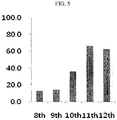
- the binding of ssDNA to Troponin I was monitored by measuring the concentration of the ssDNA eluted by the repeated selections with a UV spectrometer (Biochrom Libra S22 spectrometer). The results are shown in FIG. 5 .
- FIG. 5 shows the extent of binding of the aptamers with the protein that was immobilized to magnetic beads during the selection of the aptamers.
- the extent of binding is expressed as a percentage (%) of the concentration of the bound aptamer over the concentration of the aptamer used.
- the numbers of the aptamer DNA binding to the protein increased with an increase in the selection round.
- the ssDNA selected in the 12 th round was amplified by PCR using the unmodified 5' and 3'primers and cloned to pENTR/TOPO (TOPO TEA Cloning kit, Invitrogen, USA) which was then transformed into E.coli TOP10 (Invitrogen, USA).
- the clones harboring the ssDNA were purified using a miniprep kit (GeneAll, Korea) and subjected to base sequencing (COSMO Genetech, Korea).
- the ssDNA sequences were identified as SEQ ID NOS: 1 to 6 and are listed in Table 1, below.
- the secondary structures of the selected ssDNA sequences were analyzed using the Mfold program (http://mfold.bioinfo.rpi.edu/cgi-bin/dna-forml.cgi). As shown in FIGS. 6 to 8 , they were found to have a common stem-loop structure attributable to the consecutive T-C sequence.
- SPR surface Plasmon resonance
- metal such as gold
- the binding strength can be determined by measuring the resonance wavelength shift dependent on a change in composition on the surface of the sample conjugated with the metal.
- SPR was measured using an Ni-NTA (Ni-Nitrilo-triacetic acid)-coated surface chip (Biacore AB, Sweden).
- the Troponin I protein (200 nM) was immobilized to the Ni-NTA chip and then coupled with the aptamer DNAs.
- the aptamer DNAs were used at concentrations of 25 nM, 50 nM, 100 nM, and 200 nM.
- the binding strength with cardiac Troponin I of a commercially available antibody (Abcam, U.K.) was also measured. Its Kd was observed to be 20.1 nM which is higher than that of the aptamers of the present invention.
- the binding strength with troponin complex of aptamers was measured in the same way as above.
- the aptamer DNAs were used at concentrations of 50 nM, 100 nM, 200 nM and 400 nM. As a result, it was observed that troponin complex combined to troponin I effectively. Its Kd was observed which is higher than that of the binding troponin I or similar.
Landscapes
- Life Sciences & Earth Sciences (AREA)
- Health & Medical Sciences (AREA)
- Engineering & Computer Science (AREA)
- Biomedical Technology (AREA)
- Molecular Biology (AREA)
- Genetics & Genomics (AREA)
- Chemical & Material Sciences (AREA)
- Biotechnology (AREA)
- Immunology (AREA)
- Microbiology (AREA)
- Hematology (AREA)
- Urology & Nephrology (AREA)
- Zoology (AREA)
- Wood Science & Technology (AREA)
- Bioinformatics & Cheminformatics (AREA)
- Physics & Mathematics (AREA)
- Organic Chemistry (AREA)
- Biochemistry (AREA)
- General Health & Medical Sciences (AREA)
- General Engineering & Computer Science (AREA)
- Analytical Chemistry (AREA)
- Pathology (AREA)
- Biophysics (AREA)
- General Physics & Mathematics (AREA)
- Plant Pathology (AREA)
- Medicinal Chemistry (AREA)
- Food Science & Technology (AREA)
- Cell Biology (AREA)
- Proteomics, Peptides & Aminoacids (AREA)
- Measuring Or Testing Involving Enzymes Or Micro-Organisms (AREA)
- Peptides Or Proteins (AREA)
- Investigating Or Analysing Biological Materials (AREA)
Abstract
Description
- The present invention relates to a DNA aptamer specifically binding to human cardiac troponin I, and a composition and a diagnostic kit for the diagnosis of acute cardiovascular diseases, comprising the same.
- Troponin is a complex of three regulatory proteins (troponin C, troponin I and troponin T) that is attached to the protein tropomyosin and lies within the groove between actin filaments in muscle tissue to regulate the contraction and relaxation of muscle cells. When the intracellular levels thereof rise, Ca2+ is bound to specific sites on Troponin C to produce a conformational change in Troponin I so that myosin can attach to the actin filament active sites, giving rise to the contraction of the muscle. This action is observed in both skeletal and cardiac muscles. The length of the amino acid sequence of Troponin I and Troponin T that act on cardiac muscle are different from the corresponding ones expressed in skeletal muscle.
- The expression level of cardiac troponin I is known to rapidly increase upon the outbreak of acute cardiovascular diseases. Thus, the detection of this protein is very important for the initial diagnosis of acute cardiovascular diseases.
- An aptamer is a single strand DNA (ssDNA) or RNA (ssRNA) that binds to a specific target. Thanks to their high affinity and stability to a specific target, they have recently been extensively developed and actively applied to the therapy and sensors for diagnosis of diseases. The synthesis of aptamers can be relatively simple, and cells, proteins and even small organic substance can be utilized as their targets, which allows for the development of new detection methods. In addition, aptamers find a wide range of applications in various fields, including the development of therapeutics, drug delivery systems, biosensors for diagnosis, etc. because their specificity and stability are superior to those of the antibodies that were developed previously.
- Antibodies developed for diagnostic use are prepared using the immune system and thus suffer from the disadvantage of their preparation consuming a lot of time and expense, comparatively. Further, they are proteins that have poor stability, compared to aptamers, DNA or RNA, which may act as an obstruction to the development of highly sensible sensors.
- Although many detection systems for troponin I have been developed on the basis of antibodies to troponin I, as mentioned above, they are subject to a lot of limitations. There is therefore a need for a detection system that is more stable and which can be operated at low cost and effectively diagnoses acute cardiovascular diseases in an early stage.
- The present invention is to provide a DNA aptamer specifically binding to human cardiac troponin I, and a composition and a kit for the diagnosis of an acute cardiovascular disease, comprising the same.
- However, the technical objects to be achieved by the present invention are not limited to those mentioned above and other objects may be clearly understood by those skilled in the art from the description given below.
- In accordance with an aspect thereof, the present invention provides an aptamer that specifically binds to human cardiac troponin I which has a base sequence selected from the group consisting of SEQ ID NOS: 1 to 6.
- In accordance with another aspect thereof, the present invention provides a composition for the diagnosis of an acute cardiovascular disease, comprising a DNA aptamer specifically binding to human cardiac troponin I.
- In accordance with a further aspect thereof, the present invention provides a diagnostic kit for an acute cardiovascular disease that uses a DNA aptamer that specifically binds to human cardiac troponin I.
- Superior in specificity and stability to antibodies which are conventionally used to diagnose acute cardiovascular diseases, the DNA aptamers specifically binding to human cardiac troponin I in accordance with the present invention can be developed into biosensors which determine human cardiac troponin I levels with sensitivity and accuracy, greatly contributing to the diagnosis in an early stage of acute cardiovascular diseases. It is expected to lots of help for increase of diagnostic accuracy.
- The above and other objects, features and other advantages of the present invention will be more clearly understood from the following detailed description taken in conjunction with the accompanying drawings, in which:
-
FIG. 1 shows the expression of Troponin I protein as measured by SDS PAGE. -
FIG. 2 shows the expression of Troponin complex protein as measured by SDS PAGE. -
FIG. 3 shows the isolation of Troponin I protein as purified by gel filtration. -
FIG. 4 shows the isolation of Troponin complex protein as purified by gel filtration. -
FIG. 5 is a graph showing the binding strength of ssDNA aptamers Troponin I as measured by a UV spectrometer according to selection of aptamer specific for Troponin I. -
FIG. 6 shows secondary structures of the aptamers of SEQ ID NOS: 1 and 2 which specifically bind to human cardiac Troponin I. -
FIG. 7 shows secondary structures of the aptamers of SEQ ID NOS: 3 and 4 which specifically bind to human cardiac Troponin I. -
FIG. 8 shows secondary structures of the aptamers of SEQ ID NOS: 5 and 6 which specifically bind to human cardiac Troponin I. -
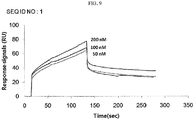
FIG. 9 is of SPR (surface Plasmon resonance) spectra showing the binding strength between Troponin I protein and the aptamer of SEQ ID NO: 1. -
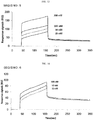
FIG. 10 is of SPR (surface Plasmon resonance) spectra showing the binding strength between Troponin I protein and the aptamer of SEQ ID NO: 2. -
FIG. 11 is of SPR (surface Plasmon resonance) spectra showing the binding strength between Troponin I protein and the aptamer of SEQ ID NO: 3. -
FIG. 12 is of SPR (surface Plasmon resonance) spectra showing the binding strength between Troponin I protein and the aptamer of SEQ ID NO: 4. -
FIG. 13 is of SPR (surface Plasmon resonance) spectra showing the binding strength between Troponin I protein and the aptamer of SEQ ID NO: 5. -
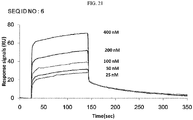
FIG. 14 is of SPR (surface Plasmon resonance) spectra showing the binding strength between Troponin I protein and the aptamer of SEQ ID NO: 6. -
FIG. 15 is of SPR (surface Plasmon resonance) spectra showing the binding strength between Troponin I protein and an antibody. -
FIG. 16 is of SPR (surface Plasmon resonance) spectra showing the binding strength between Troponin complex protein and the aptamer of SEQ ID NO: 1. -
FIG. 17 is of SPR (surface Plasmon resonance) spectra showing the binding strength between Troponin complex protein and the aptamer of SEQ ID NO: 2. -
FIG. 18 is of SPR (surface Plasmon resonance) spectra showing the binding strength between Troponin complex protein and the aptamer of SEQ ID NO: 3. -
FIG. 19 is of SPR (surface Plasmon resonance) spectra showing the binding strength between Troponin complex protein and the aptamer of SEQ ID NO: 4. -
FIG. 20 is of SPR (surface Plasmon resonance) spectra showing the binding strength between Troponin complex protein and the aptamer of SEQ ID NO: 5. -
FIG. 21 is of SPR (surface Plasmon resonance) spectra showing the binding strength between Troponin complex protein and the aptamer of SEQ ID NO: 6. - To develop an aptamer as a substitute for an antibody to cardiac troponin I, human cardiac troponin I was expressed in a bacterial expression system, purified, and utilized to select DNA aptamers with the SELEX (Systematic Evolution of Ligands by EXponential enrichment) technique, which were then analyzed for sequence and structure, culminating in the present invention.
- In greater detail, the present invention provides a DNA aptamer having the base sequence of one of SEQ ID NOS: 1 to 6 that specifically binds to human cardiac troponin I.
- Also, the present invention provides a composition and a kit for the diagnosis of an acute cardiovascular disease, comprising a DNA aptamer specifically binding to human cardiac troponin I.
- In addition to the DNA aptamer, the composition of the present invention may comprise pharmaceutically or physiologically acceptable vehicles, excipients or diluents. Examples of the vehicles, excipients and diluents include lactose, dextrose, sucrose, sorbitol, mannitol, xylitol, erythritol, maltitol, starch, acacia gum, alginate, gelatin, calcium phosphate, calcium silicate, cellulose, methyl cellulose, amorphous cellulose, polyvinylpyrrolidone, water, methyl hydroxybenzoate, propylhydroxybenzoate, talc, magnesium stearate, and mineral oil. When formulated into dosage forms, the composition may further comprise typical filters, thickeners, binders, disintegrants, surfactants, anticoagulants, lubricants, wetting agents, fragrant, emulsifiers, and/or preservatives.
- A better understanding of the present invention may be obtained through the following examples which are set forth to illustrate, but are not to be construed as limiting the present invention.
- For use in the amplification of a human cardiac troponin I gene, a 5' primer with a BamH1 restriction site (GGATCC ATG GCGGAT GGG AGC AG) and a 3' primer with a Hind3 restriction site (AAGCTT TCAAAA CTT TTT CTT GCG G)) were synthesized. For use in the amplification of a human cardiac troponin T gene, a 5' primer with a EcoRI restriction site (GAATTC ATG TCT GAC ATA GAA GAG GTG GTG) and a 3' primer with a XhoI restriction site (CTCGAG CTA TTT CCA GCG CCC GGT) were synthesized. And for use in the amplification of a human cardiac troponin C gene, a 5' primer with a EcoRI restriction site (GAATTC ATG GAT GAC ATC TAC AAG GCT GC) and a 3' primer with a XhoI restriction site (CTCGAG CTA CTC CAC ACC CTT CAT GAA CTC) were synthesized. Using these primers, amplification was conducted on the cDNA obtained from HEK293 cells in the presence of i-pfu polymerase. In this regard, PCR was performed with 30 cycles of 1) denaturing the double strand of the template at 95°C for 1 min, 2) annealing the template with the primers at 58°C for 30 sec, and 3) extending new strands at 72°C for 1 min.
- The amplified human cardiac troponin I gene and troponin C gene were digested with the restriction enzymes, ligated to a pET28a vector containing (His)6-tag. The amplified human cardiac troponin T gene was digested with the restriction enzymes, ligated to a pET21a vector. Troponin I gene and Troponin C gene were transformed into BL21(DE3) E. coli. For co-expression with troponin I, troponin T gene was transformed into BL21-CodonPlus (DE3)-RIG E.coli.
- The BL21(DE3) cells transformed with the human cardiac troponin I gene were grown at 37°C in an LB (Luria Bertani) medium to an OD600 (optical density) of 0.6. Subsequently, the expression of the protein was induced by incubating the cells at 18°C for 16 hours in the presence of 0.2 mM IPTG (isopropyl-thio-β-D-galactopyranoside). The expression of the protein was confirmed by SDS-PAGE (sodium dodecyl sulfate polyacrylamide gel electrophoresis). After being harvested by centrifugation, the cells were washed once with PBS (10 mM sodium phosphate, 150 mM NaCl, pH 7.4). The SDS-PAGE results are shown in
FIG. 1 . - In
FIG. 1 , a marker (M) for indicating protein sizes was run onlane 1, the protein obtained before IPTG induction (bf) onlane 2, and proteins obtained after IPTG (af) onlanes FIG. 1 , Troponin I, was detected at 28 KD after the IPTG induction. - As expression of troponin I, T, BL21-CodonPlus (DE3)-RIG E.coli, transformed with human cardiac troponin I gene and troponion T gene, and BL21(DE3) cell transformed with troponin C gene were grown at 37 °C in an LB (Luria Bertani) medium to an OD600 (optical density) of 0.6. Subsequently, the expression of the protein was induced by incubating the cells at 18°C for 16 hours in the presence of 0.2 mM IPTG (isopropyl-thio-β-D-galactopyranoside). The expression of the protein was confirmed by SDS-PAGE (sodium dodecyl sulfate polyacrylamide gel electrophoresis). After being harvested by centrifugation, the cells were washed once with PBS (10 mM sodium phosphate, 150 mM NaCl, pH 7.4). The SDS-PAGE results are shown in
FIG. 2 . - In
FIG. 2 , a marker (M) for indicating protein sizes was run onlane 1, the protein obtained before IPTG induction (bf) onlane 2. As can be seen in the SDS PAGE ofFIG. 2 , Troponin I, Troponin T and Troponin C were detected after the IPTG induction. - To isolate the human cardiac troponin I protein expressed in the bacterial cell BL21(DE3) to a high purity, the cells were lysed in a lysis buffer (20 mM Tris, 500 mM NaCl, 0.5 mM β-mercaptoethanol, 3% glycerol, 0.01
% Tween 20, pH 8.0) and ruptured by sonication for 10 min. Centrifugation at 15,000 rpm for 30 min separated proteins in a supernatant from the cell debris. - The affinity of Ni-NTA(Ni-Nitrilo-triacetic acid) for the (His)6-tag amino acid residues was used to isolate the protein to a high purity. In this regard, FPLC (Fast protein liquid chromatography) was coupled with an Ni-NTA column to which the supernatant containing cardiac troponin I was then loaded. The target protein bound to the column was eluted with elution buffer (20 mM Tris, 500 mM NaCl, 0.5 mM β-mercaptoethanol, 3% glycerol, 0.01% tween 20,300 mM imidazole, pH 8.0) because the (His)6-tag of the protein competes with imidazole.
- For additional purification, the fraction containing cardiac troponin was subjected to size exclusion chromatography by gel filtration using a Superdex75 column to obtain more pure protein. The imidazole used was removed with the final buffer (20 mM Tris, 300 mM NaCl, 0.5 mM β-mercaptoethanol, 3% glycerol, 0.01
% tween 20, pH 8.0). The results are shown inFIG. 3 . - In
FIG. 3 , a marker for indicating protein sizes was run onlane 1 and the fraction obtained from the above-mentioned purification processes was onlane 2. As can be seen in the SDS-PAGE ofFIG. 3 , Troponin of high purity I was detected at 25 kD. - To isolate the troponin complex protein to a high purity, the cells, were expressed troponin I and troponin T, were lysed in a lysis buffer (20 mM Tris, 500 mM NaCl, 0.5 mM β-mercaptoethanol, 5% glycerol, pH 8.0) and ruptured by sonication. And soluble proteins were isolated by Centrifugation.
- As purification of troponin T and I proteins, the affinity of Ni-NTA(Ni-Nitrilo-triacetic acid) for the (His)6-tag amino acid residues was used to isolate the protein to a high purity. In this regard, FPLC (Fast protein liquid chromatography) was coupled with an Ni-NTA column to which the supernatant containing troponin T and troponin I was then loaded. The target protein bound to the column was eluted with elution buffer (20 mM Tris, 500 mM NaCl, 0.5 mM β-mercaptoethanol, 5% glycerol, 300 mM imidazole, pH 8.0). For confirmation of troponin complex and measurement of SPR, troponin C with a (His)6-tag was made. (His)6-tag of troponin I and troponin T was eliminated by TEV(Tobacco Etch Virus) protease. Specifically, for recognition of TEV protease behind (His)6-tag and elimination, TEV protease and protein were performed at 20°C for 6hr.
- Troponin I and troponin T were eluted by removing imidazole in elution buffer with G-25 column. And then loaded Ni-NTA column, Purified troponin I and troponin T were gotten by separating from (His)6-tag
- Troponin C was purified by Ni-NTA column with containing (His)6-tag and eluted from imidazole by G-25 column.
- For getting of troponin complex, troponin C which contains purified (His) 6-tag was coupled with Ni-NTA, loaded supernatant containing troponin T and troponin I, and then induced to formation of troponin complex.
- Troponin I and troponin T which were not coupled with Troponin C were passed, troponin complex was gotten by elution buffer.
- For additional purification, troponin complex was subjected to size exclusion chromatography by gel filtration using a
Superdex 200 column to obtain more pure protein. The imidazole used was removed with the final buffer (20 mM Tris, 300 mM NaCl, 0.5 mM β-mercaptoethanol, 5% glycerol, pH 8.0). The results are shown inFIG. 4 . - In
FIG. 4 , a marker for indicating protein sizes was run onlane 1 and the fraction obtained from the above-mentioned purification processes was onlane 2. - A library of 90 sequences, each having primer sequences for PCR amplification and cloning at opposite ends with a random DNA sequence of 40 bases between the primer sequences, was constructed (5'-CACCTAATACGACTCACTATAGCGGATCCGA-N40-CTGGCTCGAACAAGCTTGC-3'').
- In addition, a 5' primer (5'-CACCTAATACGACTCACTATAGCGGA-3'), a 3' primer (5'-GCAAGCTTGTTCGAGCCAG-3') and a biotin-conjugated 3' primer (5'-Biotin-GCAAGCTTGTTCGAGCCAG-3') were used for PCR amplification and ssDNA production. All the oligonucleotides used in the present invention were synthesized and subjected to PAGE purification by Bionics (Korea).
- The purified human cardiac Troponin I was immobilized to the magnetic bead Dynabead (Invitrogen, Norway), which allows the His-tag to bind to its cobalt-coated surface.
- In this regard, the protein was fixed to the beads by washing 20 µL of the beads with a binding buffer (20 mM Tris, 300 mM NaCl, 3% glycerol, 0.01
% Tween - To select aptamers specific for human cardiac troponin I, a specific separation method using a magnet was conducted.
- First, a library of the ssDNAs (1 nmol) was dissolved in 100 µL of a binding buffer and was incubated at 90°C for 3 min and then at 4°C for one hour to allow the ssDNA to form the most stable conformation. Subsequently, this library was reacted for one hour with the Troponin I protein immobilized to the magnetic bead, with gentle agitation. Then, the beads were washed twice with the binding buffer to remove the ssDNA which remained unbound to the Troponin I immobilized to the beads.
- Afterwards, the ssDNA was separated from the proteins bound thereto. In this context, the ssDNA and the proteins bound thereto were eluted with elution buffer (20 mM Tris, 300 mM NaCl, 3% glycerol, 0.01
% Tween - The first selected ssDNA was used in subsequent repetitive selection. For stringent selection, the amount of ssDNA and the concentration of Troponin I were gradually decreased in subsequent repetitions. During the selection process, the binding of ssDNA to Troponin I was monitored by measuring the concentration of the ssDNA eluted by the repeated selections with a UV spectrometer (Biochrom Libra S22 spectrometer). The results are shown in
FIG. 5 . -
FIG. 5 shows the extent of binding of the aptamers with the protein that was immobilized to magnetic beads during the selection of the aptamers. The extent of binding is expressed as a percentage (%) of the concentration of the bound aptamer over the concentration of the aptamer used. As can be shown inFIG. 5 , the numbers of the aptamer DNA binding to the protein increased with an increase in the selection round. - The ssDNA selected in the 12th round was amplified by PCR using the unmodified 5' and 3'primers and cloned to pENTR/TOPO (TOPO TEA Cloning kit, Invitrogen, USA) which was then transformed into E.coli TOP10 (Invitrogen, USA). The clones harboring the ssDNA were purified using a miniprep kit (GeneAll, Korea) and subjected to base sequencing (COSMO Genetech, Korea). As a result, the ssDNA sequences were identified as SEQ ID NOS: 1 to 6 and are listed in Table 1, below.
- To analyze the structural similarity of the selected ssDNA, the secondary structures of the selected ssDNA sequences were analyzed using the Mfold program (http://mfold.bioinfo.rpi.edu/cgi-bin/dna-forml.cgi). As shown in
FIGS. 6 to 8 , they were found to have a common stem-loop structure attributable to the consecutive T-C sequence.TABLE 1 SEQ ID NO: Base Sequence 1 TCACACCCTCCCTCCCACATACCGCATACACTTTCTGATT 2 CCCGACCACGTCCCTGCCCTTTCCTAACCTGTTTGTTGAT 3 ATGCGTTGAACCCTCCTGACCGTTTATCACATACTCCAGA 4 CAACTGTAATGTACCCTCCTCGATCACGCACCACTTGCAT 5 CGTGCAGTACGCCAACCTTTCTCATGCGCTGCCCCTCTTA 6 CGCATGCCAAACGTTGCCTCATAGTTCCCTCCCCGTGTCC - SPR (surface Plasmon resonance) is a phenomenon occurring between light and electrons on metal such as gold in which when a light with a specific wavelength is incident on a metallic surface, most of the light energy is transferred to free electrons of the metal, resulting in resonance with the creation of evanescent wave. The binding strength can be determined by measuring the resonance wavelength shift dependent on a change in composition on the surface of the sample conjugated with the metal. To determine binding strength between Troponin I and the aptamers, SPR was measured using an Ni-NTA (Ni-Nitrilo-triacetic acid)-coated surface chip (Biacore AB, Sweden).
- The Troponin I protein (200 nM) was immobilized to the Ni-NTA chip and then coupled with the aptamer DNAs. The aptamer DNAs were used at concentrations of 25 nM, 50 nM, 100 nM, and 200 nM. For comparison, the binding strength with cardiac Troponin I of a commercially available antibody (Abcam, U.K.) was also measured. Its Kd was observed to be 20.1 nM which is higher than that of the aptamers of the present invention.
- SPR adsorption data and Kd values are shown in
FIGS. 9 to 15 and Table 2, respectively.TABLE 2 Aptamer Kd SEQ ID NO: 1 3.41 nM SEQ ID NO: 2 1.13 nM SEQ ID NO: 3 1.14 nM SEQ ID NO: 4 3.25 nM SEQ ID NO: 5 270 pM SEQ ID NO: 6 317 pM Antibody (Comparative) 20.1 nM - The binding strength with troponin complex of aptamers was measured in the same way as above. The aptamer DNAs were used at concentrations of 50 nM, 100 nM, 200 nM and 400 nM. As a result, it was observed that troponin complex combined to troponin I effectively. Its Kd was observed which is higher than that of the binding troponin I or similar.
- SPR adsorption data and Kd values are shown in
FIGS. 16 to 21 and Table 3, respectively.Table 3 Aptamer Kd SEQ ID NO: 1 3.2 nM SEQ ID NO: 2 4.5 nM SEQ ID NO: 3 5.7 nM SEQ ID NO: 4 10.6 nM SEQ ID NO: 5 3.1 nM SEQ ID NO: 6 3.4 nM - It is understood to a person skilled in the art that the above description of the present invention is susceptible to various modifications, changes and adaptations, and the same are intended to be comprehended within the meaning and range of equivalents of the appended claims. Therefore, the embodiments and attached drawings disclosed in the present invention are not intended to limit the technical spirit of the present invention, but are intended to describe the invention. The technical spirit of the present invention is not limited to such embodiments and drawings.


Claims (3)
- A DNA aptamer specifically binding to human cardiac troponin I, wherein the DNA aptamer has a base sequence selected from the group consisting of SEQ ID NOS: 1 to 6.
- A composition for diagnosis of an acute cardiovascular disease, comprising the DNA aptamer of claim 1.
- A diagnostic kit for an acute cardiovascular disease, using the DNA aptamer of claim 1.
Applications Claiming Priority (2)
| Application Number | Priority Date | Filing Date | Title |
|---|---|---|---|
| KR20110054795 | 2011-06-07 | ||
| KR1020110145434A KR101351647B1 (en) | 2011-06-07 | 2011-12-29 | DNA aptamer specifically binding to human cardiac troponin Ⅰ |
Publications (3)
| Publication Number | Publication Date |
|---|---|
| EP2532748A2 true EP2532748A2 (en) | 2012-12-12 |
| EP2532748A3 EP2532748A3 (en) | 2013-02-06 |
| EP2532748B1 EP2532748B1 (en) | 2014-10-08 |
Family
ID=45464462
Family Applications (1)
| Application Number | Title | Priority Date | Filing Date |
|---|---|---|---|
| EP12151421.0A Not-in-force EP2532748B1 (en) | 2011-06-07 | 2012-01-17 | DNA aptamer specifically binding to human cardiac troponin I |
Country Status (4)
| Country | Link |
|---|---|
| US (1) | US8404448B2 (en) |
| EP (1) | EP2532748B1 (en) |
| JP (1) | JP5566409B2 (en) |
| CN (1) | CN102816764A (en) |
Cited By (2)
| Publication number | Priority date | Publication date | Assignee | Title |
|---|---|---|---|---|
| CN110241119A (en) * | 2018-03-07 | 2019-09-17 | 中国科学技术大学 | Cardiac muscle troponin I specific nucleic acid aptamers and its screening technique and application |
| US10670611B2 (en) | 2014-09-26 | 2020-06-02 | Somalogic, Inc. | Cardiovascular risk event prediction and uses thereof |
Families Citing this family (13)
| Publication number | Priority date | Publication date | Assignee | Title |
|---|---|---|---|---|
| CN104195141B (en) * | 2014-09-15 | 2017-12-12 | 三诺生物传感股份有限公司 | A kind of cardiac muscle troponin I nucleic acid aptamer and its application, kit |
| CN108004246A (en) * | 2017-12-25 | 2018-05-08 | 中国人民解放军第四军医大学 | The method that liquid phase target SELEX screenings are quickly carried out using the affine method of metal |
| US12569679B2 (en) | 2018-10-02 | 2026-03-10 | WearOptimo Pty Ltd | Treatment delivery system |
| US12484814B2 (en) | 2018-10-02 | 2025-12-02 | WearOptimo Pty Ltd | Actuator system |
| WO2020069565A1 (en) | 2018-10-02 | 2020-04-09 | WearOptimo Pty Ltd | Measurement system |
| KR102016668B1 (en) * | 2018-12-19 | 2019-08-30 | 주식회사 엠디헬스케어 | DNA aptamer binding specifically to chikungunya virus envelope protein 2(CHIKV E2) and uses thereof |
| KR102048812B1 (en) * | 2018-12-19 | 2019-11-26 | 주식회사 엠디헬스케어 | DNA aptamer binding specifically to dengue virus envelope protein domain III(DENV EDIII) and uses thereof |
| KR101970963B1 (en) * | 2018-12-19 | 2019-04-23 | 주식회사 엠디헬스케어 | DNA aptamer binding specifically to yellow fever virus envelope protein domain III (YFV EDIII) and uses thereof |
| CN111662909B (en) * | 2019-03-05 | 2022-07-15 | 中国科学技术大学 | Cardiac troponin I specific nucleic acid aptamer and its application |
| TWI716827B (en) * | 2019-03-06 | 2021-01-21 | 國立清華大學 | Test kit for detecting cardiovascular disease and method for detecting concentration of cardiovascular disease-related biomarker |
| TWI741915B (en) * | 2019-03-06 | 2021-10-01 | 國立清華大學 | Test kit for detecting cardiovascular disease and method for detecting concentration of cardiovascular disease-related biomarker |
| CN113552364B (en) * | 2021-06-02 | 2024-07-09 | 中南大学 | High frequency piezoelectric quartz crystal sensing system for detecting myocardial infarction markers and detection method thereof |
| CN118746693A (en) * | 2024-06-14 | 2024-10-08 | 河北医科大学 | Double-door DNA hydrogel based on bimetallic nanozymes and its applications |
Family Cites Families (8)
| Publication number | Priority date | Publication date | Assignee | Title |
|---|---|---|---|---|
| GB2200358B (en) * | 1987-01-27 | 1991-02-27 | Univ Birmingham | Materials for in vivo detection of cardiac damage, and methods for their preparation |
| WO1996010076A1 (en) * | 1994-09-28 | 1996-04-04 | Spectral Diagnostics Inc. | A monoclonal antibody to human cardiac troponin i |
| AU2007233320B2 (en) * | 2006-04-04 | 2013-12-12 | Singulex, Inc. | Highly sensitive system and methods for analysis of troponin |
| EP1890153A1 (en) * | 2006-08-16 | 2008-02-20 | F. Hoffman-la Roche AG | Cardiac troponin as an indicator of advanced coronary artery disease |
| CN1974594B (en) * | 2006-11-16 | 2010-04-14 | 中国人民解放军军事医学科学院卫生学环境医学研究所 | Human myocardial troponin I subunit nucleic acid adaptor and its application |
| EP2133696A1 (en) * | 2008-06-10 | 2009-12-16 | Eberhardt Spanuth | Very low concentrations of troponin I or T for assessing a cardiovascular risk with respect to the administration of anti-inflammatory drugs |
| KR100999424B1 (en) * | 2008-11-05 | 2010-12-09 | 한국과학기술연구원 | High Sensitivity Micro Cantilever-based Biomaterial Detection System |
| CN101738425B (en) * | 2010-01-06 | 2013-03-13 | 天津科技大学 | Method for manufacturing aptamer biosensor used for quickly detecting antibiotic and heart disease markers |
-
2012
- 2012-01-17 CN CN2012100152043A patent/CN102816764A/en active Pending
- 2012-01-17 EP EP12151421.0A patent/EP2532748B1/en not_active Not-in-force
- 2012-01-20 JP JP2012009785A patent/JP5566409B2/en not_active Expired - Fee Related
- 2012-01-20 US US13/355,234 patent/US8404448B2/en not_active Expired - Fee Related
Non-Patent Citations (1)
| Title |
|---|
| None |
Cited By (3)
| Publication number | Priority date | Publication date | Assignee | Title |
|---|---|---|---|---|
| US10670611B2 (en) | 2014-09-26 | 2020-06-02 | Somalogic, Inc. | Cardiovascular risk event prediction and uses thereof |
| CN110241119A (en) * | 2018-03-07 | 2019-09-17 | 中国科学技术大学 | Cardiac muscle troponin I specific nucleic acid aptamers and its screening technique and application |
| CN110241119B (en) * | 2018-03-07 | 2022-07-15 | 中国科学技术大学 | Cardiac troponin I specific nucleic acid aptamer and its screening method and application |
Also Published As
| Publication number | Publication date |
|---|---|
| JP2012254075A (en) | 2012-12-27 |
| JP5566409B2 (en) | 2014-08-06 |
| EP2532748A3 (en) | 2013-02-06 |
| US20120316326A1 (en) | 2012-12-13 |
| US8404448B2 (en) | 2013-03-26 |
| EP2532748B1 (en) | 2014-10-08 |
| CN102816764A (en) | 2012-12-12 |
Similar Documents
| Publication | Publication Date | Title |
|---|---|---|
| EP2532748B1 (en) | DNA aptamer specifically binding to human cardiac troponin I | |
| US8541561B2 (en) | DNA aptamer specifically binding to pLDH (plasmodium lactate dehydrogenase) | |
| CN104245957B (en) | Nucleic acid aptamers against plasmodium lactate dehydrogenase and histidine-rich protein II and their use for malaria diagnosis | |
| WO2017127762A1 (en) | Methods for improved aptamer selection | |
| Liu et al. | Development and evaluation of a novel in situ target-capture approach for aptamer selection of human noroviruses | |
| JP5223086B2 (en) | Vascular endothelial growth factor binding aptamer | |
| Sanjay et al. | Emerging trends in nucleic acid and peptide aptamers in plant science research | |
| JP6041373B2 (en) | Aptamer molecule that binds to TNF-α | |
| KR101351647B1 (en) | DNA aptamer specifically binding to human cardiac troponin Ⅰ | |
| KR102933409B1 (en) | DNA aptamers specific for adenovirus types | |
| US11634717B2 (en) | DNA aptamer specifically binding to TB7.7, and use thereof | |
| CN105039346B (en) | A kind of aptamer and application with melamine specific bond | |
| KR101970963B1 (en) | DNA aptamer binding specifically to yellow fever virus envelope protein domain III (YFV EDIII) and uses thereof | |
| US20200340992A1 (en) | Dna aptamer specifically binding to esat6, and use thereof | |
| JP5495088B2 (en) | PQQGDH controlled aptamer and its use | |
| CN105177011B (en) | A kind of aptamer and application with clenbuterol hydrochloride specific bond | |
| KR101432897B1 (en) | DNA aptamer specifically binding to herbicide-resistance PAT protein and uses thereof | |
| JP2010158237A (en) | Thyroglobulin-binding aptamer and method for producing aptamer polymer | |
| KR101613714B1 (en) | Inhibitory Aptamers against Cell Division Protein from Citrus Canker Phytopathogen | |
| KR20190049074A (en) | Modified RNA aptamer specifically binding to surface protein TSA56 of the orientia tsutsugamushi Karp strain |
Legal Events
| Date | Code | Title | Description |
|---|---|---|---|
| PUAI | Public reference made under article 153(3) epc to a published international application that has entered the european phase |
Free format text: ORIGINAL CODE: 0009012 |
|
| 17P | Request for examination filed |
Effective date: 20120117 |
|
| AK | Designated contracting states |
Kind code of ref document: A2 Designated state(s): AL AT BE BG CH CY CZ DE DK EE ES FI FR GB GR HR HU IE IS IT LI LT LU LV MC MK MT NL NO PL PT RO RS SE SI SK SM TR |
|
| AX | Request for extension of the european patent |
Extension state: BA ME |
|
| PUAL | Search report despatched |
Free format text: ORIGINAL CODE: 0009013 |
|
| AK | Designated contracting states |
Kind code of ref document: A3 Designated state(s): AL AT BE BG CH CY CZ DE DK EE ES FI FR GB GR HR HU IE IS IT LI LT LU LV MC MK MT NL NO PL PT RO RS SE SI SK SM TR |
|
| AX | Request for extension of the european patent |
Extension state: BA ME |
|
| RIC1 | Information provided on ipc code assigned before grant |
Ipc: G01N 33/68 20060101ALI20130103BHEP Ipc: C12N 15/115 20100101AFI20130103BHEP |
|
| 17Q | First examination report despatched |
Effective date: 20130830 |
|
| GRAP | Despatch of communication of intention to grant a patent |
Free format text: ORIGINAL CODE: EPIDOSNIGR1 |
|
| INTG | Intention to grant announced |
Effective date: 20140521 |
|
| GRAS | Grant fee paid |
Free format text: ORIGINAL CODE: EPIDOSNIGR3 |
|
| GRAA | (expected) grant |
Free format text: ORIGINAL CODE: 0009210 |
|
| AK | Designated contracting states |
Kind code of ref document: B1 Designated state(s): AL AT BE BG CH CY CZ DE DK EE ES FI FR GB GR HR HU IE IS IT LI LT LU LV MC MK MT NL NO PL PT RO RS SE SI SK SM TR |
|
| REG | Reference to a national code |
Ref country code: GB Ref legal event code: FG4D |
|
| REG | Reference to a national code |
Ref country code: AT Ref legal event code: REF Ref document number: 690629 Country of ref document: AT Kind code of ref document: T Effective date: 20141015 Ref country code: CH Ref legal event code: EP |
|
| REG | Reference to a national code |
Ref country code: IE Ref legal event code: FG4D |
|
| REG | Reference to a national code |
Ref country code: DE Ref legal event code: R096 Ref document number: 602012003282 Country of ref document: DE Effective date: 20141120 |
|
| REG | Reference to a national code |
Ref country code: NL Ref legal event code: VDEP Effective date: 20141008 |
|
| REG | Reference to a national code |
Ref country code: AT Ref legal event code: MK05 Ref document number: 690629 Country of ref document: AT Kind code of ref document: T Effective date: 20141008 |
|
| REG | Reference to a national code |
Ref country code: LT Ref legal event code: MG4D |
|
| PG25 | Lapsed in a contracting state [announced via postgrant information from national office to epo] |
Ref country code: NL Free format text: LAPSE BECAUSE OF FAILURE TO SUBMIT A TRANSLATION OF THE DESCRIPTION OR TO PAY THE FEE WITHIN THE PRESCRIBED TIME-LIMIT Effective date: 20141008 |
|
| PG25 | Lapsed in a contracting state [announced via postgrant information from national office to epo] |
Ref country code: NO Free format text: LAPSE BECAUSE OF FAILURE TO SUBMIT A TRANSLATION OF THE DESCRIPTION OR TO PAY THE FEE WITHIN THE PRESCRIBED TIME-LIMIT Effective date: 20150108 Ref country code: IS Free format text: LAPSE BECAUSE OF FAILURE TO SUBMIT A TRANSLATION OF THE DESCRIPTION OR TO PAY THE FEE WITHIN THE PRESCRIBED TIME-LIMIT Effective date: 20150208 Ref country code: LT Free format text: LAPSE BECAUSE OF FAILURE TO SUBMIT A TRANSLATION OF THE DESCRIPTION OR TO PAY THE FEE WITHIN THE PRESCRIBED TIME-LIMIT Effective date: 20141008 Ref country code: PT Free format text: LAPSE BECAUSE OF FAILURE TO SUBMIT A TRANSLATION OF THE DESCRIPTION OR TO PAY THE FEE WITHIN THE PRESCRIBED TIME-LIMIT Effective date: 20150209 Ref country code: ES Free format text: LAPSE BECAUSE OF FAILURE TO SUBMIT A TRANSLATION OF THE DESCRIPTION OR TO PAY THE FEE WITHIN THE PRESCRIBED TIME-LIMIT Effective date: 20141008 Ref country code: FI Free format text: LAPSE BECAUSE OF FAILURE TO SUBMIT A TRANSLATION OF THE DESCRIPTION OR TO PAY THE FEE WITHIN THE PRESCRIBED TIME-LIMIT Effective date: 20141008 |
|
| PG25 | Lapsed in a contracting state [announced via postgrant information from national office to epo] |
Ref country code: CY Free format text: LAPSE BECAUSE OF FAILURE TO SUBMIT A TRANSLATION OF THE DESCRIPTION OR TO PAY THE FEE WITHIN THE PRESCRIBED TIME-LIMIT Effective date: 20141008 Ref country code: LV Free format text: LAPSE BECAUSE OF FAILURE TO SUBMIT A TRANSLATION OF THE DESCRIPTION OR TO PAY THE FEE WITHIN THE PRESCRIBED TIME-LIMIT Effective date: 20141008 Ref country code: SE Free format text: LAPSE BECAUSE OF FAILURE TO SUBMIT A TRANSLATION OF THE DESCRIPTION OR TO PAY THE FEE WITHIN THE PRESCRIBED TIME-LIMIT Effective date: 20141008 Ref country code: GR Free format text: LAPSE BECAUSE OF FAILURE TO SUBMIT A TRANSLATION OF THE DESCRIPTION OR TO PAY THE FEE WITHIN THE PRESCRIBED TIME-LIMIT Effective date: 20150109 Ref country code: RS Free format text: LAPSE BECAUSE OF FAILURE TO SUBMIT A TRANSLATION OF THE DESCRIPTION OR TO PAY THE FEE WITHIN THE PRESCRIBED TIME-LIMIT Effective date: 20141008 Ref country code: HR Free format text: LAPSE BECAUSE OF FAILURE TO SUBMIT A TRANSLATION OF THE DESCRIPTION OR TO PAY THE FEE WITHIN THE PRESCRIBED TIME-LIMIT Effective date: 20141008 Ref country code: AT Free format text: LAPSE BECAUSE OF FAILURE TO SUBMIT A TRANSLATION OF THE DESCRIPTION OR TO PAY THE FEE WITHIN THE PRESCRIBED TIME-LIMIT Effective date: 20141008 Ref country code: PL Free format text: LAPSE BECAUSE OF FAILURE TO SUBMIT A TRANSLATION OF THE DESCRIPTION OR TO PAY THE FEE WITHIN THE PRESCRIBED TIME-LIMIT Effective date: 20141008 |
|
| PG25 | Lapsed in a contracting state [announced via postgrant information from national office to epo] |
Ref country code: BE Free format text: LAPSE BECAUSE OF NON-PAYMENT OF DUE FEES Effective date: 20150131 |
|
| REG | Reference to a national code |
Ref country code: DE Ref legal event code: R097 Ref document number: 602012003282 Country of ref document: DE |
|
| PG25 | Lapsed in a contracting state [announced via postgrant information from national office to epo] |
Ref country code: DK Free format text: LAPSE BECAUSE OF FAILURE TO SUBMIT A TRANSLATION OF THE DESCRIPTION OR TO PAY THE FEE WITHIN THE PRESCRIBED TIME-LIMIT Effective date: 20141008 Ref country code: CZ Free format text: LAPSE BECAUSE OF FAILURE TO SUBMIT A TRANSLATION OF THE DESCRIPTION OR TO PAY THE FEE WITHIN THE PRESCRIBED TIME-LIMIT Effective date: 20141008 Ref country code: EE Free format text: LAPSE BECAUSE OF FAILURE TO SUBMIT A TRANSLATION OF THE DESCRIPTION OR TO PAY THE FEE WITHIN THE PRESCRIBED TIME-LIMIT Effective date: 20141008 Ref country code: SK Free format text: LAPSE BECAUSE OF FAILURE TO SUBMIT A TRANSLATION OF THE DESCRIPTION OR TO PAY THE FEE WITHIN THE PRESCRIBED TIME-LIMIT Effective date: 20141008 Ref country code: RO Free format text: LAPSE BECAUSE OF FAILURE TO SUBMIT A TRANSLATION OF THE DESCRIPTION OR TO PAY THE FEE WITHIN THE PRESCRIBED TIME-LIMIT Effective date: 20141008 |
|
| PLBE | No opposition filed within time limit |
Free format text: ORIGINAL CODE: 0009261 |
|
| STAA | Information on the status of an ep patent application or granted ep patent |
Free format text: STATUS: NO OPPOSITION FILED WITHIN TIME LIMIT |
|
| REG | Reference to a national code |
Ref country code: CH Ref legal event code: PL |
|
| PG25 | Lapsed in a contracting state [announced via postgrant information from national office to epo] |
Ref country code: LU Free format text: LAPSE BECAUSE OF FAILURE TO SUBMIT A TRANSLATION OF THE DESCRIPTION OR TO PAY THE FEE WITHIN THE PRESCRIBED TIME-LIMIT Effective date: 20150117 Ref country code: IT Free format text: LAPSE BECAUSE OF FAILURE TO SUBMIT A TRANSLATION OF THE DESCRIPTION OR TO PAY THE FEE WITHIN THE PRESCRIBED TIME-LIMIT Effective date: 20141008 |
|
| 26N | No opposition filed |
Effective date: 20150709 |
|
| PG25 | Lapsed in a contracting state [announced via postgrant information from national office to epo] |
Ref country code: MC Free format text: LAPSE BECAUSE OF FAILURE TO SUBMIT A TRANSLATION OF THE DESCRIPTION OR TO PAY THE FEE WITHIN THE PRESCRIBED TIME-LIMIT Effective date: 20141008 |
|
| PG25 | Lapsed in a contracting state [announced via postgrant information from national office to epo] |
Ref country code: CH Free format text: LAPSE BECAUSE OF NON-PAYMENT OF DUE FEES Effective date: 20150131 Ref country code: LI Free format text: LAPSE BECAUSE OF NON-PAYMENT OF DUE FEES Effective date: 20150131 |
|
| REG | Reference to a national code |
Ref country code: FR Ref legal event code: ST Effective date: 20150930 |
|
| REG | Reference to a national code |
Ref country code: IE Ref legal event code: MM4A |
|
| PG25 | Lapsed in a contracting state [announced via postgrant information from national office to epo] |
Ref country code: FR Free format text: LAPSE BECAUSE OF NON-PAYMENT OF DUE FEES Effective date: 20150202 |
|
| PG25 | Lapsed in a contracting state [announced via postgrant information from national office to epo] |
Ref country code: IE Free format text: LAPSE BECAUSE OF NON-PAYMENT OF DUE FEES Effective date: 20150117 |
|
| PG25 | Lapsed in a contracting state [announced via postgrant information from national office to epo] |
Ref country code: SI Free format text: LAPSE BECAUSE OF FAILURE TO SUBMIT A TRANSLATION OF THE DESCRIPTION OR TO PAY THE FEE WITHIN THE PRESCRIBED TIME-LIMIT Effective date: 20141008 |
|
| PG25 | Lapsed in a contracting state [announced via postgrant information from national office to epo] |
Ref country code: MT Free format text: LAPSE BECAUSE OF FAILURE TO SUBMIT A TRANSLATION OF THE DESCRIPTION OR TO PAY THE FEE WITHIN THE PRESCRIBED TIME-LIMIT Effective date: 20141008 |
|
| REG | Reference to a national code |
Ref country code: DE Ref legal event code: R082 Ref document number: 602012003282 Country of ref document: DE Representative=s name: SCHWABE SANDMAIR MARX PATENTANWAELTE RECHTSANW, DE Ref country code: DE Ref legal event code: R081 Ref document number: 602012003282 Country of ref document: DE Owner name: BAN, CHANGILL, KR Free format text: FORMER OWNER: POSTECH ACADEMY-INDUSTRY FOUNDATION, POHANG-SI, GYEONGSANGBUK-DO, KR Ref country code: DE Ref legal event code: R081 Ref document number: 602012003282 Country of ref document: DE Owner name: MD HEALTHCARE INC., KR Free format text: FORMER OWNER: POSTECH ACADEMY-INDUSTRY FOUNDATION, POHANG-SI, GYEONGSANGBUK-DO, KR Ref country code: DE Ref legal event code: R081 Ref document number: 602012003282 Country of ref document: DE Owner name: MD APTUS INC., KR Free format text: FORMER OWNER: POSTECH ACADEMY-INDUSTRY FOUNDATION, POHANG-SI, GYEONGSANGBUK-DO, KR Ref country code: DE Ref legal event code: R082 Ref document number: 602012003282 Country of ref document: DE Representative=s name: SSM SANDMAIR PATENTANWAELTE RECHTSANWALT PARTN, DE |
|
| REG | Reference to a national code |
Ref country code: DE Ref legal event code: R082 Ref document number: 602012003282 Country of ref document: DE Representative=s name: SCHWABE SANDMAIR MARX PATENTANWAELTE RECHTSANW, DE Ref country code: DE Ref legal event code: R081 Ref document number: 602012003282 Country of ref document: DE Owner name: MD APTUS INC., KR Free format text: FORMER OWNER: BAN, CHANGILL, SEOUL, KR Ref country code: DE Ref legal event code: R081 Ref document number: 602012003282 Country of ref document: DE Owner name: MD HEALTHCARE INC., KR Free format text: FORMER OWNER: BAN, CHANGILL, SEOUL, KR Ref country code: DE Ref legal event code: R082 Ref document number: 602012003282 Country of ref document: DE Representative=s name: SSM SANDMAIR PATENTANWAELTE RECHTSANWALT PARTN, DE |
|
| REG | Reference to a national code |
Ref country code: GB Ref legal event code: 732E Free format text: REGISTERED BETWEEN 20170216 AND 20170222 |
|
| REG | Reference to a national code |
Ref country code: GB Ref legal event code: 732E Free format text: REGISTERED BETWEEN 20170427 AND 20170503 |
|
| PG25 | Lapsed in a contracting state [announced via postgrant information from national office to epo] |
Ref country code: SM Free format text: LAPSE BECAUSE OF FAILURE TO SUBMIT A TRANSLATION OF THE DESCRIPTION OR TO PAY THE FEE WITHIN THE PRESCRIBED TIME-LIMIT Effective date: 20141008 Ref country code: BG Free format text: LAPSE BECAUSE OF FAILURE TO SUBMIT A TRANSLATION OF THE DESCRIPTION OR TO PAY THE FEE WITHIN THE PRESCRIBED TIME-LIMIT Effective date: 20141008 Ref country code: HU Free format text: LAPSE BECAUSE OF FAILURE TO SUBMIT A TRANSLATION OF THE DESCRIPTION OR TO PAY THE FEE WITHIN THE PRESCRIBED TIME-LIMIT; INVALID AB INITIO Effective date: 20120117 |
|
| PG25 | Lapsed in a contracting state [announced via postgrant information from national office to epo] |
Ref country code: TR Free format text: LAPSE BECAUSE OF FAILURE TO SUBMIT A TRANSLATION OF THE DESCRIPTION OR TO PAY THE FEE WITHIN THE PRESCRIBED TIME-LIMIT Effective date: 20141008 |
|
| PG25 | Lapsed in a contracting state [announced via postgrant information from national office to epo] |
Ref country code: MK Free format text: LAPSE BECAUSE OF FAILURE TO SUBMIT A TRANSLATION OF THE DESCRIPTION OR TO PAY THE FEE WITHIN THE PRESCRIBED TIME-LIMIT Effective date: 20141008 |
|
| REG | Reference to a national code |
Ref country code: DE Ref legal event code: R082 Ref document number: 602012003282 Country of ref document: DE Representative=s name: SCHWABE SANDMAIR MARX PATENTANWAELTE RECHTSANW, DE Ref country code: DE Ref legal event code: R081 Ref document number: 602012003282 Country of ref document: DE Owner name: MD APTUS INC., KR Free format text: FORMER OWNER: MD HEALTHCARE INC., SEOUL, KR Ref country code: DE Ref legal event code: R082 Ref document number: 602012003282 Country of ref document: DE Representative=s name: SSM SANDMAIR PATENTANWAELTE RECHTSANWALT PARTN, DE |
|
| PG25 | Lapsed in a contracting state [announced via postgrant information from national office to epo] |
Ref country code: AL Free format text: LAPSE BECAUSE OF FAILURE TO SUBMIT A TRANSLATION OF THE DESCRIPTION OR TO PAY THE FEE WITHIN THE PRESCRIBED TIME-LIMIT Effective date: 20141008 |
|
| REG | Reference to a national code |
Ref country code: GB Ref legal event code: 732E Free format text: REGISTERED BETWEEN 20181025 AND 20181102 |
|
| PGFP | Annual fee paid to national office [announced via postgrant information from national office to epo] |
Ref country code: GB Payment date: 20220119 Year of fee payment: 11 Ref country code: DE Payment date: 20220119 Year of fee payment: 11 |
|
| REG | Reference to a national code |
Ref country code: DE Ref legal event code: R119 Ref document number: 602012003282 Country of ref document: DE |
|
| GBPC | Gb: european patent ceased through non-payment of renewal fee |
Effective date: 20230117 |
|
| PG25 | Lapsed in a contracting state [announced via postgrant information from national office to epo] |
Ref country code: GB Free format text: LAPSE BECAUSE OF NON-PAYMENT OF DUE FEES Effective date: 20230117 Ref country code: DE Free format text: LAPSE BECAUSE OF NON-PAYMENT OF DUE FEES Effective date: 20230801 |