EP2501362B1 - Auf bdnf (brain-derived neurotropher faktor) basierende ophthalmische zubereitungen und ihre verwendung - Google Patents
Auf bdnf (brain-derived neurotropher faktor) basierende ophthalmische zubereitungen und ihre verwendung Download PDFInfo
- Publication number
- EP2501362B1 EP2501362B1 EP10809037.4A EP10809037A EP2501362B1 EP 2501362 B1 EP2501362 B1 EP 2501362B1 EP 10809037 A EP10809037 A EP 10809037A EP 2501362 B1 EP2501362 B1 EP 2501362B1
- Authority
- EP
- European Patent Office
- Prior art keywords
- bdnf
- retina
- retinal
- tsp
- eye
- Prior art date
- Legal status (The legal status is an assumption and is not a legal conclusion. Google has not performed a legal analysis and makes no representation as to the accuracy of the status listed.)
- Active
Links
Images







Classifications
-
- A—HUMAN NECESSITIES
- A61—MEDICAL OR VETERINARY SCIENCE; HYGIENE
- A61K—PREPARATIONS FOR MEDICAL, DENTAL OR TOILETRY PURPOSES
- A61K9/00—Medicinal preparations characterised by special physical form
- A61K9/0012—Galenical forms characterised by the site of application
- A61K9/0048—Eye, e.g. artificial tears
-
- A—HUMAN NECESSITIES
- A61—MEDICAL OR VETERINARY SCIENCE; HYGIENE
- A61K—PREPARATIONS FOR MEDICAL, DENTAL OR TOILETRY PURPOSES
- A61K38/00—Medicinal preparations containing peptides
- A61K38/16—Peptides having more than 20 amino acids; Gastrins; Somatostatins; Melanotropins; Derivatives thereof
- A61K38/17—Peptides having more than 20 amino acids; Gastrins; Somatostatins; Melanotropins; Derivatives thereof from animals; from humans
- A61K38/18—Growth factors; Growth regulators
- A61K38/185—Nerve growth factor [NGF]; Brain derived neurotrophic factor [BDNF]; Ciliary neurotrophic factor [CNTF]; Glial derived neurotrophic factor [GDNF]; Neurotrophins, e.g. NT-3
-
- A—HUMAN NECESSITIES
- A61—MEDICAL OR VETERINARY SCIENCE; HYGIENE
- A61K—PREPARATIONS FOR MEDICAL, DENTAL OR TOILETRY PURPOSES
- A61K47/00—Medicinal preparations characterised by the non-active ingredients used, e.g. carriers or inert additives; Targeting or modifying agents chemically bound to the active ingredient
- A61K47/30—Macromolecular organic or inorganic compounds, e.g. inorganic polyphosphates
- A61K47/36—Polysaccharides; Derivatives thereof, e.g. gums, starch, alginate, dextrin, hyaluronic acid, chitosan, inulin, agar or pectin
-
- A—HUMAN NECESSITIES
- A61—MEDICAL OR VETERINARY SCIENCE; HYGIENE
- A61P—SPECIFIC THERAPEUTIC ACTIVITY OF CHEMICAL COMPOUNDS OR MEDICINAL PREPARATIONS
- A61P25/00—Drugs for disorders of the nervous system
-
- A—HUMAN NECESSITIES
- A61—MEDICAL OR VETERINARY SCIENCE; HYGIENE
- A61P—SPECIFIC THERAPEUTIC ACTIVITY OF CHEMICAL COMPOUNDS OR MEDICINAL PREPARATIONS
- A61P25/00—Drugs for disorders of the nervous system
- A61P25/28—Drugs for disorders of the nervous system for treating neurodegenerative disorders of the central nervous system, e.g. nootropic agents, cognition enhancers, drugs for treating Alzheimer's disease or other forms of dementia
-
- A—HUMAN NECESSITIES
- A61—MEDICAL OR VETERINARY SCIENCE; HYGIENE
- A61P—SPECIFIC THERAPEUTIC ACTIVITY OF CHEMICAL COMPOUNDS OR MEDICINAL PREPARATIONS
- A61P27/00—Drugs for disorders of the senses
- A61P27/02—Ophthalmic agents
-
- A—HUMAN NECESSITIES
- A61—MEDICAL OR VETERINARY SCIENCE; HYGIENE
- A61P—SPECIFIC THERAPEUTIC ACTIVITY OF CHEMICAL COMPOUNDS OR MEDICINAL PREPARATIONS
- A61P27/00—Drugs for disorders of the senses
- A61P27/02—Ophthalmic agents
- A61P27/06—Antiglaucoma agents or miotics
-
- A—HUMAN NECESSITIES
- A61—MEDICAL OR VETERINARY SCIENCE; HYGIENE
- A61P—SPECIFIC THERAPEUTIC ACTIVITY OF CHEMICAL COMPOUNDS OR MEDICINAL PREPARATIONS
- A61P9/00—Drugs for disorders of the cardiovascular system
- A61P9/10—Drugs for disorders of the cardiovascular system for treating ischaemic or atherosclerotic diseases, e.g. antianginal drugs, coronary vasodilators, drugs for myocardial infarction, retinopathy, cerebrovascula insufficiency, renal arteriosclerosis
Definitions
- the present invention relates to ophthalmic preparations in the form of eyedrops, which contain the brain-derived neurotrophic factor (BDNF) and a viscosity-controlling agent, preferably a galactoxyloglucan extracted from tamarind seeds, also known as TS-polysaccharide or TSP.
- BDNF brain-derived neurotrophic factor
- a viscosity-controlling agent preferably a galactoxyloglucan extracted from tamarind seeds, also known as TS-polysaccharide or TSP.
- Said preparations are useful in the prevention and treatment of neurodegenerative retinal disorders, especially retinitis pigmentosa, glaucoma (including congenital glaucoma, infantile glaucoma, juvenile glaucoma, adult glaucoma, primary open-angle glaucoma, primary angle-closure glaucoma, secondary glaucoma, iatrogenic glaucoma and acute glaucoma), age-related retinopathies such as age-related macular degeneration, vascular and proliferative retinal disorders, detachment of the retina, retinopathy of prematurity (ROP) and diabetic retinopathy, all disorders which lead to blindness.
- glaucoma including congenital glaucoma, infantile glaucoma, juvenile glaucoma, adult glaucoma, primary open-angle glaucoma, primary angle-closure glaucoma, secondary glaucoma, iatrogenic gla
- Neurotrophins are proteins synthesised by the nerve cells which control the survival and normal trophism of various cells present in the nervous system.
- NGF nerve growth factor
- NGF neurotrophins
- Neurotrophic factors including neurotrophins, are released by nerve cells which synthesise them, and bind to specific receptors on the membrane.
- Binding of a neurotrophic factor to its specific receptor (TrkA for NGF; TrkB for BDNF, and partly for NT-4; TrkC for NT-3) generates a cascade of events, which elicit a specific response by the nerve cell.
- Different neurotrophin receptors are expressed in different areas and, within the same area, in different cells, activating specific intracellular signal transduction pathways. It therefore follows logically that not all areas or nerve cells can respond to each of the four neurotrophins; the limiting factor is the cell distribution of the specific receptor for a given neurotrophin.
- EP 1 161 256 B1 describes ophthalmic preparations containing 200 to 500 ⁇ g/ml of NGF, to be administered to the intact eye surface for the treatment and/or prophylaxis of disorders affecting the sclera, ciliary bodies, lens, retina, optic nerve, vitreous humour and/or the choroid.
- NGF can bind to two types of receptor in the retina, TrkA and P75, which exert opposite effects on the trophism and survival of the nerve cells.
- TrkA and P75 Two types of receptor in the retina, TrkA and P75, which exert opposite effects on the trophism and survival of the nerve cells.
- BDNF BDNF
- TrkB receptor for mammal retina.
- the retina consists of numerous types of cells arranged in layers.
- BDNF is synthesised by some ganglion cells and amacrine cells, such as the dopaminergic cells, present in the inner layer of the retina (Herzog et al., 1994; Perez and Caminos, 1995; Hallbook et al., 1996; Herzog and von Bartheld, 1998; Karlsson and Hallbook, 1998; Bennett et al., 1999; Pollock and Frost, 2003; Seki et al., 2003; Chytrova and Johnson, 2004).
- TrkB The BDNF receptor, called TrkB, is expressed in numerous types of retinal cells, including ganglion cells, amacrine cells and Müller glial cells (Jelsma et al., 1993; Cellerino and Kohler, 1997; Di Polo et al., 2000).
- WO 97/45135 relates to stable pharmaceutical compositions of BDNF in the form of an aqueous solution or lyophilisate.
- BDNF is mentioned as being useful in the treatment of various disorders, including retinitis pigmentosa.
- the only form of administration expressly mentioned is injectable preparations.
- JP 2003048851 relates to ophthalmic formulations based on BDNF, to be administered in the form of drops on the conjunctiva.
- the formulations disclosed contain various viscosity-controlling agents, described as being equally effective in carrying BDNF to the retina.
- JP 2003048851 the application was repeated three times a day (10 ⁇ l/applicalion, 0.004% weight/volume) for 5 days, equal to a dose of 1.2 ⁇ g/day and a total dose of 6 ⁇ g. Even if the daily dose and the total dose are taken into account, they are too low to exert neuroprotective effects; in fact, in agreement with the present invention, a minimum total dose of 150 ⁇ g had to be administered topically to obtain neuroprotective effects in the retina subjected to light damage.
- New data obtained with another experimental model, namely a mouse that develops glaucoma confirm that of the three BDNF concentrations used (1, 5 and 15 ⁇ g/ ⁇ l), only the highest (15 ⁇ g/ ⁇ l) is effective.
- JP 2003048851 refers to a retina-protecting effect verified by histological techniques (staining of retina sections with haematoxylin-eosin) designed to measure retinal thickness, but not accompanied by a demonstration of restoration of the retinal function measured by a flash electroretinogram recording, as reported in the present invention. It is well known that in order to demonstrate the neuroprotective efficacy at retinal level of any treatment, results obtained with histological/morphological techniques only are insufficient; evidence of restoration of the retinal functions is also required.
- JP 20030488551 the ophthalmic compositions of BDNF in the concentrations reported in the examples, and more generally in the preferred range, administered externally, are unable to pass from the eye surface to the internal tissue in quantities sufficient to exert a neuroprotective effect able to restore the retinal function.
- WO 2006/046584 relates to sustained-release compositions containing HGF.
- BDNF or PEDF impregnated with a cross-linked gelatin hydrogen, useful in treating disorders involving lesions of the visual cells, such as retinitis pigmentosa degeneration.
- the compositions take the form of microspheres containing doses of BDNF of between 0.001-1000 ⁇ g, and can be administered by intraocular injection or subretinal implant.
- EP 0 958 831 describes ophthalmic compositions containing a neurotrophic factor selected from a group of factors including BDNF. Said compositions can be applied externally, for example in the form of ophthalmic ointments or solutions, or can be formulated as contact lenses.
- the concentration of neurotrophic factor disclosed in EP0958831 ranges from 0.0001 to 0.5% (weight/volume), ie. from 1x10 -3 to 5 ⁇ g/l. The concentration ranges reported are therefore very wide.
- EP0958831 is highly generic, because it relates to various neurotrophic factors, including BDNF, which would be equally effective in the concentration range. It is known that neurotrophic factors are not equally effective in the same concentration range, due to the different densities and distribution of the receptors that determine their biological effects in the different brain areas and individual nerve cells.
- EP 958831 is extremely vague and unclear about the range of effective BDNF concentrations for topical use: on p. 3 line 44 (see paragraphs 0022 and 0033, claims 19 and 20) two concentration ranges are given, which do not match (range A maximum, between 0.0001 and 0.5% (W/V), equal to a concentration range of between 10 -3 and 5 ⁇ g/ ⁇ l, and range B, between 10 -3 and 2x10 5 ⁇ g/l; the two concentration ranges clearly do not correspond. According to the present invention, however, the effective concentrations of BDNF are equal to/greater than 15 ⁇ g/ ⁇ l (range 15-200 ⁇ g/ ⁇ l, ie. higher than range A reported in EP 958831 , namely the maximum concentration range.
- EP 958831 relate to ophthalmic compositions characterised by a BDNF concentration of 0.02, 0.04 and 10 ⁇ g/l, ie. concentrations which are far lower (1x10 6 times lower) than the lowest concentration which, according to the present invention, has proved effective in raising the BDNF levels in the retina and preventing both light damage and glaucoma damage, namely 15 ⁇ g/ ⁇ l.
- NT-4 the other neurotrophin which binds to TrkB, is expressed at a low level in the retina, and only acts on a sub-group of amacrine cells, ie. those which synthesise dopamine (Calamusa et al., 2007).
- mice that lack the TrkB receptor are characterised by complete loss of the retinal response to light (total absence of b-wave in the flash electroretinogram; Rohrer et al., 1999).
- LaVail's group has demonstrated that intraocular injections of BDNF, but not NGF, effectively prevent morphological degeneration of the photoreceptors induced by light damage.
- Intraocular injections of BDNF together with other neurotrophic factors have reduced the damage to the retinal ganglion cells which results from lesions of the optic nerve, although it is not yet clear whether BDNF is able to perform neuroprotective effects alone, ie. independently of other neurotrophic factors (Watanabe et al., 2003; Yata et al., 2007).
- CNTF neurotrophic factor
- the present patent proposes topical conjunctival applications in various formulations containing BDNF in a concentration range of between 15 and 200 ⁇ g/ ⁇ l, with a total BDNF dose of between 50 and 4000 ⁇ g per administration, according to the size of the eye to be treated, which will depend on the animal species concerned, including humans.
- the formulation will preferably contain a viscosity-controlling agent.
- Said viscosity-controlling agent is preferably a galactoxyloglucan extracted from tamarind seeds (TS-polysaccharide or TSP) having a molecular weight of between 500000 and 800000 Da and the following structural formula:
- TSP is able to carry pharmacologically active molecules for topical treatment of the eye surface.
- antibiotics rufloxacin, gentamicin and ofloxacin
- antihistamines ketotifen
- antihypertensives timolol
- the active ingredient is a protein, a molecule with high molecular weight subject to post-translational modifications and adaptation of its spatial bending until it reaches the active three-dimensional configuration.
- the biological activity of proteins is closely dependent on their three-dimensional configuration, because interactions with the specific receptors and enzymes that recognise them, and consequently, the ability to intervene in the biochemical processes of the target cell, depend on it.
- the protein configuration can be considerably modified by the environment in which a recombinant protein is to be found. Formulations containing recombinant proteins must therefore ensure that the protein is maintained in solution in its active configuration, and guarantee its stability.
- the present invention demonstrates that TSP guarantees the stability of BDNF in the formulation, increases its ocular absorption due to the lengthy residence time of the formulation on the surface, and above all, maintains BDNF in its biologically active configuration.
- ophthalmic formulations containing BDNF in concentrations of at least 15 ⁇ g/ ⁇ l prevent retinal alterations induced by lengthy exposure to light, and those associated with increased intraocular pressure in a glaucoma model.
- the invention therefore relates to ophthalmic preparations in the form of eyedrops containing brain-derived neurotrophic factor (BDNF).
- BDNF brain-derived neurotrophic factor
- the compositions to which the invention relates contain galactoxyloglucan extracted from tamarind seeds, known as TSP.
- the invention also relates to the use of BDNF to prepare a medicament in the form of eyedrops for the prevention and/or treatment of neurodegenerative disorders of the retina, optic nerve and lateral geniculate body.
- the present invention also relates to an ophthalmic preparation in the form of eyedrops containing BDNF for use in the prevention and/or treatment of neurodegenerative disorders of the retina, optic nerve and lateral geniculate body.
- BDNF brain-derived neurotrophic factor
- BDNF has demonstrated neuroprotective efficacy not only towards the photoreceptors, but also towards the ganglion cells, ie. the cells of (i) innermost layer of the retina, which send their fibres to the visual centres, (ii) the optic nerve fibres, and (iii) the extra-retinal visual centres, such as the lateral geniculate body.
- the present invention relates to an ophthalmic preparation containing BDNF (Brain-Derived Neurotrophic Factor).
- BDNF Brain-Derived Neurotrophic Factor
- Said ophthalmic preparation contains BDNF in a concentration which can range between the lower limit of 15 ⁇ g/ ⁇ l and 200 ⁇ g/ ⁇ l, preferably between 20 and 100 ⁇ g/ ⁇ l, and even more preferably between 30 and 50 ⁇ g/ ⁇ l.
- the total bioavailable dose can be between 50 and 4000 ⁇ g per administration, according to the volume of the ophthalmic formulation administered and the species to which the treated eye belongs, including humans.
- BDNF can be administered alone or in combination with other active ingredients, such as ⁇ -blockers, prostaglandins and carbonic anhydrase inhibitors.
- the preparation is made in the form of eyedrops, and can be a solution, a suspension, a gel or an ophthalmological ointment with the active ingredient BDNF, or active ingredients, in a pharmaceutically acceptable carrier compatible with the active ingredient and tolerated by the eyes.
- the pharmaceutically acceptable carrier can be a saline solution, preferably containing 0.9% of sodium chloride.
- the absorption levels of improved BDNF can be increased if at least one pharmaceutically acceptable carrier is used in the preparation, preferably a galactoxyloglucan extracted from tamarind seeds (TSP) which, due to its viscosity, allows a longer BDNF residence time on the eye surface than administration in saline solution, which is washed away from the conjunctiva more quickly.
- a pharmaceutically acceptable carrier preferably a galactoxyloglucan extracted from tamarind seeds (TSP) which, due to its viscosity, allows a longer BDNF residence time on the eye surface than administration in saline solution, which is washed away from the conjunctiva more quickly.
- the TSP concentration can vary, preferably from 0.05 to 2% (weight/volume - w/v), and even more preferably from 0.25 to 0.5% (w/v).
- TPS is transparent, viscoelastic and sterile, and is used for corneal protection. TSP also forms a long-lasting film on the eye surface, which lubricates and moistens the cornea and conjunctiva.
- the viscosified solution contains hyaluronic acid, and even more preferably, hyaluronic acid combined with TSP.
- the hyaluronic acid concentration can vary, preferably from 0.05% to 0.8%% (w/v), and even more preferably from 0.2 to 0.4% (w/v).
- the preparation can include BDNF in the concentration of 15 ⁇ g/ ⁇ l in a saline solution containing 0.9% NaCl.
- the preparation can contain BDNF in the concentration of 15 ⁇ g/ ⁇ l in saline solution with TSP, preferably an 0.25% solution.
- the eyedrop preparation can be administered topically directly to the intact eye surface, ie. in a non-invasive way, avoiding the use of invasive methods such as intraocular, subretinal and retrobulbar injections.
- the preparation can be administered into the conjunctival sac.
- the preparation can also be formulated as an eyepatch or in contact lenses.
- the retina is a partly separate part of the central nervous system; various types of barrier exist, including the blood-retinal barrier, which prevents the non-specific diffusion of compounds such as large molecules to the retina.
- barrier which prevents the non-specific diffusion of compounds such as large molecules to the retina.
- the intraocular penetration of pharmacologically active compounds applied topically is regulated by barriers located in the cornea and the conjunctiva, by systemic absorption and by metabolic breakdown effected by the enzymes present in those tissues. Once instilled, the pharmacologically active compounds must cross a complex system of blood barriers, including the blood-retinal barrier, to penetrate the underlying tissues as far as the retina.
- the retina through the ganglion cells, from which the optic nerve fibres originate, is connected via the optic nerve to visual centres such as the dorsal part of the lateral geniculate body (dLGN).
- DLGN dorsal part of the lateral geniculate body
- BDNF when administered topically according to the invention, can be conveyed to the retina, inducing an increase in its retinal concentration to levels which perform neuroprotective effects from both the functional and the morphological standpoint.
- the ganglion cells allow anterograde transport of BDNF, allowing BDNF to prevent and treat degeneration not only of the ganglion cells but also of the optic nerve fibres, and extension of the disorder to the extra-retinal visual centres, such as the lateral geniculate body.
- the present invention also relates to the use of BDNF to prepare an ophthalmic medicament in the form of eyedrops for topical administration to the intact eye surface for the prevention and/or treatment of neurodegenerative disorders of the retina, optic nerve and lateral geniculate body, in particular degenerative retinopathies (such as retinitis pigmentosa and glaucoma), age-related retinopathies (such as age-related macular degeneration), vascular and proliferative disorders of the retina, detachment of the retina and retinopathy of prematurity (ROP) and diabetic retinopathy, which lead to blindness.
- degenerative retinopathies such as retinitis pigmentosa and glaucoma
- age-related retinopathies such as age-related macular degeneration
- ROP retinopathy of prematurity
- diabetic retinopathy which lead to blindness.
- the preparations according to the invention are useful for the prevention and/or treatment of neurodegenerative disorders of the retina, optic nerve and lateral geniculate body, especially, for example, retinitis pigmentosa and glaucoma (including congenital glaucoma, infantile glaucoma, juvenile glaucoma, adult glaucoma, primary open-angle glaucoma, primary angle-closure glaucoma, acute glaucoma, iatrogenic glaucoma and secondary glaucoma).
- retinitis pigmentosa and glaucoma including congenital glaucoma, infantile glaucoma, juvenile glaucoma, adult glaucoma, primary open-angle glaucoma, primary angle-closure glaucoma, acute glaucoma, iatrogenic glaucoma and secondary glaucoma.
- Glaucoma is one of a series of progressive disorders affecting the eye which, if not suitably treated, lead to blindness due to loss of ganglion cells and progressive atrophy of the optic nerve fibres.
- Glaucoma is characterised by an increase in intraocular pressure (IOP) which can damage the ganglion cells and the optic nerve fibres either directly (mechanically) or indirectly by inducing ischaemia of the retinal vessels that supply the inner retina.
- IOP intraocular pressure
- glaucoma can affect the visual centres, such as the lateral geniculate body, until the visual cortex is eventually involved.
- the test was conducted on albino rats (Wistar rats, Harlan, Italy); BDNF in saline solution with sodium carboxymethylcellulose, or in saline solution with TSP, was applied topically, being instilled into the conjunctival sac of one eye, while the other eye, used as control, was treated with the solution ("placebo") used to include and carry BDNF.
- the animals were killed 6 hours after the application, after induction of deep anaesthesia with an intraperitoneal urethane injection (20%).
- the eye was then removed, and the BDNF level measured in the vitreous humour, retinal homogenate and homogenate of optic nerve of both the eye treated with BDNF and the other eye treated with the carrier solution only (control eye).
- the measurements were conducted by immunoassay (ELISA; BDNF Emax immunoassay system, Promega, Madison, WI, USA).
- the quantity of BDNF in the optic nerve was also determined, to establish whether BDNF introduced from the exterior by topical application was taken up and conveyed by the retinal cells, in particular by the retinal ganglion cells which, with their fibres, form the optic nerve.
- the results shown in the charts in Fig. 2 relate to a topical application of BDNF in solution with sodium carboxymethylcellulose (0.2%), while the results shown in the charts in Fig. 3 were obtained with a topical application of BDNF in solution with TSP (0.25%); in both cases, the statistical analysis was conducted with Student's t-test, comparing the eye treated with BDNF with the control eye. In all cases, the differences between the treated eye and the control eye were statistically significant (*, p ⁇ 0.05).
- Fig. 4 shows the comparative levels of BDNF in the retina for each type of solution/carrier used; this analysis makes it easier to compare the efficacy of the different solutions/carriers at the same BDNF concentration (10 ⁇ l of solution containing 150 ⁇ g of BDNF).
- Topical treatment with BDNF in TSP produced significantly higher retinal levels of BDNF than the other two formulations used, ie. BDNF in saline solution and BDNF in solution with sodium carboxymethylcellulose (Student's t-test *, p ⁇ 0.05). Topical treatment with BDNF in solution with sodium carboxymethylcellulose proved to be the least effective in increasing the retinal BDNF level.
- the control eye was treated only with the carrier solution containing 0.25% TSP.
- This experiment was performed to establish the time trend of the BDNF levels after a single topical application.
- the charts show the mean BDNF values (y-axis; pg/ml) in the retina, optic nerve and vitreous humour 6, 12 and 24 hours after the application, Fig. 5 shows that the BDNF level in the retina remains statistically high, returning to baseline levels in 12-24 hours.
- the statistical analysis was conducted with Student's t-test: in A *, p ⁇ 0.01 compared with the control eye. The results of this experiment suggest that in long-term treatment with BDNF, carried in artificial tears, in particular based on TSP, one topical application every 12 hours is sufficient to maintain high BDNF levels in the retina.
- the experimental animal model tested was the albino rat (Surace et al., 2005), in view of the marked sensitivity of its photoreceptors to light.
- the experimental protocol used was modified (Rex et al., 2003) and expanded from that originally proposed by LaVail's group (LaVail et al., 1987).
- the eyes of rats were treated with the preparations listed above, and the rats were subjected to light damage.
- the control eyes were treated with the carrier solution only.
- N 4 eyes were treated in each test group.
- these rats were subjected to lengthy exposure to light for 48 hours (animal light-damage model, light source intensity 1000 lux). This lengthy exposure to light induces degeneration of many of the photoreceptors in the retina of albino rats.
- the neuroprotection exerted by BDNF was verified by morphological methods, designed to evaluate the survival of the photoreceptors, and functional methods, by recording the retinal response to light (flash electroretinogram [ERG], which is widely used to evaluate the functional state of the external retina in patients suffering from retinal disorders).
- flash electroretinogram [ERG]
- ERG retinal response to light
- the flash ERG was recorded under scotopic adaptation conditions, expressing the response of the rods of which the rat retina is mainly composed.
- the flash ERG (scotopic) was recorded 7 days after the end of the light-damage period.
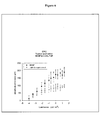
- Fig. 6 shows the amplitude of the b-wave of the flash ERG according to luminance under scotopic adaptation conditions.
- BDNF in TSP applied topically, significantly reduces the effects of light damage on the retinal response to flashes (flash ERG).
- the amplitudes (mean amplitude values expressed in ⁇ V) of the eye treated with BDNF are significantly greater than those of the control eye, *, p ⁇ 0.05 (one-way ANOVA).
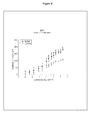
- Fig. 8 shows the amplitudes of the b-wave according to luminance under scotopic adaptation conditions.
- the results indicate that BDNF in saline solution is also able to reduce the alterations of the retinal response to light induced by light damage (flash ERG).
- the amplitudes of the b-wave in the light-damaged eyes of rats treated with BDNF are greater than those recorded for the control eye; the amplitudes (mean amplitude values expressed in ⁇ V) of the eye treated with BDNF in saline are significantly greater than those of the control eye, *, p ⁇ 0.05 (one-way ANOVA).
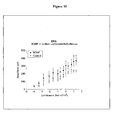
- Fig. 10 shows the amplitude of the b-wave according to luminance under conditions of adaptation to darkness.
- the figure demonstrates that the amplitudes (mean amplitude values expressed in ⁇ V) of the eye treated with BDNF in solution with sodium carboxymethylcellulose are only significantly greater than those of the control eye, *, p ⁇ 0.05 (one-way ANOVA) at the highest luminance values.
- sodium carboxymethylcellulose proved less effective than TSP and saline solution in preventing impairment of the retinal response to light.
- the effects of topical treatment with BDNF on photoreceptor degeneration were quantified by counting the rows of photoreceptors that survived the light damage and measuring the thickness of the retinal outer nuclear layer (ONL) which contains the photoreceptor cell bodies. To perform those measurements, the photoreceptor nuclei were labelled with propidium iodide.
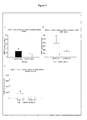
- FIG. 7A shows the retinal cross-sections of the eye treated with BDNF (in 0.25% TSP) and the control eye.
- the photoreceptor nuclei were labelled with propidium iodide.
- the photoreceptors present in the central and peripheral retina are significantly (Student's t-test *, p ⁇ 0.001) more numerous in the eye treated with BDNF than the eye treated with the carrier (control).
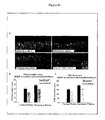
- Fig. 9 (A) shows the retinal cross-sections of the right eye treated with BDNF (in saline solution, 0.9% NaCl) and the left (control) eye treated with saline solution only.
- the effects of topical treatment with BDNF on photoreceptor degeneration were quantified by counting the rows of cell bodies of the photoreceptors that survived the light damage ( Fig. 9B ) or measuring the thickness of the retinal outer nuclear layer (ONL) which contains the photoreceptor cell bodies ( Fig. 9C ).
- the differences between the retinas of the treated eye and the control eye count of photoreceptor rows or ONL thickness proved significant in both the central and the peripheral retina (Student's t-test *, p ⁇ 0.001).
- Topical treatment with BDNF in saline increases the number of photoreceptors that survive light damage in the eye compared with the control eye.
- Glaucoma is a degenerative disorder of the retina which has various causes, and presents in different forms (it is classified on the basis of age as congenital glaucoma, infantile glaucoma, juvenile glaucoma or adult glaucoma; and on the basis of etiopathogenesis as primary glaucoma: primary open-angle glaucoma or primary angle-closure glaucoma; and secondary glaucoma induced by other disorders, including iatrogenic glaucoma).
- POAG primary open-angle glaucoma
- IOP intraocular pressure
- This mouse is characterised by a progressive increase in intraocular pressure with progressive loss of the retinal response to structured visual stimuli, which depends on the inner retina/ganglion cells; in humans and in the animal model, this retinal response is called the pattern electroretinogram (P-ERG; Domenici et al., 1991; Ventura and Porciatti, 2006; Falsini et al., 2008).
- P-ERG pattern electroretinogram
- the dysfunction of the ganglion cells is followed by a degeneration of said cells with progressive atrophy of the optic nerve fibres (Ventura et al., 2006).
- CTRL CTL
- Fig. 14 A shows enlargements of retinal preparations in which the ganglion cells are labelled green with a fluorescent antibody and analysed by confocal microscopy. The number of labelled ganglion cells is clearly smaller in the eye of the DBA/2J mouse, in both the central and the peripheral retina. Fig.
- the minimal effective concentration of BDNF able to exert protective effects on the function of the ganglion cells is 15 ⁇ g/ ⁇ l.
Landscapes
- Health & Medical Sciences (AREA)
- Life Sciences & Earth Sciences (AREA)
- Engineering & Computer Science (AREA)
- Chemical & Material Sciences (AREA)
- Public Health (AREA)
- General Health & Medical Sciences (AREA)
- Animal Behavior & Ethology (AREA)
- Pharmacology & Pharmacy (AREA)
- Medicinal Chemistry (AREA)
- Veterinary Medicine (AREA)
- Bioinformatics & Cheminformatics (AREA)
- Epidemiology (AREA)
- Ophthalmology & Optometry (AREA)
- Biomedical Technology (AREA)
- Neurology (AREA)
- Neurosurgery (AREA)
- General Chemical & Material Sciences (AREA)
- Organic Chemistry (AREA)
- Nuclear Medicine, Radiotherapy & Molecular Imaging (AREA)
- Chemical Kinetics & Catalysis (AREA)
- Proteomics, Peptides & Aminoacids (AREA)
- Psychology (AREA)
- Immunology (AREA)
- Gastroenterology & Hepatology (AREA)
- Zoology (AREA)
- Psychiatry (AREA)
- Cardiology (AREA)
- Hospice & Palliative Care (AREA)
- Vascular Medicine (AREA)
- Heart & Thoracic Surgery (AREA)
- Urology & Nephrology (AREA)
- Inorganic Chemistry (AREA)
- Medicinal Preparation (AREA)
- Pharmaceuticals Containing Other Organic And Inorganic Compounds (AREA)
- Medicines That Contain Protein Lipid Enzymes And Other Medicines (AREA)
- Medicines Containing Plant Substances (AREA)
Claims (12)
- Ophthalmische Zubereitung in der Form von Augentropfen, die einen Brain-Derived-Neurotrophic-Factor (BDNF; vom Gehirn stammender neurotropher Faktor) in einer Konzentration von mindestens 15 µg/µl enthält.
- Ophthalmische Zubereitung nach Anspruch 1, in der BDNF von 15 bis 200 µg/µl reicht.
- Ophthalmische Zubereitung nach Anspruch 1 oder 2, die außerdem eine Salzlösung als pharmazeutisch verträglichen Träger enthält.
- Ophthalmische Zubereitung nach einem der vorangehenden Ansprüche, in der die Salzlösung 0,9% Natriumchlorid enthält.
- Ophthalmische Zubereitung nach einem der vorangehenden Ansprüche, die außerdem eine angedickte Lösung als weiteren pharmazeutisch verträglichen Träger enthält.
- Ophthalmische Zubereitung nach einem der vorangehenden Ansprüche, in der die angedickte Lösung eine Lösung ist, die aus Tamarindensamen (TSP) extrahierte Polysaccharide enthält.
- Ophthalmische Zubereitung nach einem der vorangehenden Ansprüche, in der die TSP-Konzentration von 0,05 bis 2% (w/v) reicht.
- Ophthalmische Zubereitung nach einem der vorangehenden Ansprüche, die weiter Hyaluronsäure enthält.
- Ophthalmische Zubereitung nach einem der vorangehenden Ansprüche, in der die angedickte Lösung TSP und Hyaluronsäure enthält.
- Ophthalmische Zubereitung in der Form von Augentropfen enthaltend BDNF in einer Konzentration von mindestens 15 µg/µl zur Verwendung bei der Prävention und/oder Behandlung von neurodegenerativen Erkrankungen der Retina, des Sehnervs und des Corpus geniculatum laterale.
- Ophthalmische Zubereitung nach Anspruch 10 zur Verwendung bei der Prävention und/oder Behandlung von Retinitis pigmentosa.
- Ophthalmische Zubereitung nach Anspruch 10 zur Verwendung bei der Prävention und/oder Behandlung des chronischen einfachen Glaucoms.
Priority Applications (3)
| Application Number | Priority Date | Filing Date | Title |
|---|---|---|---|
| PL10809037T PL2501362T3 (pl) | 2009-11-16 | 2010-11-12 | Preparaty oczne oparte na BDNF (neurotroficzny czynnik pochodzenia mózgowego) i ich zastosowanie |
| SI201030793T SI2501362T1 (sl) | 2009-11-16 | 2010-11-12 | Oftalmiäśni pripravki na osnovi bdnf (moĺ˝ganskega nevrotrofiäśnega faktorja) in njihova uporaba |
| CY20141101003T CY1115853T1 (el) | 2009-11-16 | 2014-12-02 | Οφθαλμικα σκευασματα επι τη βασει bdnf (εγκεφαλικου νευροτροφικου παραγοντα) και η χρηση αυτων |
Applications Claiming Priority (2)
| Application Number | Priority Date | Filing Date | Title |
|---|---|---|---|
| ITMI2009A002012A IT1396607B1 (it) | 2009-11-16 | 2009-11-16 | Preparazioni oftalmiche a base di bdnf (brain-derived neurotrophic factor) e loro uso. |
| PCT/IB2010/003220 WO2011058449A2 (en) | 2009-11-16 | 2010-11-12 | Ophthalmic preparations based on bdnf (brain-derived neurotrophic factor) and their use |
Publications (2)
| Publication Number | Publication Date |
|---|---|
| EP2501362A2 EP2501362A2 (de) | 2012-09-26 |
| EP2501362B1 true EP2501362B1 (de) | 2014-10-08 |
Family
ID=42211955
Family Applications (1)
| Application Number | Title | Priority Date | Filing Date |
|---|---|---|---|
| EP10809037.4A Active EP2501362B1 (de) | 2009-11-16 | 2010-11-12 | Auf bdnf (brain-derived neurotropher faktor) basierende ophthalmische zubereitungen und ihre verwendung |
Country Status (20)
| Country | Link |
|---|---|
| US (1) | US9387164B2 (de) |
| EP (1) | EP2501362B1 (de) |
| JP (2) | JP2013510844A (de) |
| KR (1) | KR101831793B1 (de) |
| CN (2) | CN105769750A (de) |
| BR (1) | BR112012011542A2 (de) |
| CA (1) | CA2781008C (de) |
| CL (1) | CL2012001267A1 (de) |
| CY (1) | CY1115853T1 (de) |
| DK (1) | DK2501362T3 (de) |
| ES (1) | ES2524976T3 (de) |
| HR (1) | HRP20141129T1 (de) |
| IT (1) | IT1396607B1 (de) |
| MX (1) | MX341502B (de) |
| PL (1) | PL2501362T3 (de) |
| PT (1) | PT2501362E (de) |
| RS (1) | RS53687B1 (de) |
| RU (1) | RU2564920C2 (de) |
| SI (1) | SI2501362T1 (de) |
| WO (1) | WO2011058449A2 (de) |
Families Citing this family (4)
| Publication number | Priority date | Publication date | Assignee | Title |
|---|---|---|---|---|
| HK1255867A1 (zh) | 2015-07-13 | 2019-08-30 | 东北泰克诺亚奇股份有限公司 | 视神经保护用组合物 |
| ITUA20162343A1 (it) * | 2016-04-06 | 2017-10-06 | Luciano Domenici | Formulazioni intranasali di bdnf per uso nel trattamento di malattie neurodegenerative |
| CN111317814B (zh) * | 2020-04-23 | 2020-12-18 | 中国中医科学院眼科医院 | 一种冰片联合神经营养因子组合物及应用 |
| EP4616865A1 (de) * | 2024-03-13 | 2025-09-17 | Dompe' Farmaceutici SpA | Bdnf zur behandlung von rhodopsin-vermittelter retinitis pigmentosa |
Family Cites Families (9)
| Publication number | Priority date | Publication date | Assignee | Title |
|---|---|---|---|---|
| IT1283911B1 (it) * | 1996-02-05 | 1998-05-07 | Farmigea Spa | Soluzioni oftalmiche viscosizzate con polisaccaridi della gomma di tamarindo |
| JPH10212241A (ja) | 1996-05-27 | 1998-08-11 | Sumitomo Pharmaceut Co Ltd | Bdnfを安定に含有する製剤 |
| CA2265743A1 (en) * | 1996-09-13 | 1998-03-19 | Advanced Medicine Research Institute | Ophthalmic composition of neurotrophic factor, optic nerve functional disorder-treating agent and method for treating optic nerve functional disorder |
| IT1305294B1 (it) | 1999-01-29 | 2001-05-04 | Alessandro Lambiase | Uso del nerve growth factor nella terapia di patologie a carico deitessuti intraoculari. |
| JP2003048851A (ja) * | 2001-08-03 | 2003-02-21 | Nidek Co Ltd | 視細胞障害疾患治療薬 |
| WO2006046584A1 (ja) | 2004-10-26 | 2006-05-04 | Santen Pharmaceutical Co., Ltd. | 視細胞障害治療剤 |
| US20070014760A1 (en) * | 2005-07-18 | 2007-01-18 | Peyman Gholam A | Enhanced recovery following ocular surgery |
| US7625927B2 (en) * | 2006-02-27 | 2009-12-01 | Alcon Research, Ltd. | Method of treating glaucoma |
| ITRM20070510A1 (it) * | 2007-10-02 | 2009-04-03 | Rmfa Trading S A | Composizioni oftalmiche a base di polisaccaride del seme di tamarindo e acido ialuronico. |
-
2009
- 2009-11-16 IT ITMI2009A002012A patent/IT1396607B1/it active
-
2010
- 2010-11-12 EP EP10809037.4A patent/EP2501362B1/de active Active
- 2010-11-12 CN CN201610053193.6A patent/CN105769750A/zh active Pending
- 2010-11-12 PL PL10809037T patent/PL2501362T3/pl unknown
- 2010-11-12 CA CA2781008A patent/CA2781008C/en not_active Expired - Fee Related
- 2010-11-12 RS RS20140644A patent/RS53687B1/sr unknown
- 2010-11-12 HR HRP20141129AT patent/HRP20141129T1/hr unknown
- 2010-11-12 SI SI201030793T patent/SI2501362T1/sl unknown
- 2010-11-12 WO PCT/IB2010/003220 patent/WO2011058449A2/en not_active Ceased
- 2010-11-12 KR KR1020127012512A patent/KR101831793B1/ko not_active Expired - Fee Related
- 2010-11-12 CN CN2010800516551A patent/CN102639111A/zh active Pending
- 2010-11-12 BR BR112012011542A patent/BR112012011542A2/pt not_active IP Right Cessation
- 2010-11-12 DK DK10809037.4T patent/DK2501362T3/en active
- 2010-11-12 PT PT108090374T patent/PT2501362E/pt unknown
- 2010-11-12 MX MX2012005624A patent/MX341502B/es active IP Right Grant
- 2010-11-12 JP JP2012538434A patent/JP2013510844A/ja active Pending
- 2010-11-12 RU RU2012120096/15A patent/RU2564920C2/ru not_active IP Right Cessation
- 2010-11-12 US US13/509,824 patent/US9387164B2/en not_active Expired - Fee Related
- 2010-11-12 ES ES10809037.4T patent/ES2524976T3/es active Active
-
2012
- 2012-05-15 CL CL2012001267A patent/CL2012001267A1/es unknown
-
2014
- 2014-12-02 CY CY20141101003T patent/CY1115853T1/el unknown
-
2015
- 2015-11-09 JP JP2015219649A patent/JP2016026229A/ja active Pending
Also Published As
| Publication number | Publication date |
|---|---|
| RU2564920C2 (ru) | 2015-10-10 |
| DK2501362T3 (en) | 2014-11-17 |
| CY1115853T1 (el) | 2017-01-25 |
| PT2501362E (pt) | 2014-12-04 |
| MX341502B (es) | 2016-08-22 |
| JP2016026229A (ja) | 2016-02-12 |
| RS53687B1 (sr) | 2015-04-30 |
| JP2013510844A (ja) | 2013-03-28 |
| ES2524976T3 (es) | 2014-12-16 |
| EP2501362A2 (de) | 2012-09-26 |
| MX2012005624A (es) | 2012-09-28 |
| CN105769750A (zh) | 2016-07-20 |
| KR20120101390A (ko) | 2012-09-13 |
| KR101831793B1 (ko) | 2018-02-23 |
| SI2501362T1 (sl) | 2014-12-31 |
| WO2011058449A2 (en) | 2011-05-19 |
| BR112012011542A2 (pt) | 2016-06-28 |
| HRP20141129T1 (hr) | 2015-01-02 |
| CL2012001267A1 (es) | 2012-12-07 |
| US9387164B2 (en) | 2016-07-12 |
| IT1396607B1 (it) | 2012-12-14 |
| WO2011058449A3 (en) | 2011-12-01 |
| CA2781008A1 (en) | 2011-05-19 |
| CN102639111A (zh) | 2012-08-15 |
| US20120258916A1 (en) | 2012-10-11 |
| ITMI20092012A1 (it) | 2011-05-17 |
| CA2781008C (en) | 2018-02-06 |
| RU2012120096A (ru) | 2013-11-20 |
| PL2501362T3 (pl) | 2015-02-27 |
Similar Documents
| Publication | Publication Date | Title |
|---|---|---|
| Cvenkel et al. | Current medical therapy and future trends in the management of glaucoma treatment | |
| Rocco et al. | Nerve growth factor: early studies and recent clinical trials | |
| DE69709458T2 (de) | Verwendung des glialen, neurotrophen faktors (gdnf) zur behandlung von gehörstörungen | |
| US5641749A (en) | Method for treating retinal ganglion cell injury using glial cell line-derived neurothrophic factor (GDNF) protein product | |
| DE69609422T2 (de) | Verfahren zur behandlung von verletzten oder degenerierten photorezeptoren mit einem neurotrophischen faktor aus der glial-zellinie (gdnf) | |
| Iwabe et al. | Retrograde axonal transport obstruction of brain‐derived neurotrophic factor (BDNF) and its TrkB receptor in the retina and optic nerve of American Cocker Spaniel dogs with spontaneous glaucoma | |
| Thanos et al. | Delivery of neurotrophic factors and therapeutic proteins for retinal diseases | |
| JP2001525316A (ja) | ニュールツリンタンパク質産物を使用する難聴の予防および治療方法 | |
| Kanu et al. | Nerve growth factor as an ocular therapy: applications, challenges, and future directions | |
| Cerri et al. | Conjunctivally applied BDNF protects photoreceptors from light-induced damage | |
| EP2501362B1 (de) | Auf bdnf (brain-derived neurotropher faktor) basierende ophthalmische zubereitungen und ihre verwendung | |
| JP3645902B2 (ja) | 特定の因子による網膜の損傷および変性の防止 | |
| US20140315811A1 (en) | Ophthalmic preparations based on pacap (pituitary adenylate cyclase activating polypeptide) which restore the normal visual function in early glaucoma | |
| Bronzetti et al. | Expression of neurotransmitters and neurotrophins in neurogenic inflammation of the rat retina | |
| Xiao et al. | Neuroprotection of retinal ganglion cells with GDNF-Loaded biodegradable microspheres in experimental glaucoma | |
| HK1173950A (en) | Ophthalmic preparations based on bdnf (brain-derived neurotrophic factor) and their use | |
| US8106096B2 (en) | Compositions and methods for treatment of optic nerve diseases | |
| HK1227089A1 (en) | Ophthalmic preparations based on bdnf (brain-derived neurotrophic factor) and their use | |
| CN115944713A (zh) | 一种神经营养因子和穿透肽组合物及其应用 |
Legal Events
| Date | Code | Title | Description |
|---|---|---|---|
| PUAI | Public reference made under article 153(3) epc to a published international application that has entered the european phase |
Free format text: ORIGINAL CODE: 0009012 |
|
| 17P | Request for examination filed |
Effective date: 20120525 |
|
| AK | Designated contracting states |
Kind code of ref document: A2 Designated state(s): AL AT BE BG CH CY CZ DE DK EE ES FI FR GB GR HR HU IE IS IT LI LT LU LV MC MK MT NL NO PL PT RO RS SE SI SK SM TR |
|
| DAX | Request for extension of the european patent (deleted) | ||
| 17Q | First examination report despatched |
Effective date: 20130328 |
|
| GRAP | Despatch of communication of intention to grant a patent |
Free format text: ORIGINAL CODE: EPIDOSNIGR1 |
|
| INTG | Intention to grant announced |
Effective date: 20140506 |
|
| GRAS | Grant fee paid |
Free format text: ORIGINAL CODE: EPIDOSNIGR3 |
|
| GRAA | (expected) grant |
Free format text: ORIGINAL CODE: 0009210 |
|
| AK | Designated contracting states |
Kind code of ref document: B1 Designated state(s): AL AT BE BG CH CY CZ DE DK EE ES FI FR GB GR HR HU IE IS IT LI LT LU LV MC MK MT NL NO PL PT RO RS SE SI SK SM TR |
|
| REG | Reference to a national code |
Ref country code: GB Ref legal event code: FG4D |
|
| REG | Reference to a national code |
Ref country code: AT Ref legal event code: REF Ref document number: 690200 Country of ref document: AT Kind code of ref document: T Effective date: 20141015 Ref country code: CH Ref legal event code: EP |
|
| REG | Reference to a national code |
Ref country code: RO Ref legal event code: EPE |
|
| REG | Reference to a national code |
Ref country code: CH Ref legal event code: NV Representative=s name: ISLER AND PEDRAZZINI AG, CH |
|
| REG | Reference to a national code |
Ref country code: IE Ref legal event code: FG4D |
|
| REG | Reference to a national code |
Ref country code: DK Ref legal event code: T3 Effective date: 20141110 |
|
| REG | Reference to a national code |
Ref country code: HR Ref legal event code: TUEP Ref document number: P20141129 Country of ref document: HR Ref country code: DE Ref legal event code: R096 Ref document number: 602010019475 Country of ref document: DE Effective date: 20141120 |
|
| REG | Reference to a national code |
Ref country code: NL Ref legal event code: T3 |
|
| REG | Reference to a national code |
Ref country code: PT Ref legal event code: SC4A Free format text: AVAILABILITY OF NATIONAL TRANSLATION Effective date: 20141126 |
|
| REG | Reference to a national code |
Ref country code: ES Ref legal event code: FG2A Ref document number: 2524976 Country of ref document: ES Kind code of ref document: T3 Effective date: 20141216 |
|
| REG | Reference to a national code |
Ref country code: HR Ref legal event code: T1PR Ref document number: P20141129 Country of ref document: HR |
|
| REG | Reference to a national code |
Ref country code: SE Ref legal event code: TRGR Ref country code: SK Ref legal event code: T3 Ref document number: E 17560 Country of ref document: SK |
|
| REG | Reference to a national code |
Ref country code: EE Ref legal event code: FG4A Ref document number: E009968 Country of ref document: EE Effective date: 20141216 |
|
| REG | Reference to a national code |
Ref country code: PL Ref legal event code: T3 |
|
| REG | Reference to a national code |
Ref country code: GR Ref legal event code: EP Ref document number: 20140402450 Country of ref document: GR Effective date: 20150128 |
|
| REG | Reference to a national code |
Ref country code: NO Ref legal event code: T2 Effective date: 20141008 |
|
| REG | Reference to a national code |
Ref country code: DE Ref legal event code: R097 Ref document number: 602010019475 Country of ref document: DE |
|
| PLBE | No opposition filed within time limit |
Free format text: ORIGINAL CODE: 0009261 |
|
| STAA | Information on the status of an ep patent application or granted ep patent |
Free format text: STATUS: NO OPPOSITION FILED WITHIN TIME LIMIT |
|
| 26N | No opposition filed |
Effective date: 20150709 |
|
| REG | Reference to a national code |
Ref country code: FR Ref legal event code: PLFP Year of fee payment: 6 |
|
| REG | Reference to a national code |
Ref country code: HU Ref legal event code: AG4A Ref document number: E024045 Country of ref document: HU |
|
| REG | Reference to a national code |
Ref country code: AT Ref legal event code: UEP Ref document number: 690200 Country of ref document: AT Kind code of ref document: T Effective date: 20141008 |
|
| PG25 | Lapsed in a contracting state [announced via postgrant information from national office to epo] |
Ref country code: SM Free format text: LAPSE BECAUSE OF FAILURE TO SUBMIT A TRANSLATION OF THE DESCRIPTION OR TO PAY THE FEE WITHIN THE PRESCRIBED TIME-LIMIT Effective date: 20141008 |
|
| REG | Reference to a national code |
Ref country code: FR Ref legal event code: PLFP Year of fee payment: 7 |
|
| REG | Reference to a national code |
Ref country code: HR Ref legal event code: ODRP Ref document number: P20141129 Country of ref document: HR Payment date: 20171110 Year of fee payment: 8 |
|
| REG | Reference to a national code |
Ref country code: FR Ref legal event code: PLFP Year of fee payment: 8 |
|
| PGFP | Annual fee paid to national office [announced via postgrant information from national office to epo] |
Ref country code: LU Payment date: 20171116 Year of fee payment: 8 |
|
| PGFP | Annual fee paid to national office [announced via postgrant information from national office to epo] |
Ref country code: LT Payment date: 20171113 Year of fee payment: 8 Ref country code: NO Payment date: 20171115 Year of fee payment: 8 Ref country code: MC Payment date: 20171114 Year of fee payment: 8 Ref country code: CZ Payment date: 20170929 Year of fee payment: 8 Ref country code: FI Payment date: 20171115 Year of fee payment: 8 Ref country code: TR Payment date: 20171110 Year of fee payment: 8 Ref country code: RO Payment date: 20171113 Year of fee payment: 8 Ref country code: FR Payment date: 20171114 Year of fee payment: 8 Ref country code: HU Payment date: 20171117 Year of fee payment: 8 Ref country code: DE Payment date: 20171121 Year of fee payment: 8 Ref country code: NL Payment date: 20171115 Year of fee payment: 8 Ref country code: SK Payment date: 20171109 Year of fee payment: 8 Ref country code: DK Payment date: 20171128 Year of fee payment: 8 Ref country code: EE Payment date: 20171113 Year of fee payment: 8 |
|
| PGFP | Annual fee paid to national office [announced via postgrant information from national office to epo] |
Ref country code: BG Payment date: 20171116 Year of fee payment: 8 Ref country code: CH Payment date: 20171113 Year of fee payment: 8 Ref country code: PL Payment date: 20171110 Year of fee payment: 8 Ref country code: LV Payment date: 20171124 Year of fee payment: 8 Ref country code: BE Payment date: 20171115 Year of fee payment: 8 Ref country code: HR Payment date: 20171110 Year of fee payment: 8 Ref country code: PT Payment date: 20171110 Year of fee payment: 8 Ref country code: IE Payment date: 20171113 Year of fee payment: 8 Ref country code: ES Payment date: 20171204 Year of fee payment: 8 Ref country code: GR Payment date: 20171127 Year of fee payment: 8 Ref country code: SI Payment date: 20171110 Year of fee payment: 8 Ref country code: IT Payment date: 20171115 Year of fee payment: 8 Ref country code: RS Payment date: 20171113 Year of fee payment: 8 Ref country code: SE Payment date: 20171116 Year of fee payment: 8 Ref country code: GB Payment date: 20171110 Year of fee payment: 8 Ref country code: IS Payment date: 20171113 Year of fee payment: 8 Ref country code: AT Payment date: 20171130 Year of fee payment: 8 |
|
| PGFP | Annual fee paid to national office [announced via postgrant information from national office to epo] |
Ref country code: CY Payment date: 20171110 Year of fee payment: 8 |
|
| PGFP | Annual fee paid to national office [announced via postgrant information from national office to epo] |
Ref country code: MK Payment date: 20171110 Year of fee payment: 8 Ref country code: AL Payment date: 20171116 Year of fee payment: 8 |
|
| PGFP | Annual fee paid to national office [announced via postgrant information from national office to epo] |
Ref country code: MT Payment date: 20171121 Year of fee payment: 8 |
|
| REG | Reference to a national code |
Ref country code: HR Ref legal event code: PBON Ref document number: P20141129 Country of ref document: HR Effective date: 20181112 |
|
| REG | Reference to a national code |
Ref country code: DE Ref legal event code: R119 Ref document number: 602010019475 Country of ref document: DE |
|
| REG | Reference to a national code |
Ref country code: LT Ref legal event code: MM4D Effective date: 20181112 |
|
| REG | Reference to a national code |
Ref country code: EE Ref legal event code: MM4A Ref document number: E009968 Country of ref document: EE Effective date: 20181130 |
|
| REG | Reference to a national code |
Ref country code: DK Ref legal event code: EBP Effective date: 20181130 Ref country code: NO Ref legal event code: MMEP |
|
| REG | Reference to a national code |
Ref country code: CH Ref legal event code: PL |
|
| REG | Reference to a national code |
Ref country code: SE Ref legal event code: EUG |
|
| REG | Reference to a national code |
Ref country code: NL Ref legal event code: MM Effective date: 20181201 |
|
| REG | Reference to a national code |
Ref country code: AT Ref legal event code: MM01 Ref document number: 690200 Country of ref document: AT Kind code of ref document: T Effective date: 20181112 |
|
| GBPC | Gb: european patent ceased through non-payment of renewal fee |
Effective date: 20181112 |
|
| PG25 | Lapsed in a contracting state [announced via postgrant information from national office to epo] |
Ref country code: PT Free format text: LAPSE BECAUSE OF NON-PAYMENT OF DUE FEES Effective date: 20190513 Ref country code: CY Free format text: LAPSE BECAUSE OF NON-PAYMENT OF DUE FEES Effective date: 20181112 Ref country code: LU Free format text: LAPSE BECAUSE OF NON-PAYMENT OF DUE FEES Effective date: 20181112 Ref country code: MC Free format text: LAPSE BECAUSE OF NON-PAYMENT OF DUE FEES Effective date: 20181130 Ref country code: FI Free format text: LAPSE BECAUSE OF NON-PAYMENT OF DUE FEES Effective date: 20181112 Ref country code: SE Free format text: LAPSE BECAUSE OF NON-PAYMENT OF DUE FEES Effective date: 20181113 Ref country code: CZ Free format text: LAPSE BECAUSE OF NON-PAYMENT OF DUE FEES Effective date: 20181112 Ref country code: NO Free format text: LAPSE BECAUSE OF NON-PAYMENT OF DUE FEES Effective date: 20181130 Ref country code: LT Free format text: LAPSE BECAUSE OF NON-PAYMENT OF DUE FEES Effective date: 20181112 |
|
| REG | Reference to a national code |
Ref country code: SK Ref legal event code: MM4A Ref document number: E 17560 Country of ref document: SK Effective date: 20181112 |
|
| REG | Reference to a national code |
Ref country code: BE Ref legal event code: FP Effective date: 20141107 Ref country code: BE Ref legal event code: MM Effective date: 20181130 |
|
| REG | Reference to a national code |
Ref country code: IE Ref legal event code: MM4A |
|
| PG25 | Lapsed in a contracting state [announced via postgrant information from national office to epo] |
Ref country code: GR Free format text: LAPSE BECAUSE OF NON-PAYMENT OF DUE FEES Effective date: 20190605 Ref country code: LI Free format text: LAPSE BECAUSE OF NON-PAYMENT OF DUE FEES Effective date: 20181130 Ref country code: NL Free format text: LAPSE BECAUSE OF NON-PAYMENT OF DUE FEES Effective date: 20181201 Ref country code: SK Free format text: LAPSE BECAUSE OF NON-PAYMENT OF DUE FEES Effective date: 20181112 Ref country code: IS Free format text: LAPSE BECAUSE OF FAILURE TO SUBMIT A TRANSLATION OF THE DESCRIPTION OR TO PAY THE FEE WITHIN THE PRESCRIBED TIME-LIMIT Effective date: 20190531 Ref country code: HR Free format text: LAPSE BECAUSE OF NON-PAYMENT OF DUE FEES Effective date: 20181112 Ref country code: EE Free format text: LAPSE BECAUSE OF NON-PAYMENT OF DUE FEES Effective date: 20181130 Ref country code: LV Free format text: LAPSE BECAUSE OF NON-PAYMENT OF DUE FEES Effective date: 20181112 Ref country code: RS Free format text: LAPSE BECAUSE OF NON-PAYMENT OF DUE FEES Effective date: 20190514 Ref country code: CH Free format text: LAPSE BECAUSE OF NON-PAYMENT OF DUE FEES Effective date: 20181130 Ref country code: HU Free format text: LAPSE BECAUSE OF NON-PAYMENT OF DUE FEES Effective date: 20181113 Ref country code: SI Free format text: LAPSE BECAUSE OF NON-PAYMENT OF DUE FEES Effective date: 20181113 Ref country code: RO Free format text: LAPSE BECAUSE OF NON-PAYMENT OF DUE FEES Effective date: 20181112 Ref country code: BG Free format text: LAPSE BECAUSE OF NON-PAYMENT OF DUE FEES Effective date: 20190531 |
|
| REG | Reference to a national code |
Ref country code: SI Ref legal event code: KO00 Effective date: 20190709 |
|
| PG25 | Lapsed in a contracting state [announced via postgrant information from national office to epo] |
Ref country code: AT Free format text: LAPSE BECAUSE OF NON-PAYMENT OF DUE FEES Effective date: 20181112 Ref country code: IE Free format text: LAPSE BECAUSE OF NON-PAYMENT OF DUE FEES Effective date: 20181112 Ref country code: FR Free format text: LAPSE BECAUSE OF NON-PAYMENT OF DUE FEES Effective date: 20181130 Ref country code: DK Free format text: LAPSE BECAUSE OF NON-PAYMENT OF DUE FEES Effective date: 20181130 Ref country code: IT Free format text: LAPSE BECAUSE OF NON-PAYMENT OF DUE FEES Effective date: 20181112 Ref country code: DE Free format text: LAPSE BECAUSE OF NON-PAYMENT OF DUE FEES Effective date: 20190601 |
|
| PG25 | Lapsed in a contracting state [announced via postgrant information from national office to epo] |
Ref country code: BE Free format text: LAPSE BECAUSE OF NON-PAYMENT OF DUE FEES Effective date: 20181130 |
|
| PG25 | Lapsed in a contracting state [announced via postgrant information from national office to epo] |
Ref country code: GB Free format text: LAPSE BECAUSE OF NON-PAYMENT OF DUE FEES Effective date: 20181112 |
|
| REG | Reference to a national code |
Ref country code: ES Ref legal event code: FD2A Effective date: 20200103 |
|
| PG25 | Lapsed in a contracting state [announced via postgrant information from national office to epo] |
Ref country code: ES Free format text: LAPSE BECAUSE OF NON-PAYMENT OF DUE FEES Effective date: 20181113 |
|
| PG25 | Lapsed in a contracting state [announced via postgrant information from national office to epo] |
Ref country code: PL Free format text: LAPSE BECAUSE OF NON-PAYMENT OF DUE FEES Effective date: 20181112 |
|
| PG25 | Lapsed in a contracting state [announced via postgrant information from national office to epo] |
Ref country code: MT Free format text: LAPSE BECAUSE OF NON-PAYMENT OF DUE FEES Effective date: 20181112 |
|
| PG25 | Lapsed in a contracting state [announced via postgrant information from national office to epo] |
Ref country code: AL Free format text: LAPSE BECAUSE OF NON-PAYMENT OF DUE FEES Effective date: 20181112 |
|
| PG25 | Lapsed in a contracting state [announced via postgrant information from national office to epo] |
Ref country code: TR Free format text: LAPSE BECAUSE OF NON-PAYMENT OF DUE FEES Effective date: 20181112 |