EP2477641B1 - Inhibition of endosomal toll-like receptor activation for treating thrombotic disorders - Google Patents
Inhibition of endosomal toll-like receptor activation for treating thrombotic disorders Download PDFInfo
- Publication number
- EP2477641B1 EP2477641B1 EP10817556.3A EP10817556A EP2477641B1 EP 2477641 B1 EP2477641 B1 EP 2477641B1 EP 10817556 A EP10817556 A EP 10817556A EP 2477641 B1 EP2477641 B1 EP 2477641B1
- Authority
- EP
- European Patent Office
- Prior art keywords
- agent
- nucleic acid
- cells
- tlr3
- poly
- Prior art date
- Legal status (The legal status is an assumption and is not a legal conclusion. Google has not performed a legal analysis and makes no representation as to the accuracy of the status listed.)
- Active
Links
Images






Classifications
-
- A—HUMAN NECESSITIES
- A61—MEDICAL OR VETERINARY SCIENCE; HYGIENE
- A61K—PREPARATIONS FOR MEDICAL, DENTAL OR TOILETRY PURPOSES
- A61K38/00—Medicinal preparations containing peptides
- A61K38/16—Peptides having more than 20 amino acids; Gastrins; Somatostatins; Melanotropins; Derivatives thereof
-
- A—HUMAN NECESSITIES
- A61—MEDICAL OR VETERINARY SCIENCE; HYGIENE
- A61K—PREPARATIONS FOR MEDICAL, DENTAL OR TOILETRY PURPOSES
- A61K31/00—Medicinal preparations containing organic active ingredients
- A61K31/74—Synthetic polymeric materials
- A61K31/785—Polymers containing nitrogen
-
- A—HUMAN NECESSITIES
- A61—MEDICAL OR VETERINARY SCIENCE; HYGIENE
- A61K—PREPARATIONS FOR MEDICAL, DENTAL OR TOILETRY PURPOSES
- A61K31/00—Medicinal preparations containing organic active ingredients
- A61K31/13—Amines
-
- A—HUMAN NECESSITIES
- A61—MEDICAL OR VETERINARY SCIENCE; HYGIENE
- A61K—PREPARATIONS FOR MEDICAL, DENTAL OR TOILETRY PURPOSES
- A61K31/00—Medicinal preparations containing organic active ingredients
- A61K31/70—Carbohydrates; Sugars; Derivatives thereof
-
- A—HUMAN NECESSITIES
- A61—MEDICAL OR VETERINARY SCIENCE; HYGIENE
- A61K—PREPARATIONS FOR MEDICAL, DENTAL OR TOILETRY PURPOSES
- A61K31/00—Medicinal preparations containing organic active ingredients
- A61K31/70—Carbohydrates; Sugars; Derivatives thereof
- A61K31/715—Polysaccharides, i.e. having more than five saccharide radicals attached to each other by glycosidic linkages; Derivatives thereof, e.g. ethers, esters
- A61K31/716—Glucans
- A61K31/722—Chitin, chitosan
-
- A—HUMAN NECESSITIES
- A61—MEDICAL OR VETERINARY SCIENCE; HYGIENE
- A61K—PREPARATIONS FOR MEDICAL, DENTAL OR TOILETRY PURPOSES
- A61K38/00—Medicinal preparations containing peptides
- A61K38/16—Peptides having more than 20 amino acids; Gastrins; Somatostatins; Melanotropins; Derivatives thereof
- A61K38/17—Peptides having more than 20 amino acids; Gastrins; Somatostatins; Melanotropins; Derivatives thereof from animals; from humans
- A61K38/1703—Peptides having more than 20 amino acids; Gastrins; Somatostatins; Melanotropins; Derivatives thereof from animals; from humans from vertebrates
- A61K38/1709—Peptides having more than 20 amino acids; Gastrins; Somatostatins; Melanotropins; Derivatives thereof from animals; from humans from vertebrates from mammals
-
- A—HUMAN NECESSITIES
- A61—MEDICAL OR VETERINARY SCIENCE; HYGIENE
- A61P—SPECIFIC THERAPEUTIC ACTIVITY OF CHEMICAL COMPOUNDS OR MEDICINAL PREPARATIONS
- A61P11/00—Drugs for disorders of the respiratory system
-
- A—HUMAN NECESSITIES
- A61—MEDICAL OR VETERINARY SCIENCE; HYGIENE
- A61P—SPECIFIC THERAPEUTIC ACTIVITY OF CHEMICAL COMPOUNDS OR MEDICINAL PREPARATIONS
- A61P17/00—Drugs for dermatological disorders
- A61P17/06—Antipsoriatics
-
- A—HUMAN NECESSITIES
- A61—MEDICAL OR VETERINARY SCIENCE; HYGIENE
- A61P—SPECIFIC THERAPEUTIC ACTIVITY OF CHEMICAL COMPOUNDS OR MEDICINAL PREPARATIONS
- A61P19/00—Drugs for skeletal disorders
- A61P19/02—Drugs for skeletal disorders for joint disorders, e.g. arthritis, arthrosis
-
- A—HUMAN NECESSITIES
- A61—MEDICAL OR VETERINARY SCIENCE; HYGIENE
- A61P—SPECIFIC THERAPEUTIC ACTIVITY OF CHEMICAL COMPOUNDS OR MEDICINAL PREPARATIONS
- A61P25/00—Drugs for disorders of the nervous system
-
- A—HUMAN NECESSITIES
- A61—MEDICAL OR VETERINARY SCIENCE; HYGIENE
- A61P—SPECIFIC THERAPEUTIC ACTIVITY OF CHEMICAL COMPOUNDS OR MEDICINAL PREPARATIONS
- A61P29/00—Non-central analgesic, antipyretic or antiinflammatory agents, e.g. antirheumatic agents; Non-steroidal antiinflammatory drugs [NSAID]
-
- A—HUMAN NECESSITIES
- A61—MEDICAL OR VETERINARY SCIENCE; HYGIENE
- A61P—SPECIFIC THERAPEUTIC ACTIVITY OF CHEMICAL COMPOUNDS OR MEDICINAL PREPARATIONS
- A61P3/00—Drugs for disorders of the metabolism
- A61P3/04—Anorexiants; Antiobesity agents
-
- A—HUMAN NECESSITIES
- A61—MEDICAL OR VETERINARY SCIENCE; HYGIENE
- A61P—SPECIFIC THERAPEUTIC ACTIVITY OF CHEMICAL COMPOUNDS OR MEDICINAL PREPARATIONS
- A61P31/00—Antiinfectives, i.e. antibiotics, antiseptics, chemotherapeutics
-
- A—HUMAN NECESSITIES
- A61—MEDICAL OR VETERINARY SCIENCE; HYGIENE
- A61P—SPECIFIC THERAPEUTIC ACTIVITY OF CHEMICAL COMPOUNDS OR MEDICINAL PREPARATIONS
- A61P31/00—Antiinfectives, i.e. antibiotics, antiseptics, chemotherapeutics
- A61P31/04—Antibacterial agents
-
- A—HUMAN NECESSITIES
- A61—MEDICAL OR VETERINARY SCIENCE; HYGIENE
- A61P—SPECIFIC THERAPEUTIC ACTIVITY OF CHEMICAL COMPOUNDS OR MEDICINAL PREPARATIONS
- A61P35/00—Antineoplastic agents
-
- A—HUMAN NECESSITIES
- A61—MEDICAL OR VETERINARY SCIENCE; HYGIENE
- A61P—SPECIFIC THERAPEUTIC ACTIVITY OF CHEMICAL COMPOUNDS OR MEDICINAL PREPARATIONS
- A61P7/00—Drugs for disorders of the blood or the extracellular fluid
- A61P7/02—Antithrombotic agents; Anticoagulants; Platelet aggregation inhibitors
-
- A—HUMAN NECESSITIES
- A61—MEDICAL OR VETERINARY SCIENCE; HYGIENE
- A61P—SPECIFIC THERAPEUTIC ACTIVITY OF CHEMICAL COMPOUNDS OR MEDICINAL PREPARATIONS
- A61P9/00—Drugs for disorders of the cardiovascular system
Definitions
- the present invention relates to nucleic acid binding agents and a method of identifying a candidate nucleic acid binding agent.
- PRRs pattern-recognition receptors
- TLRs toll-like receptors
- PRRs pattern-recognition receptors
- TLRs toll-like receptors
- PRRs pattern-recognition receptors
- TLRs toll-like receptors
- PRRs pattern-recognition receptors
- TLRs toll-like receptors
- PRRs pattern-recognition receptors
- nucleic acid binding agent an agent that binds to the nucleic acid
- the chemistry e.g., DNA or RNA, with or without base or sugar modifications
- structure e.g., double-stranded or single-stranded, complexed or uncomplexed with, for example protein
- TLRs are type I transmembrane proteins composed of an extracellular domain of leucine-rich repeats and an intracellular Toll/interleukin-1 (IL-1) receptor (TIR) domain ( Leulier and Lemaitre, Nat. Rev. Genet. 9:165-178 (2008 )).
- IL-1-1 receptor (TIR) domain Toll/interleukin-1 receptor (IL-1) receptor (TIR) domain
- TLR2 4, 5, 6 and 11 bind to bacterial outer membrane molecules such as lipopolysaccharide (LPS), peptidoglycan and lipoteic acid
- TLR3, TLR7, TLR8 and TLR9 recognize bacterial, viral or even endogenous nucleic acids ( Kawai and Akira, Semin.
- TLRs can be classified based on their cellular localization: TLR1, 2, 4, 5 and 6 are expressed on the cell surface while TLR3, 7, 8 and 9 are localized mostly, though not exclusively, in endosomal compartments ( Kawai and Akira, Semin. Immunol. 19:24-32 (2007 )).
- TLR activation initiates intracellular signaling events that result in the expression of immune response genes including inflammatory and immune modulatory cytokines, chemokines, immune stimulatory receptors, which augments killing of pathogens and initiates the process of developing acquired immunity ( Takeda and Akira, Int. Immunol. 17:1-14 (2005 ), Akira et al, Cell 124:783-801 (2006 )).
- PAMPs pathogen-associated molecular patterns
- DAMPs endogenous damage-associated molecular patterns
- TLR activation initiates intracellular signaling events that result in the expression of immune response genes including inflammatory and immune modulatory cytokines, chemokines, immune stimulatory receptors, which augments killing of pathogens and initiates the process of developing acquired immunity ( Takeda and Akira, Int. Immunol. 17:1-14 (2005 ), Akira et al, Cell 124:783-801 (2006 )).
- TLR1, TLR2, TLR3, TLR4 and TLR9 bacterial sepsis
- WLR1, TLR2, TLR3, TLR4 and TLR9 bacterial sepsis
- TLR4 non-infection systemic inflammatory response syndrome
- TLR3, TLR4 and TLR9 multiple sclerosis
- SLE systemic lupus erythematosus
- TLR7 and TLR9 Marshak-Rothstein and Rifkin, Annu. Rev. Immunol. 25:419-441 (2007 )
- rheumatoid arthritis TLR3, TLR4, TLR7, TLR8 and TLR9
- TLR activity has therapeutic benefits for treating certain diseases.
- diverse LPS-neutralizing agents and TLR4 antagonists have been evaluated to treat inflammatory diseases in animal and clinical studies ( Leon et al, Pharm. Res. 25:1751-1761 (2008 )).
- a TLR9 inhibitor, inhibitory CpG DNA Plitas et al, J. Exp. Med. 205:1277-1283 (2008 )
- an antagonistic anti-TLR3 antibody Cavassani et al, J. Exp. Med.
- TLRs Upon stimulation, all TLRs recruit intracellular TIR-domain-containing adapters, such as TRIF and MyD88 ( Kawai and Akira, Semin. Immunol. 19:24-32 (2007 )). These adapter molecules mediate a downstream cascade of TLR-associated signaling.
- TRIF is recruited to TLR3 and TLR4, and appears to activate IRF3, MAPK, and NF- ⁇ B while MyD88 is associated with all TLRs, except TLR3, and phosphorylates IRAK, IRF5, IRF7, MAPK and NF- ⁇ B, which enhance the expression of type I IFN, inflammatory cytokine and IFN-inducible genes ( Kawai and Akira, Semin. Immunol.
- TLR3 19:24-32 (2007 )).
- endosomal TLRs TLR3, 7, 8 and 9 all recognize microbial or host nucleic acids, as PAMPs or DAMPs, respectively.
- PAMPs microbial or host nucleic acids
- DAMPs DAMPs
- oligonucleotide-based drugs e.g., aptamers
- nucleotide sequences Oney et al, Control of Aptamer Activity by Universal Antidotes: An Approach to Safer Therapeutics, Nature Medicine (in press )
- immune stimulatory siRNA, a TLR7 agonist, condensed with a cyclodextrin-based polymer has been shown not to activate TLR7 ( Hu-Lieskovan et al, Cancer Res. 65:8984-8992 (2005 )).
- the present invention results, at least in part, from studies designed to determine whether agents that bind DNAs and RNAs in a sequence-independent manner (e.g., nucleic acid-binding cationic polymers) can neutralize endosomal TLR ligands and thereby inhibit activation of the corresponding TLRs.
- agents that bind DNAs and RNAs in a sequence-independent manner e.g., nucleic acid-binding cationic polymers
- WO2002053185 describes the use of a polycationic compound for the preparation of a medicament for treating or preventing inflammation.
- WO 2006040579 describes cationic polyamine polymers and dendrimeric polymers, having antiproliferative activity that may be useful for treatment of disorders characterised by undesirable cellular proliferation.
- WO2008121354 describes agents that bind therapeutic or diagnostic nucleic acid molecules in a sequence independent manner and modulate (e.g., inhibit or reverse) their activity.
- WO2008063157 describes a method for preventing or treating a blood clotting disorder by administering a nanoparticle-based anticoagulant that is a substituted fullerene, polyamidoamine (PAMAM) dendrimer or combination thereof.
- PAMAM polyamidoamine
- US2003180250 describes a composition exhibiting anti-inflammatory activity comprising of a momodisperse macromolecular polymers such as dendrimer.
- an agent that binds a nucleic acid responsible for the induction or progression of a thrombotic disorder for use in preventing the induction of, or inhibiting the progression of, a nucleic acid-induced thrombotic disorder by administering said agent to a patient in need thereof in an amount and under conditions such that said prevention or inhibition is effected, wherein the agent is selected from the group consisting of a cyclodextrin containing polymer (CDP) and a polybrene (HDMBr).
- CDP cyclodextrin containing polymer
- HDMBr polybrene
- the agent may have a binding affinity for the nucleic acid responsible for the induction or progression of the thrombotic disorder greater than 1 ⁇ 106 M-1.
- the agent may comprise 5-350 secondary amines.
- the agent may have a molecular weight in the range of 2,000 to 50,000.
- Also claimed is a method of identifying a candidate nucleic acid binding agent that binds a nucleic acid responsible for nucleic acid-induced activation of toll-like receptor 3 (TLR3) and toll-like receptor 9 (TLR9) suitable for use in treating inflammatory and/or immune responses by inhibiting said induction of activation comprising:
- the cells of step (i) are macrophages and the cells are further analyzed for expression of cell-surface co-stimulatory molecules, optionally CD86.
- the method may further comprise culturing the cells of step (i) with LPS and analyzing the cells for increased expression of cell-surface co-stimulatory molecules or analyzing a second supernatant sample for the presence of TNF- ⁇ or IL-6.
- the test agent may be a positively charged compound, optionally wherein the positively charged compound is a protein, polypeptide, peptide, lipid, or natural or synthetic polymer.
- the test agent may be an intercalating agent or a porphyrin.
- the test agent may be a polycationic polymer.
- PRRs are a pivotal component of host immune cells to protect tissues from various harmful stimuli, such as pathogens and damaged cells.
- a variety of PRRs including RIG-I-like receptors (RLRs), dsRNA-dependent protein kinase R (PKR), DNA-dependent activator of IRFs (DAI) and TLRs can recognize diverse products of pathogens and damaged cells that are referred to PAMPs and DAMPs ( Lotze et al, Immunol. Reviews 220:60-81 (2007 )).
- TLRs play a central role in host innate and acquired immunity, as well as in the pathogenesis of various diseases, including infectious diseases, inflammatory diseases and autoimmune diseases.
- TLRs 3, 7, 8 and 9 are localized in endosomes can be activated by microbial and host nucleic acids.
- Described herein, but not presently claimed, is a method of inhibiting nucleic acid-induced activation of endosomal TLRs.
- the method comprises administering to a patient in need thereof an agent that binds nucleic acids responsible for induction of TLR activation in an amount and under conditions such that inhibition of that activation is effected.
- the agent binds the nucleic acids in a manner that is independent of the nucleotide sequence, the chemistry (e.g., DNA or RNA, with or without base or sugar modifications) and/or the structure (e.g., double-stranded or single-stranded, complexed or uncomplexed with, for example, a protein) of the nucleic acids responsible for inducing TLR activation.
- the method can be used to treat inflammatory and/or autoimmune responses resulting from endosomal activation.
- Nucleic acid binding (scavenging) agents include pharmaceutically acceptable member(s) of a group of positively charged compounds, including proteins, lipids, and natural and synthetic polymers, that can bind nucleic acids in, for example, biologically fluids.
- Proteinaceous nucleic acid binding agents include protamines, a group of proteins that yield basic amino acids on hydrolysis and that occur combined with nucleic acid in the sperm of fish, such as salmon.
- Protamines are soluble in water, are not coagulated by heat, and comprise arginine, alanine and serine (most also contain proline and valine and many contain glycine and isoleucine). In purified form, protamine has been used for decades to neutralize the anticoagulant effects of heparin.
- Nucleic acid binding agents also include protamine variants (e.g., the +18RGD variant ( Wakefield et al, J. Surg. Res.
- nucleic acid binding agents include protamine fragments, such as those described in USP 6,624,141 and U.S. Published Application No. 20050101532 .
- Nucleic acid binding agents also include, generally, peptides that modulate the activity of heparin, other glycosaminoglycans or proteoglycans (see, for example, USP 5,919,761 ).
- Pharmaceutically acceptable salts of the above-described nucleic acid binding agents can be provided, as appropriate, including sulfate salts.
- Proteinaceous nucleic acid binding agents also include DNA and/or RNA reactive antibodies.
- anti-nuclear antibodies such as those indicative of lupus erythematosis, Sjögren's syndrome, rheumatoid arthritis, autoimmune hepatitis, scleroderma, polymyositis and dermatomyositis
- Specific examples of antibodies that recognize RNA/DNA include those described by Kitagawa et al (Mol. Immunol. 19(3):413-20 (1982 )), Boguslawski et al (J. Immunol. Methods 89(1):123-30 (1986 )), Williamson et al (Proc. Natl. Acad. Sci. 98(4): 1793-98 (2001 )), and Blanco et al (Clin. Exp. Immunol. 86(1):66-70 (1991 )).
- heterogeneous nuclear ribonucleoproteins can also be used.
- Cationic peptides that bind nucleic acids are suitable for use.
- a chimeric peptide synthesized by adding nonamer arginine residues at the carboxy terminus of RVG has been described by Kumar et al (Nature 448:39-43 (2007 )).
- Viral proteins that package (e.g., coat) DNA or RNA e.g., HIV gag protein
- peptides derived therefrom can also be used in the present methods.
- Cationic lipids can also be used as nucleic acid binding agents.
- Suitable cationic lipids include those described by Morille et al (Biomaterials 29:3477 (2008 )) (e.g., linear poly(ethyleneimine) (PEI), poly(L-lysine) (PLL), poly(amidoamine) (PAMAM) dendrimer generation 4, chitosan, DOTMA, DOTAP, DMRIE, DOTIM, DOGS, DC-Chol, BGTC and DOPE).
- Nucleic acid binding agents include intercalating agents. Examples include ethidium bromide, proflavine, daunomycin, doxorubicin and thalidomide. Nucleic acid binding porphyrins can also be used (see Table 1).
- Nucleic acid binding agents include polycationic polymers.
- Polycationic polymers include biocompatible polymers (that is, polymers that do not cause significant undesired physiological reactions) that can be either biodegradable or non-biodegradable polymers or blends or copolymers thereof.
- polymers include, but are not limited to, polycationic biodegradable polyphosphoramidates, polyamines having amine groups on either the polymer backbone or the polymer side chains, nonpeptide polyamines such as poly(aminostyrene), poly(aminoacrylate), poly(N-methyl aminoacrylate), poly(N-ethylaminoacrylate), poly(N,N-dimethyl aminoacrylate), poly(N,N-diethylaminoacrylate), poly(aminomethacrylate), poly(N-methyl aminomethacrylate), poly(N-ethyl aminomethacrylate), poly(N,N-dimethyl aminomethacrylate), poly(N,N-diethyl aminomethacrylate), poly(ethyleneimine), polymers of quaternary amines, such as poly(N,N,N-trimethylaminoacrylate chloride), poly(methyacrylamidopropyltrimethyl ammonium chloride); natural or synthetic polysaccharides such as
- Nucleic acid binding agents can include compounds of types described in Table 1, or derivatives thereof. Several of the compounds described in Table 1 contain cationic-NH groups permitting stabilizing charge-charge interactions with a phosphodiester backbone. Nucleic acid binding agents containing secondary amines can include, for example, 5-350 such groups (e.g., 5-300, 5-250, 5-200, 5-100, 5-50, 50-100, 50-200, 50-300, 50-350, 100-200, 100-300, 100-350, 200-350, 200-300, or 250-350), and can have a molecular weight in the range of, for example, 2,000 to 50,000 (e.g., 10,000 to 50,000 or 20,000 to 40,000).
- 5-350 such groups
- 5-350 e.g., 5-300, 5-250, 5-200, 5-100, 5-50, 50-100, 50-200, 50-300, 50-350, 100-200, 100-300, 100-350, 200-350, 200-300, or 250-350
- 5-350 such groups
- the agent that binds a nucleic acid responsible for the induction or progression of a thrombotic disorder according to present claim 1 is selected from the group consisting of a cyclodextrin containing polymer (CDP) and a polybrene (HDMBr).
- CDP cyclodextrin containing polymer
- HDMBr polybrene
- PEI Polyethyleneimine PEI 1. Commercially available. 2. PEI with branched structure condenses DNA to a greater extent than linear ones. 3. high cytotoxicity. Ionene e.g. polybrene 1. Commercially available. 2. Have high charge density. Natural polyamine 1. Commercially available. e.g. Putrescine Spermine Spermidine H 2 N-(CH 2 ) 4 -NH 2 2.
- TAPP Tetra(methylpyridine) porphyrin 3.
- the stacking of TAPP along the surface of DNA leads to a favorite binding 4. Especially good binding with G-quadruplex through pi-pi interaction.
- Poly(porphyrin) or Porphyrin ladder e.g. poly(H 2 (p-TAPP) poly(por)A-AN)) Poly (N,N-dimethylacrylamide) PDMA Poly (2-Methacryloyloxyethy 1 phosphorylcholine)
- PMPC Dendrimers e.g. polyamidoamine dendrimer PAMAM Dendrimer G2 1. Commercially available 2.
- the binding affinity of a nucleic acid binding agent of the invention for a nucleic acid may be in the pM to :M range, preferably, less than or equal to 50 nM; expressed in terms of binding constant (K), the binding affinity may be equal to or greater than 10 5 M -1 , preferably, 10 5 M -1 to 10 8 M - 1, more preferably, equal to or greater than 10 6 M -1 .
- the binding affinity of the sequence-independent nucleic acid binding agents can be, for example, about 1 ⁇ 10 5 M -1 , 5 ⁇ 10 5 M -1 , 1 ⁇ 10 6 M -1 , 5 ⁇ 10 6 M -1 , 1 ⁇ 10 7 M -1 , 5 ⁇ 10 7 M -1 ; or about 10 pM, 100 pM, 1 nM, 10 nM, 100 nM, 1 ⁇ M, 10 ⁇ M, 100 ⁇ M.
- K and “Kd” can be determined by methods known in the art, including surface plasmon resonance or a real time binding assay such as Biacore.
- the agent may be CDP or CDP-im, or HDMBr (see USPs 7,270,808 , 7,166,302 , 7,091,192 , 7,018,609 , 6,884,789 , 6,509,323 , 5,608,015 , 5,276,088 , 5,855,900 , U.S. Published Appln. Nos. 20060263435 , 20050256071 , 200550136430 , 20040109888 , 20040063654 , 20030157030 , Davis et al, Current Med. Chem. 11(2) 179-197 (2004 ), and Comprehensive Supramolecular Chemistry vol. 3, J.L. Atwood et al, eds, Pergamon Press (1996 )).
- TLRs e.g., endosomal TLRs such as TLR3 and TLR9
- TLRs e.g., endosomal TLRs such as TLR3 and TLR9
- pathogen-derived nucleic acids e.g., viral- or bacterial-derived nucleic acids or nucleic acids released from dead or damaged host cells.
- nucleic acid binding agents include infectious diseases, cardiovascular disease, cancer, bacterial sepsis, multiple sclerosis, systemic lupus erythematosis, rheumatoid arthritis, COPD, obesity and psoriasis.
- RLRs are a family of cytoplasmic RNA helicases including retinoic-acid-inducible protein I (RIG-I) and melanoma-differentiation-associated gene 5 (MDA5).
- RIG-I recognize uncapped 5'-triphosphate ssRNA and short dsRNA while MDA5 recognize long dsRNA ( Pichlmair et al, Science 314:997-1001 (2006 ), Hornung et al, Science 314:994-997 (2006 ), Kato et al, J. Exp. Med. 205:1601-1610 (2008 )).
- RLR receptor-associated receptor mediated endothelial kinase
- CARD caspase recruitment domain
- IPS-1 IFN ⁇ promoter stimulator-1
- PKR is an IFN-inducible cytosolic enzyme and recognizes viral dsRNAs while DAI recognizes cytoplasmic dsDNA ( Langland et al, Virus Res 119:100-110 (2006 ), Takaoka et al, Nature 448:501-505 (2007 )).
- cytoplasmic PRRs including RIG-I, MDA5 and PKR
- RIG-I RNAs or DNAs
- PKR cytoplasmic nucleic acid-sensing PRRs
- IFNV IFNV
- nucleic acid-binding agents scavengers
- scavengers nucleic acid-binding agents
- Another application of nucleic acid-binding agents (scavengers) described herein is to counteract the effects of DNA and RNA molecules that are released from cells and subsequently induce thrombosis ( Kannemeier et al, Proc. Natl. Acad. Sci. 104:6388-6393 (2007 ); Fuchs et al, Proc. Natl. Acad. Sci. Published Online before Print August 23, 2010 ).
- RNA and DNA molecules can activate the coagulation pathway as well as platelets and thereby engender blood clotting ( Kannemeier et al, Proc. Natl. Acad. Sci. 104:6388-6393 (2007 ); Fuchs et al, Proc. Natl.
- nucleic acid binding agents (scavengers) described herein can bind RNA and DNA molecules and shield them from other potential binding partners, such agents can be employed to inhibit the ability of DNA and RNA molecules to bind and activate coagulation factors and platelets. In so doing, these RNA/DNA scavengers can be utilized to limit nucleic acid-induced pathological blood coagulation.
- nucleic acid binding agents (scavengers) described herein represent entities for preventing the induction and progression of a variety of thrombotic disorders including myocardial infarction, stroke and deep vein thrombosis.
- the nucleic acid binding agents can be administered to the patient via any route such that effective levels are achieved in, for example, the bloodstream.
- the optimum dosing regimen will depend, for example, on the nucleic acid binding agent, the patient and the effect sought.
- the nucleic acid binding agent will be administered orally, transdermally, IV, IM, IP or SC.
- the nucleic acid binding agent can also be administered, for example, directly to a target site, for example, directly to a tumor (e.g., a brain tumor) when cancer is the disease to be treated.
- the nucleic acid binding agent is administered as soon as clinical symptoms appear and administration is repeated as needed.
- nucleic acid binding agents including nucleic acid binding polymers incorporated into microparticles or nanoparticles or beads
- pharmaceutically acceptable salts thereof can be formulated with a carrier, diluent or excipient to yield a pharmaceutical composition.
- the precise nature of the compositions of the invention will depend, at least in part, on the nature of the nucleic acid binding agent and the route of administration. Optimum dosing regimens can be readily established by one skilled in the art and can vary with the nucleic acid binding agent, the patient and the effect sought.
- Proteinaceous nucleic acid binding agents can also be produced in vivo following administration of a construct comprising a sequence encoding the proteinaceous nucleic acid binding agent ( Harrison, Blood Rev. 19(2): 111-23 (2005 )).
- the patient (subject) to be treated can be a mammal such as a human.
- the subject can be, for example, a farm animal such as a cow, pig, horse, goat or sheep, or a companion animal such as a dog or a cat.
- the invention also relates to methods of identifying nucleic acid binding agents suitable for binding a nucleic acid responsible for nucleic acid-induced activation of toll-like receptor 3 (TLR3) and toll-like receptor 9 (TLR9) for use in treating inflammatory and/or immune responses by inhibiting said induction of activation, as defined in the claims.
- Endosomal TLR3- or TLR9-containing cells preferably, mammalian cells (e.g., mammalian macrophage cells in culture), are incubated with a first endosomal TLR3 or TLR9 agonist (e.g., CpG DNA or single or double stranded RNA or nucleic acid-containing particles) in the presence and absence of a test agent.
- a first endosomal TLR3 or TLR9 agonist e.g., CpG DNA or single or double stranded RNA or nucleic acid-containing particles
- a culture supernatant sample is taken and analyzed for the presence of TNF ⁇ or IL-6.
- a second endosomal TLR3 or TLR9 agonist having a sequence, chemistry or structure different from that of the first agonist.
- a test agent that inhibits endosomal TLR3 or TLR9 agonist activation in a manner independent of the sequence, chemistry or structure of the endosomal TLR3 or TLR9 agonist used, (that inhibition of activation being evidenced by inhibition of production of TNF ⁇ or IL-6) (e.g., in a dose dependent manner)) can then be tested in vivo, for example, in mice, to further assess its suitability for use in the methods described herein.
- the complete medium was supplemented with phosphorothioate B-type CpG DNA 1668 (5'-TCCATGA CG TTCCTGATGCT-3'), a phosphorothioate GpC DNA 1720 (5'-TCCATGA GC TTCCTGATGCT-3') as a control CpG DNA (both from IDT, Coralville, IA) or a mimetic of viral dsRNA, poly I:C (Amersham/GE Healthcare, Piscataway, NJ) at various concentrations.
- TLR4 Bacterial LPS serotype 026:B6 (100 ng/ml) (Sigma-Aldrich, Saint Louis, MO) activating TLR4 were used as a non-nucleotide-based TLR ligand.
- CDP Calando Pharmaceuticals, Pasadena, CA
- protamine APP, Schaumburg, IL
- PPA-DPA PAMAM
- poly-L-lysine or HDMBr polybrene
- culture supernatant were collected and stored at -80°C for later analyses.
- the production of TNF ⁇ and IL-6 were analyzed with BD OptEIA TM ELISA sets (BD Biosciences, Franklin Lakes, NJ) by following the manufacturer's instructions.
- Co-stimulatory molecule expression on macrophage 1 ⁇ 10 6 Raw264.7 cells were cultured with phosphate buffer saline (PBS), GpC DNA (2 ⁇ M) or CpG DNA (2 ⁇ M). To block binding of CpG DNA and TLR9 CDP, HDMBr, PAMAM, PPA-DPA, poly-L-lysine or protamine (20 ⁇ g/ml each) were co-treated with CpG DNA.
- TLR3 or TLR9-mediated acute liver injury in a D- galactosamine-sensitized mice was performed as previously described ( Alexopoulou et al Nature 413:732-738 (2001 ), Duramad et al, J. Immunol. 174:5193-5200 (2005 )).
- mice were injected intraperitoneally (i.p.) with PBS (100 ⁇ l), CpG DNA (25 to 51 ⁇ g), GpC DNA (50 ⁇ g) or poly I:C (50 to 200 ⁇ g) with or without D(+)Galactosamine, Hydrochloride (D-GalN) (EMD Biosciences, La Jolla, CA) (20 mg).
- PBS 100 ⁇ l
- CpG DNA 25 to 51 ⁇ g
- GpC DNA 50 ⁇ g
- poly I:C 50 to 200 ⁇ g
- D(+)Galactosamine, Hydrochloride D-GalN
- EMD Biosciences La Jolla, CA
- Liver lobes were excised from mice 24 hours after injection of CpG + D-GalN with or without cationic molecules.
- the liver specimens were fixed with 4% formaldehyde, embedded in OCT and sectioned at a thickness of 20 ⁇ m before staining with hematoxylin and eosin for light microscopic examination.
- CDP ⁇ -cyclodextrin-containing polycation
- PPA-DPA polyphosphoramidate polymer
- PAMAM polyamidoamine dendrimer
- HDMBr hexadimethrine bromide
- poly I:Cs polyinosinic-polycytidylic acids
- TLR9 agonist a TLR9 agonist
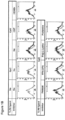
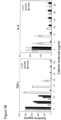
- the CpG DNA-inhibitory cationic polymers also impeded the up-regulation of co-stimulatory molecules expressed on macrophages ( Fig. 1B ).
- the inhibitors could be administered up to 4 hours after the CpG DNA and still significantly reduce TNF ⁇ and IL-6 production from macrophages ( Fig. 2 ).
- the nucleic acid-binding polymers inhibit TLR3 and TLR9 activation in a dose-dependent manner.
- a dose-escalation study demonstrated that 8 to 12 ⁇ g/ml of the polymers, CDP, HDMBr and PAMAM, which inhibited the activation of both TLR3 and TLR9, can inhibit inflammatory cytokine production by greater than 95% from macrophages treated with CpG DNAs (1 ⁇ M) and 5 to 40 ⁇ g/ml of these same polymers can reduce cytokine production by greater than 95% from cells treated with poly I:C (10 ⁇ g/ml) ( Figs. 3A and 5 ).
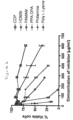
- cationic polymers As therapeutic agents, they are their potential toxicity since certain cationic carriers are know to have high cytotoxicity ( Hunter, Adv. Drug Deliv. Rev. 58:1523-1531 (2006 )). Poly L-lysine (10 - 40 ⁇ g/ml) has been shown to induce significant apoptosis of mammalian cells ( Symonds et al, FEBS Lett. 579:6191-6198 (2005 )). By contrast, the LD 50 of CDP is 200 mg/kg in mice ( Hwang et al, Bioconjug. Chem. 12:280-290 (2001 )). Therefore, the cytotoxicity of the cationic polymers used in the current study was evaluated on macrophages ( Fig. 6 ).
- Poly L-lysine and PPA-DPA induced over 50% cell death at approximately 20 and 40 ⁇ g/ml, respectively, while PAMAM, protamine and HDMBr induced over 50% cell death at about 160, 280 and 600 ⁇ g/ml, respectively.
- the CDP polymer was well tolerated on macrophages. In mice injected with the CDP, HDMBr and PAMAM at 40 mg/kg, no adverse effects on viability were observed (data not shown).
- poly L-lysine and PPA-DPA have a relatively high cytotoxicity while PAMAM, HDMBr and CDP have much less toxicity in vitro and in vivo.
- mice Consistent with previous reports, greater than 90% of the mice died by 48 hours following administration of D-GalN and CpG DNA or poly I:C while none of the mice injected with D-GalN alone, CpG DNA alone or D-GalN and control GpC DNA died.
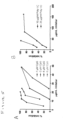
- administration of one of three different nucleic acid-binding polymers, CDP, HDMBr or PAMAM, immediately following D-GalN and CpG DNA or poly I:C resulted in significant protection of the animals in a dose-dependent manner and reduced mortality by almost 100% in several cases ( Figs. 4A and 4B ). Histological examination of livers from treated mice also demonstrated that inflammation and associated hemorrhage were greatly reduced in the polymer treated animals ( Fig. 4C ).
- Cationic polymers are commonly used for gene or siRNA delivery and are designed to facilitate cellular internalization and endosomal escape ( Morille et al, Biomaterials 29:3477-3496 (2008 )). Because they traffic through the endosomal compartment, cationic lipids have been used to deliver siRNAs and immune stimulatory ssRNAs to activate endosomal TLR7 or TLR8 ( Judge et al, Nat. Biotechnol. 23:457-462 (2005 ), Sioud, J. Mol. Biol. 348:1079-1090 (2005 )).
Landscapes
- Health & Medical Sciences (AREA)
- Life Sciences & Earth Sciences (AREA)
- Veterinary Medicine (AREA)
- Chemical & Material Sciences (AREA)
- Medicinal Chemistry (AREA)
- Pharmacology & Pharmacy (AREA)
- Animal Behavior & Ethology (AREA)
- General Health & Medical Sciences (AREA)
- Public Health (AREA)
- Epidemiology (AREA)
- Bioinformatics & Cheminformatics (AREA)
- Engineering & Computer Science (AREA)
- Nuclear Medicine, Radiotherapy & Molecular Imaging (AREA)
- Organic Chemistry (AREA)
- General Chemical & Material Sciences (AREA)
- Chemical Kinetics & Catalysis (AREA)
- Immunology (AREA)
- Molecular Biology (AREA)
- Proteomics, Peptides & Aminoacids (AREA)
- Gastroenterology & Hepatology (AREA)
- Zoology (AREA)
- Marine Sciences & Fisheries (AREA)
- Rheumatology (AREA)
- Communicable Diseases (AREA)
- Oncology (AREA)
- Diabetes (AREA)
- Hematology (AREA)
- Neurosurgery (AREA)
- Pain & Pain Management (AREA)
- Orthopedic Medicine & Surgery (AREA)
- Physical Education & Sports Medicine (AREA)
- Dermatology (AREA)
- Pulmonology (AREA)
- Child & Adolescent Psychology (AREA)
- Obesity (AREA)
- Neurology (AREA)
- Biomedical Technology (AREA)
- Heart & Thoracic Surgery (AREA)
- Cardiology (AREA)
- Pharmaceuticals Containing Other Organic And Inorganic Compounds (AREA)
Applications Claiming Priority (2)
| Application Number | Priority Date | Filing Date | Title |
|---|---|---|---|
| US24309009P | 2009-09-16 | 2009-09-16 | |
| PCT/US2010/002516 WO2011034583A2 (en) | 2009-09-16 | 2010-09-16 | Inhibition of endosomal toll-like receptor activation |
Publications (3)
| Publication Number | Publication Date |
|---|---|
| EP2477641A2 EP2477641A2 (en) | 2012-07-25 |
| EP2477641A4 EP2477641A4 (en) | 2013-08-07 |
| EP2477641B1 true EP2477641B1 (en) | 2024-03-27 |
Family
ID=43759220
Family Applications (1)
| Application Number | Title | Priority Date | Filing Date |
|---|---|---|---|
| EP10817556.3A Active EP2477641B1 (en) | 2009-09-16 | 2010-09-16 | Inhibition of endosomal toll-like receptor activation for treating thrombotic disorders |
Country Status (6)
| Country | Link |
|---|---|
| US (3) | US9468650B2 (enExample) |
| EP (1) | EP2477641B1 (enExample) |
| CN (1) | CN102639142A (enExample) |
| CA (1) | CA2774460C (enExample) |
| IN (1) | IN2012DN02345A (enExample) |
| WO (1) | WO2011034583A2 (enExample) |
Families Citing this family (13)
| Publication number | Priority date | Publication date | Assignee | Title |
|---|---|---|---|---|
| CA2682580A1 (en) | 2007-03-30 | 2008-10-09 | Duke University | A method of modulating the activity of a nucleic acid molecule |
| IN2012DN02345A (enExample) | 2009-09-16 | 2015-08-21 | Univ Duke | |
| WO2012151575A2 (en) | 2011-05-05 | 2012-11-08 | Duke University | A method of controlling coagulation |
| WO2014169043A1 (en) * | 2013-04-09 | 2014-10-16 | Duke University | Anti-inflammatory agents and methods of using the same |
| WO2015161094A1 (en) | 2014-04-16 | 2015-10-22 | Duke University | Electrospun cationic nanofibers and methods of making and using the same |
| US12514872B2 (en) | 2015-11-04 | 2026-01-06 | Duke University | Polycationic polymers for use in treating and detecting cancer |
| EP3512526A4 (en) | 2016-09-16 | 2020-05-27 | Duke University | VON WILLEBRAND FACTOR (VWF) TARGETING AGENTS AND METHODS OF USE |
| US12447464B2 (en) | 2016-12-22 | 2025-10-21 | Duke University | Polycationic microfibers and methods of using the same |
| JP7231229B2 (ja) | 2017-03-23 | 2023-03-01 | デューク ユニバーシティ | 細胞外アプタマー染色のアンチドート媒介性解除 |
| CN111182925A (zh) * | 2017-05-30 | 2020-05-19 | 纽约市哥伦比亚大学理事会 | 阳离子核酸清除剂及其用途 |
| US11713464B2 (en) | 2017-09-08 | 2023-08-01 | Duke University | Nucleolin-targeting aptamers and methods of using the same |
| WO2021016924A1 (zh) * | 2019-07-31 | 2021-02-04 | 中山大学 | 可用于治疗银屑病的阳离子聚合物及颗粒 |
| EP4249913A1 (en) * | 2022-03-22 | 2023-09-27 | Centre Hospitalier Universitaire de Nîmes | Toll-like-receptor 3 inhibitor for preventing and/or treating disorders in patients with a personal history of venous thromboembolism (vte) |
Family Cites Families (35)
| Publication number | Priority date | Publication date | Assignee | Title |
|---|---|---|---|---|
| US5919761A (en) | 1992-08-14 | 1999-07-06 | The Board Of Regents Of The University Of Michigan | Peptides for heparin and low molecular weight heparin anticoagulation reversal |
| US6037329A (en) | 1994-03-15 | 2000-03-14 | Selective Genetics, Inc. | Compositions containing nucleic acids and ligands for therapeutic treatment |
| US6624141B1 (en) | 1999-03-17 | 2003-09-23 | The Regents Of The University Of Michigan | Protamine fragment compositions and methods of use |
| AU9066001A (en) | 2000-09-08 | 2002-03-22 | Invitrogen Corporation | Compositions and methods for enhanced sensitivity and specificity of nucleic acid synthesis |
| USRE43612E1 (en) | 2000-10-10 | 2012-08-28 | Massachusetts Institute Of Technology | Biodegradable poly(β-amino esters) and uses thereof |
| WO2002053185A2 (en) | 2001-01-05 | 2002-07-11 | Intercell Ag | Anti-inflammatory use of polycationic compounds |
| RU2003129062A (ru) | 2001-03-08 | 2005-04-10 | Мерк Патент ГмбХ (DE) | Модифицированный протамин с уменьшенной иммуногенностью |
| PT2070939E (pt) | 2001-05-25 | 2014-06-09 | Univ Duke | Moduladores de agentes farmacológicos |
| AUPR604101A0 (en) | 2001-06-29 | 2001-07-26 | Unisearch Limited | Aptamers |
| US20050136040A1 (en) * | 2001-10-11 | 2005-06-23 | Imperial College Innovations Limited | Control of gene expression using a complex of an oligonucleotide and a regulatory peptide |
| JP2005527639A (ja) | 2001-11-02 | 2005-09-15 | インサート セラピューティクス インコーポレイテッド | Rna干渉の治療的利用のための方法及び組成物 |
| US20040063654A1 (en) | 2001-11-02 | 2004-04-01 | Davis Mark E. | Methods and compositions for therapeutic use of RNA interference |
| US20030180250A1 (en) | 2002-03-22 | 2003-09-25 | Council Of Scientific And Industrial Research | Compositions and complexes containing a macromolecular compound as potential anti-inflammatory agents |
| BR0315198A (pt) | 2002-10-09 | 2005-08-30 | Insert Therapeutics Inc | Materiais e composições à base de ciclodextrina e usos relacionados aos mesmos |
| US20050256071A1 (en) | 2003-07-15 | 2005-11-17 | California Institute Of Technology | Inhibitor nucleic acids |
| EP1649019A2 (en) | 2003-07-15 | 2006-04-26 | California Institute Of Technology | Improved inhibitor nucleic acids |
| CN1980947B (zh) | 2004-04-22 | 2013-01-30 | 雷加多生物科学公司 | 改良的凝血因子调节物 |
| US8080245B2 (en) * | 2004-08-04 | 2011-12-20 | University Of Massachusetts | Anti-pathogen immunoadhesins |
| GB0422877D0 (en) * | 2004-10-14 | 2004-11-17 | Univ Glasgow | Bioactive polymers |
| PL1866414T3 (pl) | 2005-03-31 | 2012-10-31 | Calando Pharmaceuticals Inc | Inhibitory podjednostki 2 reduktazy rybonukleotydowej i ich zastosowania |
| US7611835B2 (en) | 2005-09-30 | 2009-11-03 | Battelle Memorial Institute | Process for preparing multilayer enzyme coating on a fiber |
| US9267937B2 (en) | 2005-12-15 | 2016-02-23 | Massachusetts Institute Of Technology | System for screening particles |
| JP2009538325A (ja) | 2006-05-26 | 2009-11-05 | リガド・バイオサイエンシーズ・インコーポレーテツド | Reg1抗凝固系の投与 |
| EP2035041B1 (en) * | 2006-06-30 | 2020-01-08 | Syntab Therapeutics GmbH | Conjugates for innate immunotherapy of cancer |
| US20110118187A1 (en) | 2006-10-19 | 2011-05-19 | Duke University | Reversible platelet inhibition |
| WO2008063157A2 (en) | 2006-10-25 | 2008-05-29 | The Government Of The United States Of America As Represented By The Secretary Of The Department Of Health And Human Services | A nanoparticle-based anticoagulant |
| CN101657213B (zh) * | 2007-02-15 | 2014-02-26 | 曼康公司 | 用于增强t细胞应答的方法 |
| CA2682580A1 (en) * | 2007-03-30 | 2008-10-09 | Duke University | A method of modulating the activity of a nucleic acid molecule |
| CN101808730A (zh) | 2007-09-27 | 2010-08-18 | Sca卫生用品公司 | 粘土连接的聚合物凝胶 |
| WO2009064767A2 (en) | 2007-11-12 | 2009-05-22 | Massachusetts Institute Of Technology | Bactericidal nanofibers, and methods of use thereof |
| WO2010020008A1 (en) | 2008-08-22 | 2010-02-25 | Polymers Crc Limited | Polymer coatings |
| US8992991B2 (en) | 2009-05-15 | 2015-03-31 | The Johns Hopkins University | Multicomponent degradable cationic polymers |
| IN2012DN02345A (enExample) | 2009-09-16 | 2015-08-21 | Univ Duke | |
| WO2012088059A2 (en) | 2010-12-20 | 2012-06-28 | Virginia Commonwealth University | A facile method for crosslinking and incorporating bioactive molecules into electrospun fiber scaffolds |
| WO2013040552A2 (en) | 2011-09-16 | 2013-03-21 | Georgia Health Sciences University | Methods of promoting immune tolerance |
-
2010
- 2010-09-16 IN IN2345DEN2012 patent/IN2012DN02345A/en unknown
- 2010-09-16 CN CN2010800511149A patent/CN102639142A/zh active Pending
- 2010-09-16 EP EP10817556.3A patent/EP2477641B1/en active Active
- 2010-09-16 CA CA2774460A patent/CA2774460C/en active Active
- 2010-09-16 WO PCT/US2010/002516 patent/WO2011034583A2/en not_active Ceased
- 2010-09-16 US US13/496,313 patent/US9468650B2/en active Active
-
2016
- 2016-10-12 US US15/291,849 patent/US11617779B2/en active Active
-
2023
- 2023-03-30 US US18/128,957 patent/US20230248805A1/en active Pending
Non-Patent Citations (4)
| Title |
|---|
| K. A. CAVASSANI ET AL: "TLR3 is an endogenous sensor of tissue necrosis during acute inflammatory events", JOURNAL OF EXPERIMENTAL MEDICINE, vol. 205, no. 11, 1 January 2008 (2008-01-01), pages 2609 - 2621, XP055008983, ISSN: 0022-1007, DOI: 10.1084/jem.20081370 * |
| S. IVANOV ET AL: "A novel role for HMGB1 in TLR9-mediated inflammatory responses to CpG-DNA", BLOOD, vol. 110, no. 6, 4 June 2007 (2007-06-04), pages 1970 - 1981, XP055109757, ISSN: 0006-4971, DOI: 10.1182/blood-2006-09-044776 * |
| SHENG-HAI HUANG ET AL: "Melatonin decreases TLR3-mediated inflammatory factor expression via inhibition of NF-B activation in respiratory syncytial virus-infected RAW264.7 macrophages", JOURNAL OF PINEAL RESEARCH, vol. 45, no. 1, 1 August 2008 (2008-08-01), pages 93 - 100, XP055119065, ISSN: 0742-3098, DOI: 10.1111/j.1600-079X.2008.00560.x * |
| ZHANG X ET AL: "The TLR3 ligand polyI:C induces liver injury and systemic inflammation in vivo by acting as an alternative pathway complement activator", MOLECULAR IMMUNOLOGY, PERGAMON, GB, vol. 45, no. 16, 1 October 2008 (2008-10-01), pages 4105, XP025896201, ISSN: 0161-5890, [retrieved on 20081001], DOI: 10.1016/J.MOLIMM.2008.08.030 * |
Also Published As
| Publication number | Publication date |
|---|---|
| CA2774460A1 (en) | 2011-03-24 |
| US20170095503A1 (en) | 2017-04-06 |
| US9468650B2 (en) | 2016-10-18 |
| EP2477641A2 (en) | 2012-07-25 |
| EP2477641A4 (en) | 2013-08-07 |
| WO2011034583A2 (en) | 2011-03-24 |
| CN102639142A (zh) | 2012-08-15 |
| US20120183564A1 (en) | 2012-07-19 |
| CA2774460C (en) | 2016-08-09 |
| US20230248805A1 (en) | 2023-08-10 |
| US11617779B2 (en) | 2023-04-04 |
| IN2012DN02345A (enExample) | 2015-08-21 |
| WO2011034583A3 (en) | 2011-10-06 |
Similar Documents
| Publication | Publication Date | Title |
|---|---|---|
| US20230248805A1 (en) | Inhibition of endosomal toll-like receptor activation | |
| US12447464B2 (en) | Polycationic microfibers and methods of using the same | |
| CN107412260B (zh) | cGAS-STING通路激活剂及其用途 | |
| US20100130425A1 (en) | Use of toll-like receptor ligands in treating excitotoxic injury, ischemia and/or hypoxia | |
| US20170175121A1 (en) | Self assembling nucleic acid nanostructures | |
| CN105658241A (zh) | 作为免疫调节剂的基于球形核酸的构建体 | |
| WO2008121354A1 (en) | A method of modulating the activity of a nucleic acid molecule | |
| Vedadghavami et al. | Cationic peptide carriers enable long-term delivery of insulin-like growth factor-1 to suppress osteoarthritis-induced matrix degradation | |
| JP2026026075A (ja) | 粘膜癌の処置のための、単独の、またはi型ifnインデューサーと組み合わせた、キトサンポリプレックスベースのil-12の局部発現 | |
| Pressnall et al. | Glatiramer acetate enhances tumor retention and innate activation of immunostimulants | |
| JP2017530948A (ja) | 抗腫瘍組成物および方法 | |
| JP2020172534A (ja) | 合成脳浸透遺伝子ベクターの操作 | |
| Ji et al. | Dual Functioned Hexapeptide‐Coated Lipid‐Core Nanomicelles Suppress Toll‐Like Receptor‐Mediated Inflammatory Responses through Endotoxin Scavenging and Endosomal pH Modulation | |
| Chan et al. | Synthesis and characterization of PEGylated toll like receptor 7 ligands | |
| EP3630194A1 (en) | Cationic nucleic acid scavenger and uses thereof | |
| ES2727078T3 (es) | Moléculas de ácido ribonucleico pequeño de interferencia mejoradas | |
| US20240148902A1 (en) | Combination gene therapy for treatment of metastatic cancer | |
| WO2017159835A1 (ja) | 形質細胞性腫瘍治療剤 | |
| WO2012006083A2 (en) | Targeted receptor-mediated sirna | |
| KR20120111719A (ko) | 스페르민 공중합체 및 이를 핵산 전달체로 이용하는 유전자 치료 | |
| CN117797262A (zh) | 靶向巨噬细胞中的pgam5抑制剂在治疗骨关节炎中的应用 |
Legal Events
| Date | Code | Title | Description |
|---|---|---|---|
| PUAI | Public reference made under article 153(3) epc to a published international application that has entered the european phase |
Free format text: ORIGINAL CODE: 0009012 |
|
| 17P | Request for examination filed |
Effective date: 20120320 |
|
| AK | Designated contracting states |
Kind code of ref document: A2 Designated state(s): AL AT BE BG CH CY CZ DE DK EE ES FI FR GB GR HR HU IE IS IT LI LT LU LV MC MK MT NL NO PL PT RO SE SI SK SM TR |
|
| DAX | Request for extension of the european patent (deleted) | ||
| A4 | Supplementary search report drawn up and despatched |
Effective date: 20130708 |
|
| RIC1 | Information provided on ipc code assigned before grant |
Ipc: A61K 31/70 20060101ALI20130628BHEP Ipc: A61K 38/16 20060101AFI20130628BHEP Ipc: A61K 39/395 20060101ALI20130628BHEP Ipc: A61K 38/17 20060101ALI20130628BHEP Ipc: A61P 9/00 20060101ALI20130628BHEP Ipc: A61P 35/00 20060101ALI20130628BHEP |
|
| 17Q | First examination report despatched |
Effective date: 20150603 |
|
| STAA | Information on the status of an ep patent application or granted ep patent |
Free format text: STATUS: EXAMINATION IS IN PROGRESS |
|
| RIC1 | Information provided on ipc code assigned before grant |
Ipc: A61P 9/00 20060101ALI20230825BHEP Ipc: A61P 7/02 20060101ALI20230825BHEP Ipc: A61K 31/785 20060101ALI20230825BHEP Ipc: A61K 31/722 20060101ALI20230825BHEP Ipc: A61K 31/13 20060101ALI20230825BHEP Ipc: A61K 38/17 20060101ALI20230825BHEP Ipc: A61K 39/395 20060101ALI20230825BHEP Ipc: A61K 31/70 20060101ALI20230825BHEP Ipc: A61K 38/16 20060101AFI20230825BHEP |
|
| GRAP | Despatch of communication of intention to grant a patent |
Free format text: ORIGINAL CODE: EPIDOSNIGR1 |
|
| STAA | Information on the status of an ep patent application or granted ep patent |
Free format text: STATUS: GRANT OF PATENT IS INTENDED |
|
| INTG | Intention to grant announced |
Effective date: 20231018 |
|
| GRAS | Grant fee paid |
Free format text: ORIGINAL CODE: EPIDOSNIGR3 |
|
| GRAA | (expected) grant |
Free format text: ORIGINAL CODE: 0009210 |
|
| STAA | Information on the status of an ep patent application or granted ep patent |
Free format text: STATUS: THE PATENT HAS BEEN GRANTED |
|
| P01 | Opt-out of the competence of the unified patent court (upc) registered |
Effective date: 20240207 |
|
| AK | Designated contracting states |
Kind code of ref document: B1 Designated state(s): AL AT BE BG CH CY CZ DE DK EE ES FI FR GB GR HR HU IE IS IT LI LT LU LV MC MK MT NL NO PL PT RO SE SI SK SM TR |
|
| REG | Reference to a national code |
Ref country code: GB Ref legal event code: FG4D |
|
| REG | Reference to a national code |
Ref country code: CH Ref legal event code: EP |
|
| REG | Reference to a national code |
Ref country code: DE Ref legal event code: R096 Ref document number: 602010069314 Country of ref document: DE |
|
| REG | Reference to a national code |
Ref country code: IE Ref legal event code: FG4D |
|
| PG25 | Lapsed in a contracting state [announced via postgrant information from national office to epo] |
Ref country code: LT Free format text: LAPSE BECAUSE OF FAILURE TO SUBMIT A TRANSLATION OF THE DESCRIPTION OR TO PAY THE FEE WITHIN THE PRESCRIBED TIME-LIMIT Effective date: 20240327 |
|
| REG | Reference to a national code |
Ref country code: LT Ref legal event code: MG9D |
|
| PG25 | Lapsed in a contracting state [announced via postgrant information from national office to epo] |
Ref country code: GR Free format text: LAPSE BECAUSE OF FAILURE TO SUBMIT A TRANSLATION OF THE DESCRIPTION OR TO PAY THE FEE WITHIN THE PRESCRIBED TIME-LIMIT Effective date: 20240628 |
|
| PG25 | Lapsed in a contracting state [announced via postgrant information from national office to epo] |
Ref country code: HR Free format text: LAPSE BECAUSE OF FAILURE TO SUBMIT A TRANSLATION OF THE DESCRIPTION OR TO PAY THE FEE WITHIN THE PRESCRIBED TIME-LIMIT Effective date: 20240327 |
|
| PG25 | Lapsed in a contracting state [announced via postgrant information from national office to epo] |
Ref country code: NO Free format text: LAPSE BECAUSE OF FAILURE TO SUBMIT A TRANSLATION OF THE DESCRIPTION OR TO PAY THE FEE WITHIN THE PRESCRIBED TIME-LIMIT Effective date: 20240627 Ref country code: LT Free format text: LAPSE BECAUSE OF FAILURE TO SUBMIT A TRANSLATION OF THE DESCRIPTION OR TO PAY THE FEE WITHIN THE PRESCRIBED TIME-LIMIT Effective date: 20240327 Ref country code: HR Free format text: LAPSE BECAUSE OF FAILURE TO SUBMIT A TRANSLATION OF THE DESCRIPTION OR TO PAY THE FEE WITHIN THE PRESCRIBED TIME-LIMIT Effective date: 20240327 Ref country code: GR Free format text: LAPSE BECAUSE OF FAILURE TO SUBMIT A TRANSLATION OF THE DESCRIPTION OR TO PAY THE FEE WITHIN THE PRESCRIBED TIME-LIMIT Effective date: 20240628 Ref country code: FI Free format text: LAPSE BECAUSE OF FAILURE TO SUBMIT A TRANSLATION OF THE DESCRIPTION OR TO PAY THE FEE WITHIN THE PRESCRIBED TIME-LIMIT Effective date: 20240327 Ref country code: BG Free format text: LAPSE BECAUSE OF FAILURE TO SUBMIT A TRANSLATION OF THE DESCRIPTION OR TO PAY THE FEE WITHIN THE PRESCRIBED TIME-LIMIT Effective date: 20240327 |
|
| PG25 | Lapsed in a contracting state [announced via postgrant information from national office to epo] |
Ref country code: SE Free format text: LAPSE BECAUSE OF FAILURE TO SUBMIT A TRANSLATION OF THE DESCRIPTION OR TO PAY THE FEE WITHIN THE PRESCRIBED TIME-LIMIT Effective date: 20240327 Ref country code: LV Free format text: LAPSE BECAUSE OF FAILURE TO SUBMIT A TRANSLATION OF THE DESCRIPTION OR TO PAY THE FEE WITHIN THE PRESCRIBED TIME-LIMIT Effective date: 20240327 |
|
| PG25 | Lapsed in a contracting state [announced via postgrant information from national office to epo] |
Ref country code: NL Free format text: LAPSE BECAUSE OF FAILURE TO SUBMIT A TRANSLATION OF THE DESCRIPTION OR TO PAY THE FEE WITHIN THE PRESCRIBED TIME-LIMIT Effective date: 20240327 |
|
| REG | Reference to a national code |
Ref country code: AT Ref legal event code: MK05 Ref document number: 1669285 Country of ref document: AT Kind code of ref document: T Effective date: 20240327 |
|
| PG25 | Lapsed in a contracting state [announced via postgrant information from national office to epo] |
Ref country code: NL Free format text: LAPSE BECAUSE OF FAILURE TO SUBMIT A TRANSLATION OF THE DESCRIPTION OR TO PAY THE FEE WITHIN THE PRESCRIBED TIME-LIMIT Effective date: 20240327 |
|
| PG25 | Lapsed in a contracting state [announced via postgrant information from national office to epo] |
Ref country code: IS Free format text: LAPSE BECAUSE OF FAILURE TO SUBMIT A TRANSLATION OF THE DESCRIPTION OR TO PAY THE FEE WITHIN THE PRESCRIBED TIME-LIMIT Effective date: 20240727 |
|
| PGFP | Annual fee paid to national office [announced via postgrant information from national office to epo] |
Ref country code: DE Payment date: 20240927 Year of fee payment: 15 |
|
| PG25 | Lapsed in a contracting state [announced via postgrant information from national office to epo] |
Ref country code: SM Free format text: LAPSE BECAUSE OF FAILURE TO SUBMIT A TRANSLATION OF THE DESCRIPTION OR TO PAY THE FEE WITHIN THE PRESCRIBED TIME-LIMIT Effective date: 20240327 Ref country code: PT Free format text: LAPSE BECAUSE OF FAILURE TO SUBMIT A TRANSLATION OF THE DESCRIPTION OR TO PAY THE FEE WITHIN THE PRESCRIBED TIME-LIMIT Effective date: 20240729 |
|
| PGFP | Annual fee paid to national office [announced via postgrant information from national office to epo] |
Ref country code: GB Payment date: 20240927 Year of fee payment: 15 |
|
| PGFP | Annual fee paid to national office [announced via postgrant information from national office to epo] |
Ref country code: FR Payment date: 20240925 Year of fee payment: 15 |
|
| PG25 | Lapsed in a contracting state [announced via postgrant information from national office to epo] |
Ref country code: ES Free format text: LAPSE BECAUSE OF FAILURE TO SUBMIT A TRANSLATION OF THE DESCRIPTION OR TO PAY THE FEE WITHIN THE PRESCRIBED TIME-LIMIT Effective date: 20240327 |
|
| PG25 | Lapsed in a contracting state [announced via postgrant information from national office to epo] |
Ref country code: EE Free format text: LAPSE BECAUSE OF FAILURE TO SUBMIT A TRANSLATION OF THE DESCRIPTION OR TO PAY THE FEE WITHIN THE PRESCRIBED TIME-LIMIT Effective date: 20240327 Ref country code: CZ Free format text: LAPSE BECAUSE OF FAILURE TO SUBMIT A TRANSLATION OF THE DESCRIPTION OR TO PAY THE FEE WITHIN THE PRESCRIBED TIME-LIMIT Effective date: 20240327 |
|
| PG25 | Lapsed in a contracting state [announced via postgrant information from national office to epo] |
Ref country code: AT Free format text: LAPSE BECAUSE OF FAILURE TO SUBMIT A TRANSLATION OF THE DESCRIPTION OR TO PAY THE FEE WITHIN THE PRESCRIBED TIME-LIMIT Effective date: 20240327 |
|
| PG25 | Lapsed in a contracting state [announced via postgrant information from national office to epo] |
Ref country code: PL Free format text: LAPSE BECAUSE OF FAILURE TO SUBMIT A TRANSLATION OF THE DESCRIPTION OR TO PAY THE FEE WITHIN THE PRESCRIBED TIME-LIMIT Effective date: 20240327 |
|
| PG25 | Lapsed in a contracting state [announced via postgrant information from national office to epo] |
Ref country code: SK Free format text: LAPSE BECAUSE OF FAILURE TO SUBMIT A TRANSLATION OF THE DESCRIPTION OR TO PAY THE FEE WITHIN THE PRESCRIBED TIME-LIMIT Effective date: 20240327 |
|
| PG25 | Lapsed in a contracting state [announced via postgrant information from national office to epo] |
Ref country code: SM Free format text: LAPSE BECAUSE OF FAILURE TO SUBMIT A TRANSLATION OF THE DESCRIPTION OR TO PAY THE FEE WITHIN THE PRESCRIBED TIME-LIMIT Effective date: 20240327 Ref country code: SK Free format text: LAPSE BECAUSE OF FAILURE TO SUBMIT A TRANSLATION OF THE DESCRIPTION OR TO PAY THE FEE WITHIN THE PRESCRIBED TIME-LIMIT Effective date: 20240327 Ref country code: RO Free format text: LAPSE BECAUSE OF FAILURE TO SUBMIT A TRANSLATION OF THE DESCRIPTION OR TO PAY THE FEE WITHIN THE PRESCRIBED TIME-LIMIT Effective date: 20240327 Ref country code: PT Free format text: LAPSE BECAUSE OF FAILURE TO SUBMIT A TRANSLATION OF THE DESCRIPTION OR TO PAY THE FEE WITHIN THE PRESCRIBED TIME-LIMIT Effective date: 20240729 Ref country code: PL Free format text: LAPSE BECAUSE OF FAILURE TO SUBMIT A TRANSLATION OF THE DESCRIPTION OR TO PAY THE FEE WITHIN THE PRESCRIBED TIME-LIMIT Effective date: 20240327 Ref country code: IS Free format text: LAPSE BECAUSE OF FAILURE TO SUBMIT A TRANSLATION OF THE DESCRIPTION OR TO PAY THE FEE WITHIN THE PRESCRIBED TIME-LIMIT Effective date: 20240727 Ref country code: ES Free format text: LAPSE BECAUSE OF FAILURE TO SUBMIT A TRANSLATION OF THE DESCRIPTION OR TO PAY THE FEE WITHIN THE PRESCRIBED TIME-LIMIT Effective date: 20240327 Ref country code: EE Free format text: LAPSE BECAUSE OF FAILURE TO SUBMIT A TRANSLATION OF THE DESCRIPTION OR TO PAY THE FEE WITHIN THE PRESCRIBED TIME-LIMIT Effective date: 20240327 Ref country code: CZ Free format text: LAPSE BECAUSE OF FAILURE TO SUBMIT A TRANSLATION OF THE DESCRIPTION OR TO PAY THE FEE WITHIN THE PRESCRIBED TIME-LIMIT Effective date: 20240327 Ref country code: AT Free format text: LAPSE BECAUSE OF FAILURE TO SUBMIT A TRANSLATION OF THE DESCRIPTION OR TO PAY THE FEE WITHIN THE PRESCRIBED TIME-LIMIT Effective date: 20240327 |
|
| PG25 | Lapsed in a contracting state [announced via postgrant information from national office to epo] |
Ref country code: IT Free format text: LAPSE BECAUSE OF FAILURE TO SUBMIT A TRANSLATION OF THE DESCRIPTION OR TO PAY THE FEE WITHIN THE PRESCRIBED TIME-LIMIT Effective date: 20240327 |
|
| PG25 | Lapsed in a contracting state [announced via postgrant information from national office to epo] |
Ref country code: IT Free format text: LAPSE BECAUSE OF FAILURE TO SUBMIT A TRANSLATION OF THE DESCRIPTION OR TO PAY THE FEE WITHIN THE PRESCRIBED TIME-LIMIT Effective date: 20240327 |
|
| REG | Reference to a national code |
Ref country code: DE Ref legal event code: R097 Ref document number: 602010069314 Country of ref document: DE |
|
| PG25 | Lapsed in a contracting state [announced via postgrant information from national office to epo] |
Ref country code: DK Free format text: LAPSE BECAUSE OF FAILURE TO SUBMIT A TRANSLATION OF THE DESCRIPTION OR TO PAY THE FEE WITHIN THE PRESCRIBED TIME-LIMIT Effective date: 20240327 |
|
| PG25 | Lapsed in a contracting state [announced via postgrant information from national office to epo] |
Ref country code: DK Free format text: LAPSE BECAUSE OF FAILURE TO SUBMIT A TRANSLATION OF THE DESCRIPTION OR TO PAY THE FEE WITHIN THE PRESCRIBED TIME-LIMIT Effective date: 20240327 |
|
| PLBE | No opposition filed within time limit |
Free format text: ORIGINAL CODE: 0009261 |
|
| STAA | Information on the status of an ep patent application or granted ep patent |
Free format text: STATUS: NO OPPOSITION FILED WITHIN TIME LIMIT |
|
| 26N | No opposition filed |
Effective date: 20250103 |
|
| PG25 | Lapsed in a contracting state [announced via postgrant information from national office to epo] |
Ref country code: SI Free format text: LAPSE BECAUSE OF FAILURE TO SUBMIT A TRANSLATION OF THE DESCRIPTION OR TO PAY THE FEE WITHIN THE PRESCRIBED TIME-LIMIT Effective date: 20240327 Ref country code: MC Free format text: LAPSE BECAUSE OF FAILURE TO SUBMIT A TRANSLATION OF THE DESCRIPTION OR TO PAY THE FEE WITHIN THE PRESCRIBED TIME-LIMIT Effective date: 20240327 |
|
| REG | Reference to a national code |
Ref country code: CH Ref legal event code: PL |
|
| PG25 | Lapsed in a contracting state [announced via postgrant information from national office to epo] |
Ref country code: LU Free format text: LAPSE BECAUSE OF NON-PAYMENT OF DUE FEES Effective date: 20240916 |
|
| REG | Reference to a national code |
Ref country code: BE Ref legal event code: MM Effective date: 20240930 |
|
| PG25 | Lapsed in a contracting state [announced via postgrant information from national office to epo] |
Ref country code: BE Free format text: LAPSE BECAUSE OF NON-PAYMENT OF DUE FEES Effective date: 20240930 |
|
| PG25 | Lapsed in a contracting state [announced via postgrant information from national office to epo] |
Ref country code: CH Free format text: LAPSE BECAUSE OF NON-PAYMENT OF DUE FEES Effective date: 20240930 |
|
| PG25 | Lapsed in a contracting state [announced via postgrant information from national office to epo] |
Ref country code: IE Free format text: LAPSE BECAUSE OF NON-PAYMENT OF DUE FEES Effective date: 20240916 |
|
| PG25 | Lapsed in a contracting state [announced via postgrant information from national office to epo] |
Ref country code: CY Free format text: LAPSE BECAUSE OF FAILURE TO SUBMIT A TRANSLATION OF THE DESCRIPTION OR TO PAY THE FEE WITHIN THE PRESCRIBED TIME-LIMIT; INVALID AB INITIO Effective date: 20100916 |
|
| PG25 | Lapsed in a contracting state [announced via postgrant information from national office to epo] |
Ref country code: HU Free format text: LAPSE BECAUSE OF FAILURE TO SUBMIT A TRANSLATION OF THE DESCRIPTION OR TO PAY THE FEE WITHIN THE PRESCRIBED TIME-LIMIT; INVALID AB INITIO Effective date: 20100916 |
|
| REG | Reference to a national code |
Ref country code: DE Ref legal event code: R119 Ref document number: 602010069314 Country of ref document: DE |
|
| GBPC | Gb: european patent ceased through non-payment of renewal fee |
Effective date: 20250916 |
|
| PG25 | Lapsed in a contracting state [announced via postgrant information from national office to epo] |
Ref country code: TR Free format text: LAPSE BECAUSE OF FAILURE TO SUBMIT A TRANSLATION OF THE DESCRIPTION OR TO PAY THE FEE WITHIN THE PRESCRIBED TIME-LIMIT Effective date: 20240327 |
|
| PG25 | Lapsed in a contracting state [announced via postgrant information from national office to epo] |
Ref country code: GB Free format text: LAPSE BECAUSE OF NON-PAYMENT OF DUE FEES Effective date: 20250916 |
|
| PG25 | Lapsed in a contracting state [announced via postgrant information from national office to epo] |
Ref country code: DE Free format text: LAPSE BECAUSE OF NON-PAYMENT OF DUE FEES Effective date: 20260401 |
|
| PG25 | Lapsed in a contracting state [announced via postgrant information from national office to epo] |
Ref country code: FR Free format text: LAPSE BECAUSE OF NON-PAYMENT OF DUE FEES Effective date: 20250930 |