EP2467125B1 - Produkte mit messtechnisch nachgewiesener olfaktorischer wirkung zur beeinflussung der psycho-physiologischen ausgangslage - Google Patents
Produkte mit messtechnisch nachgewiesener olfaktorischer wirkung zur beeinflussung der psycho-physiologischen ausgangslage Download PDFInfo
- Publication number
- EP2467125B1 EP2467125B1 EP10747181.5A EP10747181A EP2467125B1 EP 2467125 B1 EP2467125 B1 EP 2467125B1 EP 10747181 A EP10747181 A EP 10747181A EP 2467125 B1 EP2467125 B1 EP 2467125B1
- Authority
- EP
- European Patent Office
- Prior art keywords
- oil
- composition according
- composition
- essential oils
- care
- Prior art date
- Legal status (The legal status is an assumption and is not a legal conclusion. Google has not performed a legal analysis and makes no representation as to the accuracy of the status listed.)
- Active
Links
Images


Classifications
-
- A—HUMAN NECESSITIES
- A61—MEDICAL OR VETERINARY SCIENCE; HYGIENE
- A61Q—SPECIFIC USE OF COSMETICS OR SIMILAR TOILETRY PREPARATIONS
- A61Q19/00—Preparations for care of the skin
- A61Q19/10—Washing or bathing preparations
-
- A—HUMAN NECESSITIES
- A61—MEDICAL OR VETERINARY SCIENCE; HYGIENE
- A61K—PREPARATIONS FOR MEDICAL, DENTAL OR TOILETRY PURPOSES
- A61K8/00—Cosmetics or similar toiletry preparations
- A61K8/18—Cosmetics or similar toiletry preparations characterised by the composition
- A61K8/30—Cosmetics or similar toiletry preparations characterised by the composition containing organic compounds
- A61K8/31—Hydrocarbons
-
- A—HUMAN NECESSITIES
- A61—MEDICAL OR VETERINARY SCIENCE; HYGIENE
- A61K—PREPARATIONS FOR MEDICAL, DENTAL OR TOILETRY PURPOSES
- A61K8/00—Cosmetics or similar toiletry preparations
- A61K8/18—Cosmetics or similar toiletry preparations characterised by the composition
- A61K8/92—Oils, fats or waxes; Derivatives thereof, e.g. hydrogenation products thereof
- A61K8/922—Oils, fats or waxes; Derivatives thereof, e.g. hydrogenation products thereof of vegetable origin
-
- A—HUMAN NECESSITIES
- A61—MEDICAL OR VETERINARY SCIENCE; HYGIENE
- A61Q—SPECIFIC USE OF COSMETICS OR SIMILAR TOILETRY PREPARATIONS
- A61Q5/00—Preparations for care of the hair
- A61Q5/02—Preparations for cleaning the hair
Definitions
- the present invention relates to cosmetic cleansing and care compositions preferably for bathing.
- various forms of bath additives are known.
- the bath additives include bath salts, classic active baths, fatty oil baths as well as bubble baths and emulsion baths.
- multiphase preparations that are recognizable biphasic at rest, can be homogenized by vigorous shaking and separated again after some time.
- Such oil baths have a relatively high proportion of different oil components, which should primarily be used to care for the skin.
- the present cleansing and care composition belongs to the category of classic active baths, which have proportionately (a small proportion) of fatty oils, essential oils and surfactants, as well as solubilizers and by definition have a metrologically objectifiable psycho-physiological effect
- the EP 0 815 850 describes a bath oil composition with essential oils, which manages without surfactants.
- the bath oil compositions contain a high proportion (50%) of ethanol.
- the US 5,766,628 describes a bathing and showering composition having vesicle-forming properties consisting of at least 20% by weight of a vegetable oil or a waxy apolar substance.
- the US 6,447,788 describes cosmetic personal care formulations containing at least 20% honey by weight.
- Bath additives are disclosed which contain at least 10% by weight of a cosmetically-active oil or a mixture thereof.
- German Utility Model 20 2004 018 321 personal care preparations are disclosed which have at least 40% honey, at least 40% surfactants and up to 5 wt .-% of essential oils.
- Subject of the US 4,921,874 are medical bath oils containing 68-95% by weight of one or more physiologically acceptable oils.
- the US 6,268,333 describes fragrances with a calming effect that can be used in various products such as perfumes, shampoos, air fresheners, deodorants and others.
- the cleaning and care composition is dissolved.
- the essential oils used according to the invention are released. These can be olfactorily absorbed by the person using the cleansing and care composition via the olfactory organs.
- the object of the present invention is defined in the claims. It is a cosmetic cleansing and / or care composition preferably a bath additive with a metrologically proven olfactory, the psycho-physiological starting position affecting effect, the 30-70 wt .-% of at least one surfactant and / or solubilizer and 0.1-20 Wt .-% of a mixture of several different essential oils and / or individual natural, nature identical or synthetic fragrances.
- the compositions according to the invention contain, apart from the essential vegetable oils, only 0.1-5% by weight of vegetable oils which have a caring character, and preferably no honey.
- the composition contains between 35 and 55% by weight of a surfactant or a mixture of different surfactants and / or a solubilizer, as well as 1.5-10% by weight of an essential oil or a mixture of several various essential oils and / or individual natural, nature-identical or synthetic fragrances.
- a surfactant or a mixture of different surfactants and / or a solubilizer, as well as 1.5-10% by weight of an essential oil or a mixture of several various essential oils and / or individual natural, nature-identical or synthetic fragrances.
- the term “solubilizer” is understood to mean those solubilizers which ensure the distribution of the essential oils in the water. A clear distinction between surfactant and solubilizer is often not possible. According to the invention, the quantitative proportion of the surfactant will outweigh the proportion of the solubilizer. Examples of solubilizers are PEG 40 sorbitan peroleate or PEG 40 hydrogenated castor oil.
- the cleaning and care composition contains 0.1-5 wt .-%, preferably 1-2 wt .-% of another vegetable oil, for example sunflower oil, olive oil or argan oil. However, the proportion of oil does not exceed 5% by weight of the total composition.
- the composition may contain 1-20% by weight, preferably 2-15% by weight, of glycerin.
- the glycerin acts on the one hand as a viscosity regulator of the finished composition and on the other hand has a nourishing effect on the skin.
- the composition may preferably contain up to 0.1% of the oil phase to be stabilized on mixed tocopherol concentrate 70% (natural).
- the cleaning and care composition contains no preservatives, and no paraffins, silicones and / or mineral oils.
- the cleansing and conditioning composition further contains one or more plant extracts.
- Suitable plant extracts are hops, valerian, melissa, lavender and / or rosemary.
- the plant extracts are obtained in a preferred embodiment by CO 2 extraction.
- cleaning and care compositions Some ingredients commonly incorporated in cleaning and care compositions, such as detergents, are derived from animal products. Thus, from animal fat, tallow, bone or skin by chemical treatment washing-active substances, such as soaps produced.
- the cleaning and care composition according to the invention consists only of components consisting of vegetable products were produced. In this case, the cleaning and care composition contains in a preferred embodiment, no components derived from animals.
- the cleaning and care composition according to the invention comprises, as a main component, washing-active substances, surfactants or solubilizers in an amount of 30-70% by weight, preferably 35-55% by weight and particularly preferably 38-47% by weight, based on the finished product Composition.
- Surfactants are amphiphilic substances that can dissolve organic, non-polar substances in the water. Due to their specific molecular structure with at least one hydrophilic and one hydrophobic part of the molecule, they provide a reduction in the surface tension of the water, the wetting of the skin, the facilitation of soil removal and removal, a gentle rinsing and the foam reinforcement and foam control.
- the hydrophilic portion of a surfactant molecule are usually formed by polar functional groups, which originate from the corresponding acid radicals, such as -COO -, -OSO 3 2-, -SO 3 -.
- the hydrophobic part of the surfactant is usually formed by nonpolar hydrocarbon radicals.
- surfactants are differentiated according to anionic surfactants, amphoteric surfactants or nonionic surfactants and cationic surfactants.
- anionic surfactants such as acyl isothionates, alkylaryl sulphonates, alkyl sulphonates, sulphosuccinates and sulfuric acid esters, such as alkyl ether sulphates or aryl sulphates.
- amphoteric surfactants are, for example, acyl / dialkylethylenediamine.
- Preferred nonionic surfactants are alcohols, alkanolamides, esters which are formed by esterification of carboxylic acids with ethylene oxide, glycerol, sorbitan or other alcohols, and also ethers, in particular ethoxylated / propoxylated alcohols, ethoxylated / propoxylated esters, ethoxylated / propoxylated glycerol esters.
- polyoxyethylene sorbitan monolaurate Tween 20 is used according to the invention as the main component of the washing-active substances.
- the cleaning and care composition of the invention contains a significant proportion of an essential oil or a mixture of several different essential oils and / or individual natural, nature-identical or synthetic fragrances.
- the essential oils used in the invention are both natural products as well as nature identical adjustments of the main components of essential oils that are obtained directly from plants. Due to the production of the essential oils from plants, the essential oils used in the invention are always mixtures of various chemical compounds which are influenced with respect to the individual components and the ratio of these components to each other by the origin of the plants and by the exact conditions of the recovery process.
- Essential oils are mainly derived from plants or certain parts of plants. In chemical terms, the individual components differ significantly from each other.
- the constituents of the essential oils are often hydrocarbons, alcohols, aldehydes, ketones, esters, phenols, phenyl esters and also compounds with other complex structures.
- the molecular weights of the individual compounds are relatively low. Most often, the molecular weight does not exceed a value between 200 to 300 daltons.
- a blend of citrus and lemongrass (also known as Indian Melissa) in combination with terpenes and terpenoids and Litsea Cubeba oil. is used according to the invention.
- the use of such an oil has a positive influence and raises the mood demonstrably.
- valerian oil which is obtained from the valerian plant (Valeriana officinalis), has a rather soothing effect.
- Lemon oil can be obtained from the shell of citrus fruits.
- Lemon oil can contain up to 95% monoterpene hydrocarbons, mainly limonene, but also other terpenes such as ⁇ -terpinene and ⁇ -pinene. Again, the ratio of the individual components to each other depends on the type of lemon and the country of origin.
- Citronella oil is obtained from various aromatic grasses by steam distillation. There are different types of citronella oil, depending on the country of origin and the method of production. Ceylon citronella oil is obtained by steam distillation of fresh leaves and stems of Cymbopogon nardus . The Java citronella oil is obtained by steam distillation of stems and leaves of the grass Cymbopogon winterianus , especially in Southeast Asia, India and Indonesia. Citronella oil contains mainly citronellal, geraniol, citronellol, granyl acetate, citronellyl acetate and many other components in lower proportions.
- Litsea Cubeba oil is the essential oil of the Litsea tree (Litsea Cubeba Persoon) obtained by steam distillation from the fruits.
- the plant has lemon-like fragrant leaves and flowers and is one of the laurel family.
- the small fruits of the tree look like pepper fruits, hence the popular name Cubebenpfeffer.
- the essential oil contains mainly citral (70 - 80%), limonene (10 - 15%), linalool, geraniol, nerol and has an activating refreshing and concentration-promoting.
- fragrances which may be of natural, nature-identical or synthetic origin, may enhance but also attenuate the fragrance effect of the essential oils, depending on their specific properties.
- Crucial for the nature and intensity of the influence on the psycho-physiological starting position is therefore always the olfactory effect resulting from the qualitative and quantitative interaction of all existing fragrances.
- the essential constituents of the cosmetic cleansing and care composition according to the invention are listed in the following Table 1, the preferred and the particularly preferred range being given in% by weight.
- the weight percentages are given as (weight / weight) and refer to the finished composition.
- the composition is always cleaned with purified water to 100 % By weight added.
- the mixture of the essential oils is in the cosmetic cleaning and / or care composition in an amount of 0.1 to 20 wt .-%, preferably 0.5 to 15 wt .-% and particularly preferably in an amount of 1.0. 10 wt .-% incorporated.
- Table 1 component preferred range particularly preferred range essential oils, mixtures of essential oils and / or individual natural, nature-identical or synthetic fragrances 0.1 - 15 1 - 10 washing active surfactant 35 - 70 40 - 60 vegetable oil 0 - 5 0.1 - 2
- Viscosity regulator (glycerin) 0 - 15 0 - 15 Mischtocopherolkonzentrat 0 - 0.1 0.01 - 0.1 dye 0-1.2 0.1 - 1.1 plant extract 0 - 1 0.01 - 1 Water, cleaned ad 100% by weight ad 100% by weight
- Mixtures of essential oils which are preferably used according to the invention include the constituents shown in Table 2: Table 2 ingredients Cas no. preferred range particularly preferred range d-Limonene 5989-27-5 40% to 50% 45% Litsea Cubeba Oil (preferably from China / Vietnam / Zaire) 0068855-99-2 20% to 30% 25% Citral 0005392-40-5 20% to 30% 23% Lemon oil (preferably from Italy (Sicily), Spain, Argentina) 0008008-56-8 1% to 5% 2% Sweet Orange Oil (preferred: Brazil, Florida) 0068647-72-3 1% to 5% 2% Citronella Oil (Java, preferred: China) 0008000-29-1 1% to 5% 1 % Ingredients below 1%: Anise Alcohol 105-13-5 ⁇ 1% farnesol 4602-84-0 ⁇ 1% linalool 78-70-6 ⁇ 1% Citronellol 106-22-9 ⁇ 1% geraniol 106-24-1 ⁇ 1%
- cosmetic cleansing and / or care compositions are given in the following examples: ⁇ b> Example 1 ⁇ / b> trade name INCI / CTFA Weight in% Usage Manufacturer / Supplier Polysorbate 20 (Tween 20) Polysorbate 20 50 - 60 Solubilizer / detergent substance Evonik GmbH Goldschmidt GmbH, Goldschmidtstrasse 100.45127 Essen Water, cleaned Aqua (Water) 30 - 40 water Po Freshness Perfume (Fragance) 5 - 10 Olfactic active ingredient Company Michael Schmitt Anderaum Str.8 50968 Cologne Sunflower oil Helianthus anuus (Sunflower) seed oil 0.1 - 1 vegetable oil Gustav Heess GmbH, Amretering 4 / 6l, 83533 Edling Dye Chinolinqelb Quinoline Yellow CI 47005, E 104 0.1 - 1 dye Pharmorgana GmbH, An der Guldenmühle 7, 65817 Eppstein Yellow dye FD & C yellow no.
- This bath additive causes in the application of a metrologically proven, refreshing, concentration-promoting effect and an interesting impression.
- This bath additive has a positive, relaxing effect and a calming effect. It should preferably be used at bedtime.
- composition perfume oil (II) Composition perfume oil (II)
- composition valerian oil 25% Stpfl Table 6 valerian oil 25% Other essential oils 11% Nature-identical fragrances 64% trade name INCI / CTFA Weight in% Usage Manufacturer / Supplier PöZitrone Melissa Perfume (Fragance) 1-5 dactively active ingredient Company Michael Schmitt Andernacher Str.
- This bath additive has a relaxing and stress-relieving effect. He should preferably be used after physical, mental or emotional tension.
- composition perfume oil Lemon balm
- Table 7 ingredient CAS number Share in% by weight Terpenes and terpenoids, limonen fraction 65996-98-7 10 - 50 Citral 5392-40-5 10 - 50 Litsea Cubeba Fruit Oil 90063-59-2 10 - 50 Citronella Oil 8000-29-1 1-10, preferably 5-10 Lemon oil 8008-56-8 1 - 5 Other perfume ingredients ⁇ 1
- a product evaluation conducted using the Objective Emotional Assessment (OEA) method yields objectively quantified statements about the perceived product properties as well as the emotional reaction triggered by the product's interaction with the product. Based on data collected empirically under controlled laboratory conditions, the specific psychophysiological emotion profile generated by this product is determined for each product.
- OSA Objective Emotional Assessment
- the characteristics "mood brightening” and “relaxation” that are particularly relevant for the examination of the bath products can be translated into the two dimensions commonly used in psychology to characterize emotional reactions or states: valence (pleasant - unpleasant) and activation (relaxed - tense).
- the statistical method of discriminant analysis allows to unambiguously locate and randomly secure the location of each tested product on these dimensions (ie, the severity of the sensations triggered by the product) based on the specific characteristics of the psychophysiological emotion indicators collected.
- the FIG. 4 illustrates the emotional space in which the location of the products is determined. Pairwise comparisons of the products, or the education Rank order of all products related to the characteristics of interest are a central part of the assay results.
- the individual components lemon oil (sample 1), citronella oil (sample 2) and Litsea Cubeba oil (sample 3) were in three different concentrations (low / medium / high), the cosmetic cleaning and care composition with the perfume oil [P ⁇ ] component lemon -Melisse, which contains the components listed in more detail in Table 2 and Table 7 (sample 4) presented in the concentration used in the previous study.
- the olfactory presentation of the four samples with a duration of 40 seconds each was permuted over the 16 female subjects with parallel registration of the physiological signals. The subjective evaluation of the samples took place immediately after the performance. The physiological reactions are shown as difference values compared to baseline.
- the course of the reaction of the heart rate on the one hand reflects the generally calming effect of the cosmetic cleansing and care composition. Furthermore, this course, as a phasic response to a stimulus in the time interval used, also stands for an active stimulus uptake and turn to stimulus.
- the reduction in the sum amplitude of electrodermal reactions additionally reflects the generally calming effect of the cosmetic cleansing and care composition. Since a strong increase in the sum amplitude of electrodermal reactions particularly reflects an increase in emotional activation associated with negative sensations, the more positive valence assessment (in the sense of pleasing) of the composition compared to the individual substances is also shown here.
- composition according to the invention of the cosmetic cleaning and care composition thus proved to be specific for the particular one used in the context of the present investigation Perfume oil combination and objectively detectable different than the individual effects of the essential oils contained therein essential.
- compositional fragrance sample In order to be able to objectively measure the effects of the cleaning and care composition on the mood of the subjects, various parameters were determined. Subjects were first given a compositional fragrance sample, then changes in facial muscles, changes in heart rate, peripheral perfusion, and electrodermal activity were determined.
- the cleaning and care composition preferably bath additives according to Example 1, 2 and 3 were tested and a comparison test was carried out with a product according to Example 5.
- the in FIG. 5 and 6 obtained results shown.
- FIG. 5 shows that the examples according to the invention all have a refreshing, concentration-promoting effect.
- the comparative example does not have this effect.
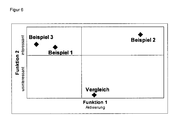
- FIG. 6 shows that all compositions according to the invention leave an interesting impression on the test subjects, whereas the comparative example makes an uninteresting and boring impression.
Landscapes
- Health & Medical Sciences (AREA)
- Life Sciences & Earth Sciences (AREA)
- Animal Behavior & Ethology (AREA)
- General Health & Medical Sciences (AREA)
- Public Health (AREA)
- Veterinary Medicine (AREA)
- Epidemiology (AREA)
- Birds (AREA)
- Oil, Petroleum & Natural Gas (AREA)
- Chemical & Material Sciences (AREA)
- Dermatology (AREA)
- Cosmetics (AREA)
- Pharmaceuticals Containing Other Organic And Inorganic Compounds (AREA)
- Medicines Containing Plant Substances (AREA)
Description
- Die vorliegende Erfindung betrifft kosmetische Reinigungs- und Pflegezusammensetzungen vorzugsweise zum Baden. In dem Bereich der Körperpflege sind verschiedenste Formen von Badezusätzen bekannt. Zu den Badezusätzen zählen Badesalze, klassische Wirkbäder, fette Ölbäder sowie Schaumbäder und Emulsionsbäder. Bekannt sind auch mehrphasige Zubereitungen, die in Ruhe erkennbar zweiphasig sind, durch kräftiges Schütteln homogenisiert werden können und sich nach einiger Zeit wieder abtrennen. Derartige Ölbäder weisen einen relativ hohen Anteil an verschiedenen Ölbestandteilen auf, die vor allem der Pflege der Haut dienen sollen.
- Die vorliegende Reinigungs- und Pflegezusammensetzung ist der Kategorie der klassischen Wirkbäder zuzuordnen, die anteilig (einen geringen Anteil) fette Öle, ätherische Öle und Tenside, sowie Solubilisatoren aufweisen und definitionsgemäß eine messtechnisch objektivierbare psycho-physiologische Wirkung haben
- Bei bekannten Reinigungs- und Pflegezusammensetzungen wird häufig großer Wert auf die Reinigungsleistung der Zusammensetzung und/oder auf pflegende Aspekte des Badezusatzes gelegt.
- Die
EP 0 815 850 beschreibt eine Badeöl-Zusammensetzung mit ätherischen Ölen, die ohne Tenside auskommt. Dafür weisen die Badeölzusammensetzungen einen hohen Anteil (50 %) an Ethanol auf. DieUS 5,766,628 beschreibt eine Bade- und Duschzusammensetzung mit Vesikel-formenden Eigenschaften, die zu wenigstens 20 Gew.-% aus einem Pflanzenöl oder einer wachsartigen apolaren Substanz besteht. - Die
US 6,447,788 beschreibt kosmetische Körperpflegezubereitungen, die wenigstens 20 Gew.-% Honig enthalten. In derUS 5,397,497 werden Badezusätze offenbart, die wenigstens 10 Gew.-% eines kosmetisch wirksamen Öls oder einer Mischung hiervon beinhalten. In dem deutschen Gebrauchsmuster 20 2004 018 321 werden Körperpflegepräparate offenbart, die wenigstens 40 % Honig, wenigstens 40 % Tenside und bis zu 5 Gew.-% ätherische Öle aufweisen. Gegenstand derUS 4,921,874 sind medizinische Badeöle, die 68-95 Gew.-% eines oder mehrerer physiologisch annehmbarer Öle enthalten. DieUS 6,268,333 beschreibt Duftstoffe mit einem beruhigenden Effekt, die in verschiedenen Produkten wie Parfüms, Shampoos, Luftverbesserungsmitteln, Deodorants und anderem eingesetzt werden können. In derWO 2008/050084 werden Duftzusammensetzungen beschrieben, denen bestimmte Einflüsse auf die Stimmungslage nachgesagt werden. In derUS-Anmeldung 2004/0063604 werden Parfüm-Zusammensetzungen beschrieben die in verschiedenen Zusammensetzungen Duftmaterialien enthalten, die entspannende, nicht entspannende und gegebenenfalls neutrale Wirkungen entfalten. Gegenstand derDE 44 19 470 ist ein Verfahren zur Herstellung von Haut- und/oder Haarpflegemitteln aus Tensiden, Alkohol, Ölen, Fettalkohol und Wasser, denen auch ätherische Öle zugesetzt werden können. - Aufgabe der vorliegenden Erfindung ist es, eine Reinigungs- und Pflegezusammensetzung bereitzustellen, die gute Reinigungsleistung verbunden mit hoher Hautpflegequalität bereitstellt und darüber hinaus positiv die Stimmung der die Reinigungs- und Pflegezusammensetzungen verwendenden Person in gewünschter Weise beeinflusst. Erreicht wird dies durch die Zugabe eines oder mehrerer ätherischer Öle und/oder einzelner natürlicher, naturidentischer oder synthetischer Duftstoffe in verhältnismäßig hoher Konzentration. Bei der Bereitstellung des Badewassers wird die Reinigungs- und Pflegezusammensetzung aufgelöst. Ebenso werden bei der Aufbringung der Zusammensetzung beim Duschen die erfindungsgemäß eingesetzten ätherischen Öle freigesetzt. Diese können dabei von der die Reinigungs- und Pflegezusammensetzung verwendenden Person olfaktorisch über die Geruchsorgane aufgenommen werden.
- Diese Aufnahme erfolgt unter folgenden Voraussetzungen:
- 1. Sinneseindrücke werden als erstes in einer Struktur im Gehirn verarbeitet, die sich Thalamus nennt und als "Tor zum Bewusstsein" bezeichnet wird. Nicht so Gerüche. Die Nervenimpulse, die in den olfaktorischen Sinneszellen ausgelöst werden, gelangen auf direktem Wege in das so genannte Limbische System. Dieses System bildet eine wichtige Grundlage unserer Gefühle. Gerüche können daher unmittelbar Gefühle auslösen, ohne dass diese Sinneseindrücke bewusst verarbeitet werden müssten. Die entstandenen Gefühle gehen in der Regel mit körperlichen Veränderungen, d. h. physiologischen Reaktionen, einher. Je nach Gefühl wird beispielsweise der Herzschlag schneller bzw. langsamer, oder die Hände fangen an zu schwitzen.
- 2. Stechende oder beißende Aromen wie die von Meerrettich, Alkohol oder Tabak erregen noch eine andere Art von Wahrnehmungssystem: die freien Nervenendigungen der Nervus Trigeminus. Dieses System hat Verbindungen zu einer Struktur, die Wachheit, physiologische Erregung und Aktivierung steuert: die im Hirnstamm befindliche Formatio reticularis. Die Funktionsweise dieses Systems machte man sich z. B. mit der Verwendung von Riechsalzen zur Erweckung Ohnmächtiger zunutze.
- 3. Wirkstoffe aus der Atemluft werden über die Nasenschleimhaut und die Bronchialschleimhaut aufgenommen, und gelangen so in den Blutkreislauf. Dadurch können sie Effekte auf innere Organe ausüben, und auch nach Durchquerung der Blut-Hirn-Schranke auf das Zentrale Nervensystem wirken.
- Der Gegenstand der vorliegenden Erfindung ist in den Patentansprüchen definiert. Es handelt sich um eine kosmetische Reinigungs- und/oder Pflegezusammensetzung vorzugsweise ein Badezusatz mit einer messtechnisch nachgewiesenen olfaktorischen, die psycho-physiologische Ausgangslage beeinflussenden Wirkung, die 30-70 Gew.-% mindestens eines Tensids und/oder Solubilisators und 0,1-20 Gew.-% einer Mischung mehrerer verschiedener ätherischer Öle und/oder einzelner natürlicher, naturidentischer oder synthetischer Duftstoffe enthält. Die erfindungsgemäßen Zusammensetzungen enthalten, abgesehen von den ätherischen Pflanzenölen, nur 0,1-5 Gew.-% an Pflanzenölen die pflegenden Charakter aufweisen, und bevorzugt keinen Honig.
- In bevorzugter Ausführungsform enthält die Zusammensetzung zwischen 35 und 55 Gew.-% eines Tensids oder einer Mischung verschiedener Tenside und/oder eines Solubilisators, sowie 1,5-10 Gew.-% eines ätherischen Öls oder einer Mischung mehrerer verschiedener ätherischer Öle und/oder einzelner natürlicher, naturidentischer oder synthetischer Duftstoffe. Unter dem Begriff "Solubilisator" werden solche Lösungsvermittler verstanden, die die Verteilung der ätherischen Öle im Wasser gewährleisten. Eine klare Abgrenzung zwischen Tensid und Solubilisator ist häufig nicht möglich. Erfindungsgemäß wird der mengenmäßige Anteil des Tensids den Anteil des Solubilisators überwiegen. Beispiele für Solubilisatoren sind PEG 40-Sorbitan Peroleate oder PEG 40-Hydrogenated Castor Oil.
- Als weiteren Bestandteil enthält die Reinigungs- und Pflegezusammensetzung 0,1-5 Gew.-%, bevorzugt 1-2 Gew.-% eines weiteren Pflanzenöls, beispielsweise Sonnenblumenöl, Olivenöl oder Arganöl. Der Anteil an Öl überschreitet jedoch 5 Gew.-% der Gesamtzusammensetzung nicht.
- Weiterhin kann die Zusammensetzung 1-20 Gew.-%, bevorzugt 2-15 Gew.-% Glycerin enthalten. Das Glycerin wirkt einerseits als Viskositätsregler der fertigen Zusammensetzung und hat andererseits eine pflegende Wirkung auf die Haut.
- Zur Stabilisierung der in der Reinigungs- und Pflegezusammensetzung verwendeten fetten und ätherischen Öle kann die Zusammensetzung in bevorzugter Ausführungsform bis 0,1% auf die zu stabilisierende Ölphase an Mischtocopherolkonzentrat 70% (natürlich) enthalten.
- In bevorzugter Ausführungsform enthält die Reinigungs- und Pflegezusammensetzung keine Konservierungsstoffe, sowie keine Paraffine, Silikone und/oder Mineralöle.
- In bevorzugter Ausführungsform enthält die Reinigungs- und Pflegezusammensetzung weiterhin einen oder mehrere Pflanzenextrakte. Geeignete Pflanzenextrakte stammen vom Hopfen, Baldrian, Melisse, Lavendel und/oder Rosmarin. Die Pflanzenextrakte werden in bevorzugter Ausführungsform durch CO2-Extraktion gewonnen.
- Manche Bestandteile, die üblicherweise in Reinigungs- und Pflegezusammensetzungen eingearbeitet werden, wie beispielsweise Detergenzien, stammen von tierischen Produkten her. So werden aus tierischem Fett, Talg, Knochen oder Haut durch chemische Behandlung waschaktive Substanzen, wie Seifen, hergestellt. Die erfindungsgemäße Reinigungs- und Pflegezusammensetzung besteht jedoch nur aus Komponenten, die aus pflanzlichen Produkten hergestellt wurden. Dabei enthält die Reinigungs- und Pflegezusammensetzung in bevorzugter Ausführungsform keine Bestandteile, die von Tieren herstammen.
- Die erfindungsgemäße Reinigungs- und Pflegezusammensetzung beinhaltet als eine Hauptkomponente waschaktiven Substanzen, Tenside oder Solubilisatoren in einer Menge von 30-70 Gew.-%, bevorzugt 35-55 Gew.-% und besonders bevorzugt 38-47 Gew.-% bezogen auf die fertige Zusammensetzung. Tenside sind amphiphile Stoffe, die organische, unpolare Substanzen im Wasser lösen können. Bedingt durch ihren spezifischen Molekülaufbau mit mindestens einem hydrophilen und einem hydrophoben Molekülteil sorgen sie für eine Herabsetzung der Oberflächenspannung des Wassers, die Benetzung der Haut, die Erleichterung der Schmutzentfernung und Schmutzablösung, ein leichtes Abspülen und die Schaumverstärkung und Schaumregulierung.
- Der hydrophile Anteil eines Tensidmoleküls wird meist durch polare funktionelle Gruppen, die von entsprechenden Säureresten herstammen, gebildet, wie beispielsweise -COO-, -OSO3 2-, -SO3 -. Der hydrophobe Teil des Tensids wird in der Regel durch unpolare Kohlenwasserstoffreste gebildet. Nach Art und Ladung des hydrophilen Molekülteils werden Tenside unterschieden nach anionischen Tensiden, amphoteren Tensiden bzw. nichtionischen Tensiden und kationischen Tensiden.
- Im Rahmen der vorliegenden Erfindung werden bevorzugt anionische Tenside eingesetzt, wie Acyl-Isothionate, Alkylarylsulphonate, Alkylsulphonate, Sulphosuccinate sowie Schwefelsäureester, wie Alkylethersulfate oder Arylsulfate.
- Vorteilhaft einzusetzende amphotere Tenside sind beispielsweise Acyl-/Dialkylethylendiamin. Als nichtionische Tenside werden bevorzugt eingesetzt Alkohole, Alkanolamide, Ester, die durch Veresterung von Carbonsäuren mit Ethylenoxid, Glycerin, Sorbitan oder anderen Alkoholen entstehen, sowie Ether, insbesondere ethoxylierte/propoxylierte Alkohole, ethoxylierte/propoxylierte Ester, ethoxylierte/propoxylierte Glycerinester. In besonders bevorzugter Ausführungsform wird als Hauptkomponente der waschaktiven Substanzen erfindungsgemäß Polyoxyethylen-Sorbitanmonolaureat (Tween 20) eingesetzt.
- Neben der waschaktiven Komponente enthält die erfindungsgemäße Reinigungs- und Pflegezusammensetzung einen maßgeblichen Anteil eines ätherischen Öls oder eines Gemisches mehrerer verschiedener ätherischer Öle und/oder einzelner natürlicher, naturidentischer oder synthetischer Duftstoffe. Die erfindungsgemäß eingesetzten ätherischen Öle sind sowohl natürliche Produkte als auch naturidentische Nachstellungen von Hauptkomponenten ätherischer Öle, die direkt aus Pflanzen gewonnen werden. Aufgrund der Herstellung der ätherischen Öle aus Pflanzen sind die erfindungsgemäß eingesetzten ätherischen Öle immer Gemische verschiedener chemischer Verbindungen, die hinsichtlich der einzelnen Komponenten und des Verhältnisses dieser Komponenten zueinander beeinflusst werden durch die Herkunft der Pflanzen und durch die genauen Bedingungen des Gewinnungsverfahrens.
- Zum großen Teil sind einzelne Komponenten der ätherischen Öle bekannt. Ätherische Öle werden hauptsächlich aus Pflanzen bzw. bestimmten Pflanzenteilen gewonnen. In chemischer Hinsicht unterscheiden sich die einzelnen Komponenten wesentlich voneinander. Es handelt sich bei den Bestandteilen der ätherischen Öle häufig um Kohlenwasserstoffe, Alkohole, Aldehyde, Ketone, Ester, Phenole, Phenylester und auch Verbindungen mit anderen komplexen Strukturen. Die Molekulargewichte der einzelnen Verbindungen sind relativ niedrig. Meistens überschreitet das Molekulargewicht nicht einen Wert zwischen 200 bis 300 Dalton.
- Ein Gemisch aus von Citrusarten und Citronengras (im Handel auch als sogenannte Indische Melisse bezeichnet) gewonnenem ätherischem Öl, in Kombination mit Terpenen und Terpenoiden und Litsea Cubeba Öl. wird erfindungsgemäss eingesetzt. Die Verwendung eines derartigen Öls hat einen positiven Einfluss und hebt die Stimmungslage nachweislich.
- Ein anderes ätherisches Öl wird aus der Minze gewonnen. Auch dieses Öl hat einen belebenden, die Stimmung positiv beeinflussenden und aktivierenden Effekt. Einen eher beruhigenden Effekt hat dagegen Baldrianöl, das aus der Baldrianpflanze (Valeriana Officinalis) gewonnen wird.
- Zitronenöl kann aus der Schale von Citrusfrüchten gewonnen werden. Zitronenöl kann bis zu 95 % Monoterpenkohlenwasserstoffe, hauptsächlich Limonen, aber auch andere Terpene, wie α-Terpinen und β-Pininen enthalten. Auch hier hängt das Verhältnis der einzelnen Komponenten zueinander von der Zitronenart und dem Ursprungsland ab.
- Citronellaöl wird aus verschiedenen aromatischen Gräsern durch Wasserdampfdestillation gewonnen. Es gibt verschiedene Typen von Citronellaöl, in Abhängigkeit vom Ursprungsland und der Art der Herstellung. Das Ceylon-Citronellaöl wird durch Dampfdestillation von frischen Blättern und Stengeln des Grases Cymbopogon nardus erhalten. Das Java-Citronellaöl wird durch Wasserdampfdestillation von Stengeln und Blättern des Grases Cymbopogon winterianus vor allem in Südosten Asiens, in Indien und in Indonesien gewonnen. Citronellaöl enthält vor allem Citronellal, Geraniol, Citronellol, Granylacetat, Citronellylacetat und viele andere Komponenten in geringeren Anteilen.
- Litsea Cubebaöl ist das durch Wasserdampfdestillation aus den Früchten gewonnene ätherische Öl des Litseabaums (Litsea Cubeba Persoon) . Die Pflanze hat zitronenartig duftende Blätter und Blüten und zählt zu den Lorbeergewächsen. Die kleinen Früchte des Baumes sehen aus wie Pfefferfrüchte, daher der volkstümliche Name Cubebenpfeffer. Das ätherische Öl enthält hauptsächlich Citral (70 - 80%), Limonen (10 - 15%), Linalool, Geraniol, Nerol und wirkt aktivierend erfrischend und konzentrationsfördernd.
- Einzelriechstoffe die sowohl natürlichen, naturidentischen oder synthetischen Ursprungs sein können, können die Duftwirkung der ätherischen Öle je nach Ihren spezifischen Eigenschaften verstärken, aber auch abschwächen. Entscheidend für Art und Intensität des Einflusses auf die psycho-physiologische Ausgangslage ist daher stets der olfaktorische Effekt der sich aus dem qualitativen und quantitativen Zusammenspiel aller vorhandenen Duftstoffe ergibt.
- Die wesentlichen Bestandteile der erfindungsgemäßen kosmetischen Reinigungs- und Pflegezusammensetzung sind in der nachfolgenden Tabelle 1 zusammengestellt, wobei der bevorzugte und der besonders bevorzugte Bereich in Gew.-% angegeben sind. Die Gewichtsprozente sind als (Gewicht/Gewicht) angegeben und beziehen sich auf die fertige Zusammensetzung. Die Zusammensetzung wird immer mit gereinigtem Wasser auf 100 Gew.-% ergänzt. Die Mischung der ätherischen Öle wird in die kosmetische Reinigungs- und/oder Pflegezusammensetzung in einer Menge von 0,1 - 20 Gew.-%, bevorzugt 0,5 - 15 Gew.-% und besonders bevorzugt in einer Menge von 1,0 - 10 Gew.-% eingearbeitet.
Tabelle 1 Bestandteil bevorzugter Bereich besonders bevorzugter Bereich ätherische Öle, Mischungen ätherischer Öle und/oder einzelner natürlicher, naturidentischer oder synthetischer Duftstoffe 0,1 - 15 1 - 10 waschaktives Tensid 35 - 70 40 - 60 Pflanzenöl 0 - 5 0,1 - 2 Viskositätsregler (Glycerin) 0 - 15 0 - 15 Mischtocopherolkonzentrat 0 - 0,1 0,01 - 0,1 Farbstoff 0 - 1,2 0,1 - 1,1 Pflanzenextrakt 0 - 1 0,01 - 1 Wasser, gereinigt ad 100 Gew.-% ad 100 Gew.-% - Mischungen ätherischer Öle, die erfindungsgemäß bevorzugt eingesetzt werden, beinhalten die in Tabelle 2 dargestellten Bestandteile:
Tabelle 2 Inhaltsstoffe Cas Nr. bevorzugter Bereich besonders bevorzugter Bereich d-Limonen 5989-27-5 40 % bis 50 % 45% Litsea Cubeba Oil (vorzugsweise aus China/Vietnam/Zaire) 0068855-99-2 20 % bis 30 % 25% Citral 0005392-40-5 20 % bis 30 % 23 % Lemon Oil (vorzugsweise aus Italien (Sizilien), Spanien, Argentinien) 0008008-56-8 1 % bis 5 % 2% Sweet Orange Oil (bevorzugt: Brasilien, Florida) 0068647-72-3 1 % bis 5 % 2% Citronella Oil (Java, bevorzugt: China) 0008000-29-1 1 % bis 5 % 1 % Inhaltsstoffe unter 1 %: Anis Alcohol 105-13-5 < 1 % Farnesol 4602-84-0 < 1 % Linalool 78-70-6 < 1 % Citronellol 106-22-9 < 1 % Geraniol 106-24-1 < 1 % - Bevorzugte Ausführungsformen von kosmetischen Reinigungs- und/oder Pflegezusammensetzungen werden in den nachfolgenden Beispielen wiedergegeben:
Beispiel 1 Handelsname INCI/CTFA Einwaage in Masse% Verwendungszweck Hersteller/Lieferant Polysorbat 20 (Tween 20) Polysorbate 20 50 - 60 Solubilisator/ waschaktive Substanz Evonik GmbH Goldschmidt GmbH, Goldschmidtstraße 100,45127 Essen Wasser, gereinigt Aqua (Water) 30 - 40 Wasser Pö Freshness Parfum (Fragance) 5 - 10 Olfaktorisch wirksamer Bestandteil Firma Michael Schmitt Andemacher Str.8 50968 Köln Sonnenblumenöl Helianthus Anuus (Sunflower) Seed oil 0,1 - 1 Pflanzenöl Gustav Heess GmbH, Am Gewerbering 4/6l, 83533 Edling Farbstoff Chinolinqelb Chinolingelb CI 47005, E 104 0,1 - 1 Farbstoff Pharmorgana GmbH, An der Guldenmühle 7, 65817 Eppstein Farbstoff gelb FD& C yellow No. 5 CI 19140, E 140 0,01 - 0,1 Farbstoff BASF Chem Trade GmbH, Industriestr. 20, 91593 Burgbernheim Mischtocopherolkonzentrat 70% (natürlich) Tocopherol 0,01 - 0,1 Stabilisator Cognis Deutschland GmbH, Henkestraße 67, 40551 Düsseldorf Summe 100 - Dieser Badezusatz ruft bei der Anwendung eine messtechnisch nachgewiesene, erfrischende, konzentrationsfördernde Wirkung und einen interessanten Eindruck hervor.
-
Tabelle 3 Inhaltstoff CAS-Nummer Anteil in Gew% Terpenes and Terpenoids, limonen fraction 65996-98-7 10 - 50 Linalyl acetat 115-95-7 10 - 50 Litsea Cubeba Fruit Oil 68855-99-2 10 - 50 Rosewood Oil Bresil 8015-77-8 5 - 10 Cornmint oil 68917-18-0 5 - 10 Linalool 78 -70 6 5 - 10 β-Pinen 127-91-3 1 - 5 α-Pinen 80-56-8 0,1 - 1 γ-terpinene 99-85-4 0,1 - 1 Ocimene 13877-91-3 0,1 - 1 Spearmint Oil 8008-79-5 0,1 - 1 Terpinyl acetat 80-26-2 0,1 - 1 Beispiel 2 Handelsname INCI/ CTFA Einwaage in % Verwendungzweck Hersteller/Lieferant Polysorbat 20 (Tween 20) Polysorbate 20 50-70 Solubilisator/ waschaktive Substanz Evonik GmbH Gddschmidt GmbH, Goldschmidtstraße 100, 45127 Essen Wasser, gereinigt Aqua (Water) 15-30 Wasser Citronellöl Java 100 % Stpfl. Cymbopogon Nardus (Citronella) Oil 5-10 dfaktorisch wirksamer Bestandteil Düllberg Konzentra Obenhauptstr. 3 D - 22335 Hamburg Parfümöl Gerarium Parfum (Fraganoe) 2-5 dfaktaisch wirksamer Bestandteil Düllberg Konzentra Obenhauptstr. 3 D-22335 Hamburg Parfümöl (II) Parfum (Fragrance) 2-5 dfaktorisch wirksamer Bestandteil Firma Michael Schmitt Andernacher Str.8 50968 Köln Baldrianöl 25 % Stpfl. Parfum (Fragrance), Valeriana Officinalis Oil 2-5 dfaktorisch wirksamer Bestandteil Düllberg Konzentra Obenhauptstr. 3D-22335 Hamburg Hopfenesxtrakt 4-6:1 (CO2) Humulus Lupulus Hops Extract 0,1-1 Pflanzenextrakt Falvex Natuextrakte, Nadstraße 7 D - 66780 Rehlingen Farbstoff blau (FD & C Blue No. 1, CI 42090) CI 42090 (Blue 1) 0,01 -0,1 Farbstoff Pharmorgana GmbH, An der Guldenmühle 7, 65817 Eppstein Mischtocopherolkonzentrat 70% (natürlich) Tocopherol 0,01-01 Stabilisator Cognis Deutschland GmbH, Henkestraße 67, 40551 Düsseldorf 100,0 - Dieser Badezusatz hat eine positive, entspannende Wirkung und einen beruhigenden Effekt. Er sollte vorzugsweise vor dem Schlafengehen angewendet werden.
-
Tabelle 4 Inhaltstoff CAS-Nummer Anteil in Gew% Eucalyptus globulus Leaf Oil 8000-48-4 10 - 50 Clove bud oil 8000-34-8 10 - 50 Lavendula Hybrida Oil 8022-15-9 5 - 10 Turpentine Oil 9005-90-7 5 - 10 Camphor 21368-68-3 5 - 10 Alpha-pinene 80-56-8 5 - 10 Alpha-terpineol 98-55-5 1 - 5 Camphene 79-92-5 1 - 5 dl-Borneol 507-70-0 1 - 5 Linalyl acetat 115-95-7 1 - 5 p - Cymene 99-87-6 1 - 5 Shiu oil 8022-91-1 1 - 5 Thym blanc 1 - 5 Thymol 89-83-8 1 - 5 β-Pinen 127-91-3 0,1 - 1 Bornyl acetat 76-49-3 0,1 - 1 Dipentene 138-86-3 0,1 - 1 Isobornyl acetat 125-12-2 0,1 -1 Linalool 78-70-6 0,1 - 1 Myrcene 123-53-3 0,1 - 1 Weitere Parfümbestandteile < 0,1 -
Tabelle 5 Citronellol 50% Citronellylformiat 16% Geraniol 12% Linalool 5% Weitere Parfümbestandteile Ad 100% - Zusammensetzung Baldrianöl 25%Stpfl
Tabelle 6 Baldrianöl 25% Andere ätherische Öle 11% Naturidentische Riechstoffe 64% Beispiel 3 Handelsname INCI/CTFA Einwaage in Masse % Verwendungszweck Hersteller/Lieferant PöZitrone-Melisse Parfum (Fragance) 1-5 dfaktorisch wirksamer Bestandteil Firma Michael Schmitt Andernacher Str.850968 Köln Sonnenblunenöl Helianthus Anuus (Sunflower) Seed oil 0,1-1 Pflanzenöl Gustav Heess GmbH, Am Gewerbering 4/6l, 83533 Eding Glycerol 85% Glycerin 10-15 Viskositätssenkender Hautpflegestoff Fauth & Co GmbH, Innstraße 35 -37, 68199 Mannheim Polysorbat 20 (Tween 20) Polysorbate 20 40-50 Solubilisator/ waschaktive Substanz Evonik GmbH Goldschmidt GmbH, Goldschmidtstraße 100, 45127 Essen Mischtocopherolkonzentrat 70% (natürlich) Tocopherol 0,01- 0,1 Stabilisator Cognis Deutschland GmbH Henkestraße 67, 40651 Düsseldorf Farbstoff Chinolingelb Chinolingelb Cl 47005, E 104 0,1-1 Farbstoff Pharmorgana GmbH, An der Guldenmühle 7,65817 Eppstein Farbstoff gelb FD&C yellow No. 5 Cl 19140, E 140 0,01- 0,1 Farbstoff BASF Chem Trade GmbH, Industriestr. 20, 91593 Burgbernheim Wasser, gereinigt Aqua (Water) 30-40 Wasser Summe 100,0000 - Dieser Badezusatz hat eine entspannende und stresslösende Wirkung. Er sollte bevorzugt nach körperlicher, seelischer oder emotionaler Anspannung angewendet werden.
-
Tabelle 7 Inhaltstoff CAS-Nummer Anteil in Gew% Terpenes and Terpenoids, limonen fraction 65996-98-7 10 - 50 Citral 5392-40-5 10 - 50 Litsea Cubeba Fruit Oil 90063-59-2 10 - 50 Citronella Oil 8000-29-1 1 - 10, bevorzugt 5 - 10 Lemon Oil 8008-56-8 1 - 5 Weitere Parfümbestandteile <1 - Die wissenschaftliche Evaluierung von aromatherapeutischen Wirkungen steht erst am Anfang der Entwicklung (Maria Lis-Balchin, Aromatherapy Science, Pharmaceutical Press, 2006).
- Die am Lehrstuhl für Physiologische Psychologie der Universität Wuppertal innerhalb der Arbeitsgruppe von Professor Boucsein entwickelte Methodik des Objektiven Emotionalen Assessments (OEA) erlaubt eine Mehrebenen-Erfassung emotionaler Reaktionen von Probanden während der Beurteilung unterschiedlichster Produkte. Erfindungsgemäß wird die olfaktorische Wirkung auf die psychopsychologische Ausgangslage mit dem Objective Emotional Assessment (kurz: OEA) bestimmt.
- Eisfeld, Wachter, Stürmer, Schaefer und Boucsein (SÖFW - Journal 4-2006, S. 84-90) beschreiben das Verfahren als "a unique methodological approach which is based on the measurement of psycho-physiological parameters like skin conductivity, heartbeat, blood circulation in the periphery and electrical muscle signals (...). All these physiological reactions are the result of unconscious mental processes in the brain (...). (...) from such measurements, the emotional state of the test persons can be inferred with high accuracy. (...) This approach was successfully introduced as »Objective Emotional Assessment« (OEA) in recent studies on cosmetic applications, and proved to be a suitable methodology for objective evaluation of emotional consumer response".
- Beim OEA werden (1) der subjektive Eindruck (Gefühlskomponente) über Fragebogen erfasst, (2) physiologische Reaktionen (Aktivierungskomponente) mittels Parametern der elektrodermalen Aktivität (EDA) sowie Kennwerten aus dem Elektrokardiogramm (EKG) quantifiziert, und (3) die Verhaltensebene durch eine objektive Auswertung des mimischen Ausdrucks mit Hilfe von elektromyographischen (EMG) Messungen der Gesichtsmuskelaktivität beschrieben.
- Eine mit der Methodik des Objective Emotional Assessment (OEA) durchgeführte Produktevaluation liefert als Ergebnis objektiv-quantifizierte Aussagen über die wahrgenommenen Produkteigenschaften sowie die durch die Interaktion mit dem Produkt beim Konsumenten ausgelöste emotionale Reaktion. Auf Grundlage von empirisch unter kontrollierten Laborbedingungen erhobenen Daten wird für jedes Produkt das durch dieses erzeugte spezifische psychophysiologische Emotionsprofil bestimmt.
- Die für die Untersuchung der Badeprodukte besonders relevanten Eigenschaften "Stimmungsaufhellung" und "Entspannung" lassen sich übersetzen in die beiden üblicherweise in der Psychologie zur Charakterisierung von emotionalen Reaktionen bzw. Zuständen verwendeten Dimensionen Valenz (angenehm - unangenehm) und Aktivierung (entspannt - angespannt). Die statistische Methode der Diskriminanzanalyse gestattet die Lage jedes getesteten Produktes auf diesen Dimensionen (d.h. die Ausprägung der durch das Produkt ausgelösten Empfindungen) aufgrund der spezifischen Ausprägungen der erfassten psychophysiologischen Emotionsindikatoren eindeutig zu lokalisieren und zufallskritisch abzusichern. Die
Figur 4 veranschaulicht den emotionalen Raum, in dem die Lage der Produkte bestimmt wird. Paarweise Vergleiche der Produkte, bzw. die Bildung einer Rang-Reihenfolge aller Produkte bezogen auf die interessierenden Charakteristika sind ein zentraler Teil der Untersuchungsergebnisse. - Die besonderen Vorteile der verwendeten psychophysiologischen Methodik im Vergleich zu herkömmlichen (üblicherweise rein verbalen) Methoden der Produkttestung bestehen in der größeren Objektivität und geringeren Anfälligkeit für bewusste Verfälschung sowie in dem Potenzial auch automatisch ablaufende emotionale Reaktion valide abbilden zu können. Des weiteren wird durch die multivariante Erfassung unterschiedlicher Emotionskomponenten der holistische Wahrnehmungseindruck abgebildet. Im Vergleich zur selektiven Betrachtung einzelner, isolierter Produkteigenschaften berücksichtigt dieser Ansatz auch mögliche Interaktionen unterschiedlicher Eigenschaften, die in qualitativ andersartigen Wahrnehmungseindrücken resultieren können.
- Eine genauere Beschreibung des OEA sowie die Ergebnisse von mit dieser Methodik durchgeführten experimentellen Untersuchungen finden sich in:
- Boucsein, W., Schaefer, F., Schwerdtfeger, A., Busch, P. & Eisfeld, W. (1999). Objective emotional assessment of foam. SÖFW-Journal, 125, 2-17.
- Boucsein, W. Schaefer, F., Kefel, M., Busch, P. & Eisfeld, W. (2002). Objective emotional assessment of tactile hair properties and their modulation by different product worlds. International Journal of Cosmetic Science, 24, 135-150.
- Boucsein, W., & Schaefer, F. (2007). Objective emotional assessment of industrial products. In J. Westerink, M. Ouwerkerk, T. Overbeek, F. Pasveer, & B. de Ruyter (Eds.), Probing Experience: From academic research to commercial propositions. Dordrecht: Springer.
- Eisfeld, W., Schaefer, F., Boucsein, W.& Stolz, C. (2005). Tracking Intersensory Properties of Cosmetic Products via Psycho-Physiological Assessment. IFSCC Magazine 8(1), 25-30.
- Eisfeld, W., Wachter, R., Stürmer, R., Schaefer, F., Boucsein, W. (2006). Perceivable Wellness Effects via a New Liposome Concept for Fabric Care. SÖFW-Journal, 132, 84-92.
- Eisfeld, W., Wachter, R., Schaefer, F., & Boucsein, W. (2007). Objective emotional assessment of perceivable wellness effects. Cosmetics & Toiletries, 122, 63-72.
- In einer ersten Untersuchung wurde grundsätzlich die positive olfaktorisch-vermittelte Wirkung der in den Beispielen 1-3 beschriebenen kosmetischen Reinigungs- und Pflegezusammensetzungen auf die Stimmung und den psycho-physiologischen Aktivierungsgrad nachgewiesenen. Als aktivierend/erfrischend hat sich hierbei insbesondere das Beispiel 3 herausgestellt. Bei diesem Beispiel wurde die als Parfümöl (PÖ) Zitronen-Melisse bezeichnete Mischung von ätherischen Ölen eingesetzt, die in der Zusammensetzung der Tabelle 7 beziehungsweise der Tabelle 2 entspricht.
- Im Anschluss wurde eine zweite Untersuchung zur näheren Abklärung der Fragestellung konzipiert, ob diese Wirkung spezifisch für die verwendete spezielle Parfumöl-Kombination ist, oder auch beliebig durch (im weitesten Sinne alle üblichen) Parfumöle hervorgerufen wird. Hierzu wurde die Wirkung der kosmetischen Reinigungs- und Pflegezusammensetzung (PÖ) mit den Einzelwirkungen der drei wesentlichen darin enthaltenen ätherischen Ölen (Zitronenöl, Citronellaöl, Litsea Cubeba Öl) verglichen.
- Die Einzelkomponenten Zitronenöl (Probe 1), Citronellaöl (Probe 2) und Litsea Cubeba Öl (Probe 3) wurden in jeweils drei verschiedenen Konzentrationen (niedrig/mittel/hoch), die kosmetische Reinigungs- und Pflegezusammensetzung mit der Parfümöl[PÖ]-Komponente Zitrone-Melisse, die die in Tabelle 2 bzw. Tabelle 7 näher aufgeführten Komponenten enthält (Probe 4) in der in vorangegangenen Studie verwendeten Konzentration dargeboten. Die olfaktorische Darbietung der vier Proben mit einer Dauer von jeweils 40 Sekunden erfolgte permutiert über die 16 weiblichen Probanden mit paralleler Registrierung der physiologischen Signale. Die subjektive Beurteilung der Proben erfolgte im direkten Anschluss an die Darbietung. Die physiologischen Reaktionen werden als Differenzwerte im Vergleich zur Ausgangslage (Baseline) dargestellt.
- Summarisch betrachtet zeigt sich ein prinzipiell unterschiedliches peripher-physiologisches Reaktionsmuster für die kosmetische Reinigungs- und Pflegezusammensetzung (PÖ) im Vergleich zu den Einzelsubstanzen. Nur für erstere zeigt sich eine Verringerung der mittleren Herzrate und der Summenamplitude elektrodermaler Reaktionen (
Figur 1 und2 ). - Der Reaktionsverlauf der Herzrate reflektiert zum einen den allgemein beruhigenden Effekt der kosmetischen Reinigungs- und Pflegezusammensetzung. Des Weiteren steht dieser Verlauf, als phasische Reaktion auf einem Reiz in dem verwendeten Zeitintervall, auch für eine aktive Reizaufnahme und Hinwendung zum Reiz.
- Die Verringerung der Summenamplitude elektrodermaler Reaktionen reflektiert einerseits zusätzlich den allgemein beruhigenden Effekt der kosmetischen Reinigungs- und Pflegezusammensetzung. Da ein starker Anstieg der Summenamplitude elektrodermaler Reaktionen besonders eine mit negativen Empfindungen einhergehende Erhöhung der emotionalen Aktivierung widerspiegelt, zeigt sich hier auch die positivere Valenz-Beurteilung (im Sinne von angenehm) der Zusammensetzung im Vergleich zu den Einzelsubstanzen.
- Konsistent mit diesen Reaktionsverläufen zeigt sich die positivere Beurteilung der kosmetischen Reinigungs- und Pflegezusammensetzung im Vergleich zu den Einzelsubstanzen, neben den Einschätzungen in Valenz-bezogenen Fragebogenitems (angenehm, ansprechend, ausgeglichen), in Entspannungs-bezogenen Items (beruhigend, entspannend), sowie in Aktivierungs-bezogenen Items (anregend, aktivierend, aufmerksamkeitserregend, belebend, erfrischend), auch in der Aktivität des Musculus zygomaticus major (Muskelgruppe, die beim Lächeln die Mundwinkel nach oben zieht). Diese Komponente des mimischen Ausdrucks, die bei positiven Empfindungen eine verstärkte Aktivität zeigt, war während der Darbietung der kosmetischen Reinigungs- und Pflegezusammensetzung mit der Parfümöl[PÖ]-Zusammensetzung am größten (
Figur 3 ). - Die durch die erfindungsgemäße Zusammensetzung der kosmetischen Reinigungs- und Pflegezusammensetzung ausgelöste positive, olfaktorisch-vermittelte Wirkung auf die Stimmung und den psycho-physiologischen Aktivierungsgrad erwies sich somit im Rahmen der vorliegenden Untersuchung als spezifisch für die spezielle verwendete Parfumöl-Kombination und objektiv nachweisbar andersartig als die Einzelwirkungen der darin wesentlich enthaltenen ätherischen Öle.
- Wettbewerbsprodukt mit folgender Auslobung:
- Gesundheitsbad
- Wohltuende Entspannung vor dem Einschlafen.
- Und setzt sich wie folgt zusammen:
- INCI: Aqua, Sodium Laureth Sulfate, Polysorbate 20, Glycerin, PEG-6-Caprylic/Capric Glycerides, Parfum, Coco-Glucosides, Glyceryl Oleate, Valeriana officinalis, Lavandula angustifolia, Cymbopogon nardus, Humulus lupulus, Ethoxydiglycol, Propylene Glycol, Butylene Glycol, Lactic Acid, Glucose, Phenoxyethanol, Methylparaben, Butylparaben, Propylparaben, Isobutylparaben, Hexylcinnamal, Butyphenyl Methyprobional, Linalool, Limonene, Alpha-Isometyl lonone, Geraniol, Cl 42051
- Um die Auswirkungen der Reinigungs- und Pflegezusammensetzung auf den Gemütszustand der Probanden objektiv messen zu können, wurden verschiedene Parameter bestimmt. Die Probanden erhielten zunächst eine Duftprobe der Zusammensetzung, dann wurden Veränderungen der Gesichtsmuskeln, Veränderungen der Herzschlagfrequenz, der peripheren Durchblutung und elektrodermalen Aktivität bestimmt.
- Mit Hilfe der im Abschnitt 4.1 näher dargelegten Methode wurden die Reinigungs- und Pflegezusammensetzung vorzugsweise Badezusätze gemäß Beispiel 1, 2 und 3 getestet und es wurde ein Vergleichstest mit einem Produkt gemäß Beispiel 5 durchgeführt. Dabei wurden zusammenfassend die in
Figur 5 und6 dargestellten Ergebnisse erhalten. -
Figur 5 zeigt, dass die erfindungsgemäßen Beispiele alle eine erfrischende, konzentrationsfördernde Wirkung haben. Das Vergleichsbeispiel weist diese Wirkung dagegen nicht auf. -
Figur 6 zeigt, dass sämtliche erfindungsgemäßen Zusammensetzungen einen interessanten Eindruck bei den Testpersonen hinterlassen, wohingegen das Vergleichsbeispiel einen uninteressanten und langweiligen Eindruck macht.
Claims (8)
- Kosmetische Reinigungs- und/oder Pflegezusammensetzung mit messtechnisch nachgewiesener olfaktorischer Wirkung auf die psycho-physiologische Ausgangslage, die 30-70 Gew.-% mindestens eines Tensides und/oder eines Solubilisators, enthält, wobei die Zusammensetzung 0,1-20 Gew.-%, einer Mischung mehrerer ätherischer Öle und/oder einzelner natürlicher, naturidentischer oder synthetischer Duftstoffe mit olfaktorischer Wirkung enthält, dadurch gekennzeichnet, dass es sich bei diesen 0,1-20 Gew.-% der Mischung mehrerer ätherischer Öle um ein Gemisch aus von Citrusarten und Citronengras, das im Handel auch als Indische Melisse bezeichnet wird, gewonnenem ätherischem Öl, in Kombination mit Terpenen und Terpenoiden und Litsea Cubeba Öl handelt, wobei das ätherische Öl die nachfolgend aufgeführten Inhaltsstoffe in den angegebenen relativen Anteilen:
Inhaltstoff Anteil in Gew% Terpenes and Terpenoids, limonen fraction 10 - 50 Linalyl acetat 10 - 50 Litsea Cubeba Fruit Oil 10 - 50 Bois de Rose Bresil Essence 5 - 10 Cornmint oil 5 - 10 Linalool 5 - 10 β-Pinen 1 - 5 α-Pinen 0,1 - 1 γ-Terpinene 0,1 - 1 Ocimene 0,1 - 1 Spearmint Oil 0,1 - 1 Terpinyl acetat 0,1 - 1 Inhaltstoff Anteil in Gew% Terpenes and Terpenoids, limonen fraction 10 - 50 Citral 10 - 50 Litsea Cubeba Fruit Oil 10 - 50 Citronella Oil 5 - 10 Lemon Oil 1 - 5 Weitere Parfümbestandteile <1 - Zusammensetzung nach Anspruch 1, dadurch gekennzeichnet, dass sie zwischen 35 und 55 Gew.-% eines Tensids oder einer Mischung verschiedener Tenside oder eines Solubilisators enthält.
- Zusammensetzung nach einem der vorhergehenden Ansprüche, dadurch gekennzeichnet, dass sie 1-20 Gew.-% Glycerin enthält.
- Zusammensetzung nach einem der vorhergehenden Ansprüche, dadurch gekennzeichnet, dass sie keine Konservierungsstoffe enthält.
- Zusammensetzung nach einem der vorhergehenden Ansprüche, dadurch gekennzeichnet, dass sie keine Paraffine, Silikone und/oder Mineralöle enthält.
- Zusammensetzung nach einem der vorhergehenden Ansprüche, dadurch gekennzeichnet, dass sie weiterhin einen oder mehrere Pflanzenextrakte enthält.
- Zusammensetzung nach einem der vorhergehenden Ansprüche, dadurch gekennzeichnet, dass sie keine Bestandteile enthält, die von Tieren herstammen.
- Zusammensetzung nach einem der vorhergehenden Ansprüche, dadurch gekennzeichnet, dass es kein Haarpflegemittel ist.
Priority Applications (1)
| Application Number | Priority Date | Filing Date | Title |
|---|---|---|---|
| EP10747181.5A EP2467125B1 (de) | 2009-08-20 | 2010-08-12 | Produkte mit messtechnisch nachgewiesener olfaktorischer wirkung zur beeinflussung der psycho-physiologischen ausgangslage |
Applications Claiming Priority (3)
| Application Number | Priority Date | Filing Date | Title |
|---|---|---|---|
| EP09168323.5A EP2286790B1 (de) | 2009-08-20 | 2009-08-20 | Produkte mit messtechnisch nachgewiesener olfaktorischer Wirkung zur Beeinflussung der psycho-physiologischen Ausgangslage |
| EP10747181.5A EP2467125B1 (de) | 2009-08-20 | 2010-08-12 | Produkte mit messtechnisch nachgewiesener olfaktorischer wirkung zur beeinflussung der psycho-physiologischen ausgangslage |
| PCT/EP2010/061723 WO2011020761A2 (de) | 2009-08-20 | 2010-08-12 | Produkte mit messtechnisch nachgewiesener olfaktorischer wirkung zur beeinflussung der psycho-physiologischen ausgangslage |
Publications (2)
| Publication Number | Publication Date |
|---|---|
| EP2467125A2 EP2467125A2 (de) | 2012-06-27 |
| EP2467125B1 true EP2467125B1 (de) | 2016-11-23 |
Family
ID=41503670
Family Applications (2)
| Application Number | Title | Priority Date | Filing Date |
|---|---|---|---|
| EP09168323.5A Not-in-force EP2286790B1 (de) | 2009-08-20 | 2009-08-20 | Produkte mit messtechnisch nachgewiesener olfaktorischer Wirkung zur Beeinflussung der psycho-physiologischen Ausgangslage |
| EP10747181.5A Active EP2467125B1 (de) | 2009-08-20 | 2010-08-12 | Produkte mit messtechnisch nachgewiesener olfaktorischer wirkung zur beeinflussung der psycho-physiologischen ausgangslage |
Family Applications Before (1)
| Application Number | Title | Priority Date | Filing Date |
|---|---|---|---|
| EP09168323.5A Not-in-force EP2286790B1 (de) | 2009-08-20 | 2009-08-20 | Produkte mit messtechnisch nachgewiesener olfaktorischer Wirkung zur Beeinflussung der psycho-physiologischen Ausgangslage |
Country Status (3)
| Country | Link |
|---|---|
| EP (2) | EP2286790B1 (de) |
| ES (2) | ES2623583T3 (de) |
| WO (1) | WO2011020761A2 (de) |
Families Citing this family (1)
| Publication number | Priority date | Publication date | Assignee | Title |
|---|---|---|---|---|
| ES2623583T3 (es) * | 2009-08-20 | 2017-07-11 | Kneipp Gmbh | Productos con efecto olfatorio determinado de forma metrológica para influir sobre la posición de partida psico-fisiológica |
Family Cites Families (14)
| Publication number | Priority date | Publication date | Assignee | Title |
|---|---|---|---|---|
| DE3413563A1 (de) | 1984-04-11 | 1985-10-24 | Merck Patent Gmbh, 6100 Darmstadt | Medizinische oelbaeder |
| CH677604A5 (en) * | 1989-04-05 | 1991-06-14 | Firmenich & Cie | 1-Allyl-3,5,5-tri:methyl-2-cyclohexene-1-ol - used as perfuming ingredient in e.g. perfumes, soaps, shampoos and textile softeners |
| US5766628A (en) | 1992-02-24 | 1998-06-16 | Merz + Co. Gmbh & Co. | Bath and shower composition having vesicle-forming properties and method for the production and use thereof |
| DE4226173A1 (de) | 1992-08-07 | 1994-02-10 | Solvay Fluor & Derivate | Badezusatzpräparat |
| JP3519747B2 (ja) | 1992-09-25 | 2004-04-19 | 高砂香料工業株式会社 | 鎮静効果を与える香料改質剤 |
| DE4419470B4 (de) * | 1993-06-03 | 2008-02-07 | Erich Petritsch | Verfahren zur Herstellung eines Haut- und/oder Haarpflegemittels aus Tensiden und Wasser |
| JP3085129B2 (ja) | 1995-02-27 | 2000-09-04 | 株式会社ツムラ | 浴用剤組成物 |
| DE19708478B4 (de) | 1997-03-03 | 2004-02-05 | Gerold Strathausen | Honig- Kräuter- Badezusatz und Verfahren zur Herstellung |
| GB0031047D0 (en) * | 2000-12-20 | 2001-01-31 | Quest Int | Perfume compositions |
| DE10231736A1 (de) * | 2002-07-13 | 2004-02-12 | Merz Pharma Gmbh & Co. Kgaa | Vesikelbildende tensidhaltige Reinigungszubereitung mit hohem Wirkstoffanteil, Verfahren zu ihrer Herstellung sowie ihre Verwendung |
| US20080096790A1 (en) * | 2006-10-23 | 2008-04-24 | Quest International Services B.V. | Fragrance compositions |
| DE202004018321U1 (de) | 2004-11-25 | 2005-04-14 | Benediktus Kräuterlabor Strathausen GmbH | Körperpflegepräparat |
| WO2009090355A1 (en) * | 2008-01-15 | 2009-07-23 | Reckitt Benckiser (Uk) Limited | Perfume compositions |
| ES2623583T3 (es) * | 2009-08-20 | 2017-07-11 | Kneipp Gmbh | Productos con efecto olfatorio determinado de forma metrológica para influir sobre la posición de partida psico-fisiológica |
-
2009
- 2009-08-20 ES ES09168323.5T patent/ES2623583T3/es active Active
- 2009-08-20 EP EP09168323.5A patent/EP2286790B1/de not_active Not-in-force
-
2010
- 2010-08-12 WO PCT/EP2010/061723 patent/WO2011020761A2/de not_active Ceased
- 2010-08-12 ES ES10747181.5T patent/ES2616003T3/es active Active
- 2010-08-12 EP EP10747181.5A patent/EP2467125B1/de active Active
Also Published As
| Publication number | Publication date |
|---|---|
| ES2623583T3 (es) | 2017-07-11 |
| EP2286790B1 (de) | 2017-01-25 |
| WO2011020761A2 (de) | 2011-02-24 |
| WO2011020761A3 (de) | 2012-04-12 |
| ES2616003T3 (es) | 2017-06-09 |
| EP2286790A1 (de) | 2011-02-23 |
| EP2467125A2 (de) | 2012-06-27 |
Similar Documents
| Publication | Publication Date | Title |
|---|---|---|
| DE60125825T2 (de) | Parfümzusammensetzungen | |
| DE60025233T2 (de) | Verfahren zur beruhigen von menschen unter verwendung von körperpflegemitteln | |
| KR102678013B1 (ko) | 장미 추출물 및 동백꽃 추출물을 포함하는 스트레스 완화 및 심리적 안정 증진용 추출수 조성물 | |
| CN110769805B (zh) | 具有情绪增强效果的新的芳香剂组合物和产品 | |
| Jellinek | The psychological basis of perfumery | |
| KR101830947B1 (ko) | 쑥의 천연 정유 및 하이드로졸을 포함하는 아로마 바디샴푸 조성물 | |
| JP2004217615A (ja) | 心理状態改善用化粧料 | |
| JP4754860B2 (ja) | 気化吸引用鎮静効果付与剤及びそれを含有する気化吸引用鎮静剤組成物 | |
| KR20130141132A (ko) | 비자나무 잎 정유 추출물을 이용한 항스트레스성 천연 항료 조성물 | |
| EP2286790B1 (de) | Produkte mit messtechnisch nachgewiesener olfaktorischer Wirkung zur Beeinflussung der psycho-physiologischen Ausgangslage | |
| EP2467120B1 (de) | Zusammensetzung zur reinigung und/oder pflege von haut mit einer ethanolisch-wässrigen hydrodispersiblen minzkomposition | |
| CN116898779B (zh) | 一种油敏肌清洁组合物及其制备方法 | |
| DE19824681A1 (de) | Milben tötendes Reinigungsmittel für Körper und Haare | |
| EP4190308B1 (de) | Schlafduft sowie herstellung und verwendung von diesem | |
| JP2014005404A (ja) | 酢酸ボルニルを含有する香料組成物および化粧料 | |
| JP2014005403A (ja) | 香料組成物および化粧料 | |
| JPS63199293A (ja) | 香料組成物及び該香料組成物を含む香粧品 | |
| JPH03111493A (ja) | 鎮静用精油及び該精油を含む香粧品 | |
| EP3492066B1 (de) | Kosmetische zubereitungen mit beruhigender wirkung | |
| WO2019202532A2 (en) | Multifunctional benefits of fragrance | |
| Pal et al. | Herbal Solid Perfume: A Turkish Concept-Based Synthesis and Quality Valuation | |
| Ramadevi et al. | A holistic approach for formulation and evaluation of poly herbal shampoos | |
| Jordan Maxwell Ward et al. | Essential oils debunked: separating fact from myth | |
| CN113684095B (zh) | 复方精油及其制备方法和用于改善学习记忆能力的产品 | |
| KR102869165B1 (ko) | 초피 추출물을 유효성분으로 포함하는 주의집중력 증진용 조성물 |
Legal Events
| Date | Code | Title | Description |
|---|---|---|---|
| PUAI | Public reference made under article 153(3) epc to a published international application that has entered the european phase |
Free format text: ORIGINAL CODE: 0009012 |
|
| 17P | Request for examination filed |
Effective date: 20111227 |
|
| AK | Designated contracting states |
Kind code of ref document: A2 Designated state(s): AL AT BE BG CH CY CZ DE DK EE ES FI FR GB GR HR HU IE IS IT LI LT LU LV MC MK MT NL NO PL PT RO SE SI SK SM TR |
|
| DAX | Request for extension of the european patent (deleted) | ||
| 17Q | First examination report despatched |
Effective date: 20130702 |
|
| RAP1 | Party data changed (applicant data changed or rights of an application transferred) |
Owner name: KNEIPP GMBH |
|
| GRAP | Despatch of communication of intention to grant a patent |
Free format text: ORIGINAL CODE: EPIDOSNIGR1 |
|
| TPAC | Observations filed by third parties |
Free format text: ORIGINAL CODE: EPIDOSNTIPA |
|
| INTG | Intention to grant announced |
Effective date: 20160616 |
|
| GRAS | Grant fee paid |
Free format text: ORIGINAL CODE: EPIDOSNIGR3 |
|
| GRAA | (expected) grant |
Free format text: ORIGINAL CODE: 0009210 |
|
| AK | Designated contracting states |
Kind code of ref document: B1 Designated state(s): AL AT BE BG CH CY CZ DE DK EE ES FI FR GB GR HR HU IE IS IT LI LT LU LV MC MK MT NL NO PL PT RO SE SI SK SM TR |
|
| REG | Reference to a national code |
Ref country code: GB Ref legal event code: FG4D Free format text: NOT ENGLISH |
|
| REG | Reference to a national code |
Ref country code: CH Ref legal event code: EP |
|
| REG | Reference to a national code |
Ref country code: IE Ref legal event code: FG4D Free format text: LANGUAGE OF EP DOCUMENT: GERMAN |
|
| REG | Reference to a national code |
Ref country code: AT Ref legal event code: REF Ref document number: 847215 Country of ref document: AT Kind code of ref document: T Effective date: 20161215 |
|
| REG | Reference to a national code |
Ref country code: DE Ref legal event code: R096 Ref document number: 502010012783 Country of ref document: DE |
|
| PG25 | Lapsed in a contracting state [announced via postgrant information from national office to epo] |
Ref country code: LV Free format text: LAPSE BECAUSE OF FAILURE TO SUBMIT A TRANSLATION OF THE DESCRIPTION OR TO PAY THE FEE WITHIN THE PRESCRIBED TIME-LIMIT Effective date: 20161123 |
|
| REG | Reference to a national code |
Ref country code: NL Ref legal event code: FP |
|
| REG | Reference to a national code |
Ref country code: LT Ref legal event code: MG4D |
|
| PG25 | Lapsed in a contracting state [announced via postgrant information from national office to epo] |
Ref country code: SE Free format text: LAPSE BECAUSE OF FAILURE TO SUBMIT A TRANSLATION OF THE DESCRIPTION OR TO PAY THE FEE WITHIN THE PRESCRIBED TIME-LIMIT Effective date: 20161123 Ref country code: NO Free format text: LAPSE BECAUSE OF FAILURE TO SUBMIT A TRANSLATION OF THE DESCRIPTION OR TO PAY THE FEE WITHIN THE PRESCRIBED TIME-LIMIT Effective date: 20170223 Ref country code: GR Free format text: LAPSE BECAUSE OF FAILURE TO SUBMIT A TRANSLATION OF THE DESCRIPTION OR TO PAY THE FEE WITHIN THE PRESCRIBED TIME-LIMIT Effective date: 20170224 Ref country code: LT Free format text: LAPSE BECAUSE OF FAILURE TO SUBMIT A TRANSLATION OF THE DESCRIPTION OR TO PAY THE FEE WITHIN THE PRESCRIBED TIME-LIMIT Effective date: 20161123 |
|
| PG25 | Lapsed in a contracting state [announced via postgrant information from national office to epo] |
Ref country code: FI Free format text: LAPSE BECAUSE OF FAILURE TO SUBMIT A TRANSLATION OF THE DESCRIPTION OR TO PAY THE FEE WITHIN THE PRESCRIBED TIME-LIMIT Effective date: 20161123 Ref country code: PT Free format text: LAPSE BECAUSE OF FAILURE TO SUBMIT A TRANSLATION OF THE DESCRIPTION OR TO PAY THE FEE WITHIN THE PRESCRIBED TIME-LIMIT Effective date: 20170323 Ref country code: PL Free format text: LAPSE BECAUSE OF FAILURE TO SUBMIT A TRANSLATION OF THE DESCRIPTION OR TO PAY THE FEE WITHIN THE PRESCRIBED TIME-LIMIT Effective date: 20161123 Ref country code: HR Free format text: LAPSE BECAUSE OF FAILURE TO SUBMIT A TRANSLATION OF THE DESCRIPTION OR TO PAY THE FEE WITHIN THE PRESCRIBED TIME-LIMIT Effective date: 20161123 |
|
| REG | Reference to a national code |
Ref country code: ES Ref legal event code: FG2A Ref document number: 2616003 Country of ref document: ES Kind code of ref document: T3 Effective date: 20170609 |
|
| PG25 | Lapsed in a contracting state [announced via postgrant information from national office to epo] |
Ref country code: SK Free format text: LAPSE BECAUSE OF FAILURE TO SUBMIT A TRANSLATION OF THE DESCRIPTION OR TO PAY THE FEE WITHIN THE PRESCRIBED TIME-LIMIT Effective date: 20161123 Ref country code: RO Free format text: LAPSE BECAUSE OF FAILURE TO SUBMIT A TRANSLATION OF THE DESCRIPTION OR TO PAY THE FEE WITHIN THE PRESCRIBED TIME-LIMIT Effective date: 20161123 Ref country code: EE Free format text: LAPSE BECAUSE OF FAILURE TO SUBMIT A TRANSLATION OF THE DESCRIPTION OR TO PAY THE FEE WITHIN THE PRESCRIBED TIME-LIMIT Effective date: 20161123 Ref country code: CZ Free format text: LAPSE BECAUSE OF FAILURE TO SUBMIT A TRANSLATION OF THE DESCRIPTION OR TO PAY THE FEE WITHIN THE PRESCRIBED TIME-LIMIT Effective date: 20161123 Ref country code: DK Free format text: LAPSE BECAUSE OF FAILURE TO SUBMIT A TRANSLATION OF THE DESCRIPTION OR TO PAY THE FEE WITHIN THE PRESCRIBED TIME-LIMIT Effective date: 20161123 |
|
| REG | Reference to a national code |
Ref country code: FR Ref legal event code: PLFP Year of fee payment: 8 |
|
| REG | Reference to a national code |
Ref country code: DE Ref legal event code: R097 Ref document number: 502010012783 Country of ref document: DE |
|
| PG25 | Lapsed in a contracting state [announced via postgrant information from national office to epo] |
Ref country code: IT Free format text: LAPSE BECAUSE OF FAILURE TO SUBMIT A TRANSLATION OF THE DESCRIPTION OR TO PAY THE FEE WITHIN THE PRESCRIBED TIME-LIMIT Effective date: 20161123 Ref country code: BG Free format text: LAPSE BECAUSE OF FAILURE TO SUBMIT A TRANSLATION OF THE DESCRIPTION OR TO PAY THE FEE WITHIN THE PRESCRIBED TIME-LIMIT Effective date: 20170223 Ref country code: SM Free format text: LAPSE BECAUSE OF FAILURE TO SUBMIT A TRANSLATION OF THE DESCRIPTION OR TO PAY THE FEE WITHIN THE PRESCRIBED TIME-LIMIT Effective date: 20161123 |
|
| PLBE | No opposition filed within time limit |
Free format text: ORIGINAL CODE: 0009261 |
|
| STAA | Information on the status of an ep patent application or granted ep patent |
Free format text: STATUS: NO OPPOSITION FILED WITHIN TIME LIMIT |
|
| 26N | No opposition filed |
Effective date: 20170824 |
|
| PG25 | Lapsed in a contracting state [announced via postgrant information from national office to epo] |
Ref country code: SI Free format text: LAPSE BECAUSE OF FAILURE TO SUBMIT A TRANSLATION OF THE DESCRIPTION OR TO PAY THE FEE WITHIN THE PRESCRIBED TIME-LIMIT Effective date: 20161123 |
|
| PG25 | Lapsed in a contracting state [announced via postgrant information from national office to epo] |
Ref country code: MC Free format text: LAPSE BECAUSE OF FAILURE TO SUBMIT A TRANSLATION OF THE DESCRIPTION OR TO PAY THE FEE WITHIN THE PRESCRIBED TIME-LIMIT Effective date: 20161123 |
|
| REG | Reference to a national code |
Ref country code: IE Ref legal event code: MM4A |
|
| PG25 | Lapsed in a contracting state [announced via postgrant information from national office to epo] |
Ref country code: IE Free format text: LAPSE BECAUSE OF NON-PAYMENT OF DUE FEES Effective date: 20170812 |
|
| REG | Reference to a national code |
Ref country code: FR Ref legal event code: PLFP Year of fee payment: 9 |
|
| PG25 | Lapsed in a contracting state [announced via postgrant information from national office to epo] |
Ref country code: MT Free format text: LAPSE BECAUSE OF FAILURE TO SUBMIT A TRANSLATION OF THE DESCRIPTION OR TO PAY THE FEE WITHIN THE PRESCRIBED TIME-LIMIT Effective date: 20161123 |
|
| PG25 | Lapsed in a contracting state [announced via postgrant information from national office to epo] |
Ref country code: HU Free format text: LAPSE BECAUSE OF FAILURE TO SUBMIT A TRANSLATION OF THE DESCRIPTION OR TO PAY THE FEE WITHIN THE PRESCRIBED TIME-LIMIT; INVALID AB INITIO Effective date: 20100812 |
|
| PG25 | Lapsed in a contracting state [announced via postgrant information from national office to epo] |
Ref country code: CY Free format text: LAPSE BECAUSE OF NON-PAYMENT OF DUE FEES Effective date: 20161123 |
|
| PG25 | Lapsed in a contracting state [announced via postgrant information from national office to epo] |
Ref country code: MK Free format text: LAPSE BECAUSE OF FAILURE TO SUBMIT A TRANSLATION OF THE DESCRIPTION OR TO PAY THE FEE WITHIN THE PRESCRIBED TIME-LIMIT Effective date: 20161123 |
|
| PG25 | Lapsed in a contracting state [announced via postgrant information from national office to epo] |
Ref country code: TR Free format text: LAPSE BECAUSE OF FAILURE TO SUBMIT A TRANSLATION OF THE DESCRIPTION OR TO PAY THE FEE WITHIN THE PRESCRIBED TIME-LIMIT Effective date: 20161123 |
|
| PG25 | Lapsed in a contracting state [announced via postgrant information from national office to epo] |
Ref country code: IS Free format text: LAPSE BECAUSE OF FAILURE TO SUBMIT A TRANSLATION OF THE DESCRIPTION OR TO PAY THE FEE WITHIN THE PRESCRIBED TIME-LIMIT Effective date: 20170323 Ref country code: AL Free format text: LAPSE BECAUSE OF FAILURE TO SUBMIT A TRANSLATION OF THE DESCRIPTION OR TO PAY THE FEE WITHIN THE PRESCRIBED TIME-LIMIT Effective date: 20161123 |
|
| P01 | Opt-out of the competence of the unified patent court (upc) registered |
Effective date: 20230518 |
|
| PGFP | Annual fee paid to national office [announced via postgrant information from national office to epo] |
Ref country code: NL Payment date: 20250821 Year of fee payment: 16 Ref country code: LU Payment date: 20250820 Year of fee payment: 16 |
|
| PGFP | Annual fee paid to national office [announced via postgrant information from national office to epo] |
Ref country code: ES Payment date: 20250917 Year of fee payment: 16 |
|
| PGFP | Annual fee paid to national office [announced via postgrant information from national office to epo] |
Ref country code: DE Payment date: 20250819 Year of fee payment: 16 |
|
| PGFP | Annual fee paid to national office [announced via postgrant information from national office to epo] |
Ref country code: GB Payment date: 20250818 Year of fee payment: 16 Ref country code: BE Payment date: 20250820 Year of fee payment: 16 |
|
| PGFP | Annual fee paid to national office [announced via postgrant information from national office to epo] |
Ref country code: AT Payment date: 20250819 Year of fee payment: 16 Ref country code: FR Payment date: 20250821 Year of fee payment: 16 |
|
| PGFP | Annual fee paid to national office [announced via postgrant information from national office to epo] |
Ref country code: CH Payment date: 20250901 Year of fee payment: 16 |