EP2437787B1 - A virus-like particle vector for delivery of pharmaceutical agents, a process for the manufacture thereof, its uses and a pharmaceutical composition. - Google Patents
A virus-like particle vector for delivery of pharmaceutical agents, a process for the manufacture thereof, its uses and a pharmaceutical composition. Download PDFInfo
- Publication number
- EP2437787B1 EP2437787B1 EP10726635.5A EP10726635A EP2437787B1 EP 2437787 B1 EP2437787 B1 EP 2437787B1 EP 10726635 A EP10726635 A EP 10726635A EP 2437787 B1 EP2437787 B1 EP 2437787B1
- Authority
- EP
- European Patent Office
- Prior art keywords
- dodecahedron
- particle
- therapeutic substance
- adenoviral
- blm
- Prior art date
- Legal status (The legal status is an assumption and is not a legal conclusion. Google has not performed a legal analysis and makes no representation as to the accuracy of the status listed.)
- Active
Links
Images


Classifications
-
- C—CHEMISTRY; METALLURGY
- C12—BIOCHEMISTRY; BEER; SPIRITS; WINE; VINEGAR; MICROBIOLOGY; ENZYMOLOGY; MUTATION OR GENETIC ENGINEERING
- C12N—MICROORGANISMS OR ENZYMES; COMPOSITIONS THEREOF; PROPAGATING, PRESERVING, OR MAINTAINING MICROORGANISMS; MUTATION OR GENETIC ENGINEERING; CULTURE MEDIA
- C12N15/00—Mutation or genetic engineering; DNA or RNA concerning genetic engineering, vectors, e.g. plasmids, or their isolation, preparation or purification; Use of hosts therefor
- C12N15/09—Recombinant DNA-technology
- C12N15/63—Introduction of foreign genetic material using vectors; Vectors; Use of hosts therefor; Regulation of expression
- C12N15/79—Vectors or expression systems specially adapted for eukaryotic hosts
- C12N15/85—Vectors or expression systems specially adapted for eukaryotic hosts for animal cells
- C12N15/86—Viral vectors
-
- A—HUMAN NECESSITIES
- A61—MEDICAL OR VETERINARY SCIENCE; HYGIENE
- A61K—PREPARATIONS FOR MEDICAL, DENTAL OR TOILETRY PURPOSES
- A61K47/00—Medicinal preparations characterised by the non-active ingredients used, e.g. carriers or inert additives; Targeting or modifying agents chemically bound to the active ingredient
- A61K47/50—Medicinal preparations characterised by the non-active ingredients used, e.g. carriers or inert additives; Targeting or modifying agents chemically bound to the active ingredient the non-active ingredient being chemically bound to the active ingredient, e.g. polymer-drug conjugates
- A61K47/69—Medicinal preparations characterised by the non-active ingredients used, e.g. carriers or inert additives; Targeting or modifying agents chemically bound to the active ingredient the non-active ingredient being chemically bound to the active ingredient, e.g. polymer-drug conjugates the conjugate being characterised by physical or galenical forms, e.g. emulsion, particle, inclusion complex, stent or kit
- A61K47/6901—Conjugates being cells, cell fragments, viruses, ghosts, red blood cells or viral vectors
-
- A—HUMAN NECESSITIES
- A61—MEDICAL OR VETERINARY SCIENCE; HYGIENE
- A61K—PREPARATIONS FOR MEDICAL, DENTAL OR TOILETRY PURPOSES
- A61K9/00—Medicinal preparations characterised by special physical form
- A61K9/48—Preparations in capsules, e.g. of gelatin, of chocolate
- A61K9/50—Microcapsules having a gas, liquid or semi-solid filling; Solid microparticles or pellets surrounded by a distinct coating layer, e.g. coated microspheres, coated drug crystals
- A61K9/5005—Wall or coating material
- A61K9/5063—Compounds of unknown constitution, e.g. material from plants or animals
- A61K9/5068—Cell membranes or bacterial membranes enclosing drugs
-
- A—HUMAN NECESSITIES
- A61—MEDICAL OR VETERINARY SCIENCE; HYGIENE
- A61P—SPECIFIC THERAPEUTIC ACTIVITY OF CHEMICAL COMPOUNDS OR MEDICINAL PREPARATIONS
- A61P11/00—Drugs for disorders of the respiratory system
- A61P11/06—Antiasthmatics
-
- A—HUMAN NECESSITIES
- A61—MEDICAL OR VETERINARY SCIENCE; HYGIENE
- A61P—SPECIFIC THERAPEUTIC ACTIVITY OF CHEMICAL COMPOUNDS OR MEDICINAL PREPARATIONS
- A61P23/00—Anaesthetics
-
- A—HUMAN NECESSITIES
- A61—MEDICAL OR VETERINARY SCIENCE; HYGIENE
- A61P—SPECIFIC THERAPEUTIC ACTIVITY OF CHEMICAL COMPOUNDS OR MEDICINAL PREPARATIONS
- A61P25/00—Drugs for disorders of the nervous system
- A61P25/28—Drugs for disorders of the nervous system for treating neurodegenerative disorders of the central nervous system, e.g. nootropic agents, cognition enhancers, drugs for treating Alzheimer's disease or other forms of dementia
-
- A—HUMAN NECESSITIES
- A61—MEDICAL OR VETERINARY SCIENCE; HYGIENE
- A61P—SPECIFIC THERAPEUTIC ACTIVITY OF CHEMICAL COMPOUNDS OR MEDICINAL PREPARATIONS
- A61P31/00—Antiinfectives, i.e. antibiotics, antiseptics, chemotherapeutics
-
- A—HUMAN NECESSITIES
- A61—MEDICAL OR VETERINARY SCIENCE; HYGIENE
- A61P—SPECIFIC THERAPEUTIC ACTIVITY OF CHEMICAL COMPOUNDS OR MEDICINAL PREPARATIONS
- A61P31/00—Antiinfectives, i.e. antibiotics, antiseptics, chemotherapeutics
- A61P31/04—Antibacterial agents
-
- A—HUMAN NECESSITIES
- A61—MEDICAL OR VETERINARY SCIENCE; HYGIENE
- A61P—SPECIFIC THERAPEUTIC ACTIVITY OF CHEMICAL COMPOUNDS OR MEDICINAL PREPARATIONS
- A61P31/00—Antiinfectives, i.e. antibiotics, antiseptics, chemotherapeutics
- A61P31/04—Antibacterial agents
- A61P31/06—Antibacterial agents for tuberculosis
-
- A—HUMAN NECESSITIES
- A61—MEDICAL OR VETERINARY SCIENCE; HYGIENE
- A61P—SPECIFIC THERAPEUTIC ACTIVITY OF CHEMICAL COMPOUNDS OR MEDICINAL PREPARATIONS
- A61P33/00—Antiparasitic agents
-
- A—HUMAN NECESSITIES
- A61—MEDICAL OR VETERINARY SCIENCE; HYGIENE
- A61P—SPECIFIC THERAPEUTIC ACTIVITY OF CHEMICAL COMPOUNDS OR MEDICINAL PREPARATIONS
- A61P33/00—Antiparasitic agents
- A61P33/02—Antiprotozoals, e.g. for leishmaniasis, trichomoniasis, toxoplasmosis
-
- A—HUMAN NECESSITIES
- A61—MEDICAL OR VETERINARY SCIENCE; HYGIENE
- A61P—SPECIFIC THERAPEUTIC ACTIVITY OF CHEMICAL COMPOUNDS OR MEDICINAL PREPARATIONS
- A61P33/00—Antiparasitic agents
- A61P33/02—Antiprotozoals, e.g. for leishmaniasis, trichomoniasis, toxoplasmosis
- A61P33/04—Amoebicides
-
- A—HUMAN NECESSITIES
- A61—MEDICAL OR VETERINARY SCIENCE; HYGIENE
- A61P—SPECIFIC THERAPEUTIC ACTIVITY OF CHEMICAL COMPOUNDS OR MEDICINAL PREPARATIONS
- A61P35/00—Antineoplastic agents
-
- C—CHEMISTRY; METALLURGY
- C07—ORGANIC CHEMISTRY
- C07K—PEPTIDES
- C07K14/00—Peptides having more than 20 amino acids; Gastrins; Somatostatins; Melanotropins; Derivatives thereof
- C07K14/005—Peptides having more than 20 amino acids; Gastrins; Somatostatins; Melanotropins; Derivatives thereof from viruses
-
- C—CHEMISTRY; METALLURGY
- C12—BIOCHEMISTRY; BEER; SPIRITS; WINE; VINEGAR; MICROBIOLOGY; ENZYMOLOGY; MUTATION OR GENETIC ENGINEERING
- C12N—MICROORGANISMS OR ENZYMES; COMPOSITIONS THEREOF; PROPAGATING, PRESERVING, OR MAINTAINING MICROORGANISMS; MUTATION OR GENETIC ENGINEERING; CULTURE MEDIA
- C12N7/00—Viruses; Bacteriophages; Compositions thereof; Preparation or purification thereof
-
- C—CHEMISTRY; METALLURGY
- C12—BIOCHEMISTRY; BEER; SPIRITS; WINE; VINEGAR; MICROBIOLOGY; ENZYMOLOGY; MUTATION OR GENETIC ENGINEERING
- C12N—MICROORGANISMS OR ENZYMES; COMPOSITIONS THEREOF; PROPAGATING, PRESERVING, OR MAINTAINING MICROORGANISMS; MUTATION OR GENETIC ENGINEERING; CULTURE MEDIA
- C12N2710/00—MICROORGANISMS OR ENZYMES; COMPOSITIONS THEREOF; PROPAGATING, PRESERVING, OR MAINTAINING MICROORGANISMS; MUTATION OR GENETIC ENGINEERING; CULTURE MEDIA dsDNA viruses
- C12N2710/00011—Details
- C12N2710/10011—Adenoviridae
- C12N2710/10311—Mastadenovirus, e.g. human or simian adenoviruses
- C12N2710/10322—New viral proteins or individual genes, new structural or functional aspects of known viral proteins or genes
-
- C—CHEMISTRY; METALLURGY
- C12—BIOCHEMISTRY; BEER; SPIRITS; WINE; VINEGAR; MICROBIOLOGY; ENZYMOLOGY; MUTATION OR GENETIC ENGINEERING
- C12N—MICROORGANISMS OR ENZYMES; COMPOSITIONS THEREOF; PROPAGATING, PRESERVING, OR MAINTAINING MICROORGANISMS; MUTATION OR GENETIC ENGINEERING; CULTURE MEDIA
- C12N2710/00—MICROORGANISMS OR ENZYMES; COMPOSITIONS THEREOF; PROPAGATING, PRESERVING, OR MAINTAINING MICROORGANISMS; MUTATION OR GENETIC ENGINEERING; CULTURE MEDIA dsDNA viruses
- C12N2710/00011—Details
- C12N2710/10011—Adenoviridae
- C12N2710/10311—Mastadenovirus, e.g. human or simian adenoviruses
- C12N2710/10323—Virus like particles [VLP]
-
- C—CHEMISTRY; METALLURGY
- C12—BIOCHEMISTRY; BEER; SPIRITS; WINE; VINEGAR; MICROBIOLOGY; ENZYMOLOGY; MUTATION OR GENETIC ENGINEERING
- C12N—MICROORGANISMS OR ENZYMES; COMPOSITIONS THEREOF; PROPAGATING, PRESERVING, OR MAINTAINING MICROORGANISMS; MUTATION OR GENETIC ENGINEERING; CULTURE MEDIA
- C12N2710/00—MICROORGANISMS OR ENZYMES; COMPOSITIONS THEREOF; PROPAGATING, PRESERVING, OR MAINTAINING MICROORGANISMS; MUTATION OR GENETIC ENGINEERING; CULTURE MEDIA dsDNA viruses
- C12N2710/00011—Details
- C12N2710/10011—Adenoviridae
- C12N2710/10311—Mastadenovirus, e.g. human or simian adenoviruses
- C12N2710/10341—Use of virus, viral particle or viral elements as a vector
- C12N2710/10345—Special targeting system for viral vectors
-
- Y—GENERAL TAGGING OF NEW TECHNOLOGICAL DEVELOPMENTS; GENERAL TAGGING OF CROSS-SECTIONAL TECHNOLOGIES SPANNING OVER SEVERAL SECTIONS OF THE IPC; TECHNICAL SUBJECTS COVERED BY FORMER USPC CROSS-REFERENCE ART COLLECTIONS [XRACs] AND DIGESTS
- Y02—TECHNOLOGIES OR APPLICATIONS FOR MITIGATION OR ADAPTATION AGAINST CLIMATE CHANGE
- Y02A—TECHNOLOGIES FOR ADAPTATION TO CLIMATE CHANGE
- Y02A50/00—TECHNOLOGIES FOR ADAPTATION TO CLIMATE CHANGE in human health protection, e.g. against extreme weather
- Y02A50/30—Against vector-borne diseases, e.g. mosquito-borne, fly-borne, tick-borne or waterborne diseases whose impact is exacerbated by climate change
Definitions
- the present invention relates to the field of drug delivery. More particularly, the invention includes a virus-like particle (VLP) vector, a process for the manufacture thereof, use of the virus-like particle vector and a pharmaceutical composition, which contains the virus-like particle vector. More precisely, the invention relates to the virus-like particle vector, which constitutes an adenoviral dodecahedron with a therapeutic substance attached, wherein the vector is intended for delivering therapeutic agents into mammalian tissues, especially low molecular weight medical agents, in particular low molecular weight anti-cancer drugs into animal cancer tissues.
- VLP virus-like particle
- Adenoviruses are medium-sized non-enveloped DNA viruses, which infect humans and animals.
- Two adenoviral capsid proteins are responsible for virus penetration at the beginning of infection. These include: trimeric fibre protein, responsible for virus attachment to the host cell surface, and pentameric penton base protein, involved in virion internalisation. These two proteins form a non-covalent complex called penton, presented schematically below.
- dodecahedric nanoparticles comprising 12 pentons form spontaneously.
- dodecahedric virus-like particles which comprises 12 penton base proteins only can be formed via a similar procedure.
- Both types of dodecahedra (Dd) retain the functionality of their constituents and show an extraordinary ability of cell penetration (Fender et al., 1997; Fender et al., 2003; Vivés et al., 2004).
- the dodecahedron recognises two types of receptors. On one hand, while retaining the specificity of the penton base protein that recognises ⁇ v integrins, it shows affinity to the ⁇ v integrins, whose levels are elevated in newly grown vessels, which supply blood to the cancer tissue. At the same time, the dodecahedron has strong affinity to heparin sulphates (Vives et al., 2004), located at the surface of all epithelial cells.
- Bleomycin is a glycopeptide antibiotic used in the treatment of various types of cancers (Lazo and Sebti, 1999). The antibiotic acts by cleaving DNA in the cell nucleus, thus inhibiting cell division (Sausville et al., 1978; Carter et al., 1990). Bleomycin is exceptionally cytotoxic when located in the cell nucleus (Poddevin et al., 1991). However, the activity of the antibiotic is limited because, being hydrophilic, the particle has low penetration potential through cell membranes, has limited receptors on the plasma membrane and undergoes very quickly intracytoplasmic proteolysis (Mir et al., 1996; Lazo, 1996; Tounekti et al. 1993).
- Electroporation has been the method used heretofore to facilitate BLM penetration into the cancer tissue, which resultes in the increase of the anti-cancer effect of bleomycin (Gehl et al., 1998; Orlowski et al., 1988).
- bleomycin electrochemotherapy was carried out in 1991.
- Bleomycin was administered directly into the tumour or intravenously, concomitantly with electric shock.
- Such therapies make it possible to stop tumour growth, inducing various levels of necrotic changes within the cancer tissue.
- partial or general anaesthesia an additionally stressing procedure, was used during electroporation.
- a protein complex (adenoviral dodecahedron comprising the penton base protein and optionally containing the fibre protein) was disclosed.
- An anticancer anthracycline can be complexed to this dodecahedron.
- the adenoviral protein complex contains: (a) 12 pentons (P), each of, which contains at least one penton base (Pb) and one fibre protein (F), wherein the pentons are linked through the Pb so that they form a dodecahedric structure resistant to proteolysis with a molecular weight of 4.8-6.6 MD, or (b) 12 Pbs form a dodecahedron as above, the molecular weight, however, is 3.2 to 4 MD.
- P pentons
- Pb contains at least one penton base
- F fibre protein
- an adenoviral dodecahedron was claimed, being a protein complex, a composition containing such a complex and use thereof.
- a native or recombinant adenoviral protein complex is used in the treatment and prevention of human and animal diseases.
- the complex disclosed contains 12 pentons, wherein each contains at least one fibre protein and penton base protein, without any additional adenoviral elements, and the said fibre protein originates from one or more adenoviral serotypes, and the penton base proteins are linked with one another and form a stable dodecahedric structure resistant to proteolysis.
- the invention concerns a composition, which comprises nanoparticles and use thereof for the encapsulation of therapeutically active substances inside nanoparticles having a specific coat.
- the particles are chemically formed so as to prevent high intracellular absorption. Encapsulation requires a direct bond between the nanoparticle and the therapeutically active substance.
- the pharmaceutical composition comprises nanoparticles with high affinity towards cancer cells and contains at least one therapeutic substance selected from a group comprising e.g. bleomycin.
- the objective of this invention is development of conditions, which would enable the use of a dodecahedric virus-like particle vector for therapeutic purposes and also preparation and characterisation of a pharmaceutical composition, which contains a vector carrying a low molecular weight therapeutic substance to be used in human therapy.
- the dodecahedron is a potentially polyvalent vector specific for cancer cells.
- the vector has adenoviral endosomolytic activity and, therefore, it penetrates into cellular cytosol easily.
- Dd has high affinity to ⁇ v integrins.
- the integrins recognise the RGD motif (arginine-glycine-aspartic acid).
- the adenoviral dodecahedron with 60 RGD motifs is probably the most specific ligand for ⁇ v integrins.
- ⁇ v integrin levels are elevated in malignant tumour endothelium, the Applicant assumed that the Dd can selectively supply therapeutic agents inside endothelial cells from, which newly grown tumour blood vessels are formed.
- the Applicant decided to use such virus-like particles for the transfer of low-molecular weight therapeutic agents, expecting that the use of a targeted therapeutic Dd conjugate would lead to increased bioavailability and limited adverse effects of low-molecular weight drugs, in particular anti-proliferation factors, in particular glycopeptides, including anti-cancer antibiotics, such as bleomycin.
- low-molecular weight drugs in particular anti-proliferation factors, in particular glycopeptides, including anti-cancer antibiotics, such as bleomycin.
- rDd dodecahedra
- Ad3 adenovirus serotype 3
- rDds transduce 100% cells in cell cultures, and they have ability to transduce cells non-permissive for Ad3 as well.
- HS heparin sulphate
- HS interacts with positively charged protein fragments and it seems that such fragments are form in the Dd due to the proximity of penton base proteins in the VLP. Therefore, dodecahedron penetration occurs not only via viral receptors, but also through omnipresent heparin sulphates.
- the recombinant dodecahedric particle (rDd) is obtained with high yield in insect cells in the baculovirus system.
- the yield is comparable to that described for the most efficient bacterial protein expression systems, being 10 mg rDd per 100 mL of cell culture.
- rDds have been heretofore purified by sucrose gradient ultracentrifugation. This enables elimination of cellular proteins, but fails to do so with nucleic acids, most likely attached to the VLP surface.
- the present invention relates to a polyvalent virus-like particle vector, characterised in that it comprises a recombinant adenoviral dodecahedron particle comprised of adenoviral pentons or adenoviral penton base proteins, with a covalently linked low-molecular weight therapeutic substance in at least two copies, wherein the therapeutic substance is a bleomycin and wherein the adenoviral dodecahedron originates from a mammalian, especially human, virus.
- the therapeutic substance is the bleomycin A5, according to Formula II.
- the low-molecular weight therapeutic substance is linked to the polyvalent recombinant adenoviral dodecahedron particle by cross-linking with a homo- or heterobifunctional chemical compound, preferably using carbodiimide (EDC), to amine groups or cysteine residues of the dodecahedron or else at the N-terminus or C-terminus of the penton base protein in the dodecahedron.
- a homo- or heterobifunctional chemical compound preferably using carbodiimide (EDC)
- EDC carbodiimide
- the particle comprises a dodecahedron-bleomycin (Dd-BLM) conjugate in which, a penton base protein monomer carries between 0 and 2 BLM particles, with majority of monomers comprising one BLM molecule, wherein one Dd molecule containing 60 base protein monomers carries at least 30 BLM residues.
- Dd-BLM dodecahedron-bleomycin
- the linked low-molecular therapeutic substance is an unstable drug being bleomycin.
- the adenoviral dodecahedron carries the low-molecular weight therapeutic substance, which is unstable at storage or in mammalian serum or else in the presence of intracellular eukaryotic enzymes.
- the linkage of the low-molecular weight therapeutic substance with the adenoviral dodecahedron ensures increased bioavailability of the therapeutic substance, relative to unlinked forms of the therapeutic substance.
- the linkage of the low-molecular weight therapeutic substance with the adenoviral dodecahedron ensures increased bioavailability of the therapeutic substance, relative to unlinked forms of the therapeutic substance.
- the next subject of the invention is a process for the manufacture of a virus-like particle vector, characterised in that the recombinant adenoviral dodecahedron particle originating from a mammalian, especially human, virus, comprising producing in insect cells and, subsequently, purifying the adenoviral dodecahedron using ultracentrifugation in sucrose concentration gradient and, subsequently, an ion-exchange column, to obtain a fraction of pure recombinant dodecahedric particles (rDds) including recombinant adenoviral dodecahedron particle comprising pentons or penton base proteins at least two copies of the low-molecular weight therapeutic substance are attached covalently by chemical cross-linking, wherein the therapeutic substance is a bleomycin.
- rDds pure recombinant dodecahedric particles
- the low-molecular weight therapeutic substance is bleomycin A5 according to Formula II.
- the attached low-molecular weight therapeutic substance is attached through by chemical cross-linking with a homo- or heterobifunctional chemical compound, using carbodiimide (EDC).
- EDC carbodiimide
- the low-molecular weight therapeutic substance is attached to amine groups or cysteine residues of the dodecahedron, or else at the N-terminus or C-terminus of a penton base protein in the dodecahedron.
- virus-like particle vector which is a recombinant adenoviral dodecahedron particle described above, for use in a method of the delivery of therapeutic agents into tissues and/or delivery of low-molecular weight therapeutic substances, anti-cancer drugs, into mammalian cancer tissues.
- Another subject of the invention is a pharmaceutical composition, characterised in that it contains a recombinant polyvalent adenoviral dodecahedron particle described above.
- the composition includes a Dd-BLM conjugate that inhibits the proliferation of cancer cells.
- the virus-like particle vector developed according to the invention made it possible to achieve better penetration of hydrophilic anti-proliferation therapeutic agents, especially glycopeptides, such as anti-cancer antibiotics, in particular such as bleomycin, through cell membranes.
- hydrophilic anti-proliferation therapeutic agents especially glycopeptides, such as anti-cancer antibiotics, in particular such as bleomycin
- the use of the Dd for the delivery of therapeutic agents most likely means at the same time specific targeting of such agents to newly grown blood vessels, which supply nutrients to neoplastic tumours.
- the RGD motif interacts with ⁇ v integrins whose levels are elevated only in the endothelial cells, which constitute newly grown vessels, which supply blood to the cancer tissue (Chen, 2006).
- the motif is located in the penton base protein of, which the Dd is composed; therefore, the Dd, which contains 60 RGD motifs is a highly specific ligand for ⁇ v integrins and, simultaneously, it has strong ability to penetrate cells owing to its endoosmolytic activity and affinity to heparin sulphates.
- Dd bleomycin (BLM) antibiotic, a low-molecular weight therapeutic agent
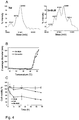
- Dd-BLM The biological (cytotoxic) effect of a Dd-BLM preparation, which carried numerous antibiotic copies was tested on human cancer cells in in vitro cultures. It appeared that the chemical cross-linking reaction between the vector and BLM did not reduce its cell penetration ability. Furthermore, the antibiotic's cytotoxic activity was retained. Namely, Dd-BLM, when penetrating into human HeLa cells in in vitro cultures, degrades nuclear DNA, similarly to free bleomycin. It was proved that the cytotoxically effective concentration of the antibiotic delivered with the Dd was approx. 100-fold lower than that used with free BLM. More than 60% human cancer cells (HeLa) in in vitro cultures were destroyed after the administration of the Dd-BLM conjugate, ,which was proved using the MTT cytotoxicity test ( Fig. 4C ). The cytotoxic effects were not observed either in the case of dodecahedron or free bleomycin administration in doses equivalent to those carried by the Dd-BLM conjugate.
- Dd-BLM efficiently penetrates through cell membranes using receptors recognised by either Dd or BLM. Most likely, the vector undergoes gradual proteolysis in the cytoplasm of human HeLa cells, as a result of, which peptides are released with attached bleomycin, wherein the BLM-peptides penetrate into the nucleus in, which the antibiotic, bleomycin in this case, is active.
- the cytotoxic BLM activity is known to result from DNA damage.
- Phosphorylation of the C-terminal region of the H2AX histone in higher eukaryotic cells is one of chromatin modifications in response to double-strand DNA breaks.
- a specific antibody, which recognises the phosphorylated H2AX histone form was used as the probe for detecting DNA damage.
- Dd-BLM when penetrating into human cancer cells in in vitro cultures, degrades nuclear DNA, similarly to free bleomycin.
- Dd being a recombinant protein (rDd)
- rDd recombinant protein
- the overexpression is 10 mg of rDd per 100 mL of cell suspension. This overexpression yield is comparable to that achieved in the most efficient bacterial systems (Song et al., 2008).
- rDds have been heretofore purified by saccharose gradient ultracentrifugation. The stage made it possible to eliminate low- and medium-molecular weight cell proteins, but failed to do so with nucleic acids, most likely attached to the rDd surface.
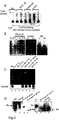
- the vector particle retains integrity during dialysis, after freezing and thawing, in speed-vac drying and during freeze-drying in the presence of a cryoprotectant ( Fig. 3A ).
- the high vector stability makes rDd handling and storage easier.
- the rDd was found to retain integrity in conditions, which simulate its in vivo use; namely, it was stable in human serum at a temperature of 37°C for at least 2 hours ( Fig. 3B ). The results make it possible to use the rDd as a vector for various applications and in various environmental conditions.
- the properties of the Dd discussed above imply the potential of the nanoparticle to be used as a vector for the delivery of therapeutic agents to human tissues.
- the first example concerns bleomycin, an anti-cancer antibiotic.
- the Applicant found that bioavailability of the antibiotic increased owing to the use of the Dd as the vector; this should enable the use of reduced doses and, in consequence, reduce adverse effects of its activity.
- studies in the mouse cancer model will be conducted. If the Dd-BLM preparation used in the model system, such as mice with implanted human brain tumour, proves at least as efficacious as BLM delivery by electrochemotherapy used previously, this will make it possible to suggest using the Dd-BLM conjugate in human anti-cancer treatment. Therefore, the use of bleomycin in anti-cancer treatment could be limited to the administration of a Dd-BLM preparation without any need to use electric shock, which frequently requires complete anaesthesia.
- a recombinant baculovirus which comprised the penton base protein gene of the human serotype 3 adenovirus (Ad3) was used (Fender et al., 1997).
- the amplification of the recombinant baculovirus carrying the base protein gene was carried out in a monolayer cell culture of Spodoptera frugiperda (Sf21). The cells were cultured in TC100 medium containing 5% foetal bovine serum (Invitrogen).
- Trichoplusia ni cells also known as High Five, HF
- Trichoplusia ni cells also known as High Five, HF
- gentamycin 50 mg/L
- amphotericin B 0.25 mg/L
- Trichoplusia ni cells were infected with the recombinant baculovirus at the MOI (multiplicity of infection) of 4 infectious units per one cell. 48 hours after the infection, the cells were harvested and lysed by freezing and thawing three times. The supernatant obtained after lysate clarification was centrifuged in 15 - 40% sucrose gradient (Fender at al., 1997).
- VLP product recovered in 30-40%sucrose, was contaminated with cellular proteins and nucleic acids. Final Dd purification was achieved by chromatography on an ion-exchange column as a result of, which dodecahedra were prepared as a homogeneous fraction. The oligomeric status of the particles and purity level of the resulting product were analysed in native agarose gels, using electron microscopy and in denaturing polyacrylamide gels.
- the stability and solubility of purified Dd particles was tested.
- the purified rDds were dialysed against various buffers (with 3 changes of each) and, subsequently, incubated at 30 or 37°C. After incubation, the samples were centrifuged and proteins in the supernatant were analysed using agarose gel electrophoresis.
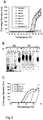
- the Dd remains dissolved at 4°C and pH of 4.0 to 10.9, in the presence of 150 mM NaCl. Without NaCl, the Dd does not remain in solution and it disappears from the supernatant during centrifugation. Therefore, NaCl in physiological concentration protects Dds against denaturation.
- DLS dynamic light scattering
- CAPS is an organic buffer, which may cause aggregation by interacting with surface hydrophobic fragments.
- T m Dd melting temperature
- Fig. 2C structural stabilisation
- Dd samples (5 ⁇ g aliquots) concentrated by ultrafiltration in Microcon (Millipore), were incubated in human serum (SL) at a temperature of 4°C for 2 hours and at 37°C for 15 min or 2 hours.
- the Dd retains integrity in conditions, which simulate its potential in vivo use; namely, it is stable in freshly prepared human serum at a temperature of 37°C for at least two hours ( Fig. 3C ).
- a homogeneous fraction of free pentameric bases (Pb) was obtained during purification on an ion-exchange column.
- the purified rPbs were dialysed against 50 mM pH 6.6 or pH 7.5 phosphate buffers containing 750 mM ammonium sulphate with several buffer changes.
- the samples were centrifuged and the oligomeric status of proteins in the supernatant was analysed using agarose gel electrophoresis.
- association of dodecahedra from pentameric bases occurs. Owing to dodecahedron in vitro reconstruction from their constituent parts in the presence of low-molecular weight compounds, it is possible to obtain a vector, which contains a therapeutic substance encapsulated in the virus-like particle.
- Bleomycin As hydrochloride (Hangzhou Xiangyuan Co., Ltd., China) was chemically attached to previously purified rDd particles during a two-stage conjugation procedure using carbodiimide (EDC) and succinic acid ester (s-NHS) (Pierce, Rockford IL, USA).
- EDC carbodiimide
- s-NHS succinic acid ester
- Dodecahedra at a concentration of 27 nM were activated in the 0.1 M pH 6.0 MES buffer containing 0.5 M NaCl, in the presence of 0.31 mM EDC and 5 mM s-NHS. Conjugation with bleomycin (23 mM) was carried out for two hours at room temperature upon gentle stirring.
- the reaction was terminated by adding hydroxylamine to a final concentration of 10 mM.
- the reagents used and unbound bleomycin were eliminated during 24-hour dialysis with four changes of 20 mM pH 7.5 Tris buffer containing 150 mM NaCl and 5% glycerol.
- Bleomycin quantity attached to the Dd was determined using mass spectrometry technique. The analysis was carried out using a Perseptive Biosystems mass spectrometer (Framingham, MA), by way of a pulse nitrogen laser at a wavelength of 337 nm. The samples were concentrated in ZipTipC4 (Millipore) and extracted with saturated sinapinic acid solution prepared in 80% mixture of aqueous acetonitrile (vol./vol.) comprising 0.3% trifluoroacetic acid according to the manufacturer's instructions. The eluent mixture was transferred onto a steel plate and dried on air. The apparatus was calibrated using bovine albumin (Biosystems) with a molecular weight of 66431 Da.
- the penton base protein monomer (of, which Dd comprises) carries between 0 and two BLM particles (the BLM molecular weight is 1400) with significant majority of monomers containing one BLM molecule ( Fig. 4A ).
- the data indicate that one Dd molecule, which contains 60 base protein monomers carries 60 BLM residues on average.
- Tests using dynamic light scattering technique (DLS) proved that the melting temperature of the Dd-BLM conjugate is very similar to that of the initial dodecahedron, which indicates that the cross-linking reaction does not change the biophysical properties of the vector.
- the results of the studies underscore vector polyvalency, wherein one Dd particle is able to provide multiple copies of the therapeutic substance.
- HeLa human cancer cells were treated with the Dd-BLM conjugate prepared according to the invention. Similarly to free bleomycin, the Dd-BLM conjugate led to the inhibition of cancer cell proliferation. What was the most important, the cytotoxically effective BLM concentration delivered with the Dd was 100 times as low as in the case of free bleomycin.
- the cytotoxic Dd-BLM activity was quantitatively evaluated in vitro using the MTT test (MTT, 3-(4,5-dimethylthiazol-2-yl)-2,5-diphenyltetrazolium bromide).
- MTT 3-(4,5-dimethylthiazol-2-yl)-2,5-diphenyltetrazolium bromide.
- MTT 3-(4,5-dimethylthiazol-2-yl)-2,5-diphenyltetrazolium bromide
- the subsequent stage included microscopic examination of human cancer cells subjected to Dd-BLM treatment.
- HeLa cells (5 x 10 4 ) were plated onto special coverslips.
- various amounts of pure Dd, Dd-BLM conjugate or free bleomycin were applied onto the cells; all samples were suspended in the serum-free EMEM medium.
- foetal bovine serum was added to a final concentration of 10%.
- the cells were washed with cold PBS and subsequently fixed and permeabilised for 10 min in 100% cold methyl alcohol.
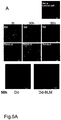
- the Dd-BLM conjugate induces the occurrence of enlarged cells, which is visible 30 hours after conjugate application, being even more pronounced at a later time. Fifty hours after Dd-BLM application, the Dd signal is present throughout the cell, which indicates that nuclear membrane integrity has been destroyed (one of cell death symptoms).
- the cytotoxic BLM activity is known to result from DNA damage (Mir et al., 1996). Phosphorylation of the C-terminal region of the H2AX histone in higher eukaryotic cells is one of chromatin modifications in response to double-strand DNA breaks (Kinner et al., 2008). A specific antibody, which recognises the phosphorylated histone form (anti- ⁇ -H2AX; Calbiochem, Darmstadt, Germany) was used as the probe for detecting DNA damage. In control HeLa cells and in cells treated with a pure dodecahedron, no DNA damage was found, indicated by the lack of the red signal from the anti- ⁇ -H2AX antibody ( Fig. 5B , rows HeLa and Dd).
- Dd-BLM conjugate when penetrating into cells, degrades nuclear DNA, which is indicated by the presence of the signal from the specific antibody.
- Application of free bleomycin has a similar effect ( Fig. 5B , row: BLM).
- the effect of the action of 0.08 ⁇ M BLM-containing conjugate is stronger than damage induced by free BLM at a concentration of 8 ⁇ M and, therefore 100 times as high ( Fig. 5B , rows: Dd-BLM and BLM).
Landscapes
- Health & Medical Sciences (AREA)
- Life Sciences & Earth Sciences (AREA)
- Chemical & Material Sciences (AREA)
- Organic Chemistry (AREA)
- General Health & Medical Sciences (AREA)
- Engineering & Computer Science (AREA)
- Medicinal Chemistry (AREA)
- Bioinformatics & Cheminformatics (AREA)
- Veterinary Medicine (AREA)
- Public Health (AREA)
- Genetics & Genomics (AREA)
- Pharmacology & Pharmacy (AREA)
- Animal Behavior & Ethology (AREA)
- Virology (AREA)
- Chemical Kinetics & Catalysis (AREA)
- General Chemical & Material Sciences (AREA)
- Nuclear Medicine, Radiotherapy & Molecular Imaging (AREA)
- Zoology (AREA)
- Wood Science & Technology (AREA)
- Biomedical Technology (AREA)
- General Engineering & Computer Science (AREA)
- Biotechnology (AREA)
- Biochemistry (AREA)
- Biophysics (AREA)
- Molecular Biology (AREA)
- Cell Biology (AREA)
- Microbiology (AREA)
- Epidemiology (AREA)
- Tropical Medicine & Parasitology (AREA)
- Pulmonology (AREA)
- Communicable Diseases (AREA)
- Oncology (AREA)
- Neurosurgery (AREA)
- Immunology (AREA)
- Physics & Mathematics (AREA)
- Hematology (AREA)
- Neurology (AREA)
- Plant Pathology (AREA)
- Botany (AREA)
- Proteomics, Peptides & Aminoacids (AREA)
Applications Claiming Priority (2)
| Application Number | Priority Date | Filing Date | Title |
|---|---|---|---|
| PL387780A PL222496B1 (pl) | 2009-04-10 | 2009-04-10 | Wektorowa cząsteczka wirusopodobna, sposób jej wytwarzania oraz kompozycja farmaceutyczna zawierająca wektorową cząsteczkę wirusopodobną |
| PCT/PL2010/000026 WO2010117287A2 (en) | 2009-04-10 | 2010-04-09 | A virus-like particle vector for delivery of pharmaceutical agents, a process for the manufacture thereof, its uses and a pharmaceutical composition. |
Publications (2)
| Publication Number | Publication Date |
|---|---|
| EP2437787A2 EP2437787A2 (en) | 2012-04-11 |
| EP2437787B1 true EP2437787B1 (en) | 2019-08-28 |
Family
ID=42752950
Family Applications (1)
| Application Number | Title | Priority Date | Filing Date |
|---|---|---|---|
| EP10726635.5A Active EP2437787B1 (en) | 2009-04-10 | 2010-04-09 | A virus-like particle vector for delivery of pharmaceutical agents, a process for the manufacture thereof, its uses and a pharmaceutical composition. |
Country Status (6)
| Country | Link |
|---|---|
| US (1) | US8765666B2 (https=) |
| EP (1) | EP2437787B1 (https=) |
| JP (2) | JP5841045B2 (https=) |
| BR (1) | BRPI1016056A2 (https=) |
| PL (1) | PL222496B1 (https=) |
| WO (1) | WO2010117287A2 (https=) |
Families Citing this family (4)
| Publication number | Priority date | Publication date | Assignee | Title |
|---|---|---|---|---|
| JP2014212722A (ja) * | 2013-04-24 | 2014-11-17 | 学校法人加計学園 | 八面体構造を有するb型肝炎ウイルス様粒子結晶 |
| US10316295B2 (en) | 2015-12-17 | 2019-06-11 | The Penn State Research Foundation | Paramyxovirus virus-like particles as protein delivery vehicles |
| US12600956B2 (en) | 2015-12-17 | 2026-04-14 | The Penn State Research Foundation | Paramyxovirus virus-like particles as protein delivery vehicles |
| JP7466271B2 (ja) | 2016-03-31 | 2024-04-12 | ザ ヨーロピアン モレキュラー バイオロジー ラボラトリー | アデノウイルスコートタンパク質由来送達賦形剤 |
Family Cites Families (10)
| Publication number | Priority date | Publication date | Assignee | Title |
|---|---|---|---|---|
| DE69634489T2 (de) * | 1995-11-13 | 2006-02-16 | Commissariat à l'Energie Atomique | Adenovirus dodekahedrischer proteinkomplex, dieser enthaltende zusammensetzung und verwendungen davon |
| FR2747681B1 (fr) * | 1996-04-18 | 1998-06-19 | Commissariat Energie Atomique | Complexe proteique dodecaedrique adenoviral, composition le contenant et ses applications |
| FR2741087B1 (fr) * | 1995-11-13 | 1998-01-09 | Commissariat Energie Atomique | Complexe proteique dodecaedrique adenoviral, procede de preparation, composition le contenant et ses applications |
| CA2487849A1 (en) * | 2002-07-18 | 2004-01-29 | Cytos Biotechnology Ag | Hapten-carrier conjugates comprising virus like particles and uses thereof |
| ATE441429T1 (de) * | 2002-07-19 | 2009-09-15 | Cytos Biotechnology Ag | Ghrelin-träger-konjugate |
| CA2501701A1 (en) * | 2002-11-01 | 2004-05-13 | Genomidea Inc. | Chemotherapeutic agent-incorporated pharmaceutical preparation |
| US7871765B2 (en) * | 2004-03-31 | 2011-01-18 | Genomidea Inc. | Composition having antitumor effect |
| WO2007016864A1 (fr) * | 2005-08-08 | 2007-02-15 | Xun Hu | Utilisation de fructus schisandrae et d'extraits de cette substance dans le but de prevenir et d'attenuer les effets toxiques et secondaires de medicaments anti-neoplasiques |
| DE102005039579B4 (de) | 2005-08-19 | 2022-06-30 | Magforce Ag | Verfahren zur Einschleusung von therapeutischen Substanzen in Zellen |
| NZ566971A (en) * | 2005-09-28 | 2011-06-30 | Cytos Biotechnology Ag | Vaccine containing a virus like particle linked with an interleukin-1 molecule |
-
2009
- 2009-04-10 PL PL387780A patent/PL222496B1/pl unknown
-
2010
- 2010-04-09 JP JP2012504645A patent/JP5841045B2/ja not_active Expired - Fee Related
- 2010-04-09 BR BRPI1016056A patent/BRPI1016056A2/pt not_active Application Discontinuation
- 2010-04-09 WO PCT/PL2010/000026 patent/WO2010117287A2/en not_active Ceased
- 2010-04-09 EP EP10726635.5A patent/EP2437787B1/en active Active
- 2010-04-09 US US13/263,632 patent/US8765666B2/en not_active Expired - Fee Related
-
2015
- 2015-09-11 JP JP2015179964A patent/JP2016053026A/ja active Pending
Non-Patent Citations (1)
| Title |
|---|
| None * |
Also Published As
| Publication number | Publication date |
|---|---|
| JP2016053026A (ja) | 2016-04-14 |
| WO2010117287A3 (en) | 2011-06-30 |
| JP5841045B2 (ja) | 2016-01-06 |
| US8765666B2 (en) | 2014-07-01 |
| WO2010117287A2 (en) | 2010-10-14 |
| EP2437787A2 (en) | 2012-04-11 |
| JP2012523411A (ja) | 2012-10-04 |
| BRPI1016056A2 (pt) | 2016-05-10 |
| PL387780A1 (pl) | 2010-10-11 |
| PL222496B1 (pl) | 2016-08-31 |
| US20120141425A1 (en) | 2012-06-07 |
Similar Documents
| Publication | Publication Date | Title |
|---|---|---|
| US10688194B2 (en) | Cell penetrating peptides for intracellular delivery of molecules | |
| Kaygisiz et al. | Materials promoting viral gene delivery | |
| Zochowska et al. | Virus-like particle-mediated intracellular delivery of mRNA cap analog with in vivo activity against hepatocellular carcinoma | |
| Zochowska et al. | Adenovirus dodecahedron, as a drug delivery vector | |
| JP6027592B2 (ja) | 核酸−リポポリマー組成物 | |
| CN100532559C (zh) | 用于基因转移的病毒包膜载体 | |
| CN105793428B (zh) | 噬菌体 | |
| CN102245215A (zh) | 用包含带电荷的季氨基的聚合物的核酸载体的修饰 | |
| Avila et al. | Gene delivery and immunomodulatory effects of plasmid DNA associated with Branched Amphiphilic Peptide Capsules | |
| Martino et al. | Single-point mutations in Qβ virus-like particles change binding to cells | |
| US20080044386A1 (en) | Protamine-Adenoviral Vector Complexes and Methods of Use | |
| TWI377954B (en) | Oil body carriers, uses in target therapy and/or detection of the same, and fusion proteins comprised therein | |
| KR102058488B1 (ko) | Jcv-vlp를 기초로 한 신규한 약물 전달 시스템 | |
| EP2437787B1 (en) | A virus-like particle vector for delivery of pharmaceutical agents, a process for the manufacture thereof, its uses and a pharmaceutical composition. | |
| US10669313B2 (en) | Multitarget-directed bio-inorganic hybrid structure | |
| JP2012523411A5 (https=) | ||
| CN106967717A (zh) | 一种适配体介导腺病毒靶向给药系统及其构建方法 | |
| KR100563942B1 (ko) | 분자 물질의 모듈 운반 시스템 및 그의 제조 방법 및 용도 | |
| EP2461827B1 (en) | Virus-like particle vector as a polyvalent platform for intracellular delivery of high-molecular-weight therapeutic substances, method for generating a virus like particle vector and use of a virus-like particle vector and a pharmaceutical composition containing said virus-like particle vector | |
| US10329330B2 (en) | JC polyomavirus VLP (virus-like particle) with a targeting peptide | |
| US20100119528A1 (en) | Transport of Biologically Active Molecules into a Cell, Mitochondrion, or Nucleus | |
| CN108727472A (zh) | 带负电荷的细胞穿透肽及作为细胞内运送载体的用途 | |
| KR101459833B1 (ko) | 폴리만니톨계 삼투압적 유전자 전달체 및 이를 이용한 유전자 치료 | |
| WO2025165878A1 (en) | Methods of delivering therapeutic agents to target tissues and organs | |
| CN120173135A (zh) | 一种天花粉融合蛋白、自组装纳米颗粒及其制备方法和应用 |
Legal Events
| Date | Code | Title | Description |
|---|---|---|---|
| PUAI | Public reference made under article 153(3) epc to a published international application that has entered the european phase |
Free format text: ORIGINAL CODE: 0009012 |
|
| 17P | Request for examination filed |
Effective date: 20120213 |
|
| AK | Designated contracting states |
Kind code of ref document: A2 Designated state(s): AT BE BG CH CY CZ DE DK EE ES FI FR GB GR HR HU IE IS IT LI LT LU LV MC MK MT NL NO PL PT RO SE SI SK SM TR |
|
| DAX | Request for extension of the european patent (deleted) | ||
| 17Q | First examination report despatched |
Effective date: 20140211 |
|
| STAA | Information on the status of an ep patent application or granted ep patent |
Free format text: STATUS: EXAMINATION IS IN PROGRESS |
|
| REG | Reference to a national code |
Ref country code: DE Ref legal event code: R079 Ref document number: 602010060761 Country of ref document: DE Free format text: PREVIOUS MAIN CLASS: A61K0047480000 Ipc: A61K0047690000 |
|
| GRAP | Despatch of communication of intention to grant a patent |
Free format text: ORIGINAL CODE: EPIDOSNIGR1 |
|
| STAA | Information on the status of an ep patent application or granted ep patent |
Free format text: STATUS: GRANT OF PATENT IS INTENDED |
|
| RIC1 | Information provided on ipc code assigned before grant |
Ipc: C12N 15/86 20060101ALN20190304BHEP Ipc: A61K 9/50 20060101ALI20190304BHEP Ipc: C07K 14/005 20060101ALI20190304BHEP Ipc: A61P 31/04 20060101ALI20190304BHEP Ipc: C12N 7/00 20060101ALN20190304BHEP Ipc: C07K 14/075 20060101ALI20190304BHEP Ipc: A61K 47/69 20170101AFI20190304BHEP |
|
| INTG | Intention to grant announced |
Effective date: 20190329 |
|
| GRAS | Grant fee paid |
Free format text: ORIGINAL CODE: EPIDOSNIGR3 |
|
| GRAA | (expected) grant |
Free format text: ORIGINAL CODE: 0009210 |
|
| STAA | Information on the status of an ep patent application or granted ep patent |
Free format text: STATUS: THE PATENT HAS BEEN GRANTED |
|
| AK | Designated contracting states |
Kind code of ref document: B1 Designated state(s): AT BE BG CH CY CZ DE DK EE ES FI FR GB GR HR HU IE IS IT LI LT LU LV MC MK MT NL NO PL PT RO SE SI SK SM TR |
|
| REG | Reference to a national code |
Ref country code: GB Ref legal event code: FG4D |
|
| REG | Reference to a national code |
Ref country code: CH Ref legal event code: EP |
|
| REG | Reference to a national code |
Ref country code: DE Ref legal event code: R096 Ref document number: 602010060761 Country of ref document: DE |
|
| REG | Reference to a national code |
Ref country code: AT Ref legal event code: REF Ref document number: 1171550 Country of ref document: AT Kind code of ref document: T Effective date: 20190915 |
|
| REG | Reference to a national code |
Ref country code: IE Ref legal event code: FG4D |
|
| REG | Reference to a national code |
Ref country code: NL Ref legal event code: MP Effective date: 20190828 |
|
| REG | Reference to a national code |
Ref country code: LT Ref legal event code: MG4D |
|
| PG25 | Lapsed in a contracting state [announced via postgrant information from national office to epo] |
Ref country code: BG Free format text: LAPSE BECAUSE OF FAILURE TO SUBMIT A TRANSLATION OF THE DESCRIPTION OR TO PAY THE FEE WITHIN THE PRESCRIBED TIME-LIMIT Effective date: 20191128 Ref country code: LT Free format text: LAPSE BECAUSE OF FAILURE TO SUBMIT A TRANSLATION OF THE DESCRIPTION OR TO PAY THE FEE WITHIN THE PRESCRIBED TIME-LIMIT Effective date: 20190828 Ref country code: HR Free format text: LAPSE BECAUSE OF FAILURE TO SUBMIT A TRANSLATION OF THE DESCRIPTION OR TO PAY THE FEE WITHIN THE PRESCRIBED TIME-LIMIT Effective date: 20190828 Ref country code: PT Free format text: LAPSE BECAUSE OF FAILURE TO SUBMIT A TRANSLATION OF THE DESCRIPTION OR TO PAY THE FEE WITHIN THE PRESCRIBED TIME-LIMIT Effective date: 20191230 Ref country code: NL Free format text: LAPSE BECAUSE OF FAILURE TO SUBMIT A TRANSLATION OF THE DESCRIPTION OR TO PAY THE FEE WITHIN THE PRESCRIBED TIME-LIMIT Effective date: 20190828 Ref country code: SE Free format text: LAPSE BECAUSE OF FAILURE TO SUBMIT A TRANSLATION OF THE DESCRIPTION OR TO PAY THE FEE WITHIN THE PRESCRIBED TIME-LIMIT Effective date: 20190828 Ref country code: NO Free format text: LAPSE BECAUSE OF FAILURE TO SUBMIT A TRANSLATION OF THE DESCRIPTION OR TO PAY THE FEE WITHIN THE PRESCRIBED TIME-LIMIT Effective date: 20191128 Ref country code: FI Free format text: LAPSE BECAUSE OF FAILURE TO SUBMIT A TRANSLATION OF THE DESCRIPTION OR TO PAY THE FEE WITHIN THE PRESCRIBED TIME-LIMIT Effective date: 20190828 |
|
| PG25 | Lapsed in a contracting state [announced via postgrant information from national office to epo] |
Ref country code: ES Free format text: LAPSE BECAUSE OF FAILURE TO SUBMIT A TRANSLATION OF THE DESCRIPTION OR TO PAY THE FEE WITHIN THE PRESCRIBED TIME-LIMIT Effective date: 20190828 Ref country code: IS Free format text: LAPSE BECAUSE OF FAILURE TO SUBMIT A TRANSLATION OF THE DESCRIPTION OR TO PAY THE FEE WITHIN THE PRESCRIBED TIME-LIMIT Effective date: 20191228 Ref country code: GR Free format text: LAPSE BECAUSE OF FAILURE TO SUBMIT A TRANSLATION OF THE DESCRIPTION OR TO PAY THE FEE WITHIN THE PRESCRIBED TIME-LIMIT Effective date: 20191129 Ref country code: LV Free format text: LAPSE BECAUSE OF FAILURE TO SUBMIT A TRANSLATION OF THE DESCRIPTION OR TO PAY THE FEE WITHIN THE PRESCRIBED TIME-LIMIT Effective date: 20190828 |
|
| REG | Reference to a national code |
Ref country code: AT Ref legal event code: MK05 Ref document number: 1171550 Country of ref document: AT Kind code of ref document: T Effective date: 20190828 |
|
| PG25 | Lapsed in a contracting state [announced via postgrant information from national office to epo] |
Ref country code: TR Free format text: LAPSE BECAUSE OF FAILURE TO SUBMIT A TRANSLATION OF THE DESCRIPTION OR TO PAY THE FEE WITHIN THE PRESCRIBED TIME-LIMIT Effective date: 20190828 |
|
| PG25 | Lapsed in a contracting state [announced via postgrant information from national office to epo] |
Ref country code: IT Free format text: LAPSE BECAUSE OF FAILURE TO SUBMIT A TRANSLATION OF THE DESCRIPTION OR TO PAY THE FEE WITHIN THE PRESCRIBED TIME-LIMIT Effective date: 20190828 Ref country code: RO Free format text: LAPSE BECAUSE OF FAILURE TO SUBMIT A TRANSLATION OF THE DESCRIPTION OR TO PAY THE FEE WITHIN THE PRESCRIBED TIME-LIMIT Effective date: 20190828 Ref country code: EE Free format text: LAPSE BECAUSE OF FAILURE TO SUBMIT A TRANSLATION OF THE DESCRIPTION OR TO PAY THE FEE WITHIN THE PRESCRIBED TIME-LIMIT Effective date: 20190828 Ref country code: AT Free format text: LAPSE BECAUSE OF FAILURE TO SUBMIT A TRANSLATION OF THE DESCRIPTION OR TO PAY THE FEE WITHIN THE PRESCRIBED TIME-LIMIT Effective date: 20190828 Ref country code: DK Free format text: LAPSE BECAUSE OF FAILURE TO SUBMIT A TRANSLATION OF THE DESCRIPTION OR TO PAY THE FEE WITHIN THE PRESCRIBED TIME-LIMIT Effective date: 20190828 Ref country code: PL Free format text: LAPSE BECAUSE OF FAILURE TO SUBMIT A TRANSLATION OF THE DESCRIPTION OR TO PAY THE FEE WITHIN THE PRESCRIBED TIME-LIMIT Effective date: 20190828 |
|
| PG25 | Lapsed in a contracting state [announced via postgrant information from national office to epo] |
Ref country code: CZ Free format text: LAPSE BECAUSE OF FAILURE TO SUBMIT A TRANSLATION OF THE DESCRIPTION OR TO PAY THE FEE WITHIN THE PRESCRIBED TIME-LIMIT Effective date: 20190828 Ref country code: IS Free format text: LAPSE BECAUSE OF FAILURE TO SUBMIT A TRANSLATION OF THE DESCRIPTION OR TO PAY THE FEE WITHIN THE PRESCRIBED TIME-LIMIT Effective date: 20200224 Ref country code: SK Free format text: LAPSE BECAUSE OF FAILURE TO SUBMIT A TRANSLATION OF THE DESCRIPTION OR TO PAY THE FEE WITHIN THE PRESCRIBED TIME-LIMIT Effective date: 20190828 Ref country code: SM Free format text: LAPSE BECAUSE OF FAILURE TO SUBMIT A TRANSLATION OF THE DESCRIPTION OR TO PAY THE FEE WITHIN THE PRESCRIBED TIME-LIMIT Effective date: 20190828 |
|
| REG | Reference to a national code |
Ref country code: DE Ref legal event code: R097 Ref document number: 602010060761 Country of ref document: DE |
|
| PLBE | No opposition filed within time limit |
Free format text: ORIGINAL CODE: 0009261 |
|
| STAA | Information on the status of an ep patent application or granted ep patent |
Free format text: STATUS: NO OPPOSITION FILED WITHIN TIME LIMIT |
|
| PG2D | Information on lapse in contracting state deleted |
Ref country code: IS |
|
| 26N | No opposition filed |
Effective date: 20200603 |
|
| PG25 | Lapsed in a contracting state [announced via postgrant information from national office to epo] |
Ref country code: SI Free format text: LAPSE BECAUSE OF FAILURE TO SUBMIT A TRANSLATION OF THE DESCRIPTION OR TO PAY THE FEE WITHIN THE PRESCRIBED TIME-LIMIT Effective date: 20190828 |
|
| REG | Reference to a national code |
Ref country code: DE Ref legal event code: R119 Ref document number: 602010060761 Country of ref document: DE |
|
| PG25 | Lapsed in a contracting state [announced via postgrant information from national office to epo] |
Ref country code: MC Free format text: LAPSE BECAUSE OF FAILURE TO SUBMIT A TRANSLATION OF THE DESCRIPTION OR TO PAY THE FEE WITHIN THE PRESCRIBED TIME-LIMIT Effective date: 20190828 |
|
| REG | Reference to a national code |
Ref country code: CH Ref legal event code: PL |
|
| PG25 | Lapsed in a contracting state [announced via postgrant information from national office to epo] |
Ref country code: DE Free format text: LAPSE BECAUSE OF NON-PAYMENT OF DUE FEES Effective date: 20201103 Ref country code: LU Free format text: LAPSE BECAUSE OF NON-PAYMENT OF DUE FEES Effective date: 20200409 Ref country code: CH Free format text: LAPSE BECAUSE OF NON-PAYMENT OF DUE FEES Effective date: 20200430 Ref country code: LI Free format text: LAPSE BECAUSE OF NON-PAYMENT OF DUE FEES Effective date: 20200430 |
|
| REG | Reference to a national code |
Ref country code: BE Ref legal event code: MM Effective date: 20200430 |
|
| PG25 | Lapsed in a contracting state [announced via postgrant information from national office to epo] |
Ref country code: BE Free format text: LAPSE BECAUSE OF NON-PAYMENT OF DUE FEES Effective date: 20200430 |
|
| GBPC | Gb: european patent ceased through non-payment of renewal fee |
Effective date: 20200409 |
|
| PG25 | Lapsed in a contracting state [announced via postgrant information from national office to epo] |
Ref country code: IE Free format text: LAPSE BECAUSE OF NON-PAYMENT OF DUE FEES Effective date: 20200409 Ref country code: GB Free format text: LAPSE BECAUSE OF NON-PAYMENT OF DUE FEES Effective date: 20200409 |
|
| PGFP | Annual fee paid to national office [announced via postgrant information from national office to epo] |
Ref country code: FR Payment date: 20210427 Year of fee payment: 12 |
|
| PG25 | Lapsed in a contracting state [announced via postgrant information from national office to epo] |
Ref country code: MT Free format text: LAPSE BECAUSE OF FAILURE TO SUBMIT A TRANSLATION OF THE DESCRIPTION OR TO PAY THE FEE WITHIN THE PRESCRIBED TIME-LIMIT Effective date: 20190828 Ref country code: CY Free format text: LAPSE BECAUSE OF FAILURE TO SUBMIT A TRANSLATION OF THE DESCRIPTION OR TO PAY THE FEE WITHIN THE PRESCRIBED TIME-LIMIT Effective date: 20190828 |
|
| PG25 | Lapsed in a contracting state [announced via postgrant information from national office to epo] |
Ref country code: MK Free format text: LAPSE BECAUSE OF FAILURE TO SUBMIT A TRANSLATION OF THE DESCRIPTION OR TO PAY THE FEE WITHIN THE PRESCRIBED TIME-LIMIT Effective date: 20190828 |
|
| PG25 | Lapsed in a contracting state [announced via postgrant information from national office to epo] |
Ref country code: FR Free format text: LAPSE BECAUSE OF NON-PAYMENT OF DUE FEES Effective date: 20220430 |