EP2425479B1 - Lithiumionenbatterie mit elektrolytzusatzmittel - Google Patents
Lithiumionenbatterie mit elektrolytzusatzmittel Download PDFInfo
- Publication number
- EP2425479B1 EP2425479B1 EP10703400.1A EP10703400A EP2425479B1 EP 2425479 B1 EP2425479 B1 EP 2425479B1 EP 10703400 A EP10703400 A EP 10703400A EP 2425479 B1 EP2425479 B1 EP 2425479B1
- Authority
- EP
- European Patent Office
- Prior art keywords
- lithium
- ion battery
- active material
- approximately
- electrolyte
- Prior art date
- Legal status (The legal status is an assumption and is not a legal conclusion. Google has not performed a legal analysis and makes no representation as to the accuracy of the status listed.)
- Not-in-force
Links
Images

Classifications
-
- H—ELECTRICITY
- H01—ELECTRIC ELEMENTS
- H01M—PROCESSES OR MEANS, e.g. BATTERIES, FOR THE DIRECT CONVERSION OF CHEMICAL ENERGY INTO ELECTRICAL ENERGY
- H01M10/00—Secondary cells; Manufacture thereof
- H01M10/05—Accumulators with non-aqueous electrolyte
- H01M10/058—Construction or manufacture
- H01M10/0587—Construction or manufacture of accumulators having only wound construction elements, i.e. wound positive electrodes, wound negative electrodes and wound separators
-
- H—ELECTRICITY
- H01—ELECTRIC ELEMENTS
- H01M—PROCESSES OR MEANS, e.g. BATTERIES, FOR THE DIRECT CONVERSION OF CHEMICAL ENERGY INTO ELECTRICAL ENERGY
- H01M10/00—Secondary cells; Manufacture thereof
- H01M10/05—Accumulators with non-aqueous electrolyte
- H01M10/052—Li-accumulators
-
- H—ELECTRICITY
- H01—ELECTRIC ELEMENTS
- H01M—PROCESSES OR MEANS, e.g. BATTERIES, FOR THE DIRECT CONVERSION OF CHEMICAL ENERGY INTO ELECTRICAL ENERGY
- H01M10/00—Secondary cells; Manufacture thereof
- H01M10/05—Accumulators with non-aqueous electrolyte
- H01M10/056—Accumulators with non-aqueous electrolyte characterised by the materials used as electrolytes, e.g. mixed inorganic/organic electrolytes
- H01M10/0564—Accumulators with non-aqueous electrolyte characterised by the materials used as electrolytes, e.g. mixed inorganic/organic electrolytes the electrolyte being constituted of organic materials only
- H01M10/0566—Liquid materials
- H01M10/0567—Liquid materials characterised by the additives
-
- H—ELECTRICITY
- H01—ELECTRIC ELEMENTS
- H01M—PROCESSES OR MEANS, e.g. BATTERIES, FOR THE DIRECT CONVERSION OF CHEMICAL ENERGY INTO ELECTRICAL ENERGY
- H01M4/00—Electrodes
- H01M4/02—Electrodes composed of, or comprising, active material
- H01M4/36—Selection of substances as active materials, active masses, active liquids
- H01M4/48—Selection of substances as active materials, active masses, active liquids of inorganic oxides or hydroxides
- H01M4/485—Selection of substances as active materials, active masses, active liquids of inorganic oxides or hydroxides of mixed oxides or hydroxides for inserting or intercalating light metals, e.g. LiTi2O4 or LiTi2OxFy
-
- H—ELECTRICITY
- H01—ELECTRIC ELEMENTS
- H01M—PROCESSES OR MEANS, e.g. BATTERIES, FOR THE DIRECT CONVERSION OF CHEMICAL ENERGY INTO ELECTRICAL ENERGY
- H01M50/00—Constructional details or processes of manufacture of the non-active parts of electrochemical cells other than fuel cells, e.g. hybrid cells
- H01M50/10—Primary casings; Jackets or wrappings
- H01M50/116—Primary casings; Jackets or wrappings characterised by the material
- H01M50/117—Inorganic material
- H01M50/119—Metals
-
- H—ELECTRICITY
- H01—ELECTRIC ELEMENTS
- H01M—PROCESSES OR MEANS, e.g. BATTERIES, FOR THE DIRECT CONVERSION OF CHEMICAL ENERGY INTO ELECTRICAL ENERGY
- H01M50/00—Constructional details or processes of manufacture of the non-active parts of electrochemical cells other than fuel cells, e.g. hybrid cells
- H01M50/10—Primary casings; Jackets or wrappings
- H01M50/116—Primary casings; Jackets or wrappings characterised by the material
- H01M50/124—Primary casings; Jackets or wrappings characterised by the material having a layered structure
-
- H—ELECTRICITY
- H01—ELECTRIC ELEMENTS
- H01M—PROCESSES OR MEANS, e.g. BATTERIES, FOR THE DIRECT CONVERSION OF CHEMICAL ENERGY INTO ELECTRICAL ENERGY
- H01M10/00—Secondary cells; Manufacture thereof
- H01M10/05—Accumulators with non-aqueous electrolyte
- H01M10/056—Accumulators with non-aqueous electrolyte characterised by the materials used as electrolytes, e.g. mixed inorganic/organic electrolytes
- H01M10/0564—Accumulators with non-aqueous electrolyte characterised by the materials used as electrolytes, e.g. mixed inorganic/organic electrolytes the electrolyte being constituted of organic materials only
- H01M10/0566—Liquid materials
- H01M10/0568—Liquid materials characterised by the solutes
-
- H—ELECTRICITY
- H01—ELECTRIC ELEMENTS
- H01M—PROCESSES OR MEANS, e.g. BATTERIES, FOR THE DIRECT CONVERSION OF CHEMICAL ENERGY INTO ELECTRICAL ENERGY
- H01M10/00—Secondary cells; Manufacture thereof
- H01M10/05—Accumulators with non-aqueous electrolyte
- H01M10/056—Accumulators with non-aqueous electrolyte characterised by the materials used as electrolytes, e.g. mixed inorganic/organic electrolytes
- H01M10/0564—Accumulators with non-aqueous electrolyte characterised by the materials used as electrolytes, e.g. mixed inorganic/organic electrolytes the electrolyte being constituted of organic materials only
- H01M10/0566—Liquid materials
- H01M10/0569—Liquid materials characterised by the solvents
-
- H—ELECTRICITY
- H01—ELECTRIC ELEMENTS
- H01M—PROCESSES OR MEANS, e.g. BATTERIES, FOR THE DIRECT CONVERSION OF CHEMICAL ENERGY INTO ELECTRICAL ENERGY
- H01M4/00—Electrodes
- H01M4/02—Electrodes composed of, or comprising, active material
- H01M4/36—Selection of substances as active materials, active masses, active liquids
- H01M4/48—Selection of substances as active materials, active masses, active liquids of inorganic oxides or hydroxides
- H01M4/50—Selection of substances as active materials, active masses, active liquids of inorganic oxides or hydroxides of manganese
- H01M4/505—Selection of substances as active materials, active masses, active liquids of inorganic oxides or hydroxides of manganese of mixed oxides or hydroxides containing manganese for inserting or intercalating light metals, e.g. LiMn2O4 or LiMn2OxFy
-
- H—ELECTRICITY
- H01—ELECTRIC ELEMENTS
- H01M—PROCESSES OR MEANS, e.g. BATTERIES, FOR THE DIRECT CONVERSION OF CHEMICAL ENERGY INTO ELECTRICAL ENERGY
- H01M4/00—Electrodes
- H01M4/02—Electrodes composed of, or comprising, active material
- H01M4/36—Selection of substances as active materials, active masses, active liquids
- H01M4/48—Selection of substances as active materials, active masses, active liquids of inorganic oxides or hydroxides
- H01M4/52—Selection of substances as active materials, active masses, active liquids of inorganic oxides or hydroxides of nickel, cobalt or iron
- H01M4/525—Selection of substances as active materials, active masses, active liquids of inorganic oxides or hydroxides of nickel, cobalt or iron of mixed oxides or hydroxides containing iron, cobalt or nickel for inserting or intercalating light metals, e.g. LiNiO2, LiCoO2 or LiCoOxFy
-
- Y—GENERAL TAGGING OF NEW TECHNOLOGICAL DEVELOPMENTS; GENERAL TAGGING OF CROSS-SECTIONAL TECHNOLOGIES SPANNING OVER SEVERAL SECTIONS OF THE IPC; TECHNICAL SUBJECTS COVERED BY FORMER USPC CROSS-REFERENCE ART COLLECTIONS [XRACs] AND DIGESTS
- Y02—TECHNOLOGIES OR APPLICATIONS FOR MITIGATION OR ADAPTATION AGAINST CLIMATE CHANGE
- Y02E—REDUCTION OF GREENHOUSE GAS [GHG] EMISSIONS, RELATED TO ENERGY GENERATION, TRANSMISSION OR DISTRIBUTION
- Y02E60/00—Enabling technologies; Technologies with a potential or indirect contribution to GHG emissions mitigation
- Y02E60/10—Energy storage using batteries
-
- Y—GENERAL TAGGING OF NEW TECHNOLOGICAL DEVELOPMENTS; GENERAL TAGGING OF CROSS-SECTIONAL TECHNOLOGIES SPANNING OVER SEVERAL SECTIONS OF THE IPC; TECHNICAL SUBJECTS COVERED BY FORMER USPC CROSS-REFERENCE ART COLLECTIONS [XRACs] AND DIGESTS
- Y02—TECHNOLOGIES OR APPLICATIONS FOR MITIGATION OR ADAPTATION AGAINST CLIMATE CHANGE
- Y02P—CLIMATE CHANGE MITIGATION TECHNOLOGIES IN THE PRODUCTION OR PROCESSING OF GOODS
- Y02P70/00—Climate change mitigation technologies in the production process for final industrial or consumer products
- Y02P70/50—Manufacturing or production processes characterised by the final manufactured product
Definitions
- the present application relates generally to the field of rechargeable lithium-ion batteries or cells.
- Lithium-ion batteries or cells include one or more positive electrodes, one or more negative electrodes, and an electrolyte provided within a case or housing. Separators made from a porous polymer or other suitable material may also be provided intermediate or between the positive and negative electrodes to prevent direct contact between adjacent electrodes.
- the positive electrode includes a current collector having an active material provided thereon
- the negative electrode includes a current collector having an active material provided thereon.
- the active materials for the positive and negative electrodes may be provided on one or both sides of the current collectors.
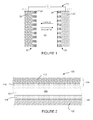
- FIGURE 1 shows a schematic representation of a portion of a lithium-ion battery 10 such as that described above.
- the battery 10 includes a positive electrode 20 that includes a positive current collector 22 and a positive active material 24, a negative electrode 30 that includes a negative current collector 32 and a negative active material 34, an electrolyte material 40, and a separator (e.g., a polymeric microporous separator, not shown) provided intermediate or between the positive electrode 20 and the negative electrode 30.
- the electrodes 20, 30 may be provided as relatively flat or planar plates or may be wrapped or wound in a spiral or other configuration (e.g., an oval configuration). The electrode may also be provided in a folded configuration.
- lithium ions move between the positive electrode 20 and the negative electrode 30.
- lithium ions flow from the negative electrode 30 to the positive electrode 20.
- lithium ions flow from the positive electrode 20 to the negative electrode 30.
- lithium-ion batteries There are numerous challenges associated with the design and production of lithium-ion batteries, including, for example, ensuring that such batteries can withstand repeated cycling to deep discharge conditions (i.e., near zero volt state of charge). It is also desirable to control undesired side reactions between the battery components and to minimize the amount of swelling that may occur during charge cycling of the battery that may result from gas formation within the battery.
- JP2007115527 discloses a rechargeable lithium ion battery of the related art.
- An exemplary embodiment relates to a rechargeable lithium-ion battery that comprises a positive electrode, a negative electrode comprising a lithium titanate active material, a separator provided between the positive electrode and the negative electrode, and an electrolyte.
- the battery also includes an electrolyte additive comprising at least one boroxine ring.
- a lithium-ion battery that comprises a positive electrode comprising a first active material.
- the battery also includes a negative electrode comprising a second active material, where the second active material comprises a material that cycles lithium at an average potential of greater than 0.2 volts versus a lithium reference electrode.
- the battery also includes an electrolyte comprising a boron based Lewis acid.
- Another exemplary embodiment relates to a rechargeable lithium-ion battery that comprises a positive electrode, a negative electrode comprising a lithium titanate active material, and an electrolyte comprising a trimethoxyboroxine additive.
- Another exemplary embodiment relates to a method of reducing swelling during cycling of a rechargeable lithium-ion battery comprising providing a positive electrode and a negative electrode within a battery housing, the negative electrode comprising a lithium titanate active material and providing an electrolyte within the housing.
- the method further includes introducing an additive into the electrolyte, the additive comprising trimethoxyboroxine.
- the trimethoxyboroxine additive is provided in an amount sufficient to provide improved resistance to battery swelling as compared to a lithium-ion battery having a negative electrode comprising a lithium titanate active material without a trimethoxyboroxine electrolyte additive.
- a rechargeable (i.e., secondary) lithium-ion battery or cell includes a positive electrode having an active material provided thereon and a negative electrode having an active material provided thereon.
- the active material provided on the negative electrode cycles lithium at greater than 0.2 volts versus a lithium reference electrode.
- the negative active material may be a lithium titanate material such as Li 4 Ti 5 O 12 .
- An electrolyte is also provided in the battery that includes a boron-containing additive (e.g., boron-based Lewis acids such as trimethoxyboroxine (TMOBX)) to provide reduced battery swelling, lower cell impedence, and improved component stability, particularly when the battery is subjected to deep discharge conditions.
- a boron-containing additive e.g., boron-based Lewis acids such as trimethoxyboroxine (TMOBX)
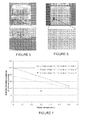
- FIGURE 2 is a schematic cross-sectional view of a portion of a battery or cell 100 according to an exemplary embodiment that includes at least one positive electrode 110 and at least one negative electrode 120.
- the size, shape, and configuration of the battery may be selected based on the desired application or other considerations.
- the electrodes may be flat plate electrodes, wound electrodes (e.g., in a jellyroll, folded, or other configuration), or folded electrodes (e.g., Z-fold electrodes).
- the battery may be a button cell battery, a thin film solid state battery, or another type of lithium-ion battery.
- the battery 100 has a rating of between approximately 1 and 1000 milliampere hours (mAh). According to another exemplary embodiment, the battery has a rating of between approximately 100 and 400 mAh. According to another exemplary embodiment, the battery is an approximately 300 mAh battery. According to another exemplary embodiment, the battery is an approximately 75 mAh battery. According to another exemplary embodiment, the battery is an approximately 10 mAh battery.
- the battery case or housing (not shown) is formed of a metal or metal alloy such as aluminum or alloys thereof, titanium or alloys thereof, stainless steel, or other suitable materials.
- the battery case may be made of a plastic material or a plastic-foil laminate material (e.g., an aluminum foil provided intermediate a polyolefin layer and a nylon or polyester layer).
- the positive electrode 110 includes a current collector 112 made of a conductive material such as a metal.
- the current collector 112 comprises aluminum or an aluminum alloy.
- the thickness of the current collector 112 is between approximately 5 ⁇ m and 75 ⁇ m. According to a particular exemplary embodiment, the thickness of the current collector 112 is approximately 20 ⁇ m. It should also be noted that while the positive current collector 112 has been illustrated and described as being a thin foil material, the positive current collector may have any of a variety of other configurations according to various exemplary embodiments. For example, the positive current collector may be a grid such as a mesh grid, an expanded metal grid, a photochemically etched grid, or the like.
- the current collector 112 has a layer of active material 116 provided thereon (e.g., coated on the current collector). While FIGURE 2 shows that the active material 116 is provided on only one side of the current collector 112, it should be understood that a layer of active material similar or identical to that shown as active material 116 may be provided or coated on both sides of the current collector 112.
- the active material 116 is a material or compound that includes lithium.
- the lithium included in the active material 116 may be doped and undoped during discharging and charging of the battery, respectively.
- the active material 116 is lithium cobalt oxide (LiCoO 2 ).
- the active material may be provided as one or more additional materials.
- the active material may be LiMn 2 O 4 or a material having the formula LiCo x Ni (1-x) O 2 , where x is between approximately 0.05 and 0.8.
- the active material is a material of the form LiNi x Co y Mn (1-x-y) O 2 where x is between approximately 0.05 and 0.8 and y is between approximately 0.05 and 0.8 (e.g., LiNi 1/3 Co 1/3 Mn 1/3 O 2 or LiNi 0.8 Co 0.1 Mn 0.1 O 2 ).
- the active material 116 is a metal-doped variety of one of the aforementioned materials, such as a material of the form LiM x Co y Ni (1-x-y) O 2 , where M is aluminum or titanium and x is between approximately 0.05 and 0.3 and y is between approximately 0.1 and 0.3.
- a higher-voltage active material may be utilized on the positive current collector, such as a material in the form Li 2-x Co y Fe z Mn 4-(y+z) O 8 (e.g., Li 2 Co 0.4 Fe 0.4 Mn 3.2 O 8 ). It is believed that such an active material may charge up to 5.2 volts versus a lithium reference electrode, making it possible to obtain an overall cell voltage of up to approximately 3.7 volts.
- LiCoPO 4 LiCoPO 4 ; LiNiPO 4 ; Li 2 CoPO 4 F; Li[Ni 0.2 Li 0.2 Mn 0 . 6 ]O 2 ; and LiCo x Mn 2-x O 4 (e.g., LiCo 0.3 Mn 1.7 O 4 ).
- the active material may include a material such as a material of the form Li 1-x MO 2 where M is a metal (e.g., LiCoO 2 , LiNiO 2 , and LiMnO 2 ), a material of the form Li 1-w (M' x M" y )O 2 where M' and M" are different metals (e.g., Li(Cr x Mn 1-x )O 2 , Li(Al x Mn 1-x )O 2 , Li(Co x M 1-x )O 2 where M is a metal, Li(Co x Ni 1-x )O 2 , and Li(Co x Fe 1-x )O 2 )), a material of the form Li 1-w (Mn x Ni y Co z )O 2 (e.g., Li(Mn 1 ⁇ 3 Ni 1 ⁇ 3 Co 1 ⁇ 3 )O 2 , Li(Mn 1 ⁇ 3 Ni 1 ⁇ 3 Co 1 ⁇ 3-x Mg x
- a binder material may also be utilized in conjunction with the layer of active material 116 to bond or hold the various electrode components together.
- the layer of active material may include a conductive additive such as carbon black and a binder such as polyvinylidine fluoride (PVDF) or an elastomeric polymer.
- PVDF polyvinylidine fluoride
- the thickness of the layer of active material 116 is between approximately 0.1 ⁇ m and 3 mm. According to another exemplary embodiment, the thickness of the layer of active material 116 is between approximately 25 ⁇ m and 300 ⁇ m. According to a particular exemplary embodiment, the thickness of the layer of active material 116 is approximately 75 ⁇ m.
- the negative electrode 120 includes a current collector 122 that is made of a conductive material such as a metal.
- the current collector 122 is aluminum or an aluminum alloy.
- One advantageous feature of utilizing an aluminum or aluminum alloy current collector is that such a material is relatively inexpensive and may be relatively easily formed into a current collector.
- Other advantageous features of using aluminum or an aluminum alloy includes the fact that such materials may have a relatively low density, are relatively highly conductive, are readily weldable, and are generally commercially available.
- the current collector 122 is titanium or a titanium alloy.
- the current collector 122 is silver or a silver alloy.
- the negative current collector 122 has been illustrated and described as being a thin foil material, the negative current collector may have any of a variety of other configurations according to various exemplary embodiments.
- the positive current collector may be a grid such as a mesh grid, an expanded metal grid, a photochemically etched grid, a metallized polymer film, or the like.
- the thickness of the current collector 122 is between approximately 100 nm and 100 ⁇ m. According to another exemplary embodiment, the thickness of the current collector 122 is between approximately 5 ⁇ m and 25 ⁇ m. According to a particular exemplary embodiment, the thickness of the current collector 122 is approximately 10 ⁇ m.
- the negative current collector 122 has an active material 124 provided thereon. While FIGURE 2 shows that the active material 124 is provided on only one side of the current collector 122, it should be understood that a layer of active material similar or identical to that shown may be provided or coated on both sides of the current collector 122.
- the negative active material is selected such that it has an average potential that is greater or equal to approximately 0.2 V versus Li/Li + (e.g., according to one particular exemplary embodiment, the negative active material has an average potential that is greater or equal to approximately 0.3 V versus Li/Li + ; according to a particularly preferred embodiment, the negative active material is a titanate material having an average potential that is greater or equal to approximately 1.5 V versus Li/Li + ).
- a negative active material is used in conjunction with a positive active material that has an average potential of greater than approximately 3 V versus Li/Li + (e.g., LiCoO 2 ).
- the negative active material 124 is a lithium titanate material such as Li 4 Ti 5 O 12 (sometimes referred to as Li 1+x [Li 1/3 Ti 5/3 ]O 4 , where 0 ⁇ x ⁇ 1).
- Other lithium titanate materials that may be suitable for use as the negative active material may include one or more of the following lithium titanate materials: Li 2 TiO 3 , Li x Ti y O 4 where x is between approximately 1 and 3 and y is between approximately 1.25 and 4, H x Li y-x Ti z O 4 where x is between approximately 0 and 0.8, y is between approximately 0.53 and 2.7, and z is between approximately 1.3 and 2.2, Li 4 Ti 4.75 V 0.25 O 12 , Li 4 Ti 4.75 Fe 0.25 O 11.88 , Li 4 Ti 4.5 Mn 0.5 O 12 , Li 4 M x Ti 5-x O 12 where x is between approximately 0 and 2, Li 4-x M' x Ti 5-y M" y O 12 where x is between approximately 0
- the lithium titanate may be provided such that at least five percent is in the form of lithium titanate nanoparticles (e.g., having a particle size of less than approximately 500 nanometers).
- the use of such nonoparticles is intended to provide greater surface area for doping and undoping of lithium ions.
- a lithium vanadate (e.g., Li 1.1 V 0 . 9 O 2 ) material may be used as the negative active material.
- Another exemplary embodiment may have the compound TiO 2 (B) with a charge discharge voltage of 2.0 - 1.0 V versus a lithium reference electrode as the negative active material.
- Other materials having cycling potentials that exceed that of lithium by several hundred millivolts and which may be suitable for use as the negative active material include the materials listed in Table 1. Such materials may be used alone or in combination with the lithium titanates described above and/or any of the other materials listed in Table 1.
- a binder material may also be utilized in conjunction with the layer of active material 124.
- the layer of active material may include a binder such as polyvinylidine fluoride (PVDF) or an elastomeric polymer.
- the active material 124 may also include a conductive material such as carbon (e.g., carbon black) at weight loadings of between zero and ten percent to provide increased electronic conductivity.
- the thickness of the active material 124 is between approximately 0.1 ⁇ m and 3 mm. According to other exemplary embodiments, the thickness of the active material 124 may be between approximately 25 ⁇ m and 300 ⁇ m. According to another exemplary embodiment, the thickness of the active material 124 may be between approximately 20 ⁇ m and 90 ⁇ m, and according to a particular exemplary embodiment, approximately 75 ⁇ m.
- Lithium plating occurs when the potential of the negative electrode versus a lithium reference electrode reaches 0 volts, and is a well-known phenomenon that can lead to loss in performance of lithium-ion batteries.
- lithium titanate active materials When used in a negative electrode of a lithium-ion battery, lithium titanate active materials cycle lithium at a potential plateau of about 1.55 volts (which is substantially higher than graphitic carbon, which cycles lithium at approximately 0.1 volts in the fully charged state).
- batteries using lithium titanate as a negative active material are less susceptible to lithium plating than those using carbon-based materials for the negative active material.
- a negative electrode active material such as a lithium titanate material or another material having an average potential that is greater or equal to approximately 0.2 V versus a lithium reference electrode
- rechargeable lithium-ion batteries using carbon-based negative active materials are typically fabricated such that the capacity of the electrodes is balanced (i.e., the capacities of the positive electrode and negative electrode are equal) or positive-limited (i.e., the capacity of the positive electrode is less than that of the negative electrode).
- rechargeable lithium-ion batteries may be fabricated with a negative-limited design in which the capacity of the negative electrode is less than that of the positive electrode without increasing the expected capacity fade for the battery, as described, for example, in U.S. Patent Application No. 12/240,652 filed September 29, 2008 (the entire disclosure of which is incorporated herein by reference).
- a separator 150 is provided intermediate or between the positive electrode 110 and the negative electrode 120.
- the separator 150 is a polymeric material such as a polypropylene/polyethelene copolymer or another polyolefin multilayer laminate that includes micropores formed therein to allow electrolyte and lithium ions to flow from one side of the separator to the other.
- the thickness of the separator 150 is between approximately 10 micrometers ( ⁇ m) and 50 ⁇ m according to an exemplary embodiment. According to a particular exemplary embodiment, the thickness of the separator is approximately 25 ⁇ m, and the average pore size of the separator is between approximately 0.02 ⁇ m and 0.1 ⁇ m.
- An electrolyte 130 is provided intermediate or between the positive and negative electrodes to provide a medium through which lithium ions may travel.
- the electrolyte may be a liquid (e.g., a lithium salt dissolved in one or more non-aqueous solvents).
- the electrolyte may be a mixture of ethylene carbonate (EC), ethylmethyl carbonate (EMC) and a 1.0 M salt of LiPF 6 .
- the electrolyte may include a 3:7 mixture of ethylene carbonate to ethylmethyl carbonate (EC:EMC) in a 1.0 M salt of LiPF 6 .
- the electrolyte may include a 3:7 mixture of ethylene carbonate to ethylmethyl carbonate (EC:EMC) in a 1.1 M salt of LiPF 6 .
- the electrolyte may include other constituents that are commonly used in lithium batteries (e.g., propylene carbonate, dimethyl carbonate, vinylene carbonate, lithium bis-oxalatoborate salt (sometimes referred to as LiBOB), etc.).
- the electrolyte may be a lithium salt dissolved in a polymeric material such as poly(ethylene oxide) or silicone.
- the electrolyte may be an ionic liquid such as N-methyl-N-alkylpyrrolidinium bis(trifluoromethanesulfonyl)imide salts.
- the electrolyte may include a polypropylene carbonate solvent and a lithium bis-oxalatoborate salt.
- the electrolyte may comprise one or more of a PVDF copolymer, a PVDF-polyimide material, and organosilicon polymer, a thermal polymerization gel, a radiation cured acrylate, a particulate with polymer gel, an inorganic gel polymer electrolyte, an inorganic gel-polymer electrolyte, a PVDF gel, polyethylene oxide (PEO), a glass ceramic electrolyte, phosphate glasses, lithium conducting glasses, and lithium conducting ceramics, among others.
- the electrolyte does not include a molten salt.
- the electrolyte 130 includes a trimethoxyboroxine (TMOBX) additive.
- TMOBX trimethoxyboroxine
- the electrolyte may include other additives that are borate or borane compounds that function as boron-based Lewis acids.
- borate or borane compounds examples include compounds containing boroxine rings (e.g., trimethylboroxin as well as trimethoxyboroxine (TMOBX) or its derivatives), compounds including boroxine rings with polyalkylene oxide chains (e.g., tris(poly(oxyethylene)) boroxine), and compounds having boroxine rings with substituted or unsubstituted phenyl rings (e.g., triphenyl boroxine, tris(4-fluorophenyl) boroxine, and tris(pentafluorophenyl) boroxine).
- boroxine rings e.g., trimethylboroxin as well as trimethoxyboroxine (TMOBX) or its derivatives
- compounds including boroxine rings with polyalkylene oxide chains e.g., tris(poly(oxyethylene)) boroxine
- compounds having boroxine rings with substituted or unsubstituted phenyl rings
- additives may include derivatives of boronate esters and borinate esters such as difluorophenoxy methyl borane, dihexafluoroisopropoxy methyl borane, dihexafluoroisopropoxy phenyl borane.
- TMOBX TMOBX
- batteries having carbonaceous electrodes and a LiPF 6 electrolyte LiF may form on the surface of the carbonaceous material.
- the deposited LiF is not an advantageous component of a stable ionically conductive layer (which may be referred to as a solid-electrolyte interphase (SEI) layer) that is typically formed on the negative electrode, and is believed to undesirably contribute to capacity fade in the battery.
- SEI solid-electrolyte interphase
- the use of TMOBX or similar materials has been reported to aid in preventing the formation of LiF on the surface of the carbonaceous material and to assist in forming a more stable SEI layer on the carbonaceous negative electrode.
- Lithium titanate is known to be a hygroscopic material (i.e., it picks up moisture readily even during the manufacturing of the electrodes/battery). When used in a lithium-ion battery, this moisture may released into the battery electrolyte, which in turn may contribute to the formation of chemicals (POF 3 , HF, LiF) that lead to side reactions with adverse effects. Some of these chemicals (e.g., HF) may react with the electrolyte, leading to gas formation and battery swelling. The cell may also experience an impedance rise, which is suspected to be due to deposition of LiF at the positive electrode. Another observation is that when such cells are discharged to 0.0 V, a black residue is formed or deposited on the battery case. This black residue appears to contain organic material from the electrolyte and corrosion products from the case, indicating the occurrence of unwanted side reactions between the electrolyte and the case.
- chemicals e.g., HF
- One strategy for reducing the moisture in the lithium titanate active material involves subjecting the negative electrode to a heat treatment for an extended period of time.
- the heat treatment increases the production cycle time and appears to be detrimental to the mechanical properties of the electrode.
- additional moisture may be picked up by the electrode during the remaining steps in the manufacturing process unless careful controls are put in place, thus potentially reducing the efficacy of the heat treatment.
- the heat treatment process adds substantial time and cost to the manufacture of the battery, and does not appear to fully eliminate the detrimental effects of the moisture, including increased battery impedance and the formation of black residue on the case.
- TMOBX boron-based Lewis acid
- Table 2 includes data illustrating the improvement in case swelling for batteries having varying percentages of TMOBX addition (0.0, 0.3, 0.6, and 0.9) that were heat treated using different temperatures (T 1 and T 2 , where T 1 ⁇ T 2 ) and times (t 1 ⁇ t 2 ⁇ t 3 and t 1 ' ⁇ t 2 ' ⁇ t 3 ').
- Each of the batteries tested had a similar configuration (with the exception of the TMOBX additive percentage), with a case made from stainless steel, positive electrodes using a LiCoO 2 active material formed on an aluminum current collector, negative electrodes using a lithium titanate active material (i.e., Li 4 Ti 5 O 12 ) formed on an aluminum current collector, and an electrolyte that was a 3:7 mixture of ethylene carbonate to ethylmethyl carbonate (EC:EMC) in a 1.0 M salt of LiPF 6 .
- EC:EMC ethylene carbonate to ethylmethyl carbonate
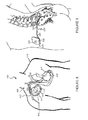
- FIGURE 3 graphically illustrates the effect that the addition of TMOBX at various levels to the electrolyte for batteries having lithium titanate negative electrode active materials, as shown by the data in Table 2. Without TMOBX, increasing the heat treatment time appears to lead to some moderate decrease in battery swelling. More substantial reductions in swelling were obtained, however, at TMOBX levels of 0.3, 0.6, and 0.9 weight percent as compared to batteries without TMOBX, regardless of the temperature and time parameters of the heat treatment.
- FIGURE 4 illustrates the impedance of the batteries described with respect to FIGURE 3 .
- increasing TMOBX levels appears to act to lower impedance of the batteries. This in turn would be expected to improve the rate capability of the batteries, thus enabling quicker charging and high power discharging for the batteries.
- TMOBX can mitigate the detrimental effects of moisture in a cell, regardless of the source of moisture. If the moisture content in the electrolyte solvent is high (e.g., > 100 ppm), it would react with the salt (LiPF 6 ) to yield products that would cause cell swelling due to gas generation, cause degradation of the electrode active materials and accelerate corrosion. Additives such as TMOBX co-ordinate with the anion (PF 6 - ) and prevent its dissociation due to moisture into harmful products. Hence use of additives such as TMOBX may go beyond a cell chemistry with Li 4 Ti 5 O 12 negative active material and may be applicable in general when any of the cell constituents are hygroscopic.
- TMOBX to the electrolyte in batteries having lithium titanate negative electrodes also has a desirable effect of eliminating undesirable side reactions between the electrolyte and the battery case that may cause component degradation, as shown in FIGURES 5 and 6 .
- FIGURE 5 where TMOBX is not used, black residue appears on the case after cycling (as shown in the lower detail view of the case).
- FIGURE 6 shows a similar battery having TMOBX added at a level of 0.3 weight percent to the electrolyte. It is believed that the addition of TMOBX prevents the undesirable side reaction with the case, and no black residue is evident on the case after similar cycling.
- Each of the batteries tested had a similar configuration (with the exception of the TMOBX additive percentage), with a case made from stainless steel, positive electrodes using a LiCoO 2 active material formed on an aluminum current collector, negative electrodes using a lithium titanate active material (i.e., Li 4 Ti 5 O 12 ) formed on an aluminum current collector, and an electrolyte that was a 3:7 mixture of ethylene carbonate to ethylmethyl carbonate (EC:EMC) in a 1.0 M salt of LiPF 6 .
- EC:EMC ethylene carbonate to ethylmethyl carbonate
- TMOBX lithium-ion batteries that utilize lithium titanate or similar active materials on the negative electrode.
- Decreased impedance allows for increased power capability and shorter recharge times.
- the reduction of cell swelling improves energy density as compared to batteries that do not use TMOBX additives.
- Manufacturing time (and thus, manufacturing cost) can be substantially reduced, since the heat treatment required for the negative electrode may be reduced, for example, by more than 80 percent.
- Component longevity may also be improved, even where cells are subjected to repeated deep discharge conditions, since undesirable corrosion of the battery case due to interactions with the electrolyte may be reduced or eliminated.
- FIGURE 7 shows the variation in first cycle irreversible capacity with addition of TMOBX, for cells having cases made from stainless steel, positive electrodes using a LiCoO 2 active material formed on an aluminum current collector, negative electrodes using a lithium titanate active material (i.e., Li 4 Ti 5 O 12 ) formed on an aluminum current collector, and an electrolyte that was a 3:7 mixture of ethylene carbonate to ethylmethyl carbonate (EC:EMC) in a 1.0 M salt of LiPF 6 .
- EC:EMC ethylene carbonate to ethylmethyl carbonate
- FIGURE 7 shows data for cells charged to voltages of V1 or V2 volts (V1 > V2), with the negative electrode heat treated at temperatures T1 or T2 (T1 ⁇ T2), and heat treated for durations of t1 or t2 hours (t1 ⁇ t2).
- TMOBX e.g., at a level of 0.6 weight percent
- Heat treatment of the negative electrode at higher temperature or longer times also leads to a reduction in the irreversible capacity, but the effect of TMOBX appears to outweigh that of heat treatment.
- the data point for 0.3 weight percent TMOBX addition likely reflects the combination of the TMOBX addition with the additional effects from increasing the heat treatment temperature and time.
- reducing irreversible capacity is highly desirable, since it allows for the availability of greater reversible capacity for the cell.
- the inventors believe, without being limited to a particular theory, that the moisture-mitigating effect of TMOBX and its effect on stabilization of the salt and electrolyte serve as the underlying causes for the reduced irreversible capacity.
- the positive electrode As the cell is charged, the positive electrode is driven to more oxidizing potentials. Presence of moisture and products of reaction of the electrolyte/salt with the moisture lead to an acceleration of oxidative side-reactions at the positive electrode, which yield high irreversible capacity. Addition of TMOBX reduces these side-reactions and leads to lower irreversible capacity.
- TMOBX can help mitigate this effect by stabilizing the electrolyte components that are more likely to undergo oxidation.
- TMOBX may be highly beneficial additive when using high voltage positive active materials such as LiNi 0.5 Mn 1.5 O 4 , LiCoPO 4 , LiMnPO 4 , LiVPO 4 , Li 2 MM' 3 O 8 , and LiMM'O 4 (where, M and M' are transition metals such as Cr, Mn, Ti, Fe, Co, Ni, V, Cu).
- FIGURE 8 illustrates a schematic view of a system 400 (e.g., an implantable medical device) implanted within a body or torso 432 of a patient 430.
- the system 400 includes a device 410 in the form of an implantable medical device that for purposes of illustration is shown as a defibrillator configured to provide a therapeutic high voltage (e.g., 700 volt) treatment for the patient 430.
- a therapeutic high voltage e.g. 700 volt
- the device 410 includes a container or housing 414 that is hermetically sealed and biologically inert according to an exemplary embodiment.
- the container may be made of a conductive material.
- One or more leads 416 electrically connect the device 410 and to the patient's heart 420 via a vein 422.
- Electrodes 417 are provided to sense cardiac activity and/or provide an electrical potential to the heart 420.
- At least a portion of the leads 416 (e.g., an end portion of the leads shown as exposed electrodes 417) may be provided adjacent or in contact with one or more of a ventricle and an atrium of the heart 420.
- the device 410 includes a battery 440 provided therein to provide power for the device 410.
- the size and capacity of the battery 440 may be chosen based on a number of factors, including the amount of charge required for a given patient's physical or medical characteristics, the size or configuration of the device, and any of a variety of other factors.
- the battery is a 5 mAh battery.
- the battery is a 300 mAh battery.
- the battery may have a capacity of between approximately 1 and 1000 mAh.
- more than one battery may be provided to power the device 410.
- the batteries may have the same capacity or one or more of the batteries may have a higher or lower capacity than the other battery or batteries.
- one of the batteries may have a capacity of approximately 500 mAh while another of the batteries may have a capacity of approximately 75 mAh.
- the battery may be configured such that it may be charged and recharged using an inductive charging system in which a primary or external coil is provided at an exterior surface of a portion of the body (either proximate or some distance away from the battery) and a secondary or internal coil is provided below the skin adjacent the primary coil.
- a primary or external coil is provided at an exterior surface of a portion of the body (either proximate or some distance away from the battery) and a secondary or internal coil is provided below the skin adjacent the primary coil.
- an implantable neurological stimulation device 500 may include a battery 502 such as those described above with respect to the various exemplary embodiments. Examples of some neuro stimulation products and related components are shown and described in a brochure titled "Implantable Neurostimulation Systems” available from Medtronic, Inc.
- An INS generates one or more electrical stimulation signals that are used to influence the human nervous system or organs. Electrical contacts carried on the distal end of a lead are placed at the desired stimulation site such as the spine or brain and the proximal end of the lead is connected to the INS. The INS is then surgically implanted into an individual such as into a subcutaneous pocket in the abdomen, pectoral region, or upper buttocks area. A clinician programs the INS with a therapy using a programmer. The therapy configures parameters of the stimulation signal for the specific patient's therapy.
- An INS can be used to treat conditions such as pain, incontinence, movement disorders such as epilepsy and Parkinson's disease, and sleep apnea.
- Additional therapies appear promising to treat a variety of physiological, psychological, and emotional conditions.
- an external screener that replicates some or all of the INS functions is typically connected to the patient to evaluate the efficacy of the proposed therapy.
- the INS 500 includes a lead extension 522 and a stimulation lead 524.
- the stimulation lead 524 is one or more insulated electrical conductors with a connector 532 on the proximal end and electrical contacts (not shown) on the distal end.
- Some stimulation leads are designed to be inserted into a patient percutaneously, such as the Model 3487A Pisces-Quad ® lead available from Medtronic, Inc. of Minneapolis Minn., and stimulation some leads are designed to be surgically implanted, such as the Model 3998 Specify ® lead also available from Medtronic.
- the lead connector 532 can be connected directly to the INS 500 (e.g., at a point 536), typically the lead connector 532 is connected to a lead extension 522.
- the lead extension 522 such as a Model 7495 available from Medtronic, is then connected to the INS 500.
- Implantation of an INS 500 typically begins with implantation of at least one stimulation lead 524, usually while the patient is under a local anesthetic.
- the stimulation lead 524 can either be percutaneously or surgically implanted. Once the stimulation lead 524 has been implanted and positioned, the stimulation lead's 524 distal end is typically anchored into position to minimize movement of the stimulation lead 524 after implantation.
- the stimulation lead's 524 proximal end can be configured to connect to a lead extension 522.
- the INS 500 is programmed with a therapy and the therapy is often modified to optimize the therapy for the patient (i.e., the INS may be programmed with a plurality of programs or therapies such that an appropriate therapy may be administered in a given situation).
- a physician programmer and a patient programmer may also be provided to allow a physician or a patient to control the administration of various therapies.
- a physician programmer also known as a console programmer, uses telemetry to communicate with the implanted INS 500, so a clinician can program and manage a patient's therapy stored in the INS 500, troubleshoot the patient's INS system, and/or collect data.
- An example of a physician programmer is a Model 7432 Console Programmer available from Medtronic.
- a patient programmer also uses telemetry to communicate with the INS 500, so the patient can manage some aspects of her therapy as defined by the clinician.
- An example of a patient programmer is a Model 7434 Itrel ® 3 EZ Patient Programmer available from Medtronic.
- a battery provided as part of the INS 500 may be configured such that it may be charged and recharged using an inductive charging system in which a primary or external coil is provided at an exterior surface of a portion of the body (either proximate or some distance away from the battery) and a secondary or internal coil is provided below the skin adjacent the primary coil.
- medical devices described herein e.g., systems 400 and 500
- a defibrillator and a neurological stimulation device e.g., a pacemaker, cardioverters, cardiac contractility modules, drug administering devices, diagnostic recorders, cochlear implants, and the like for alleviating the adverse effects of various health ailments.
- implantable medical devices such as pacemakers, cardioverters, cardiac contractility modules, drug administering devices, diagnostic recorders, cochlear implants, and the like for alleviating the adverse effects of various health ailments.
- the medical devices described herein may be charged or recharged when the medical device is implanted within a patient. That is, according to an exemplary embodiment, there is no need to disconnect or remove the medical device from the patient in order to charge or recharge the medical device.
Landscapes
- Chemical & Material Sciences (AREA)
- Chemical Kinetics & Catalysis (AREA)
- Electrochemistry (AREA)
- General Chemical & Material Sciences (AREA)
- Inorganic Chemistry (AREA)
- Engineering & Computer Science (AREA)
- Manufacturing & Machinery (AREA)
- Physics & Mathematics (AREA)
- Condensed Matter Physics & Semiconductors (AREA)
- General Physics & Mathematics (AREA)
- Battery Electrode And Active Subsutance (AREA)
- Secondary Cells (AREA)
Claims (15)
- Wiederaufladbare Lithiumionen-Batterie, mit:einer positiven Elektrode;einer negativen Elektrode, die ein aktives Lithiumtitanat-Material enthält;einem Separator, der zwischen der positiven Elektrode und der negativen Elektrode vorgesehen ist;einem Elektrolyt; undeinem Elektrolytadditiv, das wenigstens einen Boroxin-Ring enthält.
- Wiederaufladbare Lithiumionen-Batterie nach Anspruch 1, wobei das Additiv Trimethoxy-Boroxin enthält.
- Wiederaufladbare Lithiumionen-Batterie nach Anspruch 2, wobei das aktive Lithiumtitanat-Material Li4Ti5O12 enthält.
- Wiederaufladbare Lithiumionen-Batterie nach Anspruch 2, wobei das Additiv in dem Elektrolyt in einem Umfang im Bereich von ungefähr 0,3 bis 0,9 Gewichtsprozent vorhandnen ist.
- Wiederaufladbare Lithiumionen-Batterie nach Anspruch 2, wobei der Elektrolyt LiPF6 enthält.
- Wiederaufladbare Lithiumionen-Batterie nach Anspruch 5, wobei der Elektrolyt ein Gemisch aus Ethlyencarbonat und Ethylmethyl-Carbonat enthält.
- Wiederaufladbare Lithiumionen-Batterie nach Anspruch 2, wobei das aktive Lithiumtitanat-Material das Lithium zyklisch auf ein Potential von mehr als 1,5 Volt in Bezug auf eine Lithium-Referenzelektrode bringt.
- Wiederaufladbare Lithiumionen-Batterie nach Anspruch 2, wobei die positive Elektrode wenigstens ein aktives Material enthält, das aus der Gruppe gewählt ist, die aus LiCoO2 und LiMn2O4 besteht.
- Wiederaufladbare Lithiumionen-Batterie nach Anspruch 8, wobei die positive Elektrode LiCoO2 enthält.
- Wiederaufladbare Lithiumionen-Batterie nach Anspruch 2, wobei die positive Elektrode wenigstens ein aktives Material enthält, das aus der Gruppe gewählt ist, die aus LiMn2O4, LiNi1/3Co1/3Mn1/3O2, LiFePO4 und LiNi0,8Co0,15Al0,05O2 besteht.
- Wiederaufladbare Lithiumionen-Batterie nach Anspruch 2, wobei die positive Elektrode ein aktives Material enthält, das aus der Gruppe gewählt ist, die aus LiCoxNi(1-x)O2 (wobei x im Bereich von ungefähr 0,05 bis 0,8 liegt), LiNixCoyMn(1-x-y)O2 (wobei x im Bereich von ungefähr 0,05 bis 0,8 liegt und y im Bereich von ungefähr 0,05 bis 0,8 liegt), LiAlxCoyNi(1-x-y)O2 (wobei x im Bereich von ungefähr 0,05 bis 0,3 liegt und y im Bereich von ungefähr 0,01 bis 0,3 liegt), und LiTixCoyNi(1-x-y)O2 (wobei x im Bereich von ungefähr 0,05 bis 0,3 liegt und y im Bereich von ungefähr 0,1 bis 0,3 liegt) besteht.
- Wiederaufladbare Lithiumionen-Batterie nach Anspruch 2, wobei die positive Elektrode wenigstens ein aktives Material enthält, das aus der Gruppe gewählt ist, die aus LiNi0,5Mn1,5O4, LiCoPO4, LiMnPO4, LiVPO4, Li2MM'3O8 und LiMM'O4 besteht, wobei M und M' Übergangsmetalle sind, die aus der Gruppe gewählt sind, die aus Cr, Mn, Ti, Fe, Co, Ni, V und Cu besteht.
- Wiederaufladbare Lithiumionen-Batterie nach Anspruch 2, die ferner ein Gehäuse enthält, das Edelstahl enthält.
- Wiederaufladbare Lithiumionen-Batterie nach Anspruch 2, wobei die positive Elektrode und die negative Elektrode gewickelte Elektroden sind.
- Wiederaufladbare Lithiumionen-Batterie nach Anspruch 2, die ferner ein Gehäuse enthält, das Titan enthält.
Applications Claiming Priority (2)
| Application Number | Priority Date | Filing Date | Title |
|---|---|---|---|
| US12/433,557 US20100279155A1 (en) | 2009-04-30 | 2009-04-30 | Lithium-ion battery with electrolyte additive |
| PCT/US2010/022973 WO2010126631A1 (en) | 2009-04-30 | 2010-02-03 | Lithium-ion battery with electrolyte additive |
Publications (2)
| Publication Number | Publication Date |
|---|---|
| EP2425479A1 EP2425479A1 (de) | 2012-03-07 |
| EP2425479B1 true EP2425479B1 (de) | 2015-09-09 |
Family
ID=42101409
Family Applications (1)
| Application Number | Title | Priority Date | Filing Date |
|---|---|---|---|
| EP10703400.1A Not-in-force EP2425479B1 (de) | 2009-04-30 | 2010-02-03 | Lithiumionenbatterie mit elektrolytzusatzmittel |
Country Status (3)
| Country | Link |
|---|---|
| US (1) | US20100279155A1 (de) |
| EP (1) | EP2425479B1 (de) |
| WO (1) | WO2010126631A1 (de) |
Cited By (1)
| Publication number | Priority date | Publication date | Assignee | Title |
|---|---|---|---|---|
| DE102016217709A1 (de) | 2016-09-15 | 2018-03-15 | Robert Bosch Gmbh | Hybridsuperkondensator mit SEI-Additiven |
Families Citing this family (27)
| Publication number | Priority date | Publication date | Assignee | Title |
|---|---|---|---|---|
| US7563541B2 (en) | 2004-10-29 | 2009-07-21 | Medtronic, Inc. | Lithium-ion battery |
| US9077022B2 (en) | 2004-10-29 | 2015-07-07 | Medtronic, Inc. | Lithium-ion battery |
| CN101048898B (zh) | 2004-10-29 | 2012-02-01 | 麦德托尼克公司 | 锂离子电池及医疗装置 |
| US8168330B2 (en) * | 2006-04-11 | 2012-05-01 | Enerdel, Inc. | Lithium titanate cell with reduced gassing |
| JP6138490B2 (ja) * | 2010-12-07 | 2017-05-31 | 日本電気株式会社 | リチウム二次電池 |
| JP2012156087A (ja) * | 2011-01-28 | 2012-08-16 | Kaneka Corp | 非水電解質二次電池 |
| US9287580B2 (en) | 2011-07-27 | 2016-03-15 | Medtronic, Inc. | Battery with auxiliary electrode |
| CN102306790A (zh) * | 2011-08-15 | 2012-01-04 | 青岛乾运高科新材料有限公司 | 一种磷酸铁锂/钴酸锂复合正极的制备方法 |
| CN103137960B (zh) * | 2011-11-25 | 2016-01-20 | 清华大学 | 锂离子电池正极材料及其制备方法以及锂离子电池 |
| US20130149560A1 (en) | 2011-12-09 | 2013-06-13 | Medtronic, Inc. | Auxiliary electrode for lithium-ion battery |
| KR101675610B1 (ko) * | 2012-03-13 | 2016-11-11 | 삼성에스디아이 주식회사 | 리튬 이차전지 |
| KR101507453B1 (ko) * | 2012-04-18 | 2015-03-31 | 주식회사 엘지화학 | 음극 활물질 및 이를 포함하는 이차전지 |
| WO2014067914A1 (en) * | 2012-10-30 | 2014-05-08 | Basf Se | Lithium ion secondary battery comprising a silicon anode |
| EP2728660A1 (de) * | 2012-10-30 | 2014-05-07 | Basf Se | Lithium-Ionen-Sekundärbatterie mit einer Siliciumanode |
| JP6231817B2 (ja) | 2013-08-22 | 2017-11-15 | 株式会社日立製作所 | リチウム二次電池用電解液及びリチウム二次電池 |
| EP2945211B1 (de) * | 2014-05-15 | 2018-11-21 | Saft Groupe S.A. | Lithiumtitanatoxid als negativelektrode in li-ionen-zellen |
| US10122046B2 (en) | 2014-10-03 | 2018-11-06 | Uchicago Argonne, Llc | Electrolyte compositions for high voltage lithium-ion batteries |
| JP2016081691A (ja) * | 2014-10-16 | 2016-05-16 | 日立化成株式会社 | リチウムイオン二次電池、負極、およびこれらを用いた電池システム |
| EP3353844B1 (de) | 2015-03-27 | 2022-05-11 | Mason K. Harrup | Vollständig anorganische lösungsmittel für elektrolyte |
| KR20180031739A (ko) * | 2015-08-04 | 2018-03-28 | 가부시키가이샤 히다치 하이테크놀로지즈 | 리튬 이차 전지용 비수 전해액, 리튬 이차 전지용 정극 및 그 제조 방법, 그리고, 리튬 이차 전지 |
| US10249449B2 (en) | 2016-03-01 | 2019-04-02 | Maxwell Technologies, Inc. | Electrolyte formulations for energy storage devices |
| US10707531B1 (en) | 2016-09-27 | 2020-07-07 | New Dominion Enterprises Inc. | All-inorganic solvents for electrolytes |
| CA2953163A1 (fr) * | 2016-12-23 | 2018-06-23 | Sce France | Composes a base d'un element de la famille du bore et leur utilisation dans des compositions d'electrolytes |
| CN108987806B (zh) * | 2018-07-18 | 2020-01-14 | 石家庄圣泰化工有限公司 | 环状硼酸酐于电池电解液中的应用 |
| CN110034332B (zh) * | 2019-03-20 | 2021-12-21 | 欣旺达电动汽车电池有限公司 | 一种低阻抗、循环寿命长的锂离子电池电解液及其制备方法 |
| EP3764434A1 (de) * | 2019-07-10 | 2021-01-13 | LITRONIK Batterietechnologie GmbH | Eliminierung des voltage-delays und stabilisierung der impedanz durch elektrolytzusätze in alkali-metallelektrochemischen zellen |
| CN113851712A (zh) * | 2021-08-26 | 2021-12-28 | 合肥国轩高科动力能源有限公司 | 一种高电压锂离子电池电解液和锂离子电池 |
Citations (1)
| Publication number | Priority date | Publication date | Assignee | Title |
|---|---|---|---|---|
| JP2007115527A (ja) * | 2005-10-20 | 2007-05-10 | Toyota Motor Corp | イオン伝導性組成物およびその製造方法 |
Family Cites Families (55)
| Publication number | Priority date | Publication date | Assignee | Title |
|---|---|---|---|---|
| US3308306A (en) * | 1964-05-08 | 1967-03-07 | Specialties Dev Corp | Electrical power supply and battery charges |
| DE1571997B2 (de) * | 1966-10-28 | 1975-07-10 | Robert Bosch Gmbh, 7000 Stuttgart | Gasdichter elektrischer Akkumulator mit Ladekontrollelektrode und Verfahren zur Herstellung der Ladekontrollelektrode |
| US4581122A (en) * | 1982-06-09 | 1986-04-08 | Energy Development Associates, Inc. | State of charge analytical apparatus |
| DE3838329A1 (de) * | 1987-11-11 | 1989-05-24 | Ricoh Kk | Negative elektrode fuer sekundaerbatterie |
| US5474858A (en) * | 1992-07-21 | 1995-12-12 | Medtronic, Inc. | Method for preventing gas formation in electro-chemical cells |
| US5331268A (en) * | 1993-08-02 | 1994-07-19 | Motorola, Inc. | Method and apparatus for dynamically charging a battery |
| US5478668A (en) * | 1993-11-30 | 1995-12-26 | Bell Communications Research Inc. | Rechargeable lithium battery construction |
| WO1996027910A1 (en) * | 1995-03-06 | 1996-09-12 | Fuji Photo Film Co., Ltd. | Nonaqueous secondary cell |
| US5851696A (en) * | 1996-01-29 | 1998-12-22 | Valence Technology, Inc. | Rechargeable lithium battery |
| US6022640A (en) * | 1996-09-13 | 2000-02-08 | Matsushita Electric Industrial Co., Ltd. | Solid state rechargeable lithium battery, stacking battery, and charging method of the same |
| US5744258A (en) * | 1996-12-23 | 1998-04-28 | Motorola,Inc. | High power, high energy, hybrid electrode and electrical energy storage device made therefrom |
| CA2196493C (en) * | 1997-01-31 | 2002-07-16 | Huanyu Mao | Additives for improving cycle life of non-aqueous rechargeable lithium batteries |
| DE69825797T2 (de) * | 1997-03-13 | 2005-09-01 | Matsushita Electric Industrial Co., Ltd., Kadoma | Lithium-Ionen-Batterie |
| ATE277672T1 (de) * | 1997-08-01 | 2004-10-15 | Mann Alfred E Found Scient Res | Implantierbare einrichtung mit verbesserter anordnung zur ladung der batterie und zur energiezufuhr |
| CA2215756C (en) * | 1997-09-18 | 2006-04-04 | Moli Energy (1990) Limited | Additives for improving cycle life of non-aqueous rechargeable lithium batteries |
| US6951576B1 (en) * | 1997-10-21 | 2005-10-04 | Wilson Greatbatch Ltd. | Wound element electrode assembly design for use in prismatic case electrochemical cells |
| US6352798B1 (en) * | 1997-12-08 | 2002-03-05 | Brookhaven Science Associates, Llc | Phenyl boron-based compounds as anion receptors for non-aqueous battery electrolytes |
| US6022643A (en) * | 1997-12-08 | 2000-02-08 | Brookhaven Science Associates | Boron compounds as anion binding agents for nonaqueous battery electrolytes |
| CA2283670C (fr) * | 1998-02-03 | 2011-06-07 | Acep Inc. | Materiaux utiles en tant que solutes electrolytiques |
| US6553263B1 (en) * | 1999-07-30 | 2003-04-22 | Advanced Bionics Corporation | Implantable pulse generators using rechargeable zero-volt technology lithium-ion batteries |
| JP3558007B2 (ja) * | 1999-09-30 | 2004-08-25 | 宇部興産株式会社 | 非水電解液およびそれを用いたリチウム二次電池 |
| DE19952335B4 (de) * | 1999-10-29 | 2007-03-29 | Fraunhofer-Gesellschaft zur Förderung der angewandten Forschung e.V. | In elektrochemischen Bauelementen verwendbare pastöse Masse, damit gebildete Schichten, Folien, Schichtverbünde und wiederaufladbare elektrochemische Zellen sowie Verfahren zur Herstellung der Schichten, Folien und Schichtverbünde |
| US6641953B2 (en) * | 2000-01-12 | 2003-11-04 | Wilson Greatbatch Ltd. | Secondary cell with high rate pulse capability |
| WO2001082397A1 (en) * | 2000-04-26 | 2001-11-01 | Quallion, Llc | Lithium battery suitable for hybrid electric vehicles |
| US6645670B2 (en) * | 2000-05-16 | 2003-11-11 | Wilson Greatbatch Ltd. | Efficient cell stack for cells with double current collectors sandwich cathodes |
| US6673492B2 (en) * | 2000-05-26 | 2004-01-06 | Ube Industries, Ltd. | Electrode material for a secondary cell and its production process |
| US7189475B2 (en) * | 2000-07-27 | 2007-03-13 | Kabushiki Kaisha Toyota Chuo Kenkyusho | Lithium secondary battery |
| TW508861B (en) * | 2000-08-08 | 2002-11-01 | Matsushita Electric Industrial Co Ltd | Non-aqueous electrolyte secondary battery and positive electrode for the same |
| JP3911145B2 (ja) * | 2000-11-10 | 2007-05-09 | 三洋化成工業株式会社 | 電気化学素子の電極用結合剤および電極の製造方法 |
| US8980477B2 (en) * | 2000-12-22 | 2015-03-17 | Fmc Corporation | Lithium metal dispersion in secondary battery anodes |
| JP4392169B2 (ja) * | 2001-05-15 | 2009-12-24 | Fdk株式会社 | 非水電解質二次電池及びその正極材料の製造方法 |
| CN1293126C (zh) * | 2001-06-19 | 2007-01-03 | 三星Sdi株式会社 | 一种聚合物电解质及含有该聚合物电解质的锂二次电池 |
| JP4415241B2 (ja) * | 2001-07-31 | 2010-02-17 | 日本電気株式会社 | 二次電池用負極およびそれを用いた二次電池、および負極の製造方法 |
| CN1205689C (zh) * | 2001-09-28 | 2005-06-08 | 任晓平 | 二次锂离子电池或电池组、其保护电路以及电子装置 |
| CN1263184C (zh) * | 2001-11-20 | 2006-07-05 | Tdk株式会社 | 电极活性材料及其制法、电极、锂离子二次电池及其制法 |
| US7018743B2 (en) * | 2002-01-02 | 2006-03-28 | Wilson Greatbatch Technologies, Inc. | Dual chemistry electrode design |
| US6670071B2 (en) * | 2002-01-15 | 2003-12-30 | Quallion Llc | Electric storage battery construction and method of manufacture |
| JP4197237B2 (ja) * | 2002-03-01 | 2008-12-17 | パナソニック株式会社 | 正極活物質の製造方法 |
| US6908711B2 (en) * | 2002-04-10 | 2005-06-21 | Pacific Lithium New Zealand Limited | Rechargeable high power electrochemical device |
| US6946218B2 (en) * | 2002-09-06 | 2005-09-20 | Enerdel, Inc. | Battery cell having edge support and method of making the same |
| US6869727B2 (en) * | 2002-09-20 | 2005-03-22 | Eveready Battery Company, Inc. | Battery with high electrode interfacial surface area |
| US20050130043A1 (en) * | 2003-07-29 | 2005-06-16 | Yuan Gao | Lithium metal dispersion in electrodes |
| US7462425B2 (en) * | 2003-09-26 | 2008-12-09 | Kabushiki Kaisha Toshiba | Nonaqueous electrolyte secondary battery and battery module |
| US7582380B1 (en) * | 2004-04-08 | 2009-09-01 | Electrochemical Systems, Inc. | Lithium-ion cell with a wide operating temperature range |
| US7337010B2 (en) * | 2004-10-29 | 2008-02-26 | Medtronic, Inc. | Medical device having lithium-ion battery |
| US7927742B2 (en) * | 2004-10-29 | 2011-04-19 | Medtronic, Inc. | Negative-limited lithium-ion battery |
| US7582387B2 (en) * | 2004-10-29 | 2009-09-01 | Medtronic, Inc. | Lithium-ion battery |
| TW200641189A (en) * | 2005-02-25 | 2006-12-01 | Applied Materials Inc | Counter electrode encased in cation exchange membrane tube for electroplating cell |
| JP4213688B2 (ja) * | 2005-07-07 | 2009-01-21 | 株式会社東芝 | 非水電解質電池及び電池パック |
| US20070077496A1 (en) * | 2005-10-05 | 2007-04-05 | Medtronic, Inc. | Lithium-ion battery |
| KR100856285B1 (ko) * | 2006-01-23 | 2008-09-03 | 주식회사 엘지화학 | 비수전해액 및 이를 이용한 리튬 이차 전지 |
| JP4799245B2 (ja) * | 2006-03-30 | 2011-10-26 | 株式会社東芝 | 非水電解質電池、電池パック及び自動車 |
| JP4709710B2 (ja) * | 2006-08-04 | 2011-06-22 | 株式会社東芝 | 非水電解質電池、電池パック及び自動車 |
| JP4435194B2 (ja) * | 2007-03-27 | 2010-03-17 | 株式会社東芝 | 非水電解質電池、電池パック及び自動車 |
| US8119269B2 (en) * | 2007-05-10 | 2012-02-21 | Enovix Corporation | Secondary battery with auxiliary electrode |
-
2009
- 2009-04-30 US US12/433,557 patent/US20100279155A1/en not_active Abandoned
-
2010
- 2010-02-03 WO PCT/US2010/022973 patent/WO2010126631A1/en not_active Ceased
- 2010-02-03 EP EP10703400.1A patent/EP2425479B1/de not_active Not-in-force
Patent Citations (1)
| Publication number | Priority date | Publication date | Assignee | Title |
|---|---|---|---|---|
| JP2007115527A (ja) * | 2005-10-20 | 2007-05-10 | Toyota Motor Corp | イオン伝導性組成物およびその製造方法 |
Cited By (1)
| Publication number | Priority date | Publication date | Assignee | Title |
|---|---|---|---|---|
| DE102016217709A1 (de) | 2016-09-15 | 2018-03-15 | Robert Bosch Gmbh | Hybridsuperkondensator mit SEI-Additiven |
Also Published As
| Publication number | Publication date |
|---|---|
| EP2425479A1 (de) | 2012-03-07 |
| WO2010126631A1 (en) | 2010-11-04 |
| US20100279155A1 (en) | 2010-11-04 |
Similar Documents
| Publication | Publication Date | Title |
|---|---|---|
| EP2425479B1 (de) | Lithiumionenbatterie mit elektrolytzusatzmittel | |
| US10615463B2 (en) | Formation process for lithium-ion batteries with improved tolerace to overdischarge conditions | |
| US7563541B2 (en) | Lithium-ion battery | |
| EP1805831B1 (de) | Lithiumionen-batterie | |
| JP5646715B2 (ja) | リチウムイオン電池と医療デバイス | |
| KR101241578B1 (ko) | 리튬-이온 전지 및 의료 장치 | |
| US7927742B2 (en) | Negative-limited lithium-ion battery | |
| US9587321B2 (en) | Auxiliary electrode for lithium-ion battery | |
| EP1805833A2 (de) | Verfahren zum aufladen einer lithiumionenbatterie | |
| US9287580B2 (en) | Battery with auxiliary electrode |
Legal Events
| Date | Code | Title | Description |
|---|---|---|---|
| PUAI | Public reference made under article 153(3) epc to a published international application that has entered the european phase |
Free format text: ORIGINAL CODE: 0009012 |
|
| 17P | Request for examination filed |
Effective date: 20111130 |
|
| AK | Designated contracting states |
Kind code of ref document: A1 Designated state(s): AT BE BG CH CY CZ DE DK EE ES FI FR GB GR HR HU IE IS IT LI LT LU LV MC MK MT NL NO PL PT RO SE SI SK SM TR |
|
| DAX | Request for extension of the european patent (deleted) | ||
| GRAJ | Information related to disapproval of communication of intention to grant by the applicant or resumption of examination proceedings by the epo deleted |
Free format text: ORIGINAL CODE: EPIDOSDIGR1 |
|
| GRAP | Despatch of communication of intention to grant a patent |
Free format text: ORIGINAL CODE: EPIDOSNIGR1 |
|
| GRAP | Despatch of communication of intention to grant a patent |
Free format text: ORIGINAL CODE: EPIDOSNIGR1 |
|
| RIC1 | Information provided on ipc code assigned before grant |
Ipc: H01M 4/505 20100101ALN20150225BHEP Ipc: H01M 10/0569 20100101ALN20150225BHEP Ipc: H01M 2/02 20060101ALI20150225BHEP Ipc: H01M 4/525 20100101ALN20150225BHEP Ipc: H01M 10/0587 20100101ALI20150225BHEP Ipc: H01M 10/0567 20100101ALI20150225BHEP Ipc: H01M 10/0568 20100101ALN20150225BHEP Ipc: H01M 10/052 20100101ALI20150225BHEP Ipc: H01M 4/485 20100101AFI20150225BHEP |
|
| RAP1 | Party data changed (applicant data changed or rights of an application transferred) |
Owner name: MEDTRONIC, INC |
|
| INTG | Intention to grant announced |
Effective date: 20150331 |
|
| GRAS | Grant fee paid |
Free format text: ORIGINAL CODE: EPIDOSNIGR3 |
|
| GRAA | (expected) grant |
Free format text: ORIGINAL CODE: 0009210 |
|
| AK | Designated contracting states |
Kind code of ref document: B1 Designated state(s): AT BE BG CH CY CZ DE DK EE ES FI FR GB GR HR HU IE IS IT LI LT LU LV MC MK MT NL NO PL PT RO SE SI SK SM TR |
|
| REG | Reference to a national code |
Ref country code: GB Ref legal event code: FG4D |
|
| REG | Reference to a national code |
Ref country code: AT Ref legal event code: REF Ref document number: 748775 Country of ref document: AT Kind code of ref document: T Effective date: 20150915 Ref country code: CH Ref legal event code: EP |
|
| REG | Reference to a national code |
Ref country code: IE Ref legal event code: FG4D |
|
| REG | Reference to a national code |
Ref country code: DE Ref legal event code: R096 Ref document number: 602010027347 Country of ref document: DE |
|
| REG | Reference to a national code |
Ref country code: NL Ref legal event code: MP Effective date: 20150909 |
|
| PG25 | Lapsed in a contracting state [announced via postgrant information from national office to epo] |
Ref country code: LV Free format text: LAPSE BECAUSE OF FAILURE TO SUBMIT A TRANSLATION OF THE DESCRIPTION OR TO PAY THE FEE WITHIN THE PRESCRIBED TIME-LIMIT Effective date: 20150909 Ref country code: FI Free format text: LAPSE BECAUSE OF FAILURE TO SUBMIT A TRANSLATION OF THE DESCRIPTION OR TO PAY THE FEE WITHIN THE PRESCRIBED TIME-LIMIT Effective date: 20150909 Ref country code: GR Free format text: LAPSE BECAUSE OF FAILURE TO SUBMIT A TRANSLATION OF THE DESCRIPTION OR TO PAY THE FEE WITHIN THE PRESCRIBED TIME-LIMIT Effective date: 20151210 Ref country code: LT Free format text: LAPSE BECAUSE OF FAILURE TO SUBMIT A TRANSLATION OF THE DESCRIPTION OR TO PAY THE FEE WITHIN THE PRESCRIBED TIME-LIMIT Effective date: 20150909 Ref country code: NO Free format text: LAPSE BECAUSE OF FAILURE TO SUBMIT A TRANSLATION OF THE DESCRIPTION OR TO PAY THE FEE WITHIN THE PRESCRIBED TIME-LIMIT Effective date: 20151209 |
|
| REG | Reference to a national code |
Ref country code: LT Ref legal event code: MG4D |
|
| REG | Reference to a national code |
Ref country code: AT Ref legal event code: MK05 Ref document number: 748775 Country of ref document: AT Kind code of ref document: T Effective date: 20150909 |
|
| PG25 | Lapsed in a contracting state [announced via postgrant information from national office to epo] |
Ref country code: ES Free format text: LAPSE BECAUSE OF FAILURE TO SUBMIT A TRANSLATION OF THE DESCRIPTION OR TO PAY THE FEE WITHIN THE PRESCRIBED TIME-LIMIT Effective date: 20150909 Ref country code: HR Free format text: LAPSE BECAUSE OF FAILURE TO SUBMIT A TRANSLATION OF THE DESCRIPTION OR TO PAY THE FEE WITHIN THE PRESCRIBED TIME-LIMIT Effective date: 20150909 Ref country code: SE Free format text: LAPSE BECAUSE OF FAILURE TO SUBMIT A TRANSLATION OF THE DESCRIPTION OR TO PAY THE FEE WITHIN THE PRESCRIBED TIME-LIMIT Effective date: 20150909 |
|
| PG25 | Lapsed in a contracting state [announced via postgrant information from national office to epo] |
Ref country code: NL Free format text: LAPSE BECAUSE OF FAILURE TO SUBMIT A TRANSLATION OF THE DESCRIPTION OR TO PAY THE FEE WITHIN THE PRESCRIBED TIME-LIMIT Effective date: 20150909 |
|
| PG25 | Lapsed in a contracting state [announced via postgrant information from national office to epo] |
Ref country code: IS Free format text: LAPSE BECAUSE OF FAILURE TO SUBMIT A TRANSLATION OF THE DESCRIPTION OR TO PAY THE FEE WITHIN THE PRESCRIBED TIME-LIMIT Effective date: 20160109 Ref country code: IT Free format text: LAPSE BECAUSE OF FAILURE TO SUBMIT A TRANSLATION OF THE DESCRIPTION OR TO PAY THE FEE WITHIN THE PRESCRIBED TIME-LIMIT Effective date: 20150909 Ref country code: SK Free format text: LAPSE BECAUSE OF FAILURE TO SUBMIT A TRANSLATION OF THE DESCRIPTION OR TO PAY THE FEE WITHIN THE PRESCRIBED TIME-LIMIT Effective date: 20150909 Ref country code: EE Free format text: LAPSE BECAUSE OF FAILURE TO SUBMIT A TRANSLATION OF THE DESCRIPTION OR TO PAY THE FEE WITHIN THE PRESCRIBED TIME-LIMIT Effective date: 20150909 Ref country code: CZ Free format text: LAPSE BECAUSE OF FAILURE TO SUBMIT A TRANSLATION OF THE DESCRIPTION OR TO PAY THE FEE WITHIN THE PRESCRIBED TIME-LIMIT Effective date: 20150909 |
|
| PG25 | Lapsed in a contracting state [announced via postgrant information from national office to epo] |
Ref country code: PT Free format text: LAPSE BECAUSE OF FAILURE TO SUBMIT A TRANSLATION OF THE DESCRIPTION OR TO PAY THE FEE WITHIN THE PRESCRIBED TIME-LIMIT Effective date: 20160111 Ref country code: PL Free format text: LAPSE BECAUSE OF FAILURE TO SUBMIT A TRANSLATION OF THE DESCRIPTION OR TO PAY THE FEE WITHIN THE PRESCRIBED TIME-LIMIT Effective date: 20150909 Ref country code: AT Free format text: LAPSE BECAUSE OF FAILURE TO SUBMIT A TRANSLATION OF THE DESCRIPTION OR TO PAY THE FEE WITHIN THE PRESCRIBED TIME-LIMIT Effective date: 20150909 Ref country code: RO Free format text: LAPSE BECAUSE OF FAILURE TO SUBMIT A TRANSLATION OF THE DESCRIPTION OR TO PAY THE FEE WITHIN THE PRESCRIBED TIME-LIMIT Effective date: 20150909 Ref country code: BE Free format text: LAPSE BECAUSE OF NON-PAYMENT OF DUE FEES Effective date: 20160229 |
|
| REG | Reference to a national code |
Ref country code: DE Ref legal event code: R097 Ref document number: 602010027347 Country of ref document: DE |
|
| PLBE | No opposition filed within time limit |
Free format text: ORIGINAL CODE: 0009261 |
|
| STAA | Information on the status of an ep patent application or granted ep patent |
Free format text: STATUS: NO OPPOSITION FILED WITHIN TIME LIMIT |
|
| 26N | No opposition filed |
Effective date: 20160610 |
|
| PG25 | Lapsed in a contracting state [announced via postgrant information from national office to epo] |
Ref country code: SI Free format text: LAPSE BECAUSE OF FAILURE TO SUBMIT A TRANSLATION OF THE DESCRIPTION OR TO PAY THE FEE WITHIN THE PRESCRIBED TIME-LIMIT Effective date: 20150909 Ref country code: DK Free format text: LAPSE BECAUSE OF FAILURE TO SUBMIT A TRANSLATION OF THE DESCRIPTION OR TO PAY THE FEE WITHIN THE PRESCRIBED TIME-LIMIT Effective date: 20150909 |
|
| PG25 | Lapsed in a contracting state [announced via postgrant information from national office to epo] |
Ref country code: MC Free format text: LAPSE BECAUSE OF FAILURE TO SUBMIT A TRANSLATION OF THE DESCRIPTION OR TO PAY THE FEE WITHIN THE PRESCRIBED TIME-LIMIT Effective date: 20150909 Ref country code: LU Free format text: LAPSE BECAUSE OF FAILURE TO SUBMIT A TRANSLATION OF THE DESCRIPTION OR TO PAY THE FEE WITHIN THE PRESCRIBED TIME-LIMIT Effective date: 20160203 |
|
| REG | Reference to a national code |
Ref country code: CH Ref legal event code: PL |
|
| GBPC | Gb: european patent ceased through non-payment of renewal fee |
Effective date: 20160203 |
|
| PG25 | Lapsed in a contracting state [announced via postgrant information from national office to epo] |
Ref country code: LI Free format text: LAPSE BECAUSE OF NON-PAYMENT OF DUE FEES Effective date: 20160229 Ref country code: CH Free format text: LAPSE BECAUSE OF NON-PAYMENT OF DUE FEES Effective date: 20160229 |
|
| REG | Reference to a national code |
Ref country code: FR Ref legal event code: ST Effective date: 20161028 |
|
| REG | Reference to a national code |
Ref country code: IE Ref legal event code: MM4A |
|
| PG25 | Lapsed in a contracting state [announced via postgrant information from national office to epo] |
Ref country code: BE Free format text: LAPSE BECAUSE OF FAILURE TO SUBMIT A TRANSLATION OF THE DESCRIPTION OR TO PAY THE FEE WITHIN THE PRESCRIBED TIME-LIMIT Effective date: 20150909 |
|
| PG25 | Lapsed in a contracting state [announced via postgrant information from national office to epo] |
Ref country code: GB Free format text: LAPSE BECAUSE OF NON-PAYMENT OF DUE FEES Effective date: 20160203 Ref country code: IE Free format text: LAPSE BECAUSE OF NON-PAYMENT OF DUE FEES Effective date: 20160203 Ref country code: FR Free format text: LAPSE BECAUSE OF NON-PAYMENT OF DUE FEES Effective date: 20160229 |
|
| PG25 | Lapsed in a contracting state [announced via postgrant information from national office to epo] |
Ref country code: MT Free format text: LAPSE BECAUSE OF FAILURE TO SUBMIT A TRANSLATION OF THE DESCRIPTION OR TO PAY THE FEE WITHIN THE PRESCRIBED TIME-LIMIT Effective date: 20150909 |
|
| PG25 | Lapsed in a contracting state [announced via postgrant information from national office to epo] |
Ref country code: HU Free format text: LAPSE BECAUSE OF FAILURE TO SUBMIT A TRANSLATION OF THE DESCRIPTION OR TO PAY THE FEE WITHIN THE PRESCRIBED TIME-LIMIT; INVALID AB INITIO Effective date: 20100203 Ref country code: SM Free format text: LAPSE BECAUSE OF FAILURE TO SUBMIT A TRANSLATION OF THE DESCRIPTION OR TO PAY THE FEE WITHIN THE PRESCRIBED TIME-LIMIT Effective date: 20150909 Ref country code: CY Free format text: LAPSE BECAUSE OF FAILURE TO SUBMIT A TRANSLATION OF THE DESCRIPTION OR TO PAY THE FEE WITHIN THE PRESCRIBED TIME-LIMIT Effective date: 20150909 |
|
| PG25 | Lapsed in a contracting state [announced via postgrant information from national office to epo] |
Ref country code: TR Free format text: LAPSE BECAUSE OF FAILURE TO SUBMIT A TRANSLATION OF THE DESCRIPTION OR TO PAY THE FEE WITHIN THE PRESCRIBED TIME-LIMIT Effective date: 20150909 Ref country code: MT Free format text: LAPSE BECAUSE OF FAILURE TO SUBMIT A TRANSLATION OF THE DESCRIPTION OR TO PAY THE FEE WITHIN THE PRESCRIBED TIME-LIMIT Effective date: 20160229 Ref country code: MK Free format text: LAPSE BECAUSE OF FAILURE TO SUBMIT A TRANSLATION OF THE DESCRIPTION OR TO PAY THE FEE WITHIN THE PRESCRIBED TIME-LIMIT Effective date: 20150909 |
|
| PG25 | Lapsed in a contracting state [announced via postgrant information from national office to epo] |
Ref country code: BG Free format text: LAPSE BECAUSE OF FAILURE TO SUBMIT A TRANSLATION OF THE DESCRIPTION OR TO PAY THE FEE WITHIN THE PRESCRIBED TIME-LIMIT Effective date: 20150909 |
|
| PGFP | Annual fee paid to national office [announced via postgrant information from national office to epo] |
Ref country code: DE Payment date: 20240123 Year of fee payment: 15 |
|
| REG | Reference to a national code |
Ref country code: DE Ref legal event code: R119 Ref document number: 602010027347 Country of ref document: DE |
|
| PG25 | Lapsed in a contracting state [announced via postgrant information from national office to epo] |
Ref country code: DE Free format text: LAPSE BECAUSE OF NON-PAYMENT OF DUE FEES Effective date: 20250902 |