EP2389075B1 - Sustained release of nutrients in vivo - Google Patents
Sustained release of nutrients in vivo Download PDFInfo
- Publication number
- EP2389075B1 EP2389075B1 EP09793681.9A EP09793681A EP2389075B1 EP 2389075 B1 EP2389075 B1 EP 2389075B1 EP 09793681 A EP09793681 A EP 09793681A EP 2389075 B1 EP2389075 B1 EP 2389075B1
- Authority
- EP
- European Patent Office
- Prior art keywords
- glucose
- hpc
- carbohydrates
- dispersion
- release
- Prior art date
- Legal status (The legal status is an assumption and is not a legal conclusion. Google has not performed a legal analysis and makes no representation as to the accuracy of the status listed.)
- Active
Links
- 238000001727 in vivo Methods 0.000 title claims description 43
- 238000013268 sustained release Methods 0.000 title claims description 30
- 239000012730 sustained-release form Substances 0.000 title claims description 30
- 235000015097 nutrients Nutrition 0.000 title description 65
- 239000000203 mixture Substances 0.000 claims description 197
- WQZGKKKJIJFFOK-GASJEMHNSA-N Glucose Natural products OC[C@H]1OC(O)[C@H](O)[C@@H](O)[C@@H]1O WQZGKKKJIJFFOK-GASJEMHNSA-N 0.000 claims description 150
- 239000000017 hydrogel Substances 0.000 claims description 147
- WQZGKKKJIJFFOK-VFUOTHLCSA-N beta-D-glucose Chemical compound OC[C@H]1O[C@@H](O)[C@H](O)[C@@H](O)[C@@H]1O WQZGKKKJIJFFOK-VFUOTHLCSA-N 0.000 claims description 140
- 239000002245 particle Substances 0.000 claims description 130
- 239000008103 glucose Substances 0.000 claims description 120
- 150000001720 carbohydrates Chemical class 0.000 claims description 116
- 229920001282 polysaccharide Polymers 0.000 claims description 114
- 235000014633 carbohydrates Nutrition 0.000 claims description 111
- 239000005017 polysaccharide Substances 0.000 claims description 111
- 229920002153 Hydroxypropyl cellulose Polymers 0.000 claims description 103
- 235000010977 hydroxypropyl cellulose Nutrition 0.000 claims description 103
- 239000001863 hydroxypropyl cellulose Substances 0.000 claims description 103
- 229920000642 polymer Polymers 0.000 claims description 101
- 229940077731 carbohydrate nutrients Drugs 0.000 claims description 71
- 235000015872 dietary supplement Nutrition 0.000 claims description 69
- 239000011859 microparticle Substances 0.000 claims description 61
- 238000004132 cross linking Methods 0.000 claims description 43
- 238000013270 controlled release Methods 0.000 claims description 42
- 238000000576 coating method Methods 0.000 claims description 41
- 229920002472 Starch Polymers 0.000 claims description 39
- 235000019698 starch Nutrition 0.000 claims description 39
- 229920000615 alginic acid Polymers 0.000 claims description 38
- 239000008107 starch Substances 0.000 claims description 38
- 235000010443 alginic acid Nutrition 0.000 claims description 37
- 150000001875 compounds Chemical class 0.000 claims description 36
- 229930091371 Fructose Natural products 0.000 claims description 35
- 239000005715 Fructose Substances 0.000 claims description 35
- RFSUNEUAIZKAJO-ARQDHWQXSA-N Fructose Chemical compound OC[C@H]1O[C@](O)(CO)[C@@H](O)[C@@H]1O RFSUNEUAIZKAJO-ARQDHWQXSA-N 0.000 claims description 35
- 239000008280 blood Substances 0.000 claims description 35
- 210000004369 blood Anatomy 0.000 claims description 35
- 239000011248 coating agent Substances 0.000 claims description 35
- 238000000034 method Methods 0.000 claims description 33
- 239000000725 suspension Substances 0.000 claims description 29
- FHVDTGUDJYJELY-UHFFFAOYSA-N 6-{[2-carboxy-4,5-dihydroxy-6-(phosphanyloxy)oxan-3-yl]oxy}-4,5-dihydroxy-3-phosphanyloxane-2-carboxylic acid Chemical compound O1C(C(O)=O)C(P)C(O)C(O)C1OC1C(C(O)=O)OC(OP)C(O)C1O FHVDTGUDJYJELY-UHFFFAOYSA-N 0.000 claims description 27
- 229940072056 alginate Drugs 0.000 claims description 27
- 239000008121 dextrose Substances 0.000 claims description 23
- 229930006000 Sucrose Natural products 0.000 claims description 22
- 239000005720 sucrose Substances 0.000 claims description 22
- CZMRCDWAGMRECN-UGDNZRGBSA-N Sucrose Chemical compound O[C@H]1[C@H](O)[C@@H](CO)O[C@@]1(CO)O[C@@H]1[C@H](O)[C@@H](O)[C@H](O)[C@@H](CO)O1 CZMRCDWAGMRECN-UGDNZRGBSA-N 0.000 claims description 21
- 238000010521 absorption reaction Methods 0.000 claims description 21
- 235000016709 nutrition Nutrition 0.000 claims description 19
- 239000011734 sodium Substances 0.000 claims description 19
- 150000001413 amino acids Chemical class 0.000 claims description 17
- 230000002459 sustained effect Effects 0.000 claims description 17
- 230000002378 acidificating effect Effects 0.000 claims description 15
- UGTZMIPZNRIWHX-UHFFFAOYSA-K sodium trimetaphosphate Chemical compound [Na+].[Na+].[Na+].[O-]P1(=O)OP([O-])(=O)OP([O-])(=O)O1 UGTZMIPZNRIWHX-UHFFFAOYSA-K 0.000 claims description 15
- 239000007787 solid Substances 0.000 claims description 15
- 239000006188 syrup Substances 0.000 claims description 15
- 235000020357 syrup Nutrition 0.000 claims description 15
- DGAQECJNVWCQMB-PUAWFVPOSA-M Ilexoside XXIX Chemical compound C[C@@H]1CC[C@@]2(CC[C@@]3(C(=CC[C@H]4[C@]3(CC[C@@H]5[C@@]4(CC[C@@H](C5(C)C)OS(=O)(=O)[O-])C)C)[C@@H]2[C@]1(C)O)C)C(=O)O[C@H]6[C@@H]([C@H]([C@@H]([C@H](O6)CO)O)O)O.[Na+] DGAQECJNVWCQMB-PUAWFVPOSA-M 0.000 claims description 14
- 239000003792 electrolyte Substances 0.000 claims description 14
- 229910052708 sodium Inorganic materials 0.000 claims description 14
- 210000002784 stomach Anatomy 0.000 claims description 14
- 238000009792 diffusion process Methods 0.000 claims description 13
- 229940088594 vitamin Drugs 0.000 claims description 13
- 229930003231 vitamin Natural products 0.000 claims description 13
- 239000011782 vitamin Substances 0.000 claims description 13
- 239000008346 aqueous phase Substances 0.000 claims description 12
- 235000013343 vitamin Nutrition 0.000 claims description 12
- GUBGYTABKSRVRQ-XLOQQCSPSA-N Alpha-Lactose Chemical compound O[C@@H]1[C@@H](O)[C@@H](O)[C@@H](CO)O[C@H]1O[C@@H]1[C@@H](CO)O[C@H](O)[C@H](O)[C@H]1O GUBGYTABKSRVRQ-XLOQQCSPSA-N 0.000 claims description 11
- GUBGYTABKSRVRQ-QKKXKWKRSA-N Lactose Natural products OC[C@H]1O[C@@H](O[C@H]2[C@H](O)[C@@H](O)C(O)O[C@@H]2CO)[C@H](O)[C@@H](O)[C@H]1O GUBGYTABKSRVRQ-QKKXKWKRSA-N 0.000 claims description 11
- 239000008101 lactose Substances 0.000 claims description 11
- DLRVVLDZNNYCBX-UHFFFAOYSA-N Polydextrose Polymers OC1C(O)C(O)C(CO)OC1OCC1C(O)C(O)C(O)C(O)O1 DLRVVLDZNNYCBX-UHFFFAOYSA-N 0.000 claims description 10
- 125000003178 carboxy group Chemical group [H]OC(*)=O 0.000 claims description 10
- 150000004676 glycans Chemical class 0.000 claims description 10
- 239000007864 aqueous solution Substances 0.000 claims description 9
- 239000011557 critical solution Substances 0.000 claims description 9
- 238000010438 heat treatment Methods 0.000 claims description 9
- 238000011068 loading method Methods 0.000 claims description 9
- 150000002772 monosaccharides Chemical class 0.000 claims description 9
- 240000008042 Zea mays Species 0.000 claims description 8
- 235000002017 Zea mays subsp mays Nutrition 0.000 claims description 8
- 239000004375 Dextrin Substances 0.000 claims description 7
- 229920001353 Dextrin Polymers 0.000 claims description 7
- 235000005824 Zea mays ssp. parviglumis Nutrition 0.000 claims description 7
- 239000007900 aqueous suspension Substances 0.000 claims description 7
- 235000005822 corn Nutrition 0.000 claims description 7
- 235000019425 dextrin Nutrition 0.000 claims description 7
- OWEGMIWEEQEYGQ-UHFFFAOYSA-N 100676-05-9 Natural products OC1C(O)C(O)C(CO)OC1OCC1C(O)C(O)C(O)C(OC2C(OC(O)C(O)C2O)CO)O1 OWEGMIWEEQEYGQ-UHFFFAOYSA-N 0.000 claims description 6
- OYPRJOBELJOOCE-UHFFFAOYSA-N Calcium Chemical compound [Ca] OYPRJOBELJOOCE-UHFFFAOYSA-N 0.000 claims description 6
- FYYHWMGAXLPEAU-UHFFFAOYSA-N Magnesium Chemical compound [Mg] FYYHWMGAXLPEAU-UHFFFAOYSA-N 0.000 claims description 6
- GUBGYTABKSRVRQ-PICCSMPSSA-N Maltose Natural products O[C@@H]1[C@@H](O)[C@H](O)[C@@H](CO)O[C@@H]1O[C@@H]1[C@@H](CO)OC(O)[C@H](O)[C@H]1O GUBGYTABKSRVRQ-PICCSMPSSA-N 0.000 claims description 6
- ZLMJMSJWJFRBEC-UHFFFAOYSA-N Potassium Chemical compound [K] ZLMJMSJWJFRBEC-UHFFFAOYSA-N 0.000 claims description 6
- WQZGKKKJIJFFOK-PHYPRBDBSA-N alpha-D-galactose Chemical compound OC[C@H]1O[C@H](O)[C@H](O)[C@@H](O)[C@H]1O WQZGKKKJIJFFOK-PHYPRBDBSA-N 0.000 claims description 6
- GUBGYTABKSRVRQ-QUYVBRFLSA-N beta-maltose Chemical compound OC[C@H]1O[C@H](O[C@H]2[C@H](O)[C@@H](O)[C@H](O)O[C@@H]2CO)[C@H](O)[C@@H](O)[C@@H]1O GUBGYTABKSRVRQ-QUYVBRFLSA-N 0.000 claims description 6
- 239000011575 calcium Substances 0.000 claims description 6
- 229910052791 calcium Inorganic materials 0.000 claims description 6
- 229930182830 galactose Natural products 0.000 claims description 6
- 230000002641 glycemic effect Effects 0.000 claims description 6
- 239000011777 magnesium Substances 0.000 claims description 6
- 229910052749 magnesium Inorganic materials 0.000 claims description 6
- 238000004519 manufacturing process Methods 0.000 claims description 6
- 239000011591 potassium Substances 0.000 claims description 6
- 229910052700 potassium Inorganic materials 0.000 claims description 6
- 229920001100 Polydextrose Polymers 0.000 claims description 5
- 235000013856 polydextrose Nutrition 0.000 claims description 5
- 239000001259 polydextrose Substances 0.000 claims description 5
- 229940035035 polydextrose Drugs 0.000 claims description 5
- 229910019142 PO4 Inorganic materials 0.000 claims description 4
- 230000001419 dependent effect Effects 0.000 claims description 4
- 150000002016 disaccharides Chemical class 0.000 claims description 4
- 230000006362 insulin response pathway Effects 0.000 claims description 4
- 239000010452 phosphate Substances 0.000 claims description 4
- NBIIXXVUZAFLBC-UHFFFAOYSA-K phosphate Chemical compound [O-]P([O-])([O-])=O NBIIXXVUZAFLBC-UHFFFAOYSA-K 0.000 claims description 4
- 150000002632 lipids Chemical class 0.000 claims description 3
- BVKZGUZCCUSVTD-UHFFFAOYSA-M Bicarbonate Chemical compound OC([O-])=O BVKZGUZCCUSVTD-UHFFFAOYSA-M 0.000 claims description 2
- VEXZGXHMUGYJMC-UHFFFAOYSA-M Chloride anion Chemical compound [Cl-] VEXZGXHMUGYJMC-UHFFFAOYSA-M 0.000 claims description 2
- QAOWNCQODCNURD-UHFFFAOYSA-L Sulfate Chemical compound [O-]S([O-])(=O)=O QAOWNCQODCNURD-UHFFFAOYSA-L 0.000 claims description 2
- 150000004804 polysaccharides Chemical class 0.000 description 109
- -1 poly(lactide) Polymers 0.000 description 87
- 239000006185 dispersion Substances 0.000 description 79
- XLYOFNOQVPJJNP-UHFFFAOYSA-N water Substances O XLYOFNOQVPJJNP-UHFFFAOYSA-N 0.000 description 76
- 239000000243 solution Substances 0.000 description 69
- HEMHJVSKTPXQMS-UHFFFAOYSA-M Sodium hydroxide Chemical compound [OH-].[Na+] HEMHJVSKTPXQMS-UHFFFAOYSA-M 0.000 description 60
- 239000000796 flavoring agent Substances 0.000 description 58
- 230000015572 biosynthetic process Effects 0.000 description 56
- 235000019634 flavors Nutrition 0.000 description 56
- 235000000346 sugar Nutrition 0.000 description 50
- 239000002105 nanoparticle Substances 0.000 description 48
- 238000009472 formulation Methods 0.000 description 39
- 235000011389 fruit/vegetable juice Nutrition 0.000 description 39
- 239000000306 component Substances 0.000 description 36
- 229940032147 starch Drugs 0.000 description 35
- 235000013361 beverage Nutrition 0.000 description 33
- 238000003786 synthesis reaction Methods 0.000 description 32
- 238000006243 chemical reaction Methods 0.000 description 30
- 239000004094 surface-active agent Substances 0.000 description 30
- 230000000694 effects Effects 0.000 description 28
- 239000000463 material Substances 0.000 description 28
- 235000018102 proteins Nutrition 0.000 description 28
- 102000004169 proteins and genes Human genes 0.000 description 28
- 108090000623 proteins and genes Proteins 0.000 description 28
- 239000000126 substance Substances 0.000 description 28
- 235000013305 food Nutrition 0.000 description 27
- 239000004005 microsphere Substances 0.000 description 27
- 230000037406 food intake Effects 0.000 description 26
- 230000003647 oxidation Effects 0.000 description 25
- 238000007254 oxidation reaction Methods 0.000 description 25
- 230000002209 hydrophobic effect Effects 0.000 description 24
- 229940005550 sodium alginate Drugs 0.000 description 24
- IXPNQXFRVYWDDI-UHFFFAOYSA-N 1-methyl-2,4-dioxo-1,3-diazinane-5-carboximidamide Chemical compound CN1CC(C(N)=N)C(=O)NC1=O IXPNQXFRVYWDDI-UHFFFAOYSA-N 0.000 description 23
- 235000010413 sodium alginate Nutrition 0.000 description 23
- 239000000661 sodium alginate Substances 0.000 description 23
- NOESYZHRGYRDHS-UHFFFAOYSA-N insulin Chemical compound N1C(=O)C(NC(=O)C(CCC(N)=O)NC(=O)C(CCC(O)=O)NC(=O)C(C(C)C)NC(=O)C(NC(=O)CN)C(C)CC)CSSCC(C(NC(CO)C(=O)NC(CC(C)C)C(=O)NC(CC=2C=CC(O)=CC=2)C(=O)NC(CCC(N)=O)C(=O)NC(CC(C)C)C(=O)NC(CCC(O)=O)C(=O)NC(CC(N)=O)C(=O)NC(CC=2C=CC(O)=CC=2)C(=O)NC(CSSCC(NC(=O)C(C(C)C)NC(=O)C(CC(C)C)NC(=O)C(CC=2C=CC(O)=CC=2)NC(=O)C(CC(C)C)NC(=O)C(C)NC(=O)C(CCC(O)=O)NC(=O)C(C(C)C)NC(=O)C(CC(C)C)NC(=O)C(CC=2NC=NC=2)NC(=O)C(CO)NC(=O)CNC2=O)C(=O)NCC(=O)NC(CCC(O)=O)C(=O)NC(CCCNC(N)=N)C(=O)NCC(=O)NC(CC=3C=CC=CC=3)C(=O)NC(CC=3C=CC=CC=3)C(=O)NC(CC=3C=CC(O)=CC=3)C(=O)NC(C(C)O)C(=O)N3C(CCC3)C(=O)NC(CCCCN)C(=O)NC(C)C(O)=O)C(=O)NC(CC(N)=O)C(O)=O)=O)NC(=O)C(C(C)CC)NC(=O)C(CO)NC(=O)C(C(C)O)NC(=O)C1CSSCC2NC(=O)C(CC(C)C)NC(=O)C(NC(=O)C(CCC(N)=O)NC(=O)C(CC(N)=O)NC(=O)C(NC(=O)C(N)CC=1C=CC=CC=1)C(C)C)CC1=CN=CN1 NOESYZHRGYRDHS-UHFFFAOYSA-N 0.000 description 22
- 210000003205 muscle Anatomy 0.000 description 21
- KRKNYBCHXYNGOX-UHFFFAOYSA-N citric acid Chemical compound OC(=O)CC(O)(C(O)=O)CC(O)=O KRKNYBCHXYNGOX-UHFFFAOYSA-N 0.000 description 20
- 239000000499 gel Substances 0.000 description 20
- 230000032258 transport Effects 0.000 description 20
- 229920001661 Chitosan Polymers 0.000 description 19
- VEXZGXHMUGYJMC-UHFFFAOYSA-N Hydrochloric acid Chemical compound Cl VEXZGXHMUGYJMC-UHFFFAOYSA-N 0.000 description 19
- 229960004793 sucrose Drugs 0.000 description 19
- 239000000284 extract Substances 0.000 description 18
- 125000002887 hydroxy group Chemical group [H]O* 0.000 description 18
- PEDCQBHIVMGVHV-UHFFFAOYSA-N Glycerine Chemical compound OCC(O)CO PEDCQBHIVMGVHV-UHFFFAOYSA-N 0.000 description 17
- 235000014113 dietary fatty acids Nutrition 0.000 description 17
- 229940079593 drug Drugs 0.000 description 17
- 239000003814 drug Substances 0.000 description 17
- 239000000194 fatty acid Substances 0.000 description 17
- 229930195729 fatty acid Natural products 0.000 description 17
- 150000004665 fatty acids Chemical group 0.000 description 17
- 210000004379 membrane Anatomy 0.000 description 17
- 239000012528 membrane Substances 0.000 description 17
- 239000000047 product Substances 0.000 description 17
- CIWBSHSKHKDKBQ-JLAZNSOCSA-N Ascorbic acid Chemical compound OC[C@H](O)[C@H]1OC(=O)C(O)=C1O CIWBSHSKHKDKBQ-JLAZNSOCSA-N 0.000 description 16
- 239000002253 acid Substances 0.000 description 16
- 229940024606 amino acid Drugs 0.000 description 16
- 235000001014 amino acid Nutrition 0.000 description 16
- 239000011162 core material Substances 0.000 description 16
- 239000003925 fat Substances 0.000 description 16
- 235000019197 fats Nutrition 0.000 description 16
- 230000000968 intestinal effect Effects 0.000 description 16
- 238000006467 substitution reaction Methods 0.000 description 16
- 229920002134 Carboxymethyl cellulose Polymers 0.000 description 15
- 239000000227 bioadhesive Substances 0.000 description 15
- 239000001768 carboxy methyl cellulose Substances 0.000 description 15
- 235000010948 carboxy methyl cellulose Nutrition 0.000 description 15
- 239000008112 carboxymethyl-cellulose Substances 0.000 description 15
- 229940105329 carboxymethylcellulose Drugs 0.000 description 15
- 125000002485 formyl group Chemical group [H]C(*)=O 0.000 description 15
- 210000001035 gastrointestinal tract Anatomy 0.000 description 15
- FZWBNHMXJMCXLU-BLAUPYHCSA-N isomaltotriose Chemical class O[C@@H]1[C@@H](O)[C@H](O)[C@@H](CO)O[C@@H]1OC[C@@H]1[C@@H](O)[C@H](O)[C@@H](O)[C@@H](OC[C@@H](O)[C@@H](O)[C@H](O)[C@@H](O)C=O)O1 FZWBNHMXJMCXLU-BLAUPYHCSA-N 0.000 description 15
- 239000004971 Cross linker Substances 0.000 description 14
- 210000004027 cell Anatomy 0.000 description 14
- HVYWMOMLDIMFJA-DPAQBDIFSA-N cholesterol Chemical compound C1C=C2C[C@@H](O)CC[C@]2(C)[C@@H]2[C@@H]1[C@@H]1CC[C@H]([C@H](C)CCCC(C)C)[C@@]1(C)CC2 HVYWMOMLDIMFJA-DPAQBDIFSA-N 0.000 description 14
- 238000012377 drug delivery Methods 0.000 description 14
- 229920002527 Glycogen Polymers 0.000 description 13
- 239000004480 active ingredient Substances 0.000 description 13
- 229920002988 biodegradable polymer Polymers 0.000 description 13
- 239000004621 biodegradable polymer Substances 0.000 description 13
- 239000012153 distilled water Substances 0.000 description 13
- 229940096919 glycogen Drugs 0.000 description 13
- 108090000765 processed proteins & peptides Proteins 0.000 description 13
- 229940083542 sodium Drugs 0.000 description 13
- FEBUJFMRSBAMES-UHFFFAOYSA-N 2-[(2-{[3,5-dihydroxy-2-(hydroxymethyl)-6-phosphanyloxan-4-yl]oxy}-3,5-dihydroxy-6-({[3,4,5-trihydroxy-6-(hydroxymethyl)oxan-2-yl]oxy}methyl)oxan-4-yl)oxy]-3,5-dihydroxy-6-(hydroxymethyl)oxan-4-yl phosphinite Chemical compound OC1C(O)C(O)C(CO)OC1OCC1C(O)C(OC2C(C(OP)C(O)C(CO)O2)O)C(O)C(OC2C(C(CO)OC(P)C2O)O)O1 FEBUJFMRSBAMES-UHFFFAOYSA-N 0.000 description 12
- 229920002307 Dextran Polymers 0.000 description 12
- 229920002148 Gellan gum Polymers 0.000 description 12
- 229920002305 Schizophyllan Polymers 0.000 description 12
- 239000002775 capsule Substances 0.000 description 12
- 235000010980 cellulose Nutrition 0.000 description 12
- 229920002678 cellulose Polymers 0.000 description 12
- 239000000839 emulsion Substances 0.000 description 12
- 229940088598 enzyme Drugs 0.000 description 12
- 229920002674 hyaluronan Polymers 0.000 description 12
- 229960003160 hyaluronic acid Drugs 0.000 description 12
- 238000001338 self-assembly Methods 0.000 description 12
- 239000008347 soybean phospholipid Substances 0.000 description 12
- 239000003826 tablet Substances 0.000 description 12
- PZNPLUBHRSSFHT-RRHRGVEJSA-N 1-hexadecanoyl-2-octadecanoyl-sn-glycero-3-phosphocholine Chemical compound CCCCCCCCCCCCCCCCCC(=O)O[C@@H](COP([O-])(=O)OCC[N+](C)(C)C)COC(=O)CCCCCCCCCCCCCCC PZNPLUBHRSSFHT-RRHRGVEJSA-N 0.000 description 11
- 102000004877 Insulin Human genes 0.000 description 11
- 108090001061 Insulin Proteins 0.000 description 11
- 125000002091 cationic group Chemical group 0.000 description 11
- 239000001913 cellulose Substances 0.000 description 11
- 230000003111 delayed effect Effects 0.000 description 11
- 229940125396 insulin Drugs 0.000 description 11
- 239000007788 liquid Substances 0.000 description 11
- 239000000843 powder Substances 0.000 description 11
- 210000000813 small intestine Anatomy 0.000 description 11
- KIUKXJAPPMFGSW-DNGZLQJQSA-N (2S,3S,4S,5R,6R)-6-[(2S,3R,4R,5S,6R)-3-Acetamido-2-[(2S,3S,4R,5R,6R)-6-[(2R,3R,4R,5S,6R)-3-acetamido-2,5-dihydroxy-6-(hydroxymethyl)oxan-4-yl]oxy-2-carboxy-4,5-dihydroxyoxan-3-yl]oxy-5-hydroxy-6-(hydroxymethyl)oxan-4-yl]oxy-3,4,5-trihydroxyoxane-2-carboxylic acid Chemical compound CC(=O)N[C@H]1[C@H](O)O[C@H](CO)[C@@H](O)[C@@H]1O[C@H]1[C@H](O)[C@@H](O)[C@H](O[C@H]2[C@@H]([C@@H](O[C@H]3[C@@H]([C@@H](O)[C@H](O)[C@H](O3)C(O)=O)O)[C@H](O)[C@@H](CO)O2)NC(C)=O)[C@@H](C(O)=O)O1 KIUKXJAPPMFGSW-DNGZLQJQSA-N 0.000 description 10
- 229920001817 Agar Polymers 0.000 description 10
- 235000010419 agar Nutrition 0.000 description 10
- 229920001577 copolymer Polymers 0.000 description 10
- 238000002474 experimental method Methods 0.000 description 10
- 230000001965 increasing effect Effects 0.000 description 10
- YMWUJEATGCHHMB-UHFFFAOYSA-N Dichloromethane Chemical compound ClCCl YMWUJEATGCHHMB-UHFFFAOYSA-N 0.000 description 9
- 229920000881 Modified starch Polymers 0.000 description 9
- AUNGANRZJHBGPY-SCRDCRAPSA-N Riboflavin Chemical compound OC[C@@H](O)[C@@H](O)[C@@H](O)CN1C=2C=C(C)C(C)=CC=2N=C2C1=NC(=O)NC2=O AUNGANRZJHBGPY-SCRDCRAPSA-N 0.000 description 9
- 239000011324 bead Substances 0.000 description 9
- 239000003093 cationic surfactant Substances 0.000 description 9
- 239000008187 granular material Substances 0.000 description 9
- 210000004185 liver Anatomy 0.000 description 9
- 238000002156 mixing Methods 0.000 description 9
- 238000002360 preparation method Methods 0.000 description 9
- 238000011084 recovery Methods 0.000 description 9
- 239000000523 sample Substances 0.000 description 9
- 239000013589 supplement Substances 0.000 description 9
- 210000001519 tissue Anatomy 0.000 description 9
- CURLTUGMZLYLDI-UHFFFAOYSA-N Carbon dioxide Chemical compound O=C=O CURLTUGMZLYLDI-UHFFFAOYSA-N 0.000 description 8
- AZKVWQKMDGGDSV-BCMRRPTOSA-N Genipin Chemical compound COC(=O)C1=CO[C@@H](O)[C@@H]2C(CO)=CC[C@H]12 AZKVWQKMDGGDSV-BCMRRPTOSA-N 0.000 description 8
- MHAJPDPJQMAIIY-UHFFFAOYSA-N Hydrogen peroxide Chemical compound OO MHAJPDPJQMAIIY-UHFFFAOYSA-N 0.000 description 8
- 210000000577 adipose tissue Anatomy 0.000 description 8
- 239000008272 agar Substances 0.000 description 8
- ROOXNKNUYICQNP-UHFFFAOYSA-N ammonium persulfate Chemical compound [NH4+].[NH4+].[O-]S(=O)(=O)OOS([O-])(=O)=O ROOXNKNUYICQNP-UHFFFAOYSA-N 0.000 description 8
- 239000011230 binding agent Substances 0.000 description 8
- 125000002843 carboxylic acid group Chemical group 0.000 description 8
- 150000001768 cations Chemical class 0.000 description 8
- 238000012512 characterization method Methods 0.000 description 8
- 239000003795 chemical substances by application Substances 0.000 description 8
- 238000005538 encapsulation Methods 0.000 description 8
- OVBPIULPVIDEAO-LBPRGKRZSA-N folic acid Chemical compound C=1N=C2NC(N)=NC(=O)C2=NC=1CNC1=CC=C(C(=O)N[C@@H](CCC(O)=O)C(O)=O)C=C1 OVBPIULPVIDEAO-LBPRGKRZSA-N 0.000 description 8
- 239000008369 fruit flavor Substances 0.000 description 8
- 235000015203 fruit juice Nutrition 0.000 description 8
- AZKVWQKMDGGDSV-UHFFFAOYSA-N genipin Natural products COC(=O)C1=COC(O)C2C(CO)=CCC12 AZKVWQKMDGGDSV-UHFFFAOYSA-N 0.000 description 8
- 230000001976 improved effect Effects 0.000 description 8
- 229920001223 polyethylene glycol Polymers 0.000 description 8
- 150000008163 sugars Chemical class 0.000 description 8
- 239000003765 sweetening agent Substances 0.000 description 8
- 150000003626 triacylglycerols Chemical class 0.000 description 8
- IJGRMHOSHXDMSA-UHFFFAOYSA-N Atomic nitrogen Chemical compound N#N IJGRMHOSHXDMSA-UHFFFAOYSA-N 0.000 description 7
- 241000207199 Citrus Species 0.000 description 7
- 102000004190 Enzymes Human genes 0.000 description 7
- 108090000790 Enzymes Proteins 0.000 description 7
- 125000003277 amino group Chemical group 0.000 description 7
- 235000010323 ascorbic acid Nutrition 0.000 description 7
- 239000011668 ascorbic acid Substances 0.000 description 7
- 229960005070 ascorbic acid Drugs 0.000 description 7
- 235000014171 carbonated beverage Nutrition 0.000 description 7
- 239000000969 carrier Substances 0.000 description 7
- 235000012000 cholesterol Nutrition 0.000 description 7
- 235000020971 citrus fruits Nutrition 0.000 description 7
- 230000007423 decrease Effects 0.000 description 7
- 235000003599 food sweetener Nutrition 0.000 description 7
- 239000004615 ingredient Substances 0.000 description 7
- 229920002521 macromolecule Polymers 0.000 description 7
- 239000003921 oil Substances 0.000 description 7
- 150000003904 phospholipids Chemical class 0.000 description 7
- 230000002035 prolonged effect Effects 0.000 description 7
- 230000002829 reductive effect Effects 0.000 description 7
- 238000003756 stirring Methods 0.000 description 7
- 238000012360 testing method Methods 0.000 description 7
- 229910052720 vanadium Inorganic materials 0.000 description 7
- VTYYLEPIZMXCLO-UHFFFAOYSA-L Calcium carbonate Chemical compound [Ca+2].[O-]C([O-])=O VTYYLEPIZMXCLO-UHFFFAOYSA-L 0.000 description 6
- 108010078791 Carrier Proteins Proteins 0.000 description 6
- VYZAMTAEIAYCRO-UHFFFAOYSA-N Chromium Chemical compound [Cr] VYZAMTAEIAYCRO-UHFFFAOYSA-N 0.000 description 6
- 235000008733 Citrus aurantifolia Nutrition 0.000 description 6
- 235000005979 Citrus limon Nutrition 0.000 description 6
- 244000131522 Citrus pyriformis Species 0.000 description 6
- WSFSSNUMVMOOMR-UHFFFAOYSA-N Formaldehyde Chemical compound O=C WSFSSNUMVMOOMR-UHFFFAOYSA-N 0.000 description 6
- 229920002774 Maltodextrin Polymers 0.000 description 6
- ZMXDDKWLCZADIW-UHFFFAOYSA-N N,N-Dimethylformamide Chemical compound CN(C)C=O ZMXDDKWLCZADIW-UHFFFAOYSA-N 0.000 description 6
- 229920001710 Polyorthoester Polymers 0.000 description 6
- 102100029795 Sodium-dependent glucose transporter 1 Human genes 0.000 description 6
- 101710181093 Sodium-dependent glucose transporter 1 Proteins 0.000 description 6
- 240000006909 Tilia x europaea Species 0.000 description 6
- 235000011941 Tilia x europaea Nutrition 0.000 description 6
- ZMANZCXQSJIPKH-UHFFFAOYSA-N Triethylamine Chemical compound CCN(CC)CC ZMANZCXQSJIPKH-UHFFFAOYSA-N 0.000 description 6
- HFBMWMNUJJDEQZ-UHFFFAOYSA-N acryloyl chloride Chemical compound ClC(=O)C=C HFBMWMNUJJDEQZ-UHFFFAOYSA-N 0.000 description 6
- 229920001586 anionic polysaccharide Polymers 0.000 description 6
- 150000004836 anionic polysaccharides Chemical class 0.000 description 6
- 239000012736 aqueous medium Substances 0.000 description 6
- 230000037147 athletic performance Effects 0.000 description 6
- 230000004888 barrier function Effects 0.000 description 6
- 229910021538 borax Inorganic materials 0.000 description 6
- 235000021074 carbohydrate intake Nutrition 0.000 description 6
- 229910052804 chromium Inorganic materials 0.000 description 6
- 239000011651 chromium Substances 0.000 description 6
- 229960004106 citric acid Drugs 0.000 description 6
- 235000008504 concentrate Nutrition 0.000 description 6
- 230000001186 cumulative effect Effects 0.000 description 6
- 230000003247 decreasing effect Effects 0.000 description 6
- AFOSIXZFDONLBT-UHFFFAOYSA-N divinyl sulfone Chemical compound C=CS(=O)(=O)C=C AFOSIXZFDONLBT-UHFFFAOYSA-N 0.000 description 6
- 238000005516 engineering process Methods 0.000 description 6
- 210000000981 epithelium Anatomy 0.000 description 6
- 230000002496 gastric effect Effects 0.000 description 6
- 230000006377 glucose transport Effects 0.000 description 6
- 235000011187 glycerol Nutrition 0.000 description 6
- 238000006460 hydrolysis reaction Methods 0.000 description 6
- 239000003999 initiator Substances 0.000 description 6
- 235000021581 juice product Nutrition 0.000 description 6
- HQKMJHAJHXVSDF-UHFFFAOYSA-L magnesium stearate Chemical compound [Mg+2].CCCCCCCCCCCCCCCCCC([O-])=O.CCCCCCCCCCCCCCCCCC([O-])=O HQKMJHAJHXVSDF-UHFFFAOYSA-L 0.000 description 6
- 239000011159 matrix material Substances 0.000 description 6
- 239000002609 medium Substances 0.000 description 6
- 239000000178 monomer Substances 0.000 description 6
- 229910052757 nitrogen Inorganic materials 0.000 description 6
- 235000019198 oils Nutrition 0.000 description 6
- 239000012071 phase Substances 0.000 description 6
- 239000005014 poly(hydroxyalkanoate) Substances 0.000 description 6
- 229920000903 polyhydroxyalkanoate Polymers 0.000 description 6
- 239000003755 preservative agent Substances 0.000 description 6
- 230000008569 process Effects 0.000 description 6
- 102000004196 processed proteins & peptides Human genes 0.000 description 6
- 239000004328 sodium tetraborate Substances 0.000 description 6
- 235000010339 sodium tetraborate Nutrition 0.000 description 6
- 230000002269 spontaneous effect Effects 0.000 description 6
- XOAAWQZATWQOTB-UHFFFAOYSA-N taurine Chemical compound NCCS(O)(=O)=O XOAAWQZATWQOTB-UHFFFAOYSA-N 0.000 description 6
- LEONUFNNVUYDNQ-UHFFFAOYSA-N vanadium atom Chemical compound [V] LEONUFNNVUYDNQ-UHFFFAOYSA-N 0.000 description 6
- PHIQHXFUZVPYII-ZCFIWIBFSA-N (R)-carnitine Chemical compound C[N+](C)(C)C[C@H](O)CC([O-])=O PHIQHXFUZVPYII-ZCFIWIBFSA-N 0.000 description 5
- 108091006112 ATPases Proteins 0.000 description 5
- 244000215068 Acacia senegal Species 0.000 description 5
- HRPVXLWXLXDGHG-UHFFFAOYSA-N Acrylamide Chemical compound NC(=O)C=C HRPVXLWXLXDGHG-UHFFFAOYSA-N 0.000 description 5
- 102000057290 Adenosine Triphosphatases Human genes 0.000 description 5
- 229920000936 Agarose Polymers 0.000 description 5
- 229920000858 Cyclodextrin Polymers 0.000 description 5
- AUNGANRZJHBGPY-UHFFFAOYSA-N D-Lyxoflavin Natural products OCC(O)C(O)C(O)CN1C=2C=C(C)C(C)=CC=2N=C2C1=NC(=O)NC2=O AUNGANRZJHBGPY-UHFFFAOYSA-N 0.000 description 5
- LFQSCWFLJHTTHZ-UHFFFAOYSA-N Ethanol Chemical compound CCO LFQSCWFLJHTTHZ-UHFFFAOYSA-N 0.000 description 5
- 108010010803 Gelatin Proteins 0.000 description 5
- 239000004366 Glucose oxidase Substances 0.000 description 5
- 108010015776 Glucose oxidase Proteins 0.000 description 5
- 229920000084 Gum arabic Polymers 0.000 description 5
- SQUHHTBVTRBESD-UHFFFAOYSA-N Hexa-Ac-myo-Inositol Natural products CC(=O)OC1C(OC(C)=O)C(OC(C)=O)C(OC(C)=O)C(OC(C)=O)C1OC(C)=O SQUHHTBVTRBESD-UHFFFAOYSA-N 0.000 description 5
- 229920001612 Hydroxyethyl starch Polymers 0.000 description 5
- KFZMGEQAYNKOFK-UHFFFAOYSA-N Isopropanol Chemical compound CC(C)O KFZMGEQAYNKOFK-UHFFFAOYSA-N 0.000 description 5
- 241000220225 Malus Species 0.000 description 5
- 235000011430 Malus pumila Nutrition 0.000 description 5
- 235000015103 Malus silvestris Nutrition 0.000 description 5
- 229920001218 Pullulan Polymers 0.000 description 5
- 239000004373 Pullulan Substances 0.000 description 5
- 235000009754 Vitis X bourquina Nutrition 0.000 description 5
- 235000012333 Vitis X labruscana Nutrition 0.000 description 5
- 240000006365 Vitis vinifera Species 0.000 description 5
- 235000014787 Vitis vinifera Nutrition 0.000 description 5
- 235000010489 acacia gum Nutrition 0.000 description 5
- 239000011149 active material Substances 0.000 description 5
- 125000000217 alkyl group Chemical group 0.000 description 5
- 150000001412 amines Chemical class 0.000 description 5
- 230000017531 blood circulation Effects 0.000 description 5
- 229960005069 calcium Drugs 0.000 description 5
- FAPWYRCQGJNNSJ-UBKPKTQASA-L calcium D-pantothenic acid Chemical compound [Ca+2].OCC(C)(C)[C@@H](O)C(=O)NCCC([O-])=O.OCC(C)(C)[C@@H](O)C(=O)NCCC([O-])=O FAPWYRCQGJNNSJ-UBKPKTQASA-L 0.000 description 5
- 239000003153 chemical reaction reagent Substances 0.000 description 5
- 238000013461 design Methods 0.000 description 5
- 235000005911 diet Nutrition 0.000 description 5
- 230000037213 diet Effects 0.000 description 5
- 239000003995 emulsifying agent Substances 0.000 description 5
- 230000002708 enhancing effect Effects 0.000 description 5
- 239000012530 fluid Substances 0.000 description 5
- 239000008273 gelatin Substances 0.000 description 5
- 229920000159 gelatin Polymers 0.000 description 5
- 235000019322 gelatine Nutrition 0.000 description 5
- 235000011852 gelatine desserts Nutrition 0.000 description 5
- 229940116332 glucose oxidase Drugs 0.000 description 5
- 235000019420 glucose oxidase Nutrition 0.000 description 5
- 125000002791 glucosyl group Chemical group C1([C@H](O)[C@@H](O)[C@H](O)[C@H](O1)CO)* 0.000 description 5
- VOZRXNHHFUQHIL-UHFFFAOYSA-N glycidyl methacrylate Chemical compound CC(=C)C(=O)OCC1CO1 VOZRXNHHFUQHIL-UHFFFAOYSA-N 0.000 description 5
- 150000002433 hydrophilic molecules Chemical class 0.000 description 5
- 229940050526 hydroxyethylstarch Drugs 0.000 description 5
- CDAISMWEOUEBRE-GPIVLXJGSA-N inositol Chemical compound O[C@H]1[C@H](O)[C@@H](O)[C@H](O)[C@H](O)[C@@H]1O CDAISMWEOUEBRE-GPIVLXJGSA-N 0.000 description 5
- 229960000367 inositol Drugs 0.000 description 5
- 230000003993 interaction Effects 0.000 description 5
- 210000000936 intestine Anatomy 0.000 description 5
- 239000004571 lime Substances 0.000 description 5
- 239000000314 lubricant Substances 0.000 description 5
- 229940091250 magnesium supplement Drugs 0.000 description 5
- 230000014759 maintenance of location Effects 0.000 description 5
- 230000004060 metabolic process Effects 0.000 description 5
- LXCFILQKKLGQFO-UHFFFAOYSA-N methylparaben Chemical compound COC(=O)C1=CC=C(O)C=C1 LXCFILQKKLGQFO-UHFFFAOYSA-N 0.000 description 5
- 238000012986 modification Methods 0.000 description 5
- 230000003232 mucoadhesive effect Effects 0.000 description 5
- 235000015205 orange juice Nutrition 0.000 description 5
- 239000006187 pill Substances 0.000 description 5
- 229920000747 poly(lactic acid) Polymers 0.000 description 5
- 229920001606 poly(lactic acid-co-glycolic acid) Polymers 0.000 description 5
- 229960003975 potassium Drugs 0.000 description 5
- QELSKZZBTMNZEB-UHFFFAOYSA-N propylparaben Chemical compound CCCOC(=O)C1=CC=C(O)C=C1 QELSKZZBTMNZEB-UHFFFAOYSA-N 0.000 description 5
- 235000019423 pullulan Nutrition 0.000 description 5
- 150000003254 radicals Chemical class 0.000 description 5
- 238000012552 review Methods 0.000 description 5
- 229960002477 riboflavin Drugs 0.000 description 5
- HFHDHCJBZVLPGP-UHFFFAOYSA-N schardinger α-dextrin Chemical compound O1C(C(C2O)O)C(CO)OC2OC(C(C2O)O)C(CO)OC2OC(C(C2O)O)C(CO)OC2OC(C(O)C2O)C(CO)OC2OC(C(C2O)O)C(CO)OC2OC2C(O)C(O)C1OC2CO HFHDHCJBZVLPGP-UHFFFAOYSA-N 0.000 description 5
- CDAISMWEOUEBRE-UHFFFAOYSA-N scyllo-inosotol Natural products OC1C(O)C(O)C(O)C(O)C1O CDAISMWEOUEBRE-UHFFFAOYSA-N 0.000 description 5
- 239000001509 sodium citrate Substances 0.000 description 5
- NLJMYIDDQXHKNR-UHFFFAOYSA-K sodium citrate Chemical compound O.O.[Na+].[Na+].[Na+].[O-]C(=O)CC(O)(CC([O-])=O)C([O-])=O NLJMYIDDQXHKNR-UHFFFAOYSA-K 0.000 description 5
- 235000011083 sodium citrates Nutrition 0.000 description 5
- 239000002904 solvent Substances 0.000 description 5
- 230000000153 supplemental effect Effects 0.000 description 5
- 235000013311 vegetables Nutrition 0.000 description 5
- 125000000391 vinyl group Chemical group [H]C([*])=C([H])[H] 0.000 description 5
- GHOKWGTUZJEAQD-ZETCQYMHSA-N (D)-(+)-Pantothenic acid Chemical compound OCC(C)(C)[C@@H](O)C(=O)NCCC(O)=O GHOKWGTUZJEAQD-ZETCQYMHSA-N 0.000 description 4
- 239000004382 Amylase Substances 0.000 description 4
- 108010065511 Amylases Proteins 0.000 description 4
- 102000013142 Amylases Human genes 0.000 description 4
- 244000099147 Ananas comosus Species 0.000 description 4
- 235000007119 Ananas comosus Nutrition 0.000 description 4
- 108010011485 Aspartame Proteins 0.000 description 4
- GHOKWGTUZJEAQD-UHFFFAOYSA-N Chick antidermatitis factor Natural products OCC(C)(C)C(O)C(=O)NCCC(O)=O GHOKWGTUZJEAQD-UHFFFAOYSA-N 0.000 description 4
- 241000675108 Citrus tangerina Species 0.000 description 4
- 240000000560 Citrus x paradisi Species 0.000 description 4
- FBPFZTCFMRRESA-JGWLITMVSA-N D-glucitol Polymers OC[C@H](O)[C@@H](O)[C@H](O)[C@H](O)CO FBPFZTCFMRRESA-JGWLITMVSA-N 0.000 description 4
- UYUXSRADSPPKRZ-UHFFFAOYSA-N D-glucuronic acid gamma-lactone Natural products O=CC(O)C1OC(=O)C(O)C1O UYUXSRADSPPKRZ-UHFFFAOYSA-N 0.000 description 4
- UYUXSRADSPPKRZ-SKNVOMKLSA-N D-glucurono-6,3-lactone Chemical compound O=C[C@H](O)[C@H]1OC(=O)[C@@H](O)[C@H]1O UYUXSRADSPPKRZ-SKNVOMKLSA-N 0.000 description 4
- 235000002767 Daucus carota Nutrition 0.000 description 4
- 244000000626 Daucus carota Species 0.000 description 4
- AOJJSUZBOXZQNB-TZSSRYMLSA-N Doxorubicin Chemical compound O([C@H]1C[C@@](O)(CC=2C(O)=C3C(=O)C=4C=CC=C(C=4C(=O)C3=C(O)C=21)OC)C(=O)CO)[C@H]1C[C@H](N)[C@H](O)[C@H](C)O1 AOJJSUZBOXZQNB-TZSSRYMLSA-N 0.000 description 4
- 241000196324 Embryophyta Species 0.000 description 4
- 208000013016 Hypoglycemia Diseases 0.000 description 4
- 235000003368 Ilex paraguariensis Nutrition 0.000 description 4
- 244000188472 Ilex paraguariensis Species 0.000 description 4
- 239000005913 Maltodextrin Substances 0.000 description 4
- 239000004368 Modified starch Substances 0.000 description 4
- 240000005561 Musa balbisiana Species 0.000 description 4
- 235000018290 Musa x paradisiaca Nutrition 0.000 description 4
- OVBPIULPVIDEAO-UHFFFAOYSA-N N-Pteroyl-L-glutaminsaeure Natural products C=1N=C2NC(N)=NC(=O)C2=NC=1CNC1=CC=C(C(=O)NC(CCC(O)=O)C(O)=O)C=C1 OVBPIULPVIDEAO-UHFFFAOYSA-N 0.000 description 4
- PVNIIMVLHYAWGP-UHFFFAOYSA-N Niacin Chemical compound OC(=O)C1=CC=CN=C1 PVNIIMVLHYAWGP-UHFFFAOYSA-N 0.000 description 4
- 102000003992 Peroxidases Human genes 0.000 description 4
- 229920003171 Poly (ethylene oxide) Polymers 0.000 description 4
- GOOHAUXETOMSMM-UHFFFAOYSA-N Propylene oxide Chemical compound CC1CO1 GOOHAUXETOMSMM-UHFFFAOYSA-N 0.000 description 4
- FAPWRFPIFSIZLT-UHFFFAOYSA-M Sodium chloride Chemical compound [Na+].[Cl-] FAPWRFPIFSIZLT-UHFFFAOYSA-M 0.000 description 4
- 230000002776 aggregation Effects 0.000 description 4
- 238000004220 aggregation Methods 0.000 description 4
- 150000001299 aldehydes Chemical class 0.000 description 4
- 229910001870 ammonium persulfate Inorganic materials 0.000 description 4
- 235000019418 amylase Nutrition 0.000 description 4
- 239000000605 aspartame Substances 0.000 description 4
- 235000010357 aspartame Nutrition 0.000 description 4
- IAOZJIPTCAWIRG-QWRGUYRKSA-N aspartame Chemical compound OC(=O)C[C@H](N)C(=O)N[C@H](C(=O)OC)CC1=CC=CC=C1 IAOZJIPTCAWIRG-QWRGUYRKSA-N 0.000 description 4
- 229960003438 aspartame Drugs 0.000 description 4
- 230000008901 benefit Effects 0.000 description 4
- WPYMKLBDIGXBTP-UHFFFAOYSA-N benzoic acid Chemical compound OC(=O)C1=CC=CC=C1 WPYMKLBDIGXBTP-UHFFFAOYSA-N 0.000 description 4
- 230000000975 bioactive effect Effects 0.000 description 4
- 229920001222 biopolymer Polymers 0.000 description 4
- 229960002079 calcium pantothenate Drugs 0.000 description 4
- 239000001506 calcium phosphate Substances 0.000 description 4
- 239000001569 carbon dioxide Substances 0.000 description 4
- 229910002092 carbon dioxide Inorganic materials 0.000 description 4
- 150000001732 carboxylic acid derivatives Chemical class 0.000 description 4
- 230000000747 cardiac effect Effects 0.000 description 4
- 239000004359 castor oil Substances 0.000 description 4
- 230000015556 catabolic process Effects 0.000 description 4
- 230000003197 catalytic effect Effects 0.000 description 4
- 239000003086 colorant Substances 0.000 description 4
- 238000001816 cooling Methods 0.000 description 4
- 239000003431 cross linking reagent Substances 0.000 description 4
- RMRCNWBMXRMIRW-BYFNXCQMSA-M cyanocobalamin Chemical compound N#C[Co+]N([C@]1([H])[C@H](CC(N)=O)[C@]\2(CCC(=O)NC[C@H](C)OP(O)(=O)OC3[C@H]([C@H](O[C@@H]3CO)N3C4=CC(C)=C(C)C=C4N=C3)O)C)C/2=C(C)\C([C@H](C/2(C)C)CCC(N)=O)=N\C\2=C\C([C@H]([C@@]/2(CC(N)=O)C)CCC(N)=O)=N\C\2=C(C)/C2=N[C@]1(C)[C@@](C)(CC(N)=O)[C@@H]2CCC(N)=O RMRCNWBMXRMIRW-BYFNXCQMSA-M 0.000 description 4
- 239000003085 diluting agent Substances 0.000 description 4
- 238000004090 dissolution Methods 0.000 description 4
- 238000009826 distribution Methods 0.000 description 4
- 239000002552 dosage form Substances 0.000 description 4
- 230000002255 enzymatic effect Effects 0.000 description 4
- 229960000304 folic acid Drugs 0.000 description 4
- 235000019152 folic acid Nutrition 0.000 description 4
- 239000011724 folic acid Substances 0.000 description 4
- 229950002441 glucurolactone Drugs 0.000 description 4
- LEQAOMBKQFMDFZ-UHFFFAOYSA-N glyoxal Chemical compound O=CC=O LEQAOMBKQFMDFZ-UHFFFAOYSA-N 0.000 description 4
- 235000019534 high fructose corn syrup Nutrition 0.000 description 4
- 230000007062 hydrolysis Effects 0.000 description 4
- 230000002218 hypoglycaemic effect Effects 0.000 description 4
- 239000003701 inert diluent Substances 0.000 description 4
- JVTAAEKCZFNVCJ-UHFFFAOYSA-N lactic acid Chemical class CC(O)C(O)=O JVTAAEKCZFNVCJ-UHFFFAOYSA-N 0.000 description 4
- 230000000670 limiting effect Effects 0.000 description 4
- 229940035034 maltodextrin Drugs 0.000 description 4
- 230000007246 mechanism Effects 0.000 description 4
- VHRYZQNGTZXDNX-UHFFFAOYSA-N methacryloyl chloride Chemical compound CC(=C)C(Cl)=O VHRYZQNGTZXDNX-UHFFFAOYSA-N 0.000 description 4
- 235000019426 modified starch Nutrition 0.000 description 4
- 238000000465 moulding Methods 0.000 description 4
- DFPAKSUCGFBDDF-UHFFFAOYSA-N nicotinic acid amide Natural products NC(=O)C1=CC=CN=C1 DFPAKSUCGFBDDF-UHFFFAOYSA-N 0.000 description 4
- 231100000252 nontoxic Toxicity 0.000 description 4
- 230000003000 nontoxic effect Effects 0.000 description 4
- 230000035764 nutrition Effects 0.000 description 4
- 230000035699 permeability Effects 0.000 description 4
- JRKICGRDRMAZLK-UHFFFAOYSA-L peroxydisulfate Chemical class [O-]S(=O)(=O)OOS([O-])(=O)=O JRKICGRDRMAZLK-UHFFFAOYSA-L 0.000 description 4
- 229920001308 poly(aminoacid) Polymers 0.000 description 4
- 229920000728 polyester Polymers 0.000 description 4
- 239000004814 polyurethane Substances 0.000 description 4
- 229920002635 polyurethane Polymers 0.000 description 4
- 238000001556 precipitation Methods 0.000 description 4
- 230000004044 response Effects 0.000 description 4
- 238000004626 scanning electron microscopy Methods 0.000 description 4
- RMAQACBXLXPBSY-UHFFFAOYSA-N silicic acid Chemical compound O[Si](O)(O)O RMAQACBXLXPBSY-UHFFFAOYSA-N 0.000 description 4
- 235000002639 sodium chloride Nutrition 0.000 description 4
- 235000019832 sodium triphosphate Nutrition 0.000 description 4
- 235000011496 sports drink Nutrition 0.000 description 4
- LSGOVYNHVSXFFJ-UHFFFAOYSA-N vanadate(3-) Chemical compound [O-][V]([O-])([O-])=O LSGOVYNHVSXFFJ-UHFFFAOYSA-N 0.000 description 4
- JNYAEWCLZODPBN-JGWLITMVSA-N (2r,3r,4s)-2-[(1r)-1,2-dihydroxyethyl]oxolane-3,4-diol Chemical class OC[C@@H](O)[C@H]1OC[C@H](O)[C@H]1O JNYAEWCLZODPBN-JGWLITMVSA-N 0.000 description 3
- UXTIAFYTYOEQHV-UHFFFAOYSA-N 4-(4-amino-3-methoxyphenyl)-2-methoxyaniline;hydron;dichloride Chemical compound [Cl-].[Cl-].C1=C([NH3+])C(OC)=CC(C=2C=C(OC)C([NH3+])=CC=2)=C1 UXTIAFYTYOEQHV-UHFFFAOYSA-N 0.000 description 3
- 235000006491 Acacia senegal Nutrition 0.000 description 3
- CSCPPACGZOOCGX-UHFFFAOYSA-N Acetone Chemical compound CC(C)=O CSCPPACGZOOCGX-UHFFFAOYSA-N 0.000 description 3
- 241000416162 Astragalus gummifer Species 0.000 description 3
- 241000167854 Bourreria succulenta Species 0.000 description 3
- 235000004936 Bromus mango Nutrition 0.000 description 3
- UXVMQQNJUSDDNG-UHFFFAOYSA-L Calcium chloride Chemical class [Cl-].[Cl-].[Ca+2] UXVMQQNJUSDDNG-UHFFFAOYSA-L 0.000 description 3
- 235000009467 Carica papaya Nutrition 0.000 description 3
- 240000006432 Carica papaya Species 0.000 description 3
- 102000014914 Carrier Proteins Human genes 0.000 description 3
- 108010059892 Cellulase Proteins 0.000 description 3
- LZZYPRNAOMGNLH-UHFFFAOYSA-M Cetrimonium bromide Chemical compound [Br-].CCCCCCCCCCCCCCCC[N+](C)(C)C LZZYPRNAOMGNLH-UHFFFAOYSA-M 0.000 description 3
- 229920002261 Corn starch Polymers 0.000 description 3
- FBPFZTCFMRRESA-FSIIMWSLSA-N D-Glucitol Natural products OC[C@H](O)[C@H](O)[C@@H](O)[C@H](O)CO FBPFZTCFMRRESA-FSIIMWSLSA-N 0.000 description 3
- QOSSAOTZNIDXMA-UHFFFAOYSA-N Dicylcohexylcarbodiimide Chemical compound C1CCCCC1N=C=NC1CCCCC1 QOSSAOTZNIDXMA-UHFFFAOYSA-N 0.000 description 3
- RTZKZFJDLAIYFH-UHFFFAOYSA-N Diethyl ether Chemical compound CCOCC RTZKZFJDLAIYFH-UHFFFAOYSA-N 0.000 description 3
- IAZDPXIOMUYVGZ-UHFFFAOYSA-N Dimethylsulphoxide Chemical compound CS(C)=O IAZDPXIOMUYVGZ-UHFFFAOYSA-N 0.000 description 3
- XEKOWRVHYACXOJ-UHFFFAOYSA-N Ethyl acetate Chemical compound CCOC(C)=O XEKOWRVHYACXOJ-UHFFFAOYSA-N 0.000 description 3
- SXRSQZLOMIGNAQ-UHFFFAOYSA-N Glutaraldehyde Chemical compound O=CCCCC=O SXRSQZLOMIGNAQ-UHFFFAOYSA-N 0.000 description 3
- AEMRFAOFKBGASW-UHFFFAOYSA-N Glycolic acid Polymers OCC(O)=O AEMRFAOFKBGASW-UHFFFAOYSA-N 0.000 description 3
- 240000007472 Leucaena leucocephala Species 0.000 description 3
- 235000010643 Leucaena leucocephala Nutrition 0.000 description 3
- 235000014826 Mangifera indica Nutrition 0.000 description 3
- 240000007228 Mangifera indica Species 0.000 description 3
- MUBZPKHOEPUJKR-UHFFFAOYSA-N Oxalic acid Chemical compound OC(=O)C(O)=O MUBZPKHOEPUJKR-UHFFFAOYSA-N 0.000 description 3
- 239000004952 Polyamide Substances 0.000 description 3
- 229920002732 Polyanhydride Polymers 0.000 description 3
- 239000002202 Polyethylene glycol Substances 0.000 description 3
- 229920000954 Polyglycolide Polymers 0.000 description 3
- DNIAPMSPPWPWGF-UHFFFAOYSA-N Propylene glycol Chemical compound CC(O)CO DNIAPMSPPWPWGF-UHFFFAOYSA-N 0.000 description 3
- 108010009736 Protein Hydrolysates Proteins 0.000 description 3
- DBMJMQXJHONAFJ-UHFFFAOYSA-M Sodium laurylsulphate Chemical compound [Na+].CCCCCCCCCCCCOS([O-])(=O)=O DBMJMQXJHONAFJ-UHFFFAOYSA-M 0.000 description 3
- 235000009184 Spondias indica Nutrition 0.000 description 3
- 235000021355 Stearic acid Nutrition 0.000 description 3
- 244000299461 Theobroma cacao Species 0.000 description 3
- 229920001615 Tragacanth Polymers 0.000 description 3
- 238000002835 absorbance Methods 0.000 description 3
- WETWJCDKMRHUPV-UHFFFAOYSA-N acetyl chloride Chemical compound CC(Cl)=O WETWJCDKMRHUPV-UHFFFAOYSA-N 0.000 description 3
- 239000012346 acetyl chloride Substances 0.000 description 3
- 229920001284 acidic polysaccharide Polymers 0.000 description 3
- 150000004805 acidic polysaccharides Chemical class 0.000 description 3
- 239000000654 additive Substances 0.000 description 3
- 230000002411 adverse Effects 0.000 description 3
- 229910052782 aluminium Inorganic materials 0.000 description 3
- XAGFODPZIPBFFR-UHFFFAOYSA-N aluminium Chemical compound [Al] XAGFODPZIPBFFR-UHFFFAOYSA-N 0.000 description 3
- 230000000386 athletic effect Effects 0.000 description 3
- 229910000019 calcium carbonate Inorganic materials 0.000 description 3
- 235000010216 calcium carbonate Nutrition 0.000 description 3
- 229910000389 calcium phosphate Inorganic materials 0.000 description 3
- 235000011010 calcium phosphates Nutrition 0.000 description 3
- 235000021258 carbohydrate absorption Nutrition 0.000 description 3
- 150000007942 carboxylates Chemical group 0.000 description 3
- 235000010418 carrageenan Nutrition 0.000 description 3
- 229920001525 carrageenan Polymers 0.000 description 3
- 229940106157 cellulase Drugs 0.000 description 3
- 238000010382 chemical cross-linking Methods 0.000 description 3
- 235000019693 cherries Nutrition 0.000 description 3
- 108010089807 chitosanase Proteins 0.000 description 3
- 238000010668 complexation reaction Methods 0.000 description 3
- 238000006482 condensation reaction Methods 0.000 description 3
- 239000008120 corn starch Substances 0.000 description 3
- 238000000113 differential scanning calorimetry Methods 0.000 description 3
- 238000010790 dilution Methods 0.000 description 3
- 239000012895 dilution Substances 0.000 description 3
- 238000002296 dynamic light scattering Methods 0.000 description 3
- 229940037395 electrolytes Drugs 0.000 description 3
- 230000009881 electrostatic interaction Effects 0.000 description 3
- 150000002148 esters Chemical class 0.000 description 3
- 235000019441 ethanol Nutrition 0.000 description 3
- 235000012055 fruits and vegetables Nutrition 0.000 description 3
- 235000020710 ginseng extract Nutrition 0.000 description 3
- 239000011521 glass Substances 0.000 description 3
- 235000010985 glycerol esters of wood rosin Nutrition 0.000 description 3
- 150000004820 halides Chemical class 0.000 description 3
- 230000002440 hepatic effect Effects 0.000 description 3
- 125000001165 hydrophobic group Chemical group 0.000 description 3
- 238000000338 in vitro Methods 0.000 description 3
- 229910052500 inorganic mineral Inorganic materials 0.000 description 3
- 210000004347 intestinal mucosa Anatomy 0.000 description 3
- 238000007918 intramuscular administration Methods 0.000 description 3
- 150000002500 ions Chemical class 0.000 description 3
- 235000021579 juice concentrates Nutrition 0.000 description 3
- 235000019359 magnesium stearate Nutrition 0.000 description 3
- 235000012054 meals Nutrition 0.000 description 3
- 238000005259 measurement Methods 0.000 description 3
- 230000001404 mediated effect Effects 0.000 description 3
- 125000005395 methacrylic acid group Chemical group 0.000 description 3
- 239000000693 micelle Substances 0.000 description 3
- 235000013336 milk Nutrition 0.000 description 3
- 239000008267 milk Substances 0.000 description 3
- 210000004080 milk Anatomy 0.000 description 3
- 235000010755 mineral Nutrition 0.000 description 3
- 239000011707 mineral Substances 0.000 description 3
- 230000004048 modification Effects 0.000 description 3
- 235000019796 monopotassium phosphate Nutrition 0.000 description 3
- 229910000402 monopotassium phosphate Inorganic materials 0.000 description 3
- PSHKMPUSSFXUIA-UHFFFAOYSA-N n,n-dimethylpyridin-2-amine Chemical compound CN(C)C1=CC=CC=N1 PSHKMPUSSFXUIA-UHFFFAOYSA-N 0.000 description 3
- 229960003512 nicotinic acid Drugs 0.000 description 3
- GLDOVTGHNKAZLK-UHFFFAOYSA-N octadecan-1-ol Chemical compound CCCCCCCCCCCCCCCCCCO GLDOVTGHNKAZLK-UHFFFAOYSA-N 0.000 description 3
- QIQXTHQIDYTFRH-UHFFFAOYSA-N octadecanoic acid Chemical compound CCCCCCCCCCCCCCCCCC(O)=O QIQXTHQIDYTFRH-UHFFFAOYSA-N 0.000 description 3
- 229920001542 oligosaccharide Polymers 0.000 description 3
- 150000002482 oligosaccharides Chemical class 0.000 description 3
- 239000002745 poly(ortho ester) Substances 0.000 description 3
- 229920002647 polyamide Polymers 0.000 description 3
- 229920001610 polycaprolactone Polymers 0.000 description 3
- 239000004632 polycaprolactone Substances 0.000 description 3
- 229920000515 polycarbonate Polymers 0.000 description 3
- 239000004417 polycarbonate Substances 0.000 description 3
- 229920001184 polypeptide Polymers 0.000 description 3
- 229920000136 polysorbate Polymers 0.000 description 3
- 229920000036 polyvinylpyrrolidone Polymers 0.000 description 3
- 235000013855 polyvinylpyrrolidone Nutrition 0.000 description 3
- 239000011148 porous material Substances 0.000 description 3
- GNSKLFRGEWLPPA-UHFFFAOYSA-M potassium dihydrogen phosphate Chemical compound [K+].OP(O)([O-])=O GNSKLFRGEWLPPA-UHFFFAOYSA-M 0.000 description 3
- USHAGKDGDHPEEY-UHFFFAOYSA-L potassium persulfate Chemical compound [K+].[K+].[O-]S(=O)(=O)OOS([O-])(=O)=O USHAGKDGDHPEEY-UHFFFAOYSA-L 0.000 description 3
- LWIHDJKSTIGBAC-UHFFFAOYSA-K potassium phosphate Substances [K+].[K+].[K+].[O-]P([O-])([O-])=O LWIHDJKSTIGBAC-UHFFFAOYSA-K 0.000 description 3
- 239000002244 precipitate Substances 0.000 description 3
- 238000012545 processing Methods 0.000 description 3
- KCTAWXVAICEBSD-UHFFFAOYSA-N prop-2-enoyloxy prop-2-eneperoxoate Chemical compound C=CC(=O)OOOC(=O)C=C KCTAWXVAICEBSD-UHFFFAOYSA-N 0.000 description 3
- 229960003415 propylparaben Drugs 0.000 description 3
- 150000003856 quaternary ammonium compounds Chemical class 0.000 description 3
- 238000011160 research Methods 0.000 description 3
- 230000000717 retained effect Effects 0.000 description 3
- 230000002441 reversible effect Effects 0.000 description 3
- 235000019192 riboflavin Nutrition 0.000 description 3
- 239000002151 riboflavin Substances 0.000 description 3
- 235000011888 snacks Nutrition 0.000 description 3
- WXMKPNITSTVMEF-UHFFFAOYSA-M sodium benzoate Chemical compound [Na+].[O-]C(=O)C1=CC=CC=C1 WXMKPNITSTVMEF-UHFFFAOYSA-M 0.000 description 3
- 239000004299 sodium benzoate Substances 0.000 description 3
- 235000010234 sodium benzoate Nutrition 0.000 description 3
- 235000019333 sodium laurylsulphate Nutrition 0.000 description 3
- 235000014214 soft drink Nutrition 0.000 description 3
- 239000007909 solid dosage form Substances 0.000 description 3
- 238000000638 solvent extraction Methods 0.000 description 3
- 239000000600 sorbitol Substances 0.000 description 3
- 229910001220 stainless steel Inorganic materials 0.000 description 3
- 239000010935 stainless steel Substances 0.000 description 3
- 239000000375 suspending agent Substances 0.000 description 3
- 230000008961 swelling Effects 0.000 description 3
- 230000009885 systemic effect Effects 0.000 description 3
- 229960003080 taurine Drugs 0.000 description 3
- 231100000419 toxicity Toxicity 0.000 description 3
- 230000001988 toxicity Effects 0.000 description 3
- 235000010487 tragacanth Nutrition 0.000 description 3
- 239000000196 tragacanth Substances 0.000 description 3
- 229940116362 tragacanth Drugs 0.000 description 3
- 238000012549 training Methods 0.000 description 3
- QORWJWZARLRLPR-UHFFFAOYSA-H tricalcium bis(phosphate) Chemical compound [Ca+2].[Ca+2].[Ca+2].[O-]P([O-])([O-])=O.[O-]P([O-])([O-])=O QORWJWZARLRLPR-UHFFFAOYSA-H 0.000 description 3
- 235000015112 vegetable and seed oil Nutrition 0.000 description 3
- 235000015192 vegetable juice Nutrition 0.000 description 3
- 239000008158 vegetable oil Substances 0.000 description 3
- HDTRYLNUVZCQOY-UHFFFAOYSA-N α-D-glucopyranosyl-α-D-glucopyranoside Natural products OC1C(O)C(O)C(CO)OC1OC1C(O)C(O)C(O)C(CO)O1 HDTRYLNUVZCQOY-UHFFFAOYSA-N 0.000 description 2
- YBJHBAHKTGYVGT-ZKWXMUAHSA-N (+)-Biotin Chemical compound N1C(=O)N[C@@H]2[C@H](CCCCC(=O)O)SC[C@@H]21 YBJHBAHKTGYVGT-ZKWXMUAHSA-N 0.000 description 2
- WQZGKKKJIJFFOK-SVZMEOIVSA-N (+)-Galactose Chemical compound OC[C@H]1OC(O)[C@H](O)[C@@H](O)[C@H]1O WQZGKKKJIJFFOK-SVZMEOIVSA-N 0.000 description 2
- PUPZLCDOIYMWBV-UHFFFAOYSA-N (+/-)-1,3-Butanediol Chemical compound CC(O)CCO PUPZLCDOIYMWBV-UHFFFAOYSA-N 0.000 description 2
- PJVXUVWGSCCGHT-ZPYZYFCMSA-N (2r,3s,4r,5r)-2,3,4,5,6-pentahydroxyhexanal;(3s,4r,5r)-1,3,4,5,6-pentahydroxyhexan-2-one Chemical compound OC[C@@H](O)[C@@H](O)[C@H](O)[C@@H](O)C=O.OC[C@@H](O)[C@@H](O)[C@H](O)C(=O)CO PJVXUVWGSCCGHT-ZPYZYFCMSA-N 0.000 description 2
- AEMOLEFTQBMNLQ-AZLKCVHYSA-N (2r,3s,4s,5s,6r)-3,4,5,6-tetrahydroxyoxane-2-carboxylic acid Chemical compound O[C@@H]1O[C@@H](C(O)=O)[C@@H](O)[C@H](O)[C@@H]1O AEMOLEFTQBMNLQ-AZLKCVHYSA-N 0.000 description 2
- AEMOLEFTQBMNLQ-SYJWYVCOSA-N (2s,3s,4s,5s,6r)-3,4,5,6-tetrahydroxyoxane-2-carboxylic acid Chemical compound O[C@@H]1O[C@H](C(O)=O)[C@@H](O)[C@H](O)[C@@H]1O AEMOLEFTQBMNLQ-SYJWYVCOSA-N 0.000 description 2
- GVJHHUAWPYXKBD-UHFFFAOYSA-N (±)-α-Tocopherol Chemical compound OC1=C(C)C(C)=C2OC(CCCC(C)CCCC(C)CCCC(C)C)(C)CCC2=C1C GVJHHUAWPYXKBD-UHFFFAOYSA-N 0.000 description 2
- VBICKXHEKHSIBG-UHFFFAOYSA-N 1-monostearoylglycerol Chemical compound CCCCCCCCCCCCCCCCCC(=O)OCC(O)CO VBICKXHEKHSIBG-UHFFFAOYSA-N 0.000 description 2
- 235000008491 100% juice Nutrition 0.000 description 2
- CHHHXKFHOYLYRE-UHFFFAOYSA-M 2,4-Hexadienoic acid, potassium salt (1:1), (2E,4E)- Chemical compound [K+].CC=CC=CC([O-])=O CHHHXKFHOYLYRE-UHFFFAOYSA-M 0.000 description 2
- ABFPKTQEQNICFT-UHFFFAOYSA-M 2-chloro-1-methylpyridin-1-ium;iodide Chemical compound [I-].C[N+]1=CC=CC=C1Cl ABFPKTQEQNICFT-UHFFFAOYSA-M 0.000 description 2
- JRBJSXQPQWSCCF-UHFFFAOYSA-N 3,3'-Dimethoxybenzidine Chemical compound C1=C(N)C(OC)=CC(C=2C=C(OC)C(N)=CC=2)=C1 JRBJSXQPQWSCCF-UHFFFAOYSA-N 0.000 description 2
- NLXLAEXVIDQMFP-UHFFFAOYSA-N Ammonia chloride Chemical compound [NH4+].[Cl-] NLXLAEXVIDQMFP-UHFFFAOYSA-N 0.000 description 2
- 229920000945 Amylopectin Polymers 0.000 description 2
- 240000007087 Apium graveolens Species 0.000 description 2
- 235000015849 Apium graveolens Dulce Group Nutrition 0.000 description 2
- 235000010591 Appio Nutrition 0.000 description 2
- 239000005711 Benzoic acid Substances 0.000 description 2
- 241000283690 Bos taurus Species 0.000 description 2
- 229920001287 Chondroitin sulfate Polymers 0.000 description 2
- 240000007154 Coffea arabica Species 0.000 description 2
- FBPFZTCFMRRESA-KVTDHHQDSA-N D-Mannitol Chemical compound OC[C@@H](O)[C@@H](O)[C@H](O)[C@H](O)CO FBPFZTCFMRRESA-KVTDHHQDSA-N 0.000 description 2
- ZAKOWWREFLAJOT-CEFNRUSXSA-N D-alpha-tocopherylacetate Chemical class CC(=O)OC1=C(C)C(C)=C2O[C@@](CCC[C@H](C)CCC[C@H](C)CCCC(C)C)(C)CCC2=C1C ZAKOWWREFLAJOT-CEFNRUSXSA-N 0.000 description 2
- RGHNJXZEOKUKBD-SQOUGZDYSA-N D-gluconic acid Chemical compound OC[C@@H](O)[C@@H](O)[C@H](O)[C@@H](O)C(O)=O RGHNJXZEOKUKBD-SQOUGZDYSA-N 0.000 description 2
- BRLQWZUYTZBJKN-UHFFFAOYSA-N Epichlorohydrin Chemical compound ClCC1CO1 BRLQWZUYTZBJKN-UHFFFAOYSA-N 0.000 description 2
- 229920003138 Eudragit® L 30 D-55 Polymers 0.000 description 2
- 241000206672 Gelidium Species 0.000 description 2
- 244000194101 Ginkgo biloba Species 0.000 description 2
- 108091052347 Glucose transporter family Proteins 0.000 description 2
- 102000042092 Glucose transporter family Human genes 0.000 description 2
- 229920003115 HPC-SL Polymers 0.000 description 2
- 229920002488 Hemicellulose Polymers 0.000 description 2
- HTTJABKRGRZYRN-UHFFFAOYSA-N Heparin Chemical compound OC1C(NC(=O)C)C(O)OC(COS(O)(=O)=O)C1OC1C(OS(O)(=O)=O)C(O)C(OC2C(C(OS(O)(=O)=O)C(OC3C(C(O)C(O)C(O3)C(O)=O)OS(O)(=O)=O)C(CO)O2)NS(O)(=O)=O)C(C(O)=O)O1 HTTJABKRGRZYRN-UHFFFAOYSA-N 0.000 description 2
- 229920000209 Hexadimethrine bromide Polymers 0.000 description 2
- 235000005206 Hibiscus Nutrition 0.000 description 2
- 235000007185 Hibiscus lunariifolius Nutrition 0.000 description 2
- 244000284380 Hibiscus rosa sinensis Species 0.000 description 2
- 101000906283 Homo sapiens Solute carrier family 2, facilitated glucose transporter member 1 Proteins 0.000 description 2
- 229920000057 Mannan Polymers 0.000 description 2
- 229930195725 Mannitol Natural products 0.000 description 2
- 241001465754 Metazoa Species 0.000 description 2
- 235000000370 Passiflora edulis Nutrition 0.000 description 2
- 244000288157 Passiflora edulis Species 0.000 description 2
- 235000000556 Paullinia cupana Nutrition 0.000 description 2
- 240000003444 Paullinia cupana Species 0.000 description 2
- 235000010627 Phaseolus vulgaris Nutrition 0.000 description 2
- 244000046052 Phaseolus vulgaris Species 0.000 description 2
- 239000004695 Polyether sulfone Substances 0.000 description 2
- 229920002873 Polyethylenimine Polymers 0.000 description 2
- 235000009827 Prunus armeniaca Nutrition 0.000 description 2
- 244000018633 Prunus armeniaca Species 0.000 description 2
- 235000014443 Pyrus communis Nutrition 0.000 description 2
- 240000001987 Pyrus communis Species 0.000 description 2
- 235000004443 Ricinus communis Nutrition 0.000 description 2
- 240000007651 Rubus glaucus Species 0.000 description 2
- 235000011034 Rubus glaucus Nutrition 0.000 description 2
- 235000009122 Rubus idaeus Nutrition 0.000 description 2
- 108091006301 SLC2A5 Proteins 0.000 description 2
- VYPSYNLAJGMNEJ-UHFFFAOYSA-N Silicium dioxide Chemical compound O=[Si]=O VYPSYNLAJGMNEJ-UHFFFAOYSA-N 0.000 description 2
- 241000320380 Silybum Species 0.000 description 2
- 235000010841 Silybum marianum Nutrition 0.000 description 2
- CDBYLPFSWZWCQE-UHFFFAOYSA-L Sodium Carbonate Chemical compound [Na+].[Na+].[O-]C([O-])=O CDBYLPFSWZWCQE-UHFFFAOYSA-L 0.000 description 2
- 108010080361 Sodium-Glucose Transport Proteins Proteins 0.000 description 2
- 102100022719 Solute carrier family 2, facilitated glucose transporter member 5 Human genes 0.000 description 2
- 239000004376 Sucralose Substances 0.000 description 2
- HDTRYLNUVZCQOY-WSWWMNSNSA-N Trehalose Natural products O[C@@H]1[C@@H](O)[C@@H](O)[C@@H](CO)O[C@@H]1O[C@@H]1[C@H](O)[C@@H](O)[C@@H](O)[C@@H](CO)O1 HDTRYLNUVZCQOY-WSWWMNSNSA-N 0.000 description 2
- 235000015724 Trifolium pratense Nutrition 0.000 description 2
- 235000021307 Triticum Nutrition 0.000 description 2
- 244000098338 Triticum aestivum Species 0.000 description 2
- 240000001717 Vaccinium macrocarpon Species 0.000 description 2
- 235000012545 Vaccinium macrocarpon Nutrition 0.000 description 2
- 235000002118 Vaccinium oxycoccus Nutrition 0.000 description 2
- 235000009499 Vanilla fragrans Nutrition 0.000 description 2
- 244000263375 Vanilla tahitensis Species 0.000 description 2
- 235000012036 Vanilla tahitensis Nutrition 0.000 description 2
- 229930003471 Vitamin B2 Natural products 0.000 description 2
- 229930003537 Vitamin B3 Natural products 0.000 description 2
- 229930003571 Vitamin B5 Natural products 0.000 description 2
- 108010046377 Whey Proteins Proteins 0.000 description 2
- 102000007544 Whey Proteins Human genes 0.000 description 2
- ZNOZWUKQPJXOIG-XSBHQQIPSA-L [(2r,3s,4r,5r,6s)-6-[[(1r,3s,4r,5r,8s)-3,4-dihydroxy-2,6-dioxabicyclo[3.2.1]octan-8-yl]oxy]-4-[[(1r,3r,4r,5r,8s)-8-[(2s,3r,4r,5r,6r)-3,4-dihydroxy-6-(hydroxymethyl)-5-sulfonatooxyoxan-2-yl]oxy-4-hydroxy-2,6-dioxabicyclo[3.2.1]octan-3-yl]oxy]-5-hydroxy-2-( Chemical compound O[C@@H]1[C@@H](O)[C@@H](OS([O-])(=O)=O)[C@@H](CO)O[C@H]1O[C@@H]1[C@@H]2OC[C@H]1O[C@H](O[C@H]1[C@H]([C@@H](CO)O[C@@H](O[C@@H]3[C@@H]4OC[C@H]3O[C@H](O)[C@@H]4O)[C@@H]1O)OS([O-])(=O)=O)[C@@H]2O ZNOZWUKQPJXOIG-XSBHQQIPSA-L 0.000 description 2
- FJJCIZWZNKZHII-UHFFFAOYSA-N [4,6-bis(cyanoamino)-1,3,5-triazin-2-yl]cyanamide Chemical group N#CNC1=NC(NC#N)=NC(NC#N)=N1 FJJCIZWZNKZHII-UHFFFAOYSA-N 0.000 description 2
- 239000000205 acacia gum Substances 0.000 description 2
- 125000003647 acryloyl group Chemical group O=C([*])C([H])=C([H])[H] 0.000 description 2
- 125000002252 acyl group Chemical group 0.000 description 2
- 239000000853 adhesive Substances 0.000 description 2
- 230000001070 adhesive effect Effects 0.000 description 2
- 229940009456 adriamycin Drugs 0.000 description 2
- 125000005210 alkyl ammonium group Chemical group 0.000 description 2
- 125000002947 alkylene group Chemical group 0.000 description 2
- HDTRYLNUVZCQOY-LIZSDCNHSA-N alpha,alpha-trehalose Chemical compound O[C@@H]1[C@@H](O)[C@H](O)[C@@H](CO)O[C@@H]1O[C@@H]1[C@H](O)[C@@H](O)[C@H](O)[C@@H](CO)O1 HDTRYLNUVZCQOY-LIZSDCNHSA-N 0.000 description 2
- 125000000539 amino acid group Chemical group 0.000 description 2
- 239000003963 antioxidant agent Substances 0.000 description 2
- 235000006708 antioxidants Nutrition 0.000 description 2
- 229940027983 antiseptic and disinfectant quaternary ammonium compound Drugs 0.000 description 2
- 238000013459 approach Methods 0.000 description 2
- 239000007961 artificial flavoring substance Substances 0.000 description 2
- QVGXLLKOCUKJST-UHFFFAOYSA-N atomic oxygen Chemical compound [O] QVGXLLKOCUKJST-UHFFFAOYSA-N 0.000 description 2
- 230000009286 beneficial effect Effects 0.000 description 2
- 235000012216 bentonite Nutrition 0.000 description 2
- 239000000440 bentonite Substances 0.000 description 2
- 229910000278 bentonite Inorganic materials 0.000 description 2
- SVPXDRXYRYOSEX-UHFFFAOYSA-N bentoquatam Chemical compound O.O=[Si]=O.O=[Al]O[Al]=O SVPXDRXYRYOSEX-UHFFFAOYSA-N 0.000 description 2
- 235000010233 benzoic acid Nutrition 0.000 description 2
- SESFRYSPDFLNCH-UHFFFAOYSA-N benzyl benzoate Chemical compound C=1C=CC=CC=1C(=O)OCC1=CC=CC=C1 SESFRYSPDFLNCH-UHFFFAOYSA-N 0.000 description 2
- 229920000249 biocompatible polymer Polymers 0.000 description 2
- 239000012620 biological material Substances 0.000 description 2
- 230000033228 biological regulation Effects 0.000 description 2
- 229920001400 block copolymer Polymers 0.000 description 2
- VHRGRCVQAFMJIZ-UHFFFAOYSA-N cadaverine Chemical compound NCCCCCN VHRGRCVQAFMJIZ-UHFFFAOYSA-N 0.000 description 2
- RYYVLZVUVIJVGH-UHFFFAOYSA-N caffeine Chemical compound CN1C(=O)N(C)C(=O)C2=C1N=CN2C RYYVLZVUVIJVGH-UHFFFAOYSA-N 0.000 description 2
- 239000001110 calcium chloride Substances 0.000 description 2
- 229910001628 calcium chloride Inorganic materials 0.000 description 2
- RTJBZRZWQWOEAM-UHFFFAOYSA-L calcium magnesium 2-hydroxypropanoate Chemical compound C(C(O)C)(=O)[O-].[Ca+2].C(C(O)C)(=O)[O-].[Mg+2] RTJBZRZWQWOEAM-UHFFFAOYSA-L 0.000 description 2
- 235000021024 carbohydrate-rich diet Nutrition 0.000 description 2
- PFKFTWBEEFSNDU-UHFFFAOYSA-N carbonyldiimidazole Chemical compound C1=CN=CN1C(=O)N1C=CN=C1 PFKFTWBEEFSNDU-UHFFFAOYSA-N 0.000 description 2
- 239000000679 carrageenan Substances 0.000 description 2
- 229940113118 carrageenan Drugs 0.000 description 2
- 239000012876 carrier material Substances 0.000 description 2
- 235000019438 castor oil Nutrition 0.000 description 2
- 239000003054 catalyst Substances 0.000 description 2
- 238000006555 catalytic reaction Methods 0.000 description 2
- 230000008859 change Effects 0.000 description 2
- 235000019219 chocolate Nutrition 0.000 description 2
- FDJOLVPMNUYSCM-UVKKECPRSA-L cobalt(3+);[(2r,3s,4r,5s)-5-(5,6-dimethylbenzimidazol-1-yl)-4-hydroxy-2-(hydroxymethyl)oxolan-3-yl] [(2r)-1-[3-[(2r,3r,4z,7s,9z,12s,13s,14z,17s,18s,19r)-2,13,18-tris(2-amino-2-oxoethyl)-7,12,17-tris(3-amino-3-oxopropyl)-3,5,8,8,13,15,18,19-octamethyl-2,7, Chemical compound [Co+3].N#[C-].C1([C@H](CC(N)=O)[C@@]2(C)CCC(=O)NC[C@@H](C)OP([O-])(=O)O[C@H]3[C@H]([C@H](O[C@@H]3CO)N3C4=CC(C)=C(C)C=C4N=C3)O)[N-]\C2=C(C)/C([C@H](C\2(C)C)CCC(N)=O)=N/C/2=C\C([C@H]([C@@]/2(CC(N)=O)C)CCC(N)=O)=N\C\2=C(C)/C2=N[C@]1(C)[C@@](C)(CC(N)=O)[C@@H]2CCC(N)=O FDJOLVPMNUYSCM-UVKKECPRSA-L 0.000 description 2
- 235000016213 coffee Nutrition 0.000 description 2
- 235000013353 coffee beverage Nutrition 0.000 description 2
- 239000000084 colloidal system Substances 0.000 description 2
- 239000007891 compressed tablet Substances 0.000 description 2
- 238000009833 condensation Methods 0.000 description 2
- 230000005494 condensation Effects 0.000 description 2
- 239000000599 controlled substance Substances 0.000 description 2
- 239000008358 core component Substances 0.000 description 2
- 235000004634 cranberry Nutrition 0.000 description 2
- 235000000639 cyanocobalamin Nutrition 0.000 description 2
- 239000011666 cyanocobalamin Substances 0.000 description 2
- 229960002104 cyanocobalamin Drugs 0.000 description 2
- 238000006731 degradation reaction Methods 0.000 description 2
- 238000011161 development Methods 0.000 description 2
- 230000018109 developmental process Effects 0.000 description 2
- 206010012601 diabetes mellitus Diseases 0.000 description 2
- 239000007884 disintegrant Substances 0.000 description 2
- 239000002270 dispersing agent Substances 0.000 description 2
- 239000008298 dragée Substances 0.000 description 2
- 239000000975 dye Substances 0.000 description 2
- 230000009230 endogenous glucose production Effects 0.000 description 2
- 235000020696 epimedium extract Nutrition 0.000 description 2
- BEFDCLMNVWHSGT-UHFFFAOYSA-N ethenylcyclopentane Chemical compound C=CC1CCCC1 BEFDCLMNVWHSGT-UHFFFAOYSA-N 0.000 description 2
- MVLVMROFTAUDAG-UHFFFAOYSA-N ethyl octadecanoate Chemical compound CCCCCCCCCCCCCCCCCC(=O)OCC MVLVMROFTAUDAG-UHFFFAOYSA-N 0.000 description 2
- GDCRSXZBSIRSFR-UHFFFAOYSA-N ethyl prop-2-enoate;2-methylprop-2-enoic acid Chemical compound CC(=C)C(O)=O.CCOC(=O)C=C GDCRSXZBSIRSFR-UHFFFAOYSA-N 0.000 description 2
- 238000013265 extended release Methods 0.000 description 2
- 239000000945 filler Substances 0.000 description 2
- 235000012041 food component Nutrition 0.000 description 2
- 239000005417 food ingredient Substances 0.000 description 2
- 239000000446 fuel Substances 0.000 description 2
- 230000006870 function Effects 0.000 description 2
- 238000001879 gelation Methods 0.000 description 2
- 108010046301 glucose peroxidase Proteins 0.000 description 2
- ZEMPKEQAKRGZGQ-XOQCFJPHSA-N glycerol triricinoleate Natural products CCCCCC[C@@H](O)CC=CCCCCCCCC(=O)OC[C@@H](COC(=O)CCCCCCCC=CC[C@@H](O)CCCCCC)OC(=O)CCCCCCCC=CC[C@H](O)CCCCCC ZEMPKEQAKRGZGQ-XOQCFJPHSA-N 0.000 description 2
- 229940015043 glyoxal Drugs 0.000 description 2
- BXWNKGSJHAJOGX-UHFFFAOYSA-N hexadecan-1-ol Chemical compound CCCCCCCCCCCCCCCCO BXWNKGSJHAJOGX-UHFFFAOYSA-N 0.000 description 2
- JYGXADMDTFJGBT-VWUMJDOOSA-N hydrocortisone Chemical compound O=C1CC[C@]2(C)[C@H]3[C@@H](O)C[C@](C)([C@@](CC4)(O)C(=O)CO)[C@@H]4[C@@H]3CCC2=C1 JYGXADMDTFJGBT-VWUMJDOOSA-N 0.000 description 2
- 239000001257 hydrogen Substances 0.000 description 2
- 229910052739 hydrogen Inorganic materials 0.000 description 2
- IXCSERBJSXMMFS-UHFFFAOYSA-N hydrogen chloride Substances Cl.Cl IXCSERBJSXMMFS-UHFFFAOYSA-N 0.000 description 2
- 229910000041 hydrogen chloride Inorganic materials 0.000 description 2
- 230000003301 hydrolyzing effect Effects 0.000 description 2
- 125000002768 hydroxyalkyl group Chemical group 0.000 description 2
- 235000010979 hydroxypropyl methyl cellulose Nutrition 0.000 description 2
- 239000001866 hydroxypropyl methyl cellulose Substances 0.000 description 2
- 229920003088 hydroxypropyl methyl cellulose Polymers 0.000 description 2
- UFVKGYZPFZQRLF-UHFFFAOYSA-N hydroxypropyl methyl cellulose Chemical compound OC1C(O)C(OC)OC(CO)C1OC1C(O)C(O)C(OC2C(C(O)C(OC3C(C(O)C(O)C(CO)O3)O)C(CO)O2)O)C(CO)O1 UFVKGYZPFZQRLF-UHFFFAOYSA-N 0.000 description 2
- 238000011065 in-situ storage Methods 0.000 description 2
- 230000005764 inhibitory process Effects 0.000 description 2
- 238000011835 investigation Methods 0.000 description 2
- 235000014655 lactic acid Nutrition 0.000 description 2
- 239000004310 lactic acid Substances 0.000 description 2
- 239000010410 layer Substances 0.000 description 2
- 235000010445 lecithin Nutrition 0.000 description 2
- 239000000787 lecithin Substances 0.000 description 2
- TWNIBLMWSKIRAT-VFUOTHLCSA-N levoglucosan Chemical group O[C@@H]1[C@@H](O)[C@H](O)[C@H]2CO[C@@H]1O2 TWNIBLMWSKIRAT-VFUOTHLCSA-N 0.000 description 2
- 239000002502 liposome Substances 0.000 description 2
- 239000008297 liquid dosage form Substances 0.000 description 2
- 239000006194 liquid suspension Substances 0.000 description 2
- 230000007774 longterm Effects 0.000 description 2
- 239000007937 lozenge Substances 0.000 description 2
- 239000000594 mannitol Substances 0.000 description 2
- 235000010355 mannitol Nutrition 0.000 description 2
- 229940057917 medium chain triglycerides Drugs 0.000 description 2
- 230000002503 metabolic effect Effects 0.000 description 2
- DCUFMVPCXCSVNP-UHFFFAOYSA-N methacrylic anhydride Chemical compound CC(=C)C(=O)OC(=O)C(C)=C DCUFMVPCXCSVNP-UHFFFAOYSA-N 0.000 description 2
- 239000004292 methyl p-hydroxybenzoate Substances 0.000 description 2
- 235000010270 methyl p-hydroxybenzoate Nutrition 0.000 description 2
- 229960002216 methylparaben Drugs 0.000 description 2
- 239000004530 micro-emulsion Substances 0.000 description 2
- 210000000110 microvilli Anatomy 0.000 description 2
- 210000001700 mitochondrial membrane Anatomy 0.000 description 2
- 239000007932 molded tablet Substances 0.000 description 2
- 239000002077 nanosphere Substances 0.000 description 2
- 229930014626 natural product Natural products 0.000 description 2
- 229960003966 nicotinamide Drugs 0.000 description 2
- 235000005152 nicotinamide Nutrition 0.000 description 2
- 239000011570 nicotinamide Substances 0.000 description 2
- 235000006180 nutrition needs Nutrition 0.000 description 2
- 235000014571 nuts Nutrition 0.000 description 2
- OQCDKBAXFALNLD-UHFFFAOYSA-N octadecanoic acid Natural products CCCCCCCC(C)CCCCCCCCC(O)=O OQCDKBAXFALNLD-UHFFFAOYSA-N 0.000 description 2
- WTBAHSZERDXKKZ-UHFFFAOYSA-N octadecanoyl chloride Chemical compound CCCCCCCCCCCCCCCCCC(Cl)=O WTBAHSZERDXKKZ-UHFFFAOYSA-N 0.000 description 2
- ZVVSSOQAYNYNPP-UHFFFAOYSA-N olaflur Chemical compound F.F.CCCCCCCCCCCCCCCCCCN(CCO)CCCN(CCO)CCO ZVVSSOQAYNYNPP-UHFFFAOYSA-N 0.000 description 2
- 239000004006 olive oil Substances 0.000 description 2
- 239000001301 oxygen Substances 0.000 description 2
- 229910052760 oxygen Inorganic materials 0.000 description 2
- 229940055726 pantothenic acid Drugs 0.000 description 2
- 235000019161 pantothenic acid Nutrition 0.000 description 2
- 239000011713 pantothenic acid Substances 0.000 description 2
- 239000012188 paraffin wax Substances 0.000 description 2
- 239000001133 paullinia cupana hbk gum Substances 0.000 description 2
- KHIWWQKSHDUIBK-UHFFFAOYSA-N periodic acid Chemical compound OI(=O)(=O)=O KHIWWQKSHDUIBK-UHFFFAOYSA-N 0.000 description 2
- 108040007629 peroxidase activity proteins Proteins 0.000 description 2
- 239000000546 pharmaceutical excipient Substances 0.000 description 2
- 238000005191 phase separation Methods 0.000 description 2
- XHXFXVLFKHQFAL-UHFFFAOYSA-N phosphoryl trichloride Chemical compound ClP(Cl)(Cl)=O XHXFXVLFKHQFAL-UHFFFAOYSA-N 0.000 description 2
- 108091005981 phosphorylated proteins Proteins 0.000 description 2
- 230000000704 physical effect Effects 0.000 description 2
- 229920001983 poloxamer Polymers 0.000 description 2
- 229920000117 poly(dioxanone) Polymers 0.000 description 2
- 229940065514 poly(lactide) Drugs 0.000 description 2
- 229920000058 polyacrylate Polymers 0.000 description 2
- 229920002721 polycyanoacrylate Polymers 0.000 description 2
- 229920006149 polyester-amide block copolymer Polymers 0.000 description 2
- 229920006393 polyether sulfone Polymers 0.000 description 2
- 229940068965 polysorbates Drugs 0.000 description 2
- 239000001267 polyvinylpyrrolidone Substances 0.000 description 2
- 239000013641 positive control Substances 0.000 description 2
- 239000001508 potassium citrate Substances 0.000 description 2
- 229960002635 potassium citrate Drugs 0.000 description 2
- QEEAPRPFLLJWCF-UHFFFAOYSA-K potassium citrate (anhydrous) Chemical compound [K+].[K+].[K+].[O-]C(=O)CC(O)(CC([O-])=O)C([O-])=O QEEAPRPFLLJWCF-UHFFFAOYSA-K 0.000 description 2
- 235000011082 potassium citrates Nutrition 0.000 description 2
- 239000004302 potassium sorbate Substances 0.000 description 2
- 235000010241 potassium sorbate Nutrition 0.000 description 2
- 229940069338 potassium sorbate Drugs 0.000 description 2
- 235000010232 propyl p-hydroxybenzoate Nutrition 0.000 description 2
- 239000004405 propyl p-hydroxybenzoate Substances 0.000 description 2
- 239000003531 protein hydrolysate Substances 0.000 description 2
- LXNHXLLTXMVWPM-UHFFFAOYSA-N pyridoxine Chemical compound CC1=NC=C(CO)C(CO)=C1O LXNHXLLTXMVWPM-UHFFFAOYSA-N 0.000 description 2
- 239000002994 raw material Substances 0.000 description 2
- 239000011541 reaction mixture Substances 0.000 description 2
- 235000013526 red clover Nutrition 0.000 description 2
- 230000004043 responsiveness Effects 0.000 description 2
- NXLOLUFNDSBYTP-UHFFFAOYSA-N retene Chemical compound C1=CC=C2C3=CC=C(C(C)C)C=C3C=CC2=C1C NXLOLUFNDSBYTP-UHFFFAOYSA-N 0.000 description 2
- 230000000630 rising effect Effects 0.000 description 2
- 150000003839 salts Chemical class 0.000 description 2
- 235000012239 silicon dioxide Nutrition 0.000 description 2
- 235000021309 simple sugar Nutrition 0.000 description 2
- 150000003384 small molecules Chemical class 0.000 description 2
- 235000010378 sodium ascorbate Nutrition 0.000 description 2
- PPASLZSBLFJQEF-RKJRWTFHSA-M sodium ascorbate Substances [Na+].OC[C@@H](O)[C@H]1OC(=O)C(O)=C1[O-] PPASLZSBLFJQEF-RKJRWTFHSA-M 0.000 description 2
- 229960005055 sodium ascorbate Drugs 0.000 description 2
- 125000004436 sodium atom Chemical group 0.000 description 2
- 229960003885 sodium benzoate Drugs 0.000 description 2
- 239000011780 sodium chloride Substances 0.000 description 2
- JQWHASGSAFIOCM-UHFFFAOYSA-M sodium periodate Chemical compound [Na+].[O-]I(=O)(=O)=O JQWHASGSAFIOCM-UHFFFAOYSA-M 0.000 description 2
- 239000008109 sodium starch glycolate Substances 0.000 description 2
- 229920003109 sodium starch glycolate Polymers 0.000 description 2
- 229940079832 sodium starch glycolate Drugs 0.000 description 2
- PPASLZSBLFJQEF-RXSVEWSESA-M sodium-L-ascorbate Chemical compound [Na+].OC[C@H](O)[C@H]1OC(=O)C(O)=C1[O-] PPASLZSBLFJQEF-RXSVEWSESA-M 0.000 description 2
- 239000008247 solid mixture Substances 0.000 description 2
- 239000007790 solid phase Substances 0.000 description 2
- 235000010199 sorbic acid Nutrition 0.000 description 2
- 239000004334 sorbic acid Substances 0.000 description 2
- 229940075582 sorbic acid Drugs 0.000 description 2
- 239000003381 stabilizer Substances 0.000 description 2
- 239000008117 stearic acid Substances 0.000 description 2
- 239000000758 substrate Substances 0.000 description 2
- BAQAVOSOZGMPRM-QBMZZYIRSA-N sucralose Chemical compound O[C@@H]1[C@@H](O)[C@@H](Cl)[C@@H](CO)O[C@@H]1O[C@@]1(CCl)[C@@H](O)[C@H](O)[C@@H](CCl)O1 BAQAVOSOZGMPRM-QBMZZYIRSA-N 0.000 description 2
- 235000019408 sucralose Nutrition 0.000 description 2
- 229960004016 sucrose syrup Drugs 0.000 description 2
- 239000006228 supernatant Substances 0.000 description 2
- 230000002194 synthesizing effect Effects 0.000 description 2
- 239000000454 talc Substances 0.000 description 2
- 229910052623 talc Inorganic materials 0.000 description 2
- 235000012222 talc Nutrition 0.000 description 2
- 235000019640 taste Nutrition 0.000 description 2
- 229920000208 temperature-responsive polymer Polymers 0.000 description 2
- VDZOOKBUILJEDG-UHFFFAOYSA-M tetrabutylammonium hydroxide Chemical compound [OH-].CCCC[N+](CCCC)(CCCC)CCCC VDZOOKBUILJEDG-UHFFFAOYSA-M 0.000 description 2
- ZFXYFBGIUFBOJW-UHFFFAOYSA-N theophylline Chemical compound O=C1N(C)C(=O)N(C)C2=C1NC=N2 ZFXYFBGIUFBOJW-UHFFFAOYSA-N 0.000 description 2
- JZRWCGZRTZMZEH-UHFFFAOYSA-N thiamine Chemical compound CC1=C(CCO)SC=[N+]1CC1=CN=C(C)N=C1N JZRWCGZRTZMZEH-UHFFFAOYSA-N 0.000 description 2
- 230000007704 transition Effects 0.000 description 2
- 229940086542 triethylamine Drugs 0.000 description 2
- XFNJVJPLKCPIBV-UHFFFAOYSA-N trimethylenediamine Chemical compound NCCCN XFNJVJPLKCPIBV-UHFFFAOYSA-N 0.000 description 2
- 235000019164 vitamin B2 Nutrition 0.000 description 2
- 239000011716 vitamin B2 Substances 0.000 description 2
- 235000019160 vitamin B3 Nutrition 0.000 description 2
- 239000011708 vitamin B3 Substances 0.000 description 2
- 235000009492 vitamin B5 Nutrition 0.000 description 2
- 239000011675 vitamin B5 Substances 0.000 description 2
- 229940045999 vitamin b 12 Drugs 0.000 description 2
- 150000003722 vitamin derivatives Chemical class 0.000 description 2
- 239000003039 volatile agent Substances 0.000 description 2
- 239000001993 wax Substances 0.000 description 2
- 239000000080 wetting agent Substances 0.000 description 2
- 235000021119 whey protein Nutrition 0.000 description 2
- UHVMMEOXYDMDKI-JKYCWFKZSA-L zinc;1-(5-cyanopyridin-2-yl)-3-[(1s,2s)-2-(6-fluoro-2-hydroxy-3-propanoylphenyl)cyclopropyl]urea;diacetate Chemical compound [Zn+2].CC([O-])=O.CC([O-])=O.CCC(=O)C1=CC=C(F)C([C@H]2[C@H](C2)NC(=O)NC=2N=CC(=CC=2)C#N)=C1O UHVMMEOXYDMDKI-JKYCWFKZSA-L 0.000 description 2
- DNISEZBAYYIQFB-PHDIDXHHSA-N (2r,3r)-2,3-diacetyloxybutanedioic acid Chemical compound CC(=O)O[C@@H](C(O)=O)[C@H](C(O)=O)OC(C)=O DNISEZBAYYIQFB-PHDIDXHHSA-N 0.000 description 1
- ALSTYHKOOCGGFT-KTKRTIGZSA-N (9Z)-octadecen-1-ol Chemical compound CCCCCCCC\C=C/CCCCCCCCO ALSTYHKOOCGGFT-KTKRTIGZSA-N 0.000 description 1
- MLQBTMWHIOYKKC-KTKRTIGZSA-N (z)-octadec-9-enoyl chloride Chemical class CCCCCCCC\C=C/CCCCCCCC(Cl)=O MLQBTMWHIOYKKC-KTKRTIGZSA-N 0.000 description 1
- PORPENFLTBBHSG-MGBGTMOVSA-N 1,2-dihexadecanoyl-sn-glycerol-3-phosphate Chemical compound CCCCCCCCCCCCCCCC(=O)OC[C@H](COP(O)(O)=O)OC(=O)CCCCCCCCCCCCCCC PORPENFLTBBHSG-MGBGTMOVSA-N 0.000 description 1
- TZCPCKNHXULUIY-RGULYWFUSA-N 1,2-distearoyl-sn-glycero-3-phosphoserine Chemical compound CCCCCCCCCCCCCCCCCC(=O)OC[C@H](COP(O)(=O)OC[C@H](N)C(O)=O)OC(=O)CCCCCCCCCCCCCCCCC TZCPCKNHXULUIY-RGULYWFUSA-N 0.000 description 1
- 229940058015 1,3-butylene glycol Drugs 0.000 description 1
- LDVVTQMJQSCDMK-UHFFFAOYSA-N 1,3-dihydroxypropan-2-yl formate Chemical compound OCC(CO)OC=O LDVVTQMJQSCDMK-UHFFFAOYSA-N 0.000 description 1
- PQUXFUBNSYCQAL-UHFFFAOYSA-N 1-(2,3-difluorophenyl)ethanone Chemical compound CC(=O)C1=CC=CC(F)=C1F PQUXFUBNSYCQAL-UHFFFAOYSA-N 0.000 description 1
- VAZJLPXFVQHDFB-UHFFFAOYSA-N 1-(diaminomethylidene)-2-hexylguanidine Polymers CCCCCCN=C(N)N=C(N)N VAZJLPXFVQHDFB-UHFFFAOYSA-N 0.000 description 1
- PNXWPUCNFMVBBK-UHFFFAOYSA-M 1-dodecylpyridin-1-ium;bromide Chemical compound [Br-].CCCCCCCCCCCC[N+]1=CC=CC=C1 PNXWPUCNFMVBBK-UHFFFAOYSA-M 0.000 description 1
- GKQHIYSTBXDYNQ-UHFFFAOYSA-M 1-dodecylpyridin-1-ium;chloride Chemical compound [Cl-].CCCCCCCCCCCC[N+]1=CC=CC=C1 GKQHIYSTBXDYNQ-UHFFFAOYSA-M 0.000 description 1
- IIZPXYDJLKNOIY-JXPKJXOSSA-N 1-palmitoyl-2-arachidonoyl-sn-glycero-3-phosphocholine Chemical compound CCCCCCCCCCCCCCCC(=O)OC[C@H](COP([O-])(=O)OCC[N+](C)(C)C)OC(=O)CCC\C=C/C\C=C/C\C=C/C\C=C/CCCCC IIZPXYDJLKNOIY-JXPKJXOSSA-N 0.000 description 1
- HJNAJKBRYDFICV-UHFFFAOYSA-M 1-tetradecylpyridin-1-ium;bromide Chemical compound [Br-].CCCCCCCCCCCCCC[N+]1=CC=CC=C1 HJNAJKBRYDFICV-UHFFFAOYSA-M 0.000 description 1
- FPIPGXGPPPQFEQ-UHFFFAOYSA-N 13-cis retinol Natural products OCC=C(C)C=CC=C(C)C=CC1=C(C)CCCC1(C)C FPIPGXGPPPQFEQ-UHFFFAOYSA-N 0.000 description 1
- HBKBEZURJSNABK-MWJPAGEPSA-N 2,3-dihydroxypropyl (1r,4ar,4br,10ar)-1,4a-dimethyl-7-propan-2-yl-2,3,4,4b,5,6,10,10a-octahydrophenanthrene-1-carboxylate Chemical compound C([C@@H]12)CC(C(C)C)=CC1=CC[C@@H]1[C@]2(C)CCC[C@@]1(C)C(=O)OCC(O)CO HBKBEZURJSNABK-MWJPAGEPSA-N 0.000 description 1
- SMZOUWXMTYCWNB-UHFFFAOYSA-N 2-(2-methoxy-5-methylphenyl)ethanamine Chemical compound COC1=CC=C(C)C=C1CCN SMZOUWXMTYCWNB-UHFFFAOYSA-N 0.000 description 1
- JVIPLYCGEZUBIO-UHFFFAOYSA-N 2-(4-fluorophenyl)-1,3-dioxoisoindole-5-carboxylic acid Chemical compound O=C1C2=CC(C(=O)O)=CC=C2C(=O)N1C1=CC=C(F)C=C1 JVIPLYCGEZUBIO-UHFFFAOYSA-N 0.000 description 1
- NFAOATPOYUWEHM-UHFFFAOYSA-N 2-(6-methylheptyl)phenol Polymers CC(C)CCCCCC1=CC=CC=C1O NFAOATPOYUWEHM-UHFFFAOYSA-N 0.000 description 1
- NIXOWILDQLNWCW-UHFFFAOYSA-N 2-Propenoic acid Natural products OC(=O)C=C NIXOWILDQLNWCW-UHFFFAOYSA-N 0.000 description 1
- JKMHFZQWWAIEOD-UHFFFAOYSA-N 2-[4-(2-hydroxyethyl)piperazin-1-yl]ethanesulfonic acid Chemical compound OCC[NH+]1CCN(CCS([O-])(=O)=O)CC1 JKMHFZQWWAIEOD-UHFFFAOYSA-N 0.000 description 1
- LSTRKXWIZZZYAS-UHFFFAOYSA-N 2-bromoacetyl bromide Chemical compound BrCC(Br)=O LSTRKXWIZZZYAS-UHFFFAOYSA-N 0.000 description 1
- FDENMUFFUJNUTA-UHFFFAOYSA-M 2-hydroxydodecyl-(2-hydroxyethyl)-dimethylazanium;chloride Chemical compound [Cl-].CCCCCCCCCCC(O)C[N+](C)(C)CCO FDENMUFFUJNUTA-UHFFFAOYSA-M 0.000 description 1
- JNODDICFTDYODH-UHFFFAOYSA-N 2-hydroxytetrahydrofuran Chemical compound OC1CCCO1 JNODDICFTDYODH-UHFFFAOYSA-N 0.000 description 1
- WZYRMLAWNVOIEX-BGPJRJDNSA-N 3,6-anhydro-D-galactose Chemical group O=C[C@H](O)[C@H]1OC[C@@H](O)[C@@H]1O WZYRMLAWNVOIEX-BGPJRJDNSA-N 0.000 description 1
- HIQIXEFWDLTDED-UHFFFAOYSA-N 4-hydroxy-1-piperidin-4-ylpyrrolidin-2-one Chemical compound O=C1CC(O)CN1C1CCNCC1 HIQIXEFWDLTDED-UHFFFAOYSA-N 0.000 description 1
- SQDAZGGFXASXDW-UHFFFAOYSA-N 5-bromo-2-(trifluoromethoxy)pyridine Chemical compound FC(F)(F)OC1=CC=C(Br)C=N1 SQDAZGGFXASXDW-UHFFFAOYSA-N 0.000 description 1
- IZVFFXVYBHFIHY-SKCNUYALSA-N 5alpha-cholest-7-en-3beta-ol Chemical group C1[C@@H](O)CC[C@]2(C)[C@@H](CC[C@@]3([C@@H]([C@H](C)CCCC(C)C)CC[C@H]33)C)C3=CC[C@H]21 IZVFFXVYBHFIHY-SKCNUYALSA-N 0.000 description 1
- ZVZFHCZCIBYFMZ-UHFFFAOYSA-N 6-methylheptoxybenzene Chemical class CC(C)CCCCCOC1=CC=CC=C1 ZVZFHCZCIBYFMZ-UHFFFAOYSA-N 0.000 description 1
- RSWGJHLUYNHPMX-UHFFFAOYSA-N Abietic-Saeure Natural products C12CCC(C(C)C)=CC2=CCC2C1(C)CCCC2(C)C(O)=O RSWGJHLUYNHPMX-UHFFFAOYSA-N 0.000 description 1
- QTBSBXVTEAMEQO-UHFFFAOYSA-N Acetic acid Chemical compound CC(O)=O QTBSBXVTEAMEQO-UHFFFAOYSA-N 0.000 description 1
- 108010088751 Albumins Proteins 0.000 description 1
- 102000009027 Albumins Human genes 0.000 description 1
- 239000005995 Aluminium silicate Substances 0.000 description 1
- 244000144725 Amygdalus communis Species 0.000 description 1
- 235000011437 Amygdalus communis Nutrition 0.000 description 1
- 235000019737 Animal fat Nutrition 0.000 description 1
- 235000003276 Apios tuberosa Nutrition 0.000 description 1
- 235000010777 Arachis hypogaea Nutrition 0.000 description 1
- 235000010744 Arachis villosulicarpa Nutrition 0.000 description 1
- 241000208340 Araliaceae Species 0.000 description 1
- 235000011330 Armoracia rusticana Nutrition 0.000 description 1
- 240000003291 Armoracia rusticana Species 0.000 description 1
- YZQCXOFQZKCETR-UWVGGRQHSA-N Asp-Phe Chemical compound OC(=O)C[C@H](N)C(=O)N[C@H](C(O)=O)CC1=CC=CC=C1 YZQCXOFQZKCETR-UWVGGRQHSA-N 0.000 description 1
- 229940123208 Biguanide Drugs 0.000 description 1
- 108091003079 Bovine Serum Albumin Proteins 0.000 description 1
- 240000007124 Brassica oleracea Species 0.000 description 1
- 235000003899 Brassica oleracea var acephala Nutrition 0.000 description 1
- 235000011301 Brassica oleracea var capitata Nutrition 0.000 description 1
- 235000001169 Brassica oleracea var oleracea Nutrition 0.000 description 1
- CPELXLSAUQHCOX-UHFFFAOYSA-M Bromide Chemical compound [Br-] CPELXLSAUQHCOX-UHFFFAOYSA-M 0.000 description 1
- GMOJFQVQXLDZGK-UHFFFAOYSA-L C(C(O)C)(=O)O.C([O-])([O-])=O.[Mg+2] Chemical compound C(C(O)C)(=O)O.C([O-])([O-])=O.[Mg+2] GMOJFQVQXLDZGK-UHFFFAOYSA-L 0.000 description 1
- 206010007558 Cardiac failure chronic Diseases 0.000 description 1
- 102000002666 Carnitine O-palmitoyltransferase Human genes 0.000 description 1
- 108010018424 Carnitine O-palmitoyltransferase Proteins 0.000 description 1
- 235000013162 Cocos nucifera Nutrition 0.000 description 1
- 244000060011 Cocos nucifera Species 0.000 description 1
- 235000016795 Cola Nutrition 0.000 description 1
- 241001634499 Cola Species 0.000 description 1
- 235000011824 Cola pachycarpa Nutrition 0.000 description 1
- 235000010919 Copernicia prunifera Nutrition 0.000 description 1
- 244000180278 Copernicia prunifera Species 0.000 description 1
- 229920002785 Croscarmellose sodium Polymers 0.000 description 1
- 241000195493 Cryptophyta Species 0.000 description 1
- 241000219112 Cucumis Species 0.000 description 1
- 235000015510 Cucumis melo subsp melo Nutrition 0.000 description 1
- 240000008067 Cucumis sativus Species 0.000 description 1
- 235000010799 Cucumis sativus var sativus Nutrition 0.000 description 1
- 244000007835 Cyamopsis tetragonoloba Species 0.000 description 1
- XFXPMWWXUTWYJX-UHFFFAOYSA-N Cyanide Chemical compound N#[C-] XFXPMWWXUTWYJX-UHFFFAOYSA-N 0.000 description 1
- ZZZCUOFIHGPKAK-UHFFFAOYSA-N D-erythro-ascorbic acid Natural products OCC1OC(=O)C(O)=C1O ZZZCUOFIHGPKAK-UHFFFAOYSA-N 0.000 description 1
- RGHNJXZEOKUKBD-UHFFFAOYSA-N D-gluconic acid Natural products OCC(O)C(O)C(O)C(O)C(O)=O RGHNJXZEOKUKBD-UHFFFAOYSA-N 0.000 description 1
- 125000002353 D-glucosyl group Chemical group C1([C@H](O)[C@@H](O)[C@H](O)[C@H](O1)CO)* 0.000 description 1
- WQZGKKKJIJFFOK-QTVWNMPRSA-N D-mannopyranose Chemical compound OC[C@H]1OC(O)[C@@H](O)[C@@H](O)[C@@H]1O WQZGKKKJIJFFOK-QTVWNMPRSA-N 0.000 description 1
- ZNZYKNKBJPZETN-WELNAUFTSA-N Dialdehyde 11678 Chemical compound N1C2=CC=CC=C2C2=C1[C@H](C[C@H](/C(=C/O)C(=O)OC)[C@@H](C=C)C=O)NCC2 ZNZYKNKBJPZETN-WELNAUFTSA-N 0.000 description 1
- 235000019739 Dicalciumphosphate Nutrition 0.000 description 1
- 229920001425 Diethylaminoethyl cellulose Polymers 0.000 description 1
- LCGLNKUTAGEVQW-UHFFFAOYSA-N Dimethyl ether Chemical compound COC LCGLNKUTAGEVQW-UHFFFAOYSA-N 0.000 description 1
- 206010013710 Drug interaction Diseases 0.000 description 1
- 241001362411 Epimedium sagittatum Species 0.000 description 1
- 229920003161 Eudragit® RS 30 D Polymers 0.000 description 1
- 241001553290 Euphorbia antisyphilitica Species 0.000 description 1
- 102000018389 Exopeptidases Human genes 0.000 description 1
- 108010091443 Exopeptidases Proteins 0.000 description 1
- 239000004606 Fillers/Extenders Substances 0.000 description 1
- KRHYYFGTRYWZRS-UHFFFAOYSA-N Fluorane Chemical compound F KRHYYFGTRYWZRS-UHFFFAOYSA-N 0.000 description 1
- KRHYYFGTRYWZRS-UHFFFAOYSA-M Fluoride anion Chemical compound [F-] KRHYYFGTRYWZRS-UHFFFAOYSA-M 0.000 description 1
- 235000016623 Fragaria vesca Nutrition 0.000 description 1
- 240000009088 Fragaria x ananassa Species 0.000 description 1
- 235000011363 Fragaria x ananassa Nutrition 0.000 description 1
- 241001284615 Frangula californica Species 0.000 description 1
- IAJILQKETJEXLJ-UHFFFAOYSA-N Galacturonsaeure Natural products O=CC(O)C(O)C(O)C(O)C(O)=O IAJILQKETJEXLJ-UHFFFAOYSA-N 0.000 description 1
- 240000001972 Gardenia jasminoides Species 0.000 description 1
- 108010061711 Gliadin Proteins 0.000 description 1
- 108010068370 Glutens Proteins 0.000 description 1
- JZNWSCPGTDBMEW-UHFFFAOYSA-N Glycerophosphorylethanolamin Natural products NCCOP(O)(=O)OCC(O)CO JZNWSCPGTDBMEW-UHFFFAOYSA-N 0.000 description 1
- ZWZWYGMENQVNFU-UHFFFAOYSA-N Glycerophosphorylserin Natural products OC(=O)C(N)COP(O)(=O)OCC(O)CO ZWZWYGMENQVNFU-UHFFFAOYSA-N 0.000 description 1
- 239000007995 HEPES buffer Substances 0.000 description 1
- 229920002971 Heparan sulfate Polymers 0.000 description 1
- 239000004705 High-molecular-weight polyethylene Substances 0.000 description 1
- 229920000869 Homopolysaccharide Polymers 0.000 description 1
- UFHFLCQGNIYNRP-UHFFFAOYSA-N Hydrogen Chemical compound [H][H] UFHFLCQGNIYNRP-UHFFFAOYSA-N 0.000 description 1
- 239000004354 Hydroxyethyl cellulose Substances 0.000 description 1
- 229920000663 Hydroxyethyl cellulose Polymers 0.000 description 1
- 238000012404 In vitro experiment Methods 0.000 description 1
- LPHGQDQBBGAPDZ-UHFFFAOYSA-N Isocaffeine Natural products CN1C(=O)N(C)C(=O)C2=C1N(C)C=N2 LPHGQDQBBGAPDZ-UHFFFAOYSA-N 0.000 description 1
- CKLJMWTZIZZHCS-REOHCLBHSA-N L-aspartic acid Chemical compound OC(=O)[C@@H](N)CC(O)=O CKLJMWTZIZZHCS-REOHCLBHSA-N 0.000 description 1
- JVTAAEKCZFNVCJ-UHFFFAOYSA-M Lactate Chemical compound CC(O)C([O-])=O JVTAAEKCZFNVCJ-UHFFFAOYSA-M 0.000 description 1
- 239000004166 Lanolin Substances 0.000 description 1
- 102000004882 Lipase Human genes 0.000 description 1
- 108090001060 Lipase Proteins 0.000 description 1
- 241001445982 Lithophragma glabrum Species 0.000 description 1
- 235000007688 Lycopersicon esculentum Nutrition 0.000 description 1
- 240000003183 Manihot esculenta Species 0.000 description 1
- 235000016735 Manihot esculenta subsp esculenta Nutrition 0.000 description 1
- 108010070551 Meat Proteins Proteins 0.000 description 1
- CERQOIWHTDAKMF-UHFFFAOYSA-N Methacrylic acid Chemical compound CC(=C)C(O)=O CERQOIWHTDAKMF-UHFFFAOYSA-N 0.000 description 1
- 229920000168 Microcrystalline cellulose Polymers 0.000 description 1
- 108010011756 Milk Proteins Proteins 0.000 description 1
- 102000014171 Milk Proteins Human genes 0.000 description 1
- 108010014251 Muramidase Proteins 0.000 description 1
- 102000016943 Muramidase Human genes 0.000 description 1
- 241000699670 Mus sp. Species 0.000 description 1
- 208000029549 Muscle injury Diseases 0.000 description 1
- 102000036675 Myoglobin Human genes 0.000 description 1
- 108010062374 Myoglobin Proteins 0.000 description 1
- 108010062010 N-Acetylmuramoyl-L-alanine Amidase Proteins 0.000 description 1
- WHNWPMSKXPGLAX-UHFFFAOYSA-N N-Vinyl-2-pyrrolidone Chemical compound C=CN1CCCC1=O WHNWPMSKXPGLAX-UHFFFAOYSA-N 0.000 description 1
- GRYLNZFGIOXLOG-UHFFFAOYSA-N Nitric acid Chemical compound O[N+]([O-])=O GRYLNZFGIOXLOG-UHFFFAOYSA-N 0.000 description 1
- 239000004677 Nylon Substances 0.000 description 1
- 240000007817 Olea europaea Species 0.000 description 1
- 240000007594 Oryza sativa Species 0.000 description 1
- 235000007164 Oryza sativa Nutrition 0.000 description 1
- 235000021314 Palmitic acid Nutrition 0.000 description 1
- 235000005035 Panax pseudoginseng ssp. pseudoginseng Nutrition 0.000 description 1
- 235000003140 Panax quinquefolius Nutrition 0.000 description 1
- 244000133018 Panax trifolius Species 0.000 description 1
- 241000282372 Panthera onca Species 0.000 description 1
- 108010084695 Pea Proteins Proteins 0.000 description 1
- 102000045595 Phosphoprotein Phosphatases Human genes 0.000 description 1
- 108700019535 Phosphoprotein Phosphatases Proteins 0.000 description 1
- 108091000080 Phosphotransferase Proteins 0.000 description 1
- 229920001744 Polyaldehyde Polymers 0.000 description 1
- 239000004721 Polyphenylene oxide Substances 0.000 description 1
- 229920001213 Polysorbate 20 Polymers 0.000 description 1
- 239000004793 Polystyrene Substances 0.000 description 1
- 239000004372 Polyvinyl alcohol Substances 0.000 description 1
- OFOBLEOULBTSOW-UHFFFAOYSA-N Propanedioic acid Natural products OC(=O)CC(O)=O OFOBLEOULBTSOW-UHFFFAOYSA-N 0.000 description 1
- KHPCPRHQVVSZAH-HUOMCSJISA-N Rosin Natural products O(C/C=C/c1ccccc1)[C@H]1[C@H](O)[C@@H](O)[C@@H](O)[C@@H](CO)O1 KHPCPRHQVVSZAH-HUOMCSJISA-N 0.000 description 1
- 240000004808 Saccharomyces cerevisiae Species 0.000 description 1
- 240000000111 Saccharum officinarum Species 0.000 description 1
- 235000007201 Saccharum officinarum Nutrition 0.000 description 1
- 235000004433 Simmondsia californica Nutrition 0.000 description 1
- 229920002385 Sodium hyaluronate Polymers 0.000 description 1
- 102000000070 Sodium-Glucose Transport Proteins Human genes 0.000 description 1
- 240000003768 Solanum lycopersicum Species 0.000 description 1
- 235000002595 Solanum tuberosum Nutrition 0.000 description 1
- 244000061456 Solanum tuberosum Species 0.000 description 1
- 102100023536 Solute carrier family 2, facilitated glucose transporter member 1 Human genes 0.000 description 1
- 101710104292 Solute carrier family 2, facilitated glucose transporter member 5 Proteins 0.000 description 1
- FBPFZTCFMRRESA-NQAPHZHOSA-N Sorbitol Polymers OCC(O)[C@H](O)[C@@H](O)[C@H](O)CO FBPFZTCFMRRESA-NQAPHZHOSA-N 0.000 description 1
- 108010073771 Soybean Proteins Proteins 0.000 description 1
- 241000592344 Spermatophyta Species 0.000 description 1
- 235000009337 Spinacia oleracea Nutrition 0.000 description 1
- 244000300264 Spinacia oleracea Species 0.000 description 1
- 244000269722 Thea sinensis Species 0.000 description 1
- 240000006474 Theobroma bicolor Species 0.000 description 1
- 235000009470 Theobroma cacao Nutrition 0.000 description 1
- 229920002807 Thiomer Polymers 0.000 description 1
- 238000006058 Ugi-reaction Methods 0.000 description 1
- 206010047139 Vasoconstriction Diseases 0.000 description 1
- FPIPGXGPPPQFEQ-BOOMUCAASA-N Vitamin A Natural products OC/C=C(/C)\C=C\C=C(\C)/C=C/C1=C(C)CCCC1(C)C FPIPGXGPPPQFEQ-BOOMUCAASA-N 0.000 description 1
- 229930003779 Vitamin B12 Natural products 0.000 description 1
- 229930003268 Vitamin C Natural products 0.000 description 1
- 229930003316 Vitamin D Natural products 0.000 description 1
- MECHNRXZTMCUDQ-UHFFFAOYSA-N Vitamin D2 Natural products C1CCC2(C)C(C(C)C=CC(C)C(C)C)CCC2C1=CC=C1CC(O)CCC1=C MECHNRXZTMCUDQ-UHFFFAOYSA-N 0.000 description 1
- QYSXJUFSXHHAJI-XFEUOLMDSA-N Vitamin D3 Natural products C1(/[C@@H]2CC[C@@H]([C@]2(CCC1)C)[C@H](C)CCCC(C)C)=C/C=C1\C[C@@H](O)CCC1=C QYSXJUFSXHHAJI-XFEUOLMDSA-N 0.000 description 1
- 229930003427 Vitamin E Natural products 0.000 description 1
- 229930003448 Vitamin K Natural products 0.000 description 1
- 235000016383 Zea mays subsp huehuetenangensis Nutrition 0.000 description 1
- HCHKCACWOHOZIP-UHFFFAOYSA-N Zinc Chemical compound [Zn] HCHKCACWOHOZIP-UHFFFAOYSA-N 0.000 description 1
- ATBOMIWRCZXYSZ-XZBBILGWSA-N [1-[2,3-dihydroxypropoxy(hydroxy)phosphoryl]oxy-3-hexadecanoyloxypropan-2-yl] (9e,12e)-octadeca-9,12-dienoate Chemical compound CCCCCCCCCCCCCCCC(=O)OCC(COP(O)(=O)OCC(O)CO)OC(=O)CCCCCCC\C=C\C\C=C\CCCCC ATBOMIWRCZXYSZ-XZBBILGWSA-N 0.000 description 1
- PGTXKIZLOWULDJ-UHFFFAOYSA-N [Mg].[Zn] Chemical compound [Mg].[Zn] PGTXKIZLOWULDJ-UHFFFAOYSA-N 0.000 description 1
- RXDLGFMMQFNVLI-UHFFFAOYSA-N [Na].[Na].[Ca] Chemical compound [Na].[Na].[Ca] RXDLGFMMQFNVLI-UHFFFAOYSA-N 0.000 description 1
- 239000002250 absorbent Substances 0.000 description 1
- 230000002745 absorbent Effects 0.000 description 1
- 239000003655 absorption accelerator Substances 0.000 description 1
- YGCFIWIQZPHFLU-UHFFFAOYSA-N acesulfame Chemical compound CC1=CC(=O)NS(=O)(=O)O1 YGCFIWIQZPHFLU-UHFFFAOYSA-N 0.000 description 1
- VJHCJDRQFCCTHL-UHFFFAOYSA-N acetic acid 2,3,4,5,6-pentahydroxyhexanal Chemical compound CC(O)=O.OCC(O)C(O)C(O)C(O)C=O VJHCJDRQFCCTHL-UHFFFAOYSA-N 0.000 description 1
- DPXJVFZANSGRMM-UHFFFAOYSA-N acetic acid;2,3,4,5,6-pentahydroxyhexanal;sodium Chemical compound [Na].CC(O)=O.OCC(O)C(O)C(O)C(O)C=O DPXJVFZANSGRMM-UHFFFAOYSA-N 0.000 description 1
- 230000009471 action Effects 0.000 description 1
- 230000003213 activating effect Effects 0.000 description 1
- 239000013543 active substance Substances 0.000 description 1
- 230000009056 active transport Effects 0.000 description 1
- 230000007059 acute toxicity Effects 0.000 description 1
- 231100000403 acute toxicity Toxicity 0.000 description 1
- 235000016127 added sugars Nutrition 0.000 description 1
- WNLRTRBMVRJNCN-UHFFFAOYSA-L adipate(2-) Chemical compound [O-]C(=O)CCCCC([O-])=O WNLRTRBMVRJNCN-UHFFFAOYSA-L 0.000 description 1
- 239000002671 adjuvant Substances 0.000 description 1
- GZCGUPFRVQAUEE-SLPGGIOYSA-N aldehydo-D-glucose Chemical compound OC[C@@H](O)[C@@H](O)[C@H](O)[C@@H](O)C=O GZCGUPFRVQAUEE-SLPGGIOYSA-N 0.000 description 1
- 229960001126 alginic acid Drugs 0.000 description 1
- 239000000783 alginic acid Substances 0.000 description 1
- 150000004781 alginic acids Chemical class 0.000 description 1
- 125000005907 alkyl ester group Chemical group 0.000 description 1
- 230000002152 alkylating effect Effects 0.000 description 1
- SHGAZHPCJJPHSC-YCNIQYBTSA-N all-trans-retinoic acid Chemical compound OC(=O)\C=C(/C)\C=C\C=C(/C)\C=C\C1=C(C)CCCC1(C)C SHGAZHPCJJPHSC-YCNIQYBTSA-N 0.000 description 1
- FPIPGXGPPPQFEQ-OVSJKPMPSA-N all-trans-retinol Chemical compound OC\C=C(/C)\C=C\C=C(/C)\C=C\C1=C(C)CCCC1(C)C FPIPGXGPPPQFEQ-OVSJKPMPSA-N 0.000 description 1
- 235000020224 almond Nutrition 0.000 description 1
- WQZGKKKJIJFFOK-DVKNGEFBSA-N alpha-D-glucose Chemical group OC[C@H]1O[C@H](O)[C@H](O)[C@@H](O)[C@@H]1O WQZGKKKJIJFFOK-DVKNGEFBSA-N 0.000 description 1
- AWUCVROLDVIAJX-UHFFFAOYSA-N alpha-glycerophosphate Natural products OCC(O)COP(O)(O)=O AWUCVROLDVIAJX-UHFFFAOYSA-N 0.000 description 1
- 235000012211 aluminium silicate Nutrition 0.000 description 1
- 235000019270 ammonium chloride Nutrition 0.000 description 1
- 238000004458 analytical method Methods 0.000 description 1
- 150000008064 anhydrides Chemical class 0.000 description 1
- 229960004543 anhydrous citric acid Drugs 0.000 description 1
- 239000012164 animal wax Substances 0.000 description 1
- 125000000129 anionic group Chemical group 0.000 description 1
- 239000003945 anionic surfactant Substances 0.000 description 1
- 230000000259 anti-tumor effect Effects 0.000 description 1
- 230000003078 antioxidant effect Effects 0.000 description 1
- 239000008365 aqueous carrier Substances 0.000 description 1
- 235000019568 aromas Nutrition 0.000 description 1
- 239000008122 artificial sweetener Substances 0.000 description 1
- 235000021311 artificial sweeteners Nutrition 0.000 description 1
- 235000003704 aspartic acid Nutrition 0.000 description 1
- 239000012298 atmosphere Substances 0.000 description 1
- 230000003190 augmentative effect Effects 0.000 description 1
- 230000001580 bacterial effect Effects 0.000 description 1
- 210000000227 basophil cell of anterior lobe of hypophysis Anatomy 0.000 description 1
- 239000012179 bayberry wax Substances 0.000 description 1
- 235000013871 bee wax Nutrition 0.000 description 1
- 239000012166 beeswax Substances 0.000 description 1
- JBIROUFYLSSYDX-UHFFFAOYSA-M benzododecinium chloride Chemical compound [Cl-].CCCCCCCCCCCC[N+](C)(C)CC1=CC=CC=C1 JBIROUFYLSSYDX-UHFFFAOYSA-M 0.000 description 1
- 229960002903 benzyl benzoate Drugs 0.000 description 1
- AEMOLEFTQBMNLQ-QIUUJYRFSA-N beta-D-glucuronic acid Chemical compound O[C@@H]1O[C@H](C(O)=O)[C@@H](O)[C@H](O)[C@H]1O AEMOLEFTQBMNLQ-QIUUJYRFSA-N 0.000 description 1
- OQFSQFPPLPISGP-UHFFFAOYSA-N beta-carboxyaspartic acid Natural products OC(=O)C(N)C(C(O)=O)C(O)=O OQFSQFPPLPISGP-UHFFFAOYSA-N 0.000 description 1
- 150000004283 biguanides Chemical class 0.000 description 1
- 239000012867 bioactive agent Substances 0.000 description 1
- 230000035587 bioadhesion Effects 0.000 description 1
- 239000000560 biocompatible material Substances 0.000 description 1
- 238000006065 biodegradation reaction Methods 0.000 description 1
- 229960002685 biotin Drugs 0.000 description 1
- 235000020958 biotin Nutrition 0.000 description 1
- 239000011616 biotin Substances 0.000 description 1
- 230000000903 blocking effect Effects 0.000 description 1
- 210000004204 blood vessel Anatomy 0.000 description 1
- 229940098773 bovine serum albumin Drugs 0.000 description 1
- 210000004556 brain Anatomy 0.000 description 1
- 230000003925 brain function Effects 0.000 description 1
- 230000005587 bubbling Effects 0.000 description 1
- 239000000872 buffer Substances 0.000 description 1
- 239000000337 buffer salt Substances 0.000 description 1
- 239000006172 buffering agent Substances 0.000 description 1
- 244000309464 bull Species 0.000 description 1
- 235000019437 butane-1,3-diol Nutrition 0.000 description 1
- VJEONQKOZGKCAK-UHFFFAOYSA-N caffeine Natural products CN1C(=O)N(C)C(=O)C2=C1C=CN2C VJEONQKOZGKCAK-UHFFFAOYSA-N 0.000 description 1
- 229960001948 caffeine Drugs 0.000 description 1
- 229960005084 calcitriol Drugs 0.000 description 1
- GMRQFYUYWCNGIN-NKMMMXOESA-N calcitriol Chemical compound C1(/[C@@H]2CC[C@@H]([C@]2(CCC1)C)[C@@H](CCCC(C)(C)O)C)=C\C=C1\C[C@@H](O)C[C@H](O)C1=C GMRQFYUYWCNGIN-NKMMMXOESA-N 0.000 description 1
- 235000020964 calcitriol Nutrition 0.000 description 1
- 239000011612 calcitriol Substances 0.000 description 1
- 235000011148 calcium chloride Nutrition 0.000 description 1
- CJZGTCYPCWQAJB-UHFFFAOYSA-L calcium stearate Chemical compound [Ca+2].CCCCCCCCCCCCCCCCCC([O-])=O.CCCCCCCCCCCCCCCCCC([O-])=O CJZGTCYPCWQAJB-UHFFFAOYSA-L 0.000 description 1
- 235000013539 calcium stearate Nutrition 0.000 description 1
- 239000008116 calcium stearate Substances 0.000 description 1
- 239000007894 caplet Substances 0.000 description 1
- QGJOPFRUJISHPQ-NJFSPNSNSA-N carbon disulfide-14c Chemical compound S=[14C]=S QGJOPFRUJISHPQ-NJFSPNSNSA-N 0.000 description 1
- 231100000357 carcinogen Toxicity 0.000 description 1
- 239000003183 carcinogenic agent Substances 0.000 description 1
- 229960004203 carnitine Drugs 0.000 description 1
- 235000021466 carotenoid Nutrition 0.000 description 1
- 150000001747 carotenoids Chemical class 0.000 description 1
- 150000003943 catecholamines Chemical class 0.000 description 1
- 229920006317 cationic polymer Polymers 0.000 description 1
- 210000000170 cell membrane Anatomy 0.000 description 1
- 230000001413 cellular effect Effects 0.000 description 1
- 229920002301 cellulose acetate Polymers 0.000 description 1
- 238000005119 centrifugation Methods 0.000 description 1
- 235000013339 cereals Nutrition 0.000 description 1
- XMPZTFVPEKAKFH-UHFFFAOYSA-P ceric ammonium nitrate Chemical compound [NH4+].[NH4+].[Ce+4].[O-][N+]([O-])=O.[O-][N+]([O-])=O.[O-][N+]([O-])=O.[O-][N+]([O-])=O.[O-][N+]([O-])=O.[O-][N+]([O-])=O XMPZTFVPEKAKFH-UHFFFAOYSA-P 0.000 description 1
- 229940082500 cetostearyl alcohol Drugs 0.000 description 1
- 229960000541 cetyl alcohol Drugs 0.000 description 1
- 229960004830 cetylpyridinium Drugs 0.000 description 1
- YMKDRGPMQRFJGP-UHFFFAOYSA-M cetylpyridinium chloride Chemical compound [Cl-].CCCCCCCCCCCCCCCC[N+]1=CC=CC=C1 YMKDRGPMQRFJGP-UHFFFAOYSA-M 0.000 description 1
- 229960001927 cetylpyridinium chloride Drugs 0.000 description 1
- WOWHHFRSBJGXCM-UHFFFAOYSA-M cetyltrimethylammonium chloride Chemical compound [Cl-].CCCCCCCCCCCCCCCC[N+](C)(C)C WOWHHFRSBJGXCM-UHFFFAOYSA-M 0.000 description 1
- 125000003636 chemical group Chemical group 0.000 description 1
- 239000013626 chemical specie Substances 0.000 description 1
- 150000001805 chlorine compounds Chemical group 0.000 description 1
- 229910001919 chlorite Inorganic materials 0.000 description 1
- 229910052619 chlorite group Inorganic materials 0.000 description 1
- QBWCMBCROVPCKQ-UHFFFAOYSA-N chlorous acid Chemical compound OCl=O QBWCMBCROVPCKQ-UHFFFAOYSA-N 0.000 description 1
- 239000008370 chocolate flavor Substances 0.000 description 1
- 239000002812 cholic acid derivative Substances 0.000 description 1
- OEYIOHPDSNJKLS-UHFFFAOYSA-N choline Chemical compound C[N+](C)(C)CCO OEYIOHPDSNJKLS-UHFFFAOYSA-N 0.000 description 1
- 229960001231 choline Drugs 0.000 description 1
- 229940059329 chondroitin sulfate Drugs 0.000 description 1
- 239000004927 clay Substances 0.000 description 1
- 238000005345 coagulation Methods 0.000 description 1
- 230000015271 coagulation Effects 0.000 description 1
- AGVAZMGAQJOSFJ-WZHZPDAFSA-M cobalt(2+);[(2r,3s,4r,5s)-5-(5,6-dimethylbenzimidazol-1-yl)-4-hydroxy-2-(hydroxymethyl)oxolan-3-yl] [(2r)-1-[3-[(1r,2r,3r,4z,7s,9z,12s,13s,14z,17s,18s,19r)-2,13,18-tris(2-amino-2-oxoethyl)-7,12,17-tris(3-amino-3-oxopropyl)-3,5,8,8,13,15,18,19-octamethyl-2 Chemical compound [Co+2].N#[C-].[N-]([C@@H]1[C@H](CC(N)=O)[C@@]2(C)CCC(=O)NC[C@@H](C)OP(O)(=O)O[C@H]3[C@H]([C@H](O[C@@H]3CO)N3C4=CC(C)=C(C)C=C4N=C3)O)\C2=C(C)/C([C@H](C\2(C)C)CCC(N)=O)=N/C/2=C\C([C@H]([C@@]/2(CC(N)=O)C)CCC(N)=O)=N\C\2=C(C)/C2=N[C@]1(C)[C@@](C)(CC(N)=O)[C@@H]2CCC(N)=O AGVAZMGAQJOSFJ-WZHZPDAFSA-M 0.000 description 1
- 235000019868 cocoa butter Nutrition 0.000 description 1
- 229940110456 cocoa butter Drugs 0.000 description 1
- 230000000112 colonic effect Effects 0.000 description 1
- 238000004040 coloring Methods 0.000 description 1
- 230000002860 competitive effect Effects 0.000 description 1
- 239000002131 composite material Substances 0.000 description 1
- 238000007906 compression Methods 0.000 description 1
- 230000006835 compression Effects 0.000 description 1
- 235000009508 confectionery Nutrition 0.000 description 1
- 238000010276 construction Methods 0.000 description 1
- 238000002316 cosmetic surgery Methods 0.000 description 1
- 235000012343 cottonseed oil Nutrition 0.000 description 1
- 235000010947 crosslinked sodium carboxy methyl cellulose Nutrition 0.000 description 1
- 239000001767 crosslinked sodium carboxy methyl cellulose Substances 0.000 description 1
- 239000002577 cryoprotective agent Substances 0.000 description 1
- MGNCLNQXLYJVJD-UHFFFAOYSA-N cyanuric chloride Chemical compound ClC1=NC(Cl)=NC(Cl)=N1 MGNCLNQXLYJVJD-UHFFFAOYSA-N 0.000 description 1
- HCAJEUSONLESMK-UHFFFAOYSA-N cyclohexylsulfamic acid Chemical class OS(=O)(=O)NC1CCCCC1 HCAJEUSONLESMK-UHFFFAOYSA-N 0.000 description 1
- ZAKOWWREFLAJOT-UHFFFAOYSA-N d-alpha-Tocopheryl acetate Natural products CC(=O)OC1=C(C)C(C)=C2OC(CCCC(C)CCCC(C)CCCC(C)C)(C)CCC2=C1C ZAKOWWREFLAJOT-UHFFFAOYSA-N 0.000 description 1
- 230000006196 deacetylation Effects 0.000 description 1
- 238000003381 deacetylation reaction Methods 0.000 description 1
- 239000007857 degradation product Substances 0.000 description 1
- 230000002939 deleterious effect Effects 0.000 description 1
- 230000030609 dephosphorylation Effects 0.000 description 1
- 238000006209 dephosphorylation reaction Methods 0.000 description 1
- 238000001514 detection method Methods 0.000 description 1
- 229960002086 dextran Drugs 0.000 description 1
- 238000000502 dialysis Methods 0.000 description 1
- 150000004985 diamines Chemical class 0.000 description 1
- NEFBYIFKOOEVPA-UHFFFAOYSA-K dicalcium phosphate Chemical compound [Ca+2].[Ca+2].[O-]P([O-])([O-])=O NEFBYIFKOOEVPA-UHFFFAOYSA-K 0.000 description 1
- 229910000390 dicalcium phosphate Inorganic materials 0.000 description 1
- 229940038472 dicalcium phosphate Drugs 0.000 description 1
- 235000020930 dietary requirements Nutrition 0.000 description 1
- 238000001938 differential scanning calorimetry curve Methods 0.000 description 1
- 210000002249 digestive system Anatomy 0.000 description 1
- 229940079919 digestives enzyme preparation Drugs 0.000 description 1
- IQDGSYLLQPDQDV-UHFFFAOYSA-N dimethylazanium;chloride Chemical compound Cl.CNC IQDGSYLLQPDQDV-UHFFFAOYSA-N 0.000 description 1
- 229910001873 dinitrogen Inorganic materials 0.000 description 1
- ZGSPNIOCEDOHGS-UHFFFAOYSA-L disodium [3-[2,3-di(octadeca-9,12-dienoyloxy)propoxy-oxidophosphoryl]oxy-2-hydroxypropyl] 2,3-di(octadeca-9,12-dienoyloxy)propyl phosphate Chemical compound [Na+].[Na+].CCCCCC=CCC=CCCCCCCCC(=O)OCC(OC(=O)CCCCCCCC=CCC=CCCCCC)COP([O-])(=O)OCC(O)COP([O-])(=O)OCC(OC(=O)CCCCCCCC=CCC=CCCCCC)COC(=O)CCCCCCCC=CCC=CCCCCC ZGSPNIOCEDOHGS-UHFFFAOYSA-L 0.000 description 1
- VICYBMUVWHJEFT-UHFFFAOYSA-N dodecyltrimethylammonium ion Chemical compound CCCCCCCCCCCC[N+](C)(C)C VICYBMUVWHJEFT-UHFFFAOYSA-N 0.000 description 1
- 229960000413 doxercalciferol Drugs 0.000 description 1
- HKXBNHCUPKIYDM-CGMHZMFXSA-N doxercalciferol Chemical compound C1(/[C@@H]2CC[C@@H]([C@]2(CCC1)C)[C@H](C)/C=C/[C@H](C)C(C)C)=C\C=C1\C[C@@H](O)C[C@H](O)C1=C HKXBNHCUPKIYDM-CGMHZMFXSA-N 0.000 description 1
- 239000003937 drug carrier Substances 0.000 description 1
- 239000013583 drug formulation Substances 0.000 description 1
- 229940126534 drug product Drugs 0.000 description 1
- 238000001035 drying Methods 0.000 description 1
- 235000013399 edible fruits Nutrition 0.000 description 1
- 235000018927 edible plant Nutrition 0.000 description 1
- 239000008344 egg yolk phospholipid Substances 0.000 description 1
- 229920001971 elastomer Polymers 0.000 description 1
- 238000010828 elution Methods 0.000 description 1
- 238000004945 emulsification Methods 0.000 description 1
- 230000001804 emulsifying effect Effects 0.000 description 1
- 235000015897 energy drink Nutrition 0.000 description 1
- 239000002702 enteric coating Substances 0.000 description 1
- 238000009505 enteric coating Methods 0.000 description 1
- 230000007613 environmental effect Effects 0.000 description 1
- 125000003700 epoxy group Chemical group 0.000 description 1
- 229960002061 ergocalciferol Drugs 0.000 description 1
- 230000003628 erosive effect Effects 0.000 description 1
- 229940093499 ethyl acetate Drugs 0.000 description 1
- 125000001495 ethyl group Chemical group [H]C([H])([H])C([H])([H])* 0.000 description 1
- 210000003722 extracellular fluid Anatomy 0.000 description 1
- 239000004744 fabric Substances 0.000 description 1
- 150000002191 fatty alcohols Chemical class 0.000 description 1
- 230000002349 favourable effect Effects 0.000 description 1
- 238000001914 filtration Methods 0.000 description 1
- 239000006260 foam Substances 0.000 description 1
- 239000004052 folic acid antagonist Substances 0.000 description 1
- 235000013355 food flavoring agent Nutrition 0.000 description 1
- 235000021588 free fatty acids Nutrition 0.000 description 1
- 238000004108 freeze drying Methods 0.000 description 1
- 229940068517 fruit extracts Drugs 0.000 description 1
- 229920001002 functional polymer Polymers 0.000 description 1
- 230000002538 fungal effect Effects 0.000 description 1
- WIGCFUFOHFEKBI-UHFFFAOYSA-N gamma-tocopherol Natural products CC(C)CCCC(C)CCCC(C)CCCC1CCC2C(C)C(O)C(C)C(C)C2O1 WIGCFUFOHFEKBI-UHFFFAOYSA-N 0.000 description 1
- 230000030136 gastric emptying Effects 0.000 description 1
- 239000007863 gel particle Substances 0.000 description 1
- 238000005227 gel permeation chromatography Methods 0.000 description 1
- 239000007903 gelatin capsule Substances 0.000 description 1
- 235000021474 generally recognized As safe (food) Nutrition 0.000 description 1
- 235000021473 generally recognized as safe (food ingredients) Nutrition 0.000 description 1
- 235000008434 ginseng Nutrition 0.000 description 1
- 230000009477 glass transition Effects 0.000 description 1
- 239000000174 gluconic acid Substances 0.000 description 1
- 235000012208 gluconic acid Nutrition 0.000 description 1
- 230000004153 glucose metabolism Effects 0.000 description 1
- 230000004190 glucose uptake Effects 0.000 description 1
- YQEMORVAKMFKLG-UHFFFAOYSA-N glycerine monostearate Natural products CCCCCCCCCCCCCCCCCC(=O)OC(CO)CO YQEMORVAKMFKLG-UHFFFAOYSA-N 0.000 description 1
- SVUQHVRAGMNPLW-UHFFFAOYSA-N glycerol monostearate Natural products CCCCCCCCCCCCCCCCC(=O)OCC(O)CO SVUQHVRAGMNPLW-UHFFFAOYSA-N 0.000 description 1
- 230000004116 glycogenolysis Effects 0.000 description 1
- 150000002334 glycols Chemical class 0.000 description 1
- PCHJSUWPFVWCPO-UHFFFAOYSA-N gold Chemical compound [Au] PCHJSUWPFVWCPO-UHFFFAOYSA-N 0.000 description 1
- 229910052737 gold Inorganic materials 0.000 description 1
- 239000010931 gold Substances 0.000 description 1
- 235000015201 grapefruit juice Nutrition 0.000 description 1
- 230000005484 gravity Effects 0.000 description 1
- 125000005613 guluronic acid group Chemical group 0.000 description 1
- 230000004217 heart function Effects 0.000 description 1
- 229920000669 heparin Polymers 0.000 description 1
- 229960002897 heparin Drugs 0.000 description 1
- 125000000623 heterocyclic group Chemical group 0.000 description 1
- 235000009200 high fat diet Nutrition 0.000 description 1
- 239000007970 homogeneous dispersion Substances 0.000 description 1
- 239000012456 homogeneous solution Substances 0.000 description 1
- 229940088597 hormone Drugs 0.000 description 1
- 239000005556 hormone Substances 0.000 description 1
- 239000003906 humectant Substances 0.000 description 1
- 229960000890 hydrocortisone Drugs 0.000 description 1
- 229910000040 hydrogen fluoride Inorganic materials 0.000 description 1
- XMBWDFGMSWQBCA-UHFFFAOYSA-N hydrogen iodide Chemical compound I XMBWDFGMSWQBCA-UHFFFAOYSA-N 0.000 description 1
- 229910000043 hydrogen iodide Inorganic materials 0.000 description 1
- 239000008172 hydrogenated vegetable oil Substances 0.000 description 1
- 229920001477 hydrophilic polymer Polymers 0.000 description 1
- 230000005660 hydrophilic surface Effects 0.000 description 1
- 229920013821 hydroxy alkyl cellulose Polymers 0.000 description 1
- 235000019447 hydroxyethyl cellulose Nutrition 0.000 description 1
- 239000012729 immediate-release (IR) formulation Substances 0.000 description 1
- 230000006872 improvement Effects 0.000 description 1
- 238000010348 incorporation Methods 0.000 description 1
- 239000003112 inhibitor Substances 0.000 description 1
- 230000002401 inhibitory effect Effects 0.000 description 1
- 230000003914 insulin secretion Effects 0.000 description 1
- 238000001990 intravenous administration Methods 0.000 description 1
- 125000003010 ionic group Chemical group 0.000 description 1
- 229920000831 ionic polymer Polymers 0.000 description 1
- 230000001678 irradiating effect Effects 0.000 description 1
- 230000001788 irregular Effects 0.000 description 1
- 238000002955 isolation Methods 0.000 description 1
- 150000002527 isonitriles Chemical class 0.000 description 1
- XUGNVMKQXJXZCD-UHFFFAOYSA-N isopropyl palmitate Chemical compound CCCCCCCCCCCCCCCC(=O)OC(C)C XUGNVMKQXJXZCD-UHFFFAOYSA-N 0.000 description 1
- 150000002540 isothiocyanates Chemical class 0.000 description 1
- NLYAJNPCOHFWQQ-UHFFFAOYSA-N kaolin Chemical compound O.O.O=[Al]O[Si](=O)O[Si](=O)O[Al]=O NLYAJNPCOHFWQQ-UHFFFAOYSA-N 0.000 description 1
- 238000009533 lab test Methods 0.000 description 1
- 150000002597 lactoses Chemical class 0.000 description 1
- 229940039717 lanolin Drugs 0.000 description 1
- 235000019388 lanolin Nutrition 0.000 description 1
- 230000002045 lasting effect Effects 0.000 description 1
- 239000004816 latex Substances 0.000 description 1
- 229920000126 latex Polymers 0.000 description 1
- 229940067606 lecithin Drugs 0.000 description 1
- 231100001231 less toxic Toxicity 0.000 description 1
- 230000037356 lipid metabolism Effects 0.000 description 1
- 230000004130 lipolysis Effects 0.000 description 1
- 230000002366 lipolytic effect Effects 0.000 description 1
- 230000004807 localization Effects 0.000 description 1
- 231100000053 low toxicity Toxicity 0.000 description 1
- 239000004325 lysozyme Substances 0.000 description 1
- 235000010335 lysozyme Nutrition 0.000 description 1
- 229960000274 lysozyme Drugs 0.000 description 1
- 229920001427 mPEG Polymers 0.000 description 1
- ZLNQQNXFFQJAID-UHFFFAOYSA-L magnesium carbonate Chemical compound [Mg+2].[O-]C([O-])=O ZLNQQNXFFQJAID-UHFFFAOYSA-L 0.000 description 1
- 239000001095 magnesium carbonate Substances 0.000 description 1
- 229910000021 magnesium carbonate Inorganic materials 0.000 description 1
- 239000000395 magnesium oxide Substances 0.000 description 1
- CPLXHLVBOLITMK-UHFFFAOYSA-N magnesium oxide Inorganic materials [Mg]=O CPLXHLVBOLITMK-UHFFFAOYSA-N 0.000 description 1
- JUZTYXNORWTILL-UHFFFAOYSA-M magnesium zinc oxygen(2-) pyridine-2-carboxylate Chemical compound N1=C(C=CC=C1)C(=O)[O-].[Zn+2].[O-2].[Mg+2] JUZTYXNORWTILL-UHFFFAOYSA-M 0.000 description 1
- AXZKOIWUVFPNLO-UHFFFAOYSA-N magnesium;oxygen(2-) Chemical compound [O-2].[Mg+2] AXZKOIWUVFPNLO-UHFFFAOYSA-N 0.000 description 1
- 235000009973 maize Nutrition 0.000 description 1
- VZCYOOQTPOCHFL-UPHRSURJSA-N maleic acid Chemical compound OC(=O)\C=C/C(O)=O VZCYOOQTPOCHFL-UPHRSURJSA-N 0.000 description 1
- 239000011976 maleic acid Substances 0.000 description 1
- 238000002844 melting Methods 0.000 description 1
- 230000008018 melting Effects 0.000 description 1
- 230000037353 metabolic pathway Effects 0.000 description 1
- 229910001510 metal chloride Inorganic materials 0.000 description 1
- 229910001512 metal fluoride Inorganic materials 0.000 description 1
- FJQXCDYVZAHXNS-UHFFFAOYSA-N methadone hydrochloride Chemical compound Cl.C=1C=CC=CC=1C(CC(C)N(C)C)(C(=O)CC)C1=CC=CC=C1 FJQXCDYVZAHXNS-UHFFFAOYSA-N 0.000 description 1
- WSFSSNUMVMOOMR-NJFSPNSNSA-N methanone Chemical compound O=[14CH2] WSFSSNUMVMOOMR-NJFSPNSNSA-N 0.000 description 1
- 229920000609 methyl cellulose Polymers 0.000 description 1
- GDOPTJXRTPNYNR-UHFFFAOYSA-N methyl-cyclopentane Natural products CC1CCCC1 GDOPTJXRTPNYNR-UHFFFAOYSA-N 0.000 description 1
- 235000010981 methylcellulose Nutrition 0.000 description 1
- 239000001923 methylcellulose Substances 0.000 description 1
- 230000003641 microbiacidal effect Effects 0.000 description 1
- 230000000813 microbial effect Effects 0.000 description 1
- 229940124561 microbicide Drugs 0.000 description 1
- 239000003094 microcapsule Substances 0.000 description 1
- 229940016286 microcrystalline cellulose Drugs 0.000 description 1
- 235000019813 microcrystalline cellulose Nutrition 0.000 description 1
- 239000008108 microcrystalline cellulose Substances 0.000 description 1
- 239000004200 microcrystalline wax Substances 0.000 description 1
- 235000019808 microcrystalline wax Nutrition 0.000 description 1
- 235000021239 milk protein Nutrition 0.000 description 1
- 239000002480 mineral oil Substances 0.000 description 1
- 235000010446 mineral oil Nutrition 0.000 description 1
- 229940029985 mineral supplement Drugs 0.000 description 1
- 235000020786 mineral supplement Nutrition 0.000 description 1
- 239000012184 mineral wax Substances 0.000 description 1
- 210000003470 mitochondria Anatomy 0.000 description 1
- 238000012544 monitoring process Methods 0.000 description 1
- CQDGTJPVBWZJAZ-UHFFFAOYSA-N monoethyl carbonate Chemical compound CCOC(O)=O CQDGTJPVBWZJAZ-UHFFFAOYSA-N 0.000 description 1
- 239000004570 mortar (masonry) Substances 0.000 description 1
- 210000004877 mucosa Anatomy 0.000 description 1
- 230000004118 muscle contraction Effects 0.000 description 1
- ZIUHHBKFKCYYJD-UHFFFAOYSA-N n,n'-methylenebisacrylamide Chemical compound C=CC(=O)NCNC(=O)C=C ZIUHHBKFKCYYJD-UHFFFAOYSA-N 0.000 description 1
- GOQYKNQRPGWPLP-UHFFFAOYSA-N n-heptadecyl alcohol Natural products CCCCCCCCCCCCCCCCCO GOQYKNQRPGWPLP-UHFFFAOYSA-N 0.000 description 1
- 239000002159 nanocrystal Substances 0.000 description 1
- 239000013642 negative control Substances 0.000 description 1
- 230000002232 neuromuscular Effects 0.000 description 1
- 230000007935 neutral effect Effects 0.000 description 1
- 235000001968 nicotinic acid Nutrition 0.000 description 1
- 239000011664 nicotinic acid Substances 0.000 description 1
- 229910017604 nitric acid Inorganic materials 0.000 description 1
- 125000004433 nitrogen atom Chemical group N* 0.000 description 1
- 230000000422 nocturnal effect Effects 0.000 description 1
- 235000015816 nutrient absorption Nutrition 0.000 description 1
- 229920001778 nylon Polymers 0.000 description 1
- 229920002113 octoxynol Polymers 0.000 description 1
- 229940055577 oleyl alcohol Drugs 0.000 description 1
- XMLQWXUVTXCDDL-UHFFFAOYSA-N oleyl alcohol Natural products CCCCCCC=CCCCCCCCCCCO XMLQWXUVTXCDDL-UHFFFAOYSA-N 0.000 description 1
- 235000008390 olive oil Nutrition 0.000 description 1
- 238000005580 one pot reaction Methods 0.000 description 1
- 238000000399 optical microscopy Methods 0.000 description 1
- 229940126701 oral medication Drugs 0.000 description 1
- 150000002894 organic compounds Chemical class 0.000 description 1
- 235000006408 oxalic acid Nutrition 0.000 description 1
- 239000007800 oxidant agent Substances 0.000 description 1
- 238000001139 pH measurement Methods 0.000 description 1
- 238000004806 packaging method and process Methods 0.000 description 1
- IPCSVZSSVZVIGE-UHFFFAOYSA-N palmitic acid group Chemical group C(CCCCCCCCCCCCCCC)(=O)O IPCSVZSSVZVIGE-UHFFFAOYSA-N 0.000 description 1
- 229960000987 paricalcitol Drugs 0.000 description 1
- BPKAHTKRCLCHEA-UBFJEZKGSA-N paricalcitol Chemical compound C1(/[C@@H]2CC[C@@H]([C@]2(CCC1)C)[C@@H](\C=C\[C@H](C)C(C)(C)O)C)=C\C=C1C[C@@H](O)C[C@H](O)C1 BPKAHTKRCLCHEA-UBFJEZKGSA-N 0.000 description 1
- 235000010603 pastilles Nutrition 0.000 description 1
- 230000037361 pathway Effects 0.000 description 1
- 235000019702 pea protein Nutrition 0.000 description 1
- 229920001277 pectin Polymers 0.000 description 1
- 239000001814 pectin Substances 0.000 description 1
- 235000010987 pectin Nutrition 0.000 description 1
- 239000008188 pellet Substances 0.000 description 1
- 239000002304 perfume Substances 0.000 description 1
- 239000003208 petroleum Substances 0.000 description 1
- 239000012169 petroleum derived wax Substances 0.000 description 1
- 235000019381 petroleum wax Nutrition 0.000 description 1
- 239000008194 pharmaceutical composition Substances 0.000 description 1
- 239000000825 pharmaceutical preparation Substances 0.000 description 1
- WVDDGKGOMKODPV-ZQBYOMGUSA-N phenyl(114C)methanol Chemical compound O[14CH2]C1=CC=CC=C1 WVDDGKGOMKODPV-ZQBYOMGUSA-N 0.000 description 1
- 150000008105 phosphatidylcholines Chemical class 0.000 description 1
- 150000008104 phosphatidylethanolamines Chemical class 0.000 description 1
- 150000003905 phosphatidylinositols Chemical class 0.000 description 1
- 230000026731 phosphorylation Effects 0.000 description 1
- 238000006366 phosphorylation reaction Methods 0.000 description 1
- 102000020233 phosphotransferase Human genes 0.000 description 1
- SHUZOJHMOBOZST-UHFFFAOYSA-N phylloquinone Natural products CC(C)CCCCC(C)CCC(C)CCCC(=CCC1=C(C)C(=O)c2ccccc2C1=O)C SHUZOJHMOBOZST-UHFFFAOYSA-N 0.000 description 1
- 230000036314 physical performance Effects 0.000 description 1
- 230000035479 physiological effects, processes and functions Effects 0.000 description 1
- 230000006461 physiological response Effects 0.000 description 1
- 229940068196 placebo Drugs 0.000 description 1
- 239000000902 placebo Substances 0.000 description 1
- 239000004014 plasticizer Substances 0.000 description 1
- 229920002006 poly(N-vinylimidazole) polymer Polymers 0.000 description 1
- 229920000233 poly(alkylene oxides) Polymers 0.000 description 1
- 229920000083 poly(allylamine) Polymers 0.000 description 1
- 229920000371 poly(diallyldimethylammonium chloride) polymer Polymers 0.000 description 1
- 229920001200 poly(ethylene-vinyl acetate) Polymers 0.000 description 1
- 229920001467 poly(styrenesulfonates) Polymers 0.000 description 1
- 229920002401 polyacrylamide Polymers 0.000 description 1
- 229920000768 polyamine Polymers 0.000 description 1
- 229920000447 polyanionic polymer Polymers 0.000 description 1
- 229920000867 polyelectrolyte Polymers 0.000 description 1
- 229920000570 polyether Polymers 0.000 description 1
- 229920002959 polymer blend Polymers 0.000 description 1
- 238000012667 polymer degradation Methods 0.000 description 1
- 238000006116 polymerization reaction Methods 0.000 description 1
- 229920000193 polymethacrylate Polymers 0.000 description 1
- 229920000098 polyolefin Polymers 0.000 description 1
- 235000010486 polyoxyethylene sorbitan monolaurate Nutrition 0.000 description 1
- 239000000256 polyoxyethylene sorbitan monolaurate Substances 0.000 description 1
- 235000010482 polyoxyethylene sorbitan monooleate Nutrition 0.000 description 1
- 239000000244 polyoxyethylene sorbitan monooleate Substances 0.000 description 1
- 229940068968 polysorbate 80 Drugs 0.000 description 1
- 229920000053 polysorbate 80 Polymers 0.000 description 1
- 229920002223 polystyrene Polymers 0.000 description 1
- 229920002451 polyvinyl alcohol Polymers 0.000 description 1
- 239000004800 polyvinyl chloride Substances 0.000 description 1
- 229920000915 polyvinyl chloride Polymers 0.000 description 1
- 229920002620 polyvinyl fluoride Polymers 0.000 description 1
- 229940069328 povidone Drugs 0.000 description 1
- 239000002243 precursor Substances 0.000 description 1
- 230000002028 premature Effects 0.000 description 1
- 230000002335 preservative effect Effects 0.000 description 1
- 238000004393 prognosis Methods 0.000 description 1
- 230000001737 promoting effect Effects 0.000 description 1
- 235000010409 propane-1,2-diol alginate Nutrition 0.000 description 1
- 229960004063 propylene glycol Drugs 0.000 description 1
- 235000013772 propylene glycol Nutrition 0.000 description 1
- 238000005086 pumping Methods 0.000 description 1
- 238000000746 purification Methods 0.000 description 1
- WDGFFVCWBZVLCE-UHFFFAOYSA-N purpurogallin Chemical group C1=CC=C(O)C(=O)C2=C1C=C(O)C(O)=C2O WDGFFVCWBZVLCE-UHFFFAOYSA-N 0.000 description 1
- 235000008160 pyridoxine Nutrition 0.000 description 1
- 239000011677 pyridoxine Substances 0.000 description 1
- WKSAUQYGYAYLPV-UHFFFAOYSA-N pyrimethamine Chemical compound CCC1=NC(N)=NC(N)=C1C1=CC=C(Cl)C=C1 WKSAUQYGYAYLPV-UHFFFAOYSA-N 0.000 description 1
- 229960000611 pyrimethamine Drugs 0.000 description 1
- 238000004445 quantitative analysis Methods 0.000 description 1
- 238000010526 radical polymerization reaction Methods 0.000 description 1
- 238000009790 rate-determining step (RDS) Methods 0.000 description 1
- 239000001044 red dye Substances 0.000 description 1
- 239000012966 redox initiator Substances 0.000 description 1
- 230000001850 reproductive effect Effects 0.000 description 1
- 229920005989 resin Polymers 0.000 description 1
- 239000011347 resin Substances 0.000 description 1
- 239000003340 retarding agent Substances 0.000 description 1
- 229930002330 retinoic acid Natural products 0.000 description 1
- 235000009566 rice Nutrition 0.000 description 1
- 239000004170 rice bran wax Substances 0.000 description 1
- 238000007142 ring opening reaction Methods 0.000 description 1
- 239000005060 rubber Substances 0.000 description 1
- CVHZOJJKTDOEJC-UHFFFAOYSA-N saccharin Chemical compound C1=CC=C2C(=O)NS(=O)(=O)C2=C1 CVHZOJJKTDOEJC-UHFFFAOYSA-N 0.000 description 1
- 235000019204 saccharin Nutrition 0.000 description 1
- 229940081974 saccharin Drugs 0.000 description 1
- 239000000901 saccharin and its Na,K and Ca salt Substances 0.000 description 1
- 229920006395 saturated elastomer Polymers 0.000 description 1
- 230000028327 secretion Effects 0.000 description 1
- 235000008790 seltzer Nutrition 0.000 description 1
- 230000001953 sensory effect Effects 0.000 description 1
- 238000000926 separation method Methods 0.000 description 1
- 239000008159 sesame oil Substances 0.000 description 1
- 235000011803 sesame oil Nutrition 0.000 description 1
- 239000012176 shellac wax Substances 0.000 description 1
- 230000004905 short-term response Effects 0.000 description 1
- 150000004760 silicates Chemical class 0.000 description 1
- 239000000377 silicon dioxide Substances 0.000 description 1
- 229940096017 silver fluoride Drugs 0.000 description 1
- REYHXKZHIMGNSE-UHFFFAOYSA-M silver monofluoride Chemical compound [F-].[Ag+] REYHXKZHIMGNSE-UHFFFAOYSA-M 0.000 description 1
- 239000002356 single layer Substances 0.000 description 1
- 210000002027 skeletal muscle Anatomy 0.000 description 1
- 235000020183 skimmed milk Nutrition 0.000 description 1
- 229940047670 sodium acrylate Drugs 0.000 description 1
- 229910000029 sodium carbonate Inorganic materials 0.000 description 1
- 229940010747 sodium hyaluronate Drugs 0.000 description 1
- YWIVKILSMZOHHF-QJZPQSOGSA-N sodium;(2s,3s,4s,5r,6r)-6-[(2s,3r,4r,5s,6r)-3-acetamido-2-[(2s,3s,4r,5r,6r)-6-[(2r,3r,4r,5s,6r)-3-acetamido-2,5-dihydroxy-6-(hydroxymethyl)oxan-4-yl]oxy-2-carboxy-4,5-dihydroxyoxan-3-yl]oxy-5-hydroxy-6-(hydroxymethyl)oxan-4-yl]oxy-3,4,5-trihydroxyoxane-2- Chemical compound [Na+].CC(=O)N[C@H]1[C@H](O)O[C@H](CO)[C@@H](O)[C@@H]1O[C@H]1[C@H](O)[C@@H](O)[C@H](O[C@H]2[C@@H]([C@@H](O[C@H]3[C@@H]([C@@H](O)[C@H](O)[C@H](O3)C(O)=O)O)[C@H](O)[C@@H](CO)O2)NC(C)=O)[C@@H](C(O)=O)O1 YWIVKILSMZOHHF-QJZPQSOGSA-N 0.000 description 1
- MSXHSNHNTORCAW-WTFUTCKNSA-M sodium;(2s,3s,4s,5s,6r)-3,4,5,6-tetrahydroxyoxane-2-carboxylate Chemical compound [Na+].O[C@@H]1O[C@H](C([O-])=O)[C@@H](O)[C@H](O)[C@@H]1O MSXHSNHNTORCAW-WTFUTCKNSA-M 0.000 description 1
- 239000008279 sol Substances 0.000 description 1
- 229940001941 soy protein Drugs 0.000 description 1
- 238000001228 spectrum Methods 0.000 description 1
- 230000003393 splenic effect Effects 0.000 description 1
- 235000015481 sports and energy drink Nutrition 0.000 description 1
- 230000006641 stabilisation Effects 0.000 description 1
- 238000011105 stabilization Methods 0.000 description 1
- SFVFIFLLYFPGHH-UHFFFAOYSA-M stearalkonium chloride Chemical compound [Cl-].CCCCCCCCCCCCCCCCCC[N+](C)(C)CC1=CC=CC=C1 SFVFIFLLYFPGHH-UHFFFAOYSA-M 0.000 description 1
- 229940012831 stearyl alcohol Drugs 0.000 description 1
- 239000008174 sterile solution Substances 0.000 description 1
- 239000008223 sterile water Substances 0.000 description 1
- 239000003206 sterilizing agent Substances 0.000 description 1
- 238000003860 storage Methods 0.000 description 1
- 150000005846 sugar alcohols Chemical class 0.000 description 1
- 150000003457 sulfones Chemical class 0.000 description 1
- XTHPWXDJESJLNJ-UHFFFAOYSA-N sulfurochloridic acid Chemical compound OS(Cl)(=O)=O XTHPWXDJESJLNJ-UHFFFAOYSA-N 0.000 description 1
- 230000009469 supplementation Effects 0.000 description 1
- 208000024891 symptom Diseases 0.000 description 1
- 230000001839 systemic circulation Effects 0.000 description 1
- 239000003760 tallow Substances 0.000 description 1
- 229940045613 taurine 1000 mg Drugs 0.000 description 1
- 235000013616 tea Nutrition 0.000 description 1
- LXEJRKJRKIFVNY-UHFFFAOYSA-N terephthaloyl chloride Chemical compound ClC(=O)C1=CC=C(C(Cl)=O)C=C1 LXEJRKJRKIFVNY-UHFFFAOYSA-N 0.000 description 1
- DZLFLBLQUQXARW-UHFFFAOYSA-N tetrabutylammonium Chemical class CCCC[N+](CCCC)(CCCC)CCCC DZLFLBLQUQXARW-UHFFFAOYSA-N 0.000 description 1
- OULAJFUGPPVRBK-UHFFFAOYSA-N tetratriacontyl alcohol Natural products CCCCCCCCCCCCCCCCCCCCCCCCCCCCCCCCCCO OULAJFUGPPVRBK-UHFFFAOYSA-N 0.000 description 1
- 229960000278 theophylline Drugs 0.000 description 1
- 230000001225 therapeutic effect Effects 0.000 description 1
- 238000002560 therapeutic procedure Methods 0.000 description 1
- 235000019157 thiamine Nutrition 0.000 description 1
- 239000011721 thiamine Substances 0.000 description 1
- 229940042585 tocopherol acetate Drugs 0.000 description 1
- 231100000331 toxic Toxicity 0.000 description 1
- 230000002588 toxic effect Effects 0.000 description 1
- VZCYOOQTPOCHFL-UHFFFAOYSA-N trans-butenedioic acid Natural products OC(=O)C=CC(O)=O VZCYOOQTPOCHFL-UHFFFAOYSA-N 0.000 description 1
- KHPCPRHQVVSZAH-UHFFFAOYSA-N trans-cinnamyl beta-D-glucopyranoside Natural products OC1C(O)C(O)C(CO)OC1OCC=CC1=CC=CC=C1 KHPCPRHQVVSZAH-UHFFFAOYSA-N 0.000 description 1
- 238000005809 transesterification reaction Methods 0.000 description 1
- 230000009466 transformation Effects 0.000 description 1
- 230000001052 transient effect Effects 0.000 description 1
- 229910052723 transition metal Inorganic materials 0.000 description 1
- 150000003624 transition metals Chemical class 0.000 description 1
- 230000007723 transport mechanism Effects 0.000 description 1
- 229960001727 tretinoin Drugs 0.000 description 1
- UFTFJSFQGQCHQW-UHFFFAOYSA-N triformin Chemical compound O=COCC(OC=O)COC=O UFTFJSFQGQCHQW-UHFFFAOYSA-N 0.000 description 1
- GPRLSGONYQIRFK-MNYXATJNSA-N triton Chemical compound [3H+] GPRLSGONYQIRFK-MNYXATJNSA-N 0.000 description 1
- 238000007039 two-step reaction Methods 0.000 description 1
- 238000009281 ultraviolet germicidal irradiation Methods 0.000 description 1
- 230000025033 vasoconstriction Effects 0.000 description 1
- 239000012178 vegetable wax Substances 0.000 description 1
- 229920002554 vinyl polymer Polymers 0.000 description 1
- 235000019155 vitamin A Nutrition 0.000 description 1
- 239000011719 vitamin A Substances 0.000 description 1
- 235000019163 vitamin B12 Nutrition 0.000 description 1
- 239000011715 vitamin B12 Substances 0.000 description 1
- 235000019154 vitamin C Nutrition 0.000 description 1
- 239000011718 vitamin C Substances 0.000 description 1
- 235000019166 vitamin D Nutrition 0.000 description 1
- 239000011710 vitamin D Substances 0.000 description 1
- 150000003710 vitamin D derivatives Chemical class 0.000 description 1
- 235000001892 vitamin D2 Nutrition 0.000 description 1
- 239000011653 vitamin D2 Substances 0.000 description 1
- MECHNRXZTMCUDQ-RKHKHRCZSA-N vitamin D2 Chemical compound C1(/[C@@H]2CC[C@@H]([C@]2(CCC1)C)[C@H](C)/C=C/[C@H](C)C(C)C)=C\C=C1\C[C@@H](O)CCC1=C MECHNRXZTMCUDQ-RKHKHRCZSA-N 0.000 description 1
- 235000019165 vitamin E Nutrition 0.000 description 1
- 229940046009 vitamin E Drugs 0.000 description 1
- 239000011709 vitamin E Substances 0.000 description 1
- 235000019168 vitamin K Nutrition 0.000 description 1
- 239000011712 vitamin K Substances 0.000 description 1
- 150000003721 vitamin K derivatives Chemical class 0.000 description 1
- 229940045997 vitamin a Drugs 0.000 description 1
- 229940011671 vitamin b6 Drugs 0.000 description 1
- 229940023909 vitamin b6 12.5 mg Drugs 0.000 description 1
- 229940033282 vitamin b6 2 mg Drugs 0.000 description 1
- 229940046008 vitamin d Drugs 0.000 description 1
- 229940046010 vitamin k Drugs 0.000 description 1
- 235000019195 vitamin supplement Nutrition 0.000 description 1
- 239000000341 volatile oil Substances 0.000 description 1
- 239000003643 water by type Substances 0.000 description 1
- 238000005303 weighing Methods 0.000 description 1
- 229910052725 zinc Inorganic materials 0.000 description 1
- 239000011701 zinc Substances 0.000 description 1
- 229940032991 zinc picolinate Drugs 0.000 description 1
- NHVUUBRKFZWXRN-UHFFFAOYSA-L zinc;pyridine-2-carboxylate Chemical compound C=1C=CC=NC=1C(=O)O[Zn]OC(=O)C1=CC=CC=N1 NHVUUBRKFZWXRN-UHFFFAOYSA-L 0.000 description 1
Images
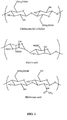
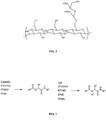

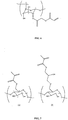
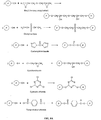
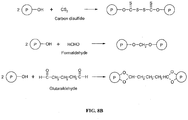


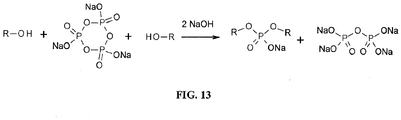
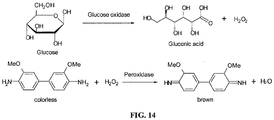


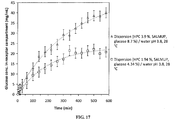


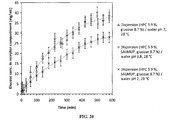
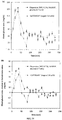

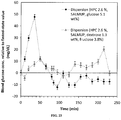
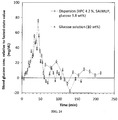
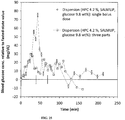


Classifications
-
- A—HUMAN NECESSITIES
- A23—FOODS OR FOODSTUFFS; TREATMENT THEREOF, NOT COVERED BY OTHER CLASSES
- A23L—FOODS, FOODSTUFFS OR NON-ALCOHOLIC BEVERAGES, NOT OTHERWISE PROVIDED FOR; PREPARATION OR TREATMENT THEREOF
- A23L33/00—Modifying nutritive qualities of foods; Dietetic products; Preparation or treatment thereof
- A23L33/10—Modifying nutritive qualities of foods; Dietetic products; Preparation or treatment thereof using additives
- A23L33/15—Vitamins
-
- A—HUMAN NECESSITIES
- A23—FOODS OR FOODSTUFFS; TREATMENT THEREOF, NOT COVERED BY OTHER CLASSES
- A23G—COCOA; COCOA PRODUCTS, e.g. CHOCOLATE; SUBSTITUTES FOR COCOA OR COCOA PRODUCTS; CONFECTIONERY; CHEWING GUM; ICE-CREAM; PREPARATION THEREOF
- A23G4/00—Chewing gum
- A23G4/06—Chewing gum characterised by the composition containing organic or inorganic compounds
-
- A—HUMAN NECESSITIES
- A23—FOODS OR FOODSTUFFS; TREATMENT THEREOF, NOT COVERED BY OTHER CLASSES
- A23L—FOODS, FOODSTUFFS OR NON-ALCOHOLIC BEVERAGES, NOT OTHERWISE PROVIDED FOR; PREPARATION OR TREATMENT THEREOF
- A23L2/00—Non-alcoholic beverages; Dry compositions or concentrates therefor; Preparation or treatment thereof
- A23L2/52—Adding ingredients
-
- A—HUMAN NECESSITIES
- A23—FOODS OR FOODSTUFFS; TREATMENT THEREOF, NOT COVERED BY OTHER CLASSES
- A23L—FOODS, FOODSTUFFS OR NON-ALCOHOLIC BEVERAGES, NOT OTHERWISE PROVIDED FOR; PREPARATION OR TREATMENT THEREOF
- A23L29/00—Foods or foodstuffs containing additives; Preparation or treatment thereof
- A23L29/20—Foods or foodstuffs containing additives; Preparation or treatment thereof containing gelling or thickening agents
- A23L29/206—Foods or foodstuffs containing additives; Preparation or treatment thereof containing gelling or thickening agents of vegetable origin
-
- A—HUMAN NECESSITIES
- A23—FOODS OR FOODSTUFFS; TREATMENT THEREOF, NOT COVERED BY OTHER CLASSES
- A23L—FOODS, FOODSTUFFS OR NON-ALCOHOLIC BEVERAGES, NOT OTHERWISE PROVIDED FOR; PREPARATION OR TREATMENT THEREOF
- A23L29/00—Foods or foodstuffs containing additives; Preparation or treatment thereof
- A23L29/20—Foods or foodstuffs containing additives; Preparation or treatment thereof containing gelling or thickening agents
- A23L29/269—Foods or foodstuffs containing additives; Preparation or treatment thereof containing gelling or thickening agents of microbial origin, e.g. xanthan or dextran
- A23L29/272—Gellan
-
- A—HUMAN NECESSITIES
- A23—FOODS OR FOODSTUFFS; TREATMENT THEREOF, NOT COVERED BY OTHER CLASSES
- A23L—FOODS, FOODSTUFFS OR NON-ALCOHOLIC BEVERAGES, NOT OTHERWISE PROVIDED FOR; PREPARATION OR TREATMENT THEREOF
- A23L29/00—Foods or foodstuffs containing additives; Preparation or treatment thereof
- A23L29/30—Foods or foodstuffs containing additives; Preparation or treatment thereof containing carbohydrate syrups; containing sugars; containing sugar alcohols, e.g. xylitol; containing starch hydrolysates, e.g. dextrin
-
- A—HUMAN NECESSITIES
- A23—FOODS OR FOODSTUFFS; TREATMENT THEREOF, NOT COVERED BY OTHER CLASSES
- A23L—FOODS, FOODSTUFFS OR NON-ALCOHOLIC BEVERAGES, NOT OTHERWISE PROVIDED FOR; PREPARATION OR TREATMENT THEREOF
- A23L33/00—Modifying nutritive qualities of foods; Dietetic products; Preparation or treatment thereof
- A23L33/10—Modifying nutritive qualities of foods; Dietetic products; Preparation or treatment thereof using additives
-
- A—HUMAN NECESSITIES
- A23—FOODS OR FOODSTUFFS; TREATMENT THEREOF, NOT COVERED BY OTHER CLASSES
- A23L—FOODS, FOODSTUFFS OR NON-ALCOHOLIC BEVERAGES, NOT OTHERWISE PROVIDED FOR; PREPARATION OR TREATMENT THEREOF
- A23L33/00—Modifying nutritive qualities of foods; Dietetic products; Preparation or treatment thereof
- A23L33/10—Modifying nutritive qualities of foods; Dietetic products; Preparation or treatment thereof using additives
- A23L33/125—Modifying nutritive qualities of foods; Dietetic products; Preparation or treatment thereof using additives containing carbohydrate syrups; containing sugars; containing sugar alcohols; containing starch hydrolysates
-
- A—HUMAN NECESSITIES
- A23—FOODS OR FOODSTUFFS; TREATMENT THEREOF, NOT COVERED BY OTHER CLASSES
- A23L—FOODS, FOODSTUFFS OR NON-ALCOHOLIC BEVERAGES, NOT OTHERWISE PROVIDED FOR; PREPARATION OR TREATMENT THEREOF
- A23L33/00—Modifying nutritive qualities of foods; Dietetic products; Preparation or treatment thereof
- A23L33/10—Modifying nutritive qualities of foods; Dietetic products; Preparation or treatment thereof using additives
- A23L33/16—Inorganic salts, minerals or trace elements
-
- A—HUMAN NECESSITIES
- A23—FOODS OR FOODSTUFFS; TREATMENT THEREOF, NOT COVERED BY OTHER CLASSES
- A23L—FOODS, FOODSTUFFS OR NON-ALCOHOLIC BEVERAGES, NOT OTHERWISE PROVIDED FOR; PREPARATION OR TREATMENT THEREOF
- A23L33/00—Modifying nutritive qualities of foods; Dietetic products; Preparation or treatment thereof
- A23L33/10—Modifying nutritive qualities of foods; Dietetic products; Preparation or treatment thereof using additives
- A23L33/17—Amino acids, peptides or proteins
- A23L33/175—Amino acids
-
- A—HUMAN NECESSITIES
- A23—FOODS OR FOODSTUFFS; TREATMENT THEREOF, NOT COVERED BY OTHER CLASSES
- A23L—FOODS, FOODSTUFFS OR NON-ALCOHOLIC BEVERAGES, NOT OTHERWISE PROVIDED FOR; PREPARATION OR TREATMENT THEREOF
- A23L33/00—Modifying nutritive qualities of foods; Dietetic products; Preparation or treatment thereof
- A23L33/20—Reducing nutritive value; Dietetic products with reduced nutritive value
- A23L33/21—Addition of substantially indigestible substances, e.g. dietary fibres
- A23L33/24—Cellulose or derivatives thereof
-
- A—HUMAN NECESSITIES
- A23—FOODS OR FOODSTUFFS; TREATMENT THEREOF, NOT COVERED BY OTHER CLASSES
- A23L—FOODS, FOODSTUFFS OR NON-ALCOHOLIC BEVERAGES, NOT OTHERWISE PROVIDED FOR; PREPARATION OR TREATMENT THEREOF
- A23L33/00—Modifying nutritive qualities of foods; Dietetic products; Preparation or treatment thereof
- A23L33/20—Reducing nutritive value; Dietetic products with reduced nutritive value
- A23L33/21—Addition of substantially indigestible substances, e.g. dietary fibres
- A23L33/25—Synthetic polymers, e.g. vinylic or acrylic polymers
-
- A—HUMAN NECESSITIES
- A23—FOODS OR FOODSTUFFS; TREATMENT THEREOF, NOT COVERED BY OTHER CLASSES
- A23L—FOODS, FOODSTUFFS OR NON-ALCOHOLIC BEVERAGES, NOT OTHERWISE PROVIDED FOR; PREPARATION OR TREATMENT THEREOF
- A23L33/00—Modifying nutritive qualities of foods; Dietetic products; Preparation or treatment thereof
- A23L33/20—Reducing nutritive value; Dietetic products with reduced nutritive value
- A23L33/21—Addition of substantially indigestible substances, e.g. dietary fibres
- A23L33/25—Synthetic polymers, e.g. vinylic or acrylic polymers
- A23L33/26—Polyol polyesters, e.g. sucrose polyesters; Synthetic sugar polymers, e.g. polydextrose
-
- A—HUMAN NECESSITIES
- A23—FOODS OR FOODSTUFFS; TREATMENT THEREOF, NOT COVERED BY OTHER CLASSES
- A23L—FOODS, FOODSTUFFS OR NON-ALCOHOLIC BEVERAGES, NOT OTHERWISE PROVIDED FOR; PREPARATION OR TREATMENT THEREOF
- A23L33/00—Modifying nutritive qualities of foods; Dietetic products; Preparation or treatment thereof
- A23L33/30—Dietetic or nutritional methods, e.g. for losing weight
-
- A—HUMAN NECESSITIES
- A23—FOODS OR FOODSTUFFS; TREATMENT THEREOF, NOT COVERED BY OTHER CLASSES
- A23L—FOODS, FOODSTUFFS OR NON-ALCOHOLIC BEVERAGES, NOT OTHERWISE PROVIDED FOR; PREPARATION OR TREATMENT THEREOF
- A23L33/00—Modifying nutritive qualities of foods; Dietetic products; Preparation or treatment thereof
- A23L33/40—Complete food formulations for specific consumer groups or specific purposes, e.g. infant formula
-
- A—HUMAN NECESSITIES
- A23—FOODS OR FOODSTUFFS; TREATMENT THEREOF, NOT COVERED BY OTHER CLASSES
- A23L—FOODS, FOODSTUFFS OR NON-ALCOHOLIC BEVERAGES, NOT OTHERWISE PROVIDED FOR; PREPARATION OR TREATMENT THEREOF
- A23L5/00—Preparation or treatment of foods or foodstuffs, in general; Food or foodstuffs obtained thereby; Materials therefor
-
- A—HUMAN NECESSITIES
- A23—FOODS OR FOODSTUFFS; TREATMENT THEREOF, NOT COVERED BY OTHER CLASSES
- A23P—SHAPING OR WORKING OF FOODSTUFFS, NOT FULLY COVERED BY A SINGLE OTHER SUBCLASS
- A23P10/00—Shaping or working of foodstuffs characterised by the products
- A23P10/20—Agglomerating; Granulating; Tabletting
- A23P10/25—Agglomeration or granulation by extrusion or by pressing, e.g. through small holes, through sieves or between surfaces
-
- A—HUMAN NECESSITIES
- A23—FOODS OR FOODSTUFFS; TREATMENT THEREOF, NOT COVERED BY OTHER CLASSES
- A23P—SHAPING OR WORKING OF FOODSTUFFS, NOT FULLY COVERED BY A SINGLE OTHER SUBCLASS
- A23P10/00—Shaping or working of foodstuffs characterised by the products
- A23P10/30—Encapsulation of particles, e.g. foodstuff additives
-
- A—HUMAN NECESSITIES
- A61—MEDICAL OR VETERINARY SCIENCE; HYGIENE
- A61P—SPECIFIC THERAPEUTIC ACTIVITY OF CHEMICAL COMPOUNDS OR MEDICINAL PREPARATIONS
- A61P3/00—Drugs for disorders of the metabolism
- A61P3/02—Nutrients, e.g. vitamins, minerals
-
- A—HUMAN NECESSITIES
- A61—MEDICAL OR VETERINARY SCIENCE; HYGIENE
- A61P—SPECIFIC THERAPEUTIC ACTIVITY OF CHEMICAL COMPOUNDS OR MEDICINAL PREPARATIONS
- A61P3/00—Drugs for disorders of the metabolism
- A61P3/08—Drugs for disorders of the metabolism for glucose homeostasis
-
- A—HUMAN NECESSITIES
- A61—MEDICAL OR VETERINARY SCIENCE; HYGIENE
- A61P—SPECIFIC THERAPEUTIC ACTIVITY OF CHEMICAL COMPOUNDS OR MEDICINAL PREPARATIONS
- A61P5/00—Drugs for disorders of the endocrine system
- A61P5/48—Drugs for disorders of the endocrine system of the pancreatic hormones
- A61P5/50—Drugs for disorders of the endocrine system of the pancreatic hormones for increasing or potentiating the activity of insulin
-
- A—HUMAN NECESSITIES
- A23—FOODS OR FOODSTUFFS; TREATMENT THEREOF, NOT COVERED BY OTHER CLASSES
- A23V—INDEXING SCHEME RELATING TO FOODS, FOODSTUFFS OR NON-ALCOHOLIC BEVERAGES AND LACTIC OR PROPIONIC ACID BACTERIA USED IN FOODSTUFFS OR FOOD PREPARATION
- A23V2002/00—Food compositions, function of food ingredients or processes for food or foodstuffs
Definitions
- the invention relates to compositions for increasing performance of athletes by providing appropriately timed release and increased absorption of nutrients including carbohydrates, amino acids, and electrolytes.
- US 5,795,606 describes a ready to eat, non-fried food made up of a cooked and hydrated carbohydrate core and a cation crosslinked polysaccharide coating which substantially reduces the core's glycemic response.
- the crosslinked polysaccharides are crosslinked using a divalent cation, e. g. calcium, as a result of which the crosslinking is ionic.
- WO 00/23064 refers to a controlled release carbohydrate embedded in a covalently cross-linked polysaccharide.
- the compositions of WO 00/23064 are typically dried.
- the present invention provides an aqueous suspension according to any of claims 1 and 4-13.
- compositions for in vivo administration which surprisingly provide an elevated and prolonged glycemic response compared to conventional food products, such as GATORADE®.
- the present invention is based upon the premise that athletic performance can be improved by providing controlled release of nutritional supplements (such as carbohydrates and electrolytes).
- nutritional supplements such as carbohydrates and electrolytes.
- the present invention also provides a method for manufacturing particles according to any of claims 2-3 and 14.
- the present invention relates to a composition
- a composition comprising nutritional supplements (such as carbohydrates, amino acids, vitamins, and/or electrolytes), which when administered to a human provides a sustained release of the nutritional supplements over an extended period of time.
- the nutritional supplements may be delivered in a sustained and extended manner for peak athletic performance and recovery.
- the composition may release the nutritional supplements so that absorption and oxidation rates of exogenous carbohydrates are increased during exercise.
- the composition releases nutritional supplements such that saturation of the SGLT1 and GLUT-5 transporters with exogenous carbohydrates is maintained during exercise.
- a composition for in vivo consumption comprises nutritional supplements; and, one or more hydrogel microparticles that encapsulate one or more nutritional supplements in accordance with the appended claims.
- the nutritional supplements may comprise carbohydrates, amino acids, vitamins, and electrolytes.
- compounds for the sustained release of the nutritional supplements may comprise one or more components selected from biodegradable polymers, bioadhesives, nanoparticles, colloidal suspensions and binders.
- the biodegradable polymers and binders may be selected from poly(lactide)s, poly(glycolide)s, poly(lactide- co -glycolide)s, poly(lactic acid)s, poly(glycolic acid)s, poly(lactic acid- co -glycolic acid)s, polycaprolactone, polycarbonates, polyesteramides, polyanhydrides, poly(amino acids), polyorthoesters, polyacetyls, polycyanoacrylates, polyetheresters, poly(dioxanone)s, poly(alkylene alkylate)s, copolymers of polyethylene glycol and polyorthoester, biodegradable polyurethanes, hydrogels, blends and copolymers thereof.
- the invention encompasses microparticles comprising hydrogels in accordance with the appended claims.
- the hydrogels comprise modified polysaccharides in accordance with the appended claims.
- the polysaccharides comprise modifications with chemical groups, namely carboxylic acid (as in carboxymethyl cellulose [ CAS no. 9000-11-7 ], and hydroxyalkyl (as in hydroxypropyl cellulose [ CAS no. 9004-64-2 ].
- Crosslinking may be performed using free radical initiators such as persulfate salts, or redox systems involving ascorbic acid, or a naturally occurring crosslinker such as genipin.
- Ionic crosslinking may also be contemplated, such as with anionic polysaccharides such as gellan.
- the invention also comprises the preparation of hydrogels in accordance with the appended claims.
- a blend of hydrophobically modified polysaccharide such as, but not limited to, hydroxypropyl cellulose and a carboxy containing polysaccharide such as, but not limited to, alginate or carboxymethyl cellulose may be used to prepare the hydrogel particles of the present invention.
- nanoparticle suspensions which may be synthesized by self-assembly of chitosan and carboxymethyl cellulose hydrolysate, wherein the polymers may be hydrolyzed with the enzymes chitosanase and cellulase, respectively.
- hydrogels which may be prepared from mixtures of acidic polysaccharides such as, but not limited to, alginates, and basic polysaccharides such as, but not limited to, oligosaccharide derivatives of chitosan; a basic polysaccharide such as, but not limited to, chitosan and anionic polysaccharide such as, but not limited to, hyaluronic acid; alginate and oxidized alginate blended with chitosan; grafted agar and sodium alginate blend with acrylamide; gellan co-crosslinked with scleroglucan; photocrosslinked modified dextran; starch reacted with glycidyl methacrylate; or polymerizable saccharide monomers, such as sucrose, created by reaction of the sugar with epoxy acrylate, or methacryloyl chloride and acetyl chloride.
- acidic polysaccharides such as, but not limited to, alginates, and basic polysaccharides
- microparticle hydrogels may be prepared using polymer self-assembly (temperature, pH, or ionic strength induced precipitation; micelle formation; colloidal precipitation because of electrostatic interactions between oppositely charged polymers) or conventional emulsification-based methods.
- the nutritional supplements are released in vivo in a sustained manner and in a concentration effective to increase exercise duration and cumulative power output potential by at least about 1% to about 50%, about 50% to about 100%, about 100% to about 500% or about 500% to about 1000% when compared to a control with no nutritional supplement ingestion pre and during exercise.
- the nutritional supplements are released in vivo in a sustained manner and in a concentration effective to increase burst energy duration and power output by about 1% to about 50%, about 50% to about 100%, about 100% to about 500% or about 500% to about 1000% when compared to a control with no nutritional supplement ingestion before and during exercise.
- the nutritional supplements are released in vivo in a sustained manner and in a concentration effective to increase burst energy duration and power output by about 1% to about 50%, about 50% to about 100%, about 100% to about 500% or about 500% to about 1000% when compared to a control with no nutritional supplement ingestion pre and during exercise.
- the nutritional supplements are released in vivo in a sustained manner and in a concentration effective to increase the number of effective burst events by at least about 1% to about 50%, about 50% to about 100%, about 100% to about 500% or about 500% to about 1000% when compared to a control with no nutritional supplement ingestion pre and during exercise.
- the nutritional supplements are released in vivo in a sustained manner and in a concentration effective to decrease the duration of recovery time between burst events by at least about 1% to about 50%, about 50% to about 100%, about 100% to about 500% or about 500% to about 1000% when compared to a control with no nutritional supplement ingestion before and during exercise.
- the nutritional supplements are released in vivo in a sustained manner and in a concentration effective to increase continuous exercise power output (watts) by about 1% to about 50%, about 50% to about 100%, about 100% to about 500% or about 500% to about 1000%, advantageously about 50% at about VO 2 62% for 90 minutes and not less than about 25% increase in high intensity (burst) exercise, about VO 2 86%, power output and duration following 90 min of continuous exercise, and increase the number of effective "burst" periods by about 100% as compared to performance when utilizing commercially available performance enhancing drinks.
- power output watts
- the compounds for sustained release of the nutritional supplements in vivo release the nutritional supplements in effective amounts and concentrations over extended periods of time to increase exercise duration and cumulative power output potential by about 1% to about 50%, about 50% to about 100%, about 100% to about 500% or about 500% to about 1000%, advantageously at least about 10% to about 70%, increase burst energy duration and power output by at least about 10% to about 70%, increase the number of effective burst events from about 10% to 100%, decreases the duration of recovery time between burst events by at least about 10% to about 100%, when compared to a control with no nutritional supplement ingestion pre and during exercise.
- the compounds for sustained release of the nutritional supplements in vivo release the nutritional supplements in effective amounts and concentrations over extended periods of time to decrease duration of recovery time between burst events by at least about 2%, about 5%, about 10%, about 20%,about 30%, about 40%, about 50%, about 60%, about 70%, about 80%, about 90% or about 100% when compared to a control with no nutritional supplement ingestion pre and during exercise.
- the compounds for sustained release of the nutritional supplements in vivo release the nutritional supplements in effective amounts and concentrations over extended periods of time to increase continuous exercise power output (watts) by about 2%, about 5%, about 10%, about 20%,about 30%, about 40%, about 50%, about 60%, about 70%, about 80%, about 90% or about 100%, advantageously about 50% at about VO 2 62% for 90 minutes and not less than about a 25% increase in high intensity (Burst) exercise, about VO 2 86%, power output and duration following 90 minutes of continuous exercise, and increase the number of effective burst periods by at least about 100% as compared to performance when utilizing commercially available performance enhancing drinks.
- continuous exercise power output watts
- compositions are formulated as a beverage, a gum, a food snack, a powder or any other consumable.
- a method of improving athletic performance and endurance comprises administering to an individual a composition comprising nutritional supplements and, compounds for sustained release of the nutritional supplements in vivo , wherein the nutritional supplements comprise carbohydrates, amino acids, vitamins, and electrolytes; and, consuming the composition wherein the compounds for sustained release of the nutritional supplements in vivo release the nutritional supplements in effective amounts and concentrations over extended periods of time to increase exercise duration and cumulative power output potential by at least about 1% to about 50%, about 50% to about 100%, about 100% to about 500% or about 500% to about 1000% about 10% to about 70%, increase burst energy duration and power output by at least about 10% to about 70%, increase the number of effective burst events from about 10% to 100%, decreases the duration of recovery time between burst events by at least about 10 to about 100%, when compared to a control with no nutritional supplement ingestion before and during exercise.
- a composition for in vivo consumption comprises one or more nutritional supplements and one or more hydrogel microparticles in accordance with the appended claims.
- the composition comprises a hydrogel.
- the nutritional supplements are selected from the group consisting of: carbohydrates, amino acids, lipids, electrolytes, and vitamins. Examples of electrolytes include sodium, potassium, magnesium, chloride, calcium, bicarbonate, phosphate, and sulfate.
- a method for manufacturing particles for time controlled and sustained release of the nutritional supplements in vivo comprises (a) heating a solution of hydroxypropyl cellulose (HPC) above a lower critical solution temperature; (b) crosslinking polymer chains to obtain microparticle hydrogels; and (c) loading the microparticle hydrogels with one or more carbohydrates in accordance with the appended claims, wherein the particles result in control over a partitioning coefficient and associated particle release and absorption kinetics.
- the one or more carbohydrates in (c) is selected from the group consisting of monosaccharides, disaccharides, polysaccharides, and combinations thereof.
- suitable carbohydrates include dextrose, fructose, galactose, sucrose, maltose, lactose, polydextrose, dextrins, corn syrup solids, starch and combinations thereof.
- the polymer chains are crosslinked with trisodium trimetaphosphate (TSTMP).
- TTMP trisodium trimetaphosphate
- the partitioning coefficient and associated particle release and absorption kinetics comprise a diffusional barrier at acidic pH for the one or more carbohydrate molecules of (c) within the particles.
- the acidic pH is less than pH 3.8.
- a composition of the invention comprises a hydrogel, wherein the hydrogel comprises a polysaccharide.
- the polysaccharide is a pH responsive polysaccharide and combinations thereof.
- suitable polysaccharides include hydroxypropyl cellulose and sodium alginate.
- a composition for in vivo consumption comprises one or more carbohydrates; and compounds for time controlled and sustained release of the carbohydrates in vivo in accordance with the appended claims.
- the composition comprises hydrogel particles.
- the hydrogel particles sequester the carbohydrates.
- the carbohydrates are relased from the hydrogel particles at a rate determined by diffusion of the carbohydrates inside the hydrogel particles.
- the hydrogel particles comprise a polysaccharide, which is a pH responsive polysaccharide.
- the polysaccharide is hydroxypropyl cellulose, or the polysaccharide is sodium alginate.
- the carbohydrate has a high glycemic index.
- the hydrogel particles according to the invention are coated with a polymer which is a pH-responsive polysaccharide.
- a composition according to the invention can sustain blood glucose concentrations above fasted state levels during rest for a longer duration than an equal volume of the composition without compounds for time controlled and sustained release of the nutritional supplements in vivo.
- a composition according to the invention can sustain blood glucose concentrations above fasted state levels during low-, moderate-, or high-intensity exercise for a longer duration than an equal volume of the composition without compounds for time controlled and sustained release of the nutritional supplements in vivo.
- in vivo administration of a composition according to the invention results in a lower insulin response than in vivo administration of the composition without compounds for time controlled and sustained release of nutritional supplements.
- in vivo administration of a composition according to the invention results in increased utilization of fat stores than in vivo administration of the composition without compounds for time controlled and sustained release of nutritional supplements.
- the present invention provides an aqueous suspension according to any of claims 1 and 4-13.
- the present invention also provides a method for manufacturing particles according to any of claims 2-3 and 14.
- the composition of the present invention provides sustained release over extended periods of time of carbohydrates and optionally other nutrients to an individual.
- carbohydrates are released from the composition in a manner which maintains maximum carbohydrate absorption and oxidation rates for a prolonged period of time.
- the maximal carbohydrate absorption rate in an individual is in a range of about 1.2 to about 1.7 g/min.
- a peak carbohydrate oxidation rate of about 1.75 g/min can be achieved, for example, when carbohydrates are administered as a blend of glucose (1.2 g/min) and fructose (0.8 g/min). See, e.g., Azevedo, J. L.
- the rate and extent of exogenous carbohydrate absorption may be limited not only by the amount of carbohydrate available but also by the maximum intestinal transport capacity for glucose and fructose.
- Intestinal transport of glucose is mediated by a sodium dependent glucose transporter (SGLT1), located in the brush-border membrane.
- SGLT1 transporters may become saturated at a glucose ingestion rate of ⁇ 1 g/min.
- Fructose on the other hand is absorbed from the intestine by GLUT-5, a sodium-independent facilitative fructose transporter.
- ingestion of a mixture of carbohydrates that have different transport mechanisms for absorption in to the blood stream simultaneously increases carbohydrate and water absorption.
- Applicants have approximated the number of calories required based on certain activity levels as indicated in Table 1.
- the energy requirement is estimated based on the weight-normalized Caloric burn rate (kcal per minute of activity per unit body mass of an individual) and the Caloric content of glucose ( ⁇ 4 kcal/g).
- the energy available from exogenous glucose oxidation is about 396 kcal. As can be seen from Table 1, this energy is insufficient to meet the total energy requirement of the listed activities.
- the present invention seeks to narrow the Caloric gap using a controlled-release nutrient formulation.
- Table 1 Energy requirement based on activity levels Competitive soccer Running (8.5 min/mile) Running (12 min/mile) Outside construction work Caloric burn rate (kcal min -1 lb -1 ) 0.0757 0.0871 0.0606 0.0417 Total energy required * (kcal) 1022 1176 818 563 Required glucose oxidation rate ⁇ (g min -1 lb -1 ) 0.0189 0.0218 0.0151 0.0104 Total glucose required * (g) 256 294 204 141 Exogenous glucose oxidized # (g) 99 99 99 99 Difference (g) 157 195 105 42 Energy obtained from exogenous glucose (kcal) 396 396 396 396 Caloric gap (kcal) 627 780 422 167 * Based on a 150-lb individual and a 90-min activity.
- ⁇ Oxidation rate of glucose that is required to sustain the Caloric burn rate reported in row 1.
- the values are estimated using the fact that 1 g of pure carbohydrate yields about 4 kcal of energy.
- # Based on an exogenous glucose oxidation rate of ⁇ 1.1 g/min, which is determined by the rate of transport of glucose (from the intestinal lumen in to the blood stream) across the intestinal epithelium.
- sustained release i.e., extended release and/or controlled release
- nutritional supplement for example carbohydrates etc., delivery system or composition that is introduced into the body of a human and that continuously releases a stream of one or more nutrients over a predetermined time period and at a level sufficient to achieve a desired effect throughout the predetermined time period.
- Reference to a continuous release stream is intended to encompass release that occurs as the result of diffusion-limited release of the component from the matrix, or biodegradation in vivo of the composition, or a matrix or component thereof, or as the result of metabolic transformation or dissolution of the added nutrients or other desired agent(s). Delayed release may be achieved by entrapping the nutrients within particulate carriers with mucoadhesive surface characteristics.
- Adhesion of the nutrient-loaded particles to intestinal mucosa will increase retention time of the particles inside the intestinal lumen, thereby providing continuous release and transport of nutrients across the epithelium into blood, beyond the normal retention time of non-adhesive composition inside the gastrointestinal tract.
- the nutritional supplement composition is in the form of a solution, suspension, gel capsule, powder, snack (e.g. a bar), granola form, or tablet.
- the "delivery" of nutrients comprises, for example, suspending the nutrients individually or in combinations in sustained release particulate microparticles; compounds which bind to the nutrients with different affinities and the like.
- the requisite volume for consumption by the individual is about 500 mL when in liquid form, however, formulations increasing and or decreasing the concentrations and amounts are contemplated.
- Examples of nutrients include, but not limited to carbohydrates, proteins, amino acids, vitamins, co-enzymes, phospholipids, minerals, and electrolytes.
- Examples of vitamins and co-enzymes that may be delivered using this invention include but are not limited to water or fat soluble vitamins such as thiamin, riboflavin, nicotinic acid, pyridoxine, pantothenic acid, biotin, flavin, choline, inositol and paraminobenzoic acid, carnitine, vitamin C, vitamin D and its analogs (such as ergocalciferol, calcitriol, doxercalciferol, and paricalcitol), vitamin A and the carotenoids, retinoic acid, vitamin E and vitamin K.
- water or fat soluble vitamins such as thiamin, riboflavin, nicotinic acid, pyridoxine, pantothenic acid, biotin, flavin, choline, inositol and paramino
- the nutritional composition comprises carbohydrates that are taken up by different receptors, e.g. SGLT and GLUT receptors.
- Suitable carbohydrates include, but are not limited to, mono-, di-and polysaccharides such as glucose, sucrose, maltose as well as more complex edible carbohydrates such as maltodextrins.
- the composition includes a blend of glucose and fructose.
- the weight ratio of glucose to fructose preferably ranges from about 1:1 to about 100:1, about 5:1 to about 95:1, about 10:1 to about 90:1, about 15:1 to about 85:1, about 20:1 to about 80:1, about 25:1 to about 75:1, about 30:1 to about 70:1, about 35:1 to about 65:1, about 40:1 to about 60:1, about 45:1 to about 55:1 or about 50:1.
- the composition includes from about 0.1 to about 99.9 wt. %, about 1 to about 99 wt. %, about 5 to about 95 wt. %, about 10 to about 90 wt. %, about 15 to about 85 wt. %, about 20 to about 80 wt.
- the composition includes amino acids.
- the amino acids may be in the form of free amino acids or peptides, and are preferably present in an amount in the range of from about 0.1 to about 99.9 wt. %, about 1 to about 99 wt. %, about 5 to about 95 wt. %, about 10 to about 90 wt. %, about 15 to about 85 wt. %, about 20 to about 80 wt. %, about 25 to about 75 wt. %, about 30 to about 70 wt. %, of carbohydrates, about 35 to about 65 wt. %, about 40 to about 60 wt. %, about 45 to about 55 wt. %, or about 50 wt. % calculated on a 100% dry matter basis of the composition.
- the peptide material can be derived from proteins of animal or plant origin and examples of such proteins are milk proteins, meat proteins, soy proteins, wheat proteins, pea proteins, rice proteins and maize proteins.
- the protein raw material is wheat gluten protein or a subtraction thereof such as gliadin.
- the term "peptide material" is understood to indicate a protein hydrolysate and may contain all types of peptides that may vary in length as well as a certain amount of free amino acids resulting from the hydrolysis.
- the protein raw material is hydrolyzed by one or more hydrolytic enzymes.
- the hydrolytic enzyme can be of animal, plant, yeast, bacterial or fungal origin.
- the preferred hydrolyzed protein material of the present invention has an average peptide chain length in the range of 1-40 amino acid residues and more preferably in the range of 1-20 amino acid residues.
- the average peptide chain can be determined using the method as described in WO 96/26266 . Further the peptide material is present in an amount of about 0.1-90 wt. %, calculated on dry matter basis of the composition.
- compositions according to the invention are vitamins, minerals, electrolytes, flavors, antioxidants, components having co-enzyme and antioxidant properties, lipids including emulsifiers, and proteins for meeting specific nutritional and/or physiological needs.
- Carbohydrates such as dextrose, fructose, and the like and combinations thereof may be present in a composition according to the invention in any desirable amount, including, for example, about 1-20 wt. % of the composition, e.g., 1 wt. %, 2 wt. %, 3 wt. %, 4 wt. %, 5 wt. %, 6 wt. %, 7 wt. %, 8 wt. %, 9 wt. %, 10 wt. %, 11 wt. %, 12 wt. %, 13 wt. %, 14 wt. %, 15 wt. %, 16 wt.
- 1-20 wt. % of the composition e.g., 1 wt. %, 2 wt. %, 3 wt. %, 4 wt. %, 5 wt. %, 6 wt. %
- compositions according to the invention include preservatives; colorants such as F.D. & C. dyes and lakes; flavorants; and sweeteners.
- Suitable preservatives include, for example, methylparaben, propylparaben, sodium benzoate, and potassium sorbate and may be present in a composition according to the invention in an amount such as, for example, about 0.0001 wt. %, about 0.001 wt. %, about 0.005 wt. %, about 0.01 wt. %, about 0.02 wt. %, about 0.03 wt. %, about 0.04 wt. %, about 0.05 wt. %, about 0.1 wt. %, about 0.5 wt. %, or greater than 0.5 wt. % of the composition.
- the nutritional composition comprises a binder and/or biodegradable polymer or mixture of biodegradable polymers with appropriate time release characteristics and release kinetics.
- the composition of the invention may then be formed into microparticles comprising the appropriate nutritional compositions suitable for providing efficacious concentrations of the compounds of the invention over a prolonged period of time without the need for frequent re-dosing.
- the composition of the present invention can be incorporated into the biodegradable polymer or polymer mixture in any suitable manner known to one of ordinary skill in the art and may form a homogeneous matrix with the biodegradable polymer.
- the nutrient supplements are present in colloidal particles.
- the colloidal particles (CP) can form a stable colloidal suspension in water and in a physiological medium.
- the CP associate with the nutrients, e.g. carbohydrates, in aqueous media by a spontaneous mechanism; and the CP release the nutrients in a physiological medium and, more precisely, in vivo.
- the release kinetics depend on the nature of the polymer that is the CP precursor.
- a protein, whose nutritional value depends on the tertiary structure of the molecule may also be delivered by this method, using biocompatible polymer hosts that will not denature the protein.
- Another preferred embodiment of the invention concerns the preparation of: selected particles; and other selected particles which are structured, submicron and capable of being used especially for carrying one or more nutrients, these particles being individualized (discrete) supramolecular arrangements that are: based on linear amphiphilic polyamino acids having peptide linkages and comprising at least two different types of hydrophilic repeating amino acids, and hydrophobic repeating amino acids, the amino acids of each type being identical to or different from one another; capable of associating at least one nutrient in colloidal suspension, in the undissolved state, and releasing it, especially in vivo in a prolonged and/or delayed manner; and stable in the aqueous phase at a pH of between 4 and 13, in the absence of surfactant(s).
- submicron structured particles capable of being used especially for carrying one or more nutrients, these particles being discrete supramolecular arrangements; capable of associating at least one nutrient in colloidal suspension, in the undissolved state, and releasing it, especially in vivo, in a prolonged and/or delayed manner; and stable in the aqueous phase at a pH of between 4 and 13, in the absence of surfactant(s).
- the composition is formulated to encapsulate the nutritional compositions in microspheres or microparticles so that it may be admixed or formulated into any form, such as a powder, a beverage, gum, nutritional food product, pill and the like.
- a “microsphere” or “microparticle”, as defined herein, includes a particle of a biocompatible solid-phase material having a diameter of about one millimeter to about one micrometer, or less, wherein the particle may contain a biologically active agent and, wherein the solid-phase material sustains the in vivo release of the nutritional compositions from the microsphere.
- a microsphere can have a spherical, non-spherical or irregular shape. The typical microsphere shape is generally spherical.
- a “biocompatible” material as defined herein; means that the material, and any degradation products of the material, is non-toxic to the recipient and also presents no significant deleterious or untoward effects on the recipient's body.
- the microspheres contain a mixture of nutritional compounds and the microsphere is composed of a biodegradable material that is released over a certain period of time.
- the nutritional compounds are formulated as such and can contain a variety of carbohydrates, amino acids, electrolytes, vitamins, etc. in differing ratios.
- the second group can contain a differing ratio of carbohydrates: amino acids: vitamins etc., or strictly different or similar carbohydrates that are released over a longer period of time to maintain a sustainable release of the nutrients.
- the formulation of the nutrients in the microspheres and the timing of release can be varied depending on the types of activity, the individual, age, weight and nutritional needs. For example, a marathon runner (sustained nutrition over long period) would have different nutritional needs to a sprinter (burst of nutrition).
- different types of carbohydrates e.g. those that are taken up by for example, SGLT transporters versus GLUT transporters are added in differing ratios at differing release rates to achieve the results as described infra.
- compositions comprise compounds which dissolve over a period of time in vivo sequentially in acid, neutral and weak alkaline regions of the gastrointestinal tract.
- these compounds include for example, an acidic polymeric dispersion coating as the first coating to prolong nutrient supplement release.
- the microparticle comprises as a core a material comprising calcium carbonate, sugar, dextrose and nonpareil seeds.
- the first coating is a material which retards rapid passage of water.
- the first coating is preferably an aqueous dispersion of poly(methacrylic acid- co -ethyl acrylate) (commercially available under the designation Eudragit L30D-55).
- the second coat is a latex acrylic polymer.
- the second coating is preferably poly(ethyl acrylate- co -methyl methacrylate- co -2-trimethylammonioethyl methacrylate chloride) (commercially available under the designation Eudragit RS-30D).
- the thickness of the second coating is established to achieve the desired time-release rate for the drug.
- the time release products are preferably substantially spherical in configuration.
- the diameter of the time release drug products typically ranges between 20 and 650 microns, between 30 and 500 microns or between 40 and 350 microns and is preferably between about 50 and 250 microns when the products are in a liquid suspension form. It is a feature of the present invention that the time release nutrient composition containing products of the present invention, because of their size, can be suspended in an aqueous medium, thereby providing a liquid suspension.
- the nutrient compositions are formulated as a time release formulation comprising: a core which can be optional; nutritional supplements bound to the core; a first coating having limited permeability to water; and a second coating, which is more permeable to water than the first coating, wherein the first and second coatings together comprise the time release components of the nutrient compositions.
- the core will generally have a diameter of about 19 to 57, about 20 to 56, about 21 to 55, about 22 to 54, about 23 to 53, about 24 to 52, about 25 to 51, about 26 to 50, about 27 to 49, about 28 to 48, about 29 to 47, about 30 to 46, or about 31 to 45 microns.
- the core is generally comprised of an inert ingredient, preferably a material selected from the group consisting of calcium carbonate, sugar, dextrose and nonpareil seeds.
- the first coating which has a limited permeability to water and which retards rapid passage of acid and water.
- This first coating will typically have a diameter of between about 1.30 and 4.60, about 1.40 and 4.50, about 1.50 and 4.40, about 1.60 and 4.30, about 1.70 and 4.20, about 1.80 and 4.10, about 1.90 and 4.00, about 2.00 and 3.90, about 2.10 and 3.80, about 2.20 and 3.70, about 2.30 and 3.60 or about 2.40 and 3.50 microns.
- the first coating is preferably an acidic polymeric dispersion coating which prolongs drug release, more preferably an aqueous dispersion of poly(methacrylic acid- co -ethyl acrylate).
- Such a polymer is commercially available under the name EUDRAGIT L30D-55.
- the core and first coating together typically have a diameter of between about 60 and 77, about 61 and 76, about 62 and 75, about 63 and 74, about 64 and 75 or about 65 and 74 microns.
- first and second coatings together comprise the time release components of the product of the present invention.
- the first and second coatings together effect time release of the orally administrable drug within an individual over a maximum period of about 12 hours.
- the thickness of the second coating can be altered to achieve the desired time release rate for the supplement. That is, the thickness of the second coating can be increased to achieve a longer period of time release in the body.
- the coatings work due to differential porosity.
- the inner coating comprised of, for example, poly(methacrylic acid- co -ethyl acrylate) is sensitive to pH.
- Nutrient transport across the inner coating is determined by the porosity and water content of the coating, both of which are determined by the different pH values within regions of the gastrointestinal tract.
- the inner coating In an acidic environment (in the stomach), the inner coating becomes relatively hydrophobic and shrinks, leading to decreased pore size and nutrient permeability.
- the pH inside the intestinal lumen is higher.
- the inner coating becomes relatively hydrophilic due to ionization, and allows faster release of nutrients from the particle cores.
- the outer coating is not pH-responsive, but can be used to control nutrient permeability by controlling the pore size.
- the present invention provides in the first and second coating porosity such that water entering the time release component will pass through the second coating more rapidly that through the first coating and the drug and water exiting the time-release component will pass through the first coating more slowly than through the second coating.
- passage through each coating is by mechanical means with the passage through the first coating being augmented by ionic interaction.
- one or more of nutrient supplements are bound or encapsulated by a particle which is stable in an aqueous environment and are released over an extended period of time once the supplements have been consumed.
- composition according to the invention may have the form of a powder, gum, a beverage or any other food product.
- a beverage according to the invention can be prepared by dissolving the above-defined ingredients in an appropriate amount of water.
- Preferably an isotonic drink has been prepared.
- concentration of the composition according to the invention in the range of about 0.10-60 wt. % calculated on the total weight of the drink.
- the formulation has a viscosity and "mouth-feel" approximately equivalent to water.
- the viscosity of the formulation can be quantified using a capillary viscometer, such as the Ubblehold viscometer, by determining the time required for the liquid to fall from one fiducial mark to another in a glass capillary [See, e.g., Pearce, E. M.; Wright, C. E.; Bordoloi, B. K. Laboratory Experiments in Polymer Synthesis and Characterization; Pennsylvania State University: University Park, 1982; p. 187 ].
- Room temperature viscosity of water is about 1 cP, while that of olive oil is about 80 cP, castor oil about 1000 cP and corn syrup about 1400 cP.
- the viscosity of fat-free milk is about 30 cP [ Vesa, T. H.; Marteau, P. R.; Briet, F. B. et al. Am. J. Clin. Nutr. 1997, 66, 123-126 ].
- the composition comprises flavoring agents which provide a variety of tastes/aromas that are pleasant, palatable and impart a feeling of confidence for adults, adolescents, and child consumers.
- consumption of the nutrient compositions increases exercise duration and cumulative power output potential by at least about 2%, about 5%, about 10%, about 20%,about 30%, about 40%, about 50%, about 60%, about 70%, about 80%, about 90% or about 100% when compared to no supplemental carbohydrate (i.e., the nutrient compositions) ingestion pre and during exercise.
- consumption of the nutrient compositions increases burst energy duration and power output by at least about 2%, about 5%, about 10%, about 20%,about 30%, about 40%, about 50%, about 60%, about 70%, about 80%, about 90% or about 100% when compared to no supplemental carbohydrate ingestion pre and during exercise.
- consumption of the nutrient compositions increases the number of effective burst events by at least about 1% to about 50%, about 50% to about 100%, about 100% to about 500% or about 500% to about 1000% when compared to no supplemental carbohydrate (i.e., the nutrient compositions) ingestion pre and during exercise.
- consumption of the nutrient compositions decreases the duration of recovery time between burst events by at least about 2%, about 5%, about 10%, about 20%,about 30%, about 40%, about 50%, about 60%, about 70%, about 80%, about 90% or about 100% when compared to no supplemental carbohydrate (i.e., the nutrient compositions) ingestion pre and during exercise.
- consumption of the nutrient compositions results in about 1% to about 50%, about 50% to about 100%, about 100% to about 500% or about 500% to about 1000% increase in continuous exercise power output (watts) at about VO 2 62% for 90 minutes and not less than about a 25% increase in high intensity (Burst) exercise, about VO 2 86%, power output and duration following 90 minutes of continuous exercise, and increase the number of effective "burst" periods by > 100% as compared to performance when utilizing as performance enhancing drinks such as GATORADE, CYTOMAX, or POWERADE.
- the yo-yo-intermittent recovery test is utilized for measuring cumulative power output potential (see, e.g., Krustrup, P.; Mohr, M.; Amstrup, T. R. et al.
- the yo-yo intermittent recovery test physiological response, reliability, and validity. Med. Sci. Sports Exerc. 2003, 35, 697-705 ).
- consumption of the nutrient compositions results in an increased sustainability in concentration, hand/eye coordination etc. during extended exercise. Tests of this nature are known in the art and anyone or more can be utilized. See, for example, U.S. Patent No. 7,300,365 . This would translate into improved athletic performance but also aid promotion for non-athletic, academic and or work, performance uses.
- consumption of the nutrient compositions results in improved concentration and brain function as compared to no supplemental carbohydrate (i.e., the nutrient compositions) ingestion.
- consumption of the nutrient compositions is expected to result in improved and stabilized blood glucose concentration and is therefore a beneficial beverage or food alternative for individuals with diabetes.
- compositions are packaged for accessibility during longer periods of athletic exertion (e.g., a marathon) or when immediate energy and associated supplements are required, the product comprising the nutrients is in a solid or gel from which is wearable, yet protected, on the person in a ready to consume form.
- the nutritional composition is packaged so that it is easily handled and stored in backpacks, duffle bags, pockets, etc.
- the packaging is environmentally friendly.
- the nutritional compositions are admixed with a biodegradable binder or encapsulated within a biodegradable microsphere which allows for sustained release of desired carbohydrates and other nutrients.
- Biodegradable as defined herein, means the polymer will degrade or erode in vivo to form smaller chemical species. Degradation can result, for example, by enzymatic, chemical and/or physical processes.
- Suitable biocompatible, biodegradable polymers include, for example, polysaccharides, poly(lactide)s, poly(glycolide)s, poly(lactide-co-glycolide)s, poly(lactic acid)s, poly(glycolic acid)s, poly(lactic acid- co -glycolic acid)s, polycaprolactone, polycarbonates, polyesteramides, polyanhydrides, poly(amino acids), polyorthoesters, polyacetyls, polycyanoacrylates, polyetheresters, poly(dioxanone)s, poly(alkylene alkylate)s, copolymers of polyethylene glycol and polyorthoester, biodegradable polyurethanes, hydrogels, blends and copolymers thereof.
- Biocompatible, non-biodegradable polymers suitable for the methods and compositions of the present invention include non-biodegradable polymers selected from the group consisting of polyacrylates, polymethacrylates, polymers of ethylene-vinyl acetates and other acyl substituted cellulose acetates, non-degradable polyurethanes, polystyrenes, polyvinyl chloride, polyvinyl fluoride, poly(vinyl imidazole), chlorosulphonate polyolefins, polyethylene oxide, hydrogels, blends and copolymers thereof.
- non-biodegradable polymers selected from the group consisting of polyacrylates, polymethacrylates, polymers of ethylene-vinyl acetates and other acyl substituted cellulose acetates, non-degradable polyurethanes, polystyrenes, polyvinyl chloride, polyvinyl fluoride, poly(vinyl imidazole), chlorosulphonate polyole
- hydrogels are used in the sustained release of the nutritional supplements.
- Physical polymeric hydrogels have been widely explored for biomaterials applications. Examples include hydrogels formed by complexation of enantiomeric polymer or polypeptide segments and hydrogels with temperature- or pH-sensitive properties. They attract special attention for sustained drug delivery because of the mild and aqueous conditions involved in trapping delicate bioactive agents such as proteins.
- in situ formed hydrogels formed from thermosensitive block copolymers, have also been proposed as sustained release matrices for drugs. They have the advantage that there is no chemical reaction involved in the gel formation.
- These copolymer hydrogels are usually designed for macromolecular drugs such as proteins and hormones.
- the polymer is in an aqueous solution, which forms a hydrogel.
- suitable aqueous polymer solutions contain about 1% to about 80%, about 2% to about 75%, about 3% to about 70%, about 4% to about 65%, about 3% to about 70%, about 4% to about 65%, about 5% to about 60%, about 6% to about 55%, about 7% to about 50%, about 8% to about 45%, about 9% to about 42% polymer, preferably about 10% to about 40% polymer.
- Suitable hydrogels can also contain about 1 % to about 20%, about 2 % to about 19%, about 3 % to about 18%, about 4 % to about 17% cyclodextrin (w/w) (based on the weight of total solution), preferably about 5% to 15% cyclodextrin, to solubilize nutrients that have limited water solubility.
- the hydrogel is typically formed using an aqueous carrier fluid.
- typical aqueous solutions contain about 1% to about 80%, about 2% to about 75%, about 3% to about 70%, about 4% to about 65%, about 3% to about 70%, about 4% to about 65%, about 5% to about 60%, about 6% to about 55%, about 7% to about 50%, about 8% to about 45%, about 9% to about 42% polymer, preferably about 10% to about 40% polymer.
- the hydrogel composition may also contain a secondary polymer, which may complex with the nutrient, conjugate the nutrient, or both.
- the secondary polymer may suitably be a polyester, polyurethane, polyamide, polyether, polysaccharide, poly(amino acid), polypeptide, or a protein.
- the secondary polymer is a di- or mono-functional polymer or polyionic polymer with poly(ethylene glycol) segments.
- the hydrogel formulations act not only as a matrix but also a carrier of the nutritional supplements. This means that the nutritional supplements, e.g.
- a secondary polymer may also be used to alter the properties, such as porosity and viscosity, of the hydrogel matrix.
- the properties of the hydrogels are tunable by using different polymer block molecular weights, by adjusting the cyclodextrin content, and through the use of secondary polymers.
- the hydrogel may be adjusted to be a more flexible hydrogel or a more rigid hydrogel.
- the hydrogel structure can be tailored to have variable viscosity and longer or shorter drug release rates.
- the degree of hydrophobicity of the poly(hydroxyalkanoate) can also be selected for a desired sustained release rate.
- the duration of extended release is dependent on the molecular weights of the block polymers, particularly the molecular weight of the hydrophobic poly(hydroxyalkanoate) section (e.g., PHB).
- the release rate may be altered in accordance with the invention to achieve a desired duration of response by selecting: a particular poly(hydroxyalkanoate); the stereo-isomeric state of the selected poly(hydroxyalkanoate); the molecular weight of the selected poly(hydroxyalkanoate); and the relative quantity of cyclodextrin used in the hydrogel, to achieve a desired duration and rate of sustained release.
- hydrophilic poly(alkylene oxide) also impacts the sustained release kinetics, but to a lesser extent than the hydrophobic poly(hydroxyalkanoate) component.
- Secondary polymers may also be utilized to change the release kinetics.
- Hydrogels can provide sustained release over a period of one or more days by adjustment of the molecular weights of the block polymers and the copolymer, as well as the cyclodextrin content within the hydrogel of the present invention and the potential use of secondary polymers.
- Microencapsulation of components of the nutritional supplement in biodegradable polymers such as polylactide-polyglycolide is also contemplated. Depending on the ratio of component to polymer, and the nature of the particular polymer employed, the rate of component release may be sustained. Examples of other biodegradable polymers include poly(orthoester)s and poly(anhydride)s.
- the formulations are also prepared by entrapping the component in liposomes or microemulsions which are compatible with body tissue.
- polyesters may be blocked, unblocked or a blend of blocked and unblocked polymers.
- a blocked polyester is as classically defined in the art, specifically having blocked carboxyl end groups.
- the blocking group is derived from the initiator of the polymerization and is typically an alkyl group.
- An unblocked polyester is as classically defined in the art, specifically having free carboxyl end groups.
- blends of polysaccharides are utilized to synthesize aqueous dispersions of microparticles or nanonparticles.
- the polysaccharides are hydrophobically modified polysaccharides wherein the polysaccharides form interpenetrating polymer networks.
- the polysaccharides contain carboxylic acid groups, such as, but not limited to, the polysaccharides of FIG. 1 .
- the carboxy containing hydrogel particles are in a collapsed state in the acidic environment of the stomach. Hence, the encapsulated sugar molecules are retained within the particles in the stomach.
- the hydrogel particles will achieve an expanded state when they reach the small intestine (pH 5-7), and will release the encapsulated sugar at a rate faster than that in the stomach.
- a key feature of the proposed polysaccharide hydrogels is their pH responsiveness. Ideally, the hydrogels should not swell in the acidic environment of the stomach, but should swell upon entry into the small intestine and release the encapsulated sugars at a controlled rate.
- the carbohydrates of the present invention are controlled release particles dispersed in an aqueous medium, but may also be stored in a solid particulate form.
- the hydrogels comprise hydrophobized polysaccharides.
- Polysaccharides may be functionalized with hydrophobes such as cholesterol.
- hydrophobes such as cholesterol.
- polysaccharides such as, but not limited to, pullulan, dextran and mannan may be partly substituted by various hydrophobic groups such as, but not limited to, long alkyl chains and cholesterol.
- nanoparticles or microparticles which may comprise modified starch molecules with grafted fatty acid moieties.
- the fatty acid may be grafted on to starch using potassium persulfate, for example, as a catalyst.
- a surface-modification of nanoscale starch particles using, for example, stearic acid chloride (a hydrophobe), poly(ethylene glycol) or methyl ether (a hydrophilic molecule).
- the modified starch may be an acryloyl-modified starch or an acryloyl-modified hydroxyethyl starch.
- the polysaccharide was first derivatized to introduce aldehydic or carboxylic groups on the side chain. These groups were then crosslinked to produce more stable three-dimensional networks.
- the particles are crosslinked to form hydrogels.
- Crosslinking may be performed using free radical initiators such as persulfate salts, or redox systems involving ascorbic acid, or a naturally occurring crosslinker such as genipin.
- Ionic crosslinking is also explored.
- Anionic polysaccharides such as gellan can be used for ionic crosslinking, instead of chemicals such as borax which may not be desirable in a food formulation.
- the present invention further relates to the preparation of hydrogels.
- a blend of hydrophobically modified polysaccharide such as, but not limited to, hydroxypropyl cellulose and a carboxy containing polysaccharide such as, but not limited to, alginate or carboxymethyl cellulose may be used to prepare the hydrogel particles of the present invention.
- suitable alginates include sodium alginate polymers (e.g., sodium alginate NF, F-200, SAHMUP and sodium alginate NF, SALMUP), which may be present in a composition according to the invention in an amount of e.g., about 0.01 wt. % to about 1.0 wt. % of the composition.
- Nanoparticle suspensions may be synthesized by self-assembly of chitosan and carboxymethyl cellulose hydrolysates.
- the polymers are hydrolyzed with the enzymes chitosanase and cellulase, respectively. Electrostatic interactions between the carboxylate groups of carboxymethyl cellulose with the amino groups of chitosan result in spontaneous formation of nanoparticles by mixing solutions of the two polymers. Particle size depended on the mixing ratio of the solutions, and also by the molecular weight of the polymers. It was necessary to hydrolyze the polymers and lower the molecular weight before mixing in order to prevent the formation of macroscopic gel.
- hydrogels may be prepared from mixtures of acidic polysaccharides such as, but not limited to, alginates, and basic polysaccharides such as, but not limited to, oligosaccharide derivatives of chitosan; a basic polysaccharide such as, but not limited to, chitosan and anionic polysaccharide such as, but not limited to, hyaluronic acid; alginate and oxidized alginate blended with chitosan; grafted agar and sodium alginate blend with acrylamide; gellan co-crosslinked with scleroglucan; photocrosslinked modified dextran; starch reacted with glycidyl methacrylate; or polymerizable saccharide monomers, such as sucrose, created by reaction of the sugar with epoxy acrylate, or methacryloyl chloride and acetyl chloride.
- acidic polysaccharides such as, but not limited to, alginates, and basic polysaccharides such
- Crosslinking of polysaccharides containing hydroxyl groups can be achieved using a variety of reagents including bis-epoxides, divinyl sulfone, N , N '-carbonyldiimidazole, cyanuric chloride, terephthaloyl chloride, carbon disulfide, formaldehyde, and glutaraldehyde as shown in FIGS. 8A and 8B [ Park, H.; Park, K.; Shalaby, W. S. W. Biodegradable Hydrogels for Drug Delivery, Technomic Publishing Company: Lancaster, PA, 1993 ].
- Crosslinking to form macroscopic hydrogels may be readily achieved using these reagents.
- Kabra et al. [ Kabra, B. G.; Gehrke, S. H.; Spontak, R. J. Microporous, responsive hydroxypropyl cellulose gels. 1. Synthesis and microstructure. Macromolecules 1998, 31, 2166-2173 ] have used divinyl sulfone crosslinker to prepare macrogels of hydroxypropyl cellulose.
- the synthesis of hydrogel nano- or microparticles requires careful selection of reaction conditions to prevent precipitation (due to colloidal instability) or macrogel formation.
- FIG. 9 The difference between a macrogel and a colloidally-stable microgel suspension is evident from the photographs of two crosslinked samples of hydroxypropyl cellulose polymer, shown in FIG. 9 .
- Both the vials shown in FIG. 9 contain about 4 % (w/v) of hydroxypropyl cellulose in water.
- the vial labeled '1' shows a macrogel, while the vial labeled '2' contains a colloidally stable microgel suspension of hydroxypropyl cellulose
- the polysaccharide concentration has been kept fairly low (below about 1 wt %) in the crosslinking reactions.
- FIGS. 8A and 8B depict crosslinking of polysaccharides containing hydroxyl groups.
- P represents a polysaccharide segment.
- Covalent-crosslinking is expected to impart greater stability (against premature disintegration) to the hydrogel spheres, in the wide range of pH and ionic strength conditions that are encountered in the GI tract, than ionically-crosslinked hydrogels.
- trisodium metaphosphate is used as the crosslinking agent, covalent-crosslinks are formed.
- the release rate of nutrients is tuned by controlling the crosslink density of the microspheres. More importantly, the release rate depends on the concentration of the nutrients outside the particles, in the aqueous phase of the suspension.
- Applicants' dispersions contain a relatively high sugar concentration in the aqueous phase. Diffusion of nutrients from the hydrogel microparticles occurs only when the nutrients get depleted from the aqueous phase.
- the particles act as reservoirs of sugar and supply nutrients within the intestinal lumen over a time period significantly beyond the duration reported in the study using ionically-crosslinked alginate beads ( ⁇ 50 min)
- the nutrients dissolved in the aqueous phase will be initially absorbed across the intestinal ephithelium.
- the microparticles release entrapped nutrients at low rates initially (because of low concentration gradient), and at a faster rate when the aqueous phase nutrients are depleted (because of a greater concentration difference).
- Acceptable molecular weights for polymers used in the present invention may be determined by a person of ordinary skill in the art accounting for factors such as the desired polymer degradation rate, physical properties such as mechanical strength and rate of dissolution of polymer in solvent.
- an acceptable range of molecular weights is of about 2,000 Daltons to about 2,000,000 Daltons, about 3,000 Daltons to about 1,900,000 Daltons, about 4,000 Daltons to about 1,800,000 Daltons, about 5,000 Daltons to about 1,700,000 Daltons, about 6,000 Daltons to about 1,600,000 Daltons, about 7,000 Daltons to about 1,500,000 Daltons, about 8,000 Daltons to about 1,400,000 Daltons, about 9,000 Daltons to about 1,300,000 Daltons, about 10,000 Daltons to about 1,200,000 Daltons, about 12,000 Daltons to about 1,100,000 Daltons, about 13,000 Daltons to about 1,000,000 Daltons, about 14,000 Daltons to about 900,000 Daltons, about 15,000 Daltons to about 800,000 Daltons, about 16,000 Daltons to about 700,000 Daltons, about
- the nutritional supplements are encapsulated in microparticles or microspheres.
- These particles optionally comprise surfactants such as a cationic or anionic surfactant that is entrapped and fixed to the particle surface.
- surfactants such as a cationic or anionic surfactant that is entrapped and fixed to the particle surface.
- the bioadhesive properties of the microparticles are attributed to the charged surfactants entrapped on the particle surface as the hydrophobic ends of the surfactants are embedded in the solid core and the hydrophilic ends are exposed on the surface of the microparticles.
- Bioadhesive substances also denoted mucoadhesive substances, are generally known to be materials that are capable of being bound to a biological membrane and retained on that membrane for an extended period of time.
- bioadhesive controlled release systems have the following advantages: i) a bioadhesive controlled release system localizes a biological active ingredient in a particular region, thereby improving and enhancing the bioavailability for active ingredients which may have poor bioavailability by themselves, ii) a bioadhesive controlled release system leads to a relatively strong interaction between a bioadhesive substance and a mucosa, such an interaction contributes to an increasing contact time between the controlled release system and the tissue in question and permits localization of the active released from the controlled release system to a specific site, iii) a bioadhesive controlled release system prolongs delivery of biological active ingredients in almost any non-parenteral route, iv) a bioadhesive controlled release system can be local
- the microparticles can also include at least one co-surfactant.
- the co-surfactant can be a natural biologically compatible surfactant or a pharmaceutically acceptable non-natural surfactant.
- the co-surfactant assists in maintaining particles within the desired size range and preventing their aggregation.
- the co-surfactant comprises less than about 5%, less than about 4%, less than about 3%, less than about 2%, preferably less than about 1%, less than about 0.9%, less than about 0.8%, less than about 0.7%, less than about 0.6%, less than about 0.5%, less than about 0.4%, less than about 0.3%, less than about 0.2% and more preferably less than about 0.1 % by weight of the particle.
- the microparticles are preferably formed as an aqueous continuous phase suspending a colloidal phase of submicron particles.
- the aqueous continuous phase of the particle suspension can contain antioxidants, preservatives, microbicides, buffers, osmoticants, cryoprotectants, and other known pharmaceutically useful additives or solutes.
- the microparticles sustain the release rate of nutritional supplements for an extended period of time.
- the micro particles sustain the release of nutritional supplements for a period between about 1 minute and twelve hours.
- the kinetics of nutrient-release may be any of the following: (i) a steady-state or zero-order release rate in which there is a substantially uniform rate of release throughout; (ii) a first-order release rate in which the rate of release declines towards zero with time; and (iii) a delayed release in which the initial rate is slow, but then increases with time.
- bioadhesion relates to the attachment of a material to a biological substrate such as a biological membrane.
- macoadhesive substance is in accordance with the generally accepted terminology and is used synonymously with the term "a bioadhesive substance”.
- a cationic surfactant is incorporated on an outer surface of the microparticle to form a bioadhesive microparticle.
- the surfactant is entrapped and fixed to the particle surface and forms a coating at the interface surrounding the particle core.
- the interface surrounding the core is hydrophobic.
- the cationic surfactant also stabilizes the outer surface of the hydrophobic core component of the microparticles, thereby promoting a more uniform particle size.
- Examples of surface active materials that are capable of strong bonding to the negatively charged and hydrophilic surfaces of tissues are preferable for use as cationic charged surfactants.
- Suitable surface active materials include straight-chain alkylammonium compounds, cyclic alkylammonium compounds, petroleum derived cationics, and polymeric cationic materials.
- Cetylpyridinium chloride was found to exhibit strong bioadhesive properties on biological surfaces, and is a preferred surface active material.
- the surfactant is present in a proportion of about 0.01% to about 5%, preferably about 0.05% to about 2%, by weight of the suspension.
- Straight-chain alkylammonium compounds are cationic surface active materials in which one or more hydrophobic alkyl groups are linked to a cationic nitrogen atom.
- the cationic surface active material can contain more than one cationic nitrogen atom such as the class of compounds of R-NHCH 2 CH 2 CH 2 NH 2 and derivatives thereof.
- Suitable compounds for the cationic surfactant include, but are not limited to: cetyl trimethylammonium chloride (CTAB), hexadecyltrimethylammonium bromide (HDTAB), stearyl dimethylbenzylammonium chloride, lauryl dimethylbenzylammonium chloride, cetyl dimethylethylammonium halide, cetyl dimethylbenzylammonium halide, cetyl trimethylammonium halide, dodecyl ethyldimethylammonium halide, lauryl trimethylammonium halide, coconut alkyltrimethylammonium halide, and C8-C20 N , N- dialkyldimethylammonium halide.
- CAB cetyl trimethylammonium chloride
- HDTAB hexadecyltrimethylammonium bromide
- stearyl dimethylbenzylammonium chloride lauryl dimethylbenzyl
- Suitable compounds for the cationic surfactant include, but are not limited to, bis(hydrogenated tallow alkyl) dimethylammonium chloride which is known to adsorb onto the surface with hydrophobic groups oriented away from it, 2-hydroxydodecyl-2-hydroxyethyl dimethyl ammonium chloride [CAS no. xx] and N-octadecyl-N,N ' ,N ' -tris-(2- hydroxyethyl)-1,3-diaminopropane dihydrofluoride [ CAS no. 6818-37-7 ].
- cationic surfactant examples include laurylpyridinium chloride, bromide laurylpyridinium, tetradecylpyridinium bromide, and cetylpyridinium halide where the halide is selected from chloride, bromide or fluoride.
- Polymeric amines which can be used as the cationic surfactant comprise a class of polymers containing ionic groups along the backbone chain and exhibit properties of both electrolytes and polymers. These materials contain nitrogen, of primary, secondary, tertiary or quaternary functionality in their backbone and may have weight average molecular weights as low as about 100 or higher than about 100,000.
- Suitable polymeric amines useful as a cationic surfactant include, but are not limited to, polydimeryl polyamine available from General Mills Chemical Co., polyamide, polyacrylamides, polydiallyldimethylammonium chloride, polyhexamethylene biguanide compounds, and also other biguanides, for example those disclosed in U.S. Pat. Nos.
- 1,5-dimethyl-1,5-diazaundecamethylene polymethobromide such as "Polybrene” manufactured by Aldrich, polyvinylpyrrolidone and their derivatives, polypeptides, poly(allylamine) hydrochloride, polyoxyethylenated amines, and polyethyleneimine, such as "Polymin” manufactured by BASF.
- Suitable polymeric materials for the cationic surfactant also include surface active cationic polymers prepared by converting a fraction of the amino groups to their acyl derivatives.
- the polyethyleneimine is first condensed with less than the stoichiometric quantity of acid halides thus alkylating some of the amino groups and the remaining amino groups are then condensed with hydrogen halides such as hydrogen chloride or, preferably, hydrogen fluoride.
- hydrogen halides such as hydrogen chloride or, preferably, hydrogen fluoride.
- the surface activity of these compounds varies with the number of amino groups which are acylated and with the chain length of the acylating group RCO.
- the condensation reaction can be performed with stearic or oleic acid chlorides in the presence of a solvent containing metal fluoride, preferably silver fluoride, in such a manner that metal chloride formed in the reaction precipitates from the solvent.
- cationic derivatives of polysaccharides such as dextran, starch or cellulose, for example, diethylaminoethyl cellulose.
- polysaccharides such as dextran, starch or cellulose, for example, diethylaminoethyl cellulose.
- Examples of applicable copolymers based on acrylamide and a cationic monomer are available from Hercules Inc. under the trade name RETEN including RETEN 220, or from National Adhesives under the trade name FLOC AID including FLOC AID 305.
- Other useful acrylamide-based polyelectrolytes are available from Allied Colloids under the trade name PERCOL.
- suitable materials are cationic guar derivatives such as those sold under the trade name JAGUAR by Celanese-Hall.
- the microparticles comprise a hydrophobic core which is preferably formed of a biodegradable hydrophobic materials having barrier properties.
- Suitable, nontoxic, pharmaceutical solid core materials are inert hydrophobic biocompatible materials with a melting range between about 50 °C and about 120 °C, between about 60 °C and about 110 °C, between about 70 °C and about 100 °C or between about 80 °C and about 90 °C.
- Examples include, but are not limited to, natural, regenerated, or synthetic waxes including: animal waxes, such as beeswax; lanolin and shellac wax; vegetable waxes such as carnauba, candelilla, sugar cane, rice bran, and bayberry wax; mineral waxes such as petroleum waxes including paraffin and microcrystalline wax; cholesterol; fatty acid esters such as ethyl stearate, isopropyl myristate, and isopropyl palmitate; high molecular weight fatty alcohols such as cetostearyl alcohol, cetyl alcohol, stearyl alcohol, and oleyl alcohol; solid hydrogenated castor and vegetable oils; hard paraffins; hard fats; biodegradable polymers such as polycaprolactone, polyamides, polyanhydrides, polycarbonates, polyorthoesters, polylactic acids, and copolymers of lactic acid and glycolic acid; cellulose derivatives and mixtures thereof.
- animal waxes such as be
- hydrophobic compounds which may be used in the present invention include triglycerides, preferably of food grade purity or better, which may be produced by synthesis or by isolation from natural sources.
- Natural sources may include animal fat or vegetable oil, such as, soy oil, a source of long chain triglycerides (LCT).
- LCT long chain triglycerides
- suitable triglycerides are composed predominantly of medium length fatty acids (C10-C18), denoted medium chain triglycerides (MCT).
- MCT medium chain triglycerides
- the fatty acid moieties of such triglycerides can be unsaturated, monounsaturated or polyunsaturated. Mixtures of triglycerides having various fatty acid moieties are also useful for the present invention.
- the core can comprise a single hydrophobic compound or a mixture of hydrophobic compounds.
- Hydrophobic materials are known to those skilled in the art and are commercially available, as described in the list of suitable carrier materials in Martindale, The Extra Pharmacopoeia, 28th ed.; The Pharmaceutical Press: London, 1982; pp 1063-1072 . Considerations in the selection of the core material include good barrier properties to the active ingredients and sensory markers, low toxicity and irritancy, biocompatibility, stability, and high loading capacity for the active ingredients of interest.
- Co-surfactants can be formed of natural compounds or nonnatural compounds.
- natural compounds are phospholipids and cholates.
- nonnatural compounds include: polysorbates, which are fatty acid esters of polyethoxylated sorbitol sold by Unigema surfactants as Tween; polyethylene glycol esters of fatty acids from sources such as castor oil; polyethoxylated fatty acid, such as stearic acid; polyethoxylated isooctylphenol / formaldehyde polymer; poloxamers, such as, poly(oxyethylene)poly(oxypropylene) block copolymers available from BASF as Pluronic; polyoxyethylene fatty alcohol ethers available from ICI surfactants as Brij; polyoxyethylene nonylphenyl ethers sold by Union Carbide as Triton N; polyoxyethylene isooctyl
- Particularly suitable surfactants include phospholipids, which are highly biocompatible.
- phospholipids are phosphatidylcholines (lecithins), such as soy or egg lecithin.
- Other suitable phospholipids include phosphatidylglycerol, phosphatidylinositol, phosphatidylserine, phosphatidic acid, cardiolipin, and phosphatidylethanolamine.
- the phospholipids may be isolated from natural sources or prepared by synthesis. Phospholipid surfactants are believed to usually form a single monolayer coating of the hydrophobic core.
- the co-surfactant can be present in an amount less than about 5%, preferably less than about 1%, and more preferably less than about 0.1 %, relative to the weight of hydrophobic core component. In some embodiments, one or more co-surfactants can be used.
- the nutritional supplements comprise compounds which modulate uptake of carbohydrates.
- chromium and vanadium either individually, or preferably in concert modulate sugar transport (e.g., glucose transport) by typically slowing glucose absorption.
- Slower glucose absorption slows insulin release and reduces excessive insulin responses in response to rising blood glucose levels after a meal.
- pancreatic secretion of insulin by reducing both the glucose load and rate of glucose load over the initial phases of glucose detection, absorption and metabolism by the body. Reduced rates of glucose loading reduce the stress on beta cells normally associated with the insulin response to rising glucose.
- slower or modulated glucose absorption permits more time for insulin to stimulate normal sugar metabolic routes either before glucose loading is complete, or during a slower rate of glucose loading.
- chromium and vanadium may potentially slow glucose metabolism by interacting with the intestine, particularly the epithelium of the intestine responsible for sugar metabolism (including absorption).
- One primary mechanism for sugar transport in the gut is sodium facilitated sugar transport.
- Such transporters are located in the lumenal membrane of the epithelium.
- the basolateral membrane may also have an additional sugar transporter that facilitates transport out the cell and into the blood.
- sodium facilitated sugar transport generally requires a sodium concentration favorable to the diffusion of sodium into the epithelium cell from the lumen.
- This concentration gradient is largely generated by the active transport of the Na/K ATPase in the epithelium cells, which generally transports three sodium atoms out of the cell to the blood side of the epithelium in exchange for two sodium atoms in the reverse direction.
- Each cycle of the pump requires hydrolysis of one ATP to transport sodium and potassium against their respective concentration gradients.
- the hydrolysis reaction requires a divalent cation, typically magnesium. In many instances, however other divalent cations may substitute or enter into the hydrolysis reaction with varying degrees of catalytic activity or inhibition. Substitution of trivalent cations for divalent cations in the cycle generally leads to significant inhibition of the pumping activity and/or dephosphorylation from the phosphoenzyme intermediate state.
- Chromium may thus inhibit the Na/K ATPase activity by substituting for magnesium and thereby inhibiting, relative to magnesium, catalytic and transport activity, giving rise to a decreased sodium gradient across the lumenal membrane.
- the reduced gradient effects sugar transport by reducing the thermodynamic and kinetic forces favoring sugar entry from the gut.
- a phosphoenzyme intermediate is formed between phosphate and an aspartic acid at the active site of APTase.
- This covalent EP is transient and is chemically distinct from phosphorylated proteins associated with kinases and phosphatases, which have also been shown to be affected by vanadium.
- Formation of EP in the catalytic cycle for Na/K ATPase is inhibited by vanadate present at low concentrations of less than 1 micromolar. Vanadate binds to the active site as a transition state analog of phosphate in a vanadyl-enzyme, or EV complex, rather than EP.
- the EV complex is highly stable, as the kinetics of loss of vanadate from the EV complex is relatively slow. Vanadate may thus effectively inhibit the Na/K ATPase by disrupting catalysis, through the formation of EV, giving rise to a decreased sodium gradient across the lumenal membrane. Consequently, the reduced gradient reduces sugar entry from the intestine.
- Chromium and vanadium also operate at the systemic level after absorption of the two transition metals from the gut.
- Major sites of activity include the liver, muscle and adipose tissue.
- Vanadium may have particular activity with respect to phosphorylation systems, including the many phosphorylated proteins responsible for modulating metabolism.
- Chromium may also modulate metabolism at the cellular level. These systemic effects generally improve the action of insulin and/or metabolic pathways associated with sugar and/or lipid metabolism.
- features of the alimentary tract may affect how compositions of the present invention, and methods of using the same, are utilized when ingested orally.
- the elements of the alimentary tract, including the gastrointestinal tract, may affect the dosage required for any such modality. Such features are well known to those of skill in the art.
- the nutritional compositions are formulated into unit dosage forms such as tablets, caplets, powder, granules, beads, chewable lozenges, capsules, liquids, aqueous suspensions or solutions or similar dosage forms, using conventional equipment and techniques known in the art.
- Such formulations typically include a solid, semisolid, or liquid carrier.
- Exemplar carriers include lactose, dextrose, sucrose, sorbitol, mannitol, sutarches, gum acacia, calcium phosphate, mineral oil, cocoa butter, oil of theobroma, alginates, tragacanth, gelatin syrup, methyl cellulose, polyoxyethylene sorbitan monolaurate, methyl hydroxybenzoate, propyl hydroxybenzoate, talc, magnesium stearate, and the like.
- formulations suitable for oral administration may be in the form of capsules, cachets, pills, tablets, lozenges (using a flavored basis, usually sucrose and acacia or tragacanth), powders, granules, or as a solution or a suspension in an aqueous or non-aqueous liquid, or as an oil-in-water or water-in-oil liquid emulsion, or as an elixir or syrup, or as pastilles (using an inert base, such as gelatin and glycerin, or sucrose and acacia), each containing a predetermined amount of a supplement or components thereof as an active ingredient.
- a supplement or components thereof may also be administered as a bolus, electuary, or paste.
- the nutritional supplements are provided in beverages.
- the beverages of this invention can be carbonated beverages e.g., flavored seltzer waters, soft drinks or mineral drinks, as well as non-carbonated juices, punches and concentrated forms of these beverages. Beverages, especially juice and cola beverages, which are carbonated in the manner of soft drinks, as well as "still” beverages and nectars and full-strength beverages or beverage concentrates which contain at least about 45 % by weight of juice are also contemplated.
- the fruit juices and fruit flavors used here in include grape, pear, passion fruit, pineapple, banana or banana puree, apricot, orange, lemon, grapefruit, apple, cranberry, tomtato, mango, papaya, lime, tangerine, cherry, raspberry, carrot and mixtures thereof.
- artificial flavors e.g. cola, or natural flavors derived from these juices can be used in the beverages.
- chocolate flavors and other non-fruit flavors can also be used to make beverages containing the vitamin and mineral supplement.
- milk obtained from cows or synthetic, is a contemplated beverage to which the powder compositions of this invention can be added.
- the milk may itself include other beverage components, in particular flavors such as chocolate, coffee, or strawberry.
- juice product refers to both fruit and vegetable juice beverages and fruit and vegetable juice concentrates which comprise at least about 45% fruit juice.
- Vegetable when used herein includes both nonfruit edible plant parts such as tubers, leaves, rinds, and also if not otherwise indicated, any grains, nuts, beans, and sprouts which are provided as juices or beverage flavorings.
- sport beverages can be supplemented by the powder compositions of the present invention.
- Typical sport beverages contain water, sucrose syrup, glucose-fructose syrup, and natural or artificial flavors. These beverages can also contain citric acid, sodium citrate, monopotassium phosphate, as well as other materials which are useful in replenishing electrolytes lost during perspiration.
- Tables 2 and 3 depict components of representative sports and energy drink products.
- Table 2 Representative energy drink products. The ' ⁇ ' indicates that an unspecified amount of the ingredient is present in the formulation.
- Juice beverage refers to a fruit or vegetable juice product which is in a single-strength, ready-to-serve, drinkable form.
- Juice beverages of the present invention can be of the "full-strength" type which typically comprise at least about 95% juice.
- Full strength juice beverages also include those products of 100% juice such as, for example, orange, lemon, apple, raspberry, cherry, apricot, pear, grapefruit, grape, lime, tangerine, carrot, pineapple, melon, mango, papaya, passion fruit, banana and banana puree, cranberry, tomato, carrot, cabbage, celery, cucumber, spinach, and various mixtures thereof.
- Juice beverages also include extended juice products which are referred to as "nectars”.
- These extended juice products typically comprise from about 50% to about 90%, about 55% to about 85%, about 60% to about 80%, about 65% to about 75% juice, preferably, from about 50% to about 70% juice.
- Nectars usually have added sugars or artificial sweeteners or carbohydrate substitutes.
- citrus juice refers to fruit juices selected from orange juice, lemon juice, lime juice, grapefruit juice, tangerine juice and mixtures thereof.
- juice materials refers to concentrated fruit or vegetable juice, plus other juice materials such as juice aroma and flavor volatiles, peel oils, and pulp or pomace.
- juice concentrate refers to a fruit or vegetable juice product which, when diluted with the appropriate amount of water, forms drinkable juice beverages. Juice concentrates within the scope of the present invention are typically formulated to provide drinkable beverages when diluted with 3 to 5 parts by weight water.
- beverage concentrate or “bottling syrup” refers to a mixture of flavors, water and from about 10% to about 60%, about 20% to about 50% or about 30% to about 40% sugar or carbohydrate substitute, e.g., sucrose, dextrose, corn syrup solids, fructose, dextrins, polydextrose and mixtures thereof.
- sugar or carbohydrate substitute e.g., sucrose, dextrose, corn syrup solids, fructose, dextrins, polydextrose and mixtures thereof.
- the flavor component of the beverages and beverage concentrates contains flavors selected from fruit flavors, vegetable flavors, botanical flavors and mixtures thereof.
- fruit flavor refers to those flavors derived from the edible reproductive part of a seed plant, especially one having a sweet pulp associated with the seed
- vegetable flavor refers to flavors derived from other edible parts of seed and other plants.
- synthetically prepared flavors made to simulate fruitor vegetable flavors derived from natural sources.
- Particularly preferred fruit flavors are the citrus flavors including orange, lemon, lime and grapefruit flavors.
- a variety of other fruit flavors can be used such as apple, grape, cherry, pineapple, mango and papaya flavors and the like.
- fruit flavors can be derived from natural sources such as juices and flavor oils, or can be synthetically prepared.
- the term "botanical flavor” refers to flavors derived from parts of a plant other than the fruit; i.e., derived from nuts, bark, roots and leaves, and beans such as coffee, cocoa, and vanilla.
- synthetically prepared flavors made to simulate botanical flavors derived from natural sources. Examples of such flavors include cola, tea, coffee, chocolate, vanilla, almond, and the like.
- Botanical flavors can be derived from natural sources such as essential oils and extracts, or can be synthetically prepared.
- the flavor component can comprise a blend of various flavors, e.g. lemon and lime flavors, cola flavors and citrus flavors to form cola flavors, etc. If desired, juices such as orange, lemon, lime, apple, grape, carrot, celery, and like juices can be used in the flavor component.
- the flavors in the flavor component are sometimes formed into emulsion droplets which are then dispersed in the beverage concentrate. Because these droplets usually have a specific gravity less than that of water and would therefore form a separate phase, weighting agents (which can also act as clouding agents) are typically used to keep the emulsion droplets dispersed in the beverage. Examples of such weighting agents are brominated vegetable oils (BVO) and rosin esters, in particular the ester gums. See Green, L. F.
- weighting and clouding agents in liquid beverages.
- emulsifiers and emulsion stabilizers can be used to stabilize the emulsion droplets.
- examples of such emulsifiers and emulsion stabilizers include the gums, pectins, celluloses, polysorbates, sorbitan esters and propylene glycol alginates. See Green, L. F. supra at p. 92.
- the particular amount of the flavor component effective for imparting flavor characteristics to the beverages and beverage concentrates (“flavor enhancing") can depend upon the flavor(s) selected, the flavor impression desired, and the form of the flavor component.
- the flavor component can comprise at least 0.05% by weight of the beverage composition, and typically from 0.1 % to 2% by weight for carbonated beverages.
- the flavor component can comprise, on a single-strength basis, up to 25% fruit juice by weight of the beverage, preferably from 5% to 15% juice by weight for carbonated beverages.
- Carbon dioxide can be introduced into the water which is mixed with the beverage syrup or into the drinkable beverage after dilution to achieve carbonation.
- the carbonated beverage can be placed into a container such as a bottle or can and then sealed. Any conventional carbonation methodology can be used to make the carbonated beverages of this invention.
- the amount of carbon dioxide introduced into the beverage will depend upon the particular flavor system used and the amount of carbonation desired.
- carbonated beverages of the present invention contain from 1.0 to 4.5 volumes of carbon dioxide.
- the preferred carbonated beverages contain from 2 to about 3.5 volumes of carbon dioxide.
- the present invention is also particularly suited for the supplementation of beverages and beverage concentrates, including water and citrus juices.
- the beverages can contain from 3% to 100% juice or from about 0.05% to about 10% of an artificial or natural flavor, particularly orange juice.
- the concentrated orange juice, orange juice aroma and flavor volatiles, pulp and peel oils used in the method of the present invention can be obtained from standard orange juice. See Nagy, S.; Shaw, P. E.; Veldhuis, M. K. Citrus Science and Technology; AVI Publishing: Westport, Connecticut, 1977; Vol. 2, pp 177-252 for standard processing of oranges, grapefruit and tangerines. (See also Nelson et al.
- Juices from different sources are frequently blended to adjust the sugar to acid ratio of the juice. Different varieties of oranges can be blended or different juices can be blended to get the desired flavor and sugar to acid ratio.
- a sugar to acid ratio of from about 8:1 to about 20:1 is considered acceptable for fruit juices. However, preferred sugar to acid ratios are typically from about 11:1 to about 15:1, especially for citrus juices.
- Sweeteners include the sugars normally present in juice products, for example glucose, sucrose, and fructose. Sugars also include high fructose corn syrup, invert syrup, sugar alcohols, including sorbitol, refiners syrup, and mixtures thereof. In addition to sugar, extended juice beverages of the present invention can contain other sweeteners.
- sweeteners include saccharin, cyclamates, acetosulfam, L-aspartyl-L-phenylalanine lower alkyl ester sweeteners (e.g. aspartame).
- a preferred sweetener for use in such extended juice products is aspartame.
- the sugar content can range from about 2° to about 16° Brix (16° Brix means the juice contains about 16% soluble solid, and so on).
- the sugar content of such beverages depends upon the amount of juice contained herein.
- solid dosage forms for oral administration capsules, tablets, pills, dragees, powders, granules and the like
- the supplement or components thereof is mixed with one or more pharmaceutically-acceptable carriers, such as sodium citrate or dicalcium phosphate, and/or any of the following: (1) fillers or extenders, such as starches, lactose, sucrose, glucose, mannitol, and/or silicic acid; (2) binders, such as, for example, carboxymethylcellulose, alginates, gelatin, polyvinyl pyrrolidone, sucrose and/or acacia; (3) humectants, such as glycerol; (4) disintegrating agents, such as agar-agar, calcium carbonate, potato or tapioca starch, alginic acid, certain silicates, and sodium carbonate; (5) solution retarding agents, such as paraffin; (6) absorption accelerators, such as quaternary ammonium compounds; (7) wetting agents, such as, for example,
- compositions may also comprise buffering agents.
- Solid compositions of a similar type may also be employed as fillers in soft and hard-filled gelatin capsules using such excipients as lactose or milk sugars, as well as high molecular weight polyethylene glycols and the like.
- a tablet may be made by compression or molding, optionally with one or more accessory ingredients.
- Compressed tablets may be prepared using binder (for example, gelatin or hydroxypropylmethyl cellulose), lubricant, inert diluent, preservative, disintegrant (for example, sodium starch glycolate or cross-linked sodium carboxymethyl cellulose), surface-active or dispersing agent.
- Molded tablets may be made by molding in a suitable machine a mixture of the supplement or components thereof moistened with an inert liquid diluent. Tablets, and other solid dosage forms, such as dragees, capsules, pills and granules, may optionally be scored or prepared with coatings and shells, such as enteric coatings and other coatings well known in the pharmaceutical-formulating art.
- Tablets and other solid dosage forms may also be formulated so as to provide slow or controlled release of the active ingredient therein using, for example, hydroxypropylmethyl cellulose in varying proportions to provide the desired release profile, other polymer matrices, liposomes and/or microspheres. They may be sterilized by, for example, filtration through a bacteria-retaining filter, or by incorporating sterilizing agents in the form of sterile solid compositions which may be dissolved in sterile water, or sonic other sterile injectable medium immediately before use. These compositions may also optionally contain opacifying agents and may be of a composition that they release the active ingredient(s) only, or preferentially, in a certain portion of the gastrointestinal tract, optionally, in a delayed manner. Examples of embedding compositions which may be used include polymeric substances and waxes. The active ingredient may also be in micro-encapsulated form, if appropriate, with one or more of the above-described nutritional supplements.
- Liquid dosage forms for oral administration include pharmaceutically acceptable emulsions, microemulsions, solutions, suspensions, syrups and elixirs.
- the liquid dosage forms may contain inert diluents commonly used in the art, such as, for example, water or other solvents, solubilizing agents and emulsifiers, such as ethyl alcohol, isopropyl alcohol, ethyl carbonate, ethyl acetate, benzyl alcohol, benzyl benzoate, propylene glycol, 1,3-butylene glycol, oils (in particular, cottonseed, groundnut, corn, germ, olive, castor and sesame oils), glycerol, tetrahydrofuryl alcohol, polyethylene glycols and fatty acid esters of sorbitan, and mixtures thereof.
- inert diluents commonly used in the art, such as, for example, water or other solvents, solubilizing agents and emulsifiers
- the oral compositions may also include adjuvants such as wetting agents, emulsifying and suspending agents, sweetening, flavoring, coloring, perfuming and preservative agents.
- Suspensions in addition to the supplement or components thereof, may contain suspending agents as, for example, ethoxylated isostearyl alcohols, polyoxyethylene sorbitol and sorbitan esters, microcrystalline cellulose, aluminum metahydroxide, bentonite, agar-agar and tragacanth, and mixtures thereof.
- composition of the invention can be administered as a capsule or tablet containing a single or divided dose of the inhibitor.
- the composition is administered as a sterile solution, suspension, or emulsion, in a single or divided dose.
- Tablets may contain carriers such as lactose and corn starch, and/or lubricating agents such as magnesium stearate.
- Capsules may contain diluents including lactose and dried corn starch.
- a tablet may be made by compressing or molding the active ingredient optionally with one or more accessory ingredients.
- Compressed tablets may be prepared by compressing, in a suitable machine, the active ingredient in a free-flowing form such as a powder or granules, optionally mixed with a binder, lubricant, inert diluent, surface active, or dispersing agent.
- Molded tablets may be made by molding in a suitable machine, a mixture of the powdered active ingredient and a suitable carrier moistened with an inert liquid diluent.
- the compounds may also be blended with conventional excipients such as binders, including gelatin, pregelatinized starch, and the like; lubricants, such as hydrogenated vegetable oil, sauco acid, and the like; diluents, such as lactose, mannose, and sucrose; disintegrants, such as carbox.nmethylcellulose and sodium starch glycolate; suspending agents, such as povidone, polyvinyl alcohol, and the like; absorbants, such as silicon dioxide; preservatives, such as methylparaben, propylparaben, and sodium benzoate; surfactants, such as sodium lauryl sulfate, polysorbate 80, and the like; colorants such as F.D. & C. dyes and lakes; flavorants; and sweeteners.
- binders including gelatin, pregelatinized starch, and the like
- lubricants such as hydrogenated vegetable oil, termearic acid, and the like
- diluents such as lactose, mannose
- the goal of the Example is to develop a nutrition fluid that delivers carbohydrates and other nutrients to an athlete in a manner that promotes peak athletic performance.
- the proposed approach is to engineer controlled release of digestible carbohydrates from aqueous dispersion of suitable micro or nanospheres.
- Important digestible carbohydrates include: the monosaccharides-glucose, fructose and galactose; the dissacharides- sucrose, maltose and lactose; and the polysaccharide, starch.
- Starch is broken down in to dextrins by salivary amylase (in the mouth) and pancreatic amylase (in the small intestine). Dextrin is acted upon by the brush border enzymes in the small intestine, which also convert the double sugars into simple sugars.
- the monosaccharides are finally transported across the intestinal epithelium into the bloodstream.
- the proposed research seeks controlled release of digestible carbohydrates, especially the simple sugars, glucose and fructose, for sustained uptake into the blood
- the retention time of food in the stomach is up to 2 hours and depends, among other factors, on the calorific value of the meal (see, e.g., Hadi, N. A.; Giouvanoudi, A.; Morton, R.; Horton, P. W.; Spyrou, N. M. Variations in gastric emptying times of three stomach regions for simple and complex meals using scintigraphy. IEEE Transactions on Nuclear Science 2002, 49, 2328-2331 ).
- the controlled release system should be able to withstand the acidic pH (1-3) of the stomach during gastric retention, without releasing the sugar payload.
- it is necessary to prolong intestinal retention which may be achieved by encapsulating the nutrient in a carrier with mucoadhesive properties.
- Hydrophilic polymers containing carboxylic acid groups exhibit good mucoadhesive properties.
- a key step in the design of a controlled release system for sugar is the selection of a carrier material for encapsulating carbohydrates.
- Polysaccharides and their derivatives are polymers of choice as carriers for sustained-release drug delivery and scaffolds in tissue engineering because of their non-toxic nature and excellent biocompatibility (see, e.g., Dumitriu, S.; Dumitriu, M.
- Hydrogels as support for drug delivery systems.
- Blends of polysaccharides are used to synthesize aqueous dispersions of micro- or nanoparticles.
- Hydrophobically modified polysaccharides such as hydroxypropyl cellulose or hydroxyethyl cellulose are known to spontaneously form nanoparticles in water.
- FIG. 1 shows the chemical structures of three important carboxy-containing polysaccharides.
- the monomeric unit of the carboxymethylcellulose backbone consists of D glucose residues linked through ⁇ -(1 ⁇ 4) bonds.
- Alginates are composed of (1 ⁇ 4)-linked ⁇ -D-mannuronic acid and ⁇ -L-guluronic acid monomers which vary in amount and sequential distribution along the polymer chain depending on the source of alginate.
- Hyaluronic acid is a straight polymer consisting of alternating (1 ⁇ 4)-linked 2-acetamide-2-deoxy- ⁇ -D-glucose and (1 ⁇ 3) linked ⁇ -D-glucuronic acid.
- the particles are crosslinked to form hydrogels.
- Different crosslinking mechanisms are investigated to achieve the desired release kinetics.
- Crosslinking is performed using free radical initiators such as persulfate salts, or redox systems involving ascorbic acid, or a naturally occurring crosslinker such as genipin.
- Ionic crosslinking is also explored.
- Anionic polysaccharides such as gellan can be used for ionic crosslinking, instead of chemicals such as borax which may not be desirable in a food formulation.
- the carboxy containing hydrogel particles are in a collapsed state in the acidic environment of the stomach. Hence, the encapsulated sugar molecules are retained within the particles in the stomach.
- the hydrogel particles will achieve an expanded state when they reach the small intestine (pH 5-7), and will release the encapsulated sugar at a rate faster than that in the stomach.
- WO/2006/022585 Feb 03, 2006 have reported the preparation of starch granules that can be used for improved long-term control of blood glucose in a diabetic patient.
- the delayed-release starch formulation was designed to reduce the incidence of nocturnal hypoglycemia, wherein the patient would ingest a therapeutic amount of starch granules at bedtime.
- Zecher Zecher, D. C. Controlled release carbohydrate embedded in a crosslinked polysaccharide.
- the crosslinked carbohydrates were not in a particulate form, and were not in the form of aqueous suspensions.
- Hydrophobized polysaccharides are highly promising in the synthesis of nanoparticles because of their self-assembling properties in aqueous environment.
- Akiyoshi and Sunamoto Akiyoshi, K.; Sunamoto, J. Supramolecular assembly of hydrophobized polysaccharides. Supramolecular Science 1996, 3, 157-163 ) found that polysaccharides that were functionalized with hydrophobes such as cholesterol spontaneously formed nanoparticles when dispersed in water.
- the size, density and colloidal stability of the nanoparticle could be controlled by tailoring the grafting density and degree of hydrophobicity of the hydrophobe.
- Polysaccharides such as pullulan, dextran and mannan were partly substituted by various hydrophobic groups such as long alkyl chains and cholesterol.
- pullulan with a molecular weight of 55 kDa when functionalized with cholesterol ( ⁇ 1.7 cholesterol moieties per 100 units of glucose) spontaneously formed nanoparticles that were 20-30 nm in size ( Akiyoshi, K.; Deguchi, S.; Tajima, H.; Nishikawa, T.; Sunamota, J. Self-assembly of hydrophobized polysaccharide: Structure of hydrogel nanoparticle and complexation with organic compounds. Proc. Japan Acad. 1995, 71, 15-19 ).
- the cholesterol bearing pullulan self-aggregated to form monodisperse stable nanoparticles after ultrasonification of the suspension in water. No coagulation occurred even after heating at 90 °C for 1 h.
- These nanoparticles were used for hosting hydrophobic substances such as antitumor adriamycin ( Akiyoshi, K.; Taniguchi, I.; Fukui, H.; Sunamoto, J. Hydrogel nanoparticle formed by self-assembly of hydrophobized polysaccharide. Stabilization of adriamycin by complexation. European Journal of Pharmaceutics and Biopharmaceutics 1996, 42, 286-290 ) and various water-soluble proteins, but encapsulation of small water-soluble molecules was not reported.
- Simi and Abraham Simi, C. K.; Abraham, T. E. Hydrophobic grafted and crosslinked starch nanoparticles for drug delivery. Bioprocess and Biosystems Engineering 2007, 30, 173-180 ) have grafted fatty acid on to starch using potassium persulfate as catalyst. Nanoparticles resulting from the modified starch molecules were further stabilized by crosslinking with sodium tripolyphosphate. The nanoparticles were used for encapsulation of a hydrophobic drug.
- Thielemans et al. Thielemans, W.; Belgacem, M. N.; Dufresne, A. Starch nanocrystals with large chain surface modifications. Langmuir 2006, 22, 4804-4810 ) were also successful in surface-modification of nanoscale starch particles using stearic acid chloride (a hydrophobe) and poly(ethylene glycol) methyl ether (a hydrophilic molecule).
- Woo et al. Woo, B. H.; Jiang, G.; Jo, Y. W.; DeLuca, P. P. Preparation and characterization of a composite PLGA and poly(acryloyl hydroxyethyl starch) microsphere system for protein delivery. Pharmaceutical Research 2001, 18, 1600-1606 ) have reported the synthesis of polysaccharide microspheres using acryloyl-modified hydroxyethyl starch. The microspheres were investigated for their ability to load protein for controlled protein delivery.
- Chakraborty et al. Chakraborty, S.; Sahoo, B.; Teraoka, I.; Gross, R. A. Solution properties of starch nanoparticles in water and DMSO as studied by dynamic light scattering.
- Carbohydrate Polymers 2005, 60, 475-481 have studied the solution properties of starch nanoparticles in water using dynamic light scattering.
- the nanoparticles were obtained from Ecosynthetix (Lansing, MI), and were synthesized from corn starch using glyoxal as crosslinker.
- a third peak appeared at around 1 ⁇ m, because of particle aggregation. Control of particle aggregation is an important step in the design of carbohydrate nanoparticles.
- a key feature of the proposed polysaccharide hydrogels is their pH responsiveness. Ideally, the hydrogels should not swell in the acidic environment of the stomach, but should swell upon entry into the small intestine and release the encapsulated sugars at a controlled rate. This section reviews an extreme case where the polysaccharide matrix was insoluble in acidic environments, while it completely dissolved at higher pH values.
- Scleroglucan is a branched homopolysaccharide that gives only D-glucose upon complete hydrolysis.
- the polymer consists of a main chain of (1 ⁇ 3)-linked ⁇ -D-glucopyranosyl units. At every third unit along the main chain, the polymer bears a single (1 ⁇ 6)-linked ⁇ -D-glucopyranosyl unit as a branch.
- the glucopyranose side chain of scleroglucan was oxidized by means of a two-step reaction: first with periodate, to form an aldehyde derivative, and then with chlorite, which resulted in the carboxylated derivative called sclerox (see, e.g., FIG.
- Giezen et al. have disclosed a process for producing biopolymer nanoparticles in which a starch or a starch derivative was crosslinked using dialdehyde or polyaldehyde (see, e.g., Giezen, F. E.; Jongboom, R. O. J.; Fell, J.; Gotsch, K. F.; Boersma, A. Biopolymer nanoparticles . U. S. Patent 6677386, Jan 13, 2004 ).
- a plasticizer, glycerol was used during the process, along with an acid such as maleic acid, oxalic acid, or citric acid. It should be noted that chemicals such as dialdehydes and glycerol are not suitable as food ingredients.
- the crosslinked nanoparticles had an average particle size below 400 nm.
- the viscosity of an aqueous dispersion containing 10 wt % of these particles had a viscosity below 150 mPas (measured at a shear rate of 186 s -1 ).
- Dispersion viscosity also depends on the interparticle distance, H, which is the average distance between the surfaces of two neighboring particles in the dispersion.
- H the interparticle distance
- D the particle diameter. Therefore, for a given mass fraction of polymer in the dispersion (that is, a fixed ⁇ ) the dispersion viscosity is expected to be higher when the particles are smaller in size.
- the viscosity of the dispersion is tailored to be close to that of water ( ⁇ 1 mPas).
- Magnani et al. have synthesized polysaccharide hydrogels using alginates, hyaluronane, and carboxymethylcellulose (see, e.g., Magnani, A.; Rappuoli, R.; Lamponi, S.; Barbucci, R. Novel polysaccharide hydrogels: characterization and properties. Polym. Adv. Technol. 2000, 11, 488-495 and Barbucci, R.; Consumi, M.; Lamponi, S.; Leone, G. Polysaccharides based hydrogels for biological applications. Macromol. Symp. 2003, 204, 37-58 ).
- the crosslinking procedure consisted of activating the carboxylate moieties by 2-chloro-1-methylpyridinium iodide and using 1,3-diaminopropane as a crosslinker.
- Aqueous solution of the sodium hyaluronate, alginate and carboxymethyl cellulose were transformed in carboxylic acid by treatment with a strong acid exchange resin Dowex 50 WX8 (Fluka) at 4 °C.
- the solution was added to a 5 % tetrabutylammonium hydroxide solution to achieve a pH between 8 and 9.
- DMF dimethylformamide
- Kabra et al. prepared macrogels of hydroxylpropyl cellulose by crosslinking the polymer with divinyl sulfone at a temperature above the lower critical solution temperature (LCST, 41 °C) (see, e.g., Kabra, B. G.; Gehrke, S. H.; Spontak, R. J. Microporous, responsive hydroxypropyl cellulose gels. 1. Synthesis and microstructure. Macromolecules 1998, 31, 2166-2173 ).
- Cai et al. used the same reaction to prepare aqueous suspensions of hydroxylpropyl cellulose nanoparticles (see, e.g., Cai, T.; Hu, Z.; Marquez, M.
- De Nooy et al. have used the reaction between a carboxylic acid, an aldehyde, and an isocyanide (the Passerini three-component condensation) to prepare polysaccharide hydrogels (see, e.g., De Nooy, A. E. J.; Masci, G.; Crescenzi, V. Versatile synthesis of polysaccharide hydrogels using the Passerini and Ugi multicomponent condensations. Macromolecules 1999, 32, 1318-1320 ).
- Carboxylic acid containing carbohydrates such as carboxymethyl cellulose or hyaluronic acid were used to prepare the hydrogels.
- Polysaccharides such as scleroglucan or pullulan that do not contain carboxylic acid groups were partially oxidized using TEMPO to introduce aldehyde and carboxylic acid groups.
- the Ugi condensation reaction involves an additional component, an amine.
- Formaldehyde or glutaraldehyde were used along with amines such as 1,5-diaminopentane or ammonium chloride for the condensation reaction.
- Chitosan was also used in hydrogel synthesis because of the amine groups present in its structure. All the gels synthesized were macroscopic gels. Micro- or nanoparticle synthesis was not reported.
- aldehydes and isocyanides are generally not considered safe as food ingredients.
- Yu and Hoffman have reported the synthesis of chemically crosslinked sodium alginate/chondroitin 6-sulfate hydrogels for controlled release of a model cationic protein, lysozyme (see, e.g., Yu, X. J.; Hoffman, A. S. Polysaccharide hydrogels as drug delivery matrixes. Proceedings of the 22nd International Symposium on Controlled Release of Bioactive Materials, 1995; Controlled Release Society; pp 352-353 ).
- the hydrogel was found to be in a condensed state in divalent cation solutions and in a decondensed state in PBS. Chen et al.
- microspheres of hyaluronic esters were 10 to 100 ⁇ m in diameter (see, e.g., Benedetti, L. M.; Topp, E. M.; Stella, V. J. Microspheres of hyaluronic acid esters-Fabrication methods and in vitro hydrocortisone release. J. Control. Rel. 1990, 13, 33-41 ).
- Genipin is a naturally occurring crosslinker for proteins and polysaccharides, and is obtained from gardenia fruit extracts. It has attracted significant interest in the synthesis of polysaccharide hydrogels. It has low acute toxicity (LD 50 i.v. 382 mg/kg in mice) and is much less toxic than most other chemical crosslinking agents such as glutaraldehyde. Its structure is shown in FIG. 2 .
- Meena et al. used genipin to crosslink agarose in aqueous medium at pH ⁇ 7 at ambient conditions (see, e.g., Meena, R.; Prasad, K.; Siddhanta, A. K. Preparation of genipin-fixed agarose hydrogel. J. Appl. Polym. Sci. 2007, 104, 290-296 ) .
- Genipin was purchased from Challenge Bioproducts Co., Taiwan. The amount of genipin used was about 0.8 wt % of the mass of agarose.
- Genipin-fixed agarose showed decreased swelling in acidic medium (pH 1.2), representative of the gastric environment. The extent of swelling was 4.8 g/g, whereas the uncrosslinked agarose swelled up to 6 g/g. The authors have reported that, under ambient conditions, maximum crosslinking was achieved after about 85 h.
- crosslinking can be achieved using free radicals.
- Free radical initiators such as ammonium persulfate are listed in GRAS list of chemicals, and can be used in food formulations.
- Palleschi et al. Based on the well known borax mediated crosslinking of polymers containing hydroxyl groups, Palleschi et al. have synthesized hydrogels of scleroglucan using borax (see, e.g., Palleschi, A.; Coviello, T.; Bocchinfuso, G.; Alhaique, F. Investigation of a new scleroglucan/borax hydrogel: structure and drug release. Int. J. Pharm. 2006, 322, 13-21 ). They have studied the release kinetics of model drugs theophylline, vitamin B12 and myoglobin from the crosslinked hydrogels. These hydrogels were macroscopic gels, and not micro- or nanospheres.
- Gellan can also be used as an ionic crosslinking agent.
- Gellan is an anionic microbial polysaccharide that is well known for its gelling properties in the presence of counterions, especially divalent ions, like calcium. Gellan has been used as a crosslinker for scleroglucan.
- Carrageenans are linear sulfated biopolymers, composed of D-galactose and 3,6-anhydro-D-galactose units.
- ⁇ -Carrageenan beads are prepared by gelling with monovalent ions (often K + ) and sometimes divalent ions.
- Alginates are linear polysaccharides produced by algae, which contain varying amounts of (1 ⁇ 4)-linked ⁇ -D-mannuronic acid and ⁇ -L-guluronic acid residues.
- Mohamadnia et al. have synthesized ionically crosslinked beads of carbohydrate biopolymers ⁇ -carrageenan ( FIG.
- Alginate gelation takes place when divalent or trivalent cations (usually Ca 2+ ) interact ionically with guluronic acid residues, resulting in the formation of a three-dimensional network.
- Alginate-Ca 2+ hydrogels have been studied for controlled release oral drug formulations (see, e.g., Bajpai, S. K.; Sharma, S. Investigation of swelling/degradation behavior of alginate beads crosslinked with Ca 2+ and Ba 2+ ions. React. Func. Polym. 2004, 59, 129-140 ).
- Langer et al. have described the synthesis of interpenetrating polymer networks consisting of ionically or covalently crosslinked hydrogels (see, e.g., Langer, R. S.; Anseth, K.; Elisseeff, J. H.; Sims, D. Semi-interpenetrating or interpenetrating polymer networks for drug delivery and tissue engineering .
- U. S. Patent 6,224,893, May 1, 2001 Carbohydrates such as hyaluronic acid, dextran, heparin sulfate, chondroitin sulfate, heparin, alginate, gellan and carrageenan were used to synthesize the ionically crosslinked hydrogels.
- the covalently crosslinked hydrogels consisted of chitosan polymer and isothiocyanate crosslinker.
- the hydrogels were in the form of viscous solutions capable of retaining biologically active molecules or drugs when injected in vivo. The formation of micro- or nanoparticles was not reported. The use of isothiocyante crosslinker may not be appropriate for food grade hydrogel synthesis.
- a blend of hydrophobically modified polysaccharide such as hydropropyl cellulose and a carboxy containing polysaccharide such as alginate or carboxymethyl cellulose is used to prepare the hydrogel particles.
- the hydrophobically modified polysaccharide results in spontaneous particle formation due to phase separation in water, while the polysaccharide containing carboxylic acid groups imparts a pH-responsive behavior and will also increase intestinal transit time.
- a review of the formation of hydrogels (both macroscopic gels and aqueous dispersions) using a blend of polysaccharides follows.
- Ichikawa et al. have synthesized nanoparticle suspensions of 0.5 wt % concentration by self-assembly of chitosan (with a degree of deacetylation ⁇ 77%) and carboxymethyl cellulose hydrolysates (see, e.g., Ichikawa, S.; Iwamoto, S.; Watanabe, J. Formation of biocompatible nanoparticles by self-assembly of enzymatic hydrolysates of chitosan and carboxymethyl cellulose. Biosci. Biotechnol. Biochem. 2005, 69, 1637-1642 ). The polymers were hydrolyzed with the enzymes chitosanase and cellulase, respectively.
- Electrostatic interactions between the carboxylate groups of carboxymethyl cellulose with the amino groups of chitosan resulted in spontaneous formation of nanoparticles just by mixing solutions of the two polymers.
- Particle size depended on the mixing ratio of the solutions, and also by the molecular weight of the polymers. It was necessary to hydrolyze the polymers and lower the molecular weight before mixing in order to prevent the formation of macroscopic gel.
- An alternative chemical method of synthesizing the particles consisted of, for example, mixing solutions of alginate and lactose derivative of chitosan prepared in 0.15 M NaCl and 10 mM HEPES (pH 7.4).
- the total polymer concentration was 2 % and the weight ratio of polyanion to polycation was 3:1.
- the particles were typically large in size such that they could be imaged by optical microscopy.
- White et al. have prepared hydrogel films (for application in the fields of dermatology, plastic surgery, urology and orthopaedics) using basic polysaccharide such as chitosan and anionic polysaccharide such as hyaluronic acid (see, e.g., White, B. J.; Rodden, G. I. Compositions of semi-interpenetrating polymer network. Int. Pat. Appl. WO/2005/061611, July 7, 2005 ).
- Vieira et al. have prepared hydrogels of oxidized alginate and oxidized alginate blended with chitosan, and studied the interaction of these drugs with the antifolate drug pyrimethamine (see, e.g., Vieira, E. F. S.; Cestari, A. R.; Airoldi, C.; Loh, W. Polysaccharide-based hydrogels: Preparation, characterization and drug interaction behavior. Biomacromolecules 2008, 9, 1195-1199 ).
- Sodium alginate was partially oxidized using sodium periodate to obtain 2,3-dialdehyde alginate. The periodate was completely removed by extensive dialysis. Gelation of 2,3-dialdehyde alginate was achieved with CaCl 2 or chitosan/CaCl 2 in the presence of borax. The synthesis of micro- or nanoparticles is not reported.
- Meena et al. have discussed the synthesis of a hydrogel system based on grafting of agar and sodium alginate blend with acrylamide (see, e.g., Meena, R.; Chhatbar, M.; Prasad, K.; Siddhanta, A. K. Development of a robust hydrogel system based on agar and sodium alginate blend. Polym. Int. 2008, 57, 329-336 ). Agar and sodium alginate were dissolved separately in distilled water. Agar was dissolved using microwave irradiation at 90 °C for 2 min, while the sodium alginate was dissolved at ambient temperature.
- Blends of agar and sodium alginate were prepared by mixing agar them in different ratios. The resulting blends were cooled, forming gels which were cut into small pieces and dehydrated with isopropanol. Dewatered, hardened gel particles were filtered through a nylon cloth under reduced pressure and dried in air, followed by drying in an oven at 50 °C for 2 h. The dried blend samples were ground using a mortar and pestle to obtain 20-40 mesh particles.
- Hydrogels consisting of a gellan co-crosslinked with scleroglucan have also been reported (see, e.g., Alhaique, F.; Coviello, T.; Rambone, G.; Carafa, M.; Murtas, E.; Riccieri, F. M.; Dentini, M.; Desideri, P. A gellan-scleroglucan co-crosslinked hydrogel for controlled drug delivery. Proceedings of the International Symposium on Controlled Release of Bioactive Materials 1998, 25th 866-867 ).
- the use of both gellan and scleroglucan in the hydrogel resulting in better stiffness and stability of the macroscopic hydrogel, and resulted in a slower release of the guest molecule.
- the release rate was undesirably high from the Ca 2+ crosslinked gellan alone.
- Kim et al. have synthesized polysaccharide-based hydrogel using photocrosslinking of modified dextran (see, e.g., Kim, S. H.; Won, C. Y.; Chu, C. C. Synthesis and characterization of dextran-based hydrogel prepared by photocrosslinking. Carbohydrate Polymers 1999, 40, 183-190 ).
- Dextran contains (1 ⁇ 6)-linked ⁇ -D-glucopyranosyl residues, and three hydroxyl groups per glucose residue in the structure. Dextran was first reacted with bromoacetyl bromide. The bormoacetylated dextran was then reacted with sodium acrylate for incorporating vinyl groups. Photocrosslinking was achieved by irradiating the acrylated dextran by UV light. These were macroscopic gels, and not micro- or nanoparticles.
- Reis et al. introduced pendent vinyl groups by reacting starch with glycidyl methacrylate (see, e.g., Reis, A. V.; Guilherme, M. R.; Moia, T. A.; Mattoso, L. H. C.; Muniz, E. C.; Tambourgi, E. B. Synthesis and characterization of starch-modified hydrogel as potential carrier for drug delivery system. J. Polym. Sci.: Part A: Polym. Chem. 2008, 46, 2567-2574 ).
- Starch is a polysaccharide composed of two structural components: amylase and amylopectin.
- Amylase is a linear chain consisting of 250-300 (1 ⁇ 4)-linked ⁇ -D-glucose residues.
- Amylopectin is a branched molecule consisting of about 1400 D-glucose residues with ⁇ (1 ⁇ 4) and ⁇ (1 ⁇ 6) linkages. It constitutes about 80% of the total starch and can be easily hydrolyzed.
- Crosslinkable vinyl groups were introduced by the reaction of starch with glycidyl methacrylate resulting in structures schematically shown in FIG. 7 .
- hydroxypropyl cellulose microgels using relatively non-toxic crosslinking agents such as trisodium trimetaphosphate (TSTMP) and sodium tripolyphosphate (STPP).
- TTMP trisodium trimetaphosphate
- STPP sodium tripolyphosphate
- HPC Hydroxypropyl cellulose
- HPC is prepared by base-catalyzed reaction of propylene oxide with cellulose. HPC is permitted in foods for human consumption, and is described under section 121.1160 of the U.S. Food and Drug Administration regulations [ Klug, E. D. Hydroxypropyl Cellulose. In Encyclopedia of Polymer Science and Technology; Bikales, N. M., Ed.; Wiley Interscience: New York, 1971; Vol. 15, pp 307-314 ].
- TSTMP and STPP are permissible in food products according to FDA regulations.
- Other reagents permitted by FDA for making food grade starch such as phosphoryl chloride, adipate, and adipic-acetic mixed anhydride, may also be used for the crosslinking reaction.
- Carcinogens such as epichlorohydrin, although used in the past for crosslinking starch, can obviously not be used. See, e.g., FIG. 10 which depicts crosslinking of hydroxyl containing polysaccharides using TSTMP in the presence of sodium hydroxide.
- Crosslinking of starch using trisodium trimetaphosphate has been typically carried out in aqueous media at pH of 11.5 [ Xie, S. X.; Liu, Q.; Cui, S. W. Starch modification and application. In Food Carbohydrates: Chemistry, Physical Properties, and Applications; Cui, S. W. Ed.; Taylor & Francis: New York 2005; p. 358 ].
- the reaction is allowed to proceed at 40 °C for 2 to 6 h.
- Sodium hydroxide not only participates in the crosslinking reaction, but also, evidently, lowers the LCST of hydroxypropyl cellulose resulting in particle formation even at room temperature (at sufficiently high concentrations of NaOH).
- the HPC polymer had a number-average molecular weight, M n, of 10,000 g/mol, a weight-average molecular weight, M w , of 80,000 g/mol, a degree of substitution, DS, of 2.5, and a molar substitution, MS, of 3.7.
- the degree of substitution, DS is defined as the average number of hydroxyl groups substituted per anhydroglucose unit [ Klug, E. D. Hydroxypropyl Cellulose. In Encyclopedia of Polymer Science and Technology; Bikales, N. M., Ed.; Wiley Interscience: New York, 1971; Vol. 15, pp 307-314 ].
- the molar substitution, MS is defined as the average number of propylene oxide molecules combined per anhydroglucose unit.
- the pH of the resulting dispersion was 7.8. The pH was adjusted to 7 using a few microliters of 4 M hydrochloric acid.
- the HPC dispersion consisted of: 400 mg of HPC (3.2 mmol of hydroxyl groups), 15 mg (0.05 mmol) soy lecithin, 600 mg (2.0 mmol) of TSTMP, and about 12 mg (0.3 mmol) sodium hydroxide in about 10 mL of distilled water.
- the number-average particle diameter was 3.5 ⁇ m and the weight-average particle diameter was 3.7 ⁇ m.
- the viscosity of the dispersion was about 11 cP.
- the dispersion was stirred (using a magnetic stirrer) and neutralized to pH 7 using 4 M hydrochloric acid.
- the number- and weight-average particle diameters in the supernatant phase were about 610 nm and 690 nm, respectively.
- the viscosity of the HPC dispersion was about 1.6 cP.
- Ten milliliters of a 20 % (w/v) dextrose solution in distilled water was then added to this dispersion, and the mixture was heated at 60 °C for 10 min.
- the number-average particle diameter in the dextrose loaded dispersion was about 1.6 ⁇ m and the weight-average particle diameter was about 2.2 ⁇ m after addition of dextrose.
- the viscosity of the final dispersion was about 2 cP.
- a 20 % (w/v) dextrose solution 120 mL was then added to obtain a formulation with 10 % (w/v) dextrose, 3.3 % (w/v) HPC, about 2.5 % (w/v) sodium chloride.
- the dispersion was heated at 60 °C for 10 min after sugar addition.
- the weight-average particle diameter in the final dispersion was about 4.5 ⁇ m, and the dispersion viscosity was about 31 cP.
- the dispersion viscosity was sensitive to the order in which the solutions were mixed. If the dextrose solution was added after the second heating step (60 °C for 10 min), the viscosity of the resulting dispersion was higher (about 55 cP).
- Microparticle hydrogels of hydroxypropyl cellulose and sodium alginate are synthesized as follows. Ten milligrams of HPC (0.080 mmol of hydroxyl groups) was dissolved in 1 mL of distilled water. To this solution was added 1 mL of 2.5 M NaOH solution (2.5 mmol NaOH), 20 mg (0.065 mmol) of trisodium trimetaphosphate, 10 mg of sodium alginate and 2 mg (6.1 ⁇ mol) of soy lecithin. The solution was stirred thoroughly. A cloudy dispersion was obtained that remained stable even after adding a few drops of concentrated hydrochloric acid (leading to a final pH of about 2, simulating the acidic environment of the stomach).
- LCST lower critical solution temperature
- crosslinking may be achieved by functionalizing the polysaccharide using acryloyl (or methacryloyl) groups using acryloyl chloride (or methacryloyl chloride).
- acryloyl esters results from the reaction of acryloyl chloride with the hydroxyl groups of the polysaccharide ( FIG. 11 ). It is important, however, to completely remove unreacted acryloyl chloride from the functionalized polymer, because of toxicity of acryloyl chloride.
- the vinyl functionalized HPC may then be crosslinked in water, above the LCST, using a relatively benign free-radical redox-initiator such as ascorbic acid and hydrogen peroxide, or thermal initiator such as potassium persulfate.
- hydroxypropyl cellulose 8 mmol was taken in a round bottom flask equipped with a magnetic stir bar and fitted with a rubber septum.
- the polymer was dissolved in 20 mL of anhydrous dichloromethane to obtain a cloudy, viscous solution.
- the air in the flask was purged with dry nitrogen.
- About 1 mL (7 mmol) of triethyl amine was injected in to the reactor, followed by drop-wise addition of about 520 ⁇ L (6.4 mmol) of acryloyl chloride.
- the mixture was stirred at room temperature, whereupon the cloudy solution became clear few minutes after the addition of acryloyl chloride.
- the solution was stirred overnight, after which the acrylated hydroxypropyl cellulose product was recovered and purified by repeated precipitations in cold ( ⁇ 0 °C) diethyl ether and acetone.
- the product was dried in vacuo at 40 °C.
- About 40 mg of the acrylated HPC polymer was dissolved in 2 mL distilled water to obtain a cloudy solution at room temperature.
- About 65 mg (200 mmol) of soy lecithin was added to this solution and dissolved.
- the solution of HPC and soy lecithin was deoxygenated by bubbling nitrogen gas, after which a 2 mL of a degassed solution of ammonium persulfate (9.1 mg, 40 mmol) was injected.
- the solution was heated at 70 °C for 2 h to obtain a dispersion of crosslinked acrylated hydroxypropyl cellulose particles.
- the number-average and weight-average particle diameters were 1.28 ⁇ m and 1.34 ⁇
- acrylated hydroxypropyl cellulose was dissolved in 2 mL of dichloromethane. Distilled water (4 mL) was added to this solution and stirred to obtain an emulsion.
- Crosslinking of the acrylated hydroxypropyl cellulose was carried out at 35 °C using a redox system of ammonium persulfate and dextrose. Dextrose (21.6 mg, 12 mmol) was dissolved in the emulsion.
- Muscle's limited ability to oxidize fat at sufficiently high rates to sustain moderate to high intensity exercise i.e., greater than 60 % of the maximal oxygen uptake rate, V ⁇ O 2 max ), makes muscle glycogen and blood glucose the primary sources of energy during these exercises. Fatigue occurs when muscle glycogen and blood glucose stores become depleted.
- liver glycogen ( ⁇ 80 g) is about 1280 kJ
- muscle glycogen ( ⁇ 400 g) is about 6400 kJ
- blood glucose including the glucose content of extracellular fluid ( ⁇ 10 g) is about 160 kJ.
- ix,xi Thus, an 80-kg athlete, with a maximum oxygen uptake rate of 4.5 L/min, who is performing an intense aerobic exercise at about 80 % of V ⁇ O 2 max , will expend energy at a rate of about 75 kJ/min, causing depletion of the endogenous carbohydrate store within about 105 min. The athlete will be unable to oxidize fat at rates sufficient to meet the energy requirements of even moderate-intensity exercise (60-75 % V ⁇ O 2 max ). viii These factors are expected to adversely affect exercise performance after 105 min. Carbohydrate consumption can spare the endogenous carbohydrate store and avoid fatigue.
- Pre-exercise carbohydrate consumption increases both liver and muscle glycogen stores, and is therefore commonly practiced to delay fatigue and improve exercise performance.
- it can also cause an increase in plasma insulin concentration, which will increase muscle glucose uptake at the onset of exercise, but will subsequently lead to hypoglycemia.
- Febbraio et al. have demonstrated that pre-exercise ingestion of carbohydrate is beneficial only when the carbohydrate ingestion is maintained throughout exercise.
- Continuous ingestion of CHO may not be convenient for athletes.
- Most studies in the literature employ an intravenous method for continuous ingestion of CHO, or require participants to consume CHO bolus every 10-15 min. Both of these are not practical.
- Formulations available in the market are not capable of sustained delivery of CHO. As described herein, the inventors have developed one or more formulations that can provide sustained delivery of CHOs.
- a higher plasma insulin concentration also adversely affects fat catabolism.
- Mobilization, uptake and oxidation of fatty acid determine the utility of the largest energy store in the human body-the adipose tissue triglycerides-as an energy source to muscles during exercise.
- the adipose tissue triglycerides must first be hydrolyzed, by lipase enzyme, to release free fatty acids into the bloodstream for uptake by working muscle.
- ix,x Intramuscular triglycerides can also undergo lipolysis and act as a fatty acid source for oxidation in mitochondria. At low exercise intensities ( ⁇ 25 % V ⁇ O 2 max ) and in the fasted state, almost all of the energy required for exercise is derived from plasma fatty acid.
- Fat oxidation can provide up to 50 % of the energy needed for exercise at 70 % V ⁇ O 2 max (with about equal contribution from plasma fatty acids and intramuscular triglycerides), and less than one-third of the energy needed for more strenuous exercise lasting 10-30 min. After depletion of muscle glycogen, muscle's ability to oxidize fat is limited to an energy utilization rate of about 50 % V ⁇ O 2 max .
- the muscle's limited ability to oxidize fat has also been attributed to the rate limiting step of carnitine palmitoyltransferase stimulated transport of fatty acids across mitochondrial membrane.
- the presence of carbohydrate in muscle is known to reduce fat oxidation and fat transport across mitochondrial membrane.
- the absorption of CHO from the small intestine into the systemic circulation is the rate limiting factor in using exogenous glucose as energy source during exercise.
- the maximum rate at which exogenous glucose can be oxidized during exercise is about 1 g/min.
- Carbohydrates such as, glucose, sucrose, and maltodextrins, with high glycemic indices are equally effective in maintaining blood glucose concentrations and carbohydrate oxidation and improving exercise performance.
- Fructose ingestion is typically not effective for improving performance compared with glucose or sucrose because of the relatively slow rate at which the liver converts fructose to glucose. Fructose ingestion results in a 4-fold increase in liver glycogen storage than glucose.
- fructose is predominantly metabolized in the liver, glucose bypasses the liver and is either stored or oxidized by the muscle. Jandrain et al.
- fructose may not be immediately available as energy source, because of the relatively slow rate of hepatic conversion of fructose to glucose.
- the blood flow rate to the small intestine could also be a limiting factor in CHO absorption. There is a significant decrease in the blood flow rate to small intestine during high intensity exercise (cf. Table 4). xxxvi The reason for a limiting exogenous glucose oxidation rate during exercise could also be due to reduced blood flow rate to small intesitine. It is also likely that hepatic glycogen synthesis and glycogenolysis do not allow a glucose output greater than about 1.0 g/min, regardless of the supply rate from the small intestine. Table 4.
- Microparticles of a temperature responsive polymer such as hydroxypropyl cellulose (HPC) were prepared by heating an aqueous solution of the polymer above its lower critical solution temperature.
- the polymer chains within the particles were covalently crosslinked using FDA approved trisodium trimetaphosphate (TSTMP), to obtain microparticle hydrogels.
- TTMP trisodium trimetaphosphate
- the particles were loaded with dextrose (D-glucose) and the rates of release of entrapped dextrose were studied for formulations with different chemical compositions and particle concentrations.
- the sugar that was present within the water-swollen hydrogel particles were available for delayed release. The remaining sugar was present in the aqueous phase, and was available for immediate absorption across the intestinal lumen.
- hydrogel microparticles were coated with pH responsive, mucoadhesive polymer, such as sodium alginate, to provide a diffusional barrier against gastric release. Both in vitro release kinetics and in vivo release kinetics (at two different rates of energy expenditure) were experimentally determined. Glucose concentration versus time profiles for the delayed-release formulations of the present invention showed clear differences and advantages over conventional immediate release formulations available in the market, and other controls.
- Hydroxypropoyl cellulose (HPC-SL, USP grade) was received from Nippon Soda Co. Ltd. Refined soy lecithin was purchased from MP Biomedicals Inc., LLC (catalog no. 102147).
- Sodium alginate polymers (sodium alginate NF, F-200, SAHMUP and sodium alginate NF, SALMUP) were received from American International Chemical, Inc.
- TTMP Trisodium trimetaphosphate
- sodium hydroxide (reagent grade, > 98%) were purchased from Sigma-Aldrich.
- the glucose oxidase/peroxidase enzymes (PGO enzymes capsules, product no.
- the food grade surfactant, diacetyl tartaric acid ester of monoglyceride (DATEM, Panodan® 150 LP K-A) was received from Danisco.
- DATEM diacetyl tartaric acid ester of monoglyceride
- Sodium hydroxide FCC grade
- Sodium benzoate FCC grade
- Food grade potassium sorbate and trisodium trimetaphosphate were purchased from Spectrum Chemical Mfg. Corp. All the chemicals were used without further purification.
- GATORADE® was used as a positive control for the in vivo experiments.
- GATORADE® consists of water, high fructose corn syrup (glucose-fructose syrup), sucrose syrup, citric acid, natural flavor, salt, sodium citrate, monopotassium phosphate, modified food starch, red dye # 40, and glycerol ester of rosin.
- the total sugar concentration is 5.83 % (w/v).
- the sodium and potassium concentrations are 0.45 mg/mL and 0.125 mg/mL, respectively.
- HPC Hydroxypropyl cellulose
- Hydroxypropyl cellulose is a temperature-responsive polymer.
- the hydrated polymer chains When heated above the lower critical solution temperature (LCST) of the polymer solution, the hydrated polymer chains lose water because of thermal disruption of polymer-water hydrogen bonds. The polymer chains precipitate out of solution, as they become hydrophobic, to form microparticles. Particle formation by hydrophobic interaction is reversible-the polymer molecules become soluble again when the dispersion is cooled below the LCST.
- the effect of different additives on the lower critical solution temperature of an aqueous HPC solution was determined using Differential Scanning Calorimetry.
- the LCST of an aqueous solution of HPC (8 % w/v) was 48 °C.
- the pH of the dispersion was adjusted to about 7 by adding 40 ⁇ L of 4 N hydrochloric acid.
- Dextrose (1.75 g) was added to the dispersion and was dissolved by stirring.
- the degree of substitution (DS) and molar substitution (MS) are important parameters that affect particle formation and crosslinking in HPC dispersions.
- Each glucose unit in the cellulose molecule has three hydroxyl groups.
- the degree of substitution is defined as the average number of hydroxyl groups per anhdryoglucose unit that have reacted with the propylene oxide. xxxviii Therefore, the degree of substitution is always less than or equal to three.
- Molar substitution is defined as the average number of propylene oxide molecules that have reacted per glucose unit.
- the molar substitution is generally greater than the degree of substitution, and can be greater than 3.
- the ratio of molar substitution to degree of substitution gives the average length of the hydroxypropyl side chains (x+1, cf. Figure 12 ), in the polymer.
- each repeat unit in the polymer has sixteen2.15 + 58.08 ⁇ MS ) .
- Each repeat unit has three hydroxyl groups.
- the number of moles of hydroxyl group per gram of the HPC polymer is given by 3/(162.15 + 58.08 ⁇ MS ) .
- the degree of substitution is 1.9, and the molar substitution is about 2.1.
- the concentration of hydroxyl groups is about 10.6 mmol per gram of the polymer.
- the HPC chains aggregated to form microparticles.
- the individual polymer chains in the particles were covalently crosslinked using the reaction shown in Figure 13 .
- the particles settled at the bottom of the vial. They could, however, be easily re-dispersed by gentle stirring, after cooling to the room temperature.
- IQ150-77 pH/mV/Temperature system (IQ Scientific Instruments) with a general purpose stainless steel ISFET sensor probe was used for pH measurements.
- Particle sizes in the dispersions were measured using ALV-NIBS High Performance Particle sizer. Scanning electron microscopy was done using a JEOL JSM 6300 scanning electron microscope. A drop of the sample was air dried on an aluminum stub for about 12 hours at room temperature. The dry particles were sputter coated with a conducting layer of gold before the SEM analysis. The viscosities of the dispersions were determined using an Ubbelohde viscometer (Cannon instruments Co., size 1C).
- the time taken for the liquid to elute between two fiducial points on the viscometer was measured using a stopwatch, and the viscosity of the formulation was calculated as the product of the 'viscometer constant', the experimentally determined liquid density, and the elution time.
- Differential scanning calorimetry was performed using a TA Instruments Differential Scanning Calorimeter. The DSC measurements were made in an inert atmosphere of ultra high purity nitrogen. PerkinElmer aluminum pans (# 02190062) were used for both the sample and the reference. The samples were heated to 75 °C, held at this temperature for 1 minute, and then cooled to 20 °C at a rate of 10 °C/min. The difference in heat flow between the sample and reference was measured to obtain the DSC thermogram.
- Polyethersulfone membranes with 450 nm pore size, and 25 mm diameter were purchased from Sterlitech Corporation.
- the diffusion cell assembly was mounted on a magnetic stir plate.
- the contents of the receiver chamber were stirred using a magnetic stir bar.
- the contents of the donor chamber were left unstirred.
- 100- ⁇ L samples were withdrawn from the receiver chamber using a microsyringe, and replaced with an equal volume of distilled water.
- Glucose concentrations in the in vitro experiments were determined using a colorimetric glucose oxidase method, following a Sigma-Aldrich protocol.
- xxxix The glucose oxidase/peroxidase enzyme solution was prepared by dissolving 1 capsule of Sigma's PGO Enzymes in 100 mL of water in an amber bottle. Each capsule contained 500 units of glucose oxidase (Aspergilus niger), 100 purpurogallin units of peroxidase (horseradish), and buffer salts. The bottle was inverted several times with gentle shaking to dissolve the capsule.
- the o-dianisidine solution was prepared by dissolving 50 mg of o-dianisidine dihydrochloride in 20 mL of water.
- the PGO-enzymes reaction solution was prepared by mixing 100 mL of the PGO enzyme solution and 1.6 mL of the o-dianisidine dihydrochloride solution. The solution was mixed by inverting several times or with mild shaking. A glucose standard of 0.05 mg/ml in water was prepared. The glucose-containing sample was added to the PGO enzymes reaction solution. The reaction was allowed to proceed to completion in approximately 45 minutes at room temperature. The final absorbance was measured using a PerkinElmer Lambda 650 UV-vis spectrophotometer at 450 nm wavelength.
- Glucose is oxidized to gluconic acid and hydrogen peroxide by glucose oxidase ( Figure 14 ). Hydrogen peroxide reacts with o-dianisidine in the presence of peroxidase to form a colored product. The intensity of the brown color measured at 450 nm is proportional to the original glucose concentration.
- OneTouch Ultra blood glucose biosensor marketed by LifeScan was used to determine blood glucose concentration.
- the OneTouch Ultra Blood Glucose Monitoring System uses advanced electrochemical biosensor test strips that require only 1 ⁇ L of blood and 5 s for concentration analysis. xl The test strips features a design that automatically pulls blood into the test strip.
- the area under the concentration versus time profiles were determined by trapezoidal rule using a simple Matlab code.
- Hydroxypropyl cellulose (HPC-SL, 4 g) was dissolved in 50 g of distilled water in a 250-mL Erlenmyer flask, at room temperature, using a magnetic stirrer.
- HPC Hydropropyl cellulose
- an aqueous solution of soy lecithin was added, and the mixture was stirred for 5 min until a homogenous pale yellow solution was obtained.
- an aqueous solution of TSTMP was added in three aliquots, with stirring for 2 min between each addition. The cloudiness of the formulation increased after the addition of TSTMP, indicating particle formation. Finally, an aqueous solution of sodium hydroxide was added, and the dispersion was stirred for 5 min.
- the pH of this dispersion was measured using a pH meter and was about 11.6.
- the resulting formulation was heated for 2 h on a water bath maintained at 50 °C using a hot plate (Coming Instruments PC 620D) and stirred at 300 rpm using a magnetic stirrer. A solid precipitate formed during the reaction.
- the Erlenmyer flask was taken out form the water bath, allowed to cool to room temperature, and mixed using a magnetic stirrer until the solid precipitate formed during the reaction re-dispersed to form a uniform, homogeneous dispersion.
- the pH of this dispersion was measured to be 10.9.
- the pH of the dispersion was adjusted to 7.8 using 4 N HCl solution ( ⁇ 30 to 50 ⁇ L).
- Dextrose powder (8.95 g) was then added, and the mixture was stirred at room temperature for 5 min until the solid dissolved.
- the dispersion was heated again, at 50 °C, for 20 min, while mixing at 300 rpm.
- the precipitate formed was re-dispersed using a magnetic stirrer, after cooling to room temperature.
- the microparticles in the settled solid phase re-dispered upon mixing at 200 rpm (at room temperature, for about 1 h), to result in a clear homogeneous solution.
- the dispersion thus obtained was neutralized with a few microliters of 4 N HCl solution.
- the final HPC concentration in the dispersion was about 4.4 % (w/v).
- Dextrose powder (1.85 g) was added to 18.5 mL of a 4.4 % (w/v) HPC dispersion. The dispersion was stirred until the dissolution of dextrose was complete. At least 48 h elapsed before performing the release studies.
- Hydroxypropyl cellulose microparticles with an average diameter of about 5.4 ⁇ m, were obtained (cf. Figures 15a and 15b ).
- the viscosity of the 4.4 % (w/v) HPC dispersion was found to be 15.46 cP at room temperature (before the addition of dextrose).
- a few particles with a diameter greater than 5.4 ⁇ m were observed in the SEM images.
- Polysaccharides such as hydrophobically modified food starch (Thin-N-Thik® 99 Starch and Resista® 682 starch) were used to form the hydrogel microparticles.
- An 8 % (w/v) starch solution was prepared by dissolving 800 mg of starch in 10 mL of distilled water at room temperature to obtain a cloudy, but homogeneous, dispersion. Solutions of refined soy lecithin, TSTMP, and sodium hydroxide were then prepared in distilled water. To 10 mL of the starch dispersion taken in a glass vial, 4 mL of the soy lecithin solution was added and the mixture was stirred for 5 min. To this mixture was added 3 mL of TSTMP solution.
- SALMUP sodium alginate
- soy lecithin sodium alginate
- trisodium trimetaphosphate sodium hydroxide
- citric acid citric acid
- dextrose dextrose
- a stock solution of sodium benzoate and potassium sorbate was prepared by dissolving sodium benzoate and potassium sorbate in 250 mL of distilled water.
- the reaction was carried out in a European-style, tapered, 3-neck, jacketed flask (Chemglass, catalog no. CG-1576-11) of 2-liter capacity.
- the contents of the reactor were mixed using an overhead stirrer (IKA® RW-20) and an agitator consisting of a polished glass shaft (Chemglass, catalog no. CG-2078-02) attached to a teflon stirrer blade (Chemglass, catalog no.CG-2080).
- IKA® RW-20 overhead stirrer
- agitator consisting of a polished glass shaft (Chemglass, catalog no. CG-2078-02) attached to a teflon stirrer blade (Chemglass, catalog no.CG-2080).
- a recirculating water bath was used to control the temperature of water passing through the reactor jacket.
- the temperature of the water bath was set to 50 °C. After the temperature of the water bath reached 50 °C, the reactor contents were heated at this temperature for 90 min. After 90 min, a white solid settled to the bottom of the reactor. The hot water from the jacket of the reactor was drained off, and the reactor contents were cooled by circulating cold water ( ⁇ 10 °C). The reactor contents were mixed for about 1 h, upon which, the settled solids re-dispersed in the aqueous phase to result in a homogeneous dispersion. The pH of the dispersion was measured and found to be 10.3.
- the pH was adjusted to 7 by addition of the citric acid solution. Then, 400.1 g of dextrose solution (100 % w/v) was added to the reactor and the contents were mixed for about 10 min. Finally, sodium alginate solution was added through the funnel. Any sodium alginate that remained adhered to the funnel was washed into the reactor using 33 g of dextrose solution. After 10 min of mixing, solution containing sodium benzoate and potassium sorbate solution was added. The pH of the dispersion was brought down to 3.8 using the citric acid solution.
- the number average diameter of the particles in the dispersion was about 4.1 ⁇ m, and the mass average diameter was about 4.3 ⁇ m.
- the viscosity of the dispersion was about 32.2 cP.
- the pH was about 3.8.
- the room temperature density was about 1.2 g/mL.
- a part of the original dispersion of Example 2.4 was diluted by adding an equal mass of water to obtain the diluted diluted dispersion, the viscosity of which was 11.7 cP.
- Aqueous solutions of soy lecithin, trisodium trimetaphosphate (TSTMP),sodium hydroxide, and soldium alginate were each prepared by dissolving the respective compounds in distilled water.
- Anhydrous citric acid was also dissolved in distilled water.
- a solution of sodium benzoate and potassium sorbate in water was also prepared by dissolving sodium benzoate and potassium sorbate in distilled water.
- a solution of dextrose in water was prepared by dissolving 151 g of dextrose in 172 g distilled water.
- Synthesis of the hydrogel microparticles was carried out in a European-style, tapered, 3-neck, jacketed flask (Chemglass, catalog no. CG-1576-11) of 2-liter capacity.
- the contents of the reactor were mixed using an overhead stirrer (IKA® RW-20) and an agitator consisting of a polished glass shaft (Chemglass, catalog no. CG-2078-02) attached to a teflon stirrer blade (Chemglass, catalog no.CG-2080).
- a recirculating water bath was used to control the temperature of water passing through the reactor jacket.
- Distilled water (750 g) was poured into the reactor, through a side neck of the flask, using a silicone funnel. The speed of the stirrer was set at 265 rpm. Water at room temperature was re-circulated through the reactor jacket. About 75.2 g HPC-SL powder was slowly added to the water in the reactor using a silicone funnel, over a period of 20 min, and mixed for about 60 min to obtain a homogeneous solution of HPC. Soy lecithin solution was added to the reactor. After mixing for 5 min at room temperature, TSTMP solution was added, and the contents of the reactor were further mixed for 5 min. Finally, sodium hydroxide was added to the reactor and mixed. The pH of the resulting solution was measured to be about 11.1.
- the temperature of the water bath was raised to 50 °C. After the temperature of the water bath reached 50 °C, the reactor contents were heated at this temperature for 90 min. After 90 min, a white solid settled to the bottom of the reactor. The hot water from the jacket of the reactor was drained off, and the reactor contents were cooled by circulating cold water. The reactor contents are mixed for about 1 h, upon which, the settled solids re-dispersed in the aqueous phase to yield a homogeneous dispersion. The pH of the dispersion was measured and found to be 10.3.
- the pH was adjusted to 6.5 by addition of citric acid solution. Then, 320 g of dextrose solution was added to the dispersion and mixed for 10 min. Finally, sodium alginate solution was added through the funnel. Any sodium alginate that remained adhered to the funnel was washed into the reactor using 33 g dextrose solution. After 10 min of mixing, sodium benzoate and potassium sorbate solution was added. The pH of the dispersion was brought down to 3.8 using the citric acid solution.
- the number average diameter of the particles in the dispersion was about 4.5 ⁇ m, and the mass average diameter was about 4.7 ⁇ m.
- the viscosity of the dispersion was about 38.7 cP.
- the synthesis of the formulation was carried out on a 1.5-liter scale using food grade chemicals. Aqueous solutions of soy lecithin, TSTMP, sodium hydroxide, sodium alginate, sodium benzoate and potassium sorbate were first separately prepared. Anhydrous citric acid was also dissolved in distilled water.
- the reaction was carried out in a European-style, tapered, 3-neck, jacketed glass flask (Chemglass, catalog no. CG-1576-11) of 2-liter capacity.
- the contents of the reactor were mixed using an overhead stirrer (IKA® RW-20) and an agitator consisting of a polished glass shaft (Chemglass, catalog no. CG-2078-02) attached to a teflon stirrer blade (Chemglass, catalog no.CG-2080).
- a recirculating water bath was used to control the temperature of water passing through the reactor jacket.
- Distilled water 750 g was poured into the reactor through a side neck of the flask using a silicone funnel. The speed of the stirrer was set at 265 rpm. The water flowing through the reactor jacket was at room temperature.
- HPC-SL powder 75.2 g was added to a reactor through a silicone funnel over a period of 20 min, and mixed at room temperature for 60 min, to obtain a homogeneous (clear) solution of HPC. Soy lecithin solution was then added to the reactor. After mixing for 5 min, TSTMP solution was added, and the contents of the reactor were further mixed for 5 min. Finally, sodium hydroxide was added to the reactor and mixed. The pH of the resulting solution was measured to be about 11.1.
- the temperature of the water bath was set to 50 °C. After the temperature of the water bath reached 50 °C, the reactor contents were heated at this temperature for 120 min. After 120 min, a white solid settled to the bottom of the reactor. The hot water from the jacket of the reactor was drained off, and the reactor contents were cooled by circulating cold water. Further mixing for about 1 h re-dispersed the settled solids to result in a homogeneous dispersion. The pH of the dispersion was measured and found to be 10.3. Addition of the citric acid solution lowered the pH to about 6.6. Thereafter, dextrose (150 g) was added to the reactor as a powder and the contents were mixed for about 10 min. Finally, SALMUP solution was added through the funnel. After 10 min of mixing, solution containing sodium benzoate and potassium sorbate was added. Finally, the pH of the dispersion was brought down to 3.8 using citric acid solution.
- the number average diameter of the particles in the dispersion was about 4.2 ⁇ m, and the mass average diameter was about 4.8 ⁇ m.
- the viscosity of the dispersion was about 36.7 cP.
- Example 2.1 The formulation of Example 2.1 was used. The kinetics of release of dextrose from HPC particles was measured at pH 7 and at a temperature of 28 °C. This temperature was chosen because it was below the LCST of HPC in the dispersion.
- a water bath operating at 28 °C was used to circulate water through the heating jackets of the donor and acceptor compartments of the diffusion cell. Seven milliliters of the HPC formulation was added to the donor compartment of the diffusion cell, and 7 mL of distilled water (pH ⁇ 7) was added to the receptor compartment. At regular intervals small aliquots (0.1 mL) of the liquid in the receptor compartment were withdrawn using a microsyringe, and replaced with equal volumes of distilled water (0.1 mL). The aliquots were added to a 250 mL volumetric flask and were diluted using distilled water (by a factor of 2500). The concentrations of glucose were determined using the colorimetric glucose oxidase method.
- the acceptor compartment glucose concentration vs. time profile for the HPC dispersion was compared with the profile obtained for a glucose control, which had the same overall glucose concentration as the HPC dispersion (8.7 wt %).
- the concentration vs. time profiles are quite different for the test formulation and the control indicating that the formulation of Example 2.1 showed delayed release of glucose.
- the final glucose concentration was lower for the HPC dispersion ( ⁇ 38 mg/mL) than the glucose control ( ⁇ 54 mg/mL).
- the experimental procedure employed non-sink conditions for determining the kinetics of glucose transport. A part of the glucose in the HPC dispersion remains sequestered within the particles at equilibrium. Therefore, the final concentration in the donor compartment is lower than that in the case of the glucose control.
- SALMUP Sodium alginate
- Example 2.1 Sodium alginate (SALMUP) powder was added to 20 g of the formulation described in Example 2.1.
- the pH of the final dispersion was adjusted to 3.8 using 4 N hydrochloric acid.
- the formulation contained 8.7 % (w/w) dextrose, 3.9 % (w/w) HPC, SALMUP, TSTMP, and soy lecithin.
- the same formulation was diluted by an equal mass of water.
- the kinetics of glucose transport was measured at 28 °C using a diffusion cell.
- the diluted formulation contained 4.3 % (w/w) dextrose, 1.9 % (w/w) HPC, SALMUP, TSTMP, and soy lecithin.
- the effect of dilution on the kinetics of glucose transport was studied using a diffusion cell, following the procedure described in Example 2.8.
- Figure 17 compares the acceptor compartment glucose concentration profiles for the original formulation and the diluted formulation.
- the plateau value of the concentration profile is lower for the diluted formulation (about 50 %) than the original formulation, as expected for a 1:1 dilution. It is also evident from the concentration profiles shown in Figure 17 that the diluted formulation released glucose at a faster rate compared to the original formulation.
- the kinetics of release of dextrose from HPC particles was measured at pH 7 and at a temperature of 37 °C. This temperature was chosen because it was above the LCST of HPC in the dispersion, and close to the temperature of the human body.
- the formulation of Example 2.1 was used. Almost all of the encapsulated glucose is released after about 10 h ( Figure 18 ).
- the HPC particles undergo a transition from a hydrophilic to a hydrophobic state when the temperature is raised above the LCST (e.g., 37 °C).
- the glucose molecules that were present within the particles are expelled along with the water, as the particles undergo shrinking. It is evident from Figure 18 that the glucose concentration in the receptor compartment increases at a slower rate when the HPC dispersion was present in the donor compartment instead of a glucose solution with same total concentration of glucose (control).
- the kinetics of release of dextrose from HPC particles was measured at pH 2 and at a temperature of 37 °C.
- the pH value of 2 is similar to the pH of the gastric fluid in the fasted state.
- the dispersion of Example 2.4 was used. The pH of the dispersion was adjusted to 2 using 4 N hydrochloric acid. Water in the jacket of the diffusion cell was maintained at 37 °C using a water bath. Seven milliliter of the HPC dispersion was added to the donor compartment and 7mL of acidic water (pH 2, hydrochloric acid) was added to the receptor compartment. At selected time intervals, 0.1 mL aliquots of the fluid in the receptor compartment were withdrawn, which were replaced by an equal volume of distilled water.
- Example 2.1 The effect of pH on the kinetics of release of dextrose from HPC particles was further illustrated using the dispersions of Example 2.1.
- the pH of the original dispersion was adjusted to ⁇ 7 using 4 N hydrochloric acid.
- Sodium alginate (SALMUP) powder was added to 20 g of this dispersion, and dissolved using a magnetic stirrer. A few minutes before the determination of the glucose release kinetics (using a diffusion cell), about 10 g of the dispersion that contained sodium alginate was taken, and its pH was adjusted to 3.8 using 4 N hydrochloric acid. The pH of the remaining 10 g of the dispersion was adjusted to 2 using 4 N hydrochloric acid.
- All three dispersions so obtained contained about 8.7 % (w/w) dextrose, 3.9 % (w/w) HPC, SALMUP, TSTMP, and soy lecithin.
- the kinetics of glucose release, at 28 °C, was determined using a diffusion cell, as discussed in Example 2.8.
- the donor compartment contained 7 mL of the dispersion.
- the receptor compartment contained 7 mL of distilled water, acidified to a pH that was the same as that of the dispersion in the donar compartment.
- the concentrations of glucose in the receptor compartment were determined using the colorimetric glucose oxidase method.
- Figure 20 compares the receptor compartment glucose concentration profiles for the three dispersions: at pHs 7, 3.8, and 2.
- the GATORADE® control showed a sharp decrease in the blood glucose concentration at around 70 min, evidently because of insulin response (hyperinsulinemia) to high glycemic index carbohydrate. viii
- the insulin concentration in the blood increases in response to the elevated blood sugar levels. Insulin enhances the uptake of glucose from the blood into the body cells, causing a decrease in the blood glucose concentration.
- the hypoglycemic response of insulin is countered by glucagons, which triggers liver glycogenolysis, eventually returning the blood glucose concentration to the homeostatic level.
- this process occurred over a period of 45 min (between 50 and 95 min after consuming GATORADE®; cf. Figure 21b ).
- the HPC dispersion was able to supply glucose to the blood stream at a controlled rate, and was able to sustain blood glucose levels above the fasted-state concentration up to about 170 min.
- the HPC dispersion contained an overall sugar amount that was about 75 % higher than the GATORADE® control, the insulin response was relatively milder. The minimum in the blood glucose concentration was not observed until around 185 min.
- Figure 22 compares the blood glucose concentration profile for an HPC dispersion of Example 2.5 with that of the GATORADE® control.
- the formulation was comprised of materials that are considered to be food additives that are 'generally recognized as safe' (GRAS) by the U.S. Food and Drug Administration. Amounts of all ingredients fall within allowable levels as determined by U.S. FDA and WHO. Equal volumes (380 mL) of the two formulations were consumed. Both the formulations contained similar sugar concentrations.
- the HPC dispersion of the present example has approximately half the total number of HPC particles in the HPC dispersion of Example 2.13. Hence, blood glucose concentrations were maintained above the fasted-state concentration only up to about 75 min, which was nevertheless about 25 min longer than the control.
- This example illustrates the influence of delayed release of two different types of carbohydrates, namely dextrose and fructose, on the blood glucose concentration profile.
- fructose cannot promote muscle glycogen synthesis rapidly, viii it can be used to control the insulin response, and sustain blood glucose concentrations significantly above the fasted-state value, even 2 h after carbohydrate consumption (cf. Figure 23 ).
- Two different HPC dispersions of Example 2.5 (2.5A and 2.5D) are compared in Figure 23 .
- One dispersion contained dextrose alone as the sugar, while the other dispersion contained both dextrose and fructose.
- the total sugar concentration in the second dispersion was the same as that in the first dispersion.
- the formulations were comprised of materials that are considered to be food additives that are 'generally recognized as safe' (GRAS) by the U.S. Food and Drug Administration. Amounts of all ingredients fall within allowable levels as determined by U.S. FDA and WHO. It is seen in Figure 23 that the formulation that contained mainly fructose had a lower glycemic index, as expected.
- the blood glucose concentrations were above the fasted-state levels up to about 230 min.
- the delayed release mechanism provided by the HPC dispersion, along with the metabolic lag in the hepatic conversion of fructose to glucose result in the blood glucose level greater than the baseline value.
- the blood glucose concentration profile for the HPC dispersion of Example 2.7 was compared with an aqueous solution of glucose used as a control (cf. Figure 24 ).
- the formulations were comprised of materials that are considered to be food additives that are 'generally recognized as safe' (GRAS) by the U.S. Food and Drug Administration. Amounts of all ingredients fall within allowable levels as determined by U.S. FDA and WHO. Both the formulations contained similar overall sugar concentrations ( ⁇ 10 wt %).
- the blood glucose concentration remained above the fasted-state level for a longer time ( ⁇ 115 min) for the HPC dispersion than the glucose control ( ⁇ 60 min).
- the insulin response is also significantly less pronounced for the delayed release formulation in comparison to the immediate release control.
- the effect of timing of ingestion of the HPC dispersion is illustrated using the dispersion of Example 2.7.
- the formulation was comprised of materials that are considered to be food additives that are 'generally recognized as safe' (GRAS) by the U.S. Food and Drug Administration. Amounts of all ingredients fall within allowable levels as determined by U.S. FDA and WHO. A 380 mL (450 g) bolus of the formulation was consumed.
- the blood glucose concentration versus time profile for the bolus dose was compared with the concentration profile for an experiment in which the same amount of formulation was ingested in three parts-each part consisting of 127 mL (150 g) of the dispersion. It is seen from Figure 25 that both the strategies resulted in supra-baseline levels of blood glucose concentration for at least up to 110 min. The glycemic response was lower, as expected, when smaller amounts of the carbohydrate dispersion were consumed frequently.
- FIG. 28 depicts the parameters of the concentration time profiles that were used to compare the blood glucose concentration profiles for different formulations illustrated in Examples 2.13 to 2.19.
- C - C b is the blood glucose concentration relative to the baseline value, C b , which is the blood glucose concentration in the fasted-state (before the start of the experiment).
- the time t 0 corresponds to the start of the experiment (e.g., the ingestion of CHO formulation).
- the time, t exp is the total time duration of the experiment over which blood glucose concentrations were measured.
- the time, t baseline is the time at which the blood glucose concentration crosses the baseline, i.e., falls below the fasted-state value.
- t baseline is desirable because the glucose in blood is available as an energy source, for a longer time, after CHO ingestion.
- AUC total is the total area under the concentration profile, and is the algebraic sum of the areas denoted by '+' and '-' in Figure 28 .
- AUC + represents the effect of exogenous CHO on blood glucose concentration.
- the blood glucose concentration initially increases because of CHO consumption.
- the exogenous blood glucose is converted to tissue glycogen because of insulin response, and is also used to provide energy to working muscles during exercise, leading to a decrease in the blood glucose concentration.
- the fall of blood glucose concentration below the fasted-state value is because of insulin response (in experiments where the subject remained seated), or when the rate of blood glucose oxidation by working muscles exceeds the rate of supply of glucose to blood stream (by exogenous and endogenous sources, such as glucose absorption across intestinal lumen and glycogenolysis, respectively), or both.
Landscapes
- Life Sciences & Earth Sciences (AREA)
- Chemical & Material Sciences (AREA)
- Health & Medical Sciences (AREA)
- Engineering & Computer Science (AREA)
- Polymers & Plastics (AREA)
- Food Science & Technology (AREA)
- Nutrition Science (AREA)
- Mycology (AREA)
- Dispersion Chemistry (AREA)
- Inorganic Chemistry (AREA)
- Diabetes (AREA)
- Molecular Biology (AREA)
- Nuclear Medicine, Radiotherapy & Molecular Imaging (AREA)
- Chemical Kinetics & Catalysis (AREA)
- General Health & Medical Sciences (AREA)
- Public Health (AREA)
- Veterinary Medicine (AREA)
- Bioinformatics & Cheminformatics (AREA)
- Proteomics, Peptides & Aminoacids (AREA)
- Animal Behavior & Ethology (AREA)
- Pharmacology & Pharmacy (AREA)
- Organic Chemistry (AREA)
- Medicinal Chemistry (AREA)
- General Chemical & Material Sciences (AREA)
- Obesity (AREA)
- Hematology (AREA)
- Endocrinology (AREA)
- Pediatric Medicine (AREA)
- Emergency Medicine (AREA)
- Medicinal Preparation (AREA)
- Pharmaceuticals Containing Other Organic And Inorganic Compounds (AREA)
- Coloring Foods And Improving Nutritive Qualities (AREA)
- General Preparation And Processing Of Foods (AREA)
- Medicines That Contain Protein Lipid Enzymes And Other Medicines (AREA)
- Jellies, Jams, And Syrups (AREA)
- Acyclic And Carbocyclic Compounds In Medicinal Compositions (AREA)
- Medicines Containing Material From Animals Or Micro-Organisms (AREA)
Applications Claiming Priority (3)
| Application Number | Priority Date | Filing Date | Title |
|---|---|---|---|
| PCT/US2008/087104 WO2009079537A1 (en) | 2007-12-17 | 2008-12-17 | Sustained release of nutrients in vivo |
| US12/337,022 US8563066B2 (en) | 2007-12-17 | 2008-12-17 | Sustained release of nutrients in vivo |
| PCT/US2009/068608 WO2010080557A1 (en) | 2008-12-17 | 2009-12-17 | Sustained release of nutrients in vivo |
Publications (2)
| Publication Number | Publication Date |
|---|---|
| EP2389075A1 EP2389075A1 (en) | 2011-11-30 |
| EP2389075B1 true EP2389075B1 (en) | 2017-11-15 |
Family
ID=42316829
Family Applications (1)
| Application Number | Title | Priority Date | Filing Date |
|---|---|---|---|
| EP09793681.9A Active EP2389075B1 (en) | 2008-12-17 | 2009-12-17 | Sustained release of nutrients in vivo |
Country Status (13)
| Country | Link |
|---|---|
| US (4) | US8563066B2 (enExample) |
| EP (1) | EP2389075B1 (enExample) |
| JP (2) | JP6062632B2 (enExample) |
| KR (1) | KR101791836B1 (enExample) |
| CN (1) | CN102316752B (enExample) |
| AU (1) | AU2009335743B2 (enExample) |
| BR (1) | BRPI0922989A8 (enExample) |
| CA (1) | CA2747659C (enExample) |
| DK (1) | DK2389075T3 (enExample) |
| IL (1) | IL213637B (enExample) |
| MX (1) | MX2011006519A (enExample) |
| NZ (2) | NZ614710A (enExample) |
| WO (1) | WO2010080557A1 (enExample) |
Families Citing this family (42)
| Publication number | Priority date | Publication date | Assignee | Title |
|---|---|---|---|---|
| US8283338B2 (en) | 2007-11-30 | 2012-10-09 | Kao Corporation | GIP secretion inhibitor |
| US8338389B2 (en) | 2009-06-17 | 2012-12-25 | Kao Corporation | Agent for preventing or ameliorating obesity |
| WO2011037618A2 (en) * | 2009-09-23 | 2011-03-31 | Todd Ehrlich | Dietary supplements in beverages or other forms, and methods of use and production |
| US20110123672A1 (en) * | 2009-11-23 | 2011-05-26 | Xiaohu Xia | Gum bases, chewing gums based thereupon, and methods for making the same |
| AU2010321710B2 (en) * | 2009-11-23 | 2013-03-07 | Wm. Wrigley Jr. Company | Gum bases, chewing gums based thereupon, and methods for making the same |
| US20170238576A9 (en) * | 2009-11-23 | 2017-08-24 | Xiaohu Xia | Gum bases containing non-uniform crosslinked polymer microparticles |
| SG10201507554RA (en) * | 2010-09-13 | 2015-10-29 | Bev Rx Inc | Aqueous drug delivery system comprising off - flavor masking agent |
| US10285943B2 (en) | 2010-12-02 | 2019-05-14 | Greenmark Biomedical Inc. | Aptamer bioconjugate drug delivery device |
| WO2013033513A1 (en) | 2011-08-31 | 2013-03-07 | University Of Georgia Research Foundation, Inc. | Apoptosis-targeting nanoparticles |
| JP6356614B2 (ja) | 2012-02-17 | 2018-07-11 | ユニバーシティ・オブ・ジョージア・リサーチ・ファウンデイション・インコーポレイテッド | 薬剤のミトコンドリア輸送のためのナノ粒子 |
| PL221351B1 (pl) * | 2012-03-14 | 2016-03-31 | Politechnika Warszawska | Sposób otrzymywania nanocząstek polisacharydowych |
| PL2866588T3 (pl) * | 2012-06-27 | 2017-01-31 | Dsm Ip Assets B.V. | Nanożel zawierający składniki aktywne rozpuszczalne w wodzie |
| DE102012108840A1 (de) * | 2012-09-20 | 2014-03-20 | Pm-International Ag | Sportgetränk mit Algenpulver |
| KR20150133760A (ko) | 2013-03-15 | 2015-11-30 | 리딩 엣지 이노베이션스, 엘엘씨 | 고 레벨들의 수혼화성 용제를 함유하는 소수성제들의 실질적으로 계면활성제가 없는, 서브미크론 분산액들 |
| US9182420B2 (en) * | 2013-03-15 | 2015-11-10 | Palo Alto Research Center Incorporated | Phase-change enabled flow field visualization |
| US20140322428A1 (en) | 2013-03-15 | 2014-10-30 | Leading Edge Innovations, LLC | Compositions having an oil-in-water dispersion of submicron particles to enhance foods and beverages |
| CN103224472B (zh) * | 2013-04-07 | 2015-03-25 | 许昌学院 | 一种重金属捕集剂的制备方法 |
| MX2016007786A (es) * | 2013-12-16 | 2017-03-03 | Massachusetts Inst Technology | Formulaciones de sal de micronutrientes fortificadas. |
| WO2015138992A1 (en) | 2014-03-14 | 2015-09-17 | University Of Georgia Research Foundation, Inc. | Mitochondrial delivery of 3-bromopyruvate |
| US20170202789A1 (en) | 2014-07-16 | 2017-07-20 | New World Pharmaceuticals, Llc | Methods and related compositions for improved drug bioavailability and disease treatment |
| EP3011952A1 (en) * | 2014-10-24 | 2016-04-27 | Centre National De La Recherche Scientifique -Cnrs- | Time-controlled glucose releasing hydrogels and applications thereof |
| JP6978938B2 (ja) | 2014-11-25 | 2021-12-08 | コーニング インコーポレイテッド | 細胞培養培地延長材料及び方法 |
| CN104397708A (zh) * | 2014-12-17 | 2015-03-11 | 周伟成 | 一种牛大力丸子 |
| MX2017008979A (es) * | 2015-01-07 | 2018-03-02 | Corr Jensen Inc | Composiciones y metodos para mejorar el rendimiento atletico. |
| EP3821880A1 (en) * | 2015-10-26 | 2021-05-19 | President and Fellows of Harvard College | Oxidized polysaccharides and methods of use thereof |
| RU2753871C2 (ru) * | 2015-12-22 | 2021-08-24 | Маккормик Энд Компани, Инкорпорейтед | Продукт капсулирования с высоким уровнем целостности |
| CA3020657C (en) * | 2016-04-12 | 2024-09-24 | Swinburne University Of Technology | INJECTABLE COMPOSITION FOR THE ADMINISTRATION OF A BIOLOGICALLY ACTIVE AGENT |
| LT3379944T (lt) | 2016-04-29 | 2020-04-10 | Laminaria Group Ab | Mitybos papildai |
| ES2902697T3 (es) | 2016-04-29 | 2022-03-29 | Laminaria Group Ab | Suplementos nutricionales |
| SG11202007929PA (en) | 2018-02-19 | 2020-09-29 | Abbott Lab | Lipid emulsion nutritional product |
| EP3773010A1 (en) | 2018-03-27 | 2021-02-17 | Laminaria Group AB | Nutritional supplements |
| US11666515B2 (en) | 2018-03-28 | 2023-06-06 | Greenmark Biomedical Inc. | Phosphate crosslinked starch nanoparticle and dental treatments |
| US11344593B1 (en) | 2019-08-19 | 2022-05-31 | Michael Anderson | CBD/THC/terpene consistent formulas |
| CN110859306A (zh) * | 2019-12-03 | 2020-03-06 | 东北农业大学 | 一种水凝胶珠的制备方法 |
| US20210244063A1 (en) * | 2020-02-06 | 2021-08-12 | Shane Matthew Parker | Pre-workout Effervescent Tablet |
| CA3176772A1 (en) * | 2020-05-01 | 2021-11-04 | Daiqiang XU | Modified release pharmaceutical formulation comprising hydroxypropyl cellulose |
| US20220046958A1 (en) * | 2020-08-14 | 2022-02-17 | Abt Health And Wellness Private Limited | Fortified beverage composition and process of preparing thereof |
| EP4236972A4 (en) | 2020-10-27 | 2024-11-20 | Leading Edge Innovations, LLC | System, method, and composition for skin improvement and transient flora reduction |
| WO2023287997A1 (en) * | 2021-07-14 | 2023-01-19 | Holy Mary Llc | Ilex paraguariensis extracts, compositions, and related methods |
| US11433381B1 (en) | 2021-09-10 | 2022-09-06 | King Abdulaziz University | Efficient catalysts for hydrogen production |
| CN115192541B (zh) * | 2022-07-12 | 2023-10-13 | 广东省农业科学院蚕业与农产品加工研究所 | 一种栀子黄色素微胶囊及其制备方法和应用 |
| US12065612B1 (en) | 2023-07-27 | 2024-08-20 | Saudi Arabian Oil Company | Bistable system for the controlled release of corrosion inhibitors |
Family Cites Families (50)
| Publication number | Priority date | Publication date | Assignee | Title |
|---|---|---|---|---|
| US2684924A (en) | 1951-02-05 | 1954-07-27 | Ici Ltd | Nu-chlorophenyldiguanidino compounds |
| US2990425A (en) | 1956-06-06 | 1961-06-27 | Ici Ltd | New biguanide salts |
| BE612529A (enExample) | 1961-01-13 | |||
| US3351583A (en) | 1964-07-06 | 1967-11-07 | Hercules Inc | Preparation of hydroxypropyl cellulose |
| DE1492034A1 (de) | 1965-05-18 | 1969-02-20 | Merck Ag E | Verfahren zur Herstellung fester haltbarer Zubereitungen von empfindlichen,in Wasser schwer loeslichen Wirkstoffen,vorzugsweise Arzneimitteln |
| US3468898A (en) | 1966-05-26 | 1969-09-23 | Sterling Drug Inc | Bridged bis-biguanides and bis-guanidines |
| US4022834A (en) | 1972-03-16 | 1977-05-10 | A/S Farmaceutisk Industri | Antibacterially active hexamethylene-bis-biguanides |
| US4053636A (en) | 1976-05-24 | 1977-10-11 | Sterling Drug Inc. | Dichlorocyclopropylphenyl bisbiguanide compounds, processes and compositions |
| JPS53147073A (en) | 1977-05-24 | 1978-12-21 | Sankyo Co Ltd | Mevalonolactone derivatives |
| US4857331A (en) * | 1988-03-31 | 1989-08-15 | Warner-Lambert Company | Sugarless pectin delivery system |
| JPH03168359A (ja) | 1989-11-24 | 1991-07-22 | Japan Electron Control Syst Co Ltd | 内燃機関の点火時期制御装置 |
| US20040195710A1 (en) * | 1990-10-15 | 2004-10-07 | Hubbell Jeffrey A. | Gels for encapsulation of biological materials |
| US5484610A (en) * | 1991-01-02 | 1996-01-16 | Macromed, Inc. | pH and temperature sensitive terpolymers for oral drug delivery |
| JPH0515317A (ja) * | 1991-07-09 | 1993-01-26 | Asahi Chem Ind Co Ltd | 微粒子ハイドロゲルの製造方法 |
| JP3591848B2 (ja) | 1992-08-05 | 2004-11-24 | 住友電気工業株式会社 | チュ−ブ |
| US5360614A (en) * | 1993-04-26 | 1994-11-01 | The Estee Corporation | Method of controlling the release of carbohydrates by encapsulation and composition therefor |
| JPH07255436A (ja) * | 1994-03-25 | 1995-10-09 | Kiteii:Kk | 複合飲料 |
| IT1273094B (it) | 1994-03-30 | 1997-07-04 | Gilardini Spa | Plancia porta-strumenti per autoveicoli con visualizzatore video a scomparsa |
| US5840338A (en) * | 1994-07-18 | 1998-11-24 | Roos; Eric J. | Loading of biologically active solutes into polymer gels |
| DE69608668T2 (de) | 1995-02-23 | 2001-02-01 | Quest International B.V., Naarden | Peptide für gewebe- und zellkulturmedien |
| JPH0995440A (ja) * | 1995-09-29 | 1997-04-08 | Roussel Morishita Kk | 徐放性製剤およびその製造方法 |
| US5795606A (en) * | 1995-10-02 | 1998-08-18 | Hercules Incorporated | Method for preparing a coated food |
| US5807575A (en) | 1997-02-14 | 1998-09-15 | Rougier Inc. | Manufacture of cross-linked amylose useful as a excipient for control release of active compounds |
| US6224893B1 (en) * | 1997-04-11 | 2001-05-01 | Massachusetts Institute Of Technology | Semi-interpenetrating or interpenetrating polymer networks for drug delivery and tissue engineering |
| US6018033A (en) * | 1997-05-13 | 2000-01-25 | Purdue Research Foundation | Hydrophilic, hydrophobic, and thermoreversible saccharide gels and forms, and methods for producing same |
| US6426086B1 (en) * | 1998-02-03 | 2002-07-30 | The Regents Of The University Of California | pH-sensitive, serum-stable liposomes |
| DE69913892T2 (de) * | 1998-07-22 | 2004-12-09 | Nippon Paint Co., Ltd. | Propargyl in Acetylidform enthaltende Harzzusammensetzung für kationische Elektrotauchlackierung |
| CA2248592A1 (en) * | 1998-08-31 | 2000-02-29 | Christopher D. Batich | Microspheres for use in the treatment of cancer |
| WO2000032064A1 (en) | 1998-11-30 | 2000-06-08 | Hercules Incorporated | Controlled release carbohydrate embedded in a crosslinked polysaccharide |
| DE60005932T2 (de) * | 1999-01-25 | 2004-08-12 | Ecosynthetix Inc., Lansing | Nanopartikel auf der basis von biopolymer |
| US6429198B1 (en) * | 1999-04-12 | 2002-08-06 | Bioenergy Inc. | Compositions for increasing athletic performance in mammals |
| CN100366195C (zh) | 2001-03-26 | 2008-02-06 | 雀巢制品公司 | 饮料粉 |
| ES2266517T3 (es) * | 2001-04-26 | 2007-03-01 | Cooperatie Avebe U.A. | Reticulacion de almidon. |
| US20030138490A1 (en) * | 2001-09-08 | 2003-07-24 | Zhibing Hu | Synthesis and uses of polymer gel nanoparticle networks |
| US20030077378A1 (en) | 2001-10-22 | 2003-04-24 | Lou Wen Chin | Hydroxypropyl cellulose encapsulation material |
| US7056901B2 (en) * | 2002-03-29 | 2006-06-06 | The Regents Of The University Of California | Microgel particles for the delivery of bioactive materials |
| US7897384B2 (en) * | 2003-09-08 | 2011-03-01 | Ethicon, Inc. | Chondrocyte therapeutic delivery system |
| GB0329907D0 (en) | 2003-12-23 | 2004-01-28 | Innomed Ltd | Compositions |
| US20040224019A1 (en) * | 2004-03-03 | 2004-11-11 | Adi Shefer | Oral controlled release system for targeted drug delivery into the cell and its nucleus for gene therapy, DNA vaccination, and administration of gene based drugs |
| EP2258349B1 (en) * | 2004-05-11 | 2014-07-16 | Egalet Ltd. | Swellable dosage form comprising gellan gum |
| SE0402084D0 (sv) | 2004-08-26 | 2004-08-26 | Metcon Medicin Ab | Method and composition for long-term glycemic control |
| US7329419B2 (en) * | 2004-09-23 | 2008-02-12 | Herbalife International, Inc. | Herbal supplement to support weight loss |
| US20070149466A1 (en) * | 2005-07-07 | 2007-06-28 | Michael Milburn | Methods and related compositions for treating or preventing obesity, insulin resistance disorders, and mitochondrial-associated disorders |
| US7300365B2 (en) | 2005-12-05 | 2007-11-27 | Bradford Carter Taylor | Assembly for training hand/eye coordination |
| US8557274B2 (en) * | 2005-12-06 | 2013-10-15 | Purdue Research Foundation | Slowly digesting starch and fermentable fiber |
| BRPI0621321A2 (pt) * | 2006-02-10 | 2011-12-06 | Mannatech Inc | formulações de suplemento dietético de multivitamìnico e multimineral natural para melhor absorção e utilização biológica |
| ITPD20060203A1 (it) | 2006-05-22 | 2007-11-23 | Univ Degli Studi Trieste | Idrogeli di miscele di polisaccaridi per l'ingegneria tissutale e la veicolazione di composti attivi |
| CN101450996B (zh) | 2007-12-07 | 2011-02-16 | 北京化工大学 | 一种葡萄糖响应型聚膦腈水凝胶 |
| US8518448B2 (en) | 2009-06-26 | 2013-08-27 | Robert Niichel | Sustained release beads and suspensions including the same for sustained delivery of active ingredients |
| US8545892B2 (en) | 2009-06-26 | 2013-10-01 | Nano Pharmaceutical Laboratories, Llc | Sustained release beads and suspensions including the same for sustained delivery of active ingredients |
-
2008
- 2008-12-17 US US12/337,022 patent/US8563066B2/en active Active
-
2009
- 2009-12-17 DK DK09793681.9T patent/DK2389075T3/en active
- 2009-12-17 KR KR1020117016743A patent/KR101791836B1/ko not_active Expired - Fee Related
- 2009-12-17 CA CA2747659A patent/CA2747659C/en active Active
- 2009-12-17 BR BRPI0922989A patent/BRPI0922989A8/pt active IP Right Grant
- 2009-12-17 WO PCT/US2009/068608 patent/WO2010080557A1/en not_active Ceased
- 2009-12-17 CN CN200980156861.6A patent/CN102316752B/zh active Active
- 2009-12-17 EP EP09793681.9A patent/EP2389075B1/en active Active
- 2009-12-17 JP JP2011542457A patent/JP6062632B2/ja active Active
- 2009-12-17 NZ NZ61471009A patent/NZ614710A/en not_active IP Right Cessation
- 2009-12-17 MX MX2011006519A patent/MX2011006519A/es active IP Right Grant
- 2009-12-17 US US13/140,353 patent/US20120015039A1/en not_active Abandoned
- 2009-12-17 NZ NZ594102A patent/NZ594102A/xx not_active IP Right Cessation
- 2009-12-17 AU AU2009335743A patent/AU2009335743B2/en active Active
-
2011
- 2011-06-19 IL IL213637A patent/IL213637B/en active IP Right Grant
-
2013
- 2013-09-16 US US14/027,965 patent/US9538775B2/en active Active
- 2013-10-04 US US14/046,731 patent/US9554586B2/en active Active
-
2016
- 2016-02-05 JP JP2016020345A patent/JP2016144448A/ja active Pending
Non-Patent Citations (1)
| Title |
|---|
| None * |
Also Published As
| Publication number | Publication date |
|---|---|
| KR20110135918A (ko) | 2011-12-20 |
| CN102316752A (zh) | 2012-01-11 |
| US9554586B2 (en) | 2017-01-31 |
| DK2389075T3 (en) | 2018-02-05 |
| BRPI0922989A8 (pt) | 2017-05-23 |
| US20140037830A1 (en) | 2014-02-06 |
| HK1165962A1 (en) | 2012-10-19 |
| MX2011006519A (es) | 2011-09-22 |
| JP2012524711A (ja) | 2012-10-18 |
| CA2747659C (en) | 2017-05-23 |
| JP6062632B2 (ja) | 2017-01-18 |
| CA2747659A1 (en) | 2010-07-15 |
| NZ594102A (en) | 2013-09-27 |
| US9538775B2 (en) | 2017-01-10 |
| WO2010080557A1 (en) | 2010-07-15 |
| AU2009335743A1 (en) | 2011-08-11 |
| BRPI0922989A2 (pt) | 2015-08-11 |
| JP2016144448A (ja) | 2016-08-12 |
| IL213637A0 (en) | 2011-07-31 |
| CN102316752B (zh) | 2014-12-24 |
| NZ614710A (en) | 2015-03-27 |
| US20120015039A1 (en) | 2012-01-19 |
| KR101791836B1 (ko) | 2017-10-31 |
| EP2389075A1 (en) | 2011-11-30 |
| US8563066B2 (en) | 2013-10-22 |
| US20090155409A1 (en) | 2009-06-18 |
| AU2009335743B2 (en) | 2015-10-01 |
| IL213637B (en) | 2018-07-31 |
| US20140242212A1 (en) | 2014-08-28 |
Similar Documents
| Publication | Publication Date | Title |
|---|---|---|
| EP2389075B1 (en) | Sustained release of nutrients in vivo | |
| CN104812254B (zh) | 用于治疗营养物或药剂的胃肠副作用的膳食纤维 | |
| US20170202789A1 (en) | Methods and related compositions for improved drug bioavailability and disease treatment | |
| ES2327539T3 (es) | Composicion que forma una matriz y contiene pectina. | |
| WO2009079537A1 (en) | Sustained release of nutrients in vivo | |
| US8685483B2 (en) | Electrolyte formulation and methods of use thereof to treat dehydration | |
| EP3319591A1 (en) | Edible particles comprising a polysaccharide and a lipid | |
| CN102264246A (zh) | 液体高脂肪蛋白组合物 | |
| EP3319592A1 (en) | Method of inducing satiety | |
| TW201334702A (zh) | 胃造口用半固形化營養劑 | |
| JP4484759B2 (ja) | 高タンパクゲル状食品 | |
| HK1165962B (en) | Sustained release of nutrients in vivo | |
| BRPI0922989B1 (pt) | Sustained release of nutrients in vivo | |
| TW201336428A (zh) | 半固形化營養劑 | |
| CN109219358A (zh) | 用于降低有害/毒性物质的消化率或吸收率的食用组合物 | |
| TWI725030B (zh) | 降低食品/飲料消化率/吸收率或減少消化液之方法及組合物 |
Legal Events
| Date | Code | Title | Description |
|---|---|---|---|
| PUAI | Public reference made under article 153(3) epc to a published international application that has entered the european phase |
Free format text: ORIGINAL CODE: 0009012 |
|
| 17P | Request for examination filed |
Effective date: 20110718 |
|
| AK | Designated contracting states |
Kind code of ref document: A1 Designated state(s): AT BE BG CH CY CZ DE DK EE ES FI FR GB GR HR HU IE IS IT LI LT LU LV MC MK MT NL NO PL PT RO SE SI SK SM TR |
|
| DAX | Request for extension of the european patent (deleted) | ||
| 17Q | First examination report despatched |
Effective date: 20121029 |
|
| REG | Reference to a national code |
Ref country code: DE Ref legal event code: R079 Ref document number: 602009049409 Country of ref document: DE Free format text: PREVIOUS MAIN CLASS: A23L0001053400 Ipc: A23L0029262000 |
|
| GRAP | Despatch of communication of intention to grant a patent |
Free format text: ORIGINAL CODE: EPIDOSNIGR1 |
|
| RIC1 | Information provided on ipc code assigned before grant |
Ipc: A23L 33/25 20160101ALI20170524BHEP Ipc: A23L 2/52 20060101ALI20170524BHEP Ipc: A23P 10/30 20160101ALI20170524BHEP Ipc: A23L 29/262 20160101AFI20170524BHEP Ipc: A23L 33/21 20160101ALI20170524BHEP Ipc: A23L 33/24 20160101ALI20170524BHEP |
|
| INTG | Intention to grant announced |
Effective date: 20170612 |
|
| GRAS | Grant fee paid |
Free format text: ORIGINAL CODE: EPIDOSNIGR3 |
|
| GRAA | (expected) grant |
Free format text: ORIGINAL CODE: 0009210 |
|
| AK | Designated contracting states |
Kind code of ref document: B1 Designated state(s): AT BE BG CH CY CZ DE DK EE ES FI FR GB GR HR HU IE IS IT LI LT LU LV MC MK MT NL NO PL PT RO SE SI SK SM TR |
|
| REG | Reference to a national code |
Ref country code: CH Ref legal event code: EP Ref country code: GB Ref legal event code: FG4D Ref country code: AT Ref legal event code: REF Ref document number: 945388 Country of ref document: AT Kind code of ref document: T Effective date: 20171115 |
|
| REG | Reference to a national code |
Ref country code: IE Ref legal event code: FG4D |
|
| REG | Reference to a national code |
Ref country code: DE Ref legal event code: R096 Ref document number: 602009049409 Country of ref document: DE |
|
| REG | Reference to a national code |
Ref country code: DK Ref legal event code: T3 Effective date: 20180201 |
|
| REG | Reference to a national code |
Ref country code: NL Ref legal event code: FP |
|
| REG | Reference to a national code |
Ref country code: LT Ref legal event code: MG4D Ref country code: FR Ref legal event code: PLFP Year of fee payment: 9 |
|
| REG | Reference to a national code |
Ref country code: AT Ref legal event code: MK05 Ref document number: 945388 Country of ref document: AT Kind code of ref document: T Effective date: 20171115 |
|
| PG25 | Lapsed in a contracting state [announced via postgrant information from national office to epo] |
Ref country code: ES Free format text: LAPSE BECAUSE OF FAILURE TO SUBMIT A TRANSLATION OF THE DESCRIPTION OR TO PAY THE FEE WITHIN THE PRESCRIBED TIME-LIMIT Effective date: 20171115 Ref country code: SE Free format text: LAPSE BECAUSE OF FAILURE TO SUBMIT A TRANSLATION OF THE DESCRIPTION OR TO PAY THE FEE WITHIN THE PRESCRIBED TIME-LIMIT Effective date: 20171115 Ref country code: NO Free format text: LAPSE BECAUSE OF FAILURE TO SUBMIT A TRANSLATION OF THE DESCRIPTION OR TO PAY THE FEE WITHIN THE PRESCRIBED TIME-LIMIT Effective date: 20180215 Ref country code: LT Free format text: LAPSE BECAUSE OF FAILURE TO SUBMIT A TRANSLATION OF THE DESCRIPTION OR TO PAY THE FEE WITHIN THE PRESCRIBED TIME-LIMIT Effective date: 20171115 Ref country code: FI Free format text: LAPSE BECAUSE OF FAILURE TO SUBMIT A TRANSLATION OF THE DESCRIPTION OR TO PAY THE FEE WITHIN THE PRESCRIBED TIME-LIMIT Effective date: 20171115 |
|
| REG | Reference to a national code |
Ref country code: CH Ref legal event code: NV Representative=s name: E. BLUM AND CO. AG PATENT- UND MARKENANWAELTE , CH |
|
| PG25 | Lapsed in a contracting state [announced via postgrant information from national office to epo] |
Ref country code: GR Free format text: LAPSE BECAUSE OF FAILURE TO SUBMIT A TRANSLATION OF THE DESCRIPTION OR TO PAY THE FEE WITHIN THE PRESCRIBED TIME-LIMIT Effective date: 20180216 Ref country code: AT Free format text: LAPSE BECAUSE OF FAILURE TO SUBMIT A TRANSLATION OF THE DESCRIPTION OR TO PAY THE FEE WITHIN THE PRESCRIBED TIME-LIMIT Effective date: 20171115 Ref country code: BG Free format text: LAPSE BECAUSE OF FAILURE TO SUBMIT A TRANSLATION OF THE DESCRIPTION OR TO PAY THE FEE WITHIN THE PRESCRIBED TIME-LIMIT Effective date: 20180215 Ref country code: HR Free format text: LAPSE BECAUSE OF FAILURE TO SUBMIT A TRANSLATION OF THE DESCRIPTION OR TO PAY THE FEE WITHIN THE PRESCRIBED TIME-LIMIT Effective date: 20171115 Ref country code: LV Free format text: LAPSE BECAUSE OF FAILURE TO SUBMIT A TRANSLATION OF THE DESCRIPTION OR TO PAY THE FEE WITHIN THE PRESCRIBED TIME-LIMIT Effective date: 20171115 |
|
| PG25 | Lapsed in a contracting state [announced via postgrant information from national office to epo] |
Ref country code: SK Free format text: LAPSE BECAUSE OF FAILURE TO SUBMIT A TRANSLATION OF THE DESCRIPTION OR TO PAY THE FEE WITHIN THE PRESCRIBED TIME-LIMIT Effective date: 20171115 Ref country code: CZ Free format text: LAPSE BECAUSE OF FAILURE TO SUBMIT A TRANSLATION OF THE DESCRIPTION OR TO PAY THE FEE WITHIN THE PRESCRIBED TIME-LIMIT Effective date: 20171115 Ref country code: CY Free format text: LAPSE BECAUSE OF FAILURE TO SUBMIT A TRANSLATION OF THE DESCRIPTION OR TO PAY THE FEE WITHIN THE PRESCRIBED TIME-LIMIT Effective date: 20171115 Ref country code: EE Free format text: LAPSE BECAUSE OF FAILURE TO SUBMIT A TRANSLATION OF THE DESCRIPTION OR TO PAY THE FEE WITHIN THE PRESCRIBED TIME-LIMIT Effective date: 20171115 |
|
| REG | Reference to a national code |
Ref country code: DE Ref legal event code: R097 Ref document number: 602009049409 Country of ref document: DE |
|
| PG25 | Lapsed in a contracting state [announced via postgrant information from national office to epo] |
Ref country code: RO Free format text: LAPSE BECAUSE OF FAILURE TO SUBMIT A TRANSLATION OF THE DESCRIPTION OR TO PAY THE FEE WITHIN THE PRESCRIBED TIME-LIMIT Effective date: 20171115 Ref country code: IT Free format text: LAPSE BECAUSE OF FAILURE TO SUBMIT A TRANSLATION OF THE DESCRIPTION OR TO PAY THE FEE WITHIN THE PRESCRIBED TIME-LIMIT Effective date: 20171115 Ref country code: PL Free format text: LAPSE BECAUSE OF FAILURE TO SUBMIT A TRANSLATION OF THE DESCRIPTION OR TO PAY THE FEE WITHIN THE PRESCRIBED TIME-LIMIT Effective date: 20171115 Ref country code: SM Free format text: LAPSE BECAUSE OF FAILURE TO SUBMIT A TRANSLATION OF THE DESCRIPTION OR TO PAY THE FEE WITHIN THE PRESCRIBED TIME-LIMIT Effective date: 20171115 |
|
| PLBE | No opposition filed within time limit |
Free format text: ORIGINAL CODE: 0009261 |
|
| STAA | Information on the status of an ep patent application or granted ep patent |
Free format text: STATUS: NO OPPOSITION FILED WITHIN TIME LIMIT |
|
| PG25 | Lapsed in a contracting state [announced via postgrant information from national office to epo] |
Ref country code: MT Free format text: LAPSE BECAUSE OF NON-PAYMENT OF DUE FEES Effective date: 20171217 Ref country code: LU Free format text: LAPSE BECAUSE OF NON-PAYMENT OF DUE FEES Effective date: 20171217 |
|
| 26N | No opposition filed |
Effective date: 20180817 |
|
| PG25 | Lapsed in a contracting state [announced via postgrant information from national office to epo] |
Ref country code: SI Free format text: LAPSE BECAUSE OF FAILURE TO SUBMIT A TRANSLATION OF THE DESCRIPTION OR TO PAY THE FEE WITHIN THE PRESCRIBED TIME-LIMIT Effective date: 20171115 |
|
| PG25 | Lapsed in a contracting state [announced via postgrant information from national office to epo] |
Ref country code: HU Free format text: LAPSE BECAUSE OF FAILURE TO SUBMIT A TRANSLATION OF THE DESCRIPTION OR TO PAY THE FEE WITHIN THE PRESCRIBED TIME-LIMIT; INVALID AB INITIO Effective date: 20091217 Ref country code: MC Free format text: LAPSE BECAUSE OF FAILURE TO SUBMIT A TRANSLATION OF THE DESCRIPTION OR TO PAY THE FEE WITHIN THE PRESCRIBED TIME-LIMIT Effective date: 20171115 |
|
| PG25 | Lapsed in a contracting state [announced via postgrant information from national office to epo] |
Ref country code: MK Free format text: LAPSE BECAUSE OF FAILURE TO SUBMIT A TRANSLATION OF THE DESCRIPTION OR TO PAY THE FEE WITHIN THE PRESCRIBED TIME-LIMIT Effective date: 20171115 |
|
| PG25 | Lapsed in a contracting state [announced via postgrant information from national office to epo] |
Ref country code: TR Free format text: LAPSE BECAUSE OF FAILURE TO SUBMIT A TRANSLATION OF THE DESCRIPTION OR TO PAY THE FEE WITHIN THE PRESCRIBED TIME-LIMIT Effective date: 20171115 |
|
| PG25 | Lapsed in a contracting state [announced via postgrant information from national office to epo] |
Ref country code: PT Free format text: LAPSE BECAUSE OF FAILURE TO SUBMIT A TRANSLATION OF THE DESCRIPTION OR TO PAY THE FEE WITHIN THE PRESCRIBED TIME-LIMIT Effective date: 20171115 |
|
| PG25 | Lapsed in a contracting state [announced via postgrant information from national office to epo] |
Ref country code: IS Free format text: LAPSE BECAUSE OF FAILURE TO SUBMIT A TRANSLATION OF THE DESCRIPTION OR TO PAY THE FEE WITHIN THE PRESCRIBED TIME-LIMIT Effective date: 20180315 |
|
| PGFP | Annual fee paid to national office [announced via postgrant information from national office to epo] |
Ref country code: NL Payment date: 20211226 Year of fee payment: 13 |
|
| REG | Reference to a national code |
Ref country code: NL Ref legal event code: MM Effective date: 20230101 |
|
| PG25 | Lapsed in a contracting state [announced via postgrant information from national office to epo] |
Ref country code: NL Free format text: LAPSE BECAUSE OF NON-PAYMENT OF DUE FEES Effective date: 20230101 |
|
| PGFP | Annual fee paid to national office [announced via postgrant information from national office to epo] |
Ref country code: DK Payment date: 20241226 Year of fee payment: 16 |
|
| PGFP | Annual fee paid to national office [announced via postgrant information from national office to epo] |
Ref country code: BE Payment date: 20241227 Year of fee payment: 16 |
|
| PGFP | Annual fee paid to national office [announced via postgrant information from national office to epo] |
Ref country code: GB Payment date: 20241227 Year of fee payment: 16 |
|
| PGFP | Annual fee paid to national office [announced via postgrant information from national office to epo] |
Ref country code: FR Payment date: 20241226 Year of fee payment: 16 |
|
| PGFP | Annual fee paid to national office [announced via postgrant information from national office to epo] |
Ref country code: IE Payment date: 20241227 Year of fee payment: 16 |
|
| PGFP | Annual fee paid to national office [announced via postgrant information from national office to epo] |
Ref country code: DE Payment date: 20241227 Year of fee payment: 16 |
|
| PGFP | Annual fee paid to national office [announced via postgrant information from national office to epo] |
Ref country code: CH Payment date: 20250108 Year of fee payment: 16 |