EP2294086B1 - Anti-inflammatory agents - Google Patents
Anti-inflammatory agents Download PDFInfo
- Publication number
- EP2294086B1 EP2294086B1 EP09757582.3A EP09757582A EP2294086B1 EP 2294086 B1 EP2294086 B1 EP 2294086B1 EP 09757582 A EP09757582 A EP 09757582A EP 2294086 B1 EP2294086 B1 EP 2294086B1
- Authority
- EP
- European Patent Office
- Prior art keywords
- antibody
- seq
- antibodies
- deposited
- accession number
- Prior art date
- Legal status (The legal status is an assumption and is not a legal conclusion. Google has not performed a legal analysis and makes no representation as to the accuracy of the status listed.)
- Active
Links
Images






Classifications
-
- C—CHEMISTRY; METALLURGY
- C07—ORGANIC CHEMISTRY
- C07K—PEPTIDES
- C07K16/00—Immunoglobulins [IG], e.g. monoclonal or polyclonal antibodies
- C07K16/40—Immunoglobulins [IG], e.g. monoclonal or polyclonal antibodies against enzymes
-
- A—HUMAN NECESSITIES
- A61—MEDICAL OR VETERINARY SCIENCE; HYGIENE
- A61K—PREPARATIONS FOR MEDICAL, DENTAL OR TOILETRY PURPOSES
- A61K39/00—Medicinal preparations containing antigens or antibodies
- A61K39/395—Antibodies; Immunoglobulins; Immune serum, e.g. antilymphocytic serum
- A61K39/39533—Antibodies; Immunoglobulins; Immune serum, e.g. antilymphocytic serum against materials from animals
- A61K39/3955—Antibodies; Immunoglobulins; Immune serum, e.g. antilymphocytic serum against materials from animals against proteinaceous materials, e.g. enzymes, hormones, lymphokines
-
- A—HUMAN NECESSITIES
- A61—MEDICAL OR VETERINARY SCIENCE; HYGIENE
- A61K—PREPARATIONS FOR MEDICAL, DENTAL OR TOILETRY PURPOSES
- A61K45/00—Medicinal preparations containing active ingredients not provided for in groups A61K31/00 - A61K41/00
- A61K45/06—Mixtures of active ingredients without chemical characterisation, e.g. antiphlogistics and cardiaca
-
- A—HUMAN NECESSITIES
- A61—MEDICAL OR VETERINARY SCIENCE; HYGIENE
- A61P—SPECIFIC THERAPEUTIC ACTIVITY OF CHEMICAL COMPOUNDS OR MEDICINAL PREPARATIONS
- A61P1/00—Drugs for disorders of the alimentary tract or the digestive system
- A61P1/04—Drugs for disorders of the alimentary tract or the digestive system for ulcers, gastritis or reflux esophagitis, e.g. antacids, inhibitors of acid secretion, mucosal protectants
-
- A—HUMAN NECESSITIES
- A61—MEDICAL OR VETERINARY SCIENCE; HYGIENE
- A61P—SPECIFIC THERAPEUTIC ACTIVITY OF CHEMICAL COMPOUNDS OR MEDICINAL PREPARATIONS
- A61P1/00—Drugs for disorders of the alimentary tract or the digestive system
- A61P1/16—Drugs for disorders of the alimentary tract or the digestive system for liver or gallbladder disorders, e.g. hepatoprotective agents, cholagogues, litholytics
-
- A—HUMAN NECESSITIES
- A61—MEDICAL OR VETERINARY SCIENCE; HYGIENE
- A61P—SPECIFIC THERAPEUTIC ACTIVITY OF CHEMICAL COMPOUNDS OR MEDICINAL PREPARATIONS
- A61P17/00—Drugs for dermatological disorders
- A61P17/06—Antipsoriatics
-
- A—HUMAN NECESSITIES
- A61—MEDICAL OR VETERINARY SCIENCE; HYGIENE
- A61P—SPECIFIC THERAPEUTIC ACTIVITY OF CHEMICAL COMPOUNDS OR MEDICINAL PREPARATIONS
- A61P19/00—Drugs for skeletal disorders
- A61P19/02—Drugs for skeletal disorders for joint disorders, e.g. arthritis, arthrosis
-
- A—HUMAN NECESSITIES
- A61—MEDICAL OR VETERINARY SCIENCE; HYGIENE
- A61P—SPECIFIC THERAPEUTIC ACTIVITY OF CHEMICAL COMPOUNDS OR MEDICINAL PREPARATIONS
- A61P19/00—Drugs for skeletal disorders
- A61P19/08—Drugs for skeletal disorders for bone diseases, e.g. rachitism, Paget's disease
-
- A—HUMAN NECESSITIES
- A61—MEDICAL OR VETERINARY SCIENCE; HYGIENE
- A61P—SPECIFIC THERAPEUTIC ACTIVITY OF CHEMICAL COMPOUNDS OR MEDICINAL PREPARATIONS
- A61P25/00—Drugs for disorders of the nervous system
-
- A—HUMAN NECESSITIES
- A61—MEDICAL OR VETERINARY SCIENCE; HYGIENE
- A61P—SPECIFIC THERAPEUTIC ACTIVITY OF CHEMICAL COMPOUNDS OR MEDICINAL PREPARATIONS
- A61P25/00—Drugs for disorders of the nervous system
- A61P25/14—Drugs for disorders of the nervous system for treating abnormal movements, e.g. chorea, dyskinesia
- A61P25/16—Anti-Parkinson drugs
-
- A—HUMAN NECESSITIES
- A61—MEDICAL OR VETERINARY SCIENCE; HYGIENE
- A61P—SPECIFIC THERAPEUTIC ACTIVITY OF CHEMICAL COMPOUNDS OR MEDICINAL PREPARATIONS
- A61P25/00—Drugs for disorders of the nervous system
- A61P25/28—Drugs for disorders of the nervous system for treating neurodegenerative disorders of the central nervous system, e.g. nootropic agents, cognition enhancers, drugs for treating Alzheimer's disease or other forms of dementia
-
- A—HUMAN NECESSITIES
- A61—MEDICAL OR VETERINARY SCIENCE; HYGIENE
- A61P—SPECIFIC THERAPEUTIC ACTIVITY OF CHEMICAL COMPOUNDS OR MEDICINAL PREPARATIONS
- A61P29/00—Non-central analgesic, antipyretic or antiinflammatory agents, e.g. antirheumatic agents; Non-steroidal antiinflammatory drugs [NSAID]
-
- A—HUMAN NECESSITIES
- A61—MEDICAL OR VETERINARY SCIENCE; HYGIENE
- A61P—SPECIFIC THERAPEUTIC ACTIVITY OF CHEMICAL COMPOUNDS OR MEDICINAL PREPARATIONS
- A61P29/00—Non-central analgesic, antipyretic or antiinflammatory agents, e.g. antirheumatic agents; Non-steroidal antiinflammatory drugs [NSAID]
- A61P29/02—Non-central analgesic, antipyretic or antiinflammatory agents, e.g. antirheumatic agents; Non-steroidal antiinflammatory drugs [NSAID] without antiinflammatory effect
-
- A—HUMAN NECESSITIES
- A61—MEDICAL OR VETERINARY SCIENCE; HYGIENE
- A61P—SPECIFIC THERAPEUTIC ACTIVITY OF CHEMICAL COMPOUNDS OR MEDICINAL PREPARATIONS
- A61P37/00—Drugs for immunological or allergic disorders
- A61P37/02—Immunomodulators
- A61P37/06—Immunosuppressants, e.g. drugs for graft rejection
-
- C—CHEMISTRY; METALLURGY
- C07—ORGANIC CHEMISTRY
- C07K—PEPTIDES
- C07K14/00—Peptides having more than 20 amino acids; Gastrins; Somatostatins; Melanotropins; Derivatives thereof
- C07K14/435—Peptides having more than 20 amino acids; Gastrins; Somatostatins; Melanotropins; Derivatives thereof from animals; from humans
- C07K14/46—Peptides having more than 20 amino acids; Gastrins; Somatostatins; Melanotropins; Derivatives thereof from animals; from humans from vertebrates
- C07K14/47—Peptides having more than 20 amino acids; Gastrins; Somatostatins; Melanotropins; Derivatives thereof from animals; from humans from vertebrates from mammals
- C07K14/4701—Peptides having more than 20 amino acids; Gastrins; Somatostatins; Melanotropins; Derivatives thereof from animals; from humans from vertebrates from mammals not used
- C07K14/4713—Autoimmune diseases, e.g. Insulin-dependent diabetes mellitus, multiple sclerosis, rheumathoid arthritis, systemic lupus erythematosus; Autoantigens
-
- C—CHEMISTRY; METALLURGY
- C07—ORGANIC CHEMISTRY
- C07K—PEPTIDES
- C07K16/00—Immunoglobulins [IG], e.g. monoclonal or polyclonal antibodies
- C07K16/18—Immunoglobulins [IG], e.g. monoclonal or polyclonal antibodies against material from animals or humans
-
- C—CHEMISTRY; METALLURGY
- C07—ORGANIC CHEMISTRY
- C07K—PEPTIDES
- C07K16/00—Immunoglobulins [IG], e.g. monoclonal or polyclonal antibodies
- C07K16/44—Immunoglobulins [IG], e.g. monoclonal or polyclonal antibodies against material not provided for elsewhere, e.g. haptens, metals, DNA, RNA, amino acids
-
- A—HUMAN NECESSITIES
- A61—MEDICAL OR VETERINARY SCIENCE; HYGIENE
- A61K—PREPARATIONS FOR MEDICAL, DENTAL OR TOILETRY PURPOSES
- A61K39/00—Medicinal preparations containing antigens or antibodies
- A61K2039/505—Medicinal preparations containing antigens or antibodies comprising antibodies
-
- C—CHEMISTRY; METALLURGY
- C07—ORGANIC CHEMISTRY
- C07K—PEPTIDES
- C07K2317/00—Immunoglobulins specific features
- C07K2317/20—Immunoglobulins specific features characterized by taxonomic origin
- C07K2317/21—Immunoglobulins specific features characterized by taxonomic origin from primates, e.g. man
-
- C—CHEMISTRY; METALLURGY
- C07—ORGANIC CHEMISTRY
- C07K—PEPTIDES
- C07K2317/00—Immunoglobulins specific features
- C07K2317/30—Immunoglobulins specific features characterized by aspects of specificity or valency
- C07K2317/34—Identification of a linear epitope shorter than 20 amino acid residues or of a conformational epitope defined by amino acid residues
-
- C—CHEMISTRY; METALLURGY
- C07—ORGANIC CHEMISTRY
- C07K—PEPTIDES
- C07K2317/00—Immunoglobulins specific features
- C07K2317/50—Immunoglobulins specific features characterized by immunoglobulin fragments
- C07K2317/56—Immunoglobulins specific features characterized by immunoglobulin fragments variable (Fv) region, i.e. VH and/or VL
-
- C—CHEMISTRY; METALLURGY
- C07—ORGANIC CHEMISTRY
- C07K—PEPTIDES
- C07K2317/00—Immunoglobulins specific features
- C07K2317/60—Immunoglobulins specific features characterized by non-natural combinations of immunoglobulin fragments
- C07K2317/62—Immunoglobulins specific features characterized by non-natural combinations of immunoglobulin fragments comprising only variable region components
- C07K2317/622—Single chain antibody (scFv)
-
- C—CHEMISTRY; METALLURGY
- C07—ORGANIC CHEMISTRY
- C07K—PEPTIDES
- C07K2317/00—Immunoglobulins specific features
- C07K2317/90—Immunoglobulins specific features characterized by (pharmaco)kinetic aspects or by stability of the immunoglobulin
- C07K2317/92—Affinity (KD), association rate (Ka), dissociation rate (Kd) or EC50 value
Definitions
- This disclosure is in the field of treating or preventing inflammation in humans and animals and relates to pharmaceutical compositions and methods for treating or preventing various inflammatory conditions.
- the disclosure relates to compositions and methods for preventing or treating inflammatory conditions such as citrulline related diseases, preferably inflammatory diseases.
- the disclosure provides specific binding molecules directed against citrulline-containing epitopes for use in the therapy and prevention of inflammatory conditions.
- Inflammatory conditions whether of a chronic or acute nature, represent a substantial problem in the healthcare industry.
- chronic inflammation is considered to be inflammation of a prolonged duration (weeks or months) in which active inflammation, tissue destruction and attempts at healing are proceeding simultaneously ( Robbins Pathological Basis of Disease by R. S. Cotran, V. Kumar, and S. L. Robbins, W. B. Saunders Co., p. 75, 1989 ).
- chronic inflammation can follow an acute inflammatory episode, it can also begin as an insidious process that progresses with time, for example, as a result of a persistent infection (e.g., tuberculosis, syphilis, fungal infection) that causes a delayed hypersensitivity reaction, prolonged exposure to endogenous (e.g., elevated plasma lipids) or exogenous (e.g., silica, asbestos, cigarette tar, surgical sutures) toxins, or autoimmune reactions against the body's own tissues (e.g., rheumatoid arthritis, systemic lupus erythematosus, multiple sclerosis, psoriasis).
- a persistent infection e.g., tuberculosis, syphilis, fungal infection
- endogenous e.g., elevated plasma lipids
- exogenous e.g., silica, asbestos, cigarette tar, surgical sutures
- autoimmune reactions against the body's own tissues
- rheumatoid arthritis is a multisystem chronic, relapsing, inflammatory disease affecting 1 to 2% of the world's population.
- RA is basically a severe form of chronic synovitis that sometimes leads to destruction and ankylosis of affected joints ( Robbins Pathological Basis of Disease, by R. S. Cotran, V. Kumar, and S. L. Robbins, W.B. Saunders Co., 1989 ).
- the disease is characterized by a marked thickening of the synovial membrane which forms villous projections that extend into the joint space, multilayering of the synoviocyte lining (synoviocyte proliferation), infiltration of the synovial membrane with white blood cells (macrophages, lymphocytes, plasma cells, and lymphoid follicles; called an "inflammatory synovitis"), and deposition of fibrin with cellular necrosis within the synovium.
- the tissue formed as a result of this process is called pannus and eventually the pannus grows to fill the joint space.
- the pannus develops an extensive network of new blood vessels through the process of angiogenesis, which is essential to the evolution of the synovitis.
- pannus tissue Release of digestive enzymes (matrix metalloproteinases (e.g., collagenase, stromelysin)), and other mediators of the inflammatory process (e.g., hydrogen peroxide, superoxides, lysosomal enzymes, and products of arachadonic acid metabolism), from the cells of the pannus tissue leads to the progressive destruction of the cartilage tissue.
- the pannus invades the articular cartilage leading to erosions and fragmentation of the cartilage tissue. Eventually there is erosion of the subchondral bone with fibrous ankylosis, and ultimately bony ankylosis, of the involved joint.
- RA is an autoimmune disease and that many different arthrogenic stimuli activate the immune response in an immunogenetically susceptible host.
- exogenous infectious agents Epstein-Barr virus, rubella virus, cytomegalovirus, herpes virus, human T-cell lymphotropic virus, Mycoplasma, and others
- endogenous proteins such as collagen, proteoglycans, altered immunoglobulins and post-translationally modified proteins like citrullinated proteins have been implicated as a causative agent that triggers an inappropriate host immune response.
- autoimmunity plays a role in the progression of the disease.
- the relevant antigen is ingested by antigen-presenting cells (macrophages or dendritic cells in the synovial membrane), processed, and presented to T lymphocytes.
- the T cells initiate a cellular immune response and stimulate the proliferation and differentiation of B lymphocytes into plasma cells.
- the end result is the production of an excessive inappropriate immune response directed against the host tissues (e.g., antibodies directed against type II collagen, antibodies directed against the Fc portion of autologous IgG (called "Rheumatoid Factor”)), and antibodies directed against different citrullinated epitopes (anti-CCP).
- This further amplifies the immune response and hastens the destruction of the cartilage tissue. Once this cascade is initiated numerous mediators of cartilage destruction are responsible for the progression of rheumatoid arthritis.
- anti-CCP antibodies have been demonstrated to be highly specific for RA. Recent evidence shows that each individual that is seropositive for these antibodies either already has RA or will develop this disease in the future. The presence of anti-CCP antibodies (especially when high titers are present) is predictive of erosive disease outcome ( Nijenhuis et al., Clin. Chim. Acta, vol 350, 17-34, 2004 ). Furthermore, it has been demonstrated that anti-CCP antibodies are produced locally at the site of inflammation.
- anti-CCP producing plasma cells in the synovium is indicative of an antigen-driven maturation of CCP-specific B cells at the site of inflammation.
- anti-CCP antibodies Once anti-CCP antibodies are produced, the formation of immune complexes with citrullinated proteins in the synovia may trigger the progression of the inflammatory process.
- Patent application WO 2004/078098 discloses antibodies specific for citrullinated peptide/MHC class II complexes to inhibit T cell activation, the concept being that the antibody does not bind to the separate peptide of MHC class II molecule, but only to the complex of peptide and MHC class II molecule.
- the disclosure provides a binding molecule specifically reactive with a citrullinated epitope on p15 and/or p17 for use in the treatment or prevention of inflammatory diseases.
- the disclosure also provides a method for treating or preventing an inflammatory disease, comprising the step of administering to a patient in need thereof a therapeutically effective amount of an anti-inflammatory composition comprising a binding molecule specifically reactive with a citrulline epitope on p15 and/or p17.
- compositions and methods of the present disclosure include pharmaceutically acceptable formulations of specific binding molecules reactive with citrulline residues.
- the binding molecules are specifically reactive with citrullinated epitopes on two polypeptides as identified herein, termed p 15 and p17.
- the disclosure provides a binding molecule specifically reactive with a citrullinated epitope on p15 and/or p17 for use in the treatment or prevention of inflammatory diseases.
- binding molecule is used herein to indicate a molecule, preferably a small molecule, capable of specific binding. Specific binding in this respect is intended to mean that the molecule is capable of binding to a selected target molecule whereas it will not bind to another non-related target molecule under the same conditions. For instance, a binding molecule is said to specifically bind to serum albumin when it binds to serum albumin and less or not at all to another or preferably any other protein found in serum.
- peptide or peptide-like molecule should be interpreted as structures that are capable of presenting the citrulline residue in the correct context for immunoreactivity with the specific binding molecules as described herein, preferably in the same context as it appears in the human or animal body, preferably in the context of a native polypeptide.
- the "specific binding molecule” may be a molecule, preferably a small molecule composed of DNA, RNA, peptide, protein domain, whole proteins, or combinations thereof or parts thereof, that are capable of specifically binding to a target compound.
- Preferred examples of specific binding molecules are peptides or antibodies or parts thereof, such as Single Chain Variable Fragments (scFvs), Fragment antigen binding regions (Fabs), single domains antibodies (sdabs), also known as VHH antibodies, nanobodies (Camelids derived single domain antibodies), or shark IgNAR derived single domain antibody fragments called VNAR, or other active components thereof, Anticalins, or aptamers (DNA or RNA).
- a specific binding molecule is a fusion protein comprising the antigen-binding domain of an antibody or an aptamer, such as an aptamer in the form of DNA or RNA.
- the specific binding molecule comprises antibodies, or derivatives thereof, such as antibody fragments, nanobodies, single domain antibodies, or active parts thereof. The disclosure therefore in particular relates to specific binding molecules as described above which are peptides or antibodies.
- Antibodies refers to a protein or polypeptide capable of specific binding to a target molecule often referred to as "antigen”.
- Antibodies also known as immunoglobulins
- immunoglobulins are gamma globulin proteins that are found in blood or other bodily fluids of vertebrates, and are used by the immune system to identify and neutralize foreign objects, such as bacteria and viruses.
- Antibodies are typically made of basic structural units - each with two large heavy chains and two small light chains - to form, for example, monomers with one unit, dimers with two units or pentamers with five units. Antibodies are produced by a kind of white blood cell called a B cell. There are several different types of antibody heavy chain, and several different kinds of antibodies, which are grouped into different isotypes based on which heavy chain they possess. Five different antibody isotypes are known in mammals which perform different roles, and help direct the appropriate immune response for each different type of foreign object they encounter. Some animal species such as Camelids (e.g. llamas) and sharks may have aberrant antibody structures.
- Camelids e.g. llamas
- sharks may have aberrant antibody structures.
- the large and diverse population of antibodies is generated by random combinations of a set of gene segments that encode different antigen binding sites (or paratopes), followed by random mutations in this area of the antibody gene, which create further diversity.
- Antibody genes also re-organize in a process called class switching that changes the base of the heavy chain to another, creating a different isotype of the antibody that retains the antigen specific variable region. This allows a single antibody to be used in several different isotypes by several different parts of the immune system.
- Antibody as used herein includes single chain antibodies, fragment antigen binding regions, recombinantly produced antibodies, monoclonal antibodies, single domain antibodies, and the like.
- an antibody or other specific binding molecule in the context of an antibody or other specific binding molecule is meant to refer to the part of the antibody or specific binding molecule that makes up the specific binding site of the antibody or specific binding molecule and may be interpreted as the part of an antibody or specific binding molecule that is still capable to react with the same epitope as the entire antibody or specific binding molecule.
- specific binding molecules and derivatives thereof such as antibodies, fusion proteins comprising a specific binding domain of an antibody, aptamers, antibody fragments, single domain antibody fragments, other proteinacous binding domains such as anticalins, and small molecules that specifically bind citrullinated epitopes are disclosed herein.
- Human antibodies or fragments thereof are preferred for the use as disclosed herein.
- IgG1 e.g., IgG1 ⁇
- antibodies having an IgG1 heavy chain and a lambda light chain are used.
- antibodies are also disclosed herein, including IgG2, IgG3, IgG4, IgM, IgA1, IgA2, IgAsec, IgD and IgE in combination with a kappa or lambda light chain.
- all animal-derived antibodies of various isotypes can be used in the methods as disclosed herein.
- the antibodies can be full-size antibodies or antigen-binding fragments of antibodies, including Fab, F(ab')2, single chain Fv fragments, or single domain VHH, VH or VL single domains.
- Specific binding molecules reactive with a citrullinated epitope are to be interpreted as specific binding molecules that specifically react with a citrulline residue in the context of a larger structure such as a peptide or a peptide nucleic acid or an aptamer or a peptide mimicking structure.
- Citrulline is an amino acid that is not incorporated into proteins during translation, however, it can be generated by post-translational modification of an arginine residue by peptidylarginine deiminase (PAD).
- PAD peptidylarginine deiminase
- Citrullination is the posttranslational conversion of arginine residues to citrulline residues, which is catalyzed by peptidylarginine deiminase (PAD).
- Peptidylarginine deiminase (PAD; EC 3.5.3.15) enzymes catalyse the conversion of arginine residues to citrulline residues in proteins.
- PAD1 - PAD6 PAD1 - PAD6
- 'PAD4' and 'PAD5' PAD isotypes
- All these enzymes rely strongly on the presence of Ca2+ for activity and are unable to convert free L-arginine into free L-citrulline.
- Free L-arginine can be converted to free L-citrulline by nitric oxide synthase (EC 1.14.13.39) in eukaryotes or by arginine deiminase (EC 3.5.3.6) in bacteria.
- nitric oxide synthase EC 1.14.13.39
- arginine deiminase EC 3.5.3.6
- PAD1 (synonyms: PAD I, PAD type I) is involved in the citrullination of keratin filaments during the final stages of keratinocyte differentiation, which is important for the reorganization of the cornified envelope.
- PAD3 sekunder-derived protein
- THH trichohyalin
- PAD6 The most recently identified PAD isotype, PAD6 (synonym: ePAD), was found in cytoplasmic sheets of mouse oocytes, which play an important role in early embryogenesis. The expression of its human orthologue was found to be restricted to ovary, testis and peripheral blood leukocytes ( Chavanas et al., Gene vol 330; 19-27, 2004 ). Originally, this PAD isotype was designated ePAD, but based upon the systematic numbering of other PADs, this isotype was renamed PAD6 ( Vossenaar et al., Bioessays vol 25 1106-1118, 2003 ).
- PAD2 The most widely expressed isotype, PAD2 (synonyms PAD II, PAD type II, PAD-H19), is present in many different tissues, like skeletal muscle, brain, spleen, secretory glands and macrophages. Despite this broad expression pattern, only myelin basic protein (MBP) and vimentin have been identified as natural substrates. In multiple sclerosis (MS) patients develop an autoimmune response against MBP. MBP is an abundant protein of the myelin sheath, and its citrullination occurs during development of the central nervous system.
- MBP myelin basic protein
- MS multiple sclerosis
- Substrates of PAD4 in the nucleus are histone core proteins (H2A, H3 and H4) and nucleophosmin/B23, a nucleolar protein that functions in ribosome assembly, nucleocytoplasmic transport and centrosome duplication.
- Such specific binding molecules were found to be particularly suited for the treatment or prevention of inflammatory diseases.
- Inflammatory Conditions or Inflammatory diseases as used herein refers to any of a number of conditions or diseases which are characterized by vascular changes: edema and infiltration of neutrophils (e.g., acute inflammatory reactions); infiltration of tissues by mononuclear cells; tissue destruction by inflammatory cells, connective tissue cells and their cellular products; and attempts at repair by connective tissue replacement (e.g., chronic inflammatory reactions).
- neutrophils e.g., acute inflammatory reactions
- infiltration of tissues by mononuclear cells tissue destruction by inflammatory cells, connective tissue cells and their cellular products
- attempts at repair by connective tissue replacement e.g., chronic inflammatory reactions.
- Citrulline related inflammatory diseases are herein defined as those diseases wherein citrullination plays a role in the pathogenesis of the disease. Whether or not citrullination plays a role in the pathogenesis of the disease, may be easily determined by a skilled person using routine tests available in the art. For example, these diseases may be characterized by the presence of an abnormal level of citrullinated proteins in affected or disease related tissue. Such may be accomplished by an immunological test such as a western blot or an ELISA wherein the affected tissue is used as an antigen and citrullination of that antigen may be detected with the aid of an anti-citrullin antibody as described herein.
- Proteomics applications such as mass spec. analysis to compare the level and type of citrullinaton in a diseased versus healthy tissue from affected patients.
- the disease may also be characterized by the presence of an immune response against citrulline containing peptides or proteins.
- This may be a humoral or a cellular immune response, such as a response mediated by T-cells or B-cells.
- Tests for detecting anti-citrulline antibodies have been described in the art and are commercially available.
- the disclosure provides a specific binding molecule for use in treating or preventing citrulline related inflammatory diseases.
- Such diseases are for instance inflammatory arthritis, including rheumatoid arthritis and osteoarthritis, multiple sclerosis, psoriatic arthritis, psoriasis, Alzheimer's disease, autoimmune hepatitis, juvenile idiopathic arthritis, spondyloarthropathy, Down's syndrome, multiple system atrophy, Parkinson's disease and Lewy body dementia.
- the disclosure in particular provides specific binding molecules for the treatment or prevention of autoimmune diseases, more in particular rheumatoid arthritis or osteoarthritis.
- MS Multiple sclerosis
- MBP is a highly cationic protein, capable of forming strong interactions with negatively charged phospholipids such as phosphatidylserine.
- arginines are citrullinated ( Wood et al., J Biol Chem, vol264, 5121-5127, 1989 , Wood et al., Ann Neurol, vol40, 18-24, 1996 ).
- the remaining MBP molecules do not contain citrulline.
- the proportion of MBP-cit6 is increased to 45% of total MBP.
- the decreased net positive charge of MBP-cit6 causes partial unfolding of MBP molecules and weakens their interaction with the phospholipids ( Boggs et al., J Neurosci Res, vol57, 529-535, 1999 , Pritzker et al., Biochemistry, vol39, 5374-5381, 2000 ).
- MBP-cit6 is capable of forming lipid complexes more rapidly than non-citrullinated MBP, the complexes that are formed are not as densely packed as those formed with non-citrullinated MBP ( Boggs et al, J Neurosci Res, vol57, 529-535, 1999 , Beniac et al, J Struct Biol, vol129, 80-95, 2000 ). MBP-cit6 is degraded 4 times more rapidly by cathepsin D than non-citrullinated MBP ( Cao et al., Biochemistry, vol38, 6157-6163, 1999 ).
- MBPcit18 In a rare case of acute fulminating MS (Marburg type), 80% of the MBP molecules are heavily citrullinated (MBPcit18) ( Wood et al., Ann Neurol, vol40, 18-24, 1996 ). The severely unfolded MBP-cit18 is degraded 45 times more rapidly by cathepsin D than normal MBP ( Cao et al., Biochemistry, vol38, 6157-6163, 1999 ). Clinical trials with paclitaxel, the active component of the anti-cancer drug taxol, are in progress ( O'Connor et al., Ann Neurol, vol46, 470, 1999 ).
- paclitaxel can inhibit citrullination of MBP by PAD2 in vitro ( Pritzker et al., Biochim Biophys Acta, vol1388, 154-160, 1998 ). Treatment with paclitaxel attenuates clinical symptoms and induces remyelination of damaged sheaths ( Moscarello et al., Mult Scler, vol8, 130138, 2002 ), underlining the possible importance of PAD as a candidate factor in demyelinating disease ( Moscarello et al., J Neurochem, vol81, 335-343, 2002 ).
- the composition as disclosed herein is in a form selected from the group consisting of an aqueous solution, a gel, a hydrogel, a film, a paste, a cream, a spray, an ointment, or a wrap.
- the above methods are used to administer the compositions described herein by a route selected from intra-articular, intraperitoneal, topical, rectal, intravenous, oral, ocular, or to the resection margin of tumors.
- a pharmaceutically acceptable carrier comprises at least one carrier selected from the group consisting of a co-solvent solution, liposomes, micelles, liquid crystals, nanocrystals, nanoparticles, emulsions, microparticles, microspheres, nanospheres, nanocapsules, polymers or polymeric carriers, surfactants, suspending agents, complexing agents such as cyclodextrins or adsorbing molecules such as albumin, surface active particles, and chelating agents.
- a polysaccharide comprises hyaluronic acid and derivatives thereof, dextran and derivatives thereof, cellulose and derivatives thereof (e.g., methylcellulose, hydroxy-propylcellulose, hydroxy-propylmethylcellulose, carboxymethylcellulose, cellulose acetate phthalate, cellulose acetate succinate, cellulose acetate butyrate, hydroxypropylmethyl-cellulose phthalate), chitosan and derivative thereof, [beta]-glucan, arabinoxylans, carrageenans, pectin, glycogen, fucoidan, chondrotin, dermatan, heparan, heparin, pentosan, keratan, alginate, cyclodextrins, and salts and derivatives, including esters and sulfates, thereof.
- cellulose and derivatives thereof e.g., methylcellulose, hydroxy-propylcellulose, hydroxy-propylmethylcellulose, carboxymethylcellulose, cellulose acetate
- the method as disclosed herein comprises delivering a composition as disclosed herein to a target site, most notably a synovial joint.
- the specific binding molecule competes with monoclonal antibodies RhmAb2.102, RmmAb1.102, RhmAb2.103, RmmAb1.103, RhmAb2.104, RmmAb1.104, RhmAb2.105 and RhmAb2.107 for binding to p15 and/or p17.
- the primary mRNA sequences of the variable regions of monoclonal antibodies RhmAb2.101, RhmAb2.103, and RhmAb2.104, RmmAb1.101, RmmAb1.103 and RmmAb1.104 have been published and were deposited in the EMBL database under accession numbers as shown in table 1.
- the primary sequence of the variable regions of monoclonal antibodies RhmAb2.102 , RmmAb1.102, RhmAb2.105 and RhmAb2.107 are disclosed herein in SEQ ID NO: 13, SEQ ID NO: 15, SEQ ID NO: 17, SEQ ID NO: 19, SEQ ID NO: 39, SEQ ID NO: 40, SEQ ID NO: 41 and SEQ ID NO: 42.
- the disclosure therefore provides a polypeptide comprising a variable heavy or light chain according to SEQ ID NO: 13, SEQ ID NO: 15, SEQ ID NO: 17, SEQ ID NO: 19, SEQ ID NO: 39, SEQ ID NO: 40, SEQ ID NO: 41 and SEQ ID NO: 42.
- the disclosure also provides a nucleic acid encoding a polypeptide according to SEQ ID NO: 13, SEQ ID NO: 15, SEQ ID NO: 17, SEQ ID NO: 19, SEQ ID NO: 39, SEQ ID NO: 40, SEQ ID NO: 41 and SEQ ID NO: 42.
- the specific binding molecule is an antibody selected from the group consisting of monoclonal antibodies RhmAb2.102, RmmAb1.102, RhmAb2.103, RmmAb1.103, RhmAb2.104, RmmAb1.104, RhmAb2.105 and RhmAb2.107.
- the specific binding molecule comprises VH and /or VL domains derived from an antibody selected from the group consisting of monoclonal antibodies RhmAb2.102, RmmAb1.102, RhmAb2.103, RmmAb1.103, RhmAb2.104, RmmAb1.104, RhmAb2.105 and RhmAb2.107.
- Specific binding molecules as disclosed herein may be generated essentially in two ways. First, they may be derived from the antibodies and its sequences as presented herein. Reactivity of the antibodies may even be improved by side-directed mutagenesis, chain shuffling, sexual PCR, or by other means for antibody derivation and optimisation known to the person skilled in the art. Alternatively, specific binding molecules, in particular antibodies may be obtained by panning with any of the specifically reactive epitopes as described herein, in particular PAD4 treated Histon 2A, peptide 1 (SEQ ID NO: 21) and other particularly reactive peptides.
- the term "derived" in this respect means that the essential residues responsible for the specific binding properties of the VH and /or VL domains in a particular antibody are identified and that these essential residues are then transferred into the context of another peptide.
- a person skilled in the art may use the sequences described herein to clone or generate cDNA or genomic sequences for instance such as described in the below examples. Cloning of these sequences in an appropriate eukaryotic expression vector, like pcDNA3 (In Vitrogen), or derivates thereof, and subsequent double transfection of mammalian cells (like CHO cells) with combinations of the appropriate light chain and heavy chain containing vectors will result in the expression and secretion of the listed antibodies RhmAb2.101, 2.102, 2.103, 2.104, 2.105 and/or 2.107, and RmmAb1.101, 1.102, 1.103, 1.104.
- Recombinant Human and Mouse monoclonal anti-citrulline antibodies were obtained as described in Examples 1 and 15. Monoclonal antibodies were obtained with a human IgG1 Fc region (RhmAb2.101, RhmAb2.102, RhmAb2.103, RhmAb2.104, RhmAb2.105 and RhmAb2.107) and a mouse IgG2a Fc region (RmmAb1.101, RmmAb1.102, RmmAb1.103 and RmmAb1.104).
- Mouse monoclonal anti-citrullin-peptide antibodies RmmAb13.101, RmmAb13.102 and RmmAb13.103 were obtained from a commercial source (ModiQuest Research BV Nijmegen, The Netherlands; Cat no, MQ13.101, MQ13.102and MQ13.103).
- Anti-citrullin antibodies were tested in an experimental model wherein inflammation is induced by injecting anti-collagen antibodies into a mouse. This model is known as collagen antibody induced arthritis (CAIA) ( Nandakumar and Holmdahl, J Immunol Methods, vol304, 126-136, 2005 ). Anti collagen antibodies were obtained from a commercial source (ModiQuest Research BV Nijmegen, The Netherlands; Cat no, MQ18.101).
- CAIA collagen antibody induced arthritis
- RhmAb2.104 and RhmAb2.105 reduced the clinical signs of arthritis in the experimental CAIA model, whereas RhmAb2.103, RhmAb2.102 and RhmAb2.107 even abolished the clinical signs of arthritis in the experimental CAIA model.
- RhmAb2.103 and RhmAb2.102 performed identical, only the results obtained with RhmAb2.102 are shown in Figures 1c and 1d . Results obtained with RhmAb2.105 and RhmAb2.107 are shown in Figure 10 .
- the human monoclonal antibody RhmAb2.101 had no effect at all on the clinical signs of arthritis at the dose applied.
- the commercially available antibody RhmAb2.201 is used as an irrelevant antibody control in this experiment (ModiQuest Research B.V., cat no: MQR2.201). This antibody does not recognize citrulinated epitopes.
- Figure 1e and 1f show an independent CAIA experiment in which the clinical dose for RhmAb2.102 has been evaluated.
- the lowest dose that gave maximum inhibition was 0,5 mg Ab/mouse which corresponds to 28 mg/kg at IP injection.
- RhmAb2.102 RhmAb2.103, RhmAb2.104, RmmAb1.102, RmmAb1.103, RmmAb1.104, RhmAb2.105 and RhmAb2.107 play an important role in the treatment or prevention of inflammatory diseases.
- WO 2004/078098 discloses antibodies specific for citrullinated peptide/MHC class II complexes to inhibit T cell activation. These antibodies do not bind to the separate peptide or MHC class II molecule but only to the complex of the peptide and the MHC class II molecule.
- the antibodies disclosed herein are different from the antibodies disclosed in WO 2004/078098 since they recognize the individual peptides and proteins as disclosed herein.
- the antibodies recognize a polypeptide in a western blot that could not be a complex between a peptide and an MHC class II molecule, since the complex between an MHC molecule and a citrullinated peptide would never survive the reducing conditions of an SDS gel used in the immunoblot procedure.
- the epitopes recognized by the binding molecules as disclosed herein are therefore different from the antibodies disclosed in WO 2004/078098 .
- the antibodies as disclosed herein are not specifically reactive with a complex of a peptide and an MHC class II molecule.
- RhmAb2.102, RmmAb1.102, RhmAb2.103 and RmmAb1.103 on both human PAD2 and PAD4 deiminated COS-1 lysates revealed prominent p15 and p17 protein bands. These bands were somewhat less prominent when immuno-precipitations were performed with RhmAb2.104 and RmmAb1.104.
- RhmAb2.102, RhmAb2.103 or RhmAb2.104 can be performed using either Western blots containing deiminated COS-1 lysates as described in example 6 or purified deiminated p15 and/or p17 proteins in Western blot or ELISA.
- Proteins p15 and p17 were further characterized by Matrix-assisted laser desorption/ionisation-time of flight mass spectrometry (MALDI-TOF MS) as detailed in example 7. Since the genome of the African Green Monkey is not completely sequenced we screened all other mammal genome databases for homology with the peptides found with MALDI-TOF MS. Proteins found with a high degree of homology turned out to be histones This is shown in Table 3 (Example 7).
- the disclosure therefore provides a binding molecule specifically reactive with a citrullinated epitope on histones for use in the treatment or prevention of inflammatory diseases.
- citrullinated histones may very well be produced in vitro. These citrullinated histones may then be used as a substrate in an enzymatic binding assay to screen and select for other specific binding molecules such as peptides and antibodies reactive with epitopes on citrullinated p15 and p17, i.e. histones.
- specific binding molecules are selected that compete with antibodies RhmAb2.102, RmmAb1.102, RhmAb2.103, RmmAb1.103, RhmAb2.104, RmmAb1.104 and RhmAb2.105 and RhmAb2.107 for binding to p15 and/or p17.
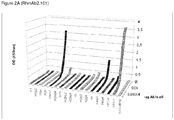
- RhmAb2.102 and RhmAb2.104 In order to further analyze which deiminated histone or histones are involved in the therapeutic action of RhmAb2.102 and RhmAb2.104, commercial available histones (H1, H2A, H2B, H3 and H4) were deiminated with human peptidylarginine deiminase (PAD, EC 3.5.3.15) enzymes (huPAD2 or huPAD4). Deiminated as well as non-deiminated histones were coated on 96-well ELISA plates and incubated with serial dilutions of RhmAb2.101, RhmAb2.102 and RhmAb2.104. The results are shown in table 6 and Figure 2 .
- PAD human peptidylarginine deiminase
- huPAD2 or huPAD4 enzymes
- RhmAb2.102 has higher affinity for H2A/p4 if compared to RhmAb2.104 ( Figure 2b and 2c ).
- RhmAb2.102 has higher affinity for H2A/p4 if compared to RhmAb2.104 ( Figure 2b and 2c ).
- a mimic is for instance a molecule with an acceptable level of equivalent activity, which, in this case, would include as being recognized with higher affinity by RhmAb2.102 than RhmAb2.104 and RhmAb2.101.)
- the disclosure therefore provides a specific binding molecule as described above, reactive with a citrullinated epitope on human PAD4 deiminated human histone 2A or histone 4, or on human PAD2 deiminated human histone H4 or histone H3.
- RhmAb2.102 was recognized by the therapeutic antibodies RhmAb2.102 and RhmAb2.104, but not by RhmAb2.101 (Table 4 and Figure 3a , 3b and 3c ). Again RhmAb2.102 showed higher affinity if compared to RhmAb2.104 ( Figure 3b and 3c ). The same holds true for the deiminated epitopes on peptides 4 and 6 (Table 4) since RhmAb2.102 shows higher affinity for these peptides than RhmAb2.104 and RhmAb2.101 ( Figures 2a , 2b and 2c ).
- Biotin labeled and citrullin containing fibrinogen and vimentin peptides were also tested for reactivity with the therapeutic antibodies.
- Peptides were coated on 96-well neutravidin-ELISA plates. Subsequently serial dilutions of RhmAb2.101, RhmAb2.102 and RhmAb2.104 were applied to the coated plates. The results are shown in Table 8 and Figure 4 .
- RhmAb2.101 RhmAb2.102
- RhmAb2.104 RhmAb2.101
- RhmAb2.102 showed higher affinity if compared to RhmAb2.104
- RhmAb2.104 performed slightly better than RhmAb2.101
- This antibody recognition pattern is similar to the pattern observed on Western blots loaded with huPAD2 and HuPAD4 deiminated human fibrinogen.
- RhmAb2.102 recognized the mouse vimentine peptide (example 10).
- the disclosure therefore provides a specific binding molecule as described above which is specifically reactive with an epitope on peptides msFib ⁇ or msVim (SEQ ID NO: 37 or SEQ ID NO: 38) and their use.
- citrullinated epitopes appear de novo in inflammated tissue.
- human monoclonal antibody 102 RhmAb2.102
- mice 3 mice per group
- mice Three days later mice received another i.p. injection containing 25ug LPS. Scoring has been performed as described above.
- a group of mice has been sacrificed, and paws were analyzed for citrulline presence by Western Blot analysis and Immunohistochemical techniques.
- IP Immuniprecipitations
- citrulline residues present on blot have been chemically modified according to Senshu et al. ( Senshu et al, Anal Biochem, vol 203, 94-100, 1992 ).
- the chemical modification can then be visualized using an antibody that recognizes the chemical modification of citrulline residues ( Senshu et al, Anal Biochem, vol 203, 94-100, 1992 ).
- Deiminated fibrinogen was used as a positive control in this experiment.
- An immunoprecipitation without extracts was used as a negative control in these experiments.
- mice subjected to CAIA have detectable citrulline levels in their inflamed joints.
- anti-citrulline antibodies were injected on day 3 after anti-collagen antibody injection, when inflammation in the paws of mice was still absent or very low. This prevented the occurrence of clinical symptoms and is therefore useful as a treatment of inflation, in particular a prophylactic treatment.
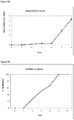
- RhmAb2.102 could also cure clinical symptoms once they had occurred. This was done by treating animals on day 7 after anti-collagen injection when mean arthritis scores of all 4 paws of all mice reached the arbitrary score of approximately 4. As is shown in figure 6A and 6B , RhmAb2.102 does not abolish the swelling observed, but rather stabilized the present inflammation/swelling. Animals were followed for 35 days after which inflammatory scores among placebo and RhmAb2.102 treated mice were equal ( Figure 6B and example 12). Figure 6A shows the Mean arthritis score of all paws of each group, while Figure 6B shows the mean arthritis score of the right hind paws of the animals that have been used for histological analysis at day 35.
- FIG. 7A shows that macroscopical inflammation in the right hind paws between experimental groups on day 35 of the experiment were similar. Most surprisingly however, all known parameters for joint erosion were decreased.
- D Inflammatory cell influx
- B Cartilage erosion
- E Cartilage PG depletion
- F Chondrocyte death
- C Bone erosion
- RhmAb2.102 has been injected i.v. in order to deliver the antibody rapidly to sites of inflammation.
- prophylactic treatment at day 3 and a non treated control group have been included.
- Experimental procedures have been performed as in Example 12 with the only difference of injections with 1 mg RhmAb2.102 per mouse on day 3, 5 and 6.
- RhmAb2.102 at day 3 inhibited the inflammatory response.
- Treating mice with i.v. injections of RhmAb2.102 on day 5, 6 or 7 stabilized the inflammation ( Figure 8 ) as also seen in Figure 6 . It is noteworthy that the signs of inflammation were not reduced whereas all parameters for joint erosion were decreased. This shows that joint erosion and inflammation are two separate entities that may be treated separately.
- Dexamethason is a general inflammatory inhibitor which needs to be administered on a daily basis. Once treatment is interrupted, the inflammation reoccurs.
- Experimental procedures have been performed as described in Example 12 with the difference that 1 mg RhmAb2.102 has been injected i.v. on day 5 ( Figure 9A ), day 6 ( Figure 9B ) and day 7 ( Figure 9C ) after anti-collagen antibody injection, simultaneously with i.p injections of Dexamethason (2mg/kg). Dexamethason was administered sequentially for 2 or 3 days until swelling in the paws disappeared. Additional groups of animals received i.p. injections of Dexamethason only. As shown in Figure 9 , inflammation reappeared in mice that did not receive RhmAb2.102.
- RhmAb2.105, RhmAb2.107 novel anti-citrulline antibodies that have shown cross-reactivity with RhmAb2.102 on its differentiating antigens from RhmAb2.101, have been tested for their anti inflammatory effect.
- RhmAb2.105, RhmAb2.107 and RhmAb2.102 positive control
- Figure 10 Experimental procedures have been performed as described in Example 12.
- Figure 10 shows the Mean arthritis score of all paws of each group.
- RhmAb2.102 showed the highest anti inflammatory effect. RhmAb2.107 performed almost as well as RhmAb2.102, and RhmAb2.105 showed an intermediate effect similar as previously observed for RhmAb2.104 ( Figure 1C) .
- RhmAb2.102 Additional deiminated proteins that preferentially bind to RhmAb2.102 have been identified by mass spectrometry analysis. Furthermore, deiminated proteins that preferentially bind to RhmAb2.102 and not, or with to a lesser extent to RhmAb2.101 have also been identified by additional mass spectrometry analysis.
- Human PAD4 deiminated Human Embryonic Kidney cell (HEK293) lysates have been immunoprecipitated with RhmAb2.101 or RhmAb2.102 (Example 13) and subjected to a high throughput nano-LC system coupled to an advanced, high-performance LTQ Fourier Transform Ion Cyclotron Resonance Mass spectrometer (nLC LTQ FTMS ULTRA) (Example 14).
- the disclosure also provides a binding molecule specifically reactive with any of the proteins or polypeptides as shown in table 7 for use in the prevention or treatment of an inflammatory disease.
- a binding molecule specifically reactive with an epitope on a molecule selected from the group consisting of p15, p17, more in particular a citrullinated epitope on human PAD4 deiminated human histone 2A, a citrullinated epitope on human PAD4 deiminated human histone 4, human PAD2 deiminated human histone H4, human PAD2 deiminated human histone H3, or a protein selected from the group consisting of the proteins of table 7 and even more in particular a peptide according to SEQ ID NO: 21, SEQ ID NO: 24, SEQ ID NO 26, SEQ ID NO: 37 and SEQ ID NO: 38 may be used in the treatment or prevention of inflammatory diseases as specified herein.
- Whether a given binding molecule is specifically reactive with the above mentioned molecules may easily be determined by analysis of the ability of the binding molecule to compete with an antibody selected from the group consisting of RhmAb2.102, RmmAb1.102, RhmAb2.103, RmmAb1.103, RhmAb2.104, RmmAb1.104, RhmAb2.105 and RhmAb2.107 for binding to an epitope on p15 or p17 or any of the citrullinated epitopes mentioned above.
- the disclosure also provides a method for the prevention or treatment of inflammatory diseases by eliciting an immune response in vivo wherein specific binding molecules are generated reactive with an epitope selected from the group consisting of a citrullinated epitope on p15, p17, a citrullinated epitope on human PAD4 deiminated human histone 2A, human PAD4 deiminated human histone 4, human PAD2 deiminated human histone H4, human PAD2 deiminated human histone H3, and a peptide according to SEQ ID NO: 21, SEQ ID NO: 24, SEQ ID NO 26, SEQ ID NO: 37 and SEQ ID NO: 38
- Vaccines or therapeutics as described herein may effectively comprise a citrullinated epitope specifically reactive with a binding molecule as described herein.
- the citrullinated epitope may be a citrullinated epitope on human PAD4 deiminated human histone 2A or histone 4, or on human PAD2 deiminated human histone H4, human histone H3, or a peptide selected from the group consisting of SEQ ID NO: 21, SEQ ID NO: 24, SEQ ID NO 26, SEQ ID NO: 37 and SEQ ID NO: 38.
- the disclosure also provides a method as described above wherein the inflammatory disease is selected from the group consisting of autoimmune diseases, arthritis, rheumatoid arthritis, osteoarthritis, multiple sclerosis, psoriatic arthritis, psoriasis, Alzheimer's disease, autoimmune hepatitis, juvenile idiopathic arthritis, spondyloarthropathy, Down's syndrome, multiple system atrophy, Parkinson's disease and Lewy body dementia.
- the inflammatory disease is selected from the group consisting of autoimmune diseases, arthritis, rheumatoid arthritis, osteoarthritis, multiple sclerosis, psoriatic arthritis, psoriasis, Alzheimer's disease, autoimmune hepatitis, juvenile idiopathic arthritis, spondyloarthropathy, Down's syndrome, multiple system atrophy, Parkinson's disease and Lewy body dementia.
- autoimmune diseases such as rheumatoid arthritis.
- a preferred specific binding molecule is an antibody.
- Example 1 Recombinant human and mouse monoclonal antibodies.
- Monoclonal antibodies against citrullinated antigens of patients with RA were initially selected by means of phage display, as described ( Raats et al., J Reumatology, vol30, 1696-711, 2003 ). Briefly, the autoantibody repertoires of three patients with RA were isolated from their B-cell repertoire, and used to generate antibody fragment libraries. These libraries were subjected to four rounds of affinity selection against citrullinated cyclic peptide CFC1-cyc as described in WO98/22503 . Antibody clones were selected based on their strong reactivity with CFC1-cyc and lack of reactivity with the non-citrullinated CFC0-cyc, ( WO98/22503 ).
- Antibody coding sequences described by Raats et al., (J Reumatology, vol30, 1696-711, 2003 ) were synthesized according to Stemmer et al (Gene, vol164, 49-53, 1995 ), and subsequently cloned into mammalian expression vectors coding for human and mouse antibody isotypes.
- Human antibodies were of the isotype IgG1 lambda and were named RhmAb2.101, RhmAb2.102, RhmAb2.103, and RhmAb2.104.
- Mouse antibodies were of the isotype IgG2a kappa and were named RmmAb1.101, RmmAb1.102, RmmAb1.103, and RmmAb1.104.
- RhmAb2.101 was synthesized according to the protocol of Stemmer et al., (Gene, vol164, 49-53, 1995 ) based on the sequence of clone Ra3 ( Raats et al., J Reumatology, vol30, 1696-711, 2003 ) and consists of a VH derived from germline family 3-21, combined with a VL derived from germline family ⁇ 1b.
- RhmAb2.103 is synthesized according to Stemmer et al (Gene, vol164, 49-53, 1995 ) based on the sequence of clone A2-2 ( Raats et al., J Reumatology, vol30, 1696-711, 2003 ), and consists of a VH derived from germline family 3-23, combined with a VL derived from germline family ⁇ 1a.
- RhmAb2.104 is synthesized according to Stemmer et al (Gene, vol164, 49-53, 1995 ), and consists of a VH derived from germline family 4-b, combined with a VL derived from germline family ⁇ 1c.
- the immunoglobulin light chain encoded by SEQ ID NO: 9 comprises a mouse leader globulin according to SEQ ID NO: 12, followed by the variable antibody light chain according to SEQ ID NO: 15 followed by the immunoglobulin human lambda constant domain according to SEQ ID NO: 16.
- RmmAb1.102 was synthesized according to Stemmer et al (Gene, vol164, 49-53, 1995 ) and comprises an immunoglobulin heavy chain encoded by SEQ ID NO: 10, combined with an immunoglobulin light chain encoded by SEQ ID NO: 11.
- the immunoglobulin heavy chain encoded by SEQ ID NO: 10 comprises a mouse leader globulin according to SEQ ID NO: 12, followed by the variable antibody heavy chain according to SEQ ID NO: 19, followed by the immunoglobulin constant domain mouse IgG2a according to SEQ ID NO: 20.
- the immunoglobulin light chain encoded by SEQ ID NO: 11 comprises a mouse leader globulin according to SEQ ID NO: 12, followed by the variable antibody light chain according to SEQ ID NO: 17 followed by the immunoglobulin mouse kappa constant domain according to SEQ ID NO: 18.
- variable domains VH and VL
- RhmAb2.101, RhmAb2.103, and RhmAb2.104, RmmAb1.101, RmmAb1.103 and RmmAb1.104 have been published and were deposited in the EMBL database under accession numbers as shown in table 1.
- Full size human and mouse antibody sequences were generated using identical leader and constant human or mouse domains as described for antibody RhmAb2.102 and RmmAb1.102.
- Control antibodies RmmAb13.101, RmmAb13.102 and RmmAb13,103 against citrullinated fibrinogen, and RhmAb2.201 against the apoptotic 40 kD cleavage product of the Human U1-70k protein, were commercially obtained from Modiquest Research BV, Schoutstraat 58, 6525 XV Nijmegen, The Netherlands (Cat no, MQ13.101, MQ13.102, MQ13.103,and MQR2.201).
- mice The commercially available collagen antibody induced arthritis (CAIA) mouse model from ModiQuest Research B.V. (cat no: MQ18.101) has been used according to manufacturers specifications to induce arthritis in mice (http://www.modiquestresearch.nl/shop/files/18.101-50MG%20_2007.08.22.pdf).
- CAIA collagen antibody induced arthritis
- mice On day 0 male DBA/J1 mice (5-6 mice /group) of the age of 8 weeks have been injected i.p. with a mix of 8 anti-collagen antibodies.
- mice used in figure 1a and 1b received 1,6mg anti-collagen antibody mix, whereas mice used in figure 1c-f received 2,4mg).
- mice received another i.p.
- RhmAb2.102, RhmAb2.103 and RhmAb2.104 Human monoclonal antibodies RhmAb2.102, RhmAb2.103 and RhmAb2.104, however, surprisingly reduced or even abolished the clinical signs of arthritis in the experimental CAIA model ( Figure 1c and 1d ).
- RhmAb2.102 and RhmAb2.103 reduced the signs of arthritis best, whereas RhmAb2.104 reduced the inflammation by approximately 50%.
- RhmAb2.101 had no effect at all at the dose tested.
- Example 3 Preparation of deiminated cell extract, SDS-page electrophoresis and western blotting.
- COS-1 cells (8 ⁇ 10 5 ) were transiently transfected with 2 ⁇ g huPAD2 or huPAD4 expression vector using the AMAXA nucleofection device (program D-005) together with the V-kit, and cells were seeded in 20ml medium in a T75.
- the cells were washed twice with PBS, trypsinized, spun down and resuspended in 15 ⁇ l ice cold lysis buffer (20mM Tris pH7.4, 10mM ⁇ -mercaptoethanol, 100mM NaCl, 10% glycerol, protease inhibitors).
- the cell samples were sonified 4 times for 15 seconds on ice.
- the lysate was centrifuged at 3.000 rpm for 5 minutes and the supernatant transferred to a clean tube.
- the cell lysate was deiminated for 30 minutes to 2 hours at 37°C by adding CaCl 2 and DTE at a final concentration of 10 and 5mM respectively. Deiminated cell lysates were stored at -20°C.
- Example 4 Therapeutic anti-citrulline antibodies recognize p15 and p17
- Blots as prepared in example 3 were cut in strips and blocked for 2 hours at RT with 5% (w/v) low fat dry milk in PBS-Tween (wash buffer) to block all non-specific sites. Blots were then washed 5 times 5 minutes with wash buffer and strips were incubated for an additional 1 hour at RT with 4 ml wash buffer containing 20ug anti-citrulline antibody. Thereafter, the strips were washed 5 times for 10 min with wash buffer, and incubated with a peroxydase-conjugated rabbit anti-human IgG (Dako) (1 hour at RT) in wash buffer (1:2000). Strips where then washed 3 times for 10min with wash buffer followed by a 2 times wash with PBS to wash away all unbound antibody.
- wash buffer 5% (w/v) low fat dry milk in PBS-Tween
- Immunoreactive bands were visualized using chemiluminescent substrate (PIERCE), and exposed to Kodak BioMax XAR autoradiography films (Eastman Kodak Company, Rochester, NY, USA).
- RhmAb2.102 RhmAb2.103
- RhmAb2.104 showed reactivity with a doublet of proteins with a molecular weight of approximately 15 and 17 kiloDalton.
- Example 6 Antibody competition assay for p15 and p17.
- Example 7 Mass-spectrometry analysis of p15 and p17.
- the bands at p15 and p17 of the SDS-page gels of example 3 were excised from the gel and analyzed by MALDI-TOF MS. Briefly, excised gel pieces were washed 2 times with 50 ⁇ l of 25 mM ammonium bicarbonate, and incubated 30 min for each washing step. A 15 min wash was repeated as above with the addition of 30% v/v acetonitrile. All liquid was removed and 25 ⁇ l of 25 mM ammonium bicarbonate + 25 ⁇ l of acetonitrile added and Incubated for 15 min. Again all liquid was removed and gels were incubated 30 min with 50 ⁇ l of acetonitrile.
- Peptides were extracted by incubating with 4 ⁇ l 50% acetonitrile/0.5% trifluoroacetic acid (TFA)/5 mM n-octyl-ß-D-glucopyranoside for 1 h at RT. Samples were sonicated for 2 min in a sonication water bath, the liquid transferred in a new tube and the extraction step was repeated. The sample was dried in a vacuum centrifuge and subjected to MALDI-TOF MS.
- TFA trifluoroacetic acid
- Example 8 Therapeutic anti-citrulline antibodies recognize H2A/p4.
- Human recombinant histones H1, H2A, H2B, H3 and H4 (100 ⁇ g) were incubated 3 hours with or without 53,4 mU huPAD2 or huPAD4 at 37°C. Deiminated as well as non-deiminated histones were coated on 96-well ELISA plates (0,3 ⁇ g /well) by overnight incubation at 4°C. Wells were washed 5 times with PBS-Tween20 (PBS-T) and blocked by a 1 hour incubation with PBS-T + 1% Bovine serum albumin (BSA) at room temperature (RT).
- PBS-T PBS-Tween20
- BSA Bovine serum albumin
- RhmAb2.101, RhmAb2.102 or RhmAb2.104 were incubated for 1 hour at RT with serial dilutions of RhmAb2.101, RhmAb2.102 or RhmAb2.104 in PBS-T + 1% BSA starting at a concentration of 10 ⁇ g/well.
- Wells were washed 5 times with PBS-T and incubated with rabbit-anti-human-HRP (1:2000) for 1 hour at RT followed by 5 washes with PBS-T and 3 wash steps with PBS.
- Wells incubated with RhmAb2.101 and RhmAb 2.104 were incubated 15min and wells incubated with RhmAb2.102 were incubated 10min with TMB substrate before stopping the reaction with 2M H 2 SO 4 .
- Optical density was measured by 450nm and is a measure for the affinity of the antibodies used.
- 96-well ELISA plates were coated with neutravidin (0,1 ⁇ g /well) by overnight incubation at 4°C. Wells were washed 5 times with PBS-Tween20 (PBS-T) and blocked by a 1 hour incubation with PBS-T + 1% Bovine serum albumin (BSA) at room temperature (RT). After 5 more washes with PBS-T, wells were incubated for 1 hour at RT with histone derived citrulline and biotin containing peptides (0,3 ⁇ g /well).
- PBS-T PBS-Tween20
- BSA Bovine serum albumin
- 100ug human plasma fibrinogen was disolved in 100 ⁇ l deimination buffer (PBS pH7.6, 10mM CaCl2, 5mM Dithiothreitol), and deiminated for 3 hours at 37 ⁇ C with 53.4 mU huPAD2 or huPAD4.
- 10x sample buffer (0.25M Tris pH6.8, 8% SDS, 35% glycerol, 2.5% ⁇ -mercaptoethanol, bromphenolblue
- was added and 7.5 ⁇ g deiminated or non-deiminated fibrinogen loaded in each lane of a SDS-PADE (12.5%) and separated , followed by electroblotting to Hybond C extra nitrocellulose membranes (Amersham Biosciences). Blotting and loading were checked by Ponceau S staining.
- Blots were blocked for 2 hours at RT with 5% (w/v) low fat dry milk in PBS-Tween (wash buffer) to block all non-specific sites. Blots were then washed 5 times 5 minutes with wash buffer and strips were incubated for an additional 1 hour at RT with 4 ml wash buffer containing 20ug anti-citrulline antibody. Thereafter, the strips were washed 5 times for 10 min with wash buffer, and incubated with a peroxydase-conjugated rabbit anti-human IgG (Dako) (1 hour at RT) in wash buffer (1:2000). Strips where then washed 3 times for 10min with wash buffer followed by a 2 washes with PBS to wash away all unbound antibody.
- wash buffer containing 20ug anti-citrulline antibody
- RhmAb2.102 showed higher reactivity with deiminated human plasma fibrinogen than RhmAb2.101. Again RhmAb2.102 showed higher affinity if compared to RhmAb2.104
- 96-well ELISA plates were coated with neutravidin (0,1 ⁇ g /well) by overnight incubation at 4 degrees C. Wells were washed 5 times with PBS-Tween20 (PBS-T) and blocked by a 1 hour incubation with PBS-T + 1% Bovine serum albumin (BSA) at room temperature (RT). After 5 more washes with PBS-T, wells were incubated for 1 hour at RT with fibrinogen and vimentin derived citrulline and biotin containing peptides (0,3 ⁇ g /well).
- PBS-T PBS-Tween20
- BSA Bovine serum albumin
- mice The commercially available collagen antibody induced arthritis (CAIA) mouse model from ModiQuest Research B.V. (cat no: MQ18.101) has been used according to manufacturers specifications to induce arthritis in mice (http://www.modiquestresearch.nl/shop/files/18.101-50MG%20_2007.08.22.pdf).
- CAIA collagen antibody induced arthritis
- mice On day 0 male DBA/J1 mice (5 mice/group) of the age of 8 weeks have been injected i.p. with a mix of 8 anti-collagen antibodies (2,8mg/mouse).
- mice received another i.p. injection containing 25ug LPS. LPS triggers the inflammation.
- the mean arthritis score was around 4 ( Figure 6A ) one group received an i.v. injection containing 1 mg RhmAb2.102, whether the other group received an i.v. injection containing placebo.
- PG proteoglycan
- Figure 7E To study proteoglycan (PG) depletion from the cartilage matrix ( Figure 7E ), sections were stained with safranin O (SO) followed by counterstaining with fast green. Depletion of PG was determined using an arbitrary scale of 0-3, ranging from normal, fully stained cartilage to destained cartilage, fully depleted of PGs. Chondrocyte death ( Figure 7F ) was scored on a scale of 0 - 3ranging from no loss of chondrocyte nuclei to complete empty cartilage surface. Cartilage and bone erosion ( Figure 7B & C ) were graded on a scale 0 - 3, ranging from no damage to complete loss of the cartilage or bone structure. Histopathological changes in the joint were scored on five semiserial sections of joint spaced 70 ⁇ m apart. Scoring was performed blind, without previous knowledge of the experimental conditions.
- RhmAb2.102 Although macroscopical inflammation in the right hind paws among groups was identical on day 35 ( Figure 6A and 7A ), a dramatic decrease is observed in the experimental group receiving RhmAb2.102 compared to the control group when looking at any of the following parameters for joint erosion: Inflammatory cell influx ( Figure 7D ), Cartilage erosion ( Figure 7B ), Cartilage PG depletion ( Figure 7E ), Chondrocyte death ( Figure 7F ) and Bone erosion ( Figure 7C ). This result strongly supports the therapeutic potential of RhmAb2.102.
- Example 13 Preparation of huPAD4 deiminated HEK293 extract and immunoprecipitation with RhmAb2.101 or RhmAb2.102
- HEK293 cells were harvested, washed once with PBS, spun down, and 5.105 cells cells resuspended in 15 ⁇ l ice cold lysis buffer (20mM Tris pH7.4, 10mM ⁇ -mercaptoethanol, 100mM NaCl, 10% glycerol, protease inhibitors).
- the cell samples were sonified 4 times for 15 seconds on ice.
- the lysate was centrifuged at 3.000 rpm for 5 minutes and the supernatant transferred to a clean tube.
- the cell lysate was deiminated for 2 hours at 37°C by adding 1U human PAD4 per 2mg of protein (ModiQuest Research B.V.; cat no: MQ16.203), 10mM CaCl2 and 5mM DTT.
- IP immunoprecipitations
- Beads were subjected to 3 washes with 1 ml IPP500, one wash with 1 ml IPP150 (10mM Tris/HCl pH8,0, 150mM NaCl, 0,1% NP40 and 0,1% Tween-20), and subsequently incubated at room temperature with 300 ⁇ l deiminated HEK293 lysate for 2 hours under constant rotation. Beads were washed 3 times with 1 ml of IPP150 after which a small part has been used for SDS-PAGE electeforesis to determine if the IP procedure with the HEK293 cells was successful.
- Example 14 Mass-spectrometry analysis of RhmAb2.101 and RhmAb2.102 immunoprecipitated huPAD4 deiminated HEK293 proteins
- Protein identification validation was performed by an in-house developed script. Briefly, the software classifies protein identifications based on the number of uniquely identified peptide sequences, clusters proteins sharing the same set of peptides and validates the proteins with the following criteria:
- peptides have been identified in all 3 samples (sample 1: HEK293 precipitate with RhmAb2.101; sample 2: HEK293 precipitate with Rhm2.102; sample 3: HEK293 precipitate with empty beads).
- emPAI Extraly Modified Protein Abundance Index
- Example 15 Generation/selection of a family of anti-inflammatory antibodies
- Human-derived scFv libraries were panned against PAD2-, or PAD4-deiminated forms of human Histon-2A Histon-4, peptide 1 (AAASGXGKQGGK, SEQ ID NO: 21) and against CFC-1 peptide in a similar method as decribed in Raats et al., 2003 ( Raats, J.M.H., Wijnen, E.W, Pruijn, G.J.M., Van den Hoogen, F.H.M., and W.J. van Venrooij. 2003. J. Rheum. 30, 1696-1711 ).
- Antibodies that immunoprecipitated bands p15 and/or p17, and/or antibodies with ELISA reactivity profiles against citrullinated epitopes (PAD2 and PAD4 deiminated human Histon isoforms, and/or CFC-1 and/ or peptide 1 (AAASGXGKQGGK, SEQ ID 21, and/or citrullinated epitopes derived form proteins listed in table 7) comparable with RhmAb2.102, were subsequently cloned into human IgG1 format. Full size human IgG antibodies were tested for their prophylactic and/or therapeutic anti-inflammatory potential in a CAIA mouse model, as described herein.
- This screening procedure yielded antibodies with prophylactic and or therapeutic anti inflammatory potential in the CAIA mouse model with high frequency.
- RhmAb2.105 SEQ ID 39 and 40
- RhmAb2.107 SEQ ID NOs 41 and 42
- Nucleotide sequences encoding these antibodies are listed in SEQ ID NOs 43 to 46.
Landscapes
- Health & Medical Sciences (AREA)
- Chemical & Material Sciences (AREA)
- Organic Chemistry (AREA)
- Life Sciences & Earth Sciences (AREA)
- Medicinal Chemistry (AREA)
- General Health & Medical Sciences (AREA)
- Veterinary Medicine (AREA)
- Pharmacology & Pharmacy (AREA)
- Animal Behavior & Ethology (AREA)
- Public Health (AREA)
- Engineering & Computer Science (AREA)
- Bioinformatics & Cheminformatics (AREA)
- Immunology (AREA)
- Chemical Kinetics & Catalysis (AREA)
- Nuclear Medicine, Radiotherapy & Molecular Imaging (AREA)
- General Chemical & Material Sciences (AREA)
- Molecular Biology (AREA)
- Proteomics, Peptides & Aminoacids (AREA)
- Genetics & Genomics (AREA)
- Biophysics (AREA)
- Biochemistry (AREA)
- Rheumatology (AREA)
- Biomedical Technology (AREA)
- Neurosurgery (AREA)
- Neurology (AREA)
- Gastroenterology & Hepatology (AREA)
- Physical Education & Sports Medicine (AREA)
- Epidemiology (AREA)
- Toxicology (AREA)
- Zoology (AREA)
- Rehabilitation Therapy (AREA)
- Diabetes (AREA)
- Hematology (AREA)
- Orthopedic Medicine & Surgery (AREA)
- Pain & Pain Management (AREA)
- Mycology (AREA)
- Microbiology (AREA)
- Endocrinology (AREA)
- Dermatology (AREA)
- Psychology (AREA)
Priority Applications (3)
| Application Number | Priority Date | Filing Date | Title |
|---|---|---|---|
| NO09757582A NO2294086T3 (https=) | 2008-06-04 | 2009-06-04 | |
| PL09757582T PL2294086T3 (pl) | 2008-06-04 | 2009-06-04 | Środki przeciwzapalne |
| EP09757582.3A EP2294086B1 (en) | 2008-06-04 | 2009-06-04 | Anti-inflammatory agents |
Applications Claiming Priority (5)
| Application Number | Priority Date | Filing Date | Title |
|---|---|---|---|
| EP08157547 | 2008-06-04 | ||
| EP08171920 | 2008-12-17 | ||
| EP09155484 | 2009-03-18 | ||
| EP09757582.3A EP2294086B1 (en) | 2008-06-04 | 2009-06-04 | Anti-inflammatory agents |
| PCT/EP2009/056862 WO2009147201A2 (en) | 2008-06-04 | 2009-06-04 | Anti-inflammatory agents |
Publications (2)
| Publication Number | Publication Date |
|---|---|
| EP2294086A2 EP2294086A2 (en) | 2011-03-16 |
| EP2294086B1 true EP2294086B1 (en) | 2017-09-13 |
Family
ID=40943595
Family Applications (1)
| Application Number | Title | Priority Date | Filing Date |
|---|---|---|---|
| EP09757582.3A Active EP2294086B1 (en) | 2008-06-04 | 2009-06-04 | Anti-inflammatory agents |
Country Status (16)
| Country | Link |
|---|---|
| US (2) | US9718877B2 (https=) |
| EP (1) | EP2294086B1 (https=) |
| JP (1) | JP5528436B2 (https=) |
| KR (1) | KR101752499B1 (https=) |
| CN (1) | CN102056944A (https=) |
| AU (1) | AU2009253923B2 (https=) |
| BR (1) | BRPI0913945A2 (https=) |
| CA (1) | CA2726511C (https=) |
| DK (1) | DK2294086T3 (https=) |
| EA (1) | EA023302B9 (https=) |
| ES (1) | ES2652127T3 (https=) |
| IL (1) | IL209741A0 (https=) |
| NO (1) | NO2294086T3 (https=) |
| PL (1) | PL2294086T3 (https=) |
| WO (1) | WO2009147201A2 (https=) |
| ZA (1) | ZA201008727B (https=) |
Families Citing this family (22)
| Publication number | Priority date | Publication date | Assignee | Title |
|---|---|---|---|---|
| NO2294086T3 (https=) | 2008-06-04 | 2018-02-10 | ||
| EP2332987A1 (en) | 2009-12-10 | 2011-06-15 | ModiQuest B.V. | Anti-inflammatory agents directed against citrullinated epitopes |
| US20110262505A1 (en) | 2010-04-22 | 2011-10-27 | Gina Athwal | Seaweed-derived cosmetic compositions |
| EP2402368A1 (en) | 2010-07-02 | 2012-01-04 | Toscana Biomarkers S.r.l. | Histone citrullinated peptides and uses thereof |
| EP2527841A1 (en) * | 2011-05-25 | 2012-11-28 | Toscana Biomarkers S.r.l. | Methods for the diagnosis of rheumatoid arthritis |
| WO2013105721A1 (ko) * | 2012-01-13 | 2013-07-18 | 가톨릭대학교 산학협력단 | 류마티스 관절염 진단 키트 |
| US9347941B2 (en) | 2012-01-13 | 2016-05-24 | Catholic University Industry-Academic Cooperation Foundation | Diagnosis kit for rheumatoid arthritis |
| WO2013109185A1 (en) * | 2012-01-19 | 2013-07-25 | Vilara Ab | Novel antibodies |
| FR3007411B1 (fr) * | 2013-06-21 | 2015-07-03 | Agronomique Inst Nat Rech | Anticorps monocatenaire a chaine lourde de camelide dirige contre la chromatine et utilisations |
| US20160159922A1 (en) * | 2013-07-24 | 2016-06-09 | Vilara Ab | Novel Antibodies for the Diagnosis and Treatment of Rheumatoid Arthritis |
| CA2946925C (en) * | 2014-05-05 | 2023-08-15 | Noviosmart | Method for the serological diagnosis of rheumatoid arthritis. |
| JP7037940B2 (ja) | 2014-12-11 | 2022-03-17 | シトリル べー.フェー. | 特発性肺線維症の治療方法 |
| US10441644B2 (en) | 2015-05-05 | 2019-10-15 | The Regents Of The University Of California | H3.3 CTL peptides and uses thereof |
| CA2984380A1 (en) * | 2015-05-05 | 2016-11-10 | The Regents Of The University Of California | H3.3 ctl peptides and uses thereof |
| EP3713966A1 (en) | 2017-11-22 | 2020-09-30 | Vacara AB | Antibodies to citrullinated proteins |
| CU24508B1 (es) * | 2017-12-29 | 2021-04-07 | Centro De Ingenieria Genetica Y Biotecnologia Biocubafarma | Composición farmacéutica que comprende péptido tipo apl |
| CA3102360A1 (en) * | 2018-06-20 | 2019-12-26 | Pharma Foods International Co., Ltd. | Novel anti-pad2 antibody |
| EP3841120B1 (en) * | 2018-08-21 | 2025-09-24 | Citryll B.V. | Antibodies binding to citrullinated histone 2a and/or 4 |
| KR20240005856A (ko) | 2021-05-04 | 2024-01-12 | 씨트릴 비.브이. | 세포 외 트랩 억제 |
| EP4085973A1 (en) | 2021-05-04 | 2022-11-09 | Citryll B.V. | Inhibition of eosinophil extracellular traps |
| EP4442705A1 (en) | 2023-04-03 | 2024-10-09 | Citryll B.V. | Dosage |
| GB202318703D0 (en) | 2023-12-07 | 2024-01-24 | Citryll B V | Diagnostic agent |
Family Cites Families (7)
| Publication number | Priority date | Publication date | Assignee | Title |
|---|---|---|---|---|
| US5605793A (en) * | 1994-02-17 | 1997-02-25 | Affymax Technologies N.V. | Methods for in vitro recombination |
| NL1004539C2 (nl) | 1996-11-15 | 1998-05-20 | Stichting Tech Wetenschapp | Peptide afgeleid van een door auto-antilichamen van patiënten met reumatoïde artritis herkend antigeen, antilichaam daartegen en werkwijze voor het detecteren van auto-immuunantilichamen. |
| EP1034186A2 (en) * | 1997-11-28 | 2000-09-13 | Innogenetics N.V. | Synthetic peptides containing citrulline recognized by rheumatoid arthritis sera as tools for diagnosis and treatment |
| CA2391356A1 (en) | 1999-12-21 | 2001-06-28 | Innogenetics N.V. | Peptides designed for the diagnosis and treatment of rheumatoid arthritis |
| JP2007524583A (ja) | 2003-03-07 | 2007-08-30 | ロンドン・ヘルス・サイエンシズ・センター・リサーチ・インコーポレーテッド | 自己免疫異常に関わるhla−drmhcクラスii分子に関するペプチド |
| GB0721605D0 (en) | 2007-11-02 | 2007-12-12 | Cancer Rec Tech Ltd | Prostrate cancer susceptibility screening |
| NO2294086T3 (https=) | 2008-06-04 | 2018-02-10 |
-
2009
- 2009-06-04 NO NO09757582A patent/NO2294086T3/no unknown
- 2009-06-04 EA EA201001865A patent/EA023302B9/ru not_active IP Right Cessation
- 2009-06-04 US US12/737,075 patent/US9718877B2/en active Active
- 2009-06-04 ES ES09757582.3T patent/ES2652127T3/es active Active
- 2009-06-04 DK DK09757582.3T patent/DK2294086T3/en active
- 2009-06-04 WO PCT/EP2009/056862 patent/WO2009147201A2/en not_active Ceased
- 2009-06-04 CN CN2009801210911A patent/CN102056944A/zh active Pending
- 2009-06-04 BR BRPI0913945A patent/BRPI0913945A2/pt not_active Application Discontinuation
- 2009-06-04 CA CA2726511A patent/CA2726511C/en active Active
- 2009-06-04 PL PL09757582T patent/PL2294086T3/pl unknown
- 2009-06-04 EP EP09757582.3A patent/EP2294086B1/en active Active
- 2009-06-04 KR KR1020107029828A patent/KR101752499B1/ko active Active
- 2009-06-04 JP JP2011512123A patent/JP5528436B2/ja active Active
- 2009-06-04 AU AU2009253923A patent/AU2009253923B2/en active Active
-
2010
- 2010-12-02 IL IL209741A patent/IL209741A0/en unknown
- 2010-12-03 ZA ZA2010/08727A patent/ZA201008727B/en unknown
-
2017
- 2017-06-22 US US15/630,020 patent/US10703822B2/en active Active
Non-Patent Citations (1)
| Title |
|---|
| None * |
Also Published As
| Publication number | Publication date |
|---|---|
| ZA201008727B (en) | 2012-01-25 |
| US9718877B2 (en) | 2017-08-01 |
| AU2009253923A1 (en) | 2009-12-10 |
| CN102056944A (zh) | 2011-05-11 |
| CA2726511C (en) | 2018-07-10 |
| BRPI0913945A2 (pt) | 2016-09-27 |
| EP2294086A2 (en) | 2011-03-16 |
| EA023302B1 (ru) | 2016-05-31 |
| PL2294086T3 (pl) | 2018-02-28 |
| CA2726511A1 (en) | 2009-12-10 |
| NO2294086T3 (https=) | 2018-02-10 |
| EA023302B9 (ru) | 2016-10-31 |
| JP5528436B2 (ja) | 2014-06-25 |
| ES2652127T3 (es) | 2018-01-31 |
| WO2009147201A3 (en) | 2010-01-28 |
| US10703822B2 (en) | 2020-07-07 |
| KR101752499B1 (ko) | 2017-06-29 |
| US20110243945A1 (en) | 2011-10-06 |
| JP2011523555A (ja) | 2011-08-18 |
| KR20110015035A (ko) | 2011-02-14 |
| DK2294086T3 (en) | 2018-01-02 |
| AU2009253923B2 (en) | 2014-02-13 |
| IL209741A0 (en) | 2011-02-28 |
| EA201001865A1 (ru) | 2011-06-30 |
| WO2009147201A2 (en) | 2009-12-10 |
| US20170298146A1 (en) | 2017-10-19 |
Similar Documents
| Publication | Publication Date | Title |
|---|---|---|
| EP2294086B1 (en) | Anti-inflammatory agents | |
| EP2509999B1 (en) | Anti-inflammatory agents directed against citrullinated epitopes | |
| CN112930356B (zh) | 与瓜氨酸化的组蛋白2a和/或4结合的抗体 | |
| EP3229829B1 (en) | Method for the treatment of idiopathic pulmonary fibrosis | |
| Chirivi et al. | Anti-citrullinated protein antibodies as novel therapeutic drugs in rheumatoid arthritis | |
| HK1156050A (en) | Anti-inflammatory agents |
Legal Events
| Date | Code | Title | Description |
|---|---|---|---|
| PUAI | Public reference made under article 153(3) epc to a published international application that has entered the european phase |
Free format text: ORIGINAL CODE: 0009012 |
|
| 17P | Request for examination filed |
Effective date: 20101123 |
|
| AK | Designated contracting states |
Kind code of ref document: A2 Designated state(s): AT BE BG CH CY CZ DE DK EE ES FI FR GB GR HR HU IE IS IT LI LT LU LV MC MK MT NL NO PL PT RO SE SI SK TR |
|
| AX | Request for extension of the european patent |
Extension state: AL BA RS |
|
| DAX | Request for extension of the european patent (deleted) | ||
| 17Q | First examination report despatched |
Effective date: 20111012 |
|
| RAP1 | Party data changed (applicant data changed or rights of an application transferred) |
Owner name: MODIQUEST B.V. |
|
| RAP1 | Party data changed (applicant data changed or rights of an application transferred) |
Owner name: MODIQUEST B.V. |
|
| RIC1 | Information provided on ipc code assigned before grant |
Ipc: C07K 14/47 20060101ALI20170213BHEP Ipc: A61K 39/00 20060101ALI20170213BHEP Ipc: C07K 16/18 20060101AFI20170213BHEP Ipc: C07K 16/44 20060101ALI20170213BHEP |
|
| GRAP | Despatch of communication of intention to grant a patent |
Free format text: ORIGINAL CODE: EPIDOSNIGR1 |
|
| INTG | Intention to grant announced |
Effective date: 20170331 |
|
| GRAS | Grant fee paid |
Free format text: ORIGINAL CODE: EPIDOSNIGR3 |
|
| GRAA | (expected) grant |
Free format text: ORIGINAL CODE: 0009210 |
|
| AK | Designated contracting states |
Kind code of ref document: B1 Designated state(s): AT BE BG CH CY CZ DE DK EE ES FI FR GB GR HR HU IE IS IT LI LT LU LV MC MK MT NL NO PL PT RO SE SI SK TR |
|
| REG | Reference to a national code |
Ref country code: GB Ref legal event code: FG4D |
|
| REG | Reference to a national code |
Ref country code: CH Ref legal event code: EP |
|
| REG | Reference to a national code |
Ref country code: IE Ref legal event code: FG4D |
|
| REG | Reference to a national code |
Ref country code: AT Ref legal event code: REF Ref document number: 928038 Country of ref document: AT Kind code of ref document: T Effective date: 20171015 |
|
| REG | Reference to a national code |
Ref country code: DE Ref legal event code: R096 Ref document number: 602009048330 Country of ref document: DE |
|
| REG | Reference to a national code |
Ref country code: SE Ref legal event code: TRGR Ref country code: DK Ref legal event code: T3 Effective date: 20171219 |
|
| REG | Reference to a national code |
Ref country code: NL Ref legal event code: FP |
|
| REG | Reference to a national code |
Ref country code: LT Ref legal event code: MG4D |
|
| PG25 | Lapsed in a contracting state [announced via postgrant information from national office to epo] |
Ref country code: HR Free format text: LAPSE BECAUSE OF FAILURE TO SUBMIT A TRANSLATION OF THE DESCRIPTION OR TO PAY THE FEE WITHIN THE PRESCRIBED TIME-LIMIT Effective date: 20170913 Ref country code: LT Free format text: LAPSE BECAUSE OF FAILURE TO SUBMIT A TRANSLATION OF THE DESCRIPTION OR TO PAY THE FEE WITHIN THE PRESCRIBED TIME-LIMIT Effective date: 20170913 |
|
| REG | Reference to a national code |
Ref country code: ES Ref legal event code: FG2A Ref document number: 2652127 Country of ref document: ES Kind code of ref document: T3 Effective date: 20180131 |
|
| REG | Reference to a national code |
Ref country code: AT Ref legal event code: MK05 Ref document number: 928038 Country of ref document: AT Kind code of ref document: T Effective date: 20170913 |
|
| REG | Reference to a national code |
Ref country code: NO Ref legal event code: T2 Effective date: 20170913 |
|
| PG25 | Lapsed in a contracting state [announced via postgrant information from national office to epo] |
Ref country code: GR Free format text: LAPSE BECAUSE OF FAILURE TO SUBMIT A TRANSLATION OF THE DESCRIPTION OR TO PAY THE FEE WITHIN THE PRESCRIBED TIME-LIMIT Effective date: 20171214 Ref country code: LV Free format text: LAPSE BECAUSE OF FAILURE TO SUBMIT A TRANSLATION OF THE DESCRIPTION OR TO PAY THE FEE WITHIN THE PRESCRIBED TIME-LIMIT Effective date: 20170913 Ref country code: BG Free format text: LAPSE BECAUSE OF FAILURE TO SUBMIT A TRANSLATION OF THE DESCRIPTION OR TO PAY THE FEE WITHIN THE PRESCRIBED TIME-LIMIT Effective date: 20171213 |
|
| PG25 | Lapsed in a contracting state [announced via postgrant information from national office to epo] |
Ref country code: RO Free format text: LAPSE BECAUSE OF FAILURE TO SUBMIT A TRANSLATION OF THE DESCRIPTION OR TO PAY THE FEE WITHIN THE PRESCRIBED TIME-LIMIT Effective date: 20170913 Ref country code: CZ Free format text: LAPSE BECAUSE OF FAILURE TO SUBMIT A TRANSLATION OF THE DESCRIPTION OR TO PAY THE FEE WITHIN THE PRESCRIBED TIME-LIMIT Effective date: 20170913 |
|
| PG25 | Lapsed in a contracting state [announced via postgrant information from national office to epo] |
Ref country code: EE Free format text: LAPSE BECAUSE OF FAILURE TO SUBMIT A TRANSLATION OF THE DESCRIPTION OR TO PAY THE FEE WITHIN THE PRESCRIBED TIME-LIMIT Effective date: 20170913 Ref country code: SK Free format text: LAPSE BECAUSE OF FAILURE TO SUBMIT A TRANSLATION OF THE DESCRIPTION OR TO PAY THE FEE WITHIN THE PRESCRIBED TIME-LIMIT Effective date: 20170913 Ref country code: IS Free format text: LAPSE BECAUSE OF FAILURE TO SUBMIT A TRANSLATION OF THE DESCRIPTION OR TO PAY THE FEE WITHIN THE PRESCRIBED TIME-LIMIT Effective date: 20180113 Ref country code: AT Free format text: LAPSE BECAUSE OF FAILURE TO SUBMIT A TRANSLATION OF THE DESCRIPTION OR TO PAY THE FEE WITHIN THE PRESCRIBED TIME-LIMIT Effective date: 20170913 |
|
| REG | Reference to a national code |
Ref country code: DE Ref legal event code: R097 Ref document number: 602009048330 Country of ref document: DE |
|
| REG | Reference to a national code |
Ref country code: FR Ref legal event code: PLFP Year of fee payment: 10 |
|
| PLBE | No opposition filed within time limit |
Free format text: ORIGINAL CODE: 0009261 |
|
| STAA | Information on the status of an ep patent application or granted ep patent |
Free format text: STATUS: NO OPPOSITION FILED WITHIN TIME LIMIT |
|
| 26N | No opposition filed |
Effective date: 20180614 |
|
| PG25 | Lapsed in a contracting state [announced via postgrant information from national office to epo] |
Ref country code: SI Free format text: LAPSE BECAUSE OF FAILURE TO SUBMIT A TRANSLATION OF THE DESCRIPTION OR TO PAY THE FEE WITHIN THE PRESCRIBED TIME-LIMIT Effective date: 20170913 |
|
| PG25 | Lapsed in a contracting state [announced via postgrant information from national office to epo] |
Ref country code: LU Free format text: LAPSE BECAUSE OF NON-PAYMENT OF DUE FEES Effective date: 20180604 Ref country code: MC Free format text: LAPSE BECAUSE OF FAILURE TO SUBMIT A TRANSLATION OF THE DESCRIPTION OR TO PAY THE FEE WITHIN THE PRESCRIBED TIME-LIMIT Effective date: 20170913 |
|
| PG25 | Lapsed in a contracting state [announced via postgrant information from national office to epo] |
Ref country code: MT Free format text: LAPSE BECAUSE OF NON-PAYMENT OF DUE FEES Effective date: 20180604 |
|
| PG25 | Lapsed in a contracting state [announced via postgrant information from national office to epo] |
Ref country code: TR Free format text: LAPSE BECAUSE OF FAILURE TO SUBMIT A TRANSLATION OF THE DESCRIPTION OR TO PAY THE FEE WITHIN THE PRESCRIBED TIME-LIMIT Effective date: 20170913 |
|
| PG25 | Lapsed in a contracting state [announced via postgrant information from national office to epo] |
Ref country code: PT Free format text: LAPSE BECAUSE OF FAILURE TO SUBMIT A TRANSLATION OF THE DESCRIPTION OR TO PAY THE FEE WITHIN THE PRESCRIBED TIME-LIMIT Effective date: 20170913 Ref country code: HU Free format text: LAPSE BECAUSE OF FAILURE TO SUBMIT A TRANSLATION OF THE DESCRIPTION OR TO PAY THE FEE WITHIN THE PRESCRIBED TIME-LIMIT; INVALID AB INITIO Effective date: 20090604 |
|
| PG25 | Lapsed in a contracting state [announced via postgrant information from national office to epo] |
Ref country code: MK Free format text: LAPSE BECAUSE OF NON-PAYMENT OF DUE FEES Effective date: 20170913 Ref country code: CY Free format text: LAPSE BECAUSE OF FAILURE TO SUBMIT A TRANSLATION OF THE DESCRIPTION OR TO PAY THE FEE WITHIN THE PRESCRIBED TIME-LIMIT Effective date: 20170913 |
|
| REG | Reference to a national code |
Ref country code: GB Ref legal event code: 732E Free format text: REGISTERED BETWEEN 20210325 AND 20210331 |
|
| REG | Reference to a national code |
Ref country code: CH Ref legal event code: PFUS Owner name: CITRYLL B.V., NL Free format text: FORMER OWNER: MODIQUEST B.V., NL |
|
| REG | Reference to a national code |
Ref country code: DE Ref legal event code: R081 Ref document number: 602009048330 Country of ref document: DE Owner name: CITRYLL B.V., NL Free format text: FORMER OWNER: MODIQUEST B.V., OSS, NL |
|
| REG | Reference to a national code |
Ref country code: ES Ref legal event code: PC2A Owner name: CITRYLL B.V. Effective date: 20210618 |
|
| REG | Reference to a national code |
Ref country code: NL Ref legal event code: PD Owner name: CITRYLL B.V.; NL Free format text: DETAILS ASSIGNMENT: CHANGE OF OWNER(S), DEMERGER; FORMER OWNER NAME: MODIQUEST B.V. Effective date: 20210629 |
|
| REG | Reference to a national code |
Ref country code: FI Ref legal event code: PCE Owner name: CITRYLL BV |
|
| REG | Reference to a national code |
Ref country code: NO Ref legal event code: CHAD Owner name: CITRYLL BV, NL |
|
| REG | Reference to a national code |
Ref country code: BE Ref legal event code: PD Owner name: CITRYLL IP B.V.; NL Free format text: DETAILS ASSIGNMENT: CHANGE OF OWNER(S), MERGE; FORMER OWNER NAME: CITRYLL IP B.V. Effective date: 20210709 |
|
| REG | Reference to a national code |
Ref country code: FR Ref legal event code: PLFP Year of fee payment: 15 |
|
| P01 | Opt-out of the competence of the unified patent court (upc) registered |
Effective date: 20230516 |
|
| PGFP | Annual fee paid to national office [announced via postgrant information from national office to epo] |
Ref country code: SE Payment date: 20250310 Year of fee payment: 17 |
|
| PGFP | Annual fee paid to national office [announced via postgrant information from national office to epo] |
Ref country code: NL Payment date: 20250409 Year of fee payment: 17 |
|
| PGFP | Annual fee paid to national office [announced via postgrant information from national office to epo] |
Ref country code: FI Payment date: 20250620 Year of fee payment: 17 |
|
| PGFP | Annual fee paid to national office [announced via postgrant information from national office to epo] |
Ref country code: DE Payment date: 20250402 Year of fee payment: 17 |
|
| PGFP | Annual fee paid to national office [announced via postgrant information from national office to epo] |
Ref country code: GB Payment date: 20250401 Year of fee payment: 17 Ref country code: DK Payment date: 20250618 Year of fee payment: 17 |
|
| PGFP | Annual fee paid to national office [announced via postgrant information from national office to epo] |
Ref country code: NO Payment date: 20250610 Year of fee payment: 17 |
|
| PGFP | Annual fee paid to national office [announced via postgrant information from national office to epo] |
Ref country code: BE Payment date: 20250410 Year of fee payment: 17 Ref country code: IT Payment date: 20250522 Year of fee payment: 17 |
|
| PGFP | Annual fee paid to national office [announced via postgrant information from national office to epo] |
Ref country code: FR Payment date: 20250401 Year of fee payment: 17 |
|
| PGFP | Annual fee paid to national office [announced via postgrant information from national office to epo] |
Ref country code: IE Payment date: 20250402 Year of fee payment: 17 |
|
| PGFP | Annual fee paid to national office [announced via postgrant information from national office to epo] |
Ref country code: ES Payment date: 20250704 Year of fee payment: 17 |
|
| PGFP | Annual fee paid to national office [announced via postgrant information from national office to epo] |
Ref country code: CH Payment date: 20250701 Year of fee payment: 17 |
|
| PGFP | Annual fee paid to national office [announced via postgrant information from national office to epo] |
Ref country code: PL Payment date: 20260316 Year of fee payment: 18 |