EP2276469B1 - Alpha adrenergic receptor agonists for treatment of degenerative disc disease - Google Patents
Alpha adrenergic receptor agonists for treatment of degenerative disc disease Download PDFInfo
- Publication number
- EP2276469B1 EP2276469B1 EP09732646.6A EP09732646A EP2276469B1 EP 2276469 B1 EP2276469 B1 EP 2276469B1 EP 09732646 A EP09732646 A EP 09732646A EP 2276469 B1 EP2276469 B1 EP 2276469B1
- Authority
- EP
- European Patent Office
- Prior art keywords
- clonidine
- drug
- depot
- days
- alpha
- Prior art date
- Legal status (The legal status is an assumption and is not a legal conclusion. Google has not performed a legal analysis and makes no representation as to the accuracy of the status listed.)
- Active
Links
Images





Classifications
-
- A—HUMAN NECESSITIES
- A61—MEDICAL OR VETERINARY SCIENCE; HYGIENE
- A61K—PREPARATIONS FOR MEDICAL, DENTAL OR TOILETRY PURPOSES
- A61K31/00—Medicinal preparations containing organic active ingredients
- A61K31/33—Heterocyclic compounds
- A61K31/395—Heterocyclic compounds having nitrogen as a ring hetero atom, e.g. guanethidine or rifamycins
- A61K31/41—Heterocyclic compounds having nitrogen as a ring hetero atom, e.g. guanethidine or rifamycins having five-membered rings with two or more ring hetero atoms, at least one of which being nitrogen, e.g. tetrazole
- A61K31/4164—1,3-Diazoles
- A61K31/4168—1,3-Diazoles having a nitrogen attached in position 2, e.g. clonidine
-
- A—HUMAN NECESSITIES
- A61—MEDICAL OR VETERINARY SCIENCE; HYGIENE
- A61K—PREPARATIONS FOR MEDICAL, DENTAL OR TOILETRY PURPOSES
- A61K31/00—Medicinal preparations containing organic active ingredients
- A61K31/33—Heterocyclic compounds
- A61K31/395—Heterocyclic compounds having nitrogen as a ring hetero atom, e.g. guanethidine or rifamycins
- A61K31/41—Heterocyclic compounds having nitrogen as a ring hetero atom, e.g. guanethidine or rifamycins having five-membered rings with two or more ring hetero atoms, at least one of which being nitrogen, e.g. tetrazole
- A61K31/415—1,2-Diazoles
-
- A—HUMAN NECESSITIES
- A61—MEDICAL OR VETERINARY SCIENCE; HYGIENE
- A61K—PREPARATIONS FOR MEDICAL, DENTAL OR TOILETRY PURPOSES
- A61K9/00—Medicinal preparations characterised by special physical form
- A61K9/0012—Galenical forms characterised by the site of application
- A61K9/0019—Injectable compositions; Intramuscular, intravenous, arterial, subcutaneous administration; Compositions to be administered through the skin in an invasive manner
- A61K9/0024—Solid, semi-solid or solidifying implants, which are implanted or injected in body tissue
-
- A—HUMAN NECESSITIES
- A61—MEDICAL OR VETERINARY SCIENCE; HYGIENE
- A61K—PREPARATIONS FOR MEDICAL, DENTAL OR TOILETRY PURPOSES
- A61K9/00—Medicinal preparations characterised by special physical form
- A61K9/14—Particulate form, e.g. powders, Processes for size reducing of pure drugs or the resulting products, Pure drug nanoparticles
- A61K9/16—Agglomerates; Granulates; Microbeadlets ; Microspheres; Pellets; Solid products obtained by spray drying, spray freeze drying, spray congealing,(multiple) emulsion solvent evaporation or extraction
- A61K9/1605—Excipients; Inactive ingredients
- A61K9/1629—Organic macromolecular compounds
- A61K9/1641—Organic macromolecular compounds obtained otherwise than by reactions only involving carbon-to-carbon unsaturated bonds, e.g. polyethylene glycol, poloxamers
- A61K9/1647—Polyesters, e.g. poly(lactide-co-glycolide)
-
- A—HUMAN NECESSITIES
- A61—MEDICAL OR VETERINARY SCIENCE; HYGIENE
- A61P—SPECIFIC THERAPEUTIC ACTIVITY OF CHEMICAL COMPOUNDS OR MEDICINAL PREPARATIONS
- A61P19/00—Drugs for skeletal disorders
-
- A—HUMAN NECESSITIES
- A61—MEDICAL OR VETERINARY SCIENCE; HYGIENE
- A61P—SPECIFIC THERAPEUTIC ACTIVITY OF CHEMICAL COMPOUNDS OR MEDICINAL PREPARATIONS
- A61P19/00—Drugs for skeletal disorders
- A61P19/02—Drugs for skeletal disorders for joint disorders, e.g. arthritis, arthrosis
-
- A—HUMAN NECESSITIES
- A61—MEDICAL OR VETERINARY SCIENCE; HYGIENE
- A61P—SPECIFIC THERAPEUTIC ACTIVITY OF CHEMICAL COMPOUNDS OR MEDICINAL PREPARATIONS
- A61P25/00—Drugs for disorders of the nervous system
-
- A—HUMAN NECESSITIES
- A61—MEDICAL OR VETERINARY SCIENCE; HYGIENE
- A61P—SPECIFIC THERAPEUTIC ACTIVITY OF CHEMICAL COMPOUNDS OR MEDICINAL PREPARATIONS
- A61P25/00—Drugs for disorders of the nervous system
- A61P25/02—Drugs for disorders of the nervous system for peripheral neuropathies
-
- A—HUMAN NECESSITIES
- A61—MEDICAL OR VETERINARY SCIENCE; HYGIENE
- A61P—SPECIFIC THERAPEUTIC ACTIVITY OF CHEMICAL COMPOUNDS OR MEDICINAL PREPARATIONS
- A61P29/00—Non-central analgesic, antipyretic or antiinflammatory agents, e.g. antirheumatic agents; Non-steroidal antiinflammatory drugs [NSAID]
-
- A—HUMAN NECESSITIES
- A61—MEDICAL OR VETERINARY SCIENCE; HYGIENE
- A61P—SPECIFIC THERAPEUTIC ACTIVITY OF CHEMICAL COMPOUNDS OR MEDICINAL PREPARATIONS
- A61P43/00—Drugs for specific purposes, not provided for in groups A61P1/00-A61P41/00
-
- Y—GENERAL TAGGING OF NEW TECHNOLOGICAL DEVELOPMENTS; GENERAL TAGGING OF CROSS-SECTIONAL TECHNOLOGIES SPANNING OVER SEVERAL SECTIONS OF THE IPC; TECHNICAL SUBJECTS COVERED BY FORMER USPC CROSS-REFERENCE ART COLLECTIONS [XRACs] AND DIGESTS
- Y02—TECHNOLOGIES OR APPLICATIONS FOR MITIGATION OR ADAPTATION AGAINST CLIMATE CHANGE
- Y02A—TECHNOLOGIES FOR ADAPTATION TO CLIMATE CHANGE
- Y02A50/00—TECHNOLOGIES FOR ADAPTATION TO CLIMATE CHANGE in human health protection, e.g. against extreme weather
- Y02A50/30—Against vector-borne diseases, e.g. mosquito-borne, fly-borne, tick-borne or waterborne diseases whose impact is exacerbated by climate change
Definitions
- the human spine is formed from twenty-six consecutive vertebrae. Each of these vertebrae is separated from any adjacent vertebra by an intervertebral disc that functions to absorb shock and prevent each vertebra from directly impacting upon another vertebra. At the center of each disc is a nucleus pulposus that contains proteoglycan. Around the nucleus pulposus is an outer ring called the annulus fibrosus.
- Degenerative disc disease refers to any of the common degenerative conditions of the lower spine involving degeneration of the disc. Disc degeneration is often associated with the symptom of pain and may lead to inflammation and neuropathic pain, for example, spinal stenosis, spondylolisthesis, and retrolisthesis.
- Disc degeneration associated with the aging process is generally associated with the loss of proteoglycan from the nucleus pulposus of the spinal discs and a reduction of the disc's ability to absorb shock between vertebrae. Although some affected patients may not exhibit symptoms, many affected patients suffer from chronic back and/or leg pain. Pain associated with disc degeneration may become debilitating and may greatly reduce a patient's quality of life.
- proteoglycans which are abundant in the disc's nucleus pulposus, decline in content with age, are believed to be an important factor in the pathogenesis of the disease.
- Degenerated and herniated discs are known to produce increased amounts of proteins such as nitric oxide (NO), cytokines, such as interleukin-1 (IL-1 and IL-1.beta.), interleukin-6 (IL-6) and TNF-alpha, prostaglandin E2 and matrix metalloproteases (MMP). These proteins play a regulatory role in the interactions between the biochemical agents produced by degenerated discs.
- NO nitric oxide
- cytokines such as interleukin-1 (IL-1 and IL-1.beta.)
- IL-6 interleukin-6
- TNF-alpha TNF-alpha
- MMP matrix metalloproteases
- alpha adrenergic receptor agonists One drug class that is known to the medical profession is the alpha adrenergic receptor agonists.
- the alpha-adrenergic receptors mediate excitatory and inhibitory functions: alpha-1 adrenergic receptors are typically excitatory post-synaptic receptors which generally mediate responses in the effector organ, while alpha-2 adrenergic receptors are located postsynaptically as well as presynaptically, where they inhibit release of neurotransmitters.
- alpha adrenergic receptor agonists used clinically to treat different condition include clonidine, phenoxybenzamine and prazosin (for treatment of hypertension and opioid withdrawal), naphazoline (for nasal decongestion), UK-14,304 and p-aminoclonidine (for -glaucoma).
- alpha adrenergic receptor agonists have not been widely appreciated as effective treatments for pain and/or inflammation resulting from degenerative disc disease and/or facet joint pain and inflammation.
- alpha adrenergic receptor agonists have not been widely appreciated as effective treatments for pain and/or inflammation resulting from degenerative disc disease and/or facet joint pain and inflammation.
- alpha adrenergic receptor agonists to prevent, treat or reduce pain and/or inflammation resulting from degenerative disc disease and/or facet joint pain and inflammation.
- the invention provides an implantable drug depot for use in a method of reducing, preventing or treating pain from a degenerative disc and/or facet joint in a patient in need of such treatment, the implantable drug depot comprising clonidine in an amount from 5 wt% to 20 wt% and at least one biodegradable polymer wherein the drug depot is capable of releasing an effective amount of clonidine over a period of at least three days wherein the at least one biodegradable polymer is poly(D,L-lactide) having an inherent viscosity of from 0.45dL/g to 55 dL/g or from 0,60 to to 0.80 dL/g and the clonidine is in the form of clonidine hydrochloride.
- the clonidine comprises from 5 wt. % to 15 wt. % of the drug depot.
- the at least one biodegradable polymer comprises at least 80 wt. % of the drug depot.
- the drug depot typically releases: (i) a bolus dose of the clonidine at a site beneath the skin; and (ii) an effective amount of the clonidine over a period of at least fifty days.
- the implantable drug depot typically comprises poly(DL-lactide) 100 DL5E with an inherent viscosity from 0.45-0.55 dl/g.
- compositions and methods provided may be used to reduce, prevent, or treat inflammation and/or pain, including but not limited to inflammation and/or pain that follows surgery, chronic inflammatory diseases, chronic inflammatory bowel disease, bursitis, osteoarthritis, osteolysis, tendonitis, sciatica, degenerative disc disease, fact joint pain and/or inflammation, stenosis, myopathy, spondilothesis, lower back pain, facet pain, carpal tunnel syndrome, tarsal tunnel syndrome, failed back pain or the like.
- inflammation and/or pain including but not limited to inflammation and/or pain that follows surgery, chronic inflammatory diseases, chronic inflammatory bowel disease, bursitis, osteoarthritis, osteolysis, tendonitis, sciatica, degenerative disc disease, fact joint pain and/or inflammation, stenosis, myopathy, spondilothesis, lower back pain, facet pain, carpal tunnel syndrome, tarsal tunnel syndrome, failed back pain or the like.
- the pharmaceutical composition may for example, be part of a drug depot.
- the drug depot may consist of clonidine and the biodegradable polymer(s); or comprise additionally surfactants, excipients or other ingredients or combinations thereof.
- these other compounds or combinations thereof comprise less than 20 wt.%, less than 19 wt.%, less than 18 wt.%, less than 17 wt.%, less than 16 wt.%, less than 15 wt.%, less than 14 wt.%, less than 13 wt.%, less than 12 wt.%, less than 11 wt.%, less than 10 wt.%, less than 9 wt.%, less than 8 wt.%, less than 7 wt.%, less than 6 wt.%, less than 5 wt.%, less than 4 wt.%, less than 3 wt.%, less than 2 wt.
- a drug depot includes one, two, three or more drug depots.
- DLG poly(DL-lactide-co-glycolide).
- DL refers to poly(DL-lactide).
- LG refers to poly(L-lactide-co-glycolide).
- CL refers to polycaprolactone
- DLCL poly(DL-lactide-co-caprolactone).
- LCL poly(L-lactide-co-caprolactone).
- G refers to polyglycolide
- PEG poly(ethylene glycol).
- PLGA poly(lactide-co-glycolide) also known as poly(lactic-co-glycolic acid), which are used interchangeably.
- PLA polylactide
- POE poly(orthoester).
- clonidine compositions and methods are provided that effectively reduce, prevent or treat degenerative disc disease.
- clonidine compositions and methods are provided that reduce the size of the herniation in a single drug depot or multiple drug depots. They can easily allow accurate and precise implantation of a drug depot containing the alpha adrenergic receptor agonist with minimal physical and psychological trauma to a patient.
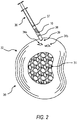
- One advantage of the clonidine depot compositions and methods is that the drug depot can now be easily delivered to the target tissue site (e.g., at the nucleus pulposus, or near the spinal column, etc .) and reduce, prevent or treat the intervertebral disc herniation. In this way, accurate and precise implantation of the drug depot in a minimally invasive procedure to treat the disc herniation can be accomplished.
- the methods and compositions of the present application utilize the alpha adrenergic agonist clonidine.
- Human adrenergic receptors are integral membrane proteins, which have been classified into two broad classes, the alpha and the beta adrenergic receptors.
- alpha and beta receptors were further subdivided into alpha-1, alpha-2, alpha-1/alpha-2 subtypes. Functional differences between alpha-1 and alpha-2 receptors have been recognized, and compounds, which exhibit selective binding between these two subtypes have been developed.
- the selective ability of the R(+) enantiomer of terazosin to selectively bind to adrenergic receptors of the alpha-1 subtype was reported.
- alpha-1/alpha-2 selectivity of this compound was disclosed as being significant because agonist stimulation of the alpha-2 receptors was said to inhibit secretion of epinephrine and norepinephrine, while antagonism of the alpha-2 receptor was said to increase secretion of these hormones.
- alpha-adrenergic receptors the reader's attention is directed to text known in the art such as for example Robert R. Ruffolo, Jr., alpha-Adrenoreceptors: Molecular Biology, Biochemistry and Pharmacology, (Progress in Basic and Clinical Pharmacology series, Karger, 1991 ).
- alpha-1 adrenergic receptors have also been classified alpha-2A, alpha-2B, and alpha-2C receptors based on their pharmacological and molecular characterization: alpha-2A/D (alpha-2A in human and alpha-2D in rat); alpha-2B; and alpha-2C ( Bylund et al., Pharmacol. Rev. 46:121-136 (1994 ); and Hein and Kobilka, Neuropharmacol. 357-366 (1995 )).
- the alpha-2A and alpha-2B subtypes can regulate arterial contraction in some vascular beds, and the alpha-2A and alpha-2C subtypes mediate feedback inhibition of norepinephrine release from sympathetic nerve endings.
- the alpha-2A subtype also mediates many of the central effects of alpha-2 adrenergic agonists ( Calzada and Artinano, Pharmacol. Res. 44: 195-208 (2001 ); Hein et al., Ann. NY Acad. Science 881:265-271 (1999 ).
- Each alpha-2 receptor subtype appears to exhibit its own pharmacological and tissue specificities. Compounds having a degree of specificity for one or more of these subtypes may be more specific therapeutic agents for a given indication than, for example, an alpha-2 receptor pan-agonist (such as the drug clonidine).
- alpha adrenergic agonist refers to any compound that binds to and/or activates and/or agonizes at least one or more alpha-adrenergic receptor or its subtypes to any degree and/or stabilizes at least one or more alpha-adrenergic receptor or its subtypes in an active or inactive conformation.
- alpha-adrenergic receptor agonist it is meant to include partial agonists, inverse agonists, as well as complete agonists of one or more alpha-adrenergic receptors or its subtypes.
- alpha adrenergic receptor agonist "alpha adrenergic agonist” and "alpha agonist” as used herein, are synonymous.
- An alpha adrenergic agonist may be a selective alpha-1 adrenergic agonist, a selective alpha-2 adrenergic agonist, or a mixed alpha-1/alpha-2 adrenergic agonist.
- mixed alpha-1/alpha-2 agonist refers to a drug that activates both the alpha-1 receptor and the alpha-2 receptor including one or more of its subtypes. It may also be referred to as a non-selective alpha agonist.
- selective alpha-2 agonists may weakly activate the alpha-1 receptor and the alpha-1 agonist may weakly activate the alpha-2 receptor but this weak activation will not be to any significant amount and thus the compound is still classified as a selective alpha-1 or alpha-2 agonist.
- activate refers to binding to a receptor and causing the receptor to produce a cellular or physiological change.
- Agonist activation can be characterized using any of a variety of routine assays, including, for example, Receptor Selection and Amplification Technology (RSAT) assays ( Messier et al., Pharmacol. Toxicol. 76:308-11 (1995 ); cyclic AMP assays ( Shimizu et al., J. Neurochem. 16:1609-1619 (1969 )); and cytosensor microphysiometry assays ( Neve et al., J. Biol. Chem. 267:25748-25753 (1992 )).
- RSAT Receptor Selection and Amplification Technology
- such assays generally are performed using cells that naturally express only a single alpha adrenergic receptor subtype, or using transfected cells expressing a single recombinant alpha-adrenergic receptor subtype.
- the adrenergic receptor can be a human receptor or homolog of a human receptor having a similar pharmacology.
- the RSAT assay measures receptor-mediated loss of contact inhibition resulting in selective proliferation of receptor-containing cells in a mixed population of confluent cells. The increase in cell number is assessed with an appropriate detectable marker gene such as beta-galactosidase, if desired, in a high throughput or ultra high throughput assay format. Receptors that activate the G protein, Gq, elicit the proliferative response.
- Alpha-adrenergic receptors which normally couple to Gi, activate the RSAT response when coexpressed with a hybrid Gq protein containing a Gi receptor recognition domain, designated Gq/i5 ( Conklin et al., Nature 363:274-6 (1993 )).
- the target tissue site chosen for alpha-agonist delivery depends on, among other things, upon the condition being treated, desired therapeutic concentration of the drug to be achieved in the patient and the duration of drug concentration that must be maintained.
- local administration of the drug depot at or near the target tissue site allows for a lower dose of the alpha adrenergic agonist to be used than the usual oral, intravenous, or intramuscular dose.
- local administration of the drug depot can be accomplished with daily doses that are 20%, 15%, 10%, 5%, 1%, 0.5%, 0.1%, 0.01% of the usual oral, intravenous or intramuscular dose.
- systemic side effects such as for example, liver transaminase elevations, hepatitis, liver failure, myopathy, constipation, etc. may be reduced or eliminated.
- Dosages of clonidine for producing an analgesic effect in human patients upon local administration can typically range in some aspects from between about 150 micrograms to 800 micrograms per day or from 3-12 micrograms/hour by local infusion.
- the effective concentration will vary depending upon the route of administration, the frequency of administration, the formulation administered, and the condition being treated.
- clonidine is administered in an amount of about 0.0001 mg/kg/day to about 40 mg/kg/day for reducing, preventing or treating pain and/or inflammation from degenerative disc disease. In another aspect, clonidine is administered in an amount of about 0.001 mg/kg/day to about 4 mg/kg/day. In one aspect, clonidine is administered in an amount of about 0.01 mg/kg/day to about 0.4 mg/kg/day.
- clonidine can be administered in a drug depot, which also contains another anti-inflammatory and/or an analgesic.
- a drug depot which also contains another anti-inflammatory and/or an analgesic.
- alpha adrenergic agonists in the drug depot, this can enhance the effect of the analgesic and/or anti-inflammatory.
- "enhanced effect” means that, when co-administered with an alpha adrenergic agonist, lower doses of the selected analgesic and/or ant-inflammatory agent may be required to achieve the same analgesic effect as when the analgesic and/or anti-inflammatory is administered alone or greater analgesic or anti-inflammatory effect is achieved when usual doses of the selected analgesic and/or anti-inflammatory is administered with an alpha adrenergic agonist.
- Analgesic refers to an agent or compound that can reduce, relieve or eliminate pain.
- examples of analgesic agents include but are not limited to acetaminophen, a local anesthetic, such as for example, lidocaine, bupivicaine, ropivacaine, opioid analgesics such as buprenorphine, butorphanol, dextromoramide, dezocine, dextropropoxyphene, diamorphine, fentanyl, alfentanil, sufentanil, hydrocodone, hydromorphone, ketobemidone, levomethadyl, levorphanol, mepiridine, methadone, morphine, nalbuphine, opium, oxycodone, papaveretum, pentazocine, pethidine, phenoperidine, piritramide, dextropropoxyphene, remifentanil, sufentanil
- anti-inflammatory agent refers to an agent or compound that has anti-inflammatory effects. These agents may remedy pain by reducing inflammation.
- anti-inflammatory agents include, but are not limited to, a statin, sulindac, sulfasalazine, guanidinoethyldisulfide, naroxyn, diclofenac, indomethacin, ibuprofen, flurbiprofen, ketoprofen, aclofenac, aloxiprin, aproxen, aspirin, diflunisal, fenoprofen, mefenamic acid, naproxen, phenylbutazone, piroxicam, meloxicam, salicylamide, salicylic acid, desoxysulindac, tenoxicam, ketoralac, flufenisal, salsalate, triethanolamine salicylate, aminopyrine, antipyrine, oxyphenbut
- Anti-inflammatory agents also include other compounds such as steroids, such as for example, fluocinolone, cortisol, cortisone, hydrocortisone, fludrocortisone, prednisone, prednisolone, methylprednisolone, triamcinolone, betamethasone, dexamethasone, beclomethasone, fluocinolone, fluticasone interleukin-1 receptor antagonists, thalidomide (a TNF- ⁇ release inhibitor), thalidomide analogues (which reduce TNF- ⁇ production by macrophages), bone morphogenetic protein (BMP) type 2 or BMP-4 (inhibitors of caspase 8, a TNF- ⁇ activator), quinapril (an inhibitor of angiotensin II, which upregulates TNF- ⁇ ), interferons such as IL-11 (which modulate TNF- ⁇ receptor expression), and aurin-tricarboxylic acid (which inhibits TNF- ⁇ ), guanidin
- anti-inflammatory agents include, for example, naproxen; diclofenac; celecoxib; sulindac; diflunisal; piroxicam; indomethacin; etodolac; meloxicam; ibuprofen; ketoprofen; r-flurbiprofen; mefenamic; nabumetone; sulfasalazine, sulindac, tolmetin, and sodium salts of each of the foregoing; ketorolac bromethamine; ketorolac tromethamine; ketorolac acid; choline magnesium trisalicylate; rofecoxib; valdecoxib; lumiracoxib; etoricoxib; aspirin; salicylic acid and its sodium salt; salicylate esters of alpha, beta, gamma-tocopherols and tocotrienols (and all their d, 1, and racemic isomers); methyl, ethyl
- steroids include, for example, 21-acetoxypregnenolone, alclometasone, algestone, amcinonide, beclomethasone, betamethasone, budesonide, chloroprednisone, clobetasol, clobetasone, clocortolone, cloprednol, corticosterone, cortisone, cortivazol, deflazacort, desonide, desoximetasone, dexamethasone, dexamethasone 21-acetate, dexamethasone 21-phosphate di-Na salt, diflorasone, diflucortolone, difluprednate, enoxolone, fluazacort, flucloronide, flumethasone, flunisolide, fluocinolone acetonide, fluocinonide, fluocortin butyl, fluocortolone, fluorometholone, fluperolone a
- Examples of a useful statin that can be included in the depot for treatment of pain and/or inflammation include, but is not limited to, atorvastatin, simvastatin, pravastatin, cerivastatin, mevastatin (see U.S. Pat. No. 3,883,140 , the entire disclosure is herein incorporated by reference), velostatin (also called synvinolin; see U.S. Pat. Nos. 4,448,784 and 4,450,171 these entire disclosures are herein incorporated by reference), fluvastatin, lovastatin, rosuvastatin and fluindostatin (Sandoz XU-62-320), dalvastain (EP Appln. Publn. No.
- statin may comprise mixtures of (+)R and (-)-S enantiomers of the statin. In various aspects, the statin may comprise a 1:1 racemic mixture of the statin.
- Pharmaceutically acceptable salts include those salt-forming acids and bases that do not substantially increase the toxicity of the compound.
- Some examples of potentially suitable salts include salts of alkali metals such as magnesium, calcium, sodium, potassium and ammonium, salts of mineral acids such as hydrochloric, hydriodic, hydrobromic, phosphoric, metaphosphoric, nitric and sulfuric acids, as well as salts of organic acids such as tartaric, acetic, citric, malic, benzoic, glycollic, gluconic, gulonic, succinic, arylsulfonic, e.g., p-toluenesulfonic acids, or the like.
- the drug depot may comprise a physical structure to facilitate implantation and retention in a desired site (e.g., a disc space, a spinal canal, a tissue of the patient, particularly at or near a site of surgery, or other site of inflammation, etc.).
- the drug depot also comprises the drug itself.
- drug as used herein is generally meant to refer to any substance that alters the physiology of a patient.
- drug may be used interchangeably herein with the terms "therapeutic agent,” “therapeutically effective amount,” and “active pharmaceutical ingredient” or “API.” It will be understood that unless otherwise specified a “drug” formulation may include more than one therapeutic agent, wherein exemplary combinations of therapeutic agents include a combination of two or more drugs.
- the drug provides a concentration gradient of the therapeutic agent for delivery to the site.
- the drug depot provides an optimal drug concentration gradient of the therapeutic agent at a distance of up to about 0.1 mm to about 5 cm from the implant site, and comprises at least one alpha adrenergic receptor agonist or its pharmaceutically acceptable salt.
- a “depot” includes but is not limited to capsules, microspheres, microparticles, microcapsules, microfibers particles, nanospheres, nanoparticles, coating, matrices, wafers, pills, pellets, emulsions, liposomes, micelles, gels, fiber, strip, sheet or other pharmaceutical delivery compositions or a combination thereof.
- the drug depot may comprise a pump that holds and administers the pharmaceutical.
- the drug depot has pores that allow release of the drug from the depot.
- the drug depot will allow fluid in the depot to displace the drug. However, cell infiltration into the depot will be prevented by the size of the pores of the depot. In this way, in some aspects, the depot should not function as a tissue scaffold and allow tissue growth.
- the drug depot will solely be utilized for drug delivery.
- the pores in the drug depot will be less than 250 to 500 microns. This pore size will prevent cells from infiltrating the drug depot and laying down scaffolding cells.
- drug will elute from the drug depot as fluid enters the drug depot, but cells will be prevented from entering.
- the drug will elute out from the drug depot by the action of enzymes, by hydrolytic action and/or by other similar mechanisms in the human body.
- Suitable materials for the depot are ideally pharmaceutically acceptable biodegradable and/or any bioabsorbable materials that are preferably FDA approved or GRAS materials.
- the drug depot comprises at least one biodegradable material in a wt% of about 99.5%, 99%, 98%, 97%, 96%, 95%, 94%, 93%, 92%, 91%, 90%, , 89%, 88%, 87%, 86%, 85%, 84%, 83%, 82%, 81%, or 80% based on the total weight of the depot and the remainder is active and/or inactive pharmaceutical ingredients.
- the loading of clonidine in the drug depot is from 5 to about 20 wt.%. In some aspects, the loading is from about 10 wt.% to about 20 wt.%.
- a “therapeutically effective amount” or “effective amount” is such that when administered, the drug results in alteration of the biological activity, such as, for example, inhibition of inflammation, reduction or alleviation of pain, improvement in the degenerative disc disease, etc.
- the dosage administered to a patient can unless otherwise specified or apparent from context be as single or multiple doses depending upon a variety of factors, including the drug's administered pharmacokinetic properties, the route of administration, patient conditions and characteristics (sex, age, body weight, health, size, etc.), extent of symptoms, concurrent treatments, frequency of treatment and the effect desired.
- the formulation is designed for immediate release.
- the formulation is designed for sustained release.
- the formulation comprises one or more immediate release surfaces and one or more sustain release surfaces.
- sustained release or “sustain release” (also referred to as extended release or controlled release) are used herein to refer to one or more therapeutic agent(s) that is introduced into the body of a human or other mammal and continuously or continually releases a stream of one or more therapeutic agents over a predetermined time period and at a therapeutic level sufficient to achieve a desired therapeutic effect throughout the predetermined time period.
- Reference to a continuous or continual release stream is intended to encompass release that occurs as the result of biodegradation in vivo of the drug depot, or a matrix or component thereof, or as the result of metabolic transformation or dissolution of the therapeutic agent(s) or conjugates of therapeutic agent(s).
- sustained release formulations may, by way of example, be created as films, slabs, sheets, pellets, microparticles, microspheres, microcapsules, spheroids, shaped derivatives or paste.
- the formulations may be in a form that is suitable for suspension in isotonic saline, physiological buffer or other solution acceptable for injection into a patient.
- the formulations may be used in conjunction with any implantable, insertable or injectable system that a person of ordinary skill would appreciate as useful in connection with aspects herein including but not limited to parenteral formulations, microspheres, microcapsules, gels, pastes, implantable rods, pellets, plates or fibers, etc.
- immediate release is used herein to refer to one or more therapeutic agent(s) that is introduced into the body and that is allowed to dissolve in or become absorbed at the location to which it is administered, with no intention of delaying or prolonging the dissolution or absorption of the drug.
- Immediate release refers to the release of drug within a short time period following administration, e.g., generally within a few minutes to about 1 hour.
- mammal refers to organisms from the taxonomy class "mammalian,” including but not limited to humans, other primates such as chimpanzees, apes, orangutans and monkeys, rats, mice, cats, dogs, cows, horses, etc. In various aspects, the mammal is a human patient.
- release rate profile refers to the percentage of active ingredient that is released over fixed units of time, e.g., mcg/hr, mcg/day, mg/hr, mg/day, 10% per day for ten days, etc.
- a release rate profile may be but need not be linear.
- the drug depot may be a pellet that releases at least one alpha agonist over a period of time.
- Treating or treatment of a disease or condition refers to executing a protocol, which may include administering one or more drugs to a patient (human, normal or otherwise, or other mammal), in an effort to alleviate signs or symptoms of the disease. Alleviation can occur prior to signs or symptoms of the disease or condition appearing, as well as after their appearance. Thus, “treating” or “treatment” includes “preventing” or “prevention” of disease or undesirable condition. In addition, “treating” or “treatment” does not require complete alleviation of signs or symptoms, does not require a cure, and specifically includes protocols that have only a marginal effect on the patient.
- Reducing pain and/or inflammation includes a decrease in pain and/or inflammation and does not require complete alleviation of pain and/or inflammation signs or symptoms, and does not require a cure. In various aspects, reducing pain and/or inflammation includes even a marginal decrease in pain and/or inflammation.
- the administration of the effective dosage alpha adrenergic receptor agonist may be used to prevent, treat or relieve the symptoms of pain and/or inflammation for different diseases or conditions.
- These disease/conditions may comprise oral-facial diseases, bursitis, tendonitis, chronic inflammatory diseases, including, but not limited to autoimmune diseases, such as multiple sclerosis, degenerative disc disease, rheumatoid arthritis, osteoarthritis, insulin dependent diabetes (type I diabetes), systemic lupus erythrematosis and psoriasis, immune pathologies induced by infectious agents, such as helminthic (e.g., leishmaniasis) and certain viral infections, including HIV, and bacterial infections, including Lyme disease, tuberculosis and lepromatous leprosy, tissue transplant rejection, graft versus host disease and atopic conditions, such as asthma and allergy, including allergic rhinitis, gastrointestinal allergies, including food allergies, eosinophilia, conjunctivitis or glomerular nephritis.
- autoimmune diseases such as multiple sclerosis, degenerative disc disease, rheumatoid arthritis, osteo
- sciatica is an example of pain that can transition from acute to neuropathic pain.
- Sciatica refers to pain associated with the sciatic nerve which runs from the lower part of the spinal cord (the lumbar region), down the back of the leg and to the foot.
- Sciatica generally begins with a herniated disc.
- the herniated disc itself leads to local immune system activation.
- the herniated disc also may damage the nerve root by pinching or compressing it, leading to additional immune system activation in the area.
- the alpha adrenergic agonist may be used to reduce, treat, or prevent sciatic pain and/or inflammation by locally administering the alpha adrenergic agonist at one or more target tissue sites (e.g., nerve root, dorsal root ganglion, focal sites of pain, at or near the spinal column, etc.).
- target tissue sites e.g., nerve root, dorsal root ganglion, focal sites of pain, at or near the spinal column, etc.
- “Localized” delivery includes delivery where one or more drugs are deposited within a tissue, for example, a nerve root of the nervous system or a region of the brain, or in close proximity (within about 10 cm, or within about 5 cm, or within 0.1 cm for example) thereto.
- a "targeted delivery system” provides delivery of one or more drugs depots, gels or depot dispersed in the gel having a quantity of therapeutic agent that can be deposited at or near the target site as needed for treatment of pain, inflammation or other disease or condition.
- biodegradable includes that all or parts of the drug depot will degrade over time by the action of enzymes, by hydrolytic action and/or by other similar mechanisms in the human body.
- biodegradable includes that the depot (e.g., microparticle, microsphere, etc .) can break down or degrade within the body to non-toxic components after or while a therapeutic agent has been or is being released.
- bioerodible it is meant that the depot will erode or degrade over time due, at least in part, to contact with substances found in the surrounding tissue, fluids or by cellular action.
- bioabsorbable it is meant that the depot will be broken down and absorbed within the human body, for example, by a cell or tissue.
- Biocompatible means that the depot will not cause substantial tissue irritation or necrosis at the target tissue site.
- pain management medication includes one or more therapeutic agents that are administered to prevent, alleviate or remove pain entirely. These include one or more alpha adrenergic agonists alone or in combination with an anti-inflammatory agent, muscle relaxant, analgesic, anesthetic, narcotic, or so forth, or combinations thereof.
- the depot can be designed to cause an initial burst dose of therapeutic agent within the first 24 hours, 2 days, 3 days, 4 days, or 5 days after implantation.
- "Initial burst” or “burst effect” or “bolus dose” refer to the release of therapeutic agent from the depot during the first 24 hours, 2 days, 3 days, 4 days, or 5 days after the depot comes in contact with an aqueous fluid (e.g., cerebral spinal fluid, blood, etc .) .
- This burst effect is particularly beneficial for the analgesic, while in various aspects, for the anti-inflammatory agent a more linear release of a longer duration may be desired.
- the "burst effect” is believed to be due to the increased release of therapeutic agent from the depot.
- the depot e.g., gel, pellet, wafer, etc.
- the depot is designed to avoid this initial burst effect (e.g., by applying an outer polymer coating to the depot).
- the drug depot comprising at least clonidine or its pharmaceutically acceptable salt may be co-administered with a muscle relaxant. Coadministration may involve administering at the same time in separate drug depots or formulating together in the same drug depot.
- Exemplary muscle relaxants include by way of example and not limitation, alcuronium chloride, atracurium bescylate, baclofen, carbolonium, carisoprodol, chlorphenesin carbamate, chlorzoxazone, cyclobenzaprine, dantrolene, decamethonium bromide, camdinium, gallamine triethiodide, hexafluorenium, meladrazine, mephensin, metaxalone, methocarbamol, metocurine iodide, pancuronium, pridinol mesylate, styramate, suxamethonium, suxethonium, thiocolchicoside, tizanidine, tolperisone, tubocuarine, vecuronium, or combinations thereof.
- the drug depot may also comprise other therapeutic agents or active ingredients in addition to the at least one alpha adrenergic agonist or its pharmaceutically acceptable salt.
- additional therapeutic agents include, but are not limited to, integrin antagonists, alpha-4 beta-7 integrin antagonists, cell adhesion inhibitors, interferon gamma antagonists, CTLA4-Ig agonists/antagonists (BMS-188667), CD40 ligand antagonists, Humanized anti-IL-6 mAb (MRA, Tocilizumab, Chugai), HMGB-1 mAb (Critical Therapeutics Inc.), anti-IL2R antibodies (daclizumab, basilicimab), ABX (anti IL-8 antibodies), recombinant human IL-10, or HuMax IL-15 (anti-IL 15 antibodies).
- IL-1 inhibitors such as Kineret® (anakinra) which is a recombinant, non-glycosylated form of the human inerleukin-1 receptor antagonist (IL-IRa), or AMG 108, which is a monoclonal antibody that blocks the action of IL-1.
- Therapeutic agents also include excitatory amino acids such as glutamate and aspartate, antagonists or inhibitors of glutamate binding to NMDA receptors, AMPA receptors, and/or kainate receptors. It is contemplated that where desirable a pegylated form of the above may be used.
- examples of other therapeutic agents include NF kappa B inhibitors such as glucocorticoids, or antioxidants, such as dilhiocarbamate.
- additional therapeutic agents suitable for use include, but are not limited to, an anabolic growth factor or anti-catabolic growth factor, or an osteoinductive growth factor or a combination thereof.
- Suitable anabolic growth or anti-catabolic growth factors include, but are not limited to, a bone morphogenetic protein, a growth differentiation factor, a LIM mineralization protein, CDMP or progenitor cells or a combination thereof.
- suitable analgesic agents include, but are not limited to, acetaminophen, bupivacaine, tramadol, opioid analgesics such as amitriptyline, carbamazepine, gabapentin, pregabalin, opioid analgesics or a combination thereof.
- Opioid analgesics include, alfentanil, allylprodine, alphaprodine, anileridine, benzylmorphine, bezitramide, buprenorphine, butorphanol, clonitazene, codeine, desomorphine, dextromoramide, dezocine, diampromide, diamorphone, dihydrocodeine, dihydromorphine, dimenoxadol, dimepheptanol, dimethylthiambutene, dioxaphetyl butyrate, dipipanone, eptazocine, ethoheptazine, ethylmethylthiambutene, ethylmorphine, etonitazene, fentanyl, heroin, hydrocodone, hydromorphone, hydroxypethidine, isomethadone, ketobemidone, levorphanol, levophenacylmorphan, lofentanil, me
- the release of clonidine may be for at least three, at least four, at least five, at least six, at least seven, at least eight, at least nine, at least ten, at least eleven, at least twelve, at least thirteen, at least fourteen, or at least fifteen days, or longer.
- the alpha adrenergic receptor agonist is clonidine.
- clonidine unless otherwise specified or apparent from context it is understood that the inventor is also referring to its hydrochloride salt.
- the dosage may be from approximately 0.0005 to approximately 960 ⁇ g/day. Additional dosages of clonidine include from approximately 0.0005 to approximately 900 ⁇ g/day; approximately 0.0005 to approximately 500 ⁇ g/day; approximately 0.0005 to approximately 250 ⁇ g/day; approximately 0.0005 to approximately 100 ⁇ g/day; approximately 0.0005 to approximately 75 ⁇ g/day; approximately 0.001 to approximately 70 ⁇ g/day; approximately 0.001 to approximately 65 ⁇ g/day; approximately 0.001 to approximately 60 ⁇ g/day; approximately 0.001 to approximately 55 ⁇ g/day; approximately 0.001 to approximately 50 ⁇ g/day; approximately 0.001 to approximately 45 ⁇ g/day; approximately 0.001 to approximately 40 ⁇ g/day; approximately 0.001 to approximately 35 ⁇ g/day; approximately 0.0025 to approximately 30 ⁇ g/day; approximately 0.0025 to approximately 25 ⁇ g/day; approximately 0.0025 to approximately 20 ⁇ g/day; approximately 0.0025 to approximately 15 ⁇ g/day; approximately 0.00
- the dosage of clonidine is from approximately 0.005 to approximately 15 ⁇ g/day. In another aspect , the dosage of clonidine is from approximately 0.005 to approximately 10 ⁇ g/day. In another aspect , the dosage of clonidine is from approximately 0.005 to approximately 5 ⁇ g/day. In another aspect , the dosage of clonidine is from approximately 0.005 to 2.5 ⁇ g/day. In some aspects, the amount of clonidine is between 40 and 600 ⁇ g/day. In some aspects, the amount of clonidine is between 200 and 400 ⁇ g/day.
- a pharmaceutical formulation comprising: clonidine, wherein the clonidine comprises from 5 wt.% to about 15 wt.% or about 7.5 wt.% to about 12.5 wt.% of the formulation.
- the mole ratio of clonidine to polymer would be from approximately 16 - 53 when using an approximately 80 kDalton polymer that has a 267 grams/mole ratio.
- the mole ratio of clonidine base to polymer would be from approximately 18 - 61 with a mole mass of 230g/mol.
- the drug particle size used in the drug depot is from about 5 to 30 micrometers, however, in various aspects ranges from about 1 micron to 250 microns may be used.
- the biodegradable polymer comprises at least at least 80 wt.% of the formulation, at least 85 wt.% of the formulation, at least 90 wt.% of the formulation, at least 95 wt.% of the formulation or at least 97 wt.% of the formulation.
- the at least one biodegradable polymer and the clonidine are the only components of the pharmaceutical formulation.
- At least 75% of the particles have a size from about 10 micrometer to about 200 micrometers. In some aspects, at least 85% of the particles have a size from about 10 micrometer to about 200 micrometers. In some aspects, at least 95% of the particles have a size from about 10 micrometer to about 200 micrometers. In some aspects, all of the particles have a size from about 10 micrometer to about 200 micrometers.
- At least 75% of the particles have a size from about 20 micrometer to about 180 micrometers. In some aspects, at least 85% of the particles have a size from about 20 micrometers to about 180 micrometers. In some aspects, at least 95% of the particles have a size from about 20 micrometer to about 180 micrometers. In some aspects, all of the particles have a size from about 20 micrometer to about 180 micrometers.
- methods for treating pain comprise: administering a pharmaceutical composition to an organism, wherein said pharmaceutical composition comprises from about 5 wt.% to about 20 wt.% of the formulation, and at least one biodegradable polymer.
- the loading is from about 5 wt.% to about 10 wt.%. In some aspects, the loading is from about 10 wt.% to about 20 wt.%.
- the drug depot contains excipients along with the clonidine.
- excipients that may be formulated with clonidine in addition to the biodegradable polymer include but are not limited to MgO (e.g., 1 wt.%), 5050 DLG 6E, 5050 DLG 1A, mPEG, TBO-Ac, mPEG, Span-65, Span-85, pluronic F127, TBO-Ac, sorbital, cyclodextrin, maltodextrin, pluronic F68, CaCl, 5050 DLG-7A and combinations thereof.
- the excipients comprise from about 0.001 wt.% to about 10 wt.% of the formulation.
- the excipients comprise from about 0.001 wt.% to about 2 wt.% of the formulation.
- a strategy of triangulation may be effective when administering the drug depot.
- a plurality (at least two, at least three, at least four, at least five, at least six, at least seven, etc.) drug depots comprising the pharmaceutical formulations (e.g., alpha adrenergic receptor agonist) may be placed around the target tissue site (also known as the pain generator or pain generation site, such as for example, herniated disc) such that the target tissue site falls within a region that is either between the formulations when there are two, or within an area whose perimeter is defined by a set of plurality of formulations.
- the target tissue site also known as the pain generator or pain generation site, such as for example, herniated disc
- the formulations are slightly rigid with varying length, widths, diameters, etc.
- certain formulations may have a diameter of 0.50 mm and a length of 4 mm.
- particle size may be altered by techniques such as using a mortar and pestle, jet-drying or jet milling.
- clonidine is released at a rate of 2-3 ⁇ g per day for a period of at least three days. In some aspects, this release rate continues for, at least ten days, at least fifteen days, at least twenty-five days, at least fifty days, at least ninety days, at least one hundred days, at least one-hundred and thirty-five days, at least one-hundred and fifty days, or at least one hundred and eighty days.
- 300 -425 micrograms of clonidine as formulated with a biopolymer are implanted into a person at or near a target tissue site.
- the total amount of clonidine at each site is a fraction of the total 300-425 micrograms. For example, one may implant a single dose of 324 micrograms at one site, or two separate doses of 162 micrograms at two sites, or three separate dose of 108 micrograms at three sites that triangulate the tissue site. It is important to limit the total dosage to an amount less than that which would be harmful to the organism.
- each site may contain less than the total dose that might have been administered in a single application, it is important to remember that each site will independently have a release profile, and the biopolymers' concentration and substance should be adjusted accordingly to ensure that the sustain release occurs over sufficient time.
- a drug depot comprising clonidine or clonidine hydrochloride and a polymer, wherein the polymer is polylactide (PLA), D-lactide, D,L-lactide or L-lactide.
- PLA polylactide
- D-lactide D,L-lactide or L-lactide
- a rat may be provided with sufficient clonidine in a biodegradable polymer to provide sustain release of 0.240 ⁇ g/day for 135 days. The total amount of clonidine that is administered over this time period would be approximately 32.4 ⁇ g.
- a human is provided with sufficient clonidine in a biodegradable polymer to provide sustain release of 2.4 ⁇ g/day for 135 days. The total amount of clonidine that is administered over this time period would be approximately 324 ⁇ g.
- the pellet number is based on the amount of drug loading into a pellet of appropriate size (i.e., 0.5 mm diameter x 4 mm length) and how much drug is needed (e.g., approximately 325 ⁇ g clonidine (3 pellets)).
- a polymer that releases a bolus amount of compound over the first few ( ⁇ 5) days before it settles down and releases 2.5 mg/day for 135 days.
- An exemplary formulation is 5% wt. clonidine, 100 DL 5E.
- the polymer depots of present application enable one to provide efficacy of the active ingredient that is equivalent to subcutaneous injections that deliver more than 2.5 times as much drug.
- the alpha adrenergic agonist may also be administered with non-active ingredients. These non-active ingredients may have multi-functional purposes including the carrying, stabilizing and controlling the release of the therapeutic agent(s).
- the sustained release process for example, may be by a solution-diffusion mechanism or it may be governed by an erosion-sustained process.
- the depot will be a solid or semi-solid formulation comprised of a biocompatible material that can be biodegradable.
- solid is intended to mean a rigid material, while “semi-solid” is intended to mean a material that has some degree of flexibility, thereby allowing the depot to bend and conform to the surrounding tissue requirements.
- the non-active ingredients will be durable within the tissue site for a period of time equal to or greater than (for biodegradable components) or greater than (for non-biodegradable components) the planned period of drug delivery.
- the depot material may have a melting point or glass transition temperature close to or higher than body temperature, but lower than the decomposition or degradation temperature of the therapeutic agent.
- the pre-determined erosion of the depot material can also be used to provide for slow release of the loaded therapeutic agent(s).
- the depot may comprise a bioabsorbable, and/or a biodegradable biopolymer that may provide immediate release, or sustained release of the at least one analgesic agent and/or at least one anti-inflammatory agent.
- suitable sustained release biopolymers include but are not limited to poly (alpha-hydroxy acids), poly (lactide-co-glycolide) (PLGA or PLG), polylactide (PLA), polyglycolide (PG), polyethylene glycol (PEG) conjugates of poly (alpha-hydroxy acids), polyorthoesters, polyaspirins, polyphosphagenes, collagen, starch, pre-gelatinized starch, hyaluronic acid, chitosans, gelatin, alginates, albumin, fibrin, vitamin E analogs, such as alpha tocopheryl acetate, d-alpha tocopheryl succinate, D,L-lactide, or L-lactide, ,-caprolactone, dextrans,
- mPEG may be used as a plasticizer for PLGA, but other polymers/excipients may be used to achieve the same effect. mPEG imparts malleability to the resulting formulations.
- these biopolymers may also be coated on the drug depot to provide the desired release profile.
- the coating thickness may be thin, for example, from about 5, 10, 15, 20, 25, 30, 35, 40, 45 or 50 microns to thicker coatings 60, 65, 70, 75, 80, 85, 90, 95, or 100 microns to delay release of the drug from the depot.
- the range of the coating on the drug depot ranges from about 5 microns to about 250 microns or 5 microns to about 200 microns to delay release from the drug depot.
- the at least one biodegradable polymer comprises 100% polylactide and 0% polyglycolide.
- the drug depot comprises polyglycolide (PGA), D-lactide, D,L-lactide, L-lactide, or a combination thereof.
- PGA polyglycolide
- implantable elastomeric depot compositions having a blend of polymers with different end groups are used the resulting formulation will have a lower burst index and a regulated duration of delivery.
- polymers with acid e.g., carboxylic acid
- ester end groups e.g., lauryl, methyl or ethyl ester end groups.
- a resulting depot composition having a regulated burst index and duration of delivery.
- a depot composition having a polymer with a L/G ratio of 50:50 may have a short duration of delivery ranging from about two days to about one month; a depot composition having a polymer with a L/G ratio of 65:35 may have a duration of delivery of about two months; a depot composition having a polymer with a L/G ratio of 75:25 or L/CL ratio of 75:25 may have a duration of delivery of about three months to about four months; a depot composition having a polymer ratio with a L/G ratio of 85:15 may have a duration of delivery of about five months; a depot composition having a polymer with a L/CL ratio of 25:75 or PLA may have a duration of delivery greater than or equal to six months; a depot composition having a terpolymer of CL/G/L (CL refers to caprolactone, G refers to glycolic acid and L refers to lactic acid) with G greater than 50% and L greater than 10% may have a duration of delivery of about one month and
- the biodegradable polymer comprises at least 80 wt.%, at least 85 wt.%, at least 90 wt.%, at least 95 wt.%, or at least 99 wt.% of the formulation.
- the at least one biodegradable polymer and the at least one alpha agonist are the only components of the pharmaceutical formulation.
- At least 75% of the particles of the drug depot have a size from about 1 micrometer to about 200 micrometers. In some aspects, at least 85% of the particles have a size from about 1 micrometer to about 100 micrometers. In some aspects, at least 95% of the particles have a size from about 5 micrometer to about 50 micrometers. In some aspects, all of the particles have a size from about 10 micrometer to about 50 micrometers.
- At least 75% of the particles of the drug depot have a size from about 5 micrometer to about 20 micrometers. In some aspects, at least 85% of the particles have a size from about 5 micrometers to about 20 micrometers. In some aspects, at least 95% of the particles have a size from about 5 micrometer to about 20 micrometers. In some aspects, all of the particles have a size from about 5 micrometer to about 20 micrometers.
- the depot may optionally contain inactive materials such as buffering agents and pH adjusting agents such as potassium bicarbonate, potassium carbonate, potassium hydroxide, sodium acetate, sodium borate, sodium bicarbonate, sodium carbonate, sodium hydroxide or sodium phosphate; degradation/release modifiers; drug release adjusting agents; emulsifiers; preservatives such as benzalkonium chloride, chlorobutanol, phenylmercuric acetate and phenylmercuric nitrate, sodium bisulfite, sodium bisulfate, sodium thiosulfate, thimerosal, methylparaben, polyvinyl alcohol and phenylethyl alcohol; solubility adjusting agents; stabilizers; and/or cohesion modifiers.
- buffering agents and pH adjusting agents such as potassium bicarbonate, potassium carbonate, potassium hydroxide, sodium acetate, sodium borate, sodium bicarbonate, sodium carbonate, sodium hydroxide or sodium phosphate
- degradation/release modifiers
- any such inactive materials will be present within the range of 0-75 wt %, and more typically within the range of 0-30 wt %.
- the depot may comprise sterile preservative free material.
- the depot can be different sizes, shapes and configurations. There are several factors that can be taken into consideration in determining the size, shape and configuration of the drug depot. For example, both the size and shape may allow for ease in positioning the drug depot at the target tissue site that is selected as the implantation or injection site. In addition, the shape and size of the system should be selected so as to minimize or prevent the drug depot from moving after implantation or injection. In various aspects, the drug depot can be shaped like a pellet, a sphere, a cylinder such as a rod or fiber, a flat surface such as a disc, film or sheet or the like. Flexibility may be a consideration so as to facilitate placement of the drug depot.
- the drug depot can be different sizes, for example, the drug depot may be a length of from about 0.5 mm to 5 mm and have a diameter of from about 0.01 to about 4 mm. In various aspects, the drug depot may have a layer thickness of from about 0.005 to 1.0 mm, such as, for example, from 0.05 to 0.75 mm.
- the drug depot when the drug depot comprises a pellet, it may be placed at the incision site before the site is closed.
- the pellet may for example be made of thermoplastic materials. Additionally, specific materials that may be advantageous for use in the pellet include but are not limited to the compounds identified above as sustained release biopolymers.
- the drug depot may be formed by mixing the at least one alpha adrenergic agonist with the polymer.
- Radiographic markers can be included on the drug depot to permit the user to position the depot accurately into the target site of the patient. These radiographic markers will also permit the user to track movement and degradation of the depot at the site over time. In this aspect, the user may accurately position the depot in the site using any of the numerous diagnostic imaging procedures. Such diagnostic imaging procedures include, for example, X-ray imaging or fluoroscopy. Examples of such radiographic markers include, but are not limited to, barium, bismuth, tantalum, tungsten, iodine, calcium phosphate, and/or metal beads or particles. In various aspects, the radiographic marker could be a spherical shape or a ring around the depot.
- the gel has a pre-dosed viscosity in the range of about 1 to about 2000 centipoise (cps), 1 to about 500 cps, or 1 to about 200 cps or 100 cps.
- the viscosity of the gel will increase and the gel will have a modulus of elasticity (Young's modulus) in the range of about 1 x -10 -2 to about 6 x 10 5 dynes/cm 2 , or 2 x 10 4 to about 5 x 10 5 dynes/cm 2 , or 5 x 10 4 to about 5 x 10 5 dynes/cm 2 .
- a depot contains an adherent gel comprising clonidine that is evenly distributed throughout the gel.
- the gel may be of any suitable type, as previously indicated, and should be sufficiently viscous so as to prevent the gel from migrating from the targeted delivery site once deployed; the gel should, in effect, "stick” or adhere to the targeted tissue site.
- the gel may, for example, solidify upon contact with the targeted tissue or after deployment from a targeted delivery system.
- the targeted delivery system may be, for example, a syringe, a catheter, needle or cannula or any other suitable device.
- the targeted delivery system may inject the gel into or on the targeted tissue site.
- the therapeutic agent may be mixed into the gel prior to the gel being deployed at the targeted tissue site.
- the gel may be part of a two-component delivery system and when the two components are mixed, a chemical process is activated to form the gel and cause it to stick or to adhere to the target tissue.
- a gel that hardens or stiffens after delivery.
- hardening gel formulations may have a pre-dosed modulus of elasticity in the range of about 1 x -10 -2 to about 3 x 10 5 dynes/cm 2 , or 2 x 10 4 to about 2 x 10 5 dynes/cm 2 , or 5 x 10 4 to about 1 x 10 5 dynes/cm 2 .
- the post-dosed hardening gels may have a rubbery consistency and have a modulus of elasticity in the range of about 1 x 10 4 to about 2 x 10 6 dynes/cm 2 , or 1 x 10 5 to about 7 x 10 5 dynes/cm 2 , or 2 x 10 5 to about 5 x 10 5 dynes/cm 2 .
- the polymer concentration may affect the rate at which the gel hardens (e.g., a gel with a higher concentration of polymer may coagulate more quickly than gels having a lower concentration of polymer).
- the resulting matrix is solid but is also able to conform to the irregular surface of the tissue (e.g., recesses and/or projections in bone).
- the percentage of polymer present in the gel may also affect the viscosity of the polymeric composition. For example, a composition having a higher percentage by weight of polymer is typically thicker and more viscous than a composition having a lower percentage by weight of polymer. A more viscous composition tends to flow more slowly. Therefore, a composition having a lower viscosity may be preferred in some instances.
- the molecular weight of the gel can be varied by any one of the many methods known in the art.
- the choice of method to vary molecular weight is typically determined by the composition of the gel (e.g., polymer versus non-polymer).
- the degree of polymerization can be controlled by varying the amount of polymer initiators (e.g. benzoyl peroxide), organic solvents or activator (e.g . DMPT), crosslinking agents, polymerization agent, incorporation of chain transfer or chain capping agents and/or reaction time.
- Suitable gel polymers may be soluble in an organic solvent.
- the solubility of a polymer in a solvent varies depending on the crystallinity, hydrophobicity, hydrogen-bonding and molecular weight of the polymer. Lower molecular weight polymers will normally dissolve more readily in an organic solvent than high-molecular weight polymers.
- a polymeric gel which includes a high molecular weight polymer, tends to coagulate or solidify more quickly than a polymeric composition, which includes a low-molecular weight polymer.
- Polymeric gel formulations, which include high molecular weight polymers also tend to have a higher solution viscosity than a polymeric gel, which include a low-molecular weight polymer.
- the gel When the gel is designed to be a flowable gel, it can vary from low viscosity, similar to that of water, to a high viscosity, similar to that of a paste, depending on the molecular weight and concentration of the polymer used in the gel.
- the viscosity of the gel can be varied such that the polymeric composition can be applied to a patient's tissues by any convenient technique, for example, by brushing, spraying, dripping, injecting, or painting. Different viscosities of the gel will depend on the technique used to apply the composition.
- the gel has an inherent viscosity (abbreviated as "I.V.” and units are in deciliters/gram), which is a measure of the gel's molecular weight and degradation time (e.g., a gel with a high inherent viscosity has a higher molecular weight and may have a longer degradation time).
- I.V inherent viscosity
- a gel with a high molecular weight provides a stronger matrix and the matrix takes more time to degrade.
- a gel with a low molecular weight degrades more quickly and provides a softer matrix.
- the gel has a molecular weight, as shown by the inherent viscosity, from about 0.10 dL/g to about 1.2 dL/g or from about 0.10 dL/g to about 0.40 dL/g.
- the gel can have a viscosity of about 300 to about 5,000 centipoise (cp). In other aspects, the gel can have a viscosity of from about 5 to about 300 cps, from about 10 cps to about 50 cps, from about 15 cps to about 75 cps at room temperature.
- the gel may optionally have a viscosity enhancing agent such as, for example, hydroxypropyl cellulose, hydroxypropyl methylcellulose, hydroxyethyl methylcellulose, carboxymethylcellulose and salts thereof, Carbopol, poly-(hydroxyethylmethacrylate), poly-(methoxyethylmethacrylate), poly(methoxyethoxyethyl methacrylate), polymethylmethacrylate (PMMA), methylmethacrylate (MMA), gelatin, polyvinyl alcohols, propylene glycol, PEG 200, PEG 300, PEG 400, PEG 500, PEG 600, PEG 700, PEG 800, PEG 900, PEG 1000, PEG 1450, PEG 3350, PEG 4500, PEG 8000 or combinations thereof.
- a viscosity enhancing agent such as, for example, hydroxypropyl cellulose, hydroxypropyl methylcellulose, hydroxyethyl methylcellulose, carboxymethylcellulose and salts thereof
- the polymeric composition when a polymer is employed in the gel, includes about 10 wt % to about 90 wt % or about 30 wt % to about 60 wt % of the polymer.
- the gel is a hydrogel made of high molecular weight biocompatible elastomeric polymers of synthetic or natural origin.
- a desirable property for the hydrogel to have is the ability to respond rapidly to mechanical stresses, particularly shears and loads, in the human body.
- Hydrogels obtained from natural sources are particularly appealing because they are more likely to be biodegradable and biocompatible for in vivo applications.
- Suitable hydrogels include natural hydrogels, such as, for example, gelatin, collagen, silk, elastin, fibrin and polysaccharide-derived polymers like agarose, and chitosan, glucomannan gel, hyaluronic acid, polysaccharides, such as cross-linked carboxyl-containing polysaccharides, or a combination thereof.
- Synthetic hydrogels include, but are not limited to those formed from polyvinyl alcohol, acrylamides such as polyacrylic acid and poly (acrylonitrile-acrylic acid), polyurethanes, polyethylene glycol ( e.g., PEG 3350, PEG 4500, PEG 8000), silicone, polyolefins such as polyisobutylene and polyisoprene, copolymers of silicone and polyurethane, neoprene, nitrile, vulcanized rubber, poly(N-vinyl-2-pyrrolidone), acrylates such as poly(2-hydroxy ethyl methacrylate) and copolymers of acrylates with N-vinyl pyrolidone, N-vinyl lactams, polyacrylonitrile or combinations thereof.
- acrylamides such as polyacrylic acid and poly (acrylonitrile-acrylic acid)
- polyurethanes polyethylene glycol (e.g., PEG 3350, PEG 4500
- the hydrogel materials may further be cross-linked to provide further strength as needed.
- polyurethanes include thermoplastic or thermoset polyurethanes, aliphatic or aromatic polyurethanes, polyetherurethane, polycarbonate-urethane or silicone polyether-urethane, or a combination thereof.
- microspheres may be dispersed within the gel, the microspheres being loaded with at least one analgesic agent and/or at least one anti-inflammatory agent.
- the microspheres provide for a sustained release of the at least one alpha-2 adrenergic agonist.
- the gel which is biodegradable, prevents the microspheres from releasing the at least one alpha adrenergic agonist; the microspheres thus do not release the at least one alpha adrenergic agonist until it has been released from the gel.
- a gel may be deployed around a target tissue site (e.g., a nerve root).
- a plurality of microspheres that encapsulate the desired therapeutic agent. Certain of these microspheres degrade once released from the gel, thus releasing the at least one alpha adrenergic agonist.
- the alpha adrenergic agonist may be placed into separate microspheres and then the microspheres combined, or the active ingredients can first be combined and then placed into the microspheres together.
- Microspheres may disperse relatively quickly, depending upon the surrounding tissue type, and hence disperse the at least one analgesic agent and at least one anti-inflammatory agent.
- the diameter of the microspheres range from about 10 microns in diameter to about 200 microns in diameter. In some aspects they range from about 20 to 120 microns in diameters.
- Methods for making microspheres include but are not limited to solvent evaporation, phase separation and fluidized bed coating. In some situations, this may be desirable; in others, it may be more desirable to keep the at least one alpha adrenergic receptor agonist tightly constrained to a well-defined target site.
- the present description also contemplates the use of adherent gels to so constrain dispersal of the therapeutic agent. These gels may be deployed, for example, in a disc space, in a spinal canal, or in surrounding tissue.
- the depot can be administered to the target site using a "cannula" or “needle” that can be a part of a drug delivery device e.g., a syringe, a gun drug delivery device, or any medical device suitable for the application of a drug to a targeted organ or anatomic region.
- a drug delivery device e.g., a syringe, a gun drug delivery device, or any medical device suitable for the application of a drug to a targeted organ or anatomic region.
- the cannula or needle of the drug depot device is designed to cause minimal physical and psychological trauma to the patient.
- Cannulas or needles include tubes that may be made from materials, such as for example, polyurethane, polyurea, polyether(amide), PEBA, thermoplastic elastomeric olefin, copolyester, and styrenic thermoplastic elastomer, steel, aluminum, stainless steel, titanium, metal alloys with high non-ferrous metal content and a low relative proportion of iron, carbon fiber, glass fiber, plastics, ceramics or combinations thereof.
- the cannula or needle may optionally include one or more tapered regions.
- the cannula or needle may be beveled.
- the cannula or needle may also have a tip style vital for accurate treatment of the patient depending on the site for implantation.
- tip styles include, for example, Trephine, Cournand, Veress, Huber, Seldinger, Chiba, Francine, Bias, Crawford, deflected tips, Hustead, Lancet, or Tuohey.
- the cannula or needle may also be non-coring and have a sheath covering it to avoid unwanted needle sticks.
- the dimensions of the hollow cannula or needle will depend on the site for implantation. For example, the width of the epidural space is only about 3-5 mm for the thoracic region and about 5-7 mm for the lumbar region.
- the needle or cannula in various aspects, can be designed for these specific areas.
- the cannula or needle may be inserted using a transforaminal approach in the spinal foramen space, for example, along an inflammed nerve root and the drug depot implanted at this site for treating the condition.
- the transforaminal approach involves approaching the intervertebral space through the intervertebral foramina.
- lengths of the cannula or needle may include, but are not limited to, from about 50 to 150 mm in length, for example, about 65 mm for epidural pediatric use, about 85 mm for a standard adult and about 110 mm for an obese adult patient.
- the thickness of the cannula or needle will also depend on the site of implantation. In various aspects, the thickness includes, but is not limited to, from about 0.05 to about 1.655.
- the gauge of the cannula or needle may be the widest or smallest diameter or a diameter in between for insertion into a human or animal body. The widest diameter is typically about 14 gauge, while the smallest diameter is about 25 gauge. In various aspects the gauge of the needle or cannula is about 18 to about 22 gauge.
- the cannula or needle includes dose radiographic markers that indicate location at or near the site beneath the skin, so that the user may accurately position the depot at or near the site using any of the numerous diagnostic imaging procedures.
- diagnostic imaging procedures include, for example, X-ray imaging or fluoroscopy.
- radiographic markers include, but are not limited to, barium, calcium phosphate, and/or metal beads or particles.
- the needle or cannula may include a transparent or translucent portion that can be visualizable by ultrasound, fluoroscopy, x-ray, or other imaging techniques.
- the transparent or translucent portion may include a radiopaque material or ultrasound responsive topography that increases the contrast of the needle or cannula relative to the absence of the material or topography.
- the drug depot, and/or medical device to administer the drug may be sterilizable.
- one or more components of the drug depot, and/or medical device to administer the drug are sterilized by radiation in a terminal sterilization step in the final packaging. Terminal sterilization of a product provides greater assurance of sterility than from processes such as an aseptic process, which require individual product components to be sterilized separately and the final package assembled in a sterile environment.
- gamma radiation is used in the terminal sterilization step, which involves utilizing ionizing energy from gamma rays that penetrates deeply in the device.
- Gamma rays are highly effective in killing microorganisms, they leave no residues nor have sufficient energy to impart radioactivity to the device.
- Gamma rays can be employed when the device is in the package and gamma sterilization does not require high pressures or vacuum conditions, thus, package seals and other components are not stressed.
- gamma radiation eliminates the need for permeable packaging materials.
- electron beam (e-beam) radiation may be used to sterilize one or more components of the device.
- E-beam radiation comprises a form of ionizing energy, which is generally characterized by low penetration and high-dose rates.
- E-beam irradiation is similar to gamma processing in that it alters various chemical and molecular bonds on contact, including the reproductive cells of microorganisms. Beams produced for e-beam sterilization are concentrated, highly-charged streams of electrons generated by the acceleration and conversion of electricity. E-beam sterilization may be used, for example, when the drug depot is included in a gel.
- kits may also be used to sterilize the depot and/or one or more components of the device, including, but not limited to, gas sterilization, such as, for example, with ethylene oxide or steam sterilization.
- gas sterilization such as, for example, with ethylene oxide or steam sterilization.
- a kit may include additional parts along with the drug depot and/or medical device combined together to be used to implant the drug depot (e.g., pellet).
- the kit may include the drug depot device in a first compartment.
- the second compartment may include a canister holding the drug depot and any other instruments needed for the localized drug delivery.
- a third compartment may include gloves, drapes, wound dressings and other procedural supplies for maintaining sterility of the implanting process, as well as an instruction booklet.
- a fourth compartment may include additional cannulas and/or needles.
- a fifth compartment may include the agent for radiographic imaging. Each tool may be separately packaged in a plastic pouch that is radiation sterilized.
- a cover of the kit may include illustrations of the implanting procedure and a clear plastic cover may be placed over the compartments to maintain sterility.
- the alpha adrenergic agonist may be parenterally administered.
- parenteral refers to modes of administration, which bypass the gastrointestinal tract, and include for example, localized intravenous, intramuscular, continuous or intermittent infusion, intraperitoneal, intrasternal, subcutaneous, intra-operatively, intrathecally, intradiscally, peridiscally, epidurally, perispinally, intraarticular injection or combinations thereof.
- Parenteral administration may additionally include, for example, an infusion pump that locally administers a pharmaceutical composition (e.g., alpha adrenergic agonist) through a catheter near the spine, an implantable mini-pump that can be inserted at or near the target site, an implantable controlled release device or sustained release delivery system that can release a certain amount of the composition continuously per hour or in intermittent bolus doses.
- a suitable pump for use is the SynchroMed® (Medtronic, Minneapolis, Minnesota) pump. This pump has three sealed chambers. One contains an electronic module and battery. The second contains a peristaltic pump and drug reservoir. The third contains an inert gas, which provides the pressure needed to force the pharmaceutical composition into the peristaltic pump.
- the pharmaceutical composition is injected through the reservoir fill port to the expandable reservoir.
- the inert gas creates pressure on the reservoir, and the pressure forces the pharmaceutical composition through a filter and into the pump chamber.
- the pharmaceutical composition is then pumped out of the device from the pump chamber and into the catheter, which will direct it for deposit at the target site.
- the rate of delivery of pharmaceutical composition is controlled by a microprocessor. This allows the pump to be used to deliver similar or different amounts of pharmaceutical composition continuously, at specific times, or at set intervals between deliveries.
- Potential drug delivery devices suitable for adaptation for the methods described herein include but are not limited to those described, for example, in United States Patent No. 6,551,290 (assigned to Medtronic, the entire disclosure is herein incorporated by reference), which describes a medical catheter for target specific drug delivery; United States Patent No. 6,571,125 (assigned to Medtronic), which describes an implantable medical device for controllably releasing a biologically active agent; United States Patent No. 6,594,880 (assigned to Medtronic), which describes an intraparenchymal infusion catheter system for delivering therapeutic agents to selected sites in an organism; and United States Patent No. 5,752,930 (assigned to Medtronic), which describes an implantable catheter for infusing equal volumes of agents to spaced sites.
- pumps may be adapted with a pre-programmable implantable apparatus with a feedback regulated delivery, a micro-reservoir osmotic release system for controlled release of chemicals, small, light-weight devices for delivering liquid medication, implantable microminiature infusion devices, implantable ceramic valve pump assemblies, or implantable infusion pumps with a collapsible fluid chamber.
- Alzet® osmotic pumps Durect Corporation, Cupertino, California
- a method for delivering a therapeutic agent into a surgery site of a patient is provided.
- the implantable Alzet® osmotic pump delivers the alpha agonist locally to the target tissue site on a continuous basis (e.g., the Alzet® osmotic pump allows a continuous infusion in microgram/hr delivery of the alpha agonist intrathecally near the sciatic nerve).
- the method of the present application comprises inserting a cannula at or near a target tissue site (e.g., herniated disc) and implanting the drug depot at the target site beneath the skin of the patient and brushing, dripping, spraying, injecting, or painting the gel in the target site to hold or have the drug depot adhere to the target site. In this way unwanted migration of the drug depot away from the target site is reduced or eliminated.
- a target tissue site e.g., herniated disc
- therapeutically effective doses may be less than doses administered by other routes (oral, topical, etc.).
- the drug dose delivered from the drug depot may be, for example, 10%, 20%, 30%, 40%, 50%, 60%, 70%, 80%, 90%, 95%, 99%, or 99.9% less than the oral dosage or injectable dose.
- systemic side effects such as for example, liver transaminase elevations, hepatitis, liver failure, myopathy, constipation, etc. may be reduced or eliminated.
- first the cannula or needle can be inserted through the skin and soft tissue down to the target tissue site and the gel administered (e.g. , brushed, dripped, injected, or painted, etc .) at or near the target site.
- the cannula or needle can be inserted through the skin and soft tissue down to the site of injection and one or more base layer(s) of gel can be administered to the target site.
- the drug depot can be implanted on or in the base layer(s) so that the gel can hold the depot in place or reduce migration.
- a subsequent layer or layers of gel can be applied on the drug depot to surround the depot and further hold it in place.
- the drug depot may be implanted first and then the gel placed ( e.g ., brushed, dripped, injected, or painted, etc .) around the drug depot to hold it in place.
- the gel By using the gel, accurate and precise implantation of a drug depot can be accomplished with minimal physical and psychological trauma to the patient.
- the gel also avoids the need to suture the drug depot to the target site reducing physical and psychological trauma to the patient.
- a portion of fluid e.g., spinal fluid, etc .
- the depot administered e.g ., placed, dripped, injected, or implanted, etc .
- the target site will re-hydrate (e.g., replenishment of fluid) and this aqueous environment will cause the drug to be released from the depot.
- the at least one alpha adrenergic agonist formulation may be used to form different pharmaceutical preparations (e.g., drug depots, injectable formulations, etc .).
- the pharmaceutical preparations may be formed in and administered with a suitable pharmaceutical carrier that may be solid or liquid, and placed in the appropriate form for parenteral or other administration as desired.
- suitable pharmaceutical carrier include but are not limited to water, saline solution, gelatin, lactose, starches, stearic acid, magnesium stearate, sicaryl alcohol, talc, vegetable oils, benzyl alcohols, gums, waxes, propylene glycol, polyalkylene glycols and other known carriers.
- Another aspect provides a method for treating a mammal suffering from pain and/or inflammation, said method comprising administering a therapeutically effective amount of at least one alpha adrenergic agonist at or near the target site (e.g., herniated disc).
- the at least one alpha adrenergic agonist may for example be administered locally to the target tissue site as a drug depot.
- the therapeutically effective dosage amount e.g., alpha adrenergic agonist dose
- the release rate profile are sufficient to reduce inflammation and/or pain from one or more degenerative discs for a period of 3-7 days, 3-12 days; 3-14 days, 7-10 days, 7-14 days, 7-21 days, 7-30 days, 7-50 days, 7-90 days, 7-140 days, 14-140 days, 3 days to 135 days, 3 days to 150 days, or 3 days to 6 months.
- the at least one alpha adrenergic agonist or a portion of the at least one alpha adrenergic agonist is administered as a bolus dose at the target tissue to provide an immediate release of the alpha adrenergic agonist.
- composition useful for the treatment of inflammation comprising an effective amount of at least one alpha adrenergic agonist that is capable of being locally administered to a target tissue site.
- a target tissue site By way of example, they may be administered locally to the foraminal spine, the epidural space or the intrathecal space of a spinal cord.
- exemplary administration routes include but are not limited to catheter drug pumps, one or more local injections, polymer releases or combinations thereof.
- the at least one alpha adrenergic agonist is administered parenterally, e.g., by injection.
- the injection is intrathecal, which refers to an injection into the spinal canal (intrathecal space surrounding the spinal cord). An injection may also be into a muscle or other tissue.
- the alpha adrenergic agonist is administered by placement into an open patient cavity during surgery.
- the formulation is implantable into a surgical site at the time of surgery.
- the active ingredients may then be released from the depot via diffusion in a sustained fashion over a period of time, e.g., 3 - 15 days, 5 -10 days or 7 -10 days post surgery in order to address pain and/or inflammation resulting from a degenerative disc disease.
- the active ingredient may provide longer duration of pain and/or inflammation relief for chronic diseases/conditions as discussed above with release of one or more drugs up to 6 months or 1 year (e.g., 90, 100, 135, 150, 180 days or longer) resulting from a degenerative disc disease.
- the drug depot may release 5%, 10%, 15%, 20%, 25%, 30%, 40%, 50%, 60%, 70%, 80%, 90%, 95%, or 99% of the at least one alpha adrenergic agonist or pharmaceutically acceptable salt thereof relative to a total amount of at least one alpha adrenergic agonist loaded in the drug depot over a period of 3 to 12 days, 5 to 10 days or 7 to 10 days after the drug depot is administered to the target tissue site.
- the active ingredient may provide longer duration of pain and/or inflammation relief for chronic diseases/conditions as discussed above with release of one or more drugs up to 6 months or 1 year (e.g., 90, 100, 135, 150, 180 days or longer).
- an implantable drug depot useful for reducing, preventing or treating pain and/or inflammation is provided in a patient in need of such treatment, the implantable drug depot comprising a therapeutically effective amount of a alpha adrenergic agonist or pharmaceutically acceptable salts thereof, the depot being implantable at a site beneath the skin to reduce, prevent or treat pain and/or inflammation, resulting from a degenerative disc disease wherein the drug depot (i) comprises one or more immediate release layer(s) that is capable of releasing about 5% to about 20% of the alpha adrenergic agonist or pharmaceutically acceptable salts thereof relative to a total amount of the alpha adrenergic agonist or pharmaceutically acceptable salt thereof loaded in the drug depot over a first period of up to 48 hours and (ii) one or more sustain release layer(s) that is capable of releasing about 21% to about 99% of the alpha adrenergic agonist or pharmaceutically acceptable salt thereof relative to a total amount of the alpha adrenergic agonist or pharmaceutical
- the target tissue site may comprise at least one muscle, ligament, tendon, cartilage, spinal disc, spinal foraminal space near the spinal nerve root, facet or spinal canal.
- the inflammation may be associated with orthopedic or spine surgery or a combination thereof.
- the surgery may be arthroscopic surgery, an excision of a mass, herniated disc repair, spinal fusion, thoracic, cervical, or lumbar surgery, pelvic surgery or a combination thereof.
- the active ingredient may provide longer duration of pain and/or inflammation relief for chronic diseases/conditions as discussed above with release of one or more drugs up to 6 months or 1 year (e.g., 90, 100, 135, 150, 180 days or longer).
- the human spine is formed from twenty-six consecutive vertebrae. Each of these vertebrae is separated from any adjacent vertebra by an intervertebral disc that functions to absorb shock and prevent each vertebra from directly impacting upon another vertebra. At the center of each disc is a nucleus pulposus that contains proteoglycan. Around the nucleus pulposus is an outer ring called the annulus fibrosus.
- Degenerative disc disease refers to any of the common degenerative conditions of the spine involving degeneration of the disc. Disc degeneration is often associated with the symptom of pain and may lead to inflammation and neuropathic pain, for example, spinal stenosis, spondylolisthesis, and retrolisthesis.
- Disc degeneration associated with the aging process is generally associated with the loss of proteoglycan from the nucleus pulposus of the spinal discs and a reduction of the disc's ability to absorb shock between vertebrae. Although some affected patients may not exhibit symptoms, many affected patients suffer from chronic back and/or leg pain. Pain associated with disc degeneration may become debilitating and may greatly reduce a patient's quality of life.
- a "degenerative disc disease” means any condition which results in degeneration of an intervertebral disc, including but not limited to, conditions caused by a disease, physical impact, mechanical wear, a pathogen, or an autoimmune response.
- Degenerative disc disease can occur anywhere in the spine, such as the cervical spine (the neck), the thoracic spine (the part of the back behind the chest), the lumbar spine (lower back), and sacral spine (the part connected to the pelvis that does not move).
- the drug depot can be implanted at or near one or more degenerative discs, for example, at the cervical, thoracic, lumbar, and/or sacral vertebrae.
- the degenerative disc disease can include an intervertebral disc herniation.
- intervertebral disc herniation includes local displacement of disc material beyond the limits of the intervertebral disc space.
- the disc material may be nucleus pulposus, cartilage, fragmented apophysical bone, annular tissue or any combination thereof. Displacement of disc material may put pressure on the exiting spinal nerve and/or cause an inflammatory reaction leading to radiculopathy, weakness, numbness, and/or tingling in the arms or legs.
- Radiculopathy refers to any disease affecting the spinal nerve roots.
- Intervertebral herniation can lead to conditions such as for example, sciatica, a compressed nerve, discogenic back pain, foraminal stenosis, pinched nerve, compressive neuropathy, chronic nerve pain, sensory and/or motor neuropathy, numbness or weakness, or the like.
- the drug depot of the present application can be used to treat these diseases and/or conditions.
- intervertebral disc herniation includes a rupture of the annulus fibrosis, through which the inner disc material (nucleus pulposus) extrudes, protrudes, bulges, migrates and/or re-herniates.
- disc extrusions may be displaced so much that it has lost continuity with the parent disc. When this happens the extrusion is called sequestration.
- the drug depot of the present application can be used to treat ruptures, protrusions, bulges, extrusions, re-herniation, and migration, fragmented, and/or sequestrated nucleus pulposus.
- a “migrated disc or fragmented disc” refers to displacement of the disc material away from an opening in the annulus through which material has extruded. Sometimes migrated fragments will be sequestrated. For example, the nucleus pulposus may migrate away from the herniated disc so that there is sequestration in a different location in the spine that may lead to pinched nerve or spinal stenosis.
- the alpha adrenergic receptor agonist e.g., clonidine
- the alpha adrenergic receptor agonist may cause enhanced resorption of the nucleus pulposus and reduces the size and volume of the nucleus pulposus herniation.
- the size of the nucleus pulposus herniation is reduced and resorption is enhanced by about 15-20%, 20-25%, 25-30%, 30-35%, 35-40%, 45-50%, 55-60%, 65-70%, 75-80%, 85-90%, or 95-100% or the herniated intervertebral disc completely resolves.
- enhanced resorption of normal spontaneous resorption of the nucleus pulposus can occur by 15-20%, 20-25%, 25-30%, 30-35%, 35-40%, 45-50%, 55-60%, 65-70%, 75-80%, 85-90%, or 95-100% above the amount that would occur due to normal spontaneous nucleus pulposus resorption without treatment with an alpha adrenergic receptor agonist.
- an alpha adrenergic receptor agonist for example, sometimes herniated nucleus pulposus will spontaneously resorb by itself without treatment. This typically can take about six weeks to eight weeks.
- the resorption of the nucleus pulposus will be enhanced or increase so that the herniation will heal faster than without any treatment.
- the size and/or volume of the nucleus pulposus herniation is reduced by 1/5, 1/4, 1/3, 1/2, 2/3, 3/4 or completely.
- the drug depot can be implanted within the herniation, 0.01 cm, 0.1 cm, 0.5 cm, 1 cm, 2 cm, 3 cm, 4 cm, 5 cm away from the disc herniation and the size and/or volume will decrease by 1/5, 1/4, 1/3, 1/2, 2/3, 3/4 or completely within a certain time period (e.g., 3 days to 6 months, 3 days to 8 weeks, or 6 weeks to 3 months).
- the alpha adrenergic agonist e.g., clonidine
- the alpha adrenergic agonist will reverse, reduce, and/or inhibit the progression and/or severity of intervertebral disc herniation, or reduce the severity of one or more symptoms of intervertebral disc herniation (e.g., pain, numbness, tingling, motor or sensory defects, etc.).
- the reduction of the intervertebral disc herniation can be determined clinically by improvement in the patient's signs and symptoms (e.g., reduced back pain, numbness, etc.). In some aspects, the reduction of the intervertebral disc herniation can be determined by measuring size and/or volume reduction of the nucleus pulposus by diagnostic tests such as for example, x-ray, CT, MRI, myelogram, electromyogram, nerve conduction studies, or the like.
- a method for treating a degenerative disc in a patient in need of such treatment comprising administering one or more biodegradable drug depots comprising a therapeutically effective amount of an alpha adrenergic agonist at or near the degenerative disc, wherein the one or more biodegradable drug depot is capable of releasing an effective amount of the alpha adrenergic receptor agonist over a period of at least 3 days to 6 months.
- Figure 1A illustrates an example of a degenerative disc disease involving an intervertebral disc 20a.
- the intervertebral disc 20a is made up of two components: the annulus fibrosus 22a and the nucleus pulposus 24a.
- the nucleus pulposus 24a is the inner gelatinous material surrounded by the annulus fibrosus. It distributes mechanical loads placed upon the disc 20a, while the annulus fibrosus 22a provides structural integrity and constrains the nucleus pulposus 24a to a specific spinal region.
- the annulus fibrosus 22a is designed with fibrocartilaginous and fibrous tissue arranged in concentric layers called laminae.
- annulus fibrosus tissue becomes denser, stronger, less elastic, less fluid, and more ligamentous until reaching the outermost layers. There, the tissue actually becomes a tough, capsular ligament.
- the annulus fibrosus 22a can become weaker and degenerate with age, and may begin to tear. As shown in Figure 1A , defects in the annulus fibrosus called annular tears, 22a allow bulging or herniation 26 of the nucleus pulposus in the early stages. As time progresses and the disc degenerates, as shown in Figure 1B , it often leads to a complete rupturing 28 of the annulus fibrosus 22a and 22b.
- the herniated 20a or ruptured 20b disc compresses the spinal canal and exerts pressure on the nerve roots that pass through the disc 20a, 20b causing lower back pain.
- the nucleus pulposus 24a contains significant amounts of substances capable of exciting, or increasing the excitability of, sensory nerves such as prostaglandin E, histamine-like substances, lactic acid and polypeptide amines. These substances may escape through the annular tears 28, increasing the lower back pain, sciatica, or result in radiating leg pain.
- the annular tears 25a and 25b cause fibrous tissue to grow in the tear, which increases pain and/or inflammation.
- a drug depot containing the alpha adrenergic receptor agonist can be implanted at or near the disc herniation. For example, at or near the annular tear (e.g., within 1 cm of it). This will reduce the pain and/or inflammation associated with the herniated disc.
- FIG. 2 illustrates an example of a degenerative disc disease shown as an intervertebral disc 30 having annular tears 34a and 34b in annulus fibrosis 32.
- this intervertebral disc is not ruptured, as the nucleus pulposus 31 is contained at this stage as a result of the implantation of the drug depot.
- the drug depot 10 is delivered (via a syringe 36 through a needle 38 using plunger 37) into tissue adjacent to tears 34a and 34b.
- the drug depot may be injected into the tissue within about 1 cm, 2 cm, or 5 cm or 10 cm of the defect, where depot will catch the adjacent tissue 39 and the depot will be at or near the annular tears 34a and 34b. In this way, target directed delivery of the drug can be accomplished.
- "Reducing intervertebral disc herniations” refers to administering a composition so as to cause a reduction in the number of intervertebral disc herniations, extent of intervertebral disc herniations (e.g., area), and/or severity of intervertebral disc herniations (e.g ., thickness, volume) relative to the number, extent, and/or severity of intervertebral disc herniations that would occur without such administration.
- reducing intervertebral disc herniations may be part of a protocol and also include performing a procedure (e.g ., subsequent surgery to reduce intervertebral disc herniations).
- the composition or procedure may inhibit formation of intervertebral disc herniation following an intervertebral disc herniation promoting stimulus, may inhibit progression of intervertebral disc herniation, and/or may inhibit recurrence of intervertebral disc herniation.
- reducing the disc herniation includes decrease in the signs and/or symptoms of the disc herniation, including a decrease in the pain and/or inflammation associated with the disc herniation.
- Preventing intervertebral disc herniations refers to administering a therapeutic composition prior to formation of intervertebral disc herniations in order to reduce the likelihood that intervertebral disc herniations will form in response to a particular insult, stimulus, or condition.
- preventing intervertebral disc herniations may be part of a protocol and also include performing a procedure ( e.g ., surgery to reduce intervertebral disc herniations). It will be appreciated that "preventing intervertebral disc herniations” does not require that the likelihood of intervertebral disc herniation formation is reduced to zero.
- preventing intervertebral disc herniations refers to a clinically significant reduction in the likelihood of intervertebral disc herniation formation following a particular insult or stimulus, e.g ., a clinically significant reduction in the incidence or number of intervertebral disc herniations in response to a particular intervertebral disc herniation promoting insult, condition, or stimulus.
- Treating intervertebral disc herniations refers to administering a composition that reverses (completely or partially), alleviates, reduces, and/or inhibits the progression and/or severity of intervertebral disc herniations, or reduces the likelihood of recurrence and/or the severity of recurrent intervertebral disc herniations.
- Treating intervertebral disc herniations also refers to administering a composition that reverses, alleviates, reduces, inhibits the progression of, or reduces the likelihood of recurrence and/or severity of one or more symptoms of intervertebral disc herniations (e.g ., pain, numbness, tingling, inflammation, sciatica, etc .).
- treating intervertebral disc herniations may be part of a protocol and also include performing a procedure ( e.g ., surgery to reduce intervertebral disc herniations).
- treating intervertebral disc herniations involves administering a therapeutic composition and/or procedure once intervertebral disc herniation(s) have already formed following an insult or stimulus.
- pain includes nociception and the sensation of pain, both of which can be assessed objectively and subjectively, using pain scores and other methods well-known in the art.
- exemplary types of pain reducible, preventable or treatable by the methods and compositions disclosed herein include, without limitation, lower back pain, facet joint pain, neck pain, leg pain, radicular pain, neuropathic pain of the arm, neck, back, lower back, leg, or related pain distributions resulting from disc or spine surgery.
- the drug depot can be delivered to any site beneath the skin, including, but not limited to, at least one muscle, ligament, tendon, cartilage, spinal disc, spinal foraminal space, near the spinal nerve root, facet joint, or spinal canal.
- the drug depot containing the alpha adrenergic agonist e.g., clonidine
- the alpha adrenergic agonist e.g., clonidine
- the drug depot will release the clonidine for at least one day to at least 6 to 12 months.
- the alpha adrenergic receptor agonist e.g., clonidine
- the alpha adrenergic receptor agonist can be administered at or near the facet joint of the spine.
- Facet joints are small joints at each segment of the spine that provide stability and help guide motion. The facet joints can become painful due to arthritis of the spine, a back injury or mechanical stress to the back, and/or inflammation at the facet joint.
- a drug depot can be implanted at or near the cervical (neck), thoracic (upper back), and/or lumbar (lower back) facet joint so as to treat, reduce and/or prevent back pain and/or inflammation.
- the drug depot containing the alpha adrenergic receptor agonist can be implanted at or near (within about 5 cm, or within about 2 cm, or within 0.1 cm for example) from the affected facet joint. In this way local treatment of the facet joint is provided.
- the alpha adrenergic receptor agonist in the drug depot e.g., clonidine
- the drug depot may release the alpha adrenergic agonist over a period of 1-90 days, 1-10 days, 1-3 days, 3-7 days, 3-12 days; 3-14 days, 7-10 days, 7-14 days, 7-21 days, 7-30 days, 7-50 days, 7-90 days, 7-140 days, 14-140 days, 3 days to 135 days, 3 days to 150 days, or 3 days to 6 months.
- the at least one alpha adrenergic agonist or pharmaceutically acceptable salt thereof is encapsulated in a plurality of depots comprising microparticles, microspheres, microcapsules, and/or microfibers suspended in a gel.
- a method of inhibiting pain and/or inflammation from degenerative disc disease in a patient in need of such treatment, the method comprising delivering one or more biodegradable drug depots comprising a therapeutically effective amount of at least one alpha adrenergic agonist or pharmaceutically acceptable salt thereof to a target tissue site beneath the skin before, during or after surgery, wherein the drug depot releases an effective amount of at least one alpha adrenergic agonist or pharmaceutically acceptable salt thereof over a period of 3 days to 6 months.
- an implantable drug depot useful for preventing or treating pain and/or inflammation in a patient in need of such treatment comprising a therapeutically effective amount of at least one alpha adrenergic agonist or pharmaceutically acceptable salt thereof, the depot being implantable at a site beneath the skin to prevent or treat inflammation, wherein the drug depot releases an effective amount of at least one alpha adrenergic agonist or pharmaceutically acceptable salt thereof over a period of 33 days to 6 months.
- an implantable drug depot comprising one or more immediate release layer(s) that releases a bolus dose of at least one alpha adrenergic agonist or pharmaceutically acceptable salt thereof at a site beneath the skin and (ii) one or more sustain release layer(s) that releases an effective amount of at least one alpha adrenergic agonist or pharmaceutically acceptable salt thereof over a period of 3 to 12 days or 5 to 10 days or 7 to 10 days or 3 days to 6 months.
- the drug depot comprising the active ingredients can be made by combining a biocompatible polymer and a therapeutically effective amount of the active ingredients or pharmaceutically acceptable salts thereof and forming the implantable drug depot from the combination.
- active ingredients e.g., alpha agonist
- a solvent system is typically selected that contains one or more solvent species.
- the solvent system is generally a good solvent for at least one component of interest, for example, biocompatible polymer and/or therapeutic agent.
- the particular solvent species that make up the solvent system can also be selected based on other characteristics, including drying rate and surface tension.
- Solution processing techniques include solvent casting techniques, spin coating techniques, web coating techniques, solvent spraying techniques, dipping techniques, techniques involving coating via mechanical suspension, including air suspension (e.g., fluidized coating), ink jet techniques and electrostatic techniques. Where appropriate, techniques such as those listed above can be repeated or combined to build up the depot to obtain the desired release rate and desired thickness.
- a solution containing solvent and biocompatible polymer are combined and placed in a mold of the desired size and shape.
- the solution can further comprise, one or more of the following: other therapeutic agent(s) and other optional additives such as radiographic agent(s), etc. in dissolved or dispersed form. This results in a polymeric matrix region containing these species after solvent removal.
- a solution containing solvent with dissolved or dispersed therapeutic agent is applied to a pre-existing polymeric region, which can be formed using a variety of techniques including solution processing and thermoplastic processing techniques, whereupon the therapeutic agent is imbibed into the polymeric region.
- Thermoplastic processing techniques for forming the depot or portions thereof include molding techniques (for example, injection molding, rotational molding, and so forth), extrusion techniques (for example, extrusion, co-extrusion, multi-layer extrusion, and so forth) and casting.
- Thermoplastic processing in accordance with various aspects comprises mixing or compounding, in one or more stages, the biocompatible polymer(s) and one or more of the following: the active ingredients (e.g., alpha agonist), optional additional therapeutic agent(s), radiographic agent(s), and so forth.
- the active ingredients e.g., alpha agonist
- optional additional therapeutic agent(s) e.g., radiographic agent(s)
- thermoplastic processing there exists the potential for the therapeutic agent(s) to degrade, for example, due to elevated temperatures and/or mechanical shear that are associated with such processing.
- certain therapeutic agents may undergo substantial degradation under ordinary thermoplastic processing conditions.
- processing is preferably performed under modified conditions, which prevent the substantial degradation of the therapeutic agent(s).
- some degradation may be unavoidable during thermoplastic processing, degradation is generally limited to 10% or less.
- processing conditions that may be controlled during processing to avoid substantial degradation of the therapeutic agent(s) are temperature, applied shear rate, applied shear stress, residence time of the mixture containing the therapeutic agent, and the technique by which the polymeric material and the therapeutic agent(s) are mixed.
- Mixing or compounding biocompatible polymer with therapeutic agent(s) and any additional additives to form a substantially homogenous mixture thereof may be performed with any device known in the art and conventionally used for mixing polymeric materials with additives.
- a polymer melt may be formed by heating the biocompatible polymer, which can be mixed with various additives (e.g., therapeutic agent(s), inactive ingredients, etc .) to form a mixture.
- additives e.g., therapeutic agent(s), inactive ingredients, etc .
- a common way of doing so is to apply mechanical shear to a mixture of the biocompatible polymer(s) and additive(s).
- Devices in which the biocompatible polymer(s) and additive(s) may be mixed in this fashion include devices such as single screw extruders, twin screw extruders, banbury mixers, high-speed mixers, ross kettles, and so forth.
- biocompatible polymer(s) and various additives may be premixed prior to a final thermoplastic mixing and shaping process, if desired (e.g ., to prevent substantial degradation of the therapeutic agent among other reasons).
- a biocompatible polymer is precompounded with a radiographic agent (e.g ., radio-opacifying agent) under conditions of temperature and mechanical shear that would result in substantial degradation of the therapeutic agent, if it were present.
- a radiographic agent e.g ., radio-opacifying agent
- therapeutic agent e.g., alpha agonist
- the biocompatible polymer can be precompounded with the therapeutic agent under conditions of reduced temperature and mechanical shear.
- This precompounded material is then mixed with, for example, a radio-opacifying agent, also under conditions of reduced temperature and mechanical shear, and the resulting mixture is shaped into the drug depot.
- the conditions used to achieve a mixture of the biocompatible polymer and therapeutic agent and other additives will depend on a number of factors including, for example, the specific biocompatible polymer(s) and additive(s) used, as well as the type of mixing device used.
- a depot is formed comprising PLGA or PLA polymer, a radio-opacifying agent (e.g ., bismuth subcarbonate), and a therapeutic agent prone to degradation by heat and/or mechanical shear (e.g ., clonidine),
- the PGLA or PLA can be premixed with the radio-opacifying agent at temperatures of about, for example, 150°C to 170°C.
- the therapeutic agent is then combined with the premixed composition and subjected to further thermoplastic processing at conditions of temperature and mechanical shear that are substantially lower than is typical for PGLA or PLA compositions.
- the therapeutic agent and premixed composition can be mixed/compounded using a twin screw extruder at substantially lower temperatures (e.g ., 100-105°C), and using substantially reduced volumetric output (e.g ., less than 30% of full capacity, which generally corresponds to a volumetric output of less than 200 cc/min).
- this processing temperature is well below the melting points of certain active ingredients, such as an anti-inflammatory and analgesic (e.g., clonidine) because processing at or above these temperatures will result in substantial therapeutic agent degradation.
- the processing temperature will be below the melting point of all bioactive compounds within the composition, including the therapeutic agent. After compounding, the resulting depot is shaped into the desired form, also under conditions of reduced temperature and shear.
- biodegradable polymer(s) and one or more therapeutic agents are premixed using non-thermoplastic techniques.
- the biocompatible polymer can be dissolved in a solvent system containing one or more solvent species.
- Any desired agents for example, a radio-opacifying agent, a therapeutic agent, or both radio-opacifying agent and therapeutic agent
- Solvent is then removed from the resulting solution/dispersion, forming a solid material.
- the resulting solid material can then be granulated for further thermoplastic processing (for example, extrusion) if desired.
- the therapeutic agent can be dissolved or dispersed in a solvent system, which is then applied to a pre-existing drug depot (the pre-existing drug depot can be formed using a variety of techniques including solution and thermoplastic processing techniques, and it can comprise a variety of additives including a radio-opacifying agent and/or viscosity enhancing agent), whereupon the therapeutic agent is imbibed on or in the drug depot.
- the resulting solid material can then be granulated for further processing, if desired.
- an extrusion processes may be used to form the drug depot comprising a biocompatible polymer(s), therapeutic agent(s) and radio-opacifying agent(s).
- Co-extrusion may also be employed, which is a shaping process that can be used to produce a drug depot comprising the same or different layers or regions (for example, a structure comprising one or more polymeric matrix layers or regions that have permeability to fluids to allow immediate and/or sustained drug release).
- Multi-region depots can also be formed by other processing and shaping techniques such as co-injection or sequential injection molding technology.
- the depot that may emerge from the thermoplastic processing is cooled.
- cooling processes include air cooling and/or immersion in a cooling bath.
- a water bath is used to cool the extruded depot.
- the immersion time should be held to a minimum to avoid unnecessary loss of therapeutic agent into the bath.
- immediate removal of water or moisture by use of ambient or warm air jets after exiting the bath will also prevent re-crystallization of the drug on the depot surface, thus controlling or minimizing a high drug dose "initial burst" or “bolus dose” upon implantation or insertion if this is release profile is not desired.
- the drug depot can be prepared by mixing or spraying the drug with the polymer and then molding the depot to the desired shape.
- the drug depot may also be made by combining a biocompatible polymer and a therapeutically effective amount of at least one alpha adrenergic agonist or pharmaceutically acceptable salt thereof and forming the implantable drug depot from the combination.
- the examples below show certain particularly advantageous results wherein the initial burst is not too large (i.e ., not more than 7% of the load drug in the first five days) and the daily does is approximately 2.4 ⁇ g/day ⁇ 0.5 ⁇ g/day for 135 days. See e.g ., figures 10 and 11 ; 14 ; and 19 .
- the figures further demonstrate that drug loadings 5 wt.% to 8 wt.% provide advantageous results.
- CCI chronic constriction injury
- the inventors prepared a number of clonidine formulations in which they varied the polymer type, drug load, excipient (including some formulations in which there was no excipient), pellet size and processing. These formulations are described below in Table 1, Table 2 and Table 3. A number of tests were performed on these formulations, including in vitro release tests in which the number of micrograms released was measured, as well as the cumulative percentage release of clonidine. The results of these tests appear in Figures 7-36 .
- the codes within the table for the polymer are explained as follows.
- the first number or numbers refer to monomer mole percentage ratio of DL-lactide (e.g., polylactide) to glycolide (e.g ., poly-glycolide).
- the letter code that follows the first number refers to the polymer(s) and is the polymer identifier.
- the second number which follows the letter code for the polymer, is the target IV designator and is 10 times the midpoint of a range in dl/g. The meanings of certain IV designators are reflected in Table 4.
- Table 4 IV Target Designator IV Range 1 0.05 - 0.15 1.5 0.10 - 0.20 2 0.15 - 0.25 2.5 0.20 - 0.30 3 0.25 - 0.35 3.5 0.30 - 0.40 4 0.35 - 0.45 4.5 0.40 - 0.50 5 0.45 - 0.55 6 0.50 - 0.70 7 0.60 - 0.80 8 0.70 - 0.90 9 0.80 - 1.0
- the final letter within the code of the polymer is the end group designator.
- E refers to an ester end group
- A refers to an acid end group.
- 100 DL 7E is a polymer that has an inherent viscosity of 0.60-0.80 dL/g. It contains 100% poly(DL-lactide) that has ester end groups. It is available from Lakeshore Biomaterials, Birmingham, Alabama.
- the inventors have conducted the present study for a period of 64 days and have employed the following two tests: (1) the Hargreaves test; and (2) the von Frey test.
- the Hargreaves Tests of Thermal Hyperalgesia were conducted on days 7, 14, 21, 28, 35, 42, 49, 56 and 63.
- the von Frey monofilament test of mechanical allodynia (performed the day following Thermal testing) were conducted on days- 8, 15, 22, 29, 36, 43, 50, 57 and 64.
- the results of these tests are summarized in Figures 3 and 4 and show the efficacy of clonidine of the recited time periods. These results are summarized in Figures 3 and 4 .
- the pain behavioral response (measured as a percentage of baseline) for thermal hyperalgesia ( Figure 3 ) indicates that clonidine delivered subcutaneously at 0.02 mg/kg/day consistently reduced the behavioral response when compared to either unloaded polymer depots (100 DL 7E Control or POE Control) (58% vs. 45%). All five clonidine-loaded polymer depots were able to reduce pain behavioral responses when compared to unloaded depot; although, each formulation experienced a drop in efficacy at some point after the initial burst of drug at implantation.
- the pain behavioral response (measured as a percentage of baseline) for mechanical allodynia indicates that clonidine delivered subcutaneously at 0.02 mg/kg/day reduced the behavioral response when compared to either unloaded polymer depots (100 DL 7E Control or POE Control).
- Figure 5 is a graphic representation of an in vitro release of clonidine from three pellet doses as measured by percentage release and micrograms released (Table 2). Some formulations released 80% of the clonidine for 45 days. The two, three, or four pellet doses mimics the doses that would be implanted in a human. All the formulations had an initial burst effect within the first two days, where the drug depot had a 10% to 80% cumulative release. In general, formulations with the higher drug loads had a faster release profile.
- Figure 6 is a graphic representation of the calculated daily release of clonidine from three pellet doses as measured by micrograms released (Table 3). Some formulations released the clonidine over 60 days. The target daily dose was 2.4 mg/day. All the formulations had an initial burst effect within the first two days, where the drug depot released a bolus dose of about 35 to 65 mcg. In general, formulations with the higher drug loads had a faster release profile.
- Figure 7 is a graphic representation of clonidine HCl animal study formulations as measured by the cumulative clonidine released percentage (Table 3). Some formulations released at least 60% of the clonidine for 60 days. In general, formulations with the higher drug loads had a longer release profile over 45 to 60 days.
- Figure 8 is a graphic representation of clonidine HCl release for various formulations (Table 3) as measured by the cumulative clonidine released percentage. Some formulations released at least 70% of the clonidine for 60 days. In general, formulations with the higher drug loads had a longer release profile over 60 days.
- Figure 9 is a graphic representation of the cumulative in vitro release profile for certain clonidine formulations (Table 3). Some formulations released at least 60% of the clonidine for 60 days.
- Figure 10 is a graphic representation of the cumulative release profiles for certain irradiated clonidine HCl formulations (Table 3). Some formulations released at least 50% of the clonidine for over 80 days.
- Figure 11 is a graphic representation of certain calculated daily release measurements of clonidine from 2/3/4 pellets doses (these approximate human doses). Some formulations (Table 3) released clonidine for 85 days.
- Figure 12 is a graphic representation of the calculated daily release of clonidine from certain three pellet doses (Table 3). Some formulations released clonidine for over 65 days.
- Figure 13 is a graphic representation of the calculated daily release of clonidine from certain 2/3 pellet dose coaxial formulations (Table 3). Some formulations released clonidine for over 85 days.
- Figure 14 is a graphic representation of the cumulative in vitro release profile for certain irradiated clonidine formulations (Table 3). Some formulations released about 50% of the clonidine for over 85 days.
- Figure 15 is a graphic representation of the calculated daily release of clonidine for certain three pellet dose formulations (Table 3). Some formulations released clonidine for over 85 days.
- Figure 16 is a graphic representation of the micrograms of clonidine released for certain three pellet dose formulations (Table 3). Some formulations had an initial burst effect for about 2 days, then a continuous daily release for over 60 days.
- Figure 17 is a graphic representation of the cumulative release percentage of clonidine for certain formulations produced as indicated in Table 1.
- Figure 18 is a graphic representation of the cumulative release percentage of clonidine for certain formulations produced as indicated in Table 1.
- Figure 19 is a graphic representation of the cumulative release percentage of clonidine for certain formulations (Table 1). Some formulations released about 95% of the clonidine over 110 days.
- Figure 20 is a graphic representation of the cumulative release percentage of clonidine for one formulation (Table 1) over 60 days. The release was relatively continuous.
- Figure 21 is a graphic representation of the cumulative release percentage of clonidine for certain formulations (Table 1) over about 40 days.
- Figure 22 is a graphic representation of the cumulative release percentage of clonidine for certain formulations (Table 1) over about 20 days.
- Figure 23 is a graphic representation of the cumulative release percentage of clonidine (Table 1) for certain formulations over 3-5 days.
- Figure 24 is a graphic representation of the cumulative elution percentage of clonidine for certain formulations produced as indicated in Table 1. All formulations had about 90 cumulative release % of drug released from the depot for 7 days. The formulations here had smaller size (0.75 mm x 0.75 mm), which increases surface area for release as compared to depots with larger diameters.
- Figure 25 is a graphic representation of the cumulative elution percentage of clonidine for certain formulations produced as indicated in Table 1. All formulations had over 100 cumulative release % of drug released from the depot for over 30 days.
- Figure 26 is a graphic representation of the cumulative elution percentage of clonidine for certain formulations produced as indicated in Table 1.
- Span 85 is a plasticizer for one formulation. All formulations had about 30 to 50 cumulative release % of drug released from the depot for over 50 days.
- Figure 27 is a graphic representation of the cumulative release percentage of clonidine for one formulation produced as indicated in Table 1.
- Figure 28 is a graphic representation of the cumulative release percentage of clonidine for one formulation produced as indicated in Table 1.
- the formulation containing 5 wt% clonidine drug load and the polymer 8515 PLGA and Span 65 as a plasticizer had about 65 cumulative release % of drug released from the depot as long as 70 days, which is suitable for many chronic conditions of pain and/or inflammation.
- Figure 29 is a graphic representation of the cumulative elution percentage of clonidine for certain formulations produced as indicated in Table 1. All formulations had about 90 to 110 cumulative release % of drug released from the depot for over 100 days, except one, which had about 90 cumulative release % of drug released from the depot for about 20 days.
- Figure 30 is a graphic representation of the cumulative elution percentage of clonidine for certain formulations produced as indicated in Table 1. All formulations had about 55 to 85 cumulative release % of drug released from the depot for over 28 days.
- Figure 31 is a graphic representation of the cumulative release percentage of clonidine for one formulation produced as indicated in Table 1.
- Figure 32 is a graphic representation of the cumulative elution percentage of clonidine for certain formulations produced as indicated in Table 2. All formulations had POE and 10% or 20% clonidine drug load. All formulations had about 80 to 90 cumulative release % of drug released from the depot for over 120 days, except one formulation, which released drug within about 35 days.
- Figure 33 is a graphic representation of the cumulative release percentage of clonidine for one formulation produced as indicated in Table 2.
- Figure 34 is a graphic representation of the cumulative release percentage of clonidine for one formulation produced as indicated in Table 2. The formulation had about 35% cumulative release % of clonidine released from the depot for about 23 days.
- Figures 5-34 show different drug depot formulations useful for reducing, preventing or treating pain and/or inflammation from a degenerative disc disease and/or pain and inflammation of one or more facet joints.
Landscapes
- Health & Medical Sciences (AREA)
- General Health & Medical Sciences (AREA)
- Chemical & Material Sciences (AREA)
- Veterinary Medicine (AREA)
- Medicinal Chemistry (AREA)
- Public Health (AREA)
- Pharmacology & Pharmacy (AREA)
- Life Sciences & Earth Sciences (AREA)
- Animal Behavior & Ethology (AREA)
- Engineering & Computer Science (AREA)
- Bioinformatics & Cheminformatics (AREA)
- Epidemiology (AREA)
- Nuclear Medicine, Radiotherapy & Molecular Imaging (AREA)
- Chemical Kinetics & Catalysis (AREA)
- General Chemical & Material Sciences (AREA)
- Organic Chemistry (AREA)
- Biomedical Technology (AREA)
- Neurosurgery (AREA)
- Dermatology (AREA)
- Rheumatology (AREA)
- Neurology (AREA)
- Physical Education & Sports Medicine (AREA)
- Immunology (AREA)
- Orthopedic Medicine & Surgery (AREA)
- Pain & Pain Management (AREA)
- Pharmaceuticals Containing Other Organic And Inorganic Compounds (AREA)
- Medicines That Contain Protein Lipid Enzymes And Other Medicines (AREA)
- Medicinal Preparation (AREA)
- Acyclic And Carbocyclic Compounds In Medicinal Compositions (AREA)
Applications Claiming Priority (3)
| Application Number | Priority Date | Filing Date | Title |
|---|---|---|---|
| US4620108P | 2008-04-18 | 2008-04-18 | |
| US12/420,192 US9072727B2 (en) | 2008-04-18 | 2009-04-08 | Alpha adrenergic receptor agonists for treatment of degenerative disc disease |
| PCT/US2009/040898 WO2009129433A2 (en) | 2008-04-18 | 2009-04-17 | Alpha adrenergic receptor agonists for treatment of degenerative disc disease |
Publications (3)
| Publication Number | Publication Date |
|---|---|
| EP2276469A2 EP2276469A2 (en) | 2011-01-26 |
| EP2276469A4 EP2276469A4 (en) | 2012-03-07 |
| EP2276469B1 true EP2276469B1 (en) | 2017-11-22 |
Family
ID=41199749
Family Applications (1)
| Application Number | Title | Priority Date | Filing Date |
|---|---|---|---|
| EP09732646.6A Active EP2276469B1 (en) | 2008-04-18 | 2009-04-17 | Alpha adrenergic receptor agonists for treatment of degenerative disc disease |
Country Status (6)
| Country | Link |
|---|---|
| US (2) | US9072727B2 (enExample) |
| EP (1) | EP2276469B1 (enExample) |
| JP (1) | JP2011508789A (enExample) |
| CN (1) | CN101842086A (enExample) |
| BR (1) | BRPI0904962A2 (enExample) |
| WO (1) | WO2009129433A2 (enExample) |
Families Citing this family (43)
| Publication number | Priority date | Publication date | Assignee | Title |
|---|---|---|---|---|
| US20080161929A1 (en) | 2006-12-29 | 2008-07-03 | Mccormack Bruce | Cervical distraction device |
| US20090110637A1 (en) * | 2007-10-26 | 2009-04-30 | Warsaw Orthopedic, Inc. | LMP and Regulation of Tissue Growth |
| US9005288B2 (en) | 2008-01-09 | 2015-04-14 | Providence Medical Techonlogy, Inc. | Methods and apparatus for accessing and treating the facet joint |
| USRE48948E1 (en) | 2008-04-18 | 2022-03-01 | Warsaw Orthopedic, Inc. | Clonidine compounds in a biodegradable polymer |
| US8629172B2 (en) * | 2008-04-18 | 2014-01-14 | Warsaw Orthopedic, Inc. | Methods and compositions for treating post-operative pain comprising clonidine |
| US11224521B2 (en) | 2008-06-06 | 2022-01-18 | Providence Medical Technology, Inc. | Cervical distraction/implant delivery device |
| WO2010030994A2 (en) | 2008-06-06 | 2010-03-18 | Providence Medical Technology, Inc. | Cervical distraction/implant delivery device |
| CA2725811A1 (en) | 2008-06-06 | 2009-12-10 | Providence Medical Technology, Inc. | Facet joint implants and delivery tools |
| US9333086B2 (en) | 2008-06-06 | 2016-05-10 | Providence Medical Technology, Inc. | Spinal facet cage implant |
| US9381049B2 (en) | 2008-06-06 | 2016-07-05 | Providence Medical Technology, Inc. | Composite spinal facet implant with textured surfaces |
| US8361152B2 (en) | 2008-06-06 | 2013-01-29 | Providence Medical Technology, Inc. | Facet joint implants and delivery tools |
| US8267966B2 (en) | 2008-06-06 | 2012-09-18 | Providence Medical Technology, Inc. | Facet joint implants and delivery tools |
| US20100239632A1 (en) | 2009-03-23 | 2010-09-23 | Warsaw Orthopedic, Inc. | Drug depots for treatment of pain and inflammation in sinus and nasal cavities or cardiac tissue |
| US20120148678A1 (en) * | 2010-12-08 | 2012-06-14 | Advanced Technologies And Regenerative Medicine, Llc. | Sustained release of poorly water soluble active compounds |
| USD745156S1 (en) | 2012-10-23 | 2015-12-08 | Providence Medical Technology, Inc. | Spinal implant |
| USD732667S1 (en) | 2012-10-23 | 2015-06-23 | Providence Medical Technology, Inc. | Cage spinal implant |
| CN107072697A (zh) | 2014-05-27 | 2017-08-18 | 普罗维登斯医疗技术公司 | 侧块固定植入件 |
| JP2017520357A (ja) | 2014-05-28 | 2017-07-27 | プロビデンス メディカル テクノロジー インコーポレイテッド | 外側塊固定システム |
| GB201505527D0 (en) | 2015-03-31 | 2015-05-13 | Jmedtech Pte Ltd | Composition |
| US10449055B2 (en) | 2015-04-23 | 2019-10-22 | Disc Fix L.L.C. | Systems and methods for treatment of intervertebral disc derangements |
| CN108289689A (zh) | 2015-10-13 | 2018-07-17 | 普罗维登斯医疗技术公司 | 脊柱关节植入物输送装置和系统 |
| USD841165S1 (en) | 2015-10-13 | 2019-02-19 | Providence Medical Technology, Inc. | Cervical cage |
| JP2019519334A (ja) | 2016-06-28 | 2019-07-11 | プロビデンス メディカル テクノロジー インコーポレイテッド | 脊椎インプラント及び脊椎インプラントの使用方法 |
| USD887552S1 (en) | 2016-07-01 | 2020-06-16 | Providence Medical Technology, Inc. | Cervical cage |
| EP3490542A4 (en) * | 2016-07-26 | 2020-07-08 | Flagship Pioneering Innovations V, Inc. | NEUROMODULATION COMPOSITIONS AND RELATED THERAPEUTIC METHODS FOR THE TREATMENT OF CANCER BY MODULATION OF AN ANTI-CANCER RESPONSE |
| JP2020521536A (ja) | 2017-05-19 | 2020-07-27 | プロビデンス メディカル テクノロジー インコーポレイテッド | 脊椎固定アクセス及び送達システム |
| EP3691618A1 (en) | 2017-10-06 | 2020-08-12 | Foundry Therapeutics, Inc. | Implantable depots for the controlled release of therapeutic agents |
| WO2019136263A1 (en) | 2018-01-04 | 2019-07-11 | Providence Medical Technology, Inc. | Facet screw and delivery device |
| CN116650732A (zh) | 2018-01-08 | 2023-08-29 | 铸造疗法股份有限公司 | 经由治疗剂的控制递送用于治疗腔内癌症的装置、系统和方法 |
| US11911504B2 (en) | 2018-02-02 | 2024-02-27 | Galen Therapeutics Llc | Apparatus and method for protecting neurons and reducing inflammation and scarring |
| US12458589B2 (en) | 2018-05-12 | 2025-11-04 | Foundry Therapeutics, Inc. | Implantable polymer depots for the controlled release of therapeutic agents |
| EP3843710A1 (en) | 2018-08-28 | 2021-07-07 | Foundry Therapeutics, Inc. | Polymer implants |
| US12144513B2 (en) | 2018-09-21 | 2024-11-19 | Providence Medical Technology, Inc. | Vertebral joint access and decortication devices and methods of using |
| USD933230S1 (en) | 2019-04-15 | 2021-10-12 | Providence Medical Technology, Inc. | Cervical cage |
| CN113795246B (zh) * | 2019-05-06 | 2024-10-11 | 福多兹制药公司 | 用于治疗关节疼痛和炎症的可注射缓释制剂 |
| USD911525S1 (en) | 2019-06-21 | 2021-02-23 | Providence Medical Technology, Inc. | Spinal cage |
| USD945621S1 (en) | 2020-02-27 | 2022-03-08 | Providence Medical Technology, Inc. | Spinal cage |
| US12383246B2 (en) | 2020-10-12 | 2025-08-12 | Abbott Cardiovascular Systems, Inc. | Vessel closure device with improved safety and tract hemostasis |
| US20230404979A1 (en) * | 2020-10-26 | 2023-12-21 | Rush University Medical Center | Alpha-2 adrenergic receptor agonists to reduce mortality and improve outcomes in viral respiratory syndromes |
| USD1098431S1 (en) | 2023-02-27 | 2025-10-14 | Providence Medical Technology, Inc. | Spinal cage |
| USD1098433S1 (en) | 2023-12-28 | 2025-10-14 | Providence Medical Technology, Inc. | Spinal cage |
| WO2025231265A1 (en) * | 2024-05-01 | 2025-11-06 | Alpherabio Llc | Combination with alpha-2 adrenergic receptor agonist |
| CN121154628A (zh) * | 2025-11-21 | 2025-12-19 | 武汉大学人民医院(湖北省人民医院) | 酚妥拉明在制备治疗椎间盘退行性病变的药物中的应用 |
Family Cites Families (116)
| Publication number | Priority date | Publication date | Assignee | Title |
|---|---|---|---|---|
| US3020660A (en) | 1959-11-30 | 1962-02-13 | Scherotto John | Collapsible imitation tree |
| US3202660A (en) | 1961-10-09 | 1965-08-24 | Boehringer Sohn Ingelheim | Process for the preparation of 3-arylamino-1, 3-diazacycloalkenes |
| US3883140A (en) | 1974-02-01 | 1975-05-13 | Joseph T Becker | Target and sliding projectile |
| US4231938A (en) | 1979-06-15 | 1980-11-04 | Merck & Co., Inc. | Hypocholesteremic fermentation products and process of preparation |
| US4450171A (en) | 1980-08-05 | 1984-05-22 | Merck & Co., Inc. | Antihypercholesterolemic compounds |
| US4624255A (en) | 1982-02-18 | 1986-11-25 | Schenck Robert R | Apparatus for anastomosing living vessels |
| US4448784A (en) | 1982-04-12 | 1984-05-15 | Hoechst-Roussel Pharmaceuticals, Inc. | 1-(Aminoalkylphenyl and aminoalkylbenzyl)-indoles and indolines and analgesic method of use thereof |
| US4742054A (en) | 1982-11-23 | 1988-05-03 | Naftchi Nosrat E | Treatment of mammals suffering from damage to the central nervous system |
| US4765974A (en) | 1985-12-24 | 1988-08-23 | Nitto Electric Industrial Co., Ltd. | Preparation for percutaneous administration |
| US4863457A (en) | 1986-11-24 | 1989-09-05 | Lee David A | Drug delivery device |
| US5175052A (en) | 1988-05-11 | 1992-12-29 | Nitto Denko Corporation | Adhesive tape preparation of clonidine |
| US5447947A (en) | 1990-02-26 | 1995-09-05 | Arc 1 | Compositions and methods of treatment of sympathetically maintained pain |
| US5212176A (en) | 1990-06-29 | 1993-05-18 | Abbott Laboratories | R(+)-terazosin |
| EP0573581A4 (en) * | 1991-02-26 | 1994-06-29 | Arc 1 Inc | Compositions and methods of treatment of sympathetically maintained pain |
| US5868789A (en) | 1997-02-03 | 1999-02-09 | Huebner; Randall J. | Removable suture anchor apparatus |
| US5522844A (en) | 1993-06-22 | 1996-06-04 | Johnson; Lanny L. | Suture anchor, suture anchor installation device and method for attaching a suture to a bone |
| US5484607A (en) | 1993-10-13 | 1996-01-16 | Horacek; H. Joseph | Extended release clonidine formulation |
| US5635204A (en) | 1994-03-04 | 1997-06-03 | Montefiore Medical Center | Method for transdermal induction of anesthesia, analgesia or sedation |
| US6447796B1 (en) * | 1994-05-16 | 2002-09-10 | The United States Of America As Represented By The Secretary Of The Army | Sustained release hydrophobic bioactive PLGA microspheres |
| DE69603577T2 (de) * | 1995-02-10 | 1999-11-25 | Medtronic, Inc. | Verfahren und vorrichtung zur verabreichung von analgetika |
| US5626838A (en) | 1995-03-13 | 1997-05-06 | The Procter & Gamble Company | Use of ketorolac for treatment of squamous cell carcinomas of the oral cavity or oropharynx |
| EP0738510A3 (fr) | 1995-04-20 | 2005-12-21 | L'oreal | Utilisation d'un inhibiteur d'HMG-coenzyme A-reductase pour lutter contre le vieillissement de la peau et pour traiter l'acné. Composition comprenant au moins un inhibiteur HMG-coenzyme A reductase et au moins un actif possédant des propriétes desquamantes |
| US7069634B1 (en) | 1995-04-28 | 2006-07-04 | Medtronic, Inc. | Method for manufacturing a catheter |
| US5752930A (en) | 1995-04-28 | 1998-05-19 | Medtronic, Inc. | Implantable techniques for infusing equal volumes of agents to spaced sites |
| US5942241A (en) | 1995-06-09 | 1999-08-24 | Euro-Celtique, S.A. | Formulations and methods for providing prolonged local anesthesia |
| US5759583A (en) | 1995-08-30 | 1998-06-02 | Syntex (U.S.A.) Inc. | Sustained release poly (lactic/glycolic) matrices |
| DE19542281C2 (de) | 1995-11-14 | 1997-12-04 | Boehringer Ingelheim Kg | Verwendung von Epinastin für die Behandlung der Migräne |
| US5677321A (en) | 1996-02-29 | 1997-10-14 | Synaptic Pharmaceutical Corporation | 5- and 6-(2-imidazolin-2-ylamino) and -(2-thiazolin-2-ylamino)-benzothiazoles as alpha-2 adrenergic ligands |
| PL187926B1 (pl) | 1996-03-25 | 2004-11-30 | Lilly Co Eli | Kompozycja farmaceutyczna do leczenia bólu |
| US7357798B2 (en) * | 1996-07-16 | 2008-04-15 | Arthrocare Corporation | Systems and methods for electrosurgical prevention of disc herniations |
| ATE318580T1 (de) | 1996-12-20 | 2006-03-15 | Alza Corp | Gelzusammensetzungen und verfahren |
| US5801188A (en) | 1997-01-08 | 1998-09-01 | Medtronic Inc. | Clonidine therapy enhancement |
| US6294170B1 (en) | 1997-08-08 | 2001-09-25 | Amgen Inc. | Composition and method for treating inflammatory diseases |
| US6495583B1 (en) | 1997-03-25 | 2002-12-17 | Synaptic Pharmaceutical Corporation | Benzimidazole derivatives |
| AU7389098A (en) | 1997-05-16 | 1998-12-08 | Brigham And Women's Hospital | Local anesthetic formulations |
| IL129951A0 (en) | 1997-07-02 | 2000-02-29 | Euro Celtique Sa | Prolonged anesthesia in joints and body spaces |
| US5942530A (en) | 1997-08-28 | 1999-08-24 | Eli Lilly And Company | Method for treating pain |
| DE69833000T2 (de) * | 1997-09-26 | 2006-09-07 | Noven Pharmaceuticals, Inc., Miami | Bio-klebemittelzusammensetzungen |
| TW577758B (en) | 1997-10-27 | 2004-03-01 | Ssp Co Ltd | Intra-articular preparation for the treatment of arthropathy |
| US6069129A (en) | 1998-03-13 | 2000-05-30 | Mrs, Llc | Elastin derived composition and method of using same |
| EP1077653B1 (en) | 1998-05-12 | 2004-03-31 | Boston Scientific Limited | Manual bone anchor placement devices |
| US6179862B1 (en) | 1998-08-14 | 2001-01-30 | Incept Llc | Methods and apparatus for in situ formation of hydrogels |
| US6632457B1 (en) | 1998-08-14 | 2003-10-14 | Incept Llc | Composite hydrogel drug delivery systems |
| US6927044B2 (en) | 1998-09-25 | 2005-08-09 | Regeneron Pharmaceuticals, Inc. | IL-1 receptor based cytokine traps |
| US6143314A (en) | 1998-10-28 | 2000-11-07 | Atrix Laboratories, Inc. | Controlled release liquid delivery compositions with low initial drug burst |
| US6565874B1 (en) | 1998-10-28 | 2003-05-20 | Atrix Laboratories | Polymeric delivery formulations of leuprolide with improved efficacy |
| US6436099B1 (en) | 1999-04-23 | 2002-08-20 | Sdgi Holdings, Inc. | Adjustable spinal tether |
| US6287588B1 (en) | 1999-04-29 | 2001-09-11 | Macromed, Inc. | Agent delivering system comprised of microparticle and biodegradable gel with an improved releasing profile and methods of use thereof |
| US7220281B2 (en) | 1999-08-18 | 2007-05-22 | Intrinsic Therapeutics, Inc. | Implant for reinforcing and annulus fibrosis |
| US7951201B2 (en) | 1999-10-20 | 2011-05-31 | Anulex Technologies, Inc. | Method and apparatus for the treatment of the intervertebral disc annulus |
| US6147102A (en) | 1999-10-26 | 2000-11-14 | Curatek Pharmaceuticals Holding, Inc. | Clonidine preparations |
| US6461631B1 (en) | 1999-11-16 | 2002-10-08 | Atrix Laboratories, Inc. | Biodegradable polymer composition |
| ES2232370T3 (es) | 1999-11-29 | 2005-06-01 | Novosis Ag | Sistemas transdermicos para la administracion de clonidina. |
| DK1244388T3 (da) | 1999-12-06 | 2007-05-14 | Warsaw Orthopedic Inc | Indretning til behandling af mellemhvirvelskiver |
| US6899716B2 (en) | 2000-02-16 | 2005-05-31 | Trans1, Inc. | Method and apparatus for spinal augmentation |
| US6551290B1 (en) | 2000-03-31 | 2003-04-22 | Medtronic, Inc. | Catheter for target specific drug delivery |
| US6589549B2 (en) | 2000-04-27 | 2003-07-08 | Macromed, Incorporated | Bioactive agent delivering system comprised of microparticles within a biodegradable to improve release profiles |
| US6417184B1 (en) | 2000-09-19 | 2002-07-09 | David M. Ockert | Triple drug therapy for the treatment and prevention of acute or chronic pain |
| WO2002058730A2 (en) | 2000-11-01 | 2002-08-01 | Allergan, Inc. | Compositions for treatment of ocular neovascularization |
| DE60137542D1 (de) | 2001-01-03 | 2009-03-12 | Bausch & Lomb | Wirkstoffabgabevorrichtungen mit verzögerter freisetzung mehrere stoffe enthaltend |
| US6571125B2 (en) | 2001-02-12 | 2003-05-27 | Medtronic, Inc. | Drug delivery device |
| US7229441B2 (en) | 2001-02-28 | 2007-06-12 | Warsaw Orthopedic, Inc. | Flexible systems for spinal stabilization and fixation |
| US7235043B2 (en) | 2001-03-09 | 2007-06-26 | Boston Scientific Scimed Inc. | System for implanting an implant and method thereof |
| IL142933A0 (en) | 2001-05-03 | 2002-04-21 | Dentis Technology Ltd | Polymeric dental implant and method for use thereof |
| WO2002089794A1 (en) | 2001-05-07 | 2002-11-14 | Universite Catholique De Louvain | Method for treating neuropathic pain and pharmaceutical preparation therefor |
| CA2446904A1 (en) | 2001-05-24 | 2003-04-03 | Alexza Pharmaceuticals, Inc. | Delivery of drug esters through an inhalation route |
| US6602911B2 (en) | 2001-11-05 | 2003-08-05 | Cypress Bioscience, Inc. | Methods of treating fibromyalgia |
| MXPA01011542A (es) | 2001-11-13 | 2003-05-22 | Alcon Inc | Regeneracion del cartilago articular da°ado por la osteoartritis de grado i y ii, mediante la aplicacion intra-articular de una mezcla de hialuronato de sodio y de condroitin sulfato en un vehiculo de gel. |
| ATE507816T1 (de) * | 2001-11-14 | 2011-05-15 | Durect Corp | Injizierbare depotzusammensetzungen und deren verwendung |
| US6974462B2 (en) | 2001-12-19 | 2005-12-13 | Boston Scientific Scimed, Inc. | Surgical anchor implantation device |
| US8133501B2 (en) | 2002-02-08 | 2012-03-13 | Boston Scientific Scimed, Inc. | Implantable or insertable medical devices for controlled drug delivery |
| US7345065B2 (en) | 2002-05-21 | 2008-03-18 | Allergan, Inc. | Methods and compositions for alleviating pain |
| US20040109893A1 (en) | 2002-06-25 | 2004-06-10 | Guohua Chen | Sustained release dosage forms of anesthetics for pain management |
| EP1531757B1 (en) | 2002-07-19 | 2016-09-07 | Omeros Corporation | Biodegradable triblock copolymers, synthesis methods therefor, and hydrogels and biomaterials made there from |
| US7368126B2 (en) * | 2002-11-06 | 2008-05-06 | Guohua Chen | Controlled release depot formulations |
| US7687080B2 (en) | 2002-11-25 | 2010-03-30 | Taraxos Inc. | Treatment of neuropathy |
| WO2004060346A2 (en) * | 2002-12-30 | 2004-07-22 | Angiotech International Ag | Drug delivery from rapid gelling polymer composition |
| US20040166088A1 (en) | 2003-01-15 | 2004-08-26 | Shalaby Shalaby W. | Polymeric precursors of non-absorbable, in situ-forming hydrogels and applications thereof |
| US20040208917A1 (en) | 2003-04-16 | 2004-10-21 | Wilfried Fischer | Transdermal systems for the release of clonidine |
| US7141597B2 (en) | 2003-09-12 | 2006-11-28 | Allergan, Inc. | Nonsedating α-2 agonists |
| US7144412B2 (en) | 2003-06-25 | 2006-12-05 | Wolf Medical Enterprises, Inc. | Gold suture and method of use in wound closure |
| US20050095277A1 (en) | 2003-06-25 | 2005-05-05 | Binnur Ozturk | Neuropathy cream |
| US20040265364A1 (en) | 2003-06-25 | 2004-12-30 | Binnur Ozturk | Neuropathy cream |
| EP1663311A2 (en) | 2003-09-12 | 2006-06-07 | Allergan, Inc. | Methods and compositions for the treatment of pain and other alpha 2 adrenergic-mediated conditions |
| US20050058696A1 (en) | 2003-09-12 | 2005-03-17 | Allergan, Inc. | Methods and compositions for the treatment of pain and other alpha 2 adrenergic-mediated conditions |
| US20050059744A1 (en) | 2003-09-12 | 2005-03-17 | Allergan, Inc. | Methods and compositions for the treatment of pain and other alpha 2 adrenergic-mediated conditions |
| CA2540895C (en) | 2003-10-02 | 2016-08-02 | Elan Pharmaceuticals, Inc. | Combinations of ziconotide and opioids for reducing pain |
| WO2005046746A2 (en) | 2003-11-10 | 2005-05-26 | Angiotech International Ag | Medical implants and fibrosis-inducing agents |
| US20050175709A1 (en) | 2003-12-11 | 2005-08-11 | Baty Ace M.Iii | Therapeutic microparticles |
| JP2007519756A (ja) | 2004-01-30 | 2007-07-19 | アンジオテック インターナショナル アーゲー | 拘縮を治療するための組成物および方法 |
| US7361168B2 (en) | 2004-04-21 | 2008-04-22 | Acclarent, Inc. | Implantable device and methods for delivering drugs and other substances to treat sinusitis and other disorders |
| US7410480B2 (en) | 2004-04-21 | 2008-08-12 | Acclarent, Inc. | Devices and methods for delivering therapeutic substances for the treatment of sinusitis and other disorders |
| US20050244463A1 (en) * | 2004-04-30 | 2005-11-03 | Allergan, Inc. | Sustained release intraocular implants and methods for treating ocular vasculopathies |
| US8529927B2 (en) * | 2004-04-30 | 2013-09-10 | Allergan, Inc. | Alpha-2 agonist polymeric drug delivery systems |
| US7589057B2 (en) * | 2004-04-30 | 2009-09-15 | Allergan, Inc. | Oil-in-water method for making alpha-2 agonist polymeric drug delivery systems |
| US8147865B2 (en) | 2004-04-30 | 2012-04-03 | Allergan, Inc. | Steroid-containing sustained release intraocular implants and related methods |
| US20050245905A1 (en) | 2004-04-30 | 2005-11-03 | Schmidt Steven P | Local drug-delivery system |
| WO2006022611A2 (en) | 2004-06-26 | 2006-03-02 | Binnur Ozturk | Neuropathy cream |
| US8512730B2 (en) | 2004-07-12 | 2013-08-20 | Isto Technologies, Inc. | Methods of tissue repair and compositions therefor |
| US20060074422A1 (en) | 2004-09-27 | 2006-04-06 | Story Brooks J | Suture anchor and void filler combination |
| US20060253100A1 (en) * | 2004-10-22 | 2006-11-09 | Medtronic, Inc. | Systems and Methods to Treat Pain Locally |
| CN101119713A (zh) | 2004-11-24 | 2008-02-06 | 阿尔高克斯制药公司 | 类辣椒素凝胶制剂及其用途 |
| US7611494B2 (en) | 2005-02-08 | 2009-11-03 | Confluent Surgical, Inc. | Spray for fluent materials |
| US20060183786A1 (en) | 2005-02-16 | 2006-08-17 | Chi Mei Foundation Hospital | Injectable long-acting analgesic composition comprising an ester derivative of ketorolac |
| US20060211665A1 (en) | 2005-03-17 | 2006-09-21 | Ranawat Chitranjan S | Reduction of postoperative pain medication |
| EP1881821B1 (en) | 2005-05-20 | 2016-11-09 | Omeros Corporation | Compositions comprising ketoprofen and calcium channel antagonist for use in urological procedures |
| CA2603044A1 (en) | 2005-06-29 | 2007-01-11 | Allergan, Inc. | Alpha-2 adrenergic agonists for the treatment of pain |
| US7610100B2 (en) | 2005-12-30 | 2009-10-27 | Boston Scientific Neuromodulation Corporation | Methods and systems for treating osteoarthritis |
| US7741273B2 (en) | 2006-04-13 | 2010-06-22 | Warsaw Orthopedic, Inc. | Drug depot implant designs |
| US20070253994A1 (en) | 2006-04-28 | 2007-11-01 | Medtronic, Inc. | Intraspinal Drug Delivery Methods and Devices To Alleviate Chronic Pelvic Pain |
| WO2008003093A2 (en) | 2006-06-29 | 2008-01-03 | Questcor Pharmaceuticals, Inc. | Pharmaceutical compositions and related methods of treatment |
| US20100040609A1 (en) * | 2006-07-07 | 2010-02-18 | Gorman James R | Methods for preventing, postponing or improving the outcome of invasive spinal procedures |
| US20080091207A1 (en) | 2006-10-13 | 2008-04-17 | Csaba Truckai | Bone treatment systems and methods |
| US20080152709A1 (en) | 2006-12-22 | 2008-06-26 | Drugtech Corporation | Clonidine composition and method of use |
| ITBO20070461A1 (it) | 2007-07-04 | 2009-01-05 | Dinamica Generale S R L | Sistema per controllare il caricamento di uno o piu' alimenti in una unita' semovente di miscelazione tramite una pala meccanica montata su un veicolo a motore |
| WO2009100441A2 (en) | 2008-02-08 | 2009-08-13 | Impax Laboratories, Inc. | Depot formulations |
-
2009
- 2009-04-08 US US12/420,192 patent/US9072727B2/en active Active
- 2009-04-17 JP JP2010542438A patent/JP2011508789A/ja active Pending
- 2009-04-17 CN CN200980100601A patent/CN101842086A/zh active Pending
- 2009-04-17 BR BRPI0904962-2A patent/BRPI0904962A2/pt not_active IP Right Cessation
- 2009-04-17 WO PCT/US2009/040898 patent/WO2009129433A2/en not_active Ceased
- 2009-04-17 EP EP09732646.6A patent/EP2276469B1/en active Active
-
2015
- 2015-06-04 US US14/730,395 patent/US9351959B2/en active Active
Non-Patent Citations (3)
| Title |
|---|
| JE YOUNG YOO ET AL: "Effect of lactide/glycolide monomers on release behaviors of gentamicin sulfate-loaded PLGA discs", INTERNATIONAL JOURNAL OF PHARMACEUTICS, vol. 276, no. 1-2, 1 May 2004 (2004-05-01), AMSTERDAM, NL, pages 1 - 9, XP055335546, ISSN: 0378-5173, DOI: 10.1016/j.ijpharm.2004.01.043 * |
| KRETLOW ET AL: "Injectable matrices and scaffolds for drug delivery in tissue engineering", ADVANCED DRUG DELIVERY REV, ELSEVIER, AMSTERDAM, NL, vol. 59, no. 4-5, 9 June 2007 (2007-06-09), pages 263 - 273, XP022110908, ISSN: 0169-409X, DOI: 10.1016/J.ADDR.2007.03.013 * |
| YOUNG ET AL: "Drug release from injectable biodegradable polymeric adhesives for bone repair", JOURNAL OF CONTROLLED RELEASE, ELSEVIER, AMSTERDAM, NL, vol. 127, no. 2, 5 February 2008 (2008-02-05), pages 162 - 172, XP022576516, ISSN: 0168-3659 * |
Also Published As
| Publication number | Publication date |
|---|---|
| CN101842086A (zh) | 2010-09-22 |
| US9072727B2 (en) | 2015-07-07 |
| US20150265578A1 (en) | 2015-09-24 |
| WO2009129433A4 (en) | 2010-03-11 |
| EP2276469A4 (en) | 2012-03-07 |
| BRPI0904962A2 (pt) | 2015-06-30 |
| US20090263461A1 (en) | 2009-10-22 |
| JP2011508789A (ja) | 2011-03-17 |
| WO2009129433A2 (en) | 2009-10-22 |
| US9351959B2 (en) | 2016-05-31 |
| WO2009129433A3 (en) | 2010-01-21 |
| EP2276469A2 (en) | 2011-01-26 |
Similar Documents
| Publication | Publication Date | Title |
|---|---|---|
| US9351959B2 (en) | Alpha adreneric receptor agonists for treatment of degenerative disc disease | |
| AU2009236152B2 (en) | Alpha adrenergic receptor agonists for treatment of pain and/or inflammation | |
| US8420114B2 (en) | Alpha and beta adrenergic receptor agonists for treatment of pain and / or inflammation | |
| US9265733B2 (en) | Drug depots having different release profiles for reducing, preventing or treating pain and inflammation | |
| US8956641B2 (en) | Alpha adrenergic receptor agonists for treatment of inflammatory diseases | |
| US20090263489A1 (en) | Analgesic and anti-inflammatory compositions and methods for reducing, preventing or treating pain and inflammation | |
| US20090263451A1 (en) | Anti-Inflammatory and/or Analgesic Agents for Treatment of Myofascial Pain | |
| US20100203102A1 (en) | Compositions and methods for treating post-operative pain using bupivacaine and an anti-onflammatory agent | |
| US20090264477A1 (en) | Beta adrenergic receptor agonists for treatment of pain and/or inflammation | |
| US8617583B2 (en) | Alpha adrenergic receptor agonists for prevention or treatment of a hematoma, edema, and/or deep vein thrombosis |
Legal Events
| Date | Code | Title | Description |
|---|---|---|---|
| PUAI | Public reference made under article 153(3) epc to a published international application that has entered the european phase |
Free format text: ORIGINAL CODE: 0009012 |
|
| 17P | Request for examination filed |
Effective date: 20101118 |
|
| AK | Designated contracting states |
Kind code of ref document: A2 Designated state(s): AT BE BG CH CY CZ DE DK EE ES FI FR GB GR HR HU IE IS IT LI LT LU LV MC MK MT NL NO PL PT RO SE SI SK TR |
|
| AX | Request for extension of the european patent |
Extension state: AL BA RS |
|
| DAX | Request for extension of the european patent (deleted) | ||
| D17P | Request for examination filed (deleted) | ||
| RBV | Designated contracting states (corrected) |
Designated state(s): AT BE BG CH CY CZ DE DK EE ES FI FR GB GR HR HU IE IS IT LI LT LU LV MC MK MT NL NO PL PT RO SE SI SK TR |
|
| R17P | Request for examination filed (corrected) |
Effective date: 20100325 |
|
| REG | Reference to a national code |
Ref country code: DE Ref legal event code: R079 Ref document number: 602009049491 Country of ref document: DE Free format text: PREVIOUS MAIN CLASS: A61K0009200000 Ipc: A61K0031415000 |
|
| A4 | Supplementary search report drawn up and despatched |
Effective date: 20120203 |
|
| RIC1 | Information provided on ipc code assigned before grant |
Ipc: A61K 31/56 20060101ALI20120130BHEP Ipc: A61K 31/573 20060101ALI20120130BHEP Ipc: A61K 9/20 20060101ALI20120130BHEP Ipc: A61K 31/415 20060101AFI20120130BHEP Ipc: A61P 29/00 20060101ALI20120130BHEP |
|
| R17P | Request for examination filed (corrected) |
Effective date: 20100325 |
|
| RBV | Designated contracting states (corrected) |
Designated state(s): AT BE BG CH CY CZ DE DK EE ES FI FR GB GR HR HU IE IS IT LI LT LU LV MC MK MT NL NO PL PT RO SE SI SK TR |
|
| 17Q | First examination report despatched |
Effective date: 20160311 |
|
| GRAP | Despatch of communication of intention to grant a patent |
Free format text: ORIGINAL CODE: EPIDOSNIGR1 |
|
| STAA | Information on the status of an ep patent application or granted ep patent |
Free format text: STATUS: GRANT OF PATENT IS INTENDED |
|
| INTG | Intention to grant announced |
Effective date: 20170802 |
|
| GRAS | Grant fee paid |
Free format text: ORIGINAL CODE: EPIDOSNIGR3 |
|
| GRAA | (expected) grant |
Free format text: ORIGINAL CODE: 0009210 |
|
| STAA | Information on the status of an ep patent application or granted ep patent |
Free format text: STATUS: THE PATENT HAS BEEN GRANTED |
|
| AK | Designated contracting states |
Kind code of ref document: B1 Designated state(s): AT BE BG CH CY CZ DE DK EE ES FI FR GB GR HR HU IE IS IT LI LT LU LV MC MK MT NL NO PL PT RO SE SI SK TR |
|
| REG | Reference to a national code |
Ref country code: GB Ref legal event code: FG4D |
|
| REG | Reference to a national code |
Ref country code: CH Ref legal event code: EP |
|
| REG | Reference to a national code |
Ref country code: IE Ref legal event code: FG4D |
|
| REG | Reference to a national code |
Ref country code: AT Ref legal event code: REF Ref document number: 947763 Country of ref document: AT Kind code of ref document: T Effective date: 20171215 |
|
| REG | Reference to a national code |
Ref country code: DE Ref legal event code: R096 Ref document number: 602009049491 Country of ref document: DE |
|
| REG | Reference to a national code |
Ref country code: FR Ref legal event code: PLFP Year of fee payment: 10 |
|
| REG | Reference to a national code |
Ref country code: NL Ref legal event code: MP Effective date: 20171122 |
|
| REG | Reference to a national code |
Ref country code: LT Ref legal event code: MG4D |
|
| REG | Reference to a national code |
Ref country code: AT Ref legal event code: MK05 Ref document number: 947763 Country of ref document: AT Kind code of ref document: T Effective date: 20171122 |
|
| PG25 | Lapsed in a contracting state [announced via postgrant information from national office to epo] |
Ref country code: NL Free format text: LAPSE BECAUSE OF FAILURE TO SUBMIT A TRANSLATION OF THE DESCRIPTION OR TO PAY THE FEE WITHIN THE PRESCRIBED TIME-LIMIT Effective date: 20171122 Ref country code: ES Free format text: LAPSE BECAUSE OF FAILURE TO SUBMIT A TRANSLATION OF THE DESCRIPTION OR TO PAY THE FEE WITHIN THE PRESCRIBED TIME-LIMIT Effective date: 20171122 Ref country code: FI Free format text: LAPSE BECAUSE OF FAILURE TO SUBMIT A TRANSLATION OF THE DESCRIPTION OR TO PAY THE FEE WITHIN THE PRESCRIBED TIME-LIMIT Effective date: 20171122 Ref country code: LT Free format text: LAPSE BECAUSE OF FAILURE TO SUBMIT A TRANSLATION OF THE DESCRIPTION OR TO PAY THE FEE WITHIN THE PRESCRIBED TIME-LIMIT Effective date: 20171122 Ref country code: SE Free format text: LAPSE BECAUSE OF FAILURE TO SUBMIT A TRANSLATION OF THE DESCRIPTION OR TO PAY THE FEE WITHIN THE PRESCRIBED TIME-LIMIT Effective date: 20171122 Ref country code: NO Free format text: LAPSE BECAUSE OF FAILURE TO SUBMIT A TRANSLATION OF THE DESCRIPTION OR TO PAY THE FEE WITHIN THE PRESCRIBED TIME-LIMIT Effective date: 20180222 |
|
| PG25 | Lapsed in a contracting state [announced via postgrant information from national office to epo] |
Ref country code: LV Free format text: LAPSE BECAUSE OF FAILURE TO SUBMIT A TRANSLATION OF THE DESCRIPTION OR TO PAY THE FEE WITHIN THE PRESCRIBED TIME-LIMIT Effective date: 20171122 Ref country code: GR Free format text: LAPSE BECAUSE OF FAILURE TO SUBMIT A TRANSLATION OF THE DESCRIPTION OR TO PAY THE FEE WITHIN THE PRESCRIBED TIME-LIMIT Effective date: 20180223 Ref country code: BG Free format text: LAPSE BECAUSE OF FAILURE TO SUBMIT A TRANSLATION OF THE DESCRIPTION OR TO PAY THE FEE WITHIN THE PRESCRIBED TIME-LIMIT Effective date: 20180222 Ref country code: AT Free format text: LAPSE BECAUSE OF FAILURE TO SUBMIT A TRANSLATION OF THE DESCRIPTION OR TO PAY THE FEE WITHIN THE PRESCRIBED TIME-LIMIT Effective date: 20171122 Ref country code: HR Free format text: LAPSE BECAUSE OF FAILURE TO SUBMIT A TRANSLATION OF THE DESCRIPTION OR TO PAY THE FEE WITHIN THE PRESCRIBED TIME-LIMIT Effective date: 20171122 |
|
| PG25 | Lapsed in a contracting state [announced via postgrant information from national office to epo] |
Ref country code: CY Free format text: LAPSE BECAUSE OF FAILURE TO SUBMIT A TRANSLATION OF THE DESCRIPTION OR TO PAY THE FEE WITHIN THE PRESCRIBED TIME-LIMIT Effective date: 20171122 Ref country code: EE Free format text: LAPSE BECAUSE OF FAILURE TO SUBMIT A TRANSLATION OF THE DESCRIPTION OR TO PAY THE FEE WITHIN THE PRESCRIBED TIME-LIMIT Effective date: 20171122 Ref country code: DK Free format text: LAPSE BECAUSE OF FAILURE TO SUBMIT A TRANSLATION OF THE DESCRIPTION OR TO PAY THE FEE WITHIN THE PRESCRIBED TIME-LIMIT Effective date: 20171122 Ref country code: CZ Free format text: LAPSE BECAUSE OF FAILURE TO SUBMIT A TRANSLATION OF THE DESCRIPTION OR TO PAY THE FEE WITHIN THE PRESCRIBED TIME-LIMIT Effective date: 20171122 Ref country code: SK Free format text: LAPSE BECAUSE OF FAILURE TO SUBMIT A TRANSLATION OF THE DESCRIPTION OR TO PAY THE FEE WITHIN THE PRESCRIBED TIME-LIMIT Effective date: 20171122 |
|
| REG | Reference to a national code |
Ref country code: DE Ref legal event code: R097 Ref document number: 602009049491 Country of ref document: DE |
|
| PG25 | Lapsed in a contracting state [announced via postgrant information from national office to epo] |
Ref country code: IT Free format text: LAPSE BECAUSE OF FAILURE TO SUBMIT A TRANSLATION OF THE DESCRIPTION OR TO PAY THE FEE WITHIN THE PRESCRIBED TIME-LIMIT Effective date: 20171122 Ref country code: RO Free format text: LAPSE BECAUSE OF FAILURE TO SUBMIT A TRANSLATION OF THE DESCRIPTION OR TO PAY THE FEE WITHIN THE PRESCRIBED TIME-LIMIT Effective date: 20171122 Ref country code: PL Free format text: LAPSE BECAUSE OF FAILURE TO SUBMIT A TRANSLATION OF THE DESCRIPTION OR TO PAY THE FEE WITHIN THE PRESCRIBED TIME-LIMIT Effective date: 20171122 |
|
| PLBE | No opposition filed within time limit |
Free format text: ORIGINAL CODE: 0009261 |
|
| STAA | Information on the status of an ep patent application or granted ep patent |
Free format text: STATUS: NO OPPOSITION FILED WITHIN TIME LIMIT |
|
| 26N | No opposition filed |
Effective date: 20180823 |
|
| PG25 | Lapsed in a contracting state [announced via postgrant information from national office to epo] |
Ref country code: MC Free format text: LAPSE BECAUSE OF FAILURE TO SUBMIT A TRANSLATION OF THE DESCRIPTION OR TO PAY THE FEE WITHIN THE PRESCRIBED TIME-LIMIT Effective date: 20171122 Ref country code: SI Free format text: LAPSE BECAUSE OF FAILURE TO SUBMIT A TRANSLATION OF THE DESCRIPTION OR TO PAY THE FEE WITHIN THE PRESCRIBED TIME-LIMIT Effective date: 20171122 |
|
| REG | Reference to a national code |
Ref country code: CH Ref legal event code: PL |
|
| REG | Reference to a national code |
Ref country code: BE Ref legal event code: MM Effective date: 20180430 |
|
| GBPC | Gb: european patent ceased through non-payment of renewal fee |
Effective date: 20180417 |
|
| REG | Reference to a national code |
Ref country code: IE Ref legal event code: MM4A |
|
| PG25 | Lapsed in a contracting state [announced via postgrant information from national office to epo] |
Ref country code: LU Free format text: LAPSE BECAUSE OF NON-PAYMENT OF DUE FEES Effective date: 20180417 |
|
| PG25 | Lapsed in a contracting state [announced via postgrant information from national office to epo] |
Ref country code: BE Free format text: LAPSE BECAUSE OF NON-PAYMENT OF DUE FEES Effective date: 20180430 Ref country code: CH Free format text: LAPSE BECAUSE OF NON-PAYMENT OF DUE FEES Effective date: 20180430 Ref country code: LI Free format text: LAPSE BECAUSE OF NON-PAYMENT OF DUE FEES Effective date: 20180430 Ref country code: GB Free format text: LAPSE BECAUSE OF NON-PAYMENT OF DUE FEES Effective date: 20180417 |
|
| PG25 | Lapsed in a contracting state [announced via postgrant information from national office to epo] |
Ref country code: IE Free format text: LAPSE BECAUSE OF NON-PAYMENT OF DUE FEES Effective date: 20180417 |
|
| PG25 | Lapsed in a contracting state [announced via postgrant information from national office to epo] |
Ref country code: MT Free format text: LAPSE BECAUSE OF NON-PAYMENT OF DUE FEES Effective date: 20180417 |
|
| PG25 | Lapsed in a contracting state [announced via postgrant information from national office to epo] |
Ref country code: TR Free format text: LAPSE BECAUSE OF FAILURE TO SUBMIT A TRANSLATION OF THE DESCRIPTION OR TO PAY THE FEE WITHIN THE PRESCRIBED TIME-LIMIT Effective date: 20171122 |
|
| PG25 | Lapsed in a contracting state [announced via postgrant information from national office to epo] |
Ref country code: HU Free format text: LAPSE BECAUSE OF FAILURE TO SUBMIT A TRANSLATION OF THE DESCRIPTION OR TO PAY THE FEE WITHIN THE PRESCRIBED TIME-LIMIT; INVALID AB INITIO Effective date: 20090417 Ref country code: PT Free format text: LAPSE BECAUSE OF FAILURE TO SUBMIT A TRANSLATION OF THE DESCRIPTION OR TO PAY THE FEE WITHIN THE PRESCRIBED TIME-LIMIT Effective date: 20171122 |
|
| PG25 | Lapsed in a contracting state [announced via postgrant information from national office to epo] |
Ref country code: MK Free format text: LAPSE BECAUSE OF NON-PAYMENT OF DUE FEES Effective date: 20171122 |
|
| PG25 | Lapsed in a contracting state [announced via postgrant information from national office to epo] |
Ref country code: IS Free format text: LAPSE BECAUSE OF FAILURE TO SUBMIT A TRANSLATION OF THE DESCRIPTION OR TO PAY THE FEE WITHIN THE PRESCRIBED TIME-LIMIT Effective date: 20180322 |
|
| PGFP | Annual fee paid to national office [announced via postgrant information from national office to epo] |
Ref country code: FR Payment date: 20250319 Year of fee payment: 17 |
|
| PGFP | Annual fee paid to national office [announced via postgrant information from national office to epo] |
Ref country code: DE Payment date: 20250319 Year of fee payment: 17 |