EP2252694B1 - Regenerierung und massenvermehrung von jatropha curcas über somatische embryogenese - Google Patents
Regenerierung und massenvermehrung von jatropha curcas über somatische embryogenese Download PDFInfo
- Publication number
- EP2252694B1 EP2252694B1 EP09706985.0A EP09706985A EP2252694B1 EP 2252694 B1 EP2252694 B1 EP 2252694B1 EP 09706985 A EP09706985 A EP 09706985A EP 2252694 B1 EP2252694 B1 EP 2252694B1
- Authority
- EP
- European Patent Office
- Prior art keywords
- medium
- salts
- somatic
- vitamins
- embryos
- Prior art date
- Legal status (The legal status is an assumption and is not a legal conclusion. Google has not performed a legal analysis and makes no representation as to the accuracy of the status listed.)
- Not-in-force
Links
- 241001048891 Jatropha curcas Species 0.000 title claims description 38
- 230000030118 somatic embryogenesis Effects 0.000 title claims description 31
- 238000011069 regeneration method Methods 0.000 title description 18
- 230000008929 regeneration Effects 0.000 title description 17
- 210000002257 embryonic structure Anatomy 0.000 claims description 160
- 239000002609 medium Substances 0.000 claims description 160
- 230000000392 somatic effect Effects 0.000 claims description 131
- 150000003839 salts Chemical class 0.000 claims description 80
- 238000000034 method Methods 0.000 claims description 75
- 229940088594 vitamin Drugs 0.000 claims description 65
- 229930003231 vitamin Natural products 0.000 claims description 65
- 235000013343 vitamin Nutrition 0.000 claims description 65
- 239000011782 vitamin Substances 0.000 claims description 65
- 241000196324 Embryophyta Species 0.000 claims description 52
- 239000005631 2,4-Dichlorophenoxyacetic acid Substances 0.000 claims description 51
- 230000000408 embryogenic effect Effects 0.000 claims description 44
- ZDXPYRJPNDTMRX-UHFFFAOYSA-N glutamine Natural products OC(=O)C(N)CCC(N)=O ZDXPYRJPNDTMRX-UHFFFAOYSA-N 0.000 claims description 43
- 210000001161 mammalian embryo Anatomy 0.000 claims description 40
- 235000009582 asparagine Nutrition 0.000 claims description 39
- DCXYFEDJOCDNAF-UHFFFAOYSA-N Asparagine Natural products OC(=O)C(N)CC(N)=O DCXYFEDJOCDNAF-UHFFFAOYSA-N 0.000 claims description 37
- DCXYFEDJOCDNAF-REOHCLBHSA-N L-asparagine Chemical compound OC(=O)[C@@H](N)CC(N)=O DCXYFEDJOCDNAF-REOHCLBHSA-N 0.000 claims description 37
- 229960001230 asparagine Drugs 0.000 claims description 37
- 239000007787 solid Substances 0.000 claims description 35
- 239000007788 liquid Substances 0.000 claims description 33
- 229940024606 amino acid Drugs 0.000 claims description 32
- 235000001014 amino acid Nutrition 0.000 claims description 32
- 150000001413 amino acids Chemical class 0.000 claims description 32
- 229930006000 Sucrose Natural products 0.000 claims description 31
- CZMRCDWAGMRECN-UGDNZRGBSA-N Sucrose Chemical compound O[C@H]1[C@H](O)[C@@H](CO)O[C@@]1(CO)O[C@@H]1[C@H](O)[C@@H](O)[C@H](O)[C@@H](CO)O1 CZMRCDWAGMRECN-UGDNZRGBSA-N 0.000 claims description 31
- 239000005720 sucrose Substances 0.000 claims description 31
- FGIUAXJPYTZDNR-UHFFFAOYSA-N potassium nitrate Chemical compound [K+].[O-][N+]([O-])=O FGIUAXJPYTZDNR-UHFFFAOYSA-N 0.000 claims description 30
- 229930192334 Auxin Natural products 0.000 claims description 28
- 239000002363 auxin Substances 0.000 claims description 28
- SEOVTRFCIGRIMH-UHFFFAOYSA-N indole-3-acetic acid Chemical compound C1=CC=C2C(CC(=O)O)=CNC2=C1 SEOVTRFCIGRIMH-UHFFFAOYSA-N 0.000 claims description 26
- FAIXYKHYOGVFKA-UHFFFAOYSA-N Kinetin Natural products N=1C=NC=2N=CNC=2C=1N(C)C1=CC=CO1 FAIXYKHYOGVFKA-UHFFFAOYSA-N 0.000 claims description 25
- QANMHLXAZMSUEX-UHFFFAOYSA-N kinetin Chemical compound N=1C=NC=2N=CNC=2C=1NCC1=CC=CO1 QANMHLXAZMSUEX-UHFFFAOYSA-N 0.000 claims description 25
- 229960001669 kinetin Drugs 0.000 claims description 25
- 230000006698 induction Effects 0.000 claims description 23
- 238000004114 suspension culture Methods 0.000 claims description 22
- 238000004519 manufacturing process Methods 0.000 claims description 21
- 230000035800 maturation Effects 0.000 claims description 20
- 239000006194 liquid suspension Substances 0.000 claims description 18
- 238000012258 culturing Methods 0.000 claims description 17
- 239000005556 hormone Substances 0.000 claims description 14
- 229940088597 hormone Drugs 0.000 claims description 14
- 239000002202 Polyethylene glycol Substances 0.000 claims description 13
- 229920001223 polyethylene glycol Polymers 0.000 claims description 13
- 108010079058 casein hydrolysate Proteins 0.000 claims description 12
- OWEGMIWEEQEYGQ-UHFFFAOYSA-N 100676-05-9 Natural products OC1C(O)C(O)C(CO)OC1OCC1C(O)C(O)C(O)C(OC2C(OC(O)C(O)C2O)CO)O1 OWEGMIWEEQEYGQ-UHFFFAOYSA-N 0.000 claims description 10
- GUBGYTABKSRVRQ-PICCSMPSSA-N Maltose Natural products O[C@@H]1[C@@H](O)[C@H](O)[C@@H](CO)O[C@@H]1O[C@@H]1[C@@H](CO)OC(O)[C@H](O)[C@H]1O GUBGYTABKSRVRQ-PICCSMPSSA-N 0.000 claims description 10
- 239000002689 soil Substances 0.000 claims description 9
- 229910002651 NO3 Inorganic materials 0.000 claims description 8
- 230000008569 process Effects 0.000 claims description 7
- 241000589158 Agrobacterium Species 0.000 claims description 4
- 238000009630 liquid culture Methods 0.000 claims description 4
- 230000012010 growth Effects 0.000 claims description 3
- 239000012869 germination medium Substances 0.000 claims 6
- 230000001172 regenerating effect Effects 0.000 claims 2
- 241000218922 Magnoliophyta Species 0.000 claims 1
- 150000002823 nitrates Chemical class 0.000 claims 1
- 230000000694 effects Effects 0.000 description 27
- 230000035784 germination Effects 0.000 description 23
- 108090000623 proteins and genes Proteins 0.000 description 22
- 229920002148 Gellan gum Polymers 0.000 description 20
- 210000004027 cell Anatomy 0.000 description 20
- 230000009466 transformation Effects 0.000 description 19
- ZDXPYRJPNDTMRX-VKHMYHEASA-N L-glutamine Chemical compound OC(=O)[C@@H](N)CCC(N)=O ZDXPYRJPNDTMRX-VKHMYHEASA-N 0.000 description 15
- 230000015572 biosynthetic process Effects 0.000 description 15
- JLJLRLWOEMWYQK-GDUNQVSHSA-N giberellic acid Chemical compound C([C@@]1(O)C(=C)C[C@@]2(C1)C1C(O)=O)CC2[C@@]2(OC3=O)C1[C@]3(C)[C@@H](O)CC2 JLJLRLWOEMWYQK-GDUNQVSHSA-N 0.000 description 15
- 108020004414 DNA Proteins 0.000 description 13
- 230000014509 gene expression Effects 0.000 description 13
- 238000012423 maintenance Methods 0.000 description 13
- 230000001976 improved effect Effects 0.000 description 9
- 230000000977 initiatory effect Effects 0.000 description 9
- 238000011282 treatment Methods 0.000 description 8
- 206010020649 Hyperkeratosis Diseases 0.000 description 7
- 230000001965 increasing effect Effects 0.000 description 7
- 239000003550 marker Substances 0.000 description 7
- 239000000463 material Substances 0.000 description 7
- 239000006870 ms-medium Substances 0.000 description 7
- OKTJSMMVPCPJKN-UHFFFAOYSA-N Carbon Chemical compound [C] OKTJSMMVPCPJKN-UHFFFAOYSA-N 0.000 description 6
- 238000012228 RNA interference-mediated gene silencing Methods 0.000 description 6
- UQHKFADEQIVWID-UHFFFAOYSA-N cytokinin Natural products C1=NC=2C(NCC=C(CO)C)=NC=NC=2N1C1CC(O)C(CO)O1 UQHKFADEQIVWID-UHFFFAOYSA-N 0.000 description 6
- 239000004062 cytokinin Substances 0.000 description 6
- 235000013399 edible fruits Nutrition 0.000 description 6
- 230000009368 gene silencing by RNA Effects 0.000 description 6
- 230000001939 inductive effect Effects 0.000 description 6
- 238000002360 preparation method Methods 0.000 description 6
- 230000001105 regulatory effect Effects 0.000 description 6
- 229920000742 Cotton Polymers 0.000 description 5
- 241000219146 Gossypium Species 0.000 description 5
- 241000221089 Jatropha Species 0.000 description 5
- 238000007796 conventional method Methods 0.000 description 5
- 238000011161 development Methods 0.000 description 5
- 230000018109 developmental process Effects 0.000 description 5
- 230000002068 genetic effect Effects 0.000 description 5
- 239000000203 mixture Substances 0.000 description 5
- 230000009469 supplementation Effects 0.000 description 5
- PRPINYUDVPFIRX-UHFFFAOYSA-N 1-naphthaleneacetic acid Chemical compound C1=CC=C2C(CC(=O)O)=CC=CC2=C1 PRPINYUDVPFIRX-UHFFFAOYSA-N 0.000 description 4
- DHMQDGOQFOQNFH-UHFFFAOYSA-N Glycine Chemical compound NCC(O)=O DHMQDGOQFOQNFH-UHFFFAOYSA-N 0.000 description 4
- 229910052799 carbon Inorganic materials 0.000 description 4
- 239000003349 gelling agent Substances 0.000 description 4
- 238000010369 molecular cloning Methods 0.000 description 4
- 239000000126 substance Substances 0.000 description 4
- LFQSCWFLJHTTHZ-UHFFFAOYSA-N Ethanol Chemical compound CCO LFQSCWFLJHTTHZ-UHFFFAOYSA-N 0.000 description 3
- HYVABZIGRDEKCD-UHFFFAOYSA-N N(6)-dimethylallyladenine Chemical compound CC(C)=CCNC1=NC=NC2=C1N=CN2 HYVABZIGRDEKCD-UHFFFAOYSA-N 0.000 description 3
- NWBJYWHLCVSVIJ-UHFFFAOYSA-N N-benzyladenine Chemical compound N=1C=NC=2NC=NC=2C=1NCC1=CC=CC=C1 NWBJYWHLCVSVIJ-UHFFFAOYSA-N 0.000 description 3
- 229920002594 Polyethylene Glycol 8000 Polymers 0.000 description 3
- 239000002551 biofuel Substances 0.000 description 3
- 238000005516 engineering process Methods 0.000 description 3
- 238000002474 experimental method Methods 0.000 description 3
- 235000013305 food Nutrition 0.000 description 3
- 229930002203 giberellic acid Natural products 0.000 description 3
- 239000004009 herbicide Substances 0.000 description 3
- 108020004707 nucleic acids Proteins 0.000 description 3
- 102000039446 nucleic acids Human genes 0.000 description 3
- 150000007523 nucleic acids Chemical class 0.000 description 3
- 210000000056 organ Anatomy 0.000 description 3
- 108091033319 polynucleotide Proteins 0.000 description 3
- 102000040430 polynucleotide Human genes 0.000 description 3
- 239000002157 polynucleotide Substances 0.000 description 3
- 230000001568 sexual effect Effects 0.000 description 3
- 239000013589 supplement Substances 0.000 description 3
- 238000001890 transfection Methods 0.000 description 3
- XLYOFNOQVPJJNP-UHFFFAOYSA-N water Substances O XLYOFNOQVPJJNP-UHFFFAOYSA-N 0.000 description 3
- IAJOBQBIJHVGMQ-UHFFFAOYSA-N 2-amino-4-[hydroxy(methyl)phosphoryl]butanoic acid Chemical compound CP(O)(=O)CCC(N)C(O)=O IAJOBQBIJHVGMQ-UHFFFAOYSA-N 0.000 description 2
- 229920001817 Agar Polymers 0.000 description 2
- IJGRMHOSHXDMSA-UHFFFAOYSA-N Atomic nitrogen Chemical compound N#N IJGRMHOSHXDMSA-UHFFFAOYSA-N 0.000 description 2
- WQZGKKKJIJFFOK-GASJEMHNSA-N Glucose Natural products OC[C@H]1OC(O)[C@H](O)[C@@H](O)[C@@H]1O WQZGKKKJIJFFOK-GASJEMHNSA-N 0.000 description 2
- 239000004471 Glycine Substances 0.000 description 2
- 150000008536 L-asparagines Chemical class 0.000 description 2
- 240000003183 Manihot esculenta Species 0.000 description 2
- 241000234295 Musa Species 0.000 description 2
- 235000018290 Musa x paradisiaca Nutrition 0.000 description 2
- 244000104275 Phoenix dactylifera Species 0.000 description 2
- 235000010659 Phoenix dactylifera Nutrition 0.000 description 2
- 101000611441 Solanum lycopersicum Pathogenesis-related leaf protein 6 Proteins 0.000 description 2
- 244000299461 Theobroma cacao Species 0.000 description 2
- 235000005764 Theobroma cacao ssp. cacao Nutrition 0.000 description 2
- 235000005767 Theobroma cacao ssp. sphaerocarpum Nutrition 0.000 description 2
- 230000005856 abnormality Effects 0.000 description 2
- 239000008272 agar Substances 0.000 description 2
- 150000001508 asparagines Chemical class 0.000 description 2
- 239000007640 basal medium Substances 0.000 description 2
- 230000008901 benefit Effects 0.000 description 2
- 230000003115 biocidal effect Effects 0.000 description 2
- 235000001046 cacaotero Nutrition 0.000 description 2
- 150000001720 carbohydrates Chemical class 0.000 description 2
- 230000002950 deficient Effects 0.000 description 2
- 230000002349 favourable effect Effects 0.000 description 2
- BRZYSWJRSDMWLG-CAXSIQPQSA-N geneticin Chemical compound O1C[C@@](O)(C)[C@H](NC)[C@@H](O)[C@H]1O[C@@H]1[C@@H](O)[C@H](O[C@@H]2[C@@H]([C@@H](O)[C@H](O)[C@@H](C(C)O)O2)N)[C@@H](N)C[C@H]1N BRZYSWJRSDMWLG-CAXSIQPQSA-N 0.000 description 2
- IXORZMNAPKEEDV-OBDJNFEBSA-N gibberellin A3 Chemical compound C([C@@]1(O)C(=C)C[C@@]2(C1)[C@H]1C(O)=O)C[C@H]2[C@]2(C=C[C@@H]3O)[C@H]1[C@]3(C)C(=O)O2 IXORZMNAPKEEDV-OBDJNFEBSA-N 0.000 description 2
- 239000008103 glucose Substances 0.000 description 2
- 230000006872 improvement Effects 0.000 description 2
- 238000000338 in vitro Methods 0.000 description 2
- JTEDVYBZBROSJT-UHFFFAOYSA-N indole-3-butyric acid Chemical compound C1=CC=C2C(CCCC(=O)O)=CNC2=C1 JTEDVYBZBROSJT-UHFFFAOYSA-N 0.000 description 2
- 208000015181 infectious disease Diseases 0.000 description 2
- 239000012092 media component Substances 0.000 description 2
- 125000001477 organic nitrogen group Chemical group 0.000 description 2
- 239000002245 particle Substances 0.000 description 2
- 244000052769 pathogen Species 0.000 description 2
- 230000001717 pathogenic effect Effects 0.000 description 2
- 238000004161 plant tissue culture Methods 0.000 description 2
- 238000011160 research Methods 0.000 description 2
- 238000007873 sieving Methods 0.000 description 2
- 238000009331 sowing Methods 0.000 description 2
- 241000894007 species Species 0.000 description 2
- UCSJYZPVAKXKNQ-HZYVHMACSA-N streptomycin Chemical compound CN[C@H]1[C@H](O)[C@@H](O)[C@H](CO)O[C@H]1O[C@@H]1[C@](C=O)(O)[C@H](C)O[C@H]1O[C@@H]1[C@@H](NC(N)=N)[C@H](O)[C@@H](NC(N)=N)[C@H](O)[C@H]1O UCSJYZPVAKXKNQ-HZYVHMACSA-N 0.000 description 2
- 230000001360 synchronised effect Effects 0.000 description 2
- 238000013518 transcription Methods 0.000 description 2
- 230000035897 transcription Effects 0.000 description 2
- 230000009261 transgenic effect Effects 0.000 description 2
- 238000013519 translation Methods 0.000 description 2
- 230000008511 vegetative development Effects 0.000 description 2
- 238000005406 washing Methods 0.000 description 2
- OVSKIKFHRZPJSS-UHFFFAOYSA-N 2,4-D Chemical compound OC(=O)COC1=CC=C(Cl)C=C1Cl OVSKIKFHRZPJSS-UHFFFAOYSA-N 0.000 description 1
- HXKWSTRRCHTUEC-UHFFFAOYSA-N 2,4-Dichlorophenoxyaceticacid Chemical compound OC(=O)C(Cl)OC1=CC=C(Cl)C=C1 HXKWSTRRCHTUEC-UHFFFAOYSA-N 0.000 description 1
- 229940087195 2,4-dichlorophenoxyacetate Drugs 0.000 description 1
- UFJKHDMPEUOKGV-UHFFFAOYSA-N 2-(2,4-dichlorophenoxy)acetic acid;sodium Chemical compound [Na].OC(=O)COC1=CC=C(Cl)C=C1Cl UFJKHDMPEUOKGV-UHFFFAOYSA-N 0.000 description 1
- LMSDCGXQALIMLM-UHFFFAOYSA-N 2-[2-[bis(carboxymethyl)amino]ethyl-(carboxymethyl)amino]acetic acid;iron Chemical compound [Fe].OC(=O)CN(CC(O)=O)CCN(CC(O)=O)CC(O)=O LMSDCGXQALIMLM-UHFFFAOYSA-N 0.000 description 1
- ZBMRKNMTMPPMMK-UHFFFAOYSA-N 2-amino-4-[hydroxy(methyl)phosphoryl]butanoic acid;azane Chemical compound [NH4+].CP(O)(=O)CCC(N)C([O-])=O ZBMRKNMTMPPMMK-UHFFFAOYSA-N 0.000 description 1
- JLIDBLDQVAYHNE-LXGGSRJLSA-N 2-cis-abscisic acid Chemical compound OC(=O)/C=C(/C)\C=C\C1(O)C(C)=CC(=O)CC1(C)C JLIDBLDQVAYHNE-LXGGSRJLSA-N 0.000 description 1
- UPMXNNIRAGDFEH-UHFFFAOYSA-N 3,5-dibromo-4-hydroxybenzonitrile Chemical compound OC1=C(Br)C=C(C#N)C=C1Br UPMXNNIRAGDFEH-UHFFFAOYSA-N 0.000 description 1
- CAAMSDWKXXPUJR-UHFFFAOYSA-N 3,5-dihydro-4H-imidazol-4-one Chemical class O=C1CNC=N1 CAAMSDWKXXPUJR-UHFFFAOYSA-N 0.000 description 1
- GOSWTRUMMSCNCW-HNNGNKQASA-N 9-ribosyl-trans-zeatin Chemical compound C1=NC=2C(NC\C=C(CO)/C)=NC=NC=2N1[C@@H]1O[C@H](CO)[C@@H](O)[C@H]1O GOSWTRUMMSCNCW-HNNGNKQASA-N 0.000 description 1
- 241000278701 Acacia mangium Species 0.000 description 1
- 235000017631 Acacia mangium Nutrition 0.000 description 1
- 108010000700 Acetolactate synthase Proteins 0.000 description 1
- 102000007469 Actins Human genes 0.000 description 1
- 108010085238 Actins Proteins 0.000 description 1
- 229930024421 Adenine Natural products 0.000 description 1
- GFFGJBXGBJISGV-UHFFFAOYSA-N Adenine Chemical compound NC1=NC=NC2=C1N=CN2 GFFGJBXGBJISGV-UHFFFAOYSA-N 0.000 description 1
- 240000003498 Agave tequilana Species 0.000 description 1
- 235000005451 Agave tequilana Nutrition 0.000 description 1
- QGZKDVFQNNGYKY-UHFFFAOYSA-O Ammonium Chemical compound [NH4+] QGZKDVFQNNGYKY-UHFFFAOYSA-O 0.000 description 1
- 239000005489 Bromoxynil Substances 0.000 description 1
- 108010022172 Chitinases Proteins 0.000 description 1
- 102000012286 Chitinases Human genes 0.000 description 1
- 244000060011 Cocos nucifera Species 0.000 description 1
- 235000013162 Cocos nucifera Nutrition 0.000 description 1
- 108091026890 Coding region Proteins 0.000 description 1
- 108020004705 Codon Proteins 0.000 description 1
- 235000009854 Cucurbita moschata Nutrition 0.000 description 1
- 240000001980 Cucurbita pepo Species 0.000 description 1
- 235000009852 Cucurbita pepo Nutrition 0.000 description 1
- 102000004127 Cytokines Human genes 0.000 description 1
- 108090000695 Cytokines Proteins 0.000 description 1
- 235000001950 Elaeis guineensis Nutrition 0.000 description 1
- 244000127993 Elaeis melanococca Species 0.000 description 1
- 108090000790 Enzymes Proteins 0.000 description 1
- 102000004190 Enzymes Human genes 0.000 description 1
- YQYJSBFKSSDGFO-UHFFFAOYSA-N Epihygromycin Natural products OC1C(O)C(C(=O)C)OC1OC(C(=C1)O)=CC=C1C=C(C)C(=O)NC1C(O)C(O)C2OCOC2C1O YQYJSBFKSSDGFO-UHFFFAOYSA-N 0.000 description 1
- 241000221017 Euphorbiaceae Species 0.000 description 1
- 229930191978 Gibberellin Natural products 0.000 description 1
- 239000005561 Glufosinate Substances 0.000 description 1
- 239000005562 Glyphosate Substances 0.000 description 1
- 240000002024 Gossypium herbaceum Species 0.000 description 1
- 235000004341 Gossypium herbaceum Nutrition 0.000 description 1
- 244000020551 Helianthus annuus Species 0.000 description 1
- 235000003222 Helianthus annuus Nutrition 0.000 description 1
- 244000086690 Jasminum curcas Species 0.000 description 1
- 239000007836 KH2PO4 Substances 0.000 description 1
- 108010025815 Kanamycin Kinase Proteins 0.000 description 1
- 101100288095 Klebsiella pneumoniae neo gene Proteins 0.000 description 1
- 235000016735 Manihot esculenta subsp esculenta Nutrition 0.000 description 1
- 101000763602 Manilkara zapota Thaumatin-like protein 1 Proteins 0.000 description 1
- 101000763586 Manilkara zapota Thaumatin-like protein 1a Proteins 0.000 description 1
- 101000966653 Musa acuminata Glucan endo-1,3-beta-glucosidase Proteins 0.000 description 1
- NHNBFGGVMKEFGY-UHFFFAOYSA-N Nitrate Chemical compound [O-][N+]([O-])=O NHNBFGGVMKEFGY-UHFFFAOYSA-N 0.000 description 1
- 108091028043 Nucleic acid sequence Proteins 0.000 description 1
- 240000007594 Oryza sativa Species 0.000 description 1
- 235000007164 Oryza sativa Nutrition 0.000 description 1
- 101710096342 Pathogenesis-related protein Proteins 0.000 description 1
- 241000286209 Phasianidae Species 0.000 description 1
- 235000008331 Pinus X rigitaeda Nutrition 0.000 description 1
- 241000018646 Pinus brutia Species 0.000 description 1
- 235000011613 Pinus brutia Nutrition 0.000 description 1
- 108020004511 Recombinant DNA Proteins 0.000 description 1
- 240000004808 Saccharomyces cerevisiae Species 0.000 description 1
- 108020004459 Small interfering RNA Proteins 0.000 description 1
- 244000061456 Solanum tuberosum Species 0.000 description 1
- 235000002595 Solanum tuberosum Nutrition 0.000 description 1
- 108090000848 Ubiquitin Proteins 0.000 description 1
- 102000044159 Ubiquitin Human genes 0.000 description 1
- 235000009754 Vitis X bourquina Nutrition 0.000 description 1
- 235000012333 Vitis X labruscana Nutrition 0.000 description 1
- 240000006365 Vitis vinifera Species 0.000 description 1
- 235000014787 Vitis vinifera Nutrition 0.000 description 1
- 240000008042 Zea mays Species 0.000 description 1
- 235000016383 Zea mays subsp huehuetenangensis Nutrition 0.000 description 1
- 235000002017 Zea mays subsp mays Nutrition 0.000 description 1
- 230000009471 action Effects 0.000 description 1
- 229960000643 adenine Drugs 0.000 description 1
- 238000004458 analytical method Methods 0.000 description 1
- 210000004102 animal cell Anatomy 0.000 description 1
- 230000000692 anti-sense effect Effects 0.000 description 1
- 101150103518 bar gene Proteins 0.000 description 1
- 230000009286 beneficial effect Effects 0.000 description 1
- WQZGKKKJIJFFOK-VFUOTHLCSA-N beta-D-glucose Chemical compound OC[C@H]1O[C@@H](O)[C@H](O)[C@@H](O)[C@@H]1O WQZGKKKJIJFFOK-VFUOTHLCSA-N 0.000 description 1
- GUBGYTABKSRVRQ-QUYVBRFLSA-N beta-maltose Chemical compound OC[C@H]1O[C@H](O[C@H]2[C@H](O)[C@@H](O)[C@H](O)O[C@@H]2CO)[C@H](O)[C@@H](O)[C@@H]1O GUBGYTABKSRVRQ-QUYVBRFLSA-N 0.000 description 1
- 239000003225 biodiesel Substances 0.000 description 1
- 238000009395 breeding Methods 0.000 description 1
- 230000001488 breeding effect Effects 0.000 description 1
- 238000004113 cell culture Methods 0.000 description 1
- 235000013339 cereals Nutrition 0.000 description 1
- 238000006243 chemical reaction Methods 0.000 description 1
- 239000003795 chemical substances by application Substances 0.000 description 1
- 238000010367 cloning Methods 0.000 description 1
- 238000005520 cutting process Methods 0.000 description 1
- 230000004069 differentiation Effects 0.000 description 1
- 210000001840 diploid cell Anatomy 0.000 description 1
- 235000021186 dishes Nutrition 0.000 description 1
- 238000009509 drug development Methods 0.000 description 1
- 230000013020 embryo development Effects 0.000 description 1
- 230000004907 flux Effects 0.000 description 1
- -1 for example Natural products 0.000 description 1
- 239000002803 fossil fuel Substances 0.000 description 1
- 239000012737 fresh medium Substances 0.000 description 1
- 239000000446 fuel Substances 0.000 description 1
- 238000010353 genetic engineering Methods 0.000 description 1
- 239000003448 gibberellin Substances 0.000 description 1
- 239000011521 glass Substances 0.000 description 1
- IAJOBQBIJHVGMQ-BYPYZUCNSA-N glufosinate-P Chemical compound CP(O)(=O)CC[C@H](N)C(O)=O IAJOBQBIJHVGMQ-BYPYZUCNSA-N 0.000 description 1
- 235000004554 glutamine Nutrition 0.000 description 1
- 229940097068 glyphosate Drugs 0.000 description 1
- XDDAORKBJWWYJS-UHFFFAOYSA-N glyphosate Chemical compound OC(=O)CNCP(O)(O)=O XDDAORKBJWWYJS-UHFFFAOYSA-N 0.000 description 1
- 239000001963 growth medium Substances 0.000 description 1
- 230000002363 herbicidal effect Effects 0.000 description 1
- 108010002685 hygromycin-B kinase Proteins 0.000 description 1
- 210000001822 immobilized cell Anatomy 0.000 description 1
- 230000000984 immunochemical effect Effects 0.000 description 1
- 230000002401 inhibitory effect Effects 0.000 description 1
- 238000011081 inoculation Methods 0.000 description 1
- CDAISMWEOUEBRE-GPIVLXJGSA-N inositol Chemical compound O[C@H]1[C@H](O)[C@@H](O)[C@H](O)[C@H](O)[C@@H]1O CDAISMWEOUEBRE-GPIVLXJGSA-N 0.000 description 1
- 229960000318 kanamycin Drugs 0.000 description 1
- 229930027917 kanamycin Natural products 0.000 description 1
- SBUJHOSQTJFQJX-NOAMYHISSA-N kanamycin Chemical compound O[C@@H]1[C@@H](O)[C@H](O)[C@@H](CN)O[C@@H]1O[C@H]1[C@H](O)[C@@H](O[C@@H]2[C@@H]([C@@H](N)[C@H](O)[C@@H](CO)O2)O)[C@H](N)C[C@@H]1N SBUJHOSQTJFQJX-NOAMYHISSA-N 0.000 description 1
- 229930182823 kanamycin A Natural products 0.000 description 1
- 235000009973 maize Nutrition 0.000 description 1
- 238000007726 management method Methods 0.000 description 1
- 108091070501 miRNA Proteins 0.000 description 1
- 239000002679 microRNA Substances 0.000 description 1
- 238000000520 microinjection Methods 0.000 description 1
- 230000004048 modification Effects 0.000 description 1
- 238000012986 modification Methods 0.000 description 1
- 229910000402 monopotassium phosphate Inorganic materials 0.000 description 1
- 229910052757 nitrogen Inorganic materials 0.000 description 1
- 238000007899 nucleic acid hybridization Methods 0.000 description 1
- 235000015097 nutrients Nutrition 0.000 description 1
- 230000037361 pathway Effects 0.000 description 1
- 230000000737 periodic effect Effects 0.000 description 1
- 230000000243 photosynthetic effect Effects 0.000 description 1
- 230000008121 plant development Effects 0.000 description 1
- 239000004033 plastic Substances 0.000 description 1
- 229920003023 plastic Polymers 0.000 description 1
- GNSKLFRGEWLPPA-UHFFFAOYSA-M potassium dihydrogen phosphate Chemical compound [K+].OP(O)([O-])=O GNSKLFRGEWLPPA-UHFFFAOYSA-M 0.000 description 1
- 235000010333 potassium nitrate Nutrition 0.000 description 1
- 238000004382 potting Methods 0.000 description 1
- 230000001737 promoting effect Effects 0.000 description 1
- 235000018102 proteins Nutrition 0.000 description 1
- 102000004169 proteins and genes Human genes 0.000 description 1
- 230000009467 reduction Effects 0.000 description 1
- 239000012492 regenerant Substances 0.000 description 1
- 235000009566 rice Nutrition 0.000 description 1
- 230000002786 root growth Effects 0.000 description 1
- 230000014639 sexual reproduction Effects 0.000 description 1
- 230000011664 signaling Effects 0.000 description 1
- 238000002791 soaking Methods 0.000 description 1
- UNFWWIHTNXNPBV-WXKVUWSESA-N spectinomycin Chemical compound O([C@@H]1[C@@H](NC)[C@@H](O)[C@H]([C@@H]([C@H]1O1)O)NC)[C@]2(O)[C@H]1O[C@H](C)CC2=O UNFWWIHTNXNPBV-WXKVUWSESA-N 0.000 description 1
- 229960000268 spectinomycin Drugs 0.000 description 1
- 235000020354 squash Nutrition 0.000 description 1
- 238000010561 standard procedure Methods 0.000 description 1
- 238000004659 sterilization and disinfection Methods 0.000 description 1
- 229960005322 streptomycin Drugs 0.000 description 1
- 108010008664 streptomycin 3''-kinase Proteins 0.000 description 1
- 230000001629 suppression Effects 0.000 description 1
- 230000002194 synthesizing effect Effects 0.000 description 1
- UZKQTCBAMSWPJD-UQCOIBPSSA-N trans-Zeatin Natural products OCC(/C)=C\CNC1=NC=NC2=C1N=CN2 UZKQTCBAMSWPJD-UQCOIBPSSA-N 0.000 description 1
- UZKQTCBAMSWPJD-FARCUNLSSA-N trans-zeatin Chemical compound OCC(/C)=C/CNC1=NC=NC2=C1N=CN2 UZKQTCBAMSWPJD-FARCUNLSSA-N 0.000 description 1
- GOSWTRUMMSCNCW-UHFFFAOYSA-N trans-zeatin riboside Natural products C1=NC=2C(NCC=C(CO)C)=NC=NC=2N1C1OC(CO)C(O)C1O GOSWTRUMMSCNCW-UHFFFAOYSA-N 0.000 description 1
- 230000002103 transcriptional effect Effects 0.000 description 1
- 230000035899 viability Effects 0.000 description 1
- 229940023877 zeatin Drugs 0.000 description 1
Images


Classifications
-
- A—HUMAN NECESSITIES
- A01—AGRICULTURE; FORESTRY; ANIMAL HUSBANDRY; HUNTING; TRAPPING; FISHING
- A01H—NEW PLANTS OR NON-TRANSGENIC PROCESSES FOR OBTAINING THEM; PLANT REPRODUCTION BY TISSUE CULTURE TECHNIQUES
- A01H4/00—Plant reproduction by tissue culture techniques ; Tissue culture techniques therefor
- A01H4/005—Methods for micropropagation; Vegetative plant propagation using cell or tissue culture techniques
Definitions
- the present invention relates to the field of somatic embryo production, particularly to methods for the regeneration of Jatropha curcas or an artificial hybrid of Jatropha curcas through somatic embryogenesis. More specifically, the present invention relates to a method and media compositions for regeneration of plants of Jatropha curcas. The method is well suited for Jatropha curcas transformation and for producing clonal planting stock useful for large scale Jatropha curcas plantation.
- Jatropha curcas is a small woody plant belonging to the Euphorbiaceae family. Several unique characters of Jatropha curcas make it an ideal plant for biodiesel production. These include the ability to grow on marginal land; low requirement for water; a non-food crop status; fast oil production in 1-2 years after planting compared to more than 3 years for oil palm. Accordingly, the Indonesian government has announced that they will dedicate about 3 million hectares of land for Jatropha planting in the next 5 years.
- India is the most advanced in terms of establishment of Jatropha plantations.
- the seed yield of an Indian Jatropha plantation remains low, ranging from 0.4 to 12 MT/Ha (compared with about 19Mt/Ha for palm). This difference is at least in part attributed to the lack of research in breeding and farm management in Jatropha curcas.
- Jatropha curcas The intense interest in oil from Jatropha curcas has generated enormous pressure to supply enough seeds that are homogenous and productive enough for plantation. Therefore, there is an urgent need to mass propagate elite trees. Equally urgent are methods to improve various agronomical traits of Jatropha curcas. Genetic engineering is recognized as a fast method for crop improvement. Plant transformation is essentially a two step process, i.e., delivery of genes into a host cell followed by regeneration of the transformed cell into a plant.
- Somatic embryogenic calli or somatic embryogenic suspension cultures is generally regarded as the most efficient method of regeneration as most of the transformed cells have already acquired the embryogenic potential that will drive them to develop into a somatic embryo quite spontaneously, a process similar to a fertilized egg cell in a zygotic embryo (Dodeman, et al., 1997).
- Somatic embryos are suitable for transformation via Agrobacterium tuniefaciens (Mathews et al., 1992), microinjection (Neuhaus et al., 1987) and particle bombardment (Wilde et al., 1992).
- somatic embryos or somatic embryogenic calli can be cryopreserved using liquid nitrogen without loss of viability. This they are ideal materials for maintenance of germplasm as well as cell embryogenecity.
- Somatic embryos are clonal in origin and thus multiplication using somatic embryos can have the potential for exceedingly high rates of vegetative increase and is therefore of considerable commercial interest. Regeneration via somatic embryogenesis is an attractive option for plant tissue culture. Somatic embryos reportedly provide more stable regenerants than shoots. Another advantage of regeneration systems using somatic embryos is their apparent single cell origin. This means that it is unlikely that regenerants are of chimerical origin, since, if a regenerant originates from a cluster of cells rather than a single sell, the plant tissues may be chimerical or unstable and produce off-types.
- Somatic embryogenesis has also been used successfully to mass propagation a number of plant species, e.g., banana and pines (Cote et al., 2000; Merkle and Dean, 2000). Somatic embryos may be made into synthetic seeds which reduce transportation cost and competition of seeds for oil (Conrad , 1996).
- (2003) describes a protocol for date palm ( Phoenix dactylifera) using immature florescences in which somatic embryogenesis (friable calli) was initiated on MS media supplemented with high concentration of 2,4-dichlorophenoxyacetic acid (2,4-D) (10 mg/l), 30 mg/l adenine, 100 mg/l glutamine, 2mg/l glycine, 30 mg/l Fe-EDTA, 100 mg/l KH 2 PO 4 , 100 mg/l myo-inositol and further embryos progression was achieved by reducing 2,4-D to 1 mg/l in either solid or liquid medium.
- 2,4-D 2,4-dichlorophenoxyacetic acid
- the present invention relates to methods for regeneration in vitro of plants in the Jatropha curcas species and its artificial hybrids. More specifically, the present invention relates to method of somatic embryogensis and preparation of embryogenic liquid suspension cultures from which high efficiency plant regeneration and production of sexually fertile Jatropha curcas plants are be achieved as defined in claims 1, 7 and 9 below. These methods also enable high efficiency transformation of this plant.
- the present invention provides a method for producing somatic embryos from explants obtained from zygotic embryos of Jatropha curcas.
- the explants are placed on a solid medium containing an auxin.
- Cytokinins can be optionally supplemented at low concentration.
- the somatic embryos thus induced are usually present as 1-2 separate embryos of similar size and are referred to herein as Type I somatic embryos (TISEs). Under high auxin concentrations, secondary somatic embryos may be produced from TISEs. TISEs may be germinated directly if the original medium contains low concentration of auxin.
- somatic embryos may be matured on a second medium with no hormone and optionally supplemented with amino acids. Germination of somatic embryos can be improved with giberellic acid (GA 3 ) in 1 ⁇ 2 or 1 ⁇ 4 strength MS or B5 media. The germinated embryos can be further developed in a medium for 2-6 weeks before transplanted to soil pots.
- GA 3 giberellic acid
- the present invention provides method for producing somatic embryos and embryogenic calli.
- a two-step induction process is used, wherein explants are excised from zygotic embryos and cultured in a first solid medium comprising an auxin. Cytokinins can be optionally added. The explants thus induced are transferred to a second solid medium 2-6 weeks later, preferably 2-4 weeks later.
- the second solid medium is hormone-free and optionally supplemented with amino acids.
- somatic embryos which are usually present as a cluster with more than 5 embryos of various sizes and are referred to herein as Type II Somatic Embryos (TIISEs).
- TIISEs Type II Somatic Embryos
- the TIISEs may multiply as embryogenic calli. These materials are ideal for plant propagation and transformation.
- the matured somatic embryos are preferably germinated in a medium with GA 3 in 1 ⁇ 2 or 1 ⁇ 4 strength medium, for example, MS salts with MS vitamins.
- the germinated plantlets may be further developed in a medium before transplanted to soil pots.
- the present invention provides a method for preparing embryogenic liquid suspension cultures.
- embryogenic calli or TIISEs prepared as described above are transferred to a liquid medium and subcultured regularly, usually every 2-3 weeks.
- the liquid medium can be one of combinations of MS salts, B5 salts and FNL salts with either MS vitamins or B5 vitamins.
- Amino acids are preferably supplemented in the liquid medium.
- Auxins are preferably included in the medium.
- Somatic embryos larger than 0.5 cm long are preferably removed by sieving during subcultures.
- the cultures are maintained in a shaking platform with 16 hours lighting.
- the liquid culture system is well suited for preparation a large batch of synchronized somatic embryos, which can be used for plant propagation and as explants for genetic transformation.
- the present invention provides a method for culturing certain somatic embryo stages to reinitiate the embryogenic development pathway.
- a fraction of the somatic embryos that continue to mature to stages not suitable for initiation of new embryogenic calli in the liquid medium are further cultured on a solid medium with high concentration of auxin followed by shifting to a hormone-free solid medium that is further supplemented with free amino acids.
- This aspect of the invention is a practical supplement to the liquid suspension culture system to provide large amount of explants for genetic transformation.
- the present invention provides a method of maintaining the liquid suspension culture so that the amount of callus tissue is increased and the germination of embryos is inhibited.
- somatic embryogenic callus tissue is maintained in suspension culture in a liquid maintenance medium and subcultured regularly, usually every 2-3 weeks.
- the liquid maintenance medium is preferably a NH 4 NO 3 -free medium that contains MS salts and B5 vitamins. Other media such as B5 salts with B5 vitamins, or FNL salts with B5 vitamins could also be used albeit with a substantially poorer result.
- Amino acids are preferably supplemented in the liquid medium. Auxins are preferably included in the medium.
- the liquid medium is further supplemented with polyethylene glycol (PEG). Culturing in the liquid maintenance medium provides an increase in the mass of the callus tissue is maintained more uniformly at globular stage or torpedo stage. The medium inhibits the germination of the embryos.
- the methods of the present invention comprise a complete and efficient system which can be used for regeneration of plants in the Jatropha curcas species and its artificial hybrids. Numerous somatic embryos have been produced by this system and the regenerants have been demonstrated to be completely normal in vegetative development and sexual preproduction.
- the present invention relates to the field of somatic embryo production, particularly to methods for the regeneration of Jatropha curcas or an artificial hybrid of Jatropha curcas through somatic embryogenesis. More specifically, the present invention relates to a method and media compositions for regeneration of plants of Jatropha curcas. The method is well suited for Jatropha curcas transformation and for producing clonal planting stock useful for large scale Jatropha curcas plantation.
- Propagation by somatic embryogenesis refers to methods whereby embryos are produced in vitro from small pieces of plant tissue or individual cells.
- the embryos are referred to as somatic because they are derived from the somatic (vegetative) tissue, rather than from the sexual process.
- Vegetative propagation via somatic embryogenesis has the capability to capture all genetic gain of highly desirable genotypes. Furthermore, these methods are readily amenable to automation and mechanization. Finally, high efficiency transformation of plants can be accomplished using somatic embryogenesis to regenerated transformed cells.
- somatic embryos are produced by inducing somatic embryo formation on explant tissue.
- somatic embryos are induced from explants obtained from zygotic embryos of the plant.
- the explants are placed on a solid medium containing an auxin.
- the explants are endosperm tissue detached from zygotic embryos.
- the zygotic embryos have a length that is from about 0.3 cm to about 1.5 cm, preferably from about 0.5 cm to about 1.5 cm and more preferably from about 0.5 cm to about 1.0 cm.
- an auxin that is effective in inducing somatic embryos in such tissues is 2,4-D in a wide range of concentration, for example from about 0.1 mg/l to about 20 mg/l, preferably from about 1.0 mg/l to about 5 mg/l.
- the medium can optionally be supplemented with a cytokinin at low concentration.
- a cytokinin that can be included is kinetin at a concentration of, for example, from about 0.05 mg/l to about 1mg/l.
- suitable media include combinations of MS salts, B5 salts or FNL salts with either MS vitamins or B5 vitamins.
- the auxin-containing medium is devoid of NH 4 NO 3 .
- the explants are cultured in the dark. In another embodiment, the explants are cultured with a light and dark phase.
- the somatic embryos thus induced are usually present as 1-2 separate embryos of similar size and are referred to herein as Type I somatic embryos (TISEs). Under high auxin concentrations, for example from about 1.0 mg/l to about 5 mg/l, secondary somatic embryos may be produced from the TISEs.
- the TISEs produced in accordance with this aspect of the invention can be germinated directly, if the original medium contains low concentration of auxin, such as 2,4-D, for example, from about 0.1 mg/l to about 1.0 mg/12,4-D.
- the TISEs can be matured on a second medium that contains no hormone and is supplemented with one or more amino acids.
- the amino acid is glutamine, asparagine or a combination of glutamine and asparagine.
- the concentration of glutamine in this maturation medium can be, for example from about 0.25 g/l to about 2 g/l, preferably from about 0.5 g/l to about 1.0 g/l and more preferably from about 0.5 g/l to about 0.75 g/l.
- the concentration of asparagine in this maturation medium can be, for example from about 0.1 g/l to about 1 g/l, preferably from about 0.1 g/l to about 0.75 g/l and more preferably from about 0.25 g/l to about 0.5 g/l.
- the amino acids are casein hydrolysate.
- the concentration of casein hydrolysate in this maturation medium can be, for example, from about 50 mg/l to about 1,000 mg/l, preferably from about 100 mg/l to about 500 mg/ml and more preferably from about 100 mg/l to about 200 mg/l.
- the somatic embryos are then transferred to a medium for germination. Germination of somatic embryos can be improved with giberellic acid (GA 3 ) using a medium that is 1 ⁇ 2 or 1 ⁇ 4 strength MS or B5 media.
- GA 3 giberellic acid
- the concentration of GA 3 is, for example from about 0.5 mg/l to about 10 mg/l, preferably from about 1 mg/l to about 5 mg/l and more preferably from about 2 mg/l to about 3 mg/l.
- the germinated embryos can be further developed in this medium for 2-6 weeks before transplanted to soil pots.
- gelling agents such as agar and phytagen, for preparing solid media is well known in the art.
- the preferred gelling agent is phytagel.
- the amount of phytagel is, for example, between about 2.2 g/l and 2.8 g/l.
- somatic embryos are produced by a two-step induction process to induce somatic embryo formation from explant tissue of the plant.
- explants are cultured in a first medium containing an auxin.
- the explants are excised from zygotic embryos.
- the zygotic embryos have a length that is from about 0.3 cm to about 1.5 cm, preferably from about 0.5 cm to about 1.5 cm and more preferably from about 0.5 cm to about 1.0 cm.
- explants are excised from post-torpedo stage somatic embryos.
- the explants from either the zygotic embryos or the post-torpedo stage somatic embryos are hypocotyl tissue or root apex tissue.
- an auxin that is effective in inducing somatic embryos in such tissues is 2,4-D in a range of concentration, for example from about 0.5 mg/l to about 10 mg/l, preferably from about 2 mg/l to about 5 mg/l.
- the medium can optionally be supplemented with a cytokinin at low concentration.
- a cytokine that can be included is kinetin at a concentration of, for example, between about 0.05 mg/l to about 1mg/l.
- the explants are cultured on the auxin-containing medium for a period of time sufficient to initiate embryogenic calli.
- the culturing on the auxin-containing medium is for about 1 week to about 8 weeks, preferably from about 2 weeks to about 6 weeks and more preferably from about 2 weeks to about 4 weeks.
- the embryogenic calli and/or explants are then transferred to a second solid medium for maturation.
- the second solid medium is hormone-free and supplemented with one or more amino acids.
- the amino acid is glutamine, asparagine or a combination of glutamine and asparagine.
- the concentration of glutamine can be, for example, from about 0.2 g/l to about 2 g/l, preferably from about 0.2 g/l to about 1.5 g/l and more preferably from about 0.5 g/l to about 1.0 g/l.
- the concentration of asparagine can be, for example, from about 0.1 g/l to about 1.5 g/l, preferably from about 0.2 g/l to about 1.0 g/l and more preferably from about 0.25 g/l to about 0.5 g/l.
- the amino acids are casein hydrolysate.
- the concentration of casein hydrolysate in this medium can be, for example, from about 50 mg/l to about 1,000 mg/l, preferably from about 100 mg/l to about 500 mg/ml and more preferably from about 100 mg/l to about 200 mg/l.
- the second medium i.e., the hormone free medium
- the second medium is devoid of NH 4 NO 3 .
- the second medium may also contain a source of carbohydrate to improve somatic embryo maturation.
- the carbohydrate can be sucrose and/or maltose.
- Sucrose can be present in an amount from about 10 g/l to about 20 g/l.
- Maltose can be present in an amount from about 20 g/l to about 60 g/l.
- suitable media include combinations of MS salts, B5 salts or FNL salts with either MS vitamins or B5 vitamins.
- TIISEs Type II Somatic Embryos
- the somatic embryos are then transferred to a medium for germination. Germination of somatic embryos can be improved with giberellic acid (GA 3 ) using a medium that is 1 ⁇ 2 or 1 ⁇ 4 strength MS or B5 media.
- GA 3 giberellic acid
- the concentration of GA 3 is, for example from about 0.5 mg/l to about 10 mg/l, preferably from about 1 mg/l to about 5 mg/l and more preferably from about 2 mg/l to about 3 mg/l.
- the germinated embryos can be further developed in this medium for 2-6 weeks before transplanted to soil pots.
- gelling agents such as agar and phytagen, for preparing solid media is well known in the art.
- the preferred gelling agent is phytagel.
- the amount of phytagel is, for example, between about 2.2 g/l and 2.8 g/l.
- an embryogenic liquid suspension culture is produced from the embryogenic calli or TIISEs produced in accordance with the second aspect of the invention.
- the embryogenic calli or TIISEs are transferred to a liquid medium and subcultured regularly, usually every 2-3 weeks.
- suitable media include combinations of MS salts, B5 salts or FNL salts with either MS vitamins or B5 vitamins.
- the liquid medium is supplemented with one or more amino acids.
- the amino acid is glutamine, asparagine or a combination of glutamine and asparagine.
- the concentration of glutamine can be, for example, from about 0.1 g/l to about 2 g/l, preferably from about 0.2 g/l to about 1.5 g/l and more preferably from about 0.5 g/l to about 1.0 g/l.
- the concentration of asparagine can be, for example, from about 0.1 g/l to about 2 g/l, preferably from about 0.25 g/l to about 1.0 g/l and more preferably from about 0.25 g/l to about 0.5 g/l.
- the liquid medium contains an auxin.
- an auxin that is effective in the liquid suspension culture system is 2,4-D in a concentration, for example from about 0.1 mg/l to about 0.5 mg/l, preferably from about 0.2 mg/l to about 0.3 mg/l.
- the liquid medium has been modified to contain no NH 4 NO 3 salts. Somatic embryos larger than 0.5 cm long are preferably removed by sieving during subcultures. The somatic embryos are matured and germinated as described herein.
- the cultures are maintained in a shaking platform set at 60-100 rpm, preferably 70-90 rpm and more preferably 80 rpm.
- the cultures are maintained at a temperature from about 20° C to 35° C, and more preferably about 28° C.
- the cultures are maintained with periods of light and dark, preferably with 16 hours of light.
- the liquid culture system is well suited for preparation a large batch of synchronized somatic embryos, which can be used for plant propagation and as explants for genetic transformation.
- the material is first cultured on a solid medium that contains a high concentration of auxin followed by culturing on a solid medium that is hormone-free and that is further supplemented with amino acids.
- an auxin that is effective is 2,4-D in a concentration, for example from about 0.1 mg/l to about 20 mg/l, preferably from about 1.0 mg/l to about 5 mg/l.
- the amino acid is glutamine, asparagine or a combination of glutamine and asparagine.
- the concentration of glutamine can be, for example, from about 0.2 g/l to about 2 g/l, preferably from about 0.2 g/l to about 1.5 g/l and more preferably from about 0.5 g/l to about 1.0 g/l.
- the concentration of asparagines can be, for example, from about 0.2 g/l to about 1.5 g/l, preferably from about 0.2 g/l to about 1.0 g/l and more preferably from about 0.25 g/l to about 0.5 g/l. This embodiment is a practical supplement to the liquid suspension culture system providing large amount of explants for genetic transformation.
- the present invention provides a method of maintaining the liquid suspension culture so that the amount of callus tissue is increased and the germination of embryos is inhibited.
- somatic embryogenic callus tissue is maintained in suspension culture in a liquid maintenance medium and subcultured regularly, usually every 2-3 weeks.
- the liquid maintenance medium is a NH 4 NO 3 -free medium that contains MS salts and B5 vitamins. Other media such as B5 salts with B5 vitamins, or FNL salts with B5 vitamins could also be used.
- the liquid maintenance medium is preferably supplemented with one or more amino acids.
- the amino acid is glutamine, asparagine or a combination of glutamine and asparagine.
- the concentration of glutamine can be, for example, from about 0.1 g/l to about 2 g/l, preferably from about 0.2 g/l to about 1.5 g/l and more preferably from about 0.5 g/l to about 1.0 g/l.
- the concentration of asparagine can be, for example, from about 0.1 g/l to about 2 g/l, preferably from about 0.25 g/l to about 1.0 g/l and more preferably from about 0.25 g/l to about 0.5 g/l.
- the liquid maintenance medium preferably contains an auxin.
- an auxin that is effective in the liquid maintenance culture system is 2,4-D in a concentration, for example from about 0.1 mg/l to about 0.5 mg/l, preferably from about 0.2 mg/l to about 0.3 mg/l.
- the liquid maintenance medium is further preferably supplemented with polyethylene glycol (PEG).
- PEG polyethylene glycol
- the amount of PEG in the medium can be, for example, from about 1% to about 15%, preferably from about 3% to about 10%, more preferably from about 3% to about 7%.
- the PEG is suitable for plant tissue culture.
- the average molecular weight of the PEG can be, for example, from about 1,000 to about 15,000, preferably from about 1,000 to about 10,000, more preferably from about 5,000 to about 10,000. Culturing in the liquid maintenance medium provides an increase in the mass of the callus tissue. This callus tissue is maintained more uniformly at globular stage or torpedo stage. The medium inhibits the germination of the embryos.
- the present invention can be practiced using a plant of the Jatropha curcas species or an artificial hybrid of Jatropha curcas that contains a substantial amount of the genomic DNA of Jatropha curcas.
- Example of such artificial hybrids are F1 of J. curcas x J. intergerima and its backcrossed offspring (Sujatha and Prabakaran, 2003).
- the present invention provides complete and efficient systems which can be used for regeneration of plants in the genera of Jatropha. Numerous somatic embryos have been produced by these systems and the regenerants have been demonstrated to be completely normal in vegetative development and sexual reproduction, i.e., sexually fertile plants are obtained.
- the present invention provides systems which can be used for the transformation of plants of the Jatropha curcas species or an artificial hybrid of Jatropha curcas.
- the method of transformation/transfection is not critical to the transformation of these plants; various methods of transformation or transfection are currently available. As newer methods are available to transform crops or other host cells they may be directly applied. Accordingly, a wide variety of methods have been developed to insert a DNA sequence into the genome of a host cell to obtain the transcription and/or translation of the sequence to effect phenotypic changes in the organism. Thus, any method, which provides for effective transformation/transfection may be employed. See, for example, Mathews et al. (1992), Neuhaus et al. (1987), Wilde et al. (1992), U.S.
- the explant tissue can be co-cultured with an Agrobacterium strain harboring a DNA construct containing a gene or nucleic acid of interest using techniques well known in the art.
- Transformed tissue can be selected using conventional techniques well known in the art.
- the embryogenic liquid suspension cultures can be co-cultured with an Agrobacterium strain harboring a DNA construct containing a gene or nucleic acid of interest using techniques well known in the art.
- Transformed tissue can be selected using conventional techniques well known in the art.
- the DNA can be introduced into the explant tissue or cells of the embryogenic liquid suspension culture using conventional techniques, such as particle bombardment.
- Transformed tissue can be selected using conventional techniques well known in the art. Transformed or transgenic plants can be regenerated using the methods described herein.
- the DNA that is inserted (the DNA of interest) into the plants is not critical to the transformation process.
- the DNA that is introduced into a plant is part of a construct.
- the DNA may be a gene of interest, e.g., a coding sequence for a protein, or it may be a sequence that is capable of regulating expression of a gene, such as an antisense sequence, a sense suppression sequence or a miRNA sequence.
- the construct typically includes regulatory regions operatively linked to the 5' side of the DNA of interest and/or to the 3' side of the DNA of interest.
- a cassette containing all of these elements is also referred to herein as an expression cassette.
- the expression cassettes may additionally contain 5' leader sequences in the expression cassette construct.
- the regulatory regions (i.e., promoters, transcriptional regulatory regions, and translational termination regions) and/or the polynucleotide encoding a signal anchor may be native/analogous to the host cell or to each other.
- the regulatory regions and/or the polynucleotide encoding a signal anchor may be heterologous to the host cell or to each other. See, U.S. Patent No. 7,205,453 and U.S. Patent Application Publication Nos. 2006/0218670 and 2006/0248616 .
- the expression cassette may additionally contain selectable marker genes. See, U.S. Patent No. 7,205,453 and U.S. Patent Application Publication Nos. 2006/0218670 and 2006/0248616 .
- the expression cassette will comprise a selectable marker gene for the selection of transformed cells.
- Selectable marker genes are utilized for the selection of transformed cells or tissues.
- the plant selectable marker gene will encode antibiotic resistance, with suitable genes including at least one set of genes coding for resistance to the antibiotic spectinomycin, the streptomycin phosphotransferase (spt) gene coding for streptomycin resistance, the neomycin phosphotransferase (nptII) gene encoding kanamycin or geneticin resistance, the hygromycin phosphotransferase (hpt or aphiv) gene encoding resistance to hygromycin, acetolactate synthase (als) genes.
- the plant selectable marker gene will encode herbicide resistance such as resistance to the sulfonylurea-type herbicides, glufosinate, glyphosate, ammonium, bromoxynil, imidazolinones, and 2,4-dichlorophenoxyacetate (2,4-D), including genes coding for resistance to herbicides which act to inhibit the action of glutamine synthase such as phosphinothricin or basta (e.g., the bar gene).
- glutamine synthase such as phosphinothricin or basta
- This list of selectable marker genes is not meant to be limiting. Any selectable marker gene can be used.
- promoters can be used in the practice of the invention.
- the promoters can be selected based on the desired outcome. That is, the nucleic acids can be combined with constitutive, tissue-preferred, or other promoters for expression in the host cell of interest.
- constitutive promoters include, for example, the core promoter of the Rsyn7 ( WO 99/48338 and U.S. Patent No.
- promoters include inducible promoters, particularly from a pathogen-inducible promoter.
- Such promoters include those from pathogenesis-related proteins (PR proteins), which are induced following infection by a pathogen; e.g., PR proteins, SAR proteins, beta-1,3-glucanase, chitinase, etc.
- PR proteins pathogenesis-related proteins
- Other promoters include those that are expressed locally at or near the site of pathogen infection.
- the promoter may be a wound-inducible promoter.
- chemical-regulated promoters can be used to modulate the expression of a gene in a plant through the application of an exogenous chemical regulator.
- the promoter may be a chemical-inducible promoter, where application of the chemical induces gene expression, or a chemical-repressible promoter, where application of the chemical represses gene expression.
- tissue-preferred promoters can be utilized to target enhanced expression of a polynucleotide of interest within a particular plant tissue. Each of these promoters are described in U.S. Patent Nos. 6,506,962 , 6,575,814 , 6,972,349 and 7,301,069 and in U.S. Patent Application Publication Nos. 2007/0061917 and 2007/0143880 .
- the DNA of interest may be optimized for increased expression in the transformed plant. That is, the coding sequences can be synthesized using plant-preferred codons for improved expression. Methods are available in the art for synthesizing plant-preferred genes. See, for example, U.S. Patent Nos. 5,380,831 , 5,436,391 , and 7,205,453 and U.S. Patent Application Publication Nos. 2006/0218670 and 2006/0248616 .
- the practice of the present invention employs, unless otherwise indicated, conventional techniques of chemistry, molecular biology, microbiology, recombinant DNA, genetics, immunology, cell biology, cell culture and transgenic biology, which are within the skill of the art. See, e.g., Maniatis et al., 1982, Molecular Cloning (Cold Spring Harbor Laboratory Press, Cold Spring Harbor, New York ); Sambrook et al., 1989, Molecular Cloning, 2nd Ed. (Cold Spring Harbor Laboratory Press, Cold Spring Harbor, New York ); Sambrook and Russell, 2001, Molecular Cloning, 3rd Ed.
- RNA Interference RNA Interference
- RNAi The Nuts & Bolts of siRNA Technology, DNA Press, 2003 ; Gott, RNA Interference, Editing, and Modification: Methods and Protocols (Methods in Molecular Biology), Human Press, Totowa, NJ, 2004 ; Sohail, Gene Silencing by RNA Interference: Technology and Application, CRC, 2004 .
- G13MS salts B5 vitamins, 3 mg/l GA 3 , 30 g/l sucrose, 2.2 g/l phytagel, pH 5.8.
- NAA naphthaleneacetic acid
- plant materials were cultured in 90mm Petri dishes which were placed on lighted shelves in a clean room with 16-8 hours day-night cycles and 28° C constant temperature. Lighting was provided by 1-4 Phillips Fluotone tubes (36W) with about 60-150 ⁇ mol/m 2 /s photosynthetic photon flux (PPF).
- 36W Phillips Fluotone tubes
- PPF photosynthetic photon flux
- Seedlings were harvested on the 5th-7th days after sowing into the soil. Surface-sterilization was done by washing in 10% H 2 O 2 for 20 minutes followed by rinsing with sterilized water for three times. Developing fruits were sterilized by soaking in 70% ethanol for 30 minutes followed by washing in sterilized water three times. Developing seeds and zygotic embryos were dissected with surgical scalper blades under a stereomicroscope placed inside a laminar flow.
- Liquid cultures were performed in 65 mm plastic cylinder containers or 250 ml glass conical flasks that were placed in shakers set at 80 rpm, 28° C constant temperature and 16-8 hours day-light cycles.
- the explants were cultured on numerous solid media containing MS salts and B5 vitamins supplemented with 0-20 mg/l 2,4-D, 0-0.01 mg/l naphthaleneacetic acid (NAA) and 0-1 mg/l cytokinins, for example, kinetin, 6-benzylaminopurine (BAP), N6-(2-isopentenyl)adenine (2ip), zeatin or zeatin riboside.
- the explants and calli were subcultured about every two weeks in the same medium or in a hormone-free medium. Modified NH 4 SO 4 -free media with double concentration of KNO 3 (1.9 g/l) were also used in the subculture. No somatic embryos were observed after at least four months in all the media tested.
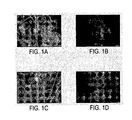
- the explants were cultured on a solid medium comprising MS salt, B5 vitamins and various concentrations of 2,4-D ranging from 0.1 to 20mg/L. Kinetin was added at 0.1 mg/L in some of the treatments. Somatic embryos started to emerge without obvious sign of calli formation around 10 th day, which predominantly formed on the edge of the endosperm tissues where the embryo had been detached. The somatic embryos most likely originated from the residual diploid cells of the zygotic embryo tissue attached on the endosperm. The preference to form somatic embryos at the endosperm-zygotic embryo junction suggests the endosperm tissue might be providing extra signal or nutrients that were necessary for the initiation and development of somatic embryos.
- TISE Type I Somatic Embryo
- TIISEs were observed after shifting calli that had been cultured in the respective medium for 4 weeks to DGA medium.
- the formation of TIISEs was investigated at the end of the 6th week culture in DGA medium. The result was compiled from several separate experiments.
- the zygotic embryos used were in a range between 0.2 cm and 1.7 cm in length at the time of collection.
- TIISE Type II Somatic Embryos
- zygotic embryos were surfaced-sterilized and dissected to yield 200 immature zygotic embryos that were shorter than 1.5 cm in length.
- the embryos were separated into two groups, " ⁇ 0.5 cm” and "0.5-1.5 cm”.
- the endosperm and zygotic embryo explants were cultured on solid media with various concentration of 2,4-D. On the 5th day, the embryos, which became greenish, enlarged and hardened, were removed from the endosperms and cut into small pieces of about 0.25 cm 2 each.
- the endosperm and embryo explants were cultured separately on the same media in the dark at 28° C. It was confirmed that most somatic embryos were produced on the endosperm explants where the embryos had been detached.
- Table 2 summarizes the results of somatic embryos and calli formation at the end of the 3rd week. It is apparent that, although 2,4-D was not essential for initiation of somatic embryos; low concentration of it causes excessive expansion of explants. Calli formation appeared more favorable at about 0.5-10 mg/l 2,4-D. The size of zygotic embryos in the range tested did not appear to affect significantly induction of somatic embryogenesis.
- the basal medium was MS salt with B5 vitamins, 0.1 mg/L kinetin, 30g/l sucrose, 2.2g/l phytagel, pH5.8. 2. Twenty explants were used in each treatment. 3. The relative size of explants and calli are indicated by the number of + symbols. 4. ZE: zygotic embryo; SE: somatic embryo
- Table 3 shows the explants that had produced embryos or embryogenic calli after shifting to DGA medium for 4 weeks. The results indicate that kinetin played little role in induction of TISEs. In fact, it appeared to negatively affect TIISEs formation under the conditions tested. TABLE 3 Effect of Kinetin Kinetin (mg/l) TISE (%) TIISE (%) Total >5 SE >10 SE 0 25 40 20 5 0.05 35 25 15 0 0.1 35 30 15 5 0.2 40 30 15 0 0.5 25 20 10 5 1 45 15 0 0
- the basic medium was MS salts, B5 vitamins, 5mg/l 2,4-D, 30g/l sucrose, 2.2g/l phytagel, pH5.8. twenty En and Eb explants were used in each treatment.
- Immature zygotic embryos together with the endosperm tissues were prepared as previously described and were cultured in medium 10K for 5 days.
- the pre-cultured explants were separated at the endosperm-embryo junctions, sorted out according to the length of embryos into four groups, i.e., ⁇ 0.5 cm, 0.5-1.0 cm, 1.0-1.5 cm and >1.5 cm.
- the embryos and endosperm tissues from twenty developing seeds in each group were cultured in medium 10K. Three weeks later, they were subcultured in medium 5K for another three weeks to induce formation of calli, which were transferred to DGA to induce somatic embryogenesis. The calli were subculured two weeks later in the same medium.
- Table 4 summarizes the formation of TISEs and TIISEs 22 days after shifting to DGA medium. It is obvious that developing seeds with its zygotic embryos longer than 1.5cm are not suitable for induction of somatic embryogenesis. Importantly, production of both TISEs and TIISEs were more favorable in zygotic embryos shorter than 1.5 cm. TABLE 4 Effect of Developmental Stages of Immature Zygotic Embryo on Induction of Somatic Embryogenesis.
- TISEs The origins of 60 TIISEs were traced from experiments in Examples 6 and 7. All TIISEs examined were derived from calli after being shifted to DGA medium for 31 days. The results are summarized in Table 5. As we suspect that the TISE derived from endosperm tissue may actually from the residual hypocotyl cells, the hypocotyl-root apex is a much preferred tissue for induction of somatic embryogenesis in Jatropha curcas. TABLE 5 Effects of Tissue Organ Type on Somatic Embryogenesis Organ TIISE Calli Count TIISE Calli (%) Cotyledon 10 16.7 Hypocotyl/root 30 50 Endosperm 20 33.3 TIISEs from endosperm tissues were derived from secondary embryos of TISEs.
- Immature zygotic embryos (0.5-1.5 cm long) were cultured in "d20" medium for five days. The embryos were separated from the endosperm tissue; cultured in "10K” medium for three weeks; and subcultured in medium “5K” for another 3 weeks before shifted to DGA medium. Twenty embryos and 20 endosperm explants were cultured under either total darkness or under weak lighting (about 60 ⁇ mol/m 2 /s) cycles (16 hours light per day). Table 6 summarizes the formation of TISEs and TIISEs that were derived from the original explants or calli recorded 38 days after culturing in DGA medium. It showed that lighting does not affect a major role in induction of TIISE. TABLE 6 Effect of Light Treatment TISE TIISE (%) Total (%) > 5SE (%) >10 SE (%) Light 20 15 5 0 Dark 5 20 5 5
- TIISE Twenty immature embryos were pre-cultured for 5 days and cultured for 29 days in various basal media with 5 mg/l 2,4-D, 30 g/l sucrose and 2.2 g/l phytagel. After 6 weeks induction in the DGA medium, the formation of TIISE is shown in Table 7, which clearly demonstrates the Gamborg B5 salts with B5 vitamins is the preferred medium for induction of TIISEs although all media worked satisfactorily.
- Somatic embryos were able to progress into near maturity in DGA medium and the cotyledonary stage somatic embryos were able to germinate into a complete plantlet in same media although the efficiency tended to be low.
- supplementation of maltose and reduction of sucrose concentration significantly improved embryo maturation as evidenced by the higher conversion rates to plantlets (Table 8).
- secondary embryos were abundantly produced, mostly at the root of mature embryos.
- Casein hydrolysate was supplemented in media with NH 4 NO 3 -free MS salts, B5 vitamins, 1 g/l glutamine, 0.5 g/l asparagine, 20 g/l Sucrose , 20 g/l maltose, 2.2 g/l phytagel, pH 5.8. Casein hydrolysate had apparent promoting effect on the maturation of somatic embryos (Table 9). TABLE 9 Effect on Casein Hydrolysate on Maturation and Germination Casein hydrolysate (mg/L) Germination Rate (%) 0 6.25 100 17.50 300 15.00 400 12.50 1. 80 somatic embryos were used in each treatment. 2. Matured somatic embryos were germinated in G13 for one month.
- abscisic acid between 0-5 mg/l was supplemented in DGA or EGA media or their variants with 10-30 g/l sucrose and 20-60 g/l maltose. Improvement of germination in MS medium was not observed and in most cases and plantlet abnormality was apparently increased.
- gibberellic acid GA 3
- Examples of the effects are shown in Table 10, where 20-30 TISEs were transferred to various media listed below. Except in 1 ⁇ 4 strength MS medium, few somatic embryos germinated without GA 3 .
- plantlets originated from TISE or TIISE have been acclimatized and potted to soil in pots. To date, eight plants.have set seeds and no obvious abnormality was seen in any of the plants. The plantlets flowered in less than four months after potting and produced normal fruits and seeds ( Fig. 3 .)
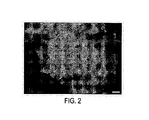
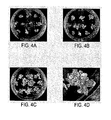
- Somatic embryos were matured in 2,4-D-free liquid MS medium and hypocotyl-root apex tissues were excised from somatic embryos larger than 0.5 cm. Those smaller than 0.5 cm were cultured intact. The explants were cultured in various DGA or its derivative solid medium. Similar to zygotic embryos explants, glutamine and asparagine supplementation greatly improved production of secondary somatic embryos and embryogenenic calli (compare Fig. 4A and 4B ). Increase in KNO 3 favored embryo differentiation but inhibited maturation (compare Fig. 4B and 4C ). Somatic embryos of all size ranges tested could be efficiently induced to form secondary embryos and embryogenic calli in the solid media and (Table 11).
- +GA doubled the amount of glutamine and asparagine to 2 g/l and 1 g/l, repectively; +GAn: As + GA, plus 0.95 g/l KNO 3 ; +GAN: as +GA plus 1.9 g/l KNO 3 ; +n: plus 0.95 g/l KNO 3 ; +N: plus 1.9 g/l KNO 3 .
- Immature zygotic embryos were excised, separated from endosperm tissue and induced between 2-6 weeks in a solid medium with NH 4 NO 3 -free B5 salts, B5 vitamins, 5 mg/l 2,4-D, 30 g/l sucrose, 2.2 g/l phytagel, pH 5.8.
- the explants were subcultured every two weeks before shifted to the solid DGA medium for two months. The results are shown in Table 12. A two week's induction is apparent sufficient. However, to maximize production of TIISEs with more than 5 somatic embryos in each location, extend induction duration to 4 weeks produced markedly improved result.
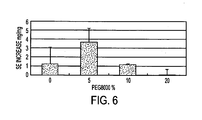
- Somatic embryogenic calli was maintained in NH 4 NO 3 -free MS medium, B5 vitamins, 20 g/l sucrose, 1.9 g/l KNO 3 (total), 0.5 g/l glutamine, 0.25 g/l asparagine, 0.3 mg/l 2,4-D. About 200 mg calli was taken out and cultured with the sample medium or supplemented with 5%, 10% and 20% PEG8000, respectively. The cultures were subcultured every two weeks. At the 8 th week, total calli mass was determined. The net increases in calli mass are shown in Fig. 6 . From the average of three repeats, it was clear that supplementation of 5% PEG8000 lead to about three fold increase in calli mass. Importantly, the calli thus cultured was maintained more uniformly at globular stage or torpedo stage and totally inhibited embryo germination.
Landscapes
- Life Sciences & Earth Sciences (AREA)
- Engineering & Computer Science (AREA)
- Biotechnology (AREA)
- Cell Biology (AREA)
- Developmental Biology & Embryology (AREA)
- Botany (AREA)
- Environmental Sciences (AREA)
- Breeding Of Plants And Reproduction By Means Of Culturing (AREA)
- Micro-Organisms Or Cultivation Processes Thereof (AREA)
Claims (25)
- Verfahren zum Regenerieren fruchtbarer Pflanzen der Spezies Jatropha curcas oder eines künstlichen Hybrids von Jatropha curcas durch somatische Embryogenese, umfassend:(a) Isolieren von Endospermgewebe aus unreifen, zygotischen Embryonen der Pflanze, wobei die zygotischen Embryonen eine Länge zwischen 0,3 cm und 1,5 cm aufweisen;(b) Kultivieren des Endospermgewebes auf einem festen auxinhaltigen Medium über einen Zeitraum, der ausreicht, um eine Erzeugung somatischer Embryonen zu induzieren, wobei das auxinhaltige Medium Kombinationen von MS-Salzen, B5-Salzen oder FNL-Salzen entweder mit MS-Vitaminen oder B5-Vitaminen enthält, und wobei das Auxin 2,4-D mit einer Konzentration von 0,1 mg/l bis 20 mg/l entspricht; und(c) Kultivieren der somatischen Embryonen auf einem festen Keimmedium über einen Zeitraum, der ausreicht, um die somatischen Embryonen zu keimen, um Pflänzchen zu erzeugen, wobei das Keimmedium ½- oder ¼-Stärken MS- oder B5-Medien umfasst, und wobei das Keimmedium GA3 in einer Konzentration zwischen 0,5 mg/l bis 10 mg/l enthält.
- Verfahren nach Anspruch 1, wobei dieses ferner einen oder beide der folgenden Schritte umfasst: nach Schritt (b) und vor Schritt (c) Schritt (b1) des Kultivierens der somatischen Embryonen auf einem festen Reifungsmedium über einen Zeitraum, der zum Reifen der somatischen Embryonen ausreicht; und/oder
nach Schritt (c) Schritt (d) des weiteren Entwickelns von Wurzeln der Pflänzchen auf einem Medium, Akklimatisieren der Pflänzchen in einem Blumentopf und Züchten der Pflänzchen zu Blütenpflanzen;
wobei das Reifungsmedium Kombinationen von MS-Salzen, B5-Salzen oder FNL-Salzen entweder mit MS-Vitaminen oder B5-Vitaminen und einer oder mehreren Aminosäuren umfasst;
wobei die Aminosäure Glutamin zwischen 0,25 g/l bis 2 g/l ist; oder
wobei die Aminosäure Asparagin zwischen 0,1 g/l bis 1 g/l ist; oder
wobei die Aminosäuren eine Kombination sind aus (i) Glutamin zwischen 0,25 g/l bis 2 g/l und (ii) Asparagin von 0,1 g/l bis 1 g/l; oder
wobei die Aminosäuren Caseinhydrolysat zwischen 50 mg/l bis 1.000 mg/l sind. - Verfahren nach Anspruch 1 oder 2, wobei das auxinhaltige Medium ferner Kinetin in einer Konzentration von 0,05 mg/l bis 1 mg/l enthält.
- Verfahren nach einem der Ansprüche 1 bis 3, wobei das auxinhaltige Medium frei ist von NH4NO3.
- Verfahren nach Anspruch 1, wobei das Endospermgewebe im Dunklen kultiviert wird, oder wobei das Endospermgewebe unter einem Hell-Dunkel-Zyklus kultiviert wird.
- Verfahren nach Anspruch 1, wobei das Endospermgewebe kokultiviert wird mit einem Agrobacterium-Strang, der ein DNA-Konstrukt beherbergt.
- Verfahren zum Regenerieren fruchtbarer Pflanzen der Spezies Jatropha curcas oder eines künstlichen Hybrids von Jatropha curcas durch somatische Embryogenese und einen zweistufigen Induktionsprozess, umfassend:(a) Kultivieren eines Explantats der Pflanze auf einem festen, hormonhaltigen Medium über einen ausreichenden Zeitraum, um Calliwachstum einzuleiten, oder über 1 Woche bis 8 Wochen, wobei das Explantat herausgeschnitten wird aus einem unreifen zygotischen Embryo mit eine Länge zwischen 0,3 cm und 1,5 cm, oder wobei das Explantat aus einem somatischen Embryo geschnitten wird, oder wobei das Explantat aus einem somatischen Embryo nach dem Torpedo-Stadium geschnitten wird, und wobei das feste, hormonhaltige Medium Kombinationen von MS-Salzen, B5-Salzen oder FNL-Salzen entweder mit MS-Vitaminen oder B5-Vitaminen enthält, und wobei das Hormon 2,4-D mit einer Konzentration von 0,5 mg/l bis 10 mg/l entspricht; und(b) Kultivieren des Explantats oder der Calli auf einem hormonfreien Medium über einen Zeitraum, der ausreicht, um somatische Embryonen oder embryogene Calli zu entwickeln, wobei das hormonfreie Medium Kombinationen von MS-Salzen, B5-Salzen oder FNL-Salzen entweder mit MS-Vitaminen oder B5-Vitaminen enthält;(c) Kultivieren der somatischen Embryonen oder der embryogenen Calli auf einem festen Reifungsmedium über einen Zeitraum, der ausreicht, um die somatischen Embryonen zu reifen, wobei das Reifungsmedium Kombinationen von MS-Salzen, B5-Salzen oder FNL-Salzen entweder mit MS-Vitaminen oder B5-Vitaminen enthält, und wobei das Reifungsmedium zwischen 10 g/l bis 20 g/l Saccharose oder zwischen 20 g/l bis 60 g/l Maltose enthält; und(d) Kultivieren der gereiften somatischen Embryonen auf einem Keimmedium über einen Zeitraum, der ausreicht, um die somatischen Embryonen zu keimen, um Pflänzchen zu erzeugen, wobei das Keimmedium ½- oder ¼-Stärken MS- oder B5-Medien umfasst, und wobei das Keimmedium GA3 in einer Konzentration zwischen 0,5 mg/l bis 10 mg/l enthält.
- Verfahren nach Anspruch 7, ferner umfassend nach Schritt (d) Schritt (e) das weitere Entwickeln von Wurzeln der Pflänzchen auf einem Medium, Akklimatisieren der Pflänzchen in einem Blumentopf und Züchten der Pflänzchen zu Blütenpflanzen.
- Verfahren zum Erzeugen pflanzlicher, somatischer embryogener, flüssiger Suspensionskulturen der Spezies Jatropha curcas oder eines künstlichen Hybrids von Jatropha curcas, umfassend:(a) Kultivieren eines Explantats der Pflanze auf einem festen, hormonhaltigen Medium über einen ausreichenden Zeitraum, um Calliwachstum einzuleiten, wobei das feste, hormonhaltige Medium Kombinationen von MS-Salzen, B5-Salzen oder FNL-Salzen entweder mit MS-Vitaminen oder B5-Vitaminen enthält, und wobei das Hormon 2,4-D mit einer Konzentration von 0,5 mg/l bis 10 mg/l entspricht; und(b) Kultivieren des Explantats oder der Calli auf einem hormonfreien Medium über einen Zeitraum, der ausreicht, um somatische Embryonen oder embryogene Calli zu entwickeln, wobei das hormonfreie Medium Kombinationen von MS-Salzen, B5-Salzen oder FNL-Salzen entweder mit MS-Vitaminen oder B5-Vitaminen enthält;(c) Kultivieren der embryogenen Calli oder somatischen Embryonen in einem flüssigen Medium, um somatische embryogene Calli oder Embryoide zu erzeugen, wobei das flüssige Medium Kombinationen von MS-Salzen, B5-Salzen oder FNL-Salzen entweder mit MS-Vitaminen oder B5-Vitaminen und 2,4-D in einer Konzentration zwischen 0,1 mg/l bis 0,5 mg/l enthält; und(d) regelmäßiges Subkultivieren und Größenauswahl der somatischen embryogenen Calli oder Embryoide.
- Verfahren nach Anspruch 9, wobei das Explantat aus einem unreifen zygotischen Embryo mit einer Länge zwischen 0,3 cm und 1,5 cm geschnitten wird, oder wobei das Explantat aus einem somatischen Embryo geschnitten wird, oder wobei das Explantat aus einem somatischen Embryo nach dem Torpedo-Stadium geschnitten wird,
- Verfahren nach einem der Ansprüche 7 bis 10, wobei das hormonhaltige Medium ferner Kinetin in einer Konzentration zwischen 0,05 mg/l und 1 mg/l enthält.
- Verfahren nach einem der Ansprüche 7 bis 11, wobei das Explantat auf dem festen, hormonhaltigen Medium 1 Woche bis 8 Wochen lang kultiviert wird.
- Verfahren nach einem der Ansprüche 7 bis 12, wobei das hormonfreie Medium Nitratsalze enthält.
- Verfahren nach Anspruch 13, wobei das hormonfreie Medium zwischen 0,5 g/l bis 3,8 g/l KNO3 enthält.
- Verfahren nach einem der Ansprüche 7 bis 14, wobei das hormonfreie Medium frei ist von NH4NO3.
- Verfahren nach einem der Ansprüche 7 bis 15, wobei das hormonfreie Medium ergänzt wird mit einer oder mehreren Aminosäuren;
wobei die Aminosäure Glutamin zwischen 0,2 g/l bis 2 g/l ist; oder
wobei die Aminosäure Asparagin zwischen 0,2 g/l bis 1,5 g/l ist; oder
wobei die Aminosäuren eine Kombination sind aus (i) Glutamin zwischen 0,25 g/l bis 2 g/l und (ii) Asparagin von 0,1 g/l bis 1 g/l; oder - Verfahren nach einem der Ansprüche 7 bis 16, wobei das hormonfreie Medium ein festes Medium ist.
- Verfahren nach einem der Ansprüche 7 bis 17, wobei das Explantat und die Calli in einem DNA-Konstrukt transformiert werden.
- Verfahren nach einem der Ansprüche 9 bis 17, wobei die flüssigen Kulturen in einer Rüttelplattform mit 60 - 100 U/Min. und mit einer Lichtperiode an jedem Tag gepflegt werden.
- Verfahren nach einem der Ansprüche 9 bis 17 oder 19, wobei das flüssige Medium eine oder mehrere Aminosäuren enthält,
wobei die Aminosäure Glutamin zwischen 0,1 g/l bis 2,0 g/l ist; oder
wobei die Aminosäure Asparagin zwischen 0,1 g/l bis 2 g/l ist; oder
wobei die Aminosäuren eine Kombination sind aus (i) Glutamin zwischen 0,25 g/l bis 2 g/l und (ii) Asparagin von 0,1 g/l bis 1 g/l. - Verfahren nach einem der Ansprüche 9 bis 17 oder 19 oder 20, wobei das flüssige Medium 0,5 g/l bis 3,8 g/l KNO3 enthält.
- Verfahren nach einem der Ansprüche 9 bis 17 oder 19 oder 21, wobei das flüssige Medium frei von NH4NO3 ist.
- Verfahren nach einem der Ansprüche 9 bis 17 oder 19 bis 22, wobei das flüssige Medium Polyethylenglycol (PEG) enthält.
- Verfahren nach Anspruch 23, wobei das PEG ein Molekulargewicht zwischen 1.000 und 10.000 aufweist.
- Verfahren nach Anspruch 23 oder 24, wobei die Konzentration von PEG zwischen 1 % und 15% liegt.
Applications Claiming Priority (2)
| Application Number | Priority Date | Filing Date | Title |
|---|---|---|---|
| US2543008P | 2008-02-01 | 2008-02-01 | |
| PCT/SG2009/000015 WO2009096900A1 (en) | 2008-02-01 | 2009-01-07 | Regeneration and mass propagation of jatropha curcas through somatic embryogenesis |
Publications (3)
| Publication Number | Publication Date |
|---|---|
| EP2252694A1 EP2252694A1 (de) | 2010-11-24 |
| EP2252694A4 EP2252694A4 (de) | 2011-03-23 |
| EP2252694B1 true EP2252694B1 (de) | 2014-12-31 |
Family
ID=40913054
Family Applications (1)
| Application Number | Title | Priority Date | Filing Date |
|---|---|---|---|
| EP09706985.0A Not-in-force EP2252694B1 (de) | 2008-02-01 | 2009-01-07 | Regenerierung und massenvermehrung von jatropha curcas über somatische embryogenese |
Country Status (8)
| Country | Link |
|---|---|
| US (1) | US8691576B2 (de) |
| EP (1) | EP2252694B1 (de) |
| CN (1) | CN101952447B (de) |
| AP (1) | AP2010005368A0 (de) |
| AU (1) | AU2009209502B2 (de) |
| BR (1) | BRPI0906639A2 (de) |
| IL (1) | IL207288A (de) |
| WO (1) | WO2009096900A1 (de) |
Families Citing this family (7)
| Publication number | Priority date | Publication date | Assignee | Title |
|---|---|---|---|---|
| CN102741416B (zh) * | 2009-12-04 | 2015-05-06 | 淡马锡生命科学研究院有限公司 | 用于转化植物的改良的培养基组合物、选择方法和农杆菌菌株 |
| JP5738545B2 (ja) * | 2010-06-01 | 2015-06-24 | 一般財団法人電力中央研究所 | アブラギリ属植物またはナンヨウアブラギリ属植物の胚乳細胞懸濁培養用の液体培地及びこれを利用したアブラギリ属植物またはナンヨウアブラギリ属植物の胚乳細胞懸濁培養方法 |
| ES2461896B1 (es) * | 2010-12-21 | 2015-03-18 | Centro De Investigación Y De Estudios Avanzados Del Instituto Politécnico Nacional | Métodos para obtener plantas resistentes a sequía |
| JP6059446B2 (ja) * | 2012-04-10 | 2017-01-11 | 住友電気工業株式会社 | ヤトロファ属植物の細胞に由来するシュートの発根を促進させる方法 |
| CN103416307B (zh) * | 2013-08-05 | 2015-05-20 | 四川大学 | 一种利用麻疯树子叶再生根直接诱导芽的快繁方法 |
| CN106982690A (zh) * | 2017-02-17 | 2017-07-28 | 梁慰爱 | 一种柴油树的种植方法 |
| CN113892432A (zh) * | 2021-11-22 | 2022-01-07 | 合肥师范学院 | 一种利用麻疯树叶片直接再生的方法 |
Family Cites Families (3)
| Publication number | Priority date | Publication date | Assignee | Title |
|---|---|---|---|---|
| US7005298B1 (en) * | 1999-08-27 | 2006-02-28 | University Of Guelph | Micropropagation and production of phytopharmaceutical plants |
| AU2007278018B2 (en) * | 2006-03-31 | 2012-04-05 | Reliance Life Sciences Pvt Ltd | Direct regeneration of plantlets in Jatropha Curcas |
| CN101057557B (zh) * | 2007-06-01 | 2010-05-19 | 中山大学 | 非试管快速繁殖小油桐幼苗的方法 |
-
2009
- 2009-01-07 AP AP2010005368A patent/AP2010005368A0/en unknown
- 2009-01-07 US US12/863,698 patent/US8691576B2/en not_active Expired - Fee Related
- 2009-01-07 BR BRPI0906639A patent/BRPI0906639A2/pt active Search and Examination
- 2009-01-07 EP EP09706985.0A patent/EP2252694B1/de not_active Not-in-force
- 2009-01-07 AU AU2009209502A patent/AU2009209502B2/en not_active Ceased
- 2009-01-07 CN CN200980103600.8A patent/CN101952447B/zh not_active Expired - Fee Related
- 2009-01-07 WO PCT/SG2009/000015 patent/WO2009096900A1/en not_active Ceased
-
2010
- 2010-07-29 IL IL207288A patent/IL207288A/en active IP Right Grant
Also Published As
| Publication number | Publication date |
|---|---|
| EP2252694A4 (de) | 2011-03-23 |
| AU2009209502B2 (en) | 2014-02-27 |
| WO2009096900A1 (en) | 2009-08-06 |
| US20100304488A1 (en) | 2010-12-02 |
| EP2252694A1 (de) | 2010-11-24 |
| IL207288A0 (en) | 2010-12-30 |
| BRPI0906639A2 (pt) | 2019-09-17 |
| AU2009209502A1 (en) | 2009-08-06 |
| US8691576B2 (en) | 2014-04-08 |
| AU2009209502A2 (en) | 2011-06-16 |
| CN101952447A (zh) | 2011-01-19 |
| AP2010005368A0 (en) | 2010-08-31 |
| IL207288A (en) | 2014-11-30 |
| CN101952447B (zh) | 2014-04-02 |
Similar Documents
| Publication | Publication Date | Title |
|---|---|---|
| US8691576B2 (en) | Regeneration and mass propagation of Jatropha curcas through somatic embryogenesis | |
| JP2000510325A (ja) | 植物性材料の繁殖および/または選択方法 | |
| US20120329158A1 (en) | Methods of Plant Regeneration and Apparatus Therefor | |
| Ahmad et al. | Biotechnological interventions in bamboo plants | |
| US7297838B2 (en) | Doubled haploid production and genetic transformation | |
| CN101775408A (zh) | 橡胶树子叶胚胚性愈伤高效遗传转化方法 | |
| CA2647984A1 (en) | Direct regeneration of plantlets in jatropha curcas | |
| US9699976B2 (en) | Direct and indirect organogenesis of Jatropha | |
| CN103053423B (zh) | 以花椰菜小孢子胚为外植体建立再生体系的方法 | |
| Danso et al. | Induction of high-frequency somatic embryos in cassava for cryopreservation | |
| Hewezi et al. | A new approach for efficient regeneration of a recalcitrant genotype of sunflower (Helianthus annuus) by organogenesis induction on split embryonic axes | |
| CN102105048B (zh) | 高粱的高频再生方法 | |
| JP2008228609A (ja) | ソバの組織培養法、ソバの植物体 | |
| Saelim et al. | Optimization of in vitro cyclic somatic embryogenesis and regeneration of the Asian cultivars of cassava (Manihot esculenta crantz) for genetic manipulation system | |
| Khan et al. | Facile plant regeneration from tomato leaves induced with spectinomycin | |
| Cai et al. | Regeneration of Jatropha curcas through efficient somatic embryogenesis and suspension culture | |
| Mushke et al. | High frequency regeneration and multiple shoot induction in indian cotton (Gossypium hirsutum L.) cultivar | |
| Ozyigit et al. | Efficient shoot and root formation from cotton shoot apices | |
| Rathore et al. | Multiple Shoot Regeneration from Detached Embryonic Axis in Greengram (Vigna radiata) cv. SML 668. | |
| CN109042297B (zh) | 一种玉米自交系sl1303幼胚转化方法 | |
| Yuan et al. | An efficient somatic embryogenesis based plant regeneration from the hypocotyl of Catharanthus roseus | |
| CN119422884B (zh) | 一种梨体细胞胚胎发生的方法 | |
| Akula et al. | Protocols for somatic embryogenesis and plantlet formation from three explants in tea (Camellia sinensis (L.) O. Kuntze) | |
| Vantu | " IN VITRO" MULTIPLICATION OF CHRYSANTHEMUM MORIFOLIUM RAMAT. | |
| Geng et al. | High-efficiency regeneration of peanut (Arachis hypogaea L.) plants from leaf discs |
Legal Events
| Date | Code | Title | Description |
|---|---|---|---|
| PUAI | Public reference made under article 153(3) epc to a published international application that has entered the european phase |
Free format text: ORIGINAL CODE: 0009012 |
|
| 17P | Request for examination filed |
Effective date: 20100901 |
|
| AK | Designated contracting states |
Kind code of ref document: A1 Designated state(s): AT BE BG CH CY CZ DE DK EE ES FI FR GB GR HR HU IE IS IT LI LT LU LV MC MK MT NL NO PL PT RO SE SI SK TR |
|
| AX | Request for extension of the european patent |
Extension state: AL BA RS |
|
| A4 | Supplementary search report drawn up and despatched |
Effective date: 20110218 |
|
| DAX | Request for extension of the european patent (deleted) | ||
| 17Q | First examination report despatched |
Effective date: 20120124 |
|
| RAP1 | Party data changed (applicant data changed or rights of an application transferred) |
Owner name: JOIL (S) PTE. LTD. |
|
| GRAP | Despatch of communication of intention to grant a patent |
Free format text: ORIGINAL CODE: EPIDOSNIGR1 |
|
| INTG | Intention to grant announced |
Effective date: 20140709 |
|
| GRAS | Grant fee paid |
Free format text: ORIGINAL CODE: EPIDOSNIGR3 |
|
| GRAA | (expected) grant |
Free format text: ORIGINAL CODE: 0009210 |
|
| AK | Designated contracting states |
Kind code of ref document: B1 Designated state(s): AT BE BG CH CY CZ DE DK EE ES FI FR GB GR HR HU IE IS IT LI LT LU LV MC MK MT NL NO PL PT RO SE SI SK TR |
|
| REG | Reference to a national code |
Ref country code: GB Ref legal event code: FG4D Ref country code: CH Ref legal event code: EP |
|
| REG | Reference to a national code |
Ref country code: IE Ref legal event code: FG4D |
|
| REG | Reference to a national code |
Ref country code: NL Ref legal event code: T3 |
|
| REG | Reference to a national code |
Ref country code: AT Ref legal event code: REF Ref document number: 704446 Country of ref document: AT Kind code of ref document: T Effective date: 20150215 |
|
| REG | Reference to a national code |
Ref country code: DE Ref legal event code: R096 Ref document number: 602009028667 Country of ref document: DE Effective date: 20150226 |
|
| PG25 | Lapsed in a contracting state [announced via postgrant information from national office to epo] |
Ref country code: NO Free format text: LAPSE BECAUSE OF FAILURE TO SUBMIT A TRANSLATION OF THE DESCRIPTION OR TO PAY THE FEE WITHIN THE PRESCRIBED TIME-LIMIT Effective date: 20150331 Ref country code: LT Free format text: LAPSE BECAUSE OF FAILURE TO SUBMIT A TRANSLATION OF THE DESCRIPTION OR TO PAY THE FEE WITHIN THE PRESCRIBED TIME-LIMIT Effective date: 20141231 Ref country code: FI Free format text: LAPSE BECAUSE OF FAILURE TO SUBMIT A TRANSLATION OF THE DESCRIPTION OR TO PAY THE FEE WITHIN THE PRESCRIBED TIME-LIMIT Effective date: 20141231 |
|
| REG | Reference to a national code |
Ref country code: LT Ref legal event code: MG4D |
|
| PG25 | Lapsed in a contracting state [announced via postgrant information from national office to epo] |
Ref country code: GR Free format text: LAPSE BECAUSE OF FAILURE TO SUBMIT A TRANSLATION OF THE DESCRIPTION OR TO PAY THE FEE WITHIN THE PRESCRIBED TIME-LIMIT Effective date: 20150401 Ref country code: LV Free format text: LAPSE BECAUSE OF FAILURE TO SUBMIT A TRANSLATION OF THE DESCRIPTION OR TO PAY THE FEE WITHIN THE PRESCRIBED TIME-LIMIT Effective date: 20141231 Ref country code: SE Free format text: LAPSE BECAUSE OF FAILURE TO SUBMIT A TRANSLATION OF THE DESCRIPTION OR TO PAY THE FEE WITHIN THE PRESCRIBED TIME-LIMIT Effective date: 20141231 Ref country code: HR Free format text: LAPSE BECAUSE OF FAILURE TO SUBMIT A TRANSLATION OF THE DESCRIPTION OR TO PAY THE FEE WITHIN THE PRESCRIBED TIME-LIMIT Effective date: 20141231 |
|
| REG | Reference to a national code |
Ref country code: AT Ref legal event code: MK05 Ref document number: 704446 Country of ref document: AT Kind code of ref document: T Effective date: 20141231 |
|
| PG25 | Lapsed in a contracting state [announced via postgrant information from national office to epo] |
Ref country code: CZ Free format text: LAPSE BECAUSE OF FAILURE TO SUBMIT A TRANSLATION OF THE DESCRIPTION OR TO PAY THE FEE WITHIN THE PRESCRIBED TIME-LIMIT Effective date: 20141231 Ref country code: SK Free format text: LAPSE BECAUSE OF FAILURE TO SUBMIT A TRANSLATION OF THE DESCRIPTION OR TO PAY THE FEE WITHIN THE PRESCRIBED TIME-LIMIT Effective date: 20141231 Ref country code: ES Free format text: LAPSE BECAUSE OF FAILURE TO SUBMIT A TRANSLATION OF THE DESCRIPTION OR TO PAY THE FEE WITHIN THE PRESCRIBED TIME-LIMIT Effective date: 20141231 Ref country code: RO Free format text: LAPSE BECAUSE OF FAILURE TO SUBMIT A TRANSLATION OF THE DESCRIPTION OR TO PAY THE FEE WITHIN THE PRESCRIBED TIME-LIMIT Effective date: 20141231 |
|
| REG | Reference to a national code |
Ref country code: CH Ref legal event code: PL |
|
| PG25 | Lapsed in a contracting state [announced via postgrant information from national office to epo] |
Ref country code: PL Free format text: LAPSE BECAUSE OF FAILURE TO SUBMIT A TRANSLATION OF THE DESCRIPTION OR TO PAY THE FEE WITHIN THE PRESCRIBED TIME-LIMIT Effective date: 20141231 Ref country code: LU Free format text: LAPSE BECAUSE OF FAILURE TO SUBMIT A TRANSLATION OF THE DESCRIPTION OR TO PAY THE FEE WITHIN THE PRESCRIBED TIME-LIMIT Effective date: 20150107 Ref country code: AT Free format text: LAPSE BECAUSE OF FAILURE TO SUBMIT A TRANSLATION OF THE DESCRIPTION OR TO PAY THE FEE WITHIN THE PRESCRIBED TIME-LIMIT Effective date: 20141231 Ref country code: IS Free format text: LAPSE BECAUSE OF FAILURE TO SUBMIT A TRANSLATION OF THE DESCRIPTION OR TO PAY THE FEE WITHIN THE PRESCRIBED TIME-LIMIT Effective date: 20150430 |
|
| REG | Reference to a national code |
Ref country code: DE Ref legal event code: R097 Ref document number: 602009028667 Country of ref document: DE |
|
| PG25 | Lapsed in a contracting state [announced via postgrant information from national office to epo] |
Ref country code: CH Free format text: LAPSE BECAUSE OF NON-PAYMENT OF DUE FEES Effective date: 20150131 Ref country code: LI Free format text: LAPSE BECAUSE OF NON-PAYMENT OF DUE FEES Effective date: 20150131 Ref country code: EE Free format text: LAPSE BECAUSE OF FAILURE TO SUBMIT A TRANSLATION OF THE DESCRIPTION OR TO PAY THE FEE WITHIN THE PRESCRIBED TIME-LIMIT Effective date: 20141231 Ref country code: DK Free format text: LAPSE BECAUSE OF FAILURE TO SUBMIT A TRANSLATION OF THE DESCRIPTION OR TO PAY THE FEE WITHIN THE PRESCRIBED TIME-LIMIT Effective date: 20141231 Ref country code: MC Free format text: LAPSE BECAUSE OF FAILURE TO SUBMIT A TRANSLATION OF THE DESCRIPTION OR TO PAY THE FEE WITHIN THE PRESCRIBED TIME-LIMIT Effective date: 20141231 |
|
| REG | Reference to a national code |
Ref country code: IE Ref legal event code: MM4A |
|
| PLBE | No opposition filed within time limit |
Free format text: ORIGINAL CODE: 0009261 |
|
| STAA | Information on the status of an ep patent application or granted ep patent |
Free format text: STATUS: NO OPPOSITION FILED WITHIN TIME LIMIT |
|
| 26N | No opposition filed |
Effective date: 20151001 |
|
| REG | Reference to a national code |
Ref country code: FR Ref legal event code: ST Effective date: 20151117 |
|
| PG25 | Lapsed in a contracting state [announced via postgrant information from national office to epo] |
Ref country code: IE Free format text: LAPSE BECAUSE OF NON-PAYMENT OF DUE FEES Effective date: 20150107 |
|
| PG25 | Lapsed in a contracting state [announced via postgrant information from national office to epo] |
Ref country code: FR Free format text: LAPSE BECAUSE OF NON-PAYMENT OF DUE FEES Effective date: 20150302 Ref country code: SI Free format text: LAPSE BECAUSE OF FAILURE TO SUBMIT A TRANSLATION OF THE DESCRIPTION OR TO PAY THE FEE WITHIN THE PRESCRIBED TIME-LIMIT Effective date: 20141231 |
|
| REG | Reference to a national code |
Ref country code: DE Ref legal event code: R082 Ref document number: 602009028667 Country of ref document: DE Representative=s name: HERNANDEZ, YORCK, DIPL.-ING., DE |
|
| PG25 | Lapsed in a contracting state [announced via postgrant information from national office to epo] |
Ref country code: BE Free format text: LAPSE BECAUSE OF FAILURE TO SUBMIT A TRANSLATION OF THE DESCRIPTION OR TO PAY THE FEE WITHIN THE PRESCRIBED TIME-LIMIT Effective date: 20141231 |
|
| PG25 | Lapsed in a contracting state [announced via postgrant information from national office to epo] |
Ref country code: MT Free format text: LAPSE BECAUSE OF FAILURE TO SUBMIT A TRANSLATION OF THE DESCRIPTION OR TO PAY THE FEE WITHIN THE PRESCRIBED TIME-LIMIT Effective date: 20141231 |
|
| PG25 | Lapsed in a contracting state [announced via postgrant information from national office to epo] |
Ref country code: BG Free format text: LAPSE BECAUSE OF FAILURE TO SUBMIT A TRANSLATION OF THE DESCRIPTION OR TO PAY THE FEE WITHIN THE PRESCRIBED TIME-LIMIT Effective date: 20141231 Ref country code: HU Free format text: LAPSE BECAUSE OF FAILURE TO SUBMIT A TRANSLATION OF THE DESCRIPTION OR TO PAY THE FEE WITHIN THE PRESCRIBED TIME-LIMIT; INVALID AB INITIO Effective date: 20090107 |
|
| PG25 | Lapsed in a contracting state [announced via postgrant information from national office to epo] |
Ref country code: CY Free format text: LAPSE BECAUSE OF FAILURE TO SUBMIT A TRANSLATION OF THE DESCRIPTION OR TO PAY THE FEE WITHIN THE PRESCRIBED TIME-LIMIT Effective date: 20141231 |
|
| PG25 | Lapsed in a contracting state [announced via postgrant information from national office to epo] |
Ref country code: PT Free format text: LAPSE BECAUSE OF FAILURE TO SUBMIT A TRANSLATION OF THE DESCRIPTION OR TO PAY THE FEE WITHIN THE PRESCRIBED TIME-LIMIT Effective date: 20150501 |
|
| PG25 | Lapsed in a contracting state [announced via postgrant information from national office to epo] |
Ref country code: TR Free format text: LAPSE BECAUSE OF FAILURE TO SUBMIT A TRANSLATION OF THE DESCRIPTION OR TO PAY THE FEE WITHIN THE PRESCRIBED TIME-LIMIT Effective date: 20141231 |
|
| PG25 | Lapsed in a contracting state [announced via postgrant information from national office to epo] |
Ref country code: MK Free format text: LAPSE BECAUSE OF FAILURE TO SUBMIT A TRANSLATION OF THE DESCRIPTION OR TO PAY THE FEE WITHIN THE PRESCRIBED TIME-LIMIT Effective date: 20141231 |
|
| PGFP | Annual fee paid to national office [announced via postgrant information from national office to epo] |
Ref country code: GB Payment date: 20200115 Year of fee payment: 12 Ref country code: IT Payment date: 20200114 Year of fee payment: 12 Ref country code: NL Payment date: 20200130 Year of fee payment: 12 Ref country code: DE Payment date: 20200114 Year of fee payment: 12 |
|
| REG | Reference to a national code |
Ref country code: DE Ref legal event code: R119 Ref document number: 602009028667 Country of ref document: DE |
|
| REG | Reference to a national code |
Ref country code: NL Ref legal event code: MM Effective date: 20210201 |
|
| GBPC | Gb: european patent ceased through non-payment of renewal fee |
Effective date: 20210107 |
|
| PG25 | Lapsed in a contracting state [announced via postgrant information from national office to epo] |
Ref country code: NL Free format text: LAPSE BECAUSE OF NON-PAYMENT OF DUE FEES Effective date: 20210201 |
|
| PG25 | Lapsed in a contracting state [announced via postgrant information from national office to epo] |
Ref country code: GB Free format text: LAPSE BECAUSE OF NON-PAYMENT OF DUE FEES Effective date: 20210107 Ref country code: DE Free format text: LAPSE BECAUSE OF NON-PAYMENT OF DUE FEES Effective date: 20210803 |
|
| PG25 | Lapsed in a contracting state [announced via postgrant information from national office to epo] |
Ref country code: IT Free format text: LAPSE BECAUSE OF NON-PAYMENT OF DUE FEES Effective date: 20210107 |
|
| P01 | Opt-out of the competence of the unified patent court (upc) registered |
Effective date: 20230321 |