EP2208798A1 - MicroRNA (miRNA) zur Diagnose und Therapie von Herzerkrankungen - Google Patents
MicroRNA (miRNA) zur Diagnose und Therapie von Herzerkrankungen Download PDFInfo
- Publication number
- EP2208798A1 EP2208798A1 EP10161572A EP10161572A EP2208798A1 EP 2208798 A1 EP2208798 A1 EP 2208798A1 EP 10161572 A EP10161572 A EP 10161572A EP 10161572 A EP10161572 A EP 10161572A EP 2208798 A1 EP2208798 A1 EP 2208798A1
- Authority
- EP
- European Patent Office
- Prior art keywords
- mir
- hsa
- seq
- mmu
- ambi
- Prior art date
- Legal status (The legal status is an assumption and is not a legal conclusion. Google has not performed a legal analysis and makes no representation as to the accuracy of the status listed.)
- Granted
Links
Images




Classifications
-
- C—CHEMISTRY; METALLURGY
- C12—BIOCHEMISTRY; BEER; SPIRITS; WINE; VINEGAR; MICROBIOLOGY; ENZYMOLOGY; MUTATION OR GENETIC ENGINEERING
- C12Q—MEASURING OR TESTING PROCESSES INVOLVING ENZYMES, NUCLEIC ACIDS OR MICROORGANISMS; COMPOSITIONS OR TEST PAPERS THEREFOR; PROCESSES OF PREPARING SUCH COMPOSITIONS; CONDITION-RESPONSIVE CONTROL IN MICROBIOLOGICAL OR ENZYMOLOGICAL PROCESSES
- C12Q1/00—Measuring or testing processes involving enzymes, nucleic acids or microorganisms; Compositions therefor; Processes of preparing such compositions
- C12Q1/68—Measuring or testing processes involving enzymes, nucleic acids or microorganisms; Compositions therefor; Processes of preparing such compositions involving nucleic acids
- C12Q1/6876—Nucleic acid products used in the analysis of nucleic acids, e.g. primers or probes
- C12Q1/6883—Nucleic acid products used in the analysis of nucleic acids, e.g. primers or probes for diseases caused by alterations of genetic material
-
- A—HUMAN NECESSITIES
- A61—MEDICAL OR VETERINARY SCIENCE; HYGIENE
- A61P—SPECIFIC THERAPEUTIC ACTIVITY OF CHEMICAL COMPOUNDS OR MEDICINAL PREPARATIONS
- A61P9/00—Drugs for disorders of the cardiovascular system
-
- C—CHEMISTRY; METALLURGY
- C12—BIOCHEMISTRY; BEER; SPIRITS; WINE; VINEGAR; MICROBIOLOGY; ENZYMOLOGY; MUTATION OR GENETIC ENGINEERING
- C12N—MICROORGANISMS OR ENZYMES; COMPOSITIONS THEREOF; PROPAGATING, PRESERVING, OR MAINTAINING MICROORGANISMS; MUTATION OR GENETIC ENGINEERING; CULTURE MEDIA
- C12N15/00—Mutation or genetic engineering; DNA or RNA concerning genetic engineering, vectors, e.g. plasmids, or their isolation, preparation or purification; Use of hosts therefor
- C12N15/09—Recombinant DNA-technology
- C12N15/11—DNA or RNA fragments; Modified forms thereof; Non-coding nucleic acids having a biological activity
- C12N15/113—Non-coding nucleic acids modulating the expression of genes, e.g. antisense oligonucleotides; Antisense DNA or RNA; Triplex- forming oligonucleotides; Catalytic nucleic acids, e.g. ribozymes; Nucleic acids used in co-suppression or gene silencing
-
- C—CHEMISTRY; METALLURGY
- C12—BIOCHEMISTRY; BEER; SPIRITS; WINE; VINEGAR; MICROBIOLOGY; ENZYMOLOGY; MUTATION OR GENETIC ENGINEERING
- C12N—MICROORGANISMS OR ENZYMES; COMPOSITIONS THEREOF; PROPAGATING, PRESERVING, OR MAINTAINING MICROORGANISMS; MUTATION OR GENETIC ENGINEERING; CULTURE MEDIA
- C12N2310/00—Structure or type of the nucleic acid
- C12N2310/10—Type of nucleic acid
- C12N2310/11—Antisense
-
- C—CHEMISTRY; METALLURGY
- C12—BIOCHEMISTRY; BEER; SPIRITS; WINE; VINEGAR; MICROBIOLOGY; ENZYMOLOGY; MUTATION OR GENETIC ENGINEERING
- C12N—MICROORGANISMS OR ENZYMES; COMPOSITIONS THEREOF; PROPAGATING, PRESERVING, OR MAINTAINING MICROORGANISMS; MUTATION OR GENETIC ENGINEERING; CULTURE MEDIA
- C12N2310/00—Structure or type of the nucleic acid
- C12N2310/10—Type of nucleic acid
- C12N2310/14—Type of nucleic acid interfering nucleic acids [NA]
-
- C—CHEMISTRY; METALLURGY
- C12—BIOCHEMISTRY; BEER; SPIRITS; WINE; VINEGAR; MICROBIOLOGY; ENZYMOLOGY; MUTATION OR GENETIC ENGINEERING
- C12N—MICROORGANISMS OR ENZYMES; COMPOSITIONS THEREOF; PROPAGATING, PRESERVING, OR MAINTAINING MICROORGANISMS; MUTATION OR GENETIC ENGINEERING; CULTURE MEDIA
- C12N2330/00—Production
- C12N2330/10—Production naturally occurring
-
- C—CHEMISTRY; METALLURGY
- C12—BIOCHEMISTRY; BEER; SPIRITS; WINE; VINEGAR; MICROBIOLOGY; ENZYMOLOGY; MUTATION OR GENETIC ENGINEERING
- C12Q—MEASURING OR TESTING PROCESSES INVOLVING ENZYMES, NUCLEIC ACIDS OR MICROORGANISMS; COMPOSITIONS OR TEST PAPERS THEREFOR; PROCESSES OF PREPARING SUCH COMPOSITIONS; CONDITION-RESPONSIVE CONTROL IN MICROBIOLOGICAL OR ENZYMOLOGICAL PROCESSES
- C12Q2600/00—Oligonucleotides characterized by their use
- C12Q2600/136—Screening for pharmacological compounds
-
- C—CHEMISTRY; METALLURGY
- C12—BIOCHEMISTRY; BEER; SPIRITS; WINE; VINEGAR; MICROBIOLOGY; ENZYMOLOGY; MUTATION OR GENETIC ENGINEERING
- C12Q—MEASURING OR TESTING PROCESSES INVOLVING ENZYMES, NUCLEIC ACIDS OR MICROORGANISMS; COMPOSITIONS OR TEST PAPERS THEREFOR; PROCESSES OF PREPARING SUCH COMPOSITIONS; CONDITION-RESPONSIVE CONTROL IN MICROBIOLOGICAL OR ENZYMOLOGICAL PROCESSES
- C12Q2600/00—Oligonucleotides characterized by their use
- C12Q2600/158—Expression markers
-
- C—CHEMISTRY; METALLURGY
- C12—BIOCHEMISTRY; BEER; SPIRITS; WINE; VINEGAR; MICROBIOLOGY; ENZYMOLOGY; MUTATION OR GENETIC ENGINEERING
- C12Q—MEASURING OR TESTING PROCESSES INVOLVING ENZYMES, NUCLEIC ACIDS OR MICROORGANISMS; COMPOSITIONS OR TEST PAPERS THEREFOR; PROCESSES OF PREPARING SUCH COMPOSITIONS; CONDITION-RESPONSIVE CONTROL IN MICROBIOLOGICAL OR ENZYMOLOGICAL PROCESSES
- C12Q2600/00—Oligonucleotides characterized by their use
- C12Q2600/178—Oligonucleotides characterized by their use miRNA, siRNA or ncRNA
Definitions
- the invention relates to microRNAs (miRNAs) for the diagnosis, prophylaxis and / or therapy of heart diseases.
- the invention particularly relates to SEQ ID NO: 1 to SEQ ID NO: 29 for the diagnosis, prophylaxis and / or therapy of heart disease.
- the invention relates to the use of these sequences for the preparation of a medicament for heart diseases and for their diagnosis.
- a method for diagnosing a heart disease, a kit and an expression vector with these sequences, a cell containing the expression vector, a method of modulating a heart disease and a method of screening a pharmaceutically active compound for the treatment and / or prophylaxis of heart disease of the invention are provided.
- MicroRNAs are small noncoding RNA molecules that can post-translationally regulate gene expression by degrading the messenger RNA.
- the total number of different miRNAs is estimated at about 300-500. This makes miRNAs about 1% of the human genome. miRNAs have been discovered in several species and appear to be highly conserved.
- miRNA is estimated to regulate up to 30% of the genes of the human genome.
- miRNA genes are transcribed by RNA polymerase II into long primary miRNAs (pri-miRNA). Further processing of these pri-miRNAs occurs stepwise and in different compartments.
- Pri-miRNAs are first converted in the cell nucleus by the RNase III enzyme Drosha into precursor miRNAs (precursor miRNAs) comprising about 70-80 nucleotides. Drosha formed with the RNA binding protein DGCR8 to a microprocessor complex.
- Pre-miRNA hairpins are transported out of the cell nucleus by the protein exportin-5 and Ran-GTP as cofactor.
- the pre-miRNA is processed by the RNase II enzyme Dicer into approximately 22 nucleotide duplex miRNAs.
- Dicer interacts with the double-band RNA-binding protein TRBP.
- the miRNA duplex molecules are then unraveled to produce mature miRNA.
- This mature miRNA is then incorporated into a ribonucleoprotein complex (miRNP), which is very similar to the RNA-induced silcencing complex (RISC), the effector molecule of interfering RNA (RNAi) (Hutvagner and Zamore, 2002).
- miRNP ribonucleoprotein complex
- RISC RNA-induced silcencing complex
- RNAi interfering RNA
- miRNAs can lead to a downregulation of the respective target gene via two different mechanisms: a) Translational inhibition or b) Target mRNA cleavage.
- the choice of mechanism depends on the degree of complementarity between miRNA and the target gene in combination with a so-called Argonaute protein (Meister et al., 2005). Nearly perfect complementarity leads to a cleavage of the target gene with subsequent RNA degradation; while translational inhibition occurs with only partial complementarity (Hutvagner and Zamore, 2002). The exact mechanism of translational inhibition is not yet known (cf. Fig. 1 which represents the state of the art).
- miRNAs and their regulated target genes predicts an important role for miRNA in the development and progression of various diseases. For example, the majority of miRNAs identified in different tumor samples are down-regulated (Lu et al., 2005).
- miRNA Another possible role of miRNA in the control of remodeling processes after myocardial infarction or other heart diseases, such as Hypertrophy or myocarditis seems likely, but information about it is not yet available.
- cardiac remodeling (Pfeffer and Braunwald, 1990) describes the remodeling processes of the heart under pathophysiological conditions after a myocardial infarction or in other diseases (e.g., myocarditis) that can lead to heart failure. While in the early phase after myocardial infarction necrosis of the ischemic myocardium with consequent scarring occurs in the long term course in not directly affected by the infarction myocardium, which are initially regarded as healing and adaptation processes.
- the thinning and dilatation of the infarcted myocardial wall can lead to infarct expansion early (days to weeks) in the postinfarction phase; late remodeling (months to years) is caused by a structural remodeling of the surviving myocardium, characterized by myocyte hypertrophy, interstitial fibrosis, apoptotic cardiomyocyte loss, and dilation and deformation of the ventricle.
- cardiac remodeling involves molecular, cellular and interstitial changes. Not only cardiomyocytes are affected (phenotype change with hypertrophy and reduced contractility, necrosis, apoptosis), but also in particular the extracellular matrix and a change of the inflammatory environment. Cardiac remodeling is influenced by hemodynamic changes, neurohormonal activation, inflammatory cytokines, and a variety of other processes. Chronic heart failure, as well as acute myocardial infarction, are characterized by increased plasma levels of proinflammatory cytokines (including tumor necrosis factor alpha, interleukin-1-beta, -2 and -6) and their soluble receptors. In the insufficient myocardium inflammatory cytokines are expressed.
- proinflammatory cytokines including tumor necrosis factor alpha, interleukin-1-beta, -2 and -6
- the present invention is therefore based on the object of specifying various miRNA sequences which are suitable for the diagnosis, prophylaxis and / or therapy of heart diseases.
- the invention relates to SEQ ID NO: 1 to SEQ ID NO: 29 for the diagnosis, prophylaxis and / or therapy of heart disease.
- the invention relates to the use these sequences for the preparation of a medicament for heart disease and for their diagnosis.
- the invention relates to a method for diagnosing a heart disease, a kit and an expression vector with these sequences, a cell containing the expression vector, a method for modulating heart disease and a method for screening a pharmaceutically active compound for the treatment and / or prophylaxis of a heart disease.
- the present invention relates to miRNA sequences, in particular SEQ ID NO: 1 to SEQ ID NO: 29 for the diagnosis, prophylaxis and / or therapy of heart diseases.
- the sequences are given in the Sequence Listing and summarized in Table 2.
- SEQ ID NO: 1 to SEQ ID NO: 29 can be used for the preparation of a medicament for the prophylaxis and / or therapy of heart disease.
- SEQ ID NO: 1 to SEQ ID NO: 29 can be used to diagnose heart disease.
- the heart disease is myocardial infarction, heart failure, in particular chronic heart failure and / or cardiac hypertrophy.
- a further embodiment relates in particular to the use of the sequence SEQ ID NO: 5 (miR-134), SEQ ID NO: 10 (miR-212), SEQ ID NO: 11 (miR-214), SEQ ID NO: 14 (miR-214). 21), SEQ ID NO: 20 (miR-182) and / or SEQ ID NO: 24 (miR-290).
- miR-21 SEQ ID NO: 14
- This miRNA is approximately 3.3 times upregulated in human heart failure and approximately 3.0 times early in the mouse after cardiac hypertrophy (aortic banding 3 days).
- miR-212 SEQ ID NO: 10
- This miRNA is approximately 5.6-fold in human heart failure and up to 2.4-fold after chronic myocardial infarction in the rat.
- miR-214 (SEQ ID NO: 11) is preferred. This miRNA is slightly in human heart failure about 1.2-fold and significantly early and late after cardiac hypertrophy (aortic banding 3 and 21 days) about 1.5-fold, and about 2.1-fold in the mouse as well as after chronic myocardial infarction approx. 2.6-fold and after pharmacological cardiac hypertrophy induction upregulated in vitro approx. 1.5-fold.
- miR-134 (SEQ ID NO: 5) is preferred. This miRNA is slightly in human heart failure about 1.2-fold and significantly late after cardiac hypertrophy (aortic banding 21 days) about 1.7-fold in the mouse and after chronic myocardial infarction (3.3-fold) in the rat upregulated.
- All upregulated miRNAs can be normalized via miRNA inhibitors in vitro and in vivo in their expression as a therapy. Furthermore, they can be used as diagnostic markers.
- miR-182 (SEQ ID NO: 20) is preferred. This miRNA is present in human heart failure (-1.3-fold) and significantly early and late after cardiac hypertrophy (aortic banding 3 and 21 days) (-1.8-fold and -2.2-fold, respectively). in the mouse and after chronic myocardial infarction (-4.0-fold) downregulated in the rat.
- miR-290 (SEQ ID NO: 24) is preferred. This miRNA is present in human heart failure (-1.4-fold) and early after cardiac hypertrophy (aortic banding 3 days) (-1.6-fold) in the mouse as well as after chronic myocardial infarction (-1.4-fold) in the Rat down regulated.
- miRNAs can be normalized via exogenously added miRNAs.
- drugs can be developed which normalize the expression of miRNAs.
- they can also be used as diagnostic markers, if appropriate together with the upregulated miRNAs.
- Another object of the invention relates to a kit comprising at least one sequence selected from SEQ ID NO: 1 to SEQ ID NO: 29 for the diagnosis of heart disease.
- an expression vector comprising at least one sequence selected from SEQ ID NO: 1 to SEQ ID NO: 29 is included in the invention.
- a cell comprising at least one expression vector also belongs to the invention.
- Another aspect of the present invention relates to a method of modulating heart disease comprising modulating the expression or activity of at least one sequence selected from SEQ ID NO: 1 to SEQ ID NO: 29 in a cell.
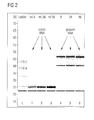
- the miRNA isolation could be optimized by adding a further separation step by gel electrophoresis to the extent that a good label for the subsequent hybridization and detection (detection) of miRNAs on specially spotted special miRNA microarrays (in cooperation with the IZKF Microarray Facility, Dr. S. Kneitz) was possible (see Fig. 2 and Fig. 3 ).
- a good label for the subsequent hybridization and detection (detection) of miRNAs on specially spotted special miRNA microarrays in cooperation with the IZKF Microarray Facility, Dr. S. Kneitz
- Fig. 2 and Fig. 3 By comparison From healthy with chronic infarcted myocardium of the rat numerous deregulated miRNAs could be identified, which represent interesting target structures for subsequent research approaches or interesting diagnostic markers.
- miRNA206 (SEQ ID NO: 8) Cytochrome b5 Superoxide dismutase [Cu-Zn] Cyclin H Angiopoietin-like 2 miRNA211 (SEQ ID NO: 9) Bone morphogenetic protein 10 precursor (BMP-10) Intermediate conductivity (calcium-activated) Potassium Channel Protein 4 (SK4) (KCa4) Nitric oxide synthase, brain m (EC 1.14.13.39) (NOS type I) (neuronal NOS) (N-NOS) Potassium channel voltage-mediated subfamily H member 7 (Volta-gated potassium channel subunit Kv11.3) nestin Matrix metalloproteinase-9 precursor (EC 3.4.24.35) (MMP-9) Atrial Natriuretic Peptide Receptor B Precursor (ANP-B) Myogenic factor 6 Vascular Cell Adhesion Protein 1 Precursor (V-CAM 1) (CD106 Antigen) miRNA212 (SEQ ID NO: 10) Myosin 5B (myosin V
- Single highly regulated miRNAs can be detected by downregulation (by liposomal transfection of the specific miRNA) or downregulation (by liposomal transfection of specific miRNA inhibitors ( anfi-miRs® , Ambion, UK or Antagomirs, Alnylam, Kulmbach, Germany) of the corresponding miRNA by application Alternatively, other types of transfection can also be used (eg, viral or by nucleofection, or electroporation).
- the large number of target genes of individual miRNAs normalizes gene expression in its expression after myocardial infarction and restores improved cardiac function.
- RNA including small RNAs was isolated ( me Vana TM miRNA isolation kit; Ambion, USA). The total RNA was isolated separately and the purified miRNAs were prepared using the FlashPAGE fractionation system (Ambion, USA). Capillary electrophoresis (Bioanalyzer 2100, Agilent, Germany) was used to evaluate the quality of total RNA and the purity of miRNA.
- MicroRNA obtained from 10 ug total RNA was mixed with the dye Cy3 (Molecular Probes, USA) using the I Vana miRNA TM labeling kit (Ambion, USA) according to the instructions of the manufacturer selected. Each target was hybridized in a separate array.
- Microarrays with up to 384 miRNAs were in our laboratory slides each spotted four times on SCHOTT Nexterion ® Slide E microarray.
- the oligonucleotide probes were 42-46 nt in length and consisted of an 18-24 nt segment targeting a particular known miRNA derived from human, mouse or rat.
- the miRNA array data analyzes were performed using the R package from the Bioconductor project ( www.bioconductor.org ). The resulting signal intensities were normalized by variance stabilization (Huber et al., 2002). The quality of all data sets was tested and statistical analysis was performed to evaluate differentially expressed genes using the Limma (Linear Models for Microarray Analysis) package.
- the core of the Limma package is an implementation of the empirical Bayes linear modeling approach of Smyth and can itself be used for the stability analysis of even smaller sample sizes (Smyth, 2004).
- the miRNA database miRBase ( http://microrna.sanger.ac.uk/ ) was used to identify potential miRNA targets.
- the miRanda algorithm was used to screen all available miRNA sequences of a given genome against the 3 'UTR sequences of that genome.
- the algorithm uses dynamic programming to search for the maximum local complementarity that corresponds to the double-stranded anti-parallel duplex. A positive score is given for complementary base pairing, and a negative score is given for mismatches, openings, and gap-opening and gap-extension extensions.
- the values derived from the 5 'end of the miRNA were multiplied by a factor to express the importance of perfect Watson-Crick base pairing, which was experimentally observed. Subsequently, a Karlin Altschul normalization was performed (miRBase Targets version 3.0, http://microrna.sanger.ac.uk/targets/v3/) .
- Diseased hearts are left ventricular tissue harvested as part of a heart transplant due to decompensated heart failure.
- the deregulated miRNAs upregulation and downregulation, which are potential targets for new optimized therapies, are given below:
- Cardiomyocytes were isolated and cultured by neonatal rats as described (Burkard et al., 2005). More than 95% of the cultured cells showed expression for the cardiomyocyte-specific actinin, which indicates a very high purity of the cell culture.
- Fluorescent dye (Cy3) -labeled scrambled-miR, -miR-21, -miR-129, and -miR-212 molecules (Cy3-pre-miR miRNAs, Ambion, U.S.A., 100 nM, 48 h) were prepared separately or in vitro Combination by means of a liposomal transfection method (Lipofectamine, Invitrogen, Germany) transfected into cultured cardiomyocytes (Thum et al., 2007; Fig.
- the surface of the cultured neonatal (48 h after transfection) and adult (72 h after transfection) cardiomyocytes were determined with the image analysis program AxioVison Rel. 4.4 (Carl Zeiss GmbH, Germany). Statistical analyzes were performed by one-way ANOVA followed by several comparisons with the "Fisher's protected least-significant difference" test. The statistical analysis was done with the program Stat-View 5.0 (Abacus Concepts, Berkley, CA, USA). The statistical significance was assumed to be P ⁇ 0.05.
- the genes ANP, BNP, beta-MHC, alpha skeletal actin, villin2, cspg2, phlda1, hsp90, RASA1, MEF2a, cradd and dtna were modulated by miRNA overexpression in their expression so that the expression level was on the pathological heart ( Fig. 5D . 6E ).
- Transfection of adult cardiomyocytes with this set of miRNAs also resulted in the development of cellular hypertrophy and activation of fetal gene programs ( Fig. 6D , E, F).
- Transfection of scrambled miRNAs did not lead to cellular hypertrophy or activation of fetal, pathological gene programs ( Fig. 5 . 6 ).
- the data identify certain miRNAs as important regulators for the re-activation of fetal gene programs in the deficient human heart and thus provide an important contribution to the explanation of transcriptional changes in heart failure.
- Table 2 summarizes the SEQ ID NRs, database names (Sanger), and MI designations.
- Table 2 SEQ ID NO. Name (Sanger) MI designation SEQ ID NO: 1 miR-15b MI 0000438 SEQ ID NO: 2 miR-23a MI 0000079 SEQ ID NO: 3 miR-126 * MI 0000471 SEQ ID NO: 4 miR-128a MI 0000155 SEQ ID NO: 5 miR-134 MI 0000474 SEQ ID NO: 6 miR-149 MI 0000478 SEQ ID NO: 7 miR-151 MI 0000809 SEQ ID NO: 8 miR-206 MI 0000490 SEQ ID NO: 9 miR-211 MI 0000287 SEQ ID NO: 10 miR-212 MI 0000288 SEQ ID NO: 11 miR-214 MI 0000290 SEQ ID NO: 12 miR-328 MI 0000804 SEQ ID NO: 13 miR-371 MI 0000779 SEQ ID NO: 14 miR-21 (hsr miR-21) MI 0000077 SEQ ID NO: 15 mi
- the inventors After hypertrophy induction on the mouse model, the inventors found increased expression of miR-21 (see above). Therefore, they investigated whether inhibition of miR-21 in vivo leads to prevention of the development of cardiac hypertrophy due to compression (reduction of the aortic diameter by aortic banding operation). They first used bioinformatic analysis and used the database miRBase ( http://microrna.sanger.ac.uk/ ) to look for potential targets with binding sites for the miR-21 in their 3 'untranslated To search areas.
- sprouty-1 accession number: NM_001097524
- sarcalumenin accession number: NM_001098814
- tropomyosin accession number: subsequently, NM 001018005
- the 3 'untranslated region of SPRY1 mRNA contains several conserved miR binding sites, one of which is a binding site for miR-21 up-regulated in cardiac hypertrophy and cardiac insufficiency.
- the inventors then injected chemically modified oligonucleotides via a catheter inserted into the jugular vein for specific downregulation of endogenous miR-21 expression (Antagomir®-21, Alnylam).
- the Antagomir® sequences were synthesized as reverse-complementary oligonucleotides as described in the literature, with Antagomir®-181a additionally being color-marked with Cy3 (Krutzfeldt et al., 2005).
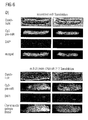
- Treatment was started 24 hours after the surgical reduction of the aortic banding. In each case, 80 mg / kg / d were then administered intravenously once a day for 3 days once a day. After injection of a Cy-3 labeled Antagomir®, the heart was removed after 3 h and the cardiac uptake of the C3-labeled Antagomir® was analyzed by immunofluorescence. It could be one strong uptake of Antagomir® into the heart ( Fig. 7E ). Surprisingly, real-time (PCR) analyzes showed a strong repression of cardiac miR-21 expression after 3 weeks after initially receiving 3-day treatment with Antagomir® 21 ( Fig. 7F ).
- Antagomir® 21 treatment in sham-operated mice did not result in a change in heart weight or myocyte size ( FIG. 7G . 8A ).
- Cardiac function was analyzed by echocardiography and catheter-based volume / pressure measurements. Both left ventricular end-systolic and end-diastolic diameters increased 3 weeks after aortic banding, whereas fractional shingling (a measure of cardiac function) was significantly reduced (Fig. Fig. 8B ).
- LVEDp left ventricular end-diastolic pressure
- p 0.09
- a reduced cardiac ejection fraction 55.9% ⁇ 8.0% (sham) versus 24.7% ⁇ 5.6% (aortic banding), p ⁇ 0.05
- Antagomir® 21 treatment after aortic banding prevented left ventricular dilatation and normalized fractional shortening (Fig. Fig. 8B ).
- the ejection fraction was improved and the left ventricular end-diastolic pressure was normalized (EF: 50.1% ⁇ 13.1%, LVEDp: 2.4 ⁇ 1.5 mmHg) after treatment with Antagomir®-21.
- Modulation of miRNAs in the cardiovascular system could also be successfully used in humans to prevent or as a therapy for cardiovascular diseases such as cardiac hypertrophy, heart failure or myocardial infarction.
- Substances which increase or prevent miRNA expression in the cardiovascular system may be administered by various routes such as intravenous, intraarterial, intracardiac via catheters or during open heart surgery, subcutaneously, transdermally, inhalatively, orally, rectally, etc. Therapy could be performed in patients with cardiac hypertrophy, after myocardial infarction or in patients with acute or chronic heart failure or coronary heart disease.
- the prevention of the expression of miR-21, miR-129 and miR-212 seems promising as a causal therapeutic approach for the prevention of various cardiovascular diseases.
- a myocardial biopsy can be taken. From this, the miRNA can be isolated and the expression level determined.
- An increase in individual miRNAs or a combination thereof, in particular miR-21 (SEQ ID NO: 14), miR-129, miR-212 (SEQ ID NO: 10), miR-214 (SEQ ID NO: 11), miR-134 ( SEQ ID NO: 5) may be used to diagnose an increased risk of development or even the presence of cardiac hypertrophy and / or cardiac insufficiency.
- Down-regulation of miR-182 (SEQ ID NO: 20) or miR-290 (SEQ ID NO: 24) or a combination thereof may be used to diagnose an increased risk of development or even the presence of cardiac hypertrophy and / or cardiac insufficiency.
- miR-21 SEQ ID NO: 14
- miR-129 miR-212
Landscapes
- Life Sciences & Earth Sciences (AREA)
- Health & Medical Sciences (AREA)
- Chemical & Material Sciences (AREA)
- Engineering & Computer Science (AREA)
- Genetics & Genomics (AREA)
- Organic Chemistry (AREA)
- Zoology (AREA)
- Wood Science & Technology (AREA)
- Bioinformatics & Cheminformatics (AREA)
- Proteomics, Peptides & Aminoacids (AREA)
- Biotechnology (AREA)
- Molecular Biology (AREA)
- General Engineering & Computer Science (AREA)
- Biomedical Technology (AREA)
- General Health & Medical Sciences (AREA)
- Analytical Chemistry (AREA)
- Microbiology (AREA)
- Biochemistry (AREA)
- Physics & Mathematics (AREA)
- Biophysics (AREA)
- Immunology (AREA)
- Pathology (AREA)
- Plant Pathology (AREA)
- Chemical Kinetics & Catalysis (AREA)
- General Chemical & Material Sciences (AREA)
- Medicinal Chemistry (AREA)
- Nuclear Medicine, Radiotherapy & Molecular Imaging (AREA)
- Pharmacology & Pharmacy (AREA)
- Animal Behavior & Ethology (AREA)
- Public Health (AREA)
- Veterinary Medicine (AREA)
- Heart & Thoracic Surgery (AREA)
- Cardiology (AREA)
- Measuring Or Testing Involving Enzymes Or Micro-Organisms (AREA)
- Medicines That Contain Protein Lipid Enzymes And Other Medicines (AREA)
- Pharmaceuticals Containing Other Organic And Inorganic Compounds (AREA)
- Micro-Organisms Or Cultivation Processes Thereof (AREA)
Abstract
Description
- Die Erfindung betrifft MicroRNAs (miRNAs) zur Diagnose, Prophylaxe und/oder Therapie von Herzerkrankungen.
- Die Erfindung betrifft insbesondere SEQ ID NR: 1 bis SEQ ID NR: 29 zur Diagnose, Prophylaxe und/oder Therapie von Herzerkrankungen. Daneben betrifft die Erfindung die Verwendung dieser Sequenzen zur Herstellung eines Arzneimittels für Herzerkrankungen sowie zu deren Diagnose. Ferner ist ein Verfahren zur Diagnose einer Herzerkrankung, ein Kit und ein Expressionsvektor mit diesen Sequenzen, eine Zelle, die den Expressionsvektor enthält sowie ein Verfahren zum Modulieren einer Herzerkrankung und ein Verfahren zum Screenen einer pharmazeutisch aktiven Verbindung zur Behandlung und/oder Prophylaxe einer Herzerkrankung von der Erfindung umfasst.
- MicroRNAs (miRNAs) sind kleine nicht-kodierende RNA-Moleküle, welche posttranskriptionell die Genexpression durch Abbau der messenger-RNA regulieren können. Die Gesamtzahl verschiedener miRNAs wird auf ca. 300-500 geschätzt. Damit machen miRNAs ca. 1 % des menschlichen Genoms aus. miRNAs wurden in verschiedenen Spezies entdeckt und scheinen hoch konserviert zu sein.
- Obwohl die Zielgene (Targetgene oder Targets) und somit die biologischen Funktionen der miRNAs bislang zum Großteil nicht identifiziert werden konnten, wird geschätzt dass miRNA bis zu 30 % der Gene des menschlichen Genoms regulieren.
- Zunächst werden miRNA-Gene durch die RNA-Polymerase II in lange primäre miRNAs (pri-miRNA) transkribiert. Die weitere Prozessierung dieser pri-miRNAs erfolgt schrittweise und in verschiedenen Kompartimenten. Pri-miRNAs werden zunächst im Zellkern durch das RNase III-Enzym Drosha in ca. 70-80 Nukleotide umfassende Vorläufer miRNAs (precursor miRNAs; pre-miRNAs) umgewandelt. Drosha formiert sich mit dem RNA-bindenden Protein DGCR8 zu einem Mikroprozessor-Komplex. Pre-miRNA Haarnadelschleifen (hairpins) werden durch das Protein Exportin-5 und Ran-GTP als Kofaktor aus dem Zellkern herausbefördert. Im Zytoplasma wird die pre-miRNA durch das RNase II-Enzym Dicer in ca. 22 Nukleotide große Duplex-miRNAs prozessiert. Dicer interagiert hierbei mit dem doppelbandigen RNA-bindenden Protein TRBP. Die miRNA-Duplex-Moleküle werden anschließend entwunden, so dass reife miRNA entsteht. Diese reife miRNA wird anschließend in einen Ribonukleoprotein-Komplex inkorporiert (miRNP), welcher dem RNA-induzierten silcencing complex (RISC), dem Effektormolekül der interfering RNA (RNAi) sehr ähnlich ist (Hutvagner and Zamore, 2002).
- In dieser Form können miRNAs über zwei unterschiedliche Mechanismen zu einer Herabregulation des jeweiligen Zielgens führen: a) Translationale Inhibition oder b) Target-mRNA-Spaltung. Die Auswahl des Mechanismus hängt vom Grad der Komplementarität zwischen miRNA und dem Zielgen in Kombination mit einem sogenannten Argonaute Protein ab (Meister et al., 2005). Bei nahezu perfekter Komplementarität kommt es zu einer Spaltung des Zielgens mit anschließender RNA-Degradation; während es bei einer nur partiellen Komplementarität zu einer translationalen Inhibition kommt (Hutvagner and Zamore, 2002). Der genaue Mechanismus der translationalen Inhibition ist bislang nicht bekannt (vgl.
Fig. 1 , die den Stand der Technik darstellt). - Während bereits einige Mechanismen zur Steuerung von Differenzierungsprozessen durch miRNAs aufgeklärt werden konnten (Harfe, 2005; Hornstein et al., 2005), ist die Regulation physiologischer Funktionen durch miRNAs bislang weitgehend unbekannt.
- Die große Anzahl an miRNAs und deren regulierte Targetgene prognostizieren eine wichtige Rolle von miRNA in der Entstehung und Progression verschiedenster Krankheiten. So ist beispielsweise die Mehrzahl der in unterschiedlichen Tumorproben identifizierten miRNAs herunterreguliert (Lu et al., 2005).
- Über die Regulation der herzspezifischen Entwicklung liegt bislang in der Literatur eine Arbeit vor. Hier konnten Zhao und Mitarbeiter zeigen, dass bestimmte muskelspezifische miRNAs entscheidend an der Regulation der Herzentwicklung beteiligt sind (Zhao et al., 2005). So sind die miRNAs miR1-1 und miR1-2 besonders in kardialen Vorläuferzellen exprimiert. Ein Target von miR-1 ist der kardiale Transkriptionsfaktor Hand2, welcher wiederum die Expansion des Ventrikels während der Entwicklung kontrolliert. Sehr wahrscheinlich wirkt miR-1 einer zu schnellen und überschießenden Herzentwicklung entgegen (Zhao et al., 2005).
- Eine weitere mögliche Rolle von miRNA in der Kontrolle von Umbauprozessen nach Myokardinfarkt oder anderen Herzerkrankungen, wie z.B. Hypertrophie oder Myokarditis scheint wahrscheinlich, jedoch sind Informationen hierüber bislang nicht verfügbar.
- Die Defektheilung nach Myokardinfarkt mit Narbenbildung und konsekutiver reduzierter linksventrikulärer Pumpfunktion ist die häufigste Ursache der Herzinsuffizienz in den westlichen Industriestaaten (Massie and Shah, 1997). Die Hospitalisationsraten wegen Herzinsuffizienz haben sich in den europäischen Ländern in den letzten 10-15 Jahren nahezu verdoppelt. Die Prognose der Herzinsuffizienz ist ungünstig und ähnlich schlecht wie bei vielen malignen Tumoren. Bedingt durch die zunehmend höhere Lebenserwartung in der Bevölkerung werden Inzidenz und Prävalenz der Herzinsuffizienz weiter zunehmen. Die Herzinsuffizienz wird deshalb auch im neuen Jahrtausend eine der zentralen Herausforderungen für das Gesundheitswesen darstellen.
- Der Begriff "kardiales Remodeling" (Pfeffer und Braunwald, 1990) beschreibt die Umbauprozesse des Herzens unter pathophysiologischen Bedingungen nach einem Myokardinfarkt oder bei anderen Erkrankungen (z.B. Myokarditiden), die zur Herzinsuffizienz führen können. Während es in der Frühphase nach Myokardinfarkt zur Nekrose des ischämischen Myokards mit konsekutiver Narbenbildung kommt, treten im Langzeitverlauf bei nicht direkt vom Infarkt betroffenem Myokard Veränderungen auf, die zunächst als Heilungs- und Anpassungsvorgänge aufzufassen sind. Die Ausdünnung und Dilatation der infarzierten Myokardwand kann früh (Tage bis Wochen) in der Postinfarktphase zur Infarktexpansion führen; das späte Remodeling (Monate bis Jahre) wird verursacht durch eine strukturelle Umgestaltung des überlebenden Myokards, welche durch Myozytenhypertrophie, interstitielle Fibrose, apoptotischen Kardiomyozytenverlust sowie Dilatation and Verformung der Herzkammer charakterisiert ist.
- Die wesentlichen Charakteristika dieser strukturellen Veränderungen umfassen zelluläre Hypertrophie des verbleibenden Restmyokards, reduzierte Kapillarisierung sowie eine progrediente myokardiale Fibrose (Pfeffer and Braunwald, 1990). Zwar stellen diese initialen Umbauprozesse eine kompensatorische Antwort dar; letztendlich führen die Veränderungen aber zu einer progressiven linksventrikulären Dilatation und Einschränkung der linksventrikulären Pumpfunktion, welche durch eine hohe Mortalität gekennzeichnet sind.
- Des Weiteren umfasst der Prozess des kardialen Remodelings molekulare, zelluläre und interstitielle Veränderungen. Betroffen sind nicht nur Kardiomyozyten (Phänotypänderung mit Hypertrophie und verminderter Kontraktilität, Nekrose, Apoptose), sondern auch insbesondere die Extrazellulärmatrix sowie eine Änderung des inflammatorischen Milieus. Das kardiale Remodeling wird beeinflusst durch hämodynamische Veränderungen, neurohormonale Aktivierung, inflammatorische Zytokine und eine Vielzahl weiterer Prozesse. Die chronische Herzinsuffizienz, wie auch der akute Myokardinfarkt, sind durch erhöhte Plasmaspiegel proinflammatorischer Zytokine (u.a. Tumor-Nekrosefaktor alpha, Interleukin-1-beta, -2 und -6) sowie deren lösliche Rezeptoren charakterisiert. Im insuffizienten Myokard werden inflammatorische Zytokine exprimiert. Neben der bekannten negativen inotropen Wirkung dieser Zytokine dürften längerfristig vor allem ausgeprägte Effekte auf den Myozyten-Phänotyp und die extrazelluläre Matrix bei chronischer Herzinsuffizienz von pathophysiologischer Bedeutung sein. Für eine aktuelle Übersicht über zelluläre und molekulare Mechanismen bei Herzinsuffizienz wird auf die weiterführende Literatur verwiesen (Hunter, 1999).
- In klinischen Studien konnte eine signifikante Verbesserung der Prognose unter medikamentöser Therapie (Beta-Blocker, ACE-Inhibitoren, Aldosteron-Antagonisten) belegt werden. Trotzdem ist und bleibt die Herzinsuffizienz eine der häufigsten Todesursachen in den industrialisierten Ländern.
- Die Suche und Entwicklung neuer Therapieformen zur Verbesserung kardialer Heilungsprozesse ist eine der größten Herausforderungen in der modernen Kardiologie geworden. Die Nutzung von miRNAs bietet neue Möglichkeiten für eine optimierte Therapie und/oder Diagnose von Herzerkrankungen.
- Der vorliegenden Erfindung liegt deshalb die Aufgabe zugrunde, verschiedene miRNA Sequenzen anzugeben, die zur Diagnose, Prophylaxe und/oder Therapie von Herzerkrankungen geeignet sind.
- Die Erfindung betrifft SEQ ID NR: 1 bis SEQ ID NR: 29 zur Diagnose, Prophylaxe und/oder Therapie von Herzerkrankungen. Daneben betrifft die Erfindung die Verwendung dieser Sequenzen zur Herstellung eines Arzneimittels für Herzerkrankungen sowie zu deren Diagnose. Ferner betrifft die Erfindung ein Verfahren zur Diagnose einer Herzerkrankung, einen Kit und einen Expressionsvektor mit diesen Sequenzen, eine Zelle, die den Expressionsvektor enthält sowie ein Verfahren zum Modulieren einer Herzerkrankung und ein Verfahren zum Screenen einer pharmazeutisch aktiven Verbindung zur Behandlung und/oder Prophylaxe einer Herzerkrankung.
- Im Folgenden wird die Erfindung unter Bezugnahme auf die beigefügten Figuren unter Angabe von verschiedenen Ausführungsformen näher beschrieben.
-
-
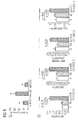
Fig. 1 stellt den Stand der Technik dar und zeigt die miRNA-Reifung und die Hemmungsprozesse der mRNA. -
Fig. 2 zeigt isolierte miRNA und totale RNA durch Kapillarelektrophorese. -
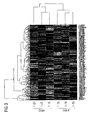
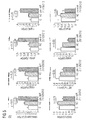
Fig. 3 zeigt eine hierarchische Clusteranalyse von deregulierten miRNAs - zu sehen sind die signifikanten Unterschiede in chronisch infarziertem Myokardgewebe (Infarkt; n=3) und Myokardgewebe von Schein-operierten Ratten (Sham; n=3). -
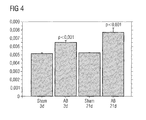
Fig. 4 zeigt die Zunahme des linksventrikulären Gewichts nach der Verengung der Aorta (aortic banding) nach 3 Tagen (AB 3d) und 21 Tagen (AB 21d) gegenüber den Sham-Kontrollen (Sham). -
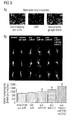
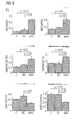
Fig. 5 zeigt miRNAs in kultivierte neonatale Kardiomyozyten (zu > 90%; restliche Zellen kardiale Fibroblasten und Endothelzellen) (A). Die Zellkerne wurden mit 4',6-Diamidino-2-phenylindol (DAPI) gefärbt. B) Zellgrößenzunahme unter miRNA-Behandlung. C) Verstärkte Expression einzelner miRNAs nach miRNA-Transfektion. D) Aktivierung fötaler Genprogramme nach miRNA Transfektion (ANP = atrial natriuretic peptide, BNP = brain natriuretic peptide; beta-MHC = beta-myosin heavy chain; cspg2 = chondroitin sulfate proteoglycan 2; phlda1 = pleckstrin homology-like domain, family A, member 1; HSP90 = heat shock protein 90; RASA1 = RAS p21 protein activator 1; MEF2a = myosin enhancer factor 2 alpha; cradd = CASP2 and RIPK1 domain containing adaptor with death domain; dtna = dystrobrevin alpha). -
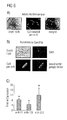
Fig. 6 zeigt miRNAs in kultivierte adulte Kardiomyozyten (zu > 90%; restliche Zellen kardiale Fibroblasten und Endothelzellen) (A), die Transfektionsspezifität (B), die verstärkte Expression einzelner miRNAs nach miRNA Transfektion (C), eine Zellgrößenzunahme unter miRNA Behandlung (D und F), und die Aktivierung fötaler Genprogramme nach miRNA-Transfektion (E). Die Zellkerne wurden mit 4',6-Diamidino-2-phenylindol (DAPI) gefärbt. (Die Abkürzungen sind wie oben angegeben). -
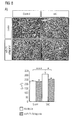
Fig. 7 zeigt die Repression von Sprouty-1 (A) und Sarcalumenin (B) nach pre-mir-21-Überexpression in kultivierten Kardiomyozyten (zu > 90%; restliche Zellen kardiale Fibroblasten und Endothelzellen). (C) und (D) zeigen die Repression von Sprouty-1 und die erhöhte ERK1/2-Phosphorylierung nach Druckbelastung des linken Ventrikels im Tiermodell (Aortic banding). (E) zeigt die Aufnahme von intravenös injiziertem Cy-3 markierten Antagomir® in das Herz. (F) zeigt eine Repression der kardialen miR-21-Expression nach Antagomir®-21 Behandlung. (G) zeigt eine Zunahme des Herzgewichts relativ zum Tiergewicht drei Wochen nach aortic banding, als auch die Verhinderung der Zunahme des Herzgewichts unter Antagomir®-21-Behandlung. (AB oder TAC = Aortic Banding Operation; anti-21 oder Anti-miR-21= Antagomir®-21 Behandlung). -
Fig. 8A zeigt eine Größenzunahme der Kardiomyozyten nach aortic banding und die Normalisierung unter Antagomir®-21 Behandlung. (B) zeigt echokardiographische Analysen nach aortic banding mit und ohne Antagomir®-21 Behandlung. (Die Abkürzungen sind wie oben angegeben). - Die vorliegende Erfindung betrifft miRNA-Sequenzen, insbesondere SEQ ID NR: 1 bis SEQ ID NR: 29 zur Diagnose, Prophylaxe und/oder Therapie von Herzerkrankungen. Die Sequenzen sind im Sequenzprotokoll angegeben und in Tabelle 2 zusammengestellt.
- Ferner können die SEQ ID NR: 1 bis SEQ ID NR: 29 zur Herstellung eines Arzneimittels zur Prophylaxe und/oder Therapie von Herzerkrankungen verwendet werden.
- Außerdem können die SEQ ID NR: 1 bis SEQ ID NR: 29 zur Diagnose von Herzerkrankungen verwendet werden.
- In einer besonders bevorzugten Ausführungsform ist die Herzerkrankung ein Myokardinfarkt, eine Herzinsuffizienz, insbesondere eine chronische Herzinsuffizienz und/oder eine Herzhypertrophie.
- Ein weiterer Gegenstand der Erfindung ist ein Verfahren zur Diagnose einer Herzerkrankung, wobei das Verfahren die Schritte umfasst:
- (a) Bereitstellen einer Probe eines Individuums, das unter dem Verdacht einer Herzerkrankung steht;
- (b) Messen der Expressionsmenge von mindestens einer Sequenz ausgewählt unter SEQ ID NR: 1 bis SEQ ID NR: 29 in der Probe;
wobei eine erhöhte oder verringerte Expressionsmenge mindestens einer Sequenz ausgewählt unter SEQ ID NR: 1 bis SEQ ID NR: 29 gegenüber einer Kontrollprobe eine Herzerkrankung oder eine Prävalenz bzw. Prädisposition für eine Herzerkrankung anzeigt. - Eine weitere Ausführungsform betrifft insbesondere die Verwendung der Sequenz SEQ ID NR: 5 (miR-134), SEQ ID NR: 10 (miR-212), SEQ ID NR: 11 (miR-214), SEQ ID NR: 14 (miR-21), SEQ ID NR: 20 (miR-182) und/oder SEQ ID NR: 24 (miR-290).
- Besonders bevorzugt ist Insbesondere miR-21 (SEQ ID NR: 14). Diese miRNA ist in der humanen Herzinsuffizienz ca. 3,3-fach und früh nach Herzhypertrophie (aortic banding 3 Tage) ca. 3,0-fach bei der Maus hochreguliert.
- Bevorzugt ist außerdem miR-212 (SEQ ID NR: 10). Diese miRNA ist in der humanen Herzinsuffizienz ca. 5,6-fach und nach chronischem Myokardinfarkt ca. 2,4-fach bei der Ratte hochreguliert.
- Ferner ist miR-214 (SEQ ID NR: 11) bevorzugt. Diese miRNA ist leicht in der humanen Herzinsuffizienz ca. 1,2-fach und deutlich früh und spät nach Herzhypertrophie (aortic banding 3 und 21 Tage) ca. 1,5-fach, bzw. ca. 2,1-fach bei der Maus sowie nach chronischem Myokardinfarkt ca. 2,6-fach und nach pharmakologischer Herzhypertrophieinduktion in vitro ca. 1,5-fach hochreguliert.
- Schließlich ist miR-134 (SEQ ID NR: 5) bevorzugt. Diese miRNA ist leicht in der humanen Herzinsuffizienz ca. 1,2-fach und deutlich spät nach Herzhypertrophie (aortic banding 21 Tage) ca. 1,7-fach bei der Maus sowie nach chronischem Myokardinfarkt (3,3-fach) in der Ratte hochreguliert.
- Alle hochregulierten miRNAs können über miRNA-Inhibitoren in vitro und in vivo in ihrer Expression als Therapie normalisiert werden. Des Weiteren können sie als Diagnosemarker eingesetzt werden.
- In einer alternativen Ausführungsform ist miR-182 (SEQ ID NR: 20) bevorzugt. Diese miRNA ist in der humanen Herzinsuffizienz (-1,3-fach) und deutlich früh und spät nach Herzhypertrophie (aortic banding 3 und 21 Tage) (-1,8-fach, bzw. -2,2-fach) bei der Maus sowie nach chronischem Myokardinfarkt (-4,0-fach) in der Ratte herunterreguliert.
- Ferner ist miR-290 (SEQ ID NR: 24) bevorzugt. Diese miRNA ist in der humanen Herzinsuffizienz (-1,4-fach) und früh nach Herzhypertrophie (aortic banding 3 Tage) (-1,6-fach) bei der Maus sowie nach chronischem Myokardinfarkt (-1,4-fach) bei der Ratte herunterreguliert.
- Diese reduzierten bzw. herunter regulierten miRNAs können über exogen hinzugegebene miRNAs normalisiert werden. Ferner können Medikamente entwickelt werden, welche die Expression der miRNAs normalisieren. Des Weiteren können sie, ggf. auch zusammen mit den hochregulierten miRNAs als Diagnosemarker verwendet werden.
- Ein weiterer Gegenstand der Erfindung betrifft einen Kit umfassend mindestens eine Sequenz ausgewählt unter SEQ ID NR: 1 bis SEQ ID NR: 29 zur Diagnose von Herzerkrankungen.
- Ferner ist ein Expressionsvektor umfassend mindestens eine Sequenz ausgewählt unter SEQ ID NR: 1 bis SEQ ID NR: 29 von der Erfindung umfasst.
- In einer besonderen Ausführungsform gehört eine Zelle umfassend mindestens einen Expressionsvektor ebenfalls zur Erfindung.
- Ein weiterer Aspekt der vorliegenden Erfindung betrifft ein Verfahren zum Modulieren einer Herzerkrankung umfassend das Modulieren der Expression oder Aktivität mindestens einer Sequenz, die ausgewählt ist unter SEQ ID NR: 1 bis SEQ ID NR: 29, in einer Zelle.
- Noch ein Gegenstand der Erfindung betrifft ein Verfahren zum Screenen einer pharmazeutisch aktiven Verbindung zur Behandlung und/oder Prophylaxe einer Herzerkrankung, wobei das Verfahren die Schritte umfasst:
- (a) Bereitstellen einer erfindungsgemäßen Zelle,
- (b) In Kontakt bringen eines Kandidaten einer pharmazeutisch aktiven Verbindung mit der Zelle,
- (c) Bestimmen der Wirkung des Kandidaten auf die Expression einer Sequenz, die ausgewählt ist unter SEQ ID NR: 1 bis SEQ ID NR: 29,
wobei eine Veränderung der Expression mindestens einer Sequenz von SEQ ID NR: 1 bis SEQ ID NR: 29 eine pharmazeutisch aktive Verbindung anzeigt. - Ferner sei angemerkt, dass sämtlichen Merkmalen, die in den Anmeldungsunterlagen und insbesondere in den abhängigen Ansprüchen genannt sind, trotz dem vorgenommenen formalen Rückbezug auf einen oder mehrere bestimmte Ansprüche, auch einzeln oder in beliebiger Kombination eigenständiger Schutz zukommt.
- Die Erfindung wird in den folgenden Beispielen und Ergebnissen näher beschrieben, die nur exemplarisch angegeben sind und nicht einschränkend verstanden werden sollen.
- Im Labor wurden alle nötigen Verfahren zur Isolation und Microarray-basierten Detektion von >300 verschiedenen miRNAs aus Myokardgewebe etabliert. So konnte die miRNA-Isolation durch Hinzunahme eines weiteren Trennungsschrittes mittels Gelelektrophorese soweit optimiert werden, dass eine gute Markierung für die nachfolgende Hybridisierung und den Nachweis (Detektion) von miRNAs auf eigens gespotteten speziellen miRNA-Microarrays (in Kooperation mit der IZKF-Microarray Facility, Dr. S. Kneitz) möglich war (siehe
Fig. 2 undFig. 3 ). Durch Vergleich von gesundem mit chronisch infarziertem Myokard der Ratte konnten zahlreiche deregulierte miRNAs identifiziert werden, welche interessante Zielstrukturen für nachfolgende Forschungsansätze, bzw. interessante Diagnosemarker darstellen. - So konnte über Microarray-basierte Techniken durch die Erfinder bereits eine Anzahl im Herzen stark exprimierter miRNAs identifiziert werden. Zahlreiche differentiell exprimierte miRNAs im chronisch infarzierten Myokardgewebe deuten auf eine wichtige Rolle beim kardialen Remodeling hin.
- Die folgenden miRNAs sind nach Myokardinfarkt induziert (> 1,2-fach der Schein (Sham)-operierten Tiere). Es sind Mittelwerte aus n=3 Tieren pro Gruppe angegeben:
- miR211 (SEQ ID NR: 9), miR16-1, miR137, miR195, miR199a*-1, miR199a-2, miR145, miR96, miR101-1, miR368, miR193, miR297-1, miR125b-1, miR1-2, let7f-1, miR295, miR199a-1, miR198, miR291-3p, miR99a, miR210, miR293, miR350, miR409, miR339, miR103-1, miR129-2, miR190, miR325, miR367, miR291-5p, let7d*, miR19a, miR369, miR300, miR199a*-2, miR98, miR221, miR292-3p, miR126, miR136, miR17-3p, miR128a (SEQ ID NR: 4), miR15b (SEQ ID NR: 1), miR151 (SEQ ID NR: 7), miR328 (SEQ ID NR: 12), miR126* (SEQ ID NR: 3), miR23a (SEQ ID NR: 2), miR212 (SEQ ID NR: 10), miR149 (SEQ ID NR: 6), miR206 (SEQ ID NR: 8), miR214 (SEQ ID NR:11), miR371 (SEQ ID NR: 13), miR134 (SEQ ID NR: 5).
- Die folgenden miRNAs sind nach Myokardinfarkt reprimiert (< 80 % der Schein (Sham)-operierten Tiere). Es sind Mittelwerte aus n=3 Tieren pro Gruppe angegeben:
- miR106b, miR182 (SEQ ID NR: 17), miR296 (SEQ ID NR: 18), miR122a (SEQ ID NR: 19), miR30a-3p (SEQ ID NR: 20), miR372, miR182*, miR298, miR9-1,
- miR155, miR99b, miR147, miR197, miR189, miR154, miR376b, miR219-1, miR202; miR370, miR341, miR27a, let7e, miR302c*; miR188, miR200b, miR215, miR142-3p, miR153-1, miR345, miR34a, miR21, miR148a, miR146, miR290, let7i, miR106a, miR217, let7g, miR183, miR200a, miR133a-1, miR7-1, miR22, miR9-1*, miR93, miR144, miR34c, miR220, miR141, miR130b.
- Für ausgewählte miRNA Sequenzen ist die jeweilige SEQ ID NR: in Klammern angegeben.
- Ein hierarchische Clusteranalyse nach Eisen (http://rana.lbl.gov/) zeigte ebenfalls die signifikanten Unterschiede in chronisch infarziertem Myokardgewebe (Infarkt; n=3) und Myokardgewebe von Schein-operierten Ratten (Sham, n=3) (siehe
Fig. 3 ). Diese bioinformatorische Analysemethode sucht nach Unterschieden und Gemeinsamkeiten der verschiedenen untersuchten Gruppen. - Durch Suche in Datenbanken (http://microrna.sanger.ac.uk/) konnten bereits theoretische Zielgene der deregulierten miRNAs identifiziert werden. Eine Auswahl ist in Tabelle 1 angegeben.
Tabelle 1 Nach Myokardinfarkt herauf-regulierte miRNA und deren Zielgene, welche bei Myokardinfarkt/Herzinsuffizienz eine wichtige Rolle spielen miRNA Zielgen miR15b (SEQ ID NR: 1) Carnitin-O-palmitoyltransferase II (Fettsäureoxidation) Cyclin A2 G1/S-spezifisches Cyclin E1 Myosin-bindendes Protein C, Herz-Typ (Herz MyBP-C) Superoxide Dismutase [Cu-Zn] Fibroblasten Wachstumsfaktor 6 miR23a (SEQ ID NR: 2) L-Lactat Dehydrogenase B Kette Hypoxie-induzierbarer Faktor 1 alpha Inhibitor Retinoid X Rezeptor gamma Cyclin H Thioredoxin Cyclin-L1 (Cyclin-L) miRNA126* (SEQ ID NR: 3) Vaskulärer Zelladhäsionsprotein 1 Vorläufer (V-CAM 1) Vaskulärer endothelialer Wachstumsfaktor A Vorläufer (VEGF-A) Histon H2B miRNA128a (SEQ ID NR: 4) Vaskulärer endothelialer Wachstumsfaktor C Vorläufer Thioredoxin Reduktase 2 6-Phosphofructokinase, Muskel-Typ Troponin I, Herzmuskel (Herz Troponin I) Myosin schwere Kette, Herzmuskel alpha Isoform (MyHC-alpha) Somatotropin Vorläufer (Wachstumshormon) Thioredoxin Reduktase 2 Metalloproteinase Inhibitor 1 Vorläufer (TIMP-1) miRNA134 (SEQ ID NR: 5) Calreticulin Cytochrom C Oxidase Polypeptid Va, mitochondrialer Vorläufer Peroxiredoxin 1 (EC 1.11.1.15) (Thioredoxin Peroxidase 2) miRNA149 (SEQ ID NR: 6) Carnitin O-Acetyltransferase Kalium Kanal spannungsvermittelte Subfamilie D Mitglied 3 Wachstumsarrest und durch DNA-Schädigung induzierte 45 beta Tropomyosin 1 alpha Kette (Alpha-Tropomyosin) miRNA151 (SEQ ID NR: 7) Myosin-bindendes Protein C, Herz-Typ (Herz MyBP-C) (Herzmuskel Isoform) Calcium-aktivierte Kalium Kanal beta Untereinheit 4 Heparin-bindender Wachstumsfaktor Vorläufer (Saurer Fibroblasten Wachstumsfaktor) (aFGF). miRNA206 (SEQ ID NR: 8) Cytochrom b5 Superoxid Dismutase [Cu-Zn] Cyclin H Angiopoietin-ähnliches 2 miRNA211 (SEQ ID NR: 9) Knochen morphogenetischer Protein 10 Vorläufer (BMP-10) Mittlere Leitfähigkeit (intermediate conductance) Calcium-aktiviertes Kalium Kanal Protein 4 (SK4) (KCa4) Stickoxid Synthase, Gehirn m(EC 1.14.13.39) (NOS Typ I) (Neuro nales NOS) (N-NOS) Kalium Kanal spannungsvermitteltes Subfamilie H Mitglied 7 (Volta-ge-gated potassium channel subunit Kv11.3) Nestin Matrix Metalloproteinase-9 Vorläufer (EC 3.4.24.35) (MMP-9) Atriales natriuretischer Peptid Rezeptor B Vorläufer (ANP-B) Myogener Faktor 6 Vaskulärer Zelladhäsions Protein 1 Vorläufer (V-CAM 1) (CD106 Antigen) miRNA212 (SEQ ID NR: 10) Myosin-5B (Myosin Vb) (Myosin schwere Kette myr 6) Calcium-aktivierte Kalium Kanal beta Untereinheit 4 Isocitrat Dehydrogenase [NAD] Untereinheit beta, mitochondrialer Vorläufer Transkriptionsfaktor E2F5 (E2F-5) Mitochondriales Carnitin/Acylcarnitin Trägerprotein Vaskulärer Zelladhäsionsprotein 1 Vorläufer (V-CAM 1) Ryanodin Rezeptor Typ 1 Metalloproteinase Inhibitor 1 Vorläufer (TIMP-1) Kalium Kanal spannungsvermitteltes Subfamilie A Mitglied 6 (Kv1.6) miRNA214 (SEQ ID NR: 11) Carnitin O-Acetyltransferase Kreatin Kinase M-Typ Myosin-bindendes Protein H (MyBP-H) Metalloproteinase Inhibitor 4 Vorläufer (TIMP-4) Myosin XVIIIa Superoxid dismutase [Cu-Zn] Myosin leichtes Polypeptid 6 (Myosin leichte Kette Alkali 3) (Myosin leichte Kette 3) Herz Troponin C miRNA328 (SEQ ID NR: 12) Calcium-aktivierte Kalium Kanal beta Untereinheit 4 Myosin-bindendes Protein H Calcium/Calmodulin-abhängige Proteinkinase Kinase 1 (EC 2.7.1.37) Natrium- und Chlor-abhängiger Kreatin Transporter 1 (CT1) (Crea tin Transporter 1) Kalium Kanal spannungsvermitteltes Subfamilie D Mitglied 3 (Kv4.3) IGF-Il mRNA-bindendes Protein 1 Nestin Fructose-1,6-bisphosphatase 2 Myoglobin miRNA371 (SEQ ID NR: 13) Somatotropin Vorläufer (Wachstumshormon) Kreatin Kinase B-Typ (EC 2.7.3.2) (Kreatin Kinase, B Kette) (B-CK) - Einzelne stark regulierte miRNAs können über eine Heraufregulation (durch liposomale Transfektion der spezifischen miRNA) oder Herabregulation (durch liposomale Transfektion spezifischer miRNA-Inhibitoren (anfi-miRs®, Ambion, UK oder Antagomirs, Alnylam, Kulmbach, Germany) der entsprechenden miRNA durch Applikation nach Myokardinfarkt moduliert werden. Alternativ können auch andere Transfektionsarten verwendet werden (z.B. viral oder durch Nukleofektion, bzw. Elektroporation) Durch die große Anzahl an Targetgenen einzelner miRNAs werden so ganze Gen-Netzwerke in ihrer Expression nach Myokardinfarkt wieder normalisiert und eine verbesserte Herzfunktion wiederhergestellt.
- Gefrorenes Herzgewebe oder kultivierte Kardiomyozyten wurden unter Verwendung von flüssigem Stickstoff zerkleinert. Aus ihnen wurde Gesamt-RNA einschließlich kleinen RNAs (small RNAs) isoliert (mirVana™ miRNA Isolierungskit; Ambion, USA). Die Gesamt-RNA wurde getrennt isoliert und die gereinigten miRNAs unter Verwendung des FlashPAGE-Fraktionierungssystems (Ambion, USA) aufbereitet. Eine Kapillarelektrophorese (Bioanalyzer 2100; Agilent, Deutschland) wurde verwendet, um die Qualität der Gesamt-RNA und die Reinheit der miRNA zu bewerten.
- MicroRNA, die aus 10 µg gesamt RNA erhalten wurde, wurde mit dem Farbstoff Cy3 (Molecular Probes, USA) unter Verwendung des mirVana™ miRNA Markierungskits (Ambion, USA) nach den Angaben des Hersteller markiert. Jedes Target wurde in einem getrennten Array hybridisiert.
- Microarrays mit bis zu 384 miRNAs (mirVana miRNA Sondenset, Ambion) wurden im Labor der Erfinder auf SCHOTT Nexterion® Slide E Microarray Objektträger jeweils 4-fach aufgespottet. Die Oligonukleotidsonden waren 42-46 nt lang und bestanden aus einem 18-24 nt Segment, das auf eine bestimmte bekannte miRNA, die vom Menschen, der Maus oder der Ratte stammt, abzielt.
- Eine vollständige Auflistung der verwendeten Sonden einschließlich der Sequenzinformationen in dem Sondenset steht unter www.ambion.com/techlib/resources/- miRNA array/index.html zur Verfügung. Die Verarbeitung der Objektträger, die miRNA Reinigung, die Anreicherung und die Markierung wurde nach den Angaben in dem Handbuch von Ambion mirVana™ (www.ambion.com/techlib/prot) durchgeführt. Die Datenaufnahme wurde unter Verwendung der ScanAlyze Software (M. Eisen, LBNL, CA, USA) durchgeführt.
- Die miRNA-Array-Datenanalysen wurden unter Verwendung des R-Pakets aus dem Bioconductor-Projekt (www.bioconductor.org) durchgeführt. Die resultierenden Signalintensitäten wurden durch Varianzstabilisierung normalisiert (Huber et al., 2002). Die Qualität aller Datensätze wurde getestet, und es wurde eine statistische Analyse durchgeführt, um differenziell exprimierte Gene unter Verwendung des Limma (Linear Models for Microarray Analysis) Pakets zu bewerten. Der Kern des Limma-Pakets ist eine Implementierung des empirischen Bayes linear modeling Ansatzes von Smyth and kann selbst für die stabilie Analyse von noch kleineren Probegrößen verwendet werden (Smyth, 2004).
- Die miRNA-Datenbank miRBase (http://microrna.sanger.ac.uk/) wurde verwendet um mögliche miRNA-Targets zu identifizieren. Der miRanda-Algorithmus wurde verwendet um alle zu Verfügung stehenden miRNA-Sequenzen eines gegebenen Genoms gegen die 3' UTR-Sequenzen dieses Genoms zu screenen. Der Algorithmus verwendet die dynamische Programmierung, um nach der maximalen lokalen Komplementarität zu suchen, die dem doppelsträngigen anti-parallelen Duplex entspricht. Ein positiver Wert (score) wird für komplementäre Basenpaarung angegeben, und ein negativer Wert (score) wird für Fehlpaarungen, Öffnungen und Erweiterungen der Transkriptions-/Replikationsgabel (gap-opening und gap-extension) angegeben. Die Werte, die von dem 5' Ende der miRNA abgeleitet waren, wurden mit einem Faktor multipliziert, um die Wichtigkeit einer perfekten Watson-Crick-Basenpaarung auszudrücken, die experimentell beobachtet wurde. Anschließend wurde eine Karlin-Altschul-Normalisierung durchgeführt (miRBase Targets Version 3.0; http://microrna.sanger.ac.uk/targets/v3/).
- Mit den bereits oben beschriebenen Methoden wurden miRNA-Expressionsprofile von n=4 humanen erkrankten Herzen und n=4 gesunden Herzen erstellt. Bei den erkrankten Herzen handelt es sich um linksventrikuläres Gewebe, das im Rahmen einer Herztransplantation aufgrund von dekompensierter Herzinsuffizienz entnommen wurde. Die deregulierten miRNAs (Herauf- sowie Herabregulation), die potenziefie Zielstrukturen für neue optimierte Therapien darstellen, sind im Folgenden angegeben:
- Die folgenden miRNAs sind im menschlichen dekompensierten Herzen ("heart failure - Herzversagen") induziert (n=4 gesundes linksventrikuläres Gewebe; n=4 erkranktes dekompensiertes linksventrikuläres Gewebe):
- hsa_miR_212 (SEQ ID NR:10), hsa_miR_21 (SEQ ID NR:14),
- hsa_miR_29b (SEQ ID NR:15), hsa_miR_129 (SEQ ID NR:16),
- mmu_miR_17_3p" hsa_miR_210, hsa_miR_29a, hsa_miR_299_5p, hsa_miR_211, hsa_miR_423, hsa_miR_320, hsa_miR_200c, hsa_miR_1, hsa_miR_15a, hsa_miR_213 (SEQ ID NR:17), hsa_miR_126_AS, hsa_let_7c (SEQ ID NR:18), hsa_miR_26a, hsa_miR_106b (SEQ ID NR:19), hsa_miR_130a, hsa_miR_384, hsa_miR_424, hsa_let_7e, hsa_let_7g, mmu_miR_199b, hsa_miR_125a, hsa_miR_199b" hsa_miR_28, hsa_miR_365, hsa_let_7d, hsa_miR_98, hsa_miR_335, hsa_let_7f, hsa_fet_7b, hsa_miR_204, hsa_miR_372, hsa_miR_26b, mmu_miR_140_AS, hsa_miR_130b, mmu_miR_192, hsa_miR_34b, mmu_miR_129_3p, hsa_miR_132, hsa_miR_203, hsa_miR_181a, hsa_miR_127, mmu_miR_330, hsa_miR_15b, hsa_miR_199a, hsa_miR_516_3p, hsa_miR_101, hsa_miR_205, hsa_miR_151, hsa_miR_331, hsa_miR_32, hsa_miR_184, hsa_miR_489, hsa_miR_504, hsa_miR_31, hsa_miR_146a, hsa_miR_373, hsa_let_7a, hsa_miR_143, hsa_miR_511, hsa_miR_10b, hsa_miR_185, hsa_miR_136, rno_miR_349, hsa_miR_194, hsa_miR_145, hsa_miR_154, mmu_miR_151, hsa_miR_134 (SEQ ID NR: 5), mmu_miR_424, hsa_miR_181c, mmu_miR_201, hsa_miR_508, hsa_miR_99b, hsa_miR_27b.
- Die folgenden miRNAs sind im menschlichen dekompensierten Herzen ("heart failure - Herzversagen") reprimiert (n=4 gesundes linksventrikuläres Gewebe; n=4 erkranktes dekompensiertes linksventrikuläres Gewebe):
- hsa_miR_139, hsa_miR_376a, hsa_miR_517a, hsa_miR_141, mmu_miR_380_3p, hsa_miR_30c, hsa_miR_520d, hsa_miR_519" mmu_miR_291_3p, hsa_miR_221, hsa_miR_520b, hsa_miR_522, hsa_miR_422b, hsa_miR_527, hsa_miR_17_3p, hsa_miR_507, hsa_miR_24, hsa_miR_523, hsa_miR_452_AS, hsa_miR_520a_AS, hsa_miR_135b, hsa_miR_182, hsa_miR_215, hsa_miR_518f_AS, hsa_miR_224, hsa_miR_339, mmu_miR_292_5p, mmu_miR_376b, hsa_miR_222, hsa_miR_96, mmu_miR_290 (SEQ ID NR: 24), hsa_miR_30a_5p (SEQ ID NR: 25), hsa_miR_425, hsa_miR_219 (SEQ ID NR: 26), hsa_miR_302b, hsa_miR_515_5p (SEQ ID NR: 27), hsa_miR_526b (SEQ ID NR: 28), hsa_miR_302b_AS, hsa_miR_107, hsa_miR_124a, hsa_miR_30b (SEQ ID NR: 29).
- Kardiomyozyten wurden von neonatalen Ratten wie beschrieben isoliert und kultiviert (Burkard et al., 2005). Mehr als 95% der kultivierten Zellen zeigten eine Expression für das Kardiomyozyten-spezifische Aktinin, was auf eine sehr hohe Reinheit der Zellkultur schließen lässt. Fluoreszenz-Farbstoff (Cy3)-markierte scrambled-miR, -miR-21, -miR-129 und -miR-212-Moleküle (Cy3-pre-miR miRNAs, Ambion, USA, 100 nM, 48 h) wurden separat oder in Kombination mittels eines liposomalen Transfektionsverfahrens (Lipofectamine, Invitrogen, Germany) in kultivierte Kardiomyozyten transfiziert (Thum et al., 2007;
Abb. 5A, B ). 48 h nach der Transfektion wurden aus den Zellen Zell-Lysate wie beschrieben hergestellt (Thum et al., 2006). Adulte Kardiomyozyten wurden wie beschrieben isoliert und kultiviert (Thum et al., 2001). Adulte Kardiomyozyten wurden an ihrer typischen rechteckigen Morphologie identifiziert, und die Reinheit der Zellkultur an adulten Kardiomyozyten war sehr hoch (Abb. 6A ). Adulte Kardiomyozyten wurden mit scrambled Cy3-markierter miRNA oder einem Set an miRNAs (miR-21, miR-129 and miR-212, 72 h, 25 nM) liposomal transfiziert (Lipofectamine, Invitrogen, Germany). Als ein Marker für die Zellgröße wurde die Oberfläche der kultivierten neonatalen (48 h nach Transfektion) und adulten (72 h nach Transfektion) Kardiomyozyten mit dem Bildanalyseprogramm AxioVison Rel. 4.4 (Carl Zeiss GmbH, Germany) bestimmt. Statistische Analysen wurden mittels one-way ANOVA gefolgt von mehreren Vergleichen mit dem "Fisher's protected least-significant difference" Test durchgeführt. Die statistische Analyse wurde mit dem Program Stat-View 5.0 (Abacus Concepts, Berkley, CA, USA) durchgeführt. Die statistische Signifikanz wurde für P<0.05 angenommen. - Um die Bedeutung einzelner deregulierter miRNAs für die Biologie von Kardiomyozyten zu analysieren, wurden drei in humanen insuffizienten Herzen hochregulierte miRNAs (miR-21, miR-129 and miR-212) in neonatalen und adulten Kardiomyozyten überexprimiert (siehe
Abb. 5 ,6 ). Die Transfektionseffizienz wurde mittels Nutzung Cy-3 markierter pre-miRNA-Moleküle untersucht und war sowohl in neonatalen als auch adulten Kardiomyozyten sehr hoch (sieheAbb. 5A , B;Abb. 6A ; >85%). Zusätzlich wurde nach der Transfektion die Expression der einzelnen miRNAs mittles quantitativer miRNA Stammschleifen (stem loop) RT-PCR (Taq-Man® MicroRNA Assays, Applied Biosystems, USA) bestimmt. Die Transfektion führte in neonatalen und adulten Kardiomyozyten zu einer Heraufregulation der miRNAs miR-21, miR-129 und miR-212 (Abb. 5C ,6C ). Nur vitale Kardiomyozyten konnten transfiziert werden (Abb. 6B ). Während die Überexprimierung einzelner miRNAs zwar deutliche Effekte auf die zelluläre Morphologie, einschließlich Hypertrophie, ausübte, konnte der stärkste Effekt durch die gleichzeitige Überexpression aller drei miRNAs (miR-21, miR-129 and miR-212) erzielt werden (Abb. 5B ,6D ). Eine weitere Folge der Überexpression dieser miRNAs war eine ReAktivierung fötaler Genprogramme, die regelmäßig während einer Herzerkrankung, einschließlich der Herzhypertrophie und Herzinsuffizienz, auftritt. So wurden die Gene ANP, BNP, beta-MHC, alpha skeletal actin, villin2, cspg2, phlda1, hsp90, RASA1, MEF2a, cradd und dtna durch die miRNA-Überexpression in ihrer Expression so moduliert, dass das Expressionsniveau auf dem krankhafter Herzen lag (Abb. 5D ,6E ). Eine Transfektion adulter Kardiomyozyten mit diesem Set an miRNAs (miR-21, miR-129 und miR-212) resultierte ebenfalls in der Ausbildung einer zellulären Hypertrophie und Aktivierung fötaler Genprogramme (Abb. 6D , E, F). Die Transfektion von scrambled miRNAs führte weder zu einer zellulären Hypertrophie noch zu einer Aktivierung fötaler, pathologischer Genprogramme (Abb. 5 ,6 ). - Die Daten identifizieren bestimmte miRNAs als wichtige Regulatoren für die ReAktivierung fötaler Genprogramme im insuffizienten humanen Herzen und liefern somit einen wichtigen Beitrag zur Erklärung der transkriptionellen Veränderungen bei der Herzinsuffizienz.
- In-vivo: Mittels eines operativen Eingriffs wurde der Durchmesser der Aorta an Mäusen stark verkleinert ("aortic banding"). Bei den Kontrollen ("Sham"-operierten Tieren) wurde ebenfalls der Thorax eröffnet und die Aorta dargestellt, aber keine Verengung der Aorta durchgeführt. Nach 3 und nach 21 Tagen wurde das linksventrikuläre Herzgewicht relativ zum Gesamtgewicht der jeweiligen Maus bestimmt (siehe
Fig. 4 ) und anschließend die miRNA wie oben beschrieben isoliert. Danach wurden die miRNA-Expressionsprofile der Tiere mit verengter Aorta ("aortic banding-Tiere") im Vergleich zu den "Sham"-operierten Tiere nach 3 sowie 21 Tagen erstellt. Die deregulierten miRNAs (Herauf- sowie Herabregulation) stellen potenzielle Zielstrukturen für neue optimierte Therapien dar. - Die folgenden miRNAs sind nach 3 Tagen "aortic banding" induziert (n=4 Tieren pro Gruppe):
- mmu_miR_106a, hsa_miR_21, hsa_miR_223, hsa_miR_512_3p, hsa_miR_377, mmu_miR_376b, hsa_miR_379, hsa_miR_197, hsa_miR_522, ambi_miR_7026, mmu_miR_295, hsa_miR_326, hsa_miR_214, ambi_miR_7027, mmu_miR_329, hsa_miR_488, mmu_miR_215, hsa_miR_521, mo_miR_20_AS, hsa_miR_491, hsa_miR_200a, hsa_miR_520a_AS, mmu_miR_376a, hsa_miR_301, hsa_miR_221, hsa_miR_510, hsa_miR_371, rno_miR_336, hsa_miR_520d, hsa_miR_20a, hsa_miR_380_3p, hsa_miR_323,
- mmu_miR_201, hsa_miR_365, hsa_miR_518a, mmu_miR_101b, hsa_miR_17_5p, hsa_miR_196b, hsa_miR_224, hsa_miR_217, hsa_miR_507, hsa_miR_520d_AS, hsa_miR_196a, hsa_miR_367, hsa_miR_369_3p, hsa_miR_99a, hsa_miR_141, ambi_miR_7039, hsa_miR_212, hsa_miR_524, hsa_miR_345, hsa_miR_220, mmu_miR_202, hsa_miR_106a, hsa_miR_107, hsa_miR_99b, hsa_miR_30b, hsa_miR_23b, hsa_miR_342, hsa_miR_518f, hsa_miR_339, hsa_miR_338, hsa_miR_302a.
- Die folgenden miRNAs sind nach 3 Tagen "aortic banding" reprimiert (n=4 Tieren pro Gruppe):
- hsa_let_7d, hsa_miR_30a_5p, hsa_miR_130a, ambi_miR_7089, hsa_miR_106b, hsa_miR_503, hsa_miR_485_5p, hsa_miR_496, hsa_miR_25, hsa_miR_493, ambi_miR_7081, hsa_miR_520h, hsa_miR_105, hsa_miR_490, hsa_miR_505, hsa_miR_452_AS, ambi_miR_7085, hsa_miR_101, ambi_miR_7083, hsa_miR_216, ambi_miR_7080, hsa_miR_500, rno_miR_346, ambi_miR_7066, ambi_miR_7105, ambi_miR_7067, hsa_miR_497, hsa_miR_429, hsa_miR_302b_AS, hsa_miR_182, ambi_miR_7058, hsa_miR_499, hsa_miR_452, hsa_miR_511, hsa_miR_519b, hsa_miR_494, mmu_miR_140_AS, ambi_miR_7068_1, ambi_miR_7097, hsa_miR_337, hsa_miR_133a, ambi_miR_7059_1, hsa_miR_502, hsa_miR_202_AS, hsa_miR_432_AS, rno_miR_352, hsa_let_7b, mmu_miR_290, ambi_miR_7084, rno_miR_349, hsa_let_7f, hsa_miR_504, hsa_miR_126, hsa_miR_1, mmu_miR_7b, mmu_miR_34b, hsa_miR_150, hsa_miR_30e_3p, hsa_miR_370, ambi_miR_7095, hsa_miR_190, hsa_miR_518c_AS, ambi_miR_7062, hsa_miR_375, mmu_miR_345, mo_miR_333, hsa_let_7a, hsa_miR_373, hsa_miR_495, hsa_miR_432, hsa_miR_492, mmu_miR_297, hsa_miR_515_3p, ambi_miR_7079, ambi_miR_7036, hsa_miR_372, mmu_miR_346, mmu_miR_17_3p, mmu_miR_350, mmu_miR_129_3p, mmu_miR_330, ambi_miR_7101, hsa_miR_145, ambi_miR_7070, mmu_miR_341, hsa_miR_325, ambi_miR_7076, hsa_miR_423, hsa_miR_135b, hsa_miR_422a, hsa_miR_34a, hsa_miR_34c, hsa_miR_142_5p, hsa_miR_30c.
- Die folgenden miRNAs sind nach 21 Tagen "aortic banding" induziert (n=4 Tieren pro Gruppe):
- hsa_miR_30a_5p, hsa_miR_106b, hsa_miR_25, hsa_miR_216, mmu_miR_297, hsa_miR_105, hsa_miR_101, hsa_miR_429, hsa_miR_512_3p, hsa_miR_138, hsa_miR_519b, mmu_let_7d_AS, hsa_miR_432, mmu_miR_341, hsa_miR_214, ambi_miR_7026, hsa_miR_222, hsa_miR_491, rno_miR_346, mmu_miR_291_3p, hsa_miR_524, rno_miR_327, ambi_miR_7039, mmu_miR_346, hsa_miR_367, mmu_miR_207, mmu_miR_351, mmu_miR_292_3p, hsa_miR_510, ambi_miR_7027, hsa_miR_379, hsa_miR_134, hsa_miR_525, hsa_miR_498, hsa_miR_198, hsa_miR_373, hsa_miR_512_5p, hsa_miR_136, hsa_miR_372, hsa_miR_518f, hsa_miR_514, hsa_miR_525_AS, hsa_miR_7, hsa_miR_506, hsa_miR_517a, ambi_miR_7085, mmu_miR_380_3p, hsa_miR_521, hsa_miR_130a, ambi_miR_7076, hsa_miR_296, hsa_miR_520d_AS, hsa_miR_346, hsa_miR_378, hsa_miR_324_3p, ambi_miR_7067, hsa_miR_520h, hsa_miR_206, hsa_miR_122a, hsa_miR_373_AS, mmu_miR_215, mmu_miR_409, hsa_miR_221, hsa_miR_330, ambi_miR_7089, hsa_miR_129, mmu_miR_294, hsa_miR_196a, mmu_miR_376b, mmu_miR_383, ambi_miR_7074, hsa_miR_187, mmu_miR_300, hsa_miR_302d, hsa_miR_375, mmu_miR_292_5p, hsa_miR_518a, hsa_miR_92, ambi_miR_7066, hsa_miR_424, hsa_miR_518f_AS, hsa_miR_302c, hsa_miR_193a, hsa_miR_507, mmu_miR_429, rno_miR_20_AS, hsa_miR_200b, hsa_miR_339, hsa_miR_369_3p, mmu_miR_217, hsa_miR_517_AS, hsa_miR_527, hsa_miR_326, hsa_miR_377, mmu_miR_411, rno_miR_333, mmu_miR_344, mmu_miR_295, rno_miR_7_AS, ambi_miR_7100
- Die folgenden miRNAs sind nach 21 Tagen "aortic banding" reprimiert (n=4 Tieren pro Gruppe):
- hsa_miR_183, rno_miR_352, hsa_miR_133a, hsa_miR_10a, hsa_miR_203, hsa_miR_1, hsa_miR_202_AS, hsa_miR_450, hsa_miR_126, hsa_let_7a, hsa_miR_100, hsa_let_7b, hsa_miR_26b, hsa_let_7f, hsa_miR_26a, mmu_miR_337, hsa_miR_30c, hsa_miR_23b, hsa_miR_499, hsa_miR_29a, hsa_miR_23a, hsa_miR_10b, hsa_miR_24, hsa_let_7g, hsa_miR_30d, hsa_miR_30e_5p, mmu_miR_129_3p, hsa_miR_29c, hsa_miR_16, hsa_miR_145, hsa_miR_15b, hsa_miR_142_5p, hsa_miR_422b, hsa_miR_524_AS, hsa_miR_189, mmu_miR_106a, hsa_miR_27a, hsa_miR_422a, rno_miR_336, hsa_miR_150, hsa_miR_9_AS, ambi_miR_7029, hsa_miR_380_3p, hsa_miR_153, hsa_miR_490, hsa_miR_135b, hsa_miR_212, hsa_miR_125b, hsa_miR_22, hsa_miR_374, hsa_miR_195, rno_miR_421, hsa_miR_200c, mmu_miR_151, ambi_miR_7059_1, hsa_let_7i, hsa_miR_140, hsa_miR_34a, hsa_miR_182, hsa_miR_501, hsa_miR_191, hsa_miR_342, hsa_miR_103, hsa_miR_27b, mmu_miR_140_AS, hsa_miR_204, hsa_miR_513, rna_miR_151_AS, hsa_miR_194, hsa_miR_125a, hsa_miR_345, hsa_miR_143, hsa_miR_15a, hsa_miR_520a, hsa_miR_36, hsa_miR_21, hsa_miR_219, hsa_miR_519e_AS, hsa_miR_497, hsa_miR_199a, hsa_miR_28, ambi_miR_7103, ambi_miR_7105, mmu_miR_298, hsa_miR_197, hsa_miR_503, hsa_miR_34c, hsa_miR_526b, hsa_miR_485_5p, hsa_miR_508, hsa_miR_489, hsa_miR_526b_AS, hsa_miR_493, mmu_miR_199b, hsa_miR_188, hsa_miR_518d, mmu_miR_345, hsa_miR_181c, hsa_miR_99b, mmu_miR_322, hsa_miR_523, mmu_miR_291_5p, hsa_miR_148b, hsa_miR_526c" hsa_miR_302b_AS, hsa_miR_520b, hsa_miR_29b, hsa_miR_152, hsa_miR_149, hsa_miR_18a, hsa_miR_106a, hsa_miR_205, ambi_miR_7055, hsa_miR_186, hsa_miR_432_AS, hsa_miR_185, ambi_miR_7062, ambi_miR_7080, hsa_let_7e, hsa_miR_192, mmu_miR_155, ambi_miR_7075, hsa_miR_30e_3p, hsa_miR_505, ambi_miR_7084, hsa_miR_494, ambi_miR_7083, ambi_miR_7068_1, hsa_miR_17_3p, ambi_miR_7036, hsa_miR_518c, hsa_miR_34b, hsa_miR_148a, mmu_miR_330, mmu_miR_7b, hsa_miR_496, ambi_miR_7101, hsa_miR_199a_AS, hsa_miR_492, hsa_miR_324_5p, ambi_miR_7038_1, ambi_miR_7081, hsa_miR_412, hsa_miR_182_AS, hsa_miR_211, hsa_miR_151, hsa_miR_452, hsa_miR_337, hsa_miR_502, hsa_miR_193b, hsa_miR_376a, hsa_miR_299_5p, ambi_miR_7097, hsa_miR_519e, hsa_miR_19a, hsa_miR_488, hsa_miR_449, hsa_miR_320, hsa_miR_208, hsa_miR_518e, hsa_miR_410, hsa_miR_124a, hsa_miR_135a, hsa_miR_184, hsa_miR_181a, hsa_miR_516_3p, hsa_miR_328.
- Zunächst wurden neonatale Kardiomyozyten von Mäusen isoliert und kultiviert. Anschließend wurde eine 48 h Behandlung mit je 10 µM Phenylephrin und Isoproterenol durchgeführt, die zu einer zellulären Hypertrophie kultivierter Kardiomyozyten führte (Buitrago et al., 2005). In Folge wurden auch hier miRNA-Expressionsprofile behandelter und unbehandelter (nicht hypertrophierter) Kardiomyozyten erstellt. Die deregulierten miRNAs (Herauf- sowie Herabregulation), stellen potentielle Zielstrukturen für neue optimierte Therapien der Herzhypertrophie dar.
- Die folgenden miRNAs sind nach 2 Tagen Behandlung (je 10 µM Phenylephrin und Isoproterenol) von kultivierten neonatalen Kardiomyozyten induziert (n=3 Versuche pro Gruppe):
- hsa_miR_302c_AS, hsa_miR_101, hsa_miR_124a, hsa_miR_33, hsa_miR_220, hsa_miR_154, hsa_miR_99a, hsa_miR_340, hsa_miR_216, hsa_miR_323, hsa_miR_107, hsa_miR_302a, hsa_miR_141, hsa_miR_224, hsa_miR_98, hsa_miR_217, hsa_let_7c, hsa_miR_203, hsa_miR_213, mmu_miR_424, mmu_miR_106a, hsa_miR_302c, mmu_miR_217, hsa_miR_302b, hsa_miR_144, hsa_miR_32, hsa_miR_339, hsa_miR_205, hsa_miR_488, mmu_miR_291_3p, hsa_miR_17_3p, hsa_miR_338, hsa_miR_518a, hsa_miR_142_5p, mmu_miR_292_5p, hsa_miR_219, hsa_miR_302d, ambi_miR_7027, hsa_miR_384, hsa_miR_139, hsa_miR_137, hsa_miR_96, mmu_miR_292_3p, hsa_miR_136, hsa_miR_208, mmu_miR_17_3p, hsa_miR_18a, hsa_miR_215, hsa_miR_9, hsa_miR_142_3p, hsa_miR_181c, mmu_miR_140_AS, hsa_miR_130b.
- Die folgenden miRNAs sind nach 2 Tagen Behandlung (je 10 µM Phenylephrin und Isoproterenol) von kultivierten neonatalen Kardiomyozyten reprimiert (n=3 Versuche pro Gruppe):
- hsa_let_7d, hsa_miR_193b, ambi_miR_7080, hsa_miR_490, hsa_miR_497, ambi_miR_7081, hsa_miR_493, ambi_miR_7075, hsa_miR_502, hsa_miR_526c, hsa_miR_491, hsa_miR_199a_AS, ambi_miR_7097, hsa_miR_485_5p, hsa_miR_501, hsa_miR_195, hsa_miR_505, hsa_miR_199a, mmu_miR_337, hsa_miR_30e_5p, hsa_miR_191, hsa_miR_489, hsa_miR_520e, mmu_miR_345, hsa_miR_189, hsa_miR_526b, hsa_miR_452, hsa_miR_432_AS, hsa_miR_30a_5p, hsa_miR_374, hsa_miR_496, ambi_miR_7068_1, hsa_miR_370, hsa_miR_34b, hsa_miR_499, mmu_miR_298, ambi_miR_7076, mmu_miR_7b, hsa_miR_30b, hsa_miR_524_AS, hsa_miR_188, ambi_miR_7062, hsa_miR_130a, hsa_miR_382, rno_miR_346, hsa_miR_515_5p, hsa_miR_520a, hsa_miR_519c, hsa_miR_513, hsa_miR_526b_AS, hsa_miR_512_5p, ambi_miR_7059_1, hsa_miR_204, ambi_miR_7084, ambi_miR_7105, hsa_miR_23b, hsa_miR_500, hsa_miR_34c, hsa_miR_518c, hsa_miR_410, hsa_miR_492, ambi_miR_7095, hsa_miR_202_AS, hsa_miR_380_5p, ambi_miR_7054, hsa_miR_25, hsa_miR_518b, hsa_miR_432, hsa_miR_30d, hsa_miR_449, hsa_miR_181a, hsa_miR_450, ambi_miR_7055, hsa_miR_29a, hsa_miR_19a, rno_miR_347, hsa_miR_373_AS, ambi_miR_7083, hsa_miR_34a, hsa_miR_7, hsa_miR_24, rno_miR_421, mmu_miR_383, rno_miR_336, hsa_miR_181b, ambi_miR_7103, rno_miR_349, hsa_miR_361, mmu_miR_429, mmu_miR_384, hsa_miR_100, hsa_miR_519e_AS, mmu_miR_409, hsa_miR_199b, ambi_miR_7101, hsa_miR_15b, hsa_miR_371, hsa_miR_151, hsa_miR_19b,, mmu_miR_351, hsa_miR_99b, hsa_miR_508, hsa_miR_140, mmu_miR_346.
- Die unterschiedlichen eingesetzten Verfahren bzw. pathophysiologischen Zustände (humane Herzinsuffizienz, Infarktmodell an der Ratte, Hypertrophie-Modell an der Maus durch "aortic banding" nach 3 und 21 Tagen, pharmakologisches in-vitro Modell der kardialen Hypertrophe) führen zu Ergebnissen bei der miRNA-Expression, die gleichen Trends folgen.
- Die wirksamsten miRNA-Kandidaten wurden nach den folgenden Kriterien ausgewählt:
- (1) Die Auswahl der induzierten miRNAs nach chronischem Myokardinfarkt erfolgte aufgrund der Höhe der Induktion nach Myokardinfarkt (größer ca. 2-fach induziert), als auch aufgrund der zu erwartenden regulierten Zielgene der jeweiligen miRNA (z.B. miRNA-212).
- (2) Die Auswahl der induzierten miRNAs in der Herzhypertrophie und Herzinsuffizienz erfolgte nach folgenden Kriterien.
- (a) größer ca. 1,2-fache Induktion in den humanen Herzen von Patienten mit Herzinsuffizienz, und
- (b) mindestens eine weitere Induktion in einem der zusätzlich verwendeten Modelle (Aortic banding nach 3d sowie 21 d; pharmakologisches in vitro Hypertrophie-Modell).
- In der folgenden Tabelle 2 sind die SEQ ID NRs, die Bezeichnungen aus der Datenbank (Sanger) und die MI Bezeichnungen zusammengefasst.
Tabelle 2: SEQ ID NR. Bezeichnung (Sanger) MI-Bezeichnung SEQ ID NR: 1 miR-15b MI 0000438 SEQ ID NR: 2 miR-23a MI 0000079 SEQ ID NR: 3 miR-126* MI 0000471 SEQ ID NR: 4 miR-128a MI 0000155 SEQ ID NR: 5 miR-134 MI 0000474 SEQ ID NR: 6 miR-149 MI 0000478 SEQ ID NR: 7 miR-151 MI 0000809 SEQ ID NR: 8 miR-206 MI 0000490 SEQ ID NR: 9 miR-211 MI 0000287 SEQ ID NR: 10 miR-212 MI 0000288 SEQ ID NR: 11 miR-214 MI 0000290 SEQ ID NR: 12 miR-328 MI 0000804 SEQ ID NR: 13 miR-371 MI 0000779 SEQ ID NR: 14 miR-21 (hsr miR-21) MI 0000077 SEQ ID NR: 15 miR-29b-1 MI 00000105 SEQ ID NR: 16 miR-129 MI 0000252 SEQ ID NR: 17 miR-213 MI 0000289 SEQ ID NR: 18 let-7c MI 0000064 SEQ ID NR: 19 miR-106b MI 0000734 SEQ ID NR: 20 miR-182 MI 0000272 SEQ ID NR: 21 miR-296 MI 0000747 SEQ ID NR: 22 miR-122a MI 0000442 SEQ ID NR: 23 miR-30a-3p MI 0000088 SEQ ID NR: 24 miR-290 MI 0000388 SEQ ID NR: 25 miR-30a_5p MI 0000088 SEQ ID NR: 26 miR-219 MI 0000296 SEQ ID NR: 27 miR-515_5p MI 0003144 SEQ ID NR: 28 miR-526b MI 0003150 SEQ ID NR: 29 miR-30b MI 0000441 - Die bevorzugtesten miRNAs sind nochmals im Folgenden zusammengestellt:
-
- (1) miR-212 (SEQ ID NR: 10)
Diese miRNA ist besonders in der humanen Herzinsuffizienz (5,6-fach) und nach chronischem Myokardinfarkt (2,4-fach) bei der Ratte hochreguliert. - (2) miR-214 (SEQ ID NR: 11)
Diese miRNA ist leicht in der humanen Herzinsuffizienz (1,2-fach) und deutlich früh und spät nach Herzhypertrophie (aortic banding 3 und 21 Tage) (1,5-fach, bzw. 2,1-fach) bei der Maus sowie nach chronischem Myokardinfarkt (2,6-fach) und nach pharmakologischer Herzhypertrophieinduktion in vitro (1,5-fach) hochreguliert. - (3) miR-21 (SEQ ID NR: 14)
Diese miRNA ist besonders in der humanen Herzinsuffizienz (3,3-fach) und früh nach Herzhypertrophie (aortic banding 3 Tage) (3,0-fach) bei der Maus hochreguliert. - (4) miR-134 (SEQ ID NR: 5)
Diese miRNA ist leicht in der humanen Herzinsuffizienz (1,2-fach) und deutlich spät nach Herzhypertrophie (aortic banding 21 Tage) (1,7-fach) bei der Maus sowie nach chronischem Myokardinfarkt (3,3-fach) bei der Ratte hochreguliert. - (5) miR-129 (SEQ ID NR: 16)
Diese miRNA ist in der humanen Herzinsuffizienz (2,7-fach) und spät nach Herzhypertrophie (aortic banding 21 Tage) (1,4-fach) bei der Maus sowie nach chronischem Myokardinfarkt (1,4-fach) bei der Ratte hochreguliert. -
- (6) miR-182 (SEQ ID NR: 20)
Diese miRNA ist in der humanen Herzinsuffizienz (-1,3-fach) und deutlich früh und spät nach Herzhypertrophie (aortic banding 3 und 21 Tage) (-1,8-fach, bzw. -2,2-fach) bei der Maus sowie nach chronischem Myokardinfarkt (-4,0-fach) der der Ratte herunterreguliert. - (7) miR-290 (SEQ ID NR: 24)
Diese miRNA ist in der humanen Herzinsuffizienz (-1,4-fach) und früh nach Herzhypertrophie (aortic banding 3 Tage) (-1,6-fach) bei der Maus sowie nach chronischem Myokardinfarkt (-1,4-fach) bei der Ratte herunterreguliert. - Nach Hypertrophieinduktion am Mausmodell fanden die Erfinder eine erhöhte Expression der miR-21 (siehe oben). Sie untersuchten daher ob eine Hemmung der miR-21 in vivo zu einer Verhinderung der Entwicklung einer Herzhypertrophie durch Druckbelastung (Verkleinerung des Aortendurchmessers durch aortic banding-Operation) führt. Sie verwendeten zunächst bioinformatorische Analysen und nutzten die Datenbank miRBase (http://microrna.sanger.ac.uk/), um nach potenziellen Targets mit Bindungsstellen für die miR-21 in ihren 3' nichttranslatierten Bereichen zu suchen. Hier identifizierten sie sprouty-1 (SPRY1; Zugangsnummer: NM_001097524), Sarcalumenin (Zugangsnummer: NM_001098814) und Tropomyosin (Zugangsnummer: anschließend NM 001018005) als potenzielle miR-21-Targets. Insbesondere der 3' nichttranslatierte Bereich der SPRY1-mRNA enthält mehrere konservierte miR-Bindungsstellen, von denen eine eine Bindungsstelle für das in der Herzhypertrophie und in der Herzinsuffizienz im Herzen hochregulierte miR-21 ist. Um eine direkte Rolle der miR-21 in der post-transkriptionellen Regulation von SPRY1 und Sarcalumenin zu untersuchen, transfizierten die Erfinder pre-miR-21 Moleküle (Ambion, pre-miRs, 50 nM, 72 h) in kultivierte Kardiomyozyten und analysierten die SPRY1- und Sarcalumenin-Proteinexpression. Sie beobachteten eine starke Reduktion der Proteinexpression von SPRY1 und Sarcalumenin nach pre-miR21 Überexpression in kultivierten Kardiomyozyten (
Abb. 7A, B ). Eine Reduktion dieser Proteine führt sehr wahrscheinlich zu der Entwicklung der Herzhypertrophie und kardialen Dysfunktion nach Druckbelastung des linken Ventrikels. Die Erfinder beobachteten außerdem eine reduzierte Proteinexpression von SPRY1 (Abb. 7C ) und eine verstärkte Phosphorylierung der extrazellulär Signal-regulierten Kinase 1/2 (extracellular signal-regulated kinase 1/2 = phospho-ERK1/2) nach Druckbelastung im linken Ventrikel der Maus (Abb. 7D ). - Die Erfinder injizierten anschließend über einen in die Vena jugularis eingebrachten Katheter chemisch modifizierte Oligonukleotide für eine spezifische Herunterregulation der endogenen miR-21 Expression (Antagomir®-21, Alnylam). Die Antagomir® Sequenzen wurden als revers komplementäre Oligonukleotide, wie in der Literatur beschrieben, synthetisiert, wobei Antagomir®-181a zusätzlich mit Cy3 farbmarkiert war (Krutzfeldt et al., 2005).
- Die Behandlung wurde 24 h nach der operativen Verkleinerung des Aortendurchmessers (aortic banding) begonnen. Es wurden dann jeweils morgens 80 mg/kg/d für 3 Tage 1x pro Tag intravenös appliziert. Nach Injektion eines Cy-3 markierten Antagomir® wurde nach 3 h das Herz entnommen und die kardiale Aufnahme des C3-markierten Antagomir® mittels Immunfluoreszenz analysiert. Es konnte eine starke Aufnahme des Antagomir® in das Herz nachgewiesen werden (
Abb. 7E ). Echtzeit (real-time) PCR Analysen zeigten überraschenderweise noch nach 3 Wochen eine starke Repression der kardialen miR-21-Expression nach anfänglich 3-tägiger Antagomir®-21-Behandlung (Abb. 7F ). Diese Behandlung führte neben der Repression der kardialen miR-21-Expression zu einem Anstieg der SPRY1 Proteinexpression nach aortic banding-Operation (Abb. 7C ). Der nach aortic banding beobachtete Anstieg der Expression von phospho-ERK1/2 wurde durch die 3-tägige Antagomir®-21-Behandlung komplett verhindert (Abb. 7D ). Das auf das Körpergewicht normalisierte Herzgewicht stieg 3 Wochen nach aortic banding signifikant an und wurde aber durch die Antagomir®-21 Behandlung vollständig normalisiert (Abb. 7G ). Die Zunahme der Myozytengröße in Schnitten des Herzens 3 Wochen nach aortic banding-Operation konnte durch Antagomir®-21-Behandlung komplett gehemmt werden (Abb. 8A ). Eine Antagomir®-21-Behandlung in Shamoperierten Mäusen führte nicht zu einer Veränderung des Herzgewichts oder der Myozytengröße (Abb. 7G ,8A ). Die Herzfunktion wurde mittels Echokardiographie und Katheter-basierten Volumen/Druckmessungen analysiert. Sowohl der linksventrikuläre end-systolische und end-diastolische Diameter erhöhte sich 3 Wochen nach aortic banding, wohingegen das Fractional Shorting (ein Maß für die Herzfunktion) deutlich eingeschränkt war (Abb. 8B ). Die durch aortic banding hervorgerufene Druckbelastung des linken Ventrikels führte zu einem messbaren Anstieg des linksventrikulären end-diastolischen Druckes (LVEDp; 2,8±1,3 mmHg (Sham) versus 7,2±1,7mmHg (aortic banding); p=0.09) und zu einer reduzierten kardialen Ejektionsfraktion (55,9%±8,0% (Sham) versus 24,7%±5,6% (aortic banding); p<0.05). Die Antagomir®-21-Behandlung nach aortic banding verhinderte überraschend die linksventrikuläre Dilatation und normalisierte das Fractional Shortening (Abb. 8B ). Ebenfalls waren nach Antagomir®-21-Behandlung die Ejektionsfraktion verbessert und der linksventrikuläre end-diastolische Druck normalisiert (EF: 50,1%±13,1%; LVEDp: 2,4±1,5 mmHg). - Eine Modulation von miRNAs im kardiovaskulären System könnte auch beim Menschen zur Verhinderung von oder als Therapie für kardiovaskuläre Erkrankungen, wie Herzhypertrophie, Herzinsuffizienz oder Myokardinfarkt erfolgreich genutzt werden. Substanzen, welche die miRNA-Expression im kardiovaskulären System erhöhen oder verhindern können über verschiedene Wege appliziert werden wie beispielsweise intravenös, intraarteriell, intrakardial über Katheter oder während einer Operation am offenen Herzen, subkutan, transdermal, inhalativ, oral, rektal, etc. Die Therapie könnte bei Patienten mit Herzhypertrophie, nach Myokardinfarkt oder bei Patienten mit akuter oder chronischer Herzinsuffizienz oder koronarer Herzerkrankung durchgeführt werden. In Anbetracht der bisherigen experimentellen in vitro und Tierstudien der Erfinder scheint die Verhinderung der Expression von miR-21, miR-129 und miR-212 erfolgversprechend als kausaler therapeutischer Ansatz zur Verhinderung verschiedener kardiovaskulärer Erkrankungen.
- Die Daten belegen, dass eine Änderung der kardialen Expression von verschiedenen miRNAs der Entwicklung einer Herzerkrankung, insbesondere Herzhypertrophie und Herzinsuffizienz, vorausgeht. Um die Expression von miRNAs im Herzen von Patienten zu bestimmen, kann eine Myokardbiopsie entnommen werden. Hieraus kann die miRNA isoliert und die Expressionsstärke bestimmt werden. Eine Erhöhung einzelner miRNAs oder deren Kombination, insbesondere miR-21 (SEQ ID NR: 14), miR-129, miR-212 (SEQ ID NR: 10), miR-214 (SEQ ID NR: 11), miR-134 (SEQ ID NR: 5) kann zur Diagnosestellung eines erhöhten Risikos der Entwicklung oder bereits des Vorliegens einer Herzhypertrophie und/oder Herzinsuffizienz genutzt werden. Eine Herunterregulation der miR-182 (SEQ ID NR: 20) oder miR-290 (SEQ ID NR: 24) oder deren Kombination kann zur Diagnosestellung eines erhöhten Risikos der Entwicklung oder bereits des Vorliegens einer Herzhypertrophie und/oder Herzinsuffizienz genutzt werden. Ebenso kann die Kombination einer erhöhten Expression von miR-21 (SEQ ID NR: 14), miR-129, miR-212
- (SEQ ID NR: 10), miR-214 (SEQ ID NR: 11), miR-134 (SEQ ID NR: 5) mit einer erniedrigten Expression von miR-182 (SEQ ID NR: 20) oder miR-290 (SEQ ID NR: 24) zur Diagnosestellung eines erhöhten Risikos der Entwicklung oder bereits des Vorliegens einer Herzhypertrophie und/oder Herzinsuffizienz genutzt werden. Die Expressionsstärke der jeweiligen miRNAs kann entweder über Microarray-Analysen, RT-PCR, Northern Blotting, oder andere geeignete Verfahren erfolgen.
-
- Buitrago M, Lorenz K, Maass AH, Oberdorf-Maass S, Keller U, Schmitteckert EM, Ivashchenko Y, Lohse MJ, Engelhardt S. The transcriptional repressor Nab1 is a specific regulator of pathological cardiac hypertrophy. Nat Med. 2005 Aug;11(8):837-44.
- Burkard N, Becher J, Heindl C, Neyses L, Schuh K, Ritter O. (2005) Targeted proteolysis sustains calcineurin activation. Circulation 111:1045-53
- Harfe, B. D. (2005). MicroRNAs in vertebrate development. Curr Opin Genet Dev 15, 410-415.
- Hornstein, E., Mansfield, J. H., Yekta, S., Hu, J. K.-H., Harfe, B. D., McManus, M. T., Baskerville, S., Bartel, D. P., and Tabin, C. J. (2005). The microRNA miR-196 acts upstream of Hoxb8 and Stich in limb development. Nature 438, 671-674.
- Huber W, von Heydebreck A, Sueltmann H, Poustka A, Vingron M: Variance stabilization applied to microarray data calibration and to the quantification of differential expression. Bioinformatics 2002, 18:96-104
- Hunter JJ, G. A., Chien KR (1999). Molecular and cellular biology of cardiac hypertrophy and failure (Philadelphia: W. B. Saunders).
- Hutvagner, G., and Zamore, P. D. (2002). A microRNA in a multiple-turnover RNAi enzyme complex. Science 297, 2056-2060.
- Krutzfeldt J, Rajewsky N, Braich R, Rajeev KG, Tuschl T, Manoharan M, Stoffel M. (2005) Silencing of microRNAs in vivo with 'antagomirs'. Nature 438:685-9.
- Lu, J., Getz, G., Miska, E. A., Alvarez-Saavedra, E., Lamb, J., Peck, D., Sweet-Cordero, A., Ebert, B. L., Mak, R. H., Ferrando, A. A., et al. (2005). MicroRNA expression profiles classify human cancers. Nature 435, 834-838.
- Massie, B. M., and Shah, N. B. (1997). Evolving trends in the epidemiologic factors of heart failure: rationale for preventive strategies and comprehensive disease management. Am Heart J 133, 703-712.
- Meister, G., Landthaler, M., Peters, L., Chen, P. Y., Urlaub, H., Luhrmann, R., and Tuschl, T. (2005). Identification of Novel Argonaute-Associated Proteins. Curr Biol.
- Pfeffer, M. A., and Braunwald, E. (1990). Ventricular remodeling after myocardial infarction. Experimental observations and clinical implications. Circulation 81, 1161-1172.
- Smyth GK: Linear models and empirical Bayes methods for assessing differential expression in Microarray experiments. Statistical Applications in Molecular Biology, 2004, Vol. 3, No. 1, Article 3
- Thum T, Galuppo P, Wolf C, Fiedler J, Kneitz S, van Laake LW, Doevendans PA, Mummery CL, Borlak J, Haverich A, Gross C, Engelhardt S, Ertl G, Bauersachs J. (2007) MicroRNAs in the human heart: a clue to fetal gene reprogramming in heart failure. Circulation 116:258-67.
- Thum T, Borlak J. (2001) Reprogramming of gene expression in cultured cardiomyocytes and in explanted hearts by the myosin ATPase inhibitor butanedione monoxime. Transplantation 71:543-52
- Thum T, Fraccarollo D, Galuppo P, Tsikas D, Frantz S, Ertl G, Bauersachs J.(2006) Bone marrow molecular alterations after myocardial infarction: Impact on endothelial progenitor cells. Cardiovasc Res 70:50-60
- Zhao, Y., Samal, E., and Srivastava, D. (2005). Serum response factor regulates a muscle-specific microRNA that targets Hand2 during cardiogenesis. Nature 436, 214-220.


Claims (10)
- SEQ ID NR: 14 zur Diagnose, Prophylaxe und/oder Therapie von Herzerkrankungen.
- Verwendung von SEQ ID NR: 14 zur Herstellung eines Arzneimittels zur Prophylaxe und/oder Therapie von Herzerkrankungen.
- Verwendung von SEQ ID NR: 14 zur Diagnose von Herzerkrankungen.
- Verwendung nach Anspruch 2 oder 3, wobei die Herzerkrankung Myokardinfarkt, Herzinsuffizienz, chronische Herzinsuffizienz und/oder Herzhypertrophie ist.
- Verfahren zur Diagnose einer Herzerkrankung, wobei das Verfahren die Schritte umfasst:(a) Bereitstellen einer Probe eines Individuums, das unter dem Verdacht einer Herzerkrankung steht;(b) Messen der Expressionsmenge der Sequenz SEQ ID NR: 14 in der
Probe;
wobei eine erhöhte oder verringerte Expressionsmenge von SEQ ID NR: 14 gegenüber einer Kontrollprobe eine Herzerkrankung oder eine Prädisposition für eine Herzerkrankung anzeigt. - Kit umfassend mindestens die Sequenz SEQ ID NR: 14 zur Diagnose von Herzerkrankungen.
- Expressionsvektor umfassend die Sequenz SEQ ID NR: 14.
- Zelle umfassend mindestens einen Expressionsvektor nach Anspruch 8.
- Verfahren zum Modulieren einer Herzerkrankung umfassend das Modulieren der Expression oder Aktivität der Sequenz SEQ ID NR: 14 in einer Zelle.
- Verfahren zum Screenen einer pharmazeutisch aktiven Verbindung zur Behandlung und/oder Prophylaxe einer Herzerkrankung, wobei das Verfahren die Schritte umfasst:(a) Bereitstellen einer Zelle nach Anspruch 8,(b) In Kontakt bringen eines Kandidaten einer pharmazeutisch aktiven Verbindung mit der Zelle,(c) Bestimmen der Wirkung des Kandidaten auf die Expression der Sequenz SEQ ID NR: 14,
wobei eine Veränderung der Expression der Sequenz SEQ ID NR: 14eine pharmazeutisch aktive Verbindung anzeigt.
Priority Applications (1)
| Application Number | Priority Date | Filing Date | Title |
|---|---|---|---|
| EP10161572.2A EP2208798B1 (de) | 2006-10-09 | 2007-10-09 | MicroRNA (miRNA) zur Diagnose und Therapie von Herzerkrankungen |
Applications Claiming Priority (3)
| Application Number | Priority Date | Filing Date | Title |
|---|---|---|---|
| EP06090187 | 2006-10-09 | ||
| EP07818845A EP2094869B1 (de) | 2006-10-09 | 2007-10-09 | Microrna (mirna) zur diagnose und therapie von herzerkrankungen |
| EP10161572.2A EP2208798B1 (de) | 2006-10-09 | 2007-10-09 | MicroRNA (miRNA) zur Diagnose und Therapie von Herzerkrankungen |
Related Parent Applications (1)
| Application Number | Title | Priority Date | Filing Date |
|---|---|---|---|
| EP07818845.5 Division | 2007-10-09 |
Publications (2)
| Publication Number | Publication Date |
|---|---|
| EP2208798A1 true EP2208798A1 (de) | 2010-07-21 |
| EP2208798B1 EP2208798B1 (de) | 2013-08-07 |
Family
ID=38959649
Family Applications (4)
| Application Number | Title | Priority Date | Filing Date |
|---|---|---|---|
| EP12157897.5A Active EP2476762B1 (de) | 2006-10-09 | 2007-10-09 | MicroRNA (miRNA) zur Diagnose und Therapie von Herzerkrankungen |
| EP10161572.2A Active EP2208798B1 (de) | 2006-10-09 | 2007-10-09 | MicroRNA (miRNA) zur Diagnose und Therapie von Herzerkrankungen |
| EP07818845A Active EP2094869B1 (de) | 2006-10-09 | 2007-10-09 | Microrna (mirna) zur diagnose und therapie von herzerkrankungen |
| EP12159119A Withdrawn EP2489742A1 (de) | 2006-10-09 | 2007-10-09 | MicroRNA (MIRNA) zur Diagnose und Therapie von Herzerkrankungen |
Family Applications Before (1)
| Application Number | Title | Priority Date | Filing Date |
|---|---|---|---|
| EP12157897.5A Active EP2476762B1 (de) | 2006-10-09 | 2007-10-09 | MicroRNA (miRNA) zur Diagnose und Therapie von Herzerkrankungen |
Family Applications After (2)
| Application Number | Title | Priority Date | Filing Date |
|---|---|---|---|
| EP07818845A Active EP2094869B1 (de) | 2006-10-09 | 2007-10-09 | Microrna (mirna) zur diagnose und therapie von herzerkrankungen |
| EP12159119A Withdrawn EP2489742A1 (de) | 2006-10-09 | 2007-10-09 | MicroRNA (MIRNA) zur Diagnose und Therapie von Herzerkrankungen |
Country Status (5)
| Country | Link |
|---|---|
| US (1) | US8906870B2 (de) |
| EP (4) | EP2476762B1 (de) |
| JP (1) | JP2010505427A (de) |
| AU (1) | AU2007306594A1 (de) |
| WO (1) | WO2008043521A2 (de) |
Cited By (5)
| Publication number | Priority date | Publication date | Assignee | Title |
|---|---|---|---|---|
| US8642751B2 (en) | 2010-12-15 | 2014-02-04 | Miragen Therapeutics | MicroRNA inhibitors comprising locked nucleotides |
| US8728724B2 (en) | 2008-03-17 | 2014-05-20 | Board Of Regents, The University Of Texas System | Identification of micro-RNAs involved in neuromuscular synapse maintenance and regeneration |
| US9388408B2 (en) | 2012-06-21 | 2016-07-12 | MiRagen Therapeutics, Inc. | Oligonucleotide-based inhibitors comprising locked nucleic acid motif |
| US9428749B2 (en) | 2011-10-06 | 2016-08-30 | The Board Of Regents, The University Of Texas System | Control of whole body energy homeostasis by microRNA regulation |
| US9885042B2 (en) | 2015-01-20 | 2018-02-06 | MiRagen Therapeutics, Inc. | miR-92 inhibitors and uses thereof |
Families Citing this family (61)
| Publication number | Priority date | Publication date | Assignee | Title |
|---|---|---|---|---|
| ITRM20030376A1 (it) | 2003-07-31 | 2005-02-01 | Univ Roma | Procedimento per l'isolamento e l'espansione di cellule staminali cardiache da biopsia. |
| US11660317B2 (en) | 2004-11-08 | 2023-05-30 | The Johns Hopkins University | Compositions comprising cardiosphere-derived cells for use in cell therapy |
| CA2603881A1 (en) | 2005-04-04 | 2006-10-12 | The Board Of Regents Of The University Of Texas System | Micro-rna's that regulate muscle cells |
| WO2007133905A2 (en) * | 2006-05-09 | 2007-11-22 | Musc Foundation For Research Development | Detecting diastolic heart failure by protease and protease inhibitor plasma profiling |
| KR20090046825A (ko) * | 2006-07-11 | 2009-05-11 | 무스크 파운데이션 포 리서치 디벨롭먼트 | 프로테아제 및 프로테아제 저해제 프로파일링으로 심근 경색 후 심부전을 예측하는 방법 |
| DK2056882T3 (da) | 2006-08-01 | 2012-11-19 | Univ Texas | Identifikation af en mikro-rna, som aktiverer ekspression af en tung kæde med beta-myosin |
| US8506499B2 (en) * | 2007-01-04 | 2013-08-13 | Musc Foundation For Research Development | Predicting atrial fibrillation recurrence by protease and protease inhibitor profiling |
| US8415096B2 (en) | 2007-05-23 | 2013-04-09 | University Of South Florida | Micro-RNAs modulating immunity and inflammation |
| EP2179060B1 (de) * | 2007-07-18 | 2013-11-27 | The Regents of the University of Colorado | DIFFERENZIELLE EXPRESSION VON microRNA BEI FUNKTIONIERENDEN IM VERGLEICH ZU NICHTFUNKTIONIERENDEN MENSCHLICHEN HERZEN |
| EP2187896B1 (de) | 2007-07-31 | 2016-01-13 | The Board of Regents of The University of Texas System | Inhibitoren von mir-499 und mir-208b zur behandlung von pathologischer kardialer hypertrophie, herzinsuffizienz oder herzinfarkt |
| MX2010001217A (es) | 2007-07-31 | 2010-04-07 | Regents The Unuversity Of Texa | Familia de micro-arn que modula la fibrosis y usos de la misma. |
| NZ585209A (en) | 2007-11-09 | 2012-08-31 | Univ Texas | Micro-rnas of the mir-15 family modulate cardiomyocyte survival and cardiac repair |
| US20100240058A1 (en) * | 2007-11-23 | 2010-09-23 | Panagene Inc. | MicroRNA Antisense PNAs, Compositions Comprising the Same, and Methods for Using and Evaluating the Same |
| EP2096171A1 (de) * | 2008-02-27 | 2009-09-02 | Julius-Maximilians-Universität Würzburg | MikroRNA- und Downstream-Targets für diagnostische und therapeutische Zwecke |
| EP2271931A4 (de) * | 2008-04-25 | 2011-10-12 | Merck Sharp & Dohme | Mikro-rna-biomarker für gewebeverletzungen |
| EP2288703B1 (de) | 2008-06-16 | 2012-08-15 | Universiteit Maastricht | Mittel und verfahren zur bekämpfung, verzögerung und/oder verhinderung von herzerkrankungen |
| EP2191834A1 (de) | 2008-11-26 | 2010-06-02 | Centre National De La Recherche Scientifique (Cnrs) | Zusammensetzungen und Verfahren zur Behandlung von Retrovireninfektionen |
| BRPI1008517A2 (pt) | 2009-02-04 | 2016-03-08 | Univ Texas | direcionamento duplo de mir-208 e mir-499 no tratamento de doenças cardíacas. |
| IE20090047A1 (en) * | 2009-02-26 | 2010-09-29 | Nat Univ Ireland | Protein targets in disease |
| EP2228444A1 (de) * | 2009-03-09 | 2010-09-15 | Julius-Maximilians-Universität Würzburg | microRNA zu Diagnose- und Therapiezwecken bei kardiovaskulären Krankheiten |
| DK2425016T3 (en) * | 2009-04-29 | 2015-06-29 | Amc Amsterdam | MEANS AND METHODS TO REMEDY THE, PREVENT AND / OR diagnose heart failure or EN risk of cardiac failure |
| WO2010130351A1 (en) * | 2009-05-15 | 2010-11-18 | Bayer Schering Pharma Ag | Micrornas as biomarkers and therapeutic targets for heart failure |
| US9072765B2 (en) | 2009-05-20 | 2015-07-07 | Board Of Regents, The University Of Texas System | Identification of micro-RNAs involved in post-myocardial infarction remodeling and heart failure |
| PL2604691T3 (pl) | 2009-08-06 | 2015-05-29 | Univ Maastricht | Środki i sposoby przeciwdziałania, opóźniania i/lub zapobiegania włączaniu niekorzystnego metabolizmu energetycznego w chorobach serca |
| US8592151B2 (en) * | 2009-11-17 | 2013-11-26 | Musc Foundation For Research Development | Assessing left ventricular remodeling via temporal detection and measurement of microRNA in body fluids |
| EP2510116A2 (de) * | 2009-12-09 | 2012-10-17 | Aviir, Inc. | Biomarkertest zur diagnose und klassifizierung von herz-kreislauf-erkrankungen |
| CN103237901B (zh) | 2010-03-01 | 2016-08-03 | 卡里斯生命科学瑞士控股有限责任公司 | 用于治疗诊断的生物标志物 |
| US20110229972A1 (en) * | 2010-03-19 | 2011-09-22 | The Penn State Research Foundation | Compositions and methods for material transfer into cells |
| US9469876B2 (en) | 2010-04-06 | 2016-10-18 | Caris Life Sciences Switzerland Holdings Gmbh | Circulating biomarkers for metastatic prostate cancer |
| EP2561096A2 (de) * | 2010-04-21 | 2013-02-27 | Academisch Medisch Centrum bij de Universiteit van Amsterdam | Vorrichtungen und verfahren zur bestimmung des risikos von herz-kreislauf-erkrankungen |
| US9249392B2 (en) | 2010-04-30 | 2016-02-02 | Cedars-Sinai Medical Center | Methods and compositions for maintaining genomic stability in cultured stem cells |
| US9845457B2 (en) | 2010-04-30 | 2017-12-19 | Cedars-Sinai Medical Center | Maintenance of genomic stability in cultured stem cells |
| US20130150256A1 (en) | 2010-06-11 | 2013-06-13 | Jane Synnergren | Novel micrornas for the detection and isolation of human embryonic stem cell-derived cardiac cell types |
| WO2012012716A2 (en) * | 2010-07-23 | 2012-01-26 | Regulus Therapeutics, Inc. | Targeting micrornas for the treatment of fibrosis |
| ES2374244B1 (es) * | 2010-08-02 | 2012-12-26 | Universidad De Jaén | MicroRNA útil para el tratamiento de canalopatías arritmogénicas. |
| EP2663323B1 (de) * | 2011-01-14 | 2017-08-16 | The General Hospital Corporation | Verfahren zur anzielung von mir-128 zur regelung des cholesterin-/fettstoffwechsels |
| CN113151272A (zh) | 2011-04-25 | 2021-07-23 | 赛诺菲 | 用于调节mir-21活性的微rna化合物以及方法 |
| ES2651515T3 (es) * | 2011-09-06 | 2018-01-26 | MAX-PLANCK-Gesellschaft zur Förderung der Wissenschaften e.V. | La familia miARN-212/132 como diana terapéutica |
| EP2584040A1 (de) | 2011-10-17 | 2013-04-24 | Pharmahungary 2000 Kft. | Verbindungen zur Behandlung ischämischer Verletzungen |
| ITRM20110685A1 (it) | 2011-12-23 | 2013-06-24 | Internat Ct For Genetic En Gineering And | Microrna per la rigenerazione cardiaca attraverso l induzione della proliferazione dei miociti cardiaci |
| EP2841579B1 (de) | 2012-04-25 | 2018-10-10 | Regulus Therapeutics Inc. | Mirna-verbindungen und verfahren zur modulation der mir-21-aktivität |
| US9884076B2 (en) | 2012-06-05 | 2018-02-06 | Capricor, Inc. | Optimized methods for generation of cardiac stem cells from cardiac tissue and their use in cardiac therapy |
| US9163235B2 (en) | 2012-06-21 | 2015-10-20 | MiRagen Therapeutics, Inc. | Inhibitors of the miR-15 family of micro-RNAs |
| AU2013302799B2 (en) | 2012-08-13 | 2018-03-01 | Cedars-Sinai Medical Center | Exosomes and micro-ribonucleic acids for tissue regeneration |
| UA116639C2 (uk) | 2012-10-09 | 2018-04-25 | Рег'Юлес Терап'Ютікс Інк. | Способи лікування синдрому альпорта |
| WO2014083081A1 (en) | 2012-11-27 | 2014-06-05 | Centre de Recherche Public de la Santé | Compositions and methods for evaluating heart failure |
| EP3060664B1 (de) | 2013-10-25 | 2021-07-07 | Sanofi | Mirna-verbindungen und verfahren zur modulation der mir-21-aktivität |
| KR101757806B1 (ko) * | 2014-06-11 | 2017-07-27 | 가톨릭관동대학교산학협력단 | microRNA-182 및 Bnip3의 발현 수준을 이용한 허혈성 심장 질환의 진단정보 제공방법 |
| WO2016054591A1 (en) | 2014-10-03 | 2016-04-07 | Cedars-Sinai Medical Center | Cardiosphere-derived cells and exosomes secreted by such cells in the treatment of muscular dystrophy |
| MX377221B (es) * | 2015-02-17 | 2025-03-07 | Soc Des Produits Nestle S A Star | Un uso in vitro de microarns y combinaciones de los mismos para el diagnostico de la enfermedad valvular cronica en canidos. |
| WO2016133395A1 (en) | 2015-02-20 | 2016-08-25 | Rijksuniversiteit Groningen | Circulating micrornas in patients with acute heart failure |
| US9885018B1 (en) | 2015-03-16 | 2018-02-06 | The Regents Of The University Of Colorado, A Body Corporate | High efficiency reprogramming of fibroblasts into cardiomyocytes |
| SG10201910479UA (en) * | 2015-05-08 | 2020-03-30 | Agency Science Tech & Res | Method for diagnosis and prognosis of chronic heart failure |
| DE102015216782B3 (de) * | 2015-09-02 | 2017-01-26 | Ikdt Institut Kardiale Diagnostik Und Therapie Gmbh | Verwendung von im Blutserum oder Blutplasma zirkulierenden microRNAs zur Identifikation biopsiepflichtiger Patienten und als Marker zur Differentialdiagnose einzelner nicht-ischämischer Kardiomyopathien oder Speichererkrankungen des Herzens |
| US11253551B2 (en) | 2016-01-11 | 2022-02-22 | Cedars-Sinai Medical Center | Cardiosphere-derived cells and exosomes secreted by such cells in the treatment of heart failure with preserved ejection fraction |
| WO2017210652A1 (en) | 2016-06-03 | 2017-12-07 | Cedars-Sinai Medical Center | Cdc-derived exosomes for treatment of ventricular tachyarrythmias |
| WO2018057542A1 (en) | 2016-09-20 | 2018-03-29 | Cedars-Sinai Medical Center | Cardiosphere-derived cells and their extracellular vesicles to retard or reverse aging and age-related disorders |
| US11759482B2 (en) | 2017-04-19 | 2023-09-19 | Cedars-Sinai Medical Center | Methods and compositions for treating skeletal muscular dystrophy |
| EP3727351A4 (de) | 2017-12-20 | 2021-10-06 | Cedars-Sinai Medical Center | Manipulierte extrazelluläre vesikel für verbesserte freisetzung in gewebe |
| EP3749344A4 (de) | 2018-02-05 | 2022-01-26 | Cedars-Sinai Medical Center | Verfahren zur therapeutischen verwendung von exosomen und y-rnas |
| KR102878319B1 (ko) * | 2021-11-09 | 2025-10-30 | 바스테라 주식회사 | miRNA 억제제를 이용한 혈관평활근세포 증식성 질환의 진단, 예방 또는 치료용 조성물 |
Citations (4)
| Publication number | Priority date | Publication date | Assignee | Title |
|---|---|---|---|---|
| WO2004076622A2 (en) * | 2003-02-10 | 2004-09-10 | National Institute Of Advanced Industrial Science And Technology | Regulation of gene expression by dna interference |
| US20060019286A1 (en) * | 2004-06-30 | 2006-01-26 | Horvitz H R | High throughput methods relating to microRNA expression analysis |
| WO2006027776A1 (en) * | 2004-09-07 | 2006-03-16 | Yissum Research Development Company Of The Hebrew University Of Jerusalem | Agents, compositions and methods for treating pathologies in which regulating an ache-associated biological pathway is beneficial |
| US20060185027A1 (en) * | 2004-12-23 | 2006-08-17 | David Bartel | Systems and methods for identifying miRNA targets and for altering miRNA and target expression |
Family Cites Families (4)
| Publication number | Priority date | Publication date | Assignee | Title |
|---|---|---|---|---|
| WO2005013901A2 (en) * | 2003-07-31 | 2005-02-17 | Isis Pharmaceuticals, Inc. | Oligomeric compounds and compositions for use in modulation of small non-coding rnas |
| EP2338991B1 (de) * | 2005-08-29 | 2017-01-18 | Regulus Therapeutics Inc. | Verfahren für MIR-122a-Modulation |
| WO2008042231A2 (en) * | 2006-09-29 | 2008-04-10 | Children's Medical Center Corporation | Compositions and methods for evaluating and treating heart failure |
| CA2671294A1 (en) * | 2006-12-08 | 2008-06-19 | Asuragen, Inc. | Mir-21 regulated genes and pathways as targets for therapeutic intervention |
-
2007
- 2007-10-09 AU AU2007306594A patent/AU2007306594A1/en not_active Abandoned
- 2007-10-09 EP EP12157897.5A patent/EP2476762B1/de active Active
- 2007-10-09 US US12/445,042 patent/US8906870B2/en active Active
- 2007-10-09 EP EP10161572.2A patent/EP2208798B1/de active Active
- 2007-10-09 WO PCT/EP2007/008772 patent/WO2008043521A2/de not_active Ceased
- 2007-10-09 EP EP07818845A patent/EP2094869B1/de active Active
- 2007-10-09 JP JP2009531762A patent/JP2010505427A/ja active Pending
- 2007-10-09 EP EP12159119A patent/EP2489742A1/de not_active Withdrawn
Patent Citations (4)
| Publication number | Priority date | Publication date | Assignee | Title |
|---|---|---|---|---|
| WO2004076622A2 (en) * | 2003-02-10 | 2004-09-10 | National Institute Of Advanced Industrial Science And Technology | Regulation of gene expression by dna interference |
| US20060019286A1 (en) * | 2004-06-30 | 2006-01-26 | Horvitz H R | High throughput methods relating to microRNA expression analysis |
| WO2006027776A1 (en) * | 2004-09-07 | 2006-03-16 | Yissum Research Development Company Of The Hebrew University Of Jerusalem | Agents, compositions and methods for treating pathologies in which regulating an ache-associated biological pathway is beneficial |
| US20060185027A1 (en) * | 2004-12-23 | 2006-08-17 | David Bartel | Systems and methods for identifying miRNA targets and for altering miRNA and target expression |
Non-Patent Citations (24)
| Title |
|---|
| BUITRAGO M; LORENZ K; MAASS AH; OBERDORF-MAASS S; KELLER U; SCHMITTECKERT EM; IVASHCHENKO Y; LOHSE MJ; ENGELHARDT S: "The transcriptional repressor Nab1 is a specific regulator of pathological cardiac hypertrophy", NAT MED., vol. 11, no. 8, August 2005 (2005-08-01), pages 837 - 44 |
| BURKARD N; BECHER J; HEINDL C; NEYSES L; SCHUH K; RITTER O.: "Targeted proteolysis sustains calcineurin activation", CIRCULATION, vol. 111, 2005, pages 1045 - 53 |
| CHEN J-F ET AL: "The role of microRNA-1 and microRNA-133 in skeletal muscle proliferation and differentiation", NATURE GENETICS, NATURE PUBLISHING GROUP, NEW YORK, US LNKD- DOI:10.1038/NG1725, vol. 38, no. 2, 1 February 2006 (2006-02-01), pages 228 - 233, XP002461767, ISSN: 1061-4036 * |
| CHIEN KENNETH R: "Molecular medicine: microRNAs and the tell-tale heart", NATURE, NATURE PUBLISHING GROUP, LONDON, GB LNKD- DOI:10.1038/447389A, vol. 447, no. 7143, 24 May 2007 (2007-05-24), pages 389 - 390, XP002467455, ISSN: 0028-0836 * |
| DATABASE Geneseq [online] 2 December 2004 (2004-12-02), "Human miRNA oligo that modulates expression of human target mRNA Seq 29.", XP002483375, retrieved from EBI accession no. GSN:ADR83127 Database accession no. ADR83127 * |
| HARFE, B. D.: "MicroRNAs in vertebrate development.", CURR OPIN GENET DEV, vol. 15, 2005, pages 410 - 415 |
| HEINEKE JOERG ET AL: "REGULATION OF CARDIAC HYPERTROPHY BY INTRACELLULAR SIGNALLING PATHWAYS", NATURE REVIEWS MOLECULAR CELL BIOLOGY, MACMILLAN MAGAZINES, LONDON, GB, vol. 7, no. 8, 1 August 2006 (2006-08-01), pages 589 - 600, XP008078716 * |
| HORNSTEIN, E.; MANSFIELD, J. H.; YEKTA, S.; HU, J. K.-H.; HARFE, B. D.; MCMANUS; M. T.; BASKERVILLE, S.; BARTEI, D. P.; TABIN, C.: "The microRNA miR-196 acts upstream of Hoxb8 and Shh in limb development", NATURE, vol. 438, 2005, pages 671 - 674 |
| HUBER W; HEYDEBRECK A; SUELTMANN H; POUSTKA A; VINGRON M: "Variance stabilization applied to microarray data calibration and to the quantification of differential expression", BIOINFORMATICS, vol. 18, 2002, pages 96 - 104 |
| HUNTER JJ; G. A., CHIEN KR, MOLECULAR AND CELLULAR BIOLOGY OF CARDIAC HYPERTROPHY AND FAILURE, 1999 |
| HUTVAGNER, G.; ZAMORE, P. D.: "A microRNA in a multiple-turnover RNAi enzyme complex", SCIENCE, vol. 297, 2002, pages 2056 - 2060 |
| KRUTZFELDT J; RAJEWSKY N; BRAICH R; RAJEEV KG; TUSCHL T; MANOHARAN M; STOFFEL M.: "Silencing of microRNAs in vivo with 'antagomirs'", NATURE, vol. 438, 2005, pages 685 - 9 |
| LU, J.; GETZ, G.; MISKA, E. A.; ALVAREZ-SAAVEDRA, E.; LAMB, J.; PECK, D.; SWEET-CORDERO, A.; EBERT, B. L.; MAK, R. H.; FERRANDO, A: "MicroRNA expression profiles classify human cancers", NATURE, vol. 435, 2005, pages 834 - 838 |
| MASSIE, B. M.; SHAH, N. B.: "Evolving trends in the epidemiologic factors of heart failure: rationale for preventive strategies and comprehensive disease management", AM HEART J, vol. 133, 1997, pages 703 - 712 |
| MEISTER, G.; LANDTHALER, M.; PETERS, L.; CHEN, P. Y.; URLAUB, H.; LUHRMANN, R.; TUSCHL, T.: "Identification of Novel Argonaute-Associated Proteins", CURR BIOL., 2005 |
| PFEFFER, M. A.; BRAUNWALD, E.: "Ventricular remodeling after myocardial infarction. Experimental observations and clinical implications", CIRCULATION, vol. 81, 1990, pages 1161 - 1172 |
| SAYED DANISH ET AL: "MicroRNAs play an essential role in the development of cardiac hypertrophy", CIRCULATION RESEARCH, GRUNE AND STRATTON, BALTIMORE, US LNKD- DOI:10.1161/01.RES.0000257913.42552.23, vol. 100, no. 3, 1 February 2007 (2007-02-01), pages 416 - 424, XP002467454, ISSN: 0009-7330 * |
| SMYTH GK: "Linear models and empirical Bayes methods for assessing differential expression in Microarray experiments", STATISTICAL APPLICATIONS IN MOLECULAR BIOLOGY, vol. 3, no. 1, 2004, pages 3 |
| THUM T; BORLAK J.: "Reprogramming of gene expression in cultured cardiomyocytes and in explanted hearts by the myosin ATPase inhibitor butanedione monoxime", TRANSPLANTATION, vol. 71, 2001, pages 543 - 52 |
| THUM T; FRACCAROLLO D; GALUPPO P; TSIKAS D; FRANTZ S; ERTL G; BAUERSACHS J.: "Bone marrow molecular alterations after myocardial infarction: Impact on endothelial progenitor cells", CARDIOVASC RES, vol. 70, 2006, pages 50 - 60 |
| THUM T; GALUPPO P; WOLF C; FIEDLER J; KNEITZ S; VAN LAAKE LW; DOEVENDANS PA; MUMMERY CL; BORLAK J; HAVERICH A: "MicroRNAs in the human heart: a clue to fetal gene reprogramming in heart failure", CIRCULATION, vol. 116, 2007, pages 258 - 67 |
| THUM THOMAS ET AL: "MicroRNAs in the human heart: a clue to fetal gene reprogramming in heart failure", CIRCULATION, LIPPINCOT WILLIAMS AND WILKINS, BALTIMORE, US LNKD- DOI:10.1161/CIRCULATIONAHA.107.687947, vol. 116, no. 3, 17 July 2007 (2007-07-17), pages 258 - 267, XP002467453, ISSN: 1524-4539 * |
| ZHAO Y ET AL: "Serum response factor regulates a muscle-specific microRNA that targets Hand2 during cardiogenesis", NATURE, NATURE PUBLISHING GROUP, LONDON, GB LNKD- DOI:10.1038/NATURE03817, vol. 436, no. 7048, 1 July 2005 (2005-07-01), pages 214 - 220, XP002396711, ISSN: 0028-0836 * |
| ZHAO, Y.; SAMAL, E.; SRIVASTAVA, D.: "Serum response factor regulates a muscle-specific microRNA that targets Hand2 during cardiogenesis", NATURE, vol. 436, 2005, pages 214 - 220 |
Cited By (8)
| Publication number | Priority date | Publication date | Assignee | Title |
|---|---|---|---|---|
| US8728724B2 (en) | 2008-03-17 | 2014-05-20 | Board Of Regents, The University Of Texas System | Identification of micro-RNAs involved in neuromuscular synapse maintenance and regeneration |
| US8642751B2 (en) | 2010-12-15 | 2014-02-04 | Miragen Therapeutics | MicroRNA inhibitors comprising locked nucleotides |
| US9428749B2 (en) | 2011-10-06 | 2016-08-30 | The Board Of Regents, The University Of Texas System | Control of whole body energy homeostasis by microRNA regulation |
| US9388408B2 (en) | 2012-06-21 | 2016-07-12 | MiRagen Therapeutics, Inc. | Oligonucleotide-based inhibitors comprising locked nucleic acid motif |
| US9803202B2 (en) | 2012-06-21 | 2017-10-31 | MiRagen Therapeutics, Inc. | Oligonucleotide-based inhibitors comprising locked nucleic acid motif |
| US10337005B2 (en) | 2012-06-21 | 2019-07-02 | MiRagen Therapeutics, Inc. | Oligonucleotide-based inhibitors comprising locked nucleic acid motif |
| US9885042B2 (en) | 2015-01-20 | 2018-02-06 | MiRagen Therapeutics, Inc. | miR-92 inhibitors and uses thereof |
| US10280422B2 (en) | 2015-01-20 | 2019-05-07 | MiRagen Therapeutics, Inc. | MiR-92 inhibitors and uses thereof |
Also Published As
| Publication number | Publication date |
|---|---|
| WO2008043521A2 (de) | 2008-04-17 |
| US20100010073A1 (en) | 2010-01-14 |
| AU2007306594A1 (en) | 2008-04-17 |
| EP2094869A2 (de) | 2009-09-02 |
| EP2476762B1 (de) | 2014-01-08 |
| EP2208798B1 (de) | 2013-08-07 |
| EP2476762A1 (de) | 2012-07-18 |
| EP2094869B1 (de) | 2012-07-25 |
| JP2010505427A (ja) | 2010-02-25 |
| EP2489742A1 (de) | 2012-08-22 |
| WO2008043521A3 (de) | 2008-09-12 |
| US8906870B2 (en) | 2014-12-09 |
Similar Documents
| Publication | Publication Date | Title |
|---|---|---|
| EP2208798B1 (de) | MicroRNA (miRNA) zur Diagnose und Therapie von Herzerkrankungen | |
| Soares et al. | Involvement of microRNAs in the regulation of muscle wasting during catabolic conditions | |
| Horie et al. | MicroRNA-133 regulates the expression of GLUT4 by targeting KLF15 and is involved in metabolic control in cardiac myocytes | |
| Bernardo et al. | Silencing of miR-34a attenuates cardiac dysfunction in a setting of moderate, but not severe, hypertrophic cardiomyopathy | |
| Chen et al. | Cardiac miR‐133a overexpression prevents early cardiac fibrosis in diabetes | |
| Orenes-Piñero et al. | Role of microRNAs in cardiac remodelling: new insights and future perspectives | |
| CN102421917B (zh) | 对抗、预防和/或测定心力衰竭或心力衰竭的风险的工具和方法 | |
| Pek et al. | Circulating and visceral adipose miR-100 is down-regulated in patients with obesity and Type 2 diabetes | |
| Jin et al. | hsa_circNFXL1_009 modulates apoptosis, proliferation, migration, and potassium channel activation in pulmonary hypertension | |
| Sun et al. | Myocardial infarction-induced hippocampal microtubule damage by cardiac originating microRNA-1 in mice | |
| JP2010533503A (ja) | ヒト非不全心とヒト不全心との対比におけるマイクロrnaの差次的発現 | |
| Yang et al. | Cardiac hypertrophy and dysfunction induced by overexpression of miR-214 in vivo | |
| Hendgen-Cotta et al. | Inorganic nitrite modulates miRNA signatures in acute myocardial in vivo ischemia/reperfusion | |
| CN104548134A (zh) | miR-144及其抑制剂的应用 | |
| Li et al. | MiR-3613-3p inhibits hypertrophic scar formation by down-regulating arginine and glutamate-rich 1 | |
| Gao et al. | LncRNA LINC00461 exacerbates myocardial ischemia–reperfusion injury via microRNA-185-3p/Myd88 | |
| Jiao et al. | MicroRNA-130a expression is decreased in Xinjiang Uygur patients with type 2 diabetes mellitus | |
| Chen et al. | Microarray analysis for expression profiles of lncRNAs and circRNAs in rat liver after brain‐dead donor liver transplantation | |
| US20190153446A1 (en) | Mir-149-3p and method for treating metabolic disease using the same | |
| Zhang et al. | microRNA-148a in exosomes derived from bone marrow mesenchymal stem cells alleviates cardiomyocyte apoptosis in atrial fibrillation by inhibiting SMOC2 | |
| Guo et al. | MicroRNA-322-5p targeting Smurf2 regulates the TGF-β/Smad pathway to protect cardiac function and inhibit myocardial infarction | |
| Hui et al. | miR-539 as a key negative regulator of the MEK pathway in myocardial infarction | |
| Topkara et al. | Clinical applications of miRNAs in cardiac remodeling and heart failure | |
| Santana et al. | Comparative mRNA and MicroRNA profiling during acute myocardial infarction induced by coronary occlusion and ablation radio-frequency currents | |
| CN102234687A (zh) | 抑制锌指蛋白ZBTB20的miRNA或其前体的应用 |
Legal Events
| Date | Code | Title | Description |
|---|---|---|---|
| PUAI | Public reference made under article 153(3) epc to a published international application that has entered the european phase |
Free format text: ORIGINAL CODE: 0009012 |
|
| AC | Divisional application: reference to earlier application |
Ref document number: 2094869 Country of ref document: EP Kind code of ref document: P |
|
| AK | Designated contracting states |
Kind code of ref document: A1 Designated state(s): AT BE BG CH CY CZ DE DK EE ES FI FR GB GR HU IE IS IT LI LT LU LV MC MT NL PL PT RO SE SI SK TR |
|
| RIN1 | Information on inventor provided before grant (corrected) |
Inventor name: BAUERSACHS, JOHANN Inventor name: THUM, THOMAS |
|
| 17P | Request for examination filed |
Effective date: 20110517 |
|
| 17Q | First examination report despatched |
Effective date: 20110803 |
|
| GRAP | Despatch of communication of intention to grant a patent |
Free format text: ORIGINAL CODE: EPIDOSNIGR1 |
|
| GRAS | Grant fee paid |
Free format text: ORIGINAL CODE: EPIDOSNIGR3 |
|
| GRAA | (expected) grant |
Free format text: ORIGINAL CODE: 0009210 |
|
| RAP1 | Party data changed (applicant data changed or rights of an application transferred) |
Owner name: MEDIZINISCHE HOCHSCHULE HANNOVER |
|
| AC | Divisional application: reference to earlier application |
Ref document number: 2094869 Country of ref document: EP Kind code of ref document: P |
|
| AK | Designated contracting states |
Kind code of ref document: B1 Designated state(s): AT BE BG CH CY CZ DE DK EE ES FI FR GB GR HU IE IS IT LI LT LU LV MC MT NL PL PT RO SE SI SK TR |
|
| REG | Reference to a national code |
Ref country code: GB Ref legal event code: FG4D Free format text: NOT ENGLISH |
|
| REG | Reference to a national code |
Ref country code: CH Ref legal event code: EP Ref country code: AT Ref legal event code: REF Ref document number: 625798 Country of ref document: AT Kind code of ref document: T Effective date: 20130815 |
|
| REG | Reference to a national code |
Ref country code: IE Ref legal event code: FG4D Free format text: LANGUAGE OF EP DOCUMENT: GERMAN |
|
| REG | Reference to a national code |
Ref country code: CH Ref legal event code: NV Representative=s name: E. BLUM AND CO. AG PATENT- UND MARKENANWAELTE , CH |
|
| REG | Reference to a national code |
Ref country code: DE Ref legal event code: R096 Ref document number: 502007012140 Country of ref document: DE Effective date: 20131002 |
|
| REG | Reference to a national code |
Ref country code: NL Ref legal event code: VDEP Effective date: 20130807 |
|
| REG | Reference to a national code |
Ref country code: LT Ref legal event code: MG4D |
|
| PG25 | Lapsed in a contracting state [announced via postgrant information from national office to epo] |
Ref country code: PT Free format text: LAPSE BECAUSE OF FAILURE TO SUBMIT A TRANSLATION OF THE DESCRIPTION OR TO PAY THE FEE WITHIN THE PRESCRIBED TIME-LIMIT Effective date: 20131209 Ref country code: CY Free format text: LAPSE BECAUSE OF FAILURE TO SUBMIT A TRANSLATION OF THE DESCRIPTION OR TO PAY THE FEE WITHIN THE PRESCRIBED TIME-LIMIT Effective date: 20130904 Ref country code: SE Free format text: LAPSE BECAUSE OF FAILURE TO SUBMIT A TRANSLATION OF THE DESCRIPTION OR TO PAY THE FEE WITHIN THE PRESCRIBED TIME-LIMIT Effective date: 20130807 Ref country code: IS Free format text: LAPSE BECAUSE OF FAILURE TO SUBMIT A TRANSLATION OF THE DESCRIPTION OR TO PAY THE FEE WITHIN THE PRESCRIBED TIME-LIMIT Effective date: 20131207 Ref country code: LT Free format text: LAPSE BECAUSE OF FAILURE TO SUBMIT A TRANSLATION OF THE DESCRIPTION OR TO PAY THE FEE WITHIN THE PRESCRIBED TIME-LIMIT Effective date: 20130807 |
|
| PG25 | Lapsed in a contracting state [announced via postgrant information from national office to epo] |
Ref country code: PL Free format text: LAPSE BECAUSE OF FAILURE TO SUBMIT A TRANSLATION OF THE DESCRIPTION OR TO PAY THE FEE WITHIN THE PRESCRIBED TIME-LIMIT Effective date: 20130807 Ref country code: GR Free format text: LAPSE BECAUSE OF FAILURE TO SUBMIT A TRANSLATION OF THE DESCRIPTION OR TO PAY THE FEE WITHIN THE PRESCRIBED TIME-LIMIT Effective date: 20131108 Ref country code: FI Free format text: LAPSE BECAUSE OF FAILURE TO SUBMIT A TRANSLATION OF THE DESCRIPTION OR TO PAY THE FEE WITHIN THE PRESCRIBED TIME-LIMIT Effective date: 20130807 Ref country code: SI Free format text: LAPSE BECAUSE OF FAILURE TO SUBMIT A TRANSLATION OF THE DESCRIPTION OR TO PAY THE FEE WITHIN THE PRESCRIBED TIME-LIMIT Effective date: 20130807 Ref country code: NL Free format text: LAPSE BECAUSE OF FAILURE TO SUBMIT A TRANSLATION OF THE DESCRIPTION OR TO PAY THE FEE WITHIN THE PRESCRIBED TIME-LIMIT Effective date: 20130807 Ref country code: LV Free format text: LAPSE BECAUSE OF FAILURE TO SUBMIT A TRANSLATION OF THE DESCRIPTION OR TO PAY THE FEE WITHIN THE PRESCRIBED TIME-LIMIT Effective date: 20130807 |
|
| PG25 | Lapsed in a contracting state [announced via postgrant information from national office to epo] |
Ref country code: CY Free format text: LAPSE BECAUSE OF FAILURE TO SUBMIT A TRANSLATION OF THE DESCRIPTION OR TO PAY THE FEE WITHIN THE PRESCRIBED TIME-LIMIT Effective date: 20130807 |
|
| BERE | Be: lapsed |
Owner name: MEDIZINISCHE HOCHSCHULE HANNOVER Effective date: 20131031 |
|
| PG25 | Lapsed in a contracting state [announced via postgrant information from national office to epo] |
Ref country code: CZ Free format text: LAPSE BECAUSE OF FAILURE TO SUBMIT A TRANSLATION OF THE DESCRIPTION OR TO PAY THE FEE WITHIN THE PRESCRIBED TIME-LIMIT Effective date: 20130807 Ref country code: EE Free format text: LAPSE BECAUSE OF FAILURE TO SUBMIT A TRANSLATION OF THE DESCRIPTION OR TO PAY THE FEE WITHIN THE PRESCRIBED TIME-LIMIT Effective date: 20130807 Ref country code: SK Free format text: LAPSE BECAUSE OF FAILURE TO SUBMIT A TRANSLATION OF THE DESCRIPTION OR TO PAY THE FEE WITHIN THE PRESCRIBED TIME-LIMIT Effective date: 20130807 Ref country code: DK Free format text: LAPSE BECAUSE OF FAILURE TO SUBMIT A TRANSLATION OF THE DESCRIPTION OR TO PAY THE FEE WITHIN THE PRESCRIBED TIME-LIMIT Effective date: 20130807 Ref country code: RO Free format text: LAPSE BECAUSE OF FAILURE TO SUBMIT A TRANSLATION OF THE DESCRIPTION OR TO PAY THE FEE WITHIN THE PRESCRIBED TIME-LIMIT Effective date: 20130807 |
|
| PG25 | Lapsed in a contracting state [announced via postgrant information from national office to epo] |
Ref country code: IT Free format text: LAPSE BECAUSE OF FAILURE TO SUBMIT A TRANSLATION OF THE DESCRIPTION OR TO PAY THE FEE WITHIN THE PRESCRIBED TIME-LIMIT Effective date: 20130807 Ref country code: MC Free format text: LAPSE BECAUSE OF FAILURE TO SUBMIT A TRANSLATION OF THE DESCRIPTION OR TO PAY THE FEE WITHIN THE PRESCRIBED TIME-LIMIT Effective date: 20130807 Ref country code: ES Free format text: LAPSE BECAUSE OF FAILURE TO SUBMIT A TRANSLATION OF THE DESCRIPTION OR TO PAY THE FEE WITHIN THE PRESCRIBED TIME-LIMIT Effective date: 20130807 |
|
| PLBE | No opposition filed within time limit |
Free format text: ORIGINAL CODE: 0009261 |
|
| STAA | Information on the status of an ep patent application or granted ep patent |
Free format text: STATUS: NO OPPOSITION FILED WITHIN TIME LIMIT |
|
| 26N | No opposition filed |
Effective date: 20140508 |
|
| REG | Reference to a national code |
Ref country code: IE Ref legal event code: MM4A |
|
| REG | Reference to a national code |
Ref country code: DE Ref legal event code: R097 Ref document number: 502007012140 Country of ref document: DE Effective date: 20140508 |
|
| PG25 | Lapsed in a contracting state [announced via postgrant information from national office to epo] |
Ref country code: BE Free format text: LAPSE BECAUSE OF NON-PAYMENT OF DUE FEES Effective date: 20131031 |
|
| PG25 | Lapsed in a contracting state [announced via postgrant information from national office to epo] |
Ref country code: IE Free format text: LAPSE BECAUSE OF NON-PAYMENT OF DUE FEES Effective date: 20131009 |
|
| REG | Reference to a national code |
Ref country code: AT Ref legal event code: MM01 Ref document number: 625798 Country of ref document: AT Kind code of ref document: T Effective date: 20131009 |
|
| PG25 | Lapsed in a contracting state [announced via postgrant information from national office to epo] |
Ref country code: AT Free format text: LAPSE BECAUSE OF NON-PAYMENT OF DUE FEES Effective date: 20131009 |
|
| PG25 | Lapsed in a contracting state [announced via postgrant information from national office to epo] |
Ref country code: TR Free format text: LAPSE BECAUSE OF FAILURE TO SUBMIT A TRANSLATION OF THE DESCRIPTION OR TO PAY THE FEE WITHIN THE PRESCRIBED TIME-LIMIT Effective date: 20130807 |
|
| PG25 | Lapsed in a contracting state [announced via postgrant information from national office to epo] |
Ref country code: BG Free format text: LAPSE BECAUSE OF FAILURE TO SUBMIT A TRANSLATION OF THE DESCRIPTION OR TO PAY THE FEE WITHIN THE PRESCRIBED TIME-LIMIT Effective date: 20130807 Ref country code: HU Free format text: LAPSE BECAUSE OF FAILURE TO SUBMIT A TRANSLATION OF THE DESCRIPTION OR TO PAY THE FEE WITHIN THE PRESCRIBED TIME-LIMIT; INVALID AB INITIO Effective date: 20071009 Ref country code: LU Free format text: LAPSE BECAUSE OF NON-PAYMENT OF DUE FEES Effective date: 20131009 |
|
| PG25 | Lapsed in a contracting state [announced via postgrant information from national office to epo] |
Ref country code: MT Free format text: LAPSE BECAUSE OF FAILURE TO SUBMIT A TRANSLATION OF THE DESCRIPTION OR TO PAY THE FEE WITHIN THE PRESCRIBED TIME-LIMIT Effective date: 20130807 |
|
| REG | Reference to a national code |
Ref country code: FR Ref legal event code: PLFP Year of fee payment: 10 |
|
| REG | Reference to a national code |
Ref country code: FR Ref legal event code: PLFP Year of fee payment: 11 |
|
| REG | Reference to a national code |
Ref country code: FR Ref legal event code: PLFP Year of fee payment: 12 |
|
| PGFP | Annual fee paid to national office [announced via postgrant information from national office to epo] |
Ref country code: GB Payment date: 20220915 Year of fee payment: 16 |
|
| PGFP | Annual fee paid to national office [announced via postgrant information from national office to epo] |
Ref country code: FR Payment date: 20220921 Year of fee payment: 16 |
|
| PGFP | Annual fee paid to national office [announced via postgrant information from national office to epo] |
Ref country code: DE Payment date: 20220921 Year of fee payment: 16 |
|
| PGFP | Annual fee paid to national office [announced via postgrant information from national office to epo] |
Ref country code: CH Payment date: 20221003 Year of fee payment: 16 |
|
| REG | Reference to a national code |
Ref country code: DE Ref legal event code: R119 Ref document number: 502007012140 Country of ref document: DE |
|
| REG | Reference to a national code |
Ref country code: CH Ref legal event code: PL |
|
| GBPC | Gb: european patent ceased through non-payment of renewal fee |
Effective date: 20231009 |
|
| PG25 | Lapsed in a contracting state [announced via postgrant information from national office to epo] |
Ref country code: GB Free format text: LAPSE BECAUSE OF NON-PAYMENT OF DUE FEES Effective date: 20231009 |
|
| PG25 | Lapsed in a contracting state [announced via postgrant information from national office to epo] |
Ref country code: CH Free format text: LAPSE BECAUSE OF NON-PAYMENT OF DUE FEES Effective date: 20231031 |
|
| PG25 | Lapsed in a contracting state [announced via postgrant information from national office to epo] |
Ref country code: GB Free format text: LAPSE BECAUSE OF NON-PAYMENT OF DUE FEES Effective date: 20231009 Ref country code: FR Free format text: LAPSE BECAUSE OF NON-PAYMENT OF DUE FEES Effective date: 20231031 Ref country code: DE Free format text: LAPSE BECAUSE OF NON-PAYMENT OF DUE FEES Effective date: 20240501 Ref country code: CH Free format text: LAPSE BECAUSE OF NON-PAYMENT OF DUE FEES Effective date: 20231031 |