EP2143436B1 - Cd6 product for treatment of infectious diseases and related inflammatory processes - Google Patents
Cd6 product for treatment of infectious diseases and related inflammatory processes Download PDFInfo
- Publication number
- EP2143436B1 EP2143436B1 EP08750412.2A EP08750412A EP2143436B1 EP 2143436 B1 EP2143436 B1 EP 2143436B1 EP 08750412 A EP08750412 A EP 08750412A EP 2143436 B1 EP2143436 B1 EP 2143436B1
- Authority
- EP
- European Patent Office
- Prior art keywords
- lps
- product
- rscd6
- use according
- binding
- Prior art date
- Legal status (The legal status is an assumption and is not a legal conclusion. Google has not performed a legal analysis and makes no representation as to the accuracy of the status listed.)
- Active
Links
Images




Classifications
-
- A—HUMAN NECESSITIES
- A61—MEDICAL OR VETERINARY SCIENCE; HYGIENE
- A61K—PREPARATIONS FOR MEDICAL, DENTAL OR TOILETRY PURPOSES
- A61K38/00—Medicinal preparations containing peptides
- A61K38/16—Peptides having more than 20 amino acids; Gastrins; Somatostatins; Melanotropins; Derivatives thereof
- A61K38/17—Peptides having more than 20 amino acids; Gastrins; Somatostatins; Melanotropins; Derivatives thereof from animals; from humans
- A61K38/177—Receptors; Cell surface antigens; Cell surface determinants
- A61K38/1774—Immunoglobulin superfamily (e.g. CD2, CD4, CD8, ICAM molecules, B7 molecules, Fc-receptors, MHC-molecules)
-
- A—HUMAN NECESSITIES
- A61—MEDICAL OR VETERINARY SCIENCE; HYGIENE
- A61P—SPECIFIC THERAPEUTIC ACTIVITY OF CHEMICAL COMPOUNDS OR MEDICINAL PREPARATIONS
- A61P29/00—Non-central analgesic, antipyretic or antiinflammatory agents, e.g. antirheumatic agents; Non-steroidal antiinflammatory drugs [NSAID]
-
- A—HUMAN NECESSITIES
- A61—MEDICAL OR VETERINARY SCIENCE; HYGIENE
- A61P—SPECIFIC THERAPEUTIC ACTIVITY OF CHEMICAL COMPOUNDS OR MEDICINAL PREPARATIONS
- A61P31/00—Antiinfectives, i.e. antibiotics, antiseptics, chemotherapeutics
-
- A—HUMAN NECESSITIES
- A61—MEDICAL OR VETERINARY SCIENCE; HYGIENE
- A61P—SPECIFIC THERAPEUTIC ACTIVITY OF CHEMICAL COMPOUNDS OR MEDICINAL PREPARATIONS
- A61P31/00—Antiinfectives, i.e. antibiotics, antiseptics, chemotherapeutics
- A61P31/04—Antibacterial agents
-
- A—HUMAN NECESSITIES
- A61—MEDICAL OR VETERINARY SCIENCE; HYGIENE
- A61P—SPECIFIC THERAPEUTIC ACTIVITY OF CHEMICAL COMPOUNDS OR MEDICINAL PREPARATIONS
- A61P31/00—Antiinfectives, i.e. antibiotics, antiseptics, chemotherapeutics
- A61P31/10—Antimycotics
-
- A—HUMAN NECESSITIES
- A61—MEDICAL OR VETERINARY SCIENCE; HYGIENE
- A61P—SPECIFIC THERAPEUTIC ACTIVITY OF CHEMICAL COMPOUNDS OR MEDICINAL PREPARATIONS
- A61P31/00—Antiinfectives, i.e. antibiotics, antiseptics, chemotherapeutics
- A61P31/12—Antivirals
-
- A—HUMAN NECESSITIES
- A61—MEDICAL OR VETERINARY SCIENCE; HYGIENE
- A61P—SPECIFIC THERAPEUTIC ACTIVITY OF CHEMICAL COMPOUNDS OR MEDICINAL PREPARATIONS
- A61P33/00—Antiparasitic agents
-
- A—HUMAN NECESSITIES
- A61—MEDICAL OR VETERINARY SCIENCE; HYGIENE
- A61P—SPECIFIC THERAPEUTIC ACTIVITY OF CHEMICAL COMPOUNDS OR MEDICINAL PREPARATIONS
- A61P5/00—Drugs for disorders of the endocrine system
Definitions
- This invention relates to the field of medicine, and specifically to compounds of protein nature for the manufacture of medicaments for therapeutic and/or preventive treatment of infectious diseases and of inflammatory conditions related thereto.
- Systemic microbial infection and release of microbial products induces the hyperactivation of host immune cells, subsequently generating an exacerbated inflammatory response. Sepsis may result in the inability of the immune system to control this inflammation, and can end in tissue injury, increased vascular permeability and it can cause multi-organ failure and shock (septic shock).
- Sepsis can result from many causes but is typically triggered by pneumonia, trauma, surgery, and burns or by conditions such as cancer or AIDS. Sepsis usually begins with tremor, fever, falling blood pressure (septic shock), rapid breathing, rapid heart rate, and skin lesions. Within hours, sepsis may cause spontaneous clotting in blood vessels, severe hypotension, multiple organ failure, shock, gangrene and eventually death. Sepsis causes high morbidity and mortality in humans and other animals (mortality of up to 70% in septic patients). In the United States and Europe, 1.5 million people develop sepsis annually. 30% of these patients die after one month and a 20% after six months. In the United States, sepsis is the 10 th cause of death, which represents a mortality higher than those caused by infarct, breast cancer or lung cancer.
- the most important intervention in sepsis is quick diagnosis and treatment. Diagnosing sepsis can be difficult. Some of its symptoms, such as fever, rapid pulse, and respiratory difficulty occur frequently and can be confused as being due to other disorders. Patients diagnosed with severe sepsis are usually placed in the intensive care unit (ICU) of the hospital for special treatment.
- ICU intensive care unit
- the first line of treatment is to identify and eliminate the underlying infection with anti-infection agents or surgery to drain the site of infection.
- Current methods for treating sepsis include antibacterials, antibodies, peptides, and a recombinant human activated protein C named drotecogin alpha, marketed by Eli Lilly as Xigris ® .
- drotecogin alpha only reduces the mortality associated with severe sepsis in a 5%, and not all the patients respond positively to this drug.
- Steroids have also been recently shown to be valuable in patients with septic shock.
- the doctor also administers intravenous fluids to prevent blood pressure from dropping too much.
- vasopressor medications which constrict blood vessels
- appropriate supportive care is provided (e.g., dialysis for kidney failure, mechanical ventilation for respiratory failure, etc.).
- TERT-1 Triggering Receptor Expressed on Myeloid cells-1 (TREM-1) receptor antagonist (Merck & Co Inc and BioXell SpA); a super-antigen antagonist (Atox Bio Ltd.), a short peptide which blocks the action of a family of deadly bacterial toxins produced by Staphylococcus aureus and Streptococcus pyogenes , termed as super-antigens; Immune Regulating Hormone (IRH, Hollis-Eden Pharmaceuticals Inc.), an autoimmune and antiinflammatory drug which controls immune system and metabolic functions; and an Adenosine A1 receptor antagonist as a treatment for Gram-negative septicemia (Endacea Inc.).
- Toll-like Receptor-4 antagonists Takeda and Eisai
- anti-TNF-alfa polyclonal antibody fragment Protherics
- bovine intestine-derived alkaline phosphatase AM-Pharma
- Norathiol Medinox
- GTC Biotherapeutics transgenic antithrombin III ATryn ®
- CD6 a cell surface receptor mainly expressed by cells of the lymphoid lineage
- LPS lipopolysaccharide
- LTA lipotheicoic acid
- CD6 binds to Re-LPS about 10-fold more tightly than Sp ⁇ , another receptor with Scavenger Receptor Cysteine-Rich (SRCR) domains.
- SRCR Scavenger Receptor Cysteine-Rich
- PAMPs Pathogen-Associated Molecular Patterns
- PRRs Pattern-Recognition Receptors
- phagocytic cells granulocytes, macrophages, dendritic cells
- epithelial barriers Some of them have been shown to directly interact with a variety of microbial components.
- CD6 a member of the SRCR superfamily expressed on human lymphocytes, binds to Gram-positive and Gram-negative bacteria, as well as to other microbial (viral, fungal) structures.
- the main reported role of CD6 is the modulation of T cell activation and differentiation signals. It is surprising that in addition, CD6 has the ability of sensing the presence of microbial components. This is a surprising activity of lymphocytes, since this activity has been related to macrophages, which express receptors such as CD14 and Sp ⁇ .
- competition binding experiments show that the interaction of CD6 with the bacterial surfaces is specific.
- the recombinant form encompassing the ectodomain of CD5 do not bind to bacteria or to LPS. Data also show that CD6 binds to LTA and LPS through independent and nonoverlapping sites of the molecule.
- CD6 may contribute to increase the size of invading bacteria as well as of LPS particles. This would facilitate particle clearance from the circulation, and reduce subsequent inflammatory processes, which in cases such as sepsis may even result fatal.
- the present invention relates to a CD6 product for use in the therapeutic and/or preventive treatment, in a mammal including a human, of an infectious disease, or of an inflammatory condition related to an infectious disease, or of an inflammatory disease related to the presence of a product derived from an infectious agent.
- the infectious disease is a microbial infection.
- the microbial infection is selected from the group consisting of a bacterial infection (either Gram-negative or Gram-positive bacteria), a parasitic infection, a viral infection, a fungal infection and combinations thereof (polymicrobial infection).
- the infectious disease is a septicemia.
- septicemia refers to the presence of any microbe in blood stream.
- the septicemia is selected from the group consisting of a bacteremia, a viremia, a fungemia, a parasitemia and combinations thereof.
- the inflammatory condition is related to a product derived from an infectious agent.
- the infectious agent is selected from the group consisting of a bacterium, a parasite, a virus, a fungus, and combinations thereof.
- Sepsis is defined as the presence or presumed presence of an infection accompanied by evidence of a systemic response called the systemic inflammatory response syndrome (SIRS).
- SIRS systemic inflammatory response syndrome
- LPS endotoxin
- monocytes, macrophages, and endothelial cells bind to monocytes, macrophages, and endothelial cells and triggers the production of various mediators such as TNF- ⁇ and interleukins (IL-1, IL-6, and IL-8). Production of excessive TNF- ⁇ , IL-1, IL-6, and IL-8 is a major cause of severe forms of sepsis.
- the inflammatory condition is SIRS.
- the inflammatory condition is sepsis.
- SIRS is defined as the presence of two or more of the following: (1) temperature greater than 38°C or less than 36 °C; (2) pulse rate greater than 90 beats/min; (3) respiratory rate greater than 20 breaths/min (or PCO 2 less than 32 torr); and (4) white blood cells count greater than 12000/mm 3 or less than 4000/mm 3 , or greater than 10% immature band forms.
- the inflammatory condition is severe sepsis.
- Severe sepsis is defined as the sepsis which is accompanied by one or more organ dysfunctions.
- Organ dysfunction can be defined as acute lung injury; coagulation abnormalities; thrombocytopenia; altered mental status; renal, liver, or cardiac failure; or hypoperfusion with lactic acidosis.
- the inflammatory condition is septic shock.
- Septic shock is defined as the presence of sepsis and refractory hypotension, i.e., systolic blood pressure less than 90 mmHg, mean arterial pressure less than 65 mmHg, or a decrease of 40 mmHg in systolic blood pressure compared to baseline unresponsive to a crystalloid fluid challenge of 20 to 40 ml/kg.
- septic shock is effectively a form of severe sepsis.
- the source of the infection can be any of a number of places throughout the body. Common sites of infection that can lead to sepsis comprise the following:
- the CD6 receptor is a lymphoid-specific surface glycoprotein expressed on the membrane of thymocytes, mature T cells, and the B1a B cell subset, although CD6 expression has also been reported on certain regions of the brain.
- the CD6 receptor belongs to the SRCR superfamily characterized by the presence of one or several repeats of a cysteine-rich extracellular domain named SRCR (cf. M.R. Sarrias et al., "The Scavenger Receptor Cysteine-Rich (SRCR) domain: an ancient and highly conserved protein module of the innate immune system", Crit. Rev. Immunol. 2004, vol. 24, pp. 1-37 ). Its extracellular region is exclusively composed of three consecutive SRCR domains.
- CD6 contributes to either positive or negative modulation of the activation and differentiation signals delivered by that receptor complex.
- ALCAM Activated Leukocyte Cell Adhesion Molecule
- ACAM activated leukocyte cell adhesion molecule
- CD6 product means a product comprising the CD6 ectodomain or a fragment thereof. Ectodomain refers to the three SRCR domains with the intervening sequences and the stalk region which separates it from the membrane.
- Suitable CD6 products include natural, synthetic, or recombinant biologically active polypeptide of CD6 ectodomain or fragments thereof; biologically active polypeptide variants of CD6 ectodomain or fragments thereof, including hybrid fusion proteins or dimers.
- CD6 product is from mammalian origin and more preferably from human origin.
- Human CD6 is 100 to 130 kDa.
- the human full length CD6 protein described in GenBank Accession number NP_006716 has 668 amino acids.
- the ectodomain is composed of three SRCR domains, the intervening sequences and a stalk region.
- the CD6 product of the invention comprises the amino acid sequence SEQ ID NO: 1. This sequence includes the three SRCR domains, the intervening sequences and the stalk region. In another embodiment, the CD6 product is a murine CD6 product.
- CD6 Due to the low plasma levels of CD6, it is not industrially viable to obtain CD6 from purification of plasma or serum. Thus, for the purpose of the invention, it is preferred to produce the CD6 product by genetic engineering methods. Any method commonly used in the art can be employed to produce recombinant CD6, hereafter referred as rCD6. A preferred method to express and purify rCD6 is described below in the examples. This method allows to produce rCD6 for experimental purposes, so industrial scaling-up is necessary to produce large amounts of rCD6.
- the CD6 of the present invention may also be expressed as a fusion protein.
- a microbial binding assay may be used.
- a suitable assay is described in Example 1.
- the CD6 product can be administrated to a mammalian, preferably a human.
- the purpose of the administration of the CD6 product may be preventive (to avoid the development of these diseases) and/or therapeutic (to treat these diseases once they have been developed/installed).
- the CD6 product is administered in a pharmaceutically acceptable form. Those skilled in the art may ascertain the proper dose using standard procedures. It is understood that the dose should be an effective amount of CD6 product in the sense that a reduced inflammatory response is seen in the treated subject.
- the CD6 product of the invention can be administered alone or in a composition with pharmaceutically acceptable carriers or excipients.
- the skilled in the art will adapt the composition depending on the particular mode of administration.
- the compositions may comprise the CD6 product as a single agent against the infectious diseases or the inflammatory conditions related thereto, combinations of such agents, or combinations with other therapeutic agents depending on the condition.
- rsCD6 refers to the recombinantly soluble obtained CD6 ectodomain to be distinguished from the CD6 receptor bound to membrane.
- the 2G5 Jurkat cells were stably transfected with the pH ⁇ -CD6.wt construct.
- the expression construct coding for wild-type CD6 (pH ⁇ -CD6.wt) was obtained by cloning Sall/EcoRI - and EcoRI/BamHI -restricted (Fermentas MBI) fragments corresponding to the extracellular and cytoplasmic regions of CD6, respectively, into SalI/BamHI -restricted pH ⁇ APr-1-neo mammalian expression vector.
- the extracellular portion of CD6 was obtained by PCR amplification using the 5'TCTCGTCGACATGTGGCTCTTCTTCGGGAT3' (SEQ ID NO: 2) and 5'AACTTCTTTGGGGATGGTGATGGG3' (SEQ ID NO: 3) primers and the CD6-PB1 cDNA sequence cloned into pBJneo as a template.
- the intracellular region of CD6 was obtained by PCR amplification of HUT78 cDNAwith the 5'GTCACTATAGAATCTTCTGTG3' (SEQ ID NO: 4) and 5'AAAGGATCCCTAGGCTGCGCTGATGTCATC3' (SEQ ID NO: 5) primers (cf. I. Gimferrer et al., "The accessory molecules CD5 and CD6 associate on the membrane of lymphoid T cells", J. Biol. Chem. 2003, vol. 278, pp. 8564-71 ).
- the mAbs Cris-1 (anti-CD5, IgG2a) and 161.8 (anti-CD6, IgG1) were produced by Dr. R. Vilella (Hospital Clinic, Barcelona, Spain).
- the mouse anti-human CD6 mAbs MAE1-C10 (IgG1) and SPV-L14.2 (IgG1) were provided by Drs. F. Sánchez-Madrid (Hospital de la Princesa, Madrid, Spain) (cf. L.
- the following reagents were purchased: HRP-conjugated streptavidin (DakoCytomation, Glostrop, Denmark); FITC-conjugated rabbit anti-mouse lg (Sigma-Aldrich, St. Louis, MO, USA); purified LPS from E. coli (055:B5, 026:B6, 0111 :B4) and Lipoteichoic Acid (LTA) from S. aureus , as well as FITC-LPS from E. coli 0111:B4 (Sigma-Aldrich).
- PBS (Roche Diagnostics, Indianapolis, USA) is 137 mM NaCl, 3 mM KCl, 8 mM Na 2 HPO 4 , 1.5 mM KH 2 PO 4 , pH 7.4; TBS is 140 mM NaCl, 50 mM Tris-HCl, pH 7.4.
- HSA was from Gr ⁇ fols (Gr ⁇ fols, Barcelona, Spain).
- the Re-LPS a Re595 mutant of LPS from Salmonella Minnesota, was from Sigma. Fluorescein, and fluorescein-5-isothiocyanate (FITC, isomer I) were from Molecular Probes (Eugene, OR). Methanol and chloroform used to dissolve Re-LPS were HPLC-grade (Scharlau, Barcelona).
- the ectodomain of human CD6 (rsCD6 amino acids D25 to E384, immature protein numbering) was expressed using an episomal expression system in human embryonic kidney cells (HEK 293-EBNA). These cells constitutively express the Epstein Barr viral protein EBNA-1, allowing episomal replication of the pCEP-Pu vector, a kind gift from Drs T. Sasaki and R. Timpl (Max Planck Institute for Biochemistry, Martinsried, Germany) (cf. E. Kohfeldt et al., "Properties of the extracellular calcium binding module of the proteoglycan testican", 1997, FEBS Lett. Vol. 414, pp. 557-61 ).
- the extracellular region of CD6 was PCR amplified by using the 5'CTTCTAGATGACCAGCTCAACACCACCAGCA3' (SEQ ID NO: 6) and 5'GCGGATCCCTA TTCTATAGTGACTGTCTGAACA3' (SEQ ID NO: 7) and the CD6-PB1 cDNA as a template (cf. W.H. Robinson et al., "Human CD6 possesses a large, alternatively spliced cytoplasmic domain", Eur. J. Immunol. 1995, vol. 25, pp. 276 ).
- the PCR product was cloned into the pCEP-Pu vector.
- the resulting constructs were transfected into HEK 293-EBNA cells.
- the medium was collected every 48-72 h over a period of 15 days.
- the recombinant protein was affinity-purified over a CNBr-activated Sepharose 4B column covalently coupled to mAb 168.1 (anti-CD6). Unbound protein was then washed off with PBS containing 0.5 M NaCl, and 1 % NP40. The protein was eluted with PBS containing 3.5 M MgCl 2 , and dialyzed to PBS. The purity of the purified protein, was assessed by SDS-PAGE under reducing conditions, and staining with Coomassie blue.
- Protein biotinylation was performed with EZ-Link PEO-maleimide-activated biotin (Pierce, Perbio Science, Cheshire, UK) following the manufacturer's instructions and as before (cf. M.R. Sarrias et al., "A role for human SP alpha as a pattern recognition receptor", J. Biol. Chem. 2005, vol. 280, pp. 35391-8 ). Free biotin was removed by exchanging the samples to PBS over a HiTrapTM desalting column (Amersham Pharmacia Biotech). Monitoring of the biotinylation reactions was performed by Western blotting analysis.
- the E. coli and Staphylococcus aureus bacterial strains used in this study are clinical isolates characterized by the Department of Microbiology of the Hospital Clinic of Barcelona using standard biochemical procedures. Bacteria were grown overnight in Luria Bertoni broth (LB) at 37 °C with aeration and then harvested by centrifugation at 3500 x g for 10 min. Bacterial pellets were re-suspended in TBS (140 mM NaCl, 50 mM Tris-HCI, pH 7.4) to a final density of 10 10 bacteria per ml. Quantification was done by plating bacteria dilutions on agar. Binding of rsCD6 to bacteria was studied following a method described previously (cf. M.R. Sarrias et al., J. Biol. Chem. 2005, vol. 280, pp. 35391-8 ).
- the resulting supernatant was brought to 70% (w/v) (NH 4 ) 2 SO 4 at 4 °C for 30 min, and then centrifuged at 10,000g for 30 min at 4 °C.
- the pellet was resuspended in PBS and subjected to dialysis at 4 °C against PBS supplemented with 1 mM PMSF, and 0.02% sodium azide.
- the dialyzed protein was affinity-purified over a CNBr-activated Sepharose-4B column (Amersham Pharmacia Biotech) adsorbed with the anti-CD6 mAb SPV-L14.2. Presence of nsCD6 in the eluted fractions was assessed by sandwich ELISA with specific mAbs (cf. M.
- Bound protein was detected by the addition of a 1:1000 dilution of HRP-labeled streptavidin (DAKO, Glostrup, Denmark), incubating for 30 min at RT. Between each incubation step, unbound protein or HRP-streptavidin was washed off three times with PBS plus 0.01 % Tween-20. Color was developed by adding 3,3',5,5'-tetramethylbenzidine liquid substrate (Sigma), and the absorbance was read at 405 nm. The assay was repeated three times with similar results.
- a fluorescent Re-LPS derivative (FITC-Re-LPS) was prepared in which the phosphoethanolamine group of Re-LPS was bound to FITC and prepared by a previously described method (cf. R.R. Skelly et al., "Stimulation of T-independent antibody responses by hapten-lipopolysaccharides without repeating polymeric structure", Infect. Immun. 1979, vol. 23, pp. 287-93 ). Fluorescence measurements were carried out using an SLM-Aminco AB-2 spectrofluorimeter with a thermostated cuvette holder ( ⁇ 0.1 °C), using 5x5 mm path-length quartz cuvettes.
- Fluorescence emission spectra of FITC-Re-LPS were measured in the presence and absence of either rsCD6 or rsCD5 in 100 mM NaCl, 2 mM EDTA, 5 mM Tris-HCl buffer (pH 8) at 15 °C.
- the blanks (protein alone) and FITC-Re-LPS samples (with and without protein) were excited at 470 nm and emission spectra recorded from 500 to 650 nm.
- the apparent Kd for FITC-Re-LPS/protein complexes was obtained by analyzing the time dependence of the fluorescence change when 0.5 ⁇ g/ml FITC-Re-LPS reacted with various concentrations of either rsCD6 or rsCD5 at 15 °C. Fluorescence emission was monitored at 520 nm for 30 min.
- Fluorescence emission anisotropy measurements were obtained with Glan Prism polarizers as previously described (cf. I. Garcia-Verdugo et al., Biochemical Journal 2005, vol. 391, pp. 115-24 ). Excitation and emission wavelengths were set at 470 and 520 nm, respectively.
- the bacteria aggregation assays were performed as previously described (cf. M.R. Sarrias et al., J. Biol. Chem. 2005, vol. 280, pp. 35391-8 ).
- LPS aggregation induced by rsCD6 was studied at 15 °C by measuring the change in absorbance at 400 nm in a Beckman DU-640 spectrophotometer as described (cf. I. Garcia-Verdugo et al., Biochemical Journal 2005, vol. 391, pp. 115-24 ).
- the sample and reference cuvettes were first filled with Re-LPS (100 ⁇ g/ml, final concentration) in 5 mM Tris-HCl buffer (pH 7.4), 150 mM NaCl, 0.2 mM EDTA. After a 10 min equilibration period at 15 °C, rsCD6 was added to the sample cuvette at the indicated concentration, and the change in absorbance at 400 nm was monitored. Next, Ca 2+ (2.5 mM) was added to both the sample and reference cuvettes, and the change in absorbance was monitored again. Ca 2+ -dependent LPS aggregation was reversed by adding EDTA (5 mM, final concentration).
- C57BL/6J mice (8-weeks old) were injected i.p. with a lethal dose of LPS from E. coli 0111 :B4 (Sigma, St. Louis, MO) (30 mg/kg) in a volume of 250 ⁇ l sterile saline solution.
- Control mice received the same volume of sterile saline solution (26 mice). The percentage of survival mice was analyzed using Gradpath prism 4.0 and the log-rank t-test P-values were calculated.
- TNF- ⁇ , IL-1 ⁇ and IL-6 cytokines were determined in pooled serum samples from 6 mice of each group by ELISA according to manufacturer's instructions (R&D Systems, Minneapolis, MN). Data are expressed as mean ⁇ SEM. Statistical differences in the results were evaluated by the two-tailed Student's t test.
- EXAMPLE 1 rsCD6 binds to Gram-positive and Gram-negative bacteria
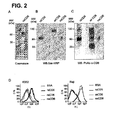
- Natural sCD6 was affinity-purified from 1 l of pooled plasma. This yielded 6 ⁇ g of a single protein with a molecular weight (MW) of 80 kDa as deduced from SDS-PAGE analysis and Coomassie blue staining ( FIG. 2A ).
- the observed MW closely resembles that of recombinant soluble CD6 (rsCD6) produced in the laboratory, which is exclusively composed of the three extracellular SRCR domains of CD6, and is in contrast to that of the membrane form of CD6 (mCD6), which ranges from 105 to 130 kDa, depending on its degree of phosphorylation.
- mCD6 membrane form of CD6
- FIG. 2B The purified nsCD6 protein was identified as CD6 by Western blotting assays with a polyclonal antiserum raised against the extracellular region of human CD6 ( FIG. 2C ).
- FIG. 2D both biotin-labeled rsCD6 and nsCD6 bound to Raji B cells but not to K562 erythroleukemic cells, in accordance with the differential expression of the CD6 ligand (ALCAM/CD166) ( FIG. 2D ).
- FIG. 3B shows the binding of rsCD6 and rsCD5 to FITC-Re-LPS by measuring fluorescence anisotropy of the labeled LPS molecule. Fluorescence anisotropy measurements depend on the rate and extent of the rotational motion of the fluorophore during the lifetime of the excited state.
- FIG. 5A shows that presence of rsCD6 induced aggregation of Gram-negative ( E. coli ) as well as Gram-positive ( S. aureus ) bacteria.
- rsCD5 was also unable to induce their aggregation, as it did not the negative control HSA.
- FIG. 5B shows that LPS molecules were able to aggregate in buffers containing Ca 2+ and that low concentrations of rsCD6 induced a further aggregation of LPS.
- circulating CD6 may contribute to the clearance of LPS particles, reducing their inflammatory effect. Increasing the amount of circulating rsCD6 might therefore have a protective effect in situations in which an excess of LPS could be lethal. To test this, it was assessed whether administration of the rsCD6 into mice would improve their survival in front of LPS-induced septic shock. As observed in FIG. 6A , administration of a single i.p. dose of 25 ⁇ g of rsCD6, but not rsCD5 in mice one hour prior to i.p. LPS challenge significantly enhanced their survival rate as compared with the saline control (up to 70 %). In accordance with this data, administration of rsCD6 induced a significant reduction on the levels of plasma pro-inflammatory cytokines TNF- ⁇ , IL-1 ⁇ and IL-6 in these mice ( FIG. 6B ).
- EXAMPLE 7 rsCD6 binds to zymosan extracted from yeast (Saccharomices cerevisae)
- Bound protein was detected by the addition of a 1:200 dilution of biotin-labeled mAb anti-CD6 (MAE) for 1 h at RT, followed by a 1:1000 dilution of HRP-labeled streptavidin (DAKO, Glostrup, Denmark), which was incubated for 30 min at RT. Between each incubation step, unbound protein or HRP-streptavidin was washed off three times with PBS plus 0.01 % Tween-20. Color was developed by adding 3,3',5,5'-tetramethylbenzidine liquid substrate (Sigma), and the absorbance was read at 405 nm. The assay was repeated three times with similar results.
- EXAMPLE 8 rsCD6 binds to human cytomegalovirus particles
- One microgram of a polyclonal anti-CMV antibody (BiosPacific, Emeryville, CA, USA) was used to coat 96-well microtiter plates (Nunc, Roskilde, Denmark) in PBS, overnight at 4 °C. Non-specific binding to the wells was prevented by the addition of PBS containing 3% BSA for 1 h at RT.
- One microgram of a suspension of CMV particles (ABI Advanced Biotechnologies, Maryland, USA) then added to the wells and incubated for 1 h at RT. Then, different concentrations of rsCD6 protein were added to the wells and incubated for 3 h at RT.
- Bound protein was detected by the addition of a 1:200 dilution of biotin-labeled mAb anti-CD6 (MAE) for 1 h at RT, followed by a 1:1000 dilution of HRP-labeled streptavidin (DAKO, Glostrup, Denmark), which was incubated for 30 min at RT. Between each incubation step, unbound protein or HRP-streptavidin was washed off three times with PBS plus 0.01 % Tween-20. Color was developed by adding 3,3',5,5'-tetramethylbenzidine liquid substrate (Sigma), and the absorbance was read at 405 nm. The assay was repeated three times with similar results.
- Bound protein was detected by the addition of 500 ng of an anti-gp120 mAb (hm Ab 2G12, lmmunodiagnostics) in 2% heat- inactivated human serum for 1 h at RT, followed by a 1:200 dilution of HRP-labeled anti-human IgG antibody (DAKO, Glostrup, Denmark), which was incubated for 30 min at RT. Between each incubation step, unbound protein or HRP-streptavidin was washed off three times with PBS plus 0.01 % Tween-20. Color was developed by adding 3,3',5,5'-tetramethylbenzidine liquid substrate (Sigma), and the absorbance was read at 405 nm. The assay was repeated three times with similar results.
Landscapes
- Health & Medical Sciences (AREA)
- Life Sciences & Earth Sciences (AREA)
- Veterinary Medicine (AREA)
- Pharmacology & Pharmacy (AREA)
- Public Health (AREA)
- General Health & Medical Sciences (AREA)
- Animal Behavior & Ethology (AREA)
- Chemical & Material Sciences (AREA)
- Medicinal Chemistry (AREA)
- General Chemical & Material Sciences (AREA)
- Organic Chemistry (AREA)
- Nuclear Medicine, Radiotherapy & Molecular Imaging (AREA)
- Chemical Kinetics & Catalysis (AREA)
- Oncology (AREA)
- Communicable Diseases (AREA)
- Bioinformatics & Cheminformatics (AREA)
- Engineering & Computer Science (AREA)
- Proteomics, Peptides & Aminoacids (AREA)
- Epidemiology (AREA)
- Zoology (AREA)
- Gastroenterology & Hepatology (AREA)
- Immunology (AREA)
- Cell Biology (AREA)
- Diabetes (AREA)
- Tropical Medicine & Parasitology (AREA)
- Endocrinology (AREA)
- Virology (AREA)
- Pain & Pain Management (AREA)
- Rheumatology (AREA)
- Medicines That Contain Protein Lipid Enzymes And Other Medicines (AREA)
- Peptides Or Proteins (AREA)
Applications Claiming Priority (2)
| Application Number | Priority Date | Filing Date | Title |
|---|---|---|---|
| ES200700893 | 2007-03-28 | ||
| PCT/ES2008/000177 WO2008119851A1 (es) | 2007-03-28 | 2008-03-27 | Producto proteico para el tratamiento de enfermedades infecciosas y procesos inflamatorios relacionados |
Publications (3)
| Publication Number | Publication Date |
|---|---|
| EP2143436A1 EP2143436A1 (en) | 2010-01-13 |
| EP2143436A4 EP2143436A4 (en) | 2013-11-20 |
| EP2143436B1 true EP2143436B1 (en) | 2015-07-29 |
Family
ID=39807834
Family Applications (1)
| Application Number | Title | Priority Date | Filing Date |
|---|---|---|---|
| EP08750412.2A Active EP2143436B1 (en) | 2007-03-28 | 2008-03-27 | Cd6 product for treatment of infectious diseases and related inflammatory processes |
Country Status (6)
| Country | Link |
|---|---|
| US (1) | US8691752B2 (https=) |
| EP (1) | EP2143436B1 (https=) |
| JP (1) | JP5583575B2 (https=) |
| CA (1) | CA2681828A1 (https=) |
| ES (1) | ES2550389T3 (https=) |
| WO (1) | WO2008119851A1 (https=) |
Families Citing this family (4)
| Publication number | Priority date | Publication date | Assignee | Title |
|---|---|---|---|---|
| EP2143436B1 (en) * | 2007-03-28 | 2015-07-29 | Universidad de Barcelona | Cd6 product for treatment of infectious diseases and related inflammatory processes |
| JP2014516046A (ja) * | 2011-05-26 | 2014-07-07 | フンダシオ・クリニック・ペル・ア・ラ・レセルカ・ビオメディカ | がん若しくは腫瘍の治療用の又はアジュバントとして使用される可溶性タンパク質cd5又はcd6 |
| JP2019535834A (ja) | 2016-11-18 | 2019-12-12 | ユニベルシタ デ バルセロナ | 感染症及び関連炎症プロセスの処置のためのcd6及びイミペネムの併用療法 |
| ES2953362T3 (es) | 2018-03-13 | 2023-11-10 | Sepsia Therapeutics S L | Péptidos de unión bacteriana para el tratamiento de enfermedades infecciosas y procesos inflamatorios relacionados |
Family Cites Families (17)
| Publication number | Priority date | Publication date | Assignee | Title |
|---|---|---|---|---|
| US6315999B1 (en) | 1989-08-10 | 2001-11-13 | Solvay, S.A. | Pharmaceutical product for the treatment of sepsis |
| EP0634935A4 (en) * | 1992-04-06 | 1996-01-31 | North Shore Univ Hospital | A NEW THERAPY OF SEPSIS BY MEANS OF A SOLUBLE FORM OF RECOMBINANT CD14 MYELOMONOCYTIC ANTIGEN. |
| WO1995012614A1 (en) * | 1993-11-02 | 1995-05-11 | Duke University | Cd6 ligand |
| US6290948B1 (en) | 1996-05-14 | 2001-09-18 | Smithkline Beecham Corporation | Method of treating sepsis and ARDS using chamohine beta-10 |
| AU3048797A (en) | 1996-10-22 | 1998-05-15 | Chugai Seiyaku Kabushiki Kaisha | Sepsis remedy comprising anti-il-8 antibody as active ingredient |
| US6172220B1 (en) | 1997-01-21 | 2001-01-09 | Board Of Regents Of University Of Nebraska | Isolated algal lipopolysaccharides and use of same to inhibit endotoxin-initiated sepsis |
| CN1324244A (zh) | 1998-10-22 | 2001-11-28 | 伊莱利利公司 | 治疗脓毒症的方法 |
| US20030114377A1 (en) * | 1998-11-18 | 2003-06-19 | Kirkland Theo N. | Inhibition therapy for septic shock with mutant CD14 |
| US6673346B1 (en) | 1999-08-31 | 2004-01-06 | The Regents Of The University Of Michigan | Compositions and methods for the treatment of sepsis |
| US20020006915A1 (en) | 2000-02-15 | 2002-01-17 | Mack Strong Vivian E. | Use of COX-2 inhibitors to treat sepsis, complications thereof, and EP receptor modulation |
| JP2004507455A (ja) | 2000-04-25 | 2004-03-11 | ブリストル−マイヤーズ スクイブ カンパニー | サイクリン依存性キナーゼ阻害剤としての、5−チオ−、スルフィニル−およびスルホニルピラゾロ[3,4−b]−ピリジンの用途 |
| EP1425028B1 (en) | 2001-05-16 | 2009-12-16 | Yeda Research And Development Co. Ltd. | Use of il-18 inhibitors for the treatement or prevention of sepsis |
| US6729735B2 (en) | 2001-06-28 | 2004-05-04 | Plx, Inc. | Lateral transfer retroreflector assembly and method of assembling the same |
| WO2005019258A2 (en) * | 2003-08-11 | 2005-03-03 | Genentech, Inc. | Compositions and methods for the treatment of immune related diseases |
| GB0426146D0 (en) | 2004-11-29 | 2004-12-29 | Bioxell Spa | Therapeutic peptides and method |
| EP2143436B1 (en) * | 2007-03-28 | 2015-07-29 | Universidad de Barcelona | Cd6 product for treatment of infectious diseases and related inflammatory processes |
| ES2336752B1 (es) * | 2008-06-20 | 2011-05-11 | Hospital Clinic I Provincial De Barcelona | Composiciones farmaceuticas de cd5. |
-
2008
- 2008-03-27 EP EP08750412.2A patent/EP2143436B1/en active Active
- 2008-03-27 WO PCT/ES2008/000177 patent/WO2008119851A1/es not_active Ceased
- 2008-03-27 CA CA002681828A patent/CA2681828A1/en not_active Abandoned
- 2008-03-27 ES ES08750412.2T patent/ES2550389T3/es active Active
- 2008-03-27 JP JP2010500302A patent/JP5583575B2/ja not_active Expired - Fee Related
- 2008-03-27 US US12/593,140 patent/US8691752B2/en active Active - Reinstated
Also Published As
| Publication number | Publication date |
|---|---|
| CA2681828A1 (en) | 2008-10-09 |
| WO2008119851A1 (es) | 2008-10-09 |
| US20100105622A1 (en) | 2010-04-29 |
| JP5583575B2 (ja) | 2014-09-03 |
| EP2143436A4 (en) | 2013-11-20 |
| ES2550389T3 (es) | 2015-11-06 |
| US8691752B2 (en) | 2014-04-08 |
| JP2010522728A (ja) | 2010-07-08 |
| EP2143436A1 (en) | 2010-01-13 |
Similar Documents
| Publication | Publication Date | Title |
|---|---|---|
| US8080245B2 (en) | Anti-pathogen immunoadhesins | |
| US6562784B1 (en) | Indications of mannan-binding lectin (MBL) in the treatment of immunocompromised individuals | |
| EP0098431B1 (en) | Pharmaceutical composition comprising immune globulin and fibronectin | |
| US9649357B2 (en) | Treatment of chronic nephropathies using soluble complement receptor type I (sCR1) | |
| AU2017370692A1 (en) | Modulators of complement activity | |
| WO2021058038A1 (zh) | Cd200蛋白和cd200融合蛋白在制备治疗银屑病药物中的应用 | |
| EP2143436B1 (en) | Cd6 product for treatment of infectious diseases and related inflammatory processes | |
| Bierschenk et al. | C4b-binding protein inhibits particulate-and crystalline-induced NLRP3 inflammasome activation | |
| US10975131B2 (en) | Factor H-Fc immunotheraphy | |
| JP3892902B2 (ja) | グラム陽性細菌及びマイコバクテリアの作用を阻止するための抗体の使用 | |
| JP6776254B2 (ja) | B7リガンド二量体界面に由来する単離されたペプチドおよびそれらの使用 | |
| CA3073494C (en) | Anti-cd300a antibody for treating ischemic diseases | |
| US20110104145A1 (en) | Method for the treatment or prophylaxis of chronic inflammatory diseases | |
| US11324804B2 (en) | Combined CD6 and imipenem therapy for treatment of infectious diseases and related inflammatory processes | |
| EP2307043B1 (en) | Cd5 pharmaceutical compositions for the treatment of infectious and inflammatory processes of fungal origin | |
| KR20110124060A (ko) | Wta를 유효성분으로 함유하는 백신 조성물 | |
| EP3381934B1 (en) | Protein for neutralizing programmed necrocytosis promotion antibody, and application of protein | |
| AU2021256814A1 (en) | Peptide for the treatment of cytokine storm syndrome | |
| EP2181713A1 (en) | Pharmaceutical compositions for prevention or treatment of Lewis Y antigen related diseases and kits for detecting Lewis Y antigen | |
| RU2778811C2 (ru) | Модуляторы активности комплемента | |
| WO2022020544A1 (en) | Method of treating an inflammatory condition | |
| Nusbaum et al. | Workshop 1: Phagocyte biology: from gene to function | |
| KÖHL et al. | signal transduction pathways and results in a number of cellular responses2-15 | |
| Weaver | Regulation of human monocyte CD163 during the innate immune response to infection | |
| De Novo Acute Kidney Injury et al. | TH-FC001 |
Legal Events
| Date | Code | Title | Description |
|---|---|---|---|
| PUAI | Public reference made under article 153(3) epc to a published international application that has entered the european phase |
Free format text: ORIGINAL CODE: 0009012 |
|
| 17P | Request for examination filed |
Effective date: 20091028 |
|
| AK | Designated contracting states |
Kind code of ref document: A1 Designated state(s): AT BE BG CH CY CZ DE DK EE ES FI FR GB GR HR HU IE IS IT LI LT LU LV MC MT NL NO PL PT RO SE SI SK TR |
|
| DAX | Request for extension of the european patent (deleted) | ||
| A4 | Supplementary search report drawn up and despatched |
Effective date: 20131023 |
|
| RIC1 | Information provided on ipc code assigned before grant |
Ipc: A61K 38/17 20060101AFI20131017BHEP Ipc: A61P 31/00 20060101ALI20131017BHEP |
|
| 17Q | First examination report despatched |
Effective date: 20140507 |
|
| GRAP | Despatch of communication of intention to grant a patent |
Free format text: ORIGINAL CODE: EPIDOSNIGR1 |
|
| INTG | Intention to grant announced |
Effective date: 20150205 |
|
| GRAS | Grant fee paid |
Free format text: ORIGINAL CODE: EPIDOSNIGR3 |
|
| GRAA | (expected) grant |
Free format text: ORIGINAL CODE: 0009210 |
|
| AK | Designated contracting states |
Kind code of ref document: B1 Designated state(s): AT BE BG CH CY CZ DE DK EE ES FI FR GB GR HR HU IE IS IT LI LT LU LV MC MT NL NO PL PT RO SE SI SK TR |
|
| REG | Reference to a national code |
Ref country code: GB Ref legal event code: FG4D |
|
| REG | Reference to a national code |
Ref country code: CH Ref legal event code: EP |
|
| REG | Reference to a national code |
Ref country code: AT Ref legal event code: REF Ref document number: 738755 Country of ref document: AT Kind code of ref document: T Effective date: 20150815 |
|
| REG | Reference to a national code |
Ref country code: IE Ref legal event code: FG4D |
|
| REG | Reference to a national code |
Ref country code: DE Ref legal event code: R096 Ref document number: 602008039254 Country of ref document: DE |
|
| REG | Reference to a national code |
Ref country code: ES Ref legal event code: FG2A Ref document number: 2550389 Country of ref document: ES Kind code of ref document: T3 Effective date: 20151106 |
|
| REG | Reference to a national code |
Ref country code: AT Ref legal event code: MK05 Ref document number: 738755 Country of ref document: AT Kind code of ref document: T Effective date: 20150729 |
|
| REG | Reference to a national code |
Ref country code: LT Ref legal event code: MG4D |
|
| REG | Reference to a national code |
Ref country code: NL Ref legal event code: MP Effective date: 20150729 |
|
| PG25 | Lapsed in a contracting state [announced via postgrant information from national office to epo] |
Ref country code: GR Free format text: LAPSE BECAUSE OF FAILURE TO SUBMIT A TRANSLATION OF THE DESCRIPTION OR TO PAY THE FEE WITHIN THE PRESCRIBED TIME-LIMIT Effective date: 20151030 Ref country code: NO Free format text: LAPSE BECAUSE OF FAILURE TO SUBMIT A TRANSLATION OF THE DESCRIPTION OR TO PAY THE FEE WITHIN THE PRESCRIBED TIME-LIMIT Effective date: 20151029 Ref country code: LV Free format text: LAPSE BECAUSE OF FAILURE TO SUBMIT A TRANSLATION OF THE DESCRIPTION OR TO PAY THE FEE WITHIN THE PRESCRIBED TIME-LIMIT Effective date: 20150729 Ref country code: FI Free format text: LAPSE BECAUSE OF FAILURE TO SUBMIT A TRANSLATION OF THE DESCRIPTION OR TO PAY THE FEE WITHIN THE PRESCRIBED TIME-LIMIT Effective date: 20150729 Ref country code: LT Free format text: LAPSE BECAUSE OF FAILURE TO SUBMIT A TRANSLATION OF THE DESCRIPTION OR TO PAY THE FEE WITHIN THE PRESCRIBED TIME-LIMIT Effective date: 20150729 |
|
| PG25 | Lapsed in a contracting state [announced via postgrant information from national office to epo] |
Ref country code: HR Free format text: LAPSE BECAUSE OF FAILURE TO SUBMIT A TRANSLATION OF THE DESCRIPTION OR TO PAY THE FEE WITHIN THE PRESCRIBED TIME-LIMIT Effective date: 20150729 Ref country code: PL Free format text: LAPSE BECAUSE OF FAILURE TO SUBMIT A TRANSLATION OF THE DESCRIPTION OR TO PAY THE FEE WITHIN THE PRESCRIBED TIME-LIMIT Effective date: 20150729 Ref country code: SE Free format text: LAPSE BECAUSE OF FAILURE TO SUBMIT A TRANSLATION OF THE DESCRIPTION OR TO PAY THE FEE WITHIN THE PRESCRIBED TIME-LIMIT Effective date: 20150729 Ref country code: PT Free format text: LAPSE BECAUSE OF FAILURE TO SUBMIT A TRANSLATION OF THE DESCRIPTION OR TO PAY THE FEE WITHIN THE PRESCRIBED TIME-LIMIT Effective date: 20151130 Ref country code: IS Free format text: LAPSE BECAUSE OF FAILURE TO SUBMIT A TRANSLATION OF THE DESCRIPTION OR TO PAY THE FEE WITHIN THE PRESCRIBED TIME-LIMIT Effective date: 20151129 Ref country code: AT Free format text: LAPSE BECAUSE OF FAILURE TO SUBMIT A TRANSLATION OF THE DESCRIPTION OR TO PAY THE FEE WITHIN THE PRESCRIBED TIME-LIMIT Effective date: 20150729 |
|
| REG | Reference to a national code |
Ref country code: FR Ref legal event code: PLFP Year of fee payment: 9 |
|
| PG25 | Lapsed in a contracting state [announced via postgrant information from national office to epo] |
Ref country code: NL Free format text: LAPSE BECAUSE OF FAILURE TO SUBMIT A TRANSLATION OF THE DESCRIPTION OR TO PAY THE FEE WITHIN THE PRESCRIBED TIME-LIMIT Effective date: 20150729 |
|
| PG25 | Lapsed in a contracting state [announced via postgrant information from national office to epo] |
Ref country code: DK Free format text: LAPSE BECAUSE OF FAILURE TO SUBMIT A TRANSLATION OF THE DESCRIPTION OR TO PAY THE FEE WITHIN THE PRESCRIBED TIME-LIMIT Effective date: 20150729 Ref country code: EE Free format text: LAPSE BECAUSE OF FAILURE TO SUBMIT A TRANSLATION OF THE DESCRIPTION OR TO PAY THE FEE WITHIN THE PRESCRIBED TIME-LIMIT Effective date: 20150729 Ref country code: SK Free format text: LAPSE BECAUSE OF FAILURE TO SUBMIT A TRANSLATION OF THE DESCRIPTION OR TO PAY THE FEE WITHIN THE PRESCRIBED TIME-LIMIT Effective date: 20150729 Ref country code: CZ Free format text: LAPSE BECAUSE OF FAILURE TO SUBMIT A TRANSLATION OF THE DESCRIPTION OR TO PAY THE FEE WITHIN THE PRESCRIBED TIME-LIMIT Effective date: 20150729 |
|
| REG | Reference to a national code |
Ref country code: DE Ref legal event code: R097 Ref document number: 602008039254 Country of ref document: DE |
|
| PG25 | Lapsed in a contracting state [announced via postgrant information from national office to epo] |
Ref country code: RO Free format text: LAPSE BECAUSE OF FAILURE TO SUBMIT A TRANSLATION OF THE DESCRIPTION OR TO PAY THE FEE WITHIN THE PRESCRIBED TIME-LIMIT Effective date: 20150729 |
|
| PLBE | No opposition filed within time limit |
Free format text: ORIGINAL CODE: 0009261 |
|
| STAA | Information on the status of an ep patent application or granted ep patent |
Free format text: STATUS: NO OPPOSITION FILED WITHIN TIME LIMIT |
|
| 26N | No opposition filed |
Effective date: 20160502 |
|
| PG25 | Lapsed in a contracting state [announced via postgrant information from national office to epo] |
Ref country code: BE Free format text: LAPSE BECAUSE OF NON-PAYMENT OF DUE FEES Effective date: 20160331 Ref country code: SI Free format text: LAPSE BECAUSE OF FAILURE TO SUBMIT A TRANSLATION OF THE DESCRIPTION OR TO PAY THE FEE WITHIN THE PRESCRIBED TIME-LIMIT Effective date: 20150729 |
|
| PG25 | Lapsed in a contracting state [announced via postgrant information from national office to epo] |
Ref country code: MC Free format text: LAPSE BECAUSE OF FAILURE TO SUBMIT A TRANSLATION OF THE DESCRIPTION OR TO PAY THE FEE WITHIN THE PRESCRIBED TIME-LIMIT Effective date: 20150729 Ref country code: LU Free format text: LAPSE BECAUSE OF FAILURE TO SUBMIT A TRANSLATION OF THE DESCRIPTION OR TO PAY THE FEE WITHIN THE PRESCRIBED TIME-LIMIT Effective date: 20160327 |
|
| REG | Reference to a national code |
Ref country code: CH Ref legal event code: PL |
|
| REG | Reference to a national code |
Ref country code: IE Ref legal event code: MM4A |
|
| PG25 | Lapsed in a contracting state [announced via postgrant information from national office to epo] |
Ref country code: BE Free format text: LAPSE BECAUSE OF FAILURE TO SUBMIT A TRANSLATION OF THE DESCRIPTION OR TO PAY THE FEE WITHIN THE PRESCRIBED TIME-LIMIT Effective date: 20150729 |
|
| PG25 | Lapsed in a contracting state [announced via postgrant information from national office to epo] |
Ref country code: CH Free format text: LAPSE BECAUSE OF NON-PAYMENT OF DUE FEES Effective date: 20160331 Ref country code: IE Free format text: LAPSE BECAUSE OF NON-PAYMENT OF DUE FEES Effective date: 20160327 Ref country code: LI Free format text: LAPSE BECAUSE OF NON-PAYMENT OF DUE FEES Effective date: 20160331 |
|
| REG | Reference to a national code |
Ref country code: FR Ref legal event code: PLFP Year of fee payment: 10 |
|
| PG25 | Lapsed in a contracting state [announced via postgrant information from national office to epo] |
Ref country code: MT Free format text: LAPSE BECAUSE OF FAILURE TO SUBMIT A TRANSLATION OF THE DESCRIPTION OR TO PAY THE FEE WITHIN THE PRESCRIBED TIME-LIMIT Effective date: 20150729 |
|
| PG25 | Lapsed in a contracting state [announced via postgrant information from national office to epo] |
Ref country code: CY Free format text: LAPSE BECAUSE OF FAILURE TO SUBMIT A TRANSLATION OF THE DESCRIPTION OR TO PAY THE FEE WITHIN THE PRESCRIBED TIME-LIMIT Effective date: 20150729 Ref country code: HU Free format text: LAPSE BECAUSE OF FAILURE TO SUBMIT A TRANSLATION OF THE DESCRIPTION OR TO PAY THE FEE WITHIN THE PRESCRIBED TIME-LIMIT; INVALID AB INITIO Effective date: 20080327 |
|
| PG25 | Lapsed in a contracting state [announced via postgrant information from national office to epo] |
Ref country code: MT Free format text: LAPSE BECAUSE OF FAILURE TO SUBMIT A TRANSLATION OF THE DESCRIPTION OR TO PAY THE FEE WITHIN THE PRESCRIBED TIME-LIMIT Effective date: 20160331 Ref country code: TR Free format text: LAPSE BECAUSE OF FAILURE TO SUBMIT A TRANSLATION OF THE DESCRIPTION OR TO PAY THE FEE WITHIN THE PRESCRIBED TIME-LIMIT Effective date: 20150729 |
|
| PG25 | Lapsed in a contracting state [announced via postgrant information from national office to epo] |
Ref country code: BG Free format text: LAPSE BECAUSE OF FAILURE TO SUBMIT A TRANSLATION OF THE DESCRIPTION OR TO PAY THE FEE WITHIN THE PRESCRIBED TIME-LIMIT Effective date: 20150729 |
|
| REG | Reference to a national code |
Ref country code: FR Ref legal event code: PLFP Year of fee payment: 11 |
|
| PGFP | Annual fee paid to national office [announced via postgrant information from national office to epo] |
Ref country code: ES Payment date: 20250401 Year of fee payment: 18 |
|
| PGFP | Annual fee paid to national office [announced via postgrant information from national office to epo] |
Ref country code: GB Payment date: 20260327 Year of fee payment: 19 |
|
| PGFP | Annual fee paid to national office [announced via postgrant information from national office to epo] |
Ref country code: DE Payment date: 20260327 Year of fee payment: 19 |
|
| PGFP | Annual fee paid to national office [announced via postgrant information from national office to epo] |
Ref country code: IT Payment date: 20260319 Year of fee payment: 19 |
|
| PGFP | Annual fee paid to national office [announced via postgrant information from national office to epo] |
Ref country code: FR Payment date: 20260325 Year of fee payment: 19 |