EP2016178B1 - Mikrobielle intestinale verabreichung von fettsucht verwandten peptiden - Google Patents
Mikrobielle intestinale verabreichung von fettsucht verwandten peptiden Download PDFInfo
- Publication number
- EP2016178B1 EP2016178B1 EP07728719.1A EP07728719A EP2016178B1 EP 2016178 B1 EP2016178 B1 EP 2016178B1 EP 07728719 A EP07728719 A EP 07728719A EP 2016178 B1 EP2016178 B1 EP 2016178B1
- Authority
- EP
- European Patent Office
- Prior art keywords
- genetically modified
- lactic acid
- acid bacterium
- obesity related
- peptide
- Prior art date
- Legal status (The legal status is an assumption and is not a legal conclusion. Google has not performed a legal analysis and makes no representation as to the accuracy of the status listed.)
- Not-in-force
Links
Images



Classifications
-
- C—CHEMISTRY; METALLURGY
- C12—BIOCHEMISTRY; BEER; SPIRITS; WINE; VINEGAR; MICROBIOLOGY; ENZYMOLOGY; MUTATION OR GENETIC ENGINEERING
- C12N—MICROORGANISMS OR ENZYMES; COMPOSITIONS THEREOF; PROPAGATING, PRESERVING, OR MAINTAINING MICROORGANISMS; MUTATION OR GENETIC ENGINEERING; CULTURE MEDIA
- C12N15/00—Mutation or genetic engineering; DNA or RNA concerning genetic engineering, vectors, e.g. plasmids, or their isolation, preparation or purification; Use of hosts therefor
- C12N15/09—Recombinant DNA-technology
- C12N15/63—Introduction of foreign genetic material using vectors; Vectors; Use of hosts therefor; Regulation of expression
- C12N15/74—Vectors or expression systems specially adapted for prokaryotic hosts other than E. coli, e.g. Lactobacillus, Micromonospora
- C12N15/746—Vectors or expression systems specially adapted for prokaryotic hosts other than E. coli, e.g. Lactobacillus, Micromonospora for lactic acid bacteria (Streptococcus; Lactococcus; Lactobacillus; Pediococcus; Enterococcus; Leuconostoc; Propionibacterium; Bifidobacterium; Sporolactobacillus)
-
- A—HUMAN NECESSITIES
- A61—MEDICAL OR VETERINARY SCIENCE; HYGIENE
- A61P—SPECIFIC THERAPEUTIC ACTIVITY OF CHEMICAL COMPOUNDS OR MEDICINAL PREPARATIONS
- A61P3/00—Drugs for disorders of the metabolism
-
- A—HUMAN NECESSITIES
- A61—MEDICAL OR VETERINARY SCIENCE; HYGIENE
- A61P—SPECIFIC THERAPEUTIC ACTIVITY OF CHEMICAL COMPOUNDS OR MEDICINAL PREPARATIONS
- A61P3/00—Drugs for disorders of the metabolism
- A61P3/04—Anorexiants; Antiobesity agents
-
- A—HUMAN NECESSITIES
- A61—MEDICAL OR VETERINARY SCIENCE; HYGIENE
- A61P—SPECIFIC THERAPEUTIC ACTIVITY OF CHEMICAL COMPOUNDS OR MEDICINAL PREPARATIONS
- A61P43/00—Drugs for specific purposes, not provided for in groups A61P1/00-A61P41/00
-
- A—HUMAN NECESSITIES
- A61—MEDICAL OR VETERINARY SCIENCE; HYGIENE
- A61P—SPECIFIC THERAPEUTIC ACTIVITY OF CHEMICAL COMPOUNDS OR MEDICINAL PREPARATIONS
- A61P5/00—Drugs for disorders of the endocrine system
-
- C—CHEMISTRY; METALLURGY
- C12—BIOCHEMISTRY; BEER; SPIRITS; WINE; VINEGAR; MICROBIOLOGY; ENZYMOLOGY; MUTATION OR GENETIC ENGINEERING
- C12N—MICROORGANISMS OR ENZYMES; COMPOSITIONS THEREOF; PROPAGATING, PRESERVING, OR MAINTAINING MICROORGANISMS; MUTATION OR GENETIC ENGINEERING; CULTURE MEDIA
- C12N15/00—Mutation or genetic engineering; DNA or RNA concerning genetic engineering, vectors, e.g. plasmids, or their isolation, preparation or purification; Use of hosts therefor
- C12N15/09—Recombinant DNA-technology
- C12N15/63—Introduction of foreign genetic material using vectors; Vectors; Use of hosts therefor; Regulation of expression
- C12N15/79—Vectors or expression systems specially adapted for eukaryotic hosts
- C12N15/80—Vectors or expression systems specially adapted for eukaryotic hosts for fungi
- C12N15/81—Vectors or expression systems specially adapted for eukaryotic hosts for fungi for yeasts
Definitions
- the present invention relates to the microbial delivery of obesity related peptides. More specifically, the invention relates to a genetically modified lactic acid bacterium producing glucagon-like peptide-1 or exendin-4 for use in treating obesity or to reduce food intake and/or body weight.
- Eating disorders such as anorexia nervosa, bulimia nervosa and Binge eating disorder affect a significant part of the population.
- Obesity is one of the most common metabolic diseases and one of the greatest threats of public health, because of the numerous complications associated with it, such as diabetes, hypertension and cardiovascular diseases.
- Obesity related peptides are normally active in the central nervous system. In a medical situation, the compounds are normally applied by parenteral injection. However, the effect of obesity related peptides is a temporary shift of the balance, and in most cases, at least a daily injection is needed for a stabilization of the disorder. This form of application is very inconvenient for the patient, and intensive research towards other forms of application, such as nasal, buccal, rectal or oral has been carried out. Especially the oral application is easier and better accepted by the patients.
- the main drawback of the oral application is that the obesity related peptide needs to pass to the gastro-intestinal tract, where they are normally inactivated by the high acidity of the stomach and digested by the proteolytic enzymes present in the gastro-intestinal tract. This makes that even proteins that are incapsulated for intestinal delivery are rather inefficient and need to be delivered in high doses.
- absorption enhances have been proposed. Such enhancers are, amongst others, described in WO 02/28436 , WO 04/104018 and WO 05/112633 and have been described for oral delivery of obesity related peptides such as insulin, Glucagon like peptide-1 and Peptide YY.
- delivery enhancers may be useful in certain cases, the combined microencapsulation, needed for the stabilization of the obesity related peptide, and use of an enhancer to increase the bioavailability of the obesity related peptide complicates the formulation of the medicament.
- Intestinal microbial delivery is known to the person skilled in the art and has been described in several applications (amongst others WO 97/14806 , WO 00/23471 , WO 01/02570 ).
- WO97/14806 discloses the use of a genetically modified bacterium to deliver a number of polypeptides, such as interleukins.
- WO2004/035754 discloses compositions for the sustained release of biologically active polypeptides, and methods of forming and using said compositions.
- the compositions may comprise GLP-1, GLP-2, exendin-3, exendin-4 or agonists, analogs or derivatives thereof.
- WO 2004/104018 relates to compositions for delivering peptide YY and PYY agonists, which can be used to treat of obesity.
- WO01/33977 exemplifies the use of a recombinant yeast to produce a peptide fragment of a human growth hormone.
- microbial delivery can be used for systemic delivery of compounds that may need to pass the blood brain barrier, such as obesity related peptides, and no data are available on the uptake of peptides in the intact gut.
- a first aspect of the invention is the use of a genetically modified lactic acid bacterium producing glucagon-like peptide-1 or exendin-4 for the production of a medicament to treat obesity or to reduce food intake and/or body weight.
- said genetically modified lactic acid bacterium is Lactobacillus spp., or Lactococcus spp., more preferably Lactococcus lactis .
- the genetically modified lactic acid bacterium is an exendin-4 producing Lactococcus lactis.
- the exendin-4 preferably has the amino acid sequence: HGEGTFTSDLSKQMEEEAVRLFIEWLKNGGPSSGAPPPS.
- a genetically modified organism wherein the genetically modified organism is chosen from the group consisting of Carnobacterium spp., Streptococcus spp., Pediococcus spp., Oenococcus spp., Enterococcus spp. and Leuconostoc spp. Also herein described is the use of a genetically modified organism wherein the genetically modified organism is chosen from the group consisting of Saccharomyces spp., Hansenula spp., Kluyveromyces spp.
- Another embodiment is a genetically modified lactic acid bacterium producing glucagon-like peptide-1 or exendin-4 for use in treating obesity or for use in therapy for reducing food intake and/or body weight.
- Obesity related peptides are known to the person skilled in the art, and include, but are not limited to: 1) Agouti-related peptide, 2) Amylin, 3) Anorectin, 4) Bombesin, 5) Brain derived neural factor, 6) Calcitonin-gene related peptide, 7) Cholecystokinin, 8) Cocaine- and amphetamine-regulated transcript peptide, 9) Ciliary neurotrophic factor, 10) Corticotropin-releasing hormone, 11) Dynorphin, 12) ⁇ -endorphin, 13) Enterostatin, 14) Exendin, 15) Galanin, 16) Galanin like peptide, 17) Gastric inhibitory peptide, 18) Ghrelin, 19) Glucagon-like peptide-1, 20) Growth hormone releasing hormone, 21) Hypocretin/orexin, 22) Insulin, 23) Insulin like growth factor-I, 24) Insulin like growth factor-II, 25) Interleukin-1
- obesity related peptide is chosen from the group consisting of peptides listed under 1) to 18) or 20) to 53) above.
- the obesity related peptide may alternatively chosen from the group consisting of peptides listed under 1) to 18) or 20) to 45) above.
- the obesity related peptide may also be chosen from the group consisting of peptides listed under 1) to 18) 20), 21), and 23) to 53) above, or chosen from the group consisting of peptides listed under 1) to 18), 20), 21) and 23) to 45) above.
- the obesity related peptide may be chosen from the group consisting of peptides listed under 1) to 18), 20) to 24) and 26) to 53) above, or chosen from the group consisting of peptides listed under 1) to 18), 20), to 24) and 26) to 45) above.
- the obesity related peptide may be chosen from the group consisting of peptides listed under 1) to 18), 20) to 40) and 42) to 53) above, or chosen from the group consisting of peptides listed under 1) to 18), 20) to 40) and 42) to 45) above.
- the obesity related peptide may also be chosen from the group consisting of peptides listed under 1) to 18), 20), 21), 23), 24), 26) to 40) and 42) to 53) above, or chosen from the group of peptides listed under 1) to 18), 20), 21), 23), 24), 26) to 40) and 42) to 45) above.
- an obesity related peptide when the aim is to reduce food intake and/or decrease body weight, an obesity related peptide can be delivered that reduces appetite, reduces nutrient absorption and/or increases nutrient catabolism, etc.; when the aim is to enhance food intake and/or increase body weight, an obesity related peptide can be delivered that increases appetite, increases nutrient absorption and/or increases nutrient reserves, etc.
- the delivered obesity related peptide may be chosen from the group consisting of peptides listed under 2) to 10), 13),14) 16), 17), 22) to 27), 29) to 33), 35), 37) to 43), 46), 47), 49) to 53) above; or, may be chosen from the group consisting of peptides listed under 2) to 10), 13), 14), 16), 17), 23), 24), 26), 27), 29) to 33), 35), 37) to 40), 42), 43), 46), 47), 49) to 53) above. It has been realised that obesity related peptides from these groups may display considerable anorexigenic effect when delivered by the genetically modified organisms of the invention.
- the genetically modified lactic acid bacterium used in the present invention produces glucagon-like peptide -1 or exendin-4.
- the delivered obesity related peptide may be chosen from the group consisting of peptides listed under 1), 11), 12), 15), 18), 20), 21), 28), 36), 44), 45) and 48) above. It has been realised that obesity related peptides from this groups may display considerable orexigenic effect when delivered by the genetically modified organisms of the invention.
- peptides from the above list which are normally synthesised and/or exert their effects in central or peripheral nervous system or in neuroendocrine tissues include peptides listed under 1) to 3), 5) to 12), 14) to 16), 18) to 21), 26) to 28), 30) to 40), 42) to 45), 52) and 53) above.
- the genetically modified lactic acid bacterium of the invention may deliver glucagon-like peptide-1 or exendin-4 intestinally.
- the genetically modified organism may deliver two or more, e.g., two, three, four or more, preferably two or three, more preferably two, different obesity related peptides as defined above.
- said organism may deliver two or more different orexigenic peptides as defined above or, the organism may deliver two or more different anorexigenic peptides as defined above.
- a genetically modified organism of the invention may deliver PYY and exendin-4, which together can act synergically, such that the achieved anorexigenic effect when delivered together is significantly greater than the sum of the observed individual effects when delivered alone.
- Peptide refers to a polymer of amino acids and does not refer to a specific length of the molecule. This term also includes post-translational modifications of the polypeptide, such as glycosylation, phosphorylation, amidation and acetylation.
- the peptide produced by the genetically modified organism is preferably not amidated.
- a genetically modified organism may deliver a binding molecule that binds to an obesity related peptide as defined herein.
- a binding molecule may increase (agonist) or decrease (antagonist) the biological or physiological effects of said endogenous obesity related peptide in a subject.
- herein described is the use of a genetically modified organism for the intestinal delivery of a binding molecule capable of binding to an obesity related peptide. The biological or physiological effect of so bound obesity related peptide in a subject may be increased or decreased.
- a genetically modified organism may deliver a binding molecule that binds to an endogenous receptor for an obesity related peptide as defined herein.
- the binding molecule may increase (agonist) or decrease (antagonist) the biological activity of said receptor, and thereby mimic the presence or absence of the cognate obesity related peptide, respectively.
- herein described is the use of a genetically modified organism for the intestinal delivery of a binding molecule capable of binding to an endogenous receptor for an obesity related peptide as disclosed herein.
- the biological activity of the so bound receptor in a subject may be increased or decreased.
- binding molecule broadly refers to any chemical (e.g., inorganic or organic), biochemical or biological substance, molecule or macromolecule (e.g., biological macromolecule) or a combination or mixture thereof. Binding molecules may include, without limitation, peptides, polypeptides or proteins, peptidomimetics, antibodies and fragments and derivatives thereof, aptamers, chemical substances, carbohydrates, polysaccharides, etc.
- binding generally refers to a physical association, preferably herein a non-covalent physical association, between molecular entities, e.g., between a binding molecule and an obesity related peptide.
- the binding molecule is capable of binding to the native conformation of the obesity related peptide or of the endogenous receptor for an obesity related peptide.
- a binding molecule can bind to an obesity related peptide with high affinity.
- the binding of a binding molecule to an obesity related peptide, or to the endogenous receptor for an obesity related peptide is specific.
- the terms "specifically bind” and “specific binding” reflect a situation when a binding molecule binds to the respective obesity related peptide, or to the endogenous receptor for an obesity related peptide more readily than it would bind to a random, unrelated substance, such as another biological substance.
- a binding molecule specifically binding to a given obesity related peptide (“Peptide 1"), or to an endogenous receptor for a given obesity related peptide (“Receptor 1”) preferably displays little or no binding to other polypeptides, including other obesity related peptides or receptors therefor, under conditions where the binding molecule would bind with high affinity to said obesity related peptide (“Peptide 1”), or to said endogenous receptor for a given obesity related peptide (“Receptor 1”), respectively.
- K A ⁇ 1 ⁇ 10 4 M -1 preferably K A ⁇ 1 ⁇ 10 3 M -1 , more preferably K A ⁇ 1 ⁇ 10 2 M -1 , yet more preferably K A ⁇ 1 ⁇ 10 1 M -1 , e.g., K A ⁇ 1 M -1 , most preferably K A ⁇ 1 M -1 , e.g., K a ⁇ 1 ⁇ 10 -1 M -1 , K A ⁇ 1 ⁇ 10 -2 M -1 , K A ⁇ 1 ⁇ 10 -3 M -1 , K A ⁇ 1 ⁇ 10 -4 M -1 , K A ⁇ 1 ⁇ 10 -5 M -1 , K A ⁇ 1 ⁇ 10 -6 M -1 , or smaller.
- a binding molecule which can increase the biological or physiological effects of an obesity related peptide, or which can increase the biological activity of an endogenous receptor for an obesity related peptide is herein termed "activator” or "agonist”.
- a binding molecule which can reduce, partially or completely, the biological or physiological effects of an obesity related peptide, or which can reduce, partially or completely, the biological activity of an endogenous receptor for an obesity related peptide is herein termed "inhibitor” or "antagonist”.
- biological and physiological effects of an obesity related peptide as used herein denote to its orexigenic or anorexigenic effects in a subject.
- Biological activity of a receptor of for an obesity related peptide may denote, e.g., the effect of an activated receptor on downstream signalling pathways, e.g., activation or repression thereof, or on cell membrane potential, etc.
- the binding of a binding molecule to an obesity related peptide may enhance or decrease the physiological effects of said peptide in a subject.
- activators or inhibitors may, respectively, increase or decrease the stability of an obesity related peptide; reduce or promote degradation or turnover of an obesity related peptide; increase or reduce the interaction of an obesity related peptide with its cognate receptor, target cells or tissues; etc.
- the binding of a binding molecule to the endogenous receptor for an obesity related peptide may enhance or decrease the biological activity of said receptor in a subject.
- the binding of agonists will activate the receptor, i.e., such agonists may mimic the binding of an obesity related peptide to its cognate receptor.
- antagonists may bind to a receptor in a non-productive way, i.e ., such binding does not activate the receptor, and can preferably prevent binding of the respective obesity related peptide to its receptor and/or any concurrent activation of the receptor, e.g., in a competitive or non-competitive way.
- delivery of agonists of orexigenic peptides e.g., ghrelin, melanin, etc.
- anorexigenic peptides e.g., GLP-1, PYY and oxyntomodulin
- delivery of antagonists of orexigenic peptides or their receptors and/or agonists of anorexigenic peptides or their receptors will diminish food intake and/or body weight.
- a blinding molecule may be an antibody.
- antibody broadly refers to any immunologic binding agent, whether natural or partly or wholly engineered.
- the term specifically encompasses intact antibodies, including monovalent and/or mono-specific antibodies, and multivalent (e.g., 2-, 3- or more-valent) and/or multi-specific antibodies (e.g., bi- or more-specific antibodies) formed from at least two intact antibodies, and further includes antibody fragments insofar they exhibit the ability to specifically bind an antigen of interest (i.e., a given obesity related peptide or receptor therefor, or a given enzyme as disclosed herein), as well as multivalent and/or multi-specific composites of such antibody fragments.
- an antigen of interest i.e., a given obesity related peptide or receptor therefor, or a given enzyme as disclosed herein
- antibody further includes any polypeptide which is made to encompass at least one complementarity-determining region (CDR) capable of specifically binding to an epitope on an antigen of interest.
- CDR complementarity-determining region
- the antibody may be any of IgA, IgD, IgE, IgG or IgM immunoglobulin isotypic class or subclass thereof, and preferably IgG immunoglobulin class or subclass thereof.
- a complete immunoglobulin molecule may consist of heavy chains only, with no light chains (see, e.g., Hamers-Casterman et al. 1993. Nature 363: 446-448 ; WO 94/04678 ).
- the heavy chain variable region referred to as VHH
- Such heavy-chain immunoglobulin molecules naturally devoid of light chains, and functional fragments and/or derivatives thereof comprising or consisting essentially of the VHH domain or a functional portion thereof, are also included by the term "antibody” as used herein.
- a method for producing bivalent or multivalent single domain antibodies, i.e. VHH polypeptide constructs, is disclosed in WO 96/34103 .
- Antibodies may include, without limitation, chimeric antibodies (see, e.g., US 4,816,567 and Morrison et al. 1984. PNAS 81: 6851-6855 for guidance), primatised antibodies and humanised antibodies (see, e.g., Jones et al. 1986. Nature 321: 522-525 ; Riechmann et al. 1988. Nature 332: 323-329 ; and Presta 1992. Curr Op Struct Biol 2: 593-596 for guidance).
- Antibody fragments can display advantages, such as, e.g., smaller size, easier delivery, absence of effector domains, etc.
- Antibody fragments comprise a portion of an intact antibody, comprising the antigen-binding or variable region thereof. Examples of antibody fragments include Fab, Fab', F(ab')2, Fv and scFv fragments; diabodies; triabodies; single-chain antibody molecules; and multivalent and/or multi-specific antibodies formed from antibody fragment(s).
- the above designations Fab, Fab', F(ab')2, Fv, scFv etc. are intended to have their art-established meaning.
- Fab antigen-binding fragments
- Fc fragment-binding site
- Pepsin treatment yields an F(ab')2 fragment that has two antigen-binding sites.
- a typical Fab fragment also contains the constant domain of the light chain and the first constant domain (CH1) of the heavy chain.
- Fab' fragments differ from Fab fragments by the addition of a few residues at the C-terminus of the heavy chain CH1 domain including one or more Cys residues from the antibody hinge region.
- Fv is an antibody fragment which contains a complete antigen-recognition and antigen-binding site. This region consists essentially of a dimer of one heavy chain and one light chain variable domain in tight, non-covalent association. It is in this configuration that the three hypervariable regions of each variable domain interact to define an antigen-binding site on the surface of the VH-VL dimer. Collectively, the six hypervariable regions confer antigen-binding specificity to the antibody. However, even a single variable domain, VH or VL, i.e., half of an Fv comprising only three hypervariable regions specific for an antigen, has the ability to recognise and bind antigen, although at a lower affinity than the entire binding site ("single-domain antibodies").
- Single-chain Fv or “scFv” antibody fragments comprise the VH and VL domains of antibody, wherein these domains are present in a single polypeptide chain.
- the Fv polypeptide further comprises a polypeptide linker between the VH and VL domains which enables the scFv to form the desired structure for antigen binding (see, e.g., Pluckthun in The Pharmacology of Monoclonal Antibodies, vol. 113, Rosenburg and Moore eds., Springer-Verlag, New York, pp. 269-315, 1994 , for guidance).
- Fv also encompasses further functional (i.e., specifically antigen-binding) fragments thereof.
- fragments include but are not limited to a “minibody” which comprises a fragment of the heavy chain only of the Fv, a “microbody” which comprises a small fractional unit of antibody heavy chain variable region (see PCT/IL99/00581 ), similar bodies having a fragment of the light chain, and similar bodies having a functional unit of a light chain variable region.
- a fragment of an Fv molecule can be a substantially circular or looped polypeptide.
- Bi-valent and/or bi-specific antibodies comprising scFv molecules can be constructed, for instance, by genetic coupling of both scFv molecules through a polypeptide linker (see, e.g., US 5,091,513 and US 5,637,481 ). When this linker contains a heterodimerising helix, a tetravalent bi-specific antibody is formed.
- Diabodies refer to small antibody fragments with two antigen-binding sites, which fragments comprise a variable heavy domain (VH) connected to a variable light domain (VL) in the same polypeptide chain (VH-VL).
- VH variable heavy domain
- VL variable light domain
- Bivalent diabodies show dramatically reduced dissociation rates (Koff) as compared to the parental scFv molecules.
- Diabodies are described more fully in, for example, EP 404,097 , WO 93/11161 , and Hollinger et al. 1993 (PNAS 90: 6444-6448 ). Production of bi- or more-specific diabodies is described, e.g., in WO 02/02781 .
- Triabodies could bind three different or identical epitopes on the same molecule leading to very high apparent affinities.
- an antibody can include one or more amino acid deletions, additions and/or substitutions (e.g., conservative substitutions), insofar such alterations preserve its binding of the respective antigen.
- An antibody may also include one or more native or artificial modifications of its constituent amino acid residues (e.g., glycosylation, etc.).
- a binding molecule may be a dominant negative variant of an obesity related peptide.
- Dominant negative variants as used herein mean mutations that produce a peptide or protein that adversely affects the function, and thereby the biological or physiological effect, of the corresponding normal, wild-type obesity related peptide.
- a binding molecule may induce or suppress the active secretion of an endogenous obesity related peptides.
- Binding molecules such as, for instance, antibodies and dominant negative variants of obesity relating peptides, can easily be expressed in the micro-organisms of the invention with the benefit of significant reduced production costs and without limitations in production capacity.
- Methods for bacterial delivery of antibodies have been disclosed in, e.g., WO 2007/025977 .
- a genetically modified organism may deliver one binding molecule capable of specific binding to one obesity related peptide (mono-specific) or to two or more different obesity related peptides (bi- or more-specific), e.g., preferably to only one obesity related peptide.
- a genetically modified organism may deliver one binding molecule capable of specific binding to one endogenous receptor for an obesity related peptide (mono-specific) or to two or more different endogenous receptors for the same or different obesity related peptides (bi- or more-specific), e.g., preferably to only receptor.
- a genetically modified organism may deliver two or more, e.g., two, three four or more, preferably two or three, more preferably two, different binding molecules, which may be capable of binding to the same obesity related peptide or receptor, or may bind to two or more different obesity related peptides or receptors.
- a genetically modified organism may deliver an inhibitor of an endogenous enzyme that catalyses breakdown of nutrients in the gastrointestinal (GI) tract of a subject. Accordingly, herein described is the use of a genetically modified organism for intestinal delivery of an inhibitor of an enzyme that catalyses breakdown of nutrients in the GI tract of a subject.
- GI gastrointestinal
- delivery of inhibitors of GI enzymes responsible for the breakdown of nutrients can decrease the availability and uptake of nutrients in the gut of a subject and thereby decrease the overall caloric intake. This can advantageously reduce the overall body weight of the subject.
- An enzyme may catalyse the breakdown of nutrients chosen from the group consisting of: polysaccharides, oligosaccharides, disaccharides, proteins, polypeptides, peptides and lipids.
- said enzyme catalyses the breakdown of lipids, even more preferably of triglycerides.
- said enzyme may be chosen from the group consisting of: pancreatic protease, preferably trypsin and chymotrypsin, pancreatic lipase, and pancreatic amylase.
- pancreatic protease preferably trypsin and chymotrypsin
- pancreatic lipase preferably pancreatic lipase
- pancreatic amylase preferably pancreatic amylase
- the inhibitor may be an antagonistic antibody specifically binding to said enzyme, e.g., to pancreatic lipase, or may be a dominant negative variant of such enzyme.
- An inhibitor of pancreatic lipase may be lipstatin ( Weibel et al. 1987. J Antibiot (Tokyo) 40: 1081-5 ).
- a genetically modified organism may deliver either a) an obesity related peptide, or b) a binding molecule capable of binding to an obesity related peptide, or c) a binding molecule capable of binding to an endogenous receptor for an obesity related peptide, or d) an inhibitor of an enzyme that catalyses breakdown of nutrients in the gastrointestinal (GI) tract.
- the genetically modified organism may deliver a combination of any two or all of a), b), c) and d) as above.
- the delivered substances When delivered in combination, the delivered substances may produce an additive or synergic, preferably synergic. Accordingly, this provides the use of a genetically modified organism for the intestinal delivery of: a) an obesity related peptide and/or b) a binding molecule capable of binding to an obesity related peptide and/or c) a binding molecule capable of binding to an endogenous receptor for an obesity related peptide and/or d) an inhibitor of an enzyme that catalyses breakdown of nutrients in the gastrointestinal (GI) tract.
- GI gastrointestinal
- a genetically modified lactic acid bacterium producing: glucagon-like peptide-1 or exendin-4 is used for the production of a medicament to treat obesity or to reduce food.
- a intake and/or body weight genetically modified lactic acid bacterium producing glucagon-like peptide-1 or exendin-4 means that a host lactic acid bacterium is transformed with at least DNA encoding, glucagon-like peptide-1 or exendin-4 respectively, which results in the genetically modified lactic acid bacterium.
- Producing glucagon-like peptide-1 or exendin-4 means that the genetically modified lactic acid bacterium is producing glucagon-like peptide-1 or exendin-4 respectively, when used as a medicament, i.e. the genetically modified lactic acid bacteruim is at least producing glucagon-like peptide-1 or exendin-4 once the genetically modified lactic acid bacterium is delivered in the intestine.
- Said production can be judged directly, by measuring the local intestinal product concentration e.g. in an animal model, or it can be measured indirectly, either by increase of the product in the blood or by measuring the effect of the delivered, glucagon-like peptide-1 or exendin-4 on the body.
- the genetically modified lactic acid bacterium producing glucagon-like, peptide-1 or exendin-4 may be used, for the preparation of a medicament to treat obesity and/or diabetes and/or eating disorders such as anorexia nervosa, bulimia nervosa, or Binge eating disorder.
- a method of preventing or treating obesity and/or diabetes and/or eating disorders such as anorexia nervosa, bulimia nervosa, or Binge eating disorder in a subject in need of such treatment, comprising administering to said subject a therapeutically effective amount of a genetically modified organism producing: a) an obesity related peptide, and/or b) a binding molecule capable of binding to an obesity related peptide, and/or c) a binding molecule capable of binding to an endogenous receptor for an obesity related peptide, and/or d) an inhibitor of an enzyme that catalyses the breakdown of nutrients in the GI tract, as discussed herein before.
- a genetically modified organism producing: a) an obesity related peptide, and/or b) a binding molecule capable of binding to an obesity related peptide, and/or c) a binding molecule capable of binding to an endogenous receptor for an obesity related peptide, and/or d) an inhibitor of an enzyme that cata
- the term "subject” encompasses in particular humans and animals.
- the animal may preferably be a mammal, such as, e.g., domestic animals, farm animals, zoo animals, sport animals, pet and experimental animals such as dogs, cats, guinea pigs, rabbits, rats, mice, horses, cattle, cows; primates such as apes, monkeys, orang-utans, and chimpanzees; canids such as dogs and wolves; felids such as cats, lions, and tigers; equids such as horses, donkeys, and zebras; food animals such as cows, pigs, and sheep; ungulates such as deer and giraffes; rodents such as mice, rats, hamsters and guinea pigs; and so on.
- domestic animals, farm animals, zoo animals, sport animals, pet and experimental animals such as dogs, cats, guinea pigs, rabbits, rats,
- terapéuticaally effective amount refers to an amount of a therapeutic substance or composition effective to treat a disease or disorder in a subject, e.g., human or animal, i.e., to obtain a desired local or systemic effect and performance. While precise dosages cannot be defined for each and every embodiment of the invention, they will be readily apparent to those skilled in the art once armed with the present invention. The dosage could be determined on a case by case way by measuring the serum level concentrations of the delivered protein after administration of predetermined numbers of cells, using well known methods, such as those known as ELISA or Biacore. The analysis of the kinetic profile and half life of the delivered recombinant protein provides sufficient information to allow the determination of an effective dosage range for the genetically modified organism.
- the micro-organism producing the a) an obesity related peptide and/or or b) a binding molecule capable of binding to an obesity related peptide and/or c) a binding molecule capable of binding to an endogenous receptor for an obesity related peptide and/or d) an inhibitor of an enzyme that catalyses the breakdown of nutrients in the GI tract, as discussed herein before, may be delivered in effective amounts per unit dose of at least 10 4 colony forming units (cfu) to 10 12 cfu per day, preferably between 10 6 cfu to 10 12 cfu per day, most preferably between 10 9 cfu and 10 12 cfu per day.
- cfu colony forming units
- the delivered molecule of e.g. of 10 9 cfu is secreted to at least 1 ng to 1 ⁇ g; the skilled person in the art can calculate the range of binding molecule in relation to any other dose of cfu.
- the level of expression of the delivered molecule(s) by said microorganism may amount to ⁇ 0.1% of the total cellular protein of said microorganism, e.g., ⁇ 0.5%, more preferably ⁇ 1%, e.g., ⁇ 2%, ⁇ 3% or ⁇ 4%, even more preferably ⁇ 5%, e.g., ⁇ 6%, ⁇ 7%, ⁇ 8% or ⁇ 9%, and still more preferably ⁇ 10%, e.g., ⁇ 15% or even at ⁇ 20% of the total cellular protein of said microorganism, as measured by, e.g., SDS-PAGE and Coomassie or silver staining.
- an obesity related peptide and/or or b) a binding molecule capable of binding to an obesity related peptide and/or c) a binding molecule capable of binding to an endogenous receptor for an obesity related peptide and/or d) an inhibitor of an enzyme that catalyses the breakdown of nutrients in the GI tract may be delivered in a dose of at least 10 fg to 100 ⁇ g per day, preferably between 1pg and 100 ⁇ g per day, most preferably between 1 ng and 100 ⁇ g per day.
- Unit doses may be administered from thrice or twice each day to once every two weeks until a therapeutic effect is observed. It will be recognized, however, that lower or higher dosages and other administration schedules may be employed.
- composition comprising the genetically modified organism producing: a) an obesity related peptide, and/or b) a binding molecule capable of specifically binding to an obesity related peptide, and/or c) a binding molecule capable of binding to an endogenous receptor for an obesity related peptide, and/or d) an inhibitor of an enzyme that catalyses the breakdown of nutrients in the GI tract.
- formulations comprise a therapeutically effective amount of said genetically modified organism of the invention and a pharmaceutically acceptable carrier, i.e., one or more pharmaceutically acceptable carrier substances and/or additives, e.g., buffers, carriers, excipients, stabilisers, etc.
- a pharmaceutically acceptable carrier i.e., one or more pharmaceutically acceptable carrier substances and/or additives, e.g., buffers, carriers, excipients, stabilisers, etc.
- pharmaceutically acceptable as used herein is consistent with the art and means compatible with the other ingredients of a pharmaceutical composition and not deleterious to the recipient thereof.
- the genetically modified lactic acid bacterium of the invention can be suspended in a pharmaceutical formulation for administration to a human or animal having the disease to be treated.
- Such pharmaceutical formulations include but are not limited to live genetically modified organism of the invention and a medium suitable for administration.
- the genetically modified lactic acid bacterium may be lyophilized in the presence of common excipients such as lactose, other sugars, alkaline and/or alkali earth stearate, carbonate and/or sulfate (for example, magnesium stearate, sodium carbonate and sodium sulfate), kaolin, silica, flavorants and aromas.
- Cells so-lyophilized may be prepared in the form of capsules, tablets, granulates and powders, each of which may be administered by the oral route.
- the genetically modified lactic acid bacterium may be prepared as aqueous suspensions in suitable media, or lyophilized genetically modified lactic acid bacterium may be suspended in a suitable medium just prior to use, such medium including the excipients referred to herein and other excipients such as glucose, glycine and sodium saccharinate.
- gastroresistant oral dosage forms may be formulated, which dosage forms may also include compounds providing controlled release of the host cells and thereby provide controlled release of the desired protein encoded therein.
- the oral dosage form including tablets, pellets, granulates, powders
- the oral dosage form may be coated with a thin layer of excipient (usually polymers, cellulosic derivatives and/or lipophilic materials) that resists dissolution or disruption in the stomach, but not in the intestine, thereby allowing transit through the stomach in favour of disintegration, dissolution and absorption in the intestine.
- the oral dosage form may be designed to allow slow release of the lactic acid bacterium and of the recombinant protein thereof, for instance as controlled release, sustained release, prolonged release, sustained action tablets or capsules.
- These dosage forms usually contain conventional and well known excipients, such as lipophilic, polymeric, cellulosic, insoluble, swellable excipients.
- Controlled release formulations may also be used for any other delivery sites including intestinal, colon, bioadhesion or sublingual delivery (i.e., dental mucosal delivery) and bronchial delivery.
- pharmaceutical formulations may include suppositories and creams.
- the host cells are suspended in a mixture of common excipients also including lipids.
- lipids include lipids.
- mice Female C57BI/6 mice (10-12 wks, 25-30g) were housed five per cage, where they were allowed to acclimatize, without handling, for a minimum of 1 wk. They were provided with High Fat Mice chow and tap water ad libitum. Before experimentation, animals were acclimated to their caging conditions for 1 wk (housed one per cage) and received two intragastric saline inoculations in order to minimize stress on the study days.
- the assembled hPYY- Spe l PCR fragment had a length of 114 bp, was purified on agarose and digested by the restriction enzymes Spe l. This PCR fragment was used for the Lactococcus constructs as well as for the yeast constructs.
- the GAL1 promoter has been replaced by the TPI promoter plus secretion signal ppMF, Nael and AOXI terminator as a stuffer, resulting in pYES2T-ppMF ( Figure1 )
- the pYEST2-ppMF was digested by Nae l and Xbal.
- the DNA fragment was isolated and ligated with the hPYY- Spe l PCR fragment. This resulted in a plasmid that was designated pYES2T-hPYY and contained the gene encoding human PYY(3-36) ( figure 2 ).
- Heat competent MC1061 E. coli cells were transformed with the pYES2T-hPYY ligation mixture.
- Saccharomyces cerevisiae INV Sc1 cells is a strain that has a mating- ⁇ , his3 ⁇ 1, leu2-3,-112 trp1-289 and ura3-52 genotype.
- the transformed yeast cells were plated out on uracil deficient (selection) minimal medium (SD+CSM-U; 0,67% Yeast Nitrogen Base w/o Amino Acids (Difco, Detroit, MI) 2 % dextrose (Merck, Darmstadt, Germany) and 0.077% CSM-URA (Bio101 Systems, Morgan Irvine, CA)).
- Saccharomyces strains Saccharomyces cerevisisae INV Sc1[pYES2T-hPYY] and the vector control Saccharomyces cerevisisae INV Sc1 [pYES2] were respectively inoculated in 10 ml minimal uracil deficient medium (SD+CSM-U) and grown at 30°C under aerobic conditions. After 16 hours 10 ml fresh minimal uracil deficient medium was added and after an 32 hours the cells were pelleted by centrifugation (5 minutes@2500 tmp) and resuspended in YPD medium (YPD medium: 1% yeast extract, Difco; 2% dextrose, Merck; 2% peptone, Difco). After 16 hours the cells were pelleted by centrifugation and resuspended in 2ml YP (YPD without dextrose). For treatment, each mouse received 100 ⁇ L of this suspension by intragastric catheter.
- SD+CSM-U minimal uracil deficient
- Ex4-Spel PCR fragment had a length of 114 bp, was purified on agarose and digested by the restriction enzymes Spe l.
- the pT1 NX was digested by Nae l and Spel.
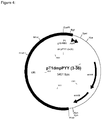
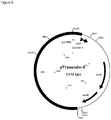
- the DNA fragment was isolated and ligated with the Ex4- Spe l, respectively the Pyy-Spei PCR fragment. This resulted in a plasmid that was designated respectively pT1dmpPYY ( figure 4 ) and pT1Exendin-4 ( figure 5 ).
- Competent MG1363 L.lactis cells were transformed with the pT1 Exendin-4 ligation mixture.
- mice were fasted in separate cages for 16-18 h with free access to water.
- chow was placed within the cage of preweighed mice, and food intake (FI) was determined at 1, 2, 3 and 4 h by measuring the difference between preweighed chow and the weight of chow remaining at the end of each time interval.
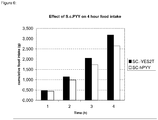
- the bio-efficacy of S.c [pYES2T-hPYY] was evaluated by measuring post-dose food intake in mice. During the first four hours post-dose, food intake in the animals treated with S.c [pYES2T-hPYY] was 16% lower than in the animals dosed with placebo S.c [pYES2T] ( figure 6 ).
- the results from this study demonstrate the feasibility of intestinal delivery of PYY (3-36) by S.c and present an opportunity to develop an oral dosage form of PYY (3-36) for the treatment of eating disorders and/or obesity.
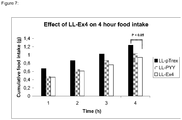
- the bio-efficacy of LL-pT1-Exendin-4 and LL-pT1dmpPYY(3-36) was evaluated by measuring post-dose food intake in mice. During the first four hours post-dose, food intake in the animals treated with LL-pT1-Exendin-4 was 31% lower than in the animals dosed with placebo LL-pTREX ( figure 7 ). The effect of intragastric inoculated LL-pT1-Exendin-4 on weight gain was evaluated in a 24-hour study. During the first 4 hours of the study, the weight gain in the group receiving Ex4 was almost 50 % lower than in the placebo group and 18% at the end of the study ( figure 8 ). The results from these studies demonstrate the feasibility of intestinal delivery of Ex4 and present an opportunity to develop an oral dosage form of Ex4 for the treatment of eating disorders and/or obesity.
Landscapes
- Health & Medical Sciences (AREA)
- Life Sciences & Earth Sciences (AREA)
- Genetics & Genomics (AREA)
- Engineering & Computer Science (AREA)
- Bioinformatics & Cheminformatics (AREA)
- Chemical & Material Sciences (AREA)
- Organic Chemistry (AREA)
- General Engineering & Computer Science (AREA)
- Biotechnology (AREA)
- Biomedical Technology (AREA)
- Wood Science & Technology (AREA)
- Zoology (AREA)
- General Health & Medical Sciences (AREA)
- Medicinal Chemistry (AREA)
- Plant Pathology (AREA)
- Animal Behavior & Ethology (AREA)
- Nuclear Medicine, Radiotherapy & Molecular Imaging (AREA)
- Public Health (AREA)
- Veterinary Medicine (AREA)
- Biochemistry (AREA)
- Mycology (AREA)
- General Chemical & Material Sciences (AREA)
- Physics & Mathematics (AREA)
- Chemical Kinetics & Catalysis (AREA)
- Biophysics (AREA)
- Microbiology (AREA)
- Pharmacology & Pharmacy (AREA)
- Molecular Biology (AREA)
- Diabetes (AREA)
- Hematology (AREA)
- Obesity (AREA)
- Child & Adolescent Psychology (AREA)
- Endocrinology (AREA)
- Medicines That Contain Protein Lipid Enzymes And Other Medicines (AREA)
- Medicines Containing Material From Animals Or Micro-Organisms (AREA)
- Pharmaceuticals Containing Other Organic And Inorganic Compounds (AREA)
- Coloring Foods And Improving Nutritive Qualities (AREA)
- Non-Alcoholic Beverages (AREA)
- Dairy Products (AREA)
- Micro-Organisms Or Cultivation Processes Thereof (AREA)
Claims (11)
- Verwendung eines gentechnisch veränderten Milchsäurebakterium, welches das glucagonähnliche Peptid-1 oder Exendin-4 produziert, zur Herstellung eines Medikaments zur Behandlung von Fettsucht oder zur Reduktion der Nahrungsaufnahme und/oder des Körpergewichts.
- Gentechnisch verändertes Milchsäurebakterium, welches das glucagonähnliche Peptid-1 oder Exendin-4 produziert, zur Verwendung bei der Behandlung von Fettsucht oder zur Verwendung bei der Therapie zur Reduktion der Nahrungsaufnahme und/oder des Körpergewichts.
- Verwendung nach Anspruch 1 oder gentechnisch verändertes Milchsäurebakterium zur Verwendung nach Anspruch 2, wobei das gentechnisch veränderte Milchsäurebakterium aus Lactococcus spp. und Lactobacillus spp ausgewählt ist.
- Verwendung nach Anspruch 3 oder gentechnisch verändertes Milchsäurebakterium zur Verwendung nach Anspruch 3, wobei es sich bei dem gentechnisch veränderten Milchsäurebakterium um Lactococcus spp. handelt, wobei es sich bei Lactococcus spp. um Lactococcus lactis handelt.
- Verwendung nach einem der Ansprüche 1, 3 oder 4 oder gentechnisch verändertes Milchsäurebakterium zur Verwendung nach einem der Ansprüche 2 bis 4, wobei das glucagonähnliche Peptid-1 nicht amidiert ist.
- Verwendung nach einem der Ansprüche 1 oder 3 bis 5 oder gentechnisch verändertes Milchsäurebakterium zur Verwendung nach einem der Ansprüche 2 bis 5, wobei das gentechnisch veränderte Milchsäurebakterium gefriergetrocknet ist.
- Gentechnisch verändertes Milchsäurebakterium zur Verwendung nach einem der Ansprüche 2 bis 6, wobei das glucagonähnliche Peptid-1 oder das Exendin-4 durch das gentechnisch veränderte Milchsäurebakterium im Darm abgegeben wird.
- Verwendung nach einem der Ansprüche 1 oder 3 bis 6, wobei das Medikament in einer oralen Dosierungsform vorliegt.
- Verwendung nach Anspruch 8, wobei die orale Dosierungsform eine magensaftresistente orale Dosierungsform und/oder eine orale Dosierungsform ist, die eine kontrollierte oder verzögerte Freisetzung des gentechnisch veränderten Milchsäurebakteriums ermöglicht.
- Verwendung nach Anspruch 4 oder gentechnisch verändertes Milchsäurebakterium zur Verwendung nach Anspruch 4, wobei das Milchsäurebakterium Exendin-4 produziert und wobei das Exendin-4 die Aminosäuresequenz HGEGTFTSDLSKQMEEEAVRLFIEWLKNGGPSSGAPPPS aufweist.
- Verwendung nach Anspruch 1 oder gentechnisch verändertes Milchsäurebakterium zur Verwendung nach Anspruch 2, wobei das Milchsäurebakterium Exendin-4 und das Peptid YY (PYY) produziert.
Priority Applications (2)
| Application Number | Priority Date | Filing Date | Title |
|---|---|---|---|
| EP07728719.1A EP2016178B1 (de) | 2006-05-02 | 2007-05-02 | Mikrobielle intestinale verabreichung von fettsucht verwandten peptiden |
| EP17173216.7A EP3255149A3 (de) | 2006-05-02 | 2007-05-02 | Mikrobielle intestinale verabreichung von fettsucht verwandten peptiden |
Applications Claiming Priority (3)
| Application Number | Priority Date | Filing Date | Title |
|---|---|---|---|
| EP06113388 | 2006-05-02 | ||
| PCT/EP2007/054266 WO2007128757A2 (en) | 2006-05-02 | 2007-05-02 | Microbial intestinal delivery of obesity related peptides |
| EP07728719.1A EP2016178B1 (de) | 2006-05-02 | 2007-05-02 | Mikrobielle intestinale verabreichung von fettsucht verwandten peptiden |
Related Child Applications (2)
| Application Number | Title | Priority Date | Filing Date |
|---|---|---|---|
| EP17173216.7A Division EP3255149A3 (de) | 2006-05-02 | 2007-05-02 | Mikrobielle intestinale verabreichung von fettsucht verwandten peptiden |
| EP17173216.7A Division-Into EP3255149A3 (de) | 2006-05-02 | 2007-05-02 | Mikrobielle intestinale verabreichung von fettsucht verwandten peptiden |
Publications (2)
| Publication Number | Publication Date |
|---|---|
| EP2016178A2 EP2016178A2 (de) | 2009-01-21 |
| EP2016178B1 true EP2016178B1 (de) | 2017-07-12 |
Family
ID=36660825
Family Applications (2)
| Application Number | Title | Priority Date | Filing Date |
|---|---|---|---|
| EP17173216.7A Withdrawn EP3255149A3 (de) | 2006-05-02 | 2007-05-02 | Mikrobielle intestinale verabreichung von fettsucht verwandten peptiden |
| EP07728719.1A Not-in-force EP2016178B1 (de) | 2006-05-02 | 2007-05-02 | Mikrobielle intestinale verabreichung von fettsucht verwandten peptiden |
Family Applications Before (1)
| Application Number | Title | Priority Date | Filing Date |
|---|---|---|---|
| EP17173216.7A Withdrawn EP3255149A3 (de) | 2006-05-02 | 2007-05-02 | Mikrobielle intestinale verabreichung von fettsucht verwandten peptiden |
Country Status (9)
| Country | Link |
|---|---|
| US (1) | US20090074734A1 (de) |
| EP (2) | EP3255149A3 (de) |
| JP (1) | JP2009535380A (de) |
| CN (1) | CN101437945A (de) |
| AU (1) | AU2007247137A1 (de) |
| BR (1) | BRPI0711119A2 (de) |
| CA (1) | CA2649932A1 (de) |
| RU (1) | RU2008147398A (de) |
| WO (1) | WO2007128757A2 (de) |
Families Citing this family (26)
| Publication number | Priority date | Publication date | Assignee | Title |
|---|---|---|---|---|
| US7731947B2 (en) | 2003-11-17 | 2010-06-08 | Intarcia Therapeutics, Inc. | Composition and dosage form comprising an interferon particle formulation and suspending vehicle |
| WO2006083761A2 (en) | 2005-02-03 | 2006-08-10 | Alza Corporation | Solvent/polymer solutions as suspension vehicles |
| US11246913B2 (en) | 2005-02-03 | 2022-02-15 | Intarcia Therapeutics, Inc. | Suspension formulation comprising an insulinotropic peptide |
| EP2020990B1 (de) | 2006-05-30 | 2010-09-22 | Intarcia Therapeutics, Inc | Zweiteiliger flussmodulator mit einem internen kanal für ein osmotisches ausgabesystem |
| PL2359808T3 (pl) | 2006-08-09 | 2013-10-31 | Intarcia Therapeutics Inc | Osmotyczne systemy dostawcze i zespoły tłokowe |
| EP2091914A4 (de) * | 2006-11-08 | 2010-12-29 | Chongxi Yu | Transdermale verabreichungssysteme für peptide und verwandte verbindungen |
| CA2672229A1 (en) * | 2006-12-14 | 2008-06-19 | Actogenix N.V. | Delivery of binding molecules to induce immunomodulation |
| EP2157967B1 (de) | 2007-04-23 | 2013-01-16 | Intarcia Therapeutics, Inc | Suspensionsformulierungen insulinotroper peptide und ihre verwendung |
| EP2240155B1 (de) | 2008-02-13 | 2012-06-06 | Intarcia Therapeutics, Inc | Vorrichtungen, formulierungen und verfahren zur freisetzung mehrerer wirkstoffe |
| US8771668B2 (en) | 2008-04-09 | 2014-07-08 | Cornell University | Commensal bacteria as signal mediators within a mammalian host |
| EP2660247A3 (de) * | 2009-05-08 | 2014-09-03 | Chongxi Yu | Prodrug-Zusammensetzungen mit hoher Durchdringung aus Peptiden und Peptidverbindungen |
| EP3323423B1 (de) | 2009-09-28 | 2020-06-17 | Intarcia Therapeutics, Inc | Schnelle initiierung und/oder beendigung der verabreichung substantiell stabiler arzneimittel |
| EP2627770B1 (de) | 2010-10-15 | 2017-06-28 | Cornell University | Zusammensetzungen und verfahren zur behandlung von endokrinen, magen-darm- oder autoimmunerkrankungen |
| US20120208755A1 (en) | 2011-02-16 | 2012-08-16 | Intarcia Therapeutics, Inc. | Compositions, Devices and Methods of Use Thereof for the Treatment of Cancers |
| CN103917639B (zh) | 2011-09-23 | 2017-09-26 | 英特瑞克斯顿阿克图比奥帝克斯有限公司 | 经修饰的革兰氏阳性细菌及其用途 |
| HUE038830T2 (hu) | 2011-09-23 | 2018-11-28 | Intrexon Actobiotics Nv | Módosított gram-pozitív baktériumok és alkalmazásaik |
| US9889085B1 (en) | 2014-09-30 | 2018-02-13 | Intarcia Therapeutics, Inc. | Therapeutic methods for the treatment of diabetes and related conditions for patients with high baseline HbA1c |
| EP3237622B1 (de) | 2014-12-23 | 2021-02-24 | Ilya Pharma AB | Verfahren zur wundheilung |
| ES2968262T3 (es) | 2015-06-03 | 2024-05-08 | I2O Therapeutics Inc | Sistemas de colocación de implantes |
| US10111932B2 (en) * | 2015-08-26 | 2018-10-30 | Syracuse University | Coagonists of glucagon-like peptide 1 receptor and neuropeptide Y2 receptor |
| KR20240037175A (ko) | 2016-05-16 | 2024-03-21 | 인타르시아 세라퓨틱스 인코포레이티드 | 글루카곤-수용체 선택적 폴리펩티드 및 이들의 이용 방법 |
| USD860451S1 (en) | 2016-06-02 | 2019-09-17 | Intarcia Therapeutics, Inc. | Implant removal tool |
| USD840030S1 (en) | 2016-06-02 | 2019-02-05 | Intarcia Therapeutics, Inc. | Implant placement guide |
| AU2018206539A1 (en) | 2017-01-03 | 2019-07-18 | Intarcia Therapeutics, Inc. | Methods comprising continuous administration of a GLP-1 receptor agonist and co-administration of a drug |
| CN112370525A (zh) * | 2020-11-12 | 2021-02-19 | 西北农林科技大学 | 一种用于瘦素免疫调节的口服重组酵母菌株 |
| CN121852220A (zh) * | 2026-03-19 | 2026-04-14 | 厦门大学 | 一种用于肠道递送glp-1/gip双受体激动剂的工程菌株及其应用 |
Family Cites Families (27)
| Publication number | Priority date | Publication date | Assignee | Title |
|---|---|---|---|---|
| US4816567A (en) | 1983-04-08 | 1989-03-28 | Genentech, Inc. | Recombinant immunoglobin preparations |
| US5091513A (en) | 1987-05-21 | 1992-02-25 | Creative Biomolecules, Inc. | Biosynthetic antibody binding sites |
| DE3920358A1 (de) | 1989-06-22 | 1991-01-17 | Behringwerke Ag | Bispezifische und oligospezifische, mono- und oligovalente antikoerperkonstrukte, ihre herstellung und verwendung |
| ES2113879T3 (es) * | 1990-01-24 | 1998-05-16 | Douglas I Buckley | Analogos de glp-1 utiles para el tratamiento de diabetes. |
| US5637481A (en) | 1993-02-01 | 1997-06-10 | Bristol-Myers Squibb Company | Expression vectors encoding bispecific fusion proteins and methods of producing biologically active bispecific fusion proteins in a mammalian cell |
| DE69233528T2 (de) | 1991-11-25 | 2006-03-16 | Enzon, Inc. | Verfahren zur Herstellung von multivalenten antigenbindenden Proteinen |
| DE69334275D1 (de) | 1992-08-21 | 2009-05-20 | Univ Bruxelles | Immunoglobuline ohne Leichtkette |
| IT1270123B (it) * | 1994-10-05 | 1997-04-28 | Dompe Spa | Composizioni farmaceutiche contenenti microorganismi ingegnerizzati e loro uso per terapia |
| EP0739981A1 (de) | 1995-04-25 | 1996-10-30 | Vrije Universiteit Brussel | Variable Fragmente von Immunglobulinen-Verwendung zur therapeutischen oder veterinären Zwecken |
| GB9521568D0 (en) | 1995-10-20 | 1995-12-20 | Lynxvale Ltd | Delivery of biologically active polypeptides |
| AU718254B2 (en) * | 1996-01-19 | 2000-04-13 | Betagene, Inc. | Recombinant expression of proteins from secretory cell lines |
| EP1123314B1 (de) * | 1998-10-20 | 2004-02-18 | Vlaams Interuniversitair Instituut voor Biotechnologie vzw. | Verwendung eines zytokine-produzierenden lactococcus stammes zur behandlung von kolitis |
| ES2272311T3 (es) | 1999-07-05 | 2007-05-01 | Vlaams Interuniversitair Instituut Voor Biotechnologie | Suministro de peptidos trebol. |
| AUPQ387599A0 (en) * | 1999-11-05 | 1999-12-02 | Metabolic Pharmaceuticals Limited | Product and method for control of obesity |
| AU2001270609A1 (en) | 2000-06-30 | 2002-01-14 | Vlaams Interuniversitair Instituut Voor Biotechnologie Vzw | Heterodimeric fusion proteins |
| GB2368792A (en) | 2000-10-06 | 2002-05-15 | Roger Randal Charles New | Absorption enhancers |
| US7374930B2 (en) * | 2002-05-21 | 2008-05-20 | Expression Genetics, Inc. | GLP-1 gene delivery for the treatment of type 2 diabetes |
| AU2003282955A1 (en) * | 2002-10-17 | 2004-05-04 | Alkermes Controlled Therapeutics, Inc. Ii | Microencapsulation and sustained release of biologically active polypeptides |
| US7229966B2 (en) * | 2002-12-17 | 2007-06-12 | Nastech Pharmaceutical Company Inc. | Compositions and methods for enhanced mucosal delivery of Y2 receptor-binding peptides and methods for treating and preventing obesity |
| WO2004065552A2 (en) * | 2003-01-21 | 2004-08-05 | Duke University | Cell-based therapies for diabetes mellitus and other glucose intolerant states |
| MXPA05012278A (es) | 2003-05-14 | 2006-02-10 | Emisphere Tech Inc | Composiciones para suministrar peptido yy y combatientes pyy. |
| WO2005023291A2 (en) * | 2003-09-11 | 2005-03-17 | Novo Nordisk A/S | Use of glp1-agonists in the treatment of patients with type i diabetes |
| ES2393324T3 (es) | 2004-05-14 | 2012-12-20 | Emisphere Technologies, Inc. | Compuestos y composiciones para administrar principios activos |
| CA2567106A1 (en) * | 2004-05-18 | 2005-11-24 | Vib Vzw | Self-containing lactobacillus strain |
| JP2009510999A (ja) * | 2005-07-29 | 2009-03-19 | エーエムプロテイン コーポレイション | キメラ治療剤 |
| JP5049973B2 (ja) | 2005-08-30 | 2012-10-17 | アクトジェニックス・エヌブイ | 慢性全腸炎の治療のための、抗−TNFα産生乳酸菌 |
| WO2007101158A2 (en) * | 2006-02-24 | 2007-09-07 | Ironwood Pharmaceuticals, Inc. | Methods and compositions for the treatment of gastrointestinal disorders |
-
2007
- 2007-05-02 EP EP17173216.7A patent/EP3255149A3/de not_active Withdrawn
- 2007-05-02 US US12/299,093 patent/US20090074734A1/en not_active Abandoned
- 2007-05-02 CA CA002649932A patent/CA2649932A1/en not_active Abandoned
- 2007-05-02 CN CNA2007800158437A patent/CN101437945A/zh active Pending
- 2007-05-02 BR BRPI0711119-3A patent/BRPI0711119A2/pt not_active IP Right Cessation
- 2007-05-02 RU RU2008147398/13A patent/RU2008147398A/ru not_active Application Discontinuation
- 2007-05-02 AU AU2007247137A patent/AU2007247137A1/en not_active Abandoned
- 2007-05-02 EP EP07728719.1A patent/EP2016178B1/de not_active Not-in-force
- 2007-05-02 JP JP2009508345A patent/JP2009535380A/ja not_active Withdrawn
- 2007-05-02 WO PCT/EP2007/054266 patent/WO2007128757A2/en not_active Ceased
Non-Patent Citations (2)
| Title |
|---|
| ENG J ET AL: "PURIFICATION AND STRUCTURE OF EXENDIN-3, A NEW PANCREATIC SECRETAGOGUE ISOLATED FROM HELODERMA HORRIDUM VENOM", JOURNAL OF BIOLOGICAL CHEMISTRY, AMERICAN SOCIETY FOR BIOCHEMISTRY AND MOLECULAR BIOLOGY, US, vol. 265, no. 33, 25 November 1990 (1990-11-25), pages 20259 - 20262, XP002045292, ISSN: 0021-9258 * |
| LARS GRUNDEMAR ET AL: "Vascular effects of helodermin, helospectin I and helospectin II: a comparison with vasoactive intestinal peptide (VIP)", BRITISH JOURNAL OF PHARMACOLOGY, vol. 99, no. 3, 1 March 1990 (1990-03-01), BASINGSTOKE, HANTS; GB, pages 526 - 528, XP055148062, ISSN: 0007-1188, DOI: 10.1111/j.1476-5381.1990.tb12962.x * |
Also Published As
| Publication number | Publication date |
|---|---|
| AU2007247137A1 (en) | 2007-11-15 |
| CA2649932A1 (en) | 2007-11-15 |
| WO2007128757A2 (en) | 2007-11-15 |
| EP2016178A2 (de) | 2009-01-21 |
| US20090074734A1 (en) | 2009-03-19 |
| WO2007128757A8 (en) | 2017-05-04 |
| WO2007128757A3 (en) | 2008-02-14 |
| CN101437945A (zh) | 2009-05-20 |
| RU2008147398A (ru) | 2010-06-10 |
| EP3255149A3 (de) | 2018-04-18 |
| EP3255149A2 (de) | 2017-12-13 |
| BRPI0711119A2 (pt) | 2011-08-30 |
| JP2009535380A (ja) | 2009-10-01 |
Similar Documents
| Publication | Publication Date | Title |
|---|---|---|
| EP3255149A2 (de) | Mikrobielle intestinale verabreichung von fettsucht verwandten peptiden | |
| JP6843768B2 (ja) | 高フェニルアラニン血症を低減させるように操作された細菌 | |
| JP6867866B2 (ja) | 細菌のポリシストロン性発現系 | |
| CN105142663B (zh) | 用于癌症靶向治疗的含有结合白蛋白的精氨酸脱亚胺酶的药物组合物 | |
| JP2013530187A (ja) | 炎症性疾患を治療するための組成物及び方法。 | |
| JP2021512634A (ja) | Fgf21バリアント、融合タンパク質及びそれらの適用 | |
| Arora et al. | Microbially produced glucagon-like peptide 1 improves glucose tolerance in mice | |
| CA2799608A1 (en) | Amino acid sequences which enhance peptide conjugate solubility | |
| JP2024511941A (ja) | 酵母における異種タンパク質の分泌を指示するための合成シグナルペプチド | |
| US20240122993A1 (en) | Genetically gengineered bacterium for hangover and liver disease prevention and/or treatment | |
| US10736970B2 (en) | Polypeptide complex of titin-telethonin beta-pleated sheet structure as polypeptide drug carrier, method of using the polypeptide complex, and fusion protein complex thereof | |
| KR20200077534A (ko) | 이종 단백질 생성을 위한 인공 분비 펩티드 | |
| CN114788876A (zh) | 治疗糖尿病的mRNA药物制剂及其制备方法与应用 | |
| WO2023141527A1 (en) | Furin-cleavable delivery constructs | |
| WO2023022845A2 (en) | Gram-negative bacteria containing peptide secretion system | |
| CA3212817A1 (en) | Bacteria engineered to treat disorders in which oxalate is detrimental | |
| Hwang | Engineering live bacterial therapeutics to treat human diseases | |
| US6486134B2 (en) | Gene treatment to enhance feed efficiency and growth rate of livestock | |
| AU2021304144B2 (en) | Genetically engineered live bacteria and methods of constructing the same | |
| CN115916982A (zh) | 表达血管活性肠肽的微生物及其用途 | |
| JP2023553341A (ja) | in vivoでの治療タンパク質の酵母ベースの発現 | |
| US20260015391A1 (en) | Compositions for hypervesiculating gut microbes and therapeutic enzyme delivery and methods of use thereof | |
| Sun et al. | Application of the yeast‐surface‐display system for orally administered salmon calcitonin and safety assessment | |
| US20140242111A1 (en) | Engineered Bacteria for Oral Delivery of Glucoregulatory Proteins | |
| CN121313867A (zh) | 一种抗体药物偶联物及其制备方法与用途 |
Legal Events
| Date | Code | Title | Description |
|---|---|---|---|
| PUAI | Public reference made under article 153(3) epc to a published international application that has entered the european phase |
Free format text: ORIGINAL CODE: 0009012 |
|
| 17P | Request for examination filed |
Effective date: 20081121 |
|
| AK | Designated contracting states |
Kind code of ref document: A2 Designated state(s): AT BE BG CH CY CZ DE DK EE ES FI FR GB GR HU IE IS IT LI LT LU LV MC MT NL PL PT RO SE SI SK TR |
|
| AX | Request for extension of the european patent |
Extension state: AL BA HR MK RS |
|
| DAX | Request for extension of the european patent (deleted) | ||
| 17Q | First examination report despatched |
Effective date: 20130718 |
|
| RAP1 | Party data changed (applicant data changed or rights of an application transferred) |
Owner name: INTREXON ACTOBIOTICS NV |
|
| RAP1 | Party data changed (applicant data changed or rights of an application transferred) |
Owner name: INTREXON ACTOBIOTICS NV |
|
| GRAP | Despatch of communication of intention to grant a patent |
Free format text: ORIGINAL CODE: EPIDOSNIGR1 |
|
| STAA | Information on the status of an ep patent application or granted ep patent |
Free format text: STATUS: GRANT OF PATENT IS INTENDED |
|
| INTG | Intention to grant announced |
Effective date: 20161108 |
|
| GRAS | Grant fee paid |
Free format text: ORIGINAL CODE: EPIDOSNIGR3 |
|
| GRAJ | Information related to disapproval of communication of intention to grant by the applicant or resumption of examination proceedings by the epo deleted |
Free format text: ORIGINAL CODE: EPIDOSDIGR1 |
|
| GRAL | Information related to payment of fee for publishing/printing deleted |
Free format text: ORIGINAL CODE: EPIDOSDIGR3 |
|
| STAA | Information on the status of an ep patent application or granted ep patent |
Free format text: STATUS: EXAMINATION IS IN PROGRESS |
|
| GRAR | Information related to intention to grant a patent recorded |
Free format text: ORIGINAL CODE: EPIDOSNIGR71 |
|
| STAA | Information on the status of an ep patent application or granted ep patent |
Free format text: STATUS: GRANT OF PATENT IS INTENDED |
|
| INTC | Intention to grant announced (deleted) | ||
| INTG | Intention to grant announced |
Effective date: 20170406 |
|
| GRAA | (expected) grant |
Free format text: ORIGINAL CODE: 0009210 |
|
| STAA | Information on the status of an ep patent application or granted ep patent |
Free format text: STATUS: THE PATENT HAS BEEN GRANTED |
|
| AK | Designated contracting states |
Kind code of ref document: B1 Designated state(s): AT BE BG CH CY CZ DE DK EE ES FI FR GB GR HU IE IS IT LI LT LU LV MC MT NL PL PT RO SE SI SK TR |
|
| REG | Reference to a national code |
Ref country code: GB Ref legal event code: FG4D |
|
| REG | Reference to a national code |
Ref country code: CH Ref legal event code: EP |
|
| REG | Reference to a national code |
Ref country code: AT Ref legal event code: REF Ref document number: 908352 Country of ref document: AT Kind code of ref document: T Effective date: 20170715 |
|
| REG | Reference to a national code |
Ref country code: IE Ref legal event code: FG4D |
|
| REG | Reference to a national code |
Ref country code: DE Ref legal event code: R096 Ref document number: 602007051606 Country of ref document: DE |
|
| REG | Reference to a national code |
Ref country code: NL Ref legal event code: FP |
|
| REG | Reference to a national code |
Ref country code: LT Ref legal event code: MG4D |
|
| REG | Reference to a national code |
Ref country code: AT Ref legal event code: MK05 Ref document number: 908352 Country of ref document: AT Kind code of ref document: T Effective date: 20170712 |
|
| PG25 | Lapsed in a contracting state [announced via postgrant information from national office to epo] |
Ref country code: FI Free format text: LAPSE BECAUSE OF FAILURE TO SUBMIT A TRANSLATION OF THE DESCRIPTION OR TO PAY THE FEE WITHIN THE PRESCRIBED TIME-LIMIT Effective date: 20170712 Ref country code: AT Free format text: LAPSE BECAUSE OF FAILURE TO SUBMIT A TRANSLATION OF THE DESCRIPTION OR TO PAY THE FEE WITHIN THE PRESCRIBED TIME-LIMIT Effective date: 20170712 Ref country code: LT Free format text: LAPSE BECAUSE OF FAILURE TO SUBMIT A TRANSLATION OF THE DESCRIPTION OR TO PAY THE FEE WITHIN THE PRESCRIBED TIME-LIMIT Effective date: 20170712 Ref country code: SE Free format text: LAPSE BECAUSE OF FAILURE TO SUBMIT A TRANSLATION OF THE DESCRIPTION OR TO PAY THE FEE WITHIN THE PRESCRIBED TIME-LIMIT Effective date: 20170712 |
|
| PG25 | Lapsed in a contracting state [announced via postgrant information from national office to epo] |
Ref country code: GR Free format text: LAPSE BECAUSE OF FAILURE TO SUBMIT A TRANSLATION OF THE DESCRIPTION OR TO PAY THE FEE WITHIN THE PRESCRIBED TIME-LIMIT Effective date: 20171013 Ref country code: IS Free format text: LAPSE BECAUSE OF FAILURE TO SUBMIT A TRANSLATION OF THE DESCRIPTION OR TO PAY THE FEE WITHIN THE PRESCRIBED TIME-LIMIT Effective date: 20171112 Ref country code: PL Free format text: LAPSE BECAUSE OF FAILURE TO SUBMIT A TRANSLATION OF THE DESCRIPTION OR TO PAY THE FEE WITHIN THE PRESCRIBED TIME-LIMIT Effective date: 20170712 Ref country code: LV Free format text: LAPSE BECAUSE OF FAILURE TO SUBMIT A TRANSLATION OF THE DESCRIPTION OR TO PAY THE FEE WITHIN THE PRESCRIBED TIME-LIMIT Effective date: 20170712 Ref country code: ES Free format text: LAPSE BECAUSE OF FAILURE TO SUBMIT A TRANSLATION OF THE DESCRIPTION OR TO PAY THE FEE WITHIN THE PRESCRIBED TIME-LIMIT Effective date: 20170712 Ref country code: BG Free format text: LAPSE BECAUSE OF FAILURE TO SUBMIT A TRANSLATION OF THE DESCRIPTION OR TO PAY THE FEE WITHIN THE PRESCRIBED TIME-LIMIT Effective date: 20171012 |
|
| REG | Reference to a national code |
Ref country code: DE Ref legal event code: R097 Ref document number: 602007051606 Country of ref document: DE |
|
| PG25 | Lapsed in a contracting state [announced via postgrant information from national office to epo] |
Ref country code: CZ Free format text: LAPSE BECAUSE OF FAILURE TO SUBMIT A TRANSLATION OF THE DESCRIPTION OR TO PAY THE FEE WITHIN THE PRESCRIBED TIME-LIMIT Effective date: 20170712 Ref country code: RO Free format text: LAPSE BECAUSE OF FAILURE TO SUBMIT A TRANSLATION OF THE DESCRIPTION OR TO PAY THE FEE WITHIN THE PRESCRIBED TIME-LIMIT Effective date: 20170712 Ref country code: DK Free format text: LAPSE BECAUSE OF FAILURE TO SUBMIT A TRANSLATION OF THE DESCRIPTION OR TO PAY THE FEE WITHIN THE PRESCRIBED TIME-LIMIT Effective date: 20170712 |
|
| PLBE | No opposition filed within time limit |
Free format text: ORIGINAL CODE: 0009261 |
|
| STAA | Information on the status of an ep patent application or granted ep patent |
Free format text: STATUS: NO OPPOSITION FILED WITHIN TIME LIMIT |
|
| REG | Reference to a national code |
Ref country code: FR Ref legal event code: PLFP Year of fee payment: 12 |
|
| PG25 | Lapsed in a contracting state [announced via postgrant information from national office to epo] |
Ref country code: EE Free format text: LAPSE BECAUSE OF FAILURE TO SUBMIT A TRANSLATION OF THE DESCRIPTION OR TO PAY THE FEE WITHIN THE PRESCRIBED TIME-LIMIT Effective date: 20170712 Ref country code: SK Free format text: LAPSE BECAUSE OF FAILURE TO SUBMIT A TRANSLATION OF THE DESCRIPTION OR TO PAY THE FEE WITHIN THE PRESCRIBED TIME-LIMIT Effective date: 20170712 |
|
| 26N | No opposition filed |
Effective date: 20180413 |
|
| PG25 | Lapsed in a contracting state [announced via postgrant information from national office to epo] |
Ref country code: SI Free format text: LAPSE BECAUSE OF FAILURE TO SUBMIT A TRANSLATION OF THE DESCRIPTION OR TO PAY THE FEE WITHIN THE PRESCRIBED TIME-LIMIT Effective date: 20170712 |
|
| PG25 | Lapsed in a contracting state [announced via postgrant information from national office to epo] |
Ref country code: MC Free format text: LAPSE BECAUSE OF FAILURE TO SUBMIT A TRANSLATION OF THE DESCRIPTION OR TO PAY THE FEE WITHIN THE PRESCRIBED TIME-LIMIT Effective date: 20170712 |
|
| PG25 | Lapsed in a contracting state [announced via postgrant information from national office to epo] |
Ref country code: LU Free format text: LAPSE BECAUSE OF NON-PAYMENT OF DUE FEES Effective date: 20180502 |
|
| PGFP | Annual fee paid to national office [announced via postgrant information from national office to epo] |
Ref country code: NL Payment date: 20190526 Year of fee payment: 13 |
|
| PGFP | Annual fee paid to national office [announced via postgrant information from national office to epo] |
Ref country code: DE Payment date: 20190530 Year of fee payment: 13 Ref country code: IE Payment date: 20190528 Year of fee payment: 13 Ref country code: IT Payment date: 20190523 Year of fee payment: 13 |
|
| PGFP | Annual fee paid to national office [announced via postgrant information from national office to epo] |
Ref country code: BE Payment date: 20190527 Year of fee payment: 13 Ref country code: FR Payment date: 20190527 Year of fee payment: 13 |
|
| PGFP | Annual fee paid to national office [announced via postgrant information from national office to epo] |
Ref country code: CH Payment date: 20190604 Year of fee payment: 13 |
|
| PGFP | Annual fee paid to national office [announced via postgrant information from national office to epo] |
Ref country code: GB Payment date: 20190528 Year of fee payment: 13 |
|
| PG25 | Lapsed in a contracting state [announced via postgrant information from national office to epo] |
Ref country code: MT Free format text: LAPSE BECAUSE OF NON-PAYMENT OF DUE FEES Effective date: 20180502 |
|
| PG25 | Lapsed in a contracting state [announced via postgrant information from national office to epo] |
Ref country code: TR Free format text: LAPSE BECAUSE OF FAILURE TO SUBMIT A TRANSLATION OF THE DESCRIPTION OR TO PAY THE FEE WITHIN THE PRESCRIBED TIME-LIMIT Effective date: 20170712 |
|
| PG25 | Lapsed in a contracting state [announced via postgrant information from national office to epo] |
Ref country code: HU Free format text: LAPSE BECAUSE OF FAILURE TO SUBMIT A TRANSLATION OF THE DESCRIPTION OR TO PAY THE FEE WITHIN THE PRESCRIBED TIME-LIMIT; INVALID AB INITIO Effective date: 20070502 Ref country code: PT Free format text: LAPSE BECAUSE OF FAILURE TO SUBMIT A TRANSLATION OF THE DESCRIPTION OR TO PAY THE FEE WITHIN THE PRESCRIBED TIME-LIMIT Effective date: 20170712 |
|
| PG25 | Lapsed in a contracting state [announced via postgrant information from national office to epo] |
Ref country code: CY Free format text: LAPSE BECAUSE OF FAILURE TO SUBMIT A TRANSLATION OF THE DESCRIPTION OR TO PAY THE FEE WITHIN THE PRESCRIBED TIME-LIMIT Effective date: 20170712 |
|
| REG | Reference to a national code |
Ref country code: DE Ref legal event code: R119 Ref document number: 602007051606 Country of ref document: DE |
|
| REG | Reference to a national code |
Ref country code: NL Ref legal event code: MM Effective date: 20200601 |
|
| PG25 | Lapsed in a contracting state [announced via postgrant information from national office to epo] |
Ref country code: LI Free format text: LAPSE BECAUSE OF NON-PAYMENT OF DUE FEES Effective date: 20200531 Ref country code: CH Free format text: LAPSE BECAUSE OF NON-PAYMENT OF DUE FEES Effective date: 20200531 |
|
| PG25 | Lapsed in a contracting state [announced via postgrant information from national office to epo] |
Ref country code: NL Free format text: LAPSE BECAUSE OF NON-PAYMENT OF DUE FEES Effective date: 20200601 |
|
| REG | Reference to a national code |
Ref country code: BE Ref legal event code: MM Effective date: 20200531 |
|
| GBPC | Gb: european patent ceased through non-payment of renewal fee |
Effective date: 20200502 |
|
| PG25 | Lapsed in a contracting state [announced via postgrant information from national office to epo] |
Ref country code: GB Free format text: LAPSE BECAUSE OF NON-PAYMENT OF DUE FEES Effective date: 20200502 Ref country code: FR Free format text: LAPSE BECAUSE OF NON-PAYMENT OF DUE FEES Effective date: 20200531 Ref country code: IE Free format text: LAPSE BECAUSE OF NON-PAYMENT OF DUE FEES Effective date: 20200502 |
|
| PG25 | Lapsed in a contracting state [announced via postgrant information from national office to epo] |
Ref country code: DE Free format text: LAPSE BECAUSE OF NON-PAYMENT OF DUE FEES Effective date: 20201201 Ref country code: BE Free format text: LAPSE BECAUSE OF NON-PAYMENT OF DUE FEES Effective date: 20200531 |
|
| PG25 | Lapsed in a contracting state [announced via postgrant information from national office to epo] |
Ref country code: IT Free format text: LAPSE BECAUSE OF NON-PAYMENT OF DUE FEES Effective date: 20200502 |