EP2001900B1 - Novel isolated and purified strains of chikungunya virus and polynucleotides and polypeptides sequences, diagnostic and immunogenical uses thereof - Google Patents
Novel isolated and purified strains of chikungunya virus and polynucleotides and polypeptides sequences, diagnostic and immunogenical uses thereof Download PDFInfo
- Publication number
- EP2001900B1 EP2001900B1 EP07734896.9A EP07734896A EP2001900B1 EP 2001900 B1 EP2001900 B1 EP 2001900B1 EP 07734896 A EP07734896 A EP 07734896A EP 2001900 B1 EP2001900 B1 EP 2001900B1
- Authority
- EP
- European Patent Office
- Prior art keywords
- fragment
- chik
- virus
- sequence
- strain
- Prior art date
- Legal status (The legal status is an assumption and is not a legal conclusion. Google has not performed a legal analysis and makes no representation as to the accuracy of the status listed.)
- Active
Links
Images




Classifications
-
- G—PHYSICS
- G01—MEASURING; TESTING
- G01N—INVESTIGATING OR ANALYSING MATERIALS BY DETERMINING THEIR CHEMICAL OR PHYSICAL PROPERTIES
- G01N33/00—Investigating or analysing materials by specific methods not covered by groups G01N1/00 - G01N31/00
- G01N33/48—Biological material, e.g. blood, urine; Haemocytometers
- G01N33/50—Chemical analysis of biological material, e.g. blood, urine; Testing involving biospecific ligand binding methods; Immunological testing
- G01N33/53—Immunoassay; Biospecific binding assay; Materials therefor
- G01N33/569—Immunoassay; Biospecific binding assay; Materials therefor for microorganisms, e.g. protozoa, bacteria, viruses
- G01N33/56983—Viruses
-
- A—HUMAN NECESSITIES
- A61—MEDICAL OR VETERINARY SCIENCE; HYGIENE
- A61P—SPECIFIC THERAPEUTIC ACTIVITY OF CHEMICAL COMPOUNDS OR MEDICINAL PREPARATIONS
- A61P31/00—Antiinfectives, i.e. antibiotics, antiseptics, chemotherapeutics
- A61P31/12—Antivirals
-
- C—CHEMISTRY; METALLURGY
- C07—ORGANIC CHEMISTRY
- C07K—PEPTIDES
- C07K14/00—Peptides having more than 20 amino acids; Gastrins; Somatostatins; Melanotropins; Derivatives thereof
- C07K14/005—Peptides having more than 20 amino acids; Gastrins; Somatostatins; Melanotropins; Derivatives thereof from viruses
-
- C—CHEMISTRY; METALLURGY
- C07—ORGANIC CHEMISTRY
- C07K—PEPTIDES
- C07K16/00—Immunoglobulins [IGs], e.g. monoclonal or polyclonal antibodies
- C07K16/08—Immunoglobulins [IGs], e.g. monoclonal or polyclonal antibodies against material from viruses
- C07K16/10—Immunoglobulins [IGs], e.g. monoclonal or polyclonal antibodies against material from viruses from RNA viruses
- C07K16/1081—Togaviridae, e.g. flavivirus, rubella virus, hog cholera virus
-
- C—CHEMISTRY; METALLURGY
- C12—BIOCHEMISTRY; BEER; SPIRITS; WINE; VINEGAR; MICROBIOLOGY; ENZYMOLOGY; MUTATION OR GENETIC ENGINEERING
- C12N—MICROORGANISMS OR ENZYMES; COMPOSITIONS THEREOF; PROPAGATING, PRESERVING, OR MAINTAINING MICROORGANISMS; MUTATION OR GENETIC ENGINEERING; CULTURE MEDIA
- C12N7/00—Viruses; Bacteriophages; Compositions thereof; Preparation or purification thereof
-
- A—HUMAN NECESSITIES
- A61—MEDICAL OR VETERINARY SCIENCE; HYGIENE
- A61K—PREPARATIONS FOR MEDICAL, DENTAL OR TOILETRY PURPOSES
- A61K38/00—Medicinal preparations containing peptides
-
- A—HUMAN NECESSITIES
- A61—MEDICAL OR VETERINARY SCIENCE; HYGIENE
- A61K—PREPARATIONS FOR MEDICAL, DENTAL OR TOILETRY PURPOSES
- A61K39/00—Medicinal preparations containing antigens or antibodies
-
- C—CHEMISTRY; METALLURGY
- C12—BIOCHEMISTRY; BEER; SPIRITS; WINE; VINEGAR; MICROBIOLOGY; ENZYMOLOGY; MUTATION OR GENETIC ENGINEERING
- C12N—MICROORGANISMS OR ENZYMES; COMPOSITIONS THEREOF; PROPAGATING, PRESERVING, OR MAINTAINING MICROORGANISMS; MUTATION OR GENETIC ENGINEERING; CULTURE MEDIA
- C12N2770/00—MICROORGANISMS OR ENZYMES; COMPOSITIONS THEREOF; PROPAGATING, PRESERVING, OR MAINTAINING MICROORGANISMS; MUTATION OR GENETIC ENGINEERING; CULTURE MEDIA ssRNA viruses positive-sense
- C12N2770/00011—Details
- C12N2770/36011—Togaviridae
- C12N2770/36111—Alphavirus, e.g. Sindbis virus, VEE, EEE, WEE, Semliki
- C12N2770/36121—Viruses as such, e.g. new isolates, mutants or their genomic sequences
-
- C—CHEMISTRY; METALLURGY
- C12—BIOCHEMISTRY; BEER; SPIRITS; WINE; VINEGAR; MICROBIOLOGY; ENZYMOLOGY; MUTATION OR GENETIC ENGINEERING
- C12N—MICROORGANISMS OR ENZYMES; COMPOSITIONS THEREOF; PROPAGATING, PRESERVING, OR MAINTAINING MICROORGANISMS; MUTATION OR GENETIC ENGINEERING; CULTURE MEDIA
- C12N2770/00—MICROORGANISMS OR ENZYMES; COMPOSITIONS THEREOF; PROPAGATING, PRESERVING, OR MAINTAINING MICROORGANISMS; MUTATION OR GENETIC ENGINEERING; CULTURE MEDIA ssRNA viruses positive-sense
- C12N2770/00011—Details
- C12N2770/36011—Togaviridae
- C12N2770/36111—Alphavirus, e.g. Sindbis virus, VEE, EEE, WEE, Semliki
- C12N2770/36122—New viral proteins or individual genes, new structural or functional aspects of known viral proteins or genes
-
- C—CHEMISTRY; METALLURGY
- C12—BIOCHEMISTRY; BEER; SPIRITS; WINE; VINEGAR; MICROBIOLOGY; ENZYMOLOGY; MUTATION OR GENETIC ENGINEERING
- C12N—MICROORGANISMS OR ENZYMES; COMPOSITIONS THEREOF; PROPAGATING, PRESERVING, OR MAINTAINING MICROORGANISMS; MUTATION OR GENETIC ENGINEERING; CULTURE MEDIA
- C12N2770/00—MICROORGANISMS OR ENZYMES; COMPOSITIONS THEREOF; PROPAGATING, PRESERVING, OR MAINTAINING MICROORGANISMS; MUTATION OR GENETIC ENGINEERING; CULTURE MEDIA ssRNA viruses positive-sense
- C12N2770/00011—Details
- C12N2770/36011—Togaviridae
- C12N2770/36111—Alphavirus, e.g. Sindbis virus, VEE, EEE, WEE, Semliki
- C12N2770/36131—Uses of virus other than therapeutic or vaccine, e.g. disinfectant
-
- G—PHYSICS
- G01—MEASURING; TESTING
- G01N—INVESTIGATING OR ANALYSING MATERIALS BY DETERMINING THEIR CHEMICAL OR PHYSICAL PROPERTIES
- G01N2333/00—Assays involving biological materials from specific organisms or of a specific nature
- G01N2333/005—Assays involving biological materials from specific organisms or of a specific nature from viruses
- G01N2333/08—RNA viruses
- G01N2333/18—Togaviridae; Flaviviridae
- G01N2333/181—Alphaviruses or Group A arboviruses, e.g. sindbis, VEE, EEE, WEE or semliki forest virus
-
- G—PHYSICS
- G01—MEASURING; TESTING
- G01N—INVESTIGATING OR ANALYSING MATERIALS BY DETERMINING THEIR CHEMICAL OR PHYSICAL PROPERTIES
- G01N2800/00—Detection or diagnosis of diseases
- G01N2800/32—Cardiovascular disorders
-
- Y—GENERAL TAGGING OF NEW TECHNOLOGICAL DEVELOPMENTS; GENERAL TAGGING OF CROSS-SECTIONAL TECHNOLOGIES SPANNING OVER SEVERAL SECTIONS OF THE IPC; TECHNICAL SUBJECTS COVERED BY FORMER USPC CROSS-REFERENCE ART COLLECTIONS [XRACs] AND DIGESTS
- Y02—TECHNOLOGIES OR APPLICATIONS FOR MITIGATION OR ADAPTATION AGAINST CLIMATE CHANGE
- Y02A—TECHNOLOGIES FOR ADAPTATION TO CLIMATE CHANGE
- Y02A50/00—TECHNOLOGIES FOR ADAPTATION TO CLIMATE CHANGE in human health protection, e.g. against extreme weather
- Y02A50/30—Against vector-borne diseases, e.g. mosquito-borne, fly-borne, tick-borne or waterborne diseases whose impact is exacerbated by climate change
Definitions
- the present invention concerns wild-strains of Chikungunya virus isolated from patients exhibiting severe forms of infection and stemming from a human arbovirosis epidemy.
- the present invention also concerns polypeptide sequences and fragment thereof derived from their genome, the polynucleotide encoding same and their use as diagnostic products, as vaccine and/or as immunogenic compositions.
- Chikungunya virus is a mosquito-transmitted Alphavirus belonging to family Togaviridae [1,2]. It was isolated for the first time from a African outbreak in 1952 [3]. It is responsible for an acute infection of abrupt onset, characterized by high fever, arthralgia, myalgia, headache and rash [4,5]. Polyarthralgia, the pathognomonic sign of the disease, is very painful. Symptoms are generally self-limiting and last 1 to 10 days. However, arthralgia or arthritic symptoms may persist for months or years. In some patients, minor hemorrhagic signs such as epistaxis or gingivorrhagia have also been described.
- CHIKV is geographically distributed in Africa, India and South East Asia. In Africa, the virus is maintained through a sylvatic transmission cycle between wild primates and mosquitoes such as Aedes luteocephalus, Ae. furcifer or Ae. taylori [4]. In Asia, CHIKV is mainly transmitted from human to human by Ae. aegypti and to a lesser extent by Ae . albopictus through an urban transmission cycle. Since the 1952 Kenya outbreak, CHIKV has caused outbreaks in East Africa (Tanzania, Kenya), in Austral Africa (Zimbabwe, South Africa), in West Africa (Senegal, Nigeria) and in Central Africa (Central African Republic, Democratic Republic of the Congo) [4].
- phylogenetic analyses based on partial E1 sequences from African and Asian isolates revealed the existence of three distinct CHIKV phylogroups, one containing all isolates from West Africa, one containing isolates from Asia, and one corresponding to Eastern, Central and Southern African isolates [10]. Strains isolated in 1999-2000 in the Democratic Republic of the Congo belonged to the latter phylogroup [6].
- An aspect of the invention as defined by claims 1-13 is to provide new diagnostic and immunologic tools against CHIK virus associated diseases, such as arbovirosis.
- Such an aspect is particularly achieved by providing an isolated and purified wild strain of Chikungunya virus (CHIK) capable of in vitro infecting human cells; and its use for the detection of a CHIKV associated to an arbovirus, or for the preparation of a composition that prevents and/or treats an arbovirus.
- CHIK Chikungunya virus
- Another aspect of the invention as defined by claims 1-13 concerns an isolated and purified polynucleotideconsisting of the sequence of SEQ ID NO:1; and its use for the detection of a CHIKV associated to an arbovirus, or for the preparation of a composition that prevents and/or treats an arbovirus.
- Another aspect of the invention as defined by claims 1-13 concerns a fragment of the polynucleotide of the invention wherein it codes for the ectodomain of glycoprotein E2 or E1; and its use for the detection of a CHIKV associated to an arbovirus, or for the preparation of a composition that prevents and/or treats an arbovirus.
- Yet another aspect of the invention as defined by claims 1-13 concerns a purified polypeptide encoded by a fragment of the invention; and its use for the detection of a CHIKV associated to an arbovirus, or for the preparation of a composition that prevents and/or treats an arbovirus.
- a further aspect of the invention as defined by claims 1-13 concerns the use of a monoclonal or polyclonal antibody or fragment thereof that specifically binds to a polypeptide of the invention for the detection of a CHIKV associated to an arbovirus.
- the inventors determined the nearly complete nucleotide sequences of viruses isolated from six patients originating from Reunion and Seychelles Islands.
- the present disclosure allows to determine the genome structure as well as the unique molecular features of the Indian Ocean outbreak isolates, which distinguish them from other reported CHIKV and alphavirus sequences.
- the originality of the present disclosure is the identification of novel strains of the Chikungunya (CHIK) virus which are distinguished from CHIK virus of the prior art, and the use of these CHIK strains and the polypeptides and the polynucleotides encoding same derived from their genome in the diagnostic, prevention and/or treatment of arbovirosis.
- CHIK Chikungunya
- the present invention as defined by claims 1-13 concerns an isolated and purified wild strain of chikungunya virus (CHIKV) capable of in vitro infecting human cells.
- the present invention as defined by claims 1-13 concerns a wild strain of CHIK virus which exhibits the characteristics of the isolate 05.115.
- the strain that is within the scope of the present invention as defined by claims 1-13 is characterized in that its genome comprises at least one mutation when compared to the sequence of the genome of the CHIK virus strain S-27 (GenBank AF339485).
- the genome of the preferred strain according to the present invention as defined by claims 1-13 consists of the sequence as shown in Figure 4 (SEQ ID NO: 1).
- the genome of the preferred strains according to the present disclosure comprises a sequence as shown in Figure 5 , 6 , 7 , 8 or 9 (SEQ ID NO: 2, 3, 4, 5 or 6).
- the present invention as defined by claims 1-13 provides an isolated and purified strain of chikungunya virus (CHIKV) comprising at least one mutation in structural protein E1 and/or in structural protein E2, and more particularly in its ectodomain region.
- the strain of the invention as defined by claims 1-13 is characterized by the fact that its genome comprises at least one mutation in the E2 protein at a position homologous to amino acid position 382, 399, 404, 485, 489, 506, 536, 624, 637, 669, 700 or 711 of SEQ ID NO: 23 ( Fig. 37 ).
- the mutation is preferably selected from the group consisting of G382K, I399M, G404E, N485T, A489T, L506M, I536T, S624N, T637M, A669T, S700T and V711A as shown in Table 6.
- the strain of the invention as defined by claims 1-13 is characterized by the fact that its genome comprises at least one mutation in the E1 protein at a position homologous to amino acid position 1035, 1078, 1093 or 1131 of SEQ ID NO: 23. More particularly, the mutation is preferably selected from the group consisting of A1035V, M1078V, D1093E and V1131A as shown in Table 6.
- the expression "at a position homologous to an amino acid position" of a protein refers to amino acid positions that are determined to correspond to one another based on sequence and/or structural alignments with a specified reference protein. For instance, in a position corresponding to an amino acid position of a CHIK virus structural protein set forth as SEQ ID NO: 1 can be determined empirically by aligning the sequences of amino acids set forth in SEQ ID NO: 1 with a particular CHIK virus structural protein. Homologous or corresponding positions can be determined by such alignment by one of skill in the art using manual alignments or by using the numerous alignment programs available (for example, BLASTP).
- Homologous or corresponding positions also can be based on structural alignment, for example by using computers simulated alignments of protein structure. Recitation that amino acids of a polypeptide correspond to amino acids in a disclosed sequence refers to amino acids identified upon alignment of the polypeptide with the disclosed sequence to maximize identity or homology (where conserved amino acids are aligned) using a standard algorithm, such as the GAP algorithm. As used herein, "at a position homologous to" refers to a position of interest (i.e., base number or residue number) in a nucleic acid molecule or protein relative to the position in another reference nucleic acid molecule or protein.
- the position of interest to the position in another reference protein can be in, for example, an amino acid sequence from the same protein of another CHIK strain. Homologous positions can be determined by comparing and aligning sequences to maximize the number of matching nucleotides or residues, for instance, such that identity between the sequences is greater than 95%, preferably greater than 96%, more preferably greater than 97%, even more preferably greater than 98% and most preferably greater than 99%. The position of interest is then given the number assigned in the reference nucleic acid molecule.
- Another aspect of the disclosure concerns an isolated and purified polynucleotide comprising all or part of the sequence as shown in Figures 5 , 6 , 7 , 8 or 9 (SEQ ID NO: 2, 3, 4, 5 or 6).
- Another aspect of the invention as defined by claims 1-13 concerns a fragment of the polynucleotide of the invention characterized by the fact that it codes for the ectodomain region of glycoprotein E1 or E2.
- the fragment of the invention as defined by claims 1-13 when coding for the E2 ectodomain comprises, or more preferably, consists of a nucleotide sequence as shown in Figure 13 (SEQ ID NO: 10).
- Another aspect of the disclosure concerns a fragment of the polynucleotide characterized by the fact that it codes for the glycoprotein E1 or E2, and more preferably for their ectodomain region.
- the fragment of the disclosurewhen coding for the E2 ectodomain comprises, or more preferably, consists of a nucleotide sequence as shown in Figures 10 , 11 or 12 (SEQ ID NO: 7, 8 or 9).
- Yet another aspect of the invention as defined by claims 1-13 concerns a fragment of the polynucleotide of the invention characterized by the fact that it codes for a soluble form of glycoprotein E2.
- said fragment of the polynucleotide of the invention which codes for a soluble fragment of glycoprotein E2 as defined by claims 1-13 consists of a nucleotide sequence as shown in Figure 17 (SEQ ID NO. 14).
- the present invention as defined by claims 1-13 is concerned with an isolated and purified polypeptide encoded by a fragment of the invention.
- polypeptide and “protein” are used interchangeably to denote an amino acid polymer or a set of two or more interacting or bound amino acid polymers.
- isolated is meant, when referring to a polypeptide, that the indicated molecule is separate and discrete from the whole organism with which the molecule is found in nature or is present in the substantial absence of other biological macro-molecules of the same type.
- isolated with respect to a polynucleotide is a nucleic acid molecule devoid, in whole or part, of sequences normally associated with it in nature; or a sequence, as it exists in nature, but having heterologous sequences in association therewith; or a molecule disassociated from the chromosome.
- purified polypeptide or “purified polynucleotide” refer to polypeptides or polynucleotides that are sufficiently free of other proteins or polynucleotides, or carbohydrates, and lipids with which they are naturally associated.
- the polypeptide or polynucleotide may be purified by any process by which the protein or polynucleotide is separated from other elements or compounds on the basis for instance, of charge, molecular size, or binding affinity.
- the preferred peptides of the invention as defined by claims 1-13 comprise at least one amino acid substitution compared with the amino acid sequence of strain S-27 (GenBank AF339485) and are derived from the sequence of a protein coded by a fragment of the invention as defined by claims 1-13.
- a purified polypeptide of the invention as defined by claims 1-13. consists of the sequence as defined in Figure 40 (amino acid sequence of the ORF2 (SEQ ID NO: 26) of CHIK virus strain 05.115).
- a purified polypeptide of the disclosure comprises all or part of the amino acid sequence of a CHIK virus ORF 1 or 2 contemplated by the present disclosure such as one defined in any one of SEQ ID NOS 24 to 25 and 27 to 29 (ORF 2) or of SEQ ID NOS 30 to 34 and 78 (ORF 1). More preferably, a purified polypeptide of the disclosure comprises all or part of the amino acid sequence of a glycoprotein E2 contemplated by the present disclosure such as one defined in any one of SEQ ID NOS 15 to 18 ( Figures 18 to 21 ).
- a purified polypeptide of the disclosure comprises all or part of the amino acid sequence of a soluble form of glycoprotein E2 contemplated by the present disclosure such as one defined in any one of SEQ ID NOS 19 to 22 ( Figures 22 to 25 ).
- vector refers to a polynucleotide construct designed for transduction/transfection of one or more cell types.
- Vectors may be, for example, "cloning vectors” which are designed for isolation, propagation and replication of inserted nucleotides, "expression vectors” which are designed for expression of a nucleotide sequence in a host cell, or a “viral vector” which is designed to result in the production of a recombinant virus or virus-like particle, or "shuttle vectors", which comprise the attributes of more than one type of vector.
- Preferred vector are those deposited at the CNCM (Collection Nationale de Cultures de Microorganismes), 28 rue du Dondel Roux, 75724 PARIS Cedex 15, France, on March 15, 2006 under accession numbers I-3587, I-3588, I-3589 and I-3590.
- Another preferred vector contemplated by the present disclosure is the plasmid called TRIP-CHIK.sE2 which has been deposited at the CNCM (Collection Nationale de Cultures de Microorganismes), 28 rue du Do Budapest Roux, 75724 PARIS Cedex 15, France, on March 14, 2007, under accession number I-3733.
- Such a vector comprises a fragment which codes for a soluble form of the glycoprotein E2 of the invention.
- This preferred vector has been optimised for efficient production of the recombinant E2 protein into mammalian cells.
- the term "optimised” means that the vector incorporates regulation sequences, such as a signal peptide sequence, in order to provide adequate expression of the desired encoded protein.
- the present invention as defined by claims 1-13 provides a host cell comprising a vector as defined above.
- the term "host cell” refers to a cell that has a new combination of nucleic acid segments that are not covalently linked to each other in nature. A new combination of nucleic acid segments can be introduced into an organism using a wide array of nucleic acid manipulation techniques available to those skilled in the art.
- a host cell can be a single eukaryotic cell, or a single prokaryotic cell, or a mammalian cell.
- the host cell can harbor a vector that is extragenomic. An extragenomic nucleic acid vector does not insert into the cell's genome.
- a host cell can further harbor a vector or a portion thereof that is intragenomic.
- intragenomic defines a nucleic acid construct incorporated within the host cell's genome.
- a preferred host cell E . coli such as the one containing a vector as defined by claims 1-13 is deposited at the CNCM (Collection Nationale de Cultures de Microorganismes), 28 rue du Dondel Roux, 75724 PARIS Cedex 15, France, on March 15, 2006 under accession numbers I-3587, I-3588, I-3589 and I-3590 and on March 14, 2007 under accession number I-3733.
- the present invention as defined by claims 1-13 is further concerned with the use of a monoclonal antibody or polyclonal antibodies, or fragments thereof, that specifically bind to a polypeptide of the invention for the in vitro detection of a CHIKV associated to an arbovirosis as defined by claims 1-13.
- a monoclonal antibody or polyclonal antibodies, or fragments thereof that specifically bind to a polypeptide of the invention for the in vitro detection of a CHIKV associated to an arbovirosis as defined by claims 1-13.
- the term “specifically binds to” refers to antibodies that bind with a relatively high affinity to one or more epitopes of a protein of the invention, but which do not substantially recognize and bind to molecules other than the one(s) of interest.
- the term "relatively high affinity” means a binding affinity between the antibody and the protein of interest of at least 10 -6 M, and preferably of at least about 10 -7 M and even more preferably 10 -8 M to 10 -10 M. Determination of such affinity is preferably conducted under standard competitive binding immunoassay conditions which is common knowledge to one skilled in the art.
- the antibody fragment may be a fragment such as an Fv, Fab or F(ab') 2 fragment or a derivative thereof, such as a single chain Fv fragment.
- the antibody or antibody fragment may be non-recombinant, recombinant or humanized.
- the antibody may be of an immunoglobulin isotype, e.g., IgG, IgM, and so forth.
- an aggregate, polymer, derivative and conjugate of an immunoglobulin or a fragment thereof can be used where appropriate.
- Another aspect of the invention as defined by claims 1-13 is the use of an element selected from the group consisting of a strain, a polynucleotide, a fragment, a vector, a host cell, a polypeptide of the invention for either the detection of a CHIKV associated to an arbovirosis, or for the preparation of a composition that prevents and/or treats an arbovirosis.
- Another aspect of the invention as defined by claims 1-13 is a monoclonal or polyclonal antibody or fragment thereof that specifically bind to a polypeptide of the invention as defined by claims 1-13 for the detection of a CHIKV associated to an arbovirosis.
- the term “treating” refers to a process by which the development of an infection from a CHIKV is affected or completely eliminated.
- the term “preventing” refers to a process by which the CHIKV infection is obstructed or delayed.
- an acceptable carrier means a vehicle for containing the components (or elements) of the composition of the invention as defined by claims 1-13 that can be administered to a animal host without adverse effects.
- Suitable carriers known in the art include, but are not limited to, gold particles, sterile water, saline, glucose, dextrose, or buffered solutions.
- Carriers may include auxiliary agents including, but not limited to, diluents, stabilizers (i. e., sugars and amino acids), preservatives, wetting agents, emulsifying agents, pH buffering agents, viscosity enhancing additives, colors and the like.
- the amount of components of the composition of the invention as defined by claims 1-13 is preferably a therapeutically effective amount.
- a therapeutically effective amount of components of the composition is the amount necessary to allow the same to perform their preventing and/or treating role against a CHIKV infection without causing overly negative effects in the host to which the composition is administered.
- the exact amount of components to be used and the composition to be administered will vary according to factors such as the mode of administration, as well as the other ingredients in the composition.
- Suitable dosages will vary, depending upon factors such as the amount of each of the components in the composition, the desired effect (short or long term), the route of administration, the age and the weight of the host to be treated. Any other methods well known in the art may be used for administering the composition of the invention.
- kits for the detection of a CHIKV associated to an arbovirosis comprising at least one element selected from the group consisting of a strain, a polynucleotide, a fragment, a vector, a host cell, a polypeptide of the invention as defined by claims 1-13 and monoclonal or polyclonal antibodies or fragment thereof that specifically bind to a polypeptide of the invention as defined by claims 1-13
- Kits according to this embodiment of the invention may comprise packages, each containing one or more of the above mentioned elements (typically in concentrated form) which are required to perform the respective diagnostic tests.
- nsP1 T301I
- nsP2 Y642N
- nsP3 E460 deletion
- two noteworthy changes A226V and D284E were observed in the membrane fusion glycoprotein E1.
- Homology 3D modelling allowed mapping of these two changes to regions that are important for virion assembly and for membrane fusion.
- Change E1-A226V was absent in the initial strains but was observed in >85% of subsequent viral sequences from Reunion, denoting evolutionary success possibly due to adaptation to the mosquito vector.
- RNA sequencing was performed using the Titan One Tube RT-PCR kit (Roche, France). RT-PCR fragments were purified by ultrafiltration prior to sequencing (Millipore, France). Sequencing reactions were performed using the BigDye Terminator v1.1 cycle sequencing kit (Applied Biosystems, USA) and purified by ethanol precipitation. Sequence chromatograms were obtained on automated sequence analysers ABI3100 or ABI3700 (Applied Biosystems). All amplicons were sequenced on both strands.
- Aedes pseudoscutellaris AP61 cells were grown in a 24-well tissue culture plates in Leibovitz L-15 growth medium with 10% heat inactivated fetal calf serum (FCS) for 24 h.
- FCS heat inactivated fetal calf serum
- Mosquito cell monolayers were washed once with Leibovitz L-15 and 0.2 ml Leibovitz L-15/2% FCS were added.
- Cells were infected with CHIK virus in 0.2 ml of Leibovitz L-15/2% FCS and incubated at 28°C for 1 h.
- Overlay medium consisting of 0.4 ml of Leibovitz L-15/2% FBS and carboxymethylcellulose (CMC) (1.6%) was then added and the tissue culture plates were incubated at 28°C for 2 days. Foci of infected cells were visualized by focus immunoassay (FIA). The cells were washed with PBS, fixed with 3% paraformaldehyde (PFA) in PBS for 20 min, and permeabilized with 0.5% Triton X-100 in PBS for 4 min at room temperature. The fixed cells were incubated for 20 min at 37°C with 1:2,000 dilution of hyperimmune mouse ascitic fluid (HMAF) directed against CHIKV.
- HMAF hyperimmune mouse ascitic fluid
- Goat anti-mouse IgG horseradish peroxidase conjugated was used as the second antibody (1:100 dilution) at 37°C for 20 min. Foci were visualized with DAB Peroxidase Substrate (Sigma).
- Genome organization We determined the nearly complete genome sequences of six CHIKV isolates (05.115, 05.61, 05.209, 06.21, 06.27 and 06.49) representing distinct geographic origins, time points and clinical forms (Table 1) of the Indian Ocean outbreak of chikungunya virus. 11,601 nucleotides were determined, corresponding to positions 52 (5'NTR) to 11,667 (3'NTR, end of third Repeat Sequence Element) in the nucleotide sequence of the 1952 Kenyan isolate S27 (total length 11,826 nt). There were three insertion/deletion events between S27 and Reunion isolates, two of which were observed in the 3'NTR.
- Coding sequences consisted of two large open reading frames (ORF) of 7,422 nt and 3,744 nt encoding the non-structural polyprotein (2,474 amino-acids) and the structural polyprotein (1,248 amino-acids), respectively.
- the non structural polyprotein is the precursor of proteins nsP1 (535 aa), nsP2 (798 aa), nsP3 (530 aa) and nsP4 (611 aa), and the structural polyprotein is the precursor of proteins C (261 aa), p62 (487 aa, precursor to E3 - 64 aa - and E2 - 423 aa), 6K (61 aa), and E1 (439 aa).
- Cleavage sites characteristic of the alphavirus family in the non-structural and structural polyproteins were conserved. Glycosylation sites in E3, E2 and E1 were also conserved.
- a 65 nt junction sequence was identified between the stop codon (TAG, 7499-7501) of the non-structural ORF and the start codon (7567-7569) of the structural ORF.
- the 5' non-translated region (5'NTR) ended at position 76.
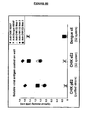
- the 3'NTR region started at position 11,314 and contained three repeat sequence elements (RSE) with predicted secondary structures ( Fig. 26 ) that were consistent with previous work [9].
- envelope protein E2 showed the highest variation, with 14 (3.3%) aa changes, higher than envelope protein E1 (0.68%) and the capsid protein (0.38%).
- the ratio of rates of evolution of synonymous and non-synonymous sites (Ks/Ka) between S27 and 05.115 isolates was 11.0 for the whole polyprotein, whereas it was only 6.12 for protein E2, probably indicative of a positive selection in favor of amino-acid changes in this immunogenic protein.
- Ks/Ka was 18.75 for the non-structural polyprotein.
- E1 The other unique aa observed in E1 from Indian Ocean isolates was Glu 284. This is a highly conserved position in E1, which displays an Asp in the majority of alphaviruses or an Asn in SIN (Table 2). This amino acid is located at the interface between E1 protomers at the surface of the virion, participating in contacts that make up the icosahedral E1 scaffold ( Fig. 1 ).
- Isolate 05.61 was initially selected for genome analysis because it was isolated in March 2005, at the onset of the outbreak, from a Reunion patient returning 1 turning from Comoros Island, where the outbreak had been going on since January 2005.
- the isolates 05.61 and 05.115 (which was the second earliest isolate analyzed), the African isolate S27 and previous unrelated chikungunya isolates from Africa and Asia were identical at all 14 polymorphic sites. Therefore, the consensus sequence of isolates 05.61 and 05.115 (consensus sequence 1) likely represents the ancestral genotype of the Reunion outbreak.
- a fifth consensus sequence was represented by the Seychelles isolate 05.209 alone, which exhibited four substitutions (two of them causing aa changes in nsP3 - S358P and in E2 - Q146R) compared to consensus sequence 1 ( Fig. 3 ).
- an Arg codon probably confers a selective advantage in-vitro, as observed for the closely related Semliki Forest virus [34].
- Chikungunya virus quasispecies situation in-vivo could also explain the nsP1-T301I polymorphism observed for the LCR isolate 06.27. Indeed, it is likely that selection for a subset of genotypes harboring this change may be associated with invasion of the LCR [33].
- the amino acid (aa) differences detected among the outbreak 1 isolates may relate to biological or pathogenic characteristics of the virus. Although our viral culture results are preliminary, they clearly show phenotypic differences between the unique isolate from CSF (06.27), isolated from a neonatal encephalopathy case, and three other isolates, associated with either the classical form of the disease or encephalopathy. The larger foci observed in culture with 06.27 could reflect a higher replication rate of the virus and be linked to the specific amino acid changes identified in nsP1, nsP2 and nsP3.
- nsP1 Single amino-acid changes in nsP1, including a Thr/ile change (residue 538 of Sindbis virus) [35,36] and a 18-nt deletion in nsP3 have previously been shown to affect neurovirulence in other alphaviruses [35-37].
- Thr/ile change reverse transcriptase 538 of Sindbis virus
- nsP3 a 18-nt deletion in nsP3
- I301T change observed in 06.27 isolate.
- all the viral sequences determined from either the serum or the isolates from three neonatal encephalopathy cases and an adult meningo-encephalitis case had E1-226 Val.
- this genotype is observed also in classical forms of the disease, a potential link of E1-226 Val with neuropathogenesis needs further studies.
- Host factors have to be considered in the occurrence of neurological forms of the disease. For example, the blood-brain crossing may be favoured by young age or hypertension.
- the TOPO/CHIK-21.pE2 (CNCM I-3587) plasmid containing the cDNA coding for the pE2 glycoprotein (E3+E2) from the CHIK 21 virus strain (Schuffenecker et al., Plos Med., 3:1058, 2006) was used as a template for the amplification by PCR of the ectodomain sequence of the E2 envelope glycoprotein ( Fig. 29 ).
- the ectodomain of gp-E2 (E2-1 to E2-364; 85% of E2) is strictly conserved among the CHIK-21, -27, 49 and 115 cell lines isolated in the Indian Ocean during the epidemic outbreak of 2005-06 (see Fig. 29 ).
- the soluble form of the sE2 corresponds to the gp-E2 ectodomain which is deleted at the carboxylic terminal of its transmembrane anchor region. It is of interest that the soluble form carries the main epitopes eliciting virus-neutralizing antibodies.
- the PCR primers are described in Figure 30 (SEQ ID NO:79 and 80): they allow the cloning of the sE2 sequence between the unique sites BglII and NotI of the pMT/BiP/V5-HisA vector (Invitrogen), on the one hand in a phase dependent on the BiP peptide signal at the N-terminal, and on the other hand in joining successive V5 (His)6 tags at its carboxylic terminal.
- Drosophila S2 cells were transfected with the recombinant plasmid pMT/BiP/CHIK-sE2 in the presence of the plasmid coding for the blasticidin resistance gene.
- the S2/CHIK-sE2 stable cell line was obtained by successive passages in presence of blasticidin.
- the cell line was selected for its capacity to promote efficient secretion of the CHIK- sE2 virus following the activation of the metallothioneine promoter.
- the S2/CHIK-sE2 cells in suspension were induced for the secretion of sE2 during 21 days in the presence of Cu 2+ .
- the cellular supernatant is filtered at 0.22 ⁇ M and concentrated for 16 hours on an affinity column of 5 ml HiTrap Chelating HP (Amersham Biosciences) with the help of a peristaltic pump.
- the CHIK sE2 protein is eluded from the affinity column in the presence of increasing concentrations of imidazole (50, 100 and 500 mM, pH 8).
- the CHIK sE2 protein is specifically eluded at a concentration of 500 mM imidazole (E 3 elution) from the E 3 7 fraction ( Fig. 31 ).
- the sE2 protein is detected as being highly purified in PAGESDS following Coomassie Blue coloration.
- the sE2 protein eluded in the E 3 9 fraction is specifically immunodetected by an ascite (HMAF) of a mouse hyperimmunized against the CHIK virus which was produced at the IMFH unit ( Fig. 32 ). No cross-reactivity was observed with the anti-dengue (DEN) or anti-West Nile (WN) HMAHF and the monoclonal antibody 9D12 anti-DEN E.
- HMAF ascite
- DEN anti-dengue
- WN anti-West Nile
- soluble DEN sE proteins (DEN-3 and DEN-4) and WN sE purified from the supernatants of the S2 cellular clones induced according to the protocol described hereinabove are used as control viral antigens for the specificity of anti-CHIK murine antibodies.
- Example 3 Construction of the TRIP vector expressing the soluble form of E2 (sE2) of the CHIK virus according to the present invention.
- the gene coding the CHIK sE2 protein has been optimised by the Genecust firm so as to provide a synthetic DNA with an enriched G+C content in comparison to the cDNA obtained from the viral genomic RNA.
- the G+C rich codons (amino acids E2-1 to E2-364, soluble gp-E2 ectodomain, sE2) were fused to the signal peptide sequence of the human calreticuline (ssCRT) MLLSVPLLLLGLLGLAA (SEQ ID NO: 77) for translocation of the viral protein into the secretion pathway.
- the enzyme restriction sites BamHi in 5' and XhoI in 3' have been added at their respective ends of the sequences coding for the fusion ssCRT+sE2 protein.
- the synthetic gene was cloned into the TRIP vector between the BamHI and XhoI sites under the transcription of the ieCMV promoter.
- the non-replicative and integrative TRIP/CHIK.sE2 plasmid thus produced was validated for the expression of the sE2 protein following transduction of 293 cells.
- the inventors have constructed a vector expressing the CHIK sE2.
- the original CHIK sE2 sequence cloned into the TRIP vector has been modified for improving expression in mammalian cells ( fig. 34 ).
- Figure 35 shows mammalian cells, such as the 293 cells, transduced with the TRIP-CHIK.sE2 vector.
- the expressed sE2 protein has been revealed by IF with anti-CHIK antibodies.
- Example 4 Production of recombinant protein sE2 and specific monoclonal antibodies.
- the inventors have generated the stable inducible S2/CHIK.sE2 cell line which releases the soluble form of the envelope E2-glycoprotein (sE2) from Reunion CHIK virus strains.
- the inventors have also generated a stable cell line 293A/CHIK.sE2 which was transducted by the recombinant lentiviral vector TRIP/CHIK.sE2.
- a synthetic sE2 gene that was modified for optimal codon usage in mammalian cells had to be used in order to obtain efficient expression of CHIK virus sE2 in human fibroblastic 293A cells.
- the TRIP/CHIK.sE2 vector is currently assessed for its capability to induce protective immunity in a murine model of experimental infection.
- Viral suspension mainly enriched in CHIK pE2 (E2 precursor or E3E2) was obtained by solubilizing CHIK virions grown in mosquito cells with Triton X-100.
- Adult mice were hyperimmunized with CHIK pE2 in the presence of adjuvant in order to generate hybridoma directed against CHIK structural proteins.
- Anti-CHIK E2 monoclonal antibodies produced by mouse hybridoma were characterized by ELISA assay on highly purified CHIK virion and Western blot on secreted sE2 from stable cell line S2/CHIK.sE2. ( Figs 50 , 51 and Table 9).
- Non-structural proteins Structural proteins Protein nsP 1 nsP 1 nsP 2 nsP 2 nsP 2 nsP 2 nsP 3 nsP 3 nsP 3 nsP 3 nsP 4 nsP 4 nsP 4 E2 E2 E2 E2 E2 6K E1 E1 E1 Polypeptide 301 488 589 909 117 132 155 167 169 179 180 193 211 236 47 48 63 70 71 75 103 107 109 position (a) 7 8 0 0 1 3 4 8 7 3 1 9 7 0 1 6 5 8 3 Protein 301 488 54 374 642 793 217 337 358 460 471 75 254 500 14 16 31 37 38 8 226 269 284 position (a) 6 4 2 5 6 05.115 T R N Y Y V H I S E S A A L Q T M T A I A V E (Genotype 1) 06.21 T R
- Table 9 List of biological assays performed to validate the reactivity of anti-CHIK E2 MAbs BIOLOGICAL ASSAYS ELISA on solubilized antigens from CHIK virions ELISA on purified CHIK virions (La Reunion IsI.) ELISA on purified CHIK virions (+ TX-100) ELISA on purified CHIK virions (+ NP-40) IF assay on CHIKV-infected VERO cells FACS analysis on cell surface of CHIKV-infected VERO cells Western blot on recombinant CHIK sE2 from S2 cells IF assay one stable TRIP/CHIK.sE2-transduced 293A cell clone Western blot on recombinant CHIK sE2 from TRIP/CHIK.sE2-transduced 293A cell clone
Landscapes
- Health & Medical Sciences (AREA)
- Life Sciences & Earth Sciences (AREA)
- Chemical & Material Sciences (AREA)
- Organic Chemistry (AREA)
- Virology (AREA)
- Engineering & Computer Science (AREA)
- Immunology (AREA)
- General Health & Medical Sciences (AREA)
- Medicinal Chemistry (AREA)
- Genetics & Genomics (AREA)
- Biochemistry (AREA)
- Molecular Biology (AREA)
- Biomedical Technology (AREA)
- Urology & Nephrology (AREA)
- Wood Science & Technology (AREA)
- Microbiology (AREA)
- Hematology (AREA)
- Biotechnology (AREA)
- Bioinformatics & Cheminformatics (AREA)
- Zoology (AREA)
- Biophysics (AREA)
- Proteomics, Peptides & Aminoacids (AREA)
- Pathology (AREA)
- Gastroenterology & Hepatology (AREA)
- General Engineering & Computer Science (AREA)
- Tropical Medicine & Parasitology (AREA)
- Food Science & Technology (AREA)
- Physics & Mathematics (AREA)
- Analytical Chemistry (AREA)
- Cell Biology (AREA)
- General Physics & Mathematics (AREA)
- Nuclear Medicine, Radiotherapy & Molecular Imaging (AREA)
- Veterinary Medicine (AREA)
- General Chemical & Material Sciences (AREA)
- Pharmacology & Pharmacy (AREA)
- Animal Behavior & Ethology (AREA)
- Chemical Kinetics & Catalysis (AREA)
- Oncology (AREA)
- Communicable Diseases (AREA)
- Public Health (AREA)
Priority Applications (3)
| Application Number | Priority Date | Filing Date | Title |
|---|---|---|---|
| PL07734896T PL2001900T3 (pl) | 2006-03-15 | 2007-03-15 | Nowe wyizolowane i oczyszczone szczepy wirusa Chikungunya i sekwencje polinukleotydów i polipeptydów oraz ich zastosowania diagnostyczne i immunogeniczne |
| EP20120153717 EP2460822A3 (en) | 2006-03-15 | 2007-03-15 | Novel isolated and purified strains of chikungunya virus and polynucleotides and polypeptides sequences, diagnostic and immunogenical uses thereof |
| SI200731678T SI2001900T1 (sl) | 2006-03-15 | 2007-03-15 | Novi izolirani in očiščeni sevi chikunguny-a virusa in polinukleotidi in polipeptidna zaporedja, diagnostika in imunogenska uporaba le-teh |
Applications Claiming Priority (3)
| Application Number | Priority Date | Filing Date | Title |
|---|---|---|---|
| CA002538898A CA2538898A1 (fr) | 2006-03-15 | 2006-03-15 | Nouvelles souches isolees et purifiees du virus chikungunya et sequences nucleotidiques et peptidiques, applications diagnostiques et immunogeniques |
| CA 2545597 CA2545597A1 (en) | 2006-03-15 | 2006-04-04 | Novel isolated and purified strains of chikungunya virus and polynucleotides and polypeptides sequences, diagnostic and immunogenical uses thereof |
| PCT/IB2007/001716 WO2007105111A2 (en) | 2006-03-15 | 2007-03-15 | Novel isolated and purified strains of chikungunya virus and polynucleotides and polypeptides sequences, diagnostic and immunogenical uses thereof |
Related Child Applications (1)
| Application Number | Title | Priority Date | Filing Date |
|---|---|---|---|
| EP20120153717 Division-Into EP2460822A3 (en) | 2006-03-15 | 2007-03-15 | Novel isolated and purified strains of chikungunya virus and polynucleotides and polypeptides sequences, diagnostic and immunogenical uses thereof |
Publications (2)
| Publication Number | Publication Date |
|---|---|
| EP2001900A2 EP2001900A2 (en) | 2008-12-17 |
| EP2001900B1 true EP2001900B1 (en) | 2015-04-29 |
Family
ID=38481184
Family Applications (2)
| Application Number | Title | Priority Date | Filing Date |
|---|---|---|---|
| EP07734896.9A Active EP2001900B1 (en) | 2006-03-15 | 2007-03-15 | Novel isolated and purified strains of chikungunya virus and polynucleotides and polypeptides sequences, diagnostic and immunogenical uses thereof |
| EP20120153717 Withdrawn EP2460822A3 (en) | 2006-03-15 | 2007-03-15 | Novel isolated and purified strains of chikungunya virus and polynucleotides and polypeptides sequences, diagnostic and immunogenical uses thereof |
Family Applications After (1)
| Application Number | Title | Priority Date | Filing Date |
|---|---|---|---|
| EP20120153717 Withdrawn EP2460822A3 (en) | 2006-03-15 | 2007-03-15 | Novel isolated and purified strains of chikungunya virus and polynucleotides and polypeptides sequences, diagnostic and immunogenical uses thereof |
Country Status (12)
| Country | Link |
|---|---|
| US (2) | US20100055105A1 (enExample) |
| EP (2) | EP2001900B1 (enExample) |
| JP (2) | JP5923232B2 (enExample) |
| AU (1) | AU2007226231B2 (enExample) |
| CA (2) | CA2545597A1 (enExample) |
| DK (1) | DK2001900T3 (enExample) |
| ES (1) | ES2543839T3 (enExample) |
| HU (1) | HUE025076T2 (enExample) |
| PL (1) | PL2001900T3 (enExample) |
| PT (1) | PT2001900E (enExample) |
| SI (1) | SI2001900T1 (enExample) |
| WO (1) | WO2007105111A2 (enExample) |
Cited By (1)
| Publication number | Priority date | Publication date | Assignee | Title |
|---|---|---|---|---|
| US11286295B2 (en) | 2016-10-20 | 2022-03-29 | Sanofi | Anti-CHIKV monoclonal antibodies directed against the E2 structural protein |
Families Citing this family (15)
| Publication number | Priority date | Publication date | Assignee | Title |
|---|---|---|---|---|
| CA2545597A1 (en) * | 2006-03-15 | 2007-09-15 | Institut Pasteur | Novel isolated and purified strains of chikungunya virus and polynucleotides and polypeptides sequences, diagnostic and immunogenical uses thereof |
| EP2073839B1 (en) * | 2006-09-01 | 2016-10-19 | Bharat Biotech International Limited | A vaccine for chikungunya virus infection |
| CA2598966A1 (en) * | 2007-09-07 | 2009-03-07 | Institut Pasteur | Anti-chikungunya monoclonal antibodies and uses thereof |
| FR2921064A1 (fr) * | 2007-09-14 | 2009-03-20 | Biomerieux Sa | Oligonucleotides, utilisation, methode de detection et kit permettant de diagnostiquer la presence du gene e1 du virus du chikungunya |
| JP5744719B2 (ja) * | 2008-04-04 | 2015-07-08 | ザ トラスティーズ オブ ザ ユニバーシティ オブ ペンシルバニア | チクングニヤウィルスタンパク質の共通配列、これをコードする核酸分子、並びにこれを使用する組成物および方法 |
| EP2808405B1 (en) | 2008-04-21 | 2018-06-06 | Gen-Probe Incorporated | Method for Detecting Chikungunya Virus |
| JP2012518431A (ja) * | 2009-02-25 | 2012-08-16 | ビッグテック プライベート リミテッド | チクングニア検出用のプローブおよびプライマー |
| CN103476788A (zh) * | 2010-12-10 | 2013-12-25 | 新加坡科技研究局 | 免疫原性屈曲病毒肽 |
| WO2012131580A1 (en) * | 2011-03-28 | 2012-10-04 | Scms, Institute Of Bioscience And Biotechnology Research And Development | Method of detecting chikungunya virus utilizing a recombinant el coat peptide antigen |
| EP2712871A1 (en) | 2012-09-27 | 2014-04-02 | Institut Pasteur | Recombinant Measles virus expressing Chikungunya virus polypeptides and their applications |
| US9701719B2 (en) | 2012-09-27 | 2017-07-11 | Research Development Foundation | Attenuated Chikungunya virus |
| US11104916B2 (en) | 2016-07-15 | 2021-08-31 | Etubics Corporation | Compositions and methods for alphavirus vaccination |
| KR102757369B1 (ko) * | 2017-09-21 | 2025-01-20 | 발네바 에스이 | 면역원성 치쿤구니야 바이러스 chikv-델타5nsp3을 포함하는 약제학적 조성물의 생산 방법 |
| WO2020069054A1 (en) * | 2018-09-27 | 2020-04-02 | Texas Tech University System | Stable cell line secreting chikungunya virus (chikv) virus like particles (vlp) for vaccines |
| PH12023550246A1 (en) * | 2020-07-31 | 2024-06-24 | Replicate Bioscience Inc | Modified chikungunya viruses and sindbis viruses and uses thereof |
Family Cites Families (3)
| Publication number | Priority date | Publication date | Assignee | Title |
|---|---|---|---|---|
| EP1922084A4 (en) * | 2005-08-11 | 2011-01-12 | Univ Texas | INFECTIOUS CLONING OF CHICUNGUNYA VIRUS AND ITS USE |
| CA2545597A1 (en) * | 2006-03-15 | 2007-09-15 | Institut Pasteur | Novel isolated and purified strains of chikungunya virus and polynucleotides and polypeptides sequences, diagnostic and immunogenical uses thereof |
| EP2073839B1 (en) * | 2006-09-01 | 2016-10-19 | Bharat Biotech International Limited | A vaccine for chikungunya virus infection |
-
2006
- 2006-04-04 CA CA 2545597 patent/CA2545597A1/en not_active Abandoned
-
2007
- 2007-03-15 ES ES07734896.9T patent/ES2543839T3/es active Active
- 2007-03-15 SI SI200731678T patent/SI2001900T1/sl unknown
- 2007-03-15 PL PL07734896T patent/PL2001900T3/pl unknown
- 2007-03-15 PT PT77348969T patent/PT2001900E/pt unknown
- 2007-03-15 JP JP2008558940A patent/JP5923232B2/ja active Active
- 2007-03-15 WO PCT/IB2007/001716 patent/WO2007105111A2/en not_active Ceased
- 2007-03-15 DK DK07734896.9T patent/DK2001900T3/en active
- 2007-03-15 HU HUE07734896A patent/HUE025076T2/en unknown
- 2007-03-15 US US12/225,111 patent/US20100055105A1/en not_active Abandoned
- 2007-03-15 EP EP07734896.9A patent/EP2001900B1/en active Active
- 2007-03-15 CA CA2646520A patent/CA2646520C/en active Active
- 2007-03-15 AU AU2007226231A patent/AU2007226231B2/en not_active Ceased
- 2007-03-15 EP EP20120153717 patent/EP2460822A3/en not_active Withdrawn
-
2012
- 2012-12-05 JP JP2012266306A patent/JP6104584B2/ja not_active Expired - Fee Related
-
2014
- 2014-07-18 US US14/335,065 patent/US9442114B2/en active Active
Non-Patent Citations (5)
| Title |
|---|
| BREHIN ET AL: "Production and characterization of mouse monoclonal antibodies reactive to Chikungunya envelope E2 glycoprotein", VIROLOGY, ELSEVIER, AMSTERDAM, NL, vol. 371, no. 1, 18 October 2007 (2007-10-18), pages 185 - 195, XP022417963, ISSN: 0042-6822, DOI: 10.1016/J.VIROL.2007.09.028 * |
| DATABASE BIOSIS [online] BIOSCIENCES INFORMATION SERVICE, PHILADELPHIA, PA, US; October 2004 (2004-10-01), PASTORINO B ET AL: "Epidemic resurgence of Chikungunya virus in democratic Republic of the Congo: Identification of a new central African strain", Database accession no. PREV200400462283 * |
| HASEBE F ET AL: "Combined detection and genotyping of Chikungunya virus by a specific reverse transcription-polymerase chain reaction", JOURNAL OF MEDICAL VIROLOGY, JOHN WILEY & SONS, INC, US LNKD- DOI:10.1002/JMV.10085, vol. 67, no. 3, 1 July 2002 (2002-07-01), pages 370 - 374, XP002470888, ISSN: 0146-6615 * |
| JOURNAL OF MEDICAL VIROLOGY, vol. 74, no. 2, October 2004 (2004-10-01), pages 277 - 282, ISSN: 0146-6615 * |
| PASTORINO B ET AL: "Epidemic resurgence of Chikungunya virus in democratic Republic of the Congo: Identification of a new central African strain", October 2004, JOURNAL OF MEDICAL VIROLOGY, VOL. 74, NR. 2, PAGE(S) 277-282, ISSN: 0146-6615 * |
Cited By (2)
| Publication number | Priority date | Publication date | Assignee | Title |
|---|---|---|---|---|
| US11286295B2 (en) | 2016-10-20 | 2022-03-29 | Sanofi | Anti-CHIKV monoclonal antibodies directed against the E2 structural protein |
| US12227560B2 (en) | 2016-10-20 | 2025-02-18 | Sanofi | Anti-CHIKV antibodies and uses thereof |
Also Published As
| Publication number | Publication date |
|---|---|
| JP2009529868A (ja) | 2009-08-27 |
| ES2543839T3 (es) | 2015-08-24 |
| PL2001900T3 (pl) | 2015-10-30 |
| AU2007226231A1 (en) | 2007-09-20 |
| US20100055105A1 (en) | 2010-03-04 |
| PT2001900E (pt) | 2015-09-15 |
| JP5923232B2 (ja) | 2016-05-24 |
| CA2646520A1 (en) | 2007-09-20 |
| WO2007105111A3 (en) | 2008-03-27 |
| JP2013126414A (ja) | 2013-06-27 |
| HUE025076T2 (en) | 2016-02-29 |
| SI2001900T1 (sl) | 2015-09-30 |
| EP2001900A2 (en) | 2008-12-17 |
| JP6104584B2 (ja) | 2017-03-29 |
| WO2007105111A2 (en) | 2007-09-20 |
| DK2001900T3 (en) | 2015-07-27 |
| EP2460822A2 (en) | 2012-06-06 |
| AU2007226231B2 (en) | 2013-07-11 |
| CA2646520C (en) | 2018-05-15 |
| US20150111197A1 (en) | 2015-04-23 |
| US9442114B2 (en) | 2016-09-13 |
| EP2460822A3 (en) | 2012-09-26 |
| CA2545597A1 (en) | 2007-09-15 |
Similar Documents
| Publication | Publication Date | Title |
|---|---|---|
| EP2001900B1 (en) | Novel isolated and purified strains of chikungunya virus and polynucleotides and polypeptides sequences, diagnostic and immunogenical uses thereof | |
| Schuffenecker et al. | Genome microevolution of chikungunya viruses causing the Indian Ocean outbreak | |
| Kofler et al. | Capsid protein C of tick-borne encephalitis virus tolerates large internal deletions and is a favorable target for attenuation of virulence | |
| Cecilia et al. | Nucleotide changes responsible for loss of neuroinvasiveness in Japanese encephalitis virus neutralization-resistant mutants | |
| AU700371B2 (en) | Hiv envelope polypeptides | |
| CA2584228C (en) | Vaccines against japanese encephalitis virus and west nile virus | |
| EP2197912B1 (en) | Anti-chikungunya monoclonal antibodies and uses thereof | |
| EP2959915A1 (en) | A dengue virus chimeric polyepitope composed of fragments of non-structural proteins and its use in an immunogenic composition against dengue virus infection | |
| AU778988B2 (en) | Nucleic acid vaccines for prevention of flavivirus infection | |
| WO2018217906A1 (en) | Methods and compositions for dengue virus serotype 4 epitopes | |
| Matsuyama et al. | Communication between S1N330 and a region in S2 of murine coronavirus spike protein is important for virus entry into cells expressing CEACAM1b receptor | |
| Hobman et al. | Analysis of rubella virus E1 glycosylation mutants expressed in COS cells | |
| CN113248608B (zh) | 一种基孔肯雅病毒e2蛋白兔单克隆抗体及其用途 | |
| CA2579507C (en) | Novel isolated and purified strains of chikungunya virus and polynucleotides and polypeptides sequences, diagnostic and immunogenical uses thereof | |
| Vlaycheva et al. | Neuroblastoma cell-adapted yellow fever virus: mutagenesis of the E protein locus involved in persistent infection and its effects on virus penetration and spread | |
| CN113248607B (zh) | 一种基孔肯雅病毒e2蛋白兔单克隆抗体及其在开发治疗性抗体中的用途 | |
| US20250002566A1 (en) | Polynucleotide, expression cassette, vector, host cell, polypeptide, pharmaceutical composition, use of a polypeptide, method for producing a polypeptide, and method for preventing or treating infections caused by flaviviruses | |
| US8735346B2 (en) | HCV-derived polypeptides and uses thereof | |
| Azarm | The Functional and Antigenic Diversity of the Henipavirus Glycoproteins | |
| Songsivilai et al. | Molecular cloning and expression of hepatitis C virus core protein and production of monoclonal antibodies to the recombinant protein | |
| Kim | Structural and Functional Insights into Alphavirus-host Interactions | |
| Stoian | CD163 receptor editing for resistance to porcine reproductive and respiratory syndrome virus (PRRSV) | |
| JPH0423991A (ja) | 流行性非a非b型肝炎ウイルス抗原ペプチドおよびこれをコードする核酸断片 | |
| MXPA99006629A (en) | Epitopes of the protein pre-m/m of the dengue virus, synthetic peptides |
Legal Events
| Date | Code | Title | Description |
|---|---|---|---|
| PUAI | Public reference made under article 153(3) epc to a published international application that has entered the european phase |
Free format text: ORIGINAL CODE: 0009012 |
|
| 17P | Request for examination filed |
Effective date: 20081014 |
|
| AK | Designated contracting states |
Kind code of ref document: A2 Designated state(s): AT BE BG CH CY CZ DE DK EE ES FI FR GB GR HU IE IS IT LI LT LU LV MC MT NL PL PT RO SE SI SK TR |
|
| 17Q | First examination report despatched |
Effective date: 20100204 |
|
| DAX | Request for extension of the european patent (deleted) | ||
| GRAP | Despatch of communication of intention to grant a patent |
Free format text: ORIGINAL CODE: EPIDOSNIGR1 |
|
| INTG | Intention to grant announced |
Effective date: 20140627 |
|
| GRAP | Despatch of communication of intention to grant a patent |
Free format text: ORIGINAL CODE: EPIDOSNIGR1 |
|
| INTG | Intention to grant announced |
Effective date: 20141127 |
|
| GRAS | Grant fee paid |
Free format text: ORIGINAL CODE: EPIDOSNIGR3 |
|
| GRAA | (expected) grant |
Free format text: ORIGINAL CODE: 0009210 |
|
| AK | Designated contracting states |
Kind code of ref document: B1 Designated state(s): AT BE BG CH CY CZ DE DK EE ES FI FR GB GR HU IE IS IT LI LT LU LV MC MT NL PL PT RO SE SI SK TR |
|
| REG | Reference to a national code |
Ref country code: GB Ref legal event code: FG4D |
|
| REG | Reference to a national code |
Ref country code: CH Ref legal event code: EP |
|
| REG | Reference to a national code |
Ref country code: AT Ref legal event code: REF Ref document number: 724397 Country of ref document: AT Kind code of ref document: T Effective date: 20150515 |
|
| REG | Reference to a national code |
Ref country code: IE Ref legal event code: FG4D |
|
| REG | Reference to a national code |
Ref country code: DE Ref legal event code: R096 Ref document number: 602007041246 Country of ref document: DE Effective date: 20150611 |
|
| REG | Reference to a national code |
Ref country code: RO Ref legal event code: EPE |
|
| REG | Reference to a national code |
Ref country code: DK Ref legal event code: T3 Effective date: 20150724 |
|
| REG | Reference to a national code |
Ref country code: NL Ref legal event code: T3 |
|
| REG | Reference to a national code |
Ref country code: SE Ref legal event code: TRGR |
|
| REG | Reference to a national code |
Ref country code: ES Ref legal event code: FG2A Ref document number: 2543839 Country of ref document: ES Kind code of ref document: T3 Effective date: 20150824 |
|
| REG | Reference to a national code |
Ref country code: PT Ref legal event code: SC4A Free format text: AVAILABILITY OF NATIONAL TRANSLATION Effective date: 20150727 |
|
| REG | Reference to a national code |
Ref country code: EE Ref legal event code: FG4A Ref document number: E010915 Country of ref document: EE Effective date: 20150806 |
|
| REG | Reference to a national code |
Ref country code: PL Ref legal event code: T3 |
|
| REG | Reference to a national code |
Ref country code: GR Ref legal event code: EP Ref document number: 20150401606 Country of ref document: GR Effective date: 20150929 |
|
| PG25 | Lapsed in a contracting state [announced via postgrant information from national office to epo] |
Ref country code: IS Free format text: LAPSE BECAUSE OF FAILURE TO SUBMIT A TRANSLATION OF THE DESCRIPTION OR TO PAY THE FEE WITHIN THE PRESCRIBED TIME-LIMIT Effective date: 20150829 |
|
| REG | Reference to a national code |
Ref country code: SK Ref legal event code: T3 Ref document number: E 19116 Country of ref document: SK |
|
| REG | Reference to a national code |
Ref country code: DE Ref legal event code: R097 Ref document number: 602007041246 Country of ref document: DE |
|
| REG | Reference to a national code |
Ref country code: HU Ref legal event code: AG4A Ref document number: E025076 Country of ref document: HU |
|
| PLBE | No opposition filed within time limit |
Free format text: ORIGINAL CODE: 0009261 |
|
| STAA | Information on the status of an ep patent application or granted ep patent |
Free format text: STATUS: NO OPPOSITION FILED WITHIN TIME LIMIT |
|
| REG | Reference to a national code |
Ref country code: FR Ref legal event code: PLFP Year of fee payment: 10 |
|
| 26N | No opposition filed |
Effective date: 20160201 |
|
| REG | Reference to a national code |
Ref country code: FR Ref legal event code: PLFP Year of fee payment: 11 |
|
| REG | Reference to a national code |
Ref country code: AT Ref legal event code: UEP Ref document number: 724397 Country of ref document: AT Kind code of ref document: T Effective date: 20150429 |
|
| REG | Reference to a national code |
Ref country code: FR Ref legal event code: PLFP Year of fee payment: 12 |
|
| PG25 | Lapsed in a contracting state [announced via postgrant information from national office to epo] |
Ref country code: CY Free format text: LAPSE BECAUSE OF FAILURE TO SUBMIT A TRANSLATION OF THE DESCRIPTION OR TO PAY THE FEE WITHIN THE PRESCRIBED TIME-LIMIT Effective date: 20150429 |
|
| PGFP | Annual fee paid to national office [announced via postgrant information from national office to epo] |
Ref country code: BG Payment date: 20180228 Year of fee payment: 12 Ref country code: GR Payment date: 20180221 Year of fee payment: 12 |
|
| PGFP | Annual fee paid to national office [announced via postgrant information from national office to epo] |
Ref country code: MT Payment date: 20180220 Year of fee payment: 12 |
|
| PG25 | Lapsed in a contracting state [announced via postgrant information from national office to epo] |
Ref country code: MC Free format text: LAPSE BECAUSE OF NON-PAYMENT OF DUE FEES Effective date: 20190401 |
|
| PG25 | Lapsed in a contracting state [announced via postgrant information from national office to epo] |
Ref country code: BG Free format text: LAPSE BECAUSE OF NON-PAYMENT OF DUE FEES Effective date: 20190930 |
|
| PG25 | Lapsed in a contracting state [announced via postgrant information from national office to epo] |
Ref country code: GR Free format text: LAPSE BECAUSE OF NON-PAYMENT OF DUE FEES Effective date: 20191007 |
|
| PG25 | Lapsed in a contracting state [announced via postgrant information from national office to epo] |
Ref country code: MT Free format text: LAPSE BECAUSE OF FAILURE TO SUBMIT A TRANSLATION OF THE DESCRIPTION OR TO PAY THE FEE WITHIN THE PRESCRIBED TIME-LIMIT Effective date: 20190315 |
|
| PGFP | Annual fee paid to national office [announced via postgrant information from national office to epo] |
Ref country code: RO Payment date: 20230301 Year of fee payment: 17 Ref country code: LT Payment date: 20230221 Year of fee payment: 17 Ref country code: FI Payment date: 20230220 Year of fee payment: 17 |
|
| PGFP | Annual fee paid to national office [announced via postgrant information from national office to epo] |
Ref country code: SI Payment date: 20230221 Year of fee payment: 17 Ref country code: LV Payment date: 20230222 Year of fee payment: 17 Ref country code: HU Payment date: 20230228 Year of fee payment: 17 Ref country code: EE Payment date: 20230221 Year of fee payment: 17 |
|
| PGFP | Annual fee paid to national office [announced via postgrant information from national office to epo] |
Ref country code: LU Payment date: 20240226 Year of fee payment: 18 |
|
| PGFP | Annual fee paid to national office [announced via postgrant information from national office to epo] |
Ref country code: NL Payment date: 20240226 Year of fee payment: 18 Ref country code: IE Payment date: 20240221 Year of fee payment: 18 |
|
| PGFP | Annual fee paid to national office [announced via postgrant information from national office to epo] |
Ref country code: AT Payment date: 20240222 Year of fee payment: 18 |
|
| PGFP | Annual fee paid to national office [announced via postgrant information from national office to epo] |
Ref country code: DE Payment date: 20240307 Year of fee payment: 18 Ref country code: CZ Payment date: 20240219 Year of fee payment: 18 Ref country code: PT Payment date: 20240220 Year of fee payment: 18 Ref country code: SK Payment date: 20240220 Year of fee payment: 18 Ref country code: GB Payment date: 20240325 Year of fee payment: 18 |
|
| PGFP | Annual fee paid to national office [announced via postgrant information from national office to epo] |
Ref country code: TR Payment date: 20240306 Year of fee payment: 18 Ref country code: SE Payment date: 20240319 Year of fee payment: 18 Ref country code: PL Payment date: 20240223 Year of fee payment: 18 Ref country code: IT Payment date: 20240311 Year of fee payment: 18 Ref country code: FR Payment date: 20240325 Year of fee payment: 18 Ref country code: DK Payment date: 20240227 Year of fee payment: 18 Ref country code: BE Payment date: 20240326 Year of fee payment: 18 |
|
| PGFP | Annual fee paid to national office [announced via postgrant information from national office to epo] |
Ref country code: CH Payment date: 20240402 Year of fee payment: 18 |
|
| PGFP | Annual fee paid to national office [announced via postgrant information from national office to epo] |
Ref country code: ES Payment date: 20240405 Year of fee payment: 18 |
|
| PG25 | Lapsed in a contracting state [announced via postgrant information from national office to epo] |
Ref country code: FI Free format text: LAPSE BECAUSE OF NON-PAYMENT OF DUE FEES Effective date: 20240315 |
|
| REG | Reference to a national code |
Ref country code: LT Ref legal event code: MM4D Effective date: 20240315 |
|
| REG | Reference to a national code |
Ref country code: EE Ref legal event code: MM4A Ref document number: E010915 Country of ref document: EE Effective date: 20240331 |
|
| PG25 | Lapsed in a contracting state [announced via postgrant information from national office to epo] |
Ref country code: LV Free format text: LAPSE BECAUSE OF NON-PAYMENT OF DUE FEES Effective date: 20240315 |
|
| PG25 | Lapsed in a contracting state [announced via postgrant information from national office to epo] |
Ref country code: RO Free format text: LAPSE BECAUSE OF NON-PAYMENT OF DUE FEES Effective date: 20240315 Ref country code: LV Free format text: LAPSE BECAUSE OF NON-PAYMENT OF DUE FEES Effective date: 20240315 Ref country code: FI Free format text: LAPSE BECAUSE OF NON-PAYMENT OF DUE FEES Effective date: 20240315 |
|
| PG25 | Lapsed in a contracting state [announced via postgrant information from national office to epo] |
Ref country code: HU Free format text: LAPSE BECAUSE OF NON-PAYMENT OF DUE FEES Effective date: 20240316 |
|
| PG25 | Lapsed in a contracting state [announced via postgrant information from national office to epo] |
Ref country code: HU Free format text: LAPSE BECAUSE OF NON-PAYMENT OF DUE FEES Effective date: 20240316 |
|
| PG25 | Lapsed in a contracting state [announced via postgrant information from national office to epo] |
Ref country code: LT Free format text: LAPSE BECAUSE OF NON-PAYMENT OF DUE FEES Effective date: 20240315 |
|
| PG25 | Lapsed in a contracting state [announced via postgrant information from national office to epo] |
Ref country code: EE Free format text: LAPSE BECAUSE OF NON-PAYMENT OF DUE FEES Effective date: 20240331 |
|
| PG25 | Lapsed in a contracting state [announced via postgrant information from national office to epo] |
Ref country code: LT Free format text: LAPSE BECAUSE OF NON-PAYMENT OF DUE FEES Effective date: 20240315 Ref country code: EE Free format text: LAPSE BECAUSE OF NON-PAYMENT OF DUE FEES Effective date: 20240331 |
|
| REG | Reference to a national code |
Ref country code: SI Ref legal event code: KO00 Effective date: 20240316 |
|
| REG | Reference to a national code |
Ref country code: DE Ref legal event code: R119 Ref document number: 602007041246 Country of ref document: DE |
|
| PG25 | Lapsed in a contracting state [announced via postgrant information from national office to epo] |
Ref country code: PT Free format text: LAPSE BECAUSE OF NON-PAYMENT OF DUE FEES Effective date: 20250915 |
|
| PG25 | Lapsed in a contracting state [announced via postgrant information from national office to epo] |
Ref country code: CZ Free format text: LAPSE BECAUSE OF NON-PAYMENT OF DUE FEES Effective date: 20250315 |
|
| REG | Reference to a national code |
Ref country code: CH Ref legal event code: H13 Free format text: ST27 STATUS EVENT CODE: U-0-0-H10-H13 (AS PROVIDED BY THE NATIONAL OFFICE) Effective date: 20251023 |
|
| REG | Reference to a national code |
Ref country code: DK Ref legal event code: EBP Effective date: 20250331 |
|
| REG | Reference to a national code |
Ref country code: SE Ref legal event code: EUG |
|
| REG | Reference to a national code |
Ref country code: SK Ref legal event code: MM4A Ref document number: E 19116 Country of ref document: SK Effective date: 20250315 |
|
| REG | Reference to a national code |
Ref country code: NL Ref legal event code: MM Effective date: 20250401 |
|
| REG | Reference to a national code |
Ref country code: AT Ref legal event code: MM01 Ref document number: 724397 Country of ref document: AT Kind code of ref document: T Effective date: 20250315 |
|
| PG25 | Lapsed in a contracting state [announced via postgrant information from national office to epo] |
Ref country code: LU Free format text: LAPSE BECAUSE OF NON-PAYMENT OF DUE FEES Effective date: 20250315 |
|
| GBPC | Gb: european patent ceased through non-payment of renewal fee |
Effective date: 20250315 |
|
| REG | Reference to a national code |
Ref country code: BE Ref legal event code: MM Effective date: 20250331 |
|
| PG25 | Lapsed in a contracting state [announced via postgrant information from national office to epo] |
Ref country code: NL Free format text: LAPSE BECAUSE OF NON-PAYMENT OF DUE FEES Effective date: 20250401 |
|
| PG25 | Lapsed in a contracting state [announced via postgrant information from national office to epo] |
Ref country code: DE Free format text: LAPSE BECAUSE OF NON-PAYMENT OF DUE FEES Effective date: 20251001 |