EP1999153B1 - Agonist antibodies against tshr - Google Patents
Agonist antibodies against tshr Download PDFInfo
- Publication number
- EP1999153B1 EP1999153B1 EP07732193.3A EP07732193A EP1999153B1 EP 1999153 B1 EP1999153 B1 EP 1999153B1 EP 07732193 A EP07732193 A EP 07732193A EP 1999153 B1 EP1999153 B1 EP 1999153B1
- Authority
- EP
- European Patent Office
- Prior art keywords
- antibodies
- antibody
- tshr
- igg
- amino acid
- Prior art date
- Legal status (The legal status is an assumption and is not a legal conclusion. Google has not performed a legal analysis and makes no representation as to the accuracy of the status listed.)
- Active
Links
Images










Classifications
-
- C—CHEMISTRY; METALLURGY
- C07—ORGANIC CHEMISTRY
- C07K—PEPTIDES
- C07K16/00—Immunoglobulins [IGs], e.g. monoclonal or polyclonal antibodies
- C07K16/18—Immunoglobulins [IGs], e.g. monoclonal or polyclonal antibodies against material from animals or humans
- C07K16/28—Immunoglobulins [IGs], e.g. monoclonal or polyclonal antibodies against material from animals or humans against receptors, cell surface antigens or cell surface determinants
- C07K16/2869—Immunoglobulins [IGs], e.g. monoclonal or polyclonal antibodies against material from animals or humans against receptors, cell surface antigens or cell surface determinants against hormone receptors
-
- A—HUMAN NECESSITIES
- A61—MEDICAL OR VETERINARY SCIENCE; HYGIENE
- A61P—SPECIFIC THERAPEUTIC ACTIVITY OF CHEMICAL COMPOUNDS OR MEDICINAL PREPARATIONS
- A61P35/00—Antineoplastic agents
-
- G—PHYSICS
- G01—MEASURING; TESTING
- G01N—INVESTIGATING OR ANALYSING MATERIALS BY DETERMINING THEIR CHEMICAL OR PHYSICAL PROPERTIES
- G01N33/00—Investigating or analysing materials by specific methods not covered by groups G01N1/00 - G01N31/00
- G01N33/48—Biological material, e.g. blood, urine; Haemocytometers
- G01N33/50—Chemical analysis of biological material, e.g. blood, urine; Testing involving biospecific ligand binding methods; Immunological testing
- G01N33/53—Immunoassay; Biospecific binding assay; Materials therefor
- G01N33/574—Immunoassay; Biospecific binding assay; Materials therefor for cancer
- G01N33/57484—Immunoassay; Biospecific binding assay; Materials therefor for cancer involving compounds serving as markers for tumor, cancer, neoplasia, e.g. cellular determinants, receptors, heat shock/stress proteins, A-protein, oligosaccharides, metabolites
-
- A—HUMAN NECESSITIES
- A61—MEDICAL OR VETERINARY SCIENCE; HYGIENE
- A61K—PREPARATIONS FOR MEDICAL, DENTAL OR TOILETRY PURPOSES
- A61K39/00—Medicinal preparations containing antigens or antibodies
- A61K2039/505—Medicinal preparations containing antigens or antibodies comprising antibodies
-
- C—CHEMISTRY; METALLURGY
- C07—ORGANIC CHEMISTRY
- C07K—PEPTIDES
- C07K2317/00—Immunoglobulins specific features
- C07K2317/50—Immunoglobulins specific features characterized by immunoglobulin fragments
- C07K2317/55—Fab or Fab'
-
- C—CHEMISTRY; METALLURGY
- C07—ORGANIC CHEMISTRY
- C07K—PEPTIDES
- C07K2317/00—Immunoglobulins specific features
- C07K2317/70—Immunoglobulins specific features characterized by effect upon binding to a cell or to an antigen
- C07K2317/75—Agonist effect on antigen
-
- C—CHEMISTRY; METALLURGY
- C07—ORGANIC CHEMISTRY
- C07K—PEPTIDES
- C07K2317/00—Immunoglobulins specific features
- C07K2317/70—Immunoglobulins specific features characterized by effect upon binding to a cell or to an antigen
- C07K2317/76—Antagonist effect on antigen, e.g. neutralization or inhibition of binding
-
- C—CHEMISTRY; METALLURGY
- C07—ORGANIC CHEMISTRY
- C07K—PEPTIDES
- C07K2317/00—Immunoglobulins specific features
- C07K2317/90—Immunoglobulins specific features characterized by (pharmaco)kinetic aspects or by stability of the immunoglobulin
- C07K2317/92—Affinity (KD), association rate (Ka), dissociation rate (Kd) or EC50 value
-
- G—PHYSICS
- G01—MEASURING; TESTING
- G01N—INVESTIGATING OR ANALYSING MATERIALS BY DETERMINING THEIR CHEMICAL OR PHYSICAL PROPERTIES
- G01N2333/00—Assays involving biological materials from specific organisms or of a specific nature
- G01N2333/435—Assays involving biological materials from specific organisms or of a specific nature from animals; from humans
- G01N2333/575—Hormones
- G01N2333/59—Follicle-stimulating hormone [FSH]; Chorionic gonadotropins, e.g. HCG; Luteinising hormone [LH]; Thyroid-stimulating hormone [TSH]
Definitions
- the invention relates to antibodies, particularly human antibodies that bind to and agonise the thyroid stimulating hormone receptor (TSHR) in humans, and their uses in diagnostic and therapeutic roles.
- TSHR thyroid stimulating hormone receptor
- the thyroid gland is, as is well known, one site of metabolic control within the body. Cancer of the thyroid gland is not particularly common, but the high rate of disease re-occurrence necessitates long term surveillance. Usually, during treatment for cancer of the thyroid, the majority of the thyroid tumor is removed, but a small amount often remains that must be treated by radiotherapy. Following surgery, it is necessary to treat the patient with thyroid hormone, as the patient will no longer produce this.
- One role of the thyroid gland is to take up iodine from the body. Hence, it should be possible to treat any remaining tumor cells with radioactive iodine. Unfortunately, though, thyroid cancer cells do not take up iodine well.
- the patient in order for the radioactive iodine to work, the patient has to either be treated with recombinant TSH or have thyroid hormone treatment withdrawn in order to elevate natural TSH levels, to stimulate iodine uptake.
- thyroid hormone treatment withdrawn in order to elevate natural TSH levels, to stimulate iodine uptake.
- a significant proportion of the treated patients fail to respond to recombinant TSH after some time.
- recombinant TSH is very expensive and not all patients may be offered this treatment. Withdrawal of thyroid hormone has quite unpleasant side effects for the patient, particularly fatigue, muscle cramps, puffiness and constipation. It would be beneficial if a new cheaper treatment could be found that stimulated iodine uptake, without causing such unpleasant side effects.
- Graves' disease is a common antibody-mediated disorder in which the primary target antigen has been identified as the thyroid follicular cell surface receptor for thyroid stimulating hormone (TSHR).
- TSHR thyroid stimulating hormone
- One group of anti-TSHR antibodies behave as agonists, mimicking the action of the natural ligand, TSH, on the receptor and are known as thyroid stimulating antibodies (TSAbs).
- the TSAbs hyperstimulate the thyroid follicular cells to secrete thyroxine resulting in hyperthyroidism.
- Another group of anti-TSHR antibodies may act as antagonists of TSH binding to the receptor which may occasionally lead to hypothyroidism.
- Neutral class antibodies to the TSHR that have neither agonist nor antagonist activity have also been described, although their role in disease remains to be clarified.
- the TSHR belongs to the family of G protein coupled receptors (GPCRs) with a large extracellular domain, a seven transmembrane (TM) region and a short cytoplasmic tail.
- GPCRs G protein coupled receptors
- the TM region of the GPCRs is responsible for the transmission of the activating signal by regulating small secondary messengers such as cAMP, diacylglycerol and inositolphosphate (IP3).
- cAMP cAMP
- IP3 inositolphosphate
- the TSHR is unique among the large family of GPCRs in undergoing complex post-translational modifications such as cleavage into two disulphide-linked subunits, known as the A-subunit and the B-subunit.
- the A-subunit of 53kD, corresponding to the ectodomain of TSHR is of special interest as it preferentially binds TSAbs and it has been proposed that the resulting, cleaved fragment released into the bloodstream may be the primary stimulus for provoking autoimmunity in susceptible individuals.
- TSAbs as monoclonal antibodies (mabs) has been a long sought goal, but has proved to be extraordinarily difficult to achieve.
- the establishment of experimental animal models of hyperthyroid Graves' disease has led to the development of IgG mabs with limited TSAb activity.
- a human IgG mab to TSHR developed from a patient with Graves' disease, was described with powerful thyroid activity in the nanogram range.
- the human mab acted as a full agonist by activating the TSHR to maximal stimulation equivalent to that achieved with sub-saturating concentrations of TSH.
- a murine mab developed from an experimental model, with similar efficacy, which behaves as a full agonist for the TSHR has also been described.
- the mab was pathogenic in antibody transfer experiments in vivo and reportedly led to a lymphocytic infiltrate of the thyroid gland.
- the determinants on the receptor for the full agonist and other stimulatory and blocking murine mabs are dependent on the conformational, three dimensional folding of the ectodomain, residing in a region rich in leucine repeats within the horseshoe structure.
- the inventors have surprisingly developed two antibodies that have an extraordinarily high affinity for TSHR and consequently powerfully stimulate TSHR.
- the two mabs show full agonist activity to the TSHR, but also show subtle differences in their behavior at low concentrations of IgG in terms of antagonistic activity for the TSHR.
- the mabs are pathogenic in vivo when transferred into mice whereby a single injection of microgram quantities of IgG induces rapid hypersecretion of thyroxine leading to sustained hyperthyroidism with considerable morphological changes, but with minimal mononuclear cell infiltrate in the thyroid glands.
- an antibody that binds to human TSHR with high affinity and specificity.
- antibody is well known in the art. Herein it means an immunoglobulin or any functional fragment thereof. It encompasses any polypeptide that has an antigen-binding site. It includes but is not limited to monoclonal, polyclonal, monospecific, polyspecific, non-specific, humanized, human, single-chain, chimeric, synthetic, recombinant, hybrid, mutated, grafted, and in vitro generated antibodies.
- antibody encompasses antibody fragments such as Fab, F (ab') 2, Fv, scFv, Fd, dAb, and any other antibody fragments that retain antigen-binding function. Typically, such fragments would comprise an antigen-binding domain.
- the term “antibody” means a whole antibody molecule, namely two heavy chains, each with one variable region and three constant regions, and two light chains, each with one variable region and one constant region.
- Intact antibodies are also known as immunoglobulins (Ig). As indicated above, intact antibodies comprise light chains and heavy chains. Light chains are classified into two isotypes, and heavy chains are classified into five isotypes (A, D, E, G, and M). Some heavy chain isotypes are further divided into isotype subclasses, e. g., IgG1, IgG2, IgG3, and IgG4. It is particularly preferred that the antibodies of the invention are IgG antibodies. In particular, IgG2b and IgG2a antibodies are preferred.
- the domain and three dimensional structures of different antibodies are known in the art.
- the light chain is composed of a constant domain (C) and an N-terminal variable domain (V).
- the heavy chain is composed of three or four constant domains (C H ), a hinge region, and a N-terminal variable domain (V H ).
- the C H adjacent to the V H domain is designated C H1 .
- the V H and V L domains contain four regions of conserved sequence called framework (FR) regions (FR1, FR2, FR3, and FR4), which form a scaffold for three regions of hypervariable sequence called complementarity determining regions (CDR).
- the CDRs (CDR1, CDR2, and CDR3) contain most of the antibody amino acids that specifically binds antigen.
- Heavy chain CDRs are denoted H1, H2, and H3, while light chain CDRs are denoted L1, L2, and L3.
- the term CDR is well known in the art. One skilled in the art would be able to recognise CDRs in an antibody or fragment by using Kabat numbering and the amino acids found either side of the CDRs.
- the Fab fragment (Fragment antigen-binding) consists of V H , C H 1, V L and -C L domains covalently linked by a disulfide bond between the constant regions.
- the Fv fragment is smaller and consists of V H and V L domains non-covalently linked.
- a single chain Fv fragment (scFv) can be constructed.
- the scFv contains a flexible polypeptide that links the C-terminus of V H to the N-terminus of V L , or the C-terminus of V L to the N-terminus of V H .
- a 15-mer (Gly 4 Ser) 3 peptide may be used as a linker, but other linkers are well known.
- the antibodies of the invention are able to bind to the human Thyroid Stimulating Hormone Receptor (TSHR).
- TSHR human Thyroid Stimulating Hormone Receptor
- the antibodies also preferably cross react with the mouse TSHR. Further they are able to agonise that receptor, that is to stimulate the production of thyroid hormone. It is possible to screen for these functions using techniques well known in the art.
- a functional fragment is an antibody fragment that is still able to bind TSHR. Further, a functional fragment is able to agonise TSHR.
- antigen-binding site means the part of an antibody that specifically binds antigen.
- the part of the antigen that is recognised and bound by the antibody is referred to as the "epitope".
- An antigen-binding domain usually comprises variable regions from both the light chain (V L ) and the heavy chain (V H ), but it does not have to comprise both.
- Antigen-binding fragments include Fab fragments (monovalent fragments consisting of the V L , V H , C L and CH 1 domains); F(ab') 2 fragments (bivalent fragments comprising two Fab fragments linked by a disulfide bridge at the hinge region); Fd fragments (the two V H and C H1 domains); Fv fragments (V L or V H domains, dAb fragments ( Ward et al., (1989) Nature 341: 544-546 ), one or more complementarity determining regions (CDR); and single chain Fvs.
- the various antibody fragments can be obtained using conventional techniques known to those with skill in the art. It is possible to screen for the functionality of the fragments, e.g. binding and agonising a receptor using techniques known in the art.
- the antibodies according to the invention are preferably chimeric, humanised (CDR grafted or reshaped).
- chimeric refers to antibodies in which the whole of the variable regions of a mouse or rat antibody are expressed along with human constant regions. This provides the antibody with human effector functions and also reduces immunogenicity (HAMA) caused by the murine Fc region.
- HAMA immunogenicity
- Humanised antibodies also called CDR grafted or reshaped antibodies
- CDR grafted or reshaped antibodies are an alternative to chimeric antibodies in which only the complimentarity determining regions from the rodent antibody V-regions are combined with framework regions from human V-regions. The idea is that these antibodies should be more human-like than chimeric and thus perhaps less immunogenic than chimeric antibodies.
- Transgenic mice have been created which have a repertoire of human immunoglobulin germline gene segments. These mice when immunised thus make human like antibodies. B cells from such immunised mice may be used in the production of monoclonal antibodies.
- the antibodies and nucleic acids of the invention are preferably isolated.
- isolated refers to a molecule that is substantially free of its natural environment.
- an isolated protein is substantially free of cellular material or other proteins from the cell or tissue source from which it was derived.
- the term also refers to preparations where the isolated protein is sufficiently pure for pharmaceutical compositions; or at least 70-80% (w/w) pure; or at least 80-90% (w/w) pure; or at least 90-95% pure; or at least 95%, 96%, 97%, 98%, 99%, or 100% (w/w) pure.
- substantially homologous means that the relevant amino acid or nucleotide sequence (e. g. , CDR (s), V H or V L domain) will be identical to or have minor differences to the specifically defined sequences. Minor differences include minor amino acid changes, such as 1 or 2 substitutions in a 5 amino acid sequence of a specified region.
- the second antibody has the same specificity and has at least 50% of the affinity of the same.
- sequences substantially identical or homologous e. g. , at least about 85% sequence identity
- sequence identity can be about 90%, 91%, 92%, 93%, 94%, 95%, 96%, 97%, 98% or 99% or higher.
- substantial homology preferably means at least 90%, 91%, 92%, 93%, 94%, 95%, 96%, 97%, 98%, 99% homology.
- homology may be at least 85%, 87%, 90%, 91%, 92%, 93%, 94%, 95%, 96%, 97%, 98% or 99%.
- Sequences including constant regions may have less homology, for example, 75%, 80%, 85%, 87%, 90%, 91 %, 92%, 93%, 94%, 95%, 96%, 97%, 98% or 99% or higher.
- Substantially identical or homologous sequences also include nucleic acid sequences that will hybridize under selective hybridization conditions (e. g., highly stringent hybridization conditions), to the complement of the specifically defined strand.
- the percent identity can be determined by standard alignment algorithms, for example, the Basic Local Alignment Tool (BLAST) described by Altshul et al.( (1990) J. Mol. Biol., 215: 403-410 ); the algorithm of Needleman et al.( (1970) J. Mol. Biol., 48: 444-453 ); or the algorithm of Meyers et al.((1988) Comput. Appl. Biosci. , 4: 11-17 ).
- the percent identity between two amino acid or nucleotide sequences can also be determined using the algorithm of E. Meyers and W. Miller ((1989) CABIOS, 4: 11-17 ) which has been incorporated into the ALIGN program (version 2.0). This would be known by those skilled in the art.
- stringent describes conditions for hybridization and washing. Stringent conditions are known to those skilled in the art and can be found in Current Protocols in Molecular Biology, John Wiley & Sons, N. Y. (1989), 6.3. 1-6.3. 6 .
- Antibodies can be made by any method known in the art. A preferred method is using traditional hybridoma techniques ( Kohler and Milstein (1975) Nature, 256: 495-499 ). For additional antibody production techniques, see Antibodies: A Laboratory Manual, eds. Harlow et al., Cold Spring Harbor Laboratory, 1988 . No limitation is placed on the present invention as to method of production or source of antibody.
- the invention provides antibodies that bind to TSHR as defined by the appended claims. It is further envisaged that one skilled in the art could create more antibodies by altering the V H and/or V L sequence(s) provided. Such antibodies may be derived by a skilled person using techniques known in the art and are also encompassed by the invention. For example, modifications such as amino acid substitutions, deletions, or additions can be introduced into any part of the antibody, providing functionality remains. Changes may be introduced into the framework regions, especially to, for example improve the stability of the antibody. Changes may also be introduced into the CDRs to alter the antibody's affinity for the TSHR. The affinity of an antibody for the TSHR may be tested using standard techniques known in the art.
- V H and V L sequences are envisaged in particular. Such changes will produce molecules having functional and chemical characteristics similar to those of the antibodies from which the modifications are made. Conservative modifications are modifications unlikely to dramatically change the shape or function of the antibody, such as replacing one amino acid with another amino acid that has similar characteristics, e.g. replacing a hydrophobic amino acid with another hydrophobic amino acid.
- natural amino acids may be used, as may non-naturally occurring amino acids that have been created by, for example, chemical synthesis.
- the antibodies according to the invention may be linked to other molecules.
- antibodies may be linked to a protein or to a nonproteinaceous polymer such as polyethylene glycol, polypropylene glycol, and polyoxyalkylenes.
- Linking antibodies to such molecules is well known in the art and may be carried out by standard methods. Linking antibodies to such molecules can have an effect on certain characteristics of the antibodies, for example half life in blood.
- antibodies include detectable or functional tags or labels, such as enzymatic labels, e.g. horseradish peroxidase or alkaline phosphatase, radiolabels and chemical moieties e.g. biotin.
- detectable or functional tags or labels such as enzymatic labels, e.g. horseradish peroxidase or alkaline phosphatase, radiolabels and chemical moieties e.g. biotin.
- the antibodies may also be linked to toxic agents such as toxins, cytostatic or cytotoxic molecules and radioisotopes. Alternatively, the antibodies may be linked to other antibodies.
- the antibodies are linked to radioactive iodine.
- Linking such molecules to antibodies is well known in the art and may be achieved by standard techniques, for example by covalent attachment.
- the invention also provides isolated nucleic acids encoding antibodies according to the invention.
- the nucleic acids may comprise DNA or RNA, and they may be synthetic (completely or partially) or recombinant (completely or partially).
- nucleotide sequences provided and references thereto encompass DNA molecules with the specified sequence, and encompass RNA molecules with the specified sequence in which U is substituted for T.
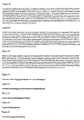
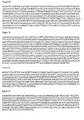
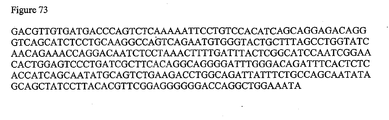
- nucleic acid encoding an antibody, comprising a nucleotide sequence having at least 85% homology to a heavy chain sequence selected from the sequences shown in figures:
- sequences are preferably at least 90%, 91%, 92%, 93%, 94%, 95%, 96%, 97%, 98%, 99% homologous to the sequences provided.
- the invention also provides vectors which comprise at least one nucleic acid according to the invention.
- an antibody comprising culturing host cells under appropriate conditions so they express the antibody from the nucleic acid.
- any desired fragment or antibody may be isolated and/or purified using any suitable technique, then used as appropriate.
- Suitable host cells include mammalian cells, insect cells, plant cells, yeast cells, or prokaryotic cells, e.g., E coli.
- Mammalian cells available in the art for heterologous polypeptide expression include lymphocytic cell lines (e. g. , NSO), HEK293 cells, Chinese. hamster ovary (CHO) cells, COS cells, HeLa cells, baby hamster kidney cells, oocyte cells.
- the antibodies of the invention are monoclonal antibodies.
- Monoclonal antibodies may be produced by standard methods, as first described by Kohler and Milstein.
- the antibodies may be produced using a hybridoma.
- a hybridoma There is provided a first hybridoma having ECACC accession number 06032901. Also provided is a second hybridoma having ECACC accession number 06032902.
- an antibody comprising culturing a hybridoma according to the invention under conditions that allow expression of the antibody and isolating the antibody from the culture.
- a hybridoma is a cell created artificially by fusion of a tumour cell with a B-lymphocyte. Such cells are produced in the standard method of producing monoclonal antibodies, as first described by Kohler and Milstein.
- the antibodies of the invention have multiple uses. Firstly, they may be used to further the studies into TSHR and Graves' disease.
- the antibodies also have therapeutic and diagnostic uses.
- the antibodies may be used to target cancer cells, especially thyroid tumor cells and metastases of thyroid tumors.
- the antibodies may be used to deliver radioactive compounds such as radioactive iodine to the tumor cells ("magic bullets") or to stimulate the tumor cells to take up radioactive iodine for both diagnostic and therapeutic purposes.
- radioactive iodine such as radioactive iodine
- they are killed. They can also be identified by scanning for radioactivity using either the magic bullet approach or the radioactive iodine uptake procedure.
- composition comprising an antibody according to the invention.
- composition is suitable for administration to patients.
- it may comprise one or more appropriate pharmaceutical excipient(s) such as solvents, dispersion media, coatings, antibacterial and antifungal agents, isotonic and absorption delaying agents.
- suitable pharmaceutical excipient(s) such as solvents, dispersion media, coatings, antibacterial and antifungal agents, isotonic and absorption delaying agents.
- suitable pharmaceutical excipients such as solvents, dispersion media, coatings, antibacterial and antifungal agents, isotonic and absorption delaying agents.
- Other active compounds may also be included.
- the pharmaceutical compositions may also be included in a container, pack, or dispenser together with instructions for administration.
- a pharmaceutical composition of the invention is formulated to be compatible with its intended route of administration. Methods to accomplish the administration are known to those of ordinary skill in the art. It may be possible to create compositions which may be topically or orally administered, or which may be capable of transmission across mucous membranes. For example, the administration may be intravenous, intraperitoneal, intramuscular, intracavity, subcutaneous, or transdermal.
- Solutions or suspensions used for intradermal or subcutaneous application typically include at least one of the following components: a sterile diluent such as water, saline solution, fixed oils, polyethylene glycol, glycerine, propylene glycol, or other synthetic solvent; antibacterial agents such as benzyl alcohol or methyl parabens; antioxidants such as ascorbic acid or sodium bisulfite ; chelating agents such asethylenediaminetetraacetic acid (EDTA); buffers such as acetate, citrate, or phosphate; and tonicity agents such as sodium chloride or dextrose.
- the pH can be adjusted with acids or bases.
- Such preparations may be enclosed in ampoules, disposable syringes, or multiple dose vials.
- Solutions or suspensions used for intravenous administration include a carrier such as physiological saline, bacteriostatic water, CremophorELT"" (BASF, Parsippany, NJ), ethanol, or polyol.
- a carrier such as physiological saline, bacteriostatic water, CremophorELT"" (BASF, Parsippany, NJ), ethanol, or polyol.
- the composition must be sterile and fluid for easy syringability. Proper fluidity can often be obtained using lecithin or surfactants.
- the composition must also be stable under the conditions of manufacture and storage. Prevention of microorganisms can be achieved with antibacterial and antifungal agents, e. g. , parabens, chlorobutanol, phenol, ascorbic acid, thimerosal, etc.
- isotonic agents sucrose
- polyalcohols mannitol and sorbitol
- sodium chloride may be included in the composition.
- Prolonged absorption of the composition can be accomplished by adding an agent which delays absorption, e. g. , aluminium monostearate and gelatin.
- Oral compositions include an inert diluent or edible carrier.
- the composition can be enclosed in gelatin or compressed into tablets.
- the antibodies can be incorporated with excipients and prepared as tablets or capsules, for example.
- the oral composition may also contain, for example, a binder, an excipient, a lubricant and flavourings.
- compositions may also be administered by a transmucosal or transdermal route.
- antibodies that comprise a Fc portion may be capable of crossing mucous membranes in the intestine, mouth, or lungs (via Fc receptors).
- Transmucosal administration can be accomplished through the use of lozenges, nasal sprays, inhalers, or suppositories.
- Transdermal administration can also be accomplished through the use of composition containing ointments, salves, gels, or creams known in the art.
- penetrants appropriate to the barrier to be permeated are used.
- antibodies are delivered in an aerosol spray from a pressured container or dispenser, which contains a propellant (e. g., liquid or gas) or a nebulizer.
- a propellant e. g., liquid or gas
- a nebulizer e.g., nebulizer
- antibodies of this invention are prepared with carriers to protect the antibodies against rapid elimination from the body.
- Biodegradable polymers e. g., ethylene vinyl acetate, polyanhydrides, polyglycolic acid, collagen, polyorthoesters, polylactic acid
- ethylene vinyl acetate, polyanhydrides, polyglycolic acid, collagen, polyorthoesters, polylactic acid are often used.
- Antibodies or compositions according to the invention may be administered in therapeutically effective amounts, as determined, based on, for example, the patient's weight, gender, age and medical condition.
- the antibodies or compositions may be administered in a single dose, as a bolus or as continuous therapy.
- the term "effective amount” refers to a dosage or amount that is sufficient to stimulate TSHR activity to produce thyroid hormone or to stimulate the uptake of iodine.
- subject and “patient” are intended to include human and non-human animals.
- Subjects may include a human patient having a thyroid cancer or a metastasis of thyroid cancer.
- non-human animals of the invention includes all vertebrates, such as non-human primates, sheep, dogs, cows, chickens, amphibians, reptiles, etc.
- the invention provides the use of an antibody according to the invention, in the preparation of a medicament for the diagnosis or treatment of cancer.
- cancer refers especially to cancers of the thyroid gland and to metastases of such cancers.
- Antibodies according to the invention may also be used in assays, such as competition assays for the presence of anti-TSHR antibodies.
- assays such as competition assays for the presence of anti-TSHR antibodies.
- the labeled antibodies bind to the TSHRs and the amount of antibodies bound may be measured. If there are anti-TSHR antibodies in the test sample, they will compete with labeled antibodies to bind to the TSHRs. The amount of anti-TSHR antibodies in the sample can be assayed by measuring the difference in amount of labeled antibodies bound before and after application of the sample. Competition assays of this nature are well known and appropriate techniques and support apparatus could be used by those skilled in the art.
- a labeled antibody is an antibody to which a detectable label has been attached. Suitable labels are well known in the art and examples are discussed above.
- test sample is a sample of serum taken from the patient.
- TSAb and TSBAb activities were measured by bioassay using CHO cells stably transfected with human TSHR, , 24h after seeding 30,000 cells/well in flat bottomed 96-well plates (1, 2).
- HBSS Hank's buffered solution
- IBMX isobutyl-1-methylxanthine
- Assays were also conducted in physiological sodium chloride containing isotonic HBSS, where sucrose was replaced with 130mM NaCl.
- Bovine TSH bTSH, Sigma-Aldrich
- test serum 3 ⁇ l
- purified IgG diluted in the appropriate HBSS medium was added to each well in triplicates and incubated for 4h at 37C.
- cAMP released into the medium was measured by RIA (R&D systems) and the results expressed as pmols/ml or stimulation over basal value obtained with medium, as described (2).
- TSBAbs were detected similarly by adding a sub-saturating dose of bTSH (40 ⁇ U/ml) with test sample or control serum and measuring the reduction in TSH mediated stimulation of cAMP, as previously described (2).
- the inter- and intra-assay coefficients of variation for TSAbs have been measured as ⁇ 16% and ⁇ 14% and for TSBAbs were ⁇ 24% and 11% respectively (2).
- Total thyroid hormone (TT4) was determined by RIA with 25 ⁇ l of serum (D S Labs, UK), using serum from four normal BALB/c animals for determination of basal values.
- TSHR-Ad human TSHR holoreceptor
- AdEasy Adenoviral Vector system Quantantum Biotechnologies
- TSHR cDNA 266 was excised from pBluescript IISK- by digestion with Kpn I and Not I and ligated into the adenovirus transfer vector (pShuttleCMV) (Quantum Biotechnologies).
- the linear DNA was co-transformed by electroporation into electrocompetent E coli BJ5183 together with supercoiled plasmid containing viral DNA, pAdEasy-1. Recombinants were selected in kanamycin, extracted and digested with Pac I to expose the ITRs and finally transfected into HEK293A cells to generate viral particles.
- Adenovirus containing human TSHR-A subunit (amino acids 1 to 289) (referred to as A-subunit-Ad) used.
- Adenovirus expressing ⁇ -galactosidase was used as control and prepared using the AdEasy system. All virus constructs were propagated in HEK293 cells and purified twice over CsCl gradient centrifugation (3, 4), dialysed against PBS and viral concentration determined by optical absorbance at 280nm. Purified adenoviruses were aliquoted and stored at -80C.
- mice All mice were obtained from Harlan UK Ltd.
- TSHR-Ad Recombinant adenovirus expressing the human TSHR holoreceptor
- TSHR-Ad was constructed using the AdEasy Adenoviral Vector system (Quantum Biotechnologies). Briefly, TSHR cDNA (1) was excised from pBluescript IISK- by digestion with Kpn I and Not I and ligated into the adenovirus transfer vector (pShuttleCMV) (Quantum Biotechnologies).
- A-subunit-Ad injections a low dose immunization protocol of 10 9 particles was used (4).
- Female BALB/c mice (16 animals, age 7-8 weeks) were immunized as described and bled one week and three weeks after the second injection and tested individually for TSAb activity.
- the animals with consistently elevated TSAb activity received a third injection of A-subunit-Ad.
- the animals were sacrificed three days later and the spleens removed aseptically for hybridoma production, followed by collection of blood by cardiac puncture for serum and excision of thyroid glands for histological analysis. All animal experiments were performed under approval of the Home Office Regulations (United Kingdom) and King's College London, with full veterinary welfare care.
- Spleen cell suspensions were fused with X63-Ag8653 myeloma cells at a ratio of 5:1 using PEG fusion medium for hybridoma production (50% solution, Immune Systems Ltd, UK) in RPMI medium containing 20% FCS, 2mM sodium pyruvate, 2mM L-glutamine and 0.01% PSF (all from Invitrogen, UK) and plated into 96 well plates.
- Hybridomas were selected under hypoxanthine, aminopterine and thymidine (HAT medium, Invitrogen) and HT medium (Immune Systems Ltd). The supernatants (100 ⁇ l) from wells showing growth were tested for TBII activity using TRAK II (DYNOtest human) kits.
- Fab fragments were prepared from IgG by digestion with papain (Sigma-Aldrich), using 2.5mg IgG, 1M cysteine (25 ⁇ l), 20mM EDTA (25 ⁇ l) and 1mg/ml papain in acetate buffer (5 ⁇ l) and incubated overnight at 37C. (6). Following addition of 100mM iodoacetamide (110 ⁇ l) to terminate the reaction, the digest was mixed with protein-A Sepharose for 1h at 4C. After a brief microfuge centrifugation step, the supernatant was collected and dialysed overnight against PBS. The purity of the Fab fragments was examined by SDS polyacrylamide gel electrophoresis and TSHR reactivity confirmed by assessing TBII activity.
- the bound 125 I-IgG was measured by counting the radioactivity in a gamma counter (DPC laboratories, UK). Non specific binding was subtracted and the Kd values calculated at 50% saturation using Excel software. The affinity results were expressed as reciprocal Kd values (L/mol).
- mice Female BALB/c mice (18 animals, age 7-8 weeks) were treated with a single intravenous injection in the tail vein of KSAb1 or KSAb2 IgG in sterile PBS (50 ⁇ l) containing 10 ⁇ g or 100 ⁇ g antibody (3 mice per group). Another group of mice were treated with a single intraperitoneal injection of KSAb2 IgG in sterile PBS (100 ⁇ g).
- animals were injected intravenously with isotype matched, 100 ⁇ g IgG mab specific for the islet cell antigen, glutamic acid decarboxylase (mab GAD-1). All animals were bled at time 7, 28 and 70h post injection and serum TT4 levels were determined. Mice were sacrificed at 70h and thyroid glands excised for histological analysis.
- Thyroid glands were fixed in formalin and processed in formalin. Sections were stained with hematoxylin and eosin for morphological analysis. Immunohistochemistry was performed for the detection of B and T cells on the fixed thyroid sections with anti-mouse CD20 followed by detection with the ImmunoCruz anti-goat kit (Santa Cruz Biotechnology), rat anti-mouse CD4 and CD8 mabs followed by detection with biotinylated anti-rat antibody (Vector laboratories, UK) and a strepavidin-biotin peroxidase conjugate (Dako, Denmark). Antigen retrieval was performed prior to staining by pressure cooking at pH 6.0 for CD20 and CD8 antibodies, and at pH 9.0 for CD4 antibody.
- mice were immunized with recombinant adenovirus expressing the TSHR holoreceptor (TSHR-Ad) and the TSHR-A subunit (A-subunit-Ad) to induce Graves' hyperthyroid disease.
- TSHR-Ad TSHR holoreceptor
- A-subunit-Ad TSHR-A subunit
- Serum from the selected animal at sacrifice showed it to be hyperthyroid with elevated TT4 (134 ⁇ g/ml, control BALB/c mice 56.25 +/- 8.26 ⁇ g/ml), as well as being highly positive for TBII activity with 87% inhibition of 125 I-TSH binding.
- Both KSAb1 and KSAb2 IgG stimulated cAMP production in CHO cells stably transfected with human TSHR.
- Initial dose response studies were conducted in NaCl-free sucrose containing medium routinely used for its increased sensitivity for detecting TSAbs (8).
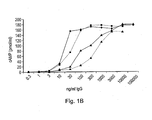
- Figure 1A in dose response studies both KSAb1 and KSAb2 IgG showed typical sigmoid curves by stimulating TSHR to reach > 98% of the response achieved with a sub-saturating dose of bTSH.
- both the mabs show full agonist activity by achieving near maximal cAMP stimulatory responses, they showed differences in their cAMP stimulatory responses at lower doses of IgG.
- KSAb1 and KSAb2 showed maximal stimulation of 199 and 183 fold over basal value, with 3 fold stimulation obtained at 1.2ng/ml and 2.2ng/ml IgG respectively ( Figure 1A ).
- the EC50 values for KSAb1 and KSAb2 IgG were determined to be 9.4ng/ml and 93ng/ml respectively ( Figure 1A ).
- Fab fragments of KSAb1 and KSAb2 also gave similar TSAb responses to the intact parental IgG ( Figure 1A ) and therefore also behaved as full agonists for the TSHR.
- KSAb1 and KSAb2 continued to be active at concentrations of ⁇ 1ng/ml and 3ng/ml respectively.
- the IgGs showed EC 50 values in the nM range of 16.5ng/ml and 100ng/ml respectively ( Figure 1B ).
- Fab fragments of KSAb1 and KSAb2 also showed similar efficacies of cAMP stimulation ( Figure 1B ).
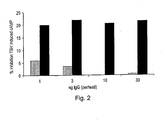
- KSAb1 and KSAb2 IgG were tested in a TSH mediated stimulation blocking assay. Different concentrations of IgG were examined in the assay to ensure that the blocking activity was not dependent upon the antibody concentration. Whilst KSAb1 showed negligible TSBAb activity, KSAb2 IgG showed a reproducible > 20% TSBAb activity in all antibody concentrations tested ( ⁇ 30ng/well) equivalent to 240ng/ml, which were below the sub-saturating concentration of agonist activity for KSAb2. Consequently, KSAb2 acted with weak antagonism to TSH mediated stimulation of cAMP ( Figure 2 ).
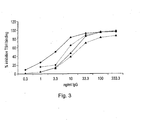
- TSH binding inhibiting immunoglobulin (TBII) TSH binding inhibiting immunoglobulin
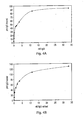
- both 125 I-labeled KSAb1 and KSAb2 IgG bound the receptor with high affinity, with Kds of 4.5 x 10 10 L/mol and 6.25 x 10 10 L/mol respectively ( Figure 4 ).
- the labeled IgG and Fab fragments of the mabs were then used as tracers in competition studies to study the epitopes on the receptor.
- both KSAb1 and KSAb2 IgG competed with each other showing that their epitopes overlapped on the TSHR ( Figure 5B ).
- Fab fragments of KSAb1 and KSAb2 also competed with each other, indicating the close association of their determinants on the TSHR ( Figure 5C ).
- KSAb1 and KSAb2 IgG were also performed with another panel of anti-TSHR IgG mabs which are specific for linear determinants on the receptor and which show negligible thyroid stimulatory activity (9).
- KSAb1 or KSAb2 IgG showed any competition with the mabs A10, A9 and A7 which are specific for residues located in the amino, middle and the carboxy-terminal regions of the receptor respectively (9) (not shown).
- the stimulatory epitopes on the TSHR are different from the linear epitopes recognized by this panel of anti-TSHR mabs.
- KSAb1 and KSAb2 IgG were assessed the effect of in vivo injection of KSAb1 and KSAb2 IgG into na ⁇ ve mice in terms of inducing hyperthyroidism.
- KSAb1 and KSAb2 to cross react with mouse TSHR since the two mabs were derived from a mouse which was significantly hyperthyroid.
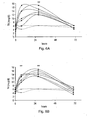
- Two IgG doses of 10g and 100 ⁇ g of each mab were injected iv into mice and the induced hyperthyroxinaemia determined at different time points.
- isotype matched mab GAD1 to a pancreatic islet cell antigen was used.
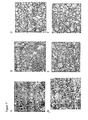
- the follicles containing the pale colloid were lined with flattened and attenuated epithelial cells, whilst the follicles without colloid showed epithelial cell lining of columnar and cuboidal cells with multilayering (broken arrows in Figure 7 .
- individual necrotic cells were found to be present within the luminal colloid and also within the follicular lining epithelium with picnotic nuclei (shown in Figure 7 , panel F).
- histological analysis of the H&E sections revealed no mononuclear cell infiltrate into the glands of the KSAb1 and KSAb2 IgG treated animals, irrespective of the dose or the route of administration ( Figure 7 , panel B-F). This was further substantiated by immunohistochemical staining of the thyroid glands, whereby staining with antibodies to mouse CD4, CD8 and CD20 failed to identify any B or T cell infiltrate (not shown).
- Heavy and light chain variable region fragments were expressed as rFab fragments in E.coli, purified and tested for binding to TSHR by a TSH binding inhibition assay and by measuring cAMP accumulation following TSHR stimulation. Both fragments bound to TSHR. Differences in binding between the fragments and the antibodies may be due to steric hindrance in the fragments, resulting from the expression system used. Results of the assays are shown in Figures 75 and 76 .
- Antibodies are clonally related
- KSAb1 and KSAb2 fall into this category of disease associated antibodies as they display (i) full agonist activity for the human TSHR (ii) potency in nanogram quantities of IgG (iii) high affinity for human TSHR in 10 10 L/mol range and (iv) in vivo pathogenicity with the induction of hyperthyroidism.
- KSAb1 and KSAb2 have comparable affinities and exhibit differences in cAMP generation, particularly at very low doses of TSH.
- Antibodies with potent TSAb activity are pathogenic and directly responsible for the hyperthyroid status. Examination of serum thyroxine levels in individual mice showed that a number of animals where the hormone levels failed to correlate with serum TSAb activity. This was not surprising since a lack of concordance is also recognized both in human patients and in various models of induced Graves' disease (1, 3, 14, 15). We confirmed, in an acute study, by passive transfer of KSAb1 and KSAb2 IgG that these antibodies led to rapid hyperthyroidism in the animals. Moreover, the intraperitoneal route of injection of KSAb 2 also led to elevated serum TT4 levels, whose kinetics paralleled the intravenous route.
- histological analysis of the thyroid glands at 70h post injection showed morphological changes suggestive of both stimulatory and cytotoxic effects.
- the stimulatory effects were characterized by proliferative epithelial changes as evident by foci of hyperplastic follicles with loss of colloid formation associated with multilayering and luminal collapse.
- the cytotoxic effects were present as individual cell necrosis within the lining epithelium and dying thyrocytes present within the colloid material. These cytotoxic effects are likely to be mediated as a result of the increased thyroid hormone production induced in the gland by the TSAbs, leading to a massive accumulation of hydrogen peroxide within the apical surface of the thyroid follicles (16, 17).
- potent thyroid stimulating mabs such as KSAb1 and KSAb2 opens the way to a molecular dissection of the TSHR and the epitopes associated with autoimmune disease.
- Mapping of the conformational epitopes on the TSHR recognized by KSAb1 and KSAb2 may be performed by phage random peptide library screening in conjunction with mutagenesis (20). This will help in the characterization of the epitopes associated with thyroid stimulation on the TSHR and their modes of intracellular signaling.
- An understanding of these signaling events may also be relevant to the complications of Graves' disease such as TAO and pretibial myxoedema.
- Table 1 Serum thyroid stimulating antibody activities and thyroxine levels in BALB/c mice immunized with Adenovirus TSHR A subunit, measured one week following second immunization. Eleven animals (68%) were hyperthyroid (shown in bold).
Landscapes
- Health & Medical Sciences (AREA)
- Life Sciences & Earth Sciences (AREA)
- Immunology (AREA)
- Chemical & Material Sciences (AREA)
- Engineering & Computer Science (AREA)
- Molecular Biology (AREA)
- Biomedical Technology (AREA)
- General Health & Medical Sciences (AREA)
- Medicinal Chemistry (AREA)
- Organic Chemistry (AREA)
- Biochemistry (AREA)
- Hematology (AREA)
- Urology & Nephrology (AREA)
- Cell Biology (AREA)
- Biophysics (AREA)
- Genetics & Genomics (AREA)
- Proteomics, Peptides & Aminoacids (AREA)
- Oncology (AREA)
- Neurology (AREA)
- Biotechnology (AREA)
- Hospice & Palliative Care (AREA)
- Microbiology (AREA)
- Endocrinology (AREA)
- Pathology (AREA)
- Food Science & Technology (AREA)
- Physics & Mathematics (AREA)
- Analytical Chemistry (AREA)
- General Physics & Mathematics (AREA)
- Chemical Kinetics & Catalysis (AREA)
- Veterinary Medicine (AREA)
- General Chemical & Material Sciences (AREA)
- Nuclear Medicine, Radiotherapy & Molecular Imaging (AREA)
- Public Health (AREA)
- Pharmacology & Pharmacy (AREA)
- Animal Behavior & Ethology (AREA)
- Peptides Or Proteins (AREA)
- Medicines Containing Antibodies Or Antigens For Use As Internal Diagnostic Agents (AREA)
- Preparation Of Compounds By Using Micro-Organisms (AREA)
- Micro-Organisms Or Cultivation Processes Thereof (AREA)
Applications Claiming Priority (3)
| Application Number | Priority Date | Filing Date | Title |
|---|---|---|---|
| GB0606276A GB0606276D0 (en) | 2006-03-29 | 2006-03-29 | Antibodies |
| GB0607376A GB0607376D0 (en) | 2006-04-12 | 2006-04-12 | Antibodies |
| PCT/GB2007/001139 WO2007110648A1 (en) | 2006-03-29 | 2007-03-29 | Agonist antibodies against tshr |
Publications (2)
| Publication Number | Publication Date |
|---|---|
| EP1999153A1 EP1999153A1 (en) | 2008-12-10 |
| EP1999153B1 true EP1999153B1 (en) | 2014-04-23 |
Family
ID=38093407
Family Applications (1)
| Application Number | Title | Priority Date | Filing Date |
|---|---|---|---|
| EP07732193.3A Active EP1999153B1 (en) | 2006-03-29 | 2007-03-29 | Agonist antibodies against tshr |
Country Status (5)
| Country | Link |
|---|---|
| US (1) | US8603466B2 (enExample) |
| EP (1) | EP1999153B1 (enExample) |
| JP (1) | JP5165672B2 (enExample) |
| ES (1) | ES2482145T3 (enExample) |
| WO (1) | WO2007110648A1 (enExample) |
Families Citing this family (35)
| Publication number | Priority date | Publication date | Assignee | Title |
|---|---|---|---|---|
| EP2617735A3 (en) * | 2008-12-24 | 2013-10-16 | Rsr Limited | Human anti tshr antibodies |
| US8785603B2 (en) | 2011-05-20 | 2014-07-22 | Siemens Healthcare Diagnostics Inc. | Antibodies to 25-hydroxyvitamin D2 and D3 and uses thereof |
| EP3593812A3 (en) | 2014-03-15 | 2020-05-27 | Novartis AG | Treatment of cancer using chimeric antigen receptor |
| EP3193915A1 (en) | 2014-07-21 | 2017-07-26 | Novartis AG | Combinations of low, immune enhancing. doses of mtor inhibitors and cars |
| US11161907B2 (en) | 2015-02-02 | 2021-11-02 | Novartis Ag | Car-expressing cells against multiple tumor antigens and uses thereof |
| EP3286211A1 (en) | 2015-04-23 | 2018-02-28 | Novartis AG | Treatment of cancer using chimeric antigen receptor and protein kinase a blocker |
| US11667691B2 (en) | 2015-08-07 | 2023-06-06 | Novartis Ag | Treatment of cancer using chimeric CD3 receptor proteins |
| EP3380620B1 (en) | 2015-11-23 | 2024-07-03 | Novartis AG | Optimized lentiviral transfer vectors and uses thereof |
| CN109072195A (zh) | 2015-12-30 | 2018-12-21 | 诺华股份有限公司 | 具有增强功效的免疫效应细胞疗法 |
| US11549099B2 (en) | 2016-03-23 | 2023-01-10 | Novartis Ag | Cell secreted minibodies and uses thereof |
| WO2018111340A1 (en) | 2016-12-16 | 2018-06-21 | Novartis Ag | Methods for determining potency and proliferative function of chimeric antigen receptor (car)-t cells |
| US11535662B2 (en) | 2017-01-26 | 2022-12-27 | Novartis Ag | CD28 compositions and methods for chimeric antigen receptor therapy |
| WO2018144535A1 (en) | 2017-01-31 | 2018-08-09 | Novartis Ag | Treatment of cancer using chimeric t cell receptor proteins having multiple specificities |
| WO2018229715A1 (en) | 2017-06-16 | 2018-12-20 | Novartis Ag | Compositions comprising anti-cd32b antibodies and methods of use thereof |
| AU2018355427A1 (en) | 2017-10-25 | 2020-04-30 | Novartis Ag | Methods of making chimeric antigen receptor-expressing cells |
| US20210040205A1 (en) | 2017-10-25 | 2021-02-11 | Novartis Ag | Antibodies targeting cd32b and methods of use thereof |
| WO2019210153A1 (en) | 2018-04-27 | 2019-10-31 | Novartis Ag | Car t cell therapies with enhanced efficacy |
| WO2019213282A1 (en) | 2018-05-01 | 2019-11-07 | Novartis Ag | Biomarkers for evaluating car-t cells to predict clinical outcome |
| WO2019227003A1 (en) | 2018-05-25 | 2019-11-28 | Novartis Ag | Combination therapy with chimeric antigen receptor (car) therapies |
| EP3802825A1 (en) | 2018-06-08 | 2021-04-14 | Intellia Therapeutics, Inc. | Compositions and methods for immunooncology |
| AR116109A1 (es) | 2018-07-10 | 2021-03-31 | Novartis Ag | Derivados de 3-(5-amino-1-oxoisoindolin-2-il)piperidina-2,6-diona y usos de los mismos |
| US20240245670A1 (en) | 2018-12-20 | 2024-07-25 | Novartis Ag | Dosing regimen and pharmaceutical combination comprising 3-(1-oxoisoindolin-2-yl)piperidine-2,6-dione derivatives |
| EP3924055B1 (en) | 2019-02-15 | 2024-04-03 | Novartis AG | Substituted 3-(1-oxoisoindolin-2-yl)piperidine-2,6-dione derivatives and uses thereof |
| EP3924054B1 (en) | 2019-02-15 | 2025-04-02 | Novartis AG | 3-(1-oxo-5-(piperidin-4-yl)isoindolin-2-yl)piperidine-2,6-dione derivatives and uses thereof |
| US20220227875A1 (en) * | 2019-05-31 | 2022-07-21 | University Of Florida Research Foundation, Incorporated | Vector-based therapy for thyroid disease |
| KR20220116522A (ko) | 2019-12-20 | 2022-08-23 | 노파르티스 아게 | 증식성 질환의 치료를 위한 항-tgf-베타 항체 및 체크포인트 억제제의 용도 |
| CA3185455A1 (en) | 2020-06-11 | 2021-12-16 | Novartis Ag | Zbtb32 inhibitors and uses thereof |
| CA3182346A1 (en) | 2020-06-23 | 2021-12-30 | Novartis Ag | Dosing regimen comprising 3-(1-oxoisoindolin-2-yl)piperidine-2,6-dione derivatives |
| CN116134027B (zh) | 2020-08-03 | 2025-01-24 | 诺华股份有限公司 | 杂芳基取代的3-(1-氧代异吲哚啉-2-基)哌啶-2,6-二酮衍生物及其用途 |
| TW202304979A (zh) | 2021-04-07 | 2023-02-01 | 瑞士商諾華公司 | 抗TGFβ抗體及其他治療劑用於治療增殖性疾病之用途 |
| AU2022267891A1 (en) | 2021-04-27 | 2023-11-09 | Novartis Ag | Viral vector production system |
| WO2023214325A1 (en) | 2022-05-05 | 2023-11-09 | Novartis Ag | Pyrazolopyrimidine derivatives and uses thereof as tet2 inhibitors |
| KR102769147B1 (ko) * | 2022-06-10 | 2025-02-20 | 메디맵바이오 주식회사 | Tigit에 특이적으로 결합하는 항체 및 인터류킨-15를 포함하는 융합 단백질 및 이의 용도 |
| WO2024089639A1 (en) | 2022-10-26 | 2024-05-02 | Novartis Ag | Lentiviral formulations |
| AU2024276994A1 (en) | 2023-05-24 | 2025-10-23 | Kumquat Biosciences Inc. | Heterocyclic compounds and uses thereof |
Family Cites Families (4)
| Publication number | Priority date | Publication date | Assignee | Title |
|---|---|---|---|---|
| DE69530415T2 (de) * | 1994-12-28 | 2004-02-12 | University Of Kentucky | Rekombinierte sequenzen des monoklonalen anti-idiotypischen antikörpers 3h1, diean dem menschlichen karzioembyonischen antigen liiert sind |
| US20020098190A1 (en) * | 1997-06-13 | 2002-07-25 | Malaya Chatterjee | Compositions and methods for treating tumors bearing HMFG and CEA antigens |
| MXPA02000264A (es) * | 1999-07-01 | 2002-06-21 | Procter & Gamble | Producto detergentes para el lavado automatico de vajillas, de tipo liquido en gel transparente o translucido. |
| CN101799476B (zh) | 2001-08-23 | 2013-01-02 | Rsr有限公司 | 筛选针对tsh受体的自身抗体的试剂盒 |
-
2007
- 2007-03-29 JP JP2009502214A patent/JP5165672B2/ja active Active
- 2007-03-29 WO PCT/GB2007/001139 patent/WO2007110648A1/en not_active Ceased
- 2007-03-29 US US12/294,760 patent/US8603466B2/en active Active
- 2007-03-29 ES ES07732193.3T patent/ES2482145T3/es active Active
- 2007-03-29 EP EP07732193.3A patent/EP1999153B1/en active Active
Also Published As
| Publication number | Publication date |
|---|---|
| ES2482145T3 (es) | 2014-08-01 |
| US8603466B2 (en) | 2013-12-10 |
| US20100266493A1 (en) | 2010-10-21 |
| EP1999153A1 (en) | 2008-12-10 |
| JP5165672B2 (ja) | 2013-03-21 |
| JP2009533021A (ja) | 2009-09-17 |
| WO2007110648A1 (en) | 2007-10-04 |
Similar Documents
| Publication | Publication Date | Title |
|---|---|---|
| EP1999153B1 (en) | Agonist antibodies against tshr | |
| US20230265189A1 (en) | Anti-PD-1 Antibodies | |
| AU2016233495B2 (en) | Anti-PDL1 antibodies, activatable anti-PDL1 antibodies, and methods of use thereof | |
| KR102543719B1 (ko) | 항―ctla4 항체 및 그의 용도 | |
| US12441793B2 (en) | CD33 antibodies and methods of using the same to treat cancer | |
| US20250353915A1 (en) | Antibodies to galectin-3 and methods of use thereof | |
| EP2956171B1 (en) | Methods to protect against and treat multiple sclerosis | |
| JP2011523414A (ja) | 抗fn14抗体、およびその使用 | |
| KR20170020476A (ko) | 항―axl 항체 | |
| CN112794911B (zh) | 人源化抗叶酸受体1抗体及其应用 | |
| US20220177579A1 (en) | Cd19 antibodies and methods of using the same | |
| US20220251192A1 (en) | Anti-cd33 antibodies for treating cancer | |
| US20250340637A1 (en) | Cd3 targeting antibodies and uses thereof | |
| JP2022547850A (ja) | 抗tigit免疫阻害剤及び応用 | |
| US20240026009A1 (en) | Antibodies to galectin-3 and methods of use thereof | |
| US20250129173A1 (en) | Prlr antigen-binding protein, preparation method therefor and use thereof | |
| US20250084174A1 (en) | Therapeutic binding molecules | |
| CN112752580A (zh) | 抗klrg1抗体 | |
| TW202426498A (zh) | Ccr8抗體之醫藥用途及給藥計劃 | |
| CN116249547B (zh) | 脑特异性血管生成抑制剂1(bai1)抗体及其用途 | |
| CA3196930A1 (en) | Novel anti-claudin18 antibodies | |
| KR20160072268A (ko) | 항-efna4 항체-약물 접합체 | |
| CN118804927A (zh) | 抗b7-h7抗体或其抗原结合片段及制备方法和应用 | |
| US20250270346A1 (en) | Efficacious anti-cd26 antibody biomarker | |
| US20230374150A1 (en) | Anti-psma antibodies and uses thereof |
Legal Events
| Date | Code | Title | Description |
|---|---|---|---|
| PUAI | Public reference made under article 153(3) epc to a published international application that has entered the european phase |
Free format text: ORIGINAL CODE: 0009012 |
|
| 17P | Request for examination filed |
Effective date: 20080910 |
|
| AK | Designated contracting states |
Kind code of ref document: A1 Designated state(s): AT BE BG CH CY CZ DE DK EE ES FI FR GB GR HU IE IS IT LI LT LU LV MC MT NL PL PT RO SE SI SK TR |
|
| 17Q | First examination report despatched |
Effective date: 20090708 |
|
| DAX | Request for extension of the european patent (deleted) | ||
| GRAP | Despatch of communication of intention to grant a patent |
Free format text: ORIGINAL CODE: EPIDOSNIGR1 |
|
| RIC1 | Information provided on ipc code assigned before grant |
Ipc: C07K 16/28 20060101AFI20130819BHEP Ipc: G01N 33/574 20060101ALI20130819BHEP |
|
| INTG | Intention to grant announced |
Effective date: 20130917 |
|
| GRAS | Grant fee paid |
Free format text: ORIGINAL CODE: EPIDOSNIGR3 |
|
| RIN1 | Information on inventor provided before grant (corrected) |
Inventor name: DUNN-WALTERS, DEBORAH Inventor name: GILBERT, JACQUELINE, ANN Inventor name: BANGA, JASVINDER-PAUL, SINGH Inventor name: PADOA, CAROLYN |
|
| GRAA | (expected) grant |
Free format text: ORIGINAL CODE: 0009210 |
|
| AK | Designated contracting states |
Kind code of ref document: B1 Designated state(s): AT BE BG CH CY CZ DE DK EE ES FI FR GB GR HU IE IS IT LI LT LU LV MC MT NL PL PT RO SE SI SK TR |
|
| REG | Reference to a national code |
Ref country code: GB Ref legal event code: FG4D |
|
| REG | Reference to a national code |
Ref country code: CH Ref legal event code: EP |
|
| REG | Reference to a national code |
Ref country code: AT Ref legal event code: REF Ref document number: 663810 Country of ref document: AT Kind code of ref document: T Effective date: 20140515 |
|
| REG | Reference to a national code |
Ref country code: IE Ref legal event code: FG4D |
|
| REG | Reference to a national code |
Ref country code: DE Ref legal event code: R096 Ref document number: 602007036238 Country of ref document: DE Effective date: 20140605 |
|
| REG | Reference to a national code |
Ref country code: ES Ref legal event code: FG2A Ref document number: 2482145 Country of ref document: ES Kind code of ref document: T3 Effective date: 20140801 |
|
| REG | Reference to a national code |
Ref country code: NL Ref legal event code: T3 |
|
| REG | Reference to a national code |
Ref country code: CH Ref legal event code: NV Representative=s name: AMMANN PATENTANWAELTE AG BERN, CH |
|
| REG | Reference to a national code |
Ref country code: LT Ref legal event code: MG4D |
|
| PG25 | Lapsed in a contracting state [announced via postgrant information from national office to epo] |
Ref country code: IS Free format text: LAPSE BECAUSE OF FAILURE TO SUBMIT A TRANSLATION OF THE DESCRIPTION OR TO PAY THE FEE WITHIN THE PRESCRIBED TIME-LIMIT Effective date: 20140823 Ref country code: LT Free format text: LAPSE BECAUSE OF FAILURE TO SUBMIT A TRANSLATION OF THE DESCRIPTION OR TO PAY THE FEE WITHIN THE PRESCRIBED TIME-LIMIT Effective date: 20140423 Ref country code: BG Free format text: LAPSE BECAUSE OF FAILURE TO SUBMIT A TRANSLATION OF THE DESCRIPTION OR TO PAY THE FEE WITHIN THE PRESCRIBED TIME-LIMIT Effective date: 20140723 Ref country code: FI Free format text: LAPSE BECAUSE OF FAILURE TO SUBMIT A TRANSLATION OF THE DESCRIPTION OR TO PAY THE FEE WITHIN THE PRESCRIBED TIME-LIMIT Effective date: 20140423 Ref country code: CY Free format text: LAPSE BECAUSE OF FAILURE TO SUBMIT A TRANSLATION OF THE DESCRIPTION OR TO PAY THE FEE WITHIN THE PRESCRIBED TIME-LIMIT Effective date: 20140423 Ref country code: GR Free format text: LAPSE BECAUSE OF FAILURE TO SUBMIT A TRANSLATION OF THE DESCRIPTION OR TO PAY THE FEE WITHIN THE PRESCRIBED TIME-LIMIT Effective date: 20140724 |
|
| PG25 | Lapsed in a contracting state [announced via postgrant information from national office to epo] |
Ref country code: SE Free format text: LAPSE BECAUSE OF FAILURE TO SUBMIT A TRANSLATION OF THE DESCRIPTION OR TO PAY THE FEE WITHIN THE PRESCRIBED TIME-LIMIT Effective date: 20140423 Ref country code: LV Free format text: LAPSE BECAUSE OF FAILURE TO SUBMIT A TRANSLATION OF THE DESCRIPTION OR TO PAY THE FEE WITHIN THE PRESCRIBED TIME-LIMIT Effective date: 20140423 Ref country code: PL Free format text: LAPSE BECAUSE OF FAILURE TO SUBMIT A TRANSLATION OF THE DESCRIPTION OR TO PAY THE FEE WITHIN THE PRESCRIBED TIME-LIMIT Effective date: 20140423 |
|
| PG25 | Lapsed in a contracting state [announced via postgrant information from national office to epo] |
Ref country code: PT Free format text: LAPSE BECAUSE OF FAILURE TO SUBMIT A TRANSLATION OF THE DESCRIPTION OR TO PAY THE FEE WITHIN THE PRESCRIBED TIME-LIMIT Effective date: 20140825 |
|
| REG | Reference to a national code |
Ref country code: DE Ref legal event code: R097 Ref document number: 602007036238 Country of ref document: DE |
|
| PG25 | Lapsed in a contracting state [announced via postgrant information from national office to epo] |
Ref country code: DK Free format text: LAPSE BECAUSE OF FAILURE TO SUBMIT A TRANSLATION OF THE DESCRIPTION OR TO PAY THE FEE WITHIN THE PRESCRIBED TIME-LIMIT Effective date: 20140423 Ref country code: RO Free format text: LAPSE BECAUSE OF FAILURE TO SUBMIT A TRANSLATION OF THE DESCRIPTION OR TO PAY THE FEE WITHIN THE PRESCRIBED TIME-LIMIT Effective date: 20140423 Ref country code: EE Free format text: LAPSE BECAUSE OF FAILURE TO SUBMIT A TRANSLATION OF THE DESCRIPTION OR TO PAY THE FEE WITHIN THE PRESCRIBED TIME-LIMIT Effective date: 20140423 Ref country code: SK Free format text: LAPSE BECAUSE OF FAILURE TO SUBMIT A TRANSLATION OF THE DESCRIPTION OR TO PAY THE FEE WITHIN THE PRESCRIBED TIME-LIMIT Effective date: 20140423 Ref country code: CZ Free format text: LAPSE BECAUSE OF FAILURE TO SUBMIT A TRANSLATION OF THE DESCRIPTION OR TO PAY THE FEE WITHIN THE PRESCRIBED TIME-LIMIT Effective date: 20140423 |
|
| PLBE | No opposition filed within time limit |
Free format text: ORIGINAL CODE: 0009261 |
|
| STAA | Information on the status of an ep patent application or granted ep patent |
Free format text: STATUS: NO OPPOSITION FILED WITHIN TIME LIMIT |
|
| REG | Reference to a national code |
Ref country code: FR Ref legal event code: PLFP Year of fee payment: 9 |
|
| 26N | No opposition filed |
Effective date: 20150126 |
|
| REG | Reference to a national code |
Ref country code: DE Ref legal event code: R097 Ref document number: 602007036238 Country of ref document: DE Effective date: 20150126 |
|
| PG25 | Lapsed in a contracting state [announced via postgrant information from national office to epo] |
Ref country code: SI Free format text: LAPSE BECAUSE OF FAILURE TO SUBMIT A TRANSLATION OF THE DESCRIPTION OR TO PAY THE FEE WITHIN THE PRESCRIBED TIME-LIMIT Effective date: 20140423 |
|
| PG25 | Lapsed in a contracting state [announced via postgrant information from national office to epo] |
Ref country code: MC Free format text: LAPSE BECAUSE OF FAILURE TO SUBMIT A TRANSLATION OF THE DESCRIPTION OR TO PAY THE FEE WITHIN THE PRESCRIBED TIME-LIMIT Effective date: 20140423 Ref country code: LU Free format text: LAPSE BECAUSE OF FAILURE TO SUBMIT A TRANSLATION OF THE DESCRIPTION OR TO PAY THE FEE WITHIN THE PRESCRIBED TIME-LIMIT Effective date: 20150329 |
|
| REG | Reference to a national code |
Ref country code: IE Ref legal event code: MM4A |
|
| PG25 | Lapsed in a contracting state [announced via postgrant information from national office to epo] |
Ref country code: IE Free format text: LAPSE BECAUSE OF NON-PAYMENT OF DUE FEES Effective date: 20150329 |
|
| REG | Reference to a national code |
Ref country code: FR Ref legal event code: PLFP Year of fee payment: 10 |
|
| PG25 | Lapsed in a contracting state [announced via postgrant information from national office to epo] |
Ref country code: MT Free format text: LAPSE BECAUSE OF FAILURE TO SUBMIT A TRANSLATION OF THE DESCRIPTION OR TO PAY THE FEE WITHIN THE PRESCRIBED TIME-LIMIT Effective date: 20140423 |
|
| REG | Reference to a national code |
Ref country code: FR Ref legal event code: PLFP Year of fee payment: 11 |
|
| PG25 | Lapsed in a contracting state [announced via postgrant information from national office to epo] |
Ref country code: HU Free format text: LAPSE BECAUSE OF FAILURE TO SUBMIT A TRANSLATION OF THE DESCRIPTION OR TO PAY THE FEE WITHIN THE PRESCRIBED TIME-LIMIT; INVALID AB INITIO Effective date: 20070329 |
|
| REG | Reference to a national code |
Ref country code: FR Ref legal event code: PLFP Year of fee payment: 12 |
|
| PGFP | Annual fee paid to national office [announced via postgrant information from national office to epo] |
Ref country code: DE Payment date: 20250326 Year of fee payment: 19 |
|
| PGFP | Annual fee paid to national office [announced via postgrant information from national office to epo] |
Ref country code: NL Payment date: 20250327 Year of fee payment: 19 |
|
| PGFP | Annual fee paid to national office [announced via postgrant information from national office to epo] |
Ref country code: BE Payment date: 20250326 Year of fee payment: 19 Ref country code: AT Payment date: 20250328 Year of fee payment: 19 |
|
| PGFP | Annual fee paid to national office [announced via postgrant information from national office to epo] |
Ref country code: FR Payment date: 20250327 Year of fee payment: 19 |
|
| PGFP | Annual fee paid to national office [announced via postgrant information from national office to epo] |
Ref country code: GB Payment date: 20250328 Year of fee payment: 19 |
|
| PGFP | Annual fee paid to national office [announced via postgrant information from national office to epo] |
Ref country code: TR Payment date: 20250327 Year of fee payment: 19 |
|
| PGFP | Annual fee paid to national office [announced via postgrant information from national office to epo] |
Ref country code: ES Payment date: 20250416 Year of fee payment: 19 |
|
| PGFP | Annual fee paid to national office [announced via postgrant information from national office to epo] |
Ref country code: IT Payment date: 20250327 Year of fee payment: 19 |
|
| PGFP | Annual fee paid to national office [announced via postgrant information from national office to epo] |
Ref country code: CH Payment date: 20250423 Year of fee payment: 19 |