EP1992614A1 - 3-(2-Alkoxy-phenyl)-substituierte Tetramate - Google Patents
3-(2-Alkoxy-phenyl)-substituierte Tetramate Download PDFInfo
- Publication number
- EP1992614A1 EP1992614A1 EP07009766A EP07009766A EP1992614A1 EP 1992614 A1 EP1992614 A1 EP 1992614A1 EP 07009766 A EP07009766 A EP 07009766A EP 07009766 A EP07009766 A EP 07009766A EP 1992614 A1 EP1992614 A1 EP 1992614A1
- Authority
- EP
- European Patent Office
- Prior art keywords
- spp
- alkyl
- test
- oder
- ammonium
- Prior art date
- Legal status (The legal status is an assumption and is not a legal conclusion. Google has not performed a legal analysis and makes no representation as to the accuracy of the status listed.)
- Ceased
Links
- 150000001875 compounds Chemical class 0.000 claims abstract description 152
- UFHFLCQGNIYNRP-UHFFFAOYSA-N Hydrogen Chemical compound [H][H] UFHFLCQGNIYNRP-UHFFFAOYSA-N 0.000 claims abstract description 58
- 239000001257 hydrogen Substances 0.000 claims abstract description 48
- 229910052739 hydrogen Inorganic materials 0.000 claims abstract description 48
- 229910052801 chlorine Inorganic materials 0.000 claims abstract description 42
- 125000000217 alkyl group Chemical group 0.000 claims abstract description 32
- 229910052794 bromium Inorganic materials 0.000 claims abstract description 28
- 239000003795 chemical substances by application Substances 0.000 claims abstract description 27
- 125000004432 carbon atom Chemical group C* 0.000 claims abstract description 26
- 229910052799 carbon Inorganic materials 0.000 claims abstract description 18
- 125000005842 heteroatom Chemical group 0.000 claims abstract description 14
- 125000003545 alkoxy group Chemical group 0.000 claims abstract description 11
- 125000000753 cycloalkyl group Chemical group 0.000 claims abstract description 11
- 125000003342 alkenyl group Chemical group 0.000 claims abstract description 10
- 125000004183 alkoxy alkyl group Chemical group 0.000 claims abstract description 10
- 229920006395 saturated elastomer Polymers 0.000 claims abstract description 9
- 125000000304 alkynyl group Chemical group 0.000 claims abstract description 4
- 125000004438 haloalkoxy group Chemical group 0.000 claims abstract description 4
- 239000000460 chlorine Substances 0.000 claims description 100
- 238000000034 method Methods 0.000 claims description 38
- WKBOTKDWSSQWDR-UHFFFAOYSA-N Bromine atom Chemical group [Br] WKBOTKDWSSQWDR-UHFFFAOYSA-N 0.000 claims description 36
- 150000002431 hydrogen Chemical class 0.000 claims description 36
- 239000013543 active substance Substances 0.000 claims description 34
- 230000008569 process Effects 0.000 claims description 29
- GDTBXPJZTBHREO-UHFFFAOYSA-N bromine Chemical group BrBr GDTBXPJZTBHREO-UHFFFAOYSA-N 0.000 claims description 27
- 238000002360 preparation method Methods 0.000 claims description 22
- 241000607479 Yersinia pestis Species 0.000 claims description 14
- 239000003085 diluting agent Substances 0.000 claims description 11
- 230000008635 plant growth Effects 0.000 claims description 11
- 241001465754 Metazoa Species 0.000 claims description 9
- 229910052751 metal Inorganic materials 0.000 claims description 8
- 239000002184 metal Substances 0.000 claims description 8
- 229910052721 tungsten Inorganic materials 0.000 claims description 8
- PNDPGZBMCMUPRI-UHFFFAOYSA-N iodine Chemical group II PNDPGZBMCMUPRI-UHFFFAOYSA-N 0.000 claims description 6
- 239000004606 Fillers/Extenders Substances 0.000 claims description 5
- 125000003118 aryl group Chemical group 0.000 claims description 5
- 125000004429 atom Chemical group 0.000 claims description 4
- 125000006350 alkyl thio alkyl group Chemical group 0.000 claims description 3
- 125000003710 aryl alkyl group Chemical group 0.000 claims description 3
- 125000001072 heteroaryl group Chemical group 0.000 claims description 3
- 150000002736 metal compounds Chemical class 0.000 claims description 3
- 229910021645 metal ion Inorganic materials 0.000 claims description 2
- 125000005083 alkoxyalkoxy group Chemical group 0.000 claims 1
- 125000001309 chloro group Chemical group Cl* 0.000 claims 1
- -1 aluminum ion Chemical class 0.000 abstract description 232
- QGZKDVFQNNGYKY-UHFFFAOYSA-O Ammonium Chemical compound [NH4+] QGZKDVFQNNGYKY-UHFFFAOYSA-O 0.000 abstract description 120
- 125000002496 methyl group Chemical group [H]C([H])([H])* 0.000 abstract description 67
- 239000000203 mixture Substances 0.000 abstract description 64
- 229910052736 halogen Inorganic materials 0.000 abstract description 58
- 150000002367 halogens Chemical group 0.000 abstract description 56
- 230000000694 effects Effects 0.000 abstract description 35
- 125000004093 cyano group Chemical group *C#N 0.000 abstract description 31
- 125000001997 phenyl group Chemical group [H]C1=C([H])C([H])=C(*)C([H])=C1[H] 0.000 abstract description 30
- 229910052760 oxygen Inorganic materials 0.000 abstract description 28
- 230000002363 herbicidal effect Effects 0.000 abstract description 27
- 125000001559 cyclopropyl group Chemical group [H]C1([H])C([H])([H])C1([H])* 0.000 abstract description 23
- 229910052731 fluorine Inorganic materials 0.000 abstract description 21
- 239000003995 emulsifying agent Substances 0.000 abstract description 19
- 230000035515 penetration Effects 0.000 abstract description 19
- XLYOFNOQVPJJNP-UHFFFAOYSA-N water Substances O XLYOFNOQVPJJNP-UHFFFAOYSA-N 0.000 abstract description 19
- ZMXDDKWLCZADIW-UHFFFAOYSA-N N,N-Dimethylformamide Chemical compound CN(C)C=O ZMXDDKWLCZADIW-UHFFFAOYSA-N 0.000 abstract description 18
- 239000004009 herbicide Substances 0.000 abstract description 18
- CSCPPACGZOOCGX-UHFFFAOYSA-N Acetone Chemical compound CC(C)=O CSCPPACGZOOCGX-UHFFFAOYSA-N 0.000 abstract description 17
- 125000000449 nitro group Chemical group [O-][N+](*)=O 0.000 abstract description 17
- 125000001424 substituent group Chemical group 0.000 abstract description 15
- 239000011777 magnesium Substances 0.000 abstract description 14
- YMWUJEATGCHHMB-UHFFFAOYSA-N Dichloromethane Chemical compound ClCCl YMWUJEATGCHHMB-UHFFFAOYSA-N 0.000 abstract description 13
- 229910052717 sulfur Inorganic materials 0.000 abstract description 13
- 239000012141 concentrate Substances 0.000 abstract description 12
- RTZKZFJDLAIYFH-UHFFFAOYSA-N Diethyl ether Chemical compound CCOCC RTZKZFJDLAIYFH-UHFFFAOYSA-N 0.000 abstract description 11
- 229910052749 magnesium Inorganic materials 0.000 abstract description 11
- 125000002877 alkyl aryl group Chemical group 0.000 abstract description 6
- 239000000575 pesticide Substances 0.000 abstract description 6
- 229920000151 polyglycol Polymers 0.000 abstract description 6
- 239000010695 polyglycol Substances 0.000 abstract description 6
- 229910052757 nitrogen Inorganic materials 0.000 abstract description 5
- 241001556089 Nilaparvata lugens Species 0.000 abstract description 4
- 125000001931 aliphatic group Chemical group 0.000 abstract description 3
- 125000000051 benzyloxy group Chemical group [H]C1=C([H])C([H])=C(C([H])=C1[H])C([H])([H])O* 0.000 abstract description 3
- 125000004122 cyclic group Chemical group 0.000 abstract description 3
- 125000000623 heterocyclic group Chemical group 0.000 abstract description 3
- 239000004094 surface-active agent Substances 0.000 abstract description 3
- 125000004414 alkyl thio group Chemical group 0.000 abstract description 2
- 150000001449 anionic compounds Chemical class 0.000 abstract description 2
- 125000002915 carbonyl group Chemical group [*:2]C([*:1])=O 0.000 abstract description 2
- 150000002891 organic anions Chemical class 0.000 abstract description 2
- 229910052698 phosphorus Inorganic materials 0.000 abstract description 2
- OISVCGZHLKNMSJ-UHFFFAOYSA-N 2,6-dimethylpyridine Chemical compound CC1=CC=CC(C)=N1 OISVCGZHLKNMSJ-UHFFFAOYSA-N 0.000 abstract 3
- RAXXELZNTBOGNW-UHFFFAOYSA-N imidazole Natural products C1=CNC=N1 RAXXELZNTBOGNW-UHFFFAOYSA-N 0.000 abstract 3
- JYYNAJVZFGKDEQ-UHFFFAOYSA-N 2,4-Dimethylpyridine Chemical compound CC1=CC=NC(C)=C1 JYYNAJVZFGKDEQ-UHFFFAOYSA-N 0.000 abstract 2
- XWKFPIODWVPXLX-UHFFFAOYSA-N 2,5-dimethylpyridine Chemical compound CC1=CC=C(C)N=C1 XWKFPIODWVPXLX-UHFFFAOYSA-N 0.000 abstract 2
- BSKHPKMHTQYZBB-UHFFFAOYSA-N 2-methylpyridine Chemical compound CC1=CC=CC=N1 BSKHPKMHTQYZBB-UHFFFAOYSA-N 0.000 abstract 2
- ITQTTZVARXURQS-UHFFFAOYSA-N 3-methylpyridine Chemical compound CC1=CC=CN=C1 ITQTTZVARXURQS-UHFFFAOYSA-N 0.000 abstract 2
- FKNQCJSGGFJEIZ-UHFFFAOYSA-N 4-methylpyridine Chemical compound CC1=CC=NC=C1 FKNQCJSGGFJEIZ-UHFFFAOYSA-N 0.000 abstract 2
- KAESVJOAVNADME-UHFFFAOYSA-N Pyrrole Chemical compound C=1C=CNC=1 KAESVJOAVNADME-UHFFFAOYSA-N 0.000 abstract 2
- SMWDFEZZVXVKRB-UHFFFAOYSA-N Quinoline Chemical compound N1=CC=CC2=CC=CC=C21 SMWDFEZZVXVKRB-UHFFFAOYSA-N 0.000 abstract 2
- XSCHRSMBECNVNS-UHFFFAOYSA-N quinoxaline Chemical compound N1=CC=NC2=CC=CC=C21 XSCHRSMBECNVNS-UHFFFAOYSA-N 0.000 abstract 2
- GIWQSPITLQVMSG-UHFFFAOYSA-N 1,2-dimethylimidazole Chemical compound CC1=NC=CN1C GIWQSPITLQVMSG-UHFFFAOYSA-N 0.000 abstract 1
- WOKQGMYCUGJNIJ-UHFFFAOYSA-M 1,3-dimethylimidazol-1-ium;methyl sulfate Chemical compound COS([O-])(=O)=O.CN1C=C[N+](C)=C1 WOKQGMYCUGJNIJ-UHFFFAOYSA-M 0.000 abstract 1
- NTSLROIKFLNUIJ-UHFFFAOYSA-N 5-Ethyl-2-methylpyridine Chemical compound CCC1=CC=C(C)N=C1 NTSLROIKFLNUIJ-UHFFFAOYSA-N 0.000 abstract 1
- KNCHDRLWPAKSII-UHFFFAOYSA-N 5-ethyl-2-methylpyridine Natural products CCC1=CC=NC(C)=C1 KNCHDRLWPAKSII-UHFFFAOYSA-N 0.000 abstract 1
- 241001466042 Fulgoromorpha Species 0.000 abstract 1
- NQRYJNQNLNOLGT-UHFFFAOYSA-O Piperidinium(1+) Chemical compound C1CC[NH2+]CC1 NQRYJNQNLNOLGT-UHFFFAOYSA-O 0.000 abstract 1
- RWRDLPDLKQPQOW-UHFFFAOYSA-O Pyrrolidinium ion Chemical compound C1CC[NH2+]C1 RWRDLPDLKQPQOW-UHFFFAOYSA-O 0.000 abstract 1
- 229910001413 alkali metal ion Inorganic materials 0.000 abstract 1
- 229910001420 alkaline earth metal ion Inorganic materials 0.000 abstract 1
- 229910052782 aluminium Inorganic materials 0.000 abstract 1
- 125000001188 haloalkyl group Chemical group 0.000 abstract 1
- 125000004446 heteroarylalkyl group Chemical group 0.000 abstract 1
- 229910052740 iodine Inorganic materials 0.000 abstract 1
- 238000004519 manufacturing process Methods 0.000 abstract 1
- 230000010534 mechanism of action Effects 0.000 abstract 1
- YNAVUWVOSKDBBP-UHFFFAOYSA-O morpholinium Chemical compound [H+].C1COCCN1 YNAVUWVOSKDBBP-UHFFFAOYSA-O 0.000 abstract 1
- 150000003222 pyridines Chemical class 0.000 abstract 1
- RWSOTUBLDIXVET-UHFFFAOYSA-O sulfonium Chemical compound [SH3+] RWSOTUBLDIXVET-UHFFFAOYSA-O 0.000 abstract 1
- 229910001428 transition metal ion Inorganic materials 0.000 abstract 1
- IMNIMPAHZVJRPE-UHFFFAOYSA-N triethylenediamine Chemical class C1CN2CCN1CC2 IMNIMPAHZVJRPE-UHFFFAOYSA-N 0.000 abstract 1
- JABYJIQOLGWMQW-UHFFFAOYSA-N undec-4-ene Chemical compound CCCCCCC=CCCC JABYJIQOLGWMQW-UHFFFAOYSA-N 0.000 abstract 1
- 238000012360 testing method Methods 0.000 description 331
- 241000196324 Embryophyta Species 0.000 description 96
- 125000001495 ethyl group Chemical group [H]C([H])([H])C([H])([H])* 0.000 description 68
- ZAMOUSCENKQFHK-UHFFFAOYSA-N Chlorine atom Chemical compound [Cl] ZAMOUSCENKQFHK-UHFFFAOYSA-N 0.000 description 56
- 125000001449 isopropyl group Chemical group [H]C([H])([H])C([H])(*)C([H])([H])[H] 0.000 description 52
- SNOOUWRIMMFWNE-UHFFFAOYSA-M sodium;6-[(3,4,5-trimethoxybenzoyl)amino]hexanoate Chemical class [Na+].COC1=CC(C(=O)NCCCCCC([O-])=O)=CC(OC)=C1OC SNOOUWRIMMFWNE-UHFFFAOYSA-M 0.000 description 41
- 239000004480 active ingredient Substances 0.000 description 37
- 238000009472 formulation Methods 0.000 description 33
- 239000002904 solvent Substances 0.000 description 32
- PXGOKWXKJXAPGV-UHFFFAOYSA-N Fluorine Chemical compound FF PXGOKWXKJXAPGV-UHFFFAOYSA-N 0.000 description 30
- 125000000999 tert-butyl group Chemical group [H]C([H])([H])C(*)(C([H])([H])[H])C([H])([H])[H] 0.000 description 30
- 125000004123 n-propyl group Chemical group [H]C([H])([H])C([H])([H])C([H])([H])* 0.000 description 26
- 239000001301 oxygen Substances 0.000 description 26
- 239000000126 substance Substances 0.000 description 26
- MCNOFYBITGAAGM-UHFFFAOYSA-N 2,2-dichloro-1-[5-(furan-2-yl)-2,2-dimethyl-1,3-oxazolidin-3-yl]ethanone Chemical compound C1N(C(=O)C(Cl)Cl)C(C)(C)OC1C1=CC=CO1 MCNOFYBITGAAGM-UHFFFAOYSA-N 0.000 description 24
- NRFQZTCQAYEXEE-UHFFFAOYSA-N Fenclorim Chemical compound ClC1=CC(Cl)=NC(C=2C=CC=CC=2)=N1 NRFQZTCQAYEXEE-UHFFFAOYSA-N 0.000 description 24
- BWUPSGJXXPATLU-UHFFFAOYSA-N dimepiperate Chemical compound C=1C=CC=CC=1C(C)(C)SC(=O)N1CCCCC1 BWUPSGJXXPATLU-UHFFFAOYSA-N 0.000 description 24
- 125000004178 (C1-C4) alkyl group Chemical group 0.000 description 23
- VYNOULHXXDFBLU-UHFFFAOYSA-N Cumyluron Chemical compound C=1C=CC=CC=1C(C)(C)NC(=O)NCC1=CC=CC=C1Cl VYNOULHXXDFBLU-UHFFFAOYSA-N 0.000 description 23
- BFNBIHQBYMNNAN-UHFFFAOYSA-N ammonium sulfate Chemical compound N.N.OS(O)(=O)=O BFNBIHQBYMNNAN-UHFFFAOYSA-N 0.000 description 23
- 229910052921 ammonium sulfate Inorganic materials 0.000 description 23
- 235000011130 ammonium sulphate Nutrition 0.000 description 23
- COYBRKAVBMYYSF-UHFFFAOYSA-N heptan-2-yl [(5-chloroquinolin-8-yl)oxy]acetate Chemical group C1=CN=C2C(OCC(=O)OC(C)CCCCC)=CC=C(Cl)C2=C1 COYBRKAVBMYYSF-UHFFFAOYSA-N 0.000 description 23
- MWKVXOJATACCCH-UHFFFAOYSA-N isoxadifen-ethyl Chemical compound C1C(C(=O)OCC)=NOC1(C=1C=CC=CC=1)C1=CC=CC=C1 MWKVXOJATACCCH-UHFFFAOYSA-N 0.000 description 23
- NNYRZQHKCHEXSD-UHFFFAOYSA-N Daimuron Chemical compound C1=CC(C)=CC=C1NC(=O)NC(C)(C)C1=CC=CC=C1 NNYRZQHKCHEXSD-UHFFFAOYSA-N 0.000 description 22
- GMBRUAIJEFRHFQ-UHFFFAOYSA-N Fenchlorazole-ethyl Chemical compound N1=C(C(=O)OCC)N=C(C(Cl)(Cl)Cl)N1C1=CC=C(Cl)C=C1Cl GMBRUAIJEFRHFQ-UHFFFAOYSA-N 0.000 description 22
- SOIFLUNRINLCBN-UHFFFAOYSA-N ammonium thiocyanate Chemical compound [NH4+].[S-]C#N SOIFLUNRINLCBN-UHFFFAOYSA-N 0.000 description 22
- XEJNEDVTJPXRSM-UHFFFAOYSA-N 1-(2,4-dichlorophenyl)-5-methyl-4,5-dihydro-1H-pyrazole-3,5-dicarboxylic acid Chemical compound OC(=O)C1(C)CC(C(O)=O)=NN1C1=CC=C(Cl)C=C1Cl XEJNEDVTJPXRSM-UHFFFAOYSA-N 0.000 description 21
- ATRRKUHOCOJYRX-UHFFFAOYSA-N Ammonium bicarbonate Chemical compound [NH4+].OC([O-])=O ATRRKUHOCOJYRX-UHFFFAOYSA-N 0.000 description 21
- 239000001099 ammonium carbonate Substances 0.000 description 21
- 235000012501 ammonium carbonate Nutrition 0.000 description 21
- MNNHAPBLZZVQHP-UHFFFAOYSA-N diammonium hydrogen phosphate Chemical compound [NH4+].[NH4+].OP([O-])([O-])=O MNNHAPBLZZVQHP-UHFFFAOYSA-N 0.000 description 21
- 125000000959 isobutyl group Chemical group [H]C([H])([H])C([H])(C([H])([H])[H])C([H])([H])* 0.000 description 21
- YWYZEGXAUVWDED-UHFFFAOYSA-N triammonium citrate Chemical compound [NH4+].[NH4+].[NH4+].[O-]C(=O)CC(O)(CC([O-])=O)C([O-])=O YWYZEGXAUVWDED-UHFFFAOYSA-N 0.000 description 21
- PAWQVTBBRAZDMG-UHFFFAOYSA-N 2-(3-bromo-2-fluorophenyl)acetic acid Chemical compound OC(=O)CC1=CC=CC(Br)=C1F PAWQVTBBRAZDMG-UHFFFAOYSA-N 0.000 description 20
- NINIDFKCEFEMDL-UHFFFAOYSA-N Sulfur Chemical compound [S] NINIDFKCEFEMDL-UHFFFAOYSA-N 0.000 description 20
- VZTDIZULWFCMLS-UHFFFAOYSA-N ammonium formate Chemical compound [NH4+].[O-]C=O VZTDIZULWFCMLS-UHFFFAOYSA-N 0.000 description 20
- VBIXEXWLHSRNKB-UHFFFAOYSA-N ammonium oxalate Chemical compound [NH4+].[NH4+].[O-]C(=O)C([O-])=O VBIXEXWLHSRNKB-UHFFFAOYSA-N 0.000 description 20
- 239000011737 fluorine Substances 0.000 description 20
- 239000004251 Ammonium lactate Substances 0.000 description 19
- 229940059265 ammonium lactate Drugs 0.000 description 19
- 235000019286 ammonium lactate Nutrition 0.000 description 19
- RZOBLYBZQXQGFY-HSHFZTNMSA-N azanium;(2r)-2-hydroxypropanoate Chemical compound [NH4+].C[C@@H](O)C([O-])=O RZOBLYBZQXQGFY-HSHFZTNMSA-N 0.000 description 19
- 125000004108 n-butyl group Chemical group [H]C([H])([H])C([H])([H])C([H])([H])C([H])([H])* 0.000 description 19
- 125000002914 sec-butyl group Chemical group [H]C([H])([H])C([H])([H])C([H])(*)C([H])([H])[H] 0.000 description 19
- 239000011734 sodium Substances 0.000 description 19
- 125000005913 (C3-C6) cycloalkyl group Chemical group 0.000 description 18
- 125000002023 trifluoromethyl group Chemical group FC(F)(F)* 0.000 description 18
- 240000008042 Zea mays Species 0.000 description 17
- 235000002017 Zea mays subsp mays Nutrition 0.000 description 17
- 125000004169 (C1-C6) alkyl group Chemical group 0.000 description 14
- 125000000113 cyclohexyl group Chemical group [H]C1([H])C([H])([H])C([H])([H])C([H])(*)C([H])([H])C1([H])[H] 0.000 description 14
- 239000008187 granular material Substances 0.000 description 14
- 239000002917 insecticide Substances 0.000 description 14
- 125000000229 (C1-C4)alkoxy group Chemical group 0.000 description 13
- QVGXLLKOCUKJST-UHFFFAOYSA-N atomic oxygen Chemical compound [O] QVGXLLKOCUKJST-UHFFFAOYSA-N 0.000 description 13
- 239000011575 calcium Substances 0.000 description 13
- 244000038559 crop plants Species 0.000 description 13
- MYMOFIZGZYHOMD-UHFFFAOYSA-N Dioxygen Chemical compound O=O MYMOFIZGZYHOMD-UHFFFAOYSA-N 0.000 description 12
- ZLMJMSJWJFRBEC-UHFFFAOYSA-N Potassium Chemical compound [K] ZLMJMSJWJFRBEC-UHFFFAOYSA-N 0.000 description 12
- CPPKAGUPTKIMNP-UHFFFAOYSA-N cyanogen fluoride Chemical compound FC#N CPPKAGUPTKIMNP-UHFFFAOYSA-N 0.000 description 12
- 125000001511 cyclopentyl group Chemical group [H]C1([H])C([H])([H])C([H])([H])C([H])(*)C1([H])[H] 0.000 description 12
- 125000004786 difluoromethoxy group Chemical group [H]C(F)(F)O* 0.000 description 12
- 239000000839 emulsion Substances 0.000 description 12
- 125000002541 furyl group Chemical group 0.000 description 12
- 150000004714 phosphonium salts Chemical class 0.000 description 12
- 239000000843 powder Substances 0.000 description 12
- 239000000047 product Substances 0.000 description 12
- 239000002689 soil Substances 0.000 description 12
- 125000000876 trifluoromethoxy group Chemical group FC(F)(F)O* 0.000 description 12
- 235000005824 Zea mays ssp. parviglumis Nutrition 0.000 description 11
- 230000000895 acaricidal effect Effects 0.000 description 11
- 239000011230 binding agent Substances 0.000 description 11
- 235000005822 corn Nutrition 0.000 description 11
- 229910052500 inorganic mineral Inorganic materials 0.000 description 11
- 239000000463 material Substances 0.000 description 11
- 239000003921 oil Substances 0.000 description 11
- 235000019198 oils Nutrition 0.000 description 11
- OYPRJOBELJOOCE-UHFFFAOYSA-N Calcium Chemical compound [Ca] OYPRJOBELJOOCE-UHFFFAOYSA-N 0.000 description 10
- WHXSMMKQMYFTQS-UHFFFAOYSA-N Lithium Chemical compound [Li] WHXSMMKQMYFTQS-UHFFFAOYSA-N 0.000 description 10
- FYYHWMGAXLPEAU-UHFFFAOYSA-N Magnesium Chemical compound [Mg] FYYHWMGAXLPEAU-UHFFFAOYSA-N 0.000 description 10
- 229910052791 calcium Inorganic materials 0.000 description 10
- 125000001995 cyclobutyl group Chemical group [H]C1([H])C([H])([H])C([H])(*)C1([H])[H] 0.000 description 10
- 125000001153 fluoro group Chemical group F* 0.000 description 10
- 229910052744 lithium Inorganic materials 0.000 description 10
- 125000001570 methylene group Chemical group [H]C([H])([*:1])[*:2] 0.000 description 10
- 150000003254 radicals Chemical class 0.000 description 10
- 150000003839 salts Chemical class 0.000 description 10
- 239000011593 sulfur Substances 0.000 description 10
- 241000219146 Gossypium Species 0.000 description 9
- OKKJLVBELUTLKV-UHFFFAOYSA-N Methanol Chemical compound OC OKKJLVBELUTLKV-UHFFFAOYSA-N 0.000 description 9
- YXFVVABEGXRONW-UHFFFAOYSA-N Toluene Chemical compound CC1=CC=CC=C1 YXFVVABEGXRONW-UHFFFAOYSA-N 0.000 description 9
- 239000000417 fungicide Substances 0.000 description 9
- 230000000749 insecticidal effect Effects 0.000 description 9
- 239000002480 mineral oil Substances 0.000 description 9
- 125000006700 (C1-C6) alkylthio group Chemical group 0.000 description 8
- 241000238876 Acari Species 0.000 description 8
- IJGRMHOSHXDMSA-UHFFFAOYSA-N Atomic nitrogen Chemical compound N#N IJGRMHOSHXDMSA-UHFFFAOYSA-N 0.000 description 8
- 229920000742 Cotton Polymers 0.000 description 8
- 235000010469 Glycine max Nutrition 0.000 description 8
- 241000238631 Hexapoda Species 0.000 description 8
- 125000004397 aminosulfonyl group Chemical group NS(=O)(=O)* 0.000 description 8
- 125000004369 butenyl group Chemical group C(=CCC)* 0.000 description 8
- 229910052792 caesium Inorganic materials 0.000 description 8
- 125000002485 formyl group Chemical group [H]C(*)=O 0.000 description 8
- 125000003386 piperidinyl group Chemical group 0.000 description 8
- 239000000243 solution Substances 0.000 description 8
- 239000011877 solvent mixture Substances 0.000 description 8
- 239000007921 spray Substances 0.000 description 8
- 238000005507 spraying Methods 0.000 description 8
- 125000000335 thiazolyl group Chemical group 0.000 description 8
- 125000001544 thienyl group Chemical group 0.000 description 8
- 239000002023 wood Substances 0.000 description 8
- DGAQECJNVWCQMB-PUAWFVPOSA-M Ilexoside XXIX Chemical compound C[C@@H]1CC[C@@]2(CC[C@@]3(C(=CC[C@H]4[C@]3(CC[C@@H]5[C@@]4(CC[C@@H](C5(C)C)OS(=O)(=O)[O-])C)C)[C@@H]2[C@]1(C)O)C)C(=O)O[C@H]6[C@@H]([C@H]([C@@H]([C@H](O6)CO)O)O)O.[Na+] DGAQECJNVWCQMB-PUAWFVPOSA-M 0.000 description 7
- 241000209094 Oryza Species 0.000 description 7
- 230000003373 anti-fouling effect Effects 0.000 description 7
- 238000009835 boiling Methods 0.000 description 7
- 239000000975 dye Substances 0.000 description 7
- 150000002148 esters Chemical class 0.000 description 7
- 239000011591 potassium Substances 0.000 description 7
- 229910052700 potassium Inorganic materials 0.000 description 7
- 108090000623 proteins and genes Proteins 0.000 description 7
- VYPSYNLAJGMNEJ-UHFFFAOYSA-N silicon dioxide Inorganic materials O=[Si]=O VYPSYNLAJGMNEJ-UHFFFAOYSA-N 0.000 description 7
- 229910052708 sodium Inorganic materials 0.000 description 7
- 235000015112 vegetable and seed oil Nutrition 0.000 description 7
- 239000008158 vegetable oil Substances 0.000 description 7
- 125000004767 (C1-C4) haloalkoxy group Chemical group 0.000 description 6
- 125000004765 (C1-C4) haloalkyl group Chemical group 0.000 description 6
- 125000004191 (C1-C6) alkoxy group Chemical group 0.000 description 6
- ZWEHNKRNPOVVGH-UHFFFAOYSA-N 2-Butanone Chemical compound CCC(C)=O ZWEHNKRNPOVVGH-UHFFFAOYSA-N 0.000 description 6
- IAZDPXIOMUYVGZ-UHFFFAOYSA-N Dimethylsulphoxide Chemical compound CS(C)=O IAZDPXIOMUYVGZ-UHFFFAOYSA-N 0.000 description 6
- LFQSCWFLJHTTHZ-UHFFFAOYSA-N Ethanol Chemical compound CCO LFQSCWFLJHTTHZ-UHFFFAOYSA-N 0.000 description 6
- LYCAIKOWRPUZTN-UHFFFAOYSA-N Ethylene glycol Chemical compound OCCO LYCAIKOWRPUZTN-UHFFFAOYSA-N 0.000 description 6
- LRHPLDYGYMQRHN-UHFFFAOYSA-N N-Butanol Chemical compound CCCCO LRHPLDYGYMQRHN-UHFFFAOYSA-N 0.000 description 6
- 235000007164 Oryza sativa Nutrition 0.000 description 6
- NBIIXXVUZAFLBC-UHFFFAOYSA-N Phosphoric acid Chemical compound OP(O)(O)=O NBIIXXVUZAFLBC-UHFFFAOYSA-N 0.000 description 6
- KEAYESYHFKHZAL-UHFFFAOYSA-N Sodium Chemical compound [Na] KEAYESYHFKHZAL-UHFFFAOYSA-N 0.000 description 6
- HEMHJVSKTPXQMS-UHFFFAOYSA-M Sodium hydroxide Chemical compound [OH-].[Na+] HEMHJVSKTPXQMS-UHFFFAOYSA-M 0.000 description 6
- 235000016383 Zea mays subsp huehuetenangensis Nutrition 0.000 description 6
- 150000001338 aliphatic hydrocarbons Chemical class 0.000 description 6
- 239000000969 carrier Substances 0.000 description 6
- 125000001664 diethylamino group Chemical group [H]C([H])([H])C([H])([H])N(*)C([H])([H])C([H])([H])[H] 0.000 description 6
- 125000001028 difluoromethyl group Chemical group [H]C(F)(F)* 0.000 description 6
- 238000001035 drying Methods 0.000 description 6
- 150000002170 ethers Chemical class 0.000 description 6
- 230000012010 growth Effects 0.000 description 6
- 125000002887 hydroxy group Chemical group [H]O* 0.000 description 6
- 239000007788 liquid Substances 0.000 description 6
- 235000009973 maize Nutrition 0.000 description 6
- 239000003973 paint Substances 0.000 description 6
- 239000006072 paste Substances 0.000 description 6
- 125000004368 propenyl group Chemical group C(=CC)* 0.000 description 6
- 239000011814 protection agent Substances 0.000 description 6
- 235000009566 rice Nutrition 0.000 description 6
- 239000007787 solid Substances 0.000 description 6
- 125000003866 trichloromethyl group Chemical group ClC(Cl)(Cl)* 0.000 description 6
- BDAGIHXWWSANSR-UHFFFAOYSA-M Formate Chemical compound [O-]C=O BDAGIHXWWSANSR-UHFFFAOYSA-M 0.000 description 5
- 244000068988 Glycine max Species 0.000 description 5
- 241000257303 Hymenoptera Species 0.000 description 5
- XEEYBQQBJWHFJM-UHFFFAOYSA-N Iron Chemical class [Fe] XEEYBQQBJWHFJM-UHFFFAOYSA-N 0.000 description 5
- 241000208125 Nicotiana Species 0.000 description 5
- 235000002595 Solanum tuberosum Nutrition 0.000 description 5
- 244000061456 Solanum tuberosum Species 0.000 description 5
- 239000000642 acaricide Substances 0.000 description 5
- 229920000180 alkyd Polymers 0.000 description 5
- 238000006243 chemical reaction Methods 0.000 description 5
- 239000002270 dispersing agent Substances 0.000 description 5
- 235000013399 edible fruits Nutrition 0.000 description 5
- 238000001704 evaporation Methods 0.000 description 5
- 239000011707 mineral Substances 0.000 description 5
- 229920005989 resin Polymers 0.000 description 5
- 239000011347 resin Substances 0.000 description 5
- 241000894007 species Species 0.000 description 5
- 239000000725 suspension Substances 0.000 description 5
- 125000004890 (C1-C6) alkylamino group Chemical group 0.000 description 4
- 125000006552 (C3-C8) cycloalkyl group Chemical group 0.000 description 4
- QTBSBXVTEAMEQO-UHFFFAOYSA-M Acetate Chemical compound CC([O-])=O QTBSBXVTEAMEQO-UHFFFAOYSA-M 0.000 description 4
- 241000239223 Arachnida Species 0.000 description 4
- 241000255925 Diptera Species 0.000 description 4
- UQSXHKLRYXJYBZ-UHFFFAOYSA-N Iron oxide Chemical compound [Fe]=O UQSXHKLRYXJYBZ-UHFFFAOYSA-N 0.000 description 4
- KFZMGEQAYNKOFK-UHFFFAOYSA-N Isopropanol Chemical compound CC(C)O KFZMGEQAYNKOFK-UHFFFAOYSA-N 0.000 description 4
- 235000002637 Nicotiana tabacum Nutrition 0.000 description 4
- NHNBFGGVMKEFGY-UHFFFAOYSA-N Nitrate Chemical compound [O-][N+]([O-])=O NHNBFGGVMKEFGY-UHFFFAOYSA-N 0.000 description 4
- 229920003171 Poly (ethylene oxide) Polymers 0.000 description 4
- 241001481703 Rhipicephalus <genus> Species 0.000 description 4
- WQDUMFSSJAZKTM-UHFFFAOYSA-N Sodium methoxide Chemical compound [Na+].[O-]C WQDUMFSSJAZKTM-UHFFFAOYSA-N 0.000 description 4
- QAOWNCQODCNURD-UHFFFAOYSA-L Sulfate Chemical compound [O-]S([O-])(=O)=O QAOWNCQODCNURD-UHFFFAOYSA-L 0.000 description 4
- WYURNTSHIVDZCO-UHFFFAOYSA-N Tetrahydrofuran Chemical compound C1CCOC1 WYURNTSHIVDZCO-UHFFFAOYSA-N 0.000 description 4
- 241000209140 Triticum Species 0.000 description 4
- 235000021307 Triticum Nutrition 0.000 description 4
- 239000000654 additive Substances 0.000 description 4
- 150000001298 alcohols Chemical class 0.000 description 4
- 229910052783 alkali metal Inorganic materials 0.000 description 4
- 150000001340 alkali metals Chemical class 0.000 description 4
- 150000003863 ammonium salts Chemical class 0.000 description 4
- 239000000729 antidote Substances 0.000 description 4
- 229940075522 antidotes Drugs 0.000 description 4
- 239000002519 antifouling agent Substances 0.000 description 4
- 239000002585 base Substances 0.000 description 4
- 125000000480 butynyl group Chemical class [*]C#CC([H])([H])C([H])([H])[H] 0.000 description 4
- 150000001663 caesium Chemical class 0.000 description 4
- TVFDJXOCXUVLDH-UHFFFAOYSA-N caesium atom Chemical compound [Cs] TVFDJXOCXUVLDH-UHFFFAOYSA-N 0.000 description 4
- JHIVVAPYMSGYDF-UHFFFAOYSA-N cyclohexanone Chemical compound O=C1CCCCC1 JHIVVAPYMSGYDF-UHFFFAOYSA-N 0.000 description 4
- OPGCOAPTHCZZIW-UHFFFAOYSA-N diethyl 1-(2,4-dichlorophenyl)-5-methyl-4h-pyrazole-3,5-dicarboxylate Chemical compound CCOC(=O)C1(C)CC(C(=O)OCC)=NN1C1=CC=C(Cl)C=C1Cl OPGCOAPTHCZZIW-UHFFFAOYSA-N 0.000 description 4
- 238000010790 dilution Methods 0.000 description 4
- 239000012895 dilution Substances 0.000 description 4
- 239000003623 enhancer Substances 0.000 description 4
- 125000005448 ethoxyethyl group Chemical group [H]C([H])([H])C([H])([H])OC([H])([H])C([H])([H])* 0.000 description 4
- 125000005745 ethoxymethyl group Chemical group [H]C([H])([H])C([H])([H])OC([H])([H])* 0.000 description 4
- 230000008020 evaporation Effects 0.000 description 4
- XDDAORKBJWWYJS-UHFFFAOYSA-N glyphosate Chemical compound OC(=O)CNCP(O)(O)=O XDDAORKBJWWYJS-UHFFFAOYSA-N 0.000 description 4
- WGCNASOHLSPBMP-UHFFFAOYSA-N hydroxyacetaldehyde Natural products OCC=O WGCNASOHLSPBMP-UHFFFAOYSA-N 0.000 description 4
- 125000000956 methoxy group Chemical group [H]C([H])([H])O* 0.000 description 4
- 125000004184 methoxymethyl group Chemical group [H]C([H])([H])OC([H])([H])* 0.000 description 4
- 125000001280 n-hexyl group Chemical group C(CCCCC)* 0.000 description 4
- 125000000740 n-pentyl group Chemical group [H]C([H])([H])C([H])([H])C([H])([H])C([H])([H])C([H])([H])* 0.000 description 4
- 239000003960 organic solvent Substances 0.000 description 4
- 239000003208 petroleum Substances 0.000 description 4
- 125000002568 propynyl group Chemical class [*]C#CC([H])([H])[H] 0.000 description 4
- 230000009261 transgenic effect Effects 0.000 description 4
- 125000004400 (C1-C12) alkyl group Chemical group 0.000 description 3
- 125000004209 (C1-C8) alkyl group Chemical group 0.000 description 3
- 238000005160 1H NMR spectroscopy Methods 0.000 description 3
- QWWHRELOCZEQNZ-UHFFFAOYSA-N 2,2-dichloro-1-(1-oxa-4-azaspiro[4.5]decan-4-yl)ethanone Chemical compound ClC(Cl)C(=O)N1CCOC11CCCCC1 QWWHRELOCZEQNZ-UHFFFAOYSA-N 0.000 description 3
- 241000256186 Anopheles <genus> Species 0.000 description 3
- 235000005781 Avena Nutrition 0.000 description 3
- 244000075850 Avena orientalis Species 0.000 description 3
- 240000002791 Brassica napus Species 0.000 description 3
- 0 Cc1cc(*)c(C(C(*(C2(*)*)O)=O)=C2O)c(*)c1 Chemical compound Cc1cc(*)c(C(C(*(C2(*)*)O)=O)=C2O)c(*)c1 0.000 description 3
- 241000238586 Cirripedia Species 0.000 description 3
- RYGMFSIKBFXOCR-UHFFFAOYSA-N Copper Chemical compound [Cu] RYGMFSIKBFXOCR-UHFFFAOYSA-N 0.000 description 3
- 239000005562 Glyphosate Substances 0.000 description 3
- 241000207783 Ipomoea Species 0.000 description 3
- 241000256602 Isoptera Species 0.000 description 3
- 241000500881 Lepisma Species 0.000 description 3
- 241001177134 Lyctus Species 0.000 description 3
- 241000244206 Nematoda Species 0.000 description 3
- CTQNGGLPUBDAKN-UHFFFAOYSA-N O-Xylene Chemical compound CC1=CC=CC=C1C CTQNGGLPUBDAKN-UHFFFAOYSA-N 0.000 description 3
- MUBZPKHOEPUJKR-UHFFFAOYSA-N Oxalic acid Chemical compound OC(=O)C(O)=O MUBZPKHOEPUJKR-UHFFFAOYSA-N 0.000 description 3
- 241000238675 Periplaneta americana Species 0.000 description 3
- NBIIXXVUZAFLBC-UHFFFAOYSA-L Phosphate ion(2-) Chemical compound OP([O-])([O-])=O NBIIXXVUZAFLBC-UHFFFAOYSA-L 0.000 description 3
- KWYUFKZDYYNOTN-UHFFFAOYSA-M Potassium hydroxide Chemical compound [OH-].[K+] KWYUFKZDYYNOTN-UHFFFAOYSA-M 0.000 description 3
- 241000258242 Siphonaptera Species 0.000 description 3
- 241000256248 Spodoptera Species 0.000 description 3
- ZMZDMBWJUHKJPS-UHFFFAOYSA-M Thiocyanate anion Chemical compound [S-]C#N ZMZDMBWJUHKJPS-UHFFFAOYSA-M 0.000 description 3
- BZHJMEDXRYGGRV-UHFFFAOYSA-N Vinyl chloride Chemical class ClC=C BZHJMEDXRYGGRV-UHFFFAOYSA-N 0.000 description 3
- HCHKCACWOHOZIP-UHFFFAOYSA-N Zinc Chemical compound [Zn] HCHKCACWOHOZIP-UHFFFAOYSA-N 0.000 description 3
- 230000009471 action Effects 0.000 description 3
- 239000000853 adhesive Substances 0.000 description 3
- 230000001070 adhesive effect Effects 0.000 description 3
- 229910000272 alkali metal oxide Inorganic materials 0.000 description 3
- 238000009395 breeding Methods 0.000 description 3
- 235000013339 cereals Nutrition 0.000 description 3
- 125000004775 chlorodifluoromethyl group Chemical group FC(F)(Cl)* 0.000 description 3
- ICJSJAJWTWPSBD-UHFFFAOYSA-N cloquintocet Chemical compound C1=CN=C2C(OCC(=O)O)=CC=C(Cl)C2=C1 ICJSJAJWTWPSBD-UHFFFAOYSA-N 0.000 description 3
- 229910052802 copper Inorganic materials 0.000 description 3
- 239000010949 copper Substances 0.000 description 3
- 125000004772 dichloromethyl group Chemical group [H]C(Cl)(Cl)* 0.000 description 3
- NBIIXXVUZAFLBC-UHFFFAOYSA-M dihydrogenphosphate Chemical compound OP(O)([O-])=O NBIIXXVUZAFLBC-UHFFFAOYSA-M 0.000 description 3
- 238000007598 dipping method Methods 0.000 description 3
- 239000000890 drug combination Substances 0.000 description 3
- 229920001971 elastomer Polymers 0.000 description 3
- 239000003337 fertilizer Substances 0.000 description 3
- 239000006260 foam Substances 0.000 description 3
- 239000000499 gel Substances 0.000 description 3
- 238000010353 genetic engineering Methods 0.000 description 3
- 229940097068 glyphosate Drugs 0.000 description 3
- 239000003630 growth substance Substances 0.000 description 3
- ZMZDMBWJUHKJPS-UHFFFAOYSA-N hydrogen thiocyanate Natural products SC#N ZMZDMBWJUHKJPS-UHFFFAOYSA-N 0.000 description 3
- 239000003112 inhibitor Substances 0.000 description 3
- 239000001023 inorganic pigment Substances 0.000 description 3
- 239000000543 intermediate Substances 0.000 description 3
- 150000002576 ketones Chemical class 0.000 description 3
- 238000002156 mixing Methods 0.000 description 3
- 230000002013 molluscicidal effect Effects 0.000 description 3
- 235000015097 nutrients Nutrition 0.000 description 3
- 239000004014 plasticizer Substances 0.000 description 3
- 239000002798 polar solvent Substances 0.000 description 3
- 229920000642 polymer Polymers 0.000 description 3
- 229920002689 polyvinyl acetate Polymers 0.000 description 3
- 239000011118 polyvinyl acetate Substances 0.000 description 3
- 239000002243 precursor Substances 0.000 description 3
- 102000004169 proteins and genes Human genes 0.000 description 3
- 239000005871 repellent Substances 0.000 description 3
- 230000002940 repellent Effects 0.000 description 3
- 239000005060 rubber Substances 0.000 description 3
- 238000009331 sowing Methods 0.000 description 3
- 238000003892 spreading Methods 0.000 description 3
- 230000007480 spreading Effects 0.000 description 3
- 239000007858 starting material Substances 0.000 description 3
- 229920003002 synthetic resin Polymers 0.000 description 3
- 239000000057 synthetic resin Substances 0.000 description 3
- 235000013311 vegetables Nutrition 0.000 description 3
- 229920002554 vinyl polymer Polymers 0.000 description 3
- 239000000080 wetting agent Substances 0.000 description 3
- 239000008096 xylene Substances 0.000 description 3
- 229910052725 zinc Inorganic materials 0.000 description 3
- 239000011701 zinc Substances 0.000 description 3
- ZMYFCFLJBGAQRS-IAGOWNOFSA-N (2S,3R)-epoxiconazole Chemical compound C1=CC(F)=CC=C1[C@]1(CN2N=CN=C2)[C@@H](C=2C(=CC=CC=2)Cl)O1 ZMYFCFLJBGAQRS-IAGOWNOFSA-N 0.000 description 2
- 125000006273 (C1-C3) alkyl group Chemical group 0.000 description 2
- 125000000081 (C5-C8) cycloalkenyl group Chemical group 0.000 description 2
- RYHBNJHYFVUHQT-UHFFFAOYSA-N 1,4-Dioxane Chemical compound C1COCCO1 RYHBNJHYFVUHQT-UHFFFAOYSA-N 0.000 description 2
- MHULQDZDXMHODA-UHFFFAOYSA-N 1-(2,2-dichloroacetyl)-3,3,8a-trimethyl-2,4,7,8-tetrahydropyrrolo[1,2-a]pyrimidin-6-one Chemical compound C1C(C)(C)CN(C(=O)C(Cl)Cl)C2(C)N1C(=O)CC2 MHULQDZDXMHODA-UHFFFAOYSA-N 0.000 description 2
- PXMNMQRDXWABCY-UHFFFAOYSA-N 1-(4-chlorophenyl)-4,4-dimethyl-3-(1H-1,2,4-triazol-1-ylmethyl)pentan-3-ol Chemical compound C1=NC=NN1CC(O)(C(C)(C)C)CCC1=CC=C(Cl)C=C1 PXMNMQRDXWABCY-UHFFFAOYSA-N 0.000 description 2
- YBYIRNPNPLQARY-UHFFFAOYSA-N 1H-indene Chemical compound C1=CC=C2CC=CC2=C1 YBYIRNPNPLQARY-UHFFFAOYSA-N 0.000 description 2
- FOMHMPJALXOZGZ-UHFFFAOYSA-N 2,2-dichloro-1-(2,2-dimethyl-1,3-oxazolidin-3-yl)ethanone Chemical compound CC1(C)OCCN1C(=O)C(Cl)Cl FOMHMPJALXOZGZ-UHFFFAOYSA-N 0.000 description 2
- ZAWPDPLWGKAAHU-UHFFFAOYSA-N 2,2-dichloro-n-[2-oxo-2-(prop-2-enylamino)ethyl]-n-prop-2-enylacetamide Chemical compound ClC(Cl)C(=O)N(CC=C)CC(=O)NCC=C ZAWPDPLWGKAAHU-UHFFFAOYSA-N 0.000 description 2
- YIVXMZJTEQBPQO-UHFFFAOYSA-N 2,4-DB Chemical compound OC(=O)CCCOC1=CC=C(Cl)C=C1Cl YIVXMZJTEQBPQO-UHFFFAOYSA-N 0.000 description 2
- 239000002794 2,4-DB Substances 0.000 description 2
- 239000005631 2,4-Dichlorophenoxyacetic acid Substances 0.000 description 2
- STMIIPIFODONDC-UHFFFAOYSA-N 2-(2,4-dichlorophenyl)-1-(1H-1,2,4-triazol-1-yl)hexan-2-ol Chemical compound C=1C=C(Cl)C=C(Cl)C=1C(O)(CCCC)CN1C=NC=N1 STMIIPIFODONDC-UHFFFAOYSA-N 0.000 description 2
- WNTGYJSOUMFZEP-UHFFFAOYSA-N 2-(4-chloro-2-methylphenoxy)propanoic acid Chemical compound OC(=O)C(C)OC1=CC=C(Cl)C=C1C WNTGYJSOUMFZEP-UHFFFAOYSA-N 0.000 description 2
- UFNOUKDBUJZYDE-UHFFFAOYSA-N 2-(4-chlorophenyl)-3-cyclopropyl-1-(1H-1,2,4-triazol-1-yl)butan-2-ol Chemical compound C1=NC=NN1CC(O)(C=1C=CC(Cl)=CC=1)C(C)C1CC1 UFNOUKDBUJZYDE-UHFFFAOYSA-N 0.000 description 2
- OHXLAOJLJWLEIP-UHFFFAOYSA-N 2-(dichloromethyl)-2-methyl-1,3-dioxolane Chemical compound ClC(Cl)C1(C)OCCO1 OHXLAOJLJWLEIP-UHFFFAOYSA-N 0.000 description 2
- CAAMSDWKXXPUJR-UHFFFAOYSA-N 3,5-dihydro-4H-imidazol-4-one Chemical class O=C1CNC=N1 CAAMSDWKXXPUJR-UHFFFAOYSA-N 0.000 description 2
- 229940099451 3-iodo-2-propynylbutylcarbamate Drugs 0.000 description 2
- WYVVKGNFXHOCQV-UHFFFAOYSA-N 3-iodoprop-2-yn-1-yl butylcarbamate Chemical compound CCCCNC(=O)OCC#CI WYVVKGNFXHOCQV-UHFFFAOYSA-N 0.000 description 2
- RSWGJHLUYNHPMX-UHFFFAOYSA-N Abietic-Saeure Natural products C12CCC(C(C)C)=CC2=CCC2C1(C)CCCC2(C)C(O)=O RSWGJHLUYNHPMX-UHFFFAOYSA-N 0.000 description 2
- 241001143309 Acanthoscelides obtectus Species 0.000 description 2
- 241000238818 Acheta domesticus Species 0.000 description 2
- 239000004925 Acrylic resin Substances 0.000 description 2
- 241000256111 Aedes <genus> Species 0.000 description 2
- RGCKGOZRHPZPFP-UHFFFAOYSA-N Alizarin Natural products C1=CC=C2C(=O)C3=C(O)C(O)=CC=C3C(=O)C2=C1 RGCKGOZRHPZPFP-UHFFFAOYSA-N 0.000 description 2
- 241001621841 Alopecurus myosuroides Species 0.000 description 2
- 241000238679 Amblyomma Species 0.000 description 2
- NLXLAEXVIDQMFP-UHFFFAOYSA-N Ammonia chloride Chemical compound [NH4+].[Cl-] NLXLAEXVIDQMFP-UHFFFAOYSA-N 0.000 description 2
- 241000411449 Anobium punctatum Species 0.000 description 2
- 241001427556 Anoplura Species 0.000 description 2
- 241000272517 Anseriformes Species 0.000 description 2
- 241001640910 Anthrenus Species 0.000 description 2
- 241001124076 Aphididae Species 0.000 description 2
- 241000239290 Araneae Species 0.000 description 2
- 241001480748 Argas Species 0.000 description 2
- 241000238421 Arthropoda Species 0.000 description 2
- 241000244186 Ascaris Species 0.000 description 2
- 241000131286 Attagenus Species 0.000 description 2
- 241000894006 Bacteria Species 0.000 description 2
- PFJJMJDEVDLPNE-UHFFFAOYSA-N Benoxacor Chemical compound C1=CC=C2N(C(=O)C(Cl)Cl)C(C)COC2=C1 PFJJMJDEVDLPNE-UHFFFAOYSA-N 0.000 description 2
- 241001573716 Blaniulus guttulatus Species 0.000 description 2
- 241000238662 Blatta orientalis Species 0.000 description 2
- 241000238657 Blattella germanica Species 0.000 description 2
- ZOXJGFHDIHLPTG-UHFFFAOYSA-N Boron Chemical compound [B] ZOXJGFHDIHLPTG-UHFFFAOYSA-N 0.000 description 2
- 235000006008 Brassica napus var napus Nutrition 0.000 description 2
- 235000000536 Brassica rapa subsp pekinensis Nutrition 0.000 description 2
- 241000499436 Brassica rapa subsp. pekinensis Species 0.000 description 2
- CPELXLSAUQHCOX-UHFFFAOYSA-M Bromide Chemical compound [Br-] CPELXLSAUQHCOX-UHFFFAOYSA-M 0.000 description 2
- KAKZBPTYRLMSJV-UHFFFAOYSA-N Butadiene Chemical compound C=CC=C KAKZBPTYRLMSJV-UHFFFAOYSA-N 0.000 description 2
- FERIUCNNQQJTOY-UHFFFAOYSA-M Butyrate Chemical compound CCCC([O-])=O FERIUCNNQQJTOY-UHFFFAOYSA-M 0.000 description 2
- FFHLRXDRJMEJLE-UHFFFAOYSA-N C(#N)ClF Chemical compound C(#N)ClF FFHLRXDRJMEJLE-UHFFFAOYSA-N 0.000 description 2
- 125000000882 C2-C6 alkenyl group Chemical group 0.000 description 2
- 229910021532 Calcite Inorganic materials 0.000 description 2
- VTYYLEPIZMXCLO-UHFFFAOYSA-L Calcium carbonate Chemical compound [Ca+2].[O-]C([O-])=O VTYYLEPIZMXCLO-UHFFFAOYSA-L 0.000 description 2
- 241000257163 Calliphora vicina Species 0.000 description 2
- BVKZGUZCCUSVTD-UHFFFAOYSA-L Carbonate Chemical compound [O-]C([O-])=O BVKZGUZCCUSVTD-UHFFFAOYSA-L 0.000 description 2
- 229920002134 Carboxymethyl cellulose Polymers 0.000 description 2
- 241001098608 Ceratophyllus Species 0.000 description 2
- 241000258920 Chilopoda Species 0.000 description 2
- VEXZGXHMUGYJMC-UHFFFAOYSA-M Chloride anion Chemical compound [Cl-] VEXZGXHMUGYJMC-UHFFFAOYSA-M 0.000 description 2
- HEDRZPFGACZZDS-UHFFFAOYSA-N Chloroform Chemical compound ClC(Cl)Cl HEDRZPFGACZZDS-UHFFFAOYSA-N 0.000 description 2
- 241000359266 Chorioptes Species 0.000 description 2
- 241000254137 Cicadidae Species 0.000 description 2
- 241001414836 Cimex Species 0.000 description 2
- KRKNYBCHXYNGOX-UHFFFAOYSA-K Citrate Chemical compound [O-]C(=O)CC(O)(CC([O-])=O)C([O-])=O KRKNYBCHXYNGOX-UHFFFAOYSA-K 0.000 description 2
- 235000013162 Cocos nucifera Nutrition 0.000 description 2
- 244000060011 Cocos nucifera Species 0.000 description 2
- 241000254173 Coleoptera Species 0.000 description 2
- 241000256054 Culex <genus> Species 0.000 description 2
- XDTMQSROBMDMFD-UHFFFAOYSA-N Cyclohexane Chemical compound C1CCCCC1 XDTMQSROBMDMFD-UHFFFAOYSA-N 0.000 description 2
- 239000005757 Cyproconazole Substances 0.000 description 2
- 241001481695 Dermanyssus gallinae Species 0.000 description 2
- 241001124144 Dermaptera Species 0.000 description 2
- 241000238710 Dermatophagoides Species 0.000 description 2
- 241001641895 Dermestes Species 0.000 description 2
- YRMLFORXOOIJDR-UHFFFAOYSA-N Dichlormid Chemical compound ClC(Cl)C(=O)N(CC=C)CC=C YRMLFORXOOIJDR-UHFFFAOYSA-N 0.000 description 2
- LCGLNKUTAGEVQW-UHFFFAOYSA-N Dimethyl ether Chemical compound COC LCGLNKUTAGEVQW-UHFFFAOYSA-N 0.000 description 2
- IAZDPXIOMUYVGZ-WFGJKAKNSA-N Dimethyl sulfoxide Chemical compound [2H]C([2H])([2H])S(=O)C([2H])([2H])[2H] IAZDPXIOMUYVGZ-WFGJKAKNSA-N 0.000 description 2
- 241000258963 Diplopoda Species 0.000 description 2
- 241000255581 Drosophila <fruit fly, genus> Species 0.000 description 2
- 241000371383 Fannia Species 0.000 description 2
- 241000720914 Forficula auricularia Species 0.000 description 2
- 241000233866 Fungi Species 0.000 description 2
- 241000255896 Galleria mellonella Species 0.000 description 2
- 241001660203 Gasterophilus Species 0.000 description 2
- 241000237858 Gastropoda Species 0.000 description 2
- 241000248126 Geophilus Species 0.000 description 2
- PEDCQBHIVMGVHV-UHFFFAOYSA-N Glycerol Natural products OCC(O)CO PEDCQBHIVMGVHV-UHFFFAOYSA-N 0.000 description 2
- DHMQDGOQFOQNFH-UHFFFAOYSA-N Glycine Chemical compound NCC(O)=O DHMQDGOQFOQNFH-UHFFFAOYSA-N 0.000 description 2
- 241000790933 Haematopinus Species 0.000 description 2
- 241000258937 Hemiptera Species 0.000 description 2
- 241001466007 Heteroptera Species 0.000 description 2
- 241001480803 Hyalomma Species 0.000 description 2
- 241000832180 Hylotrupes bajulus Species 0.000 description 2
- 241000257176 Hypoderma <fly> Species 0.000 description 2
- 235000021506 Ipomoea Nutrition 0.000 description 2
- 241001149911 Isopoda Species 0.000 description 2
- 241000238681 Ixodes Species 0.000 description 2
- 239000005909 Kieselgur Substances 0.000 description 2
- JVTAAEKCZFNVCJ-UHFFFAOYSA-M Lactate Chemical compound CC(O)C([O-])=O JVTAAEKCZFNVCJ-UHFFFAOYSA-M 0.000 description 2
- 241000255777 Lepidoptera Species 0.000 description 2
- 241001113970 Linognathus Species 0.000 description 2
- 244000100545 Lolium multiflorum Species 0.000 description 2
- 241000257162 Lucilia <blowfly> Species 0.000 description 2
- 241000227653 Lycopersicon Species 0.000 description 2
- 241000555303 Mamestra brassicae Species 0.000 description 2
- 239000005868 Metconazole Substances 0.000 description 2
- NTIZESTWPVYFNL-UHFFFAOYSA-N Methyl isobutyl ketone Chemical compound CC(C)CC(C)=O NTIZESTWPVYFNL-UHFFFAOYSA-N 0.000 description 2
- UIHCLUNTQKBZGK-UHFFFAOYSA-N Methyl isobutyl ketone Natural products CCC(C)C(C)=O UIHCLUNTQKBZGK-UHFFFAOYSA-N 0.000 description 2
- ZOKXTWBITQBERF-UHFFFAOYSA-N Molybdenum Chemical compound [Mo] ZOKXTWBITQBERF-UHFFFAOYSA-N 0.000 description 2
- 241000952627 Monomorium pharaonis Species 0.000 description 2
- 241000257229 Musca <genus> Species 0.000 description 2
- 241000721623 Myzus Species 0.000 description 2
- 241000721621 Myzus persicae Species 0.000 description 2
- 229910002651 NO3 Inorganic materials 0.000 description 2
- 241001671714 Nezara Species 0.000 description 2
- 241000384103 Oniscus asellus Species 0.000 description 2
- 241000238814 Orthoptera Species 0.000 description 2
- MUBZPKHOEPUJKR-UHFFFAOYSA-L Oxalate Chemical compound [O-]C(=O)C([O-])=O MUBZPKHOEPUJKR-UHFFFAOYSA-L 0.000 description 2
- 241000209117 Panicum Species 0.000 description 2
- 235000006443 Panicum miliaceum subsp. miliaceum Nutrition 0.000 description 2
- 235000009037 Panicum miliaceum subsp. ruderale Nutrition 0.000 description 2
- 241000517325 Pediculus Species 0.000 description 2
- 235000010627 Phaseolus vulgaris Nutrition 0.000 description 2
- 244000046052 Phaseolus vulgaris Species 0.000 description 2
- 241000722350 Phlebotomus <genus> Species 0.000 description 2
- OAICVXFJPJFONN-UHFFFAOYSA-N Phosphorus Chemical compound [P] OAICVXFJPJFONN-UHFFFAOYSA-N 0.000 description 2
- 241001674048 Phthiraptera Species 0.000 description 2
- 241000203073 Phytoplasma sp. Species 0.000 description 2
- 239000004372 Polyvinyl alcohol Substances 0.000 description 2
- 241000908127 Porcellio scaber Species 0.000 description 2
- 239000005822 Propiconazole Substances 0.000 description 2
- 108010009736 Protein Hydrolysates Proteins 0.000 description 2
- 241001649229 Psoroptes Species 0.000 description 2
- 241001105129 Ptinus Species 0.000 description 2
- YNQSILKYZQZHFJ-UHFFFAOYSA-N R-29148 Chemical compound CC1CN(C(=O)C(Cl)Cl)C(C)(C)O1 YNQSILKYZQZHFJ-UHFFFAOYSA-N 0.000 description 2
- 235000019484 Rapeseed oil Nutrition 0.000 description 2
- 241001509970 Reticulitermes <genus> Species 0.000 description 2
- 241000722251 Rhodnius Species 0.000 description 2
- 241001510236 Rhyparobia maderae Species 0.000 description 2
- 241000318997 Rhyzopertha dominica Species 0.000 description 2
- KHPCPRHQVVSZAH-HUOMCSJISA-N Rosin Natural products O(C/C=C/c1ccccc1)[C@H]1[C@H](O)[C@@H](O)[C@@H](O)[C@@H](CO)O1 KHPCPRHQVVSZAH-HUOMCSJISA-N 0.000 description 2
- 241000257190 Sarcophaga <genus> Species 0.000 description 2
- 241000509416 Sarcoptes Species 0.000 description 2
- 241000209056 Secale Species 0.000 description 2
- 239000004113 Sepiolite Substances 0.000 description 2
- 240000003461 Setaria viridis Species 0.000 description 2
- 235000002248 Setaria viridis Nutrition 0.000 description 2
- 241000256108 Simulium <genus> Species 0.000 description 2
- CDBYLPFSWZWCQE-UHFFFAOYSA-L Sodium Carbonate Chemical compound [Na+].[Na+].[O-]C([O-])=O CDBYLPFSWZWCQE-UHFFFAOYSA-L 0.000 description 2
- 241000207763 Solanum Species 0.000 description 2
- 235000002634 Solanum Nutrition 0.000 description 2
- 235000011684 Sorghum saccharatum Nutrition 0.000 description 2
- 244000062793 Sorghum vulgare Species 0.000 description 2
- 241001494139 Stomoxys Species 0.000 description 2
- 229940100389 Sulfonylurea Drugs 0.000 description 2
- 235000019486 Sunflower oil Nutrition 0.000 description 2
- 241000255626 Tabanus <genus> Species 0.000 description 2
- 239000005839 Tebuconazole Substances 0.000 description 2
- DKGAVHZHDRPRBM-UHFFFAOYSA-N Tert-Butanol Chemical compound CC(C)(C)O DKGAVHZHDRPRBM-UHFFFAOYSA-N 0.000 description 2
- 241001454295 Tetranychidae Species 0.000 description 2
- 241001454294 Tetranychus Species 0.000 description 2
- 241001414989 Thysanoptera Species 0.000 description 2
- 241000130771 Tinea pellionella Species 0.000 description 2
- 241000333690 Tineola bisselliella Species 0.000 description 2
- 241000511627 Tipula paludosa Species 0.000 description 2
- GWEVSGVZZGPLCZ-UHFFFAOYSA-N Titan oxide Chemical compound O=[Ti]=O GWEVSGVZZGPLCZ-UHFFFAOYSA-N 0.000 description 2
- 241001414833 Triatoma Species 0.000 description 2
- 241001259047 Trichodectes Species 0.000 description 2
- 241000254198 Urocerus gigas Species 0.000 description 2
- 241000700605 Viruses Species 0.000 description 2
- 229920002522 Wood fibre Polymers 0.000 description 2
- 241000353223 Xenopsylla cheopis Species 0.000 description 2
- XLOMVQKBTHCTTD-UHFFFAOYSA-N Zinc monoxide Chemical compound [Zn]=O XLOMVQKBTHCTTD-UHFFFAOYSA-N 0.000 description 2
- 241001414985 Zygentoma Species 0.000 description 2
- XXMIKRQMCNYMEB-UHFFFAOYSA-N [chloro(fluoro)-lambda3-bromanyl]formonitrile Chemical compound C(#N)Br(F)Cl XXMIKRQMCNYMEB-UHFFFAOYSA-N 0.000 description 2
- 230000001133 acceleration Effects 0.000 description 2
- 239000003905 agrochemical Substances 0.000 description 2
- 239000003619 algicide Substances 0.000 description 2
- HFVAFDPGUJEFBQ-UHFFFAOYSA-M alizarin red S Chemical compound [Na+].O=C1C2=CC=CC=C2C(=O)C2=C1C=C(S([O-])(=O)=O)C(O)=C2O HFVAFDPGUJEFBQ-UHFFFAOYSA-M 0.000 description 2
- 229910052784 alkaline earth metal Inorganic materials 0.000 description 2
- 150000004703 alkoxides Chemical class 0.000 description 2
- 150000008051 alkyl sulfates Chemical class 0.000 description 2
- 229940045714 alkyl sulfonate alkylating agent Drugs 0.000 description 2
- 150000008052 alkyl sulfonates Chemical class 0.000 description 2
- PNEYBMLMFCGWSK-UHFFFAOYSA-N aluminium oxide Inorganic materials [O-2].[O-2].[O-2].[Al+3].[Al+3] PNEYBMLMFCGWSK-UHFFFAOYSA-N 0.000 description 2
- 235000012211 aluminium silicate Nutrition 0.000 description 2
- AVKUERGKIZMTKX-NJBDSQKTSA-N ampicillin Chemical compound C1([C@@H](N)C(=O)N[C@H]2[C@H]3SC([C@@H](N3C2=O)C(O)=O)(C)C)=CC=CC=C1 AVKUERGKIZMTKX-NJBDSQKTSA-N 0.000 description 2
- 125000000129 anionic group Chemical group 0.000 description 2
- 230000000844 anti-bacterial effect Effects 0.000 description 2
- 125000001204 arachidyl group Chemical group [H]C([*])([H])C([H])([H])C([H])([H])C([H])([H])C([H])([H])C([H])([H])C([H])([H])C([H])([H])C([H])([H])C([H])([H])C([H])([H])C([H])([H])C([H])([H])C([H])([H])C([H])([H])C([H])([H])C([H])([H])C([H])([H])C([H])([H])C([H])([H])[H] 0.000 description 2
- 239000010426 asphalt Substances 0.000 description 2
- 229960000892 attapulgite Drugs 0.000 description 2
- AKNQMEBLVAMSNZ-UHFFFAOYSA-N azaconazole Chemical compound ClC1=CC(Cl)=CC=C1C1(CN2N=CN=C2)OCCO1 AKNQMEBLVAMSNZ-UHFFFAOYSA-N 0.000 description 2
- 229950000294 azaconazole Drugs 0.000 description 2
- 239000003899 bactericide agent Substances 0.000 description 2
- WPYMKLBDIGXBTP-UHFFFAOYSA-N benzoic acid Chemical compound OC(=O)C1=CC=CC=C1 WPYMKLBDIGXBTP-UHFFFAOYSA-N 0.000 description 2
- 230000015572 biosynthetic process Effects 0.000 description 2
- 229910052796 boron Inorganic materials 0.000 description 2
- 230000001488 breeding effect Effects 0.000 description 2
- CODNYICXDISAEA-UHFFFAOYSA-N bromine monochloride Chemical compound BrCl CODNYICXDISAEA-UHFFFAOYSA-N 0.000 description 2
- 125000001246 bromo group Chemical group Br* 0.000 description 2
- 125000000484 butyl group Chemical group [H]C([*])([H])C([H])([H])C([H])([H])C([H])([H])[H] 0.000 description 2
- 239000001768 carboxy methyl cellulose Substances 0.000 description 2
- 235000010948 carboxy methyl cellulose Nutrition 0.000 description 2
- 239000008112 carboxymethyl-cellulose Substances 0.000 description 2
- 150000008422 chlorobenzenes Chemical class 0.000 description 2
- 235000020971 citrus fruits Nutrition 0.000 description 2
- 238000000576 coating method Methods 0.000 description 2
- 229910017052 cobalt Inorganic materials 0.000 description 2
- 239000010941 cobalt Substances 0.000 description 2
- GUTLYIVDDKVIGB-UHFFFAOYSA-N cobalt atom Chemical compound [Co] GUTLYIVDDKVIGB-UHFFFAOYSA-N 0.000 description 2
- BERDEBHAJNAUOM-UHFFFAOYSA-N copper(i) oxide Chemical compound [Cu]O[Cu] BERDEBHAJNAUOM-UHFFFAOYSA-N 0.000 description 2
- 125000000062 cyclohexylmethoxy group Chemical group [H]C([H])(O*)C1([H])C([H])([H])C([H])([H])C([H])([H])C([H])([H])C1([H])[H] 0.000 description 2
- 125000002704 decyl group Chemical group [H]C([H])([H])C([H])([H])C([H])([H])C([H])([H])C([H])([H])C([H])([H])C([H])([H])C([H])([H])C([H])([H])C([H])([H])* 0.000 description 2
- 230000007123 defense Effects 0.000 description 2
- 238000011161 development Methods 0.000 description 2
- 230000018109 developmental process Effects 0.000 description 2
- GUJOJGAPFQRJSV-UHFFFAOYSA-N dialuminum;dioxosilane;oxygen(2-);hydrate Chemical compound O.[O-2].[O-2].[O-2].[Al+3].[Al+3].O=[Si]=O.O=[Si]=O.O=[Si]=O.O=[Si]=O GUJOJGAPFQRJSV-UHFFFAOYSA-N 0.000 description 2
- IWEDIXLBFLAXBO-UHFFFAOYSA-N dicamba Chemical compound COC1=C(Cl)C=CC(Cl)=C1C(O)=O IWEDIXLBFLAXBO-UHFFFAOYSA-N 0.000 description 2
- 235000014113 dietary fatty acids Nutrition 0.000 description 2
- 239000006185 dispersion Substances 0.000 description 2
- 125000003438 dodecyl group Chemical group [H]C([H])([H])C([H])([H])C([H])([H])C([H])([H])C([H])([H])C([H])([H])C([H])([H])C([H])([H])C([H])([H])C([H])([H])C([H])([H])C([H])([H])* 0.000 description 2
- 239000010459 dolomite Substances 0.000 description 2
- 229910000514 dolomite Inorganic materials 0.000 description 2
- 229940079593 drug Drugs 0.000 description 2
- 239000003814 drug Substances 0.000 description 2
- 238000005538 encapsulation Methods 0.000 description 2
- 230000012173 estrus Effects 0.000 description 2
- 239000000194 fatty acid Substances 0.000 description 2
- 229930195729 fatty acid Natural products 0.000 description 2
- WDQNIWFZKXZFAY-UHFFFAOYSA-M fentin acetate Chemical compound CC([O-])=O.C1=CC=CC=C1[Sn+](C=1C=CC=CC=1)C1=CC=CC=C1 WDQNIWFZKXZFAY-UHFFFAOYSA-M 0.000 description 2
- 235000013312 flour Nutrition 0.000 description 2
- 238000003306 harvesting Methods 0.000 description 2
- 244000000013 helminth Species 0.000 description 2
- 239000004615 ingredient Substances 0.000 description 2
- 229910052742 iron Inorganic materials 0.000 description 2
- ZXEKIIBDNHEJCQ-UHFFFAOYSA-N isobutanol Chemical compound CC(C)CO ZXEKIIBDNHEJCQ-UHFFFAOYSA-N 0.000 description 2
- 229940001447 lactate Drugs 0.000 description 2
- 239000004816 latex Substances 0.000 description 2
- 229920000126 latex Polymers 0.000 description 2
- 239000010985 leather Substances 0.000 description 2
- 239000000787 lecithin Substances 0.000 description 2
- 235000010445 lecithin Nutrition 0.000 description 2
- 244000144972 livestock Species 0.000 description 2
- 229910001623 magnesium bromide Inorganic materials 0.000 description 2
- WPBNNNQJVZRUHP-UHFFFAOYSA-L manganese(2+);methyl n-[[2-(methoxycarbonylcarbamothioylamino)phenyl]carbamothioyl]carbamate;n-[2-(sulfidocarbothioylamino)ethyl]carbamodithioate Chemical class [Mn+2].[S-]C(=S)NCCNC([S-])=S.COC(=O)NC(=S)NC1=CC=CC=C1NC(=S)NC(=O)OC WPBNNNQJVZRUHP-UHFFFAOYSA-L 0.000 description 2
- 239000004579 marble Substances 0.000 description 2
- 229910052987 metal hydride Inorganic materials 0.000 description 2
- 150000004681 metal hydrides Chemical class 0.000 description 2
- 229910000000 metal hydroxide Inorganic materials 0.000 description 2
- 150000004692 metal hydroxides Chemical class 0.000 description 2
- JCHMGYRXQDASJE-UHFFFAOYSA-N metcamifen Chemical compound C1=CC(NC(=O)NC)=CC=C1S(=O)(=O)NC(=O)C1=CC=CC=C1OC JCHMGYRXQDASJE-UHFFFAOYSA-N 0.000 description 2
- XWPZUHJBOLQNMN-UHFFFAOYSA-N metconazole Chemical compound C1=NC=NN1CC1(O)C(C)(C)CCC1CC1=CC=C(Cl)C=C1 XWPZUHJBOLQNMN-UHFFFAOYSA-N 0.000 description 2
- 229920000609 methyl cellulose Polymers 0.000 description 2
- 239000001923 methylcellulose Substances 0.000 description 2
- 239000003750 molluscacide Substances 0.000 description 2
- 229910052750 molybdenum Inorganic materials 0.000 description 2
- 239000011733 molybdenum Substances 0.000 description 2
- 229910052901 montmorillonite Inorganic materials 0.000 description 2
- 125000001421 myristyl group Chemical group [H]C([*])([H])C([H])([H])C([H])([H])C([H])([H])C([H])([H])C([H])([H])C([H])([H])C([H])([H])C([H])([H])C([H])([H])C([H])([H])C([H])([H])C([H])([H])C([H])([H])[H] 0.000 description 2
- VBYIVPZYCNKFFD-UHFFFAOYSA-N n-fluorohydroxylamine Chemical compound ONF VBYIVPZYCNKFFD-UHFFFAOYSA-N 0.000 description 2
- 229940042880 natural phospholipid Drugs 0.000 description 2
- 239000005645 nematicide Substances 0.000 description 2
- 125000001971 neopentyl group Chemical group [H]C([*])([H])C(C([H])([H])[H])(C([H])([H])[H])C([H])([H])[H] 0.000 description 2
- 125000001400 nonyl group Chemical group [H]C([*])([H])C([H])([H])C([H])([H])C([H])([H])C([H])([H])C([H])([H])C([H])([H])C([H])([H])C([H])([H])[H] 0.000 description 2
- 235000016709 nutrition Nutrition 0.000 description 2
- 210000000056 organ Anatomy 0.000 description 2
- 239000011368 organic material Substances 0.000 description 2
- 125000004430 oxygen atom Chemical group O* 0.000 description 2
- 125000000913 palmityl group Chemical group [H]C([*])([H])C([H])([H])C([H])([H])C([H])([H])C([H])([H])C([H])([H])C([H])([H])C([H])([H])C([H])([H])C([H])([H])C([H])([H])C([H])([H])C([H])([H])C([H])([H])C([H])([H])C([H])([H])[H] 0.000 description 2
- 229910052625 palygorskite Inorganic materials 0.000 description 2
- 239000000123 paper Substances 0.000 description 2
- 230000003071 parasitic effect Effects 0.000 description 2
- 150000003904 phospholipids Chemical class 0.000 description 2
- 150000003014 phosphoric acid esters Chemical class 0.000 description 2
- 239000001007 phthalocyanine dye Substances 0.000 description 2
- 239000000049 pigment Substances 0.000 description 2
- 239000004476 plant protection product Substances 0.000 description 2
- 229920003023 plastic Polymers 0.000 description 2
- 239000004033 plastic Substances 0.000 description 2
- 229920002451 polyvinyl alcohol Polymers 0.000 description 2
- BWHMMNNQKKPAPP-UHFFFAOYSA-L potassium carbonate Chemical compound [K+].[K+].[O-]C([O-])=O BWHMMNNQKKPAPP-UHFFFAOYSA-L 0.000 description 2
- 235000012015 potatoes Nutrition 0.000 description 2
- STJLVHWMYQXCPB-UHFFFAOYSA-N propiconazole Chemical compound O1C(CCC)COC1(C=1C(=CC(Cl)=CC=1)Cl)CN1N=CN=C1 STJLVHWMYQXCPB-UHFFFAOYSA-N 0.000 description 2
- 125000001436 propyl group Chemical group [H]C([*])([H])C([H])([H])C([H])([H])[H] 0.000 description 2
- 239000003531 protein hydrolysate Substances 0.000 description 2
- 239000008262 pumice Substances 0.000 description 2
- YBBJKCMMCRQZMA-UHFFFAOYSA-N pyrithione Chemical class ON1C=CC=CC1=S YBBJKCMMCRQZMA-UHFFFAOYSA-N 0.000 description 2
- 239000010453 quartz Substances 0.000 description 2
- 239000011435 rock Substances 0.000 description 2
- 239000013535 sea water Substances 0.000 description 2
- 239000003620 semiochemical Substances 0.000 description 2
- 229910052624 sepiolite Inorganic materials 0.000 description 2
- 235000019355 sepiolite Nutrition 0.000 description 2
- 150000004760 silicates Chemical class 0.000 description 2
- 125000004079 stearyl group Chemical group [H]C([*])([H])C([H])([H])C([H])([H])C([H])([H])C([H])([H])C([H])([H])C([H])([H])C([H])([H])C([H])([H])C([H])([H])C([H])([H])C([H])([H])C([H])([H])C([H])([H])C([H])([H])C([H])([H])C([H])([H])C([H])([H])[H] 0.000 description 2
- 238000003860 storage Methods 0.000 description 2
- 125000004434 sulfur atom Chemical group 0.000 description 2
- 229910021653 sulphate ion Inorganic materials 0.000 description 2
- 239000002600 sunflower oil Substances 0.000 description 2
- 238000003786 synthesis reaction Methods 0.000 description 2
- 230000021918 systemic acquired resistance Effects 0.000 description 2
- 239000000454 talc Substances 0.000 description 2
- 229910052623 talc Inorganic materials 0.000 description 2
- YLQBMQCUIZJEEH-UHFFFAOYSA-N tetrahydrofuran Natural products C=1C=COC=1 YLQBMQCUIZJEEH-UHFFFAOYSA-N 0.000 description 2
- DHCDFWKWKRSZHF-UHFFFAOYSA-L thiosulfate(2-) Chemical compound [O-]S([S-])(=O)=O DHCDFWKWKRSZHF-UHFFFAOYSA-L 0.000 description 2
- OGIDPMRJRNCKJF-UHFFFAOYSA-N titanium oxide Inorganic materials [Ti]=O OGIDPMRJRNCKJF-UHFFFAOYSA-N 0.000 description 2
- HYVWIQDYBVKITD-UHFFFAOYSA-N tolylfluanid Chemical compound CN(C)S(=O)(=O)N(SC(F)(Cl)Cl)C1=CC=C(C)C=C1 HYVWIQDYBVKITD-UHFFFAOYSA-N 0.000 description 2
- 239000003053 toxin Substances 0.000 description 2
- 231100000765 toxin Toxicity 0.000 description 2
- 108700012359 toxins Proteins 0.000 description 2
- KHPCPRHQVVSZAH-UHFFFAOYSA-N trans-cinnamyl beta-D-glucopyranoside Natural products OC1C(O)C(O)C(CO)OC1OCC=CC1=CC=CC=C1 KHPCPRHQVVSZAH-UHFFFAOYSA-N 0.000 description 2
- NQPDZGIKBAWPEJ-UHFFFAOYSA-N valeric acid Chemical compound CCCCC(O)=O NQPDZGIKBAWPEJ-UHFFFAOYSA-N 0.000 description 2
- 230000017260 vegetative to reproductive phase transition of meristem Effects 0.000 description 2
- 239000003981 vehicle Substances 0.000 description 2
- 125000000391 vinyl group Chemical group [H]C([*])=C([H])[H] 0.000 description 2
- 239000002025 wood fiber Substances 0.000 description 2
- KAATUXNTWXVJKI-NSHGMRRFSA-N (1R)-cis-(alphaS)-cypermethrin Chemical compound CC1(C)[C@@H](C=C(Cl)Cl)[C@H]1C(=O)O[C@H](C#N)C1=CC=CC(OC=2C=CC=CC=2)=C1 KAATUXNTWXVJKI-NSHGMRRFSA-N 0.000 description 1
- GXEKYRXVRROBEV-FBXFSONDSA-N (1r,2s,3r,4s)-7-oxabicyclo[2.2.1]heptane-2,3-dicarboxylic acid Chemical compound C1C[C@@H]2[C@@H](C(O)=O)[C@@H](C(=O)O)[C@H]1O2 GXEKYRXVRROBEV-FBXFSONDSA-N 0.000 description 1
- SODPIMGUZLOIPE-UHFFFAOYSA-N (4-chlorophenoxy)acetic acid Chemical compound OC(=O)COC1=CC=C(Cl)C=C1 SODPIMGUZLOIPE-UHFFFAOYSA-N 0.000 description 1
- 125000006274 (C1-C3)alkoxy group Chemical group 0.000 description 1
- 125000004737 (C1-C6) haloalkoxy group Chemical group 0.000 description 1
- PPTXVXKCQZKFBN-UHFFFAOYSA-N (S)-(-)-1,1'-Bi-2-naphthol Chemical compound C1=CC=C2C(C3=C4C=CC=CC4=CC=C3O)=C(O)C=CC2=C1 PPTXVXKCQZKFBN-UHFFFAOYSA-N 0.000 description 1
- ZFHGXWPMULPQSE-SZGBIDFHSA-N (Z)-(1S)-cis-tefluthrin Chemical compound FC1=C(F)C(C)=C(F)C(F)=C1COC(=O)[C@@H]1C(C)(C)[C@@H]1\C=C(/Cl)C(F)(F)F ZFHGXWPMULPQSE-SZGBIDFHSA-N 0.000 description 1
- HOKKPVIRMVDYPB-UVTDQMKNSA-N (Z)-thiacloprid Chemical compound C1=NC(Cl)=CC=C1CN1C(=N/C#N)/SCC1 HOKKPVIRMVDYPB-UVTDQMKNSA-N 0.000 description 1
- PYKLUAIDKVVEOS-RAXLEYEMSA-N (e)-n-(cyanomethoxy)benzenecarboximidoyl cyanide Chemical compound N#CCO\N=C(\C#N)C1=CC=CC=C1 PYKLUAIDKVVEOS-RAXLEYEMSA-N 0.000 description 1
- VXJKYWLPNZBSMY-UHFFFAOYSA-N 1,1-dimethyl-3-[4-(naphthalen-1-ylsulfamoyl)phenyl]urea Chemical compound C1=CC(NC(=O)N(C)C)=CC=C1S(=O)(=O)NC1=CC=CC2=CC=CC=C12 VXJKYWLPNZBSMY-UHFFFAOYSA-N 0.000 description 1
- QMMJWQMCMRUYTG-UHFFFAOYSA-N 1,2,4,5-tetrachloro-3-(trifluoromethyl)benzene Chemical compound FC(F)(F)C1=C(Cl)C(Cl)=CC(Cl)=C1Cl QMMJWQMCMRUYTG-UHFFFAOYSA-N 0.000 description 1
- PZBPKYOVPCNPJY-UHFFFAOYSA-N 1-[2-(allyloxy)-2-(2,4-dichlorophenyl)ethyl]imidazole Chemical compound ClC1=CC(Cl)=CC=C1C(OCC=C)CN1C=NC=C1 PZBPKYOVPCNPJY-UHFFFAOYSA-N 0.000 description 1
- IANQTJSKSUMEQM-UHFFFAOYSA-N 1-benzofuran Chemical compound C1=CC=C2OC=CC2=C1 IANQTJSKSUMEQM-UHFFFAOYSA-N 0.000 description 1
- DYSJMQABFPKAQM-UHFFFAOYSA-N 1-benzothiophene-2-carboxylic acid Chemical compound C1=CC=C2SC(C(=O)O)=CC2=C1 DYSJMQABFPKAQM-UHFFFAOYSA-N 0.000 description 1
- AHXUVTKVCMOKIX-UHFFFAOYSA-N 1-bromo-4-(chloromethylsulfonyl)benzene Chemical compound ClCS(=O)(=O)C1=CC=C(Br)C=C1 AHXUVTKVCMOKIX-UHFFFAOYSA-N 0.000 description 1
- DURPTKYDGMDSBL-UHFFFAOYSA-N 1-butoxybutane Chemical compound CCCCOCCCC DURPTKYDGMDSBL-UHFFFAOYSA-N 0.000 description 1
- JTPNRXUCIXHOKM-UHFFFAOYSA-N 1-chloronaphthalene Chemical compound C1=CC=C2C(Cl)=CC=CC2=C1 JTPNRXUCIXHOKM-UHFFFAOYSA-N 0.000 description 1
- YCWRLBFFWYMHAQ-UHFFFAOYSA-N 1-phenylpyrrolidine-2,4-dione Chemical class O=C1CC(=O)CN1C1=CC=CC=C1 YCWRLBFFWYMHAQ-UHFFFAOYSA-N 0.000 description 1
- OISQRMLHYOLTJL-UHFFFAOYSA-N 2,2-dichloro-n-(1,3-dioxolan-2-ylmethyl)-n-prop-2-enylacetamide Chemical compound ClC(Cl)C(=O)N(CC=C)CC1OCCO1 OISQRMLHYOLTJL-UHFFFAOYSA-N 0.000 description 1
- HXKWSTRRCHTUEC-UHFFFAOYSA-N 2,4-Dichlorophenoxyaceticacid Chemical compound OC(=O)C(Cl)OC1=CC=C(Cl)C=C1 HXKWSTRRCHTUEC-UHFFFAOYSA-N 0.000 description 1
- XGLVDUUYFKXKPL-UHFFFAOYSA-N 2-(2-methoxyethoxy)-n,n-bis[2-(2-methoxyethoxy)ethyl]ethanamine Chemical compound COCCOCCN(CCOCCOC)CCOCCOC XGLVDUUYFKXKPL-UHFFFAOYSA-N 0.000 description 1
- BFNPKDPYTQRYPN-UHFFFAOYSA-N 2-(5-chloro-2,3-diethylquinolin-8-yl)oxypropanedioic acid Chemical compound C1=CC(OC(C(O)=O)C(O)=O)=C2N=C(CC)C(CC)=CC2=C1Cl BFNPKDPYTQRYPN-UHFFFAOYSA-N 0.000 description 1
- AXHCGXRBOHBEQA-UHFFFAOYSA-N 2-(5-chloro-2-methylphenoxy)acetic acid Chemical compound CC1=CC=C(Cl)C=C1OCC(O)=O AXHCGXRBOHBEQA-UHFFFAOYSA-N 0.000 description 1
- ZNBRHFZTMXWPOU-UHFFFAOYSA-N 2-(5-chloroquinolin-8-yl)oxybutanoic acid Chemical compound C1=CN=C2C(OC(CC)C(O)=O)=CC=C(Cl)C2=C1 ZNBRHFZTMXWPOU-UHFFFAOYSA-N 0.000 description 1
- NQIJOUOHCIVSMY-UHFFFAOYSA-N 2-(5-phenylpentoxycarbonyl)benzoic acid Chemical compound OC(=O)C1=CC=CC=C1C(=O)OCCCCCC1=CC=CC=C1 NQIJOUOHCIVSMY-UHFFFAOYSA-N 0.000 description 1
- PMBFXWQQWHFBQV-UHFFFAOYSA-N 2-(8-chloroquinoxalin-5-yl)oxypropanedioic acid Chemical compound C1=CN=C2C(OC(C(=O)O)C(O)=O)=CC=C(Cl)C2=N1 PMBFXWQQWHFBQV-UHFFFAOYSA-N 0.000 description 1
- KRKNYBCHXYNGOX-UHFFFAOYSA-L 2-(carboxymethyl)-2-hydroxysuccinate Chemical compound [O-]C(=O)CC(O)(C(=O)O)CC([O-])=O KRKNYBCHXYNGOX-UHFFFAOYSA-L 0.000 description 1
- GVNVAWHJIKLAGL-UHFFFAOYSA-N 2-(cyclohexen-1-yl)cyclohexan-1-one Chemical compound O=C1CCCCC1C1=CCCCC1 GVNVAWHJIKLAGL-UHFFFAOYSA-N 0.000 description 1
- NCDBYAPSWOPDRN-UHFFFAOYSA-N 2-[dichloro(fluoro)methyl]sulfanylisoindole-1,3-dione Chemical compound C1=CC=C2C(=O)N(SC(Cl)(Cl)F)C(=O)C2=C1 NCDBYAPSWOPDRN-UHFFFAOYSA-N 0.000 description 1
- KWIPUXXIFQQMKN-UHFFFAOYSA-N 2-azaniumyl-3-(4-cyanophenyl)propanoate Chemical compound OC(=O)C(N)CC1=CC=C(C#N)C=C1 KWIPUXXIFQQMKN-UHFFFAOYSA-N 0.000 description 1
- KWGQOJWITMQEOT-UHFFFAOYSA-N 2-benzhydryloxyacetic acid Chemical compound C=1C=CC=CC=1C(OCC(=O)O)C1=CC=CC=C1 KWGQOJWITMQEOT-UHFFFAOYSA-N 0.000 description 1
- KXGFMDJXCMQABM-UHFFFAOYSA-N 2-methoxy-6-methylphenol Chemical compound [CH]OC1=CC=CC([CH])=C1O KXGFMDJXCMQABM-UHFFFAOYSA-N 0.000 description 1
- AVGVFDSUDIUXEU-UHFFFAOYSA-N 2-octyl-1,2-thiazolidin-3-one Chemical compound CCCCCCCCN1SCCC1=O AVGVFDSUDIUXEU-UHFFFAOYSA-N 0.000 description 1
- LOHXCLHVVJGTLU-UHFFFAOYSA-N 2-oxopropyl 2-(5-chloroquinolin-8-yl)oxyacetate Chemical compound C1=CN=C2C(OCC(=O)OCC(=O)C)=CC=C(Cl)C2=C1 LOHXCLHVVJGTLU-UHFFFAOYSA-N 0.000 description 1
- OMKXSWYZPVQWRO-UHFFFAOYSA-N 2-prop-1-enyl-1-oxa-4-azaspiro[4.5]decane-4-carbodithioic acid Chemical compound CC=CC1CN(C2(O1)CCCCC2)C(=S)S OMKXSWYZPVQWRO-UHFFFAOYSA-N 0.000 description 1
- AUQAUAIUNJIIEP-UHFFFAOYSA-N 3,4,5-trimethylphenyl methylcarbamate Chemical compound CNC(=O)OC1=CC(C)=C(C)C(C)=C1 AUQAUAIUNJIIEP-UHFFFAOYSA-N 0.000 description 1
- BEWNYGSVADPYKQ-UHFFFAOYSA-N 3,6-dichloro-4-(1-ethoxy-1-oxopropan-2-yl)-2-methoxybenzoic acid Chemical compound CCOC(=O)C(C)C1=CC(Cl)=C(C(O)=O)C(OC)=C1Cl BEWNYGSVADPYKQ-UHFFFAOYSA-N 0.000 description 1
- GDTSJMKGXGJFGQ-UHFFFAOYSA-N 3,7-dioxido-2,4,6,8,9-pentaoxa-1,3,5,7-tetraborabicyclo[3.3.1]nonane Chemical compound O1B([O-])OB2OB([O-])OB1O2 GDTSJMKGXGJFGQ-UHFFFAOYSA-N 0.000 description 1
- UZIRFBMYVLTOHJ-UHFFFAOYSA-N 3-(2,4,6-trichlorophenyl)pyrrole-2,5-dione Chemical class ClC1=CC(Cl)=CC(Cl)=C1C1=CC(=O)NC1=O UZIRFBMYVLTOHJ-UHFFFAOYSA-N 0.000 description 1
- XMTQQYYKAHVGBJ-UHFFFAOYSA-N 3-(3,4-DICHLOROPHENYL)-1,1-DIMETHYLUREA Chemical compound CN(C)C(=O)NC1=CC=C(Cl)C(Cl)=C1 XMTQQYYKAHVGBJ-UHFFFAOYSA-N 0.000 description 1
- PORQOHRXAJJKGK-UHFFFAOYSA-N 4,5-dichloro-2-n-octyl-3(2H)-isothiazolone Chemical compound CCCCCCCCN1SC(Cl)=C(Cl)C1=O PORQOHRXAJJKGK-UHFFFAOYSA-N 0.000 description 1
- SIYAHZSHQIPQLY-UHFFFAOYSA-N 4-(4-chlorophenoxy)butanoic acid Chemical compound OC(=O)CCCOC1=CC=C(Cl)C=C1 SIYAHZSHQIPQLY-UHFFFAOYSA-N 0.000 description 1
- CSDQQAQKBAQLLE-UHFFFAOYSA-N 4-(4-chlorophenyl)-4,5,6,7-tetrahydrothieno[3,2-c]pyridine Chemical compound C1=CC(Cl)=CC=C1C1C(C=CS2)=C2CCN1 CSDQQAQKBAQLLE-UHFFFAOYSA-N 0.000 description 1
- YJJIKUFGJJZYIX-UHFFFAOYSA-N 4-(5-chloro-2-methylphenyl)butanoic acid Chemical compound CC1=CC=C(Cl)C=C1CCCC(O)=O YJJIKUFGJJZYIX-UHFFFAOYSA-N 0.000 description 1
- ZAYKVYVNMLEAMI-UHFFFAOYSA-N 4-(carboxymethyl)-2,3-dihydrochromene-4-carboxylic acid Chemical compound C1=CC=C2C(CC(=O)O)(C(O)=O)CCOC2=C1 ZAYKVYVNMLEAMI-UHFFFAOYSA-N 0.000 description 1
- QMNWXSUXINMZIM-UHFFFAOYSA-N 4-methylpentan-2-yl 2-(5-chloroquinolin-8-yl)oxyacetate Chemical compound C1=CN=C2C(OCC(=O)OC(C)CC(C)C)=CC=C(Cl)C2=C1 QMNWXSUXINMZIM-UHFFFAOYSA-N 0.000 description 1
- PKZFIMKHVGYZID-UHFFFAOYSA-N 4-n-butyl-2-n-cyclopropyl-6-methylsulfanyl-1,3,5-triazine-2,4-diamine Chemical compound CSC1=NC(NCCCC)=NC(NC2CC2)=N1 PKZFIMKHVGYZID-UHFFFAOYSA-N 0.000 description 1
- 125000001054 5 membered carbocyclic group Chemical group 0.000 description 1
- 125000004008 6 membered carbocyclic group Chemical group 0.000 description 1
- 241000219144 Abutilon Species 0.000 description 1
- 244000215068 Acacia senegal Species 0.000 description 1
- 241001580860 Acarapis Species 0.000 description 1
- 241000934067 Acarus Species 0.000 description 1
- 241000934064 Acarus siro Species 0.000 description 1
- 241001558864 Aceria Species 0.000 description 1
- 241001351288 Achroia grisella Species 0.000 description 1
- 241000819811 Acronicta major Species 0.000 description 1
- 229920000178 Acrylic resin Polymers 0.000 description 1
- NLHHRLWOUZZQLW-UHFFFAOYSA-N Acrylonitrile Chemical compound C=CC#N NLHHRLWOUZZQLW-UHFFFAOYSA-N 0.000 description 1
- 241000251468 Actinopterygii Species 0.000 description 1
- 241001506009 Aculops Species 0.000 description 1
- 241000079319 Aculops lycopersici Species 0.000 description 1
- 241001506414 Aculus Species 0.000 description 1
- 241001227264 Adoretus Species 0.000 description 1
- 241000256118 Aedes aegypti Species 0.000 description 1
- 241000256173 Aedes albopictus Species 0.000 description 1
- 241000484420 Aedia leucomelas Species 0.000 description 1
- 241000209758 Aegilops Species 0.000 description 1
- 241001164222 Aeneolamia Species 0.000 description 1
- 241000902874 Agelastica alni Species 0.000 description 1
- 241000902467 Agonoscena Species 0.000 description 1
- 241001136265 Agriotes Species 0.000 description 1
- 241000209136 Agropyron Species 0.000 description 1
- 241000743339 Agrostis Species 0.000 description 1
- 241000218473 Agrotis Species 0.000 description 1
- 241000449794 Alabama argillacea Species 0.000 description 1
- 241001155864 Aleurolobus barodensis Species 0.000 description 1
- 241001136547 Aleurothrixus Species 0.000 description 1
- 241000234282 Allium Species 0.000 description 1
- 241000743985 Alopecurus Species 0.000 description 1
- 239000005877 Alpha-Cypermethrin Substances 0.000 description 1
- 241000219318 Amaranthus Species 0.000 description 1
- 241001398046 Amphimallon solstitiale Species 0.000 description 1
- 241000839189 Amrasca Species 0.000 description 1
- 235000007119 Ananas comosus Nutrition 0.000 description 1
- 244000099147 Ananas comosus Species 0.000 description 1
- 241000663922 Anasa tristis Species 0.000 description 1
- 241001147657 Ancylostoma Species 0.000 description 1
- 241000520197 Ancylostoma ceylanicum Species 0.000 description 1
- 241000498253 Ancylostoma duodenale Species 0.000 description 1
- 241001547866 Anoda Species 0.000 description 1
- 241000027431 Anoplophora Species 0.000 description 1
- 241000693245 Antestiopsis Species 0.000 description 1
- 241000404028 Anthemis Species 0.000 description 1
- 241000254177 Anthonomus Species 0.000 description 1
- 241000625753 Anticarsia Species 0.000 description 1
- 241000625764 Anticarsia gemmatalis Species 0.000 description 1
- 241001414827 Aonidiella Species 0.000 description 1
- 241001666377 Apera Species 0.000 description 1
- 241000581616 Aphanes Species 0.000 description 1
- 241000294569 Aphelenchoides Species 0.000 description 1
- 241001600407 Aphis <genus> Species 0.000 description 1
- 241001227591 Apogonia Species 0.000 description 1
- 235000003911 Arachis Nutrition 0.000 description 1
- 244000105624 Arachis hypogaea Species 0.000 description 1
- 241000238901 Araneidae Species 0.000 description 1
- 241000838579 Arboridia Species 0.000 description 1
- 241001149932 Archaeognatha Species 0.000 description 1
- 241001162025 Archips podana Species 0.000 description 1
- 241001480752 Argas persicus Species 0.000 description 1
- 241001480754 Argas reflexus Species 0.000 description 1
- 241000237518 Arion Species 0.000 description 1
- 241000722809 Armadillidium vulgare Species 0.000 description 1
- 235000005340 Asparagus officinalis Nutrition 0.000 description 1
- 241000668391 Aspidiella Species 0.000 description 1
- 241000387313 Aspidiotus Species 0.000 description 1
- 241000238017 Astacoidea Species 0.000 description 1
- 241000238708 Astigmata Species 0.000 description 1
- 241001437124 Atanus Species 0.000 description 1
- 241001174347 Atomaria Species 0.000 description 1
- 241000219305 Atriplex Species 0.000 description 1
- 241000982146 Atylotus Species 0.000 description 1
- 241001166626 Aulacorthum solani Species 0.000 description 1
- 235000007320 Avena fatua Nutrition 0.000 description 1
- 241000209764 Avena fatua Species 0.000 description 1
- 241000271566 Aves Species 0.000 description 1
- 241000193388 Bacillus thuringiensis Species 0.000 description 1
- 241001490249 Bactrocera oleae Species 0.000 description 1
- 241000238588 Balanus Species 0.000 description 1
- 241000132028 Bellis Species 0.000 description 1
- 241000254123 Bemisia Species 0.000 description 1
- 241000219310 Beta vulgaris subsp. vulgaris Species 0.000 description 1
- 241001142392 Bibio Species 0.000 description 1
- BVKZGUZCCUSVTD-UHFFFAOYSA-M Bicarbonate Chemical compound OC([O-])=O BVKZGUZCCUSVTD-UHFFFAOYSA-M 0.000 description 1
- 241000143476 Bidens Species 0.000 description 1
- 241000237359 Biomphalaria Species 0.000 description 1
- 241000238659 Blatta Species 0.000 description 1
- 241001631693 Blattella asahinai Species 0.000 description 1
- 241001674044 Blattodea Species 0.000 description 1
- 241000929635 Blissus Species 0.000 description 1
- 241000283690 Bos taurus Species 0.000 description 1
- 241001669698 Bostrychus Species 0.000 description 1
- 241000322475 Bovicola Species 0.000 description 1
- 241000611157 Brachiaria Species 0.000 description 1
- 241000339490 Brachyachne Species 0.000 description 1
- 241000273316 Brachycaudus Species 0.000 description 1
- 241000273318 Brachycaudus cardui Species 0.000 description 1
- 241001088081 Brachycolus Species 0.000 description 1
- 235000011331 Brassica Nutrition 0.000 description 1
- 241000219198 Brassica Species 0.000 description 1
- 235000010149 Brassica rapa subsp chinensis Nutrition 0.000 description 1
- 235000004977 Brassica sinapistrum Nutrition 0.000 description 1
- 241001444260 Brassicogethes aeneus Species 0.000 description 1
- 241000941072 Braula Species 0.000 description 1
- 241000982105 Brevicoryne brassicae Species 0.000 description 1
- 241001643374 Brevipalpus Species 0.000 description 1
- 241000209200 Bromus Species 0.000 description 1
- 241001325378 Bruchus Species 0.000 description 1
- 241000244038 Brugia malayi Species 0.000 description 1
- 241000143302 Brugia timori Species 0.000 description 1
- 241000488564 Bryobia Species 0.000 description 1
- 241000398201 Bryobia praetiosa Species 0.000 description 1
- 241001517925 Bucculatrix Species 0.000 description 1
- 241000041029 Bulinus Species 0.000 description 1
- 241000931178 Bunostomum Species 0.000 description 1
- 241001491790 Bupalus piniaria Species 0.000 description 1
- 241000243770 Bursaphelenchus Species 0.000 description 1
- 241000239324 Buthus occitanus Species 0.000 description 1
- FERIUCNNQQJTOY-UHFFFAOYSA-N Butyric acid Natural products CCCC(O)=O FERIUCNNQQJTOY-UHFFFAOYSA-N 0.000 description 1
- 125000003601 C2-C6 alkynyl group Chemical group 0.000 description 1
- JFLRKDZMHNBDQS-UCQUSYKYSA-N CC[C@H]1CCC[C@@H]([C@H](C(=O)C2=C[C@H]3[C@@H]4C[C@@H](C[C@H]4C(=C[C@H]3[C@@H]2CC(=O)O1)C)O[C@H]5[C@@H]([C@@H]([C@H]([C@@H](O5)C)OC)OC)OC)C)O[C@H]6CC[C@@H]([C@H](O6)C)N(C)C.CC[C@H]1CCC[C@@H]([C@H](C(=O)C2=C[C@H]3[C@@H]4C[C@@H](C[C@H]4C=C[C@H]3C2CC(=O)O1)O[C@H]5[C@@H]([C@@H]([C@H]([C@@H](O5)C)OC)OC)OC)C)O[C@H]6CC[C@@H]([C@H](O6)C)N(C)C Chemical compound CC[C@H]1CCC[C@@H]([C@H](C(=O)C2=C[C@H]3[C@@H]4C[C@@H](C[C@H]4C(=C[C@H]3[C@@H]2CC(=O)O1)C)O[C@H]5[C@@H]([C@@H]([C@H]([C@@H](O5)C)OC)OC)OC)C)O[C@H]6CC[C@@H]([C@H](O6)C)N(C)C.CC[C@H]1CCC[C@@H]([C@H](C(=O)C2=C[C@H]3[C@@H]4C[C@@H](C[C@H]4C=C[C@H]3C2CC(=O)O1)O[C@H]5[C@@H]([C@@H]([C@H]([C@@H](O5)C)OC)OC)OC)C)O[C@H]6CC[C@@H]([C@H](O6)C)N(C)C JFLRKDZMHNBDQS-UCQUSYKYSA-N 0.000 description 1
- JBMZKDLFGCAZSS-UHFFFAOYSA-N CN1C2(CCCCC2)OCC1 Chemical compound CN1C2(CCCCC2)OCC1 JBMZKDLFGCAZSS-UHFFFAOYSA-N 0.000 description 1
- 241000257160 Calliphora Species 0.000 description 1
- 241000906761 Calocoris Species 0.000 description 1
- 241000333978 Caloglyphus Species 0.000 description 1
- 241000282832 Camelidae Species 0.000 description 1
- 241001489688 Camponotus herculeanus Species 0.000 description 1
- 241000613201 Campylomma livida Species 0.000 description 1
- 241000282472 Canis lupus familiaris Species 0.000 description 1
- 241000283707 Capra Species 0.000 description 1
- 241000220244 Capsella <angiosperm> Species 0.000 description 1
- 241001350371 Capua Species 0.000 description 1
- NYSZJNUIVUBQMM-BQYQJAHWSA-N Cardamonin Chemical compound COC1=CC(O)=CC(O)=C1C(=O)\C=C\C1=CC=CC=C1 NYSZJNUIVUBQMM-BQYQJAHWSA-N 0.000 description 1
- 241000320316 Carduus Species 0.000 description 1
- 241000781521 Cavelerius Species 0.000 description 1
- 241001427143 Cavelerius excavatus Species 0.000 description 1
- 241000700198 Cavia Species 0.000 description 1
- HNOQAFMOBRWDKQ-UHFFFAOYSA-N Cc1cc(C)n[n]1C Chemical compound Cc1cc(C)n[n]1C HNOQAFMOBRWDKQ-UHFFFAOYSA-N 0.000 description 1
- RLBLAYDWERJPDV-UHFFFAOYSA-N Cc1n[n](C)c(-c2ccccc2)n1 Chemical compound Cc1n[n](C)c(-c2ccccc2)n1 RLBLAYDWERJPDV-UHFFFAOYSA-N 0.000 description 1
- 241000209120 Cenchrus Species 0.000 description 1
- 241000132570 Centaurea Species 0.000 description 1
- 241001170437 Ceramium sp. Species 0.000 description 1
- 241000255579 Ceratitis capitata Species 0.000 description 1
- 241000134979 Ceratovacuna lanigera Species 0.000 description 1
- 241001414824 Cercopidae Species 0.000 description 1
- 241001450758 Ceroplastes Species 0.000 description 1
- 241000893172 Chabertia Species 0.000 description 1
- 241001094931 Chaetosiphon fragaefolii Species 0.000 description 1
- 241001436125 Cheiridium Species 0.000 description 1
- 241001436044 Chelifer Species 0.000 description 1
- 241000219312 Chenopodium Species 0.000 description 1
- 235000000509 Chenopodium ambrosioides Nutrition 0.000 description 1
- 244000098897 Chenopodium botrys Species 0.000 description 1
- 235000005490 Chenopodium botrys Nutrition 0.000 description 1
- 241000426499 Chilo Species 0.000 description 1
- 241000668556 Chionaspis Species 0.000 description 1
- 241000027435 Chlorophorus Species 0.000 description 1
- 241000255942 Choristoneura fumiferana Species 0.000 description 1
- 241000118402 Chromaphis juglandicola Species 0.000 description 1
- 244000192528 Chrysanthemum parthenium Species 0.000 description 1
- 241001367803 Chrysodeixis includens Species 0.000 description 1
- 241000669069 Chrysomphalus aonidum Species 0.000 description 1
- 241001124179 Chrysops Species 0.000 description 1
- 101150065749 Churc1 gene Proteins 0.000 description 1
- 241001097338 Cicadulina Species 0.000 description 1
- 241001635683 Cimex hemipterus Species 0.000 description 1
- 241001327638 Cimex lectularius Species 0.000 description 1
- 244000037364 Cinnamomum aromaticum Species 0.000 description 1
- 235000014489 Cinnamomum aromaticum Nutrition 0.000 description 1
- 241000132536 Cirsium Species 0.000 description 1
- 241000207199 Citrus Species 0.000 description 1
- 235000008733 Citrus aurantifolia Nutrition 0.000 description 1
- GSJHTYQXDLSZRK-UHFFFAOYSA-N ClC(C(=O)O)OC=1C=CC=C2N=CC=NC=12 Chemical compound ClC(C(=O)O)OC=1C=CC=C2N=CC=NC=12 GSJHTYQXDLSZRK-UHFFFAOYSA-N 0.000 description 1
- 241001152840 Cleonus Species 0.000 description 1
- 241001327942 Clonorchis Species 0.000 description 1
- 241000098277 Cnaphalocrocis Species 0.000 description 1
- 241001478240 Coccus Species 0.000 description 1
- 241000933851 Cochliomyia Species 0.000 description 1
- 240000007154 Coffea arabica Species 0.000 description 1
- 241001427559 Collembola Species 0.000 description 1
- 241000233838 Commelina Species 0.000 description 1
- 241000683561 Conoderus Species 0.000 description 1
- 241000207892 Convolvulus Species 0.000 description 1
- 241001126268 Cooperia Species 0.000 description 1
- 241001509962 Coptotermes formosanus Species 0.000 description 1
- 241000304165 Cordylobia anthropophaga Species 0.000 description 1
- 241001212536 Cosmopolites Species 0.000 description 1
- 241000500845 Costelytra zealandica Species 0.000 description 1
- 241000720929 Creontiades dilutus Species 0.000 description 1
- 241000699800 Cricetinae Species 0.000 description 1
- 241001094916 Cryptomyzus ribis Species 0.000 description 1
- 241000195493 Cryptophyta Species 0.000 description 1
- 241001152745 Cryptorhynchus lapathi Species 0.000 description 1
- 241001506147 Cryptotermes brevis Species 0.000 description 1
- 241000258922 Ctenocephalides Species 0.000 description 1
- 241000490513 Ctenocephalides canis Species 0.000 description 1
- 241000258924 Ctenocephalides felis Species 0.000 description 1
- 241001124552 Ctenolepisma Species 0.000 description 1
- 235000010071 Cucumis prophetarum Nutrition 0.000 description 1
- 244000024469 Cucumis prophetarum Species 0.000 description 1
- 241000219122 Cucurbita Species 0.000 description 1
- 241000256059 Culex pipiens Species 0.000 description 1
- 241000256057 Culex quinquefasciatus Species 0.000 description 1
- 241000256061 Culex tarsalis Species 0.000 description 1
- 241000134316 Culicoides <genus> Species 0.000 description 1
- 241000721021 Curculio Species 0.000 description 1
- 241000692095 Cuterebra Species 0.000 description 1
- 241001635274 Cydia pomonella Species 0.000 description 1
- PYKLUAIDKVVEOS-UHFFFAOYSA-N Cyometrinil Chemical compound N#CCON=C(C#N)C1=CC=CC=C1 PYKLUAIDKVVEOS-UHFFFAOYSA-N 0.000 description 1
- 239000005946 Cypermethrin Substances 0.000 description 1
- 241000234653 Cyperus Species 0.000 description 1
- 201000003808 Cystic echinococcosis Diseases 0.000 description 1
- 241000320605 Dactyloctenium Species 0.000 description 1
- 241001260003 Dalbulus Species 0.000 description 1
- 241000268912 Damalinia Species 0.000 description 1
- 241000208296 Datura Species 0.000 description 1
- 241000208175 Daucus Species 0.000 description 1
- 239000005892 Deltamethrin Substances 0.000 description 1
- 241001128004 Demodex Species 0.000 description 1
- 241001523681 Dendrobium Species 0.000 description 1
- 241001480824 Dermacentor Species 0.000 description 1
- 241001481694 Dermanyssus Species 0.000 description 1
- 241000202828 Dermatobia hominis Species 0.000 description 1
- 241001300085 Deroceras Species 0.000 description 1
- 241000522190 Desmodium Species 0.000 description 1
- 241000489975 Diabrotica Species 0.000 description 1
- 241000108082 Dialeurodes Species 0.000 description 1
- 241000526124 Diaphorina Species 0.000 description 1
- 241000643949 Diaspis <angiosperm> Species 0.000 description 1
- 239000005504 Dicamba Substances 0.000 description 1
- 241001549096 Dichelops furcatus Species 0.000 description 1
- MDNWOSOZYLHTCG-UHFFFAOYSA-N Dichlorophen Chemical compound OC1=CC=C(Cl)C=C1CC1=CC(Cl)=CC=C1O MDNWOSOZYLHTCG-UHFFFAOYSA-N 0.000 description 1
- 241000577452 Dicrocoelium Species 0.000 description 1
- 241000180412 Dictyocaulus filaria Species 0.000 description 1
- 235000017896 Digitaria Nutrition 0.000 description 1
- 241001303487 Digitaria <clam> Species 0.000 description 1
- XTHFKEDIFFGKHM-UHFFFAOYSA-N Dimethoxyethane Chemical compound COCCOC XTHFKEDIFFGKHM-UHFFFAOYSA-N 0.000 description 1
- 241000866683 Diphyllobothrium latum Species 0.000 description 1
- 241000511318 Diprion Species 0.000 description 1
- 241000399949 Ditylenchus dipsaci Species 0.000 description 1
- 239000005510 Diuron Substances 0.000 description 1
- 241001319090 Dracunculus medinensis Species 0.000 description 1
- 241000193907 Dreissena Species 0.000 description 1
- 241001595884 Drosicha Species 0.000 description 1
- 241001581005 Dysaphis Species 0.000 description 1
- 241001425477 Dysdercus Species 0.000 description 1
- 241001516600 Dysmicoccus Species 0.000 description 1
- 241000353522 Earias insulana Species 0.000 description 1
- 241000192043 Echinochloa Species 0.000 description 1
- 244000058871 Echinochloa crus-galli Species 0.000 description 1
- 241000244170 Echinococcus granulosus Species 0.000 description 1
- 241000244163 Echinococcus multilocularis Species 0.000 description 1
- 241001261524 Ectocarpus sp. Species 0.000 description 1
- 241000223924 Eimeria Species 0.000 description 1
- 235000001950 Elaeis guineensis Nutrition 0.000 description 1
- 244000127993 Elaeis melanococca Species 0.000 description 1
- 241000202829 Eleocharis Species 0.000 description 1
- 241000209215 Eleusine Species 0.000 description 1
- 235000007351 Eleusine Nutrition 0.000 description 1
- 235000006369 Emex spinosa Nutrition 0.000 description 1
- 244000294661 Emex spinosa Species 0.000 description 1
- 241000995023 Empoasca Species 0.000 description 1
- 241001222563 Empoasca onukii Species 0.000 description 1
- 241000498255 Enterobius vermicularis Species 0.000 description 1
- 241000488562 Eotetranychus Species 0.000 description 1
- 241000122098 Ephestia kuehniella Species 0.000 description 1
- 241001301805 Epilachna Species 0.000 description 1
- 241000079320 Epitrimerus Species 0.000 description 1
- 239000004593 Epoxy Substances 0.000 description 1
- 241000283086 Equidae Species 0.000 description 1
- 241000283074 Equus asinus Species 0.000 description 1
- 241001518935 Eragrostis Species 0.000 description 1
- 241000044408 Eriochloa Species 0.000 description 1
- 241001558857 Eriophyes Species 0.000 description 1
- 241000917109 Eriosoma Species 0.000 description 1
- 241000415266 Ernobius mollis Species 0.000 description 1
- 241000919496 Erysimum Species 0.000 description 1
- 241001515686 Erythroneura Species 0.000 description 1
- VGGSQFUCUMXWEO-UHFFFAOYSA-N Ethene Chemical compound C=C VGGSQFUCUMXWEO-UHFFFAOYSA-N 0.000 description 1
- 239000005977 Ethylene Substances 0.000 description 1
- IAYPIBMASNFSPL-UHFFFAOYSA-N Ethylene oxide Chemical compound C1CO1 IAYPIBMASNFSPL-UHFFFAOYSA-N 0.000 description 1
- 241000221079 Euphorbia <genus> Species 0.000 description 1
- 241000060469 Eupoecilia ambiguella Species 0.000 description 1
- 241000483001 Euproctis chrysorrhoea Species 0.000 description 1
- 241000515838 Eurygaster Species 0.000 description 1
- 241000239245 Euscelis Species 0.000 description 1
- 241000098297 Euschistus Species 0.000 description 1
- 241000216093 Eusimulium Species 0.000 description 1
- 241001034433 Eutetranychus Species 0.000 description 1
- 241001585293 Euxoa Species 0.000 description 1
- 239000001293 FEMA 3089 Substances 0.000 description 1
- 241000953886 Fannia canicularis Species 0.000 description 1
- 241000322646 Felicola Species 0.000 description 1
- 241000282326 Felis catus Species 0.000 description 1
- 241000233488 Feltia Species 0.000 description 1
- 241000234642 Festuca Species 0.000 description 1
- 241001290564 Fimbristylis Species 0.000 description 1
- KRHYYFGTRYWZRS-UHFFFAOYSA-M Fluoride anion Chemical compound [F-] KRHYYFGTRYWZRS-UHFFFAOYSA-M 0.000 description 1
- UKSLKNUCVPZQCQ-UHFFFAOYSA-N Fluxofenim Chemical compound C=1C=C(Cl)C=CC=1C(C(F)(F)F)=NOCC1OCCO1 UKSLKNUCVPZQCQ-UHFFFAOYSA-N 0.000 description 1
- 241000189565 Frankliniella Species 0.000 description 1
- 241000585112 Galba Species 0.000 description 1
- 241000816457 Galeopsis Species 0.000 description 1
- 241000748465 Galinsoga Species 0.000 description 1
- 241001101998 Galium Species 0.000 description 1
- 241000287828 Gallus gallus Species 0.000 description 1
- 241000982383 Gametis jucunda Species 0.000 description 1
- 241001057692 Geococcus coffeae Species 0.000 description 1
- 241001043186 Gibbium Species 0.000 description 1
- 241001442498 Globodera Species 0.000 description 1
- 241000257324 Glossina <genus> Species 0.000 description 1
- 239000004471 Glycine Substances 0.000 description 1
- 235000009438 Gossypium Nutrition 0.000 description 1
- 241001243091 Gryllotalpa Species 0.000 description 1
- 229920000084 Gum arabic Polymers 0.000 description 1
- 241000257224 Haematobia Species 0.000 description 1
- 241000562576 Haematopota Species 0.000 description 1
- 241000775881 Haematopota pluvialis Species 0.000 description 1
- 241000243976 Haemonchus Species 0.000 description 1
- 241000208818 Helianthus Species 0.000 description 1
- 241000255990 Helicoverpa Species 0.000 description 1
- 241000256257 Heliothis Species 0.000 description 1
- 241000339323 Heliothrips Species 0.000 description 1
- 241001659688 Hercinothrips femoralis Species 0.000 description 1
- 241000920462 Heterakis Species 0.000 description 1
- 241001480224 Heterodera Species 0.000 description 1
- 241001176496 Heteronychus arator Species 0.000 description 1
- 241001124200 Heterotermes indicola Species 0.000 description 1
- 235000005206 Hibiscus Nutrition 0.000 description 1
- 235000007185 Hibiscus lunariifolius Nutrition 0.000 description 1
- 244000284380 Hibiscus rosa sinensis Species 0.000 description 1
- 241000771999 Hippobosca Species 0.000 description 1
- 241001201623 Hofmannophila pseudospretella Species 0.000 description 1
- 241001288674 Holotrichia consanguinea Species 0.000 description 1
- 241001503238 Homalodisca vitripennis Species 0.000 description 1
- 241000957299 Homona magnanima Species 0.000 description 1
- 241001417351 Hoplocampa Species 0.000 description 1
- 241000209219 Hordeum Species 0.000 description 1
- 240000005979 Hordeum vulgare Species 0.000 description 1
- 235000007340 Hordeum vulgare Nutrition 0.000 description 1
- 241001251909 Hyalopterus pruni Species 0.000 description 1
- 241000561960 Hybomitra Species 0.000 description 1
- 239000013032 Hydrocarbon resin Substances 0.000 description 1
- 241000238729 Hydrotaea Species 0.000 description 1
- 241000169108 Hydrothrix Species 0.000 description 1
- 241000115042 Hylamorpha elegans Species 0.000 description 1
- 241001464384 Hymenolepis nana Species 0.000 description 1
- 241001508566 Hypera postica Species 0.000 description 1
- 241001590577 Hypodectes Species 0.000 description 1
- 241000577499 Hypothenemus Species 0.000 description 1
- 241001058149 Icerya Species 0.000 description 1
- 241001595209 Idiocerus Species 0.000 description 1
- 241000761334 Idioscopus Species 0.000 description 1
- 239000005795 Imazalil Substances 0.000 description 1
- 239000005906 Imidacloprid Substances 0.000 description 1
- 240000007171 Imperata cylindrica Species 0.000 description 1
- 241000397365 Javesella pellucida Species 0.000 description 1
- 241001506109 Kalotermes Species 0.000 description 1
- 241001387516 Kalotermes flavicollis Species 0.000 description 1
- 241001467800 Knemidokoptes Species 0.000 description 1
- 241000110847 Kochia Species 0.000 description 1
- FEWJPZIEWOKRBE-JCYAYHJZSA-L L-tartrate(2-) Chemical compound [O-]C(=O)[C@H](O)[C@@H](O)C([O-])=O FEWJPZIEWOKRBE-JCYAYHJZSA-L 0.000 description 1
- 241000208822 Lactuca Species 0.000 description 1
- 241000520028 Lamium Species 0.000 description 1
- 241001470017 Laodelphax striatella Species 0.000 description 1
- 241000256686 Lasius <genus> Species 0.000 description 1
- 241000599116 Lasius fuliginosus Species 0.000 description 1
- 241000948337 Lasius niger Species 0.000 description 1
- 241000051764 Lasius umbratus Species 0.000 description 1
- 241001163604 Latheticus oryzae Species 0.000 description 1
- 241000238866 Latrodectus mactans Species 0.000 description 1
- 241001524123 Lepas Species 0.000 description 1
- 241000801118 Lepidium Species 0.000 description 1
- 241000669027 Lepidosaphes Species 0.000 description 1
- 241000258916 Leptinotarsa decemlineata Species 0.000 description 1
- 241000320639 Leptochloa Species 0.000 description 1
- 241000661345 Leptocorisa Species 0.000 description 1
- 241000560153 Leptoglossus phyllopus Species 0.000 description 1
- 238000005684 Liebig rearrangement reaction Methods 0.000 description 1
- 241000064140 Lindernia Species 0.000 description 1
- 241000208204 Linum Species 0.000 description 1
- 241000272317 Lipaphis erysimi Species 0.000 description 1
- 241000692237 Lipoptena Species 0.000 description 1
- 241000322707 Liposcelis Species 0.000 description 1
- 241000594036 Liriomyza Species 0.000 description 1
- 241000966204 Lissorhoptrus oryzophilus Species 0.000 description 1
- 241001535742 Listrophorus Species 0.000 description 1
- 241000004742 Lithophane antennata Species 0.000 description 1
- 241000532753 Lixus Species 0.000 description 1
- 241000254023 Locusta Species 0.000 description 1
- 241000209082 Lolium Species 0.000 description 1
- 241001220360 Longidorus Species 0.000 description 1
- 241000255134 Lutzomyia <genus> Species 0.000 description 1
- 235000002262 Lycopersicon Nutrition 0.000 description 1
- 235000007688 Lycopersicon esculentum Nutrition 0.000 description 1
- 241001518485 Lyctus africanus Species 0.000 description 1
- 241001043195 Lyctus brunneus Species 0.000 description 1
- 241000656865 Lyctus linearis Species 0.000 description 1
- 241001414826 Lygus Species 0.000 description 1
- 241000721696 Lymantria Species 0.000 description 1
- 241000237354 Lymnaea Species 0.000 description 1
- 239000005574 MCPA Substances 0.000 description 1
- 241000721715 Macrosiphum Species 0.000 description 1
- 241000927670 Mahanarva fimbriolata Species 0.000 description 1
- 241000255685 Malacosoma neustria Species 0.000 description 1
- 244000070406 Malus silvestris Species 0.000 description 1
- 241000721708 Mastotermes darwiniensis Species 0.000 description 1
- 235000017945 Matricaria Nutrition 0.000 description 1
- 235000007232 Matricaria chamomilla Nutrition 0.000 description 1
- 241001179564 Melanaphis sacchari Species 0.000 description 1
- 241001415013 Melanoplus Species 0.000 description 1
- 241001143352 Meloidogyne Species 0.000 description 1
- 241000254099 Melolontha melolontha Species 0.000 description 1
- 241000771995 Melophagus Species 0.000 description 1
- 241000035436 Menopon Species 0.000 description 1
- 235000014435 Mentha Nutrition 0.000 description 1
- 241001072983 Mentha Species 0.000 description 1
- 241000221024 Mercurialis Species 0.000 description 1
- 241001481698 Mesostigmata Species 0.000 description 1
- 239000005956 Metaldehyde Substances 0.000 description 1
- 241000131592 Metcalfiella Species 0.000 description 1
- 239000005951 Methiocarb Substances 0.000 description 1
- BWPYBAJTDILQPY-UHFFFAOYSA-N Methoxyphenone Chemical compound C1=C(C)C(OC)=CC=C1C(=O)C1=CC=CC(C)=C1 BWPYBAJTDILQPY-UHFFFAOYSA-N 0.000 description 1
- 241000168713 Metopolophium dirhodum Species 0.000 description 1
- 241001497122 Migdolus Species 0.000 description 1
- 241001414825 Miridae Species 0.000 description 1
- 241001469521 Mocis latipes Species 0.000 description 1
- 241000237852 Mollusca Species 0.000 description 1
- 241001147402 Monachus Species 0.000 description 1
- 241001094463 Monellia Species 0.000 description 1
- 241001094800 Monelliopsis Species 0.000 description 1
- 241001442208 Monochamus Species 0.000 description 1
- 235000003990 Monochoria hastata Nutrition 0.000 description 1
- 240000000178 Monochoria vaginalis Species 0.000 description 1
- 241001351098 Morellia Species 0.000 description 1
- 241000699670 Mus sp. Species 0.000 description 1
- 240000005561 Musa balbisiana Species 0.000 description 1
- 235000018290 Musa x paradisiaca Nutrition 0.000 description 1
- 241000257159 Musca domestica Species 0.000 description 1
- 241001373727 Myobia Species 0.000 description 1
- 241001442129 Myosotis Species 0.000 description 1
- 241001477928 Mythimna Species 0.000 description 1
- 241000409991 Mythimna separata Species 0.000 description 1
- SECXISVLQFMRJM-UHFFFAOYSA-N N-Methylpyrrolidone Chemical compound CN1CCCC1=O SECXISVLQFMRJM-UHFFFAOYSA-N 0.000 description 1
- GRSMWKLPSNHDHA-UHFFFAOYSA-N Naphthalic anhydride Chemical compound C1=CC(C(=O)OC2=O)=C3C2=CC=CC3=C1 GRSMWKLPSNHDHA-UHFFFAOYSA-N 0.000 description 1
- 241000133263 Nasonovia ribisnigri Species 0.000 description 1
- 241000196499 Naupactus xanthographus Species 0.000 description 1
- 241000041821 Necrobia Species 0.000 description 1
- 241001137882 Nematodirus Species 0.000 description 1
- 241000359016 Nephotettix Species 0.000 description 1
- 241000615716 Nephotettix nigropictus Species 0.000 description 1
- 241001385056 Niptus hololeucus Species 0.000 description 1
- 239000006057 Non-nutritive feed additive Substances 0.000 description 1
- 241000562097 Notoedres Species 0.000 description 1
- 241000036147 Ochlerotatus taeniorhynchus Species 0.000 description 1
- 241001102020 Oebalus Species 0.000 description 1
- 241000510960 Oesophagostomum Species 0.000 description 1
- 241000488557 Oligonychus Species 0.000 description 1
- 241000243985 Onchocerca volvulus Species 0.000 description 1
- 241000565675 Oncomelania Species 0.000 description 1
- 241000777573 Oncometopia Species 0.000 description 1
- 241000963703 Onychiurus armatus Species 0.000 description 1
- 241001491877 Operophtera brumata Species 0.000 description 1
- 241000168255 Opiliones Species 0.000 description 1
- 241000242716 Opisthorchis Species 0.000 description 1
- 241001446191 Orthezia Species 0.000 description 1
- 241001250072 Oryctes rhinoceros Species 0.000 description 1
- 241000283973 Oryctolagus cuniculus Species 0.000 description 1
- 241000131101 Oryzaephilus surinamensis Species 0.000 description 1
- 241000975417 Oscinella frit Species 0.000 description 1
- 241000243795 Ostertagia Species 0.000 description 1
- 241001147398 Ostrinia nubilalis Species 0.000 description 1
- 241001480755 Otobius Species 0.000 description 1
- 241000790250 Otodectes Species 0.000 description 1
- 241001570894 Oulema oryzae Species 0.000 description 1
- WFVUIONFJOAYPK-KAMYIIQDSA-N Oxabetrinil Chemical compound C=1C=CC=CC=1C(/C#N)=N\OCC1OCCO1 WFVUIONFJOAYPK-KAMYIIQDSA-N 0.000 description 1
- 239000005590 Oxyfluorfen Substances 0.000 description 1
- OQMBBFQZGJFLBU-UHFFFAOYSA-N Oxyfluorfen Chemical compound C1=C([N+]([O-])=O)C(OCC)=CC(OC=2C(=CC(=CC=2)C(F)(F)F)Cl)=C1 OQMBBFQZGJFLBU-UHFFFAOYSA-N 0.000 description 1
- 208000002193 Pain Diseases 0.000 description 1
- 241001510250 Panchlora Species 0.000 description 1
- 235000011999 Panicum crusgalli Nutrition 0.000 description 1
- 241000486438 Panolis flammea Species 0.000 description 1
- 241000488585 Panonychus Species 0.000 description 1
- 241000919536 Panstrongylus Species 0.000 description 1
- 235000011096 Papaver Nutrition 0.000 description 1
- 240000001090 Papaver somniferum Species 0.000 description 1
- 241001480233 Paragonimus Species 0.000 description 1
- 241001516563 Paratrioza Species 0.000 description 1
- 241001523676 Parcoblatta Species 0.000 description 1
- 241001130603 Parlatoria <angiosperm> Species 0.000 description 1
- 241001268782 Paspalum dilatatum Species 0.000 description 1
- 241001494479 Pecora Species 0.000 description 1
- 241000721451 Pectinophora gossypiella Species 0.000 description 1
- 241000517307 Pediculus humanus Species 0.000 description 1
- 241000517306 Pediculus humanus corporis Species 0.000 description 1
- 241000721454 Pemphigus Species 0.000 description 1
- 241000256682 Peregrinus maidis Species 0.000 description 1
- 241001510004 Periplaneta australasiae Species 0.000 description 1
- 241001510001 Periplaneta brunnea Species 0.000 description 1
- 241001510010 Periplaneta fuliginosa Species 0.000 description 1
- 241000218196 Persea Species 0.000 description 1
- 241001608567 Phaedon cochleariae Species 0.000 description 1
- 241000250508 Phalangium Species 0.000 description 1
- 241000745991 Phalaris Species 0.000 description 1
- 241000219833 Phaseolus Species 0.000 description 1
- 241000286209 Phasianidae Species 0.000 description 1
- 241001058119 Phenacoccus Species 0.000 description 1
- 241001432757 Philipomyia Species 0.000 description 1
- 241000746981 Phleum Species 0.000 description 1
- 241000916808 Phloeomyzus passerinii Species 0.000 description 1
- 241001401861 Phorodon humuli Species 0.000 description 1
- IAJOBQBIJHVGMQ-UHFFFAOYSA-N Phosphinothricin Natural products CP(O)(=O)CCC(N)C(O)=O IAJOBQBIJHVGMQ-UHFFFAOYSA-N 0.000 description 1
- 241001525654 Phyllocnistis citrella Species 0.000 description 1
- 241000497192 Phyllocoptruta oleivora Species 0.000 description 1
- 241001517955 Phyllonorycter blancardella Species 0.000 description 1
- 241001640279 Phyllophaga Species 0.000 description 1
- 241001516577 Phylloxera Species 0.000 description 1
- IHPVFYLOGNNZLA-UHFFFAOYSA-N Phytoalexin Natural products COC1=CC=CC=C1C1OC(C=C2C(OCO2)=C2OC)=C2C(=O)C1 IHPVFYLOGNNZLA-UHFFFAOYSA-N 0.000 description 1
- 241000255972 Pieris <butterfly> Species 0.000 description 1
- 241000690748 Piesma Species 0.000 description 1
- 241000940371 Piezodorus Species 0.000 description 1
- 241000669426 Pinnaspis aspidistrae Species 0.000 description 1
- 241000219843 Pisum Species 0.000 description 1
- 235000010582 Pisum sativum Nutrition 0.000 description 1
- 240000004713 Pisum sativum Species 0.000 description 1
- 241000193804 Planococcus <bacterium> Species 0.000 description 1
- 241001127637 Plantago Species 0.000 description 1
- 241000595629 Plodia interpunctella Species 0.000 description 1
- 241000500437 Plutella xylostella Species 0.000 description 1
- 241000209048 Poa Species 0.000 description 1
- 241001489656 Pollicipes Species 0.000 description 1
- 241000883286 Polydesmus Species 0.000 description 1
- 241000205407 Polygonum Species 0.000 description 1
- 241000952063 Polyphagotarsonemus latus Species 0.000 description 1
- 239000004743 Polypropylene Substances 0.000 description 1
- 241000254101 Popillia japonica Species 0.000 description 1
- 241000219295 Portulaca Species 0.000 description 1
- 241000193943 Pratylenchus Species 0.000 description 1
- 241001384632 Priobium carpini Species 0.000 description 1
- XBDQKXXYIPTUBI-UHFFFAOYSA-M Propionate Chemical compound CCC([O-])=O XBDQKXXYIPTUBI-UHFFFAOYSA-M 0.000 description 1
- XBDQKXXYIPTUBI-UHFFFAOYSA-N Propionic acid Chemical compound CCC(O)=O XBDQKXXYIPTUBI-UHFFFAOYSA-N 0.000 description 1
- 241000238705 Prostigmata Species 0.000 description 1
- 102100038239 Protein Churchill Human genes 0.000 description 1
- 241001483625 Protopulvinaria pyriformis Species 0.000 description 1
- 235000005805 Prunus cerasus Nutrition 0.000 description 1
- 241001274600 Pseudacysta Species 0.000 description 1
- 241000721694 Pseudatomoscelis seriatus Species 0.000 description 1
- 241000669298 Pseudaulacaspis pentagona Species 0.000 description 1
- 241000722234 Pseudococcus Species 0.000 description 1
- 241001415024 Psocoptera Species 0.000 description 1
- 241001016411 Psorergates Species 0.000 description 1
- 241000526145 Psylla Species 0.000 description 1
- 241001180370 Psylliodes chrysocephalus Species 0.000 description 1
- 241001534486 Pterolichus Species 0.000 description 1
- 241001454908 Pteromalus Species 0.000 description 1
- 241000517309 Pthirus Species 0.000 description 1
- 241000517304 Pthirus pubis Species 0.000 description 1
- 241000396244 Ptilinus Species 0.000 description 1
- 241001675082 Pulex Species 0.000 description 1
- 241000718000 Pulex irritans Species 0.000 description 1
- 241000932787 Pyrilla Species 0.000 description 1
- 241000220324 Pyrus Species 0.000 description 1
- 241000944747 Quesada gigas Species 0.000 description 1
- OBLNWSCLAYSJJR-UHFFFAOYSA-N Quinoclamin Chemical compound C1=CC=C2C(=O)C(N)=C(Cl)C(=O)C2=C1 OBLNWSCLAYSJJR-UHFFFAOYSA-N 0.000 description 1
- 239000002167 Quinoclamine Substances 0.000 description 1
- 241000201375 Radopholus similis Species 0.000 description 1
- 241001408411 Raillietia Species 0.000 description 1
- 241000218206 Ranunculus Species 0.000 description 1
- 241000220259 Raphanus Species 0.000 description 1
- 241000549289 Rastrococcus Species 0.000 description 1
- 241000700159 Rattus Species 0.000 description 1
- 108020004511 Recombinant DNA Proteins 0.000 description 1
- 241001509967 Reticulitermes flavipes Species 0.000 description 1
- 241000590363 Reticulitermes lucifugus Species 0.000 description 1
- 241000590379 Reticulitermes santonensis Species 0.000 description 1
- 241001481696 Rhipicephalus sanguineus Species 0.000 description 1
- 241000298314 Rhipiphorothrips cruentatus Species 0.000 description 1
- 241001617044 Rhizoglyphus Species 0.000 description 1
- 241000125162 Rhopalosiphum Species 0.000 description 1
- 241000752065 Rhyzobius Species 0.000 description 1
- 241000490453 Rorippa Species 0.000 description 1
- 241000341978 Rotala Species 0.000 description 1
- 241000857233 Rottboellia Species 0.000 description 1
- 241000219053 Rumex Species 0.000 description 1
- 241000209051 Saccharum Species 0.000 description 1
- 240000009132 Sagittaria sagittifolia Species 0.000 description 1
- 241000914334 Sahlbergella singularis Species 0.000 description 1
- 241001450655 Saissetia Species 0.000 description 1
- 241001632050 Salsola Species 0.000 description 1
- 241000253973 Schistocerca gregaria Species 0.000 description 1
- 241000242678 Schistosoma Species 0.000 description 1
- 241000722027 Schizaphis graminum Species 0.000 description 1
- 241000202758 Scirpus Species 0.000 description 1
- 241000365762 Scirtothrips Species 0.000 description 1
- 241000522594 Scorpio maurus Species 0.000 description 1
- 241001157779 Scutigera Species 0.000 description 1
- 241001313237 Scutigerella immaculata Species 0.000 description 1
- 235000007238 Secale cereale Nutrition 0.000 description 1
- 241000228160 Secale cereale x Triticum aestivum Species 0.000 description 1
- 241000669326 Selenaspidus articulatus Species 0.000 description 1
- 241000780602 Senecio Species 0.000 description 1
- 244000275012 Sesbania cannabina Species 0.000 description 1
- 235000005775 Setaria Nutrition 0.000 description 1
- 241000232088 Setaria <nematode> Species 0.000 description 1
- 241000131858 Siboglinidae Species 0.000 description 1
- 241000220261 Sinapis Species 0.000 description 1
- 241001177138 Sinoxylon Species 0.000 description 1
- 241001365173 Sirex juvencus Species 0.000 description 1
- 241000254181 Sitophilus Species 0.000 description 1
- 241000254179 Sitophilus granarius Species 0.000 description 1
- 241000254152 Sitophilus oryzae Species 0.000 description 1
- 241000254154 Sitophilus zeamais Species 0.000 description 1
- 241000336929 Sogata Species 0.000 description 1
- 241000176086 Sogatella furcifera Species 0.000 description 1
- 241000044136 Solenopotes Species 0.000 description 1
- 241000488874 Sonchus Species 0.000 description 1
- 235000017967 Sphenoclea zeylanica Nutrition 0.000 description 1
- 244000273618 Sphenoclea zeylanica Species 0.000 description 1
- 241000532885 Sphenophorus Species 0.000 description 1
- 239000005930 Spinosad Substances 0.000 description 1
- 241001414853 Spissistilus festinus Species 0.000 description 1
- 241001177161 Stegobium paniceum Species 0.000 description 1
- 240000006694 Stellaria media Species 0.000 description 1
- 241001161749 Stenchaetothrips biformis Species 0.000 description 1
- 241000283614 Stephanitis nashi Species 0.000 description 1
- 241001513492 Sternostoma Species 0.000 description 1
- 241001494115 Stomoxys calcitrans Species 0.000 description 1
- 241000098292 Striacosta albicosta Species 0.000 description 1
- 241000180126 Strongyloides fuelleborni Species 0.000 description 1
- 241000244177 Strongyloides stercoralis Species 0.000 description 1
- 241001301282 Succinea Species 0.000 description 1
- 235000021536 Sugar beet Nutrition 0.000 description 1
- 241000282887 Suidae Species 0.000 description 1
- QAOWNCQODCNURD-UHFFFAOYSA-N Sulfuric acid Chemical compound OS(O)(=O)=O QAOWNCQODCNURD-UHFFFAOYSA-N 0.000 description 1
- LSNNMFCWUKXFEE-UHFFFAOYSA-N Sulfurous acid Chemical compound OS(O)=O LSNNMFCWUKXFEE-UHFFFAOYSA-N 0.000 description 1
- 241001649251 Supella Species 0.000 description 1
- 241001649248 Supella longipalpa Species 0.000 description 1
- 241000883295 Symphyla Species 0.000 description 1
- 241000244159 Taenia saginata Species 0.000 description 1
- 241000244157 Taenia solium Species 0.000 description 1
- 241000189578 Taeniothrips Species 0.000 description 1
- 241000245665 Taraxacum Species 0.000 description 1
- 239000005939 Tefluthrin Substances 0.000 description 1
- 241000254109 Tenebrio molitor Species 0.000 description 1
- 241001374808 Tetramorium caespitum Species 0.000 description 1
- 241001454293 Tetranychus urticae Species 0.000 description 1
- 244000269722 Thea sinensis Species 0.000 description 1
- 244000299461 Theobroma cacao Species 0.000 description 1
- 235000009470 Theobroma cacao Nutrition 0.000 description 1
- 241000239292 Theraphosidae Species 0.000 description 1
- 241000028626 Thermobia domestica Species 0.000 description 1
- 239000005940 Thiacloprid Substances 0.000 description 1
- 241000722118 Thlaspi Species 0.000 description 1
- 235000011941 Tilia x europaea Nutrition 0.000 description 1
- 241000130764 Tinea Species 0.000 description 1
- 208000002474 Tinea Diseases 0.000 description 1
- 241001519477 Tinocallis Species 0.000 description 1
- 241001161507 Titanus Species 0.000 description 1
- 241001432111 Tomaspis Species 0.000 description 1
- 241001238451 Tortrix viridana Species 0.000 description 1
- 241000271862 Toxoptera Species 0.000 description 1
- WHKUVVPPKQRRBV-UHFFFAOYSA-N Trasan Chemical compound CC1=CC(Cl)=CC=C1OCC(O)=O WHKUVVPPKQRRBV-UHFFFAOYSA-N 0.000 description 1
- 241000018137 Trialeurodes vaporariorum Species 0.000 description 1
- 241001414831 Triatoma infestans Species 0.000 description 1
- 241000254086 Tribolium <beetle> Species 0.000 description 1
- GCTFWCDSFPMHHS-UHFFFAOYSA-M Tributyltin chloride Chemical compound CCCC[Sn](Cl)(CCCC)CCCC GCTFWCDSFPMHHS-UHFFFAOYSA-M 0.000 description 1
- APQHKWPGGHMYKJ-UHFFFAOYSA-N Tributyltin oxide Chemical compound CCCC[Sn](CCCC)(CCCC)O[Sn](CCCC)(CCCC)CCCC APQHKWPGGHMYKJ-UHFFFAOYSA-N 0.000 description 1
- 241000243774 Trichinella Species 0.000 description 1
- 241000194297 Trichinella britovi Species 0.000 description 1
- 241000243776 Trichinella nativa Species 0.000 description 1
- 241000243779 Trichinella nelsoni Species 0.000 description 1
- 241000243777 Trichinella spiralis Species 0.000 description 1
- 241001220308 Trichodorus Species 0.000 description 1
- 241000255985 Trichoplusia Species 0.000 description 1
- 241001489151 Trichuris Species 0.000 description 1
- 239000005942 Triflumuron Substances 0.000 description 1
- 241000219793 Trifolium Species 0.000 description 1
- 241000790999 Trinoton Species 0.000 description 1
- 241001414858 Trioza Species 0.000 description 1
- 235000019714 Triticale Nutrition 0.000 description 1
- 241000267823 Trogoderma Species 0.000 description 1
- 241000215579 Trogoxylon Species 0.000 description 1
- 241001584775 Tunga penetrans Species 0.000 description 1
- 241001168740 Tychius Species 0.000 description 1
- 241001267621 Tylenchulus semipenetrans Species 0.000 description 1
- 241000841223 Typhlocyba Species 0.000 description 1
- 241000132125 Tyrophagus Species 0.000 description 1
- 239000012963 UV stabilizer Substances 0.000 description 1
- 241000669245 Unaspis Species 0.000 description 1
- 241000122724 Urocerus augur Species 0.000 description 1
- 241000219422 Urtica Species 0.000 description 1
- 241000895647 Varroa Species 0.000 description 1
- 241000219873 Vicia Species 0.000 description 1
- 241001464837 Viridiplantae Species 0.000 description 1
- 241000219094 Vitaceae Species 0.000 description 1
- 241001274787 Viteus Species 0.000 description 1
- 241000061203 Werneckiella Species 0.000 description 1
- 241000609108 Wohlfahrtia Species 0.000 description 1
- 241000244005 Wuchereria bancrofti Species 0.000 description 1
- 241001506766 Xanthium Species 0.000 description 1
- 235000013447 Xanthosoma atrovirens Nutrition 0.000 description 1
- 240000001781 Xanthosoma sagittifolium Species 0.000 description 1
- 241000353224 Xenopsylla Species 0.000 description 1
- 241000429635 Xestobium rufovillosum Species 0.000 description 1
- 241000201423 Xiphinema Species 0.000 description 1
- 241001510583 Xyleborus Species 0.000 description 1
- 241001604425 Xylotrechus Species 0.000 description 1
- 241000885034 Xyphon Species 0.000 description 1
- 241001466337 Yponomeuta Species 0.000 description 1
- 241001035865 Zabrus Species 0.000 description 1
- 241000209149 Zea Species 0.000 description 1
- 241000964233 Zootermopsis nevadensis Species 0.000 description 1
- 239000000205 acacia gum Substances 0.000 description 1
- 235000010489 acacia gum Nutrition 0.000 description 1
- 239000000370 acceptor Substances 0.000 description 1
- WCXDHFDTOYPNIE-UHFFFAOYSA-N acetamiprid Chemical compound N#CN=C(C)N(C)CC1=CC=C(Cl)N=C1 WCXDHFDTOYPNIE-UHFFFAOYSA-N 0.000 description 1
- 239000002253 acid Substances 0.000 description 1
- 150000001278 adipic acid derivatives Chemical class 0.000 description 1
- 239000002671 adjuvant Substances 0.000 description 1
- 239000000443 aerosol Substances 0.000 description 1
- 244000193174 agave Species 0.000 description 1
- 230000002353 algacidal effect Effects 0.000 description 1
- 229910000287 alkaline earth metal oxide Inorganic materials 0.000 description 1
- 150000001342 alkaline earth metals Chemical class 0.000 description 1
- 125000006193 alkinyl group Chemical group 0.000 description 1
- 125000005036 alkoxyphenyl group Chemical group 0.000 description 1
- 150000008055 alkyl aryl sulfonates Chemical class 0.000 description 1
- 150000004996 alkyl benzenes Chemical class 0.000 description 1
- 150000005215 alkyl ethers Chemical class 0.000 description 1
- 125000005530 alkylenedioxy group Chemical group 0.000 description 1
- 229940090948 ammonium benzoate Drugs 0.000 description 1
- 235000019270 ammonium chloride Nutrition 0.000 description 1
- 238000010171 animal model Methods 0.000 description 1
- 244000000054 animal parasite Species 0.000 description 1
- 150000001450 anions Chemical class 0.000 description 1
- 230000003042 antagnostic effect Effects 0.000 description 1
- 230000001857 anti-mycotic effect Effects 0.000 description 1
- 229910000410 antimony oxide Inorganic materials 0.000 description 1
- 239000002543 antimycotic Substances 0.000 description 1
- 239000003443 antiviral agent Substances 0.000 description 1
- 235000021016 apples Nutrition 0.000 description 1
- 239000007900 aqueous suspension Substances 0.000 description 1
- 150000001491 aromatic compounds Chemical class 0.000 description 1
- 150000004945 aromatic hydrocarbons Chemical class 0.000 description 1
- 125000005228 aryl sulfonate group Chemical group 0.000 description 1
- 239000005667 attractant Substances 0.000 description 1
- JPNZKPRONVOMLL-UHFFFAOYSA-N azane;octadecanoic acid Chemical class [NH4+].CCCCCCCCCCCCCCCCCC([O-])=O JPNZKPRONVOMLL-UHFFFAOYSA-N 0.000 description 1
- 150000003851 azoles Chemical class 0.000 description 1
- 229940097012 bacillus thuringiensis Drugs 0.000 description 1
- 230000001580 bacterial effect Effects 0.000 description 1
- 238000003287 bathing Methods 0.000 description 1
- RWCCWEUUXYIKHB-UHFFFAOYSA-N benzophenone Chemical compound C=1C=CC=CC=1C(=O)C1=CC=CC=C1 RWCCWEUUXYIKHB-UHFFFAOYSA-N 0.000 description 1
- 239000012965 benzophenone Substances 0.000 description 1
- MKQSWTQPLLCSOB-UHFFFAOYSA-N benzyl 2-chloro-4-(trifluoromethyl)-1,3-thiazole-5-carboxylate Chemical compound N1=C(Cl)SC(C(=O)OCC=2C=CC=CC=2)=C1C(F)(F)F MKQSWTQPLLCSOB-UHFFFAOYSA-N 0.000 description 1
- LDECUSDQMXVUMP-UHFFFAOYSA-N benzyl 3-[6-[[2-(butylamino)-1-[3-methoxycarbonyl-4-(2-methoxy-2-oxoethoxy)phenyl]-2-oxoethyl]-hexylamino]-6-oxohexyl]-4-methyl-2-oxo-6-(4-phenylphenyl)-1,6-dihydropyrimidine-5-carboxylate Chemical compound O=C1NC(C=2C=CC(=CC=2)C=2C=CC=CC=2)C(C(=O)OCC=2C=CC=CC=2)=C(C)N1CCCCCC(=O)N(CCCCCC)C(C(=O)NCCCC)C1=CC=C(OCC(=O)OC)C(C(=O)OC)=C1 LDECUSDQMXVUMP-UHFFFAOYSA-N 0.000 description 1
- HTZCNXWZYVXIMZ-UHFFFAOYSA-M benzyl(triethyl)azanium;chloride Chemical compound [Cl-].CC[N+](CC)(CC)CC1=CC=CC=C1 HTZCNXWZYVXIMZ-UHFFFAOYSA-M 0.000 description 1
- 235000021028 berry Nutrition 0.000 description 1
- 125000002619 bicyclic group Chemical group 0.000 description 1
- 230000004071 biological effect Effects 0.000 description 1
- VEMKTZHHVJILDY-UXHICEINSA-N bioresmethrin Chemical compound CC1(C)[C@H](C=C(C)C)[C@H]1C(=O)OCC1=COC(CC=2C=CC=CC=2)=C1 VEMKTZHHVJILDY-UXHICEINSA-N 0.000 description 1
- 238000010352 biotechnological method Methods 0.000 description 1
- SAOKZLXYCUGLFA-UHFFFAOYSA-N bis(2-ethylhexyl) adipate Chemical compound CCCCC(CC)COC(=O)CCCCC(=O)OCC(CC)CCCC SAOKZLXYCUGLFA-UHFFFAOYSA-N 0.000 description 1
- 244000309464 bull Species 0.000 description 1
- FPCJKVGGYOAWIZ-UHFFFAOYSA-N butan-1-ol;titanium Chemical compound [Ti].CCCCO.CCCCO.CCCCO.CCCCO FPCJKVGGYOAWIZ-UHFFFAOYSA-N 0.000 description 1
- 229910000019 calcium carbonate Inorganic materials 0.000 description 1
- BRPQOXSCLDDYGP-UHFFFAOYSA-N calcium oxide Chemical compound [O-2].[Ca+2] BRPQOXSCLDDYGP-UHFFFAOYSA-N 0.000 description 1
- 239000000292 calcium oxide Substances 0.000 description 1
- ODINCKMPIJJUCX-UHFFFAOYSA-N calcium oxide Inorganic materials [Ca]=O ODINCKMPIJJUCX-UHFFFAOYSA-N 0.000 description 1
- 239000002775 capsule Substances 0.000 description 1
- 150000004657 carbamic acid derivatives Chemical class 0.000 description 1
- TXSULMYZLWFIAT-UHFFFAOYSA-N carbamodithioic acid;ethene Chemical compound C=C.NC(S)=S TXSULMYZLWFIAT-UHFFFAOYSA-N 0.000 description 1
- BVKZGUZCCUSVTD-UHFFFAOYSA-N carbonic acid Chemical compound OC(O)=O BVKZGUZCCUSVTD-UHFFFAOYSA-N 0.000 description 1
- 150000004649 carbonic acid derivatives Chemical class 0.000 description 1
- 239000011111 cardboard Substances 0.000 description 1
- 239000004359 castor oil Substances 0.000 description 1
- 235000019438 castor oil Nutrition 0.000 description 1
- 230000015556 catabolic process Effects 0.000 description 1
- 229920002678 cellulose Polymers 0.000 description 1
- 239000001913 cellulose Substances 0.000 description 1
- 239000007795 chemical reaction product Substances 0.000 description 1
- 235000013330 chicken meat Nutrition 0.000 description 1
- 239000011093 chipboard Substances 0.000 description 1
- PIMYDFDXAUVLON-UHFFFAOYSA-M chloro(triethyl)stannane Chemical compound CC[Sn](Cl)(CC)CC PIMYDFDXAUVLON-UHFFFAOYSA-M 0.000 description 1
- CRQQGFGUEAVUIL-UHFFFAOYSA-N chlorothalonil Chemical class ClC1=C(Cl)C(C#N)=C(Cl)C(C#N)=C1Cl CRQQGFGUEAVUIL-UHFFFAOYSA-N 0.000 description 1
- SBPBAQFWLVIOKP-UHFFFAOYSA-N chlorpyrifos Chemical compound CCOP(=S)(OCC)OC1=NC(Cl)=C(Cl)C=C1Cl SBPBAQFWLVIOKP-UHFFFAOYSA-N 0.000 description 1
- 238000005253 cladding Methods 0.000 description 1
- 239000011248 coating agent Substances 0.000 description 1
- 235000016213 coffee Nutrition 0.000 description 1
- 235000013353 coffee beverage Nutrition 0.000 description 1
- 239000013065 commercial product Substances 0.000 description 1
- 238000009833 condensation Methods 0.000 description 1
- 230000005494 condensation Effects 0.000 description 1
- 238000010276 construction Methods 0.000 description 1
- 238000013270 controlled release Methods 0.000 description 1
- 238000007796 conventional method Methods 0.000 description 1
- 229920001577 copolymer Polymers 0.000 description 1
- 150000001879 copper Chemical class 0.000 description 1
- 229940120693 copper naphthenate Drugs 0.000 description 1
- YTBLTBIKPGMVHH-UHFFFAOYSA-L copper(1+);n-[2-(sulfidocarbothioylamino)ethyl]carbamodithioate Chemical compound [Cu+].[Cu+].[S-]C(=S)NCCNC([S-])=S YTBLTBIKPGMVHH-UHFFFAOYSA-L 0.000 description 1
- SEVNKWFHTNVOLD-UHFFFAOYSA-L copper;3-(4-ethylcyclohexyl)propanoate;3-(3-ethylcyclopentyl)propanoate Chemical compound [Cu+2].CCC1CCC(CCC([O-])=O)C1.CCC1CCC(CCC([O-])=O)CC1 SEVNKWFHTNVOLD-UHFFFAOYSA-L 0.000 description 1
- BQVVSSAWECGTRN-UHFFFAOYSA-L copper;dithiocyanate Chemical compound [Cu+2].[S-]C#N.[S-]C#N BQVVSSAWECGTRN-UHFFFAOYSA-L 0.000 description 1
- 230000007797 corrosion Effects 0.000 description 1
- 238000005260 corrosion Methods 0.000 description 1
- 235000012343 cottonseed oil Nutrition 0.000 description 1
- 239000002385 cottonseed oil Substances 0.000 description 1
- 238000002425 crystallisation Methods 0.000 description 1
- 230000008025 crystallization Effects 0.000 description 1
- 238000005520 cutting process Methods 0.000 description 1
- 229960001591 cyfluthrin Drugs 0.000 description 1
- QQODLKZGRKWIFG-QSFXBCCZSA-N cyfluthrin Chemical compound CC1(C)[C@@H](C=C(Cl)Cl)[C@H]1C(=O)O[C@@H](C#N)C1=CC=C(F)C(OC=2C=CC=CC=2)=C1 QQODLKZGRKWIFG-QSFXBCCZSA-N 0.000 description 1
- KAATUXNTWXVJKI-UHFFFAOYSA-N cypermethrin Chemical compound CC1(C)C(C=C(Cl)Cl)C1C(=O)OC(C#N)C1=CC=CC(OC=2C=CC=CC=2)=C1 KAATUXNTWXVJKI-UHFFFAOYSA-N 0.000 description 1
- 229960005424 cypermethrin Drugs 0.000 description 1
- 230000000254 damaging effect Effects 0.000 description 1
- NMCCNOZOBBWFMN-UHFFFAOYSA-N davicil Chemical class CS(=O)(=O)C1=C(Cl)C(Cl)=NC(Cl)=C1Cl NMCCNOZOBBWFMN-UHFFFAOYSA-N 0.000 description 1
- 230000034994 death Effects 0.000 description 1
- 231100000517 death Toxicity 0.000 description 1
- 229960002483 decamethrin Drugs 0.000 description 1
- 239000002837 defoliant Substances 0.000 description 1
- 238000006731 degradation reaction Methods 0.000 description 1
- OWZREIFADZCYQD-NSHGMRRFSA-N deltamethrin Chemical compound CC1(C)[C@@H](C=C(Br)Br)[C@H]1C(=O)O[C@H](C#N)C1=CC=CC(OC=2C=CC=CC=2)=C1 OWZREIFADZCYQD-NSHGMRRFSA-N 0.000 description 1
- 230000036576 dermal application Effects 0.000 description 1
- 239000002274 desiccant Substances 0.000 description 1
- 239000003599 detergent Substances 0.000 description 1
- 229960003887 dichlorophen Drugs 0.000 description 1
- 235000005911 diet Nutrition 0.000 description 1
- 230000037213 diet Effects 0.000 description 1
- MTHSVFCYNBDYFN-UHFFFAOYSA-N diethylene glycol Chemical compound OCCOCCO MTHSVFCYNBDYFN-UHFFFAOYSA-N 0.000 description 1
- LBLSDWGRWPNYHR-UHFFFAOYSA-N diphenylmethanone;ethene Chemical compound C=C.C=1C=CC=CC=1C(=O)C1=CC=CC=C1 LBLSDWGRWPNYHR-UHFFFAOYSA-N 0.000 description 1
- 201000010099 disease Diseases 0.000 description 1
- 208000037265 diseases, disorders, signs and symptoms Diseases 0.000 description 1
- 235000013601 eggs Nutrition 0.000 description 1
- 239000005712 elicitor Substances 0.000 description 1
- 244000079386 endoparasite Species 0.000 description 1
- 238000005265 energy consumption Methods 0.000 description 1
- 229960002125 enilconazole Drugs 0.000 description 1
- 230000007613 environmental effect Effects 0.000 description 1
- 125000001033 ether group Chemical group 0.000 description 1
- IVEMKPKJNOWXSK-UHFFFAOYSA-N ethyl 1-(2,4-dichlorophenyl)-5-methylpyrazole-3-carboxylate Chemical compound N1=C(C(=O)OCC)C=C(C)N1C1=CC=C(Cl)C=C1Cl IVEMKPKJNOWXSK-UHFFFAOYSA-N 0.000 description 1
- VZZVOKHLRXJIEP-UHFFFAOYSA-N ethyl 2-benzhydryloxyacetate Chemical compound C=1C=CC=CC=1C(OCC(=O)OCC)C1=CC=CC=C1 VZZVOKHLRXJIEP-UHFFFAOYSA-N 0.000 description 1
- SQFPMCDRPGJOQH-UHFFFAOYSA-N ethyl 5-(4-fluorophenyl)-5-phenyl-4h-1,2-oxazole-3-carboxylate Chemical compound C1C(C(=O)OCC)=NOC1(C=1C=CC(F)=CC=1)C1=CC=CC=C1 SQFPMCDRPGJOQH-UHFFFAOYSA-N 0.000 description 1
- ZKDUJUNNBWZZCO-UHFFFAOYSA-N ethyl 5-[(2,4-dichlorophenyl)methyl]-4,5-dihydro-1,2-oxazole-3-carboxylate Chemical compound C1C(C(=O)OCC)=NOC1CC1=CC=C(Cl)C=C1Cl ZKDUJUNNBWZZCO-UHFFFAOYSA-N 0.000 description 1
- YNZGZAJXHXGDBF-UHFFFAOYSA-N ethyl 5-phenyl-4,5-dihydro-1,2-oxazole-3-carboxylate Chemical compound C1C(C(=O)OCC)=NOC1C1=CC=CC=C1 YNZGZAJXHXGDBF-UHFFFAOYSA-N 0.000 description 1
- WWHBBYNEFXJGME-UHFFFAOYSA-N ethyl 5-tert-butyl-1-(2,4-dichlorophenyl)pyrazole-3-carboxylate Chemical compound N1=C(C(=O)OCC)C=C(C(C)(C)C)N1C1=CC=C(Cl)C=C1Cl WWHBBYNEFXJGME-UHFFFAOYSA-N 0.000 description 1
- 125000004494 ethyl ester group Chemical group 0.000 description 1
- 230000003631 expected effect Effects 0.000 description 1
- 210000003414 extremity Anatomy 0.000 description 1
- 230000002349 favourable effect Effects 0.000 description 1
- YYJNOYZRYGDPNH-MFKUBSTISA-N fenpyroximate Chemical class C=1C=C(C(=O)OC(C)(C)C)C=CC=1CO/N=C/C=1C(C)=NN(C)C=1OC1=CC=CC=C1 YYJNOYZRYGDPNH-MFKUBSTISA-N 0.000 description 1
- 230000009969 flowable effect Effects 0.000 description 1
- RYLHNOVXKPXDIP-UHFFFAOYSA-N flufenoxuron Chemical compound C=1C=C(NC(=O)NC(=O)C=2C(=CC=CC=2F)F)C(F)=CC=1OC1=CC=C(C(F)(F)F)C=C1Cl RYLHNOVXKPXDIP-UHFFFAOYSA-N 0.000 description 1
- 229910021485 fumed silica Inorganic materials 0.000 description 1
- 230000002538 fungal effect Effects 0.000 description 1
- 230000000855 fungicidal effect Effects 0.000 description 1
- 230000004927 fusion Effects 0.000 description 1
- 230000002068 genetic effect Effects 0.000 description 1
- 235000003869 genetically modified organism Nutrition 0.000 description 1
- 239000003292 glue Substances 0.000 description 1
- IAJOBQBIJHVGMQ-BYPYZUCNSA-N glufosinate-P Chemical compound CP(O)(=O)CC[C@H](N)C(O)=O IAJOBQBIJHVGMQ-BYPYZUCNSA-N 0.000 description 1
- ZEMPKEQAKRGZGQ-XOQCFJPHSA-N glycerol triricinoleate Natural products CCCCCC[C@@H](O)CC=CCCCCCCCC(=O)OC[C@@H](COC(=O)CCCCCCCC=CC[C@@H](O)CCCCCC)OC(=O)CCCCCCCC=CC[C@H](O)CCCCCC ZEMPKEQAKRGZGQ-XOQCFJPHSA-N 0.000 description 1
- 150000002314 glycerols Chemical class 0.000 description 1
- 235000021021 grapes Nutrition 0.000 description 1
- 238000000227 grinding Methods 0.000 description 1
- LHGVFZTZFXWLCP-UHFFFAOYSA-N guaiacol Chemical compound COC1=CC=CC=C1O LHGVFZTZFXWLCP-UHFFFAOYSA-N 0.000 description 1
- 210000004209 hair Anatomy 0.000 description 1
- 230000009931 harmful effect Effects 0.000 description 1
- 229910001385 heavy metal Inorganic materials 0.000 description 1
- VJYWBLDDQZIGJI-UHFFFAOYSA-N heptyl-2-acetate Natural products CCCCCC(C)OC(C)=O VJYWBLDDQZIGJI-UHFFFAOYSA-N 0.000 description 1
- RGNPBRKPHBKNKX-UHFFFAOYSA-N hexaflumuron Chemical compound C1=C(Cl)C(OC(F)(F)C(F)F)=C(Cl)C=C1NC(=O)NC(=O)C1=C(F)C=CC=C1F RGNPBRKPHBKNKX-UHFFFAOYSA-N 0.000 description 1
- 235000012907 honey Nutrition 0.000 description 1
- 238000003898 horticulture Methods 0.000 description 1
- 150000004678 hydrides Chemical class 0.000 description 1
- 229930195733 hydrocarbon Natural products 0.000 description 1
- 229920006270 hydrocarbon resin Polymers 0.000 description 1
- 150000002430 hydrocarbons Chemical class 0.000 description 1
- XMBWDFGMSWQBCA-UHFFFAOYSA-N hydrogen iodide Chemical compound I XMBWDFGMSWQBCA-UHFFFAOYSA-N 0.000 description 1
- QAOWNCQODCNURD-UHFFFAOYSA-M hydrogensulfate Chemical compound OS([O-])(=O)=O QAOWNCQODCNURD-UHFFFAOYSA-M 0.000 description 1
- 150000004679 hydroxides Chemical class 0.000 description 1
- YWTYJOPNNQFBPC-UHFFFAOYSA-N imidacloprid Chemical compound [O-][N+](=O)\N=C1/NCCN1CC1=CC=C(Cl)N=C1 YWTYJOPNNQFBPC-UHFFFAOYSA-N 0.000 description 1
- 229940056881 imidacloprid Drugs 0.000 description 1
- 239000007943 implant Substances 0.000 description 1
- 238000005470 impregnation Methods 0.000 description 1
- 230000006872 improvement Effects 0.000 description 1
- 238000010348 incorporation Methods 0.000 description 1
- 239000012770 industrial material Substances 0.000 description 1
- 238000001802 infusion Methods 0.000 description 1
- 239000007924 injection Substances 0.000 description 1
- 238000002347 injection Methods 0.000 description 1
- 238000007918 intramuscular administration Methods 0.000 description 1
- 238000007912 intraperitoneal administration Methods 0.000 description 1
- 238000001990 intravenous administration Methods 0.000 description 1
- PUIYMUZLKQOUOZ-UHFFFAOYSA-N isoproturon Chemical compound CC(C)C1=CC=C(NC(=O)N(C)C)C=C1 PUIYMUZLKQOUOZ-UHFFFAOYSA-N 0.000 description 1
- 239000004571 lime Substances 0.000 description 1
- 239000000944 linseed oil Substances 0.000 description 1
- 235000021388 linseed oil Nutrition 0.000 description 1
- TWRXJAOTZQYOKJ-UHFFFAOYSA-L magnesium chloride Substances [Mg+2].[Cl-].[Cl-] TWRXJAOTZQYOKJ-UHFFFAOYSA-L 0.000 description 1
- 229910001629 magnesium chloride Inorganic materials 0.000 description 1
- 229910001641 magnesium iodide Inorganic materials 0.000 description 1
- 239000000395 magnesium oxide Substances 0.000 description 1
- CPLXHLVBOLITMK-UHFFFAOYSA-N magnesium oxide Inorganic materials [Mg]=O CPLXHLVBOLITMK-UHFFFAOYSA-N 0.000 description 1
- AXZKOIWUVFPNLO-UHFFFAOYSA-N magnesium;oxygen(2-) Chemical compound [O-2].[Mg+2] AXZKOIWUVFPNLO-UHFFFAOYSA-N 0.000 description 1
- 235000013372 meat Nutrition 0.000 description 1
- 239000012528 membrane Substances 0.000 description 1
- GKKDCARASOJPNG-UHFFFAOYSA-N metaldehyde Chemical compound CC1OC(C)OC(C)OC(C)O1 GKKDCARASOJPNG-UHFFFAOYSA-N 0.000 description 1
- YFBPRJGDJKVWAH-UHFFFAOYSA-N methiocarb Chemical compound CNC(=O)OC1=CC(C)=C(SC)C(C)=C1 YFBPRJGDJKVWAH-UHFFFAOYSA-N 0.000 description 1
- 125000001160 methoxycarbonyl group Chemical group [H]C([H])([H])OC(*)=O 0.000 description 1
- DLCGDGOEOISSHF-UHFFFAOYSA-N methyl 1-(2-chlorophenyl)-5-phenylpyrazole-3-carboxylate Chemical compound C=1C=CC=C(Cl)C=1N1N=C(C(=O)OC)C=C1C1=CC=CC=C1 DLCGDGOEOISSHF-UHFFFAOYSA-N 0.000 description 1
- DSLIOOISXCVKML-UHFFFAOYSA-N methyl 2-(8-chloroquinoxalin-5-yl)oxyacetate Chemical compound C1=CN=C2C(OCC(=O)OC)=CC=C(Cl)C2=N1 DSLIOOISXCVKML-UHFFFAOYSA-N 0.000 description 1
- LQPRNRFJJUSONA-UHFFFAOYSA-N methyl 2-benzhydryloxyacetate Chemical compound C=1C=CC=CC=1C(OCC(=O)OC)C1=CC=CC=C1 LQPRNRFJJUSONA-UHFFFAOYSA-N 0.000 description 1
- JZMJDSHXVKJFKW-UHFFFAOYSA-N methyl sulfate Chemical compound COS(O)(=O)=O JZMJDSHXVKJFKW-UHFFFAOYSA-N 0.000 description 1
- JZMJDSHXVKJFKW-UHFFFAOYSA-M methyl sulfate(1-) Chemical compound COS([O-])(=O)=O JZMJDSHXVKJFKW-UHFFFAOYSA-M 0.000 description 1
- XKBGEWXEAPTVCK-UHFFFAOYSA-M methyltrioctylammonium chloride Chemical compound [Cl-].CCCCCCCC[N+](C)(CCCCCCCC)CCCCCCCC XKBGEWXEAPTVCK-UHFFFAOYSA-M 0.000 description 1
- 230000003641 microbiacidal effect Effects 0.000 description 1
- 230000000813 microbial effect Effects 0.000 description 1
- 229940124561 microbicide Drugs 0.000 description 1
- 235000013336 milk Nutrition 0.000 description 1
- 239000008267 milk Substances 0.000 description 1
- 210000004080 milk Anatomy 0.000 description 1
- 235000010446 mineral oil Nutrition 0.000 description 1
- 201000002266 mite infestation Diseases 0.000 description 1
- 238000012986 modification Methods 0.000 description 1
- 230000004048 modification Effects 0.000 description 1
- CWQXQMHSOZUFJS-UHFFFAOYSA-N molybdenum disulfide Chemical compound S=[Mo]=S CWQXQMHSOZUFJS-UHFFFAOYSA-N 0.000 description 1
- 229910052982 molybdenum disulfide Inorganic materials 0.000 description 1
- 125000002950 monocyclic group Chemical group 0.000 description 1
- 238000000465 moulding Methods 0.000 description 1
- 238000002703 mutagenesis Methods 0.000 description 1
- 231100000350 mutagenesis Toxicity 0.000 description 1
- WFVUIONFJOAYPK-UHFFFAOYSA-N n-(1,3-dioxolan-2-ylmethoxy)benzenecarboximidoyl cyanide Chemical compound C=1C=CC=CC=1C(C#N)=NOCC1OCCO1 WFVUIONFJOAYPK-UHFFFAOYSA-N 0.000 description 1
- SYSQUGFVNFXIIT-UHFFFAOYSA-N n-[4-(1,3-benzoxazol-2-yl)phenyl]-4-nitrobenzenesulfonamide Chemical class C1=CC([N+](=O)[O-])=CC=C1S(=O)(=O)NC1=CC=C(C=2OC3=CC=CC=C3N=2)C=C1 SYSQUGFVNFXIIT-UHFFFAOYSA-N 0.000 description 1
- CMCJQHLLWDPWPK-UHFFFAOYSA-N n-[4-(cyclopropylcarbamoyl)phenyl]sulfonyl-2-methoxy-5-methylbenzamide Chemical compound COC1=CC=C(C)C=C1C(=O)NS(=O)(=O)C1=CC=C(C(=O)NC2CC2)C=C1 CMCJQHLLWDPWPK-UHFFFAOYSA-N 0.000 description 1
- NYDKNJDNBUFWRJ-UHFFFAOYSA-N n-[4-(dimethylcarbamoylamino)phenyl]sulfonyl-2-methoxybenzamide Chemical compound COC1=CC=CC=C1C(=O)NS(=O)(=O)C1=CC=C(NC(=O)N(C)C)C=C1 NYDKNJDNBUFWRJ-UHFFFAOYSA-N 0.000 description 1
- WIBFFTLQMKKBLZ-SEYXRHQNSA-N n-butyl oleate Chemical compound CCCCCCCC\C=C/CCCCCCCC(=O)OCCCC WIBFFTLQMKKBLZ-SEYXRHQNSA-N 0.000 description 1
- 229930014626 natural product Natural products 0.000 description 1
- 239000000025 natural resin Substances 0.000 description 1
- RJMUSRYZPJIFPJ-UHFFFAOYSA-N niclosamide Chemical compound OC1=CC=C(Cl)C=C1C(=O)NC1=CC=C([N+]([O-])=O)C=C1Cl RJMUSRYZPJIFPJ-UHFFFAOYSA-N 0.000 description 1
- 229960001920 niclosamide Drugs 0.000 description 1
- 235000014571 nuts Nutrition 0.000 description 1
- 239000004006 olive oil Substances 0.000 description 1
- 235000008390 olive oil Nutrition 0.000 description 1
- 230000003287 optical effect Effects 0.000 description 1
- 238000005457 optimization Methods 0.000 description 1
- 239000012860 organic pigment Substances 0.000 description 1
- MUBZPKHOEPUJKR-UHFFFAOYSA-M oxalate(1-) Chemical compound OC(=O)C([O-])=O MUBZPKHOEPUJKR-UHFFFAOYSA-M 0.000 description 1
- VTRUBDSFZJNXHI-UHFFFAOYSA-N oxoantimony Chemical compound [Sb]=O VTRUBDSFZJNXHI-UHFFFAOYSA-N 0.000 description 1
- 244000045947 parasite Species 0.000 description 1
- 238000007911 parenteral administration Methods 0.000 description 1
- 238000009304 pastoral farming Methods 0.000 description 1
- 235000021017 pears Nutrition 0.000 description 1
- MOQRZWSWPNIGMP-UHFFFAOYSA-N pentyl octadecanoate Chemical compound CCCCCCCCCCCCCCCCCC(=O)OCCCCC MOQRZWSWPNIGMP-UHFFFAOYSA-N 0.000 description 1
- RLLPVAHGXHCWKJ-UHFFFAOYSA-N permethrin Chemical compound CC1(C)C(C=C(Cl)Cl)C1C(=O)OCC1=CC=CC(OC=2C=CC=CC=2)=C1 RLLPVAHGXHCWKJ-UHFFFAOYSA-N 0.000 description 1
- 229960000490 permethrin Drugs 0.000 description 1
- 239000003444 phase transfer catalyst Substances 0.000 description 1
- 229920001568 phenolic resin Polymers 0.000 description 1
- 239000005011 phenolic resin Substances 0.000 description 1
- 239000011574 phosphorus Substances 0.000 description 1
- ATROHALUCMTWTB-OWBHPGMISA-N phoxim Chemical compound CCOP(=S)(OCC)O\N=C(\C#N)C1=CC=CC=C1 ATROHALUCMTWTB-OWBHPGMISA-N 0.000 description 1
- 229950001664 phoxim Drugs 0.000 description 1
- 150000003021 phthalic acid derivatives Chemical class 0.000 description 1
- 239000000280 phytoalexin Substances 0.000 description 1
- 150000001857 phytoalexin derivatives Chemical class 0.000 description 1
- 230000003032 phytopathogenic effect Effects 0.000 description 1
- 239000011120 plywood Substances 0.000 description 1
- 238000005498 polishing Methods 0.000 description 1
- 238000006068 polycondensation reaction Methods 0.000 description 1
- 125000003367 polycyclic group Chemical group 0.000 description 1
- 229920001225 polyester resin Polymers 0.000 description 1
- 239000004645 polyester resin Substances 0.000 description 1
- 229920001155 polypropylene Polymers 0.000 description 1
- 229920005749 polyurethane resin Polymers 0.000 description 1
- 229920000915 polyvinyl chloride Polymers 0.000 description 1
- 239000004800 polyvinyl chloride Substances 0.000 description 1
- 229920001289 polyvinyl ether Polymers 0.000 description 1
- 229920006215 polyvinyl ketone Polymers 0.000 description 1
- 229910000027 potassium carbonate Inorganic materials 0.000 description 1
- LPNYRYFBWFDTMA-UHFFFAOYSA-N potassium tert-butoxide Chemical compound [K+].CC(C)(C)[O-] LPNYRYFBWFDTMA-UHFFFAOYSA-N 0.000 description 1
- 244000144977 poultry Species 0.000 description 1
- 235000013594 poultry meat Nutrition 0.000 description 1
- 239000004540 pour-on Substances 0.000 description 1
- 238000001556 precipitation Methods 0.000 description 1
- 230000002265 prevention Effects 0.000 description 1
- 125000002924 primary amino group Chemical group [H]N([H])* 0.000 description 1
- 238000007639 printing Methods 0.000 description 1
- 238000012545 processing Methods 0.000 description 1
- 230000001902 propagating effect Effects 0.000 description 1
- BDERNNFJNOPAEC-UHFFFAOYSA-N propan-1-ol Chemical compound CCCO BDERNNFJNOPAEC-UHFFFAOYSA-N 0.000 description 1
- 210000001938 protoplast Anatomy 0.000 description 1
- WJSXSXUHWBSPEP-UHFFFAOYSA-N pyridine;triphenylborane Chemical class C1=CC=NC=C1.C1=CC=CC=C1B(C=1C=CC=CC=1)C1=CC=CC=C1 WJSXSXUHWBSPEP-UHFFFAOYSA-N 0.000 description 1
- 239000010499 rapseed oil Substances 0.000 description 1
- 230000009467 reduction Effects 0.000 description 1
- 239000006254 rheological additive Substances 0.000 description 1
- 125000006413 ring segment Chemical group 0.000 description 1
- 238000002390 rotary evaporation Methods 0.000 description 1
- 229930195734 saturated hydrocarbon Natural products 0.000 description 1
- 230000011664 signaling Effects 0.000 description 1
- 239000000377 silicon dioxide Substances 0.000 description 1
- 229920002050 silicone resin Polymers 0.000 description 1
- ODZPKZBBUMBTMG-UHFFFAOYSA-N sodium amide Chemical compound [NH2-].[Na+] ODZPKZBBUMBTMG-UHFFFAOYSA-N 0.000 description 1
- 229910000029 sodium carbonate Inorganic materials 0.000 description 1
- APSBXTVYXVQYAB-UHFFFAOYSA-M sodium docusate Chemical group [Na+].CCCCC(CC)COC(=O)CC(S([O-])(=O)=O)C(=O)OCC(CC)CCCC APSBXTVYXVQYAB-UHFFFAOYSA-M 0.000 description 1
- QDRKDTQENPPHOJ-UHFFFAOYSA-N sodium ethoxide Chemical compound [Na+].CC[O-] QDRKDTQENPPHOJ-UHFFFAOYSA-N 0.000 description 1
- 239000012312 sodium hydride Substances 0.000 description 1
- 229910000104 sodium hydride Inorganic materials 0.000 description 1
- 239000003549 soybean oil Substances 0.000 description 1
- 235000012424 soybean oil Nutrition 0.000 description 1
- 238000001228 spectrum Methods 0.000 description 1
- 229940014213 spinosad Drugs 0.000 description 1
- 125000003003 spiro group Chemical group 0.000 description 1
- 239000004544 spot-on Substances 0.000 description 1
- 238000003756 stirring Methods 0.000 description 1
- 238000007920 subcutaneous administration Methods 0.000 description 1
- HXJUTPCZVOIRIF-UHFFFAOYSA-N sulfolane Chemical compound O=S1(=O)CCCC1 HXJUTPCZVOIRIF-UHFFFAOYSA-N 0.000 description 1
- 239000000829 suppository Substances 0.000 description 1
- 230000002195 synergetic effect Effects 0.000 description 1
- HOWHQWFXSLOJEF-MGZLOUMQSA-N systemin Chemical compound NCCCC[C@H](N)C(=O)N[C@@H](CCSC)C(=O)N[C@@H](CCC(N)=O)C(=O)N[C@@H]([C@@H](C)O)C(=O)N[C@@H](CC(O)=O)C(=O)OC(=O)[C@@H]1CCCN1C(=O)[C@H]1N(C(=O)[C@H](CC(O)=O)NC(=O)[C@H](CCCN=C(N)N)NC(=O)[C@H](CCCCN)NC(=O)[C@H](CO)NC(=O)[C@H]2N(CCC2)C(=O)[C@H]2N(CCC2)C(=O)[C@H](CCCCN)NC(=O)[C@H](CO)NC(=O)[C@H](CCC(N)=O)NC(=O)[C@@H](NC(=O)[C@H](C)N)C(C)C)CCC1 HOWHQWFXSLOJEF-MGZLOUMQSA-N 0.000 description 1
- 108010050014 systemin Proteins 0.000 description 1
- 239000003826 tablet Substances 0.000 description 1
- 229940095064 tartrate Drugs 0.000 description 1
- 235000013616 tea Nutrition 0.000 description 1
- IROINLKCQGIITA-UHFFFAOYSA-N terbutryn Chemical compound CCNC1=NC(NC(C)(C)C)=NC(SC)=N1 IROINLKCQGIITA-UHFFFAOYSA-N 0.000 description 1
- JRMUNVKIHCOMHV-UHFFFAOYSA-M tetrabutylammonium bromide Chemical compound [Br-].CCCC[N+](CCCC)(CCCC)CCCC JRMUNVKIHCOMHV-UHFFFAOYSA-M 0.000 description 1
- 229960000278 theophylline Drugs 0.000 description 1
- ZFXYFBGIUFBOJW-UHFFFAOYSA-N theophylline Chemical compound O=C1N(C)C(=O)N(C)C2=C1NC=N2 ZFXYFBGIUFBOJW-UHFFFAOYSA-N 0.000 description 1
- BAKXBZPQTXCKRR-UHFFFAOYSA-N thiodicarb Chemical compound CSC(C)=NOC(=O)NSNC(=O)ON=C(C)SC BAKXBZPQTXCKRR-UHFFFAOYSA-N 0.000 description 1
- 150000003568 thioethers Chemical class 0.000 description 1
- KUAZQDVKQLNFPE-UHFFFAOYSA-N thiram Chemical class CN(C)C(=S)SSC(=S)N(C)C KUAZQDVKQLNFPE-UHFFFAOYSA-N 0.000 description 1
- 229960002447 thiram Drugs 0.000 description 1
- 210000001519 tissue Anatomy 0.000 description 1
- 231100000419 toxicity Toxicity 0.000 description 1
- 230000001988 toxicity Effects 0.000 description 1
- DDVNRFNDOPPVQJ-HQJQHLMTSA-N transfluthrin Chemical compound CC1(C)[C@H](C=C(Cl)Cl)[C@H]1C(=O)OCC1=C(F)C(F)=CC(F)=C1F DDVNRFNDOPPVQJ-HQJQHLMTSA-N 0.000 description 1
- STCOOQWBFONSKY-UHFFFAOYSA-N tributyl phosphate Chemical compound CCCCOP(=O)(OCCCC)OCCCC STCOOQWBFONSKY-UHFFFAOYSA-N 0.000 description 1
- WVZPYZMQQDNINJ-UHFFFAOYSA-N tributyl(butylstannyloxy)stannane Chemical class CCCC[SnH](CCCC)O[SnH](CCCC)CCCC WVZPYZMQQDNINJ-UHFFFAOYSA-N 0.000 description 1
- DFNPRTKVCGZMMC-UHFFFAOYSA-M tributyl(fluoro)stannane Chemical compound CCCC[Sn](F)(CCCC)CCCC DFNPRTKVCGZMMC-UHFFFAOYSA-M 0.000 description 1
- YDUBPEZBWPRJJL-UHFFFAOYSA-M tributyl-(4-chloro-2-phenylphenoxy)stannane Chemical compound CCCC[Sn](CCCC)(CCCC)OC1=CC=C(Cl)C=C1C1=CC=CC=C1 YDUBPEZBWPRJJL-UHFFFAOYSA-M 0.000 description 1
- HFFZSMFXOBHQLV-UHFFFAOYSA-M tributylstannyl dodecanoate Chemical compound CCCCCCCCCCCC(=O)O[Sn](CCCC)(CCCC)CCCC HFFZSMFXOBHQLV-UHFFFAOYSA-M 0.000 description 1
- 229940116861 trichinella britovi Drugs 0.000 description 1
- 229940096911 trichinella spiralis Drugs 0.000 description 1
- XAIPTRIXGHTTNT-UHFFFAOYSA-N triflumuron Chemical compound C1=CC(OC(F)(F)F)=CC=C1NC(=O)NC(=O)C1=CC=CC=C1Cl XAIPTRIXGHTTNT-UHFFFAOYSA-N 0.000 description 1
- 125000003258 trimethylene group Chemical group [H]C([H])([*:2])C([H])([H])C([H])([H])[*:1] 0.000 description 1
- 229930195735 unsaturated hydrocarbon Natural products 0.000 description 1
- 230000000007 visual effect Effects 0.000 description 1
- 238000005406 washing Methods 0.000 description 1
- 235000014101 wine Nutrition 0.000 description 1
- 210000002268 wool Anatomy 0.000 description 1
- 150000003751 zinc Chemical class 0.000 description 1
- 239000011787 zinc oxide Substances 0.000 description 1
- DUBNHZYBDBBJHD-UHFFFAOYSA-L ziram Chemical compound [Zn+2].CN(C)C([S-])=S.CN(C)C([S-])=S DUBNHZYBDBBJHD-UHFFFAOYSA-L 0.000 description 1
Classifications
-
- C—CHEMISTRY; METALLURGY
- C07—ORGANIC CHEMISTRY
- C07D—HETEROCYCLIC COMPOUNDS
- C07D487/00—Heterocyclic compounds containing nitrogen atoms as the only ring hetero atoms in the condensed system, not provided for by groups C07D451/00 - C07D477/00
- C07D487/02—Heterocyclic compounds containing nitrogen atoms as the only ring hetero atoms in the condensed system, not provided for by groups C07D451/00 - C07D477/00 in which the condensed system contains two hetero rings
- C07D487/04—Ortho-condensed systems
-
- A—HUMAN NECESSITIES
- A01—AGRICULTURE; FORESTRY; ANIMAL HUSBANDRY; HUNTING; TRAPPING; FISHING
- A01N—PRESERVATION OF BODIES OF HUMANS OR ANIMALS OR PLANTS OR PARTS THEREOF; BIOCIDES, e.g. AS DISINFECTANTS, AS PESTICIDES OR AS HERBICIDES; PEST REPELLANTS OR ATTRACTANTS; PLANT GROWTH REGULATORS
- A01N43/00—Biocides, pest repellants or attractants, or plant growth regulators containing heterocyclic compounds
- A01N43/34—Biocides, pest repellants or attractants, or plant growth regulators containing heterocyclic compounds having rings with one nitrogen atom as the only ring hetero atom
- A01N43/36—Biocides, pest repellants or attractants, or plant growth regulators containing heterocyclic compounds having rings with one nitrogen atom as the only ring hetero atom five-membered rings
-
- A—HUMAN NECESSITIES
- A01—AGRICULTURE; FORESTRY; ANIMAL HUSBANDRY; HUNTING; TRAPPING; FISHING
- A01N—PRESERVATION OF BODIES OF HUMANS OR ANIMALS OR PLANTS OR PARTS THEREOF; BIOCIDES, e.g. AS DISINFECTANTS, AS PESTICIDES OR AS HERBICIDES; PEST REPELLANTS OR ATTRACTANTS; PLANT GROWTH REGULATORS
- A01N43/00—Biocides, pest repellants or attractants, or plant growth regulators containing heterocyclic compounds
- A01N43/90—Biocides, pest repellants or attractants, or plant growth regulators containing heterocyclic compounds having two or more relevant hetero rings, condensed among themselves or with a common carbocyclic ring system
-
- C—CHEMISTRY; METALLURGY
- C07—ORGANIC CHEMISTRY
- C07D—HETEROCYCLIC COMPOUNDS
- C07D207/00—Heterocyclic compounds containing five-membered rings not condensed with other rings, with one nitrogen atom as the only ring hetero atom
- C07D207/02—Heterocyclic compounds containing five-membered rings not condensed with other rings, with one nitrogen atom as the only ring hetero atom with only hydrogen or carbon atoms directly attached to the ring nitrogen atom
- C07D207/30—Heterocyclic compounds containing five-membered rings not condensed with other rings, with one nitrogen atom as the only ring hetero atom with only hydrogen or carbon atoms directly attached to the ring nitrogen atom having two double bonds between ring members or between ring members and non-ring members
- C07D207/34—Heterocyclic compounds containing five-membered rings not condensed with other rings, with one nitrogen atom as the only ring hetero atom with only hydrogen or carbon atoms directly attached to the ring nitrogen atom having two double bonds between ring members or between ring members and non-ring members with hetero atoms or with carbon atoms having three bonds to hetero atoms with at the most one bond to halogen, e.g. ester or nitrile radicals, directly attached to ring carbon atoms
- C07D207/36—Oxygen or sulfur atoms
-
- C—CHEMISTRY; METALLURGY
- C07—ORGANIC CHEMISTRY
- C07D—HETEROCYCLIC COMPOUNDS
- C07D209/00—Heterocyclic compounds containing five-membered rings, condensed with other rings, with one nitrogen atom as the only ring hetero atom
- C07D209/56—Ring systems containing three or more rings
- C07D209/96—Spiro-condensed ring systems
-
- C—CHEMISTRY; METALLURGY
- C07—ORGANIC CHEMISTRY
- C07D—HETEROCYCLIC COMPOUNDS
- C07D405/00—Heterocyclic compounds containing both one or more hetero rings having oxygen atoms as the only ring hetero atoms, and one or more rings having nitrogen as the only ring hetero atom
- C07D405/02—Heterocyclic compounds containing both one or more hetero rings having oxygen atoms as the only ring hetero atoms, and one or more rings having nitrogen as the only ring hetero atom containing two hetero rings
- C07D405/04—Heterocyclic compounds containing both one or more hetero rings having oxygen atoms as the only ring hetero atoms, and one or more rings having nitrogen as the only ring hetero atom containing two hetero rings directly linked by a ring-member-to-ring-member bond
Definitions
- the present invention relates to novel 3- (2-alkoxy-phenyl) -substituted tetramates, to a plurality of processes for their preparation and to their use as pesticides and / or herbicides.
- the invention also provides selective herbicidal compositions containing 3- (2-alkoxy-phenyl) -substituted tetramates on the one hand and a crop plant compatibility-improving compound on the other hand.
- the present invention further relates to the enhancement of the action of crop protection agents containing in particular 3-2- (alkoxy-phenyl) -substituted tetramates, by the addition of ammonium or phosphonium salts and any penetration promoters, the corresponding agents, processes for their preparation and their use in the Crop protection as insecticides and / or acaricides and / or for the prevention of undesired plant growth.
- EP-A-442 073 polycyclic 3-arylpyrrolidine-2,4-dione derivatives
- EP-A-456 063 EP-A-521 334 .
- EP-A-596 298 EP-A-613,884 .
- EP-A-613,885 EP-A-613,885 .
- WO 95/26954 WO 95/20 572 .
- WO 96/25 395 WO 96/35 664 .
- WO 97/02 243 WO 97/36868 .
- WO 97/43275 are also known.
- WO 98/05638 WO 98/06721 . WO 98/25928 . WO 99/24437 . WO 99/43649 . WO 99/48869 and WO 99/55673 . WO 01/17972 . WO 01/23354 . WO 01/74770 . WO 03/013249 . WO 03/062244 . WO 2004/007448 . WO 2004/024 688 . WO 04/065366 . WO 04/080962 . WO 04/111042 . WO 05/044791 . WO 05/044796 . WO 05/048710 . WO 05/049596 .
- ketal-substituted 1-H-arylpyrrolidine-2,4-diones are made WO 99/16748 and (spiro) ketalsubstituted N-alkoxy-alkoxy-substituted aryl-pyrrolidinediones JP-A-14 205 984 and Ito M. et. al Bioscience, Biotechnology and Biochemistry 67, 1230-1238, (2003 ) known.
- the addition of safeners to ketoenols is also in principle from the WO 03/013249 known.
- are off WO 06/024411 Herbicidal agents containing ketoenols known.
- the compounds of the formula (I) can be present in different compositions as geometric and / or optical isomers or mixtures of isomers, which can optionally be separated in a customary manner. Both the pure isomers and the Tautomeren- and isomer mixtures, their preparation and use and compositions containing them are the subject of the present invention. However, in the following, for the sake of simplicity, compounds of the formula (I) are always mentioned, although both the pure compounds and optionally also mixtures with different proportions of isomeric and tautomeric compounds are meant.
- novel compounds of the formula (I) have very good activity as pesticides, preferably as insecticides, acaricides and / or herbicides.
- a and D are collectively highlighted for C 3 -C 5 alkanediyl or for the group AD-1.
- Saturated or unsaturated hydrocarbon radicals such as alkyl, alkanediyl or alkenyl may also be used in conjunction with heteroatoms, e.g. in alkoxy, as far as possible, in each case straight-chain or branched.
- optionally substituted radicals may be monosubstituted or polysubstituted, with multiple substituents the substituents being the same or different.
- Examples of the herbicidal safeners particularly preferred compounds of the formula (IIa) are listed in the table below. ⁇ b> ⁇ u> Table ⁇ / u> ⁇ /b> Examples of the compounds of the formula (IIa) Example no. (Positions) (X 1 ) n A 1 R 14 IIa-1 (2) Cl, (4) Cl OCH 3 IIa-2 (2) Cl, (4) Cl OCH 3 IIa-3 (2) Cl, (4) Cl OC 2 H 5 IIa-4 (2) Cl, (4) Cl OC 2 H 5 IIa-5 (2) Cl OCH 3 Ma-6 (2) C1, (4) C1 OCH 3 IIa-7 (2) F OCH 3 IIa-8 (2) F OCH 3 IIa-9 (2) C1, (4) C1 OC 2 H 5 IIa-10 (2) Cl, (4) CF 3 OCH 3 IIa-11 (2) Cl OCH 3 IIa-12 - OC 2 H 5 IIa-13 (2) Cl, (4) Cl OC 2 H 5 IIa-14 (2) Cl, (4) Cl OC 2 H 5 IIa-15 (2) Cl, (4) Cl OC 2
- Cropquintocet-mexyl, fenchlorazole-ethyl, isoxaifen-ethyl, mefenpyr-diethyl, furilazoles, fenclorim, cumyluron, dymron, dimepiperate and the compounds IIe-5 and IIe are the crop plant compatibility-improving compounds [component (b ')]. 11 is most preferred, with cloquintocet-mexyl and mefenpyr-diethyl being particularly emphasized.
- the compounds of general formula (IIa) to be used according to the invention as safeners are known and / or can be prepared by processes known per se (cf. WO-A-91/07874 . WO-A-95/07897 ).
- the compounds of the general formula (IIc) to be used according to the invention as safeners are known and / or can be prepared by processes known per se (cf. DE-A-2218097 . DE-A-2350547 ).
- the compounds of the general formula (IId) to be used according to the invention as safeners are known and / or can be prepared by processes known per se (cf. DE-A-19621522 / US-6235680 ).
- the compounds of the general formula (IIe) to be used according to the invention as safeners are known and can be prepared by processes known per se (cf. WO-A-99/66795 / US-A-6251827 ).
- All of the active compounds of the formula (I) present in the agents according to the invention can be prepared by processes described in the prior art (see references cited above). Their effect is good, but not always fully satisfactory, especially at low application rates and concentrations. Furthermore, the plant tolerance of these compounds is not always sufficient. There is therefore a need for an increase in the activity and / or improvement of the plant compatibility with crop plants of the plant protection products containing the compounds.
- ammonium sulfate as a forrnulierwhisrnelel is described for certain drugs and applications ( WO 92/16108 ), but it serves to stabilize the formulation, not to increase the effect.
- Herbicidal or insecticidal compositions of cyclic ketoenols with ammonium or phosphonium salts to increase the active ingredient are described in DE-05059469 and DE-05059471 (not published yet).
- the present invention thus relates to the use of ammonium or phosphonium salts to increase the efficacy of crop protection products containing insecticidal and / or acaricidal and / or herbicidally active 3- (2-alkoxy-phenyl) -substituted tetramates as active ingredient.
- the invention also relates to compositions which contain insecticidal and / or acaricidal and / or herbicidally active 3- (2-alkoxyphenyl) -substituted tetramates and the action-enhancing ammonium or phosphonium salts, both formulated active ingredients and ready-to-use agents (spray liquors ).
- the invention further relates to the use of these agents for controlling undesired plant growth.
- the active compounds can be used in the compositions according to the invention in a wide concentration range.
- concentration of the active ingredients in the formulation is usually 0.1-50 wt .-%.
- the ammonium and phosphonium salts of the formula (II ') can be used in a wide concentration range for increasing the effect of crop protection agents containing ketoenols.
- the ammonium or phosphonium salts in the ready-to-use crop protection agent are used in a concentration of 0.5 to 80 mmol / l, preferably 0.75 to 37.5 mmol / l, particularly preferably 1.5 to 25 mmol / l.
- the ammonium and / or phosphonium salt concentration in the formulation is selected to be in the specified general, preferred or more preferred ranges after dilution of the formulation to the desired drug concentration.
- the concentration of the salt in the formulation is usually 1-50 wt .-%.
- an ammonium and / or phosphonium salt not only an ammonium and / or phosphonium salt, but additionally a penetration promoter is added to the crop protection agents to increase the effect. It can be described as completely surprising that even in these cases an even greater increase in activity can be observed.
- the present invention thus also relates to the use of a combination of penetrants and ammonium and / or phosphonium salts to increase the efficacy of plant protection products containing herbicidally active 3- (2-alkoxy-phenyl) -substituted tetramates as active ingredient.
- the invention also provides compositions which contain insecticidal and / or acaricidal and / or herbicidally active 3- (2-alkoxyphenyl) -substituted tetramates, penetrants and ammonium and / or phosphonium salts, both formulated active ingredients and ready-to-use agents (US Pat. spray mixtures). Finally, the invention further relates to the use of these agents for controlling undesired plant growth.
- Suitable penetration promoters in the present context are all those substances which are usually used to improve the penetration of agrochemical active substances into plants.
- Penetration promoters are defined in this context by that they can penetrate from the aqueous spray mixture and / or from the spray coating in the cuticle of the plant and thereby increase the material mobility (mobility) of active ingredients in the cuticle.
- the in the literature Baur et al., 1997, Pesticide Science 51, 131-152 ) method can be used to determine this property.
- alkanol alkoxylates are generally defined by the above formulas. These substances are mixtures of substances of the specified type with different chain lengths. For the indices, therefore, average values are calculated, which can also differ from whole numbers.
- alkanol alkoxylates of the formulas given are known and are sometimes available commercially or can be prepared by known methods (cf. WO 98-35553 . WO 00-35278 and EP-A 0 681 865 ).
- Suitable penetration promoters are substances which promote the availability of the compounds of the formula (I) in the spray coating. These include, for example, mineral or vegetable oils. Suitable oils are all mineral or vegetable, optionally modified, oils which can usually be used in agrochemical compositions. Examples include sunflower oil, rapeseed oil, olive oil, castor oil, rapeseed oil, corn kernel oil, cottonseed oil and soybean oil or the esters of said oils. Rape oil, sunflower oil and their methyl or ethyl esters are preferred.
- the concentration of penetration promoter can be varied within a wide range in the agents according to the invention.
- a formulated crop protection agent it is generally from 1 to 95% by weight, preferably from 1 to 55% by weight, more preferably from 15 to 40% by weight.
- the concentration is generally between 0.1 and 10 g / l, preferably between 0.5 and 5 g / l.
- the metal hydroxides, metal alkoxides or metal hydrides of the formulas (III) or (IV) also required as starting materials for carrying out the process (B) according to the invention are generally known compounds of inorganic chemistry.
- Process (A) is characterized in that compounds of the formula (II) in which A, B, D, W, X, Y and R 2 have the meanings given above are subjected to an intramolecular condensation in the presence of a base.
- Suitable diluents in process (A) according to the invention are all inert organic solvents.
- hydrocarbons such as toluene and xylene
- furthermore ethers such as dibutyl ether, tetrahydrofuran, dioxane, glycol dimethyl ether and Diglycol dimethyl ether
- polar solvents such as dimethyl sulfoxide, sulfolane, dimethylformamide and N-methyl-pyrrolidone
- alcohols such as methanol, ethanol, propanol, IsoPropanol, butanol, iso-butanol and tert-butanol.
- alkali metals such as sodium or potassium can be used.
- alkali metal and alkaline earth metal amides and hydrides such as sodium amide, sodium hydride and calcium hydride, and also alkali metal alkoxides, such as sodium methoxide, sodium ethoxide and potassium tert-butoxide can be used.
- reaction temperatures can be varied within a substantial range when carrying out the process (A) according to the invention. In general, one works at temperatures between 0 ° C and 250 ° C, preferably between 50 ° C and 150 ° C.
- the process (A) according to the invention is generally carried out under atmospheric pressure.
- reaction components of the formula (II) and the deprotonating bases are generally employed in approximately double equimolar amounts. However, it is also possible to use one or the other component in a larger excess (up to 3 mol).
- the process (B) is characterized in that compounds of the formula (I ') are reacted with metal hydroxides or metal alkoxides of the formula (III) or metal hydrides of the formula (IV), if appropriate in the presence of a diluent.
- Suitable diluents in the process (B) according to the invention are preferably ethers such as tetrahydrofuran, dioxane, diethyl ether or else alcohols such as methanol, ethanol, isopropanol, but also water.
- the process (B) according to the invention is generally carried out under atmospheric pressure.
- the reaction temperatures are generally between -20 ° C and 100 ° C, preferably between 0 ° C and 50 ° C.
- the active compounds / active substance combinations according to the invention are suitable for plant tolerance, favorable warm-blooded toxicity and good environmental compatibility for the protection of plants and plant organs, for increasing crop yields, improving the quality of the crop and for controlling animal pests, in particular insects, arachnids, helminths, nematodes and molluscs which are found in agriculture, horticulture, livestock, forests, gardens and recreational facilities, in the protection of materials and materials and in the hygiene sector. They can preferably be used as crop protection agents. They are effective against normally sensitive and resistant species as well as against all or individual stages of development.
- the above mentioned pests include:
- Anoplura e.g. Damalinia spp., Haematopinus spp., Linognathus spp., Pediculus spp., Trichodectes spp.
- arachnids e.g. Acarus siro, Aceria sheldoni, Aculops spp., Aculus spp., Amblyomma spp., Argas spp., Boophilus spp., Brevipalpus spp., Bryobia praetiosa, Chorioptes spp., Dermanyssus gallinae, Eotetranychus spp., Epitrimerus pyri, Eutetranychus spp.
- Eriophyes spp. Hemitarsonemus spp., Hyalomma spp., Ixodes spp., Latrodectus mactans, Metatetranychus spp., Oligonychus spp., Omithodoros spp., Panonychus spp., Phyllocoptruta oleivora, Polyphagotarsonemus latus, Psoroptes spp., Rhipicephalus spp. Rhizoglyphus spp., Sarcoptes spp., Scorpio maurus, Stenotarsonemus spp., Tarsonemus spp., Tetranychus spp., Vasates lycopersici.
- Gastropoda e.g. Arion spp., Biomphalaria spp., Bulinus spp., Deroceras spp., Galba spp., Lymnaea spp., Oncomelania spp., Succinea spp.
- helminths e.g. Ancylostoma duodenale, Ancylostoma ceylanicum, Acylostoma braziliensis, Ancylostoma spp., Ascaris lubricoides, Ascaris spp., Brugia malayi, Brugia timori, Bunostomum spp., Chabertia spp., Clonorchis spp., Cooperia spp., Dicrocoelium spp, Dictyocaulus filaria, Diphyllobothrium latum , Dracunculus medinensis, Echinococcus granulosus, Echinococcus multilocularis, Enterobius vermicularis, Faciola spp., Haemonchus spp., Heterakis spp., Hymenolepis nana, Hyostrongulus spp., Loa Loa, Ne
- protozoa such as Eimeria
- Eimeria protozoa
- Hymenoptera e.g. Diprion spp., Hoplocampa spp., Lasius spp., Monomorium pharaonis, Vespa spp.
- Lepidoptera From the order of Lepidoptera, for example, Acronicta major, Aedia leucomelas, Agrotis spp., Alabama argillacea, Anticarsia spp., Barathra brassicae, Bucculatrix thurberiella, Bupalus piniarius, Cacoecia podana, Capua reticulana, Carpocapsa pomonella, Cheimatobia brumata, Chilo spp., Choristoneura fumiferana , Clysia ambiguella, Cnaphalocerus spp., Earias insulana, Ephestia kuehniella, Euproctis chrysorrhoea, Euxoa spp., Feltia spp., Galleria mellonella, Helicoverpa spp., Heliothis spp., Hofmannophila pseudospretella, Homon
- Orthoptera e.g. Acheta domesticus, Blatta orientalis, Blattella germanica, Gryllotalpa spp., Leucophaea maderae, Locusta spp., Melanoplus spp., Periplaneta americana, Schistocerca gregaria.
- siphonaptera e.g. Ceratophyllus spp., Xenopsylla cheopis.
- Symphyla e.g. Scutigerella immaculata.
- Thysanoptera e.g. Basothrips biformis, Enneothrips flavens, Frankliniella spp., Heliothrips spp., Hercinothrips femoralis, Rhipiphorothrips cruentatus, Scirtothrips spp., Taeniothrips cardamoni, Thrips spp.
- Thysanura e.g. Lepisma saccharina.
- the plant parasitic nematodes include e.g. Aphelenchoides spp., Bursaphelenchus spp., Ditylenchus dipsaci, Globodera spp., Heterodera spp., Longidorus spp., Meloidogyne spp., Pratylenchus spp., Radopholus similis, Trichodorus spp., Tylenchulus semipenetrans, Xiphinema spp.
- Aphelenchoides spp. Bursaphelenchus spp.
- Ditylenchus dipsaci Globodera spp.
- Heterodera spp. Heterodera spp.
- Longidorus spp. Meloidogyne spp.
- Pratylenchus spp. Radopholus similis
- Trichodorus spp. Tylenchulus semipenetrans
- the compounds / active substance combinations according to the invention may optionally also be used in certain concentrations or application rates as herbicides, safeners, growth regulators or agents for improving plant properties, or as microbicides, for example as fungicides, antimycotics, bactericides, viricides (including anti-viral agents) or as agents MLO (Mycoplasma-like-organism) and RLO (Rickettsia-like-organism) are used. If appropriate, they can also be used as intermediates or precursors for the synthesis of further active ingredients.
- plants and parts of plants can be treated.
- plants are understood as meaning all plants and plant populations, such as desired and undesired wild plants or crop plants (including naturally occurring crop plants).
- Crop plants can be plants produced by conventional breeding and optimization methods or by biotechnological and genetic engineering methods or combinations thereof Methods can be obtained, including transgenic plants and including those protected by plant breeders' rights or non-protectable plant varieties.
- Plant parts are to be understood as meaning all aboveground and subterranean parts and organs of the plants, such as shoot, leaf, flower and root, examples of which include leaves, needles, stems, stems, flowers, fruiting bodies, fruits and seeds, and roots, tubers and rhizomes.
- the plant parts also include crops and vegetative and generative propagation material, such as cuttings, tubers, rhizomes, offshoots and seeds.
- the treatment according to the invention of the plants and plant parts with the active compounds / active agent combinations takes place directly or by acting on their environment, habitat or storage space according to the usual treatment methods, e.g. by dipping, spraying, evaporating, atomizing, spreading, spreading, injecting and propagating material, in particular in seeds, further by single or multilayer coating.
- the active compounds / active substance combinations can be converted into the customary formulations, such as solutions, emulsions, wettable powders, water- and oil-based suspensions, powders, dusts, pastes, soluble powders, soluble granules, scattering granules, suspension-emulsion concentrates, active substance-impregnated natural products, Active substance-impregnated synthetic substances, fertilizers and ultrafine encapsulations in polymeric substances.
- customary formulations such as solutions, emulsions, wettable powders, water- and oil-based suspensions, powders, dusts, pastes, soluble powders, soluble granules, scattering granules, suspension-emulsion concentrates, active substance-impregnated natural products, Active substance-impregnated synthetic substances, fertilizers and ultrafine encapsulations in polymeric substances.
- formulations are prepared in a known manner, e.g. by mixing the active compounds / active substance combinations with extenders, ie liquid solvents and / or solid carriers, optionally with the use of surface-active agents, ie emulsifiers and / or dispersants and / or foam-forming agents.
- organic solvents can also be used as auxiliary solvents.
- Suitable liquid solvents are essentially: aromatics, such as xylene, toluene, or alkylnaphthalenes, chlorinated aromatics and chlorinated aliphatic hydrocarbons, such as chlorobenzenes, chloroethylenes or methylene chloride, aliphatic hydrocarbons, such as cyclohexane or paraffins, for example petroleum fractions, mineral and vegetable oils, alcohols such as butanol or glycol and their ethers and esters, ketones such as acetone, methyl ethyl ketone, methyl isobutyl ketone or cyclohexanone, strongly polar solvents such as dimethyl sulfoxide, and water.
- Suitable solid carriers are:
- Ammonium salts and ground natural minerals such as kaolins, clays, talc, chalk, quartz, attapulgite, montmorillonite or diatomaceous earth, and ground synthetic minerals, such as fumed silica, alumina and silicates, as solid carriers for granules are suitable: e.g. crushed and fractionated natural rocks such as calcite, marble, pumice, sepiolite, dolomite and synthetic granules of inorganic and organic flours and granules of organic material such as sawdust, coconut shells, corn cobs and tobacco stalks; suitable emulsifiers and / or foam formers are: e.g.
- nonionic and anionic emulsifiers such as polyoxyethylene fatty acid esters, polyoxyethylene fatty alcohol ethers, e.g. Alkylaryl polyglycol ethers, alkylsulfonates, alkylsulfates, arylsulfonates and protein hydrolysates; suitable dispersants are: e.g. Lignin-sulphite liquors and methylcellulose.
- Adhesives such as carboxymethylcellulose, natural and synthetic powdery, granular or latex polymers such as gumtniarabicum, polyvinyl alcohol, polyvinyl acetate, as well as natural phospholipids such as cephalins and lecithins and synthetic phospholipids may be used in the formulations.
- Other additives may be mineral and vegetable oils.
- Dyes such as inorganic pigments, e.g. Iron oxide, titanium oxide, ferrocyan blue and organic dyes such as alizarin, azo and metal phthalocyanine dyes and trace nutrients such as salts of iron, manganese, boron, copper, cobalt, molybdenum and zinc.
- inorganic pigments e.g. Iron oxide, titanium oxide, ferrocyan blue and organic dyes such as alizarin, azo and metal phthalocyanine dyes and trace nutrients such as salts of iron, manganese, boron, copper, cobalt, molybdenum and zinc.
- the formulations generally contain between 0.1 and 95% by weight of active compound, preferably between 0.5 and 90%.
- the active substance / active substance combinations according to the invention can be present in its commercial formulations as well as in the formulations prepared from these formulations in admixture with other active ingredients such as insecticides, attractants, sterilants, bactericides, acaricides, nematicides, fungicides, growth-regulating substances, herbicides, safeners, fertilizers or semiochemicals.
- active ingredients such as insecticides, attractants, sterilants, bactericides, acaricides, nematicides, fungicides, growth-regulating substances, herbicides, safeners, fertilizers or semiochemicals.
- a mixture with other known active ingredients, such as herbicides, fertilizers, growth regulators, safeners, semiochemicals, or with agents for improving the plant properties is possible.
- the active compounds / active substance combinations according to the invention can furthermore be present when used as insecticides in their commercial formulations and in the forms of use prepared from these formulations in admixture with synergists.
- Synergists are compounds, by which the effect of the active ingredients is increased, without the added synergist itself must be active.
- the active compounds / active substance combinations according to the invention may also be present in insecticides in their commercial formulations and in the formulations prepared from these formulations in mixtures with inhibitors, the degradation of the active ingredient after application in the environment of the plant, on the surface of plant parts or in plant Reduce tissue.
- the active substance content of the application forms prepared from the commercial formulations can vary within wide ranges.
- the active ingredient concentration of the use forms may be from 0.00000001 up to 95% by weight of active compound, preferably between 0.00001 and 1% by weight.
- the application is done in a custom forms adapted to the application forms.
- plants and their parts can be treated.
- wild-type or plant species obtained by conventional biological breeding methods, such as crossing or protoplast fusion, and plant cultivars and their parts are treated.
- transgenic plants and plant cultivars which have been obtained by genetic engineering methods, if appropriate in combination with conventional methods (Genetically Modified Organisms), and parts thereof are treated.
- the terms "parts” or “parts of plants” or “plant parts” have been explained above.
- Plant varieties are understood as meaning plants having new traits which have been bred by conventional breeding, by mutagenesis or by recombinant DNA techniques. These can be varieties, biotypes and genotypes.
- the treatment according to the invention may also give rise to superadditive ("synergistic") effects.
- superadditive for example, reduced application rates and / or extensions of the spectrum of action and / or an increase in the effect of the substances and agents usable in the invention, better plant growth, increased tolerance to high or low temperatures, increased tolerance to drought or to water or soil salt content, increased flowering power , facilitated harvest, acceleration of ripeness, higher crop yields, higher quality and / or higher nutritional value of the harvested products, higher Shelf life and / or workability of the harvested products possible, which go beyond the expected effects actually.
- the preferred plants or plant varieties to be treated according to the invention to be treated include all plants which, as a result of the genetic engineering modification, obtained genetic material which gives these plants particularly advantageous valuable properties ("traits").
- traits are better plant growth, increased tolerance to high or low temperatures, increased tolerance to dryness or to bottoms salt, increased flowering, easier harvesting, acceleration of ripeness, higher crop yields, higher quality and / or higher nutritional value of the harvested products , higher shelf life and / or workability of the harvested products.
- Further and particularly emphasized examples of such properties are an increased defense of the plants against animal and microbial pests, as against insects, mites, phytopathogenic fungi, bacteria and / or viruses as well as an increased tolerance of the plants against certain herbicidal active substances.
- transgenic plants are the important crops such as cereals (wheat, rice), corn, soybeans, potatoes, sugar beets, tomatoes, peas and other vegetables, cotton, tobacco, oilseed rape and fruit plants (with the fruits apples, pears, citrus fruits and Grapes), with special emphasis on maize, soya, potato, cotton, tobacco and oilseed rape.
- Traits which are particularly emphasized are the increased defense of the plants against insects, arachnids, nematodes and snails by toxins which are formed in the plants, in particular those which are produced by the genetic material from Bacillus thuringiensis (for example by the genes CryIA (a) , CryIA (b), CryIA (c), CryIIA, CryIIIA, CryIIIB2, Cry9c Cry2Ab, Cry3Bb and CryIF and their combinations) in the plants (hereinafter "Bt plants”).
- Traits also highlight the increased resistance of plants to fungi, bacteria and viruses by systemic acquired resistance (SAR), systemin, phytoalexins, elicitors and resistance genes and correspondingly expressed proteins and toxins. Traits which are furthermore particularly emphasized are the increased tolerance of the plants to certain herbicidally active compounds, for example imidazolinones, sulfonylureas, glyphosate or phosphinotricin (eg "PAT" gene). The genes which confer the desired properties (“traits”) can also occur in combinations with one another in the transgenic plants.
- SAR systemic acquired resistance
- PAT phosphinotricin
- Bt plants are maize varieties, cotton varieties, soybean varieties and potato varieties which are sold under the trade names YIELD GARD® (eg corn, cotton, soya), KnockOut® (eg maize), StarLink® (eg maize), Bollgard® ( Cotton), Nucotn® (cotton) and NewLeaf® (potato).
- YIELD GARD® eg corn, cotton, soya
- KnockOut® eg maize
- StarLink® eg maize
- Bollgard® Cotton
- Nucotn® cotton
- NewLeaf® potato
- herbicide-tolerant plants are maize varieties, cotton varieties and soybean varieties, which are sold under the trade names Roundup Ready® (tolerance to Glyphosate eg corn, cotton, soy), Liberty Link® (tolerance to phosphinotricin, eg rapeseed), IMI® (tolerance to imidazolinone) and STS® (tolerance to sulfonylureas eg maize).
- Roundup Ready® to Glyphosate eg corn, cotton, soy
- Liberty Link® tolerance to phosphinotricin, eg rapeseed
- IMI® to imidazolinone
- STS® tolerance to sulfonylureas eg maize
- Clearfield® varieties eg corn
- the active compounds / drug combinations according to the invention not only act against plant, hygiene and storage pests, but also in the veterinary sector against animal parasites (ecto- and endoparasites) such as ticks, leather ticks, mange mites, running mites, flies (stinging and licking), parasitic fly larvae , Lice, hair pieces, featherlings and fleas.
- animal parasites ecto- and endoparasites
- ticks such as ticks, leather ticks, mange mites, running mites, flies (stinging and licking), parasitic fly larvae , Lice, hair pieces, featherlings and fleas.
- parasites include:
- Anoplurida e.g. Haematopinus spp., Linognathus spp., Pediculus spp., Phtirus spp., Solenopotes spp.
- Trimenopon spp. Menopon spp., Trinoton spp., Bovicola spp., Werneckiella spp., Lepikentron spp., Damalina spp., Trichodectes spp., Felicola spp.
- Nematocerina and Brachycerina e.g. Aedes spp., Anopheles spp., Culex spp., Simulium spp., Eusimulium spp., Phlebotomus spp., Lutzomyia spp., Culicoides spp., Chrysops spp., Hybomitra spp., Atylotus spp., Tabanus spp., Haematopota spp , Philipomyia spp., Braula spp., Musca spp., Hydrotaea spp., Stomoxys spp., Haematobia spp., Morellia spp., Fannia spp., Glossina spp., Calliphora spp., Glossina spp., Chrysomyia spppp
- siphon adapter eg Pulex spp., Ctenocephalides spp., Xenopsylla spp., Ceratophyllus spp.
- heteropterid e.g. Cimex spp., Triatoma spp., Rhodnius spp., Panstrongylus spp.
- Actinedida Prostigmata
- Acaridida e.g. Acarapis spp., Cheyletiella spp., Ormtrocheyletia spp., Myobia spp., Psorergates spp., Demodex spp., Trombicula spp., Listrophorus spp., Acarus spp., Tyrophagus spp., Caloglyphus spp., Hypodectes spp., Pterolichus spp , Psoroptes spp., Chorioptes spp., Otodectes spp., Sarcoptes spp., Notoedres spp., Knemidocoptes spp., Cytodites spp., Laminosioptes spp.
- the active compounds / active substance combinations of the formula (I) according to the invention are also suitable for controlling arthropods which are farm animals, such as e.g. Cattle, sheep, goats, horses, pigs, donkeys, camels, buffaloes, rabbits, chickens, turkeys, ducks, geese, bees, other pets such as e.g. Dogs, cats, caged birds, aquarium fish and so-called experimental animals, such. Hamsters, guinea pigs, rats and mice.
- arthropods are farm animals, such as e.g. Cattle, sheep, goats, horses, pigs, donkeys, camels, buffaloes, rabbits, chickens, turkeys, ducks, geese, bees, other pets such as e.g. Dogs, cats, caged birds, aquarium fish and so-called experimental animals, such. Hamsters, guinea pigs, rats and mice.
- the application of the active compounds / active substance combinations according to the invention takes place in the veterinary sector and animal husbandry in a known manner by enteral administration in the form of, for example, tablets, capsules, infusions, drenches, granules, pastes, boluses, the feed-through process, suppositories, by parenteral Administration, for example by injections (intramuscular, subcutaneous, intravenous, intraperitoneal, etc.), implants, by nasal application, by dermal application in the form of, for example, dipping or bathing (dipping), spraying, pouring (pour-on and spot -on), washing, powdering and with the aid of active substance-containing moldings, such as collars, ear tags, tail marks, limb bands, holsters, marking devices, etc.
- enteral administration in the form of, for example, tablets, capsules, infusions, drenches, granules, pastes, boluses, the feed-through process, suppositories
- active ingredients of the formula (I) can be the active ingredients of the formula (I) as formulations (for example, powders, emulsions, flowable agents) containing the active ingredients in one Amount of 1 to 80 wt .-%, apply directly or after 100 to 10 000-fold dilution or use it as a chemical bath.
- the compounds / active substance combinations according to the invention have a high insecticidal activity against insects which destroy industrial materials.
- insects By way of example and preferably without limiting however, the following insects are mentioned:
- Hymenoptera such as Sirex juvencus, Urocerus gigas, Urocerus gigas taignus, Urocerus augur;
- Termites such as Kalotermes flavicollis, Cryptotermes brevis, Heterotermes indicola, Reticulitermes flavipes, Reticulitermes santonensis, Reticulitermes lucifugus, Mastotermes darwiniensis, Zootermopsis nevadensis, Coptotermes formosanus;
- Non-living materials such as preferably plastics, adhesives, glues, papers and cardboard, leather, wood, wood processing products and paints.
- the material to be protected from insect attack is wood and woodworking products.
- the active compounds can be used as such, in the form of concentrates or generally customary formulations such as powders, granules, solutions, suspensions, emulsions or pastes.
- the formulations mentioned can be prepared in a manner known per se, e.g. by mixing the active compounds with at least one solvent or diluent, emulsifier, dispersing and / or binding or fixing agent, water repellent, optionally siccatives and UV stabilizers and optionally dyes and pigments, and further processing aids.
- the insecticidal agents or concentrates used for the protection of wood and wood-based materials contain the active ingredient according to the invention in a concentration of 0.0001 to 95 wt .-%, in particular 0.001 to 60 wt .-%.
- the amount of agents or concentrates used depends on the nature and occurrence of the insects and on the medium.
- the optimal amount used can be determined in each case by test series. In general, however, it is sufficient to use 0.0001 to 20% by weight, preferably 0.001 to 10% by weight, of the active ingredient, based on the material to be protected.
- the solvent and / or diluent used is an organic-chemical solvent or solvent mixture and / or an oily or oily high-volatile organic-chemical solvent or solvent mixture and / or a polar organic-chemical solvent or solvent mixture and / or water and optionally an emulsifier and / or wetting agent.
- organic-chemical solvents are preferably oily or oily solvents having an evaporation number above 35 and a flash point above 30 ° C, preferably above 45 ° C used.
- water-insoluble, oily and oily solvents corresponding mineral oils or their aromatic fractions or mineral oil-containing solvent mixtures, preferably white spirit, petroleum and / or alkylbenzene are used.
- Mineral oils with a boiling range of 170 to 220 ° C., white spirit with a boiling range of 170 to 220 ° C., spindle oil with a boiling range of 250 to 350 ° C., petroleum or aromatic compounds of the boiling range of 160 to 280 ° C., turpentine oil and Like. For use.
- the organic low volatility oily or oily solvents with an evaporation number Above 35 and a flash point above 30 ° C, preferably above 45 ° C, can be partially replaced by light or medium volatile organic chemical solvents, with the proviso that the solvent mixture also has an evaporation rate above 35 and a flash point above 30 ° C, preferably above 45 ° C, and that the insecticide-fungicide mixture is soluble or emulsifiable in this solvent mixture.
- a portion of the organic chemical solvent or solvent mixture or an aliphatic polar organic chemical solvent or solvent mixture is replaced.
- aliphatic organic chemical solvents containing hydroxyl and / or ester and / or ether groups are used, for example glycol ethers, esters or the like.
- organic-chemical binders are the water-dilutable and / or soluble or dispersible or emulsifiable synthetic resins and / or binding drying oils used in the organic-chemical solvents used, in particular binders consisting of or containing an acrylate resin, a vinyl resin, eg Polyvinyl acetate, polyester resin, polycondensation or polyaddition resin, polyurethane resin, alkyd resin or modified alkyd resin, phenolic resin, hydrocarbon resin such as indene cumarone resin, silicone resin, drying vegetable and / or drying oils and / or physically drying binders based on a natural and / or synthetic resin used.
- binders consisting of or containing an acrylate resin, a vinyl resin, eg Polyvinyl acetate, polyester resin, polycondensation or polyaddition resin, polyurethane resin, alkyd resin or modified alkyd resin, phenolic resin, hydrocarbon resin such as indene cumarone resin, silicone resin
- the synthetic resin used as the binder may be used in the form of an emulsion, dispersion or solution. Bitumen or bituminous substances up to 10% by weight can also be used as binders. In addition, known dyes, pigments, water repellents, odor correctors and inhibitors or corrosion inhibitors and the like can be used.
- At least one alkyd resin or modified alkyd resin and / or a drying vegetable oil is preferably present as the organic-chemical binder in the middle or in the concentrate.
- Alkyd resins with an oil content of more than 45% by weight, preferably 50 to 68% by weight, are preferably used according to the invention.
- the mentioned binder can be completely or partially replaced by a fixing agent (mixture) or a plasticizer (mixture). These additives are intended to prevent volatilization of the active ingredients and crystallization or precipitation. Preferably, they replace 0.01 to 30% of the binder (based on 100% of the binder used).
- the plasticizers come from the chemical classes of phthalic acid esters such as dibutyl, dioctyl or Benzylbutylphthalat, phosphoric acid esters such as tributyl phosphate, adipic acid esters such as di- (2-ethylhexyl) adipate, stearates such as butyl stearate or amyl stearate, oleates such as butyl oleate, glycerol ethers or higher molecular weight glycol ethers, glycerol esters and p-toluenesulfonic.
- phthalic acid esters such as dibutyl, dioctyl or Benzylbutylphthalat
- phosphoric acid esters such as tributyl phosphate
- adipic acid esters such as di- (2-ethylhexyl) adipate
- stearates such as butyl stea
- Fixing agents are chemically based on polyvinyl alkyl ethers such as e.g. Polyvinyl ether or ketones such as benzophenone, ethylene benzophenone.
- Particularly suitable solvents or diluents are also water, optionally in admixture with one or more of the abovementioned organochemical solvents or diluents, emulsifiers and dispersants.
- Particularly effective wood protection is achieved by large-scale impregnation processes, e.g. Vacuum, double vacuum or printing process achieved.
- the ready-to-use agents may optionally contain further insecticides and optionally one or more fungicides.
- Particularly preferred admixing partners may be insecticides such as chlorpyriphos, phoxim, silafluofin, alphamethrin, cyfluthrin, cypermethrin, deltamethrin, permethrin, imidacloprid, NI-25, flufenoxuron, hexaflumuron, transfluthrin, thiacloprid, methoxyphenoxide, triflumuron, chlothianidine, spinosad, tefluthrin, and fungicides such as epoxyconazole, hexaconazole, azaconazole, propiconazole, tebuconazole, cyproconazole, metconazole, imazalil, dichlorofluid, tolylfluanid, 3-iodo-2-propynyl-butylcarbamate, N-octyl-isothiazolin-3-one and 4,5-dichloro
- the compounds according to the invention can be used to protect against the growth of objects; in particular hulls, sills, nets, structures, wharves and signaling equipment associated with seawater or brackish water.
- sessile oligochaetes such as lime tube worms
- shells and species of the group Ledamorpha such as various Lepas and scalpelum species
- species of the group Balanomorpha such as Balanus or Pollicipes species
- the ready-to-use antifouling paints may optionally contain other active substances, preferably algicides, fungicides, herbicides, molluscicides or other antifouling active ingredients.
- Suitable combination partners for the antifouling agents according to the invention are preferably:
- Algicides like 2- tert. Butylamino-4-cyclopropylamino-6-methylthio-1,3,5-triazine, dichlorophene, diuron, endothal, fentin acetate, isoproturon, methabenzothiazuron, oxyfluorfen, quinoclamine and terbutryn;
- Fungicides like Benzo [ b ] thiophenecarboxylic cyclohexylamide-S, S-dioxide, dichlorofluanide, fluoro-folpet, 3-iodo-2-propynyl-butylcarbamate, tolylfluanid and azoles as Azaconazole, cyproconazole, epoxyconazole, hexaconazole, metconazole, propiconazole and tebuconazole;
- Molluscicides like Fentin acetate, metaldehyde, methiocarb, niclosamide, thiodicarb and trimethacarb, Fe chelates; or conventional antifouling agents such as 4,5-dichloro-2-octyl-4-isothiazolin-3-one, dodecylparatrylsulfone, 2- (N, N-dimethylthiocarbamoylthio) -5-nitrothiazyl, potassium, copper, sodium and zinc salts of 2-pyridinethiol 1-oxide, pyridinetriphenylborane, tetrabutyldistannoxane, 2,3,5,6-tetrachloro-4- (methylsulfonyl) pyridine, 2,4,5,6-tetrachloroisophthalonitrile, tetramethylthiuram disulfide and 2,4,6-trichlorophenylmaleimide.
- conventional antifouling agents such as
- the antifouling agents used contain the active ingredient of the compounds of the invention in a concentration of 0.001 to 50 wt .-%, in particular from 0.01 to 20 wt .-%.
- the antifouling agents of the invention further contain the usual ingredients such as in Ungerer, Chem. Ind. 1985, 37, 730-732 and Williams, Antifouling Marine Coatings, Noyes, Park Ridge, 1973.
- Antifouling paints contain, in addition to the algicidal, fungicidal, molluscicidal and insecticidal active compounds according to the invention, in particular binders.
- approved binders are polyvinyl chloride in a solvent system, chlorinated rubber in a solvent system, acrylic resins in a solvent system, especially in an aqueous system, vinyl chloride / vinyl acetate copolymer systems in the form of aqueous dispersions or in the form of organic solvent systems, butadiene / Siyrol / acrylonitrile rubbers, drying oils, such as linseed oil, rosin esters or modified hard resins in combination with tar or bitumens, asphalt and epoxy compounds, small amounts of chlorinated rubber, chlorinated polypropylene and vinyl resins.
- paints also contain inorganic pigments, organic pigments or dyes which are preferably insoluble in seawater.
- paints may contain materials such as rosin to allow for controlled release of the active ingredients.
- the paints may further contain plasticizers, rheology modifiers, and other conventional ingredients. Also in self-polishing antifouling systems, the compounds of the invention or the above-mentioned mixtures can be incorporated.
- the active substances are also suitable for controlling animal pests, in particular insects, arachnids and mites, which are used in enclosed spaces, such as apartments, for example. Factory halls, offices, vehicle cabins and the like occurrence. They can be used to control these pests, alone or in combination with other active ingredients and adjuvants in household insecticide products. They are effective against sensitive and resistant species and against all stages of development. These pests include:
- Acarina e.g. Argas persicus, Argas reflexus, Bryobia ssp., Dermanyssus gallinae, Glyciphagus domesticus, Omithodorus moubat, Rhipicephalus sanguineus, Trombicula alfreddugesi, Neutrombicula autumnalis, Dermatophagoides pteronissimus, Dermatophagoides forinae.
- Opiliones e.g. Pseudoscorpiones chelifer, Pseudoscorpiones cheiridium, Opiliones phalangium.
- Zygentoma e.g. Ctenolepisma spp., Lepisma saccharina, Lepismodes inquilinus.
- Anthrenus spp. From the order of Coloptera, for example, Anthrenus spp., Attagenus spp., Dermestes spp., Latheticus oryzae, Necrobia spp., Ptinus spp., Rhizopertha dominica, Sitophilus granarius, Sitophilus oryzae, Sitophilus zeamais, Stegobium paniceum.
- Diptera e.g. Aedes aegypti, Aedes albopictus, Aedes taeniorhynchus, Anopheles spp., Calliphora erythrocephala, Chrysozona pluvialis, Culex quinquefasciatus, Culex pipiens, Culex tarsalis, Drosophila spp., Fannia canicularis, Musca domestica, Phlebotomus spp., Sarcophaga camaria, Simulium spp., Stomoxys Calcitrans, Tipula paludosa.
- Lepidoptera e.g. Achroia grisella, Galleria mellonella, Plodia interpunctella, Tinea cloacella, Tinea pellionella, Tineola bisselliella.
- Ctenocephalides canis Ctenocephalides felis, Pulex irritans, Tunga penetrans, Xenopsylla cheopis.
- Hymenoptera e.g. Camponotus herculeanus, Lasius fuliginosus, Lasius niger, Lasius umbratus, Monomorium pharaonis, Paravespula spp., Tetramorium caespitum.
- Heteroptera e.g. Cimex hemipterus, Cimex lectularius, Rhodinus prolixus, Triatoma infestans.
- Application is in aerosols, non-pressurized sprays, e.g. Pump and atomizer sprays, fog machines, foggers, foams, gels, evaporator products with cellulose or plastic evaporator plates, liquid evaporators, gel and membrane evaporators, propeller driven evaporators, energyless or passive evaporation systems, moth papers, moth cakes and moth gels, as granules or dusts, in litter or bait stations.
- Pump and atomizer sprays e.g. Pump and atomizer sprays, fog machines, foggers, foams, gels, evaporator products with cellulose or plastic evaporator plates, liquid evaporators, gel and membrane evaporators, propeller driven evaporators, energyless or passive evaporation systems, moth papers, moth cakes and moth gels, as granules or dusts, in litter or bait stations.
- the active compounds / active substance combinations according to the invention can also be used as defoliants, desiccants, haulm killers and, in particular, as weed killers. Weeds in the broadest sense are all plants that grow in places where they are undesirable. Whether the substances according to the invention act as total or selective herbicides essentially depends on the amount used.
- the active compounds / active ingredient combinations according to the invention may be e.g. used in the following plants:
- the active compounds / active substance combinations according to the invention are suitable, depending on the concentration, for total weed control, e.g. on industrial and railway tracks and on paths and squares with and without tree cover.
- the active compounds of the present invention may be used for weed control in permanent crops, e.g. Forest, ornamental, fruit, wine, citrus, nut, banana, coffee, tea, gum, oil palm, cocoa, berry fruit and hop plants, on ornamental and sports lawns and grazing land and selective Weed control in one-year crops.
- the compounds of formula (I) / Wirkstoffstofcombinationen invention show strong herbicidal activity and a broad spectrum of activity when applied to the soil and on aboveground plant parts. To a certain extent, they are also suitable for the selective control of monocotyledonous and dicotyledonous weeds in monocotyledonous and dicotyledonous crops, both preemergence and postemergence.
- the active compounds / active substance combinations according to the invention can also be used in certain concentrations or application rates for controlling animal pests and fungal or bacterial plant diseases. If appropriate, they can also be used as intermediates or precursors for the synthesis of further active ingredients.
- the active compounds / active ingredient combinations can be converted into the customary formulations, such as solutions, emulsions, wettable powders, suspensions, powders, dusts, pastes, soluble powders, granules, suspension-emulsion concentrates, active substance-impregnated natural and synthetic substances and ultrafine encapsulations in polymers substances.
- formulations are prepared in a known manner, e.g. by mixing the active compounds with extenders, ie liquid solvents and / or solid carriers, if appropriate using surface-active agents, ie emulsifiers and / or dispersants and / or foam-forming agents.
- Suitable liquid solvents are essentially: aromatics, such as xylene, toluene, or alkylnaphthalenes, chlorinated aromatics and chlorinated aliphatic hydrocarbons, such as chlorobenzenes, chloroethylenes or methylene chloride, aliphatic hydrocarbons, such as cyclohexane or paraffins, e.g.
- Petroleum fractions mineral and vegetable oils, alcohols such as butanol or glycol and their ethers and esters, ketones such as acetone, methyl ethyl ketone, methyl isobutyl ketone or cyclohexanone, strongly polar solvents such as dimethylformamide and dimethyl sulfoxide, and water.
- alcohols such as butanol or glycol and their ethers and esters
- ketones such as acetone, methyl ethyl ketone, methyl isobutyl ketone or cyclohexanone
- strongly polar solvents such as dimethylformamide and dimethyl sulfoxide, and water.
- Suitable solid carriers are: for example, ammonium salts and ground natural minerals, such as kaolins, clays, talc, chalk, quartz, attapulgite, montmorillonite or diatomaceous earth, and ground synthetic minerals, such as finely divided silica, alumina and silicates, as solid carriers for granules: eg broken and fractionated natural rocks such as calcite, marble, pumice, sepiolite, dolomite and synthetic granules of inorganic and organic flours and granules of organic material such as sawdust, coconut shells, corn cobs and tobacco stalks; suitable emulsifiers and / or foam formers are: for example nonionic and anionic emulsifiers, such as polyoxyethylene fatty acid esters, polyoxyethylene fatty alcohol ethers, for example alkylaryl polyglycol ethers, alkylsulfonates, alkyl sulfates, arylsulfonates and
- Adhesives such as carboxymethyl cellulose, natural and synthetic powdery, granular or latex polymers such as gum arabic, polyvinyl alcohol, polyvinyl acetate, and natural phospholipids such as cephalins and lecithins and synthetic phospholipids may be used in the formulations.
- Other additives may be mineral and vegetable oils.
- Dyes such as inorganic pigments, e.g. Iron oxide, titanium oxide, ferrocyan blue and organic dyes such as alizarin, azo and metal phthalocyanine dyes and trace nutrients such as salts of iron, manganese, boron, copper, cobalt, molybdenum and zinc.
- inorganic pigments e.g. Iron oxide, titanium oxide, ferrocyan blue and organic dyes such as alizarin, azo and metal phthalocyanine dyes and trace nutrients such as salts of iron, manganese, boron, copper, cobalt, molybdenum and zinc.
- the formulations generally contain between 0.1 and 95% by weight of active ingredient, preferably between 0.5 and 90%.
- the active compounds / active substance combinations according to the invention can also be used in admixture with known herbicides and / or with substances which improve crop plant compatibility ("safeners") for weed control, ready-to-use formulations or tank mixes being possible.
- safeners crop plant compatibility
- mixtures with weedkillers are also possible, which contain one or more known herbicides and a safener.
- a mixture with other known active ingredients such as fungicides, insecticides, acaricides, nematicides, bird repellents, plant nutrients and soil conditioners is also possible.
- the active compounds / active substance combinations can be used as such, in the form of their formulations or the use forms prepared therefrom by further dilution, such as ready-to-use solutions, suspensions, emulsions, powders, pastes and granules.
- the application is done in the usual way, e.g. by pouring, spraying, spraying, sprinkling.
- the active compounds / active substance combinations according to the invention can be applied both before and after emergence of the plants. They can also be incorporated into the soil before sowing.
- the amount of active ingredient used can vary within a substantial range. It depends essentially on the type of effect desired. In general, the application rates are between 1 g and 10 kg of active ingredient per hectare of soil, preferably between 5 g and 5 kg per ha.
- the advantageous effect of the crop plant compatibility of the active compound combinations according to the invention is particularly pronounced in certain concentration ratios.
- the weight ratios of the active ingredients in the drug combinations can be varied in relatively large ranges.
- per part by weight of active compound of the formula (I) 0.001 to 1000 parts by weight, preferably 0.01 to 100 parts by weight, particularly preferably 0.05 to 20 parts by weight of one of the above under (b ') mentioned, the crops compatibility-improving compounds (antidotes / safener).
- the active compound combinations according to the invention are generally used in the form of finished formulations.
- the active substances contained in the active ingredient combinations can also be mixed in individual formulations in the application, i. in the form of tank mixes are used.
- plant-compatible mineral or vegetable oils for example the commercial product "Rako Binol”
- ammonium salts such as e.g. Ammonium sulfate or ammonium thiocyanate.
- novel drug combinations can be used as such, in the form of their formulations or the use forms prepared therefrom by further dilution, such as ready-to-use solutions, suspensions, emulsions, powders, pastes and granules.
- the application is done in the usual way, e.g. by pouring, spraying, spraying, dusts or spreading.
- the application rates of the active compound combinations according to the invention can be varied within a certain range; they hang u.a. weather and soil factors. In general, the application rates are between 0.001 and 5 kg per ha, preferably between 0.005 and 2 kg per ha, more preferably between 0.01 and 0.5 kg per ha.
- the active compound combinations according to the invention can be applied before and after the emergence of the plants, ie in the preemergence and postemergence process.
- the safeners to be used according to the invention can be used for pretreatment of the seed of the crop (seed dressing) or introduced into the seed furrows prior to sowing or applied separately before the herbicide or applied together with the herbicide before or after draining the plants become.
- active compound 1 part by weight of active compound is mixed with the indicated amounts of solvent and emulsifier, and the concentrate is diluted with emulsifier-containing water to the desired concentration.
- Chinese cabbage leaf discs Brassica pekinensis ) infested with all stages of the green peach aphid ( Myzus persicae ) are sprayed with an active compound preparation of the desired concentration.
- the effect is determined in%. 100% means that all aphids have been killed; 0% means that no aphids have been killed.
- active compound 1 part by weight of active compound is mixed with the indicated amounts of solvent and emulsifier, and the concentrate is diluted with emulsifier-containing water to the desired concentration.
- Bean leaf discs Phaseolus vulgaris infected by all stages of the common spider mite (Tetranychus urticae) are sprayed with an active compound preparation of the desired concentration.
- the effect is determined in%. 100% means that all spider mites have been killed; 0% means that no spider mites have been killed.
- Nilaparvata lugens test hydroponic treatment
- active compound 1 part by weight of active compound is mixed with the indicated amounts of solvent and emulsifier, and the concentrate is diluted with emulsifier-containing water to the desired concentration.
- the preparation of active compound is pipetted in water.
- the effect is determined in%. 100% means that all rice cicadas have been killed; 0% means that no rice cicadas have been killed.
- Seeds of monocotyledonous or dicotyledonous weed or crop plants are laid out in sandy loam soil in wood fiber pots and covered with soil.
- the test compounds formulated in the form of wettable powders (WP) or emulsion concentrates (EC) are then applied to the surface of the cover soil as an aqueous suspension or emulsion with a water application rate of 600 l / ha with the addition of 0.2% wetting agent in different dosages , After treatment, the pots are placed in the greenhouse and kept under good growth conditions for the test plants.
- Test plants of monocotyledonous or dicotyledonous crops are laid out in sandy loam soil in wood fiber pots, covered with soil and grown in the greenhouse under good growth conditions. 2 to 3 weeks after sowing, the test plants are treated in the single leaf stage.
- the test compounds formulated as wettable powders (WP) or emulsion concentrates (EC) are sprayed onto the green plant parts in various dosages with a water application rate of 600 l / ha with the addition of 0.2% wetting agent.
- WP wettable powders
- EC emulsion concentrates
Landscapes
- Chemical & Material Sciences (AREA)
- Organic Chemistry (AREA)
- Life Sciences & Earth Sciences (AREA)
- Wood Science & Technology (AREA)
- Environmental Sciences (AREA)
- Plant Pathology (AREA)
- Health & Medical Sciences (AREA)
- Engineering & Computer Science (AREA)
- Dentistry (AREA)
- General Health & Medical Sciences (AREA)
- Agronomy & Crop Science (AREA)
- Zoology (AREA)
- Pest Control & Pesticides (AREA)
- Agricultural Chemicals And Associated Chemicals (AREA)
- Organic Low-Molecular-Weight Compounds And Preparation Thereof (AREA)
- Nitrogen Condensed Heterocyclic Rings (AREA)
- Plural Heterocyclic Compounds (AREA)
- Pyridine Compounds (AREA)
- Pyrrole Compounds (AREA)
- Indole Compounds (AREA)
Abstract
Die Erfindung betrifft neue 4-(2-Alkoxy-phenyl)-substituierte Tetramate der Formel (I)
in welcher
W, X, Y, G, m, n, A, B, und D die oben angegebene Bedeutung haben, Verfahren zu ihrer Herstellung und ihre Verwendung als Schädlingsbekämpfungsmittel und/oder Herbizide. Auch Gegenstand der Erfindung sind selektiv herbizide Mittel, die 3-(2-Alkoxy-phenyl)substituierte Tetramate einerseits und eine die Kulturpflanzenverträglichkeit verbessende Verbindung andererseits enthalten.
Description
- Die vorliegende Erfindung betrifft neue 3-(2-Alkoxy-phenyl)-substituierte Tetramate, mehrere Verfahren zu ihrer Herstellung und ihre Verwendung als Schädlingsbekämpfungsmittel und/oder Herbizide. Auch Gegenstand der Erfindung sind selektiv herbizide Mittel, die 3-(2-Alkoxy-phenyl)-substituierte Tetramate einerseits und eine die Kulturpflanzenverträglichkeit verbessernde Verbindung andererseits enthalten.
- Die vorliegende Erfindung betrifft weiterhin die Steigerung der Wirkung von Pflanzenschutzmitteln enthaltend insbesondere 3-2-(Alkoxy-phenyl)-substituierte Tetramate, durch die Zugabe von Ammonium- oder Phosphoniumsalzen und gegebenefalls Penetrationsförderern, die entsprechenden Mittel, Verfahren zur ihrer Herstellung und ihre Anwendung im Pflanzenschutz als Insektizide und/oder Akarizide und/oder zur Verhinderung von unerwünschten Pflanzenwuchs.
- Von 3-Acyl-pyrrolidin-2,4-dionen sind pharmazeutische Eigenschaften vorbeschrieben (S. Suzuki et al. Chem. Pharm. Bull. 15 1120 (1967)). Weiterhin wurden N-Phenylpyrrolidin-2,4-dione von R. Schmierer und H. Mildenberger (Liebigs Ann. Chem. 1985, 1095) synthetisiert. Eine biologische Wirksamkeit dieser Verbindungen wurde nicht beschrieben.
- In
EP-A-0 262 399 undGB-A-2 266 888 EP-A-355 599 EP-A-415 211 JP-A-12-053 670 EP-A-377 893 EP-A-442 077 - Weiterhin bekannt sind polycyclische 3-Arylpyrrolidin-2,4-dion-Derivate (
EP-A-442 073 EP-A-456 063 EP-A-521 334 EP-A-596 298 EP-A-613 884 EP-A-613 885 WO 94/01 997 WO 95/26 954 WO 95/20 572 EP-A-0 668 267 ,WO 96/25 395 WO 96/35 664 WO 97/01 535 WO 97/02 243 WO 97/36 868 WO 97/43275 WO 98/05638 WO 98/06721 WO 98/25928 WO 99/24437 WO 99/43649 WO 99/48869 WO 99/55673 WO 01/17972 WO 01/23354 WO 01/74770 WO 03/013249 WO 03/062244 WO 2004/007448 ,WO 2004/024 688 ,WO 04/065366 WO 04/080962 WO 04/111042 WO 05/044791 WO 05/044796 WO 05/048710 WO 05/049596 WO 05/066125 WO 05/092897 WO 06/000355 WO 06/029799 WO 06/056281 WO 06/056282 WO 06/089633 DE-A-05051325 . Außerdem sind ketalsubstituierte 1-H-Arylpyrrolidin-2,4-dione ausWO 99/16748 JP-A-14 205 984 WO 03/013249 WO 06/024411 - Die herbizide und/oder akarizide und/oder insektizide Wirksamkeit und/oder Wirkungsbreite und/oder die Pflanzenverträglichkeit der bekannten Verbindungen, insbesondere gegenüber Kulturpflanzen, ist jedoch nicht immer ausreichend.
- Es wurden nun neue Verbindungen der Formel (I) gefunden

- X
- für Alkoxy, Halogenalkoxy, Alkoxyakyloxy, Alkoxy-bis-alkyloxy oder gegebenenfalls substituiertes Cycloalkyl-alkandyl-oxy, welches gegebenenfalls durch Heteroatome unterbrochen sein kann, steht,
- W
- f¨ür Alkyl steht,
- Y
- für Chlor, Brom oder Iod steht,
- G
- für ein Metallionenäquivalent steht,
- m
- für die Zahl 1 oder 2 steht,
- n
- für die Zahl 1 oder 2 steht,
- A
- für Wasserstoff, jeweils gegebenenfalls durch Halogen substituiertes Alkyl, Alkenyl, Alkoxyalkyl, Alkylthioalkyl oder Cycloalkyl steht,
- B
- für Wasserstoff, Alkyl oder Alkoxyalkyl steht, oder
- A und B
- gemeinsam mit dem Kohlenstoffatom an das sie gebunden sind, für einen gesättigten oder ungesättigten, gegebenenfalls mindestens ein Heteroatom enthaltenden unsubstituierten oder substituierten Cyclus stehen,
- D
- für Wasserstoff oder einen gegebenenfalls substituierten Rest aus der Reihe Alkyl, Alkenyl, Alkinyl, Alkoxyalkyl, gesättigtes oder ungesättigtes Cycloalkyl, in welchem gegebenenfalls eines oder mehrere Ringglieder durch Heteroatome ersetzt sind, Arylalkyl, Aryl, Hetarylalkyl oder Hetaryl steht oder
- A und D
- gemeinsam mit den Atomen an die sie gebunden sind für einen gesättigten oder ungesättigten und gegebenenfalls mindestens ein Heteroatom enthaltenden, im A,D-Teil unsubstituierten oder substituierten Cyclus stehen.
- Die Verbindungen der Formel (I) können, auch in Abhängigkeit von der Art der Substituenten, als geometrische und/oder optische Isomere oder Isomerengemische, in unterschiedlicher Zusammensetzung vorliegen, die gegebenenfalls in üblicher Art und Weise getrennt werden können. Sowohl die reinen Isomeren als auch die Tautomeren- und Isomerengemische, deren Herstellung und Verwendung sowie diese enthaltende Mittel sind Gegenstand der vorliegenden Erfindung. Im folgenden wird der Einfachheit halber jedoch stets von Verbindungen der Formel (I) gesprochen, obwohl sowohl die reinen Verbindungen als gegebenenfalls auch Gemische mit unterschiedlichen Anteilen an isomeren und tautomeren Verbindungen gemeint sind.
- Weiterhin wurde gefunden, dass man die neuen Verbindungen der Formel (I) nach einem der im folgenden beschriebenen Verfahren erhält:
- (A) Man erhält substituierte 3-(2-Alkoxy-phenyl)-substituierte Tetramate der Formel (I)

A, B, D, G, m, n, W, X und Y die oben angegebenen Bedeutungen haben,
wenn man
N-Acylaminosäureester der Formel (II)
A, B, D, W, X und Y die oben angegebenen Bedeutungen haben,
und
R1 für Alkyl (bevorzugt C1-C6-Alkyl) steht,
in Gegenwart eines Verdünnungsmittels und in Gegenwart einer Metallbase intramolekular kondensiert. - (B) Weiterhin wurde gefunden, dass man Verbindungen der oben gezeigten Formel (I), in welcher A, B, D, G, m, n, W, X und Y die oben angegebenen Bedeutungen haben, erhält, wenn man Verbindungen der Formel (I'),

- G
- für ein ein- oder zweiwertiges Metall (bevorzugt ein Alkali- oder Erdalkalimetall wie Lithium, Natrium, Kalium, Cäsium, Magnesium oder Calcium),
- n
- für die Zahl 1 oder 2 und
- R2
- für Wasserstoff oder Alkyl (bevorzugt C1-C8-Alkyl) steht,
- Weiterhin wurde gefunden, dass die neuen Verbindungen der Formel (I) eine sehr gute Wirksamkeit als Schädlingsbekämpfungsmittel, vorzugsweise als Insektizide, Akarizide und/oder Herbizide aufweisen.
- Überraschenderweise wurde nun auch gefunden, dass bestimmte substituierte, cyclische Ketoenole bei gemeinsamer Anwendung mit den im weiteren beschriebenen, die Kulturpflanzen-Verträglichkeit verbessernden Verbindungen (Safenern/Antidots) ausgesprochen gut die Schädigung der Kulturpflanzen verhindern und besonders vorteilhaft als breit wirksame Kombinationspräparate zur selektiven Bekämpfung von unerwünschten Pflanzen in Nutzpflanzenkulturen, wie z.B. in Getreide aber auch Mais, Soja und Reis, verwendet werden können.
- Gegenstand der Erfindung sind auch selektiv-herbizide Mittel enthaltend einen wirksamen Gehalt an einer Wirkstoffkombination umfassend als Komponenten
- (a') mindestens ein 3-(2-Alkoxy-phenyl)-substituiertes Tetramat der Formel (I), in welcher A, B, D, G, m, n, W, X und Y die oben angegebene Bedeutung haben
und - (b') zumindest eine die Kulturpflanzen-Verträglichkeit verbessernde Verbindung aus der folgenden Gruppe von Verbindungen:
- 4-Dichloracetyl-1-oxa-4-aza-spiro[4.5]-decan (AD-67, MON-4660), 1-Dichloracetyl-hexahydro-3,3,8a-trimethylpyrrolo[1,2-a]-pyrimidin-6(2H)-on (Dicyclonon, BAS-145138), 4-Dichloracetyl-3,4-dihydro-3-methyl-2H-1,4-benzoxazin (Benoxacor), 5-Chlor-chinolin-8-oxy-essigsäure-(1-methylhexylester) (Cloquintocet-mexyl - vgl. auch verwandte Verbindungen in
EP-A-86750 EP-A-94349 EP-A-191736 EP-A-492366 EP-A-174562 EP-A-346620 WO-A-95/07897 WO-A-91/07874 EP-A-269806 EP-A-333131 WO-A-91/08202 EP-A-582198 EP-A-613618
und/oder eine der folgenden durch allgemeine Formeln definierten Verbindungen
der allgemeinen Formel (IIa)


- n
- für eine Zahl zwischen 0 und 5 steht,
- A1
- für eine der nachstehend skizzierten divalenten heterocyclischen Gruppierungen steht,

- n
- für eine Zahl zwischen 0 und 5 steht,
- A2
- für gegebenenfalls durch C1-C4-Alkyl und/oder C1-C4-Alkoxy-carbonyl substituiertes Alkandiyl mit 1 oder 2 Kohlenstoffatomen steht,
- R14
- für Hydroxy, Mercapto, Amino, C1-C6-Alkoxy, C1-C6-Alkylthio, C1-C6-Alkylamino oder Di-(C1-C4-alkyl)-amino steht,
- R15
- für Hydroxy, Mercapto, Amino, C1-C6-Akoxy, C1-C6-Alkylthio, C1-C6-Akylwnino oder Di-(C1-C4-alkyl)-amino steht,
- R16
- für jeweils gegebenenfalls durch Fluor, Chlor und/oder Brom substituiertes C1-C4-Akyl steht,
- R17
- für Wasserstoff, jeweils gegebenenfalls durch Fluor, Chlor und/oder Brom substituiertes C1-C6-Alkyl, C2-C6-Akenyl oder C2-C6-Allanyl, C1-C4-Alkoxy-C1-C4-alkyl, Dioxolanyl-C1-C4-alkyl, Furyl, Furyl-C1-C4-alkyl, Thienyl, Thiazolyl, Piperidinyl, oder gegebenenfalls durch Fluor, Chlor und/oder Brom oder C1-C4-Alkyl substituiertes Phenyl steht,
- R18
- für Wasserstoff, jeweils gegebenenfalls durch Fluor, Chlor und/oder Brom substituiertes C1-C6-Alkyl, C2-C6-Alkenyl oder C2-C6-Akinyl, C1-C4-Alkoxy-C1-C4-alkyl, Dioxolanyl-C1-C4-alkyl, Furyl, Furyl-C1-C4-alkyl, Thienyl, Thiazolyl, Piperidinyl, oder gegebenenfalls durch Fluor, Chlor und/oder Brom oder C1-C4-Alkyl substituiertes Phenyl, oder zusammen mit R17 für jeweils gegebenenfalls durch C1-C4-Alkyl, Phenyl, Furyl, einen annellierten Benzolring oder durch zwei Substituenten, die gemeinsam mit dem C-Atom, an das sie gebunden sind, einen 5- oder 6-gliedrigen Carboxyclus bilden, substituiertes C3-C6-Alkmdiyl oder C2-C5-Oxaalkandiyl steht,
- R19
- für Wasserstoff, Cyano, Halogen, oder für jeweils gegebenenfalls durch Fluor, Chlor und/oder Brom substituiertes C1-C4-Alkyl, C3-C6-Cycloalkyl oder Phenyl steht,
- R20
- für Wasserstoff, gegebenenfalls durch Hydroxy, Cyano, Halogen oder C1-C4-Alkoxy substituiertes C1-C6-Alkyl, C3-C6-Cycloalkyl oder Tri-(C1-C4-alkyl)-silyl steht,
- R21
- für Wasserstoff, Cyano, Halogen, oder für jeweils gegebenenfalls durch Fluor, Chlor und/oder Brom substituiertes C1-C4-Alkyl, C3-C6-Cycloalkyl oder Phenyl steht,
- X1
- für Nitro, Cyano, Halogen, C1-C4-Alkyl, C1-C4-Halogenalkyl, C1-C4-Alkoxy oder C1-C4-Halogenalkoxy steht,
- X2
- für Wasserstoff, Cyano, Nitro, Halogen, C1-C4-Alkyl, C1-C4-Halogenalkyl, C1-C4-Alkoxy oder C1-C4-Halogenalkoxy steht,
- X3
- für Wasserstoff, Cyano, Nitro, Halogen, C1-C4-Alkyl, C1-C4-Halogenalkyl, C1-C4-Alkoxy oder C1-C4-Halogenalkoxy steht,
- n
- für eine Zahl zwischen 0 und 5 steht,
- R22
- für Wasserstoff oder C1-C4-Akyl steht,
- R23
- für Wasserstoff oder C1-C4-Alkyl steht,
- R24
- für Wasserstoff, jeweils gegebenenfalls durch Cyano, Halogen oder C1-C4-Alkoxy substituiertes C1-C6-Alkyl, C1-C6-Alkoxy, C1-C6-Alkylthio, C1-C6-Alkylamino oder Di-(C1-C4-alkyl)-amino, oder jeweils gegebenenfalls durch Cyano, Halogen oder C1-C4-Alkyl substituiertes C3-C6-Cycloalkyl, C3-C6-Cycloalkyloxy, C3-C6-Cycloalkylthio oder C3-C6-Cycloalkylamino steht,
- R25
- für Wasserstoff, gegebenenfalls durch Cyano, Hydroxy, Halogen oder C1-C4-Alkoxy substituiertes C1-C6-Alkyl, jeweils gegebenenfalls durch Cyano oder Halogen substituiertes C3-C6-Alkenyl oder C3-C6-Alkinyl, oder gegebenenfalls durch Cyano, Halogen oder C1-C4-Alkyl substituiertes C3-C6-Cycloalkyl steht,
- R26
- für Wasserstoff, gegebenenfalls durch Cyano, Hydroxy, Halogen oder C1-C4-Alkoxy substituiertes C1-C6-Alkyl, jeweils gegebenenfalls durch Cyano oder Halogen substituiertes C3-C6-Alkenyl oder C3-C6-Alkinyl, gegebenenfalls durch Cyano, Halogen oder C1-C4-Alkyl substituiertes C3-C6-Cycloalkyl, oder gegebenenfalls durch Nitro, Cyano, Halogen, C1-C4-Alkyl, C1-C4-Halogenalkyl, C1-C4-Alkoxy oder C1-C4-Halogenalkoxy substituiertes Phenyl steht, oder zusammen mit R25 für jeweils gegebenenfalls durch C1-C4-Akyl substituiertes C2-C6-Alkandiyl oder C2-C5-Oxaalkandiyl steht,
- X4
- für Nitro, Cyano, Carboxy, Carbamoyl, Formyl, Sulfamoyl, Hydroxy, Amino, Halogen, C1-C4-Alkyl, C1-C4-Halogenalkyl, C1-C4-Alkoxy oder C1-C4-Halogenalkoxy steht, und
- X5
- für Nitro, Cyano, Carboxy, Carbamoyl, Formyl, Sulfamoyl, Hydroxy, Amino, Halogen, C1-C4-Alkyl, C1-C4-Halogenakyl, C1-C4-Alkoxy oder C1-C4-Halogenalkoxy steht.
- Die erfindungsgemäßen Verbindungen sind durch die Formel (I) allgemein definiert. Bevorzugte Substituenten bzw. Bereiche der in der oben und nachstehend erwähnten Formeln aufgeführten Reste werden im folgenden erläutert:
- X
- steht bevorzugt für C1-C6-Alkoxy, C1-C6-Halogenalkoxy, C1-C4-Alkoxy-C2-C4-alkyloxy, C1-C4-Alkoxy-bis-C2-C4-alkyloxy oder gegebenenfalls einfach bis dreifach durch Fluor, Chlor, C1-C3-Alkyl oder C1-C3-Alkoxy substituiertes C3-C6-Cycloalkyl-C1-C3-alkandiyl-oxy, worin gegebenenfalls eine Methylengruppe des Rings durch Sauerstoff oder Schwefel unterbrochen sein kann,
- W
- steht bevorzugt für C1-C6-Alkyl, W
- Y
- steht bevorzugt für Chlor, Brom oder Iod,
- G
- steht bevorzugt für Lithium, Natrium, Kalium, Cäsium, Magnesium-Halogen-Kationen, Magnesium oder Calcium,
- m
- steht bevorzugt für die Zahlen 1 oder 2,
- n
- steht bevorzugt für die Zahlen 1 oder 2,
- A
- steht bevorzugt für Wasserstoff oder jeweils gegebenenfalls durch Halogen substituiertes C1-C12-Alkyl, C3-C8-Alkenyl, C1-C10-Alkoxy-C1-C8-alkyl, C1-C10-Alkylthio-Cl-C6-alkyl oder Cyclopropyl,
- B
- steht bevorzugt für Wasserstoff, C1-C12-Alkyl oder C1-C8-Alkoxy-C1-C6-alkyl oder
- A, B
- und das Kohlenstoffatom an das sie gebunden sind, stehen bevorzugt für gesättigtes C3-C10-Cycloalkyl oder ungesättigtes C5-C10-Cycloalkyl, worin gegebenenfalls ein Ringglied durch Sauerstoff oder Schwefel ersetzt ist und welche gegebenenfalls einfach oder zweifach durch C1-C8-Alkyl, C3-C10-Cycloalkyl, C1-C8-Halogenalkyl, C1-C8-Alkoxy, C3-C6-Cycloalkyl-C1-C3-alkoxy, C1-C8-Alkylthio, Halogen oder Phenyl substituiert sind oder
- A, B
- und das Kohlenstoffatom, an das sie gebunden sind, stehen bevorzugt für C3-C6-Cycloalkyl, welches durch eine gegebenenfalls ein oder zwei nicht direkt benachbarte Sauerstoffund/oder Schwefelatome enthaltende gegebenenfalls durch C1-C4-Alkyl substituierte Alkylendiyl-, oder durch eine Alkylendioxyl- oder durch eine Alkylendithioyl-Gruppe substituiert ist, die mit dem Kohlenstoffatom, an das sie gebunden ist, einen weiteren fünf- bis achtgliedrigen Ring bildet oder
- A, B
- und das Kohlenstoffatom, an das sie gebunden sind, stehen bevorzugt für C3-C8-Cycloalkyl oder C5-C8-Cycloalkenyl, in welchen zwei Substituenten gemeinsam mit den Kohlenstoffatomen, an die sie gebunden sind, für jeweils gegebenenfalls durch C1-C6-Alkyl, C1-C6-Alkoxy oder Halogen substituiertes C2-C6-Alkandiyl, C2-C6-Alkendiyl oder C4-C6-Alkandiendiyl stehen, worin gegebenenfalls eine Methylengruppe durch Sauerstoff oder Schwefel ersetzt ist,
- D
- steht bevorzugt für Wasserstoff, jeweils gegebenenfalls durch Halogen substituiertes C1-C12-Alkyl, C3-C8-Alkenyl, C3-C8-Alkinyl, C1-C10-Alkoxy-C2-C8-alkyl, gegebenenfalls durch Halogen, C1-C4-Alkyl, C1-C4-Alkoxy oder C1-C4-Halogenalkyl substituiertes C3-C8-Cycloalkyl, in welchem gegebenenfalls ein Ringglied durch Sauerstoff oder Schwefel ersetzt ist oder
- A und D
- stehen gemeinsam bevorzugt für jeweils gegebenenfalls substituiertes C3-C6-Alkandiyl oder C3-C6-Alkendiyl, worin gegebenenfalls eine Methylengruppe durch eine Carbonylgruppe, Sauerstoff oder Schwefel ersetzt ist und
wobei als Substituenten jeweils in Frage kommen:- Halogen, Hydroxy, Mercapto oder jeweils gegebenenfalls durch Halogen substituiertes C1-C10- Alkyl, C1-C6-Alkoxy, C1-C6-Alkylthio, C3-C7-Cycloalkyl, Phenyl oder Benzyloxy, oder eine weitere C3-C6-Alkandiylgruppierung, C3-C6-Alkendiylgruppierung oder eine Butadienylgruppierung, die gegebenenfalls durch C1-C6-Alkyl substituiert ist oder in der gegebenenfalls zwei benachbarte Substituenten mit den Kohlenstoffatomen, an die sie gebunden sind, einen weiteren gesättigten oder ungesättigten Cyclus mit 5 oder 6 Ringatomen bilden stehen A und D dann gemeinsam mit den Atomen, an die sie gebunden sind beispielsweise für die weiter unten genannten Gruppen AD-1 bis AD-10, der gegebenenfalls Sauerstoff oder Schwefel enthalten kann, oder worin gegebenenfalls eine der folgenden Gruppen


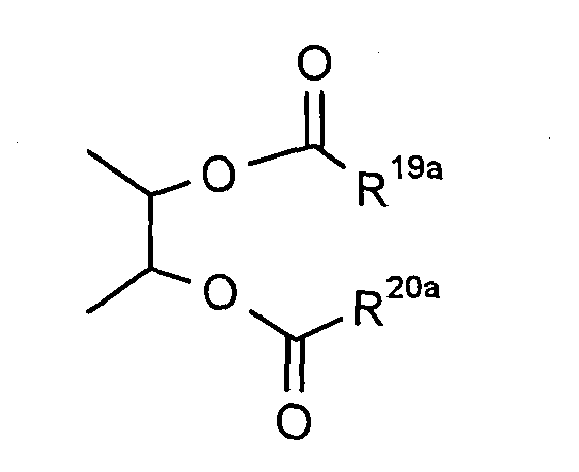
- Halogen, Hydroxy, Mercapto oder jeweils gegebenenfalls durch Halogen substituiertes C1-C10- Alkyl, C1-C6-Alkoxy, C1-C6-Alkylthio, C3-C7-Cycloalkyl, Phenyl oder Benzyloxy, oder eine weitere C3-C6-Alkandiylgruppierung, C3-C6-Alkendiylgruppierung oder eine Butadienylgruppierung, die gegebenenfalls durch C1-C6-Alkyl substituiert ist oder in der gegebenenfalls zwei benachbarte Substituenten mit den Kohlenstoffatomen, an die sie gebunden sind, einen weiteren gesättigten oder ungesättigten Cyclus mit 5 oder 6 Ringatomen bilden stehen A und D dann gemeinsam mit den Atomen, an die sie gebunden sind beispielsweise für die weiter unten genannten Gruppen AD-1 bis AD-10, der gegebenenfalls Sauerstoff oder Schwefel enthalten kann, oder worin gegebenenfalls eine der folgenden Gruppen
- In den als bevorzugt genannten Restedefinitionen steht Halogen für Fluor, Chlor, Brom und Jod, insbesondere für Fluor, Chlor und Brom.
- X
- steht besonders bevorzugt für C1-C4-Alkoxy, C1-C4-Halogenalkoxy, C1-C3-Alkoxy-C2-C3-alkyloxy, C1-C2-Alkoxy-bis-C2-C3-alkyloxy oder C3-C6-Cycloalkyl-C1-C2-alkandiyloxy, worin gegebenenfalls eine Methylengruppe des Rings durch Sauerstoff unterbrochen sein kann,
- W
- steht besonders bevorzugt für C1-C3-Alkyl,
- Y
- steht besonders bevorzugt für Chlor oder Brom,
- G
- steht besonders bevorzugt für Lithium, Natrium, Kalium, Cäsium, Magnesium-chloridkation, Magnesium-bromid-kation, Magnesium-jodid-kation, Magnesium oder Calcium,
- m
- steht besonders bevorzugt für die Zahlen 1 oder 2,
- n
- steht besonders bevorzugt für die Zahlen 1 oder 2,
- A
- steht besonders bevorzugt für Wasserstoff, jeweils gegebenenfalls einfach bis dreifach durch Fluor oder Chlor substituiertes C1-C6-Alkyl, C1-C4-Alkoxy-C1-C2-alkyl oder Cyclopropyl,
- B
- steht besonders bevorzugt für Wasserstoff, C1-C4-Alkyl oder C1-C2-Alkoxyl-C1-C2-alkyl oder
- A, B
- und das Kohlenstoffatom an das sie gebunden sind, stehen besonders bevorzugt für gesättigtes oder ungesättigtes C5-C7-Cyloalkyl, worin gegebenenfalls ein Ringglied durch Sauerstoff oder Schwefel ersetzt ist und welches gegebenenfalls einfach bis zweifach durch C1-C6-Alkyl, Trifluormethyl, C1-C6-Alkoxy oder C3-C6-Cycloalkyl-C1-C2-alkoxy,
- A, B
- und das Kohlenstoffatom, an das sie gebunden sind, stehen besonders bevorzugt für C5-C6-Cycloalkyl, welches durch eine gegebenenfalls ein oder zwei nicht direkt benachbarte Sauerstoff- oder Schwefelatome enthaltende gegebenenfalls durch Methyl oder Ethyl substituierte Alkylendiyl- oder durch eine Alkylendioxyl- oder durch eine Alkylendithiol-Gruppe substituiert ist, die mit dem Kohlenstoffatom, an das sie gebunden ist, einen weiteren fünf-oder sechsgliedrigen Ring bildet,
- A, B
- und das Kohlenstoffatom, an das sie gebunden sind, stehen besonders bevorzugt für C3-C6-Cycloalkyl oder C5-C6-Cycloalkenyl, in welchen zwei Substituenten gemeinsam mit den Kohlenstoffatomen, an die sie gebunden sind, für jeweils gegebenenfalls durch C1-C2-Alkyl oder C1-C2-Alkoxy substituiertes C2-C4-Alkandiyl, C2-C4-Alkendiyl oder Butadiendiyl stehen,
- D
- steht besonders bevorzugt für Wasserstoff, für jeweils gegebenenfalls einfach bis dreifach durch Fluor substituiertes C1-C6-Alkyl, C3-C6-Alkenyl, C1-C4-Alkoxy-C2-C3-alkyl, für gegebenenfalls einfach bis zweifach durch C1-C4-Alkyl, C1-C4-Alkoxy oder C1-C2-Halogenalkyl substituiertes C3-C6-Cycloalkyl,
- A und D
- stehen gemeinsam besonders bevorzugt für gegebenenfalls einfach bis zweifach substituiertes C3-C5-Alkandiyl, in welchem eine Methylengruppe gegebenenfalls durch Sauerstoff oder Schwefel ersetzt sein kann, wobei als Substituenten C1-C2-Alkyl oder C1-C2-Alkoxy in Frage kommen oder
- A und D
- stehen gemeinsam mit den Atomen, an die sie gebunden sind, für eine der Gruppen AD-1 bis AD-10:
- In den als besonders bevorzugt genannten Restedefinitionen steht Halogen für Fluor, Chlor und Brom, insbesondere für Fluor und Chlor.
- X
- steht ganz besonders bevorzugt für Methoxy, Ethoxy, n-Propoxy, iso-Propoxy, n-Butoxy, iso-Butoxy, sec-Butoxy, Methoxy-ethyloxy, Ethoxy-ethyloxy, Cyclopropyl-methoxy, Cyclopentyl-methoxy oder Cyclohexyl-methoxy,
- W
- steht ganz besonders bevorzugt für Methyl oder Ethyl,
- Y
- steht ganz besonders bevorzugt für Chlor oder Brom,
- G
- steht ganz besonders bevorzugt für Lithium, Natrium, Kalium, Cäsium, Magnesium-bromid-kation, Magnesium oder Calcium,
- m
- steht ganz besonders bevorzugt für die Zahlen 1 oder 2,
- n
- steht ganz besonders bevorzugt für die Zahlen 1 oder 2,
- A
- steht ganz besonders bevorzugt für Wasserstoff, jeweils gegebenenfalls einfach bis dreifach durch Fluor substituiertes C1-C4-Alkyl oder C1-C2-Alkoxy-C1-C2-alkyl oder Cyclopropyl,
- B
- steht ganz besonders bevorzugt für Wasserstoff, Methyl oder Ethyl oder
- A, B
- und das Kohlenstoffatom an das sie gebunden sind, stehen ganz besonders bevorzugt für gesättigtes C5-C6-Cycloalkyl, in welchem gegebenenfalls ein Ringglied durch Sauerstoff oder Schwefel ersetzt ist und weiches gegebenenfalls einfach durch Methyl, Ethyl, Propyl, Isopropyl, Trifluormethyl, Methoxy, Ethoxy, Propoxy, Butoxy oder Cyclopropyl-methoxy substituiert ist,
- A, B
- und das Kohlenstoffatom, an das sie gebunden sind, stehen ganz besonders bevorzugt für C6-Cycloalkyl, welches gegebenenfalls durch mit zwei nicht direkt benachbarten Sauerstoffatomen enthaltende C2-C3- Alkylendioxyl-Gruppe substituiert ist,
- A, B
- und das Kohlenstoffatom, an das sie gebunden sind, stehen ganz besonders bevorzugt für C5-C6-Cycloalkyl oder C5-C6-Cycloalkenyl, worin zwei Substituenten gemeinsam mit den Kohlenstoffatomen, an die sie gebunden sind, für C2-C4-Alkandiyl oder C2-C4-Alkendiyl oder Butadiendiyl stehen, mit der Maßgabe, dass dann Q3 ganz besonders bevorzugt für Wasserstoff steht,
- D
- steht ganz besonders bevorzugt für Wasserstoff, für jeweils gegebenenfalls einfach bis dreifach durch Fluor substituiertes C1-C4-Alkyl, C3-C4-Alkenyl, C1-C4-Alkoxy-C2-C3-alkyl, für Cyclopropyl, Cyclopentyl oder Cyclohexyl
- A und D
- stehen gemeinsam ganz besonders bevorzugt für gegebenenfalls einfach durch Methyl oder Methoxy substituiertes C3-C5-Alkandiyl, worin gegebenenfalls ein Kohlenstoffatom durch Sauerstoff oder Schwefel ersetzt ist oder für die Gruppe AD-1.
- X
- steht hervorgehoben für Methoxy, Ethoxy, n-Propoxy, iso-Propoxy, n-Butoxy, iso-Butoxy, sec-Butoxy, Methoxy-ethyloxy, Ethoxy-ethyloxy oder Cyclopropylmethoxy,
- W
- steht hervorgehoben für Methyl oder Ethyl,
- Y
- steht hervorgehoben für Chlor,
- G
- steht hervorgehoben für Lithium, Natrium, Kalium, Calcium, Magnesium oder Brom;
- m
- steht hervorgehoben für die Zahl 1,
- n
- steht hervorgehoben für die Zahl 1 oder 2,
- A
- steht hervorgehoben für Wasserstoff, Methyl, Ethyl, Isopropyl, n-Propyl, Isobutyl, n-Butyl, t-Butyl, s-Butyl oder Cyclopropyl
- B
- steht hervorgehoben für Wasserstoff oder Methyl,
- A, B
- und das Kohlenstoffatom an das sie gebunden sind, stehen hervorgehoben für gesättigtes C5-C6-Cycloalkyl, in welchem gegebenenfalls ein Ringglied durch Sauerstoff ersetzt ist und welches gegebenenfalls einfach durch Methyl, Methoxy, Ethoxy, n-Propoxy, n-Butoxy oder Trifluormethyl (insbesondere durch Methyl oder Methoxy), substituiert ist,
- D
- steht hervorgehoben für Wasserstoff, Methyl, Ethyl, Isopropyl, Cyclopropyl oder Cyclohexyl,
- A und D stehen gemeinsam hervorgehoben für C3-C5-Alkandiyl oder für die Gruppe AD-1.
- Die oben aufgeführten allgemeinen oder in Vorzugsbereichen aufgeführten Restedefinitionen bzw. Erläuterungen können untereinander, also auch zwischen den jeweiligen Bereichen und Vorzugsbereichen beliebig kombiniert werden. Sie gelten für die Endprodukte sowie für die Vor- und Zwischenprodukte entsprechend.
- Erfindungsgemäß bevorzugt werden die Verbindungen der Formel (I), in welchen eine Kombination der vorstehend als bevorzugt (vorzugsweise) aufgeführten Bedeutungen vorliegt.
- Erfindungsgemäß besonders bevorzugt werden die Verbindungen der Formel (I), in welchen eine Kombination der vorstehend als besonders bevorzugt aufgeführten Bedeutungen vorliegt.
- Erfindungsgemäß ganz besonders bevorzugt werden die Verbindungen der Formel (I), in welchen eine Kombination der vorstehend als ganz besonders bevorzugt aufgeführten Bedeutungen vorliegt.
- Erfindungsgemäß hervorgehoben werden die Verbindungen der Formel (I), in welchen eine Kombination der vorstehend als hervorgehoben aufgeführten Bedeutungen vorliegt.
- Gesättigte oder ungesättigte Kohlenwasserstoffreste wie Alkyl, Alkandiyl oder Alkenyl können, auch in Verbindung mit Heteroatomen, wie z.B. in Alkoxy, soweit möglich, jeweils geradkettig oder verzweigt sein.
- Gegebenenfalls substituierte Reste können, sofern nichts anderes angegeben ist, einfach oder mehrfach substituiert sein, wobei bei Mehrfachsubstitutionen die Substituenten gleich oder verschieden sein können.
- Im einzelnen seien außer den bei den Herstellungsbeispielen genannten Verbindungen die folgenden Verbindungen der Formel (I-1-a) genannt:

Tabelle 1: W = OCH3, X = CH3, Y = Cl; G(+)n = Na+; m = 1 A B D CH3 H H C2H5 H H C3H7 H H i-C3H7 H H C4H9 H H i-C4H9 H H s-C4H9 H H t-C4H9 H H CH3 CH3 H C2H5 CH3 H C3H7 CH3 H i-C3H7 CH3 H C4H9 CH3 H i-C4H9 CH3 H s-C4H9 CH3 H t-C4H9 CH3 H C2H5 C2H5 H C3H7 C3H7 H -(CH2)2- H -(CH2)4- H -(CH2)5- H -(CH2)6- H -(CH2)7- H -(CH2)2-O-(CH2)2- H -CH2-O-(CH2)3- H -(CH2)2-S-(CH2)2- H -CH2-CHCH3-(CH2)3- H -(CH2)2-CHCH3-(CH2)2- H -(CH2)2-CHC2H5-(CH2)2- H -(CH2)2-CHC3H7-(CH2)2- H -(CH2)2-CHi-C3H7-(CH2)2- H -(CH2)2-CHOCH3-(CH2)2- H -(CH2)2-CHOC2H5-(CH2)2- H -(CH2)2-CHOC3H7-(CH2)2- H -(CH2)2-CHO-i-C3H7-(CH2)2- H -(CH2)2-C(CH3)2-(CH2)2- H -CH2-(CHCH3)2-(CH2)2- H 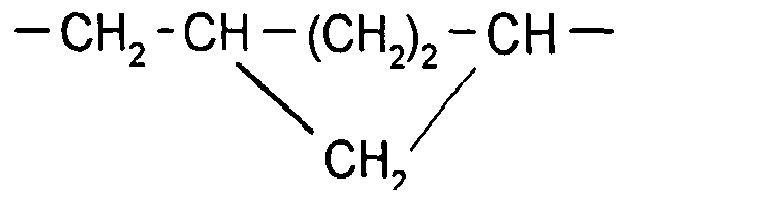
H 
H 
H A B D 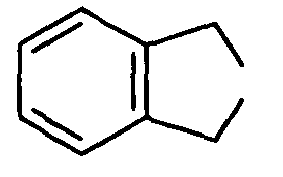
H 
H A D B -(CH2)3- H -(CH2)4- H -CH2-CHCH3-CH2- H -CH2-CH2-CHCH3- H -CH2-CHCH3-CHCH3- H -CH2-CH(OCH3)-CH2- H -CH2-CH=CH-CH2- H -CH2-CH-CH-CH2- H -CH2-S-CH2- H -CH2-S-(CH2)2- H -(CH2)2-S-CH2- H 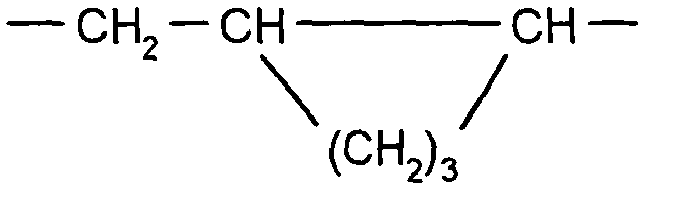
H H CH3 H H C2H5 H H C3H7 H H i-C3H7 H H 
H H 
H A D B H 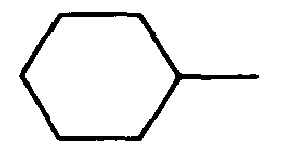
H CH3 CH3 H CH3 C2H5 H CH3 C3H7 H CH3 i-C3H7 H CH3 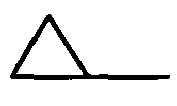
H CH3 
H CH3 
H 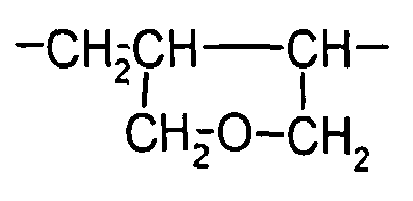
H C2H5 CH3 H C2H5 C2H5 H - W = OCH3; X = CH3; Y = Br; G(+)n = Na+; m = 1
- W = OCH3; X = C2H5; Y = Cl; G(+)n = Na+; m = 1
- W = OCH3; X = C2H5; Y = Br; G(+) n = Na+; m = 1
- W = OC2H5; X = CH3; Y =Cl; G(+)n = Na+; m = 1
- W = OC2H5; X = C2H5; Y = Cl; G(+) n = Na+; m = 1
- Bevorzugte Bedeutungen der oben in Zusammenhang mit den die Kulturpflanzen-Verträglichkeit verbessernden Verbindungen ("Herbizid-Safenem") der Formeln (IIa), (IIb), (IIc), (IId) und (IIe) aufgeführten Gruppen werden im Folgenden definiert.
- n
- steht bevorzugt für die Zahlen 0, 1, 2, 3 oder 4.
- A1
- steht bevorzugt für eine der nachstend skizzierten divalenten heterocyclischen Gruppierungen
- steht bevorzugt für jeweils gegebenenfalls durch Methyl, Ethyl, Methoxycarbonyl oder Ethoxy-carbonyl substituiertes Methylen oder Ethylen.
- R14
- steht bevorzugt für Hydroxy, Mercapto, Amino, Methoxy, Ethoxy, n- oder i-Propoxy, n-, i-, s-oder t-Butoxy, Methylthio, Ethylthio, n- oder i-Propylthio, n-, i-, s- oder t-Butylthio, Methylamino, Ethylamino, n- oder i-Propylamino, n-, i-, s- oder t-Butylamino, Dimethylamino oder Diethylamino.
- R15
- steht bevorzugt für Hydroxy, Mercapto, Amino, Methoxy, Ethoxy, n- oder i-Propoxy, n-, i-, s-oder t-Butoxy, Methylthio, Ethylthio, n- oder i-Propylthio, n-, i-, s- oder t-Butylthio, Methylamino, Ethylamino, n- oder i-Propylamino, n-, i-, s- oder t-Butylamino, Dimethylamino oder Diethylamino.
- R16
- steht bevorzugt für jeweils gegebenenfalls durch Fluor, Chlor und/oder Brom substituiertes Methyl, Ethyl, n- oder i-Propyl.
- R17
- steht bevorzugt für Wasserstoff, jeweils gegebenenfalls durch Fluor und/oder Chlor substituiertes Methyl, Ethyl, n- oder i-Propyl, n-, i-, s- oder t-Butyl, Propenyl, Butenyl, Propinyl oder Butinyl, Methoxymethyl, Ethoxymethyl, Methoxyethyl, Ethoxyethyl, Dioxolanyhnethyl, Furyl, Furylmethyl, Thienyl, Thiazolyl, Piperidinyl, oder gegebenenfalls durch Fluor, Chlor, Methyl, Ethyl, n-oder i-Propyl, n-, i-, s- oder t-Butyl substituiertes Phenyl.
- R18
- steht bevorzugt für Wasserstoff, jeweils gegebenenfalls durch Fluor und/oder Chlor substituiertes Methyl, Ethyl, n- oder i-Propyl, n-, i-, s- oder t-Butyl, Propenyl, Butenyl, Propinyl oder Butinyl, Methoxymethyl, Ethoxymethyl, Methoxyethyl, Ethoxyethyl, Dioxolanylmethyl, Furyl, Furylmethyl, Thienyl, Thiazolyl, Piperidinyl, oder gegebenenfalls durch Fluor, Chlor, Methyl, Ethyl, n-oder i-Propyl, n-, i-, s- oder t-Butyl substituiertes Phenyl, oder zusammen mit R17 für einen der Reste -CH2-O-CH2-CH2- und -CH2-CH2-O-CH2-CH2-, die gegebenenfalls substituiert sind durch Methyl, Ethyl, Furyl, Phenyl, einen annellierten Benzolring oder durch zwei Substituenten, die gemeinsam mit dem C-Atom, an das sie gebunden sind, einen 5- oder 6-gliedrigen Carbocyclus bilden.
- R19
- steht bevorzugt für Wasserstoff, Cyano, Fluor, Chlor, Brom, oder für jeweils gegebenenfalls durch Fluor, Chlor und/oder Brom substituiertes Methyl, Ethyl, n- oder i-Propyl, Cyclopropyl, Cyclobutyl, Cyclopentyl, Cyclohexyl oder Phenyl.
- R20
- steht bevorzugt für Wasserstoff, gegebenenfalls durch Hydroxy, Cyano, Fluor, Chlor, Methoxy, Ethoxy, n- oder i-Propoxy substituiertes Methyl, Ethyl, n- oder i-Propyl, n-, i-, s- oder t-Butyl.
- R21
- steht bevorzugt für Wasserstoff, Cyano, Fluor, Chlor, Brom, oder für jeweils gegebenenfalls durch Fluor, Chlor und/oder Brom substituiertes Methyl, Ethyl, n- oder i-Propyl, n-, i-, s- oder t-Butyl, Cyclopropyl, Cyclobutyl, Cyclopentyl, Cyclohexyl oder Phenyl.
- X1
- steht bevorzugt für Nitro, Cyano, Fluor, Chlor, Brom, Methyl, Ethyl, n- oder i-Propyl, n-, i-, s-oder t-Butyl, Difluormethyl, Dichlormethyl, Trifluormethyl, Trichlormethyl, Chlordifluormethyl, Fluordichlormethyl, Methoxy, Ethoxy, n- oder i-Propoxy, Difluormethoxy oder Trifluormethoxy.
- X2
- steht bevorzugt für Wasserstoff, Nitro, Cyano, Fluor, Chlor, Brom, Methyl, Ethyl, n- oder i-Propyl, n-, i-, s- oder t-Butyl, Difluormethyl, Dichlormethyl, Trifluormethyl, Trichlormethyl, Chlordifluormethyl, Fluordichlormethyl, Methoxy, Ethoxy, n- oder i-Propoxy, Difluormethoxy oder Trifluormethoxy.
- X3
- steht bevorzugt für Wasserstoff, Nitro, Cyano, Fluor, Chlor, Brom, Methyl, Ethyl, n- oder i-Propyl, n-, i-, s- oder t-Butyl, Difluormethyl, Dichlormethyl, Trifluormethyl, Trichlormethyl, Chlordifluormethyl, Fluordichlormethyl, Methoxy, Ethoxy, n- oder i-Propoxy, Difluormethoxy oder Trifluormethoxy.
- R22
- steht bevorzugt für Wasserstoff, Methyl, Ethyl, n- oder i-Propyl.
- R23
- steht bevorzugt für Wasserstoff, Methyl, Ethyl, n- oder i-Propyl.
- R24
- steht bevorzugt für Wasserstoff, jeweils gegebenenfalls durch Cyano, Fluor, Chlor, Methoxy, Ethoxy, n- oder i-Propoxy substituiertes Methyl, Ethyl, n- oder i-Propyl, n-, i-, s- oder t-Butyl, Methoxy, Ethoxy, n- oder i-Propoxy, n-, i-, s- oder t-Butoxy, Methylthio, Ethylthio, n- oder i-Propylthio, n-, i-, s- oder t-Butylthio,, Methylamino, Ethylamino, n- oder i-Propylamino, n-, i-, s-oder t-Butylamino, Dimethylamino oder Diethylamino, oder jeweils gegebenenfalls durch Cyano, Fluor, Chlor, Brom, Methyl, Ethyl, n- oder i-Propyl substituiertes Cyclopropyl, Cyclobutyl, Cyclopentyl, Cyclohexyl, Cyclopropyloxy, Cyclobutyloxy, Cyclopentyloxy, Cyclohexyloxy, Cyclopropylthio, Cyclobutylthio, Cyclopentylthio, Cyclohexylthio, Cyclopropylamino, Cyclobutylamino, Cyclopentylamino oder Cyclohexylamino.
- R25
- steht bevorzugt für Wasserstoff, jeweils gegebenenfalls durch Cyano, Hydroxy, Fluor, Chlor, Methoxy, Ethoxy, n- oder i-Propoxy substituiertes Methyl, Ethyl, n- oder i-Propyl, n-, i- oder s-Butyl, jeweils gegebenenfalls durch Cyano, Fluor, Chlor oder Brom substituiertes Propenyl, Butenyl, Propinyl oder Butinyl, oder jeweils gegebenenfalls durch Cyano, Fluor, Chlor, Brom, Methyl, Ethyl, n- oder i-Propyl substituiertes Cyclopropyl, Cyclobutyl, Cyclopentyl oder Cyclohexyl.
- R26
- steht bevorzugt für Wasserstoff, jeweils gegebenenfalls durch Cyano, Hydroxy, Fluor, Chlor, Methoxy, Ethoxy, n- oder i-Propoxy substituiertes Methyl, Ethyl, n- oder i-Propyl, n-, i- oder s-Butyl, jeweils gegebenenfalls durch Cyano, Fluor, Chlor oder Brom substituiertes Propenyl, Butenyl, Propinyl oder Butinyl, jeweils gegebenenfalls durch Cyano, Fluor, Chlor, Brom, Methyl, Ethyl, n- oder i-Propyl substituiertes Cyclopropyl, Cyclobutyl, Cyclopentyl oder Cyclohexyl, oder gegebenenfalls durch Nitro, Cyano, Fluor, Chlor, Brom, Methyl, Ethyl, n- oder i-Propyl, n-, i-, s-oder t-Butyl, Trifluormethyl, Methoxy, Ethoxy, n- oder i-Propoxy, Difluormethoxy oder Trifluormethoxy substituiertes Phenyl, oder zusammen mit R25 für jeweils gegebenenfalls durch Methyl oder Ethyl substituiertes Butan-1,4-diyl (Trimethylen), Pentan-1,5-diyl, 1-Oxa-butan-1,4-diyl oder 3-Oxa-pentan-1,5-diyl.
- X4
- steht bevorzugt für Nitro, Cyano, Carboxy, Carbamoyl, Formyl, Sulfamoyl, Hydroxy, Amino, Fluor, Chlor, Brom, Methyl, Ethyl, n- oder i-Propyl, n-, i-, s- oder t-Butyl, Trifluormethyl, Methoxy, Ethoxy, n- oder i-Propoxy, Difluormethoxy oder Trifluormethoxy.
- X5
- steht bevorzugt für Nitro, Cyano, Carboxy, Carbamoyl, Formyl, Sulfamoyl, Hydroxy, Amino, Fluor, Chlor, Brom, Methyl, Ethyl, n- oder i-Propyl, n-, i-, s- oder t-Butyl, Trifluormethyl, Methoxy, Ethoxy, n- oder i-Propoxy, Difluormethoxy oder Trifluormethoxy.
- Beispiele für die als erfindungsgemäße Herbizid-Safener ganz besonders bevorzugten Verbindungen der Formel (IIa) sind in der nachstehenden Tabelle aufgeführt.

Tabelle Beispiele für die Verbindungen der Formel (IIa) Beispiel- Nr. (Positionen) (X1)n A1 R14 IIa-1 (2) Cl, (4) Cl 
OCH3 IIa-2 (2) Cl, (4) Cl 
OCH3 IIa-3 (2) Cl, (4) Cl 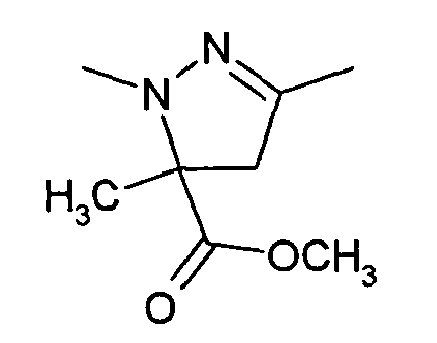
OC2H5 IIa-4 (2) Cl, (4) Cl 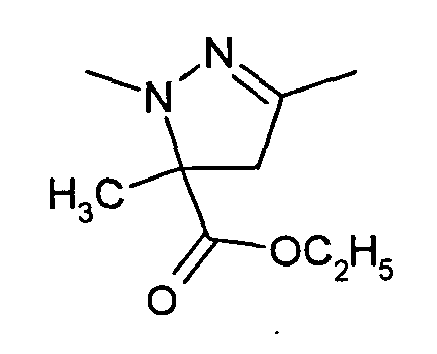
OC2H5 IIa-5 (2) Cl 
OCH3 Ma-6 (2) C1, (4) C1 
OCH3 IIa-7 (2) F 
OCH3 IIa-8 (2) F 
OCH3 IIa-9 (2)C1,(4)C1 
OC2H5 IIa-10 (2) Cl, (4) CF3 
OCH3 IIa-11 (2) Cl 
OCH3 IIa-12 - 
OC2H5 IIa-13 (2) Cl, (4)Cl 
OC2H5 IIa-14 (2) Cl, (4) Cl 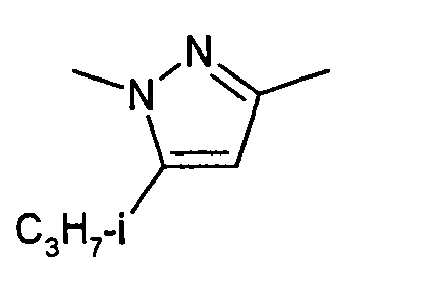
OC2H5 IIa-15 (2) Cl, (4) Cl 
OC2H5 IIa-16 (2) Cl, (4) Cl 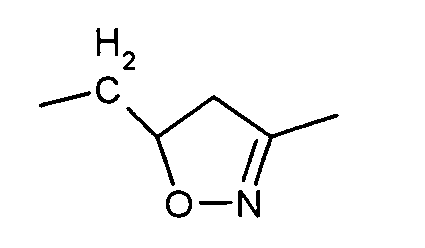
OC2H5 IIa-17 (2) Cl, (4) Cl 
OC2H5 IIa-18 - 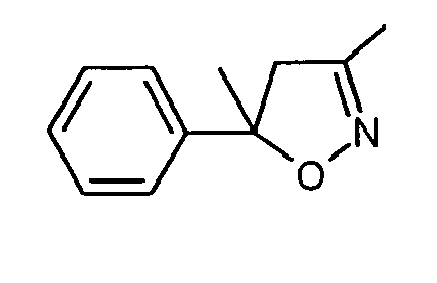
OH - Beispiele für die als erfindungsgemäße Herbizid-Safener ganz besonders bevorzugten Verbindungen der Formel (IIb) sind in der nachstehenden Tabelle aufgeführt.

Tabelle Beispiele für die Verbindungen der Formel (IIb) Beispiel- Nr. (Position) X2 (Position) X3 A2 R15 IIb-1 (5) Cl - CH2 OH IIb-2 (5) Cl - CH2 OCH3 IIb-3 (5) C1 - CH2 OC2H5 IIb-4 (5) C1 - CH2 OC3H7-n IIb-5 (5) C1 - CH2 OC3H7-i IIb-6 (5) Cl - CH2 OC4H9-n IIb-7 (5) C1 - CH2 OCH(CH3)C5H11-n IIb-8 (5) Cl (2) F CH2 OH IIb-9 (5) Cl (2) Cl CH2 OH IIb-10 (5) Cl - CH2 OCH2CH=CH2 IIb-11 (5) Cl - CH2 OC4H9-i IIb-12 (5) Cl - CH2 
IIb-13 (5) Cl - 
OCH2CH=CH2 IIb-14 (5) Cl - 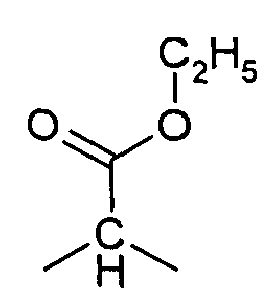
OC2H5 IIb-15 (5) Cl - 
OCH3 - Beispiele für die als erfindungsgemäße Herbizid-Safener ganz besonders bevorzugten Verbindungen der Formel (IIc) sind in der nachstehenden Tabelle aufgeführt.
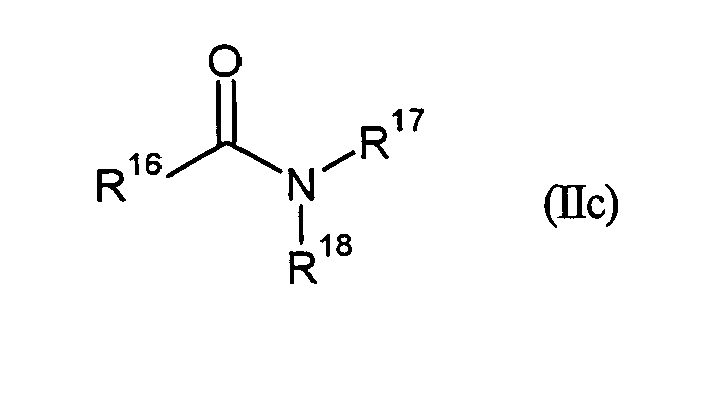
Tabelle Beispiele für die Verbindungen der Formel (IIc) Beispiel- Nr. R16 N(R17,R18) IIc-1 CHCl2 N(CH2CH=CH2)2 IIc-2 CHCl2 
IIc-3 CHCl2 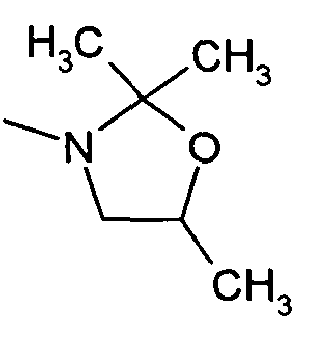
IIc-4 CHCl2 
IIc-5 CHCl2 
IIc-6 CHCl2 
IIc-7 CHCl2 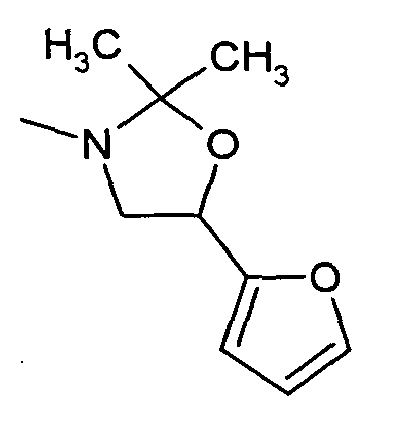
- Beispiele für die als erfindungsgemäße Herbizid-Safener ganz besonders bevorzugten Verbindungen der Formel (IId) sind in der nachstehenden Tabelle aufgeführt.

Tabelle Beispiele für die Verbindungen der Formel (IId) Beispiel- Nr. R22 R23 R24 (Positionen) (X4)n (Positionen) (X5)n IId-1 H H CH3 (2) OCH3 - IId-2 H H C2H5 (2) OCH3 - IId-3 H H C3H7-n (2) OCH3 - IId-4 H H C3H7-i (2) OCH3 - IId-5 H H 
(2) OCH3 - IId-6 H H CH3 (2) OCH3 (5) CH3 - IId-7 H H C2H5 (2) OCH3 (5) CH3 - IId-8 H H C3H7-n (2) OCH3 (5) CH3 - IId-9 H H C3H7-i (2) OCH3 (5) CH3 - IId-10 H H 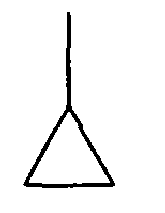
(2) OCH3 (5) CH3 - IId-11 H H OCH3 (2) OCH3 (5) CH3 - nd-12 H H OC2H5 (2) OCH3 (5) CH3 - IId-13 H H OC3H7-i (2) OCH3 (5) CH3 - IId-14 H H SCH3 (2)OCH3 (5) CH3 - IId-15 H H SC2H5 (2) OCH3 (5) CH3 - IId-16 H H SC3H7-i (2) OCH3 (5)CH3 - IId-17 H H NHCH3 (2) OCH3 (5) CH3 - IId-18 H H NHC2H5 (2) OCH3 (5) CH3 - IId-19 H H NHC3H7-i (2) OCH3 (5) CH3 - IId-20 H H 
(2) OCH3 (5) CH3 - IId-21 H H NHCH3 (2) OCH3 - IId-22 H H NHC3H7-i (2) OCH3 - IId-23 H H N(CH3)2 (2) OCH3 - IId-24 H H N(CH3)2 (3) CH3 (4) CH3 - IId-25 H H CH2-O-CH3 (2) OCH3 - - Beispiele für die als erfindungsgemäße Herbizid-Safener ganz besonders bevorzugten Verbindungen der Formel (IIe) sind in der nachstehenden Tabelle aufgeführt.

Tabelle Beispiele für die Verbindungen der Formel (IIe) Beispiel- Nr. R22 R25 R26 (Positionen) (X4)n (Positionen) (X5)n IIe-1 H H CH3 (2) OCH3 - IIe-2 H H C2H5 (2) OCH3 - IIe-3 H H C3H7-n (2) OCH3 - IIe-4 H H C3H7-i (2) OCH3 - IIe-5 H H 
(2) OCH3 - IIe-6 H CH3 CH3 (2) OCH3 - IIe-7 H H CH3 (2) OCH3 (5) CH3 - IIe-8 H H C2H5 (2) OCH3 (5) CH3 - IIe-9 H H C3H7-n (2) OCH3 (5) CH3 - IIe-10 H H C3H7-i (2) OCH3 (5) CH3 - IIe-11 H H 
(2) OCH3 (5) CH3 - IIe-12 H CH3 CH3 (2) OCH3 (5) CH3 - - Als die die Kulturpflanzen-Verträglichkeit verbessernde Verbindung [Komponente (b')] sind Cloquintocet-mexyl, Fenchlorazol-ethyl, Isoxaifen-ethyl, Mefenpyr-diethyl, Furilazole, Fenclorim, Cumyluron, Dymron, Dimepiperate und die Verbindungen IIe-5 und IIe-11 am meisten bevorzugt, wobei Cloquintocet-mexyl und Mefenpyr-diethyl besonders hervorgehoben seien.
- Die als Safener erfindungsgemäß zu verwendenden Verbindungen der allgemeinen Formel (IIa) sind bekannt und/oder können nach an sich bekannten Verfahren hergestellt werden (vgl.
WO-A-91/07874 WO-A-95/07897 - Die als Safener erfindungsgemäß zu verwendenden Verbindungen der allgemeinen Formel (IIb) sind bekannt und/oder können nach an sich bekannten Verfahren hergestellt werden (vgl.
EP-A-191736 - Die als Safener erfindungsgemäß zu verwendenden Verbindungen der allgemeinen Formel (IIc) sind bekannt und/oder können nach an sich bekannten Verfahren hergestellt werden (vgl.
DE-A-2218097 ,DE-A-2350547 ). - Die als Safener erfindungsgemäß zu verwendenden Verbindungen der allgemeinen Formel (IId) sind bekannt und/oder können nach an sich bekannten Verfahren hergestellt werden (vgl.
DE-A-19621522 /USA-6235680 ). - Die als Safener erfindungsgemäß zu verwendenden Verbindungen der allgemeinen Formel (IIe) sind bekannt und können nach an sich bekannten Verfahren hergestellt werden (vgl.
WO-A-99/66795 US-A-6251827 ). - Beispiele für die erfindungsgemäßen selektiv herbiziden Kombinationen aus jeweils einem Wirkstoff der Formel (I) und jeweils einem der oben definierten Safener sind in der nachstehenden Tabelle aufgeführt.
Tabelle Beispiele für die erfindungsgemäßen Kombinationen Wirkstoffe der Formel (I) Safener A.1 Cloquintocet-mexyl A.1 Fenchlorazole-ethyl A.1 Isoxadifen-ethyl A.1 Mefenpyr-diethyl A.1 Furilazole A.1 Fenclorim A.1 Cumyluron A.1 Daimuron /Dymron A.1 Dimepiperate A.1 IIe-11 A.1 IIe-5 A.2 Cloquintocet-mexyl A.2 Fenchlorazole-ethyl A.2 Isoxadifen-ethyl A.2 Mefenpyr-diethyl A.2 Furilazole A.2 Fenclorim A.2 Cumyluron A.2 Daimuron /Dymron A.2 Dimepiperate A.2 IIe-11 A.2 IIe-5 A.3 Cloquintocet-mexyl A.3 Fenchlolorazole-ethyl A.3 Isoxadifen-ethyl A.3 Mefenpyr-diethyl A.3 Furilazole A.3 Fenclorim A.3 Cumyluron A.3 Daimuron /Dymron A.3 Dimepiperate A.3 IIe-5 A.3 IIe-11 A.4 Cloquintocet-mexyl A.4 Fenchlorazole-ethyl A.4 Isoxadifen-ethyl A.4 Mefenpyr-diethyl A.4 Furilazole A.4 Fenclorim A.4 Cumyluron A.4 Daimuron /Dymron A.4 Dimepiperate A.4 IIe-11 A.4 IIe-5 A.5 Cloquintocet-mexyl A.5 Fenchiorazole-ethyl A.5 Isoxadifen-ethyl A.5 Mefenpyr-diethyl A.5 Furilazole A.5 Fenclorim A.5 Cumyluron A.5 Daimuron /Dymron A.5 Dimepiperate A.5 IIe-5 A.5 IIe-11 A.6 Cloquintocet-mexyl A.6 Fenchlorazole-ethyl A.6 Isoxadifen-ethyl A.6 Mefenpyr-diethyl A.6 Furilazole A.6 Fenclorim A.6 Cumyluron A.6 Daimuron /Dymron A.6 Dimepiperate A.6 IIe-5 A.6 IIe-11 A.7 Cloquintocet-mexyl A.7 Fenchlorazole-ethyl A.7 Isoxadifen-ethyl A.7 Mefenpyr-diethyl A.7 Furilazole A.7 Fenclorim A.7 Cumyluron A.7 Daimuron/Dymron A.7 Dimepiperate A.7 IIe-5 A.7 IIe-11 A.8 Cloquintocet-mexyl A.8 Fenchlorazole-ethyl A.8 Isoxadifen-ethyl A.8 Mefenpyr-diethyl A.8 Furilazole A.8 Fenclorim A.8 Cumyluron A.8 Daimuron /Dymron A.8 Dimepiperate A.8 IIe-5 A.8 IIe-11 A.9 Cloquintocet-mexyl A.9 Fenchlorazole-ethyl A.9 Isoxadifen-ethyl A.9 Mefenpyr-diethyl A.9 Furilazole A.9 Fenclorim A.9 Cumyluron A.9 Daimuron/Dymron A.9 Dimepiperate A.9 IIe-5 A.9 IIe-11 A.10 Cloquintocet-mexyl A.10 Fenchlorazole-ethyl A.10 Isoxadifen-ethyl A.10 Mefenpyr-diethyl A.10 Furilazole A.10 Fenclorim A.10 Cumyluron A.10 Daimuron /Dymron A.10 Dimepiperate A.10 IIe-5 A.10 IIe-11 A.11 Cloquintocet-mexyl A.11 Fenchlorazole-ethyl A.11 Isoxadifen-ethyl A.11 Mefenpyr-diethyl A.11 Furilazole A.11 Fenclorim A.11 Cumyluron A.11 Daimuron/Dymron A.11 Dimepiperate A.11 IIe-5 A.11 IIe-11 A.12 Cloquintocet-mexyl A.12 Fenchlorazole-ethyl A.12 Isoxadifen-ethyl A.12 Mefenpyr-diethyl A.12 Furilazole A.12 Fenclorim A.12 Cumyluron A.12 Daimuron/Dymron A.12 Dimepiperate A.12 IIe-5 A.12 IIe-11 A.13 Cloquintocet-mexyl A.13 Fenchlorazole-ethyl A.13 Isoxadifen-ethyl A.13 Mefenpyr-diethyl A.13 Furilazole A.13 Fenclorim A.13 Cumyluron A.13 Daimuron /Dymron A.13 Dimepiperate A.13 IIe-5 A.13 IIe-11 A.14 Cloquintocet-mexyl A.14 Fenchlorazole-ethyl A.14 Isoxadifen-ethyl A.14 Mefenpyr-diethyl A.14 Furilazole A.14 Fenclorim A.14 - Cumyluron A.14 Daimuron/Dymron A.14 Dimepiperate A.14 IIe-5 A.14 IIe-11 A.15 Cloquintocet-mexyl A.15 Fenchlorazole-ethyl A.15 Isoxadifen-ethyl A15 Mefenpyr-diethyl A.15 Furilazole A.15 Fenclorim A.15 Cumyluron A.15 Daimuron/Dymron A.15 Dimepiperate A.15 IIe-5 A.15 IIe-11 A.16 Cloquintocet-mexyl A.16 Fenchlorazole-ethyl A.16 Isoxadifen-ethyl A.16 Mefenpyr-diethyl A.16 Furilazole A.16 Fenclorim A.16 Cumyluron A.16 Daimuron /Dymron A.16 Dimepiperate A.16 IIe-5 A.16 IIe-11 A.17 Cloquintocet-mexyl A.17 Fenchlorazole-ethyl A.17 Isoxadifen-ethyl A.17 Mefenpyr-diethyl A.17 Furilazole A.17 Fenclorim A.17 Cumyluron A.17 Daimuron/Dymron A.17 Dimepiperate A.17 IIe-5 A.17 IIe-11 A.18 Cloquintocet-mexyl A.18 Fenchlorazole-ethyl A.18 Isoxadifen-ethyl A.18 Mefenpyr-diethyl A.18 Furilazole A.18 Fenclorim A.18 Cumyluron A.18 Daimuron/Dymron A.18 Dimepiperate A.18 IIe-5 A.18 IIe-11 A.19 Cloquintocet-mexyl A.19 Fenchlorazole-ethyl A.19 Isoxadifen-ethyl A.19 Mefenpyr-diethyl A.19 Furilazole A.19 Fenclorim A.19 Cumyluron A.19 Daimuron/Dymron A.19 Dimepiperate A.19 IIe-5 A.19 IIe-11 A.20 Cloquintocet-mexyl A.20 Fenchlorazole-ethyl A.20 Isoxadifen-ethyl A.20 Mefenpyr-diethyl A.20 Furilazole A.20 Fenclorim A.20 Cumyluron A.20 Daimuron/Dymron A.20 Dimepiperate A.20 IIe-5 A.20 IIe-11 A.21 Cloquintocet-mexyl A.21 Fenchlorazole-ethyl A.21 Isoxadifen-ethyl A.21 Mefenpyr-diethyl A.21 Furilazole A.21 Fenclorim A.21 Cumyluron A.21 Daimuron /Dymron A.21 Dimepiperate A.21 IIe-5 A.21 IIe-11 - Es wurde nun überraschend gefunden, dass die oben definierten Wirkstoffkombinationen aus 3-(2-Alkoxyphenyl)-substituierten Tetramate der allgemeinen Formel (I) und Safenern (Antidots) aus der oben aufgeführten Gruppe (b') bei sehr guter Nutzpflanzen-Verträglichkeit eine besonders hohe herbizide Wirksamkeit aufweisen und in verschiedenen Kulturen, insbesondere in Getreide (vor allem Weizen), aber auch in Soja, Kartoffeln, Mais und Reis zur selektiven Unkrautbekämpfung verwendet werden können.
- Dabei ist es als überraschend anzusehen, dass aus einer Vielzahl von bekannten Safenern oder Antidots, die befähigt sind, die schädigende Wirkung eines Herbizids auf die Kulturpflanzen zu antagonisieren, gerade die oben aufgeführten Verbindungen der Gruppe (b') geeignet sind, die schädigende Wirkung von 3-(2-Alkoxy-phenyl)-substituierten Tetramate auf die Kulturpflanzen annähernd vollständig aufzuheben, ohne dabei die herbizide Wirksamkeit gegenüber den Unkräutern maßgeblich zu beeinträchtigen.
- Hervorgehoben sei hierbei die besonders vorteilhafte Wirkung der besonders und am meisten bevorzugten Kombinationspartner aus der Gruppe (b'), insbesondere hinsichtlich der Schonung von Getreidepflanzen, wie z.B. Weizen, Gerste und Roggen, aber auch Mais und Reis, als Kulturpflanzen.
- Alle in den erfindungsgemäßen Mitteln enthaltenen Wirkstoffe der Formel (I) können nach im Stand der Technik beschriebenen Verfahren (siehe oben genannte Referenzen) hergestellt werden. Ihre Wirkung ist gut, jedoch insbesondere bei niedrigen Aufwandmengen und Konzentrationen nicht immer voll zufriedenstellend. Weiterhin ist die Pflanzenverträglichkeit dieser Verbindungen nicht immer ausreichend. Es besteht deshalb ein Bedarf für eine Wirkungssteigerung und/oder Verbesserung der Pflanzenverträglichkeit gegenüber Kulturpflanzen der die Verbindungen enthaltenden Pflanzenschutzmittel.
- In der Literatur wurde bereits beschrieben, dass sich die Wirkung verschiedener Wirkstoffe durch Zugabe von Ammoniumsalzen steigern lässt. Dabei handelt es sich jedoch um als Detergens wirkende Salze (z.B.
WO 95/017817 EP-A 0 453 086 ,EP-A 0 664 081 ,FR-A 2 600 494 US 4 844 734 ,US 5 462 912 ,US 5 538 937 ,US-A 03/0224939 US-A 05/0009880 US-A 05/0096386 US 6 645 914 ,EP-A2 0 036 106 ). - Auch der Einsatz von Ammoniumsulfat als Forrnulierhilfsrniael ist für bestimmte Wirkstoffe und Anwendungen beschrieben (
WO 92/16108 - Herbizide bzw. insektizide Zusammensetzungen von cyclischen Ketoenolen mit Ammonium- oder Phosphoniumsalzen zur Wirkstoffsteigerung sind beschrieben in
DE-05059469 undDE-05059471 (noch nicht veröffentlicht). - Es wurde nun völlig überraschend gefunden, dass sich die Wirkung von Herbiziden und/oder Akariziden und/oder Insektiziden aus der Klasse der 3-(2-Alkoxy-phenyl)-substituierten Tetramate durch den Zusatz von Ammonium- oder Phosphoniumsalzen zur Anwendungslösung oder durch den Einbau dieser Salze in eine Formulierung enthaltend 3-(2-Alkoxy-phenyl)-substituierten Tetramate, deutlich steigern lässt. Gegenstand der vorliegenden Erfindung ist also die Verwendung von Ammonium- oder Phosphoniumsalzen zur Wirkungssteigerung von Pflanzenschutzmitteln, die insektizid und/oder akarizid und/oder herbizid wirksame 3-(2-Alkoxy-phenyl)-substituierte Tetramate als Wirkstoff enthalten. Gegenstand der Erfindung sind ebenfalls Mittel, die insektizid und/oder akarizid und/oder herbizid wirksame 3-(2-Alkoxy-phenyl)-substituierte Tetramate und die Wirkung steigernde Ammonium- oder Phosphoniumsalze enthalten und zwar sowohl formulierte Wirkstoffe als auch anwendungsfertige Mittel (Spritzbrühen). Gegenstand der Erfindung ist schließlich weiterhin die Verwendung dieser Mittel zur Bekämpfung von unerwünschtem Pflanzenwuchs.
- Die Wirkstoffe können in den erfindungsgemäßen Zusammensetzungen in einem breiten Konzentrationsbereich eingesetzt werden. Die Konzentration der Wirkstoffe in der Formulierung beträgt dabei üblicherweise 0,1 - 50 Gew.-%.
- Ammonium- und Phosphoniumsalze, die erfindungsgemäß die Wirkung von Pflanzenschutzmitteln enthaltend 3-(2-Alkoxy-phenyl)-substituierte Tetramate steigern, werden durch Formel (II') definiert

- D
- für Stickstoff oder Phosphor steht,
- D
- bevorzugt für Stickstoff steht,
- R26, R27, R28 und R29
- unabhängig voneinander für Wasserstoff oder jeweils gegebenenfalls substituiertes C1-C8-Alkyl oder einfach oder mehrfach ungesättigtes, gegebenenfalls substituiertes C1-C8-Alkylen stehen, wobei die Substituenten aus Halogen, Nitro und Cyano ausgewählt sein können,
- R26, R27, R28 und R29
- bevorzugt unabhängig voneinander für Wasserstoff oder jeweils gegebenenfalls substituiertes C1-C4-Alkyl stehen, wobei die Substituenten aus Halogen, Nitro und Cyano ausgewählt sein können,
- R26, R27, R28 und R29
- besonders bevorzugt unabhängig voneinander für Wasserstoff, Methyl, Ethyl, n-Propyl, i-Propyl, n-Butyl, i-Butyl, s-Butyl oder t-Butyl stehen,
- R26, R27, R28 und R29
- ganz besonders bevorzugt für Wasserstoff stehen,
- R26, R27, R28 und R29
- weiterhin ganz besonders bevorzugt gleichzeitig für Methyl oder gleichzeitig für Ethyl stehen,
- n
- für 1, 2, 3 oder 4 steht,
- n
- bevorzugt für 1 oder 2 steht,
- R30
- für ein anorganisches oder organisches Anion steht,
- R30
- bevorzugt für Hydrogencarbonat, Tetraborat, Fluorid, Bromid, Jodid, Chlorid, Monohydrogenphosphat, Dihydrogenphosphat, Hydrogensulfat, Tartrat, Sulfat, Nitrat, Thiosulfat, Thiocyanat, Formiat, Laktat, Acetat, Propionat, Butyrat, Pentanoat, Citrat oder Oxalat steht,
- R30
- weiterhin bevorzugt für Carbonat, Pentaborat, Sulfit, Benzoat, Hydrogenoxalat, Hydrogencitrat, Methylsulfat oder Tetrafluoroborat steht,
- R30
- besonders bevorzugt für Laktat, Sulfat, Nitrat, Thiosulfat, Thiocyanat, Citrat, Oxalat oder Formiat steht,
- R30
- außerdem besonders bevorzugt für Acetat, Monohydrogenphosphat oder Dihydrogenphosphat steht und
- R30
- ganz besonders bevorzugt für Sulfat, Thiocyanat, Dihydrogenphosphat oder Monohydrogenphosphat steht.
- Die Ammonium- und Phosphoniumsalze der Formel (II') können in einem breiten Konzentrationsbereich zur Steigerung der Wirkung von Pflanzenschutzmitteln enthaltend Ketoenole eingesetzt werden. Im Allgemeinen werden die Ammonium- oder Phosphoniumsalze im anwendungsfertigen Pflanzenschutzmittel in einer Konzentration von 0,5 bis 80 mmol/l, bevorzugt 0,75 bis 37,5 mmol/l, besonders bevorzugt 1,5 bis 25 mmol/l eingesetzt. Im Fall eines formulierten Produktes wird die Ammonium- und/oder Phosphoniumsalzkonzentration in der Formulierung so gewählt, dass sie nach Verdünnung der Formulierung auf die gewünschte Wirkstoffkonzentration in diesen angegebenen allgemeinen, bevorzugten oder besonders bevorzugten Bereichen liegt. Die Konzentration des Salzes in der Formulierung beträgt dabei üblicherweise 1 - 50 Gew.-%.
- In einer bevorzugten Ausführungsform der Erfindung wird den Pflanzenschutzmitteln zur Wirkungssteigerung nicht nur ein Ammonium- und/oder Phosphoniumsalz, sondern zusätzlich ein Penetrationsförderer zugegeben. Es ist als völlig überraschend zu bezeichnen, dass selbst in diesen Fällen eine noch weiter gehende Wirkungssteigerung zu beobachten ist. Gegenstand der vorliegenden Erfindung ist also ebenfalls die Verwendung einer Kombination von Penetrationsförderer und Ammonium- und/oder Phosphoniumsalzen zur Wirkungssteigerung von Pflanzenschutzmitteln, die herbizid wirksame 3-(2-Alkoxy-phenyl)-substituierte Tetramate als Wirkstoff enthalten. Gegenstand der Erfindung sind ebenfalls Mittel, die insektizid und/oder akarizid und/oder herbizid wirksame 3-(2-Alkoxy-phenyl)-substituierte Tetramate, Penetrationsförderer und Ammonium- und/oder Phosphoniumsalze enthalten und zwar sowohl formulierte Wirkstoffe als auch anwendungsfertige Mittel (Spritzbrühen). Gegenstand der Erfindung ist schließlich weiterhin die Verwendung dieser Mittel zur Bekämpfung von unerwünschtem Pflanzenwuchs.
- Als Penetrationsförderer kommen im vorliegenden Zusammenhang alle diejenigen Substanzen in Betracht, die üblicherweise eingesetzt werden, um das Eindringen von agrochemischen Wirkstoffen in Pflanzen zu verbessern. Penetrationsförderer werden in diesem Zusammenhang dadurch definiert, dass sie aus der wässerigen Spritzbrühe und/oder aus dem Spritzbelag in die Kutikula der Pflanze eindringen und dadurch die Stoffbeweglichkeit (Mobilität) von Wirkstoffen in der Kutikula erhöhen können. Die in der Literatur (Baur et al., 1997, Pesticide Science 51, 131-152) beschriebene Methode kann zur Bestimmung dieser Eigenschaft eingesetzt werden.
- Als Penetrationsförderer kommen beispielsweise Alkanol-allcoxylate in Betracht. Erfindungsgemäße Penetrationsförderer sind Alkanol-alkoxylate der Formel
R-O-(-AO)v-R' (III')
in welcher - R
- für geradkettiges oder verzweigtes Alkyl mit 4 bis 20 Kohlenstoffatomen steht,
- R'
- für Wasserstoff, Methyl, Ethyl, n-Propyl, i-Propyl, n-Butyl, i-Butyl, t-Butyl, n-Pentyl oder n-Hexyl steht,
- AO
- für einen Ethylenoxid-Rest, einen Propylenoxid-Rest, einen Butylenoxid-Rest oder für Gemische aus Ethylenoxid- und Propylenoxid-Resten oder Butylenoxid-Resten steht und
- v
- für Zahlen von 2 bis 30 steht.
- Dabei werden solche Alkanol-Alkoxylate, bei denen R' Wasserstoff ist, als "offene" Alkanol-Alkoxylate bezeichnet. Eine bevorzugte Gruppe von Penetrationsförderern sind Alkanolalkoxylate der Formel
R-O-(-EO-)n-R' (III'-a)
in welcher - R
- die oben angegebene Bedeutung hat,
- R'
- die oben angegebene Bedeutung hat,
- EO
- für -CH2-CH2-O- steht und
- n
- für Zahlen von 2 bis 20 steht.
- Eine weitere bevorzugte Gruppe von Penetrationsförderern sind Alkanol-alkoxylate der Formel
R-O-(-EO-)p-(-PO-)q-R' (III'-b)
in welcher - R
- die oben angegebene Bedeutung hat,
- R'
- die oben angegebene Bedeutung hat,
- EO
- für -CH2-CH2-O- steht,
- PO
- für

- p
- für Zahlen von 1 bis 10 steht und
- q
- für Zahlen von 1 bis 10 steht.
- Eine weitere bevorzugte Gruppe von Penetrationsförderern sind Alkanol-Alkoxylate der Formel
R-O-(-PO-)r-(EO-)s-R' (III'-c)
in welcher - R
- die oben angegebene Bedeutung hat,
- R'
- die oben angegebene Bedeutung hat,
- EO
- für -CH2-CH2-O- steht,
- PO
- für
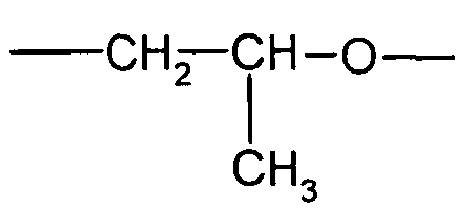
- r
- für Zahlen von 1 bis 10 steht und
- s
- für Zahlen von 1 bis 10 steht.
- Eine weitere bevorzugte Gruppe von Penetrationsförderern sind Alkanol-alkoxylate der Formel
R-O-(-EO-)p-(-BO-)q-R' (III'-d)
in welcher - R und R'
- die oben angegebenen Bedeutungen haben,
- EO
- für CH2-CH2-O- steht,
- BO
- für

- p
- für Zahlen von 1 bis 10 steht und
- q
- für Zahlen von 1 bis 10 steht.
- Eine weitere bevorzugte Gruppe von Penetrationsförderem sind Alkanol-alkoxylate der Formel
R-O-(-BO-)r (-EO-)s-R' (III'-e)
in welcher - R und R'
- die oben angegebenen Bedeutungen haben,
- BO
- für

- EO
- für CH2-CH2-O- steht,
- r
- für Zahlen von 1 bis 10 steht und
- s
- für Zahlen von 1 bis 10 steht.
- Eine weitere bevorzugte Gruppe von Penetrationsförderern sind Alkanol-Alkoxylate der Formel
CH3-(CH2)t-CH2-O-(-CH2-CH2-O-)u-R' (III'-f)
in welcher - R'
- die oben angegebene Bedeutung hat,
- t
- für Zahlen von 8 bis 13 steht
- u
- für Zahlen von 6 bis 17 steht.
- In den zuvor angegebenen Formeln steht
- R
- vorzugsweise für Butyl, i-Butyl, n-Pentyl, i-Pentyl, Neopentyl, n-Hexyl, i-Hexyl, n-Octyl, i-Octyl, 2-Ethyl-hexyl, Nonyl, i-Nonyl, Decyl, n-Dodecyl, i-Dodecyl, Lauryl, Myristyl, i-Tridecyl, Trimethyl-nonyl, Palmityl, Stearyl oder Eicosyl.
- Als Beispiel für ein Alkanol-Alkoxylat der Formel (III-c) sei 2-Ethyl-hexyl-alkoxylat der Formel

- EO
- für -CH2-CH2-O- steht,
- PO
- für

- Als Beispiel für ein Alkanol-Alkoxylat der Formel (III-d) sei die Formel
CH3-(CH2)10-O-(-EO-)6-(-BO-)2-CH3 (III'-d-1)
in welcher - EO
- für CH2-CH2-O- steht,
- BO
- für

- Besonders bevorzugte Alkanol-Alkoxylate der Formel (III'-f) sind Verbindungen dieser Formel, in denen
- t
- für Zahlen von 9 bis 12 und
- u
- für Zahlen von 7 bis 9
- Ganz besonders bevorzugt genannt sei Alkanol-Alkoxylat der Formel (III'-f-1)
CH3-(CH2)t-CH2-O-(-CH2-CH2-O-)u-H (III'-f-1)
in welcher - t
- für den Durchschnittswert 10,5 steht und
- u
- für den Durchschnittswert 8,4 steht.
- Die Alkanol-Alkoxylate sind durch die obigen Formeln allgemein definiert. Bei diesen Substanzen handelt es sich um Gemische von Stoffen des angegebenen Typs mit unterschiedlichen Kettenlängen. Für die Indices errechnen sich deshalb Durchschnittswerte, die auch von ganzen Zahlen abweichen können.
- Die Alkanol-Alkoxylate der angegebenen Formeln sind bekannt und sind teilweise kommerziell erhältlich oder lassen sich nach bekannten Methoden herstellen (vgl.
WO 98-35 553 WO 00-35 278 EP-A 0 681 865 ). - Als Penetrationsförderer kommen beispielsweise auch Substanzen in Betracht, die die Verfügbarkeit der Verbindungen der Formel (I) im Spritzbelag fördern. Dazu gehören beispielsweise mineralische oder vegetabile Öle. Als Öle kommen alle üblicherweise in agrochemischen Mitteln einsetzbaren mineralischen oder vegetabilen - gegebenenfalls modifizierte - Öle in Frage. Beispielhaft genannt seien Sonnenblumenöl, Rapsöl, Olivenöl, Rizinusöl, Rüböl, Maiskernöl, Baumwollsaatöl und Sojabohnenöl oder die Ester der genannten Öle. Bevorzugt sind Rapsöl, Sonnenblumenöl und deren Methyl- oder Ethylester.
- Die Konzentration an Penetrationsförderer kann in den erfindungsgemäßen Mitteln in einem weiten Bereich variiert werden. Bei einem formulierten Pflanzenschutzmittel liegt sie im allgemeinen bei 1 bis 95 Gew.-%, bevorzugt bei 1 bis 55 Gew.-%, besonders bevorzugt bei 15 - 40 Gew.-%. In den anwendungsfertigen Mitteln (Spritzbrühen) liegen die Konzentration im allgemeinen zwischen 0,1 und 10 g/l, bevorzugt zwischen 0,5 und 5 g/l.
- Erfindungsgemäß hervorgehobene Kombinationen von Wirkstoff, Salz und Penetrations-förderer sind in folgender Tabelle aufgeführt. "gemäß Test" bedeutet dabei, dass jede Verbindung geeignet ist, die in dem Test für die Kutikelpenetration (Baur et al., 1997, Pesticide Science 51, 131-152) als Penetrationsförderer wirkt.
# Wirkstoff Salz Penetrationsförderer 1 A.1 Ammoniumsulfat gemäß Test 2 A.1 Ammoniumlaktat gemäß Test 3 A.1 Ammoniumnitrat gemäß Test 4 A.1 Ammoniumthiosulfat gemäß Test 5 A.1 Ammoniumthiocyanat gemäß Test 6 A.1 Ammoniumcitrat gemäß Test 7 A.1 Ammoniumoxalat gemäß Test 8 A.1 Ammoniumformiat gemäß Test 9 A.1 Ammoniumhydrogenphosphat gemäß Test 10 A.1 Ammoniumdihydrogenphosphat gemäß Test 11 A.1 Ammoniumcarbonat gemäß Test 12 A.1 Ammoniumbenzoat gemäß Test 13 A.1 Amrraoniumsulfit gemäß Test 14 A.1 Ammoniumbenzoat gemäß Test 15 A.1 Ammoniumhydrogenoxalat gemäß Test 16 A.2 Ammoniumsulfat gemäß Test 17 A.2 Ammoniumlaktat gemäß Test 18 A.2 Ammoniumnitrat gemäß Test 19 A.2 Ammoniumthiosulfat gemäß Test 20 A.2 Ammoniumthiocyanat gemäß Test 21 A.2 Ammoniumcitrat gemäß Test 22 A.2 Ammoniumoxalat gemäß Test 23 A.2 Ammoniumformiat gemäß Test 24 A.2 Ammoniumhydrogenphosphat gemäß Test 25 A.2 Ammoniumdihydrogenphosphat gemäß Test 26 A.2 Ammoniumcarbonat gemäß Test 27 A.2 Ammoniumbenzoat gemäß Test 28 A.2 Ammoniumsulfit gemäß Test 29 A.2 Amnaoniumbenzoat gemäß Test 30 A.2 Ammoniumhydrogenoxalat gemäß Test 31 A.3 Ammoniumsulfat gemäß Test 32 A.3 Ammoniumlaktat gemäß Test 33 A.3 Ammoniumnitrat gemäß Test 34 A.3 Ammoniumthiosulfat gemäß Test 35 A.3 Ammoniumthiocyanat gemäß Test 36 A.3 Ammoniumcitrat gemäß Test 37 A.3 Ammoniumoxalat gemäß Test 38 A.3 Ammoniumformiat gemäß Test 39 A.3 Ammoniumhydrogenphosphat gemäß Test 40 A.3 Ammoniumdihydrogenphosphat gemäß Test 41 A.3 Ammoniumcarbonat gemäß Test 42 A.3 Ammoniumbenzoat gemäß Test 43 A.3 Ammoniumsulfit gemäß Test 44 A.3 Ammoniumbenzoat gemäß Test 45 A.3 Ammmniumhydrogenoxatat gemäß Test 46 A.4 Ammoniumsulfat gemäß Test 47 A.4 Ammoniumlaktat gemäß Test 48 A.4 Amrmtniumnitrat gemäß Test 49 A.4 Ammoniumthiosulfat gemäß Test 50 A.4 Ammoniumthiocyanat gemäß Test 51 A.4 Ammoniumcitrat gemäß Test 52 A.4 Ammoniumoxalat gemäß Test 53 A.4 Ammoniumformiat gemäß Test 54 A.4 Ammoniumhydrogenphosphat gemäß Test 55 A.4 Ammoniumdihydrogenphosphat gemäß Test 56 A.4 Ammoniumcarbonat gemäß Test 57 A.4 Ammoniumbenzoat gemäß Test 58 A.4 Ammoniumsulfit gemäß Test 59 A.4 Ammoniumbenzoat gemäß Test 60 A.4 Ammoniumhydrogenoxalat gemäß Test 61 A.5 Ammoniumsulfat gemäß Test 62 A.5 Ammoniumtaktat gemäß Test 63 A.5 Ammoniumnitrat gemäß Test 64 A.5 Ammoniumthiosulfat gemäß Test 65 A.5 Ammoniumthiocyanat gemäß Test 66 A.5 Ammoniumcitrat gemäß Test 67 A.5 Ammoniumoxalat gemäß Test 68 A.5 Ammoniumformiat gemäß Test 69 A.5 Ammoniumhydrogenphosphat gemäß Test 70 A.5 Ammoniumdihydrogenphosphat gemäß Test 71 A.5 Ammoniumcarbonat gemäß Test 72 A.5 Ammoniumbenzoat gemäß Test 73 A.5 Ammoniumsulfit gemäß Test 74 A.5 Ammoniumbenzoat gemäß Test 75 A.5 Ammoniumhydrogenoxalat gemäß Test 76 A.6 Ammoniumsulfat gemäß Test 77 A.6 Ammoniumlaktat gemäß Test 78 A.6 Ammoniumnitrat gemäß Test 79 A.6 Ammoniumthiosulfat gemäß Test 80 A.6 Ammoniumthiocyanat gemäß Test 81 A.6 Ammoniumcitrat gemäß Test 82 A.6 Ammoniumoxalat gemäß Test 83 A.6 Ammoniumformiat gemäß Test 84 A.6 Ammoniumhydrogenphosphat gemäß Test 85 A.6 Ammoniumdihydrogenphosphat gemäß Test 86 A.6 Ammoniumcarbonat gemäß Test 87 A.6 Ammoniumbenzoat gemäß Test 88 A.6 Ammoniumsulfit gemäß Test 89 A.6 Ammoniumbenzoat gemäß Test 90 A.6 Ammoniumhydrogenoxalat gemäß Test 91 A.7 Ammoniumsulfat gemäß Test 92 A.7 Ammoniumlaktat gemäß Test 93 A.7 Ammoniumnitrat gemäß Test 94 A.7 Ammoniumthiosulfat gemäß Test 95 A.7 Ammoniumthiocyanat gemäß Test 96 A.7 Ammoniumcitrat gemäß Test 97 A.7 Ammoniumoxalat gemäß Test 98 A.7 Ammoniumformiat gemäß Test 99 A.7 Ammoniumhydrogenphosphat gemäß Test 100 A.7 Ammoniumdihydrogenphosphat gemäß Test 101 A.7 Ammoniumcarbonat gemäß Test 102 A.7 Ammoniumbenzoat gemäß Test 103 A.7 Ammoniumsulfit gemäß Test 104 A.7 Ammoniumbenzoat gemäß Test 105 A.7 Ammoniumhydrogenoxalat gemäß Test 106 A.8 Ammoniumsulfat gemäß Test 107 A.8 Ammoniumlaktat gemäß Test 108 A.8 Ammoniumnitrat gemäß Test 109 A.8 Ammoniumthiosulfat gemäß Test 110 A.8 Ammoniumthiocyanat gemäß Test 111 A.8 Ammoniumcitrat gemäß Test 112 A.8 Ammoniumoxalat gemäß Test 113 A.8 Ammoniumformiat gemäß Test 114 A.8 Ammoniumhydrogenphosphat gemäß Test 115 A.8 Ammoniumdihydrogenphosphat gemäß Test 116 A.8 Ammoniumcarbonat gemäß Test 117 A.8 Ammoniumbenzoat gemäß Test 118 A.8 Ammoniumsulfit gemäß Test 119 A.8 Ammoniumbenzoat gemäß Test 120 A.8 Ammoniumhydrogenoxalat gemäß Test 121 A.9 Ammoniumsulfat gemäß Test 122 A.9 Ammoniumlaktat gemäß Test 123 A.9 Ammoniumnitrat gemäß Test 124 A.9 Ammoniumthiosulfat gemäß Test 125 A.9 Ammoniumthiocyanat gemäß Test 126 A.9 Ammoniumcitrat gemäß Test 127 A.9 Ammoniumoxalat gemäß Test 128 A.9 Ammoniumformiat gemäß Test 129 A.9 Ammoniumhydrogenphosphat gemäß Test 130 A.9 Ammoniumdihydrogenphosphat gemäß Test 131 A.9 Ammoniumcarbonat gemäß Test 132 A.9 Ammoniumbenzoat gemäß Test 133 A.9 Ammoniumsulfit gemäß Test 134 A.9 Ammoniumbenzoat gemäß Test 135 A.9 Ammoniumhydrogenoxalat gemäß Test 136 A.10 Ammoniumsulfat gemäß Test 137 A.10 Ammoniumlaktat gemäß Test 138 A.10 Ammoniumnitrat gemäß Test 139 A.10 Ammoniumthiosulfat gemäß Test 140 A.10 Ammoniumthiocyanat gemäß Test 141 A.10 Ammoniumcitrat gemäß Test 142 A.10 Ammoniumoxalat gemäß Test 143 A.10 Ammoniumformiat gemäß Test 144 A.10 Ammoniumhydrogenphosphat gemäß Test 145 A.10 Ammoniumdihydrogenphosphat gemäß Test 146 A.10 Ammoniumcarbonat gemäß Test 147 A.10 Ammoniumbenzoat gemäß Test 148 A.10 Ammoniumsulfit gemäß Test 149 A.10 Ammoniumbenzoat gemäß Test 150 A.10 Ammoniumhydrogenoxalat gemäß Test 151 A.11 Ammoniumsulfat gemäß Test 152 A.11 Ammoniumlaktat gemäß Test 153 A.11 Ammoniumnitrat gemäß Test 154 A.11 Ammoniumthiosulfat gemäß Test 155 A.11 Ammoniumthiocyanat gemäß Test 156 A.11 Ammoniumcitrat gemäß Test 157 A.11 Ammoniumoxalat gemäß Test 158 A.11 Ammoniumformiat gemäß Test 159 A.11 Ammoniumhydrogenphosphat gemäß Test 160 A.11 Ammoniumdihydrogenphosphat gemäß Test 161 A.11 Ammoniumcarbonat gemäß Test 162 A.11 Ammoniumbenzoat gemäß Test 163 A.11 Ammoniumsulfit gemäß Test 164 A.11 Ammoniumbenzoat gemäß Test 165 A.11 Ammoniumhydrogenoxalat gemäß Test 166 A.12 Ammoniumsulfat gemäß Test 167 A.12 Ammoniumlaktat gemäß Test 168 A.12 Ammoniumnitrat gemäß Test 169 A.12 Ammoniumthiosulfat gemäß Test 170 A.12 Ammoniumthiocyanat gemäß Test 171 A.12 Ammoniumcitrat gemäß Test 172 A.12 Ammoniumoxalat gemäß Test 173 A.12 Ammoniumformiat gemäß Test 174 A.12 Ammoniumhydrogenphosphat gemäß Test 175 A.12 Ammoniumdihydrogenphosphat gemäß Test 176 A.12 Ammoniumcarbonat gemäß Test 177 A.12 Ammoniumbenzoat gemäß Test 178 A.12 Ammoniumsulfit gemäß Test 179 A.12 Ammoniumbenzoat gemäß Test 180 A.12 Ammoniumhydrogenoxalat gemäß Test 181 A.13 Ammoniumsulfat gemäß Test 182 A.13 Ammoniumlaktat gemäß Test 183 A.13 Ammoniumnitrat gemäß Test 184 A.13 Ammoniumthiosulfat gemäß Test 185 A.13 Ammoniumthiocyanat gemäß Test 186 A.13 Ammoniumcitrat gemäß Test 187 A.13 Ammoniumoxalat gemäß Test 188 A.13 Ammoniumformiat gemäß Test 189 A.13 Ammoniumhydrogenphosphat gemäß Test 190 A.13 Ammoniumdihydrogenphosphat gemäß Test 191 A.13 Ammoniumcarbonat gemäß Test 192 A.13 Ammoniumbenzoat gemäß Test 193 A.13 Ammoniumsulfit gemäß Test 194 A.13 Ammoniumbenzoat gemäß Test 195 A.13 Ammoniumhydrogenoxalat gemäß Test 196 A.14 Ammoniumsulfat gemäß Test 197 A.14 Ammoniumlaktat gemäß Test 198 A.14 Ammoniumnitrat gemäß Test 199 A.14 Ammoniumthiosulfat gemäß Test 200 A.14 Ammoniumthiocyanat gemäß Test 201 A.14 Ammoniumcitrat gemäß Test 202 A.14 Ammoniumoxalat gemäß Test 203 A.14 Ammoniumformiat gemäß Test 204 A.14 Ammoniumhydrogenphosphat gemäß Test 205 A.14 Ammoniumdihydrogenphosphat gemäß Test 206 A.14 Ammoniumcarbonat gemäß Test 207 A.14 Ammoniumbenzoat gemäß Test 208 A.14 Ammoniumsulfit gemäß Test 209 A.14 Ammoniumbenzoat gemäß Test 210 A.14 Ammoniumhydrogenoxalat gemäß Test 211 A.15 Ammoniumsulfat gemäß Test 212 A.15 Ammoniumlaktat gemäß Test 213 A.15 Ammoniumnitrat gemäß Test 214 A.15 Ammoniumthiosulfat gemäß Test 215 A.15 Ammoniumthiocyanat gemäß Test 216 A.15 Ammoniumcitrat gemäß Test 217 A.15 Ammoniumoxalat gemäß Test 218 A.15 Ammoniumformiat gemäß Test 219 A.15 Ammoniumhydrogenphosphat gemäß Test 220 A.15 Ammoniumdihydrogenphosphat gemäß Test 221 A.15 Ammoniumcarbonat gemäß Test 222 A.15 Ammoniumbenzoat gemäß Test 223 A.15 Ammoniumsulfit gemäß Test 224 A.15 Ammoniumbenzoat. gemäß Test 225 A.15 Ammoniumhydrogenoxalat gemäß Test 226 A.16 Ammoniumsulfat gemäß Test 227 A.16 Ammoniumlaktat gemäß Test 228 A.16 Ammoniumnitrat gemäß Test 229 A.16 Ammoniumthiosulfat gemäß Test 230 A.16 Ammoniumthiocyanat gemäß Test 231 A.16 Ammoniumcitrat gemäß Test 232 A.16 Ammoniumoxalat gemäß Test 233 A.16 Ammoniumformiat gemäß Test 234 A.16 Ammoniumhydrogenphosphat gemäß Test 235 A.16 Ammoniumdihydrogenphosphat gemäß Test 236 A.16 Ammoniumcarbonat gemäß Test 237 A.16 Ammoniumbenzoat gemäß Test 238 A.16 Ammoniumsulfit gemäß Test 239 A.16 Ammoniumbenzoat gemäß Test 240 A.16 Ammoniumhydrogenoxalat gemäß Test 241 A.17 Ammoniumsulfat gemäß Test 242 A.17 Ammoniumlaktat gemäß Test 243 A.17 Ammoniumnitrat gemäß Test 244 A.17 Ammoniumthiosulfat gemäß Test 245 A.17 Ammoniumthiocyanat gemäß Test 246 A.17 Ammoniumcitrat gemäß Test 247 A.17 Ammoniumoxalat gemäß Test 248 A.17 Ammoniumformiat gemäß Test 249 A.17 Ammoniumhydrogenphosphat gemäß Test 250 A.17 Ammoniumdihydrogenphosphat gemäß Test 251 A.17 Ammoniumcarbonat gemäß Test 252 A.17 Ammoniumbenzoat gemäß Test 253 A.17 Ammoniumsulfit gemäß Test 254 A.17 Ammoniumbenzoat gemäß Test 255 A.17 Ammoniumhydrögenoxalat gemäß Test 256 A.18 Ammoniumsulfat gemäß Test 257 A.18 Ammoniumtaktat gemäß Test 258 A.18 Ammoniumnitrat gemäß Test 259 A.18 Ammoniumthiosulfat gemäß Test 260 A.18 Ammoniumthiocyanat gemäß Test 261 A.18 Ammoniumcitrat gemäß Test 262 A.18 Ammoniumoxalat gemäß Test 263 A.18 Ammoniumformiat gemäß Test 264 A.18 Ammoniumhydrogenphosphat gemäß Test 265 A.18 Ammoniumdihydrogenphosphat gemäß Test 266 A.18 Ammoniumcarbonat gemäß Test 267 A.18 Ammoniumbenzoat gemäß Test 268 A.18 Ammoniumsulfit gemäß Test 269 A.18 Ammoniumbenzoat gemäß Test 270 A.18 Ammoniumhydrogenoxalat gemäß Test 271 A.19 Ammoniumsulfat gemäß Test 272 A.19 Ammoniumlaktat gemäß Test 273 A.19 Ammoniumnitrat gemäß Test 274 A.19 Ammoniumthiosulfat gemäß Test 275 A.19 Ammoniumthiocyanat gemäß Test 276 A.19 Ammoniumcitrat gemäß Test 277 A.19 Ammoniumoxalat gemäß Test 278 A.19 Ammoniumformiat gemäß Test 279 A.19 Ammoniumhydrogenphosphat gemäß Test 280 A.19 Ammoniumdihydrogenphosphat gemäß Test 281 A.19 Ammoniumcarbonat gemäß Test 282 A.19 Ammoniumbenzoat gemäß Test 283 A.19 Ammoniumsulfit gemäß Test 284 A.19 Ammoniumbenzoat gemäß Test 285 A.19 Ammoniumhydrogenoxalat gemäß Test 286 A.20 Ammoniumsulfat gemäß Test 287 A.20 Ammoniumlaktat gemäß Test 288 A.20 Ammoniumnitrat gemäß Test 289 A.20 Ammoniumthiosulfat gemäß Test 290 A.20 Ammoniumthiocyanat gemäß Test 291 A.20 Ammoniumcitrat gemäß Test 292 A.20 Ammoniumoxalat gemäß Test 293 A.20 Ammoniumformiat gemäß Test 294 A.20 Ammoniumhydrogenphosphat gemäß Test 295 A.20 Ammoniumdihydrogenphosphat gemäß Test 296 A.20 Ammoniumcarbonat gemäß Test 297 A.20 Ammoniumbenzoat gemäß Test 298 A.20 Ammoniumsulfit gemäß Test 299 A.20 Ammoniumbenzoat gemäß Test 300 A.20 Ammoniumhydrogenoxalat gemäß Test 301 A.21 Ammoniumsulfat gemäß Test 302 A.21 Ammoniumlaktat gemäß Test 303 A.21 Ammoniumnitrat gemäß Test 304 A.21 Ammoniumthiosulfat gemäß Test 305 A.21 Ammoniumthiocyanat gemäß Test 306 A.21 Ammoniumcitrat gemäß Test 307 A.21 Ammoniumoxalat gemäß Test 308 A.21 Ammoniumformiat gemäß Test 309 A.21 Ammoniumhydrogenphosphat gemäß Test 310 A.21 Ammoniumdihydrogenphosphat gemäß Test 311 A.21 Ammoniumcarbonat gemäß Test 312 A.21 Ammoniumbenzoat gemäß Test 313 A.21 Ammoniumsulfit gemäß Test 314 A.21 Ammoniumbenzoat gemäß Test 315 A.21 Ammoniumhydrogenoxalat gemäß Test - Verwendet man beispielsweise gemäß Verfahren (A) N-(2-Methyl-4-chlor-6-meihoxy-phenylacetyl)-N-cyclopropy-glycin-ethylester als Ausgangsstoff, so kann der Verlauf des erfindungsgemäßen Verfahrens durch folgendes Reaktionsschema wiedergegeben werden:

- Verwendet man beispielsweise gemäß Verfahren (B) 3-(2-Ehyl-4-chlor-6-methoxy-phenyl]-5,5-dimethyl-pyrrolidin-2,4-dion und NaOH als Komponenten, so kann der Verlauf des erfindungsgemäßen Verfahrens durch folgendes Reaktionsschema wiedergegeben werden:

- Die beim erfindungsgemäßen Verfahren (a) als Ausgangsstoffe benötigten Verbindungen der Formel (II)

- A, B, D, W, X, Y und R8
- die oben angegebenen Bedeutungen haben,
- Die zur Durchführung des erfindungsgemäßen Verfahren (B) außerdem als Ausgangsstoffe benötigten Metallhydroxide, Metallalkoxide oder Metallhydride der Formeln (III) oder (IV) sind allgemein bekannte Verbindungen der Anorganischen Chemie.
- Die Verbindungen der Formeln (I') und (II) sind darüber hinaus aus den eingangs zitierten Patentanmeldungen bekannt und/oder lassen sich nach den dort angegebenen Methoden herstellen.
- Das Verfahren (A) ist dadurch gekennzeichnet, dass man Verbindungen der Formel (II), in welcher A, B, D, W, X, Y und R2 die oben angegebenen Bedeutungen haben, in Gegenwart einer Base einer intramolekularen Kondensation unterwirft.
- Als Verdünnungsmittel können bei dem erfindungsgemäßen Verfahren (A) alle inerten organischen Solventien eingesetzt werden. Vorzugsweise verwendbar sind Kohlenwasserstoffe, wie Toluol und Xylol, ferner Ether, wie Dibutylether, Tetrahydrofuran, Dioxan, Glykoldimethylether und Diglykoldimethylether, außerdem polare Lösungsmittel, wie Dimethylsulfoxid, Sulfolan, Dimethylformamid und N-Methyl-pyrrolidon, sowie Alkohole wie Methanol, Ethanol, Propanol, IsoPropanol, Butanol, Iso-Butanol und tert.-Butanol.
- Als Base (Deprotonierungsmittel) können bei der Durchführung des erfindungsgemäßen Verfahrens (A) alle üblichen Protonenakzeptoren eingesetzt werden. Vorzugsweise verwendbar sind Alkalimetall- und Erdalkalimetalloxide, -hydroxide und -carbonate, wie Natriumhydroxid, Kaliumhydroxid, Magnesiumoxid, Calciumoxid, Natriumcarbonat, Kaliumcarbonat und Calciumcarbonat, die auch in Gegenwart von Phasentransferkatalysatoren wie z.B. Triethylbenzylammoniumchlorid, Tetrabutylammoniumbromid, Adogen 464 (= Methyltrialkyl(C8-C10)ammoniumchlorid) oder TDA 1 (= Tris-(methoxyethoxyethyl)-amin) eingesetzt werden können. Weiterhin können Alkalimetalle wie Natrium oder Kalium verwendet werden. Ferner sind Alkalimetall- und Erdalkalimetallamide und -hydride, wie Natriumamid, Natriumhydrid und Calciumhydrid, und außerdem auch Alkalimetallalkoholate, wie Natrium-methylat, Natrium-ethylat und Kalium-tert.-butylat einsetzbar.
- Die Reaktionstemperaturen können bei der Durchführung des erfindungsgemäßen Verfahrens (A) innerhalb eines größeren Bereiches variiert werden. Im Allgemeinen arbeitet man bei Temperaturen zwischen 0°C und 250°C, vorzugsweise zwischen 50°C und 150°C.
- Das erfindungsgemäße Verfahren (A) wird im Allgemeinen unter Normaldruck durchgeführt.
- Bei der Durchführung des erfindungsgemäßen Verfahrens (A) setzt man die Reaktionskomponenten der Formel (II) und die deprotonierenden Basen im Allgemeinen in etwa doppeläquimolaren Mengen ein. Es ist jedoch auch möglich, die eine oder andere Komponente in einem größeren Überschuss (bis zu 3 Mol) zu verwenden.
- Das Verfahren (B) ist dadurch gekennzeichnet, dass man Verbindungen der Formel (I') mit Metallhydroxiden bzw. Metallalkoxiden der Formel (III) oder Metallhydriden der Formel (IV), gegebenenfalls in Gegenwart eines Verdünnungsmittels, umsetzt.
- Als Verdünnungsmittel können bei dem erfindungsgemäßen Verfahren (B) vorzugsweise Ether wie Tetrahydrofuran, Dioxan, Diethylether oder aber Alkohole wie Methanol, Ethanol, Isopropanol, aber auch Wasser eingesetzt werden.
- Das erfindungsgemäße Verfahren (B) wird im Allgemeinen unter Normaldruck durchgeführt.
- Die Reaktionstemperaturen liegen im Allgemeinen zwischen -20°C und 100°C, vorzugsweise zwischen 0°C und 50°C.
- Die erfindungsgemäßen Wirkstoffe/Wirkstoffkombinationen eignen sich bei guter Pflanzenverträglichkeit, günstiger Warmblütertoxizität und guter Umweltverträglichkeit zum Schutz von Pflanzen und Pflanzenorganen, zur Steigerung der Ernteerträge, Verbesserung der Qualität des Erntegutes und zur Bekämpfung von tierischen Schädlingen, insbesondere Insekten, Spinnentieren, Helminthen, Nematoden und Mollusken, die in der Landwirtschaft, im Gartenbau, bei der Tierzucht, in Forsten, in Gärten und Freizeiteinrichtungen, im Vorrats- und Materialschutz sowie auf dem Hygienesektor vorkommen. Sie können vorzugsweise als Pflanzenschutzmittel eingesetzt werden. Sie sind gegen normal sensible und resistente Arten sowie gegen alle oder einzelne Entwicklungsstadien wirksam. Zu den oben erwähnten Schädlingen gehören:
- Aus der Ordnung der Anoplura (Phthiraptera) z.B. Damalinia spp., Haematopinus spp., Linognathus spp., Pediculus spp., Trichodectes spp.
- Aus der Klasse der Arachnida z.B. Acarus siro, Aceria sheldoni, Aculops spp., Aculus spp., Amblyomma spp., Argas spp., Boophilus spp., Brevipalpus spp., Bryobia praetiosa, Chorioptes spp., Dermanyssus gallinae, Eotetranychus spp., Epitrimerus pyri, Eutetranychus spp., Eriophyes spp., Hemitarsonemus spp., Hyalomma spp., Ixodes spp., Latrodectus mactans, Metatetranychus spp., Oligonychus spp., Omithodoros spp., Panonychus spp., Phyllocoptruta oleivora, Polyphagotarsonemus latus, Psoroptes spp., Rhipicephalus spp., Rhizoglyphus spp., Sarcoptes spp., Scorpio maurus, Stenotarsonemus spp., Tarsonemus spp., Tetranychus spp., Vasates lycopersici.
- Aus der Klasse der Bivalva z.B. Dreissena spp.
- Aus der Ordnung der Chilopoda z.B. Geophilus spp., Scutigera spp.
- Aus der Ordnung der Coleoptera z.B. Acanthoscelides obtectus, Adoretus spp., Agelastica alni, Agriotes spp., Amphimallon solstitialis, Anobium punctatum, Anoplophora spp., Anthonomus spp., Anthrenus spp., Apogonia spp., Atomaria spp., Attagenus spp., Bruchidius obtectus, Bruchus spp., Ceuthorhynchus spp., Cleonus mendicus, Conoderus spp., Cosmopolites spp., Costelytra zealandica, Curculio spp., Cryptorhynchus lapathi, Dermestes spp., Diabrotica spp., Epilachna spp., Faustinus cubae, Gibbium psylloides, Heteronychus arator, Hylamorpha elegans, Hylotrupes bajulus, Hypera postica, Hypothenemus spp., Lachnosterna consanguinea, Leptinotarsa decemlineata, Lissorhoptrus oryzophilus, Lixus spp., Lyctus spp., Meligethes aeneus, Melolontha melolontha, Migdolus spp., Monochamus spp., Naupactus xanthographus, Niptus hololeucus, Oryctes rhinoceros, Oryzaephilus surinamensis, Otiorrhynchus sulcatus, Oxycetonia jucunda, Phaedon cochleariae, Phyllophaga spp., Popillia japonica, Premnotrypes spp., Psylliodes chrysocephala, Ptinus spp., Rhizobius ventralis, Rhizopertha dominica, Sitophilus spp., Sphenophorus spp., Sternechus spp., Symphyletes spp., Tenebrio molitor, Tribolium spp., Trogoderma spp., Tychius spp., Xylotrechus spp., Zabrus spp.
- Aus der Ordnung der Collembola z.B. Onychiurus armatus.
- Aus der Ordnung der Dermaptera z.B. Forficula auricularia.
- Aus der Ordnung der Diplopoda z.B. Blaniulus guttulatus.
- Aus der Ordnung der Diptera z.B. Aedes spp., Anopheles spp., Bibio hortulanus, Calliphora erythrocephala, Ceratitis capitata, Chrysomyia spp., Cochliomyia spp., Cordylobia anthropophaga, Culex spp., Cuterebra spp., Dacus oleae, Dermatobia hominis, Drosophila spp., Fannia spp., Gastrophilus spp., Hylemyia spp., Hyppobosca spp., Hypoderma spp., Liriomyza spp.. Lucilia spp., Musca spp., Nezara spp., Oestrus spp., Oscinella frit, Pegomyia hyoscyami, Phorbia spp., Stomoxys spp., Tabanus spp., Tannia spp., Tipula paludosa.
- Aus der Klasse der Gastropoda z.B. Arion spp., Biomphalaria spp., Bulinus spp., Deroceras spp., Galba spp., Lymnaea spp., Oncomelania spp., Succinea spp.
- Aus der Klasse der Helminthen z.B. Ancylostoma duodenale, Ancylostoma ceylanicum, Acylostoma braziliensis, Ancylostoma spp., Ascaris lubricoides, Ascaris spp., Brugia malayi, Brugia timori, Bunostomum spp., Chabertia spp., Clonorchis spp., Cooperia spp., Dicrocoelium spp, Dictyocaulus filaria, Diphyllobothrium latum, Dracunculus medinensis, Echinococcus granulosus, Echinococcus multilocularis, Enterobius vermicularis, Faciola spp., Haemonchus spp., Heterakis spp., Hymenolepis nana, Hyostrongulus spp., Loa Loa, Nematodirus spp., Oesophagostomum spp., Opisthorchis spp., Onchocerca volvulus, Ostertagia spp., Paragonimus spp., Schistosomen spp, Strongyloides fuelleborni, Strongyloides stercoralis, Stronyloides spp., Taenia saginata, Taenia solium, Trichinella spiralis, Trichinella nativa, Trichinella britovi, Trichinella nelsoni, Trichinella pseudopsiralis, Trichostrongulus spp., Trichuris trichuria, Wuchereria bancrofti.
- Weiterhin lassen sich Protozoen, wie Eimeria, bekämpfen.
- Aus der Ordnung der Heteroptera z.B. Anasa tristis, Antestiopsis spp., Blissus spp., Calocoris spp., Campylomma livida, Cavelerius spp., Cimex spp., Creontiades dilutus, Dasynus piperis, Dichelops furcatus, Diconocoris hewetti, Dysdercus spp., Euschistus spp., Eurygaster spp., Heliopeltis spp., Horcias nobilellus, Leptocorisa spp., Leptoglossus phyllopus, Lygus spp., Macropes excavatus, Miridae, Nezara spp., Oebalus spp., Pentomidae, Piesma quadrata, Piezodorus spp., Psallus seriatus, Pseudacysta persea, Rhodnius spp., Sahlbergella singularis, Scotinophora spp., Stephanitis nashi, Tibraca spp., Triatoma spp.
- Aus der Ordnung der Homoptera z.B. Acyrthosipon spp., Aeneolamia spp., Agonoscena spp., Aleurodes spp., Aleurolobus barodensis, Aleurothrixus spp., Amrasca spp., Anuraphis cardui, Aonidiella spp., Aphanostigma piri, Aphis spp., Arboridia apicalis, Aspidiella spp., Aspidiotus spp., Atanus spp., Aulacorthum solani, Bemisia spp., Brachycaudus helichrysii, Brachycolus spp., Brevicoryne brassicae, Calligypona marginata, Carneocephala fulgida, Ceratovacuna lanigera, Cercopidae, Ceroplastes spp., Chaetosiphon fragaefolii, Chionaspis tegalensis, Chlorita onukii, Chromaphis juglandicola, Chrysomphalus ficus, Cicadulina mbila, Coccomytilus halli, Coccus spp., Cryptomyzus ribis, Dalbulus spp., Dialeurodes spp., Diaphorina spp., Diaspis spp., Drosicha spp., Dysaphis spp., Dysmicoccus spp., Empoasca spp., Eriosoma spp., Erythroneura spp., Euscelis bilobatus, Geococcus coffeae, Homalodisca coagulata, Hyalopterus arundinis, Icerya spp., Idiocerus spp., Idioscopus spp., Laodelphax striatellus, Lecanium spp., Lepidosaphes spp., Lipaphis erysimi, Macrosiphum spp., Mahanarva fimbriolata, Melanaphis sacchari, Metcalfiella spp., Metopolophium dirhodum, Monellia costalis, Monelliopsis pecanis, Myzus spp., Nasonovia ribisnigri, Nephotettix spp., Nilaparvata lugens, Oncometopia spp., Orthezia praelonga, Parabemisia myricae, Paratrioza spp., Parlatoria spp., Pemphigus spp., Peregrinus maidis, Phenacoccus spp., Phloeomyzus passerinii, Phorodon humuli, Phylloxera spp., Pinnaspis aspidistrae, Planococcus spp., Protopulvinaria pyriformis, Pseudaulacaspis pentagona, Pseudococcus spp., Psylla spp., Pteromalus spp., Pyrilla spp., Quadraspidiotus spp., Quesada gigas, Rastrococcus spp., Rhopalosiphum spp., Saissetia spp., Scaphoides titanus, Schizaphis graminum, Selenaspidus articulatus, Sogata spp., Sogatella furcifera, Sogatodes spp., Stictocephala festina, Tenalaphara malayensis, Tinocallis caryaefoliae, Tomaspis spp., Toxoptera spp., Trialeurodes vaporariorum, Trioza spp., Typhlocyba spp., Unaspis spp., Viteus vitifolii.
- Aus der Ordnung der Hymenoptera z.B. Diprion spp., Hoplocampa spp., Lasius spp., Monomorium pharaonis, Vespa spp.
- Aus der Ordnung der Isopoda z.B. Armadillidium vulgare, Oniscus asellus, Porcellio scaber.
- Aus der Ordnung der Isoptera z.B. Reticulitermes spp.
- Aus der Ordnung der Lepidoptera z.B. Acronicta major, Aedia leucomelas, Agrotis spp., Alabama argillacea, Anticarsia spp., Barathra brassicae, Bucculatrix thurberiella, Bupalus piniarius, Cacoecia podana, Capua reticulana, Carpocapsa pomonella, Cheimatobia brumata, Chilo spp., Choristoneura fumiferana, Clysia ambiguella, Cnaphalocerus spp., Earias insulana, Ephestia kuehniella, Euproctis chrysorrhoea, Euxoa spp., Feltia spp., Galleria mellonella, Helicoverpa spp., Heliothis spp., Hofmannophila pseudospretella, Homona magnanima, Hyponomeuta padella, Laphygma spp., Lithocolletis blancardella, Lithophane antennata, Loxagrotis albicosta, Lymantria spp., Malacosoma neustria, Mamestra brassicae, Mocis repanda, Mythimna separata, Oria spp., Oulema oryzae, Panolis flammea, Pectinophora gossypiella, Phyllocnistis citrella, Pieris spp., Plutella xylostella, Prodenia spp., Pseudaletia spp., Pseudoplusia includens, Pyrausta nubilalis, Spodoptera spp., Thermesia gemmatalis, Tinea pellionella, Tineola bisselliella, Tortrix viridana, Trichoplusia spp.
- Aus der Ordnung der Orthoptera z.B. Acheta domesticus, Blatta orientalis, Blattella germanica, Gryllotalpa spp., Leucophaea maderae, Locusta spp., Melanoplus spp., Periplaneta americana, Schistocerca gregaria.
- Aus der Ordnung der Siphonaptera z.B. Ceratophyllus spp., Xenopsylla cheopis.
- Aus der Ordnung der Symphyla z.B. Scutigerella immaculata.
- Aus der Ordnung der Thysanoptera z.B. Baliothrips biformis, Enneothrips flavens, Frankliniella spp., Heliothrips spp., Hercinothrips femoralis, Rhipiphorothrips cruentatus, Scirtothrips spp., Taeniothrips cardamoni, Thrips spp.
- Aus der Ordnung der Thysanura z.B. Lepisma saccharina.
- Zu den pflanzenparasitären Nematoden gehören z.B. Aphelenchoides spp., Bursaphelenchus spp., Ditylenchus dipsaci, Globodera spp., Heterodera spp., Longidorus spp., Meloidogyne spp., Pratylenchus spp., Radopholus similis, Trichodorus spp., Tylenchulus semipenetrans, Xiphinema spp.
- Die erfindungsgemäßen Verbindungen/Wirkstoffkombinationen können gegebenenfalls in bestimmten Konzentrationen bzw. Aufwandmengen auch als Herbizide, Safener, Wachstumsregulatoren oder Mittel zur Verbesserung der Pflanzeneigenschaften, oder als Mikrobizide, beispielsweise als Fungizide, Antimykotika, Bakterizide, Virizide (einschließlich Mittel gegen Viroide) oder als Mittel gegen MLO (Mycoplasma-like-organism) und RLO (Rickettsia-like-organism) verwendet werden. Sie lassen sich gegebenenfalls auch als Zwischen- oder Vorprodukte für die Synthese weiterer Wirkstoffe einsetzen.
- Erfindungsgemäß können alle Pflanzen und Pflanzenteile behandelt werden. Unter Pflanzen werden hierbei alle Pflanzen und Pflanzenpopulationen verstanden, wie erwünschte und unerwünschte Wildpflanzen oder Kulturpflanzen (einschließlich natürlich vorkommender Kulturpflanzen). Kulturpflanzen können Pflanzen sein, die durch konventionelle Züchtungs- und Optimierungsmethoden oder durch biotechnologische und gentechnologische Methoden oder Kombinationen dieser Methoden erhalten werden können, einschließlich der transgenen Pflanzen und einschließlich der durch Sortenschutzrechte schützbaren oder nicht schützbaren Pflanzensorten. Unter Pflanzenteilen sollen alle oberirdischen und unterirdischen Teile und Organe der Pflanzen, wie Spross, Blatt, Blüte und Wurzel verstanden werden, wobei beispielhaft Blätter, Nadeln, Stängel, Stämme, Blüten, Fruchtkörper, Früchte und Samen sowie Wurzeln, Knollen und Rhizome aufgeführt werden. Zu den Pflanzenteilen gehört auch Erntegut sowie vegetatives und generatives Vermehrungsmaterial, beispielsweise Stecklinge, Knollen, Rhizome, Ableger und Samen.
- Die erfindungsgemäße Behandlung der Pflanzen und Pflanzenteile mit den Wirkstoffen/Wirkstoffkombinationen erfolgt direkt oder durch Einwirkung auf deren Umgebung, Lebensraum oder Lagerraum nach den üblichen Behandlungsmethoden, z.B. durch Tauchen, Sprühen, Verdampfen, Vernebeln, Streuen, Aufstreichen, Injizieren und bei Vermehrungsmaterial, insbesondere bei Samen, weiterhin durch ein- oder mehrschichtiges Umhüllen.
- Die Wirkstoffe/Wirkstoffkombinationen können in die üblichen Formulierungen überführt werden, wie Lösungen, Emulsionen, Spritzpulver, wasser- und ölbasierte Suspensionen, Pulver, Stäubemittel, Pasten, lösliche Pulver, lösliche Granulate, Streugranulate, Suspensions-Emulsions-Konzentrate, Wirkstoff-imprägnierte Naturstoffe, Wirkstoff-imprägnierte synthetische Stoffe, Düngemittel sowie Feinstverkapselungen in polymeren Stoffen.
- Diese Formulierungen werden in bekannter Weise hergestellt, z.B. durch Vermischen der Wirkstoffe/Wirkstoffkombinationen mit Streckmitteln, also flüssigen Lösungsmitteln und/oder festen Trägerstoffen, gegebenenfalls unter Verwendung von oberflächenaktiven Mitteln, also Emulgiermitteln und/oder Dispergiermitteln und/oder schaumerzeugenden Mitteln.
- Im Falle der Benutzung von Wasser als Streckmittel können z.B. auch organische Lösungsmittel als Hilfslösungsmittel verwendet werden. Als flüssige Lösungsmittel kommen im wesentlichen in Frage: Aromaten, wie Xylol, Toluol, oder Alkylnaphthaline, chlorierte Aromaten und chlorierte aliphatische Kohlenwasserstoffe, wie Chlorbenzole, Chlorethylene oder Methylenchlorid, aliphatische Kohlenwasserstoffe, wie Cyclohexan oder Paraffine, z.B. Erdölfraktionen, mineralische und pflanzliche Öle, Alkohole, wie Butanol oder Glykol sowie deren Ether und Ester, Ketone wie Aceton, Methylethylketon, Methylisobutylketon oder Cyclohexanon, stark polare Lösungsmittel, wie Dimethylsulfoxid, sowie Wasser.
- Als feste Trägerstoffe kommen in Frage:
- z.B. Ammoniumsalze und natürliche Gesteinsmehle, wie Kaoline, Tonerden, Talkum, Kreide, Quarz, Attapulgit, Montmorillonit oder Diatomeenerde und synthetische Gesteinsmehle, wie hochdisperse Kieselsäure, Aluminiumoxid und Silikate, als feste Trägerstoffe für Granulate kommen in Frage: z.B. gebrochene und fraktionierte natürliche Gesteine wie Calcit, Marmor, Bims, Sepiolith, Dolomit sowie synthetische Granulate aus anorganischen und organischen Mehlen sowie Granulate aus organischem Material wie Sägemehl, Kokosnussschalen, Maiskolben und Tabakstängeln; als Emulgier- und/oder schaumerzeugende Mittel kommen in Frage: z.B. nichtionogene und anionische Emulgatoren, wie Polyoxyethylen-Fettsäure-Ester, Polyoxyethylen-Fettalkohol-Ether, z.B. Alkylarylpolyglykolether, Alkylsulfonate, Alkylsulfate, Arylsulfonate sowie Einweißhydrolysate; als Dispergiermittel kommen in Frage: z.B. Lignin-Sulfitablaugen und Methylcellulose.
- Es können in den Formulierungen Haftmittel wie Carboxymethylcellulose, natürliche und synthetische pulvrige, körnige oder latexförmige Polymere verwendet werden, wie Gumtniarabicum, Polyvinylalkohol, Polyvinylacetat, sowie natürliche Phospholipide, wie Kephaline und Lecithine und synthetische Phospholipide. Weitere Additive können mineralische und vegetabile Öle sein.
- Es können Farbstoffe wie anorganische Pigmente, z.B. Eisenoxid, Titanoxid, Ferrocyanblau und organische Farbstoffe, wie Alizarin-, Azo- und Metallphthalocyaninfarbstoffe und Spurennährstoffe wie Salze von Eisen, Mangan, Bor, Kupfer, Kobalt, Molybdän und Zink verwendet werden.
- Die Formulierungen enthalten im Allgemeinen zwischen 0,1 und 95 Gew.-% Wirkstoff, vorzugsweise zwischen 0,5 und 90 %.
- Der erfindungsgemäße Wirkstoff/Wirkstoffkombinationen kann in seinen handelsüblichen Formulierungen sowie in den aus diesen Formulierungen bereiteten Anwendungsformen in Mischung mit anderen Wirkstoffen wie Insektiziden, Lockstoffen, Sterilantien, Bakteriziden, Akariziden, Nematiziden, Fungiziden, wachstumsregulierenden Stoffen, Herbiziden, Safenern, Düngemitteln oder Semiochemicals vorliegen.
- Auch eine Mischung mit anderen bekannten Wirkstoffen, wie Herbiziden, Düngemitteln, Wachstumsregulatoren, Safenern, Semiochemicals, oder auch mit Mitteln zur Verbesserung der Pflanzeneigenschaften ist möglich.
- Die erfindungsgemäßen Wirkstoffe/Wirkstoftlcombinationen können ferner beim Einsatz als Insektizide in ihren handelsüblichen Formulierungen sowie in den aus diesen Formulierungen bereiteten Anwendungsformen in Mischung mit Synergisten vorliegen. Synergisten sind Verbindungen, durch die die Wirkung der Wirkstoffe gesteigert wird, ohne daß der zugesetzte Synergist selbst aktiv wirksam sein muss.
- Die erfindungsgemäßen Wirkstoffe/Wirkstoffkombinationen können ferner beim Einsatz als Insektizide in ihren handelsüblichen Formulierungen sowie in den aus diesen Formulierungen bereiteten Anwendungsformen in Mischungen mit Hemmstoffen vorliegen, die einen Abbau des Wirkstoffes nach Anwendung in der Umgebung der Pflanze, auf der Oberfläche von Pflanzenteilen oder in pflanzlichen Geweben vermindern.
- Der Wirkstoffgehalt der aus den handelsüblichen Formulierungen bereiteten Anwendungsformen kann in weiten Bereichen variieren. Die Wirkstoffkonzentration der Anwendungsformen kann von 0,00000001 bis zu 95 Gew.-% Wirkstoff, vorzugsweise zwischen 0,00001 und 1 Gew.-% liegen.
- Die Anwendung geschieht in einer den Anwendungsformen angepassten üblichen Weise.
- Wie bereits oben erwähnt, können erfindungsgemäß alle Pflanzen und deren Teile behandelt werden. In einer bevorzugten Ausführungsform werden wild vorkommende oder durch konventionelle biologische Zuchtmethoden, wie Kreuzung oder Protoplastenfusion erhaltenen Pflanzenarten und Pflanzensorten sowie deren Teile behandelt. In einer weiteren bevorzugten Ausfiihrungsform werden transgene Pflanzen und Pflanzensorten, die durch gentechnologische Methoden gegebenenfalls in Kombination mit konventionellen Methoden erhalten wurden (Genetic Modified Organisms) und deren Teile behandelt. Die Begriffe "Teile" bzw. "Teile von Pflanzen" oder "Pflanzenteile" wurden oben erläutert.
- Besonders bevorzugt werden erfindungsgemäß Pflanzen der jeweils handelsüblichen oder in Gebrauch befindlichen Pflanzensorten behandelt. Unter Pflanzensorten versteht man Pflanzen mit neuen Eigenschaften ("Traits"), die sowohl durch konventionelle Züchtung, durch Mutagenese oder durch rekombinante DNA-Techniken gezüchtet worden sind. Dies können Sorten, Bio- und Genotypen sein.
- Je nach Pflanzenarten bzw. Pflanzensorten, deren Standort und Wachstumsbedingungen (Böden, Klima, Vegetationsperiode, Ernährung) können durch die erfindungsgemäße Behandlung auch überadditive ("synergistische") Effekte auftreten. So sind beispielsweise erniedrigte Aufwandmengen und/oder Erweiterungen des Wirkungsspektrums und/oder eine Verstärkung der Wirkung der erfindungsgemäß verwendbaren Stoffe und Mittel, besseres Pflanzenwachstum, erhöhte Toleranz gegenüber hohen oder niedrigen Temperaturen, erhöhte Toleranz gegen Trockenheit oder gegen Wasser- bzw. Bodensalzgehalt, erhöhte Blühleistung, erleichterte Ernte, Beschleunigung der Reife, höhere Ernteerträge, höhere Qualität und/oder höherer Ernährungswert der Ernteprodukte, höhere Lagerfähigkeit und/oder Bearbeitbarkeit der Ernteprodukte möglich, die über die eigentlich zu erwartenden Effekte hinausgehen.
- Zu den bevorzugten erfindungsgemäß zu behandelnden transgenen (gentechnologisch erhaltenen) Pflanzen bzw. Pflanzensorten gehören alle Pflanzen, die durch die gentechnologische Modifikation genetisches Material erhielten, welches diesen Pflanzen besondere vorteilhafte wertvolle Eigenschaften ("Traits") verleiht. Beispiele für solche Eigenschaften sind besseres Pflanzenwachstum, erhöhte Toleranz gegenüber hohen oder niedrigen Temperaturen, erhöhte Toleranz gegen Trockenheit oder gegen Wasser- bzw. Bodensalzgehalt, erhöhte Blühleistung, erleichterte Ernte, Beschleunigung der Reife, höhere Ernteerträge, höhere Qualität und/oder höherer Ernährungswert der Ernteprodukte, höhere Lagerfähigkeit und/oder Bearbeitbarkeit der Ernteprodukte. Weitere und besonders hervorgehobene Beispiele für solche Eigenschaften sind eine erhöhte Abwehr der Pflanzen gegen tierische und mikrobielle Schädlinge, wie gegenüber Insekten, Milben, pflanzenpathogenen Pilzen, Bakterien und/oder Viren sowie eine erhöhte Toleranz der Pflanzen gegen bestimmte herbizide Wirkstoffe. Als Beispiele transgener Pflanzen werden die wichtigen Kulturpflanzen, wie Getreide (Weizen, Reis), Mais, Soja, Kartoffel, Zuckerrüben, Tomaten, Erbsen und andere Gemüsesorten, Baumwolle, Tabak, Raps, sowie Obstpflanzen (mit den Früchten Äpfel, Birnen, Zitrusfrüchten und Weintrauben) erwähnt, wobei Mais, Soja, Kartoffel, Baumwolle, Tabak und Raps besonders hervorgehoben werden. Als Eigenschaften ("Traits") werden besonders hervorgehoben die erhöhte Abwehr der Pflanzen gegen Insekten, Spinnentiere, Nematoden und Schnecken durch in den Pflanzen entstehende Toxine, insbesondere solche, die durch das genetische Material aus Bacillus Thuringiensis (z.B. durch die Gene CryIA(a), CryIA(b), CryIA(c), CryIIA, CryIIIA, CryIIIB2, Cry9c Cry2Ab, Cry3Bb und CryIF sowie deren Kombinationen) in den Pflanzen erzeugt werden (im folgenden "Bt Pflanzen"). Als Eigenschaften ("Traits") werden auch besonders hervorgehoben die erhöhte Abwehr von Pflanzen gegen Pilze, Bakterien und Viren durch Systemische Akquirierte Resistenz (SAR), Systemin, Phytoalexine, Elicitoren sowie Resistenzgene und entsprechend exprimierte Proteine und Toxine. Als Eigenschaften ("Traits") werden weiterhin besonders hervorgehoben die erhöhte Toleranz der Pflanzen gegenüber bestimmten herbiziden Wirkstoffen, beispielsweise Imidazolinonen, Sulfonylharnstoffen, Glyphosate oder Phosphinotricin (z.B. "PAT"-Gen). Die jeweils die gewünschten Eigenschaften ("Traits") verleihenden Gene können auch in Kombinationen miteinander in den transgenen Pflanzen vorkommen. Als Beispiele für "Bt Pflanzen" seien Maissorten, Baumwollsorten, Sojasorten und Kartoffelsorten genannt, die unter den Handelsbezeichnungen YIELD GARD® (z.B. Mais, Baumwolle, Soja), KnockOut® (z.B. Mais), StarLink® (z.B. Mais), Bollgard® (Baumwolle), Nucotn® (Baumwolle) und NewLeaf® (Kartoffel) vertrieben werden. Als Beispiele für Herbizid-tolerante Pflanzen seien Maissorten, Baumwollsorten und Sojasorten genannt, die unter den Handelsbezeichnungen Roundup Ready® (Toleranz gegen Glyphosate z.B. Mais, Baumwolle, Soja), Liberty Link® (Toleranz gegen Phosphinotricin, z.B. Raps), IMI® (Toleranz gegen Imidazolinone) und STS® (Toleranz gegen Sulfonylharnstoffe z.B. Mais) vertrieben werden. Als Herbizid- resistente (konventionell auf Herbizid-Toleranz gezüchtete) Pflanzen seien auch die unter der Bezeichnung Clearfield® vertriebenen Sorten (z.B. Mais) erwähnt. Selbstverständlich gelten diese Aussagen auch für in der Zukunft entwickelte bzw. zukünftig auf den Markt kommende Pflanzensorten mit diesen oder zukünftig entwickelten genetischen Eigenschaften ("Traits").
- Die aufgeführten Pflanzen können besonders vorteilhaft erfindungsgemäß mit den Verbindungen der allgemeinen Formel I bzw. den erfindungsgemäßen Wirkstoffmischungen behandelt werden. Die bei den Wirkstoffen bzw. Mischungen oben angegebenen Vorzugsbereiche gelten auch für die Behandlung dieser Pflanzen. Besonders. hervorgehoben sei die Pflanzenbehandlung mit den im vorliegenden Text speziell aufgeführten Verbindungen bzw. Mischungen.
- Die erfindungsgemäßen Wirkstoffe/Wirkstoffkombinationen wirken nicht nur gegen Pflanzen-, Hygiene- und Vorratsschädlinge, sondern auch auf dem veterinärmedizinischen Sektor gegen tierische Parasiten (Ekto- und Endoparasiten) wie Schildzecken, Lederzecken, Räudemilben, Laufmilben, Fliegen (stechend und leckend), parasitierende Fliegenlarven, Läuse, Haarlinge, Federlinge und Flöhe. Zu diesen Parasiten gehören:
- Aus der Ordnung der Anoplurida z.B. Haematopinus spp., Linognathus spp., Pediculus spp., Phtirus spp., Solenopotes spp..
- Aus der Ordnung der Mallophagida und den Unterordnungen Amblycerina sowie Ischnocerina z.B. Trimenopon spp., Menopon spp., Trinoton spp., Bovicola spp., Werneckiella spp., Lepikentron spp., Damalina spp., Trichodectes spp., Felicola spp.
- Aus der Ordnung Diptera und den Unterordnungen Nematocerina sowie Brachycerina z.B. Aedes spp., Anopheles spp., Culex spp., Simulium spp., Eusimulium spp., Phlebotomus spp., Lutzomyia spp., Culicoides spp., Chrysops spp., Hybomitra spp., Atylotus spp., Tabanus spp., Haematopota spp., Philipomyia spp., Braula spp., Musca spp., Hydrotaea spp., Stomoxys spp., Haematobia spp., Morellia spp., Fannia spp., Glossina spp., Calliphora spp., Lucilia spp., Chrysomyia spp., Wohlfahrtia spp., Sarcophaga spp., Oestrus spp., Hypoderma spp., Gasterophilus spp., Hippobosca spp., Lipoptena spp., Melophagus spp..
- Aus der Ordnung der Siphonapterida z.B. Pulex spp., Ctenocephalides spp., Xenopsylla spp., Ceratophyllus spp..
- Aus der Ordnung der Heteropterida z.B. Cimex spp., Triatoma spp., Rhodnius spp., Panstrongylus spp..
- Aus der Ordnung der Blattarida z.B. Blatta orientalis, Periplaneta americana, Blattela germanica, Supella spp.
- Aus der Unterklasse der Acari (Acarina) und den Ordnungen der Meta- sowie Mesostigmata z.B. Argas spp., Omithodorus spp., Otobius spp., Ixodes spp., Amblyomma spp., Boophilus spp., Dermacentor spp., Haemophysalis spp., Hyalomma spp., Rhipicephalus spp., Dermanyssus spp., Raillietia spp., Pneumonyssus spp., Sternostoma spp., Varroa spp..
- Aus der Ordnung der Actinedida (Prostigmata) und Acaridida (Astigmata) z.B. Acarapis spp., Cheyletiella spp., Ormthocheyletia spp., Myobia spp., Psorergates spp., Demodex spp., Trombicula spp., Listrophorus spp., Acarus spp., Tyrophagus spp., Caloglyphus spp., Hypodectes spp., Pterolichus spp., Psoroptes spp., Chorioptes spp., Otodectes spp., Sarcoptes spp., Notoedres spp., Knemidocoptes spp., Cytodites spp., Laminosioptes spp.
- Die erfindungsgemäßen Wirkstoffe/Wirkstoffkombinationen der Formel (I) eignen sich auch zur Bekämpfung von Arthropoden, die landwirtschaftliche Nutztiere, wie z.B. Rinder, Schafe, Ziegen, Pferde, Schweine, Esel, Kamele, Büffel, Kaninchen, Hühner, Puten, Enten, Gänse, Bienen, sonstige Haustiere wie z.B. Hunde, Katzen, Stubenvögel, Aquarienfische sowie sogenannte Versuchstiere, wie z.B. Hamster, Meerschweinchen, Ratten und Mäuse befallen. Durch die Bekämpfung dieser Arthropoden sollen Todesfälle und Leistungsminderungen (bei Fleisch, Milch, Wolle, Häuten, Eiern, Honig usw.) vermindert werden, so dass durch den Einsatz der erfindungsgemäßen Wirkstoffe eine wirtschaftlichere und einfachere Tierhaltung möglich ist.
- Die Anwendung der erfindungsgemäßen Wirkstoffe/Wirkstoffkombinationen geschieht im Veterinärsektor und bei der Tierhaltung in bekannter Weise durch enterale Verabreichung in Form von beispielsweise Tabletten, Kapseln, Tränken, Drenchen, Granulaten, Pasten, Boli, des feed-through-Verfahrens, von Zäpfchen, durch parenterale Verabreichung, wie zum Beispiel durch Injektionen (intramuskulär, subcutan, intravenös, intraperitonal u.a.), Implantate, durch nasale Applikation, durch dermale Anwendung in Form beispielsweise des Tauchens oder Badens (Dippen), Sprühens (Spray), Aufgießens (Pour-on und Spot-on), des Waschens, des Einpuderns sowie mit Hilfe von wirkstoffhaltigen Formkörpern, wie Halsbändern, Ohrmarken, Schwanzmarken, Gliedmaßenbändern, Halftern, Markierungsvorrichtungen usw.
- Bei der Anwendung für Vieh, Geflügel, Haustiere etc. kann man die Wirkstoffe der Formel (I) als Formulierungen (beispielsweise Pulver, Emulsionen, fließfähige Mittel), die die Wirkstoffe in einer Menge von 1 bis 80 Gew.-% enthalten, direkt oder nach 100 bis 10 000-facher Verdünnung anwenden oder sie als chemisches Bad verwenden.
- Außerdem wurde gefunden, daß die erfindungsgemäßen Verbindungen/Wirkstoffkombinationen eine hohe insektizide Wirkung gegen Insekten zeigen, die technische Materialien zerstören.
- Beispielhaft und vorzugsweise - ohne jedoch zu limitieren - seien die folgenden Insekten genannt:
- Käfer wie Hylotrupes bajulus, Chlorophorus pilosis, Anobium punctatum, Xestobium rufovillosum, Ptilinus pecticornis, Dendrobium pertinex, Ernobius mollis, Priobium carpini, Lyctus brunneus, Lyctus africanus, Lyctus planicollis, Lyctus linearis, Lyctus pubescens, Trogoxylon aequale, Minthes rugicollis, Xyleborus spec. Tryptodendron spec. Apate monachus, Bostrychus capucins, Heterobostrychas brunneus, Sinoxylon spec. Dincderus minutus;
- Hautflügler wie Sirex juvencus, Urocerus gigas, Urocerus gigas taignus, Urocerus augur;
- Termiten wie Kalotermes flavicollis, Cryptotermes brevis, Heterotermes indicola, Reticulitermes flavipes, Reticulitermes santonensis, Reticulitermes lucifugus, Mastotermes darwiniensis, Zootermopsis nevadensis, Coptotermes formosanus;
- Borstenschwänze wie Lepisma saccharina.
- Unter technischen Materialien sind im vorliegenden Zusammenhang nicht-lebende Materialien zu verstehen, wie vorzugsweise Kunststoffe, Klebstoffe, Leime, Papiere und Kartone, Leder, Holz, Holzverarbeitungsprodukte und Anstrichmittel.
- Ganz besonders bevorzugt handelt es sich bei dem vor Insektenbefall zu schützenden Material um Holz und Holzverarbeitungsprodukte.
- Unter Holz und Holzverarbeitungsprodukten, welche durch das erfindungsgemäße Mittel bzw. dieses enthaltende Mischungen geschützt werden kann, ist beispielhaft zu verstehen:
- Bauholz, Holzbalken, Eisenbahnschwellen, Brückenteile, Bootsstege, Holzfahrzeuge, Kisten, Paletten, Container, Telefonmasten, Holzverkleidungen, Holzfenster und türen, Sperrholz, Spanplatten, Tischlerarbeiten oder Holzprodukte, die ganz allgemein beim Hausbau oder in der Bautischlerei Verwendung finden.
- Die Wirkstoffe können als solche, in Form von Konzentraten oder allgemein üblichen Formulierungen wie Pulver, Granulate, Lösungen, Suspensionen, Emulsionen oder Pasten angewendet werden.
- Die genannten Formulierungen können in an sich bekannter Weise hergestellt werden, z.B. durch Vermischen der Wirkstoffe mit mindestens einem Lösungs- bzw. Verdünnungsmittel, Emulgator, Dispergier- und/oder Binde- oder Fixiermittels, Wasser-Repellent, gegebenenfalls Sikkative und UV-Stabilisatoren und gegebenenfalls Farbstoffen und Pigmenten sowie weiteren Verarbeitungshilfsmitteln.
- Die zum Schutz von Holz und Holzwerkstoffen verwendeten insektiziden Mittel oder Konzentrate enthalten den erfindungsgemäßen Wirkstoff in einer Konzentration von 0,0001 bis 95 Gew.-%, insbesondere 0,001 bis 60 Gew.-%.
- Die Menge der eingesetzten Mittel bzw. Konzentrate ist von der Art und dem Vorkommen der Insekten und von dem Medium abhängig. Die optimale Einsatzmenge kann bei der Anwendung jeweils durch Testreihen ermittelt werden. Im Allgemeinen ist es jedoch ausreichend 0,0001 bis 20 Gew.-%, vorzugsweise 0,001 bis 10 Gew.-%, des Wirkstoffs, bezogen auf das zu schützende Material, einzusetzen.
- Als Lösungs- und/oder Verdünnungsmittel dient ein organisch-chemisches Lösungsmittel oder Lösungsmittelgemisch und/oder ein öliges oder ölartiges schwer flüchtiges organisch-chemisches Lösungsmittel oder Lösungsmittelgemisch und/oder ein polares organisch-chemisches Lösungsmittel oder Lösungsmittelgemisch und/oder Wasser und gegebenenfalls einen Emulgator und/oder Netzmittel.
- Als organisch-chemische Lösungsmittel werden vorzugsweise ölige oder ölartige Lösungsmittel mit einer Verdunstungszahl über 35 und einem Flammpunkt oberhalb 30°C, vorzugsweise oberhalb 45°C, eingesetzt. Als derartige schwerflüchtige, wasserunlösliche, ölige und ölartige Lösungsmittel werden entsprechende Mineralöle oder deren Aromatenfraktionen oder mineralölhaltige Lösungsmittelgemische, vorzugsweise Testbenzin, Petroleum und/oder Alkylbenzol verwendet.
- Vorteilhaft gelangen Mineralöle mit einem Siedebereich von 170 bis 220°C, Testbenzin mit einem Siedebereich von 170 bis 220°C, Spindelöl mit einem Siedebereich von 250 bis 350°C, Petroleum bzw. Aromaten vom Siedebereich von 160 bis 280°C, Terpentinöl und dgl. zum Einsatz.
- In einer bevorzugten Ausfuhrungsform werden flüssige aliphatische Kohlenwasserstoffe mit einem Siedebereich von 180 bis 210°C oder hochsiedende Gemische von aromatischen und aliphatischen Kohlenwasserstoffen mit einem Siedebereich von 180 bis 220°C und/oder Spindeöl und/oder Monochlornaphthalin, vorzugsweise α-Monochlomaphthalin, verwendet.
- Die organischen schwerflüchtigen öligen oder ölartigen Lösungsmittel mit einer Verdunstungszahl über 35 und einem Flammpunkt oberhalb 30°C, vorzugsweise oberhalb 45°C, können teilweise durch leicht oder mittelflüchtige organisch-chemische Lösungsmittel ersetzt werden, mit der Maßgabe, dass das Lösungsmittelgemisch ebenfalls eine Verdunstungszahl über 35 und einen Flammpunkt oberhalb 30°C, vorzugsweise oberhalb 45°C, aufweist und dass das Insektizid-Fungizid-Gemisch in diesem Lösungsmittelgemisch löslich oder emulgierbar ist.
- Nach einer bevorzugten Ausführungsform wird ein Teil des organisch-chemischen Lösungsmittel oder Lösungsmittelgemisches oder ein aliphatisches polares organisch-chemisches Lösungsmittel oder Lösungsmittelgemisch ersetzt. Vorzugsweise gelangen Hydroxyl- und/oder Ester- und/oder Ethergruppen enthaltende aliphatische organisch-chemische Lösungsmittel wie beispielsweise Glycolether, Ester oder dgl. zur Anwendung.
- Als organisch-chemische Bindemittel werden im Rahmen der vorliegenden Erfindung die an sich bekannten wasserverdünnbaren und/oder in den eingesetzten organisch-chemischen Lösungsmitteln löslichen oder dispergier- bzw. emulgierbaren Kunstharze und/oder bindende trocknende Öle, insbesondere Bindemittel bestehend aus oder enthaltend ein Acrylatharz, ein Vinylharz, z.B. Polyvinylacetat, Polyesterharz, Polykondensations- oder Polyadditionsharz, Polyurethanharz, Alkydharz bzw. modifiziertes Alkydharz, Phenolharz, Kohlenwasserstoffharz wie Inden-Cumaronharz, Siliconharz, trocknende pflanzliche und/oder trocknende Öle und/oder physikalisch trocknende Bindemittel auf der Basis eines Natur- und/oder Kunstharzes verwendet.
- Das als Bindemittel verwendete Kunstharz kann in Form einer Emulsion, Dispersion oder Lösung, eingesetzt werden. Als Bindemittel können auch Bitumen oder bituminöse Substanzen bis zu 10 Gew.-%, verwendet werden. Zusätzlich können an sich bekannte Farbstoffe, Pigmente, wasserabweisende Mittel, Geruchskorrigentien und Inhibitoren bzw. Korrosionsschutzmittel und dgl. eingesetzt werden.
- Bevorzugt ist gemäß der Erfindung als organisch-chemische Bindemittel mindestens ein Alkydharz bzw. modifiziertes Alkydharz und/oder ein trocknendes pflanzliches Öl im Mittel oder im Konzentrat enthalten. Bevorzugt werden gemäß der Erfindung Alkydharze mit einem Ölgehalt von mehr als 45 Gew.-%, vorzugsweise 50 bis 68 Gew.-%, verwendet.
- Das erwähnte Bindemittel kann ganz oder teilweise durch ein Fixierungsmittel(gemisch) oder ein Weichmacher(gemisch) ersetzt werden. Diese Zusätze sollen einer Verflüchtigung der Wirkstoffe sowie einer Kristallisation bzw. Ausfällem vorbeugen. Vorzugsweise ersetzen sie 0,01 bis 30 % des Bindemittels (bezogen auf 100 % des eingesetzten Bindemittels).
- Die Weichmacher stammen aus den chemischen Klassen der Phthalsäureester wie Dibutyl-, Dioctyl-oder Benzylbutylphthalat, Phosphorsäureester wie Tributylphosphat, Adipinsäureester wie Di-(2-ethylhexyl)-adipat, Stearate wie Butylstearat oder Amylstearat, Oleate wie Butyloleat, Glycerinether oder höhermolekulare Glykolether, Glycerinester sowie p-Toluolsulfonsäureester.
- Fixierungsmittel basieren chemisch auf Polyvinylalkylethern wie z.B. Polyvinyhnethylether oder Ketonen wie Benzophenon, Ethylenbenzophenon.
- Als Lösungs- bzw. Verdünnungsmittel kommt insbesondere auch Wasser in Frage, gegebenenfalls in Mischung mit einem oder mehreren der oben genannten organisch-chemischen Lösungs- bzw. Verdünnungsmittel, Emulgatoren und Dispergatoren.
- Ein besonders effektiver Holzschutz wird durch großtechnische Itnprägnierverfahren, z.B. Vakuum, Doppelvakuum oder Druckverfahren, erzielt.
- Die anwendungsfertigen Mittel können gegebenenfalls noch weitere Insektizide und gegebenenfalls noch ein oder mehrere Fungizide enthalten.
- Als zusätzliche Zumischpartner kommen vorzugsweise die in der
WO 94/29 268 - Als ganz besonders bevorzugte Zumischpartner können Insektizide, wie Chlorpyriphos, Phoxim, Silafluofin, Alphamethrin, Cyfluthrin, Cypermethrin, Deltamethrin, Permethrin, Imidacloprid, NI-25, Flufenoxuron, Hexaflumuron, Transfluthrin, Thiacloprid, Methoxyphenoxid, Triflumuron, Chlothianidin, Spinosad, Tefluthrin,
sowie Fungizide wie Epoxyconazole, Hexaconazole, Azaconazole, Propiconazole, Tebuconazole, Cyproconazole, Metconazole, Imazalil, Dichlorfluanid, Tolylfluanid, 3-Iod-2-propinyl-butylcarbamat, N-Octyl-isothiazolin-3-on und 4,5-Dichlor-N-octylisothiazolin-3-on, sein. - Zugleich können die erfindungsgemäßen Verbindungen zum Schutz vor Bewuchs von Gegenständen; insbesondere von Schiffskörpern, Sieben, Netzen, Bauwerken, Kaianlagen und Signalanlagen, welche mit See- oder Brackwasser in Verbindung kommen, eingesetzt werden.
- Bewuchs durch sessile Oligochaeten, wie Kalkröhrenwürmer sowie durch Muscheln und Arten der Gruppe Ledamorpha (Entenmuscheln), wie verschiedene Lepas- und Scalpellum-Arten, oder durch Arten der Gruppe Balanomorpha (Seepocken), wie Balanus- oder Pollicipes-Species, erhöht den Reibungswiderstand von Schiffen und führt in der Folge durch erhöhten Energieverbrauch und darüber hinaus durch häufige Trockendockaufenthalte zu einer deutlichen Steigerung der Betriebskosten.
- Neben dem Bewuchs durch Algen, beispielsweise Ectocarpus sp. und Ceramium sp., kommt insbesondere dem Bewuchs durch sessile Entomostraken-Gruppen, welche unter dem Namen Cirripedia (Rankenflusskrebse) zusammengefasst werden, besondere Bedeutung zu.
- Es wurde nun überraschenderweise gefunden, dass die erfindungsgemäßen Verbindungen allein oder in Kombination mit anderen Wirkstoffen, eine hervorragende Antifouling (Antibewuchs)-Wirkung aufweisen.
- Durch Einsatz von erfindungsgemäßen Verbindungen allein oder in Kombination mit anderen Wirkstoffen, kann auf den Einsatz von Schwermetallen wie z.B. in Bis(trialkylzinn)-sulfiden, Tri-n-butylzinnlaurat, Tri-n-butylzinnchlorid, Kupfer(I)-oxid, Triethylzinnchlorid, Tri-n-butyl(2-phenyl-4-chlorphenoxy)-zinn, Tributylzinnoxid, Molybdändisulfid, Antimonoxid, polymerem Butyltitanat, Phenyl-(bispyridin)-wismutchlorid, Tri-n-butylzinnfluorid, Manganethylenbisthiocarbamat, Zinkdimethyldithiocarbamat, Zinkethylenbisthiocarbamat, Zink- und Kupfersalze von 2-Pyridinthiol-1-oxid, Bisdimethyldithiocarbamoylzinkethylenbisthiocarbamat, Zinkoxid, Kupfer(I)-ethylen-bisdithio-carbamat, Kupferthiocyanat, Kupfemaphthenat und Tributylzinnhalogeniden verzichtet werden oder die Konzentration dieser Verbindungen entscheidend reduziert werden.
- Die anwendungsfertigen Antifoulingfarben können gegebenenfalls noch andere Wirkstoffe, vorzugsweise Algizide, Fungizide, Herbizide, Molluskizide bzw. andere Antifouling-Wirkstoffe enthalten.
- Als Kombinationspartner für die erfindungsgemäßen Antifouling-Mittel eignen sich vorzugsweise:
- Algizide wie
2-tert.-Butylamino-4-cyclopropylamino-6-methylthio-1,3,5-triazin, Dichlorophen, Diuron, Endothal, Fentinacetat, Isoproturon, Methabenzthiazuron, Oxyfluorfen, Quinoclamine und Terbutryn; - Fungizide wie
Benzo[b]thiophencarbonsäurecyclohexylamid-S,S-dioxid, Dichlofluanid, Fluorfolpet, 3-Iod-2-propinyl-butylcarbamat, Tolylfluanid und Azole wie
Azaconazole, Cyproconazole, Epoxyconazole, Hexaconazole, Metconazole, Propiconazole und Tebuconazole; - Molluskizide wie
Fentinacetat, Metaldehyd, Methiocarb, Niclosamid, Thiodicarb und Trimethacarb, Fe-chelate;
oder herkömmliche Antifouling-Wirkstoffe wie
4,5-Dichlor-2-octyl-4-isothiazolin-3-on, Düodmethylparatrylsulfon, 2-(N,N-Dimethylthiocarbamoyl-thio)-5-nitrothiazyl, Kalium-, Kupfer-, Natrium- und Zinksalze von 2-Pyridinthiol-1-oxid, Pyridintriphenylboran, Tetrabutyldistannoxan, 2,3,5,6-Tetrachlor-4-(methylsulfonyl)-pyridin, 2,4,5,6-Tetrachloroisophthalonitril, Tetramethylthiuramdisulfid und 2,4,6-Trichlorphenylmaleinimid. - Die verwendeten Antifouling-Mittel enthalten die erfindungsgemäßen Wirkstoff der erfindungsgemäßen Verbindungen in einer Konzentration von 0,001 bis 50 Gew.-%, insbesondere von 0,01 bis 20 Gew.-%.
- Die erfindungsgemäßen Antifouling-Mittel enthalten desweiteren die üblichen Bestandteile wie z.B. in Ungerer, Chem. Ind. 1985, 37, 730-732 und Williams, Antifouling Marine Coatings, Noyes, Park Ridge, 1973 beschrieben.
- Antifouling-Anstrichmittel enthalten neben den algiziden, fungiziden, molluskiziden und erfindungsgemäßen insektiziden Wirkstoffen insbesondere Bindemittel.
- Beispiele für anerkannte Bindemittel sind Polyvinylchlorid in einem Lösungsmittelsystem, chlorierter Kautschuk in einem Lösungsmittelsystem, Acrylharze in einem Lösungsmittelsystem insbesondere in einem wässrigen System, Vinylchlorid/Vinylacetat-Copolymersysteme in Form wässriger Dispersionen oder in Form von organischen Lösungsmittelsystemen, Butadien/Siyrol/Acrylnitril-Kautschuke, trocknende Öle, wie Leinsamenöl, Harzester oder modifizierte Hartharze in Kombination mit Teer oder Bitumina, Asphalt sowie Epoxyverbindungen, geringe Mengen Chlorkautschuk, chloriertes Polypropylen und Vinylharze.
- Gegebenenfalls enthalten Anstrichmittel auch anorganische Pigmente, organische Pigmente oder Farbstoffe, welche vorzugsweise in Seewasser unlöslich sind. Ferner können Anstrichmittel Materialien, wie Kolophonium enthalten, um eine gesteuerte Freisetzung der Wirkstoffe zu ermöglichen. Die Anstriche können ferner Weichmacher, die rheologischen Eigenschaften beeinflussende Modifizierungsmittel sowie andere herkömmliche Bestandteile enthalten. Auch in Self-Polishing-Antifouling-Systemen können die erfindungsgemäßen Verbindungen oder die oben genannten Mischungen eingearbeitet werden.
- Die Wirkstoffe eignen sich auch zur Bekämpfung von tierischen Schädlingen, insbesondere von Insekten, Spinnentieren und Milben, die in geschlossenen Räumen, wie beispielsweise Wohnungen, Fabrikhallen, Büros, Fahrzeugkabinen u.ä. vorkommen. Sie können zur Bekämpfung dieser Schädlinge allein oder in Kombination mit anderen Wirk- und Hilfsstoffen in Haushaltsinsektizid-Produkten verwendet werden. Sie sind gegen sensible und resistente Arten sowie gegen alle Entwicklungsstadien wirksam. Zu diesen Schädlingen gehören:
- Aus der Ordnung der Scorpionidea z.B. Buthus occitanus.
- Aus der Ordnung der Acarina z.B. Argas persicus, Argas reflexus, Bryobia ssp., Dermanyssus gallinae, Glyciphagus domesticus, Omithodorus moubat, Rhipicephalus sanguineus, Trombicula alfreddugesi, Neutrombicula autumnalis, Dermatophagoides pteronissimus, Dermatophagoides forinae.
- Aus der Ordnung der Araneae z.B. Aviculariidae, Araneidae.
- Aus der Ordnung der Opiliones z.B. Pseudoscorpiones chelifer, Pseudoscorpiones cheiridium, Opiliones phalangium.
- Aus der Ordnung der Isopoda z.B. Oniscus asellus, Porcellio scaber.
- Aus der Ordnung der Diplopoda z.B. Blaniulus guttulatus, Polydesmus spp.
- Aus der Ordnung der Chilopoda z.B. Geophilus spp.
- Aus der Ordnung der Zygentoma z.B. Ctenolepisma spp., Lepisma saccharina, Lepismodes inquilinus.
- Aus der Ordnung der Blattaria z.B. Blatta orientalies, Blattella germanica, Blattella asahinai, Leucophaea maderae, Panchlora spp., Parcoblatta spp., Periplaneta australasiae, Periplaneta americana, Periplaneta brunnea, Periplaneta fuliginosa, Supella longipalpa.
- Aus der Ordnung der Saltatoria z.B. Acheta domesticus.
- Aus der Ordnung der Dermaptera z.B. Forficula auricularia.
- Aus der Ordnung der Isoptera z.B. Kalotermes spp., Reticulitermes spp.
- Aus der Ordnung der Psocoptera z.B. Lepinatus spp., Liposcelis spp.
- Aus der Ordnung der Coloptera z.B. Anthrenus spp., Attagenus spp., Dermestes spp., Latheticus oryzae, Necrobia spp., Ptinus spp., Rhizopertha dominica, Sitophilus granarius, Sitophilus oryzae, Sitophilus zeamais, Stegobium paniceum.
- Aus der Ordnung der Diptera z.B. Aedes aegypti, Aedes albopictus, Aedes taeniorhynchus, Anopheles spp., Calliphora erythrocephala, Chrysozona pluvialis, Culex quinquefasciatus, Culex pipiens, Culex tarsalis, Drosophila spp., Fannia canicularis, Musca domestica, Phlebotomus spp., Sarcophaga camaria, Simulium spp., Stomoxys calcitrans, Tipula paludosa.
- Aus der Ordnung der Lepidoptera z.B. Achroia grisella, Galleria mellonella, Plodia interpunctella, Tinea cloacella, Tinea pellionella, Tineola bisselliella.
- Aus der Ordnung der Siphonaptera z.B. Ctenocephalides canis, Ctenocephalides felis, Pulex irritans, Tunga penetrans, Xenopsylla cheopis.
- Aus der Ordnung der Hymenoptera z.B. Camponotus herculeanus, Lasius fuliginosus, Lasius niger, Lasius umbratus, Monomorium pharaonis, Paravespula spp., Tetramorium caespitum.
- Aus der Ordnung der Anoplura z.B. Pediculus humanus capitis, Pediculus humanus corporis, Phthirus pubis.
- Aus der Ordnung der Heteroptera z.B. Cimex hemipterus, Cimex lectularius, Rhodinus prolixus, Triatoma infestans.
- Die Anwendung im Bereich der Haushaltsinsektizide erfolgt allein oder in Kombination mit anderen geeigneten Wirkstoffen wie Phosphorsäureestern, Carbamaten, Pyrethroiden, Neonicotinoiden, Wachstumsregulatoren oder Wirkstoffen aus anderen bekannten Insektizidklassen.
- Die Anwendung erfolgt in Aerosolen, drucklosen Sprühmitteln, z.B. Pump- und Zerstäubersprays, Nebelautomaten, Foggern, Schäumen, Gelen, Verdampferprodukten mit Verdampferplättchen aus Cellulose oder Kunststoff, Flüssigverdampfern, Gel- und Membranverdampfern, propellergetriebenen Verdampfern, energielosen bzw. passiven Verdampfungssystemen, Mottenpapieren, Mottensäckchen und Mottengelen, als Granulate oder Stäube, in Streuködern oder Köderstationen.
- Die erfindungsgemäßen Wirkstoffe/Wirkstoffkombinationen können auch als Defoliants, Desiccants, Krautabtötungsmittel und insbesondere als Unkrautvernichtungsmittel verwendet werden. Unter Unkraut im weitesten Sinne sind alle Pflanzen zu verstehen, die an Orten aufwachsen, wo sie unerwünscht sind. Ob die erfindungsgemäßen Stoffe als totale oder selektive Herbizide wirken, hängt im wesentlichen von der angewendeten Menge ab.
- Die erfindungsgemäßen Wirkstoffe/Wirkstoffkombinationen können z.B. bei den folgenden Pflanzen verwendet werden:
- Dikotyle Unkräuter der Gattungen: Abutilon, Amaranthus, Ambrosia, Anoda, Anthemis, Aphanes, Atriplex, Bellis, Bidens, Capsella, Carduus, Cassia, Centaurea, Chenopodium, Cirsium, Convolvulus, Datura, Desmodium, Emex, Erysimum, Euphorbia, Galeopsis, Galinsoga, Galium, Hibiscus, Ipomoea, Kochia, Lamium, Lepidium, Lindernia, Matricaria, Mentha, Mercurialis, Mullugo, Myosotis, Papaver, Pharbitis, Plantago, Polygonum, Portulaca, Ranunculus, Raphanus, Rorippa, Rotala, Rumex, Salsola, Senecio, Sesbania, Sida, Sinapis, Solanum, Sonchus, Sphenoclea, Stellaria, Taraxacum, Thlaspi, Trifolium, Urtica, Veronica, Viola, Xanthium.
- Dikotyle Kulturen der Gattungen: Arachis, Beta, Brassica, Cucumis, Cucurbita, Helianthus, Daucus, Glycine, Gossypium, Ipomoea, Lactuca, Linum, Lycopersicon, Nicotiana, Phaseolus, Pisum, Solanum, Vicia.
- Monokotyle Unkräuter der Gattungen: Aegilops, Agropyron, Agrostis, Alopecurus, Apera, Avena, Brachiaria, Bromus, Cenchrus, Commelina, Cynodon, Cyperus, Dactyloctenium, Digitaria, Echinochloa, Eleocharis, Eleusine, Eragrostis, Eriochloa, Festuca, Fimbristylis, Heteranthera, Imperata, Ischaemum, Leptochloa, Lolium, Monochoria, Panicum, Paspalum, Phalaris, Phleum, Poa, Rottboellia, Sagittaria, Scirpus, Setaria, Sorghum.
- Monokotyle Kulturen der Gattungen: Allium, Ananas, Asparagus, Avena, Hordeum, Oryza, Panicum, Saccharum, Secale, Sorghum, Triticale, Triticum, Zea.
- Die Verwendung der erfindungsgemäßen Wirkstoffe/Wirkstoffkombinationen ist jedoch keineswegs auf diese Gattungen beschränkt, sondern erstreckt sich in gleicher Weise auch auf andere Pflanzen.
- Die erfindungsgemäßen Wirkstoffe/Wirkstoffkombinationen eignen sich in Abhängigkeit von der Konzentration zur Totalunkrautbekämpfung, z.B. auf Industrie- und Gleisanlagen und auf Wegen und Plätzen mit und ohne Baumbewuchs. Ebenso können die erfindungsgemäßen Wirkstoffe zur Unkrautbekämpfung in Dauerkulturen, z.B. Forst, Ziergehölz-, Obst-, Wein-, Citrus-, Nuss-, Bananen-, Kaffee-, Tee-, Gummi-, Ölpalm-, Kakao-, Beerenfrucht- und Hopfenanlagen, auf Zier- und Sportrasen und Weideflächen sowie zur selektiven Unkrautbekämpfung in einjährigen Kulturen eingesetzt werden.
- Die erfindungsgemäßen Verbindungen der Formel (I)/Wirkstofflcombinationen zeigen starke herbizide Wirksamkeit und ein breites Wirkungsspektrum bei Anwendung auf dem Boden und auf oberirdische Pflanzenteile. Sie eignen sich in gewissem Umfang auch zur selektiven Bekämpfung von monokotylen und dikotylen Unkräutern in monokotylen und dikotylen Kulturen, sowohl im Vorauflauf- als auch im Nachauflauf-Verfahren.
- Die erfindungsgemäßen Wirkstoffe/Wirkstoffkombinationen können in bestimmten Konzentrationen bzw. Aufwandmengen auch zur Bekämpfung von tierischen Schädlingen und pilzlichen oder bakteriellen Pflanzenkrankheiten verwendet werden. Sie lassen sich gegebenenfalls auch als Zwischen- oder Vorprodukte für die Synthese weiterer Wirkstoffe einsetzen.
- Die Wirkstoffe/Wirkstoffkombinationen können in die üblichen Formulierungen übergeführt werden, wie Lösungen, Emulsionen, Spritzpulver, Suspensionen, Pulver, Stäubemittel, Pasten, lösliche Pulver, Granulate, Suspensions-Emulsions-Konzentrate, Wirkstoff-imprägnierte Natur- und synthetische Stoffe sowie Feinstverkapselungen in polymeren Stoffen.
- Diese Formulierungen werden in bekannter Weise hergestellt, z.B. durch Vermischen der Wirkstoffe mit Streckmitteln, also flüssigen Lösungsmitteln und/oder festen Trägerstoffen, gegebenenfalls unter Verwendung von oberflächenaktiven Mitteln, also Emulgiermitteln und/oder Dispergiermitteln und/oder schaumerzeugenden Mitteln.
- Im Falle der Benutzung von Wasser als Streckmittel können z.B. auch organische Lösungsmittel als Hilfslösungsmittel verwendet werden. Als flüssige Lösungsmittel kommen im wesentlichen in Frage: Aromaten, wie Xylol, Toluol, oder Alkylnaphthaline, chlorierte Aromaten und chlorierte aliphatische Kohlenwasserstoffe, wie Chlorbenzole, Chlorethylene oder Methylenchlorid, aliphatische Kohlenwasserstoffe, wie Cyclohexan oder Paraffine, z.B. Erdölfraktionen, mineralische und pflanzliche Öle, Alkohole, wie Butanol oder Glykol sowie deren Ether und Ester, Ketone wie Aceton, Methylethylketon, Methylisobutylketon oder Cyclohexanon, stark polare Lösungsmittel, wie Dimethylformamid und Dimethylsulfoxid, sowie Wasser.
- Als feste Trägerstoffe kommen in Frage: z.B. Ammoniumsalze und natürliche Gesteinsmehle, wie Kaoline, Tonerden, Talkum, Kreide, Quarz, Attapulgit, Montmorillonit oder Diatomeenerde und synthetische Gesteinsmehle, wie hochdisperse Kieselsäure, Aluminiumoxid und Silikate, als feste Trägerstoffe für Granulate kommen in Frage: z.B. gebrochene und fraktionierte natürliche Gesteine wie Calcit, Marmor, Bims, Sepiolith, Dolomit sowie synthetische Granulate aus anorganischen und organischen Mehlen sowie Granulate aus organischem Material wie Sägemehl, Kokosnussschalen, Maiskolben und Tabakstängeln; als Emulgier- und/oder schaumerzeugende Mittel kommen in Frage: z.B. nichtionogene und anionische Emulgatoren, wie Polyoxyethylen-Fettsäure-Ester, Polyoxyethylen-Fettalkohol-Ether, z.B. Alkylarylpolyglykolether, Alkylsulfonate, Alkylsulfate, Arylsulfonate sowie Eiweißhydrolysate; als Dispergiermittel kommen in Frage: z.B. Lignin-Sulfitablaugen und Methylcellulose.
- Es können in den Formulierungen Haftmittel wie Carboxymethylcellulose, natürliche und synthetische pulvrige, körnige oder latexförmige Polymere verwendet werden, wie Gummiarabicum, Polyvinylalkohol, Polyvinylacetat, sowie natürliche Phospholipide, wie Kephaline und Lecithine und synthetische Phospholipide. Weitere Additive können mineralische und vegetabile Öle sein.
- Es können Farbstoffe wie anorganische Pigmente, z.B. Eisenoxid, Titanoxid, Ferrocyanblau und organische Farbstoffe, wie Alizarin-, Azo- und Metallphthalocyaninfarbstoffe und Spurennährstoffe wie Salze von Eisen, Mangan, Bor, Kupfer, Kobalt, Molybdän und Zink verwendet werden.
- Die Formulierungen enthalten im Allgemeinen zwischen 0,1 und 95 Gewichtsprozent Wirkstoff, vorzugsweise zwischen 0,5 und 90 %.
- Die erfindungsgemäßen Wirkstoffe/Wirkstoffkombinationen können als solche oder in ihren Formulierungen auch in Mischung mit bekannten Herbiziden und/oder mit Stoffen, welche die Kulturpflanzen-Verträglichkeit verbessern ("Safenern") zur Unkrautbekämpfung verwendet werden, wobei Fertigformulierungen oder Tankmischungen möglich sind. Es sind also auch Mischungen mit Unkrautbekämpfungsmitteln möglich, welche ein oder mehrere bekannte Herbizide und einen Safener enthalten.
- Auch eine Mischung mit anderen bekannten Wirkstoffen, wie Fungiziden, Insektiziden, Akariziden, Nematiziden, Schutzstoffen gegen Vogelfraß, Pflanzennährstoffen und Bodenstrukturverbesserungsmitteln ist möglich.
- Die Wirkstoffe/Wirkstoffkombinationen können als solche, in Form ihrer Formulierungen oder den daraus durch weiteres Verdünnen bereiteten Anwendungsformen, wie gebrauchsfertige Lösungen, Suspensionen, Emulsionen, Pulver, Pasten und Granulate angewandt werden. Die Anwendung geschieht in üblicher Weise, z.B. durch Gießen, Spritzen, Sprühen, Streuen.
- Die erfindungsgemäßen Wirkstoffe/Wirkstoffkombinationen können sowohl vor als auch nach dem Auflaufen der Pflanzen appliziert werden. Sie können auch vor der Saat in den Boden eingearbeitet werden.
- Die angewandte Wirkstoffmenge kann in einem größeren Bereich schwanken. Sie hängt im wesentlichen von der Art des gewünschten Effektes ab. Im Allgemeinen liegen die Aufwandmengen zwischen 1 g und 10 kg Wirkstoff pro Hektar Bodenfläche, vorzugsweise zwischen 5 g und 5 kg pro ha.
- Der vorteilhafte Effekt der Kulturpflanzen-Verträglichkeit der erfindungsgemäßen Wirkstoffkombinationen ist bei bestimmten Konzentrationsverhältnissen besonders stark ausgeprägt. Jedoch können die Gewichtsverhältnisse der Wirkstoffe in den Wirkstoffkombinationen in relativ großen Bereichen variiert werden. Im Allgemeinen entfallen auf 1 Gewichtsteil Wirkstoff der Formel (I) 0,001 bis 1000 Gewichtsteile, vorzugsweise 0,01 bis 100 Gewichtsteile, besonders bevorzugt 0,05 bis 20 Gewichtsteile einer der oben unter (b') genannten, die Kulturpflanzen Verträglichkeit verbessernden Verbindungen (Antidots/Safener).
- Die erfindungsgemäßen Wirkstoffkombinationen werden im Allgemeinen in Form von Fertigformulierungen zur Anwendung gebracht. Die in den Wirkstoffkombinationen enthaltenen Wirkstoffe können aber auch in Einzelformulierungen bei der Anwendung gemischt, d.h. in Form von Tankmischungen zur Anwendung gebracht werden.
- Für bestimmte Anwendungszwecke, insbesondere im Nachauflauf-Verfahren, kann es ferner vorteilhaft sein, in die Formulierungen als weitere Zusatzstoffe pflanzenverträgliche mineralische oder vegetabilische Öle (z.B. das Handelspräparat "Rako Binol") oder Ammoniumsalze wie z.B. Ammoniumsulfat oder Ammoniumrhodanid aufzunehmen.
- Die neuen Wirkstoffkombinationen können als solche, in Form ihrer Formulierungen oder der daraus durch weiteres Verdünnen bereiteten Anwendungsformen, wie gebrauchsfertige Lösungen, Suspensionen, Emulsionen, Pulver, Pasten und Granulate angewandt werden. Die Anwendung geschieht in üblicher Weise, z.B. durch Gießen, Spritzen, Sprühen, Stäuben oder Streuen.
- Die Aufwandmengen der erfindungsgemäßen Wirkstoffkombinationen können in einem gewissen Bereich variiert werden; sie hängen u.a. vom Wetter und von den Bodenfaktoren ab. Im Allgemeinen liegen die Aufwandmengen zwischen 0,001 und 5 kg pro ha, vorzugsweise zwischen 0,005 und 2 kg pro ha, besonders bevorzugt zwischen 0,01 und 0,5 kg pro ha.
- Die erfindungsgemäßen Wirkstofflcombinationen können vor und nach dem Auflaufen der Pflanzen appliziert werden, also im Vorauflauf und Nachauflauf-Verfahren.
- Die erfindungsgemäß einzusetzenden Safener können je nach ihren Eigenschaften zur Vorbehandlung des Saatgutes der Kulturpflanze (Beizung der Samen) verwendet werden oder vor der Saat in die Saatfurchen eingebracht oder vor dem Herbizid separat angewendet werden oder zusammen mit dem Herbizid vor oder nach dem Ablaufen der Pflanzen angewendet werden.
- Die Herstellung und Verwendung der erfindungsgemäßen Wirkstoffe/Wirkstoffkombinationen geht aus den nachfolgenden Beispielen hervor.
-

- 0,42ml einer 30%-igen Natriummethylatlösung vorgelegt und 0,5g der Verbindung gemäß Bsp. 1-1-a-16 (
WO 04-080962 - Ausbeute: 0,52g (97% d. Theorie)
- 1H-NMR (300 MHz, D2O): δ =3.93 (m, 1H, C(5)H-N),
6.92 und 6.97 (d, je 1H, Ar-H) ppm. - In Analogie zu Beispiel A.1 und gemäß den allgemeinen Angaben zur Herstellung von Verbindungen der Formel (I) erhält man folgende Beispiele:

Bsp. Nr. W X Y D A B G(+) n m Fp.°C Isomer A.2 C2H5 OCH3 C1 -(CH2)3- H Li+ 1 *3.95 (m, 1H, C(5)H-N), 6.93 und 6.99 (d, je 1H, Ar-H) - A.3 C2H5 OCH3 C1 -(CH2)3- H K+ 1 *3.96 (m, 1H, C(5)H-N), 6.93 und 6.99 (d, je 1H, Ar-H) - A.4 C2H5 OCH3 C1 H 
CH3 Na+ 1 *1.13 (m, 1H, CH-cycPr), 6.95 und 7.00 (d, je 1H, Ar-H) - A.5 C2H5 OCH3 C1 H 
CH3 K+ 1 *1.13 (m, 1H, CH-cycPr), 6.93 und 7.00 (d, je 1H, Ar-H) - A.6 C2H5 OC2H5 C1 H -(CH2)2-CHOCH3-(CH2)2-CH Na+ 1 **0.97 und 1.15 (je t, je 3H); 3.81 (mc, 2H), 6.62 und 6.68 (je mc, je 1H) cis A.7 C2H5 OCH3 Cl H -(CH2)2-CHOCH3-(2)2- Na+ 1 **0.95 (t, 3H), 3.58 (s, 3H), 6.64 und 6.68 (je me, je 1H) cis A.8 C2H5 OCH3 Cl H -(CH2)2-O-(CH2)2- Na+ 1 88 - A.9 C2H5 OCH3 Cl H CH3 CH3 Na+ 1 **0.97 (t, 3H), 1.05 (s, 6H), 6.65 und 6.69 (je me, je 1H) - A.10 C2H5 OC2H5 Cl H -(CH2)2-CHOCH3-(CH2)2- K+ 1 **0.98 (t, 3H), 1.15 (t, 3H), 3.02, mc, 1H), 6.61 und 6.67 (je mc, je 1H) cis A.11 C2H5 OCH3 Cl H -(CH2)2-CHOCH3-(CH2)2- K+ 1 **0.94 (t, 3H), 1.15-1.43 (m, 4H), 1.62 (m, 2H, 1.88 (mc, 2H), 6.65 und 6.67 (je mc, je 1H) cis A.12 C2H5 OCH3 Cl H -(CH)2-O-(CH2)2- K+ 1 **0.99, (t, 3H, CH2-CH3) 1.05-1.13 (m, 2H, CH2-CH2-O) 1.87-1.95 (zm, 2H, CH2-CH2-O) 3.59 (s, 3H, OCH3) 6.64, 6.68 (2 d , 2H, Ar-H) - A.13 C2H5 OCH3 Cl H CH3 CH3 K+ 1 **1.04 und 1.05 (je s, je 3H), 6.64 und 6.68 (je mc, je 1H) - A.14 C2H5 OC2H5 Cl H -(CH2)2-CHOCH3-(CH2)2- Li+ 1 **0.97 (t, 3H), 1.16 (t, 3H), 1.66 und 1.89 (je mc, je 2H), 6:63 und 6.68 (je mc, je 1H) cis A.15 C2H5 OCH3 Cl H -(CH2)2-CHOCH3-(CH2)2- Li+ 1 **0.96(t,3H),3.15 (mc, 3H), 3.56 (mc, 3H), 4.10 (mc, 1H); 6.65 und 6.69 (je mc, je 1H) cis A.16 C2H5 OCH3 Cl H -(CH2)2-O-(CH2)2- Li+ 1 342 - A.17 C2H5 OCH3 Cl H CH3 CH3 Li+ 1 **0.97 (t, 3H), 1.05 (s, 6H), 2.38-2.57 (m, 2H), 6.66 und 6.69 (je mc, je 1H) - A.18 C2H5 OC2H5 Cl H -(CH2)2-CHOCH3-(CH2)2- Ca2+ 2 **0.98 und 1.16 (je t, je 3H), 3.82, mc, 2H), 5.70-5.95 (s, br, 1H); 6.67 und 6.71 (je mc, je 1H) cis A.19 C2H5 OCH3 Cl H -(CH2)2-CHOCH3-(CH2)2- Ca2+ 2 **0.96 (t, 3H), 3.07 (mc, 1H), 3.56 (s, 3 H), 6.68 und 6.71 (je mc, je 1H) cis A.20 C2H5 OCH3 Cl H CH3 CH3 Ca2+ 2 **0.98 (t, 3H), 1.11 (s, 6H), 3.59 (s, 3H); 6.69 und 7.02 (je mc, je 1H) - A.21 C2H5 OCH3 Cl H -(CH2)2-O-(CH2)2- MgBr+ 1 ** 1.01 (t, 3 H, CH2 CH 3 ), 1.10-1.17 (m, 2H, -CH 2 -), 1.95-2.07 (m, 2H, -CH 2 -), 3.49-3.55 (m, 2H, OCH 2 ), 3.60 (s, 3H, OCH 3 ), 3.88-3.90 (m, 2H, OCH 2 ), 6.69, 6.74 (2d,, 2H, Ar-H) - A.22 C2H5 OCH3 Cl H -(CH2)2-CHOCH3-(CH2)2- Mg2+ 2 **0.97 (t, 3H), 3.58 (s, 3H), 6.58 und 6.69 (je s, br, je 1H) A.23 C2H5 OC2H5 Cl H -(CH2)2-CHOCH3-(CH2)2- Mg 2+ 2 269-270 A.24 C2H5 OCH3 Cl H CH3 CH3 Mg2+ 2 **3.60 (s, 3H), 6.70 und 6.72 (je s, je 1H) * 1H-NMR (300 MHz, D2O): Verschiebungen δ in ppm
**1H-NMR (400 MHz, DMSO-d6): Verschiebungen δ in ppm - In Analogie zu Beispiel A. 1 und gemäß den allgemeinen Angaben zur Herstellung von Verbindungen der Formel (I) erhält man folgende Beispiele:
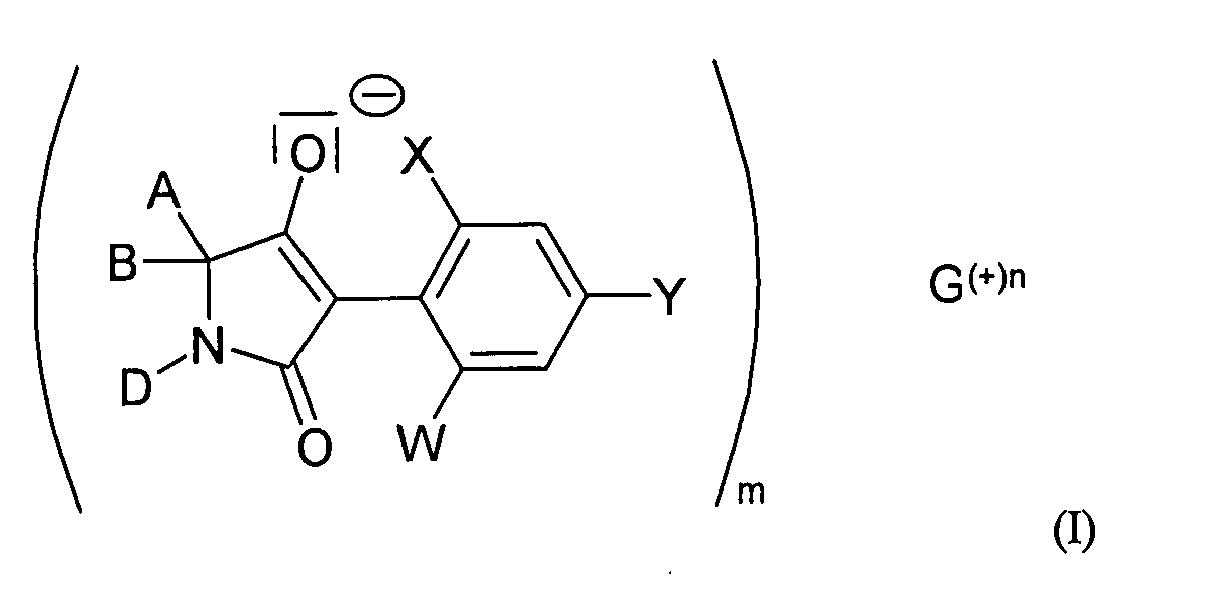
Bsp. Nr. W X Y D A B G(+)n m Fp.°C Isomer A.2 C2H5 OCH3 Cl -(CH2)3- H Li+ 1 *3.95 (m, 1H, C(5)H-N), 6.93 und 6.99 (d, je 1H, Ar-H) - A.3 C2H5 OCH3 Cl -(CH2)3- H K+ 1 *3.96 (m, 1H, C(5)H-N), 6.93 und 6.99 (d, je 1H, Ar-H) - A.4 C2H5 OCH3 Cl H 
CH3 Na+ 1 *1.13 (m, 1H, CH-cycPr), 6.95 und 7.00 (d, je 1H, Ar-H) - A.5 C2H5 OCH3 Cl H 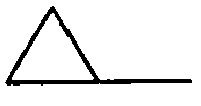
CH3 K+ 1 *1.13 (m, 1H, CH-cycPr), 6.93 und 7.00 (d, je 1H, Ar-H) - A.6 C2H5 OC2H5 Cl H -(CH2)2-CHOCH3-(CH2)2- Na+ 1 **0.97 und 1.15 (je t, je 3H); 3.81 (mc, 2H), 6.62 und 6.68 cis -
- Lösungsmittel:
- 78 Gewichtsteile Aceton
1,5 Gewichtsteile Dimethylformamid - Emulgator:
- 0,5 Gewichtsteile Alkylarylpolyglykolether
- Zur Herstellung einer zweckmäßigen Wirkstoffzubereitung vermischt man 1 Gewichtsteil Wirkstoff mit den angegebenen Mengen Lösungsmittel und Emulgator und verdünnt das Konzentrat mit emulgatorhaltigem Wasser auf die gewünschte Konzentration.
- Chinakohlblattscheiben (Brassica pekinensis), die von allen Stadien der Grünen Pfirsichblattlaus (Myzus persicae) befallen sind, werden mit einer Wirkstoffzubereitung der gewünschten Konzentration gespritzt.
- Nach der gewünschten Zeit wird die Wirkung in % bestimmt. Dabei bedeutet 100 %, dass alle Blattläuse abgetötet wurden; 0 % bedeutet, dass keine Blattläuse abgetötet wurden.
- Bei diesem Test zeigen z. B. die folgenden Verbindungen der Herstellungsbeispiele eine Wirkung von ≥ 80 % bei einer Aufwandmenge von 500 g/ha:
- Bsp. Nr. A.6, A.7, A.11, A.10, A.15, A.14, A. 8
-
- Lösungsmittel:
- 78,0 Gewichtsteile Aceton
1,5 Gewichtsteile Dimethylformamid - Emulgator:
- 0,5 Gewichtsteile Alkylarylpolyglykolether .
- Zur Herstellung einer zweckmäßigen Wirkstoffzubereitung vermischt man 1 Gewichtsteil Wirkstoff mit den angegebenen Mengen Lösungsmittel und Emulgator und verdünnt das Konzentrat mit emulgatorhaltigem Wasser auf die gewünschte Konzentration.
- Bohnenblattscheiben (Phaseolus vulgaris), die von allen Stadien der Gemeinen Spinnmilbe (Tetranychus urticae) befallen sind, werden mit einer Wirkstoffzubereitung der gewünschten Konzentration gespritzt.
- Nach der gewünschten Zeit wird die Wirkung in % bestimmt. Dabei bedeutet 100 %, dass alle Spinnmilben abgetötet wurden; 0 % bedeutet, dass keine Spinnmilben abgetötet wurden.
- Bei diesem Test zeigen z. B. die folgenden Verbindungen der Herstellungsbeispiele eine Wirkung von ≥ 80 % bei einer Aufwandmenge von 100 g/ha:
- Bsp. Nr. A.4, A.5, A. 9, A.7, A.13, A.11, A.17, A.15, A. 8, A. 12
-
- Lösungsmittel:
- 78 Gewichtsteile Aceton
1,5 Gewichtsteile Dimethylformamid - Emulgator:
- 0,5 Gewichtsteile Alkylarylpolyglykolether
- Zur Herstellung einer zweckmäßigen Wirkstoffzubereitung vermischt man 1 Gewichtsteil Wirkstoff mit den angegebenen Mengen Lösungsmittel und Emulgator und verdünnt das Konzentrat mit emulgatorhaltigem Wasser auf die gewünschte Konzentration.
- Die Wirkstoffzubereitung wird in Wasser pipettiert. Die angegebene Konzentration bezieht sich auf die Wirkstoffmenge pro Volumeneinheit Wasser (mg/1 = ppm), anschließend wird mit der Braunrückigen Reiszikade (Nilaparvata lugens) infiziert.
- Nach der gewünschten Zeit wird die Wirkung in % bestimmt. Dabei bedeutet 100 %, dass alle Reiszikaden abgetötet wurden; 0 % bedeutet, dass keine Reiszikaden abgetötet wurden.
- Bei diesem Test zeigen z. B. die folgenden Verbindungen der Herstellungsbeispiele eine Wirkung von ≥ 80 % bei einer Aufwandmenge von 100 g/ha:
- Bsp. Nr. A 6
- Samen von mono- bzw. dikotylen Unkraut- bzw. Kulturpflanzen werden in Holzfasertöpfen in sandigem Lehmboden ausgelegt und mit Erde abgedeckt. Die in Form von benetzbaren Pulvern (WP) oder Emulsionskonzentraten (EC) formulierten Testverbindungen werden dann als wässrige Suspension bzw. Emulsion mit einer Wasseraufwandmenge von umgerechnet 600 1/ha unter Zusatz von 0,2 % Netzmittel in unterschiedlichen Dosierungen auf die Oberfläche der Abdeckerde appliziert. Nach Behandlung werden die Töpfe im Gewächshaus aufgestellt und unter guten Wachstumsbedingungen für die Testpflanzen gehalten. Die visuelle Bonitur der Schäden an den Versuchspflanzen erfolgt nach einer Versuchszeit von 3 Wochen im Vergleich zu unbehandelten Kontrollen (herbizide Wirkung in Prozent (%): 100 % Wirkung = Pflanzen sind abgestorben, 0 % Wirkung = wie Kontrollpflanzen).
- Folgende Verbindungen zweigen im Vorauflauf mit 320 g/ha a.i. gegen Alopecurus myosuroides, Avena fatua, Echinocloa crus-galli, Lolium multiflorum und Setaria viridis eine Wirkung von ≥ 90 %: Bsp. A-1, A-2, A-3, A-4, A-5, A-6, A-7, A-9, A-10, A-11, A-13, A-14, A-15, A-16, A-17, A-18, A-19, A-20, A-21
- Samen von mono- bzw. dikotylen Unkraut- bzw. Kulturpflanzen werden in Holzfasertöpfen in sandigem Lehmboden ausgelegt, mit Erde abgedeckt und im Gewächshaus unter guten Wachstumsbedingungen angezogen. 2 bis 3 Wochen nach der Aussaat werden die Versuchspflanzen im Einblattstadium behandelt. Die als Spritzpulver (WP) oder Emulsionskonzentrat (EC) formulierten Testverbindungen werden in verschiedenen Dosierungen mit einer Wasseraufwandmenge von umgerechnet 600 1/ha unter Zusatz von 0,2 % Netzmittel auf die grünen Pflanzenteile gesprüht. Nach ca. 3 Wochen Standzeit der Versuchspflanzen im Gewächshaus unter optimalen Wachstumsbedingungen wird die Wirkung der Präparate visuell im Vergleich zu unbehandelten Kontrollen bonitiert (herbizide Wirkung in Prozent (%): 100 % Wirkung = Pflanzen sind abgestorben, 0 % Wirkung = wie Kontrollpflanzen).
- Folgende Verbindungen zeigen im Nachlauf mit 80 g/ha a.i. gegen Alopecurus myosuroides, Avena fatu, Echinochloa crus-galli, Lolium multiflorum und Setaria viridis eine Wirkung von ≥ 90 %: Bsp. A-1, A-2, A-3, A-4, A-5, A-6, A-7, A-8, A-9, A-10, A-11, A-12, A-13, A-14, A-15, A-16, A-17, A-18, A-19, A-20, A-21
mit Metallverbindungen der Formeln (III) oder (IV)
G(OR2)n (III) ,
G(H)n (IV)
in welchen
der allgemeinen Formel (IId)

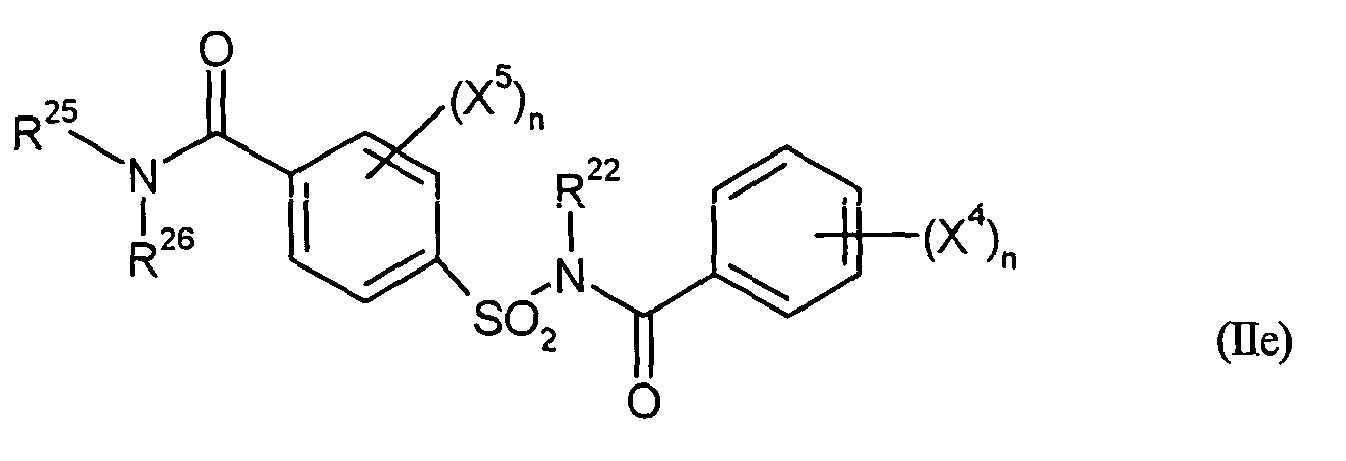


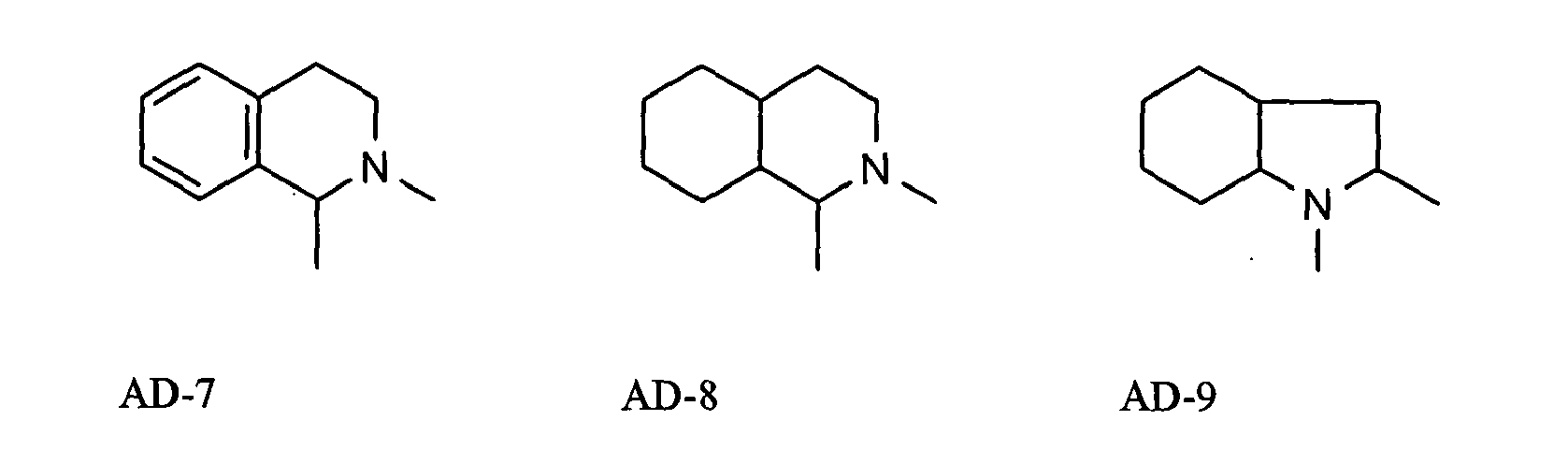


Claims (7)
- Verbindungen der Formel (I)
 X für Alkoxy, Halogenalkoxy, Alkoxyalkyloxy, Alkoxy-bis-alkyloxy oder gegebenenfalls substituiertes Cycloalkyl-alkandyl-oxy, welches gegebenenfalls durch Heteroatome unterbrochen sein kann, steht,W für Alkyl steht,Y für Chlor, Brom oder Iod steht,G für ein Metallionenäquivalent steht,m für die Zahl 1 oder 2 steht,n für die Zahl 1 oder 2 steht,A für Wasserstoff, jeweils gegebenenfalls durch Halogen substituiertes Alkyl, Alkenyl, Alkoxyalkyl, Alkylthioalkyl oder Cycloalkyl steht,B für Wasserstoff, Alkyl oder Alkoxyalkyl steht, oderA und B gemeinsam mit dem Kohlenstoffatom an das sie gebunden sind, für einen gesättigten oder ungesättigten, gegebenenfalls mindestens ein Heteroatom enthaltenden unsubstituierten oder substituierten Cyclus stehen,D für Wasserstoff oder einen gegebenenfalls substituierten Rest aus der Reihe Alkyl, Alkenyl, Alkinyl, Alkoxyalkyl, gesättigtes oder ungesättigtes Cycloalkyl, in welchem gegebenenfalls eines oder mehrere Ringglieder durch Heteroatome ersetzt sind, Arylalkyl, Aryl, Hetarylalkyl oder Hetaryl steht oderA und D gemeinsam mit den Atomen an die sie gebunden sind für einen gesättigten oder ungesättigten und gegebenenfalls mindestens ein Heteroatom enthaltenden, im A,D-Teil unsubstituierten oder substituierten Cyclus stehen.
- Verfahren zur Herstellung von Verbindungen der Formel (I) gemäß Anspruch 1 dadurch gekennzeichnet, dass man zum Erhalt von:(A) Verbindungen der Formel (I)
 A, B, D, m, n, W, X und Y die oben angegebenen Bedeutungen haben,Verbindungen der Formel (II)
 A, B, D, W, X und Y die oben angegebenen Bedeutungen haben,undR1 für Alkyl steht,in Gegenwart eines Verdünnungsmittels und in Gegenwart einer Metallbase intra-molekular kondensiert,(B) Verbindungen der oben gezeigten Formel (I), in welcher A, B, D, m, n, W, X und Y die oben angegebenen Bedeutungen haben, Verbindungen der Formel (I'),gegebenenfalls in Gegenwart eines Verdünnungsmittels umsetzt.
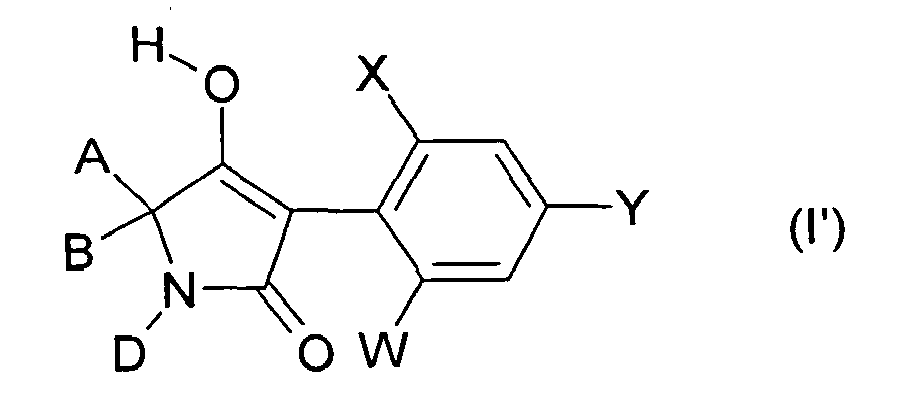
mit Metallverbindungen der Formeln (III) oder (IV)
G(OR2)n (III) ,
G(H)n (IV)
in welchenG für ein ein- oder zweiwertiges Metall,n für die Zahl 1 oder 2 undR2 für Wasserstoff oder Alkyl steht, - Mittel zur Bekämpfung von Schädlingen und/oder unerwünschten Pflanzenwuchs, gekennzeichnet durch einen Gehalt an mindestens einer Verbindung der Formel (I) gemäß Anspruch 1.
- Verfahren zur Bekämpfung von tierischen Schädlingen und/oder unerwünschtem Pflanzenbewuchs, dadurch gekennzeichnet, dass man Verbindungen der Formel (I) gemäß Anspruch 1 auf Schädlinge, unerwünschtem Pflanzenwuchs, und/oder ihren Lebensraum einwirken lässt.
- Verwendung von Verbindungen der Formel (I) gemäß Anspruch 1 zur Bekämpfung von tierischen Schädlingen und/oder unerwünschtem Pflanzenbewuchs.
- Verfahren zur Herstellung von Mitteln zur Bekämpfung von Schädlingen und/oder unerwünschtem Pflanzenbewuchs, dadurch gekennzeichnet, dass man Verbindungen der Formel (I) gemäß Anspruch 1 mit Streckmitteln und/oder oberflächenaktiven Stoffen vermischt.
- Verwendung von Verbindungen der Formel (I) gemäß Anspruch 1 zur Herstellung von Mitteln zur Bekämpfung von Schädlingen und/oder unerwünschtem Pflanzenwuchs.
Priority Applications (12)
| Application Number | Priority Date | Filing Date | Title |
|---|---|---|---|
| EP07009766A EP1992614A1 (de) | 2007-05-16 | 2007-05-16 | 3-(2-Alkoxy-phenyl)-substituierte Tetramate |
| CL2008001302A CL2008001302A1 (es) | 2007-05-16 | 2008-05-06 | Compuestos derivados de tetramatos sustituidos con 3-(2-alcoxifenilo); su proceso de preparacion de los mismos; agente para combatir plagas animales y/o vegetacion indeseada; procedimiento para su preparacion; uso de dichos compuestos; composicion que comprende a dichos compuestos; y procedimiento para combatir vegetacion indeseada. |
| JP2010507830A JP2010526842A (ja) | 2007-05-16 | 2008-05-09 | 3−(2−アルコキシフェニル)−置換テトラメート類 |
| PCT/EP2008/003730 WO2008138551A2 (de) | 2007-05-16 | 2008-05-09 | 3-(2-alkoxy-phenyl)-substituierte tetramate |
| EP08758426A EP2155673A2 (de) | 2007-05-16 | 2008-05-09 | 3-(2-alkoxy-phenyl)-substituierte tetramate |
| BRPI0811578-8A2A BRPI0811578A2 (pt) | 2007-05-16 | 2008-05-09 | Tetramatos substituídos por 3-(2-alcóxi-fenila) |
| KR1020097024949A KR20100022025A (ko) | 2007-05-16 | 2008-05-09 | 3-(2-알콕시페닐)-치환된 테트라메이트 |
| MX2009011379A MX2009011379A (es) | 2007-05-16 | 2008-05-09 | Tetramatos sustituidos con 3-(2-alcoxi-fenilo). |
| CN200880016352A CN101679245A (zh) | 2007-05-16 | 2008-05-09 | 3-(2-烷氧基苯基)取代的特特拉姆酸盐 |
| ARP080102004A AR066536A1 (es) | 2007-05-16 | 2008-05-12 | Tetramatos sustituidos con 3 ( 2- alcoxi- fenilo) |
| TW097117766A TW200901878A (en) | 2007-05-16 | 2008-05-15 | 3-(2-alkoxyphenyl)-substituted tetramates |
| CO09117914A CO6251204A2 (es) | 2007-05-16 | 2009-10-21 | Tetramatos sustituidos con 3-(2-alcoxi-fenilo) |
Applications Claiming Priority (1)
| Application Number | Priority Date | Filing Date | Title |
|---|---|---|---|
| EP07009766A EP1992614A1 (de) | 2007-05-16 | 2007-05-16 | 3-(2-Alkoxy-phenyl)-substituierte Tetramate |
Publications (1)
| Publication Number | Publication Date |
|---|---|
| EP1992614A1 true EP1992614A1 (de) | 2008-11-19 |
Family
ID=38617313
Family Applications (2)
| Application Number | Title | Priority Date | Filing Date |
|---|---|---|---|
| EP07009766A Ceased EP1992614A1 (de) | 2007-05-16 | 2007-05-16 | 3-(2-Alkoxy-phenyl)-substituierte Tetramate |
| EP08758426A Withdrawn EP2155673A2 (de) | 2007-05-16 | 2008-05-09 | 3-(2-alkoxy-phenyl)-substituierte tetramate |
Family Applications After (1)
| Application Number | Title | Priority Date | Filing Date |
|---|---|---|---|
| EP08758426A Withdrawn EP2155673A2 (de) | 2007-05-16 | 2008-05-09 | 3-(2-alkoxy-phenyl)-substituierte tetramate |
Country Status (11)
| Country | Link |
|---|---|
| EP (2) | EP1992614A1 (de) |
| JP (1) | JP2010526842A (de) |
| KR (1) | KR20100022025A (de) |
| CN (1) | CN101679245A (de) |
| AR (1) | AR066536A1 (de) |
| BR (1) | BRPI0811578A2 (de) |
| CL (1) | CL2008001302A1 (de) |
| CO (1) | CO6251204A2 (de) |
| MX (1) | MX2009011379A (de) |
| TW (1) | TW200901878A (de) |
| WO (1) | WO2008138551A2 (de) |
Families Citing this family (31)
| Publication number | Priority date | Publication date | Assignee | Title |
|---|---|---|---|---|
| TW201031327A (en) | 2008-11-14 | 2010-09-01 | Bayer Cropscience Ag | Active compound combinations having insecticidal and acaricidal properties |
| US8846946B2 (en) | 2008-12-02 | 2014-09-30 | Bayer Cropscience Ag | Germinal alkoxy/alkylspirocyclic substituted tetramate derivatives |
| US8389443B2 (en) | 2008-12-02 | 2013-03-05 | Bayer Cropscience Ag | Geminal alkoxy/alkylspirocyclic substituted tetramate derivatives |
| AR075126A1 (es) | 2009-01-29 | 2011-03-09 | Bayer Cropscience Ag | Metodo para el mejor uso del potencial de produccion de plantas transgenicas |
| PL2406216T3 (pl) | 2009-03-11 | 2017-09-29 | Bayer Intellectual Property Gmbh | Ketoenole podstawione halogenoalkilometylenoksyfenylem |
| US8927551B2 (en) | 2009-05-18 | 2015-01-06 | Infinity Pharmaceuticals, Inc. | Isoxazolines as inhibitors of fatty acid amide hydrolase |
| US9149465B2 (en) | 2009-05-18 | 2015-10-06 | Infinity Pharmaceuticals, Inc. | Isoxazolines as inhibitors of fatty acid amide hydrolase |
| US8765735B2 (en) | 2009-05-18 | 2014-07-01 | Infinity Pharmaceuticals, Inc. | Isoxazolines as inhibitors of fatty acid amide hydrolase |
| EP2534133B1 (de) | 2010-02-10 | 2018-09-05 | Bayer CropScience Aktiengesellschaft | Biphenylsubstituierte cyclische ketoenole |
| WO2011098443A1 (de) | 2010-02-10 | 2011-08-18 | Bayer Cropscience Ag | Spiroheterocyclisch-substituierte tetramsäure-derivate |
| DE102010008643A1 (de) | 2010-02-15 | 2011-08-18 | Bayer Schering Pharma Aktiengesellschaft, 13353 | Zyklische Ketoenole zur Therapie |
| DE102010008642A1 (de) | 2010-02-15 | 2011-08-18 | Bayer Schering Pharma Aktiengesellschaft, 13353 | Zyklische Ketoenole zur Therapie |
| DE102010008644A1 (de) | 2010-02-15 | 2011-08-18 | Bayer Schering Pharma Aktiengesellschaft, 13353 | Zyklische Ketoenole zur Therapie |
| CN102939007B (zh) | 2010-04-20 | 2015-09-02 | 拜耳知识产权有限责任公司 | 基于螺杂环取代的特特拉姆酸衍生物的具有改善活性的杀虫和/或除草组合物 |
| EP3372580B1 (de) | 2011-01-25 | 2020-07-22 | Bayer CropScience Aktiengesellschaft | Verfahren zur herstellung von 1-h-pyrrolidin-2,4-dion-derivaten |
| DE102011011040A1 (de) | 2011-02-08 | 2012-08-09 | Bayer Pharma Aktiengesellschaft | (5s,8s)-3-(4'-Chlor-3'-fluor-4-methylbiphenyl-3-yl)-4-hydroxy-8-methoxy-1-azaspiro[4.5]dec-3-en-2-on (Verbindung A) zur Therapie |
| DE102011080405A1 (de) | 2011-08-04 | 2013-02-07 | Bayer Pharma AG | Substituierte 3-(Biphenyl-3-yl)-8,8-difluor-4-hydroxy-1-azaspiro[4.5]dec-3-en-2-one zur Therapie |
| WO2012110518A1 (de) | 2011-02-17 | 2012-08-23 | Bayer Pharma Aktiengesellschaft | Substituierte 3-(biphenyl-3-yl)-8,8-difluor-4-hydroxy-1-azaspiro[4.5]dec-3-en-2-one zur therapie |
| KR101789527B1 (ko) | 2011-03-01 | 2017-10-25 | 바이엘 인텔렉쳐 프로퍼티 게엠베하 | 2-아실옥시피롤린-4-온 |
| EP2683695B1 (de) | 2011-03-11 | 2015-08-05 | Bayer Intellectual Property GmbH | Cis-alkoxysubstituierte spirocyclische 1-h-pyrrolidin-2,4-dion-derivate |
| DE102011080406A1 (de) | 2011-08-04 | 2013-02-07 | Bayer Pharma AG | Substituierte 3-(Biphenyl-3-yl)-4-hydroxy-8-methoxy-1-azaspiro8[4.5]dec-3-en-2-one |
| AU2013211636B2 (en) | 2012-01-26 | 2016-09-29 | Bayer Intellectual Property Gmbh | Phenyl-substituted ketoenols for controlling fish parasites |
| ES2886953T3 (es) | 2016-01-15 | 2021-12-21 | Bayer Cropscience Ag | Procedimiento para la preparación de 2-(4-cloro-2,6-dimetilfenil)etanol |
| CN107298685A (zh) * | 2017-06-29 | 2017-10-27 | 上海合全药业股份有限公司 | 一种8‑(叔丁氧羰基)‑1‑氧杂‑8‑氮杂螺[4.5]癸烷‑2‑羧酸的合成方法 |
| CN107353239B (zh) | 2017-08-11 | 2019-06-18 | 北京卓凯生物技术有限公司 | 4-氧-烷基化特特拉姆酸类化合物及其制备方法 |
| CN107468690B (zh) | 2017-08-11 | 2020-01-31 | 北京卓凯生物技术有限公司 | 4-氧-烷基化特特拉姆酸类化合物及其制备方法与应用 |
| WO2019197652A1 (de) | 2018-04-13 | 2019-10-17 | Bayer Aktiengesellschaft | Feststoff-formulierung insektizider mischungen |
| WO2019197617A1 (de) | 2018-04-13 | 2019-10-17 | Bayer Cropscience Aktiengesellschaft | Verwendung von tetramsäurederivaten zur bekämpfung von tierischen schädlingen durch angiessen, tröpfchenapplikation. pflanzlochbehandlung oder furchenapplikation |
| WO2019197620A1 (de) | 2018-04-13 | 2019-10-17 | Bayer Cropscience Aktiengesellschaft | Verwendung von tetramsäurederivaten zur bekämpfung von speziellen insekten |
| MX2020010686A (es) | 2018-04-13 | 2020-11-06 | Bayer Cropscience Ag | Uso de derivados del acido tetramico para el control de plagas por riego o aplicacion de gotas. |
| MX2020010794A (es) | 2018-04-13 | 2020-10-28 | Bayer Cropscience Ag | Uso de derivados del acido tetramico para combatir insectos especiales. |
Citations (5)
| Publication number | Priority date | Publication date | Assignee | Title |
|---|---|---|---|---|
| EP0355599A1 (de) * | 1988-08-20 | 1990-02-28 | Bayer Ag | 3-Aryl-pyrrolidin-2,4-dione |
| EP0415211A2 (de) * | 1989-09-01 | 1991-03-06 | Bayer Ag | 3-Aryl-pyrrolidin-2,4-dion-derivate |
| DE10311300A1 (de) * | 2003-03-14 | 2004-09-23 | Bayer Cropscience Ag | 2,4,6-Phenylsubstituierte cyclische Ketoenole |
| DE102004030753A1 (de) * | 2004-06-25 | 2006-01-19 | Bayer Cropscience Ag | 3'-Alkoxy spirocyclische Tetram- und Tretronsäuren |
| DE102005051325A1 (de) * | 2005-10-27 | 2007-05-03 | Bayer Cropscience Ag | Alkoxyalkyl spirocyclische Tetram- und Tetronsäuren |
Family Cites Families (1)
| Publication number | Priority date | Publication date | Assignee | Title |
|---|---|---|---|---|
| DE102005059471A1 (de) * | 2005-12-13 | 2007-07-12 | Bayer Cropscience Ag | Herbizide Zusammensetzungen mit verbesserter Wirkung |
-
2007
- 2007-05-16 EP EP07009766A patent/EP1992614A1/de not_active Ceased
-
2008
- 2008-05-06 CL CL2008001302A patent/CL2008001302A1/es unknown
- 2008-05-09 MX MX2009011379A patent/MX2009011379A/es not_active Application Discontinuation
- 2008-05-09 KR KR1020097024949A patent/KR20100022025A/ko not_active Withdrawn
- 2008-05-09 EP EP08758426A patent/EP2155673A2/de not_active Withdrawn
- 2008-05-09 WO PCT/EP2008/003730 patent/WO2008138551A2/de not_active Ceased
- 2008-05-09 CN CN200880016352A patent/CN101679245A/zh active Pending
- 2008-05-09 JP JP2010507830A patent/JP2010526842A/ja not_active Withdrawn
- 2008-05-09 BR BRPI0811578-8A2A patent/BRPI0811578A2/pt not_active Application Discontinuation
- 2008-05-12 AR ARP080102004A patent/AR066536A1/es unknown
- 2008-05-15 TW TW097117766A patent/TW200901878A/zh unknown
-
2009
- 2009-10-21 CO CO09117914A patent/CO6251204A2/es not_active Application Discontinuation
Patent Citations (5)
| Publication number | Priority date | Publication date | Assignee | Title |
|---|---|---|---|---|
| EP0355599A1 (de) * | 1988-08-20 | 1990-02-28 | Bayer Ag | 3-Aryl-pyrrolidin-2,4-dione |
| EP0415211A2 (de) * | 1989-09-01 | 1991-03-06 | Bayer Ag | 3-Aryl-pyrrolidin-2,4-dion-derivate |
| DE10311300A1 (de) * | 2003-03-14 | 2004-09-23 | Bayer Cropscience Ag | 2,4,6-Phenylsubstituierte cyclische Ketoenole |
| DE102004030753A1 (de) * | 2004-06-25 | 2006-01-19 | Bayer Cropscience Ag | 3'-Alkoxy spirocyclische Tetram- und Tretronsäuren |
| DE102005051325A1 (de) * | 2005-10-27 | 2007-05-03 | Bayer Cropscience Ag | Alkoxyalkyl spirocyclische Tetram- und Tetronsäuren |
Also Published As
| Publication number | Publication date |
|---|---|
| TW200901878A (en) | 2009-01-16 |
| MX2009011379A (es) | 2009-11-12 |
| CO6251204A2 (es) | 2011-02-21 |
| EP2155673A2 (de) | 2010-02-24 |
| JP2010526842A (ja) | 2010-08-05 |
| AR066536A1 (es) | 2009-08-26 |
| WO2008138551A2 (de) | 2008-11-20 |
| KR20100022025A (ko) | 2010-02-26 |
| WO2008138551A3 (de) | 2009-02-26 |
| CL2008001302A1 (es) | 2008-11-28 |
| CN101679245A (zh) | 2010-03-24 |
| BRPI0811578A2 (pt) | 2014-12-09 |
Similar Documents
| Publication | Publication Date | Title |
|---|---|---|
| EP2195290B1 (de) | Halogenalkoxyspirocyclische tetram- und tetronsäure-derivate | |
| EP2185563B1 (de) | Oxaspirocyclische-spiro-substituierte tetram- und tetronsäure-derivate | |
| EP2155673A2 (de) | 3-(2-alkoxy-phenyl)-substituierte tetramate | |
| EP1791816B1 (de) | Jod-phenylsubstituierte cyclische ketoenole | |
| EP2103615A1 (de) | 4'4'-Dioxaspiro-spirocyclisch substituierte Tetramate | |
| JP5337025B2 (ja) | アルコキシアルキル置換環状ケトエノール | |
| EP1989162B1 (de) | Cycloalkyl-phenylsubstituierte cyclische ketoenole | |
| KR101571752B1 (ko) | 비페닐-치환된 스피로사이클릭 케토에놀 | |
| EP2114880A1 (de) | Cis-alkoxyspirocyclische biphenylsubstituierte tetramsäure-derivate | |
| KR20080083660A (ko) | 3'-알콕시-스피로사이클로펜틸-치환된 테트람산 및테트론산 | |
| BRPI0617917B1 (pt) | ácidos alcoxialquil espirocíclicos tetrâmicos e tetrônicos, seus usos, seu processo de preparação e seus intermediários, agente e seu uso, pesticidas e/ou herbicidas e/ou fungicidas e seu processo de preparação, e processos para combate de pestes animais e/ou do crescimento de plantas indesejadas e/ou fungos | |
| EP1976819A2 (de) | 2,4,6-trialkylphenylsubstituierte cyclopentan-1,3-dione |
Legal Events
| Date | Code | Title | Description |
|---|---|---|---|
| PUAI | Public reference made under article 153(3) epc to a published international application that has entered the european phase |
Free format text: ORIGINAL CODE: 0009012 |
|
| AK | Designated contracting states |
Kind code of ref document: A1 Designated state(s): AT BE BG CH CY CZ DE DK EE ES FI FR GB GR HU IE IS IT LI LT LU LV MC MT NL PL PT RO SE SI SK TR |
|
| AX | Request for extension of the european patent |
Extension state: AL BA HR MK RS |
|
| AKX | Designation fees paid | ||
| STAA | Information on the status of an ep patent application or granted ep patent |
Free format text: STATUS: THE APPLICATION HAS BEEN REFUSED |
|
| 18R | Application refused |
Effective date: 20090424 |
|
| REG | Reference to a national code |
Ref country code: DE Ref legal event code: 8566 |