EP1968685B1 - Vorrichtungen zur zügelung des appetit und/oder zur verringerung der nahrungsaufnahme - Google Patents
Vorrichtungen zur zügelung des appetit und/oder zur verringerung der nahrungsaufnahme Download PDFInfo
- Publication number
- EP1968685B1 EP1968685B1 EP06845513.8A EP06845513A EP1968685B1 EP 1968685 B1 EP1968685 B1 EP 1968685B1 EP 06845513 A EP06845513 A EP 06845513A EP 1968685 B1 EP1968685 B1 EP 1968685B1
- Authority
- EP
- European Patent Office
- Prior art keywords
- duodenum
- central shaft
- central tube
- flow reduction
- expandable
- Prior art date
- Legal status (The legal status is an assumption and is not a legal conclusion. Google has not performed a legal analysis and makes no representation as to the accuracy of the status listed.)
- Active
Links
- 230000037406 food intake Effects 0.000 title description 41
- 235000012631 food intake Nutrition 0.000 title description 40
- 235000019789 appetite Nutrition 0.000 title description 4
- 230000036528 appetite Effects 0.000 title description 4
- 239000000463 material Substances 0.000 claims description 100
- 210000001198 duodenum Anatomy 0.000 claims description 78
- 230000000975 bioactive effect Effects 0.000 claims description 74
- 230000002183 duodenal effect Effects 0.000 claims description 38
- 230000007246 mechanism Effects 0.000 claims description 11
- 230000033001 locomotion Effects 0.000 claims description 9
- 241000124008 Mammalia Species 0.000 claims description 7
- 229910001285 shape-memory alloy Inorganic materials 0.000 claims description 6
- 210000003484 anatomy Anatomy 0.000 claims description 5
- 230000009467 reduction Effects 0.000 description 127
- 210000000813 small intestine Anatomy 0.000 description 81
- 238000000034 method Methods 0.000 description 73
- -1 amsacrin Chemical compound 0.000 description 61
- 230000036186 satiety Effects 0.000 description 55
- 235000019627 satiety Nutrition 0.000 description 55
- 235000013305 food Nutrition 0.000 description 42
- 210000002784 stomach Anatomy 0.000 description 41
- 238000004873 anchoring Methods 0.000 description 32
- 239000012530 fluid Substances 0.000 description 28
- 230000001766 physiological effect Effects 0.000 description 28
- 230000000968 intestinal effect Effects 0.000 description 27
- 229920000642 polymer Polymers 0.000 description 25
- NOESYZHRGYRDHS-UHFFFAOYSA-N insulin Chemical compound N1C(=O)C(NC(=O)C(CCC(N)=O)NC(=O)C(CCC(O)=O)NC(=O)C(C(C)C)NC(=O)C(NC(=O)CN)C(C)CC)CSSCC(C(NC(CO)C(=O)NC(CC(C)C)C(=O)NC(CC=2C=CC(O)=CC=2)C(=O)NC(CCC(N)=O)C(=O)NC(CC(C)C)C(=O)NC(CCC(O)=O)C(=O)NC(CC(N)=O)C(=O)NC(CC=2C=CC(O)=CC=2)C(=O)NC(CSSCC(NC(=O)C(C(C)C)NC(=O)C(CC(C)C)NC(=O)C(CC=2C=CC(O)=CC=2)NC(=O)C(CC(C)C)NC(=O)C(C)NC(=O)C(CCC(O)=O)NC(=O)C(C(C)C)NC(=O)C(CC(C)C)NC(=O)C(CC=2NC=NC=2)NC(=O)C(CO)NC(=O)CNC2=O)C(=O)NCC(=O)NC(CCC(O)=O)C(=O)NC(CCCNC(N)=N)C(=O)NCC(=O)NC(CC=3C=CC=CC=3)C(=O)NC(CC=3C=CC=CC=3)C(=O)NC(CC=3C=CC(O)=CC=3)C(=O)NC(C(C)O)C(=O)N3C(CCC3)C(=O)NC(CCCCN)C(=O)NC(C)C(O)=O)C(=O)NC(CC(N)=O)C(O)=O)=O)NC(=O)C(C(C)CC)NC(=O)C(CO)NC(=O)C(C(C)O)NC(=O)C1CSSCC2NC(=O)C(CC(C)C)NC(=O)C(NC(=O)C(CCC(N)=O)NC(=O)C(CC(N)=O)NC(=O)C(NC(=O)C(N)CC=1C=CC=CC=1)C(C)C)CC1=CN=CN1 NOESYZHRGYRDHS-UHFFFAOYSA-N 0.000 description 22
- 108020003175 receptors Proteins 0.000 description 22
- 102000005962 receptors Human genes 0.000 description 22
- 239000003814 drug Substances 0.000 description 21
- 229940079593 drug Drugs 0.000 description 21
- 108090000765 processed proteins & peptides Proteins 0.000 description 21
- 210000001187 pylorus Anatomy 0.000 description 21
- 229940088597 hormone Drugs 0.000 description 19
- 239000005556 hormone Substances 0.000 description 19
- 230000004888 barrier function Effects 0.000 description 17
- 210000004556 brain Anatomy 0.000 description 17
- 210000001035 gastrointestinal tract Anatomy 0.000 description 17
- 230000029087 digestion Effects 0.000 description 16
- 210000000412 mechanoreceptor Anatomy 0.000 description 14
- 208000008589 Obesity Diseases 0.000 description 13
- 235000020824 obesity Nutrition 0.000 description 13
- JYGXADMDTFJGBT-VWUMJDOOSA-N hydrocortisone Chemical compound O=C1CC[C@]2(C)[C@H]3[C@@H](O)C[C@](C)([C@@](CC4)(O)C(=O)CO)[C@@H]4[C@@H]3CCC2=C1 JYGXADMDTFJGBT-VWUMJDOOSA-N 0.000 description 12
- 230000002209 hydrophobic effect Effects 0.000 description 12
- 238000003780 insertion Methods 0.000 description 12
- 230000037431 insertion Effects 0.000 description 12
- 210000004126 nerve fiber Anatomy 0.000 description 12
- 102000004877 Insulin Human genes 0.000 description 11
- 108090001061 Insulin Proteins 0.000 description 11
- 108091008690 chemoreceptors Proteins 0.000 description 11
- 230000000694 effects Effects 0.000 description 11
- 230000001965 increasing effect Effects 0.000 description 11
- 229940125396 insulin Drugs 0.000 description 11
- 230000007423 decrease Effects 0.000 description 10
- 230000000670 limiting effect Effects 0.000 description 10
- 230000004580 weight loss Effects 0.000 description 10
- 210000003169 central nervous system Anatomy 0.000 description 9
- 230000002496 gastric effect Effects 0.000 description 9
- XNSAINXGIQZQOO-SRVKXCTJSA-N protirelin Chemical compound NC(=O)[C@@H]1CCCN1C(=O)[C@@H](NC(=O)[C@H]1NC(=O)CC1)CC1=CN=CN1 XNSAINXGIQZQOO-SRVKXCTJSA-N 0.000 description 9
- JQXXHWHPUNPDRT-WLSIYKJHSA-N rifampicin Chemical compound O([C@](C1=O)(C)O/C=C/[C@@H]([C@H]([C@@H](OC(C)=O)[C@H](C)[C@H](O)[C@H](C)[C@@H](O)[C@@H](C)\C=C\C=C(C)/C(=O)NC=2C(O)=C3C([O-])=C4C)C)OC)C4=C1C3=C(O)C=2\C=N\N1CC[NH+](C)CC1 JQXXHWHPUNPDRT-WLSIYKJHSA-N 0.000 description 9
- 230000001515 vagal effect Effects 0.000 description 9
- 102000016267 Leptin Human genes 0.000 description 8
- 108010092277 Leptin Proteins 0.000 description 8
- JGSARLDLIJGVTE-MBNYWOFBSA-N Penicillin G Chemical compound N([C@H]1[C@H]2SC([C@@H](N2C1=O)C(O)=O)(C)C)C(=O)CC1=CC=CC=C1 JGSARLDLIJGVTE-MBNYWOFBSA-N 0.000 description 8
- 230000009477 glass transition Effects 0.000 description 8
- 229940039781 leptin Drugs 0.000 description 8
- NRYBAZVQPHGZNS-ZSOCWYAHSA-N leptin Chemical compound O=C([C@H](CO)NC(=O)[C@H](CC(C)C)NC(=O)[C@H](CC(O)=O)NC(=O)[C@H](CC(C)C)NC(=O)[C@H](CCC(N)=O)NC(=O)[C@H](CC=1C2=CC=CC=C2NC=1)NC(=O)[C@H](CC(C)C)NC(=O)[C@@H](NC(=O)[C@H](CC(O)=O)NC(=O)[C@H](CCC(N)=O)NC(=O)[C@H](CC(C)C)NC(=O)[C@H](CO)NC(=O)CNC(=O)[C@H](CCC(N)=O)NC(=O)[C@@H](N)CC(C)C)CCSC)N1CCC[C@H]1C(=O)NCC(=O)N[C@@H](CS)C(O)=O NRYBAZVQPHGZNS-ZSOCWYAHSA-N 0.000 description 8
- 230000004044 response Effects 0.000 description 8
- 102000055006 Calcitonin Human genes 0.000 description 7
- 108060001064 Calcitonin Proteins 0.000 description 7
- RTAQQCXQSZGOHL-UHFFFAOYSA-N Titanium Chemical compound [Ti] RTAQQCXQSZGOHL-UHFFFAOYSA-N 0.000 description 7
- 238000010521 absorption reaction Methods 0.000 description 7
- 230000004913 activation Effects 0.000 description 7
- 239000003963 antioxidant agent Substances 0.000 description 7
- 235000006708 antioxidants Nutrition 0.000 description 7
- 239000006227 byproduct Substances 0.000 description 7
- 229960004015 calcitonin Drugs 0.000 description 7
- BBBFJLBPOGFECG-VJVYQDLKSA-N calcitonin Chemical compound N([C@H](C(=O)N[C@@H](CC(C)C)C(=O)NCC(=O)N[C@@H](CCCCN)C(=O)N[C@@H](CC(C)C)C(=O)N[C@@H](CO)C(=O)N[C@@H](CCC(N)=O)C(=O)N[C@@H](CCC(O)=O)C(=O)N[C@@H](CC(C)C)C(=O)N[C@@H](CC=1NC=NC=1)C(=O)N[C@@H](CCCCN)C(=O)N[C@@H](CC(C)C)C(=O)N[C@@H](CCC(N)=O)C(=O)N[C@@H]([C@@H](C)O)C(=O)N[C@@H](CC=1C=CC(O)=CC=1)C(=O)N1[C@@H](CCC1)C(=O)N[C@@H](CCCNC(N)=N)C(=O)N[C@@H]([C@@H](C)O)C(=O)N[C@@H](CC(N)=O)C(=O)N[C@@H]([C@@H](C)O)C(=O)NCC(=O)N[C@@H](CO)C(=O)NCC(=O)N[C@@H]([C@@H](C)O)C(=O)N1[C@@H](CCC1)C(N)=O)C(C)C)C(=O)[C@@H]1CSSC[C@H](N)C(=O)N[C@@H](CO)C(=O)N[C@@H](CC(N)=O)C(=O)N[C@@H](CC(C)C)C(=O)N[C@@H](CO)C(=O)N[C@@H]([C@@H](C)O)C(=O)N1 BBBFJLBPOGFECG-VJVYQDLKSA-N 0.000 description 7
- 239000003795 chemical substances by application Substances 0.000 description 7
- 229920001971 elastomer Polymers 0.000 description 7
- 210000004185 liver Anatomy 0.000 description 7
- 239000011159 matrix material Substances 0.000 description 7
- 108091008704 mechanoreceptors Proteins 0.000 description 7
- 229910052751 metal Inorganic materials 0.000 description 7
- 239000002184 metal Substances 0.000 description 7
- 239000000203 mixture Substances 0.000 description 7
- 108091008709 muscle spindles Proteins 0.000 description 7
- 102000004196 processed proteins & peptides Human genes 0.000 description 7
- 108090000623 proteins and genes Proteins 0.000 description 7
- 238000001356 surgical procedure Methods 0.000 description 7
- 229910052719 titanium Inorganic materials 0.000 description 7
- 239000010936 titanium Substances 0.000 description 7
- WWYNJERNGUHSAO-XUDSTZEESA-N (+)-Norgestrel Chemical compound O=C1CC[C@@H]2[C@H]3CC[C@](CC)([C@](CC4)(O)C#C)[C@@H]4[C@@H]3CCC2=C1 WWYNJERNGUHSAO-XUDSTZEESA-N 0.000 description 6
- WHTVZRBIWZFKQO-AWEZNQCLSA-N (S)-chloroquine Chemical compound ClC1=CC=C2C(N[C@@H](C)CCCN(CC)CC)=CC=NC2=C1 WHTVZRBIWZFKQO-AWEZNQCLSA-N 0.000 description 6
- 239000000275 Adrenocorticotropic Hormone Substances 0.000 description 6
- APKFDSVGJQXUKY-KKGHZKTASA-N Amphotericin-B Natural products O[C@H]1[C@@H](N)[C@H](O)[C@@H](C)O[C@H]1O[C@H]1C=CC=CC=CC=CC=CC=CC=C[C@H](C)[C@@H](O)[C@@H](C)[C@H](C)OC(=O)C[C@H](O)C[C@H](O)CC[C@@H](O)[C@H](O)C[C@H](O)C[C@](O)(C[C@H](O)[C@H]2C(O)=O)O[C@H]2C1 APKFDSVGJQXUKY-KKGHZKTASA-N 0.000 description 6
- 102400000739 Corticotropin Human genes 0.000 description 6
- 101800000414 Corticotropin Proteins 0.000 description 6
- UHDGCWIWMRVCDJ-CCXZUQQUSA-N Cytarabine Chemical compound O=C1N=C(N)C=CN1[C@H]1[C@@H](O)[C@H](O)[C@@H](CO)O1 UHDGCWIWMRVCDJ-CCXZUQQUSA-N 0.000 description 6
- AOJJSUZBOXZQNB-TZSSRYMLSA-N Doxorubicin Chemical compound O([C@H]1C[C@@](O)(CC=2C(O)=C3C(=O)C=4C=CC=C(C=4C(=O)C3=C(O)C=21)OC)C(=O)CO)[C@H]1C[C@H](N)[C@H](O)[C@H](C)O1 AOJJSUZBOXZQNB-TZSSRYMLSA-N 0.000 description 6
- ULGZDMOVFRHVEP-RWJQBGPGSA-N Erythromycin Chemical compound O([C@@H]1[C@@H](C)C(=O)O[C@@H]([C@@]([C@H](O)[C@@H](C)C(=O)[C@H](C)C[C@@](C)(O)[C@H](O[C@H]2[C@@H]([C@H](C[C@@H](C)O2)N(C)C)O)[C@H]1C)(C)O)CC)[C@H]1C[C@@](C)(OC)[C@@H](O)[C@H](C)O1 ULGZDMOVFRHVEP-RWJQBGPGSA-N 0.000 description 6
- 201000006353 Filariasis Diseases 0.000 description 6
- XNSAINXGIQZQOO-UHFFFAOYSA-N L-pyroglutamyl-L-histidyl-L-proline amide Natural products NC(=O)C1CCCN1C(=O)C(NC(=O)C1NC(=O)CC1)CC1=CN=CN1 XNSAINXGIQZQOO-UHFFFAOYSA-N 0.000 description 6
- HLFSDGLLUJUHTE-SNVBAGLBSA-N Levamisole Chemical compound C1([C@H]2CN3CCSC3=N2)=CC=CC=C1 HLFSDGLLUJUHTE-SNVBAGLBSA-N 0.000 description 6
- YNVGQYHLRCDXFQ-XGXHKTLJSA-N Lynestrenol Chemical compound C1CC[C@@H]2[C@H]3CC[C@](C)([C@](CC4)(O)C#C)[C@@H]4[C@@H]3CCC2=C1 YNVGQYHLRCDXFQ-XGXHKTLJSA-N 0.000 description 6
- 102000003982 Parathyroid hormone Human genes 0.000 description 6
- 108090000445 Parathyroid hormone Proteins 0.000 description 6
- GLUUGHFHXGJENI-UHFFFAOYSA-N Piperazine Chemical compound C1CNCCN1 GLUUGHFHXGJENI-UHFFFAOYSA-N 0.000 description 6
- RJKFOVLPORLFTN-LEKSSAKUSA-N Progesterone Chemical compound C1CC2=CC(=O)CC[C@]2(C)[C@@H]2[C@@H]1[C@@H]1CC[C@H](C(=O)C)[C@@]1(C)CC2 RJKFOVLPORLFTN-LEKSSAKUSA-N 0.000 description 6
- LOUPRKONTZGTKE-WZBLMQSHSA-N Quinine Chemical compound C([C@H]([C@H](C1)C=C)C2)C[N@@]1[C@@H]2[C@H](O)C1=CC=NC2=CC=C(OC)C=C21 LOUPRKONTZGTKE-WZBLMQSHSA-N 0.000 description 6
- NHUHCSRWZMLRLA-UHFFFAOYSA-N Sulfisoxazole Chemical compound CC1=NOC(NS(=O)(=O)C=2C=CC(N)=CC=2)=C1C NHUHCSRWZMLRLA-UHFFFAOYSA-N 0.000 description 6
- NKANXQFJJICGDU-QPLCGJKRSA-N Tamoxifen Chemical compound C=1C=CC=CC=1C(/CC)=C(C=1C=CC(OCCN(C)C)=CC=1)/C1=CC=CC=C1 NKANXQFJJICGDU-QPLCGJKRSA-N 0.000 description 6
- MUMGGOZAMZWBJJ-DYKIIFRCSA-N Testostosterone Chemical compound O=C1CC[C@]2(C)[C@H]3CC[C@](C)([C@H](CC4)O)[C@@H]4[C@@H]3CCC2=C1 MUMGGOZAMZWBJJ-DYKIIFRCSA-N 0.000 description 6
- 239000000627 Thyrotropin-Releasing Hormone Substances 0.000 description 6
- 102400000336 Thyrotropin-releasing hormone Human genes 0.000 description 6
- 101800004623 Thyrotropin-releasing hormone Proteins 0.000 description 6
- 108010004977 Vasopressins Proteins 0.000 description 6
- 102000002852 Vasopressins Human genes 0.000 description 6
- RJURFGZVJUQBHK-UHFFFAOYSA-N actinomycin D Natural products CC1OC(=O)C(C(C)C)N(C)C(=O)CN(C)C(=O)C2CCCN2C(=O)C(C(C)C)NC(=O)C1NC(=O)C1=C(N)C(=O)C(C)=C2OC(C(C)=CC=C3C(=O)NC4C(=O)NC(C(N5CCCC5C(=O)N(C)CC(=O)N(C)C(C(C)C)C(=O)OC4C)=O)C(C)C)=C3N=C21 RJURFGZVJUQBHK-UHFFFAOYSA-N 0.000 description 6
- DKNWSYNQZKUICI-UHFFFAOYSA-N amantadine Chemical compound C1C(C2)CC3CC2CC1(N)C3 DKNWSYNQZKUICI-UHFFFAOYSA-N 0.000 description 6
- 229960003805 amantadine Drugs 0.000 description 6
- APKFDSVGJQXUKY-INPOYWNPSA-N amphotericin B Chemical compound O[C@H]1[C@@H](N)[C@H](O)[C@@H](C)O[C@H]1O[C@H]1/C=C/C=C/C=C/C=C/C=C/C=C/C=C/[C@H](C)[C@@H](O)[C@@H](C)[C@H](C)OC(=O)C[C@H](O)C[C@H](O)CC[C@@H](O)[C@H](O)C[C@H](O)C[C@](O)(C[C@H](O)[C@H]2C(O)=O)O[C@H]2C1 APKFDSVGJQXUKY-INPOYWNPSA-N 0.000 description 6
- 229960003942 amphotericin b Drugs 0.000 description 6
- CNBGNNVCVSKAQZ-UHFFFAOYSA-N benzydamine Chemical compound C12=CC=CC=C2C(OCCCN(C)C)=NN1CC1=CC=CC=C1 CNBGNNVCVSKAQZ-UHFFFAOYSA-N 0.000 description 6
- 210000004027 cell Anatomy 0.000 description 6
- 230000008859 change Effects 0.000 description 6
- 229960003677 chloroquine Drugs 0.000 description 6
- WHTVZRBIWZFKQO-UHFFFAOYSA-N chloroquine Natural products ClC1=CC=C2C(NC(C)CCCN(CC)CC)=CC=NC2=C1 WHTVZRBIWZFKQO-UHFFFAOYSA-N 0.000 description 6
- OROGSEYTTFOCAN-DNJOTXNNSA-N codeine Chemical compound C([C@H]1[C@H](N(CC[C@@]112)C)C3)=C[C@H](O)[C@@H]1OC1=C2C3=CC=C1OC OROGSEYTTFOCAN-DNJOTXNNSA-N 0.000 description 6
- 229960000258 corticotropin Drugs 0.000 description 6
- IDLFZVILOHSSID-OVLDLUHVSA-N corticotropin Chemical compound C([C@@H](C(=O)N[C@@H](CO)C(=O)N[C@@H](CCSC)C(=O)N[C@@H](CCC(O)=O)C(=O)N[C@@H](CC=1NC=NC=1)C(=O)N[C@@H](CC=1C=CC=CC=1)C(=O)N[C@@H](CCCNC(N)=N)C(=O)N[C@@H](CC=1C2=CC=CC=C2NC=1)C(=O)NCC(=O)N[C@@H](CCCCN)C(=O)N1[C@@H](CCC1)C(=O)N[C@@H](C(C)C)C(=O)NCC(=O)N[C@@H](CCCCN)C(=O)N[C@@H](CCCCN)C(=O)N[C@@H](CCCNC(N)=N)C(=O)N[C@@H](CCCNC(N)=N)C(=O)N1[C@@H](CCC1)C(=O)N[C@@H](C(C)C)C(=O)N[C@@H](CCCCN)C(=O)N[C@@H](C(C)C)C(=O)N[C@@H](CC=1C=CC(O)=CC=1)C(=O)N1[C@@H](CCC1)C(=O)N[C@@H](CC(N)=O)C(=O)NCC(=O)N[C@@H](C)C(=O)N[C@@H](CCC(O)=O)C(=O)N[C@@H](CC(O)=O)C(=O)N[C@@H](CCC(O)=O)C(=O)N[C@@H](CO)C(=O)N[C@@H](C)C(=O)N[C@@H](CCC(O)=O)C(=O)N[C@@H](C)C(=O)N[C@@H](CC=1C=CC=CC=1)C(=O)N1[C@@H](CCC1)C(=O)N[C@@H](CC(C)C)C(=O)N[C@@H](CCC(O)=O)C(=O)N[C@@H](CC=1C=CC=CC=1)C(O)=O)NC(=O)[C@@H](N)CO)C1=CC=C(O)C=C1 IDLFZVILOHSSID-OVLDLUHVSA-N 0.000 description 6
- 229960000684 cytarabine Drugs 0.000 description 6
- AEUTYOVWOVBAKS-UWVGGRQHSA-N ethambutol Chemical compound CC[C@@H](CO)NCCN[C@@H](CC)CO AEUTYOVWOVBAKS-UWVGGRQHSA-N 0.000 description 6
- 229960000890 hydrocortisone Drugs 0.000 description 6
- CGIGDMFJXJATDK-UHFFFAOYSA-N indomethacin Chemical compound CC1=C(CC(O)=O)C2=CC(OC)=CC=C2N1C(=O)C1=CC=C(Cl)C=C1 CGIGDMFJXJATDK-UHFFFAOYSA-N 0.000 description 6
- 210000001630 jejunum Anatomy 0.000 description 6
- 229960000318 kanamycin Drugs 0.000 description 6
- 229930027917 kanamycin Natural products 0.000 description 6
- SBUJHOSQTJFQJX-NOAMYHISSA-N kanamycin Chemical compound O[C@@H]1[C@@H](O)[C@H](O)[C@@H](CN)O[C@@H]1O[C@H]1[C@H](O)[C@@H](O[C@@H]2[C@@H]([C@@H](N)[C@H](O)[C@@H](CO)O2)O)[C@H](N)C[C@@H]1N SBUJHOSQTJFQJX-NOAMYHISSA-N 0.000 description 6
- 229930182823 kanamycin A Natural products 0.000 description 6
- 229960001614 levamisole Drugs 0.000 description 6
- 229960004400 levonorgestrel Drugs 0.000 description 6
- 229960000282 metronidazole Drugs 0.000 description 6
- VAOCPAMSLUNLGC-UHFFFAOYSA-N metronidazole Chemical compound CC1=NC=C([N+]([O-])=O)N1CCO VAOCPAMSLUNLGC-UHFFFAOYSA-N 0.000 description 6
- BQJCRHHNABKAKU-KBQPJGBKSA-N morphine Chemical compound O([C@H]1[C@H](C=C[C@H]23)O)C4=C5[C@@]12CCN(C)[C@@H]3CC5=CC=C4O BQJCRHHNABKAKU-KBQPJGBKSA-N 0.000 description 6
- 229940053934 norethindrone Drugs 0.000 description 6
- VIKNJXKGJWUCNN-XGXHKTLJSA-N norethisterone Chemical compound O=C1CC[C@@H]2[C@H]3CC[C@](C)([C@](CC4)(O)C#C)[C@@H]4[C@@H]3CCC2=C1 VIKNJXKGJWUCNN-XGXHKTLJSA-N 0.000 description 6
- 235000015097 nutrients Nutrition 0.000 description 6
- 229960000988 nystatin Drugs 0.000 description 6
- VQOXZBDYSJBXMA-NQTDYLQESA-N nystatin A1 Chemical compound O[C@H]1[C@@H](N)[C@H](O)[C@@H](C)O[C@H]1O[C@H]1/C=C/C=C/C=C/C=C/CC/C=C/C=C/[C@H](C)[C@@H](O)[C@@H](C)[C@H](C)OC(=O)C[C@H](O)C[C@H](O)C[C@H](O)CC[C@@H](O)[C@H](O)C[C@](O)(C[C@H](O)[C@H]2C(O)=O)O[C@H]2C1 VQOXZBDYSJBXMA-NQTDYLQESA-N 0.000 description 6
- 239000000199 parathyroid hormone Substances 0.000 description 6
- 229960001319 parathyroid hormone Drugs 0.000 description 6
- 230000000638 stimulation Effects 0.000 description 6
- 229960000654 sulfafurazole Drugs 0.000 description 6
- 229960005404 sulfamethoxazole Drugs 0.000 description 6
- JLKIGFTWXXRPMT-UHFFFAOYSA-N sulphamethoxazole Chemical compound O1C(C)=CC(NS(=O)(=O)C=2C=CC(N)=CC=2)=N1 JLKIGFTWXXRPMT-UHFFFAOYSA-N 0.000 description 6
- 229940034199 thyrotropin-releasing hormone Drugs 0.000 description 6
- WYWHKKSPHMUBEB-UHFFFAOYSA-N tioguanine Chemical compound N1C(N)=NC(=S)C2=C1N=CN2 WYWHKKSPHMUBEB-UHFFFAOYSA-N 0.000 description 6
- QORWJWZARLRLPR-UHFFFAOYSA-H tricalcium bis(phosphate) Chemical class [Ca+2].[Ca+2].[Ca+2].[O-]P([O-])([O-])=O.[O-]P([O-])([O-])=O QORWJWZARLRLPR-UHFFFAOYSA-H 0.000 description 6
- IEDVJHCEMCRBQM-UHFFFAOYSA-N trimethoprim Chemical compound COC1=C(OC)C(OC)=CC(CC=2C(=NC(N)=NC=2)N)=C1 IEDVJHCEMCRBQM-UHFFFAOYSA-N 0.000 description 6
- 229960001082 trimethoprim Drugs 0.000 description 6
- 101800001982 Cholecystokinin Proteins 0.000 description 5
- 102100025841 Cholecystokinin Human genes 0.000 description 5
- MQJKPEGWNLWLTK-UHFFFAOYSA-N Dapsone Chemical compound C1=CC(N)=CC=C1S(=O)(=O)C1=CC=C(N)C=C1 MQJKPEGWNLWLTK-UHFFFAOYSA-N 0.000 description 5
- 102000004190 Enzymes Human genes 0.000 description 5
- 108090000790 Enzymes Proteins 0.000 description 5
- 102400000322 Glucagon-like peptide 1 Human genes 0.000 description 5
- DTHNMHAUYICORS-KTKZVXAJSA-N Glucagon-like peptide 1 Chemical compound C([C@@H](C(=O)N[C@@H]([C@@H](C)CC)C(=O)N[C@@H](C)C(=O)N[C@@H](CC=1C2=CC=CC=C2NC=1)C(=O)N[C@@H](CC(C)C)C(=O)N[C@@H](C(C)C)C(=O)N[C@@H](CCCCN)C(=O)NCC(=O)N[C@@H](CCCNC(N)=N)C(N)=O)NC(=O)[C@H](CCC(O)=O)NC(=O)[C@H](CCCCN)NC(=O)[C@H](C)NC(=O)[C@H](C)NC(=O)[C@H](CCC(N)=O)NC(=O)CNC(=O)[C@H](CCC(O)=O)NC(=O)[C@H](CC(C)C)NC(=O)[C@H](CC=1C=CC(O)=CC=1)NC(=O)[C@H](CO)NC(=O)[C@H](CO)NC(=O)[C@@H](NC(=O)[C@H](CC(O)=O)NC(=O)[C@H](CO)NC(=O)[C@@H](NC(=O)[C@H](CC=1C=CC=CC=1)NC(=O)[C@@H](NC(=O)CNC(=O)[C@H](CCC(O)=O)NC(=O)[C@H](C)NC(=O)[C@@H](N)CC=1N=CNC=1)[C@@H](C)O)[C@@H](C)O)C(C)C)C1=CC=CC=C1 DTHNMHAUYICORS-KTKZVXAJSA-N 0.000 description 5
- 101800000224 Glucagon-like peptide 1 Proteins 0.000 description 5
- 102100038813 Neuromedin-U Human genes 0.000 description 5
- 239000002202 Polyethylene glycol Substances 0.000 description 5
- 241000700605 Viruses Species 0.000 description 5
- 150000001413 amino acids Chemical class 0.000 description 5
- 230000003078 antioxidant effect Effects 0.000 description 5
- KBZOIRJILGZLEJ-LGYYRGKSSA-N argipressin Chemical compound C([C@H]1C(=O)N[C@@H](CCC(N)=O)C(=O)N[C@@H](CC(N)=O)C(=O)N[C@@H](CSSC[C@@H](C(N[C@@H](CC=2C=CC(O)=CC=2)C(=O)N1)=O)N)C(=O)N1[C@@H](CCC1)C(=O)N[C@@H](CCCN=C(N)N)C(=O)NCC(N)=O)C1=CC=CC=C1 KBZOIRJILGZLEJ-LGYYRGKSSA-N 0.000 description 5
- 229940107137 cholecystokinin Drugs 0.000 description 5
- 238000004891 communication Methods 0.000 description 5
- 229920001577 copolymer Polymers 0.000 description 5
- 235000014113 dietary fatty acids Nutrition 0.000 description 5
- 201000010099 disease Diseases 0.000 description 5
- 208000037265 diseases, disorders, signs and symptoms Diseases 0.000 description 5
- 239000000806 elastomer Substances 0.000 description 5
- 229940088598 enzyme Drugs 0.000 description 5
- 229930195729 fatty acid Natural products 0.000 description 5
- 239000000194 fatty acid Substances 0.000 description 5
- 150000004665 fatty acids Chemical class 0.000 description 5
- 239000003102 growth factor Substances 0.000 description 5
- 229910010272 inorganic material Inorganic materials 0.000 description 5
- 108010021512 neuromedin U Proteins 0.000 description 5
- 229920001223 polyethylene glycol Polymers 0.000 description 5
- 102000004169 proteins and genes Human genes 0.000 description 5
- IZTQOLKUZKXIRV-YRVFCXMDSA-N sincalide Chemical compound C([C@@H](C(=O)N[C@@H](CCSC)C(=O)NCC(=O)N[C@@H](CC=1C2=CC=CC=C2NC=1)C(=O)N[C@@H](CCSC)C(=O)N[C@@H](CC(O)=O)C(=O)N[C@@H](CC=1C=CC=CC=1)C(N)=O)NC(=O)[C@@H](N)CC(O)=O)C1=CC=C(OS(O)(=O)=O)C=C1 IZTQOLKUZKXIRV-YRVFCXMDSA-N 0.000 description 5
- 238000011282 treatment Methods 0.000 description 5
- 229960003726 vasopressin Drugs 0.000 description 5
- IAKHMKGGTNLKSZ-INIZCTEOSA-N (S)-colchicine Chemical compound C1([C@@H](NC(C)=O)CC2)=CC(=O)C(OC)=CC=C1C1=C2C=C(OC)C(OC)=C1OC IAKHMKGGTNLKSZ-INIZCTEOSA-N 0.000 description 4
- 108010001478 Bacitracin Proteins 0.000 description 4
- 108010051479 Bombesin Proteins 0.000 description 4
- 102000013585 Bombesin Human genes 0.000 description 4
- 108090000932 Calcitonin Gene-Related Peptide Proteins 0.000 description 4
- 102000004414 Calcitonin Gene-Related Peptide Human genes 0.000 description 4
- 102000051325 Glucagon Human genes 0.000 description 4
- 108060003199 Glucagon Proteins 0.000 description 4
- 108010041872 Islet Amyloid Polypeptide Proteins 0.000 description 4
- 102000036770 Islet Amyloid Polypeptide Human genes 0.000 description 4
- 102400001103 Neurotensin Human genes 0.000 description 4
- 101800001814 Neurotensin Proteins 0.000 description 4
- 102400000319 Oxyntomodulin Human genes 0.000 description 4
- 101800001388 Oxyntomodulin Proteins 0.000 description 4
- 239000004698 Polyethylene Substances 0.000 description 4
- 108010056088 Somatostatin Proteins 0.000 description 4
- 102000005157 Somatostatin Human genes 0.000 description 4
- 239000004098 Tetracycline Substances 0.000 description 4
- QCWXUUIWCKQGHC-UHFFFAOYSA-N Zirconium Chemical compound [Zr] QCWXUUIWCKQGHC-UHFFFAOYSA-N 0.000 description 4
- 239000002253 acid Substances 0.000 description 4
- 229910045601 alloy Inorganic materials 0.000 description 4
- 239000000956 alloy Substances 0.000 description 4
- 239000000427 antigen Substances 0.000 description 4
- 102000036639 antigens Human genes 0.000 description 4
- 108091007433 antigens Proteins 0.000 description 4
- 239000002246 antineoplastic agent Substances 0.000 description 4
- 229960003071 bacitracin Drugs 0.000 description 4
- 229930184125 bacitracin Natural products 0.000 description 4
- CLKOFPXJLQSYAH-ABRJDSQDSA-N bacitracin A Chemical compound C1SC([C@@H](N)[C@@H](C)CC)=N[C@@H]1C(=O)N[C@@H](CC(C)C)C(=O)N[C@H](CCC(O)=O)C(=O)N[C@@H]([C@@H](C)CC)C(=O)N[C@@H]1C(=O)N[C@H](CCCN)C(=O)N[C@@H]([C@@H](C)CC)C(=O)N[C@H](CC=2C=CC=CC=2)C(=O)N[C@@H](CC=2N=CNC=2)C(=O)N[C@H](CC(O)=O)C(=O)N[C@@H](CC(N)=O)C(=O)NCCCC1 CLKOFPXJLQSYAH-ABRJDSQDSA-N 0.000 description 4
- 210000000941 bile Anatomy 0.000 description 4
- DNDCVAGJPBKION-DOPDSADYSA-N bombesin Chemical compound C([C@@H](C(=O)N[C@@H](CC(C)C)C(=O)N[C@@H](CCSC)C(N)=O)NC(=O)CNC(=O)[C@@H](NC(=O)[C@H](C)NC(=O)[C@H](CC=1NC2=CC=CC=C2C=1)NC(=O)[C@H](CCC(N)=O)NC(=O)[C@H](CC(N)=O)NC(=O)CNC(=O)[C@H](CC(C)C)NC(=O)[C@H](CCCNC(N)=N)NC(=O)[C@H](CCC(N)=O)NC(=O)[C@H]1NC(=O)CC1)C(C)C)C1=CN=CN1 DNDCVAGJPBKION-DOPDSADYSA-N 0.000 description 4
- 239000001506 calcium phosphate Substances 0.000 description 4
- 238000000576 coating method Methods 0.000 description 4
- 238000009792 diffusion process Methods 0.000 description 4
- 210000003238 esophagus Anatomy 0.000 description 4
- 235000019525 fullness Nutrition 0.000 description 4
- 230000030136 gastric emptying Effects 0.000 description 4
- MASNOZXLGMXCHN-ZLPAWPGGSA-N glucagon Chemical compound C([C@@H](C(=O)N[C@H](C(=O)N[C@@H](CCC(N)=O)C(=O)N[C@@H](CC=1C2=CC=CC=C2NC=1)C(=O)N[C@@H](CC(C)C)C(=O)N[C@@H](CCSC)C(=O)N[C@@H](CC(N)=O)C(=O)N[C@@H]([C@@H](C)O)C(O)=O)C(C)C)NC(=O)[C@H](CC(O)=O)NC(=O)[C@H](CCC(N)=O)NC(=O)[C@H](C)NC(=O)[C@H](CCCNC(N)=N)NC(=O)[C@H](CCCNC(N)=N)NC(=O)[C@H](CO)NC(=O)[C@H](CC(O)=O)NC(=O)[C@H](CC(C)C)NC(=O)[C@H](CC=1C=CC(O)=CC=1)NC(=O)[C@H](CCCCN)NC(=O)[C@H](CO)NC(=O)[C@H](CC=1C=CC(O)=CC=1)NC(=O)[C@H](CC(O)=O)NC(=O)[C@H](CO)NC(=O)[C@@H](NC(=O)[C@H](CC=1C=CC=CC=1)NC(=O)[C@@H](NC(=O)CNC(=O)[C@H](CCC(N)=O)NC(=O)[C@H](CO)NC(=O)[C@@H](N)CC=1NC=NC=1)[C@@H](C)O)[C@@H](C)O)C1=CC=CC=C1 MASNOZXLGMXCHN-ZLPAWPGGSA-N 0.000 description 4
- 229960004666 glucagon Drugs 0.000 description 4
- 210000003405 ileum Anatomy 0.000 description 4
- 239000011147 inorganic material Substances 0.000 description 4
- 235000012054 meals Nutrition 0.000 description 4
- 150000002739 metals Chemical class 0.000 description 4
- PXZWGQLGAKCNKD-DPNMSELWSA-N molport-023-276-326 Chemical compound C([C@@H](C(=O)N[C@H](C(=O)N[C@@H](CCC(N)=O)C(=O)N[C@@H](CC=1C2=CC=CC=C2NC=1)C(=O)N[C@@H](CC(C)C)C(=O)N[C@@H](CCSC)C(=O)N[C@@H](CC(N)=O)C(=O)N[C@H](C(=O)N[C@@H](CCCCN)C(=O)N[C@@H](CCCNC(N)=N)C(=O)N[C@@H](CC(N)=O)C(=O)N[C@@H](CCCCN)C(=O)N[C@@H](CC(N)=O)C(=O)N[C@@H](CC(N)=O)C(=O)N[C@@H]([C@@H](C)CC)C(=O)N[C@@H](C)C(O)=O)[C@@H](C)O)C(C)C)NC(=O)[C@H](CC(O)=O)NC(=O)[C@H](CCC(N)=O)NC(=O)[C@H](C)NC(=O)[C@H](CCCNC(N)=N)NC(=O)[C@H](CCCNC(N)=N)NC(=O)[C@H](CO)NC(=O)[C@H](CC(O)=O)NC(=O)[C@H](CC(C)C)NC(=O)[C@H](CC=1C=CC(O)=CC=1)NC(=O)[C@H](CCCCN)NC(=O)[C@H](CO)NC(=O)[C@H](CC=1C=CC(O)=CC=1)NC(=O)[C@H](CC(O)=O)NC(=O)[C@H](CO)NC(=O)[C@@H](NC(=O)[C@H](CC=1C=CC=CC=1)NC(=O)[C@@H](NC(=O)CNC(=O)[C@H](CCC(N)=O)NC(=O)[C@H](CO)NC(=O)[C@@H](N)CC=1NC=NC=1)[C@@H](C)O)[C@@H](C)O)C1=CC=CC=C1 PXZWGQLGAKCNKD-DPNMSELWSA-N 0.000 description 4
- PCJGZPGTCUMMOT-ISULXFBGSA-N neurotensin Chemical compound C([C@@H](C(=O)N[C@@H]([C@@H](C)CC)C(=O)N[C@@H](CC(C)C)C(O)=O)NC(=O)[C@H]1N(CCC1)C(=O)[C@H](CCCN=C(N)N)NC(=O)[C@H](CCCN=C(N)N)NC(=O)[C@H]1N(CCC1)C(=O)[C@H](CCCCN)NC(=O)[C@H](CC(N)=O)NC(=O)[C@H](CCC(O)=O)NC(=O)[C@H](CC=1C=CC(O)=CC=1)NC(=O)[C@H](CC(C)C)NC(=O)[C@H]1NC(=O)CC1)C1=CC=C(O)C=C1 PCJGZPGTCUMMOT-ISULXFBGSA-N 0.000 description 4
- 229910052758 niobium Inorganic materials 0.000 description 4
- 239000010955 niobium Substances 0.000 description 4
- GUCVJGMIXFAOAE-UHFFFAOYSA-N niobium atom Chemical compound [Nb] GUCVJGMIXFAOAE-UHFFFAOYSA-N 0.000 description 4
- 150000004767 nitrides Chemical class 0.000 description 4
- 229920003023 plastic Polymers 0.000 description 4
- 239000004033 plastic Substances 0.000 description 4
- BASFCYQUMIYNBI-UHFFFAOYSA-N platinum Chemical compound [Pt] BASFCYQUMIYNBI-UHFFFAOYSA-N 0.000 description 4
- 229920001707 polybutylene terephthalate Polymers 0.000 description 4
- 239000000047 product Substances 0.000 description 4
- NHXLMOGPVYXJNR-ATOGVRKGSA-N somatostatin Chemical compound C([C@H]1C(=O)N[C@H](C(N[C@@H](CO)C(=O)N[C@@H](CSSC[C@@H](C(=O)N[C@@H](CCCCN)C(=O)N[C@@H](CC(N)=O)C(=O)N[C@@H](CC=2C=CC=CC=2)C(=O)N[C@@H](CC=2C=CC=CC=2)C(=O)N[C@@H](CC=2C3=CC=CC=C3NC=2)C(=O)N[C@@H](CCCCN)C(=O)N[C@H](C(=O)N1)[C@@H](C)O)NC(=O)CNC(=O)[C@H](C)N)C(O)=O)=O)[C@H](O)C)C1=CC=CC=C1 NHXLMOGPVYXJNR-ATOGVRKGSA-N 0.000 description 4
- 229960000553 somatostatin Drugs 0.000 description 4
- 238000004544 sputter deposition Methods 0.000 description 4
- 229910052715 tantalum Inorganic materials 0.000 description 4
- GUVRBAGPIYLISA-UHFFFAOYSA-N tantalum atom Chemical compound [Ta] GUVRBAGPIYLISA-UHFFFAOYSA-N 0.000 description 4
- 235000019364 tetracycline Nutrition 0.000 description 4
- 150000003522 tetracyclines Chemical class 0.000 description 4
- 238000002560 therapeutic procedure Methods 0.000 description 4
- WFKWXMTUELFFGS-UHFFFAOYSA-N tungsten Chemical compound [W] WFKWXMTUELFFGS-UHFFFAOYSA-N 0.000 description 4
- 229910052721 tungsten Inorganic materials 0.000 description 4
- 239000010937 tungsten Substances 0.000 description 4
- 229910052726 zirconium Inorganic materials 0.000 description 4
- XEEQGYMUWCZPDN-DOMZBBRYSA-N (-)-(11S,2'R)-erythro-mefloquine Chemical compound C([C@@H]1[C@@H](O)C=2C3=CC=CC(=C3N=C(C=2)C(F)(F)F)C(F)(F)F)CCCN1 XEEQGYMUWCZPDN-DOMZBBRYSA-N 0.000 description 3
- PROQIPRRNZUXQM-UHFFFAOYSA-N (16alpha,17betaOH)-Estra-1,3,5(10)-triene-3,16,17-triol Natural products OC1=CC=C2C3CCC(C)(C(C(O)C4)O)C4C3CCC2=C1 PROQIPRRNZUXQM-UHFFFAOYSA-N 0.000 description 3
- WYDUSKDSKCASEF-LJQANCHMSA-N (1s)-1-cyclohexyl-1-phenyl-3-pyrrolidin-1-ylpropan-1-ol Chemical compound C([C@](O)(C1CCCCC1)C=1C=CC=CC=1)CN1CCCC1 WYDUSKDSKCASEF-LJQANCHMSA-N 0.000 description 3
- XMAYWYJOQHXEEK-OZXSUGGESA-N (2R,4S)-ketoconazole Chemical compound C1CN(C(=O)C)CCN1C(C=C1)=CC=C1OC[C@@H]1O[C@@](CN2C=NC=C2)(C=2C(=CC(Cl)=CC=2)Cl)OC1 XMAYWYJOQHXEEK-OZXSUGGESA-N 0.000 description 3
- RDJGLLICXDHJDY-NSHDSACASA-N (2s)-2-(3-phenoxyphenyl)propanoic acid Chemical compound OC(=O)[C@@H](C)C1=CC=CC(OC=2C=CC=CC=2)=C1 RDJGLLICXDHJDY-NSHDSACASA-N 0.000 description 3
- GUHPRPJDBZHYCJ-SECBINFHSA-N (2s)-2-(5-benzoylthiophen-2-yl)propanoic acid Chemical compound S1C([C@H](C(O)=O)C)=CC=C1C(=O)C1=CC=CC=C1 GUHPRPJDBZHYCJ-SECBINFHSA-N 0.000 description 3
- JETQIUPBHQNHNZ-NJBDSQKTSA-N (2s,5r,6r)-3,3-dimethyl-7-oxo-6-[[(2r)-2-phenyl-2-sulfoacetyl]amino]-4-thia-1-azabicyclo[3.2.0]heptane-2-carboxylic acid Chemical compound C1([C@H](C(=O)N[C@H]2[C@H]3SC([C@@H](N3C2=O)C(O)=O)(C)C)S(O)(=O)=O)=CC=CC=C1 JETQIUPBHQNHNZ-NJBDSQKTSA-N 0.000 description 3
- SGKRLCUYIXIAHR-AKNGSSGZSA-N (4s,4ar,5s,5ar,6r,12ar)-4-(dimethylamino)-1,5,10,11,12a-pentahydroxy-6-methyl-3,12-dioxo-4a,5,5a,6-tetrahydro-4h-tetracene-2-carboxamide Chemical compound C1=CC=C2[C@H](C)[C@@H]([C@H](O)[C@@H]3[C@](C(O)=C(C(N)=O)C(=O)[C@H]3N(C)C)(O)C3=O)C3=C(O)C2=C1O SGKRLCUYIXIAHR-AKNGSSGZSA-N 0.000 description 3
- FFTVPQUHLQBXQZ-KVUCHLLUSA-N (4s,4as,5ar,12ar)-4,7-bis(dimethylamino)-1,10,11,12a-tetrahydroxy-3,12-dioxo-4a,5,5a,6-tetrahydro-4h-tetracene-2-carboxamide Chemical compound C1C2=C(N(C)C)C=CC(O)=C2C(O)=C2[C@@H]1C[C@H]1[C@H](N(C)C)C(=O)C(C(N)=O)=C(O)[C@@]1(O)C2=O FFTVPQUHLQBXQZ-KVUCHLLUSA-N 0.000 description 3
- GUXHBMASAHGULD-SEYHBJAFSA-N (4s,4as,5as,6s,12ar)-7-chloro-4-(dimethylamino)-1,6,10,11,12a-pentahydroxy-3,12-dioxo-4a,5,5a,6-tetrahydro-4h-tetracene-2-carboxamide Chemical compound C1([C@H]2O)=C(Cl)C=CC(O)=C1C(O)=C1[C@@H]2C[C@H]2[C@H](N(C)C)C(=O)C(C(N)=O)=C(O)[C@@]2(O)C1=O GUXHBMASAHGULD-SEYHBJAFSA-N 0.000 description 3
- JWDYCNIAQWPBHD-UHFFFAOYSA-N 1-(2-methylphenyl)glycerol Chemical compound CC1=CC=CC=C1OCC(O)CO JWDYCNIAQWPBHD-UHFFFAOYSA-N 0.000 description 3
- OZOMQRBLCMDCEG-CHHVJCJISA-N 1-[(z)-[5-(4-nitrophenyl)furan-2-yl]methylideneamino]imidazolidine-2,4-dione Chemical compound C1=CC([N+](=O)[O-])=CC=C1C(O1)=CC=C1\C=N/N1C(=O)NC(=O)C1 OZOMQRBLCMDCEG-CHHVJCJISA-N 0.000 description 3
- LEBVLXFERQHONN-UHFFFAOYSA-N 1-butyl-N-(2,6-dimethylphenyl)piperidine-2-carboxamide Chemical compound CCCCN1CCCCC1C(=O)NC1=C(C)C=CC=C1C LEBVLXFERQHONN-UHFFFAOYSA-N 0.000 description 3
- LEZWWPYKPKIXLL-UHFFFAOYSA-N 1-{2-(4-chlorobenzyloxy)-2-(2,4-dichlorophenyl)ethyl}imidazole Chemical compound C1=CC(Cl)=CC=C1COC(C=1C(=CC(Cl)=CC=1)Cl)CN1C=NC=C1 LEZWWPYKPKIXLL-UHFFFAOYSA-N 0.000 description 3
- FUFLCEKSBBHCMO-UHFFFAOYSA-N 11-dehydrocorticosterone Natural products O=C1CCC2(C)C3C(=O)CC(C)(C(CC4)C(=O)CO)C4C3CCC2=C1 FUFLCEKSBBHCMO-UHFFFAOYSA-N 0.000 description 3
- ZESRJSPZRDMNHY-YFWFAHHUSA-N 11-deoxycorticosterone Chemical compound O=C1CC[C@]2(C)[C@H]3CC[C@](C)([C@H](CC4)C(=O)CO)[C@@H]4[C@@H]3CCC2=C1 ZESRJSPZRDMNHY-YFWFAHHUSA-N 0.000 description 3
- BFPYWIDHMRZLRN-UHFFFAOYSA-N 17alpha-ethynyl estradiol Natural products OC1=CC=C2C3CCC(C)(C(CC4)(O)C#C)C4C3CCC2=C1 BFPYWIDHMRZLRN-UHFFFAOYSA-N 0.000 description 3
- GCKMFJBGXUYNAG-UHFFFAOYSA-N 17alpha-methyltestosterone Natural products C1CC2=CC(=O)CCC2(C)C2C1C1CCC(C)(O)C1(C)CC2 GCKMFJBGXUYNAG-UHFFFAOYSA-N 0.000 description 3
- DBPWSSGDRRHUNT-CEGNMAFCSA-N 17α-hydroxyprogesterone Chemical compound C1CC2=CC(=O)CC[C@]2(C)[C@@H]2[C@@H]1[C@@H]1CC[C@@](C(=O)C)(O)[C@@]1(C)CC2 DBPWSSGDRRHUNT-CEGNMAFCSA-N 0.000 description 3
- VOXZDWNPVJITMN-ZBRFXRBCSA-N 17β-estradiol Chemical compound OC1=CC=C2[C@H]3CC[C@](C)([C@H](CC4)O)[C@@H]4[C@@H]3CCC2=C1 VOXZDWNPVJITMN-ZBRFXRBCSA-N 0.000 description 3
- ACTOXUHEUCPTEW-CEUOBAOPSA-N 2-[(4r,5s,6s,7r,9r,10r,11e,13e,16r)-6-[(2s,3r,4r,5s,6r)-5-[(2s,4r,5s,6s)-4,5-dihydroxy-4,6-dimethyloxan-2-yl]oxy-4-(dimethylamino)-3-hydroxy-6-methyloxan-2-yl]oxy-10-[(2r,5s,6r)-5-(dimethylamino)-6-methyloxan-2-yl]oxy-4-hydroxy-5-methoxy-9,16-dimethyl-2-o Chemical compound O([C@H]1/C=C/C=C/C[C@@H](C)OC(=O)C[C@@H](O)[C@@H]([C@H]([C@@H](CC=O)C[C@H]1C)O[C@H]1[C@@H]([C@H]([C@H](O[C@@H]2O[C@@H](C)[C@H](O)[C@](C)(O)C2)[C@@H](C)O1)N(C)C)O)OC)[C@H]1CC[C@H](N(C)C)[C@@H](C)O1 ACTOXUHEUCPTEW-CEUOBAOPSA-N 0.000 description 3
- FSVJFNAIGNNGKK-UHFFFAOYSA-N 2-[cyclohexyl(oxo)methyl]-3,6,7,11b-tetrahydro-1H-pyrazino[2,1-a]isoquinolin-4-one Chemical compound C1C(C2=CC=CC=C2CC2)N2C(=O)CN1C(=O)C1CCCCC1 FSVJFNAIGNNGKK-UHFFFAOYSA-N 0.000 description 3
- GNXFOGHNGIVQEH-UHFFFAOYSA-N 2-hydroxy-3-(2-methoxyphenoxy)propyl carbamate Chemical compound COC1=CC=CC=C1OCC(O)COC(N)=O GNXFOGHNGIVQEH-UHFFFAOYSA-N 0.000 description 3
- FSKFPVLPFLJRQB-UHFFFAOYSA-N 2-methyl-1-(4-methylphenyl)-3-(1-piperidinyl)-1-propanone Chemical compound C=1C=C(C)C=CC=1C(=O)C(C)CN1CCCCC1 FSKFPVLPFLJRQB-UHFFFAOYSA-N 0.000 description 3
- LUBUTTBEBGYNJN-UHFFFAOYSA-N 4-amino-n-(5,6-dimethoxypyrimidin-4-yl)benzenesulfonamide;5-(4-chlorophenyl)-6-ethylpyrimidine-2,4-diamine Chemical compound CCC1=NC(N)=NC(N)=C1C1=CC=C(Cl)C=C1.COC1=NC=NC(NS(=O)(=O)C=2C=CC(N)=CC=2)=C1OC LUBUTTBEBGYNJN-UHFFFAOYSA-N 0.000 description 3
- PJJGZPJJTHBVMX-UHFFFAOYSA-N 5,7-Dihydroxyisoflavone Chemical compound C=1C(O)=CC(O)=C(C2=O)C=1OC=C2C1=CC=CC=C1 PJJGZPJJTHBVMX-UHFFFAOYSA-N 0.000 description 3
- GJOHLWZHWQUKAU-UHFFFAOYSA-N 5-azaniumylpentan-2-yl-(6-methoxyquinolin-8-yl)azanium;dihydrogen phosphate Chemical compound OP(O)(O)=O.OP(O)(O)=O.N1=CC=CC2=CC(OC)=CC(NC(C)CCCN)=C21 GJOHLWZHWQUKAU-UHFFFAOYSA-N 0.000 description 3
- USSIQXCVUWKGNF-UHFFFAOYSA-N 6-(dimethylamino)-4,4-diphenylheptan-3-one Chemical compound C=1C=CC=CC=1C(CC(C)N(C)C)(C(=O)CC)C1=CC=CC=C1 USSIQXCVUWKGNF-UHFFFAOYSA-N 0.000 description 3
- MYYIMZRZXIQBGI-HVIRSNARSA-N 6alpha-Fluoroprednisolone Chemical compound O=C1C=C[C@]2(C)[C@H]3[C@@H](O)C[C@](C)([C@@](CC4)(O)C(=O)CO)[C@@H]4[C@@H]3C[C@H](F)C2=C1 MYYIMZRZXIQBGI-HVIRSNARSA-N 0.000 description 3
- STQGQHZAVUOBTE-UHFFFAOYSA-N 7-Cyan-hept-2t-en-4,6-diinsaeure Natural products C1=2C(O)=C3C(=O)C=4C(OC)=CC=CC=4C(=O)C3=C(O)C=2CC(O)(C(C)=O)CC1OC1CC(N)C(O)C(C)O1 STQGQHZAVUOBTE-UHFFFAOYSA-N 0.000 description 3
- ATXHVCQZZJYMCF-XUDSTZEESA-N Allylestrenol Chemical compound C1CC[C@@H]2[C@H]3CC[C@](C)([C@](CC4)(O)CC=C)[C@@H]4[C@@H]3CCC2=C1 ATXHVCQZZJYMCF-XUDSTZEESA-N 0.000 description 3
- 102100022987 Angiogenin Human genes 0.000 description 3
- QTGIAADRBBLJGA-UHFFFAOYSA-N Articaine Chemical compound CCCNC(C)C(=O)NC=1C(C)=CSC=1C(=O)OC QTGIAADRBBLJGA-UHFFFAOYSA-N 0.000 description 3
- 102000015790 Asparaginase Human genes 0.000 description 3
- 108010024976 Asparaginase Proteins 0.000 description 3
- BSYNRYMUTXBXSQ-UHFFFAOYSA-N Aspirin Chemical compound CC(=O)OC1=CC=CC=C1C(O)=O BSYNRYMUTXBXSQ-UHFFFAOYSA-N 0.000 description 3
- KPYSYYIEGFHWSV-UHFFFAOYSA-N Baclofen Chemical compound OC(=O)CC(CN)C1=CC=C(Cl)C=C1 KPYSYYIEGFHWSV-UHFFFAOYSA-N 0.000 description 3
- 108010006654 Bleomycin Proteins 0.000 description 3
- COVZYZSDYWQREU-UHFFFAOYSA-N Busulfan Chemical compound CS(=O)(=O)OCCCCOS(C)(=O)=O COVZYZSDYWQREU-UHFFFAOYSA-N 0.000 description 3
- YNXLOPYTAAFMTN-SBUIBGKBSA-N C([C@H](N)C(=O)N1CCC[C@H]1C(=O)N[C@@H]([C@@H](C)CC)C(=O)N[C@@H](CCCCN)C(=O)N1[C@@H](CCC1)C(=O)N[C@@H](CCC(O)=O)C(=O)N[C@@H](C)C(=O)N1[C@@H](CCC1)C(=O)NCC(=O)N[C@@H](CCC(O)=O)C(=O)N[C@@H](CC(O)=O)C(=O)N[C@@H](C)C(=O)N[C@@H](CO)C(=O)N1[C@@H](CCC1)C(=O)N[C@@H](CCC(O)=O)C(=O)N[C@@H](CCC(O)=O)C(=O)N[C@@H](CC(C)C)C(=O)N[C@@H](CC(N)=O)C(=O)N[C@@H](CCCNC(N)=N)C(=O)N[C@@H](CC=1C=CC(O)=CC=1)C(=O)N[C@@H](CC=1C=CC(O)=CC=1)C(=O)N[C@@H](C)C(=O)N[C@@H](CO)C(=O)N[C@@H](CC(C)C)C(=O)N[C@@H](CCCNC(N)=N)C(=O)N[C@@H](CC=1NC=NC=1)C(=O)N[C@@H](CC=1C=CC(O)=CC=1)C(=O)N[C@@H](CC(C)C)C(=O)N[C@@H](CC(N)=O)C(=O)N[C@@H](CC(C)C)C(=O)N[C@@H](C(C)C)C(=O)N[C@@H]([C@@H](C)O)C(=O)N[C@@H](CCCNC(N)=N)C(=O)N[C@@H](CCC(N)=O)C(=O)N[C@@H](CCCNC(N)=N)C(=O)N[C@@H](CC=1C=CC(O)=CC=1)C(N)=O)C1=CC=C(O)C=C1 Chemical compound C([C@H](N)C(=O)N1CCC[C@H]1C(=O)N[C@@H]([C@@H](C)CC)C(=O)N[C@@H](CCCCN)C(=O)N1[C@@H](CCC1)C(=O)N[C@@H](CCC(O)=O)C(=O)N[C@@H](C)C(=O)N1[C@@H](CCC1)C(=O)NCC(=O)N[C@@H](CCC(O)=O)C(=O)N[C@@H](CC(O)=O)C(=O)N[C@@H](C)C(=O)N[C@@H](CO)C(=O)N1[C@@H](CCC1)C(=O)N[C@@H](CCC(O)=O)C(=O)N[C@@H](CCC(O)=O)C(=O)N[C@@H](CC(C)C)C(=O)N[C@@H](CC(N)=O)C(=O)N[C@@H](CCCNC(N)=N)C(=O)N[C@@H](CC=1C=CC(O)=CC=1)C(=O)N[C@@H](CC=1C=CC(O)=CC=1)C(=O)N[C@@H](C)C(=O)N[C@@H](CO)C(=O)N[C@@H](CC(C)C)C(=O)N[C@@H](CCCNC(N)=N)C(=O)N[C@@H](CC=1NC=NC=1)C(=O)N[C@@H](CC=1C=CC(O)=CC=1)C(=O)N[C@@H](CC(C)C)C(=O)N[C@@H](CC(N)=O)C(=O)N[C@@H](CC(C)C)C(=O)N[C@@H](C(C)C)C(=O)N[C@@H]([C@@H](C)O)C(=O)N[C@@H](CCCNC(N)=N)C(=O)N[C@@H](CCC(N)=O)C(=O)N[C@@H](CCCNC(N)=N)C(=O)N[C@@H](CC=1C=CC(O)=CC=1)C(N)=O)C1=CC=C(O)C=C1 YNXLOPYTAAFMTN-SBUIBGKBSA-N 0.000 description 3
- UQLLWWBDSUHNEB-CZUORRHYSA-N Cefaprin Chemical compound N([C@H]1[C@@H]2N(C1=O)C(=C(CS2)COC(=O)C)C(O)=O)C(=O)CSC1=CC=NC=C1 UQLLWWBDSUHNEB-CZUORRHYSA-N 0.000 description 3
- GNWUOVJNSFPWDD-XMZRARIVSA-M Cefoxitin sodium Chemical compound [Na+].N([C@]1(OC)C(N2C(=C(COC(N)=O)CS[C@@H]21)C([O-])=O)=O)C(=O)CC1=CC=CS1 GNWUOVJNSFPWDD-XMZRARIVSA-M 0.000 description 3
- 239000004099 Chlortetracycline Substances 0.000 description 3
- 102000011022 Chorionic Gonadotropin Human genes 0.000 description 3
- 108010062540 Chorionic Gonadotropin Proteins 0.000 description 3
- 235000001258 Cinchona calisaya Nutrition 0.000 description 3
- QCDFBFJGMNKBDO-UHFFFAOYSA-N Clioquinol Chemical compound C1=CN=C2C(O)=C(I)C=C(Cl)C2=C1 QCDFBFJGMNKBDO-UHFFFAOYSA-N 0.000 description 3
- 108010078777 Colistin Proteins 0.000 description 3
- 108010022152 Corticotropin-Releasing Hormone Proteins 0.000 description 3
- 239000000055 Corticotropin-Releasing Hormone Substances 0.000 description 3
- 102000012289 Corticotropin-Releasing Hormone Human genes 0.000 description 3
- MFYSYFVPBJMHGN-ZPOLXVRWSA-N Cortisone Chemical compound O=C1CC[C@]2(C)[C@H]3C(=O)C[C@](C)([C@@](CC4)(O)C(=O)CO)[C@@H]4[C@@H]3CCC2=C1 MFYSYFVPBJMHGN-ZPOLXVRWSA-N 0.000 description 3
- MFYSYFVPBJMHGN-UHFFFAOYSA-N Cortisone Natural products O=C1CCC2(C)C3C(=O)CC(C)(C(CC4)(O)C(=O)CO)C4C3CCC2=C1 MFYSYFVPBJMHGN-UHFFFAOYSA-N 0.000 description 3
- CMSMOCZEIVJLDB-UHFFFAOYSA-N Cyclophosphamide Chemical compound ClCCN(CCCl)P1(=O)NCCCO1 CMSMOCZEIVJLDB-UHFFFAOYSA-N 0.000 description 3
- DYDCUQKUCUHJBH-UWTATZPHSA-N D-Cycloserine Chemical compound N[C@@H]1CONC1=O DYDCUQKUCUHJBH-UWTATZPHSA-N 0.000 description 3
- DYDCUQKUCUHJBH-UHFFFAOYSA-N D-Cycloserine Natural products NC1CONC1=O DYDCUQKUCUHJBH-UHFFFAOYSA-N 0.000 description 3
- 108010092160 Dactinomycin Proteins 0.000 description 3
- FMTDIUIBLCQGJB-UHFFFAOYSA-N Demethylchlortetracyclin Natural products C1C2C(O)C3=C(Cl)C=CC(O)=C3C(=O)C2=C(O)C2(O)C1C(N(C)C)C(O)=C(C(N)=O)C2=O FMTDIUIBLCQGJB-UHFFFAOYSA-N 0.000 description 3
- MDNWOSOZYLHTCG-UHFFFAOYSA-N Dichlorophen Chemical compound OC1=CC=C(Cl)C=C1CC1=CC(Cl)=CC=C1O MDNWOSOZYLHTCG-UHFFFAOYSA-N 0.000 description 3
- IIUZTXTZRGLYTI-UHFFFAOYSA-N Dihydrogriseofulvin Natural products COC1CC(=O)CC(C)C11C(=O)C(C(OC)=CC(OC)=C2Cl)=C2O1 IIUZTXTZRGLYTI-UHFFFAOYSA-N 0.000 description 3
- LVHOURKCKUYIGK-RGUJTQARSA-N Dimethisterone Chemical compound C1([C@@H](C)C2)=CC(=O)CC[C@]1(C)[C@@H]1[C@@H]2[C@@H]2CC[C@](C#CC)(O)[C@@]2(C)CC1 LVHOURKCKUYIGK-RGUJTQARSA-N 0.000 description 3
- JWCSIUVGFCSJCK-CAVRMKNVSA-N Disodium Moxalactam Chemical compound N([C@]1(OC)C(N2C(=C(CSC=3N(N=NN=3)C)CO[C@@H]21)C(O)=O)=O)C(=O)C(C(O)=O)C1=CC=C(O)C=C1 JWCSIUVGFCSJCK-CAVRMKNVSA-N 0.000 description 3
- MBYXEBXZARTUSS-QLWBXOBMSA-N Emetamine Natural products O(C)c1c(OC)cc2c(c(C[C@@H]3[C@H](CC)CN4[C@H](c5c(cc(OC)c(OC)c5)CC4)C3)ncc2)c1 MBYXEBXZARTUSS-QLWBXOBMSA-N 0.000 description 3
- 102400001368 Epidermal growth factor Human genes 0.000 description 3
- 101800003838 Epidermal growth factor Proteins 0.000 description 3
- 108090000394 Erythropoietin Proteins 0.000 description 3
- 102000003951 Erythropoietin Human genes 0.000 description 3
- KDYQVUUCWUPJGE-UHFFFAOYSA-N Ethamoxytriphetol Chemical compound C1=CC(OCCN(CC)CC)=CC=C1C(O)(C=1C=CC=CC=1)CC1=CC=C(OC)C=C1 KDYQVUUCWUPJGE-UHFFFAOYSA-N 0.000 description 3
- BFPYWIDHMRZLRN-SLHNCBLASA-N Ethinyl estradiol Chemical compound OC1=CC=C2[C@H]3CC[C@](C)([C@](CC4)(O)C#C)[C@@H]4[C@@H]3CCC2=C1 BFPYWIDHMRZLRN-SLHNCBLASA-N 0.000 description 3
- VTUSIVBDOCDNHS-UHFFFAOYSA-N Etidocaine Chemical compound CCCN(CC)C(CC)C(=O)NC1=C(C)C=CC=C1C VTUSIVBDOCDNHS-UHFFFAOYSA-N 0.000 description 3
- UIOFUWFRIANQPC-JKIFEVAISA-N Floxacillin Chemical compound N([C@@H]1C(N2[C@H](C(C)(C)S[C@@H]21)C(O)=O)=O)C(=O)C1=C(C)ON=C1C1=C(F)C=CC=C1Cl UIOFUWFRIANQPC-JKIFEVAISA-N 0.000 description 3
- WJOHZNCJWYWUJD-IUGZLZTKSA-N Fluocinonide Chemical compound C1([C@@H](F)C2)=CC(=O)C=C[C@]1(C)[C@]1(F)[C@@H]2[C@@H]2C[C@H]3OC(C)(C)O[C@@]3(C(=O)COC(=O)C)[C@@]2(C)C[C@@H]1O WJOHZNCJWYWUJD-IUGZLZTKSA-N 0.000 description 3
- GHASVSINZRGABV-UHFFFAOYSA-N Fluorouracil Chemical compound FC1=CNC(=O)NC1=O GHASVSINZRGABV-UHFFFAOYSA-N 0.000 description 3
- POPFMWWJOGLOIF-XWCQMRHXSA-N Flurandrenolide Chemical compound C1([C@@H](F)C2)=CC(=O)CC[C@]1(C)[C@@H]1[C@@H]2[C@@H]2C[C@H]3OC(C)(C)O[C@@]3(C(=O)CO)[C@@]2(C)C[C@@H]1O POPFMWWJOGLOIF-XWCQMRHXSA-N 0.000 description 3
- 102000012673 Follicle Stimulating Hormone Human genes 0.000 description 3
- 108010079345 Follicle Stimulating Hormone Proteins 0.000 description 3
- CEAZRRDELHUEMR-URQXQFDESA-N Gentamicin Chemical compound O1[C@H](C(C)NC)CC[C@@H](N)[C@H]1O[C@H]1[C@H](O)[C@@H](O[C@@H]2[C@@H]([C@@H](NC)[C@@](C)(O)CO2)O)[C@H](N)C[C@@H]1N CEAZRRDELHUEMR-URQXQFDESA-N 0.000 description 3
- 229930182566 Gentamicin Natural products 0.000 description 3
- 101800001586 Ghrelin Proteins 0.000 description 3
- 102400000442 Ghrelin-28 Human genes 0.000 description 3
- UXWOXTQWVMFRSE-UHFFFAOYSA-N Griseoviridin Natural products O=C1OC(C)CC=C(C(NCC=CC=CC(O)CC(O)C2)=O)SCC1NC(=O)C1=COC2=N1 UXWOXTQWVMFRSE-UHFFFAOYSA-N 0.000 description 3
- MUQNGPZZQDCDFT-JNQJZLCISA-N Halcinonide Chemical compound C1CC2=CC(=O)CC[C@]2(C)[C@]2(F)[C@@H]1[C@@H]1C[C@H]3OC(C)(C)O[C@@]3(C(=O)CCl)[C@@]1(C)C[C@@H]2O MUQNGPZZQDCDFT-JNQJZLCISA-N 0.000 description 3
- VSNHCAURESNICA-UHFFFAOYSA-N Hydroxyurea Chemical compound NC(=O)NO VSNHCAURESNICA-UHFFFAOYSA-N 0.000 description 3
- XQFRJNBWHJMXHO-RRKCRQDMSA-N IDUR Chemical compound C1[C@H](O)[C@@H](CO)O[C@H]1N1C(=O)NC(=O)C(I)=C1 XQFRJNBWHJMXHO-RRKCRQDMSA-N 0.000 description 3
- DGAQECJNVWCQMB-PUAWFVPOSA-M Ilexoside XXIX Chemical compound C[C@@H]1CC[C@@]2(CC[C@@]3(C(=CC[C@H]4[C@]3(CC[C@@H]5[C@@]4(CC[C@@H](C5(C)C)OS(=O)(=O)[O-])C)C)[C@@H]2[C@]1(C)O)C)C(=O)O[C@H]6[C@@H]([C@H]([C@@H]([C@H](O6)CO)O)O)O.[Na+] DGAQECJNVWCQMB-PUAWFVPOSA-M 0.000 description 3
- 108060003951 Immunoglobulin Proteins 0.000 description 3
- WTDRDQBEARUVNC-LURJTMIESA-N L-DOPA Chemical compound OC(=O)[C@@H](N)CC1=CC=C(O)C(O)=C1 WTDRDQBEARUVNC-LURJTMIESA-N 0.000 description 3
- WTDRDQBEARUVNC-UHFFFAOYSA-N L-Dopa Natural products OC(=O)C(N)CC1=CC=C(O)C(O)=C1 WTDRDQBEARUVNC-UHFFFAOYSA-N 0.000 description 3
- FBOZXECLQNJBKD-ZDUSSCGKSA-N L-methotrexate Chemical compound C=1N=C2N=C(N)N=C(N)C2=NC=1CN(C)C1=CC=C(C(=O)N[C@@H](CCC(O)=O)C(O)=O)C=C1 FBOZXECLQNJBKD-ZDUSSCGKSA-N 0.000 description 3
- 208000004554 Leishmaniasis Diseases 0.000 description 3
- NNJVILVZKWQKPM-UHFFFAOYSA-N Lidocaine Chemical compound CCN(CC)CC(=O)NC1=C(C)C=CC=C1C NNJVILVZKWQKPM-UHFFFAOYSA-N 0.000 description 3
- GQYIWUVLTXOXAJ-UHFFFAOYSA-N Lomustine Chemical compound ClCCN(N=O)C(=O)NC1CCCCC1 GQYIWUVLTXOXAJ-UHFFFAOYSA-N 0.000 description 3
- 102000009151 Luteinizing Hormone Human genes 0.000 description 3
- 108010073521 Luteinizing Hormone Proteins 0.000 description 3
- GZENKSODFLBBHQ-ILSZZQPISA-N Medrysone Chemical compound C([C@@]12C)CC(=O)C=C1[C@@H](C)C[C@@H]1[C@@H]2[C@@H](O)C[C@]2(C)[C@@H](C(C)=O)CC[C@H]21 GZENKSODFLBBHQ-ILSZZQPISA-N 0.000 description 3
- XADCESSVHJOZHK-UHFFFAOYSA-N Meperidine Chemical compound C=1C=CC=CC=1C1(C(=O)OCC)CCN(C)CC1 XADCESSVHJOZHK-UHFFFAOYSA-N 0.000 description 3
- WRWBCPJQPDHXTJ-DTMQFJJTSA-N Methandriol Chemical compound C1C=C2C[C@@H](O)CC[C@]2(C)[C@@H]2[C@@H]1[C@@H]1CC[C@](C)(O)[C@@]1(C)CC2 WRWBCPJQPDHXTJ-DTMQFJJTSA-N 0.000 description 3
- XWALNWXLMVGSFR-HLXURNFRSA-N Methandrostenolone Chemical compound C1CC2=CC(=O)C=C[C@]2(C)[C@@H]2[C@@H]1[C@@H]1CC[C@](C)(O)[C@@]1(C)CC2 XWALNWXLMVGSFR-HLXURNFRSA-N 0.000 description 3
- OKKJLVBELUTLKV-UHFFFAOYSA-N Methanol Chemical compound OC OKKJLVBELUTLKV-UHFFFAOYSA-N 0.000 description 3
- RJQXTJLFIWVMTO-TYNCELHUSA-N Methicillin Chemical compound COC1=CC=CC(OC)=C1C(=O)N[C@@H]1C(=O)N2[C@@H](C(O)=O)C(C)(C)S[C@@H]21 RJQXTJLFIWVMTO-TYNCELHUSA-N 0.000 description 3
- BAVYZALUXZFZLV-UHFFFAOYSA-N Methylamine Chemical compound NC BAVYZALUXZFZLV-UHFFFAOYSA-N 0.000 description 3
- FQISKWAFAHGMGT-SGJOWKDISA-M Methylprednisolone sodium succinate Chemical compound [Na+].C([C@@]12C)=CC(=O)C=C1[C@@H](C)C[C@@H]1[C@@H]2[C@@H](O)C[C@]2(C)[C@@](O)(C(=O)COC(=O)CCC([O-])=O)CC[C@H]21 FQISKWAFAHGMGT-SGJOWKDISA-M 0.000 description 3
- GCKMFJBGXUYNAG-HLXURNFRSA-N Methyltestosterone Chemical compound C1CC2=CC(=O)CC[C@]2(C)[C@@H]2[C@@H]1[C@@H]1CC[C@](C)(O)[C@@]1(C)CC2 GCKMFJBGXUYNAG-HLXURNFRSA-N 0.000 description 3
- HWGBHCRJGXAGEU-UHFFFAOYSA-N Methylthiouracil Chemical compound CC1=CC(=O)NC(=S)N1 HWGBHCRJGXAGEU-UHFFFAOYSA-N 0.000 description 3
- BYBLEWFAAKGYCD-UHFFFAOYSA-N Miconazole Chemical compound ClC1=CC(Cl)=CC=C1COC(C=1C(=CC(Cl)=CC=1)Cl)CN1C=NC=C1 BYBLEWFAAKGYCD-UHFFFAOYSA-N 0.000 description 3
- 229930192392 Mitomycin Natural products 0.000 description 3
- NWIBSHFKIJFRCO-WUDYKRTCSA-N Mytomycin Chemical compound C1N2C(C(C(C)=C(N)C3=O)=O)=C3[C@@H](COC(N)=O)[C@@]2(OC)[C@@H]2[C@H]1N2 NWIBSHFKIJFRCO-WUDYKRTCSA-N 0.000 description 3
- IDBPHNDTYPBSNI-UHFFFAOYSA-N N-(1-(2-(4-Ethyl-5-oxo-2-tetrazolin-1-yl)ethyl)-4-(methoxymethyl)-4-piperidyl)propionanilide Chemical compound C1CN(CCN2C(N(CC)N=N2)=O)CCC1(COC)N(C(=O)CC)C1=CC=CC=C1 IDBPHNDTYPBSNI-UHFFFAOYSA-N 0.000 description 3
- JEYWNNAZDLFBFF-UHFFFAOYSA-N Nafoxidine Chemical compound C1CC2=CC(OC)=CC=C2C(C=2C=CC(OCCN3CCCC3)=CC=2)=C1C1=CC=CC=C1 JEYWNNAZDLFBFF-UHFFFAOYSA-N 0.000 description 3
- CMWTZPSULFXXJA-UHFFFAOYSA-N Naproxen Natural products C1=C(C(C)C(O)=O)C=CC2=CC(OC)=CC=C21 CMWTZPSULFXXJA-UHFFFAOYSA-N 0.000 description 3
- DDUHZTYCFQRHIY-UHFFFAOYSA-N Negwer: 6874 Natural products COC1=CC(=O)CC(C)C11C(=O)C(C(OC)=CC(OC)=C2Cl)=C2O1 DDUHZTYCFQRHIY-UHFFFAOYSA-N 0.000 description 3
- 229930193140 Neomycin Natural products 0.000 description 3
- JZFPYUNJRRFVQU-UHFFFAOYSA-N Niflumic acid Chemical compound OC(=O)C1=CC=CN=C1NC1=CC=CC(C(F)(F)F)=C1 JZFPYUNJRRFVQU-UHFFFAOYSA-N 0.000 description 3
- RDXLYGJSWZYTFJ-UHFFFAOYSA-N Niridazole Chemical compound S1C([N+](=O)[O-])=CN=C1N1C(=O)NCC1 RDXLYGJSWZYTFJ-UHFFFAOYSA-N 0.000 description 3
- ICTXHFFSOAJUMG-SLHNCBLASA-N Norethynodrel Chemical compound C1CC(=O)CC2=C1[C@H]1CC[C@](C)([C@](CC3)(O)C#C)[C@@H]3[C@@H]1CC2 ICTXHFFSOAJUMG-SLHNCBLASA-N 0.000 description 3
- YJQPYGGHQPGBLI-UHFFFAOYSA-N Novobiocin Natural products O1C(C)(C)C(OC)C(OC(N)=O)C(O)C1OC1=CC=C(C(O)=C(NC(=O)C=2C=C(CC=C(C)C)C(O)=CC=2)C(=O)O2)C2=C1C YJQPYGGHQPGBLI-UHFFFAOYSA-N 0.000 description 3
- QSLJIVKCVHQPLV-PEMPUTJUSA-N Oxandrin Chemical compound C([C@@H]1CC2)C(=O)OC[C@]1(C)[C@@H]1[C@@H]2[C@@H]2CC[C@](C)(O)[C@@]2(C)CC1 QSLJIVKCVHQPLV-PEMPUTJUSA-N 0.000 description 3
- KYGZCKSPAKDVKC-UHFFFAOYSA-N Oxolinic acid Chemical compound C1=C2N(CC)C=C(C(O)=O)C(=O)C2=CC2=C1OCO2 KYGZCKSPAKDVKC-UHFFFAOYSA-N 0.000 description 3
- 239000004100 Oxytetracycline Substances 0.000 description 3
- MKPDWECBUAZOHP-AFYJWTTESA-N Paramethasone Chemical compound C1([C@@H](F)C2)=CC(=O)C=C[C@]1(C)[C@@H]1[C@@H]2[C@@H]2C[C@@H](C)[C@@](C(=O)CO)(O)[C@@]2(C)C[C@@H]1O MKPDWECBUAZOHP-AFYJWTTESA-N 0.000 description 3
- UOZODPSAJZTQNH-UHFFFAOYSA-N Paromomycin II Natural products NC1C(O)C(O)C(CN)OC1OC1C(O)C(OC2C(C(N)CC(N)C2O)OC2C(C(O)C(O)C(CO)O2)N)OC1CO UOZODPSAJZTQNH-UHFFFAOYSA-N 0.000 description 3
- 229930182555 Penicillin Natural products 0.000 description 3
- 229930195708 Penicillin V Natural products 0.000 description 3
- 108010088847 Peptide YY Proteins 0.000 description 3
- 102100029909 Peptide YY Human genes 0.000 description 3
- 108010040201 Polymyxins Proteins 0.000 description 3
- 108010057464 Prolactin Proteins 0.000 description 3
- 102000003946 Prolactin Human genes 0.000 description 3
- KNAHARQHSZJURB-UHFFFAOYSA-N Propylthiouracile Chemical compound CCCC1=CC(=O)NC(=S)N1 KNAHARQHSZJURB-UHFFFAOYSA-N 0.000 description 3
- BKRGVLQUQGGVSM-KBXCAEBGSA-N Revanil Chemical compound C1=CC(C=2[C@H](N(C)C[C@H](C=2)NC(=O)N(CC)CC)C2)=C3C2=CNC3=C1 BKRGVLQUQGGVSM-KBXCAEBGSA-N 0.000 description 3
- 229930189077 Rifamycin Natural products 0.000 description 3
- AUVVAXYIELKVAI-UHFFFAOYSA-N SJ000285215 Natural products N1CCC2=CC(OC)=C(OC)C=C2C1CC1CC2C3=CC(OC)=C(OC)C=C3CCN2CC1CC AUVVAXYIELKVAI-UHFFFAOYSA-N 0.000 description 3
- LKAJKIOFIWVMDJ-IYRCEVNGSA-N Stanazolol Chemical compound C([C@@H]1CC[C@H]2[C@@H]3CC[C@@]([C@]3(CC[C@@H]2[C@@]1(C)C1)C)(O)C)C2=C1C=NN2 LKAJKIOFIWVMDJ-IYRCEVNGSA-N 0.000 description 3
- FOCVUCIESVLUNU-UHFFFAOYSA-N Thiotepa Chemical compound C1CN1P(N1CC1)(=S)N1CC1 FOCVUCIESVLUNU-UHFFFAOYSA-N 0.000 description 3
- AUYYCJSJGJYCDS-LBPRGKRZSA-N Thyrolar Chemical compound IC1=CC(C[C@H](N)C(O)=O)=CC(I)=C1OC1=CC=C(O)C(I)=C1 AUYYCJSJGJYCDS-LBPRGKRZSA-N 0.000 description 3
- YCPOZVAOBBQLRI-WDSKDSINSA-N Treosulfan Chemical compound CS(=O)(=O)OC[C@H](O)[C@@H](O)COS(C)(=O)=O YCPOZVAOBBQLRI-WDSKDSINSA-N 0.000 description 3
- UMILHIMHKXVDGH-UHFFFAOYSA-N Triethylene glycol diglycidyl ether Chemical compound C1OC1COCCOCCOCCOCC1CO1 UMILHIMHKXVDGH-UHFFFAOYSA-N 0.000 description 3
- HWHLPVGTWGOCJO-UHFFFAOYSA-N Trihexyphenidyl Chemical group C1CCCCC1C(C=1C=CC=CC=1)(O)CCN1CCCCC1 HWHLPVGTWGOCJO-UHFFFAOYSA-N 0.000 description 3
- 241000223104 Trypanosoma Species 0.000 description 3
- 108010059993 Vancomycin Proteins 0.000 description 3
- GXBMIBRIOWHPDT-UHFFFAOYSA-N Vasopressin Natural products N1C(=O)C(CC=2C=C(O)C=CC=2)NC(=O)C(N)CSSCC(C(=O)N2C(CCC2)C(=O)NC(CCCN=C(N)N)C(=O)NCC(N)=O)NC(=O)C(CC(N)=O)NC(=O)C(CCC(N)=O)NC(=O)C1CC1=CC=CC=C1 GXBMIBRIOWHPDT-UHFFFAOYSA-N 0.000 description 3
- OIRDTQYFTABQOQ-UHTZMRCNSA-N Vidarabine Chemical compound C1=NC=2C(N)=NC=NC=2N1[C@@H]1O[C@H](CO)[C@@H](O)[C@@H]1O OIRDTQYFTABQOQ-UHTZMRCNSA-N 0.000 description 3
- JXLYSJRDGCGARV-WWYNWVTFSA-N Vinblastine Natural products O=C(O[C@H]1[C@](O)(C(=O)OC)[C@@H]2N(C)c3c(cc(c(OC)c3)[C@]3(C(=O)OC)c4[nH]c5c(c4CCN4C[C@](O)(CC)C[C@H](C3)C4)cccc5)[C@@]32[C@H]2[C@@]1(CC)C=CCN2CC3)C JXLYSJRDGCGARV-WWYNWVTFSA-N 0.000 description 3
- 108010015940 Viomycin Proteins 0.000 description 3
- OZKXLOZHHUHGNV-UHFFFAOYSA-N Viomycin Natural products NCCCC(N)CC(=O)NC1CNC(=O)C(=CNC(=O)N)NC(=O)C(CO)NC(=O)C(CO)NC(=O)C(NC1=O)C2CC(O)NC(=N)N2 OZKXLOZHHUHGNV-UHFFFAOYSA-N 0.000 description 3
- DLGSOJOOYHWROO-WQLSENKSSA-N [(z)-(1-methyl-2-oxoindol-3-ylidene)amino]thiourea Chemical compound C1=CC=C2N(C)C(=O)\C(=N/NC(N)=S)C2=C1 DLGSOJOOYHWROO-WQLSENKSSA-N 0.000 description 3
- 229960004150 aciclovir Drugs 0.000 description 3
- MKUXAQIIEYXACX-UHFFFAOYSA-N aciclovir Chemical compound N1C(N)=NC(=O)C2=C1N(COCCO)C=N2 MKUXAQIIEYXACX-UHFFFAOYSA-N 0.000 description 3
- RJURFGZVJUQBHK-IIXSONLDSA-N actinomycin D Chemical compound C[C@H]1OC(=O)[C@H](C(C)C)N(C)C(=O)CN(C)C(=O)[C@@H]2CCCN2C(=O)[C@@H](C(C)C)NC(=O)[C@H]1NC(=O)C1=C(N)C(=O)C(C)=C2OC(C(C)=CC=C3C(=O)N[C@@H]4C(=O)N[C@@H](C(N5CCC[C@H]5C(=O)N(C)CC(=O)N(C)[C@@H](C(C)C)C(=O)O[C@@H]4C)=O)C(C)C)=C3N=C21 RJURFGZVJUQBHK-IIXSONLDSA-N 0.000 description 3
- 229960005142 alclofenac Drugs 0.000 description 3
- ARHWPKZXBHOEEE-UHFFFAOYSA-N alclofenac Chemical compound OC(=O)CC1=CC=C(OCC=C)C(Cl)=C1 ARHWPKZXBHOEEE-UHFFFAOYSA-N 0.000 description 3
- 229950006704 aldesulfone Drugs 0.000 description 3
- NEDPPCHNEOMTJV-UHFFFAOYSA-N aldesulfone Chemical compound C1=CC(NCS(=O)O)=CC=C1S(=O)(=O)C1=CC=C(NCS(O)=O)C=C1 NEDPPCHNEOMTJV-UHFFFAOYSA-N 0.000 description 3
- 229960001391 alfentanil Drugs 0.000 description 3
- 229960003459 allopurinol Drugs 0.000 description 3
- OFCNXPDARWKPPY-UHFFFAOYSA-N allopurinol Chemical compound OC1=NC=NC2=C1C=NN2 OFCNXPDARWKPPY-UHFFFAOYSA-N 0.000 description 3
- 229960002692 allylestrenol Drugs 0.000 description 3
- 229910052782 aluminium Inorganic materials 0.000 description 3
- XAGFODPZIPBFFR-UHFFFAOYSA-N aluminium Chemical compound [Al] XAGFODPZIPBFFR-UHFFFAOYSA-N 0.000 description 3
- 229940024554 amdinocillin Drugs 0.000 description 3
- 229960004821 amikacin Drugs 0.000 description 3
- LKCWBDHBTVXHDL-RMDFUYIESA-N amikacin Chemical compound O([C@@H]1[C@@H](N)C[C@H]([C@@H]([C@H]1O)O[C@@H]1[C@@H]([C@@H](N)[C@H](O)[C@@H](CO)O1)O)NC(=O)[C@@H](O)CCN)[C@H]1O[C@H](CN)[C@@H](O)[C@H](O)[C@H]1O LKCWBDHBTVXHDL-RMDFUYIESA-N 0.000 description 3
- 235000001014 amino acid Nutrition 0.000 description 3
- 229960003022 amoxicillin Drugs 0.000 description 3
- LSQZJLSUYDQPKJ-NJBDSQKTSA-N amoxicillin Chemical compound C1([C@@H](N)C(=O)N[C@H]2[C@H]3SC([C@@H](N3C2=O)C(O)=O)(C)C)=CC=C(O)C=C1 LSQZJLSUYDQPKJ-NJBDSQKTSA-N 0.000 description 3
- 229960000723 ampicillin Drugs 0.000 description 3
- AVKUERGKIZMTKX-NJBDSQKTSA-N ampicillin Chemical compound C1([C@@H](N)C(=O)N[C@H]2[C@H]3SC([C@@H](N3C2=O)C(O)=O)(C)C)=CC=CC=C1 AVKUERGKIZMTKX-NJBDSQKTSA-N 0.000 description 3
- 210000004141 ampulla of vater Anatomy 0.000 description 3
- 108010072788 angiogenin Proteins 0.000 description 3
- 239000003242 anti bacterial agent Substances 0.000 description 3
- 229940026189 antimony potassium tartrate Drugs 0.000 description 3
- VMWNQDUVQKEIOC-CYBMUJFWSA-N apomorphine Chemical compound C([C@H]1N(C)CC2)C3=CC=C(O)C(O)=C3C3=C1C2=CC=C3 VMWNQDUVQKEIOC-CYBMUJFWSA-N 0.000 description 3
- 229960004046 apomorphine Drugs 0.000 description 3
- 238000013459 approach Methods 0.000 description 3
- 229960003831 articaine Drugs 0.000 description 3
- 229960003272 asparaginase Drugs 0.000 description 3
- DCXYFEDJOCDNAF-UHFFFAOYSA-M asparaginate Chemical compound [O-]C(=O)C(N)CC(N)=O DCXYFEDJOCDNAF-UHFFFAOYSA-M 0.000 description 3
- 229960003623 azlocillin Drugs 0.000 description 3
- JTWOMNBEOCYFNV-NFFDBFGFSA-N azlocillin Chemical compound N([C@@H](C(=O)N[C@H]1[C@H]2SC([C@@H](N2C1=O)C(O)=O)(C)C)C=1C=CC=CC=1)C(=O)N1CCNC1=O JTWOMNBEOCYFNV-NFFDBFGFSA-N 0.000 description 3
- 229960000794 baclofen Drugs 0.000 description 3
- 229940092705 beclomethasone Drugs 0.000 description 3
- NBMKJKDGKREAPL-DVTGEIKXSA-N beclomethasone Chemical compound C1CC2=CC(=O)C=C[C@]2(C)[C@]2(Cl)[C@@H]1[C@@H]1C[C@H](C)[C@@](C(=O)CO)(O)[C@@]1(C)C[C@@H]2O NBMKJKDGKREAPL-DVTGEIKXSA-N 0.000 description 3
- CPFJLLXFNPCTDW-BWSPSPBFSA-N benzatropine mesylate Chemical compound CS([O-])(=O)=O.O([C@H]1C[C@H]2CC[C@@H](C1)[NH+]2C)C(C=1C=CC=CC=1)C1=CC=CC=C1 CPFJLLXFNPCTDW-BWSPSPBFSA-N 0.000 description 3
- 229940024774 benztropine mesylate Drugs 0.000 description 3
- 229960000333 benzydamine Drugs 0.000 description 3
- AVWWVJUMXRXPNF-UHFFFAOYSA-N bephenium Chemical compound C=1C=CC=CC=1C[N+](C)(C)CCOC1=CC=CC=C1 AVWWVJUMXRXPNF-UHFFFAOYSA-N 0.000 description 3
- 229960000254 bephenium Drugs 0.000 description 3
- 229960002537 betamethasone Drugs 0.000 description 3
- UREBDLICKHMUKA-DVTGEIKXSA-N betamethasone Chemical compound C1CC2=CC(=O)C=C[C@]2(C)[C@]2(F)[C@@H]1[C@@H]1C[C@H](C)[C@@](C(=O)CO)(O)[C@@]1(C)C[C@@H]2O UREBDLICKHMUKA-DVTGEIKXSA-N 0.000 description 3
- 229960004611 bezitramide Drugs 0.000 description 3
- FLKWNFFCSSJANB-UHFFFAOYSA-N bezitramide Chemical compound O=C1N(C(=O)CC)C2=CC=CC=C2N1C(CC1)CCN1CCC(C#N)(C=1C=CC=CC=1)C1=CC=CC=C1 FLKWNFFCSSJANB-UHFFFAOYSA-N 0.000 description 3
- 229960003003 biperiden Drugs 0.000 description 3
- YSXKPIUOCJLQIE-UHFFFAOYSA-N biperiden Chemical compound C1C(C=C2)CC2C1C(C=1C=CC=CC=1)(O)CCN1CCCCC1 YSXKPIUOCJLQIE-UHFFFAOYSA-N 0.000 description 3
- 229960001561 bleomycin Drugs 0.000 description 3
- OYVAGSVQBOHSSS-UAPAGMARSA-O bleomycin A2 Chemical compound N([C@H](C(=O)N[C@H](C)[C@@H](O)[C@H](C)C(=O)N[C@@H]([C@H](O)C)C(=O)NCCC=1SC=C(N=1)C=1SC=C(N=1)C(=O)NCCC[S+](C)C)[C@@H](O[C@H]1[C@H]([C@@H](O)[C@H](O)[C@H](CO)O1)O[C@@H]1[C@H]([C@@H](OC(N)=O)[C@H](O)[C@@H](CO)O1)O)C=1N=CNC=1)C(=O)C1=NC([C@H](CC(N)=O)NC[C@H](N)C(N)=O)=NC(N)=C1C OYVAGSVQBOHSSS-UAPAGMARSA-O 0.000 description 3
- 229960002802 bromocriptine Drugs 0.000 description 3
- OZVBMTJYIDMWIL-AYFBDAFISA-N bromocriptine Chemical compound C1=CC(C=2[C@H](N(C)C[C@@H](C=2)C(=O)N[C@]2(C(=O)N3[C@H](C(N4CCC[C@H]4[C@]3(O)O2)=O)CC(C)C)C(C)C)C2)=C3C2=C(Br)NC3=C1 OZVBMTJYIDMWIL-AYFBDAFISA-N 0.000 description 3
- 229960003150 bupivacaine Drugs 0.000 description 3
- 229960001736 buprenorphine Drugs 0.000 description 3
- RMRJXGBAOAMLHD-IHFGGWKQSA-N buprenorphine Chemical compound C([C@]12[C@H]3OC=4C(O)=CC=C(C2=4)C[C@@H]2[C@]11CC[C@]3([C@H](C1)[C@](C)(O)C(C)(C)C)OC)CN2CC1CC1 RMRJXGBAOAMLHD-IHFGGWKQSA-N 0.000 description 3
- 229960002092 busulfan Drugs 0.000 description 3
- IFKLAQQSCNILHL-QHAWAJNXSA-N butorphanol Chemical compound N1([C@@H]2CC3=CC=C(C=C3[C@@]3([C@]2(CCCC3)O)CC1)O)CC1CCC1 IFKLAQQSCNILHL-QHAWAJNXSA-N 0.000 description 3
- 235000011010 calcium phosphates Nutrition 0.000 description 3
- 235000019577 caloric intake Nutrition 0.000 description 3
- IVFYLRMMHVYGJH-PVPPCFLZSA-N calusterone Chemical compound C1C[C@]2(C)[C@](O)(C)CC[C@H]2[C@@H]2[C@@H](C)CC3=CC(=O)CC[C@]3(C)[C@H]21 IVFYLRMMHVYGJH-PVPPCFLZSA-N 0.000 description 3
- 229950009823 calusterone Drugs 0.000 description 3
- 229960003669 carbenicillin Drugs 0.000 description 3
- FPPNZSSZRUTDAP-UWFZAAFLSA-N carbenicillin Chemical compound N([C@H]1[C@H]2SC([C@@H](N2C1=O)C(O)=O)(C)C)C(=O)C(C(O)=O)C1=CC=CC=C1 FPPNZSSZRUTDAP-UWFZAAFLSA-N 0.000 description 3
- 229960004205 carbidopa Drugs 0.000 description 3
- TZFNLOMSOLWIDK-JTQLQIEISA-N carbidopa (anhydrous) Chemical compound NN[C@@](C(O)=O)(C)CC1=CC=C(O)C(O)=C1 TZFNLOMSOLWIDK-JTQLQIEISA-N 0.000 description 3
- 229960001704 carbimazole Drugs 0.000 description 3
- CFOYWRHIYXMDOT-UHFFFAOYSA-N carbimazole Chemical compound CCOC(=O)N1C=CN(C)C1=S CFOYWRHIYXMDOT-UHFFFAOYSA-N 0.000 description 3
- OFZCIYFFPZCNJE-UHFFFAOYSA-N carisoprodol Chemical compound NC(=O)OCC(C)(CCC)COC(=O)NC(C)C OFZCIYFFPZCNJE-UHFFFAOYSA-N 0.000 description 3
- 229960004587 carisoprodol Drugs 0.000 description 3
- 229960003972 cefacetrile Drugs 0.000 description 3
- RRYMAQUWDLIUPV-BXKDBHETSA-N cefacetrile Chemical compound S1CC(COC(=O)C)=C(C(O)=O)N2C(=O)[C@@H](NC(=O)CC#N)[C@@H]12 RRYMAQUWDLIUPV-BXKDBHETSA-N 0.000 description 3
- 229960005361 cefaclor Drugs 0.000 description 3
- QYIYFLOTGYLRGG-GPCCPHFNSA-N cefaclor Chemical compound C1([C@H](C(=O)N[C@@H]2C(N3C(=C(Cl)CS[C@@H]32)C(O)=O)=O)N)=CC=CC=C1 QYIYFLOTGYLRGG-GPCCPHFNSA-N 0.000 description 3
- 229960004841 cefadroxil Drugs 0.000 description 3
- NBFNMSULHIODTC-CYJZLJNKSA-N cefadroxil monohydrate Chemical compound O.C1([C@@H](N)C(=O)N[C@H]2[C@@H]3N(C2=O)C(=C(CS3)C)C(O)=O)=CC=C(O)C=C1 NBFNMSULHIODTC-CYJZLJNKSA-N 0.000 description 3
- 229960000603 cefalotin Drugs 0.000 description 3
- OLVCFLKTBJRLHI-AXAPSJFSSA-N cefamandole Chemical compound CN1N=NN=C1SCC1=C(C(O)=O)N2C(=O)[C@@H](NC(=O)[C@H](O)C=3C=CC=CC=3)[C@H]2SC1 OLVCFLKTBJRLHI-AXAPSJFSSA-N 0.000 description 3
- 229960003012 cefamandole Drugs 0.000 description 3
- 229960004350 cefapirin Drugs 0.000 description 3
- 229960002420 cefatrizine Drugs 0.000 description 3
- ACXMTAJLYQCRGF-PBFPGSCMSA-N cefatrizine Chemical compound S([C@@H]1[C@@H](C(N1C=1C(O)=O)=O)NC(=O)[C@H](N)C=2C=CC(O)=CC=2)CC=1CSC1=CN=N[N]1 ACXMTAJLYQCRGF-PBFPGSCMSA-N 0.000 description 3
- 229960001139 cefazolin Drugs 0.000 description 3
- MLYYVTUWGNIJIB-BXKDBHETSA-N cefazolin Chemical compound S1C(C)=NN=C1SCC1=C(C(O)=O)N2C(=O)[C@@H](NC(=O)CN3N=NN=C3)[C@H]2SC1 MLYYVTUWGNIJIB-BXKDBHETSA-N 0.000 description 3
- 229960004292 ceforanide Drugs 0.000 description 3
- SLAYUXIURFNXPG-CRAIPNDOSA-N ceforanide Chemical compound NCC1=CC=CC=C1CC(=O)N[C@@H]1C(=O)N2C(C(O)=O)=C(CSC=3N(N=NN=3)CC(O)=O)CS[C@@H]21 SLAYUXIURFNXPG-CRAIPNDOSA-N 0.000 description 3
- 229960002682 cefoxitin Drugs 0.000 description 3
- 229960002588 cefradine Drugs 0.000 description 3
- SYLKGLMBLAAGSC-QLVMHMETSA-N cefsulodin Chemical compound C1=CC(C(=O)N)=CC=[N+]1CC1=C(C([O-])=O)N2C(=O)[C@@H](NC(=O)[C@@H](C=3C=CC=CC=3)S(O)(=O)=O)[C@H]2SC1 SYLKGLMBLAAGSC-QLVMHMETSA-N 0.000 description 3
- VAAUVRVFOQPIGI-SPQHTLEESA-N ceftriaxone Chemical compound S([C@@H]1[C@@H](C(N1C=1C(O)=O)=O)NC(=O)\C(=N/OC)C=2N=C(N)SC=2)CC=1CSC1=NC(=O)C(=O)NN1C VAAUVRVFOQPIGI-SPQHTLEESA-N 0.000 description 3
- 229960001668 cefuroxime Drugs 0.000 description 3
- JFPVXVDWJQMJEE-IZRZKJBUSA-N cefuroxime Chemical compound N([C@@H]1C(N2C(=C(COC(N)=O)CS[C@@H]21)C(O)=O)=O)C(=O)\C(=N/OC)C1=CC=CO1 JFPVXVDWJQMJEE-IZRZKJBUSA-N 0.000 description 3
- 229940106164 cephalexin Drugs 0.000 description 3
- ZAIPMKNFIOOWCQ-UEKVPHQBSA-N cephalexin Chemical compound C1([C@@H](N)C(=O)N[C@H]2[C@@H]3N(C2=O)C(=C(CS3)C)C(O)=O)=CC=CC=C1 ZAIPMKNFIOOWCQ-UEKVPHQBSA-N 0.000 description 3
- VUFGUVLLDPOSBC-XRZFDKQNSA-M cephalothin sodium Chemical compound [Na+].N([C@H]1[C@@H]2N(C1=O)C(=C(CS2)COC(=O)C)C([O-])=O)C(=O)CC1=CC=CS1 VUFGUVLLDPOSBC-XRZFDKQNSA-M 0.000 description 3
- RDLPVSKMFDYCOR-UEKVPHQBSA-N cephradine Chemical compound C1([C@@H](N)C(=O)N[C@H]2[C@@H]3N(C2=O)C(=C(CS3)C)C(O)=O)=CCC=CC1 RDLPVSKMFDYCOR-UEKVPHQBSA-N 0.000 description 3
- BWWVAEOLVKTZFQ-ISVUSNJMSA-N chembl530 Chemical compound N(/[C@H]1[C@H]2SC([C@@H](N2C1=O)C(O)=O)(C)C)=C\N1CCCCCC1 BWWVAEOLVKTZFQ-ISVUSNJMSA-N 0.000 description 3
- JCKYGMPEJWAADB-UHFFFAOYSA-N chlorambucil Chemical compound OC(=O)CCCC1=CC=C(N(CCCl)CCCl)C=C1 JCKYGMPEJWAADB-UHFFFAOYSA-N 0.000 description 3
- 229960004630 chlorambucil Drugs 0.000 description 3
- 229960005091 chloramphenicol Drugs 0.000 description 3
- WIIZWVCIJKGZOK-RKDXNWHRSA-N chloramphenicol Chemical compound ClC(Cl)C(=O)N[C@H](CO)[C@H](O)C1=CC=C([N+]([O-])=O)C=C1 WIIZWVCIJKGZOK-RKDXNWHRSA-N 0.000 description 3
- WEQAYVWKMWHEJO-UHFFFAOYSA-N chlormezanone Chemical compound O=S1(=O)CCC(=O)N(C)C1C1=CC=C(Cl)C=C1 WEQAYVWKMWHEJO-UHFFFAOYSA-N 0.000 description 3
- 229960002810 chlormezanone Drugs 0.000 description 3
- CYDMQBQPVICBEU-UHFFFAOYSA-N chlorotetracycline Natural products C1=CC(Cl)=C2C(O)(C)C3CC4C(N(C)C)C(O)=C(C(N)=O)C(=O)C4(O)C(O)=C3C(=O)C2=C1O CYDMQBQPVICBEU-UHFFFAOYSA-N 0.000 description 3
- BFPSDSIWYFKGBC-UHFFFAOYSA-N chlorotrianisene Chemical compound C1=CC(OC)=CC=C1C(Cl)=C(C=1C=CC(OC)=CC=1)C1=CC=C(OC)C=C1 BFPSDSIWYFKGBC-UHFFFAOYSA-N 0.000 description 3
- 229960002559 chlorotrianisene Drugs 0.000 description 3
- 229960003686 chlorphenoxamine Drugs 0.000 description 3
- KKHPNPMTPORSQE-UHFFFAOYSA-N chlorphenoxamine Chemical compound C=1C=C(Cl)C=CC=1C(C)(OCCN(C)C)C1=CC=CC=C1 KKHPNPMTPORSQE-UHFFFAOYSA-N 0.000 description 3
- 229960004475 chlortetracycline Drugs 0.000 description 3
- CYDMQBQPVICBEU-XRNKAMNCSA-N chlortetracycline Chemical compound C1=CC(Cl)=C2[C@](O)(C)[C@H]3C[C@H]4[C@H](N(C)C)C(O)=C(C(N)=O)C(=O)[C@@]4(O)C(O)=C3C(=O)C2=C1O CYDMQBQPVICBEU-XRNKAMNCSA-N 0.000 description 3
- 235000019365 chlortetracycline Nutrition 0.000 description 3
- TZFWDZFKRBELIQ-UHFFFAOYSA-N chlorzoxazone Chemical compound ClC1=CC=C2OC(O)=NC2=C1 TZFWDZFKRBELIQ-UHFFFAOYSA-N 0.000 description 3
- 229960003633 chlorzoxazone Drugs 0.000 description 3
- LOUPRKONTZGTKE-UHFFFAOYSA-N cinchonine Natural products C1C(C(C2)C=C)CCN2C1C(O)C1=CC=NC2=CC=C(OC)C=C21 LOUPRKONTZGTKE-UHFFFAOYSA-N 0.000 description 3
- VDUWPHTZYNWKRN-UHFFFAOYSA-N cinoxacin Chemical compound C1=C2N(CC)N=C(C(O)=O)C(=O)C2=CC2=C1OCO2 VDUWPHTZYNWKRN-UHFFFAOYSA-N 0.000 description 3
- 229960004621 cinoxacin Drugs 0.000 description 3
- DQLATGHUWYMOKM-UHFFFAOYSA-L cisplatin Chemical compound N[Pt](N)(Cl)Cl DQLATGHUWYMOKM-UHFFFAOYSA-L 0.000 description 3
- 229960004316 cisplatin Drugs 0.000 description 3
- 229960002227 clindamycin Drugs 0.000 description 3
- KDLRVYVGXIQJDK-AWPVFWJPSA-N clindamycin Chemical compound CN1C[C@H](CCC)C[C@H]1C(=O)N[C@H]([C@H](C)Cl)[C@@H]1[C@H](O)[C@H](O)[C@@H](O)[C@@H](SC)O1 KDLRVYVGXIQJDK-AWPVFWJPSA-N 0.000 description 3
- 229960005228 clioquinol Drugs 0.000 description 3
- 229960004287 clofazimine Drugs 0.000 description 3
- WDQPAMHFFCXSNU-BGABXYSRSA-N clofazimine Chemical compound C12=CC=CC=C2N=C2C=C(NC=3C=CC(Cl)=CC=3)C(=N/C(C)C)/C=C2N1C1=CC=C(Cl)C=C1 WDQPAMHFFCXSNU-BGABXYSRSA-N 0.000 description 3
- GKIRPKYJQBWNGO-OCEACIFDSA-N clomifene Chemical compound C1=CC(OCCN(CC)CC)=CC=C1C(\C=1C=CC=CC=1)=C(\Cl)C1=CC=CC=C1 GKIRPKYJQBWNGO-OCEACIFDSA-N 0.000 description 3
- 229960003608 clomifene Drugs 0.000 description 3
- 229960004022 clotrimazole Drugs 0.000 description 3
- VNFPBHJOKIVQEB-UHFFFAOYSA-N clotrimazole Chemical compound ClC1=CC=CC=C1C(N1C=NC=C1)(C=1C=CC=CC=1)C1=CC=CC=C1 VNFPBHJOKIVQEB-UHFFFAOYSA-N 0.000 description 3
- 229960004126 codeine Drugs 0.000 description 3
- 229960003346 colistin Drugs 0.000 description 3
- 230000002596 correlated effect Effects 0.000 description 3
- 229940041967 corticotropin-releasing hormone Drugs 0.000 description 3
- KLVRDXBAMSPYKH-RKYZNNDCSA-N corticotropin-releasing hormone (human) Chemical compound C([C@@H](C(=O)N[C@@H](CO)C(=O)N[C@@H](CC(N)=O)C(=O)N[C@@H](CCCNC(N)=N)C(=O)N[C@@H](CCCCN)C(=O)N[C@@H](CC(C)C)C(=O)N[C@@H](CCSC)C(=O)N[C@@H](CCC(O)=O)C(=O)N[C@H](C(=O)N[C@@H]([C@@H](C)CC)C(N)=O)[C@@H](C)CC)NC(=O)[C@H](C)NC(=O)[C@H](CCC(N)=O)NC(=O)[C@H](CCC(N)=O)NC(=O)[C@H](C)NC(=O)[C@H](CC(C)C)NC(=O)[C@H](CCC(N)=O)NC(=O)[C@H](CCC(O)=O)NC(=O)[C@H](C)NC(=O)[C@H](CCCNC(N)=N)NC(=O)[C@H](C)NC(=O)[C@H](CCSC)NC(=O)[C@H](CCC(O)=O)NC(=O)[C@H](CC(C)C)NC(=O)[C@@H](NC(=O)[C@H](CCC(O)=O)NC(=O)[C@H](CCCNC(N)=N)NC(=O)[C@H](CC(C)C)NC(=O)[C@H](CC(C)C)NC(=O)[C@H](CC=1N=CNC=1)NC(=O)[C@H](CC=1C=CC=CC=1)NC(=O)[C@@H](NC(=O)[C@H](CC(C)C)NC(=O)[C@H](CC(O)=O)NC(=O)[C@H](CC(C)C)NC(=O)[C@H](CO)NC(=O)[C@@H](NC(=O)[C@H]1N(CCC1)C(=O)[C@H]1N(CCC1)C(=O)[C@H](CCC(O)=O)NC(=O)[C@H](CCC(O)=O)NC(=O)[C@@H](N)CO)[C@@H](C)CC)C(C)C)C(C)C)C1=CNC=N1 KLVRDXBAMSPYKH-RKYZNNDCSA-N 0.000 description 3
- 229960004544 cortisone Drugs 0.000 description 3
- JURKNVYFZMSNLP-UHFFFAOYSA-N cyclobenzaprine Chemical compound C1=CC2=CC=CC=C2C(=CCCN(C)C)C2=CC=CC=C21 JURKNVYFZMSNLP-UHFFFAOYSA-N 0.000 description 3
- 229960003572 cyclobenzaprine Drugs 0.000 description 3
- 229960004397 cyclophosphamide Drugs 0.000 description 3
- 229960003077 cycloserine Drugs 0.000 description 3
- SWRUZBWLEWHWRI-UHFFFAOYSA-N cycrimine Chemical compound C1CCCC1C(C=1C=CC=CC=1)(O)CCN1CCCCC1 SWRUZBWLEWHWRI-UHFFFAOYSA-N 0.000 description 3
- 229960000512 cycrimine Drugs 0.000 description 3
- UWFYSQMTEOIJJG-FDTZYFLXSA-N cyproterone acetate Chemical compound C1=C(Cl)C2=CC(=O)[C@@H]3C[C@@H]3[C@]2(C)[C@@H]2[C@@H]1[C@@H]1CC[C@@](C(C)=O)(OC(=O)C)[C@@]1(C)CC2 UWFYSQMTEOIJJG-FDTZYFLXSA-N 0.000 description 3
- 229960000978 cyproterone acetate Drugs 0.000 description 3
- 229960000640 dactinomycin Drugs 0.000 description 3
- POZRVZJJTULAOH-LHZXLZLDSA-N danazol Chemical compound C1[C@]2(C)[C@H]3CC[C@](C)([C@](CC4)(O)C#C)[C@@H]4[C@@H]3CCC2=CC2=C1C=NO2 POZRVZJJTULAOH-LHZXLZLDSA-N 0.000 description 3
- 229960001987 dantrolene Drugs 0.000 description 3
- STQGQHZAVUOBTE-VGBVRHCVSA-N daunorubicin Chemical compound O([C@H]1C[C@@](O)(CC=2C(O)=C3C(=O)C=4C=CC=C(C=4C(=O)C3=C(O)C=21)OC)C(C)=O)[C@H]1C[C@H](N)[C@H](O)[C@H](C)O1 STQGQHZAVUOBTE-VGBVRHCVSA-N 0.000 description 3
- 229960000975 daunorubicin Drugs 0.000 description 3
- ZESRJSPZRDMNHY-UHFFFAOYSA-N de-oxy corticosterone Natural products O=C1CCC2(C)C3CCC(C)(C(CC4)C(=O)CO)C4C3CCC2=C1 ZESRJSPZRDMNHY-UHFFFAOYSA-N 0.000 description 3
- XXLZPUYGHQWHRN-RPBOFIJWSA-N dehydroemetine Chemical compound COC1=C(OC)C=C2[C@@H]3CC(C[C@@H]4C5=CC(OC)=C(OC)C=C5CCN4)=C(CC)CN3CCC2=C1 XXLZPUYGHQWHRN-RPBOFIJWSA-N 0.000 description 3
- 229960002398 demeclocycline Drugs 0.000 description 3
- 229940119740 deoxycorticosterone Drugs 0.000 description 3
- RPLCPCMSCLEKRS-BPIQYHPVSA-N desogestrel Chemical compound C1CC[C@@H]2[C@H]3C(=C)C[C@](CC)([C@](CC4)(O)C#C)[C@@H]4[C@@H]3CCC2=C1 RPLCPCMSCLEKRS-BPIQYHPVSA-N 0.000 description 3
- 229960004976 desogestrel Drugs 0.000 description 3
- 229960003957 dexamethasone Drugs 0.000 description 3
- UREBDLICKHMUKA-CXSFZGCWSA-N dexamethasone Chemical compound C1CC2=CC(=O)C=C[C@]2(C)[C@]2(F)[C@@H]1[C@@H]1C[C@@H](C)[C@@](C(=O)CO)(O)[C@@]1(C)C[C@@H]2O UREBDLICKHMUKA-CXSFZGCWSA-N 0.000 description 3
- LQQIVYSCPWCSSD-HSZRJFAPSA-N dexetimide Chemical compound O=C1NC(=O)CC[C@@]1(C=1C=CC=CC=1)C1CCN(CC=2C=CC=CC=2)CC1 LQQIVYSCPWCSSD-HSZRJFAPSA-N 0.000 description 3
- 229960001908 dexetimide Drugs 0.000 description 3
- INUNXTSAACVKJS-OAQYLSRUSA-N dextromoramide Chemical compound C([C@@H](C)C(C(=O)N1CCCC1)(C=1C=CC=CC=1)C=1C=CC=CC=1)N1CCOCC1 INUNXTSAACVKJS-OAQYLSRUSA-N 0.000 description 3
- 229960003701 dextromoramide Drugs 0.000 description 3
- 229960004193 dextropropoxyphene Drugs 0.000 description 3
- XLMALTXPSGQGBX-GCJKJVERSA-N dextropropoxyphene Chemical compound C([C@](OC(=O)CC)([C@H](C)CN(C)C)C=1C=CC=CC=1)C1=CC=CC=C1 XLMALTXPSGQGBX-GCJKJVERSA-N 0.000 description 3
- AAOVKJBEBIDNHE-UHFFFAOYSA-N diazepam Chemical compound N=1CC(=O)N(C)C2=CC=C(Cl)C=C2C=1C1=CC=CC=C1 AAOVKJBEBIDNHE-UHFFFAOYSA-N 0.000 description 3
- 229960003529 diazepam Drugs 0.000 description 3
- 229960003887 dichlorophen Drugs 0.000 description 3
- 229960001259 diclofenac Drugs 0.000 description 3
- DCOPUUMXTXDBNB-UHFFFAOYSA-N diclofenac Chemical compound OC(=O)CC1=CC=CC=C1NC1=C(Cl)C=CC=C1Cl DCOPUUMXTXDBNB-UHFFFAOYSA-N 0.000 description 3
- YFAGHNZHGGCZAX-JKIFEVAISA-N dicloxacillin Chemical compound N([C@@H]1C(N2[C@H](C(C)(C)S[C@@H]21)C(O)=O)=O)C(=O)C1=C(C)ON=C1C1=C(Cl)C=CC=C1Cl YFAGHNZHGGCZAX-JKIFEVAISA-N 0.000 description 3
- 229960001585 dicloxacillin Drugs 0.000 description 3
- RCKMWOKWVGPNJF-UHFFFAOYSA-N diethylcarbamazine Chemical compound CCN(CC)C(=O)N1CCN(C)CC1 RCKMWOKWVGPNJF-UHFFFAOYSA-N 0.000 description 3
- 229960003974 diethylcarbamazine Drugs 0.000 description 3
- RGLYKWWBQGJZGM-ISLYRVAYSA-N diethylstilbestrol Chemical compound C=1C=C(O)C=CC=1C(/CC)=C(\CC)C1=CC=C(O)C=C1 RGLYKWWBQGJZGM-ISLYRVAYSA-N 0.000 description 3
- 229960000452 diethylstilbestrol Drugs 0.000 description 3
- 230000001079 digestive effect Effects 0.000 description 3
- 229960003061 dihydroemetine Drugs 0.000 description 3
- 229960000691 diiodohydroxyquinoline Drugs 0.000 description 3
- 229960001111 diloxanide Drugs 0.000 description 3
- BDYYDXJSHYEDGB-UHFFFAOYSA-N diloxanide furoate Chemical compound C1=CC(N(C(=O)C(Cl)Cl)C)=CC=C1OC(=O)C1=CC=CO1 BDYYDXJSHYEDGB-UHFFFAOYSA-N 0.000 description 3
- 229950006690 dimethisterone Drugs 0.000 description 3
- 229960000520 diphenhydramine Drugs 0.000 description 3
- ZZVUWRFHKOJYTH-UHFFFAOYSA-N diphenhydramine Chemical compound C=1C=CC=CC=1C(OCCN(C)C)C1=CC=CC=C1 ZZVUWRFHKOJYTH-UHFFFAOYSA-N 0.000 description 3
- WBTCZEPSIIFINA-MSFWTACDSA-J dipotassium;antimony(3+);(2r,3r)-2,3-dioxidobutanedioate;trihydrate Chemical compound O.O.O.[K+].[K+].[Sb+3].[Sb+3].[O-]C(=O)[C@H]([O-])[C@@H]([O-])C([O-])=O.[O-]C(=O)[C@H]([O-])[C@@H]([O-])C([O-])=O WBTCZEPSIIFINA-MSFWTACDSA-J 0.000 description 3
- 229960004679 doxorubicin Drugs 0.000 description 3
- 229960003722 doxycycline Drugs 0.000 description 3
- 229940017825 dromostanolone Drugs 0.000 description 3
- NOTIQUSPUUHHEH-UXOVVSIBSA-N dromostanolone propionate Chemical compound C([C@@H]1CC2)C(=O)[C@H](C)C[C@]1(C)[C@@H]1[C@@H]2[C@@H]2CC[C@H](OC(=O)CC)[C@@]2(C)CC1 NOTIQUSPUUHHEH-UXOVVSIBSA-N 0.000 description 3
- JGMOKGBVKVMRFX-HQZYFCCVSA-N dydrogesterone Chemical compound C1=CC2=CC(=O)CC[C@@]2(C)[C@H]2[C@@H]1[C@@H]1CC[C@H](C(=O)C)[C@@]1(C)CC2 JGMOKGBVKVMRFX-HQZYFCCVSA-N 0.000 description 3
- 229960004913 dydrogesterone Drugs 0.000 description 3
- 229960003913 econazole Drugs 0.000 description 3
- AUVVAXYIELKVAI-CKBKHPSWSA-N emetine Chemical compound N1CCC2=CC(OC)=C(OC)C=C2[C@H]1C[C@H]1C[C@H]2C3=CC(OC)=C(OC)C=C3CCN2C[C@@H]1CC AUVVAXYIELKVAI-CKBKHPSWSA-N 0.000 description 3
- 229960002694 emetine Drugs 0.000 description 3
- AUVVAXYIELKVAI-UWBTVBNJSA-N emetine Natural products N1CCC2=CC(OC)=C(OC)C=C2[C@H]1C[C@H]1C[C@H]2C3=CC(OC)=C(OC)C=C3CCN2C[C@H]1CC AUVVAXYIELKVAI-UWBTVBNJSA-N 0.000 description 3
- 229940116977 epidermal growth factor Drugs 0.000 description 3
- 229960003276 erythromycin Drugs 0.000 description 3
- 229940105423 erythropoietin Drugs 0.000 description 3
- 229960005309 estradiol Drugs 0.000 description 3
- 229930182833 estradiol Natural products 0.000 description 3
- 229960001348 estriol Drugs 0.000 description 3
- PROQIPRRNZUXQM-ZXXIGWHRSA-N estriol Chemical compound OC1=CC=C2[C@H]3CC[C@](C)([C@H]([C@H](O)C4)O)[C@@H]4[C@@H]3CCC2=C1 PROQIPRRNZUXQM-ZXXIGWHRSA-N 0.000 description 3
- 229960000285 ethambutol Drugs 0.000 description 3
- 229960002568 ethinylestradiol Drugs 0.000 description 3
- AEOCXXJPGCBFJA-UHFFFAOYSA-N ethionamide Chemical compound CCC1=CC(C(N)=S)=CC=N1 AEOCXXJPGCBFJA-UHFFFAOYSA-N 0.000 description 3
- 229960002001 ethionamide Drugs 0.000 description 3
- 229960000445 ethisterone Drugs 0.000 description 3
- CHNXZKVNWQUJIB-CEGNMAFCSA-N ethisterone Chemical compound O=C1CC[C@]2(C)[C@H]3CC[C@](C)([C@](CC4)(O)C#C)[C@@H]4[C@@H]3CCC2=C1 CHNXZKVNWQUJIB-CEGNMAFCSA-N 0.000 description 3
- 229960001460 ethylestrenol Drugs 0.000 description 3
- AOXRBFRFYPMWLR-XGXHKTLJSA-N ethylestrenol Chemical compound C1CC2=CCCC[C@@H]2[C@@H]2[C@@H]1[C@@H]1CC[C@](CC)(O)[C@@]1(C)CC2 AOXRBFRFYPMWLR-XGXHKTLJSA-N 0.000 description 3
- ONKUMRGIYFNPJW-KIEAKMPYSA-N ethynodiol diacetate Chemical compound C1C[C@]2(C)[C@@](C#C)(OC(C)=O)CC[C@H]2[C@@H]2CCC3=C[C@@H](OC(=O)C)CC[C@@H]3[C@H]21 ONKUMRGIYFNPJW-KIEAKMPYSA-N 0.000 description 3
- 229960003976 etidocaine Drugs 0.000 description 3
- 229960005237 etoglucid Drugs 0.000 description 3
- 229960000218 etynodiol Drugs 0.000 description 3
- QHZQILHUJDRDAI-UHFFFAOYSA-N febarbamate Chemical compound O=C1N(CC(COCCCC)OC(N)=O)C(=O)NC(=O)C1(CC)C1=CC=CC=C1 QHZQILHUJDRDAI-UHFFFAOYSA-N 0.000 description 3
- 229960005182 febarbamate Drugs 0.000 description 3
- 229960001419 fenoprofen Drugs 0.000 description 3
- 229960002428 fentanyl Drugs 0.000 description 3
- PJMPHNIQZUBGLI-UHFFFAOYSA-N fentanyl Chemical compound C=1C=CC=CC=1N(C(=O)CC)C(CC1)CCN1CCC1=CC=CC=C1 PJMPHNIQZUBGLI-UHFFFAOYSA-N 0.000 description 3
- 229960004273 floxacillin Drugs 0.000 description 3
- XRECTZIEBJDKEO-UHFFFAOYSA-N flucytosine Chemical compound NC1=NC(=O)NC=C1F XRECTZIEBJDKEO-UHFFFAOYSA-N 0.000 description 3
- 229960004413 flucytosine Drugs 0.000 description 3
- 229960004511 fludroxycortide Drugs 0.000 description 3
- 229940043075 fluocinolone Drugs 0.000 description 3
- FEBLZLNTKCEFIT-VSXGLTOVSA-N fluocinolone acetonide Chemical compound C1([C@@H](F)C2)=CC(=O)C=C[C@]1(C)[C@]1(F)[C@@H]2[C@@H]2C[C@H]3OC(C)(C)O[C@@]3(C(=O)CO)[C@@]2(C)C[C@@H]1O FEBLZLNTKCEFIT-VSXGLTOVSA-N 0.000 description 3
- 229960000785 fluocinonide Drugs 0.000 description 3
- 229960003973 fluocortolone Drugs 0.000 description 3
- GAKMQHDJQHZUTJ-ULHLPKEOSA-N fluocortolone Chemical compound C1([C@@H](F)C2)=CC(=O)C=C[C@]1(C)[C@@H]1[C@@H]2[C@@H]2C[C@@H](C)[C@H](C(=O)CO)[C@@]2(C)C[C@@H]1O GAKMQHDJQHZUTJ-ULHLPKEOSA-N 0.000 description 3
- 229960001048 fluorometholone Drugs 0.000 description 3
- FAOZLTXFLGPHNG-KNAQIMQKSA-N fluorometholone Chemical compound C([C@@]12C)=CC(=O)C=C1[C@@H](C)C[C@@H]1[C@]2(F)[C@@H](O)C[C@]2(C)[C@@](O)(C(C)=O)CC[C@H]21 FAOZLTXFLGPHNG-KNAQIMQKSA-N 0.000 description 3
- 229960002949 fluorouracil Drugs 0.000 description 3
- YLRFCQOZQXIBAB-RBZZARIASA-N fluoxymesterone Chemical compound C1CC2=CC(=O)CC[C@]2(C)[C@]2(F)[C@@H]1[C@@H]1CC[C@](C)(O)[C@@]1(C)C[C@@H]2O YLRFCQOZQXIBAB-RBZZARIASA-N 0.000 description 3
- 229960001751 fluoxymesterone Drugs 0.000 description 3
- 229960000618 fluprednisolone Drugs 0.000 description 3
- 229960002390 flurbiprofen Drugs 0.000 description 3
- SYTBZMRGLBWNTM-UHFFFAOYSA-N flurbiprofen Chemical compound FC1=CC(C(C(O)=O)C)=CC=C1C1=CC=CC=C1 SYTBZMRGLBWNTM-UHFFFAOYSA-N 0.000 description 3
- 229940028334 follicle stimulating hormone Drugs 0.000 description 3
- 230000006870 function Effects 0.000 description 3
- 229960002963 ganciclovir Drugs 0.000 description 3
- IRSCQMHQWWYFCW-UHFFFAOYSA-N ganciclovir Chemical compound O=C1NC(N)=NC2=C1N=CN2COC(CO)CO IRSCQMHQWWYFCW-UHFFFAOYSA-N 0.000 description 3
- 239000007789 gas Substances 0.000 description 3
- GNKDKYIHGQKHHM-RJKLHVOGSA-N ghrelin Chemical compound C([C@H](NC(=O)[C@@H](NC(=O)[C@H](CO)NC(=O)CN)COC(=O)CCCCCCC)C(=O)N[C@@H](CC(C)C)C(=O)N[C@@H](CO)C(=O)N1[C@@H](CCC1)C(=O)N[C@@H](CCC(O)=O)C(=O)N[C@@H](CC=1N=CNC=1)C(=O)N[C@@H](CCC(N)=O)C(=O)N[C@@H](CCCNC(N)=N)C(=O)N[C@@H](C(C)C)C(=O)N[C@@H](CCC(N)=O)C(=O)N[C@@H](CCC(N)=O)C(=O)N[C@@H](CCCNC(N)=N)C(=O)N[C@@H](CCCCN)C(=O)N[C@@H](CCC(O)=O)C(=O)N[C@@H](CO)C(=O)N[C@@H](CCCCN)C(=O)N[C@@H](CCCCN)C(=O)N1[C@@H](CCC1)C(=O)N1[C@@H](CCC1)C(=O)N[C@@H](C)C(=O)N[C@@H](CCCCN)C(=O)N[C@@H](CC(C)C)C(=O)N[C@@H](CCC(N)=O)C(=O)N1[C@@H](CCC1)C(=O)N[C@@H](CCCNC(N)=N)C(O)=O)C1=CC=CC=C1 GNKDKYIHGQKHHM-RJKLHVOGSA-N 0.000 description 3
- 229960002867 griseofulvin Drugs 0.000 description 3
- DDUHZTYCFQRHIY-RBHXEPJQSA-N griseofulvin Chemical compound COC1=CC(=O)C[C@@H](C)[C@@]11C(=O)C(C(OC)=CC(OC)=C2Cl)=C2O1 DDUHZTYCFQRHIY-RBHXEPJQSA-N 0.000 description 3
- 239000000122 growth hormone Substances 0.000 description 3
- 229960002383 halcinonide Drugs 0.000 description 3
- 230000036541 health Effects 0.000 description 3
- 229940084986 human chorionic gonadotropin Drugs 0.000 description 3
- MFZWMTSUNYWVBU-UHFFFAOYSA-N hycanthone Chemical compound S1C2=CC=CC=C2C(=O)C2=C1C(CO)=CC=C2NCCN(CC)CC MFZWMTSUNYWVBU-UHFFFAOYSA-N 0.000 description 3
- 229950000216 hycanthone Drugs 0.000 description 3
- OROGSEYTTFOCAN-UHFFFAOYSA-N hydrocodone Natural products C1C(N(CCC234)C)C2C=CC(O)C3OC2=C4C1=CC=C2OC OROGSEYTTFOCAN-UHFFFAOYSA-N 0.000 description 3
- 229960001330 hydroxycarbamide Drugs 0.000 description 3
- XXSMGPRMXLTPCZ-UHFFFAOYSA-N hydroxychloroquine Chemical compound ClC1=CC=C2C(NC(C)CCCN(CCO)CC)=CC=NC2=C1 XXSMGPRMXLTPCZ-UHFFFAOYSA-N 0.000 description 3
- 229960004171 hydroxychloroquine Drugs 0.000 description 3
- 229960002899 hydroxyprogesterone Drugs 0.000 description 3
- 229960004716 idoxuridine Drugs 0.000 description 3
- HOMGKSMUEGBAAB-UHFFFAOYSA-N ifosfamide Chemical compound ClCCNP1(=O)OCCCN1CCCl HOMGKSMUEGBAAB-UHFFFAOYSA-N 0.000 description 3
- 229960001101 ifosfamide Drugs 0.000 description 3
- 102000018358 immunoglobulin Human genes 0.000 description 3
- 229960000905 indomethacin Drugs 0.000 description 3
- 230000002401 inhibitory effect Effects 0.000 description 3
- UXZFQZANDVDGMM-UHFFFAOYSA-N iodoquinol Chemical compound C1=CN=C2C(O)=C(I)C=C(I)C2=C1 UXZFQZANDVDGMM-UHFFFAOYSA-N 0.000 description 3
- 229960003350 isoniazid Drugs 0.000 description 3
- QRXWMOHMRWLFEY-UHFFFAOYSA-N isoniazide Chemical compound NNC(=O)C1=CC=NC=C1 QRXWMOHMRWLFEY-UHFFFAOYSA-N 0.000 description 3
- 229960004125 ketoconazole Drugs 0.000 description 3
- DKYWVDODHFEZIM-UHFFFAOYSA-N ketoprofen Chemical compound OC(=O)C(C)C1=CC=CC(C(=O)C=2C=CC=CC=2)=C1 DKYWVDODHFEZIM-UHFFFAOYSA-N 0.000 description 3
- 229960000991 ketoprofen Drugs 0.000 description 3
- 229960000433 latamoxef Drugs 0.000 description 3
- 229960004502 levodopa Drugs 0.000 description 3
- 229960004194 lidocaine Drugs 0.000 description 3
- 229960003587 lisuride Drugs 0.000 description 3
- 229960002247 lomustine Drugs 0.000 description 3
- 229940040129 luteinizing hormone Drugs 0.000 description 3
- 229960001910 lynestrenol Drugs 0.000 description 3
- 239000003550 marker Substances 0.000 description 3
- 229960003439 mebendazole Drugs 0.000 description 3
- BAXLBXFAUKGCDY-UHFFFAOYSA-N mebendazole Chemical compound [CH]1C2=NC(NC(=O)OC)=NC2=CC=C1C(=O)C1=CC=CC=C1 BAXLBXFAUKGCDY-UHFFFAOYSA-N 0.000 description 3
- 229960004616 medroxyprogesterone Drugs 0.000 description 3
- FRQMUZJSZHZSGN-HBNHAYAOSA-N medroxyprogesterone Chemical compound C([C@@]12C)CC(=O)C=C1[C@@H](C)C[C@@H]1[C@@H]2CC[C@]2(C)[C@@](O)(C(C)=O)CC[C@H]21 FRQMUZJSZHZSGN-HBNHAYAOSA-N 0.000 description 3
- 229960001011 medrysone Drugs 0.000 description 3
- 229960003464 mefenamic acid Drugs 0.000 description 3
- 229960001962 mefloquine Drugs 0.000 description 3
- RQZAXGRLVPAYTJ-GQFGMJRRSA-N megestrol acetate Chemical compound C1=C(C)C2=CC(=O)CC[C@]2(C)[C@@H]2[C@@H]1[C@@H]1CC[C@@](C(C)=O)(OC(=O)C)[C@@]1(C)CC2 RQZAXGRLVPAYTJ-GQFGMJRRSA-N 0.000 description 3
- 229960004296 megestrol acetate Drugs 0.000 description 3
- SGDBTWWWUNNDEQ-LBPRGKRZSA-N melphalan Chemical compound OC(=O)[C@@H](N)CC1=CC=C(N(CCCl)CCCl)C=C1 SGDBTWWWUNNDEQ-LBPRGKRZSA-N 0.000 description 3
- 229960001924 melphalan Drugs 0.000 description 3
- 229960003861 mephenesin Drugs 0.000 description 3
- ZMNSRFNUONFLSP-UHFFFAOYSA-N mephenoxalone Chemical compound COC1=CC=CC=C1OCC1OC(=O)NC1 ZMNSRFNUONFLSP-UHFFFAOYSA-N 0.000 description 3
- 229960002409 mepivacaine Drugs 0.000 description 3
- INWLQCZOYSRPNW-UHFFFAOYSA-N mepivacaine Chemical compound CN1CCCCC1C(=O)NC1=C(C)C=CC=C1C INWLQCZOYSRPNW-UHFFFAOYSA-N 0.000 description 3
- GLVAUDGFNGKCSF-UHFFFAOYSA-N mercaptopurine Chemical compound S=C1NC=NC2=C1NC=N2 GLVAUDGFNGKCSF-UHFFFAOYSA-N 0.000 description 3
- UXYRZJKIQKRJCF-TZPFWLJSSA-N mesterolone Chemical compound C1C[C@@H]2[C@@]3(C)[C@@H](C)CC(=O)C[C@@H]3CC[C@H]2[C@@H]2CC[C@H](O)[C@]21C UXYRZJKIQKRJCF-TZPFWLJSSA-N 0.000 description 3
- 229960005272 mesterolone Drugs 0.000 description 3
- IMSSROKUHAOUJS-MJCUULBUSA-N mestranol Chemical compound C1C[C@]2(C)[C@@](C#C)(O)CC[C@H]2[C@@H]2CCC3=CC(OC)=CC=C3[C@H]21 IMSSROKUHAOUJS-MJCUULBUSA-N 0.000 description 3
- 229960001390 mestranol Drugs 0.000 description 3
- 150000001247 metal acetylides Chemical class 0.000 description 3
- 229960003377 metandienone Drugs 0.000 description 3
- 229960001797 methadone Drugs 0.000 description 3
- 229960001833 methandriol Drugs 0.000 description 3
- PMRYVIKBURPHAH-UHFFFAOYSA-N methimazole Chemical compound CN1C=CNC1=S PMRYVIKBURPHAH-UHFFFAOYSA-N 0.000 description 3
- 229960002330 methocarbamol Drugs 0.000 description 3
- 229960000485 methotrexate Drugs 0.000 description 3
- 229960004584 methylprednisolone Drugs 0.000 description 3
- 229960001566 methyltestosterone Drugs 0.000 description 3
- 229960002545 methylthiouracil Drugs 0.000 description 3
- 229960003085 meticillin Drugs 0.000 description 3
- 229960003152 metisazone Drugs 0.000 description 3
- MJFJKKXQDNNUJF-UHFFFAOYSA-N metixene Chemical compound C1N(C)CCCC1CC1C2=CC=CC=C2SC2=CC=CC=C21 MJFJKKXQDNNUJF-UHFFFAOYSA-N 0.000 description 3
- 229960001952 metrifonate Drugs 0.000 description 3
- 229960002509 miconazole Drugs 0.000 description 3
- 230000005012 migration Effects 0.000 description 3
- 238000013508 migration Methods 0.000 description 3
- 229960004023 minocycline Drugs 0.000 description 3
- 229960004857 mitomycin Drugs 0.000 description 3
- 229960005181 morphine Drugs 0.000 description 3
- JORAUNFTUVJTNG-BSTBCYLQSA-N n-[(2s)-4-amino-1-[[(2s,3r)-1-[[(2s)-4-amino-1-oxo-1-[[(3s,6s,9s,12s,15r,18s,21s)-6,9,18-tris(2-aminoethyl)-3-[(1r)-1-hydroxyethyl]-12,15-bis(2-methylpropyl)-2,5,8,11,14,17,20-heptaoxo-1,4,7,10,13,16,19-heptazacyclotricos-21-yl]amino]butan-2-yl]amino]-3-h Chemical compound CC(C)CCCCC(=O)N[C@@H](CCN)C(=O)N[C@H]([C@@H](C)O)CN[C@@H](CCN)C(=O)N[C@H]1CCNC(=O)[C@H]([C@@H](C)O)NC(=O)[C@H](CCN)NC(=O)[C@H](CCN)NC(=O)[C@H](CC(C)C)NC(=O)[C@@H](CC(C)C)NC(=O)[C@H](CCN)NC1=O.CCC(C)CCCCC(=O)N[C@@H](CCN)C(=O)N[C@H]([C@@H](C)O)CN[C@@H](CCN)C(=O)N[C@H]1CCNC(=O)[C@H]([C@@H](C)O)NC(=O)[C@H](CCN)NC(=O)[C@H](CCN)NC(=O)[C@H](CC(C)C)NC(=O)[C@@H](CC(C)C)NC(=O)[C@H](CCN)NC1=O JORAUNFTUVJTNG-BSTBCYLQSA-N 0.000 description 3
- 229960000515 nafcillin Drugs 0.000 description 3
- GPXLMGHLHQJAGZ-JTDSTZFVSA-N nafcillin Chemical compound C1=CC=CC2=C(C(=O)N[C@@H]3C(N4[C@H](C(C)(C)S[C@@H]43)C(O)=O)=O)C(OCC)=CC=C21 GPXLMGHLHQJAGZ-JTDSTZFVSA-N 0.000 description 3
- 229950002366 nafoxidine Drugs 0.000 description 3
- MHWLWQUZZRMNGJ-UHFFFAOYSA-N nalidixic acid Chemical compound C1=C(C)N=C2N(CC)C=C(C(O)=O)C(=O)C2=C1 MHWLWQUZZRMNGJ-UHFFFAOYSA-N 0.000 description 3
- 229960000210 nalidixic acid Drugs 0.000 description 3
- 229960004719 nandrolone Drugs 0.000 description 3
- NPAGDVCDWIYMMC-IZPLOLCNSA-N nandrolone Chemical compound O=C1CC[C@@H]2[C@H]3CC[C@](C)([C@H](CC4)O)[C@@H]4[C@@H]3CCC2=C1 NPAGDVCDWIYMMC-IZPLOLCNSA-N 0.000 description 3
- 229960002009 naproxen Drugs 0.000 description 3
- CMWTZPSULFXXJA-VIFPVBQESA-N naproxen Chemical compound C1=C([C@H](C)C(O)=O)C=CC2=CC(OC)=CC=C21 CMWTZPSULFXXJA-VIFPVBQESA-N 0.000 description 3
- 229960003255 natamycin Drugs 0.000 description 3
- 239000004311 natamycin Substances 0.000 description 3
- 235000010298 natamycin Nutrition 0.000 description 3
- NCXMLFZGDNKEPB-FFPOYIOWSA-N natamycin Chemical compound O[C@H]1[C@@H](N)[C@H](O)[C@@H](C)O[C@H]1O[C@H]1/C=C/C=C/C=C/C=C/C[C@@H](C)OC(=O)/C=C/[C@H]2O[C@@H]2C[C@H](O)C[C@](O)(C[C@H](O)[C@H]2C(O)=O)O[C@H]2C1 NCXMLFZGDNKEPB-FFPOYIOWSA-N 0.000 description 3
- 229960004927 neomycin Drugs 0.000 description 3
- 210000005036 nerve Anatomy 0.000 description 3
- ZBGPYVZLYBDXKO-HILBYHGXSA-N netilmycin Chemical compound O([C@@H]1[C@@H](N)C[C@H]([C@@H]([C@H]1O)O[C@@H]1[C@]([C@H](NC)[C@@H](O)CO1)(C)O)NCC)[C@H]1OC(CN)=CC[C@H]1N ZBGPYVZLYBDXKO-HILBYHGXSA-N 0.000 description 3
- 229960001920 niclosamide Drugs 0.000 description 3
- RJMUSRYZPJIFPJ-UHFFFAOYSA-N niclosamide Chemical compound OC1=CC=C(Cl)C=C1C(=O)NC1=CC=C([N+]([O-])=O)C=C1Cl RJMUSRYZPJIFPJ-UHFFFAOYSA-N 0.000 description 3
- 229960004300 nicomorphine Drugs 0.000 description 3
- HNDXBGYRMHRUFN-CIVUWBIHSA-N nicomorphine Chemical compound O([C@H]1C=C[C@H]2[C@H]3CC=4C5=C(C(=CC=4)OC(=O)C=4C=NC=CC=4)O[C@@H]1[C@]52CCN3C)C(=O)C1=CC=CN=C1 HNDXBGYRMHRUFN-CIVUWBIHSA-N 0.000 description 3
- 229960000916 niflumic acid Drugs 0.000 description 3
- UIDWQGRXEVDFCA-XCVCLJGOSA-N nifurtoinol Chemical compound O=C1N(CO)C(=O)CN1\N=C\C1=CC=C([N+]([O-])=O)O1 UIDWQGRXEVDFCA-XCVCLJGOSA-N 0.000 description 3
- 229960002592 nifurtoinol Drugs 0.000 description 3
- 229960005130 niridazole Drugs 0.000 description 3
- NXFQHRVNIOXGAQ-YCRREMRBSA-N nitrofurantoin Chemical compound O1C([N+](=O)[O-])=CC=C1\C=N\N1C(=O)NC(=O)C1 NXFQHRVNIOXGAQ-YCRREMRBSA-N 0.000 description 3
- 229960001858 norethynodrel Drugs 0.000 description 3
- OGJPXUAPXNRGGI-UHFFFAOYSA-N norfloxacin Chemical compound C1=C2N(CC)C=C(C(O)=O)C(=O)C2=CC(F)=C1N1CCNCC1 OGJPXUAPXNRGGI-UHFFFAOYSA-N 0.000 description 3
- 229960001180 norfloxacin Drugs 0.000 description 3
- 229960002950 novobiocin Drugs 0.000 description 3
- YJQPYGGHQPGBLI-KGSXXDOSSA-N novobiocin Chemical compound O1C(C)(C)[C@H](OC)[C@@H](OC(N)=O)[C@@H](O)[C@@H]1OC1=CC=C(C(O)=C(NC(=O)C=2C=C(CC=C(C)C)C(O)=CC=2)C(=O)O2)C2=C1C YJQPYGGHQPGBLI-KGSXXDOSSA-N 0.000 description 3
- QVYRGXJJSLMXQH-UHFFFAOYSA-N orphenadrine Chemical compound C=1C=CC=C(C)C=1C(OCCN(C)C)C1=CC=CC=C1 QVYRGXJJSLMXQH-UHFFFAOYSA-N 0.000 description 3
- 229960003941 orphenadrine Drugs 0.000 description 3
- UWYHMGVUTGAWSP-JKIFEVAISA-N oxacillin Chemical compound N([C@@H]1C(N2[C@H](C(C)(C)S[C@@H]21)C(O)=O)=O)C(=O)C1=C(C)ON=C1C1=CC=CC=C1 UWYHMGVUTGAWSP-JKIFEVAISA-N 0.000 description 3
- 229960001019 oxacillin Drugs 0.000 description 3
- XCGYUJZMCCFSRP-UHFFFAOYSA-N oxamniquine Chemical compound OCC1=C([N+]([O-])=O)C=C2NC(CNC(C)C)CCC2=C1 XCGYUJZMCCFSRP-UHFFFAOYSA-N 0.000 description 3
- 229960000462 oxamniquine Drugs 0.000 description 3
- 229960000464 oxandrolone Drugs 0.000 description 3
- 229960000321 oxolinic acid Drugs 0.000 description 3
- 229960005244 oxymetholone Drugs 0.000 description 3
- ICMWWNHDUZJFDW-DHODBPELSA-N oxymetholone Chemical compound C([C@@H]1CC2)C(=O)\C(=C/O)C[C@]1(C)[C@@H]1[C@@H]2[C@@H]2CC[C@](C)(O)[C@@]2(C)CC1 ICMWWNHDUZJFDW-DHODBPELSA-N 0.000 description 3
- ICMWWNHDUZJFDW-UHFFFAOYSA-N oxymetholone Natural products C1CC2CC(=O)C(=CO)CC2(C)C2C1C1CCC(C)(O)C1(C)CC2 ICMWWNHDUZJFDW-UHFFFAOYSA-N 0.000 description 3
- 229960000649 oxyphenbutazone Drugs 0.000 description 3
- HFHZKZSRXITVMK-UHFFFAOYSA-N oxyphenbutazone Chemical compound O=C1C(CCCC)C(=O)N(C=2C=CC=CC=2)N1C1=CC=C(O)C=C1 HFHZKZSRXITVMK-UHFFFAOYSA-N 0.000 description 3
- 229960000625 oxytetracycline Drugs 0.000 description 3
- IWVCMVBTMGNXQD-PXOLEDIWSA-N oxytetracycline Chemical compound C1=CC=C2[C@](O)(C)[C@H]3[C@H](O)[C@H]4[C@H](N(C)C)C(O)=C(C(N)=O)C(=O)[C@@]4(O)C(O)=C3C(=O)C2=C1O IWVCMVBTMGNXQD-PXOLEDIWSA-N 0.000 description 3
- 235000019366 oxytetracycline Nutrition 0.000 description 3
- LSQZJLSUYDQPKJ-UHFFFAOYSA-N p-Hydroxyampicillin Natural products O=C1N2C(C(O)=O)C(C)(C)SC2C1NC(=O)C(N)C1=CC=C(O)C=C1 LSQZJLSUYDQPKJ-UHFFFAOYSA-N 0.000 description 3
- 210000000496 pancreas Anatomy 0.000 description 3
- 229960002858 paramethasone Drugs 0.000 description 3
- UOZODPSAJZTQNH-LSWIJEOBSA-N paromomycin Chemical compound N[C@@H]1[C@@H](O)[C@H](O)[C@H](CN)O[C@@H]1O[C@H]1[C@@H](O)[C@H](O[C@H]2[C@@H]([C@@H](N)C[C@@H](N)[C@@H]2O)O[C@@H]2[C@@H]([C@@H](O)[C@H](O)[C@@H](CO)O2)N)O[C@@H]1CO UOZODPSAJZTQNH-LSWIJEOBSA-N 0.000 description 3
- 229960001914 paromomycin Drugs 0.000 description 3
- 230000036961 partial effect Effects 0.000 description 3
- 229940056360 penicillin g Drugs 0.000 description 3
- 229940056367 penicillin v Drugs 0.000 description 3
- XDRYMKDFEDOLFX-UHFFFAOYSA-N pentamidine Chemical compound C1=CC(C(=N)N)=CC=C1OCCCCCOC1=CC=C(C(N)=N)C=C1 XDRYMKDFEDOLFX-UHFFFAOYSA-N 0.000 description 3
- 229960004448 pentamidine Drugs 0.000 description 3
- VOKSWYLNZZRQPF-GDIGMMSISA-N pentazocine Chemical compound C1C2=CC=C(O)C=C2[C@@]2(C)[C@@H](C)[C@@H]1N(CC=C(C)C)CC2 VOKSWYLNZZRQPF-GDIGMMSISA-N 0.000 description 3
- 229960005301 pentazocine Drugs 0.000 description 3
- 229960000482 pethidine Drugs 0.000 description 3
- NONJJLVGHLVQQM-JHXYUMNGSA-N phenethicillin Chemical compound N([C@@H]1C(N2[C@H](C(C)(C)S[C@@H]21)C(O)=O)=O)C(=O)C(C)OC1=CC=CC=C1 NONJJLVGHLVQQM-JHXYUMNGSA-N 0.000 description 3
- 229960004894 pheneticillin Drugs 0.000 description 3
- BPLBGHOLXOTWMN-MBNYWOFBSA-N phenoxymethylpenicillin Chemical compound N([C@H]1[C@H]2SC([C@@H](N2C1=O)C(O)=O)(C)C)C(=O)COC1=CC=CC=C1 BPLBGHOLXOTWMN-MBNYWOFBSA-N 0.000 description 3
- 229960002292 piperacillin Drugs 0.000 description 3
- WCMIIGXFCMNQDS-IDYPWDAWSA-M piperacillin sodium Chemical compound [Na+].O=C1C(=O)N(CC)CCN1C(=O)N[C@H](C=1C=CC=CC=1)C(=O)N[C@@H]1C(=O)N2[C@@H](C([O-])=O)C(C)(C)S[C@@H]21 WCMIIGXFCMNQDS-IDYPWDAWSA-M 0.000 description 3
- 229960005141 piperazine Drugs 0.000 description 3
- 229960002702 piroxicam Drugs 0.000 description 3
- QYSPLQLAKJAUJT-UHFFFAOYSA-N piroxicam Chemical compound OC=1C2=CC=CC=C2S(=O)(=O)N(C)C=1C(=O)NC1=CC=CC=N1 QYSPLQLAKJAUJT-UHFFFAOYSA-N 0.000 description 3
- 229960000851 pirprofen Drugs 0.000 description 3
- PIDSZXPFGCURGN-UHFFFAOYSA-N pirprofen Chemical compound ClC1=CC(C(C(O)=O)C)=CC=C1N1CC=CC1 PIDSZXPFGCURGN-UHFFFAOYSA-N 0.000 description 3
- 229920000573 polyethylene Polymers 0.000 description 3
- XDJYMJULXQKGMM-UHFFFAOYSA-N polymyxin E1 Natural products CCC(C)CCCCC(=O)NC(CCN)C(=O)NC(C(C)O)C(=O)NC(CCN)C(=O)NC1CCNC(=O)C(C(C)O)NC(=O)C(CCN)NC(=O)C(CCN)NC(=O)C(CC(C)C)NC(=O)C(CC(C)C)NC(=O)C(CCN)NC1=O XDJYMJULXQKGMM-UHFFFAOYSA-N 0.000 description 3
- KNIWPHSUTGNZST-UHFFFAOYSA-N polymyxin E2 Natural products CC(C)CCCCC(=O)NC(CCN)C(=O)NC(C(C)O)C(=O)NC(CCN)C(=O)NC1CCNC(=O)C(C(C)O)NC(=O)C(CCN)NC(=O)C(CCN)NC(=O)C(CC(C)C)NC(=O)C(CC(C)C)NC(=O)C(CCN)NC1=O KNIWPHSUTGNZST-UHFFFAOYSA-N 0.000 description 3
- 229940041153 polymyxins Drugs 0.000 description 3
- OXCMYAYHXIHQOA-UHFFFAOYSA-N potassium;[2-butyl-5-chloro-3-[[4-[2-(1,2,4-triaza-3-azanidacyclopenta-1,4-dien-5-yl)phenyl]phenyl]methyl]imidazol-4-yl]methanol Chemical compound [K+].CCCCC1=NC(Cl)=C(CO)N1CC1=CC=C(C=2C(=CC=CC=2)C2=N[N-]N=N2)C=C1 OXCMYAYHXIHQOA-UHFFFAOYSA-N 0.000 description 3
- 229960002957 praziquantel Drugs 0.000 description 3
- 229960005205 prednisolone Drugs 0.000 description 3
- OIGNJSKKLXVSLS-VWUMJDOOSA-N prednisolone Chemical compound O=C1C=C[C@]2(C)[C@H]3[C@@H](O)C[C@](C)([C@@](CC4)(O)C(=O)CO)[C@@H]4[C@@H]3CCC2=C1 OIGNJSKKLXVSLS-VWUMJDOOSA-N 0.000 description 3
- 229960004618 prednisone Drugs 0.000 description 3
- XOFYZVNMUHMLCC-ZPOLXVRWSA-N prednisone Chemical compound O=C1C=C[C@]2(C)[C@H]3C(=O)C[C@](C)([C@@](CC4)(O)C(=O)CO)[C@@H]4[C@@H]3CCC2=C1 XOFYZVNMUHMLCC-ZPOLXVRWSA-N 0.000 description 3
- 229960001807 prilocaine Drugs 0.000 description 3
- MVFGUOIZUNYYSO-UHFFFAOYSA-N prilocaine Chemical compound CCCNC(C)C(=O)NC1=CC=CC=C1C MVFGUOIZUNYYSO-UHFFFAOYSA-N 0.000 description 3
- 229960005179 primaquine Drugs 0.000 description 3
- MFDFERRIHVXMIY-UHFFFAOYSA-N procaine Chemical compound CCN(CC)CCOC(=O)C1=CC=C(N)C=C1 MFDFERRIHVXMIY-UHFFFAOYSA-N 0.000 description 3
- 229960004919 procaine Drugs 0.000 description 3
- CPTBDICYNRMXFX-UHFFFAOYSA-N procarbazine Chemical compound CNNCC1=CC=C(C(=O)NC(C)C)C=C1 CPTBDICYNRMXFX-UHFFFAOYSA-N 0.000 description 3
- 229960005253 procyclidine Drugs 0.000 description 3
- CDOZDBSBBXSXLB-UHFFFAOYSA-N profenamine Chemical compound C1=CC=C2N(CC(C)N(CC)CC)C3=CC=CC=C3SC2=C1 CDOZDBSBBXSXLB-UHFFFAOYSA-N 0.000 description 3
- 229960002262 profenamine Drugs 0.000 description 3
- 229960003387 progesterone Drugs 0.000 description 3
- 239000000186 progesterone Substances 0.000 description 3
- SSOLNOMRVKKSON-UHFFFAOYSA-N proguanil Chemical compound CC(C)\N=C(/N)N=C(N)NC1=CC=C(Cl)C=C1 SSOLNOMRVKKSON-UHFFFAOYSA-N 0.000 description 3
- 229960005385 proguanil Drugs 0.000 description 3
- 229940097325 prolactin Drugs 0.000 description 3
- 229960002662 propylthiouracil Drugs 0.000 description 3
- 229960005134 pyrantel Drugs 0.000 description 3
- YSAUAVHXTIETRK-AATRIKPKSA-N pyrantel Chemical compound CN1CCCN=C1\C=C\C1=CC=CS1 YSAUAVHXTIETRK-AATRIKPKSA-N 0.000 description 3
- WKSAUQYGYAYLPV-UHFFFAOYSA-N pyrimethamine Chemical compound CCC1=NC(N)=NC(N)=C1C1=CC=C(Cl)C=C1 WKSAUQYGYAYLPV-UHFFFAOYSA-N 0.000 description 3
- 229960000611 pyrimethamine Drugs 0.000 description 3
- 229960001424 quinestrol Drugs 0.000 description 3
- PWZUUYSISTUNDW-VAFBSOEGSA-N quinestrol Chemical compound C([C@@H]1[C@@H](C2=CC=3)CC[C@]4([C@H]1CC[C@@]4(O)C#C)C)CC2=CC=3OC1CCCC1 PWZUUYSISTUNDW-VAFBSOEGSA-N 0.000 description 3
- 229960000948 quinine Drugs 0.000 description 3
- 230000002441 reversible effect Effects 0.000 description 3
- 229960001225 rifampicin Drugs 0.000 description 3
- 229960003292 rifamycin Drugs 0.000 description 3
- HJYYPODYNSCCOU-ODRIEIDWSA-N rifamycin SV Chemical compound OC1=C(C(O)=C2C)C3=C(O)C=C1NC(=O)\C(C)=C/C=C/[C@H](C)[C@H](O)[C@@H](C)[C@@H](O)[C@@H](C)[C@H](OC(C)=O)[C@H](C)[C@@H](OC)\C=C\O[C@@]1(C)OC2=C3C1=O HJYYPODYNSCCOU-ODRIEIDWSA-N 0.000 description 3
- 229960005009 rolitetracycline Drugs 0.000 description 3
- HMEYVGGHISAPJR-IAHYZSEUSA-N rolitetracycline Chemical compound O=C([C@@]1(O)C(O)=C2[C@@H]([C@](C3=CC=CC(O)=C3C2=O)(C)O)C[C@H]1[C@@H](C=1O)N(C)C)C=1C(=O)NCN1CCCC1 HMEYVGGHISAPJR-IAHYZSEUSA-N 0.000 description 3
- 229910052710 silicon Inorganic materials 0.000 description 3
- 239000010703 silicon Substances 0.000 description 3
- 229910052708 sodium Inorganic materials 0.000 description 3
- 239000011734 sodium Substances 0.000 description 3
- 229940083542 sodium Drugs 0.000 description 3
- IGGHBWBZHWOPFZ-UHFFFAOYSA-J sodium 4-[[4,7-dioxo-5,6-bis(sulfanyl)-1,3,2-dioxastibepan-2-yl]oxy]-4-oxo-2,3-bis(sulfanyl)butanoate Chemical compound C(C(S)C(S)C(=O)[O-])(=O)[O-].[Na+].[Sb+3].C(C(S)C(S)C(=O)[O-])(=O)[O-] IGGHBWBZHWOPFZ-UHFFFAOYSA-J 0.000 description 3
- 239000007787 solid Substances 0.000 description 3
- 229960000268 spectinomycin Drugs 0.000 description 3
- UNFWWIHTNXNPBV-WXKVUWSESA-N spectinomycin Chemical compound O([C@@H]1[C@@H](NC)[C@@H](O)[C@H]([C@@H]([C@H]1O1)O)NC)[C@]2(O)[C@H]1O[C@H](C)CC2=O UNFWWIHTNXNPBV-WXKVUWSESA-N 0.000 description 3
- 229960000912 stanozolol Drugs 0.000 description 3
- 229940117007 stibophen Drugs 0.000 description 3
- DZFMIYUMNRPCAB-UHFFFAOYSA-F stibophen Chemical compound [Na+].[Na+].[Na+].[Na+].[Na+].C1=C(S([O-])(=O)=O)C=C(S([O-])(=O)=O)C([O-])=C1O[Sb]1OC2=C(S([O-])(=O)=O)C=C(S([O-])(=O)=O)C=C2O1 DZFMIYUMNRPCAB-UHFFFAOYSA-F 0.000 description 3
- GGCSSNBKKAUURC-UHFFFAOYSA-N sufentanil Chemical compound C1CN(CCC=2SC=CC=2)CCC1(COC)N(C(=O)CC)C1=CC=CC=C1 GGCSSNBKKAUURC-UHFFFAOYSA-N 0.000 description 3
- 229960004739 sufentanil Drugs 0.000 description 3
- 235000000346 sugar Nutrition 0.000 description 3
- 150000008163 sugars Chemical class 0.000 description 3
- 229960004932 sulbenicillin Drugs 0.000 description 3
- SEEPANYCNGTZFQ-UHFFFAOYSA-N sulfadiazine Chemical compound C1=CC(N)=CC=C1S(=O)(=O)NC1=NC=CC=N1 SEEPANYCNGTZFQ-UHFFFAOYSA-N 0.000 description 3
- 229960004306 sulfadiazine Drugs 0.000 description 3
- ZZORFUFYDOWNEF-UHFFFAOYSA-N sulfadimethoxine Chemical compound COC1=NC(OC)=CC(NS(=O)(=O)C=2C=CC(N)=CC=2)=N1 ZZORFUFYDOWNEF-UHFFFAOYSA-N 0.000 description 3
- 229960000973 sulfadimethoxine Drugs 0.000 description 3
- 229960000468 sulfalene Drugs 0.000 description 3
- QPPBRPIAZZHUNT-UHFFFAOYSA-N sulfamerazine Chemical compound CC1=CC=NC(NS(=O)(=O)C=2C=CC(N)=CC=2)=N1 QPPBRPIAZZHUNT-UHFFFAOYSA-N 0.000 description 3
- 229960002597 sulfamerazine Drugs 0.000 description 3
- ASWVTGNCAZCNNR-UHFFFAOYSA-N sulfamethazine Chemical compound CC1=CC(C)=NC(NS(=O)(=O)C=2C=CC(N)=CC=2)=N1 ASWVTGNCAZCNNR-UHFFFAOYSA-N 0.000 description 3
- VACCAVUAMIDAGB-UHFFFAOYSA-N sulfamethizole Chemical compound S1C(C)=NN=C1NS(=O)(=O)C1=CC=C(N)C=C1 VACCAVUAMIDAGB-UHFFFAOYSA-N 0.000 description 3
- 229960005158 sulfamethizole Drugs 0.000 description 3
- KXRZBTAEDBELFD-UHFFFAOYSA-N sulfamethopyrazine Chemical compound COC1=NC=CN=C1NS(=O)(=O)C1=CC=C(N)C=C1 KXRZBTAEDBELFD-UHFFFAOYSA-N 0.000 description 3
- VLYWMPOKSSWJAL-UHFFFAOYSA-N sulfamethoxypyridazine Chemical compound N1=NC(OC)=CC=C1NS(=O)(=O)C1=CC=C(N)C=C1 VLYWMPOKSSWJAL-UHFFFAOYSA-N 0.000 description 3
- 229960004936 sulfamethoxypyridazine Drugs 0.000 description 3
- IZOYMGQQVNAMHS-UHFFFAOYSA-N sulfametrole Chemical compound COC1=NSN=C1NS(=O)(=O)C1=CC=C(N)C=C1 IZOYMGQQVNAMHS-UHFFFAOYSA-N 0.000 description 3
- 229960001969 sulfametrole Drugs 0.000 description 3
- QWCJHSGMANYXCW-UHFFFAOYSA-N sulfaphenazole Chemical compound C1=CC(N)=CC=C1S(=O)(=O)NC1=CC=NN1C1=CC=CC=C1 QWCJHSGMANYXCW-UHFFFAOYSA-N 0.000 description 3
- 229960004818 sulfaphenazole Drugs 0.000 description 3
- YZMCKZRAOLZXAZ-UHFFFAOYSA-N sulfisomidine Chemical compound CC1=NC(C)=CC(NS(=O)(=O)C=2C=CC(N)=CC=2)=N1 YZMCKZRAOLZXAZ-UHFFFAOYSA-N 0.000 description 3
- 229960001975 sulfisomidine Drugs 0.000 description 3
- FIAFUQMPZJWCLV-UHFFFAOYSA-N suramin Chemical compound OS(=O)(=O)C1=CC(S(O)(=O)=O)=C2C(NC(=O)C3=CC=C(C(=C3)NC(=O)C=3C=C(NC(=O)NC=4C=C(C=CC=4)C(=O)NC=4C(=CC=C(C=4)C(=O)NC=4C5=C(C=C(C=C5C(=CC=4)S(O)(=O)=O)S(O)(=O)=O)S(O)(=O)=O)C)C=CC=3)C)=CC=C(S(O)(=O)=O)C2=C1 FIAFUQMPZJWCLV-UHFFFAOYSA-N 0.000 description 3
- 229960001603 tamoxifen Drugs 0.000 description 3
- IWVCMVBTMGNXQD-UHFFFAOYSA-N terramycin dehydrate Natural products C1=CC=C2C(O)(C)C3C(O)C4C(N(C)C)C(O)=C(C(N)=O)C(=O)C4(O)C(O)=C3C(=O)C2=C1O IWVCMVBTMGNXQD-UHFFFAOYSA-N 0.000 description 3
- 229960005353 testolactone Drugs 0.000 description 3
- BPEWUONYVDABNZ-DZBHQSCQSA-N testolactone Chemical compound O=C1C=C[C@]2(C)[C@H]3CC[C@](C)(OC(=O)CC4)[C@@H]4[C@@H]3CCC2=C1 BPEWUONYVDABNZ-DZBHQSCQSA-N 0.000 description 3
- 229960003604 testosterone Drugs 0.000 description 3
- 229960002372 tetracaine Drugs 0.000 description 3
- GKCBAIGFKIBETG-UHFFFAOYSA-N tetracaine Chemical compound CCCCNC1=CC=C(C(=O)OCCN(C)C)C=C1 GKCBAIGFKIBETG-UHFFFAOYSA-N 0.000 description 3
- 229960002180 tetracycline Drugs 0.000 description 3
- 229930101283 tetracycline Natural products 0.000 description 3
- 229920002725 thermoplastic elastomer Polymers 0.000 description 3
- 229960002178 thiamazole Drugs 0.000 description 3
- OTVAEFIXJLOWRX-NXEZZACHSA-N thiamphenicol Chemical compound CS(=O)(=O)C1=CC=C([C@@H](O)[C@@H](CO)NC(=O)C(Cl)Cl)C=C1 OTVAEFIXJLOWRX-NXEZZACHSA-N 0.000 description 3
- 229960003053 thiamphenicol Drugs 0.000 description 3
- SRVJKTDHMYAMHA-WUXMJOGZSA-N thioacetazone Chemical compound CC(=O)NC1=CC=C(\C=N\NC(N)=S)C=C1 SRVJKTDHMYAMHA-WUXMJOGZSA-N 0.000 description 3
- 229960003231 thioacetazone Drugs 0.000 description 3
- 229960001196 thiotepa Drugs 0.000 description 3
- 229960001312 tiaprofenic acid Drugs 0.000 description 3
- OHKOGUYZJXTSFX-KZFFXBSXSA-N ticarcillin Chemical compound C=1([C@@H](C(O)=O)C(=O)N[C@H]2[C@H]3SC([C@@H](N3C2=O)C(O)=O)(C)C)C=CSC=1 OHKOGUYZJXTSFX-KZFFXBSXSA-N 0.000 description 3
- 229960004659 ticarcillin Drugs 0.000 description 3
- BWBONKHPVHMQHE-UHFFFAOYSA-N tiocarlide Chemical compound C1=CC(OCCC(C)C)=CC=C1NC(=S)NC1=CC=C(OCCC(C)C)C=C1 BWBONKHPVHMQHE-UHFFFAOYSA-N 0.000 description 3
- 229960002171 tiocarlide Drugs 0.000 description 3
- 229960000707 tobramycin Drugs 0.000 description 3
- NLVFBUXFDBBNBW-PBSUHMDJSA-S tobramycin(5+) Chemical compound [NH3+][C@@H]1C[C@H](O)[C@@H](C[NH3+])O[C@@H]1O[C@H]1[C@H](O)[C@@H](O[C@@H]2[C@@H]([C@@H]([NH3+])[C@H](O)[C@@H](CO)O2)O)[C@H]([NH3+])C[C@@H]1[NH3+] NLVFBUXFDBBNBW-PBSUHMDJSA-S 0.000 description 3
- 229960001017 tolmetin Drugs 0.000 description 3
- UPSPUYADGBWSHF-UHFFFAOYSA-N tolmetin Chemical compound C1=CC(C)=CC=C1C(=O)C1=CC=C(CC(O)=O)N1C UPSPUYADGBWSHF-UHFFFAOYSA-N 0.000 description 3
- 229960005334 tolperisone Drugs 0.000 description 3
- 238000005809 transesterification reaction Methods 0.000 description 3
- 229960003181 treosulfan Drugs 0.000 description 3
- YNDXUCZADRHECN-JNQJZLCISA-N triamcinolone acetonide Chemical compound C1CC2=CC(=O)C=C[C@]2(C)[C@]2(F)[C@@H]1[C@@H]1C[C@H]3OC(C)(C)O[C@@]3(C(=O)CO)[C@@]1(C)C[C@@H]2O YNDXUCZADRHECN-JNQJZLCISA-N 0.000 description 3
- NFACJZMKEDPNKN-UHFFFAOYSA-N trichlorfon Chemical compound COP(=O)(OC)C(O)C(Cl)(Cl)Cl NFACJZMKEDPNKN-UHFFFAOYSA-N 0.000 description 3
- 229960001032 trihexyphenidyl Drugs 0.000 description 3
- 229940035722 triiodothyronine Drugs 0.000 description 3
- VBEQCZHXXJYVRD-GACYYNSASA-N uroanthelone Chemical compound C([C@@H](C(=O)N[C@H](C(=O)N[C@@H](CS)C(=O)N[C@@H](CC(N)=O)C(=O)N[C@@H](CS)C(=O)N[C@H](C(=O)N[C@@H]([C@@H](C)CC)C(=O)NCC(=O)N[C@@H](CC=1C=CC(O)=CC=1)C(=O)N[C@@H](CO)C(=O)NCC(=O)N[C@@H](CC(O)=O)C(=O)N[C@@H](CCCNC(N)=N)C(=O)N[C@@H](CS)C(=O)N[C@@H](CCC(N)=O)C(=O)N[C@@H]([C@@H](C)O)C(=O)N[C@@H](CCCNC(N)=N)C(=O)N[C@@H](CC(O)=O)C(=O)N[C@@H](CC(C)C)C(=O)N[C@@H](CCCNC(N)=N)C(=O)N[C@@H](CC=1C2=CC=CC=C2NC=1)C(=O)N[C@@H](CC=1C2=CC=CC=C2NC=1)C(=O)N[C@@H](CCC(O)=O)C(=O)N[C@@H](CC(C)C)C(=O)N[C@@H](CCCNC(N)=N)C(O)=O)C(C)C)[C@@H](C)O)NC(=O)[C@H](CO)NC(=O)[C@H](CC(O)=O)NC(=O)[C@H](CC(C)C)NC(=O)[C@H](CO)NC(=O)[C@H](CCC(O)=O)NC(=O)[C@@H](NC(=O)[C@H](CC=1NC=NC=1)NC(=O)[C@H](CCSC)NC(=O)[C@H](CS)NC(=O)[C@@H](NC(=O)CNC(=O)CNC(=O)[C@H](CC(N)=O)NC(=O)[C@H](CC(C)C)NC(=O)[C@H](CS)NC(=O)[C@H](CC=1C=CC(O)=CC=1)NC(=O)CNC(=O)[C@H](CC(O)=O)NC(=O)[C@H](CC=1C=CC(O)=CC=1)NC(=O)[C@H](CO)NC(=O)[C@H](CO)NC(=O)[C@H]1N(CCC1)C(=O)[C@H](CS)NC(=O)CNC(=O)[C@H]1N(CCC1)C(=O)[C@H](CC=1C=CC(O)=CC=1)NC(=O)[C@H](CO)NC(=O)[C@@H](N)CC(N)=O)C(C)C)[C@@H](C)CC)C1=CC=C(O)C=C1 VBEQCZHXXJYVRD-GACYYNSASA-N 0.000 description 3
- 229960003165 vancomycin Drugs 0.000 description 3
- MYPYJXKWCTUITO-LYRMYLQWSA-N vancomycin Chemical compound O([C@@H]1[C@@H](O)[C@H](O)[C@@H](CO)O[C@H]1OC1=C2C=C3C=C1OC1=CC=C(C=C1Cl)[C@@H](O)[C@H](C(N[C@@H](CC(N)=O)C(=O)N[C@H]3C(=O)N[C@H]1C(=O)N[C@H](C(N[C@@H](C3=CC(O)=CC(O)=C3C=3C(O)=CC=C1C=3)C(O)=O)=O)[C@H](O)C1=CC=C(C(=C1)Cl)O2)=O)NC(=O)[C@@H](CC(C)C)NC)[C@H]1C[C@](C)(N)[C@H](O)[C@H](C)O1 MYPYJXKWCTUITO-LYRMYLQWSA-N 0.000 description 3
- MYPYJXKWCTUITO-UHFFFAOYSA-N vancomycin Natural products O1C(C(=C2)Cl)=CC=C2C(O)C(C(NC(C2=CC(O)=CC(O)=C2C=2C(O)=CC=C3C=2)C(O)=O)=O)NC(=O)C3NC(=O)C2NC(=O)C(CC(N)=O)NC(=O)C(NC(=O)C(CC(C)C)NC)C(O)C(C=C3Cl)=CC=C3OC3=CC2=CC1=C3OC1OC(CO)C(O)C(O)C1OC1CC(C)(N)C(O)C(C)O1 MYPYJXKWCTUITO-UHFFFAOYSA-N 0.000 description 3
- 229960003636 vidarabine Drugs 0.000 description 3
- 229960003048 vinblastine Drugs 0.000 description 3
- JXLYSJRDGCGARV-XQKSVPLYSA-N vincaleukoblastine Chemical compound C([C@@H](C[C@]1(C(=O)OC)C=2C(=CC3=C([C@]45[C@H]([C@@]([C@H](OC(C)=O)[C@]6(CC)C=CCN([C@H]56)CC4)(O)C(=O)OC)N3C)C=2)OC)C[C@@](C2)(O)CC)N2CCC2=C1NC1=CC=CC=C21 JXLYSJRDGCGARV-XQKSVPLYSA-N 0.000 description 3
- 229960004528 vincristine Drugs 0.000 description 3
- OGWKCGZFUXNPDA-XQKSVPLYSA-N vincristine Chemical compound C([N@]1C[C@@H](C[C@]2(C(=O)OC)C=3C(=CC4=C([C@]56[C@H]([C@@]([C@H](OC(C)=O)[C@]7(CC)C=CCN([C@H]67)CC5)(O)C(=O)OC)N4C=O)C=3)OC)C[C@@](C1)(O)CC)CC1=C2NC2=CC=CC=C12 OGWKCGZFUXNPDA-XQKSVPLYSA-N 0.000 description 3
- OGWKCGZFUXNPDA-UHFFFAOYSA-N vincristine Natural products C1C(CC)(O)CC(CC2(C(=O)OC)C=3C(=CC4=C(C56C(C(C(OC(C)=O)C7(CC)C=CCN(C67)CC5)(O)C(=O)OC)N4C=O)C=3)OC)CN1CCC1=C2NC2=CC=CC=C12 OGWKCGZFUXNPDA-UHFFFAOYSA-N 0.000 description 3
- GXFAIFRPOKBQRV-GHXCTMGLSA-N viomycin Chemical compound N1C(=O)\C(=C\NC(N)=O)NC(=O)[C@H](CO)NC(=O)[C@H](CO)NC(=O)[C@@H](NC(=O)C[C@@H](N)CCCN)CNC(=O)[C@@H]1[C@@H]1NC(=N)N[C@@H](O)C1 GXFAIFRPOKBQRV-GHXCTMGLSA-N 0.000 description 3
- 229950001272 viomycin Drugs 0.000 description 3
- XLYOFNOQVPJJNP-UHFFFAOYSA-N water Substances O XLYOFNOQVPJJNP-UHFFFAOYSA-N 0.000 description 3
- ZRZROXNBKJAOKB-GFVHOAGBSA-N (2s)-2-[[2-[[(2s)-2-[[(2s)-2-[[(2s)-2-[[2-[[2-[[(2s)-2-[[(2s)-2-amino-3-(1h-indol-3-yl)propanoyl]amino]propanoyl]amino]acetyl]amino]acetyl]amino]-3-carboxypropanoyl]amino]propanoyl]amino]-3-hydroxypropanoyl]amino]acetyl]amino]pentanedioic acid Chemical compound C1=CC=C2C(C[C@H](N)C(=O)N[C@@H](C)C(=O)NCC(=O)NCC(=O)N[C@@H](CC(O)=O)C(=O)N[C@@H](C)C(=O)N[C@@H](CO)C(=O)NCC(=O)N[C@@H](CCC(O)=O)C(O)=O)=CNC2=C1 ZRZROXNBKJAOKB-GFVHOAGBSA-N 0.000 description 2
- NVKAWKQGWWIWPM-ABEVXSGRSA-N 17-β-hydroxy-5-α-Androstan-3-one Chemical compound C1C(=O)CC[C@]2(C)[C@H]3CC[C@](C)([C@H](CC4)O)[C@@H]4[C@@H]3CC[C@H]21 NVKAWKQGWWIWPM-ABEVXSGRSA-N 0.000 description 2
- 208000000230 African Trypanosomiasis Diseases 0.000 description 2
- XKRFYHLGVUSROY-UHFFFAOYSA-N Argon Chemical compound [Ar] XKRFYHLGVUSROY-UHFFFAOYSA-N 0.000 description 2
- 241000894006 Bacteria Species 0.000 description 2
- OKTJSMMVPCPJKN-UHFFFAOYSA-N Carbon Chemical compound [C] OKTJSMMVPCPJKN-UHFFFAOYSA-N 0.000 description 2
- CURLTUGMZLYLDI-UHFFFAOYSA-N Carbon dioxide Chemical compound O=C=O CURLTUGMZLYLDI-UHFFFAOYSA-N 0.000 description 2
- VYZAMTAEIAYCRO-UHFFFAOYSA-N Chromium Chemical compound [Cr] VYZAMTAEIAYCRO-UHFFFAOYSA-N 0.000 description 2
- 206010010144 Completed suicide Diseases 0.000 description 2
- 108010051088 Delta Sleep-Inducing Peptide Proteins 0.000 description 2
- LYCAIKOWRPUZTN-UHFFFAOYSA-N Ethylene glycol Chemical compound OCCO LYCAIKOWRPUZTN-UHFFFAOYSA-N 0.000 description 2
- 102000004862 Gastrin releasing peptide Human genes 0.000 description 2
- 108090001053 Gastrin releasing peptide Proteins 0.000 description 2
- WQZGKKKJIJFFOK-GASJEMHNSA-N Glucose Natural products OC[C@H]1OC(O)[C@H](O)[C@@H](O)[C@@H]1O WQZGKKKJIJFFOK-GASJEMHNSA-N 0.000 description 2
- 239000000579 Gonadotropin-Releasing Hormone Substances 0.000 description 2
- 102000002746 Inhibins Human genes 0.000 description 2
- 108010004250 Inhibins Proteins 0.000 description 2
- 102000004310 Ion Channels Human genes 0.000 description 2
- RRHGJUQNOFWUDK-UHFFFAOYSA-N Isoprene Chemical compound CC(=C)C=C RRHGJUQNOFWUDK-UHFFFAOYSA-N 0.000 description 2
- 241000222722 Leishmania <genus> Species 0.000 description 2
- OJMMVQQUTAEWLP-UHFFFAOYSA-N Lincomycin Natural products CN1CC(CCC)CC1C(=O)NC(C(C)O)C1C(O)C(O)C(O)C(SC)O1 OJMMVQQUTAEWLP-UHFFFAOYSA-N 0.000 description 2
- 206010028980 Neoplasm Diseases 0.000 description 2
- KDLHZDBZIXYQEI-UHFFFAOYSA-N Palladium Chemical compound [Pd] KDLHZDBZIXYQEI-UHFFFAOYSA-N 0.000 description 2
- 208000018737 Parkinson disease Diseases 0.000 description 2
- 108010069820 Pro-Opiomelanocortin Proteins 0.000 description 2
- 239000000683 Pro-Opiomelanocortin Substances 0.000 description 2
- 102100027467 Pro-opiomelanocortin Human genes 0.000 description 2
- 241000242678 Schistosoma Species 0.000 description 2
- VYPSYNLAJGMNEJ-UHFFFAOYSA-N Silicium dioxide Chemical compound O=[Si]=O VYPSYNLAJGMNEJ-UHFFFAOYSA-N 0.000 description 2
- XUIMIQQOPSSXEZ-UHFFFAOYSA-N Silicon Chemical compound [Si] XUIMIQQOPSSXEZ-UHFFFAOYSA-N 0.000 description 2
- PPBRXRYQALVLMV-UHFFFAOYSA-N Styrene Chemical compound C=CC1=CC=CC=C1 PPBRXRYQALVLMV-UHFFFAOYSA-N 0.000 description 2
- GWEVSGVZZGPLCZ-UHFFFAOYSA-N Titan oxide Chemical compound O=[Ti]=O GWEVSGVZZGPLCZ-UHFFFAOYSA-N 0.000 description 2
- 102000003990 Urokinase-type plasminogen activator Human genes 0.000 description 2
- 108090000435 Urokinase-type plasminogen activator Proteins 0.000 description 2
- 230000003213 activating effect Effects 0.000 description 2
- 239000000853 adhesive Substances 0.000 description 2
- 230000001070 adhesive effect Effects 0.000 description 2
- 229940035676 analgesics Drugs 0.000 description 2
- 229960003473 androstanolone Drugs 0.000 description 2
- 239000000730 antalgic agent Substances 0.000 description 2
- 229940121363 anti-inflammatory agent Drugs 0.000 description 2
- 239000002260 anti-inflammatory agent Substances 0.000 description 2
- 230000001147 anti-toxic effect Effects 0.000 description 2
- 229940088710 antibiotic agent Drugs 0.000 description 2
- 229940121375 antifungal agent Drugs 0.000 description 2
- 239000003429 antifungal agent Substances 0.000 description 2
- 239000004599 antimicrobial Substances 0.000 description 2
- 239000007864 aqueous solution Substances 0.000 description 2
- 230000006399 behavior Effects 0.000 description 2
- 230000009286 beneficial effect Effects 0.000 description 2
- 239000012620 biological material Substances 0.000 description 2
- 230000015572 biosynthetic process Effects 0.000 description 2
- CDQSJQSWAWPGKG-UHFFFAOYSA-N butane-1,1-diol Chemical compound CCCC(O)O CDQSJQSWAWPGKG-UHFFFAOYSA-N 0.000 description 2
- 229910000389 calcium phosphate Inorganic materials 0.000 description 2
- 238000005229 chemical vapour deposition Methods 0.000 description 2
- HVYWMOMLDIMFJA-DPAQBDIFSA-N cholesterol Chemical compound C1C=C2C[C@@H](O)CC[C@]2(C)[C@@H]2[C@@H]1[C@@H]1CC[C@H]([C@H](C)CCCC(C)C)[C@@]1(C)CC2 HVYWMOMLDIMFJA-DPAQBDIFSA-N 0.000 description 2
- 229910052804 chromium Inorganic materials 0.000 description 2
- 239000011651 chromium Substances 0.000 description 2
- 229960001338 colchicine Drugs 0.000 description 2
- 150000001875 compounds Chemical class 0.000 description 2
- 238000013270 controlled release Methods 0.000 description 2
- 230000001276 controlling effect Effects 0.000 description 2
- 230000000875 corresponding effect Effects 0.000 description 2
- 230000001419 dependent effect Effects 0.000 description 2
- 206010012601 diabetes mellitus Diseases 0.000 description 2
- 235000005911 diet Nutrition 0.000 description 2
- 230000000378 dietary effect Effects 0.000 description 2
- 235000013367 dietary fats Nutrition 0.000 description 2
- WOZVHXUHUFLZGK-UHFFFAOYSA-N dimethyl terephthalate Chemical compound COC(=O)C1=CC=C(C(=O)OC)C=C1 WOZVHXUHUFLZGK-UHFFFAOYSA-N 0.000 description 2
- 238000005566 electron beam evaporation Methods 0.000 description 2
- 238000010304 firing Methods 0.000 description 2
- 238000004108 freeze drying Methods 0.000 description 2
- 210000000232 gallbladder Anatomy 0.000 description 2
- PUBCCFNQJQKCNC-XKNFJVFFSA-N gastrin-releasingpeptide Chemical compound C([C@@H](C(=O)N[C@@H](CC(C)C)C(=O)N[C@@H](CCSC)C(N)=O)NC(=O)CNC(=O)[C@@H](NC(=O)[C@H](C)NC(=O)[C@H](CC=1C2=CC=CC=C2NC=1)NC(=O)[C@H](CC=1N=CNC=1)NC(=O)[C@H](CC(N)=O)NC(=O)CNC(=O)[C@H](CCCN=C(N)N)NC(=O)[C@H]1N(CCC1)C(=O)[C@H](CC=1C=CC(O)=CC=1)NC(=O)[C@H](CCSC)NC(=O)[C@H](CCCCN)NC(=O)[C@@H](NC(=O)[C@H](CC(C)C)NC(=O)[C@@H](NC(=O)[C@@H](NC(=O)CNC(=O)CNC(=O)CNC(=O)[C@H](C)NC(=O)[C@H]1N(CCC1)C(=O)[C@H](CC(C)C)NC(=O)[C@H]1N(CCC1)C(=O)[C@@H](N)C(C)C)[C@@H](C)O)C(C)C)[C@@H](C)O)C(C)C)C1=CNC=N1 PUBCCFNQJQKCNC-XKNFJVFFSA-N 0.000 description 2
- 239000008103 glucose Substances 0.000 description 2
- PCHJSUWPFVWCPO-UHFFFAOYSA-N gold Chemical compound [Au] PCHJSUWPFVWCPO-UHFFFAOYSA-N 0.000 description 2
- 229910052737 gold Inorganic materials 0.000 description 2
- 239000010931 gold Substances 0.000 description 2
- 229910052735 hafnium Inorganic materials 0.000 description 2
- VBJZVLUMGGDVMO-UHFFFAOYSA-N hafnium atom Chemical compound [Hf] VBJZVLUMGGDVMO-UHFFFAOYSA-N 0.000 description 2
- 230000003054 hormonal effect Effects 0.000 description 2
- 239000003688 hormone derivative Substances 0.000 description 2
- 208000029080 human African trypanosomiasis Diseases 0.000 description 2
- 235000003642 hunger Nutrition 0.000 description 2
- 229910052588 hydroxylapatite Inorganic materials 0.000 description 2
- 238000001802 infusion Methods 0.000 description 2
- 239000000893 inhibin Substances 0.000 description 2
- 239000003112 inhibitor Substances 0.000 description 2
- ZPNFWUPYTFPOJU-LPYSRVMUSA-N iniprol Chemical compound C([C@H]1C(=O)NCC(=O)NCC(=O)N[C@H]2CSSC[C@H]3C(=O)N[C@@H](CCCCN)C(=O)N[C@@H](C)C(=O)N[C@@H](CCCNC(N)=N)C(=O)N[C@H](C(N[C@H](C(=O)N[C@@H](CCCNC(N)=N)C(=O)N[C@@H](CC=4C=CC(O)=CC=4)C(=O)N[C@@H](CC=4C=CC=CC=4)C(=O)N[C@@H](CC=4C=CC(O)=CC=4)C(=O)N[C@@H](CC(N)=O)C(=O)N[C@@H](C)C(=O)N[C@@H](CCCCN)C(=O)N[C@@H](C)C(=O)NCC(=O)N[C@@H](CC(C)C)C(=O)N[C@@H](CSSC[C@H](NC(=O)[C@H](CC(O)=O)NC(=O)[C@H](CCC(O)=O)NC(=O)[C@H](C)NC(=O)[C@H](CO)NC(=O)[C@H](CCCCN)NC(=O)[C@H](CC=4C=CC=CC=4)NC(=O)[C@H](CC(N)=O)NC(=O)[C@H](CC(N)=O)NC(=O)[C@H](CCCNC(N)=N)NC(=O)[C@H](CCCCN)NC(=O)[C@H](C)NC(=O)[C@H](CCCNC(N)=N)NC2=O)C(=O)N[C@@H](CCSC)C(=O)N[C@@H](CCCNC(N)=N)C(=O)N[C@@H]([C@@H](C)O)C(=O)N[C@@H](CSSC[C@H](NC(=O)[C@H](CC=2C=CC=CC=2)NC(=O)[C@H](CC(O)=O)NC(=O)[C@H]2N(CCC2)C(=O)[C@@H](N)CCCNC(N)=N)C(=O)N[C@@H](CC(C)C)C(=O)N[C@@H](CCC(O)=O)C(=O)N2[C@@H](CCC2)C(=O)N2[C@@H](CCC2)C(=O)N[C@@H](CC=2C=CC(O)=CC=2)C(=O)N[C@@H]([C@@H](C)O)C(=O)NCC(=O)N2[C@@H](CCC2)C(=O)N3)C(=O)NCC(=O)NCC(=O)N[C@@H](C)C(O)=O)C(=O)N[C@@H](CCC(N)=O)C(=O)N[C@H](C(=O)N[C@@H](CC=2C=CC=CC=2)C(=O)N[C@H](C(=O)N1)C(C)C)[C@@H](C)O)[C@@H](C)CC)=O)[C@@H](C)CC)C1=CC=C(O)C=C1 ZPNFWUPYTFPOJU-LPYSRVMUSA-N 0.000 description 2
- 230000001788 irregular Effects 0.000 description 2
- 229960005287 lincomycin Drugs 0.000 description 2
- OJMMVQQUTAEWLP-KIDUDLJLSA-N lincomycin Chemical compound CN1C[C@H](CCC)C[C@H]1C(=O)N[C@H]([C@@H](C)O)[C@@H]1[C@H](O)[C@H](O)[C@@H](O)[C@@H](SC)O1 OJMMVQQUTAEWLP-KIDUDLJLSA-N 0.000 description 2
- 239000007788 liquid Substances 0.000 description 2
- 230000014759 maintenance of location Effects 0.000 description 2
- 230000008018 melting Effects 0.000 description 2
- 238000002844 melting Methods 0.000 description 2
- YPBATNHYBCGSSN-VWPFQQQWSA-N mezlocillin Chemical compound N([C@@H](C(=O)N[C@H]1[C@H]2SC([C@@H](N2C1=O)C(O)=O)(C)C)C=1C=CC=CC=1)C(=O)N1CCN(S(C)(=O)=O)C1=O YPBATNHYBCGSSN-VWPFQQQWSA-N 0.000 description 2
- 229960000198 mezlocillin Drugs 0.000 description 2
- 230000004048 modification Effects 0.000 description 2
- 238000012986 modification Methods 0.000 description 2
- 210000000118 neural pathway Anatomy 0.000 description 2
- 230000010004 neural pathway Effects 0.000 description 2
- 210000000056 organ Anatomy 0.000 description 2
- 150000002894 organic compounds Chemical class 0.000 description 2
- 239000011368 organic material Substances 0.000 description 2
- 210000001819 pancreatic juice Anatomy 0.000 description 2
- 244000045947 parasite Species 0.000 description 2
- 239000002245 particle Substances 0.000 description 2
- 230000037361 pathway Effects 0.000 description 2
- 229940049954 penicillin Drugs 0.000 description 2
- XYJRXVWERLGGKC-UHFFFAOYSA-D pentacalcium;hydroxide;triphosphate Chemical compound [OH-].[Ca+2].[Ca+2].[Ca+2].[Ca+2].[Ca+2].[O-]P([O-])([O-])=O.[O-]P([O-])([O-])=O.[O-]P([O-])([O-])=O XYJRXVWERLGGKC-UHFFFAOYSA-D 0.000 description 2
- 238000005240 physical vapour deposition Methods 0.000 description 2
- 230000035790 physiological processes and functions Effects 0.000 description 2
- 229910052697 platinum Inorganic materials 0.000 description 2
- 229920001084 poly(chloroprene) Polymers 0.000 description 2
- 229920000747 poly(lactic acid) Polymers 0.000 description 2
- 229920000058 polyacrylate Polymers 0.000 description 2
- 239000004417 polycarbonate Substances 0.000 description 2
- 229920000515 polycarbonate Polymers 0.000 description 2
- 229920000728 polyester Polymers 0.000 description 2
- 229920000139 polyethylene terephthalate Polymers 0.000 description 2
- 239000000843 powder Substances 0.000 description 2
- 239000002243 precursor Substances 0.000 description 2
- 230000002035 prolonged effect Effects 0.000 description 2
- 239000003488 releasing hormone Substances 0.000 description 2
- 239000005060 rubber Substances 0.000 description 2
- 150000003839 salts Chemical class 0.000 description 2
- 201000002612 sleeping sickness Diseases 0.000 description 2
- 210000001679 solitary nucleus Anatomy 0.000 description 2
- 150000003431 steroids Chemical class 0.000 description 2
- 230000004936 stimulating effect Effects 0.000 description 2
- 239000000126 substance Substances 0.000 description 2
- 230000001629 suppression Effects 0.000 description 2
- 230000002459 sustained effect Effects 0.000 description 2
- 230000001225 therapeutic effect Effects 0.000 description 2
- 238000002207 thermal evaporation Methods 0.000 description 2
- 210000001685 thyroid gland Anatomy 0.000 description 2
- 239000011732 tocopherol Substances 0.000 description 2
- 229910000391 tricalcium phosphate Inorganic materials 0.000 description 2
- 201000008827 tuberculosis Diseases 0.000 description 2
- GVJHHUAWPYXKBD-IEOSBIPESA-N α-tocopherol Chemical compound OC1=C(C)C(C)=C2O[C@@](CCC[C@H](C)CCC[C@H](C)CCCC(C)C)(C)CCC2=C1C GVJHHUAWPYXKBD-IEOSBIPESA-N 0.000 description 2
- WGVKWNUPNGFDFJ-DQCZWYHMSA-N β-tocopherol Chemical compound OC1=CC(C)=C2O[C@@](CCC[C@H](C)CCC[C@H](C)CCCC(C)C)(C)CCC2=C1C WGVKWNUPNGFDFJ-DQCZWYHMSA-N 0.000 description 2
- HDTRYLNUVZCQOY-UHFFFAOYSA-N α-D-glucopyranosyl-α-D-glucopyranoside Natural products OC1C(O)C(O)C(CO)OC1OC1C(O)C(O)C(O)C(CO)O1 HDTRYLNUVZCQOY-UHFFFAOYSA-N 0.000 description 1
- OILXMJHPFNGGTO-UHFFFAOYSA-N (22E)-(24xi)-24-methylcholesta-5,22-dien-3beta-ol Natural products C1C=C2CC(O)CCC2(C)C2C1C1CCC(C(C)C=CC(C)C(C)C)C1(C)CC2 OILXMJHPFNGGTO-UHFFFAOYSA-N 0.000 description 1
- RQOCXCFLRBRBCS-UHFFFAOYSA-N (22E)-cholesta-5,7,22-trien-3beta-ol Natural products C1C(O)CCC2(C)C(CCC3(C(C(C)C=CCC(C)C)CCC33)C)C3=CC=C21 RQOCXCFLRBRBCS-UHFFFAOYSA-N 0.000 description 1
- YFGBQHOOROIVKG-BHDDXSALSA-N (2R)-2-[[(2R)-2-[[2-[[2-[[(2S)-2-amino-3-(4-hydroxyphenyl)propanoyl]amino]acetyl]amino]acetyl]amino]-3-phenylpropanoyl]amino]-4-methylsulfanylbutanoic acid Chemical compound C([C@H](C(=O)N[C@H](CCSC)C(O)=O)NC(=O)CNC(=O)CNC(=O)[C@@H](N)CC=1C=CC(O)=CC=1)C1=CC=CC=C1 YFGBQHOOROIVKG-BHDDXSALSA-N 0.000 description 1
- BHQCQFFYRZLCQQ-UHFFFAOYSA-N (3alpha,5alpha,7alpha,12alpha)-3,7,12-trihydroxy-cholan-24-oic acid Natural products OC1CC2CC(O)CCC2(C)C2C1C1CCC(C(CCC(O)=O)C)C1(C)C(O)C2 BHQCQFFYRZLCQQ-UHFFFAOYSA-N 0.000 description 1
- RKDVKSZUMVYZHH-UHFFFAOYSA-N 1,4-dioxane-2,5-dione Chemical compound O=C1COC(=O)CO1 RKDVKSZUMVYZHH-UHFFFAOYSA-N 0.000 description 1
- OWEGMIWEEQEYGQ-UHFFFAOYSA-N 100676-05-9 Natural products OC1C(O)C(O)C(CO)OC1OCC1C(O)C(O)C(O)C(OC2C(OC(O)C(O)C2O)CO)O1 OWEGMIWEEQEYGQ-UHFFFAOYSA-N 0.000 description 1
- CVOFKRWYWCSDMA-UHFFFAOYSA-N 2-chloro-n-(2,6-diethylphenyl)-n-(methoxymethyl)acetamide;2,6-dinitro-n,n-dipropyl-4-(trifluoromethyl)aniline Chemical compound CCC1=CC=CC(CC)=C1N(COC)C(=O)CCl.CCCN(CCC)C1=C([N+]([O-])=O)C=C(C(F)(F)F)C=C1[N+]([O-])=O CVOFKRWYWCSDMA-UHFFFAOYSA-N 0.000 description 1
- MIJYXULNPSFWEK-GTOFXWBISA-N 3beta-hydroxyolean-12-en-28-oic acid Chemical compound C1C[C@H](O)C(C)(C)[C@@H]2CC[C@@]3(C)[C@]4(C)CC[C@@]5(C(O)=O)CCC(C)(C)C[C@H]5C4=CC[C@@H]3[C@]21C MIJYXULNPSFWEK-GTOFXWBISA-N 0.000 description 1
- LVRVABPNVHYXRT-BQWXUCBYSA-N 52906-92-0 Chemical compound C([C@H](N)C(=O)N[C@H](C(=O)N1CCC[C@H]1C(=O)N[C@@H]([C@@H](C)CC)C(=O)N[C@@H](CC=1C=CC=CC=1)C(=O)N[C@@H]([C@@H](C)O)C(=O)N[C@@H](CC=1C=CC(O)=CC=1)C(=O)NCC(=O)N[C@@H](CCC(O)=O)C(=O)N[C@@H](CC(C)C)C(=O)N[C@@H](CCC(N)=O)C(=O)N[C@@H](CCCNC(N)=N)C(=O)N[C@@H](CCSC)C(=O)N[C@@H](CCC(N)=O)C(=O)N[C@@H](CCC(O)=O)C(=O)N[C@@H](CCCCN)C(=O)N[C@@H](CCC(O)=O)C(=O)N[C@@H](CCCNC(N)=N)C(=O)N[C@@H](CC(N)=O)C(=O)N[C@@H](CCCCN)C(=O)NCC(=O)N[C@@H](CCC(N)=O)C(O)=O)C(C)C)C1=CC=CC=C1 LVRVABPNVHYXRT-BQWXUCBYSA-N 0.000 description 1
- OQMZNAMGEHIHNN-UHFFFAOYSA-N 7-Dehydrostigmasterol Natural products C1C(O)CCC2(C)C(CCC3(C(C(C)C=CC(CC)C(C)C)CCC33)C)C3=CC=C21 OQMZNAMGEHIHNN-UHFFFAOYSA-N 0.000 description 1
- ITZMJCSORYKOSI-AJNGGQMLSA-N APGPR Enterostatin Chemical compound C[C@H](N)C(=O)N1CCC[C@H]1C(=O)NCC(=O)N1[C@H](C(=O)N[C@@H](CCCN=C(N)N)C(O)=O)CCC1 ITZMJCSORYKOSI-AJNGGQMLSA-N 0.000 description 1
- 108700021677 Agouti-Related Proteins 0.000 description 1
- 102000009027 Albumins Human genes 0.000 description 1
- 108010088751 Albumins Proteins 0.000 description 1
- GUBGYTABKSRVRQ-XLOQQCSPSA-N Alpha-Lactose Chemical compound O[C@@H]1[C@@H](O)[C@@H](O)[C@@H](CO)O[C@H]1O[C@@H]1[C@@H](CO)O[C@H](O)[C@H](O)[C@H]1O GUBGYTABKSRVRQ-XLOQQCSPSA-N 0.000 description 1
- 208000004881 Amebiasis Diseases 0.000 description 1
- 206010001935 American trypanosomiasis Diseases 0.000 description 1
- 206010001980 Amoebiasis Diseases 0.000 description 1
- 102000004411 Antithrombin III Human genes 0.000 description 1
- 108090000935 Antithrombin III Proteins 0.000 description 1
- IJGRMHOSHXDMSA-UHFFFAOYSA-N Atomic nitrogen Chemical compound N#N IJGRMHOSHXDMSA-UHFFFAOYSA-N 0.000 description 1
- 101800001288 Atrial natriuretic factor Proteins 0.000 description 1
- 102400001282 Atrial natriuretic peptide Human genes 0.000 description 1
- 101800001890 Atrial natriuretic peptide Proteins 0.000 description 1
- 210000002237 B-cell of pancreatic islet Anatomy 0.000 description 1
- VGGGPCQERPFHOB-MCIONIFRSA-N Bestatin Chemical compound CC(C)C[C@H](C(O)=O)NC(=O)[C@@H](O)[C@H](N)CC1=CC=CC=C1 VGGGPCQERPFHOB-MCIONIFRSA-N 0.000 description 1
- VGGGPCQERPFHOB-UHFFFAOYSA-N Bestatin Natural products CC(C)CC(C(O)=O)NC(=O)C(O)C(N)CC1=CC=CC=C1 VGGGPCQERPFHOB-UHFFFAOYSA-N 0.000 description 1
- 108010039209 Blood Coagulation Factors Proteins 0.000 description 1
- 102000015081 Blood Coagulation Factors Human genes 0.000 description 1
- 241000588832 Bordetella pertussis Species 0.000 description 1
- 241000244036 Brugia Species 0.000 description 1
- OYPRJOBELJOOCE-UHFFFAOYSA-N Calcium Chemical compound [Ca] OYPRJOBELJOOCE-UHFFFAOYSA-N 0.000 description 1
- 206010007559 Cardiac failure congestive Diseases 0.000 description 1
- 208000024172 Cardiovascular disease Diseases 0.000 description 1
- 229930186147 Cephalosporin Natural products 0.000 description 1
- 208000024699 Chagas disease Diseases 0.000 description 1
- 108010089335 Cholecystokinin A Receptor Proteins 0.000 description 1
- 102100034927 Cholecystokinin receptor type A Human genes 0.000 description 1
- 239000004380 Cholic acid Substances 0.000 description 1
- 241000193449 Clostridium tetani Species 0.000 description 1
- 102100022641 Coagulation factor IX Human genes 0.000 description 1
- 102100023804 Coagulation factor VII Human genes 0.000 description 1
- 102000007644 Colony-Stimulating Factors Human genes 0.000 description 1
- 108010071942 Colony-Stimulating Factors Proteins 0.000 description 1
- 241000186216 Corynebacterium Species 0.000 description 1
- 102000004127 Cytokines Human genes 0.000 description 1
- 108090000695 Cytokines Proteins 0.000 description 1
- GUBGYTABKSRVRQ-CUHNMECISA-N D-Cellobiose Chemical compound O[C@@H]1[C@@H](O)[C@H](O)[C@@H](CO)O[C@H]1O[C@@H]1[C@@H](CO)OC(O)[C@H](O)[C@H]1O GUBGYTABKSRVRQ-CUHNMECISA-N 0.000 description 1
- QWIZNVHXZXRPDR-UHFFFAOYSA-N D-melezitose Natural products O1C(CO)C(O)C(O)C(O)C1OC1C(O)C(CO)OC1(CO)OC1OC(CO)C(O)C(O)C1O QWIZNVHXZXRPDR-UHFFFAOYSA-N 0.000 description 1
- 108010000437 Deamino Arginine Vasopressin Proteins 0.000 description 1
- 101800002242 Dermorphin Proteins 0.000 description 1
- FHZPGIUBXYVUOY-VWGYHWLBSA-N Dermorphin Chemical compound C([C@H](N)C(=O)N[C@H](C)C(=O)N[C@@H](CC=1C=CC=CC=1)C(=O)NCC(=O)N[C@@H](CC=1C=CC(O)=CC=1)C(=O)N1[C@@H](CCC1)C(=O)N[C@@H](CO)C(N)=O)C1=CC=C(O)C=C1 FHZPGIUBXYVUOY-VWGYHWLBSA-N 0.000 description 1
- LPFIPZJIWTZLEY-UHFFFAOYSA-N Dinosterol Natural products C1CC2C(C)C(O)CCC2(C)C2C1C1CCC(C(C)C=C(C)C(C)C(C)C)C1(C)CC2 LPFIPZJIWTZLEY-UHFFFAOYSA-N 0.000 description 1
- 241000189163 Dipetalonema Species 0.000 description 1
- 108010049140 Endorphins Proteins 0.000 description 1
- 102000009025 Endorphins Human genes 0.000 description 1
- 241000991587 Enterovirus C Species 0.000 description 1
- JKLISIRFYWXLQG-UHFFFAOYSA-N Epioleonolsaeure Natural products C1CC(O)C(C)(C)C2CCC3(C)C4(C)CCC5(C(O)=O)CCC(C)(C)CC5C4CCC3C21C JKLISIRFYWXLQG-UHFFFAOYSA-N 0.000 description 1
- DNVPQKQSNYMLRS-NXVQYWJNSA-N Ergosterol Natural products CC(C)[C@@H](C)C=C[C@H](C)[C@H]1CC[C@H]2C3=CC=C4C[C@@H](O)CC[C@]4(C)[C@@H]3CC[C@]12C DNVPQKQSNYMLRS-NXVQYWJNSA-N 0.000 description 1
- 241000588724 Escherichia coli Species 0.000 description 1
- LFQSCWFLJHTTHZ-UHFFFAOYSA-N Ethanol Chemical compound CCO LFQSCWFLJHTTHZ-UHFFFAOYSA-N 0.000 description 1
- 229920000181 Ethylene propylene rubber Polymers 0.000 description 1
- 229920000219 Ethylene vinyl alcohol Polymers 0.000 description 1
- 108010076282 Factor IX Proteins 0.000 description 1
- 108010023321 Factor VII Proteins 0.000 description 1
- 108010054218 Factor VIII Proteins 0.000 description 1
- 102000001690 Factor VIII Human genes 0.000 description 1
- 208000002476 Falciparum Malaria Diseases 0.000 description 1
- 108010058861 Fibrin Fibrinogen Degradation Products Proteins 0.000 description 1
- 208000007212 Foot-and-Mouth Disease Diseases 0.000 description 1
- 241000710198 Foot-and-mouth disease virus Species 0.000 description 1
- 108700012941 GNRH1 Proteins 0.000 description 1
- 201000000628 Gas Gangrene Diseases 0.000 description 1
- AEMRFAOFKBGASW-UHFFFAOYSA-N Glycolic acid Polymers OCC(O)=O AEMRFAOFKBGASW-UHFFFAOYSA-N 0.000 description 1
- 108010026389 Gramicidin Proteins 0.000 description 1
- 102000009465 Growth Factor Receptors Human genes 0.000 description 1
- 108010009202 Growth Factor Receptors Proteins 0.000 description 1
- 208000031886 HIV Infections Diseases 0.000 description 1
- 241000606768 Haemophilus influenzae Species 0.000 description 1
- 206010019280 Heart failures Diseases 0.000 description 1
- 241000589989 Helicobacter Species 0.000 description 1
- 208000006968 Helminthiasis Diseases 0.000 description 1
- HTTJABKRGRZYRN-UHFFFAOYSA-N Heparin Chemical compound OC1C(NC(=O)C)C(O)OC(COS(O)(=O)=O)C1OC1C(OS(O)(=O)=O)C(O)C(OC2C(C(OS(O)(=O)=O)C(OC3C(C(O)C(O)C(O3)C(O)=O)OS(O)(=O)=O)C(CO)O2)NS(O)(=O)=O)C(C(O)=O)O1 HTTJABKRGRZYRN-UHFFFAOYSA-N 0.000 description 1
- 241000700721 Hepatitis B virus Species 0.000 description 1
- 241000709721 Hepatovirus A Species 0.000 description 1
- 241000282412 Homo Species 0.000 description 1
- 241000701044 Human gammaherpesvirus 4 Species 0.000 description 1
- 241000713772 Human immunodeficiency virus 1 Species 0.000 description 1
- 241000713340 Human immunodeficiency virus 2 Species 0.000 description 1
- 206010020772 Hypertension Diseases 0.000 description 1
- 108090000723 Insulin-Like Growth Factor I Proteins 0.000 description 1
- 102000014150 Interferons Human genes 0.000 description 1
- 108010050904 Interferons Proteins 0.000 description 1
- 102000015696 Interleukins Human genes 0.000 description 1
- 108010063738 Interleukins Proteins 0.000 description 1
- 241000710842 Japanese encephalitis virus Species 0.000 description 1
- 241000588748 Klebsiella Species 0.000 description 1
- GUBGYTABKSRVRQ-QKKXKWKRSA-N Lactose Natural products OC[C@H]1O[C@@H](O[C@H]2[C@H](O)[C@@H](O)C(O)O[C@@H]2CO)[C@H](O)[C@@H](O)[C@H]1O GUBGYTABKSRVRQ-QKKXKWKRSA-N 0.000 description 1
- 241000589242 Legionella pneumophila Species 0.000 description 1
- 241000222727 Leishmania donovani Species 0.000 description 1
- 206010024229 Leprosy Diseases 0.000 description 1
- 108010000817 Leuprolide Proteins 0.000 description 1
- SMEROWZSTRWXGI-UHFFFAOYSA-N Lithocholsaeure Natural products C1CC2CC(O)CCC2(C)C2C1C1CCC(C(CCC(O)=O)C)C1(C)CC2 SMEROWZSTRWXGI-UHFFFAOYSA-N 0.000 description 1
- 206010025476 Malabsorption Diseases 0.000 description 1
- 208000004155 Malabsorption Syndromes Diseases 0.000 description 1
- GUBGYTABKSRVRQ-PICCSMPSSA-N Maltose Natural products O[C@@H]1[C@@H](O)[C@H](O)[C@@H](CO)O[C@@H]1O[C@@H]1[C@@H](CO)OC(O)[C@H](O)[C@H]1O GUBGYTABKSRVRQ-PICCSMPSSA-N 0.000 description 1
- 241000712079 Measles morbillivirus Species 0.000 description 1
- 108010008364 Melanocortins Proteins 0.000 description 1
- 102400000740 Melanocyte-stimulating hormone alpha Human genes 0.000 description 1
- 101710200814 Melanotropin alpha Proteins 0.000 description 1
- 102400000988 Met-enkephalin Human genes 0.000 description 1
- CERQOIWHTDAKMF-UHFFFAOYSA-M Methacrylate Chemical compound CC(=C)C([O-])=O CERQOIWHTDAKMF-UHFFFAOYSA-M 0.000 description 1
- 108010042237 Methionine Enkephalin Proteins 0.000 description 1
- 102000002419 Motilin Human genes 0.000 description 1
- 101800002372 Motilin Proteins 0.000 description 1
- MSFSPUZXLOGKHJ-UHFFFAOYSA-N Muraminsaeure Natural products OC(=O)C(C)OC1C(N)C(O)OC(CO)C1O MSFSPUZXLOGKHJ-UHFFFAOYSA-N 0.000 description 1
- 241000186366 Mycobacterium bovis Species 0.000 description 1
- 241000186362 Mycobacterium leprae Species 0.000 description 1
- 241000498271 Necator Species 0.000 description 1
- 241000588652 Neisseria gonorrhoeae Species 0.000 description 1
- 241000588650 Neisseria meningitidis Species 0.000 description 1
- 108010025020 Nerve Growth Factor Proteins 0.000 description 1
- 102000015336 Nerve Growth Factor Human genes 0.000 description 1
- 108090000189 Neuropeptides Proteins 0.000 description 1
- 241000208125 Nicotiana Species 0.000 description 1
- 235000002637 Nicotiana tabacum Nutrition 0.000 description 1
- 229920002302 Nylon 6,6 Polymers 0.000 description 1
- YBRJHZPWOMJYKQ-UHFFFAOYSA-N Oleanolic acid Natural products CC1(C)CC2C3=CCC4C5(C)CCC(O)C(C)(C)C5CCC4(C)C3(C)CCC2(C1)C(=O)O YBRJHZPWOMJYKQ-UHFFFAOYSA-N 0.000 description 1
- MIJYXULNPSFWEK-UHFFFAOYSA-N Oleanolinsaeure Natural products C1CC(O)C(C)(C)C2CCC3(C)C4(C)CCC5(C(O)=O)CCC(C)(C)CC5C4=CCC3C21C MIJYXULNPSFWEK-UHFFFAOYSA-N 0.000 description 1
- 241000243981 Onchocerca Species 0.000 description 1
- 208000001132 Osteoporosis Diseases 0.000 description 1
- 206010033307 Overweight Diseases 0.000 description 1
- 102400000050 Oxytocin Human genes 0.000 description 1
- 101800000989 Oxytocin Proteins 0.000 description 1
- XNOPRXBHLZRZKH-UHFFFAOYSA-N Oxytocin Natural products N1C(=O)C(N)CSSCC(C(=O)N2C(CCC2)C(=O)NC(CC(C)C)C(=O)NCC(N)=O)NC(=O)C(CC(N)=O)NC(=O)C(CCC(N)=O)NC(=O)C(C(C)CC)NC(=O)C1CC1=CC=C(O)C=C1 XNOPRXBHLZRZKH-UHFFFAOYSA-N 0.000 description 1
- 208000002193 Pain Diseases 0.000 description 1
- 206010033372 Pain and discomfort Diseases 0.000 description 1
- 241001631646 Papillomaviridae Species 0.000 description 1
- 101800001672 Peptide YY(3-36) Proteins 0.000 description 1
- 108010013639 Peptidoglycan Proteins 0.000 description 1
- 108091000080 Phosphotransferase Proteins 0.000 description 1
- 201000011336 Plasmodium falciparum malaria Diseases 0.000 description 1
- 201000006537 Plasmodium malariae malaria Diseases 0.000 description 1
- 201000009705 Plasmodium ovale malaria Diseases 0.000 description 1
- 201000009976 Plasmodium vivax malaria Diseases 0.000 description 1
- 239000005062 Polybutadiene Substances 0.000 description 1
- 229920002614 Polyether block amide Polymers 0.000 description 1
- 229920000954 Polyglycolide Polymers 0.000 description 1
- 229920000331 Polyhydroxybutyrate Polymers 0.000 description 1
- 229920001710 Polyorthoester Polymers 0.000 description 1
- 239000004743 Polypropylene Substances 0.000 description 1
- 229920001328 Polyvinylidene chloride Polymers 0.000 description 1
- 208000035965 Postoperative Complications Diseases 0.000 description 1
- 101800004937 Protein C Proteins 0.000 description 1
- 241000588769 Proteus <enterobacteria> Species 0.000 description 1
- 241000589517 Pseudomonas aeruginosa Species 0.000 description 1
- 206010037742 Rabies Diseases 0.000 description 1
- MUPFEKGTMRGPLJ-RMMQSMQOSA-N Raffinose Natural products O(C[C@H]1[C@@H](O)[C@H](O)[C@@H](O)[C@@H](O[C@@]2(CO)[C@H](O)[C@@H](O)[C@@H](CO)O2)O1)[C@@H]1[C@H](O)[C@@H](O)[C@@H](O)[C@@H](CO)O1 MUPFEKGTMRGPLJ-RMMQSMQOSA-N 0.000 description 1
- 102100028255 Renin Human genes 0.000 description 1
- 108090000783 Renin Proteins 0.000 description 1
- 241000710799 Rubella virus Species 0.000 description 1
- 241000607142 Salmonella Species 0.000 description 1
- 102400000827 Saposin-D Human genes 0.000 description 1
- 101800001700 Saposin-D Proteins 0.000 description 1
- 241000607768 Shigella Species 0.000 description 1
- 102000013275 Somatomedins Human genes 0.000 description 1
- 101000857870 Squalus acanthias Gonadoliberin Proteins 0.000 description 1
- 241000191967 Staphylococcus aureus Species 0.000 description 1
- 229910000831 Steel Inorganic materials 0.000 description 1
- 241000193996 Streptococcus pyogenes Species 0.000 description 1
- 208000006011 Stroke Diseases 0.000 description 1
- 102000019197 Superoxide Dismutase Human genes 0.000 description 1
- 108010012715 Superoxide dismutase Proteins 0.000 description 1
- KKEYFWRCBNTPAC-UHFFFAOYSA-N Terephthalic acid Chemical group OC(=O)C1=CC=C(C(O)=O)C=C1 KKEYFWRCBNTPAC-UHFFFAOYSA-N 0.000 description 1
- 102400000160 Thymopentin Human genes 0.000 description 1
- 101800001703 Thymopentin Proteins 0.000 description 1
- 108010046075 Thymosin Proteins 0.000 description 1
- 102000007501 Thymosin Human genes 0.000 description 1
- NRTOMJZYCJJWKI-UHFFFAOYSA-N Titanium nitride Chemical compound [Ti]#N NRTOMJZYCJJWKI-UHFFFAOYSA-N 0.000 description 1
- HDTRYLNUVZCQOY-WSWWMNSNSA-N Trehalose Natural products O[C@@H]1[C@@H](O)[C@@H](O)[C@@H](CO)O[C@@H]1O[C@@H]1[C@H](O)[C@@H](O)[C@@H](O)[C@@H](CO)O1 HDTRYLNUVZCQOY-WSWWMNSNSA-N 0.000 description 1
- 241000243774 Trichinella Species 0.000 description 1
- 206010044608 Trichiniasis Diseases 0.000 description 1
- 101100537665 Trypanosoma cruzi TOR gene Proteins 0.000 description 1
- 108060008682 Tumor Necrosis Factor Proteins 0.000 description 1
- MUPFEKGTMRGPLJ-UHFFFAOYSA-N UNPD196149 Natural products OC1C(O)C(CO)OC1(CO)OC1C(O)C(O)C(O)C(COC2C(C(O)C(O)C(CO)O2)O)O1 MUPFEKGTMRGPLJ-UHFFFAOYSA-N 0.000 description 1
- 206010046865 Vaccinia virus infection Diseases 0.000 description 1
- 241000700647 Variola virus Species 0.000 description 1
- 241000607626 Vibrio cholerae Species 0.000 description 1
- 208000005469 Vivax Malaria Diseases 0.000 description 1
- 206010047697 Volvulus Diseases 0.000 description 1
- 241000710772 Yellow fever virus Species 0.000 description 1
- 241000607479 Yersinia pestis Species 0.000 description 1
- VKTGMGGBYBQLGR-UHFFFAOYSA-N [Si].[V].[V].[V] Chemical compound [Si].[V].[V].[V] VKTGMGGBYBQLGR-UHFFFAOYSA-N 0.000 description 1
- 150000007513 acids Chemical class 0.000 description 1
- 230000023445 activated T cell autonomous cell death Effects 0.000 description 1
- 239000011149 active material Substances 0.000 description 1
- 210000000577 adipose tissue Anatomy 0.000 description 1
- 230000002411 adverse Effects 0.000 description 1
- 210000003626 afferent pathway Anatomy 0.000 description 1
- 230000002776 aggregation Effects 0.000 description 1
- 238000004220 aggregation Methods 0.000 description 1
- 239000003570 air Substances 0.000 description 1
- 229940087168 alpha tocopherol Drugs 0.000 description 1
- HDTRYLNUVZCQOY-LIZSDCNHSA-N alpha,alpha-trehalose Chemical compound O[C@@H]1[C@@H](O)[C@H](O)[C@@H](CO)O[C@@H]1O[C@@H]1[C@H](O)[C@@H](O)[C@H](O)[C@@H](CO)O1 HDTRYLNUVZCQOY-LIZSDCNHSA-N 0.000 description 1
- UQZIWOQVLUASCR-UHFFFAOYSA-N alumane;titanium Chemical compound [AlH3].[Ti] UQZIWOQVLUASCR-UHFFFAOYSA-N 0.000 description 1
- 229940126575 aminoglycoside Drugs 0.000 description 1
- 229910003481 amorphous carbon Inorganic materials 0.000 description 1
- 239000003263 anabolic agent Substances 0.000 description 1
- 229940070021 anabolic steroids Drugs 0.000 description 1
- 230000000202 analgesic effect Effects 0.000 description 1
- 230000001548 androgenic effect Effects 0.000 description 1
- 230000001539 anorectic effect Effects 0.000 description 1
- 230000002280 anti-androgenic effect Effects 0.000 description 1
- 230000000844 anti-bacterial effect Effects 0.000 description 1
- 230000003466 anti-cipated effect Effects 0.000 description 1
- 229940046836 anti-estrogen Drugs 0.000 description 1
- 230000001833 anti-estrogenic effect Effects 0.000 description 1
- 230000000340 anti-metabolite Effects 0.000 description 1
- 230000000118 anti-neoplastic effect Effects 0.000 description 1
- 230000000692 anti-sense effect Effects 0.000 description 1
- 230000002421 anti-septic effect Effects 0.000 description 1
- 239000000051 antiandrogen Substances 0.000 description 1
- 239000000924 antiasthmatic agent Substances 0.000 description 1
- 239000003146 anticoagulant agent Substances 0.000 description 1
- 229940127219 anticoagulant drug Drugs 0.000 description 1
- 229940125681 anticonvulsant agent Drugs 0.000 description 1
- 239000001961 anticonvulsive agent Substances 0.000 description 1
- 239000000935 antidepressant agent Substances 0.000 description 1
- 229940005513 antidepressants Drugs 0.000 description 1
- 239000003472 antidiabetic agent Substances 0.000 description 1
- 229940125708 antidiabetic agent Drugs 0.000 description 1
- 239000002255 antigout agent Substances 0.000 description 1
- 229960002708 antigout preparations Drugs 0.000 description 1
- 239000003430 antimalarial agent Substances 0.000 description 1
- 229940100197 antimetabolite Drugs 0.000 description 1
- 239000002256 antimetabolite Substances 0.000 description 1
- 229940034982 antineoplastic agent Drugs 0.000 description 1
- 239000000164 antipsychotic agent Substances 0.000 description 1
- 229940005529 antipsychotics Drugs 0.000 description 1
- 229940064004 antiseptic throat preparations Drugs 0.000 description 1
- 229960005348 antithrombin iii Drugs 0.000 description 1
- 239000003200 antithyroid agent Substances 0.000 description 1
- 229940043671 antithyroid preparations Drugs 0.000 description 1
- 239000003443 antiviral agent Substances 0.000 description 1
- 210000000709 aorta Anatomy 0.000 description 1
- 210000000702 aorta abdominal Anatomy 0.000 description 1
- 229910052786 argon Inorganic materials 0.000 description 1
- QVGXLLKOCUKJST-UHFFFAOYSA-N atomic oxygen Chemical compound [O] QVGXLLKOCUKJST-UHFFFAOYSA-N 0.000 description 1
- SJKRCWUQJZIWQB-UHFFFAOYSA-N azane;chromium Chemical compound N.[Cr] SJKRCWUQJZIWQB-UHFFFAOYSA-N 0.000 description 1
- 230000001580 bacterial effect Effects 0.000 description 1
- 229910052788 barium Inorganic materials 0.000 description 1
- DSAJWYNOEDNPEQ-UHFFFAOYSA-N barium atom Chemical compound [Ba] DSAJWYNOEDNPEQ-UHFFFAOYSA-N 0.000 description 1
- JRPBQTZRNDNNOP-UHFFFAOYSA-N barium titanate Chemical compound [Ba+2].[Ba+2].[O-][Ti]([O-])([O-])[O-] JRPBQTZRNDNNOP-UHFFFAOYSA-N 0.000 description 1
- 229910002113 barium titanate Inorganic materials 0.000 description 1
- 210000000227 basophil cell of anterior lobe of hypophysis Anatomy 0.000 description 1
- 230000008901 benefit Effects 0.000 description 1
- 229940066595 beta tocopherol Drugs 0.000 description 1
- WQZGKKKJIJFFOK-VFUOTHLCSA-N beta-D-glucose Chemical compound OC[C@H]1O[C@@H](O)[C@H](O)[C@@H](O)[C@@H]1O WQZGKKKJIJFFOK-VFUOTHLCSA-N 0.000 description 1
- GUBGYTABKSRVRQ-QUYVBRFLSA-N beta-maltose Chemical compound OC[C@H]1O[C@H](O[C@H]2[C@H](O)[C@@H](O)[C@H](O)O[C@@H]2CO)[C@H](O)[C@@H](O)[C@@H]1O GUBGYTABKSRVRQ-QUYVBRFLSA-N 0.000 description 1
- DLRVVLDZNNYCBX-ZZFZYMBESA-N beta-melibiose Chemical compound O[C@@H]1[C@@H](O)[C@@H](O)[C@@H](CO)O[C@@H]1OC[C@@H]1[C@@H](O)[C@H](O)[C@@H](O)[C@H](O)O1 DLRVVLDZNNYCBX-ZZFZYMBESA-N 0.000 description 1
- FVWJYYTZTCVBKE-ROUWMTJPSA-N betulin Chemical compound C1C[C@H](O)C(C)(C)[C@@H]2CC[C@@]3(C)[C@]4(C)CC[C@@]5(CO)CC[C@@H](C(=C)C)[C@@H]5[C@H]4CC[C@@H]3[C@]21C FVWJYYTZTCVBKE-ROUWMTJPSA-N 0.000 description 1
- 230000004071 biological effect Effects 0.000 description 1
- 230000033228 biological regulation Effects 0.000 description 1
- 239000004305 biphenyl Substances 0.000 description 1
- MANYRMJQFFSZKJ-UHFFFAOYSA-N bis($l^{2}-silanylidene)tantalum Chemical compound [Si]=[Ta]=[Si] MANYRMJQFFSZKJ-UHFFFAOYSA-N 0.000 description 1
- DFJQEGUNXWZVAH-UHFFFAOYSA-N bis($l^{2}-silanylidene)titanium Chemical compound [Si]=[Ti]=[Si] DFJQEGUNXWZVAH-UHFFFAOYSA-N 0.000 description 1
- LUWOVYQXZRKECH-UHFFFAOYSA-N bis($l^{2}-silanylidene)vanadium Chemical compound [Si]=[V]=[Si] LUWOVYQXZRKECH-UHFFFAOYSA-N 0.000 description 1
- GJIKIPCNQLUSQC-UHFFFAOYSA-N bis($l^{2}-silanylidene)zirconium Chemical compound [Si]=[Zr]=[Si] GJIKIPCNQLUSQC-UHFFFAOYSA-N 0.000 description 1
- 230000000903 blocking effect Effects 0.000 description 1
- 239000003114 blood coagulation factor Substances 0.000 description 1
- 230000036760 body temperature Effects 0.000 description 1
- 230000037396 body weight Effects 0.000 description 1
- 229940049154 botulinum antitoxin Drugs 0.000 description 1
- 210000000133 brain stem Anatomy 0.000 description 1
- DQXBYHZEEUGOBF-UHFFFAOYSA-N but-3-enoic acid;ethene Chemical compound C=C.OC(=O)CC=C DQXBYHZEEUGOBF-UHFFFAOYSA-N 0.000 description 1
- MTAZNLWOLGHBHU-UHFFFAOYSA-N butadiene-styrene rubber Chemical compound C=CC=C.C=CC1=CC=CC=C1 MTAZNLWOLGHBHU-UHFFFAOYSA-N 0.000 description 1
- JYLRDAXYHVFRPW-UHFFFAOYSA-N butane-1,1-diol;terephthalic acid Chemical compound CCCC(O)O.OC(=O)C1=CC=C(C(O)=O)C=C1 JYLRDAXYHVFRPW-UHFFFAOYSA-N 0.000 description 1
- 229920005549 butyl rubber Polymers 0.000 description 1
- 229910052791 calcium Inorganic materials 0.000 description 1
- 239000011575 calcium Substances 0.000 description 1
- 159000000007 calcium salts Chemical class 0.000 description 1
- OSGAYBCDTDRGGQ-UHFFFAOYSA-L calcium sulfate Inorganic materials [Ca+2].[O-]S([O-])(=O)=O OSGAYBCDTDRGGQ-UHFFFAOYSA-L 0.000 description 1
- ZOMBKNNSYQHRCA-UHFFFAOYSA-J calcium sulfate hemihydrate Chemical compound O.[Ca+2].[Ca+2].[O-]S([O-])(=O)=O.[O-]S([O-])(=O)=O ZOMBKNNSYQHRCA-UHFFFAOYSA-J 0.000 description 1
- 201000011510 cancer Diseases 0.000 description 1
- 150000001720 carbohydrates Chemical class 0.000 description 1
- 235000014633 carbohydrates Nutrition 0.000 description 1
- 229910052799 carbon Inorganic materials 0.000 description 1
- 239000001569 carbon dioxide Substances 0.000 description 1
- 229910002092 carbon dioxide Inorganic materials 0.000 description 1
- NSQLIUXCMFBZME-MPVJKSABSA-N carperitide Chemical compound C([C@H]1C(=O)NCC(=O)NCC(=O)N[C@@H](CCCNC(N)=N)C(=O)N[C@@H](CCSC)C(=O)N[C@@H](CC(O)=O)C(=O)N[C@@H](CCCNC(N)=N)C(=O)N[C@H](C(NCC(=O)N[C@@H](C)C(=O)N[C@@H](CCC(N)=O)C(=O)N[C@@H](CO)C(=O)NCC(=O)N[C@@H](CC(C)C)C(=O)NCC(=O)N[C@@H](CSSC[C@@H](C(=O)N1)NC(=O)[C@H](CO)NC(=O)[C@H](CO)NC(=O)[C@H](CCCNC(N)=N)NC(=O)[C@H](CCCNC(N)=N)NC(=O)[C@H](CC(C)C)NC(=O)[C@@H](N)CO)C(=O)N[C@@H](CC(N)=O)C(=O)N[C@@H](CO)C(=O)N[C@@H](CC=1C=CC=CC=1)C(=O)N[C@@H](CCCNC(N)=N)C(=O)N[C@@H](CC=1C=CC(O)=CC=1)C(O)=O)=O)[C@@H](C)CC)C1=CC=CC=C1 NSQLIUXCMFBZME-MPVJKSABSA-N 0.000 description 1
- 238000005266 casting Methods 0.000 description 1
- 230000015556 catabolic process Effects 0.000 description 1
- 239000003054 catalyst Substances 0.000 description 1
- 230000001413 cellular effect Effects 0.000 description 1
- 229940124587 cephalosporin Drugs 0.000 description 1
- 150000001780 cephalosporins Chemical class 0.000 description 1
- 239000003610 charcoal Substances 0.000 description 1
- 238000006243 chemical reaction Methods 0.000 description 1
- 238000002512 chemotherapy Methods 0.000 description 1
- 235000012000 cholesterol Nutrition 0.000 description 1
- BHQCQFFYRZLCQQ-OELDTZBJSA-N cholic acid Chemical compound C([C@H]1C[C@H]2O)[C@H](O)CC[C@]1(C)[C@@H]1[C@@H]2[C@@H]2CC[C@H]([C@@H](CCC(O)=O)C)[C@@]2(C)[C@@H](O)C1 BHQCQFFYRZLCQQ-OELDTZBJSA-N 0.000 description 1
- 229960002471 cholic acid Drugs 0.000 description 1
- 235000019416 cholic acid Nutrition 0.000 description 1
- 239000011248 coating agent Substances 0.000 description 1
- 229940047120 colony stimulating factors Drugs 0.000 description 1
- 208000029078 coronary artery disease Diseases 0.000 description 1
- 239000003246 corticosteroid Substances 0.000 description 1
- 229960001334 corticosteroids Drugs 0.000 description 1
- 229940127089 cytotoxic agent Drugs 0.000 description 1
- 229960000860 dapsone Drugs 0.000 description 1
- 230000034994 death Effects 0.000 description 1
- 231100000517 death Toxicity 0.000 description 1
- 206010061428 decreased appetite Diseases 0.000 description 1
- 230000003247 decreasing effect Effects 0.000 description 1
- 238000006731 degradation reaction Methods 0.000 description 1
- KXGVEGMKQFWNSR-UHFFFAOYSA-N deoxycholic acid Natural products C1CC2CC(O)CCC2(C)C2C1C1CCC(C(CCC(O)=O)C)C1(C)C(O)C2 KXGVEGMKQFWNSR-UHFFFAOYSA-N 0.000 description 1
- 238000013461 design Methods 0.000 description 1
- 229960004281 desmopressin Drugs 0.000 description 1
- NFLWUMRGJYTJIN-NXBWRCJVSA-N desmopressin Chemical compound C([C@H]1C(=O)N[C@H](C(N[C@@H](CC(N)=O)C(=O)N[C@@H](CSSCCC(=O)N[C@@H](CC=2C=CC(O)=CC=2)C(=O)N1)C(=O)N1[C@@H](CCC1)C(=O)N[C@@H](CCCNC(N)=N)C(=O)NCC(N)=O)=O)CCC(=O)N)C1=CC=CC=C1 NFLWUMRGJYTJIN-NXBWRCJVSA-N 0.000 description 1
- 238000011161 development Methods 0.000 description 1
- 230000018109 developmental process Effects 0.000 description 1
- 229910003460 diamond Inorganic materials 0.000 description 1
- 239000010432 diamond Substances 0.000 description 1
- 235000001916 dieting Nutrition 0.000 description 1
- 230000037228 dieting effect Effects 0.000 description 1
- 238000000113 differential scanning calorimetry Methods 0.000 description 1
- LPFIPZJIWTZLEY-DAABMGJCSA-N dinosterol Chemical compound C[C@@H]([C@@H]1CC2)[C@@H](O)CC[C@]1(C)[C@@H]1[C@@H]2[C@@H]2CC[C@H]([C@H](C)/C=C(\C)[C@H](C)C(C)C)[C@@]2(C)CC1 LPFIPZJIWTZLEY-DAABMGJCSA-N 0.000 description 1
- 238000003618 dip coating Methods 0.000 description 1
- 206010013023 diphtheria Diseases 0.000 description 1
- 229960001188 diphtheria antitoxin Drugs 0.000 description 1
- 150000002016 disaccharides Chemical class 0.000 description 1
- 239000006185 dispersion Substances 0.000 description 1
- 208000008576 dracunculiasis Diseases 0.000 description 1
- 238000012377 drug delivery Methods 0.000 description 1
- 230000020595 eating behavior Effects 0.000 description 1
- 239000003792 electrolyte Substances 0.000 description 1
- 230000008030 elimination Effects 0.000 description 1
- 238000003379 elimination reaction Methods 0.000 description 1
- 230000002124 endocrine Effects 0.000 description 1
- 238000011846 endoscopic investigation Methods 0.000 description 1
- 238000005516 engineering process Methods 0.000 description 1
- 206010015037 epilepsy Diseases 0.000 description 1
- DNVPQKQSNYMLRS-SOWFXMKYSA-N ergosterol Chemical compound C1[C@@H](O)CC[C@]2(C)[C@H](CC[C@]3([C@H]([C@H](C)/C=C/[C@@H](C)C(C)C)CC[C@H]33)C)C3=CC=C21 DNVPQKQSNYMLRS-SOWFXMKYSA-N 0.000 description 1
- 229940011871 estrogen Drugs 0.000 description 1
- 239000000262 estrogen Substances 0.000 description 1
- 239000000328 estrogen antagonist Substances 0.000 description 1
- 239000005038 ethylene vinyl acetate Substances 0.000 description 1
- 230000008020 evaporation Effects 0.000 description 1
- 238000001704 evaporation Methods 0.000 description 1
- 229960004222 factor ix Drugs 0.000 description 1
- 229940012413 factor vii Drugs 0.000 description 1
- 229960000301 factor viii Drugs 0.000 description 1
- 230000004634 feeding behavior Effects 0.000 description 1
- 239000000835 fiber Substances 0.000 description 1
- 239000000208 fibrin degradation product Substances 0.000 description 1
- 239000003527 fibrinolytic agent Substances 0.000 description 1
- 230000003480 fibrinolytic effect Effects 0.000 description 1
- 229920002457 flexible plastic Polymers 0.000 description 1
- 229920005570 flexible polymer Polymers 0.000 description 1
- 229920001973 fluoroelastomer Polymers 0.000 description 1
- 229920002313 fluoropolymer Polymers 0.000 description 1
- 239000004811 fluoropolymer Substances 0.000 description 1
- 229920005560 fluorosilicone rubber Polymers 0.000 description 1
- 239000006260 foam Substances 0.000 description 1
- 210000003736 gastrointestinal content Anatomy 0.000 description 1
- 239000003862 glucocorticoid Substances 0.000 description 1
- 230000004153 glucose metabolism Effects 0.000 description 1
- 150000004676 glycans Chemical class 0.000 description 1
- 125000003827 glycol group Chemical group 0.000 description 1
- XLXSAKCOAKORKW-AQJXLSMYSA-N gonadorelin Chemical compound C([C@@H](C(=O)NCC(=O)N[C@@H](CC(C)C)C(=O)N[C@@H](CCCNC(N)=N)C(=O)N1[C@@H](CCC1)C(=O)NCC(N)=O)NC(=O)[C@H](CO)NC(=O)[C@H](CC=1C2=CC=CC=C2NC=1)NC(=O)[C@H](CC=1N=CNC=1)NC(=O)[C@H]1NC(=O)CC1)C1=CC=C(O)C=C1 XLXSAKCOAKORKW-AQJXLSMYSA-N 0.000 description 1
- 229940035638 gonadotropin-releasing hormone Drugs 0.000 description 1
- 229960004905 gramicidin Drugs 0.000 description 1
- ZWCXYZRRTRDGQE-SORVKSEFSA-N gramicidina Chemical compound C1=CC=C2C(C[C@H](NC(=O)[C@@H](CC(C)C)NC(=O)[C@H](CC=3C4=CC=CC=C4NC=3)NC(=O)[C@@H](CC(C)C)NC(=O)[C@H](CC=3C4=CC=CC=C4NC=3)NC(=O)[C@@H](CC(C)C)NC(=O)[C@H](CC=3C4=CC=CC=C4NC=3)NC(=O)[C@H](C(C)C)NC(=O)[C@H](C(C)C)NC(=O)[C@@H](C(C)C)NC(=O)[C@H](C)NC(=O)[C@H](NC(=O)[C@H](C)NC(=O)CNC(=O)[C@@H](NC=O)C(C)C)CC(C)C)C(=O)NCCO)=CNC2=C1 ZWCXYZRRTRDGQE-SORVKSEFSA-N 0.000 description 1
- 230000012010 growth Effects 0.000 description 1
- 239000011507 gypsum plaster Substances 0.000 description 1
- 229960002897 heparin Drugs 0.000 description 1
- 229920000669 heparin Polymers 0.000 description 1
- 238000002657 hormone replacement therapy Methods 0.000 description 1
- 239000000017 hydrogel Substances 0.000 description 1
- WGCNASOHLSPBMP-UHFFFAOYSA-N hydroxyacetaldehyde Natural products OCC=O WGCNASOHLSPBMP-UHFFFAOYSA-N 0.000 description 1
- 230000002267 hypothalamic effect Effects 0.000 description 1
- 210000003016 hypothalamus Anatomy 0.000 description 1
- 230000028993 immune response Effects 0.000 description 1
- 230000002163 immunogen Effects 0.000 description 1
- 229940072221 immunoglobulins Drugs 0.000 description 1
- 239000007943 implant Substances 0.000 description 1
- 238000002513 implantation Methods 0.000 description 1
- 230000006872 improvement Effects 0.000 description 1
- 238000011065 in-situ storage Methods 0.000 description 1
- 208000015181 infectious disease Diseases 0.000 description 1
- 230000005764 inhibitory process Effects 0.000 description 1
- 230000030214 innervation Effects 0.000 description 1
- 150000002484 inorganic compounds Chemical class 0.000 description 1
- 230000010354 integration Effects 0.000 description 1
- 102000006495 integrins Human genes 0.000 description 1
- 108010044426 integrins Proteins 0.000 description 1
- 230000003993 interaction Effects 0.000 description 1
- 229940047124 interferons Drugs 0.000 description 1
- 229940047122 interleukins Drugs 0.000 description 1
- 201000007647 intestinal volvulus Diseases 0.000 description 1
- 238000001990 intravenous administration Methods 0.000 description 1
- 229910052741 iridium Inorganic materials 0.000 description 1
- GKOZUEZYRPOHIO-UHFFFAOYSA-N iridium atom Chemical compound [Ir] GKOZUEZYRPOHIO-UHFFFAOYSA-N 0.000 description 1
- 230000007794 irritation Effects 0.000 description 1
- 210000004153 islets of langerhan Anatomy 0.000 description 1
- 150000002576 ketones Chemical class 0.000 description 1
- JJTUDXZGHPGLLC-UHFFFAOYSA-N lactide Chemical compound CC1OC(=O)C(C)OC1=O JJTUDXZGHPGLLC-UHFFFAOYSA-N 0.000 description 1
- 239000008101 lactose Substances 0.000 description 1
- 210000002429 large intestine Anatomy 0.000 description 1
- 229940115932 legionella pneumophila Drugs 0.000 description 1
- GFIJNRVAKGFPGQ-LIJARHBVSA-N leuprolide Chemical compound CCNC(=O)[C@@H]1CCCN1C(=O)[C@H](CCCNC(N)=N)NC(=O)[C@H](CC(C)C)NC(=O)[C@@H](CC(C)C)NC(=O)[C@@H](NC(=O)[C@H](CO)NC(=O)[C@H](CC=1C2=CC=CC=C2NC=1)NC(=O)[C@H](CC=1N=CNC=1)NC(=O)[C@H]1NC(=O)CC1)CC1=CC=C(O)C=C1 GFIJNRVAKGFPGQ-LIJARHBVSA-N 0.000 description 1
- 229960004338 leuprorelin Drugs 0.000 description 1
- 239000003446 ligand Substances 0.000 description 1
- 150000002632 lipids Chemical class 0.000 description 1
- SMEROWZSTRWXGI-HVATVPOCSA-N lithocholic acid Chemical compound C([C@H]1CC2)[C@H](O)CC[C@]1(C)[C@@H]1[C@@H]2[C@@H]2CC[C@H]([C@@H](CCC(O)=O)C)[C@@]2(C)CC1 SMEROWZSTRWXGI-HVATVPOCSA-N 0.000 description 1
- 239000003589 local anesthetic agent Substances 0.000 description 1
- 229960005015 local anesthetics Drugs 0.000 description 1
- 238000012153 long-term therapy Methods 0.000 description 1
- 239000003120 macrolide antibiotic agent Substances 0.000 description 1
- 229940041033 macrolides Drugs 0.000 description 1
- 238000007726 management method Methods 0.000 description 1
- 238000004519 manufacturing process Methods 0.000 description 1
- 230000001404 mediated effect Effects 0.000 description 1
- 239000002865 melanocortin Substances 0.000 description 1
- 210000002752 melanocyte Anatomy 0.000 description 1
- QWIZNVHXZXRPDR-WSCXOGSTSA-N melezitose Chemical compound O([C@@]1(O[C@@H]([C@H]([C@@H]1O[C@@H]1[C@@H]([C@@H](O)[C@H](O)[C@@H](CO)O1)O)O)CO)CO)[C@H]1O[C@H](CO)[C@@H](O)[C@H](O)[C@H]1O QWIZNVHXZXRPDR-WSCXOGSTSA-N 0.000 description 1
- 239000000155 melt Substances 0.000 description 1
- 108020004999 messenger RNA Proteins 0.000 description 1
- 230000002503 metabolic effect Effects 0.000 description 1
- 125000002496 methyl group Chemical group [H]C([H])([H])* 0.000 description 1
- FWDIKROEWJOQIQ-JMBSJVKXSA-N metkefamide Chemical compound C([C@@H](C(=O)N(C)[C@@H](CCSC)C(N)=O)NC(=O)CNC(=O)[C@@H](C)NC(=O)[C@@H](N)CC=1C=CC(O)=CC=1)C1=CC=CC=C1 FWDIKROEWJOQIQ-JMBSJVKXSA-N 0.000 description 1
- 108700002231 metkephamid Proteins 0.000 description 1
- 210000000110 microvilli Anatomy 0.000 description 1
- 230000003278 mimic effect Effects 0.000 description 1
- CWQXQMHSOZUFJS-UHFFFAOYSA-N molybdenum disulfide Chemical compound S=[Mo]=S CWQXQMHSOZUFJS-UHFFFAOYSA-N 0.000 description 1
- 229910052982 molybdenum disulfide Inorganic materials 0.000 description 1
- 150000002772 monosaccharides Chemical class 0.000 description 1
- 210000003205 muscle Anatomy 0.000 description 1
- 229940035363 muscle relaxants Drugs 0.000 description 1
- 239000003158 myorelaxant agent Substances 0.000 description 1
- 239000002105 nanoparticle Substances 0.000 description 1
- 229940053128 nerve growth factor Drugs 0.000 description 1
- 229910000484 niobium oxide Inorganic materials 0.000 description 1
- URLJKFSTXLNXLG-UHFFFAOYSA-N niobium(5+);oxygen(2-) Chemical compound [O-2].[O-2].[O-2].[O-2].[O-2].[Nb+5].[Nb+5] URLJKFSTXLNXLG-UHFFFAOYSA-N 0.000 description 1
- 150000002825 nitriles Chemical class 0.000 description 1
- 150000002828 nitro derivatives Chemical class 0.000 description 1
- JCXJVPUVTGWSNB-UHFFFAOYSA-N nitrogen dioxide Inorganic materials O=[N]=O JCXJVPUVTGWSNB-UHFFFAOYSA-N 0.000 description 1
- QGLKJKCYBOYXKC-UHFFFAOYSA-N nonaoxidotritungsten Chemical compound O=[W]1(=O)O[W](=O)(=O)O[W](=O)(=O)O1 QGLKJKCYBOYXKC-UHFFFAOYSA-N 0.000 description 1
- 235000021231 nutrient uptake Nutrition 0.000 description 1
- 235000016709 nutrition Nutrition 0.000 description 1
- 229910000392 octacalcium phosphate Inorganic materials 0.000 description 1
- 229940100243 oleanolic acid Drugs 0.000 description 1
- 229920001542 oligosaccharide Polymers 0.000 description 1
- 150000002482 oligosaccharides Chemical class 0.000 description 1
- 150000002902 organometallic compounds Chemical class 0.000 description 1
- 230000000399 orthopedic effect Effects 0.000 description 1
- TWNQGVIAIRXVLR-UHFFFAOYSA-N oxo(oxoalumanyloxy)alumane Chemical compound O=[Al]O[Al]=O TWNQGVIAIRXVLR-UHFFFAOYSA-N 0.000 description 1
- 239000001301 oxygen Substances 0.000 description 1
- 229910052760 oxygen Inorganic materials 0.000 description 1
- BPUBBGLMJRNUCC-UHFFFAOYSA-N oxygen(2-);tantalum(5+) Chemical compound [O-2].[O-2].[O-2].[O-2].[O-2].[Ta+5].[Ta+5] BPUBBGLMJRNUCC-UHFFFAOYSA-N 0.000 description 1
- RVTZCBVAJQQJTK-UHFFFAOYSA-N oxygen(2-);zirconium(4+) Chemical compound [O-2].[O-2].[Zr+4] RVTZCBVAJQQJTK-UHFFFAOYSA-N 0.000 description 1
- XNOPRXBHLZRZKH-DSZYJQQASA-N oxytocin Chemical compound C([C@H]1C(=O)N[C@H](C(N[C@@H](CCC(N)=O)C(=O)N[C@@H](CC(N)=O)C(=O)N[C@@H](CSSC[C@H](N)C(=O)N1)C(=O)N1[C@@H](CCC1)C(=O)N[C@@H](CC(C)C)C(=O)NCC(N)=O)=O)[C@@H](C)CC)C1=CC=C(O)C=C1 XNOPRXBHLZRZKH-DSZYJQQASA-N 0.000 description 1
- 229960001723 oxytocin Drugs 0.000 description 1
- 229910052763 palladium Inorganic materials 0.000 description 1
- 208000014837 parasitic helminthiasis infectious disease Diseases 0.000 description 1
- 230000001734 parasympathetic effect Effects 0.000 description 1
- 230000035515 penetration Effects 0.000 description 1
- 150000002960 penicillins Chemical class 0.000 description 1
- 229920005548 perfluoropolymer Polymers 0.000 description 1
- 230000002093 peripheral effect Effects 0.000 description 1
- 239000000546 pharmaceutical excipient Substances 0.000 description 1
- 238000001050 pharmacotherapy Methods 0.000 description 1
- 102000020233 phosphotransferase Human genes 0.000 description 1
- 229920001200 poly(ethylene-vinyl acetate) Polymers 0.000 description 1
- 239000005015 poly(hydroxybutyrate) Substances 0.000 description 1
- 229920000218 poly(hydroxyvalerate) Polymers 0.000 description 1
- 229920003229 poly(methyl methacrylate) Polymers 0.000 description 1
- 229920002463 poly(p-dioxanone) polymer Polymers 0.000 description 1
- 229920002627 poly(phosphazenes) Polymers 0.000 description 1
- 229920002239 polyacrylonitrile Polymers 0.000 description 1
- 229920002857 polybutadiene Polymers 0.000 description 1
- 229920001610 polycaprolactone Polymers 0.000 description 1
- 239000004632 polycaprolactone Substances 0.000 description 1
- 239000000622 polydioxanone Substances 0.000 description 1
- 239000005020 polyethylene terephthalate Substances 0.000 description 1
- 229920001195 polyisoprene Polymers 0.000 description 1
- 229920000193 polymethacrylate Polymers 0.000 description 1
- 239000004926 polymethyl methacrylate Substances 0.000 description 1
- 229920001184 polypeptide Polymers 0.000 description 1
- 229920001155 polypropylene Polymers 0.000 description 1
- 229920001282 polysaccharide Polymers 0.000 description 1
- 239000005017 polysaccharide Substances 0.000 description 1
- 229920001296 polysiloxane Polymers 0.000 description 1
- 239000005077 polysulfide Substances 0.000 description 1
- 229920001021 polysulfide Polymers 0.000 description 1
- 150000008117 polysulfides Polymers 0.000 description 1
- 229920002635 polyurethane Polymers 0.000 description 1
- 239000004814 polyurethane Substances 0.000 description 1
- 239000005033 polyvinylidene chloride Substances 0.000 description 1
- 230000003389 potentiating effect Effects 0.000 description 1
- 238000002360 preparation method Methods 0.000 description 1
- GCYXWQUSHADNBF-AAEALURTSA-N preproglucagon 78-108 Chemical compound C([C@@H](C(=O)N[C@@H]([C@@H](C)CC)C(=O)N[C@@H](C)C(=O)N[C@@H](CC=1C2=CC=CC=C2NC=1)C(=O)N[C@@H](CC(C)C)C(=O)N[C@@H](C(C)C)C(=O)N[C@@H](CCCCN)C(=O)NCC(=O)N[C@@H](CCCNC(N)=N)C(=O)NCC(O)=O)NC(=O)[C@H](CCC(O)=O)NC(=O)[C@H](CCCCN)NC(=O)[C@H](C)NC(=O)[C@H](C)NC(=O)[C@H](CCC(N)=O)NC(=O)CNC(=O)[C@H](CCC(O)=O)NC(=O)[C@H](CC(C)C)NC(=O)[C@H](CC=1C=CC(O)=CC=1)NC(=O)[C@H](CO)NC(=O)[C@H](CO)NC(=O)[C@@H](NC(=O)[C@H](CC(O)=O)NC(=O)[C@H](CO)NC(=O)[C@@H](NC(=O)[C@H](CC=1C=CC=CC=1)NC(=O)[C@@H](NC(=O)CNC(=O)[C@H](CCC(O)=O)NC(=O)[C@H](C)NC(=O)[C@@H](N)CC=1N=CNC=1)[C@@H](C)O)[C@@H](C)O)C(C)C)C1=CC=CC=C1 GCYXWQUSHADNBF-AAEALURTSA-N 0.000 description 1
- 230000002265 prevention Effects 0.000 description 1
- 230000008569 process Effects 0.000 description 1
- 108010070701 procolipase Proteins 0.000 description 1
- 239000000583 progesterone congener Substances 0.000 description 1
- 230000001737 promoting effect Effects 0.000 description 1
- HZLWUYJLOIAQFC-UHFFFAOYSA-N prosapogenin PS-A Natural products C12CC(C)(C)CCC2(C(O)=O)CCC(C2(CCC3C4(C)C)C)(C)C1=CCC2C3(C)CCC4OC1OCC(O)C(O)C1O HZLWUYJLOIAQFC-UHFFFAOYSA-N 0.000 description 1
- 239000011253 protective coating Substances 0.000 description 1
- 230000001681 protective effect Effects 0.000 description 1
- 229960000856 protein c Drugs 0.000 description 1
- 230000013777 protein digestion Effects 0.000 description 1
- 238000001671 psychotherapy Methods 0.000 description 1
- 230000002685 pulmonary effect Effects 0.000 description 1
- 239000002296 pyrolytic carbon Substances 0.000 description 1
- 150000007660 quinolones Chemical class 0.000 description 1
- MUPFEKGTMRGPLJ-ZQSKZDJDSA-N raffinose Chemical compound O[C@H]1[C@H](O)[C@@H](CO)O[C@@]1(CO)O[C@@H]1[C@H](O)[C@@H](O)[C@H](O)[C@@H](CO[C@@H]2[C@@H]([C@@H](O)[C@@H](O)[C@@H](CO)O2)O)O1 MUPFEKGTMRGPLJ-ZQSKZDJDSA-N 0.000 description 1
- 230000007420 reactivation Effects 0.000 description 1
- 238000005546 reactive sputtering Methods 0.000 description 1
- 235000018770 reduced food intake Nutrition 0.000 description 1
- 230000002829 reductive effect Effects 0.000 description 1
- 230000029556 regulation of feeding behavior Effects 0.000 description 1
- 238000011160 research Methods 0.000 description 1
- 230000029054 response to nutrient Effects 0.000 description 1
- 210000003296 saliva Anatomy 0.000 description 1
- 108010091872 satietin Proteins 0.000 description 1
- 201000004409 schistosomiasis Diseases 0.000 description 1
- 238000007789 sealing Methods 0.000 description 1
- 230000028327 secretion Effects 0.000 description 1
- 210000002966 serum Anatomy 0.000 description 1
- 229910021332 silicide Inorganic materials 0.000 description 1
- FVBUAEGBCNSCDD-UHFFFAOYSA-N silicide(4-) Chemical class [Si-4] FVBUAEGBCNSCDD-UHFFFAOYSA-N 0.000 description 1
- 239000000377 silicon dioxide Substances 0.000 description 1
- 235000012239 silicon dioxide Nutrition 0.000 description 1
- 230000009645 skeletal growth Effects 0.000 description 1
- 239000000243 solution Substances 0.000 description 1
- 210000005070 sphincter Anatomy 0.000 description 1
- 238000005507 spraying Methods 0.000 description 1
- 238000005477 sputtering target Methods 0.000 description 1
- 239000010959 steel Substances 0.000 description 1
- 239000003270 steroid hormone Substances 0.000 description 1
- VEALVRVVWBQVSL-UHFFFAOYSA-N strontium titanate Chemical compound [Sr+2].[O-][Ti]([O-])=O VEALVRVVWBQVSL-UHFFFAOYSA-N 0.000 description 1
- 229940124530 sulfonamide Drugs 0.000 description 1
- 150000003456 sulfonamides Chemical class 0.000 description 1
- 238000013268 sustained release Methods 0.000 description 1
- 239000012730 sustained-release form Substances 0.000 description 1
- 210000002820 sympathetic nervous system Anatomy 0.000 description 1
- 230000002194 synthesizing effect Effects 0.000 description 1
- 229940037128 systemic glucocorticoids Drugs 0.000 description 1
- 229910001936 tantalum oxide Inorganic materials 0.000 description 1
- KKEYFWRCBNTPAC-UHFFFAOYSA-L terephthalate(2-) Chemical compound [O-]C(=O)C1=CC=C(C([O-])=O)C=C1 KKEYFWRCBNTPAC-UHFFFAOYSA-L 0.000 description 1
- 238000012360 testing method Methods 0.000 description 1
- 229960005367 tetanus antitoxin Drugs 0.000 description 1
- YIGWVOWKHUSYER-UHFFFAOYSA-F tetracalcium;hydrogen phosphate;diphosphate Chemical compound [Ca+2].[Ca+2].[Ca+2].[Ca+2].OP([O-])([O-])=O.[O-]P([O-])([O-])=O.[O-]P([O-])([O-])=O YIGWVOWKHUSYER-UHFFFAOYSA-F 0.000 description 1
- 229940040944 tetracyclines Drugs 0.000 description 1
- 125000000383 tetramethylene group Chemical group [H]C([H])([*:1])C([H])([H])C([H])([H])C([H])([H])[*:2] 0.000 description 1
- PSWFFKRAVBDQEG-YGQNSOCVSA-N thymopentin Chemical compound NC(N)=NCCC[C@H](N)C(=O)N[C@@H](CCCCN)C(=O)N[C@@H](CC(O)=O)C(=O)N[C@@H](C(C)C)C(=O)N[C@H](C(O)=O)CC1=CC=C(O)C=C1 PSWFFKRAVBDQEG-YGQNSOCVSA-N 0.000 description 1
- 229960004517 thymopentin Drugs 0.000 description 1
- LCJVIYPJPCBWKS-NXPQJCNCSA-N thymosin Chemical compound SC[C@@H](N)C(=O)N[C@H](CO)C(=O)N[C@H](CC(O)=O)C(=O)N[C@@H](C)C(=O)N[C@@H](C)C(=O)N[C@H](C(C)C)C(=O)N[C@H](CC(O)=O)C(=O)N[C@H](C(C)C)C(=O)N[C@H](CO)C(=O)N[C@H](CO)C(=O)N[C@H](CCC(O)=O)C(=O)N[C@H]([C@@H](C)CC)C(=O)N[C@H]([C@H](C)O)C(=O)N[C@H](C(C)C)C(=O)N[C@H](CCCCN)C(=O)N[C@H](CC(O)=O)C(=O)N[C@H](CC(C)C)C(=O)N[C@H](CCCCN)C(=O)N[C@H](CCC(O)=O)C(=O)N[C@H](CCCCN)C(=O)N[C@H](CCCCN)C(=O)N[C@H](CCC(O)=O)C(=O)N[C@H](C(C)C)C(=O)N[C@H](C(C)C)C(=O)N[C@H](CCC(O)=O)C(=O)N[C@H](CCC(O)=O)C(=O)N[C@@H](C)C(=O)N[C@H](CCC(O)=O)C(O)=O LCJVIYPJPCBWKS-NXPQJCNCSA-N 0.000 description 1
- 239000004408 titanium dioxide Substances 0.000 description 1
- 229910021352 titanium disilicide Inorganic materials 0.000 description 1
- 229960000984 tocofersolan Drugs 0.000 description 1
- 229930003799 tocopherol Natural products 0.000 description 1
- 229960001295 tocopherol Drugs 0.000 description 1
- 235000019149 tocopherols Nutrition 0.000 description 1
- 238000013518 transcription Methods 0.000 description 1
- 230000035897 transcription Effects 0.000 description 1
- 230000007704 transition Effects 0.000 description 1
- 230000014616 translation Effects 0.000 description 1
- 235000019731 tricalcium phosphate Nutrition 0.000 description 1
- 229940078499 tricalcium phosphate Drugs 0.000 description 1
- 208000003982 trichinellosis Diseases 0.000 description 1
- 201000007588 trichinosis Diseases 0.000 description 1
- YFHICDDUDORKJB-UHFFFAOYSA-N trimethylene carbonate Chemical compound O=C1OCCCO1 YFHICDDUDORKJB-UHFFFAOYSA-N 0.000 description 1
- 239000002753 trypsin inhibitor Substances 0.000 description 1
- 102000003390 tumor necrosis factor Human genes 0.000 description 1
- WQJQOUPTWCFRMM-UHFFFAOYSA-N tungsten disilicide Chemical compound [Si]#[W]#[Si] WQJQOUPTWCFRMM-UHFFFAOYSA-N 0.000 description 1
- 229910001930 tungsten oxide Inorganic materials 0.000 description 1
- 229950009811 ubenimex Drugs 0.000 description 1
- 241000701161 unidentified adenovirus Species 0.000 description 1
- 241001529453 unidentified herpesvirus Species 0.000 description 1
- 241000712461 unidentified influenza virus Species 0.000 description 1
- 210000001635 urinary tract Anatomy 0.000 description 1
- 229960005356 urokinase Drugs 0.000 description 1
- 208000007089 vaccinia Diseases 0.000 description 1
- 238000001771 vacuum deposition Methods 0.000 description 1
- 229910052720 vanadium Inorganic materials 0.000 description 1
- GPPXJZIENCGNKB-UHFFFAOYSA-N vanadium Chemical compound [V]#[V] GPPXJZIENCGNKB-UHFFFAOYSA-N 0.000 description 1
- 230000003612 virological effect Effects 0.000 description 1
- 238000012800 visualization Methods 0.000 description 1
- 229940051021 yellow-fever virus Drugs 0.000 description 1
- 229910021353 zirconium disilicide Inorganic materials 0.000 description 1
- ZVWKZXLXHLZXLS-UHFFFAOYSA-N zirconium nitride Chemical compound [Zr]#N ZVWKZXLXHLZXLS-UHFFFAOYSA-N 0.000 description 1
- 229910001928 zirconium oxide Inorganic materials 0.000 description 1
- RZFHLOLGZPDCHJ-XZXLULOTSA-N α-Tocotrienol Chemical compound OC1=C(C)C(C)=C2O[C@@](CC/C=C(C)/CC/C=C(C)/CCC=C(C)C)(C)CCC2=C1C RZFHLOLGZPDCHJ-XZXLULOTSA-N 0.000 description 1
- WHNFPRLDDSXQCL-UAZQEYIDSA-N α-msh Chemical compound C([C@@H](C(=O)N[C@@H](CO)C(=O)N[C@@H](CCSC)C(=O)N[C@@H](CCC(O)=O)C(=O)N[C@@H](CC=1NC=NC=1)C(=O)N[C@@H](CC=1C=CC=CC=1)C(=O)N[C@@H](CCCNC(N)=N)C(=O)N[C@@H](CC=1C2=CC=CC=C2NC=1)C(=O)NCC(=O)N[C@@H](CCCCN)C(=O)N1[C@@H](CCC1)C(=O)N[C@@H](C(C)C)C(N)=O)NC(=O)[C@H](CO)NC(C)=O)C1=CC=C(O)C=C1 WHNFPRLDDSXQCL-UAZQEYIDSA-N 0.000 description 1
- 239000002076 α-tocopherol Substances 0.000 description 1
- 235000004835 α-tocopherol Nutrition 0.000 description 1
- 235000007680 β-tocopherol Nutrition 0.000 description 1
- 239000011590 β-tocopherol Substances 0.000 description 1
- FGYKUFVNYVMTAM-WAZJVIJMSA-N β-tocotrienol Chemical compound OC1=CC(C)=C2O[C@@](CC/C=C(C)/CC/C=C(C)/CCC=C(C)C)(C)CCC2=C1C FGYKUFVNYVMTAM-WAZJVIJMSA-N 0.000 description 1
- QUEDXNHFTDJVIY-UHFFFAOYSA-N γ-tocopherol Chemical class OC1=C(C)C(C)=C2OC(CCCC(C)CCCC(C)CCCC(C)C)(C)CCC2=C1 QUEDXNHFTDJVIY-UHFFFAOYSA-N 0.000 description 1
- QUEDXNHFTDJVIY-DQCZWYHMSA-N γ-tocopherol Chemical compound OC1=C(C)C(C)=C2O[C@@](CCC[C@H](C)CCC[C@H](C)CCCC(C)C)(C)CCC2=C1 QUEDXNHFTDJVIY-DQCZWYHMSA-N 0.000 description 1
- GZIFEOYASATJEH-VHFRWLAGSA-N δ-tocopherol Chemical compound OC1=CC(C)=C2O[C@@](CCC[C@H](C)CCC[C@H](C)CCCC(C)C)(C)CCC2=C1 GZIFEOYASATJEH-VHFRWLAGSA-N 0.000 description 1
- PZZKGQBMBVYPGR-UHFFFAOYSA-N η-tocopherol Chemical compound OC1=C(C)C=C2OC(CCCC(C)CCCC(C)CCCC(C)C)(C)CCC2=C1 PZZKGQBMBVYPGR-UHFFFAOYSA-N 0.000 description 1
Images
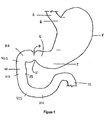
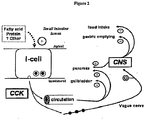


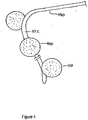


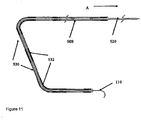

Classifications
-
- A—HUMAN NECESSITIES
- A61—MEDICAL OR VETERINARY SCIENCE; HYGIENE
- A61M—DEVICES FOR INTRODUCING MEDIA INTO, OR ONTO, THE BODY; DEVICES FOR TRANSDUCING BODY MEDIA OR FOR TAKING MEDIA FROM THE BODY; DEVICES FOR PRODUCING OR ENDING SLEEP OR STUPOR
- A61M25/00—Catheters; Hollow probes
- A61M25/01—Introducing, guiding, advancing, emplacing or holding catheters
- A61M25/02—Holding devices, e.g. on the body
- A61M25/04—Holding devices, e.g. on the body in the body, e.g. expansible
-
- A—HUMAN NECESSITIES
- A61—MEDICAL OR VETERINARY SCIENCE; HYGIENE
- A61F—FILTERS IMPLANTABLE INTO BLOOD VESSELS; PROSTHESES; DEVICES PROVIDING PATENCY TO, OR PREVENTING COLLAPSING OF, TUBULAR STRUCTURES OF THE BODY, e.g. STENTS; ORTHOPAEDIC, NURSING OR CONTRACEPTIVE DEVICES; FOMENTATION; TREATMENT OR PROTECTION OF EYES OR EARS; BANDAGES, DRESSINGS OR ABSORBENT PADS; FIRST-AID KITS
- A61F5/00—Orthopaedic methods or devices for non-surgical treatment of bones or joints; Nursing devices ; Anti-rape devices
- A61F5/0003—Apparatus for the treatment of obesity; Anti-eating devices
- A61F5/0013—Implantable devices or invasive measures
- A61F5/0076—Implantable devices or invasive measures preventing normal digestion, e.g. Bariatric or gastric sleeves
- A61F5/0079—Pyloric or esophageal obstructions
-
- A—HUMAN NECESSITIES
- A61—MEDICAL OR VETERINARY SCIENCE; HYGIENE
- A61F—FILTERS IMPLANTABLE INTO BLOOD VESSELS; PROSTHESES; DEVICES PROVIDING PATENCY TO, OR PREVENTING COLLAPSING OF, TUBULAR STRUCTURES OF THE BODY, e.g. STENTS; ORTHOPAEDIC, NURSING OR CONTRACEPTIVE DEVICES; FOMENTATION; TREATMENT OR PROTECTION OF EYES OR EARS; BANDAGES, DRESSINGS OR ABSORBENT PADS; FIRST-AID KITS
- A61F2/00—Filters implantable into blood vessels; Prostheses, i.e. artificial substitutes or replacements for parts of the body; Appliances for connecting them with the body; Devices providing patency to, or preventing collapsing of, tubular structures of the body, e.g. stents
- A61F2/02—Prostheses implantable into the body
- A61F2/04—Hollow or tubular parts of organs, e.g. bladders, tracheae, bronchi or bile ducts
- A61F2002/045—Stomach, intestines
-
- A—HUMAN NECESSITIES
- A61—MEDICAL OR VETERINARY SCIENCE; HYGIENE
- A61M—DEVICES FOR INTRODUCING MEDIA INTO, OR ONTO, THE BODY; DEVICES FOR TRANSDUCING BODY MEDIA OR FOR TAKING MEDIA FROM THE BODY; DEVICES FOR PRODUCING OR ENDING SLEEP OR STUPOR
- A61M25/00—Catheters; Hollow probes
- A61M25/10—Balloon catheters
- A61M25/1011—Multiple balloon catheters
Definitions
- the present invention relates to devices that help to curb appetite and/or to reduce food intake (hereinafter “reduce food intake”).
- Obesity defined as a body mass index (BMI) of greater than 30, is a major health concern in the United States and other countries. Current research suggests that one in three Americans and more than 300 million people world-wide are obese. www.who.int/nut/obs.htm (last visited Dec. 13, 2005). Complications of obesity include many serious and life-threatening diseases including hypertension, diabetes, coronary artery disease, stroke, congestive heart failure, pulmonary insufficiency, multiple orthopedic problems, various cancers and a markedly decreased life expectancy. Intentional weight loss, however, can improve many of these medical complications associated with obesity.
- Non-surgical approaches for the treatment of obesity also have been developed.
- one non-surgical endoscopic approach to treating obesity includes the placement of a gastric balloon within the stomach.
- the gastric balloon fills a portion of the stomach, providing the patient with a feeling of fullness, thereby reducing food intake.
- Many problems are associated with the gastric balloon device, however, including poor patient tolerance and complications due to rupture and/or migration of the balloon.
- sham-controlled studies have failed to show that implantation of a gastric balloon produces a better reduction in food intake than dieting alone.
- Trostler et al. 19(7) Int. J. Obes. Relat. Metab. Disord. 489-495 (1995 ); Ge Kunststoffter et al. 15(4) Int J Obes. 259-266 (1991 ); Mathus-Vente et al., 99(2) Gastroenterol. 362-369 (1990 ); Lindor et al., 62(11) Mayo Clin. Proc. 992-996 (19
- non-surgical devices designed to induce weight loss limit the absorption of nutrients in the small intestine by funneling food from the stomach into a tube found within the small intestine so that the food is not fully digested or absorbed within the small intestine. While this type of device may be somewhat effective at limiting the absorption of consumed food, there is still room for a variety of improvements in non-surgical devices designed to induce weight loss and/or a reduction in food intake.
- GI tract chemoreceptors respond to, without limitation, products of digestion (such as sugars, fatty acids, amino acids and peptides) while stretch and mechanoreceptors in the stomach and proximal small intestine respond to, without limitation, the physical presence of consumed foods.
- Chemoreceptors respond to the products of digestion by, without limitation, causing the release of hormones or other molecular signals.
- These released hormones and/or other molecular signals can stimulate nerve fibers to send satiety signals to the brain.
- the arrival of these signals in the brain can trigger a variety of neural pathways that can reduce food intake.
- the released hormones and/or other molecular signals can also travel to the brain themselves to help create signals of satiety.
- Stretch and mechanoreceptors generally send satiety signals to the brain through, without limitation, stimulation of nerve fibers in the periphery that signal the brain.
- the present invention provides devices that help to reduce food intake by providing non-surgical devices that trigger the aforementioned biological events that contribute to the creation of satiety signals.
- US 2005/055039 discloses a device for performing one or more functions in the gastrointestinal tract of a patient that comprises an anchoring member to maintain the device in position in the patient's stomach and at least one actuator that is coupled with the anchoring member for performing a function within the gastrointestinal tract.
- US 2005/192614 discloses an apparatus for reducing obesity comprising a series of flow reduction elements attached to an elongated tube.
- an apparatus for at least partially occluding the duodenum of a mammal according to claim 1.
- the present invention provides devices to reduce food intake by one or more of: (i) slowing the passage of food so that food remains in the GI tract for a longer period of time and thereby triggers satiety signals for a longer period of time; (ii) stimulating stretch and mechanoreceptors within the GI tract to send satiety signals to the brain to decrease the likelihood or amount of food intake; and/or (iii) stimulating chemoreceptors within the GI tract to send satiety signals to the brain to decrease the likelihood or amount of food intake.
- the present invention includes a duodenal/small intestinal insert comprising an elongated member wherein the elongated member has a proximal end and a distal end; an anchoring member engaged with the proximal end of the elongated member; and at least one flow reduction element on the elongated member wherein when the anchoring member is anchored the at least one flow reduction element is in the small intestine of the organism and wherein when the duodenal/small intestinal insert is placed within an organism in this manner, the insert triggers an initial physiological effect that contributes to the creation of one or more biological signals of satiety.
- Another device of the present invention includes a duodenal/small intestinal insert comprising an elongated member with at least one angle and at least one flow reduction element wherein the at least one angle matches an angle in the small intestine of an organism and wherein the at least one flow reduction element has a diameter that matches the diameter of the small intestine of the organism and wherein the at least one angle and the at least one flow reduction element allow the duodenal/small intestinal insert to lodge in the small intestine of the organism such that it remains in the small intestine for a period of time.
- the insert triggers an initial physiological effect that contributes to the creation of one or more biological signals of satiety.
- the triggering of the initial physiological effect is caused by the slowing of the passage of consumed food through the GI tract of the organism.
- the diameter of the at least one flow reduction element is sized to restrict but not occlude the movement of consumed foods through the small intestine.
- the diameter of the at least one flow reduction element is about 1 cm.
- the diameter of the at least one flow reduction element is about 2 cm.
- the diameter of the at least one flow reduction element is about 3 cm.
- the duodenal/small intestinal insert triggers an initial physiological effect by releasing bioactive material(s) from the duodenal/small intestinal insert.
- the bioactive material is a by-product of digestion selected from the group consisting of sugars, fatty acids, amino acids and peptides.
- the bioactive material is a drug.
- the bioactive material is a drug selected from one or more of the group consisting of altretamin, fluorouracil, amsacrin, hydroxycarbamide, asparaginase, ifosfamid, bleomycin, lomustin, busulfan, melphalan, chlorambucil, mercaptopurin, chlormethin, methotrexate, cisplatin, mitomycin, cyclophosphamide, procarbazin, cytarabin, teniposid, dacarbazin, thiotepa, dactinomycin, tioguanin, daunorubicin, treosulphan, doxorubicin, tiophosphamide, estramucin, vinblastine, etoglucide, vincristine, etoposid, vindesin, penicillin, ampicillin, nafcillin, amoxicillin
- the bioactive material is a hormone.
- the bioactive material is a natural or synthetic hormone selected from one or more of the group consisting of cortisol, deoxycorticosterone, flurohydrocortisone, beclomethasone, betamethasone, cortisone, dexamethasone, fluocinolone, fluocinonide, fluocortolone, fluorometholone, fluprednisolone, flurandrenolide, halcinonide, hydrocortisone, medrysone, methylprednisolone, paramethasone, prednisolone, prednisone, triamcinolone (acetonide), danazole, fluoxymesterone, mesterolone, dihydrotestosterone methyltestosterone, testosterone, dehydroepiandrosetone, dehydroepiandrostendione, calusterone, nandrolone
- the triggering of the initial physiological effect that contributes to the creation of one or more biological satiety signals is caused by contract and/or pressure exerted on the wall of the small intestine by the duodenal/small intestinal insert.
- the initial triggering occurs through activation of at least one chemoreceptor. In another embodiment of the devices of the present invention the initial triggering occurs through the activation of at least one stretch receptor. In another embodiment of the devices of the present invention the initial triggering occurs through the activation of at least one mechanoreceptor.
- the one or more biological signals of satiety is transmitted at least in part through stimulation of afferent nerve fibers.
- the afferent nerve fibers are vagal afferent nerve fibers.
- the one or more biological signals of satiety is transmitted at least in part by molecules released as a result of stimulation of the chemoreceptor.
- the molecules are hormones.
- the molecules are selected from one or more of the group consisting of cholecystokinin, peptide YY 3-36 , glucagon-like peptide 1, gastric-inhibitory peptide, neurotensin, amylin, leptin, bombesin, calcitonin, calcitonin gene-related peptide, somatostatin, neuromedin U and glucagon.
- the molecules activate a receptor in the periphery to cause a 3-36sequent physiological effect.
- the molecules activate a receptor in the liver to cause a subsequent physiological effect.
- the molecules activate a receptor in the pylorus to cause a subsequent physiological effect.
- the molecules activate a receptor in the stomach to cause a subsequent physiological effect.
- the molecules travel to the brain to activate a receptor to cause a subsequent physiological effect.
- the elongated member further comprises at least one angle that matches an angle of said organism's small intestine. In another embodiment of the devices of the present invention the elongated member further comprises an angle of about 70°. In another embodiment of the devices of the present invention the elongated member further comprises an angle of about 71°. In another embodiment of the devices of the present invention the elongated member further comprises an angle of about 72°. In another embodiment of the devices of the present invention the elongated member further comprises an angle of about 73°. In another embodiment of the devices of the present invention the elongated member further comprises an angle of about 74°. In another embodiment of the devices of the present invention the elongated member further comprises an angle of about 75°.
- the elongated member further comprises an angle of about 76°. In another embodiment of the devices of the present invention the elongated member further comprises an angle of about 77°. In another embodiment of the devices of the present invention the elongated member further comprises an angle of about 78°. In another embodiment of the devices of the present invention the elongated member further comprises an angle of about 79°. In another embodiment of the devices of the present invention the elongated member further comprises an angle of about 80°. In another embodiment of the devices of the present invention the elongated member further comprises an angle of about 81°. In another embodiment of the devices of the present invention the elongated member further comprises an angle of about 82°.
- the elongated member further comprises an angle of about 83°. In another embodiment of the devices of the present invention the elongated member further comprises an angle of about 84°. In another embodiment of the devices of the present invention the elongated member further comprises an angle of about 85°. In another embodiment of the devices of the present invention the elongated member further comprises an angle of about 86°. In another embodiment of the devices of the present invention the elongated member further comprises an angle of about 87°. In another embodiment of the devices of the present invention the elongated member further comprises an angle of about 88°. In another embodiment of the devices of the present invention the elongated member further comprises an angle of about 89°. In another embodiment of the devices of the present invention the elongated member further comprises an angle of about 90°. In another embodiment of the devices of the present invention, the elongated member comprises two angles, each matching an angle of said organism's small intestine.
- duodenal/small intestinal insert comprises an elongated member with at least one angle and at least one flow reduction element wherein the at least one angle matches an angle in the small intestine of an organism and wherein the at least one flow reduction element has a diameter that is less than the diameter of the small intestine of the organism and wherein the at least one angle and the at least one flow reduction element allow the duodenal/small intestinal insert to lodge in the small intestine of the organism such that it remains in the small intestine for a period of time.
- the duodenal/small intestinal insert triggers an initial physiological effect that contributes to the creation of one or more biological signals of satiety.
- the diameter is sized to restrict but not occlude the movement of digested food through the small intestine.
- the diameter is about 1 cm. In another of the methods , the diameter is about 2 cm. In another of the methods , the diameter is about 3 cm.
- Another method for reducing food intake comprises positioning a duodenal/small intestinal insert in an organism wherein the insert comprises an elongated member with a proximal end and a distal end; an anchoring member engaged with the proximal end of the elongated member; and at least one flow reduction element on the elongated member wherein when the anchoring member is anchored the at least one flow reduction element is in the small intestine of the organism, and when the insert is so placed, the duodenal/small intestinal insert triggers an initial physiological effect that contributes to the creation of one or more biological signals of satiety.
- the triggering of the initial physiological effect is caused by the slowing of the passage of consumed food through the small intestine of the organism.
- the triggering of the initial physiological effect is caused by the release of a bioactive material from the duodenal/small intestinal insert.
- the bioactive material is a by-product of digestion selected from the group consisting of sugars, fatty acids, amino acids and peptides.
- the bioactive material is a drug.
- the bioactive material is a drug selected from one or more of the group consisting of altretamin, fluorouracil, amsacrin, hydroxycarbamide, asparaginase, ifosfamid, bleomycin, lomustin, busulfan, melphalan, chlorambucil, mercaptopurin, chlormethin, methotrexate, cisplatin, mitomycin, cyclophosphamide, procarbazin, cytarabin, teniposid, dacarbazin, thiotepa, dactinomycin, tioguanin, daunorubicin, treosulphan, doxorubicin, tiophosphamide, estramucin, vinblastine, etoglucide, vincristine, etoposid, vindesin, penicillin, ampicillin, nafcillin, amoxicillin, oxacillin
- the bioactive material is a hormone.
- the bioactive material is a natural or synthetic hormone selected from one or more of the group consisting of cortisol, deoxycorticosterone, flurohydrocortisone, beclomethasone, betamethasone, cortisone, dexamethasone, fluocinolone, fluocinonide, fluocortolone, fluorometholone, fluprednisolone, flurandrenolide, halcinonide, hydrocortisone, medrysone, methylprednisolone, paramethasone, prednisolone, prednisone, triamcinolone (acetonide), danazole, fluoxymesterone, mesterolone, dihydrotestosterone methyltestosterone, testosterone, dehydroepiandrosetone, dehydroepiandrostendione, calusterone, nandrolone, dromostanolone, ox
- the triggering of the initial physiological effect that contributes to the creation of one or more biological signals of satiety is caused by contact and/or pressure exerted on the wall of the small intestine of the organism by the duodenal/small intestinal insert.
- the triggering of the initial physiological effect occurs through the activation of at least one chemoreceptor. In another method, the triggering of the initial physiological effect occurs through the activation of at least one stretch receptor. In another method, the triggering of the initial physiological effect occurs through the activation of at least one mechanoreceptor.
- the one or more biological signals of satiety is transmitted at least in part through stimulation of afferent nerve fibers.
- the afferent nerve fibers are vagal afferent nerve fibers.
- the one or more biological signals of satiety is transmitted at least in part by molecules released as a result of stimulation of a chemoreceptor.
- the molecules are hormones.
- the molecules are selected from one ore more of the group consisting of cholecystokinin, peptide YY 3-36 , glucagon-like peptide 1, gastric-inhibitory peptide, neurotensin, amylin, leptin, bombesin, calcitonin, calcitonin gene-related peptide, somatostatin, neuromedin U and glucagon.
- the molecules activate a receptor in the periphery to cause a subsequent physiological effect. In another method, the molecules activate a receptor in the liver to cause a subsequent physiological effect. In another method, the molecules activate a receptor in the pylorus to cause a subsequent physiological effect. In another method, the molecules activate a receptor in the brain to cause a subsequent physiological effect.
- the elongated member comprises at least one angle that matches an angle of said organism's small intestine. In another method, the elongated member further comprises an angle of about 70°. In another method, the elongated member further comprises an angle of about 70°. In another method, the elongated member further comprises an angle of about 71°. In another method, the elongated member further comprises an angle of about 72°. In another method, the elongated member further comprises an angle of about 73°. In another method, the elongated member further comprises an angle of about 74°. In another method, the elongated member further comprises an angle of about 75°. In another method, the elongated member further comprises an angle of about 76°.
- the elongated member further comprises an angle of about 77°. In another method, the elongated member further comprises an angle of about 78°. In another method, the elongated member further comprises an angle of about 79°. In another method, the elongated member further comprises an angle of about 80°. In another method, the elongated member further comprises an angle of about 81°. In another method, the elongated member further comprises an angle of about 82°. In another method, the elongated member further comprises an angle of about 83°. In another method, the elongated member further comprises an angle of about 84°. In another method, the elongated member further comprises an angle of about 85°.
- the elongated member further comprises an angle of about 86°. In another method, the elongated member further comprises an angle of about 87°. In another method, the elongated member further comprises an angle of about 88°. In another method, the elongated member further comprises an angle of about 89°. In another method, the elongated member further comprises an angle of about 90°. In another method, the elongated member comprises two angles, each matching an angle of said organism's small intestine.
- a duodenal/small intestinal insert configured to be anchored proximal to the pylorus extend partially or completely through the duodenum and be adapted to release bioactive materials into the duodenum.
- an apparatus to at least partially occlude the duodenum of a mammal having an elongate body having a proximal end and a distal end and sized to fit within the duodenum; an anchoring member attached to the elongate body proximal end and adapted to prevent migration of the anchor across the pylorus; one or more flow restriction elements attached to the elongate body, the one or more flow restriction elements moveable between a stowed condition and a deployed condition where the diameter of the flow restriction element in the deployed condition is greater than the diameter of the flow restriction element in the stowed condition; and wherein the elongate body or one of the one or more of the flow restriction elements is adapted to release bioactive materials or
- the one or more flow reduction elements or the elongate body may be a porous solid designed to release bioactive materials or other signals that trigger biological signals over time.
- the one or more flow reduction elements or the elongate body may have bioactive materials or other signals that trigger biological signals adhered to their surface.
- the one or more flow reduction elements or the elongate body may be impregnated with bioactive materials or other signals that trigger biological signals.
- the one or more flow reduction elements or the elongate body may be manufactured so that the one or more flow reduction elements or elongate body include and diffuse bioactive materials or other signals that trigger biological signals.
- the apparatus or duodenal insert may include a topcoat or a barrier to slow the diffusion or release of the bioactive materials or other signals. Additionally, the biodegradability of the topcoat or barrier may act as an additional mechanism for controlling the release from the underlying one or more flow reduction elements or the elongate body.
- a lumen within the elongate body in fluid communication with an interior space of at least one of the one or more flow reduction elements.
- an inflation medium used to fill the lumen of the elongate body or fill the interior space of one of the one or more flow reduction elements is modified to deliver bioactive materials or other signals that can diffuse from the apparatus.
- at least one of the one or more flow restriction elements is dimensioned to at least partially occlude the duodenum while in the deployed condition.
- the one or more flow restriction elements are sized to pass through the pylorus while in the stowed condition.
- the anchoring member comprises one or more balloons.
- the anchoring member comprises an inverted umbrella skeleton.
- the elongate body extends through a portion of the duodenum of the mammal receiving therapy from the apparatus.
- the elongate body extends through the entire duodenum of the mammal receiving therapy from the apparatus.
- an anchored duodenal insert or a self anchored duodenal insert as described herein that is adapted to provide a biological material or trigger a physiological effect as described above.
- a duodenal insert that may lodge or self anchor and remain in the small intestine for a period of time without any anchoring to the stomach or pylorus.
- an apparatus to at least partially occlude the duodenum of a mammal having an elongate body having a proximal end and a distal end and sized to fit within the duodenum;
- the self anchoring embodiments may be modified to provide biological materials or trigger physiological effects as described herein.
- the flow restriction elements and other aspects of the elongate body may be modified as described herein.
- the duodenal insert includes flow restriction elements created through the expansion of portions of an expandable sleeve.
- an apparatus to at least partially occlude the duodenum of a mammal having an elongate body having a proximal end and a distal end and sized to fit within the duodenum; a bent section in the elongate body between the proximal end and the distal end having an at rest angle that mimics an angle in the duodenum; a section in the elongate body between the proximal end and the distal end and adjacent the bent section; an expandable sleeve on the elongate body comprising non-expanding segments and expanding segments, the expanding segments moveable from a collapsed configuration to an expanded configuration to provide a flow restriction element within either the bent section or the section.
- the diameter of the expanding segment in the expanded configuration is greater than the diameter of the expanding segment in the collapsed configuration. Relative motion between the expandable sleeve and the elongate body causes movement of the expandable segments from the collapsed configuration to the expanded configuration.
- the bend section mimics the bend between the duodenal bulb and the vertical duodenum. In another, the bend section mimics the bend between the vertical duodenum and the horizontal duodenum. In yet another alternative there is provided a first bend in the elongate body that mimics the bend between the duodenal bulb and the vertical duodenum and a second bend in the elongate body that mimics the bend between the vertical duodenum and the horizontal duodenum.
- the first bend in the elongate body mimics the bend between the duodenal bulb and the vertical duodenum or the bend between the vertical duodenum and the horizontal duodenum and another section of the elongate body mimics a shape of a portion of the duodenum not mimicked by the first bend.
- the elongate body or the expandable tube described herein has a pre-formed shape to conform to the angulations of the duodenum prior to insertion into the body, constrained into a straight configuration and then assumes the pre-formed shape after being at least partially placed in the duodenum.
- the elongate body or the expandable tube is constrained into a straight configuration using a stiffening rod.
- the elongate body comprises a lumen to house the stiffening rod.
- the stiffening rod is embedded in the sidewall of the elongate body.
- the pre-formed shape to conform to the angulations of the duodenum is provided by a shape memory alloy.
- the pre-formed shape to conform to the angulations of the duodenum is provided by a spring.
- At least one of the one or more flow reduction elements has a collapsed configuration in which insertion and removal of the flow duodenal insert is facilitated and an inflated configuration in which resistance to food passage in the duodenum is increased
- at least one of the one or more flow reduction elements has a collapsed configuration in which insertion and removal of the flow duodenal insert is facilitated and a deployed configuration in which resistance to food passage in the duodenum is increased.
- at least one of the one or more flow reduction elements is concentrically or eccentrically attached to elongate body.
- at least one of the one or more flow reduction elements is an inelastic or inelastic balloon.
- the at least one of the one or more flow reduction elements has a shape in a deployed configuration within the duodenum selected from the group consisting of round, spherical, ovoid, elliptical, and elongated ellipse or an irregular non-geometrical shapes.
- the at least one of the one or more flow reduction elements has a surface adapted to adhere the surface of the flow reduction element to the wall of the small intestine, including an abrasive surface or anchoring barbs.
- the at least one of the one or more flow reduction elements has a diameter when not in the collapsed configuration that is sized to restrict but not occlude the movement of food through the small intestine.
- the diameter when not in the collapsed configuration is about 1 cm. In one embodiment, the diameter when not in the collapsed configuration is about 2 cm. In one embodiment, the diameter when not in the collapsed configuration is about 3 cm.
- At least one of the one or more flow reduction elements is inflated by a fluid provided through the elongate body.
- the fluid is a radiopaque fluid.
- at least one of the one or more flow reduction elements has a first volume suitable for insertion with the aid of an endoscope and can self expand to a second volume suitable for restricting the flow of food through all or a portion of the duodenum.
- the apparatus is formed from a biodegradable material that eventually is degraded and eliminated from the body.
- the apparatus is adapted to be reversible to facilitate endoscopic removal of the apparatus from the duodenum.
- the elongate body has a preformed shape like an elongated letter C.
- all or a portion of the apparatus is formed from a biodegradable material that eventually is degraded and eliminated from the body.
- the drug eluting and self anchoring embodiments have one or more angles described above.
- satiety signal(s) and “signal(s) of satiety” include any biological occurrence that contributes to a feeling of fullness and/or the cessation, slowing or reduction of food intake.
- satiety signals are initiated or begin through vagal afferent nerve signals and/or through the arrival at the brain of hormones or other molecules that are released (either directly or indirectly) in response to digestive occurrences.
- these vagal afferent nerve signals and/or hormones or other molecules arrive at the brain, they can trigger numerous different neural pathways that contribute to a feeling of fullness and/or the cessation, slowing or reduction of food intake.
- the phrases “satiety signal(s)” and “signal(s) of satiety” are meant to include both the origination of these signals in the periphery and their integration within the central nervous system which can ultimately affect behavior.
- activate a receptor includes that a molecule comes into close enough contact with a receptor to induce a physiological change in the receptor or that an event such as mechanical deformation or stretch induces a physiological change in a receptor.
- the phrase "activate a receptor ... to cause a physiological effect” includes that a molecule has come into close enough contact with a receptor to induce a physiological change in the receptor or that an event such as mechanical deformation or stretch induces a physiological change in a receptor such that one of a number of physiological events occurs.
- the change can cause an effect such as the release of a molecule from the receptor's cell, the opening or closing of an ion channel or an increase or decrease in the activity of a g-protein, kinase or cellular enzyme.
- the effect can be an increase or a decrease in the transcription of a gene.
- the effect can also be to make another physiological effect more or less likely to occur given the existence of other physiological events.
- the effect can be to make the opening or closing of an ion channel more or less likely based on the reactivation of the same receptor or the activation of a different receptor.
- the effect also can be the firing of an afferent nerve fiber or the making of the firing of an afferent nerve fiber more or less likely. All of these physiological effects can either serve to create satiety signals or can lead to additional downstream effects, such as protein formation and/or release that can serve to create satiety signals.
- bioactive material(s) refers to any organic, inorganic, or living agent that is biologically active or relevant.
- a bioactive material can be a protein, a polypeptide, a polysaccharide (e.g. heparin), an oligosaccharide, a mono- or disaccharide, an organic compound, an organometallic compound, or an inorganic compound, an antimicrobial agent (including antibacterial and anti-fungal agents), anti-viral agents, anti-tumor agents, immunogenic agents and lipids. It can include a living or senescent cell, bacterium, virus, or part thereof.
- a biologically active molecule such as a hormone, a growth factor, a growth factor-producing virus, a growth factor inhibitor, a growth factor receptor, an anti-inflammatory agent, an antimetabolite, an integrin blocker, or a complete or partial functional insense or antisense gene.
- a man-made particle or material which carries a biologically relevant or active material.
- An example is a nanoparticle comprising a core with a drug and a coating on the core.
- a bioactive material also can be a by-product of digestion or an agent that alters the pH of its surrounding environment.
- Bioactive materials also can include drugs such as chemical or biological compounds that can have a therapeutic effect on a biological organism.
- Bioactive materials include those that are especially useful for long-term therapy such as hormonal treatment. Examples include drugs for suppressing appetite, contraception and hormone replacement therapy, and for the treatment of diseases such as osteoporosis, cancer, epilepsy, Parkinson's disease and pain.
- Suitable bioactive materials can include, without limitation, analgesics and analgesic combinations, antiasthmatic agents, anticonvulsants, antidepressants, antidiabetic agents, antineoplastics, antipsychotics, and agents used for cardiovascular diseases such as anti-coagulant compounds.
- Bioactive materials also can include precursor materials that exhibit the relevant biological activity after being metabolized, broken-down (e.g. cleaving molecular components), or otherwise processed and modified within the body. These can include such precursor materials that might otherwise be considered relatively biologically inert or otherwise not effective for a particular result related to the medical condition to be treated prior to such modification.
- signals such as cholecystokinin, peptide YY3-36, glucagon-like peptide 1, gastric-inhibitory peptide, neurotensin, amylin, leptin, bombesin, calcitonin, calcitonin gene-related peptide, somatostatin, neuromedin U and glucagon.
- proteins or peptides including, without limitation, albumin, atrial natriuretic factor,
- Bioactive materials also can include, without limitation, naturally-occurring or synthesized hormones.
- Non-limiting examples of such hormones include corticosteroids including mineralocorticosteroids (including, without limitation cortisol, deoxycorticosterone and flurohydrocortisone) and glucocorticoids (including beclomethasone, betamethasone, cortisone, dexamethasone, fluocinolone, fluocinonide, fluocortolone, fluorometholone, fluprednisolone, flurandrenolide, halcinonide, hydrocortisone, medrysone, methylprednisolone, paramethasone, prednisolone, prednisone and triamcinolone (acetonide)).
- corticosteroids including mineralocorticosteroids (including, without limitation cortisol, deoxycorticosterone and flurohydrocortisone) and glucocorticoids (
- Androgenic steroids such as without limitation, danazole, fluoxymesterone, mesterolone, methyltestosterone, testosterone and salts thereof can also be included.
- Anabolic steroids such as without limitation, calusterone, nandrolone and salts thereof, dromostanolone, oxandrolone, ethylestrenol, oxymetholone, methandriol, stanozolol methandrostenolone, testolactone can also can be included.
- Antiandrogen steroids such as without limitation, cyproterone acetate can also be included.
- Estrogens including diethylstilbestrol, estradiol, estriol, ethinylestradiol, mestranol, and quinestrol as well as antiestrogens, such as chlorotrianisene, clomiphene, ethamoxytriphetol, nafoxidine, tamoxifen can be included.
- Bioactive materials also include, without limitation, progestins such as allylestrenol, desogestrel, dimethisterone, dydrogesterone, ethinylestrenol, ethisterone, ethynadiol diacetate, etynodiol, hydroxyprogesterone, levonorgestrel, lynestrenol, medroxyprogesterone, megestrol acetate, norethindrone, norethisterone, norethynodrel, norgestrel, and progesterone.
- progestins such as allylestrenol, desogestrel, dimethisterone, dydrogesterone, ethinylestrenol, ethisterone, ethynadiol diacetate, etynodiol, hydroxyprogesterone, levonorgestrel,
- Anti-tumor agents altretamin, fluorouracil, amsacrin, hydroxycarbamide, asparaginase, ifosfamid, bleomycin, lomustin, busulfan, melphalan, chlorambucil, mercaptopurin, chlormethin, methotrexate, cisplatin, mitomycin, cyclophosphamide, procarbazin, cytarabin, teniposid, dacarbazin, thiotepa, dactinomycin, tioguanin, daunorubicin, treosulphan, doxorubicin, tiophosphamide, estramucin, vinblastine, etoglucide, vincristine, etoposid, vindesin;
- Drugs for tuberculosis aminosalicyclic acid, isoniazide, cycloserine, rifampicine, ethambutol, tiocarlide, ethionamide, viomycin;
- Drugs for leprosy amithiozone, rifampicine, clofazimine, sodium sulfoxone, diaminodiphenylsulfone (DDS, dapsone);
- Antifungal agents amphotericin B, ketoconazole, clotrimazole, miconazole, econazole, natamycin, flucytosine, nystatine, griseofulvin;
- Antiuiral agents aciclovir, idoxuridine, amantidine, methisazone, cytarabine, vidarabine, ganciclovir;
- Chemotherapy of amebiasis chloroquine, iodoquinol, clioquinol, met
- Anti-gout agents colchicine, allopurinol; Centrally acting (opioid) analgesics: alfentanil, methadone, bezitramide, morphine, buprenorfine, nicomorphine, butorfanol, pentazocine, codeine, pethidine, dextromoramide, piritranide, dextropropoxyphene, sufentanil, fentanyl Local anesthetics: articaine, mepivacaine, bupivacaine, prilocaine, etidocaine, procaine, lidocaine, tetracaine; Drugs for Parkinson's disease: amantidine, diphenhydramine, apomorphine, ethopropazine, benztropine mesylate, lergotril, biperiden, levodopa, bromocriptine, lisuride, carbidopa, metixen, chlorphenoxamine, orphenadrine,
- Viral surface antigens or parts of viruses adenoviruses, Epstein-Barr Virus, Hepatitis A Virus, Hepatitis B Virus, Herpes viruses, HIV-1, HIV-2, HTLV-III, Influenza viruses, Japanese encephalitis virus, Measles virus, Papilloma viruses, Paramyxoviruses, Polio Virus, Rabies, Virus, Rubella Virus, Vaccinia (Smallpox) viruses, Yellow Fever Virus; Bacterial surface antigens or parts of bacteria: Bordetella pertussis, Helicobacter pylom, Clostridium tetani, Corynebacterium diphtheria, Escherichia coli, Haemophilus influenza, Klebsiella species, Legionella pneumophila, Mycobacterium bovis, Mycobacterium leprae, Mycrobacterium tuberculosis, Neisseria gonorrhoeae, Neisseria
- FIG. 1 shows the human stomach 4 and duodenum of the small intestine 10.
- Important features are the esophagus 2, stomach 4, antrum 7, pylorus 8, pyloric valve 11, duodenum 10, jejunum 12 and ampulla of Vater 13.
- the esophagus 2 begins at the nose or mouth at its superior end and ends at the stomach 4 at its inferior end.
- the stomach 4 encloses a chamber which is characterized, in part, by the esophageal-gastric juncture 6 (an opening for the esophagus 2) and the antrum-pyloric juncture 5 (a passageway between the antrum 7 through the pylorus 8 to the duodenum 10 of the small intestine).
- the pylorus 8 controls the discharge of contents of the stomach 4 through a sphincter muscle, the pyloric valve 11, which allows the pylorus 8 to open wide enough to pass sufficiently-digested stomach contents (i.e., objects of about one cubic centimeter or less). These gastric contents, after passing into the duodenum 10, continue into the jejunum 12 and on into the ileum (not shown).
- the duodenum 10, jejunum 12 and ileum make up what is known as the small intestine. However these individual portions of the alimentary canal are sometimes individually referred to as the small intestine.
- the small intestine can refer to all or part of the duodenum, jejunum and/or ileum.
- the ampulla of Vater 13 which provides bile and pancreatic fluids that aid in digestion is shown as a small protrusion on the medial wall of the duodenum 10.
- the adult duodenum described as having four parts, is about 20-25 cm long and is the shortest, widest, and most predictably placed part of the small intestine.
- the duodenum forms an elongated 'C' that lies between the level of the first and third lumbar vertebrae in the supine position. Susan Standring (ed.), GRAY's ANATOMY, 39th Ed., 1163-64 (2005 ).
- the first part of the duodenum is about 5 cm long and starts as a continuation of the duodenal end of the pylorus 8. This first part of the duodenum passes superiorly, posteriorly and laterally for 5 cm before curving sharply inferiorly into the superior duodenal flexure 465, which marks the end of the first part of the duodenum. Id.
- the second part of the duodenum often called the vertical duodenum 470, is about 8-10 cm long. It starts at the superior duodenal flexure 465 and runs inferiorly in a gentle curve towards the third lumbar vertebral body.
- the inferior duodenal flexure 475 which marks its junction with the third part of the duodenum.
- the third part of the duodenum often called the horizontal duodenum 480, starts at the inferior duodenal flexure and is about 10 cm long. It runs from the right side of the lower border of the third lumbar vertebra, angled slightly superiorly, across to the left and ends in continuity with the fourth part of the duodenum in front of the abdominal aorta.
- the fourth part of the duodenum is about 2.5 cm long. It starts just to the left of the aorta and runs superiorly and laterally to the level of the upper border of the second lumbar vertebra.
- Some embodiments of the present invention take advantage of this predictable configuration of the small intestine to provide duodenal/small intestinal implants that do not require anchoring within the pylorus or stomach (described more fully infra).
- the digestive process starts when consumed foods are mixed with saliva and enzymes in the mouth. Once food is swallowed, digestion continues in the esophagus and in the stomach, where the food is combined with acids and additional enzymes to liquefy it. The food resides in the stomach for a time and then passes into the duodenum of the small intestine to be intermixed with bile and pancreatic juice. Mixture of the consumed food with bile and pancreatic juice makes the nutrients contained therein available for absorption by the villi and microvilli of the small intestine and by other absorptive organs of the body.
- CCK cholecystokinin
- CCK Once released in response to these dietary signals, CCK remains elevated for about 5 hours. Liddle et al., 75 J. CLIN. INV. 1144-1152 (1985 ). Elevated levels of CCK reduce meal size and duration and may do so through a number of different mechanisms. Gibbs et al., 84 J. COMP. PHYSIOL. AND PSYCH. 488-95 (1973 ); Kissileff et al., 285 AM. J. OF PHYSIOL--REG., INT. AND COMP. PHYSIOL. R992-98 (2003 ). For example, CCK may act on CCK-A receptors in the liver and within the central nervous system to induce satiety signals.
- CCK stimulates vagal afferent fibers in both the liver and the pylorus that project to the nucleus tractus solitarius (NTS), an area of the brain that communicates with the hypothalamus to centrally regulate food intake and feeding behavior.
- NTS nucleus tractus solitarius
- CCK also stimulates the release of enzymes from the pancreas and gall bladder and inhibits gastric emptying. Liddle et al., supra; Moran & Schwarz, 9 CRIT. REV. IN NEUROBIOL. 1-28 (1994 ). Because CCK is a potent inhibitor of gastric emptying, some of its effects on limiting food intake may be mediated by the retention of food in the stomach. Wynne et al., supra; Havel, supra.
- GLP-1 glucagon-like peptide 1
- OXM oxyntomodulin
- Elevated OXM levels specifically, have been shown to reduce hunger and to decrease caloric intake by about 10% for about 12 hours.
- These signals could signal satiety by activating receptors on afferent vagal nerves in the liver and/or the GI tract and/or by inhibiting gastric emptying.
- Pancreatic peptide is released in proportion to the number of calories ingested. Circulating levels of PP also have been shown to be increased by gastric distension. Elevated levels of PP have been shown to reduce food intake and body weight. Malaisse- Lagae et al., 33 EXPERIENTIA 915-17 (1977 ); Asakawa et al., 124 GASTROENTEROL. 1325-36 (2003 ). Humans given an infusion of PP demonstrate decreased appetite and an about 25% reduction in food intake for about 24 hours following the infusion. Batterham et al., 88 J. CLIN. ENDOCRINOL. AND METAB. 3989-92 (2003 ). PP may exert some of its anorectic effects via vagal afferent pathways to the brainstem. Asakawa et al., supra. PP also may reduce food intake through its suppression of gastric ghrelin mRNA expression.
- Peptide YY 3-36 is another biological signal whose peripheral release may be correlated with reduced food intake and/or the cessation of eating. Specifically, low levels of PYY 3-36 have been correlated with obesity while its administration decreases caloric intake and subjective hunger scores. Batterham et al., supra. Indeed, intravenous (i.v.) administration of PYY 3-36 can reduce food intake by about 30% for up to about 12 hours. Batterham et al., 349 NEW ENGLAND J. MED. 941-48 (2003 ); Batterham et al., 418 NATURE 650-54 (2002 ).
- PYY 3-36 may reduce food intake through its effects of suppressing ghrelin expression, delaying gastric emptying, delaying various secretion from the pancreas and stomach and increasing the absorption of fluids and electrolytes from the ileum after a meal.
- Insulin and leptin are two additional biological signals that regulate satiety and eating behavior.
- ⁇ cells of the endocrine pancreas release insulin in response to circulating nutrients such as, without limitation, glucose and amino acids, and in response to the presence of GLP-1 and gastric inhibitory peptide (GIP).
- GLP-1 and gastric inhibitory peptide GLP-1 and gastric inhibitory peptide (GIP).
- GIP gastric inhibitory peptide
- Insulin's effects to decrease food intake also involve interactions with several hypothalamic neuropeptides that are also involved in the regulation of feeding behavior such as, without limitation, NPY and melanocortin ligands.
- GIP secreted from intestinal endocrine K cells after glucose administration or ingestion of high carbohydrate meals
- enterostatin produced in response to dietary fat
- Havel, supra amylin (co-secreted with insulin from pancreatic ⁇ cells)
- GRP gastrin-releasing peptide
- somatostatin neurotensin, bombesin, calcitonin, calcitonin gene-related peptide, neuromedin U (NMU) and ketones.
- the passage of partially digested food as described is partially blocked within the duodenum of the small intestine and the flow rate through this area is reduced, the emptying of the stomach and the duodenum will occur more slowly.
- This slowing by itself, may create extended feelings of satiety and thus lead to a decrease in food intake (due to the retention of food in the stomach for a longer period of time).
- the slowing of the passage of food also provides a greater amount of time for the partially digested food to interact with chemoreceptors, stretch receptors and mechanoreceptors along the GI tract so that stimulation of satiety signals may be increased and/or prolonged. For example, increased and/or prolonged satiety signals may lead to a reduction in food intake by leading to a shorter duration of food intake and/or longer periods between food intake.
- the devices of the present invention also can enhance and/or prolong the release and/or occurrence of satiety signals by releasing signals into the small intestine themselves.
- the devices of the present invention can release nutrient products of digestion to stimulate chemoreceptors to cause the release of hormones and/or other molecular signals that contribute to the creation of satiety signals.
- the devices of the present invention may exert a small amount of pressure on the walls of the GI tract to stimulate stretch and/or mechanoreceptors to generate and send satiety signals to the brain.
- the devices of the present invention can release signals, such as, without limitation nutrient by-products of digestion of food, to stimulate chemoreceptors as described above and can exert a small amount of pressure on the walls of the small intestine as described above to contribute to the generation of satiety signals.
- signals such as, without limitation nutrient by-products of digestion of food
- the devices of the present invention may also contribute to weight loss and the treatment of obesity by covering portions of the walls of the small intestine, thus blocking some nutrient uptake and/or interrupting or reducing the intermixing of the digestive fluids.
- the devices of the present invention may further include a central tube which funnels a portion of the consumed food through the small intestine without being fully digested or absorbed. In these manners, the devices of the present invention can inhibit the absorption of partially digested food materials. The partially digested food materials are then passed to the large intestine for elimination with limited caloric absorption by the body.
- FIG. 2 depicts several exemplary non-limiting mechanisms through which satiety signals may be generated.
- a by-product of digestion such as a fatty acid or other protein, stimulates an L-cell of the small intestine to release CCK locally and into the circulation.
- CCK released locally can stimulate vagal afferent nerve fibers in the area to generate satiety signals to the central nervous system (CNS).
- CCK that enters the circulation can travel to the liver to, without limitation, stimulate vagal afferent nerve fibers in the liver to generate satiety signals to the CNS.
- CCK in the circulation can travel to the gall bladder and pancreas to upregulate the digestion-related activities of these organs.
- CCK in the circulation also can travel to the CNS itself to contribute to the creation of a satiety signal.
- the CNS can trigger physiological effects that serve to contribute to a feeling of fullness and/or the cessation, slowing or reduction of food intake.
- FIG. 3 shows one exemplary non-limiting small intestinal insert 20 made in accordance with the present invention that can contribute to the creation of satiety signals.
- the insert 20 is positioned in the stomach 4 and small intestine 10.
- the insert 20 has a proximal portion 30 and a distal portion 40, and a central tube 50 that extends from the proximal portion 30 to the distal portion 40.
- One or more flow reduction elements 200 that are sized to fit within the small intestine 10 can be attached to the central tube 50. While not required, the portion of the central tube 50 near the ampulla of Vater 13 generally will not include a flow reduction element 200 so that the introduction of bile and pancreatic fluid into the small intestine is not impeded.
- the central tube 50 has an anchoring member 100 near its proximal end 52, with the anchoring member 100 securing the proximal end 52 of the central tube 50 in the antrum 7 of the stomach.
- the anchoring member 100 is sized so that it will not pass through the pylorus 8.
- embodiments of the present invention including an anchoring member anchor the flow reduction elements 200 within the small intestine.
- the anchoring member can be established by one or more inflatable balloons 102 that when inflated are larger than the pylorus 8.
- the inflatable balloons 102 can be deflated for delivery into the stomach and then inflated inside the stomach.
- the inflatable balloons 102 can also be deflated for later removal using endoscopic techniques.
- the length of the central tube 50 can be established depending on the therapeutic result desired.
- the central tube 50 and the one or more attached flow reduction elements 200 may extend into a portion of or through the entire duodenum 10.
- the central tube 50 and the one or more attached flow reduction elements 200 may extend past the duodenum 10 and into the jejunum 12. It is anticipated that differing lengths of central tubes and differing numbers and configurations of the flow reduction elements can be used by a physician to treat various body types and metabolic demands. In one example, if a patient is 20% overweight, a physician might select a length of central tube 50 with attached flow reduction elements 200 that permit absorption of only 80% of the nutritional potential of a typical daily intake of calories. This reduction of caloric intake over time could lead to an appropriate amount of weight loss in the patient.
- FIG. 4 shows a central tube 50 with an outer wall 54 and an inner wall 56 that define an interior space 58.
- the interior space 58 forms an inner lumen 59 that may be continuous from the proximal end 52 of the central tube 50 to just short of the distal end 53 of the central tube 50.
- the distal end 53 of the central tube 50 is sealed at a point 55 so that fluid introduced into the central tube 50 does not leak out distally into the small intestine.
- a valve 90 can be located substantially at the proximal end of the inner lumen 59.
- the valve 90 may be a self sealing valve that has a septum 92 that can be accessed by a needle or blunt tip tube for introduction of fluid into the inner lumen 59.
- the valve 90 also can be accessed so that the fluid inside the inner lumen 59 of the central tube 50 can be aspirated for removal.
- the valve type is not limited to a septum type valve only, and that other types of mechanical valves may also be used in place of the septum valve described. Particular arrangements are adapted to accept fluids in this manner so that the devices can be implanted in a deflated configuration and later expanded into an inflated configuration.
- each flow reduction element 200 can be attached to the central tube 50.
- the diameter of each flow reduction element 200 can be concentric with the axis of the central tube 50.
- each flow reduction element 200 has an outer wall 210, an inner wall 212, and an inner space 214.
- each flow reduction element 200 can be attached to the central tube 50 with the inner space 214 of the flow reduction element 200 in fluid communication with the lumen 59 of the central tube 50, such that the inner space 214 surrounds the outer wall 54 of the central tube 50.
- Each flow reduction element 200 may be attached to the central tube 50 by, without limitation, adhesives, heat bonding, mechanical restraint or other suitable methods.
- the central tube 50 can be formed with plural inlet/exit ports 216 that are located inside respective flow reduction elements 200. More specifically, each port 216 is formed completely through the central tube wall 51 to establish a pathway for fluid communication between the inner lumen 59 of the central tube 50 and the inner space 214 of the respective flow reduction elements 200. Consequently, the inner lumen 59 of the central tube 50 may be used to introduce fluid into the inner spaces 214 of the flow reduction elements 200 and to inflate the flow reduction elements 200 from a collapsed configuration, in which insertion and removal of the flow reduction elements 200 is facilitated, to an inflated configuration shown in FIG. 4 , in which resistance to food passage is increased to induce satiety.
- the flow reduction element or elements 200 in this arrangement act as balloons that can be deflated and collapsed around the central tube 50 for introduction into the small intestine and then inflated to the desired diameter once in position.
- individual flow reduction elements 200 can be elastic balloons or inelastic balloons.
- the flow reduction element 200 inflates to a diameter that is dependent on the volume of fluid introduced into the inner space of the flow reduction element.
- This arrangement permits adjustment of the balloon size as determined by the physician. If the balloon is too small, for instance, additional fluid could be introduced to enlarge the balloon diameter. Alternatively, if the balloon is too large, additional fluid could be removed to shrink the balloon diameter.
- an alternate arrangement consisting of an inelastic balloon that inflates to a diameter that is independent of a volume of fluid introduced into its inner space is also included. The diameter of this type of balloon is fixed when manufactured and does not permit in situ adjustment of the balloon size. However, this type of balloon prevents possible over inflation and rupture if too much fluid is introduced into the balloon.
- the flow reduction elements 200 shown in FIG. 4 have the shape of a round sphere. However, other shapes are contemplated and any shape that effectively functions to inhibit the passage of partially digested food in the small intestine is acceptable in accordance with the present invention. It is understood that the ability of the small intestinal insert to remain within the small intestine can be affected by the shape, orientation and tautness of the flow reduction elements 200. For example alternate shapes such as ovoid, elliptical, elongated ellipse and even irregular non-geometrical shapes could be used in accordance with the present invention.
- FIG. 5 illustrates an alternative arrangement in which one or more flow reduction elements 300 are eccentrically attached to a central tube 350.
- the axis or diameter of the flow reduction element or elements 300 is not concentric with the axis of the central tube.
- the outer wall 302 of the flow reduction element is attached to the side of an outer wall 354 of the central tube 350.
- An inner space 314 of each flow reduction element 300 is eccentric relative to the axis of the central tube 350 and is in fluid communication with an inner lumen 359 of the central tube 350 through a respective opening 316.
- the inner lumen 359 can be used to introduce and remove fluid into the inner space 314 of the flow reduction element 300 to move the flow reduction element 300 between inflated and deflated configurations.
- the flow reduction elements 300 can be inflated with a fluid, including a liquid and/or a gas.
- the gas can be, without limitation, air, nitrogen or carbon dioxide.
- the liquid can be, without limitation, water or water mixed with other solutions.
- Any appropriate inflation medium can be modified to deliver bioactive materials or other signals that can diffuse from the insert into the small intestine to trigger biological signals of satiety.
- the central tube and/or flow reduction elements should be permeable to the bioactive materials. Porosity can be adjusted to control the diffusion rate of the bioactive materials.
- the flow reduction element can be inflated with a radiopaque fluid that is visible on X-ray.
- a physician can non-invasively visualize the size and placement of the flow reduction element(s) from outside the patient's body. This knowledge enables the physician to adjust the size and/or placement of the flow reduction element(s).
- radiopaque marker bands 218 as shown in FIG. 5 can be placed around the central tube to facilitate visualization of the central tube's location in the small intestine.
- the radiopaque marker bands 218 can be placed at predetermined intervals so that the distance inside the small intestine can be used as depth markers and can be measured from outside of the body.
- the central tube and flow reduction elements of the apparatus of the present invention can be flexible. In one embodiment, they can be constructed of a polymeric material that can be easily formed or extruded and delivered with the aid of an endoscope by known techniques.
- a central tube 50 that is soft and flexible will contour to the anatomy of the gastrointestinal tract and provide less irritation of the stomach and intestinal lining.
- FIG. 6 shows a central shaft 450 around which flow reduction elements are concentrically attached 400 and/or are eccentrically attached 410.
- the elements 400, 410 can be attached to the central shaft 450 by, without limitation, heat fusing, adhesives or other suitable methods as known in the art.
- These flow reduction elements 400 can be made from material that can be folded or collapsed to a first volume suitable for insertion with the aid of an endoscope and then can self expand to a second volume suitable for restricting the flow of partially digested food.
- These flow reduction elements can be made from materials such as, without limitation, sponge, foam, hydrogels or springs that can be compacted into a small volume and then self expand to a pre-determined shape and volume when unrestricted.
- the central shaft 450 of the arrangement depicted in FIG. 6 can be solid and without an inner lumen or inner space.
- the central shaft 450 may include a passageway for consumed food so that the food can pass through the small intestine without being fully absorbed. Because the flow reduction elements self expand, the need for an inflation system is eliminated and this arrangement represents a simple mechanical design.
- FIG. 7 depicts one such member.
- the central tube 50 has an anchoring member 100 near its proximal end 52.
- the anchoring member 100 can be established by one or more inflatable balloons 102. These balloons 102 can be eccentrically attached to the central tube at point 104 near the proximal end 52 of the central tube 50. These balloons can be formed in many shapes and are not limited to the spherical shape shown.
- the central tube can be formed with an opening 116 for each respective balloon 102 so that a pathway for fluid communication is established between the inner lumen 59 of the central tube 50 and the inner space of each balloon 106.
- the inner lumen 59 is used to introduce fluid into the inner space of the balloon 106 and inflate the balloon 102 from a first volume in a collapsed state to a second volume or inflated state.
- the one or more inflatable balloons 102 of the anchoring member 100 When the one or more balloons 102 of the anchoring member 100 are fully inflated, they secure the proximal end of the central tube 52 within the antrum of the stomach.
- the one or more inflatable balloons 102 have a combined cross sectional diameter greater than the diameter of the pyloric valve to prevent migration across the pylorus.
- the inflatable balloons 102 can be inflated and deflated by adding or removing fluid from the central tube inner lumen 59.
- the inflatable balloons 102 may be connected to the same central tube inner lumen 59 as one or more flow reduction elements attached to the central tube and can be inflated simultaneously with the flow reduction elements.
- the central tube 50 may also have more than one inner lumen so that the inflatable balloons 102 and individual one or more flow reduction elements can be inflated and deflated independently as well.
- FIG. 8 illustrates another embodiment of an anchoring member 100 of the present invention deployed in the antrum 7.
- a central tube 50 is attached to an inverted umbrella skeleton 160.
- This skeleton 160 has a ring 162 that surrounds the central tube 50 and is supported by struts.
- the ring 162 is supported by 3 struts 164, 165 and 166, however more or fewer struts can be successfully employed.
- the struts are joined together at the central tube 50 at point 167 and attached to the ring 162 at points 170, 171 and 172.
- the ring 162 of this anchor configuration can be made from, without limitation, flexible plastic material or flexible wire and has a diameter significantly larger than the diameter of the pyloric valve.
- This umbrella skeleton 160 can be collapsed around the central tube 50 for insertion into the stomach with the aid of an endoscope. As the device is released from the endoscope, the umbrella skeleton 160 can spring out and assume a configuration similar to that shown in FIG. 8 .
- the struts 164, 165 and 166 may be made from, without limitation, plastic, metal or from plastic covered metal.
- the edge of the ring which is in contact with the antrum walls 163, may be constructed to assist in securing the umbrella ring 162 to the walls of the antrum. In one embodiment, the surface may be roughened to increase surface friction or the wall may have protrusions or barbs that physically attach to the stomach lining.
- FIG. 9 shows a central tube 50 of the present invention that may lodge and remain in the small intestine for a period of time without any anchoring to the stomach or pylorus.
- Embodiments of the present invention that can lodge and remain within the small intestine for a period of time without any anchoring to the stomach or pylorus do so by (i) adopting a central tube with appropriately placed angles that mimic the contours of the small intestine; and (ii) flow reduction elements of an appropriate diameter that help to hold the intestinal insert in place.
- these flow reduction elements can have an abrasive surface or anchoring barbs that can help them adhere to the walls of the small intestine.
- the central tube 50 can assume a sharp bend of radius ⁇ between the duodenal bulb 10A and the vertical duodenum 10B, and a sharp bend of radius ⁇ between the vertical duodenum 10B and horizontal duodenum 10C.
- the radius ⁇ and the radius a may be between about 45° and about 110°.
- the radius ⁇ and the radius a may be between about 60° and about 100° such that the central tube 50 bends to follow the inner lumen of the duodenum 10 at these locations that contain predictably configured bends. In another embodiment the radius ⁇ and the radius ⁇ may be about 80°. While most embodiments of the present invention will include lengths that require adoption of a ⁇ and an ⁇ angle, shorter devices adopting one or the other are also included within the scope of the present invention. In these described embodiments of the present invention, it can be advantageous that the central tube 50 be flexible enough to conform to the sharp angulations of the small intestine to avoid kinking.
- One or more flow reduction elements with a diameter about equal to that of the small intestine are also included along the length of the central tube 50. In one embodiment, this diameter is about 3 cm. In another embodiment this diameter is about 4 cm.
- the central tube 50 can be pre-formed with a configuration that conforms to the duodenal angulations prior to insertion in the body.
- This embodiment of the present invention can be constrained in a straight configuration by a stiffening rod 110 placed down the inner lumen 59 of the central tube 50 as shown.
- This stiffening rod 110 can be placed into a separate lumen designed to house this stiffening rod or can be imbedded in the wall of the central tube 50.
- the stiffening rod 110 can be withdrawn, thereby allowing the central tube 50 to assume a pre-formed shape.
- the central tube 50 may have a shape memory alloy wire embedded inside the central tube wall 51 or residing in the inner lumen 59.
- This shape memory alloy wire has a pre-set bend configuration with a radius ⁇ and a radius a that matches the bend configuration of the duodenum and is positioned in the central tube 50 at the corresponding location.
- the wire assumes the programmed shape and forces the central tube 50 and the central tube wall 51 to assume the same shape.
- the central tube 50 may have a spring embedded inside the central tube wall 51 or inner lumen 59.
- This spring could be pre-shaped to the anatomy of the wall of the small intestine. The spring is held straight during delivery and conforms to the small intestine anatomy after release. The shape enables the device to remain in place.
- the device due to its configuration that matches the predictable placement and configuration of the small intestine, the device can remain in place for a period of time within the small intestine without anchoring to the stomach or pylorus of the stomach. While the present embodiments of the present invention can remain in the small intestine for a period of time without anchoring to the stomach or pylorus, they are not intended to remain indefinitely.
- the inserts are endoscopically removed after a predetermined period of time.
- the inserts can be formed of a biodegradable material that is eventually degraded and eliminated from the body.
- FIG. 10 illustrates an embodiment of the present invention where flow reduction elements can be created through the expansion of portions of an expandable sleeve.
- a central tube 50 is attached to an expandable sleeve 508 at the expandable sleeve's distal end 510 near the distal portion of a duodenal/small intestinal insert of the present invention.
- the opposite proximal end of the central tube 50 is attached to a detachable extension tube 520 that can lock onto a proximal portion of the central tube 50 when the flow reduction elements 530 are expanded (post delivery).
- One non-limiting method of detachable attachment is the use of one or more screws 504, whereby the extension tube 520 screws into the central tube 50.
- the central tube 50 may be pre-formed to have a configuration that conforms to the anatomy of the duodenum 10 shown in FIG. 1 .
- a central tube 50 so described would force the expandable sleeve 508 to assume the configuration of the central tube 50.
- the central tube 50 may be constructed of, without limitation, wire, spring, superelastic or shape memory alloys, hollow steel tubing or plastic polymers.
- a stiffening rod or guide wire 110 can also be inserted through the lumen of central tube 50.
- the expandable sleeve 508 may be, without limitation, one or more of a knit, a weave, a mesh or a braid that can be formed from, without limitation, one or more of a metal, a wire, a ribbon, a plastic polymer or a biodegradable material.
- the expandable sleeve 508 herein described is designed to expand at predefined segments to allow the formation of flow reduction elements 530.
- the non-expanded segments 532 of expandable sleeve 508 may be coated with a polymer to prevent their expansion.
- the flow reduction elements 530 may be covered with a flexible polymer to prevent partially digested food from entering the flow reduction elements 530.
- a stiffening rod or guide wire 110 can be inserted through the lumen of central tube 50 to straighten the central tube 50 when the device is delivered into the duodenum.
- FIG. 11 illustrates the expandable sleeve 508 consisting of flow reduction elements 530 in a collapsed configuration for insertion into the small intestine.
- a force A is applied to the expandable sleeve 508 to collapse the flow reduction elements 530.
- the collapsed form can be restrained by a constraining mechanism such as, without limitation, a sheath or a tightly wound string, or by applying sustained traction on the proximal end of the expandable sleeve 508.
- FIG. 11 also shows portions of the central tube that will remain unexpanded 532, a detachable extension tube 520 and a guidewire 110.
- the expansion of the flow reduction elements 530 in the embodiments depicted in FIGS. 10 and 11 can occur passively or actively.
- passive expansion can be the removal of a constraining mechanism to allow the flow reduction elements 530 to expand to an original expanded state.
- Another non-limiting mechanism can be to release traction on the proximal end of an expandable sleeve 508 to allow the flow reduction elements 530 to expand to an original expanded state.
- the flow reduction elements 530 of the embodiments depicted in FIGS. 10 and 11 can expand in a distal to proximal fashion, a proximal to distal fashion or in a central fashion depending on their relative position in relation to, in one embodiment, motion of the expandable sleeve 508 and the central tube 50 to one another.
- the distal end of the flow reduction element lumen can expand first. Expansion in this direction can be advantageous because the position of the proximal end of the flow reduction element lumen remains in the duodenal bulb.
- FIG. 12 illustrates one embodiment of the present invention that can lock the proximal end of the expandable sleeve 508 to the central tube 50 at a position to keep the flow reduction elements in a desired expanded configuration.
- Traction on the extension tube 520 retracts central tube 50 until wedge 52 engages the proximal end of the expandable sleeve 508.
- the central tube 50 may have multiple ratchet-like wedges that can lock the expandable sleeve 508 at different degrees of expansion.
- the extension tube can be unscrewed from the central tube 50 after deployment of the device and expansion of the expandable sleeve 508.
- the central tube and/or flow reduction elements of the present invention can be adapted to release bioactive materials or other signals that trigger biological satiety signals.
- the one or more of the flow reduction elements and/or central tube may be a porous and malleable solid designed to release a signal into the GI tract over time.
- nutrient products of digestion are released from the one or more flow reduction elements and/or central tube to trigger chemoreceptors within the GI tract to release molecular signals involved in transmitting and/or creating satiety signals.
- the devices of the present invention can be used to deliver other bioactive materials normally taken orally as well.
- the release of bioactive materials directly into the small intestine can be advantageous because many bioactive materials, including many drugs that are generally taken orally, are degraded by the harsh conditions of the stomach before they can reach the small intestine to be absorbed. For this reason, many bioactive materials are coated with layers of protective materials.
- coatings to protect the bioactive materials are not required. This lack of required protective coatings can be beneficial for patients because less unnecessary substances are introduced into their systems. It also is beneficial to bioactive material and drug manufacturers as a cost reduction measure.
- the central tube and/or flow reduction elements of the apparatus of the present invention can have bioactive materials adhered to their surface (through dip-coating, spray-coating, sputter-coating and a variety of other techniques known to those of skill in the art) or can be manufactured so that the materials making up the intestinal insert include and diffuse such bioactive materials.
- the central tube and/or flow reduction elements of the present invention that diffuse bioactive materials can be created by a number of different procedures. For example, U.S. Pat. No. 5,019,400 to Gombotz et al. , describes a low temperature casting process for incorporating proteins into controlled release polymer matrices. U.S. Pat. No. 6,685,957 to Bezemer et al.
- U.S. Pat. No. 6,685,957 describes a method to create a fibrous polymer loaded with bioactive materials that is suitable for loading bioactive materials such as by-products of digestion.
- the methods described in U.S. Pat. No. 6,685,957 include synthesizing a polyethylene glycol terephtalate/polybutylene terephthalate copolymer from a mixture of dimethyl terephthalate, butanediol (in excess), polyethylene glycol, an antioxidant and a catalyst. The mixture is placed in a reaction vessel and heated to about 180° C., and methanol is distilled as transesterification proceeds.
- the ester bond with methyl is replaced with an ester bond with butylene and/or the polyethyene glycol.
- the temperature is raised slowly to about 245° C., and a vacuum (finally less than 0.1 mbar) is achieved.
- the excess butanediol is distilled off and a prepolymer of butanediol terephthalate condenses with the polyethylene glycol to form a polyethylene/polybutylene terephthalate copolymer.
- a terephthalate moiety connects the polyethylene glycol units to the polybutylene terephthalate units of the copolymer and thus such a copolymer also is sometimes referred to as a polyethylene glycol terephthalate/polybutylene terephthalate copolymer (PEGT/PBT copolymer).
- PEGT/PBT copolymer polyethylene glycol terephthalate/polybutylene terephthalate copolymer
- hydrophobic antioxidants which may be employed include, but are not limited to, tocopherols (such as, without limitation, ⁇ -tocopherol, ⁇ -tocopherol, .gamma.-tocopherol, .DELTA.-tocopherol, .epsilon.-tocopherol, .zeta 1 -tocopherol, .zeta 2 -tocopherol, and .eta.-tocopherol) and 1-ascorbic acid 6-palmitate.
- tocopherols such as, without limitation, ⁇ -tocopherol, ⁇ -tocopherol, .gamma.-tocopherol, .DELTA.-tocopherol, .epsilon.-tocopherol, .zeta 1 -tocopherol, .zeta 2 -tocopherol, and .eta.-tocopherol
- 1-ascorbic acid 6-palmitate 1-a
- hydrophobic antioxidants retard the degradation of the copolymer and retard the release of the bioactive material.
- a hydrophobic or lipophilic antioxidant is applicable particularly to the formation of loaded polymers which include bioactive materials which tend to be released quickly, such as, for example, bioactive materials having a molecular weight less than 500.
- the hydrophobic antioxidant(s) may be present in the loaded polymer in an amount of from about 0.1 wt % to about 10 wt % of the total weight of the polymer, or from about 0.5 wt % to about 2 wt %.
- the loaded polymer may also include, in addition to a hydrophobic antioxidant, a hydrophobic molecule such as, without limitation, cholesterol, ergosterol, lithocholic acid, cholic acid, dinosterol, betuline, or oleanolic acid, which may be employed in order to retard the release rate of the agent from the copolymer.
- a hydrophobic molecule such as, without limitation, cholesterol, ergosterol, lithocholic acid, cholic acid, dinosterol, betuline, or oleanolic acid, which may be employed in order to retard the release rate of the agent from the copolymer.
- Such hydrophobic molecules prevent water penetration into the loaded polymer, but do not compromise the degradability of the polymer matrix.
- such molecules have melting points from about 150° C. to about 200° C. and/or decrease the polymer matrix diffusion coefficient for the bioactive material to be released.
- hydrophobic molecules provide for a more sustained release of a bioactive material from the polymer matrix.
- the at least one hydrophobic molecule may be present in the loaded polymer in an amount of from about 0.1 wt % to about 20 wt %, or from 1.0 wt % to 5.0 wt %.
- U.S. Pat. No. 6,187,330 to Wang et al. describes a method of dispersing bioactive materials, including peptides and proteins, into a polymer by dispersing the bioactive material in a glassy matrix phase during the melt stage of the polymer wherein the glass transition temperature is higher than the melting point of the polymer.
- the glassy matrix phase described in U.S. Pat. No. 6,187,330 can be produced by lyophilizing an aqueous solution of the bioactive material and an appropriate thermoprotectant (such as, without limitation, trehalose, melezitose, lactose, maltose, cellobiose, melibiose and raffinose).
- thermoprotectant selected and its concentration relative to the bioactive material determines the precise glass transition temperature of the lyophile.
- the weight ratio of thermoprotectant to bioactive material is between about 2 and 200.
- One skilled in the art can determine the required glass transition temperature of any combination. Glass transition is defined as the reversible change in an amorphous material from (or to) a viscous rubbery state to (or from) a hard and relatively brittle one (American Society for Testing and Materials (ASTM) E 1142). Glass transition temperature (Tg) is defined as the approximate midpoint of the temperature range at which the glass transition takes place (ASTM D 4092).
- the glass transition temperature of the glassy matrix phase containing the peptide bioactive material and the thermoprotectant can be determined by a variety of techniques, the most popular of which is differential scanning calorimetry (DSC). If a glassy material is heated at a constant rate, a baseline shift can be found in the relation of heat flow and its temperature. The temperature corresponding to the midpoint of the two baselines is considered the glass transition temperature.
- DSC differential scanning calorimetry
- Lyophilization of the aqueous solution containing the thermoprotectant, bioactive material and other appropriate excipients, if any, is carried out using techniques well known in the pharmaceutical field (see, e.g., REMINGTON'S PHARMACEUTICAL SCIENCES, 17.sup.th Ed., p. 1538 ). Lyophilization produces a glassy matrix phase in the form of a powder or a cake which may be comminuted to produce a powder suitable for dispersion in the polymer.
- Non-limiting examples of polymers that can be used in accordance with the present invention include polyurethanes, polyesterurethanes, silicone, fluoropolymers, ethylene vinyl acetate, polyethylene, polypropylene, polycarbonates, trimethylenecarbonate, polyphosphazene, polyhydroxybutyrate, polyhydroxyvalerate, polydioxanone, polyiminocarbonates, polyorthoesters, ethylene vinyl alcohol copolymer, L-polylactide, D,L-polylactide, polyglycolide, polycaprolactone, copolymers of lactide and glycolide, polymethylmethacrylate, poly(n-butyl)methacrylate, polyacrylates, polymethacrylates, elastomers, and mixtures thereof.
- elastomers that can also be used include, without limitation, a thermoplastic elastomer material available under the trade name "C-FLEX" from Concept Polymer Technologies of Largo, Fla., polyether-amide thermoplastic elastomer, fluoroelastomers, fluorosilicone elastomer, sytrene-butadiene rubber, butadienestyrene rubber, polyisoprene, neoprene (polychloroprene), ethylene-propylene elastomer, chloro-sulfonated polyethylene elastomer, butyl rubber, polysulfide elastomer, polyacrylate elastomer, nitrile, rubber, polyester, styrene, ethylene, propylene, butadiene and isoprene, polyester thermoplastic elastomer, and mixtures thereof.
- C-FLEX thermoplastic elastomer material available under the trade name "C-FLE
- bioactive material(s) can include on the surface or within the material of the intestinal inserts of the present invention depending on particular treatment objectives and desired release profiles. Factors to consider are described in, for example, U.S. Pat. No. 6,939,557 to Rowe et al. and include the hydrophobic or hydrophilic nature of the bioactive material(s), the aggregation and solubility characteristics of the bioactive material(s) and their particle size; see also REMINGTON: THE SCIENCE AND PRACTICE OF PHARMACY, 20.sup.th ed. Ch. 47, Controlled Release Drug Delivery Systems .
- the intestinal inserts of the present invention can include a topcoat or barrier to slow the diffusion or release of bioactive materials.
- the barrier should be biocompatible (i.e., its presence does not elicit an adverse response from the body), and can have a thickness ranging from about 50 angstroms to about 20,000 angstroms.
- the barrier may include a polymer provided over the polymer that diffuses bioactive materials.
- a barrier of the present invention comprises inorganic materials.
- inorganic materials include, without limitation, silicides, oxides, nitrides, and carbides.
- Suitable suicides may include, without limitation, suicides of vanadium, zirconium, tungsten, titanium, niobium, and tantalum.
- Suitable oxides may include, without limitation, oxides of aluminum, barium, calcium, hafnium, niobium, silicon, tantalum, titanium, tungsten, and zirconium.
- Suitable nitrides may include, without limitation, nitrides of chromium, silicon, titanium, and zirconium.
- Suitable carbides may include, without limitation, carbides of silicon and titanium.
- suitable materials may include, without limitation, molybdenum disulfide, amorphous diamond, diamond-like carbon, pyrolytic carbon, ultra-low temperature isotropic (ULTI) carbon, amorphous carbon, strontium titanate, and barium titanate.
- ULTI ultra-low temperature isotropic
- amorphous carbon amorphous carbon
- strontium titanate and barium titanate.
- pure metals such as, without limitation, aluminum, chromium, gold, hafnium, iridium, niobium, palladium, platinum, tantalum, titanium, tungsten, zirconium, and alloys of these metals.
- silicide compounds such as, without limitation, vanadium disilicide, zirconium disilicide, tungsten disilicide, titanium disilicide, niobium disilicide, tantalum disilicide, vanadium silicide, titanium trisilicide, and tantalum trisilicide may be deposited by sputtering or chemical vapor deposition (CVD).
- Oxide barrier coatings such as, without limitation, tantalum oxide, titanium dioxide, zirconium oxide, niobium oxide, tungsten oxide, aluminum oxide, and silicon dioxide can be produced by reactive sputtering.
- the power source used in this method may be AC or DC, and utilizes the pure element as a target with a sputter gas of argon and low levels of oxygen.
- Nitride barrier coatings such as, without limitation, titanium nitride, titanium carbonitride, chromium nitride, titanium aluminum nitride, and zirconium nitride can be deposited on the inserts of the present invention at relatively low temperatures (i.e., less than 60° C.) by cathodic arc vacuum deposition. Such a method may be chosen where bioactive materials included within an insert of the present invention are temperature-sensitive.
- Films of pure metals may be produced by methods such as, without limitation, physical vapor deposition (PVD), sputtering, thermal evaporation, or electron beam evaporation. Alloys of these metals can be deposited by sputtering if, for example, an alloy sputtering target is used or multiple targets are simultaneously sputtered. Alloys may also be deposited utilizing thermal evaporation or electron beam evaporation if several evaporation sources are used simultaneously.
- PVD physical vapor deposition
- Alloys of these metals can be deposited by sputtering if, for example, an alloy sputtering target is used or multiple targets are simultaneously sputtered. Alloys may also be deposited utilizing thermal evaporation or electron beam evaporation if several evaporation sources are used simultaneously.
- the barrier will contain mostly inorganic material.
- other embodiments can include barriers with a mixture of organic and inorganic materials or barriers of all organic materials.
- Some organic compounds that can be used in accordance with the present invention include, without limitation, polyacrylonitrile, polyvinylidene chloride, nylon 6-6, perfluoropolymers, polyethylene terephthalate, polyethylene 2,6-napthalene dicarboxylate, and polycarbonate.
- the solubility of the drug in the material of the barrier is less than the solubility of the drug in its polymer carrier.
- the diffusivity of the drug in the material of the barrier is lower than the diffusivity of the drug in its polymer carrier.
- the barrier may or may not be biodegradable.
- Appropriate biodegradable materials that may be used to create a barrier include, without limitation, calcium phosphates such as, without limitation, hydroxyapatite, carbonated hydroxyapatite, tricalcium phosphate, beta-tricalcium phosphate, octacalcium phosphate, amorphous calcium phosphate, and calcium orthophosphate. Certain calcium salts such as calcium phosphate (plaster of paris) may also be used.
- the biodegradability of the barrier may act as an additional mechanism for controlling drug release from the underlying first layer.
Landscapes
- Health & Medical Sciences (AREA)
- Life Sciences & Earth Sciences (AREA)
- Public Health (AREA)
- Veterinary Medicine (AREA)
- Animal Behavior & Ethology (AREA)
- Engineering & Computer Science (AREA)
- Biomedical Technology (AREA)
- Heart & Thoracic Surgery (AREA)
- General Health & Medical Sciences (AREA)
- Vascular Medicine (AREA)
- Obesity (AREA)
- Child & Adolescent Psychology (AREA)
- Nursing (AREA)
- Orthopedic Medicine & Surgery (AREA)
- Anesthesiology (AREA)
- Pulmonology (AREA)
- Biophysics (AREA)
- Hematology (AREA)
- Medicines That Contain Protein Lipid Enzymes And Other Medicines (AREA)
- Prostheses (AREA)
- Materials For Medical Uses (AREA)
- Surgical Instruments (AREA)
- Acyclic And Carbocyclic Compounds In Medicinal Compositions (AREA)
- Pharmaceuticals Containing Other Organic And Inorganic Compounds (AREA)
- Medicines Containing Material From Animals Or Micro-Organisms (AREA)
Claims (13)
- Vorrichtung, um den Zwölffingerdarm eines Säugers zumindest teilweise zu verschließen, umfassend:einen länglichen Körper, der so bemessen ist, dass er in den Zwölffingerdarm passt, wobei der längliche Körper Folgendes umfasst:ein proximales Ende und ein distales Ende;einen zentralen Schaft (50);eine erste Biegung in dem zentralen Schaft zwischen dem proximalen und dem distalen Ende zum Nachahmen der Biegung zwischen der Ampulla duodeni und dem vertikalen Zwölffingerdarm; undeine zweite Biegung in dem zentralen Schaft zwischen dem proximalen und dem distalen Ende zum Nachahmen der Biegung zwischen dem vertikalen Zwölffingerdarm und dem horizontalen Zwölffingerdarm,wobei die erste und die zweite Biegung in dem länglichen Körper diesem eine Form geben, die sich an die Anatomie des Zwölffingerdarms anpasst,dadurch gekennzeichnet, dass eine expandierbare Hülse (508), die nicht-expandierbare Segmente (532) und expandierbare Segmente (530) umfasst, an dem zentralen Schaft positioniert ist, wobei eine relative Bewegung zwischen der expandierbaren Hülse (508) und dem zentralen Schaft (50) eine Bewegung der expandierbaren Segmente (530) von einer kollabierten Konfiguration zu einer expandierten Konfiguration bewirkt, um Strömungsdrosselelemente im Zwölffingerdarm bereitzustellen.
- Vorrichtung nach Anspruch 1, wobei es sich bei dem zentralen Schaft (50) um ein Rohr mit einem Lumen (59) handelt.
- Vorrichtung nach Anspruch 1 oder 2, wobei der zentrale Schaft (50) eine vorgeformte Form aufweist, die sich an die Anatomie des Zwölffingerdarms anpasst und die in eine gerade Konfiguration gezwungen werden kann, um die Platzierung des länglichen Körpers im Zwölffingerdarm zu erleichtern, und dann wieder seine vorgeformte Form annimmt, nachdem der längliche Körper zumindest teilweise im Zwölffingerdarm platziert worden ist.
- Vorrichtung nach Anspruch 3, ferner umfassend einen Versteifungsstab (110), um den zentralen Schaft (50) in eine gerade Konfiguration zu zwingen, der in einem in dem zentralen Schaft bereitgestellten Lumen aufgenommen werden kann.
- Vorrichtung nach Anspruch 1 oder 2, wobei der zentrale Schaft (50) eine vorgeformte Form aufweist, die durch eine Formgedächtnislegierung bereitgestellt ist.
- Vorrichtung nach einem der Ansprüche 2 bis 5, wobei der zentrale Schaft (50) eine vorgeformte längliche Form des Buchstabens C aufweist.
- Vorrichtung nach einem der vorhergehenden Ansprüche, ferner umfassend ein abnehmbares Verlängerungsrohr (520), das an einem proximalen Abschnitt des zentralen Schafts (50) verriegelbar ist, wenn die expandierbaren Segmente (530) expandiert sind.
- Vorrichtung nach einem der vorhergehenden Ansprüche, wobei es sich bei der expandierbaren Hülse (508) um eines oder mehrere aus einem Gewirk, einem Gewebe, einem Netz oder einem Flechtwerk handelt.
- Vorrichtung nach einem der vorhergehenden Ansprüche, ferner umfassend einen Einschränkungsmechanismus, um die expandierbaren Segmente (530) in der kollabierten Konfiguration zu halten, und wobei die Entfernung des Einschränkungsmechanismus bewirkt, dass sich die expandierbaren Segmente von der kollabierten Konfiguration in die expandierte Konfiguration bewegen können.
- Vorrichtung nach einem der vorhergehenden Ansprüche, wobei ein proximales Ende der expandierbaren Hülse (508) in einer Position an dem zentralen Schaft (50) verriegelt werden kann, um die expandierbaren Segmente (530) in der gewünschten expandierten Konfiguration zu halten.
- Vorrichtung nach Anspruch 10, wobei der zentrale Schaft (50) einen Keil (52) umfasst, um in das proximale Ende der expandierbaren Hülse (508) einzugreifen und es zu verriegeln, nachdem sich die expandierbaren Segmente (530) in ihre expandierte Konfiguration bewegt haben.
- Vorrichtung nach Anspruch 10, wobei der zentrale Schaft (50) mehrere ratschenartige Keile umfasst, welche die expandierbare Hülse (508) an verschiedenen Positionen verriegeln können, um den Grad der Bewegung der expandierbaren Segmente (530) aus der kollabierten Konfiguration in die expandierte Konfiguration zu steuern.
- Vorrichtung nach einem der vorhergehenden Ansprüche, wobei der zentrale Schaft (50) und/oder die expandierbaren Segmente (530) angepasst sind, um bioaktive Materialien freizusetzen.
Applications Claiming Priority (2)
| Application Number | Priority Date | Filing Date | Title |
|---|---|---|---|
| US11/300,283 US8147561B2 (en) | 2004-02-26 | 2005-12-15 | Methods and devices to curb appetite and/or reduce food intake |
| PCT/US2006/047874 WO2007075396A2 (en) | 2005-12-15 | 2006-12-15 | Methods and devices to curb appetite and/or reduce food intake |
Publications (3)
| Publication Number | Publication Date |
|---|---|
| EP1968685A2 EP1968685A2 (de) | 2008-09-17 |
| EP1968685A4 EP1968685A4 (de) | 2014-07-02 |
| EP1968685B1 true EP1968685B1 (de) | 2018-08-29 |
Family
ID=38218445
Family Applications (1)
| Application Number | Title | Priority Date | Filing Date |
|---|---|---|---|
| EP06845513.8A Active EP1968685B1 (de) | 2005-12-15 | 2006-12-15 | Vorrichtungen zur zügelung des appetit und/oder zur verringerung der nahrungsaufnahme |
Country Status (5)
| Country | Link |
|---|---|
| US (3) | US8147561B2 (de) |
| EP (1) | EP1968685B1 (de) |
| JP (1) | JP2009524447A (de) |
| CA (1) | CA2631934A1 (de) |
| WO (1) | WO2007075396A2 (de) |
Families Citing this family (168)
| Publication number | Priority date | Publication date | Assignee | Title |
|---|---|---|---|---|
| US8914114B2 (en) | 2000-05-23 | 2014-12-16 | The Feinstein Institute For Medical Research | Inhibition of inflammatory cytokine production by cholinergic agonists and vagus nerve stimulation |
| CN101810521B (zh) | 2001-08-27 | 2015-05-13 | 辛尼科有限责任公司 | 饱满装置和方法 |
| US7097665B2 (en) | 2003-01-16 | 2006-08-29 | Synecor, Llc | Positioning tools and methods for implanting medical devices |
| US6675809B2 (en) | 2001-08-27 | 2004-01-13 | Richard S. Stack | Satiation devices and methods |
| US7239912B2 (en) | 2002-03-22 | 2007-07-03 | Leptos Biomedical, Inc. | Electric modulation of sympathetic nervous system |
| US7146984B2 (en) | 2002-04-08 | 2006-12-12 | Synecor, Llc | Method and apparatus for modifying the exit orifice of a satiation pouch |
| US8845672B2 (en) | 2002-05-09 | 2014-09-30 | Reshape Medical, Inc. | Balloon system and methods for treating obesity |
| US20040143342A1 (en) | 2003-01-16 | 2004-07-22 | Stack Richard S. | Satiation pouches and methods of use |
| US9498366B2 (en) * | 2003-07-28 | 2016-11-22 | Baronova, Inc. | Devices and methods for pyloric anchoring |
| US9700450B2 (en) * | 2003-07-28 | 2017-07-11 | Baronova, Inc. | Devices and methods for gastrointestinal stimulation |
| US8048169B2 (en) | 2003-07-28 | 2011-11-01 | Baronova, Inc. | Pyloric valve obstructing devices and methods |
| US20090259236A2 (en) | 2003-07-28 | 2009-10-15 | Baronova, Inc. | Gastric retaining devices and methods |
| US8821521B2 (en) * | 2003-07-28 | 2014-09-02 | Baronova, Inc. | Gastro-intestinal device and method for treating addiction |
| US8206456B2 (en) | 2003-10-10 | 2012-06-26 | Barosense, Inc. | Restrictive and/or obstructive implant system for inducing weight loss |
| US20050247320A1 (en) | 2003-10-10 | 2005-11-10 | Stack Richard S | Devices and methods for retaining a gastro-esophageal implant |
| US8585771B2 (en) * | 2004-02-26 | 2013-11-19 | Endosphere, Inc. | Methods and devices to curb appetite and/or to reduce food intake |
| US8147561B2 (en) | 2004-02-26 | 2012-04-03 | Endosphere, Inc. | Methods and devices to curb appetite and/or reduce food intake |
| US7931693B2 (en) * | 2004-02-26 | 2011-04-26 | Endosphere, Inc. | Method and apparatus for reducing obesity |
| CA2560756A1 (en) | 2004-03-25 | 2005-10-06 | The Feinstein Institute For Medical Research | Methods and devices for reducing bleed time using vagus nerve stimulation |
| US10912712B2 (en) | 2004-03-25 | 2021-02-09 | The Feinstein Institutes For Medical Research | Treatment of bleeding by non-invasive stimulation |
| US7717843B2 (en) * | 2004-04-26 | 2010-05-18 | Barosense, Inc. | Restrictive and/or obstructive implant for inducing weight loss |
| US20050267596A1 (en) * | 2004-05-03 | 2005-12-01 | Fulfillium, Inc. A Delaware Corporation | Devices and systems for gastric volume control |
| US9456915B2 (en) | 2004-11-19 | 2016-10-04 | Fulfilium, Inc. | Methods, devices, and systems for obesity treatment |
| US8070807B2 (en) * | 2004-11-19 | 2011-12-06 | Fulfillium, Inc. | Wireless breach detection |
| US11207518B2 (en) | 2004-12-27 | 2021-12-28 | The Feinstein Institutes For Medical Research | Treating inflammatory disorders by stimulation of the cholinergic anti-inflammatory pathway |
| EP2298410B1 (de) | 2004-12-27 | 2013-10-09 | The Feinstein Institute for Medical Research | Behandlung von entzündlichen Erkrankungen durch elektrische Stimulation des Vagusnervs |
| EP1922336B1 (de) * | 2005-08-11 | 2012-11-21 | Amylin Pharmaceuticals, LLC | Hybridpolypeptide mit auswählbaren eigenschaften |
| US9055942B2 (en) | 2005-10-03 | 2015-06-16 | Boston Scienctific Scimed, Inc. | Endoscopic plication devices and methods |
| US20070100368A1 (en) | 2005-10-31 | 2007-05-03 | Quijano Rodolfo C | Intragastric space filler |
| WO2007139920A2 (en) * | 2006-05-26 | 2007-12-06 | Endosphere, Inc. | Improvements in methods and devices to curb appetite and/or reduce food intake |
| US9060835B2 (en) * | 2006-05-26 | 2015-06-23 | Endosphere, Inc. | Conformationally-stabilized intraluminal device for medical applications |
| WO2008028037A2 (en) * | 2006-08-30 | 2008-03-06 | Andrew Young | Distender device and method for treatment of obesity and metabolic and other diseases |
| EP2061397B1 (de) | 2006-09-02 | 2015-01-07 | Barosense, Inc. | Darmschläuche und entsprechende entfaltungssysteme |
| EP2068719B1 (de) | 2006-09-15 | 2017-10-25 | Boston Scientific Scimed, Inc. | System zur verankerung eines magenimplantats |
| WO2008147476A1 (en) * | 2007-01-23 | 2008-12-04 | Cvdevices, Llc | Devices, systems, and methods for endoscopic gastric magnetic restriction |
| AU2008220432A1 (en) * | 2007-02-26 | 2008-09-04 | Duocure, Inc. | Spray administration of compositions including active agents such as peptides to the gastrointestinal tract |
| WO2008121409A1 (en) * | 2007-03-29 | 2008-10-09 | Jaime Vargas | Intragastric implant devices |
| US8317676B2 (en) * | 2007-05-14 | 2012-11-27 | Ethicon Endo-Surgery, Inc. | Gastric band with contrasting supply tube |
| US7634315B2 (en) * | 2007-05-31 | 2009-12-15 | Pacesetter, Inc. | Techniques to monitor and trend nerve damage and recovery |
| US20080300648A1 (en) * | 2007-05-31 | 2008-12-04 | Pacesetter, Inc. | Treatment of cardiomyopathy, heart failure and cardiac ischemia using stimulation induced secretion of glp-1 |
| US8142469B2 (en) * | 2007-06-25 | 2012-03-27 | Reshape Medical, Inc. | Gastric space filler device, delivery system, and related methods |
| CA2693259C (en) | 2007-07-16 | 2018-04-17 | Kenneth F. Binmoeller | A conformationally-stabilized intraluminal device for medical applications |
| US20110137227A1 (en) * | 2007-07-16 | 2011-06-09 | Mckinley James T | Methods and devices for delivering or delaying lipids within a duodenum |
| EP2178447B1 (de) | 2007-07-18 | 2017-10-25 | Boston Scientific Scimed, Inc. | Endoskopisches implantationssystem und verfahren |
| WO2009011881A1 (en) | 2007-07-18 | 2009-01-22 | Barosense, Inc. | Overtube introducer for use in endoscopic bariatric surgery |
| US8391970B2 (en) | 2007-08-27 | 2013-03-05 | The Feinstein Institute For Medical Research | Devices and methods for inhibiting granulocyte activation by neural stimulation |
| BRPI0815437A2 (pt) | 2007-09-07 | 2015-02-18 | Baronova Inc | "dispositivo para obstruir intermitentemente uma abertura gástrica" |
| US20090171383A1 (en) | 2007-12-31 | 2009-07-02 | David Cole | Gastric space occupier systems and methods of use |
| EP3434230A1 (de) * | 2008-01-29 | 2019-01-30 | Kirk Promotion LTD. | Vorrichtung zur behandlung von adipositas |
| US8020741B2 (en) | 2008-03-18 | 2011-09-20 | Barosense, Inc. | Endoscopic stapling devices and methods |
| WO2009146030A1 (en) | 2008-03-31 | 2009-12-03 | The Feinstein Institute For Medical Research | Methods and systems for reducing inflammation by neuromodulation of t-cell activity |
| US9662490B2 (en) | 2008-03-31 | 2017-05-30 | The Feinstein Institute For Medical Research | Methods and systems for reducing inflammation by neuromodulation and administration of an anti-inflammatory drug |
| EP2303311B1 (de) * | 2008-05-14 | 2018-08-01 | Agriculture Victoria Services Pty Ltd | Angiogenin zur verwendung zur behandlung von skelettmuskelerkrankungen |
| US9072583B2 (en) | 2008-10-16 | 2015-07-07 | Obalon Therapeutics, Inc. | Intragastric volume-occupying device and method for fabricating same |
| US7934631B2 (en) | 2008-11-10 | 2011-05-03 | Barosense, Inc. | Multi-fire stapling systems and methods for delivering arrays of staples |
| ES2452484T3 (es) | 2008-11-18 | 2014-04-01 | Setpoint Medical Corporation | Dispositivos para optimizar la colocación de electrodos para la estimulación antiinflamatoria |
| US20100268297A1 (en) * | 2009-02-24 | 2010-10-21 | Hans Neisz | Duodenal Stimulation To Induce Satiety |
| US9174031B2 (en) * | 2009-03-13 | 2015-11-03 | Reshape Medical, Inc. | Device and method for deflation and removal of implantable and inflatable devices |
| US8702641B2 (en) | 2009-04-03 | 2014-04-22 | Metamodix, Inc. | Gastrointestinal prostheses having partial bypass configurations |
| US9278019B2 (en) | 2009-04-03 | 2016-03-08 | Metamodix, Inc | Anchors and methods for intestinal bypass sleeves |
| US9173760B2 (en) | 2009-04-03 | 2015-11-03 | Metamodix, Inc. | Delivery devices and methods for gastrointestinal implants |
| US8282598B2 (en) | 2009-07-10 | 2012-10-09 | Metamodix, Inc. | External anchoring configurations for modular gastrointestinal prostheses |
| ES2503553T3 (es) | 2009-04-03 | 2014-10-07 | Metamodix, Inc. | Prótesis gastrointestinales modulares |
| US8321030B2 (en) | 2009-04-20 | 2012-11-27 | Advanced Neuromodulation Systems, Inc. | Esophageal activity modulated obesity therapy |
| US9211410B2 (en) | 2009-05-01 | 2015-12-15 | Setpoint Medical Corporation | Extremely low duty-cycle activation of the cholinergic anti-inflammatory pathway to treat chronic inflammation |
| US8996116B2 (en) | 2009-10-30 | 2015-03-31 | Setpoint Medical Corporation | Modulation of the cholinergic anti-inflammatory pathway to treat pain or addiction |
| US8961539B2 (en) | 2009-05-04 | 2015-02-24 | Boston Scientific Scimed, Inc. | Endoscopic implant system and method |
| US8340772B2 (en) | 2009-05-08 | 2012-12-25 | Advanced Neuromodulation Systems, Inc. | Brown adipose tissue utilization through neuromodulation |
| CN102573986B (zh) | 2009-06-09 | 2016-01-20 | 赛博恩特医疗器械公司 | 用于无导线刺激器的具有袋部的神经封套 |
| EP2456507A4 (de) | 2009-07-22 | 2013-07-03 | Reshape Medical Inc | Rückholmechanismen für implantierbare medizinische vorrichtungen |
| EP2456487A4 (de) | 2009-07-23 | 2017-05-17 | ReShape Medical, Inc. | Aufblas- und luftablassmechanismus für aufblasbare medizinische vorrichtungen |
| US9050174B2 (en) | 2009-07-23 | 2015-06-09 | Reshape Medical, Inc. | Deflation and removal of implantable medical devices |
| EP2480279A4 (de) | 2009-09-24 | 2017-11-15 | Reshape Medical, Inc. | Normalisierung und stabilisierung von ballonoberflächen zum luftablass |
| US9532892B2 (en) | 2009-10-21 | 2017-01-03 | Apollo Endosurgery, Inc. | Bariatric device and method for weight loss |
| WO2014169145A1 (en) | 2013-04-10 | 2014-10-16 | Setpoint Medical Corporation | Closed-loop vagus nerve stimulation |
| US9833621B2 (en) | 2011-09-23 | 2017-12-05 | Setpoint Medical Corporation | Modulation of sirtuins by vagus nerve stimulation |
| EP2515996B1 (de) | 2009-12-23 | 2019-09-18 | Setpoint Medical Corporation | Nervenstimulatoren und systeme zur behandlung von chronischer entzündung |
| EP2533846B1 (de) | 2010-02-08 | 2018-08-22 | ReShape Medical LLC | Materialien und verfahren für verbesserte intragastrale ballonvorrichtungen |
| US9622896B2 (en) | 2010-02-08 | 2017-04-18 | Reshape Medical, Inc. | Enhanced aspiration processes and mechanisms for instragastric devices |
| US9681973B2 (en) | 2010-02-25 | 2017-06-20 | Reshape Medical, Inc. | Enhanced explant processes and mechanisms for intragastric devices |
| EP2547286B1 (de) | 2010-03-15 | 2015-02-25 | Apollo Endosurgery, Inc. | Bariatrische vorrichtung und verfahren für gewichtsverlust |
| EP2555705A4 (de) | 2010-04-06 | 2014-01-15 | Reshape Medical Inc | Inflationsvorrichtung für intragastrische vorrichtungen mit verbesserter anhaftung und ablösung sowie entsprechende systeme und verfahren |
| WO2011146853A2 (en) | 2010-05-21 | 2011-11-24 | Barosense, Inc. | Tissue-acquisition and fastening devices and methods |
| US8628554B2 (en) | 2010-06-13 | 2014-01-14 | Virender K. Sharma | Intragastric device for treating obesity |
| US10010439B2 (en) | 2010-06-13 | 2018-07-03 | Synerz Medical, Inc. | Intragastric device for treating obesity |
| US10420665B2 (en) | 2010-06-13 | 2019-09-24 | W. L. Gore & Associates, Inc. | Intragastric device for treating obesity |
| US9526648B2 (en) | 2010-06-13 | 2016-12-27 | Synerz Medical, Inc. | Intragastric device for treating obesity |
| WO2012011105A2 (en) | 2010-07-22 | 2012-01-26 | Pierre Sharvit | Pancreatiobiliary diversion device |
| ES2566498T3 (es) | 2010-10-18 | 2016-04-13 | Apollo Endosurgery, Inc. | Implantes intragástricos con anclajes duodenales |
| US9463107B2 (en) | 2010-10-18 | 2016-10-11 | Apollo Endosurgery, Inc. | Variable size intragastric implant devices |
| US9233016B2 (en) | 2010-10-18 | 2016-01-12 | Apollo Endosurgery, Inc. | Elevating stomach stimulation device |
| WO2012054519A2 (en) | 2010-10-18 | 2012-04-26 | Allergan, Inc. | Reactive intragastric implant devices |
| US8870966B2 (en) | 2010-10-18 | 2014-10-28 | Apollo Endosurgery, Inc. | Intragastric balloon for treating obesity |
| US9498365B2 (en) | 2010-10-19 | 2016-11-22 | Apollo Endosurgery, Inc. | Intragastric implants with multiple fluid chambers |
| ES2593753T3 (es) | 2010-10-19 | 2016-12-13 | Apollo Endosurgery, Inc. | Manga duodenal con anclaje sin perforación |
| US8920447B2 (en) | 2010-10-19 | 2014-12-30 | Apollo Endosurgery, Inc. | Articulated gastric implant clip |
| US9398969B2 (en) | 2010-10-19 | 2016-07-26 | Apollo Endosurgery, Inc. | Upper stomach gastric implants |
| US8864840B2 (en) | 2010-10-19 | 2014-10-21 | Apollo Endosurgery, Inc. | Intragastric implants with collapsible frames |
| US9198790B2 (en) | 2010-10-19 | 2015-12-01 | Apollo Endosurgery, Inc. | Upper stomach gastric implants |
| US9095405B2 (en) | 2010-10-19 | 2015-08-04 | Apollo Endosurgery, Inc. | Space-filling intragastric implants with fluid flow |
| US8202291B1 (en) * | 2011-01-21 | 2012-06-19 | Obalon Therapeutics, Inc. | Intragastric device |
| EP2505201A1 (de) | 2011-03-29 | 2012-10-03 | Nestec S.A. | Trmp5-Hemmer zur Unterstützung der Reduzierung des Körpergewichts ohne Reduzierung der Nahrungsmittelaufnahme |
| EP2707094B1 (de) | 2011-05-09 | 2016-02-03 | Setpoint Medical Corporation | Einzelimpulsaktivierung des cholinergen entzündungshemmenden pfades zur behandlung chronischer entzündungen |
| US12172017B2 (en) | 2011-05-09 | 2024-12-24 | Setpoint Medical Corporation | Vagus nerve stimulation to treat neurodegenerative disorders |
| CA2850162A1 (en) | 2011-09-27 | 2013-04-04 | IBIS Medical, Inc. | Intragastric implant devices |
| EP2782584B1 (de) | 2011-11-23 | 2021-06-09 | TherapeuticsMD, Inc. | Natürliche kombinierte hormonersatzformulierungen und -therapien |
| US9301920B2 (en) | 2012-06-18 | 2016-04-05 | Therapeuticsmd, Inc. | Natural combination hormone replacement formulations and therapies |
| US9572983B2 (en) | 2012-03-26 | 2017-02-21 | Setpoint Medical Corporation | Devices and methods for modulation of bone erosion |
| AU2013204740C1 (en) | 2012-05-10 | 2015-10-01 | Agriculture Victoria Services Pty Ltd | Methods of treating cancer using angiogenin or an angiogenin agonist |
| US9254099B2 (en) | 2013-05-23 | 2016-02-09 | Medibotics Llc | Smart watch and food-imaging member for monitoring food consumption |
| US9536449B2 (en) | 2013-05-23 | 2017-01-03 | Medibotics Llc | Smart watch and food utensil for monitoring food consumption |
| US9442100B2 (en) | 2013-12-18 | 2016-09-13 | Medibotics Llc | Caloric intake measuring system using spectroscopic and 3D imaging analysis |
| US9042596B2 (en) | 2012-06-14 | 2015-05-26 | Medibotics Llc | Willpower watch (TM)—a wearable food consumption monitor |
| US20130338122A1 (en) | 2012-06-18 | 2013-12-19 | Therapeuticsmd, Inc. | Transdermal hormone replacement therapies |
| US20150196640A1 (en) | 2012-06-18 | 2015-07-16 | Therapeuticsmd, Inc. | Progesterone formulations having a desirable pk profile |
| US10806697B2 (en) | 2012-12-21 | 2020-10-20 | Therapeuticsmd, Inc. | Vaginal inserted estradiol pharmaceutical compositions and methods |
| US10806740B2 (en) | 2012-06-18 | 2020-10-20 | Therapeuticsmd, Inc. | Natural combination hormone replacement formulations and therapies |
| US10537581B2 (en) | 2012-12-21 | 2020-01-21 | Therapeuticsmd, Inc. | Vaginal inserted estradiol pharmaceutical compositions and methods |
| US11266661B2 (en) | 2012-12-21 | 2022-03-08 | Therapeuticsmd, Inc. | Vaginal inserted estradiol pharmaceutical compositions and methods |
| US10471072B2 (en) | 2012-12-21 | 2019-11-12 | Therapeuticsmd, Inc. | Vaginal inserted estradiol pharmaceutical compositions and methods |
| US11246875B2 (en) | 2012-12-21 | 2022-02-15 | Therapeuticsmd, Inc. | Vaginal inserted estradiol pharmaceutical compositions and methods |
| US9180091B2 (en) | 2012-12-21 | 2015-11-10 | Therapeuticsmd, Inc. | Soluble estradiol capsule for vaginal insertion |
| US10568891B2 (en) | 2012-12-21 | 2020-02-25 | Therapeuticsmd, Inc. | Vaginal inserted estradiol pharmaceutical compositions and methods |
| WO2014113483A1 (en) | 2013-01-15 | 2014-07-24 | Metamodix, Inc. | System and method for affecting intestinal microbial flora |
| US9833350B2 (en) | 2013-03-15 | 2017-12-05 | Ez-Off Weightloss, Llc | Anchorable size-varying gastric balloons for weight loss |
| EP3351218A1 (de) | 2013-03-15 | 2018-07-25 | Baronova, Inc. | Verriegelungsvorrichtung für magenobstruktion |
| EP2967818B1 (de) | 2013-03-15 | 2018-05-16 | Ez Off Weightloss, LLC | System für mageneinschränkung und malabsorption |
| US9529385B2 (en) | 2013-05-23 | 2016-12-27 | Medibotics Llc | Smart watch and human-to-computer interface for monitoring food consumption |
| US9452072B2 (en) | 2013-06-25 | 2016-09-27 | J. Mark Provenza | Apparatus and methods for anchoring in the stomach and the duodenum |
| US10219799B2 (en) | 2013-08-05 | 2019-03-05 | Endo-Tagss, Llc | Transabdominal gastric device and method |
| WO2015020977A2 (en) | 2013-08-05 | 2015-02-12 | Pattison Mary | Transabdominal gastric surgery system and method |
| KR20160094397A (ko) | 2013-12-04 | 2016-08-09 | 오발론 테라퓨틱스 인코퍼레이티드 | 위 내 장치를 위치시키고 및/또는 특징화하는 시스템 및 방법 |
| US20150230510A1 (en) | 2014-02-19 | 2015-08-20 | Mcneil Nutritionals, Llc | Ingestible nutritional dose forms for inducing satiety |
| US9730822B2 (en) | 2014-04-30 | 2017-08-15 | Lean Medical Technologies, LLC | Gastrointestinal device |
| AR100562A1 (es) | 2014-05-22 | 2016-10-12 | Therapeuticsmd Inc | Composición farmacéutica de estradiol y progesterona para terapia de reemplazo hormonal |
| WO2016057716A1 (en) | 2014-10-09 | 2016-04-14 | Obalon Therapeutics, Inc. | Ultrasonic systems and methods for locating and /or characterizing intragastric devices |
| US11311725B2 (en) | 2014-10-24 | 2022-04-26 | Setpoint Medical Corporation | Systems and methods for stimulating and/or monitoring loci in the brain to treat inflammation and to enhance vagus nerve stimulation |
| WO2016126807A1 (en) | 2015-02-03 | 2016-08-11 | Setpoint Medical Corporation | Apparatus and method for reminding, prompting, or alerting a patient with an implanted stimulator |
| DE102015103213A1 (de) * | 2015-03-05 | 2016-09-08 | Medfact Engineering Gmbh | Vorrichtung zur Verlagerung eines Hohlorgans eines Patienten |
| US10328087B2 (en) | 2015-07-23 | 2019-06-25 | Therapeuticsmd, Inc. | Formulations for solubilizing hormones |
| US10335303B2 (en) | 2015-12-07 | 2019-07-02 | Obalon Therapeutics, Inc. | Intragastric device |
| US10596367B2 (en) | 2016-01-13 | 2020-03-24 | Setpoint Medical Corporation | Systems and methods for establishing a nerve block |
| WO2017127756A1 (en) | 2016-01-20 | 2017-07-27 | Setpoint Medical Corporation | Control of vagal stimulation |
| EP3405255B1 (de) | 2016-01-20 | 2025-12-31 | Setpoint Medical Corporation | Implantierbare mikrostimulatoren und induktive ladesysteme |
| US11471681B2 (en) | 2016-01-20 | 2022-10-18 | Setpoint Medical Corporation | Batteryless implantable microstimulators |
| US10583304B2 (en) | 2016-01-25 | 2020-03-10 | Setpoint Medical Corporation | Implantable neurostimulator having power control and thermal regulation and methods of use |
| US9622897B1 (en) | 2016-03-03 | 2017-04-18 | Metamodix, Inc. | Pyloric anchors and methods for intestinal bypass sleeves |
| KR20180126582A (ko) | 2016-04-01 | 2018-11-27 | 쎄러퓨틱스엠디, 인코퍼레이티드 | 스테로이드 호르몬 약제학적 조성물 |
| WO2017173044A1 (en) | 2016-04-01 | 2017-10-05 | Therapeuticsmd Inc. | Steroid hormone compositions in medium chain oils |
| US10350100B2 (en) | 2016-04-12 | 2019-07-16 | Obalon Therapeutics, Inc. | System for detecting an intragastric balloon |
| US10779980B2 (en) | 2016-04-27 | 2020-09-22 | Synerz Medical, Inc. | Intragastric device for treating obesity |
| US10751209B2 (en) | 2016-05-19 | 2020-08-25 | Metamodix, Inc. | Pyloric anchor retrieval tools and methods |
| US10813781B2 (en) | 2016-10-04 | 2020-10-27 | Ez-Off Weight Loss, Llc | Sleeve-anchorable gastric balloon for weight loss |
| US10758389B2 (en) * | 2016-10-24 | 2020-09-01 | Boston Scientific Scimed, Inc. | Devices and methods for modulating intestinal flow |
| WO2018085079A1 (en) | 2016-11-04 | 2018-05-11 | Obalon Therapeutics, Inc. | Pressure control system for intragastric device |
| WO2018119477A1 (en) | 2016-12-23 | 2018-06-28 | Ganz Alexander S | Obesity treatment devices, systems, and methods |
| US11464660B2 (en) | 2016-12-23 | 2022-10-11 | Ganz Brake, Llc | Obesity treatment devices, systems, and methods |
| US10736764B2 (en) | 2017-01-30 | 2020-08-11 | Apollo Endosurgery Us, Inc. | Duodenal sleeve and anchor and methods of implantation |
| CN111727010A (zh) | 2017-07-24 | 2020-09-29 | 奥巴隆治疗公司 | 用于定位和/或表征胃内设备的系统和方法 |
| US11173307B2 (en) | 2017-08-14 | 2021-11-16 | Setpoint Medical Corporation | Vagus nerve stimulation pre-screening test |
| US11260229B2 (en) | 2018-09-25 | 2022-03-01 | The Feinstein Institutes For Medical Research | Methods and apparatuses for reducing bleeding via coordinated trigeminal and vagal nerve stimulation |
| WO2020210786A1 (en) | 2019-04-12 | 2020-10-15 | Setpoint Medical Corporation | Vagus nerve stimulation to treat neurodegenerative disorders |
| JP2023512447A (ja) | 2020-01-13 | 2023-03-27 | ザ ファインスタイン インスティチューツ フォー メディカル リサーチ | 脾臓への高密度集束超音波刺激による出血及び出血性疾患の治療 |
| US11633405B2 (en) | 2020-02-07 | 2023-04-25 | Therapeuticsmd, Inc. | Steroid hormone pharmaceutical formulations |
| KR20230012585A (ko) | 2020-05-21 | 2023-01-26 | 더 파인스타인 인스티튜츠 포 메디칼 리서치 | 미주 신경 자극을 위한 시스템들 및 방법들 |
| US12444497B2 (en) | 2021-05-17 | 2025-10-14 | Setpoint Medical Corporation | Neurostimulation parameter authentication and expiration system for neurostimulation |
| US20250229086A1 (en) | 2022-01-20 | 2025-07-17 | Setpoint Medical Corporation | Treatment of inflammatory disorders |
| US12649059B2 (en) | 2022-08-05 | 2026-06-09 | The Feinstein Institutes For Medical Research | Methods for reducing bleeding in hemophilia by vagus nerve stimulation to prime platelets |
Family Cites Families (125)
| Publication number | Priority date | Publication date | Assignee | Title |
|---|---|---|---|---|
| US2773502A (en) * | 1953-12-21 | 1956-12-11 | Arthur L Kaslow | Device for treating alimentary tract |
| US3546961A (en) | 1967-12-22 | 1970-12-15 | Gen Electric | Variable flexibility tether |
| US4057065A (en) | 1976-06-21 | 1977-11-08 | Dow Corning Corporation | Percutaneous gastrointestinal tube |
| US4133315A (en) | 1976-12-27 | 1979-01-09 | Berman Edward J | Method and apparatus for reducing obesity |
| US4315509A (en) | 1977-01-10 | 1982-02-16 | Smit Julie A | Insertion and removal catheters and intestinal tubes for restricting absorption |
| US4134405A (en) | 1977-01-10 | 1979-01-16 | Smit Julie A | Catheter and intestine tube and method of using the same |
| WO1980000007A1 (en) | 1978-06-02 | 1980-01-10 | A Rockey | Medical sleeve |
| US4899747A (en) | 1981-12-10 | 1990-02-13 | Garren Lloyd R | Method and appartus for treating obesity |
| US4416267A (en) | 1981-12-10 | 1983-11-22 | Garren Lloyd R | Method and apparatus for treating obesity |
| US4485805A (en) | 1982-08-24 | 1984-12-04 | Gunther Pacific Limited Of Hong Kong | Weight loss device and method |
| US4607618A (en) | 1983-02-23 | 1986-08-26 | Angelchik Jean P | Method for treatment of morbid obesity |
| US4648383A (en) | 1985-01-11 | 1987-03-10 | Angelchik Jean P | Peroral apparatus for morbid obesity treatment |
| US4694827A (en) | 1986-01-14 | 1987-09-22 | Weiner Brian C | Inflatable gastric device for treating obesity and method of using the same |
| WO1989000407A1 (en) | 1987-07-21 | 1989-01-26 | Thomas Vincent Taylor | Apparatus for arrest of bleeding at a duodenal ulcer |
| GB8603099D0 (en) | 1986-02-07 | 1986-03-12 | Blass K G | Gastrointestinal module |
| US5084061A (en) | 1987-09-25 | 1992-01-28 | Gau Fred C | Intragastric balloon with improved valve locating means |
| US5019400A (en) | 1989-05-01 | 1991-05-28 | Enzytech, Inc. | Very low temperature casting of controlled release microspheres |
| DE4012642A1 (de) * | 1990-04-20 | 1991-10-24 | Wolf Gmbh Richard | Vorrichtung mit ballonen fuer krankheitsbehandlungen |
| US5126324A (en) | 1990-06-07 | 1992-06-30 | Genentech, Inc. | Method of enhancing growth in patients using combination therapy |
| CA2048307C (en) * | 1990-08-14 | 1998-08-18 | Rolf Gunther | Method and apparatus for filtering blood in a blood vessel of a patient |
| US5484610A (en) | 1991-01-02 | 1996-01-16 | Macromed, Inc. | pH and temperature sensitive terpolymers for oral drug delivery |
| US5234454A (en) | 1991-08-05 | 1993-08-10 | Akron City Hospital | Percutaneous intragastric balloon catheter and method for controlling body weight therewith |
| US5259399A (en) | 1992-03-02 | 1993-11-09 | Alan Brown | Device and method of causing weight loss using removable variable volume intragastric bladder |
| US5396880A (en) | 1992-04-08 | 1995-03-14 | Danek Medical, Inc. | Endoscope for direct visualization of the spine and epidural space |
| US5322697A (en) | 1992-05-28 | 1994-06-21 | Meyer James H | Composition and method for inducing satiety |
| US5439476A (en) | 1993-02-04 | 1995-08-08 | Trigonon, Inc. | Inflatable laparoscopic retractor |
| DE69529338T3 (de) | 1994-07-08 | 2007-05-31 | Ev3 Inc., Plymouth | Intravaskuläre Filtereinrichtung |
| US6102922A (en) | 1995-09-22 | 2000-08-15 | Kirk Promotions Limited | Surgical method and device for reducing the food intake of patient |
| US6849068B1 (en) | 1997-03-06 | 2005-02-01 | Medtronic Ave, Inc. | Aspiration catheter |
| US5868141A (en) | 1997-05-14 | 1999-02-09 | Ellias; Yakub A. | Endoscopic stomach insert for treating obesity and method for use |
| FR2767135B1 (fr) | 1997-08-06 | 2002-07-12 | Genset Sa | Recepteur complexe lsr, activite, clonage, et application au diagnostic, a la prevention et/ou au traitement de d'obesite et des risques ou complications associes |
| US5820584A (en) | 1997-08-28 | 1998-10-13 | Crabb; Jerry A. | Duodenal insert and method of use |
| CA2450927C (en) | 1997-11-07 | 2007-11-06 | Salviac Limited | An embolic protection device |
| AU2484399A (en) | 1998-01-30 | 1999-08-16 | Scios Inc. | Controlled release delivery of peptide or protein |
| WO1999042147A1 (en) | 1998-02-23 | 1999-08-26 | Massachusetts Institute Of Technology | Biodegradable shape memory polymers |
| EP1062278B1 (de) | 1998-02-23 | 2006-05-24 | Mnemoscience GmbH | Formgedächtnis-polymer |
| US6306163B1 (en) | 1998-08-04 | 2001-10-23 | Advanced Cardiovascular Systems, Inc. | Assembly for collecting emboli and method of use |
| US6264700B1 (en) | 1998-08-27 | 2001-07-24 | Endonetics, Inc. | Prosthetic gastroesophageal valve |
| AU747060B2 (en) | 1998-08-31 | 2002-05-09 | Cook Medical Technologies Llc | Anti-reflux esophageal prosthesis |
| US6365173B1 (en) | 1999-01-14 | 2002-04-02 | Efrat Biopolymers Ltd. | Stereocomplex polymeric carriers for drug delivery |
| US6709465B2 (en) | 1999-03-18 | 2004-03-23 | Fossa Medical, Inc. | Radially expanding ureteral device |
| AU5275600A (en) | 1999-05-18 | 2000-12-05 | Silhouette Medical Inc. | Surgical weight control device |
| JP3490932B2 (ja) | 1999-06-07 | 2004-01-26 | ペンタックス株式会社 | 飲み込み型内視鏡装置 |
| US6626899B2 (en) | 1999-06-25 | 2003-09-30 | Nidus Medical, Llc | Apparatus and methods for treating tissue |
| US20040122456A1 (en) | 2002-12-11 | 2004-06-24 | Saadat Vahid C. | Methods and apparatus for gastric reduction |
| DE69913746T2 (de) | 1999-08-27 | 2004-10-07 | Ev3 Inc | Verschiebbarer vaskulärer filter |
| CA2321321A1 (en) | 1999-09-30 | 2001-03-30 | Isotis B.V. | Polymers loaded with bioactive agents |
| EP1255823A4 (de) | 2000-01-28 | 2007-10-31 | Azopax Therapeutics Llc | Proteinpolymere mit langsamer freisetzung |
| US6800056B2 (en) | 2000-04-03 | 2004-10-05 | Neoguide Systems, Inc. | Endoscope with guiding apparatus |
| AU2001263946A1 (en) | 2000-05-31 | 2001-12-11 | Mnemoscience Gmbh | Shape memory thermoplastics and polymer networks for tissue engineering |
| US6540789B1 (en) | 2000-06-15 | 2003-04-01 | Scimed Life Systems, Inc. | Method for treating morbid obesity |
| WO2002026317A1 (en) | 2000-09-26 | 2002-04-04 | Transneuronix, Inc. | Method and apparatus for treating obesity by electrical stimulation of the gastrointestinal tract using sensed activity |
| US6716444B1 (en) * | 2000-09-28 | 2004-04-06 | Advanced Cardiovascular Systems, Inc. | Barriers for polymer-coated implantable medical devices and methods for making the same |
| US6953560B1 (en) | 2000-09-28 | 2005-10-11 | Advanced Cardiovascular Systems, Inc. | Barriers for polymer-coated implantable medical devices and methods for making the same |
| US6579301B1 (en) | 2000-11-17 | 2003-06-17 | Syntheon, Llc | Intragastric balloon device adapted to be repeatedly varied in volume without external assistance |
| CA2447377C (en) | 2001-05-17 | 2008-11-25 | Kiyoshi Hashiba | Intragastric device for treating obesity |
| US20040219186A1 (en) | 2001-08-16 | 2004-11-04 | Ayres James W. | Expandable gastric retention device |
| US6675809B2 (en) | 2001-08-27 | 2004-01-13 | Richard S. Stack | Satiation devices and methods |
| US6740121B2 (en) | 2001-11-09 | 2004-05-25 | Boston Scientific Corporation | Intragastric stent for duodenum bypass |
| US7335210B2 (en) | 2002-04-03 | 2008-02-26 | Julie Ann Smit | Endoscope and tools for applying sealants and adhesives and intestinal lining for reducing food absorption |
| AU2003222660A1 (en) | 2002-04-18 | 2003-11-03 | Robert S. Langer | Biodegradable shape memory polymeric sutures |
| WO2003094785A1 (en) | 2002-05-09 | 2003-11-20 | Egan Thomas D | Gastric bypass prosthesis |
| EP1517619B1 (de) | 2002-07-01 | 2007-01-03 | Unilever N.V. | Zusammensetzung, die ein sättigungsgefühl hervorruft |
| AU2003263816A1 (en) | 2002-07-26 | 2004-02-16 | Transneuronix, Inc. | Improved process for electrostimulation treatment of morbid obesity |
| US6746460B2 (en) | 2002-08-07 | 2004-06-08 | Satiety, Inc. | Intra-gastric fastening devices |
| US6981978B2 (en) | 2002-08-30 | 2006-01-03 | Satiety, Inc. | Methods and devices for maintaining a space occupying device in a relatively fixed location within a stomach |
| US7214233B2 (en) | 2002-08-30 | 2007-05-08 | Satiety, Inc. | Methods and devices for maintaining a space occupying device in a relatively fixed location within a stomach |
| US7524914B2 (en) | 2002-10-11 | 2009-04-28 | The University Of Connecticut | Shape memory polymers based on semicrystalline thermoplastic polyurethanes bearing nanostructured hard segments |
| US7220237B2 (en) | 2002-10-23 | 2007-05-22 | Satiety, Inc. | Method and device for use in endoscopic organ procedures |
| US9060844B2 (en) | 2002-11-01 | 2015-06-23 | Valentx, Inc. | Apparatus and methods for treatment of morbid obesity |
| US7794447B2 (en) | 2002-11-01 | 2010-09-14 | Valentx, Inc. | Gastrointestinal sleeve device and methods for treatment of morbid obesity |
| US7837669B2 (en) | 2002-11-01 | 2010-11-23 | Valentx, Inc. | Devices and methods for endolumenal gastrointestinal bypass |
| WO2004041133A1 (en) | 2002-11-01 | 2004-05-21 | Valentx, Inc. | Apparatus and methods for treatment of morbid obesity |
| US7037344B2 (en) | 2002-11-01 | 2006-05-02 | Valentx, Inc. | Apparatus and methods for treatment of morbid obesity |
| US7122058B2 (en) | 2002-12-02 | 2006-10-17 | Gi Dynamics, Inc. | Anti-obesity devices |
| US7766973B2 (en) | 2005-01-19 | 2010-08-03 | Gi Dynamics, Inc. | Eversion resistant sleeves |
| US7695446B2 (en) | 2002-12-02 | 2010-04-13 | Gi Dynamics, Inc. | Methods of treatment using a bariatric sleeve |
| US7025791B2 (en) | 2002-12-02 | 2006-04-11 | Gi Dynamics, Inc. | Bariatric sleeve |
| US7608114B2 (en) | 2002-12-02 | 2009-10-27 | Gi Dynamics, Inc. | Bariatric sleeve |
| US7037343B2 (en) | 2002-12-23 | 2006-05-02 | Python, Inc. | Stomach prosthesis |
| US7220271B2 (en) | 2003-01-30 | 2007-05-22 | Ev3 Inc. | Embolic filters having multiple layers and controlled pore size |
| WO2004073690A1 (en) | 2003-02-19 | 2004-09-02 | Mnemoscience Gmbh | Self-expanding device for the gastrointestinal or urogenital area |
| US7291160B2 (en) | 2003-03-17 | 2007-11-06 | Delegge Rebecca | Intragastric catheter |
| FR2853829B1 (fr) | 2003-04-16 | 2005-07-08 | Cie Euro Etude Rech Paroscopie | Kit d'introduction d'un implant intra-gastrique, etui d'introduction d'un tel implant et procede de fabrication correspondant |
| BR0302240B8 (pt) | 2003-06-24 | 2013-02-19 | balço semi-estacionÁrio no antro gÁstrico com haste de ancoragem para induÇço de emagrecimento em seres humanos. | |
| US8048169B2 (en) | 2003-07-28 | 2011-11-01 | Baronova, Inc. | Pyloric valve obstructing devices and methods |
| US6994095B2 (en) | 2003-07-28 | 2006-02-07 | Medventure Associates Iv | Pyloric valve corking device and method |
| US9498366B2 (en) | 2003-07-28 | 2016-11-22 | Baronova, Inc. | Devices and methods for pyloric anchoring |
| US20090259236A2 (en) | 2003-07-28 | 2009-10-15 | Baronova, Inc. | Gastric retaining devices and methods |
| US20050055014A1 (en) | 2003-08-04 | 2005-03-10 | Coppeta Jonathan R. | Methods for accelerated release of material from a reservoir device |
| US20050038415A1 (en) | 2003-08-06 | 2005-02-17 | Rohr William L. | Method and apparatus for the treatment of obesity |
| US8133256B2 (en) | 2003-10-02 | 2012-03-13 | Lawrence Livermore National Security, Llc | Shape memory polymer foams for endovascular therapies |
| US7054690B2 (en) | 2003-10-22 | 2006-05-30 | Intrapace, Inc. | Gastrointestinal stimulation device |
| DE602004028390D1 (de) | 2003-10-23 | 2010-09-09 | Proxy Biomedical Ltd | Magenverengungsvorrichtung |
| US7476256B2 (en) | 2003-12-09 | 2009-01-13 | Gi Dynamics, Inc. | Intestinal sleeve |
| US8057420B2 (en) | 2003-12-09 | 2011-11-15 | Gi Dynamics, Inc. | Gastrointestinal implant with drawstring |
| US8147561B2 (en) | 2004-02-26 | 2012-04-03 | Endosphere, Inc. | Methods and devices to curb appetite and/or reduce food intake |
| US8585771B2 (en) | 2004-02-26 | 2013-11-19 | Endosphere, Inc. | Methods and devices to curb appetite and/or to reduce food intake |
| US7931693B2 (en) | 2004-02-26 | 2011-04-26 | Endosphere, Inc. | Method and apparatus for reducing obesity |
| US20050267596A1 (en) | 2004-05-03 | 2005-12-01 | Fulfillium, Inc. A Delaware Corporation | Devices and systems for gastric volume control |
| US7803195B2 (en) | 2004-06-03 | 2010-09-28 | Mayo Foundation For Medical Education And Research | Obesity treatment and device |
| US20050277975A1 (en) | 2004-06-09 | 2005-12-15 | Usgi Medical Corp. | Methods and apparatus for creating a working space within a body lumen or cavity |
| US7207604B2 (en) | 2004-08-11 | 2007-04-24 | Pentair Pool Products, Inc. | Snap-fit connection for pool filtration systems |
| JP2008513129A (ja) | 2004-09-17 | 2008-05-01 | ジーアイ・ダイナミックス・インコーポレーテッド | 内腔内アンカ装置 |
| WO2006035446A2 (en) | 2004-09-30 | 2006-04-06 | Duocure, Inc. | Device and method for treating weight disorders |
| PT2684579E (pt) | 2004-10-15 | 2016-06-15 | Bfkw Llc | Dispositivo bariátrico |
| US20060086362A1 (en) | 2004-10-22 | 2006-04-27 | Stephen Solomon | Intestinal ablation to limit food absorption |
| US7771382B2 (en) | 2005-01-19 | 2010-08-10 | Gi Dynamics, Inc. | Resistive anti-obesity devices |
| IL167194A (en) | 2005-03-01 | 2011-08-31 | Tulip Medical Ltd | Biodegradable self-inflating intragastric implants and method of curbing appetite by the same |
| US7699863B2 (en) | 2005-03-01 | 2010-04-20 | Tulip Medical Ltd. | Bioerodible self-deployable intragastric implants |
| WO2006102240A2 (en) | 2005-03-18 | 2006-09-28 | Egan Thomas D | Gastric bypass prosthesis fixation system and method for treatment of obesity |
| DE102005016103B4 (de) | 2005-04-08 | 2014-10-09 | Merit Medical Systems, Inc. | Duodenumstent |
| US20060247718A1 (en) | 2005-04-28 | 2006-11-02 | Medtronic, Inc. | Dual mode electrical stimulation to treat obesity |
| EP1893142B1 (de) | 2005-05-09 | 2013-04-24 | Cook Medical Technologies LLC | Magensonde zur behandlung von adipositas |
| US7976488B2 (en) | 2005-06-08 | 2011-07-12 | Gi Dynamics, Inc. | Gastrointestinal anchor compliance |
| WO2007030829A2 (en) | 2005-09-09 | 2007-03-15 | Biomedix, S.A. | Medical device and method for controlling obesity |
| EP1948077B1 (de) | 2005-10-31 | 2015-12-23 | ReShape Medical Corporation | Intragastrischer raumfüller |
| US10603413B2 (en) | 2005-11-15 | 2020-03-31 | Allen B. Kantrowitz | Disintegrating digestive tract barrier |
| US20070135768A1 (en) | 2005-12-14 | 2007-06-14 | Carlsen Wayne D | Spinal and epidural regional anesthesia catheter |
| US9060835B2 (en) | 2006-05-26 | 2015-06-23 | Endosphere, Inc. | Conformationally-stabilized intraluminal device for medical applications |
| US20070282418A1 (en) | 2006-05-30 | 2007-12-06 | Boston Scientific Scimed, Inc. | Anti-obesity flow controller |
| CA2656147A1 (en) | 2006-06-29 | 2008-01-03 | Slimedics Ltd. | Gastrointestinal prostheses |
| WO2008028037A2 (en) | 2006-08-30 | 2008-03-06 | Andrew Young | Distender device and method for treatment of obesity and metabolic and other diseases |
| US20110137227A1 (en) | 2007-07-16 | 2011-06-09 | Mckinley James T | Methods and devices for delivering or delaying lipids within a duodenum |
| EP2773285B1 (de) | 2011-11-01 | 2018-12-26 | Endosphere, Inc. | Gastrointestinale duodenumvorrichtungen |
-
2005
- 2005-12-15 US US11/300,283 patent/US8147561B2/en active Active - Reinstated
-
2006
- 2006-12-15 WO PCT/US2006/047874 patent/WO2007075396A2/en not_active Ceased
- 2006-12-15 CA CA002631934A patent/CA2631934A1/en not_active Abandoned
- 2006-12-15 EP EP06845513.8A patent/EP1968685B1/de active Active
- 2006-12-15 JP JP2008545838A patent/JP2009524447A/ja active Pending
-
2012
- 2012-03-14 US US13/420,457 patent/US8603186B2/en not_active Expired - Fee Related
-
2013
- 2013-02-15 US US13/768,659 patent/US9352126B2/en not_active Expired - Fee Related
Non-Patent Citations (1)
| Title |
|---|
| None * |
Also Published As
| Publication number | Publication date |
|---|---|
| US9352126B2 (en) | 2016-05-31 |
| EP1968685A2 (de) | 2008-09-17 |
| US8147561B2 (en) | 2012-04-03 |
| JP2009524447A (ja) | 2009-07-02 |
| US20130165842A1 (en) | 2013-06-27 |
| US8603186B2 (en) | 2013-12-10 |
| WO2007075396A3 (en) | 2009-02-26 |
| WO2007075396A2 (en) | 2007-07-05 |
| US20060178691A1 (en) | 2006-08-10 |
| EP1968685A4 (de) | 2014-07-02 |
| CA2631934A1 (en) | 2007-07-05 |
| US20120172999A1 (en) | 2012-07-05 |
Similar Documents
| Publication | Publication Date | Title |
|---|---|---|
| US8603186B2 (en) | Methods and devices to curb appetite and/or reduce food intake | |
| US8585771B2 (en) | Methods and devices to curb appetite and/or to reduce food intake | |
| CA2652419C (en) | Improvements in methods and devices to curb appetite and/or reduce food intake | |
| US9060835B2 (en) | Conformationally-stabilized intraluminal device for medical applications | |
| US20100114150A1 (en) | Duodenal stimulation devices and methods for the treatment of conditions relating to eating disorders | |
| US10369035B2 (en) | Method and apparatus for reducing obesity | |
| JP5065427B2 (ja) | 肥満症治療用スリーブ | |
| EP2178474B1 (de) | Konformativ stabilisierte intraluminale vorrichtung für medizinische anwendungen | |
| JP5191489B2 (ja) | 摂食行動を変更するデバイス及び方法 | |
| US20110004320A1 (en) | Systems and methods for treatment of obesity and type 2 diabetes | |
| AU2014311621B2 (en) | Method and device for treating metabolic disease | |
| US20110295054A1 (en) | Method of Filling an Intraluminal Reservoir with a Therapeutic Substance | |
| US9295574B2 (en) | Systems and methods for treating obesity and type 2 diabetes | |
| US8911392B2 (en) | Systems and methods for treatment of obesity and type 2 diabetes | |
| HK1215373B (en) | Method and device for treating metabolic disease |
Legal Events
| Date | Code | Title | Description |
|---|---|---|---|
| PUAI | Public reference made under article 153(3) epc to a published international application that has entered the european phase |
Free format text: ORIGINAL CODE: 0009012 |
|
| 17P | Request for examination filed |
Effective date: 20080715 |
|
| AK | Designated contracting states |
Kind code of ref document: A2 Designated state(s): AT BE BG CH CY CZ DE DK EE ES FI FR GB GR HU IE IS IT LI LT LU LV MC NL PL PT RO SE SI SK TR |
|
| AX | Request for extension of the european patent |
Extension state: AL BA HR MK RS |
|
| RIN1 | Information on inventor provided before grant (corrected) |
Inventor name: BINMOELLER, KENNETH, F. |
|
| RIN1 | Information on inventor provided before grant (corrected) |
Inventor name: BINMOELLER, KENNETH, F. |
|
| RIN1 | Information on inventor provided before grant (corrected) |
Inventor name: BINMOELLER, KENNETH, F. |
|
| RAP1 | Party data changed (applicant data changed or rights of an application transferred) |
Owner name: ENDOSPHERE, INC. |
|
| R17D | Deferred search report published (corrected) |
Effective date: 20090226 |
|
| RIC1 | Information provided on ipc code assigned before grant |
Ipc: A61F 2/04 20060101ALI20090304BHEP Ipc: A61M 29/00 20060101AFI20090304BHEP |
|
| RAP1 | Party data changed (applicant data changed or rights of an application transferred) |
Owner name: ENDOSPHERE, INC. |
|
| A4 | Supplementary search report drawn up and despatched |
Effective date: 20140604 |
|
| RIC1 | Information provided on ipc code assigned before grant |
Ipc: A61M 29/00 20060101AFI20140528BHEP Ipc: A61F 2/04 20130101ALI20140528BHEP |
|
| STAA | Information on the status of an ep patent application or granted ep patent |
Free format text: STATUS: EXAMINATION IS IN PROGRESS |
|
| 17Q | First examination report despatched |
Effective date: 20170330 |
|
| GRAP | Despatch of communication of intention to grant a patent |
Free format text: ORIGINAL CODE: EPIDOSNIGR1 |
|
| STAA | Information on the status of an ep patent application or granted ep patent |
Free format text: STATUS: GRANT OF PATENT IS INTENDED |
|
| INTG | Intention to grant announced |
Effective date: 20180315 |
|
| GRAS | Grant fee paid |
Free format text: ORIGINAL CODE: EPIDOSNIGR3 |
|
| GRAA | (expected) grant |
Free format text: ORIGINAL CODE: 0009210 |
|
| STAA | Information on the status of an ep patent application or granted ep patent |
Free format text: STATUS: THE PATENT HAS BEEN GRANTED |
|
| AK | Designated contracting states |
Kind code of ref document: B1 Designated state(s): AT BE BG CH CY CZ DE DK EE ES FI FR GB GR HU IE IS IT LI LT LU LV MC NL PL PT RO SE SI SK TR |
|
| AX | Request for extension of the european patent |
Extension state: AL BA HR MK RS |
|
| REG | Reference to a national code |
Ref country code: GB Ref legal event code: FG4D |
|
| REG | Reference to a national code |
Ref country code: CH Ref legal event code: EP |
|
| REG | Reference to a national code |
Ref country code: AT Ref legal event code: REF Ref document number: 1034417 Country of ref document: AT Kind code of ref document: T Effective date: 20180915 |
|
| REG | Reference to a national code |
Ref country code: IE Ref legal event code: FG4D |
|
| REG | Reference to a national code |
Ref country code: DE Ref legal event code: R096 Ref document number: 602006056228 Country of ref document: DE |
|
| REG | Reference to a national code |
Ref country code: NL Ref legal event code: MP Effective date: 20180829 |
|
| REG | Reference to a national code |
Ref country code: LT Ref legal event code: MG4D |
|
| PG25 | Lapsed in a contracting state [announced via postgrant information from national office to epo] |
Ref country code: BG Free format text: LAPSE BECAUSE OF FAILURE TO SUBMIT A TRANSLATION OF THE DESCRIPTION OR TO PAY THE FEE WITHIN THE PRESCRIBED TIME-LIMIT Effective date: 20181129 Ref country code: IS Free format text: LAPSE BECAUSE OF FAILURE TO SUBMIT A TRANSLATION OF THE DESCRIPTION OR TO PAY THE FEE WITHIN THE PRESCRIBED TIME-LIMIT Effective date: 20181229 Ref country code: FI Free format text: LAPSE BECAUSE OF FAILURE TO SUBMIT A TRANSLATION OF THE DESCRIPTION OR TO PAY THE FEE WITHIN THE PRESCRIBED TIME-LIMIT Effective date: 20180829 Ref country code: GR Free format text: LAPSE BECAUSE OF FAILURE TO SUBMIT A TRANSLATION OF THE DESCRIPTION OR TO PAY THE FEE WITHIN THE PRESCRIBED TIME-LIMIT Effective date: 20181130 Ref country code: LT Free format text: LAPSE BECAUSE OF FAILURE TO SUBMIT A TRANSLATION OF THE DESCRIPTION OR TO PAY THE FEE WITHIN THE PRESCRIBED TIME-LIMIT Effective date: 20180829 Ref country code: NL Free format text: LAPSE BECAUSE OF FAILURE TO SUBMIT A TRANSLATION OF THE DESCRIPTION OR TO PAY THE FEE WITHIN THE PRESCRIBED TIME-LIMIT Effective date: 20180829 Ref country code: SE Free format text: LAPSE BECAUSE OF FAILURE TO SUBMIT A TRANSLATION OF THE DESCRIPTION OR TO PAY THE FEE WITHIN THE PRESCRIBED TIME-LIMIT Effective date: 20180829 |
|
| REG | Reference to a national code |
Ref country code: AT Ref legal event code: MK05 Ref document number: 1034417 Country of ref document: AT Kind code of ref document: T Effective date: 20180829 |
|
| PG25 | Lapsed in a contracting state [announced via postgrant information from national office to epo] |
Ref country code: LV Free format text: LAPSE BECAUSE OF FAILURE TO SUBMIT A TRANSLATION OF THE DESCRIPTION OR TO PAY THE FEE WITHIN THE PRESCRIBED TIME-LIMIT Effective date: 20180829 Ref country code: ES Free format text: LAPSE BECAUSE OF FAILURE TO SUBMIT A TRANSLATION OF THE DESCRIPTION OR TO PAY THE FEE WITHIN THE PRESCRIBED TIME-LIMIT Effective date: 20180829 |
|
| PGFP | Annual fee paid to national office [announced via postgrant information from national office to epo] |
Ref country code: FR Payment date: 20181120 Year of fee payment: 13 |
|
| PG25 | Lapsed in a contracting state [announced via postgrant information from national office to epo] |
Ref country code: PL Free format text: LAPSE BECAUSE OF FAILURE TO SUBMIT A TRANSLATION OF THE DESCRIPTION OR TO PAY THE FEE WITHIN THE PRESCRIBED TIME-LIMIT Effective date: 20180829 Ref country code: CZ Free format text: LAPSE BECAUSE OF FAILURE TO SUBMIT A TRANSLATION OF THE DESCRIPTION OR TO PAY THE FEE WITHIN THE PRESCRIBED TIME-LIMIT Effective date: 20180829 Ref country code: RO Free format text: LAPSE BECAUSE OF FAILURE TO SUBMIT A TRANSLATION OF THE DESCRIPTION OR TO PAY THE FEE WITHIN THE PRESCRIBED TIME-LIMIT Effective date: 20180829 Ref country code: IT Free format text: LAPSE BECAUSE OF FAILURE TO SUBMIT A TRANSLATION OF THE DESCRIPTION OR TO PAY THE FEE WITHIN THE PRESCRIBED TIME-LIMIT Effective date: 20180829 Ref country code: AT Free format text: LAPSE BECAUSE OF FAILURE TO SUBMIT A TRANSLATION OF THE DESCRIPTION OR TO PAY THE FEE WITHIN THE PRESCRIBED TIME-LIMIT Effective date: 20180829 Ref country code: EE Free format text: LAPSE BECAUSE OF FAILURE TO SUBMIT A TRANSLATION OF THE DESCRIPTION OR TO PAY THE FEE WITHIN THE PRESCRIBED TIME-LIMIT Effective date: 20180829 |
|
| PG25 | Lapsed in a contracting state [announced via postgrant information from national office to epo] |
Ref country code: SK Free format text: LAPSE BECAUSE OF FAILURE TO SUBMIT A TRANSLATION OF THE DESCRIPTION OR TO PAY THE FEE WITHIN THE PRESCRIBED TIME-LIMIT Effective date: 20180829 Ref country code: DK Free format text: LAPSE BECAUSE OF FAILURE TO SUBMIT A TRANSLATION OF THE DESCRIPTION OR TO PAY THE FEE WITHIN THE PRESCRIBED TIME-LIMIT Effective date: 20180829 |
|
| REG | Reference to a national code |
Ref country code: DE Ref legal event code: R097 Ref document number: 602006056228 Country of ref document: DE |
|
| PLBE | No opposition filed within time limit |
Free format text: ORIGINAL CODE: 0009261 |
|
| STAA | Information on the status of an ep patent application or granted ep patent |
Free format text: STATUS: NO OPPOSITION FILED WITHIN TIME LIMIT |
|
| REG | Reference to a national code |
Ref country code: CH Ref legal event code: PL |
|
| 26N | No opposition filed |
Effective date: 20190531 |
|
| PG25 | Lapsed in a contracting state [announced via postgrant information from national office to epo] |
Ref country code: SI Free format text: LAPSE BECAUSE OF FAILURE TO SUBMIT A TRANSLATION OF THE DESCRIPTION OR TO PAY THE FEE WITHIN THE PRESCRIBED TIME-LIMIT Effective date: 20180829 Ref country code: LU Free format text: LAPSE BECAUSE OF NON-PAYMENT OF DUE FEES Effective date: 20181215 Ref country code: MC Free format text: LAPSE BECAUSE OF FAILURE TO SUBMIT A TRANSLATION OF THE DESCRIPTION OR TO PAY THE FEE WITHIN THE PRESCRIBED TIME-LIMIT Effective date: 20180829 |
|
| REG | Reference to a national code |
Ref country code: IE Ref legal event code: MM4A |
|
| REG | Reference to a national code |
Ref country code: BE Ref legal event code: MM Effective date: 20181231 |
|
| PG25 | Lapsed in a contracting state [announced via postgrant information from national office to epo] |
Ref country code: IE Free format text: LAPSE BECAUSE OF NON-PAYMENT OF DUE FEES Effective date: 20181215 |
|
| PG25 | Lapsed in a contracting state [announced via postgrant information from national office to epo] |
Ref country code: BE Free format text: LAPSE BECAUSE OF NON-PAYMENT OF DUE FEES Effective date: 20181231 |
|
| PG25 | Lapsed in a contracting state [announced via postgrant information from national office to epo] |
Ref country code: LI Free format text: LAPSE BECAUSE OF NON-PAYMENT OF DUE FEES Effective date: 20181231 Ref country code: CH Free format text: LAPSE BECAUSE OF NON-PAYMENT OF DUE FEES Effective date: 20181231 |
|
| PG25 | Lapsed in a contracting state [announced via postgrant information from national office to epo] |
Ref country code: TR Free format text: LAPSE BECAUSE OF FAILURE TO SUBMIT A TRANSLATION OF THE DESCRIPTION OR TO PAY THE FEE WITHIN THE PRESCRIBED TIME-LIMIT Effective date: 20180829 |
|
| PG25 | Lapsed in a contracting state [announced via postgrant information from national office to epo] |
Ref country code: PT Free format text: LAPSE BECAUSE OF FAILURE TO SUBMIT A TRANSLATION OF THE DESCRIPTION OR TO PAY THE FEE WITHIN THE PRESCRIBED TIME-LIMIT Effective date: 20180829 |
|
| PG25 | Lapsed in a contracting state [announced via postgrant information from national office to epo] |
Ref country code: HU Free format text: LAPSE BECAUSE OF FAILURE TO SUBMIT A TRANSLATION OF THE DESCRIPTION OR TO PAY THE FEE WITHIN THE PRESCRIBED TIME-LIMIT; INVALID AB INITIO Effective date: 20061215 Ref country code: CY Free format text: LAPSE BECAUSE OF FAILURE TO SUBMIT A TRANSLATION OF THE DESCRIPTION OR TO PAY THE FEE WITHIN THE PRESCRIBED TIME-LIMIT Effective date: 20180829 |
|
| REG | Reference to a national code |
Ref country code: DE Ref legal event code: R119 Ref document number: 602006056228 Country of ref document: DE |
|
| GBPC | Gb: european patent ceased through non-payment of renewal fee |
Effective date: 20191215 |
|
| PG25 | Lapsed in a contracting state [announced via postgrant information from national office to epo] |
Ref country code: FR Free format text: LAPSE BECAUSE OF NON-PAYMENT OF DUE FEES Effective date: 20191231 Ref country code: DE Free format text: LAPSE BECAUSE OF NON-PAYMENT OF DUE FEES Effective date: 20200701 Ref country code: GB Free format text: LAPSE BECAUSE OF NON-PAYMENT OF DUE FEES Effective date: 20191215 |
|
| REG | Reference to a national code |
Ref country code: DE Ref legal event code: R073 Ref document number: 602006056228 Country of ref document: DE |
|
| REG | Reference to a national code |
Ref country code: DE Ref legal event code: R082 Ref document number: 602006056228 Country of ref document: DE Representative=s name: V. BEZOLD & PARTNER PATENTANWAELTE - PARTG MBB, DE |
|
| REG | Reference to a national code |
Ref country code: DE Ref legal event code: R074 Ref document number: 602006056228 Country of ref document: DE |
|
| REG | Reference to a national code |
Ref country code: GB Ref legal event code: S28 Free format text: APPLICATION FILED |
|
| PG25 | Lapsed in a contracting state [announced via postgrant information from national office to epo] |
Ref country code: DE Free format text: LAPSE BECAUSE OF NON-PAYMENT OF DUE FEES Effective date: 20200701 |
|
| PGRI | Patent reinstated in contracting state [announced from national office to epo] |
Ref country code: DE Effective date: 20210603 |
|
| REG | Reference to a national code |
Ref country code: GB Ref legal event code: S28 Free format text: RESTORATION ALLOWED Effective date: 20210921 |
|
| PGFP | Annual fee paid to national office [announced via postgrant information from national office to epo] |
Ref country code: GB Payment date: 20221103 Year of fee payment: 17 Ref country code: DE Payment date: 20221102 Year of fee payment: 17 |
|
| REG | Reference to a national code |
Ref country code: DE Ref legal event code: R119 Ref document number: 602006056228 Country of ref document: DE |
|
| GBPC | Gb: european patent ceased through non-payment of renewal fee |
Effective date: 20231215 |
|
| PG25 | Lapsed in a contracting state [announced via postgrant information from national office to epo] |
Ref country code: DE Free format text: LAPSE BECAUSE OF NON-PAYMENT OF DUE FEES Effective date: 20240702 |
|
| PG25 | Lapsed in a contracting state [announced via postgrant information from national office to epo] |
Ref country code: GB Free format text: LAPSE BECAUSE OF NON-PAYMENT OF DUE FEES Effective date: 20231215 |
|
| PG25 | Lapsed in a contracting state [announced via postgrant information from national office to epo] |
Ref country code: GB Free format text: LAPSE BECAUSE OF NON-PAYMENT OF DUE FEES Effective date: 20231215 Ref country code: DE Free format text: LAPSE BECAUSE OF NON-PAYMENT OF DUE FEES Effective date: 20240702 |