EP1888763B1 - Mannitol induced promoter systems in bacterial host cells - Google Patents
Mannitol induced promoter systems in bacterial host cells Download PDFInfo
- Publication number
- EP1888763B1 EP1888763B1 EP06772320.5A EP06772320A EP1888763B1 EP 1888763 B1 EP1888763 B1 EP 1888763B1 EP 06772320 A EP06772320 A EP 06772320A EP 1888763 B1 EP1888763 B1 EP 1888763B1
- Authority
- EP
- European Patent Office
- Prior art keywords
- mannitol
- pseudomonas
- peptide
- atcc
- cell
- Prior art date
- Legal status (The legal status is an assumption and is not a legal conclusion. Google has not performed a legal analysis and makes no representation as to the accuracy of the status listed.)
- Active
Links
Images





Classifications
-
- C—CHEMISTRY; METALLURGY
- C12—BIOCHEMISTRY; BEER; SPIRITS; WINE; VINEGAR; MICROBIOLOGY; ENZYMOLOGY; MUTATION OR GENETIC ENGINEERING
- C12N—MICROORGANISMS OR ENZYMES; COMPOSITIONS THEREOF; PROPAGATING, PRESERVING, OR MAINTAINING MICROORGANISMS; MUTATION OR GENETIC ENGINEERING; CULTURE MEDIA
- C12N15/00—Mutation or genetic engineering; DNA or RNA concerning genetic engineering, vectors, e.g. plasmids, or their isolation, preparation or purification; Use of hosts therefor
- C12N15/09—Recombinant DNA-technology
- C12N15/10—Processes for the isolation, preparation or purification of DNA or RNA
-
- C—CHEMISTRY; METALLURGY
- C07—ORGANIC CHEMISTRY
- C07K—PEPTIDES
- C07K14/00—Peptides having more than 20 amino acids; Gastrins; Somatostatins; Melanotropins; Derivatives thereof
- C07K14/195—Peptides having more than 20 amino acids; Gastrins; Somatostatins; Melanotropins; Derivatives thereof from bacteria
- C07K14/21—Peptides having more than 20 amino acids; Gastrins; Somatostatins; Melanotropins; Derivatives thereof from bacteria from Pseudomonadaceae (F)
-
- C—CHEMISTRY; METALLURGY
- C07—ORGANIC CHEMISTRY
- C07H—SUGARS; DERIVATIVES THEREOF; NUCLEOSIDES; NUCLEOTIDES; NUCLEIC ACIDS
- C07H21/00—Compounds containing two or more mononucleotide units having separate phosphate or polyphosphate groups linked by saccharide radicals of nucleoside groups, e.g. nucleic acids
- C07H21/04—Compounds containing two or more mononucleotide units having separate phosphate or polyphosphate groups linked by saccharide radicals of nucleoside groups, e.g. nucleic acids with deoxyribosyl as saccharide radical
-
- C—CHEMISTRY; METALLURGY
- C12—BIOCHEMISTRY; BEER; SPIRITS; WINE; VINEGAR; MICROBIOLOGY; ENZYMOLOGY; MUTATION OR GENETIC ENGINEERING
- C12N—MICROORGANISMS OR ENZYMES; COMPOSITIONS THEREOF; PROPAGATING, PRESERVING, OR MAINTAINING MICROORGANISMS; MUTATION OR GENETIC ENGINEERING; CULTURE MEDIA
- C12N15/00—Mutation or genetic engineering; DNA or RNA concerning genetic engineering, vectors, e.g. plasmids, or their isolation, preparation or purification; Use of hosts therefor
- C12N15/09—Recombinant DNA-technology
- C12N15/63—Introduction of foreign genetic material using vectors; Vectors; Use of hosts therefor; Regulation of expression
-
- C—CHEMISTRY; METALLURGY
- C12—BIOCHEMISTRY; BEER; SPIRITS; WINE; VINEGAR; MICROBIOLOGY; ENZYMOLOGY; MUTATION OR GENETIC ENGINEERING
- C12N—MICROORGANISMS OR ENZYMES; COMPOSITIONS THEREOF; PROPAGATING, PRESERVING, OR MAINTAINING MICROORGANISMS; MUTATION OR GENETIC ENGINEERING; CULTURE MEDIA
- C12N15/00—Mutation or genetic engineering; DNA or RNA concerning genetic engineering, vectors, e.g. plasmids, or their isolation, preparation or purification; Use of hosts therefor
- C12N15/09—Recombinant DNA-technology
- C12N15/63—Introduction of foreign genetic material using vectors; Vectors; Use of hosts therefor; Regulation of expression
- C12N15/74—Vectors or expression systems specially adapted for prokaryotic hosts other than E. coli, e.g. Lactobacillus, Micromonospora
- C12N15/78—Vectors or expression systems specially adapted for prokaryotic hosts other than E. coli, e.g. Lactobacillus, Micromonospora for Pseudomonas
-
- C—CHEMISTRY; METALLURGY
- C12—BIOCHEMISTRY; BEER; SPIRITS; WINE; VINEGAR; MICROBIOLOGY; ENZYMOLOGY; MUTATION OR GENETIC ENGINEERING
- C12P—FERMENTATION OR ENZYME-USING PROCESSES TO SYNTHESISE A DESIRED CHEMICAL COMPOUND OR COMPOSITION OR TO SEPARATE OPTICAL ISOMERS FROM A RACEMIC MIXTURE
- C12P21/00—Preparation of peptides or proteins
- C12P21/02—Preparation of peptides or proteins having a known sequence of two or more amino acids, e.g. glutathione
-
- C—CHEMISTRY; METALLURGY
- C12—BIOCHEMISTRY; BEER; SPIRITS; WINE; VINEGAR; MICROBIOLOGY; ENZYMOLOGY; MUTATION OR GENETIC ENGINEERING
- C12P—FERMENTATION OR ENZYME-USING PROCESSES TO SYNTHESISE A DESIRED CHEMICAL COMPOUND OR COMPOSITION OR TO SEPARATE OPTICAL ISOMERS FROM A RACEMIC MIXTURE
- C12P21/00—Preparation of peptides or proteins
- C12P21/06—Preparation of peptides or proteins produced by the hydrolysis of a peptide bond, e.g. hydrolysate products
Definitions
- the present invention relates to the field of recombinant peptide production.
- the present invention provides for the improved production of recombinant peptides utilizing a mannitol inducible promoter, wherein the host cell expressing the peptide from the promoter is rendered deficient in its ability to metabolize or degrade mannitol , and optionally also glucitol, or arabitol, or analogues or derivatives thereof. which is utilized to induce the promoter.
- the invention provides for improved bacterial host cells for the production of recombinant peptides, wherein the bacterial cell has been rendered deficient in its ability to metabolize or degrade mannitol or analogues or derivatives thereof, and optionally also glucitol, or arabitol, or analogues or derivatives thereof.
- bacterial cells to produce recombinant peptides
- One of the goals in developing a bacterial expression system is the production of high quality target polypeptides quickly, efficiently, and abundantly.
- An ideal host cell for such an expression system would be able to efficiently utilize a carbon source for growth, efficiently produce a target polypeptide, quickly grow to high cell densities in a fermentation reaction, express the target polypeptide only when induced, and allow for the induction of the target polypeptide in an inexpensive and efficient manner.
- Promoters are regulatory nucleic acid sequences generally located upstream from the desired peptide coding sequence, directing the transcription of the nucleic acid. Promoters are generally classified as constitutive or regulated promoters. Regulated promoters include: (1) activatable promoters, which are inactive until an activator peptide binds to the 5' regulatory regions; and (2) repressible promoters, which are inactive while the 5' regulatory region is bound by a repressor peptide. Some genes or operons are regulated by more than one mechanism.
- An inducible or regulatable promoter can be an essential component for the production of high levels of recombinant peptides in an efficient manner, since such regulatable promoters allow for cell densities to reach optimal levels prior to the induction of peptide production. Attributes of an ideal promoter can include: tight repression so that little or no target peptide is made during the growth phase; strong promoter activity after the addition of the inducer; low cost of induction; stability of the inducer in the cell culture medium so that the inducer need only be added once during the peptide accumulation phase of a fermentation process; easy passage of the inducer of the promoter through the cell membrane so that the external concentrations of the inducer are directly related to the internal concentration within the cell, and linearly related to peptide production; and ability to be used in tandem with other promoters. Such an ideal promoter allows recombinant peptides to be induced at high levels efficiently and inexpensively.
- IPTG inducer isopropyl- ⁇ -D-1-thiogalactopyranoside
- Standard IPTG preparations are currently available at about USD $18 per gram or about USD $125 per 10 grams.
- standard IPTG preparations may contain dioxane, a toxin. Dioxane-free IPTG is available on the market, but costs roughly twice the price of standard IPTG.
- environmental and health regulatory issues arise in regard to the presence of IPTG in the fermentation, or in the protein purified from the fermentation, given the IPTG toxicity risks to humans, animals, and other biological organisms.
- promoters induced by high temperatures such as ⁇ P R and ⁇ P L , tryptophan starvation such as trp, 1-arabinose such as araBAD, phosphate starvation such as phoA, nalidixic acid such as recA, osmolarity such as proU, glucose starvation such as cst-1, tetracycline such as tetA, pH such as cadA, anaerobic conditions such as nar, T4 infection such as T4 gene32, alkyl- or halo-benzoates such as Pm, alkyl- or halo-toluenes such as Pu, salicylates such as Psal, and oxygen such as VHb, have all been examined as alternatives to IPTG inducible promoters.
- high temperature induction may be harmful to cells, and may not be practical for large scale fermentation due to equipment limitations; oxygen manipulation may affect the overall dynamics of the cell growth density aspects of the fermentation, reducing ideal conditions; the use of toluenes or other similar types of potentially toxic chemicals may require further purification to ensure that these compounds are not present in the final product; and pH may affect the ability of the peptide of interest to correctly fold or be solubilized in the host, making purification more costly and difficult.
- Promoters that can be induced by inexpensive and non-toxic carbon sources remain attractive for use in bacterial fermentation processes.
- One potential advantage to such a promoter is that bacterial host may have endogenous mechanisms to efficiently uptake the inducer.
- Potential carbon sources that can be used as inducers include maltose, maltodextrin, glucose, arabinose, fructose, galactose, sucrose, glycerol, mannose, acetate, and lactose.
- Other potential carbon source inducers include the alcohol forms of carbon sugars, such as mannitol, glucitol, and arabitol.
- Mannitol is the alcohol form of mannose, and is an inexpensive carbon source for a number of bacteria, including Pseudomonads.
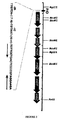
- the operon involved with uptake and degradation of mannitol in Pseudomonas fluorescens contains seven genes, four of which ( mtlEFGK ) encode proteins involved in mannitol/glucitol/arabitol uptake and transport, and three of which ( mtlDYZ ) encode proteins involved in the catabolism of mannitol, glucitol, and arabitol. See Brunker et al.
- Brunker et al. have further identified a sequence similar to the consensus for E. coli sigma 70 promoters 90 bp upstream from the start codon of the first gene in the P. fluorescens DSM50106 operon, mtlE. See Figure 2 .
- a 660 bp fragment containing the putative promoter was cloned upstream of a luciferase gene upon which it conferred mannitol-inducible expression in E. coli.
- carbon source inducible promoters are not without its limitations.
- One potential problem associated with utilizing carbon source inducible promoters is the ability of the host cell to metabolize the inducer and reduce the effectiveness of the inducer, or require it to be continually added to the media during induction.
- the inducer may compromise carbon utilization parameters of the fermentation process, and the constant inducer flux may result in less than desirable peptide production yields.
- the requirement of continually adding an inducer to the media during induction has the further disadvantage of increasing the cost of the fermentation process.
- the present invention provides bacterial cells and methods for producing recombinant peptides in a bacterial host utilizing a mannitol inducible promoter operably attached to a nucleic acid encoding a target polypeptide.
- the invention provides a Pseudomonas fluorescens cell comprising: at least one nucleic acid construct encoding a recombinant polypeptide operably linked to a carbon source inducible promoter selected from the group consisting of: (a) the nucleotide sequence set forth in SEQ ID NO: 9; (b) the nucleotide sequence set forth in SEQ ID NO 12; (c) a nucleotide sequence having at least 95% sequence identity with the nucleotide sequence set forth in SEQ ID NO: 9; and (d) a nucleotide sequence having at least 95% sequence identity to the nucleotide sequence set forth in SEQ ID NO: 12; wherein the bacterial cell has been genetically altered to inhibit the metabolism
- the bacterial host cell can be used as an expression system.
- the cell has been rendered incapable of degrading or metabolizing mannitol, and optionally also glucitol, or arabitol. Because the bacterial cell lacks the ability to metabolize or degrade a mannitol, and optionally also glucitol or arabitol carbon source and derivatives or analogues thereof, these carbon sources can be utilized to induce expression of a polypeptide, wherein the nucleic acid encoding the polypeptide is operably attached to a mannitol inducible promoter, without the inducer being continuously metabolized or degraded by the host cell.
- the inducer therefore, is capable of providing continuous and stable induction levels during fermentation without the requirement of adding additional inducer to the media.
- one embodiment includes the bacterial cell comprising a nucleic acid construct or constructs including more than one mannitol inducible promoter operably linked to the same, or different, peptide or peptides of interest.
- the promoter is capable of induction by glycerol, as well as mannitol, and the bacterial cell expressing the recombinant peptide of interest has been genetically manipulated to inhibit degradation or metabolism of mannitol.
- the promoter utilized in the present invention is capable of induction by a carbon source sugar, alcohol, or derivatives thereof.
- the promoter can be induced by mannitol, and optionally also arabitol, or glucitol or glycerol.
- the promoter is a mannitol-inducible promoter.
- the promoter can include the putative promoter of an endogenous bacterial mannitol operon, and is induced by mannitol derivatives or analogues thereof.
- the mannitol promoter is capable of being induced by a carbon source selected from the group consisting of glucitol, arabitol, glycerol, or derivatives or analogues thereof.
- Embodiments of the present invention also include bacterial cells that have been rendered incapable of metabolizing or degrading a mannitol carbon source as expression systems for recombinant peptides of interest.
- the mutation is a result of exogenous genetic manipulation through the mutation or the deletion of at least one gene encoding an enzyme required for the metabolism or degradation of the carbon source used as an inducer.
- the mutated or deleted gene(s) is a gene(s) encoding for an enzyme(s) required in the metabolism or degradation of mannitol, or derivative or analogue thereof, and optionally arabitol, or glucitol or an analogue or derivative thereof.
- the mutated or deleted gene(s) is a gene(s) required in the metabolism of mannitol, or derivatives or analogues thereof.
- the gene is selected from the mtl operon.
- the mutated or deleted gene can be selected from the group consisting of mtlD, mtlY, and mtlZ.
- the mutation or deletion includes a combination of at least two of mtlD, mtlY, and mtlZ ( mtlDYZ ).
- the cell includes a mutation or deletion of at least mtlD.
- the cell includes a mutation or deletion in each of mtlD, mtlY, and mtlZ ( mtlDYZ ).
- Embodiments of the present invention also provide methods for producing recombinant peptides in bacterial host cells utilizing a carbon source inducible promoter. Also described are alternative promoters for use in large scale bacterial fermentation processes that are induced by low cost carbon source chemicals. Other embodiments of the present invention provide for improved bacterial host cells for the expression of recombinant proteins from promoters induced by a carbon source.
- a method for expressing a recombinant polypeptide in a Pseudomonas fluorescens cell comprising: a) providing a host cell capable of expressing a recombinant polypeptide; b) transfecting the host cell with at least one nucleic acid construct encoding a recombinant polypeptide operably linked to a carbon source inducible promoter selected from the group consisting of: (i) the nucleotide sequence set forth in SEQ ID NO: 9; (ii) the nucleotide sequence set forth in SEQ ID NO 12; (iii) a nucleotide sequence having at least 90% sequence identity to the nucleotide sequence set forth in SEQ ID NO: 9; and (iv) a nucleotide sequence having at least 95% sequence identity to the nucleotide sequence set forth in SEQ ID NO: 12; wherein the promoter further comprises a nucleic acid sequence that acts as an mtl
- the expression of the peptide of interest is controlled in a linear fashion directly correlated to the inducer concentration.
- at least one promoter is a mannitol-inducible promoter and the inducer is mannitol, arabitol, glucitol, glycerol, or derivatives or analogues thereof.
- at least one promoter is a mannitol-inducible promoter and the inducer is glycerol or derivatives or analogues thereof.
- At least one promoter is a mannitol-inducible promoter, wherein the bacterial cell has been rendered incapable of metabolizing or degrading mannitol, and the inducer is mannitol, arabitol, glucitol, glycerol, or derivatives or analogues thereof.
- the present invention provides the expression of a nucleic acid encoding a peptide operably attached to a mannitol-inducible promoter induced by mannitol, glucitol, arabitol, or glycerol, or analogue thereof, in combination with other inducible promoters in a bacterial cell that has been rendered deficient in its ability to degrade or metabolize mannitol, and analogues or derivatives thereof and optionally also glucitol, arabitol, or analogues or derivatives thereof.
- the additional inducible promoters can be operably linked in tandem to the mannitol, glucitol, or arabitol-inducible promoter.
- the promoters are independent of each other and operably linked to separate nucleic acids encoding peptides of interest.
- Additional embodiments of the present invention include the use of multiple promoters, including at least one mannitol, glucitol, or arabitol-inducible promoter, wherein the promoters are independent of each other and operably attached to nucleic acids encoding different peptides of interest.
- the promoters can be differentially induced, either at different times, or at different expression levels controlled by, for example, the utilization of inducer concentration gradients.
- the present invention provides methods for producing recombinant peptides in a bacterial host utilizing a mannitol inducible promoter, wherein the host bacterial cell that produces the peptide has been rendered incapable of degrading or metabolizing mannitol or derivatives or analogues thereof and optionally also arabitol or glucitol or analogues or derivatives thereof.
- the present invention provides bacterial cells that have been genetically altered to inhibit the metabolism or degradation of mannitol or derivatives or analogues thereof and optionally also arabitol or glucitol or analogues or derivatives thereof.
- mannitol, arabitol, glucitol, or glycerol can then be used to induce expression of a target polypeptide from mannitol-inducible promoter, allowing for the use of an inexpensive and stable carbon source inducer in the fermentation processes for the production of recombinant peptides.
- the bacterial cell lacks the ability to metabolize or degrade mannitol, and optionally also, glucitol, or arabitol, if these carbon sources are used as an inducer, then the inducer is not continuously metabolized or degraded by the host cell, and therefore is capable of providing continuous and stable induction levels during fermentation without the requirement of adding additional inducer to the media.
- the bacterial cell is rendered incapable of degrading or metabolizing mannitol, or derivatives or analogues thereof and optionally also arabitol or glucitol or analogues or derivatives thereof, and the promoter operably linked to a nucleic acid sequence encoding a peptide of interest is capable of induction by mannitol, as well as glycerol, glucitol, or arabitol, or derivatives or analogues thereof.
- the promoters for use in the present invention are nucleic acid sequences typically of greater than 25 nucleic acids located upstream of the nucleic acid sequence encoding a peptide of interest.
- the promoters generally contain a -35 region, which is generally a 5-6 nucleic acid sequence beginning approximately 35 base pairs upstream of the transcription start site for a peptide or interest.
- the transcription start site of the peptide of interest is generally numbered as +1.
- an inducible promoter is utilized that is capable of induction by mannitol.
- the mannitol-inducible promoter is capable of being induced by a carbon source other than mannitol.
- carbon sources include, but are not limited to glucitol, arabitol, and glycerol.
- the carbon source is glycerol.
- the mannitol-inducible promoter of the present invention comprises the -35 region of the Pseudomonad native mtl operon promoter attached upstream of the -10 region of the native promoter, via a 15-20 nucleotide linker.
- the linker is 17-18 nucleotides long.
- the -35 region is comprised of the nucleic acid sequence 5'-TTGTCA-3'.
- the -10 region is comprised of the nucleic acid sequence 5'-TGTAAT-3'.
- the promoter is comprised of the -35 region 5'-TTTGTC-3', linked to a nucleotide sequence of between 15-20 nucleotides, which is further linked to the -10 region 5'-TGTAAT-3'.
- the mannitol-inducible promoter of the present invention further includes nucleic acid sequences that act as an activator or repressor peptide binding site.
- the nucleic acid sequences act as an activator peptide binding site.
- the activator site is a nucleic acid sequence from an endogenous Pseudomonad MtlR protein binding site.
- the activator site is a nucleic acid sequence from an endogenous Pseudomonas fluorescens MtlR protein binding site.
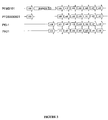
- the activator binding site includes the nucleic acid sequence 5'-ACGAGTGCAAAAAAGTATCAGTAAGCGTGCTCCCAAGGAT-3' (SEQ. ID. NO. 5) (Table 2). In another embodiment, the activator binding site includes the nucleic acid sequence 5'-ACGAGTGCAAAAAAGTATCAGTCCAAGTGCTCCCAAGGAT -3' (SEQ. ID. No. 6) (Table 2). Alternatively, the activator binding site includes the nucleic acid sequence 5'-CCGAGTGCAAAAAAGTATCGATTCAAGTGCTAGGGATGAT-3' (SEQ. ID. No. 7) (Table 2). In another embodiment, the activator binding site includes 5'-GGCGGTGCAAAAAAGTATCGGTCGAAGTGCAGTCGAGGCT-3' (SEQ. ID. NO. 8) (Table 2).
- the mannitol-inducible promoter of the present invention includes SEQ. ID. No. 9, a 299 base pair region of an endogenous Pseudomonad mtl operon (Table 3).
- the promoter of the present invention includes SEQ. ID. No. 12, a 147 base pair region from an endogenous Pseudomonad mtl operon (Table 3).
- Table 1 Mannitol-inducible Promoter -35 to -10 Nucleic Acid Regions 5'-TTGTCACAACCCCGTTTGAAGGCTGTAAT-3' Seq. ID. No. 1 5'-TTGTCACCGCCGTTTTTGAAGGCTGTAAT-3' SEQ. ID. No.
- the promoter is the nucleic acid sequence having at least 90% sequence identity to the nucleotide sequence selected from the group consisting of Seq. ID. Nos. 9 and 12.
- nucleic acids and/or nucleic acid sequences are homologous when they are derived, naturally or artificially, from a common ancestral nucleic acid or nucleic acid sequence.
- any naturally occurring nucleic acid can be modified by any available mutagenesis method to include one or more changes in nucleic acid sequence.
- Homology is generally inferred from sequence similarity between two or more nucleic acids (or sequences thereof). The precise percentage of similarity between sequences that is useful in establishing homology varies with the nucleic acid at issue, but as little as 25% sequence similarity is routinely used to establish homology.
- sequence similarity e.g., 30%, 40%, 50%, 60%, 70%, 80%, 90%, 95%, 96%, 97%, 98% or 99% or more can also be used to establish homology.
- Methods for determining sequence similarity percentages e.g., BLASTN using default parameters are described herein and are generally available.
- two sequences are said to be “identical” if the sequence of nucleic acids in the two sequences is the same when aligned for maximum correspondence. Comparisons between two sequences are typically performed by comparing the sequences over a comparison window to identify and compare local regions of sequence similarity.
- a “comparison window” as used herein refers to a segment of at least about 20 contiguous positions, usually 30 to about 75, 40 to about 50, in which a sequence may be compared to a reference sequence of the same number of contiguous positions after the two sequences are optimally aligned.
- Optimal alignment of sequences for comparison may be conducted using the Megalign program in the Lasergene suite of bioinfonnatics software (DNASTAR, Inc., Madison, Wis.), using default parameters.
- This program embodies several alignment schemes described in the following references: Dayhoff, M. O. (1978) A model of evolutionary change in proteins - Matrices for detecting distant relationships. In Dayhoff, M. O. (ed.) Atlas of Protein Sequence and Structure, National Biomedical Research Foundation, Washington D.C. Vol. 5, Suppl. 3, pp. 345 358 ; Hein J. (1990) Unified Approach to Alignment and Phylogenes pp. 626 645 Methods in Enzymology vol.
- optimal alignment of sequences for comparison may be conducted by the local identity algorithm of Smith and Waterman (1981) Add. APL. Math 2:482 , by the identity alignment algorithm of Needleman and Wunsch (1970) J. Mol. Biol. 48:443 , by the search for similarity methods of Pearson and Lipman (1988) Proc. Natl. Acad. Sci. USA 85: 2444 , by computerized implementations of these algorithms (GAP, BESTFIT, BLAST, FASTA, and TFASTA in the Wisconsin Genetics Software Package, Genetics Computer Group (GCG), 575 Science Dr., Madison, Wis.), or by inspection.
- BLAST and BLAST 2.0 are described in Altschul et al. (1977) Nucl. Acids Res. 25:3389 3402 and Altschul et al. (1990) J. Mol. Biol. 215:403 410 , respectively.
- BLAST and BLAST 2.0 can be used, for example with the parameters described herein, to determine percent sequence identity for the polynucleotides and polypeptides of the invention.
- Software for performing BLAST analyses is publicly available through the National Center for Biotechnology Information.
- a scoring matrix can be used to calculate the cumulative score.
- Extension of the word hits in each direction are halted when: the cumulative alignment score falls off by the quantity X from its maximum achieved value; the cumulative score goes to zero or below, due to the accumulation of one or more negative-scoring residue alignments; or the end of either sequence is reached.
- the BLAST algorithm parameters W, T and X determine the sensitivity and speed of the alignment.
- the "percentage of sequence identity” is determined by comparing two optimally aligned sequences over a window of comparison of at least 20 positions, wherein the portion of the nucleotide sequence in the comparison window may comprise additions or deletions (i.e., gaps) of 20 percent or less, usually 5 to 15 percent, or 10 to 12 percent, as compared to the reference sequences (which does not comprise additions or deletions) for optimal alignment of the two sequences.
- the percentage is calculated by determining the number of positions at which the identical nucleic acid residue occurs in both sequences to yield the number of matched positions, dividing the number of matched positions by the total number of positions in the reference sequence (i.e., the window size) and multiplying the results by 100 to yield the percentage of sequence identity.
- Stringent hybridization conditions generally refers to conditions that (1) employ low ionic strength and high temperature for washing, for example, 0.015 M NaCl/0.0015 M sodium citrate/0.1% SDS at 50°C, or (2) employ during hybridization a denaturing agent such as, for example, formamide.
- a denaturing agent such as, for example, formamide.
- stringency can generally be reduced by increasing the salt content present during hybridization and washing, reducing the temperature, or a combination thereof. See, for example, Sambrook et aL, Molecular Cloning: A Laboratory Manual, Cold Spring Harbour Laboratory Press, Cold Spring Harbour, New York, (1989 ).
- Stringent hybridization conditions include those that will allow hybridization occur if there is at least 85% and preferably at least 90% identity between the sequences. Under high stringency conditions, highly complementary nucleic acid hybrids will form; hybrids without a sufficient degree of complementarity will not form. Accordingly, the stringency of the assay conditions determines the amount of complementarity needed between two nucleic acid strands forming a hybrid.
- the present invention also provides bacterial cells that have been genetically modified to reduce their ability to metabolize or degrade a mannitol carbon source and optionally also glucitol, arabitol, or derivatives or analogues thereof, which carbon source can be utilized to induce expression from an inducible promoter.
- the genetic modification can be to a gene or genes encoding an enzyme that is operative in a metabolic pathway involved in metabolizing or degrading said carbon source utilized to induce expression from the inducible promoter.
- the host cell has genetic modifications to genes encoding enzymatic activity related to the metabolization or degradation of the inducer, while genes related to the transport of the inducer are unaffected, allowing for transport into the cell without subsequent degradation or metabolization.
- the bacterial cell is a Pseudomonas fluorescens cell.
- a bacterial host cell selected can be rendered deficient in its ability to metabolize or degrade any inducer utilized to induce expression of a peptide of interest from an inducible promoter.
- the host cell can be rendered deficient in it ability to express an enzyme required for metabolizing mannitol, or any effective replacement enzyme capable of metabolizing mannitol.
- the host cell will be made deficient for the metabolization or degradation of the inducer by altering its genome so that the cell cannot express, from its genome, a functional enzyme involved in the metabolization or degradation of the inducer.
- This alteration can be done by altering the cell's genomic coding sequence of the gene encoding the metabolizing or degrading enzyme or enzymes.
- the coding sequence alteration will be accomplished by introducing: insertion or deletion mutations that change the coding sequence reading frame; substitutions or inversion mutations that alter a sufficient number of codons; and/or deletion mutations that delete a sufficiently large group of contiguous codons therefrom capable of producing a non-functional enzyme.
- knock-out strains can be prepared according to any of the various methods known in the art as effective.
- homologous recombination vectors containing homologous targeted gene sequences 5' and 3' of the desired nucleic acid deletion sequence can be transformed into the host cell.
- a desired targeted enzymatic gene knock-out can be produced upon homologous recombination.
- gene knock-out methodologies are well known in the art.
- gene inactivation by insertion of a polynucleotide has been previously described. See, e.g., DL Roeder & A Collmer, Marker-exchange mutagenesis of a pectate lyase isozyme gene in Erwinia chrysanthemi, J Bacteriol. 164(l):51-56 (1985 ).
- transposon mutagenesis and selection for desired phenotype can be used to isolate bacterial strains in which target genes have been insertionally inactivated.
- the bacterial cell is rendered deficient in an enzyme necessary to metabolize the carbon source used as an inducer for recombinant peptide expression.
- the bacterial cell is rendered deficient in an enzyme necessary to metabolize the carbon source mannitol, or derivatives thereof, and optionally also glucitol, arabitol and analogues or derivatives thereof.
- the bacterial cell is constructed to lack enzyme activity encoded by a gene from an endogenous mannitol operon - mtl.
- the bacterial cell is constructed to lack enzyme activity encoded by the endogenous mtlD gene, or homologue thereof.
- the bacterial cell is constructed to lack enzyme activity encoded by the endogenous mtlY gene, or homologue thereof.
- the bacterial cell is constructed to lack enzyme activity encoded by an endogenous mtlZ gene, or homologue thereof.
- the bacterial cell can be constructed to lack activity of any combination of enzymes encoded by the mtlDYZ genes, or homologues thereof.
- the bacterial cell is constructed to lack enzyme activity encoded by an endogenous mtlD, mtlY, and mtlZ genes.
- the bacterial cell can be a natural mutant, wherein the mutant is incapable of degrading or metabolizing a carbon source used as an inducer for recombinant peptide expression due to a naturally arising mutation in an endogenous gene necessary for such carbon source degradation of metabolization.
- bacterial cells comprising a nucleic acid construct including a nucleic acid sequence encoding for at least one peptide of interest operably linked to at least one carbon source-inducible promoter, wherein the carbon source inducible promoter is a mannitol, arabitol, or glucitol-inducible promoter.
- the carbon source-inducible promoter may be a mannitol-inducible promoter.
- the mannitol-inducible promoter may be capable of being induced by glycerol.
- the bacterial cell comprises a first nucleic acid construct including a nucleic acid sequence encoding for at least one peptide of interest operably linked to at least one carbon source-inducible promoter, and a second nucleic acid construct including a nucleic acid sequence encoding at least one peptide of interest operably linked to at least one inducible promoter.
- the carbon-source inducible promoter is a mannitol, glucitol, or arabitol-inducible promoter.
- the multiple promoters can be located on the same nucleic acid constructs, or on separate nucleic acid constructs.
- the inducible promoters (and related inducers) used in combination with the mannitol-, arabitol, or glucitol-inducible promoters of the present invention can include, for example, lac (IPTG), lacUV5 (IPTG), tac (IPTG), trc (IPTG), P syn (IPTG), trp (tryptophan starvation), araBAD (1-arabinose), lpp a (IPTG), lpp-lac (IPTG), phoA (phosphate starvation), recA (nalidixic acid), proU (osmolarity), cst-1 (glucose starvation), tetA (tretracylin), cadA (pH), nar (anaerobic conditions), PL (thermal shift to 42° C), cspA
- the nucleic acid constructs contained in the bacterial cell may be maintained in an episomal fashion, or be integrated into the genome of the cell.
- the present invention provides bacterial cells that are deficient in an enzyme necessary for metabolism of mannitol, and optionally also glucitol, and arabitol; or derivatives or analogues thereof, which carbon source is utilized to induce expression of a peptide of interest, wherein the nucleic acid sequence encoding the peptide of interest is operably attached to a promoter induced by mannitol.
- the bacterial cell is a Pseudomonas fluorescens.
- the bacterial cell is deficient in an enzyme necessary for the metabolism of a mannitol, carbon source and optionally glucitol, or arabitol, or derivatives and analogues thereof.
- Gram(-) Proteobacteria Subgroup 1 is more specifically defined as the group of Proteobacteria belonging to the families and/or genera described as falling within that taxonomic "Part” named "Gram-Negative Aerobic Rods and Cocci” by R.E. Buchanan and N.E. Gibbons (eds.), Bergey's Manual of Determinative Bacteriology, pp.
- Rhizobiaceae Agrobacterium Rhizobium Family IV. Methylomonadaceae Methylococcus Methylomonas Family V. Halobacteriaceae Halobacterium Halococcus Other Genera Acetobacter Alcaligenes Bordetella Brucella Francisella Thermus
- Gram(-) Proteobacteria Subgroup 1 contains all Proteobacteria classified there under, as well as all Proteobacteria that would be classified according to the criteria used in forming that taxonomic "Part.”
- "Gram(-) Proteobacteria Subgroup 1” excludes, e.g.: all Gram-positive bacteria; those Gram-negative bacteria, such as the Enterobacteriaceae, which fall under others of the 19 “Parts” of this Bergey (1974) taxonomy; the entire "Family V.
- Halobacteriaceae of this Bergey (1974) "Part,” which family has since been recognized as being a non-bacterial family of Archaea; and the genus, Thermus, listed within this Bergey (1974) "Part,” which genus which has since been recognized as being a non-Proteobacterial genus of bacteria.
- Gram(-) Proteobacteria Subgroup 1 further includes those Proteobacteria belonging to (and previously called species of) the genera and families defined in this Bergey (1974) "Part,” and which have since been given other Proteobacterial taxonomic names. In some cases, these re-namings resulted in the creation of entirely new Proteobacterial genera. For example, the genera Acidovorax, Brevundimonas, Burkholderia, Hydrogenophaga , Oceanimonas, Ralstonia, and Stenotrophomonas , were created by regrouping organisms belonging to (and previously called species of) the genus Pseudomonas as defined in Bergey (1974).
- the genus Sphingomonas (and the genus Blastomonas, derived therefrom) was created by regrouping organisms belonging to (and previously called species of) the genus Xanthomonas as defined in Bergey (1974).
- the genus Acidomonas was created by regrouping organisms belonging to (and previously called species of) the genus Acetobacter as defined in Bergey (1974).
- Such subsequently reassigned species are also included within "Gram(-) Proteobacteria Subgroup 1" as defined herein.
- Proteobacterial species falling within the genera and families defined in this Bergey (1974) "Part” were simply reclassified under other, existing genera of Proteobacteria.
- Pseudomonas Pseudomonas enalia (ATCC 14393), Pseudomonas nigrifaciens (ATCC 19375), and Pseudomonas putrefaciens (ATCC 8071) have since been reclassified respectively as Alteromonas haloplanktis, Alteromonas nigrifaciens , and Alteromonas putrefaciens.
- Pseudomonas acidovorans (ATCC 15668) and Pseudomonas testosteroni (ATCC 11996) have since been reclassified as Comamonas acidovorans and Comamonas testosteroni, respectively; and Pseudomonas nigrifaciens (ATCC 19375) and Pseudomonas piscicida (ATCC 15057) have since been reclassified respectively as Pseudoalteromonas nigrifaciens and Pseudoalteromonas piscicida.
- Such subsequently reassigned Proteobacterial species are also included within "Gram(-) Proteobacteria Subgroup 1" as defined herein.
- Gram(-) Proteobacteria Subgroup 1 also includes Proteobacterial species that have since been discovered, or that have since been reclassified as belonging, within the Proteobacterial families and/or genera of this Bergey (1974) "Part.”
- "Gram(-) Proteobacteria Subgroup 1” also includes Proteobacteria classified as belonging to any of the families: Pseudomonadaceae, Azotobacteraceae (now often called by the synonym, the "Azotobacter group” of Pseudomonadaceae), Rhizobiaceae, and Methylomonadaceae (now often called by the synonym, "Methylococcaceae”).
- Proteobacterial genera falling within "Gram(-) Proteobacteria Subgroup 1" include: 1) Azotobacter group bacteria of the genus Azorhizophilus ; 2) Pseudomonadaceae family bacteria of the genera Cellvibrio, Oligella , and Teredinibacter; 3) Rhizobiaceae family bacteria of the genera Chelatobacter , Ensifer, Liberibacter (also called “ Candidatus Liberibacter "), and Sinorhizobium ; and 4) Methylococcaceae family bacteria of the genera Methylobacter , Methylocaldum , Methylomicrobium, Methylosarcina, and Methylosphaera .
- Gram(-) Proteobacteria Subgroup 2 is defined as the group of Proteobacteria of the following genera (with the total numbers of catalog-listed, publicly-available, deposited strains thereof indicated in parenthesis, all deposited at ATCC, except as otherwise indicated): Acidomonas (2); Acetobacter (93); Gluconobacter (37); Brevundimonas (23); Beijerinckia (13); Derxia (2); Brucella (4); Agrobacterium (79); Chelatobacter (2); Ensifer (3); Rhizobium (144); Sinorhizobium (24); Blastomonas (1); Sphingomonas (27); Alcaligenes (88); Bordetella (43); Burkholderia (73); Ralstonia (33); Acidovorax (20); Hydrogenophaga (9); Zoogloea (9); Methylobacter (2); Methylocal
- Exemplary host cell species of "Gram(-) Proteobacteria Subgroup 2" include, but are not limited to the following bacteria (with the ATCC or other deposit numbers of exemplary strain(s) thereof shown in parenthesis): Acidomonas meihanolicca (ATCC 43581); Acetobacter aceti (ATCC 15973); Gluconobacter oxydans (ATCC 19357); Brevundimonas diminuta (ATCC 11568); Beijerinckia indica (ATCC 9039 and ATCC 19361); Derxia gummosa (ATCC 15994); Brucella melitensis (ATCC 23456), Brucella abortus (ATCC 23448); Agrobacterium tumefaciens (ATCC 23308), Agrobacterium radiobacter (ATCC 19358), Agrobacterium rhizogenes (ATCC 11325); Chelatobacter heintzii (ATCC 29600); Ensifer adhaerens
- Gram(-) Proteobacteria Subgroup 3 is defined as the group of Proteobacteria of the following genera: Brevunditnonas; Agrobacterium; Rhizobium; Sinorhizobium; Blastomonas; Sphingomonas; Alcaligenes; Burkholderia; Ralstonia; Acidovorax; Hydrogenophaga; Methylobacter; Methylocaldum; Methylococcus; Methylomicrobium; Methylomonas; Methylosarcina; Methylosphaera; Azomonas; Azorhizophilus; Azotobacter; Cellvibrio; Oligella; Pseudomonas; Teredinibacter; Francisella; Stenotrophomonas; Xanthomonas; and Oceanimonas .
- Gram(-) Proteobacteria Subgroup 4 is defined as the group of Proteobacteria of the following genera: Brevundimonas; Blastomonas; Sphingomonas; Burkholderia; Ralstonia; Acidovorax; Hydrogenophaga; Methylobacter; Methylocaldum; Methylococcus; Methylomicrobium; Methylomonas; Methylosarcina; Methylosphaera; Azomonas; Azorhizophilus; Azotobacter; Cellvibrio; Oligella; Pseudomonas; Teredinibacter; Francisella; Stenotrophomonas; Xanthomonas; and Oceanimonas .
- Gram(-) Proteobacteria Subgroup 5 is defined as the group of Proteobacteria of the following genera: Methylobacter; Methylocaldum; Methylococcus; Methylomicrobium; Methylomonas; Methylosarcina; Methylosphaera; Azomonas; Azorhizophilus; Azotobacter; Cellvibrio; Oligella; Pseudomonas; Teredinibacter; Francisella; Stenotrophomonas; Xanthomonas; and Oceanimonas .
- Gram(-) Proteobacteria Subgroup 6 is defined as the group of Proteobacteria of the following genera: Brevundimonas; Blastomonas; Sphingomonas; Burkholderia; Ralstonia; Acidovorax; Hydrogenophaga; Azomonas; Azorhizophilus; Azotobacter; Cellvibrio; Oligella; Pseudomonas; Teredinibacter; Stenotrophomonas; Xanthomonas; and Oceanimonas .
- Gram(-) Proteobacteria Subgroup 7 is defined as the group of Proteobacteria of the following genera: Azomonas; Azorhizophilus; Azotobacter; Cellvibrio; Oligella; Pseudomonas; Teredinibacter; Stenotrophomonas; Xanthomonas; and Oceanimonas .
- Gram(-) Proteobacteria Subgroup 8 is defined as the group of Proteobacteria of the following genera: Brevundimonas; Blastomonas; Sphingomonas; Burkholderia; Ralstonia; Acidovorax; Hydrogenophaga; Pseudomonas; Stenotrophomonas; Xanthomonas; and Oceanimonas .
- Gram(-) Proteobacteria Subgroup 9 is defined as the group of Proteobacteria of the following genera: Brevundimonas; Burkholderia; Ralstonia; Acidovorax; Hydrogenophaga; Pseudomonas; Stenotrophomonas; and Oceanimonas .
- Gram(-) Proteobacteria Subgroup 10 is defined as the group of Proteobacteria of the following genera: Burkholderia; Ralstonia; Pseudomonas; Stenotrophomonas; and Xanthomonas.
- Gram(-) Proteobacteria Subgroup 11 is defined as the group of Proteobacteria of the genera: Pseudomonas; Stenotrophomonas; and Xanthomonas.
- Gram(-) Proteobacteria Subgroup 12 is defined as the group of Proteobacteria of the following genera: Burkholderia; Ralstonia; Pseudomonas.
- Gram(-) Proteobacteria Subgroup 13 is defined as the group of Proteobacteria of the following genera: Burkholderia; Ralstonia; Pseudomonas; and Xanthomonas .
- Gram(-) Proteobacteria Subgroup 14 is defined as the group of Proteobacteria of the following genera: Pseudomonas and Xanthomonas.
- Gram(-) Proteobacteria Subgroup 15 is defined as the group of Proteobacteria of the genus Pseudomonas.
- Gram(-) Proteobacteria Subgroup 16 is defined as the group of Proteobacteria of the following Pseudomonas species (with the ATCC or other deposit numbers of exemplary strain(s) shown in parenthesis): Pseudomonas abietaniphila (ATCC 700689); Pseudomonas aeruginosa (ATCC 10145); Pseudomonas alcaligenes (ATCC 14909); Pseudomonas araguilliseptica (ATCC 33660); Pseudomonas citronellolis (ATCC 13674); Pseudomonas flavescens (ATCC 51555); Pseudomonas mendocina (ATCC 25411); Pseudomonas nitroreducens (ATCC 33634); Pseudomona
- Gram(-) Proteobacteria Subgroup 17 is defined as the group of Proteobacteria known in the art as the "fluorescent Pseudomonads" including those belonging, e.g., to the following Pseudomonas species: Pseudomonas azotoformans; Pseudomonas brenneri; Pseudomonas cedrella; Pseudomonas corrugata; Pseudomonas extremorientalis; Pseudomonas fluorescens; Pseudomonas gessardii; Pseudomonas libanensis; Pseudomonas mandelii; Pseudomonas marginalis; Pseudomonas migulae; Pseudomonas mucidolens;
- the host cell can be selected from "Gram(-) Proteobacteria Subgroup 18."
- "Gram(-) Proteobacteria Subgroup 18” is defined as the group of all subspecies, varieties, strains, and other sub-special units of the species Pseudomonas fluorescens, including those belonging, e.g., to the following (with the ATCC or other deposit numbers of exemplary strain(s) shown in parenthesis): Pseudomonas fluorescens biotype A, also called biovar 1 or biovar I (ATCC 13525); Pseudomonas fluorescens biotype B, also called biovar 2 or biovar II (ATCC 17816); Pseudomonas fluorescens biotype C, also called biovar 3 or biovar III (ATCC 17400); Pseudomonas fluorescens biotype F, also called biovar 4 or biovar IV (ATCC 12983); Pseudom
- the host cell can be selected from "Gram(-) Proteobacteria Subgroup 19."
- "Gram(-) Proteobacteria Subgroup 19” is defined as the group of all strains of Pseudomonas fluorescens biotype A.
- One strain of this biotype is P. fluorescens strain MB101 (see US Patent No. 5,169,760 to Wilcox ), and derivatives thereof.
- Pseudomonas fluorescens Migula and Pseudomonas fluorescens Loitokitok having the following ATCC designations: [NCIB 8286]; NRRL B-1244; NCIB 8865 strain CO1; NCIB 8866 strain CO2; 1291 [ATCC 17458; IFO 15837; NCIB 8917; LA; NRRL B-1864; pyrrolidine; PW2 [ICMP 3966; NCPPB 967; NRRL B-899]; 13475; NCTC 10038; NRRL B-1603 [6; IFO 15840]; 52-1C; CCEB 488-A [BU 140]; CCEB 553 [IEM 15/47]; IAM 1008 [AHH-27]; IAM 1055 [AHH-23]; 1 [IFO 15842]; 12 [ATCC 25323; NIH 11; den
- Nucleic acid constructs are provided for use in the present invention, comprising nucleic acids encoding peptides of interest operably linked to carbon source inducible promoters. At least one carbon source inducible promoter is contained on a nucleic acid construct and operably linked to a nucleic acid encoding at least one peptide of interest.
- the carbon source inducible promoter is mannitol.
- the peptide of interest can be a monomer.
- the carbon source inducible promoter is operably linked to a nucleic acid sequence encoding more than one monomer.
- an additional mannitol, glucitol, or arabitol-inducible promoter may be contained on a nucleic acid construct, wherein the promoters are covalently linked in tandem, and operably linked to a nucleic acid encoding a peptide of interest.
- an additional mannitol, glucitol, or arabitol-inducible promoter is contained on the nucleic acid construct, wherein each promoter is separately and operably linked to a nucleic acid encoding a peptide of interest.
- the peptides of interest may be the same peptides or different peptides.
- the nucleic acid construct can contain a mannitol inducible promoter and another promoter that is not induced by mannitol, glucitol, arabitol, or a derivative thereof.
- the mannitol-inducible promoter can be covalently linked in tandem, or separate and operably linked to a separate nucleic acid encoding a peptide of interest.
- one promoter can be a mannitol-inducible promoter and the other promoter can be a lac (IPTG), lacUV5 (IPTG), tac (IPTG), trc (IPTG), P syn (IPTG), trp (tryptophan starvation), araBAD (1-arabinose), 1pp a (IPTG), 1pp-lac (IPTG), phoA (phosphate starvation), recA (osmolarity), cst-1 (glucose starvation), tetA (tretracylin), cadA (pH), nar (anaerobic conditions), PL (thermal shift to 42° C), cspA (thermal shift to 20° C), T7 (thermal induction), T7-lac operator (IPTG), T3-lac operator (IPTG), T5-lac operator (IPTG), T4 gene32 (T4 infection), nprM-lac operator (IPTG), P
- nucleic acid expression constructs include, but are not limited to, for example, transcriptional enhancer sequences, translational enhancer sequences, other promoters, activators, translational start and stop signals, transcription terminators, cistronic regulators, polycistronic regulators, tag sequences, such as nucleotide sequence "tags" and "tag" peptide coding sequences, which facilitates identification, separation, purification, or isolation of an expressed polypeptide, including His-tag, Flag-tag, T7-tag, S-tag, HSV-tag, B-tag, Strep-tag, polyarginine, polycysteine, polyphenylalanine, polyaspartic acid, (Ala-Trp-Trp-Pro)n, thioredoxin, beta-galactosidase, chloramphenicol acetyltransferase, cyclomaltodextrin gluconotransferase, CTP:CMP-3
- a peptide-encoding gene can include, in addition to the peptide coding sequence, the following regulatory elements operably linked thereto: a promoter, a ribosome binding site (RBS), a transcription terminator, translational start and stop signals.
- Useful RBSs can be obtained from any of the species useful as host cells in expression systems according to the present invention, preferably from the selected host cell. Many specific and a variety of consensus RBSs are known, e.g., those described in and referenced by D. Frishman et al., Starts of bacterial genes: estimating the reliability of computer predictions, Gene 234(2):257-65 (8 Jul 1999 ); and B.E.
- RBSs nitrile hydratase deduced from the nucleotide sequence of a Rhodococcus species and its expression in Escherichia coli, Eur. J. Biochem. 181(3):563-70 (1989 ) (native RBS sequence of AAGGAAG).
- the nucleic acid construct will be contained on an expression vector, and will include origins of replication and selectable markers permitting transformation of the bacterial host cell.
- the recombinant peptide of interest is assembled in appropriate phase with translation initiation and termination sequences, and in certain embodiments, a leader sequence capable of directing secretion of the translated polypeptide can be included in the nucleic acid construct.
- the recombinant peptide sequence can encode a fusion polypeptide including an N-terminal identification peptide imparting desired characteristics, e.g., stabilization or simplified purification of expressed recombinant product.
- the vector may be maintained in an episomal fashion (extra-chromosomally), or be inserted into the genome of the host bacterial cell.
- Useful expression vectors for use with bacteria in expressing recombinant peptides are constructed by inserting a structural DNA sequence encoding a desired target peptide together with suitable translation initiation and termination signals in operable reading phase with the carbon source-inducible promoter.
- the vector will comprise one or more phenotypic selectable markers and an origin of replication to ensure maintenance of the vector and to, if desirable, provide amplification within the host.
- the vector can further provide sequences that allow for integration into the genome of the host cell.
- Vectors are known in the art as useful for expressing recombinant peptides in host cells, and any of these may be modified and used for expressing recombinant peptides of interest according to the present invention.
- Such vectors include, e.g., plasmids, cosmids, and phage expression vectors.
- useful plasmid vectors that can be modified for use in the present invention include, but are not limited to, the expression plasmids pBBRIMCS, pDSK519, pKT240, pML122, pPS10, RK2, RK6, pRO1600, and RSF1010.
- Further examples can include pALTER-Ex1, pALTER-Ex2, pBAD/His, pBAD/Myc-His, pBAD/gIII, pCal-n, pCal-n-EK, pCal-c, pCal-Kc, pcDNA 2.1, pDUAL, pET-3a-c, pET 9a-d, pET-11a-d, pET-12a-c, pET-14b, pET15b, pET-16b, pET-17b, pET-19b, pET-20b(+), pET-21a-d(+), pET-22b(+), pET-23a-d(+), pET24a-d(+), pET-25b(+), pET-26b(+), pET-27b(+), pET28a-c(+), pET-29a-c(+), pET-30a-c(+), pET
- Such useful vectors include those described by, e.g.: N. Hayase, in Appl. Envir. Microbiol. 60(9):3336-42 (Sep 1994 ); A.A. Lushnikov et al., in Basic Life Sci. 30:657-62 (1985 ); S. Graupner & W. Wackernagel, in Biomolec. Eng. 17(1):11-16. (Oct 2000 ); H.P. Schweizer, in Curr. Opin. Biotech. 12(5):439-45 (Oct 2001 ); M. Bagdasarian & K.N. Timmis, in Curr. Topics Microbiol. Immunol. 96:47-67 (1982 ); T.
- expression vectors that can be useful in bacterial host cells include those listed in Table 5 as derived from the indicated replicons: Table 5.
- Useful Expression Vectors Replicon Vector(s) P PS10 P CN39, pCN51 RSF1010 P KT261-3 P MMB66EH P EB8 P PLGN1 P MYC1050 RK2/RP1 P RK415 P JB653 P RO1600 P UCP P BSP
- RSF1010 The expression plasmid, RSF1010, is described, e.g., by F. Heffron et al., in Proc. Nat'l Acad. Sci. USA 72(9):3623-27 (Sep 1975 ), and by K. Nagahari & K. Sakaguchi, in J. Bact. 133(3):1527-29 (Mar 1978 ). Plasmid RSF1010 and derivatives thereof are can be used as vectors in the present invention.
- Exemplary, useful derivatives of RSF1010 include, e.g., pKT212, pKT214, pKT231 and related plasmids, and pMYC1050 and related plasmids (see, e.g., US Patent Nos. 5,527,883 and 5,840,554 to Thompson et al. ), such as, e.g., pMYC1803.
- Plasmid pMYC1803 is derived from the RSF1010-based plasmid pTJS260 (see US Patent No.
- an expression plasmid is used as the expression vector.
- RSF1010 or a derivative thereof is used as the expression vector.
- pMYC1050 or a derivative thereof, or pMYC1803 or a derivative thereof is used as the expression vector.
- Embodiments of the present invention include processes for expressing recombinant peptides for use in peptide production.
- the process provides expression of a nucleic acid construct comprising nucleic acids encoding at least one recombinant polypeptide operably linked to a mannitol inducible promoter, wherein the nucleic acid construct is expressed in a host cell that is rendered deficient in its ability to metabolize or degrade mannitol, glucitol, or arabitol, or derivatives or analogues thereof.
- the host cell is rendered deficient for the metabolization or degradation of mannitol, which is used as an inducer in promoter induction.
- the host cell is a Pseudomonas fluorescens cell.
- the host cell is deficient for the metabolization or degradation of mannitol or analogues or derivatives thereof and optionally also arabitol or glucitol or analogues or derivatives thereof, and expresses a nucleic acid encoding at least one recombinant polypeptide operably linked to at least a mannitol inducible promoter.
- the method generally includes:
- the method can further comprise e) transfecting the host cell with at least one nucleic acid expression construct comprising an additional inducible promoter operably linked to at least one peptide of interest.
- the method can further comprise f) isolating at least one recombinant peptide.
- the method can also include g) purifying at least one recombinant peptide.
- the method can comprise in step c) adding glycerol, or a derivative or analogue thereof, to the growth medium in an amount capable of inducing the peptide of interest, wherein the host cell is rendered incapable of degrading or metabolizing mannitol, and optionally also glucitol, or arabitol, or analogues or derivatives thereof.
- the inducible promoter is a mannitol-inducible promoter.
- the mannitol-inducible promoter is also capable of induction by glycerol.
- the method further comprises e) transfecting the host cell with at least one nucleic acid expression construct comprising an additional inducible promoter operably linked to at least one peptide of interest, the peptide of interest can be the same or a different peptide of interest from the one encoded by the nucleic acid operably linked to the mannitol, inducible promoter.
- inducible promoters can be, for example, a lac or tac family promoter, including Plac, Ptac, Ptrc, PtacII, PlacUV5, lppa, lpp-PlacUV5, lpp-lac, nprM-lac, T7lac, T5lac T3lac, and Pmac, trp (tryptophan starvation), araBAD (1-arabinose), phoA (phosphate starvation), recA (nalidixic acid), proU (osmolality), cst-1 (glucose starvation), tetA (tretracylin), cadA (pH), nar (anaerobic conditions), PL (thermal shift to 42° C), cspA (thermal shift to 20° C), T7 (thermal induction), T4 gene32 (T4 infection), Pm (alkyl- or halo-benzoates), Pu (alkyl- or halo-tol
- the present invention can employ more than one inducible promoter in producing a peptide, or more than one peptide, of interest.
- the multiple promoters can have different sequences, with each promoter capable of induction by the same carbon source at a different rate based on the specific sequence utilized.
- one mannitol-inducible promoter sequence may be capable of expressing a peptide of interest at a higher expression than a mannitol-inducible promoter with a differing nucleic acid sequence based on differing inherent characteristics or modifications.
- enhancer elements may be contained, in addition to the promoter sequence, within the promoter region that affect the rate of expression of the promoter sequences differently based on the spacing or linkage of the respective promoters to the enhancer elements, whether the promoter sequences are the same or different.
- the mannitol inducible promoter is used concomitantly in a bacterial host cell with a lac or tac family promoter including, for example, Plac, Ptac, Ptrc, PtacII, PlacUV5, lpp-lac, nprM-lac, T7lac, T5lac T3lac, and Pmac.
- a lac or tac family promoter including, for example, Plac, Ptac, Ptrc, PtacII, PlacUV5, lpp-lac, nprM-lac, T7lac, T5lac T3lac, and Pmac.
- the expression system is capable of expressing the target polypeptide at a total productivity of polypeptide of at least 0.1 g/L to at least 80 g/L.
- the recombinant polypeptide is expressed at a level of at least 0.3 g/L, 0.4 g/L, 0.7 g/L, 1.0 g/L, 1.5 g/L, 2 g/L, 3 g/L, 4g/L, 5g/L, 6 g/L, 7 g/L, 8 g/L, 9 g/L, 10 g/L, 12 g/L, 15 g/L, 20 g/L, 25 g/L, 30 g/L, 35 g/L, 40 g/L, 45 g/L, 50 g/L, 60 g/L, 70 g/L, or at least 80 g/L.
- At least one recombinant peptide can be expressed in a bacterial cell that is incapable of degrading or metabolizing mannitol, and optionally also arabitol, or glucitol, wherein expression of the recombinant polypeptide is induced utilizing mannitol, and optionally arabitol, glucitol, or glycerol; or derivatives or analogues thereof.
- more than one recombinant peptide can be expressed in a cell of the present invention, wherein the nucleic acids encoding the recombinant peptides can be contained on the same vector, or alternatively, on multiple vectors, and operably linked to more than one promoter, including at least one mannitol inducible promoter.
- nucleic acid constructs encoding different target polypeptides can be maintained in a bacterial host cell as described herein.
- a first nucleic acid encoding a first peptide of interest, and a second nucleic acid encoding second peptide of interest are regulated independently of each other through the use of different promoters, wherein at least one promoter is a mannitol, inducible promoter.
- Such multi-target gene expression systems allow for independent regulation and optimization of expression of each peptide.
- one expressed peptide can modulate the expression or resultant peptide characteristic of the other peptide of interest.
- Examples of such a multi-target gene system include, but are not limited to: (1) systems in which the expression product of one of the target genes interacts with the other target gene itself; (2) systems in which the expression product of one of the target genes interacts with the other target gene's expression product, e.g., a peptide and its binding peptide or the ⁇ - and ⁇ - polypeptides of an ⁇ n- ⁇ n peptide; (3) systems in which the two expression products of the two genes both interact with a third component, e.g., a third component present in the host cell; (4) systems in which the two expression products of the two genes both participate in a common biocatalytic pathway; and (5) systems in which the two expression products of the two genes function independently of one another, e.g., a bi-clonal antibody expression system.
- a first target gene can encode a desired target peptide, wherein the first target gene is under the control of a regulatable promoter; the second target gene may then encode a peptide involved in regulating the promoter of the first target gene, e.g., the second target gene may encode the first target gene's promoter activator or repressor peptide.
- the coding sequence of the second gene can be under the control of a mannitol-inducible promoter.
- the second gene will be part of a separate DNA construct that is a maintained in the cell as a high-copy-number construct with a copy number of at least 10, 20, 30, 40, 50, or more than 50 copies being maintained in the host cell, or that has been inserted into the genome of the cell.
- the second target gene can encode a peptide that assists in the folding of the first target gene product, or assists in directing the peptide of interest to a cell compartment (e.g., a chaperone protein).
- the first target gene product can be a peptide that is normally expressed in a bacterial host cell in an incorrectly folded form.
- the first target gene product can be a peptide that is normally expressed in a bacterial cell in an insoluble form.
- the second target gene in these cases, can encode for a protein that assists in properly folding the protein, or directing the protein to a specific location in the cell (e.g., such as the periplasm).
- peptides and proteins include, but are not limited to: cbpA, htpG, dnaK, dnaJ, fkbP2,groES, groEL, htpG or cbpA, HSP70 proteins, HSP110/SSE proteins, HSP40 (DNAJ-related) proteins, GRPE-like proteins, HSP90 proteins, CPN60 and CPN10 proteins, Cytosolic chaperonins, HSP100 proteins, Small HSPs, Calnexin and calreticulin, PDI and thioredoxin-related proteins, Peptidyl-prolyl isomerases, Cyclophilin PPIases, FK-506 binding proteins, Parvulin PPIases, Individual chaperonins, Protein specific chaperones, or intramolecular chaperones.
- Other proteins that can be expressed in the current invention include folding modulators that are generally described in " Guidebook to Molecular Chaperones and Protein-Folding Cat
- Transformation of the host cells with the vector(s) may be performed using any transformation methodology known in the art, and the bacterial host cells may be transformed as intact cells or as protoplasts (i.e. including cytoplasts).
- Exemplary transformation methodologies include poration methodologies, e.g., electroporation, protoplast fusion, bacterial conjugation, and divalent cation treatment, e.g., calcium chloride treatment or CaCl 2 /Mg 2+ treatment, or other well known methods in the art. See, e.g., Morrison, J.
- the selection marker can be an auxotrophic selection marker or a traditional antibiotic selection marker.
- the auxotrophic cell can be grown on medium supplemented with all of those nutrient compounds until transformed with the prototrophy-restoring vector.
- the selection marker is an antibiotic resistance gene
- the associated antibiotic can be added to the medium to select against non transformed and revertant cells, as well known in the art.
- the term "fermentation" includes both embodiments in which literal fermentation is employed and embodiments in which other, non-fermentative culture modes are employed. Fermentation may be performed at any scale.
- the fermentation medium may be selected from among rich media, minimal media, a mineral salts media; a rich medium may be used, but is preferably avoided. In another embodiment either a minimal medium or a mineral salts medium is selected.
- Mineral salts media consists of mineral salts and a carbon source such as, e.g., glucose, sucrose, or glycerol.
- mineral salts media include, e.g., M9 medium, Pseudomonas medium (ATCC 179), Davis and Mingioli medium (see, BD Davis & ES Mingioli, in J. Bact. 60:17-28 (1950 )).
- the mineral salts used to make mineral salts media include those selected from among, e.g., potassium phosphates, ammonium sulfate or chloride, magnesium sulfate or chloride, and trace minerals such as calcium chloride, borate, and sulfates of iron, copper, manganese, and zinc.
- No organic nitrogen source such as peptone, tryptone, amino acids, or a yeast extract
- an inorganic nitrogen source is used and this may be selected from among, e.g., ammonium salts, aqueous ammonia, and gaseous ammonia.
- a typical mineral salts medium will contain glucose as the carbon source.
- minimal media can also contain mineral salts and a carbon source, but can be supplemented with, e.g., low levels of amino acids, vitamins, peptones, or other ingredients, though these are added at very minimal levels.
- the media selected allows for high cell density cultivation (HCDC) for growth of bacterial cells.
- HCDC high cell density cultivation
- the HCDC can start as a batch process which is followed by two-phase fed-batch cultivation. After unlimited growth in the batch part, growth can be controlled at a reduced specific growth rate over a period of 3 doubling times in which the biomass concentration can increased several fold. Further details of such cultivation procedures is described by Riesenberg, D.; Schulz, V.; Knorre, W. A.; Pohl, H. D.; Korz, D.; Sanders, E. A.; Ross, A.; Deckwer, W. D. (1991) "High cell density cultivation of Escherichia coli at controlled specific growth rate" J Biotechnol: 20(1) 17-27 .
- the expression system according to the present invention can be cultured in any fermentation format.
- batch, fed-batch, semi-continuous, and continuous fermentation modes may be employed herein.
- the expression systems according to the present invention are useful for transgene expression at any scale (i.e. volume) of fermentation.
- any scale i.e. volume
- microliter-scale, centiliter scale, and deciliter scale fermentation volumes may be used; and 1 Liter scale and larger fermentation volumes can be used.
- the fermentation volume will be at or above 1 Liter.
- the fermentation volume will be at or above 5 Liters, 10 Liters, 15 Liters, 20 Liters, 25 Liters, 50 Liters, 75 Liters, 100 Liters, 200 Liters, 500 Liters, 1,000 Liters, 2,000 Liters, 5,000 Liters, 10,000Liters or 50,000 Liters.
- growth, culturing, and/or fermentation of the transformed host cells is performed within a temperature range permitting survival of the host cells, preferably a temperature within the range of about 4°C to about 55°C, inclusive.
- Pseudomonas fluorescens can be grown in high cell densities.
- Pseudomonas fluorescens expressions systems according to the present invention can provide a cell density of about 20 g/L or more.
- the Pseudomonas fluorescens expressions systems according to the present invention can likewise provide a cell density of at least about 70 g/L, as stated in terms of biomass per volume, the biomass being measured as dry cell weight.
- the cell density will be at least 20 g/L. In another embodiment, the cell density will be at least 25 g/L, 30 g/L, 35 g/L, 40 g/L, 45 g/L, 50 g/L, 60 g/L, 70 g/L, 80 g/L, 90 g/L., 100 g/L, 110 g/L, 120 g/L, 130 g/L, 140 g/L, or at least 150 g/L.
- the cell density at induction will be between 20 g/L and 150 g/L;, 20 g/L and 120 g/L; 20 g/L and 80 g/L; 25 g/L and 80 g/L; 30 g/L and 80 g/L; 35 g/L and 80 g/L; 40 g/L and 80 g/L; 45 g/L and 80 g/L; 50 g/L and 80 g/L; 50 g/L and 75 g/L; 50 g/L and 70 g/L; 40 g/L and 80 g/L.
- the expression systems according to the present invention can express transgenic polypeptides at a level at between 5% and 80% total cell peptide (%tcp). In some embodiments the expression level will be at or above 5%, 8%, 10%, 12%, 15%, 20%, 25%, 30%, 35%, 40%, 45%, 50%, 55%, 60%, 65%, 70%, 75%, or 80% tcp.
- the recombinant peptides produced according to this invention may be isolated and purified to substantial purity by standard techniques well known in the art, including, but not limited to, ammonium sulfate or ethanol precipitation, acid extraction, anion or cation exchange chromatography, phosphocellulose chromatography, hydrophobic interaction chromatography, affinity chromatography, nickel chromatography, hydroxylapatite chromatography, reverse phase chromatography, lectin chromatography, preparative electrophoresis, detergent solubilization, selective precipitation with such substances as column chromatography, immunopurification methods, and others.
- peptides having established molecular adhesion properties can be reversibly fused a ligand.
- the peptide can be selectively adsorbed to a purification column and then freed from the column in a relatively pure form. The fused peptide is then removed by enzymatic activity.
- peptide can be purified using immunoaffinity columns or Ni-NTA columns.
- General techniques are further described in, for example, R. Scopes, Peptide Purification: Principles and Practice, Springer-Verlag: N.Y. (1982 ); Deutscher, Guide to Peptide Purification, Academic Press (1990 ); U.S. Pat. No. 4,511,503 ; S. Roe, Peptide Purification Techniques: A Practical Approach (Practical Approach Series), Oxford Press (2001 ); D.
- Detection of the expressed peptide is achieved by methods known in the art and includes, for example, radioimmunoassays, Western blotting techniques or immunoprecipitation.
- the recombinantly produced and expressed peptide can be recovered and purified from the recombinant cell cultures by numerous methods, for example, high performance liquid chromatography (HPLC) can be employed for final purification steps, as necessary.
- HPLC high performance liquid chromatography
- inclusion bodies insoluble aggregates
- purification of inclusion bodies typically involves the extraction, separation and/or purification of inclusion bodies by disruption of the host cells, e.g., by incubation in a buffer of 50 mM TRIS/HCL pH 7.5, 50 mM NaCl, 5 mM MgCl.sub.2, 1 mM DTT, 0.1 mM ATP, and 1 mM PMSF.
- the cell suspension is typically lysed using 2-3 passages through a French Press.
- the cell suspension can also be homogenized using a Polytron (Brinknan Instruments) or sonicated on ice. Alternate methods of lysing bacteria are apparent to those of skill in the art (see, e.g., Sambrook et al., supra; Ausubel et al., supra).
- the inclusion bodies can be solubilized, and the lysed cell suspension typically can be centrifuged to remove unwanted insoluble matter.
- Peptides that formed the inclusion bodies may be renatured by dilution or dialysis with a compatible buffer.
- Suitable solvents include, but are not limited to urea (from about 4 M to about 8 M), formamide (at least about 80%, volume/volume basis), and guanidine hydrochloride (from about 4 M to about 8 M).
- guanidine hydrochloride and similar agents are denaturants, this denaturation is not irreversible and renaturation may occur upon removal (by dialysis, for example) or dilution of the denaturant, allowing re-formation of immunologically and/or biologically active peptide.
- Other suitable buffers are known to those skilled in the art.
- the periplasmic fraction of the bacteria can be isolated by cold osmotic shock in addition to other methods known to those skilled in the art.
- the bacterial cells can be centrifuged to form a pellet. The pellet can be resuspended in a buffer containing 20% sucrose.
- the bacteria can be centrifuged and the pellet can be resuspended in ice-cold 5 mM MgSO.sub.4 and kept in an ice bath for approximately 10 minutes.
- the cell suspension can be centrifuged and the supernatant decanted and saved.
- the recombinant peptides present in the supernatant can be separated from the host peptides by standard separation techniques well known to those of skill in the art.
- An initial salt fractionation can separate many of the unwanted host cell peptides (or peptides derived from the cell culture media) from the recombinant peptide of interest.
- One such example can be ammonium sulfate.
- Ammonium sulfate precipitates peptides by effectively reducing the amount of water in the peptide mixture. Peptides then precipitate on the basis of their solubility. The more hydrophobic a peptide is, the more likely it is to precipitate at lower ammonium sulfate concentrations.
- a typical protocol includes adding saturated ammonium sulfate to a peptide solution so that the resultant ammonium sulfate concentration is between 20-30%. This concentration will precipitate the most hydrophobic of peptides.
- the precipitate is then discarded (unless the peptide of interest is hydrophobic) and ammonium sulfate is added to the supernatant to a concentration known to precipitate the peptide of interest.
- the precipitate is then solubilized in buffer and the excess salt removed if necessary, either through dialysis or diafiltration.
- Other methods that rely on solubility of peptides, such as cold ethanol precipitation, are well known to those of skill in the art and can be used to fractionate complex peptide mixtures.
- the molecular weight of a recombinant peptide can be used to isolated it from peptides of greater and lesser size using ultrafiltration through membranes of different pore size (for example, Amicon or Millipore membranes).
- the peptide mixture can be ultrafiltered through a membrane with a pore size that has a lower molecular weight cutoff than the molecular weight of the peptide of interest.
- the retentate of the ultrafiltration can then be ultrafiltered against a membrane with a molecular cut off greater than the molecular weight of the peptide of interest.
- the recombinant peptide will pass through the membrane into the filtrate.
- the filtrate can then be chromatographed as described below.
- Recombinant peptides can also be separated from other peptides on the basis of its size, net surface charge, hydrophobicity, and affinity for ligands.
- antibodies raised against peptides can be conjugated to column matrices and the peptides immunopurified. All of these methods are well known in the art. It will be apparent to one of skill that chromatographic techniques can be performed at any scale and using equipment from many different manufacturers (e.g., Pharmacia Biotech).
- Insoluble peptide can be renatured or refolded to generate secondary and tertiary peptide structure conformation. Peptide refolding steps can be used, as necessary, in completing configuration of the recombinant product. Refolding and renaturation can be accomplished using an agent that is known in the art to promote dissociation/association of peptides. For example, the peptide can be incubated with dithiothreitol followed by incubation with oxidized glutathione disodium salt followed by incubation with a buffer containing a refolding agent such as urea.
- Recombinant peptide can also be renatured, for example, by dialyzing it against phosphate-buffered saline (PBS) or 50 mM Na-acetate, pH 6 buffer plus 200 mM NaCl.
- PBS phosphate-buffered saline
- the peptide can be refolded while immobilized on a column, such as the Ni NTA column by using a linear 6M-1M urea gradient in 500 mM NaCl, 20% glycerol, 20 mM Tris/HCl pH 7.4, containing protease inhibitors.
- the renaturation can be performed over a period of 1.5 hours or more. After renaturation the peptides can be eluted by the addition of 250 mM immidazole.
- Immidazole can be removed by a final dialyzing step against PBS or 50 mM sodium acetate pH 6 buffer plus 200 mM NaCl.
- the purified peptide can be stored at 4.degree. C. or frozen at -80.degree. C.
- the present invention provides for the production of recombinant peptides of interest in bacterial host expression systems.
- recombinant polypeptides that can be used in the present invention include polypeptides derived from prokaryotic and eukaryotic organisms. Such organisms include organisms from the domain Archea, Bacteria, Eukarya, including organisms from the Kingdom Protista, Fungi, Plantae, and Animalia.
- Types of peptides that can be utilized in the present invention include non-limiting examples such as enzymes, which are responsible for catalyzing the thousands of chemical reactions of the living cell; keratin, elastin, and collagen, which are important types of structural, or support, peptides; hemoglobin and other gas transport peptides; ovalbumin, casein, and other nutrient molecules; antibodies, which are molecules of the immune system; peptide hormones, which regulate metabolism; and peptides that perform mechanical work, such as actin and myosin, the contractile muscle peptides.
- enzymes which are responsible for catalyzing the thousands of chemical reactions of the living cell
- keratin, elastin, and collagen which are important types of structural, or support, peptides
- hemoglobin and other gas transport peptides hemoglobin and other gas transport peptides
- ovalbumin casein, and other nutrient molecules
- antibodies which are molecules of the immune system
- peptide hormones which regulate metabolism
- polypeptides include molecules such as, e.g., renin, a growth hormone, including human growth hormone; bovine growth hormone; growth hormone releasing factor; parathyroid hormone; thyroid stimulating hormone; lipopeptides; .alpha.1-antitrypsin; insulin A-chain; insulin B-chain; proinsulin; thrombopoietin; follicle stimulating hormone; calcitonin; luteinizing hormone; glucagon; clotting factors such as factor VIIIC, factor IX, tissue factor, and von Willebrands factor; anti-clotting factors such as Peptide C; atrial naturietic factor; lung surfactant; a plasminogen activator, such as urokinase or human urine or tissue-type plasminogen activator (t-PA); bombesin; thrombin; hemopoietic growth factor; tumor necrosis factor-alpha and -beta; enkephalinase; a serum albumin such
- the recombinant peptides to be expressed by according to the present invention can be expressed from polynucleotides in which the target polypeptide coding sequence is operably attached to transcription and translation regulatory elements to form a functional gene from which the host cell can express the peptide or peptide.
- the coding sequence can be a native coding sequence for the target polypeptide, if available, but will more preferably be a coding sequence that has been selected, improved, or optimized for use in the selected expression host cell: for example, by synthesizing the gene to reflect the codon use bias of a Pseudomonas species such as Pseudomonas fluorescens.
- Nucleic acid or a polynucleotide said to be provided in an "expressible form” means nucleic acid or a polynucleotide that contains at least one gene that can be expressed by the selected bacterial expression host cell.
- nucleotide sequence information can be also obtained from the EMBL Nucleotide Sequence Database (http://www.ebi.ac.uk/embl/ ) or the DNA Databank or Japan (DDBJ, http://www.ddbj.nig.ac.ip/ ; additional sites for information on amino acid sequences include Georgetown's peptide information resource website ( http://www-nbrf.georgetown.edu/pir/ ) and Swiss-Prot ( http://au.expasy.org/sprot/sprot-top.html ).
- PCR reactions were performed using a PTC225 thermocycler (MJ Research, South San Francisco, CA, USA) according to the protocol in Table 6. Table 6.
- Table 6. PCR protocol Reaction Mix (100 ⁇ L total volume) Thermocycling Steps 10 ⁇ L 10X Herculase buffer* Step 1 1 Cycle 2 min. 94°C Step 2 35 Cycles 30 sec. 94°C 2 ⁇ L 10mM dNTPs * 30 sec. 55°C 0.25 ng Each Primer 1 min. 68°C 1-5 ng Template DNA Step 3 1 Cycle 10 min.
- Plasmids were prepared using the QIAprep Spin Miniprep Kit from Qiagen; Valencia, CA) and transformed into Pseudomonas fluorescens DC283 or DC388 by electroporation of freshly-plated cells as follows. See for example, Enderle et al. (1998) "Electroporation of freshly plated Escherichia coli and Pseudomonas aeruginosa cells," Biotechniques 25: 954-958 . Cells were scraped off an LB-agar plate with an inoculation loop, washed 3 times in 500 ⁇ l Milli-Q water, and resuspended in 40 ⁇ l Milli-Q water.
- Electroporation was performed with a Gene Pulser II (Bio-Rad, Hercules, CA) with a field strength of 2.25 kV/cm. Cells were immediately transferred to 1 ml SOC medium (Invitrogen; Carlsbad, CA), incubated for 1-1.5 hours at 30°C, and subsequently spread on selective agar plates (M9 glucose plus uracil). Agar plates were incubated at 30°C. Table 7.
- Strain DC390 was grown in standard aerated 20-L research fermentation vessels in a mineral salts medium described by Risenberg et al. (1991) "High cell density cultivation of Escherichia coli at controlled specific growth rate," J. Biotech. 20(1):17-27 , with slight modification. Cultures were grown for 72h at 32°C; the pH was maintained at 6.5 through the addition of aqueous ammonia. Agitation and sparged air flow rates were initially increased to control dissolved oxygen at a positive level but were fixed at maximum levels when these were reached. Glucose or glycerol was fed throughout the fermentation process to maintain a slight excess.
- the fed-batch high density fermentation process was divided into an initial growth phase of approximately 24h and a gene expression (induction) phase in which mannitol at 1% (w/v) concentration was added to initiate recombinant gene expression at a target cell density of 170 OD units at 575nm. Optical densities and cell fluorescence were monitored over time. Final cell densities varied depending on the carbon source.
- optical density at 600 nm of the samples in the 96-well plate was measured with a Spectramax Plus microplate spectrophotometer (Molecular Devices Corporation; Sunnyvale, CA), and fluorescence values were reported as RFUs - relative fluorescence units.
- the concentration of mannitol, glycerol, and glucose in culture broth was determined with a Dionex ion chromatograph fitted with a CarboPac PA10 analytical column and an ED50 pulsed amperometric detector (PAD) (Dionex Corporation; Sunnyvale, CA). Cells and culture broth were separated by centrifugation, and supernatant samples were stored at -20°C until used. Samples were diluted several thousand-fold with water to an estimated concentration of about 10 ⁇ g/ml and injected onto the column (injection volume 25 ⁇ l) with an auto-sampler. The column was equilibrated with 18 mM sodium hydroxide in water.
- run conditions were as follows: 18 mM NaOH for 10 min; increase to 100 mM NaOH within 1 min; 100 mM NaOH for 1 min; 18 mM NaOH for 8 min to condition the column.
- Approximate retention times were as follows: Glycerol 2.2 min; mannitol 3.4 min; glucose 12.8 min. Concentrations were calculated based on standards of known concentrations.
- Example 1 Identification of the mtl operon in various Pseudomonads
- fluorescens DSM50106 P. fluorescens Pf0-1, and P. fluorescens MB101, is shown in Figure 3 .
- mtlR transcriptional activator gene
- FIG. 4 A sequence alignment between the regions directly upstream of the mtlE ATG start codon in MB101, DSM50106, P. fluorescens Pf0-1, and P. aeruginosa PA0-1 is shown in Figure 4 .
- Perfectly conserved sequences that match the -35 and -10 promoter region consensus sequence were found in the four strains, which supports the conclusion that the region serves as the promoter for the mtl operon.
- two perfectly conserved regions were found, one of 15 bp, upstream of the -35 region, and one of 14 bp downstream of the -10 region.
- Example 2 Cloning of the promoter region for the mtl operon.
- a 299 bp region upstream of the MB101 mtlE gene (Seq.ID.No. 9, Table 3) was amplified by PCR using primers mtlE3 (5'-ATATGAGCTCGAGCGTGGGAACGATCAAGTGT-3' - SEQ. ID. No. 14) and mtlE4 (5'-ATATCCGCGGTTCCGCGCCCAGAGGGCTAC-3'-SEQ. ID. No. 15), (see Table 8) and cloned in front of the CopGFP reporter gene to make pDOW1365-1 ( Figure 5 ).
- the cloned region contains all of the sequences that are conserved between DSM50106 and MB101 as well as sequences farther upstream.
- pDOW1365-1 clones Two pDOW1365-1 clones were sequenced; one (pDOW1365-1) had the same sequence as the genome reference (sequenced by The Dow Chemical Company), whereas the other had fourteen differences between the clone and the reference sequence. Since this large number of changes is unlikely to result solely from the error-prone PCR amplification process, we speculate that the DNA polymerase apparently switched templates among the four and a half direct repeats in the upstream region between cycles in the PCR amplification. The sequence of the repeats varies slightly, leading to sequence diversity in the PCR product.
- a promoter region of 126 bp from the same region (SEQ. ID. NO. 11, Table 3) was amplified by PCR using primers mtlE5 (5'-ATATGAGCTCTAAGCGTGCTCCCAAGGATTTGTCA-3'-SEQ. ID. No. 16) and mtlE4, and cloned in front of the CopGFP gene to make pDOW1369 (map not shown).
- the 203 bp region between mtlR and mtlE in P. fluorescens Pf0-1 was cloned by PCR amplification using primers mtlE6 (SEQ. ID. No. 17) and mtlE7 (SEQ. ID. No. 18) (Table 8) and inserted upstream of the CopGFP reporter gene, resulting in pDOW1370-7 (map not shown).
- the sequence of the cloned promoter region was the same as the reference sequence obtained from the ERGO database.
- a promoter region of 147 bp from the same region (SEQ. ID. NO. 12, Table 3) was amplified by PCR using primers mtlE9 (5'-ATAT GAGCTC ACGAGTGCAAAAAAGTATCAGTAAG 3'-SEQ. ID. No. 19) and mtlE4 (Table 8), and cloned in front of the CopGFP gene to make pDOW1377 (map not shown).
- a promoter region of 77 bp from the same region (SEQ. ID. NO. 13, Table 3) was amplified by PCR using primers mtlE9 and mtle11 (5'-ATAT CCGCGG GTGCGTTGATTACAGCCTTCAAA 3'-SEQ. ID. No. 20) (Table 8), and cloned in front of the CopGFP gene to make pDOW1378 (map not shown).
- DC283, a uracil and proline auxotrophic mutant of P. fluorescens MB101 was transformed with the plasmids and streaked on a M9 plates containing 250 ⁇ g/mL uracil, 100 ⁇ M FeCl 3 (to suppress production of fluorescent pyoverdine which is produced by cells when iron-limited), and various carbon sources and incubated at 30°C. Colonies were examined by a blue light transilluminator (Dark Reader, Clare Chemical Research).
- glycerol was used at levels of 5% and 9.5% (Table 9), indicating that glycerol may act as a fortuitous inducer of the mtl promoter.
- Table 8 Oligonucleotides with engineered restriction sites are underlined. oligonucleotide sequence SEQ. ID.
- Example 4 Deletion of the mtl DYZ mannitol degradation genes in P. fluorescens .
- the suicide vector pDOW1373-3 ( Figure 9 ) was designed to delete the mtlDYZ genes by allele exchange mutagenesis.
- the mtlDYZ flanking regions were amplified using MB214 genomic DNA as a template and joined using the splicing by overlap extension technique, using primers man1 (5'-GCCGACAAGGTAGTGGTGCTCAACA-3') (SEQ. ID. No. 21) and man2 (5'-TGCCCGCTCGCCTCACATCGGGAAATACTC-3') (SEQ. ID. No.
- Plasmid pDOW1373-3 was transformed into strain DC283, in which it cannot replicate independently and integrants into the genome were selected by tetracycline resistance. Transformants with a successful integration of the plasmid into the chromosome either upstream or downstream of the mtlDYZ gene cluster were identified by carrying out PCR amplification. A few upstream and downstream integrants were then cultivated in the absence of tetracycline to enrich for clones that had successfully looped-out the plasmid (with or without mtlDYZ genes) from the chromosome by a second cross-over.
- Strain DC388 was analyzed for growth and carbon metabolism in M9 mineral salts medium supplemented with uracil and proline (250 ⁇ g/ml each) and 1% (w/v) glucose or 1% (w/v) mannitol as the sole source of carbon and energy.
- the mutant grew in medium with glucose to an OD 600 of about 2.2 within 24 hours and glucose was depleted concomitantly.
- only a minor increase in optical density was observed in medium with mannitol as the sole carbon source, and the mannitol concentration did not decrease over time ( Figure 10 ).
- Example 5 Mannitol-induced CopGFP expression in the mtl DYZ deletion mutant under various growth conditions.
- Plasmid pDOW1365-1 (which carries the CopGFP gene controlled by the 299 bp mtl promoter) was transformed into strain DC283 ⁇ mtlDYZ.
- the resulting construct, strain DC389 was tested in shake flask medium with various concentrations of glycerol (2%, 5%, 9.5%).
- glycerol 2%, 5%, 9.5%
- mannitol-degradation-defective strain mannitol induced CopGFP at all glycerol concentrations ( Figure 11 )
- Figure 7 The amount of promoter activity was positively correlated with the carbon source concentration; the highest induction levels were achieved using 9.5% glycerol.
- the deletion removed the first steps in mannitol assimilation, therefore the induction of P mtl by mannitol indicates that mannitol, and not a breakdown product, is the inducer of Pmtl.
- the mannitol promoter also achieved higher levels of induction when the mutant strain was grown on 10% glucose as a carbon source ( Figure 12b ). Glucose-grown cultures experienced a rapid loss in CopGFP activity after 48 hours, which is attributed to acidification of the medium and concomitant death and protein denaturation.
- Example 6 mtl promoter activity after induction with various mannitol concentrations.
- the mannitol concentration added at 24 hr to glucose-grown or glycerol-grown cultures was varied between 0.01% and 1% to determine if lower inducer concentrations could be used to induce expression.
- Fluorescence after induction increased with increasing concentration of mannitol ( Figure 13 ). Mannitol at 0.01% was sufficient to cause an increase in promoter activity in both glycerol-grown and glucose-grown cells, although higher levels were reached at 1% mannitol.
- Example 7 Glycerol induction of the mtl promoter.
- Example 8 Uniform induction of the mtl promoter at less than saturating inducer concentrations.
- a portion of the shake flask cultures from Examples 6 and 7 were analyzed by flow cytometry in order to determine whether sub-saturating levels of inducer created a bimodal "all-or-none" style of induction, or whether induction was uniform among all cells.
- the distribution of fluorescence created a single, normal-shaped distribution ( Figure 15 ), indicating that all cells were induced to a similar level within a culture.
- Example 9 mtl promoter activity in 20-L fermentors.
- Example 10 Use of the mtl promoter to co-express folding modulators GrpE, DnaK and DnaJ to increase human growth hormone solubility.
- grpE dnaKJ were amplified using PfuTurbo (Stratagene, La Jolla, CA) as per the manufacturer's recommendations.
- the resulting PCR product (4 kb) was digested with Spe I and Xba I (restriction sites underlined in the primers above) and ligated to pDOW2236 (a derivative of pDOW1306-6) ( Schneider, J. C., A. F. Jenings, D. M. Mun, P. M.
- pDOW2240 was digested with Spe I and Hind III and the resulting grpEdnaKJ -containing 4.0 kb fragment was gel-purified using Qiaquick (Qiagen, Valencia, CA) and ligated to pDOW2247 (a derivative of pDOW1365-1) also digested with Spe I and Hind III.
- pDOW1426 [ref?] was electroporated into the above strain (DC462) and selected on M9 glucose plates, resulting in strain DC463 with two inducible plasmids: 1) pDOW1426 carrying P tac hGH and 2) pDOW3501 carrying P mtl grpEdnaKJ. Table 10. Oligonucleotides with engineered restriction sites are underlined. Oligonucleotide sequence SEQ. ID. RC199 5'ATAT ACTAGT AGGAGGTAACTTATGGCTGACGAACAGACGCA 28 RC200 5'ATAT TCTAGA TTACAGGTCGCCGAAGAAGC 29
- DC463 Duplicate cultures of DC463 were grown in mineral salts medium and OD 600 was recorded for each culture at various time points. Induction was accomplished by addition of 0.1 mM IPTG for hGH and 0.5% mannitol for GrpEDnaKJ at varying times after inoculation. Samples were collected at 0, 4, 8, 24 and 48 hours after induction. At each time point, 20 OD 600 normalized in 1 mL was harvested, lysed using EasyLyseTM (Epicentre, Madison, WI) and separated into soluble and insoluble fractions by centrifugation at 14000 rpm for 30 minutes.
- EasyLyseTM EasyLyseTM (Epicentre, Madison, WI)
- hGH accumulation (mg/mL) I 24 soluble I 24 insoluble I 48 soluble I 48 insoluble hGH induced at 24 hr EFT 0.05 0.51 0.03 0.95 hGH, GrpE DnaKJ induced at 24 hr EFT* 0.24 0.02 0.29 0.04 hGH induced at 24 hr EFT, GrpE DnaKJ induced at 8 hr EFT 0.17 0 0.21 0 GrpE, DnaKJ induced at 24 hr EFT 0 0 0 0 0 0
Landscapes
- Chemical & Material Sciences (AREA)
- Health & Medical Sciences (AREA)
- Life Sciences & Earth Sciences (AREA)
- Organic Chemistry (AREA)
- Genetics & Genomics (AREA)
- Engineering & Computer Science (AREA)
- Zoology (AREA)
- Wood Science & Technology (AREA)
- Biotechnology (AREA)
- Biochemistry (AREA)
- Bioinformatics & Cheminformatics (AREA)
- Molecular Biology (AREA)
- General Engineering & Computer Science (AREA)
- General Health & Medical Sciences (AREA)
- Biomedical Technology (AREA)
- Microbiology (AREA)
- Biophysics (AREA)
- Plant Pathology (AREA)
- Proteomics, Peptides & Aminoacids (AREA)
- Physics & Mathematics (AREA)
- Chemical Kinetics & Catalysis (AREA)
- General Chemical & Material Sciences (AREA)
- Medicinal Chemistry (AREA)
- Gastroenterology & Hepatology (AREA)
- Crystallography & Structural Chemistry (AREA)
- Preparation Of Compounds By Using Micro-Organisms (AREA)
- Micro-Organisms Or Cultivation Processes Thereof (AREA)
Priority Applications (1)
| Application Number | Priority Date | Filing Date | Title |
|---|---|---|---|
| PL06772320T PL1888763T3 (pl) | 2005-06-06 | 2006-06-06 | Systemy promotorowe indukowane mannitolem w bakteryjnych komórkach gospodarza |
Applications Claiming Priority (2)
| Application Number | Priority Date | Filing Date | Title |
|---|---|---|---|
| US68776305P | 2005-06-06 | 2005-06-06 | |
| PCT/US2006/021958 WO2006133210A2 (en) | 2005-06-06 | 2006-06-06 | Mannitol induced promoter systems in bacterial host cells |
Publications (3)
| Publication Number | Publication Date |
|---|---|
| EP1888763A2 EP1888763A2 (en) | 2008-02-20 |
| EP1888763A4 EP1888763A4 (en) | 2009-05-13 |
| EP1888763B1 true EP1888763B1 (en) | 2015-08-12 |
Family
ID=37499050
Family Applications (1)
| Application Number | Title | Priority Date | Filing Date |
|---|---|---|---|
| EP06772320.5A Active EP1888763B1 (en) | 2005-06-06 | 2006-06-06 | Mannitol induced promoter systems in bacterial host cells |
Country Status (11)
| Country | Link |
|---|---|
| US (2) | US7476532B2 (enExample) |
| EP (1) | EP1888763B1 (enExample) |
| JP (1) | JP5176114B2 (enExample) |
| KR (1) | KR101304921B1 (enExample) |
| CN (1) | CN101193906B (enExample) |
| AU (1) | AU2006255060B2 (enExample) |
| BR (1) | BRPI0611112A2 (enExample) |
| CA (1) | CA2610405C (enExample) |
| MX (1) | MX2007015355A (enExample) |
| PL (1) | PL1888763T3 (enExample) |
| WO (1) | WO2006133210A2 (enExample) |
Families Citing this family (20)
| Publication number | Priority date | Publication date | Assignee | Title |
|---|---|---|---|---|
| EP2292769A1 (en) * | 2009-08-10 | 2011-03-09 | Lonza AG | Fermentation process |
| ES2394668T3 (es) * | 2009-08-10 | 2013-02-04 | Lonza Ag | Vector que comprende promotor de manosa y promotor de manosa |
| WO2011109438A1 (en) * | 2010-03-01 | 2011-09-09 | Martek Biosciences Corporation | Compositions and methods for bacterial production of chondroitin |
| SG187024A1 (en) | 2010-07-29 | 2013-02-28 | Lonza Ag | Regulation of inducible promoters |
| GB201117538D0 (en) * | 2011-10-11 | 2011-11-23 | Royal Veterinary College The | Methods |
| US10508270B2 (en) | 2012-08-05 | 2019-12-17 | Absci Llc | Coordinated coexpression of thrombin |
| JP6457387B2 (ja) | 2012-08-05 | 2019-01-23 | エイビーエスシーアイ・エルエルシー | 誘導性共発現系 |
| US12157766B2 (en) | 2012-08-05 | 2024-12-03 | Absci Corporation | Cytoplasmic expression system |
| US20150353940A1 (en) | 2013-08-05 | 2015-12-10 | Absci, Llc | Vectors for use in an inducible coexpression system |
| JP5995218B2 (ja) * | 2012-11-08 | 2016-09-21 | 独立行政法人酒類総合研究所 | ソルビトール誘導性プロモーター |
| CN103882047B (zh) * | 2014-03-18 | 2016-06-29 | 杨霞 | 重组人酸性成纤维细胞生长因子蛋白的制备方法 |
| CN107532190B (zh) | 2014-12-01 | 2021-07-09 | 菲尼克斯公司 | 用于肽生产的融合伴侣 |
| US10704051B2 (en) | 2014-12-29 | 2020-07-07 | Agricultural Technology Research Institute | Expression element, expression cassette, and vector containing the same |
| CN109628533A (zh) * | 2019-01-18 | 2019-04-16 | 重庆派金生物科技有限公司 | 成纤维细胞生长因子蛋白可溶性高效重组表达的方法 |
| CN111662903B (zh) * | 2019-03-08 | 2022-12-27 | 上海凯赛生物技术股份有限公司 | 对数期特异性启动子及其应用 |
| US20220195479A1 (en) * | 2019-04-02 | 2022-06-23 | Spiber Inc. | Method for producing recombinant protein |
| CN112553235B (zh) * | 2020-12-09 | 2023-04-28 | 江南大学 | 一种甘油诱导表达系统及在纳豆激酶生产中的应用 |
| EP4337774A4 (en) * | 2021-05-12 | 2025-06-04 | The Trustees of Columbia University in the City of New York | Programmable nanoencapsulation for the in-vivo delivery of probiotics |
| CN114807204B (zh) * | 2022-04-12 | 2023-08-15 | 湖北大学 | 一种重组载体质粒、水杨酸生物传感器及构建方法和应用 |
| CN115322924B (zh) * | 2022-07-19 | 2023-11-14 | 济南大学 | 一种双菌混合培养合成聚羟基脂肪酸酯的方法 |
-
2006
- 2006-06-06 AU AU2006255060A patent/AU2006255060B2/en active Active
- 2006-06-06 JP JP2008515835A patent/JP5176114B2/ja active Active
- 2006-06-06 KR KR1020087000198A patent/KR101304921B1/ko not_active Expired - Fee Related
- 2006-06-06 US US11/447,553 patent/US7476532B2/en active Active
- 2006-06-06 BR BRPI0611112-2A patent/BRPI0611112A2/pt not_active IP Right Cessation
- 2006-06-06 PL PL06772320T patent/PL1888763T3/pl unknown
- 2006-06-06 CA CA2610405A patent/CA2610405C/en active Active
- 2006-06-06 WO PCT/US2006/021958 patent/WO2006133210A2/en not_active Ceased
- 2006-06-06 MX MX2007015355A patent/MX2007015355A/es unknown
- 2006-06-06 EP EP06772320.5A patent/EP1888763B1/en active Active
- 2006-06-06 CN CN2006800201108A patent/CN101193906B/zh active Active
-
2008
- 2008-12-09 US US12/330,723 patent/US8017355B2/en active Active
Also Published As
| Publication number | Publication date |
|---|---|
| US20060292671A1 (en) | 2006-12-28 |
| EP1888763A4 (en) | 2009-05-13 |
| MX2007015355A (es) | 2008-02-19 |
| CA2610405C (en) | 2015-01-27 |
| AU2006255060B2 (en) | 2012-08-30 |
| WO2006133210A3 (en) | 2007-05-24 |
| CN101193906A (zh) | 2008-06-04 |
| PL1888763T3 (pl) | 2015-12-31 |
| US8017355B2 (en) | 2011-09-13 |
| CN101193906B (zh) | 2012-09-05 |
| EP1888763A2 (en) | 2008-02-20 |
| WO2006133210A2 (en) | 2006-12-14 |
| JP5176114B2 (ja) | 2013-04-03 |
| KR101304921B1 (ko) | 2013-09-13 |
| US20090162899A1 (en) | 2009-06-25 |
| AU2006255060A1 (en) | 2006-12-14 |
| US7476532B2 (en) | 2009-01-13 |
| BRPI0611112A2 (pt) | 2010-08-10 |
| JP2008545436A (ja) | 2008-12-18 |
| CA2610405A1 (en) | 2006-12-14 |
| KR20080018937A (ko) | 2008-02-28 |
Similar Documents
| Publication | Publication Date | Title |
|---|---|---|
| US8017355B2 (en) | Mannitol induced promoter systems in bacterial host cells | |
| US8288127B2 (en) | Protein expression systems | |
| US7618799B2 (en) | Bacterial leader sequences for increased expression | |
| EP2430164B1 (en) | Production of recombinant proteins utilizing non-antibiotic selection methods and the incorporation of non-natural amino acids therein | |
| EP2336153A1 (en) | Improved expression systems with SEC-system secretion | |
| WO2005069913A2 (en) | Expression of mammalian proteins in pseudomonas fluorescens | |
| US20070238153A1 (en) | Processes for improved disulfide bond formation in recombinant systems | |
| MXPA06008061A (en) | Expression of mammalian proteins in pseudomonas fluorescens |
Legal Events
| Date | Code | Title | Description |
|---|---|---|---|
| PUAI | Public reference made under article 153(3) epc to a published international application that has entered the european phase |
Free format text: ORIGINAL CODE: 0009012 |
|
| 17P | Request for examination filed |
Effective date: 20071123 |
|
| AK | Designated contracting states |
Kind code of ref document: A2 Designated state(s): AT BE BG CH CY CZ DE DK EE ES FI FR GB GR HU IE IS IT LI LT LU LV MC NL PL PT RO SE SI SK TR |
|
| DAX | Request for extension of the european patent (deleted) | ||
| DAX | Request for extension of the european patent (deleted) | ||
| A4 | Supplementary search report drawn up and despatched |
Effective date: 20090415 |
|
| 17Q | First examination report despatched |
Effective date: 20090626 |
|
| RAP1 | Party data changed (applicant data changed or rights of an application transferred) |
Owner name: PFENEX, INC. |
|
| RAP1 | Party data changed (applicant data changed or rights of an application transferred) |
Owner name: PFENEX INC. |
|
| GRAP | Despatch of communication of intention to grant a patent |
Free format text: ORIGINAL CODE: EPIDOSNIGR1 |
|
| INTG | Intention to grant announced |
Effective date: 20150423 |
|
| GRAS | Grant fee paid |
Free format text: ORIGINAL CODE: EPIDOSNIGR3 |
|
| GRAA | (expected) grant |
Free format text: ORIGINAL CODE: 0009210 |
|
| AK | Designated contracting states |
Kind code of ref document: B1 Designated state(s): AT BE BG CH CY CZ DE DK EE ES FI FR GB GR HU IE IS IT LI LT LU LV MC NL PL PT RO SE SI SK TR |
|
| REG | Reference to a national code |
Ref country code: GB Ref legal event code: FG4D |
|
| REG | Reference to a national code |
Ref country code: CH Ref legal event code: EP |
|
| REG | Reference to a national code |
Ref country code: AT Ref legal event code: REF Ref document number: 742211 Country of ref document: AT Kind code of ref document: T Effective date: 20150815 |
|
| REG | Reference to a national code |
Ref country code: IE Ref legal event code: FG4D |
|
| REG | Reference to a national code |
Ref country code: DE Ref legal event code: R096 Ref document number: 602006046269 Country of ref document: DE |
|
| REG | Reference to a national code |
Ref country code: CH Ref legal event code: NV Representative=s name: MICHELI AND CIE SA, CH |
|
| REG | Reference to a national code |
Ref country code: PL Ref legal event code: T3 |
|
| REG | Reference to a national code |
Ref country code: LT Ref legal event code: MG4D |
|
| REG | Reference to a national code |
Ref country code: NL Ref legal event code: MP Effective date: 20150812 |
|
| PG25 | Lapsed in a contracting state [announced via postgrant information from national office to epo] |
Ref country code: FI Free format text: LAPSE BECAUSE OF FAILURE TO SUBMIT A TRANSLATION OF THE DESCRIPTION OR TO PAY THE FEE WITHIN THE PRESCRIBED TIME-LIMIT Effective date: 20150812 Ref country code: GR Free format text: LAPSE BECAUSE OF FAILURE TO SUBMIT A TRANSLATION OF THE DESCRIPTION OR TO PAY THE FEE WITHIN THE PRESCRIBED TIME-LIMIT Effective date: 20151113 Ref country code: LV Free format text: LAPSE BECAUSE OF FAILURE TO SUBMIT A TRANSLATION OF THE DESCRIPTION OR TO PAY THE FEE WITHIN THE PRESCRIBED TIME-LIMIT Effective date: 20150812 Ref country code: LT Free format text: LAPSE BECAUSE OF FAILURE TO SUBMIT A TRANSLATION OF THE DESCRIPTION OR TO PAY THE FEE WITHIN THE PRESCRIBED TIME-LIMIT Effective date: 20150812 |
|
| PG25 | Lapsed in a contracting state [announced via postgrant information from national office to epo] |
Ref country code: ES Free format text: LAPSE BECAUSE OF FAILURE TO SUBMIT A TRANSLATION OF THE DESCRIPTION OR TO PAY THE FEE WITHIN THE PRESCRIBED TIME-LIMIT Effective date: 20150812 Ref country code: IS Free format text: LAPSE BECAUSE OF FAILURE TO SUBMIT A TRANSLATION OF THE DESCRIPTION OR TO PAY THE FEE WITHIN THE PRESCRIBED TIME-LIMIT Effective date: 20151212 Ref country code: PT Free format text: LAPSE BECAUSE OF FAILURE TO SUBMIT A TRANSLATION OF THE DESCRIPTION OR TO PAY THE FEE WITHIN THE PRESCRIBED TIME-LIMIT Effective date: 20151214 Ref country code: SE Free format text: LAPSE BECAUSE OF FAILURE TO SUBMIT A TRANSLATION OF THE DESCRIPTION OR TO PAY THE FEE WITHIN THE PRESCRIBED TIME-LIMIT Effective date: 20150812 |
|
| PG25 | Lapsed in a contracting state [announced via postgrant information from national office to epo] |
Ref country code: NL Free format text: LAPSE BECAUSE OF FAILURE TO SUBMIT A TRANSLATION OF THE DESCRIPTION OR TO PAY THE FEE WITHIN THE PRESCRIBED TIME-LIMIT Effective date: 20150812 |
|
| PG25 | Lapsed in a contracting state [announced via postgrant information from national office to epo] |
Ref country code: CZ Free format text: LAPSE BECAUSE OF FAILURE TO SUBMIT A TRANSLATION OF THE DESCRIPTION OR TO PAY THE FEE WITHIN THE PRESCRIBED TIME-LIMIT Effective date: 20150812 Ref country code: EE Free format text: LAPSE BECAUSE OF FAILURE TO SUBMIT A TRANSLATION OF THE DESCRIPTION OR TO PAY THE FEE WITHIN THE PRESCRIBED TIME-LIMIT Effective date: 20150812 Ref country code: SK Free format text: LAPSE BECAUSE OF FAILURE TO SUBMIT A TRANSLATION OF THE DESCRIPTION OR TO PAY THE FEE WITHIN THE PRESCRIBED TIME-LIMIT Effective date: 20150812 Ref country code: DK Free format text: LAPSE BECAUSE OF FAILURE TO SUBMIT A TRANSLATION OF THE DESCRIPTION OR TO PAY THE FEE WITHIN THE PRESCRIBED TIME-LIMIT Effective date: 20150812 |
|
| REG | Reference to a national code |
Ref country code: DE Ref legal event code: R097 Ref document number: 602006046269 Country of ref document: DE |
|
| REG | Reference to a national code |
Ref country code: FR Ref legal event code: PLFP Year of fee payment: 11 |
|
| REG | Reference to a national code |
Ref country code: DE Ref legal event code: R082 Ref document number: 602006046269 Country of ref document: DE Representative=s name: HERNANDEZ, YORCK, DIPL.-ING., DE |
|
| PG25 | Lapsed in a contracting state [announced via postgrant information from national office to epo] |
Ref country code: RO Free format text: LAPSE BECAUSE OF FAILURE TO SUBMIT A TRANSLATION OF THE DESCRIPTION OR TO PAY THE FEE WITHIN THE PRESCRIBED TIME-LIMIT Effective date: 20150812 |
|
| PLBE | No opposition filed within time limit |
Free format text: ORIGINAL CODE: 0009261 |
|
| STAA | Information on the status of an ep patent application or granted ep patent |
Free format text: STATUS: NO OPPOSITION FILED WITHIN TIME LIMIT |
|
| 26N | No opposition filed |
Effective date: 20160513 |
|
| PG25 | Lapsed in a contracting state [announced via postgrant information from national office to epo] |
Ref country code: SI Free format text: LAPSE BECAUSE OF FAILURE TO SUBMIT A TRANSLATION OF THE DESCRIPTION OR TO PAY THE FEE WITHIN THE PRESCRIBED TIME-LIMIT Effective date: 20150812 |
|
| PG25 | Lapsed in a contracting state [announced via postgrant information from national office to epo] |
Ref country code: MC Free format text: LAPSE BECAUSE OF FAILURE TO SUBMIT A TRANSLATION OF THE DESCRIPTION OR TO PAY THE FEE WITHIN THE PRESCRIBED TIME-LIMIT Effective date: 20150812 |
|
| REG | Reference to a national code |
Ref country code: FR Ref legal event code: PLFP Year of fee payment: 12 |
|
| REG | Reference to a national code |
Ref country code: AT Ref legal event code: UEP Ref document number: 742211 Country of ref document: AT Kind code of ref document: T Effective date: 20150812 |
|
| REG | Reference to a national code |
Ref country code: FR Ref legal event code: PLFP Year of fee payment: 13 |
|
| PG25 | Lapsed in a contracting state [announced via postgrant information from national office to epo] |
Ref country code: HU Free format text: LAPSE BECAUSE OF FAILURE TO SUBMIT A TRANSLATION OF THE DESCRIPTION OR TO PAY THE FEE WITHIN THE PRESCRIBED TIME-LIMIT; INVALID AB INITIO Effective date: 20060606 Ref country code: CY Free format text: LAPSE BECAUSE OF FAILURE TO SUBMIT A TRANSLATION OF THE DESCRIPTION OR TO PAY THE FEE WITHIN THE PRESCRIBED TIME-LIMIT Effective date: 20150812 |
|
| PG25 | Lapsed in a contracting state [announced via postgrant information from national office to epo] |
Ref country code: LU Free format text: LAPSE BECAUSE OF NON-PAYMENT OF DUE FEES Effective date: 20160606 |
|
| PG25 | Lapsed in a contracting state [announced via postgrant information from national office to epo] |
Ref country code: BG Free format text: LAPSE BECAUSE OF FAILURE TO SUBMIT A TRANSLATION OF THE DESCRIPTION OR TO PAY THE FEE WITHIN THE PRESCRIBED TIME-LIMIT Effective date: 20150812 |
|
| REG | Reference to a national code |
Ref country code: FR Ref legal event code: PLFP Year of fee payment: 18 |
|
| P01 | Opt-out of the competence of the unified patent court (upc) registered |
Effective date: 20230412 |
|
| REG | Reference to a national code |
Ref country code: GB Ref legal event code: 732E Free format text: REGISTERED BETWEEN 20240321 AND 20240327 |
|
| REG | Reference to a national code |
Ref country code: DE Ref legal event code: R082 Ref document number: 602006046269 Country of ref document: DE Representative=s name: WUESTHOFF & WUESTHOFF PATENTANWAELTE UND RECHT, DE Ref country code: DE Ref legal event code: R081 Ref document number: 602006046269 Country of ref document: DE Owner name: PELICAN TECHNOLOGY HOLDINGS, INC. (N.D. GES. D, US Free format text: FORMER OWNER: PFENEX, INC., SAN DIEGO, CALIF., US |
|
| REG | Reference to a national code |
Ref country code: AT Ref legal event code: PC Ref document number: 742211 Country of ref document: AT Kind code of ref document: T Owner name: PELICAN TECHNOLOGY HOLDINGS, INC., US Effective date: 20240903 |
|
| REG | Reference to a national code |
Ref country code: BE Ref legal event code: PD Owner name: PELICAN TECHNOLOGY HOLDINGS, INC.; US Free format text: DETAILS ASSIGNMENT: CHANGE OF OWNER(S), ASSIGNMENT; FORMER OWNER NAME: PFENEX INC. Effective date: 20240812 |
|
| PGFP | Annual fee paid to national office [announced via postgrant information from national office to epo] |
Ref country code: PL Payment date: 20250522 Year of fee payment: 20 Ref country code: DE Payment date: 20250627 Year of fee payment: 20 |
|
| PGFP | Annual fee paid to national office [announced via postgrant information from national office to epo] |
Ref country code: GB Payment date: 20250627 Year of fee payment: 20 |
|
| PGFP | Annual fee paid to national office [announced via postgrant information from national office to epo] |
Ref country code: BE Payment date: 20250627 Year of fee payment: 20 |
|
| PGFP | Annual fee paid to national office [announced via postgrant information from national office to epo] |
Ref country code: FR Payment date: 20250625 Year of fee payment: 20 |
|
| PGFP | Annual fee paid to national office [announced via postgrant information from national office to epo] |
Ref country code: AT Payment date: 20250521 Year of fee payment: 20 |
|
| PGFP | Annual fee paid to national office [announced via postgrant information from national office to epo] |
Ref country code: TR Payment date: 20250526 Year of fee payment: 20 |
|
| PGFP | Annual fee paid to national office [announced via postgrant information from national office to epo] |
Ref country code: IE Payment date: 20250627 Year of fee payment: 20 |
|
| PGFP | Annual fee paid to national office [announced via postgrant information from national office to epo] |
Ref country code: IT Payment date: 20250619 Year of fee payment: 20 |
|
| PGFP | Annual fee paid to national office [announced via postgrant information from national office to epo] |
Ref country code: CH Payment date: 20250701 Year of fee payment: 20 |