EP1833964B1 - Regulation of metalloprotease cleavage of cell surface proteins by adam10 - Google Patents
Regulation of metalloprotease cleavage of cell surface proteins by adam10 Download PDFInfo
- Publication number
- EP1833964B1 EP1833964B1 EP05818563.8A EP05818563A EP1833964B1 EP 1833964 B1 EP1833964 B1 EP 1833964B1 EP 05818563 A EP05818563 A EP 05818563A EP 1833964 B1 EP1833964 B1 EP 1833964B1
- Authority
- EP
- European Patent Office
- Prior art keywords
- adam10
- ephrin
- adam
- protease
- epha3
- Prior art date
- Legal status (The legal status is an assumption and is not a legal conclusion. Google has not performed a legal analysis and makes no representation as to the accuracy of the status listed.)
- Expired - Lifetime
Links
Images



Classifications
-
- A—HUMAN NECESSITIES
- A61—MEDICAL OR VETERINARY SCIENCE; HYGIENE
- A61K—PREPARATIONS FOR MEDICAL, DENTAL OR TOILETRY PURPOSES
- A61K38/00—Medicinal preparations containing peptides
- A61K38/16—Peptides having more than 20 amino acids; Gastrins; Somatostatins; Melanotropins; Derivatives thereof
- A61K38/55—Protease inhibitors
- A61K38/57—Protease inhibitors from animals; from humans
-
- A—HUMAN NECESSITIES
- A61—MEDICAL OR VETERINARY SCIENCE; HYGIENE
- A61P—SPECIFIC THERAPEUTIC ACTIVITY OF CHEMICAL COMPOUNDS OR MEDICINAL PREPARATIONS
- A61P25/00—Drugs for disorders of the nervous system
-
- A—HUMAN NECESSITIES
- A61—MEDICAL OR VETERINARY SCIENCE; HYGIENE
- A61P—SPECIFIC THERAPEUTIC ACTIVITY OF CHEMICAL COMPOUNDS OR MEDICINAL PREPARATIONS
- A61P29/00—Non-central analgesic, antipyretic or antiinflammatory agents, e.g. antirheumatic agents; Non-steroidal antiinflammatory drugs [NSAID]
-
- A—HUMAN NECESSITIES
- A61—MEDICAL OR VETERINARY SCIENCE; HYGIENE
- A61P—SPECIFIC THERAPEUTIC ACTIVITY OF CHEMICAL COMPOUNDS OR MEDICINAL PREPARATIONS
- A61P35/00—Antineoplastic agents
-
- A—HUMAN NECESSITIES
- A61—MEDICAL OR VETERINARY SCIENCE; HYGIENE
- A61P—SPECIFIC THERAPEUTIC ACTIVITY OF CHEMICAL COMPOUNDS OR MEDICINAL PREPARATIONS
- A61P35/00—Antineoplastic agents
- A61P35/04—Antineoplastic agents specific for metastasis
-
- A—HUMAN NECESSITIES
- A61—MEDICAL OR VETERINARY SCIENCE; HYGIENE
- A61P—SPECIFIC THERAPEUTIC ACTIVITY OF CHEMICAL COMPOUNDS OR MEDICINAL PREPARATIONS
- A61P37/00—Drugs for immunological or allergic disorders
- A61P37/02—Immunomodulators
-
- A—HUMAN NECESSITIES
- A61—MEDICAL OR VETERINARY SCIENCE; HYGIENE
- A61P—SPECIFIC THERAPEUTIC ACTIVITY OF CHEMICAL COMPOUNDS OR MEDICINAL PREPARATIONS
- A61P43/00—Drugs for specific purposes, not provided for in groups A61P1/00-A61P41/00
-
- A—HUMAN NECESSITIES
- A61—MEDICAL OR VETERINARY SCIENCE; HYGIENE
- A61P—SPECIFIC THERAPEUTIC ACTIVITY OF CHEMICAL COMPOUNDS OR MEDICINAL PREPARATIONS
- A61P9/00—Drugs for disorders of the cardiovascular system
-
- C—CHEMISTRY; METALLURGY
- C12—BIOCHEMISTRY; BEER; SPIRITS; WINE; VINEGAR; MICROBIOLOGY; ENZYMOLOGY; MUTATION OR GENETIC ENGINEERING
- C12N—MICROORGANISMS OR ENZYMES; COMPOSITIONS THEREOF; PROPAGATING, PRESERVING, OR MAINTAINING MICROORGANISMS; MUTATION OR GENETIC ENGINEERING; CULTURE MEDIA
- C12N9/00—Enzymes; Proenzymes; Compositions thereof; Processes for preparing, activating, inhibiting, separating or purifying enzymes
- C12N9/14—Hydrolases (3)
- C12N9/48—Hydrolases (3) acting on peptide bonds (3.4)
- C12N9/50—Proteinases, e.g. Endopeptidases (3.4.21-3.4.25)
- C12N9/64—Proteinases, e.g. Endopeptidases (3.4.21-3.4.25) derived from animal tissue
- C12N9/6421—Proteinases, e.g. Endopeptidases (3.4.21-3.4.25) derived from animal tissue from mammals
- C12N9/6489—Metalloendopeptidases (3.4.24)
Definitions
- THIS INVENTION relates to a metalloprotease that mediates proteolytic cleavage of proteins located at the cell surface. More particularly, this invention relates to ADAM 10 metalloprotease-mediated proteolytic cleavage of substrate proteins, such as ligands for Eph and epidermal growth factor (erbB) receptors, and elucidation of the ADAM metalloprotease domains and amino acid residues that are critical for recognition of, and interaction with, such proteins. The invention also relates to the design and discovery of molecules that modulate ADAM10-mediated proteolytic cleavage of substrate proteins.
- substrate proteins such as ligands for Eph and epidermal growth factor (erbB) receptors
- ADAM Disintegrin And Metalloprotease
- metalloproteases cleave extracellular domains of membrane-tethered proteins in a regulated, substrate-specific manner, yet without apparent preference for a cleavage sequence signature.
- ADAM10 and ADAM17 cleave ligands for several receptor tyrosine kinase ligands, including EGF, HB-EGF, TGF- ⁇ , amphiregulin, betacellulin, epiregulin), the TNF-receptor ligand TNF- ⁇ and ephrins ( Steals & Courtneidge, 2003, Genes & Dev. 17 7-30 ).
- Ephrin cleavage by ADAM10 enables cell-contact repulsion between Eph and ephrin expressing cells to proceed ( Hattori et al., 2000, Science 289 1360 ), but how this is regulated has remained unclear.
- Eph receptors and their membrane-bound ephrin ligands mediate cell positioning and pathfinding during development. Ephrin-Eph interactions on opposing cells lead to bi-directional signalling and typically induce cell-cell repulsion. Upon cell-cell contact, the interacting Ephs and ephrins form heterotetramers, which are further assembled in large signalling clusters ( Himanen & Nikolov, 2003,. Trends Neurosci. 26 46-51 ; Wimmer-Kleikamp et al., 2004, J. Cell Biol. 164 661-666 ).
- EphB4-ephrinB2 interaction is thought to induce trans-endocytosis of the entire ephrin-Eph complex into either cell, in a manner dependent on the intracellular domains of both ephrin and Eph ( Zimmer et al., 2003,. Nat. Cell Biol. 5 869-78 ), and on Rac signalling ( Marston et al., 2003, Nat. Cell Biol, 5 879-88 ).
- Ephrin-A2 cleavage was found to be enhanced by the presence of the EphA3 extracellular domain, and a conserved region within the Eph-binding domain of ephrins ( Himanen et al., 1998, Nature 396 486-91 ), that appeared to promote cleavage by ADAM 10, was suggested as a candidate interaction interface.
- the subsequently determined structures of two Eph/ephrin complexes revealed, however, that this ephrin region is involved in receptor binding and would be unavailable for ADAM interactions upon formation of an Eph/ephrin complex.
- ADAM proteases interact with ephrins, and how this might be regulated to ensure cleavage of only Eph-bound ephrin molecules.
- the present invention provides a modified mammalian ADAM 10 protease or fragment thereof having a reduced ability to recognize, bind and/or proteolytically cleave a substrate protein compared to a wild type ADAM10 protease, the protease or fragment being as defined in claim 1.
- nucleic acid encoding the modified ADAM10 protease or fragment thereof; and an antibody having a higher affinity for the modified ADAM10 protease or fragment thereof than for a wild type ADAM 10 protease.
- the present disclosure is broadly directed to the identification, isolation and use of domain(s) and/or amino acid residues of an ADAM protease that mediate interaction with substrate proteins, including, but not limited to substrates such as ligands for Eph and epidermal growth factor receptors, and protein complexes comprising said ligands and receptors.
- the disclosure is directed to use of a cysteine-rich domain of an ADAM protease and/or amino acid residues within said cysteine-rich domain that mediate interaction with a substrate protein, to identify, design or otherwise produce a modulator of ADAM recognition, binding and/or proteolytic cleavage of a substrate protein.
- the modified ADAM protease, or fragment thereof is incapable of recognizing, binding and/or proteolytically cleaving said substrate protein, or has a reduced ability compared to said wild-type ADAM protease.
- the protease has one or more amino acid substitutions selected from the group consisting of a Glu573 substitution, a Glu578 substitution and a Glu579 substitution.
- the substrate protein is an A-type ephrin present in a protein complex further comprising an A-type Eph receptor.
- the substrate protein is an EGF-type ligand precursor protein present in a protein complex further comprising an EGF receptor.
- the A-type ephrin is ephrin-A5 or ephrin A2 and the A-type Eph is EphA3.
- the EGF-type ligand precursor is pro-EGF or pro-betacellulin.
- the invention provides an isolated protein complex comprising the modified ADAM protease of the first aspect, and a substrate protein, and a soluble extracellular domain of a receptor that binds the substrate protein.
- the present invention arises, at least in part, from the discovery that ADAM 10 associates constitutively with EphA3 receptor via an interaction with the EphA3 ligand-binding domain.
- ADAM 10 associates constitutively with EphA3 receptor via an interaction with the EphA3 ligand-binding domain.
- the formation of the high-affinity EphA3/ephrin-A5 complex creates a new binding site for the ADAM10 cysteine-rich domain, and the resulting interaction positions the ADAM proteinase domain in a conformation allowing the cleavage of ephrin-A5 from the ligand-expressing cells.
- EphA3/ephrin-A2 complexes provide ADAM10 binding sites that facilitate ephrin-A2 cleavage.
- the ADAM17 cysteine-rich domain binds a high-affinity complex between EphB4 or EphB2 and ephrin-B2, which is not recognised by ADAM10, indicating specificity of ADAM 10 and ADAM17 for type A and type B ephrins, respectively.
- the molecular structure of the ADAM10 cysteine-rich and disintegrin domains containing the substrate-recognition and proteinase-positioning module was elucidated by X-ray crystallography.
- ADAM10 Structure-based mutagenesis and functional analysis of mutant ADAM proteins reveal that an acidic pocket, conserved between ADAM10 and ADAM17 and positioned within their respective cysteine-rich domains, forms a substrate-recognition site. Alteration of the substrate-recognition site, by mutation of critical surface residues, leads to loss of substrate recognition, thereby preventing ADAM10 from cleaving its substrate, in this case ephrin-A5 or ephrin-A2.
- ADAM cleavage of a cell-bound receptor ligand which exploits the unique recognition of a functional receptor/ligand complex by the ADAM metalloprotease.
- the concept has implications for the regulation of cleavage of other cell membrane-bound ADAM10 or ADAM17 targets, including the ligands of the erbB family of receptors (EGF, HB-EGF, TGF- ⁇ , amphiregulin, betacellulin, epiregulin) and the TNF-receptor (TNF- ⁇ ).
- the present inventors have confirmed that ADAM10 mutated in the substrate-recognition site has a severely impaired ability to cleave cell surface pre-EGF.
- the disclosure herein contemplates use of the surface pocket within the extracellular domain of ADAM10 and ADAM17 that mediates ephrin recognition and cleavage as a target for structure-based computational and high-throughput screens for small-molecule substrate-specific ADAM inhibitors.
- the surface residues Glu573, Glu578 and Glu579 lining the pocket of ADAM10 define specific interaction sites (as their mutation leads to abrogation of ADAM10 activity).
- the surface pocket and its recognition of receptor/ligand complexes can be used to screen for those monoclonal antibodies raised against the cysteine-rich domain that inhibit the interaction with ADAM substrates. Targeting the cleavage by ADAM10 of ephrin and erbB ligands could provide important therapeutic interventions of tumour development, invasion and metastasis, inflammatory disease and cardiac hypertrophy.
- ADAM10 activity include the chemokine ligands CXCL1 and CXCL16 and adhesion molecules L1 and CD44 which, like the ephrins, are involved in control of cell migration and/or adhesion.
- Other ADAM10/17 functions include shedding of the Notch ligand Delta and receptors such as erbB4, IL-6R and Notch, processing of cellular prion protein precursors and the Amyloid precursor protein (Seals & Courtneidge, 2003, supra ).
- ADAM10 or ADAM 17 inhibitors may be specifically designed to target cleavage of specific ADAM10 or ADAM17 substrates by interfering with substrate recognition and/or binding, thereby improving the specificity of therapies that target ADAM activity.
- This will provide a significant improvement over prior art strategies that rely on inhibitors of metalloprotease or ADAM catalytic activity per se, and therefore are unable to achieve selective cleavage of particular substrates of specific ADAM family members.
- the disclosure herein is preferably directed to human ADAM10 and/or ADAM17-mediated cleavage of substrate proteins expressed by, or derived from, human cells.
- ADAM10 ADAM17
- substrate proteins from other species due to substantial homology between mammalian species.
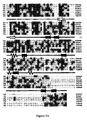
- the human ADAM10 protein sequence comprising the critical residues is EKYGLEE (resides 573-579).
- the human ADAM 17 protein sequence comprising the critical residues is EREQQLES (residues 583-590).
- human ADAM10 residues Glu573, Glu578 and Glu579 are identical in bovine ADAM 10.
- amino acid residue numbering system used herein is based on sequences available under Genbank accession numbers: NM 001110 (human ADAM10), NM 174496 (mouse ADAM10), NM 007399 (bovine ADAM10), NM 003183 (human ADAM 17) and NM 009615 (mouse ADAM 17).
- an ADAM10 or ADAM17 “ substrate protein” is any protein that is proteolytically cleaved by ADAM10 or ADAM 17 proteases.
- ADAM 10 and/or ADAM 17 substrate proteins are " cell membrane-bound proteins ", which refer to a class of proteins that in their natural state, are expressed, associated, tethered or otherwise located at the cell surface.
- This class of proteins includes cell surface receptors, membrane-bound ligands and adhesion molecules, although without limitation thereto.
- isolated material that has been removed from its natural state or otherwise been subjected to human manipulation.
- Isolated material may be substantially or essentially free from components that normally accompany it in its natural state, or may be manipulated so as to be in an artificial state together with components that normally accompany it in its natural state.
- Isolated material may be in native, chemical synthetic or recombinant form.
- protein is meant an amino acid polymer.
- the amino acids may be natural or non-natural amino acids, D- or L- amino acids as are well understood in the art.
- a " peptide” is a protein having no more than fifty (50) amino acids.
- a " polypeptide” is a protein having more than fifty (50) amino acids.
- Proteins inclusive of peptides and polypeptides may be conjugated to other moieties such as biotin and digoxigenin, enzymes such as horseradish peroxidase and alkaline phosphatase, radiolanthanides, fluorochromes and nucleic acids such as in peptide-nucleic acid complexes, although without limitation thereto.
- moieties such as biotin and digoxigenin, enzymes such as horseradish peroxidase and alkaline phosphatase, radiolanthanides, fluorochromes and nucleic acids such as in peptide-nucleic acid complexes, although without limitation thereto.
- nucleic acid designates single-or double-stranded mRNA, RNA, cRNA, RNAi and DNA inclusive of cDNA and genomic DNA.
- a " polynucleotide" is a nucleic acid having eighty (80) or more contiguous nucleotides, while an “oligonucleotide” has less than eighty (80) contiguous nucleotides.
- a " probe” may be a single or double-stranded oligonucleotide or polynucleotide, suitably labeled for the purpose of detecting complementary sequences in Northern or Southern blotting, for example.
- a " primer” is usually a single-stranded oligonucleotide, preferably having 15-50 contiguous nucleotides, which is capable of annealing to a complementary nucleic acid "template” and being extended in a template-dependent fashion by the action of a DNA polymerase such as Taq polymerase, RNA-dependent DNA polymerase or Sequenase TM .
- a DNA polymerase such as Taq polymerase, RNA-dependent DNA polymerase or Sequenase TM .
- the disclosure herein provides a modified ADAM protease or an extracellular domain thereof that comprises one or more amino acid substitutions, additions, deletions and/.or insertions.
- the modified ADAM protease or extracellular domain thereof may be referred to as a " mutant ".
- mutant and “mutated” are used herein generally to encompass non-conservative amino acid substitutions, additions, deletions and/.or insertions introduced into an ADAM protease or fragment thereof, that modify the ability of ADAM protease or said fragment to recognize, bind or otherwise interact with a substrate protein or a protein complex comprising the substrate protein.
- the modified ADAM 10 or ADAM 17 protease, or fragment thereof are incapable of recognising, binding and/or proteolytically cleaving a substrate protein, or have a reduced ability compared to the wild-type ADAM proteases.
- mutant is also used herein in a similar manner to describe an isolated nucleic acid encoding a mutant ADAM10 or ADAM 17 protease or an extracellular domain thereof.
- the disclosure herein provides an isolated nucleic acid encoding a modified ADAM10 or ADAM17 protease, or fragment thereof.
- nucleotide sequence at positions 1733-1754 of Bovine ADAM10 GAG AAACATGGCTTG GAGGAG has been modified to GCGAAACATGGCTTGGCGGCG.
- nucleotide sequence at position 1745-1766 of mouse ADAM10 GAAAAGTATGACTTGGAGGAG has been modified to GCAAAGTATGACTTGGCGGCG.
- Human ADAM 17 nucleotide sequence GAGAGGGAACAGCAGCTGGAGTCC may be modified to GCGAGGGAACAGCAGCTGGCGGCC.
- fragment encompasses any portion, region or domain of an ADAM 10 or ADAM 17 protease extracellular domain.
- the Fragment of claim 1 has at least the cysteine-rich domain.
- the disclosure herein provides a fragment of an ADAM protease that binds or otherwise interacts with a substrate protein or a protein complex comprising the substrate protein and by competition with a full length or wild-type ADAM protease (e.g . an endogenous ADAM10 or ADAM17 protease) substantially reduces or prevents substrate recognition, binding and/or proteolytic cleavage.
- a full length or wild-type ADAM protease e.g . an endogenous ADAM10 or ADAM17 protease
- said fragment is capable of binding an ephrin such as ephrin-A5, ephrin-A2 or ephrin-B2, when present in a protein complex comprising an Eph receptor, such as EphA3 or EphB2/EphB4, respectively.
- an ephrin such as ephrin-A5, ephrin-A2 or ephrin-B2
- Eph receptor such as EphA3 or EphB2/EphB4, respectively.
- the fragment is capable of binding an EGF-type ligand precursor such as pro-EGF or pro-amphiregulin.
- the fragment is capable of binding an EGF-type ligand precursor such as pro-Hb-EGF, pro-betacellulin or TGF- ⁇ .
- pro-Hb-EGF, pro-betacellulin or pro-TGF- ⁇ are in an isolated protein complex comprising the EGF-receptor erbB1.
- said fragment is a cysteine-rich domain of human ADAM10 or human ADAM17 protease and, optionally, a disintegrin domain of an ADAM10 or ADAM17 extracellular domain.
- fragments having a cysteine-rich domain and a disintegrin domain are fragments comprising residues 483-646 of human ADAM 10 or residues 501-644 of human ADAM 17 (referred to herein as an ADAM10 D+C or ADAM10 D+C protein construct).
- fragments having a cysteine-rich domain in the absence of a disintegrin domain are fragments comprising residues 552-646 of ADAM10 or residues 564-644 of ADAM 17.
- fragments are respectively encoded by residues 2098 - 2382 of a human ADAM 10 nucleic acid and residues 1873 - 2161 of a human ADAM17 nucleic acid.
- an ADAM protease fragment may consist of a cysteine-rich domain of an ADAM10 or ADAM17 protease and, optionally, a disintegrin domain of an ADAM10 or ADAM17 extracellular domain.
- an ADAM protease fragment may consist essentially of an ADAM10 or ADAM17 protease and, optionally, a disintegrin domain of an ADAM10 or ADAM17 extracellular domain.
- fragment further includes 1, 2 or 3 additional amino acid residues at an N- and/or C-terminus thereof.
- the disclosure herein also provides a mutated fragment of an ADAM10 or ADAM17 protease having one or more amino acid substitutions in the cysteine-rich domain of the extracellular domain of ADAM10 or of ADAM17.
- Amino acid substitutions may be conservative or non-conservative, as are understood in the art.
- the one or more non-conservatively substituted amino acids are selected from the group consisting of a Glu573 substitution, a Glu578 substitution and a Glu579 substitution of human or bovine ADAM10.
- the one or more non-conservatively substituted amino acids are selected from the group consisting of a Glu583 substitution, a Glu589substitution and a Ser590 substitution.
- ADAM10 or ADAM17 are substituted by alanine.
- a " fragment" includes an amino acid sequence that constitutes less than 100%, but at least 10%, preferably at least 25%, more preferably at least 50% or even more preferably at least 75% of an isolated ADAM protease extracellular domain.
- fragments comprising more than one peptide are also contemplated, and may be obtained through the application of standard recombinant techniques or synthesized using conventional liquid or solid phase synthesis techniques.
- peptides can be produced by digestion of a polypeptide of the invention with proteinases such as endoLys-C, endoArg-C, endoGlu-C and staphylococcus V8-protease.
- the digested fragments can be purified by, for example, high performance liquid chromatographic (HPLC) techniques.
- shorter fragment such as 15-50 amino acids long
- shorter fragment may be useful in the preparation of antibodies as will be described in more detail hereinafter.
- derivative proteins are proteins which have been altered, for example by conjugation or complexing with other chemical moieties or by post-translational modification techniques as would be understood in the art.
- Non-limiting examples of derivatives contemplated include, but are not limited to, modification to side chains, incorporation of unnatural amino acids and/or their derivatives during peptide, polypeptide or protein synthesis and the use of crosslinkers and other methods which impose conformational constraints on the polypeptides, fragments and variants of the invention.
- side chain modifications contemplated by the present invention include modifications of amino groups such as by acylation with acetic anhydride; acylation of amino groups with succinic anhydride and tetrahydrophthalic anhydride; amidination with methylacetimidate; carbamoylation of amino groups with cyanate; pyridoxylation of lysine with pyridoxal-5-phosphate followed by reduction with NaBH 4 ; reductive alkylation by reaction with an aldehyde followed by reduction with NaBH 4 ; and trinitrobenzylation of amino groups with 2, 4, 6-trinitrobenzene sulphonic acid (TNBS).
- modifications of amino groups such as by acylation with acetic anhydride; acylation of amino groups with succinic anhydride and tetrahydrophthalic anhydride; amidination with methylacetimidate; carbamoylation of amino groups with cyanate; pyridoxylation of lysine with pyridoxal-5-phosphate followed by reduction
- the carboxyl group may be modified by carbodiimide activation via O-acylisourea formation followed by subsequent derivitization, by way of example, to a corresponding amide.
- the guanidine group of arginine residues may be modified by formation of heterocyclic condensation products with reagents such as 2,3-butanedione, phenylglyoxal and glyoxal.
- Sulphydryl groups may be modified by methods such as performic acid oxidation to cysteic acid; formation of mercurial derivatives using 4-chloromercuriphenylsulphonic acid, 4-chloromercuribenzoate; 2-chloromercuri-4-nitrophenol, phenylmercury chloride, and other mercurials; formation of a mixed disulphides with other thiol compounds; reaction with maleimide, maleic anhydride or other substituted maleimide; carboxymethylation with iodoacetic acid or iodoacetamide; and carbamoylation with cyanate at alkaline pH.
- Tryptophan residues may be modified, for example, by alkylation of the indole ring with 2-hydroxy-5-nitrobenzyl bromide or sulphonyl halides or by oxidation with N-bromosuccinimide.
- Tyrosine residues may be modified by nitration with tetranitromethane to form a 3-nitrotyrosine derivative.
- the imidazole ring of a histidine residue may be modified by N-carbethoxylation with diethylpyrocarbonate or by alkylation with iodoacetic acid derivatives.
- Examples of incorporating unnatural amino acids and derivatives during peptide synthesis include but are not limited to, use of 4-amino butyric acid, 6-aminohexanoic acid, 4-amino-3-hydroxy-5-phenylpentanoic acid, 4-amino-3-hydroxy-6-methylheptanoic acid, t-butylglycine, norleucine, norvaline, phenylglycine, ornithine, sarcosine, 2-thienyl alanine and/or D-isomers of amino acids.
- Modified ADAM proteases and fragments may be prepared by any suitable procedure known to those of skill in the art including chemical synthesis and recombinant DNA technology.
- modified ADAM proteases and, in particular, fragments thereof consisting of up to about 100 amino acids may be prepared by chemical synthesis, inclusive of solid phase and solution phase synthesis.
- chemical synthesis techniques are well known in the art, although reference is made to examples of chemical synthesis techniques as provided in Chapter 9 of SYNTHETIC VACCINES Ed. Nicholson (Blackwell Scientific Publications ) and Chapter 15 of CURRENT PROTOCOLS IN PROTEIN SCIENCE Eds. Coligan et al., (John Wiley & Sons, Inc. NY USA 1995-2001 ).
- a recombinant protein may be conveniently prepared by a person skilled in the art using standard protocols as for example described in Sambrook et al., MOLECULAR CLONING. A Laboratory Manual (Cold Spring Harbor Press, 1989), in particular Sections 16 and 17 ; CURRENT PROTOCOLS IN MOLECULAR BIOLOGY Eds. Ausubel et al., (John Wiley & Sons, Inc. 1995-1999), in particular Chapters 10 and 16 ; and CURRENT PROTOCOLS IN PROTEIN SCIENCE Eds. Coligan et al., (John Wiley & Sons, Inc. 1995-1999), in particular Chapters 1, 5 and 6 .
- the modified ADAM protease or fragment may be prepared as a recombinant protein by a procedure including the steps of:
- an expression construct comprises a mutagenized nucleic acid encoding an ADAM10 or ADAM 17 protease or fragment thereof, for the purposes of subsequent characterization of substrate binding.
- an expression construct comprises a nucleic acid encoding a modified ADAM10 or ADAM17 protease or fragment thereof that is incapable of binding a substrate protein, or has a reduced binding affinity compared to a corresponding wild-type ADAM10 or ADAM17 protease.
- the recombinant modified ADAM10 or ADAM 17 protease or fragment thereof may be subsequently purified, either alone or when complexed with a substrate protein, such as for use in structural analysis (e.g. X-ray crystallography, multiple-wavelength anomalous dispersion (MAD) or NMR), although without limitation thereto.
- structural analysis e.g. X-ray crystallography, multiple-wavelength anomalous dispersion (MAD) or NMR
- a " genetic construct" is any artificially created nucleic acid that incorporates, and facilitates use of, a nucleic acid encoding ADAM10 or ADAM 17 protease, a fragment thereof or mutant forms of these according to the invention.
- Such constructs may be useful for bacterial propagation and/or amplification of the nucleic acid, nucleic acid mutagenesis and/or recombinant expression of an encoded protein.
- a genetic construct used for protein expression is referred to as an "expression construct", wherein the isolated nucleic acid to be expressed is operably linked or operably connected to one or more regulatory sequences in an expression vector.
- An " expression vector" may be either a self-replicating extra-chromosomal vector such as a plasmid, or a vector that integrates into a host genome.
- the expression vector is a plasmid vector.
- operably linked or " operably connected” is meant that said regulatory nucleotide sequence(s) is/are positioned relative to the nucleic acid to be expressed to initiate, regulate or otherwise control expression of the nucleic acid.
- Regulatory nucleotide sequences will generally be appropriate for the host cell used for expression. Numerous types of appropriate expression vectors and suitable regulatory sequences are known in the art for a variety of host cells.
- said one or more regulatory nucleotide sequences may include, but are not limited to, promoter sequences, leader or signal sequences, ribosomal binding sites, transcriptional start and termination sequences, translational start and termination sequences, splice donor/acceptor sequences and enhancer or activator sequences.
- Constitutive or inducible promoters as known in the art are contemplated by the invention and include, for example, tetracycline-repressible, ecdysone-inducible, alcohol-inducible and metal-inducible promoters.
- the promoters may be either naturally occurring promoters (e.g . alpha crystallin promoter, ADH promoter, human elongation factor ⁇ promoter and viral promoters such as SV40, CMV, HTLV-derived promoters), or synthetic hybrid promoters that combine elements of more than one promoter (e.g . SR alpha promoter).
- the expression vector comprises a selectable marker gene.
- Selectable markers are useful whether for the purposes of selection of transformed bacteria (such as bla, kanR and tetR ) or transformed mammalian cells (such as hygromycin, G418 and puromycin).
- Suitable host cells for expression may be prokaryotic or eukaryotic, such as Escherichia coli (DH5 ⁇ for example), yeast cells, SF9 cells utilized with a baculovirus expression system, CHO cells, COS, CV-1, Jurkat, PC12 and HEK293 cells, without limitation thereto.
- prokaryotic or eukaryotic such as Escherichia coli (DH5 ⁇ for example), yeast cells, SF9 cells utilized with a baculovirus expression system, CHO cells, COS, CV-1, Jurkat, PC12 and HEK293 cells, without limitation thereto.
- the expression vector may also include at least one additional amino acid sequence, such as an epitope tag or fusion partner (typically provided by the expression vector) so that the recombinant protein of the invention is expressed as a fusion protein with said fusion partner.
- an epitope tag or fusion partner typically provided by the expression vector
- fusion partners are that they assist identification and/or purification of said fusion protein.
- fusion partners include, but are not limited to, glutathione-S-transferase (GST), Fc and hinge portion of human IgG, maltose binding protein (MBP) and hexahistidine (HIS 6 ), which are particularly useful for isolation of the fusion protein by affinity chromatography.
- GST glutathione-S-transferase
- MBP maltose binding protein
- HIS 6 hexahistidine
- relevant matrices for affinity chromatography are glutathione-, amylose-, and nickel- or cobalt-conjugated resins respectively.
- Many such matrices are available in "kit” form, such as the QIAexpress TM system (Qiagen) useful with (HIS 6 ) fusion partners and the Pharmacia GST purification system.
- the fusion partners also have protease cleavage sites, such as for Factor X a or Thrombin, which allow the relevant protease to partially digest the fusion protein and thereby liberate the modified receptor protein therefrom.
- the liberated modified receptor protein can then be isolated from the fusion partner by subsequent chromatographic separation.
- Fusion partners also include within their scope " epitope tags ", which are usually short peptide sequences for which a specific antibody is available.
- epitope tags for which specific monoclonal antibodies are readily available include c-myc, influenza virus haemagglutinin and FLAG tags.
- GFP green fluorescent protein
- This fusion partner serves as a fluorescent "tag" which allows the fusion polypeptide of the invention to be identified by fluorescence microscopy or by flow cytometry.
- the GFP tag is useful when assessing subcellular localization of the fusion polypeptide, or for isolating cells which express a fusion protein.
- Flow cytometric methods such as fluorescence activated cell sorting (FACS) are particularly useful in this latter application.
- the present disclosure has arisen, at least in part, from an analysis of the substrate protein-binding properties of a mutagenized ADAM10 protease, or more particularly, an extracellular cysteine-rich domain and various mutants thereof.
- the disclosure herein provides a method of producing an ADAM protease or fragment thereof that is incapable of recognizing, binding and/or proteolytically cleaving a substrate protein, or which has a reduced ability compared to a wild-type ADAM protease, said method including the steps of:
- the substrate protein is ephrin-A5, preferably when present in a protein complex comprising EphA3.
- the substrate protein is ephrin-A2, preferably when present in a protein complex comprising EphA3.
- the substrate protein is ephrin-B2, preferably when present in a protein complex comprising EphB2 or EphB4.
- ADAM10 or ADAM17 proteolytic cleavage include the ligands for the erbB receptor family (EGF, HB-EGF, TGF- ⁇ , amphiregulin, betacellulin, epiregulin) and the TNF-receptor (TNF- ⁇ ), chemokine ligands CXCL1 and CXCL16 and adhesion molecules L1 and CD44, which are involved in control of cell migration and/or adhesion.
- Other ADAM 10 functions include shedding of the Notch ligand Delta, as well as receptors such as erbB4 (HER4), IL-6R and Notch.
- Mutations may be introduced into an ADAM protease or fragment thereof, such as by chemically synthesizing a modified protein, by chemical mutagenesis of an ADAM protease or fragment thereof, or by introducing one or more mutations into an encoding nucleic acid.
- mutations are introduced into an isolated nucleic acid by a nucleotide sequence amplification technique.
- Nucleic acid amplification techniques are well known to the skilled addressee, and include polymerase chain reaction (PCR) and ligase chain reaction (LCR) as for example described in Chapter 15 of Ausubel et al. supra; strand displacement amplification (SDA) as for example described in U.S. Patent No 5,422,252 ; rolling circle replication (RCR) as for example described in Liu et al., 1996, J. Am. Chem. Soc.
- PCR polymerase chain reaction
- LCR ligase chain reaction
- SDA strand displacement amplification
- RCR rolling circle replication
- nucleic acid sequence-based amplification as for example described by Sooknanan et al.,1994, Biotechniques 17 1077 ; Q- ⁇ replicase amplification as for example described by Tyagi et al., 1996, Proc. Natl. Acad. Sci. USA 93 5395 and helicase-dependent amplification as for example described in International Publication WO 2004/02025 .
- an " amplification product" refers to a nucleic acid product generated by nucleic acid amplification techniques.
- a preferred nucleic acid sequence amplification technique is PCR.
- Mutations may be introduced into nucleic acids by random or site-directed mutagenesis as are well known in the art.
- Non-limiting examples of nucleic acid mutagenesis methods are provided in Chapter 9 of CURRENT PROTOCOLS IN MOLECULAR BIOLOGY, Ausubel et al., supra , Stemmer, 1994, Proc. Natl. Acad. Sci. USA 91 10747 , Shafikhani et al., 1997, Biotechniques 23 304 , Jenkins et al., 1995, EMBO J. 14 4276-4287 and Zaccolo et al., 1996, J. Mol. Biol. 255 589 .
- Mutagenesis kits are also commercially available, such as the Diversify TM random mutagenesis kit (Clontech).
- mutations include a change of the nucleotide sequence of bovine ADAM10 (accession number: NM_174496) from 1733 GAGAAACATGGCTTGGAGGAG 1754 to 1733 CGAAACATGGCTTGGCGGCG 1754 and of mouse ADAM10 (accession number NM_007399 ) from 1745 GAAAAGTATGACTTGGAGGAG 1766 to 1745 GCA AAGTATGACTTG GCGGCG 1766 and corresponding mutants in mouse ADAM 17, accession # NM 009615 .
- Determination of mutations that affect ADAM protease binding to and/or cleavage of a substrate protein may be performed by a method including the steps of:
- mutated ADAM10 or ADAM 17 proteins are overexpressed in receptor-expressing cells and altered capacity for the cleavage of GFP-tagged, cell-surface substrates is monitored by fluorescence microscopy.
- Determination of substrate binding may be performed by any of a variety of techniques that measure protein-protein interactions, such as but not limited to immunoprecipitation or "pull-down" of protein complexes, BIAcore analysis including other surface plasmon resonance techniques, equilibrium dialysis, sedimentation and ultracentrifugation analysis, ELISA, ALPHA screen technology (Perkin Elmer), fluorescence microscopic analysis of the binding of fluorescent ligand derivatives to cells and the more traditional equilibrium radioligand binding measurements, although without limitation thereto.
- immunoprecipitation or "pull-down" of protein complexes BIAcore analysis including other surface plasmon resonance techniques, equilibrium dialysis, sedimentation and ultracentrifugation analysis, ELISA, ALPHA screen technology (Perkin Elmer), fluorescence microscopic analysis of the binding of fluorescent ligand derivatives to cells and the more traditional equilibrium radioligand binding measurements, although without limitation thereto.
- Determination of substrate cleavage may be performed using any suitable ADAM protease activity assay.
- cleaved ephrin-A5 may be recovered with Protein A Sepharose-coupled EphA3-Fc and detected by Western blot, or its cleavage from the cell surface or synthetic beads and internalisation into EphA3-expressing cells monitored by fluorescence microscopy.
- the present disclosure has delineated critical domains and amino acid residues of ADAM10 and ADAM 17 proteases that mediate the binding interaction with ephrins and their respective Eph receptors, and, hence, which are required for ADAM proteolytic cleavage of ephrin substrates.
- amino acid residues of ADAM10 are selected from the group consisting of: Glu573, Glu578 and Glu579.
- amino acid residues of ADAM17 are selected from the group consisting of: Glu583, Glu589and Ser590.
- ADAMprotease modulators use of the aforementioned protein domains and/or residues in the design and screening of molecules that modulate ADAM protease-mediated recognition, binding and/or proteolytic cleavage of substrate proteins, herein referred to as " ADAMprotease modulators ".
- ADAM 10 and ADAM17 modulators may be created by rational design based on structural analysis of ADAM10 and/or ADAM17 proteases, a C-terminal cysteine-rich fragment of the extracellular domain of ADAM10 and/or ADAM17, modified forms of these and protein complexes formed with cell surface proteins such as EphA3 or EphB4, although without limitation thereto.
- ADAM modulators may be identified by screening of molecular libraries, inclusive of synthetic chemical libraries, combinatorial libraries, libraries of naturally occurring molecules and antibodies.
- mimetic is used herein to refer to molecules that are designed to resemble particular functional regions of a protein or peptide, and includes within its scope the terms " agonist ", " analogue " and " antagonist " as are well understood in the art.
- the aforementioned mimetics, agonists, antagonists and analogues may be peptides, proteins such as antibodies (preferably monoclonal antibodies) or other organic molecules, preferably small organic molecules, with a desired biological activity and half-life.
- libraries of naturally-occurring molecules may be screened by methodology such as reviewed in Kolb, 1998, Prog. Drug. Res. 51 185 or by approaches described in Eldridge et al., 2002, Anal. Chem. 74 3963 , by way of example only.
- More rational approaches to designing mimetics may employ computer assisted screening of structural databases, structural bioinformatic approaches, computer-assisted modelling, or more traditional biophysical techniques which detect molecular binding interactions, as hereinbefore described and as are well known in the art.
- Non-limiting examples of database searching methods which, in principle, may be suitable for identifying mimetics, may be found in International Publication WO 94/18232 (directed to producing HIV antigen mimetics), United States Patent No. 5,752,019 , International Publication WO 97/41526 (directed to identifying EPO mimetics) and van de Waterbeemd & Gifford, 2003, Nat. Rev. Drug Discov. 2 192 (dealing with in silico modelling of drug pharmacokinetics).
- design and/or screening of ADAM protease modulators is directed to producing an ADAM 10 or ADAM 17 protease inhibitor.
- one form contemplates a method of identifying an inhibitor of ADAM10 or ADAM17 protease including the step of determining whether a candidate inhibitor molecule prevents, reduces or otherwise inhibits formation of a complex between an ADAM10 or ADAM 17 protease fragment comprising a cysteine-rich domain of ADAM10 or ADAM17 protease, and a protein substrate of ADAM10 or ADAM17, wherein if the candidate molecule prevents, reduces or otherwise inhibits formation of the complex, it is identified as an inhibitor of ADAM 10 or ADAM 17 protease.
- FRET Fluorescence Energy Transfer
- HTRF TM high-throughput homogeneous time resolved fluorescence
- FRET fluorescence resonance energy transfer
- FIG. 6A An example of this assay is described hereinafter with reference to Figure 6A , wherein a complex between EphA3-Fc and ephrin-A5 was incubated with increasing concentrations of Fc-tagged ADAM10 D+C , and the energy transfer between the two labels on EphA3 Fc and ADAM D+C -Fc measured accordingly.
- the candidate inhibitor is an antibody or a small organic molecule.
- ADAM protease inhibitor design and/or screening may utilize ADAM proteolytic cleavage of recombinant or synthetic substrate proteins as a "readout” as well as, or as an alternative to, measurement of substrate binding.
- Ephs and ephrins are both upregulated in a range of cancers, including breast, lung, colon, prostate, kidney carcinomas, malignant melanomas, neuroblastomas where they potentially promote both tumour growth (through angiogenesis), invasion and metastasis (through control of cell adhesion/repulsion).
- ubiquitously expressed ADAM proteases are upregulated in several cancers, including breast and colon carcinomas and in neuroblastomas.
- ADAM10 and ADAM17 protease inhibitors that target the action of ADAM10 and ADAM 17 on ephrin cleavage to thereby provide therapeutic intervention of tumour development, invasion and metastasis.
- region identified as regulating ADAM10 cleavage of ephrin-A5 or ephrin-A2 might have relevance not only for other ephrins, such as ephrin-B2, but also for other disease-related targets of ADAM10 and ADAM 17.
- the disclosure herein is not limited to designing and/or identifying ADAM10 inhibitors that target ephrin-A5 cleavage.
- ADAM10 and ADAM17 have been implicated in cleavage of a range of membrane-bound proteins including also the trans-membrane anchored proforms of EGF, HB-EGF, TGF- ⁇ , amphiregulin, betacellulin and epiregulin.
- EGF receptor ligands have well-established functions in promoting proliferation and motility of tumour cells, in particular supporting the autocrine growth of several cancers ( Steals & Courtneidge, 2003, Genes & Dev. 17 7-30 ).
- ADAM10 and ADAM17-mediated cleavage of EGF receptor ligands is also directly involved in the 'transactivation of the EGF receptor by G-protein-activated receptors, a crosstalk with important implications in cancer cell proliferation ( Fisher et al., 2003, Biochemical Society Transactions 31 1203-1208 ), and which is the underlying mechanism in cardiac and gastrointestinal hypertrophy.
- Shedding (cleavage) by ADAM10 converts cell-membrane-associated pro-EGF into the active, EGF-receptor-binding form of EGF (as illustrated in example 6)
- ADAM17 proteolytically converts pro-TNF- ⁇ into the active, TNF-receptor-binding, mature form.
- the role of ADAM17 is of therapeutic relevance as active TNF- ⁇ is a pro-inflammatory cytokine directly involved in inflammatory diseases such as rheumatoid arthritis and cachexia.
- ADAM10 and ADAM 17 are also responsible for the release of the chemokine ligands CXCL1 and CXCL16 and the adhesion molecules L1 and CD44 involved in the control of cell migration and/or adhesion (Seals & Courtneidge, 2003, supra ).
- Other ADAM 10 functions that may be targeted by ADAM10 modulators include shedding of the Notch ligand Delta, as well as receptors such as erbB4, interleukin-6 receptor and Notch.
- the disclosure herein provides a pharmaceutical composition
- a pharmaceutical composition comprising a modulator of ADAM 10 and/or ADAM17 and a pharmaceutically-effective carrier, diluent or excipient.
- the disclosure herein also provides a method of a prophylactically or therapeutically treating a disease or condition responsive to modulation of ADAM 10 and/or ADAM17 activity in an animal, said method including the step of administering a modulator of ADAM10 and/or ADAM17 to said animal to thereby modulate ADAM10 activity.
- said modulator inhibits, reduces or prevents ADAM10 and/or ADAM17 recognition, binding and/or proteolytic cleavage of one or more cell surface proteins of said animal.
- the disease or condition responsive to modulation ADAM10 and/or ADAM17 activity is tumour development, invasion and/or metastasis.
- the disease or condition responsive to modulation ADAM10 and/or ADAM17 activity are inflammatory conditions, such as rheumatoid arthritis and cachexia.
- the disease or condition responsive to modulation ADAM10 and/or ADAM 17 activity is hypertrophy of the heart.
- ADAM protease modulators may be used to target binding and/or cleavage of specific ADAM protease substrates (including but not limited to the Eph/ephrin system), thereby improving therapies that target ADAM protease activity.
- ADAM protease modulators may be used to target binding and/or cleavage of specific ADAM protease substrates (including but not limited to the Eph/ephrin system), thereby improving therapies that target ADAM protease activity.
- ADAM protease modulators may be used to target binding and/or cleavage of specific ADAM protease substrates (including but not limited to the Eph/ephrin system), thereby improving therapies that target ADAM protease activity.
- ADAM protease modulators may be used to target binding and/or cleavage of specific ADAM protease substrates (including but not limited to the Eph/ephrin system), thereby improving therapies that target ADAM protease activity.
- the disclosure herein relates to preventing, inhibiting or delaying tumour cell metastasis through inhibition of ephrin cleavage by ADAM10 or ADAM 17.
- the effect of inhibition of ephrin cleavage by ADAM10 or ADAM17 protease and tumour cell metastasis may be achieved via decreased cell-cell repulsion and/or by reduced cell motility due to Eph/ephrin and/or EGF receptor signalling.
- tumour cell metastasis may be manipulated at various levels, including tumor cell spreading from the original site, colonisation of new tumor sites and neovascularisation according to the cell type concerned.
- tumour cells include leukemias and lymphomas, lung and colon cancer, neuroblastoma, brain, renal and kidney tumours, prostate cancers, sarcomas and melanoma.
- Modulators of ADAM 10 or ADAM 17 protease may be identified, screened, designed or otherwise produced as hereinbefore described.
- an inhibitor of ADAM10 is an ADAM 10 protease fragment that consists essentially of a cysteine-rich domain of ADAM10 protease extracellular domain, but is catalytically-inactive.
- an ADAM 10 protease fragment consisting essentially of residues 552-646 of ADAM10 protease would bind a substrate such as ephrin-A5 complexed with EphA3, but would not proteolytically cleave the substrate, thereby acting as a competitive inhibitor of endogenous ADAM 10.
- an inhibitor of ADAM17 is an ADAM 17 protease fragment that consists essentially of a cysteine-rich domain of ADAM17 protease extracellular domain, but is catalytically-inactive.
- an ADAM17 protease fragment consisting essentially of residues 564-644of ADAM 17 protease would bind a substrate such as ephrin-B2 complexed with EphB2 or EphB4, but would not proteolytically cleave the substrate, thereby competing with endogenous ADAM 17 protease.
- the modulator is a small molecule inhibitor of ADAM 10 or ADAM 17 or an inhibitory antibody.
- pharmaceutically-acceptable carrier diluent or excipient
- a solid or liquid filler diluent or encapsulating substance that may be safely used in systemic administration.
- a variety of carriers well known in the art may be used.
- These carriers may be selected from a group including sugars, starches, cellulose and its derivatives, malt, gelatine, talc, calcium sulfate, vegetable oils, synthetic oils, polyols, alginic acid, phosphate buffered solutions, emulsifiers, isotonic saline and salts such as mineral acid salts including hydrochlorides, bromides and sulfates, organic acids such as acetates, propionates and malonates and pyrogen-free water.
- any safe route of administration may be employed for providing a patient with the composition of the invention.
- oral, rectal, parenteral, sublingual, buccal, intravenous, intra-articular, intra-muscular, intra-dermal, subcutaneous, inhalational, intraocular, intraperitoneal, intracerebroventricular, transdermal and the like may be employed.
- Intra-muscular and subcutaneous injection is appropriate, for example, for administration of immunotherapeutic compositions, proteinaceous vaccines and nucleic acid vaccines.
- Dosage forms include tablets, dispersions, suspensions, injections, solutions, syrups, troches, capsules, suppositories, aerosols, transdermal patches and the like. These dosage forms may also include injecting or implanting controlled releasing devices designed specifically for this purpose or other forms of implants modified to act additionally in this fashion. Controlled release of the therapeutic agent may be effected by coating the same, for example, with hydrophobic polymers including acrylic resins, waxes, higher aliphatic alcohols, polylactic and polyglycolic acids and certain cellulose derivatives such as hydroxypropylmethyl cellulose. In addition, the controlled release may be effected by using other polymer matrices, liposomes and/or microspheres.
- compositions suitable for oral or parenteral administration may be presented as discrete units such as capsules, sachets or tablets each containing a pre-determined amount of one or more therapeutic agents of the invention, as a powder or granules or as a solution or a suspension in an aqueous liquid, a non-aqueous liquid, an oil-in-water emulsion or a water-in-oil liquid emulsion.
- Such compositions may be prepared by any of the methods of pharmacy but all methods include the step of bringing into association one or more agents as described above with the carrier which constitutes one or more necessary ingredients.
- the compositions are prepared by uniformly and intimately admixing the agents of the invention with liquid carriers or finely divided solid carriers or both, and then, if necessary, shaping the product into the desired presentation.
- compositions may be administered in a manner compatible with the dosage formulation, and in such amount as is pharmaceutically-effective.
- the dose administered to a patient should be sufficient to effect a beneficial response in a patient over an appropriate period of time.
- the quantity of agent(s) to be administered may depend on the subject to be treated inclusive of the age, sex, weight and general health condition thereof, factors that will depend on the judgement of the practitioner.
- compositions described herein may be applicable to any animal in which ADAM 10, ADAM 17 or their othologues, are present.
- the animal is a mammal including but not limited to humans, performance animals (such as horses, camels, greyhounds), livestock (such as cows, sheep, horses) and companion animals (such as cats and dogs).
- performance animals such as horses, camels, greyhounds
- livestock such as cows, sheep, horses
- companion animals such as cats and dogs.
- non-mammalian vertebrates are contemplated, including but not limited to poultry and other avians.
- the disclosure herein also provides an antibody raised against, or capable of binding, a substrate recognition site within a cysteine-rich domain of an ADAM protease.
- the antibody binds with high affinity to the surface pocket within the cysteine-rich extracellular domain of wild-type ADAM10 or ADAM17, thereby preventing, inhibiting or reducing the binding or interaction of this recognition site to ADAM10 or ADAM17 substrates, to thereby block or inhibit substrate cleavage.
- the substrate recognition site is in a cysteine-rich domain of an ADAM protease comprising residues 552-646 of ADAM10 protease or a cysteine-rich region comprising residues 564-644of ADAM17 protease, or against the modified ADAM protease fragment thereof of the first aspect.
- the antibody is raised against, or capable of binding, a modified or mutated ADAM protease or fragment thereof.
- the antibody preferably has a higher affinity for the modified or mutated ADAM protease than for a wild-type ADAM protease.
- Such antibodies may be useful for discriminating between modified or mutated ADAM proteases and corresponding wild-type ADAM proteases, for example.
- Antibodies may be polyclonal or preferentially monoclonal. Well-known protocols applicable to antibody production, purification and use may be found, for example, in Chapter 2 of Coligan et al., CURRENT PROTOCOLS IN IMMUNOLOGY (John Wiley & Sons NY, 1991-1994 ) and Harlow, E. & Lane, D. Antibodies: A Laboratory Manual, Cold Spring Harbor, Cold Spring Harbor Laboratory, 1988 .
- antibodies bind to or conjugate with a polypeptide, fragment, variant or derivative.
- the antibodies may comprise polyclonal antibodies.
- Such antibodies may be prepared for example by injecting a polypeptide, fragment, variant or derivative into a production species, which may include mice or rabbits, to obtain polyclonal antisera.
- Methods of producing polyclonal antibodies are well known to those skilled in the art. Exemplary protocols which may be used are described for example in Coligan et al., CURRENT PROTOCOLS IN IMMUNOLOGY , supra, and in Harlow & Lane, 1988, supra.
- monoclonal antibodies may be produced using a standard method, as for example described in an article by Köhler & Milstein, 1975, Nature 256, 495 , or by more recent modifications thereof as for example, described in Coligan et al., CURRENT PROTOCOLS IN IMMUNOLOGY , supra by immortalizing spleen or other antibody producing cells derived from a production species which has been inoculated with one or more of the polypeptides, fragments, variants or derivatives.
- the disclosure hereinin includes inhibitory antibodies that by binding to the substrate recognition surface pocket within the cysteine-rich extracellular domain prevent the recognition and cleavage of ADAM10 and/or ADAM17 substrate proteins.
- the disclosure herein also includes within its scope antibodies which comprise Fc or Fab fragments of the polyclonal or monoclonal antibodies referred to above.
- the antibodies may comprise single chain Fv antibodies (scFvs) against the ADAM10 and/or ADAM17 proteins described herein.
- scFvs may be prepared, for example, in accordance with the methods described respectively in United States Patent No 5,091,513 , European Patent No 239,400 or the article by Winter & Milstein, 1991, Nature 349 293 .
- Labels may be associated with an antibody, or antibody fragment, as follows:
- the label may be selected from a group including a chromogen, a catalyst, an enzyme, a fluorophore, a chemiluminescent molecule, a lanthanide ion such as Europium (Eu 34 ), a radioisotope and a direct visual label.
- a direct visual label use may be made of a colloidal metallic or non-metallic particle, a dye particle, an enzyme or a substrate, an organic polymer, a latex particle, a liposome, or other vesicle containing a signal producing substance and the like.
- Enzyme labels include, for example, alkaline phosphatase, horseradish peroxidase, luciferase, ⁇ -galactosidase, glucose oxidase, lysozyme, malate dehydrogenase and the like.
- the enzyme label may be used alone or in combination with a second enzyme in solution.
- the fluorophore may be, for example, fluorescein isothiocyanate (FITC), Alexa dyes, tetramethylrhodamine isothiocyanate (TRITL), allophycocyanin (APC), Texas Red, Cy5, Cy3, or R-Phycoerythrin (RPE) as are well known in the art.
- FITC fluorescein isothiocyanate
- Alexa dyes Alexa dyes
- TRITL tetramethylrhodamine isothiocyanate
- APC allophycocyanin
- Texas Red Cy5, Cy3, or R-Phycoerythrin (RPE)
- RPE R-Phycoerythrin
- EphA3 ECD deletion mutants were produced by ligating the soluble ECD mutants described previously ( Lackmann et al., 1998,. J Biol.Chem. 273 20228-20237 ) to the EphA3 transmembrane and cytoplasmic domains.
- the EphA3 ⁇ cyto and ⁇ PDZb constructs were produced by introduction of stop codons at Y 570 and K 997 , respectively.
- Fc fusion proteins of the ephrin-A5 and EphA3 extracellular domains fused to the hinge and Fc region of human IgG1 were produced as described ( Lackmann et al., 1997, J Biol.Chem. 272 16521-16530 ).
- Myc-tagged ephrinA5 and GFP-ephrinA5 were constructed based on published ephrin-A2 constructs (Hattori et al., 2000, supra ).
- EphA3-diHcRed was constructed by substitution of the GFP in EphA3-GFP ( Wimmer-Kleikamp et al., 2004, J. Cell. Biol.
- the sequence encoding the bovine Adam10 disintegrin and cysteine-rich domains was subcloned as an Fc-fusion into a modified pcDNA3.1 vector (Invitrogen).
- a thrombin cleavage site was engineered at the C-terminal end of the gene followed by the Fc domain.
- the N-terminus of the protein was fused to a prolactin signal sequence.
- the protein was expressed in stably-transfected human embryonic kidney293 (HEK293) cells and extracted from the medium using protein-A Sepharose (Amersham).
- the Fc tag was removed by thrombin cleavage and ADAM10 D+C was purified to homogeneity on by gel filtration chromatography.
- Site directed cluster mutants of the protein were generated by two stage PCR thereby changing Glu573 Glu578 and Glu579 to alanines or Arg525, Asp526 and Asp527 to alanines.
- Deletion mutants of ADAM10 encompassing the disintegrin domain (residues 455-570) and the cysteine-rich domain (residues 571-646) were generated by PCR. The fragments were cloned into the same expression vector. The clones were sequenced for the presence of unwarranted mutations and purified in the same fashion as the wild type ADAM10 D+C .
- EphA3/HEK293 cells were transfected using Lipofectamine 2000 (Invitrogen) with ADAM10 specific siRNA duplexes 5'UGGGCAAUGUGCAGGUUCUTT3' (SKI-RSI-7722, Sloan Kettering Cancer Centre HTS core facility) or a mix of 5'AAUGAAGAGGGACACUUCCCUdTdT3' and 5'AAGUUGCCUCCUCCUAAACCAdTdT3' ( Fischer et al., 2003, Mol.Cell.Biol. 24 5172-83 ) at 40 nM for 48 h prior to analysis. Parallel cell cultures were transfected with a control siRNA at the same concentration. Specific ADAM10 silencing was confirmed by RT-PCR analysis, by staining of cells with an anti-ADAM10 mouse monoclonal antibody and by anti-ADAM Western blot of ADAM10 immunoprecipitates.
- HEK293 cells were transfected with EphA3 ( Wicks et al., 1992, Proc. Natl. Acad. Sci.
- Immunoprecipitation was with anti-EphA3 mAb IIIA4 ( Boyd et al., 1992, J Biol.Chem. 267 3262-3267 .or anti-HA mAb 3F10 (Roche) conjugated to beads, and Western blotting was performed using anti-ADAM10 (Biogenesis, UK), anti-ephrinA5 (R&D Systems) and anti-ephA3 (Lackmann et al., 1997, supra ) antibodies.
- ADAM-10 D+C was concentrated to 24 mg/ml in a buffer containing 10 mM HEPES pH 7.4 and 150 mM NaCl.
- the protein was crystallized in a hanging drop by vapor diffusion at room temperature against a reservoir containing 0.2 M ammonium sulfate and 30% polyethylene glycol 4000 (Hampton research).
- Sizable crystals 14 1 32 space group
- crystals were soaked in mother liquor, containing 1 mM auric chloride and frozen with 20% glycerol as cryoprotectant.
- the structure was determined by MAD phasing.
- a 'peak' and 'remote' wavelength datasets were collected on an ADSC Quantum 210 CCD detector at CHESS line F2.
- Oscillation photographs were integrated, merged and scaled using DENZO and SCALEPACK( Otwinowski, Z., Minor, W., Processing of X-ray diffraction data collected in oscillation mode, in Methods in Enzymology, J. C.W. Carter, & R.M.Sweet Eds., Editor. 1997, Academic Press: New York. p. 307-326 ).
- Subsequent calculations were done with autoSHARP and the CCP4 program suite ( Project, 1994, Acta Crystallogr., 1994.
- the first model is refined at 2.9 ⁇ resolution to R and free R values of 27.2% and 31.2% respectively. No electron density was observed for the first 39 N-terminal residues of the expression construct, as well as residues 584-590.
- ADAM10 interacts with either EphA3 or ephrin-A5 on the cell surface and how these interactions are affected upon Eph/ephrin complex formation.
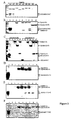
- Endogenous ADAM10 co-immunoprecipitated with EphA3 in cell lysates of stably EphA3-transfected HEK293 cells (EphA3/HEK293) and EphA3-positive LiBr melanoma cells, but not in lysates of parental (untransfected) HEK293 cells ( Fig. 1A ).
- Eph/ADAM10 co-immunoprecipitation was increased in cells that had been exposed to pre-clustered ephrinA5-Fc or ephrinA2-Fc.
- EphA3 also co-immunoprecipitated with transiently-expressed, HA-tagged ADAM10 lacking the MetalloProtease domain.
- ADAM10 ⁇ MP discussed in Hattori et al., 2000, Science 289, 1360-65 ).
- ADAM10 ⁇ MP did not interact with cell-surface ephrin-A5 in HEK293 cells stably expressing ephrin-A5 (ephrinA5/HEK293) ( Fig. 1b ).
- EphA3 LBD shows the essential ADAM10 binding interface.
- ADAMs have a multi-domain extracellular region ( FIG. 3a , left) including an N-terminal pro-sequence that is removed to activate the protease, followed by a protease, a disintegrin, and a cysteine-rich domain ( Primakoff, 2000,. Trends Genet. 16 83-7 ). While the protease domain is not necessary for ADAM10-ephrin interaction, the disintegrin and cysteine-rich domains are involved in protein interactions mediating cell adhesion and are essential for ADAM specificity ( Smith et al., 2002, J. Cell Biol. 159 893-902 ; Reddy et al., 2000, J. Biol. Chem., 275 14608-14614 ).
- ADAM10 D+C protein encompassing these two domains (residues 455-646), to assess binding to soluble Eph- and ephrin-Fc fusion proteins that were captured with Protein-A Sepharose.
- ADAM10 D+C bound to ephrin-A2 and ephrin-A1 but not to ephrin-A5, or to any of the other ephrins tested ( Fig. 2a ).
- no interaction was seen with the ectodomain of EphA3 ( Fig.
- ADAM17 disintegrin and cystein-rich domains were tested, we observed its binding to EphB4-Fc, ephrin-B2-Fc and their high-affinity complex ( Fig. 2e ), as well as to the EphB2/ephrin-B2 complex ( Fig. 2f ).
- ADAM10 preferentially recognises A-type Eph/ephrin complexes
- ADAM 17 recognises EphB/ephrin-B complexes.
- ADAM 10 D+C To gain further insight into the molecular architecture of the ADAM10 region mediating the Eph/ephrin interaction, we crystallized ADAM 10 D+C and determined its structure using X-ray crystallography, with the multiple-wavelength anomalous dispersion (MAD) method. The final model is refined at 2.9 ⁇ to an R-factor of 27.2 (R free of 31.2) with tightly restrained temperature factors and good stoichiometry.
- MAD multiple-wavelength anomalous dispersion
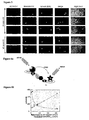
- the ADAM10 disintegrin and cys-rich domain fold in a continuous elongated and curved structure which extends approximately 75 ⁇ in length ( Fig. 3 ). It has a relatively low secondary structure content, with just four short beta strands in the disintegrin domain (yellow on Fig. 3b ), and four short strands and 3 short helices in the cys-rich domain (green on Fig. 3b ). Small hydrophobic cores are present in the cys-rich domain and at the interface between the two domains, but the overall structure is mainly stabilized by a series of disulfide bonds. Indeed all of the cysteine residues present in the refined model are paired in a total of 10 disulfide bridges.
- ADAM10 D+C Comparison of ADAM10 D+C with the FSSP structure database ( Holm & Sander, 1998, Nucleic Acids Res. 26 316-9 ) reveals weak structural homology of the disintegrin domains of ADAM10 and the blood coagulation inhibitor (1fvl; Senn & Klaus, 1993, J. Mol. Biol. 232 907-925 ), while the ADAM10 cys-rich domain has a new and unique fold.
- the N-terminal disintegrin domain spans ADAM 10 residues 493-569. The preceding 20 residues are also predicted to be part of this domain, but are disordered in our structure.
- the disintegrin domain contains six disulfide bonds, five of which (Cys495-Cys515; Cys503-Cys-511, Cys510-Cys536, Cys530-Cys562, Cys555-Cys567) are topologically identical to the disulfide bonds in blood coagulation inhibitor, while one (Cys524-Cys543) is distinct.
- the disintegrin domain of ADAM10 can be superimposed on the disintegrin domains of trimestatin and the blood coagulation inhibitor with root-mean square deviations between ⁇ -carbon positions of 1.5 and 2.0 ⁇ respectively, for a total of 50 directly equivalent residues sharing approximately 30% sequence identity ( Fig. 3c ).
- the ADAM10 C-terminal cysteine-rich domain packs against the disintegrin domain via a mini hydrophobic core forming a continuous structure that seems to have little inter-domain flexibility.
- the cys-rich domain has a novel ⁇ / ⁇ fold stabilized by 4 conserved disulfide bonds: Cys572-Cys598, Cys580-Cys607, Cys597-Cys582 and Cys594-Cys639. It contains two ⁇ sheets: a larger one composed of the three N-terminal ⁇ strands that packs against the 3 ⁇ helices; and a smaller one composed of the two C-terminal ⁇ strands.
- the first ⁇ helix of the cysteine rich domain also packs against the C-terminal ⁇ sheet of the disintegrin domain.
- a long surface loop, located on the side opposite to the interface with the disintegrin domain is partially disordered, and six of its residues (584-590) were not included in the final model.
- ADAM10 D+C with its elongated form presents an extensive molecular surface ( ⁇ 10,000 ⁇ 2 ) for potential interactions with other proteins, such as ADAM substrates.
- a schematic representation of this surface, colored in accordance with its electrostatic potential, is presented in Fig. 3d .
- ADAM10 D+C has an overall neutral charge, there is a relatively large negatively-charged pocket on one side of the cys-rich domain.
- the negative electrostatic surface potential results from the proximity of several solvent-exposed acidic residues, including Glu573 and Glu578 at the entrance and Glu579 inside the cavity ( Fig. 3e ).
- there are several hydrophobic residues both at the entrance (Phe635, Pro628, Pro631) and lining the bottom of the pocket (Val596, Leu626), suggesting that it might represent a protein-interaction interface.
- ADAM10 alanine (as well as lysine) substitutions of Glu573, Glu578 and Glu579 into full-length (f.1.) ADAM10.
- cleaved ephrin-A5 was extracted from the pooled culture medium and cell lysates. Notably, overexpression of mutant ADAM10 with Ala or Lys substitutions of the three Glu residues or lacking the protease domain, effectively inhibited ephrin-A5 cleavage ( Fig. 4c ), confirming that ADAM 10 cleavage of clustered ephrin bound to the surface of EphA3-expressing cells relies on the intact recognition pocket of ADAM10.
- the transfected, diHcRed-EphA3/HEK293cells were stained with anti-HA and Alexa 647 -labelled secondary antibodies, revealing a purple merged image of cells co-expressing both proteins.
- Ephrin internalisation is readily noticeable in w/t ADAM10-expressing cells ( Fig. 4e , white arrow heads), but is absent in cells expressing the ADAM10 [EEE-A] mutant.
- ADAM-mediated ligand cleavage from the cell surface also referred to as 'shedding' has been extensively described as mechanism that facilitates the release of the pro-forms of the EGF-receptor ligands (Blobel, 2005, supra ).
- EGF-specific staining on the EGF-receptor/ w/t ADAM10 co-expressing cells is indicative of effective EGF cleavage and subsequent uptake into the EGF-receptor-expressing cells ( Figure 5 ).
- overexpression of the 3A-ADAM10 mutant dramatically reduced EGF shedding and uptake into adjacent EGF-receptor expressing cells, suggesting that also in this important receptor tyrosine kinase signaling system, recognition of the ligand, in this case pro-EGF by the recognition site in the ADAM10 cysteine-rich domain is critical for subsequent shedding to occur.
- Rare earth metal chelates such as the Eu 3+ chelate cryptate (Cis Bio International), with peak excitation at 337nm, are used as fluorescence donors, while a modified allophycocyanin (XL665) is used as the acceptor with a peak emission at 665nm. As energy transfer occurs, emission at 665nm is observed only when the cryptate and XL665 are in close proximity.
- FRET fluorescence resonance energy transfer
- ADAM10 is constitutively associated with EphA3. This ensures that upon assembly of the EphA3/ephrin complexes the proteinase is in close proximity to its substrate.
- ADAM10 might be brought to the Eph/ephrin complex via constitutive interactions with ephrin, such as the one described for ephrin-A2 in .
- the disintegrin domain which forms a continuous, rigid structure with the cysteine-rich domain, positions the adjacent N-terminal proteinase domain so that it can efficiently cleave its target - the stem region of ephrin-A5 that connects the ligand-binding domain to the membrane.
- the proteolytic cleavage of ephrin-A5 breaks the molecular tethers between the opposing cell surfaces, allowing for signal termination and for internalisation of the very stable EphA3/ephrin-A5 complexes in the Eph-expressing cell.
- Ephs and ephrins are both upregulated in a range of cancers and potentially promote both tumour growth (through angiogenesis) and invasion (through control of cell adhesion/repulsion) .
- Expression of EphA3, for example, is upregulated in malignant melanomas and ephrin-A5 induces de-adhesion and invasion of EphA3-expressing melanoma cells .
- targeting the action of ADAM10 on ephrin cleavage could provide an important therapeutic intervention of tumour development, invasion and metastasis.
- ADAM10 and ADAM 17 are also implicated in cleavage of a range of membrane-bound proteins. These include the ligands for the epidermal growth factor receptor ( Sahin et al., 2004, J. Cell Biol. 164 769-779 ), chemokine ligands CXCL1 ( Hundhausen et al., 2003, Blood. 102 1186-1195 ) and CXCL16 ( Abel et al., 2004, J Immunol. 172 6362-6372 ), as well as the adhesion molecules L1 ( Gutwein et al., 2003, FASEB J. 17 292-294 ) and CD44 ( Nagano et al., 2004, J. Cell Biol.
- ADAM10 functions include shedding of growth factors such as the Notch ligand Delta ( Qi et al., 1999, Science 283 91-94 ), the IL-6R ( Matthews et al., 2003, J. Biol. Chem. 278 38829-38839 ) and Notch ( Pan & Rubin, 1997, Cell 90 271-280 ; Lieber et al., 2002, Genes Dev. 16 209-221 ).
- protease cleavage of Notch is dependent on ligand-receptor interaction ( Mumm et al., 2000, Molecular Cell.
- ADAM10/ADAM17 cleavage of ephrin-ligands might have relevance also for other disease-related targets of ADAM 10 and ADAM17.
Landscapes
- Health & Medical Sciences (AREA)
- Life Sciences & Earth Sciences (AREA)
- Chemical & Material Sciences (AREA)
- Engineering & Computer Science (AREA)
- General Health & Medical Sciences (AREA)
- Medicinal Chemistry (AREA)
- Organic Chemistry (AREA)
- Bioinformatics & Cheminformatics (AREA)
- Veterinary Medicine (AREA)
- Public Health (AREA)
- Pharmacology & Pharmacy (AREA)
- Animal Behavior & Ethology (AREA)
- Nuclear Medicine, Radiotherapy & Molecular Imaging (AREA)
- Chemical Kinetics & Catalysis (AREA)
- General Chemical & Material Sciences (AREA)
- Zoology (AREA)
- Biomedical Technology (AREA)
- Immunology (AREA)
- Wood Science & Technology (AREA)
- Genetics & Genomics (AREA)
- General Engineering & Computer Science (AREA)
- Biochemistry (AREA)
- Molecular Biology (AREA)
- Biotechnology (AREA)
- Gastroenterology & Hepatology (AREA)
- Microbiology (AREA)
- Proteomics, Peptides & Aminoacids (AREA)
- Epidemiology (AREA)
- Rheumatology (AREA)
- Pain & Pain Management (AREA)
- Neurology (AREA)
- Neurosurgery (AREA)
- Oncology (AREA)
- Heart & Thoracic Surgery (AREA)
- Cardiology (AREA)
- Peptides Or Proteins (AREA)
- Medicines That Contain Protein Lipid Enzymes And Other Medicines (AREA)
- Enzymes And Modification Thereof (AREA)
- Micro-Organisms Or Cultivation Processes Thereof (AREA)
- Medicines Containing Antibodies Or Antigens For Use As Internal Diagnostic Agents (AREA)
Applications Claiming Priority (2)
| Application Number | Priority Date | Filing Date | Title |
|---|---|---|---|
| US63742504P | 2004-12-17 | 2004-12-17 | |
| PCT/AU2005/001917 WO2006063415A1 (en) | 2004-12-17 | 2005-12-19 | Regulation of metalloprotease cleavage of cell surface proteins |
Publications (3)
| Publication Number | Publication Date |
|---|---|
| EP1833964A1 EP1833964A1 (en) | 2007-09-19 |
| EP1833964A4 EP1833964A4 (en) | 2009-05-13 |
| EP1833964B1 true EP1833964B1 (en) | 2013-05-22 |
Family
ID=36587470
Family Applications (1)
| Application Number | Title | Priority Date | Filing Date |
|---|---|---|---|
| EP05818563.8A Expired - Lifetime EP1833964B1 (en) | 2004-12-17 | 2005-12-19 | Regulation of metalloprotease cleavage of cell surface proteins by adam10 |
Country Status (7)
| Country | Link |
|---|---|
| US (1) | US7960513B2 (enExample) |
| EP (1) | EP1833964B1 (enExample) |
| JP (1) | JP5616572B2 (enExample) |
| AU (1) | AU2005316217A1 (enExample) |
| CA (1) | CA2591659A1 (enExample) |
| NZ (1) | NZ556143A (enExample) |
| WO (1) | WO2006063415A1 (enExample) |
Families Citing this family (13)
| Publication number | Priority date | Publication date | Assignee | Title |
|---|---|---|---|---|
| CA2477932A1 (en) * | 2002-03-08 | 2003-09-18 | Axel Ullrich | Use of egfr transactivation inhibitors in human cancer |
| RU2392961C2 (ru) * | 2004-11-10 | 2010-06-27 | Хубрехт Лабораториум | Лечение аденомы и/или аденокарциномы кишечника с помощью ингибирования активации пути notch |
| JP2008536479A (ja) | 2005-02-11 | 2008-09-11 | ユニバーシティ オブ サザン カリフォルニア | ジスルフィド架橋を有するタンパク質の発現法 |
| EP2514767A1 (en) * | 2006-12-19 | 2012-10-24 | Ablynx N.V. | Amino acid sequences directed against a metalloproteinase from the ADAM family and polypeptides comprising the same for the treatment of ADAM-related diseases and disorders |
| US8802394B2 (en) | 2008-11-13 | 2014-08-12 | Radu O. Minea | Method of expressing proteins with disulfide bridges with enhanced yields and activity |
| WO2010093976A1 (en) * | 2009-02-12 | 2010-08-19 | University Of Southern California | Bioadhesive patch for sutureless closure of soft tissue |
| AR098953A1 (es) * | 2013-12-24 | 2016-06-22 | Pf Medicament | Anticuerpo anti-adam17 (proteína desintegrina y metaloproteinasa-17) y su uso para el tratamiento de cáncer |
| EP3102940B1 (en) | 2014-02-04 | 2019-06-26 | Monash University | Anti-metalloprotease antibody for diagnosis and treatment of cancers |
| US11160873B2 (en) | 2014-02-04 | 2021-11-02 | Monash University | Anti-metalloprotease antibody for diagnosis and treatment of cancers |
| US20180057601A1 (en) * | 2014-12-24 | 2018-03-01 | Pierre Fabre Medicament | Novel humanized adam17 antibody |
| EP3690022A1 (en) | 2016-05-18 | 2020-08-05 | Keio University | Cell culture medium for culturing organoid, culture method, and organoid |
| EP3934418A4 (en) | 2019-03-08 | 2023-01-18 | Memorial Sloan Kettering Cancer Center | ADAM17 BINDING MOLECULES AND THEIR USES |
| US20250177333A1 (en) * | 2022-03-08 | 2025-06-05 | Nova Southeastern University | Method for treating rheumatoid arthritis (ra) using an enzyme-and substrate selective exosite inhibitor of a disintegrin and metalloprotease 10 (adam10) |
Citations (1)
| Publication number | Priority date | Publication date | Assignee | Title |
|---|---|---|---|---|
| US5935792A (en) * | 1996-08-29 | 1999-08-10 | The Regents Of The University Of California | KUZ, a novel family of metalloproteases |
Family Cites Families (14)
| Publication number | Priority date | Publication date | Assignee | Title |
|---|---|---|---|---|
| US4849338A (en) | 1982-07-16 | 1989-07-18 | Syntex (U.S.A.) Inc. | Simultaneous calibration heterogeneous immunoassay |
| US4843000A (en) | 1979-12-26 | 1989-06-27 | Syntex (U.S.A.) Inc. | Simultaneous calibration heterogeneous immunoassay |
| US4366241A (en) | 1980-08-07 | 1982-12-28 | Syva Company | Concentrating zone method in heterogeneous immunoassays |
| GB8607679D0 (en) | 1986-03-27 | 1986-04-30 | Winter G P | Recombinant dna product |
| US5091513A (en) | 1987-05-21 | 1992-02-25 | Creative Biomolecules, Inc. | Biosynthetic antibody binding sites |
| AU649066B2 (en) | 1990-07-25 | 1994-05-12 | Syngene, Inc. | Circular extension for generating multiple nucleic acid complements |
| AU6136694A (en) | 1993-02-12 | 1994-08-29 | Repligen Corporation | Methods for generating broadly neutralizing anti-hiv antibodies and antigens capable of eliciting same |
| US5422252A (en) | 1993-06-04 | 1995-06-06 | Becton, Dickinson And Company | Simultaneous amplification of multiple targets |
| JP3974941B2 (ja) | 1995-11-21 | 2007-09-12 | イェール ユニバーシティ | 単分子セグメントの増幅および検出 |
| US5752019A (en) | 1995-12-22 | 1998-05-12 | International Business Machines Corporation | System and method for confirmationally-flexible molecular identification |
| US5835382A (en) | 1996-04-26 | 1998-11-10 | The Scripps Research Institute | Small molecule mimetics of erythropoietin |
| US20040224378A1 (en) * | 2002-06-07 | 2004-11-11 | Athersys, Inc. | Methods for using ADAMTS-12, an integrin and metalloprotease with thrombspondin motifs |
| IL150347A (en) | 2002-06-20 | 2008-07-08 | Eci Telecom Ltd | Method and system for span optical power control |
| AU2003900541A0 (en) * | 2003-02-07 | 2003-02-20 | Ludwig Institute For Cancer Research | Modulation of cell adhesion and tumour cell metastasis |
-
2005
- 2005-12-19 US US11/721,949 patent/US7960513B2/en not_active Expired - Fee Related
- 2005-12-19 EP EP05818563.8A patent/EP1833964B1/en not_active Expired - Lifetime
- 2005-12-19 NZ NZ556143A patent/NZ556143A/en not_active IP Right Cessation
- 2005-12-19 AU AU2005316217A patent/AU2005316217A1/en not_active Abandoned
- 2005-12-19 JP JP2007545789A patent/JP5616572B2/ja not_active Expired - Fee Related
- 2005-12-19 WO PCT/AU2005/001917 patent/WO2006063415A1/en not_active Ceased
- 2005-12-19 CA CA002591659A patent/CA2591659A1/en not_active Abandoned
Patent Citations (1)
| Publication number | Priority date | Publication date | Assignee | Title |
|---|---|---|---|---|
| US5935792A (en) * | 1996-08-29 | 1999-08-10 | The Regents Of The University Of California | KUZ, a novel family of metalloproteases |
Also Published As
| Publication number | Publication date |
|---|---|
| AU2005316217A1 (en) | 2006-06-22 |
| US7960513B2 (en) | 2011-06-14 |
| US20080317763A1 (en) | 2008-12-25 |
| JP2008523787A (ja) | 2008-07-10 |
| NZ556143A (en) | 2010-05-28 |
| CA2591659A1 (en) | 2006-06-22 |
| EP1833964A1 (en) | 2007-09-19 |
| JP5616572B2 (ja) | 2014-10-29 |
| EP1833964A4 (en) | 2009-05-13 |
| WO2006063415A1 (en) | 2006-06-22 |
Similar Documents
| Publication | Publication Date | Title |
|---|---|---|
| Yin et al. | Isolation of a Novel Latent Transforming Growth Factor-β Binding Protein Gene (LTBP-3)(∗) | |
| EP1833964B1 (en) | Regulation of metalloprotease cleavage of cell surface proteins by adam10 | |
| Disse et al. | The endothelial protein C receptor supports tissue factor ternary coagulation initiation complex signaling through protease-activated receptors | |
| CN108289851B (zh) | 长效凝固因子及其产生方法 | |
| JP2003509041A (ja) | ジペプチジルペプチダーゼ | |
| Gijsbers et al. | Functional characterization of the non-catalytic ectodomains of the nucleotide pyrophosphatase/phosphodiesterase NPP1 | |
| SG173332A1 (en) | Muteins of tear lipocalin and methods for obtaining the same | |
| JPH11505705A (ja) | Mch2、アポトーシス性システインプロテアーゼ、ならびに組成物、ならびにそれを製造および使用する方法 | |
| AU2016301962A9 (en) | Heteromers comprising antibody domain fusion proteins | |
| Hou et al. | Molecular cloning and characterization of rat sperm surface antigen 2B1, a glycoprotein implicated in sperm‐zona binding | |
| US20120208990A1 (en) | Human platelet f11 receptor | |
| JPH11507513A (ja) | C5a様7膜貫通受容体 | |
| AU2012201143B2 (en) | Regulation of metalloprotease cleavage of cell surface proteins | |
| JP2002520007A (ja) | Delta切断産物およびそれに基づく方法 | |
| AU2004234532A1 (en) | SPEX compositions and methods of use | |
| JPH10117788A (ja) | ヒト・myt−1キナーゼクローン | |
| US7132523B2 (en) | Human PRSS11-Like S2 serine protease and uses thereof | |
| AU768239B2 (en) | Novel serine protease BSSP2 | |
| JPWO2004019983A1 (ja) | 糖代謝関連遺伝子の転写因子の分解方法、分解阻害方法および分解阻害剤 | |
| US6407215B1 (en) | Antibodies to Mch2, an apoptotic cysteine protease | |
| JP2004533841A (ja) | アグレカナーゼ分子 | |
| US20040005659A1 (en) | Human PRSS11-like S2 serine protease and uses thereof | |
| JPH0984581A (ja) | 組換え型ヒト・メラトニン受容体タンパク質の製造法 | |
| JP2002524046A (ja) | キナーゼ作用を有するポリペプチドをコードするマウスdna分子 | |
| Mahajan | Thrombin receptor interactions with creatine kinase: Energy for signal transduction |
Legal Events
| Date | Code | Title | Description |
|---|---|---|---|
| PUAI | Public reference made under article 153(3) epc to a published international application that has entered the european phase |
Free format text: ORIGINAL CODE: 0009012 |
|
| 17P | Request for examination filed |
Effective date: 20070716 |
|
| AK | Designated contracting states |
Kind code of ref document: A1 Designated state(s): AT BE BG CH CY CZ DE DK EE ES FI FR GB GR HU IE IS IT LI LT LU LV MC NL PL PT RO SE SI SK TR |
|
| DAX | Request for extension of the european patent (deleted) | ||
| A4 | Supplementary search report drawn up and despatched |
Effective date: 20090414 |
|
| 17Q | First examination report despatched |
Effective date: 20110929 |
|
| GRAP | Despatch of communication of intention to grant a patent |
Free format text: ORIGINAL CODE: EPIDOSNIGR1 |
|
| GRAS | Grant fee paid |
Free format text: ORIGINAL CODE: EPIDOSNIGR3 |
|
| GRAA | (expected) grant |
Free format text: ORIGINAL CODE: 0009210 |
|
| AK | Designated contracting states |
Kind code of ref document: B1 Designated state(s): AT BE BG CH CY CZ DE DK EE ES FI FR GB GR HU IE IS IT LI LT LU LV MC NL PL PT RO SE SI SK TR |
|
| REG | Reference to a national code |
Ref country code: GB Ref legal event code: FG4D |
|
| REG | Reference to a national code |
Ref country code: CH Ref legal event code: EP |
|
| REG | Reference to a national code |
Ref country code: AT Ref legal event code: REF Ref document number: 613260 Country of ref document: AT Kind code of ref document: T Effective date: 20130615 |
|
| REG | Reference to a national code |
Ref country code: IE Ref legal event code: FG4D |
|
| REG | Reference to a national code |
Ref country code: DE Ref legal event code: R096 Ref document number: 602005039745 Country of ref document: DE Effective date: 20130718 |
|
| REG | Reference to a national code |
Ref country code: AT Ref legal event code: MK05 Ref document number: 613260 Country of ref document: AT Kind code of ref document: T Effective date: 20130522 |
|
| REG | Reference to a national code |
Ref country code: LT Ref legal event code: MG4D |
|
| PG25 | Lapsed in a contracting state [announced via postgrant information from national office to epo] |
Ref country code: LT Free format text: LAPSE BECAUSE OF FAILURE TO SUBMIT A TRANSLATION OF THE DESCRIPTION OR TO PAY THE FEE WITHIN THE PRESCRIBED TIME-LIMIT Effective date: 20130522 Ref country code: SE Free format text: LAPSE BECAUSE OF FAILURE TO SUBMIT A TRANSLATION OF THE DESCRIPTION OR TO PAY THE FEE WITHIN THE PRESCRIBED TIME-LIMIT Effective date: 20130522 Ref country code: IS Free format text: LAPSE BECAUSE OF FAILURE TO SUBMIT A TRANSLATION OF THE DESCRIPTION OR TO PAY THE FEE WITHIN THE PRESCRIBED TIME-LIMIT Effective date: 20130922 Ref country code: AT Free format text: LAPSE BECAUSE OF FAILURE TO SUBMIT A TRANSLATION OF THE DESCRIPTION OR TO PAY THE FEE WITHIN THE PRESCRIBED TIME-LIMIT Effective date: 20130522 Ref country code: ES Free format text: LAPSE BECAUSE OF FAILURE TO SUBMIT A TRANSLATION OF THE DESCRIPTION OR TO PAY THE FEE WITHIN THE PRESCRIBED TIME-LIMIT Effective date: 20130902 Ref country code: FI Free format text: LAPSE BECAUSE OF FAILURE TO SUBMIT A TRANSLATION OF THE DESCRIPTION OR TO PAY THE FEE WITHIN THE PRESCRIBED TIME-LIMIT Effective date: 20130522 Ref country code: SI Free format text: LAPSE BECAUSE OF FAILURE TO SUBMIT A TRANSLATION OF THE DESCRIPTION OR TO PAY THE FEE WITHIN THE PRESCRIBED TIME-LIMIT Effective date: 20130522 Ref country code: GR Free format text: LAPSE BECAUSE OF FAILURE TO SUBMIT A TRANSLATION OF THE DESCRIPTION OR TO PAY THE FEE WITHIN THE PRESCRIBED TIME-LIMIT Effective date: 20130823 Ref country code: PT Free format text: LAPSE BECAUSE OF FAILURE TO SUBMIT A TRANSLATION OF THE DESCRIPTION OR TO PAY THE FEE WITHIN THE PRESCRIBED TIME-LIMIT Effective date: 20130923 |
|
| REG | Reference to a national code |
Ref country code: NL Ref legal event code: VDEP Effective date: 20130522 |
|
| PG25 | Lapsed in a contracting state [announced via postgrant information from national office to epo] |
Ref country code: BG Free format text: LAPSE BECAUSE OF FAILURE TO SUBMIT A TRANSLATION OF THE DESCRIPTION OR TO PAY THE FEE WITHIN THE PRESCRIBED TIME-LIMIT Effective date: 20130822 Ref country code: PL Free format text: LAPSE BECAUSE OF FAILURE TO SUBMIT A TRANSLATION OF THE DESCRIPTION OR TO PAY THE FEE WITHIN THE PRESCRIBED TIME-LIMIT Effective date: 20130522 |
|
| PG25 | Lapsed in a contracting state [announced via postgrant information from national office to epo] |
Ref country code: LV Free format text: LAPSE BECAUSE OF FAILURE TO SUBMIT A TRANSLATION OF THE DESCRIPTION OR TO PAY THE FEE WITHIN THE PRESCRIBED TIME-LIMIT Effective date: 20130522 |
|
| PG25 | Lapsed in a contracting state [announced via postgrant information from national office to epo] |
Ref country code: DK Free format text: LAPSE BECAUSE OF FAILURE TO SUBMIT A TRANSLATION OF THE DESCRIPTION OR TO PAY THE FEE WITHIN THE PRESCRIBED TIME-LIMIT Effective date: 20130522 Ref country code: EE Free format text: LAPSE BECAUSE OF FAILURE TO SUBMIT A TRANSLATION OF THE DESCRIPTION OR TO PAY THE FEE WITHIN THE PRESCRIBED TIME-LIMIT Effective date: 20130522 Ref country code: SK Free format text: LAPSE BECAUSE OF FAILURE TO SUBMIT A TRANSLATION OF THE DESCRIPTION OR TO PAY THE FEE WITHIN THE PRESCRIBED TIME-LIMIT Effective date: 20130522 Ref country code: CZ Free format text: LAPSE BECAUSE OF FAILURE TO SUBMIT A TRANSLATION OF THE DESCRIPTION OR TO PAY THE FEE WITHIN THE PRESCRIBED TIME-LIMIT Effective date: 20130522 Ref country code: BE Free format text: LAPSE BECAUSE OF FAILURE TO SUBMIT A TRANSLATION OF THE DESCRIPTION OR TO PAY THE FEE WITHIN THE PRESCRIBED TIME-LIMIT Effective date: 20130522 |
|
| PG25 | Lapsed in a contracting state [announced via postgrant information from national office to epo] |
Ref country code: RO Free format text: LAPSE BECAUSE OF FAILURE TO SUBMIT A TRANSLATION OF THE DESCRIPTION OR TO PAY THE FEE WITHIN THE PRESCRIBED TIME-LIMIT Effective date: 20130522 Ref country code: IT Free format text: LAPSE BECAUSE OF FAILURE TO SUBMIT A TRANSLATION OF THE DESCRIPTION OR TO PAY THE FEE WITHIN THE PRESCRIBED TIME-LIMIT Effective date: 20130522 Ref country code: NL Free format text: LAPSE BECAUSE OF FAILURE TO SUBMIT A TRANSLATION OF THE DESCRIPTION OR TO PAY THE FEE WITHIN THE PRESCRIBED TIME-LIMIT Effective date: 20130522 |
|
| PLBE | No opposition filed within time limit |
Free format text: ORIGINAL CODE: 0009261 |
|
| STAA | Information on the status of an ep patent application or granted ep patent |
Free format text: STATUS: NO OPPOSITION FILED WITHIN TIME LIMIT |
|
| 26N | No opposition filed |
Effective date: 20140225 |
|
| REG | Reference to a national code |
Ref country code: DE Ref legal event code: R097 Ref document number: 602005039745 Country of ref document: DE Effective date: 20140225 |
|
| REG | Reference to a national code |
Ref country code: CH Ref legal event code: PL |
|
| PG25 | Lapsed in a contracting state [announced via postgrant information from national office to epo] |
Ref country code: LU Free format text: LAPSE BECAUSE OF FAILURE TO SUBMIT A TRANSLATION OF THE DESCRIPTION OR TO PAY THE FEE WITHIN THE PRESCRIBED TIME-LIMIT Effective date: 20131219 Ref country code: MC Free format text: LAPSE BECAUSE OF FAILURE TO SUBMIT A TRANSLATION OF THE DESCRIPTION OR TO PAY THE FEE WITHIN THE PRESCRIBED TIME-LIMIT Effective date: 20130522 |
|
| REG | Reference to a national code |
Ref country code: IE Ref legal event code: MM4A |
|
| PG25 | Lapsed in a contracting state [announced via postgrant information from national office to epo] |
Ref country code: CH Free format text: LAPSE BECAUSE OF NON-PAYMENT OF DUE FEES Effective date: 20131231 Ref country code: LI Free format text: LAPSE BECAUSE OF NON-PAYMENT OF DUE FEES Effective date: 20131231 Ref country code: IE Free format text: LAPSE BECAUSE OF NON-PAYMENT OF DUE FEES Effective date: 20131219 |
|
| PGFP | Annual fee paid to national office [announced via postgrant information from national office to epo] |
Ref country code: GB Payment date: 20141211 Year of fee payment: 10 |
|
| PGFP | Annual fee paid to national office [announced via postgrant information from national office to epo] |
Ref country code: FR Payment date: 20141212 Year of fee payment: 10 |
|
| PGFP | Annual fee paid to national office [announced via postgrant information from national office to epo] |
Ref country code: DE Payment date: 20141223 Year of fee payment: 10 |
|
| PG25 | Lapsed in a contracting state [announced via postgrant information from national office to epo] |
Ref country code: TR Free format text: LAPSE BECAUSE OF FAILURE TO SUBMIT A TRANSLATION OF THE DESCRIPTION OR TO PAY THE FEE WITHIN THE PRESCRIBED TIME-LIMIT Effective date: 20130522 Ref country code: CY Free format text: LAPSE BECAUSE OF FAILURE TO SUBMIT A TRANSLATION OF THE DESCRIPTION OR TO PAY THE FEE WITHIN THE PRESCRIBED TIME-LIMIT Effective date: 20130522 |
|
| PG25 | Lapsed in a contracting state [announced via postgrant information from national office to epo] |
Ref country code: HU Free format text: LAPSE BECAUSE OF FAILURE TO SUBMIT A TRANSLATION OF THE DESCRIPTION OR TO PAY THE FEE WITHIN THE PRESCRIBED TIME-LIMIT; INVALID AB INITIO Effective date: 20051219 |
|
| REG | Reference to a national code |
Ref country code: DE Ref legal event code: R082 Ref document number: 602005039745 Country of ref document: DE Representative=s name: GRAMM, LINS & PARTNER PATENT- UND RECHTSANWAEL, DE |
|
| REG | Reference to a national code |
Ref country code: DE Ref legal event code: R119 Ref document number: 602005039745 Country of ref document: DE |
|
| GBPC | Gb: european patent ceased through non-payment of renewal fee |
Effective date: 20151219 |
|
| REG | Reference to a national code |
Ref country code: FR Ref legal event code: ST Effective date: 20160831 |
|
| PG25 | Lapsed in a contracting state [announced via postgrant information from national office to epo] |
Ref country code: GB Free format text: LAPSE BECAUSE OF NON-PAYMENT OF DUE FEES Effective date: 20151219 Ref country code: DE Free format text: LAPSE BECAUSE OF NON-PAYMENT OF DUE FEES Effective date: 20160701 |
|
| PG25 | Lapsed in a contracting state [announced via postgrant information from national office to epo] |
Ref country code: FR Free format text: LAPSE BECAUSE OF NON-PAYMENT OF DUE FEES Effective date: 20151231 |