EP1756278B1 - Method of improving t cell receptors - Google Patents
Method of improving t cell receptors Download PDFInfo
- Publication number
- EP1756278B1 EP1756278B1 EP05741949A EP05741949A EP1756278B1 EP 1756278 B1 EP1756278 B1 EP 1756278B1 EP 05741949 A EP05741949 A EP 05741949A EP 05741949 A EP05741949 A EP 05741949A EP 1756278 B1 EP1756278 B1 EP 1756278B1
- Authority
- EP
- European Patent Office
- Prior art keywords
- tcr
- tcrs
- sequence
- chain
- affinity
- Prior art date
- Legal status (The legal status is an assumption and is not a legal conclusion. Google has not performed a legal analysis and makes no representation as to the accuracy of the status listed.)
- Expired - Lifetime
Links
Images








Classifications
-
- C—CHEMISTRY; METALLURGY
- C40—COMBINATORIAL TECHNOLOGY
- C40B—COMBINATORIAL CHEMISTRY; LIBRARIES, e.g. CHEMICAL LIBRARIES
- C40B40/00—Libraries per se, e.g. arrays, mixtures
- C40B40/02—Libraries contained in or displayed by microorganisms, e.g. bacteria or animal cells; Libraries contained in or displayed by vectors, e.g. plasmids; Libraries containing only microorganisms or vectors
-
- C—CHEMISTRY; METALLURGY
- C07—ORGANIC CHEMISTRY
- C07K—PEPTIDES
- C07K14/00—Peptides having more than 20 amino acids; Gastrins; Somatostatins; Melanotropins; Derivatives thereof
- C07K14/435—Peptides having more than 20 amino acids; Gastrins; Somatostatins; Melanotropins; Derivatives thereof from animals; from humans
- C07K14/705—Receptors; Cell surface antigens; Cell surface determinants
- C07K14/70503—Immunoglobulin superfamily
- C07K14/7051—T-cell receptor (TcR)-CD3 complex
-
- C—CHEMISTRY; METALLURGY
- C12—BIOCHEMISTRY; BEER; SPIRITS; WINE; VINEGAR; MICROBIOLOGY; ENZYMOLOGY; MUTATION OR GENETIC ENGINEERING
- C12N—MICROORGANISMS OR ENZYMES; COMPOSITIONS THEREOF; PROPAGATING, PRESERVING, OR MAINTAINING MICROORGANISMS; MUTATION OR GENETIC ENGINEERING; CULTURE MEDIA
- C12N15/00—Mutation or genetic engineering; DNA or RNA concerning genetic engineering, vectors, e.g. plasmids, or their isolation, preparation or purification; Use of hosts therefor
- C12N15/09—Recombinant DNA-technology
- C12N15/10—Processes for the isolation, preparation or purification of DNA or RNA
- C12N15/1034—Isolating an individual clone by screening libraries
- C12N15/1037—Screening libraries presented on the surface of microorganisms, e.g. phage display, E. coli display
Definitions
- the invention relates to a method of increasing the affinity and/or decreasing the off-rate of a given T cell receptor ("TCR") specific for a given target peptide-MHC complex (“pMHC”), comprising creating a plurality of TCRs having an ⁇ chain CDR2 (Complementarity Determining Region-2) sequence and/or a ⁇ chain CDR2 sequence different from the corresponding CDR2 sequence(s) of the given TCR, determining the affinity and/or off-rate of members of said plurality of TCRs for the target pMHC, and selecting one or more members having at least a 10-fold greater affinity for the target pMHC than the given TCR and/or a 10-fold slower off-rate for the target pMHC than the given TCR.
- TCR T cell receptor
- pMHC target peptide-MHC complex
- TCRs mediate the recognition of specific pMHC by T cells and, as such, are essential to the functioning of the cellular arm of the immune system.
- the native TCR is a heterodimeric cell surface protein of the immunoglobulin superfamily which is associated with invariant proteins of the CD3 complex involved in mediating signal transduction.
- TCRs exist in ⁇ and ⁇ forms, which are structurally similar but have quite distinct anatomical locations and probably functions.
- the MHC class I and class II ligands are also immunoglobulin superfamily proteins but are specialised for antigen presentation, with a highly polymorphic peptide binding site which enables them to present a diverse array of short peptide fragments at the antigen presenting cell ("APC”) surface.
- APC antigen presenting cell
- CD1 antigens are MHC class I-related molecules whose genes are located on a different chromosome from the classical MHC class I and class II antigens.
- CD1 molecules are capable of presenting peptide and non-peptide (eg lipid, glycolipid) moieties to T cells in a manner analogous to conventional class I and class II-MHC-peptide complexes. See, for example ( Barclay et al, (1997) The Leucocyte Antigen Factsbook 2nd Edition, Academic Press ) and ( Bauer (1997) Eur J Immunol 27 (6) 1366-1373 )).
- Bacterial superantigens are soluble toxins which are capable of binding both class II MHC molecules and a subset of TCRs.( Fraser (1989) Nature 339 221-223 ). Many superantigens exhibit specificity for one or two Vbeta segments, whereas others exhibit more promiscuous binding. In any event, superantigens are capable of eliciting an enhanced immune response by virtue of their ability to stimulate subsets of T cells in a polyclonal fashion.
- the extracellular portion of native heterodimeric ⁇ and ⁇ TCRs consist of two polypeptides each of which has a membrane-proximal constant domain, and a membrane-distal variable domain.
- Each of the constant and variable domains includes an intra-chain disulfide bond.
- the variable domains contain the highly polymorphic loops analogous to the complementarity determining regions (CDRs) of antibodies.
- CDR3 of ⁇ TCRs predominantly interact with the peptide presented by MHC, and CDRs 1 and 2 of ⁇ TCRs predominantly interact with the peptide and the MHC.
- the diversity of TCR variable domain sequences is generated via somatic rearrangement of linked variable (V), diversity (D), joining (J), and constant genes
- ⁇ and ⁇ chain TCR polypeptides are formed by rearranged V-J-C regions, whereas ⁇ and ⁇ chains consist of V-D-J-C regions.
- the extracellular constant domain has a membrane proximal region and an immunoglobulin region.
- TRAC and TRDC single ⁇ and ⁇ chain constant domains
- TRBC1 and TRBC2 IMGT nomenclature
- TRBC1 and TRBC2 N 4 K 5 ->K 4 N 5 and F 37 ->Y (IMGT numbering, differences TRBC1->TRBC2), the final amino acid change between the two TCR ⁇ chain constant regions being in exon 3 of TRBC1 and TRBC2: V 1 ->E.
- the constant ⁇ domain is composed of one of either TRGC1, TRGC2(2x) or TRGC2(3x).
- TRGC2 constant domains differ only in the number of copies of the amino acids encoded by exon 2 of this gene that are present.
- TCR extracellular domains The extent of each of the TCR extracellular domains is somewhat variable. However, a person skilled in the art can readily determine the position of the domain boundaries using a reference such as The T Cell Receptor Facts Book, Lefranc & Lefranc, Publ. Academic Press 2001 .
- TCRs can be prepared by recombinant means.
- a number of constructs have been devised to date for the production of recombinant TCRs. These constructs fall into two broad classes, single-chain TCRs (“scTCRs”) and dimeric TCRs (“dTCRs").
- Particle display methods have primarily been used to identify proteins with desirable properties such as enhanced expression yields, binding and/or stability characteristics. These methods involve creating a diverse pool or 'library' of proteins or polypeptides expressed on the surface of nucleoprotein particles. These particles have two key features, firstly each particle presents a single variant protein or polypeptide, and secondly the genetic material encoding the expressed protein or polypeptide is associated with that of the particle. This library is then subjected to one or more rounds of selection. For example, this may consist of contacting a ligand with a particle-display library of mutated receptors and identifying which mutated receptors bind the ligand with the highest affinity. Once the selection process has been completed the receptor or receptors with the desired properties can be isolated, and their genetic material can be amplified in order to allow the receptors to be sequenced.
- phage display technique which is based on the ability of bacteriophage particles to express a heterologous peptide or polypeptide fused to their surface proteins.
- Smith (1985) Science 217 1315-1317 The procedure is quite general, and well understood in the art for the display of polypeptide monomers.
- Method A by inserting into a vector (phagemid) DNA encoding the heterologous peptide or polypeptide fused to the DNA encoding a bacteriophage coat protein.
- the expression of phage particles displaying the heterologous peptide or polypeptide is then carried out by transfecting bacterial cells with the phagemid, and then infecting the transformed cells with a 'helper phage'.
- the helper phage acts as a source of the phage proteins not encoded by the phagemid required to produce a functional phage particle.
- Method B by inserting DNA encoding the heterologous peptide or polypeptide into a complete phage genome fused to the DNA encoding a bacteriophage coat protein.
- the expression of phage particles displaying the heterologous peptide or polypeptide is then carried out by infecting bacterial cells with the phage genome.
- This method has the advantage of the first method of being a 'single-step' process.
- the size of the heterologous DNA sequence that can be successfully packaged into the resuting phage particles is reduced.
- M13, T7 and Lambda are examples of suitable phages for this method.
- a variation on (Method B) the involves adding a DNA sequence encoding a nucleotide binding domain to the DNA in the phage genome encoding the heterologous peptide be displayed, and further adding the corresponding nucleotide binding site to the phage genome. This causes the heterologous peptide to become directly attached to the phage genome. This peptide/genome complex is then packaged into a phage particle which displays the heterologous peptide. This method is described in WO 99/11785 .
- the phage particles can then be recovered and used to study the binding characteristics of the heterologous peptide or polypeptide.
- phagemid or phage DNA can be recovered from the peptide- or polypeptide-displaying phage particle, and this DNA can be replicated via PCR.
- the PCR product can be used to sequence the heterologous peptide or polypeptide displayed by a given phage particle.
- a third phage display method (Method C) relies on the fact that heterologous polypeptides having a cysteine residue at a desired location can be expressed in a soluble form by a phagemid or phage genome, and caused to associate with a modified phage surface protein also having a cysteine residue at a surface exposed position, via the formation of a disulphide linkage between the two cysteines.
- WO 01/ 05950 details the use of this alternative linkage method for the expression of single-chain antibody-derived peptides.
- T cells mature in the thymus where they undergo at least two selection mechanisms, generally referred to as positive and negative selection.
- the structures of most, or all, TCRs are believed to share certain general architectural features ( Chothia, et al, Embo J (1988) 7: 3745-55 ) that provide a framework suitable for MHC/peptide binding by the variable complementarity determining regions (CDRs).
- CDRs variable complementarity determining regions
- T cells with high affinity for one of the self MHC molecules will be negatively selected ( Amsen & Kruisbeek. (1998). Immunol Rev 165: 209-29 . Sebzda, et al (1999). Annu Rev Immunol 17: 829-74 ).
- TCRs in the cellular immunity can be considered to be analogous to antibodies in the humoral immunity.
- Antibodies have been successfully used, either as therapeutic agents in their own right (e.g. Herceptin) or as targeting agents (e.g. mylotarg), and interest in this area continues to grow. Similar strategies could be devised using T cell receptors.
- soluble TCRs are useful, not only for the purpose of investigating specific TCR-pMHC interactions, but also as a diagnostic tool to detect infection, or to detect autoimmune disease markers, or to detect the efficacy of T cell vaccines.
- Soluble TCRs also have applications in staining, for example to stain cells for the presence of a particular viral antigen presented in the context of the MHC.
- soluble TCRs can be used to deliver a therapeutic agent, for example a cytotoxic compound or an immunostimulating compound, to cells presenting a particular antigen.
- TCRs Two factors have hindered the exploitation of TCRs in this way. Firstly, a generally applicable method for the production of soluble (i.e. non-membrane bound) T cell receptors has not been available until recently. Secondly, the affinity of the T cell receptor for its specific pMHC ligand is much lower (K D in the ⁇ M range) than for antibodies (K D in the nM range). This lower affinity of the TCR is thought to be a result of negative selection during development, and it is therefore probably not possible to find TCRs with high affinity for self-MHC-peptide complexes ( Salzmann & Bachmann, Molecular Immunology, 1998, 35:65-71
- Manning et al. disclose a mutagenesis analysis of ⁇ T cell receptors. Mutated CDR2 domains were analysed but compared to the wild-type T cell receptors only a doubling of affinity was reached.
- the present invention is based on the finding that the introduction of mutations into the TCR ⁇ chain CDR2 sequence and/or TCR ⁇ chain CDR2 sequence of a TCR which binds to a given peptide-MHC can result in at least a 10-fold greater affinity and/or 10 fold slower off-rate for the interaction with said pMHC. Since each of the ⁇ and ⁇ chains contains three CDR sequences (CDR1, CDR2 and CDR3) it was unexpected that the mutation of only the CDR2 sequence could give rise to TCRs with such improvements in affinity and/or off-rate.
- the invention provides a method of increasing the affinity and/or decreasing the off-rate of a given TCR specific for a given target pMHC, comprising creating a plurality of TCRs having an ⁇ chain CDR2 sequence and/or a ⁇ chain CDR2 sequence different from the corresponding CDR2 sequence(s) of the given TCR, determining the affinity and/or off-rate of members of said plurality of TCRs for the target pMHC, and selecting one or more members having at least a 10-fold greater affinity for the target pMHC than the given TCR and/or a 10-fold slower off-rate for the target pMHC than the given TCR.
- One embodiment of the method of the invention comprises (a) creating a first plurality of TCRs which, relative to the given TCR, are mutated in the ⁇ chain CDR2 sequence but not the ⁇ chain CDR2 sequence, (b) separately creating a second plurality of TCRs which, relative to the given TCR, are mutated in the ⁇ chain CDR2 sequence but not the ⁇ chain CDR2 sequence, (c) determining the affinity and/or off-rate of members of said first and second pluralities of TCRs for the target pMHC, and selecting one or more members of each plurality having at least a 10-fold greater affinity for the target pMHC than the given TCR and/or a 10-fold slower off-rate for the target pMHC than the given TCR, (d) determining the CDR2 sequences of the selected members of each plurality, and (e) creating one or more TCRs each having an ⁇ chain CDR2 sequence of the first plurality and a ⁇ chain CDR2 sequence of the second plurality, and
- Another embodiment of the method of the invention comprises (a) providing nucleic acid coding for both the ⁇ and ⁇ chains of the given TCR, (b) subjecting said nucleic acid to mutagenesis of one or more codons of the ⁇ chain CDR2 sequence and one or more codons of the ⁇ chain CDR2 sequence, (c) from the mutated nucleic acid of step (b) creating a plurality of TCRs which, relative to the given TCR, are mutated in one or more amino acids of the ⁇ chain CDR2 sequence and one or more amino acids of the ⁇ chain CDR2 sequence, and (d) determining the affinity and/or off-rate of members of said plurality of TCRs for the target pMHC, and selecting one or more members having at least a 10-fold greater affinity for the target pMHC than the given TCR and/or a 10-fold slower off-rate for the target pMHC than the given TCR.
- the said nucleic acid may be subjected to mutagenesis of up to three consecutive codons of the ⁇ chain CDR2 sequence and up to three consecutive codons of the ⁇ chain CDR2 sequence, and in step (c) a plurality of TCRs may be greated created which, relative to the given TCR, are mutated in up to 3 consecutive amino acids of the ⁇ chain CDR2 sequence and up to three consecutive amino acids of the ⁇ chain CDR2 sequence.
- one or more members of the plurality of TCRs having at least a 50-fold greater affinity and/or 50-fold slower off-rate for the target pMHC than the given TCR is/are selected.
- one or more members of the plurality of TCRs having at least a 100-fold greater affinity and/or 100-fold slower off-rate for the target pMHC than the given TCR is/are selected.
- one or more members of the plurality of TCRs having at least a 500-fold greater affinity and/or 500-fold slower off-rate for the target pMHC than the given TCR is/are selected.
- the method of the invention includes the additional steps of determining the CDR2 sequence(s) of a TCR thereby selected, and preparing a stock of TCRs incorporating the thus-determined CDR2 sequence.
- TCRs having at least an x-fold greater affinity and/or a x-fold slower off-rate for the target pMHC than the given TCR is understood to mean that when measured by a known method one or both of the said improvements in the kinetics of the interaction has / have been made.
- a suitable method for determining the affinity and/or off-rate for the target pMHC is/are determined by Surface Plasmon Resonance.
- Example 6 herein provides a detailed description of how such measurements are carried out.
- soluble TCR is understood to refer to any TCR that:
- the location of the CDR2 sequence within a specific human TCR ⁇ chain or human TCR ⁇ chain amino acid sequence can be located by numbering the variable domain residues using the IMGT numbering system. ( The T Cell Factsbook 2nd Edition, Lefranc and LeFranc Academic Press 2001 ) Using this system the CDR2 sequence of both TCR ⁇ chains and ⁇ chains consist of all the amino acids present between residue numbers 56-65 inclusive of the variable domain.
- the mutation(s) introduced into the TCR ⁇ chain CDR2 sequence and/or TCR ⁇ chain CDR2 sequence may be one or more of substitution(s), deletion(s) or insertion(s).
- CDR2 mutations can be carried out using any appropriate method including, but not limited to, those based on polymerase chain reaction (PCR), restriction enzyme-based cloning, or ligation independent cloning (LIC) procedures. These methods are detailed in many of the standard molecular biology texts.
- TCRs for use in the present invention in which 2 or more amino acids in the TCR ⁇ chain CDR2 and/or TCR ⁇ CDR2 chain sequence is/are mutated.
- single-point or multiple mutations could be introduced into the one or both CDR2 sequences of individual soluble TCRs by site-directed mutagenesis to produce a plurality of mutant TCRs for affinity and/or off-rate assessment.
- said plurality of TCRs are created in soluble form and are contacted in series with the target pMHC for the purpose of determining the affinities and/or off-rates of those which bind thereto and selecting those which have the desired affinities and/or off-rates.
- a plurality of TCRs is created as a diverse library of phage-displayed ⁇ dimeric TCRs, wherein diversity resides in said CDR2 sequences.
- said plurality of TCRs is created as a diverse library of ribosome-displayed ⁇ single chain TCRs, wherein diversity resides at least in said CDR2 sequences.
- WO 2004/044004 provides a description of the methods required to display single-chain TCRs (scTCRs) on ribosomes.
- TCR designs for the display of TCRs comprising CDR2 mutations by association with nucleoproteins. It should be noted that these TCR designs are equally suited for use as soluble TCRs absent the associated nucleoprotein.
- displayed ⁇ dimeric TCRs comprise a first polypeptide wherein a sequence corresponding to a TCR ⁇ chain variable domain sequence is fused to the N terminus of a sequence corresponding to a TCR ⁇ chain constant domain extracellular sequence, and a second polypeptide wherein a sequence corresponding to a TCR ⁇ chain variable domain sequence fused to the N terminus a sequence corresponding to a TCR ⁇ chain constant domain extracellular sequence, the first and second polypeptides being linked by a disulfide bond which has no equivalent in native ⁇ T cell receptors, and wherein one of said first or second polypeptides is linked by a peptide bond at its C-terminus to a surface exposed amino acid residue of the nucleoprotein, usually a phage particle.
- the first and second TCR polypeptides are linked by a disulfide bond between cysteine residues substituted for Thr 48 of exon 1 of TRAC*01 and Ser 57 of exon 1 of TRBC1*01 or TRBC2*01 or the non-human equivalent thereof, and one of said first or second polypeptides are linked by a peptide bond at its C-terminus to a surface exposed amino acid residue of the phage particle.
- IMGT ImMunoGeneTics
- displayed ⁇ scTCR polypeptides may, for example, comprise a first segment constituted by an amino acid sequence corresponding to a TCR ⁇ variable domain sequence fused to the N terminus of an amino acid sequence corresponding to a TCR ⁇ chain constant domain extracellular sequence, a second segment constituted by an amino acid sequence corresponding to a TCR ⁇ chain variable domain fused to the N terminus of an amino acid sequence corresponding to TCR ⁇ chain constant domain extracellular sequence, a linker sequence linking the C terminus of the first segment to the N terminus of the second segment, or vice versa, and a disulfide bond between the first and second chains, said disulfide bond being one which has no equivalent in native ⁇ T cell receptors, the length of the linker sequence and the position of the disulfide bond being such that the variable domain sequences of the first and second segments are mutually orientated substantially as in native ⁇ T cell receptors.
- the displayed scTCR may be one which has a first segment constituted by an amino acid sequence corresponding to a TCR ⁇ chain variable domain a second segment constituted by an amino acid sequence corresponding to a TCR ⁇ chain variable domain sequence fused to the N terminus of an amino acid sequence corresponding to a TCR ⁇ chain constant domain extracellular sequence, and a linker sequence linking the C terminus of the first segment to the N terminus of the second segment, or one which has a first segment constituted by an amino acid sequence corresponding to a TCR ⁇ chain variable domain a second segment constituted by an amino acid sequence corresponding to a TCR ⁇ chain variable domain sequence fused to the N terminus of an amino acid sequence corresponding to a TCR ⁇ chain constant domain extracellular sequence, and a linker sequence linking the C terminus of the first segment to the N terminus of the second segment
- the constant domain extracellular sequences present in the displayed scTCRs or dTCRs preferably correspond to those of a human TCR, as do the variable domain sequences.
- the correspondence between such sequences need not be 1:1 on an amino acid level. N- or C-truncation, and/or amino acid deletion and/or substitution relative to the corresponding human TCR sequences is acceptable.
- the constant domain extracellular sequences present in the first and second segments are not directly involved in contacts with the ligand to which the scTCR or dTCR binds, they may be shorter than, or may contain substitutions or deletions relative to, extracellular constant domain sequences of native TCRs.
- the constant domain extracellular sequence present in one of the displayed dTCR polypeptide pair, or in the first segment of a displayed scTCR polypeptide may include a sequence corresponding to the extracellular constant Ig domain of a TCR ⁇ chain, and/or the constant domain extracellular sequence present in the other member of the pair or second segment may include a sequence corresponding to the extracellular constant Ig domain of a TCR ⁇ chain.
- one member of the displayed dTCR polypeptide pair, or the first segment of the displayed scTCR polypeptide corresponds to substantially all the variable domain of a TCR ⁇ chain fused to the N terminus of substantially all the extracellular domain of the constant domain of an TCR ⁇ chain; and/or the other member of the pair or second segment corresponds to substantially all the variable domain of a TCR ⁇ chain fused to the N terminus of substantially all the extracellular domain of the constant domain of a TCR ⁇ chain.
- the constant domain extracellular sequences present in the displayed dTCR polypeptide pair, or first and second segments of the displayed scTCR polypeptide correspond to the constant domains of the ⁇ and ⁇ chains of a native TCR truncated at their C termini such that the cysteine residues which form the native inter-chain disulfide bond of the TCR are excluded.
- those cysteine residues may be substituted by another amino acid residue such as serine or alanine, so that the native disulfide bond is deleted.
- the native TCR ⁇ chain contains an unpaired cysteine residue and that residue may be deleted from, or replaced by a non-cysteine residue in, the ⁇ sequence of the scTCR of the invention.
- the TCR ⁇ and ⁇ chain variable domain sequences present in the displayed dTCR polypeptide pair, or first and second segments of the displayed scTCR polypeptide may together correspond to the functional variable domain of a first TCR, and the TCR ⁇ and ⁇ chain constant domain extracellular sequences present in the dTCR polypeptide pair or first and second segments of the scTCR polypeptide may correspond to those of a second TCR, the first and second TCRs being from the same species.
- the ⁇ and ⁇ chain variable domain sequences present in dTCR polypeptide pair, or first and second segments of the scTCR polypeptide may correspond to those of a first human TCR
- the ⁇ and ⁇ chain constant domain extracellular sequences may correspond to those of a second human TCR.
- A6 Tax sTCR constant domain extracellular sequences can be used as a framework onto which heterologous ⁇ and ⁇ variable domains can be fused.
- the TCR ⁇ and ⁇ chain variable domain sequences present in the displayed dTCR polypeptide pair or first and second segments of the displayed scTCR polypeptide may together correspond to the functional variable domain of a first human TCR, and the TCR ⁇ and ⁇ chain constant domain extracellular sequences present in the dTCR polypeptide pair or first and second segments of the scTCR polypeptide may correspond to those of a second non-human TCR,
- the ⁇ and ⁇ chain variable domain sequences present dTCR polypeptide pair or first and second segments of the scTCR polypeptide may correspond to those of a first human TCR, and the ⁇ and ⁇ chain constant domain extracellular sequences may correspond to those of a second non-human TCR.
- murine TCR constant domain extracellular sequences can be used as a framework onto which heterologous human ⁇ and ⁇ TCR variable domains can be fused.
- a linker sequence links the first and second TCR segments, to form a single polypeptide strand.
- the linker sequence may, for example, have the formula -P-AA-P- wherein P is proline and AA represents an amino acid sequence wherein the amino acids are glycine and serine.
- the linker should have sufficient length to span the distance between the C terminus of the first segment and the N terminus of the second segment, or vice versa.
- excessive linker length should preferably be avoided, in case the end of the linker at the N-terminal variable domain sequence blocks or reduces bonding of the scTCR to the target ligand.
- the constant domain extracellular sequences present in the first and second segments correspond to the constant domains of the ⁇ and ⁇ chains of a native TCR truncated at their C termini such that the cysteine residues which form the native interchain disulfide bond of the TCR are excluded, and the linker sequence links the C terminus of the first segment to the N terminus of the second segment.
- the linker sequence may consist of, for example, from 26 to 41 amino acids, preferably 29, 30, 31 or 32 amino acids, or 33, 34, 35 or 36 amino acids.
- Particular linkers have the formula -PGGG-(SGGGG) 5 -P- (SEQ ID NO: 1) and -PGGG-(SGGGG) 6 -P-(SEQ ID NO:2) wherein P is proline, G is glycine and S is serine.
- dTCRs and scTCRs of the present invention may have a disulfide bond between the constant domain extracellular sequences of the dTCR polypeptide pair or first and second segments of the scTCR polypeptide. That bond may correspond to the native inter-chain disulfide bond present in native dimeric ⁇ TCRs, or may have no counterpart in native TCRs, being between cysteines specifically incorporated into the constant domain extracellular sequences of dTCR polypeptide pair or first and second segments of the scTCR polypeptide. In some cases, both a native and a non-native disulfide bond may be desirable.
- WO 03/020763 provides a detailed desciption of the methods required to introduce the specified non-native disulfide interchain bond and alternative residues between which it may be sited.
- nucleic acids encoding (a) one chain of a dTCR polypeptide pair and (b) the other chain of a dTCR polypeptide pair fused to a nucleic acid sequence encoding a protein capable of forming part of the surface of a nucleoprotein particle; or nucleic acid encoding a scTCR polypeptide fused to a nucleic acid sequence encoding a protein capable of forming part of the surface of a nucleoprotein particle, the dTCR pair or scTCR.
- host cells may be used transformed with an expression vector comprising nucleic acid encoding (a) one chain of a dTCR polypeptide pair and (b) the other chain of a dTCR polypeptide pair fused to a nucleic acid sequence encoding a protein capable of forming part of the surface of a nucleoprotein particle; or nucleic acid encoding a scTCR polypeptide fused to a nucleic acid sequence encoding a protein capable of forming part of the surface of a nucleoprotein particle, the dTCR pair or scTCR,
- the expression system comprises phagemid or phage genome vectors expressing nucleic acids (a) and (b).
- these phagemid or phage genome vectors is (are) those which encode bacteriophage gIII or gVIII coat proteins.
- Transformed cells are incubated to allow the expression of the TCR-displaying nucleoprotein particles. These particles can then be used in assays to identify TCR variants with the desired affinity and/or off-rate characteristics. Any particles that possess the desired characteristics under investigation can then be isolated. The DNA encoding these TCRs can then be amplified by PCR and the sequence determined.
- Correct pairing of scTCR polypeptide variable domain sequences after expression is preferably assisted by an introduced disulfide bond in the extracellular constant domain of the scTCR.
- the novel disulfide bond is believed to provide extra stability to the scTCR during the folding process and thereby facilitating correct pairing of the first and second segments.
- one of the dTCR polypeptide pair is expressed as if it were eventually to be displayed as a monomeric polypeptide on the phage, and the other of the dTCR polypeptide pair is co-expressed in the same host cell.
- the two polypeptides self associate for display as a dimer on the phage.
- correct folding during association of the polypeptide pair is assisted by a disulfide bond between the constant sequences. Further details of a procedure for phage display of a dTCR having an interchain disulfide bond appear in the Examples contained within WO 2004/044004 .
- the phage displaying the first chain of the dTCR may be expressed first, and the second chain polypeptide may be contacted with the expressed phage in a subsequent step, for association as a functional dTCR on the phage surface.
- the preferred in-vitro TCR display method for biopanning to identify TCRs comprising mutated CDR2 sequences having high affinity and/or slow off-rates for a target peptide-MHC complex is ribosomal display.
- a DNA library is constructed that encodes a diverse array of mutated scTCRs or dTCR polypeptides using the techniques discussed above.
- the DNA library is then contacted with RNA polymerase in order to produce a complementary mRNA library.
- the mRNA sequences can then be ligated to a DNA sequence comprising a puromycin binding site.
- ribosomes in-vitro under conditions allowing the translation of the scTCR polypeptide or the first polypeptide of the dTCR pair.
- the second of the polypeptide pairs is separately expressed and contacted with the ribosome-displayed first polypeptide, for association between the two, preferably assisted by the formation of the disulphide bond between constant domains.
- mRNA encoding both chains of the TCR may be contacted with ribosomes in-vitro under conditions allowing the translation of the TCR chains such that a ribosome displaying a dTCR is formed.
- scTCR- or dTCR-displaying ribosomes can then used for screening or in assays to identify TCR variants with specific enhanced characteristics. Any particles that possess the enhanced characteristics under investigation can then be isolated.
- the mRNA encoding these TCRs can then converted to the complementary DNA sequences using reverse transcriptase. This DNA can then be amplified by PCR and the sequence determined.
- scTCRs or dTCRs of the present invention may be displayed on nucleoprotein particles, for example phage particles, preferably filamentous phage particles, by, for example, the following two means:
- M13 and f1 are examples of bacteriophages that express gene III and gene VIII gene products.
- nucleic acid encoding the TCR may be fused to nucleic acid encoding the particle forming protein or a surface protein of the replicable particle such as a phage or cell.
- nucleic acid representing mRNA but without a stop codon, or fused to puromycin RNA may be translated by ribosome such that the TCR remains fused to the ribosome particle.
- nucleic acid encoding one chain of the TCR may be fused to nucleic acid encoding the particle forming protein or a cell surface protein of the replicable particle such as a phage or cell, and the second chain of the TCR polypeptide pair may be allowed to associate with the resultant expressed particle displaying the first chain.
- Proper functional association of the two chains may be assisted by the presence of cysteines in the constant domain of the two chains which are capable of forming an interchain disulfide bond, as more fully discussed below.
- a specific embodiment of the invention is provided by a method for the purpose of determining the affinities and/or off-rates of library members which bind to the target pMHC and selecting those which have the desired affinities and/or off-rates, in which method
- a scTCR or dTCR (which preferably is constituted by constant and variable sequences corresponding to human sequences) isolated by the method of the invention may be provided in substantially pure form, or as a purified or isolated preparation. For example, it may be provided in a form which is substantially free of other proteins.
- the invention also provides a method for obtaining chain of a TCR selected by the method of this invention, which method comprises incubating a host cell comprising nucleic acid encoding that chain under conditions causing expression of the chain and then purifying said polypeptide chain. dTCRs can then be formed by refolding the purified ⁇ and ⁇ as described in Example 5.
- each of the two resulting mutagenised PCR fragments are joined to an additional fragment comprising an adjacent part of the TCR open reading frame with overlapping complementarity to the 5' region of the mutagenic oligonucleotide.
- This splicing reaction termed Splicing by Overlap Extension (SOE) is carried out in a second PCR reaction using the appropriate flanking forward and reverse primer pair.
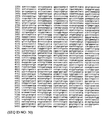
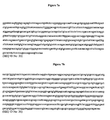
- Figures 1a and 1b show the DNA sequence of the ⁇ and ⁇ chains of the 1G4 TCR respectively. Each of these chains has a codon mutated to code for a cysteine residue. Shading indicates the location of these mutated codons.
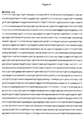
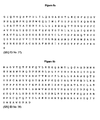
- Figures 2a and 2b show the amino acid sequences encoded by the the DNA sequences of Figue 1a and 1b respectively. Shading indicates the location of these introduced cysteine residues.
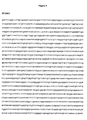
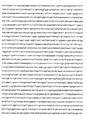
- Figure 3 details the DNA sequence of the pEX746: NY-ESO plasmid
- the purified template fragments from PCR1 and PCR3 were diluted 1:10 in water and 1 ⁇ l of each was combined in a 50 ⁇ l PCR reaction that also comprised 37 ⁇ l water, 5 ⁇ l 10xPCR buffer, 1.5 ⁇ l Yol13 primer (10 ⁇ M stock), 1.5 ⁇ l cdrlbRev primer (10 ⁇ M stock), 2ul dNTPs (20mM combined stock), 1 ⁇ l pfu turbo polymerase.
- the splicing PCR reaction was subjected to an initial denaturation of 2 min at 95°C, followed by 27 cycles of 95°C for 30 sec, 54°C for 40 sec and 72°C for 90 sec. A final elongation step of 72°C for 10 min was included. Twelve identical PCR reactions were carried out. The twelve PCR reactions were pooled and the spliced mutagenised product was purified using the Qiagen Qiaquick kit according to the manufacturers instructions.
- Ligations were carried out at a 3:1 insert to vector ratio using T4 DNA ligase according to standard protocols.
- the ligated CDR2 ⁇ and CDR2 ⁇ mutant pools were independently electroporated into TG1 cells following concentration and desalting on Qiagen MinElute columns. Electroporation was performed according to the protocols provided by the commercial supplier of the cells (Stratagene) and using ratios of approximately 300ng DNA per 50 ⁇ l electrocompetent cells. Two electroporations were performed for each of the two libraries. Following electroporation, cells were reclaimed from cuvettes by resuspension in 950 ⁇ l ofprewarmed (37 °C) SOC medium and allowed to recover by gentle agitation in a 50ml sterile tube for 40 min.
- 1ml of recovered cells was added to 50mls of 2TY medium (16g Bacto-tryptone, 10g Bacto-yeast extract, 5g NaCl per liter) containing 100 ⁇ g/ml ampicillin and 1.6% glucose (2TYAG) in a sterile shake flask ie. two flasks per library. Flasks were shaken for 5hr at 37 °C at 280rpm, after which time the cultures had achieved an OD 600 of 1-1.5. Cells were collected by centrifugation and resuspended in 4ml/library of 2TY + 20% glycerol. Aliquots (250 ⁇ l) were frozen on dry ice and stored at -80 °C.
- 2TY medium 16g Bacto-tryptone, 10g Bacto-yeast extract, 5g NaCl per liter
- 2TYAG 100 ⁇ g/ml ampicillin and 1.6% glucose
- the isolation of high affinity 1G4 TCRs comprising mutated CDR2 sequences was carried out from a population of phage particles comprising a pool of the two libraries constructed as described in Example 1.
- the initial panning was carried as follows utilising the selection of phage particles displaying mutant 1G4 TCRs capable of binding to SLLMWITQC-HLA-A*0201 complex in solution:
- Streptavidin-coated paramagnetic beads (Dynal M280) were pre-washed according to manufacturer's protocols. Phage particles, displaying mutated 1G4 TCR at a concentration of 10 12 to 10 13 cfu, were pre-mixed with biotinylated SLLMWITQC-HLA-A*0201 complex at concentrations of 1 x 10 -7 M for all three rounds of selection carried out.
- the mixture of 1 G4 TCR-displaying phage particles and SLLMWITQC-HLA-A*0201 complex was incubated for one hour at room temperature with gentle rotation, and 1G4 TCR-displaying phage particles bound to biotinylated SLLMWITQC-HLA-A*0201 complex were captured using 100 ⁇ l of streptavidin-coated M280 magnetic beads for all three rounds. After capture of the phage particles, the beads were washed a total of six times (three times in PBStween20 and three tmes in PBS) using a Dynal magnetic particle concentrator.
- 300 colonies were picked from the plates and used to inoculate 100 ⁇ l of 2TYAG in a 96-well microtiter plate. The culture was incubated at 30°C with shaking overnight. 100 ⁇ l of 2TYAG was then sub-inoculated with 2 to 5 ⁇ l of the overnight cultures, and incubated at 30°C with shaking for 2 to 3 hours or until the culture became cloudy.
- the culture was infected with 100 ⁇ l of 2TYAG containing 5 x 10 9 pfu helper phages, and incubated at 37°C for 60 minutes. 5 ⁇ l of the infected culture was added to 200 ⁇ l of 2TYAK ("TYAG + 100 ⁇ g/ml Ampicillin and 50 ⁇ g/ml Kanomycin) The plates were incubated at 25°C for 20 to 36 hours with shaking at 300 rpm. The cells were precipitated by centrifugation at 3000g for 10 minutes at 4°C. Supernatants were used to screen for high affinity 1 G4 TCR mutants by phage ELISA as follows.
- Example 3 Primary and competition ELISA analysis of the binding of native and mutated disulphide-linked CDR2 mutant IG4 TCRs displayed on phage particles.
- the phage is added to the wells coated with SLLMWITQC-HLA-A*0201 and incubated at room temperature for 1 hour, followed by 3 washes with PBS containing 0.1% tween 20 and then 3 washes with PBS.
- the bound TCR-displaying phage particles are detected in a two-step reaction using primary anti-fd polyclonal antisera followed by alkaline phsphatase conjugated anti-rabbit monoclonal antibodies. (Sigma).
- the phage-displayed TCRs that bound to the SLLMWITQC-HLA-A*0201 complex in this primary ELISA assay were then sequenced to characterise the nature of the CDR2 mutations. Phagemid clones of interest were then subjected to a competition ELISA assay in order to provide further information on the affinity of these TCRs for the SLLMWITQC-HLA-A*0201 complex.
- the competition ELISA assay was carried out exactly as describe above for the primary ELSA assay except:In order to prepare phage particles displaying the mutant 1G4 TCRs, phage particles were mixed with 3% skimmed milk in PBS and 100 ⁇ l or 200 ⁇ l of the soluble SLLMWITQC-HLA-A*0201 complex followed by incubation at room temperature for 1 hour.
- the degree of inhibition of binding that occurs for a given addition of soluble SLLMWITQC-HLA-A*0201 is proportional to the affinity of the TCR for the SLLMWITQC-HLA-A*0201 complex.
- the following table details the competition ELISA data obtained for the phage-displayed WT and dominant mutant 1G4 TCRs identified by the primary ELISA.
- the mutant 1G4 TCRs comprised native variable domain sequences except for mutations in one of the CDR2 sequences.
- ⁇ CDR2 Sequence ⁇ CDR2 Sequence % Binding Inhibition 200nM Sol.
- Example 4 Second generation libraries using discrete CDR2 hits of interest.
- the three phagemid clones encoding high affinity 1G4 TCR containing mutations in either the CDR2 ⁇ or CDR2 ⁇ sequences that were characterised by the competitive ELISA assay of Example 3 were further mutated. This was carried out by using these clones as the starting templates for the construction of second generation libraries. These libraries were constructed using the PCR approach described in Example 1 to mutate the WT CDR2 sequence in each clone.
- the following table details the competition ELISA data obtained for the phage-displayed WT and double-mutant 1G4 TCRs.
- the mutant 1G4 TCRs comprised native variable domain sequences except for mutations in both of the CDR2 sequences ⁇ CDR2 Sequence ⁇ CDR2 Sequence % Binding Inhibition 100nM Sol.
- Example 5 Production of soluble high affinity disulfide linked 1 G4 TCRs comprising mutated CDR2 sequences from phagemids.
- Phagemid DNA encoding the high affinity 1G4 TCR mutants identified as described in Example 3 was isolated from the relevant E.coli cells using a Mini-Prep kit (Qiagen, UK)
- PCR amplification was carried out using the phagemid DNA as template and the following primers to amplify the soluble TCR ⁇ and ⁇ chain DNA sequences.
- PCR was carried out using the following conditions: 50 ng plasmid template, 1 ⁇ l of 10 mM dNTP, 5 ⁇ l of 10x pfu-buffer, 25 pmol of fwd primer, 25 pmol of rev primer, 1 ⁇ l pfu in total volume 50 ⁇ l. After an initial denaturation step of 2 mins at 95°C, the reaction was subjected to 25 cycles of denaturation (95°C, 10 secs), annealing (55°C 10 secs), and elongation (72°C, 2 mins).
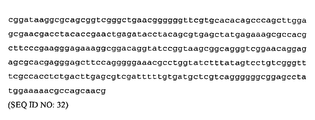
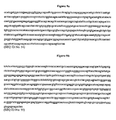
- the beta chain PCR product was then digested with Age1/Ase1 and cloned into pEX821 ( Figure 5 details the DNA of this plasmid for Sequence) cut with Nde/Age1.
- the alpha chain PCR product was digested with ClaI/SalI and cloned into pEX954 ( Figure 6 details the DNA sequence of this plasmid) cut ClaI/XhoI.
- the DNA sequences of the mutated soluble 1G4 TCR ⁇ and ⁇ chains were verified by automated sequencing.
- the expression plasmids containing the TCR ⁇ -chain and ⁇ -chain respectively as prepared in Example 5 were transformed separately into E.coli strain BL21pLysS, and single ampicillin-resistant colonies were grown at 37°C in TYP (ampicillin 100 ⁇ g/ml) medium to OD 600 of 0.4 before inducing protein expression with 0.5M IPTG.
- Cells were harvested three hours post-induction by centrifugation for 30 minutes at 4000rpm in a Beckman J-6B. Cell pellets were re-suspended in a buffer containing 50mM Tris-HCI, 25% (w/v) sucrose, 1mM NaEDTA, 0.1 % (w/v) NaAzide, 10mM DTT, pH 8.0.
- re-suspended cells were sonicated in 1 minute bursts for a total of around 10 minutes in a Milsonix XL2020 sonicator using a standard 12mm diameter probe. Inclusion body pellets were recovered by centrifugation for 30 minutes at 13000rpm in a Beckman J2-21 centrifuge. Three detergent washes were then carried out to remove cell debris and membrane components.
- the inclusion body pellet was homogenised in a Triton buffer (50mM Tris-HCI, 0.5% Triton-X100, 200mM NaCI, 10mM NaEDTA, 0.1% (w/v) NaAzide, 2mM DTT, pH 8.0) before being pelleted by centrifugation for 15 minutes at 13000rpm in a Beckman J2-21. Detergent and salt was then removed by a similar wash in the following buffer: 50mM Tris-HCl, 1mM NaEDTA, 0.1% (w/v) NaAzide, 2mM DTT, pH 8.0. Finally, the inclusion bodies were divided into 30 mg aliquots and frozen at -70°C. Inclusion body protein yield was quantitated by solubilising with 6M guanidine-HCl and measurement with a Bradford dye-binding assay (PerBio).
- Triton buffer 50mM Tris-HCI, 0.5% Triton-X100, 200mM NaCI, 10mM NaEDTA, 0.1% (
- TCR ⁇ chain and 60mg of TCR ⁇ chain solubilised inclusion bodies were thawed from frozen stocks, samples were then mixed and the mixture diluted into 15ml of a guanidine solution (6 M Guanidine-hydrochloride, 10mM Sodium Acetate, 10mM EDTA), to ensure complete chain de-naturation.
- a guanidine solution (6 M Guanidine-hydrochloride, 10mM Sodium Acetate, 10mM EDTA), to ensure complete chain de-naturation.
- the guanidine solution containing fully reduced and denatured TCR chains was then injected into 1 litre of the following refolding buffer: 100mM Tris pH 8.5, 400mM L-Arginine, 2mM EDTA, 5mM reduced Glutathione, 0.5mM oxidised Glutathione, 5M urea, 0.2mM PMSF.
- the redox couple (2-mercaptoethylamine and cystamine (to final concentrations of 6.6mM and 3.7mM, respectively) were added approximately 5 minutes before addition of the denatured TCR chains. The solution was left for 5 hrs ⁇ 15minutes. The refolded TCR was dialysed in Spectrapor 1 membrane (Spectrum; Product No. 132670) against 10 L 10 mM Tris pH 8.1 at 5°C ⁇ 3°C for 18-20 hours. After this time, the dialysis buffer was changed to fresh 10 mM Tris pH 8.1 (10 L) and dialysis was continued at 53°C ⁇ 3°C for another 20-22 hours.
- Spectrapor 1 membrane Spectrum; Product No. 132670
- sTCR was separated from degradation products and impurities by loading the dialysed refold onto a POROS 50HQ anion exchange column and eluting bound protein with a gradient of 0-500mM NaCI over 50 column volumes using an Akta purifier (Pharmacia). Peak fractions were stored at 4°C and analysed by Coomassie-stained SDS-PAGE before being pooled and concentrated. Finally, the sTCR was purified and characterised using a Superdex 200HR gel filtration column pre-equilibrated in HBS-EP buffer (10 mM HEPES pH 7.4, 150 mM NaCl, 3.5 mM EDTA, 0.05% nonidet p40). The peak eluting at a relative molecular weight of approximately 50 kDa was pooled and concentrated prior to characterisation by Biacore surface plasmon resonance analysis.
- a surface plasmon resonance biosensor (Biacore 3000TM ) was used to analyse the binding of a sTCR to its peptide-MHC ligand. This was facilitated by producing single pMHC complexes (described below) which were immobilised to a streptavidin-coated binding surface in a semi-oriented fashion, allowing efficient testing of the binding of a soluble T-cell receptor to up to four different pMHC (immobilised on separate flow cells) simultaneously. Manual injection of HLA complex allows the precise level of immobilised class I molecules to be manipulated easily.
- Such immobilised complexes are capable of binding both T-cell receptors and the coreceptor CD8 ⁇ , both of which may be injected in the soluble phase. Specific binding of TCR is obtained even at low concentrations (at least 40 ⁇ g/ml), implying the TCR is relatively stable.
- the pMHC binding properties of sTCR are observed to be qualitatively and quantitatively similar if sTCR is used either in the soluble or immobilised phase. This is an important control for partial activity of soluble species and also suggests that biotinylated pMHC complexes are biologically as active as non-biotinylated complexes.
- K D was determined by experimentally measuring the dissociation rate constant, kd, and the association rate constant, ka.
- the equilibrium constant K D was calculated as kd/ka.
- TCR was injected over two different cells one coated with ⁇ 300 RU of specific SLLMWITQC-HLA-A*0201 complex, the second coated with ⁇ 300 RU of non-specific HLA-A2 -peptide complex.
- Flow rate was set at 50 ⁇ l/min. Typically 250 ⁇ l of TCR at ⁇ 3 ⁇ M concentration was injected. Buffer was then flowed over until the response had returned to baseline.
- Kinetic parameters were calculated using Biaevaluation software.
- the dissociation phase was also fitted to a single exponential decay equation enabling calculation of half-life.
- DNA encoding the TCR chain to be mutated is used as a template to produce the CDR2 libraries as described in Example 1.
- the only alteration required is that the primers utilised in the library construction must be complementary to the equivalent part of the DNA sequence of the TCR chain to be mutated.
- ILA TCR ⁇ Chain is based on the same TRBV6.5 gene as the 1G4 TCR ⁇ Chain and amino acid and DNA sequence is identical in, and around, the CDR2 ⁇ region of these two TCRs very similar primers were used to mutate the ILA TCR CDR2 ⁇ sequence.
- each of the two resulting mutagenised PCR fragments are joined to an additional fragment comprising an adjacent part of the TCR open reading frame with overlapping complementarity to the 5' region of the mutagenic oligonucleotide.
- This splicing reaction termed Splicing by Overlap Extension (SOE) is carried out in a second PCR reaction using the appropriate flanking forward and reverse primer pair.
- the purified template fragments from PCR1 and PCR3 were diluted 1:10 in water and 1 ⁇ l of each was combined in a 50 ⁇ l PCR reaction that also comprised 37 ⁇ l water, 5 ⁇ l 10xPCR buffer, 1.5 ⁇ l ILA TCR equivalent of Yol13 primer (10 ⁇ M stock), 1.5 ⁇ l ILA TCR equivalents ofcdrlbRev primer (10 ⁇ M stock), 2ul dNTPs (20mM combined stock), 1 ⁇ l pfu turbo polymerase.
- the splicing PCR reaction was subjected to an initial denaturation of 2 min at 95°C, followed by 27 cycles of 95°C for 30 sec, 54°Cfor 40 sec and 72°C for 90 sec. A final elongation step of 72°C for 10 min was included. Twelve identical PCR reactions were carried out. The twelve PCR reactions were pooled and the spliced mutagenised product was purified using the Qiagen Qiaquick kit according to the manufacturers instructions.
- the mutagenised products of PCR5 were digested with Nco I and BssH II and ligated into the pEX922-ILA phage display vector, also digested with Nco I and BssH II , containing the parental ILA TCR open reading frame, thus resulting in the substitution of the parental CDR2 ⁇ sequence motif for a large and diverse population of mutant sequences.
- the same was performed for PCR6 such that a large and diverse population of CDR2 ⁇ mutant sequences were substituted for the parental sequence.
- the cloning enzymes used were BssH II and Not I . Ligations were carried out at a 3:1 insert to vector ratio using T4 DNA ligase according to standard protocols.
- the ligated CDR2 ⁇ and CDR2 ⁇ mutant pools were independently electroporated into TG1 cells following concentration and desalting on Qiagen MinElute columns. Electroporation was performed according to the protocols provided by the commercial supplier of the cells (Stratagene) and using ratios of approximately 300ng DNA per 50 ⁇ l electrocompetent cells. Two electroporations were performed for each of the two libraries. Following electroporation, cells were reclaimed from cuvettes by resuspension in 950 ⁇ l of prewarmed (37 °C) SOC medium and allowed to recover by gentle agitation in a 50ml sterile tube for 40 min.
- 1ml of recovered cells was added to 50mls of 2TY medium (16g Bacto-tryptone, 10g Bacto-yeast extract, 5g NaCl per liter) containing 100 ⁇ g/ml ampicillin and 1.6% glucose (2TYAG) in a sterile shake flask ie. two flasks per library. Flasks were shaken for 5hr at 37 °C at 280rpm, after which time the cultures had achieved an OD 600 of 1-1.5. Cells were collected by centrifugation and resuspended in 4ml/library of 2TY + 20% glycerol. Aliquots (250 ⁇ l) were frozen on dry ice and stored at -80 °C.
- 2TY medium 16g Bacto-tryptone, 10g Bacto-yeast extract, 5g NaCl per liter
- 2TYAG 100 ⁇ g/ml ampicillin and 1.6% glucose
- ILA TCR libraries prepared above were then panned and tested using the methods described for the IG4 TCR CDR2 mutants in Examples 2 and 3 above except that the cognate pMHC for the ILA TCR (ILAKFLHWL (SEQ ID NO: 34) HLA-A*0201) was used for the panning and subsequent ELISA testing.
- ILAKFLHWL SEQ ID NO: 34
- Soluble ILA TCRs comprising the CDR2 mutations identified by the ELISA method as described in Example 3 were then produced using the methods as describe in Examples 5 and 6 to allow Biacore characterisation of the mutants using the methods described in Example 7.
- DNA encoding the TCR chain to be mutated is used as a template to produce the CDR2 libraries as described in Example 1.
- the only alteration required is that the primers utilised in the library construction must be complementary to the equivalent part of the DNA sequence of the TCR chain to be mutated.
- each of the two resulting mutagenised PCR fragments are joined to an additional fragment comprising an adjacent part of the TCR open reading frame with overlapping complementarity to the 5' region of the mutagenic oligonucleotide.
- This splicing reaction termed Splicing by Overlap Extension (SOE) is carried out in a second PCR reaction using the appropriate flanking forward and reverse primer pair.
- the ligated CDR2 ⁇ and CDR2 ⁇ mutant pools were independently electroporated into TG1 cells following concentration and desalting on Qiagen MinElute columns. Electroporation was performed according to the protocols provided by the commercial supplier of the cells (Stratagene) and using ratios of approximately 300ng DNA per 50 ⁇ l electrocompetent cells. Two electroporations were performed for each of the two libraries. Following electroporation, cells were reclaimed from cuvettes by resuspension in 950 ⁇ l of prewarmed (37 °C) SOC medium and allowed to recover by gentle agitation in a 50ml sterile tube for 40 min.
- 1ml of recovered cells was added to 50mls of 2TY medium (16g Bacto-tryptone, 10g Bacto-yeast extract, 5g NaCl per liter) containing 100 ⁇ g/ml ampicillin and 1.6% glucose (2TYAG) in a sterile shake flask ie. two flasks per library. Flasks were shaken for 5hr at 37 °C at 280rpm, after which time the cultures had achieved an OD 600 of 1-1.5. Cells were collected by centrifugation and resuspended in 4ml/library of 2TY + 20% glycerol. Aliquots (250 ⁇ l) were frozen on dry ice and stored at -80 °C.
- 2TY medium 16g Bacto-tryptone, 10g Bacto-yeast extract, 5g NaCl per liter
- 2TYAG 100 ⁇ g/ml ampicillin and 1.6% glucose
- HIV Gag TCR libraries prepared above were then panned and tested using the methods described for the IG4 TCR CDR2 mutants in Examples 2 and 3 above except that the cognate pMHC for the HIV Gag TCR ( SLYNTVATL (SEQ ID NO: 53) HLA-A*0201) was used for the panning and subsequent ELISA.
- Soluble disulfide-linked TCRs containing the CDR2 mutations identified were then produced to allow Biacore-based determinations of their respective affinities for the SLYNTVATL-HLA-A*0201 ligand.
Landscapes
- Health & Medical Sciences (AREA)
- Life Sciences & Earth Sciences (AREA)
- Chemical & Material Sciences (AREA)
- Organic Chemistry (AREA)
- Genetics & Genomics (AREA)
- Immunology (AREA)
- Biochemistry (AREA)
- Engineering & Computer Science (AREA)
- Zoology (AREA)
- Molecular Biology (AREA)
- Biophysics (AREA)
- General Health & Medical Sciences (AREA)
- Biotechnology (AREA)
- Medicinal Chemistry (AREA)
- Bioinformatics & Cheminformatics (AREA)
- Microbiology (AREA)
- Wood Science & Technology (AREA)
- Biomedical Technology (AREA)
- General Engineering & Computer Science (AREA)
- Chemical Kinetics & Catalysis (AREA)
- Toxicology (AREA)
- Physics & Mathematics (AREA)
- General Chemical & Material Sciences (AREA)
- Plant Pathology (AREA)
- Virology (AREA)
- Cell Biology (AREA)
- Crystallography & Structural Chemistry (AREA)
- Gastroenterology & Hepatology (AREA)
- Proteomics, Peptides & Aminoacids (AREA)
- Peptides Or Proteins (AREA)
- Micro-Organisms Or Cultivation Processes Thereof (AREA)
- Crystals, And After-Treatments Of Crystals (AREA)
- Preparation Of Compounds By Using Micro-Organisms (AREA)
Applications Claiming Priority (3)
| Application Number | Priority Date | Filing Date | Title |
|---|---|---|---|
| GB0411125A GB0411125D0 (en) | 2004-05-19 | 2004-05-19 | Method of improving T-cell receptors |
| GB0419646A GB0419646D0 (en) | 2004-09-03 | 2004-09-03 | Method of improving t cell receptors |
| PCT/GB2005/001781 WO2005114215A2 (en) | 2004-05-19 | 2005-05-10 | Method of improving t cell receptors |
Publications (2)
| Publication Number | Publication Date |
|---|---|
| EP1756278A2 EP1756278A2 (en) | 2007-02-28 |
| EP1756278B1 true EP1756278B1 (en) | 2008-09-17 |
Family
ID=35429001
Family Applications (1)
| Application Number | Title | Priority Date | Filing Date |
|---|---|---|---|
| EP05741949A Expired - Lifetime EP1756278B1 (en) | 2004-05-19 | 2005-05-10 | Method of improving t cell receptors |
Country Status (10)
| Country | Link |
|---|---|
| US (1) | US7608410B2 (enExample) |
| EP (1) | EP1756278B1 (enExample) |
| JP (1) | JP4972549B2 (enExample) |
| AT (1) | ATE408684T1 (enExample) |
| AU (1) | AU2005246073B2 (enExample) |
| CA (1) | CA2567349C (enExample) |
| DE (1) | DE602005009825D1 (enExample) |
| NZ (1) | NZ550815A (enExample) |
| WO (1) | WO2005114215A2 (enExample) |
| ZA (1) | ZA200609462B (enExample) |
Families Citing this family (123)
| Publication number | Priority date | Publication date | Assignee | Title |
|---|---|---|---|---|
| US7994298B2 (en) | 2004-09-24 | 2011-08-09 | Trustees Of Dartmouth College | Chimeric NK receptor and methods for treating cancer |
| ES2323651T3 (es) | 2005-01-05 | 2009-07-22 | F-Star Biotechnologische Forschungs- Und Entwicklungsges.M.B.H. | Dominios sinteticos de inmunoglobulina con propiedades de union elaborados por ingenieria en regiones de la molecula diferentes de las regiones que determinan la complementariedad. |
| WO2006103429A2 (en) | 2005-04-01 | 2006-10-05 | Medigene Limited | High affinity hiv t cell receptors |
| AU2012211503B2 (en) * | 2005-04-01 | 2014-01-30 | Adaptimmune Limited | High affinity HIV T cell receptors |
| GB0511124D0 (en) | 2005-06-01 | 2005-07-06 | Avidex Ltd | High affinity melan-a t cell receptors |
| IL296832A (en) | 2005-10-18 | 2022-11-01 | Nat Jewish Health | Process of preparing red blood cells using conditionally immortalized long-term hematopoietic stem cells and erythropoietin |
| AT503861B1 (de) * | 2006-07-05 | 2008-06-15 | F Star Biotech Forsch & Entw | Verfahren zur manipulation von t-zell-rezeptoren |
| AT503889B1 (de) | 2006-07-05 | 2011-12-15 | Star Biotechnologische Forschungs Und Entwicklungsges M B H F | Multivalente immunglobuline |
| WO2008039818A2 (en) * | 2006-09-26 | 2008-04-03 | Government Of The United States Of America, Represented By The Secretary, Department Of Health And Human Services | Modified t cell receptors and related materials and methods |
| ES2975748T3 (es) | 2007-06-26 | 2024-07-12 | F Star Therapeutics Ltd | Presentación de agentes de unión |
| US20100297093A1 (en) * | 2007-09-25 | 2010-11-25 | The United States Of America, As Represented By The Secretary, Department Of Health And Human | Modified t cell receptors and related materials and methods |
| EP2113255A1 (en) | 2008-05-02 | 2009-11-04 | f-star Biotechnologische Forschungs- und Entwicklungsges.m.b.H. | Cytotoxic immunoglobulin |
| IL287311B2 (en) | 2008-05-16 | 2024-06-01 | Taiga Biotechnologies Inc | Antibodies and processes for their preparation |
| EP2318435B1 (en) | 2008-08-28 | 2015-12-23 | Taiga Biotechnologies, Inc. | Modulators of myc, methods of using the same, and methods of identifying agents that modulate myc |
| GB0911566D0 (en) | 2009-07-03 | 2009-08-12 | Immunocore Ltd | T cell receptors |
| US9181527B2 (en) | 2009-10-29 | 2015-11-10 | The Trustees Of Dartmouth College | T cell receptor-deficient T cell compositions |
| US12492376B2 (en) | 2009-10-29 | 2025-12-09 | The Trustees Of Dartmouth College | T-cell receptor-deficient T cell compositions |
| US9273283B2 (en) | 2009-10-29 | 2016-03-01 | The Trustees Of Dartmouth College | Method of producing T cell receptor-deficient T cells expressing a chimeric receptor |
| WO2012104843A1 (en) | 2011-02-06 | 2012-08-09 | Yeda Research And Development Co.Ltd. At The Weizmann Institute Of Science | Affinity maturated t cell receptors and use thereof |
| US9833476B2 (en) | 2011-08-31 | 2017-12-05 | The Trustees Of Dartmouth College | NKP30 receptor targeted therapeutics |
| US9790278B2 (en) | 2012-05-07 | 2017-10-17 | The Trustees Of Dartmouth College | Anti-B7-H6 antibody, fusion proteins, and methods of using the same |
| WO2014015312A1 (en) | 2012-07-20 | 2014-01-23 | Taiga Biotechnologies, Inc. | Enhanced reconstitution and autoreconstitution of the hematopoietic compartment |
| US10272115B2 (en) | 2013-03-11 | 2019-04-30 | Taiga Biotechnologies, Inc. | Production and use of red blood cells |
| WO2015077615A1 (en) | 2013-11-22 | 2015-05-28 | The Board Of Trustees Of The University Of Illinois | Engineered high-affinity human t cell receptors |
| US10801070B2 (en) | 2013-11-25 | 2020-10-13 | The Broad Institute, Inc. | Compositions and methods for diagnosing, evaluating and treating cancer |
| WO2015085147A1 (en) | 2013-12-05 | 2015-06-11 | The Broad Institute Inc. | Polymorphic gene typing and somatic change detection using sequencing data |
| KR20230076867A (ko) | 2013-12-20 | 2023-05-31 | 더 브로드 인스티튜트, 인코퍼레이티드 | 신생항원 백신과의 병용 요법 |
| CA2942433C (en) | 2014-03-14 | 2023-08-01 | Immunocore Limited | Tcr libraries |
| CA2955984A1 (en) | 2014-07-22 | 2016-01-28 | The University Of Notre Dame Du Lac | Molecular constructs and uses thereof |
| WO2016100977A1 (en) | 2014-12-19 | 2016-06-23 | The Broad Institute Inc. | Methods for profiling the t-cel- receptor repertoire |
| US10975442B2 (en) | 2014-12-19 | 2021-04-13 | Massachusetts Institute Of Technology | Molecular biomarkers for cancer immunotherapy |
| WO2016187508A2 (en) | 2015-05-20 | 2016-11-24 | The Broad Institute Inc. | Shared neoantigens |
| WO2016205749A1 (en) | 2015-06-18 | 2016-12-22 | The Broad Institute Inc. | Novel crispr enzymes and systems |
| CA2993431A1 (en) | 2015-07-31 | 2017-02-09 | Regents Of The University Of Minnesota | Nuclease based knockouts of immunological checkpoint genes in immune cells |
| GB201516275D0 (en) | 2015-09-15 | 2015-10-28 | Adaptimmune Ltd And Immunocore Ltd | TCR Libraries |
| GB201516265D0 (en) | 2015-09-15 | 2015-10-28 | Adaptimmune Ltd And Immunocore Ltd | TCR Libraries |
| GB201516270D0 (en) | 2015-09-15 | 2015-10-28 | Adaptimmune Ltd And Immunocore Ltd | TCR Libraries |
| GB201516269D0 (en) | 2015-09-15 | 2015-10-28 | Adaptimmune Ltd And Immunocore Ltd | TCR Libraries |
| GB201516272D0 (en) | 2015-09-15 | 2015-10-28 | Adaptimmune Ltd And Immunocore Ltd | TCR Libraries |
| GB201516274D0 (en) | 2015-09-15 | 2015-10-28 | Adaptimmune Ltd And Immunocore Ltd | TCR Libraries |
| GB201516277D0 (en) | 2015-09-15 | 2015-10-28 | Adaptimmune Ltd And Immunocore Ltd | TCR libraries |
| WO2017069958A2 (en) | 2015-10-09 | 2017-04-27 | The Brigham And Women's Hospital, Inc. | Modulation of novel immune checkpoint targets |
| EP3368689B1 (en) | 2015-10-28 | 2020-06-17 | The Broad Institute, Inc. | Composition for modulating immune responses by use of immune cell gene signature |
| WO2017075465A1 (en) | 2015-10-28 | 2017-05-04 | The Broad Institute Inc. | Compositions and methods for evaluating and modulating immune responses by detecting and targeting gata3 |
| WO2017075451A1 (en) | 2015-10-28 | 2017-05-04 | The Broad Institute Inc. | Compositions and methods for evaluating and modulating immune responses by detecting and targeting pou2af1 |
| US11001622B2 (en) | 2015-11-19 | 2021-05-11 | The Brigham And Women's Hospital, Inc. | Method of treating autoimmune disease with lymphocyte antigen CD5-like (CD5L) protein |
| GB201522592D0 (en) | 2015-12-22 | 2016-02-03 | Immunocore Ltd | T cell receptors |
| WO2017184590A1 (en) | 2016-04-18 | 2017-10-26 | The Broad Institute Inc. | Improved hla epitope prediction |
| SI3464380T1 (sl) | 2016-06-02 | 2025-03-31 | Immunocore Limited | Režim doziranja za gp100-specifični tcr - anti-cd3 scfv fuzijski protein |
| WO2018035364A1 (en) | 2016-08-17 | 2018-02-22 | The Broad Institute Inc. | Product and methods useful for modulating and evaluating immune responses |
| US20190262399A1 (en) | 2016-09-07 | 2019-08-29 | The Broad Institute, Inc. | Compositions and methods for evaluating and modulating immune responses |
| WO2018064208A1 (en) | 2016-09-28 | 2018-04-05 | The Broad Institute, Inc. | Systematic screening and mapping of regulatory elements in non-coding genomic regions, methods, compositions, and applications thereof |
| WO2018067991A1 (en) | 2016-10-07 | 2018-04-12 | The Brigham And Women's Hospital, Inc. | Modulation of novel immune checkpoint targets |
| EP4338799A3 (en) | 2016-10-18 | 2024-06-05 | Regents of the University of Minnesota | Tumor infiltrating lymphocytes and methods of therapy |
| US12227578B2 (en) | 2016-11-11 | 2025-02-18 | The Broad Institute, Inc. | Modulation of intestinal epithelial cell differentiation, maintenance and/or function through T cell action |
| IL266892B2 (en) | 2016-12-02 | 2025-10-01 | Univ Southern California | Artificial immune receptors and methods of using them |
| CN110177758B (zh) | 2016-12-02 | 2021-10-01 | 泰加生物工艺学公司 | 纳米颗粒调配物 |
| EP3574116A1 (en) | 2017-01-24 | 2019-12-04 | The Broad Institute, Inc. | Compositions and methods for detecting a mutant variant of a polynucleotide |
| EP3580561B1 (en) | 2017-02-12 | 2023-11-01 | BioNTech US Inc. | Hla-based methods and compositions and uses thereof |
| US11963966B2 (en) | 2017-03-31 | 2024-04-23 | Dana-Farber Cancer Institute, Inc. | Compositions and methods for treating ovarian tumors |
| WO2018183921A1 (en) | 2017-04-01 | 2018-10-04 | The Broad Institute, Inc. | Methods and compositions for detecting and modulating an immunotherapy resistance gene signature in cancer |
| US20200071773A1 (en) | 2017-04-12 | 2020-03-05 | Massachusetts Eye And Ear Infirmary | Tumor signature for metastasis, compositions of matter methods of use thereof |
| MX2019012398A (es) | 2017-04-18 | 2020-09-25 | Broad Inst Inc | Composiciones para detectar secreciones y metodos de uso. |
| EP3622092A4 (en) | 2017-05-11 | 2021-06-23 | The Broad Institute, Inc. | METHODS AND COMPOSITIONS OF USE OF CD8 + TUMOR-INFILTRATING LYMPHOCYTE SUBTYPES AND GENE SIGNATURES THEREOF |
| EP3625342B1 (en) | 2017-05-18 | 2022-08-24 | The Broad Institute, Inc. | Systems, methods, and compositions for targeted nucleic acid editing |
| US11897953B2 (en) | 2017-06-14 | 2024-02-13 | The Broad Institute, Inc. | Compositions and methods targeting complement component 3 for inhibiting tumor growth |
| EP3645021A4 (en) | 2017-06-30 | 2021-04-21 | Intima Bioscience, Inc. | ADENO-ASSOCIATED VIRAL VECTORS FOR GENE THERAPY |
| WO2019014581A1 (en) | 2017-07-14 | 2019-01-17 | The Broad Institute, Inc. | METHODS AND COMPOSITIONS FOR MODULATING THE ACTIVITY OF A CYTOTOXIC LYMPHOCYTE |
| US10149898B2 (en) | 2017-08-03 | 2018-12-11 | Taiga Biotechnologies, Inc. | Methods and compositions for the treatment of melanoma |
| JP6731114B2 (ja) | 2017-08-03 | 2020-07-29 | タイガ バイオテクノロジーズ,インク. | メラノーマの処置のための方法および組成物 |
| WO2019060746A1 (en) | 2017-09-21 | 2019-03-28 | The Broad Institute, Inc. | SYSTEMS, METHODS, AND COMPOSITIONS FOR THE TARGETED EDITING OF NUCLEIC ACIDS |
| WO2019070755A1 (en) | 2017-10-02 | 2019-04-11 | The Broad Institute, Inc. | METHODS AND COMPOSITIONS FOR DETECTING AND MODULATING A GENETIC SIGNATURE OF IMMUNOTHERAPY RESISTANCE IN CANCER |
| WO2019084055A1 (en) | 2017-10-23 | 2019-05-02 | Massachusetts Institute Of Technology | CLASSIFICATION OF GENETIC VARIATION FROM UNICELLULAR TRANSCRIPTOMS |
| WO2019094955A1 (en) | 2017-11-13 | 2019-05-16 | The Broad Institute, Inc. | Methods and compositions for targeting developmental and oncogenic programs in h3k27m gliomas |
| WO2019094983A1 (en) | 2017-11-13 | 2019-05-16 | The Broad Institute, Inc. | Methods and compositions for treating cancer by targeting the clec2d-klrb1 pathway |
| US11994512B2 (en) | 2018-01-04 | 2024-05-28 | Massachusetts Institute Of Technology | Single-cell genomic methods to generate ex vivo cell systems that recapitulate in vivo biology with improved fidelity |
| WO2019162043A1 (en) * | 2018-02-26 | 2019-08-29 | Medigene Immunotherapies Gmbh | Nyeso tcr |
| EP3773633A4 (en) | 2018-04-06 | 2022-01-26 | The Regents of The University of California | METHODS OF TREATMENT OF GLIOBLASTOMA |
| EP3773632A4 (en) | 2018-04-06 | 2022-05-18 | The Regents of The University of California | Methods of treating egfrviii expressing glioblastomas |
| US11957695B2 (en) | 2018-04-26 | 2024-04-16 | The Broad Institute, Inc. | Methods and compositions targeting glucocorticoid signaling for modulating immune responses |
| US20210371932A1 (en) | 2018-06-01 | 2021-12-02 | Massachusetts Institute Of Technology | Methods and compositions for detecting and modulating microenvironment gene signatures from the csf of metastasis patients |
| US12036240B2 (en) | 2018-06-14 | 2024-07-16 | The Broad Institute, Inc. | Compositions and methods targeting complement component 3 for inhibiting tumor growth |
| WO2020018715A1 (en) | 2018-07-17 | 2020-01-23 | Massachusetts Institute Of Technology | Soluble multimeric immunoglobulin-scaffold based fusion proteins and uses thereof |
| WO2020041387A1 (en) | 2018-08-20 | 2020-02-27 | The Brigham And Women's Hospital, Inc. | Degradation domain modifications for spatio-temporal control of rna-guided nucleases |
| US12460244B2 (en) | 2018-08-20 | 2025-11-04 | The Broad Institute, Inc. | Inhibitors of RNA-guided nuclease activity and uses thereof |
| WO2020068304A2 (en) | 2018-08-20 | 2020-04-02 | The Broad Institute, Inc. | Inhibitors of rna-guided nuclease target binding and uses thereof |
| WO2020072700A1 (en) | 2018-10-02 | 2020-04-09 | Dana-Farber Cancer Institute, Inc. | Hla single allele lines |
| US20210379057A1 (en) | 2018-10-16 | 2021-12-09 | Massachusetts Institute Of Technology | Nutlin-3a for use in treating a mycobacterium tuberculosis infection |
| WO2020092455A2 (en) | 2018-10-29 | 2020-05-07 | The Broad Institute, Inc. | Car t cell transcriptional atlas |
| WO2020131586A2 (en) | 2018-12-17 | 2020-06-25 | The Broad Institute, Inc. | Methods for identifying neoantigens |
| MX2021007556A (es) | 2018-12-21 | 2021-09-10 | Biontech Us Inc | Método y sistemas de predicción de epítopos específicos de hla de clase ii y caracterización de células t cd4+. |
| US11739156B2 (en) | 2019-01-06 | 2023-08-29 | The Broad Institute, Inc. Massachusetts Institute of Technology | Methods and compositions for overcoming immunosuppression |
| WO2020186101A1 (en) | 2019-03-12 | 2020-09-17 | The Broad Institute, Inc. | Detection means, compositions and methods for modulating synovial sarcoma cells |
| EP3942023A1 (en) | 2019-03-18 | 2022-01-26 | The Broad Institute, Inc. | Compositions and methods for modulating metabolic regulators of t cell pathogenicity |
| JP7680032B2 (ja) * | 2019-03-18 | 2025-05-20 | ラディック インスティテュート フォア キャンサー リサーチ リミテッド | A2/ny-eso-1特異的t細胞受容体およびその使用 |
| JP2022527117A (ja) | 2019-04-08 | 2022-05-30 | タイガ バイオテクノロジーズ,インク. | 免疫細胞の凍結保存のための組成物および方法 |
| EP3969041A4 (en) | 2019-05-14 | 2023-05-10 | Taiga Biotechnologies, Inc. | COMPOSITIONS AND METHODS FOR TREATMENT OF T-CELL DEPLETION |
| US20220235340A1 (en) | 2019-05-20 | 2022-07-28 | The Broad Institute, Inc. | Novel crispr-cas systems and uses thereof |
| US20220226464A1 (en) | 2019-05-28 | 2022-07-21 | Massachusetts Institute Of Technology | Methods and compositions for modulating immune responses |
| WO2021030627A1 (en) | 2019-08-13 | 2021-02-18 | The General Hospital Corporation | Methods for predicting outcomes of checkpoint inhibition and treatment thereof |
| US12421557B2 (en) | 2019-08-16 | 2025-09-23 | The Broad Institute, Inc. | Methods for predicting outcomes and treating colorectal cancer using a cell atlas |
| US20220298501A1 (en) | 2019-08-30 | 2022-09-22 | The Broad Institute, Inc. | Crispr-associated mu transposase systems |
| US12297426B2 (en) | 2019-10-01 | 2025-05-13 | The Broad Institute, Inc. | DNA damage response signature guided rational design of CRISPR-based systems and therapies |
| US12394502B2 (en) | 2019-10-02 | 2025-08-19 | The General Hospital Corporation | Method for predicting HLA-binding peptides using protein structural features |
| US12195725B2 (en) | 2019-10-03 | 2025-01-14 | Dana-Farber Cancer Institute, Inc. | Compositions and methods for modulating and detecting tissue specific TH17 cell pathogenicity |
| US11981922B2 (en) | 2019-10-03 | 2024-05-14 | Dana-Farber Cancer Institute, Inc. | Methods and compositions for the modulation of cell interactions and signaling in the tumor microenvironment |
| US11793787B2 (en) | 2019-10-07 | 2023-10-24 | The Broad Institute, Inc. | Methods and compositions for enhancing anti-tumor immunity by targeting steroidogenesis |
| US11844800B2 (en) | 2019-10-30 | 2023-12-19 | Massachusetts Institute Of Technology | Methods and compositions for predicting and preventing relapse of acute lymphoblastic leukemia |
| US12195723B2 (en) | 2019-11-08 | 2025-01-14 | The Broad Institute, Inc. | Engineered antigen presenting cells and uses thereof |
| US11865168B2 (en) | 2019-12-30 | 2024-01-09 | Massachusetts Institute Of Technology | Compositions and methods for treating bacterial infections |
| US12165747B2 (en) | 2020-01-23 | 2024-12-10 | The Broad Institute, Inc. | Molecular spatial mapping of metastatic tumor microenvironment |
| US20210335447A1 (en) * | 2020-04-21 | 2021-10-28 | Regeneron Pharmaceuticals, Inc. | Methods and systems for analysis of receptor interaction |
| IL302276A (en) | 2020-10-23 | 2023-06-01 | Asher Biotherapeutics Inc | Fusions with cd8 antigen binding molecules for modulating immune cell function |
| US20240150711A1 (en) | 2021-03-01 | 2024-05-09 | Dana-Farber Cancer Institute, Inc. | Personalized redirection and reprogramming of t cells for precise targeting of tumors |
| WO2023156663A1 (en) * | 2022-02-20 | 2023-08-24 | Immunocore Limited | Hiv-specific binding molecules and tcr |
| US12103971B2 (en) | 2022-02-20 | 2024-10-01 | Immunocore Limited | HIV specific binding molecules |
| WO2024077256A1 (en) | 2022-10-07 | 2024-04-11 | The General Hospital Corporation | Methods and compositions for high-throughput discovery ofpeptide-mhc targeting binding proteins |
| WO2024124044A1 (en) | 2022-12-07 | 2024-06-13 | The Brigham And Women’S Hospital, Inc. | Compositions and methods targeting sat1 for enhancing anti¬ tumor immunity during tumor progression |
| WO2024192141A1 (en) | 2023-03-13 | 2024-09-19 | Dana-Farber Cancer Institute, Inc. | Treatment of cancers having a drug-resistant mesenchymal cell state |
| WO2024226838A2 (en) | 2023-04-25 | 2024-10-31 | The Brigham And Women's Hospital, Inc. | Treatment of autoimmune diseases having a pathogenic t cell state |
| WO2025059533A1 (en) | 2023-09-13 | 2025-03-20 | The Broad Institute, Inc. | Crispr enzymes and systems |
| WO2025097055A2 (en) | 2023-11-02 | 2025-05-08 | The Broad Institute, Inc. | Compositions and methods of use of t cells in immunotherapy |
| WO2025117544A1 (en) | 2023-11-29 | 2025-06-05 | The Broad Institute, Inc. | Engineered omega guide molecule and iscb compositions, systems, and methods of use thereof |
Family Cites Families (5)
| Publication number | Priority date | Publication date | Assignee | Title |
|---|---|---|---|---|
| GB9603507D0 (en) * | 1996-02-20 | 1996-04-17 | Isis Innovation | Antibody variants |
| WO1998039482A1 (en) * | 1997-03-07 | 1998-09-11 | Sunol Molecular Corporation | Fusion proteins comprising bacteriophage coat protein and a single-chain t cell receptor |
| US6759243B2 (en) * | 1998-01-20 | 2004-07-06 | Board Of Trustees Of The University Of Illinois | High affinity TCR proteins and methods |
| EP1118661A1 (en) * | 2000-01-13 | 2001-07-25 | Het Nederlands Kanker Instituut | T cell receptor libraries |
| WO2004044004A2 (en) * | 2002-11-09 | 2004-05-27 | Avidex Limited | T cell receptor display |
-
2005
- 2005-05-10 JP JP2007517396A patent/JP4972549B2/ja not_active Expired - Lifetime
- 2005-05-10 DE DE602005009825T patent/DE602005009825D1/de not_active Expired - Lifetime
- 2005-05-10 NZ NZ550815A patent/NZ550815A/en not_active IP Right Cessation
- 2005-05-10 AT AT05741949T patent/ATE408684T1/de not_active IP Right Cessation
- 2005-05-10 WO PCT/GB2005/001781 patent/WO2005114215A2/en not_active Ceased
- 2005-05-10 EP EP05741949A patent/EP1756278B1/en not_active Expired - Lifetime
- 2005-05-10 CA CA2567349A patent/CA2567349C/en not_active Expired - Lifetime
- 2005-05-10 AU AU2005246073A patent/AU2005246073B2/en not_active Expired
-
2006
- 2006-11-14 ZA ZA2006/09462A patent/ZA200609462B/en unknown
-
2008
- 2008-10-07 US US12/246,607 patent/US7608410B2/en not_active Expired - Lifetime
Non-Patent Citations (2)
| Title |
|---|
| MANNING T.C. ET AL: "Alanine Scanning Mutagenesis of an alphabeta T Cell Receptor: Mapping the Energy of Antigen Recognition", IMMUNITY, vol. 8, 1998, pages 413 - 425 * |
| RUDOLPH M.G.; WILSON I.A.: "The specificity of TCR/pMHC interaction", CURRENT OPINION IN IMMUNOLOGY, vol. 14, 2002, pages 52 - 65 * |
Also Published As
| Publication number | Publication date |
|---|---|
| ZA200609462B (en) | 2008-04-30 |
| NZ550815A (en) | 2009-04-30 |
| DE602005009825D1 (de) | 2008-10-30 |
| JP4972549B2 (ja) | 2012-07-11 |
| EP1756278A2 (en) | 2007-02-28 |
| WO2005114215A2 (en) | 2005-12-01 |
| US7608410B2 (en) | 2009-10-27 |
| US20090054257A1 (en) | 2009-02-26 |
| HK1105995A1 (en) | 2008-02-29 |
| ATE408684T1 (de) | 2008-10-15 |
| CA2567349C (en) | 2012-11-27 |
| WO2005114215A9 (en) | 2006-07-20 |
| CA2567349A1 (en) | 2005-12-01 |
| AU2005246073A1 (en) | 2005-12-01 |
| JP2007537743A (ja) | 2007-12-27 |
| AU2005246073B2 (en) | 2010-10-28 |
| WO2005114215A3 (en) | 2006-03-16 |
Similar Documents
| Publication | Publication Date | Title |
|---|---|---|
| EP1756278B1 (en) | Method of improving t cell receptors | |
| JP4975324B2 (ja) | T細胞レセプターディスプレイ | |
| CN108699729B (zh) | Tcr文库 | |
| EP1771727A1 (en) | Method for the identification of a polypeptide which binds to a given pmhc complex | |
| NZ724320A (en) | Tcr libraries | |
| CA2998452A1 (en) | Tcr libraries | |
| WO2005116074A2 (en) | Nucleoproteins displaying native t cell receptor libraries | |
| ZA200503336B (en) | T cell receptor display | |
| CA2813515C (en) | T cell receptor display | |
| HK1105995B (en) | Method of improving t cell receptors | |
| CN1954069B (zh) | 改善t细胞受体的方法 | |
| EP1899374A1 (en) | Synthetic ligands of peptide-mhc complexes, or cd1-antigen complexes |
Legal Events
| Date | Code | Title | Description |
|---|---|---|---|
| PUAI | Public reference made under article 153(3) epc to a published international application that has entered the european phase |
Free format text: ORIGINAL CODE: 0009012 |
|
| 17P | Request for examination filed |
Effective date: 20061109 |
|
| AK | Designated contracting states |
Kind code of ref document: A2 Designated state(s): AT BE BG CH CY CZ DE DK EE ES FI FR GB GR HU IE IS IT LI LT LU MC NL PL PT RO SE SI SK TR |
|
| 17Q | First examination report despatched |
Effective date: 20070510 |
|
| DAX | Request for extension of the european patent (deleted) | ||
| RAP1 | Party data changed (applicant data changed or rights of an application transferred) |
Owner name: MEDIGENE LTD. |
|
| GRAP | Despatch of communication of intention to grant a patent |
Free format text: ORIGINAL CODE: EPIDOSNIGR1 |
|
| GRAS | Grant fee paid |
Free format text: ORIGINAL CODE: EPIDOSNIGR3 |
|
| GRAA | (expected) grant |
Free format text: ORIGINAL CODE: 0009210 |
|
| AK | Designated contracting states |
Kind code of ref document: B1 Designated state(s): AT BE BG CH CY CZ DE DK EE ES FI FR GB GR HU IE IS IT LI LT LU MC NL PL PT RO SE SI SK TR |
|
| REG | Reference to a national code |
Ref country code: GB Ref legal event code: FG4D |
|
| REG | Reference to a national code |
Ref country code: CH Ref legal event code: EP |
|
| REG | Reference to a national code |
Ref country code: IE Ref legal event code: FG4D |
|
| REF | Corresponds to: |
Ref document number: 602005009825 Country of ref document: DE Date of ref document: 20081030 Kind code of ref document: P |
|
| PG25 | Lapsed in a contracting state [announced via postgrant information from national office to epo] |
Ref country code: LT Free format text: LAPSE BECAUSE OF FAILURE TO SUBMIT A TRANSLATION OF THE DESCRIPTION OR TO PAY THE FEE WITHIN THE PRESCRIBED TIME-LIMIT Effective date: 20080917 |
|
| REG | Reference to a national code |
Ref country code: CH Ref legal event code: NV Representative=s name: KIRKER & CIE S.A. |
|
| PG25 | Lapsed in a contracting state [announced via postgrant information from national office to epo] |
Ref country code: FI Free format text: LAPSE BECAUSE OF FAILURE TO SUBMIT A TRANSLATION OF THE DESCRIPTION OR TO PAY THE FEE WITHIN THE PRESCRIBED TIME-LIMIT Effective date: 20080917 Ref country code: AT Free format text: LAPSE BECAUSE OF FAILURE TO SUBMIT A TRANSLATION OF THE DESCRIPTION OR TO PAY THE FEE WITHIN THE PRESCRIBED TIME-LIMIT Effective date: 20080917 Ref country code: SI Free format text: LAPSE BECAUSE OF FAILURE TO SUBMIT A TRANSLATION OF THE DESCRIPTION OR TO PAY THE FEE WITHIN THE PRESCRIBED TIME-LIMIT Effective date: 20080917 |
|
| NLV1 | Nl: lapsed or annulled due to failure to fulfill the requirements of art. 29p and 29m of the patents act | ||
| PG25 | Lapsed in a contracting state [announced via postgrant information from national office to epo] |
Ref country code: BE Free format text: LAPSE BECAUSE OF FAILURE TO SUBMIT A TRANSLATION OF THE DESCRIPTION OR TO PAY THE FEE WITHIN THE PRESCRIBED TIME-LIMIT Effective date: 20080917 |
|
| PG25 | Lapsed in a contracting state [announced via postgrant information from national office to epo] |
Ref country code: BG Free format text: LAPSE BECAUSE OF FAILURE TO SUBMIT A TRANSLATION OF THE DESCRIPTION OR TO PAY THE FEE WITHIN THE PRESCRIBED TIME-LIMIT Effective date: 20081217 Ref country code: ES Free format text: LAPSE BECAUSE OF FAILURE TO SUBMIT A TRANSLATION OF THE DESCRIPTION OR TO PAY THE FEE WITHIN THE PRESCRIBED TIME-LIMIT Effective date: 20081228 |
|
| PG25 | Lapsed in a contracting state [announced via postgrant information from national office to epo] |
Ref country code: RO Free format text: LAPSE BECAUSE OF FAILURE TO SUBMIT A TRANSLATION OF THE DESCRIPTION OR TO PAY THE FEE WITHIN THE PRESCRIBED TIME-LIMIT Effective date: 20080917 Ref country code: CZ Free format text: LAPSE BECAUSE OF FAILURE TO SUBMIT A TRANSLATION OF THE DESCRIPTION OR TO PAY THE FEE WITHIN THE PRESCRIBED TIME-LIMIT Effective date: 20080917 Ref country code: IS Free format text: LAPSE BECAUSE OF FAILURE TO SUBMIT A TRANSLATION OF THE DESCRIPTION OR TO PAY THE FEE WITHIN THE PRESCRIBED TIME-LIMIT Effective date: 20090117 Ref country code: PT Free format text: LAPSE BECAUSE OF FAILURE TO SUBMIT A TRANSLATION OF THE DESCRIPTION OR TO PAY THE FEE WITHIN THE PRESCRIBED TIME-LIMIT Effective date: 20090217 Ref country code: SK Free format text: LAPSE BECAUSE OF FAILURE TO SUBMIT A TRANSLATION OF THE DESCRIPTION OR TO PAY THE FEE WITHIN THE PRESCRIBED TIME-LIMIT Effective date: 20080917 Ref country code: NL Free format text: LAPSE BECAUSE OF FAILURE TO SUBMIT A TRANSLATION OF THE DESCRIPTION OR TO PAY THE FEE WITHIN THE PRESCRIBED TIME-LIMIT Effective date: 20080917 |
|
| PLBE | No opposition filed within time limit |
Free format text: ORIGINAL CODE: 0009261 |
|
| STAA | Information on the status of an ep patent application or granted ep patent |
Free format text: STATUS: NO OPPOSITION FILED WITHIN TIME LIMIT |
|
| PG25 | Lapsed in a contracting state [announced via postgrant information from national office to epo] |
Ref country code: DK Free format text: LAPSE BECAUSE OF FAILURE TO SUBMIT A TRANSLATION OF THE DESCRIPTION OR TO PAY THE FEE WITHIN THE PRESCRIBED TIME-LIMIT Effective date: 20080917 Ref country code: EE Free format text: LAPSE BECAUSE OF FAILURE TO SUBMIT A TRANSLATION OF THE DESCRIPTION OR TO PAY THE FEE WITHIN THE PRESCRIBED TIME-LIMIT Effective date: 20080917 |
|
| REG | Reference to a national code |
Ref country code: FR Ref legal event code: TP |
|
| 26N | No opposition filed |
Effective date: 20090618 |
|
| PG25 | Lapsed in a contracting state [announced via postgrant information from national office to epo] |
Ref country code: IT Free format text: LAPSE BECAUSE OF FAILURE TO SUBMIT A TRANSLATION OF THE DESCRIPTION OR TO PAY THE FEE WITHIN THE PRESCRIBED TIME-LIMIT Effective date: 20080917 |
|
| PG25 | Lapsed in a contracting state [announced via postgrant information from national office to epo] |
Ref country code: MC Free format text: LAPSE BECAUSE OF NON-PAYMENT OF DUE FEES Effective date: 20090531 |
|
| PG25 | Lapsed in a contracting state [announced via postgrant information from national office to epo] |
Ref country code: SE Free format text: LAPSE BECAUSE OF FAILURE TO SUBMIT A TRANSLATION OF THE DESCRIPTION OR TO PAY THE FEE WITHIN THE PRESCRIBED TIME-LIMIT Effective date: 20081217 |
|
| PG25 | Lapsed in a contracting state [announced via postgrant information from national office to epo] |
Ref country code: PL Free format text: LAPSE BECAUSE OF FAILURE TO SUBMIT A TRANSLATION OF THE DESCRIPTION OR TO PAY THE FEE WITHIN THE PRESCRIBED TIME-LIMIT Effective date: 20080917 |
|
| REG | Reference to a national code |
Ref country code: CH Ref legal event code: PUE Owner name: IMMUNOCORE LIMITED Free format text: MEDIGENE LTD.# #57C MILTON PARK ABINGDON, OXFORDSHIRE, OX14 4RX (GB) -TRANSFER TO- IMMUNOCORE LIMITED#57C MILTON PARK, ABINGDON#OXFORD OX14 4RX (GB) |
|
| REG | Reference to a national code |
Ref country code: GB Ref legal event code: 732E Free format text: REGISTERED BETWEEN 20100812 AND 20100818 |
|
| PG25 | Lapsed in a contracting state [announced via postgrant information from national office to epo] |
Ref country code: GR Free format text: LAPSE BECAUSE OF FAILURE TO SUBMIT A TRANSLATION OF THE DESCRIPTION OR TO PAY THE FEE WITHIN THE PRESCRIBED TIME-LIMIT Effective date: 20081218 |
|
| PG25 | Lapsed in a contracting state [announced via postgrant information from national office to epo] |
Ref country code: LU Free format text: LAPSE BECAUSE OF NON-PAYMENT OF DUE FEES Effective date: 20090510 |
|
| PG25 | Lapsed in a contracting state [announced via postgrant information from national office to epo] |
Ref country code: HU Free format text: LAPSE BECAUSE OF FAILURE TO SUBMIT A TRANSLATION OF THE DESCRIPTION OR TO PAY THE FEE WITHIN THE PRESCRIBED TIME-LIMIT Effective date: 20090318 |
|
| PG25 | Lapsed in a contracting state [announced via postgrant information from national office to epo] |
Ref country code: TR Free format text: LAPSE BECAUSE OF FAILURE TO SUBMIT A TRANSLATION OF THE DESCRIPTION OR TO PAY THE FEE WITHIN THE PRESCRIBED TIME-LIMIT Effective date: 20080917 |
|
| PG25 | Lapsed in a contracting state [announced via postgrant information from national office to epo] |
Ref country code: CY Free format text: LAPSE BECAUSE OF FAILURE TO SUBMIT A TRANSLATION OF THE DESCRIPTION OR TO PAY THE FEE WITHIN THE PRESCRIBED TIME-LIMIT Effective date: 20080917 |
|
| REG | Reference to a national code |
Ref country code: GB Ref legal event code: 732E Free format text: REGISTERED BETWEEN 20130919 AND 20130925 |
|
| REG | Reference to a national code |
Ref country code: DE Ref legal event code: R082 Ref document number: 602005009825 Country of ref document: DE Representative=s name: HOFFMANN - EITLE, DE |
|
| REG | Reference to a national code |
Ref country code: CH Ref legal event code: PUEA Owner name: IMMUNOCORE LIMITED, GB Free format text: FORMER OWNER: IMMUNOCORE LIMITED, GB |
|
| REG | Reference to a national code |
Ref country code: DE Ref legal event code: R082 Ref document number: 602005009825 Country of ref document: DE Representative=s name: HOFFMANN - EITLE PATENT- UND RECHTSANWAELTE PA, DE Effective date: 20140729 Ref country code: DE Ref legal event code: R081 Ref document number: 602005009825 Country of ref document: DE Owner name: ADAPTIMMUNE LTD., GB Free format text: FORMER OWNER: IMMUNOCORE LTD., ABINGDON, OXFORDSHIRE, GB Effective date: 20140729 Ref country code: DE Ref legal event code: R082 Ref document number: 602005009825 Country of ref document: DE Representative=s name: HOFFMANN - EITLE, DE Effective date: 20140729 Ref country code: DE Ref legal event code: R081 Ref document number: 602005009825 Country of ref document: DE Owner name: IMMUNOCORE LTD., ABINGDON, GB Free format text: FORMER OWNER: IMMUNOCORE LTD., ABINGDON, OXFORDSHIRE, GB Effective date: 20140729 |
|
| REG | Reference to a national code |
Ref country code: FR Ref legal event code: PLFP Year of fee payment: 12 |
|
| REG | Reference to a national code |
Ref country code: FR Ref legal event code: PLFP Year of fee payment: 13 |
|
| REG | Reference to a national code |
Ref country code: FR Ref legal event code: PLFP Year of fee payment: 14 |
|
| REG | Reference to a national code |
Ref country code: GB Ref legal event code: 732E Free format text: REGISTERED BETWEEN 20210218 AND 20210224 |
|
| P01 | Opt-out of the competence of the unified patent court (upc) registered |
Effective date: 20230427 |
|
| PGFP | Annual fee paid to national office [announced via postgrant information from national office to epo] |
Ref country code: IE Payment date: 20240517 Year of fee payment: 20 |
|
| PGFP | Annual fee paid to national office [announced via postgrant information from national office to epo] |
Ref country code: GB Payment date: 20240514 Year of fee payment: 20 |
|
| PGFP | Annual fee paid to national office [announced via postgrant information from national office to epo] |
Ref country code: DE Payment date: 20240517 Year of fee payment: 20 |
|
| PGFP | Annual fee paid to national office [announced via postgrant information from national office to epo] |
Ref country code: CH Payment date: 20240602 Year of fee payment: 20 |
|
| PGFP | Annual fee paid to national office [announced via postgrant information from national office to epo] |
Ref country code: FR Payment date: 20240522 Year of fee payment: 20 |
|
| REG | Reference to a national code |
Ref country code: DE Ref legal event code: R071 Ref document number: 602005009825 Country of ref document: DE |
|
| REG | Reference to a national code |
Ref country code: CH Ref legal event code: PL |
|
| REG | Reference to a national code |
Ref country code: GB Ref legal event code: PE20 Expiry date: 20250509 |
|
| REG | Reference to a national code |
Ref country code: IE Ref legal event code: MK9A |
|
| PG25 | Lapsed in a contracting state [announced via postgrant information from national office to epo] |
Ref country code: GB Free format text: LAPSE BECAUSE OF EXPIRATION OF PROTECTION Effective date: 20250509 |
|
| PG25 | Lapsed in a contracting state [announced via postgrant information from national office to epo] |
Ref country code: IE Free format text: LAPSE BECAUSE OF EXPIRATION OF PROTECTION Effective date: 20250510 |