EP1703384A2 - Verfahren zum Fern-Urladen - Google Patents
Verfahren zum Fern-Urladen Download PDFInfo
- Publication number
- EP1703384A2 EP1703384A2 EP05254738A EP05254738A EP1703384A2 EP 1703384 A2 EP1703384 A2 EP 1703384A2 EP 05254738 A EP05254738 A EP 05254738A EP 05254738 A EP05254738 A EP 05254738A EP 1703384 A2 EP1703384 A2 EP 1703384A2
- Authority
- EP
- European Patent Office
- Prior art keywords
- boot
- variable
- variables
- remote
- monitoring mechanism
- Prior art date
- Legal status (The legal status is an assumption and is not a legal conclusion. Google has not performed a legal analysis and makes no representation as to the accuracy of the status listed.)
- Withdrawn
Links
Images



Classifications
-
- G—PHYSICS
- G06—COMPUTING OR CALCULATING; COUNTING
- G06F—ELECTRIC DIGITAL DATA PROCESSING
- G06F9/00—Arrangements for program control, e.g. control units
- G06F9/06—Arrangements for program control, e.g. control units using stored programs, i.e. using an internal store of processing equipment to receive or retain programs
- G06F9/46—Multiprogramming arrangements
- G06F9/48—Program initiating; Program switching, e.g. by interrupt
-
- G—PHYSICS
- G06—COMPUTING OR CALCULATING; COUNTING
- G06F—ELECTRIC DIGITAL DATA PROCESSING
- G06F9/00—Arrangements for program control, e.g. control units
- G06F9/06—Arrangements for program control, e.g. control units using stored programs, i.e. using an internal store of processing equipment to receive or retain programs
- G06F9/44—Arrangements for executing specific programs
- G06F9/4401—Bootstrapping
- G06F9/4416—Network booting; Remote initial program loading [RIPL]
-
- G—PHYSICS
- G06—COMPUTING OR CALCULATING; COUNTING
- G06F—ELECTRIC DIGITAL DATA PROCESSING
- G06F9/00—Arrangements for program control, e.g. control units
- G06F9/06—Arrangements for program control, e.g. control units using stored programs, i.e. using an internal store of processing equipment to receive or retain programs
- G06F9/22—Microcontrol or microprogram arrangements
- G06F9/24—Loading of the microprogram
Definitions
- the present invention generally relates to remote boot methods and mechanisms and computer-readable storage media, and more particularly to a remote boot method and mechanism for carrying out a so-called boot process in a computer system to load an image of an operating system from a file apparatus that is connected to the computer system to a main memory of the computer system and to start the operating system, and to a computer-readable storage medium which stores a program for causing a computer to carry out such a boot process.
- the boot process which loads the image of the operating system from the file apparatus to the main memory and starts the operating system, is controlled by a boot firmware of the computer system.
- FIG. 1 is a diagram showing an important part of a conventional computer system.
- a computer system 1 includes a main body part 11 and a system monitoring mechanism 12 that monitors the entire computer system 1.
- a plurality of Hard Disk Drives (HDDs) 2-1, 2-2, 2-3, ..., a CDROM or DVDROM (CDROM/DVDROM) drive 3, and a network apparatus 4 are connected to the computer system 1, as file apparatuses.
- the main body part 11 includes a ROM firmware 21, a Read Only Memory (ROM) or Flash Memory (FMEM) 22, a Non-Volatile RAM (NVRAM) 23 and a main memory 24.
- the main memory 24 includes a boot firmware 241, an Operating System (OS) loader program (hereinafter simply referred to as an OS loader) 242 and an OS 243.
- OS Operating System
- the ROM firmware 21 is written in a ROM or FMEM, and this ROM firmware 21 is started when the power of the computer system 1 is turned ON, to thereby execute a hardware analysis and initializing processes within the computer system 1. Thereafter, an image of the boot firmware that is compressed and stored in the ROM or FMEM 22 within the computer system 1 is located into the main memory 24, and the control is transferred to the boot firmware 241.
- the boot firmware 241 includes a driver program (hereinafter simply referred to as a driver) for controlling boot target apparatuses (file apparatuses) that are supported by the computer system 1, and executes the boot process by selecting the target apparatus that is to be actually booted, from the boot target apparatuses that are connected to the computer system 1, depending on preset boot information.
- the boot firmware 241 boots the OS loader 242 for booting the target OS 243.
- the boot firmware 241 does not need to be able to analyze the file system of the OS 243. Since the OS loader 242 that corresponds to the OS 243 can analyze the file system of the OS 243, the boot firmware 241 can recognize the location of the OS loader 242 in the boot target apparatus, and if this OS loader 242 can be booted, the OS 243 can thereafter be booted by this OS loader 242.
- the boot information is stored in the NVRAM 23.
- the boot target apparatus that is to be automatically booted when starting the computer system 1 is determined from the plurality of boot target apparatuses that are connected to the computer system 1, depending on the boot information that is stored in the NVRAM 23.
- the boot information that is stored in the NVRAM 23 includes a BootXXXX variable and a BootOrder variable, where "XXXX" denotes a hexadecimal number from "0000" to "FFFF".
- the BootXXXX variable includes device path information indicating a location where the boot target apparatus is connected to the computer system 1, and information related to a file position and a file name of the OS loader 242.
- the BootOrder variable specifies an order in which the boot target apparatuses indicated by the plurality of BootXXXX variables are to be booted.
- the boot firmware 241 initializes various drivers for booting and carries out a probing process with respect to the HDDs 2-1, 2-2, 2-3, ... that are connected to the computer system 1. Thereafter, the value of the portion "XXXX" of the BootXXXX variable is specified from the BootOrder variable of the NVRAM variables, and the boot target apparatus specified by the BootXXXX variable and the OS loader 242 are booted.
- the following functions f1) through f3) are realized by the boot firmware 241.
- the boot process of the OS 243 by the boot firmware 241 may be regarded as functions to determine the boot target apparatus based on the boot information that is preset in the NVRAM 23 and to boot the OS loader 242.
- the boot process of the OS 243 by the boot firmware 241 includes a so-called remote boot function which temporarily executes a boot process from a boot apparatus different from the boot information that is preset in the NVRAM 23, only for the next boot process, based on information received from the system monitoring mechanism 12.
- FIG. 2 is a diagram for explaining a path with which the boot firmware 241 acquires the boot information.
- the boot information is acquired from the NVRAM 23 that is managed by the boot firmware 241.
- the boot target apparatus is determined depending on the boot information from the system monitoring mechanism 12, regardless of the boot information from the NVRAM 23.
- the boot information in the system monitoring mechanism 12 may be specified by an application program 244 that is under the control of the OS operated in the computer system 1 or, specified by an external computer system 31 that is connected to the system monitoring mechanism 12 via a network 30.
- a Japanese Laid-Open Patent Application No.5-35489 proposes a method of loading an initial program in a computer work station that is connected to a LAN or the like, by determining a generation source of an initial program load control logic.
- a Japanese Laid-Open Patent Application No.6-259351 proposes a method of automatically starting an auxiliary system when a failure is generated in an information processing apparatus.
- the boot firmware 241 can flexibly set the boot information depending on the system structure by setting detailed boot information in the NVRAM 23, there was a problem in that the booting can only be specified from particular HDDs, CDROM/DVDROM drives and network apparatuses because a reference cannot be made to the information that is flexibly set in the NVRAM 23 when specifying the boot target apparatus via the system monitoring mechanism 12.
- Another and more specific object of the present invention is to provide a remote boot method, a remote boot mechanism and a computer-readable storage medium, which can remotely specify an image of an Operating System (OS) that is a boot target, from a system management mechanism that manages the entire computer system.
- OS Operating System
- Still another object of the present invention is to provide a remote boot method comprising the step of loading an image of an operating system from a file apparatus that is connected to a computer system to a main memory of the computer system and starting the operating system, characterized by the step of remotely specifying an image of a boot target from a system monitoring mechanism that monitors the entire computer system.
- the remote boot method of the present invention it is possible to remotely specify an image of an operating system that is a boot target, from a system management mechanism that manages the entire computer system.
- a further object of the present invention is to provide a remote boot mechanism which loads an image of an operating system from a file apparatus that is connected to a computer system to a main memory of the computer system and starts the operating system, characterized by means for remotely specifying an image of a boot target from a system monitoring mechanism that monitors the entire computer system.
- the remote boot mechanism of the present invention it is possible to remotely specify an image of an operating system that is a boot target, from a system management mechanism that manages the entire computer system.
- Another object of the present invention is to provide a computer-readable storage medium which stores a program for causing a computer to carry out a remote boot process by causing the computer to load an image of an operating system from a file apparatus that is connected to a computer system to a main memory of the computer system and starting the operating system, the program characterized by a procedure causing the computer to remotely specify an image of a boot target from a system monitoring mechanism that monitors the entire computer system.
- the computer-readable storage medium of the present invention it is possible to remotely specify an image of an operating system that is a boot target, from a system management mechanism that manages the entire computer system.
- the remote boot mechanism and the computer-readable storage medium of the present invention when an image of an Operating System (OS) that is a boot target exists in a plurality of file apparatuses and a control is to be carried out to boot one of the boot target images, this one boot target image is remotely specified from a system management mechanism that manages the entire computer system.
- OS Operating System
- the computer-readable storage medium stores a program for causing a computer to carry out such a remote boot method and/or cause the computer to function as such a remote boot mechanism, and this program may be stored in any suitable recording medium capable of storing the program in a computer-readable manner.
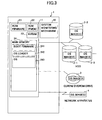
- FIG. 3 is a diagram showing a computer system applied with an embodiment of the present invention.
- a computer system 1 includes a main body part 11, and a system monitoring mechanism 42 that monitors the entire computer system 1.
- a plurality of Hard Disk Drives (HDDs) 2-1, 2-2, 2-3, ..., a CDROM or DVDROM (CDROM/DVDROM) drive 3, and a network apparatus 4 are connected to the computer system 1, as file apparatuses.
- HDDs Hard Disk Drives
- CDROM/DVDROM CDROM/DVDROM
- the main body part 11 includes a ROM firmware 21, a Read Only Memory (ROM) or Flash Memory (FMEM) 22, a Non-Volatile RAM (NVRAM) 23 and a main memory 24.
- the main memory 24 includes a boot firmware 241, an Operating System (OS) loader program (hereinafter simply referred to as an OS loader) 242 and an OS 243.
- OS Operating System
- the ROM firmware 21 is written in a ROM or FMEM, and this ROM firmware 21 is started when the power of the computer system 1 is turned ON, to thereby execute a hardware analysis and initializing processes within the computer system 1. Thereafter, an image of the boot firmware that is compressed and stored in the ROM or FMEM 22 within the computer system 1 is located into the main memory 24, and the control is transferred to the boot firmware 241.
- the boot firmware 241 includes a driver program (hereinafter simply referred to as a driver) for controlling boot target apparatuses (file apparatuses) that are supported by the computer system 1, and executes the boot process by selecting the target apparatus that is to be actually booted, from the boot target apparatuses that are connected to the computer system 1, depending on preset boot information.
- the boot firmware 241 boots the OS loader 242 for booting the target OS 243.
- the boot firmware 241 does not need to be able to analyze the file system of the OS 243. Since the OS loader 242 that corresponds to the OS 243 can analyze the file system of the OS 243, the boot firmware 241 can recognize the location of the OS loader 242 in the boot target apparatus, and if this OS loader 242 can be booted, the OS 243 can thereafter be booted by this OS loader 242.
- the boot information is stored in the NVRAM 23.
- the boot target apparatus that is to be automatically booted when starting the computer system 1 is determined from the plurality of boot target apparatuses that are connected to the computer system 1, depending on the boot information that is stored in the NVRAM 23.
- the boot information that is stored in the NVRAM 23 includes a BootXXXX variable, a BootOrder variable, and a BootNext variable, where "XXXX" denotes a hexadecimal number from "0000" to "FFFF”.
- the BootXXXX variable includes device path information indicating a location where the boot target apparatus is connected to the computer system 1, and information related to a file position and a file name of the OS loader 242.
- the BootOrder variable specifies an order in which the boot target apparatuses indicated by the plurality of BootXXXX variables are to be booted.
- the BootNext variable normally does not exist. But when the BootNext variable exists, the boot target apparatus that is specified by the BootXXXX variable indicated by the number set in the BootNext variable is booted, regardless of the BootOrder variable.
- the boot firmware 241 initializes various drivers for booting and carries out a probing process with respect to the HDDs 2-1, 2-2, 2-3, ... that are connected to the computer system 1. Thereafter, the value of the portion "XXXX" of the BootXXXX variable is specified from the BootOrder variable of the NVRAM variables, and the boot target apparatus specified by the BootXXXX variable and the OS loader 242 are booted.
- the boot process of the OS 243 by the boot firmware 241 may be regarded as functions to determine the boot target apparatus based on the boot information that is preset in the NVRAM 23 and to boot the OS loader 242.
- the boot process of the OS 243 by the boot firmware 241 includes a so-called remote boot function which temporarily executes a boot process from a boot apparatus different from the boot information that is preset in the NVRAM 23, only for the next boot process, based on information received from the system monitoring mechanism 42.
- FIG. 4 is a system block diagram showing an important part of this embodiment of the present invention.
- the main memory 24 includes the boot firmware 241 and an OS install program 245.
- the boot firmware 241 includes a remote boot control module 501 including an NVRAM variable flash module 500, a boot manager 502, a boot maintenance tool 503, and NVRAM variables 301.
- the system monitoring mechanism 42 includes a system monitoring mechanism remote boot manager 601, a monitor program 602, a network interface 603, and system monitoring mechanism remote boot control variables 302.
- the monitor program 602 of the system monitoring mechanism 42 is connected to at least a part 10 of the main body part 11 within the computer system 1.
- the part 10 corresponds to an output function of a display part.
- Information monitored by the monitor program 602 can be output to this part 10.
- the network interface 603 is connectable to the other computer system 31 via the network 30.
- the system monitoring mechanism remote boot manager 601 specifies (or instructs) a remote boot using the system monitoring mechanism remote boot control variables 302, and also manages the remote boot, in response to a request or instruction received from the part 10 or the other computer system 31.
- the remote boot control module 501 of the boot firmware 241 controls the remote boot that is specified (or instructed) from the system monitoring mechanism 42, and the NVRAM variable flash module 500 copies the NVRAM variables 301 to the system monitoring mechanism remote boot control variables 302 within the system monitoring mechanism 42 when the NVRAM variables 301 are updated.
- the boot manager 502 manages the boot by the boot firmware 241, including the remote boot.
- the boot maintenance tool 503 carries out a boot maintenance including updating of the NVRAM variables 301.
- the OS install program 245 installs the image of the OS to the HDDs 2-1, 2-2, 2-3, ... and the like, and updates the NVRAM variables 301.
- the BootXXXX variable, the BootOrder variable and the BootNext variable are all included not only in the NVRAM variables 301 that are managed by the boot firmware 241, but also in the system monitoring mechanism remote boot control variables 302 that are managed by the system monitoring mechanism 42, so that the boot target apparatus managed by the boot firmware 241 can also be specified by the remote boot that is specified from the remote monitoring mechanism 42.
- the following controls c1) through c7) are made in order to maintain coherency of the boot information stored in the NVRAM 23 and the boot information stored in the remote monitoring mechanism 42.
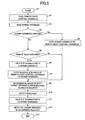
- FIG. 5 is a flow chart for explaining an operation of this embodiment of the present invention.
- the process shown in FIG. 5 is executed by the remote boot control module 501 of the boot firmware 241.
- a step S2 reads the system monitoring mechanism remote boot control variables 302 from the system monitoring apparatus 42.
- a step S3 reads the NVRAM variables 301 from the NVRAM 23.
- a step S4 decides whether or not the boot variables (BootXXXX variable, BootOrder variable and BootNext variable) of the NVRAM variables 301 have been updated. If the decision result in the step S4 is NO, a step S5 decides whether or not a remote boot is specified from the system monitoring mechanism 42.
- a step S6 deletes the BootNext variable if it is included in the NVRAM variables 301.
- a step S7 copies the BootOrder variable and the BootNext variable included in the system monitoring mechanism remote boot control variables 302 to the NVRAM variables 301.
- a step S8 determines the BootXXXX variable of the boot target apparatus based on the BootXXXX variable, the BootOrder variable and the BootNext variable of the NVRAM variables 301. If the decision result in the step S5 is NO, the process advances to a step S8.
- step S5 when the OS 243 is installed by the OS install program 245 or the boot maintenance is carried out by the boot maintenance tool 503, and the reboot is not executed and the remote boot is specified in a state where the boot variables of the NVRAM variables 301 are updated, the remote boot is invalidated in this case, and the decision result in the step S5 becomes NO.
- a step S9 copies the NVRAM variables 301 to the system monitoring mechanism remote boot control variables 302 within the system monitoring mechanism 42 by a flash process, and the process advances to the step S8.
- a step S10 notifies the BootCurrent variable to the system monitoring mechanism 42.
- a step S11 deletes the BootNext variable if this BootNext variable is included in the NVRAM variables 301.
- a step S12 boots the OS loader 242 that is specified by the BootXXXX variable that is determined in the step S8, and the process ends in a step S13.
- the BootOrder variable and the BootNext variable of the system monitoring mechanism remote boot control variables 302 are copied to the NVRAM variables 301, so that in the subsequent processes the bootXXXX variable of the boot target apparatus is determined from the bootXXXX variable, the BootOrder variable and the BootNext variable of the NVRAM variables 301 without being aware of the remote boot that is specified from the system monitoring mechanism 42. But instead, it is possible to carry out a control by the remote boot control module 501, as in each of modifications described hereunder.
- the BootOrder variable of the system monitoring mechanism remote boot control variables 302 is copied to the NVRAM variables 301 only if this BootOrder variable is different from the BootOrder variable of the NVRAM variables 301.
- a BootNextMemory variable is newly created as a memory variable, and not the NVRAM variables 301, if the BootNext variable exists in the system monitoring mechanism remote control variables 302, and the value of the BootNext variable of the system monitoring mechanism remote boot control variables 302 is copied to the BootNextMemory variable.
- the existence of the BootNextMemory variable is checked, and if the BootNextMemory variable exists, the BootXXXX variable of the NVRAM variables 301 specified by the value set in the BootNextMemory variable is regarded as the BootXXXX variable of the boot target apparatus.
- the NVRAM 301 is stored in a storage apparatus having a limit to the number of times the updating may be made, such as the flash memory, it is necessary to minimize unnecessary updating processes with respect to the NVRAM variables 301.
- the boot specified using the system monitoring mechanism remote boot control variables 302 is only due to the BootNext variable, it is sufficient to create the BootNextMemory variable using the main memory 24 of the computer system 1 as the storage apparatus, and not the BootNext variable of the system monitoring mechanism remote boot control variables 302, thereby making it possible to suppress the updating with respect to the NVRAM variables 301.
- the remote boot that is specified is limited to only the process at the time of the next boot, so as to guarantee the suppression of the unnecessary updating processes with respect to the NVRAM variables 301.
- the system monitoring mechanism remote boot control variables 302 do not need to include the BootOrder variable, and only need to include the BootNext variable.
- the BootNextMemory variable is newly created as the memory variable, and not the NVRAM variables 301, if the BootNext variable exists in the system monitoring mechanism remote control variables 302, and the value of the BootNext variable of the system monitoring mechanism remote boot control variables 302 is copied to the BootNextMemory variable.
- the existence of the BootNextMemory variable is checked, and if the BootNextMemory variable exists, the BootXXXX variable of the NVRAM variables 301 specified by the value set in the BootNextMemory variable is regarded as the BootXXXX variable of the boot target apparatus. Since the remote boot is specified using only the BootNext variable, it is possible to suppress the updating with respect to the NVRAM variables 301 when the remote boot is specified by the process of this modification.
- the BootXXXX variable is modifiable at the NVRAM variables 301, and the remote boot that is specified is validated only when the coherency of the BootXXXX variables of the NVRAM variables 301 and the system monitoring mechanism remote boot control variables 302 is confirmed.
- the value of a specific BootXXXX variable is fixedly set with respect to a specific boot target apparatus.
- this third modification validates the BootNext variable that is specified in the remote boot, regardless of whether or not the coherency of the BootXXXX variables is maintained.
- the BootXXXX variable that may be specified by the BootNext variable in the remote boot is limited to the BootXXXX variable that is fixedly set in the computer system 1, so that it is unnecessary to check or confirm the coherency of the BootXXXX variables of the NVRAM variables 301 and the system monitoring mechanism remote boot control variables 302.
- the modification of the BootXXXX variable of the NVRAM variables 301 it is possible to effectively reduce the processing time depending on the environment, such as under an environment where the boot target apparatuses that are connected to the computer system 1 are limited to a certain extent.
- the present invention is suited for application to computer systems that carry out the so-called boot process in which the image of the operating system is loaded from the file apparatus that is connected to the computer system to the main memory of the computer system and the operating system is started.
Landscapes
- Engineering & Computer Science (AREA)
- Software Systems (AREA)
- Theoretical Computer Science (AREA)
- Physics & Mathematics (AREA)
- General Engineering & Computer Science (AREA)
- General Physics & Mathematics (AREA)
- Computer Security & Cryptography (AREA)
- Stored Programmes (AREA)
- Debugging And Monitoring (AREA)
Applications Claiming Priority (1)
| Application Number | Priority Date | Filing Date | Title |
|---|---|---|---|
| JP2005078011A JP4778247B2 (ja) | 2005-03-17 | 2005-03-17 | リモートブート方法、機構及びプログラム |
Publications (2)
| Publication Number | Publication Date |
|---|---|
| EP1703384A2 true EP1703384A2 (de) | 2006-09-20 |
| EP1703384A3 EP1703384A3 (de) | 2009-01-07 |
Family
ID=36616999
Family Applications (1)
| Application Number | Title | Priority Date | Filing Date |
|---|---|---|---|
| EP05254738A Withdrawn EP1703384A3 (de) | 2005-03-17 | 2005-07-28 | Verfahren zum Fern-Urladen |
Country Status (5)
| Country | Link |
|---|---|
| US (1) | US7590838B2 (de) |
| EP (1) | EP1703384A3 (de) |
| JP (1) | JP4778247B2 (de) |
| KR (1) | KR100739911B1 (de) |
| CN (1) | CN100437486C (de) |
Families Citing this family (13)
| Publication number | Priority date | Publication date | Assignee | Title |
|---|---|---|---|---|
| US20050010811A1 (en) * | 2003-06-16 | 2005-01-13 | Zimmer Vincent J. | Method and system to support network port authentication from out-of-band firmware |
| US8316123B2 (en) * | 2007-02-19 | 2012-11-20 | Toshiba Global Commerce Solutions Holdings Corporation | Managing boot images in a retail store environment |
| JP5066946B2 (ja) * | 2007-03-05 | 2012-11-07 | 日本電気株式会社 | Os種別自動特定装置、os自動起動装置、プロセッサシステム、os種別自動特定方法、os自動起動方法、プログラム、及び記憶媒体 |
| CN101339511B (zh) * | 2007-07-02 | 2011-06-15 | 国际商业机器公司 | 用于监控和自适应地预载入关键动态连接库的方法和系统 |
| US8185727B2 (en) | 2008-04-24 | 2012-05-22 | Dell Products, Lp | Method of using an information handling system having a boot file, and an information handling system and machine-executable code for carrying out the method |
| US8631186B2 (en) * | 2008-09-30 | 2014-01-14 | Intel Corporation | Hardware and file system agnostic mechanism for achieving capsule support |
| KR101658485B1 (ko) * | 2009-06-18 | 2016-09-22 | 삼성전자주식회사 | 휴대용 단말기에서 디버깅을 위한 부팅 방법 및 장치 |
| US8775781B2 (en) * | 2010-03-25 | 2014-07-08 | Microsoft Corporation | Intelligent boot device selection and recovery |
| CN103430147B (zh) * | 2011-03-18 | 2016-03-30 | 富士通株式会社 | 信息处理装置及信息处理装置的控制方法 |
| US8990806B2 (en) | 2012-07-31 | 2015-03-24 | Hewlett-Packard Development Company, L.P. | Customized virtual machine creation |
| US11036422B2 (en) * | 2017-08-07 | 2021-06-15 | Datto, Inc. | Prioritization and source-nonspecific based virtual machine recovery apparatuses, methods and systems |
| US10664288B2 (en) * | 2018-03-15 | 2020-05-26 | Oracle International Corporation | Obtaining environment information in a computing environment |
| CN110908701B (zh) * | 2018-09-14 | 2024-01-30 | 北京小米松果电子有限公司 | 固件版本切换方法、装置、存储介质及电子设备 |
Citations (2)
| Publication number | Priority date | Publication date | Assignee | Title |
|---|---|---|---|---|
| JPH0535489A (ja) | 1990-09-19 | 1993-02-12 | Internatl Business Mach Corp <Ibm> | コンピユータワークステーシヨン |
| JPH06259351A (ja) | 1993-03-03 | 1994-09-16 | Hitachi Ltd | システムの遠隔制御方法 |
Family Cites Families (17)
| Publication number | Priority date | Publication date | Assignee | Title |
|---|---|---|---|---|
| JPH09146651A (ja) * | 1995-11-28 | 1997-06-06 | Nec Software Ltd | コンピュータ遠隔起動システム |
| JPH1165996A (ja) * | 1997-08-11 | 1999-03-09 | Toshiba Corp | ネットワークコンピュータおよびその初期化処理方法 |
| GB2334354B (en) * | 1998-02-13 | 2003-04-16 | Ibm | Booting a computer system from a network |
| US6101601A (en) * | 1998-04-20 | 2000-08-08 | International Business Machines Corporation | Method and apparatus for hibernation within a distributed data processing system |
| JP3001537B1 (ja) * | 1998-10-08 | 2000-01-24 | 九州日本電気ソフトウェア株式会社 | リモートコンピュータのブートシステムのブート方法 |
| US6421777B1 (en) * | 1999-04-26 | 2002-07-16 | International Business Machines Corporation | Method and apparatus for managing boot images in a distributed data processing system |
| US6446203B1 (en) * | 1999-05-24 | 2002-09-03 | International Business Machines Corporation | Method and system for selecting from multiple boot code images to be loaded in a data processing system |
| JP2001101002A (ja) * | 1999-09-29 | 2001-04-13 | Ricoh Co Ltd | パーソナルコンピュータ |
| US6691160B1 (en) * | 2000-04-19 | 2004-02-10 | Adaptec, Inc. | Input/output communication networks and booting protocols |
| US6735692B1 (en) | 2000-07-11 | 2004-05-11 | International Business Machines Corporation | Redirected network boot to multiple remote file servers |
| US6907523B2 (en) * | 2000-12-22 | 2005-06-14 | Intel Corporation | Method and apparatus utilizing an agent on the host processing system to initiate loading of a program in response to an event at the host processing system |
| US8126959B2 (en) * | 2001-06-28 | 2012-02-28 | International Business Machines Corporation | Method and system for dynamic redistribution of remote computer boot service in a network containing multiple boot servers |
| US20030126242A1 (en) * | 2001-12-28 | 2003-07-03 | Chang Albert H. | Network boot system and method using remotely-stored, client-specific boot images created from shared, base snapshot image |
| JP4199678B2 (ja) | 2002-04-18 | 2008-12-17 | アーデンス・インコーポレイテッド | ハイバネーションを使用したクライアントコンピューターのオペレーティングシステムのネットワークブーティングのためのシステム及び方法 |
| CN1264094C (zh) * | 2002-09-06 | 2006-07-12 | 上海金诺网络安全技术发展股份有限公司 | 利用光盘和移动存储介质启动并运行计算机系统的方法 |
| US20040193867A1 (en) | 2003-03-31 | 2004-09-30 | Zimmer Vincent J | Configurabel network boot management for hetergenous boot options |
| JP4528144B2 (ja) * | 2005-01-26 | 2010-08-18 | 富士通株式会社 | メモリダンププログラムのブート方法、機構及びプログラム |
-
2005
- 2005-03-17 JP JP2005078011A patent/JP4778247B2/ja not_active Expired - Fee Related
- 2005-07-28 EP EP05254738A patent/EP1703384A3/de not_active Withdrawn
- 2005-07-28 US US11/190,970 patent/US7590838B2/en not_active Expired - Fee Related
- 2005-08-19 KR KR1020050076040A patent/KR100739911B1/ko not_active Expired - Fee Related
- 2005-08-22 CN CNB2005100939415A patent/CN100437486C/zh not_active Expired - Fee Related
Patent Citations (2)
| Publication number | Priority date | Publication date | Assignee | Title |
|---|---|---|---|---|
| JPH0535489A (ja) | 1990-09-19 | 1993-02-12 | Internatl Business Mach Corp <Ibm> | コンピユータワークステーシヨン |
| JPH06259351A (ja) | 1993-03-03 | 1994-09-16 | Hitachi Ltd | システムの遠隔制御方法 |
Also Published As
| Publication number | Publication date |
|---|---|
| EP1703384A3 (de) | 2009-01-07 |
| JP4778247B2 (ja) | 2011-09-21 |
| CN100437486C (zh) | 2008-11-26 |
| KR20060101173A (ko) | 2006-09-22 |
| CN1834917A (zh) | 2006-09-20 |
| JP2006260290A (ja) | 2006-09-28 |
| US7590838B2 (en) | 2009-09-15 |
| US20060212695A1 (en) | 2006-09-21 |
| KR100739911B1 (ko) | 2007-07-16 |
Similar Documents
| Publication | Publication Date | Title |
|---|---|---|
| US9081639B2 (en) | System and method for remotely re-imaging a computer system | |
| EP2362312B1 (de) | Firmware-aktualisierungssystem sowie informationsvorrichtung und programm dafür | |
| US7590838B2 (en) | Remote boot method and mechanism, and computer-readable storage medium | |
| US7055148B2 (en) | System and method for updating firmware | |
| US20010039612A1 (en) | Apparatus and method for fast booting | |
| JPH10283189A (ja) | 内蔵実行可能アプリケーション及びコンピュータ読み取り可能な記憶媒体並びに内蔵実行可能アプリケーションの作成方法及びその作成システム | |
| JP2003345618A (ja) | 2以上のファームウェアイメージを切替える方法 | |
| JPH0782432B2 (ja) | 電子プリントシステムにおいてソフトウェアをアップグレードする方法 | |
| CN100389395C (zh) | 存储器转储程序引导方法及设备 | |
| CN115437818A (zh) | VxWorks系统启动失败的自动修复方法、系统、存储介质及设备 | |
| US20150058835A1 (en) | Information processing apparatus, control method thereof, and storage medium | |
| US6438606B1 (en) | Router image support device | |
| JP2008084029A (ja) | 仮想マシン管理システム | |
| US7818557B2 (en) | Method for re-imaging a computer system | |
| KR102423056B1 (ko) | 부팅 디스크 변경 방법 및 시스템 | |
| JP2009009494A (ja) | 情報処理装置、情報処理方法、制御プログラム | |
| JP5206839B2 (ja) | リモートブート方法及びプログラム | |
| JPH0962499A (ja) | プログラムファイル更新装置 | |
| US20220100496A1 (en) | Tracking history of firmware program updates | |
| JP2018077690A (ja) | アプリケーションの実行環境の違いに依る互換性を考慮したインストール、及びファームアップ方法 | |
| JPH10260859A (ja) | コンピュータシステム | |
| JP3817499B2 (ja) | 情報処理装置、制御方法、制御プログラム | |
| JP2005321967A (ja) | 情報処理装置 | |
| JP2006107388A (ja) | 情報処理装置、情報処理方法及びプログラム | |
| CN116643703A (zh) | 一种数据擦除方法及装置 |
Legal Events
| Date | Code | Title | Description |
|---|---|---|---|
| PUAI | Public reference made under article 153(3) epc to a published international application that has entered the european phase |
Free format text: ORIGINAL CODE: 0009012 |
|
| AK | Designated contracting states |
Kind code of ref document: A2 Designated state(s): AT BE BG CH CY CZ DE DK EE ES FI FR GB GR HU IE IS IT LI LT LU LV MC NL PL PT RO SE SI SK TR |
|
| AX | Request for extension of the european patent |
Extension state: AL BA HR MK YU |
|
| PUAL | Search report despatched |
Free format text: ORIGINAL CODE: 0009013 |
|
| AK | Designated contracting states |
Kind code of ref document: A3 Designated state(s): AT BE BG CH CY CZ DE DK EE ES FI FR GB GR HU IE IS IT LI LT LU LV MC NL PL PT RO SE SI SK TR |
|
| AX | Request for extension of the european patent |
Extension state: AL BA HR MK YU |
|
| 17P | Request for examination filed |
Effective date: 20090701 |
|
| AKX | Designation fees paid |
Designated state(s): DE FR GB |
|
| 17Q | First examination report despatched |
Effective date: 20150820 |
|
| STAA | Information on the status of an ep patent application or granted ep patent |
Free format text: STATUS: THE APPLICATION IS DEEMED TO BE WITHDRAWN |
|
| 18D | Application deemed to be withdrawn |
Effective date: 20160105 |