EP1586322A2 - Zusammensetzungen zur Inhibition der Angiogenese - Google Patents
Zusammensetzungen zur Inhibition der Angiogenese Download PDFInfo
- Publication number
- EP1586322A2 EP1586322A2 EP05014759A EP05014759A EP1586322A2 EP 1586322 A2 EP1586322 A2 EP 1586322A2 EP 05014759 A EP05014759 A EP 05014759A EP 05014759 A EP05014759 A EP 05014759A EP 1586322 A2 EP1586322 A2 EP 1586322A2
- Authority
- EP
- European Patent Office
- Prior art keywords
- angiogenesis
- disease
- thalidomide
- group
- composition
- Prior art date
- Legal status (The legal status is an assumption and is not a legal conclusion. Google has not performed a legal analysis and makes no representation as to the accuracy of the status listed.)
- Granted
Links
Images


Classifications
-
- A—HUMAN NECESSITIES
- A61—MEDICAL OR VETERINARY SCIENCE; HYGIENE
- A61K—PREPARATIONS FOR MEDICAL, DENTAL OR TOILETRY PURPOSES
- A61K31/00—Medicinal preparations containing organic active ingredients
- A61K31/60—Salicylic acid; Derivatives thereof
- A61K31/612—Salicylic acid; Derivatives thereof having the hydroxy group in position 2 esterified, e.g. salicylsulfuric acid
- A61K31/616—Salicylic acid; Derivatives thereof having the hydroxy group in position 2 esterified, e.g. salicylsulfuric acid by carboxylic acids, e.g. acetylsalicylic acid
-
- A—HUMAN NECESSITIES
- A61—MEDICAL OR VETERINARY SCIENCE; HYGIENE
- A61K—PREPARATIONS FOR MEDICAL, DENTAL OR TOILETRY PURPOSES
- A61K31/00—Medicinal preparations containing organic active ingredients
- A61K31/16—Amides, e.g. hydroxamic acids
- A61K31/165—Amides, e.g. hydroxamic acids having aromatic rings, e.g. colchicine, atenolol, progabide
- A61K31/167—Amides, e.g. hydroxamic acids having aromatic rings, e.g. colchicine, atenolol, progabide having the nitrogen of a carboxamide group directly attached to the aromatic ring, e.g. lidocaine, paracetamol
-
- A—HUMAN NECESSITIES
- A61—MEDICAL OR VETERINARY SCIENCE; HYGIENE
- A61K—PREPARATIONS FOR MEDICAL, DENTAL OR TOILETRY PURPOSES
- A61K31/00—Medicinal preparations containing organic active ingredients
- A61K31/185—Acids; Anhydrides, halides or salts thereof, e.g. sulfur acids, imidic, hydrazonic or hydroximic acids
- A61K31/19—Carboxylic acids, e.g. valproic acid
- A61K31/192—Carboxylic acids, e.g. valproic acid having aromatic groups, e.g. sulindac, 2-aryl-propionic acids, ethacrynic acid
-
- A—HUMAN NECESSITIES
- A61—MEDICAL OR VETERINARY SCIENCE; HYGIENE
- A61K—PREPARATIONS FOR MEDICAL, DENTAL OR TOILETRY PURPOSES
- A61K31/00—Medicinal preparations containing organic active ingredients
- A61K31/33—Heterocyclic compounds
- A61K31/395—Heterocyclic compounds having nitrogen as a ring hetero atom, e.g. guanethidine or rifamycins
- A61K31/40—Heterocyclic compounds having nitrogen as a ring hetero atom, e.g. guanethidine or rifamycins having five-membered rings with one nitrogen as the only ring hetero atom, e.g. sulpiride, succinimide, tolmetin, buflomedil
- A61K31/403—Heterocyclic compounds having nitrogen as a ring hetero atom, e.g. guanethidine or rifamycins having five-membered rings with one nitrogen as the only ring hetero atom, e.g. sulpiride, succinimide, tolmetin, buflomedil condensed with carbocyclic rings, e.g. carbazole
- A61K31/404—Indoles, e.g. pindolol
- A61K31/405—Indole-alkanecarboxylic acids; Derivatives thereof, e.g. tryptophan, indomethacin
-
- A—HUMAN NECESSITIES
- A61—MEDICAL OR VETERINARY SCIENCE; HYGIENE
- A61K—PREPARATIONS FOR MEDICAL, DENTAL OR TOILETRY PURPOSES
- A61K31/00—Medicinal preparations containing organic active ingredients
- A61K31/33—Heterocyclic compounds
- A61K31/395—Heterocyclic compounds having nitrogen as a ring hetero atom, e.g. guanethidine or rifamycins
- A61K31/435—Heterocyclic compounds having nitrogen as a ring hetero atom, e.g. guanethidine or rifamycins having six-membered rings with one nitrogen as the only ring hetero atom
- A61K31/44—Non condensed pyridines; Hydrogenated derivatives thereof
- A61K31/445—Non condensed piperidines, e.g. piperocaine
- A61K31/4523—Non condensed piperidines, e.g. piperocaine containing further heterocyclic ring systems
- A61K31/454—Non condensed piperidines, e.g. piperocaine containing further heterocyclic ring systems containing a five-membered ring with nitrogen as a ring hetero atom, e.g. pimozide, domperidone
-
- A—HUMAN NECESSITIES
- A61—MEDICAL OR VETERINARY SCIENCE; HYGIENE
- A61K—PREPARATIONS FOR MEDICAL, DENTAL OR TOILETRY PURPOSES
- A61K45/00—Medicinal preparations containing active ingredients not provided for in groups A61K31/00 - A61K41/00
- A61K45/06—Mixtures of active ingredients without chemical characterisation, e.g. antiphlogistics and cardiaca
-
- A—HUMAN NECESSITIES
- A61—MEDICAL OR VETERINARY SCIENCE; HYGIENE
- A61P—SPECIFIC THERAPEUTIC ACTIVITY OF CHEMICAL COMPOUNDS OR MEDICINAL PREPARATIONS
- A61P1/00—Drugs for disorders of the alimentary tract or the digestive system
-
- A—HUMAN NECESSITIES
- A61—MEDICAL OR VETERINARY SCIENCE; HYGIENE
- A61P—SPECIFIC THERAPEUTIC ACTIVITY OF CHEMICAL COMPOUNDS OR MEDICINAL PREPARATIONS
- A61P1/00—Drugs for disorders of the alimentary tract or the digestive system
- A61P1/04—Drugs for disorders of the alimentary tract or the digestive system for ulcers, gastritis or reflux esophagitis, e.g. antacids, inhibitors of acid secretion, mucosal protectants
-
- A—HUMAN NECESSITIES
- A61—MEDICAL OR VETERINARY SCIENCE; HYGIENE
- A61P—SPECIFIC THERAPEUTIC ACTIVITY OF CHEMICAL COMPOUNDS OR MEDICINAL PREPARATIONS
- A61P17/00—Drugs for dermatological disorders
-
- A—HUMAN NECESSITIES
- A61—MEDICAL OR VETERINARY SCIENCE; HYGIENE
- A61P—SPECIFIC THERAPEUTIC ACTIVITY OF CHEMICAL COMPOUNDS OR MEDICINAL PREPARATIONS
- A61P17/00—Drugs for dermatological disorders
- A61P17/06—Antipsoriatics
-
- A—HUMAN NECESSITIES
- A61—MEDICAL OR VETERINARY SCIENCE; HYGIENE
- A61P—SPECIFIC THERAPEUTIC ACTIVITY OF CHEMICAL COMPOUNDS OR MEDICINAL PREPARATIONS
- A61P19/00—Drugs for skeletal disorders
- A61P19/02—Drugs for skeletal disorders for joint disorders, e.g. arthritis, arthrosis
-
- A—HUMAN NECESSITIES
- A61—MEDICAL OR VETERINARY SCIENCE; HYGIENE
- A61P—SPECIFIC THERAPEUTIC ACTIVITY OF CHEMICAL COMPOUNDS OR MEDICINAL PREPARATIONS
- A61P19/00—Drugs for skeletal disorders
- A61P19/06—Antigout agents, e.g. antihyperuricemic or uricosuric agents
-
- A—HUMAN NECESSITIES
- A61—MEDICAL OR VETERINARY SCIENCE; HYGIENE
- A61P—SPECIFIC THERAPEUTIC ACTIVITY OF CHEMICAL COMPOUNDS OR MEDICINAL PREPARATIONS
- A61P27/00—Drugs for disorders of the senses
- A61P27/02—Ophthalmic agents
-
- A—HUMAN NECESSITIES
- A61—MEDICAL OR VETERINARY SCIENCE; HYGIENE
- A61P—SPECIFIC THERAPEUTIC ACTIVITY OF CHEMICAL COMPOUNDS OR MEDICINAL PREPARATIONS
- A61P27/00—Drugs for disorders of the senses
- A61P27/02—Ophthalmic agents
- A61P27/06—Antiglaucoma agents or miotics
-
- A—HUMAN NECESSITIES
- A61—MEDICAL OR VETERINARY SCIENCE; HYGIENE
- A61P—SPECIFIC THERAPEUTIC ACTIVITY OF CHEMICAL COMPOUNDS OR MEDICINAL PREPARATIONS
- A61P29/00—Non-central analgesic, antipyretic or antiinflammatory agents, e.g. antirheumatic agents; Non-steroidal antiinflammatory drugs [NSAID]
-
- A—HUMAN NECESSITIES
- A61—MEDICAL OR VETERINARY SCIENCE; HYGIENE
- A61P—SPECIFIC THERAPEUTIC ACTIVITY OF CHEMICAL COMPOUNDS OR MEDICINAL PREPARATIONS
- A61P31/00—Antiinfectives, i.e. antibiotics, antiseptics, chemotherapeutics
- A61P31/04—Antibacterial agents
-
- A—HUMAN NECESSITIES
- A61—MEDICAL OR VETERINARY SCIENCE; HYGIENE
- A61P—SPECIFIC THERAPEUTIC ACTIVITY OF CHEMICAL COMPOUNDS OR MEDICINAL PREPARATIONS
- A61P31/00—Antiinfectives, i.e. antibiotics, antiseptics, chemotherapeutics
- A61P31/12—Antivirals
-
- A—HUMAN NECESSITIES
- A61—MEDICAL OR VETERINARY SCIENCE; HYGIENE
- A61P—SPECIFIC THERAPEUTIC ACTIVITY OF CHEMICAL COMPOUNDS OR MEDICINAL PREPARATIONS
- A61P35/00—Antineoplastic agents
-
- A—HUMAN NECESSITIES
- A61—MEDICAL OR VETERINARY SCIENCE; HYGIENE
- A61P—SPECIFIC THERAPEUTIC ACTIVITY OF CHEMICAL COMPOUNDS OR MEDICINAL PREPARATIONS
- A61P35/00—Antineoplastic agents
- A61P35/02—Antineoplastic agents specific for leukemia
-
- A—HUMAN NECESSITIES
- A61—MEDICAL OR VETERINARY SCIENCE; HYGIENE
- A61P—SPECIFIC THERAPEUTIC ACTIVITY OF CHEMICAL COMPOUNDS OR MEDICINAL PREPARATIONS
- A61P37/00—Drugs for immunological or allergic disorders
- A61P37/02—Immunomodulators
- A61P37/06—Immunosuppressants, e.g. drugs for graft rejection
-
- A—HUMAN NECESSITIES
- A61—MEDICAL OR VETERINARY SCIENCE; HYGIENE
- A61P—SPECIFIC THERAPEUTIC ACTIVITY OF CHEMICAL COMPOUNDS OR MEDICINAL PREPARATIONS
- A61P43/00—Drugs for specific purposes, not provided for in groups A61P1/00-A61P41/00
-
- A—HUMAN NECESSITIES
- A61—MEDICAL OR VETERINARY SCIENCE; HYGIENE
- A61P—SPECIFIC THERAPEUTIC ACTIVITY OF CHEMICAL COMPOUNDS OR MEDICINAL PREPARATIONS
- A61P7/00—Drugs for disorders of the blood or the extracellular fluid
- A61P7/06—Antianaemics
-
- A—HUMAN NECESSITIES
- A61—MEDICAL OR VETERINARY SCIENCE; HYGIENE
- A61P—SPECIFIC THERAPEUTIC ACTIVITY OF CHEMICAL COMPOUNDS OR MEDICINAL PREPARATIONS
- A61P9/00—Drugs for disorders of the cardiovascular system
-
- A—HUMAN NECESSITIES
- A61—MEDICAL OR VETERINARY SCIENCE; HYGIENE
- A61P—SPECIFIC THERAPEUTIC ACTIVITY OF CHEMICAL COMPOUNDS OR MEDICINAL PREPARATIONS
- A61P9/00—Drugs for disorders of the cardiovascular system
- A61P9/10—Drugs for disorders of the cardiovascular system for treating ischaemic or atherosclerotic diseases, e.g. antianginal drugs, coronary vasodilators, drugs for myocardial infarction, retinopathy, cerebrovascula insufficiency, renal arteriosclerosis
Definitions
- the present invention relates to methods and compositions for preventing unwanted angiogenesis in a human or animal. More particularly, the present invention relates to a method for preventing unwanted angiogenesis, particularly in angiogenesis dependent or associated diseases, by administration of compounds such as thalidomide and related compounds.
- angiogenesis means the generation of new blood vessels into a tissue or organ. Under normal physiological conditions, humans or animals only undergo angiogenesis in very specific restricted situations. For example, angiogenesis is normally observed in wound healing, fetal and embryonal development and formation of the corpus luteum, endometrium and placenta.
- the control of angiogenesis is a highly regulated system of angiogenic stimulators and inhibitors. The control of angiogenesis has been found to be altered in certain disease states and, in many cases, the pathological damage associated with the disease is related to uncontrolled angiogenesis.
- Angiogenesis begins with the erosion of the basement membrane by enzymes released by endothelial cells and leukocytes. The endothelial cells, which line the lumen of blood vessels, then protrude through the basement membrane. Angiogenic stimulants induce the endothelial cells to migrate through the eroded basement membrane. The migrating cells form a "sprout" off the parent blood vessel, where the endothelial cells undergo mitosis and proliferate. The endothelial sprouts merge with each other to form capillary loops, creating the new blood vessel. In the disease state, prevention of angiogenesis could avert the damage caused by the invasion of the new microvascular system.
- Persistent, unregulated angiogenesis occurs in a multiplicity of disease states, tumor metastasis and abnormal growth by endothelial cells and supports the pathological damage seen in these conditions.
- the diverse pathological states created due to unregulated angiogenesis have been grouped together as angiogenic dependent or angiogenic associated diseases. Therapies directed at control of the angiogenic processes could lead to the abrogation or mitigation of these diseases.
- ocular neovascular disease This disease is characterized by invasion of new blood vessels into the structures of the eye such as the retina or cornea. It is the most common cause of blindness and is involved in approximately twenty eye diseases. In age-related macular degeneration, the associated visual problems are caused by an ingrowth of chorioidal capillaries through defects in Bruch's membrane with proliferation of fibrovascular tissue beneath the retinal pigment epithelium. Angiogenic damage is also associated with diabetic retinopathy, retinopathy of prematurity, corneal graft rejection, neovascular glaucoma and retrolental fibroplasia.
- corneal neovascularization include, but are not limited to, epidemic keratoconjunctivitis, Vitamin A deficiency, contact lens overwear, atopic keratitis, superior limbic keratitis, pterygium keratitis sicca, sjogren's syndrome, acne rosacea, phylectenulosis, syphilis, Mycobacteria infections, lipid degeneration, chemical burns, bacterial ulcers, fungal ulcers, Herpes simplex infections, Herpes zoster infections, protozoan infections, Kaposi's sarcoma, Mooren's ulcer, Terrien's marginal degeneration, marginal keratolysis, rheumatoid arthritis, systemic lupus, polyarteritis, trauma, Wegener's sarcoidosis, Scleritis, Steven's-Johnson disease, radial keratotomy, pemphigoid and corneal graph rejection.
- Diseases associated with retinal/choroidal neovascularization include, but are not limited to, diabetic retinopathy, macular degeneration, sickle cell anemia, sarcoid, syphilis, pseudoxanthoma elasticum, Paget's disease, vein occlusion, artery occlusion, carotid obstructive disease, chronic uveitis/vitritis, mycobacterial infections, Lyme's disease, systemic lupus erythematosis, retinopathy of prematurity, Eales' disease, Behcet's disease, infections causing a retinitis or choroiditis, presumed ocular histoplasmosis, Best's disease, myopia, optic pits, Stargardt's disease, pars planitis, chronic retinal detachment, hyperviscosity syndromes, toxoplasmosis, trauma and post-laser complications.
- Other diseases include, but are not limited to, diseases associated with rube
- angiogenesis Another disease in which angiogenesis is believed to be involved is rheumatoid arthritis.
- the endothelial cells release factors and reactive oxygen species that lead to pannus growth and cartilage destruction.
- the factors involved in angiogenesis may actively contribute to, and help maintain, the chronically inflamed state of rheumatoid arthritis.
- Factors associated with angiogenesis may also have a role in osteoarthritis.
- the activation of the chondrocytes by angiogenic-related factors contributes to the destruction of the joint. At a later stage, the angiogenic factors would promote new bone formation.
- Therapeutic intervention that prevents the bone destruction could halt the progress of the disease and provide relief for persons suffering with arthritis.
- Chronic inflammation may also involve pathological angiogenesis.
- pathological angiogenesis Such disease states as ulcerative colitis and Crohn's disease show histological changes with the ingrowth of new blood vessels into the inflamed tissues. Bartonellosis, a bacterial infection found in South America, can result in a chronic stage that is characterized by proliferation of vascular endothelial cells.
- Another pathological role associated with angiogenesis is found in atherosclerosis. The plaques formed within the lumen of blood vessels have been shown to have angiogenic stimulatory activity.
- hemangioma One of the most frequent angiogenic diseases of childhood is the hemangioma. In most cases, the tumors are benign and regress without intervention. In more severe cases, the tumors progress to large cavernous and infiltrative forms and create clinical complications. Systemic forms of hemangiomas, the hemangiomatoses, have a high mortality rate. Therapy-resistant hemangiomas exist that cannot be treated with therapeutics currently in use.
- Angiogenesis is also responsible for damage found in hereditary diseases such as Osler-Weber-Rendu disease, or hereditary hemorrhagic telangiectasia. This is an inherited disease characterized by multiple small angiomas, tumors of blood or lymph vessels. The angiomas are found in the skin and mucous membranes, often accompanied by epistaxis (nosebleeds) or gastrointestinal bleeding and sometimes with pulmonary or hepatic arteriovenous fistula.
- Angiogenesis is prominent in solid tumor formation and metastasis. Angiogenic factors have been found associated with several solid tumors such as rhabdomyosarcomas, retinoblastoma, Ewing's sarcoma, neuroblastoma, and osteosarcoma. A tumor cannot expand without a blood supply to provide nutrients and remove cellular wastes. Tumors in which angiogenesis is important include solid tumors, and benign tumors such as acoustic neuroma, neurofibroma, trachoma and pyogenic granulomas. Prevention of angiogenesis could halt the growth of these tumors and the resultant damage to the animal due to the presence of the tumor.
- angiogenesis has been associated with blood-borne tumors such as leukemias, any of various acute or chronic neoplastic diseases of the bone marrow in which unrestrained proliferation of white blood cells occurs, usually accompanied by anemia, impaired blood clotting, and enlargement of the lymph nodes, liver, and spleen. It is believed that angiogenesis plays a role in the abnormalities in the bone marrow that give rise to leukemia-like tumors.
- Angiogenesis is important in two stages of tumor metastasis.
- the first stage where angiogenesis stimulation is important is in the vascularization of the tumor which allows tumor cells to enter the blood stream and to circulate throughout the body. After the tumor cells have left the primary site, and have settled into the secondary, metastasis site, angiogenesis must occur before the new tumor can grow and expand. Therefore, prevention of angiogenesis could lead to the prevention of metastasis of tumors and possibly contain the neoplastic growth at the primary site.
- angiogenesis in the maintenance and metastasis of tumors has led to a prognostic indicator for breast cancer.
- the amount of neovascularization found in the primary tumor was determined by counting the microvessel density in the area of the most intense neovascularization in invasive breast carcinoma. A high level of microvessel density was found to correlate with tumor recurrence. Control of angiogenesis by therapeutic means could possibly lead to cessation of the recurrence of the tumors.
- Angiogenesis is also involved in normal physiological processes such as reproduction and wound healing. Angiogenesis is an important step in ovulation and also in implantation of the blastula after fertilization. Prevention of angiogenesis could be used to induce amenorrhea, to block ovulation or to prevent implantation by the blastula.
- Taylor et al. have used protamine to inhibit angiogenesis, see Taylor et al., Nature 297:307 (1982).
- the toxicity of protamine limits its practical use as a therapeutic.
- Folkman et al. have disclosed the use of heparin and steroids to control angiogenesis. See Folkman et al., Science 221:719 (1983) and U.S. Patent Nos. 5,001,116 and 4,994,443.
- Steroids, such as tetrahydrocortisol which lack gluco and mineral corticoid activity, have been found to be angiogenic inhibitors.
- interferon inhibits angiogenesis.
- interferon a or human interferon B has been shown to inhibit tumor-induced angiogenesis in mouse dermis stimulated by human neoplastic cells.
- Interferon ⁇ is also a potent inhibitor of angiogenesis induced by allogeneic spleen cells. See Sidky et al., Cancer Research 47:5155-5161 (1987).
- a fungal product, fumagillin is a potent angiostatic agent in vitro.
- the compound is toxic in vivo, but a synthetic derivative, AGM 12470, has been used in vivo to treat collagen II arthritis. Fumagillin and O-substituted fumagillin derivatives are disclosed in EPO Publication Nos. 0325199A2 and 0357061A1.
- PCT Application No. WO 92/14455 to Kaplan et al. is directed to a method for controlling abnormal concentration of TNF-a by administering thalidomide or thalidomide derivatives to a patient with toxic concentrations of TNF-a.
- the above compounds are either topical or injectable therapeutics. Therefore, there are drawbacks to their use as a general angiogenic inhibitor and lack adequate potency. For example, in prevention of excessive wound healing, surgery on internal body organs involves incisions in various structures contained within the body cavities. These wounds are not accessible to local applications of angiogenic inhibitors. Local delivery systems also involve frequent dressings which are impracticable for internal wounds, and increase the risk of infection or damage to delicate granulation tissue for surface wounds.
- a method and composition are needed that are capable of inhibiting angiogenesis and which are easily administered.
- a simple and efficacious method of treatment would be through the oral route. If an angiogenic inhibitor could be given by an oral route, the many kinds of diseases discussed above, and other angiogenic dependent pathologies, could be treated easily.
- the optimal dosage could be distributed in a form that the patient could self-administer.
- compositions and methods are provided that are effective in inhibiting unwanted angiogenesis. These compositions are easily administered by different routes, including orally, and can be given in dosages that are safe and provide angiogenic inhibition at internal sites.
- the present invention provides a method of treating mammalian diseases mediated by undesired and uncontrolled angiogenesis by administering a composition comprising an anti-angiogenic compound in a dosage sufficient to inhibit angiogenesis.
- the present invention also includes angiogenic inhibiting compounds that contain an epoxide group. These angiogenic inhibiting compounds can be administered to a human or animal alone or with epoxide hydrolase inhibiting compounds.
- the present invention also includes compositions comprising an anti-angiogenesis compound and an antiinflammatory compound.
- the antiinflammatory compound can be either a steroidal or nonsteroidal antiinflammatory compound. Nonsteroidal antiinflammatory compounds, called NSAIDs, are preferred.
- the present invention is especially useful for treating certain ocular neovascular diseases such as macular degeneration.
- the compounds which are contemplated as part of the present invention preferably can be given orally to the patient and thereby halt the progression of the disease.
- Other disease that can be treated using the present invention are diabetic retinopathy, neovascular glaucoma and retrolental fibroplasia.
- Another object of the present invention is to provide a method and composition comprising thalidomide and antiinflammatory drugs for the treatment of angiogenesis dependent diseases.
- It is another object of the present invention is to provide a method and composition comprising thalidomide and steroidal antiinflammatory drugs for the treatment of angiogenesis dependent diseases.
- It is yet another object of the present invention is to provide a method and composition comprising thalidomide and nonsteroidal, antiinflammatory drugs for the treatment of angiogenesis dependent diseases.
- It is another object of the present invention is to provide a method and composition comprising angiogenesis inhibiting compounds and antiinflammatory drugs for the treatment of angiogenesis dependent diseases.
- Yet another object of the present invention is to provide a method and composition comprising angiogenesis inhibiting compounds and steroidal antiinflammatory drugs for the treatment of angiogenesis dependent diseases.
- Another object of the present invention is to provide a method and composition comprising angiogenesis inhibiting compounds and nonsteroidal antiinflammatory drugs for the treatment of angiogenesis dependent diseases.
- Another object of the present invention is to provide a method and composition comprising thalidomide and antiinflammatory drugs for the treatment of cancer.
- Yet another object of the present invention is to provide a method and composition comprising thalidomide and steroidal antiinflammatory drugs for the treatment of cancer.
- Another object of the present invention is to provide a method and composition comprising thalidomide and nonsteroidal antiinflammatory drugs for the treatment of cancer.
- the present invention includes compositions and methods for the treatment of diseases that are mediated by angiogenesis.
- One embodiment of the present invention is the use of thalidomide or the metabolites of thalidomide as disclosed herein to inhibit unwanted angiogenesis.
- the present invention also includes compounds which cause dysmelia in the developing fetus and have anti-angiogenic activity.
- the present invention comprises a method of treating undesired angiogenesis in a human or animal comprising the steps of administering to the human or animal with the undesired angiogenesis a composition comprising an effective amount of a teratogenic compound that is anti-angiogenic.
- another aspect of the present invention features inhibiting angiogenesis in a mammal by administering a therapeutic composition comprising one of the above-described compounds in a dosage sufficient to inhibit angiogenesis.
- the compound has formula B), where R 5 and R 6 are selected from the group consisting of: and R 9 has formula F) or H); and R 14 and R 16 are selected from the group consisting of: where R 21 is -H, -CH 3 , or -OH.
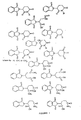
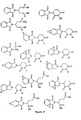
- Specific preferred compounds according to this aspect of the present invention include thalidomide, its precursors, metabolites and analogs. Particular analogs include EM-12, N-phthaloyl-DL-glutamic acid (PGA) or N-phthaloyl-DL-glutamine anhydride. Examples of compounds that are members of this genus are listed in Figures 1 through 3. It is to be understood that the compounds included as part of the present invention are not to be limited to those compounds shown in Figures 1 through 3 and include all other compounds that are members of the genus described by the general formulas herein.
- R 22 and R 23 are (independently), -H, -F, -Cl, -Br, -I, -CH 3 , or -CH 2 -CH 3 ; and R 24 is -H, -CH 3 , or -CH 2 -CH 3 .
- the present invention also features inhibiting angiogenesis in a mammal by administering a compound according to the above formulae in a dosage sufficient to inhibit angiogenesis.
- a compound according to the above formulae in a dosage sufficient to inhibit angiogenesis. Examples of specific compounds that are members of this genus are listed in Figure 4.
- epoxides of thalidomide EM-12 and EM-138.
- Representative epoxide compounds are shown as follows:
- epoxide can be attached at the 6,1 site on the benzene ring, the 1,2 site, the 2,3 site 3,4 or the 4,5 site. All of these compounds are contemplated as part of the present invention.
- epoxides of the thalidomide, EM-12, and EM-138 can be hydrolyzed to the following compounds:
- the hydroxyl group can be on carbons 1, 2, 3, 4, 5 and 6 of the benzene ring. Also contemplated as part of the present invention are dihydroxyl compounds wherein the two hydroxyl groups are located bis to each other on carbons 1, 2, 3, 5 and 6 of the above compounds.
- the epoxides, the hydrolysis products of the epoxides, and the hydrolysis products of the thalidomide are all contemplated to be part of the present invention.
- epoxides are hydrolized by a group of enzymes known as epoxide hydrolases.
- epoxide hydrolases There is a class of compounds which are epoxide hydrolase inhibitors. Examples of these compounds are valpromide (2-propylpentanamide) and valproic acid (2-propylpentanoic acid).
- epoxides are important angiogenesis inhibitors, it is contemplated as part of the present invention, compositions comprising any of the angiogenesis inhibitors compounds recited herein in combination with epoxide hydrolase inhibitors.
- the epoxide hydrolase inhibitors can be administered to a human or animal together or sequentially.
- the epoxide group appears to be an important substituent common to several angiogenesis inhibitors.
- the use of epoxide hydrolase inhibitors to potentiate the activity of any angiogenesis inhibitor containing an epoxide is contemplated as part of the present invention.
- the epoxide hydrolase inhibitors can be administered with the following epoxide-containing anti-angiogenesis compounds: AGM 1470, Eponimycin, microbial metabolites of Scolecobasidium arenarium designated f/2015, fr/111142 and fr/18487. See Oikawa, Biochem Biophys. Res. Comm, Vol. 81:1070 (1971) and Otsuka, J. Microbial. Biotech., Vol 1:163 (1991).
- TNF-a has been recognized as manifesting a dose dependent toxicity. If present at low levels for a long period of time, TNF-a can result in cachexia. Cachexia is a general weight loss and wasting occurring in the course of some chronic diseases such as cancer, opportunistic infections of AIDS, inflammatory diseases, parasitic diseases, tuberculosis, and high dose IL-2 therapy.
- the epoxide containing angiogenesis inhibitors, with or without epoxide hydrolase inhibitors are also effective in treating diseases such as septic shock, leprosy and graph vs. host disease.
- Other compounds which are teratogens, such as valproic acid (2-propylpentanoic acid), the retinoids, such as cis-retinoic acid, and rifampin may also be used in accordance with the invention.
- the preferred compounds are thalidomide, as well as analogs, hydrolysis products, metabolites and precursors of thalidomide that are teratogenic, and, more specifically, that cause dysmelia.
- Dysmelia-causing compounds can be identified by the general procedures of Helm, Arzneimittle Wunsch, 31(i/6):941-949 (1981), in which rabbit pups are examined after exposure to the compound in utero.
- the compounds can generally be purchased, e.g., from Andrulis Pharmaceuticals, Beltsville, MD, or synthesized according to known procedures. It is to be understood that the compounds of the present invention can exist as enantiomers and that the racemic mixture of enantiomers or the isolated enantiomers are all considered as within the scope of the present invention.
- the invention also includes the inhibition of angiogenesis and the treatment of angiogenesis dependent diseases by administering antiinflammatory compounds, either alone or in combination with other angiogenesis inhibiting compounds, such as those described above.
- antiinflammatory compounds may be either steroids or nonsteroidal antiinflammatory drugs (NSAIDs).
- steroids which may be used in the invention include, but are not limited to, cortisone, cortisol, corticosterone, hydrocortisone, hydrocortisol, prednisone, prednisolone, dexamethasone, beclomethasone, betamethasone, mometasone, mometasone furoate, budesonide, triamcinolone acetonide, and fluticasone.
- Preferred steroids are prednisone, hydrocortisone, cortisol, dexamethasone, betamethasone, and beclomethasone.
- Especially preferred steroids are hydrocortisone, dexamethasone, and betamethasone.
- NSAIDs which may be used in the invention include, but are not limited to, aspirin, acetominophen, ibuprofen, esculetin, phenidone, quercetin, ketoprofen, nordihydroguiaretic acid (NDGA), sulindac, sulindac sulfone, sulindac sulfide, indomethacin, NS-398 (a cyclooxygenase-2 inhibitor), cyclooxygenase-1 inhibitors, methylheptyl imidazole, furegrelate sodium, SKF525AHCL, thromboxane inhibitors, toradol, ecasa, salsalate, diflunisal, mefenamic acid, naproxen, naproxen sodium, floctafenine, meclofenamate, phenylbutazone, oxyphenbutazone, diclofenac, etodolac, fenoprofen, flufen
- Preferred NSAIDs are sulindac, sulindac sulfone, sulindac sulfide, indomethacin, NS-398, methylheptyl imidazole, furegrelate sodium, and SKF525AHCL.
- Especially preferred NSAIDs are indomethacin and sulindac.
- Sulindac which includes (Z)-5-Fluoro-2-methyl-1-[[4-(methyl-sulfinyl)phenyl] methylene]-1H-indene-3-acetic acid, or cis-5-fluoro-2-methyl-1-[p-(methylsulfinyl)benzylidene]indene-3-acetic acid, has the following structure:
- Such compounds can be used to treat angiogenesis dependent diseases.
- Such compounds can be used alone or in combination with other angiogenesis inhibiting compounds to treat angiogenesis dependent diseases, such as cancer.
- the compounds described above can be provided as pharmaceutically acceptable formulations using formulation methods known to those of ordinary skill in the art. These formulations can be administered by standard routes. In general, the combinations may be administered by the topical, transdermal, oral, rectal or parenteral (e.g., intravenous, subcutaneous or intramuscular) route. In addition, the combinations may be incorporated into biodegradable polymers allowing for sustained release of the compound, the polymers being implanted in the vicinity of where drug delivery is desired, for example, at the site of a tumor. The biodegradable polymers and their use are described, for example, in detail in Brem et al., J. Neurosurg. 74:441-446 (1991).
- the dosage of the compound will depend on the condition being treated, the particular compound, and other clinical factors such as weight and condition of the human or animal and the route of administration of the compound. It is to be understood that the present invention has application for both human and veterinary use.
- the formulations include those suitable for oral, rectal, ophthalmic, (including intravitreal or intracameral) nasal, topical (including buccal and sublingual), vaginal or parenteral (including subcutaneous, intramuscular, intravenous, intradermal, intratracheal, and epidural) administration.
- the formulations may conveniently be presented in unit dosage form and may be prepared by conventional pharmaceutical techniques. Such techniques include the step of bringing into association the active ingredient and the pharmaceutical carrier(s) or excipient(s). In general, the formulations are prepared by uniformly and intimately bringing into association the active ingredient with liquid carriers or finely divided solid carriers or both, and then, if necessary, shaping the product.
- Formulations of the present invention suitable for oral administration may be presented as discrete units such as capsules, cachets or tablets each containing a predetermined amount of the active ingredient; as a powder or granules; as a solution or a suspension in an aqueous liquid or a non-aqueous liquid; or as an oil-in-water liquid emulsion or a water-in-oil emulsion and as a bolus, etc.
- a tablet may be made by compression or molding, optionally with one or more accessory ingredients.
- Compressed tablets may be prepared by compressing, in a suitable machine, the active ingredient in a free-flowing form such as a powder or granules, optionally mixed with a binder, lubricant, inert diluent, preservative, surface active or dispersing agent.
- - Molded tablets may be made by molding, in a suitable machine, a mixture of the powdered compound moistened with an inert liquid diluent.
- the tablets may be optionally coated or scored and may be formulated so as to provide a slow or controlled release of the active ingredient therein.
- Formulations suitable for topical administration in the mouth include lozenges comprising the ingredients in a flavored basis, usually sucrose and acacia or tragacanth; pastilles comprising the active ingredient in an inert basis such as gelatin and glycerin, or sucrose and acacia; and mouthwashes comprising the ingredient to be administered in a suitable liquid carrier.
- Formulations suitable for topical administration to the skin may be presented as ointments, creams, gels and pastes comprising the ingredient to be administered in a pharmaceutical acceptable carrier.
- a preferred topical delivery system is a transdermal patch containing the ingredient to be administered.
- Formulations for rectal administration may be presented as a suppository with a suitable base comprising, for example, cocoa butter or a salicylate.
- Formulations suitable for nasal administration include a coarse powder having a particle size, for example, in the range of 20 to 500 microns which is administered in the manner in which snuff is administered, i.e., by rapid inhalation through the nasal passage from a container of the powder held close up to the nose.
- Suitable formulations, wherein the carrier is a liquid, for administration, as for example, a nasal spray or as nasal drops, include aqueous or oily solutions of the active ingredient.
- Formulations suitable for vaginal administration may be presented as pessaries, tamports, creams, gels, pastes, foams or spray formulations containing in addition to the active ingredient such carriers as are known in the art to be appropriate.
- Formulations suitable for parenteral administration include aqueous and non-aqueous sterile injection solutions which may contain anti-oxidants, buffers, bacteriostats and solutes which render the formulation isotonic with the blood of the intended recipient; and aqueous and non-aqueous sterile suspensions which may include suspending agents and thickening agents.
- the formulations may be presented in unit-dose or multi-dose containers, for example, sealed ampules and vials, and may be stored in freeze-dried (lyophilized) conditions requiring only the addition of the sterile liquid carrier, for example, water for injections, immediately prior to use.
- Extemporaneous injection solutions and suspensions may be prepared from sterile powders, granules and tablets of the kind previously described.
- Preferred unit dosage formulations are those containing a daily dose or unit, daily sub-dose, as herein above recited, or an appropriate fraction thereof, of the administered ingredient.
- formulations of the present invention may include other agents conventional in the art having regard to the type of formulation in question, for example, those suitable for oral administration may include flavoring agents.
- corneal neovascularization Diseases associated with corneal neovascularization that can be treated according to the present invention include but are not limited to, diabetic retinopathy, retinopathy of prematurity, corneal graft rejection, neovascular glaucoma and retrolental fibroplasia, epidemic keratoconjunctivitis, Vitamin A deficiency, contact lens overwear, atopic keratitis, superior limbic keratitis, pterygium keratitis sicca, sjogren's syndrome, acne rosacea, phylectenulosis, syphilis, Mycobacteria infections, lipid degeneration, chemical burns, bacterial ulcers, fungal ulcers, Herpes simplex infections, Herpes zoster infections, protozoan infections, Kaposi's sarcoma, Mooren's ulcer, Terrien's marginal degeneration, marginal keratolysis, trauma, rheumatoid
- Diseases associated with retinal/choroidal neovascularization that can be treated according to the present invention include, but are not limited to, diabetic retinopathy, macular degeneration, sickle cell anemia, sarcoid, syphilis, pseudoxanthoma elasticum, Paget's disease, vein occlusion, artery occlusion, carotid obstructive disease, chronic uveitis/vitritis, mycobacterial infections, Lyme's disease, systemic lupus erythematosis, retinopathy of prematurity, Eales' disease, Behcet's disease, infections causing a retinitis or choroiditis, presumed ocular histoplasmosis, Best's disease, myopia, optic pits, Stargardt's disease, pars planitis, chronic retinal detachment, hyperviscosity syndromes, toxoplasmosis, trauma and post-laser complications.
- diseases include, but are not limited to, diseases associated with rubeosis (neovascularization of the angle) and diseases caused by the abnormal proliferation of fibrovascular or fibrous tissue including all forms of proliferative vitreoretinopathy, whether or not associated with diabetes.
- Diseases associated with chronic inflammation can be treated by the compositions and methods of the present invention.
- Diseases with symptoms of chronic inflammation include inflammatory bowel diseases such as Crohn's disease and ulcerative colitis, psoriasis, sarcoidosis and rheumatoid arthritis.
- Angiogenesis is a key element that these chronic inflammatory diseases have in common.
- the chronic inflammation depends on continuous formation of capillary sprouts to maintain an influx of inflammatory cells.
- the influx and presence of the inflammatory cells produce granulomas and, thus, maintain the chronic inflammatory state.
- Inhibition of angiogenesis by the compositions and methods of the present invention would prevent the formation of the granulomas and alleviate the disease.
- compositions and methods of the present invention can be used to treat patients with inflammatory bowel diseases such as Crohn's disease and ulcerative colitis. Both Crohn's disease and ulcerative colitis are characterized by chronic inflammation and angiogenesis at various sites in the gastrointestinal tract. Crohn's disease is characterized by chronic granulomatous inflammation throughout the gastrointestinal tract consisting of new capillary sprouts surrounded by a cylinder of inflammatory cells. Prevention of angiogenesis by the compositions and methods of the present invention inhibits the formation of the sprouts and prevents the formation of granulomas.
- Crohn's disease occurs as a chronic transmural inflammatory disease that most commonly affects the distal ileum and colon but may also occur in any part of the gastrointestinal tract from the mouth to the anus and perianal area.
- Patients with Crohn's disease generally have chronic diarrhea associated with abdominal pain, fever, anorexia, weight loss and abdominal swelling. Ulcerative colitis is also a chronic, nonspecific, inflammatory and ulcerative disease arising in the colonic mucosa and is characterized by the presence of bloody diarrhea.
- the inflammatory bowel diseases also show extraintestinal manifestations such as skin lesions.
- Such lesions are characterized by inflammation and angiogenesis and can occur at many sites other than the gastrointestinal tract.
- the compositions and methods of the present invention are also capable of treating these lesions by preventing the angiogenesis, thus, reducing the influx of inflammatory cells and the lesion formation.
- Sarcoidosis is another chronic inflammatory disease that is characterized as a multisystem granulomatous disorder.
- the granulomas of this disease may form anywhere in the body, and, thus, the symptoms depend on the site of the granulomas and whether the disease active.
- the granulomas are created by the angiogenic capillary sprouts providing a constant supply of inflammatory cells.
- compositions and methods of the present invention can also treat the chronic inflammatory conditions associated with psoriasis.
- Psoriasis a skin disease
- Psoriasis is another chronic and recurrent disease that is characterized by papules and plaques of various sizes.
- Prevention of the formation of the new blood vessels necessary to maintain the characteristic lesions leads to relief from the symptoms.
- Rheumatoid arthritis is a chronic inflammatory disease characterized by nonspecific inflammation of the peripheral joints. It is believed that the blood vessels in the synovial lining of the joints undergo angiogenesis. In addition to forming new vascular networks, the endothelial cells release factors and reactive oxygen species that lead to pannus growth and cartilage destruction. The factors involved in angiogenesis may actively contribute to, and help maintain, the chronically inflamed state of rheumatoid arthritis.
- compositions and methods of the present invention include the use of angiogenesis inhibiting compounds and antiinflammatory compounds, such as steroids or nonsteroidal antiinflammatory drugs (NSAIDs).
- NSAIDs nonsteroidal antiinflammatory drugs
- the compositions and methods of the present invention include the combination of angiogenesis inhibiting compounds, such as thalidomide or thalidomide-like analogs or AMG-1470, EM-12 or EM-138 with antiinflammatory compounds, such as steroids or nonsteroidal antiinflammatory drugs (NSAIDs).
- the compositions and methods of the present invention also include the use antiinflammatory compounds alone. These compositions can be used to treat angiogenesis dependent diseases.
- indomethacin inhibits bFGF induced angiogenesis by 59% and VEGF induced angiogenesis by 61%.
- sulindac 25 mg/kg has been found to inhibit bFGF induced angiogenesis by 50% and VEGF induced angiogenesis by 55%.
- Sulindac is metabolized in vivo to two metabolites: sulindac sulfide and sulindac sulfone.
- Sulindac sulfide actively inhibits prostaglandin synthesis, while sulindac sulfone does not; however, both were found to be inhibitors of angiogenesis.
- Sulindac sulfide was found to inhibit bFGF induced neovascularization by 34%, and sulindac sulfone exhibited 31 % inhibition.
- NSAIDs have also been found to inhibit angiogenesis associated neovascularization.
- carbomethylheptyl imidazole and furegrelate sodium both thromboxane inhibitors, inhibit bFGF induced neovascularization 32% and 22%, respectively.
- Another thromboxane inhibitor, SKF525AHCL which promotes prostaglandin production, was found to inhibit bFGF induced neovascularization by 25%.
- the specific cyclooxygenase-2 inhibitor NS-398 also inhibited bFGF induced neovascularization by 25%.
- sulindac When sulindac is combined with thalidomide, there is an additive effect in the inhibition of angiogenesis.
- sulindac When sulindac is combined with other angiogenesis inhibiting compounds, such as AMG 1470, EM-12 or EM-138, there is an additive effect in the inhibition of angiogenesis.
- Angiogenesis in the eye in the assay described in Example 2, is produced by the presence of bFGF (basic fibroblastic growth factor) and VEGF (vascular endothelial cell growth factor). Inhibition of such angiogenesis was shown with the NSAIDs, steroids, thalidomide, or the combination of thalidomide and an NSAID, sulindac.
- VEGF vascular endothelial growth factor
- AGM-1470 is a known angiogenesis inhibiting compound as shown in Brem et al. Minimal drug resistance occurs after prolonged antiangiogenic therapy with AGM-1470, Surgical Forum 45 (0), 1994, pp 674-677, herein incorporated by reference. As shown in the above chart, sulindac plus AGM-1470 shows a greater inhibitory effect upon angiogenesis than does either compound alone.
- Pellets for implantation into rabbit corneas were made by mixing 110 ⁇ l of saline containing 12 ⁇ g of recombinant bFGF (Takeda Pharmaceuticals-Japan) with 40 mg of sucralfate (Bukh Meditec-Denmark); this suspension was added to 80 ⁇ l of 12% hydron (Interferon Sciences) in ethanol. 10 ⁇ l aliquots of this mixture was then pipetted onto Teflon pegs and allowed to dry producing approximately 17 pellets. A pellet was implanted into corneal micropockets of each eye of an anesthetized female New Zealand white rabbit, 2mm from the limbus followed by topical application of erythromycin ointment onto the surface of the cornea.
- the animals were fed daily from 2 days post-implantation by gastric lavage with either drug suspended in 0.5% carboxymethyl cellulose or 0.5% carboxymethyl cellulose alone.
- Thalidomide was purchased from Andrulus Pharmaceutical (Maryland) and the EM-12 and Supidimide were kindly provided by Grunenthal GMBH (Germany).
- the animals were examined with a slit lamp every other day in a masked manner by the same corneal specialist.
- the area of corneal neovascularization was determined by measuring with a reticule the vessel length (L) from the limbus and the number of clock hours (C) of limbus involved.
- Various mathematical models were utilized to determine the amount of vascularized cornea, and this formula was found to provide the most accurate approximation of the area of the band of neovascularization that grows towards the pellet.
- rabbit cornea assay is preferable because it will generally recognize compounds that are inactive per se but are metabolized to yield active compounds.
- Thalidomide related compounds as shown below in Example III, are known to be teratogens and are candidates for use in the present invention.
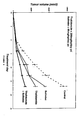
- Pellets containing bFGF and sucralfate were implanted into micropockets of both corneas of rabbits according to Example II. Vessel ingrowth into clear cornea from the limbus was first noted on day 2 and treatments (200 mg/kg orally) were begun on this day. The area of corneal neovascularization was measured from day 4 through day 12. Day 8 measurements were used for comparison between groups. No regression of vessels and near maximal neovascularization was seen at this time point. Statistical analysis was performed with ANOVA with ranked data to account for interexperimental variation and to guard against a non-normal distribution of data (i.e. outliers) by utilizing a nonparametric method.
- Other analogs, PGA and PG acid displayed weaker inhibitory effects than thalidomide (data not shown). The density of vessel ingrowth in thalidomide-treated animals was also markedly reduced.
- EM-12 was tested in the rabbit cornea assay described in Example II at 100 mg/kg/day and showed 21% inhibition, and at 200 mg/kg/day the assay showed 43% inhibition.
- Phthaloyl glutamic acid in CAM Phthaloyl glutamic acid in CAM
- Phthaloyl glutamic acid was tested in the above described CAM assay and exhibit an avascular zone with a mild scar.
- Phthaloyl glutamic anhydride was test in the CAM assay described above and exhibited an avascular zone.
- a 32 year old female patient with Crohn's disease was treated using the methods of the present invention.
- the patient exhibited the characteristic symptoms of Crohn's disease, i.e., severe gastrointestinal involvement (including diarrhea and cramping) and a large skin lesion on the lower leg.
- Thalidomide was orally administered to her at a dosage of 100 mg twice a day. After treatment was continued for one week, the gastrointestinal symptoms, including the diarrhea and cramping, were lessened and the skin lesion resolved.
- mice Six to eight week old C57B16 male mice were obtained from Jackson Laboratories, MA. The mice were anesthetized, and 0.4 x 0.4 mm pockets were made in the stroma of the mouse cornea adjacent to the limbus. Pellets containing 80 ng of either bFGF or VEGF were implanted in the pellets. The pellets containing bFGF were implanted 1.0-1.2 mm from the limbal vessels, while the pellets containing VEGF were implanted 0.5-0.7 mm from the limbal vessels. Erythromycin was then topically applied.
- mice were then treated with varying doses of antiinflammatory drugs as shown in the table below.
- the vascular response to the pellets was measured by maximal vessel length and number of clock hours of neovascularization 5 days after implantation of the bFGF pellets and 6 days after implantation of the VEGF pellets.
- mice Six to eight week old C57B16 male mice were obtained from Jackson Laboratories, MA. The mice were anesthetized, and 0.4 x 0.4 mm pockets were made in the stroma of the mouse cornea adjacent to the limbus. Pellets containing 80 ng of either bFGF or VEGF were implanted. The pellets containing bFGF were implanted 1.0-1.2 mm from the limbal vessels, while the pellets containing VEGF were implanted 0.5-0.7 mm from the limbal vessels. Erythromycin was then topically applied.
- mice were then treated with thalidomide, indomethacin, sulindac, or combinations of thalidomide with either indomethacin or sulindac.
- the vascular response to the pellets was measured by maximal vessel length and number of clock hours of neovascularization 5 days after implantation of the bFGF pellets and 6 days after implantation of the VEGF pellets.
- mice Six to eight week old C57B 16 male mice, obtained from Jackson Laboratories, MA, were anesthetized, and 0.4 x 0.4 mm pockets were made in the stroma of the mouse cornea adjacent to the limbus. Pellets containing 80 ng of bFGF were implanted 1.0-1.2 mm from the limbal vessels. Erythromycin was then topically applied.
- mice were then treated with sulindac, or one of the sulindac derivatives, sulindac sulfone or sulindac sulfide.
- the vascular response to the pellets was measured by maximal vessel length and number of clock hours of neovascularization 5 days after implantation of the bFGF pellets.
Landscapes
- Health & Medical Sciences (AREA)
- Life Sciences & Earth Sciences (AREA)
- Animal Behavior & Ethology (AREA)
- Pharmacology & Pharmacy (AREA)
- Veterinary Medicine (AREA)
- Chemical & Material Sciences (AREA)
- Public Health (AREA)
- General Health & Medical Sciences (AREA)
- Medicinal Chemistry (AREA)
- Nuclear Medicine, Radiotherapy & Molecular Imaging (AREA)
- Organic Chemistry (AREA)
- General Chemical & Material Sciences (AREA)
- Chemical Kinetics & Catalysis (AREA)
- Engineering & Computer Science (AREA)
- Bioinformatics & Cheminformatics (AREA)
- Epidemiology (AREA)
- Immunology (AREA)
- Pain & Pain Management (AREA)
- Oncology (AREA)
- Rheumatology (AREA)
- Ophthalmology & Optometry (AREA)
- Dermatology (AREA)
- Hematology (AREA)
- Communicable Diseases (AREA)
- Physical Education & Sports Medicine (AREA)
- Cardiology (AREA)
- Heart & Thoracic Surgery (AREA)
- Virology (AREA)
- Urology & Nephrology (AREA)
- Orthopedic Medicine & Surgery (AREA)
- Transplantation (AREA)
- Diabetes (AREA)
- Vascular Medicine (AREA)
- Pharmaceuticals Containing Other Organic And Inorganic Compounds (AREA)
- Acyclic And Carbocyclic Compounds In Medicinal Compositions (AREA)
- Medicines Containing Material From Animals Or Micro-Organisms (AREA)
- Medicinal Preparation (AREA)
- Nitrogen Condensed Heterocyclic Rings (AREA)
- Hydrogenated Pyridines (AREA)
- Plural Heterocyclic Compounds (AREA)
Priority Applications (3)
| Application Number | Priority Date | Filing Date | Title |
|---|---|---|---|
| EP07121971A EP1920773B1 (de) | 1996-11-05 | 1997-11-04 | Thalidomide und Dexamethason für die Behandlung von Tumors |
| EP10178851A EP2298300A1 (de) | 1996-11-05 | 1997-11-04 | Zusammensetzungen zur Inhibition der Angiogenese enhaltend Thalidomide und Aspirin |
| EP20090174381 EP2143444A1 (de) | 1996-11-05 | 1997-11-04 | Zusammensetzungen zur Inhibition der Angiogenese |
Applications Claiming Priority (5)
| Application Number | Priority Date | Filing Date | Title |
|---|---|---|---|
| US2870896P | 1996-11-05 | 1996-11-05 | |
| US28708P | 1996-11-05 | ||
| US96305897A | 1997-11-03 | 1997-11-03 | |
| US963058 | 1997-11-03 | ||
| EP97946884A EP0963200B9 (de) | 1996-11-05 | 1997-11-04 | Mittel zur hemmung von angiogenese enthaltend thalodomid und einen nsaid |
Related Parent Applications (1)
| Application Number | Title | Priority Date | Filing Date |
|---|---|---|---|
| EP97946884A Division EP0963200B9 (de) | 1996-11-05 | 1997-11-04 | Mittel zur hemmung von angiogenese enthaltend thalodomid und einen nsaid |
Related Child Applications (1)
| Application Number | Title | Priority Date | Filing Date |
|---|---|---|---|
| EP07121971A Division EP1920773B1 (de) | 1996-11-05 | 1997-11-04 | Thalidomide und Dexamethason für die Behandlung von Tumors |
Publications (3)
| Publication Number | Publication Date |
|---|---|
| EP1586322A2 true EP1586322A2 (de) | 2005-10-19 |
| EP1586322A3 EP1586322A3 (de) | 2005-10-26 |
| EP1586322B1 EP1586322B1 (de) | 2008-08-20 |
Family
ID=26703997
Family Applications (5)
| Application Number | Title | Priority Date | Filing Date |
|---|---|---|---|
| EP07121971A Expired - Lifetime EP1920773B1 (de) | 1996-11-05 | 1997-11-04 | Thalidomide und Dexamethason für die Behandlung von Tumors |
| EP05014759A Expired - Lifetime EP1586322B1 (de) | 1996-11-05 | 1997-11-04 | Zusammensetzungen enthaltend Thalidomide und Dexamethason für die Behandlung von Krebs |
| EP97946884A Expired - Lifetime EP0963200B9 (de) | 1996-11-05 | 1997-11-04 | Mittel zur hemmung von angiogenese enthaltend thalodomid und einen nsaid |
| EP20090174381 Withdrawn EP2143444A1 (de) | 1996-11-05 | 1997-11-04 | Zusammensetzungen zur Inhibition der Angiogenese |
| EP10178851A Withdrawn EP2298300A1 (de) | 1996-11-05 | 1997-11-04 | Zusammensetzungen zur Inhibition der Angiogenese enhaltend Thalidomide und Aspirin |
Family Applications Before (1)
| Application Number | Title | Priority Date | Filing Date |
|---|---|---|---|
| EP07121971A Expired - Lifetime EP1920773B1 (de) | 1996-11-05 | 1997-11-04 | Thalidomide und Dexamethason für die Behandlung von Tumors |
Family Applications After (3)
| Application Number | Title | Priority Date | Filing Date |
|---|---|---|---|
| EP97946884A Expired - Lifetime EP0963200B9 (de) | 1996-11-05 | 1997-11-04 | Mittel zur hemmung von angiogenese enthaltend thalodomid und einen nsaid |
| EP20090174381 Withdrawn EP2143444A1 (de) | 1996-11-05 | 1997-11-04 | Zusammensetzungen zur Inhibition der Angiogenese |
| EP10178851A Withdrawn EP2298300A1 (de) | 1996-11-05 | 1997-11-04 | Zusammensetzungen zur Inhibition der Angiogenese enhaltend Thalidomide und Aspirin |
Country Status (12)
| Country | Link |
|---|---|
| US (4) | US20030191098A1 (de) |
| EP (5) | EP1920773B1 (de) |
| JP (2) | JP2002513391A (de) |
| AT (3) | ATE493983T1 (de) |
| AU (4) | AU746713B2 (de) |
| CA (2) | CA2270887C (de) |
| DE (3) | DE69734290T2 (de) |
| DK (3) | DK1586322T3 (de) |
| ES (2) | ES2313154T3 (de) |
| NZ (1) | NZ336035A (de) |
| PT (2) | PT1586322E (de) |
| WO (1) | WO1998019649A2 (de) |
Families Citing this family (98)
| Publication number | Priority date | Publication date | Assignee | Title |
|---|---|---|---|---|
| US8143283B1 (en) | 1993-03-01 | 2012-03-27 | The Children's Medical Center Corporation | Methods for treating blood-born tumors with thalidomide |
| US6228879B1 (en) | 1997-10-16 | 2001-05-08 | The Children's Medical Center | Methods and compositions for inhibition of angiogenesis |
| US6518281B2 (en) | 1995-08-29 | 2003-02-11 | Celgene Corporation | Immunotherapeutic agents |
| US6281230B1 (en) | 1996-07-24 | 2001-08-28 | Celgene Corporation | Isoindolines, method of use, and pharmaceutical compositions |
| US5635517B1 (en) * | 1996-07-24 | 1999-06-29 | Celgene Corp | Method of reducing TNFalpha levels with amino substituted 2-(2,6-dioxopiperidin-3-YL)-1-oxo-and 1,3-dioxoisoindolines |
| HU228769B1 (en) | 1996-07-24 | 2013-05-28 | Celgene Corp | Substituted 2(2,6-dioxopiperidin-3-yl)phthalimides and -1-oxoisoindolines and their use for production of pharmaceutical compositions for mammals to reduce the level of tnf-alpha |
| DE69734290T2 (de) * | 1996-11-05 | 2006-07-06 | The Children's Medical Center Corp., Boston | Mittel zur hemmung von angiogenese enthaltend thalodomid und einen nsaid |
| WO2000002555A1 (en) * | 1998-07-09 | 2000-01-20 | Nardella Francis A | Methods and compositions for the treatment of chronic lymphocytic leukemia |
| US6235782B1 (en) * | 1998-11-12 | 2001-05-22 | Rifat Pamukcu | Method for treating a patient with neoplasia by treatment with a platinum coordination complex |
| JP2002529418A (ja) * | 1998-11-12 | 2002-09-10 | セル パスウェイズ インコーポレイテッド | アンスラサイクリン抗生物質を用いる処置による、新形成物を有する患者の治療法 |
| US6235776B1 (en) * | 1998-11-12 | 2001-05-22 | Cell Pathways, Inc. | Method for treating a patient with neoplasia by treatment with a paclitaxel derivative |
| US20030013739A1 (en) * | 1998-12-23 | 2003-01-16 | Pharmacia Corporation | Methods of using a combination of cyclooxygenase-2 selective inhibitors and thalidomide for the treatment of neoplasia |
| CA2361806C (en) | 1999-03-18 | 2012-03-13 | Celgene Corporation | Substituted 1-oxo- and 1,3-dioxoisoindolines and their use in pharmaceutical compositions for reducing inflammatory cytokine levels |
| US7629360B2 (en) * | 1999-05-07 | 2009-12-08 | Celgene Corporation | Methods for the treatment of cachexia and graft v. host disease |
| AU774495B2 (en) * | 1999-05-07 | 2004-07-01 | Johns Hopkins University School Of Medicine, The | The use of a protein tyrosine kinase pathway inhibitor in the treatment of ocular disorders |
| MY164077A (en) * | 1999-05-13 | 2017-11-30 | Pharma Mar Sa | Compositions and uses of et743 for treating cancer |
| AU5448300A (en) * | 1999-05-27 | 2000-12-18 | Rockefeller University, The | Methods of promoting or enhancing interleukin-12 production through administration of thalidomide |
| US7105560B1 (en) * | 1999-07-23 | 2006-09-12 | The Regents Of The University Of California | Use of etodolac in the treatment of multiple myeloma |
| US7105172B1 (en) * | 1999-11-18 | 2006-09-12 | Bolla John D | Treatment of rosacea |
| EP1279406A4 (de) * | 2000-04-03 | 2007-10-24 | Santen Pharmaceutical Co Ltd | Transporters und arzneimittelabgabesysteme die diese verwenden |
| CA2408818A1 (en) * | 2000-05-11 | 2001-11-15 | Oklahoma Medical Research Foundation | Prevention of insulin-dependent diabetes, complications thereof, or allograft rejection by inhibition of cyclooxygenase-2 activity with ns398 or pdtc |
| WO2002009683A2 (en) * | 2000-07-27 | 2002-02-07 | Pharmacia Corporation | Aldosterone blocker therapy to prevent or treat inflammation-related disorders |
| US6458810B1 (en) | 2000-11-14 | 2002-10-01 | George Muller | Pharmaceutically active isoindoline derivatives |
| NZ526683A (en) * | 2000-11-30 | 2008-03-28 | Childrens Medical Center | Synthesis of 4-amino-thalidomide and its enantiomers that are suitable for inhibiting angiogenesis |
| EP1389203B8 (de) | 2001-02-27 | 2010-03-10 | The Governement of the United States of America, represented by The Secretary Department of Health and Human services | Analoga von thalidomid als angiogeneseinhibitoren |
| IL142037A0 (en) | 2001-03-15 | 2002-03-10 | Agis Ind 1983 Ltd | Pharmaceutical compositions containing a non-steroidal anti-inflammatory drug |
| US6344479B1 (en) * | 2001-03-20 | 2002-02-05 | Farmacon-Il, Llc | Method of preventing retinopathy of prematurity in a neonate |
| WO2002078713A1 (fr) * | 2001-03-28 | 2002-10-10 | Santen Pharmaceutical Co., Ltd. | Medicaments contre les affections retiniennes et choroidiennes contenant des steroides comme principe actif |
| NZ531294A (en) * | 2001-08-06 | 2005-11-25 | Childrens Medical Center | Synthesis and anti-tumor activity of nitrogen substituted thalidomide analogs |
| US20040254197A1 (en) * | 2001-09-28 | 2004-12-16 | Santen Pharmaceutical Co., Ltd. | Injections for eye tissues containing drug bonded to polyethlene glycol |
| US7968569B2 (en) * | 2002-05-17 | 2011-06-28 | Celgene Corporation | Methods for treatment of multiple myeloma using 3-(4-amino-1-oxo-1,3-dihydro-isoindol-2-yl)-piperidine-2,6-dione |
| WO2003097040A1 (en) * | 2002-05-17 | 2003-11-27 | Celgene Corporation | Methods and compositions using selective cytokine inhibitory drugs for treatment and management of cancers and other diseases |
| US7323479B2 (en) * | 2002-05-17 | 2008-01-29 | Celgene Corporation | Methods for treatment and management of brain cancer using 1-oxo-2-(2,6-dioxopiperidin-3-yl)-4-methylisoindoline |
| USRE48890E1 (en) | 2002-05-17 | 2022-01-11 | Celgene Corporation | Methods for treating multiple myeloma with 3-(4-amino-1-oxo-1,3-dihydroisoindol-2-yl)-piperidine-2,6-dione after stem cell transplantation |
| US7393862B2 (en) | 2002-05-17 | 2008-07-01 | Celgene Corporation | Method using 3-(4-amino-1-oxo-1,3-dihydro-isoindol-2-yl)-piperidine-2,6-dione for treatment of certain leukemias |
| EP2272513A1 (de) * | 2002-05-17 | 2011-01-12 | Celgene Corporation | Pharmazeutische Zusammensetzungen zur Behandlung von Krebs |
| US7842691B2 (en) * | 2002-10-15 | 2010-11-30 | Celgene Corporation | Method for the treatment of myelodysplastic syndromes using cyclopropanecarboxylic acid {2-[1-(3-ethoxy-4-methoxy-phenyl)-2-methanesulfonyl-ethyl]-3-OXO-2,3-dihydro-1 H-isoindol-4-yl}-amide |
| US11116782B2 (en) | 2002-10-15 | 2021-09-14 | Celgene Corporation | Methods of treating myelodysplastic syndromes with a combination therapy using lenalidomide and azacitidine |
| US8404717B2 (en) * | 2002-10-15 | 2013-03-26 | Celgene Corporation | Methods of treating myelodysplastic syndromes using lenalidomide |
| US7189740B2 (en) * | 2002-10-15 | 2007-03-13 | Celgene Corporation | Methods of using 3-(4-amino-oxo-1,3-dihydro-isoindol-2-yl)-piperidine-2,6-dione for the treatment and management of myelodysplastic syndromes |
| US8404716B2 (en) | 2002-10-15 | 2013-03-26 | Celgene Corporation | Methods of treating myelodysplastic syndromes with a combination therapy using lenalidomide and azacitidine |
| US20050203142A1 (en) * | 2002-10-24 | 2005-09-15 | Zeldis Jerome B. | Methods of using and compositions comprising immunomodulatory compounds for treatment, modification and management of pain |
| MXPA05004488A (es) * | 2002-10-31 | 2005-07-26 | Celgene Corp | Composicion para el tratamiento de la degeneracion macular. |
| US20040091455A1 (en) * | 2002-10-31 | 2004-05-13 | Zeldis Jerome B. | Methods of using and compositions comprising immunomodulatory compounds for treatment and management of macular degeneration |
| US8034831B2 (en) | 2002-11-06 | 2011-10-11 | Celgene Corporation | Methods for the treatment and management of myeloproliferative diseases using 4-(amino)-2-(2,6-Dioxo(3-piperidyl)-isoindoline-1,3-dione in combination with other therapies |
| US7563810B2 (en) | 2002-11-06 | 2009-07-21 | Celgene Corporation | Methods of using 3-(4-amino-1-oxo-1,3-dihydroisoindol-2-yl)-piperidine-2,6-dione for the treatment and management of myeloproliferative diseases |
| KR20090048520A (ko) | 2002-11-06 | 2009-05-13 | 셀진 코포레이션 | 암 및 다른 질환의 치료 및 관리를 위한 선택적 시토킨 억제 약물의 사용 방법 및 그 조성물 |
| US7230012B2 (en) * | 2002-11-14 | 2007-06-12 | Celgene Corporation | Pharmaceutical compositions and dosage forms of thalidomide |
| US9006267B2 (en) * | 2002-11-14 | 2015-04-14 | Celgene Corporation | Pharmaceutical compositions and dosage forms of thalidomide |
| UA83504C2 (en) | 2003-09-04 | 2008-07-25 | Селджин Корпорейшн | Polymorphic forms of 3-(4-amino-1-oxo-1,3 dihydro-isoindol-2-yl)-piperidine-2,6-dione |
| US8952895B2 (en) | 2011-06-03 | 2015-02-10 | Apple Inc. | Motion-based device operations |
| WO2005028436A2 (en) | 2003-09-17 | 2005-03-31 | The Government Of The United States Of America, As Represented By The Secretary Of The Department Of Health And Human Services | Thalidomide analogs as tnf-alpha modulators |
| US20080027113A1 (en) * | 2003-09-23 | 2008-01-31 | Zeldis Jerome B | Methods of Using and Compositions Comprising Immunomodulatory Compounds for Treatment and Management of Macular Degeneration |
| US7612096B2 (en) * | 2003-10-23 | 2009-11-03 | Celgene Corporation | Methods for treatment, modification and management of radiculopathy using 1-oxo-2-(2,6-dioxopiperidin-3yl)-4-aminoisoindoline |
| EP1684758A4 (de) * | 2003-11-06 | 2009-02-18 | Celgene Corp | Verfahren und zusammensetzungen mit thalidomid zur behandlung und versorgung von krebs und anderen krankheiten |
| US20050100529A1 (en) * | 2003-11-06 | 2005-05-12 | Zeldis Jerome B. | Methods of using and compositions comprising immunomodulatory compounds for the treatment and management of asbestos-related diseases and disorders |
| US20050143344A1 (en) * | 2003-12-30 | 2005-06-30 | Zeldis Jerome B. | Methods and compositions using immunomodulatory compounds for the treatment and management of central nervous system disorders or diseases |
| MXPA06010699A (es) * | 2004-03-22 | 2006-12-15 | Celgene Corp | Metodos de usos y composiciones que contienen compuestos inmunomoduladores para el tratamiento y manejo de enfermedades o alteraciones de la piel. |
| US20050222209A1 (en) * | 2004-04-01 | 2005-10-06 | Zeldis Jerome B | Methods and compositions for the treatment, prevention or management of dysfunctional sleep and dysfunctional sleep associated with disease |
| CN1968695A (zh) * | 2004-04-14 | 2007-05-23 | 细胞基因公司 | 含有用于治疗和控制骨髓发育不良综合征的免疫调节化合物的组合物和使用方法 |
| CN1972686A (zh) * | 2004-04-14 | 2007-05-30 | 细胞基因公司 | 选择性细胞因子抑制药在髓发育不良综合征中的用途 |
| JP2007533761A (ja) * | 2004-04-23 | 2007-11-22 | セルジーン・コーポレーション | 肺高血圧症を治療し管理するための、免疫調節性化合物の使用方法及び免疫調節性化合物を含む組成物 |
| PT1765362E (pt) * | 2004-06-04 | 2012-06-04 | Scripps Research Inst | Composições e métodos para o tratamento de doenças neovasculares |
| US20070087977A1 (en) * | 2004-11-16 | 2007-04-19 | Wendye Robbins | Methods and compositions for treating pain |
| CN101080224B (zh) * | 2004-11-16 | 2011-03-30 | 利默里克神经科学股份有限公司 | 治疗疼痛的组合物及其应用 |
| CA2588597A1 (en) * | 2004-11-23 | 2006-06-01 | Celgene Corporation | Methods and compositions using immunomodulatory compounds for treatment and management of central nervous system injury |
| MX2007009335A (es) * | 2005-02-02 | 2007-12-07 | Nexgenix Pharmaceuticals L L C | Tratamiento local de neurofibromas. |
| US7442690B2 (en) * | 2005-03-14 | 2008-10-28 | P & L Enterprise Llc | Topical treatment for psoriasis |
| US20060270707A1 (en) * | 2005-05-24 | 2006-11-30 | Zeldis Jerome B | Methods and compositions using 4-[(cyclopropanecarbonylamino)methyl]-2-(2,6-dioxopiperidin-3-yl)isoindole-1,3-dione for the treatment or prevention of cutaneous lupus |
| AU2006271230A1 (en) * | 2005-07-22 | 2007-01-25 | Warner Chilcott Company, Llc | Compositions for reducing the incidence of drug induced arrhythmia |
| US20080138295A1 (en) * | 2005-09-12 | 2008-06-12 | Celgene Coporation | Bechet's disease using cyclopropyl-N-carboxamide |
| WO2007047607A2 (en) | 2005-10-18 | 2007-04-26 | Allergan, Inc. | Ocular therapy using glucocorticoid derivatives selectively penetrating posterior segment tissues |
| CL2007002218A1 (es) * | 2006-08-03 | 2008-03-14 | Celgene Corp Soc Organizada Ba | Uso de 3-(4-amino-1-oxo-1,3-dihidro-isoindol-2-il)-piperidina 2,6-diona para la preparacion de un medicamento util para el tratamiento de linfoma de celula de capa. |
| EP1921070A1 (de) | 2006-11-10 | 2008-05-14 | Boehringer Ingelheim Pharma GmbH & Co. KG | Bicyclische Heterocyclen, diese Verbindungen enthaltende Arzneimittel, deren Verwendung und Verfahren zu ihrer Herstelllung |
| WO2008095847A1 (de) | 2007-02-06 | 2008-08-14 | Boehringer Ingelheim International Gmbh | Bicyclische heterocyclen, diese verbindungen enthaltende arzneimittel, deren verwendung und verfahren zu ihrer herstellung |
| EP1974739A1 (de) * | 2007-03-21 | 2008-10-01 | Deutsches Krebsforschungszentrum, Stiftung des öffentlichen Rechts | Verfahren und Verbindungen zur Modulation von Entzündungsprozessen |
| WO2009020590A1 (en) | 2007-08-07 | 2009-02-12 | Celgene Corporation | Methods for treating lymphomas in certain patient populations and screening patients for said therapy |
| BRPI0705396B1 (pt) * | 2007-12-12 | 2021-10-05 | Universidade Estadual De Campinas - Unicamp | Compostos derivados ftalimídicos |
| US8497369B2 (en) | 2008-02-07 | 2013-07-30 | Boehringer Ingelheim International Gmbh | Spirocyclic heterocycles medicaments containing said compounds, use thereof and method for their production |
| EP2313397B1 (de) | 2008-08-08 | 2016-04-20 | Boehringer Ingelheim International GmbH | Cyclohexyloxy-substituierte heterocyclen, diese verbindungen enthaltende arzneimittel, deren verwendung und verfahren zu ihrer herstellung |
| BRPI0901298A2 (pt) * | 2009-04-06 | 2011-01-04 | Ems Sa | derivados ftalimìdicos de compostos antiinflamatórios não-esteróide e/ou moduladores de tnf-(alfa), processo de sua obtenção, composições farmacêuticas contendo os mesmos e seus usos no tratamento de doenças inflamatórias |
| US20120295979A1 (en) * | 2011-05-03 | 2012-11-22 | Florida Atlantic University | Use of sulindac for protecting retinal pigment epithelial cells against oxidative stress |
| US8927725B2 (en) | 2011-12-02 | 2015-01-06 | The United States Of America, As Represented By The Secretary, Department Of Health And Human Services | Thio compounds |
| WO2014160702A1 (en) | 2013-03-25 | 2014-10-02 | Chs Pharma, Inc. | Retinopathy treatment |
| US8906951B1 (en) | 2013-06-24 | 2014-12-09 | Tigercat Pharma, Inc. | Use of NK-1 receptor antagonists in pruritus |
| US9198898B2 (en) | 2013-06-24 | 2015-12-01 | Tigercat Pharma, Inc. | Use of NK-1 receptor antagonists in pruritus |
| AU2015210999A1 (en) | 2014-01-29 | 2016-07-21 | Otsuka Pharmaceutical Co., Ltd. | Device-based risk management of a therapeutic |
| MA40687A (fr) * | 2014-04-10 | 2017-03-28 | Ifom Fondazione St Firc Di Oncologia Molecolare | Méthodes et compositions de traitement de malformation vasculaire |
| US10034872B2 (en) | 2014-08-22 | 2018-07-31 | Celgene Corporation | Methods of treating multiple myeloma with immunomodulatory compounds in combination with antibodies |
| HUE065109T2 (hu) | 2015-06-26 | 2024-05-28 | Celgene Corp | Eljárások Kaposi-szarkóma vagy KSHV-indukált limfóma kezelésére immunomodulátor vegyületek alkalmazásával, valamint biomarkerek alkalmazása |
| WO2017081676A1 (en) * | 2015-11-09 | 2017-05-18 | Pharmatwob | Pharmaceutical compositions and methods for treatment of cancer |
| US10513515B2 (en) | 2017-08-25 | 2019-12-24 | Biotheryx, Inc. | Ether compounds and uses thereof |
| US20200254093A1 (en) | 2017-09-14 | 2020-08-13 | Glaxosmithkline Intellectual Property Development Limited | Combination treatment for cancer |
| US10537585B2 (en) | 2017-12-18 | 2020-01-21 | Dexcel Pharma Technologies Ltd. | Compositions comprising dexamethasone |
| CA3106239A1 (en) | 2018-07-27 | 2020-01-30 | Biotheryx, Inc. | Bifunctional compounds as cdk modulators |
| CN113423701A (zh) | 2018-11-13 | 2021-09-21 | 拜欧斯瑞克斯公司 | 取代的异吲哚啉酮 |
| KR102143531B1 (ko) * | 2018-12-20 | 2020-08-12 | 영남대학교 산학협력단 | 탈리도마이드를 유효성분으로 함유하는 가축 육질 개선용 조성물 |
| WO2021222150A2 (en) | 2020-04-28 | 2021-11-04 | Anwita Biosciences, Inc. | Interleukin-2 polypeptides and fusion proteins thereof, and their pharmaceutical compositions and therapeutic applications |
Citations (7)
| Publication number | Priority date | Publication date | Assignee | Title |
|---|---|---|---|---|
| JPS58131978A (ja) | 1982-01-15 | 1983-08-06 | イ−ライ・リリ−・アンド・カンパニ− | アスコルビン酸エ−テルおよび関連化合物 |
| JPS63119500A (ja) | 1986-05-23 | 1988-05-24 | Dai Ichi Seiyaku Co Ltd | 硫酸化多糖体ds4152を含有する血管新生抑制剤及び抗腫瘍剤 |
| EP0325199A2 (de) | 1988-01-19 | 1989-07-26 | Takeda Chemical Industries, Ltd. | Fumagillin als angiostatisches Mittel |
| EP0357061A1 (de) | 1988-09-01 | 1990-03-07 | Takeda Chemical Industries, Ltd. | Angiogenese hemmendes Mittel |
| US4994443A (en) | 1982-12-20 | 1991-02-19 | The Children's Medical Center Corporation | Inhibition of angiogenesis |
| US5001116A (en) | 1982-12-20 | 1991-03-19 | The Children's Medical Center Corporation | Inhibition of angiogenesis |
| WO1992014455A1 (en) | 1991-02-14 | 1992-09-03 | The Rockefeller University | METHOD FOR CONTROLLING ABNORMAL CONCENTRATION TNF α IN HUMAN TISSUES |
Family Cites Families (30)
| Publication number | Priority date | Publication date | Assignee | Title |
|---|---|---|---|---|
| US2830991A (en) * | 1954-05-17 | 1958-04-15 | Gruenenthal Chemie | Products of the amino-piperidine-2-6-dione series |
| US3560495A (en) * | 1965-05-08 | 1971-02-02 | Ernst Frankus | 1-heterocyclic amino methyl or 1-heterocyclic hydrazino methyl-3-phthalimido or (3',6'-dithia-3',4',5',6'-tetrahydrophthalimido)-pyrrolidinediones-2,5 or piperidinediones-2,6 |
| US3563986A (en) * | 1965-10-12 | 1971-02-16 | Ernst Frankus | 4 - phthalimido - n - heterocyclic amino methyl or piperidino hydrazino piperidine diones 2,6 |
| AT278739B (de) * | 1966-11-08 | 1970-02-10 | Kwizda Fa F Johann | Verfahren zur Herstellung von neuen Anhydriden und Imiden substituierter Dicarbonsäuren |
| US3705162A (en) * | 1967-07-01 | 1972-12-05 | Gruenenthal Chemie | 4-phthalimidine glutarimides |
| US4552888A (en) * | 1982-01-15 | 1985-11-12 | Eli Lilly And Company | Ascorbic acid ethers in angiogene |
| US4808402A (en) | 1987-05-29 | 1989-02-28 | Northwestern University | Method and compositions for modulating neovascularization |
| US5021404A (en) * | 1988-04-20 | 1991-06-04 | The Children's Medical Center Corporation | Angiostatic collagen modulators |
| GB9000644D0 (en) | 1990-01-11 | 1990-03-14 | Erba Carlo Spa | New ureido derivatives of poly-4-amino-2-carboxy-1-methyl compounds |
| US5192744A (en) | 1990-01-12 | 1993-03-09 | Northwestern University | Method of inhibiting angiogenesis of tumors |
| KR0166088B1 (ko) * | 1990-01-23 | 1999-01-15 | . | 수용해도가 증가된 시클로덱스트린 유도체 및 이의 용도 |
| US5399363A (en) * | 1991-01-25 | 1995-03-21 | Eastman Kodak Company | Surface modified anticancer nanoparticles |
| WO1992018496A1 (de) | 1991-04-17 | 1992-10-29 | Grünenthal GmbH | Neue thalidomidderivate, ein verfahren zu deren herstellung sowie die verwendung derselben in arzneimitteln |
| JPH05310576A (ja) * | 1992-04-30 | 1993-11-22 | Shibuya Miyuki | 抗腫瘍剤 |
| US5679696A (en) * | 1992-07-28 | 1997-10-21 | Rhone-Poulenc Rorer Limited | Compounds containing phenyl linked to aryl or heteroaryl by an aliphatic-or heteroatom-containing linking group |
| US5629327A (en) * | 1993-03-01 | 1997-05-13 | Childrens Hospital Medical Center Corp. | Methods and compositions for inhibition of angiogenesis |
| US5314909A (en) * | 1993-03-17 | 1994-05-24 | Merck & Co., Inc. | Use of non-steroidal antiiflammatory agents in macular degeneration |
| CA2094203A1 (en) * | 1993-04-16 | 1994-10-17 | Derek A. Willoughby | Inhibition of angiogenesis |
| DE4320157A1 (de) * | 1993-06-18 | 1994-12-22 | Bayer Ag | Verwendung von 1,2,4-Dithiazolium-Salzen als Chemotherapeutica |
| US5605914A (en) * | 1993-07-02 | 1997-02-25 | Celgene Corporation | Imides |
| US5770589A (en) * | 1993-07-27 | 1998-06-23 | The University Of Sydney | Treatment of macular degeneration |
| AU7376494A (en) * | 1993-08-04 | 1995-02-28 | Andrulis Pharmaceuticals Corporation | Treatment of rheumatoid arthritis with thalidomide alone or in combination with other anti-inflammatory agents |
| US5405855A (en) * | 1993-12-23 | 1995-04-11 | Andrulis Pharmaceuticals Corp. | Treatment of insulin resistant diabetes with thalidomine |
| US5434170A (en) * | 1993-12-23 | 1995-07-18 | Andrulis Pharmaceuticals Corp. | Method for treating neurocognitive disorders |
| US5443824A (en) * | 1994-03-14 | 1995-08-22 | Piacquadio; Daniel J. | Topical thalidomide compositions for surface or mucosal wounds, ulcerations, and lesions |
| US5731325A (en) | 1995-06-06 | 1998-03-24 | Andrulis Pharmaceuticals Corp. | Treatment of melanomas with thalidomide alone or in combination with other anti-melanoma agents |
| US5643915A (en) * | 1995-06-06 | 1997-07-01 | Andrulis Pharmaceuticals Corp. | Treatment of ischemia/reperfusion injury with thalidomide alone or in combination with other therapies |
| US5654312A (en) * | 1995-06-07 | 1997-08-05 | Andrulis Pharmaceuticals | Treatment of inflammatory and/or autoimmune dermatoses with thalidomide alone or in combination with other agents |
| DE69734290T2 (de) * | 1996-11-05 | 2006-07-06 | The Children's Medical Center Corp., Boston | Mittel zur hemmung von angiogenese enthaltend thalodomid und einen nsaid |
| EP1182709A1 (de) | 2000-08-14 | 2002-02-27 | IPU, Instituttet For Produktudvikling | Verfahren zur Abscheidung von Metallkontakten auf einer Solarzelle mit vergrabenem Gitter und so hergestellte Solarzelle |
-
1997
- 1997-11-04 DE DE69734290T patent/DE69734290T2/de not_active Expired - Lifetime
- 1997-11-04 AT AT07121971T patent/ATE493983T1/de active
- 1997-11-04 PT PT05014759T patent/PT1586322E/pt unknown
- 1997-11-04 DE DE69738935T patent/DE69738935D1/de not_active Expired - Lifetime
- 1997-11-04 JP JP52172898A patent/JP2002513391A/ja not_active Withdrawn
- 1997-11-04 AT AT97946884T patent/ATE305301T1/de active
- 1997-11-04 DK DK05014759T patent/DK1586322T3/da active
- 1997-11-04 PT PT07121971T patent/PT1920773E/pt unknown
- 1997-11-04 ES ES05014759T patent/ES2313154T3/es not_active Expired - Lifetime
- 1997-11-04 CA CA002270887A patent/CA2270887C/en not_active Expired - Lifetime
- 1997-11-04 DE DE69740095T patent/DE69740095D1/de not_active Expired - Lifetime
- 1997-11-04 EP EP07121971A patent/EP1920773B1/de not_active Expired - Lifetime
- 1997-11-04 EP EP05014759A patent/EP1586322B1/de not_active Expired - Lifetime
- 1997-11-04 WO PCT/US1997/020116 patent/WO1998019649A2/en not_active Ceased
- 1997-11-04 DK DK07121971.1T patent/DK1920773T3/da active
- 1997-11-04 EP EP97946884A patent/EP0963200B9/de not_active Expired - Lifetime
- 1997-11-04 AT AT05014759T patent/ATE405268T1/de active
- 1997-11-04 NZ NZ336035A patent/NZ336035A/en not_active IP Right Cessation
- 1997-11-04 CA CA2514681A patent/CA2514681C/en not_active Expired - Lifetime
- 1997-11-04 AU AU51973/98A patent/AU746713B2/en not_active Expired
- 1997-11-04 EP EP20090174381 patent/EP2143444A1/de not_active Withdrawn
- 1997-11-04 DK DK97946884T patent/DK0963200T3/da active
- 1997-11-04 EP EP10178851A patent/EP2298300A1/de not_active Withdrawn
- 1997-11-04 ES ES97946884T patent/ES2253787T3/es not_active Expired - Lifetime
-
2002
- 2002-03-08 AU AU23191/02A patent/AU780296B2/en not_active Expired
-
2003
- 2003-01-10 US US10/340,554 patent/US20030191098A1/en not_active Abandoned
- 2003-05-05 US US10/430,892 patent/US20040248820A1/en not_active Abandoned
-
2005
- 2005-06-15 AU AU2005202596A patent/AU2005202596B2/en not_active Expired
-
2006
- 2006-04-26 US US11/411,230 patent/US7435745B2/en not_active Expired - Fee Related
-
2008
- 2008-10-10 US US12/249,847 patent/US8039488B2/en not_active Expired - Fee Related
- 2008-10-15 JP JP2008266428A patent/JP5066505B2/ja not_active Expired - Fee Related
-
2010
- 2010-01-18 AU AU2010200186A patent/AU2010200186B2/en not_active Expired
Patent Citations (7)
| Publication number | Priority date | Publication date | Assignee | Title |
|---|---|---|---|---|
| JPS58131978A (ja) | 1982-01-15 | 1983-08-06 | イ−ライ・リリ−・アンド・カンパニ− | アスコルビン酸エ−テルおよび関連化合物 |
| US4994443A (en) | 1982-12-20 | 1991-02-19 | The Children's Medical Center Corporation | Inhibition of angiogenesis |
| US5001116A (en) | 1982-12-20 | 1991-03-19 | The Children's Medical Center Corporation | Inhibition of angiogenesis |
| JPS63119500A (ja) | 1986-05-23 | 1988-05-24 | Dai Ichi Seiyaku Co Ltd | 硫酸化多糖体ds4152を含有する血管新生抑制剤及び抗腫瘍剤 |
| EP0325199A2 (de) | 1988-01-19 | 1989-07-26 | Takeda Chemical Industries, Ltd. | Fumagillin als angiostatisches Mittel |
| EP0357061A1 (de) | 1988-09-01 | 1990-03-07 | Takeda Chemical Industries, Ltd. | Angiogenese hemmendes Mittel |
| WO1992014455A1 (en) | 1991-02-14 | 1992-09-03 | The Rockefeller University | METHOD FOR CONTROLLING ABNORMAL CONCENTRATION TNF α IN HUMAN TISSUES |
Non-Patent Citations (12)
| Title |
|---|
| BLASCHKE, ARZNEIMITTELFORSCHUNG, vol. 29, 1979, pages 1640 - 1642 |
| BREM, J. NEUROSURG., vol. 74, 1991, pages 441 - 446 |
| BREM: "Minimal drug resistance occurs after prolonged antiangiogenic therapy with AGM-1470", SURGICAL FORUM, vol. 45, no. 0, 1994, pages 674 - 677 |
| CASINI, FARMACO ED. SCI., vol. 19, 1964, pages 563 |
| CRUM, SCIENCE, vol. 230, 1985, pages 1375 |
| OTSUKA, J., MICROBIAL. BIOTECH., vol. 1, 1991, pages 163 |
| SEE FOLKMAN, SCIENCE, vol. 221, 1983, pages 719 |
| SEE OIKAWA, BIOCHEM BIOPHYS. RES. COMM, vol. 81, 1971, pages 1070 |
| SEE SIDKY, CANCER RESEARCH, vol. 47, 1987, pages 5155 - 5161 |
| SEE WHITE, NEW ENGLAND J. MED., vol. 320, 1989, pages 1197 - 1200 |
| SHEALY, CHEM. INDUS., 1965, pages 1030 |
| TAYLOR, NATURE, vol. 297, 1982, pages 307 |
Also Published As
Similar Documents
| Publication | Publication Date | Title |
|---|---|---|
| EP1920773B1 (de) | Thalidomide und Dexamethason für die Behandlung von Tumors | |
| US6518298B2 (en) | Methods and compositions for inhibition of angiogenesis with EM-138 | |
| US6420414B1 (en) | Amino derivatives of EM-138 and methods of treating angiogenesis with same | |
| US20010056114A1 (en) | Methods for the inhibition of angiogenesis with 3-amino thalidomide | |
| HK1122983A (en) | Compositions for inhibition of angiogenesis | |
| HK1140143A (en) | Compositions for inhibition of anglogenesis | |
| HK1028874B (en) | Methods and compositions for inhibition of angiogenesis | |
| HK1083064B (en) | Compositions comprising thalodimide and dexamethasone for the treatment of cancer& x9 |
Legal Events
| Date | Code | Title | Description |
|---|---|---|---|
| PUAI | Public reference made under article 153(3) epc to a published international application that has entered the european phase |
Free format text: ORIGINAL CODE: 0009012 |
|
| PUAL | Search report despatched |
Free format text: ORIGINAL CODE: 0009013 |
|
| 17P | Request for examination filed |
Effective date: 20050707 |
|
| AC | Divisional application: reference to earlier application |
Ref document number: 0963200 Country of ref document: EP Kind code of ref document: P |
|
| AK | Designated contracting states |
Kind code of ref document: A2 Designated state(s): AT BE CH DE DK ES FI FR GB GR IE IT LI LU MC NL PT SE |
|
| AX | Request for extension of the european patent |
Extension state: AL LT LV MK RO SI |
|
| AK | Designated contracting states |
Kind code of ref document: A3 Designated state(s): AT BE CH DE DK ES FI FR GB GR IE IT LI LU MC NL PT SE |
|
| AX | Request for extension of the european patent |
Extension state: AL LT LV MK RO SI |
|
| RIN1 | Information on inventor provided before grant (corrected) |
Inventor name: D'AMATO, ROBERT J. |
|
| REG | Reference to a national code |
Ref country code: HK Ref legal event code: DE Ref document number: 1083064 Country of ref document: HK |
|
| AKX | Designation fees paid |
Designated state(s): AT BE CH DE DK ES FI FR GB GR IE IT LI LU MC NL PT SE |
|
| 17Q | First examination report despatched |
Effective date: 20051219 |
|
| 17Q | First examination report despatched |
Effective date: 20051219 |
|
| RIC1 | Information provided on ipc code assigned before grant |
Ipc: A61K 31/454 20060101AFI20071204BHEP Ipc: A61K 31/573 20060101ALI20071204BHEP |
|
| RTI1 | Title (correction) |
Free format text: COMPOSITIONS COMPRISING THALODIMIDE AND DEXAMETHASONE FOR THE TREATMENT OF CANCER& X9; |
|
| GRAP | Despatch of communication of intention to grant a patent |
Free format text: ORIGINAL CODE: EPIDOSNIGR1 |
|
| GRAS | Grant fee paid |
Free format text: ORIGINAL CODE: EPIDOSNIGR3 |
|
| GRAA | (expected) grant |
Free format text: ORIGINAL CODE: 0009210 |
|
| AC | Divisional application: reference to earlier application |
Ref document number: 0963200 Country of ref document: EP Kind code of ref document: P |
|
| AK | Designated contracting states |
Kind code of ref document: B1 Designated state(s): AT BE CH DE DK ES FI FR GB GR IE IT LI LU MC NL PT SE |
|
| REG | Reference to a national code |
Ref country code: GB Ref legal event code: FG4D |
|
| REG | Reference to a national code |
Ref country code: CH Ref legal event code: EP |
|
| REG | Reference to a national code |
Ref country code: CH Ref legal event code: NV Representative=s name: KIRKER & CIE S.A. |
|
| REG | Reference to a national code |
Ref country code: IE Ref legal event code: FG4D |
|
| REF | Corresponds to: |
Ref document number: 69738935 Country of ref document: DE Date of ref document: 20081002 Kind code of ref document: P |
|
| REG | Reference to a national code |
Ref country code: PT Ref legal event code: SC4A Free format text: AVAILABILITY OF NATIONAL TRANSLATION Effective date: 20081015 |
|
| REG | Reference to a national code |
Ref country code: SE Ref legal event code: TRGR |
|
| REG | Reference to a national code |
Ref country code: GR Ref legal event code: EP Ref document number: 20080402748 Country of ref document: GR |
|
| REG | Reference to a national code |
Ref country code: DK Ref legal event code: T3 |
|
| REG | Reference to a national code |
Ref country code: HK Ref legal event code: GR Ref document number: 1083064 Country of ref document: HK |
|
| REG | Reference to a national code |
Ref country code: ES Ref legal event code: FG2A Ref document number: 2313154 Country of ref document: ES Kind code of ref document: T3 |
|
| PLBE | No opposition filed within time limit |
Free format text: ORIGINAL CODE: 0009261 |
|
| STAA | Information on the status of an ep patent application or granted ep patent |
Free format text: STATUS: NO OPPOSITION FILED WITHIN TIME LIMIT |
|
| 26N | No opposition filed |
Effective date: 20090525 |
|
| REG | Reference to a national code |
Ref country code: FR Ref legal event code: PLFP Year of fee payment: 19 |
|
| REG | Reference to a national code |
Ref country code: FR Ref legal event code: PLFP Year of fee payment: 20 |
|
| PGFP | Annual fee paid to national office [announced via postgrant information from national office to epo] |
Ref country code: CH Payment date: 20161128 Year of fee payment: 20 Ref country code: DE Payment date: 20161123 Year of fee payment: 20 Ref country code: MC Payment date: 20161020 Year of fee payment: 20 Ref country code: LU Payment date: 20161129 Year of fee payment: 20 Ref country code: GB Payment date: 20161128 Year of fee payment: 20 Ref country code: IE Payment date: 20161123 Year of fee payment: 20 Ref country code: FR Payment date: 20161123 Year of fee payment: 20 Ref country code: NL Payment date: 20161126 Year of fee payment: 20 Ref country code: DK Payment date: 20161123 Year of fee payment: 20 Ref country code: FI Payment date: 20161123 Year of fee payment: 20 |
|
| PGFP | Annual fee paid to national office [announced via postgrant information from national office to epo] |
Ref country code: BE Payment date: 20161128 Year of fee payment: 20 Ref country code: ES Payment date: 20161128 Year of fee payment: 20 Ref country code: GR Payment date: 20161128 Year of fee payment: 20 Ref country code: IT Payment date: 20161124 Year of fee payment: 20 Ref country code: PT Payment date: 20161020 Year of fee payment: 20 Ref country code: AT Payment date: 20161019 Year of fee payment: 20 Ref country code: SE Payment date: 20161125 Year of fee payment: 20 |
|
| REG | Reference to a national code |
Ref country code: DE Ref legal event code: R071 Ref document number: 69738935 Country of ref document: DE |
|
| REG | Reference to a national code |
Ref country code: DK Ref legal event code: EUP Effective date: 20171104 |
|
| REG | Reference to a national code |
Ref country code: NL Ref legal event code: MK Effective date: 20171103 |
|
| REG | Reference to a national code |
Ref country code: CH Ref legal event code: PL |
|
| REG | Reference to a national code |
Ref country code: GB Ref legal event code: PE20 Expiry date: 20171103 |
|
| REG | Reference to a national code |
Ref country code: AT Ref legal event code: MK07 Ref document number: 405268 Country of ref document: AT Kind code of ref document: T Effective date: 20171104 |
|
| REG | Reference to a national code |
Ref country code: IE Ref legal event code: MK9A |
|
| REG | Reference to a national code |
Ref country code: SE Ref legal event code: EUG |
|
| REG | Reference to a national code |
Ref country code: BE Ref legal event code: MK Effective date: 20171104 |
|
| PG25 | Lapsed in a contracting state [announced via postgrant information from national office to epo] |
Ref country code: IE Free format text: LAPSE BECAUSE OF EXPIRATION OF PROTECTION Effective date: 20171104 Ref country code: GB Free format text: LAPSE BECAUSE OF EXPIRATION OF PROTECTION Effective date: 20171103 Ref country code: PT Free format text: LAPSE BECAUSE OF EXPIRATION OF PROTECTION Effective date: 20171114 |
|
| REG | Reference to a national code |
Ref country code: ES Ref legal event code: FD2A Effective date: 20180508 |
|
| PG25 | Lapsed in a contracting state [announced via postgrant information from national office to epo] |
Ref country code: ES Free format text: LAPSE BECAUSE OF EXPIRATION OF PROTECTION Effective date: 20171105 |