EP1580267A1 - Gen für verbesserte temperaturverträglichkeit eines essigsäurebakteriums, mit dem gen gezüchtetes essigsäurebakterium und herstellungsverfahren für essig unter verwendung des essigsäurebakteriums - Google Patents
Gen für verbesserte temperaturverträglichkeit eines essigsäurebakteriums, mit dem gen gezüchtetes essigsäurebakterium und herstellungsverfahren für essig unter verwendung des essigsäurebakteriums Download PDFInfo
- Publication number
- EP1580267A1 EP1580267A1 EP03777254A EP03777254A EP1580267A1 EP 1580267 A1 EP1580267 A1 EP 1580267A1 EP 03777254 A EP03777254 A EP 03777254A EP 03777254 A EP03777254 A EP 03777254A EP 1580267 A1 EP1580267 A1 EP 1580267A1
- Authority
- EP
- European Patent Office
- Prior art keywords
- acetic acid
- gene
- dna
- protein
- seq
- Prior art date
- Legal status (The legal status is an assumption and is not a legal conclusion. Google has not performed a legal analysis and makes no representation as to the accuracy of the status listed.)
- Granted
Links
- QTBSBXVTEAMEQO-UHFFFAOYSA-N Acetic acid Chemical compound CC(O)=O QTBSBXVTEAMEQO-UHFFFAOYSA-N 0.000 title claims abstract description 385
- 108090000623 proteins and genes Proteins 0.000 title claims abstract description 125
- 241000894006 Bacteria Species 0.000 title claims abstract description 80
- 238000000034 method Methods 0.000 title claims abstract description 49
- 239000000052 vinegar Substances 0.000 title claims abstract description 12
- 235000021419 vinegar Nutrition 0.000 title claims abstract description 12
- 244000005700 microbiome Species 0.000 claims abstract description 26
- 239000002773 nucleotide Substances 0.000 claims description 59
- 125000003729 nucleotide group Chemical group 0.000 claims description 59
- 239000013612 plasmid Substances 0.000 claims description 50
- LFQSCWFLJHTTHZ-UHFFFAOYSA-N Ethanol Chemical compound CCO LFQSCWFLJHTTHZ-UHFFFAOYSA-N 0.000 claims description 46
- 102000004169 proteins and genes Human genes 0.000 claims description 38
- 241000589220 Acetobacter Species 0.000 claims description 30
- 125000003275 alpha amino acid group Chemical group 0.000 claims description 23
- 230000002708 enhancing effect Effects 0.000 claims description 21
- 241000032681 Gluconacetobacter Species 0.000 claims description 16
- 238000007792 addition Methods 0.000 claims description 9
- 150000001413 amino acids Chemical class 0.000 claims description 7
- 230000003647 oxidation Effects 0.000 claims description 6
- 238000007254 oxidation reaction Methods 0.000 claims description 6
- 238000012258 culturing Methods 0.000 claims description 5
- 238000012217 deletion Methods 0.000 claims description 4
- 230000037430 deletion Effects 0.000 claims description 4
- 238000003780 insertion Methods 0.000 claims description 4
- 230000037431 insertion Effects 0.000 claims description 4
- 230000003834 intracellular effect Effects 0.000 claims description 4
- 238000006467 substitution reaction Methods 0.000 claims description 4
- 239000000523 sample Substances 0.000 claims description 3
- 108020004414 DNA Proteins 0.000 description 57
- 238000000855 fermentation Methods 0.000 description 42
- 230000004151 fermentation Effects 0.000 description 42
- 239000002609 medium Substances 0.000 description 35
- 239000013611 chromosomal DNA Substances 0.000 description 22
- 239000012634 fragment Substances 0.000 description 22
- AVKUERGKIZMTKX-NJBDSQKTSA-N ampicillin Chemical compound C1([C@@H](N)C(=O)N[C@H]2[C@H]3SC([C@@H](N3C2=O)C(O)=O)(C)C)=CC=CC=C1 AVKUERGKIZMTKX-NJBDSQKTSA-N 0.000 description 20
- 229960000723 ampicillin Drugs 0.000 description 20
- 239000013598 vector Substances 0.000 description 18
- 244000283763 Acetobacter aceti Species 0.000 description 17
- 235000007847 Acetobacter aceti Nutrition 0.000 description 17
- 108091008146 restriction endonucleases Proteins 0.000 description 14
- 241001547089 Gluconacetobacter entanii Species 0.000 description 12
- 229920001817 Agar Polymers 0.000 description 11
- 239000008272 agar Substances 0.000 description 11
- 239000001963 growth medium Substances 0.000 description 9
- 239000007221 ypg medium Substances 0.000 description 9
- 108700026244 Open Reading Frames Proteins 0.000 description 8
- 108091000114 ceramide glucosyltransferase Proteins 0.000 description 8
- 239000002994 raw material Substances 0.000 description 8
- 239000013605 shuttle vector Substances 0.000 description 8
- 101150040663 PGI1 gene Proteins 0.000 description 7
- 238000003776 cleavage reaction Methods 0.000 description 7
- IJGRMHOSHXDMSA-UHFFFAOYSA-N Atomic nitrogen Chemical compound N#N IJGRMHOSHXDMSA-UHFFFAOYSA-N 0.000 description 6
- 102000004190 Enzymes Human genes 0.000 description 6
- 108090000790 Enzymes Proteins 0.000 description 6
- 238000004520 electroporation Methods 0.000 description 6
- 238000004519 manufacturing process Methods 0.000 description 6
- 230000007017 scission Effects 0.000 description 6
- 244000235858 Acetobacter xylinum Species 0.000 description 5
- 235000002837 Acetobacter xylinum Nutrition 0.000 description 5
- WQZGKKKJIJFFOK-GASJEMHNSA-N Glucose Natural products OC[C@H]1OC(O)[C@H](O)[C@@H](O)[C@@H]1O WQZGKKKJIJFFOK-GASJEMHNSA-N 0.000 description 5
- 238000013019 agitation Methods 0.000 description 5
- 230000001580 bacterial effect Effects 0.000 description 5
- 229940041514 candida albicans extract Drugs 0.000 description 5
- 238000010367 cloning Methods 0.000 description 5
- 239000008103 glucose Substances 0.000 description 5
- 239000012138 yeast extract Substances 0.000 description 5
- 108091026890 Coding region Proteins 0.000 description 4
- 241000588724 Escherichia coli Species 0.000 description 4
- 230000009471 action Effects 0.000 description 4
- 238000011161 development Methods 0.000 description 4
- 239000007788 liquid Substances 0.000 description 4
- 230000000717 retained effect Effects 0.000 description 4
- 239000006152 selective media Substances 0.000 description 4
- 238000012360 testing method Methods 0.000 description 4
- 230000009466 transformation Effects 0.000 description 4
- 102000012410 DNA Ligases Human genes 0.000 description 3
- 108010061982 DNA Ligases Proteins 0.000 description 3
- 108091034117 Oligonucleotide Proteins 0.000 description 3
- 108020004511 Recombinant DNA Proteins 0.000 description 3
- HEMHJVSKTPXQMS-UHFFFAOYSA-M Sodium hydroxide Chemical compound [OH-].[Na+] HEMHJVSKTPXQMS-UHFFFAOYSA-M 0.000 description 3
- 230000003321 amplification Effects 0.000 description 3
- 229910052799 carbon Inorganic materials 0.000 description 3
- 238000006243 chemical reaction Methods 0.000 description 3
- 238000001816 cooling Methods 0.000 description 3
- 230000006872 improvement Effects 0.000 description 3
- 239000000203 mixture Substances 0.000 description 3
- 229910052757 nitrogen Inorganic materials 0.000 description 3
- 238000003199 nucleic acid amplification method Methods 0.000 description 3
- 238000012216 screening Methods 0.000 description 3
- 230000001131 transforming effect Effects 0.000 description 3
- OKTJSMMVPCPJKN-UHFFFAOYSA-N Carbon Chemical compound [C] OKTJSMMVPCPJKN-UHFFFAOYSA-N 0.000 description 2
- 102000044956 Ceramide glucosyltransferases Human genes 0.000 description 2
- FAPWRFPIFSIZLT-UHFFFAOYSA-M Sodium chloride Chemical compound [Na+].[Cl-] FAPWRFPIFSIZLT-UHFFFAOYSA-M 0.000 description 2
- DBMJMQXJHONAFJ-UHFFFAOYSA-M Sodium laurylsulphate Chemical compound [Na+].CCCCCCCCCCCCOS([O-])(=O)=O DBMJMQXJHONAFJ-UHFFFAOYSA-M 0.000 description 2
- 238000002835 absorbance Methods 0.000 description 2
- 238000010276 construction Methods 0.000 description 2
- 238000007796 conventional method Methods 0.000 description 2
- 230000002068 genetic effect Effects 0.000 description 2
- 238000009396 hybridization Methods 0.000 description 2
- 238000002703 mutagenesis Methods 0.000 description 2
- 231100000350 mutagenesis Toxicity 0.000 description 2
- 239000013600 plasmid vector Substances 0.000 description 2
- 241000894007 species Species 0.000 description 2
- 238000003786 synthesis reaction Methods 0.000 description 2
- 238000011144 upstream manufacturing Methods 0.000 description 2
- 238000005406 washing Methods 0.000 description 2
- 229920000936 Agarose Polymers 0.000 description 1
- 241000589155 Agrobacterium tumefaciens Species 0.000 description 1
- 102000007698 Alcohol dehydrogenase Human genes 0.000 description 1
- 108010021809 Alcohol dehydrogenase Proteins 0.000 description 1
- UXVMQQNJUSDDNG-UHFFFAOYSA-L Calcium chloride Chemical compound [Cl-].[Cl-].[Ca+2] UXVMQQNJUSDDNG-UHFFFAOYSA-L 0.000 description 1
- 102000053602 DNA Human genes 0.000 description 1
- 241000588722 Escherichia Species 0.000 description 1
- 241000584503 Komagataeibacter europaeus LMG 18890 Species 0.000 description 1
- 241000589195 Mesorhizobium loti Species 0.000 description 1
- 108091028043 Nucleic acid sequence Proteins 0.000 description 1
- 240000007594 Oryza sativa Species 0.000 description 1
- 235000007164 Oryza sativa Nutrition 0.000 description 1
- 239000001888 Peptone Substances 0.000 description 1
- 108010080698 Peptones Proteins 0.000 description 1
- ISWSIDIOOBJBQZ-UHFFFAOYSA-N Phenol Chemical compound OC1=CC=CC=C1 ISWSIDIOOBJBQZ-UHFFFAOYSA-N 0.000 description 1
- CZMRCDWAGMRECN-UGDNZRGBSA-N Sucrose Chemical compound O[C@H]1[C@H](O)[C@@H](CO)O[C@@]1(CO)O[C@@H]1[C@H](O)[C@@H](O)[C@H](O)[C@@H](CO)O1 CZMRCDWAGMRECN-UGDNZRGBSA-N 0.000 description 1
- 229930006000 Sucrose Natural products 0.000 description 1
- 108010006785 Taq Polymerase Proteins 0.000 description 1
- 239000002253 acid Substances 0.000 description 1
- 150000007513 acids Chemical class 0.000 description 1
- 238000005273 aeration Methods 0.000 description 1
- KLOHDWPABZXLGI-YWUHCJSESA-M ampicillin sodium Chemical compound [Na+].C1([C@@H](N)C(=O)N[C@H]2[C@H]3SC([C@@H](N3C2=O)C([O-])=O)(C)C)=CC=CC=C1 KLOHDWPABZXLGI-YWUHCJSESA-M 0.000 description 1
- 239000002585 base Substances 0.000 description 1
- WQZGKKKJIJFFOK-VFUOTHLCSA-N beta-D-glucose Chemical compound OC[C@H]1O[C@@H](O)[C@H](O)[C@@H](O)[C@@H]1O WQZGKKKJIJFFOK-VFUOTHLCSA-N 0.000 description 1
- 108010005774 beta-Galactosidase Proteins 0.000 description 1
- 230000015572 biosynthetic process Effects 0.000 description 1
- 239000000872 buffer Substances 0.000 description 1
- 239000001110 calcium chloride Substances 0.000 description 1
- 229910001628 calcium chloride Inorganic materials 0.000 description 1
- 150000001720 carbohydrates Chemical class 0.000 description 1
- 235000014633 carbohydrates Nutrition 0.000 description 1
- 239000001913 cellulose Substances 0.000 description 1
- 229920002678 cellulose Polymers 0.000 description 1
- 238000002144 chemical decomposition reaction Methods 0.000 description 1
- 239000013599 cloning vector Substances 0.000 description 1
- 230000000295 complement effect Effects 0.000 description 1
- 238000012790 confirmation Methods 0.000 description 1
- 125000004122 cyclic group Chemical group 0.000 description 1
- 239000007857 degradation product Substances 0.000 description 1
- 238000001962 electrophoresis Methods 0.000 description 1
- 230000007613 environmental effect Effects 0.000 description 1
- 230000001771 impaired effect Effects 0.000 description 1
- 238000002156 mixing Methods 0.000 description 1
- 230000035772 mutation Effects 0.000 description 1
- 235000016709 nutrition Nutrition 0.000 description 1
- 230000035764 nutrition Effects 0.000 description 1
- 150000007524 organic acids Chemical class 0.000 description 1
- 235000005985 organic acids Nutrition 0.000 description 1
- 235000019319 peptone Nutrition 0.000 description 1
- 238000003752 polymerase chain reaction Methods 0.000 description 1
- 238000002360 preparation method Methods 0.000 description 1
- 230000035484 reaction time Effects 0.000 description 1
- 230000009467 reduction Effects 0.000 description 1
- 230000001105 regulatory effect Effects 0.000 description 1
- 230000003362 replicative effect Effects 0.000 description 1
- 235000009566 rice Nutrition 0.000 description 1
- 150000003839 salts Chemical class 0.000 description 1
- WTGQALLALWYDJH-AKTDCHNFSA-N scopolamine hydrobromide Chemical compound Br.C1([C@@H](CO)C(=O)OC2C[C@@H]3N([C@@H](C2)[C@H]2[C@@H]3O2)C)=CC=CC=C1 WTGQALLALWYDJH-AKTDCHNFSA-N 0.000 description 1
- 238000002741 site-directed mutagenesis Methods 0.000 description 1
- 239000011780 sodium chloride Substances 0.000 description 1
- 239000007858 starting material Substances 0.000 description 1
- 230000003068 static effect Effects 0.000 description 1
- 239000000126 substance Substances 0.000 description 1
- 239000005720 sucrose Substances 0.000 description 1
- 229940055835 triptone Drugs 0.000 description 1
- XLYOFNOQVPJJNP-UHFFFAOYSA-N water Substances O XLYOFNOQVPJJNP-UHFFFAOYSA-N 0.000 description 1
Images


Classifications
-
- C—CHEMISTRY; METALLURGY
- C12—BIOCHEMISTRY; BEER; SPIRITS; WINE; VINEGAR; MICROBIOLOGY; ENZYMOLOGY; MUTATION OR GENETIC ENGINEERING
- C12N—MICROORGANISMS OR ENZYMES; COMPOSITIONS THEREOF; PROPAGATING, PRESERVING, OR MAINTAINING MICROORGANISMS; MUTATION OR GENETIC ENGINEERING; CULTURE MEDIA
- C12N9/00—Enzymes; Proenzymes; Compositions thereof; Processes for preparing, activating, inhibiting, separating or purifying enzymes
- C12N9/10—Transferases (2.)
- C12N9/1048—Glycosyltransferases (2.4)
- C12N9/1051—Hexosyltransferases (2.4.1)
-
- C—CHEMISTRY; METALLURGY
- C12—BIOCHEMISTRY; BEER; SPIRITS; WINE; VINEGAR; MICROBIOLOGY; ENZYMOLOGY; MUTATION OR GENETIC ENGINEERING
- C12J—VINEGAR; PREPARATION OR PURIFICATION THEREOF
- C12J1/00—Vinegar; Preparation or purification thereof
- C12J1/04—Vinegar; Preparation or purification thereof from alcohol
-
- C—CHEMISTRY; METALLURGY
- C12—BIOCHEMISTRY; BEER; SPIRITS; WINE; VINEGAR; MICROBIOLOGY; ENZYMOLOGY; MUTATION OR GENETIC ENGINEERING
- C12P—FERMENTATION OR ENZYME-USING PROCESSES TO SYNTHESISE A DESIRED CHEMICAL COMPOUND OR COMPOSITION OR TO SEPARATE OPTICAL ISOMERS FROM A RACEMIC MIXTURE
- C12P7/00—Preparation of oxygen-containing organic compounds
- C12P7/40—Preparation of oxygen-containing organic compounds containing a carboxyl group including Peroxycarboxylic acids
- C12P7/54—Acetic acid
Definitions
- the present invention relates to a gene that encodes a protein having a function of enhancing temperature tolerance derived from a microorganism, a microorganism in which the copy number of the gene is amplified, particularly an acetic acid bacterium which belongs to the genus Acetobacter or the genus Gluconacetobacter, and a method of efficiently producing vinegar containing acetic acid at a high concentration by using such a microorganism.
- acetic acid fermentation by microorganisms is utilized.
- microorganisms have alcohol oxidation ability and are generally called acetic acid bacteria.
- acetic acid bacteria particularly acetic acid bacteria which belong to the genus Acetobacter or the genus Gluconacetobacter are widely utilized for industrial acetic acid fermentation.
- acetic acid fermentation In acetic acid fermentation, ethanol in a medium is oxidized and converted to acetic acid by acetic acid bacteria, and as a result, acetic acid accumulates directly in the medium. At this time, a large amount of heat of fermentation is generated, and as a result, the temperature in the fermentation liquid increases when it is left alone as it is.
- An optimal fermentation temperature for acetic acid bacteria is generally around 30°C, therefore, it is necessary to cool the fermentation liquid in order not to increase the temperature thereof, which results in needing energy for cooling. Accordingly, it is required in acetic acid fermentation that growth ability and fermentation ability do not decrease even at a higher temperature, i.e. development of acetic acid bacteria having strong temperature tolerance is required. It has been attempted as one of the means that temperature-tolerant acetic acid bacteria are searched by screening acetic acid bacteria with temperature tolerance from nature (see, non-patent literature 1, for instance).
- the present inventor has newly set novel technical tasks to provide a novel gene for improving temperature tolerance, which participates in temperature tolerance and is derived from a microorganism belonging to acetic acid bacteria, and to provide a method of improving temperature tolerance of a microorganism by using the gene, particularly a method of improving temperature tolerance of a microorganism belonging to acetic acid bacteria, further a method of efficiently producing vinegar by using the acetic acid bacteria whose temperature tolerance was improved.
- the present inventor hypothesized that a specific gene participating in temperature tolerance that does not exist in other microorganisms should exist in acetic acid bacteria capable of growing and fermenting even under a high temperature, and obtained a novel concept that the use of such a gene would allow the improvement of temperature tolerance of a microorganism more than before and the development of an efficient production method.
- the present inventor has investigated another acquisition method.
- the inventor developed a method of obtaining a gene enabling acetic acid bacteria, which can generally grow only at around 37°C on an agar medium, to grow under a temperature of 38°C by constructing a chromosomal DNA library of acetic acid bacteria, transforming acetic acid bacteria with this chromosomal DNA library, and screening the target gene.
- the present inventor has succeeded for the first time in cloning DNA coding for a novel temperature-tolerance gene that has a function of enhancing temperature tolerance on a practical level from acetic acid bacteria belonging to the genus Gluconacetobacter practically used in producing vinegar.
- the obtained temperature-tolerance gene showed homology with a group of proteins referred to as ceramide glucosyltransferase found in leguminous bacteria and the like, and it was presumed as a gene that encodes ceramide glucosyltransferase of acetic acid bacteria as a result of homology search on DDBJ/EMBL/Genbank.
- the obtained ceramide glucosyltransferase gene of acetic acid bacteria had an extremely low homology with known ceramide glucosyltransferase genes found in other microorganisms such as leguminous bacteria. Therefore, it was found that, though it was similar to other ceramide glucosyltransferase genes to some extent, the obtained gene was a novel gene encoding a novel protein (it is sometimes referred to as protein GCS) specific to acetic acid bacteria.
- protein GCS protein GCS
- the present inventor found that, in the case where the transformant was cultured with aeration in the presence of ethanol, the temperature tolerance was remarkably improved, the final acetic acid concentration can be remarkably improved, etc., and further have succeeded in determination of the amino acid sequence of the protein and the nucleotide sequence of the DNA of the gene encoding the protein, thus the present invention has been completed.
- the present invention provides the following (1) to (10) as examples of the embodiment.
- tolerance against temperature can be provided and enhanced for a microorganism. Moreover, in a microorganism having alcohol oxidation ability, particularly in acetic acid bacteria, tolerance against temperature can be remarkably improved and the ability of efficiently accumulating acetic acid even under a high temperature can be provided.
- the DNA of the present invention comprises a nucleotide sequence that can encode a protein having a function of improving temperature tolerance and comprising an amino acid sequence shown in SEQ. ID No. 2 in the sequence listing, and it comprises an element for regulating the nucleotide sequence and a structural portion of the gene.
- the present invention relates to a temperature-tolerance gene, and the temperature-tolerance gene means a gene participating in temperature tolerance and/or improvement of temperature tolerance. More specifically, the gene comprises at least one selected from at least (i) DNA having a nucleotide sequence shown in SEQ. ID No. 1 in the sequence listing and (ii) a nucleotide sequence of a gene that is included in (i) and encodes GCS protein (GCS gene).
- GCS protein GCS protein
- the DNA of the present invention can be prepared by a method known to those skilled in the art.
- DNA shown in a specific nucleotide sequence herein can be prepared by, for example, shotgun cloning with the use of a genome of acetic acid bacteria as a starting material.
- each of the fragmented chromosomal DNA is ligated to an appropriate cloning vector such as a plasmid vector or a phage vector depending on its size or the like, and an appropriate host cell such as an acetic acid bacterium is transformed with the use of this vector by an appropriate method such as electroporation, whereby a clone library for cloning each of the chromosomal DNA fragments can be prepared.
- determination of the nucleotide sequence of each of the chromosomal DNA fragments obtained from such a clone library can be carried out in accordance with a known method such as a chemical degradation method (Maxam-Gilbert method) or a dideoxy method.
- the DNA of the present invention can be prepared by a chemical synthesis well-known to those skilled in the art or amplification by the PCR method with the use of a primer of the present invention based on the information of the nucleotide sequence of the DNA of the present invention or the amino acid sequence described herein.
- the DNA of the present invention can be obtained from chromosomal DNA of Gluconacetobacter entanii as follows. First, chromosomal DNA of Gluconacetobacter entanii, for example, Acetobacter altoacetigenes MH-24 strain (FERM BP-491) is obtained. Chromosomal DNA can be obtained by, for example, the method disclosed in Japanese Laid-Open Patent Application No. 60-9489.
- the digested fragments of chromosomal DNA are ligated to vector DNA that can replicate autonomously in acetic acid bacteria.
- this vector DNA is completely digested by the action of a restriction enzyme which yields a terminal nucleotide sequence complementary to the restriction enzymes, SalI and KpnI, used in the digesting of the chromosomal DNA, for instance, SalI and KpnI, under the condition at a temperature of 37°C and an enzyme concentration of 1 to 100 units/ml for 1 h or longer.
- the digested vector DNA is mixed with the chromosomal DNA fragment-mixture, then a target recombinant DNA (DNA library) can be obtained by the action of T 4 DNA ligase.
- a target recombinant DNA DNA library
- the condition for the action of T 4 DNA ligase can be set, for instance, at a temperature of 4 to 16°C and an enzyme concentration of 1 to 100 units/ml for 1 h or longer, preferably 6 to 24 h.
- an acetic acid bacterium which can generally grow only at 37°C on an agar medium, for instance Acetobacter aceti No. 1023 strain (FERM BP-2287) is transformed, and cultured at 38°C.
- a DNA fragment including a temperature-tolerance gene can be obtained by inoculating a formed colony into a liquid medium for cultivation, then recovering plasmids from the obtained bacterial cells.
- DNA comprising a nucleotide sequence shown in SEQ. ID No. 1 in the sequence listing is specifically exemplified, among which the nucleotide sequence consisting of nucleotides 73 to 1251 within the nucleotide sequence is a coding region.
- the DNA of the present invention can also be obtained by polymerase chain reaction (PCR reaction) with the use of the genomic DNA of acetic acid bacteria as a template and an oligonucleotide synthesized based on the nucleotide sequence as a primer, or by hybridization with the use of an oligonucleotide synthesized based on the nucleotide sequence as a probe, as well.
- PCR reaction polymerase chain reaction
- oligonucleotide As for the synthesis of the oligonucleotide, it can be synthesized, for instance using commercially available various DNA synthesizers in the conventional manner.
- PCR reaction can be performed in the conventional manner using Thermal Cycler Gene Amp PCR System 9700 manufactured by Applied Biosystems and Taq DNA polymerase (manufactured by Takara Bio Inc.), KOD-Plus- (manufactured by TOYOBO Co., LTD.) and the like.
- the DNA encoding a protein having a function of enhancing temperature tolerance of the present invention may be a DNA encoding a protein where one or several amino acids are deleted, substituted, inserted or added at one or several sites, as long as the function of enhancing temperature tolerance of the encoded protein is not impaired.
- the DNA encoding a protein substantially identical to such a protein having a function of enhancing temperature tolerance can also be obtained by site directed mutation so that an amino acid at a specific site is deleted, substituted, inserted, added or inversed by site-directed mutagenesis, for instance. Further, the modified DNA as mentioned above can also be obtained by a conventionally known mutagenesis treatment.
- the DNA encoding a substantially identical protein can be obtained from general acetic acid bacteria, particularly from species, strains, mutants and variants of the genus Acetobacter or the genus Gluconacetobacter.
- DNA encoding a protein substantially identical to the protein can be obtained from acetic acid bacteria belonging to the genus Acetobacter or the genus Gluconacetobacter, acetic acid bacteria belonging to the genus Acetobacter or the genus Gluconacetobacter treated for mutagenesis, or natural mutants or variants thereof, by for instance, isolating DNA, which hybridizes under a stringent condition with DNA comprising a nucleotide sequence consisting of nucleotides 73 to 1251 within the nucleotide sequence shown in SEQ. ID No. 1 in the sequence listing and encodes a protein having a function of enhancing temperature tolerance.
- the stringent condition here is a condition in which so-called a specific hybrid is formed while a non-specific hybrid is not formed. Though it is difficult to quantify this condition clearly, if one example is taken, a condition in which DNAs having high homology, for instance DNAs having homology of 70% or more hybridize, while DNAs having homology lower than this do not hybridize, or a condition in which general washing for hybridization is performed, for instance the washing is performed at a salt concentration equivalent to 1 x SSC and 0.1% SDS at 60°C, can be exemplified.
- the confirmation of having a function of enhancing temperature tolerance can be performed by, for instance, transforming Acetobacter aceti No. 1023 strain (FERM BP-2287), which can generally grow only at around 37°C on an agar medium, with a target DNA, and investigating whether or not it can grow at 38°C as explained in the after-mentioned Examples.
- transforming Acetobacter aceti No. 1023 strain (FERM BP-2287)
- the acetic acid bacteria of the present invention mean bacteria belonging to the genus Acetobacter or the genus Gluconacetobacter, or such bacteria belonging to the genus Acetobacter or the genus Gluconacetobacter whose temperature tolerance is enhanced.
- Acetobacter aceti can be cited specifically, and for instance, Acetobacter aceti No. 1023 strain (deposited as FERM BP-2287 with International Patent Organism Depositary), Acetobacter aceti subsp. xylinum IFO 3288 strain and Acetobacter aceti IFO 3283 strain can be specifically exemplified.
- Gluconacetobacter europaeus DSM 6160 and Gluconacetobacter entanii can be cited, and for instance, Acetobacter altoacetigenes MH-24 strain (deposited as FERM BP-491 with International Patent Organism Depositary) can be specifically exemplified.
- Temperature tolerance can be enhanced, for instance, by amplifying the intracellular copy number of a temperature-tolerance gene, or by transforming bacteria belonging to the genus Acetobacter with the use of recombinant DNA obtained by ligating a DNA fragment containing a structural gene of the gene to a promoter sequence that functions efficiently in the bacteria belonging to the genus Acetobacter.
- temperature tolerance can also be enhanced by replacing the promoter sequence of the gene on chromosomal DNA with another promoter sequence functioning efficiently in bacteria belonging to the genus Acetobacter or the genus Gluconacetobacter, for instance a promoter sequence for alcohol dehydrogenase from acetic acid bacteria (see non-patent literature 8, for instance) or a promoter sequence derived from a microorganism other than acetic acid bacteria including a promoter for each gene such as an ampicillin-resistance gene for plasmid pBR322, a kanamycin-resistance gene for plasmid pACYC177, a chloramphenicol-resistance gene for plasmid pACYC184, a beta-galactosidase gene from Escherichia coli.
- a promoter sequence for alcohol dehydrogenase from acetic acid bacteria see non-patent literature 8, for instance
- Amplification of the intracellular copy number of the gene can be conducted by introducing a multi-copy vector retaining the gene into cells of bacteria belonging to the genus Acetobacter, i. e. it can be conducted by introducing a plasmid, transposon or the like retaining the gene into cells of bacteria belonging to the genus Acetobacter or the genus Gluconacetobacter.
- a plasmid, transposon and the like can be exemplified.
- the plasmid pMV24 (see non-patent literature 3, for instance), pGI18 (see non-patent literature 2, for instance), pUF106 (see non-patent literature 7, for instance), pTA5001 (A), pTA5001 (B) (see non-patent literature 1, for instance) and the like can be exemplified, and pMVL1 which is a chromosome-integrative type vector (see non-patent literature 4, for instance) can also be cited.
- the transposon Mu, IS1452 and the like can be exemplified.
- Introduction of DNA into acetic acid bacteria belonging to the genus Acetobacter or the genus Gluconacetobacter can be performed by the calcium chloride method (see non-patent literature 5, for instance), the electroporation method (see non-patent literature 6, for instance) or the like.
- Enhancement of temperature tolerance in acetic acid bacteria belonging to the genus Acetobacter or the genus Gluconacetobacter having alcohol oxidation ability in the above-described manner enables increase of the production efficiency of acetic acid.
- the method of producing vinegar of the present invention is characterized by culturing a microorganism which is a bacterium belonging to the genus Acetobacter or the genus Gluconacetobacter selectively enhanced its temperature tolerance by amplification of the copy number of a temperature-tolerance gene and which has alcohol oxidation ability in a medium containing alcohol, whereby acetic acid is produced and accumulated in the medium.
- the medium containing alcohol means a medium containing alcohol such as ethanol, carbon source, nitrogen source, inorganic substance and the like, and the one having a similar composition to that of a medium used in so-called acetic acid fermentation can be used. It may be either synthetic medium or natural medium as long as it contains a suitable amount of nutrition required by the used bacteria strain for its growth as needed.
- the carbon source various kinds of carbohydrates such as glucose and sucrose and various kinds of organic acids can be used.
- the nitrogen source natural nitrogen sources such as peptone, a degradation product of the fermentation bacteria and the like can be used.
- the culture can be carried out in accordance with the usual methods such as static culture, shaking culture and aeration-agitation culture under aerobic condition.
- the culture temperature is 20 to 40°C, preferably 25 to 35°C and can be generally set at 30°C.
- the pH of the medium is generally within the range of 2.5 to 7.0, preferably within the range of 2.7 to 6.5, and it can be adjusted with various kinds of acids, bases, buffers and the like as needed.
- acetic acid by cultivation in a medium containing alcohol, acetic acid can be produced and accumulated in the medium. Generally, by cultivation of 1 to 21 days, acetic acid is produced and accumulated at higher concentration in the medium.
- a recombinant plasmid pUCGCS which are made by inserting the ORF according to the present invention (nucleotides 73-1251 in SEQ. ID No. 1: GCS gene) or a part of the temperature-tolerance gene (SEQ. ID No. 1) containing the ORF into an Escherichia coli vector (multi-copy vector) pT7Blue (manufactured by Novagen Co.) has been deposited as FERM BP-8217 with International Patent Organism Depositary, so that the DNA of the gene according to the present invention can be obtained without difficulty, and a person skilled in the art would easily carry out the present invention.
- the ORF according to the present invention or a temperature- tolerance gene containing the ORF is transferred to a vector capable of replicating autonomously in acetic acid bacteria, and the vector is introduced into acetic acid bacteria and the acetic acid bacteria is cultured, whereby acetic acid fermentation can be carried out even under a high temperature condition and the cost for cooling can be reduced.
- the deposit of the source of the gene for enhancing temperature tolerance, the nucleotide sequence of the gene, the amino acid sequence of the protein corresponding to the gene, the embodiment of PCR, the preparation of a plasmid vector and a recombinant plasmid, the deposit of host bacteria and the like have been elucidated, and each of them can be obtained, operated and processed easily, therefore, if each operation and treatment is performed with reference to Examples, the target temperature-tolerant transformant can be obtained.
- the use of the transformant enables to produce acetic acid even under a high temperature condition.
- Example 1 Cloning of temperature-tolerance gene from Gluconacetobacter entanii and determination of the nucleotide sequence and the amino acid sequence.
- Acetobacter altoacetigenes MH-24 strain (FERM BP-491), which is one strain of Gluconacetobacter entanii, was cultured with shaking at 30°C for 240 to 336 h in YPG medium (containing 3% glucose, 0.5% yeast extract and 0.2% polypeptone) to which 6% acetic acid and 4% ethanol were added. After the cultivation, the culture medium was centrifuged (7,500 x g, 10 min) and bacterial cells were obtained. Chromosomal DNA was prepared from the obtained bacterial cells by the method disclosed in Japanese Laid-Open Patent Application No. 60-9489.
- the obtained chromosomal DNA as mentioned above and the Escherichia coli-acetic acid bacteria shuttle vector pMV24 were digested with restriction enzymes SalI and KpnI (manufactured by Takara Bio Inc). These DNA in adequate amounts were mixed and ligated by using a ligation kit (TaKaRa DNA Ligation Kit Ver. 2, manufactured by Takara Bio Inc.), whereby a chromosomal DNA library of Acetobacter altoacetigenes MH-24 was constructed.
- Acetobacter aceti No. 1023 strain (FERM BP-2287) that generally can only grow at a growth temperature of up to around 37°C on an agar medium was transformed. Subsequently, the transformed Acetobacter aceti No. 1023 strain was cultured for 4 days at 38°C on YPG agar medium to which 100 ⁇ g/ml of ampicillin was added.
- plasmids were recovered from the obtained bacterial cells.
- a plasmid in which a SalI-KpnI fragment of approximately 1.6 kbp as shown in Fig. 1 was cloned, could be recovered, and this plasmid was named pG1.
- the cloned SalI-KpnI fragment described above was inserted into the SalI-KpnI cleavage site of pUC19, and the nucleotide sequence of the fragment was determined by Sanger's dideoxy chain termination method. Determination of the nucleotide sequence was conducted in all domains of the both strands of DNA, and it was also conducted in such a manner that the cleavage sites were overlapped.
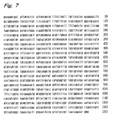
- nucleotide sequence shown in SEQ. ID No. 1 in the sequence listing was determined.
- nucleotides 73 to 1251 in the nucleotide sequence shown in SEQ. ID No. 1 in the sequence listing the presence of the open reading frame (ORF) encoding the amino acid sequence consisting of 393 amino acids shown in SEQ. ID No. 2 in the sequence listing was confirmed.
- ORF open reading frame
- the gene for enhancing temperature tolerance derived from Acetobacter altoacetigenes MH-24 strain (FERM BP-491) cloned as in Example 1 described above was amplified by the PCR method using KOD-Plus- (manufactured by TOYOBO Co., LTD) . Then, pGCS was constructed by inserting the amplified fragment into the restriction enzyme SmaI cleavage site of the acetic acid bacteria-Escherichia coli shuttle vector pMV24 (see non-patent literature 3, for instance). The outline of the amplified fragment inserted into pGCS is shown in Fig. 1 .
- This amplified fragment is included in the SalI-KpnI fragment (gene for improving temperature tolerance: the nucleotide sequence thereof is shown in SEQ. ID No. 1), and includes a part of the upstream and the downstream regions of the coding region (ORF) of the nucleotides 73 to 1251.
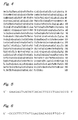
- the PCR method was performed as follows; i.e. the PCR method was performed using genomic DNA derived from the above-mentioned acetic acid bacteria as a template and using primer 1 (the nucleotide sequence thereof is shown in SEQ. ID No. 3 (Fig. 5)) and primer 2 (the nucleotide sequence thereof is shown in SEQ. ID No. 4 (Fig. 6)) as a primer in the following condition.
- the PCR method was performed for 30 cycles with one cycle consisting of 94°C for 15 sec, 60°C for 30 sec and 68°C for 2 min.
- Acetobacter aceti No. 1023 strain (FERM BP-2287) was transformed with this pGCS by the electroporation method (see non-patent literature 6, for instance).
- the transformant was selected by culturing it on YPG agar medium, to which 100 ⁇ g/ml of ampicillin was added, at a culture temperature of 38°C.
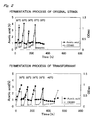
- the ampicillin-resistant transformant having the plasmid pGCS obtained in Example 2 was compared with the original strain of Acetobacter aceti No. 1023 into which only the shuttle vector pMV24 was introduced with regard to the growth in YPG medium when the culture temperature was changed.
- aeration-agitation culture was carried out in 1L of YPG medium containing 1% acetic acid, 4% ethanol and 100 ⁇ g/ml of ampicillin using a 2-L mini-jar fermenter (Mitsuwa Rikagaku Kogyo Co.; KMJ-2A) at 400 rpm and 0.2 vvm, and the concentration of acetic acid in the culture medium and the growth for the transformant (by measuring the absorbance at 660 nm) was compared to those for the original strain.
- the culture temperature was 30°C at first, then fermentation was performed at 33°C until the concentration of acetic acid reached about 3% .
- the temperature was further raised to 36°C and fermentation was performed until the concentration of acetic acid reached 3%. Thereafter, the temperature was raised in 2°C increments, and acetic acid fermentation was performed.
- the concentration of acetic acid reached 3%
- the culture medium was withdrawn except for about 100 ml of the culture medium, which was left in the mini-jar fermenter.
- 900 ml of YPG medium was added in such a manner that the final concentrations of acetic acid, ethanol and ampicillin were 1%, 4% and 100 ⁇ g/ml, respectively, and the temperature was changed in the above-described manner, and acetic acid fermentation was restarted.
- the gene for enhancing temperature tolerance derived from Acetobacter altoacetigenes MH-24 strain (FERM BP-491) cloned as in Example 1 described above was amplified by the PCR method using KOD-Plus- (manufactured by TOYOBO Co. , LTD.). Then, pGCS1 was constructed by inserting the acetic acid bacteria-Escherichia coli shuttle vector pGI18 (see non-patent literature 2, for instance) into the restriction enzyme SmaI cleavage site. The outline of the amplified fragment inserted into pGCS1 is shown in Fig. 1.
- This amplified fragment is included in the SalI-KpnI fragment (gene for improving temperature tolerance: the nucleotide sequence thereof is shown in SEQ. ID No. 1), and includes a part of the upstream and the downstream regions of the coding region (ORF) of the nucleotides 73 to 1251.
- the PCR method was performed as follows; i.e. the PCR method was performed using the above-mentioned genomic DNA derived from acetic acid bacteria as a template and using primer 1 (the nucleotide sequence thereof is shown in SEQ. ID No. 3 (Fig. 5)) and primer 2 (the nucleotide sequence thereof is shown in SEQ . ID No. 4 (Fig. 6)) as a primer in the following condition.
- the PCR method was performed for 30 cycles with one cycle consisting of 94°C for 15 sec, 60°C for 30 sec and 68°C for 2 min.
- Acetobacter aceti No. 1023 strain (FERM BP-2287) was transformed with this pGCS1 by the electroporation method (see non-patent literature 6, for instance).
- the transformant was selected by culturing it on YPG agar medium, to which 100 ⁇ g/ml of ampicillin was added, at a culture temperature of 38°C.
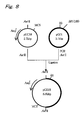
- the vector pGI18 for acetic acid bacteria was constructed by the procedure shown in Fig. 8.
- This vector pGI18 was constructed from the plasmids pGI1 and pUC18. First, the plasmid pGI1 was constructed.
- Acetobacter altoacetigenes MH-24 strain (FERM BP-491), which is one strain of Gluconacetobacter entanii, was cultured with shaking at 30°C for 240 h to 336 h in YPG medium (containing 3% glucose, 0.5% yeast extract and 0.2% polypeptone) to which 6% acetic acid and 4% ethanol were added.
- the obtained bacterial cells were lysated with sodium hydroxide or sodium dodecyl sulfate, then treated with phenol and further with ethanol, whereby the plasmid DNA was purified.
- the obtained plasmid DNA was digested with various restriction enzymes (manufactured by Takara Bio Inc.) (at 37°C and an enzyme concentration of 1 unit/ml), and the base-pair size of the obtained DNA fragments was determined by agarose electrophoresis.
- the obtained plasmid DNA is a plasmid consisting of cyclic double stranded DNA having three HincII recognition sites and one SfiI recognition site, and the total size of the plasmid was about 3100 base pairs (bp). In addition, it had no recognition site for EcoRI, SacI, KpnI, SmaI, BamHI, XbaI, SalI, PstI, SphI and HindIII.
- the obtained plasmid DNA was named plasmid pGI1 and was used in construction of the vector pGI18 (Fig. 8).
- the plasmid pGI1 obtained above was amplified by the PCR method using KOD-Plus- (manufactured by TOYOBO Co., LTD.) and digested with AatII.
- the PCR method was performed as follows; i.e. the PCR method was performed using the plasmid pGI1 prepared in Example 1 as a template and using primer A and primer B having an AatII recognition site as a primer in the following condition.
- the nucleotide sequences of the primer A and the primer B are as shown in SEQ. ID No. 6 (Fig. 12) and in SEQ. ID No. 7 (Fig. 13), respectively.
- the PCR condition was 30 cycles with one cycle consisting of 94°C for 30 sec, 60°C for 30 sec and 68°C for 3 min.
- pUC18 harboring an ampicillin (Amp)-resistance gene (manufactured by Takara Bio Inc.: 2686 bp) was digested with AatII (at 37°C and an enzyme concentration of 1 unit/ml) and ligated to the plasmid pGI1 obtained above with T 4 DNA ligase.
- AatII ampicillin-resistance gene
- Escherichia coli JM109 strain (manufactured by Takara Bio Inc.) was transformed in the conventional manner by using the reaction solution after ligation, and the transformant with Amp resistance was obtained by selection on a plate of LB medium (10 g of triptone, 5 g of yeast extract and 5 g of NaCl/L) containing 100 ⁇ g/ml of sodium ampicillin. From the obtained transformant, the plasmid was prepared, and the restriction enzyme cleavage pattern thereof was analyzed. In Fig. 8, the restriction enzyme map of the obtained plasmid is shown. In Fig. 8, "AatII" and "SfiI" indicate the restriction enzyme recognition sites.
- MCS indicates a multicloning site
- Amp r indicates an ampicillin-resistance gene site
- a number in the parenthesis indicates the number of the nucleotide components represented by the bp unit.
- pUC18, "pGIl” and “pGI18” in the middle indicate the names of the plasmids
- "2.7 kbp", “3.1 kbp” and “5.8 kbp” indicate the total base numbers of the plasmids.
- the obtained plasmid contained both pUC18 and pGI1, and the total size thereof was about 5800 base pairs (5.8 kbp).
- This plasmid was named vector pGI18 for acetic acid bacteria.
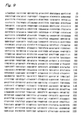
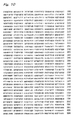
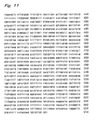
- nucleotide sequence of this vector pGI18 is shown in SEQ. ID No. 5 (Fig. 9, Fig. 10 and Fig. 11).
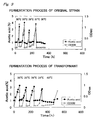
- the ampicillin-resistant transformant having the plasmid pGCS1 obtained in the above-described manner was compared with the original strain of Acetobacter aceti No. 1023 into which only the shuttle vector pGI18 was introduced with regard to the growth in YPG medium when the culture temperature was changed.
- aeration-agitation culture was carried out in 1 L of YPG medium containing 1% acetic acid, 4% ethanol and 100 ⁇ g/ml of ampicillin using a 2-L mini-jar fermenter (Mitsuwa Rikagaku Kogyo Co.; KMJ-2A) at 400 rpm and 0.2 vvm, and the concentration of acetic acid in the culture medium and the growth for the transformant (by measuring the absorbance at 660 nm) was compared to those for the original strain.
- the culture temperature was 30°C at first, then fermentation was performed at 33°C until the concentration of acetic acid reached about 3%. Then, the temperature was further raised to 36°C and fermentation was performed until the concentration of acetic acid reached 3%.
- the temperature was raised in 2°C increments, and acetic acid fermentation was performed.
- concentration of acetic acid reached 3%
- the culture medium was withdrawn except for about 100 ml of the culture medium, which was left in the mini-jar fermenter.
- 900 ml of YPG medium was added in such a manner that the final concentrations of acetic acid, ethanol and ampicillin were 1%, 4% and 100 ⁇ g/ml, respectively, and the temperature was changed in the above-described manner, and acetic acid fermentation was restarted.
- Acetobacter altoacetigenes MH-24 strain (FERM BP-491), which is one strain of Gluconacetobacter entanii, was transformed with the plasmid pGCS1 obtained as in (Example 4) by the electroporation method (see non-patent literature 6, for instance).
- the transformant was selected with YPG agar medium containing 0.55% agar to which 100 ⁇ g/ml of ampicillin, 4% acetic acid and 4% ethanol were added.
- the transformant with ampicillin resistance grown on the selective medium retained the plasmid having the gene for enhancing temperature tolerance by extracting the plasmid from the transformant in the conventional manner and analyzing it.
- the ampicillin-resistant transformant having the plasmid pGCS1 obtained in (1) was compared with the original strain of Acetobacter altoacetigenes MH-24 strain into which only the shuttle vector pGI18 was introduced with regard to the acetic acid fermentation ability.
- aeration-agitation culture was carried out in 2.5 L of a raw material medium (7% acetic acid, 3% ethanol, 0.2% yeast extract and 0.2% glucose) containing 100 ⁇ g/ml of ampicillin using a 5-L mini-jar fermenter (Mitsuwa Rikagaku Kogyo Co.; KMJ-5A) at 30°C, 500 rpm and 0.20 vvm.
- a solution containing ethanol 1% acetic acid, 50% ethanol, 0.2% yeast extract and 0.2% glucose was fed, whereby the concentration of ethanol in the fermentation liquid was maintained at 2%.
- Acetobacter aceti subsp. xylinum IFO3288 strain which is one strain of Acetobacter aceti subsp. xylinum, was transformed with the plasmid pGCS1 obtained as in (Example 4) by the electroporation method (see non-patent literature 6, for instance).
- the transformant was selected with YPG agar medium to which 100 ⁇ g/ml of ampicillin was added.
- the transformant with ampicillin resistance grown on the selective medium retained the plasmid having the gene for enhancing temperature tolerance by extracting the plasmid from the transformant in the conventional manner and analyzing it.
- the ampicillin-resistant transformant having the plasmid pGCS1 obtained in (3) was compared with the original strain of Acetobacter aceti subsp. xylinum IFO3288 strain into which only the shuttle vector pGI18 was introduced with regard to the acetic acid fermentation ability.
- aeration-agitation culture was carried out using a raw material medium prepared by mixing 17.9% saccharified rice solution, 3.2% fermented moromi, 7.8% alcohol for brewing and 71.1% water at such a ratio (concentration of alcohol: 7.8%, concentration of acetic acid: 0.26%) in a 5-L mini-jar fermenter (Mitsuwa Rikagaku Kogyo Co. ; KMJ-5A) at 30°C, 500 rpm and 0.20 vvm, and continuous fermentation at an acetic acid concentration of 7.2% was performed.
- the rates of adding the raw material medium in the continuous fermentation at an acetic acid concentration of 7.2% were compared, and the result is shown in Table 2.
- a novel gene participating in temperature tolerance can be provided, further a bred strain capable of highly efficient production vinegar under a higher temperature condition can be obtained by using the gene, and a method of highly efficient production vinegar under a higher temperature condition using the bred strain can be provided.
Landscapes
- Chemical & Material Sciences (AREA)
- Organic Chemistry (AREA)
- Life Sciences & Earth Sciences (AREA)
- Engineering & Computer Science (AREA)
- Zoology (AREA)
- Health & Medical Sciences (AREA)
- Wood Science & Technology (AREA)
- Bioinformatics & Cheminformatics (AREA)
- Genetics & Genomics (AREA)
- General Engineering & Computer Science (AREA)
- Biochemistry (AREA)
- General Health & Medical Sciences (AREA)
- Biotechnology (AREA)
- Microbiology (AREA)
- Food Science & Technology (AREA)
- Biomedical Technology (AREA)
- Molecular Biology (AREA)
- Medicinal Chemistry (AREA)
- Chemical Kinetics & Catalysis (AREA)
- General Chemical & Material Sciences (AREA)
- Micro-Organisms Or Cultivation Processes Thereof (AREA)
- Distillation Of Fermentation Liquor, Processing Of Alcohols, Vinegar And Beer (AREA)
- Preparation Of Compounds By Using Micro-Organisms (AREA)
- Peptides Or Proteins (AREA)
Applications Claiming Priority (3)
| Application Number | Priority Date | Filing Date | Title |
|---|---|---|---|
| JP2002356844 | 2002-12-09 | ||
| JP2002356844 | 2002-12-09 | ||
| PCT/JP2003/015542 WO2004053122A1 (ja) | 2002-12-09 | 2003-12-04 | 酢酸菌の温度耐性向上遺伝子、該遺伝子を用いて育種された酢酸菌、及び該酢酸菌を用いた食酢の製造方法 |
Publications (3)
| Publication Number | Publication Date |
|---|---|
| EP1580267A1 true EP1580267A1 (de) | 2005-09-28 |
| EP1580267A4 EP1580267A4 (de) | 2005-12-21 |
| EP1580267B1 EP1580267B1 (de) | 2008-06-04 |
Family
ID=32500829
Family Applications (1)
| Application Number | Title | Priority Date | Filing Date |
|---|---|---|---|
| EP03777254A Expired - Lifetime EP1580267B1 (de) | 2002-12-09 | 2003-12-04 | Gen für verbesserte temperaturverträglichkeit eines essigsäurebakteriums, mit dem gen gezüchtetes essigsäurebakterium und herstellungsverfahren für essig unter verwendung des essigsäurebakteriums |
Country Status (8)
| Country | Link |
|---|---|
| US (1) | US7256025B2 (de) |
| EP (1) | EP1580267B1 (de) |
| JP (1) | JP4429916B2 (de) |
| CN (1) | CN100335627C (de) |
| AT (1) | ATE397656T1 (de) |
| AU (1) | AU2003289182A1 (de) |
| DE (1) | DE60321489D1 (de) |
| WO (1) | WO2004053122A1 (de) |
Families Citing this family (3)
| Publication number | Priority date | Publication date | Assignee | Title |
|---|---|---|---|---|
| JP2006230329A (ja) * | 2005-02-28 | 2006-09-07 | Mitsukan Group Honsha:Kk | 酢酸発酵能が増強された酢酸菌、及び該酢酸菌を用いた食酢の製造方法 |
| JP4528270B2 (ja) * | 2006-03-03 | 2010-08-18 | 株式会社ミツカングループ本社 | 酢酸菌の増殖促進機能に関与する遺伝子、該遺伝子を用いて育種された酢酸菌、及び該酢酸菌を用いた食酢の製造方法 |
| JP4057617B2 (ja) * | 2006-05-22 | 2008-03-05 | 株式会社ミツカングループ本社 | 酢酸菌型セラミドの製造方法 |
Family Cites Families (5)
| Publication number | Priority date | Publication date | Assignee | Title |
|---|---|---|---|---|
| JPS5446899A (en) * | 1977-09-17 | 1979-04-13 | Nakano Suten Kk | Edible vineger producing method |
| JPS609488A (ja) * | 1983-06-29 | 1985-01-18 | Teruhiko Beppu | 酢酸菌ベクタ− |
| PE20001023A1 (es) * | 1998-07-30 | 2000-10-10 | Ajinomoto Kk | Deshidrogenasa de xilitol de bacterias de acido acetico y su gen |
| JP2002095493A (ja) * | 2000-09-21 | 2002-04-02 | Yamaguchi Technology Licensing Organization Ltd | 酢酸菌の菌膜を形成する多糖及びその精製方法 |
| JP2005110597A (ja) | 2003-10-09 | 2005-04-28 | Mitsukan Group Honsha:Kk | 酢酸菌由来の新規プラスミドとその利用 |
-
2003
- 2003-12-04 WO PCT/JP2003/015542 patent/WO2004053122A1/ja not_active Ceased
- 2003-12-04 EP EP03777254A patent/EP1580267B1/de not_active Expired - Lifetime
- 2003-12-04 AT AT03777254T patent/ATE397656T1/de not_active IP Right Cessation
- 2003-12-04 AU AU2003289182A patent/AU2003289182A1/en not_active Abandoned
- 2003-12-04 US US10/538,481 patent/US7256025B2/en not_active Expired - Fee Related
- 2003-12-04 JP JP2004558412A patent/JP4429916B2/ja not_active Expired - Fee Related
- 2003-12-04 DE DE60321489T patent/DE60321489D1/de not_active Expired - Fee Related
- 2003-12-04 CN CNB200380105381XA patent/CN100335627C/zh not_active Expired - Fee Related
Non-Patent Citations (4)
| Title |
|---|
| ADACHI O ET AL: "New developments in oxidative fermentation." APPLIED MICROBIOLOGY AND BIOTECHNOLOGY. FEB 2003, vol. 60, no. 6, February 2003 (2003-02), pages 643-653, XP002351155 ISSN: 0175-7598 * |
| DATABASE GENBANK [Online] NCBI; 4 July 2001 (2001-07-04), TABATA,S.: "Synechocystis sp. PCC 6803 DNA, complete genome, section:13/27, 1576593-1719643." XP002351174 retrieved from ENTREZ NUCLEOTIDE accession no. D90911 Database accession no. D90911 AB001339 BA000022 & KANEKO T ET AL: "Sequence analysis of the genome of the unicellular cyanobacterium Synechocystis sp. strain PCC6803. II. Sequence determination of the entire genome and assignment of potential protein-coding regions." DNA RESEARCH : AN INTERNATIONAL JOURNAL FOR RAPID PUBLICATION OF REPORTS ON GENES AND GENOMES. 30 JUN 1996, vol. 3, no. 3, 30 June 1996 (1996-06-30), pages 109-136, ISSN: 1340-2838 * |
| See also references of WO2004053122A1 * |
| YEH C-H ET AL: "Expression of a gene encoding a 16.9-kDa heat-shock protein, Oshsp16.9, in Escherichia coli enhances thermotolerance" PROCEEDINGS OF THE NATIONAL ACADEMY OF SCIENCES OF USA, NATIONAL ACADEMY OF SCIENCE, WASHINGTON, DC, US, vol. 94, no. 20, 30 September 1997 (1997-09-30), pages 10967-10972, XP002318128 ISSN: 0027-8424 * |
Also Published As
| Publication number | Publication date |
|---|---|
| EP1580267A4 (de) | 2005-12-21 |
| EP1580267B1 (de) | 2008-06-04 |
| WO2004053122A1 (ja) | 2004-06-24 |
| US20060286652A1 (en) | 2006-12-21 |
| DE60321489D1 (de) | 2008-07-17 |
| AU2003289182A1 (en) | 2004-06-30 |
| HK1086032A1 (en) | 2006-09-08 |
| JP4429916B2 (ja) | 2010-03-10 |
| CN1723280A (zh) | 2006-01-18 |
| ATE397656T1 (de) | 2008-06-15 |
| CN100335627C (zh) | 2007-09-05 |
| JPWO2004053122A1 (ja) | 2006-04-13 |
| US7256025B2 (en) | 2007-08-14 |
Similar Documents
| Publication | Publication Date | Title |
|---|---|---|
| JP4463200B2 (ja) | 酢酸菌のアルコール脱水素酵素遺伝子 | |
| US7446192B2 (en) | Gene participating in acetic acid tolerance, acetic acid bacteria bred using the gene, and process for producing vinegar with the use of the acetic acid bacteria | |
| EP1580267B1 (de) | Gen für verbesserte temperaturverträglichkeit eines essigsäurebakteriums, mit dem gen gezüchtetes essigsäurebakterium und herstellungsverfahren für essig unter verwendung des essigsäurebakteriums | |
| JP4551870B2 (ja) | 酢酸菌の増殖促進機能に関与する遺伝子及びその使用 | |
| JP4083455B2 (ja) | 酢酸菌のアコニターゼ遺伝子、該遺伝子を用いて育種された酢酸菌、及び該酢酸菌を用いた食酢の製造方法 | |
| JP4312608B2 (ja) | 酢酸菌のスクアレン−ホペンサイクラーゼ遺伝子、該遺伝子を用いて育種された酢酸菌、及び該酢酸菌を用いた食酢の製造方法 | |
| JP2005040079A (ja) | 酢酸菌のグルタチオン依存型ホルムアルデヒド脱水素酵素遺伝子、高度な酢酸耐性を有する微生物、及び該微生物を用いた食酢の製造方法 | |
| JP2004121021A (ja) | 酢酸耐性に関与する遺伝子、該遺伝子を用いて育種された酢酸菌、及び該酢酸菌を用いた食酢の製造方法 | |
| JP2004305209A (ja) | 酢酸菌の増殖促進機能に関与する遺伝子 | |
| JP2005040019A (ja) | 酢酸耐性に関与する遺伝子、該遺伝子を用いて育種された酢酸菌、及び該酢酸菌を用いた食酢の製造方法 | |
| JP2005124480A (ja) | タンパク質htpg、その遺伝子、高度な温度耐性を有する微生物、及び該微生物を用いた食酢の製造方法 | |
| HK1086595A (en) | Alcohol dehydrogenase gene of acetic acid bacterium | |
| JP2005124479A (ja) | 酢酸耐性に関与する遺伝子、該遺伝子を用いて育種された酢酸菌、及び該酢酸菌を用いた食酢の製造方法 | |
| JP2005040020A (ja) | 酢酸耐性に関与する遺伝子、該遺伝子を用いて育種された酢酸菌、及び該酢酸菌を用いた食酢の製造方法 | |
| JP2005124478A (ja) | タンパク質cyc、その遺伝子、高度な温度耐性を有する微生物、及び該微生物を用いた食酢の製造方法 | |
| JP2005040065A (ja) | タンパク質複合体abc3、その遺伝子、高度な酢酸耐性を有する微生物、及び該微生物を用いた食酢の製造方法 | |
| JP2005013103A (ja) | 酢酸耐性に関与する遺伝子、該遺伝子を用いて育種された酢酸菌、及び該酢酸菌を用いた食酢の製造方法 | |
| JP2005013101A (ja) | 酢酸耐性に関与する遺伝子、該遺伝子を用いて育種された酢酸菌、及び該酢酸菌を用いた食酢の製造方法 | |
| JP2005013083A (ja) | タンパク質gluk、その遺伝子、高度な酢酸耐性を有する微生物、及び該微生物を用いた食酢の製造方法 | |
| JP2005013054A (ja) | タンパク質accc1、その遺伝子、高度な酢酸耐性を有する微生物、及び該微生物を用いた食酢の製造方法 | |
| JP2005013082A (ja) | タンパク質pvk、その遺伝子、高度な酢酸耐性を有する微生物、及び該微生物を用いた食酢の製造方法 | |
| JP2005013081A (ja) | タンパク質pvdc、その遺伝子、高度な酢酸耐性を有する微生物、及び該微生物を用いた食酢の製造方法 | |
| JP2005040064A (ja) | タンパク質scdh2、その遺伝子、高度な酢酸耐性を有する微生物、及び該微生物を用いた食酢の製造方法 | |
| JP2005040063A (ja) | タンパク質fur1、その遺伝子、高度な酢酸耐性を有する微生物、及び該微生物を用いた食酢の製造方法 | |
| JP2005013053A (ja) | タンパク質accb2、その遺伝子、高度な酢酸耐性を有する微生物、及び該微生物を用いた食酢の製造方法 |
Legal Events
| Date | Code | Title | Description |
|---|---|---|---|
| PUAI | Public reference made under article 153(3) epc to a published international application that has entered the european phase |
Free format text: ORIGINAL CODE: 0009012 |
|
| 17P | Request for examination filed |
Effective date: 20050706 |
|
| AK | Designated contracting states |
Kind code of ref document: A1 Designated state(s): AT BE BG CH CY CZ DE DK EE ES FI FR GB GR HU IE IT LI LU MC NL PT RO SE SI SK TR |
|
| AX | Request for extension of the european patent |
Extension state: AL LT LV MK |
|
| A4 | Supplementary search report drawn up and despatched |
Effective date: 20051108 |
|
| DAX | Request for extension of the european patent (deleted) | ||
| GRAP | Despatch of communication of intention to grant a patent |
Free format text: ORIGINAL CODE: EPIDOSNIGR1 |
|
| GRAS | Grant fee paid |
Free format text: ORIGINAL CODE: EPIDOSNIGR3 |
|
| GRAA | (expected) grant |
Free format text: ORIGINAL CODE: 0009210 |
|
| AK | Designated contracting states |
Kind code of ref document: B1 Designated state(s): AT BE BG CH CY CZ DE DK EE ES FI FR GB GR HU IE IT LI LU MC NL PT RO SE SI SK TR |
|
| REG | Reference to a national code |
Ref country code: GB Ref legal event code: FG4D |
|
| REG | Reference to a national code |
Ref country code: CH Ref legal event code: EP |
|
| REF | Corresponds to: |
Ref document number: 60321489 Country of ref document: DE Date of ref document: 20080717 Kind code of ref document: P |
|
| REG | Reference to a national code |
Ref country code: IE Ref legal event code: FG4D |
|
| PG25 | Lapsed in a contracting state [announced via postgrant information from national office to epo] |
Ref country code: SI Free format text: LAPSE BECAUSE OF FAILURE TO SUBMIT A TRANSLATION OF THE DESCRIPTION OR TO PAY THE FEE WITHIN THE PRESCRIBED TIME-LIMIT Effective date: 20080604 Ref country code: ES Free format text: LAPSE BECAUSE OF FAILURE TO SUBMIT A TRANSLATION OF THE DESCRIPTION OR TO PAY THE FEE WITHIN THE PRESCRIBED TIME-LIMIT Effective date: 20080915 Ref country code: FI Free format text: LAPSE BECAUSE OF FAILURE TO SUBMIT A TRANSLATION OF THE DESCRIPTION OR TO PAY THE FEE WITHIN THE PRESCRIBED TIME-LIMIT Effective date: 20080604 |
|
| PG25 | Lapsed in a contracting state [announced via postgrant information from national office to epo] |
Ref country code: AT Free format text: LAPSE BECAUSE OF FAILURE TO SUBMIT A TRANSLATION OF THE DESCRIPTION OR TO PAY THE FEE WITHIN THE PRESCRIBED TIME-LIMIT Effective date: 20080604 Ref country code: NL Free format text: LAPSE BECAUSE OF FAILURE TO SUBMIT A TRANSLATION OF THE DESCRIPTION OR TO PAY THE FEE WITHIN THE PRESCRIBED TIME-LIMIT Effective date: 20080604 |
|
| NLV1 | Nl: lapsed or annulled due to failure to fulfill the requirements of art. 29p and 29m of the patents act | ||
| PG25 | Lapsed in a contracting state [announced via postgrant information from national office to epo] |
Ref country code: PT Free format text: LAPSE BECAUSE OF FAILURE TO SUBMIT A TRANSLATION OF THE DESCRIPTION OR TO PAY THE FEE WITHIN THE PRESCRIBED TIME-LIMIT Effective date: 20081104 Ref country code: SE Free format text: LAPSE BECAUSE OF FAILURE TO SUBMIT A TRANSLATION OF THE DESCRIPTION OR TO PAY THE FEE WITHIN THE PRESCRIBED TIME-LIMIT Effective date: 20080904 Ref country code: CZ Free format text: LAPSE BECAUSE OF FAILURE TO SUBMIT A TRANSLATION OF THE DESCRIPTION OR TO PAY THE FEE WITHIN THE PRESCRIBED TIME-LIMIT Effective date: 20080604 |
|
| PG25 | Lapsed in a contracting state [announced via postgrant information from national office to epo] |
Ref country code: SK Free format text: LAPSE BECAUSE OF FAILURE TO SUBMIT A TRANSLATION OF THE DESCRIPTION OR TO PAY THE FEE WITHIN THE PRESCRIBED TIME-LIMIT Effective date: 20080604 Ref country code: BE Free format text: LAPSE BECAUSE OF FAILURE TO SUBMIT A TRANSLATION OF THE DESCRIPTION OR TO PAY THE FEE WITHIN THE PRESCRIBED TIME-LIMIT Effective date: 20080604 Ref country code: RO Free format text: LAPSE BECAUSE OF FAILURE TO SUBMIT A TRANSLATION OF THE DESCRIPTION OR TO PAY THE FEE WITHIN THE PRESCRIBED TIME-LIMIT Effective date: 20080604 |
|
| PLBE | No opposition filed within time limit |
Free format text: ORIGINAL CODE: 0009261 |
|
| STAA | Information on the status of an ep patent application or granted ep patent |
Free format text: STATUS: NO OPPOSITION FILED WITHIN TIME LIMIT |
|
| PG25 | Lapsed in a contracting state [announced via postgrant information from national office to epo] |
Ref country code: EE Free format text: LAPSE BECAUSE OF FAILURE TO SUBMIT A TRANSLATION OF THE DESCRIPTION OR TO PAY THE FEE WITHIN THE PRESCRIBED TIME-LIMIT Effective date: 20080604 Ref country code: DK Free format text: LAPSE BECAUSE OF FAILURE TO SUBMIT A TRANSLATION OF THE DESCRIPTION OR TO PAY THE FEE WITHIN THE PRESCRIBED TIME-LIMIT Effective date: 20080604 Ref country code: BG Free format text: LAPSE BECAUSE OF FAILURE TO SUBMIT A TRANSLATION OF THE DESCRIPTION OR TO PAY THE FEE WITHIN THE PRESCRIBED TIME-LIMIT Effective date: 20080904 |
|
| 26N | No opposition filed |
Effective date: 20090305 |
|
| PG25 | Lapsed in a contracting state [announced via postgrant information from national office to epo] |
Ref country code: MC Free format text: LAPSE BECAUSE OF NON-PAYMENT OF DUE FEES Effective date: 20081231 |
|
| REG | Reference to a national code |
Ref country code: CH Ref legal event code: PL |
|
| GBPC | Gb: european patent ceased through non-payment of renewal fee |
Effective date: 20081204 |
|
| PG25 | Lapsed in a contracting state [announced via postgrant information from national office to epo] |
Ref country code: IT Free format text: LAPSE BECAUSE OF FAILURE TO SUBMIT A TRANSLATION OF THE DESCRIPTION OR TO PAY THE FEE WITHIN THE PRESCRIBED TIME-LIMIT Effective date: 20080604 |
|
| REG | Reference to a national code |
Ref country code: IE Ref legal event code: MM4A |
|
| REG | Reference to a national code |
Ref country code: FR Ref legal event code: ST Effective date: 20090831 |
|
| PG25 | Lapsed in a contracting state [announced via postgrant information from national office to epo] |
Ref country code: CH Free format text: LAPSE BECAUSE OF NON-PAYMENT OF DUE FEES Effective date: 20081231 Ref country code: LI Free format text: LAPSE BECAUSE OF NON-PAYMENT OF DUE FEES Effective date: 20081231 Ref country code: IE Free format text: LAPSE BECAUSE OF NON-PAYMENT OF DUE FEES Effective date: 20081204 Ref country code: DE Free format text: LAPSE BECAUSE OF NON-PAYMENT OF DUE FEES Effective date: 20090701 |
|
| PG25 | Lapsed in a contracting state [announced via postgrant information from national office to epo] |
Ref country code: GB Free format text: LAPSE BECAUSE OF NON-PAYMENT OF DUE FEES Effective date: 20081204 |
|
| PG25 | Lapsed in a contracting state [announced via postgrant information from national office to epo] |
Ref country code: FR Free format text: LAPSE BECAUSE OF NON-PAYMENT OF DUE FEES Effective date: 20081231 |
|
| PG25 | Lapsed in a contracting state [announced via postgrant information from national office to epo] |
Ref country code: CY Free format text: LAPSE BECAUSE OF FAILURE TO SUBMIT A TRANSLATION OF THE DESCRIPTION OR TO PAY THE FEE WITHIN THE PRESCRIBED TIME-LIMIT Effective date: 20080604 Ref country code: LU Free format text: LAPSE BECAUSE OF NON-PAYMENT OF DUE FEES Effective date: 20081204 Ref country code: HU Free format text: LAPSE BECAUSE OF FAILURE TO SUBMIT A TRANSLATION OF THE DESCRIPTION OR TO PAY THE FEE WITHIN THE PRESCRIBED TIME-LIMIT Effective date: 20081205 |
|
| PG25 | Lapsed in a contracting state [announced via postgrant information from national office to epo] |
Ref country code: TR Free format text: LAPSE BECAUSE OF FAILURE TO SUBMIT A TRANSLATION OF THE DESCRIPTION OR TO PAY THE FEE WITHIN THE PRESCRIBED TIME-LIMIT Effective date: 20080604 |
|
| PG25 | Lapsed in a contracting state [announced via postgrant information from national office to epo] |
Ref country code: GR Free format text: LAPSE BECAUSE OF FAILURE TO SUBMIT A TRANSLATION OF THE DESCRIPTION OR TO PAY THE FEE WITHIN THE PRESCRIBED TIME-LIMIT Effective date: 20080905 |