EP1559317A1 - Nichtbakterielles tiermodell für prostatitis - Google Patents
Nichtbakterielles tiermodell für prostatitis Download PDFInfo
- Publication number
- EP1559317A1 EP1559317A1 EP03758961A EP03758961A EP1559317A1 EP 1559317 A1 EP1559317 A1 EP 1559317A1 EP 03758961 A EP03758961 A EP 03758961A EP 03758961 A EP03758961 A EP 03758961A EP 1559317 A1 EP1559317 A1 EP 1559317A1
- Authority
- EP
- European Patent Office
- Prior art keywords
- nonbacterial prostatitis
- prostatitis
- animal model
- animal
- hydrochloric acid
- Prior art date
- Legal status (The legal status is an assumption and is not a legal conclusion. Google has not performed a legal analysis and makes no representation as to the accuracy of the status listed.)
- Withdrawn
Links
Images



Classifications
-
- A—HUMAN NECESSITIES
- A61—MEDICAL OR VETERINARY SCIENCE; HYGIENE
- A61K—PREPARATIONS FOR MEDICAL, DENTAL OR TOILETRY PURPOSES
- A61K49/00—Preparations for testing in vivo
- A61K49/0004—Screening or testing of compounds for diagnosis of disorders, assessment of conditions, e.g. renal clearance, gastric emptying, testing for diabetes, allergy, rheuma, pancreas functions
- A61K49/0008—Screening agents using (non-human) animal models or transgenic animal models or chimeric hosts, e.g. Alzheimer disease animal model, transgenic model for heart failure
-
- A—HUMAN NECESSITIES
- A61—MEDICAL OR VETERINARY SCIENCE; HYGIENE
- A61P—SPECIFIC THERAPEUTIC ACTIVITY OF CHEMICAL COMPOUNDS OR MEDICINAL PREPARATIONS
- A61P13/00—Drugs for disorders of the urinary system
- A61P13/08—Drugs for disorders of the urinary system of the prostate
-
- A—HUMAN NECESSITIES
- A01—AGRICULTURE; FORESTRY; ANIMAL HUSBANDRY; HUNTING; TRAPPING; FISHING
- A01K—ANIMAL HUSBANDRY; AVICULTURE; APICULTURE; PISCICULTURE; FISHING; REARING OR BREEDING ANIMALS, NOT OTHERWISE PROVIDED FOR; NEW BREEDS OF ANIMALS
- A01K2267/00—Animals characterised by purpose
- A01K2267/03—Animal model, e.g. for test or diseases
- A01K2267/035—Animal model for multifactorial diseases
- A01K2267/0368—Animal model for inflammation
Definitions
- the present invention relates to an animal model for chronic nonbacterial prostatitis and a method for producing it. More specifically, the invention relates to a nonhuman animal mimicking the pathology of human chronic nonbacterial prostatitis and a method for producing it. Moreover, the invention relates to a method using such an animal model for screening for a substance effective for preventing or treating human chronic nonbacterial prostatitis and to a pharmaceutical composition for preventing or treating human chronic nonbacterial prostatitis containing, as an active ingredient, a substance screened for by such a method. The invention is further directed to a method using such a model animal for evaluating the efficacy of a pharmaceutical composition for preventing or treating human chronic nonbacterial prostatitis.
- Prostatitis is a urologic disease relatively common among adult males.
- patients of prostatitis accounts for the largest proportion of patients of urological diseases among males aged 18 to 50 at 0.77% of the total outpatients, with patients of urological diseases accounting for about 5% of the total outpatients.
- prostatitis is reported as the third most common urologic disease (0.83% of total outpatients) after benign prostatic hyperplasia and prostate carcinomas (Collins M.M. How common is prostatitis? A national survey of physician visits. J. Urol. 159: 1224-1228, 1998).
- about 2 million people each year are diagnosed with prostatitis.
- Prostatitis In Japan, the number of new patients (people coming into primary care) of the prostatitis syndrome is estimated to be from about 600000 to about 1 million each year (Toshihiro Kitagawa, Hiroshi Hayami, Motoshi Kawahara, et al. Diagnosis and treatment of the prostatitis syndrome . Latest approach and trend. Patient number of the prostatitis syndrome. Does the prostatitis syndrome increase ? .Prog. Med. 1998, 18, 2149-2152). Prostatitis is roughly divided into 4 groups: (1) acute bacterial prostatitis (ABP), (2) chronic bacterial prostatitis (CBP), (3) chronic nonbacterial prostatitis (CNP), and (4) prostatodynia.
- ABSP acute bacterial prostatitis
- CBP chronic bacterial prostatitis
- CNP chronic nonbacterial prostatitis
- prostatitis The type-specific incidence of prostatitis is reported to be rare for bacterial prostatitis (1) and (2), and nonbacterial prostatitis (3) and (4) accounts for most incidences of prostatitis (Soichi Arakawa, Causes and therapy for prostatitis. Japanese Medical Journal 4017: 25-30, 2001).
- prostatitis In terms of clinical pathology, prostatitis is roughly categorized into acute: (1), and chronic: (2), (3) and (4).
- Symptoms of acute bacterial prostatitis (1) categorized as an acute disease include, in addition to fever, so-called bladder symptoms derived from the spreading of inflammation from the bladder trigone to the posterior urethra, such as urodynia, pollakiuria and a sense of residual urine.
- Subjective symptoms of chronic prostatitis (2), (3) and (4) categorized as a chronic disease include bladder symptoms such as pollakiuria and urodynia, and unidentified complaints about the perineum and the hypogastrium.
- Pollakiuria is one of the typical symptoms that are perceived relatively commonly (Arakawa Soichi: Prostatitis and pollakiuria. Kongetsu no chiry 6: 863-865, 1998).
- chronic prostatitis is categorized into 3 groups: (2), (3) and (4).
- the clinical pathologies thereof are very similar, and therefore it is difficult to identify the type of prostatitis based on clinical pathology (Masayoshi Yokoyama, All of prostatic gland medical care. Prostatitis and prostatodynia. The Journal of Clinical Science 33: 1561-1567, 1997).
- An example of a method for prostatitis diagnosis is to identify the type of prostatitis based on the result of the four-glass test.
- the four-glass test should not be performed with respect to (1) acute bacterial prostatitis (ABP) due to the risk of septicemia
- the four-glass test with respect to chronic prostatitis (2), (3) and (4) can identify bacterial and nonbacterial prostatitis through the examination of the presence/absence of bacteria in EPS (expressed prostatic secretion, fluid obtained during prostate massage) and VB3 (voided bladder 3, the first urine after prostate massage).
- nonbacterial prostatitis and prostatalgia can be determined by the presence/absence of leucocytes in EPS (Masayoshi Yokoyama, (All of prostatic gland medical care. Prostatitis and prostatodynia. The Journal of Clinical Science 33: 1561-1567, 1997).
- NIH-CPSI National Institutes of Health chronic prostatitis symptom index
- the NIH-CPSI grades the symptoms of chronic prostatitis characterized by various clinical symptoms as symptomatic scores.
- the NIH-CPSI regards pain to be the trait of the prostatitis syndrome.
- Irritative symptoms such as pollakiuria, urinary incontinence, nycturia, and urgency of urination are emphasized more in the QOL (quality of life) score than obstructive symptoms such as urination difficulty, uroschesis, prolonged urination, and intermittent urination (Soichi Arakawa Causes and therapy for prostatitis. Japanese Medical Journal, 4017: 25-30, 2001).
- the NIH-CPSI is used in the United States and Japan because it is considered important for determining the severity of chronic prostatitis and the efficacy of medication.
- chronic prostatitis when compared with prostatic hyperplasia, which is another prostatic disorder, exhibits similar scores in the urinary irritation symptom domain (such as pollakiuria, urinary incontinence, nycturia, and urgency of urination) but higher scores in the pain/discomfort and QOL (quality of life) domains (Koichi Monden, Masaya Tsugawa, Yuko Ninomiya, et al., A Japanese Version of The National Institutes of Health Chronic Prostatitis Symptom Index (NIH-CPSI, Okayama Version) and the Clinical Evaluation of Cernitin Pollen Extract for Chronic Non-bacterial Prostatitis.
- the etiology of chronic nonbacterial prostatitis takes into consideration various factors such as retention of the prostatic fluid; involvement of autoimmune systems, allergy, and microorganisms such as Mycoplasma, Chlamydia trachomatis, etc.; imbalance of sex hormones; psychological aspects; etc.
- autoimmune systems such as Mycoplasma, Chlamydia trachomatis, etc.
- microorganisms such as Mycoplasma, Chlamydia trachomatis, etc.
- imbalance of sex hormones such as Mycoplasma, Chlamydia trachomatis, etc.
- psychological aspects etc.
- Examples of diseases that cause obstructive voiding symptoms such as urination difficulty, ischuria, etc.
- obstructive voiding symptoms such as urination difficulty, ischuria, etc.
- bladder detrusor muscle contraction disorder such as urination difficulty, ischuria, etc.
- bladder neck sclerosis such as urination difficulty, ischuria, etc.
- prostatitis such as urethrostenosis, urethrophyma, etc
- urethrostenosis urethrophyma, etc
- urethrophyma etc
- prostatitis may pose both irritative voiding symptoms (urine storage disorders) and obstructive voiding symptoms (dysuria) of the lower urinary tract disorders. Therefore, a novel method and a novel agent for treating prostatitis including ameliorating such lower urinary tract disorders are desired.
- Such an animal model is therefore expected to be highly useful in the screening of active ingredients and efficacy (as an animal model for screening) in the development of preventive/therapeutic agents for prostatitis.
- Examples of known nonbacterial prostatitis animal models are (1) an animal model prepared with use of lipopolysaccharide (LPS) (Fulmer, B.R., Turner, T.T. Effect of inflammation on prostatic protein synthesis and luminal secretion in vitro. J. Urol . 162: 248, 1999); (2) an animal model prepared with use of dihydrotestosterone + estradiol (Harris, M.T., Feldberg, R.S., Lau, K.M. et al. Expression of proinflammatory gene during estrogen-induced inflammation of the rat prostate. The Prostate 44: 19-25, 2000); (3) an animal model prepared by injecting estradiol to castrated rats (Robinette, C.L.
- LPS lipopolysaccharide
- animal models (1) to (4) have disadvantages of varying extent as follows.
- prostatic tissue damage of animal model (1) are limited to the site of LPS injection and the periphery thereof. It takes a relatively long period of time (at least 3 to 4 weeks) to prepare animal models (2) and (3) by creating a hormonal imbalance by administration of hormones; and it is difficult to confirm that hormones are securely administered during animal model preparation and therefore it is possible that animal model preparation fails due to hormone administration capsule problems.
- two operations are needed for castration and hormone capsule implantation, thereby complicating the procedure.
- Animal model (4) undergoes severe prostatitis such that more than half of the model animals die of urethral obstruction by the 7 th day of preparation.
- Experiments conducted by the inventors revealed that, from the pathohistological point of view, animal model (5) develop prostatitis only to a very slight extent (see examples below).
- An object of the present invention is to provide a (nonhuman) animal model effectively usable in the development of a preventive or therapeutic agent for human chronic nonbacterial prostatitis.
- an object of the invention is to provide a nonbacterial prostatitis (nonhuman) animal model mimicking the pathology of human chronic nonbacterial prostatitis in terms of pathohistological change in the prostate and presence/absence of lower urinary tract disorders, and preferably in terms of bladder weight increase.
- Another object of the present invention is to provide a method for producing such an animal model.
- Still another object of the present invention is to provide a method for screening for a substance effective for preventing or treating human chronic nonbacterial prostatitis using such an animal model, and to provide a pharmaceutical composition for preventing or treating human chronic nonbacterial prostatitis containing as an active ingredient a substance obtained according to such a method.
- Yet another object of the invention is provide a method for evaluating the efficacy of a test drug on the prevention of human chronic nonbacterial prostatitis, and a method for evaluating the efficacy of a test drug on the treatment of human chronic nonbacterial prostatitis using such an animal model.
- the inventors conducted extensive research to solve the problems described above and found that a nonhuman animal having a symptom similar to the pathology of human chronic nonbacterial prostatitis in terms of pathohistological change in the prostate and presence/absence of lower urinary tract disorders, and preferably in terms of bladder weight increase, can be prepared by injecting hydrochloric acid to a nonhuman animal beneath the prostatic capsule.
- the inventors were convinced that using the nonhuman animal as an animal pathological model of human chronic nonbacterial prostatitis a drug (candidate substance) effective for prevention or treatment of human chronic nonbacterial prostatitis can be obtained and the pharmaceutical efficacy of such a drug for the prevention or treatment of human chronic nonbacterial prostatitis can be evaluated.
- the present invention has been accomplished based on such findings.
- the present invention provides animal models for nonbacterial prostatitis as described in Items (1) to (6) below:
- the present invention provides methods for preparing the aforementioned nonbacterial prostatitis animal models as described in Items (7) to (10) below:
- the present invention provides methods for screening for a substance for treating human chronic nonbacterial prostatitis as described below:
- the present invention provides methods for screening for a substance for preventing human chronic nonbacterial prostatitis as described below:
- the preparatory nonbacterial prostatitis animal model used in Item (14) is a nonhuman animal that has not yet developed prostatitis, and can be prepared in the same manner as the method for producing a nonbacterial prostatitis animal model according to any one of Items (7) to (10) except that the nonhuman animal has been reared for less than 4 days.
- the methods of Items (11) to (13) and (14) can be used as methods for evaluating the therapeutic effects and preventive effects of test substances (test drugs) on human nonbacterial prostatitis. Such methods can be defined as in Items (15) to (16) and (17) to (18):
- the preparatory nonbacterial prostatitis animal model used in Item (17) is a nonhuman animal that has not yet developed prostatitis, and can be obtained in the same manner as the method for producing a nonbacterial prostatitis animal model recited in any one of Items (1) to (6) above except that the nonhuman animal is reared for less than 4 days.
- the present invention is directed to pharmaceutical compositions containing substances obtained by the screening methods according to Items (11) or (14):
- the present invention includes the following modes:
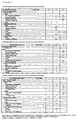
- Figure 1 tabulates observations, in 2) of Example 1, of tissues at the sites of hydrochloric acid injection (pathohistological evaluation of the prostates) of rats in which hydrochloric acid was injected beneath the prostatic capsule (test group: P), rats in which hydrochloric acid was injected into the vas deferens (comparative group: Y), and rats in which hydrochloric acid was not injected (control group: N), when viewed along the longitudinal plane (the plane created by placing the tissue such that the urethra came at the center, and then longitudinally cutting the tissue (the median line of a rat extending from the head to the tail is regarded as the longitudinal direction)).
- test group: P rats in which hydrochloric acid was injected into the vas deferens
- control group: N rats in which hydrochloric acid was not injected
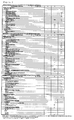
- Figure 2 tabulates observations, in 2) of Example 1, of tissues at the sites of hydrochloric acid injection (pathohistological evaluation of the prostates) of rats in which hydrochloric acid was injected beneath the prostatic capsule (test group: P), rats in which hydrochloric acid was injected into the vas deferens (comparative group: Y), and rats in which hydrochloric acid was not injected (control group: N), when viewed along the transverse plane (the plane created by the placing the tissue such that the urethra came at the center, and then transversely cutting the tissue (the median line of a rat extending from the head to the tail is regarded as the longitudinal direction)).
- test group: P rats in which hydrochloric acid was injected into the vas deferens
- control group: N rats in which hydrochloric acid was not injected
- Figure 3 shows longitudinally sectional images of the prostate lateral lobe and the tissue around the urethra of the prostate tissue sampled 8 days after hydrochloric acid injection from the rats to which hydrochloric acid had been injected beneath the prostatic capsule (see 2-1) of Example 1).
- Figure 4 shows images of the lumen of the prostate lateral lobe and the nerve cells of prostate tissue sampled 8 days after hydrochloric acid injection from the rats to which hydrochloric acid had been injected beneath the prostatic capsule (see 2-1) of Example 1).
- Figure 5 shows the experimental results of 3) of Example 1, i.e., charts showing the urination intervals and volumes of urine per urination of the rats to which hydrochloric acid was injected beneath the prostatic capsule (0.1 N hydrochloric acid-injected rats, 0.2 N hydrochloric acid-injected rats, and 0.4 N hydrochloric acid-injected rats, at the 8 th day of rearing after hydrochloric acid injection) and of the rats of the control group.
- Figure 6 shows the experimental results of 3) of Example 1, i.e., charts showing the volumes of residual urine and the ratios of prostate ventral lobe weight to body weight of the rats to which hydrochloric acid was injected beneath the prostatic capsule (0.1 N hydrochloric acid-injected rats, 0.2 N hydrochloric acid-injected rats, and 0.4 N hydrochloric acid-injected rats, at the 8 th day of rearing after hydrochloric acid injection) and of the rats of the control group.
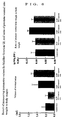
- Figure 7 shows the experimental results of 3) of Example 1, i.e., charts showing the ratios of the prostate dorsolateral lobe weight to body weight and the ratios of bladder weight to body weight of the rats to which hydrochloric acid was injected beneath the prostatic capsule (0.1 N hydrochloric acid-injected rats, 0.2 N hydrochloric acid-injected rats, and 0.4 N hydrochloric acid-injected rats, at the 8 th day of rearing after hydrochloric acid injection) and of the rats of the control group.
- the nonbacterial prostatitis animal model to which the present invention is directed is an animal (excluding humans) pathological model (i.e., of a nonhuman animal) reflecting human chronic nonbacterial prostatitis.
- the nonbacterial prostatitis animal model of the present invention is a nonhuman animal in which at least the prostate tissue, and preferably both the prostate and the tissue in the vicinity thereof, exhibits pathohistological characteristics observed in the prostate and the tissue in the vicinity thereof of a human suffering from chronic nonbacterial prostatitis and lower urinary tract disorders as characteristically observed in human chronic nonbacterial prostatitis.
- fibroblast hyperplasia and fibrosis are observed in the stroma of the prostate at least 4 days after animal model production treatment (hydrochloric acid injection), and, inflammatory cellular infiltration (infiltration of macrophages, eosinophilic leucocytes, etc.).
- the pathohistology of the animal model is in agreement with that of human chronic nonbacterial prostatitis.
- the aforementioned damage can be observed even in portions of prostate tissue in the vicinity of the urethra, and such tissue damage remain for 8 days or longer after animal model production treatment (hydrochloric acid injection).
- the animal model suffers from damage only in the prostate and the tissue in the vicinity thereof, and does not exhibit urethra or bladder tissue damage. Therefore, the preferable nonbacterial prostatitis animal model of the present invention is a nonhuman animal that exhibits damage in the prostate and/or the tissue in the vicinity thereof similar to those characteristically observed in human chronic nonbacterial prostatitis, but does not have tissue damage in other lower urinary tract tissues such as urethral and bladder tissues.
- the nonbacterial prostatitis animal model to which the present invention relates is a nonhuman animal having at least a lower urinary tract disorder among the aforementioned pathological conditions (symptoms) characteristically observed in human chronic nonbacterial prostatitis.
- a lower urinary tract disorder preferable are urine storage disorders having symptoms such as pollakiuria, urinary incontinence, and reduced effective bladder capacity (reduced volume of urine per urination).
- the preferable animal model of the present invention gives a shorter urination interval, a smaller volume of urine per urination, and a larger volume of residual urine than corresponding normal nonhuman animals.
- the pathology (symptoms) of the animal model is identical to the pathology (symptoms) of lower urinary tract disorders of human patients suffering chronic nonbacterial prostatitis. Therefore, the preferable nonbacterial prostatitis animal model of the present invention can be a nonhuman animal having lower urinary tract disorders characteristically observed in human chronic nonbacterial prostatitis, and in particular urine storage disorders having at least pollakiuria, reduced effective bladder capacity (reduced volume of urine per urination) or increased volume of residual urine.
- examples of methods for evaluating the aforementioned urine storage disorders are those that measure urination interval, volume of urine per urination, and volume of residual urine.
- Such methods have already been established in this field of art as "The measuring method of intravesical pressure and micturition volume simultaneously in awake rats", “Cystometry” etc.( Am. J. Physiol. 1986, 251, R1177; Experimental methods for neurourological researches. Nihon-Igakukan Co., Ltd., 2000, 158-165). Evaluation of urine storage disorders can be carried out according to such methods.
- the nonbacterial prostatitis animal model of the present invention exhibits the aforementioned histological (prostate tissue damage) and pathological characteristics (lower urinary tract disorders) as observed in human chronic nonbacterial prostatitis and, as an additional feature, has an increased bladder weight compared with corresponding normal (healthy) nonhuman animals.
- An increase in the weight of the bladder can be usually evaluated, as described in detail in the Example, by using the ratio of bladder weight to body weight (bladder weight/body weight).
- the nonbacterial prostatitis animal model of the present invention having such characteristics histologically and pathologically similar to those of human chronic nonbacterial prostatitis and further preferably having the increased weight of the bladder, can be produced by injecting hydrochloric acid beneath the prostatic capsule of a nonhuman animal and rearing it for a specific period of time.
- nonhuman animals for use in producing such an animal pathological model include mammals other than humans that are generally used in experiments, such as rats, nude rats, mice, nude mice, guinea pigs, hamsters, rabbits, dogs, cats, and monkeys.
- rodents such as rats, nude rats, mice, nude mice, guinea pigs, hamsters, rabbits, etc.
- More preferable, for ease of operation and rearing are rats, nude rats, mice, and nude mice.
- rats, nude rats, mice, and nude mice When such animals are, for example, rats, mice, nude mice and the like, it is preferable to use them when they are 10 to 12 weeks old.
- the concentration of hydrochloric acid used in the present invention is, for example, 0.1 to 0.6 N, and preferably 0.2 to 0.5 N.
- the amount injected varies depending on the type of a subject nonhuman animal, it is usually 0.2 to 0.35 ml/kg body weight, and preferably 0.25 to 0.3 ml/kg body weight.
- Methods for injecting hydrochloric acid beneath the prostatic capsule are not limited.
- administration by injection beneath the prostatic capsule using a disposable syringe equipped with a 27 G intravenous injection needle is convenient.
- Hydrochloric acid is injected beneath the prostatic capsule of the aforementioned nonhuman animal.
- the specific injection site is preferably the lateral lobe of the prostate that is anatomically similar to the peripheral zone which is a predilection site of human prostatitis.
- the nonhuman animal thus injected with hydrochloric acid beneath the prostate capsules is subjected to rearing.
- Rearing conditions are not limited. Ordinary rearing conditions are applicable as well as antibacterial conditions.
- 3 animals are housed per cage and supplied ad libitum with solid feed and with water from an automatic watering device under the conditions of 20 to 26°C, 30 to 70% relative humidity, 12-hour light-dark cycles, and at least 10 times/hour of ventilation frequency.
- the rearing period for the nonhuman animal after hydrochloric acid injection is usually for about 3 days to about 2 weeks, and preferably for about 4 days to about 1 week.
- the prostate tissue of the nonhuman animal that has received hydrochloric acid beneath the prostatic capsule develops pathohistological characteristics similar to those of the prostate tissue of a human suffering from chronic nonbacterial prostatitis.
- the nonhuman animal exhibits lower urinary tract disorders (in particular, urine storage disorders such as pollakiuria, reduced volume of urine per urination, and increased residual urine) that are the pathology (symptoms) typically_ observable in human patients of chronic nonbacterial prostatitis.
- the nonhuman animal thus prepared can be provided as a nonbacterial prostatitis animal model mimicking the pathology of human chronic nonbacterial prostatitis.
- An especially preferable nonbacterial prostatitis animal model mimicking the pathology of human chronic nonbacterial prostatitis is a nonhuman animal that has undergone 8 days of rearing after hydrochloric acid injection.
- the nonbacterial prostatitis animal model can be effectively used in searching for substances effective for treating human chronic nonbacterial prostatitis and in evaluating the therapeutic effect of test substances and test drugs on human chronic nonbacterial prostatitis.
- the present invention relates to a method for screening for a substance effective for treating human chronic nonbacterial prostatitis using the aforementioned nonbacterial prostatitis animal model that mimicks the pathology of human chronic nonbacterial prostatitis.
- this method can be practiced by administering a test substance to the aforementioned nonbacterial prostatitis animal model and examining the effect of the test substance for the amelioration of one or both of prostate tissue damage and lower urinary tract disorders of the nonbacterial prostatitis animal model.
- Subject nonbacterial prostatitis animal models are not limited insofar as they are of the animals described above.
- Preferable examples are rats, nude rats, mice, and nude mice, with rats being particularly preferable.
- Those that have undergone at least 4 days, preferably about 4 days to about 1 week of rearing, and more preferably at least 8 days of rearing, after hydrochloric acid injection, are preferably used.
- Test substances usable herein are not limited. Low molecular weight organic and inorganic compounds, high molecular weight organic and inorganic compounds, nucleic acids, amino acids, peptides, and proteins can be targeted. They may be purified products or crude products such as extracts and the like obtained from plants, animals, microorganisms, etc. Methods for preparing test substances are also not limited, and test substances may be isolated from natural products, may be chemically or biochemically synthesized, or may be genetically engineered.
- Methods for administering test substances to the nonbacterial prostatitis animal model are not limited.
- Oral, subcutaneous, endodermic, intravenous, transdermal, enteral (rectal), and like parenteral administrations can be suitably selected according to the type of test substance to be administered, with oral administration being preferable.
- the therapeutic effect of a test substance on human chronic nonbacterial prostatitis can be evaluated by examining the effect of the test substance for amelioration of the prostate tissue (or prostate and the tissue in the vicinity thereof) damage and lower urinary tract disorders of at least one disorder selected from the nonbacterial prostatitis animal model.
- the evaluation of the therapeutic effect of a test substance can be practiced by administering a test substance to the animal model, rearing it for a certain period of time, observing the prostate tissue (or the prostate and the tissue in the vicinity thereof) of the animal model and evaluating the pathohistological characteristics thereof; or measuring the function of the bladder (in connection with voided volume, urination frequency, volume of residual urine, etc.) and evaluating the amelioration of tissue damage of the prostate tissue (or the prostate and the tissue in the vicinity thereof) or lower urinary tract disorders initially exhibited by the animal model.
- the screening method of the invention can be practiced by evaluating the amelioration of either the aforementioned tissue damage or lower urinary tract disorders, it is desirable to evaluate the amelioration of both the tissue damage and the lower urinary tract disorders.
- the bladder of the animal model can be weighed to use the effect of inhibiting bladder weight increase as an amelioration index.
- the evaluation of a pathologic tissue can be carried out by preparing tissue sample slides by staining a target tissue with hematoxylin-eosin (H.E.) and observing the slides with an optical microscope at 20- to 100-times magnification. Specifically, the prostate tissue (or the prostate and the tissue in the vicinity thereof) of a test animal model is observed with an optical microscope, and its pathohistological change is examined in view of the organ (the prostate tissue (or the prostate and the tissue in the vicinity thereof)) of a corresponding normal nonhuman animal.
- H.E. hematoxylin-eosin
- the pathological tissue of the test animal model can be evaluated according to the following criteria for pathological grading: 1: no change (no difference from the tissue of a normal nonhuman animal (normal tissue)), 2: insignificant (change recognizable only when compared with normal tissue), 3: slight (about 1/4 of the tissue is disordered); 4: moderate (about 1/2 of the tissue is disordered); and 5: severe (more than 1/2 of the tissue is clearly disordered). Effects for amelioration of tissue damage can be evaluated according to the change in the aforementioned (severity) grade (downward shift in the grade: ameliorative effect; upward shift in the grade: no ameliorative effect).
- test substances that ameliorating effect on prostate tissue damage and/or lower urinary tract disorders exhibited by the nonbacterial prostatitis animal model prior to the test substance administration and thereby bring the state of the prostate tissue (tissue image) and the bladder function thereof close to those of a corresponding normal nonhuman animal, and preferably the test substances that have an effect for inhibiting bladder weight increase, can be selected as effective substances for treating human chronic nonbacterial prostatitis.
- the selection of treatment effective substances as described above can be practiced by rearing in the same manner for a certain period of time control nonbacterial prostatitis model animals to which a test substance is not administered (a comparative animal), examining the tissue damage of the prostate tissue (or the prostate and the tissue in the vicinity thereof) and/or the function of the bladder, measuring the weight of the bladder as necessary, and comparing the resulting data with those of a test animal that received a test substance and reared for a certain period of time.
- test substances that give an ameliorative effect with respect to tissue damage, e.g., of the prostate, and/or the bladder function of the test animal, or that can bring the prostate tissue and/or the bladder function, and the weight of the bladder (ratio of bladder weight to body weight), of the test animal close to those of a normal nonhuman animal can be selected as treatment effective substances.
- the substances thus selected can be advantageously used as active ingredients of therapeutic agents for human chronic nonbacterial prostatitis.
- the treatment effective substances thus selected can be industrially produced by chemical synthesis, biochemical synthesis (fermentation), or genetic engineering based on their structural analysis.
- the present invention further relates to a method for screening for a substance effective for preventing human chronic nonbacterial prostatitis.
- This method can be practiced by using a test animal that has not yet developed prostatitis, i.e., a preparatory nonbacterial prostatitis animal model, obtained during the process of preparing the aforementioned nonbacterial prostatitis animal model of the invention.
- the preparatory nonbacterial prostatitis animal model can be produced in the same manner as the aforementioned nonbacterial prostatitis animal model by injecting according to the method described above hydrochloric acid beneath the prostatic capsule, and preferably beneath the prostatic capsule of a dorsolateral lobe, of a nonhuman animal.
- the preparatory nonbacterial prostatitis animal model herein can be defined as a nonhuman animal that is in the condition, immediately or shortly after hydrochloric acid injection, of having not yet developed prostatitis.
- the term "having not yet developed prostatitis” refers to a state in which tissue damage in the prostate tissue, or in the prostate and the tissue in the vicinity thereof, typically observed in the aforementioned nonbacterial prostatitis animal model, have not substantially developed, and in which lower urinary tract disorders have not substantially developed.
- a nonhuman animal immediately after or within 4 days after hydrochloric acid injection can usually be used.
- the method of the invention can be practiced by administering a test substance to the preparatory nonbacterial prostatitis model animal and examining the effect of the test substance for inhibiting the development of tissue damage of the prostate tissue (or the prostate and the tissue in the vicinity thereof) and/or for inhibiting the development of lower urinary tract disorders.
- test substances and methods for administration thereof usable herein are as those described in (II) above.
- the preventive effect of a test substance for human chronic nonbacterial prostatitis can be evaluated by examining the effect of inhibiting tissue damage of the prostate tissue (or the prostate and the tissue in the vicinity thereof) and/or effect of inhibiting lower urinary tract disorders of the preparatory nonbacterial prostatitis model animal.
- the evaluation of the preventive effect of a test substance can be practiced by administering a test substance to the preparatory nonbacterial prostatitis model animal, rearing it for a specific period of time (about 1 week in the case of rats), examining the prostate tissue (or the prostate and the tissue in the vicinity thereof) and evaluating the pathohistological characteristics thereof; or measuring the bladder functions (in connection with the volume of urine per urination, urination frequency, volume of residual urine, etc.), and examining any development of tissue damage and lower urinary tract disorders that are observable in the nonbacterial prostatitis model animal.
- the screening method of the invention can be practiced by evaluating the presence or absence of the development of either aforementioned tissue damage or lower urinary tract disorders (development inhibitory effect), it is desirable to evaluate both of the tissue damage and the lower urinary tract disorders.
- the weight of the bladder is measured, and, if the weight of the bladder is not increased, this can be considered as an indicator of prevention.
- the evaluation of a pathologic tissue can be carried out according to the method described in (II) above.
- the preventive effect for tissue damage can be evaluated according to the change in the aforementioned (severity) grading (no upward shift in the grade: preventive effect, upward shift in the grade: no preventive effect).
- test substances that have inhibitory effect of inhibiting the development of tissue damage of the prostate tissue (or the prostate and the tissue in the vicinity thereof) and/or lower urinary tract disorders observable in the nonbacterial prostatitis animal model, and thereby have an effect of sustaining the condition of the prostate tissue (tissue image) and function of the bladder of the test animal model compared to those of a corresponding normal nonhuman animal, and preferably the test substance that have an effect of inhibiting an bladder weight increase, can be selected as substances effective for preventing human chronic nonbacterial prostatitis.
- the selection of prevention effective substances as described above can be practiced by rearing for a specific period of time in the same manner as above a control preparatory nonbacterial prostatitis model animals to which a test substance is not administered(a comparative animal), examining tissue damage of the prostate tissue (or the prostate and the tissue in the vicinity thereof) and/or the function of the bladder, and if necessary the weight of the bladder, and comparing the resulting data with those of a test animal that has received a test substance and reared for a specific period of time.
- test substances that have an effect of sustaining the prostate tissue and/or the function of the bladder of the test animal, and if necessary the weight of the bladder (ratio of bladder weight to body weight), of the test animal at the same or similar levels to those of normal nonhuman animals can be selected as prevention effective substances.
- the substances thus selected can be advantageously used as active ingredients of preventive agents for human chronic nonbacterial prostatitis.
- the prevention effective substances thus selected can be industrially produced by chemical synthesis, biochemical synthesis (fermentation), or genetic engineering based on their structural analysis.
- compositions for prevention or treatment of human chronic nonbacterial prostatitis are provided.
- Substances effective for preventing or treating human chronic nonbacterial prostatitis obtained according to the aforementioned screening methods can be used as such or as formulated into pharmaceutical compositions by mixing with known pharmaceutically acceptable carriers (including excipients, extenders, binders, lubricants, etc.) and conventional additives.
- known pharmaceutically acceptable carriers including excipients, extenders, binders, lubricants, etc.
- the present invention provides such pharmaceutical compositions for treating or preventing human chronic nonbacterial prostatitis.
- the active ingredients of the pharmaceutical compositions are not limited to those screened and directly obtained by the aforementioned methods, but include those chemically synthesized, biochemically synthesized, or genetically engineered based on the data obtained from the above-screened substances using conventional production methods.
- compositions can be orally or parenterally administered according to the form thereof (tablet, pill, capsule, powder, granule, syrup, injection solution, drip fluid, externally-applied preparation, suppository, etc.).
- dosage cannot be specified because it depends on the type of active ingredient, administration route, administration subject, symptom, etc., it is about 0.0001 to about 5 g per day in single or divided doses.
- the present invention relates to a method for evaluating the efficacy of a test drug for ameliorating or treating human chronic nonbacterial prostatitis using the aforementioned nonbacterial prostatitis animal model mimicking the pathology of human chronic nonbacterial prostatitis.
- the method can be practiced by administering a test drug to the aforementioned nonbacterial prostatitis animal model, and evaluating the effect of the test drug for amelioration (treatment) of tissue damage of the prostate tissue (or the prostate and the tissue in the vicinity thereof) and/or lower urinary tract disorders of the nonbacterial prostatitis animal model.
- Subject nonbacterial prostatitis animal models are the nonhuman animals described in (III) above.
- drugs usable herein as test drugs exhibit an effect for ameliorating (treating) human chronic nonbacterial prostatitis regardless of the strength thereof, and the drugs are therefore not limited to those having the form of pharmaceutical products.
- low molecular weight organic and inorganic compounds, high molecular weight organic and inorganic compounds, nucleic acids, amino acids, peptides, and proteins can be used. They may be purified products or crude products such as extracts and the like obtained from plants, animals, microorganisms, etc. Methods for obtaining such test drugs are not limited. They may be isolated from natural products, may be chemically or biochemically synthesized, or may be genetically engineered.
- test drugs for the administration of test drugs to the nonbacterial prostatitis animal model are not limited.
- Oral, subcutaneous, endodermic, intravenous, transdermal, enteral (rectal), and like parenteral administrations can be suitably selected according to the type of test drugs to be administered, with oral administration being preferable.
- the efficacy of a test drug in the amelioration of human chronic nonbacterial prostatitis can be evaluated by examining the effect of the test drugs for ameliorating tissue damage of the prostate tissue (or the prostate and the tissue in the vicinity thereof) and/or lower urinary tract disorders of the nonbacterial prostatitis animal model.
- the evaluation of the therapeutic effect of a test drug can be practiced by administering a test drug to the nonbacterial prostatitis animal model, rearing it for a certain period of time, examining the prostate tissue (or the prostate and the tissue in the vicinity thereof) of the model animal and evaluating the pathohistological characteristics thereof; or measuring the function of the bladder (in connection with urinary volume, urination frequency, volume of residual urine, etc.) and evaluating the extent of amelioration of tissue damage and lower urinary tract disorders of the animal model.
- it is desirable to evaluate the extent of amelioration of both tissue damage and lower urinary tract disorders it is sufficient to evaluate the extent of amelioration of either tissue damage or lower urinary tract disorders.
- the bladder of the animal model can be weighed and the effect of inhibiting bladder weight increase may be used as an index in the efficacy evaluation.
- the extent of amelioration of tissue damage can be evaluated according to the criteria for pathological grading given in (III) above: 1: no change (no difference from the tissue of a normal nonhuman animal (normal tissue)), 2: insignificant (change recognizable only when compared with normal tissue), 3: slight (about 1/4 of the tissue is disordered); 4: moderate (about 1/2 of the tissue is disordered); and 5: severe (more than 1/2 of the tissue is clearly disordered).
- the evaluation of the efficacy of a test drug for amelioration of human chronic nonbacterial prostatitis can be practiced more conveniently when one or more drugs are used as comparative drugs whose effects for treating human chronic nonbacterial prostatitis and the strength thereof are known, and the ameliorative effects of the comparative drugs on the nonbacterial prostatitis animal model (ameliorative effects on tissue damage and lower urinary tract disorders and, if necessary, inhibitory effects on bladder weight increases) are compared with such effects of the test drug.
- drugs known to have therapeutic effects on human chronic nonbacterial prostatitis are new quinolones such as sparfloxacin (Spara) and levoflaxacin (Cravit); tetracycline-based antibacterial agents such as minocycline and doxycycline; nonsteroidal antiinflammatory agents such as ibuprofen and indomethacin; plant preparations such as cernilton, eviprostat, and paraprost), Chinese medicines such as cinnamon and hoelen formula, and Shimotsu-to .
- new quinolones such as sparfloxacin (Spara) and levoflaxacin (Cravit)
- tetracycline-based antibacterial agents such as minocycline and doxycycline
- nonsteroidal antiinflammatory agents such as ibuprofen and indomethacin
- plant preparations such as cernilton, eviprostat, and paraprost
- Chinese medicines such as cinnamon and hoelen formula, and Shi
- the present invention relates to a method for evaluating the efficacy of a drug for preventing human chronic nonbacterial prostatitis.
- This method can be practice by using a test animal that has not yet developed prostatitis, i.e., a preparatory nonbacterial prostatitis animal model, obtained during the process of preparing the aforementioned nonbacterial prostatitis animal model of the invention described in (I) and (IV) above.
- the method of the invention can be practiced by administering a test drug to the preparatory nonbacterial prostatitis model animal and evaluating the effect of the test drug for inhibiting (prevention) the development of tissue damage of the prostate tissue (or the prostate and the tissue in the vicinity thereof) and/or the development of lower urinary tract disorders.
- test drugs usable herein exhibit an effect for preventing (development inhibitory effect) human chronic nonbacterial prostatitis regardless of the strength thereof, and test drugs are therefore not limited to those having the form of pharmaceutical products.
- low molecular weight organic and inorganic compounds, high molecular weight organic and inorganic compounds, nucleic acids, amino acids, peptides, and proteins can be used. They may be purified products or crude products such as extracts and the like obtained from plants, animals, microorganisms, etc. Methods for obtaining such test drugs are not limited. They may be isolated from natural products, may be chemically or biochemically synthesized, or may be genetically engineered. Methods of their administration are as given in (V) above.
- test drug in the prevention of human chronic nonbacterial prostatitis can be evaluated as described above by examining the effect of the test drug for inhibiting the development of tissue damage of the prostate tissue (or the prostate and the tissue in the vicinity thereof) and/or lower urinary tract disorders of the preparatory nonbacterial prostatitis animal model.
- the evaluation of the efficacy of a test drug for preventing human chronic nonbacterial prostatitis can be conducted by administering a test drug to the preparatory nonbacterial prostatitis animal model, rearing it for a certain period of time, examining the prostate tissue (or the prostate and the tissue in the vicinity thereof) of the animal model and evaluating the pathohistological characteristics thereof; or measuring the function of the bladder (in connection with the volume of urine per urination, urination frequency, volume of residual urine, etc.) and evaluating the extent of inhibiting the development of tissue damage and lower urinary tract disorders of the animal model.
- it is desirable to evaluate the extent of inhibiting the development of both tissue damage and lower urinary tract disorders it is sufficient to evaluate the extent of inhibiting the development of either tissue damage or lower urinary tract disorders.
- the bladder of the animal model can be weighed and the effect of inhibiting bladder weight increase may be used as an index in the efficacy evaluation.
- the extent of inhibition of the development of tissue damage can be evaluated according to the criteria for pathological grading given in (III) above: 1: no change (no difference from the tissue of a normal nonhuman animal (normal tissue)), 2: insignificant (change recognizable only when compared with normal tissue), 3: slight (about 1/4 of the tissue is disordered); 4: moderate (about 1/2 of the tissue is disordered); and 5: severe (more than 1/2 of the tissue is clearly disordered).
- the evaluation of the efficacy of a test drug in the prevention of human chronic nonbacterial prostatitis can be practiced more conveniently when one or more drugs are used as comparative drugs whose effects for preventing human chronic nonbacterial prostatitis and the strength thereof are known, and the preventive effects of the comparative drugs on the preparatory nonbacterial prostatitis animal model (preventive effects on tissue damage and/or lower urinary tract disorders and, if necessary, inhibitory effects on bladder weight increases) are compared with such effects of the test drug.
- Examples of drugs known to have preventive effects on human chronic nonbacterial prostatitis are plant preparations such as cernilton, eviprostat, and paraprost; and Chinese medicines such as cinnamon and hoelen formula, and Shimotsu-to.
- each comparative group rat was incised in the same manner under ether anesthesia, and 100 ⁇ l of 0.4 N hydrochloric acid physiological saline was injected into the right vas deferens thus exposed.
- the peritoneum and the skin of the rats were sutured with a suture thread.
- a kanamycin-containing aqueous solution was sprayed onto the site of the incision, and a physiological saline solution containing cefazolin sodium was injected into the femoral muscle in an amount of 7 mg/kg body weight.
- the control group refers to untreated rats (normal rats) subjected to neither an incisional operation nor hydrochloric acid injection.
- hydrochloric acid physiological saline 100 ⁇ l of 0.4 N hydrochloric acid physiological saline was injected into the right vas deferens of 4 male Wistar rats at the age of 12 weeks old (comparative group).
- nonhydrochloric acid-injected rats sham operation rats
- control group by injecting, in place of the hydrochloric acid injected to the rats of the test groups, physiological saline beneath the capsule of the right lateral lobe of the prostate in the same amount as that of the hydrochloric acid.
- the peritoneum and the skin of these rats were sutured with a suture thread.
- a kanamycin-containing aqueous solution was sprayed onto the site of the incision, and a physiological saline solution containing cefazolin sodium was injected into the femoral muscle in an amount of 7 mg/kg body weight.
- SPF specific pathogen free rearing facility at a temperature of 20 to 26°C, relative humidity of 30 to 70%, 12-hour light/dark cycles with light-on at 6 am and light-off at 6 pm, ventilation frequency of at least 10 times/hour; feeding and watering: ad libitum consumption of sterilized solid feed (CE-2, CLEA Japan Inc.) and tap water sterilized by an ultraviolet sterilizer and supplied by an automatic watering device.
- CE-2 sterilized solid feed
- CLEA Japan Inc. tap water sterilized by an ultraviolet sterilizer and supplied by an automatic watering device.
- the prostate, bladder and urethra were sampled from the rats of respective groups prepared in 1-1) above (test group, comparative group, and control group) to prepare tissue specimens thereof for the evaluation of change in tissue.
- the rats of the test group and the comparative group were euthanized by exsanguination under ether anesthesia 6 hours (2 rats per group), 4 days (2 rats per group), or 8 days (2 rats per group) after hydrochloric acid injection.
- the prostate, bladder and urethral tissues were taken out as a lump, and the tissues were fixed with 4% paraformaldehyde.
- the rats of the control group were subjected to the same treatment.
- the fixed tissues were treated with an OCT compound (Tissue-Tek O.C.T. compound (Sakura Finetechnical Co., Ltd.): 10.24 w/w% polyvinyl alcohol, 4.26 w/w% polyethylene glycol, 85.50 w/w% inactive components) to prepare frozen blocks.
- the frozen blocks were sliced in a cryostat to a thickness of 5 to 6 ⁇ m to prepare slide preparations of the tissue sections.
- the slide preparations were stained with hematoxylin-eosin (H.E), and the appearance of the tissues was observed under a microscope.
- H.E hematoxylin-eosin
- Figure 3 shows longitudinal sectional images (original: color pictures) of the prostatic lateral lobe and tissue in the vicinity of the urethra
- Figure 4 shows images (original: color pictures) of the lumen of the prostatic lateral lobe and the nerve cells, of a tissue sampled 8 days after hydrochloric acid injection.
- sample code Y refers to tissue samples obtained from the comparative group (rats injected with hydrochloric acid into the vas deferens).
- urination interval volume of urine per urination
- volume of residual urine ratios of prostate ventral lobe weight, prostate dorsolateral lobe weight and bladder weight to body weight (prostate ventral lobe weight/body weight, prostate dorsolateral lobe weight/body weight, and bladder weight/body weight) were investigated to evaluate the function of the bladder (presence/absence of lower urinary tract disorders).
- each rat was weighed on the 8th day of rearing after hydrochloric acid injection and secured in the supine position under urethane anesthesia (1 g/kg i.p.) to shave the lower abdomen. After laparotomy, the bladder was exposed from the abdominal cavity. A small incision was given to the bladder dome, a polyethylene catheter (PE-50, Nippon Becton Dickinson Company, Ltd.) was inserted to the depth of about 6 mm, the incision was sutured, to fix the catheter.
- PE-50 polyethylene catheter
- the tip of the catheter opposite to that inserted into and fixed in the bladder was divided by a three-way cock, and one opening thereof was connected to a pressure amplifier (NEC san-ei Instruments, 2238) via a transducer (a disposable life kit for blood pressure monitoring, DX-360, Nihon Kohden Corporation) to measure the inner pressure of the bladder, and the other opening thereof was connected via a physiological saline warmer (Blood Warmer TM-90, Toray Industries, Inc.) to a continuous infuser (Terufusion Syringe Pump STC-521, Terumo Corporation) to continuously introduce physiological saline into the bladder.
- a pressure amplifier NEC san-ei Instruments, 2238
- a transducer a disposable life kit for blood pressure monitoring, DX-360, Nihon Kohden Corporation
- the rats were secured in the prone position in a bolleman cage (Yamashitagiken, Co., Ltd.).
- Physiological saline maintained at about 37°C was continuous infused into the bladder at a rate of 5 ml/hr.
- the waveform of the inner pressure of the bladder and voided volume were monitored for 30 minutes from 30 minutes after the beginning of the injection of physiological saline into the bladder until 60 minutes after the beginning of the injection of physiological saline into the bladder.
- the urination interval and volume of urine per urination were analyzed and evaluated based on the change in the waveform of the inner pressure and the weight or urine.
- the inner pressure of the bladder was recorded using a MacLab system (purpose-built analysis software, PowerLab/MacLac Chart v3.6s (AS Instruments Pty. Ltd.)).
- the urination interval can be measured as follows: When physiological saline is introduced into the bladder at a constant rate, the inner pressure thereof is gradually increased. When the amount of physiological saline exceeds a certain threshold, the inner pressure rapidly increases, whereby the inner pressure reaches a peak and induces urination. After urination, the inner pressure rapidly decreases (micturition reflex). Continual injection repeatedly induces such micturition reflex.
- the time interval between one peak of the inner pressure of the bladder ( maximum pressure) and another peak of the inner pressure of the bladder (maximum pressure) is referred to as the urination interval.
- the volume of urine per urination is computed from the reading of a digital scale provided immediately below the rats, which changes in relation to the weight of urine when urinating ( Experimental methods for neurourological researches , Nihon-Igakukan Co., Ltd., 2000, 158-165).
- the volume of residual urine is calculated from the weight of the urine collected by suctioning the urine remaining in the bladder at the end of urination using a syringe.
- the prostate ventral lobes, prostate dorsolateral lobes, and bladders were excised, and the weight thereof measured.
- the function of the bladder was evaluated in the same manner as described above using the rats of the control group which were injected with 100 ⁇ l of physiological saline, in place of hydrochloric acid physiological saline, beneath the capsule of the right lateral lobe of the prostate of male Wistar rats at the age of 12 weeks old and reared for 8 days in the same manner as described above (sham operation rats).
- the weight of the bladders in the test groups increased in accordance with the concentration of hydrochloric acid injected.
- concentration of hydrochloric acid no evidence of correlation was found between the concentration of hydrochloric acid and the change in the weight of the prostate (weight increase of the prostate (prostatic hyperplasia) or prostate atrophy). It can therefore be presumed that, in relation to the concentration of hydrochloric acid injected, the extent of organic change in the prostate tissue as well as the effect on the nervous system intrinsic to the prostate change, and the change in the extent of lower urinary tract disorders (change in the volume of residual urine) is reflected in the weight of the bladder.
- the nonbacterial prostatitis animal model (a nonhuman animal) provided by the present invention is a pathological animal model mimicking the pathology of human chronic nonbacterial prostatitis in terms of pathohistological change in the prostate and presence/absence of lower urinary tract disorders, and preferably in terms of increase in the weight of the bladder.
- the animal model can be effectively used in searching and screening for substances effective for preventing or treating human chronic nonbacterial prostatitis.
- the animal model can be effectively used in evaluating the efficacy of a preventive or therapeutic agent for human chronic nonbacterial prostatitis.
- the nonbacterial prostatitis animal model (a nonhuman animal) provided by the present invention can be effectively used in developing a preventive or therapeutic agent for human chronic nonbacterial prostatitis.
Landscapes
- Health & Medical Sciences (AREA)
- Life Sciences & Earth Sciences (AREA)
- Urology & Nephrology (AREA)
- Veterinary Medicine (AREA)
- Engineering & Computer Science (AREA)
- Public Health (AREA)
- General Health & Medical Sciences (AREA)
- Animal Behavior & Ethology (AREA)
- Epidemiology (AREA)
- Rheumatology (AREA)
- Toxicology (AREA)
- Pathology (AREA)
- Gastroenterology & Hepatology (AREA)
- Endocrinology (AREA)
- Diabetes (AREA)
- Biomedical Technology (AREA)
- Zoology (AREA)
- Bioinformatics & Cheminformatics (AREA)
- Chemical & Material Sciences (AREA)
- Chemical Kinetics & Catalysis (AREA)
- General Chemical & Material Sciences (AREA)
- Medicinal Chemistry (AREA)
- Nuclear Medicine, Radiotherapy & Molecular Imaging (AREA)
- Organic Chemistry (AREA)
- Pharmacology & Pharmacy (AREA)
- Investigating Or Analysing Biological Materials (AREA)
- Medicines That Contain Protein Lipid Enzymes And Other Medicines (AREA)
Applications Claiming Priority (3)
| Application Number | Priority Date | Filing Date | Title |
|---|---|---|---|
| JP2002313960A JP3921664B2 (ja) | 2002-10-29 | 2002-10-29 | 非細菌性前立腺炎モデル動物 |
| JP2002313960 | 2002-10-29 | ||
| PCT/JP2003/013743 WO2004039148A1 (ja) | 2002-10-29 | 2003-10-28 | 非細菌性前立腺炎モデル動物 |
Publications (2)
| Publication Number | Publication Date |
|---|---|
| EP1559317A1 true EP1559317A1 (de) | 2005-08-03 |
| EP1559317A4 EP1559317A4 (de) | 2007-10-24 |
Family
ID=32211596
Family Applications (1)
| Application Number | Title | Priority Date | Filing Date |
|---|---|---|---|
| EP03758961A Withdrawn EP1559317A4 (de) | 2002-10-29 | 2003-10-28 | Nichtbakterielles tiermodell für prostatitis |
Country Status (4)
| Country | Link |
|---|---|
| US (1) | US20060107336A1 (de) |
| EP (1) | EP1559317A4 (de) |
| JP (1) | JP3921664B2 (de) |
| WO (1) | WO2004039148A1 (de) |
Families Citing this family (4)
| Publication number | Priority date | Publication date | Assignee | Title |
|---|---|---|---|---|
| CN101138568A (zh) * | 2006-09-08 | 2008-03-12 | 刘智仁 | 盐酸在制备治疗糖尿病和前列腺疾病药物中的应用 |
| JP2014079188A (ja) * | 2012-10-16 | 2014-05-08 | Kimio Sugaya | 無菌性慢性前立腺炎非ヒトモデル動物、頻尿非ヒトモデル動物およびこれらを用いた被験物質の評価方法 |
| US11136539B2 (en) | 2015-05-01 | 2021-10-05 | Cyberdyne Inc. | Functional improvement evaluation apparatus and nerve cell culture apparatus of model animals |
| CN113425735A (zh) * | 2021-07-05 | 2021-09-24 | 大连医科大学 | 曲札茋苷在治疗小鼠慢性非菌性前列腺炎症中的应用 |
Family Cites Families (1)
| Publication number | Priority date | Publication date | Assignee | Title |
|---|---|---|---|---|
| AU734793B2 (en) * | 1998-11-05 | 2001-06-21 | Taiho Pharmaceutical Co., Ltd. | Therapeutic Drug for the treatment of micturition disorders |
-
2002
- 2002-10-29 JP JP2002313960A patent/JP3921664B2/ja not_active Expired - Fee Related
-
2003
- 2003-10-28 US US10/533,013 patent/US20060107336A1/en not_active Abandoned
- 2003-10-28 EP EP03758961A patent/EP1559317A4/de not_active Withdrawn
- 2003-10-28 WO PCT/JP2003/013743 patent/WO2004039148A1/ja not_active Ceased
Non-Patent Citations (2)
| Title |
|---|
| KIRIMOTO TSUKASA ET AL: "Comparison of the effectiveness of drugs used for the treatment of interstitial cystitis in the rat HCl-IC model" JOURNAL OF UROLOGY, vol. 167, no. 4 Supplement, April 2002 (2002-04), page 37, XP008083300 & ANNUAL MEETING OF THE AMERICAN UROLOGY ASSOCIATION, INC.; ORLANDO, FLORIDA, USA; MAY 25-30, 2002 ISSN: 0022-5347 * |
| See also references of WO2004039148A1 * |
Also Published As
| Publication number | Publication date |
|---|---|
| EP1559317A4 (de) | 2007-10-24 |
| JP3921664B2 (ja) | 2007-05-30 |
| JP2004147521A (ja) | 2004-05-27 |
| US20060107336A1 (en) | 2006-05-18 |
| WO2004039148A1 (ja) | 2004-05-13 |
Similar Documents
| Publication | Publication Date | Title |
|---|---|---|
| Segal et al. | Neutrophil dysfunction in Crohn's disease | |
| JP3951270B2 (ja) | 前立腺間質肥大モデル動物 | |
| KR100375003B1 (ko) | 배뇨장애 치료제 | |
| EP1559317A1 (de) | Nichtbakterielles tiermodell für prostatitis | |
| EP3957313A1 (de) | Verwendung von stammzellexosomen zur behandlung von überaktiver blase | |
| Helke et al. | Animal models in toxicologic research: pig | |
| Harris | Diseases of the gallbladder and extrahepatic biliary ducts | |
| KR20230089336A (ko) | 사독 및 pdrn을 함유하는 질염 및 요실금 예방 및 치료용 조성물 | |
| Guner et al. | Uncommon location of lipoma: extraluminally vagina | |
| Kasalova et al. | Urethral Obstruction Secondary to Hyperplasia of Seminal Vesicle Glands in an Intact Male African Pygmy Hedgehog (Atelerix albiventris) | |
| CN114225011A (zh) | 一种用于预防和治疗gsm的复合制剂及其应用 | |
| Band | Urogenital tuberculosis | |
| Gunn‐Moore | Feline lower urinary tract disease: an update | |
| RU2078590C1 (ru) | Способ лечения хронического простатита | |
| ISHWAR | EFFECT OF BREEDING HISTORY AND AGE ON HYPERPLASIA OF PROSTATE GLAND IN DOGS | |
| NAGABHUSHAN | STUDIES ON EFFICACY OF IMAGING TECHNIQUES AND BIOMARKERS IN DIAGNOSIS OF CANINE PROSTATIC AFFECTIONS AND THEIR MANAGEMENT | |
| Kazemi et al. | CONCURRENT OCCURRENCE OF PROSTATOMEGALY AND CYSTOLITHIASIS IN AN INTACT TERRIER DOG | |
| Bersanetti et al. | Development of septa in the urinary bladder of client-owned rabbits leading to urinary outflow obstruction, urinary retention, and urinary bladder distension | |
| Colța et al. | Predisposing factors for surgical complications in chronic prostatitis and fibrosis of the prostate | |
| Geng et al. | Experimental study on the construction of a rabbit biliary stent model via transduodenal puncture and the placement of an modified intravenous catheter | |
| SINGH | COMPARATIVE EVALUATION OF RADIOGRAPHIC, ULTRASONOGRAPHIC & PER-RECTAL EXAMINATION OF PROSTATIC DISORDERS IN LABRADOR RETRIEVERS | |
| Huck | Rectal Prolapse | |
| Al Sbihi et al. | Gross Hematuria in an Elderly Smoker Male Due to Eosinophilic Cystitis | |
| RU2629717C2 (ru) | Способ малоинвазивного лечения недержания мочи | |
| Rosenthal | Small mammals |
Legal Events
| Date | Code | Title | Description |
|---|---|---|---|
| PUAI | Public reference made under article 153(3) epc to a published international application that has entered the european phase |
Free format text: ORIGINAL CODE: 0009012 |
|
| 17P | Request for examination filed |
Effective date: 20050519 |
|
| AK | Designated contracting states |
Kind code of ref document: A1 Designated state(s): AT BE BG CH CY CZ DE DK EE ES FI FR GB GR HU IE IT LI LU MC NL PT RO SE SI SK TR |
|
| RBV | Designated contracting states (corrected) |
Designated state(s): CH DE FR GB IT LI NL |
|
| A4 | Supplementary search report drawn up and despatched |
Effective date: 20070925 |
|
| 17Q | First examination report despatched |
Effective date: 20080123 |
|
| GRAP | Despatch of communication of intention to grant a patent |
Free format text: ORIGINAL CODE: EPIDOSNIGR1 |
|
| STAA | Information on the status of an ep patent application or granted ep patent |
Free format text: STATUS: THE APPLICATION IS DEEMED TO BE WITHDRAWN |
|
| 18D | Application deemed to be withdrawn |
Effective date: 20090321 |