EP1547615B1 - Heilmittel - Google Patents
Heilmittel Download PDFInfo
- Publication number
- EP1547615B1 EP1547615B1 EP03791347.2A EP03791347A EP1547615B1 EP 1547615 B1 EP1547615 B1 EP 1547615B1 EP 03791347 A EP03791347 A EP 03791347A EP 1547615 B1 EP1547615 B1 EP 1547615B1
- Authority
- EP
- European Patent Office
- Prior art keywords
- macrophages
- plga
- cells
- medicament
- macrophage
- Prior art date
- Legal status (The legal status is an assumption and is not a legal conclusion. Google has not performed a legal analysis and makes no representation as to the accuracy of the status listed.)
- Expired - Lifetime
Links
Images



Classifications
-
- A—HUMAN NECESSITIES
- A61—MEDICAL OR VETERINARY SCIENCE; HYGIENE
- A61K—PREPARATIONS FOR MEDICAL, DENTAL OR TOILETRY PURPOSES
- A61K9/00—Medicinal preparations characterised by special physical form
- A61K9/14—Particulate form, e.g. powders, Processes for size reducing of pure drugs or the resulting products, Pure drug nanoparticles
- A61K9/16—Agglomerates; Granulates; Microbeadlets ; Microspheres; Pellets; Solid products obtained by spray drying, spray freeze drying, spray congealing,(multiple) emulsion solvent evaporation or extraction
- A61K9/1605—Excipients; Inactive ingredients
- A61K9/1629—Organic macromolecular compounds
- A61K9/1635—Organic macromolecular compounds obtained by reactions only involving carbon-to-carbon unsaturated bonds, e.g. polyvinyl pyrrolidone, poly(meth)acrylates
-
- A—HUMAN NECESSITIES
- A61—MEDICAL OR VETERINARY SCIENCE; HYGIENE
- A61K—PREPARATIONS FOR MEDICAL, DENTAL OR TOILETRY PURPOSES
- A61K45/00—Medicinal preparations containing active ingredients not provided for in groups A61K31/00 - A61K41/00
-
- A—HUMAN NECESSITIES
- A61—MEDICAL OR VETERINARY SCIENCE; HYGIENE
- A61K—PREPARATIONS FOR MEDICAL, DENTAL OR TOILETRY PURPOSES
- A61K31/00—Medicinal preparations containing organic active ingredients
-
- A—HUMAN NECESSITIES
- A61—MEDICAL OR VETERINARY SCIENCE; HYGIENE
- A61K—PREPARATIONS FOR MEDICAL, DENTAL OR TOILETRY PURPOSES
- A61K31/00—Medicinal preparations containing organic active ingredients
- A61K31/33—Heterocyclic compounds
- A61K31/395—Heterocyclic compounds having nitrogen as a ring hetero atom, e.g. guanethidine or rifamycins
- A61K31/495—Heterocyclic compounds having nitrogen as a ring hetero atom, e.g. guanethidine or rifamycins having six-membered rings with two or more nitrogen atoms as the only ring heteroatoms, e.g. piperazine or tetrazines
- A61K31/496—Non-condensed piperazines containing further heterocyclic rings, e.g. rifampin, thiothixene or sparfloxacin
-
- A—HUMAN NECESSITIES
- A61—MEDICAL OR VETERINARY SCIENCE; HYGIENE
- A61K—PREPARATIONS FOR MEDICAL, DENTAL OR TOILETRY PURPOSES
- A61K31/00—Medicinal preparations containing organic active ingredients
- A61K31/70—Carbohydrates; Sugars; Derivatives thereof
- A61K31/715—Polysaccharides, i.e. having more than five saccharide radicals attached to each other by glycosidic linkages; Derivatives thereof, e.g. ethers, esters
- A61K31/739—Lipopolysaccharides
-
- A—HUMAN NECESSITIES
- A61—MEDICAL OR VETERINARY SCIENCE; HYGIENE
- A61K—PREPARATIONS FOR MEDICAL, DENTAL OR TOILETRY PURPOSES
- A61K35/00—Medicinal preparations containing materials or reaction products thereof with undetermined constitution
- A61K35/66—Microorganisms or materials therefrom
- A61K35/74—Bacteria
-
- A—HUMAN NECESSITIES
- A61—MEDICAL OR VETERINARY SCIENCE; HYGIENE
- A61K—PREPARATIONS FOR MEDICAL, DENTAL OR TOILETRY PURPOSES
- A61K45/00—Medicinal preparations containing active ingredients not provided for in groups A61K31/00 - A61K41/00
- A61K45/06—Mixtures of active ingredients without chemical characterisation, e.g. antiphlogistics and cardiaca
-
- A—HUMAN NECESSITIES
- A61—MEDICAL OR VETERINARY SCIENCE; HYGIENE
- A61K—PREPARATIONS FOR MEDICAL, DENTAL OR TOILETRY PURPOSES
- A61K47/00—Medicinal preparations characterised by the non-active ingredients used, e.g. carriers or inert additives; Targeting or modifying agents chemically bound to the active ingredient
- A61K47/30—Macromolecular organic or inorganic compounds, e.g. inorganic polyphosphates
- A61K47/34—Macromolecular compounds obtained otherwise than by reactions only involving carbon-to-carbon unsaturated bonds, e.g. polyesters, polyamino acids, polysiloxanes, polyphosphazines, copolymers of polyalkylene glycol or poloxamers
-
- A—HUMAN NECESSITIES
- A61—MEDICAL OR VETERINARY SCIENCE; HYGIENE
- A61K—PREPARATIONS FOR MEDICAL, DENTAL OR TOILETRY PURPOSES
- A61K9/00—Medicinal preparations characterised by special physical form
- A61K9/14—Particulate form, e.g. powders, Processes for size reducing of pure drugs or the resulting products, Pure drug nanoparticles
- A61K9/16—Agglomerates; Granulates; Microbeadlets ; Microspheres; Pellets; Solid products obtained by spray drying, spray freeze drying, spray congealing,(multiple) emulsion solvent evaporation or extraction
- A61K9/1605—Excipients; Inactive ingredients
- A61K9/1629—Organic macromolecular compounds
- A61K9/1641—Organic macromolecular compounds obtained otherwise than by reactions only involving carbon-to-carbon unsaturated bonds, e.g. polyethylene glycol, poloxamers
- A61K9/1647—Polyesters, e.g. poly(lactide-co-glycolide)
-
- A—HUMAN NECESSITIES
- A61—MEDICAL OR VETERINARY SCIENCE; HYGIENE
- A61K—PREPARATIONS FOR MEDICAL, DENTAL OR TOILETRY PURPOSES
- A61K9/00—Medicinal preparations characterised by special physical form
- A61K9/48—Preparations in capsules, e.g. of gelatin, of chocolate
- A61K9/50—Microcapsules having a gas, liquid or semi-solid filling; Solid microparticles or pellets surrounded by a distinct coating layer, e.g. coated microspheres, coated drug crystals
-
- A—HUMAN NECESSITIES
- A61—MEDICAL OR VETERINARY SCIENCE; HYGIENE
- A61P—SPECIFIC THERAPEUTIC ACTIVITY OF CHEMICAL COMPOUNDS OR MEDICINAL PREPARATIONS
- A61P1/00—Drugs for disorders of the alimentary tract or the digestive system
- A61P1/04—Drugs for disorders of the alimentary tract or the digestive system for ulcers, gastritis or reflux esophagitis, e.g. antacids, inhibitors of acid secretion, mucosal protectants
-
- A—HUMAN NECESSITIES
- A61—MEDICAL OR VETERINARY SCIENCE; HYGIENE
- A61P—SPECIFIC THERAPEUTIC ACTIVITY OF CHEMICAL COMPOUNDS OR MEDICINAL PREPARATIONS
- A61P29/00—Non-central analgesic, antipyretic or antiinflammatory agents, e.g. antirheumatic agents; Non-steroidal antiinflammatory drugs [NSAID]
-
- A—HUMAN NECESSITIES
- A61—MEDICAL OR VETERINARY SCIENCE; HYGIENE
- A61P—SPECIFIC THERAPEUTIC ACTIVITY OF CHEMICAL COMPOUNDS OR MEDICINAL PREPARATIONS
- A61P31/00—Antiinfectives, i.e. antibiotics, antiseptics, chemotherapeutics
- A61P31/04—Antibacterial agents
-
- A—HUMAN NECESSITIES
- A61—MEDICAL OR VETERINARY SCIENCE; HYGIENE
- A61P—SPECIFIC THERAPEUTIC ACTIVITY OF CHEMICAL COMPOUNDS OR MEDICINAL PREPARATIONS
- A61P31/00—Antiinfectives, i.e. antibiotics, antiseptics, chemotherapeutics
- A61P31/04—Antibacterial agents
- A61P31/06—Antibacterial agents for tuberculosis
-
- A—HUMAN NECESSITIES
- A61—MEDICAL OR VETERINARY SCIENCE; HYGIENE
- A61P—SPECIFIC THERAPEUTIC ACTIVITY OF CHEMICAL COMPOUNDS OR MEDICINAL PREPARATIONS
- A61P31/00—Antiinfectives, i.e. antibiotics, antiseptics, chemotherapeutics
- A61P31/12—Antivirals
- A61P31/14—Antivirals for RNA viruses
- A61P31/18—Antivirals for RNA viruses for HIV
-
- A—HUMAN NECESSITIES
- A61—MEDICAL OR VETERINARY SCIENCE; HYGIENE
- A61P—SPECIFIC THERAPEUTIC ACTIVITY OF CHEMICAL COMPOUNDS OR MEDICINAL PREPARATIONS
- A61P33/00—Antiparasitic agents
- A61P33/02—Antiprotozoals, e.g. for leishmaniasis, trichomoniasis, toxoplasmosis
-
- A—HUMAN NECESSITIES
- A61—MEDICAL OR VETERINARY SCIENCE; HYGIENE
- A61P—SPECIFIC THERAPEUTIC ACTIVITY OF CHEMICAL COMPOUNDS OR MEDICINAL PREPARATIONS
- A61P35/00—Antineoplastic agents
-
- A—HUMAN NECESSITIES
- A61—MEDICAL OR VETERINARY SCIENCE; HYGIENE
- A61P—SPECIFIC THERAPEUTIC ACTIVITY OF CHEMICAL COMPOUNDS OR MEDICINAL PREPARATIONS
- A61P37/00—Drugs for immunological or allergic disorders
-
- A—HUMAN NECESSITIES
- A61—MEDICAL OR VETERINARY SCIENCE; HYGIENE
- A61P—SPECIFIC THERAPEUTIC ACTIVITY OF CHEMICAL COMPOUNDS OR MEDICINAL PREPARATIONS
- A61P37/00—Drugs for immunological or allergic disorders
- A61P37/02—Immunomodulators
- A61P37/04—Immunostimulants
-
- A—HUMAN NECESSITIES
- A61—MEDICAL OR VETERINARY SCIENCE; HYGIENE
- A61P—SPECIFIC THERAPEUTIC ACTIVITY OF CHEMICAL COMPOUNDS OR MEDICINAL PREPARATIONS
- A61P37/00—Drugs for immunological or allergic disorders
- A61P37/02—Immunomodulators
- A61P37/06—Immunosuppressants, e.g. drugs for graft rejection
-
- A—HUMAN NECESSITIES
- A61—MEDICAL OR VETERINARY SCIENCE; HYGIENE
- A61P—SPECIFIC THERAPEUTIC ACTIVITY OF CHEMICAL COMPOUNDS OR MEDICINAL PREPARATIONS
- A61P43/00—Drugs for specific purposes, not provided for in groups A61P1/00-A61P41/00
-
- Y—GENERAL TAGGING OF NEW TECHNOLOGICAL DEVELOPMENTS; GENERAL TAGGING OF CROSS-SECTIONAL TECHNOLOGIES SPANNING OVER SEVERAL SECTIONS OF THE IPC; TECHNICAL SUBJECTS COVERED BY FORMER USPC CROSS-REFERENCE ART COLLECTIONS [XRACs] AND DIGESTS
- Y02—TECHNOLOGIES OR APPLICATIONS FOR MITIGATION OR ADAPTATION AGAINST CLIMATE CHANGE
- Y02A—TECHNOLOGIES FOR ADAPTATION TO CLIMATE CHANGE
- Y02A50/00—TECHNOLOGIES FOR ADAPTATION TO CLIMATE CHANGE in human health protection, e.g. against extreme weather
- Y02A50/30—Against vector-borne diseases, e.g. mosquito-borne, fly-borne, tick-borne or waterborne diseases whose impact is exacerbated by climate change
Definitions
- the present invention relates to a medicament for use in a method of treatment in accordance with the appended claims, in particular a medicament to normalize macrophages with dysfunction by taking advantage of the phagocytic capacity of macrophages, or effective for various infectious pathogens.
- the medicament according to the invention is aimed at all substances given on a therapeutic and/or diagnostic basis and assemblies thereof, and a formulation thereof is a medical mixture of a medicament (including a medicament carrier in some cases) and the medicament carrier.
- the macrophage is a cell which configures a mononuclear phagocyte system (MPS).
- MPS mononuclear phagocyte system
- a monocyte in blood is derived from a hematopoietic stem cell in bone marrow, divides/differentiates in the bone marrow to flow out into the blood, and settles in various tissues to differentiate a monocytic cell called by various names.
- This cell is referred to as a histiocyte in connective tissue, Kupper cell in the liver, an alveolar macrophage in the lung, a macrophage in the lymph node and spleen, a thoracic macrophage/peritoneal macrophage in a body cavity, an osteoclast in bone, Langerhans cell in skin, a microglia cell in nerve tissue, a microglia in the brain, and an A type cell in synovial membrane, and has tissue-specific natures.
- Phagocytosis is one of the best-known functions of the macrophage. This function may be believed to be one of the most basic functions which has been comprised since organisms were single-cell organisms in the process of evolution from the beginning of life. Therefore, one of features of the macrophage is that its existence has universality species-transversely. It seems that this feature provides one of the great advantages for research on macrophage functions. That is, if a remedy for diseases of mammals is developed/researched, macrophages from other than mammals can be functionally useful as research material. This is due to an aspect that the macrophage is a phylogenetically conserved cell.
- a second important aspect as the macrophage functions is a host defense action.
- This action is referred to as a non-specific host defense action, but recent research has demonstrated that the host defense action of the macrophage is also specific.
- non-specificity has been a word corresponding to antigen specificity and immunological memory characterized for the T cell, and at present, it has not been proved that the macrophage has the antigen specificity or the immunological memory in an accurate sense. Thus, it is not exactly wrong that the host defense action of the macrophage is non-specific.
- the response of macrophages is qualitatively different depending on types of pathogens, and a part of these qualitatively different responses correspond to a difference in receptors on a macrophage cell surface, which recognizes the pathogens.
- the action of macrophages is specific.
- the host defense action based on the macrophages As an innate immune system and the host defense action based on the T cells as an acquired immune system. Furthermore, considering the phylogenetic universality, it is a matter of course that the innate immune system is also a phylogenetically highly conserved host defense system.
- the innate immune system based on the macrophages plays a central role in the host defense system which are the foreign substance discrimination and elimination system in not only species not having the acquired immune system but also species comprising the acquired immune system. Even in organisms comprising the acquired immune system, the function of the innate immune system covers the discrimination and elimination of foreign substances in nearly all cases, and in the case where this is insufficient, the acquired immune system is recruited. Even in this case, the antigen presentation by the macrophage is essential for the specific recognition of the foreign substance, and when eliminating the foreign substance, those which play central roles in the elimination system are the macrophages and the like which are the cells which configure the innate immune system.
- cytotoxic T cells characteristic of the acquired immune system (e.g. , elimination of cells infected with virus), but other T cells presented with the antigen by the macrophages are essential for proliferation and maturation of these cytotoxic T cells. That is, in order for the acquired immune system to significantly serve, the innate immune system must serve completely and suitably to the end.
- cytokines physiologically active substances which perform intercellular signaling play important roles in the host defense system based on the discrimination and elimination of a foreign substance.
- the macrophages produce and secrete a wide variety of cytokines. In this way, the macrophage functions are essential for individual homeostasis also with respect to the discrimination and elimination of a foreign substance.
- tissue-specific macrophages which are resident in various tissues and have inherent characters. This is obvious when observed in the mucosal tissue which is a point of contact between an individual and an environment. Specific macrophages are resident in submucous layers of the respiratory organ, digestive organ and genitourinary organ, respectively. These tissue-specific macrophages biologically respond to tissue-specific internal and external environments. This suggests that the macrophages play an important role for organism homeostasis in addition to the discrimination and elimination of a foreign substance. There are many unknown aspects in the physiological significance of the tissue-specific macrophages. On reflection, considering an existence significant of the tissue-specific macrophages from a new viewpoint, their relation to various pathologies may be now brought to attention.
- the dysfunction of the tissue-specific macrophage is involved in the induction of tissue-specific pathologies.
- intractable diseases such as Crohn' s disease which is one of the inflammatory intestinal diseases, further autoimmune disease such as rheumatoid, and aging diseases such as osteoporosis
- the dysfunction of the macrophages is involved in some form.
- acid-fast bacteria such as tuberculosis germs
- problems of the acid-fast bacteria per se it may be thought that the dysfunction of the alveolar macrophages is present in the context of the pathology.
- tuberculosis According to WHO, tuberculosis, AIDS, malaria and the like are chronic intractable diseases which must be considered to be the most important on a worldwide scale. For example, it is described that 800 million or more patients with tuberculosis occur annually and 300 million die. It is an urgent task to develop a remedy (medicament/formulation) effective in response to these diseases, and its social significance is extremely great.
- the macrophage With respect to infection defense of and elimination of a pathogen, one of the cells which plays the most important role in vivo is the macrophage.
- the macrophages are distributed in all organs. These macrophages are different in morphology and functions depending on the organs where the macrophages exist, but they are common in the aspect that they perform the infection defense/elimination of the pathogen.
- infectious pathogens have acquired various means for avoiding attack from the macrophages in the process of evolution. Furthermore, the infectious pathogens are often hidden in the macrophages to make the macrophage a host. It is a matter of course that the pathogen which has succeeded to parasitize in the macrophage in this way causes an infectious disease chronically and repeatedly, and it is not unusual to result in a fatal consequence. That is, in this case, the macrophage which should primarily accomplish the infection defense/elimination of a pathogen serves as an infectious pathogen vehicle in reverse.
- the pathogen Mycobacterium tuberculosis or Mycobacterium bovis
- Mycobacterium tuberculosis or Mycobacterium bovis is phagocytosed by the macrophage in the pulmonary alveolus which is an infectious pathway in an early stage, and is stably present in a phagosome formed at that time. That is, the pathogen can live by making the macrophage which should primarily digest it as a "shelter”.
- causative pathogens such as Mycobacterium leprae which is a causative pathogen of lepra, Mycobacterium avium which is a causative pathogen of atypical mycobacteriosis, Chlamydia pneumoniae, Chlamydia trachomatis or Chlamydia psittaci which is a causative pathogen of chlamydiosis of the intractable diseases whose radical therapy has not been established and propagation has been feared are common in the aspect that the macrophage becomes the infectious pathogen vehicle.
- the macrophages as the pathogen vehicles are still alive as pathogen sources and continue to supply the pathogens.
- the above is a reason why currently there is no radical therapy for the pathogen which parasitizes in the macrophage.
- the invention makes this point a subject.
- it is possible to exterminate the macrophages infected with the pathogens as the pathogen vehicles or exterminate the pathogens in the macrophages infected with the pathogens many chronic intractable infectious diseases described above can be radically treated. Therefore, it is an object of the invention to provide a remedy or medicament for a disease caused based on dysfunction of the macrophage or by making a macrophage a vehicle.
- the present inventors have led to a remarkably novel idea where it is an object to exterminate macrophages infected with pathogens as pathogen vehicles, exterminate the pathogens in the macrophages infected with the pathogens and act upon macrophages whose function has become abnormal due to a disease, and have completed the invention.
- the present invention relates to a medicament for use in a method of treating a disease in accordance with the appended claims.
- a medicament of the invention is characterized by facilitating a phagocytic activity of macrophages and exterminating pathogens in the macrophages.
- the medicament of the invention is characterized by facilitating the phagocytic activity of macrophages and leading the macrophages to cell death.
- the medicament of the invention is characterized by facilitating the phagocytic activity of macrophages and acting upon macrophages in a dysfunctional state.
- the medicament of the invention is for any of mycobacteriosis, AIDS, chlamydiosis or toxoplasmosis. This enables to effectively treat the diseases where the macrophages retain the pathogens.
- the medicament of the invention is for Crohn's disease, rheumatoid, cancer or immunodeficiency syndrome. This enables to effectively treat the diseases where the macrophages are in a dysfunctional state. AIDS is included in the immunodeficiency syndrome.
- the above macrophages are those which are resident in mucosal tissues. This enables to effectively treat the disease at sites such as the respiratory organ, digestive organ and genitourinary organ where the pathogens cause primary infection.
- the above macrophages are those which are resident in any of the peritoneal cavity, greater omentum, milky spot, pulmonary alveolus, pulmonary stroma, liver, portal vein area, spleen, bone marrow, thymus, digestive tract, palatine tonsil, adrenal gland, pituitary, thyroid stroma, Langerhans islet, parathyroid gland, pineal gland, testis, ovary, oviduct, uterus, placenta, skin, meningis, brain substance and choroid plexus, or that the above macrophages are microglia, precursor cells of microglia, glia cells, precursor cells of glia cells, precursor cells of the above resident macrophages, analogous cells of the above resident macrophages, or precursor cells of the above resident macrophage analogous cells. This enables to effectively treat the diseases caused in various organs and tissues in the body.
- the medicament of the invention is characterized by containing PLGA [poly(lactic acid/glycolic acid)copolymer] and being in response to the tuberculosis.
- rifampicin This enables to provide the medicament to exterminate tuberculosis germs.
- PLGA with a molecular weight of 1,500 to 150,000. This enables to provide a fine particle formulation which is biodegradable and is phagocytosed by the macrophages.
- PLGA with a molecular weight of 1,500 to 75,000. This enables to provide a fine particle formulation which is phagocytosed by the macrophages and easily releases a medicament in the macrophages.
- PVA polyvinyl alcohol
- PEG polyethyleneglycol
- PEO polyethylene oxide
- sugar protein, peptide, phospholipid, or cholesterol.
- PVA poly(ethylene glycol)
- PEG poly(ethylene glycol)
- PEO poly(ethylene glycol)
- sugar protein
- peptide phospholipid
- cholesterol a fine particle formulation where major particle diameters are 1 to 6 ⁇ m. This enables to effectively take advantage of a phagocytic function of the macrophage to incorporate in the macrophages.
- PLGA where a molecular weight is 5,000 to 20,000 and to be for tuberculosis. Also, it is desirable to be fabricated by membrane emulsification method.
- lipopolysaccharide of Pantoea agglomerans it is desirable to contain lipopolysaccharide of Pantoea agglomerans and to be for aids.
- lipopolysaccharide of Pantoea agglomerans it is desirable to contain lipopolysaccharide of Pantoea agglomerans and to have cytotoxic effect on lung cancer cells.
- the phagocytosis is a function in which a solid with a size of about 1 ⁇ m or more is actively incorporated in a macrophage cell.
- a solidmade artificially is actively phagocytosed, it is possible to accumulate the solid in the macrophage at a concentration which cannot be usually accomplished.
- Such a solid can be generally provided as a particle, but to actively phagocytose, it is necessary to optimize a particle diameter, particle surface property (having a charge, having a certain flexible structure, etc,) advantageous for phagocytosis.
- the medicament is also actively incorporated in the macrophage.
- An essential part of the invention is in the aspect that diseases due to dysfunction of the macrophage (I. 2. (5), (7), II. (1), mycobacteriosis, AIDS, chlamydiosis, toxoplasmosis, cancer and the like) are treated by taking advantage of the phagocytic function that the macrophages have.
- diseases due to dysfunction of the macrophage I. 2. (5), (7), II. (1), mycobacteriosis, AIDS, chlamydiosis, toxoplasmosis, cancer and the like
- the above object is accomplished by preparing a formulation in which a medicament effective for them is contained in fine particles (medicament carrier) which can be phagocytosed by the macrophages.
- the formulation which is a medical mixture of the medicament carrier and the medicament
- the invention has a novelty in the aspect of actively taking advantage of phagocytic activity of the macrophage based on an idea which completely reverses the conventional beliefs.
- phagocytosis As one of the host defense functions of macrophages, there is the phagocytosis.
- the phagocytosis is an inherent function characteristically observed in the macrophages, and it is possible to incorporate particles with a size which cannot be incorporated by cells other than the macrophages.
- Pathological microorganisms such as bacteria are phagocytosed by the macrophages and decomposed in the macrophages. Therefore, one of biological significance of the phagocytic function of the macrophages is to impair the pathological microorganisms.
- the macrophages are activated by the phagocytosis and become able to oppose pathological microorganisms in some cases.
- the particle surface is required to have a macromolecular layer with high histocompatibility. It is necessary to retain a particle form until being incorporated in the macrophage while being metabolized by decomposing into components non-toxic for the body in vivo (degradability in vivo) after being incorporated in the macrophage or when not being incorporated.
- poly(lactic acid/glycolic acid)copolymer hereinafter referred to as "PLGA” or polylactic acid (hereinafter referred to as "PL”) is a candidate.
- PL is more hydrophobic and requires a longer time until being decomposed than PLGA.
- PLGA changes the decomposing rate depending on the monomer ratio. The larger the molecular weight is, the longer time it takes until being decomposed.
- the molecular weight of PLGA is 1,000 or less, there is a possibility that it is present as a liquid in the temperature range of 20 to 45°C. Therefore, the molecular weight of PLGA which is present as a solid in the temperature range of 20 to 45°C is desirably 1, 500 or more.
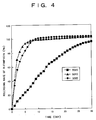
- the medicament is released in an almost zero order. That is, a released amount is always retained constantly.
- a pulse type release where the medicament is released after a constant time period rather than the zero order release has been observed.
- the time period where the pulse type of a medicament release is observed is delayed in the PLGA formulation with a large molecular weight. That is, a pattern of the medicament release from the PLGA particles depends on. the molecular weight of PLGA.
- the decomposing rate of PLGA related to the medicament release is not only delayed along with molecular weight increase of PLGA, but also the rate is faster in vivo such as in the macrophage than in vitro, and thus it appears that it is possible to effectively use those having a range of molecular weight up to 150,000.
- a fine particle formulation with particle diameters of 1 to 6 ⁇ m made up of PLGA where a molecular weight is 1,500 to 150,000 and a monomer ratio of lactic acid/glycolic acid is 50:50 to 75:25 (acceptable range) and a fine particle formulation with particle diameters of 1 to 6 ⁇ m made up of PLGA where a molecular weight is 5,000 to 75,000 and a monomer ratio of lactic acid/glycolic acid is 50: 50 to 75:25 (suitable range) are easily phagocytosed by the macrophages and are optimal for the object that the medicament is released while holding a constant persistence from the fine particle formulation which internally includes the medicament in the macrophages.
- the remedy of (1) it is desirable to have the nature capable of being phagocytosed selectively by the macrophages which retain/do not retain the infectious pathogens.
- a substance which activates the phagocytic activity of the macrophages is present (matter known in the art).
- An attempt to develop a remedy which acts upon the pathogens in the macrophages by actively taking advantage of this nature is not performed at all (novel matter).
- the types of (2) and (3) not only various medicaments which directly act upon the pathogens are intended but also genes per se such as DNA or RNA having an action to modify physiological functions of the macrophages which retain/do not retain the pathogens can be used as the medicaments.
- An attempt to develop a remedy effective for eliminating the infectious pathogens by combining (1), (2) and (3) has not been carried out at all, and the remedy of the invention is a new type remedy effective for the treatment of infectious pathogens (novel matter).
- the particles In order for the rifampicin-containing PLGA particles to elicit the antituberculous action, the particles must have appropriate degradability and a high rate of internally included rifampicin.
- the degradability and the internally included rate are reduced in the PLGA particles with large molecular weight, and thus, it appears that because of the use of PLGA with high molecular weight of 82, 500, the antituberculous action was not elicited.
- the particles have not been actively incorporated by the macrophages, or no formulation where the activation is intended has been made, and in fact, no phagocytic rate of the rifampicin-containing PLGA particles has been examined.
- the concentration of rifampicin in the macrophages in vitro using the rifampicin-containing PLGA particles described in this report is only 0.45 ⁇ g/10 6 cells.
- the concentration of rifampicin in the macrophages reaches 6 ⁇ g/10 6 cells which is 13 times or more.
- the macrophages are highly tissue-specific, and thus it is a well-known fact that the result obtained using the macrophages present in blood cannot apply to the tissue-specific macrophages, e.g., the alveolar macrophages. That is, as a novelty of the invention, the novelty of the concept is a matter of course.
- Examples which support this concept include the aspects that the alveolar macrophages are used and the phagocytic activity of the cells is induced, and the high medicament concentration is actually retained in the alveolar macrophages, and the rifampicin-containing PLGA particles are produced and provided where the extermination of tuberculosis germs in the alveolar macrophages by the formulation is obviously more excellent than that by rifampicin alone.
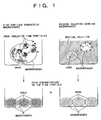
- a formulation in which a medicament of type (2) or (3) is contained in a remedy of type (1) is effective. That is, in order for the remedy of type (2) or (3) to effectively act in the macrophages, the remedy of type (1) facilitates the phagocytic activity of the macrophages to enhance the function which carries the remedy of type (2) or (3) into the macrophages. That is, as shown in Fig. 1 , the remedy intended by the invention is easily phagocytosed by the macrophages, facilitates the phagocytic activity by being phagocytosed, and thus the concentration of the remedy in the macrophages becomes remarkably higher compared to the case of administrating the remedy alone.
- Tuberculosis is set forth as one example with respect to the effectiveness of the remedy presented in the invention.
- Tuberculosis germs invade from the respiratory tract to pulmonary alveoli by droplet, and are phagocytosed by alveolar macrophages. Typically, phagocytosed pathogens are destined to be decomposed by an attack of protease in cells. However, the tuberculosis germs avoid the attack of protease and are alive in the macrophages. These tuberculosis germs in the macrophages migrate out of the macrophages, and persistently supply the tuberculosis germs in a host body.
- medicaments such as isoniazid, rifampicin, streptomycin sulfate and ethambutol are used. All medicaments are effective for the tuberculosis germs out of the macrophages, but do not exhibit any effect on the tuberculosis germs in the alveolar macrophages. This is mainly attributed to that a medicament concentration sufficient to exterminate the tuberculosis germs is not obtained in the alveolar macrophages.
- the medicament concentration sufficient to exterminate the tuberculosis germs is obtained in the alveolar macrophages by taking advantage of the phagocytosis of the alveolar macrophages, it is also possible to exterminate the tuberculosis germs in the alveolar macrophages.
- the phagocytosis is utilized in order to selectively increase the medicament concentration in the macrophages.
- PLGA a method for producing a remedy which enhances the phagocytic capacity of macrophages and effects thereof are described.
- the method for preparing the PLGA fine particle formulation is the same as 1. (b)(1) to (6) except the kind of PLGA.
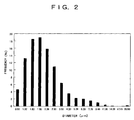
- An average particle diameter of the resulting fine particle formulation was about 2 ⁇ m even when any PLGA was used.
- a yield calculated from PLGA (500 mg) used for the preparation and an entire weight of the recovered formulation was about 90%.
- Pantoea agglomerans belonging to gram negative bacterium, genus Pantoea
- the RFP-PLGA 7510 fine particle formation was prepared.
- the membrane emulsification method is an emulsification method where one (dispersion phase) of two kinds of liquids which do not blend together is pressed to disperse in another liquid (continuous phase) through a porous glass membrane. By the use of this method, it is possible to obtain an emulsion with uniform particle diameters.
- RFP-PLGA fine particles (molecular weight and composition) other than RFP-PLGA 7510 fine particle formulation were collectively shown below.
- the method for preparing these RFP-PLGA fine particle formulations is the same as the above membrane emulsification method except kinds of PLGA.
- the average particle diameters of the resulting fine particle formulations are 2.20 ⁇ m in PLGA 5005, 2. 66 ⁇ m in PLGA 5010, 2.29 ⁇ m in PLGA 5020, 2.00 ⁇ m in PLGA 7505, and 1.85 ⁇ m in PLGA 7520. All yields of PLGA calculated from PLGA (500 mg) used for the preparation and an entire weight of the recovered formulation were about 90%. The yields of rifampicin were about 87% in PLGA 5005, about 78% in PLGA 5010, about 67% in PLGA 5020, about 91% in PLGA 7505, and about 58% in PLGA 7520.
- the rifampicin-containing PLGA fine particle formulation activates the phagocytic capacity of the macrophages resulting in the increased rifampicin concentration in the macrophages, and thus makes it possible to accomplish the object of the invention to efficiently affect against the pathogens retained in the macrophages.
- the above results indicate one example of the novel remedy where the remedy which acts upon the pathogens in the macrophages is effectively incorporated in the macrophages by "facilitating the phagocytic activity of the macrophages" which is a basic concept of the invention.
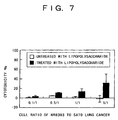
- the phagocytosis by the alveolar macrophages was enhanced by 166% by the treatment withlipopolysaccharide (1 ⁇ g/mL), and the alveolar macrophages were activated by the lipopolysaccharide.
- the alveolar macrophages whose phagocytic capacity has been activated by the lipopolysaccharide elicit the cytotoxic effect on lung cancer cells. Therefore, here, an example of the cytotoxic effect on lung cancer cells of the alveolar macrophages activated by the lipopolysaccharide is shown.
- the cytotoxic effect on lung cancer cells by activating the alveolar macrophages is shown as the application example.
- the remedy in the present embodiment mode is characterized in that the macrophages which retain the pathogens are led to cell death by facilitating the phagocytic activity of the macrophages.
- the lipopolysaccharide well-known as a macrophage activator facilitates the phagocytic activity of the macrophages.
- interferon-y which is a representative cytokine of macrophage activating factors facilitates the phagocytic activity. That is, the facilitation of phagocytic activity of the macrophages is one of the indicators of the macrophage activation. It can be said that the facilitation of the phagocytic activity by the phagocytosis is the induction of macrophage activation which is the facilitation of phagocytosis by stimulation which is the phagocytosis.
- TNF tumor necrosis factor
- AIDS occurs due to destruction of T cells by infection with the AIDS virus resulting in immunodeficiency.
- AIDS virus infects not only T cells but also macrophages. This infection initiates by adhesion of the virus to CD4 protein commonly expressed on T and macrophage cell membranes.
- the macrophage infected with the AIDS virus does not lead to the cell death, but produces the AIDS virus persistently, and becomes the infectious pathogen vehicle as described in detail in II. (2).
- the membrane-bound TNF can act upon the macrophage cells infected with the AIDS virus (HIV) to specifically lead the cells to cell death.
- HIV AIDS virus
- TNF induces cell death in the cells infected with pathogens
- MOLT-4 cells infected with HIV the effect of TNF on MOLT-4 cells infected with HIV is shown.
- the membrane bound TNF induces specifically cell death in the cells infected with AIDS virus (HIV). From these phenomena, it can be seen that the macrophages led to dysfunction by retaining the pathogens are activated by phagocytosing the pathogens and consequently induced membrane bound TNF leads the macrophages infected with pathogens to cell death.
- HIV AIDS virus
- Mycobacteriosis includes tuberculosis whose causative pathogen is Mycobacterium tuberculosis or Mycobacterium bovis, lepra whose causative pathogen is Mycobacterium leprae, or atypical mycobacteriosis whose causative pathogen is Mycobacterium avium and the like, or the like.
- Chlamydia pneumoniae As causative pathogens of chlamydiosis, there are Chlamydia pneumoniae, Chlamydia trachomatis, Chlamydia psittaci and the like.
- the present invention can effectively apply to all of them.
- the exterminating effect of the RFP-PLGA fine particles on the tuberculosis germs in the macrophages shown in the present embodiment mode is not accomplished unless rifampicin is released from the RFP-PLGA fine particles incorporated in phagosomes by phagocytosis and at least two passages via intracellular vesicular membrane structures are possible where the rifampicin permeates the phagosome membrane and further permeates the phagosome membrane of the phagosome which contains the tuberculosis germs. Survival strategies of the causative pathogens shown above in the macrophages are diverse.
- the causative pathogens are alive in the macrophages by surviving in the phagosomes.
- Listeria and Chlamydia have the characteristics that the causative pathogens evacuate from the phagosomes.
- This intracellular existence aspect of the causative pathogens is presumed to be more easily compared to a case where the causative pathogens exist in the phagosomes because the drug efficacy can be anticipated when the drug permeates the phagosome membrane once from the perspective of delivery of the drug.
- AIDS is similar to Listeria and the like in the aspect that drug efficacy can be anticipated if-the drug is delivered to the causative pathogens present in the cells. From the above, the invention is a promising treatment for the causative pathogens described above.
Landscapes
- Health & Medical Sciences (AREA)
- Life Sciences & Earth Sciences (AREA)
- Chemical & Material Sciences (AREA)
- Veterinary Medicine (AREA)
- Animal Behavior & Ethology (AREA)
- Medicinal Chemistry (AREA)
- Pharmacology & Pharmacy (AREA)
- General Health & Medical Sciences (AREA)
- Public Health (AREA)
- Epidemiology (AREA)
- Bioinformatics & Cheminformatics (AREA)
- Engineering & Computer Science (AREA)
- Chemical Kinetics & Catalysis (AREA)
- General Chemical & Material Sciences (AREA)
- Nuclear Medicine, Radiotherapy & Molecular Imaging (AREA)
- Organic Chemistry (AREA)
- Immunology (AREA)
- Molecular Biology (AREA)
- Communicable Diseases (AREA)
- Oncology (AREA)
- Tropical Medicine & Parasitology (AREA)
- Virology (AREA)
- Mycology (AREA)
- Microbiology (AREA)
- AIDS & HIV (AREA)
- Rheumatology (AREA)
- Pain & Pain Management (AREA)
- Pulmonology (AREA)
- Transplantation (AREA)
- Proteomics, Peptides & Aminoacids (AREA)
- Inorganic Chemistry (AREA)
- Pharmaceuticals Containing Other Organic And Inorganic Compounds (AREA)
- Medicines That Contain Protein Lipid Enzymes And Other Medicines (AREA)
- Medicines Containing Material From Animals Or Micro-Organisms (AREA)
- Medicinal Preparation (AREA)
- Medicines Containing Antibodies Or Antigens For Use As Internal Diagnostic Agents (AREA)
- Medicines Containing Plant Substances (AREA)
Claims (7)
- Medikament zur Verwendung in einem Verfahren zum Behandeln einer Krankheit aufgrund einer Dysfunktion des Makrophagen , wobei die Krankheit ausgewählt ist aus Mycobacteriose, AIDS, Chlamydiose, Tuberkulose, Toxoplasmose, Malaria, Krebs, Morbus Crohn und Rheuma, wobei das Medikament PLGA [Poly-(Milchsäure/Glykolsäure)-Copolymer] mit einem Molekulargewicht von 5000 bis 10000 umfasst, was die Phagozytoseaktivität der Makrophagen verstärkt und einen Teil oder alle der Pathogene vernichtet, die in den Makrophagen vorhanden sind.
- Medikament zur Verwendung nach Anspruch 1, weiterhin umfassend Rifampicin.
- Medikament zur Verwendung nach Anspruch 1 oder 2, weiterhin umfassend wenigstens eines von PVA (Polyvinylalkohol), PEG (Polyethylenglycol), PEO (Polyethylenoxid), Zucker, Protein, Peptid, Phospholipid oder Cholesterin.
- Medikament zur Verwendung nach Anspruch 1 oder 2, weiterhin umfassend wenigstens eines von PVA (Polyvinylalkohol),), PEG (Polyethylenglycol), PEO (Polyethylenoxid), Zucker, Protein, Peptid, Phospholipid oder Cholesterin und wobei das Medikament eine Formulierung mit Feinpartikeln ist, wobei die Mehrheit der Partikeldurchmesser 1 bis 6 µm ist.
- Medikament zur Verwendung nach einem der Ansprüche 1 bis 4, hergestellt durch ein Membran-Emulsifikationsverfahren.
- Medikament zur Behandlung von Lungenkrebs, wobei das Medikament Lipopolysaccharid von Pantoea agglomerans umfasst und einen zytotoxischen Effekt auf Lungenkrebszellen hat, was die Phagozytoseaktivität von Makrophagen verstärkt und auf die Makrophagen in einem dysfunktionalen Zustand einwirkt.
- Medikament zur Verwendung nach Anspruch 6, wobei die Makrophagen in Schleimhautgewebe vorliegen.
Priority Applications (1)
| Application Number | Priority Date | Filing Date | Title |
|---|---|---|---|
| EP11000496A EP2343072A1 (de) | 2002-08-27 | 2003-08-27 | Abhilfe |
Applications Claiming Priority (3)
| Application Number | Priority Date | Filing Date | Title |
|---|---|---|---|
| JP2002247871 | 2002-08-27 | ||
| JP2002247871 | 2002-08-27 | ||
| PCT/JP2003/010871 WO2004019982A1 (ja) | 2002-08-27 | 2003-08-27 | 治療薬 |
Related Child Applications (1)
| Application Number | Title | Priority Date | Filing Date |
|---|---|---|---|
| EP11000496A Division-Into EP2343072A1 (de) | 2002-08-27 | 2003-08-27 | Abhilfe |
Publications (3)
| Publication Number | Publication Date |
|---|---|
| EP1547615A1 EP1547615A1 (de) | 2005-06-29 |
| EP1547615A4 EP1547615A4 (de) | 2007-05-02 |
| EP1547615B1 true EP1547615B1 (de) | 2016-04-13 |
Family
ID=31972490
Family Applications (2)
| Application Number | Title | Priority Date | Filing Date |
|---|---|---|---|
| EP03791347.2A Expired - Lifetime EP1547615B1 (de) | 2002-08-27 | 2003-08-27 | Heilmittel |
| EP11000496A Withdrawn EP2343072A1 (de) | 2002-08-27 | 2003-08-27 | Abhilfe |
Family Applications After (1)
| Application Number | Title | Priority Date | Filing Date |
|---|---|---|---|
| EP11000496A Withdrawn EP2343072A1 (de) | 2002-08-27 | 2003-08-27 | Abhilfe |
Country Status (18)
| Country | Link |
|---|---|
| US (4) | US20060105048A1 (de) |
| EP (2) | EP1547615B1 (de) |
| JP (1) | JP3947999B2 (de) |
| KR (3) | KR101067971B1 (de) |
| CN (4) | CN1935155A (de) |
| AU (1) | AU2003261768B2 (de) |
| BR (1) | BR0313881A (de) |
| CA (2) | CA2706622C (de) |
| DK (1) | DK1547615T3 (de) |
| EA (1) | EA008107B1 (de) |
| ES (1) | ES2575534T3 (de) |
| HU (1) | HUE030275T2 (de) |
| MX (1) | MXPA05002209A (de) |
| PL (3) | PL375585A1 (de) |
| SG (1) | SG151103A1 (de) |
| UA (1) | UA84276C2 (de) |
| WO (1) | WO2004019982A1 (de) |
| ZA (1) | ZA200502452B (de) |
Families Citing this family (10)
| Publication number | Priority date | Publication date | Assignee | Title |
|---|---|---|---|---|
| JP2007284362A (ja) * | 2006-04-13 | 2007-11-01 | Tokyo Univ Of Science | 薬物送達粒子及びその製造方法 |
| EA016540B1 (ru) * | 2008-12-30 | 2012-05-30 | Ооо "Научно-Производственный Комплекс "Наносистема" | Фармацевтическая композиция для лечения туберкулеза, способ ее получения и способ лечения туберкулеза |
| US20120202692A1 (en) * | 2009-09-28 | 2012-08-09 | Yohko Nakata | Plant growing agent, plant disease resistance inducer, and plant disease control method |
| WO2011068226A1 (ja) | 2009-12-03 | 2011-06-09 | 株式会社アウレオ | マクロファージ貪食能活性化組成物および/またはマクロファージにおけるサイトカイン産生促進組成物 |
| JP2015091794A (ja) * | 2013-10-03 | 2015-05-14 | 日東電工株式会社 | 注射ワクチン組成物 |
| WO2017097876A1 (en) * | 2015-12-08 | 2017-06-15 | INSERM (Institut National de la Santé et de la Recherche Médicale) | Methods for expanding a population of alveolar macrophages in a long term culture |
| JP7047058B2 (ja) * | 2017-07-27 | 2022-04-04 | サムヤン ホールディングス コーポレイション | 生分解性高分子微粒子の製造方法及びそれにより製造される生分解性高分子微粒子 |
| KR200490892Y1 (ko) | 2019-02-26 | 2020-01-17 | 주식회사 남현 | 체압 연동형 의자 등받이 경사 조절기구 |
| KR102210240B1 (ko) | 2020-01-15 | 2021-02-01 | 주식회사 남현 | 탄성력 조절이 가능한 의자 등받이 경사 조절기구 |
| WO2025057330A1 (ja) * | 2023-09-13 | 2025-03-20 | 源一郎 杣 | 抗老化産生物、抗老化製品、及びその製造方法 |
Family Cites Families (10)
| Publication number | Priority date | Publication date | Assignee | Title |
|---|---|---|---|---|
| US1739064A (en) * | 1922-12-29 | 1929-12-10 | Ind Waste Products Corp | Process for the manufacture of a sugar product |
| ATE153374T1 (de) * | 1990-08-20 | 1997-06-15 | Soma Genichiro | Lps-produzierende bakterien, lipopolysiccharide und lps enthaltende arzneimittel und tierärztliche medikamente |
| US5759583A (en) * | 1995-08-30 | 1998-06-02 | Syntex (U.S.A.) Inc. | Sustained release poly (lactic/glycolic) matrices |
| US6126919A (en) * | 1997-02-07 | 2000-10-03 | 3M Innovative Properties Company | Biocompatible compounds for pharmaceutical drug delivery systems |
| US6248345B1 (en) * | 1997-07-02 | 2001-06-19 | Euro-Celtique, S.A. | Prolonged anesthesia in joints and body spaces |
| JP4204085B2 (ja) * | 1997-10-08 | 2009-01-07 | オリジナル・イメージ株式会社 | マクロファージ活性化剤 |
| PL349953A1 (en) * | 1998-11-18 | 2002-10-21 | Univ Florida | Methods for preparing coated drug particles and pharmaceutical formulations thereof |
| JP4580479B2 (ja) * | 1998-12-21 | 2010-11-10 | 株式会社林原生物化学研究所 | 抗hiv感染症剤 |
| US6406745B1 (en) * | 1999-06-07 | 2002-06-18 | Nanosphere, Inc. | Methods for coating particles and particles produced thereby |
| JP2002247871A (ja) | 2001-02-15 | 2002-08-30 | Matsushita Electric Ind Co Ltd | モータ制御装置及びモータ制御方法 |
-
2003
- 2003-08-27 EP EP03791347.2A patent/EP1547615B1/de not_active Expired - Lifetime
- 2003-08-27 DK DK03791347.2T patent/DK1547615T3/en active
- 2003-08-27 PL PL03375585A patent/PL375585A1/xx not_active IP Right Cessation
- 2003-08-27 MX MXPA05002209A patent/MXPA05002209A/es active IP Right Grant
- 2003-08-27 PL PL397022A patent/PL397022A1/pl not_active Application Discontinuation
- 2003-08-27 CA CA2706622A patent/CA2706622C/en not_active Expired - Fee Related
- 2003-08-27 CN CNA200610114924XA patent/CN1935155A/zh active Pending
- 2003-08-27 EP EP11000496A patent/EP2343072A1/de not_active Withdrawn
- 2003-08-27 UA UAA200502820A patent/UA84276C2/uk unknown
- 2003-08-27 CA CA2496902A patent/CA2496902C/en not_active Expired - Fee Related
- 2003-08-27 AU AU2003261768A patent/AU2003261768B2/en not_active Ceased
- 2003-08-27 BR BR0313881-0A patent/BR0313881A/pt not_active IP Right Cessation
- 2003-08-27 CN CNA2006101149254A patent/CN1935156A/zh active Pending
- 2003-08-27 WO PCT/JP2003/010871 patent/WO2004019982A1/ja not_active Ceased
- 2003-08-27 HU HUE03791347A patent/HUE030275T2/en unknown
- 2003-08-27 KR KR1020057003529A patent/KR101067971B1/ko not_active Expired - Fee Related
- 2003-08-27 US US10/525,964 patent/US20060105048A1/en not_active Abandoned
- 2003-08-27 ES ES03791347.2T patent/ES2575534T3/es not_active Expired - Lifetime
- 2003-08-27 EA EA200500418A patent/EA008107B1/ru not_active IP Right Cessation
- 2003-08-27 CN CNA038203278A patent/CN1678350A/zh active Pending
- 2003-08-27 JP JP2004532735A patent/JP3947999B2/ja not_active Expired - Fee Related
- 2003-08-27 SG SG200700557-2A patent/SG151103A1/en unknown
- 2003-08-27 PL PL397023A patent/PL397023A1/pl unknown
- 2003-08-27 KR KR1020107026831A patent/KR20110002877A/ko not_active Ceased
- 2003-08-27 KR KR1020107026830A patent/KR20110002876A/ko not_active Ceased
- 2003-08-27 CN CN2010101681488A patent/CN101862456B/zh not_active Expired - Fee Related
-
2005
- 2005-03-24 ZA ZA200502452A patent/ZA200502452B/en unknown
-
2010
- 2010-03-22 US US12/659,796 patent/US8425939B2/en not_active Expired - Fee Related
-
2013
- 2013-03-14 US US13/831,439 patent/US20130202663A1/en not_active Abandoned
-
2014
- 2014-03-21 US US14/221,606 patent/US20140206641A1/en not_active Abandoned
Also Published As
Similar Documents
| Publication | Publication Date | Title |
|---|---|---|
| US8425939B2 (en) | Remedy | |
| JP2012504150A (ja) | 生体活性材料をカプセル化したナノスフェアおよびナノスフェアの製剤化のための方法 | |
| EP0364980B1 (de) | Koloniestimulierungsfaktor-Gelatinkonjugate | |
| JP3935497B2 (ja) | 治療薬 | |
| JPH08109142A (ja) | 血小板薬物送達システム | |
| Schwocho et al. | Clearance and killing of Candida albicans in the perfused mouse liver | |
| HK1145463B (zh) | 治疗药 | |
| HK1103018A (en) | Remedy | |
| RU2418585C1 (ru) | Лекарственное средство пролонгированного действия для лечения резистентных форм туберкулеза на основе рифампицина | |
| HK1103017A (en) | Remedy | |
| US20240082294A1 (en) | Cancer treatment regimen using anti-parasitic compounds and gut microbiome modulating agents | |
| EA012121B1 (ru) | Фармацевтическая композиция для лечения туберкулеза и заболеваний, опосредованных helicobacter pylori, на основе полимерных наночастиц, способ ее получения и способы лечения | |
| CN107496441B (zh) | 环糊精在治疗和/预防脓毒症中的应用 | |
| Trukhachev et al. | Clinical and therapeutic efficacy of biodegradable nanostructures in experimental infections | |
| WO1996007420A1 (en) | Macrophage stimulating composition comprising a non-ionic surfactant | |
| CN119950410A (zh) | 一种可注射型PTX/IR780@MPs/R848水凝胶及其制备方法 | |
| CN116367828A (zh) | 含有靶向性纳米粒子的具相乘功效的抗病毒医药组合物 | |
| Schindler | Immunological effects of amphotericin B desoxycholate and liposomal amphotericin B on splenocytes from immune-normal and immune-compromised mice |
Legal Events
| Date | Code | Title | Description |
|---|---|---|---|
| PUAI | Public reference made under article 153(3) epc to a published international application that has entered the european phase |
Free format text: ORIGINAL CODE: 0009012 |
|
| 17P | Request for examination filed |
Effective date: 20050324 |
|
| AK | Designated contracting states |
Kind code of ref document: A1 Designated state(s): AT BE BG CH CY CZ DE DK EE ES FI FR GB GR HU IE IT LI LU MC NL PT RO SE SI SK TR |
|
| AX | Request for extension of the european patent |
Extension state: AL LT LV MK |
|
| DAX | Request for extension of the european patent (deleted) | ||
| A4 | Supplementary search report drawn up and despatched |
Effective date: 20070329 |
|
| RIC1 | Information provided on ipc code assigned before grant |
Ipc: A61K 31/74 20060101ALI20070323BHEP Ipc: A61K 31/496 20060101AFI20070323BHEP |
|
| 17Q | First examination report despatched |
Effective date: 20090121 |
|
| GRAP | Despatch of communication of intention to grant a patent |
Free format text: ORIGINAL CODE: EPIDOSNIGR1 |
|
| INTG | Intention to grant announced |
Effective date: 20151016 |
|
| GRAS | Grant fee paid |
Free format text: ORIGINAL CODE: EPIDOSNIGR3 |
|
| GRAA | (expected) grant |
Free format text: ORIGINAL CODE: 0009210 |
|
| AK | Designated contracting states |
Kind code of ref document: B1 Designated state(s): AT BE BG CH CY CZ DE DK EE ES FI FR GB GR HU IE IT LI LU MC NL PT RO SE SI SK TR |
|
| REG | Reference to a national code |
Ref country code: GB Ref legal event code: FG4D |
|
| REG | Reference to a national code |
Ref country code: AT Ref legal event code: REF Ref document number: 789351 Country of ref document: AT Kind code of ref document: T Effective date: 20160415 Ref country code: CH Ref legal event code: EP |
|
| REG | Reference to a national code |
Ref country code: IE Ref legal event code: FG4D |
|
| REG | Reference to a national code |
Ref country code: DE Ref legal event code: R096 Ref document number: 60348824 Country of ref document: DE |
|
| REG | Reference to a national code |
Ref country code: DK Ref legal event code: T3 Effective date: 20160530 |
|
| REG | Reference to a national code |
Ref country code: CH Ref legal event code: NV Representative=s name: E. BLUM AND CO. AG PATENT- UND MARKENANWAELTE , CH |
|
| REG | Reference to a national code |
Ref country code: SE Ref legal event code: TRGR |
|
| REG | Reference to a national code |
Ref country code: ES Ref legal event code: FG2A Ref document number: 2575534 Country of ref document: ES Kind code of ref document: T3 Effective date: 20160629 |
|
| REG | Reference to a national code |
Ref country code: NL Ref legal event code: FP |
|
| PG25 | Lapsed in a contracting state [announced via postgrant information from national office to epo] |
Ref country code: PT Free format text: LAPSE BECAUSE OF FAILURE TO SUBMIT A TRANSLATION OF THE DESCRIPTION OR TO PAY THE FEE WITHIN THE PRESCRIBED TIME-LIMIT Effective date: 20160816 Ref country code: GR Free format text: LAPSE BECAUSE OF FAILURE TO SUBMIT A TRANSLATION OF THE DESCRIPTION OR TO PAY THE FEE WITHIN THE PRESCRIBED TIME-LIMIT Effective date: 20160714 |
|
| PG25 | Lapsed in a contracting state [announced via postgrant information from national office to epo] |
Ref country code: BE Free format text: LAPSE BECAUSE OF NON-PAYMENT OF DUE FEES Effective date: 20160831 |
|
| REG | Reference to a national code |
Ref country code: DE Ref legal event code: R097 Ref document number: 60348824 Country of ref document: DE |
|
| PG25 | Lapsed in a contracting state [announced via postgrant information from national office to epo] |
Ref country code: SK Free format text: LAPSE BECAUSE OF FAILURE TO SUBMIT A TRANSLATION OF THE DESCRIPTION OR TO PAY THE FEE WITHIN THE PRESCRIBED TIME-LIMIT Effective date: 20160413 Ref country code: RO Free format text: LAPSE BECAUSE OF FAILURE TO SUBMIT A TRANSLATION OF THE DESCRIPTION OR TO PAY THE FEE WITHIN THE PRESCRIBED TIME-LIMIT Effective date: 20160413 Ref country code: EE Free format text: LAPSE BECAUSE OF FAILURE TO SUBMIT A TRANSLATION OF THE DESCRIPTION OR TO PAY THE FEE WITHIN THE PRESCRIBED TIME-LIMIT Effective date: 20160413 |
|
| PLBE | No opposition filed within time limit |
Free format text: ORIGINAL CODE: 0009261 |
|
| STAA | Information on the status of an ep patent application or granted ep patent |
Free format text: STATUS: NO OPPOSITION FILED WITHIN TIME LIMIT |
|
| REG | Reference to a national code |
Ref country code: DE Ref legal event code: R119 Ref document number: 60348824 Country of ref document: DE |
|
| REG | Reference to a national code |
Ref country code: DK Ref legal event code: EBP Effective date: 20160831 |
|
| 26N | No opposition filed |
Effective date: 20170116 |
|
| REG | Reference to a national code |
Ref country code: SE Ref legal event code: EUG |
|
| PG25 | Lapsed in a contracting state [announced via postgrant information from national office to epo] |
Ref country code: MC Free format text: LAPSE BECAUSE OF FAILURE TO SUBMIT A TRANSLATION OF THE DESCRIPTION OR TO PAY THE FEE WITHIN THE PRESCRIBED TIME-LIMIT Effective date: 20160413 |
|
| REG | Reference to a national code |
Ref country code: CH Ref legal event code: PL |
|
| REG | Reference to a national code |
Ref country code: NL Ref legal event code: MM Effective date: 20160901 |
|
| GBPC | Gb: european patent ceased through non-payment of renewal fee |
Effective date: 20160827 |
|
| PG25 | Lapsed in a contracting state [announced via postgrant information from national office to epo] |
Ref country code: HU Free format text: LAPSE BECAUSE OF NON-PAYMENT OF DUE FEES Effective date: 20160828 Ref country code: SE Free format text: LAPSE BECAUSE OF NON-PAYMENT OF DUE FEES Effective date: 20160828 Ref country code: FI Free format text: LAPSE BECAUSE OF NON-PAYMENT OF DUE FEES Effective date: 20160827 Ref country code: LI Free format text: LAPSE BECAUSE OF NON-PAYMENT OF DUE FEES Effective date: 20160831 Ref country code: CH Free format text: LAPSE BECAUSE OF NON-PAYMENT OF DUE FEES Effective date: 20160831 |
|
| REG | Reference to a national code |
Ref country code: FR Ref legal event code: ST Effective date: 20170428 |
|
| REG | Reference to a national code |
Ref country code: HU Ref legal event code: AG4A Ref document number: E030275 Country of ref document: HU |
|
| PG25 | Lapsed in a contracting state [announced via postgrant information from national office to epo] |
Ref country code: SI Free format text: LAPSE BECAUSE OF FAILURE TO SUBMIT A TRANSLATION OF THE DESCRIPTION OR TO PAY THE FEE WITHIN THE PRESCRIBED TIME-LIMIT Effective date: 20160413 Ref country code: CZ Free format text: LAPSE BECAUSE OF NON-PAYMENT OF DUE FEES Effective date: 20160827 |
|
| REG | Reference to a national code |
Ref country code: IE Ref legal event code: MM4A |
|
| PG25 | Lapsed in a contracting state [announced via postgrant information from national office to epo] |
Ref country code: NL Free format text: LAPSE BECAUSE OF NON-PAYMENT OF DUE FEES Effective date: 20160901 |
|
| PG25 | Lapsed in a contracting state [announced via postgrant information from national office to epo] |
Ref country code: GB Free format text: LAPSE BECAUSE OF NON-PAYMENT OF DUE FEES Effective date: 20160827 Ref country code: DE Free format text: LAPSE BECAUSE OF NON-PAYMENT OF DUE FEES Effective date: 20170301 Ref country code: FR Free format text: LAPSE BECAUSE OF NON-PAYMENT OF DUE FEES Effective date: 20160831 Ref country code: DK Free format text: LAPSE BECAUSE OF NON-PAYMENT OF DUE FEES Effective date: 20160831 Ref country code: IE Free format text: LAPSE BECAUSE OF NON-PAYMENT OF DUE FEES Effective date: 20160827 |
|
| PG25 | Lapsed in a contracting state [announced via postgrant information from national office to epo] |
Ref country code: LU Free format text: LAPSE BECAUSE OF NON-PAYMENT OF DUE FEES Effective date: 20160827 Ref country code: IT Free format text: LAPSE BECAUSE OF NON-PAYMENT OF DUE FEES Effective date: 20160827 |
|
| REG | Reference to a national code |
Ref country code: AT Ref legal event code: MM01 Ref document number: 789351 Country of ref document: AT Kind code of ref document: T Effective date: 20160827 |
|
| PG25 | Lapsed in a contracting state [announced via postgrant information from national office to epo] |
Ref country code: AT Free format text: LAPSE BECAUSE OF NON-PAYMENT OF DUE FEES Effective date: 20160827 |
|
| PG25 | Lapsed in a contracting state [announced via postgrant information from national office to epo] |
Ref country code: CY Free format text: LAPSE BECAUSE OF FAILURE TO SUBMIT A TRANSLATION OF THE DESCRIPTION OR TO PAY THE FEE WITHIN THE PRESCRIBED TIME-LIMIT Effective date: 20160413 Ref country code: ES Free format text: LAPSE BECAUSE OF NON-PAYMENT OF DUE FEES Effective date: 20170828 |
|
| PG25 | Lapsed in a contracting state [announced via postgrant information from national office to epo] |
Ref country code: TR Free format text: LAPSE BECAUSE OF FAILURE TO SUBMIT A TRANSLATION OF THE DESCRIPTION OR TO PAY THE FEE WITHIN THE PRESCRIBED TIME-LIMIT Effective date: 20160413 |
|
| PG25 | Lapsed in a contracting state [announced via postgrant information from national office to epo] |
Ref country code: BG Free format text: LAPSE BECAUSE OF FAILURE TO SUBMIT A TRANSLATION OF THE DESCRIPTION OR TO PAY THE FEE WITHIN THE PRESCRIBED TIME-LIMIT Effective date: 20160413 |
|
| REG | Reference to a national code |
Ref country code: ES Ref legal event code: FD2A Effective date: 20181128 |
|
| PG25 | Lapsed in a contracting state [announced via postgrant information from national office to epo] |
Ref country code: ES Free format text: LAPSE BECAUSE OF NON-PAYMENT OF DUE FEES Effective date: 20160828 |
|
| REG | Reference to a national code |
Ref country code: AT Ref legal event code: UEP Ref document number: 789351 Country of ref document: AT Kind code of ref document: T Effective date: 20160413 |