EP1546085B1 - Lipophilic diesters of chelating agent for inhibition of enzyme activity - Google Patents
Lipophilic diesters of chelating agent for inhibition of enzyme activity Download PDFInfo
- Publication number
- EP1546085B1 EP1546085B1 EP03710190A EP03710190A EP1546085B1 EP 1546085 B1 EP1546085 B1 EP 1546085B1 EP 03710190 A EP03710190 A EP 03710190A EP 03710190 A EP03710190 A EP 03710190A EP 1546085 B1 EP1546085 B1 EP 1546085B1
- Authority
- EP
- European Patent Office
- Prior art keywords
- mmp
- bapta
- compound
- general formula
- calpain
- Prior art date
- Legal status (The legal status is an assumption and is not a legal conclusion. Google has not performed a legal analysis and makes no representation as to the accuracy of the status listed.)
- Expired - Lifetime
Links
- 0 C=**1(**NCC(O)=O)CC1 Chemical compound C=**1(**NCC(O)=O)CC1 0.000 description 2
Images



Classifications
-
- A—HUMAN NECESSITIES
- A61—MEDICAL OR VETERINARY SCIENCE; HYGIENE
- A61K—PREPARATIONS FOR MEDICAL, DENTAL OR TOILETRY PURPOSES
- A61K31/00—Medicinal preparations containing organic active ingredients
- A61K31/21—Esters, e.g. nitroglycerine, selenocyanates
- A61K31/215—Esters, e.g. nitroglycerine, selenocyanates of carboxylic acids
- A61K31/22—Esters, e.g. nitroglycerine, selenocyanates of carboxylic acids of acyclic acids, e.g. pravastatin
- A61K31/225—Polycarboxylic acids
-
- A—HUMAN NECESSITIES
- A61—MEDICAL OR VETERINARY SCIENCE; HYGIENE
- A61P—SPECIFIC THERAPEUTIC ACTIVITY OF CHEMICAL COMPOUNDS OR MEDICINAL PREPARATIONS
- A61P1/00—Drugs for disorders of the alimentary tract or the digestive system
- A61P1/02—Stomatological preparations, e.g. drugs for caries, aphtae, periodontitis
-
- A—HUMAN NECESSITIES
- A61—MEDICAL OR VETERINARY SCIENCE; HYGIENE
- A61P—SPECIFIC THERAPEUTIC ACTIVITY OF CHEMICAL COMPOUNDS OR MEDICINAL PREPARATIONS
- A61P1/00—Drugs for disorders of the alimentary tract or the digestive system
- A61P1/04—Drugs for disorders of the alimentary tract or the digestive system for ulcers, gastritis or reflux esophagitis, e.g. antacids, inhibitors of acid secretion, mucosal protectants
-
- A—HUMAN NECESSITIES
- A61—MEDICAL OR VETERINARY SCIENCE; HYGIENE
- A61P—SPECIFIC THERAPEUTIC ACTIVITY OF CHEMICAL COMPOUNDS OR MEDICINAL PREPARATIONS
- A61P11/00—Drugs for disorders of the respiratory system
- A61P11/06—Antiasthmatics
-
- A—HUMAN NECESSITIES
- A61—MEDICAL OR VETERINARY SCIENCE; HYGIENE
- A61P—SPECIFIC THERAPEUTIC ACTIVITY OF CHEMICAL COMPOUNDS OR MEDICINAL PREPARATIONS
- A61P17/00—Drugs for dermatological disorders
-
- A—HUMAN NECESSITIES
- A61—MEDICAL OR VETERINARY SCIENCE; HYGIENE
- A61P—SPECIFIC THERAPEUTIC ACTIVITY OF CHEMICAL COMPOUNDS OR MEDICINAL PREPARATIONS
- A61P17/00—Drugs for dermatological disorders
- A61P17/02—Drugs for dermatological disorders for treating wounds, ulcers, burns, scars, keloids, or the like
-
- A—HUMAN NECESSITIES
- A61—MEDICAL OR VETERINARY SCIENCE; HYGIENE
- A61P—SPECIFIC THERAPEUTIC ACTIVITY OF CHEMICAL COMPOUNDS OR MEDICINAL PREPARATIONS
- A61P17/00—Drugs for dermatological disorders
- A61P17/06—Antipsoriatics
-
- A—HUMAN NECESSITIES
- A61—MEDICAL OR VETERINARY SCIENCE; HYGIENE
- A61P—SPECIFIC THERAPEUTIC ACTIVITY OF CHEMICAL COMPOUNDS OR MEDICINAL PREPARATIONS
- A61P17/00—Drugs for dermatological disorders
- A61P17/10—Anti-acne agents
-
- A—HUMAN NECESSITIES
- A61—MEDICAL OR VETERINARY SCIENCE; HYGIENE
- A61P—SPECIFIC THERAPEUTIC ACTIVITY OF CHEMICAL COMPOUNDS OR MEDICINAL PREPARATIONS
- A61P19/00—Drugs for skeletal disorders
- A61P19/02—Drugs for skeletal disorders for joint disorders, e.g. arthritis, arthrosis
-
- A—HUMAN NECESSITIES
- A61—MEDICAL OR VETERINARY SCIENCE; HYGIENE
- A61P—SPECIFIC THERAPEUTIC ACTIVITY OF CHEMICAL COMPOUNDS OR MEDICINAL PREPARATIONS
- A61P19/00—Drugs for skeletal disorders
- A61P19/08—Drugs for skeletal disorders for bone diseases, e.g. rachitism, Paget's disease
- A61P19/10—Drugs for skeletal disorders for bone diseases, e.g. rachitism, Paget's disease for osteoporosis
-
- A—HUMAN NECESSITIES
- A61—MEDICAL OR VETERINARY SCIENCE; HYGIENE
- A61P—SPECIFIC THERAPEUTIC ACTIVITY OF CHEMICAL COMPOUNDS OR MEDICINAL PREPARATIONS
- A61P21/00—Drugs for disorders of the muscular or neuromuscular system
-
- A—HUMAN NECESSITIES
- A61—MEDICAL OR VETERINARY SCIENCE; HYGIENE
- A61P—SPECIFIC THERAPEUTIC ACTIVITY OF CHEMICAL COMPOUNDS OR MEDICINAL PREPARATIONS
- A61P25/00—Drugs for disorders of the nervous system
-
- A—HUMAN NECESSITIES
- A61—MEDICAL OR VETERINARY SCIENCE; HYGIENE
- A61P—SPECIFIC THERAPEUTIC ACTIVITY OF CHEMICAL COMPOUNDS OR MEDICINAL PREPARATIONS
- A61P25/00—Drugs for disorders of the nervous system
- A61P25/02—Drugs for disorders of the nervous system for peripheral neuropathies
-
- A—HUMAN NECESSITIES
- A61—MEDICAL OR VETERINARY SCIENCE; HYGIENE
- A61P—SPECIFIC THERAPEUTIC ACTIVITY OF CHEMICAL COMPOUNDS OR MEDICINAL PREPARATIONS
- A61P25/00—Drugs for disorders of the nervous system
- A61P25/06—Antimigraine agents
-
- A—HUMAN NECESSITIES
- A61—MEDICAL OR VETERINARY SCIENCE; HYGIENE
- A61P—SPECIFIC THERAPEUTIC ACTIVITY OF CHEMICAL COMPOUNDS OR MEDICINAL PREPARATIONS
- A61P25/00—Drugs for disorders of the nervous system
- A61P25/14—Drugs for disorders of the nervous system for treating abnormal movements, e.g. chorea, dyskinesia
-
- A—HUMAN NECESSITIES
- A61—MEDICAL OR VETERINARY SCIENCE; HYGIENE
- A61P—SPECIFIC THERAPEUTIC ACTIVITY OF CHEMICAL COMPOUNDS OR MEDICINAL PREPARATIONS
- A61P25/00—Drugs for disorders of the nervous system
- A61P25/14—Drugs for disorders of the nervous system for treating abnormal movements, e.g. chorea, dyskinesia
- A61P25/16—Anti-Parkinson drugs
-
- A—HUMAN NECESSITIES
- A61—MEDICAL OR VETERINARY SCIENCE; HYGIENE
- A61P—SPECIFIC THERAPEUTIC ACTIVITY OF CHEMICAL COMPOUNDS OR MEDICINAL PREPARATIONS
- A61P25/00—Drugs for disorders of the nervous system
- A61P25/28—Drugs for disorders of the nervous system for treating neurodegenerative disorders of the central nervous system, e.g. nootropic agents, cognition enhancers, drugs for treating Alzheimer's disease or other forms of dementia
-
- A—HUMAN NECESSITIES
- A61—MEDICAL OR VETERINARY SCIENCE; HYGIENE
- A61P—SPECIFIC THERAPEUTIC ACTIVITY OF CHEMICAL COMPOUNDS OR MEDICINAL PREPARATIONS
- A61P27/00—Drugs for disorders of the senses
- A61P27/02—Ophthalmic agents
-
- A—HUMAN NECESSITIES
- A61—MEDICAL OR VETERINARY SCIENCE; HYGIENE
- A61P—SPECIFIC THERAPEUTIC ACTIVITY OF CHEMICAL COMPOUNDS OR MEDICINAL PREPARATIONS
- A61P27/00—Drugs for disorders of the senses
- A61P27/02—Ophthalmic agents
- A61P27/06—Antiglaucoma agents or miotics
-
- A—HUMAN NECESSITIES
- A61—MEDICAL OR VETERINARY SCIENCE; HYGIENE
- A61P—SPECIFIC THERAPEUTIC ACTIVITY OF CHEMICAL COMPOUNDS OR MEDICINAL PREPARATIONS
- A61P27/00—Drugs for disorders of the senses
- A61P27/02—Ophthalmic agents
- A61P27/12—Ophthalmic agents for cataracts
-
- A—HUMAN NECESSITIES
- A61—MEDICAL OR VETERINARY SCIENCE; HYGIENE
- A61P—SPECIFIC THERAPEUTIC ACTIVITY OF CHEMICAL COMPOUNDS OR MEDICINAL PREPARATIONS
- A61P29/00—Non-central analgesic, antipyretic or antiinflammatory agents, e.g. antirheumatic agents; Non-steroidal antiinflammatory drugs [NSAID]
-
- A—HUMAN NECESSITIES
- A61—MEDICAL OR VETERINARY SCIENCE; HYGIENE
- A61P—SPECIFIC THERAPEUTIC ACTIVITY OF CHEMICAL COMPOUNDS OR MEDICINAL PREPARATIONS
- A61P3/00—Drugs for disorders of the metabolism
- A61P3/08—Drugs for disorders of the metabolism for glucose homeostasis
- A61P3/10—Drugs for disorders of the metabolism for glucose homeostasis for hyperglycaemia, e.g. antidiabetics
-
- A—HUMAN NECESSITIES
- A61—MEDICAL OR VETERINARY SCIENCE; HYGIENE
- A61P—SPECIFIC THERAPEUTIC ACTIVITY OF CHEMICAL COMPOUNDS OR MEDICINAL PREPARATIONS
- A61P31/00—Antiinfectives, i.e. antibiotics, antiseptics, chemotherapeutics
- A61P31/04—Antibacterial agents
-
- A—HUMAN NECESSITIES
- A61—MEDICAL OR VETERINARY SCIENCE; HYGIENE
- A61P—SPECIFIC THERAPEUTIC ACTIVITY OF CHEMICAL COMPOUNDS OR MEDICINAL PREPARATIONS
- A61P35/00—Antineoplastic agents
-
- A—HUMAN NECESSITIES
- A61—MEDICAL OR VETERINARY SCIENCE; HYGIENE
- A61P—SPECIFIC THERAPEUTIC ACTIVITY OF CHEMICAL COMPOUNDS OR MEDICINAL PREPARATIONS
- A61P35/00—Antineoplastic agents
- A61P35/04—Antineoplastic agents specific for metastasis
-
- A—HUMAN NECESSITIES
- A61—MEDICAL OR VETERINARY SCIENCE; HYGIENE
- A61P—SPECIFIC THERAPEUTIC ACTIVITY OF CHEMICAL COMPOUNDS OR MEDICINAL PREPARATIONS
- A61P37/00—Drugs for immunological or allergic disorders
- A61P37/02—Immunomodulators
-
- A—HUMAN NECESSITIES
- A61—MEDICAL OR VETERINARY SCIENCE; HYGIENE
- A61P—SPECIFIC THERAPEUTIC ACTIVITY OF CHEMICAL COMPOUNDS OR MEDICINAL PREPARATIONS
- A61P37/00—Drugs for immunological or allergic disorders
- A61P37/02—Immunomodulators
- A61P37/06—Immunosuppressants, e.g. drugs for graft rejection
-
- A—HUMAN NECESSITIES
- A61—MEDICAL OR VETERINARY SCIENCE; HYGIENE
- A61P—SPECIFIC THERAPEUTIC ACTIVITY OF CHEMICAL COMPOUNDS OR MEDICINAL PREPARATIONS
- A61P39/00—General protective or antinoxious agents
- A61P39/06—Free radical scavengers or antioxidants
-
- A—HUMAN NECESSITIES
- A61—MEDICAL OR VETERINARY SCIENCE; HYGIENE
- A61P—SPECIFIC THERAPEUTIC ACTIVITY OF CHEMICAL COMPOUNDS OR MEDICINAL PREPARATIONS
- A61P43/00—Drugs for specific purposes, not provided for in groups A61P1/00-A61P41/00
-
- A—HUMAN NECESSITIES
- A61—MEDICAL OR VETERINARY SCIENCE; HYGIENE
- A61P—SPECIFIC THERAPEUTIC ACTIVITY OF CHEMICAL COMPOUNDS OR MEDICINAL PREPARATIONS
- A61P7/00—Drugs for disorders of the blood or the extracellular fluid
- A61P7/02—Antithrombotic agents; Anticoagulants; Platelet aggregation inhibitors
-
- A—HUMAN NECESSITIES
- A61—MEDICAL OR VETERINARY SCIENCE; HYGIENE
- A61P—SPECIFIC THERAPEUTIC ACTIVITY OF CHEMICAL COMPOUNDS OR MEDICINAL PREPARATIONS
- A61P7/00—Drugs for disorders of the blood or the extracellular fluid
- A61P7/04—Antihaemorrhagics; Procoagulants; Haemostatic agents; Antifibrinolytic agents
-
- A—HUMAN NECESSITIES
- A61—MEDICAL OR VETERINARY SCIENCE; HYGIENE
- A61P—SPECIFIC THERAPEUTIC ACTIVITY OF CHEMICAL COMPOUNDS OR MEDICINAL PREPARATIONS
- A61P9/00—Drugs for disorders of the cardiovascular system
-
- A—HUMAN NECESSITIES
- A61—MEDICAL OR VETERINARY SCIENCE; HYGIENE
- A61P—SPECIFIC THERAPEUTIC ACTIVITY OF CHEMICAL COMPOUNDS OR MEDICINAL PREPARATIONS
- A61P9/00—Drugs for disorders of the cardiovascular system
- A61P9/10—Drugs for disorders of the cardiovascular system for treating ischaemic or atherosclerotic diseases, e.g. antianginal drugs, coronary vasodilators, drugs for myocardial infarction, retinopathy, cerebrovascula insufficiency, renal arteriosclerosis
-
- A—HUMAN NECESSITIES
- A61—MEDICAL OR VETERINARY SCIENCE; HYGIENE
- A61P—SPECIFIC THERAPEUTIC ACTIVITY OF CHEMICAL COMPOUNDS OR MEDICINAL PREPARATIONS
- A61P9/00—Drugs for disorders of the cardiovascular system
- A61P9/14—Vasoprotectives; Antihaemorrhoidals; Drugs for varicose therapy; Capillary stabilisers
Definitions
- the present invention relates to lipophilic diesters of the chelating agent 1,2-bis(2 aminophenoxy)ethane-N,N,N',N'-tetraacetic acid (BAPTA) of the general formula (I) for use in preventing, treating or managing cancer including metastasis cancer in a mammal by inhibiting proteolytic activities of certain metalloproteinases and of calpain.
- BAPTA 1,2-bis(2 aminophenoxy)ethane-N,N,N',N'-tetraacetic acid
- MMPs Matrix metalloproteinases
- ECM extracellular matrix
- the most studied MMPs are the gelatinases, which include MMP-2 and MMP-9 that use gelatin, Type IV collagen and fibronectin as preferred substrates. While transcription of MMP-9 genes is transactivated by cytokines and growth factors, MMP-2 is constitutively expressed and unresponsive to phorbol ester and most cytokines.
- MMP-2 activation is regulated by MT1-MMP, which is a membrane-anchored MMP.
- MMP-9 activation is regulated by a protease cascade involving plasmin and stromelysin-1 (MMP-3).
- Matrix metalloproteinases are responsible for much of the turnover of matrix components and as such are involved in normal as well as in pathological processes. MMPs have an important role in maintenance and remodeling of membranes and ECM, for example, in breaking down the extracellular matrix to allow cell growth and tissue remodeling during development and recovery from injury. They also play a role in processes such as ovulation, modulation of capillary permeability and in enabling cell migration to a site of inflammation.
- MMPs are involved in many pathological conditions. For example, they are associated with pathogenic mechanisms in cancer such as invasion, metastasis and angiogenesis [Reviewed by Foda and Zucker (2001) Drug Discovery Today 6 : 478-482]. MMPs play a part in progression of inflammatory conditions and diseases involving degradation of extracellular matrix, such as in stroke, hemorrhage, rheumatic diseases (e.g. arthritis), Crohn's disease, asthma, and in cerebrovascular and cardiovascular disorders [ Mun-Bryce and Rosenberg (1998) J. Cerebral Blood Flow Metabolism 18:1163-72 ; Yong et al. (1998) TINS 21:75-80 ; Lukes et al. (1999) Mol. Neurobiol.
- MMPs have been associated with brain damage and ischemia, Guillain-Barré, multiple sclerosis, amyotrophic lateral sclerosis and Alzheimer's disease.
- the current notion is that inflammation leads to the production of cytokines, chemokines, growth factors and hormones that modulate MMPs production.
- Activation of MMPs and plasminogen activators (PAs) is an important regulatory step in the inflammatory response.
- ADAM Disintegrin And Metalloproteases
- TACE is found on the cell surface where it processes the membrane-bound TNF ⁇ , a pro-inflammatory cytokine, to its mature soluble form. Soluble TNF ⁇ , which is released in inflammatory conditions, can induce apoptosis. For example, TNF induces secretion and activation of MMP-9 in macrophages and glial cells and causes neuronal cell death in neuroinflammatory diseases and following brain injuries. TNF has also been shown to play a role in pathological conditions such as rheumatoid arthritis.
- the matrix metalloproteinases are tightly regulated at multiple stages, as follows:
- inhibitors of MMPs have been described in various publications in the scientific and patent literature.
- known inhibitors mainly include synthetic peptides and chelating agents [reviewed by Woessner JF Jr. in Ann N.Y. Acad. Sci. (1999) 30:388-403 ].
- Some synthetic inhibitors of the MMP active site are peptidomimetics based on the sequence of peptides cleaved in collagen [ Masui et al. (1977) Biochem Med. 17:215-21 ).
- Peptidic agents based on conserved peptide sequence derived from the pro-segment of human collagenase IV are disclosed by Stelter-Stevenson et al. [Am J Med Sci. (1991) 302:163-70 ] and in U.S. Patent No. 5,270,447 to Liotta et al.
- Synthetic peptides isolated from phage display peptide libraries and cyclic peptides with MMP inhibitory activity are described by Koivunen et al.
- N-hydroxyformamide peptidomimetics useful as TACE and MMPs inhibitors are disclosed by Musso et al. [Bioorg Med Chem Lett (2001) 11: 2147-51 ].
- Non-peptidic MMP-inhibitory compounds are disclosed in U.S. Patent No. 4,950,755 to Witiak et al. and in U.S. Patent No. 5,866,570 to Liang et al.
- MMPs inhibitors comprising targeting moieties and chelators are disclosed in International Patent Publication No. WO 01/60820 of Dupont Pharmaceuticals Company, and in International Patent Publication No. WO 02/053173 to Kimberly-Clark Worldwide, Inc.
- Matrix metalloproteinases as well as other members of the ADAM family are inhibited by chelating agents.
- Most of these chelating agents are natural and synthetic hydroxamate compounds and derivatives thereof, such as succinyl hydroxamate, sulfonamide hydroxamate etc. [reviewed by Woessner, J.F. Jr. (1999) in Annals New York Academy of Sciences 30: 388-403 ].
- the synthetic hydroxamates batimastat (BB-94; Invest New Drugs (1996) 14:193-202 ) and its orally bioavailable analogue marimastat have been shown to inhibit spread and growth of malignant tumors in animals. These compounds are currently examined in advanced clinical trials.
- MMPs inhibitors include antibiotics such as tetracyclines and their chemically modified analogs ( Golub et al. (1983) J Periodontal Res. 18:516-26 ; U.S. Patent No. 4,704,383 to McNamara et al. ; U.S. Patent No. 5,837,696 to Golub et al. ].
- Calpains are members of another family of proteases. These are cytosolic enzymes which are calcium-dependent cysteine proteases. Calpains predominantly exist within cells as inactive proenzymes and are converted into their active forms in the presence of elevated intracellular calcium levels. Upon binding of calcium, the precursor enzyme goes through a self-digestion process that results in release of the activated calpain.
- Calpain serves as substrates for calpain including cytoskeletal, membrane and regulatory proteins. Calpain participates in a number of normal cellular signal transduction systems as well as in pathological conditions. For example, calpain activation has been associated with ischemia and neuronal cell death such as those caused by stroke and traumatic brain and spinal cord injuries [Bartus et al. (1995) Neurol. Research 17 :249-258]. Calpain proteolytic activity has also been implicated in several neurodegeneration diseases and conditions, including Alzheimer's Disease, Parkinson's disease, Huntington's disease and Pick's disease.
- calpain inhibitors including both peptidic and non-peptide molecules, are reviewed by Wang and Yuen ["Calpain inhibition: an overview of its therapeutic potential” in Trends Pharm. Sci. (1994) 15, 412-419 ] and by Donkor ["A survey of calpain inhibitors" in Curr. Med. Chem. (2000) 7:1171-88 ].
- Known calpain inhibitors include polypeptides which mimic peptide sequences of the natural inhibitors calpastatin and kininogen [for review, see Wang and Yuen (1994) Trends Pharm. Sci. (1994) 15, 412-419 ].
- calpain-inhibitors are compounds based on peptide structures that interact with the substrate-binding site of the enzyme. Many of these compounds are non-specific and inhibit a wide variety of proteases in addition to calpain. Moreover, most of the known inhibitors that were active in vitro, were found ineffective in inhibiting calpain in-vivo, in particular in the CNS, as being poor membrane permeants. Furthermore, almost all MMPs-inhibitors tested for treating pathological inflammatory conditions or cancers failed in in-vivo clinical studies.
- Stable lipophilic diesters of the divalent metal ion chelator 1,2-bis(2 aminophenoxy)ethane-N,N,N',N'-tetraacetic acid (BAPTA) have been disclosed in the International Patent Publication No. WO 99/16741 of the same applicant. Also disclosed in this publication is the use of these compounds in pharmaceutical compositions useful for treating diseases and disorders related to excess of divalent metal ions. Among these diseases and disorders are ischemia, stroke, epilepsy and neurodegenerative diseases such as Alzheimer's disease and Parkinson's disease.
- DP-BAPTAs 1,2-bis(2 aminophenoxy)ethane-N,N,N',N'-tetraacetic acid
- MMP matrix metalloproteinase
- TACE TNF ⁇ -Converting Enzyme
- the present invention provides, in one aspect, a compound of general formula (I) in a method of preventing, treating or managing cancer including metastasis cancer in a mammal by inhibiting protease activity, said protease being selected from metalloproteinase and calpain, the method comprising exposing cells to inhibiting amount of a compound of the general formula (I): wherein R is saturated or unsaturated alkyl, cycloalkyl, arylalkyl or cycloalkyl-alkyl radical having from 1 to 28 carbon atoms which may be interrupted by any combination of 1-6 oxygen and/or nitrogen atoms, provided that no two oxygen atoms or an oxygen and a nitrogen atom are directly connected to each other; and M denotes a hydrogen or a physiologically acceptable cation.
- certain compounds disclosed herein are novel and in themselves constitute an aspect of the present invention. These compounds include the compound of the general formula (I) wherein R is 2-benzyloxyethyl.
- R is 2-benzyloxyethyl.
- a compound of the general formula (I) which is 1,2-bis(2-aminophenoxy)ethane, N,N'-di(2-benzyloxyethyl acetate), N,N'-diacetic acid.
- pharmaceutical compositions comprising a therapeutically effective amount of said compound and a pharmaceutically acceptable carrier or excipient.
- the useful compounds for inhibiting the MMP-9 activity are the following compounds :
- methods for preventing, treating or managing diseases and pathological conditions associated with damaging MMP and/or calpain activities comprise administering to a mammal in need thereof, a pharmaceutical composition containing as an active ingredient a therapeutically effective amount of a compound of the above-mentioned general formula (I).
- a compound of the general formula (I) for the preparation of a medicament for inhibiting the activity of a protease selected from metalloproteinase, calpain and TACE.
- MMP- or calpain-related diseases, disorders or conditions which may be selected from the group consisting of cancer (including metastasis cancer), angiogenesis-dependent diseases (e.g. cancerous tumors, arthritis, psoriasis, macular degeneration, chronic inflammation and diabetic retinopathy), ischemic or hypoxic tissue damage, oxidative injury, stroke, trauma, inflammatory conditions and diseases (e.g.
- arthritides rheumatoid arthritis, osteoarthritis, restenosis, asthma, psoriasis, systemic lupus erythematosus, inflammatory bowel syndrome, Crohn's disease, gingivitis, periodontitis, meningitis, tropical spastic paraparesis, sepsis, bullous skin disorders, acne and inflammation due to infectious diseases), x$atherosclerosis, thrombotic disorders, arthritis, osteoporosis, diabetes, hemorrhage, autoimmune diseases, rheumatic diseases, ocular pathologies and retinopathies (e.g.
- diabetic retinopathy glaucoma, macular degeneration, cataract, retinal detachment and retinal tears), burns, chronic wounds (e.g. ulcers), neurological and neurodegenerative diseases and disorders (e.g. multiple sclerosis (MS), Alzheimer's disease (AD), motor neuron disease (MND), amyotrophic lateral sclerosis (ALS), Guillain-Barré, Parkinson's disease, Huntington disease, Pick's disease, dementia syndrome, vascular dementia, multiple infarct dementia, HIV-induced neural disorders, brain ischemia (both global and focal ischemia) and neuronal tissue trauma), migraine, cerebrovascular and cardiovascular disorders.
- MS multiple sclerosis
- AD Alzheimer's disease
- MND motor neuron disease
- ALS amyotrophic lateral sclerosis
- ALS amyotrophic lateral sclerosis
- ALS amyotrophic lateral sclerosis
- ALS amyotrophic lateral sclerosis
- Parkinson's disease Huntington disease
- the methods of treatment in accordance with the claims may further comprise treating the patient with additional therapeutic treatment which may be carried out concurrently with, preceding or subsequent to the administration of the pharmaceutical composition comprising a compound of the general Formula (I).
- DP-BAPTAs stable lipophilic diesters of BAPTA
- WO 99/16741 International Patent Publication No. WO 99/16741 of the same applicant.
- the neuroprotective effects of DP-BAPTAs were demonstrated in neuronal cell cultures in-vitro, and in ischemia model systems in-vivo.
- the effect of the DP-BAPTA molecules on activities of specific enzymes has not been taught or suggested in that or any other publication. Accordingly, it was neither taught, recognized or suspected that these compounds could be effectively use for the treatment of MMP- and calpain-related diseases and disorders as disclosed in the present application.
- certain diesters of the chelating agent BAPTA are capable of inhibiting the activity of calpain and of certain proteases of the ADAM family, and in particular inhibiting the activity of matrix metalloproteinase-9 (MMP-9).
- MMP-9 matrix metalloproteinase-9
- the useful compounds in accordance with the invention are of the general formula (I) as described above. Included are also pharmaceutically acceptable salts of the compounds of the general formula (I) including organic and inorganic cations, as well as various solvates, including hydrates, and other active forms of the compounds of the general formula (I).
- the alkyl chains may be saturated or unsaturated alkyls including one or more double bonds and/or a triple bond.
- the alkyl chain is interrupted by from 1 to 3 oxygen atoms.
- the R moiety of a compound of the general formula (I) includes a monoalkyl ether of ethylene glycols, preferably mono- ,di- or tri-ethylene glycols.
- the alkyl residue at position R of the compound of the general formula (I) may consist of or include cyclic elements that may be aromatic or non-aromatic ring structures.
- the cyclic elements have 5 or 6 carbon atoms.
- Currently preferred cyclic R radicals comprise aromatic ring which is a phenyl residue.
- Other currently preferred cyclic elements included at position R are saturated or unsaturated cyclopentyl, cyclohexyl or cycloheptyl.
- the cyclic elements may be directly linked to the carboxy moiety of the compound of the general formula (I), or linked via a saturated or unsaturated alkyl chain that may include one or more oxygen and/or nitrogen atoms.
- the compound of the general formula (I) includes a monovalent cation at position M.
- Suitable pharmaceutically acceptable cations may include, but are not limited to, H + , Na + , Li + , K + , NH 4 + and mono-alkylammonium.
- divalent cations may be included at position M.
- the choice of the preferred cation at position M of the general formula (I) depends on the intended therapeutic use of the compound, as well as on the specific formulation and route of administration employed. A person skilled in the art will be able to select the appropriate cation as required for the optimal pharmaceutical compositions and way of administration chosen in each particular treated case.
- DP-BAPTA compounds 1,2-bis(2-aminophenoxy)ethane, N,N'-di(2-benzyloxyethyl acetate), N,N'-diacetic acid (DP-b440), where the R moieties of the compound of the general formula (I) include an alkylaryl moiety.
- This compound was disclosed generally in the WO 99/16741 publication, but was not specifically claimed and not individually tested.
- DP-BAPTAs can attenuate or block both basal MMP-9 activity and TNF ⁇ - or PMA-induced activation of MMP-9.
- DP-BAPTAs can also inhibit calpain activity.
- DP-BAPTAs may be useful in reducing deleterious protease activities in pathological conditions due, for example, to ischemia and inflammatory responses.
- DP-BAPTA compounds may be useful in preventing, treating or managing diseases and pathological conditions associated with harmful activities of matrix metalloproteinases or calpains.
- the DP-BAPTA compounds in accordance with the invention may be useful in the treatment of a whole range of indications which involve degradation processes carried out or mediated by MMPs, TACE or calpain.
- indications include, but are not limited to, diseases and conditions due to neuronal ischemia (e.g. global brain ischemia and focal brain ischemia), cardiac ischemia, trauma, stroke and inflammatory conditions including neuroinflammatory diseases and disorders, rheumatic and autoimmune diseases, neurological, cerebrovascular and cardiovascular diseases and disorders.
- the DP-BAPTA compounds may also be useful in compositions and methods for enhancing wound healing such as, for example, in burns and in chronic wounds (e.g. ulcers).
- rheumatoid diseases e.g. rheumatoid arthritis and osteoarthritis
- asthma e.g. rheumatoid arthritis and osteoarthritis
- psoriasis systemic lupus erythematosus
- inflammatory bowel syndrome e.g. Crohn's disease
- gingivitis e.g. gingivitis
- periodontitis meningitis
- tropical spastic paraparesis e.g. pirin-involvement
- sepsis e.g. rheumatoid arthritis and osteoarthritis
- infectious diseases may include, but are not limited to, infectious diseases caused by any type of microorganism such as bacteria, fungi (e.g. candidiatis, aspergilosis) and viruses (e.g. herpes viruses-related disorders, HIV-related diseases), by parasites (e.g. malaria, amebiasis) or by prions (e.g. Creutzfeld-Jacob Disease).
- infectious diseases caused by any type of microorganism such as bacteria, fungi (e.g. candidiatis, aspergilosis) and viruses (e.g. herpes viruses-related disorders, HIV-related diseases), by parasites (e.g. malaria, amebiasis) or by prions (e.g. Creutzfeld-Jacob Disease).
- infectious diseases caused by any type of microorganism such as bacteria, fungi (e.g. candidiatis, aspergilosis) and viruses (e.g. herpes viruses-related disorders, HIV-related diseases), by parasit
- Inhibitors of MMPs or calpain can reduce proteolytic damage to tissues such as that caused during inflammatory processes. For example, may limit brain-blood-barrier (BBB) breakdown, inhibit neuroinflammation (e.g. as in meningitis), reduce damage associated with brain or cardiac ischemic injuries, and may diminish proteolytic effects caused by insults such as oxidative stress, burns, infections and central (CNS) and peripheral nervous system (PNS) injuries due to physical causes (e.g. trauma).
- BBB brain-blood-barrier
- neuroinflammation e.g. as in meningitis
- CNS central
- PNS peripheral nervous system
- Elevated MMP or calpain activity has been linked to several neurodegenerative diseases and conditions including, but not limited to, multiple sclerosis (MS), motoneuron disease (MND), amyotrophic lateral sclerosis (ALS), Alzheimer's disease, Guillain-Barré syndrome, Parkinson's disease, Huntington's disease, Pick's disease, dementia syndrome, vascular dementia, multiple infarct dementia, HIV-induced neural disorders, brain ischemia (both global and focal ischemia) and neuronal tissue trauma.
- MS multiple sclerosis
- MND motoneuron disease
- ALS amyotrophic lateral sclerosis
- Alzheimer's disease Guillain-Barré syndrome
- Parkinson's disease Huntington's disease
- Pick's disease dementia syndrome
- vascular dementia multiple infarct dementia
- HIV-induced neural disorders ischemia (both global and focal ischemia) and neuronal tissue trauma.
- MMPs have also been associated with pathological conditions such as ischemic or hypoxic tissue damage, oxidative damage, osteoporosis, hemorrhage, arterial restenosis, cardiovascular disorders (e.g. ischemic myocardiac infarction) as well as with various ocular pathologies and retinopathies including diabetic retinopathy, glaucoma, macular degeneration, cataract, retinal detachment and retinal tears.
- pathological conditions such as ischemic or hypoxic tissue damage, oxidative damage, osteoporosis, hemorrhage, arterial restenosis, cardiovascular disorders (e.g. ischemic myocardiac infarction) as well as with various ocular pathologies and retinopathies including diabetic retinopathy, glaucoma, macular degeneration, cataract, retinal detachment and retinal tears.
- MMPs are involved in spread of cancer, and in particular facilitating the metastasis state of the disease.
- MMP-2 and MMP-9 are involved in the breakdown of Type IV collagen, which is a major component of basement membrane, and as such may be key factors in processes involving membrane degradation, for example, in angiogenesis and in tumor invasion and metastasis. Indeed, positive correlation has been found between tumor progression and expression of members of the MMP family. For example, increased expression of MMP-2 and MMP-9 genes has been associated with malignancies of gliomas.
- angiogenesis is believed to be fundamental for primary tumor growth, tumor progression and metastasis.
- the first step in the mechanism of angiogenesis involves degradation of basement membrane so to facilitate the growth of a new capillary sprout.
- degradation and remodeling of the ECM are essential processes for the mechanism of angiogenesis, and methods of inhibiting these processes may be beneficial in blocking angiogenesis and hence diminishing malignancies.
- Angiogenesis is also important in a number of other pathological processes, including arthritis, psoriasis, diabetic retinopathy, chronic inflammation, scleroderma, hemangioma, retrolental fibroplasia and abnormal capillary proliferation in hemophiliac joints, prolonged bleeding etc.
- MMP-inhibitors are expected to be useful for the treatment of these angiogenic-associated diseases.
- the cancer subjected to treatment with DP-BAPTAs may include any type of tumors and neoplastic growths that may be benign or malignant growths including primary tumors as well as secondary tumors.
- the terms "cancer” and “neoplastic growth” are interchangeably used in the specification and claims and mean to cover all kinds of pathological uncontrolled cell growths including invasive and non-invasive neoplasms, solid and non-solid tumors, and including remote metastases.
- treatment means to include therapeutic procedures aiming at preventing, ameliorating, palliating, inhibiting or delaying the onset and/or development and/or progression of a pathological condition or improving its manifestations.
- a pharmaceutical composition comprising a therapeutically effective amount of a compound of the general Formula (I) is administered to a patient in need thereof.
- the administered pharmaceutical composition may include a compound(s) of the general Formula (I) as the sole active ingredient, or may include said compound(s) in combination with one or more additional agents known to be effective in the treatment of a particular disease or disorder.
- the compound(s) of the general Formula (I) and the additional therapeutically active agent(s) may be included in the same pharmaceutical composition or may be administered in separate compositions.
- the use of DP-BAPTA in combination with another therapeutically active agent (or another therapeutic means) may be concurrently or not.
- the methods of the invention include administration of the DP-BAPTA compound(s) either at the same time, preceding or following exposure to the additional therapeutic agent or procedure.
- Additional agents that may be used in combination with the DP-BAPTA compounds may be therapeutic and prophylactic drugs, hormones, immuno-modifying agents etc. and may include other chelating agents, proteins, peptides, carbohydrates, lipidic molecules , DNA and RNA sequences etc. These agents may be selected from, but are not limited to, anti-neoplastic, antiproliferative, anti-inflammatory, antibiotic, anti-viral, anti-microbial, anti-mycotic, anti-allergic, cardiovascular agents, anti-convulsant, anti-depressant, antipsychotic, analgesic, neurological agents, neuroprotective agents and bioactive peptides and proteins such as neurotransmitters, immuno-modulators, growth factors, hormones, antibodies etc.
- the DP-BAPTA compound(s) may be used alone or in combination, concurrently or not, with additional anti-cancer treatment.
- the additional anti-cancer treatment may include, but is not limited to, chemotherapy, irradiation therapy, immunotherapy, genetic therapy, surgery or any other anti-cancer treatment as known in the art.
- the additional treatment may be carried out concurrently with or consecutively to the administration of the compounds of the general formula (I), namely the additional treatment may be applied concurrently or successively, either preceding or subsequent to the administration of the compound of the general formula (I).
- the time interval between the two treatments and the overall regimen will be determined by a person skilled in the art taking into account the specific treated disease and the particular condition and response of the treated individual to the treatment.
- Suitable anti-cancer drugs may include, but are not limited to, alkaloids (e.g. taxol, vinblastine, vindesine and vincristine), alkylating agents such as alkyl sulfonates, aziridines, ethylenimines, methylmelamines, nitrogen mustards (e.g. cyclophosphamide) and nitrosoureas, antibiotics and analogs (e.g. aclacinomycin, actinomycin, anthramycin, daunorubicin and doxorubicin), antimetabolites such as folic acid analogs (e.g. Tomudex ® ), purine and pyrimidine analogs and platinum complexes (e.g. carboplatin, cisplatin, miboplatin and oxaliplatin).
- alkaloids e.g. taxol, vinblastine, vindesine and vincristine
- alkylating agents such as alkyl sulfonates,
- the combination treatment with additional therapeutic procedures may be beneficial also in treatment of other diseases and disorders.
- additional therapeutic procedures may be beneficial also in treatment of other diseases and disorders.
- the administration of the DP-BAPTA compounds may be in combination with (either concurrently, preceding or subsequent to) surgery and/or treatment with another medicament or therapeutic agent (e.g. antibiotics, antibodies etc.) to remove or kill infectious agents or other pathogenic elements.
- another medicament or therapeutic agent e.g. antibiotics, antibodies etc.
- compositions including these therapeutically effective agents and methods applying them or other medical procedures are also included within the scope of the invention as compositions and methods useful in combination with the compounds of the general formula (I).
- the exact protocol and the additional medicament or therapeutic procedure used will be determined by a person skilled in the art taking into consideration the particulars of the specific medical condition treated, e.g. the stage of the disease or disorder, its severity and progression, as well as the condition of the patient.
- compositions comprising the compound of the general formula (I) may be in a liquid, aerosol or solid dosage form, and may be formulated into any suitable formulation including, but not limited to, solutions, suspensions, micelles, emulsions, microemulsions, aerosols, ointments, gels, suppositories, capsules, tablets, and the like, as will be required for the appropriate route of administration.
- any suitable route of administration is encompassed by the invention including, but not being limited to, oral, intravenous, intraperitoneal, intramuscular, subcutaneous, inhalation, intranasal, topical, rectal or other known routes.
- the useful pharmaceutical compositions are orally or intravenously administered.
- the dose ranges are those large enough to produce the desired proteinase inhibitory effect.
- the dosing range varies with the specific DP-BAPTA used, the treated pathological condition and the route of administration and is dependent on the additional treatment procedure, if such additional treatment is applied.
- the dosage administered will also be dependent upon the age, sex, health, weight of the recipient, concurrent treatment, if any, frequency of treatment and the nature of the effect desired.
- the specific dosage, regimen and means of administration will be determined by the attending physician or other person skilled in the art.
- the Invention will now be illustrated by the following non-limiting examples.
- BAPTA 24 gr.,0.05 mol
- pyridine 8 gr., 0.1 mol
- acetic anhydride 95 ml, 1.0 mol
- the reaction mixture is heated at 90°C for 5 hours with vigorous stirring by magnetic stirrer. The temperature is then decreased to 50°C and heating is continued at this temperature for 10 hours longer.
- the reaction mixture is cooled to room temperature and the precipitate is extracted by filtration. The precipitate is then washed four times with ethyl acetate (50 ml each wash) and twice with ether (60 ml each wash).
- the BAPTA anhydride of step 1 (10 g, 0.023 Mol) and corresponding absolute alcohol (300 ml) are introduced, under argon atmosphere, into a round-bottom single-neck flask, equipped with reverse condenser and magnetic stirrer.
- the mixture is heated in an oil bath at 90°C (for methyl and ethyl diesters at 70°C) with vigorous stirring.
- After 6 hours about half of the alcohol is distilled from the reaction mixture (high molecular alcohols are distilled under vacuum).
- the obtained mixture is cooled to 0°C and kept at this temperature for 5-8 hours.
- the precipitate is separated from the solution by filtration (glass filter N4) under vacuum and is washed 3-4 times with about 40 ml of ethanol, followed by three washes (100 ml each) of ethyl acetate and finally with three washes (150 ml each) of diethyl ether.
- the product is dried under vacuum for 8 hours.
- Corresponding alkyl diester of BAPTA (0.019 Mol) is introduced into an Erlenmeyer flask (500 ml), equipped with a magnetic stirrer. About 250 ml of a mixture of methanol with water (1:1 v/v) is added to the ester. This mixture is vigorously stirred, because the ester is not dissolved in the solution. A concentrated solution of NaHCO 3 (0.038 mol, 3.19 g.) or concentrated solution of MeONa (0.038 mol) in water is added to the stirring mixture, and after 5-8 hours the mixture becomes transparent. This indicates that the alkyl diester is converted into disodium salt. Methanol and water are evaporated under vacuum. The obtained salt is dried by azeotropic distillation with ethanol and diethyl ether. Finally, the salt is dried under vacuum (5-6 mm Hg) for 8 hours.
- the corresponding diester of BAPTA (1g.) is dissolved in 1L mixture of ethanol with water (70:30 v/v).The equivalent molal of Ca(OH) 2 is added to this solution. The obtained mixture is stirred by magnetic stirrer at room temperature for 24 hours. Then for the salts of ethyl, propyl and butyl diesters of BAPTA the solution is filtrated through Whatmann paper N1 and evaporated under vacuum (20-30 mm Hg) to dry. The precipitate is washed three times by diethyl ether (each portion is 100 ml) and dried under vacuum (2-3 mm Hg) at room temperature for 6 hours.
- EXAMPLE 2 Synthesis of BAPTA diesters of alkyl or alkylaryl ether of mono-, di- and triethylene glycol and salts thereof
- the procedure for synthesis of salts of alkyl or alkylaryl ethers of ethylene glycols is a four-step process similar to the procedure for preparation of the salts of the alkyl diesters of BAPTA.
- This first step of obtaining a BAPTA anhydride is identical to step 1 in the procedure for synthesizing the alkyl diesters of BAPTA as described above in Example 1.
- the combined ethyl acetate solution is washed with water and dried by sodium sulfate.
- the yellow solution of the product in ethyl acetate is discolored by heating with activated carbon.
- the colorless solution is separated from the carbon by filtration and the solvent is evaporated.
- the obtained product is distilled under vacuum and analyzed for its physical and chemical characteristics.
- Step 3 Synthesis of BAPTA diesters of monoalkyl ethers of mono-, di- and triethylene glycol
- the BAPTA anhydride of step 1 (1.5 g., 0.0034 Mol) and the corresponding monoalkyl ether of mono-, di- or triethylene glycol of step 2 (10-12 ml) are introduced, under argon atmosphere, into a round-bottom single-neck flask (50 ml), equipped with a reverse condenser and a magnetic stirrer.
- the mixture is heated in an oil bath at 115-120°C with vigorous stirring. After 1-1.5 hours the mixture becomes transparent. Heating is continued for another 1.5 hours, till the reaction is completed.
- the flask is then cooled to room temperature and about 100 ml of petroleum ether (b.p. 60-80°C) is added.
- the formed precipitate is extracted by centrifugation and washed three times with petroleum ether (40 ml each wash).
- the solid product is dried under vacuum for 5 hours and analyzed to verify the product characteristics, as exemplified for the following compounds:
- Step 4a Preparation of disodium salt of BAPTA diesters of monoalkyl ethers of mono-, di- or triethylene glycol.
- the corresponding BAPTA diester of monoalkyl ether of mono-, di- or triethylene glycol (0.0025 Mol) is dissolved in methanol (arround 10 ml of alcohol is necessary for dissolving 1.0 g. of BAPTA diester) and the obtained solution is introduced into an Erlenmeyer flask (50 ml), equipped with a magnetic stirrer.
- a water solution of sodium bicarbonate (0.005 Mol in 2 ml) is added to a methanol solution of the BAPTA diester and the mixture is stirred for 2 hours at room temperature.
- the solvent is then evaporated under vacuum (30 mm Hg).
- the obtained precipitate is dried three times by azeotropic distillation with ethanol and two times with diethyl ether. Finally, the obtained product is washed with hexane and is dried under vacuum.
- Step 4b Preparation of calcium salt of BAPTA diesters of monoalkyl ethers of mono-, di- or triethylene glycol.
- the corresponding monoalkyl ether of mono-, di- or triethylene glycol diester of BAPTA (0.0025 Mol) is dissolved into 250 ml methanol. About 3-5 ml of water is added to this solution. The obtained solution is introduced into an Erlenmeyer flask (300ml), equipped with a magnetic stirrer. The powder of CaH 2 (0.0025 Mol) is added to this solution with vigorous stirring. The stirring is continued for 3 hours at room temperature. After 3 hours the mixture is filtered through paper filter (Whatman N1) and the obtained solution is evaporated under vacuum (10-15 mm Hg). The precipitate is dried three times by azeotropic distillation with ethanol (each portion is 25-30 ml) and two times with diethyl ether. Finally, the product is washed with hexane and it is dried under vacuum (5mm Hg) for 5 hours at room temperature.
- EXAMPLE 3 DP-BAPTA reduces the basal activity as well as the TNF ⁇ - induced activity of MMP-9 in C6-glioma cells
- DP-b99 The effect of DP-b99 on MMP-9 activity was tested on cultured C6 glioma cells either in the absence (basal activity) or following treatment with Tumor Necrosis Factor alpha (TNF ⁇ ) to induce gelatinases.
- TNF ⁇ Tumor Necrosis Factor alpha
- C6 rat glioma cells (ATCC; CRL-2199) grown on 100 mm petri dishes were detached by trypsinization and cultured to a density of 10 5 cells/well on 24-well plates in DMEM + 10% FCS.
- the TNF ⁇ -treated cells which were stimulated to induce gelatinases were incubated, on the next day after plating, for 18 hours in DMEM without serum in the presence of either 20 ng/ml or 40 ng/ml TNF ⁇ (R&D, cat. #410-TRNC).
- Different concentrations of the tested compound as indicated, in 0.48% fatty acid free BSA, 0.4% ethanol were added to the cells that were then incubated for a total of 18 - 24 hours at 37°C. Cells treated with vehicle only served as control group.
- CM Conditioned media
- EXAMPLE 4 DP-BAPTA reduces expression /release of TNF ⁇ -induced MMP-9 and inhibits enzyme activity
- TNF ⁇ Tumor Necrosis Factor alpha
- A-172 human glioma cells (ATCC; CRL-1620) were grown and treated with 10 ng/ml TNF ⁇ in the presence of 0, 20 or 50 ⁇ M DP-b109 following the procedure as described above in Example 3.
- CM from each treatment group was collected and subjected to zymogram gels (see procedure in Example 3), to MMP-9 immunoassay and to MMP-9 activity assay.
- the total amount of MMP-9 protein was determined by immunoassay using the QuantikineTM (R&D Systems, U.S.A., Cat. # DMP900) kit and following the manufacturer's instructions.
- MMP-9 activity was assayed using the MMP-9 activity assay system (BioTrakTM, Amersham, U.K., Cat. # RPN 2634), which quantifies the amount of the active MMP-9 form (see BioTrak kit instructions).
- Figure 1A are shown the results of the immunoassay, where it is demonstrated that the amount of total MMP-9 is increased about 10-folds in the presence of TNF ⁇ .
- Figure 1A demonstrates that DP-b109 reduces, in a dose-dependent fashion, the level of MMP-9 protein measured in the collected conditioned media. This reduction may be attributed to decrease in MMP-9 expression, to release of the enzyme or to combination of both.
- EXAMPLE 5 DP-BAPTA inhibits MMP-9 activity induced in C6-glioma cells by either TNF ⁇ or PMA
- C6 glioma cells were grown and treated as described above in Example 3, except that cells were stimulated with either 20 ng/ml TNF ⁇ (R&D, cat. #410-TRNC) or 0.1 ⁇ M Phorbol 12-myristate 13-acetate (PMA, Sigma, cat. #P-8139).
- DP-109 decreased the MMP-9 activity induced by either TNF ⁇ or PMA in a dose dependent fashion.
- BAPTA 1,2-bis(2 aminophenoxy)ethane-N,N,N',N'-tetraacetic acid
- BAPTA-AM 1,2-bis(2-aminophenoxy)ethane-N,N,N',N'-tetra-acetic acid acetoxymethyl ester
- C6 glioma cells were plated and treated with 20 ng/ml TNF ⁇ following the protocol described above in Example 3, either in the presence or absence of a tested compound as indicated.
- Each of the tested DP-BAPTAs, BAPTA or BAPTA-AM was added at the following final concentrations: 1, 5, 10 and 20 ⁇ M. As controls served cells treated with vehicle only.
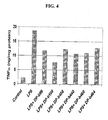
- the most potent inhibitors among the tested compounds were 1,2-bis(2-aminophenoxy)ethane, N,N'-di(2-benzyloxyethyl acetate), N,N-diacetic acid, disodium salt [DP-b440] and 1,2-bis(2-aminophenoxy)ethane, N,N'-di(2-octodecyloxyethyl acetate), N,N'-diacetic acid, disodium salt [DP-b109] with calculated IC 50 of 12 ⁇ M and 10-20 ⁇ M, respectively.
- BAPTA parent chelating compound
- BAPTA-AM The related tetra-ester BAPTA analog, BAPTA-AM, increased rather than decreased the MMP-9 activity in the test model system used (C6 glioma cells stimulated with TNF ⁇ ).
- EXAMPLE 7 DP-BAPTA inhibits MMP-9 activity in primary cultured glial cells
- Cortical glial cells from rat embryos (day 18 of pregnancy) were seeded on poly-D-lysine coated 24-well plates with MEM medium containing 5% FCS, 5% HS, 2 mM 1-glutamine and 0.6% glucose, at a density of 5x10 4 cells/well. After 4 days in culture, the medium was changed to MEM + 10% FCS. When glial cells reached confluence (around 17 days after plating), they were exposed for 24 hours to 10 ng/ml or 20 ng/ml human TNF ⁇ in order to induce MMP-9.
- CM Conditioned media
- FIG. 3A A representative zymogram of MMP-9 activity in conditioned medium (CM) from control (un-stimulated) glial cells and from cultures treated with 10 or 20 ng/ml TNF ⁇ , either with or without DP-b99, is depicted in Figure 3 .
- CM conditioned medium
- FIG. 3A the two forms of MMP-9 were separated on the gel; the upper band represents the pro-MMP-9 with the higher molecular weight, while the lower band (lower MW) represents the biologically active form of the enzyme.
- DP-b99 inhibitory effect on basal MMP-9 activity in glial cells was demonstrated by showing an increase in band intensity of the Pro-MMP-9 on the account of the active MMP-9 form.
- DP-b99 reduced both the pro- and active forms of the enzyme.
- the various DP-BAPTA compounds were effective to a different degree in their ability to reduce the induction of TNF ⁇ release in primary glial cells.
- TACE TNF ⁇ Converting Enzyme
- DP-BAPTA molecules may indicate a potential use of these molecules also in treating or ameliorating diseases and conditions related to peripheral inflammatory processes.
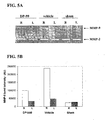
- SD rats Six Sprague-Dawley (SD) rats were subjected to unilateral (right hemisphere) Middle Cerebral Artery Occlusion (MCAO) for 2 hours. 5 ⁇ g/kg DP-b99 in 0.02% sodium citrate in saline was i.p. administered to three animals in a single dose, followed by 2 hrs. reperfusion. The other three animals were treated with vehicle instead of DP- b99. A rat that was only operated with no further treatment was used as a sham control.
- MCAO Middle Cerebral Artery Occlusion
- the seven rats were sacrificed after 24 hrs. and each hemisphere of their brains was subjected separately to lysis and extracted for enzymatic activity. Brains were minced and solubilized in lysis buffer (25 mM Tris-HCl pH 7.5, 1% IGEPAL CA-630 - a non-ionic detergent from Sigma, 100 mM NaCl, 0.5U/ml aprotinin, 0.01% sodium azide) at a final concentration of 400 mg/ml. The preparations were incubated for 24 hrs. at 4°C before lysates were centrifuged at 14,000 rpm for 15 min. and supernatants were collected.
- lysis buffer 25 mM Tris-HCl pH 7.5, 1% IGEPAL CA-630 - a non-ionic detergent from Sigma, 100 mM NaCl, 0.5U/ml aprotinin, 0.01% sodium azide
- Protein concentration was determined by the Bradford assay and 40 ⁇ g protein from each lysate were loaded on gelatin zymogram gels for determination of MMP-9 levels. Gels were developed for 48 hrs. Quantitative analysis of the gels was performed using the Kodak Digital System and Kodak 1D software as described in Example 3. The results are shown in Figure 5 .
- DP-b99 reduced the increase in MMP-9 activity induced by focal brain ischemia in rats.
- the results of this in-vivo study correlate with those of the in vitro experiments (Examples 3 to 7) that showed that DP-BAPTAs reduce MMP-9 activity induced in C6 and A-172 glioma cells and in primary glial cells.
- EXAMPLE 11 DP-b-99 inhibits calpain activity in primary cortical neurons
- Calpain activity in primary cortical neurons was evaluated following activation of the enzyme by H 2 O 2 . Calpain activity was measured by monitoring proteolytic degradation of the calpain substrate ⁇ -spectrin, from the 280 kDa full-length protein to the 150 kDa degradation product.
- the effect of DP-b99 on calpain activity was studied 4 hours after addition of H 2 O 2 by monitoring the H 2 O 2 -induced cleavage of spectrin.
- the cortical primary cells were pre-treated with DP-b99 (15 ⁇ g/ml) or with the commercially available calpain inhibitor MDL28170 (25 ⁇ M) for 1 hour before H 2 O 2 (50 ⁇ M) was added.
- Calpain activity was determined by using the "Calpain activity" assay described above.
- DP-b99 inhibited calpain activity to a similar extent as the known calpain inhibitor MDL28170. Percent inhibition by DP-b99 was from 40% to 60% in different experiments.
- DP-b99 inhibits H 2 O 2 -induced calpain activity similarly to the commercial calpain inhibitor MDL28170.
- EXAMPLE 12 DP-b-99 inhibits induced spectrin cleveage in vivo
- Transient middle cerebral artery (MCA) occlusion was performed in male Sprague Dawley (SD) rats by applying 4-0 silicone-coated nylon monofilament through external carotid artery.
- SD Sprague Dawley
- the animals were anesthetized with 4% halothane and maintained at 1.5% halothane in a 1:2 mixture of nitrous oxide and oxygen without tracheotomy and allowed to breathe spontaneously.
- Via a ventral cutaneous the common, right external and internal carotid arteries (ECA) were exposed.
- ECA right external and internal carotid arteries
- a suture was introduced into a ligated right external carotid artery, in a retrograde fashion towards the carotid bifurcation.
- DP-b99 was intraperitoneally (i.p.) administered in a single dose (5 ⁇ g/kg) at the start of reperfusion.
- MCAO-treated animals i.p.-injected with vehicle only served as control group. Four hours later, the animals were sacrificed and their brains were cut into two hemispheres and immediately frozen at -80°C.
- DP-b99 inhibits the increase in calpain activity induced by ischemia in vivo. Calpain inhibition by DP-b99 may be responsible, at least in part, for the neuroprotective effect exhibited by this molecule.
Landscapes
- Health & Medical Sciences (AREA)
- Life Sciences & Earth Sciences (AREA)
- Chemical & Material Sciences (AREA)
- Medicinal Chemistry (AREA)
- Veterinary Medicine (AREA)
- Pharmacology & Pharmacy (AREA)
- Animal Behavior & Ethology (AREA)
- General Health & Medical Sciences (AREA)
- Public Health (AREA)
- Bioinformatics & Cheminformatics (AREA)
- Chemical Kinetics & Catalysis (AREA)
- General Chemical & Material Sciences (AREA)
- Nuclear Medicine, Radiotherapy & Molecular Imaging (AREA)
- Organic Chemistry (AREA)
- Engineering & Computer Science (AREA)
- Neurology (AREA)
- Neurosurgery (AREA)
- Biomedical Technology (AREA)
- Immunology (AREA)
- Physical Education & Sports Medicine (AREA)
- Ophthalmology & Optometry (AREA)
- Diabetes (AREA)
- Dermatology (AREA)
- Orthopedic Medicine & Surgery (AREA)
- Rheumatology (AREA)
- Emergency Medicine (AREA)
- Cardiology (AREA)
- Heart & Thoracic Surgery (AREA)
- Hematology (AREA)
- Pain & Pain Management (AREA)
- Epidemiology (AREA)
- Pulmonology (AREA)
- Vascular Medicine (AREA)
- Oncology (AREA)
- Psychology (AREA)
- Hospice & Palliative Care (AREA)
- Communicable Diseases (AREA)
- Psychiatry (AREA)
- Obesity (AREA)
- Endocrinology (AREA)
Applications Claiming Priority (3)
| Application Number | Priority Date | Filing Date | Title |
|---|---|---|---|
| IL15192102 | 2002-09-25 | ||
| IL15192102A IL151921A0 (en) | 2002-09-25 | 2002-09-25 | Liphopilic diesters of chelating agent for inhibition of enzyme activity |
| PCT/IL2003/000225 WO2004028443A2 (en) | 2002-09-25 | 2003-03-16 | Lipophilic diesters of chelating agent for inhibition of enzyme activity |
Publications (3)
| Publication Number | Publication Date |
|---|---|
| EP1546085A2 EP1546085A2 (en) | 2005-06-29 |
| EP1546085A4 EP1546085A4 (en) | 2008-03-26 |
| EP1546085B1 true EP1546085B1 (en) | 2012-09-05 |
Family
ID=29596515
Family Applications (1)
| Application Number | Title | Priority Date | Filing Date |
|---|---|---|---|
| EP03710190A Expired - Lifetime EP1546085B1 (en) | 2002-09-25 | 2003-03-16 | Lipophilic diesters of chelating agent for inhibition of enzyme activity |
Country Status (7)
| Country | Link |
|---|---|
| US (1) | US7799831B2 (https=) |
| EP (1) | EP1546085B1 (https=) |
| JP (1) | JP2006500422A (https=) |
| AU (1) | AU2003214610C1 (https=) |
| CA (1) | CA2498420C (https=) |
| IL (2) | IL151921A0 (https=) |
| WO (1) | WO2004028443A2 (https=) |
Families Citing this family (5)
| Publication number | Priority date | Publication date | Assignee | Title |
|---|---|---|---|---|
| GB0508412D0 (en) * | 2005-04-26 | 2005-06-01 | Aq & Plc | Compositions for intestinal conditions |
| WO2013052787A2 (en) * | 2011-10-05 | 2013-04-11 | The Johns Hopkins University | Membrane activated chelators and use in the prevention and treatment of parasitic infection |
| CN103373957A (zh) * | 2012-04-12 | 2013-10-30 | 成都苑东药业有限公司 | 一种具有神经细胞保护作用的螯合物 |
| WO2014107745A1 (en) | 2013-01-07 | 2014-07-10 | Halozyme, Inc. | Metal sensitive mutants of matrix metalloproteases and uses thereof |
| WO2018236221A2 (en) * | 2017-06-03 | 2018-12-27 | Can Holding B.V. | Neurodegenerative peptide deposit dissolution |
Family Cites Families (5)
| Publication number | Priority date | Publication date | Assignee | Title |
|---|---|---|---|---|
| US6413949B1 (en) * | 1995-06-07 | 2002-07-02 | D-Pharm, Ltd. | Prodrugs with enhanced penetration into cells |
| WO1995034302A2 (en) | 1994-06-16 | 1995-12-21 | Allergan | Method for reducing intraocular pressure in the mammalian eye by administration of calcium chelators |
| AU6887996A (en) | 1995-09-01 | 1997-04-01 | Washington University School Of Medicine | Method of reducing neurotoxic injury with zinc chelators |
| IL121844A0 (en) | 1997-09-28 | 1998-02-22 | Dpharm Ltd | Lipophilic diesters of chelating agents |
| US6797728B2 (en) | 2000-11-08 | 2004-09-28 | Thomas Jefferson University | Use of intracellular calcium chelators to increase surfactant secretion in the lungs |
-
2002
- 2002-09-25 IL IL15192102A patent/IL151921A0/xx unknown
-
2003
- 2003-03-16 AU AU2003214610A patent/AU2003214610C1/en not_active Ceased
- 2003-03-16 EP EP03710190A patent/EP1546085B1/en not_active Expired - Lifetime
- 2003-03-16 WO PCT/IL2003/000225 patent/WO2004028443A2/en not_active Ceased
- 2003-03-16 US US10/529,028 patent/US7799831B2/en not_active Expired - Lifetime
- 2003-03-16 JP JP2004539399A patent/JP2006500422A/ja active Pending
- 2003-03-16 CA CA2498420A patent/CA2498420C/en not_active Expired - Fee Related
-
2005
- 2005-03-13 IL IL167406A patent/IL167406A/en not_active IP Right Cessation
Non-Patent Citations (1)
| Title |
|---|
| EGEBLAD M ET AL: "NEW FUNCTIONS FOR THE MATRIX METALLOPROTEINASES IN CANCER PROGRESSION", NATURE REVIEWS. CANCER, NATUR PUBLISHING GROUP, LONDON, GB, vol. 2, no. 3, 1 March 2002 (2002-03-01), pages 161 - 174, XP009023724, ISSN: 1474-175X, DOI: 10.1038/NRC745 * |
Also Published As
| Publication number | Publication date |
|---|---|
| US20060167092A1 (en) | 2006-07-27 |
| WO2004028443A3 (en) | 2004-05-27 |
| IL151921A0 (en) | 2003-04-10 |
| CA2498420A1 (en) | 2004-04-08 |
| AU2003214610B2 (en) | 2008-08-21 |
| EP1546085A4 (en) | 2008-03-26 |
| JP2006500422A (ja) | 2006-01-05 |
| AU2003214610A1 (en) | 2004-04-19 |
| AU2003214610C1 (en) | 2009-01-22 |
| WO2004028443A2 (en) | 2004-04-08 |
| CA2498420C (en) | 2012-07-10 |
| US7799831B2 (en) | 2010-09-21 |
| IL167406A0 (en) | 2009-02-11 |
| EP1546085A2 (en) | 2005-06-29 |
| IL167406A (en) | 2012-04-30 |
Similar Documents
| Publication | Publication Date | Title |
|---|---|---|
| US5650508A (en) | Peptide ketoamides | |
| JP4966659B2 (ja) | 異なる細胞に機能的に影響を及ぼし、免疫性疾患、炎症性疾患、神経疾患、およびその他の疾患を治療するための二重のアラニルアミノペプチダーゼおよびジペプチジルペプチダーゼivの阻害剤 | |
| US7572831B2 (en) | Composition containing chalcone | |
| US5763576A (en) | Tetrapeptide α-ketoamides | |
| MEP43008A (en) | Indole-2-carboxamides as factor xa inhibitors | |
| JP2002514180A (ja) | マトリックスメタロプロテイナーゼを阻害するための化合物およびその方法 | |
| US6235929B1 (en) | Tripeptide α-ketoamides | |
| DE60008548T2 (de) | Hydroxamsäurederivate als matrix-metalloproteinase-inhibitoren | |
| US5089634A (en) | Isocoumarins with cationic substituents | |
| EP1546085B1 (en) | Lipophilic diesters of chelating agent for inhibition of enzyme activity | |
| US20110105607A1 (en) | Lipophilic diesters of chelating agent for inhibition of enzyme activity | |
| FR2763944A1 (fr) | Nouveaux derives de coumarines, leurs procedes de preparation et leur application comme medicaments en tant qu'inhibiteurs de proteases | |
| DE102005054700B4 (de) | Neue duale Peptidase-Inhibitoren als Prodrugs zur Therapie von entzündlichen und anderen Erkrankungen | |
| EP1296946B1 (fr) | Composes aminothiolesters, compositions pharmaceutiques et cosmetiques les contenant et utilisations | |
| JPWO2014129513A1 (ja) | 潰瘍性大腸炎の予防または治療剤と新規フラーレン誘導体 | |
| US6090785A (en) | Substituted N-carboxyalkylpeptidyl derivatives as antidegenerative agents | |
| US5641762A (en) | Bone targeted inhibitors of carbonic anhydrase | |
| EP0372409B1 (en) | Acylaminoalkylpyridineamides as inhibitors of tumor metastasis | |
| KR100771928B1 (ko) | 감태추출물을 함유한 기질 금속단백질분해효소활성 억제용 조성물 | |
| FR2433943A1 (fr) | Preparations medicamenteuses notamment pour le traitement de l'hypercholesterolemie | |
| KR100538386B1 (ko) | Il-1 관련 질병 또는 질환의 치료용 약제학적 조성물 | |
| JPS6041058B2 (ja) | 酢酸誘導体の製造方法 | |
| KR100261873B1 (ko) | 기질금속 단백질 분해효소 활성억제용 약제 조성물 | |
| JPS63258421A (ja) | 糖ラクタムを含有する抗炎症剤 | |
| JPH01168671A (ja) | Q−1047h物質およびその製造法 |
Legal Events
| Date | Code | Title | Description |
|---|---|---|---|
| PUAI | Public reference made under article 153(3) epc to a published international application that has entered the european phase |
Free format text: ORIGINAL CODE: 0009012 |
|
| 17P | Request for examination filed |
Effective date: 20050329 |
|
| AK | Designated contracting states |
Kind code of ref document: A2 Designated state(s): AT BE BG CH CY CZ DE DK EE ES FI FR GB GR HU IE IT LI LU MC NL PT RO SE SI SK TR |
|
| AX | Request for extension of the european patent |
Extension state: AL LT LV MK |
|
| DAX | Request for extension of the european patent (deleted) | ||
| A4 | Supplementary search report drawn up and despatched |
Effective date: 20080227 |
|
| 17Q | First examination report despatched |
Effective date: 20100610 |
|
| GRAP | Despatch of communication of intention to grant a patent |
Free format text: ORIGINAL CODE: EPIDOSNIGR1 |
|
| RIC1 | Information provided on ipc code assigned before grant |
Ipc: C07C 335/00 20060101ALI20120124BHEP Ipc: A61P 35/04 20060101ALI20120124BHEP Ipc: C07C 229/00 20060101AFI20120124BHEP Ipc: A61P 35/00 20060101ALI20120124BHEP Ipc: C07C 249/00 20060101ALI20120124BHEP Ipc: C07C 381/00 20060101ALI20120124BHEP Ipc: C07C 205/00 20060101ALI20120124BHEP Ipc: C07C 291/00 20060101ALI20120124BHEP Ipc: A61K 31/225 20060101ALI20120124BHEP Ipc: C07C 211/00 20060101ALI20120124BHEP Ipc: C07C 233/00 20060101ALI20120124BHEP |
|
| GRAS | Grant fee paid |
Free format text: ORIGINAL CODE: EPIDOSNIGR3 |
|
| GRAA | (expected) grant |
Free format text: ORIGINAL CODE: 0009210 |
|
| AK | Designated contracting states |
Kind code of ref document: B1 Designated state(s): AT BE BG CH CY CZ DE DK EE ES FI FR GB GR HU IE IT LI LU MC NL PT RO SE SI SK TR |
|
| REG | Reference to a national code |
Ref country code: GB Ref legal event code: FG4D |
|
| REG | Reference to a national code |
Ref country code: CH Ref legal event code: EP |
|
| REG | Reference to a national code |
Ref country code: AT Ref legal event code: REF Ref document number: 574049 Country of ref document: AT Kind code of ref document: T Effective date: 20120915 |
|
| REG | Reference to a national code |
Ref country code: IE Ref legal event code: FG4D |
|
| REG | Reference to a national code |
Ref country code: DE Ref legal event code: R096 Ref document number: 60342011 Country of ref document: DE Effective date: 20121025 |
|
| REG | Reference to a national code |
Ref country code: AT Ref legal event code: MK05 Ref document number: 574049 Country of ref document: AT Kind code of ref document: T Effective date: 20120905 |
|
| REG | Reference to a national code |
Ref country code: NL Ref legal event code: VDEP Effective date: 20120905 |
|
| PG25 | Lapsed in a contracting state [announced via postgrant information from national office to epo] |
Ref country code: CY Free format text: LAPSE BECAUSE OF FAILURE TO SUBMIT A TRANSLATION OF THE DESCRIPTION OR TO PAY THE FEE WITHIN THE PRESCRIBED TIME-LIMIT Effective date: 20120905 Ref country code: FI Free format text: LAPSE BECAUSE OF FAILURE TO SUBMIT A TRANSLATION OF THE DESCRIPTION OR TO PAY THE FEE WITHIN THE PRESCRIBED TIME-LIMIT Effective date: 20120905 Ref country code: AT Free format text: LAPSE BECAUSE OF FAILURE TO SUBMIT A TRANSLATION OF THE DESCRIPTION OR TO PAY THE FEE WITHIN THE PRESCRIBED TIME-LIMIT Effective date: 20120905 |
|
| PG25 | Lapsed in a contracting state [announced via postgrant information from national office to epo] |
Ref country code: SE Free format text: LAPSE BECAUSE OF FAILURE TO SUBMIT A TRANSLATION OF THE DESCRIPTION OR TO PAY THE FEE WITHIN THE PRESCRIBED TIME-LIMIT Effective date: 20120905 Ref country code: GR Free format text: LAPSE BECAUSE OF FAILURE TO SUBMIT A TRANSLATION OF THE DESCRIPTION OR TO PAY THE FEE WITHIN THE PRESCRIBED TIME-LIMIT Effective date: 20121206 Ref country code: SI Free format text: LAPSE BECAUSE OF FAILURE TO SUBMIT A TRANSLATION OF THE DESCRIPTION OR TO PAY THE FEE WITHIN THE PRESCRIBED TIME-LIMIT Effective date: 20120905 |
|
| PG25 | Lapsed in a contracting state [announced via postgrant information from national office to epo] |
Ref country code: EE Free format text: LAPSE BECAUSE OF FAILURE TO SUBMIT A TRANSLATION OF THE DESCRIPTION OR TO PAY THE FEE WITHIN THE PRESCRIBED TIME-LIMIT Effective date: 20120905 Ref country code: ES Free format text: LAPSE BECAUSE OF FAILURE TO SUBMIT A TRANSLATION OF THE DESCRIPTION OR TO PAY THE FEE WITHIN THE PRESCRIBED TIME-LIMIT Effective date: 20121216 Ref country code: RO Free format text: LAPSE BECAUSE OF FAILURE TO SUBMIT A TRANSLATION OF THE DESCRIPTION OR TO PAY THE FEE WITHIN THE PRESCRIBED TIME-LIMIT Effective date: 20120905 Ref country code: BE Free format text: LAPSE BECAUSE OF FAILURE TO SUBMIT A TRANSLATION OF THE DESCRIPTION OR TO PAY THE FEE WITHIN THE PRESCRIBED TIME-LIMIT Effective date: 20120905 Ref country code: NL Free format text: LAPSE BECAUSE OF FAILURE TO SUBMIT A TRANSLATION OF THE DESCRIPTION OR TO PAY THE FEE WITHIN THE PRESCRIBED TIME-LIMIT Effective date: 20120905 Ref country code: CZ Free format text: LAPSE BECAUSE OF FAILURE TO SUBMIT A TRANSLATION OF THE DESCRIPTION OR TO PAY THE FEE WITHIN THE PRESCRIBED TIME-LIMIT Effective date: 20120905 |
|
| PG25 | Lapsed in a contracting state [announced via postgrant information from national office to epo] |
Ref country code: SK Free format text: LAPSE BECAUSE OF FAILURE TO SUBMIT A TRANSLATION OF THE DESCRIPTION OR TO PAY THE FEE WITHIN THE PRESCRIBED TIME-LIMIT Effective date: 20120905 Ref country code: PT Free format text: LAPSE BECAUSE OF FAILURE TO SUBMIT A TRANSLATION OF THE DESCRIPTION OR TO PAY THE FEE WITHIN THE PRESCRIBED TIME-LIMIT Effective date: 20130107 |
|
| PLBE | No opposition filed within time limit |
Free format text: ORIGINAL CODE: 0009261 |
|
| STAA | Information on the status of an ep patent application or granted ep patent |
Free format text: STATUS: NO OPPOSITION FILED WITHIN TIME LIMIT |
|
| PG25 | Lapsed in a contracting state [announced via postgrant information from national office to epo] |
Ref country code: BG Free format text: LAPSE BECAUSE OF FAILURE TO SUBMIT A TRANSLATION OF THE DESCRIPTION OR TO PAY THE FEE WITHIN THE PRESCRIBED TIME-LIMIT Effective date: 20121205 Ref country code: DK Free format text: LAPSE BECAUSE OF FAILURE TO SUBMIT A TRANSLATION OF THE DESCRIPTION OR TO PAY THE FEE WITHIN THE PRESCRIBED TIME-LIMIT Effective date: 20120905 |
|
| 26N | No opposition filed |
Effective date: 20130606 |
|
| PG25 | Lapsed in a contracting state [announced via postgrant information from national office to epo] |
Ref country code: IT Free format text: LAPSE BECAUSE OF FAILURE TO SUBMIT A TRANSLATION OF THE DESCRIPTION OR TO PAY THE FEE WITHIN THE PRESCRIBED TIME-LIMIT Effective date: 20120905 |
|
| REG | Reference to a national code |
Ref country code: DE Ref legal event code: R097 Ref document number: 60342011 Country of ref document: DE Effective date: 20130606 |
|
| PG25 | Lapsed in a contracting state [announced via postgrant information from national office to epo] |
Ref country code: MC Free format text: LAPSE BECAUSE OF NON-PAYMENT OF DUE FEES Effective date: 20130331 |
|
| REG | Reference to a national code |
Ref country code: CH Ref legal event code: PL |
|
| GBPC | Gb: european patent ceased through non-payment of renewal fee |
Effective date: 20130316 |
|
| REG | Reference to a national code |
Ref country code: FR Ref legal event code: ST Effective date: 20131129 |
|
| REG | Reference to a national code |
Ref country code: IE Ref legal event code: MM4A |
|
| REG | Reference to a national code |
Ref country code: DE Ref legal event code: R119 Ref document number: 60342011 Country of ref document: DE Effective date: 20131001 |
|
| PG25 | Lapsed in a contracting state [announced via postgrant information from national office to epo] |
Ref country code: CH Free format text: LAPSE BECAUSE OF NON-PAYMENT OF DUE FEES Effective date: 20130331 Ref country code: GB Free format text: LAPSE BECAUSE OF NON-PAYMENT OF DUE FEES Effective date: 20130316 Ref country code: IE Free format text: LAPSE BECAUSE OF NON-PAYMENT OF DUE FEES Effective date: 20130316 Ref country code: FR Free format text: LAPSE BECAUSE OF NON-PAYMENT OF DUE FEES Effective date: 20130402 Ref country code: LI Free format text: LAPSE BECAUSE OF NON-PAYMENT OF DUE FEES Effective date: 20130331 Ref country code: DE Free format text: LAPSE BECAUSE OF NON-PAYMENT OF DUE FEES Effective date: 20131001 |
|
| PG25 | Lapsed in a contracting state [announced via postgrant information from national office to epo] |
Ref country code: TR Free format text: LAPSE BECAUSE OF FAILURE TO SUBMIT A TRANSLATION OF THE DESCRIPTION OR TO PAY THE FEE WITHIN THE PRESCRIBED TIME-LIMIT Effective date: 20120905 |
|
| PG25 | Lapsed in a contracting state [announced via postgrant information from national office to epo] |
Ref country code: HU Free format text: LAPSE BECAUSE OF FAILURE TO SUBMIT A TRANSLATION OF THE DESCRIPTION OR TO PAY THE FEE WITHIN THE PRESCRIBED TIME-LIMIT; INVALID AB INITIO Effective date: 20030316 Ref country code: LU Free format text: LAPSE BECAUSE OF NON-PAYMENT OF DUE FEES Effective date: 20130316 |