EP1543833B1 - Phosphoryliertes dextran - Google Patents
Phosphoryliertes dextran Download PDFInfo
- Publication number
- EP1543833B1 EP1543833B1 EP03765361.5A EP03765361A EP1543833B1 EP 1543833 B1 EP1543833 B1 EP 1543833B1 EP 03765361 A EP03765361 A EP 03765361A EP 1543833 B1 EP1543833 B1 EP 1543833B1
- Authority
- EP
- European Patent Office
- Prior art keywords
- phosphorylated
- dextrans
- dextran
- cells
- activity
- Prior art date
- Legal status (The legal status is an assumption and is not a legal conclusion. Google has not performed a legal analysis and makes no representation as to the accuracy of the status listed.)
- Expired - Lifetime
Links
Images






Classifications
-
- C—CHEMISTRY; METALLURGY
- C08—ORGANIC MACROMOLECULAR COMPOUNDS; THEIR PREPARATION OR CHEMICAL WORKING-UP; COMPOSITIONS BASED THEREON
- C08B—POLYSACCHARIDES; DERIVATIVES THEREOF
- C08B37/00—Preparation of polysaccharides not provided for in groups C08B1/00 - C08B35/00; Derivatives thereof
- C08B37/0006—Homoglycans, i.e. polysaccharides having a main chain consisting of one single sugar, e.g. colominic acid
- C08B37/0009—Homoglycans, i.e. polysaccharides having a main chain consisting of one single sugar, e.g. colominic acid alpha-D-Glucans, e.g. polydextrose, alternan, glycogen; (alpha-1,4)(alpha-1,6)-D-Glucans; (alpha-1,3)(alpha-1,4)-D-Glucans, e.g. isolichenan or nigeran; (alpha-1,4)-D-Glucans; (alpha-1,3)-D-Glucans, e.g. pseudonigeran; Derivatives thereof
- C08B37/0021—Dextran, i.e. (alpha-1,4)-D-glucan; Derivatives thereof, e.g. Sephadex, i.e. crosslinked dextran
-
- A—HUMAN NECESSITIES
- A61—MEDICAL OR VETERINARY SCIENCE; HYGIENE
- A61K—PREPARATIONS FOR MEDICAL, DENTAL OR TOILETRY PURPOSES
- A61K31/00—Medicinal preparations containing organic active ingredients
- A61K31/70—Carbohydrates; Sugars; Derivatives thereof
- A61K31/715—Polysaccharides, i.e. having more than five saccharide radicals attached to each other by glycosidic linkages; Derivatives thereof, e.g. ethers, esters
- A61K31/716—Glucans
- A61K31/721—Dextrans
-
- A—HUMAN NECESSITIES
- A61—MEDICAL OR VETERINARY SCIENCE; HYGIENE
- A61P—SPECIFIC THERAPEUTIC ACTIVITY OF CHEMICAL COMPOUNDS OR MEDICINAL PREPARATIONS
- A61P1/00—Drugs for disorders of the alimentary tract or the digestive system
-
- A—HUMAN NECESSITIES
- A61—MEDICAL OR VETERINARY SCIENCE; HYGIENE
- A61P—SPECIFIC THERAPEUTIC ACTIVITY OF CHEMICAL COMPOUNDS OR MEDICINAL PREPARATIONS
- A61P1/00—Drugs for disorders of the alimentary tract or the digestive system
- A61P1/04—Drugs for disorders of the alimentary tract or the digestive system for ulcers, gastritis or reflux esophagitis, e.g. antacids, inhibitors of acid secretion, mucosal protectants
-
- A—HUMAN NECESSITIES
- A61—MEDICAL OR VETERINARY SCIENCE; HYGIENE
- A61P—SPECIFIC THERAPEUTIC ACTIVITY OF CHEMICAL COMPOUNDS OR MEDICINAL PREPARATIONS
- A61P11/00—Drugs for disorders of the respiratory system
- A61P11/02—Nasal agents, e.g. decongestants
-
- A—HUMAN NECESSITIES
- A61—MEDICAL OR VETERINARY SCIENCE; HYGIENE
- A61P—SPECIFIC THERAPEUTIC ACTIVITY OF CHEMICAL COMPOUNDS OR MEDICINAL PREPARATIONS
- A61P11/00—Drugs for disorders of the respiratory system
- A61P11/06—Antiasthmatics
-
- A—HUMAN NECESSITIES
- A61—MEDICAL OR VETERINARY SCIENCE; HYGIENE
- A61P—SPECIFIC THERAPEUTIC ACTIVITY OF CHEMICAL COMPOUNDS OR MEDICINAL PREPARATIONS
- A61P27/00—Drugs for disorders of the senses
- A61P27/02—Ophthalmic agents
- A61P27/14—Decongestants or antiallergics
-
- A—HUMAN NECESSITIES
- A61—MEDICAL OR VETERINARY SCIENCE; HYGIENE
- A61P—SPECIFIC THERAPEUTIC ACTIVITY OF CHEMICAL COMPOUNDS OR MEDICINAL PREPARATIONS
- A61P31/00—Antiinfectives, i.e. antibiotics, antiseptics, chemotherapeutics
-
- A—HUMAN NECESSITIES
- A61—MEDICAL OR VETERINARY SCIENCE; HYGIENE
- A61P—SPECIFIC THERAPEUTIC ACTIVITY OF CHEMICAL COMPOUNDS OR MEDICINAL PREPARATIONS
- A61P37/00—Drugs for immunological or allergic disorders
- A61P37/02—Immunomodulators
- A61P37/04—Immunostimulants
-
- A—HUMAN NECESSITIES
- A61—MEDICAL OR VETERINARY SCIENCE; HYGIENE
- A61P—SPECIFIC THERAPEUTIC ACTIVITY OF CHEMICAL COMPOUNDS OR MEDICINAL PREPARATIONS
- A61P37/00—Drugs for immunological or allergic disorders
- A61P37/08—Antiallergic agents
-
- A—HUMAN NECESSITIES
- A61—MEDICAL OR VETERINARY SCIENCE; HYGIENE
- A61P—SPECIFIC THERAPEUTIC ACTIVITY OF CHEMICAL COMPOUNDS OR MEDICINAL PREPARATIONS
- A61P43/00—Drugs for specific purposes, not provided for in groups A61P1/00-A61P41/00
Definitions
- the present invention relates to pharmaceutical compositions with immunopotentiating activity, comprising a phosphorylated dextran as an active ingredient.
- CM-cellulose carboxymethyl cellulose
- CM-cellulose carboxymethyl cellulose
- CM-cellulose is soluble in water and forms a stable high-viscosity colloidal solution.
- CM-cellulose is applicable as a stabilizer for processed foods, such as ice cream and jam.
- Kefiran which is isolated from Kefir grains comprising seed bacteria for a fermented milk product called “Kefir”
- polysaccharide derivatives prepared through some sort of chemical modification are attracting attention as foods, and studies aiming at their application in medical fields are also being carried out. Many such studies utilize an enhancement or induction of biological activity by introducing substituents into polysaccharides.
- substituents For example, dextran sulfates (a molecular weight of about 6,500; a sulfur content of 16-18%), which are prepared by sulfating dextrans, have heparin-like anticoagulant activity and low toxicity, and are thus being clinically applied.
- These polysaccharides are also highly used as therapeutic agents for hyperlipidemia.
- dextran sulfates have long been known to show an antiproliferative effect on various viruses, and have also been reported as effective in suppressing the proliferation of HIV (Human Immunodeficiency Virus).
- dextran sulfates have recently drawn attention as anti-AIDS (Acquired Immunodeficiency Syndrome) agents. It has been reported that heparin and mannan sulfates show an antiproliferative effect on viruses, but that corresponding nonsulfated dextrans and mannans themselves have no suppressing effect (see non-patent document 1). Therefore, the sulfate group is thought to be a factor in expression of this activity.
- the present invention has been made under such circumstances, and aims to discover the biological activities of phosphorylated dextrans.
- the present invention also aims to provide pharmaceutical compositions that comprise a phosphorylated dextran as an active ingredient, based on knowledge regarding the discovered biological activities.
- the present inventors analyzed the biological activities of phosphorylated dextrans.
- the inventors succeeded in chemically introducing phosphate groups into dextrans of various molecular weights, according to the method of Suzuki et al.
- the present inventors discovered that phosphorylated dextrans of any molecular weight have immunopotentiating activity, and specifically, an activity to significantly induce blastogenic activity in mice spleen cells. Such blastogenic activity is not seen in nonphosphorylated dextrans at all.
- the present inventors have revealed, for the first time, that immunopotentiating activity can be induced by introducing phosphate groups into dextrans.
- dextran sulfates have been reported as activation factors that polyclonally activate mouse B cells, there is no report that describes phosphorylated dextran derivatives as showing blastogenic activity.
- compositions comprising a phosphorylated dextran as an active ingredient are expected to be applicable as pharmaceutical agents for preventing or treating infectious diseases, allergic diseases, and colitis.
- compositions comprising phosphorylated dextrans are quite promising as foods for preventing infectious diseases, allergic diseases, or colitis.
- the present invention relates to pharmaceutical compositions with immunopotentiating activity, comprising a phosphorylated dextran. More specifically, the present invention provides a phosphorylated dextran as active ingredient for use in preventing or treating infectious diseases, colitis, or allergic diseases.
- the invention is defined by the claims.
- the present inventors analyzed the functions of phosphorylated dextrans, and as a result, discovered that they have novel biological activities. Specifically, the inventors revealed, for the first time, that immunopotentiating activities could be induced by introducing phosphate groups into dextrans. Thus, the present invention provides agents with immunopotentiating activity, that comprise a phosphorylated dextran as an active ingredient.
- Dextrans are viscous glucans, which mainly comprise ⁇ -1, 6 linkages, and are produced from sucrose by Leuconostoc mesenteroides and such, which belong to lactic acid bacteria.
- dextran is synthesized by transferring a glucose residue from a sucrose molecule to the primer via an ⁇ -1,6-linkage, by the action of dextran sucrase.
- ⁇ -1,6 linkage content varies according to the bacterial strain
- glucans comprising 65% or more ⁇ -1,6 linkage content are generally called "dextrans”.
- ⁇ -1,3 and ⁇ -1,2 linkages are also comprised as other linkages, but most are present as branches.
- Dextrans to be used in the present invention are available in the market, and can thus be easily obtained.
- Dextrans can also be prepared from microorganisms or such using conventional methods used by those skilled in the art.
- a phosphorylation site would typically be the hydroxyl group at position six in a dextran.
- the phosphorylated dextrans of the present invention are not limited to those whose position six hydroxyl group is phosphorylated.
- phosphorylation ratio there is no limitation as to the ratio of phosphate group introduction for the phosphorylated dextrans of the present invention.
- immunopotentiation refers to activating or enhancing the depressed immune response activities of a host.
- Those skilled in the art can assay immunopotentiating activities by typically using blastogenic or mitogenic activity on lymphocytes as an indicator. More specifically, immunopotentiating activities can be assayed by measuring blastogenic activity on T cells or B cells.
- blastogenesis typically refers to a phenomenon in which lymphocytes stimulated with antigens or mitogens undergo morphological changes via blast formation, change into cells with blast cell characteristics, and become more functional lymphocytes.
- the present inventors analyzed the activity of phosphorylated dextran in inducing CD69 expression in mouse spleen cells, and revealed that phosphorylated dextrans enhance CD69 expression in a CD45R-positive cell population, and that this enhancing activity is greater than that of dextrans.
- CD69 is one of the cell surface antigens expressed in the early stages after lymphocyte activation. When lymphocytes are activated, adhesion molecules are expressed on cell surfaces. Specific adhesion between cells or to the substances surrounding cells via these adhesion molecules plays an important role in the mechanisms of cellular differentiation, proliferation, and functional regulation.
- CD45R is a cell surface antigen expressed on the cell surface of B cell precursors and mature B cells. This result therefore suggests that phosphorylated dextrans have blastogenic activity and are B cell mitogens.
- the phosphorylated dextrans of the present invention have immunopotentiating activity; more specifically, they have mitogenic or blastogenic activity.
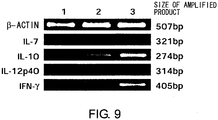
- the present inventors also used RT-PCR methods to analyze cytokine gene expression in response to stimulation by phosphorylated dextrans in mouse spleen cells, and revealed that phosphorylated dextrans induce IL-10 (a Th2 type cytokine) and IFN- ⁇ (a Th1 type cytokine) in mouse spleen cells.
- IL-10 a Th2 type cytokine
- IFN- ⁇ a Th1 type cytokine
- the activity of inducing interferon ⁇ (IFN- ⁇ ) or interleukin 10 (IL-10) is an example of a specific immunopotentiating activity of the phosphorylated dextrans of the present invention.
- the present invention provides pharmaceutical compositions for use in preventing or treating infectious diseases, colitis, or allergic diseases, where the compositions comprise a phosphorylated dextran as an active ingredient.
- the present inventors analyzed the physiological functions of phosphorylated dextrans, and discovered that phosphorylated dextrans significantly induce blastogenic activity on mouse spleen cells. Phosphorylated dextrans were also revealed to be B cell mitogens and to activate dendritic cells. Furthermore, since phosphorylated dextrans induced IL-10 and IFN- ⁇ , the above-described pharmaceutical compositions of the present invention are expected to have preventive or therapeutic effects on infectious diseases, colitis, and allergic diseases.
- prevention in the present invention includes not only prevention of disease onset, but also prevention of disease recurrence after treatment.
- the "allergic diseases” that are a target for prevention or treatment according to the present invention include allergic rhinitis, allergic conjunctivitis, bronchial asthma, atopic dermatitis, intestinal allergies, anaphylactic shock, and such, caused by pollen, mites, house dust, or the like, but are not limited to these diseases.
- the pharmaceutical compositions for prevention or treatment of infectious diseases, colitis, and allergic diseases of the present invention are prepared as generic medical formulations when being used.
- the medicaments of the present invention are prescribed in forms suitable for oral or parenteral administration, as a formulation such as a pharmaceutical composition or a tablet, pill, powder, granule, encapsulated formulation, troche, syrup, solution, emulsion, suspension, or injection; obtained by mixing with a carrier acceptable for drug formulation (excipient, binder, disintegrant, corrigent for taste, corrigent for smell, emulsifier, diluent, solubilizing agent, etc.).
- a carrier acceptable for drug formulation excipient, binder, disintegrant, corrigent for taste, corrigent for smell, emulsifier, diluent, solubilizing agent, etc.
- excipients include lactose, cornstarch, white sugar, glucose, sorbitol, plasma cellulose, and such.
- binders include polyvinyl gum arabia, tragacanth, gelatin, shellac, hydroxypropyl cellulose, hydroxypropyl starch, polyvinylpyrrolidone, and such.
- disintegrants examples include starch, agar, gelatin powder, crystalline cellulose, calcium carbonate, sodium bicarbonate, calcium citrate, dextran, pectin, and such.
- lubricants examples include magnesium stearate, talc, polyethylene glycol, silica, hardened vegetable oil, and such.
- coloring agents acceptable for addition into medicaments may be used.
- corrigents for taste and smell include cocoa powder, menthol, aromatic acids, peppermint oil, Borneo camphor, cinnamon powder, and such. These tablets and granules may be appropriately coated as necessary with sugar coating, gelatin coating, and so on.
- injection preparation a pH regulator, buffer, stabilizer, preservative, and such, are added as necessary to make subcutaneous, intramuscular, or intravenous injections by conventional methods.
- Injections can be formulations that are prepared just before use by storing the solution in a container, then producing a solid formulation by freeze-drying and such. A single dose can be stored in a container, and doses can be stored in the same container.
- a dosage of a pharmaceutical composition for prevention or treatment of infectious diseases, colitis, and allergic diseases of the present invention is determined by considering the type of dosage form, administration method, age and weight of the subject (mammals including humans), condition of the subject, and so on. Specifically, for an adult patient, for example, 0.01 to 600 mg a day can be administered orally as one to several doses. Examples of doses are more preferably 0.1 to 400 mg/day, and even more preferably 1 to 200 mg/day. Although these doses vary depending on the weight and age of the patient, and on the administration method, one skilled in the art can appropriately select a correct dose.
- the administration period is also preferably determined so as to be appropriate to the healing course of the patient, and such.
- the food compositions for preventing or improving infectious diseases, colitis, or allergic diseases, comprising a phosphorylated dextran as an active ingredient.
- the food compositions include, for example, health foods, functional foods, specified health foods, nutritional supplements, enteral nutritions, and such, but are not limited to these foods as long as they have the effect of preventing or improving infectious diseases, colitis, or allergic diseases. Methods for producing such compositions are well known and frequently used techniques for those skilled in the art.
- the phosphorylated dextrans can be processed into health foods, functional foods, specified health foods, nutritional supplements, enteral nutritions, and such by mixing them with compositions that are acceptable in terms of food hygiene.
- compositions such as stabilizers, preservatives, coloring agents, fragrances, and vitamins can be appropriately added to and mixed with the above-described phosphorylated dextrans, and then prepared by a conventional method into a form suitable for compositions, such as a tablet, particulate, granule, powder, capsule, liquid, cream, or beverage.
- Also described herein are methods for immunopotentiating cells which comprise the step of contacting cells with a phosphorylated dextran.
- phosphorylated dextrans preferably added to cells to be immunopotentiated, and these cells are incubated.
- Cells to which the methods described above can be applied include cells that make up tissues associated with immunity, for example, lymphocytes, macrophages, dendritic cells, and such, which are present in the spleen, the Peyer's patch in the intestinal tract, or in nasal mucosal tissue, but are not limited to these cells.
- Spleen cells or dendritic cells to be used in the present invention are not limited to cells derived from mice, and human-derived cells can also be used.
- immunopotentiation in the methods described above can specifically refer to "blastogenic activity” or to "induction of interferon ⁇ or interleukin 10".
- the above-described methods for producing phosphorylated dextrans of the present invention are methods that partially modify the conventional methods previously described.
- Suzuki et al. synthesized a phosphorylated dextran by introducing phosphate groups into a dextran (molecular weight of 38,000) by reaction with polyphosphoric acid in formamide solution.
- dextrans and polyphosphoric acid are preferably reacted while heated.
- the previous method of Suzuki et al. does not comprise this heating step. It is thus presumed that those components of the starting dextrans with an especially high molecular weight could not be phosphorylated because this method lacks the heating step. By adding this heating step, even dextran with a molecular weight of 2,000,000 can be phosphorylated.
- ethanol instead of the methanol used in the method of Suzuki et al., ethanol, which is safer, can be suitably used in the methods disclosed herein. This modification enables application to pharmaceutical agents and foods.
- the above-described methods for producing the phosphorylated dextrans can be carried out by the procedures described below in the Examples, but are not limited to these procedures.
- the phosphorylated dextrans can be prepared by a method comprising the following steps of:
- the heating conditions for the freeze-dried sample in step (c) of the above method are preferably 140-160°C for 24 hours, and more preferably 160°C for 24 hours.
- An example of an above method is: suspending 300 mg of a polysaccharide sample (a dextran) in 10 ml of 0.1 M phosphate buffer (pH5.5), heating the mixture to 70°C while stirring, and then stirring until the dextran is completely dissolved. Then, freeze-drying the sample solution, and heating at 140°C to 160°C for 24 hours.
- a polysaccharide sample a dextran
- compositions comprising a phosphorylated dextran of the present invention are deemed to be safe as foods or pharmaceutical agents.
- Those skilled in the art can appropriately modify and carry out the methods (procedures) described below in the Examples.
- DEXTRAN 40,000 Da (Wako Pure Chemical Industries) and DEXTRAN with average molecular weights of about 10,500, 160,000, 513,000, and 2,000,000 Da (SIGMA CHEMICAL CO., St. Louis, MO, USA) were used in the experiments.
- Dextran phosphorylation was carried out using the partially modified methods of Whistler et al. and Suzuki et al. Specifically, a dextran (100 mg; dextrans dried in the presence of P 2 O 5 under reduced pressure for 24 hours were used) was suspended in dehydrated formamide (10 ml; the supernatant resulting from adding a molecular sieve (4A 1/16; Wako Pure Chemical Industries) to a commercially available special grade reagent and standing it for 24 hours was used). This suspension was stirred in a 70°C water bath for one hour until the dextran was completely dissolved.
- the crude phosphorylated dextran was then dissolved at a concentration of 20 mg/ml in 50 mM Tris-HCl buffer (pH 8.6), and applied to an anion exchange chromatography using HiTrapQ HP (1.6 x 2.5 cm; Amersham Pharmacia Biotech UK, Buckinghamshire, England).
- the column was washed with five times the column's volume of 50 mM Tris-HCl buffer (pH 8.6), and then gradient-eluted from 0 M to 1.0 M NaCl.
- Neutral sugars in the eluted fractions were monitored by the phenol-sulfuric acid method, and the adsorbed materials were recovered based on this elution curve.
- the fractions were desalted by two days of dialysis against Milli Q water.
- the dialysate was concentrated using a rotary evaporator, and then freeze-dried to give the "purified phosphorylated dextran".
- the conditions used in the anion exchange chromatography were:
- the efficiency of dextran phosphorylation at each reaction time was estimated by measuring the phosphorus contents of the phosphorylated dextrans, and the optimal reaction time was thus determined.
- the mass of phosphorus contained in a phosphorylated dextran was determined by the method of Dittmer et al. Specifically, 1 ml of phosphorylated dextran solution (1 mg/ml) was transferred into a test tube, and dried at 60°C while spraying N 2 gas. 0.4 ml of 70% perchloric acid was added to the sample, and the sample was then heated for about 20 minutes until becoming clear. After decomposition, the sample was cooled to room temperature.
- ammonium molybdate reagent 4.4 g of special grade ammonium molybdate is dissolved into 200-300 ml of distilled water, 14 ml of analytical grade sulfuric acid is added to this, and the volume is then adjusted to 1000 ml
- a reducing reagent (Fiske & Subbarow's reducing reagent; 30 g of anhydrous sodium bisulfite, 6 g of anhydrous sodium sulfite, and 0.5 g of 1,2,4-aminonaphtholsulphonic acid were mixed and grinded in a mortar; the mixture was dissolved into 250 ml of distilled water, allowed to stand in a dark place for three hours, and then filtered and stored in a brown bottle; this solution was diluted to 1:12 and used) were added to the sample and mixed.
- the mixture was heated at 100°C for ten minutes. After standing to cool, the absorbance of the solution at 830 nm was measured. The mass of phosphorus contained in the sample was calculated from a standard curve prepared using potassium dihydrogen phosphate. The phosphorus content in each phosphorylated dextran is shown in Fig. 2 .
- the reaction time of zero hours had the lowest phosphorus content of about 1.0%. After that, the phosphorus content gradually increased with reaction time, reaching a maximum of about 1.7% at 48 hours of reaction. At 72 hours, the phosphorus content had decreased to about 1.3%.
- the optimal reaction time for phosphorylation was determined to be 48 hours, at which the phosphorus content marked the maximum.
- mice In the preparation of immune cells, specific pathogen free (SPF) BALB/c mice (Japan SLC, Shizuoka, Japan) were used for examination. Five-week old male mice were purchased, and allowed to freely consume distilled water and MR breeder (Nihon Nosan Kogyo (Nosan Co.)), which is experimental feed for mice and rats. Six- to ten-week-old mice were used for the experiments.
- SPF pathogen free
- mice were anesthetized with ether, and then sacrificed by exsanguination. Their spleens were excised and washed with phosphate buffer (PBS-4x S.P; ph 7.3) containing streptomycin and penicillin (400 mg and 400 U/ml, respectively) to remove adipose tissue and such. The spleens were well dispersed in gauze, and spleen cells were filtered through the gauze into PBS to prepare a cell suspension. This cell suspension was centrifuged (at 300x g for five minutes at 4°C). After discarding the supernatant, the cells were re-suspended in RPMI-1640 medium (SIGMA).
- PBS-4x S.P phosphate buffer
- ph 7.3 phosphate buffer
- streptomycin and penicillin 400 mg and 400 U/ml, respectively
- the suspension was filtered through a steel mesh to remove aggregated cells, and centrifuged again (five minutes at 300x g and 4°C). After discarding the supernatant, the cells were finally re-suspended in RPMI-1640 containing 2% fetal calf serum (FCS: Biocell Lab., Inc., CA, US). The viable cell count was determined using a trypan blue staining method, and this suspension was used as the spleen cell suspension in the experiments.
- the cell suspension was transferred into each well of a 96-well microplate (SUMITOMO BAKELITE CO., LTD. Tokyo, Japan) to give 2x 10 5 cells per well.
- the dextran and five types of phosphorylated dextrans (molecular weights of about 10,000, 40,000, 160,000, 510,000, and 2, 000, 000) prepared in Example 1 were respectively added to the wells to a concentration of 100 ⁇ g/ml.
- the cells were then cultured in RPMI-1640 (2% FCS) under 5% CO 2 at 37°C for 48 hours.
- lipopolysaccharide B-cell mitogen, E.coli 0111: B4, SIGMA
- ConA T-cell mitogen, SIGMA
- S.I. Stimulation Indexes
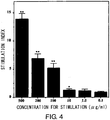
- the blastogenic activities of phosphorylated dextrans on mouse spleen cells were measured as described in Example 5, except that phosphorylated dextrans were added at concentrations of 100 ng/ml, 1 ⁇ g/ml, 10 ⁇ g/ml, 100 ⁇ g/ml, or 200 ⁇ g/ml, the cells were incubated in RPMI-1640 medium (2% FCS) under 5% CO 2 at 37°C for 48 hours, and methyl-[ 3 H]-thymidine uptakes were measured. Blastogenic activity was estimated by calculating S.I. values from the radioactivity, compared with a control.
- the blastogenic activities of phosphorylated dextrans on mouse spleen cells were determined as described in Example 5, except that the cells were incubated at phosphorylated dextran concentrations of 200 ⁇ g/ml for 12, 24, 48, 72, or 120 hours, and methyl- [ 3 H]-thymidine for pulse labeling was added at 9.25 kBq per well, 16 hours before the end of incubation. After the incubation, methyl- [ 3 H]-thymidine uptake was measured. The blastogenic activity was estimated by calculating the S.I. value from the radioactivity, compared with a control.
- the mouse spleen cell suspension prepared in Example 4 was washed by centrifugation (at 2,500 rpm for five minutes at 4°C) with a buffer for cell separation (0.5% BSA, 2mM EDTA/-PBS). 3x 10 7 cells were incubated at 4°C for 15 minutes with 50 ⁇ l of a 20-times diluted biotinylated anti-mouse CD45R antibody (CLTAG Lab, Burlingame, CA). The cells were washed by centrifugation with the cell separation buffer (five minutes at 2,500 rpm and 4°C), and the supernatant was then discarded.
- the cells thus obtained were collected by centrifugation and re-suspended in RPMI-1640 containing 10% FCS.
- the blastogenic activity was then determined using the method described above, except that the stimulation by phosphorylated NPS was carried out at a concentration of 100 ⁇ g/ml, and the cells were incubated for 48 hours.
- ConA which is a T cell mitogen
- LPS which is a B cell mitogen
- the blastogenic activity of phosphorylated dextrans 100 ⁇ g/ml
- the S.I. value was 13 ( Fig. 6 ). This indicates that phosphorylated dextrans are B cell mitogens.
- Mouse spleen cells were transferred onto a 24-well microplate (SUMITOMO BAKELITE CO., LTD. Tokyo, Japan) to give 4x 10 6 cells per well in an aliquot of 500 ⁇ l.
- a phosphorylated dextran was added to a concentration of 200 ⁇ g/ml.
- the plate was then incubated under 5% CO 2 at 37°C for 24 hours.
- RPMI-1640 containing 10% FCS was used as a culture medium. After incubation, the cells were collected by centrifugation (five minutes at 2400 rpm and 4°C), and washed with FACS washing buffer (PBS containing 2% FCS and 0.01% NaN 3 ) by centrifugation (five minutes at 2400 rpm and 4°C).
- the cell surface antigens were determined by immunostaining using anti-CD69 antibody and anti-CD86 antibody. Specifically, 20-fold diluted PE-labeled anti-mouse CD86 antibody (CALTAG), 20-fold diluted FITC-labeled anti-mouse CD8 antibody (Serotec Ltd., Kidlington, UK), and 20-fold diluted biotin-labeled anti-mouse CD11c antibody (CALTAG), were added to the cell pellet in various combinations. The mixtures were mixed well and then allowed to react in the dark for 15 minutes at room temperature. The cells were washed with FACS washing buffer by centrifugation (five minutes at 2400 rpm and 4°C).
- cytokine genes in response to phosphorylated dextran stimulation was analyzed by the RT-PCR technique.
- the mouse spleen cell suspension was transferred onto a 24-well microplate as a series of 500- ⁇ l aliquots, to give 4x 10 6 cells per well.
- a dextran or a phosphorylated dextran was added to a concentration of 200 ⁇ g/ml.
- the plate was incubated under 5% CO 2 at 37°C for 12 hours.
- cell lysate was recovered by adding 1 ml of TRIzol reagent (GIBCO BRL; Grand island, N.Y) to each well, allowing the plate to stand at room temperature for five minutes, and pipetting the resulting mixture. This cell lysate was then added to the pellet of the floating cells, and the resulting mixture was well pipetted to completely lyse the cells. After allowing the lysate to stand at room temperature for five minutes, 200 ml of chloroform was added, and the mixture was vigorously mixed, and then left undisturbed for three minutes.
- RNA sample After centrifugation (15 minutes at 15,000x g and 4°C), the aqueous layer was transferred into new microtubes. 500 ml of isopropyl alcohol was added to the tube and the resulting mixture was well stirred, allowed to stand at room temperature for ten minutes, and centrifuged (15 minutes at 15,000x g and 4°C). The supernatant was then removed. The pellet was washed with cold 75% ethanol (RNase free), the ethanol was allowed to dry, and the pellet was finally dissolved into 30 ml of DEPC-H 2 O and used as an RNA sample.
- RT-PCR was carried out with RobusT RT-PCR (Daiichi Pure Chemicals, Tokyo). Specifically, RT-PCR was carried out under the conditions shown in Table 1, using the total RNA prepared from mouse spleens as a template, an oligo dT primer (pd(T)12-18), and primers for mouse ⁇ -actin, IL-7, IL-10, IL-12p40, IFN- ⁇ , and TNF- ⁇ .
- cytokine primers used are shown in Table 2.
- Table 2 Cytokines Sequences of the primers(5' to 3') ⁇ -actin forward: TGTGATGGTGGGAATGGGTCAG (SEQ ID NO:1) reverse: TTTGATGTCACGCACGATTTCC (SEQ ID NO:2)
- IL-7 forward: GTCACATCATCTGAGTGCCACA (SEQ ID NO:3) reverse: GTAGTCTCTTTAGGAAACATGCATC (SEQ ID NO:4)
- IFN- ⁇ forward: TACTGCCACGGCACAGTCATTGAA (SEQ ID NO:9) reverse: GCAGCGACTCC
- reaction solution obtained by PCR was applied to electrophoresis on a 3% agarose gel, and, after staining with ethidium bromide solution, the result was photographed using FAS-III full system +DS30 (TOYOBO, Tokyo, Japan).
- Phosphorylated dextran induced the expression of IL-10 and IFN- ⁇ mRNA in mouse spleen cells ( Fig. 9 ).
- IFN- ⁇ Activated dendritic cells are known to produce IFN- ⁇ and induce Th1 immune response.
- IFN- ⁇ is understood as an important humoral factor in the intercellular network, for regulating not only innate immunity but acquired immunity.
- IL-10 is known as a cytokine produced by Th2 cells, and in the presence of macrophages is known to suppress cytokine production by Th1 cells. The suppressing effect on IFN- ⁇ production is particularly prominent.
- Th1 and Th2 immune responses are inhibitory to each other.
- a shift in this Th1/Th2 balance toward Th2 is thought to lead to allergic diseases, while a shift toward Th1 is thought to cause inflammatory reactions, such as colitis.
- Anti-viral activity as well as various immunomodulating functions are expected as a physiological function of IFN- ⁇ .
- Steidler et al. have reported the significant improvement of inflammatory reactions in colitis model mice on the oral administration of Lactococcus lactis ssp. lactis expressing IL-10, which has a therapeutic effect on colitis ( Steidler, L., Hans, W., Schotte, L., Neirynck, S., Obermeier, F., Falk, W., Fiers, W. and Remaut, E. "Treatment of murine colitis by Lactococcus lactis secreting interleukin-10". Science, 289, 1352-1355 (2000 )).
- IFN- ⁇ and IL-10 are diverse, however, with regard to the in-vivo cytokine-mediated immunopotentiating activities of phosphorylated dextrans, the expression of that activity can be understood as cytokine interactions, and the effect of phosphorylated dextrans can be assessed based on the interactions.
- Dextrans were phosphorylated with reference to documented information regarding a phosphate buffer using orthophosphates ( Edward Tarelli and Susan F. Wheeler, "Drying from phosphate-buffered solutions can result in the phosphorylation of primary and secondary alcohol groups of saccharides, hydroxylated amino acids, proteins and glycoproteins.”, Analytical Biochemistry, 222, 196-201 (1994 )).
- 300 mg of a polysaccharide sample was suspended in 10 ml of 0.1 M phosphate buffer (pH 5.5), and the resulting mixture was stirred and heated to 70°C to completely dissolve the polysaccharide sample.
- the sample solution was freeze-dried, and then heated at 140-160°C for 24 hours.
- the sample described above was then dissolved into 30 ml of 10 mM ammonium hydrogencarbonate solution, and dialyzed against 10 mM ammonium hydrogencarbonate solution overnight.
- the sample was further dialyzed against 50 mM Tris-HCl buffer (pH 8.6) for two days to desalt (to completely remove free phosphate).
- the sample solution was gradient-eluted using a DEAE-Toyopearl 650M column (1.6 x 11 cm) .
- the sugar content in the eluate was monitored by the phenol-sulfuric acid method.
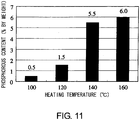
- the optimal temperature for dextran phosphorylation was examined using the same method described in the above Examples. Phosphorylation was carried out at 80C, 100, 120, 140, and 160°C. When unphosphorylated dextran was applied in anion exchange chromatography, it was all eluted in the flow-through fraction.
- the optimal temperature was determined by estimating the dextran phosphorylation efficiencies at each temperature, based on measurements of the phosphorus content in the phosphorylated dextrans, using the same method described above in Example 3.
- the phosphorus content showed high values at 140°C and 160°C ( Fig. 11 ). Though some degree of sample browning was observed at 160°C, the optimal heating temperature, where the introduction rate of phosphate group exceeded 5%, was thought to be 140-160°C.
- the blastogenic activity on lymphocytes derived from mouse spleens was measured for the phosphorylated dextrans prepared by the method described in the above Example, using the same method described in Example 5. Those phosphorylated dextrans prepared at phosphorylation temperatures of 100, 120, 140, or 160°C were used.
- the present invention provides agents comprising a phosphorylated dextran as an active ingredient, and having an immunopotentiating activity. Since phosphorylated dextrans are B cell mitogens and activate dendritic cells, and further comprise the activity of inducing IL-10 and IFN- ⁇ , the agents of the present invention are expected to be pharmaceutical agents for preventing or treating infectious diseases, allergic diseases, or colitis.
- the phosphorylated dextrans of the present invention were revealed to comprise the activity of activating antigen-presenting cells such as dendritic cells, to enhance the antigen-presenting ability of the cells, and to stimulate the acquired immune system.
- the phosphorylated dextrans of the present invention comprise the activity of directly activating B cells, it is thought that the phosphorylated dextrans of the present invention can be used as effective adjuvants, by enhancing the antibody producing ability of B cells.
- compositions comprising a phosphorylated dextran are expected as functional foods comprising immunological activities of contributing to the maintenance and improvement of human health.
- the present invention demonstrates the importance of the phosphate groups in dextran molecules on the expression of immunological activities, the present invention is highly important as fundamental data for the development of functional foods.
Landscapes
- Health & Medical Sciences (AREA)
- Life Sciences & Earth Sciences (AREA)
- Chemical & Material Sciences (AREA)
- Medicinal Chemistry (AREA)
- General Health & Medical Sciences (AREA)
- Public Health (AREA)
- Veterinary Medicine (AREA)
- Chemical Kinetics & Catalysis (AREA)
- Organic Chemistry (AREA)
- Pharmacology & Pharmacy (AREA)
- Animal Behavior & Ethology (AREA)
- Engineering & Computer Science (AREA)
- Nuclear Medicine, Radiotherapy & Molecular Imaging (AREA)
- General Chemical & Material Sciences (AREA)
- Bioinformatics & Cheminformatics (AREA)
- Pulmonology (AREA)
- Molecular Biology (AREA)
- Immunology (AREA)
- Epidemiology (AREA)
- Biochemistry (AREA)
- Materials Engineering (AREA)
- Polymers & Plastics (AREA)
- Ophthalmology & Optometry (AREA)
- Otolaryngology (AREA)
- Oncology (AREA)
- Communicable Diseases (AREA)
- Pharmaceuticals Containing Other Organic And Inorganic Compounds (AREA)
- Polysaccharides And Polysaccharide Derivatives (AREA)
- Coloring Foods And Improving Nutritive Qualities (AREA)
Claims (6)
- Phosphoryliertes Dextran als Wirkstoff für die Verwendung bei der Vorbeugung oder Behandlung von Infektionskrankheiten, Colitis, oder allergischen Erkrankungen.
- Verwendung von phosphoryliertem Dextran als Wirkstoff zur Herstellung einer pharmazeutischen Zusammensetzung für die Vorbeugung oder Behandlung von Infektionskrankheiten, Colitis, oder allergischen Erkrankungen.
- Das phosphorylierte Dextran für die Verwendung gemäß Anspruch 1, wobei die Vorbeugung oder Behandlung durch die Induktion von IL-10 oder IFN-γ erreicht wird.
- Die Verwendung nach Anspruch 2, wobei die Vorbeugung oder Behandlung durch die Induktion von IL-10 oder IFN-γ erreicht wird.
- Das phosphorylierte Dextran für die Verwendung nach Anspruch 1, welches zur oralen Verabreichung vorgesehen ist.
- Die Verwendung nach Anspruch 2, wobei die pharmazeutische Zusammensetzung zur oralen Verabreichung vorgesehen ist.
Applications Claiming Priority (5)
| Application Number | Priority Date | Filing Date | Title |
|---|---|---|---|
| JP2002213305 | 2002-07-23 | ||
| JP2002213305 | 2002-07-23 | ||
| JP2003050739A JP2004107316A (ja) | 2002-07-23 | 2003-02-27 | リン酸化デキストラン |
| JP2003050739 | 2003-02-27 | ||
| PCT/JP2003/009324 WO2004009099A1 (ja) | 2002-07-23 | 2003-07-23 | リン酸化デキストラン |
Publications (3)
| Publication Number | Publication Date |
|---|---|
| EP1543833A1 EP1543833A1 (de) | 2005-06-22 |
| EP1543833A4 EP1543833A4 (de) | 2009-12-30 |
| EP1543833B1 true EP1543833B1 (de) | 2017-09-06 |
Family
ID=30772232
Family Applications (1)
| Application Number | Title | Priority Date | Filing Date |
|---|---|---|---|
| EP03765361.5A Expired - Lifetime EP1543833B1 (de) | 2002-07-23 | 2003-07-23 | Phosphoryliertes dextran |
Country Status (6)
| Country | Link |
|---|---|
| US (1) | US20060154896A1 (de) |
| EP (1) | EP1543833B1 (de) |
| JP (1) | JP2004107316A (de) |
| AU (1) | AU2003252244A1 (de) |
| TW (1) | TW200404554A (de) |
| WO (1) | WO2004009099A1 (de) |
Families Citing this family (4)
| Publication number | Priority date | Publication date | Assignee | Title |
|---|---|---|---|---|
| JP2006028075A (ja) * | 2004-07-15 | 2006-02-02 | Sanrihama Tokusan Nogyo Kyodo Kumiai | リン酸化フルクタン及びその調製方法 |
| JP2007204456A (ja) * | 2006-02-06 | 2007-08-16 | Oji Paper Co Ltd | リン酸化澱粉を含んでなる動物成長促進剤 |
| RU2468804C2 (ru) * | 2009-11-11 | 2012-12-10 | Учреждение Белорусского государственного университета "Научно-исследовательский институт физико-химических проблем" | Гелеобразующие смешанные фосфорнокислые и карбаматные эфиры декстрана, способ их получения |
| EP4188965A1 (de) | 2020-07-14 | 2023-06-07 | Massachusetts Institute of Technology | Synthetische heparinmimetika und verwendungen davon |
Family Cites Families (4)
| Publication number | Priority date | Publication date | Assignee | Title |
|---|---|---|---|---|
| JPS5141083A (ja) * | 1974-10-04 | 1976-04-06 | Shigeo Suzuki | Kodonoseibutsukatsuseiojusurudekisutoranhoririnsanesuteru no seizoho |
| JP3240102B2 (ja) * | 1994-08-11 | 2001-12-17 | 江崎グリコ株式会社 | リン酸化糖とその製造方法 |
| NL1011680C2 (nl) * | 1999-03-26 | 2000-09-27 | Nutricia Nv | Voedingssamenstellen die licht negatief geladen, niet-verteerbare polysacchariden bevatten en gebruik ervan voor het verminderen van transport door tight junctions. |
| US20040224922A1 (en) * | 1999-08-26 | 2004-11-11 | Malcolm King | Use of charged dextran as a mucoactive agent and methods and pharmaceutical compositions relating thereto |
-
2003
- 2003-02-27 JP JP2003050739A patent/JP2004107316A/ja active Pending
- 2003-07-17 TW TW092119499A patent/TW200404554A/zh not_active IP Right Cessation
- 2003-07-23 WO PCT/JP2003/009324 patent/WO2004009099A1/ja not_active Ceased
- 2003-07-23 EP EP03765361.5A patent/EP1543833B1/de not_active Expired - Lifetime
- 2003-07-23 US US10/522,047 patent/US20060154896A1/en not_active Abandoned
- 2003-07-23 AU AU2003252244A patent/AU2003252244A1/en not_active Abandoned
Non-Patent Citations (1)
| Title |
|---|
| None * |
Also Published As
| Publication number | Publication date |
|---|---|
| WO2004009099A1 (ja) | 2004-01-29 |
| US20060154896A1 (en) | 2006-07-13 |
| EP1543833A1 (de) | 2005-06-22 |
| EP1543833A4 (de) | 2009-12-30 |
| AU2003252244A1 (en) | 2004-02-09 |
| TWI319709B (de) | 2010-01-21 |
| JP2004107316A (ja) | 2004-04-08 |
| TW200404554A (en) | 2004-04-01 |
Similar Documents
| Publication | Publication Date | Title |
|---|---|---|
| Choi et al. | Augmentation of macrophage functions by an aqueous extract isolated from Platycodon grandiflorum | |
| Yu et al. | Anti-inflammatory potential of probiotic strain Weissella cibaria JW15 isolated from kimchi through regulation of NF-κB and MAPKs pathways in LPS-induced RAW 264.7 cells | |
| Bajpai et al. | Exopolysaccharide and lactic acid bacteria: Perception, functionality and prospects | |
| CN101987107A (zh) | 免疫调节性寡糖 | |
| CN110917207A (zh) | 用于预防和治疗炎症性肠病的生物多糖及其应用 | |
| Jin et al. | Activation of selective transcription factors and cytokines by water-soluble extract from Lentinus lepideus | |
| KR20080034973A (ko) | 후코이단 또는 후코이단 가수분해 생성물과 면역 부활소재를 함유하는 조성물 | |
| Zhang et al. | Characteristic immunostimulation by MAP, a polysaccharide isolated from the mucus of the loach, Misgurnus anguillicaudatus | |
| JP4369258B2 (ja) | 免疫賦活剤 | |
| WO2023284848A1 (zh) | 一种高蔗果三糖含量低聚果糖及其应用 | |
| Lee et al. | Agrobacterium sp.-derived β-1, 3-glucan enhances natural killer cell activity in healthy adults: a randomized, double-blind, placebo-controlled, parallel-group study | |
| US20120277182A1 (en) | Anoectochilus spp. polysaccharide extracts for stimulating growth of advantageous bacteria, stimulating release of granulocyte colony-stimulating factor, modulating t helper cell type i, and/or modulating t helper cell type ii and uses of the same | |
| US9072768B2 (en) | Composition and method for increasing effectiveness of radiation or chemotherapy | |
| US20060154896A1 (en) | Phosphorylated dextrans | |
| Qiao et al. | Effects of Hyriopsis cumingii polysaccharides on mice immunologic receptor, transcription factor, and cytokine | |
| EP3854224B1 (de) | Immuncheckpoint-suppressor | |
| JP4448330B2 (ja) | マツタケ由来陰イオン交換樹脂吸着画分、免疫増強剤、及びストレス負荷回復促進剤 | |
| EP2508190B1 (de) | Makrophagen-phagozytose-aktivierende zusammensetzung und/oder zusammensetzung zur förderung der zytokinproduktion in makrophagen | |
| Graff et al. | Polysaccharides derived from Yamoa™(Funtumia elastica) prime γδ T cells in vitro and enhance innate immune responses in vivo | |
| JP2008120707A (ja) | 免疫賦活物質ならびにそれを含む医薬組成物、食品、飼料、および化粧品 | |
| JP6935866B2 (ja) | 食品組成物 | |
| US20040001856A1 (en) | Extract of lentinus lepideus and composition comprising the same having immune enhancing activity | |
| JP2729820B2 (ja) | 免疫賦活剤 | |
| EP1250934A1 (de) | Antikrebsmittel | |
| Ahn | Immunomodulatory effects of Ecklonia cava |
Legal Events
| Date | Code | Title | Description |
|---|---|---|---|
| PUAI | Public reference made under article 153(3) epc to a published international application that has entered the european phase |
Free format text: ORIGINAL CODE: 0009012 |
|
| 17P | Request for examination filed |
Effective date: 20050215 |
|
| AK | Designated contracting states |
Kind code of ref document: A1 Designated state(s): AT BE BG CH CY CZ DE DK EE ES FI FR GB GR HU IE IT LI LU MC NL PT RO SE SI SK TR |
|
| AX | Request for extension of the european patent |
Extension state: AL LT LV MK |
|
| A4 | Supplementary search report drawn up and despatched |
Effective date: 20091127 |
|
| 17Q | First examination report despatched |
Effective date: 20100315 |
|
| RAP1 | Party data changed (applicant data changed or rights of an application transferred) |
Owner name: MEIJI CO., LTD. |
|
| GRAP | Despatch of communication of intention to grant a patent |
Free format text: ORIGINAL CODE: EPIDOSNIGR1 |
|
| INTG | Intention to grant announced |
Effective date: 20170206 |
|
| RAP1 | Party data changed (applicant data changed or rights of an application transferred) |
Owner name: MEIJI CO., LTD. |
|
| GRAS | Grant fee paid |
Free format text: ORIGINAL CODE: EPIDOSNIGR3 |
|
| GRAA | (expected) grant |
Free format text: ORIGINAL CODE: 0009210 |
|
| AK | Designated contracting states |
Kind code of ref document: B1 Designated state(s): AT BE BG CH CY CZ DE DK EE ES FI FR GB GR HU IE IT LI LU MC NL PT RO SE SI SK TR |
|
| AX | Request for extension of the european patent |
Extension state: AL LT LV MK |
|
| REG | Reference to a national code |
Ref country code: GB Ref legal event code: FG4D |
|
| REG | Reference to a national code |
Ref country code: CH Ref legal event code: EP Ref country code: AT Ref legal event code: REF Ref document number: 925139 Country of ref document: AT Kind code of ref document: T Effective date: 20170915 |
|
| REG | Reference to a national code |
Ref country code: IE Ref legal event code: FG4D |
|
| REG | Reference to a national code |
Ref country code: DE Ref legal event code: R096 Ref document number: 60350588 Country of ref document: DE |
|
| REG | Reference to a national code |
Ref country code: NL Ref legal event code: MP Effective date: 20170906 |
|
| REG | Reference to a national code |
Ref country code: LT Ref legal event code: MG9D |
|
| PG25 | Lapsed in a contracting state [announced via postgrant information from national office to epo] |
Ref country code: SE Free format text: LAPSE BECAUSE OF FAILURE TO SUBMIT A TRANSLATION OF THE DESCRIPTION OR TO PAY THE FEE WITHIN THE PRESCRIBED TIME-LIMIT Effective date: 20170906 Ref country code: FI Free format text: LAPSE BECAUSE OF FAILURE TO SUBMIT A TRANSLATION OF THE DESCRIPTION OR TO PAY THE FEE WITHIN THE PRESCRIBED TIME-LIMIT Effective date: 20170906 |
|
| REG | Reference to a national code |
Ref country code: AT Ref legal event code: MK05 Ref document number: 925139 Country of ref document: AT Kind code of ref document: T Effective date: 20170906 |
|
| PG25 | Lapsed in a contracting state [announced via postgrant information from national office to epo] |
Ref country code: ES Free format text: LAPSE BECAUSE OF FAILURE TO SUBMIT A TRANSLATION OF THE DESCRIPTION OR TO PAY THE FEE WITHIN THE PRESCRIBED TIME-LIMIT Effective date: 20170906 Ref country code: BG Free format text: LAPSE BECAUSE OF FAILURE TO SUBMIT A TRANSLATION OF THE DESCRIPTION OR TO PAY THE FEE WITHIN THE PRESCRIBED TIME-LIMIT Effective date: 20171206 Ref country code: GR Free format text: LAPSE BECAUSE OF FAILURE TO SUBMIT A TRANSLATION OF THE DESCRIPTION OR TO PAY THE FEE WITHIN THE PRESCRIBED TIME-LIMIT Effective date: 20171207 |
|
| PG25 | Lapsed in a contracting state [announced via postgrant information from national office to epo] |
Ref country code: NL Free format text: LAPSE BECAUSE OF FAILURE TO SUBMIT A TRANSLATION OF THE DESCRIPTION OR TO PAY THE FEE WITHIN THE PRESCRIBED TIME-LIMIT Effective date: 20170906 |
|
| PG25 | Lapsed in a contracting state [announced via postgrant information from national office to epo] |
Ref country code: CZ Free format text: LAPSE BECAUSE OF FAILURE TO SUBMIT A TRANSLATION OF THE DESCRIPTION OR TO PAY THE FEE WITHIN THE PRESCRIBED TIME-LIMIT Effective date: 20170906 Ref country code: RO Free format text: LAPSE BECAUSE OF FAILURE TO SUBMIT A TRANSLATION OF THE DESCRIPTION OR TO PAY THE FEE WITHIN THE PRESCRIBED TIME-LIMIT Effective date: 20170906 |
|
| PG25 | Lapsed in a contracting state [announced via postgrant information from national office to epo] |
Ref country code: SK Free format text: LAPSE BECAUSE OF FAILURE TO SUBMIT A TRANSLATION OF THE DESCRIPTION OR TO PAY THE FEE WITHIN THE PRESCRIBED TIME-LIMIT Effective date: 20170906 Ref country code: AT Free format text: LAPSE BECAUSE OF FAILURE TO SUBMIT A TRANSLATION OF THE DESCRIPTION OR TO PAY THE FEE WITHIN THE PRESCRIBED TIME-LIMIT Effective date: 20170906 Ref country code: EE Free format text: LAPSE BECAUSE OF FAILURE TO SUBMIT A TRANSLATION OF THE DESCRIPTION OR TO PAY THE FEE WITHIN THE PRESCRIBED TIME-LIMIT Effective date: 20170906 Ref country code: IT Free format text: LAPSE BECAUSE OF FAILURE TO SUBMIT A TRANSLATION OF THE DESCRIPTION OR TO PAY THE FEE WITHIN THE PRESCRIBED TIME-LIMIT Effective date: 20170906 |
|
| REG | Reference to a national code |
Ref country code: DE Ref legal event code: R097 Ref document number: 60350588 Country of ref document: DE |
|
| PLBE | No opposition filed within time limit |
Free format text: ORIGINAL CODE: 0009261 |
|
| STAA | Information on the status of an ep patent application or granted ep patent |
Free format text: STATUS: NO OPPOSITION FILED WITHIN TIME LIMIT |
|
| REG | Reference to a national code |
Ref country code: FR Ref legal event code: PLFP Year of fee payment: 16 |
|
| PG25 | Lapsed in a contracting state [announced via postgrant information from national office to epo] |
Ref country code: DK Free format text: LAPSE BECAUSE OF FAILURE TO SUBMIT A TRANSLATION OF THE DESCRIPTION OR TO PAY THE FEE WITHIN THE PRESCRIBED TIME-LIMIT Effective date: 20170906 |
|
| 26N | No opposition filed |
Effective date: 20180607 |
|
| PG25 | Lapsed in a contracting state [announced via postgrant information from national office to epo] |
Ref country code: SI Free format text: LAPSE BECAUSE OF FAILURE TO SUBMIT A TRANSLATION OF THE DESCRIPTION OR TO PAY THE FEE WITHIN THE PRESCRIBED TIME-LIMIT Effective date: 20170906 |
|
| PGFP | Annual fee paid to national office [announced via postgrant information from national office to epo] |
Ref country code: FR Payment date: 20180725 Year of fee payment: 16 Ref country code: DE Payment date: 20180723 Year of fee payment: 16 |
|
| PGFP | Annual fee paid to national office [announced via postgrant information from national office to epo] |
Ref country code: GB Payment date: 20180719 Year of fee payment: 16 |
|
| REG | Reference to a national code |
Ref country code: CH Ref legal event code: PL |
|
| PG25 | Lapsed in a contracting state [announced via postgrant information from national office to epo] |
Ref country code: LU Free format text: LAPSE BECAUSE OF NON-PAYMENT OF DUE FEES Effective date: 20180723 Ref country code: MC Free format text: LAPSE BECAUSE OF FAILURE TO SUBMIT A TRANSLATION OF THE DESCRIPTION OR TO PAY THE FEE WITHIN THE PRESCRIBED TIME-LIMIT Effective date: 20170906 |
|
| REG | Reference to a national code |
Ref country code: BE Ref legal event code: MM Effective date: 20180731 |
|
| REG | Reference to a national code |
Ref country code: IE Ref legal event code: MM4A |
|
| PG25 | Lapsed in a contracting state [announced via postgrant information from national office to epo] |
Ref country code: CH Free format text: LAPSE BECAUSE OF NON-PAYMENT OF DUE FEES Effective date: 20180731 Ref country code: IE Free format text: LAPSE BECAUSE OF NON-PAYMENT OF DUE FEES Effective date: 20180723 Ref country code: LI Free format text: LAPSE BECAUSE OF NON-PAYMENT OF DUE FEES Effective date: 20180731 |
|
| PG25 | Lapsed in a contracting state [announced via postgrant information from national office to epo] |
Ref country code: BE Free format text: LAPSE BECAUSE OF NON-PAYMENT OF DUE FEES Effective date: 20180731 |
|
| REG | Reference to a national code |
Ref country code: DE Ref legal event code: R119 Ref document number: 60350588 Country of ref document: DE |
|
| GBPC | Gb: european patent ceased through non-payment of renewal fee |
Effective date: 20190723 |
|
| PG25 | Lapsed in a contracting state [announced via postgrant information from national office to epo] |
Ref country code: TR Free format text: LAPSE BECAUSE OF FAILURE TO SUBMIT A TRANSLATION OF THE DESCRIPTION OR TO PAY THE FEE WITHIN THE PRESCRIBED TIME-LIMIT Effective date: 20170906 |
|
| PG25 | Lapsed in a contracting state [announced via postgrant information from national office to epo] |
Ref country code: DE Free format text: LAPSE BECAUSE OF NON-PAYMENT OF DUE FEES Effective date: 20200201 Ref country code: GB Free format text: LAPSE BECAUSE OF NON-PAYMENT OF DUE FEES Effective date: 20190723 |
|
| PG25 | Lapsed in a contracting state [announced via postgrant information from national office to epo] |
Ref country code: PT Free format text: LAPSE BECAUSE OF FAILURE TO SUBMIT A TRANSLATION OF THE DESCRIPTION OR TO PAY THE FEE WITHIN THE PRESCRIBED TIME-LIMIT Effective date: 20170906 Ref country code: HU Free format text: LAPSE BECAUSE OF FAILURE TO SUBMIT A TRANSLATION OF THE DESCRIPTION OR TO PAY THE FEE WITHIN THE PRESCRIBED TIME-LIMIT; INVALID AB INITIO Effective date: 20030723 |
|
| PG25 | Lapsed in a contracting state [announced via postgrant information from national office to epo] |
Ref country code: FR Free format text: LAPSE BECAUSE OF NON-PAYMENT OF DUE FEES Effective date: 20190731 Ref country code: CY Free format text: LAPSE BECAUSE OF FAILURE TO SUBMIT A TRANSLATION OF THE DESCRIPTION OR TO PAY THE FEE WITHIN THE PRESCRIBED TIME-LIMIT Effective date: 20170906 |